The Five Nights At Freddy’s Movie Is Coming!

After nine long years of waiting through countless script rewrites (12 to be exact), overall restarts, company changes, and even director switches, the Five Nights at Freddy’s movie is finally upon us. In just one week, we will see the beloved animals we’ve become acquainted with on the big screen. As a fan of the online game Five Nights at Freddy’s (FNAF) since 2014, to say I’m excited for this movie is the understatement of the century. Jason Blum, Emma Tammi, and of course, Scott Cawthon worked tirelessly through the many road bumps of production and were determined to deliver Freddy and the gang to the big screen.
Alright, you may be wondering, “How big of a FNAF nerd is this guy?” and to that I say, be prepared. My journey started where most people did, with famous YouTuber,  Markiplier’s Five Nights at Freddy’s gameplay. I remember being frightened and Bonnie’s uncanny appearance in the thumbnail when I was only a kid (I didn’t even know he was a bunny back then, since his ears are cropped out of the frame on that video).  Since then, I’ve kept up with every game entry, piece of media, and how could anyone forget the massive waves of merchandise, good or mediocre. My room ia practically walled with many of the franchise’s posters, I have over 60ish plushies, and I have almost every book ever produced in the franchise. To say this movie was a dream come true is underexaggerating my excitement! Alright, you may be wondering, “How big of a FNAF nerd is this guy?” and to that I say, be prepared. My journey started where most people did, with famous YouTuber,  Markiplier’s Five Nights at Freddy’s gameplay. I remember being frightened and Bonnie’s uncanny appearance in the thumbnail when I was only seven (I didn’t even know he was a bunny back then, since his ears are cropped out of the frame on that video).  Since then, I’ve kept up with every game entry, piece of media, and how could anyone forget the massive waves of merchandise, good or mediocre. My room is practically walled with many of the franchise’s posters, I have over 60ish plushies, and I have almost every book ever produced in the franchise. To say this movie was a dream come true is underexaggerating my excitement!

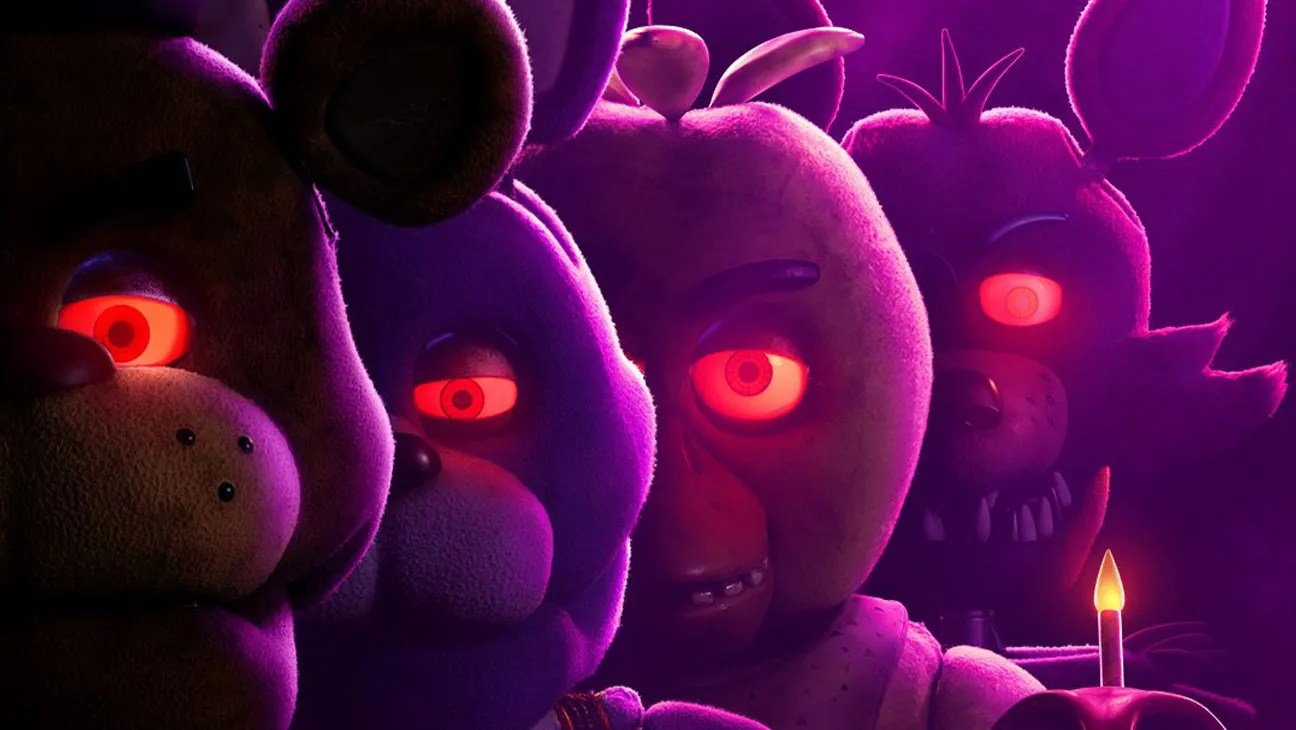
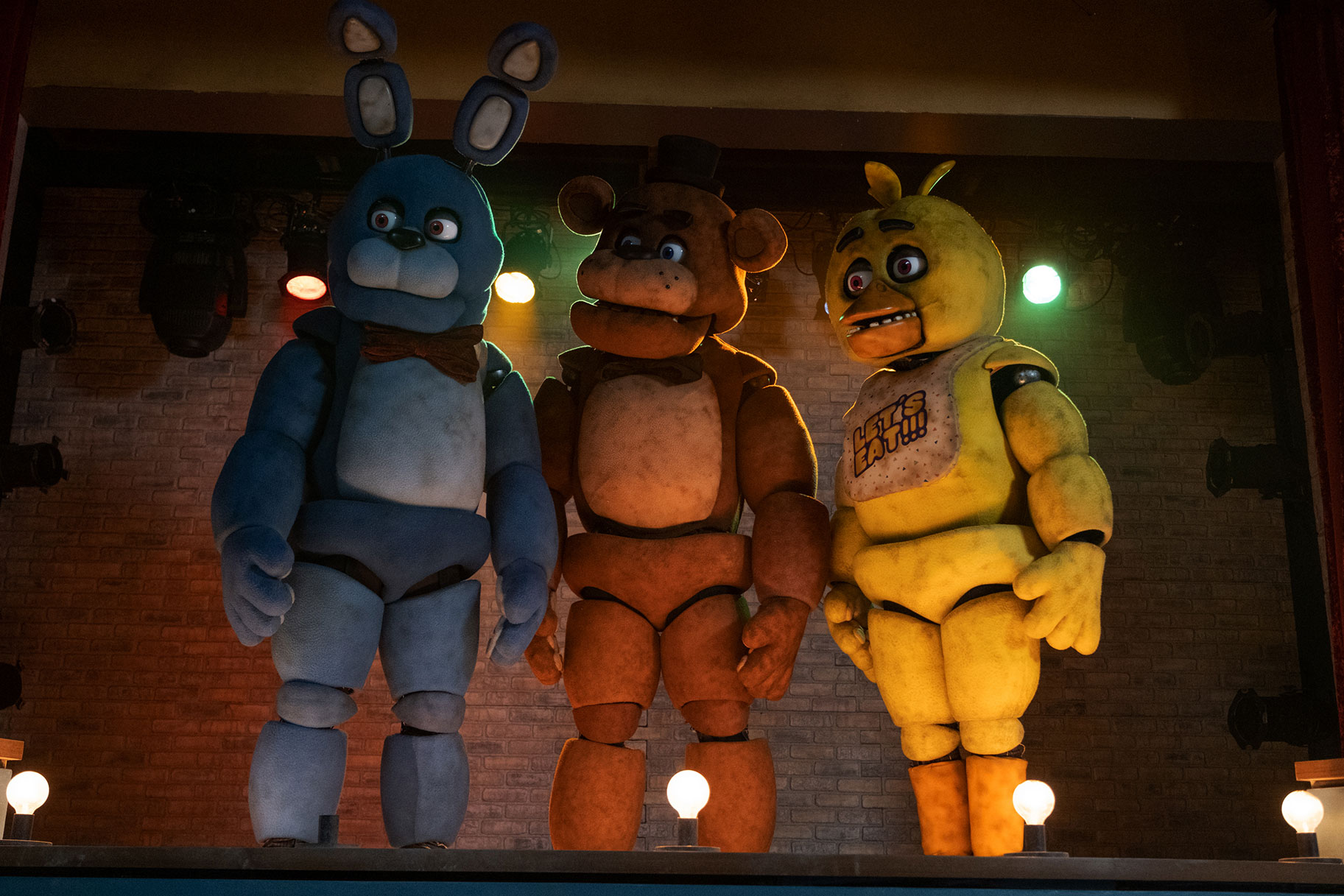
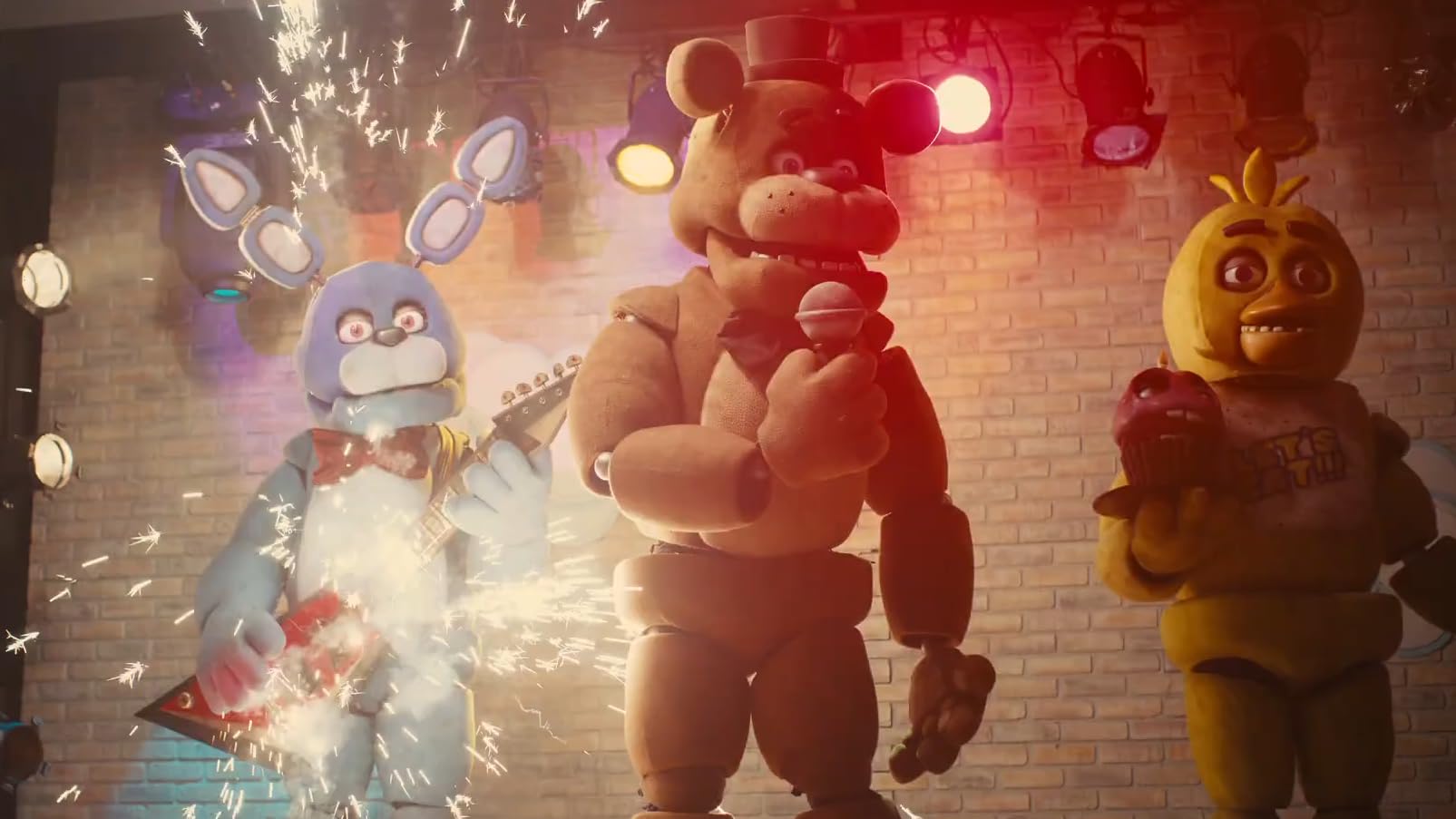
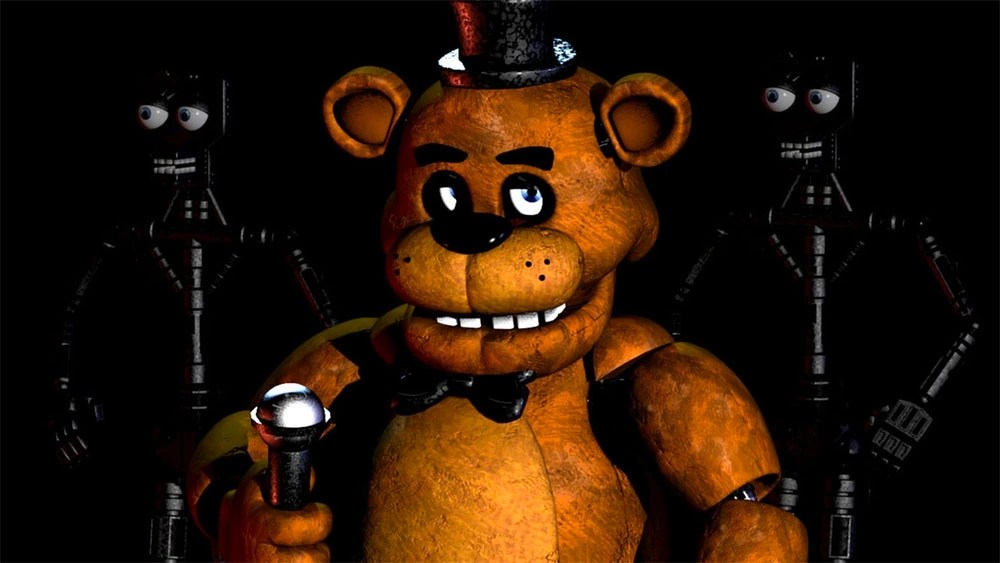
The four main animatronics, Freddy Fazbear, Bonnie, Chica, and Foxy have been treated with immense care when thinking about how to translate them into real-life functioning robots and suits. They are almost ripped straight from the video games, and I couldn’t be more grateful for that. I think despite it being a horror movie, it has a major chance to stand out among great video game adaptations, alongside The Super Mario Bros. Movie, Sonic the Hedgehog 2, and Arcane. It is projected to be the highest grossing opening for any horror film ever, which shows the power of our fan base. It’s safe to say I think we are all excited for this movie!
And of course, how could we wrap up our discussion of the FNAF movie without talking about Scott Cawthon’s upbringing. When Scott was starting off with computers, he first made direct-to-video short movies; in fact, they were Christian movies! He made a less than stellar paycheck doing this, so he eventually turned to game development. His first notable game was titled: The Desolate Hope. In this game, you play as a sentient coffee maker running through this dark and mechanical world filled with giant robots. Of course, this would be part of the inspiration for Five Nights at Freddy’s, but the true spark was with his last game before FNAF, Chipper and Sons Lumber Co.

This game was thought by most people as just okay. Some people thought it was bad however, and one person left a review that would change the course of Scott’s life. Scott was not a “great” modeler back then, so this person commented that the game was boring, and that Chipper looked like he was a scary animatronic bear and belonged in a horror game. SPARK! After this, Scott put together Five Nights at Freddy’s, which was about a security guard in a Chuck E. Cheese-type of restaurant at night who is stalked by deadly animatronic robots that came to life. Cawthon even looked to fund the game online. Unfortunately, he raised zero dollars, but of course, releasing it through self funding more than paid back for the development of the game.
Now that we’ve talked about the developer, I think it’s time to talk about what I think the story of the movie will be. Spoilers will indeed follow.

Continue reading
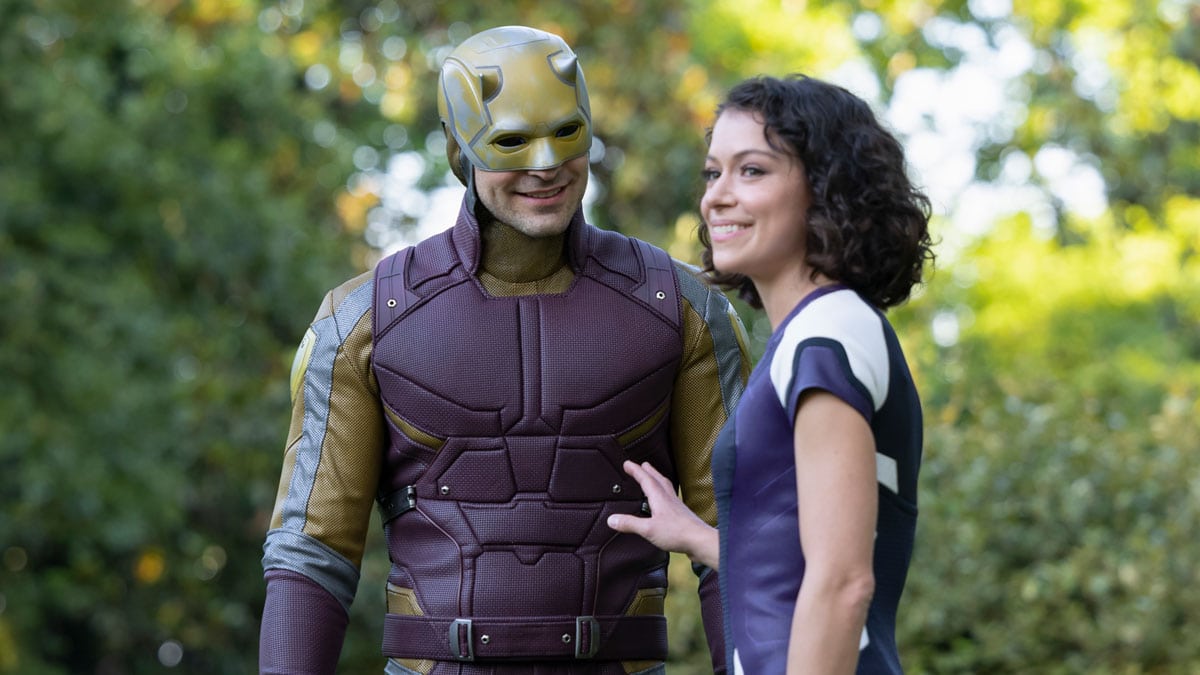
Daredevil Dead Again & Other MCU TV Shows Blues

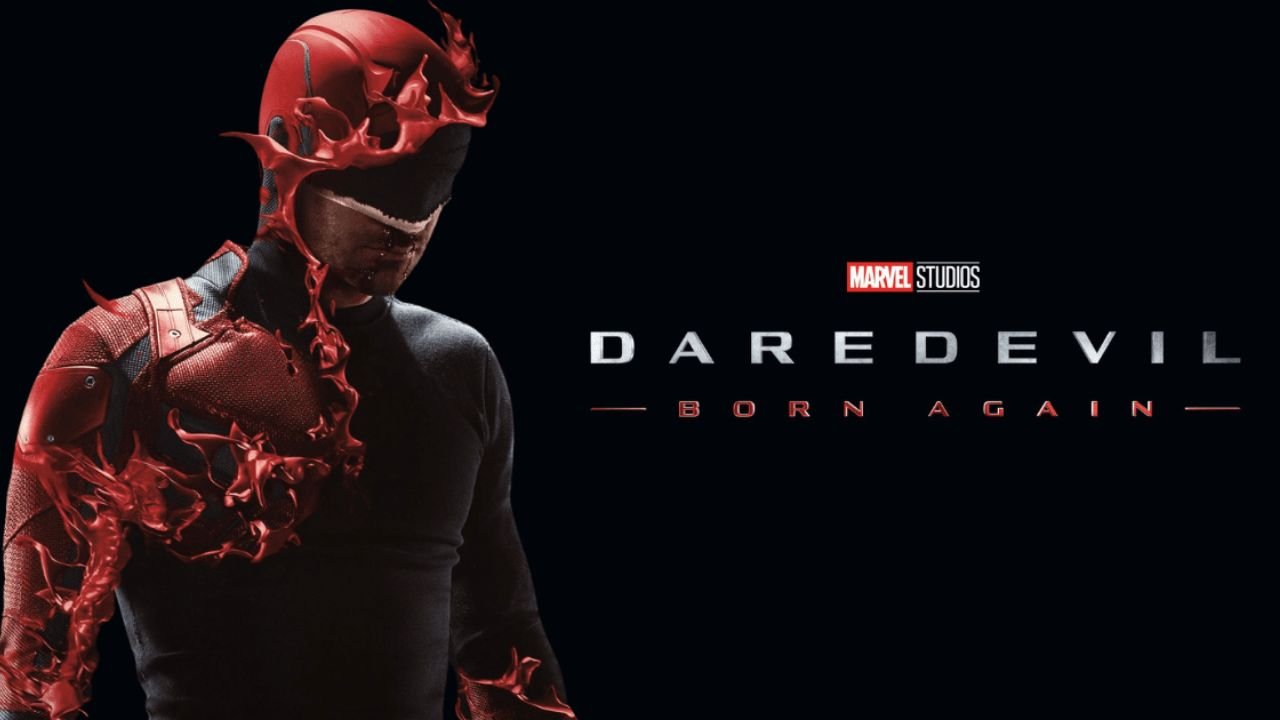
Things just seem to be going from bad to worse for the Disney+ Marvel Cinematic Universe (MCU) TV shows. For the most part, some of the recent MCU TV shows have been poorly received by fans and critics who griped about the inconsistent tone of the episodes, half-finished scripts and poor special effects. The MCU TV shows hit their lowest point with Secret Invasion, which should have been a lot better but instead turned out to be the worst MCU presentations. There have been a lot of reports and rumors about how Marvel Studios head Kevin Feige is going out of his way to right the ship with the MCU. This has led to substantial delays and cancellation of projects. But the news last week that the upcoming Daredevil: Born Again has been essentially scrapped created a lot of concern for fans.

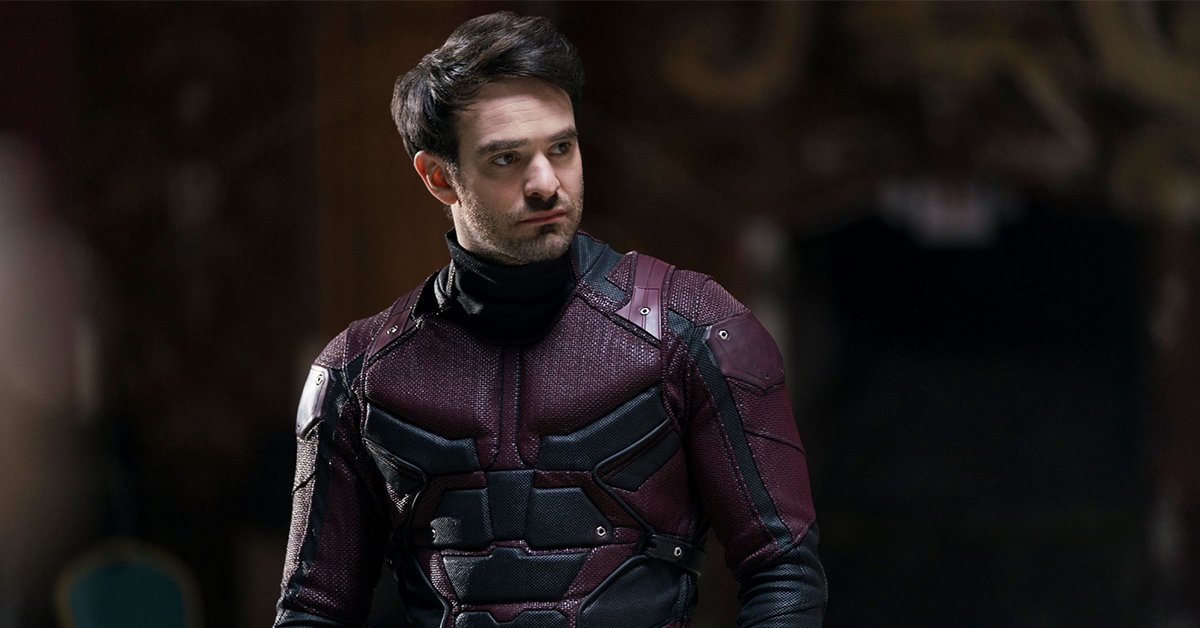
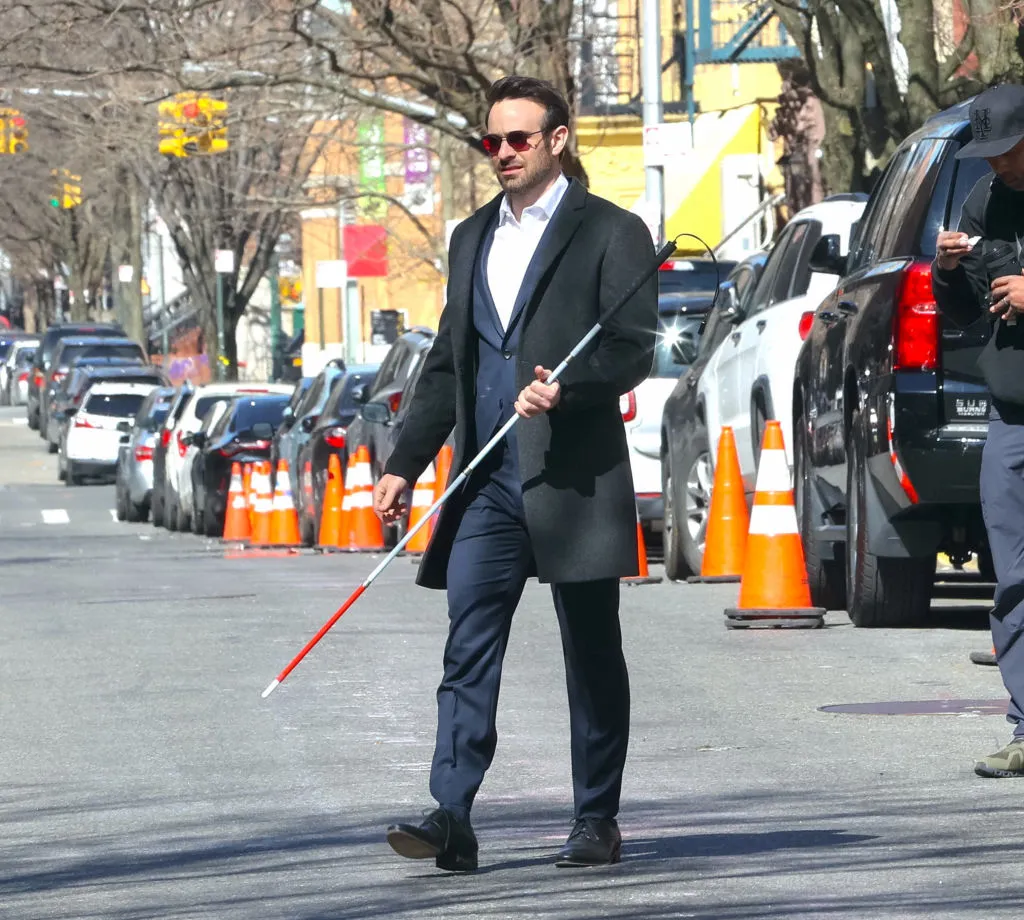
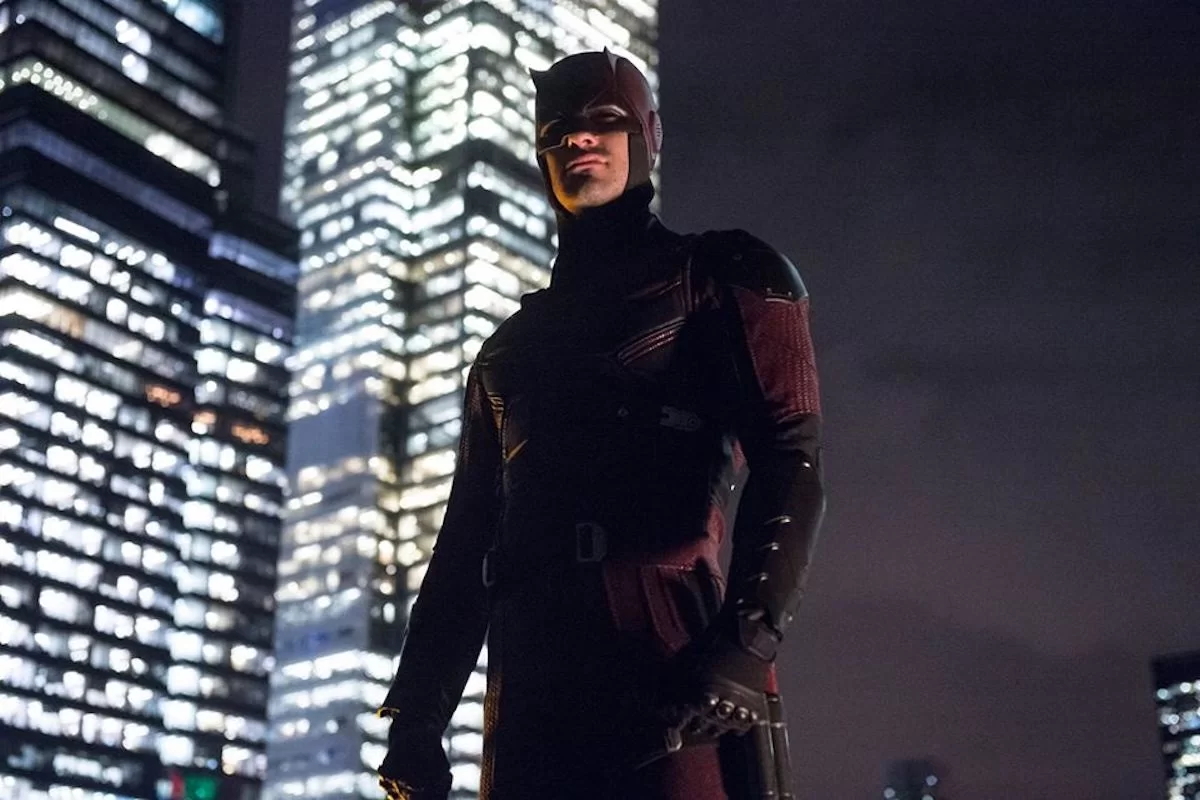
Daredevil: Born Again has been one of the most anticipated MCU projects since it brought back Charlie Cox as the title character. He won so much acclaim for his performance as Matt Murdock/Daredevil in the Netflix TV series Daredevil, which was about a blind superhero with enhanced senses fighting crime in Manhattan. That series ran for three seasons and was considered to be among the greatest superhero TV shows based on a Marvel Comics charater. Fans wondered if the TV show would ever be revived and saw reason to hope when Cox reprised his role in the film Spider-Man: No Way Home and the TV show She-Hulk: Attorney at Law. Naturally, many were excited when Kevin Feige announced that a new Daredevil TV show was being produced by Marvel Studios.

Not a lot was known about Daredevil: Born Again other than aside from Cox, Vincent D’Onofrio would reprise his role as Wilson Fisk/The Kingpin, the brutal crime lord that rules New York’s criminal society. Supposedly, the overall plot had to do with the consequences of Fisk being elected as the mayor of New York. But there were some aspects about the show that put off fans, namely that Elden Henson and Deborah Ann Woll would not return to play their beloved characters Foggy Nelson and Karen Page. In fact, there have been leaks that both characters were killed off in Daredevil: Born Again. Also, there seemed to be an effort by the executives to not associate it with the Netflix series. This did not make sense since Daredevil was so revered and it was only logical to continue that show instead of doing a reboot given that the same lead actor was returning.

Production came to a halt with the TV show due to the writer and actors strikes, which has crippled film and TV productions this year. At the onset of the strike only a few episodes had been completed and it was supposed to have an eighteen-episode run.

Marvel Studios has been having issues with the quality of many of their projects, especially the TV shows, and this resulted in diminishing returns. As we all know, Marvel Studios and Kevin Feige had been stretched very thin by mandates by Disney to produce more product and there are only so many resources and time available to consistently produce quality products. This is how we got poorly received films and TV shows like Secret Invasion, Eternals and Ant-Man and the Wasp: Quantumania. Naturally, this has forced Marvel Studios to take a hard look at their current and upcoming projects and honestly assess them.

This assessment and the realization that the market was being flooded with too many films and TV shows have led to delayed releases for their projects. In some cases, projects have either been scrapped or will undergo significant revisions. Unfortunately, this included Daredevil: Born Again.

According to a report in The Hollywood Reporter, Kevin Feige reviewed what had been filmed with the new Daredevil TV show and admitted that it was not working. It was turning out to be a procedural lawyer show that de-emphasized Daredevil and Matt Murdock did not even don the Daredevil suit until the fourth episode. This has led to the dismissal of the writers and directors and the show is now back to square one.

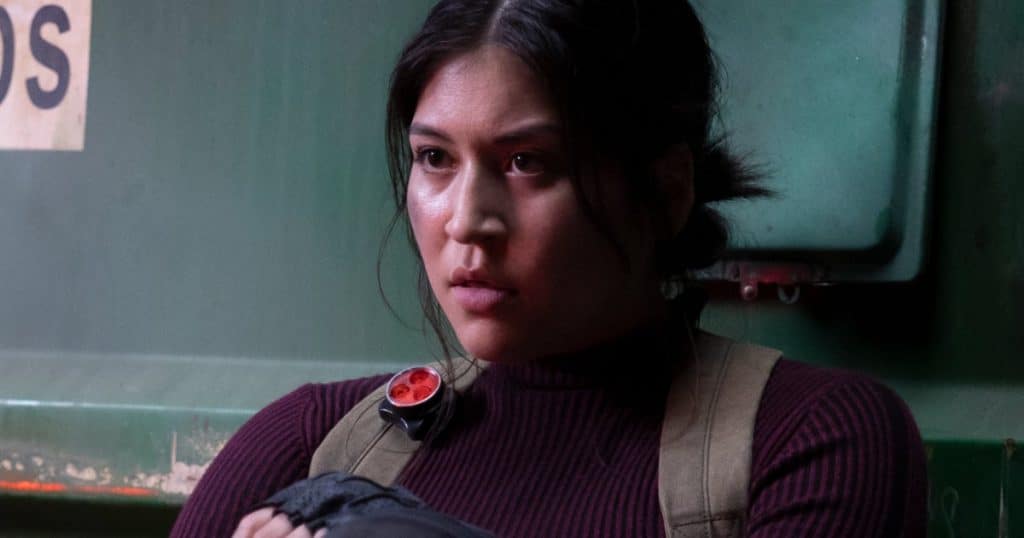
But Daredevil: born Again is not the only casualty. It has been rumored that a planned TV show, Visionquest, based on the android hero, the Vision, has been cancelled. Echo, which has been completed and feature Daredevil, keeps being delayed because it’s supposedly not well done and Marvel Studios is trying to fix it through editing. Agatha: Darkhold Diaries also seems to be a victim of constant retinkering given that the TV show based on the witch Agatha Harkness has had so many title changes. Ironheart, has been completed for some time, yet there isn’t any clear indication of when it will stream on Disney+. Rumors for upcoming MCU projects featuring Nova, Okoye and the Silver Surfer have stopped giving the impression that they also have been scrapped.

On the one hand this implosion of MCU TV shows is cause for concern given the high reputation Marvel Studios has with fans and most critics (excepting snobs like Martin Scorsese). Some panicking fans will use this situation to declare that superhero fatigue is upon us. But that is not necessarily so. The reason for diminishing returns in metrics and box office returns is due to diminished and inferior product that is not up to par with past MCU projects. If a film or TV show is great, people will seek it out, for the most part. Look at how well some recents films and TV shows performed. These include Guardians of the Galaxy, Vol. 3, WandaVision, Loki, Spider-Man: No Way Home and Werewolf By Night. Right now, Loki, which began its second season a couple of weeks ago is removing the sting of the dismal Secret Invasion. However, it’s early for the show and it could wind up becoming an uneven disappointment. Another problem for Marvel Studios is that they do not have a lot of experience creating TV shows and it can be seen with their finished products. Most of them seem like overlong films instead of TV shows that are a different medium with a distinct method of storytelling.

On the other hand, these delays, cancellations and retoolings are a sign that Kevin Feige and Marvel Studios have acknowledged that things are not working for their projects. It is far better to course correct now with Daredevil and be willing to go back to the drawing board. Otherwise, can anyone imagine what would happen if Daredevil: Born Again turns out to be another Secret Invasion? One thing Marvel Studios should do is bring back the folks who were behind Daredevil like Drew Goddard. He and the other creatives behind Daredevil knew how to handle the character and his world, and it would reassure fans. Anyway, with less projects to deal with, Marvel Studios now has more bandwidth to ensure that they create superior films and TV shows that will be up to their usual high standards. So, while we may have to wait longer to see the full return of Daredevil, we can be comforted knowing that it will be worth the wait.

Ahsoka Is An Incomplete Star Wars TV Show

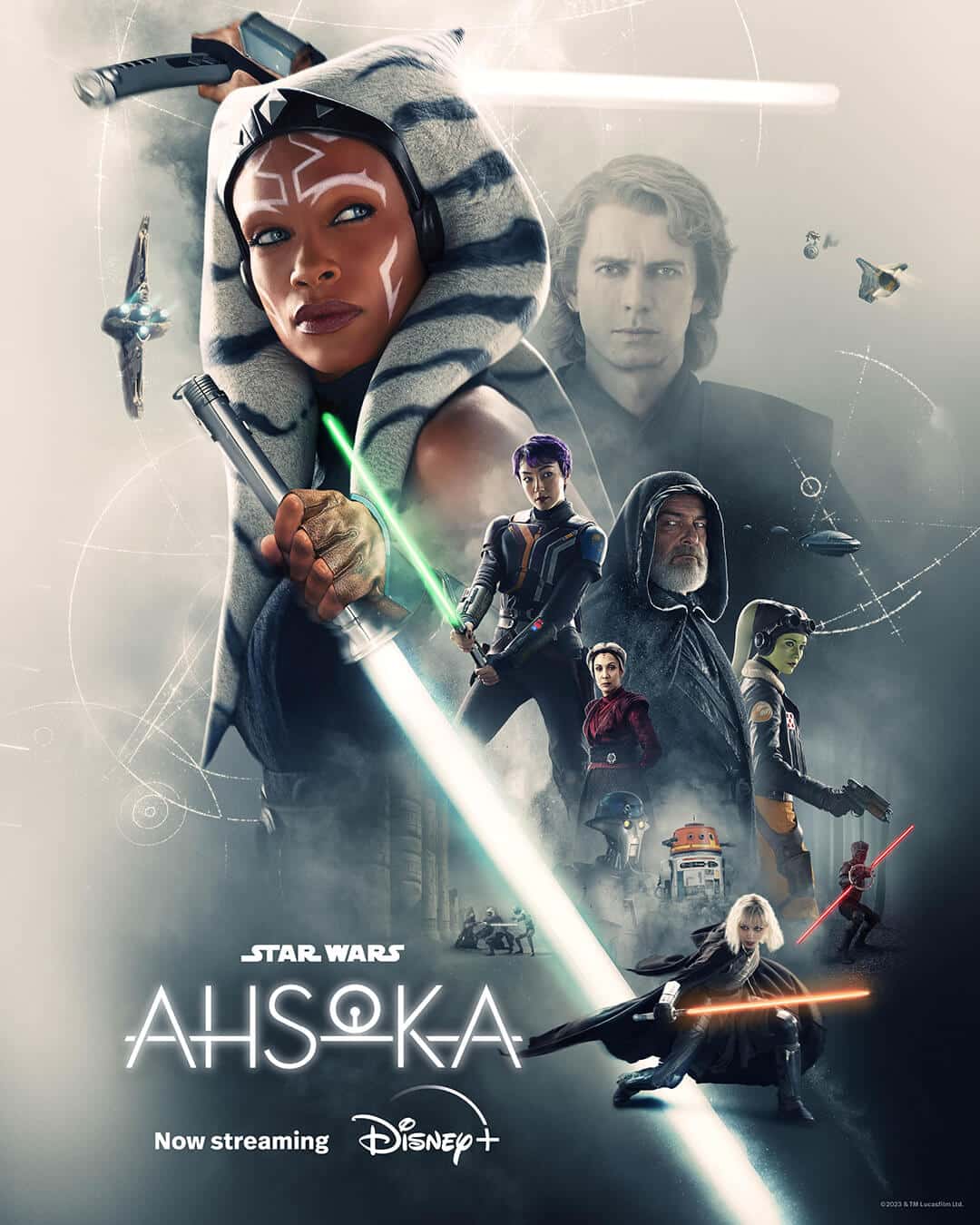
The latest Star Wars TV show streaming on Disney+, Ahsoka, just concluded its first season which left many questions unanswered while providing lots of member berries for Star Wars fans. Whether or not that is bad or good would depend if you are a fan of Star Wars: The Clone Wars and Star Wars: Rebels.

Ahsoka is for the most part an enjoyable and even riveting Star Wars TV show with great characters, special effects and expands the Star Wars lore. On the other hand, its pace is uneven with some episodes feeling wooden and stilted thanks to timid direction and it crams in so many characters and sub-plots that could not possibly be resolved in eight episodes. Guess what? Many of the sub-plots were left unresolved. This gave the impression that Ahsoka was merely a prologue for a larger storyline. Evidence for this is the fact that a Star Wars film is being planned that will combine the stories and characters from Ahsoka and most of the recent Star Wars TV shows. That’s very ambitous, but after viewing the final episode, the overral feeling is that the TV show is incomplete.

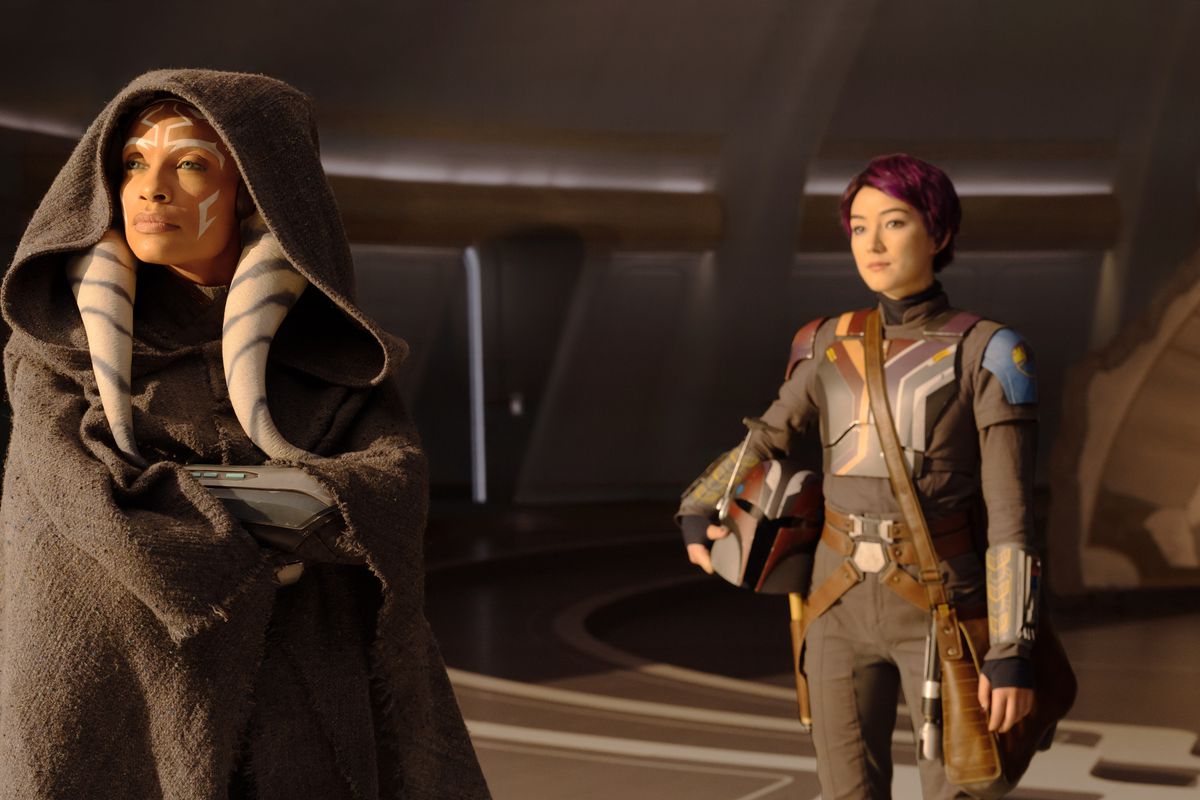
Rosario Dawson stars as the title character, Ahsoka Tano, a former Jedi who embarks on a quest with her former Jedi apprentice Sabine Wren (Natasha Liu Bordizzo) to find their fellow Jedi Ezra Bridger (Erman Esfandi), who is trapped in another galaxy along with their formidable enemy Grand Admiral Thrawn (Lars Mikkelson). During their adventures the duo uncover a plot by members of the defeated Galactic Empire who are trying to bring Thrawn and his army to the main Star Wars galaxy in order to conquer the New Republic and restore the Empire. With the officials of the New Republic unwilling to help them, Ahsoka, Wren and their Jedi droid Huyang (David Tennant) set off on their own to stop the plot, in addition to rescuing their friend.

If this sounds complex, then you are correct. Anyone watching the series will be able to follow along with its storyline, but there is a nagging feeling that there are so many details and nuances that will go over the heads of casual viewers. The very first Star Wars film was like this, but it was easier to follow and was more engaing. A major flaw with Ahsoka was that the early episodes were a chore to watch thanks to its deliberate pace and line delivery.

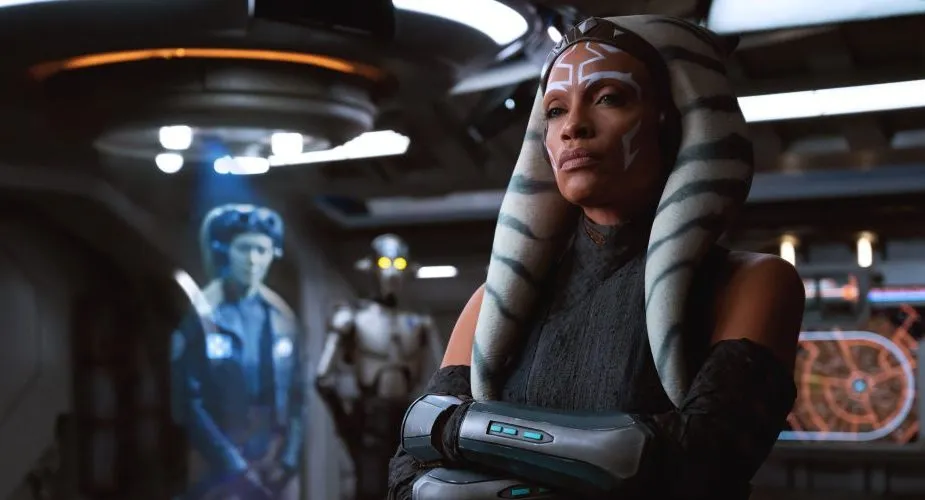
This is concerning because the worst episode was the first one and it not only set the way Ahoska was presented but it was directed by Dave Filoni, the major producer of the recent Star Wars TV shows, including the acclaimed animated TV shows. He helped expand the Star Wars lore with Star Wars: The Clone Wars and Star Wars: Rebels, but his live-action directorial effort fell short and what’s worse is that he will direct the Star Wars film that combines these stories and characters. He was largely responsible for the creation and cultivation of Ahsoka Tano and his attempt to bring her to life was disappointing. Throughout the TV show, Ahsoka would stand around, fold her arms and take long moments to reply to others. This Ahsoka is not anything like the quippy and spirited young Jedi that first appeared in Star Wars: The Clone Wars and won the hearts of many fans. This older live-action version of Ahsoka is so stiff and stoic that Sabine easily steals the show with her emotional journey to become a Jedi. Sabine has more emotion and heart and it was easy to identify with her, especially since she had such a poor connection to the Force that Jedi tricks and skills were a chore for her.

The fact that we identified more with Sabine than Ahsoka is a another fault with Ahsoka given that the show is named after her. This is a troubling trend with many Star Wars TV shows like The Book of Boba Fett and the third season of The Mandalorian. Like with those TV shows, there was even an episode where Ahsoka barely appeared. There are too many moments where it feels as if this show is in reality the fifth live-action season of Star Wars: Rebels. It might have served the TV show and Star Wars fans better if it was retitled. This is a disservice to Ahsoka since she is one of the most captivating Star Wars characters.

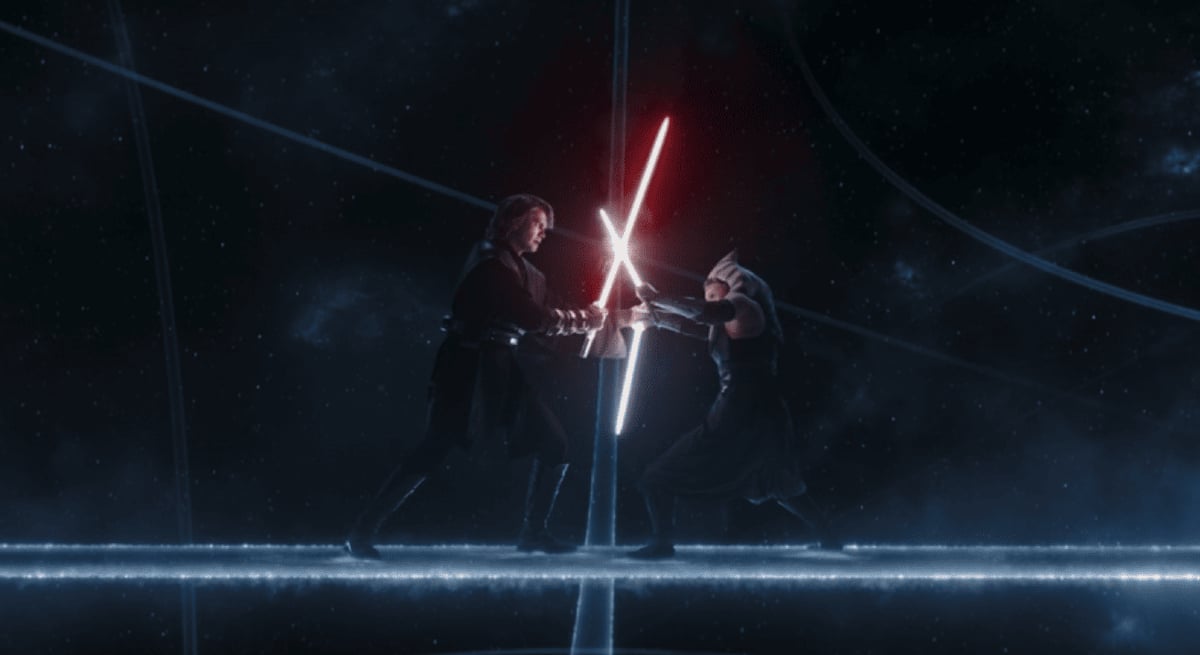
Ahsoka was allowed the spotlight in the fifth episode, which largely focuses on her as her mind enters an interdimensional realm called the World Between Worlds where time and space are not linear. There she meets the spirit of her mentor Anakin Skywalker (Hayden Christensen) as they end up in past battles during the Clone Wars. This was thrilling for fans of Star Wars: The Clone Wars as they finally got to see these two Jedi interacting in live action during that war. More importantly, these sequences provided fascinating insights into Ahsoka and her feelings towards Anakin Skywalker knowing that he ultimately became Darth Vader. With the way this episode showcased her guilt about Anakin and the Clone Wars, it was probably the best one in the series.

Continue reading

Star Trek’s Many Timelines

By now Star Trek fans acknowledge that the official canon timelines of the Star Trek franchise is daunting. Being that Star Trek is 57 years old there are bound to be continuity problems but what has been more glaring are contradictions with the timeline and the more “modern” look of current-day Star Trek that clashes with older series.

There have been pretzel-twisting explanations in the TV shows and films to explain the contradictions, but they tend to fall apart on closer examination or are just ridiculous. More and more, fans have to accept the fact that either modern Trek is a soft reboot of the franchise or it represents new timelines that branched off the original Trek ages ago.

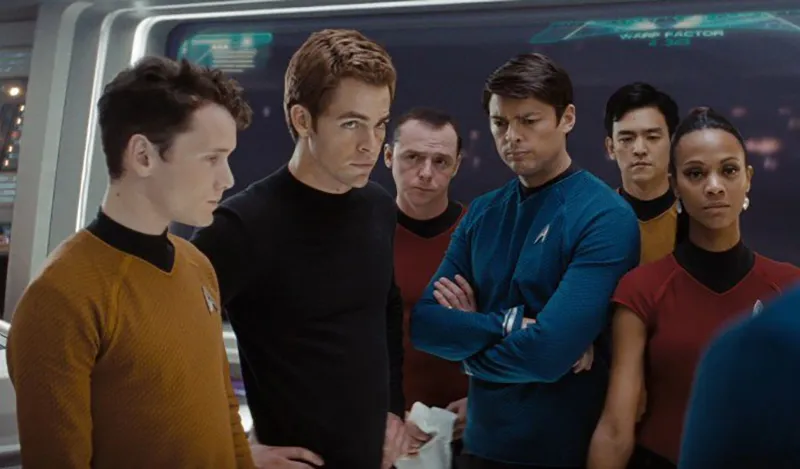
When Star Trek was relaunched in 2009 with the film Star Trek it was a good vehicle to reboot the franchise but the filmmakers did not want to completely alienate many fans. So an explanation was given that the events of Star Trek took place in an alternate reality that was created when the film’s Romulan bad guys time traveled to a time before the original series and changed the timeline.

However, this was not the first time that an alternate timeline was created in Star Trek. Actually this has happened many times in previous Star Trek TV shows starting with the original.

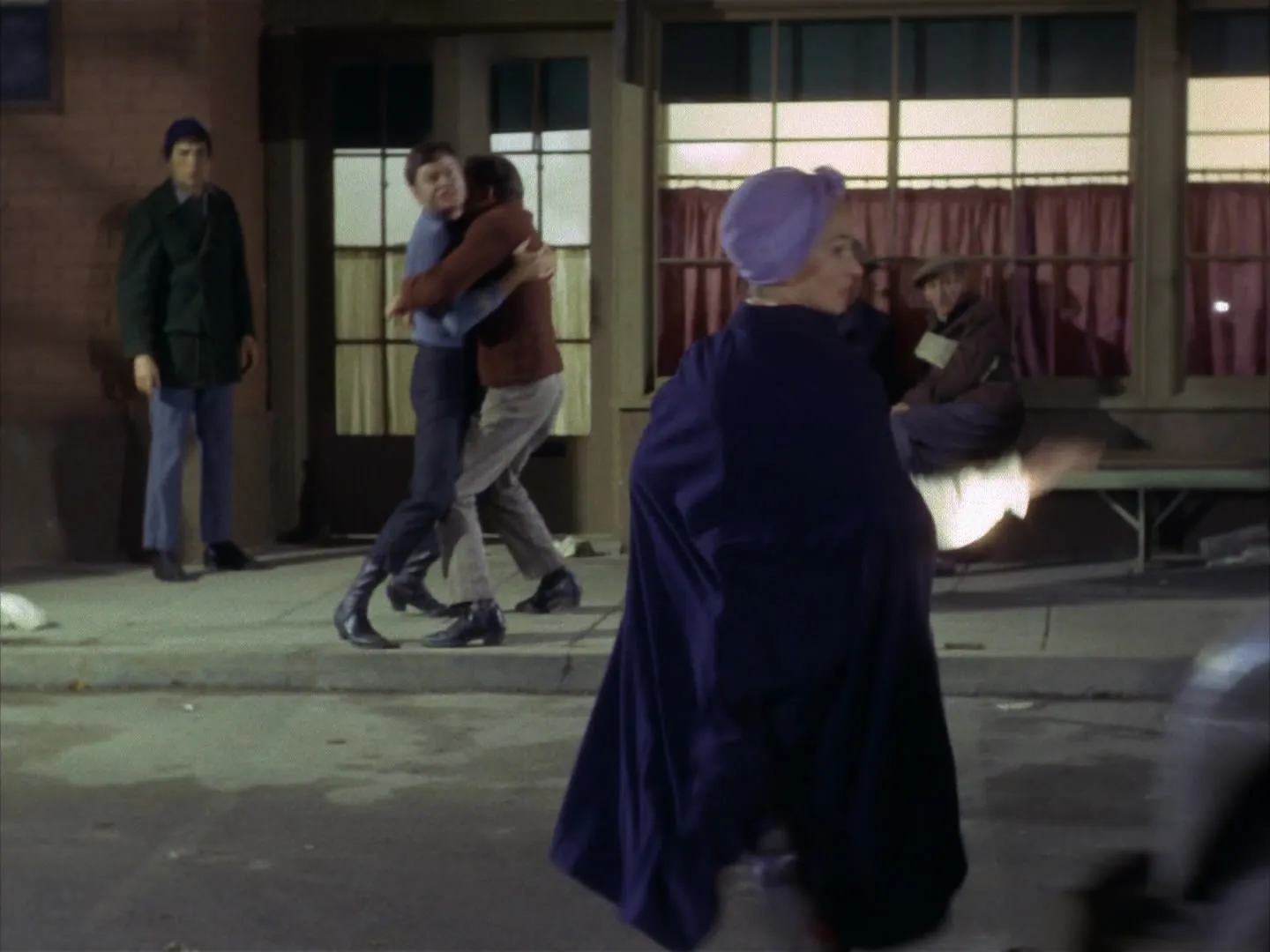
In the classic episode, “City on the Edge of Forever” a new timeline was created when Dr. McCoy went back in time and changed history so that the United States never entered World War II. This created a timeline where presumably the United Federation of Planets or Starfleet did not exist. Supposedly, the original timeline was restored when Kirk and Spock went back in time themselves and prevented McCoy from altering history. Or did they? The timeline McCoy created would still exist simply because he traveled to that pre-World War II period. Remember the scene where the hobo steals McCoy’s phaser and accidently kills himself? That created a new timeline where that man no longer existed. Even if that man never amounted to anything, his erasure would create a small ripple in time and this was never corrected by the end of the episode.

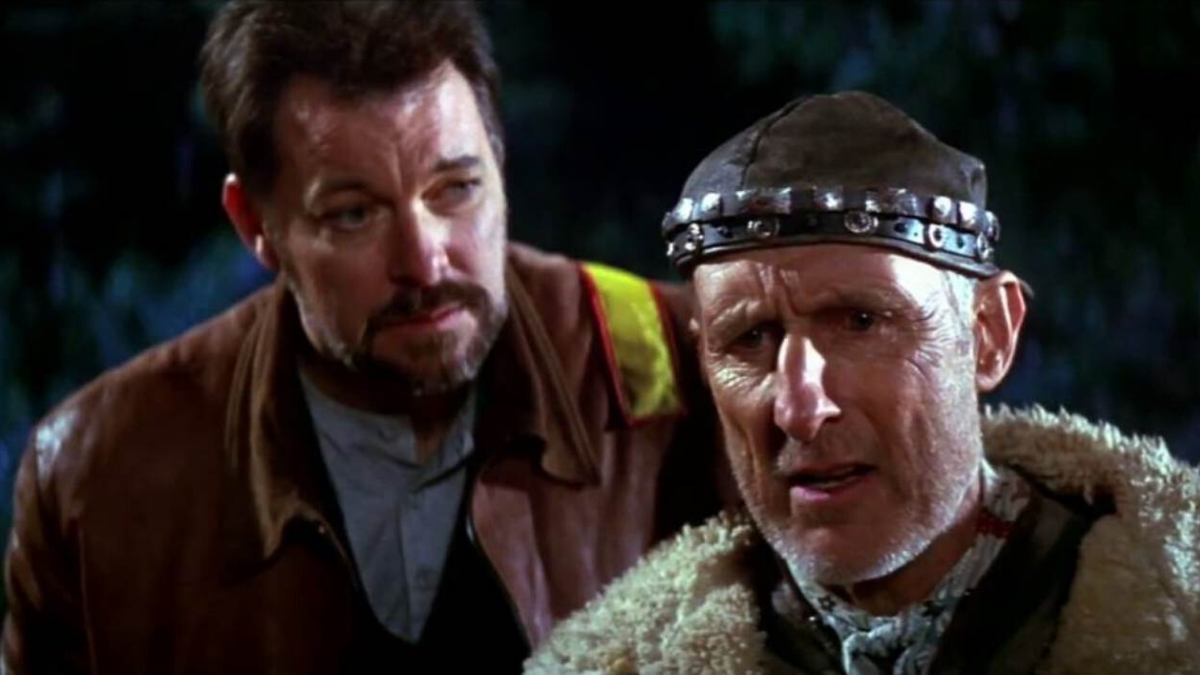
Here are some more examples: In Star Trek: First Contact, the crew of the Enterprise-E journey back to the mid-21st century to prevent the Borg from assimilating Earth. The Borg’s actions wound up killing many people who were involved with humanity’s first faster-than-light voyage. Even Riker and La Forge joined Zefram Cochrane to pilot the Phoenix, the first human-made warp ship. This created a new timeline even though the Enterprise-E crew stopped the Borg and the people the Borg killed remained dead. The crew interacted with people in the past including Cochrane, who was now aware of his destiny and this certainly had an impact on how he acted.

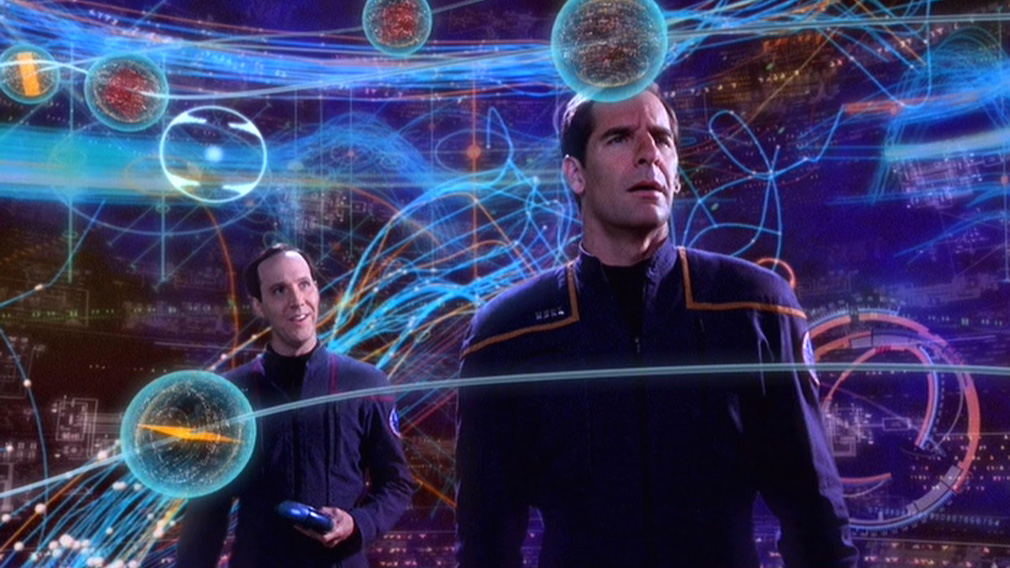
In Star Trek: Enterprise, a major arc involved the aliens called the Xindii who attacked Earth in the 22nd century, but it was revealed that such an attack never took place in the original timeline. More importantly, this attack was never undone when the story arc ended and was now part of the established canon timeline. It was stated that these incidents were part of a so-called Temporal Cold War that took place centuries in the future.

Another instance of the Star Trek timeline being changed was in the Star Trek: Strange New Worlds episode “Tomorrow and Tomorrow and Tomorrow”. In that episode those pesky Romulans are revealed to have changed the original Trek timeline in that they prevented the rise of Khan and the outbreak of World War III from the original time of the 1990s. Now these events are supposed to take place in the middle of the 21st century and evidence of this change was shown in Star Trek: First Contact when it was mentioned that the war took place in the mid-21st century.

There are many other instances of permanently changed timelines throughout Star Trek but in the end it does not matter too much. The real-world reason for these changes are to keep Trek relevant with our times. After all, it would be strange to keep saying that the Eugenics Wars and World War III took place in the 1990s or that the dated look of the original TV show with buttons on consoles is supposed to represent a realistic future for humanity. There have been non-canon efforts such as novels to try to explain this away but the results are nonsensical.

The best advice is to just accept that the Star Trek timelines are very fluicdic. Do not give it too much thought and enjoy the stories.

Disney + Has Damaged Pixar, Star Wars & Marvel

When it was announced that the streaming app Disney + would feature exclusive content for their purchased intellectual properties Star Wars and Marvel, most fans were understandably excited. In the closing years of the 2010s both properties were riding high, especially Marvel with its Marvel Cinematic Universe (MCU). The people running Disney + promised that subscribers would have access to a vast video library of its properties and that the exclusive content would be top-of-the-line when it came to quality. At first, this seemed to be the case. At first.

Shortly after Disney + became available, the COVID-19 pandemic hit, which shut down theaters and the streaming platform became the only medium available to get new content based on Disney IP, Pixar, Star Wars and the MCU. Due to the pandemic many films were delayed and this happened with the Pixar films scheduled for release. At the same time, Disney was desperate to generate streaming traffic for Disney + and to gain subscribers, new product had to be available. The easiest solution was to take the delayed films like Soul and premiere them exclusively on Disney +.

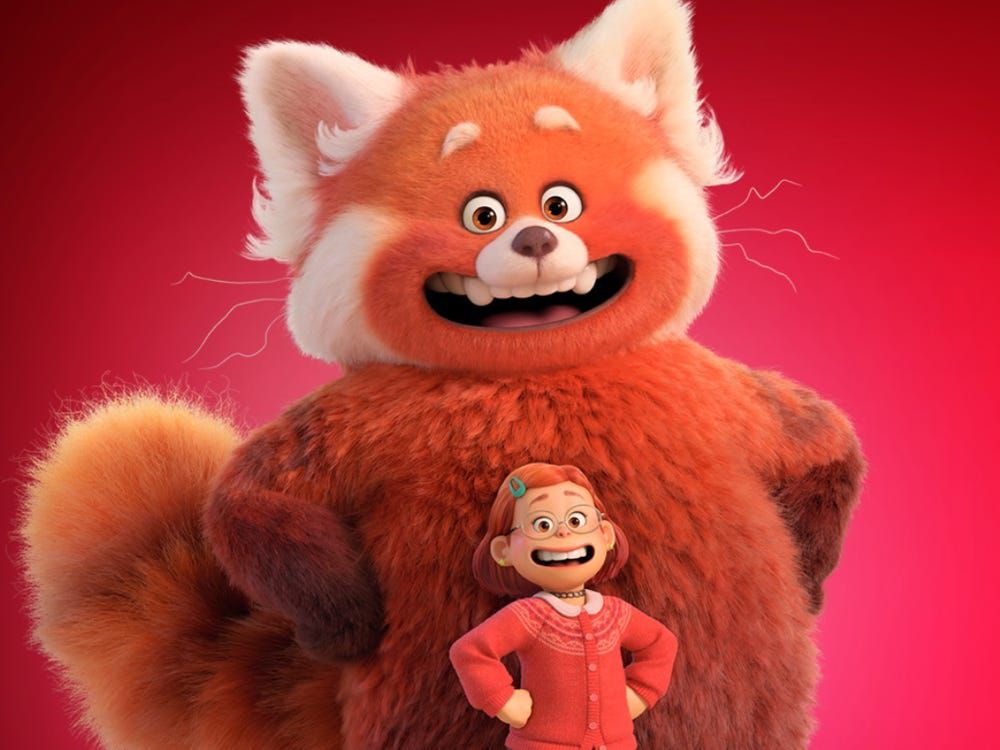
For a short while, this tactic worked, but unlike the other MCU films that were released exclusively in theaters, Disney kept debuting other Pixar films like Luca and Turning Red on the streaming app. This gave the impression that the Pixar films were inferior in quality, because people began thinking that these films were not good enough for theatrical releases. Also, when the Pixar films Lightyear and Elemental actually premiered in theaters, viewers were conditioned to wait for them to come out weeks later on Disney + and save some money. To be fair other streaming apps like HBO Max did this as well, but this tactic was abandoned soon after studios realized they were losing revenue. It took Disney some time to forego premiering some of their films on the app.

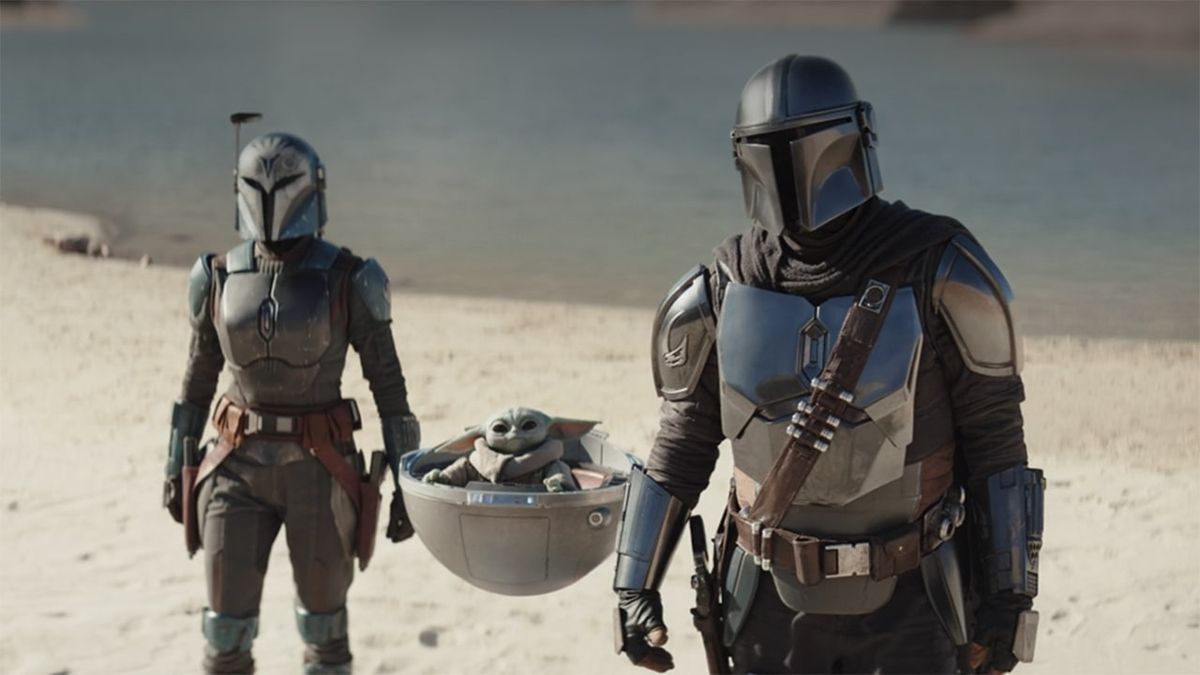
The app premiered with The Mandalorian, the hit TV show set in the Star Wars universe about a Clint Eastwoodish, intergalactic bounty hunter and his infant alien ward. The Mandalorian became a huge hit and actually helped keep the Star Wars brand alive. Actually, for a couple of years it was the only Star Wars-related property for fans to watch. Obviously, Disney had to put out more Star Wars content and last year more Star Wars-related TV shows streamed on Disney +, which included The Book of Boba Fett, Obi-Wan Kenobi, Andor, and now Ahoska. While some of the TV shows were well received and even earned Emmy nominations, the Boba Fett show was a huge misfire with its unfocused scripts. Unfortunately, these same problems bled into the third season of The Mandalorian, and Ahsoka is receiving criticisms, as well. It is clear with The Mandalorian, The Book of Boba Fett and Ahsoka that Disney wants to create a more integrated universe with a part of Star Wars history: the period of time after the fall of the Galactic Empire. Reportedly the goal is to have the TV shows lead to a film that ties all the elements together. While it is ambitious and echoes what happened with the MCU, there are problems in that the Star Wars universe is becoming too convoluted. Viewers are forced to watch other shows and even animated programs like Star Wars: Rebels to fully understand what is going on with many of the Star Wars TV shows. With interest in the Star Wars brand waning, this development could not have happened at a worst time.

The problem with the scripts for some of the Star Wars TV shows also plagued the MCU TV shows. What was worse was that the production values for many MCU TV shows was shockingly poor. The MCU, like Star Wars, got off to a promising start on Disney + with TV shows like WandaVision and The Falcon and the Winter Soldier. But the quality of the MCU TV shows soon began to falter and it became more and more obvious that budget limitations were impacting the shows. For example, with the time travel TV show Loki, even though it was well acted and written, it seemed as if there was a lot of talking instead of showing. Instead of time traveling to pivotal events in the MCU, the main characters traveled to mundane time periods.

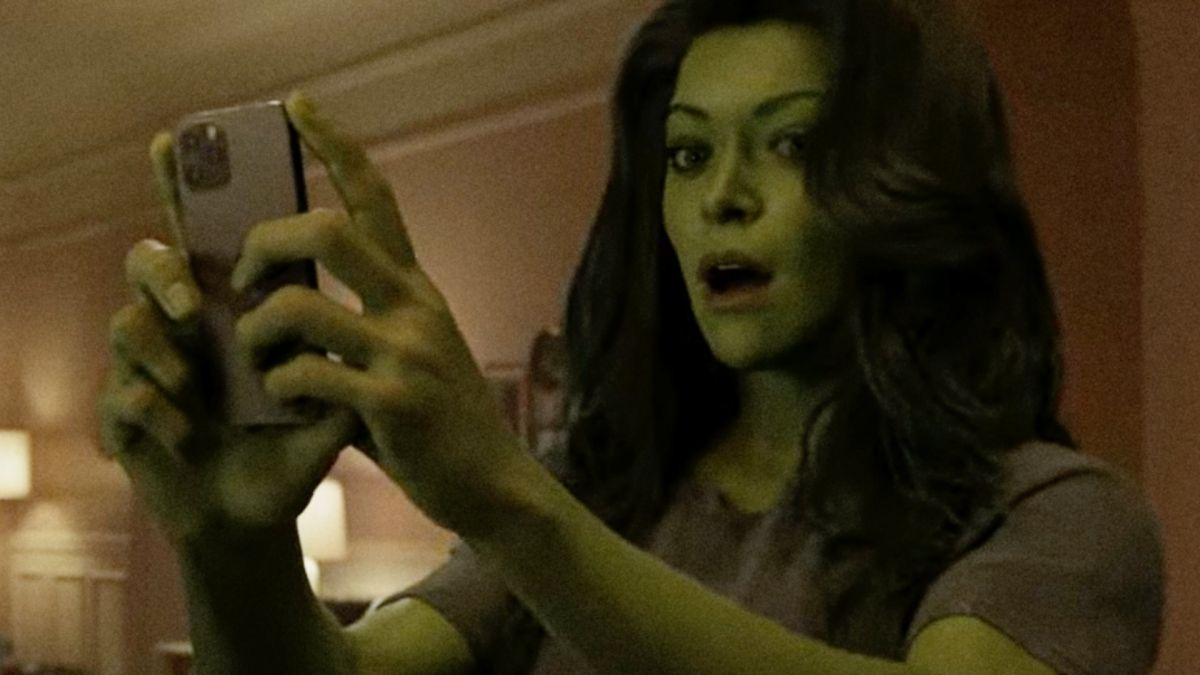
The problem with limited budgets affected some of the effects work on later TV shows. This was best seen with Ms. Marvel, She-Hulk: Attorney at Law and Secret Invasion. With She-Hulk, the limited special effects was fatal for the show because its poor, unfinished special effects left She-Hulk looking like a SIM character. The same budget limitations has severely affected Secret Invasion, which has a lot of talking scenes about world events with limited action scenes. What is even more unbelievable is that the budget for the TV show was about $200 million. Where did that money go? The budget for Secrect Invasion is not the main reason for its poor execution, it is actually due to the scripts which make the show feel small scale. This also went on with many other MCU TV shows that should have had great payoffs. This even happened with WandaVision. For the most part that show was terrific with clever scripts and acting. But the payoff at the final episode felt like a letdown with the scope of the confrontations between characters.

Disney CEO Bob Iger recently said that the market was oversaturated with Star Wars and Marvel TV shows and films, and he is correct. There was a lot of pressure for the Disney + app to have new and original content, which meant that there had to be a lot of content about two of its most popular IPs. Unfortunately, the demand stretched the capability to keep up the quality of the products in order to meet scheduling deadlines. The result was that many fans were disappointed with the finished TV shows as the brands became diluted. To correct this, the brands need to pull back and Disney is doing this as per Iger’s orders. They are giving their properties the time needed to produce quality over quantity. However, there will be more inferior TV shows until the better-produced TV shows come out.

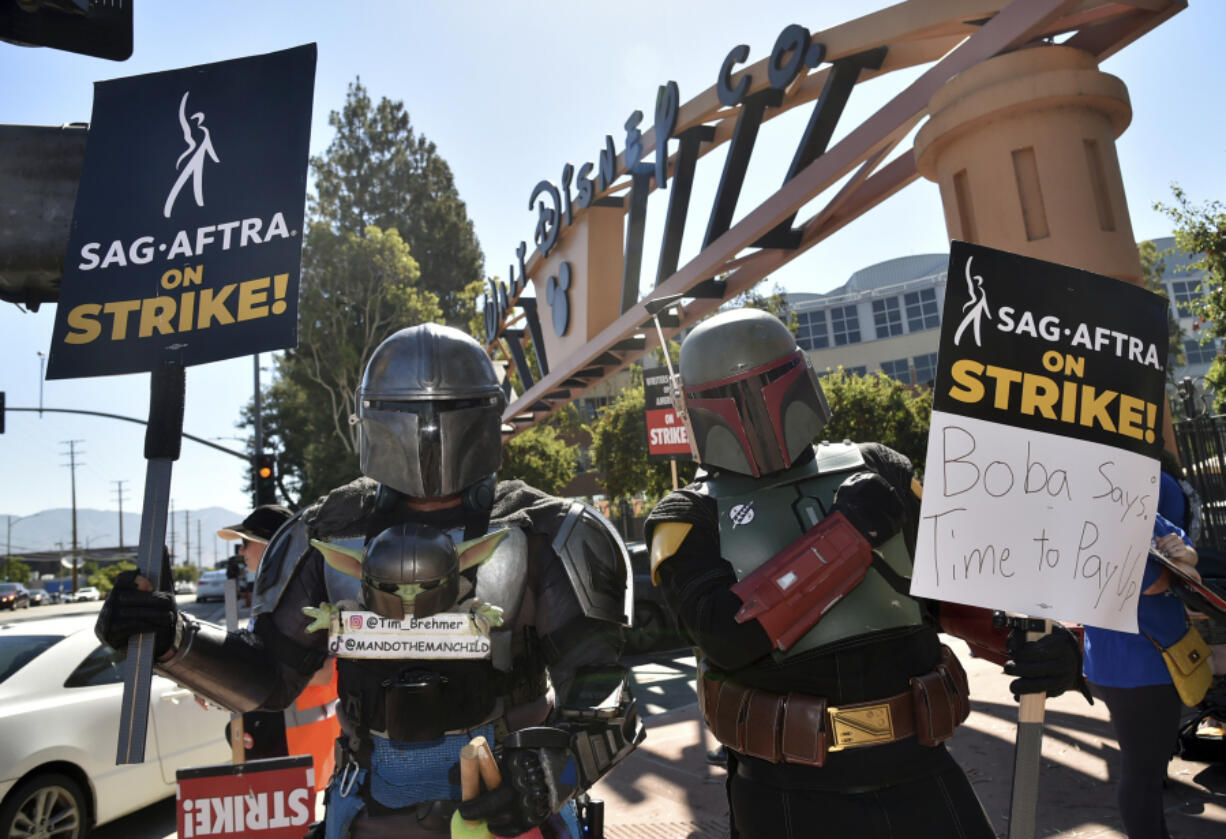
Disney and other studios are facing a new problem with their inability to provide new content thanks to the crippling writer and acting strikes which have shut down productions for film and TV studios. As content dries up and films and TV shows get delayed again or canceled, there will be increased demand. Will the studios make the same mistakes they did earlier this decade and force creators to pump out products before they are ready? Probably, so it is up to the studios to learn from their missteps regarding their streaming platforms.