This week marks the premiere of the film Rise of the Planet of the Apes, the latest entry in the Planet of the Apes series. It’s seen by some as a reboot of the series or a prequel but it’s safest to state that the film is actually a remake of Conquest of the Planet of the Apes from 1972, the fourth film in the series.
The original film takes place in the 1990s. An off-screen plague has wiped out all the dogs and cats and human now rely on apes as both pets and servants. One thing the film doesn’t elaborate on is how modern apes were transformed into nearly human forms and essentially alike. Remember that real-life gorillas are much larger than other apes, orangutans are aboreal and in this film they both are the same size and shape along with chimps. Also by the time the film opens the apes are no longer portrayed as pets but as lower-class slaves.
The arrival of Caesar, an intelligent ape who can speak and the son of Zira and Cornelius from the earlier films brings about a change to the order of things. With the aid of some human allies, Caesar leads the apes into a bloddy revolt and out of their oppression. After the apes win their freedom, he then tells the conquered humans that this act of rebellion will be repeated all over the world and will signal the birth of “The Planet of the Apes.”
Conquest of the Planet of the Apes is one of my favorite films in the series. The premise that apes are mistreated and subjugated by humans and then liberated by an intelligent simian savior was an inspired explanation as to how apes came to dominate the world. The fight sequences between the apes and the police riot squads were very thrilling and effective. Roddy McDowall as Caesar is very convincing, sympathetic and his performance makes Caesar a distinctly different character than Cornelius. Ricardo Montalban as Armando the kind circus owner and Hari Rhodes as McDonald are also excellent as Caesar’s allies.
It will interesting to see if the new film, which star James Franco, can take advantage of the special effects technology and improve upon the source material to provide a modern-day science fiction classic. It seems very promising in that the previews have shown how Caesar was genetically engineered to become intelligent. That’s a plot point that removes any referenes to his time-traveling parents from the original series. At the very least it should make audiences forget the misbegotten film by Tim Burton that came out in 2001. It’s too bad that Burton’s film helped kill any enthusiasm for futher films given how low-key the marketing has been for the new film. Though it’s making its mark now, it pales to the omnipresent marketing push that the 2001 film had. Hopefully if the film delivers, word of mouth may recreate the Ape phenomenon.
Well the summer 2011 movie season is drawing to a close. Yes, August isn’t even here yet, but almost all of the big guns from the studios have been fired. There are just a handful of anticipated, genre flicks that haven’t been released yet. They include Rise of the Planet of the Apes, Conan the Barbarian, Fright Night, Don’t Be Afraid of the Dark and Final Destination 5. With this year’s Comic-Con, all the buzz is still about next year’s, and more specifically, next summer’s film releases. Here’s a list of what to look forward to:
May 2012
May 4–The Avengers–What better way to kick off the summer movie season (and Free Comic Book Day) than with a Marvel superhero film? Continuing a years’-long tradition, Marvel Studios is releasing its most anticipated film that teams up its A-list superheroes; Iron Man, Captain America, Thor and the Hulk. Plus, it’s directed by fan favorite Joss Whedon so expect it to make some moolah.
May 11–Dark Shadows–Tim Burton directs Johnny Depp (again!) in this remake of the popular 1960s soap opera about the vampire Barnabas Collins which predates True Blood, Twilight and all the other hot vampire shows and films.
May 18–Battleship–The Internet’s been percolating with a newly released teaser trailer. At first people were scratching their heads over the idea that Universal Studios canceled Ron Howard’s production of The Dark Tower saga in lieu of this reportedly $200 million sci-fi film directed by Peter Berg (who’s last film Hancock didn’t exactly thrill audiences). But the sight of U.S. Navy ships getting ready to square off against Transformer-like alien ships won over many doubters.
May 25–Men In Black III–Will Smith, Tommy Lee Jones and director Barry Sonnenfeld reteam for the third outing of Earth-based illegal alien hunting agents. Little is known about the film, only that it involves time travel which is impossible according to some scientists in Hong Kong.
June 2012
June 1–Snow White and the Huntsman–Starring Kristen Stewart and Charlize Theron, this reimaging of the classic fairy tale is supposedly more action packed and darker. Already people are clamoring for it or dismissing this as another Twilight clone. Given Stewart’s popularity with Twihards it may do well at the box office.
June 8–Prometheus–Perhaps the most anticipated sci-fi film of 2012 as Ridley Scott returns to the director’s chair to helm this prequel (?) to the Alien franchise. Little has been revealed about this film that might be about the alien space jockey whose skeleton was seen in the first Alien film. This veil of secrecy hasn’t been seen in a film for a while and its whipping up interest among fans burned out by the awful Aliens vs. Predators films.
June 8–Madagascar 3–Dreamworks Animation’s big offering for the summer brings us the further adventures of Alex the lion, Marty the Zebra, Melman the giraffe and Gloria the hippo as they try yet again to find their way back to New York’s Central Park Zoo. Reportedly the gang winds up in Europe and a traveling circus; the kids already can’t wait!
June 15–Jack the Giant Killer–Bryan Singer directs this fantasy epic about a young farmhand who battles against a race of giants. Described as an adult take of the Jack and the Beanstalk fairy tale this film features Ewan MacGregor and Stanley Tucci.
June 22-Brave–Pixar’s latest film has many firsts for the acclaimed animation studio; its first fairy tale, its first film directed by a woman and the first one to feature a girl protagonist. Its appeal to young girls who favor Disney films and Pixar’s brand for putting out animated masterpieces should make a killing at the box office.
June 22-Abraham Lincoln, Vampire Hunter–Based on the popular novel of the same name it’s directed by Timur Bekmambetov (his last film was the action-packed Wanted). It’s an interesting alternative for moviegoers who may not be into the month’s fairy tale releases.
June 29–G.I. Joe 2–The first film wasn’t exactly beloved even by those who swear by the Transformers films. But it made enough money to warrant a sequel. The question is how will it hold up to the heavy hitters released around the same time? It has got to have a killer trailer or word of mouth to get some momentum.
July 2012
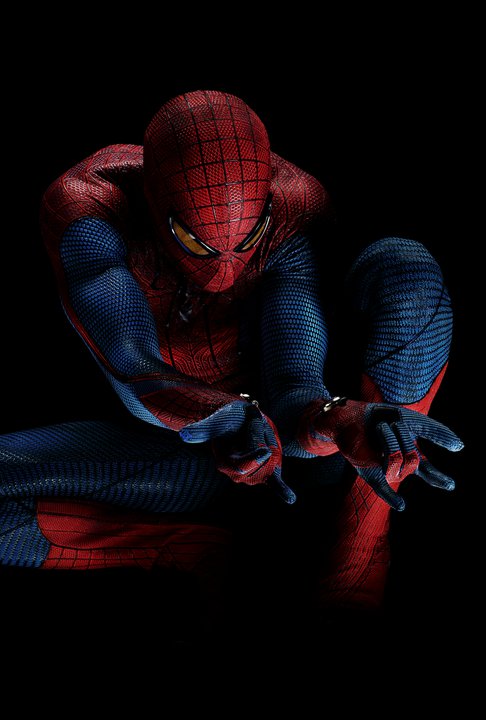
July 3–The Amazing Spider-Man–Sony’s reboot of the Spider-Man film series has many Spider-fans torn over the need for a re-imaging so recently after Sam Raimi’s flicks. Yet again maybe the studio wants to get rid of the ill will the last film generated. Still no matter what critics say about Andrew Garfield looking like an emo, he does resemble Peter Parker and the mechanical web shooters will be used!
July 13–Ice Age: Continental Drift–The prehistoric mammals (featuring a wooly mammoth, a saber-tooth cat and a ground sloth) from the kid-friendly movie series return in this story that has them trapped on an iceberg and off on a seagoing adventure.
July 13–Ted—Family Guy’s Seth MacFarlane makes his live-action directorial debut about a man (Mark Wahlberg) and his childhood teddy bear that comes to life. Sounds like a combo of Harvey and the recent TV show Wilfred. If Mike Judge could make the live-action transition then so could MacFarlane.
July 20–The Dark Knight Rises–OK hands down this is the BIG ONE for moviegoers. Whether or not you are a Batman fan you can’t deny the phenomenon of the last Christopher Nolan-directed Batman film. Touted as his last film and with Catwoman and Bane as the villains it might be the year’s biggest hit. In fact it’s expected to be so successful that it seems as if the rest of the summer season is drawing to a close afterwards.
August 2012
August 3–Total Recall–Colin Farrell and Bryan Cranston star in the remake of the Arnold Schwarzenegger sci-fi movie that was based on a Philip K. Dick short story. Farrell stated recently that the film, like the original, will differ from the author’s tale.
August 17–ParaNorman–A stop-motion animated film that takes place in a town besieged by zombies. The citizens then call upon the services of a boy who is a sort of zombie whisperer to take care of the problem.
Of course, these release dates are subject to change and will most likely do so. Already, the new Star Trek film that was scheduled for the summer has been pushed back, so it won’t be surprising to learn that one of the above films has been removed from the schedule or another will join the list. No matter what, it’s good to know that there are plenty of films to choose from for next summer.
The traveling exhibit Star Trek: The Exhibition is currently running through this summer at the Kennedy Space Center (KSC) as part of the Center’s Sci-Fi Summer. Showcasing the world of Star Trek, the Sci-Fi Summer program presents how the science fiction world of Trek helped to influence the development of our technology. It’s a great place to go if you are a Star Trek or science fiction fan not just because of the Trek-themed exhibits and attractions but because it melds that sci-fi aspect to NASA’s real life world. You get to see where we’ve been and how far we have to go.
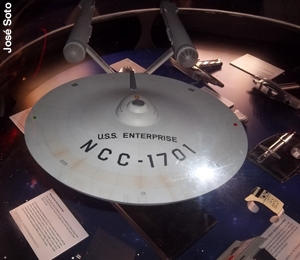
Star Trek: The Exhibition features a scale model of the Enterprise, and the actual props and costumes used in the Star Trek shows and films. At the KSC, the exhibit is broken up into two different buildings. One where IMAX films are shown (and is currently presenting Transformers: Dark of the Moon in 3D) has a room dedicated to the original Star Trek series, though props and costumes from the Kirk-era films can be seen. The highlight is a well-detailed replica of the original Enterprise bridge complete with dedication plaque, consoles and the captain’s chair that anyone can sit on for golden photo opportunities.
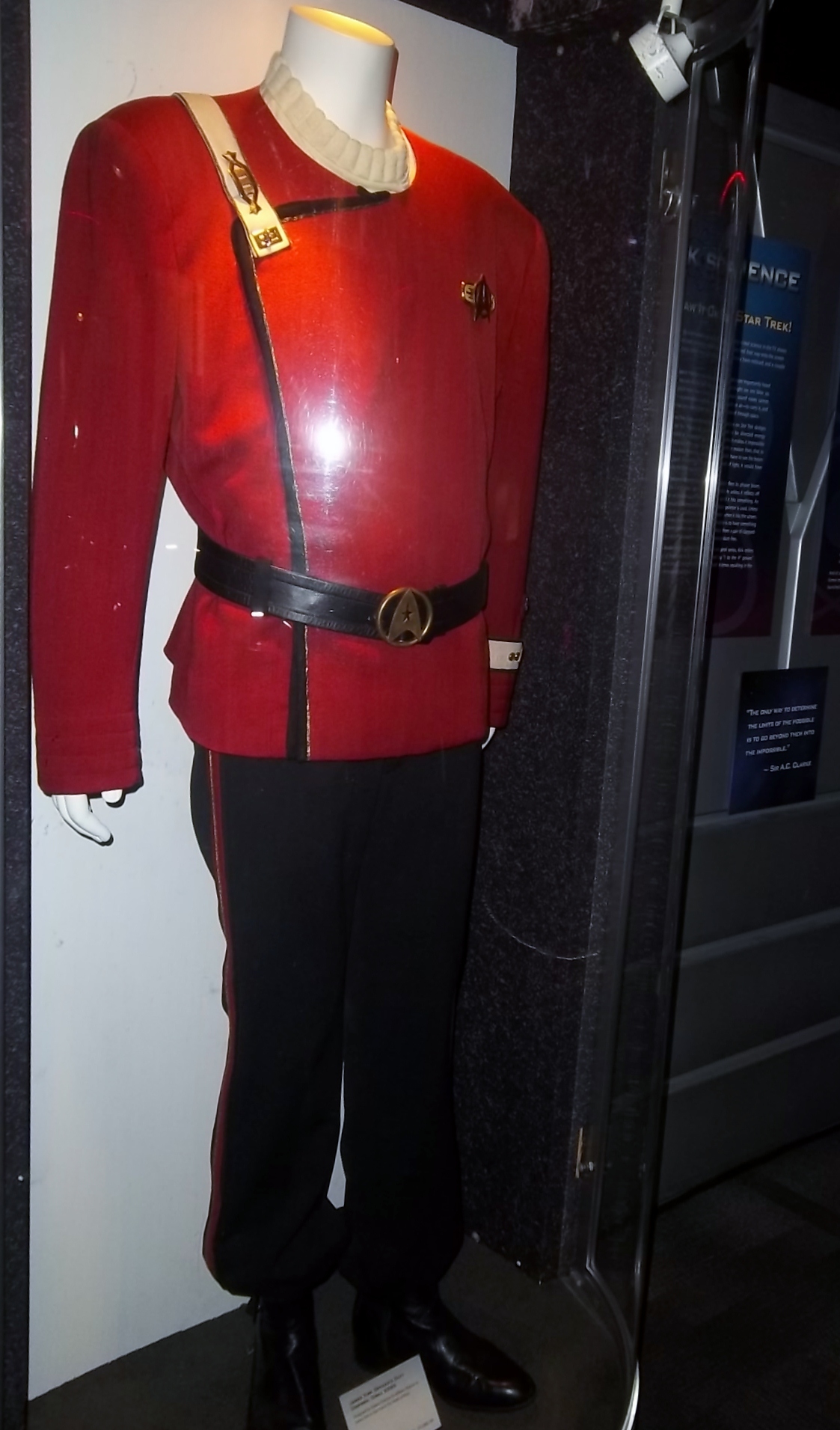
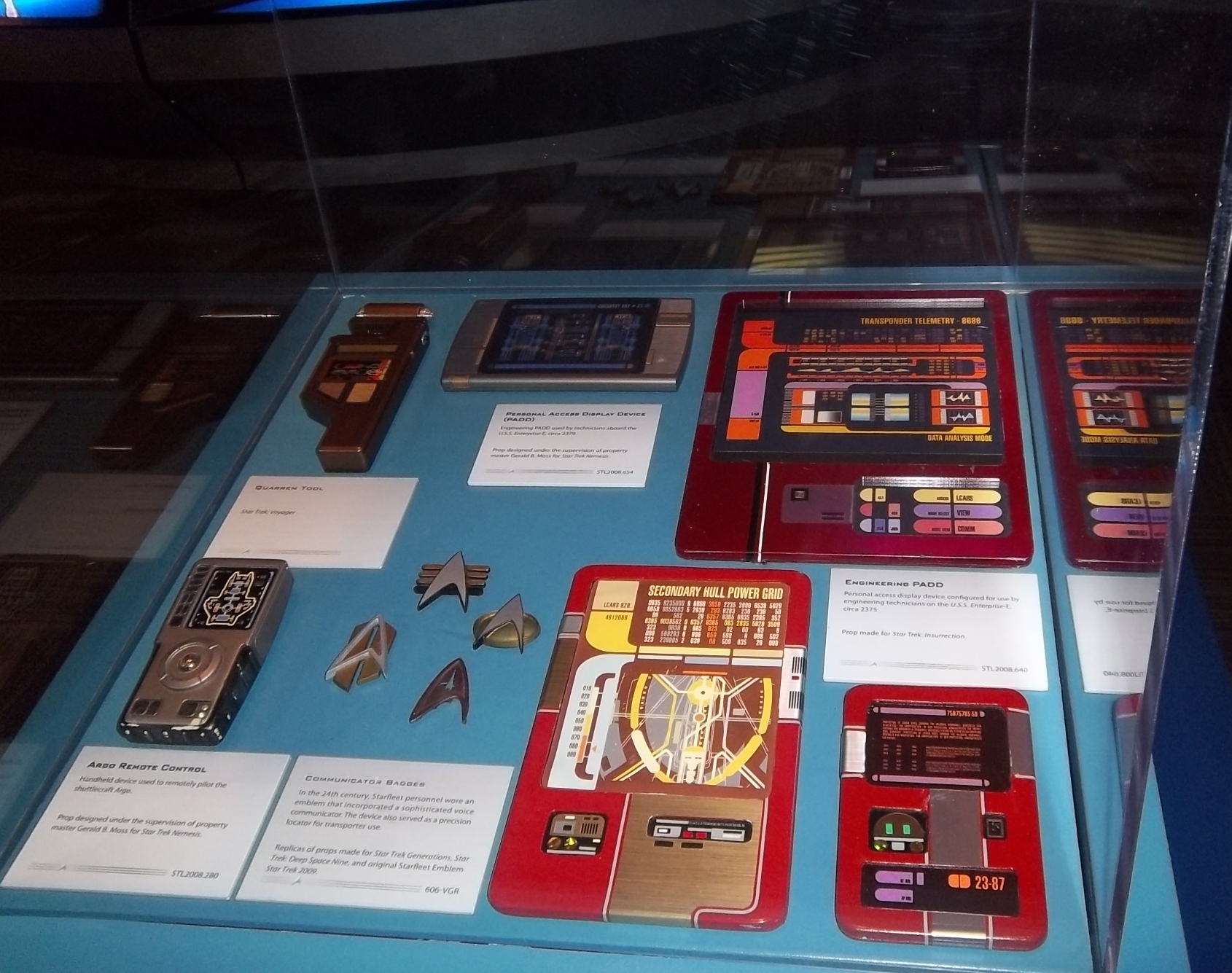
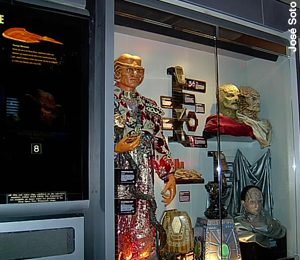
At another building near the tour bus terminal is a larger exhibit room dedicated to Star Trek: The Next Generation, as well as Star Trek: Deep Space Nine and Star Trek: Voyager. This exhibit displays a mock-up of the Reman Scorpion fighter craft seen in Star Trek: Nemesis and partial recreations of the Enterprise D’s sickbay and engine room. There are models, numerous props and costumes worn and used by the actors and a Klingon chair that you can sit on (there are also captain chairs from the Enterprise B and D but those are roped off). Additionally one side of the exhibit’s wall has a mural with a detailed timeline of NASA and Trek history. The opposing wall displays the costumes. A nice touch to this exhibit were two actors dressed as Vulcans from the far future who stayed in character and interacted with visitors. The uniforms they wore were the ones worn by 29th century Starfleet officers as seen in the Voyager episode “Relativity.”
The KSC has Trek costumes and factoids peppered throughout the facility with several famous delta shield symbol on the grounds that act as arrows to guide visitors to Trek-related exhibits and attractions. For example one path lead sto the rocket garden where a floor painting shows how large the Enterprise ships are in comparison to the horizontally displayed Saturn 1B rocket. It’s staggering to consider how large the Trek ships are when you walk the length of the rocket. There was so much to see at the KSC that one could easily spend an entire day on the grounds. Continue reading →
From January 3,1998 to September 1, 2008 Star Trek fans had a haven to call their own when the Las Vegas Hilton ran the attraction Star Trek: The Experience. Part indoor theme park, part museum; the $70-million-dollar attraction had components that all faithfully recreated the science fiction world of Captains Kirk, Picard and the shows’ other heroes and villains.
Visitors were greeted at the entranceway by an enormous hanging model of Kirk’s Enterprise from the movies. Inside the attraction’s main circular layout, which recreated the Deep Space Nine (DS9) Promenade from Star Trek: Deep Space Nine, (the Experience’s fact sheet claimed that the entire area was 65,000 square feet), other overhead models of ships from Star Trek’s many incarnations were a sight to behold. For the record, also greeting visitors were the Enterprise D from StarTrek: The Next Generation, the Voyager from Star Trek: Voyager and a Klingon Bird-of-Prey ship seen from the movies. Guests could just dine in the attraction’s center, or do some shopping off to the left and take in the sights. As they gawked at the intricate detailing of the place, actors dressed and made up as aliens from the shows such as Klingons and Ferengi interacted with visitors and stayed in character.
But most came for the main attractions. Originally, that was just the Klingon Encounter and History of the Future Museum, but BORG Invasion 4D was added in 2004 (at one point in 2005 there were plans to add another area devoted to the original 1960s series that featured Kirk and Spock but alas that never came to fruition.). Fans paid admission for both shows and experienced them as many times as they wanted. After paying, they turned a sharp right from the cashier off to the entrance’s right and walked up a long, twisting walkway that took them through the museum.
It featured an exhaustive timeline of our history and that of the shows and movies. But what was most interesting were the huge collection of genuine Star Trek props going back forty years. In fact, the people behind the attraction claimed the museum had the largest, permanent collection of props. After browsing through the winding museum, visitors stood in line and chose whichever attraction they wanted to try first.
In the Klingon Encounter, guests were somehow transported (through backstage effects) on board a flawless recreation of the Enterprise D’s interior complete with actors playing futuristic spacemen. What happened was that a visitor would line up to board a simulator ride then suddenly the lights would go out. There was a blast of air and quick strobe lights in the pitch darkness. Then the lights would go on and voila the visitor was standing on the transporter pads of the ship’s transporter room. Guests were then given a quick tour of the Enterprise’s corridors and bridge before being whisked away into a shuttle that confronted the Klingons. Of course, the shuttle was really a simulator ride that concluded the show. Basically the storyline was that the Klingons traveled back in time to modern-day Earth and tried to abduct the visitors but the Enterprise intervened and transported the people on board. The twist was that someone in the group turned out to be the ancestor of Captain Picard. Both Jonathan Frakes and Levar Burton reprised on viewscreens their roles as Riker and LaForge.
The future was also visited in BORG Invasion 4D as fans entered a futuristic space station that came under attack by the villainous cyber beings, the Borg. As in the first show, actors stayed in character and the sets were flawless recreations of Federation architecture. Like in Klingon Encounter, guests were evacuated to a shuttle but contrary to the first attraction, this one concluded with the visitors sitting in a theater and being part of a 4D interactive film. It was similar to what you would find in the Disney or Universal parks with tactile experiences enhancing the show. In this film, the Borg were trying to assimilate the audience before being stopped by the starship Voyager. Robert Picardo, Kate Mulgrew and Alice Krige reprised on viewscreens their roles as the ship’s Emergency Medical Hologram, Admiral Janeway and the Borg Queen. Continue reading →
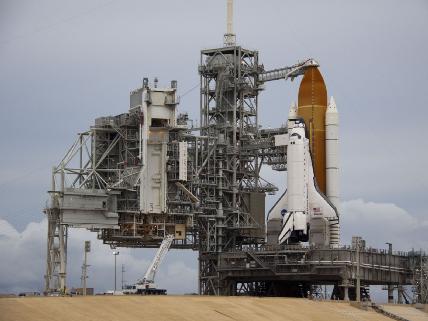
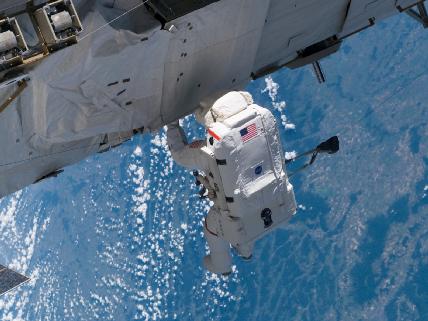
The space shuttle Atlantis lifted off today on its final shuttle mission closing a 30-year chapter in NASA’s manned space program. Looking around the news casts obsessed with Casey Anthony, the dismal jobs report, and other headlines it was hard to find substantial mention of Atlantis’ mission to the International Space Station (ISS).
This just underscores the sad state of America’s space program and it seems as if the shuttle fleet is being retired with a whimper. It’s almost as if NASA and the government want to downplay the fact that there are no concrete future plans.
After President Obama all but scuttled NASA’s manned space program, the agency has been left grasping at straws to remain relevant. Meanwhile Russia, China and other nations are pushing on with their space efforts. So why not us? Blame it on cost-cutting politicians, an apathetic public and NASA’s bureaucracy; there are plenty of reasons. But it could be traced to a lack of long-term planning.
Back in the 1960s, President Kennedy proclaimed his famous goal of landing a man on the moon before the decade ended. Then the U.S. was in a very public space race with a very competitive Soviet Union. One added impetus was that the Russians were winning. It fired the public’s imagination and will for America to forge ahead despite setbacks like the Apollo 1 tragedy. Once Armstrong and Aldrin landed on the moon, everyone celebrated and collectively went on the next thing. NASA’s budget was slashed and bit by bit the agency’s ambition withered; goals like sending astronauts to Mars by the 1980s went by the wayside. The most recent setback was with Obama effectively killing the agency’s plans to return to the moon in a few years.
Now with the shuttle fleet retired, current plans are to develop a new successor to the mammoth Saturn rockets, building spacecraft that can leave Earth’s lower orbit and vague plans to reach an asteroid by 2025 and orbit (not land on) Mars in the 2030s. Frankly that is too far away in time to capture the public’s imagination. For all the hand wringing by NASA, the fact is that the technology to send people to Mars and colonize our moon exists today, actually it has existed for years. What kept that from happening was the lack of will from everyone. Politicians didn’t want to invest their capital on projects that paid off way into the future, NASA seemed to be more interested in conducting tests in space that the average Joe didn’t care about, and the public complained about the costs and necessity of the space program. In truth, the budget for the space program is very small compared to other expenses. To do away with it completely won’t cure our financial woes.
NASA needs clear goals that regains the public’s interest, and more importantly the drive to push the envelope. It may take another nation pulling off a genuine feat to light America’s fire again. Perhaps commercial space craft development will do it (the company SpaceX has plans for a test run to the ISS this year). Or maybe the sight of American astronauts piggybacking on Russian space capsules might do something to boost our motivation. For now though, the next chapter in the U.S. manned space program is still on the launch pad.

 The arrival of Caesar, an intelligent ape who can speak and the son of Zira and Cornelius from the earlier films brings about a change to the order of things. With the aid of some human allies, Caesar leads the apes into a bloddy revolt and out of their oppression. After the apes win their freedom, he then tells the conquered humans that this act of rebellion will be repeated all over the world and will signal the birth of “The Planet of the Apes.”
 It seems very promising in that the previews have shown how Caesar was genetically engineered to become intelligent. That’s a plot point that removes any referenes to his time-traveling parents from the original series. At the very least it should make audiences forget the misbegotten film by Tim Burton that came out in 2001. It’s too bad that Burton’s film helped kill any enthusiasm for futher films given how low-key the marketing has been for the new film. Though it’s making its mark now, it pales to the omnipresent marketing push that the 2001 film had. Hopefully if the film delivers, word of mouth may recreate the Ape phenomenon.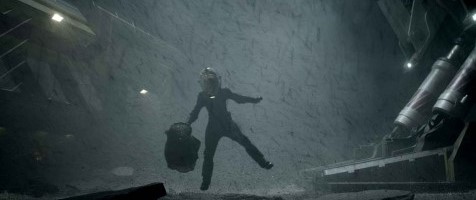


 Starloggers