Top Ten Stephen King Live-Action Adaptations That Should Be Remade

There have been countless live-action adaptations of Stephen King’s books and stories. Some are classics while others are best left forgotten.

Then there are the lesser or flawed adaptations that need to be remade. With some changes, these remakes could faithfully capture the true horror and thrills of Stephen King’s bibliography. The best example right now is It, which is the second live-action adaptation of the book and considered superior to the first adaptation. Now what other live-action adaptations of Stephen King’s works should be remade? Here are the candidates:
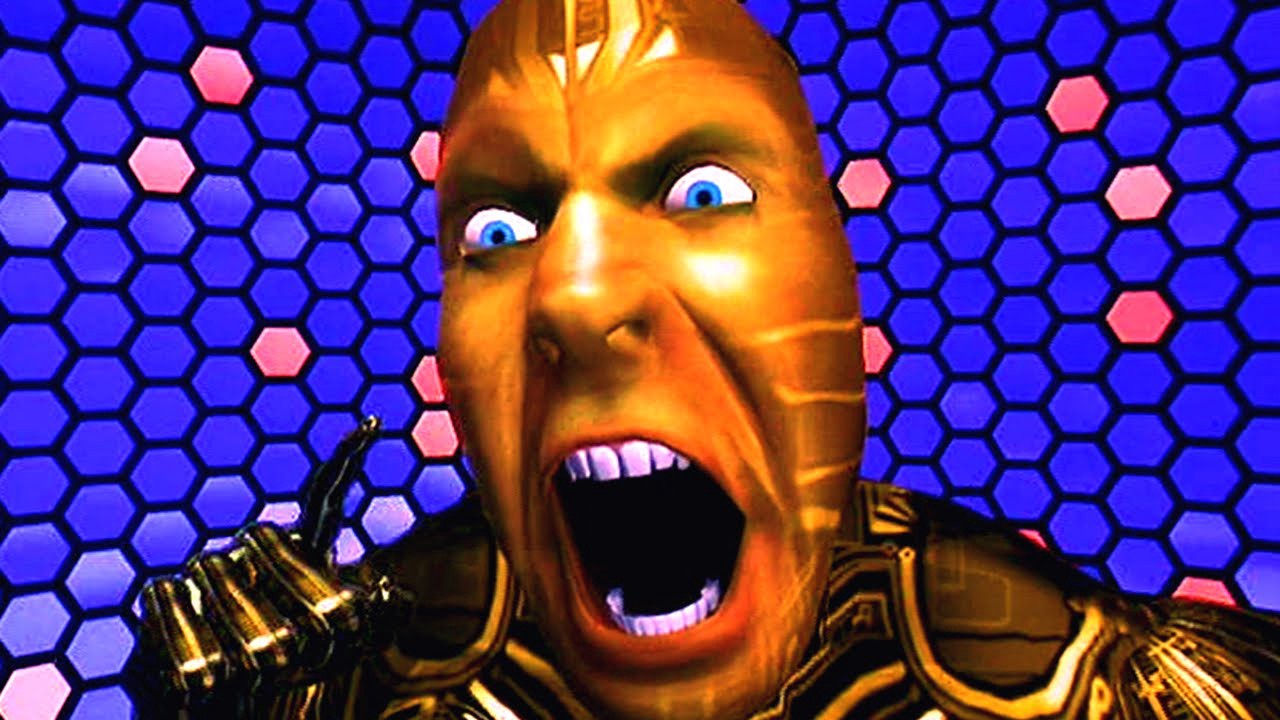
10. The Lawnmower Man Stephen King fans know all too well that the film adaptation did not have anything to do with King’s short story about a mysterious landscaper and his supernatural lawnmower, which would make an interesting film.
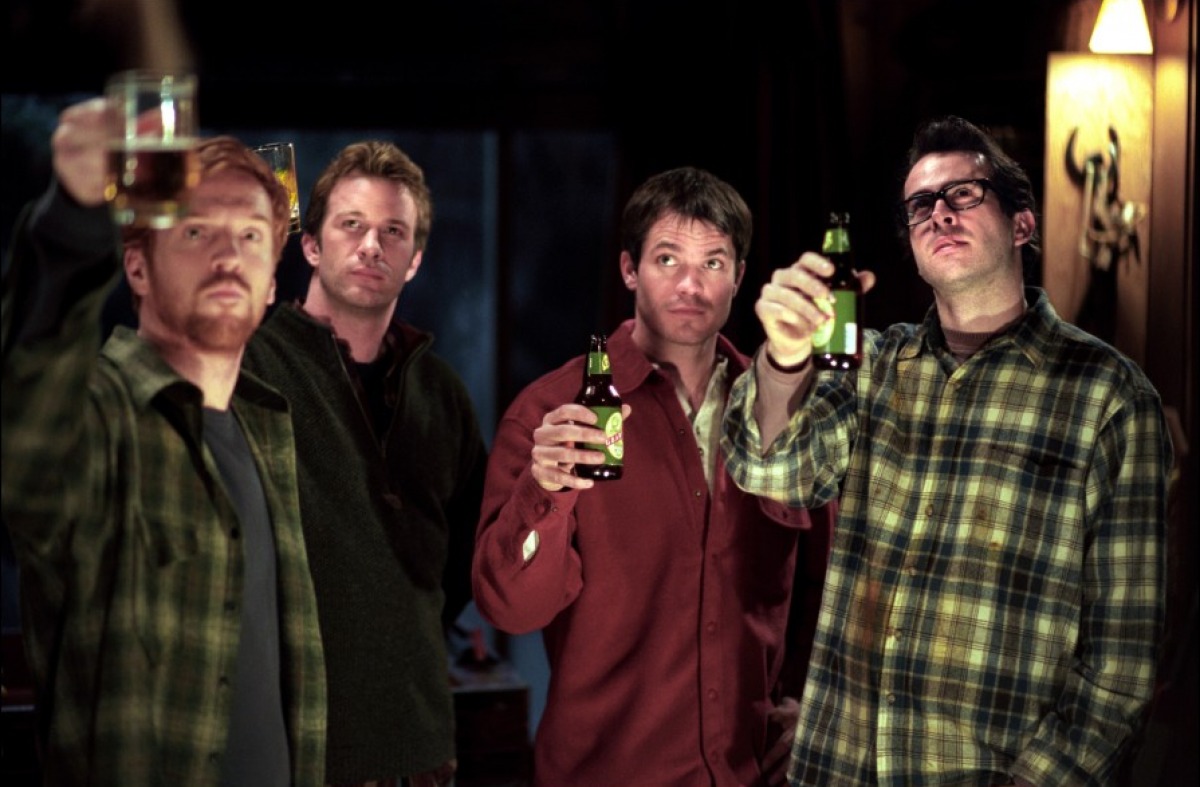
9. Dreamcatcher  – The Stephen King novel about old friends haunted by an alien entity was made into one of the most reviled Stephen King films. Still, the story and characters are interesting enough for another crack at a live-action adaptation.
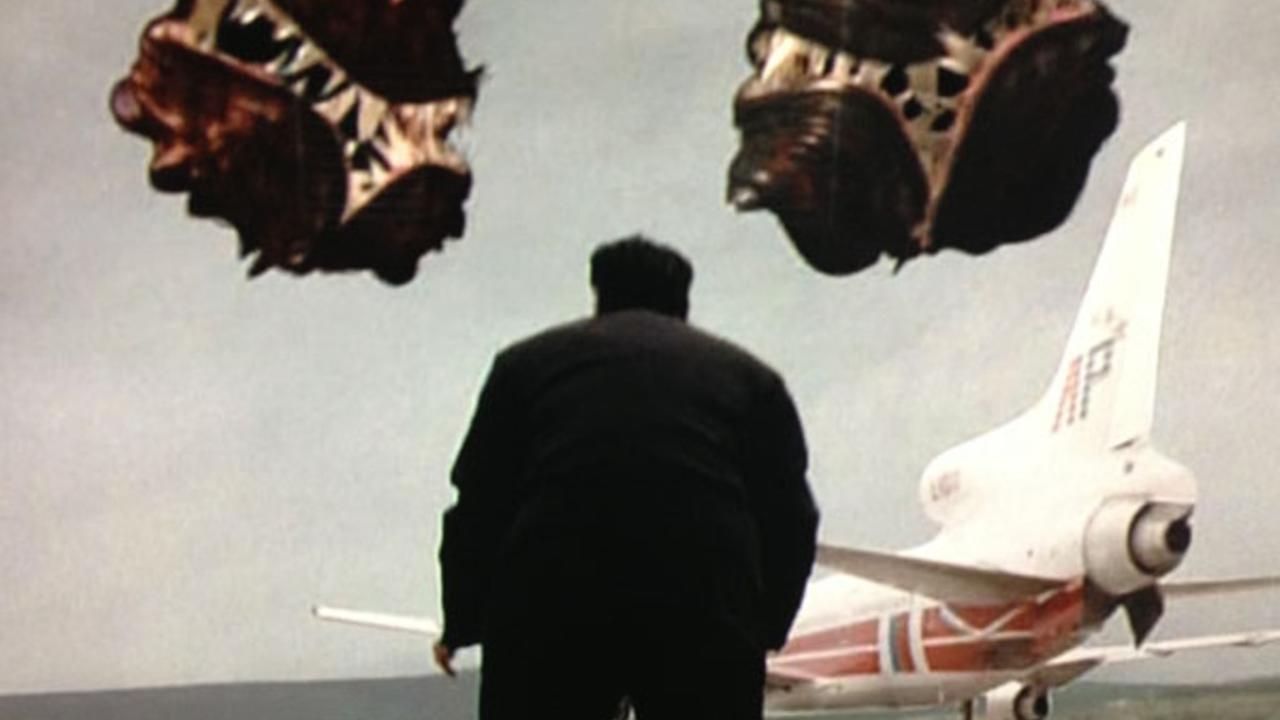
8. The Langoliers The novella of the same name did not have enough material to warrant a mini-series as seen in the 1990s mini-series. This off-the-wall yarn about plane passengers dislodged from time would be better translated as a tightly edited film with a good F/X budget.
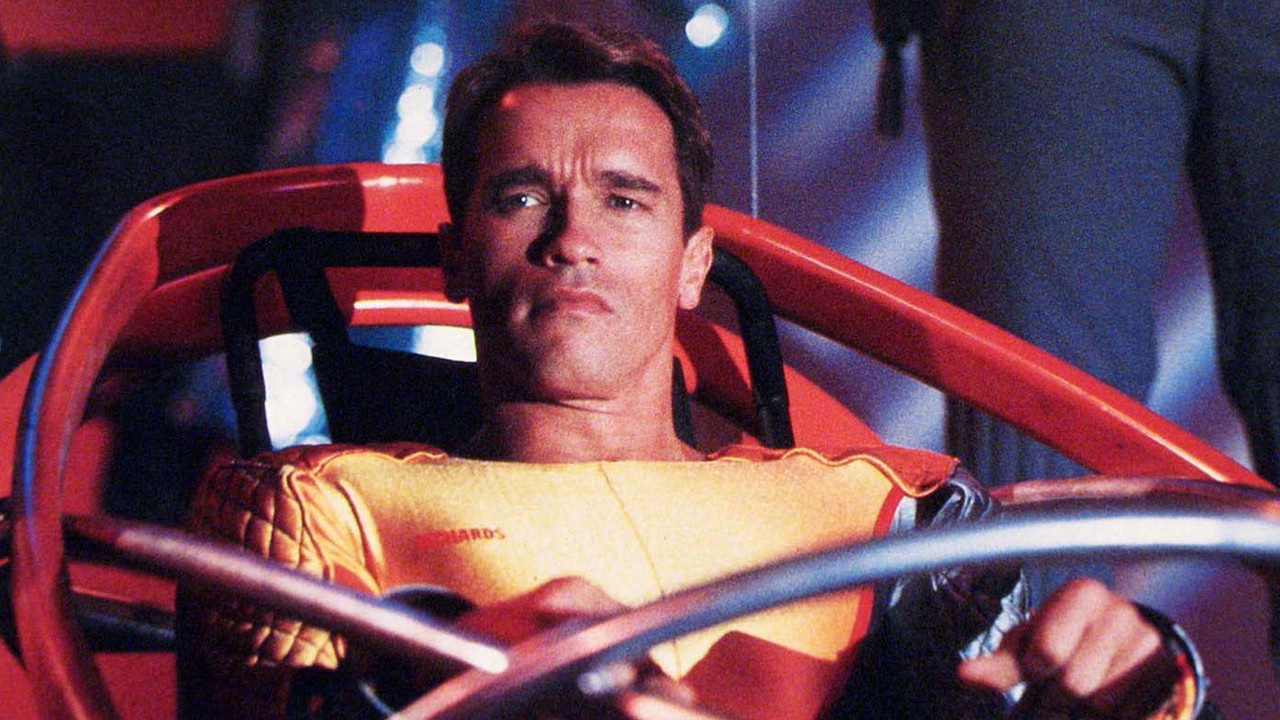
7. The Running Man The original film is best remembered for being a standard ‘80s Schwarzenegger action flick. A remake should better reflect the novel by casting an everyman type and ditching the original film’s revolution subplot as the hero tries to survive a deadly reality TV show in the future.
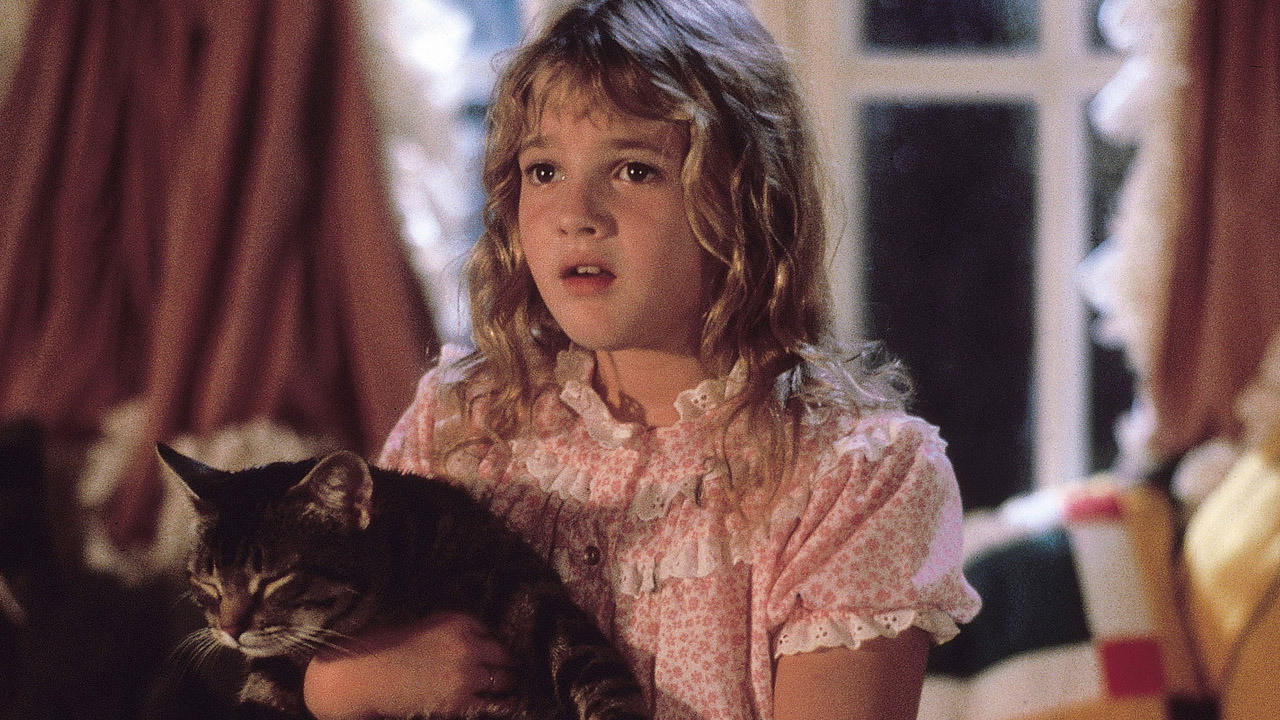
6. Cat’s Eye This anthology film from the 1980s doesn’t need a remake but deserves a sequel. The original adapted Stephen King’s short stories and worked them into a story surrounding a stray cat. A followup could simply adapt some more stories within the same framing device.
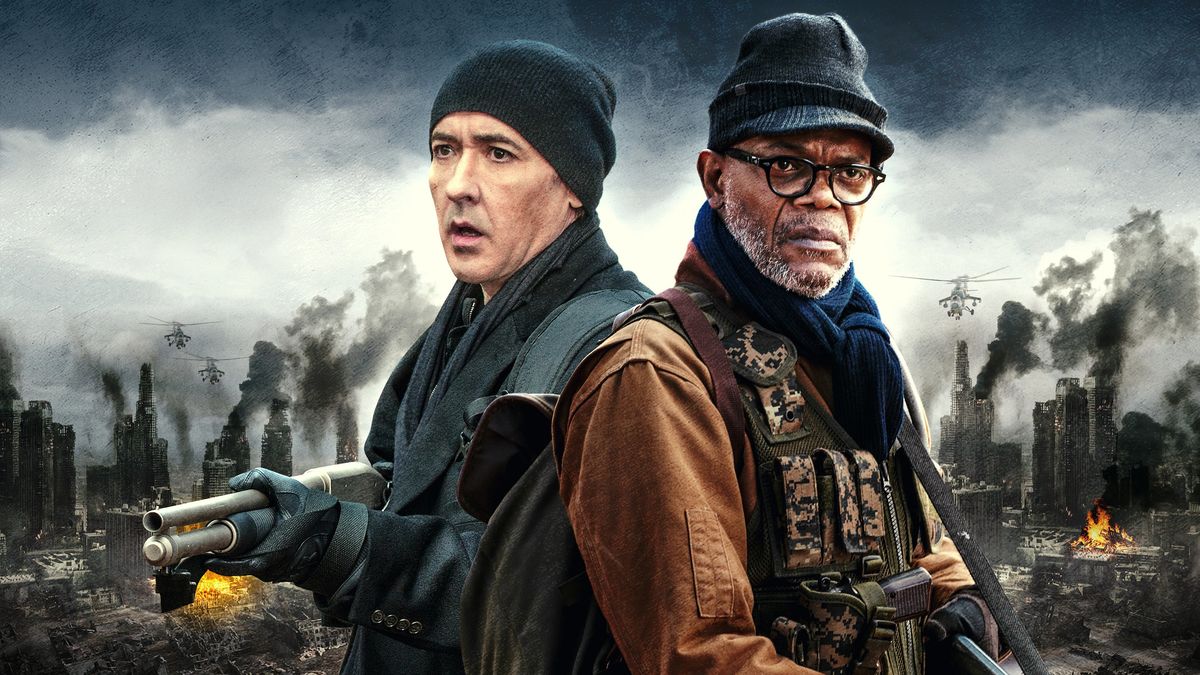
5. Cell Anyone caught the awful DOA adaptation that came out recently? Don’t bother. A properly executed film should be able to capture the disturbing essence of the post-apocalyptic horror tale about humanity turned into mindless killers due to a cell phone signal.
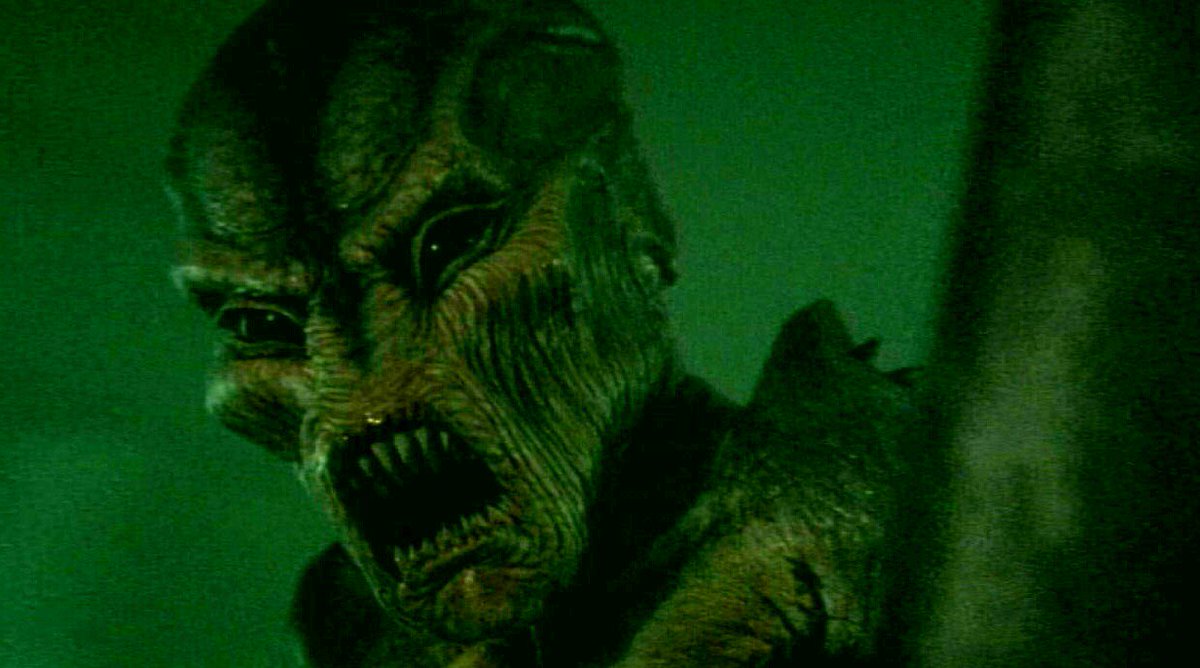
4. The Tommyknockers The mini-series was actually an underrated gem that could’ve used some sprucing up and a tighter pace. The story’s premise of aliens invading a small town is ripe for a terrific sci-fi/horror film featuring all of the novel’s thrilling and eerie elements.
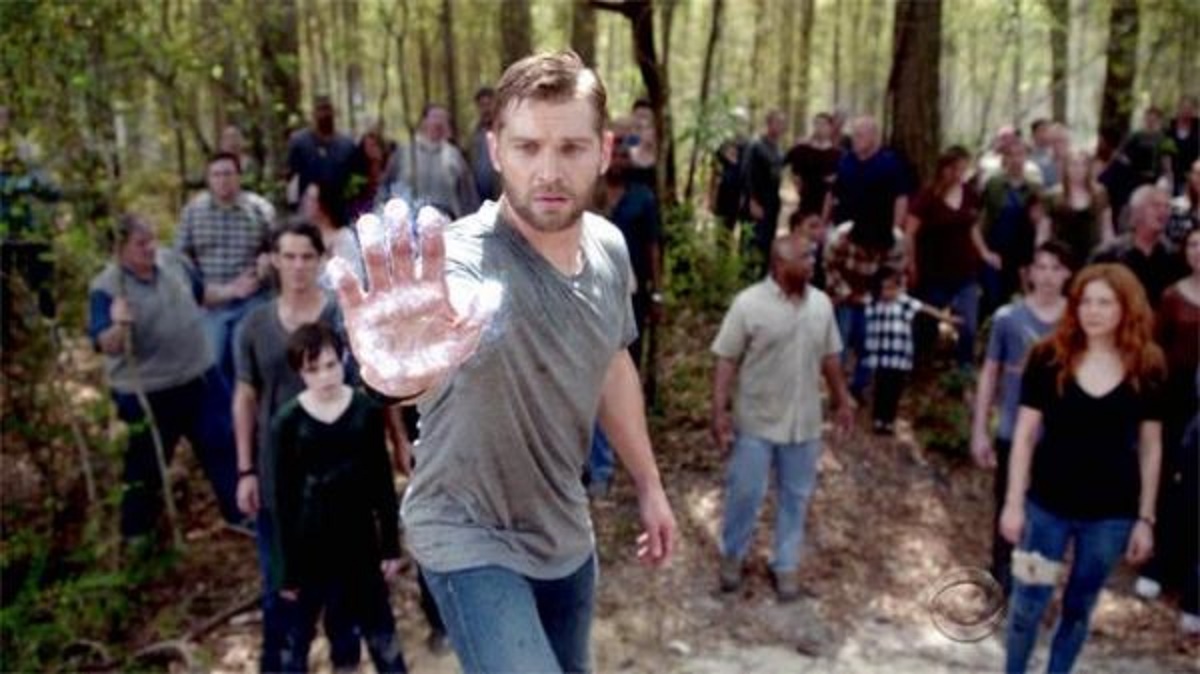
 

3. Under the Dome The horrid TV series that ran for several summers was an injustice to the Stephen King book about a town cut off from the world. The story simply did not work as an ongoing series and deserves another shot as either a film or a mini-series.
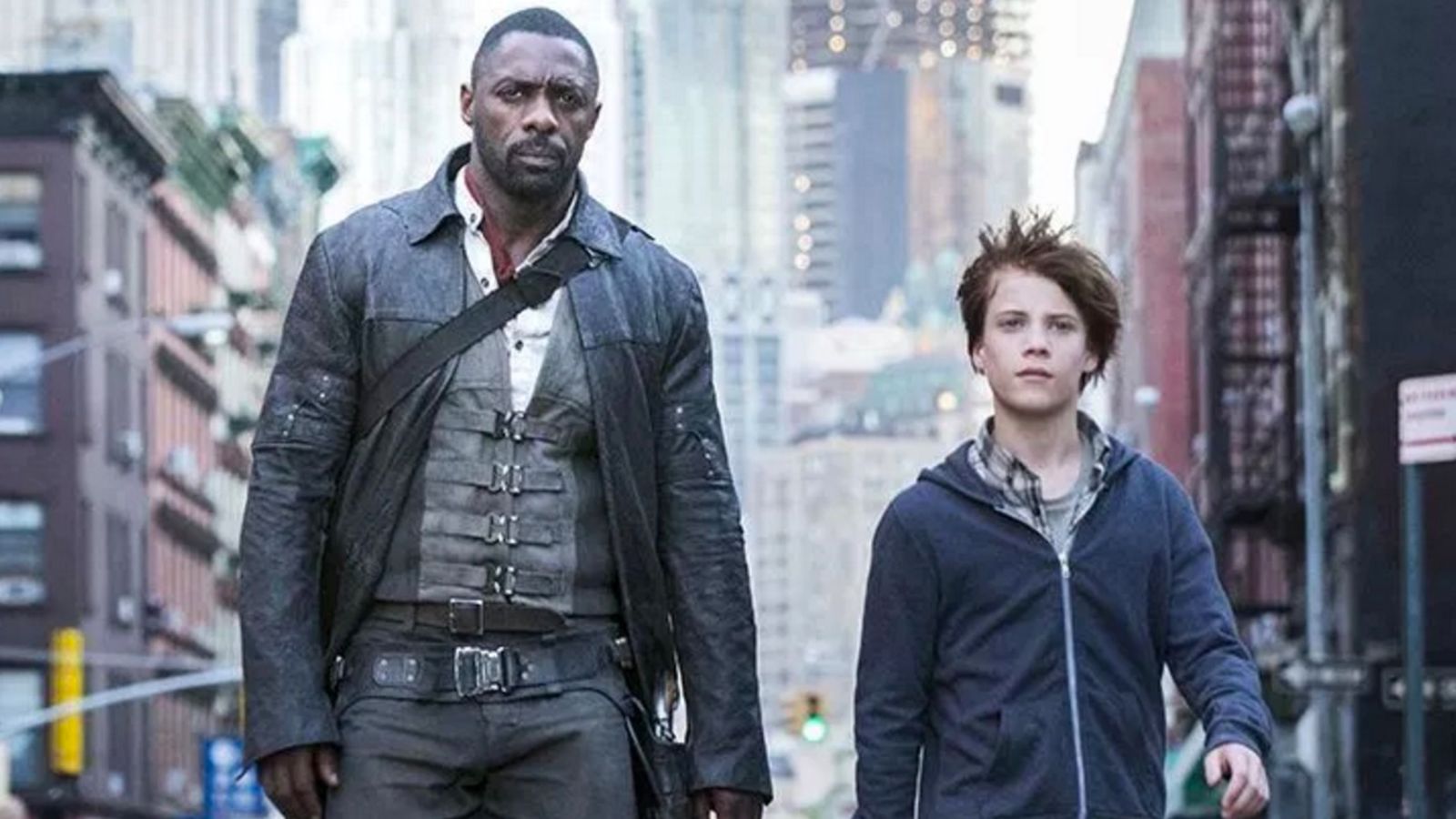
Roland and Jake

2. The Dark Tower The film based on the epic Stephen King series of novels just came out and it already needs to be remade. The Dark Tower film left out so much from the epic novels that made them great. Thanks to its poor box office, plans for sequels are doubtful at this point. The best option going forward would be to forget about films and faithfully adapt the novels into several mini-series or an ongoing TV series on premium cable.
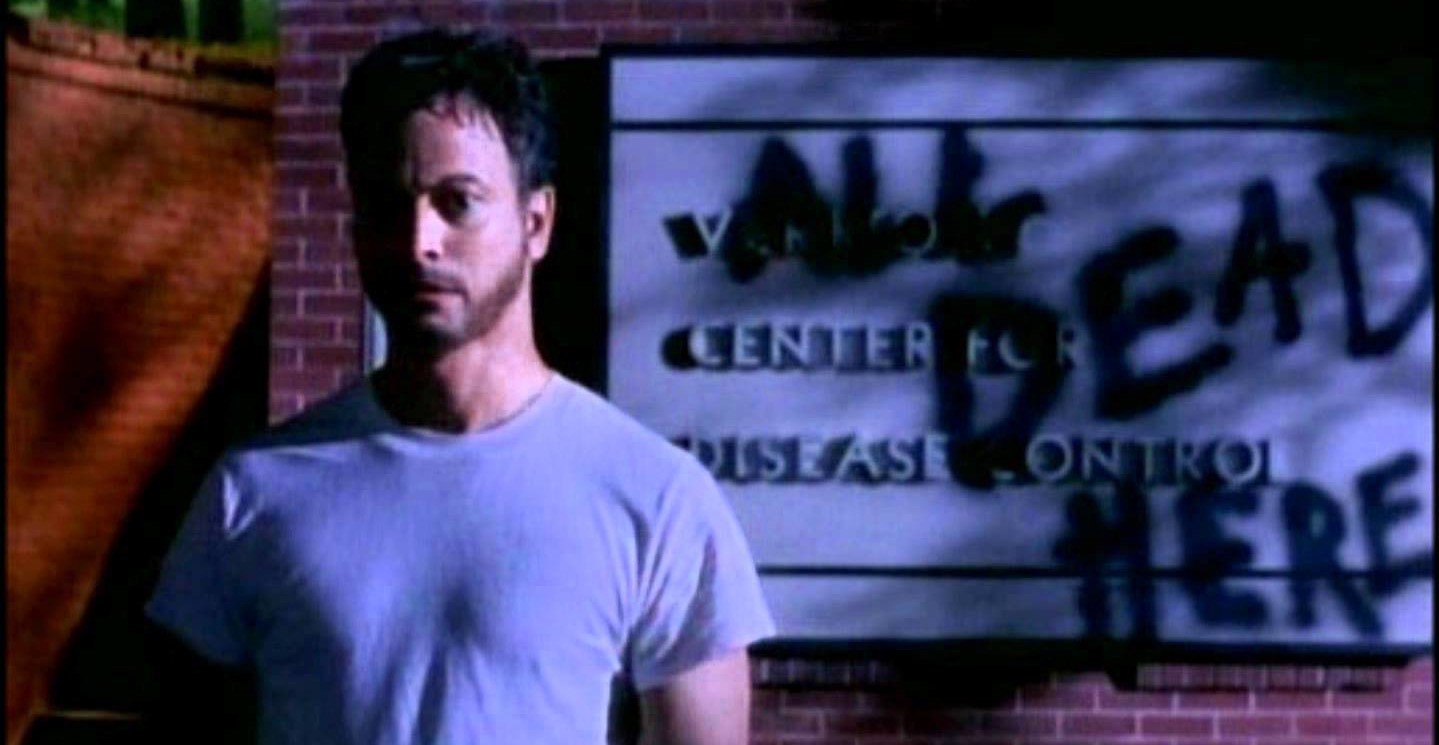
1. The Stand The mini-series based on the seminal Stephen King epic while competent, felt lacking. The Stand was hampered by TV network censors that worried that the post-apocalyptic story of plague survivors would be too much for audiences. Also, to be honest, The Stand meandered too much, which is a complaint about the unabridged version of the novel. A planned film trilogy was abandoned but talks continue for another adaptation. Whether as a new mini-series, films, or an ongoing TV show, The Stand must be remade and thanks to the success of It, this may happen.

Waldermann Rivera
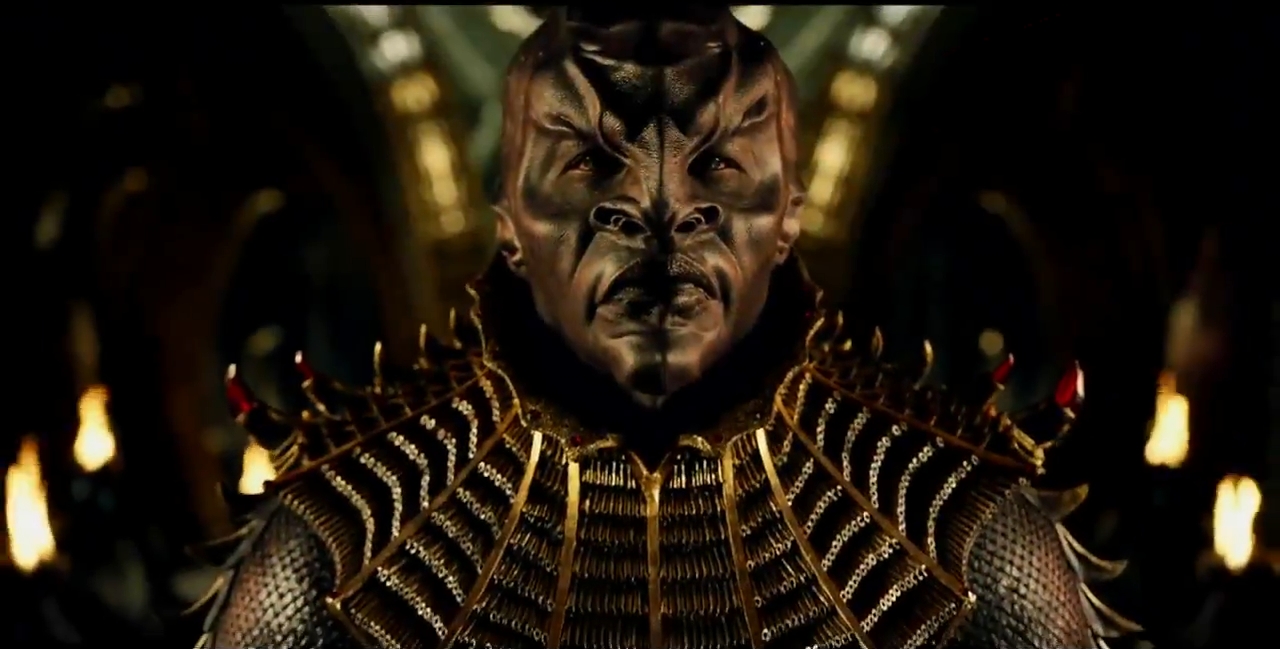
KINO: Klingons In Name Only

klingon in name only

Whether fans love or hate or fall somewhere in between Star Trek: Discovery, one thing that nearly everyone agrees with is that the re-imagined Klingons are a bad misfire. In fact, many consider them to be the show’s biggest flaw. As the main villains in the latest Star Trek TV show, these Klingons bear little resemblance to the traditional mighty Klingons seen in previous Star Trek TV shows. They deviate so much that they can only be considered Klingons In Name Only (KINO) and this is a problem since they are the main adversaries in Star Trek: Discovery.

From Cold Warriors To Gruff Allies 

Klingons have had a long history with Star Trek going back to the first season of the original show. When they were first introduced, they were supposed to be a mix of Nazis and Soviets and their conflict with the peaceful Federation represented the Cold War going on at the time. Due to limited budgets, the makeup of the Klingons was simplistic: swarthy, greasy complexions with arched eyebrows and goatees. Needless to say, they could pass for humans.

kor and kirk

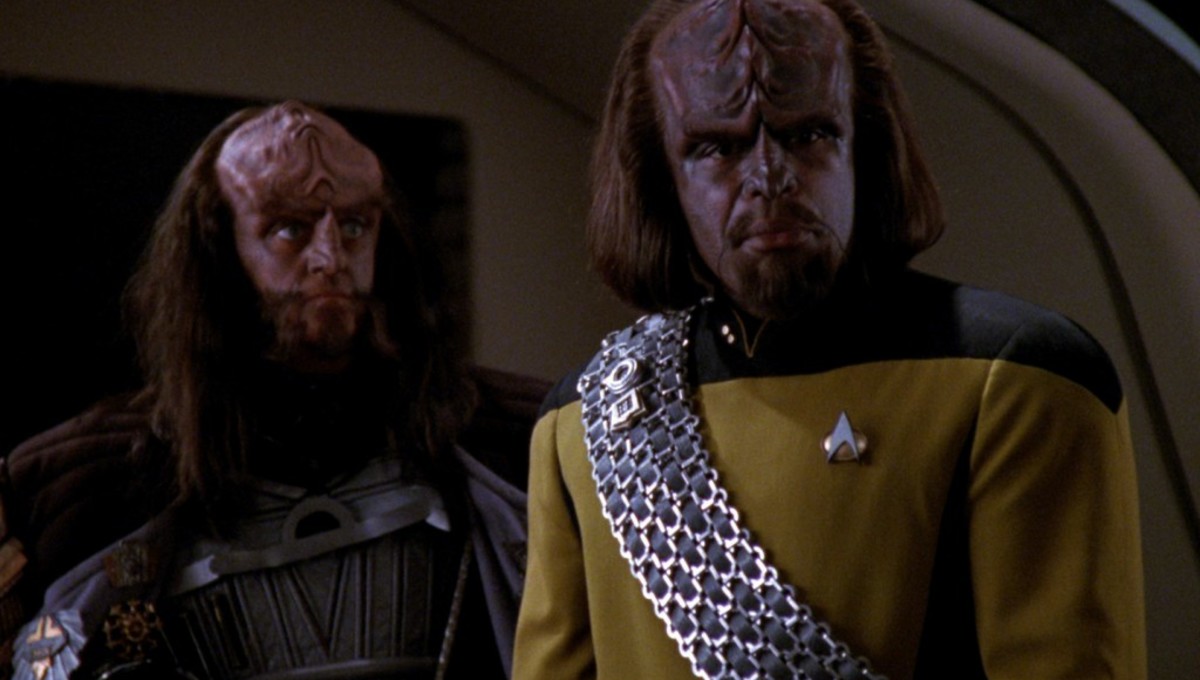
Later when Star Trek became a film series, increased budgets allowed for the aliens’ look to be enhanced. They were sported browed ridges on their foreheads and wore durable and elaborate body armor. They were bulky, formidable warriors that were more than a match for any human opponent. As the films progressed and new TV shows premiered, the Klingons were better developed until they became a rich alien culture with their own distinct language. This gruff, heavy handed tongue became so popular with fans that it is now the most spoken fictional language in the world today.

The alien race had evolved from simplistic Cold War stand-ins and became a complex civilization with a fascinating back story. They even became allies of the Federation, though the culture clashes remained. Of course, there was the continuity issue of how the classic Klingons looked more alien than the human-like ones from the original show. This was solved in the prequel series Star Trek: Enterprise where it was shown that the Klingon race contracted a virus that mutated them into having a more human appearance. It was outlandish, but it worked.

classic klingons

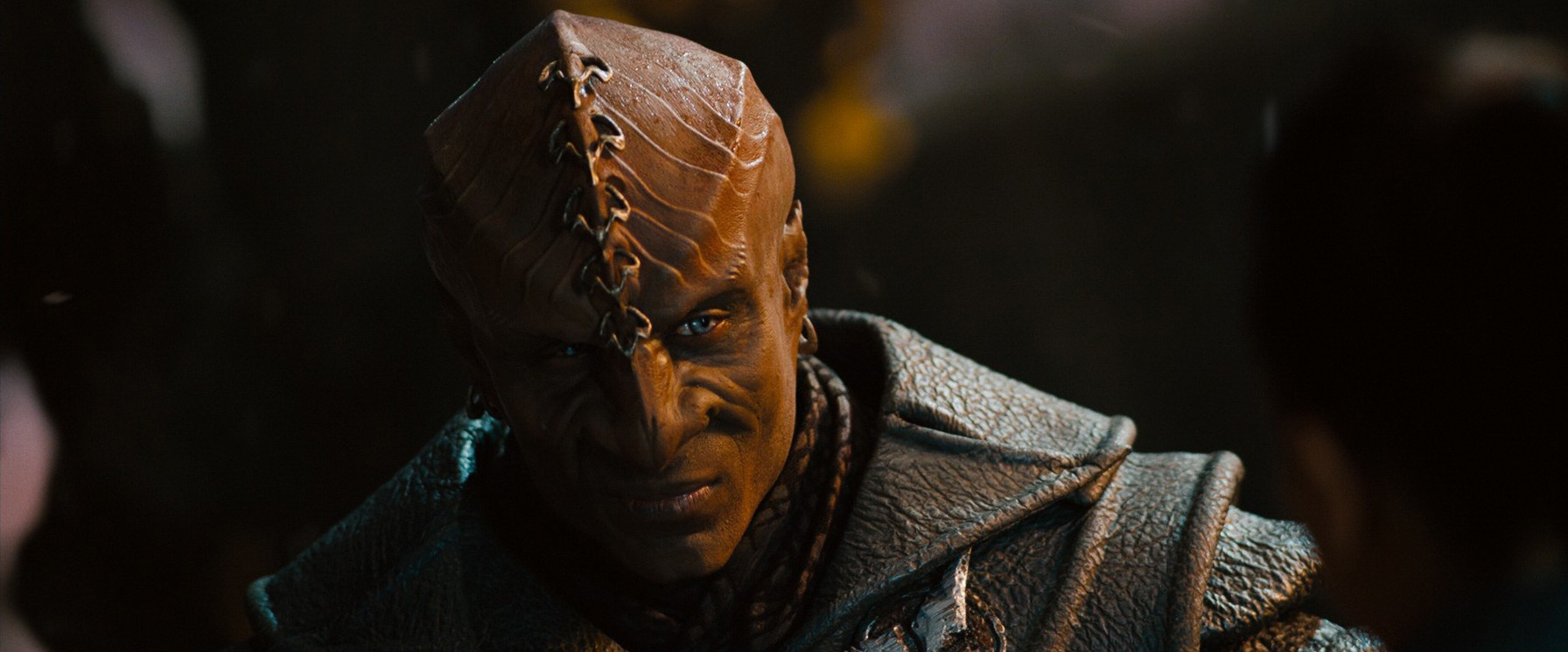
By this point, the Klingons were perfected. Yet, for some reason when it came time to reboot Star Trek the iconic Klingon look was changed. In their only full appearance to date, Star Trek Into Darkness, they didn’t have any hair and looked more alien. They still came off as savage, bloodthirsty warriors, but weren’t as hefty or burly as classic Klingons. The reaction to them was mixed, but everyone knew the reboots took place in an alternate reality, so the new look could be overlooked by some.

One of the most enticing details about Star Trek: Discovery was that the show would take place in the Prime Star Trek Timeline. This excited many fans who felt alienated by the action-oriented reboots. Then images and clips started appearing which discouraged fans. In addition to the advanced technology and contradictory plot details, the Klingons received yet another unwanted makeover.

Meet The KINOs

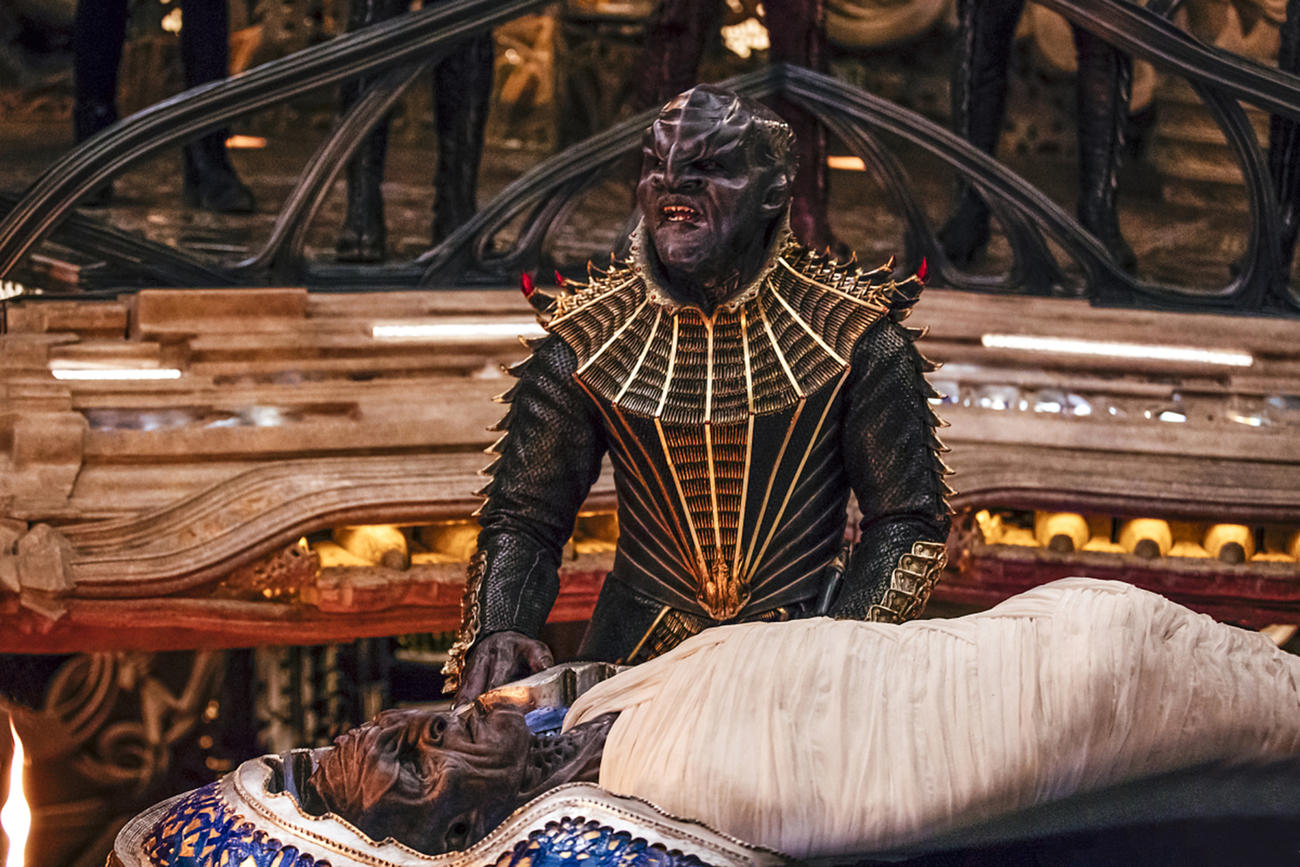
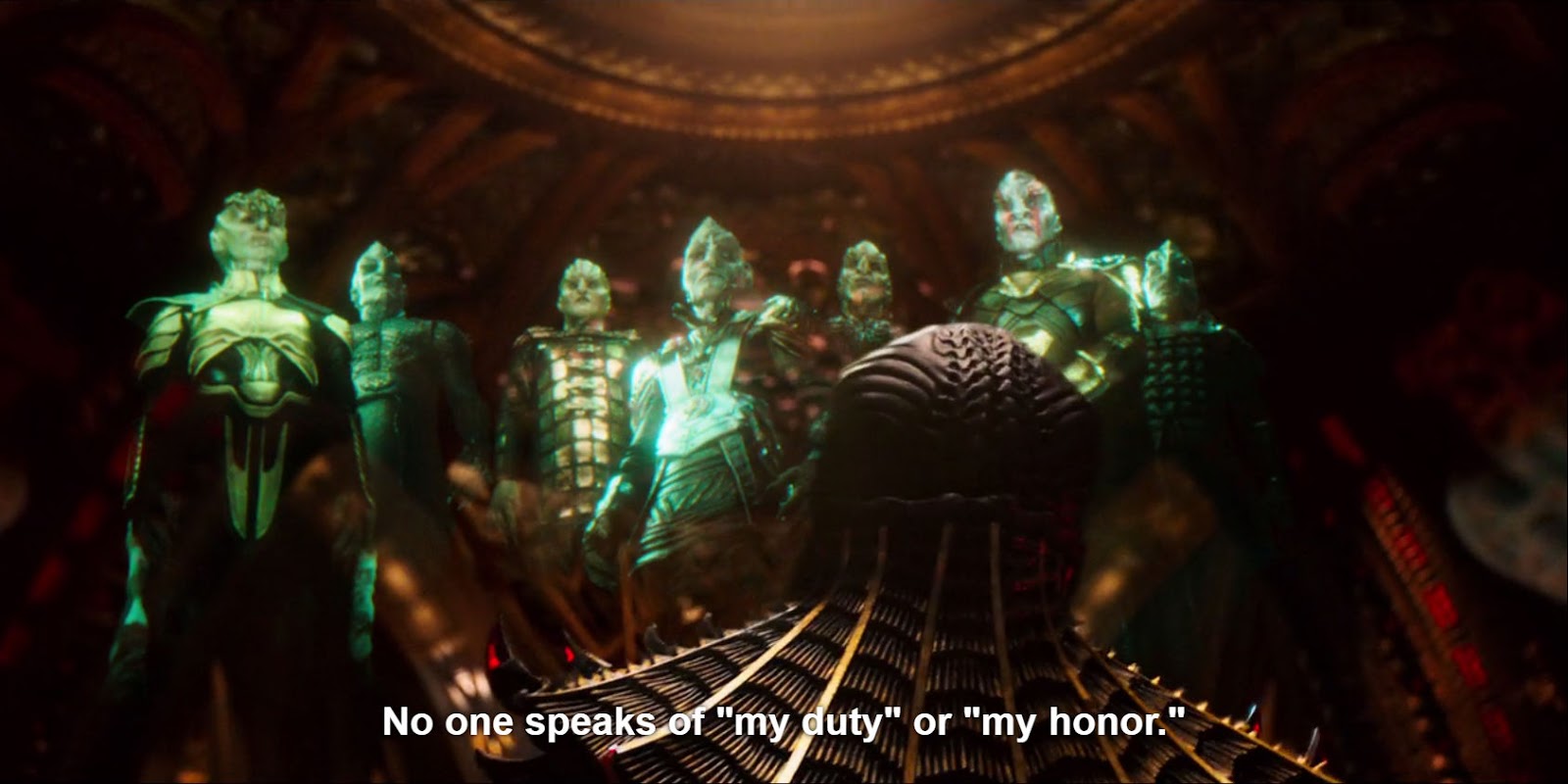
Everything about them looks different except for the browed ridges that now  are more prominent since they are hairless. Their skin tone is either purple, black or white with super flared nostrils. The KINOs wear ugly uniforms that looked more like bony dresses than armor and aren’t as formidable as real Klingons. What is worse is that brusque and clipped Klingon tongue sounds different, more unnatural. Maybe it is the makeup but now the Klingons sound like they have something in their mouths and it is difficult to listen to them. At no point in the episodes shown have we heard their famous battle cry “Qapla!”, meaning “Success!” Instead we get long, drawn out speeches that is hard on the ears and ponderous to read with all the subtitles.

It can be argued that these could be another unseen-til-now faction of Klingons or something along that line. But this is a needless revision. There wasn’t anything wrong with the classic Klingon look. Why did the showrunners feel the need to meddle with not only the look, but the complex culture of the beloved aliens? If the argument is to be different and update their look then why stop there? Why not update the Vulcans? As aliens go, they are not remarkable in this day; pointed ears and arched eyebrows. Not the most exciting look, but to try to change it would be blasphemy at this point.

klingon burial

What is probably worse for the KINOs is the way they are portrayed in Star Trek: Discovery. They do not seem very bright for vaunted military types. In the episode “The Butcher’s Knife Cares Not For The Lamb’s Cry” the Klingons led by Voq are stranded near an abandoned Federation starship for six months. Voq boards the enemy starship to scavenge for parts, but if they were marooned for six months why didn’t he and the other Klingons scavenge the starship sooner? Then the way they perceive death is radically different than with classic Klingons. Both do the death cry when one of their own dies to warn the afterlife of a coming Klingon soul. However, once a Klingon is dead the corpse is casually discarded because the body is just a husk. These KINOs instead put their dead into elaborate sarcophagi and transfer them onto a special funeral ship. Huh?  Even their ships and weapons bear little resemblance to the iconic Klingon battle cruisers, birds-of-prey and bat’leths.

For a Star Trek show that is allegedly set in the Prime Timeline these Klingons are the best argument that this is not so. But debating about timelines and canon is pointless and would not be so heated if the Klingons were better realized. Frankly, whenever these KINOs appear onscreen the pace of the episodes comes to a screeching halt. There is an interesting subplot about uniting their separate clans to become a major power again. But that gets lost in the slow pace of their poorly written scenes. They simply are not as intimidating as classic Klingons. One attempt to make them frightening is to have them eat dead humans, which comes off as sickening.

Star-Trek-Discovery-Klingon-Kol

Even more distressing is that the showrunners are blind to the negative reception to their version of Klingons and are intent on doubling down on them throughout the season. Maybe this is not the final word on the Klingons, we can only hope that something is done about these KINOs. Until then the best we can do is either re-watch previous Star Trek shows to get our classic Klingons or fastforward Star Trek: Discovery whenever they appear or at the very least stuff cotton into our ears when they open their mouths to talk.

José Soto


This Beautifully Crafted Blade Runner 2049 Does Not Replicate The Original Classic

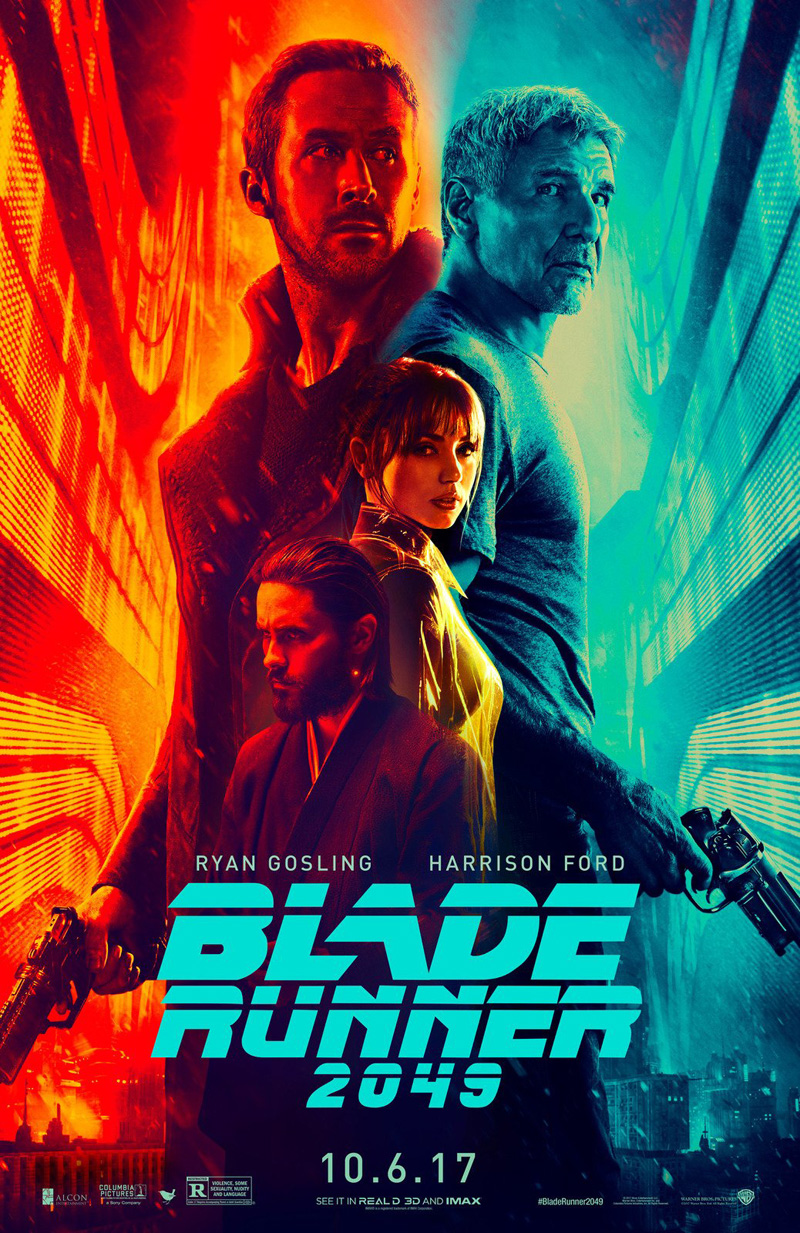
blade runner 2049 poster

Blade Runner 2049 is the sequel to the Ridley Scott sci-fi neo noir classic film that came out 35 years ago. It takes place in the same dystopian Los Angeles introduced in the original film, which took place just two years from now, yet seems uncomfortably accurate today. Now thirty years later the world is even more ruined but further technologically advanced. Humanity is still utilizing  race of artificial humans called replicants as slave labor. Whenever a replicant escapes or rebels, special police officers called blade runners are dispatched to kill them.

In Blade Runner 2049, replicants no longer have limited life spans and are more integrated into society. However, they are still second-class citizens who are derided by humans. The main protagonist in this film is K (Ryan Gosling), a replicant who is actually a blade runner that hunts down his own kind without remorse. Early in the film during an assignment he uncovers a baffling mystery. He discovers a long-dead body and this leads him on a mission to find out more about the deceased person because it has important connotations for replicants and society itself.

Denis Villeneuve directed this sequel and he is an inspired choice for the job because his visual style and storytelling techniques are very reminiscent of Ridley Scott. The landscapes are still breathtakingly chilling with the towering and crumbling skyscrapers, large intrusive holographic advertising and constant rain, which signal the climate change ravaging our planet. Only now snow and ash pelt the inhabitants of the futuristic Los Angeles. This does not mean that Blade Runner 2049 is a copy of the original. It tells its own original story without rehashing the beats of the first film, while further exploring the theme of what it means to be human. Gosling does his usual stoic act, which fits perfectly with his soulless character. But as he digs deeper into the mystery, he comes to question his own self and wonders if he has a soul. If so would that make him human despite how he is treated?

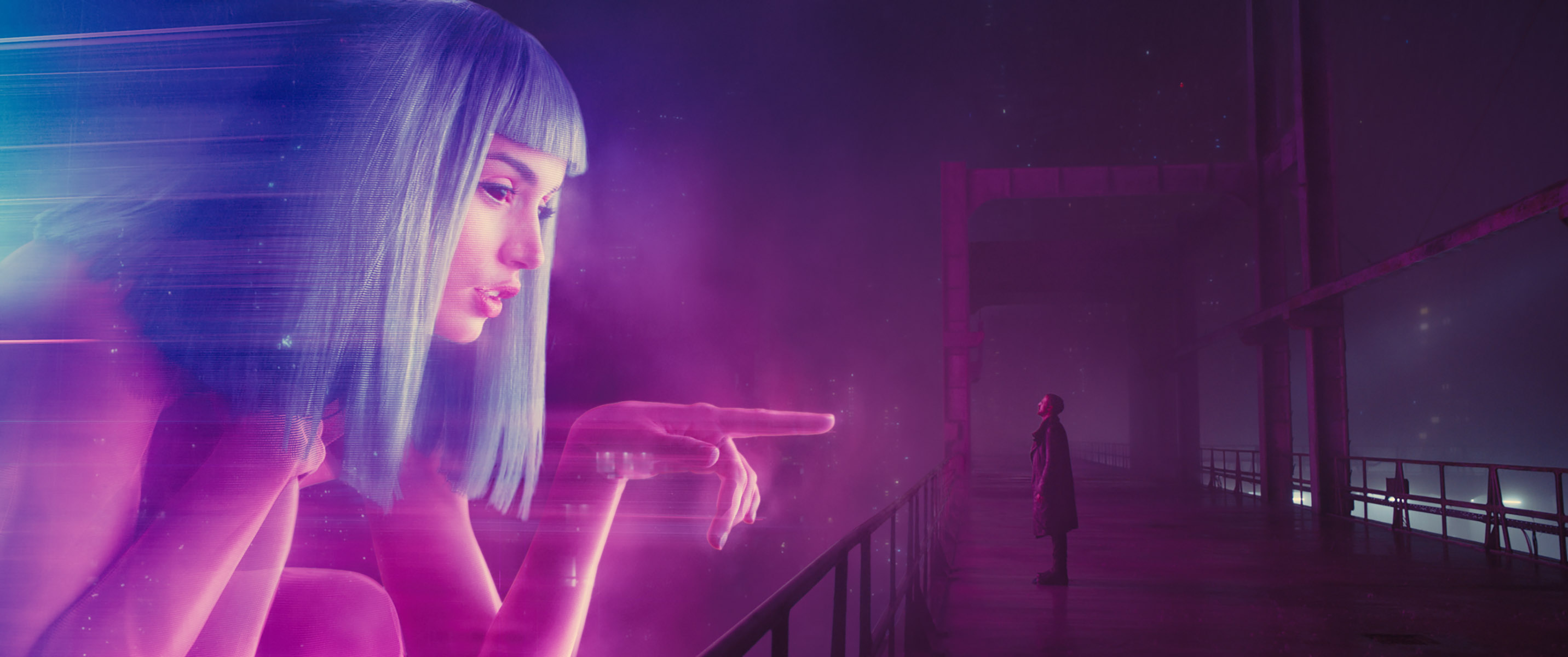
The sequel even takes time to examine the nature of sentience with K’s holographic home AI, Joi (Ana de Armas). At first glance, Joi just seems to be a household tool to K, sort of an advanced Siri or a Google Home but with holographic projectors. What was interesting about this set up is that a subservient non-human intelligence services a second-class citizen who isn’t considered human himself by society. How K and Joi treat each other in their tender,  growing relationship formed the heart of this film and featured in its best moments.

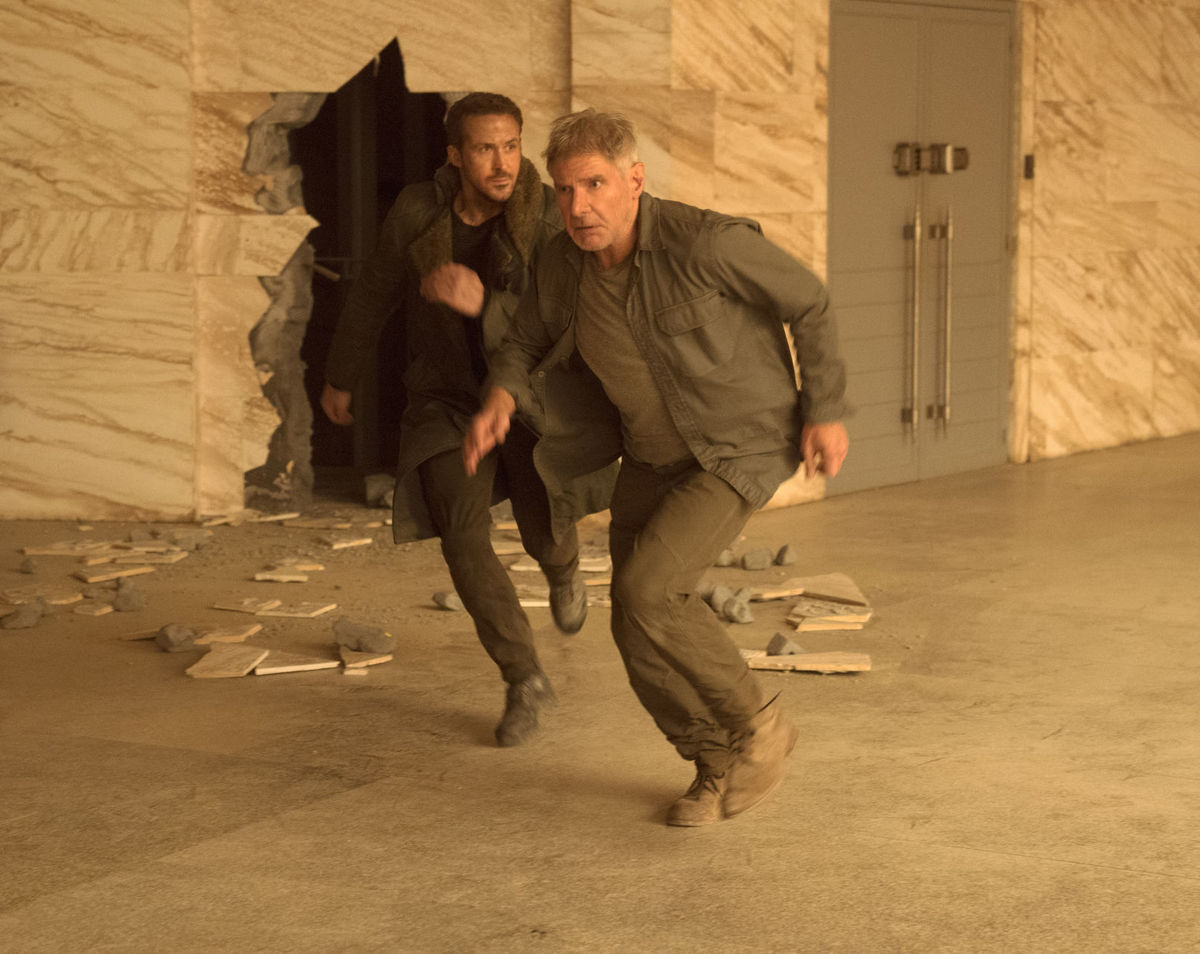
Another highlight is Harrison Ford himself, who reprises his role in the first film as Deckard, the blade runner who fell in love with a replicant. He is a welcome face and believe it or not helps lighten the mood in this dour film. Ford’s Deckard is a reminder of a world that has been lost and only now exists as a distant, treasured memory. Although Ford is a scene stealer, Gosling with his tortured character is the focus in this film.The most important question is about how Blade Runner 2049 compares to the original. Honestly, this is the kind of film that will be many things to many people. Already, some are hailing this as a masterpiece, while others are writing it off as dull. Bottom line, the original is the better film for several reasons. Starting with the story, the first Blade Runner had a tighter plot that was quite clear: Deckard had to find a group of renegade replicants. In this film, the mystery (and plot) are laid out but it seems more muddled and sometimes it is easy to lose track of what is going on. Later in the film, a new development occurs that is disjointed and clumsily inserted into the film. What is worse is that this development does not lead to anything and just reeks of an obvious plot thread for a sequel. This does not mean the film is dull as some are claiming. Just like the first Blade Runner, this is a slower, more contemplative film than what most of today’s audiences are used to, which is not a bad thing. Also, while it emulates the look and themes of the first film, Blade Runner 2049 fails to replicate (pardon the pun) that memorable future noir atmosphere that made the first film stand out. For a film that centers on a mystery it feels less like a detective story than the first Blade Runner. Another vital drawback is with the villain. Roy Batty so wonderfully played by Rutger Hauer was a much more realized and dimensional villain. He was motivated by a desire to be free and extend his short life span. That is something we can all identify with, which is why we mourned his fate at the end of the film. The villain in this sequel does not have a clear motivation and as a result comes off as one dimensional.Blade Runner 2049 is nonetheless a beautifully crafted film that honors the original while being able to stand on its own. Denis Villeneuve demonstrates again why he is one of the most lauded film directors today and this is a great entry in his filmography. The film’s cinematography is simply gorgeous even though it depicts a sadly decaying world. Every shot is expertly composed and should be seen at least once in the big screen. It goes without saying that the special effects are as grand and spectacular as the first film. But these technical aspects are just window dressing for the film’s central themes about humanity and how we treat each other. Those are the film’s true highlights and what will leave the greatest impression upon audiences.

Lewis T. Grove


Unleashed Star Wars Toys

star wars unleashed

While we Star Wars fans salivate over the Star Wars Force Friday II release of new toys, let’s take a quick look back to one of the most popular and colorful Star Wars figures line. This one was called Star Wars Unleashed, which debuted in 2002 and ran until 2007, ten years ago. The line mostly concentrated on the characters from the then-current films Star Wars Episode II: Attack of the Clones and Star Wars Episode III: Revenge of the Sith.

As with recent Star Wars toys, the Star Wars Unleashed line was manufactured by Hasbro and the figures cost more than the standard six-inch figures. Usually they retailed for about $15-$20 and the cost was due to their size, plus the bases of the figures. Those who managed to buy them at the initial price back then are extremely lucky because they now cost quite a lot in the secondary markets. Some fetching prices well into the hundreds of dollars.

When the line was first launched, each figure had a theme reflected in their dynamic poses. Each pose represented a key moment for the character in the movie. This was probably to make up for the fact that they’re not as articulate as regular figures though they’re much more detailed. A good example of such vivid posing and sculpture is the Anakin Skywalker figure is known as “Rage” since that the sculpture illustrated his violent mood after his mother was killed in Episode II. We all know after her death Anakin went on a killing spree, which made him reckless, even into his fateful confrontation with Count Dooku. It was one of the most dramatic poses in the series with Anakin in full attack mode wielding two lightsabres and a look of pure hatred. It’s amazing that the manufacturers were so capable of capturing his inner turmoil since one wouldn’t expect that from a toy. The other most dramatic figure that was part of the initial release was the Darth Maul figure that is called “Fury” and he is placed standing on one leg as if ready to pounce on a hapless Jedi as a swirl of red dark force energy swirls around that leg. For some reason, the other figures released in the following years didn’t have any subtitles, which took away from the idea that the sculpture were supposed to represent the characters at certain, pivotal moments.

Luckily for the collectors, the later figures in the Star Wars Unleashed line were just as impressive and in fact more so. Take the Boba Fett figure that was sold exclusively at Target. The detailing is simply beautiful and the pose was so dramatic. You almost expect the bounty hunter to come to life. In the actual display, Boba Fett is battling the hungry sarlacc creature while trying to escape. This was inspired by the scene in Star Wars Episode VI: Return of the Jedi when he is eaten by the creature. In this pose it looks as if he’s ready to blast off, implying that he survives the encounter. It was a beautiful and dynamic sculpture as Fett’s posture with one arm raised high and one leg tangled in the sarlacc’s tentacle was reminiscent of a cover from an old science fiction pulp magazine.

On a side note, additional figures were repackaged and sold exclusively in Wal-Mart, KB Toys, Best Buy and Target. They included two versions of Darth Vader, Luke Skywalker and General Grievous. The figures were slightly larger than the original figures.

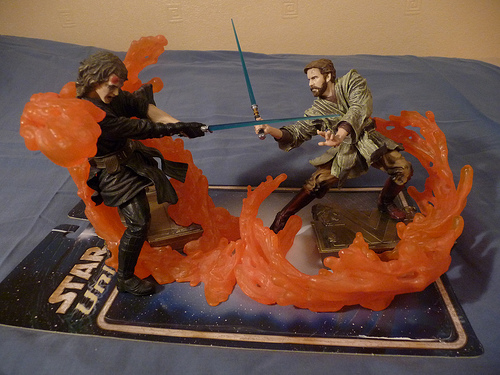
The best figures from that line included the just-mentioned Darth Maul and Boba Fett, as well as the Yoda (2003), Obi-Wan Kenobi and General Grievous (2005). One nifty aspect of the Obi-Wan figure is that he can be easily connected at the base with the Anakin Skywalker figure also released in 2005. Based on the final moments of Star Wars Episode III: Revenge of the Sith, when they confront each other on the volcanic planet Mustafar, they are both shown in battle poses as swirls of lava surround them. Only their mastery of the Force keep the lava at bay. Even though these two figures were sold separately, they could be connected.

This idea was carried one step further the same year with the Yoda vs. Palpatine figures that come together in one package. It can be said that Hasbro took this to the next level with the release of the Epic Battles packs collection. These sets sold for less and included at least four figures though they are much smaller, roughly three inches tall. The collection includes groups of Jedi, Wookies, Droids, Imperial Troops and so forth. They were also well detailed with dramatic poses but were not as enticing as the regular Star Wars Unleashed figures, which were more geared for older children and adult collectors. However, they’re perfect for the younger fans who want to recreate exciting scenes from this film series that just seems to spawn more and more creative toys and figures.

On the other hand, the popularity of the Epic Battle packs spelled the end of Star Wars Unleashed. There was only one Star Wars Unleashed released in 2007, Count Dooku, which was just as masterfully sculpted and detailed as the other figures. It’s a shame that the line ended because there are so many characters that would be perfect.  Imagine one being sold for Ahsoka Tano, Rey, Lando Calrissian, Qui-Gon Jinn, or Luke Skywalker from the first Star Wars film. We do have the Titanium and Black Series figures which are just as impressive, but Star Wars Unleashed does hold a special place in my collector’s heart. It’s probably because of the dramatic forces that captured the essence of the characters. Perhaps one day they can come back in some form or another.

José Soto

Robocop: Celebrating The Cyber Masterpiece

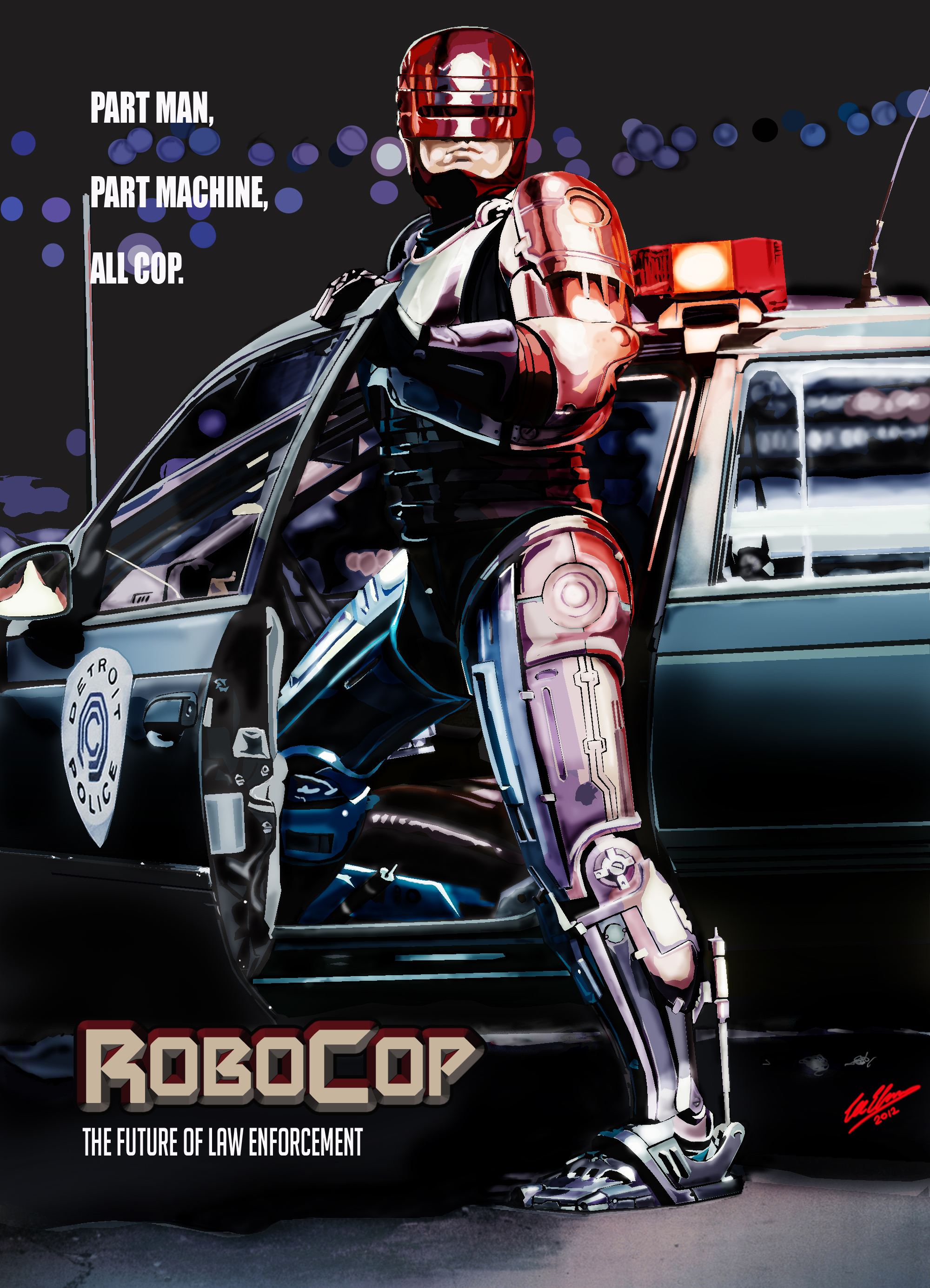
Robocop poster

On August 1987, genre film fans received a bonafide treat when the film Robocop made its debut. To say that the film was a thrilling surprise would be an understatement on the league of the title character’s stoic line delivery. Part of the reason for the enthusiastic reaction to Robocop is that August is usually a dumping ground for non-starter films that no one remembers weeks after they debut. Robocop bucked that trend with its no-holds-barred action, over-the-top violence and wry social commentary.

Serving The Public Trust

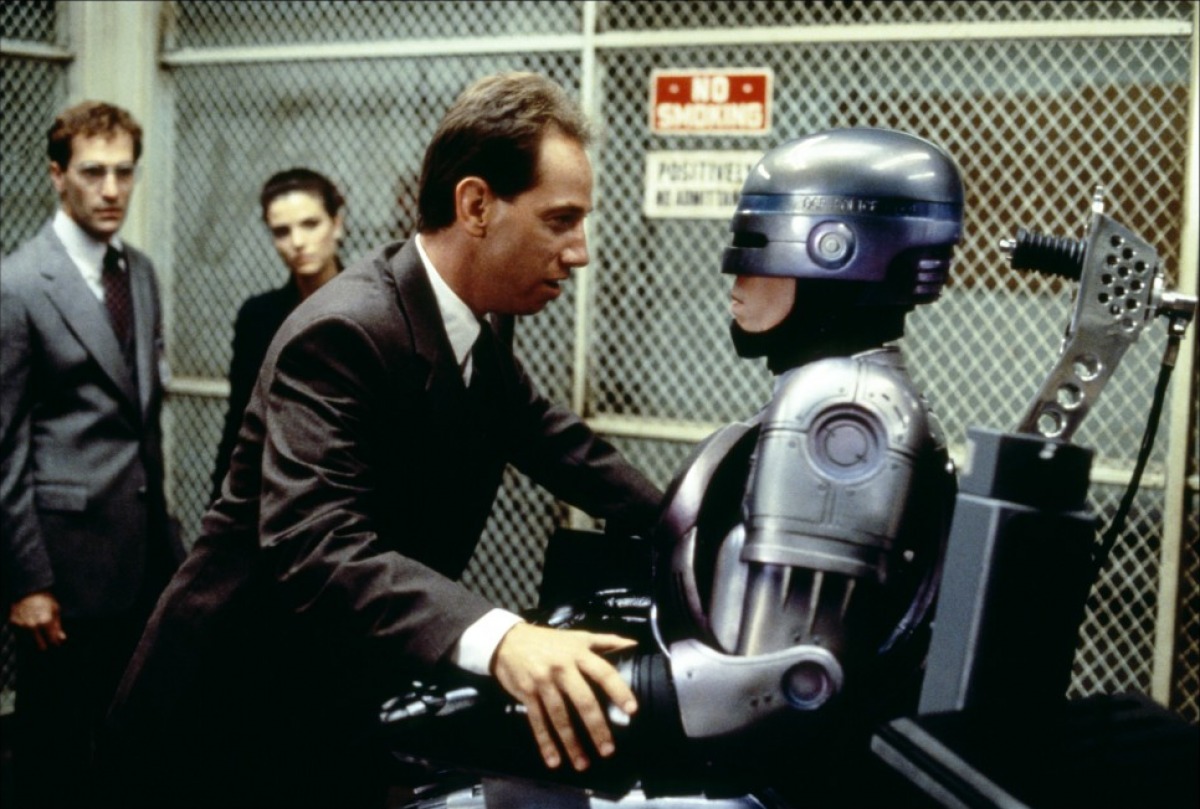
Robocop starred Peter Weller as Murphy a beat cop in a futuristic and crumbling Detroit who is viciously gunned down. Left for dead, and with a ruined body, Murphy is resurrected into the mechanical body of Robocop, a prototype robotic constable. The cyborg police officer is touted as the crown jewel of Omni Consumer Product’s (OCP) media blitz to promote a revamped Detroit to be renamed Delta City. Robocop makes an immediate impact in the public consciousness as he patrolled the dangerous streets in his sleek chrome body that was designed by Rob Bottin. Buttressed by Basil Poledouris’ pounding and bombastic score, Robocop efficiently curbs crime thanks to advanced cybernetic skills.

morton and robocop

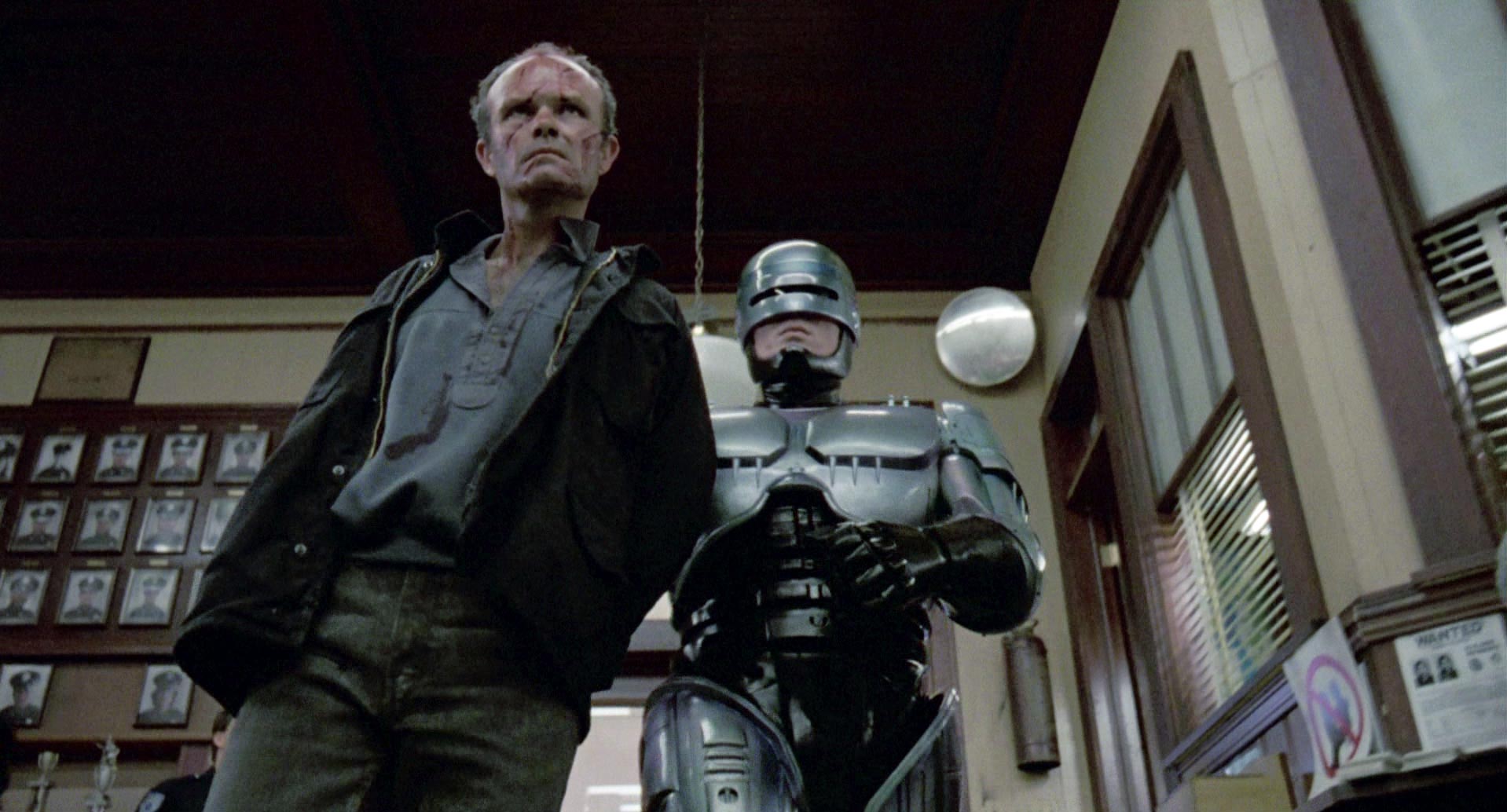
However, beneath the chrome armor Murphy’s mind and humanity, which was supposedly wiped clean during his transformation, starts to re-emerge. At the same time, the film follows the ruthless corporate antics of Robocop’s overlords who care little for their community. Eventually, Murphy’s emerging morality clashes with his handlers, who are in league with the local crime lords. In this case, Robocop’s arch rival Clarence Boddicker (Kurtwood Smith), who looks like a typical suburban father but has a severe aptitude for violence that rivals a favela gang leader. Even though these villains did not have any superpowers, their cunning and willingness to go the extra mile were quite a match for Robocop.

Robocop and Boddicker

The film made quite a splash that late summer and for good reason. Thanks to Dutch director Paul Verhoeven, Robocop excelled in macabre humor and biting action scenes. Verhoeven and the other filmmakers including producer Jon Davision, and screenwriters Ed Neumeier and Michael Miner, were clever enough to inject a balance of pathos for Murphy’s plight and inspired social observations.

Dystopian Corporate Culture

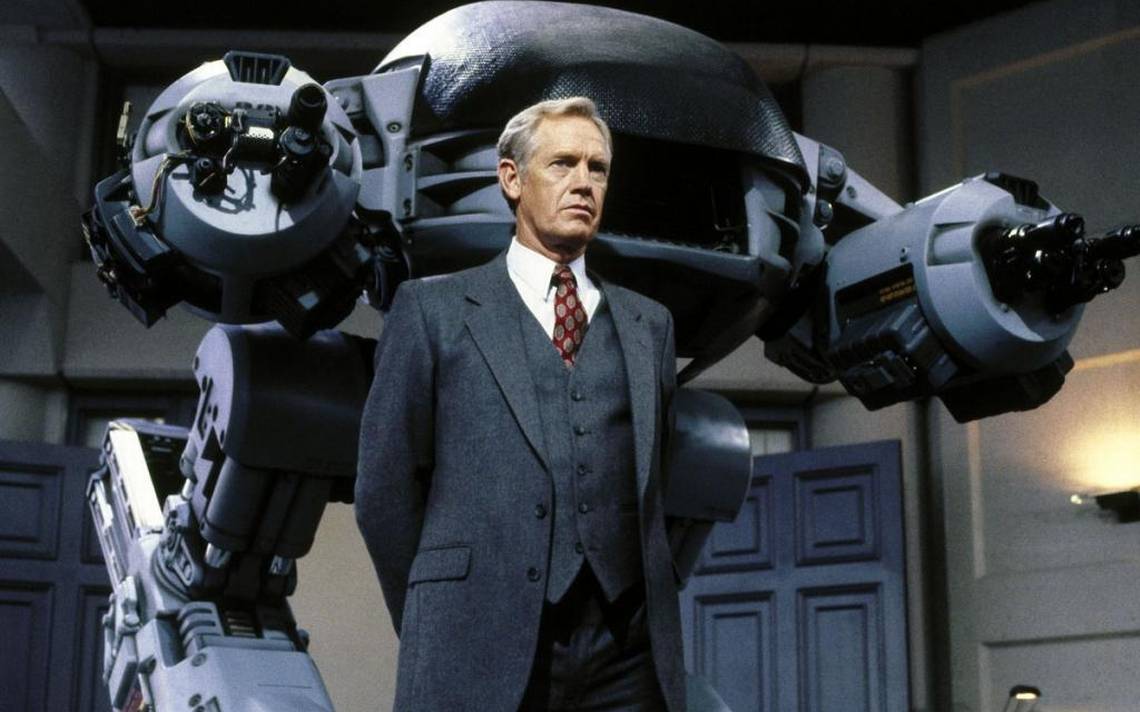
Robocop’s futuristic America is one where the country is slowly decaying as common decency gives way to empty consumerism. An insensitive corporate culture has taken hold on society as the top business leaders claw each other to get to the top while the rest of community suffers from their decisions. The main corporate scumbags in the film were Bob Morton (Miguel Ferrer) and his boss Dick Jones (Ronny Cox), and both men exemplified the callous, slimy and two-faced negative image of corporate leaders. Seeing Morton’s conniving machinations and Jones’ ruthless actions were fascinating to watch and reflected the narcissistic business-oriented culture of the ‘80s.

Jones and ed209

Sadly, the film’s commentary echoes the fraying moral fabric of today’s society and illustrates how prophetic Robocop was in predicting our future. Of course, violent crime is not as prevalent as in that film, but many of the other dystopian aspects presented in that film seem just around the corner for us, if not here already.

The level of violence shown in the film is still quite shocking today given the way Verhoeven seems to revel in showing us how vicious humanity can be. What helped make the level of violence so intense and shocking was the superb makeup work by Bottin.

First Modern Superhero

In many ways, Robocop can be considered a prototype for modern superhero films. The film was inspired by The Six Million Dollar Man and the more adult-oriented comic books that appeared in the 1980s. Groundbreaking comic book writers like Alan Moore and Frank Miller were making a splash with their graphic comic book stories where the heroes were more than willing to use extreme violence to fight crime. Robocop employs similar means, using all of his weapons and high-tech tools at his disposal. A good example of this in the film is where a thug took a woman and used her as a shield against Robocop. The cyber cop then used his advanced marksman skills to castrate the bad guy through the woman’s dress with a perfect shot that left her unharmed.

But Robocop didn’t just have street punks to fight against. His greatest enemies were his corporate handlers who stripped Murphy of his humanity and did not have the public’s best interest at heart. OCP only saw Murphy not just as an asset but as a quick fix. The company wanted to replace Detroit’s human police force with a robotic one they could control. Their first attempt, the lumbering ED-209, proved to be a failure and so the Robocop program was quickly brought online as a stopgap measure. Even though Robocop was a public success, he was distrusted by many human police officers who correctly saw him as a threat to their livelihood. The one exception was his partner Lewis (Nancy Allen), who eventually deduces Robocop’s original identity and helped him recover his humanity. Although ED-209 was considered a failure, due to software issues, the robotic sentinel was still a credible threat to Robocop. ED-209 was quite popular with fans and the stop-motion effects by Phil Tippet used to bring him to life was one of the last times the effect was used in a major film.

Violent Laughs

ED-209’s failed debut when he mistakenly kills a hapless OCP executive was one of the film’s funniest and macabre moments and illustrated how Verhoeven reveled in directing over-the-top violent scenes that brought out guilty laughs. Keep in mind, that the executive’s death scene was actually edited from a more violent version where the robot repeatedly fired on the corpse, which sprayed blood all over the boardroom. Then there were the clever commercials that were inserted in between scenes, which were bursting with satire. Fans of the film still love the line from some ads “I’d buy that for a dollar!” which was shouted from a john buying the services of prostitutes.


Given all the film’s merits, what made Robocop a masterpiece that still resonates thirty years later was its core conflict of individuality versus an overbearing corporate culture. We empathized with Murphy’s dilemma as his humanity shone through all the hardware covering up what remained of his physical body. It was also a metaphor for the capacity of our human spirit to rise above encroaching technology.

José Soto