Category Retrospectives & Analysis
Man of Steel & The Five-Year Anniversary Of The DCEU
Looking Back At Planet of the Apes 50 Years Later
This year marks a very significant anniversary for sci-fi films. Of course, it is the 50th anniversary of 2001: A Space Odyssey, but that is not the only sci-fi classic celebrating its 50th anniversary. That other film is Planet of the Apes, a sci-fi masterpiece which launched a successful film franchise that resonates to this day.
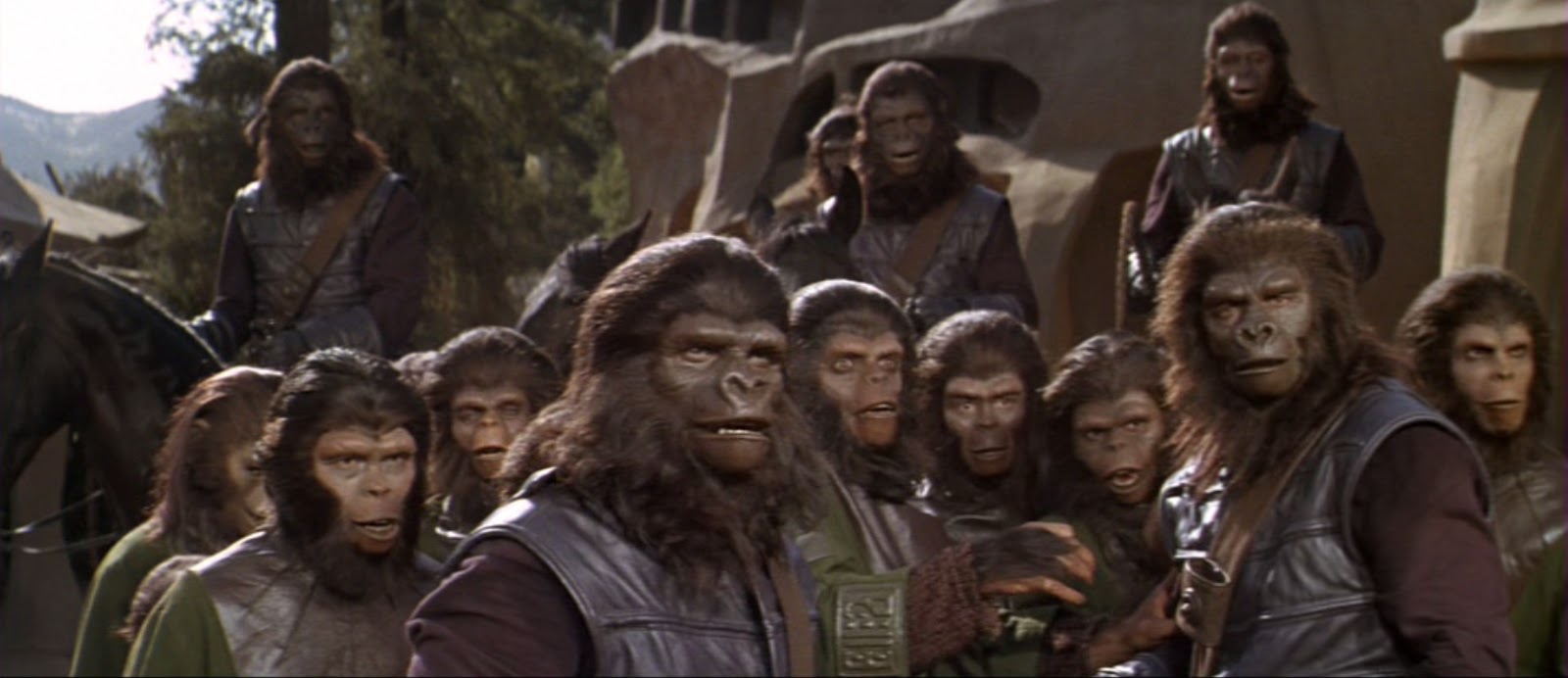
Planet of the Apes was a 1968 film adaptation of Pierre Boullle’s novel, which was published in 1963. The film, like the novel, was an allegorical examination of human society and how inhumane people can be. In the story’s case, the humans were represented by super intelligent apes that control the planet.
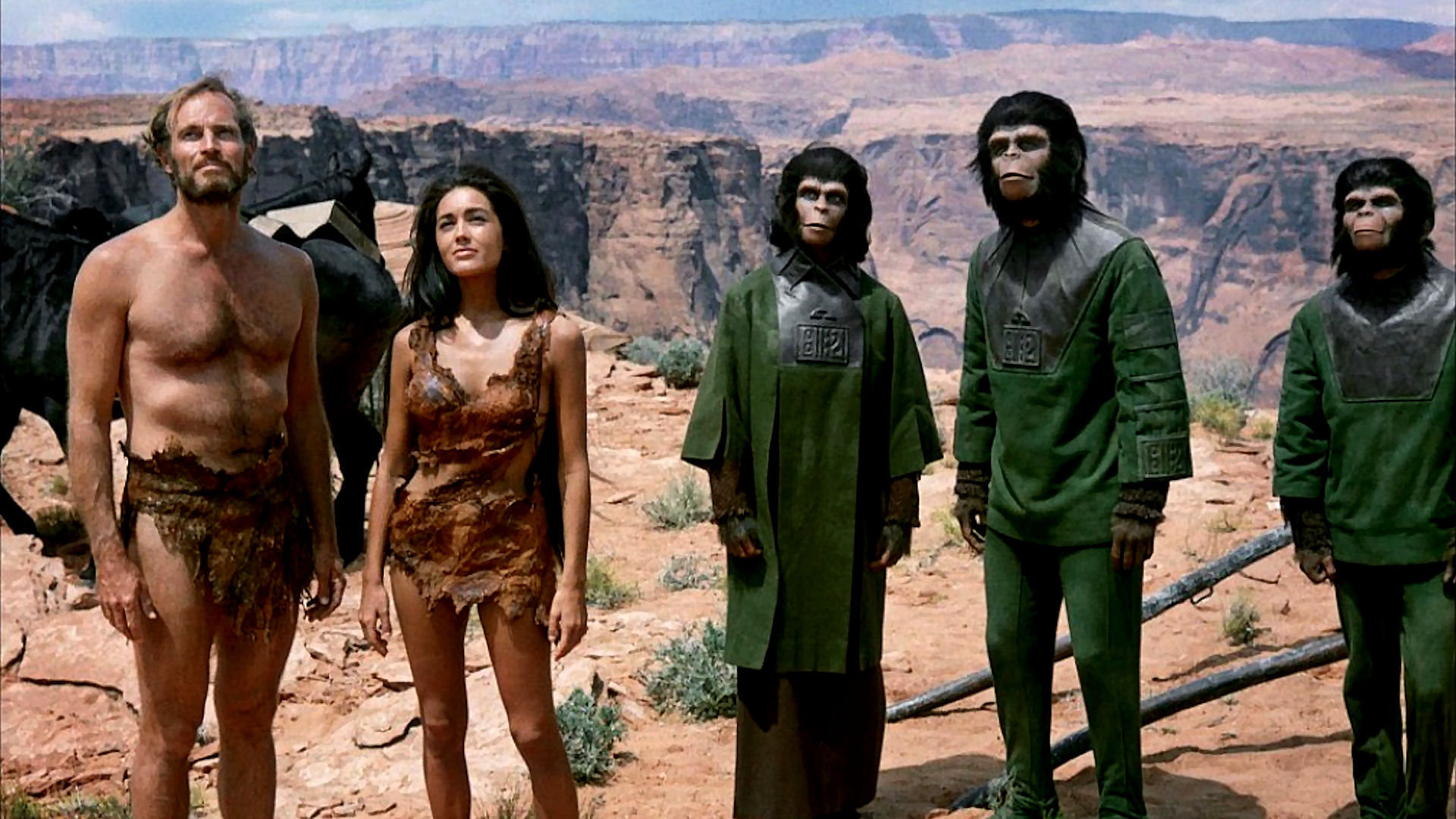
George Taylor (Charlton Heston in one of his greatest performances) is an astronaut on a deep-space mission to find a new habitable world. He and his fellow astronauts crash land on an Earth-like planet centuries from now. Before long, Taylor is the only survivor and is captured by upright, talking ape-like beings that rule a pre-industrial civilization. During his capture, Taylor is injured and unable to talk, much less communicate. Most of the apes that hold him captive for science experiments treat him inhumanely and lump him along with the other mute and animalistic humans that inhabit the world.
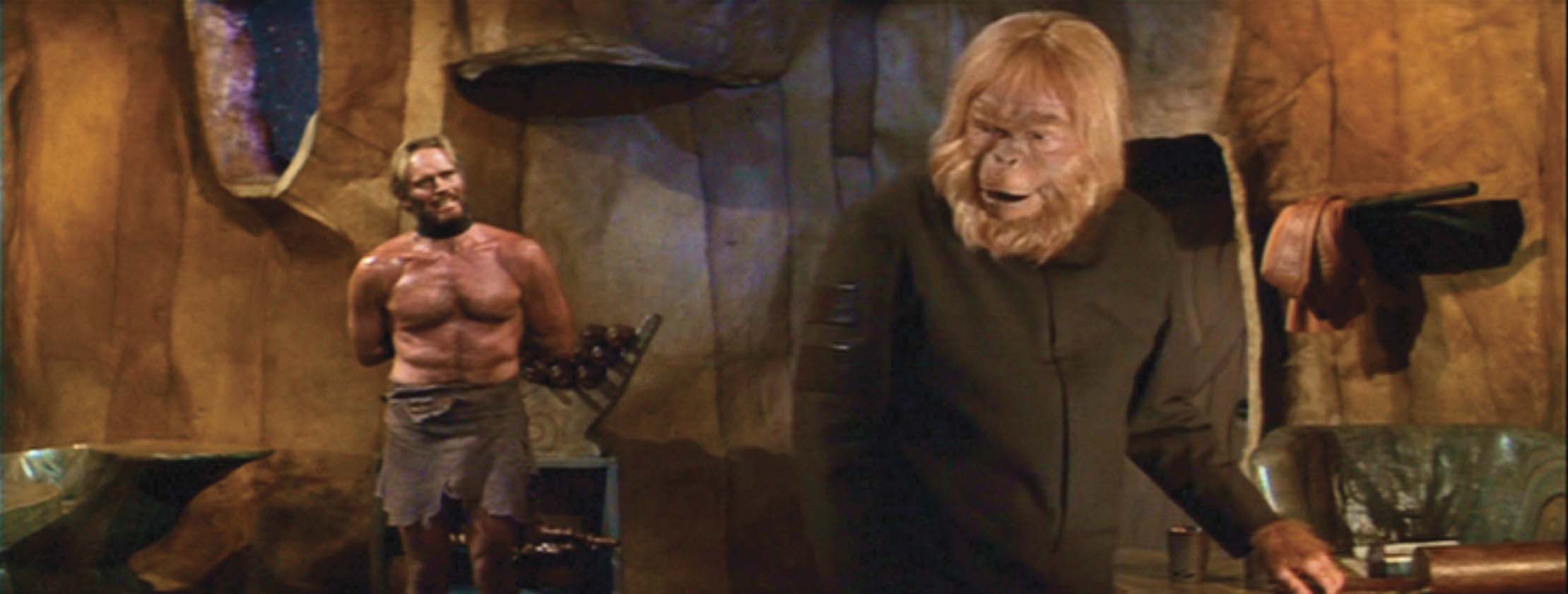
Taylor stands out because of his expressed intelligence and catches the attention of a simian scientist studying him, Dr. Zira (Kim Hunter). As Taylor regains his speech (done so dramatically when he shouts defiantly “Take your stinking paws off me, you damn, dirty ape!”), he befriends Zira and her husband, Cornelius (Roddy McDowell), an archaeologist. These two champion his cause for equal rights against the ruling apes that refuse to recognize Taylor’s intelligence. One of these members is the fundamentalist Dr. Zaius (Maurice Evans), who won’t acknowledge Taylor’s sentience, and seems to be hiding secrets about his planet’s dark past.
Taylor’s struggle is the heart of Planet of the Apes and echoed the civil rights movement that engulfed American society in 1968. What is remarkable about Taylor’s plight is that at the start of the film he had a dim, pessimistic view of humanity. So it’s a great sense of irony when he alone is forced to champion humanity to the dogmatic apes that refuse to acknowledge his rights, let alone his intelligence. This was best seen in the pivotal tribunal scene where Taylor pleads his case to the obtuse Assembly led by Zaius. They try to deny his humanity and dignity, but he rose to the occasion and we cheered him on.
Star Trek: Deep Space Nine Boldly Went Where No Trek Had Gone Before
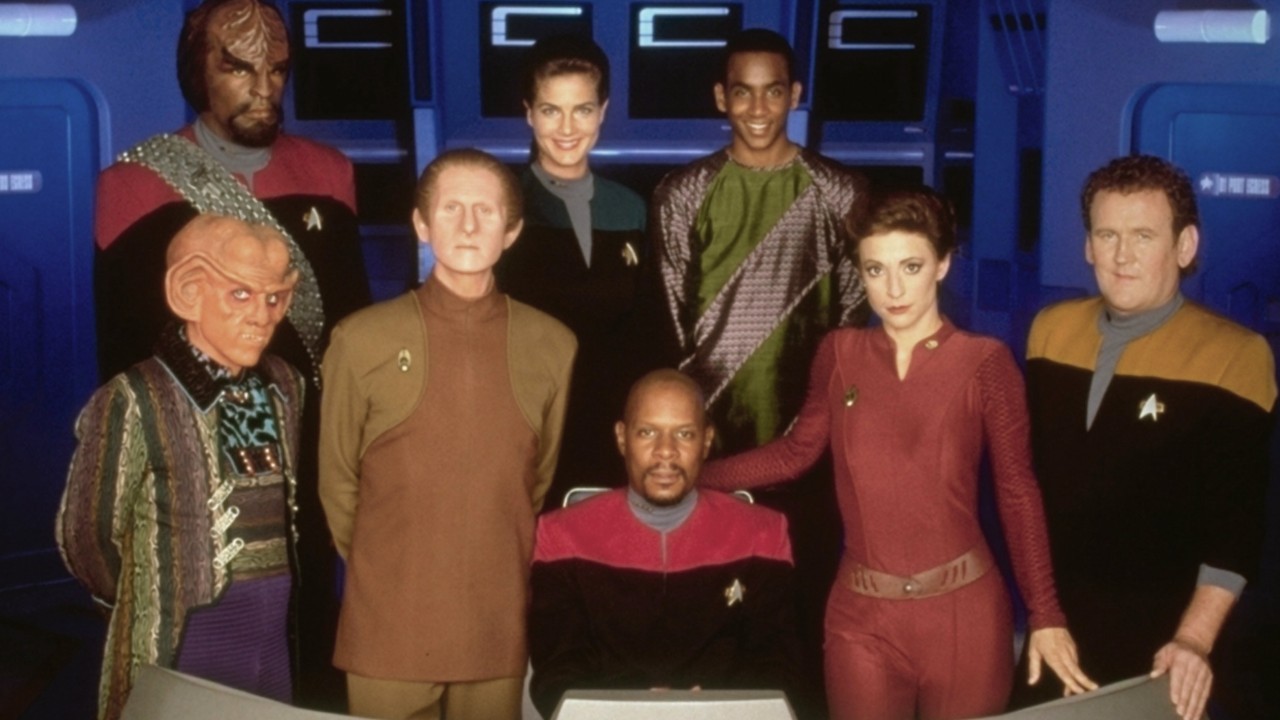
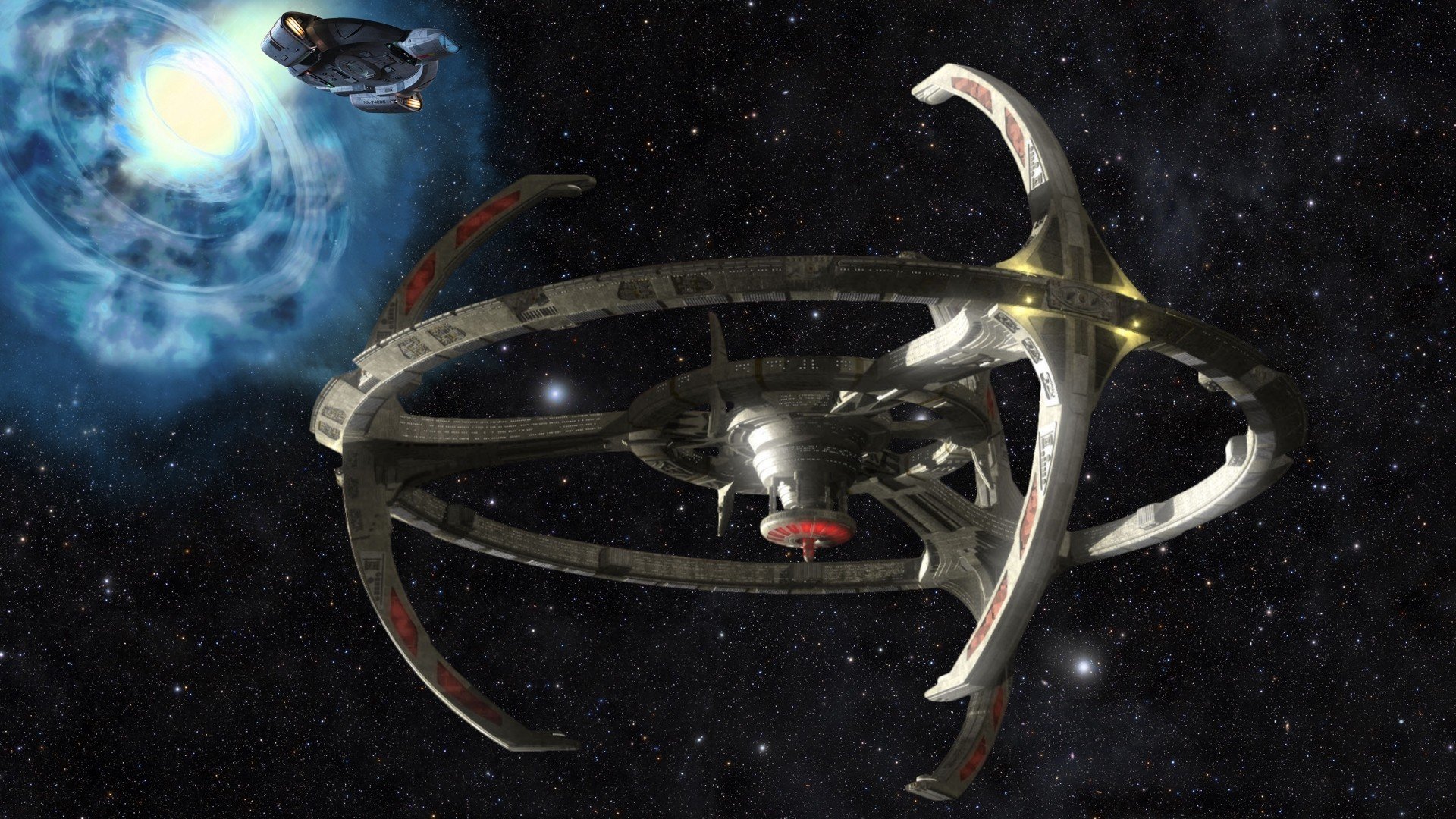
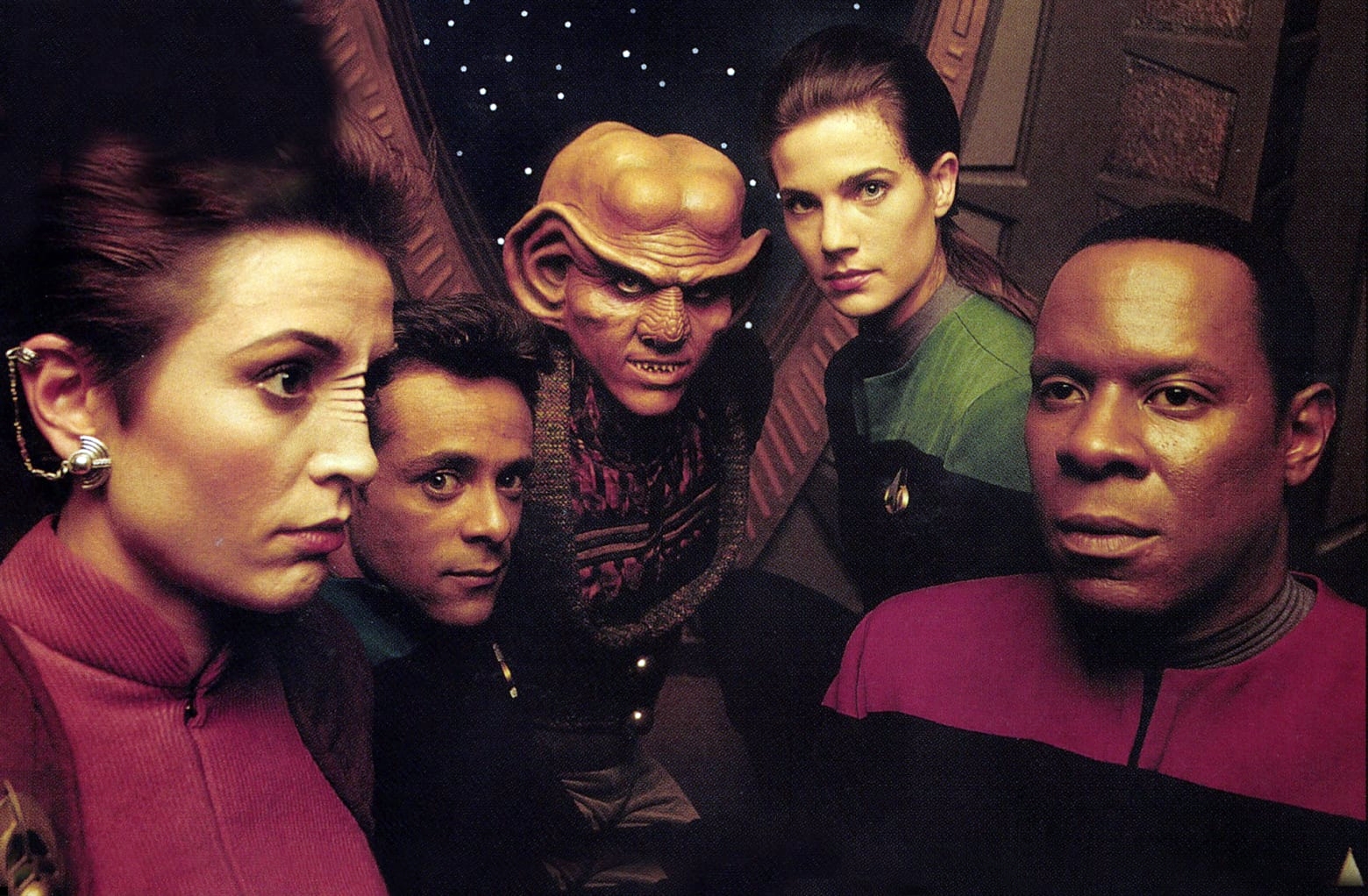
Twenty-five years ago, Star Trek: Deep Space Nine (DS9) premiered on syndicated TV and right from the start this Star Trek spinoff charted its own unique direction. Unlike other Star Trek TV shows, Star Trek: Deep Space Nine stood out beginning with its premise and later by taking advantage of it. The show did not take place onboard a starship that traveled to different planets each week. The main character was not even a captain and was deeply troubled. More than any other Star Trek show, this one truly focused on its ensemble cast to create a rich tapestry of characters who actually grew throughout the run of the series.
When executive producer Rick Berman and writer/producer Michael Piller set out to create a new spinoff after the success of Star Trek: The Next Generation they did not take the easy route. Instead of just recycling the elements of Star Trek that made it so phenomenal they tried something different. The result was a show based on a space station with fallible characters that did not always get along with each other. Instead of having the cast explore other planets, other races came to the station, some coming from a nearby wormhole, and often the consequences of meeting the aliens were explored. Showrunners like Ira Steven Behr took over and ran with the premise. Simmering political, social and religious situations were explored. Tensions boiled over into a long-running arc where the Federation went to war with the formidable Dominion and the impact of the war was fully examined in the program. For the first time, Star Trek became more serialized as season-long arcs were introduced, a rarity in ’90s television.
Unlike the more safe Star Trek shows running at that time, DS9 was edgier, took more risks, and went where no Trek had gone before by exploring volatile issues like social injustice, ethnic and racial tensions, taboo relationships and more. In fact, for all the noise made about Star Trek: Discovery with its non-white lead, homosexual relationships and hot-button issues, it has to be mentioned that Star Trek: Deep Space Nine covered all of this twenty five years ago.
To say that DS9 was ahead of its time is an understatement, but it can help explain why it was not a huge hit back in its day. More attention was paid to Star Trek: The Next Generation and later to Star Trek: Voyager since the latter show featured Trek’s first female lead. Yet both shows played it safe with its storylines and characters. After a while fans noticed that their familiar premise of spaceships exploring the unknown was becoming too pedestrian and predictable. DS9 on the other hand, took chances and the result was some of the richest and most memorable Star Trek stories.
Unlike many programs, Star Trek: Deep Space Nine has aged well and is as relevant today as ever. Many are discovering the show and appreciate what it set out to do, which is why its reputation has grown over the years. While most will claim that the original Star Trek is still the best, a valid argument can be made that DS9 is actually the best Star Trek ever. If you haven’t seen the show, I highly recommend you sample it, even though the earlier episodes are the show’s weakest. However, DS9 comes into its own and before long, you will be binge watching it.
Star Trek: Deep Space Nine is the most groundbreaking Star Trek show ever made because it boldly went where no Trek had gone before with its unique premise and rich characters and stories.
Lewis T. Grove
Star Trek: The Next Generation Showed It Was Possible To Catch Lightning In A Bottle Twice
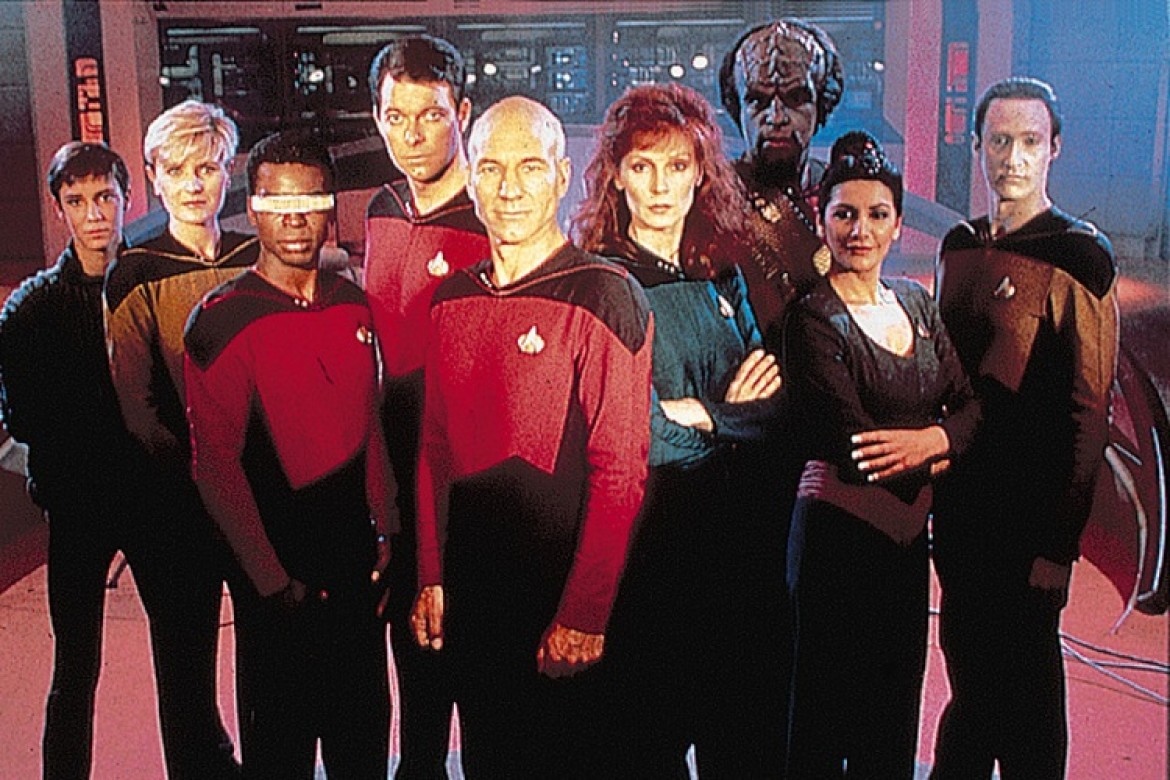
As we’re getting ready for the return of Star Trek to TV (or rather Trek’s first foray into original streaming service) with Star Trek: Discovery, it’s a prime time to look back at Star Trek: The Next Generation, which was Star Trek’s first foray in a then-unique syndication format. Devoted fans already know that it’s the 30th anniversary of Star Trek: The Next Generation.
The series is almost as beloved as the original Star Trek, but many overlook the fact that when it debuted thirty years ago in syndicated televisionit was dismissed automatically. Fans of the original show were understandably skeptical about Star Trek: The Next Generation ever since it was announced. After all, it did not feature Kirk, Spock, McCoy and the other beloved characters and the first promo images looked strange. A bald captain? Klingons are no longer the enemies of the Federation? Why did the new Enterprise look ungainly? What was the deal with those weird one-piece uniforms and lounge chairs on the Enterprise bridge? People wondered what the creator Gene Roddenberry must have been thinking when he developed the new Trek incarnation. Even Leonard Nimoy wondered if the show would succeed. Citing that it was impossible to catch lightning twice in a bottle, Nimoy turned down the offer to develop the show before Roddenberry was approached.
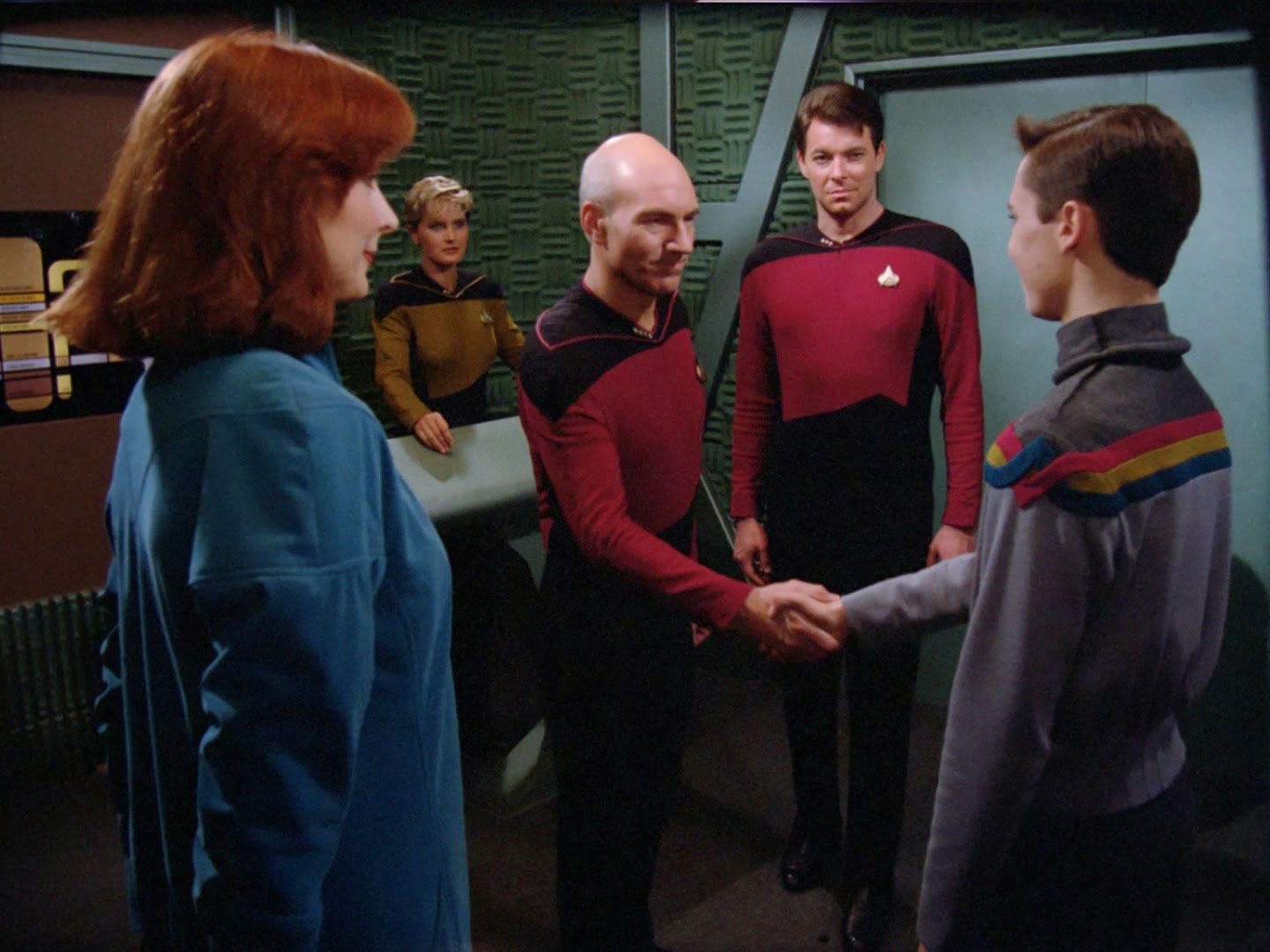
When it finally premiered in September 1987, let’s say that many fans were underwhelmed by what they saw. The first episode “Encounter at Farpoint” was interesting and gave the main characters good introductions. Plus, it introduced the omni-powerful entity Q into Star Trek lore and thanks to John DeLancie’s sardonic line delivery, the character stood out. But more importantly, the main star of the show Patrick Stewart, who played Captain Jean-Luc Picard, made a powerful impression. Sure, he was not the swashbuckling Captain Kirk, but Stewart made his character uniquely different from Kirk while exuding a commanding and thoughtful presence in the show.
Still, Star Trek: The Next Generation was nearly derailed in its wobbly first season. What handicapped the first Star Trek spinoff were poorly written scripts and characters. One of them was especially hated by fans, young Wesley Crusher played by Wil Wheaton. In many episodes he came off as petulant, self-important Gary Sue who was a critical key in many plot lines. Some episodes were incredibly dull and did not go anywhere. The early episodes aped the worst qualities of the original show where the Enterprise crew would visit a planet of the week and solve that planet’s problems. The made-up societies they encountered were just unbelievable and its people reeked of caricatures. The show also had a problem with coming up with interesting villains, aside from Q.
Yet, the show showed promise. As the first season drew to a close, Star Trek: The Next Generation seemed to find its bearings. The characters were better developed with the breakout being Data (Brent Spiner), who emulated the Spock position of being the outsider who questioned humanity. The stories also became more interesting as Star Trek first toyed with the idea of episodes-spanning sub-plots. In this case, a nefarious conspiracy at the heart of Starfleet and the first hints of the Borg, a cybernetic race that would not appear until the second season. It took some risks such as the above-mentioned conspiracy storyline that upset some parents for its violent content. There was also the killing off of a major character in the show (Tasha Yar, played by Denise Crosby), which was a first for Star Trek.
Fans began to come around and eventually embraced the Star Trek spinoff. Although the original show continues to be regarded as the best Star Trek show, it cannot be denied that Star Trek: The Next Generation has achieved its share of greatness through the season. It stood apart from its predecessor for being more thoughtful, for better exploring themes and characters and for its updated special effects.
When Star Trek: The Next Generation was being developed it was supposed to have featured descendants of the original Enterprise crew. Thankfully, the show evolved away from that and went with all-new characters. References to the original show were extremely rare, which allowed the show to develop its own identity. It would have been all too easy to just continue the same formula, but Roddenberry knew that for the new show to succeed it had to follow a different path. That is why we’re celebrating the show thirty years later.
Now as if to commemorate the 30th anniversary of Star Trek: The Next Generation, a new Star Trek TV show will debut this month to pick up the baton. However, many fans are highly skeptical and dismissive of the new Star Trek: Discovery. The list of complaints continues growing as more details come to light, and many of them are valid. The core complaint is that the new show does not feel like Star Trek. But think about that, it’s the same gripe leveled at Star Trek: The Next Generation when it first aired. The new show seems like it will take Star Trek in a new direction, just like the first Trek spinoff did. Star Trek: Discovery may not hit a homerun at first, but fans should keep an open mind and show some patience when it premieres. It may find its legs and be as memorable and great as Star Trek: The Next Generation, the first Star Trek spinoff that proved it was possible to catch lightning in a bottle twice.
Lewis T. Grove