The 1980s were the height of the testosterone-fueled action flicks. Sylvester Stallone and Arnold Schwarzenegger ruled the box office in those days with their many action films where they shot repeatedly first and mumbled lines later. One of those films from that era was the epitome of that genre except that it crossed over with sci-fi and horror and the result was a classic film: Predator.
Directed by John McTiernan (who would later film the greatest action movie of all time, Die Hard), Predator starts off as your standard Schwarzenegger action fest. He played Dutch, a soldier of fortune who leads a motley group of fellow mercenaries in a Central American jungle to rescue hostages. Before we could all collectively groan about how we’ve seen this before (and we have), the film piqued our interest with the introduction of an extra-terrestrial that begins hunting down Dutch and his men thanks to super stealth, alien weapons, cunning and maliciousness.
From the moment we start seeing the alien’s POV shots of the men being tracked, Predator completely changed its premise and became a classic cat-and-mouse thriller with a sci-fi twist. It was perfect because one problem with many Schwarzenegger movies is that the former bodybuilder is so huge and imposing that it’s hard to pair him up with worthy opponents. Thankfully, Kevin Peter Hall, a rather tall man, was cast and decked out in imaginative makeup to outdo Schwarzenegger. The look of the Predator was unique with his dreadlocks, mandibles and tribal gear. Most of all, when he was finally revealed, the Predator was not just grotesque and intimidating, but more than a match for Dutch and his group of musclemen with their big guns. Some of whom were portrayed by action favorites like Carl Weathers, Jesse Ventura, Bill Duke and Sonny Landham. One of those actors was future director Shane Black, who not only tinkered with the film’s script but is now filming the latest Predator film, The Predator, which is coming out next year.
With a testosterone-injected cast it’s funny to think that it was almost joined by future action star Jean-Claude Van Damme. Originally he was cast to play the Predator and wore this ridiculous and ungainly outfit that didn’t look good in screening footage. To confirm their fears, the filmmakers brought in James Cameron to review the footage with Van Damme’s version of the Predator and he opined that it was not working. Wisely, they went back to the drawing board and this time hired Stan Winston who used his movie magic skills to create the iconic look of the alien hunter. Also, while Van-Damme is a great martial artist his build was not up to par with Schwarzenegger and his stocky crew, plus he was unhappy with his role so he was replaced with Hall.
All of this would not have amounted to anything if not for the directing skills of McTiernan. He crafted a tense, suspenseful and exciting thriller and used the jungle background to full effect to create a fearful atmosphere. No one in Dutch’s crew was safe as the thick green foliage hid the relentless monster that hunted them down one by one. The way the Predator killed the men was very grisly and helped add to the fear factor. The alien creature treated the men like they were hapless animals by the way they were either skinned, had spines ripped out or taken out with swiftly with laser fire. Naturally, by the last act Schwarzenegger was the last man standing and the final confrontation between him and the Predator was intense. In an ironic twist, the muscle man had to rely on brains rather than brawn when confronting the alien. We actually wondered if Schwarzenegger had finally met his match and the film played up this angle perfectly. Adding to the film’s classic status was its rich cinematography, outstanding special effects and Alan Silvestri’s pulse-pounding score. It evoked a feeling of tribal warfare and is one of the composer’s best scores.
The sequels that followed could not live up to the original Predator but they were worthwhile films in their own right. Well, except for Aliens vs. Predator: Requiem. The original film, which came out on June 12, 1987, still holds up to this day and is considered not just the benchmark for the Predator franchise but one of the greatest action/sci-fi films of all time. In fact, it is not even considered by many to be just an Arnold Schwarzenegger film but as the first Predator film that just happened to star Schwarzenegger. That is why thirty years later we’re still marveling over this brilliant gem.
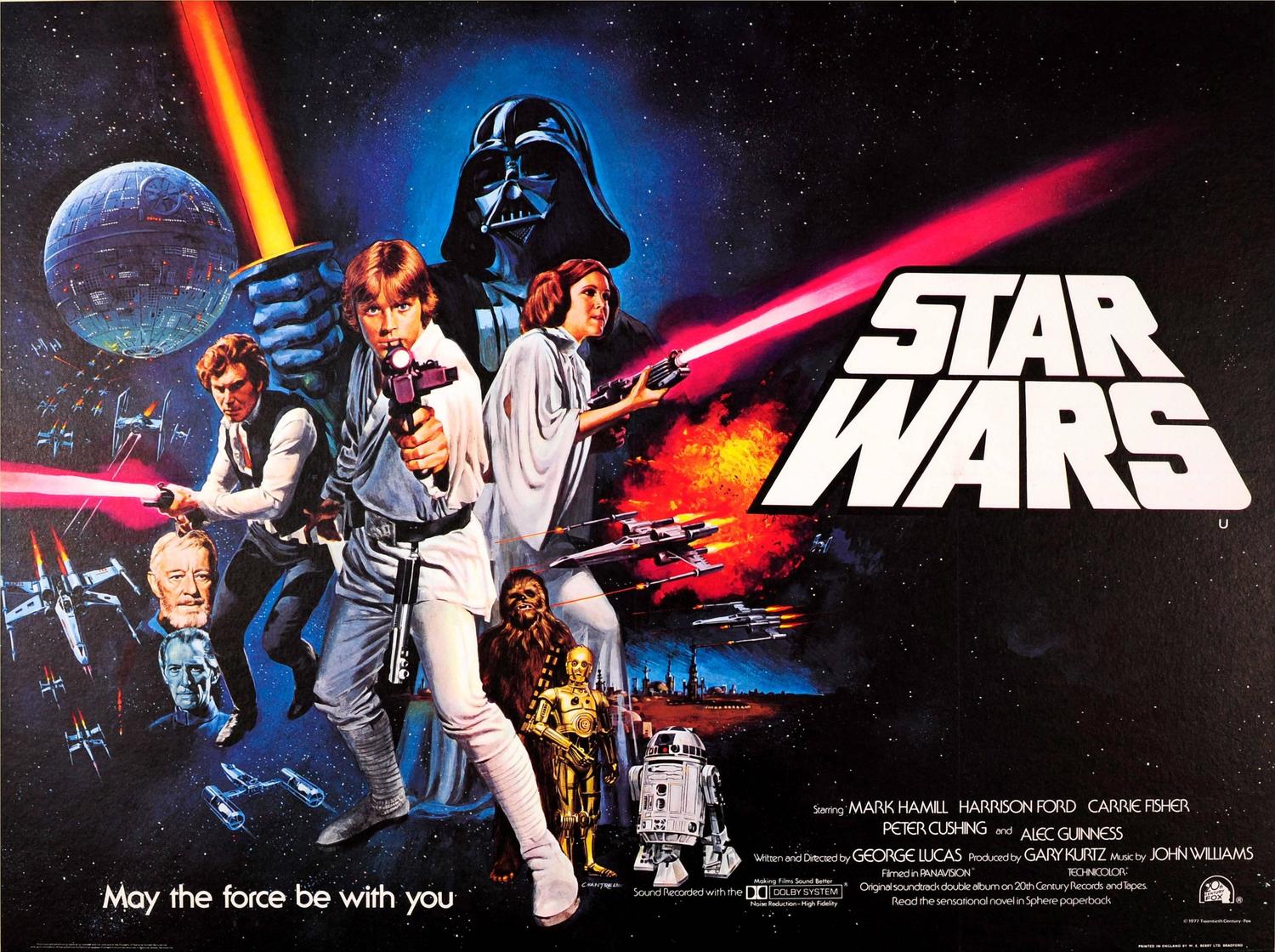
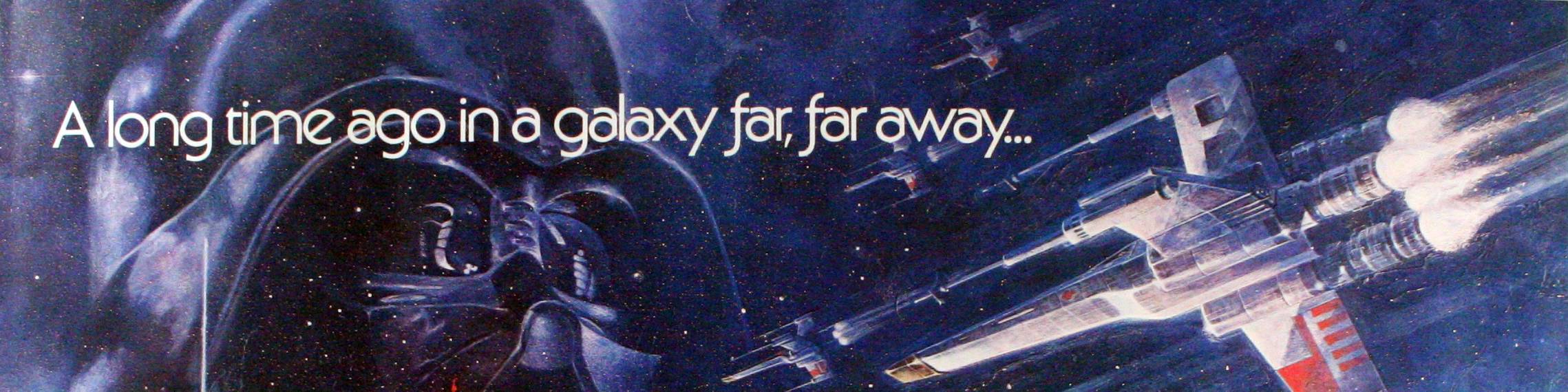
“A long time ago in a galaxy far, far away” those simple words, projected on movie screens, would herald a phenomenon in theaters on May 25, 1977. Forty years later, Star Wars is celebrating its 40th anniversary and just like the time when it was released, it’s as popular and beloved as ever. So what makes this franchise so iconic and successful? For starters, when the original film, which was later given the subtitle A New Hope, was released in 1977, the state of cinema was very different than today. With the exception of the Planet of the Apes films, there were no major blockbuster franchises. Sci-fi as a genre was stagnant and the only major film in this area was Stanley Kubrick’s 2001: A Space Odyssey from 1968 almost a decade earlier and the Apes films, which had wound down by the mid 1970s. Movies those days were dominated by dark and violent anti-heroes which reflected the cynical mood of society. Genuine movie heroes and feel-good films were a rarity before Star Wars.
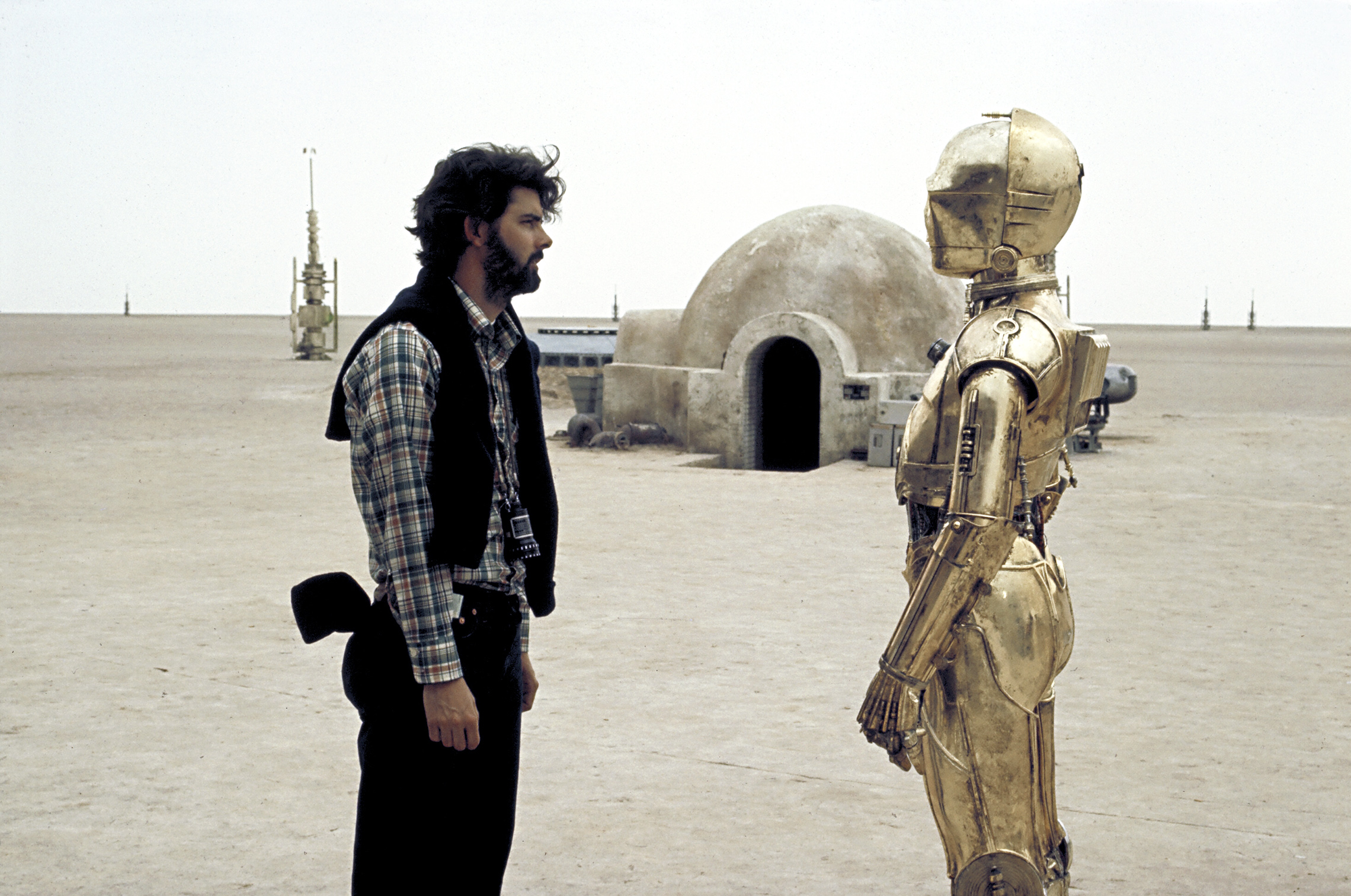
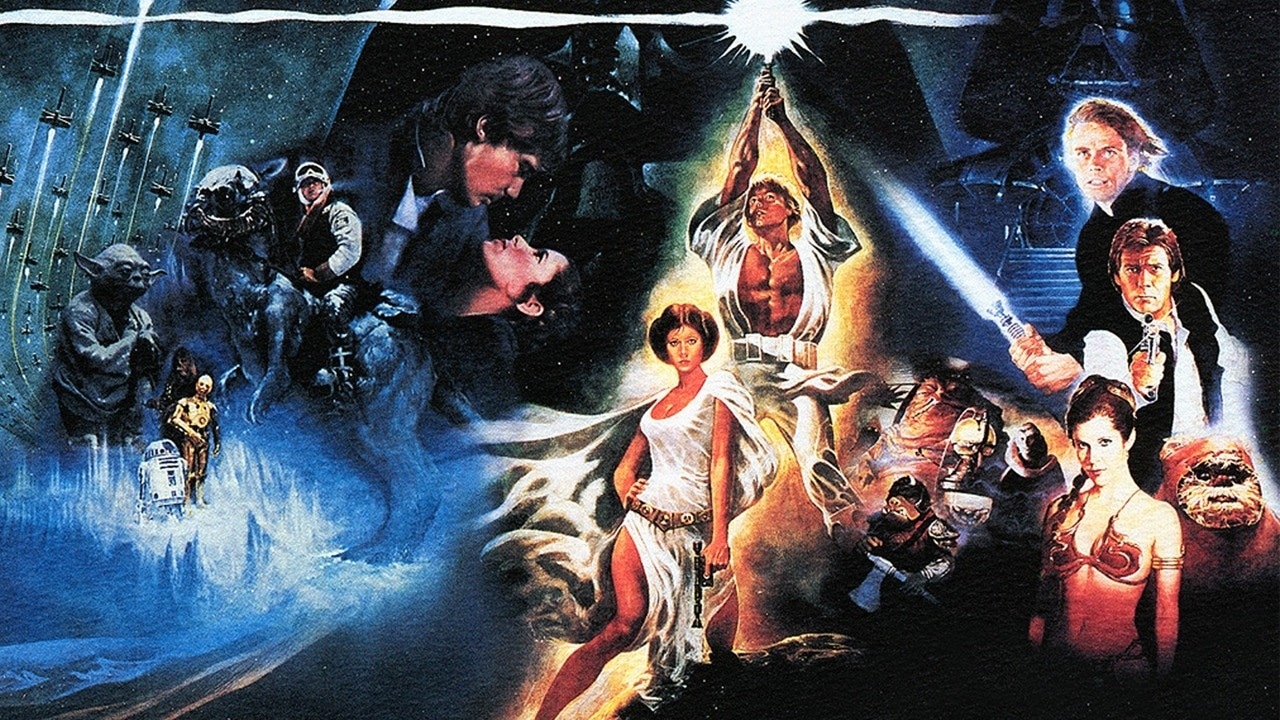
The release of this swashbuckling outer space adventure transformed the landscape of films and singlehandedly reinvented genre films in the ensuing decades. It was a simple story of good vs. evil with now legendary characters like Luke Skywalker, the simple farm boy whose destiny would change the galaxy; Han Solo, the roguish space pirate turned into a rebel with a cause; Princess Leia, the indomitable leader of her people; Chewbacca, Han’s yeti-like buddy and partner in crime; Ben Kenobi, Luke’s wise mentor and warrior of the Old Republic; and everyone’s favorite robotic duo R2-D2 and C-3PO. All of them are instantly recognizable to literally everyone in the world. Their struggle against the most famous villain in movie history Darth Vader was set against a backdrop of a fully realized universe meticulously crafted by creator George Lucas.
The film director was inspired by classic myths and stories and successfully merged them into something new that was magical to audiences back then, and still feels that way even now. Basically, he took the timeless elements and themes from these tales and put it into an appealing and original backdrop. The settings were literally out of this world, yet had a gritty and realistic touch that made everything seem relatable. All that caught everyone’s attention, but what enchanted people the most were the interesting characters who we could identify with as they struck a chord within us. That is quite an achievement considering that many characters were not even human. To an outsider, Star Wars and its extraordinary trappings may seem bizarre but at its core it has easily relatable themes and subtexts.
Seeing how influential the film was and continues to be, it is baffling to ponder that many film studios passed on George Lucas’ pet project. Back then he was a young up-and-coming filmmaker and had a hit film, American Graffiti, under his belt. Yet, he had a hard time convincing skeptical film executives to greenlight his film. It seemed so strange to them, a space fantasy without any references to our civilization, one almost cannot fault them for not wanting to take the risk. But thankfully, 20th Century Fox saw the Lucas’ visionary potential and took a chance. Even then, few imagined Star Wars would explode like it did. That includes Lucas himself who hoped that his film would make just enough money to bankroll a sequel. Hardcore fans know that the original Star Wars novel that was released shortly after the film, Splinter of the Mind’s Eye, was supposed to be a low-budget Star Wars sequel. Of course, the monster success of Star Wars meant that Lucas could fully realize his vision of a sprawling galactic epic without any limits in terms of budget and special effects.
Another aspect that made Star Wars so hugely influential is that it had revolutionary special effects. The many scenes of outer space combat enthralled audiences with X-Wings and TIE fighters clashing in dogfights, along with the iconic shots of enormous Star Destroyers and let’s not forget Han’s Millennium Falcon, the faster piece of junk this side of the galaxy. They were such a spectacle to watch and entirely different from earlier sci-fi films that had cheap models hanging on strings. The editing and camera work was also incredibly done. Take for instance, the POV shot of Luke piloting his ship into the Death Star trench, it seems like you are flying right into the trench. The model and puppet work of the many aliens on the desert planet Tatooine in the famous cantina scene were also a real spectacle and added to the feeling that these were real places you were looking visiting. Many of these effects are rarely seen these days since Lucas took it upon himself in the 1990s to update the original Star Wars films with updated CG effects because the original effects work had become dated. Ironically, many of the CG effects now look dated themselves and proved how fruitless it was to tinker with classic films just to embellish them with the latest in special effects.
What Star Wars also accomplished was the film ushered in a whole new era of sci-fi and related genre films. This industry is still going on to this day. The huge success of Star Wars proved that genre films could be massive hits and led to other filmmakers and companies to try to do the same thing. As a result, sci-fi and fantasy films are now the major genre in Hollywood that studios all try to have in their portfolio to keep things going. We all know that the big tentpole films for studios these days are big-budget genre spectacles. The whole concept of having huge summer films with the accompanying merchandise, as well as the idea of ongoing sagas that span multiple movies and other media can all trace their paths back to that movie that came out on May 25th 1977.
It’s not an exaggeration to state that Star Wars basically caused a figurative earthquake not only movies but in the culture at large. Look around, you’ll see Star Wars everywhere. Certainly that is due to Disney, who after buying the rights from George Lucas earlier this decade for billions, wanted to get their money’s worth and went into merchandising overdrive. But this means that Star Wars will have a long-felt presence in our global society. As cynical as that sounds, keep in mind that in order for film to resonate long after it has left cinemas, it has to be great and unique. Star Wars is that and much more and is why it is so pervasive. For the few that have never seen Star Wars, even they know exactly who Darth Vader is and can pick out R2-D2 in a picture. That kind of recognition means that this movie has transcended its medium and, like other epic tales of old, has now passed on to the realm of legend.
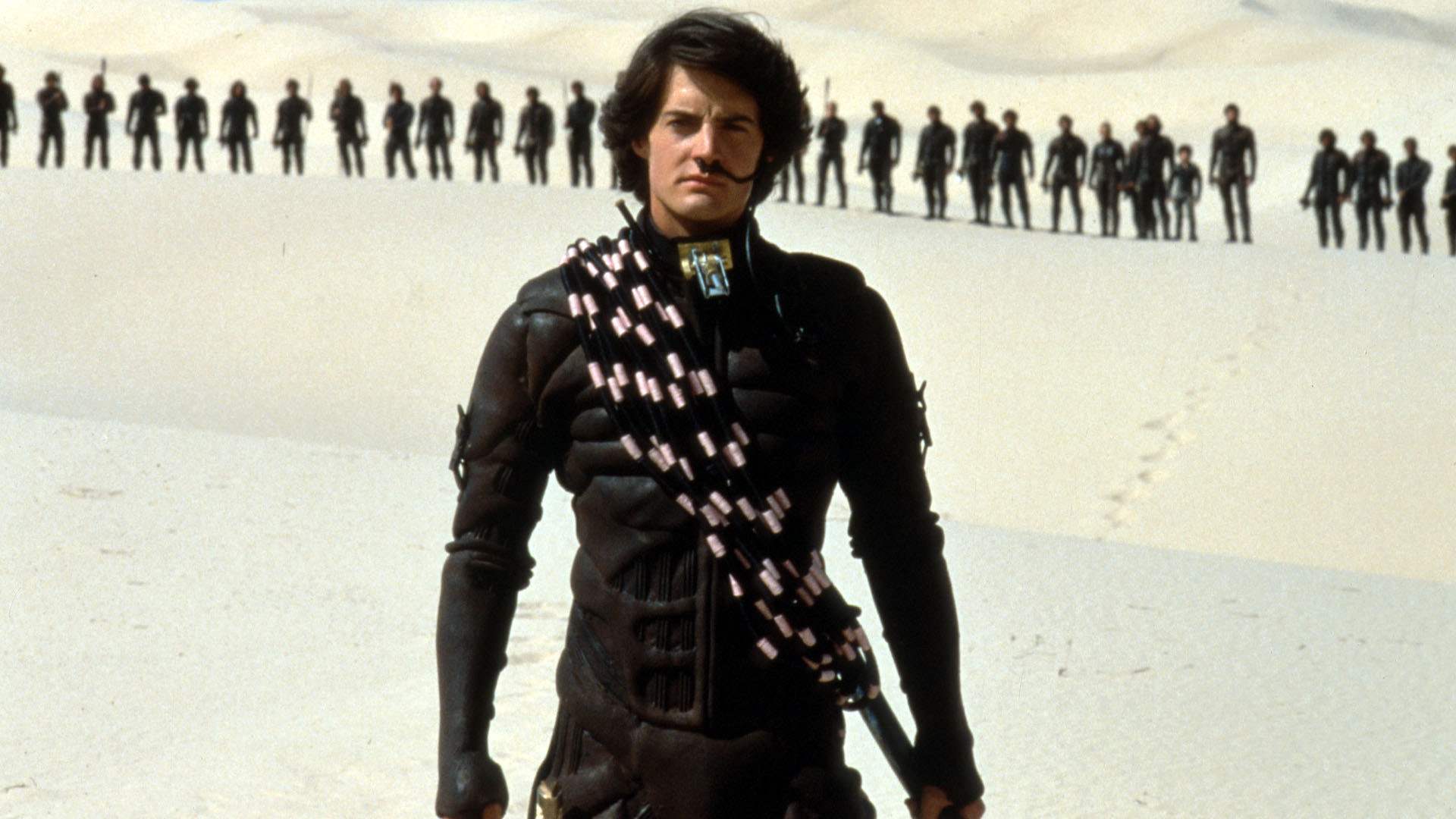
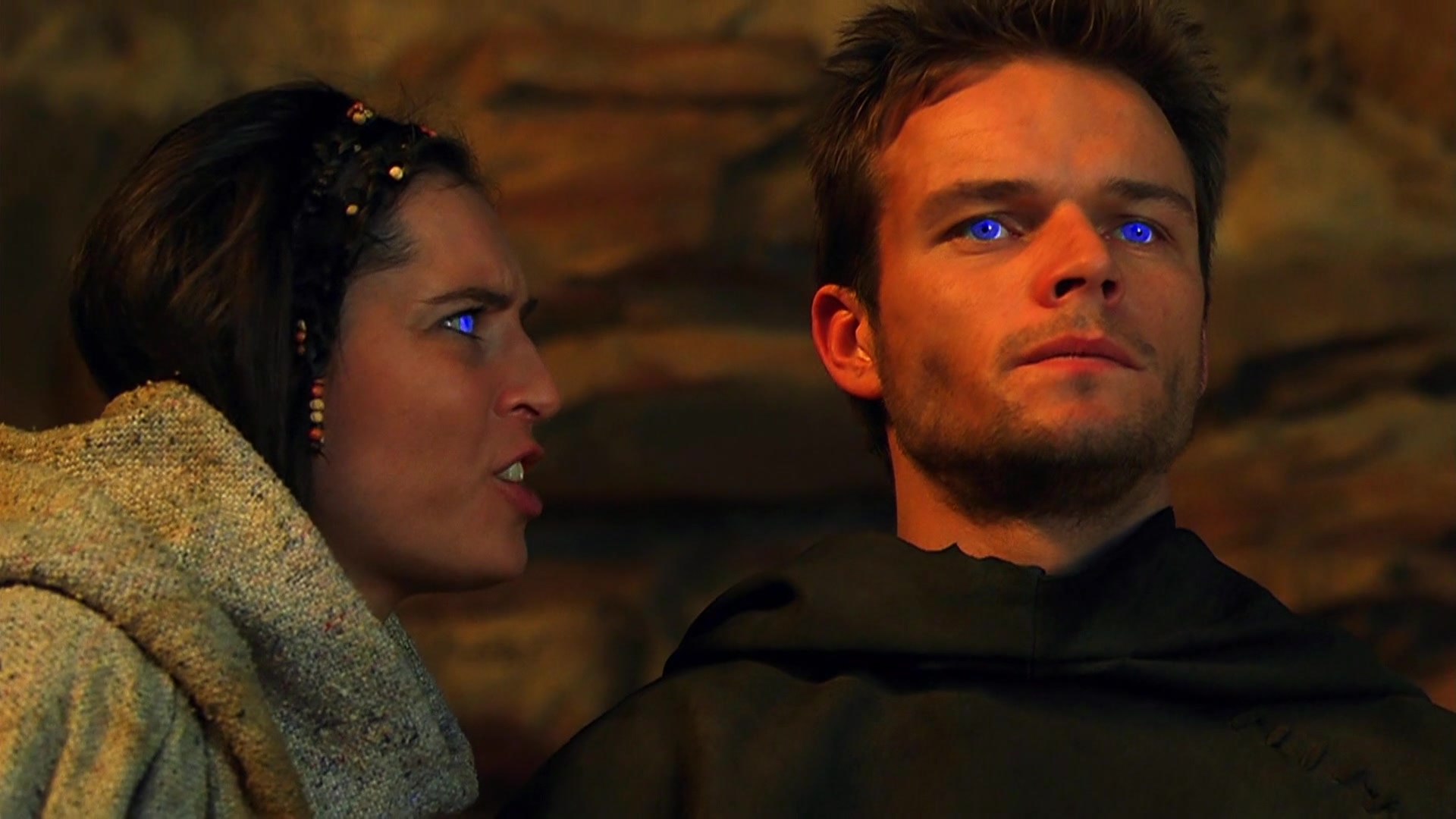
With the news that Legendary Entertainment has acquired the rights to make a new movie based on Frank Herbert’s classic science fiction novel Dune, there has been much speculation as to how this new adaption will be done. Dune has been adapted twice before. Once as a feature film by David Lynch in 1984, and later in 2000 as a TV mini series on the Sci-Fi Channel. Both projects had positive and negative aspects that fans continue to debate. Lynch’s film had the grand and epic feel of the novel, but also added new features to the story that were not in the original(ex: the weirding modules). The Sci-Fi mini series was more faithful to the book since it had more time to adapt the story, but suffered from a limited TV budget, and the look and feel of the set pieces and costumes were not at the same level as the movie. This brings to mind the question of what new adaption should be done by Legendary Entertainment. In terms of adapting just the first Dune novel, a big budget, multi-part movie series similar to The Lord Of The Rings is something I think would be great. The story itself is very complex and needs many hours to tell. Trying to squeeze it into a single tow-or three-hour movie will inevitably lead to significant reductions in the many layers Herbert’s story has to offer. This is exactly what plagued Lynch’s version. He got the basics right, but was still unable to touch on many plot points and had to condense everything. The book itself is divided into 3three parts which would fit nicely into a trilogy of films that can do the whole thing justice. All of the plots and schemes of the various feuding houses and galactic intrigue can be explored, as well as the hero Paul Atriedes’ journey from merely a ducal heir to a full blown messiah. Having all of this with a big budget would seem to merge the positive aspects of the previous movie and the miniseries, plenty of time to tell the story and the resources to create Frank Herbert’s rich and diverse universe.
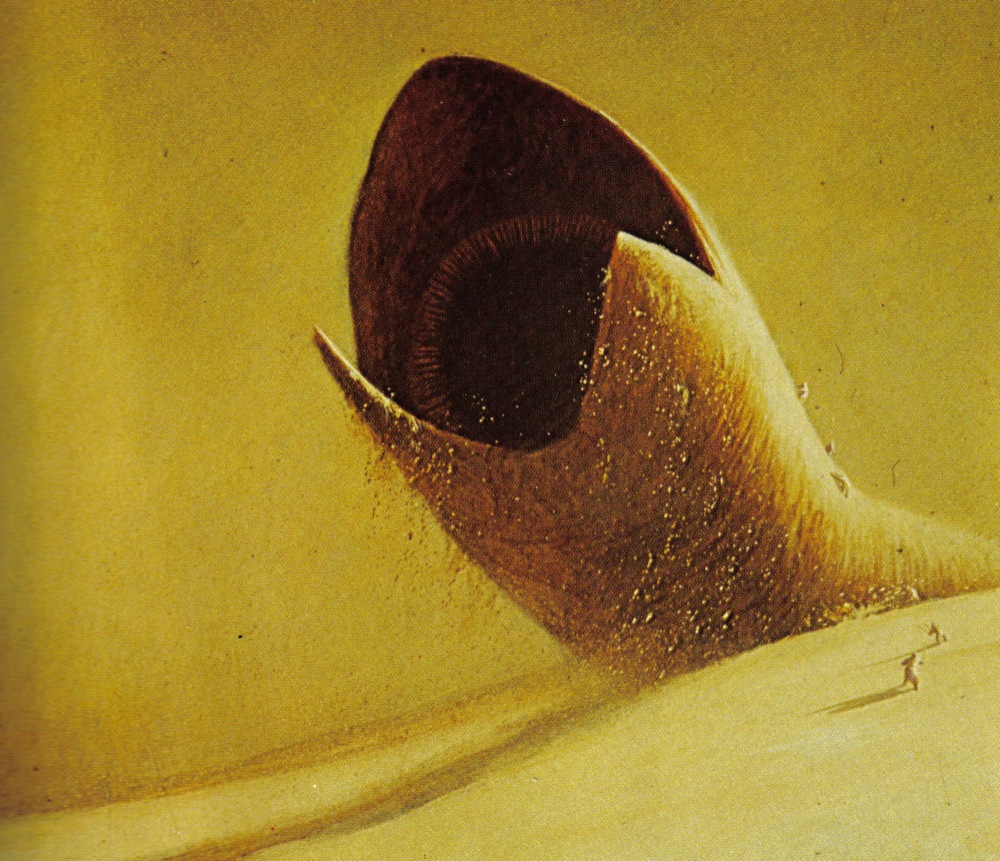
Having said that, if Legendary was feeling bold, they could attempt to adapt the entire original Dune Chronicles, which includes six books. If this was the case, then the only way to do this would be a Game of Thrones-style show hopefully on a cable network like HBO or Showtime. Books two and three (Dune Messiah and Children of Dune) were adapted by the Sci-Fi Channel in 2003 and was well done. Unfortunately, the other books were not adapted and the story came to an abrupt end just as it was getting good. The fourth novel God Emperor of Dune takes place 3,500 years after the original book and features Paul Atriedes’ son Leto II still alive due to his body merging with the desert planet’s massive worms. Subsequent novels take place thousands of years after this book and feature warring factions of matriarchal institutions and more galactic politics and intrigue. All of this would be very difficult to adapt in any meaningful way in theatrical films. Only the long commitment of an ongoing TV series could hope to truly bring all of these fantastic tales to life.
Legendary Entertainment has a rich portfolio of films under its belt (Godzilla, Pacific Rim) and the fact that they are now in charge of the Dune franchise is definitely a positive development. The fact that talented director Denis Villeneuve wants to take on the task of making a Dune film is also a very good sign. He directed the well received sci-fi film Arrival and was entrusted with directing this year’s Blade Runner 2049. This shows me he has the skill to develop high-quality genre films. Hopefully, whatever they decide to do, it will be something that will do justice to Frank Herbert’s epic tale. C.S. Link
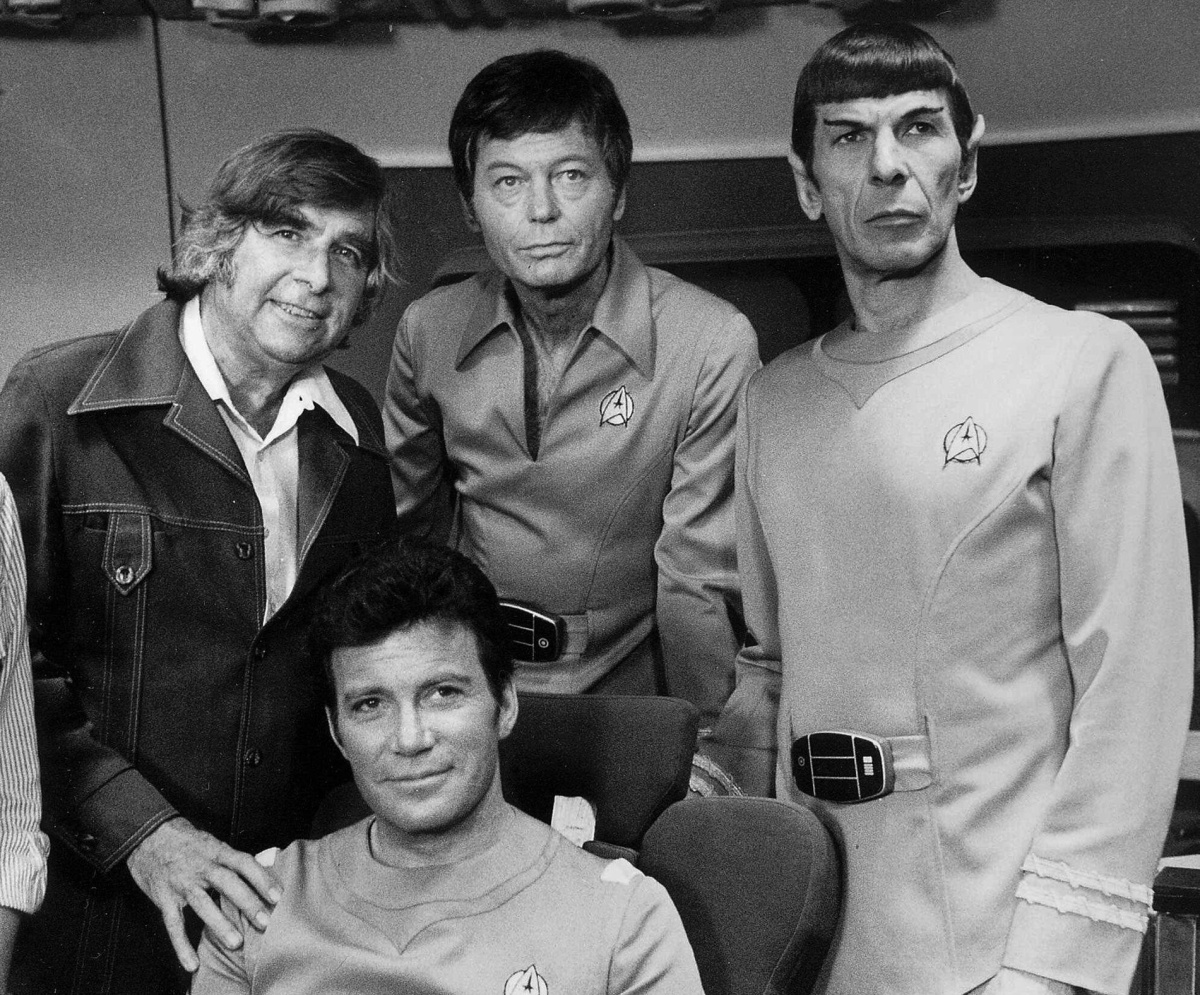
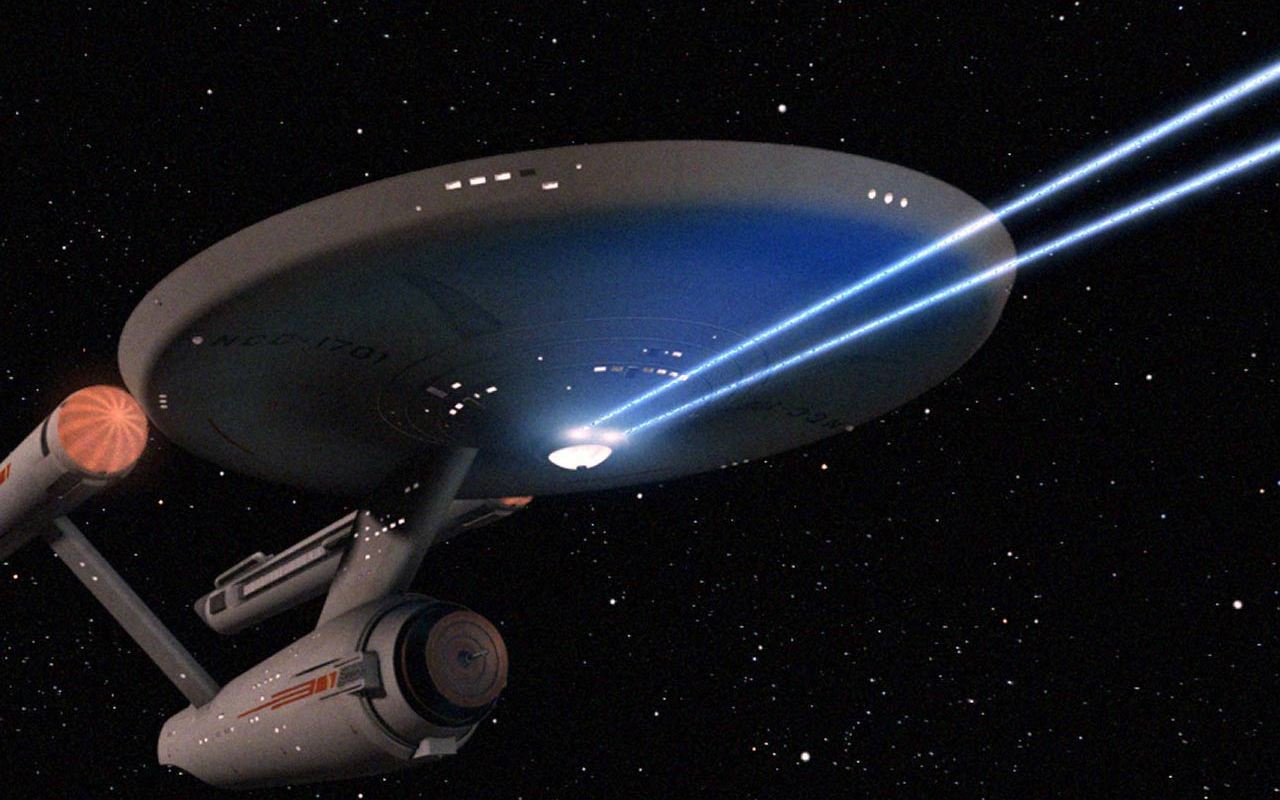
Star Trek has gone boldly where no franchise has gone before. The iconic Trek celebrated its 50th anniversary on September 8th and the TV show has paved the way for science fiction and modern technology. It’s hard to pick a favorite series, movie, ship or character from the phenomenon that has survived five decades.
Star Trek (the original series), The Next Generation, Deep Space 9, Voyager and Enterprise. Has any other franchise produced five television series as Star Trek did? Each show has had its own challenges led by different captains: James T. Kirk, Jean-Luc Picard, Benjamin Sisko, Kathryn Janeway and Jonathan Archer. There was also an animated series based on the original show back in the ’70s. Many stations are running Star Trek marathons and specials like the Smithsonian channel’s Building Star Trek. But it doesn’t end there. CBS plans to launch a Star Trek: Discovery, a new series slated for streaming on May 2017.
The big screen has seen 13 films. Star Trek the Motion Picture, Star Trek II: The Wrath of Kahn, Star Trek III: The Search for Spock, Star Trek IV: The Voyage Home, Star Trek V: The Final Frontier, Star Trek VI: The Undiscovered Country, (Yes the even numbered films were better) Star Trek Generations, Star Trek: First Contact, Star Trek: Insurrection, Star Trek: Nemesis, Star Trek, Star Trek Into Darkness, and Star Trek Beyond. Surely, there will be more.
Getting back to Star Trek, the original show was light years ahead of its time. Modern technology is moving at warp speed and catching up to some of the gadgets used on the original series. iPads/tablets were always signed off on by Captain Kirk. Siri and talking computers are common now. Communicators are like flip cell phones. In fact, Think Geek is releasing a communicator cell phone for the anniversary. It works off your current bluetooth cell phone.
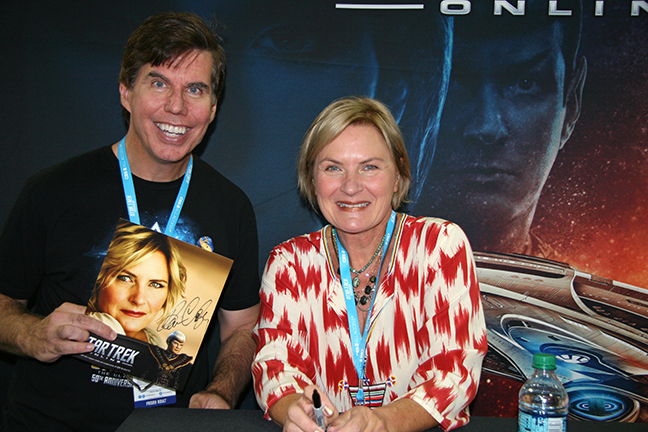
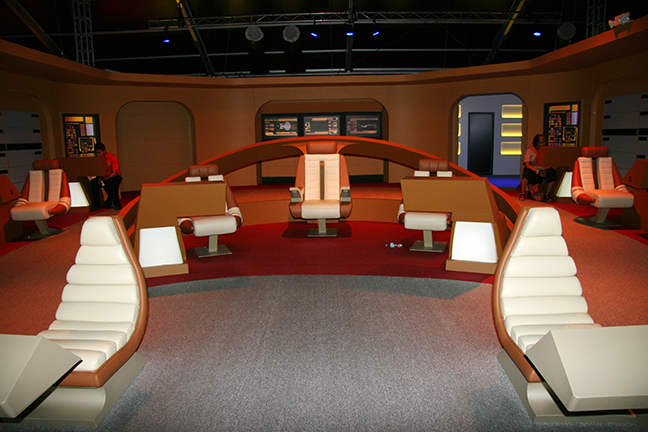
Besides watching the specials, series or movies there are many events to celebrate the occasion. Star Trek conventions are drawing huge crowds. The cons are a lot of fun and resistance is futile at the vendors’ tables. The conventions feature actors from all the series and movies. Vendors have a huge selection of uniforms, props, collectables, shirts and other merchandise. One company, Simplicity Creative Group produces a Star Trek series of dress uniform patterns called Make it Sew. The Star Trek: Mission New York convention featured a mock-up of the original Enterprise bridge for photo ops and a virtual reality gaming zone.
The U.S.S Intrepid is hosting the Star Trek: The Starfleet Academy Experience. Like the conventions it features original costumes and props from the series and movies. You receive a watch-like wrist band that keeps track of your tour. You can play games, beam up in a transporter and take photos on a replica of the Next Generation bridge. When you are finished you can have your quiz results, Starfleet diploma and a video of yourself beaming up in the transporter emailed to you. The Intrepid also features a life-size Galileo Seven shuttlecraft perfectly placed next to the NASA Enterprise shuttle.
The Experience and the con is just a sampling of how Star Trek’s 50th anniversary is being celebrated. The U.S. Post Office has released a new Star Trek inspired forever stamp series in honor of the 50th anniversary. These stamps were presented by Walter Koenig at the Mission New York convention.
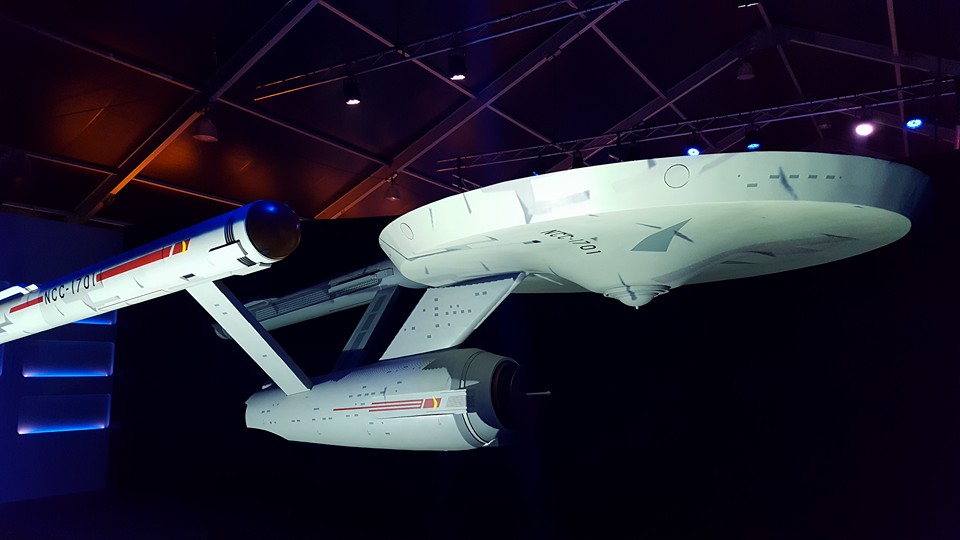
Since 1991, Hallmark has released highly detailed Christmas ornaments of the Star Trek ships designed by Lynn Norton, as well as famous characters and scenes. For this year’s golden anniversary they released a gold TV pilot version of the U.S.S. Enterprise.
It’s music for your Vulcan ears, Star Trek the Ultimate Voyage is a live concert featuring a symphony orchestra playing a score set to footage from the classic Star Trek films and TV shows. The tour has played in over 100 American cities.
For fans who enjoy cosplay, M·A·C cosmetics has launched a Star Trek make up collection of astral hues. The cosmic women of Star Trek made the series immortal, their powerful sense of style sent space-age fashion to a new frontier and M·A·C lets you dress the part.
It’s not logical to miss out on the anniversary celebrations. Star Trek has flourished for 50 years. May it keep going strong. Live Long and Prosper Star Trek!
Here we are celebrating Star Trek’s 50th anniversary, a milestone that many doubted would ever be reached. For good reason, Gene Roddenberry’s phenomenal TV show about Captain James T. Kirk (William Shatner) and the starship Enterprise should have been forgotten after it was cancelled after three seasons. However, Star Trek was special, it was more than weird, low-budget sci-fi trappings with empty fisticuffs. Star Trek concentrated on ideas, social commentary and characters. As long as each incarnation of Star Trek stuck to these core ideals it clicked with the general public and fans. But as with everything, Star Trek went through cycles and sometimes lost sight of what made it so reverential. Aside from the cancellation of the original series where fans went through a decade-long drought without any live-action fixes, another dark period happened more recently.
Burnout
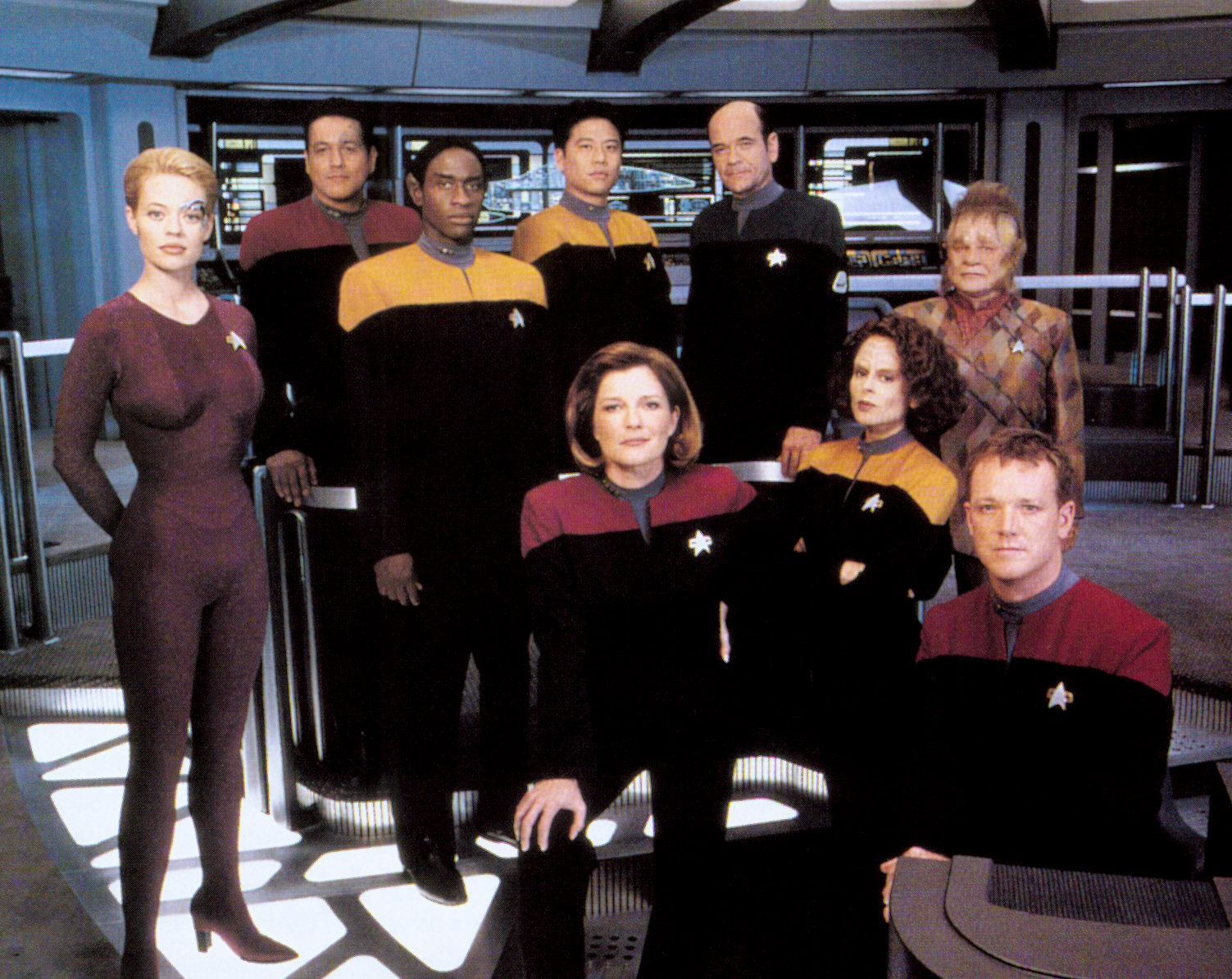
Oddly enough, Star Trek started to burn out and lose its edge story and character wise when it was at its peak in the mid ’90s. There was a feeling of overkill as Paramount Studios was all too eager to cash in Trek’s popularity. The show that suffered from this the most was Star Trek: Voyager with its formulaic scripts. Before the third spinoff was created, there was some griping about Star Trek: Deep Space Nine because it was considered too dark and strayed too far from what was perceived to be the core of Star Trek: exploring the universe in a spaceship. Due to these complaints and because Paramount wanted to milk the cash cow, a new spinoff was created that went back to the old spaceship formula for its new TV network UPN. Star Trek: Voyager was lauded for having Kathryn Janeway (Kate Mulgrew), as the franchise’s first lead woman character and for its basic premise of a lost Starfleet ship making its way back home, but apart from that the show had creative problems. It felt too similar to Star Trek: The Next Generation with familiar stock characters. What was worse, were the predictable stories that were riddled with plot holes. Why was the ship so pristine looking every week? We wanted to see the actual ordeal of being stranded and away from support. It didn’t feel realistic, especially with the way they always defeated the super-powerful Borg whenever they showed up. Still, Star Trek: Voyager had its highlights, particularly Seven of Nine (Jeri Ryan), an ex-Borg who filled in the Spock/outsider role.
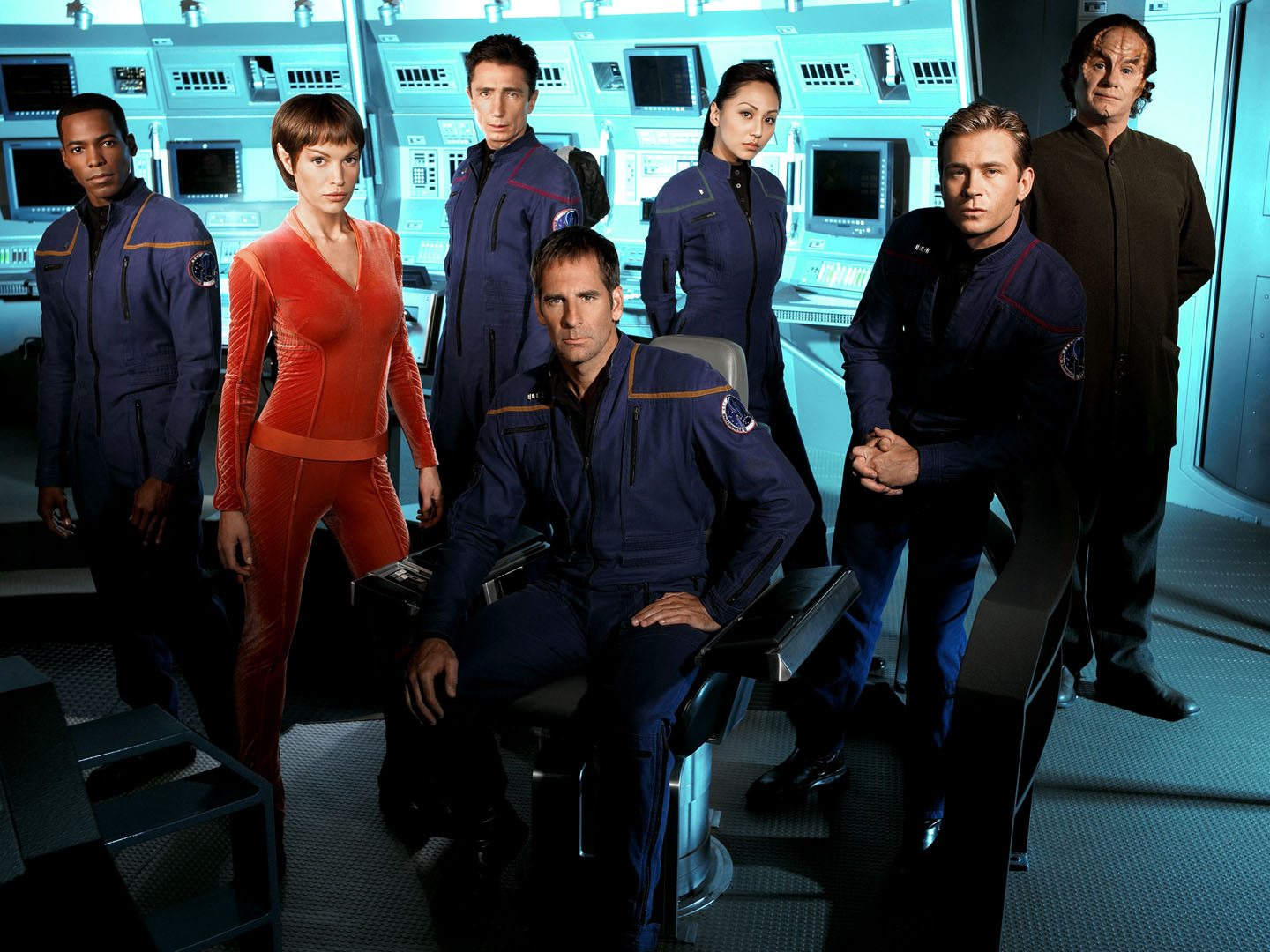
By the time Star Trek: Voyager concluded its run and Enterprise premiered in 2001, the franchise was undeniably creaky and tired. The film series were now bringing in less and less profits, seemed listless and unfortunately, Enterprise suffered from the same problems. On paper, Enterprise had potential; the adventures of the very first starship Enterprise commanded by Jonathan Archer (Scott Bakula) and his crew as the first humans to voyage to the Final Frontier. The prequel/spinoff instead of truly exploring the foundation of the Star Trek universe literally recycled plots from Star Trek: The Next Generation and when it didn’t the stories were uninspired. Simply put, it did not feel fresh and relied too heavily on the trappings of the Star Trek universe. For instance, transporter technology was supposed to be largely untested, yet all too quickly the scriptwriters relied on it to get our heroes out of jams.
The show’s creators Rick Berman and Brannon Braga tried jumpstarting the show in the third season, added Star Trek to the title, and created a season-long arc about a mission to save Earth from destruction by aliens. The storyline divided many fans who felt it was too violent and dark versus others who thought the moral dilemmas and high stakes were what the show needed. No matter where one stood in the argument it was clear that this version of Star Trek was influenced by current events, in this case 9/11.
It was only in the final season did the show find its moorings and actually became a true prequel, but it was too late. Just as with its ancestor, the original Star Trek, Star Trek: Enterprise was cancelled in 2005 because of low ratings. The film series quietly died also after Star Trek: Nemesis flopped in 2002. The general consensus was that the property was completely mined out and devoid of any new material. Many felt that unlike previous lulls and failures that it was time to let the franchise rest. As Star Trek approached its 40th anniversary it seemed as if it was truly gone for good because of a lack of any initiative to develop new material let alone celebrate the anniversary.
Star Trek 2.0: Dormancy & Rebirth
That perception is not entirely accurate. Although there wasn’t any new Star Trek content, it did live on. The merchandising, while not as prevalent as in the past, helped. Another shot in the arm were the numerous fan films that carried the torch for the original crew. It’s true the production values and acting weren’t quite up there with professional productions, but it was clear that these films were lovingly made and some of them are actually impressive. At the same time, Paramount (and later CBS Studios) tried to create new films and TV shows. For instance, one film was called Star Trek: The Beginning and would’ve taken place during the Romulan War and featured Kirk’s ancestor, Tiberius Chase. Sadly, the script never went anywhere. Others pitched ideas for new TV shows including one that would’ve taken place in the far future in the aftermath of a galactic catastrophe that crippled the Federation. However, all those developments went by the wayside when Paramount hired J.J. Abrams to reboot the franchise with a new film.
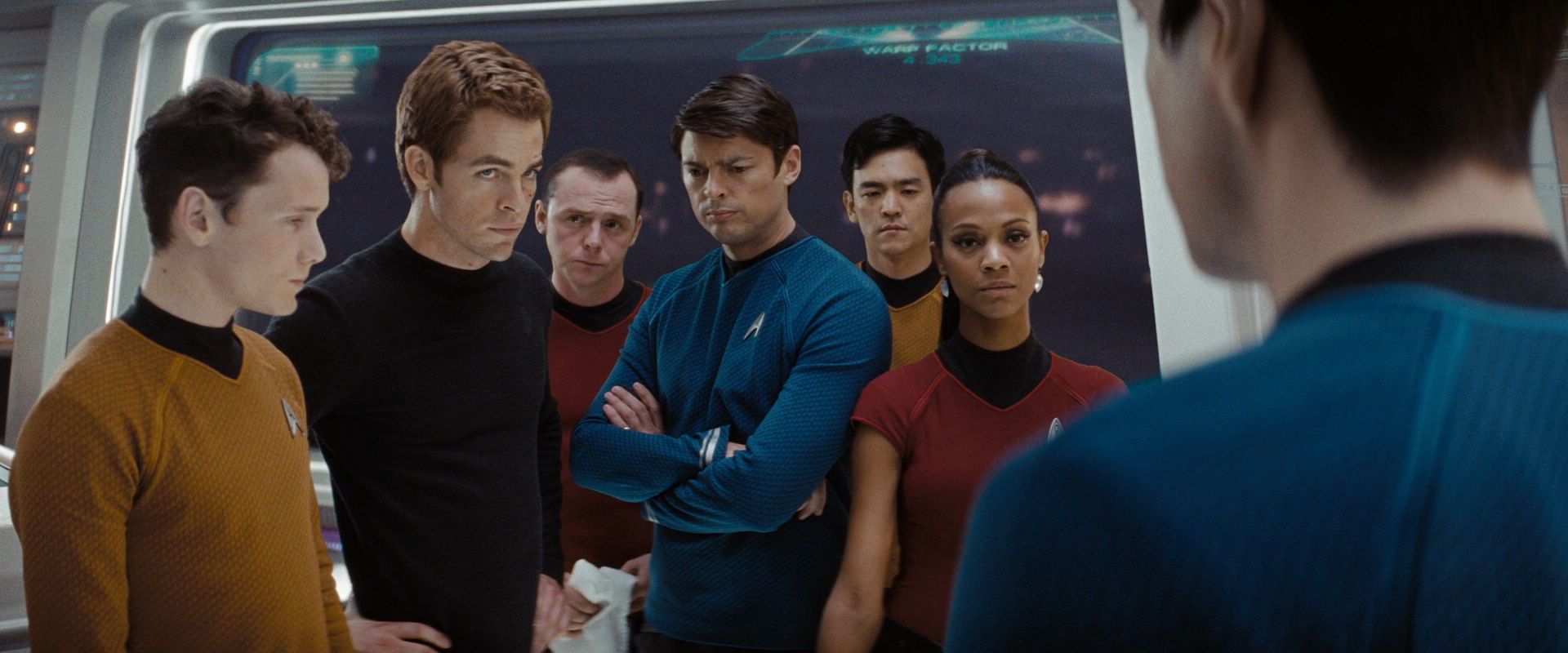
2009’s Star Trek retold the story of Kirk, Spock, McCoy and the original Enterprise crew. But now they were played by much younger actors and the entire Trek universe received an updated makeover. On the whole, the film and its sequels were a faster paced, action oriented version of Star Trek. The first rebooted film was a huge box office success and many loved it. The problem, which became more obvious in later films, is that these films were catering to non-fans who wouldn’t show the same brand loyalty as regular Star Trek fans. With an emphasis on quick action shots and explosive special effects, the three most recent films alienated many traditional fans who likened the new films as Star TrekForDummies. That perception crystalized when the ill-conceived trailer for Star Trek Beyond was released last year.
The trailer was clearly made for adrenaline junkies who crave the Fast and Furious films with its in-your-face action clips and an obnoxious Beastie Boys soundtrack. After the poor reception, Paramount let the bad feelings simmer for too long and cemented the feeling that Star Trek Beyond would be another loud and empty action porn bonanza. The film was actually more thoughtful and respectful to the essence of Star Trek, but the poor marketing ensured that it wasn’t as successful as the previous reboot films.
It is still too early to render a verdict on the reboots. It may be some time before the fervor dies down and we can all look upon them objectively. But as of now, many are decrying that the reboots are not real Star Trek and want a return to the original universe.
Fortunately, that is about to happen as Star Trek returns next year to the medium it is best suited for, television. The excitement building up over the forthcoming Star Trek:Discovery only proves that Star Trek isn’t dead or fading from the public consciousness.
Star Trek: The Legacy
Other popular franchises may be getting more attention these days, but Star Trek has shown time and time again that it has appeal and staying power. The effect the film and TV series has had in pop culture is immeasurable. To dismiss the franchise at this point is foolish in light of its legacy, which is far spanning.
Star Trek helped make science fiction a mainstay in television and elevated the genre’s perception from low-brow, youth-oriented fare thanks to its imaginative and thoughtful episodes. That is why the original show (and Star Trek: The Next Generation) received Emmy Award nominations for best series. It helped lead other executives and networks to gamble more often on sci-fi series, some of which are stellar examples of the genre. But Star Trek has had more of a meaningful impact in our society.
As we celebrate Star Trek’s 50th anniversary, we should reflect on its greatest legacy which is how it inspired the world. There are countless accounts of how Star Trek had a positive influence among astronauts, doctors, engineers, scientists and everyday people like you and I. The show and its spinoffs helped us to learn not to fear the future but to embrace it. Thanks to Star Trek, many beneficial inventions like cell phones, 3D printers, medical scanners and more became a reality due to its fictional counterparts in Star Trek. More importantly, the show taught us about how to treat our fellow neighbors. Everyone knows how the show and its spinoffs were cultural trailblazers with its focus on characters like Mr. Spock (Leonard Nimoy), Data (Brent Spiner), Seven of Nine (Jeri Ryan) and the Doctor (Robert Picardo). They were outsiders who had trouble fitting into their society due to being different. Past episodes dealt with prejudice as their plights touched upon civil rights, tolerance, respect and looking past outer differences and into the character of the soul. This belief can best be exemplified by the Vulcan IDIC philosophy of Infinite Diversity in Infinite Combinations. This more perfect future society is beyond our reach today, but we are laying the groundwork to make Gene Roddenberry’s optimistic vision a reality someday.
Star Trek will always be a part of our pop culture as it has been for the past 50 years. That is because it has so many aspects that are appealing to many different audiences. As long as Star Trek embraces its core roots, it will continue to live long and prosper. So may we all.



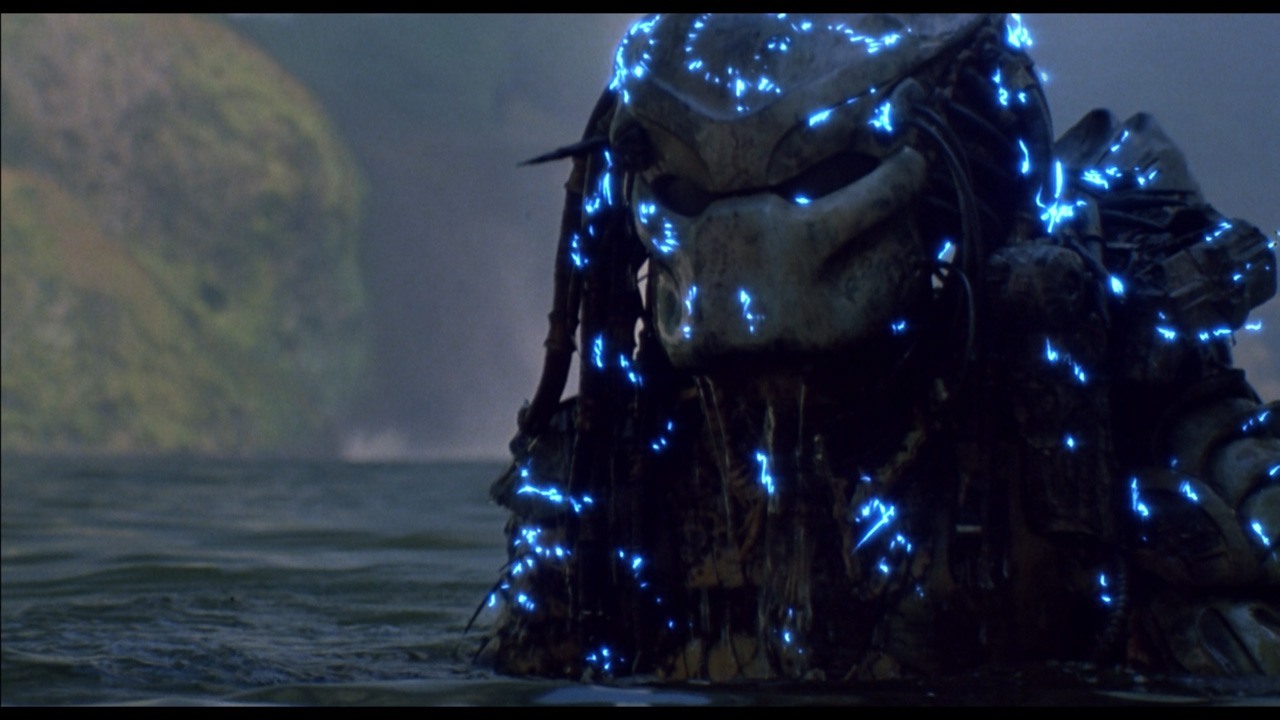
 With a testosterone-injected cast it’s funny to think that it was almost joined by future action star Jean-Claude Van Damme. Originally he was cast to play the Predator and wore this ridiculous and ungainly outfit that didn’t look good in screening footage. To confirm their fears, the filmmakers brought in James Cameron to review the footage with Van Damme’s version of the Predator and he opined that it was not working. Wisely, they went back to the drawing board and this time hired Stan Winston who used his movie magic skills to create the iconic look of the alien hunter. Also, while Van-Damme is a great martial artist his build was not up to par with Schwarzenegger and his stocky crew, plus he was unhappy with his role so he was replaced with Hall.
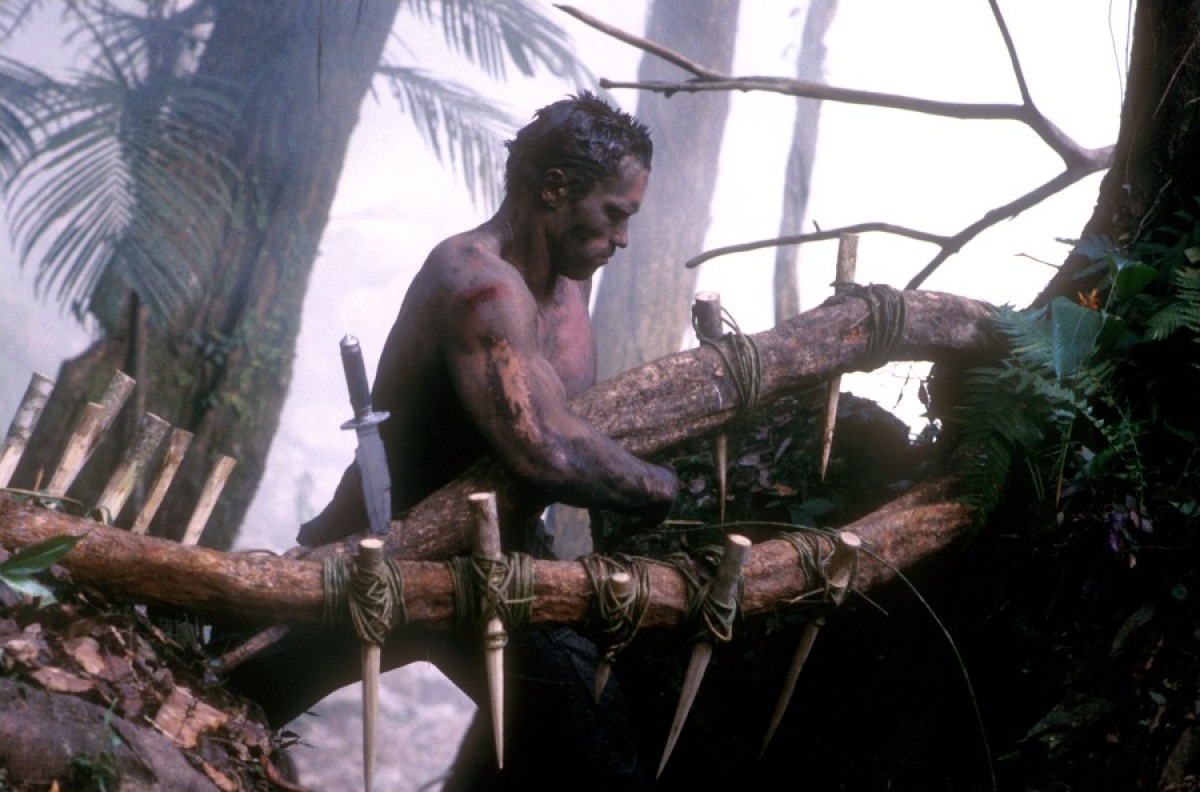 the thick green foliage hid the relentless monster that hunted them down one by one. The way the Predator killed the men was very grisly and helped add to the fear factor. The alien creature treated the men like they were hapless animals by the way they were either skinned, had spines ripped out or taken out with swiftly with laser fire. Naturally, by the last act Schwarzenegger was the last man standing and the final confrontation between him and the Predator was intense. In an ironic twist, the muscle man had to rely on brains rather than brawn when confronting the alien. We actually wondered if Schwarzenegger had finally met his match and the film played up this angle perfectly. Adding to the film’s classic status was its rich cinematography, outstanding special effects and Alan Silvestri’s pulse-pounding score. It evoked a feeling of tribal warfare and is one of the composer’s best scores.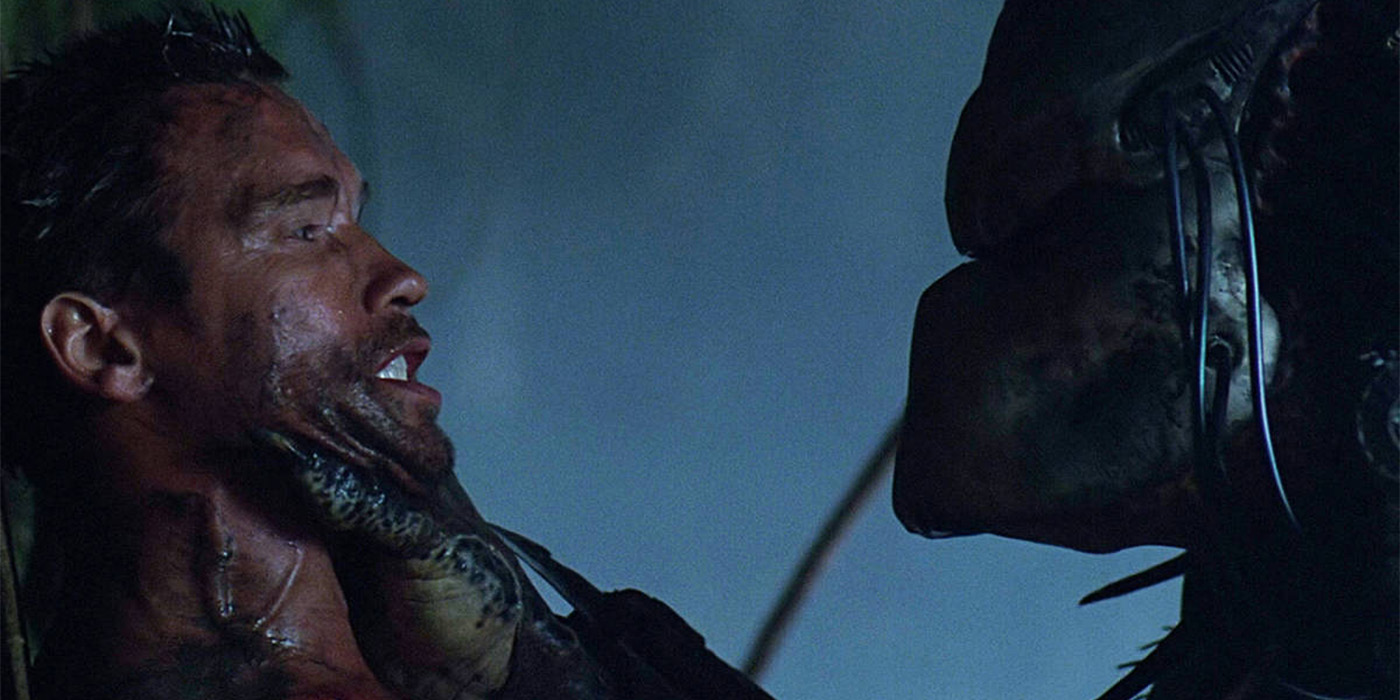






 Starloggers