Predator: Badlands Gives Us A New Hero To Root For

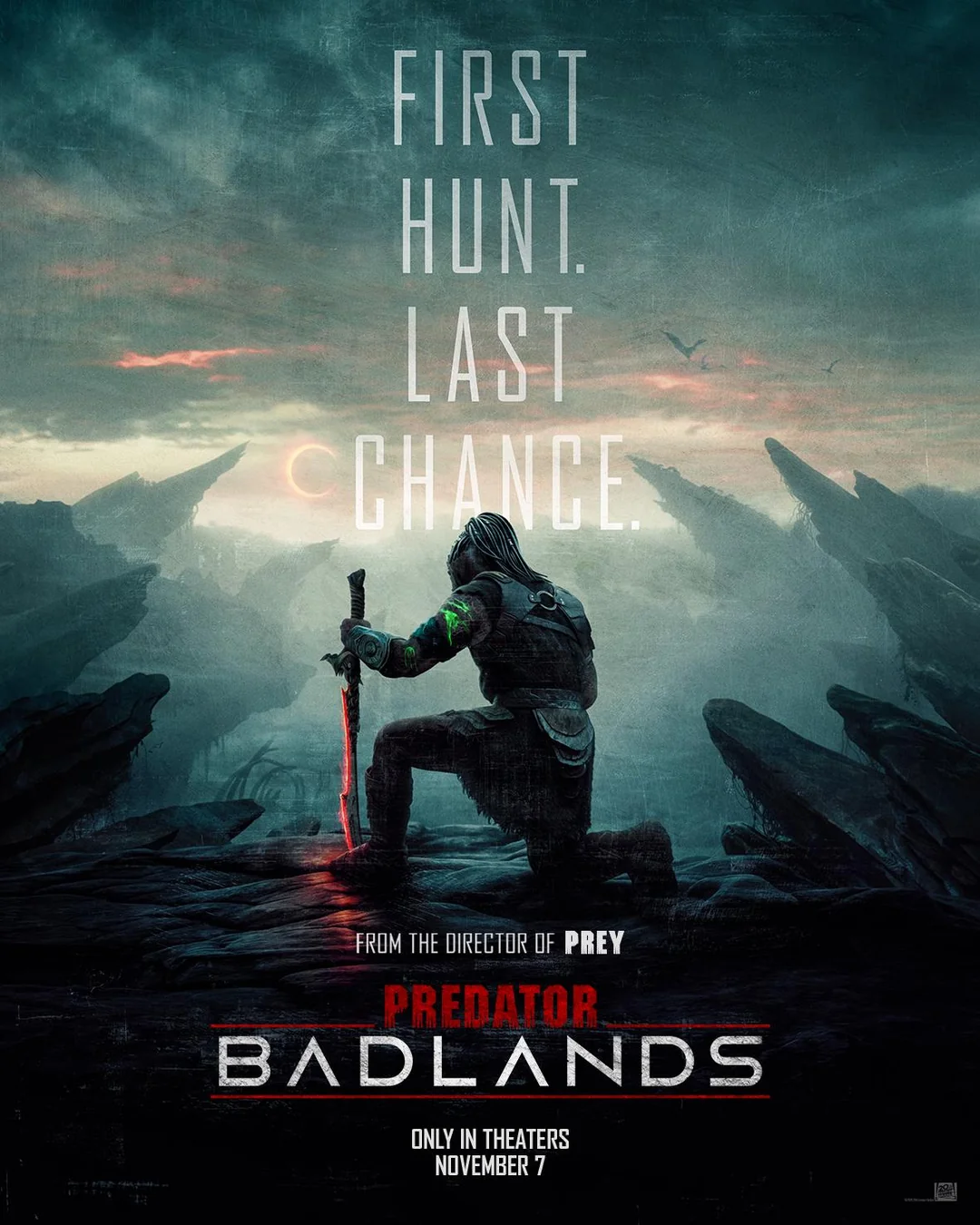
The Predator franchise has experienced an upswing in quality lately thanks to creator Dan Trachtenberg who directed the last two Predator films, Prey and Predator: Killer of Killers. Now, Trachtenberg has reached the creative peak with Predator: Badlands, the latest Predator film out in theaters. Not only is it a thrilling, action-packed and well paced, but unlike the previous films, this one stands apart for one very important reason.

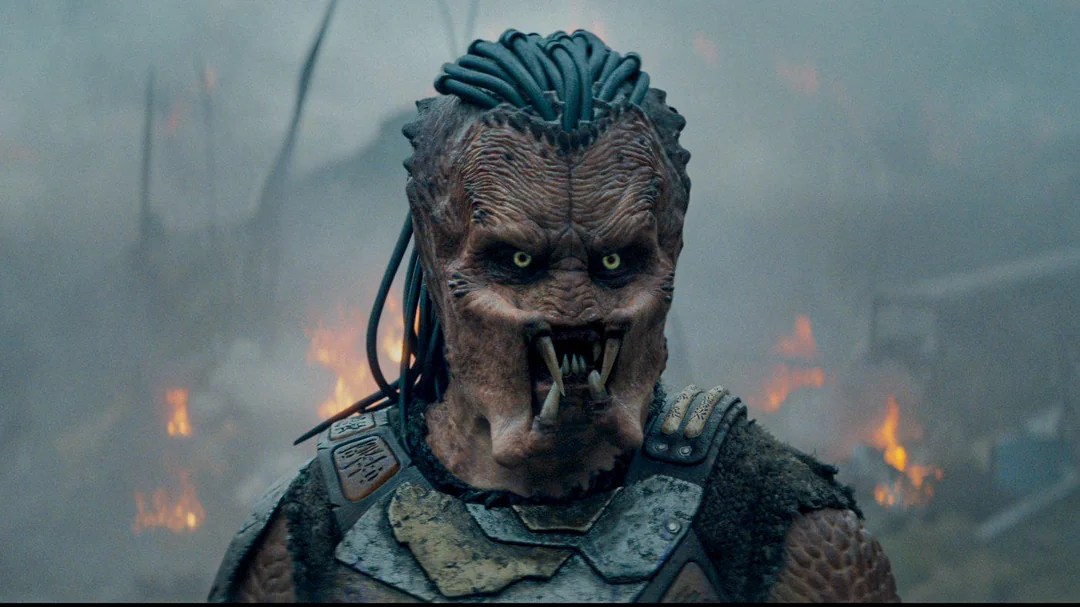
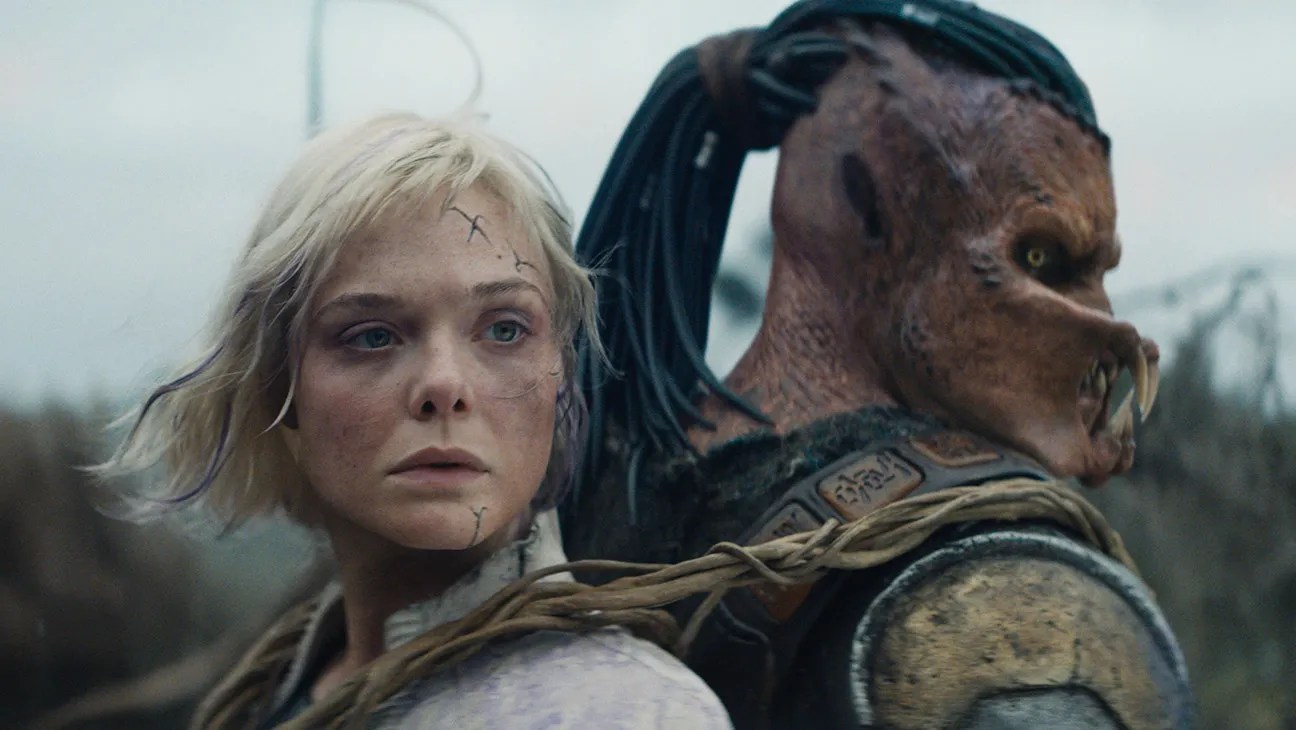
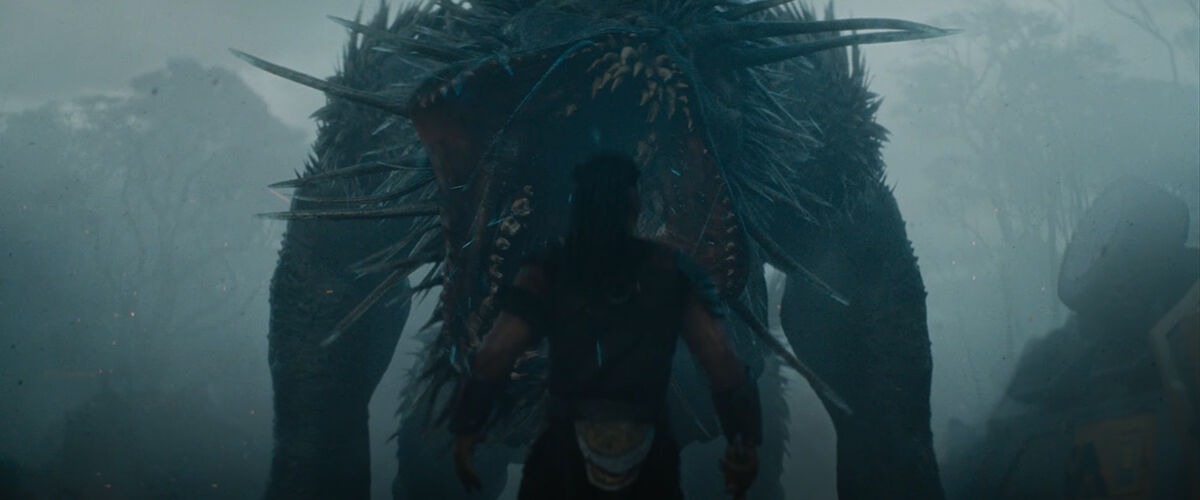
What sets Predator: Badlands apart from the typical Predator film is that it is told from the point of view of the alien predator, the Yautja; in this film, that Predator is called Dek (Dimitrius Schuster-Koloamatangi) who is the runt of his Yautja clan. The film opens up in the Predator’s homeworld and Dek wants to go on a warrior rite of passage to earn his place in his family clan. To do that he has to travel to a deadly planet called Genna and bring back a trophy kill of that planet’s apex predator, the Kalisk. However, Dek’s father, the leader of the family clan (also played by Schuster-Koloamatangi), considers Dek to be a runt that should be culled. IOW, killed off. Before this can happen, Dek’s older brother, Kwei (MIke Homik), sacrifices his life to protect his younger brother and sends him off to Genna.

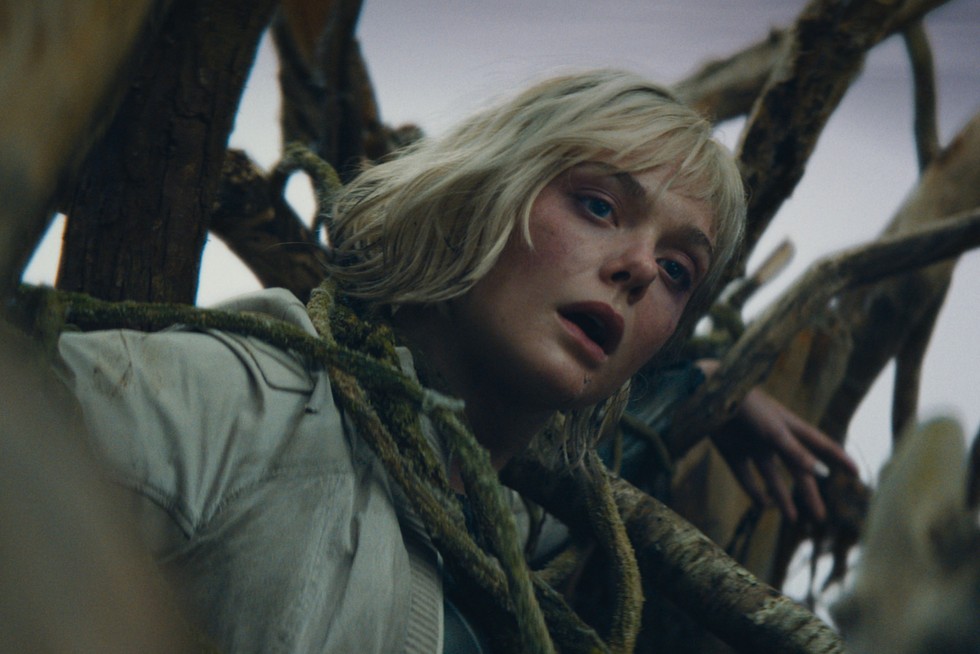
After crash landing on the planet, Dek is immediately beset and hunted by the vicious creatures inhabiting the primordial world. Even the plant life if deadly to him as some plants shoot paralyzing needles, while carnivorous vines nearly devour Dek. Basically, the planet makes Pandora look like a leisure world. Along the way, he encounters a synth called Thia (Elle Fanning), a highly advanced and empathic synthetic woman who is part of a mission by the company Weyland-Yutani Corporation (the same infamous company from the Alien franchise) to capture an animal specimen for research. Thia is missing her lower half due to an attack by a Kalisk that separated her from her synthetic associates during an attempt to capture it, which included Tessa (also played by Fanning).

Thia offers to function as Dek’s informational tool to hunt the Kalisk in exchange for transporting her to the site of the attack so she could reattach her legs. Dek is reluctant at first, but Thia’s knowledge of the terrain and deadly fauna is valuable so the two form an unlikely partnership as they traverse the deadly jungle forests. What neither realize is that Tessa was recovered and sets out on her mission with a cold heart and drive to capture the Kalisk and she will not let anything get in her way, including Thia and the Yautja.

Predator: Badlands works so well not just because it is stuffed to the gills with action or because of its impressive production and special effect, but because it develops the Yautja. We actually understand their alien culture which is a bit more complex than expected. They are not mindless killers but hunters with a strict honor code. We saw this in previous films, but this one literally takes us to their world and we get into their mindset as we learn to sympathize with some of the Yautja, especially Dek.

This Predator is clearly the film’s main character and it is not long before we are rooting for him at every turn as it is clear that he is the film’s hero. Part of that sympathy is because he is considered a runt, given his smaller stature. But Dek has the heart of a warrior and a relentless drive to succeed that he can’t help but admire. Just because Dek is smaller than the average Yautja does not mean he cannot hold his own in a fight. Much like Marvel Comics’ Wolverine, Dek is a savage fighter who will use any tool to defeat his foes or kill his prey. Speaking of fighting, the fight scenes are quite intense and brutal. The film surely would have earned an R rating if not for the fact that we never see red blood on screen. In fact, there are not any humans at all in this film, which is remarkable and helps set the film apart from nearly all live-action films.

While the film takes every step to flesh out the Yautja, it also does this with the synthetic people. In the past Alien films we saw the synthetics as either coldly evil or warmly human-like, and Predator: Badlands continues this tradition. There are hints throughout that the synthetics, mostly through Thia, have begun to develop their own sense of self and independence, which could be worth exploring in a future film or TV show that focuses on the synthetics. It is also worth noting that the camaraderie between Dek and Thia feels organic and although we know how their relationship will progress it is still enjoyable to watch as they form their own sort of clan.

Director Dan Trachtenberg clearly not only has the drive to explore the Predator’s culture and flesh out the aliens, but the skills to pull this off. He has a great visual style and sense of storytelling that instantly engages us with his stories while adding so much to the Predator lore. At the same time, he adds more to the Alien franchise without going overboard with references. He ties both franchises very skillfully but you can enjoy this film without having seen a single frame from the Alien films. He has plans for a third film if Predator: Badlands is successful enough and he also hopes to bring back the star of the original Predator, Arnold Schwarzenegger himself, which would be awesome considering the hints of possibilities Trachtenberg teased us with in Predator: Killer of Killers.

Predator: Badlands is clearly one of the best films in the Predator franchise, perhaps as great as the original, though the two films had very different tones. Given the film’s rich world building and the way it ends, we have to see more of Dek and Thia and the rest of the worlds in Predator: Badlands.

José Soto

Alien: Earth Crashes Down To Earth

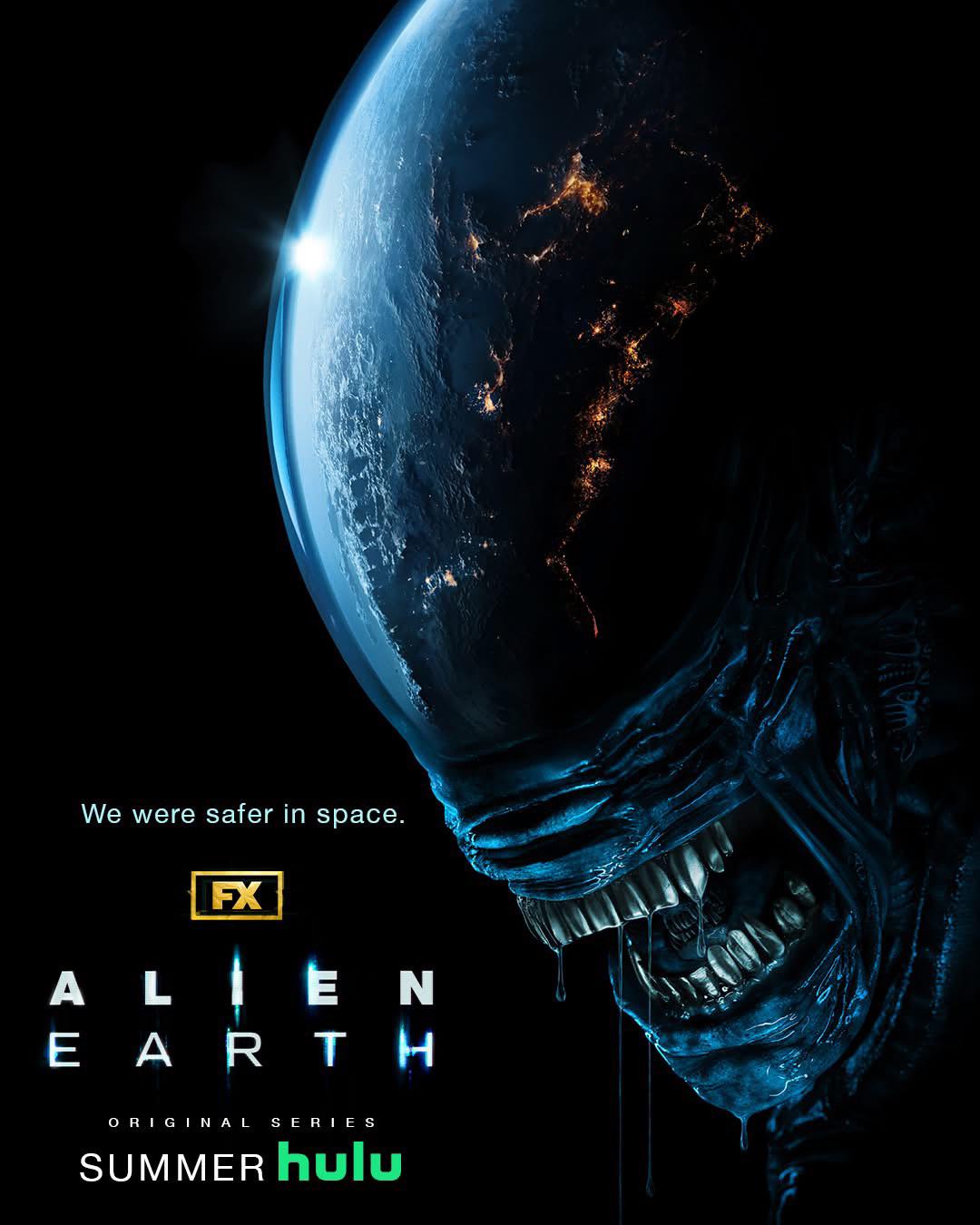
Given that the Alien franchise has been around for nearly 50 years, it was surprising that until Alien: Earth, no TV show was made about the famous sci-fi horror IP. One would think that more effort would have gone into making the first Alien TV show much better than it turned out.

Alien: Earth was created by Noah Hawley (the writer and producer of Legion and Fargo) and takes place a couple of years before the first Alien film, around 2120. It expands upon the universe created in Alien by showcasing life on Earth and answering many questions about this universe while raising many more questions.

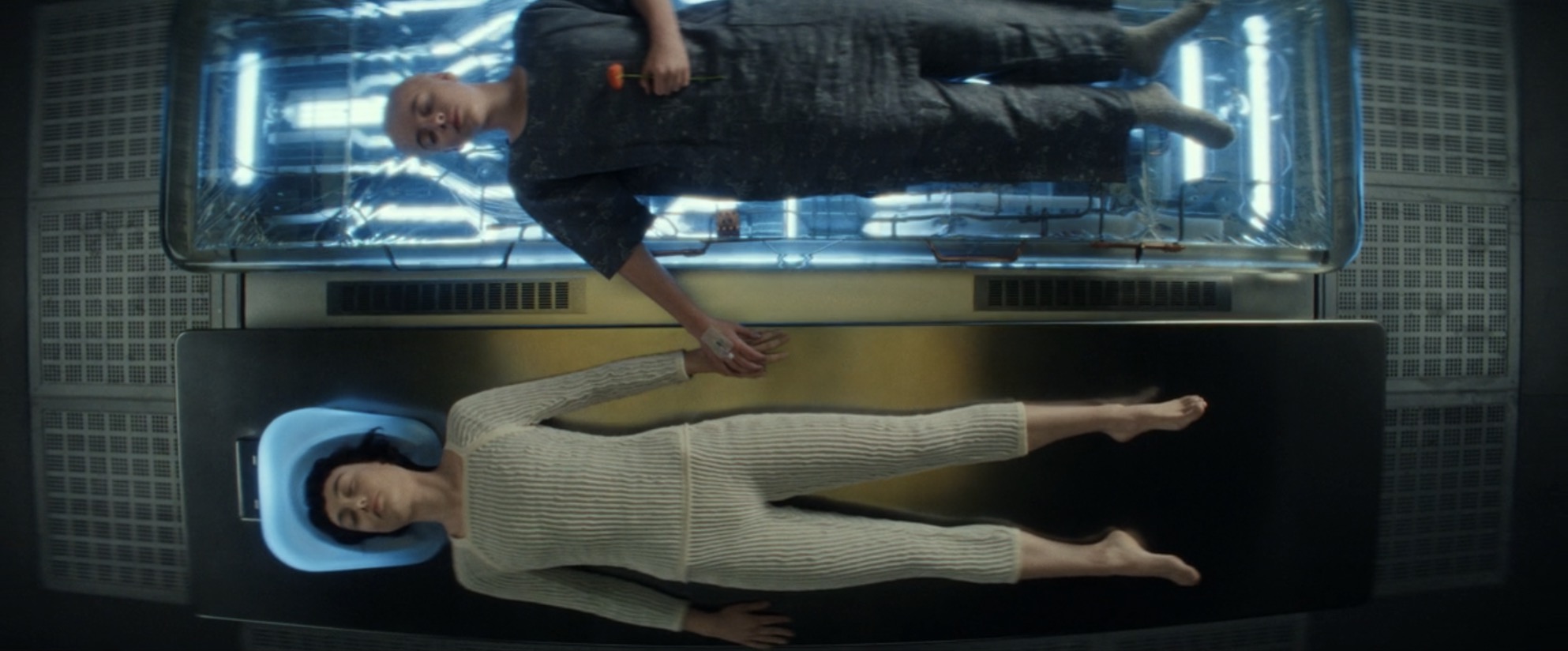
The TV show focuses on Wendy (Sydney Chandler), a prototype hybrid and her evolution. She and other hybrids (nicknamed the Lost Boys after Peter Pan) differ from the synthetic people shown in other Alien films in that originally they were dying children whose consciousness were transferred into synthetic human bodies, which makes them in essence immortal. Wendy and the Lost Boys were created by the corporation called Prodigy, which is based in Asia, and is owned by a douchey trillionaire tech bro called Boy Kavalier (Samuel Blenkin).

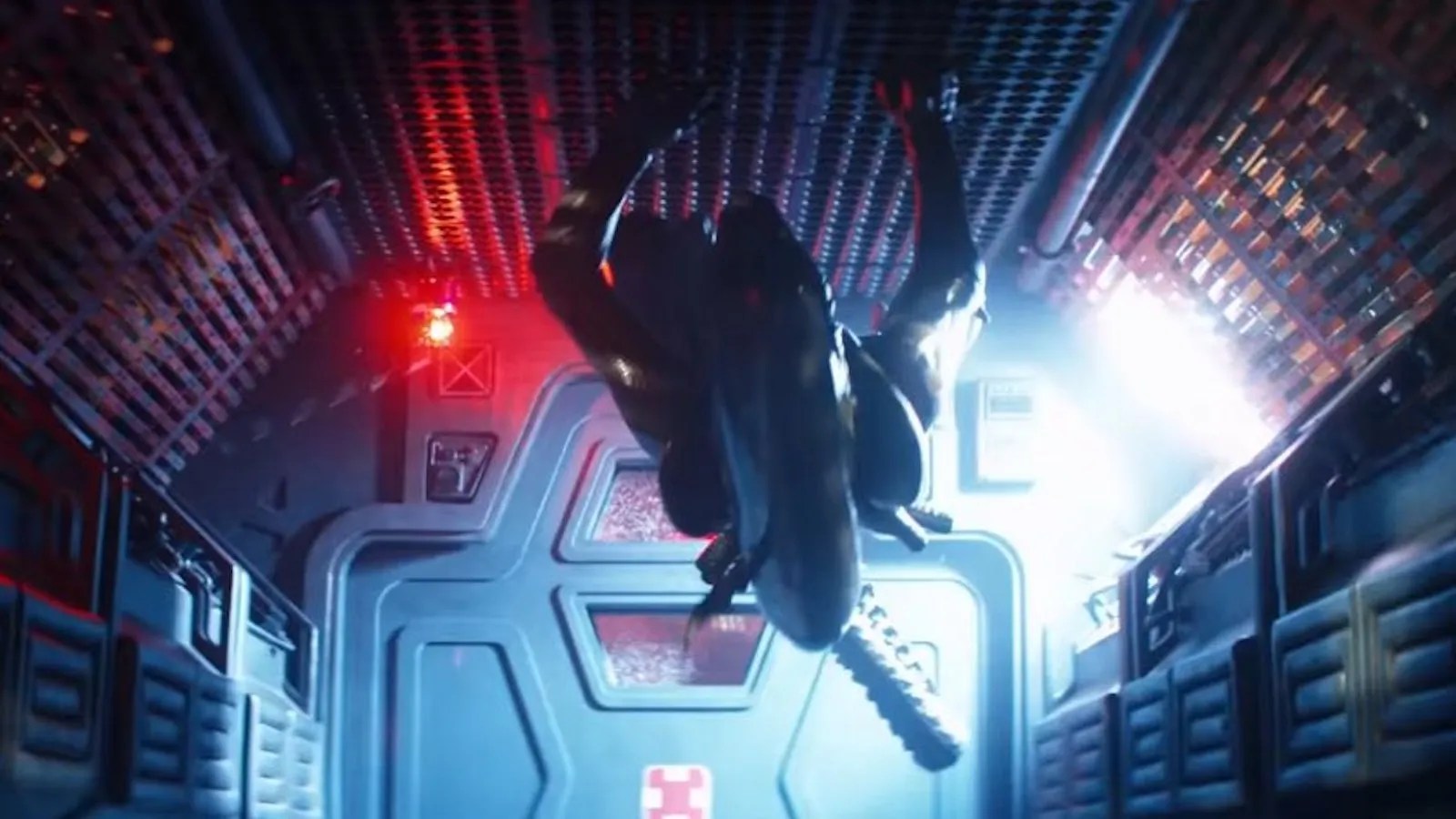
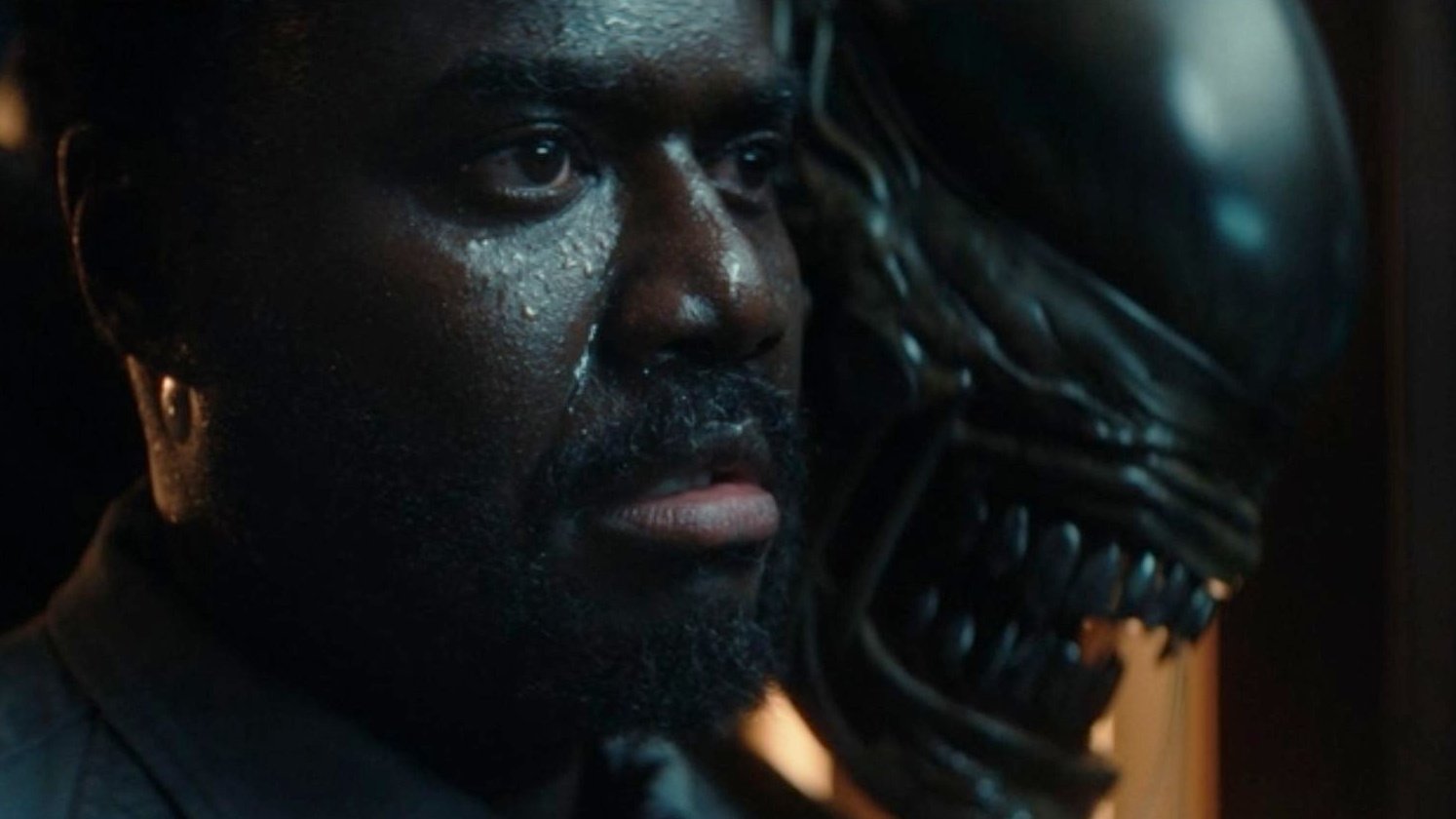
Kavalier covets the extraterrestrial biological specimens collected in a spaceship owned by rival company Weyland-Yutani and he arranges for the spaceship to crash land in Prodigy territory on Earth so his corporation could claim the specimens as salvage. As it turns out, one of the dangerous organisms is the famous xenomorph that made the franchise so revered.

When the Weyland-Yutani spaceship crashed in the Prodigy city New Siam, one of the first responders to arrive at the scene was Wendy’s brother Joe Hermit (Alex Lawther), who is soon endangered by a xenomorph that is now loose in the crash site. After Wendy learns of this, she volunteers to go to the crash site to help collect the alien specimens with Prodigy soldiers and rescue her brother. Once Hermit is rescued and the aliens are captured, Kavalier has the alien creatures brought to his private Neverland Island, where Wendy and the Lost Boys are based, to study the creatures. Of course, as things go in Alien stories, things get out of hand as the xenomorph and other alien creatures break loose from captivity and imperil not just the people on the island but the entire planet. Meanwhile, Wendy and the other hybrids go through existential crises as they struggle to find meaning in their new lives as hybrids.

There are many great and promising elements in Alien: Earth, such as the fact that it feels like it is part of the franchise and captures the mood and atmosphere of the films. The special effects are truly outstanding, as well as the production design. More importantly, Alien: Earth truly fleshes out the universe it takes place in with new characters, explaining the overall makeup of the Alien universe, and by introducing new kinds of synthetics and aliens.

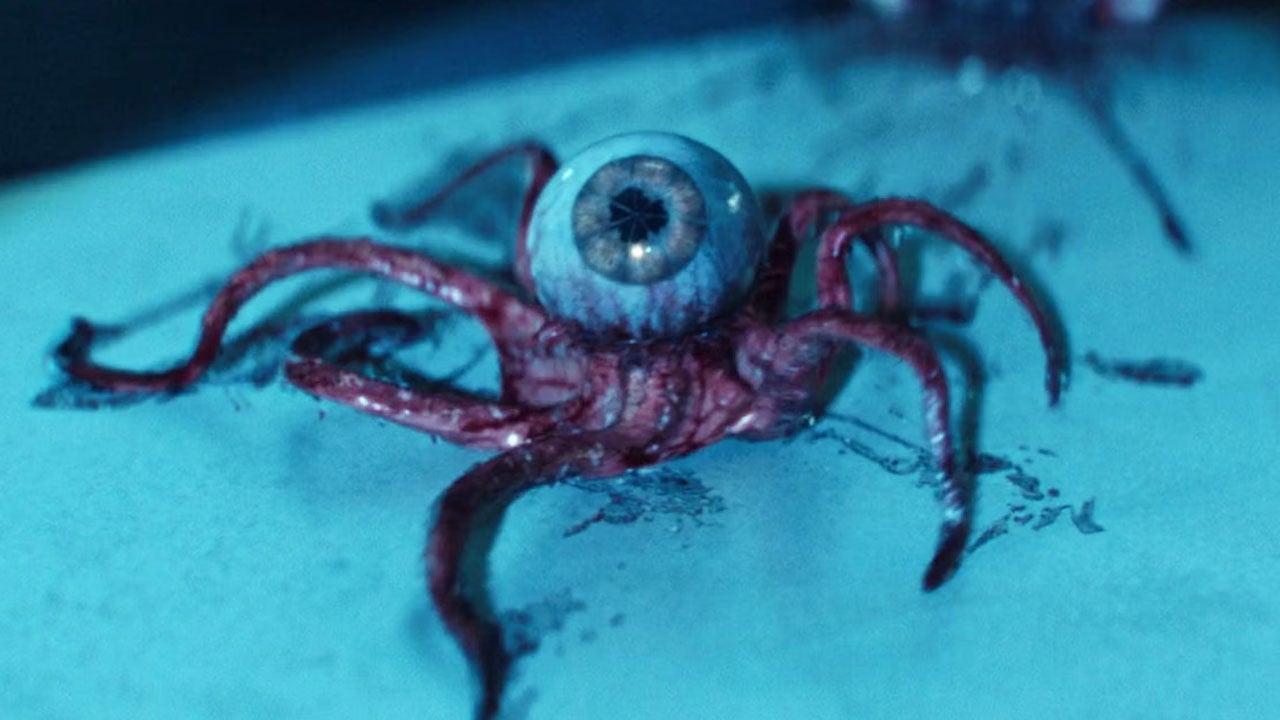
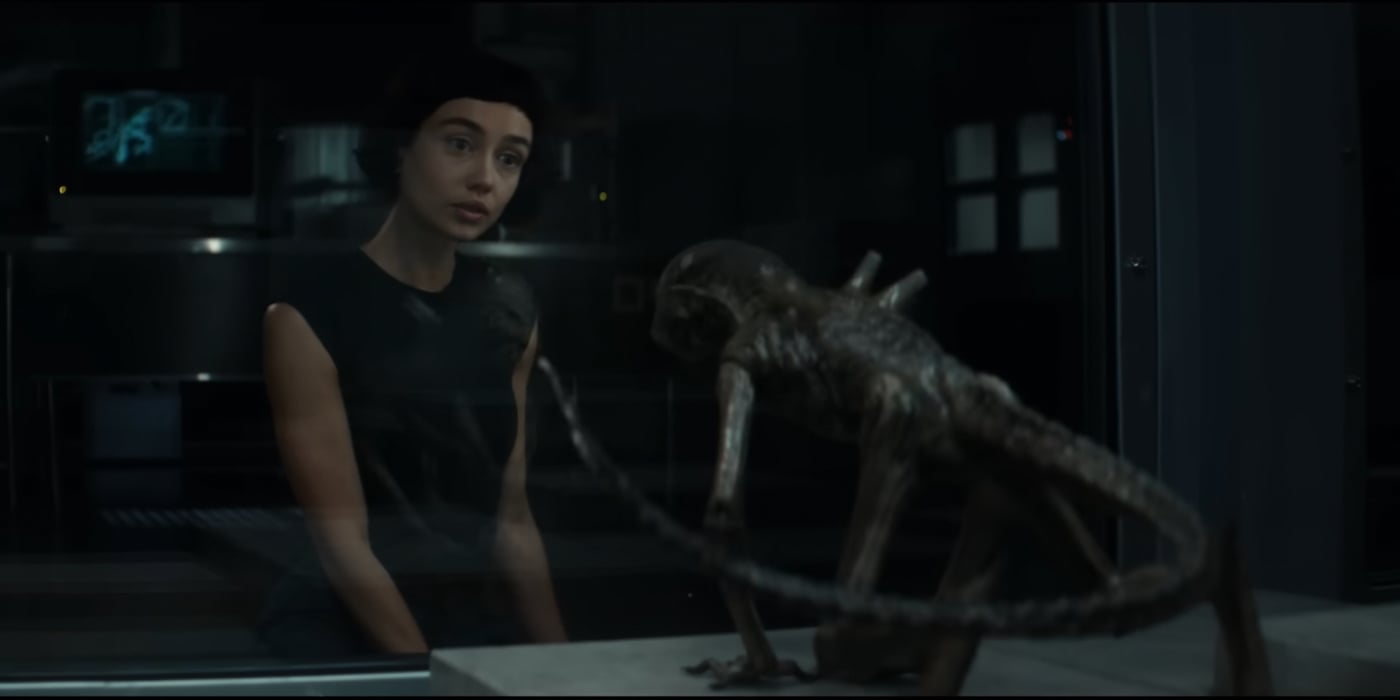
The TV show introduced unique and terrifying alien creatures that rival the xenomorphs for deadliness and reinforce how hostile space is to humanity. The most terrifying creature is something called the trypanohyncha ocellus, a tentacled eyeball that kills its victims and takes over their bodies by forcibly burrowing itself into the victims’ eye socket. What was more disturbing by this cyclopean horror was that it clearly displayed a high level of intelligence and helped created the chaos throughout the show.

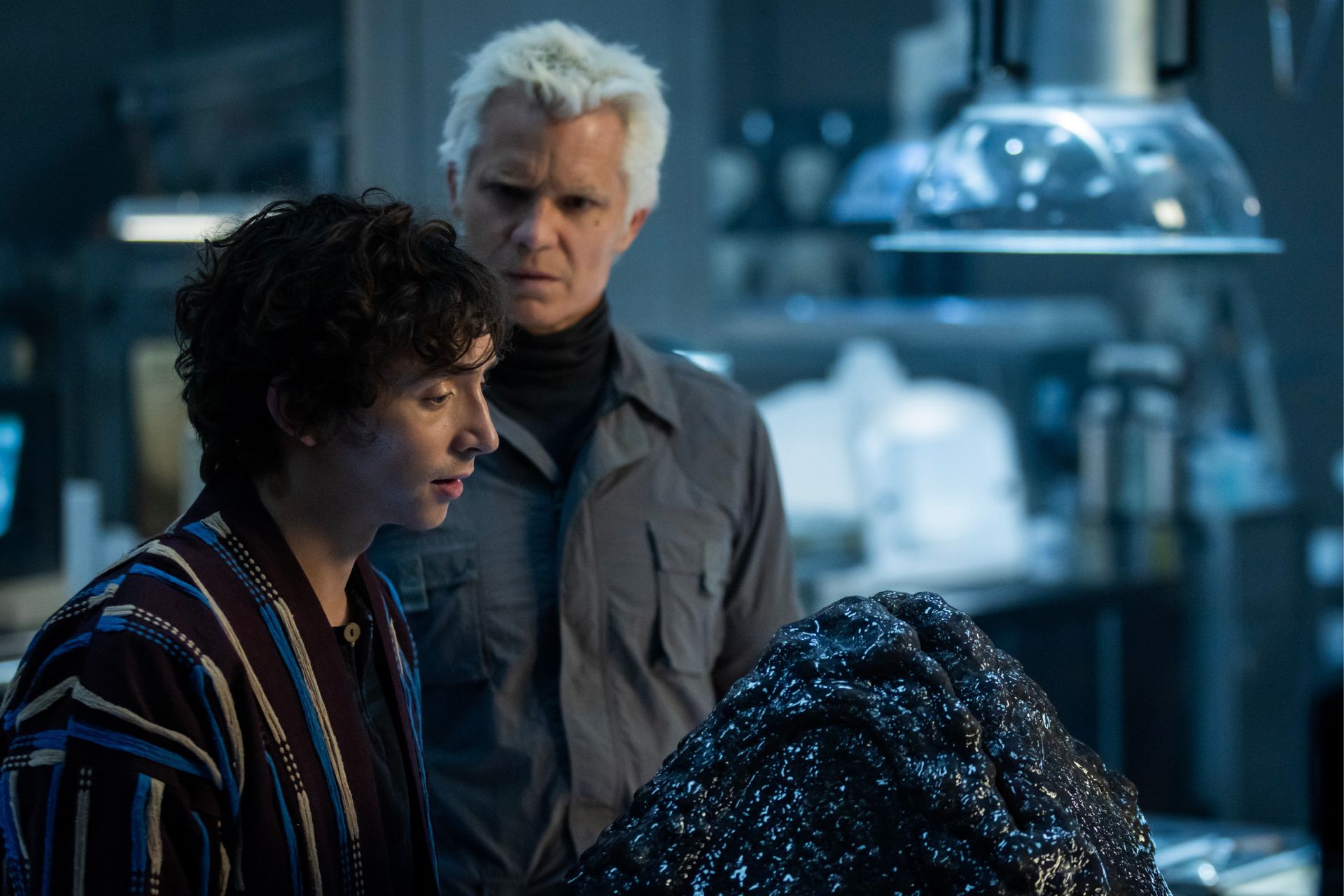
As for the synthetic beings, the most interesting ones were Kirsh (Timothy Oliphant), a classic synthetic who is naturally distant and dismissive towards humans, and operates as one of Prodigy’s chief scientists and Wendy’s trainer. Another is Morrow (Babou Ceesay), who is actually a cyborg, meaning that he is technically human but with cybernetic implants. He was the only survivor from the crashed Weyland-Yutani spaceship and has a rather tragic backstory Morrow only exists to complete his mission of bringing the specimens to his company and he will stop at nothing to achieve his goal. The episode “In Space, No One…” was a flashback episode that showcased Morrow’s time onboard the spaceship before it crashed and gave us much of his backstory. Being that the episode was in essence a remake of Alien and emulated the look and feel of the classic film, it was easily the best episode of the season.

While all this sounds promising, the payoff was ultimately disappointing, which is regrettable since there is a lot to commend about Alien: Earth.

There are glaring problems with the show, namely with the scripts were characters behave stupidly and there are enough plot holes to drive the Nostromo through them. Here is just one example: the xenomorph is now bulletproof no matter how many times it’s shot. Many characters are poorly written with some being downright irritating. The worst offender is Kavalier, who is so annoying with his one-dimensional nature and dirty bare feet. There was this scientist who does not seem to notice that her husband had gone missing (he was killed by a facehugger in an episode) and never mentions him.

It seems as if Hawley is more interested in exploring the synthetic beings instead of focusing on the alien creatures, which is puzzling since the show is supposed to be about aliens and it left us with many questions about the xenomorphs and other aliens. The thing is that the exploration of artificial beings has been done better many times in other TV shows. There are too many Lost Boys who are thinly developed with heavy-handed references to Peter Pan and frankly their immature behavior got irritating after a while. Wendy’s motivations were all over the place. First she is confused about whether or not she is human, then she’s trying to discover who she is, then she is disdainful of humanity. Her arc was very inconsistent, then to make matters worst, the show turned her into some kind of God-level being by giving her the ability to control all electronics and then the xenomorphs themselves. For some reason, Wendy is able to communicate with the aliens (in many dumb looking scenes where she opens her mouth and chitters at the creatures) and turns the xenomorphs into her pets. This robs the xenomorph of its infamous savagery and deadly nature. During scenes where a xenomorph follows her commands it appears far less threatening than in the films and the way these scenes were shot in bright light did not help either.

Alien: Earth starts off with much promise and has genuine moments of creepiness and intensity, but it starts to lag in pace midway through its too short season. It created many situations that were not fully developed and the payoff by its final episode “The Real Monsters” was lacking as the show crashed back to Earth. What sucks even more is that many questions were unanswered and we will probably have to wait for at least two years before we get any answers, that is if Alien: Earth is renewed, but few will care by that point.

José Soto

Fourth Time’s The Charm With The Fantastic Four: First Steps

Finally! It took a few missteps (looking at you, Fant4stic!) but with the latest Marvel Studios film, The Fantastic Four: First Steps, we now have the definitive live-action version of Marvel Comics’ First Family, the Fantastic Four.

Unlike most films set in the Marvel Cinematic Universe (MCU), The Fantastic Four: First Steps does not take place in the MCU’s 616 universe but in an alternate world designated 828, in honor of Fantastic Four co-creator Jack Kirby. And what a fantastic (couldn’t help it) world this is!

The Fantastic Four: First Steps takes place in a alternate 1960s-era world that has a colorful retro-futuristic vibe with flying cars, clean energy, clunky robots and a New York cityscape that looks like something that Stanley Kubrick, Walt Disney, and architects Eero Saarinen and Oscar Niemeyer would have conceived and executed.

This optimistic world celebrates the superhero team, the Fantastic Four, who were four astronauts that gained superpowers after a mission in space went wrong. The team is made up of its leader, Reed Richards (Pedro Pascal) aka Mr. Fantastic, his wife Susan Storm (Vanessa Kirby) aka the Invisible Woman, her younger brother Johnny Storm (Joseph Quinn) aka the Human Torch, and Reed’s best friend, the pilot Ben Grimm (Ebon Moss-Bachrach) aka the Thing.  

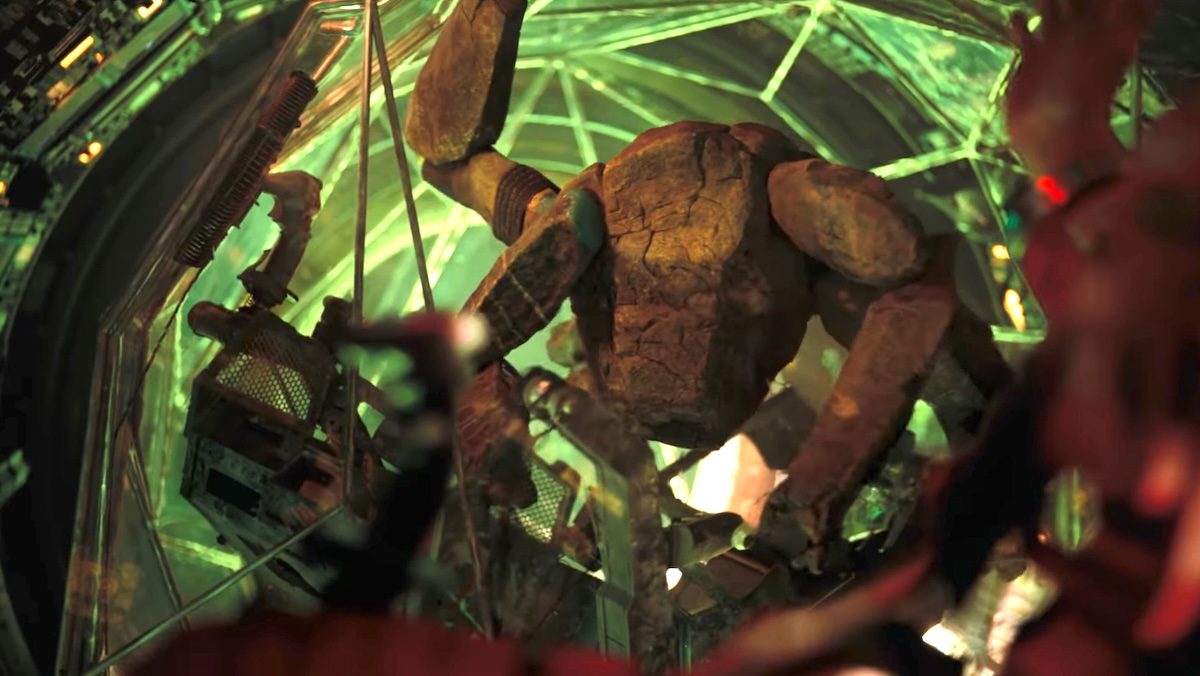
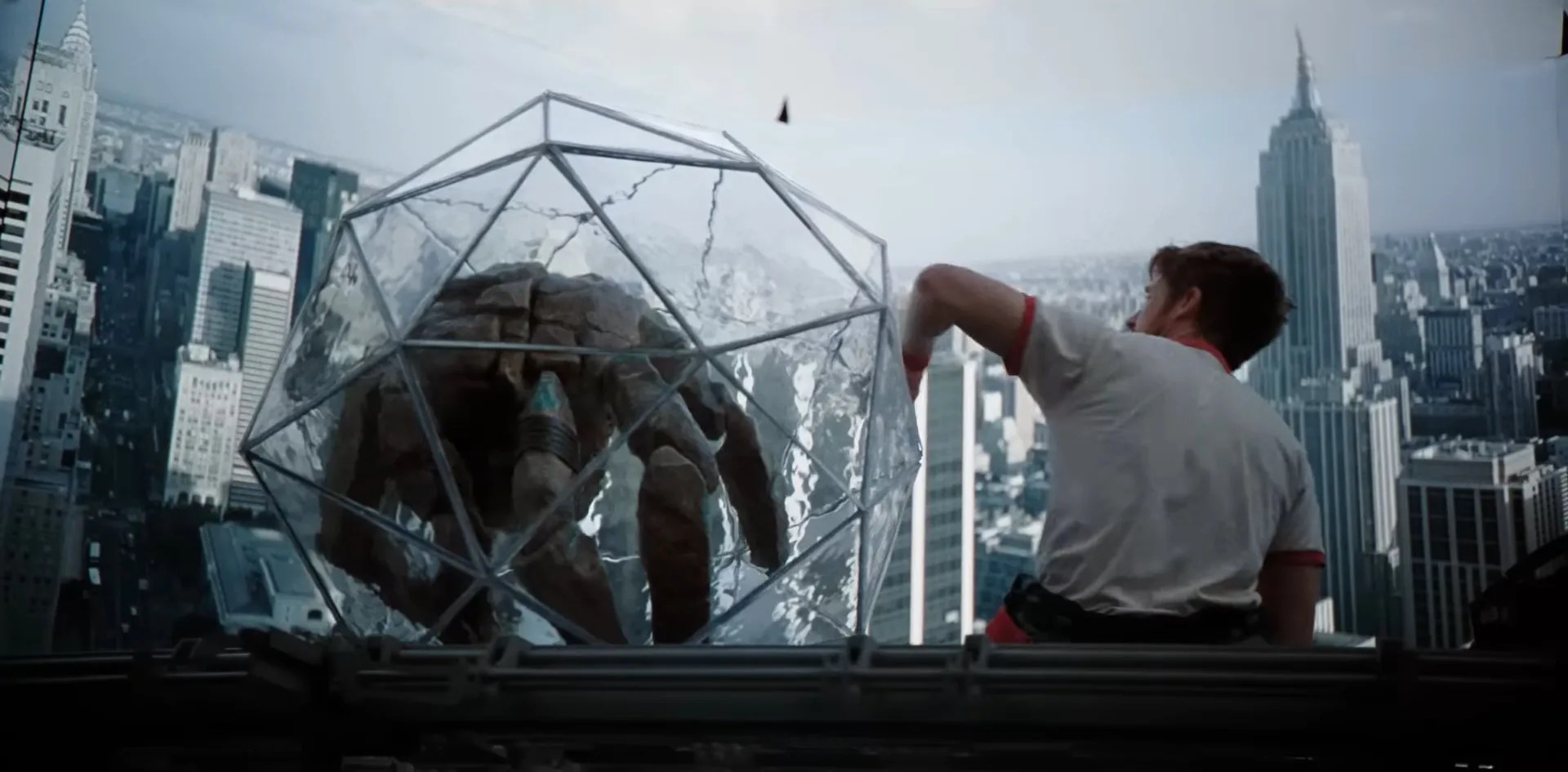
For anyone who is unaware of the team, Reed is an Einstein-level genius who can stretch his body like rubber, Susan is the grounded foundation of the team and can project invisible force fields, Johnny is an impetuous hot-head who can burst into flames and shoot fire, while Ben is trapped in an orange rock body but has super strength. These heroes (and the other characters) were splendidly cast, and the actors perfectly emulate the essence of the Fantastic Four, while capturing the family chemistry that is essential to this superhero team. It was important for Marvel Studios to pull this off since the Fantastic Four are famous for being a family first and a superhero team second. Thankfully, Marvel Studios was able to accomplish this with a casting miracle.  

Unlike the previous Fantastic Four films, this one relegates the team’s origin story to archival footage in the film’s inventive and colorful opening montage. After the montage, the film jumps right into the story. As the Fantastic Four go about living their somewhat normal lives and prepare for the birth of Reed and Susan’s child, an alien being called the Silver Surfer (Julia Garner) appears over Times Square in New York City and announces that the world is slated to be consumed by her master, Galactus (Ralph Ineson). As the last and only hope for the Earth, the Fantastic Four set off in their spaceship to confront Galactus, who is on his way to Earth. What follows after meeting the cosmic colossus pushes the team to their emotional limits as they and the world prepare for the coming of Galactus.

Continue reading

Superman Flies Off To A Promising Start For the DCU

The new DC Universe (DCU) is off to a very promising start with Superman, written and directed by James Gunn, and who is also the guru spearheading the DCU.

Unlike other introductory Superman films, this latest reboot does away with the origin story of Clark Kent/Superman (David Corenswet) arriving to Earth as a child from the doomed planet Krypton and growing up to become the world’s greatest superhero. Instead, the film takes place three years into his debut. As the film starts, Superman has for the first time lost a battle against a foe called the Hammer of Baravia. In the film’s opening text, Superman stopped the country of Baravia from invading its neighbor and this action has proven to be controversial. While Superman sees this as simply preventing needless deaths and protecting a weak country against one ruled by a dictator, many people saw this as him acting recklessly without authority.

As this fallout happens, Superman’s arch nemesis, the evil tech bro Lex Luthor (Nicholas Hoult) manages to break into Superman’s Antarctic lair, the Fortress of Solitude, abduct Superman’s dog, Krypto, and steal video files of Superman’s Kryptonian parents. Luthor uses this footage to smear Superman on social media by revealing that Superman was supposed to conquer the people of Earth. This revelation quickly turns the public against Superman, who is then forced to turn himself into the U.S. authorities for his actions against Baravia. After he is imprisoned in a pocket dimension, it is up to his lover and fellow reporter Lois Lane (Rachel Brosnahan), and allies Mr. Terrific (Edi Gathegi), Guy Gardner (Nathan Fillion), Jimmy Olsen (Skyler Gisondo), and Hawkgirl (Isabela Merced) to find a way to free him, discover Luthor’s true motives and expose him.

Superman works for so many reasons. The film immediately does away with the dour and gritty look of the recent Superman films that divided many fans. This version of Superman is bright, cheerful but not without conflict. However, unlike the last big-screen incarnation of Superman, this one is more human and is not brooding or trying to find his place in the world. In many ways, this version of Superman better reflects the more human and relatable version we last saw in the recent TV show Superman & Lois.

Yes, Superman has its flaws such as some colorful supporting characters did not get much screen time compared to others and the plot moves a bit too quickly, which tamped down some emotional points. But the breakneck pace of the film for the most part works in the film’s favor as it keeps everything moving at a lively pace that rarely lets up. It is refreshing that James Gunn was not afraid to embrace the characters’ goofy and sci-fi fantasy comic book roots and present them in an endearing and fun way that celebrates the DC Comics, especially during its late Silver and Bronze Ages.

It goes without saying that Superman is probably the most comic book-oriented film in recent history. It is not afraid of its comic book roots; it actually celebrates them. In our very cynical time that is full of strife and misery the bright, optimistic nature of Superman is a much-needed escape into a more hopeful world where good triumphs over evil in the end, and decency is commended as represented by Superman himself. This brightness also stands out in contrast to many recent superhero/comic book movies.

James Gunn must be applauded for having the vision and skill to pull off this exuberant debut for the DCU. He exhibits a lot of the quirky humor and pulse-pounding action beats that he demonstrated with his Guardians of the Galaxy films and The Suicide Squad. The camera work is simply breathtaking in many of the fight and flying scenes. The special effects are nearly perfect as is the production design. At the same time, the film is injected with so much emotion and character. This would not be possible with an inferior cast, but thankfully, Gunn recruited some of the best actors for this film.

Corenswet does a fine job as a more relatable Superman, although there was not enough time given to his dual identity of Clark Kent, but that can be remedied in the next film.  The other acting stand outs include Brosnahan, who probably portrays the best big-screen version of Lois Lane, Hoult as Luthor, who eerily evokes current D-Bag tech bros who are becoming the ruination of our society, and Gathegi, who steals many scenes with his dry one liners and goofily stoic nature. But the true star of the show, aside from Superman himself, was Krypto the Superdog. As he did with Rocket Raccoon, Gunn presents us with an endearing animal character that steals many scenes with great humor and genuine affection. And he’s a good dog!

Superman could not come at a better time, not just for DC Studios or even superhero films, but for everyone in general. Just as the original Superman in 1978 was a beacon of hope and light in a troubled time in our history, this 2025 version of Superman also serves as reminder that we can be better, and we will be. With such a great start to the DCU, it’s exciting to see what comes next for this new cinematic universe.

José Soto

How To Train Your Dragon (2025) Shows How To Do Live-Action Remakes

Fifteen years ago, DreamWorks Animation (DreamWorks) graced the world with the brilliant film adaptation of Cressida Cowell’s How to Train Your Dragon (HTTYD) novel series. The film was released to massive fanfare from both critics and casual audiences, citing the film’s plot, music, and characters as great and unique. The success of the first film led to 2 sequels and even spinoff TV shows of the same name, and now, 15 years later, comes a live-action remake. This came as a surprise since DreamWorks has never dabbled in the “live-action remake trend” spearheaded by Disney, so I along with many others had mixed feelings on this. However, just in time for Father’s Day, I decided to watch it with my dad, and I was pleasantly surprised at the outcome.

DreamWorks’ How to Train Your Dragon (2025) is a brilliant homage to the original film, taking care of the original vision, helped by the return of the first film’s director, Dean DeBlois. The story follows young chief-to-be Hiccup (played by Mason Thames) as he flails around a brave Viking village, being of no use as always when a hoard of dragons terrorize the village. He luckily manages to shoot down the most feared dragon type, a Night Fury, but nobody takes him seriously. His father, Stoick (played by Gerald Butler, surprisingly reprising his role from the animated films), feels dissatisfied with his unworthiness, so he leaves him in the caring hands of his best friend Gobber (played by Nick Frost), to both babysit and train him. Hiccup pursues the Night Fury he shot down hoping to confirm the kill, but when he finds it, he is unable to finish it off, leading into a masterful and heartfelt story.

I am happy to report that the original story is done justice with every major beat being preserved and at times even elevated by the script and acting. Speaking of which, the actors do a phenomenal job portraying the characters and they feel as if you’re watching these characters as actual people. People complained about Astrid’s casting, with the actress (Nico Parker) not looking much like the original rendition, but she portrays the character amazingly. Unlike previous Disney live-action remakes having poor acting (“cough, cough” Snow White “cough, cough”), DreamWorks seemingly knocked them out of the water in every aspect when it comes to remakes, in addition to the topnotch casting and script in HTTYD.

In addition, the music in How to Train Your Dragon is absolutely beautiful and always elevates the scenes in an inspirational way. One scene of note is the iconic “test drive” scene with Hiccup riding the flying Night Fury he names Toothless which has an amazing score complimenting it. I have seen mixed opinions about the new rendition of the same music, but in my opinion, it made the scene even more jaw dropping, sprinkling a feeling of grandiose into the already majestic landscapes as Toothless and Hiccup take their first flight together. This is most likely the case because of the return of the original film’s composer, John Powell, to score this film. A trend that aligns with the success of this film that I’ve noticed is it brought back a lot of the original team and got their creative influence to assist with bringing a beloved film to life. If Disney were to take notes from DreamWorks, maybe their live-action remakes can feel more than just soulless cash grabs.

It is worth noting that the visuals in How to Train Your Dragon were really well done, adapting the dragons and the vivid world of the series in a careful matter that proves that Berk can translate into realistic visuals. With these live-action remakes, Disney tends to butcher the visual aspect, which is arguably the most important part of said translation. You cannot possibly expect fans of a beloved story to be on board with slapping lazy and chalky visuals while simultaneously ruining their childhood. This is why movies like Snow White (2025), The Lion King (2019),and Dumbo (2019) may have had some financial success, but bombed when it came to positive reviews.

The set pieces in How to Train Your Dragon can range from spectacular and gorgeous to dark and grim while keeping the same visual soul of the original animated film. When it came to the designs for the dragons, I will admit I found it a bit strange that Toothless stood out amongst the rest. Every dragon other than Toothless felt like they came out of Game of Thrones, being hyper realistic rather than being more on the cartoony side with Toothless. I understand why this was done, most likely to emphasize that the rest were actual threats to humans and at the same time, make Toothless more adorable, but it was odd to me.

Overall, DreamWorks’ How to Train Your Dragon (2025) remains a spectacular and emotional journey of changing the future for the better and dealing with familial tensions. The return of the original team greatly helped this project feel lively and not like most of Disney’s recent live-action films. Stand out features include the brilliant cast, the heartfelt music, and the jaw dropping visuals. I would highly recommend giving this film a shot if you were a fan of the original, and even if this is your first exposure to the How to Train Your Dragon franchise! Also, the film comes out just in time for the opening of Universal’s newest park, Epic Universe, which features a land based on the HTTYD franchise, Isle of Berk.

Angelo Soto