WandaVision Brings Back The MCU With A Magical TV Twist

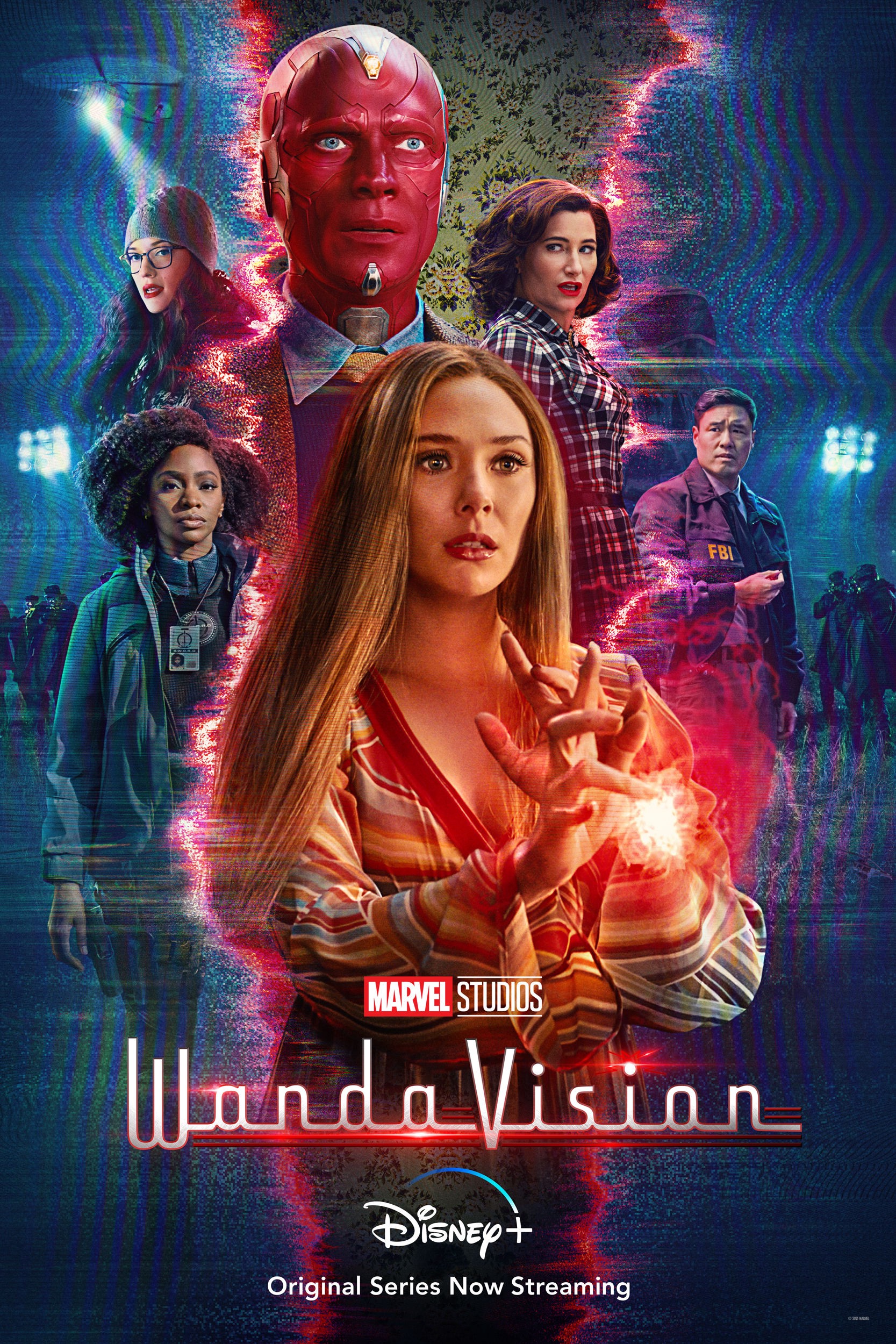
For too long (only about a year and a half but it felt like eternity), fans of the Marvel Cinematic Universe (MCU) were deprived of new content. But that ended when the Disney+ TV show WandaVision premiered last January and the series finale just streamed yesterday. By the time the finale, appropriately titled “The Series Finale”, streamed WandaVision became the latest water cooler show to talk about as many theories (most of which did not pan out) were discussed, and for good reason. Some spoilers will follow.

WandaVision stands out from the normal MCU fare by focusing more on character, plot twists and mystery. It still is an MCU offering but it took full advantage of its new television medium and tantalized viewers with questions and character studies with each episode. It also was quite unconventional as a TV show.

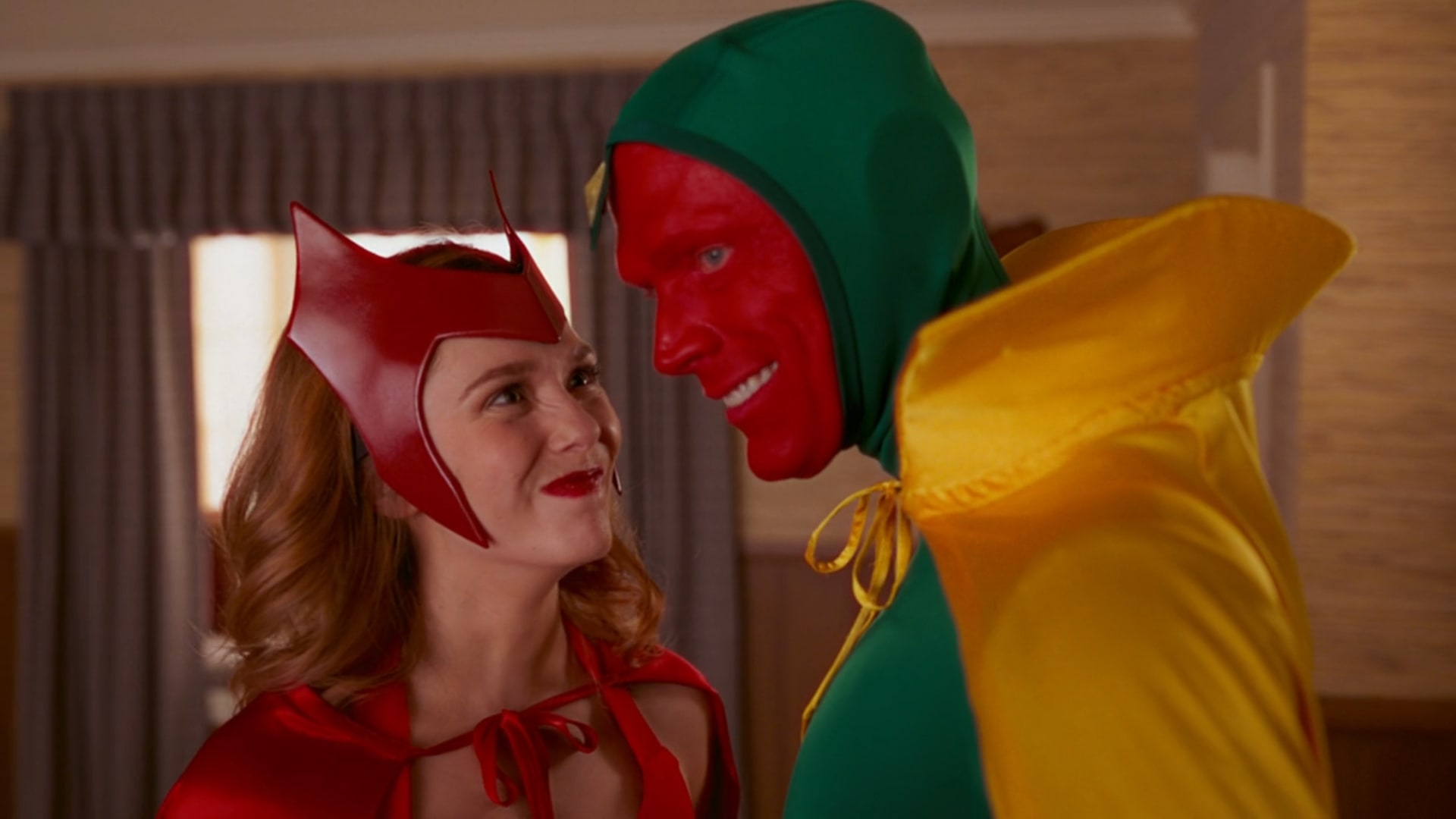
The series was an intriguing hybrid of MCU action and world building and a tribute to American sitcoms. We got to see the evolution of sitcoms from the 1950s to today with various episodes taking on a tone which was appropriate to the era it evoked. Starting with the first two episodes, WandaVision emulated 1950s shows like The Dick Van Dyck Show and I Love Lucy then the 1960s with I Dream of Jeannie and Bewitched with a narrow television ratio, laugh tracks and black and white photography in the first two episodes. The following episodes were in color with changed lighting that evoked the bouncy and colorful TV world of the 1970s like The Brady Bunch; the schmaltzy and corny overlit family comedies in the 1980s as seen with Full House, Growing Pains or Family Ties; the more in-your-face and goofball vibe of Malcolm in the Middle from the 2000s; and contemporary comedies where characters talk to the fourth wall as in The Office and Modern Family. Each era/episode came with an opening title scene that fit perfectly for the era it evoked. 

It was a lot of fun to watch these episodes which brought back memories, although the earlier episodes could have actually been funny. This flaw was a turn off for some viewers but others were rewarded when the series expanded beyond the bizarre artificial world created by the superpowered Wanda Maximoff (Elizabeth Olsen, who has never been better at this role) and we learned what was going on. 

WandaVision truly began to stand out when we began to get answers and the world opened up. Essentially, the series takes place in the aftermath of Avengers: Endgame as Wanda is struggling through her grief over the loss of her lover, the android called Vision (Paul Bettany) and the events from the last two Avengers films. In her emotional pain, Wanda retreated to a fantasy world that inserted herself and a resurrected Vision in a sitcom world.

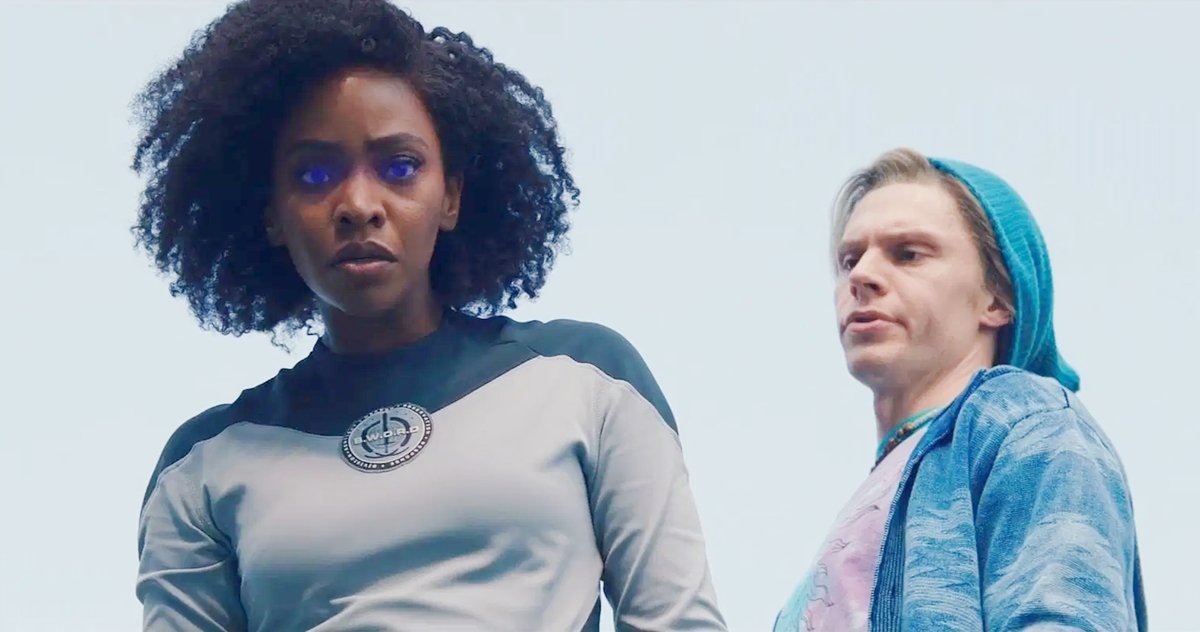
This draws the attention of the real world in the form of an agency called S.W.O.R.D., and people who investigate Wanda’s world. These included familiar MCU faces like scientist Darcy Lewis (Kat Dennings) and FBI agent Jimmy Woo (Randall Park) and new faces such as Monica Rambeau (Teyonah Parris) and S.W.O.R.D. director and all-around tool Tyler Heyward (Josh Stamberg). It is remarkable that this show was able to take minor and annoying MCU characters who detracted from their films and made them so endearing. Darcy and Jimmy have to return in one of the other Disney+ MCU shows. Meanwhile, Monica made a brilliant impression as the newest MCU hero, the future Photon/Spectrum and the episode that focused on her return to life during Avengers: Endgame provided a fullfilling look at what the impact the events of the Avengers films had on normal people. 

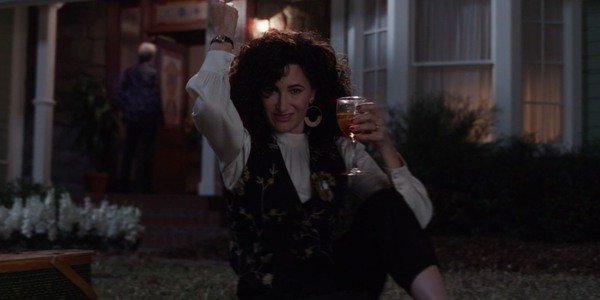
Events quickly elevated and intrigued us when Wanda’s deceased brother Pietro/Quicksilver (Evan Peters reprising his role, sort of, from the Fox X-Men films) turned up out of the blue. Meanwhile, tantalizing clues and Easter eggs engaged us to try to figure out what was going on in the show and its characters, namely Wanda and Vision’s nosy next-door neighbor Agnes (Kathryn Hahn), who showed a wide range of depth from comedy to villainy. 

However, the true stars of the show was of course Wanda and Vision. The actors reveled in their roles and ran audiences through the emotional gamut as their scenes ranged from goofball comedy to horrifying heartbreak. But the emotional pulls were genuine and did not feel forced (unlike many of the attempts at humor). Their story was the heart of WandaVision as the series grew darker and darker when she processed her grief.

Continue reading

Superman & Lois Takes Off To A Promising Start

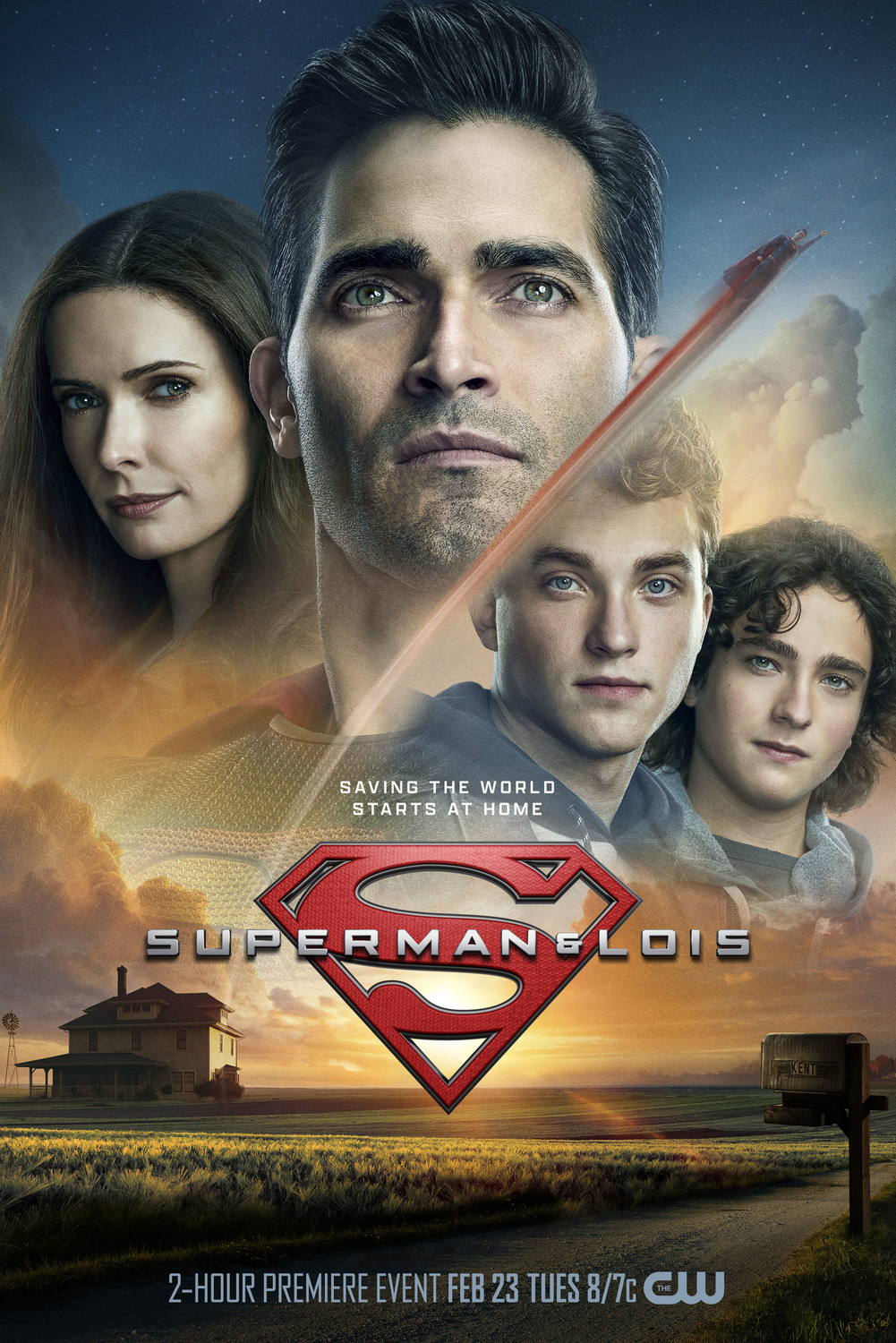
When the latest DC superhero TV show on the CW, Superman & Lois, was announced, many of us shrugged our shoulders based on the previous quality of superhero shows on that network. While the so-called Arrowverse DC TV shows are usually entertaining, they quickly fell into a worn-out formula that catered to the YA audiences of the CW. These shows were known for humdrum cinematography, average-to-obvious CG effects, a quirky support team for the main character complete with a nerdy IT person who talks too much. and a light tone with angst-driven melodrama.

Adding to the preconception about Superman & Lois was this version of Superman (Tyler Hoechlin) was the same one introduced in Supergirl and many fans complained loudly over how the showrunners intentionally made Superman inferior to Supergirl in her show. This was the last thing the character needed in this day and age where he struggles to stay relevant. 

Well, after viewing the pilot episode of Superman & Lois, it is  great to discover that the show, so far, has taken a different approach with an emphasis on quality that approaches what one would see on HBO Max and even on film. 

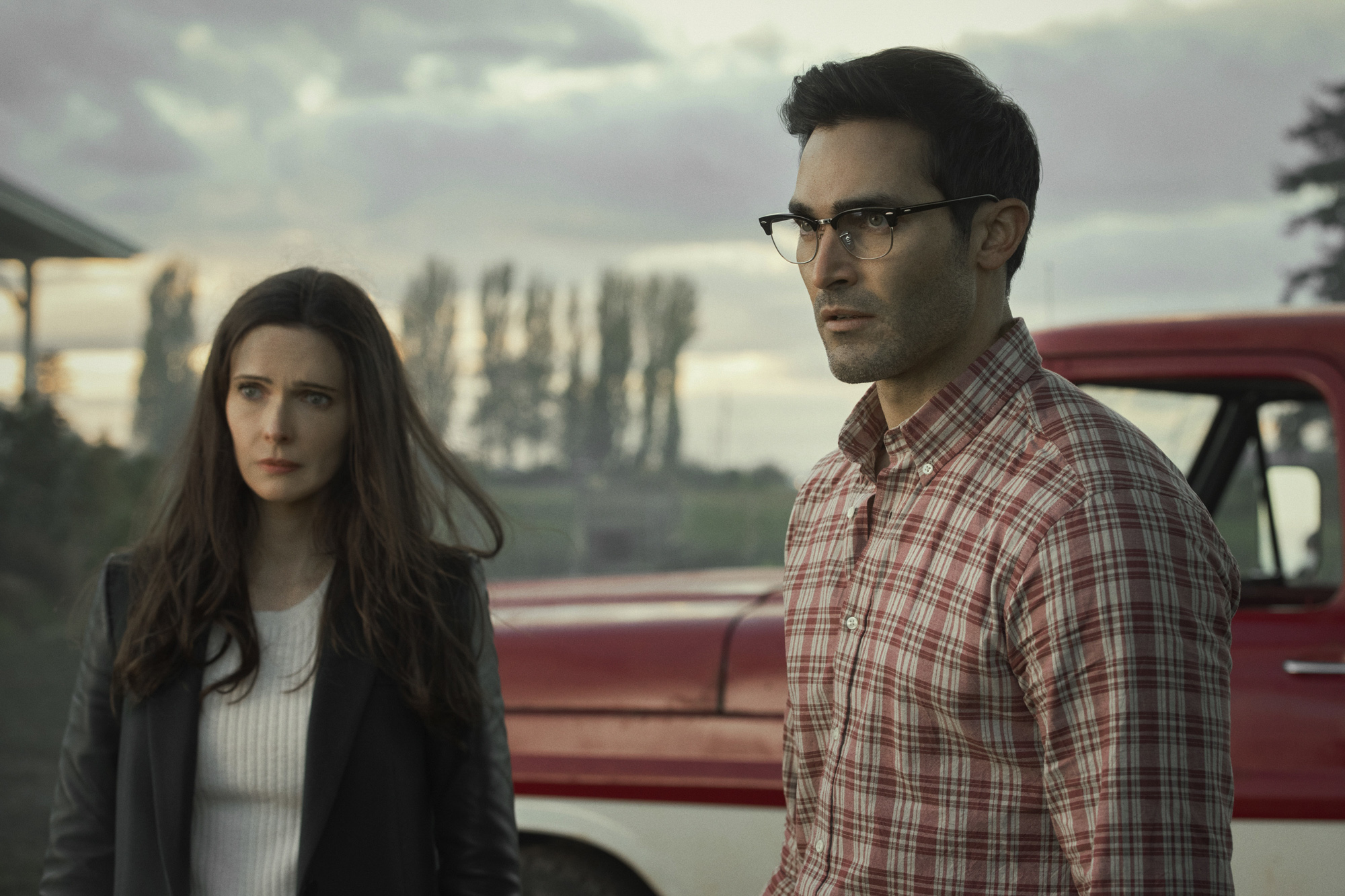
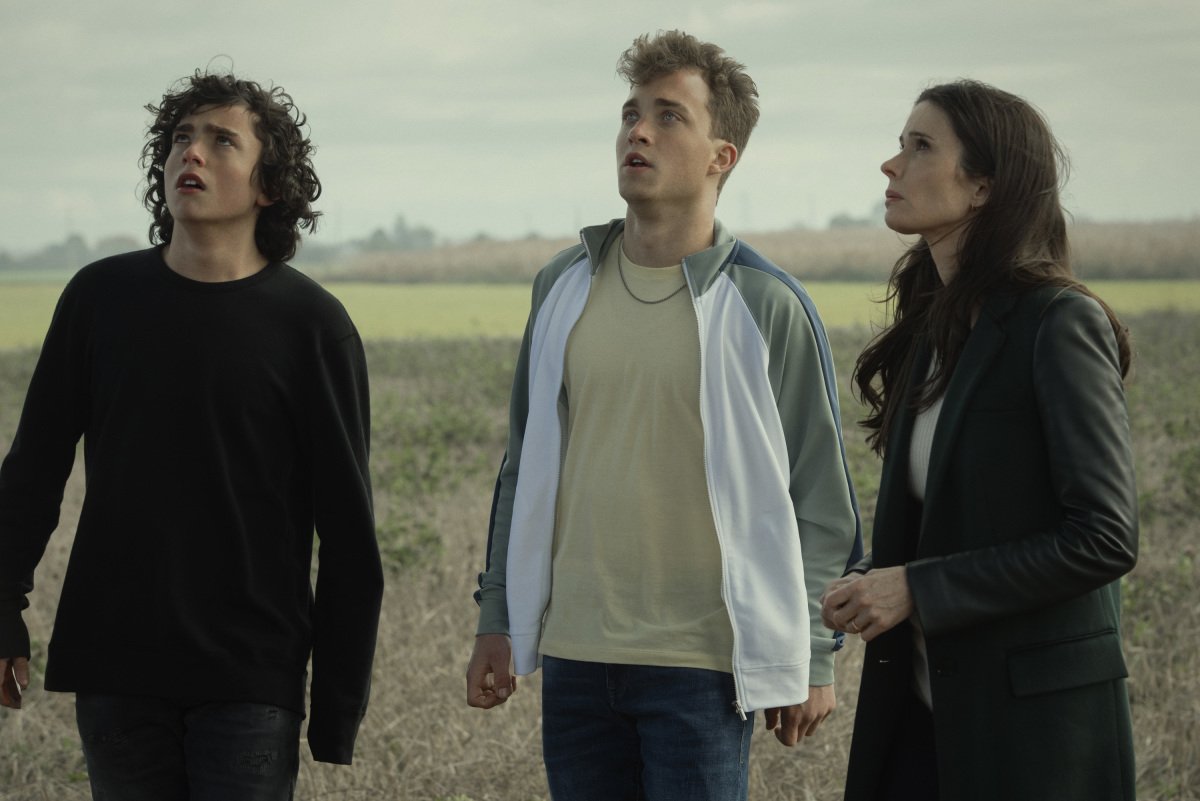
The pilot begins with a summary of Superman/Clark Kent’s life from the moment he arrived on Earth as an infant to how he met his future wife, Lois Lane (Bitsie Tuloch) and to the birth and raising of their twin sons, Jon (Jordan Elsass) and Jordan (Alex Garfin). During the pilot, a life-altering event occurs which forces Clark to return with his family to his childhood home in Smallville, Kansas. He and Lois find themselves at a crossroads in their lives and careers as they find out being journalists does not offer career or financial security. Real world problems invade their lives. Throughout the episode, Superman investigates a mysterious villain, while the boys struggle with their sense of identity and finding their way in a changing world.

From the start, the show featured exceptional special effects and cinematography, a more mature tone, and actual characters. Tyler Hoechlin turned in a fine performance as Superman and Clark Kent, who is conflicted with his responsibility to his family versus his life as a superhero who is constantly on call. Even though he is invulnerable, can bend steel with his bare hands and is faster than a speeding bullet, Clark still struggles to relate with his teenage sons. One of them has a social anxiety disorder while the other is an up-and-coming jock. These revelations showcase a more vulnerable and relatable side to the superhero, which is needed since he is criticized often for being a perfect boy scout. 

A caveat with the pilot episode of Superman & Lois is that it does feel at times like a CW show, especially when it devotes screentime to the boys. Their moments of teenage angst comes off as an updated version of Smallville complete with the dumb jocks, coy would-be girlfriends and teenage social gatherings that go awry. The partial reveal of the villain’s identity could produce some groans because Superman has a large gallery of villains to pick from that have yet to appear in live action. The episode could have used a bit more humor to liven up the mood. Then again being that the Arrowverse usually goes overboard with humor to the point it detracts from the drama, the more serious tone of Superman & Lois is very welcome.

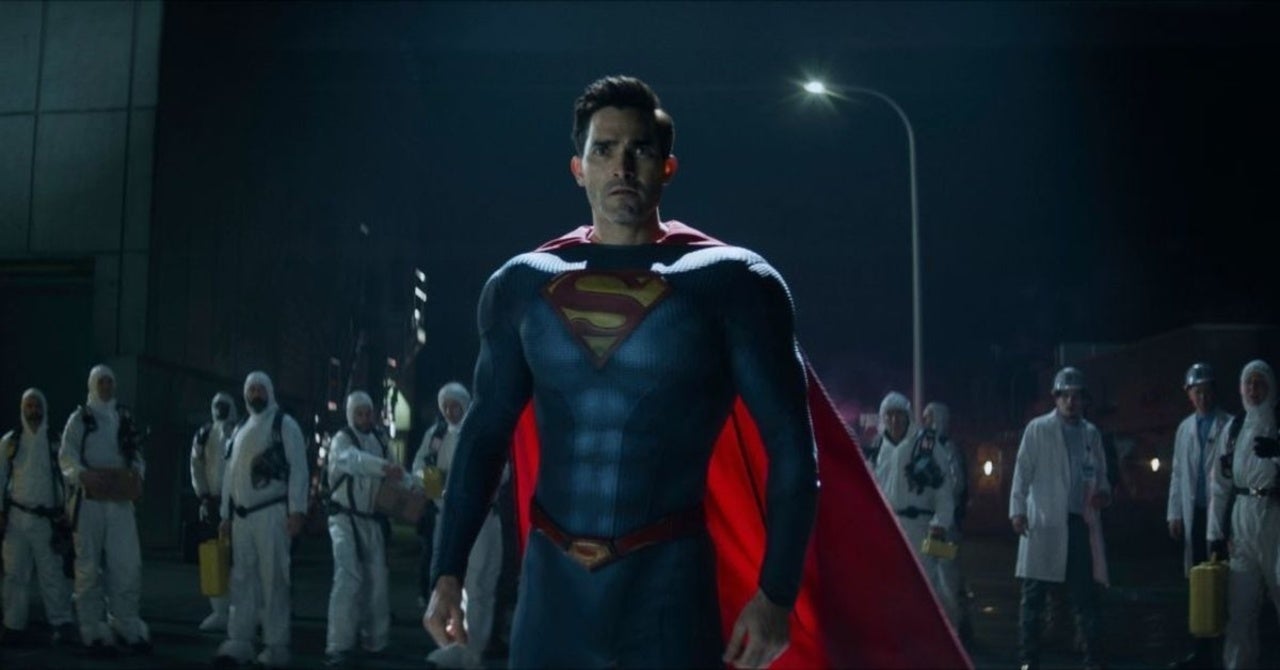
Another point to be made is that Superman & Lois casts off much of the Arrowverse trappings to the point that it can be argued that it does not take place in the Arrowverse. It takes its inspirations from Man of Steel instead of Supergirl and it shows from the redesign of Superman’s costume to its hand-held photography (it is more brightly lit than Man of Steel, however) to its grittier tone. Be that as it may, Tyler Hoechlin’s take on Clark Kent and Superman is much closer to Christopher Reeve in the early Superman films than Henry Cavill in the recent films. the rest of the cast are also fine in their respective roles. 

Also, there is a terrific nod early in the pilot to the Max Fleischer Superman cartoons and even the first cover image of Action Comics #1 where Superman sports an early prototype costume complete with the red trunks. The cinematography during the opening segments/flashbacks contrast nicely with the current setting and helped set this episode apart from the other Arrowverse pilots. 

The first episode of Superman & Lois is a welcome surprise in a crowded TV landscape of underwhelming superhero shows. The makers realized that unlike the early Arrowverse shows, it is competing with other shows that raised the bar in terms of production values and writing. It is only the first episode and it remains to be seen if it can maintain this tone. The big test will come with the inevitable crossover episodes with the Arrowverse properties. But based on the pilot, Superman & Lois has taken off to a promising start. 

José Soto and Walter L. Stevenson


Little Fish, Large Emotions

Little Fish is a new romantic film relevant to our times with sci-fi elements has just come out in video on demand and a few select theaters which will please sci-fi fans and their dates while offering genuine emotions to all viewers.

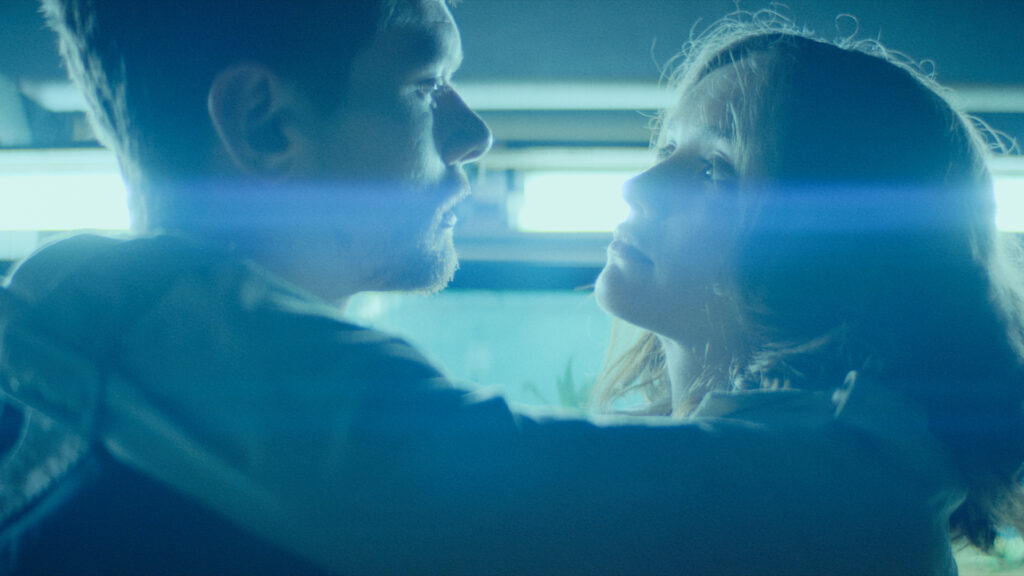
Little Fish takes place during a pandemic where people from all walks of life are randomly infected with a debilitating disease that robs them of their memories. The disease, neuro-inflammatory affliction (NIA), can be easily compared to Alzheimer’s disease but young people contract the disease, as well. Little Fish devotes its screentime on how NIA affects a young newlywed couple, Emma (Olivia Cooke) and Jude (Jack O’Connell), as the disease eats away at their treasured memories of their relationship.

Elevated by strong performances and haunting and scintillating cinematography, Little Fish hits the appropriate emotional beats as it explores the couple’s love for each other as they grapple with NIA. At the start of the film, the couple see firsthand how devastating the disease is when their mutual friend Ben (Raul Castillo), a musician, struggles to remember how to play his guitar and then his relationship with his partner, Samantha (Soko). It is not long before she becomes a complete stranger to him, who he sees as an actual threat to him.

Emma and Jude go about their lives; she is a veterinarian who is forced to euthanize dogs after their owners forget them, while Jude is a photographer who begins to forget certain little things like his wedding photography assignment or a recent conversation he had with Emma. Now that Jude has contracted NIA, the couple is desperate to find at least some kind of treatment. Throughout the film, we see other NIA sufferers and the impact on society. These include, roving and constant police patrols searching for missing persons who forgot their addresses or who they are; people who have their personal information tattooed onto themselves; throngs of desperate people rioting as they try to get treated for NIA. Then there are the quacks and conspiracy nutjobs flooding social media and the internet with supposed cures.

Director Chad Hartigan knows enough not to let the film’s focus drift away too much into the outside world. Instead, the attention is kept on Emma and Jude. Olivia Cooke and Jack O’Connell have a pleasant and easygoing chemistry with each other, which makes Jude’s descent into amnesia all the more disheartening. There are many insightful moments when we witness how his memories become faulty. In one scene, we are shown how people in the memory of his wedding become little more than fuzzy silhouettes. Many of their moments are poignant as Emma and Jude clutch onto the small moments in their past that drew them to each other. There are times, the film potentially becomes treacly, but Hartigan has enough restraint to reel in such emotional hazards and keeps the feelings in check.

Little Fish is an emotionally satsifying indie film that leaves you pondering and treasuring your own memories. It is the kind of film that will please romantics without being overly sentimental since it is quite honest with its story and the journey of its characters.

A Review Of Star Trek: Discovery Season 3

The third season of Star Trek: Discovery concluded the other week with the finale “The Hope That Is You, Part II”, which was a peculiar title since the premiere episode was part I. This helps illustrate the off-kilter nature of Star Trek: Discovery’s third season. It had a great premise which functioned as a soft reboot for the show, but the execution was lacking at times and has turned off fans.

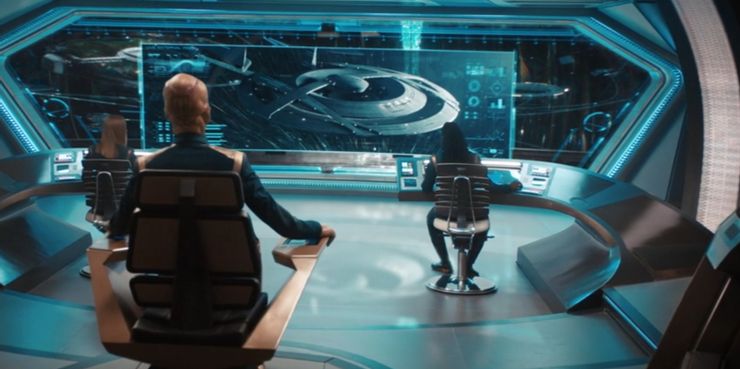
In the final second season episode of the show, the U.S.S. Discovery was hurled over 900 years into the distant future and the latest season chronicles the crew of the Federation starship after they arrive in the year 3188. Or rather the series lead Commander Michael Burnham (Sonequa Martin-Green) arrives in that year ahead of her starship. After Burnham and her crewmates are reunited they set out to find out what happened to the United Federation of Planets. At this time in history, the Federation is a shadow of its former glorious self. Roughly a hundred years prior, the galaxy suffered an event called The Burn that destroyed most of the Federation’s Starfleet and Star Trek’s crystalline power source, dilithium crystals became a rare commodity. Meanwhile, the Federation was forced to contract its vast borders as core member worlds like Earth and Vulcan (now called Ni’Var) left it to become independent states.

Before long, the Discovery and its crew encounter the remnants of the Federation and soon offer their services to help rebuild the Federation with the aid of their ship’s unique spore drive that can travel instantly throughout the galaxy. By the way, the ship received a nifty upgrade.

To repeat, this is a terrific premise but the execution was woefully uneven and frustrating at times. 

First the good: The production was exceptional with film-quality special effects and production design that rivals the J.J. Abrams films (fans of those films will be pleased to know that that alternate universe was mentioned in one episode).

Many of the new characters were instantly engaging and memorable such as Cleveland “Book” Booker (David Ajala), your typical space rogue with a heart of gold and Burnham’s love interest. Book was a fascinating rogue who had selfish motives in the beginning but quickly allowed his inner goodness come to light and he strove to become part of Starfleet. Speaking of Starfleet, the show introduced one of Star Trek’s best admirals with Admiral Charles Vance (Oded Fehr) who projected the gravitas of a seasoned and reasonable leader. He also helped make up for the loss of Captain Pike, one of the best highlights of the second season. The Discovery also recruited a young human Adira Tal (Blu del Barrio), who is co-joined with a Trill symbiont and possesses a keen scientific mind. Occassionally, they (as Adira asked to be referred to) interacts with their deceased lover and previous Trill host Grey Tal (Ian Alexander). It turned out that Grey was not a hallucination and in a later episode when other Discovery crew members were able to see and interact with Grey, these encounters were one of the best emotional highlights of the season. 

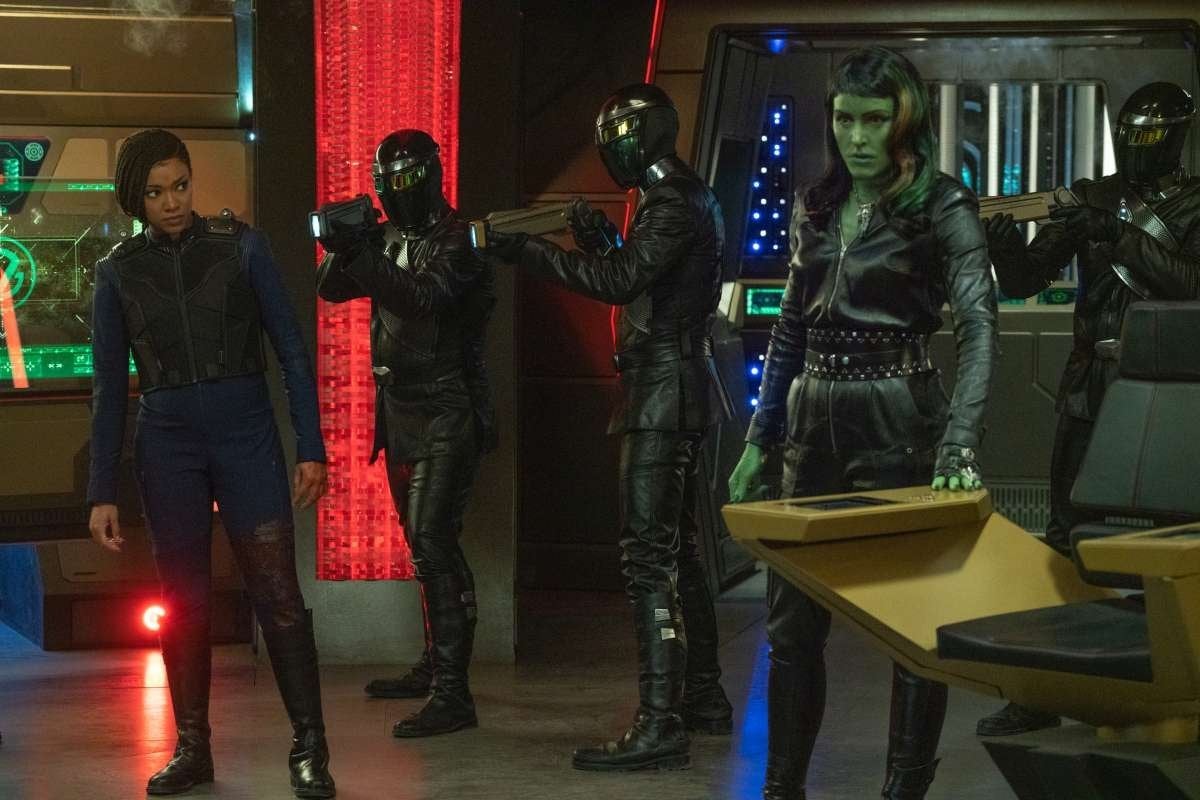
The new baddies in the Star Trek universe are the Emerald Chain, a criminal organization led by Orions and Andorians who now occupy significant portions of former Federation space. Their leader is Osyrra (Janet Kidder), a vicious and manipulative thug who will stop at nothing to capture the Discovery and steal its technology. Basically the Emerald Chain are the Ferengi on super steroids and gave us a hint of how the Ferengi were supposed to be portrayed in early episodes of Star Trek: The Next Generation (TNG).

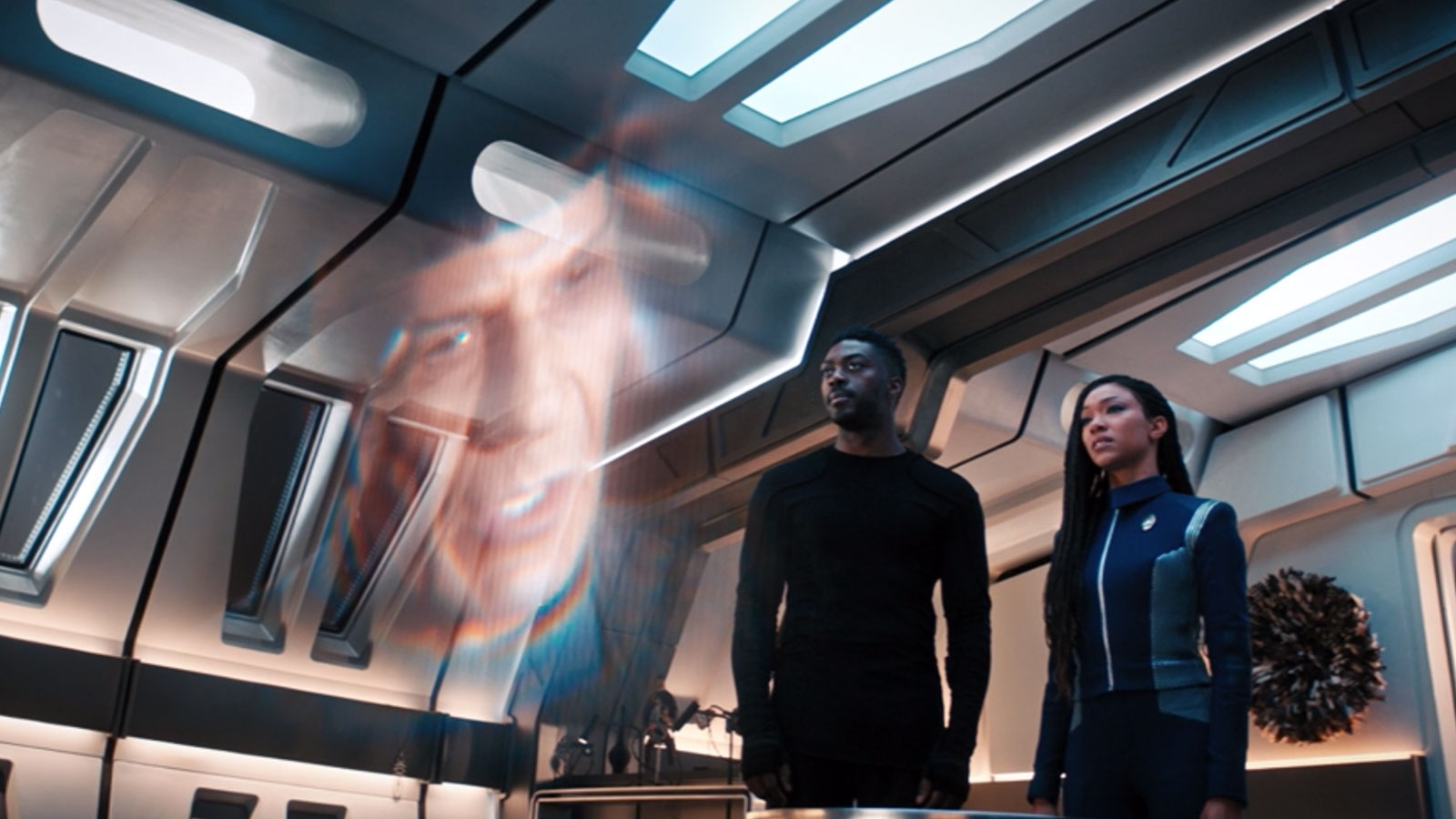
Some episodes were quite good like the premier episode and season finale; “There is a Tide…”, which basically was Die Hard on the Discovery with Michael Burnham doing a bang up job as as 32nd century John McClane; “Far From Home” reunited Burnham with the Discovery; and “Unification III” had the Disocvery travleing to the former Vulcan. This episode functioned as a distant sequel to the TNG episodes “Unification I and II” and gave us a brief cameo of Leonard Nimoy as Spock. 

Continue reading

The Mandalorian Expands The Star Wars Mythos In Its Second Season

mandaolorian s2 poster

The second season of the Disney+ TV show, The Mandalorian, streamed its finale recently and not only has the second season of The Mandalorian pleased Star Wars fans but expanded its universe.

The Mandalorian stars Pedro Pascal as the mysterious bounty hunter known to many only as the Mandalorian, though his real name is Din Djarin. The other star of the show is Grogu, the infant member of Jedi Master Yoda’s equally mysterious race known for their connection to the Force. Originally in the first season of show the Mandalorian was hired to deliver Grogu to the remnants of the Galactic Empire (the show takes place several years after Return of the Jedi and the Empire has been defeated) for nefarious purposes. However, the mysterious bounty hunter developed a bond with the Child (as he was called then) and refused. Now hunted by the Empire, the Mandalorian spends most of the second season trying to learn more about the Child and find a proper home for the aforable, little impish being.

mandalorian and grogu

As it turns out the bond became quite powerful and over the course of the second season, Djinn became a father figure to Grogu and when the small Force-wielder was threatened the bounty hunter went all out to protect his adopted son.

In its second season, The Mandalorian expanded its mythos and embellished the Star Wars Universe as we were shown how the universe evolved after the events of Return of the Jedi. What was left of the Empire had been driven to the outer edges, perhaps this was the genesis of the First Order from teh Sequel Trilogy. Naturally, the Imperials are in dire straits as the New Republic attempt to restore order to the galaxy. There are signs the New Republic is having a hard time doing this, and again this provides clues to the backdrop of the Sequel Trilogy. In some ways, The Mandalorian is fullfilling the same role that Star Wars: The Clone Wars did in that that show fleshed out the worlds of the Prequel Trilogy, which led many to better appreciate those films.

Speaking of Star Wars: The Clone Wars, characters and details from that revered animated show, as well as Star Wars: Rebels, made live-action appearances in the second season of The Mandalorian, including the exiled Mandalorian princess Bo-Katan (played by Katee Sackhoff, who voiced her in Star Wars: Rebels), and Ahsoka Tano (Rosario Dawson), the popular Jedi featured in both animated shows. Seeing these characters, especially Ahsoka, was a thrill to watch and gave validity to the Star Wars spinoffs as they are rightfully part of the Star Wars Universe. Even though it was a bit odd not to hear Ashley Eckstein’s voice coming out of Ahsoka, Dawson did a fine job interpreting a more mature Jedi warrior, who provided important details about the Child to the Mandalorian, starting with his name.

djinn and fett

Another popular Star Wars character finally returned alive and well. That being the most famous bounty hunter in the galacy, Boba Fett (Temuera Morrison), who is more of an anti-hero in his appearances in the show. However, we do not learn how he escaped his grisly fate as a meal for the sarlacc in Return of the Jedi. But the final episode gave us the biggest surprise appearances, which elevated the show to a whole other level. More on this later.

Continue reading