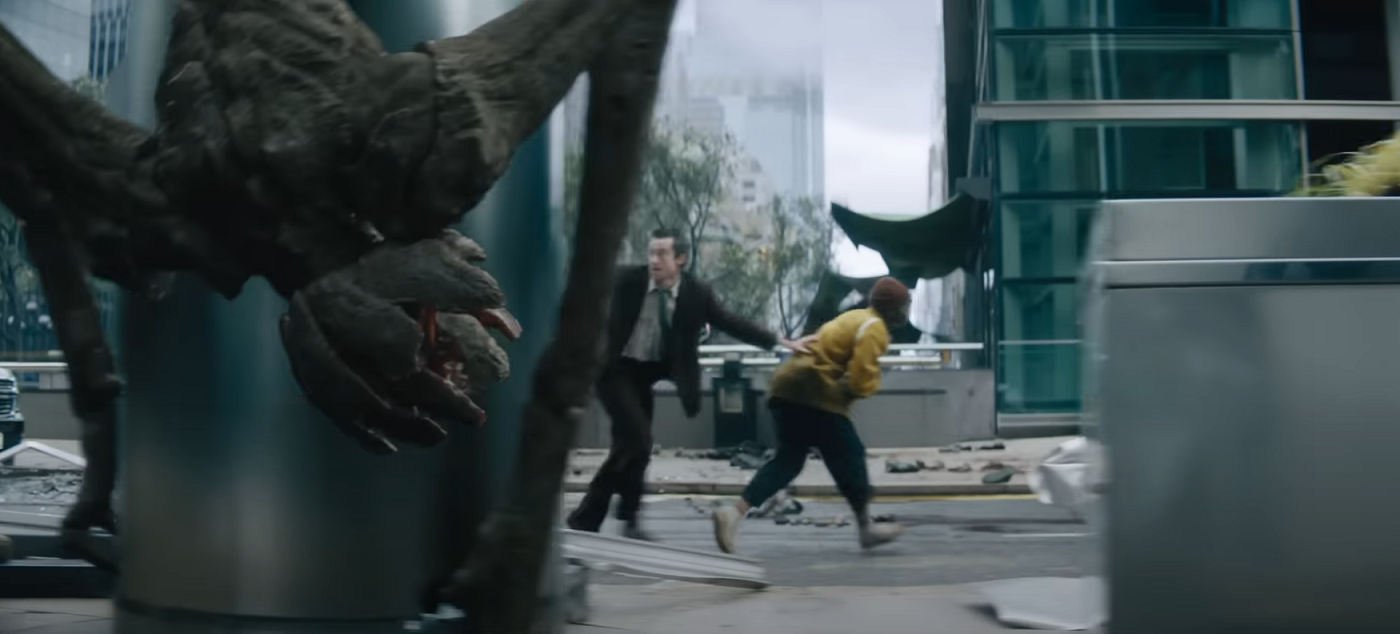
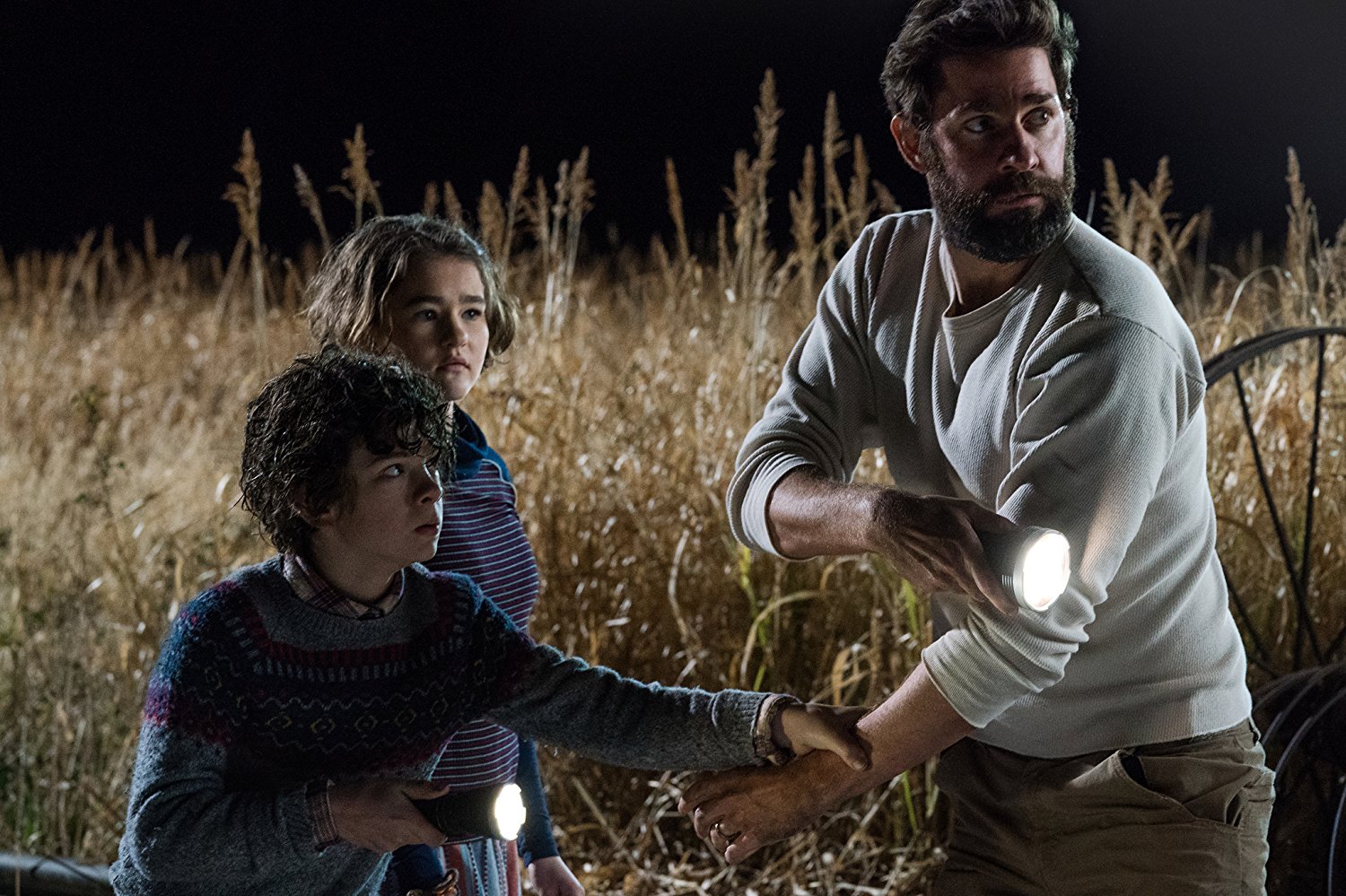
With the success of A Quiet Place: Day One, the future of the series seems promising. especially since there are plans for A Quiet Place, Part Three, though if that sequel actually happens expect the title to change to avoid confusion with A Quiet Place: Day One. Even though A Quiet Place: Day One is the third film in the series it’s actually a prequel to the first film and has little connection to the first two films.
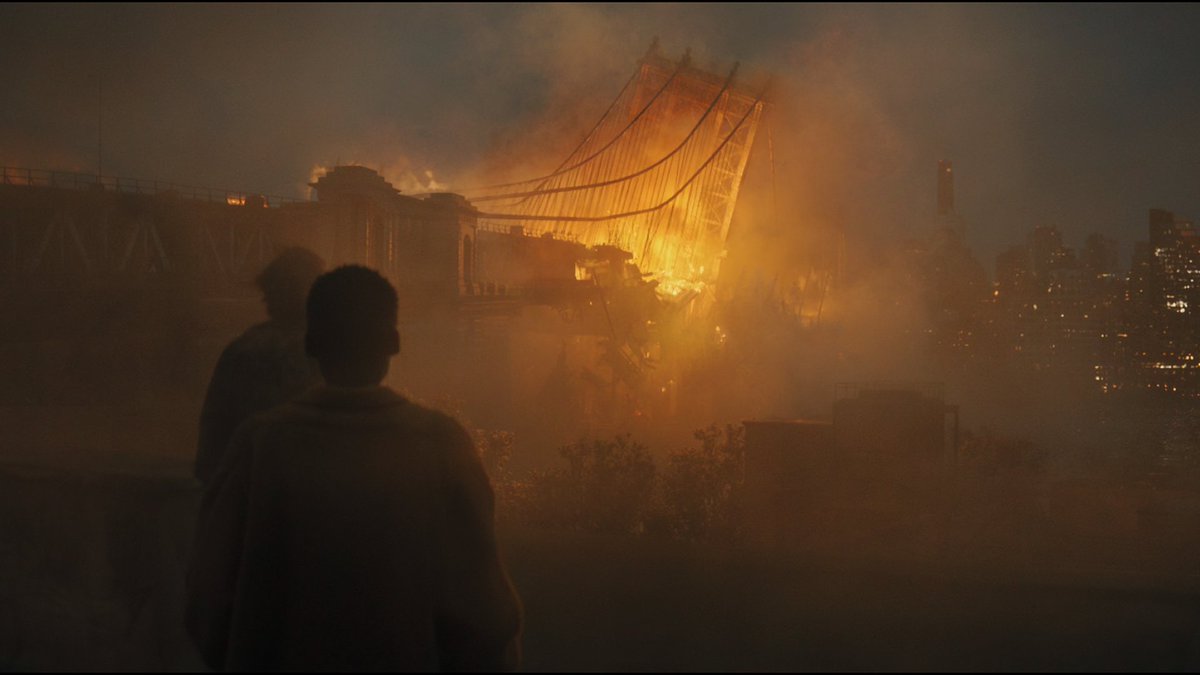
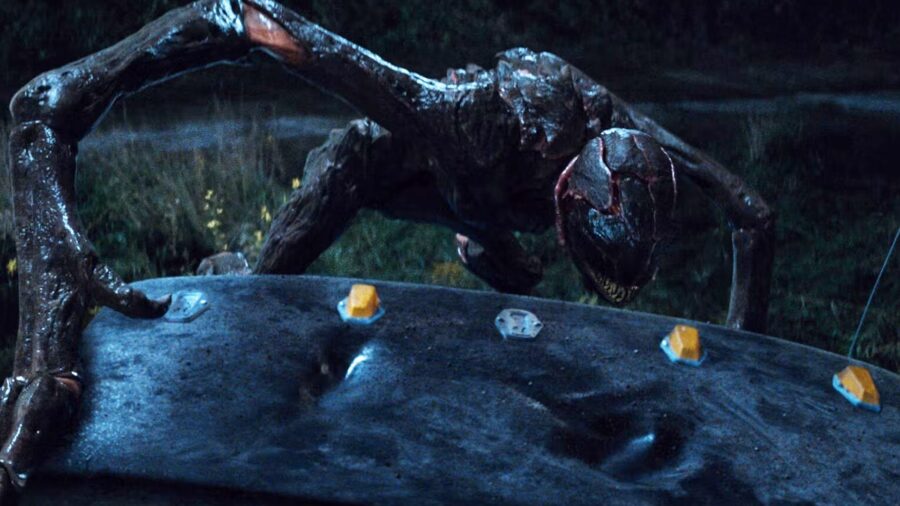
Part of the reason for the success of A Quiet Place: Day One is because it expanded the horrifying world we were introduced to in the first film. We the audience got to see how the worldwide invasion of the blind savage aliens, who are called the death angels, began. While the film was an excellent study about the need for companionship and finding solace in the simple things in life, it still left audiences with many unanswered questions about the alien invaders. We do know they arrived in meteors and their arrival was too abrupt for the authorities to handle before most of humanity was wiped out. We also know from the previous films that ways to defeat the death angels were found and used, which could set up a final confrontation between humanity and the aliens in a future film that concludes the series.
Future films, aside from A Quiet Place, Part Three, should take place in other corners of the world. Having A Quiet Place: Day One take place in New York City was a smart move since the first two films were set in rural communities. Where can other films go? How about a different country? The suburbs? Given that the death angels are vulnerable to water, have a film set in a makeshift community made up of ships filled with survivors and present their plight as they try to get supplies in the ravaged world. How about the perspective of surviving scientists and military trying to devise a means to fight back? That could be the focus of a final film.
But before the series finishes, more explanations about the death angels are warranted. Were they part of an advanced wave meant to wipe out our defenses and soften our world for an actual invasion? Or were they sent to herd humanity for their masters in the same way humans use dogs during hunts? There is evidence for that in that the death angels are never seen eating their victims and as shown in the third film they only ate food that came with them in the meteors. There is so much that needs to be explored with these savage creatures that would captivate audiences and give us some kind of explanation as to their motives. Or maybe they are just uncontrolled animals like the Xenomorphs in the Alien films that have no purpose other than to survive and multiply.
Another appealing aspect with the A Quiet Place films has to do with the characters that we quickly sympathize with, which is vital to get us invested during their dangerous plight. While the focus on the characters must remain in place with the film series, going forward, more development and explorations about the death angels has to be covered. But we don’t have to know everything all at once. We could use a few more terrifying entries like A Quiet Place: Day One before we get our answers. 😀
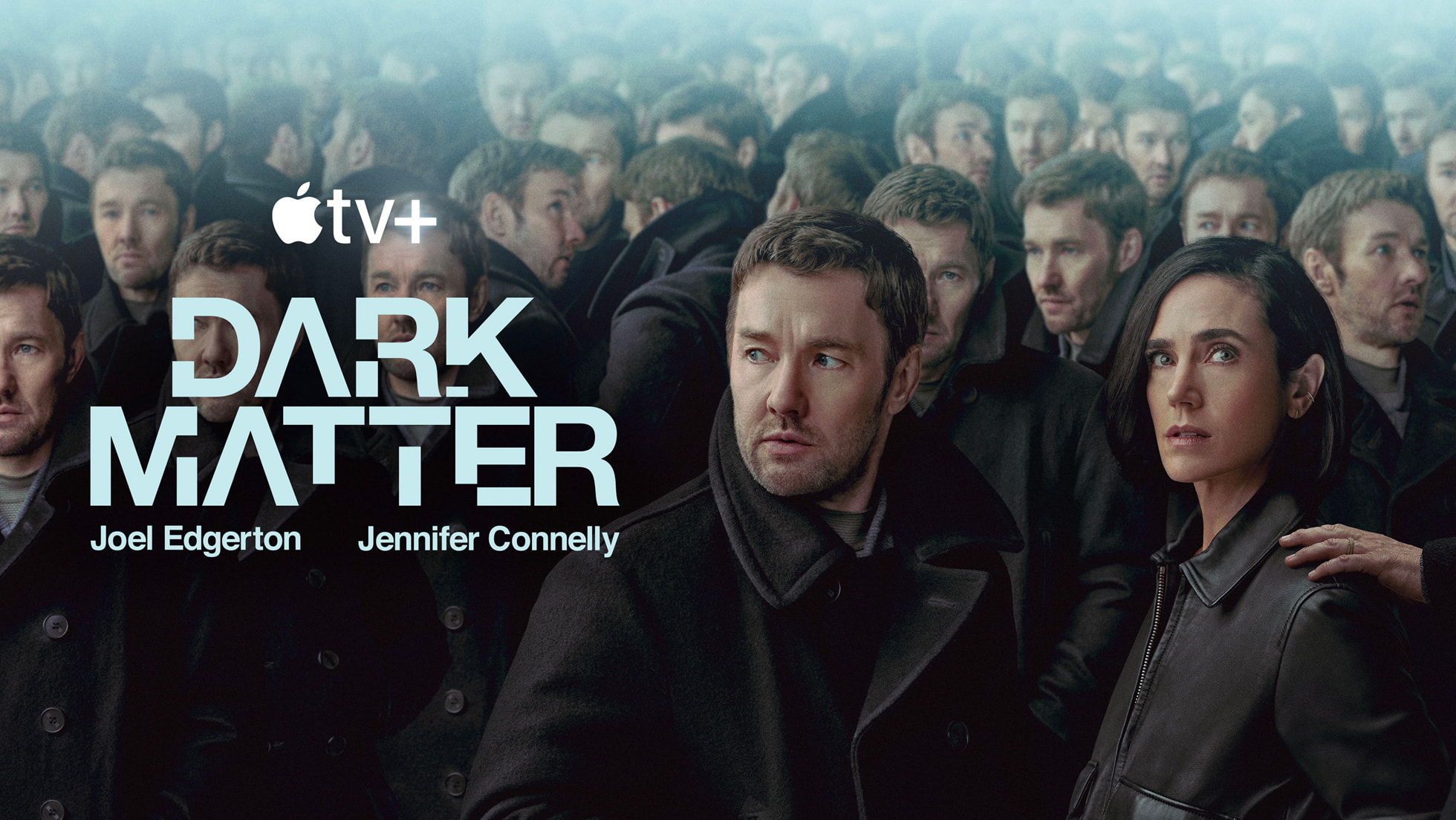
Dark Matter, currently streaming on Apple TV+, just concluded its first season as it took viewers on a mind-numbing journey throughout the multiverse.
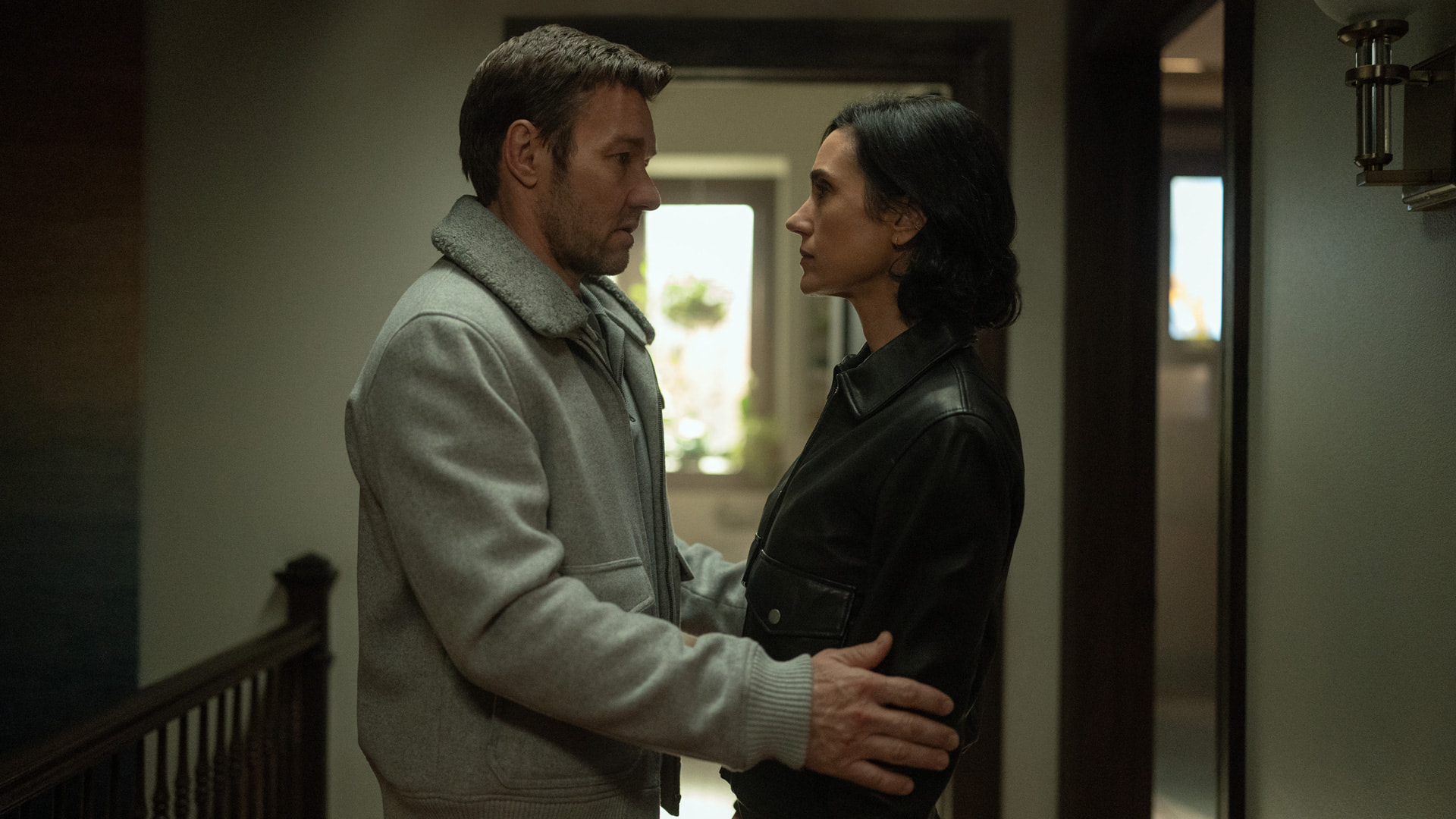
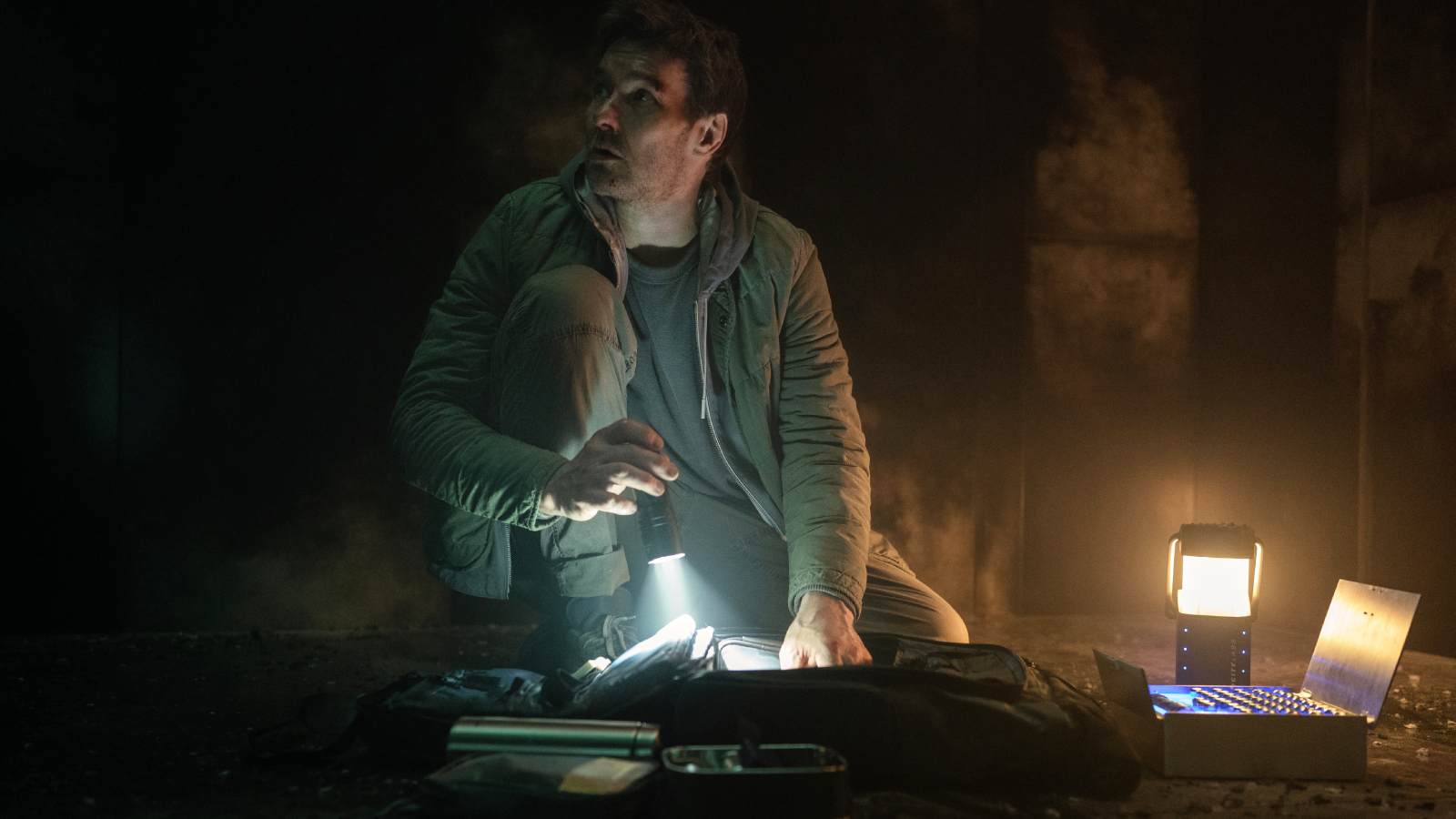
Based on the novel by Blake Crouch, Dark Matter tells the story of Jason Dessen (Joel Edgerton), a mild-mannered physics professor who is kidnapped one night by a stranger and left in a world not quite like his own. It is revealed that the stranger is himself. Actually this is an alternate version of Jason from another reality who switches places with Jason. In the alternate reality, Jason is a world-famous scientist who built a machine that lets people travel to other universes. This alternate Jason forced the original Jason to switch places because of his life which he covets. The original Jason is married to Daniela (Jennifer Connelly) and has a teenage son, Charlie (Oakes Fegley), which is something the alternate Jason doesn’t have in his universe.
As the alternate Jason tries to fit in to the original Jason’s more mundane life, the original Jason with the help of the alternate Jason’s girlfriend, Amanda Lucas (Alice Braga), goes on a life-altering journey throughout the multiverse as he attempts to find his way home.
The concept of the multiverse was a somewhat obscure subgenre of sci-fi books but has recently gained popularity in mainstream media. The most famous examples were the TV show Sliders and the award-winning film Everything, Everywhere, All at Once, and Doctor Strange in the Multiverse of Madness. Whereas both films approached the multiverse concept at different extremes, Dark Matter manages to take a more centered approach that doesn’t go overboard with weird universes of talking rocks or holding back on the multiverse concept.
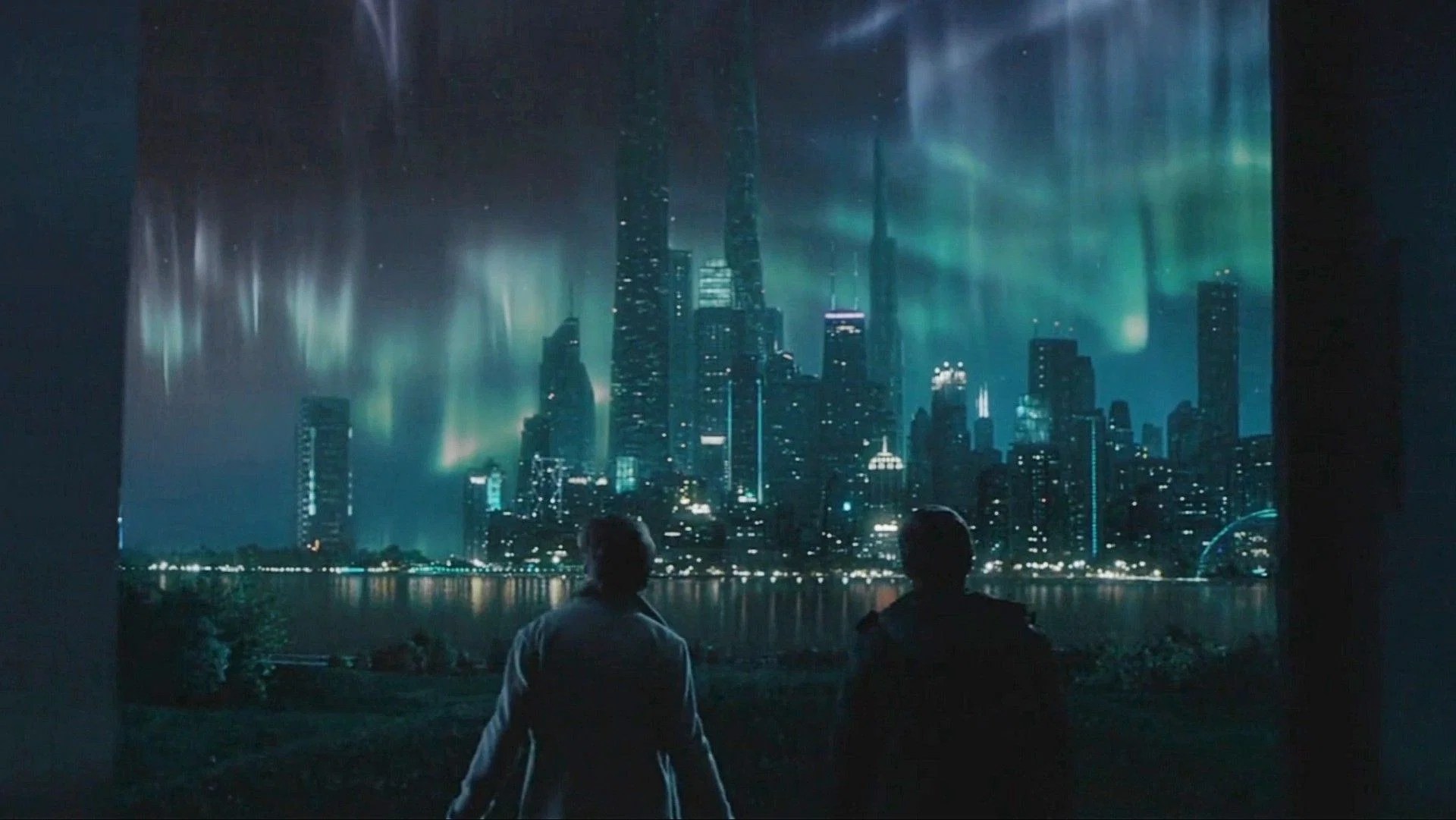
At first, the TV show takes place in two universes, but soon goes into a wild journey throughout the multiverse as Jason and Amanda explore universes that are either mundanely different, such as Danila having blonde hair or extreme, as seen where the duo are trapped in a world frozen over in an ice age.
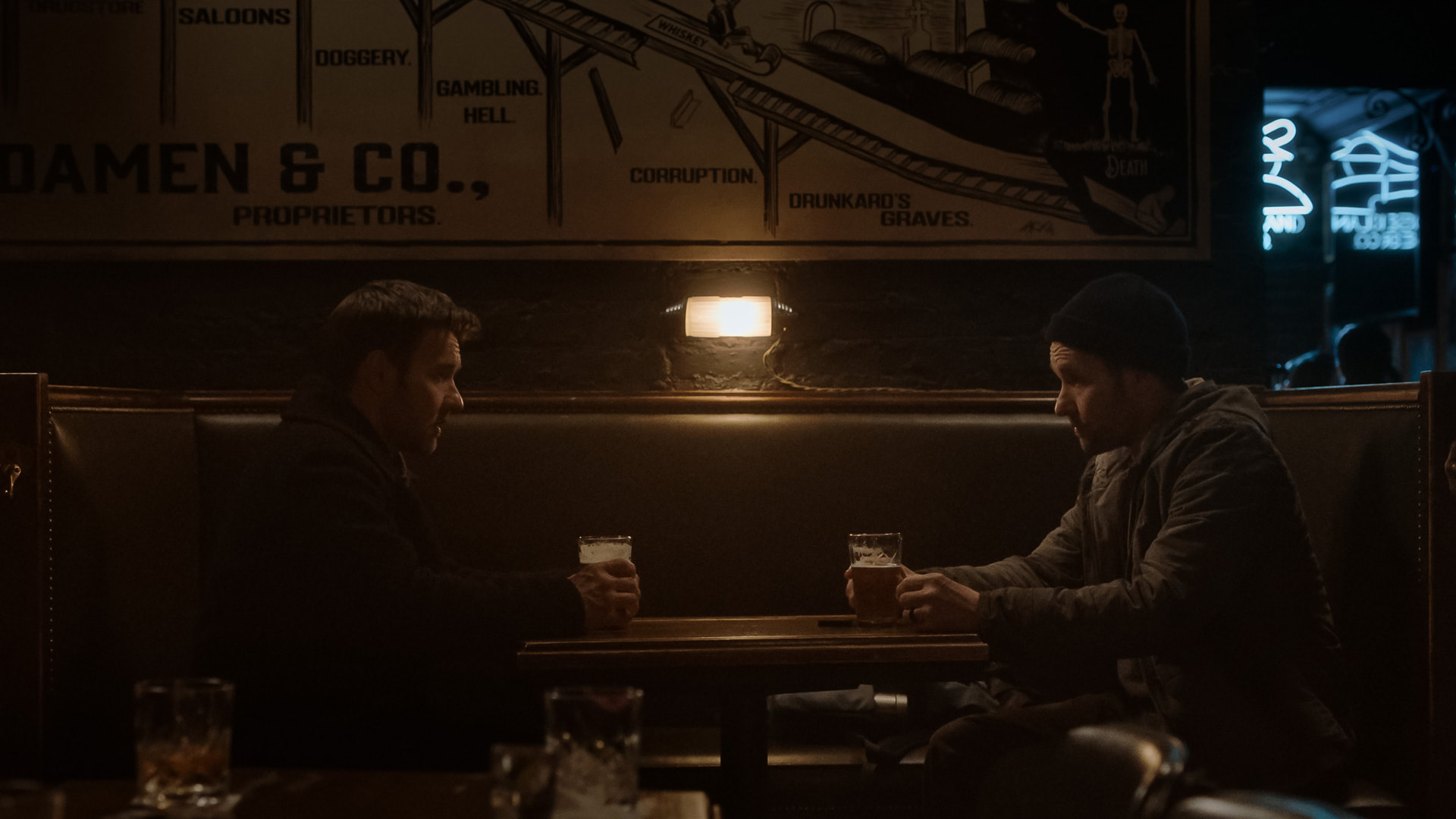
Strongly supporting these journeys is the great performance by Joel Edgerton who is able to convey different subtleties to his characters. What was interesting was that while the alternate Jason is the show’s antagonist, he is not some mustache-twirling villain. He only wants a chance to live on the road he did not take. In his world, he let Daniela go years ago and came to regret it. What makes him so much scummier is his inability to let her go and move on with Amanda. We cannot help rooting and sympathizing with the original Jason as he discovers that each world he visits is not his own. It was painful to see him falling apart as he sees alternate versions of his family dying or never existing.
The other actors, especially Connelly and Braga, also turn in memorable performances, as each of them grapple with the consequences of Jasons’ journeys and actions. It was always interesting to see the alternate versions of the people in Jason’s life, which made each episode so watchable.
Equally as enthralling were the journeys themselves. Thankfully, the worlds they visited were not the cliche alternate worlds were the Nazis won World War II or Barack Obama never became the U.S. president. The TV show instead concentrated on having the characters visit worlds with either tiny differences from Jason’s or were wildly different. One brief but terrifying visit had Jason and Amanda nearly killed as they stepped into a world which had no atmosphere. An intriguing twist to these journeys was the realization that each world any character visited was influenced by their state of minds, which made Jason’s goal of getting home that much harder and desperate. Complicating his journey is the growing relationship he has with Amanda, which leads him to recognize his hopeless situation yet he remains committed to his world and Daniela and Charlie.
As fascinating as the journeys were, what made each of them so engaging were Jason’s reactions to them. We sympathize with him as each journey leads to bitter disappointment or pain. We know each heartbreak taxes Jason and we could only hope that the setbacks do not have dire effect on his mind and soul.
Dark Matter took a wild twist in its final episodes that could be confusing to viewers not paying enough attention. But the last episodes were intensely riveting and enthralling for viewers who have followed Jason’s odyssey. It’s not certain if there will be a second season for Dark Matter, even though there were a few potential plot threads that could be followed up if the series continued. Still, Dark Matter concluded in a satisfying manner and whether or not it gets cancelled the series merits watching by fans of multiverse stories and fine sci-fi.
Many of us will head to the theme parks this summer to enjoy abundant thrill rides and attractions that are based on beloved sci-fi properties like Star Wars, Tron, Avatar and Jurassic Park. While it seems like many sci-fi films and TV shows have been adapted into popular rides and attractions, there are actually a gold mine’s worth of material that either haven’t been done yet, are no longer available or are only available in the less visited theme parks throughout the world. Let’s explore some sci-fi properties that should be featured in more popular theme parks.
Alien/Predator
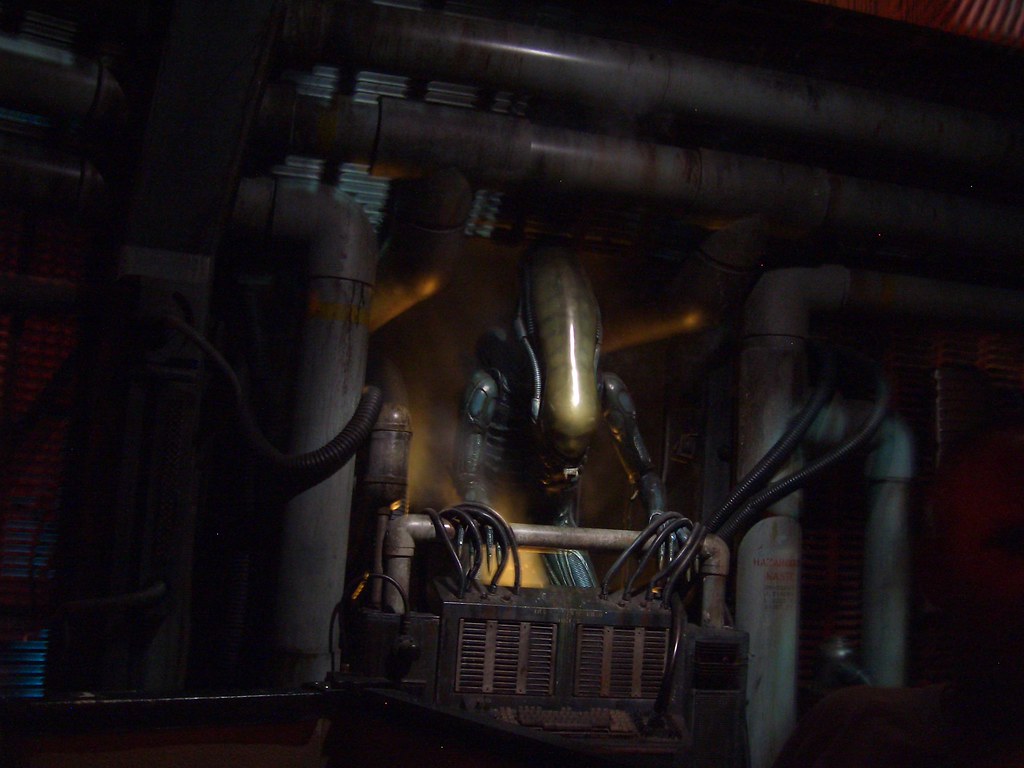
Both sci-fi/horror properties have been featured as haunted house attractions in Universal Studios’ Halloween Horror Nights, while Alien was part of the sorely missed attraction The Great Movie Ride at Disney’s Hollywood Studios. Although both properties don’t gel well with the standard Disney family friendly image and their current parks, they are popular IP owned by Disney and should be considered for some kind of dark ride that is geared for adults.
Back to the Future
The old Back to the Future: The Ride simulator attraction closed years ago in the Universal Studios theme parks to make way for The Simpsons. The original ride is still remembered fondly by fans of the film trilogy and ride enthusiasts. With the rumor going around that Universal may get rid of The Simpsons since that property is now owned by Disney, why not remake the original ride, but with better special effects to rival Avatar: Flight of Passage?
Battlestar Galactica
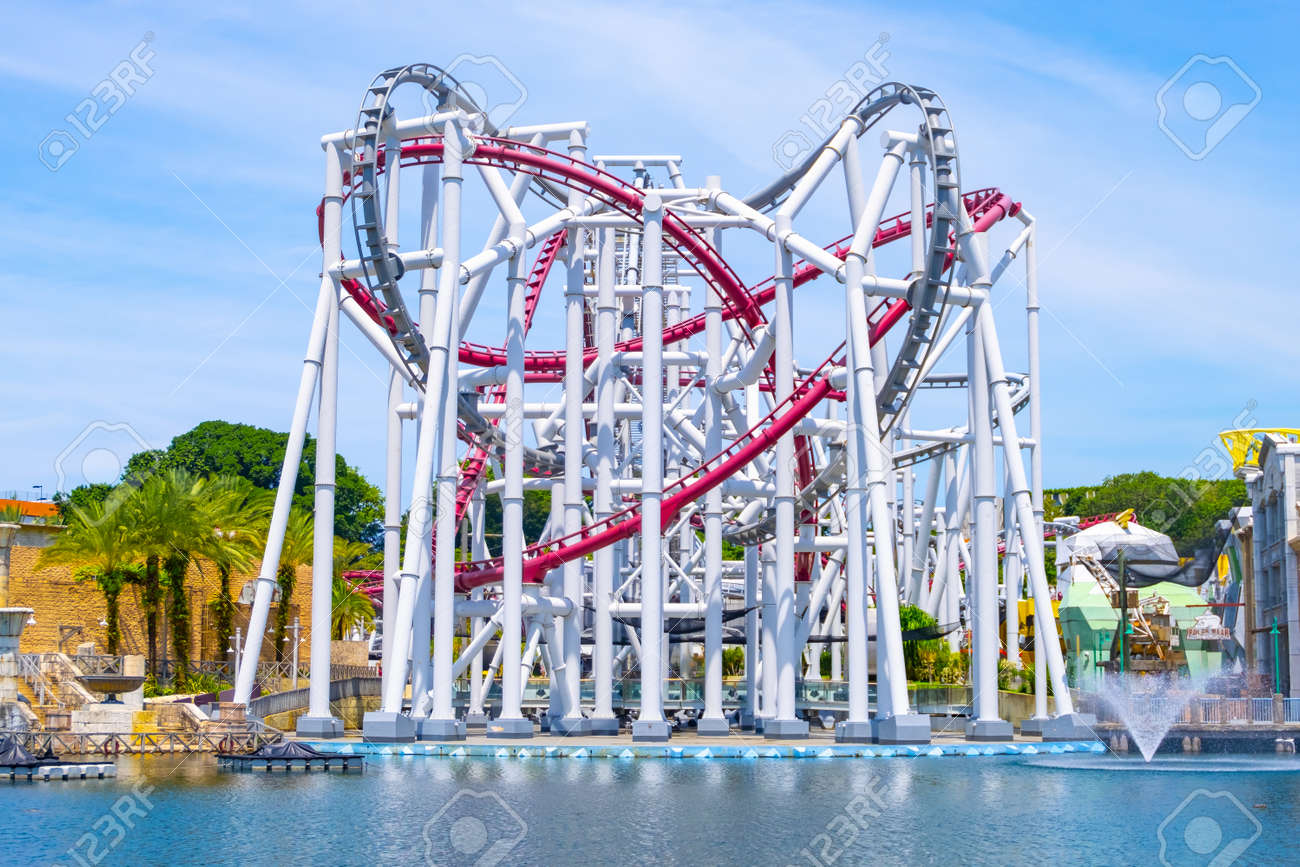
There is a roller coaster based on Battlestar Galactica in Universal Studios Singapore, but much more can be done with this property. A trackless simulator ride would work where a random ride operator accompanying the riders could be revealed to be a Cylon. Or go for a high-tech simulator ride that takes you on an epic space battle as you defend the Galactica from Cylon raiders like with Star Tours.
Doctor Who
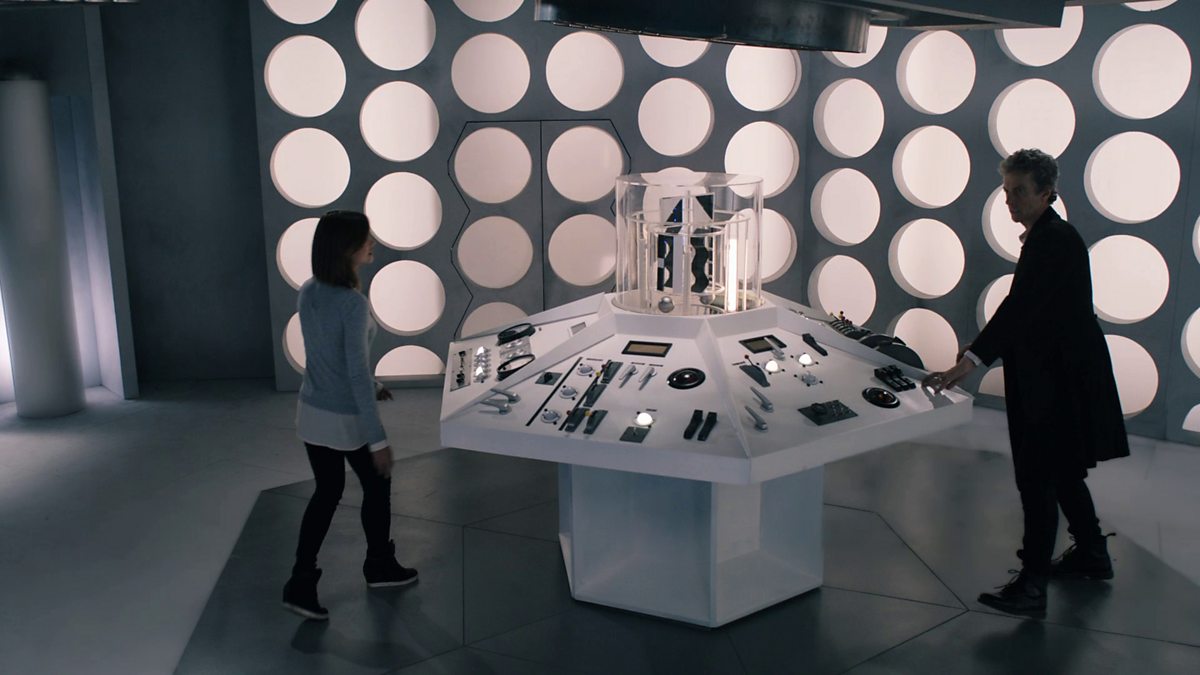
This is what you do with a Doctor Who ride, have guests line up to enter a blue police box/phone booth which turns out to be the TARDIS! After exploring the time ship and guided by an actor playing the Doctor, guests can choose which door to go through that leads them into some kind of dark ride or walk-through attraction. The choices can lead to an adventure featuring the Daleks, the Cybermen or even the Weeping Angels. Voila!
Godzilla
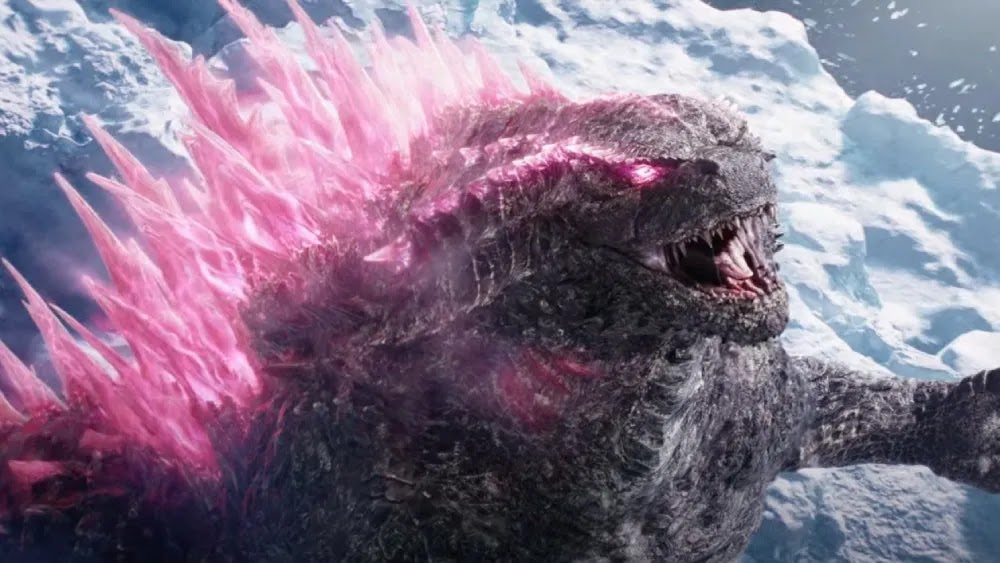
At one point, the Japan pavilion in Epcot was supposedly going to have a ride based on Godzilla, but of course that never happened and is why that area is usually skipped by visitors looking for an attraction. A ride featuring the world’s most famous kaiju could be in the form of a simulator/trackless ride like Skull Island: Reign of Kong, or be more like the old Kongfrontation ride in Universal Studios with jaw-dropping giant animatronics of Godzilla himself that we can see up close.
Mad Max
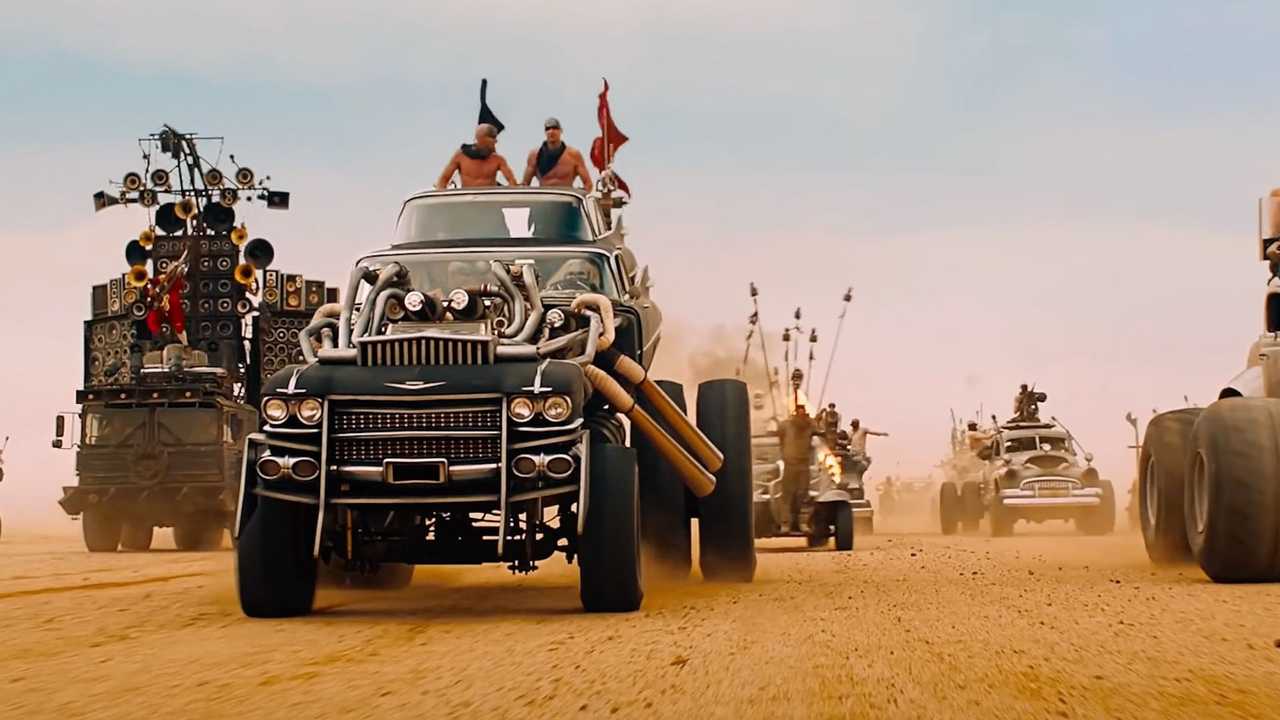
This is soooo easy. Put out a motorized stunt show on a recreated barren, desert wasteland. Throw in lots of jury-rigged vehicles, including a V8 Interceptor and a War Rig, plenty of stunt driving and performers, and there you go: a Mad Max themed stunt show. Other options can be explored for a Mad Max-themed attraction. Just don’t do anything like that Fast and Furious abomination at Universal Studios.
The Matrix
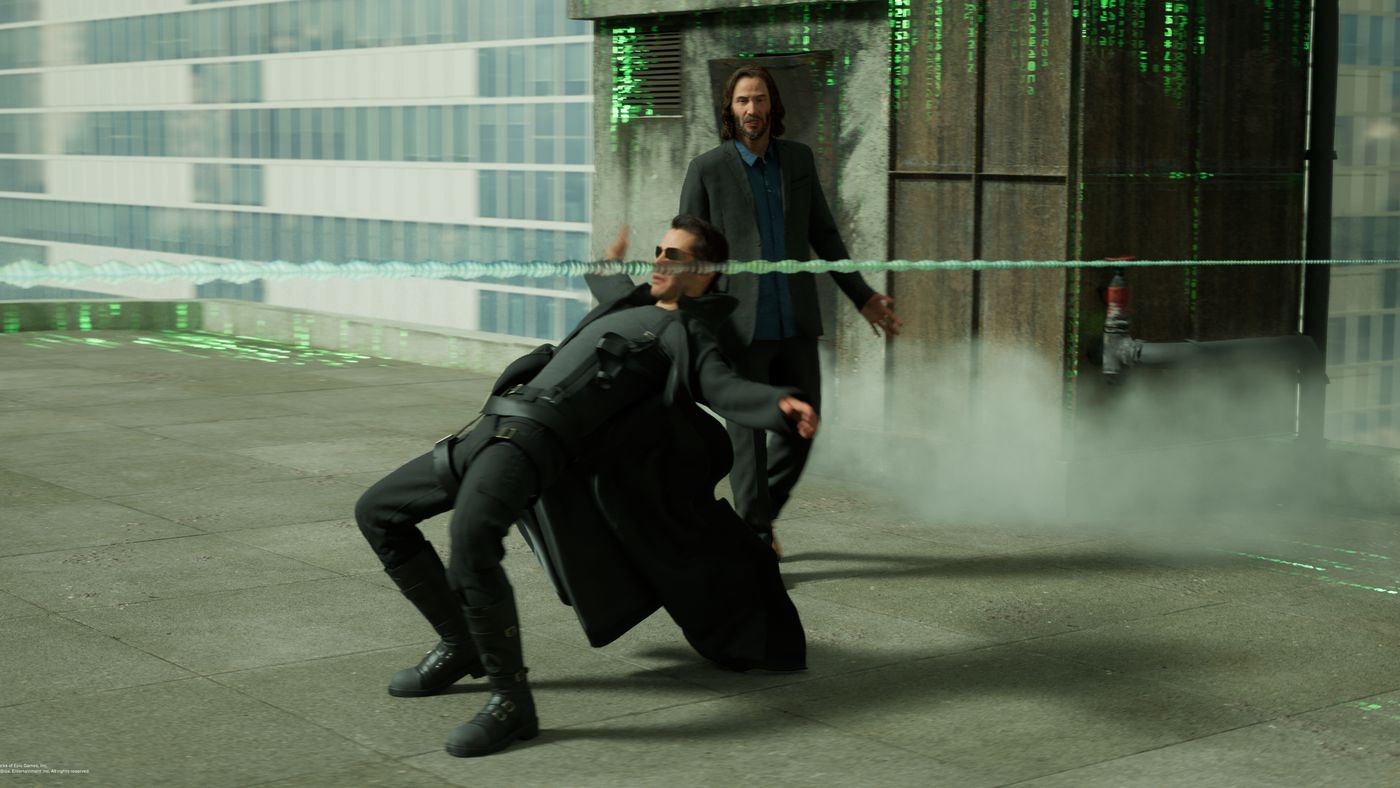
Think of the awesome attraction The Bourne Stuntacular at Universal Studios Orlando or the closed Terminator 2- 3D: Battle Across Time show. One featuring the Matrix could be a similar theater attraction could be where patrons are released from the Matrix itself and witness an epic, live-action stunt show with dazzling effects where our rescuers battle deadly Agents in a theater setting.
Planet of the Apes
Genting Skyworlds in Malaysia has a trackless ride called Invasion of the Planet of the Apes that looks pretty interesting. Some kind of deal should be made to bring the attraction to the Disney parks since Disney owns the property. Disney’s Animal Kingdom would be good spot for Invasion of the Planet of the Apes or any other ride/attraction based on the other great sci-fi franchise from the ’70s that is still popular today. After the ride, guests can go visit the gorilla exhibit at the park.
Star Trek
Those of us fortunate enough to have visitedStar Trek: The Experience still have fond memories of it. Based in the Las Vegas Hilton, Star Trek: The Experience was how Galaxy’s Edge was supposed to be for Star Wars, a fully immersive mini-park/themed area that celebrated all aspects of Star Trek. The mini-land featured two attractions, one was a simulator ride that took place on a faithfully recreated Enterprise D set, while the other was a 4D movie featuring the Borg and characters from Star Trek: Voyager. Both attractions would work today with some minor upgrades or there are many options that could be utilized for Star Trek. There is so much material ranging from the original TV show through today’s Trek offerings that an entire park can be built that is solely focused on Star Trek. If only!
WALL-E
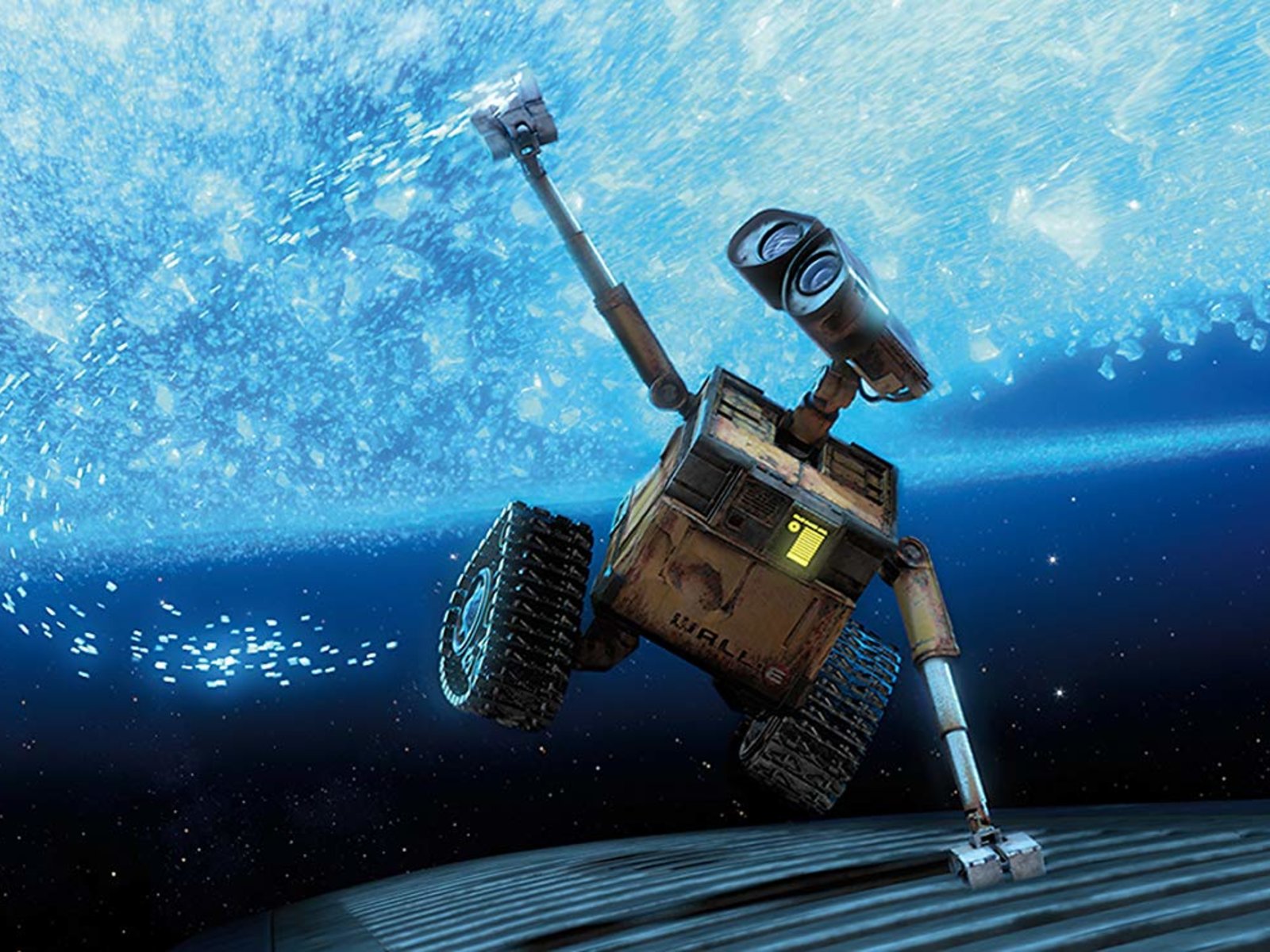
This sci-fi property based on the classic Pixar film is a no-brainer for Epcot with its environmental themes and the cute robot. WALL-E is practically tailor made for Epcot. Yet for all the IP flooding the park these days, it is a mystery as to why WALL-E isn’t included aside from a minor playground for young children. A trackless simulator ride with animatronics taking place onboard the Axiom with WALL-E trying to protect the plant he found on Earth would be more than suitable.
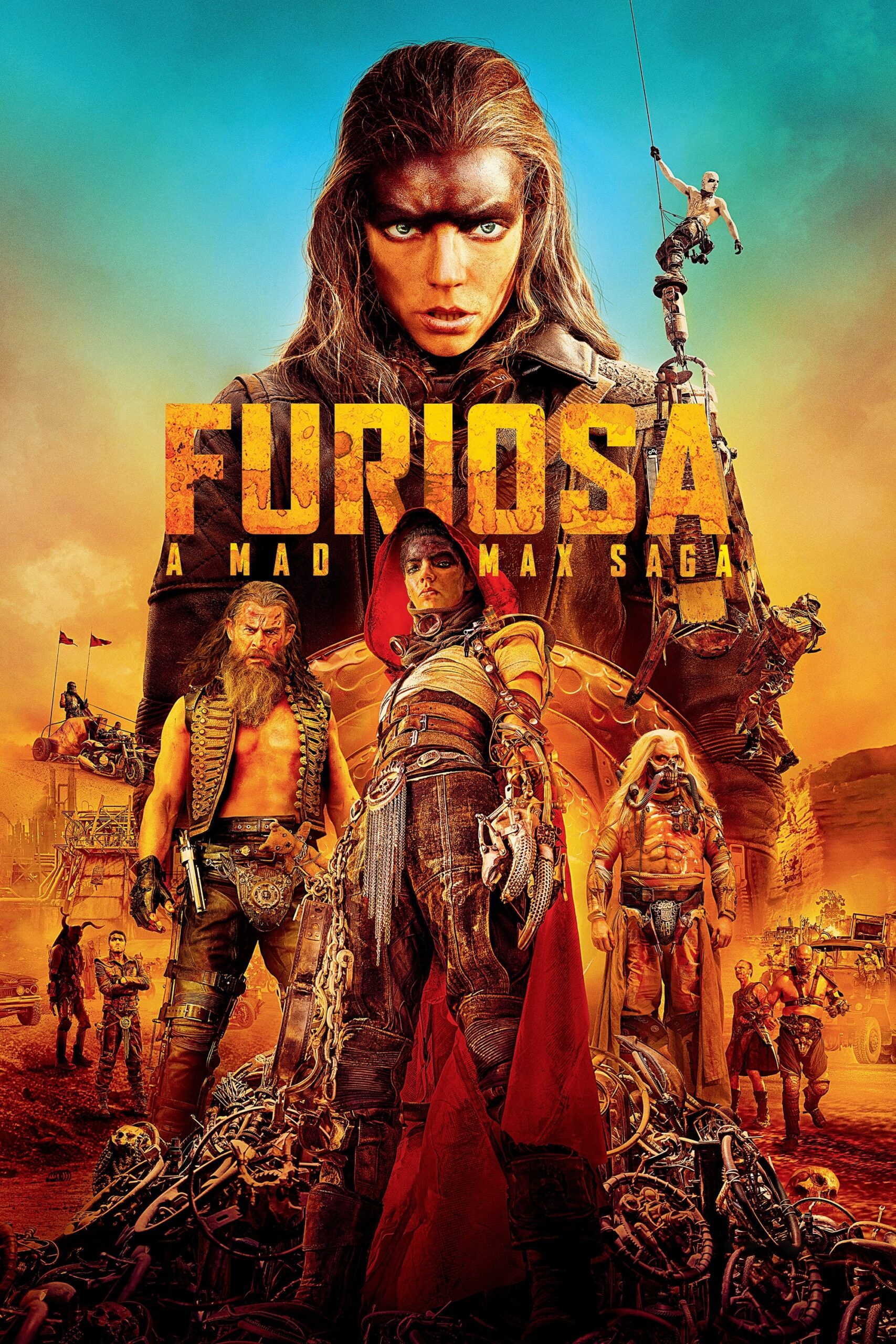
Given the poor box office performance of Furiosa: A Mad Max Saga, it is likely this will be the final film in the Mad Max franchise for a good while. Hopefully, the film will have a second life on home media/streaming which could lead to the production of Mad Max: The Wastelands, which was based on background material that George Miller wrote when making Mad Max: Fury Road. In any event, for now we will only have five films in the Mad Max franchise and so it is time to rank the films. It is interesting to see how far the films have come from a low-budget independent film way back in 1979 to topnotch Hollywood-funded productions. Here we go, and be sure to leave a comment on the rankings or with your own preferences.
5. Mad Max (1979)
The first film in the Mad Max Saga is also the most unlike the typical Mad Max film we have come to expect. The near-future world of Mad Max largely resembles our own, except that it is running down as lawlessness has become more and more prevalent. Mel Gibson starred as Max Rockatansky, a police officer in the struggling Main Force Patrol (MFP), who is dedicated to maintaining order in the wild highways Down Under. It isn’t until the last fifteen minutes of the film that Max becomes the ruthless anti-hero that we know and love. The film would have been improved if Max left the MFP much sooner and his family was killed earlier on so we could have had more scenes of Gibson as Mad Max.
The fact that it takes so long for the film to get going is why it ranks last. It is a decent origin film that shows us how Max was a decent family man, but even at 90 minutes, the film drags at many places. It features a lot of the impressive car stunts and chases that George Miller improved upon in the later films and Gibson was so magnetic in his portrayal of Max, so it cannot be written off. After all, the popularity of Mad Max helped pave the way for greatness.
4. Mad Max: Beyond Thunderdome (1985)
The first half of the third Mad Max film was quite enjoyable and captivating. Mad Max is reduced to a nomadic wanderer in the barren desert wastelands of Australia in his broken-down car that is now pulled by camels. The car is stolen by an airborne raider played by Bruce Spence, who portrayed a similar character in The Road Warrior; yes, it’s kind of confusing and a definite sign that continuity was not a strong suit for these films. Max tracks his vehicle to a settlement called Bartertown run by Aunty Entity (Tina Turner, who was surprisingly great in her role). To win his car and his freedom, Mad Max is forced to fight to the death in a gladiatorial match in Thunderdome. After he breaks the rules in the deathmatch, Max is banished to the desert and is eventually rescued by a band of young children who see him as a messianic figure.
The film suffers greatly when Max meets the young refugees from the Lord of the Flies since this storyline of Max mistaken for being their savior clashes with the Bartertown storyline. The second half of the film slows down and takes on a strangely goofy tone that belonged in an adventure film geared towards kids. Not even the derivative chase scene at the end involving a train could salvage this film, which should have been split into two different films.
3. Furiosa: A Mad Max Saga (2024)
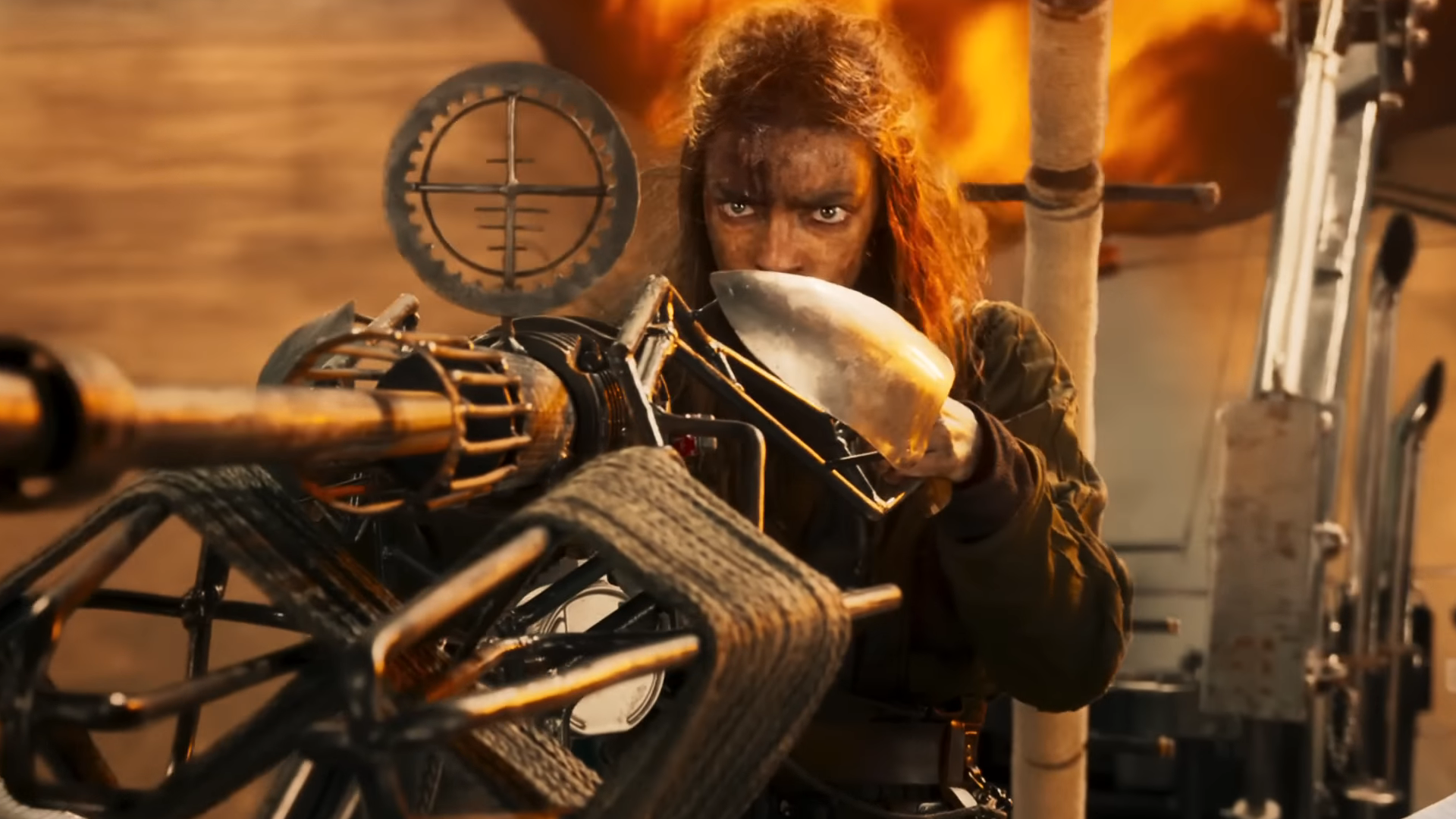
The world of Mad Max finally expanded beyond Max himself in this prequel that tells the story of Furiosa, the breakout character from Mad Max: Fury Road. Aside from a brief cameo, Mad Max does not appear in the film, but it still feels like a Mad Max film. The film is more sprawling and epic in scope than the average Mad Max film as it takes place across years, as Furiosa is seen developing from a young innocent girl into a vicious warrior in adulthood.
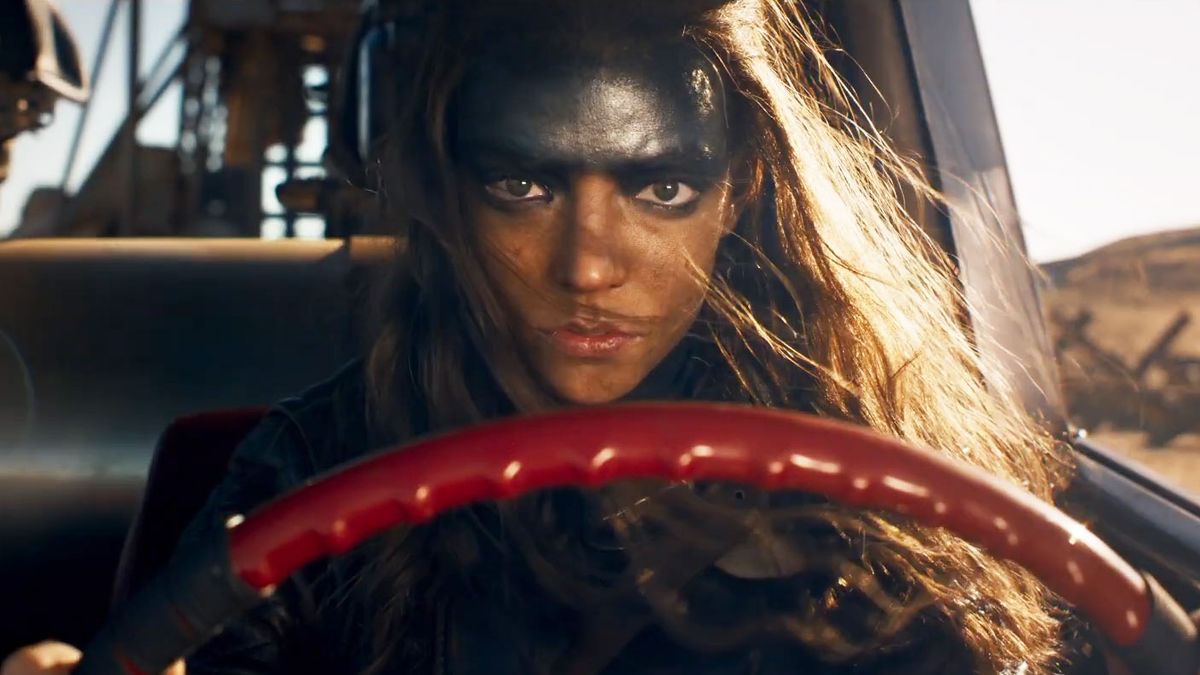
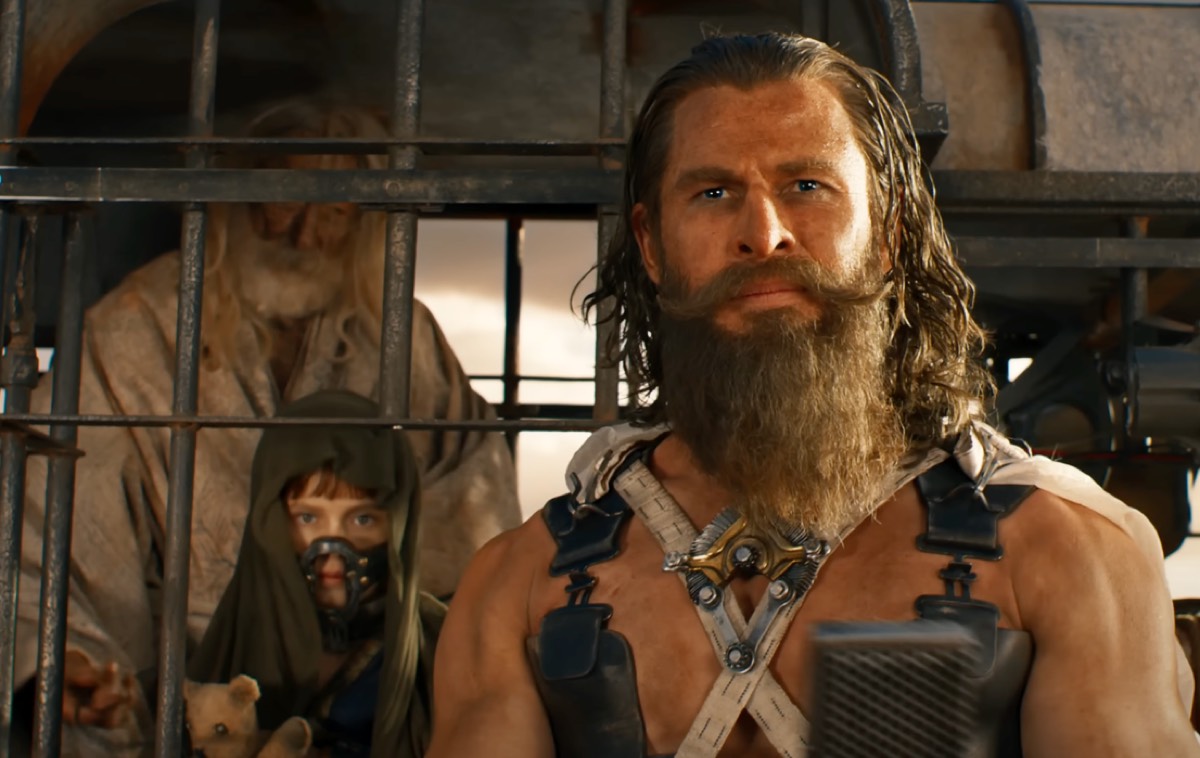
Anya Taylor-Joy and Chris Hemsworth turn in exceptional performances as Furiosa and her nemesis, Dementus. The production design and other technical aspects of the film are exceptional as is George Miller’s direction. It isn’t as good as Mad Max: Fury Road due to some questionable CG, and although it’s exciting it cannot match the desperate pace of Mad Max: Fury Road that kept us on the edge of our seats. Still, Furiosa: A Mad Max Saga is an exciting and great entry in the Mad Max franchise.
2. Mad Max 2: The Road Warrior (1981)
The first sequel to Mad Max definitely set the bar (so high) and the template for a classic Mad Max film with pulse-pounding, kinetic car chases, neo-medieval battles in the desert, Western tropes and little dialogue. The film was originally released in 1981 in Australia as Mad Max 2, then released in the United States a year later and renamed The Road Warrior. Nowadays, it is known as Mad Max 2: The Road Warrior, but whatever it’s called. it’s one of the best sci-fi action films of all time.
Mel Gibson reprised his role as Mad Max, the loner anti-hero who cares little for others and is only focused on surviving and getting the next tank of gas for his V8 Interceptor. He becomes a reluctant hero after meeting a group of struggling, good-hearted people in a gas refinery settlement that is besieged by ruthless raiders. The film was packed with action and rarely lets you breath as it concluded with a white-knuckle chase scene involving a gas tanker and rig driven by Max attacked by the motorized raiders. This sequence was made so memorable by its frenetic editing and a pounding score by Brian May. Simply put, Mad Max 2: The Road Warrior forever established the tone for future films.
1. Mad Max: Fury Road (2015)
Now we come to not just the best Mad Max film, but one of the greatest action films of all time and a futuristic Western on wheels, as director George Miller describes his film. Tom Hardy takes over the role of Mad Max, who is captured by the forces of the desert despot Immorten Joe (Hugh Keays-Byrne), and is soon caught up in a desperate escape from Immorten’s savage society on a modified tanker with several of Immorten’s wives and Furiosa (Charlize Theron), one of Immorten’s officers who frees the wives. The extended chase scenes across the apocalyptic desert were elevated with beautiful photography, intense editing and some of the most memorable imagery seen on film.
Mad Max: Fury Road was so revered that it was actually nominated for the Best Picture Oscar and won a slew of technical Oscars, which were all well deserved. The film is much more than an action film but one that touches on several themes such as women’s rights, societal injustice and the capabilities of the disabled. It also features many unique and eccentric characters that were easily memorable such as the the vicious Immorten Joe, Nux (Nicholas Hoult), one of Immorten’s soldiers who joins Max, and of course Furiosa, who quickly becomes a co-lead in the film and earned her own film. Mad Max: Fury Road is Mad Max at its finest and is a must watch for film lovers.
It’s unfortunate that Furiosa: A Mad Max Saga is not doing well in theaters because it is a truly great sci-fi action piece and a worthy prequel to Mad Max: Fury Road. But given how great the film is, it is certain that it will join that club of films that were initial box-office bombs and become revered as classics later on, as it happened to Blade Runner, The Thing, Edge of Tomorrow, The Suicide Squad, and so on.
Furiosa: A Mad Max Saga as its title suggests is the background story of Furiosa, the breakout character of Mad Max: Fury Road. As a prequel to that film, it begins back when Furiosa (first played by Alyla Browne, then later by Anya Taylor-Joy) was a young girl who was kidnapped from her idyllic garden home by barbaric raiders. For anyone who isn’t familiar with the world of Mad Max, these are post-apocalyptic films that take place in Australia, which is a barren desert wasteland full of roving gangs that prey on the weak. After seeing her mother killed by the gang that snatched her, Furiosa harbors a personal hatred against the gang and its leader Dr. Dementus (Chris Hemsworth), a charismatic, yet brutish thug. Seeing Furiosa as a stand-in for his long-lost children, Dementus comes to think of her as his own daughter.
Living a nomadic hunter-gatherer existence, Dementus’ gang encounters the savage society of Immortan Joe (Lachy Hulme), who we last saw in Mad Max: Fury Road. After tense negotiations between Dementus and Immortan Joe, Furiosa was traded to Immortan Joe, who intended to raise her to be one of his wives. However, Furiosa escaped that fate, and masquerading as a young male she joined one of Immortan Joe’s pit crews with her desire to return to her home and killing Dementus being her driving force.
Director George Miller, who introduced us to the world of Mad Max, has wowed us again with this captivating, brutal and exciting post-apocalyptic tale of vengeance and survival. The film is visually and tonally similar to Mad Max: Fury Road but differs in that the former film told a tighter story that moved as fast as the vehicles featured in the film. Furiosa: A Mad Max Saga tells a more sprawling story that spans years and features many characters, a lot of them returning from Mad Max: Fury Road. Even Mad Max himself pops up in a cameo though he is portrayed by Tom Hardy’s double.
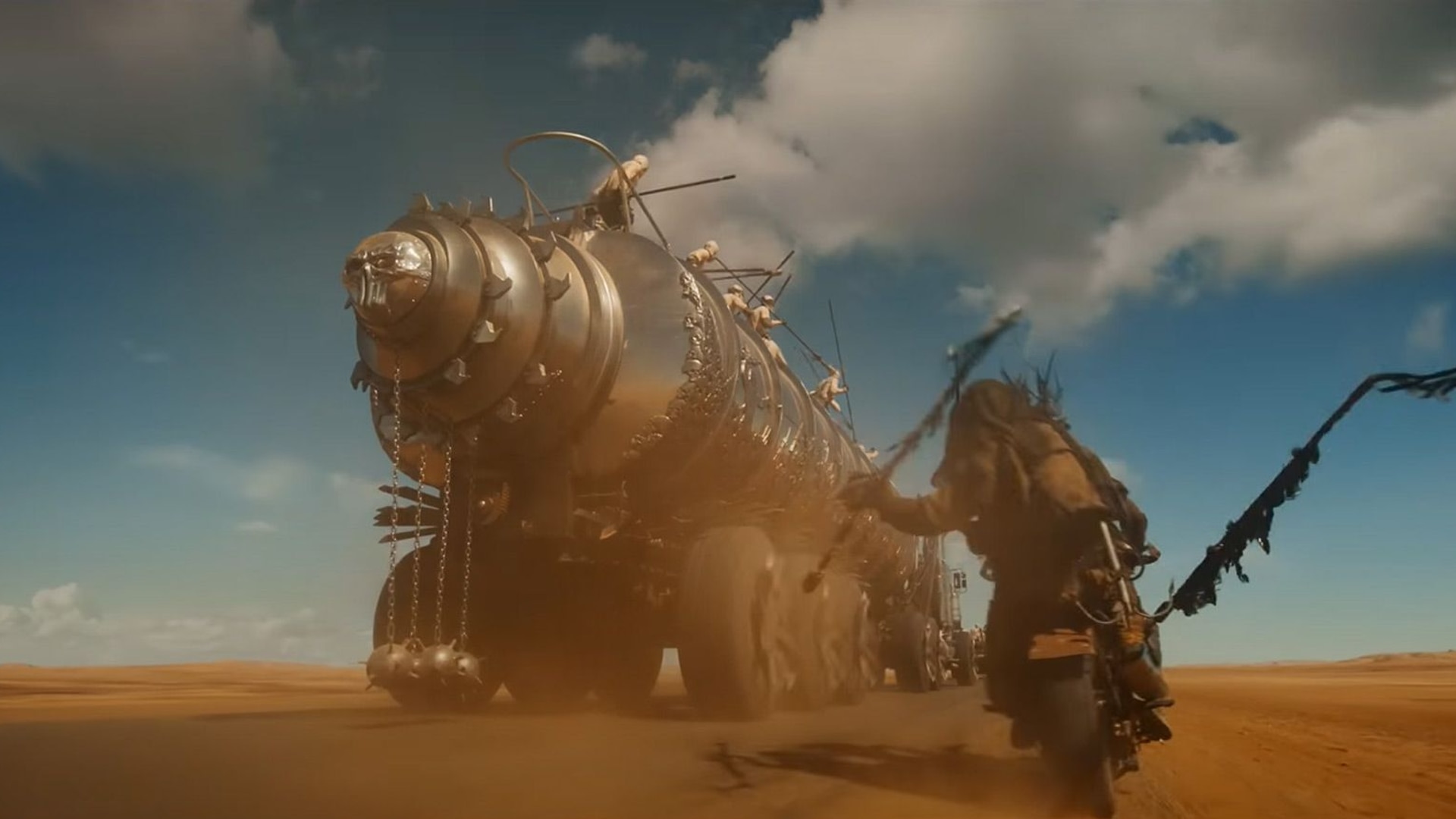
While an expansion and exploration of the world of Mad Max is always welcome, doing so robs Furiosa: A Mad Max Saga of that feeling of intensity and non-stop action that made Mad Max: Fury Road so beloved. Make no mistake, there is a lot of action in Furiosa: A Mad Max Saga but there is also a lot of character development as we bear witness to seeing the brutal transformation of Furiosa as she starts off as an innocent yet skilled child into a hardened nearly feral survivor who desperately holds on to lost dreams. As such, the film time between the major action scenes are much longer, although the epic car chases and battles are well worth the wait. The best sequence comes around the halfway point of the film that involves another one of those scenes where motorized gangs besiege a souped-up supply tanker called a War Rig that is armed to the teeth. The scene lasts about 15 minutes and is worth the price of admission alone thanks to George Miller’s skillful talent for delivery pulse-pounding action.
Anya Taylor-Joy does a great job as Furiosa as she takes on some of the characteristics of Mad Max in that she rarely speaks and adopts a savage loner persona. The other actors like Hemsworth are just as memorable in their roles with the standouts being Tom Burke and Charlee Fraser. Burke portrays Praetorian Jack, the sympathetic driver of a war rig that serves as a prototype to Mad Max’s character and could explain why Furiosa eventually bonded with Max. Meanwhile, in her brief presence as Furiosa’s mother, Fraser, was outstanding in her performance as a skilled warrior who went above and beyond to save her daughter. Even though she was not successful, her sacrifice left a solid impression on young Furiosa.
Exploring the world of Mad Max is a welcome idea although the filmmakers should now think beyond epic car chases and battles in deserts. What else is going on in this world? What about the coastline of the continent or beyond? It’s too bad the film is not performing well because it is unlikely we will revisit this world in the near future.
Furiosa: A Mad Max Saga is a spectacular entry into the Mad Max Saga that does what it sets out to do: provide the origin story of Furiosa in a kinetic and engaging fashion that exemplifies George Miller’s cinematic style.



 Starloggers