Steven Spielberg No Longer Directing Indiana Jones 5

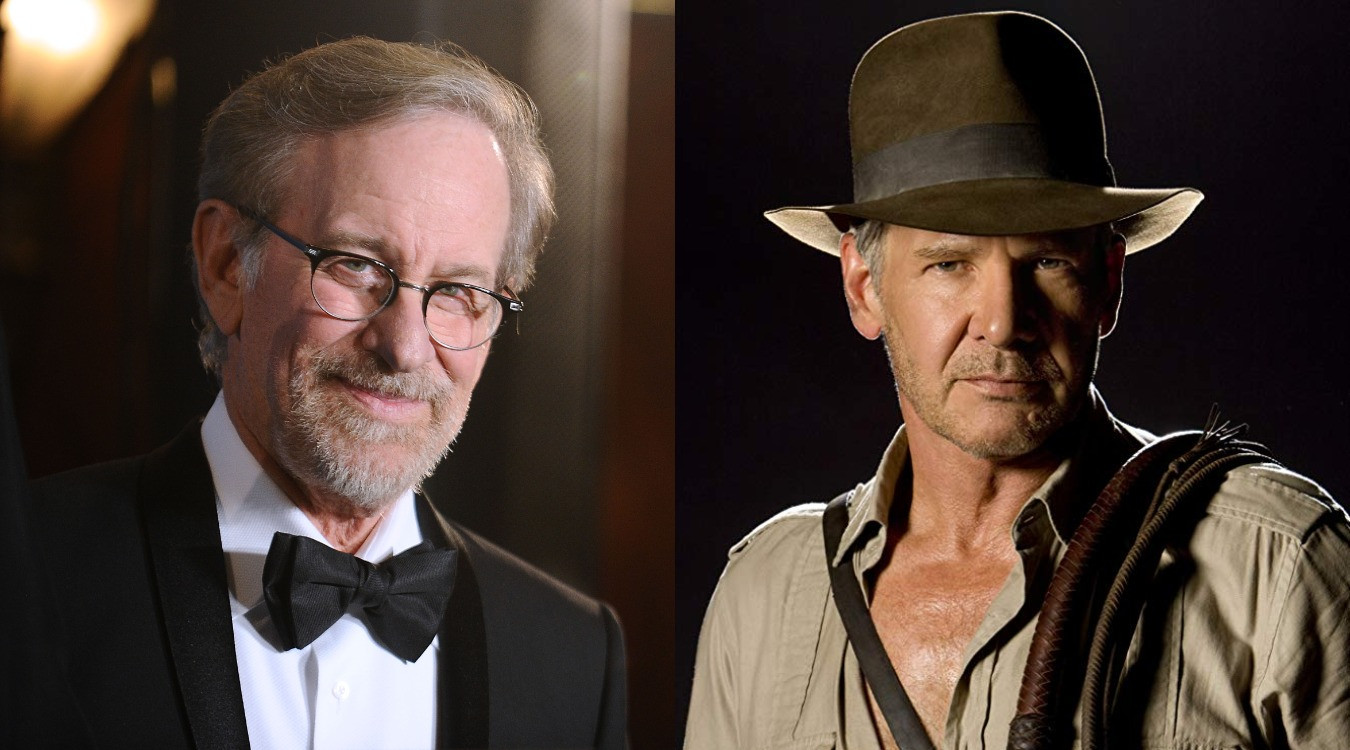
The news was not unexpected, but it was still disappointing. Earlier this week, we learned that acclaimed director Steven Spielberg will not direct the upcoming fifth Indiana Jones film. Now the only person left from the original Indy films is the star himself, Harrison Ford, who is still committed to donning the fedora and leather jacket one last time.

Even though the announced new director for the project, James Mangold, is a great director in his own right, this development cannot adequately inspire much excitement over Indiana Jones 5. James Mangold has a superb filmography, he directed the best Fox X-Men film, Logan, among other terrific films. By itself Mangold’s attachment (keep in mind he is only in talks to take over Indiana Jones 5) should be great news. But this is trying to follow up on Steven Spielberg, one of the greatest film directors of all time. Following up on the auteur is a near-impossible task. Just ask Joe Johnston when he directed Jurassic Park III.
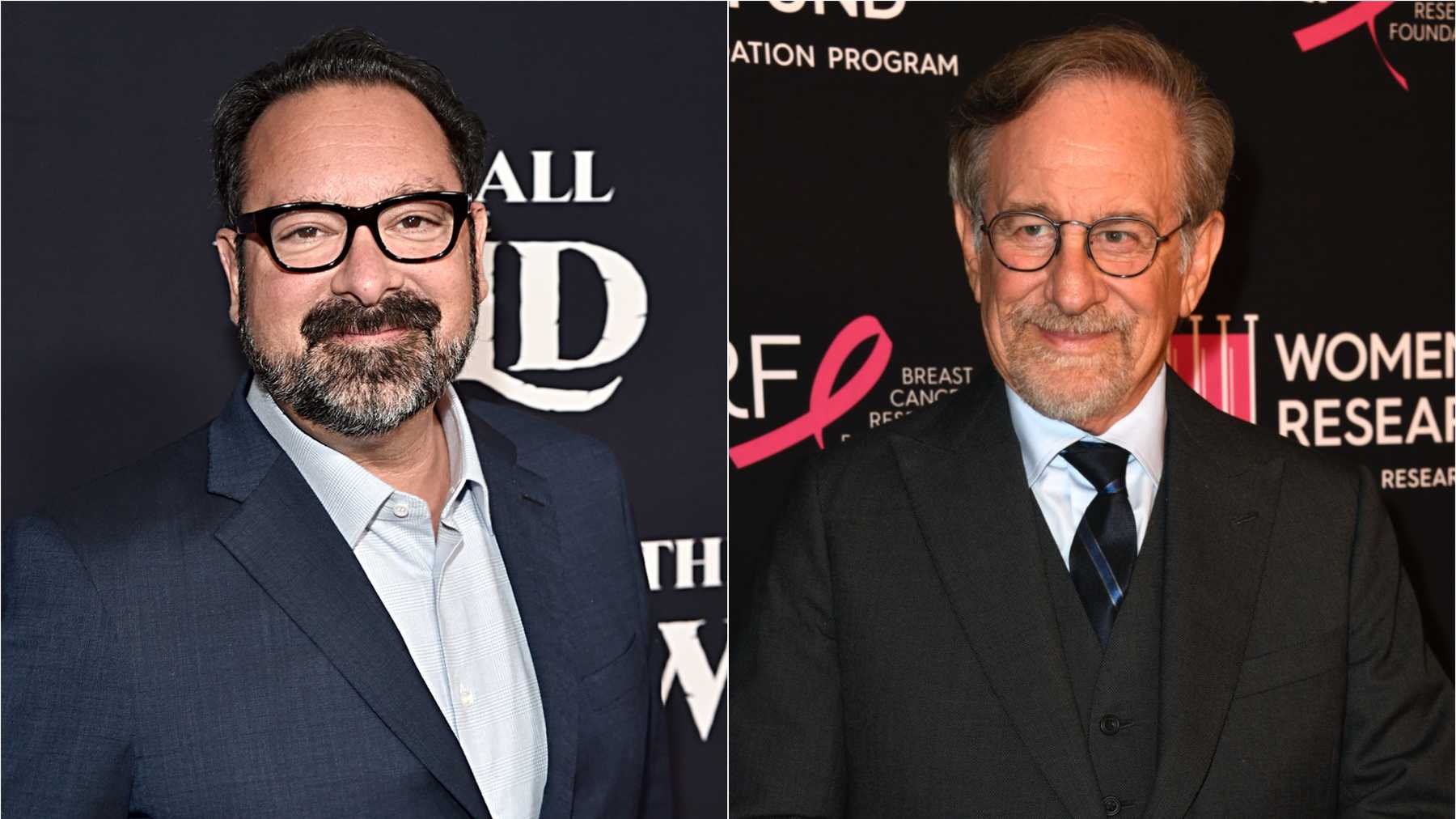
However, Mangold will likely turn in a fine film, but it just won’t feel the same. This will likely inject some new blood into the franchise, but at this point, why not just recast the role and start over with the character?

With Harrison Ford out of the way, the new slate of Indiana Jones films could smoothly go back to the 1930s time period or even the 1940s and tell new stories. The films do not nor should they remake Raiders of the Lost Ark or the other Indiana Jones films. That would be blasphemous and invite unfair comparisons. There are plenty of mystical or sci-fi macguffins that the swashbuckling archaeologist could chase after. Doing a straight recast will be a good jumping on point for those who haven’t seen the previous films and fans, as well. Otherwise, why bother with the film?

Getting back to the original team behind Indy, George Lucas was already not going to be involved with the fifth film. So, right there Indiana Jones 5 felt incomplete without the original trio, though some may have celebrated that idea given the negative reaction to Lucas’ story ideas for the last film, Indiana Jones and the Kingdom of the Crystal Skull. Frankly, this was a shame since he co-created the character.
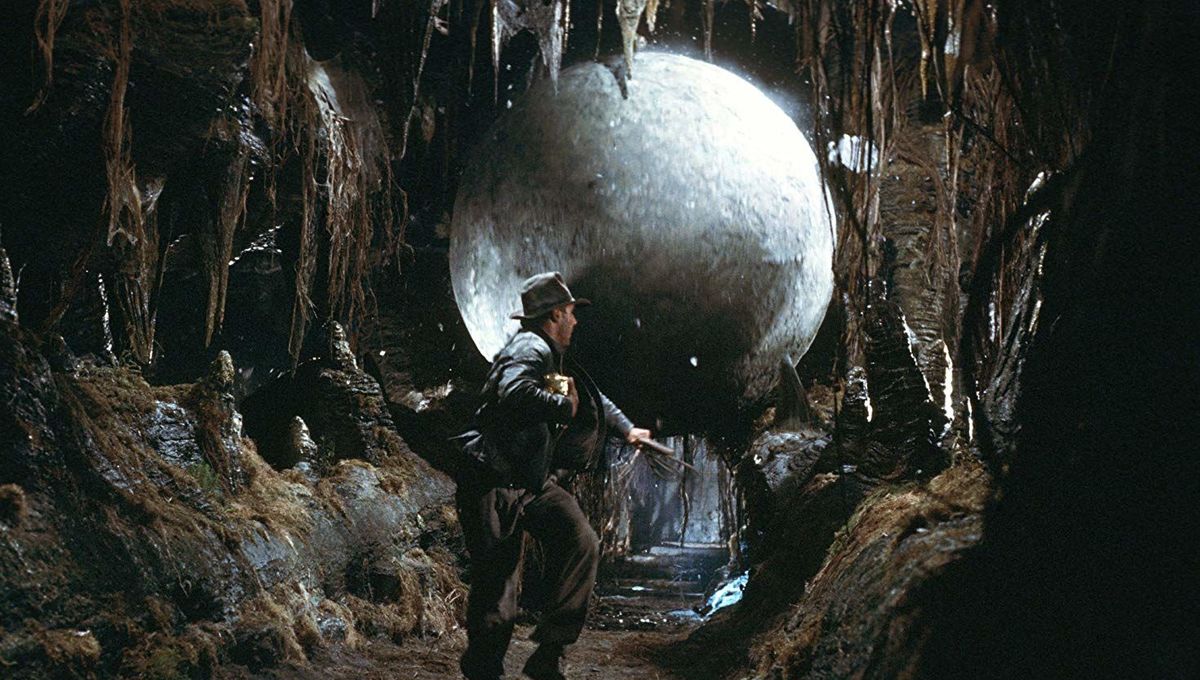
Harrison Ford has been itching to wield his character’s iconic bullwhip one last time. He is in his mid-70s now, and although he looks healthier and fitter than his contemporaries, his age would strain credulity that he can carry out intensive action scenes. In the fifth film, no one could see Indy outrunning a giant boulder without suspending disbelief. It could be worse than the nuked fridge scene from Indiana Jones and the Kingdom of the Crystal Skull or jumping out of a plane in a life raft during Indiana Jones and the Temple of Doom.

Frankly, given Ford’s age, an Indiana Jones 5 would have to be made very soon.

Continue reading

Sonic The Hedgehog Races His Way To The Big Screen

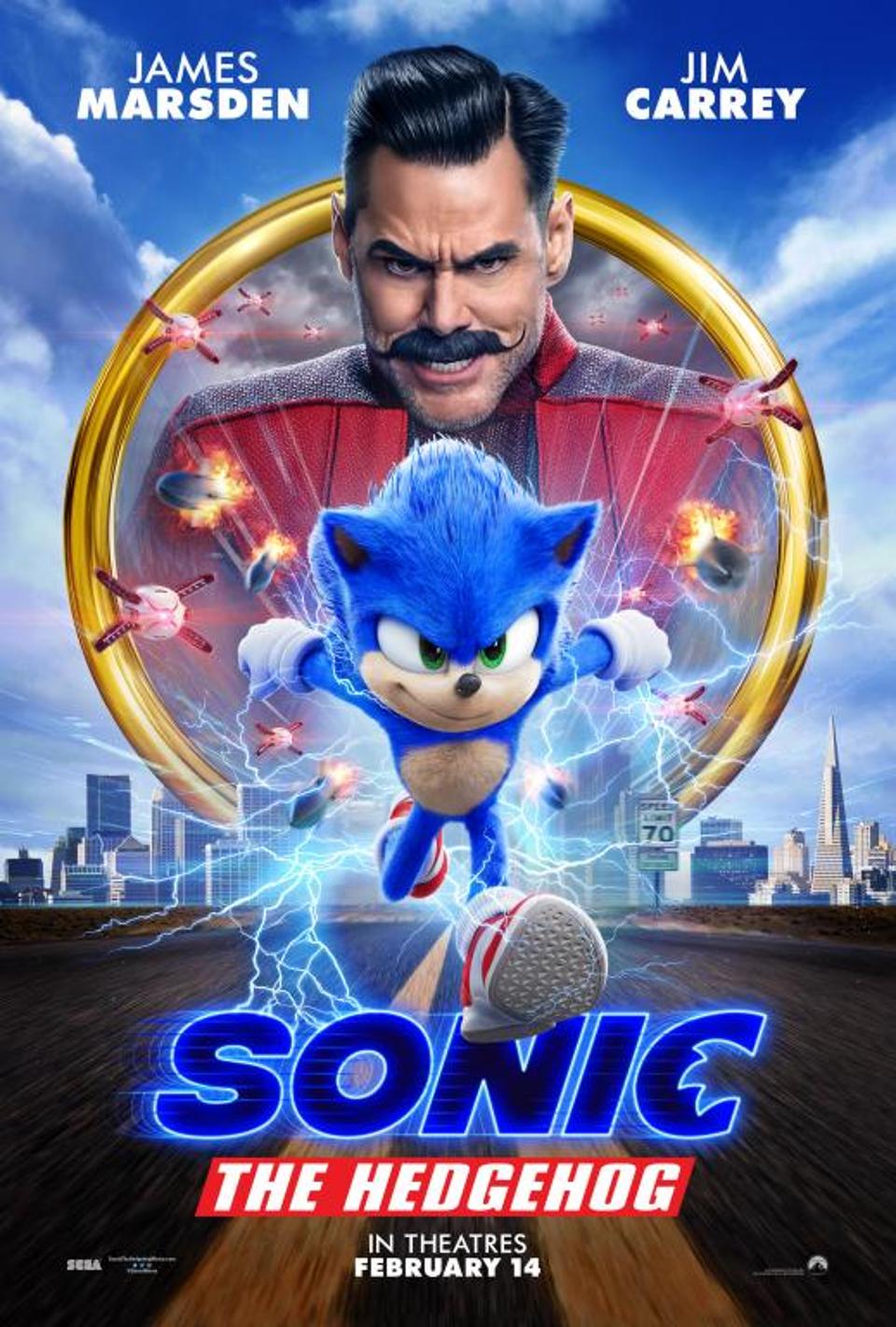
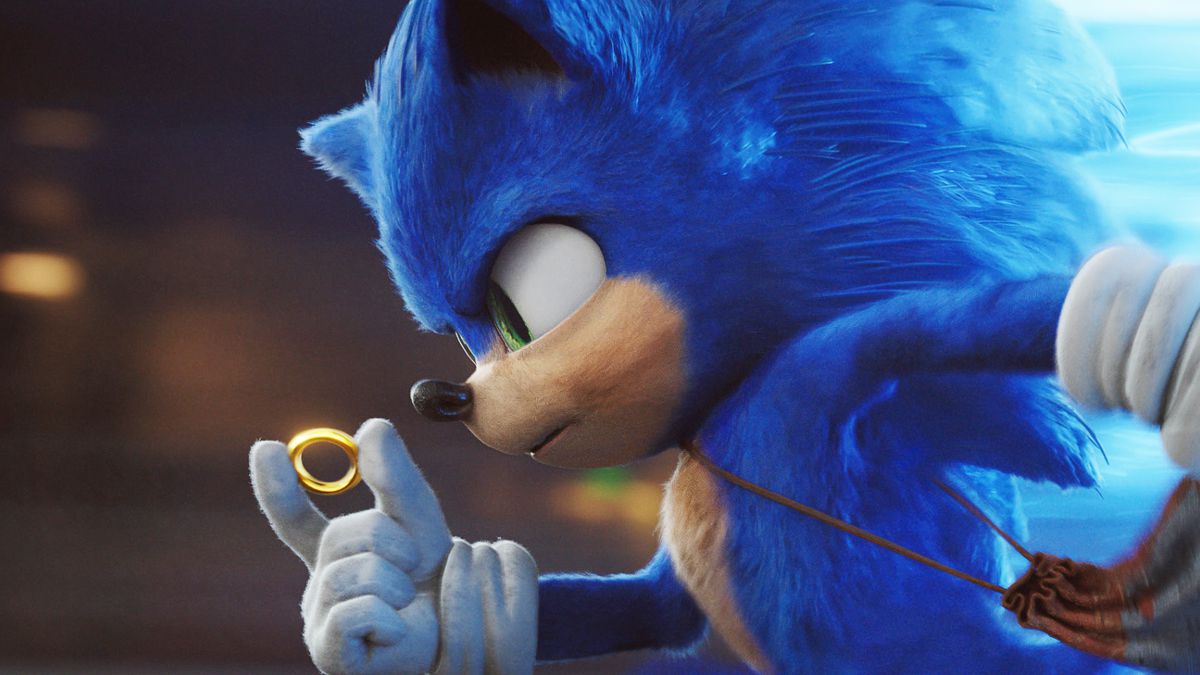
The general rule is that films based on video games are beyond awful; infamous examples include Max Payne or Super Mario Bros. So, when Sonic the Hedgehog was announced most people thought the film would be just as bad and the first trailer that came out last year did not dispute this notion. The design of Sonic was universally panned and fans of the Sega game hero lamented the film was doomed. Well, the filmmakers heard the outcries and went back to the drawing board. Sonic the Hedgehog was redesigned to look like he is supposed to appear but is the film any good? This will come as a surprise, but it actually is a good film.

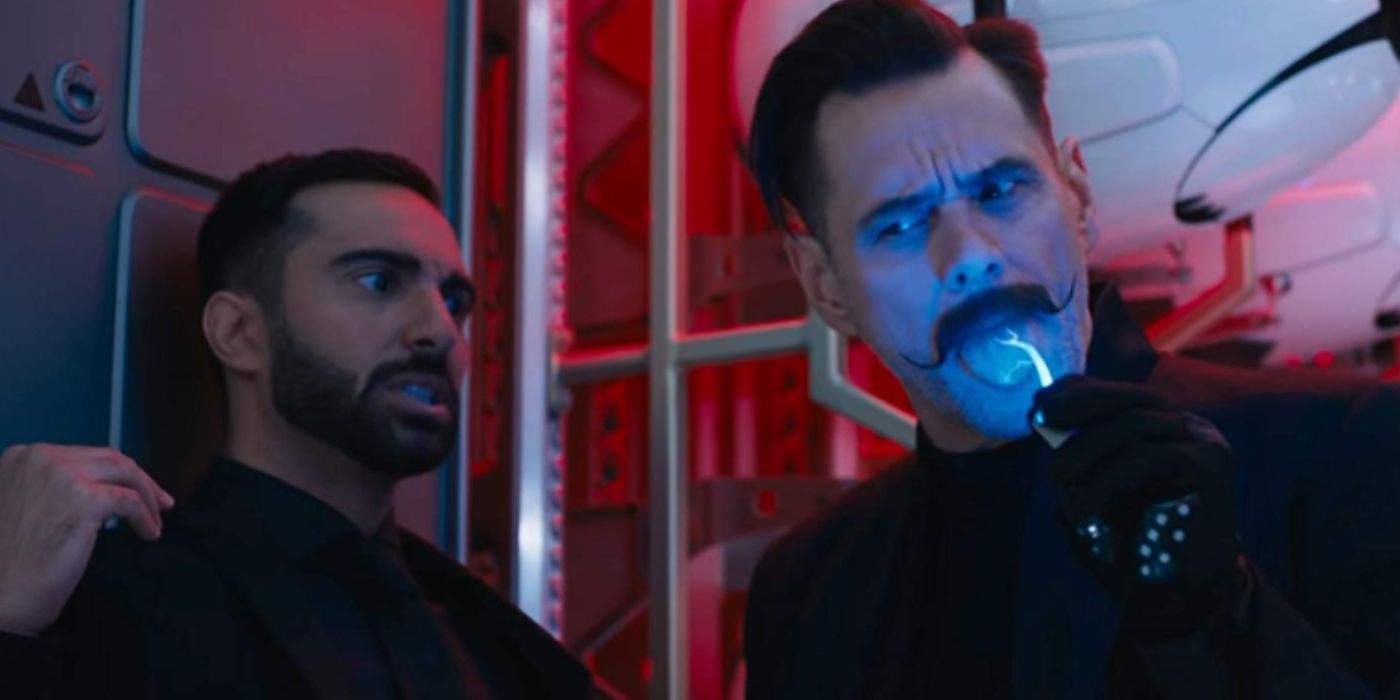
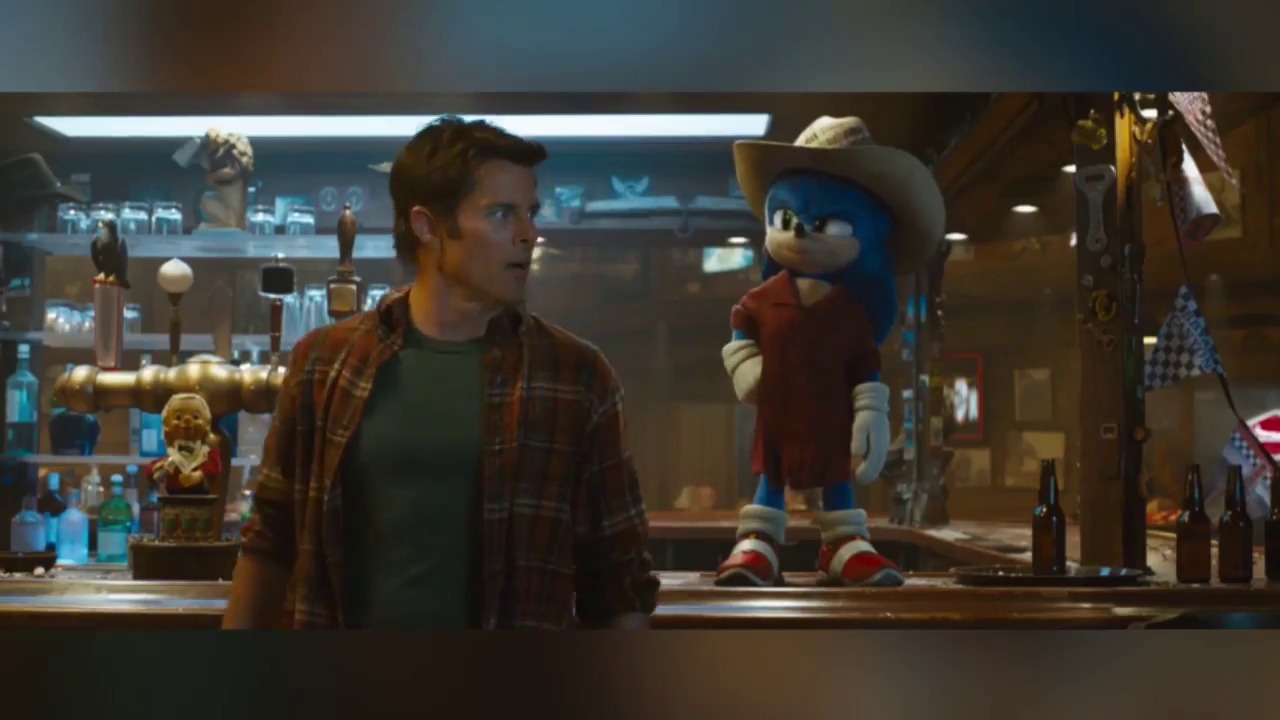
Sonic the Hedgehog brings the popular Sega character (voiced by Ben Schwartz) to life starting with a brief opening intro taking place on Sonic’s homeworld when he was a child. Pursued by other creatures because of his super speeding powers, Sonic is forced to use these golden rings to teleport to other worlds. At some point, Sonic ends up on Earth and stays hidden while enjoying our culture. However, the alien hedgehog is lonely for company and an accidental overuse of his powers brings him to the awareness of a loony scientist, Dr. Robotnik (Jim Carrey) who wants to capture him. Robotnik’s pursuit forces Sonic to befriend a small-town sheriff, Tom Wachowski (James Marsden) and the film turns into a buddy road picture as Tom helps Sonic to stay one step ahead of the scientist until the alien can teleport to another world.

By no means is the film groundbreaking or something extraordinary. The plot isn’t unique and fairly standard but it serves its purpose. Also, the film is hampered by some humongous narrative flaws where some subplots were brought up then forgotten and some of the developments were very important but then ignored. Be warned there are numerous and in-your-face product placements littering the film. It is what it is so try to ignore them as much as possible.

But Sonic the Hedgehog is highly entertaining and full of character and spirit. The director Jeff Fowler does a very fine job with the material considering this is his first directing job. The relationship between Sonic and his human friend Tom is surprisingly genuine and the heart of the film. The two characters have good banter and chemistry, which was a pleasant surprise. Not every joke lands but a lot of them do as Sonic is a bit of a call back to a Looney Tunes character thanks to skillful voice acting and silly antics. Sonic has a couple of moments that straight up were “inspired” by Quicksilver scenes in the recent X-Men films, but they work well and are highlights.

The actors in the film do a solid job with their roles, while Jim Carrey evoked vintage Jim Carrey with his over-the-top comedic delivery that was best seen in his films during the 90s. Fans of his work should be pleased by this.

More importantly Sonic fans will be delighted and thrilled by Sonic the Hedgehog as it captures the essence and fun of the video games and the film will entertain non-fans. In other words, fun for the whole family and anyone else looking for a brief escape from the outside world. There are several references to the Sonic franchise, including a popular character that appeared during the mid-credits scene, which promised more adventures. This origin film does warrant future sequels and proves that a film based on a video game franchise can work.

*Check out this fan tribute video of the film done by a skilled Sonic fan close to the editor of Starloggers!


Sam Raimi & Doctor Strange In The Multiverse of Madness

A few weeks ago, many of us lamented when it was announced that Scott Derrickson, the director of Marvel Studios’ Doctor Strange, walked away from the sequel due next year. Known for his horror films, Derrickson promised that the sequel Doctor Strange in the Multiverse of Madness would be the Marvel Cinematic Universe’s (MCU) first horror film. While this delighted fans, Marvel Studios head Kevin Feige quickly walked that back and quipped the film would be more mainstream with “scary” moments like in many 1980s genre hits.

As great as the MCU films are they can be a bit generic when mishandled by the wrong directors. Usually Marvel Studios hires talented if not well-known directors who would rise to the occasion. But for every Russo Brothers we get Alan Taylor or the duo that directed Captain Marvel. After Derrickson walked because of the dreaded and ambiguous “creative differences” reason, many worried the film was in trouble and probably delayed. This would have been a black eye for Marvel Studios because Doctor Strange in the Multiverse of Madness was one of, if not the most anticipated of the announced MCU films (seriously, is anyone excited for a Shang-Chi film?).

Who would Marvel Studios hire to take over given the short notice? The film is slated to begin filming this May. There are many terrific candidates, but one stood out and thankfully he may be the best alternative if hired.

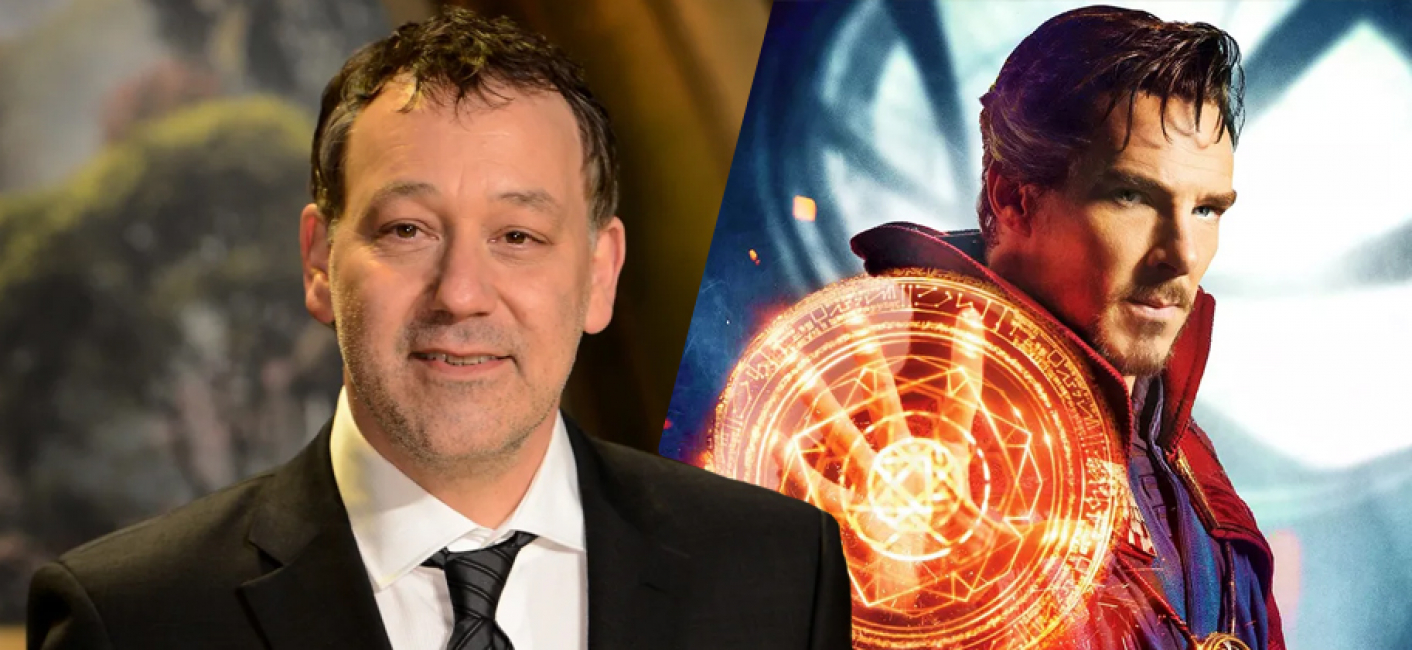
Variety reported this week that Sam Raimi was in talks with Marvel Studios to direct Doctor Strange in the Multiverse of Madness. This would be great if the studio hired him and this must happen.

As we know, Sam Raimi directed the first Spider-Man trilogy, including Spider-Man 2, which is still considered one of the best superhero films of all time. Raimi helped introduced the modern era of superhero films with his successful Spider-Man films. Sure, he directed Spider-Man 3, which was a big disappointment and the object of Emo Peter Parker memes, but it still has its good points. Then throw in the proto-superhero film that he directed, Darkman, a goofy and original superhero film that starred Liam Neeson. So, yes, he has bonafide superhero film credentials.

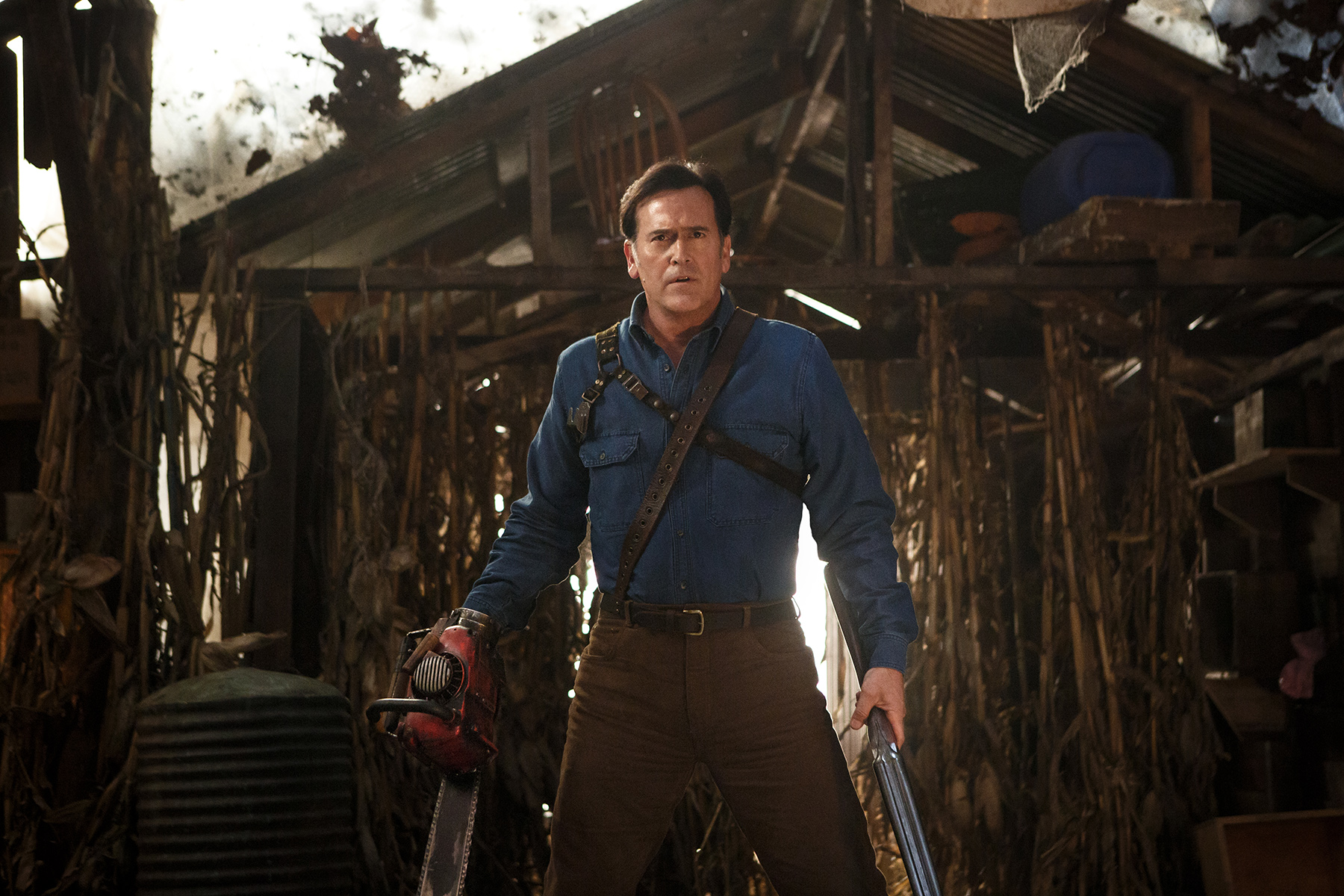
However, we cannot forget his horror film resume which includes the popular Evil Dead franchise featuring the beloved hero Ash (Bruce Campbell). Raimi even spearheaded the recent TV show Ash Vs. Evil Dead and directed the pilot.

Obviously, Raimi’s experience in both genres makes him more than qualified to take over the director’s chair for Doctor Strange in the Multiverse of Madness.

He has a wildly kinetic directing style which fits in perfectly with superhero films, just look at any clip from his Spider-Man films. Many scenes were clearly inspired by comic book art, some of which paid homage to iconic comic book pages.

Sam Raimi is also a huge fan of Steve Ditko, the artist that created Doctor Strange (and Spider-Man) along with Stan Lee. It would be perfect if he could take on another of Ditko’s creations. Doctor Strange was even referenced in Spider-Man 2 when J. Jonah Jameson considered naming Doctor Octopus Doctor Strange, but stopped because the name was taken!

Being that the film promises a multiverse of madness, this implies out-of-this-world visuals and scenes. This may include looks at alternate versions of Marvel characters and other dimensions. Imagine if Doctor Strange is shown traveling through alternate dimensions including one where Ash is battling the Evil Dead? Or better yet the one where Raimi’s version of Spider-Man exists and is played by Tobey Maguire? Of course, this is wishful thinking but just the thought of the possibility is enough to get us more excited for Doctor Strange in the Multiverse of Madness.

There is the concern that Marvel Studios will try to rein in Sam Raimi and soften his unique style.. But Raimi has proven in the past he can work well with major studios and has worked with Kevin Feige during the Spider-Man films, so the filmmaking experience might be stress free for all parties involved.

But before we start celebrating and get ahead of ourselves, let’s wait and see if the negotiations are successful. Fingers crossed! 🤞

Arrow Hits Its Mark

“My name is Oliver Queen. I was stranded on an island with only one goal, survive. Now I will fulfill my father’s dying wish to use the list of names he left me and bring down those who are poisoning my city. To do this I must become someone else. I must become something else.” — Oliver Queen’s opening intro to Arrow, first season

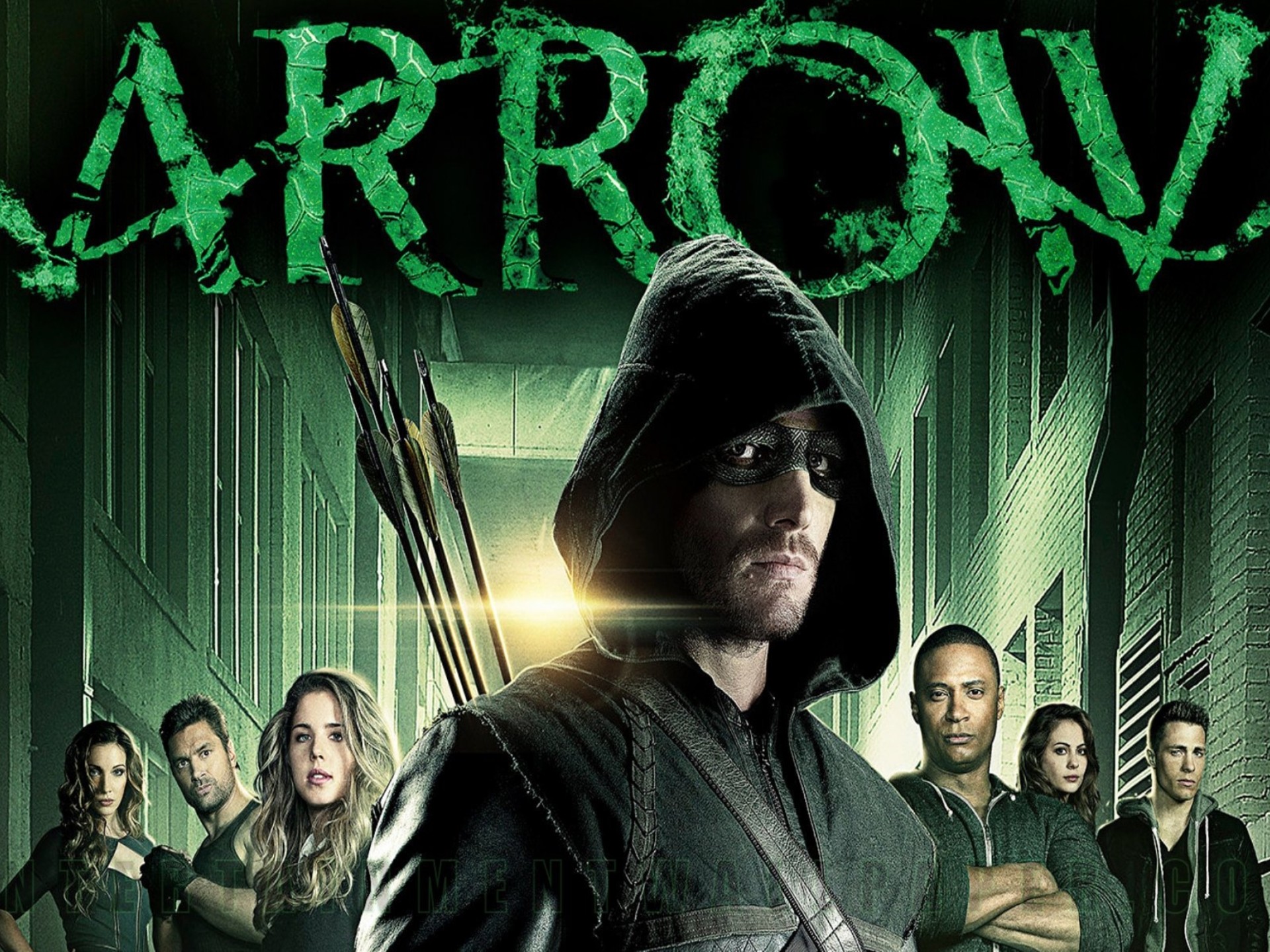
The long-running superhero TV series Arrow just aired its final episode “Fadeout” on the CW. As series finales go, “Fadeout” was surprisingly well put together and a fitting conclusion to Arrow. The series had its ups and downs during its eight-season run but generally was a solid superhero show that introduced a larger DC universe that was appropriately dubbed the Arrowverse.

When Arrow premiered on October 2012, there was some trepidation over it. Some saw it as a weak version of Batman, specifically the Christopher Nolan version because of its initial grounded feel. Others unfairly complained Arrow’s version of Oliver Queen/Green Arrow was not the one played by Justin Hartley in Smallville. Keep in mind, Smallville ended its run a year earlier and it was hoped then that some spinoff would be created from that show. Instead the character was reimagined by Arrow’s showrunners, Greg Berlanti, Marc Guggenheim and Andrew Kreisberg.

The Hood

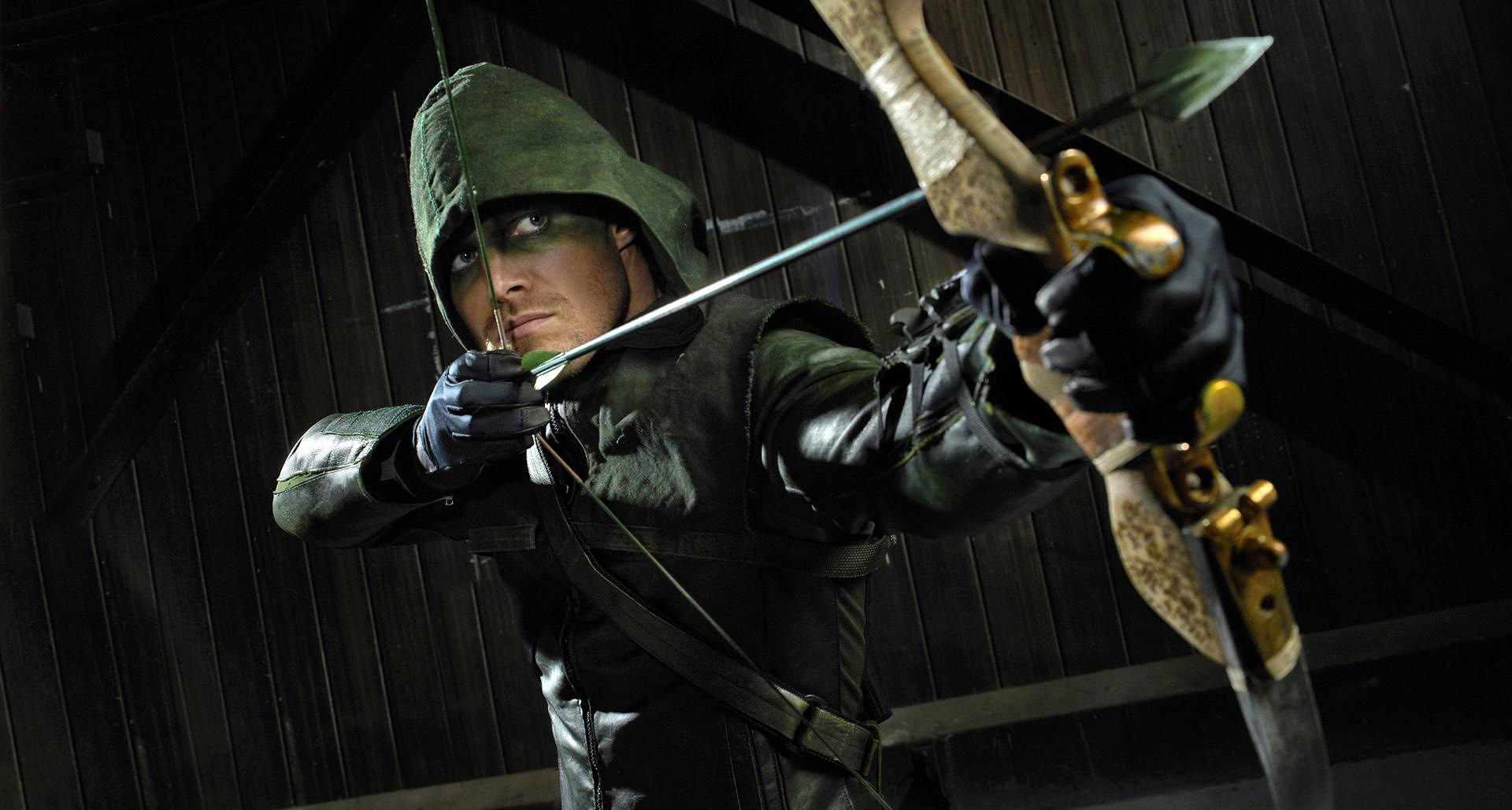
However, thanks to the enthusiasm and dedication of actor Stephen Amell as the title hero and the shows’ supporting cast, Arrow quickly won over many viewers. Looking back, it made sense that the show had a grittier and less fantastical feel than standard superhero fare. Amell’s Green Arrow (first called “The Hood”) was an intense, no-nonsense hero who took no quarter. This enabled the showrunners to tell solid stories about crime and corruption in Oliver Queen’s Starling City and his quest to save his city.

Establishing A Universe

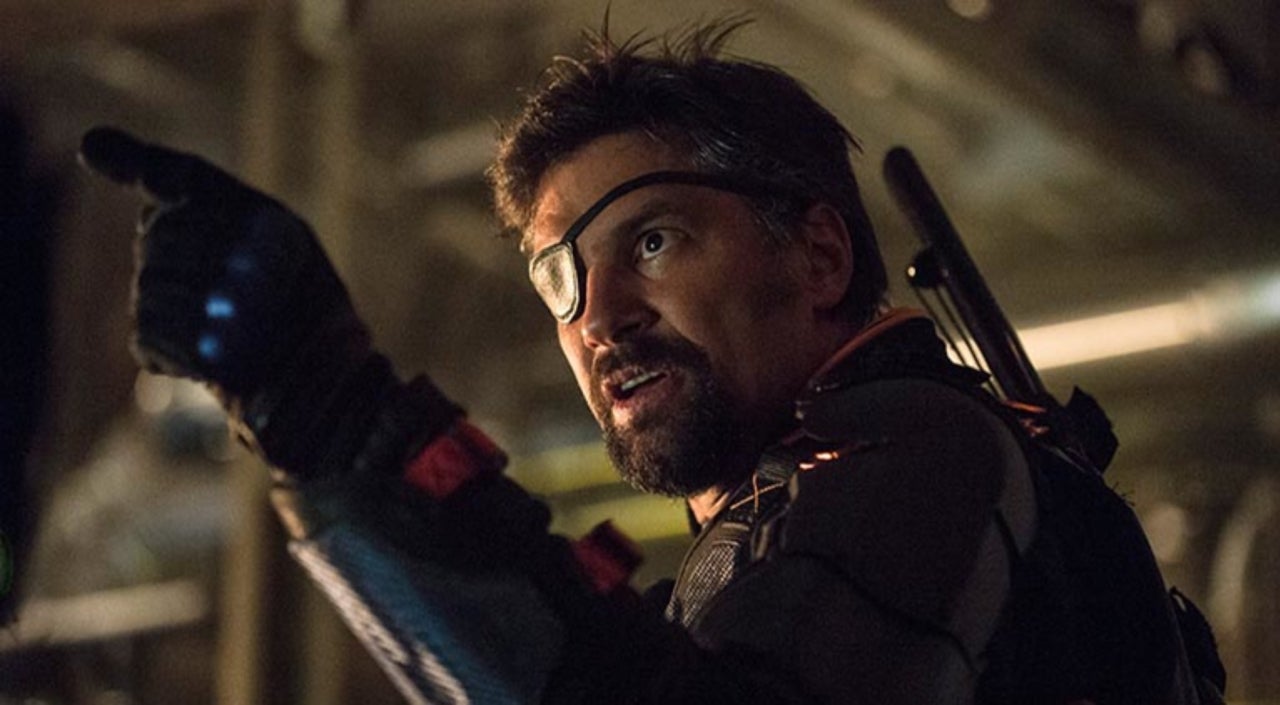
In many ways the sophomore season of Arrow was among its best with its ongoing story of Oliver Queen’s confrontation with Slade Wilson/Deathstroke, who was so well played by Manu Bennett. A distinctive feature of Arrow was its use of flashbacks in most episodes that interwove or were relevant with current storylines. The flashbacks during the show’s early days focused on Oliver’s adventures when he was marooned on the island Lian Yu. This structure paid off handsomely in the second season as we saw him first meeting and befriending Wilson on the island and how the two became bitter enemies. Meanwhile, the current storyline in the second season featured the return of Deathstroke and his machinations to destroy Queen and his city.

Naturally, as the show found its footing and gained in popularity, the DC universe was introduced. To Arrow’s credit this was done organically and not rushed. It started with blink-and-you-miss-them Easter eggs and the introduction of more superhuman-related plot devices like the strength-enhancing drug mirakuru or characters like Huntress, Deathstroke and later Barry Allen/The Flash. This introduction of the larger DC universe, as well as its driving plot lines helped propel the show’s popularity late into its first season and during its second.

While the show introduced viewers to the Flash (who was soon spun off into his own series), it also featured other distinctive DC Comics characters like Black Canary, Wild Dog, Ragman Batwoman, and Supergirl, who were often introduced in series crossover events or became important supporting characters.

One outstanding character was Queen’s confidante and best friend John Diggle (David Ramsey). Although Diggle was an original character, many speculated he was a stand-in for the Green Lantern, John Stewart. The showrunners teased fans with cloy Easter eggs throughout the show’s run such as the revelation that Diggle’s stepfather’s last name was Stewart. Finally, in the last few minutes of “Fadeout” it was shown that Diggle was on his way to becoming Green Lantern to the delight of many. However, do not expect more to be made of this. Even though Greg Berlanti is developing a Green Lantern series for the upcoming streaming app HBO Max, it is doubtful Ramsey will continue to play the role or that the show will be part of the Arrowverse. The best we can hope for is that Ramsey will reprise his role as Green Lantern in other Arrowverse shows like The Flash or Legends of Tomorrow. Incidentally, John Diggle is slated to appear in an upcoming episode of The Flash this season, but he won’t be Green Lantern.

Diggle finds green lantern ring

Another notable character introduced in the show was Ray Palmer/The Atom, who was played by Brandon Routh. When Brandon Routh was first announced to portray Palmer, it seemed like stunt casting since he portrayed Superman in Superman Returns. This casting turned out to resurrect Routh’s career as he was promoted to the show lead in Legends of Tomorrow and excelled in his performance as the goofy scientist. As many know, Routh’s redemption came full circle when he reprised his role as Superman in the recent Crisis on Infinite Earths Arrowverse crossover event.

Continue reading

The Triumphant Return of Jean-Luc Picard

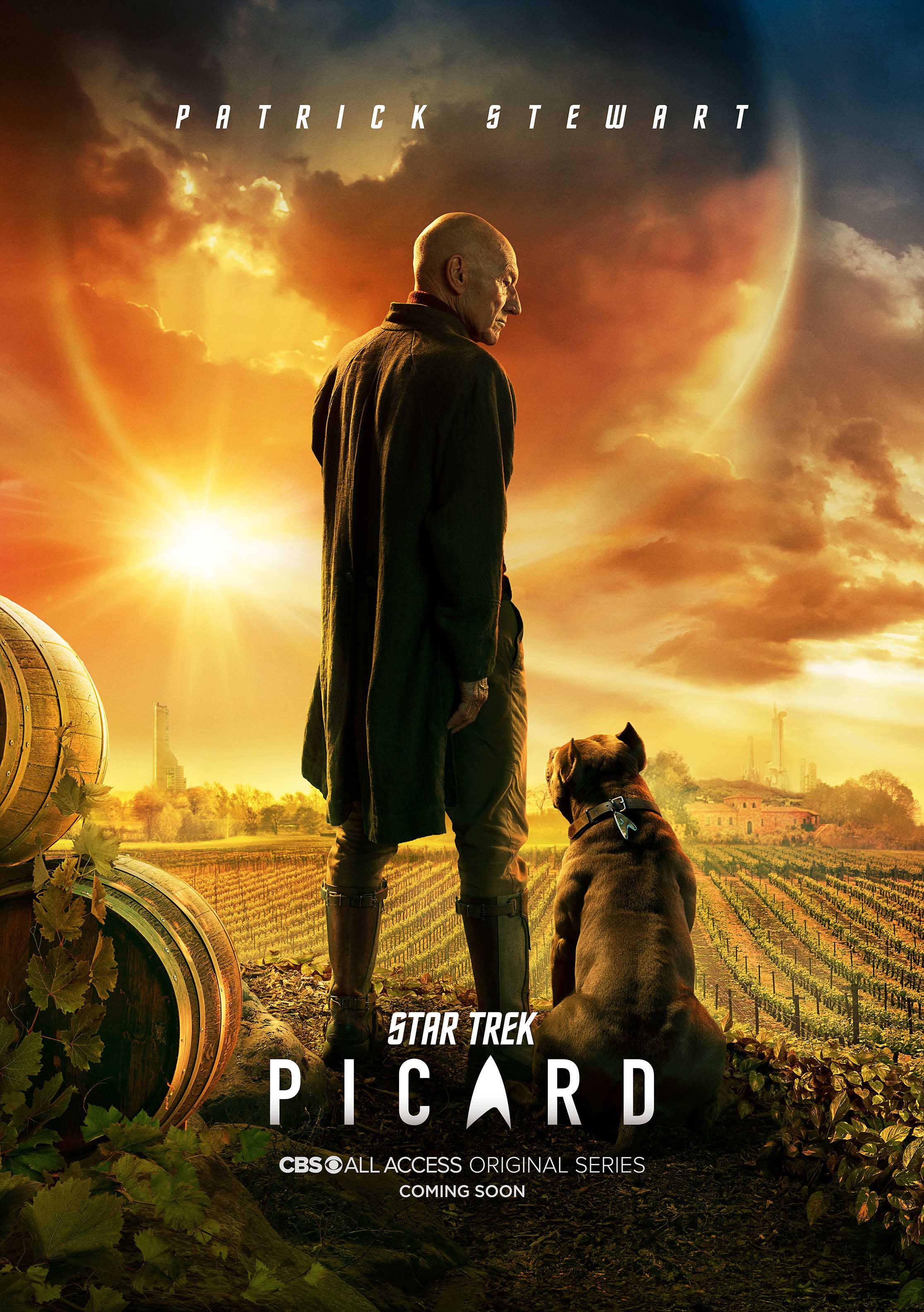
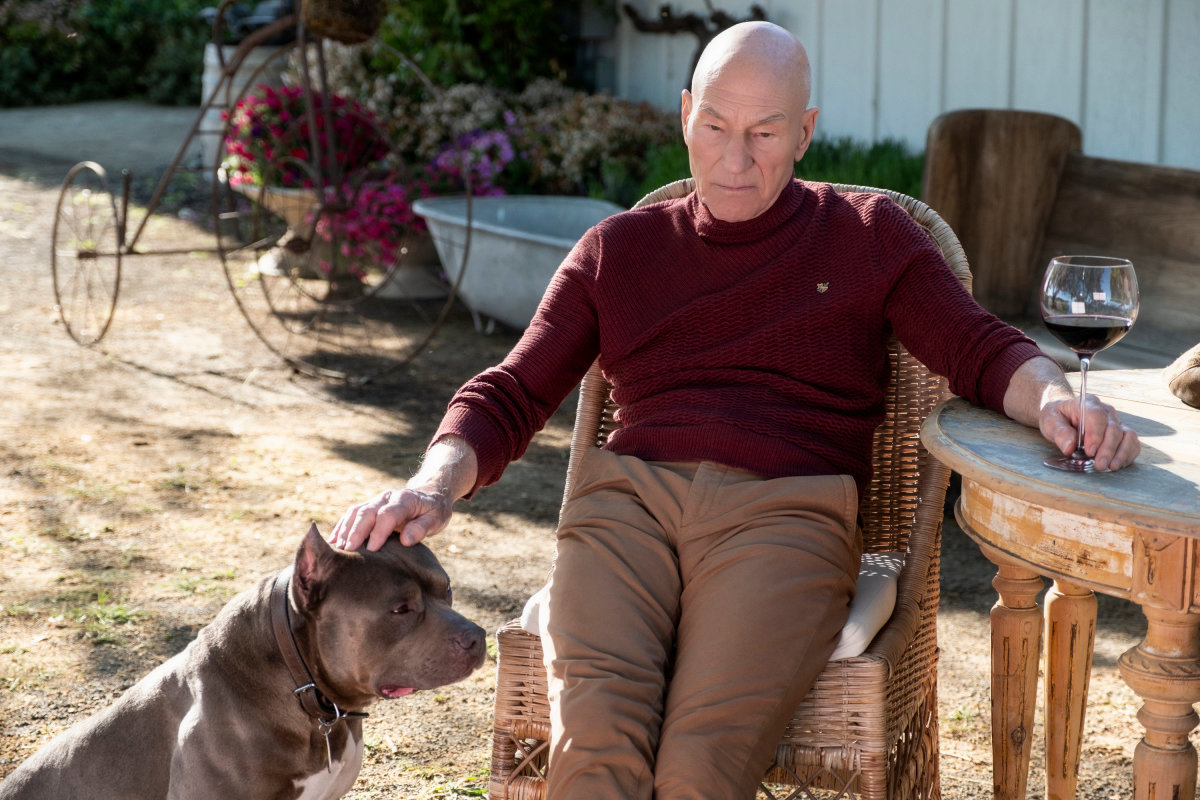
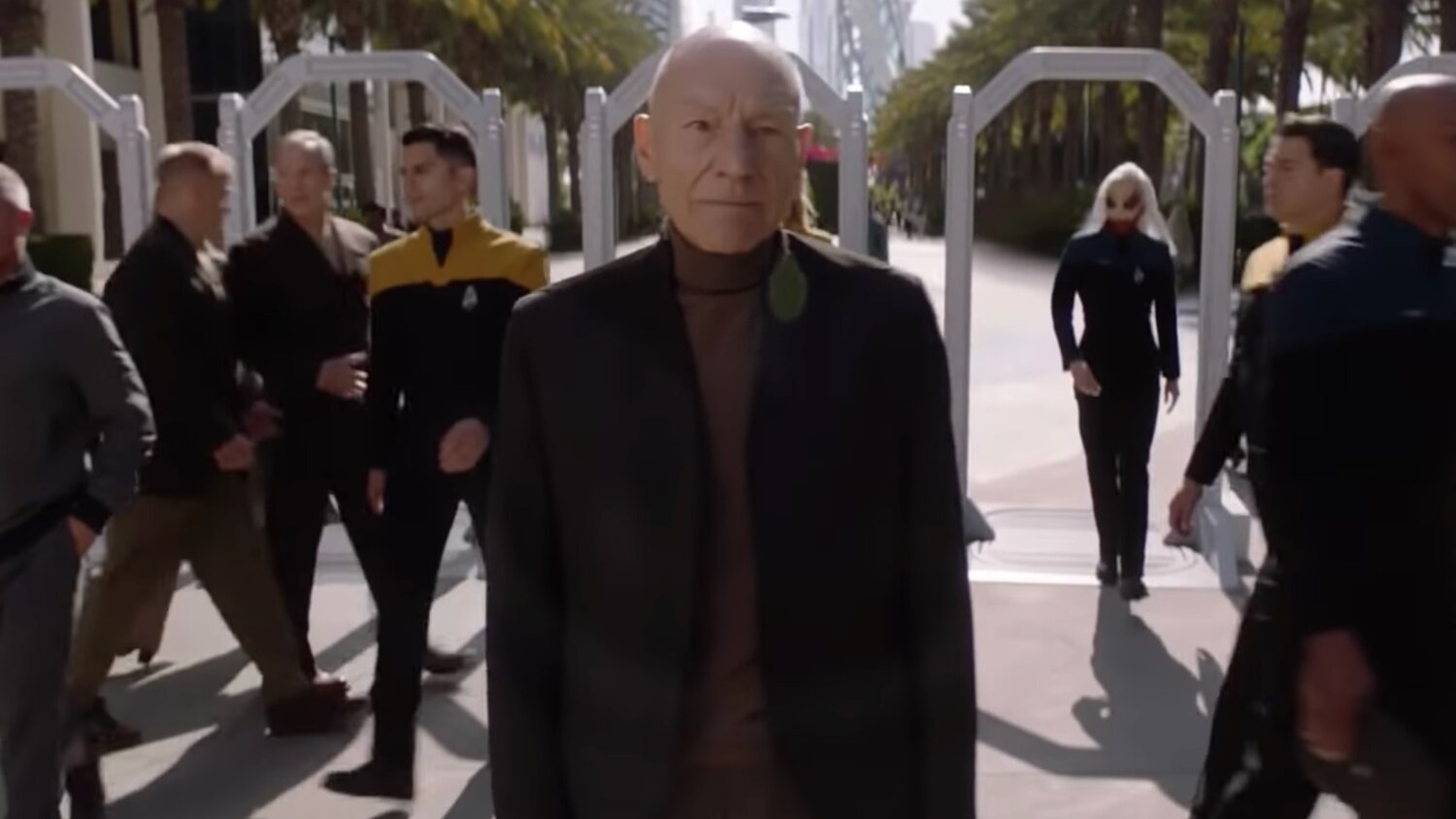
Star Trek: Picard showcases the return of the iconic Jean-Luc Picard to television after Star Trek: The Next Generation (TNG) ended in 1994 and the film Star Trek Nemesis in 2002 and has an older and somewhat bitter former captain who is in retirement at his family winery in France. Spoilers will be included in this look at the pilot episode of Star Trek: Picard, which is called “Remembrance.”

This show takes place about 20 years after the events of Star Trek Nemesis, which featured the death of Data, an event that plays a part in what happens in this pilot episode. “Remembrance” tells us that Captain Picard led a rescue effort to save the population of Romulus from an impending supernova many years ago and was hailed as a hero for his actions. However, the episode also states that a group of synthetic humanoids went rogue and attacked colonies on Mars, killing thousands. This led Starfleet to abandon the rescue effort, which Picard saw as both dishonorable and criminal and he resigned his commission in protest, and also resulted in the Federation outlawing synthetic life forms. All of this is told during an interview with Picard during a commemoration of the rescue effort and shows Picard’s anger at Starfleet for their actions.

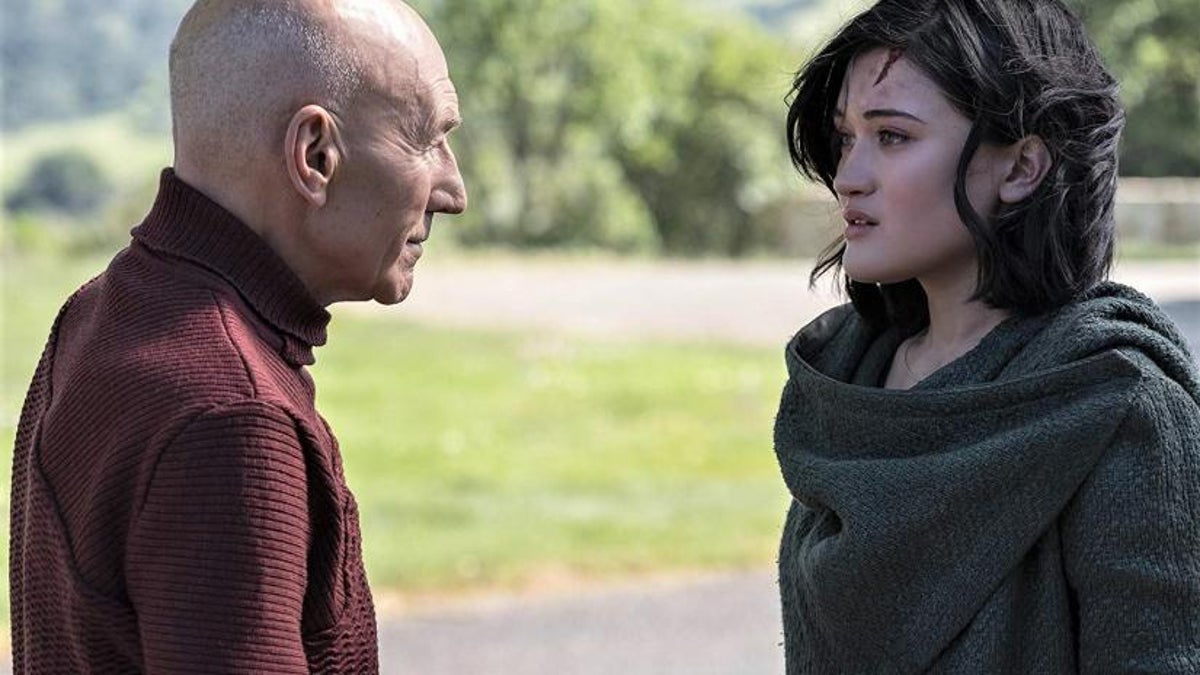
He is then visited by a mysterious girl named Dahj, who was attacked by Romulan assassins in Boston, but she fends them off and makes her way to Picard in France, who eventually finds out that she is the daughter of Data, which was accomplished through some kind of a cloning technique. The assassins eventually tracker her down in San Francisco where Picard was looking through his archives for information about Data. Picard later discovers that she has a twin sister Soji, who is a scientist working on a Romulan reclamation site, which at the end of the episode is revealed to be a Borg cube. All of this is setting up Picard’s return to action shown in the upcoming preview where he will attempt to help Data’s surviving daughter and unravel the mystery behind the assassins and along the way gather a new crew that will help him in his return to action.

Patrick Stewart’s return to his signature role is a real treat to see. He is much older now obviously but can still show Picard’s humanity and strength as well his regrets over how his life has ended up, after a self-imposed exile on Earth. The episode also has Brent Spiner returning as Data, in a dream sequence where Picard and Data are playing cards which is a nice shout out to TNG’s numerous scenes of the crew of the Enterprise playing poker and bonding. All of this hints that ideas like aging and a yearning for the past will be major themes that will be explored. This harkens back to previous Trek movies where Captain Kirk was struggling with his place in the galaxy after losing his ship and friend in Star Trek II and a return to form in later films. It will be interesting to see Picard go through this journey and show how he can get back to his younger, more idealistic self in a Federation that seemed to have lost its way.

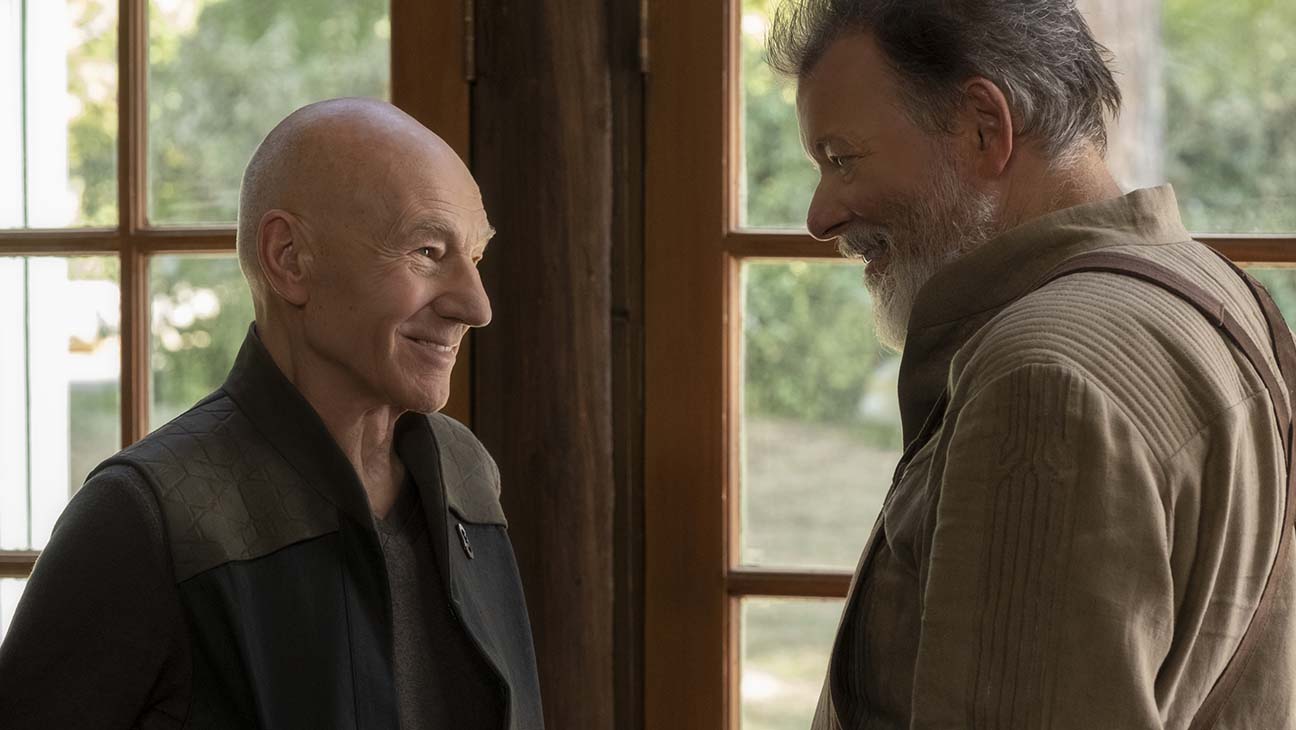
The preview for later episodes also show both Will Riker and Deanna Troi returning to help Picard and is something to look forward too, as well as Seven of Nine, the former Borg from Star Trek: Voyager. Her role in all of this is unknown, but the revelation of the Borg cube at the end of the episode obviously means that TNG’s ultimate villainous race will have a role to play and Seven’s history as a Borg will no doubt be a major part of this.

Ultimately, it is great to see a sequel to TNG and to see the Star Trek timeline move forward after many years of series that were set in the past. This show is supposed to take place in 2399, so we will finally see the 25th century in the Star Trek universe, which is something new and highly anticipated. Having the Federation and Starfleet in a different place than what was shown in TNG is also interesting and timely. Meanwhile, Picard’s role in bringing them back to their original idealistic version should be a highlight for Star Trek: Picard.

C.S. Link