Daredevil Dead Again & Other MCU TV Shows Blues

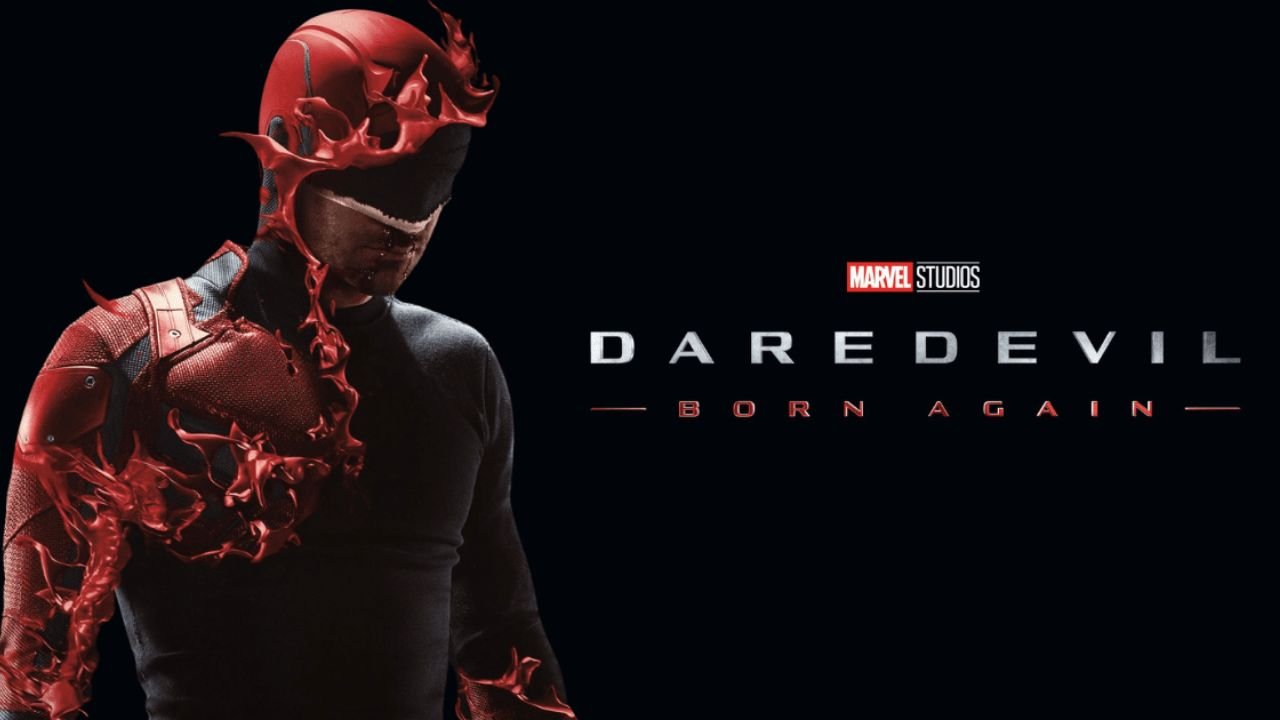
Things just seem to be going from bad to worse for the Disney+ Marvel Cinematic Universe (MCU) TV shows. For the most part, some of the recent MCU TV shows have been poorly received by fans and critics who griped about the inconsistent tone of the episodes, half-finished scripts and poor special effects. The MCU TV shows hit their lowest point with Secret Invasion, which should have been a lot better but instead turned out to be the worst MCU presentations. There have been a lot of reports and rumors about how Marvel Studios head Kevin Feige is going out of his way to right the ship with the MCU. This has led to substantial delays and cancellation of projects. But the news last week that the upcoming Daredevil: Born Again has been essentially scrapped created a lot of concern for fans.

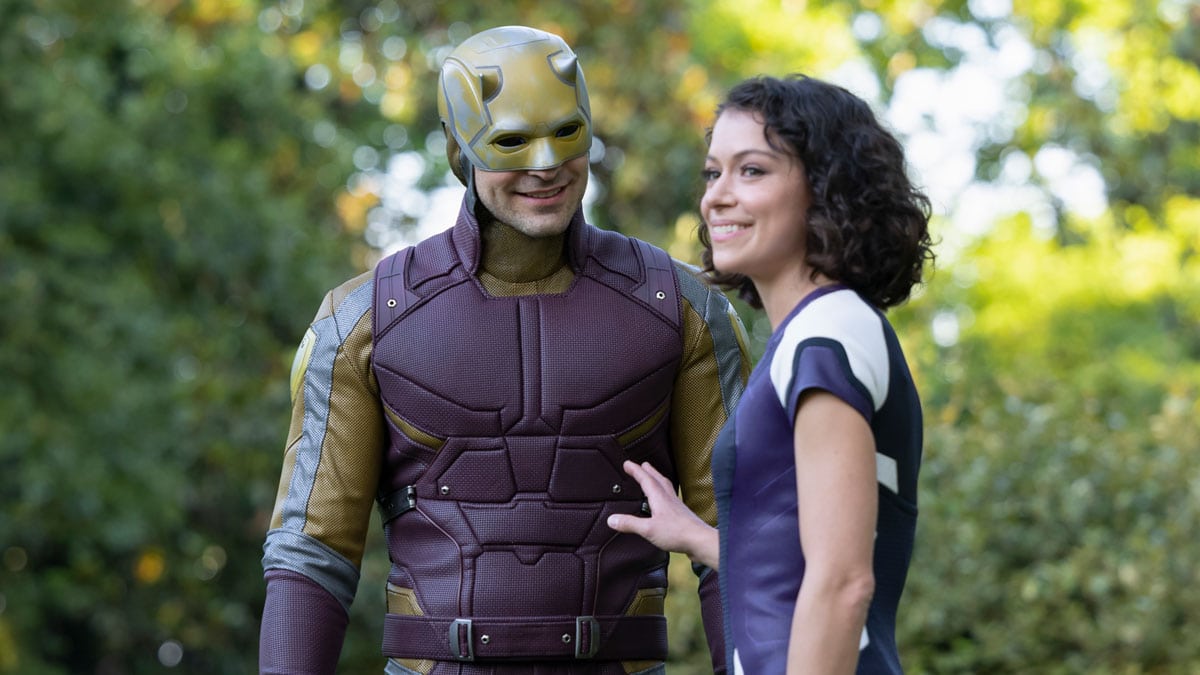
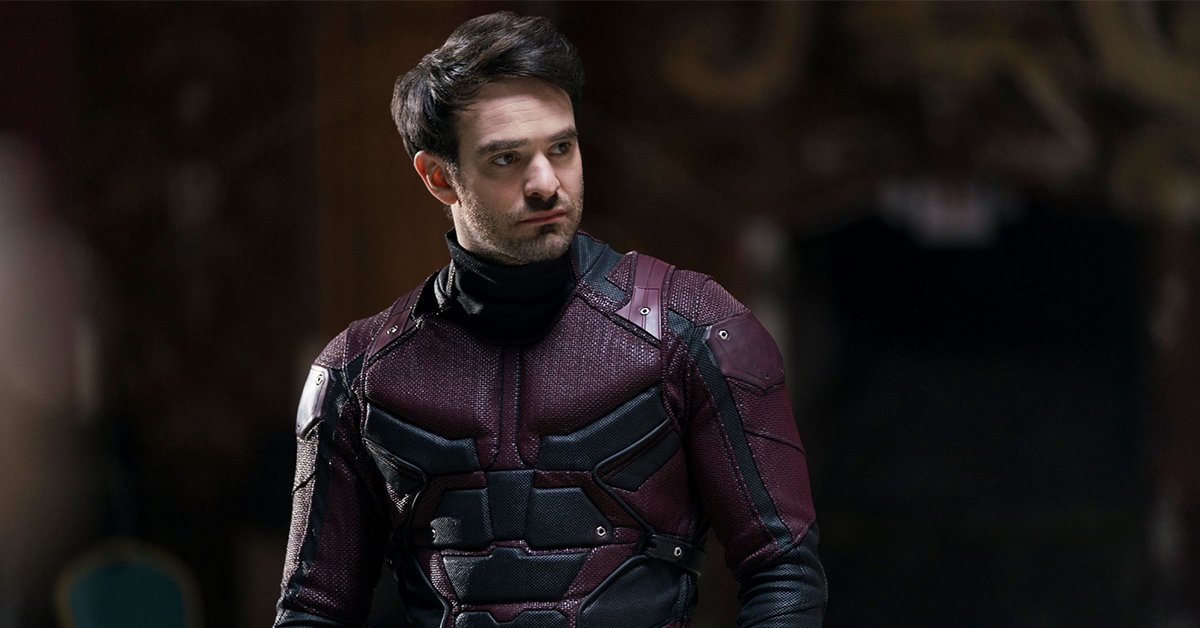
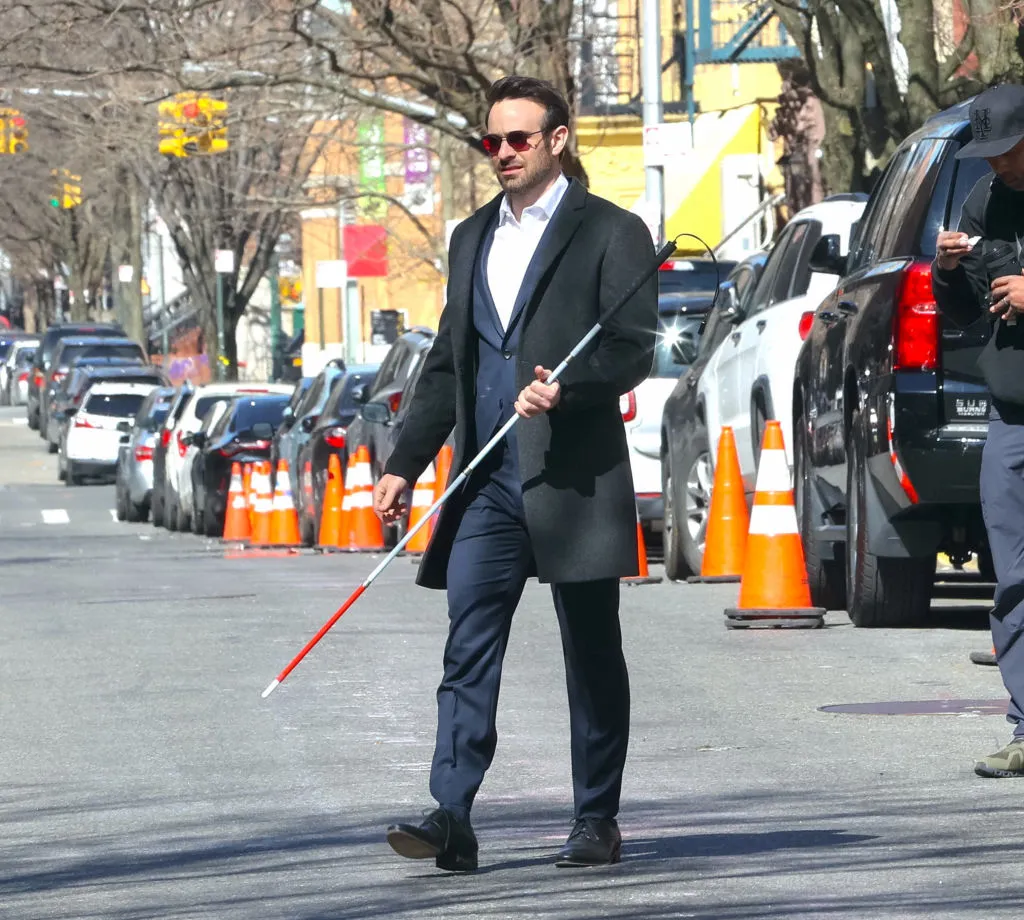
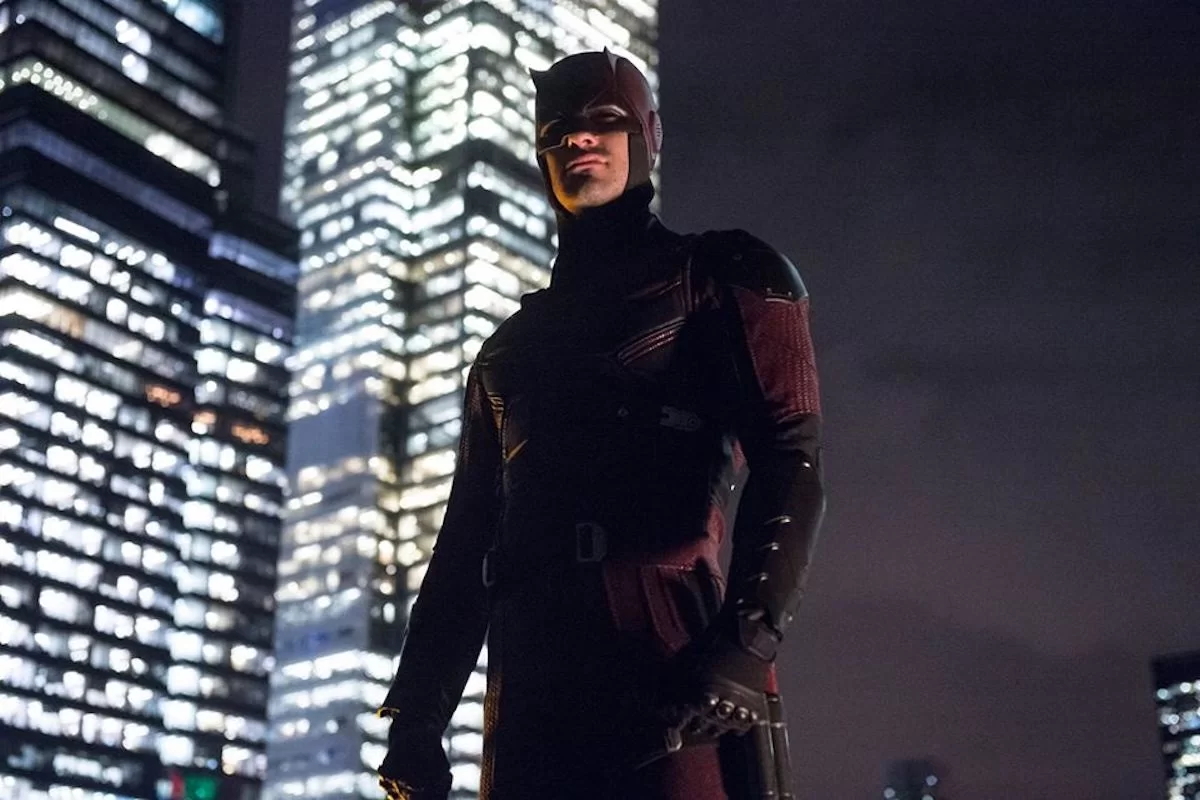
Daredevil: Born Again has been one of the most anticipated MCU projects since it brought back Charlie Cox as the title character. He won so much acclaim for his performance as Matt Murdock/Daredevil in the Netflix TV series Daredevil, which was about a blind superhero with enhanced senses fighting crime in Manhattan. That series ran for three seasons and was considered to be among the greatest superhero TV shows based on a Marvel Comics charater. Fans wondered if the TV show would ever be revived and saw reason to hope when Cox reprised his role in the film Spider-Man: No Way Home and the TV show She-Hulk: Attorney at Law. Naturally, many were excited when Kevin Feige announced that a new Daredevil TV show was being produced by Marvel Studios.

Not a lot was known about Daredevil: Born Again other than aside from Cox, Vincent D’Onofrio would reprise his role as Wilson Fisk/The Kingpin, the brutal crime lord that rules New York’s criminal society. Supposedly, the overall plot had to do with the consequences of Fisk being elected as the mayor of New York. But there were some aspects about the show that put off fans, namely that Elden Henson and Deborah Ann Woll would not return to play their beloved characters Foggy Nelson and Karen Page. In fact, there have been leaks that both characters were killed off in Daredevil: Born Again. Also, there seemed to be an effort by the executives to not associate it with the Netflix series. This did not make sense since Daredevil was so revered and it was only logical to continue that show instead of doing a reboot given that the same lead actor was returning.

Production came to a halt with the TV show due to the writer and actors strikes, which has crippled film and TV productions this year. At the onset of the strike only a few episodes had been completed and it was supposed to have an eighteen-episode run.

Marvel Studios has been having issues with the quality of many of their projects, especially the TV shows, and this resulted in diminishing returns. As we all know, Marvel Studios and Kevin Feige had been stretched very thin by mandates by Disney to produce more product and there are only so many resources and time available to consistently produce quality products. This is how we got poorly received films and TV shows like Secret Invasion, Eternals and Ant-Man and the Wasp: Quantumania. Naturally, this has forced Marvel Studios to take a hard look at their current and upcoming projects and honestly assess them.

This assessment and the realization that the market was being flooded with too many films and TV shows have led to delayed releases for their projects. In some cases, projects have either been scrapped or will undergo significant revisions. Unfortunately, this included Daredevil: Born Again.

According to a report in The Hollywood Reporter, Kevin Feige reviewed what had been filmed with the new Daredevil TV show and admitted that it was not working. It was turning out to be a procedural lawyer show that de-emphasized Daredevil and Matt Murdock did not even don the Daredevil suit until the fourth episode. This has led to the dismissal of the writers and directors and the show is now back to square one.

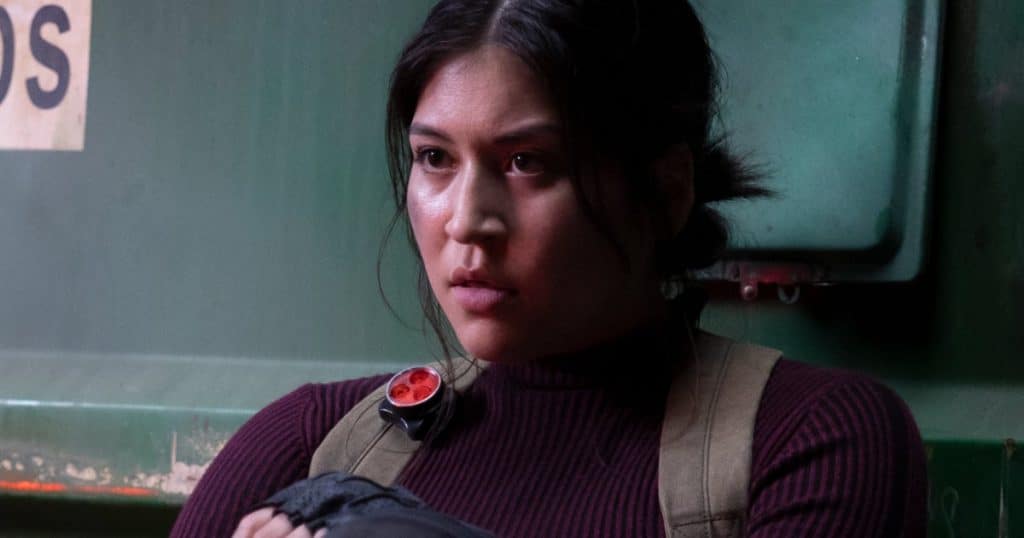
But Daredevil: born Again is not the only casualty. It has been rumored that a planned TV show, Visionquest, based on the android hero, the Vision, has been cancelled. Echo, which has been completed and feature Daredevil, keeps being delayed because it’s supposedly not well done and Marvel Studios is trying to fix it through editing. Agatha: Darkhold Diaries also seems to be a victim of constant retinkering given that the TV show based on the witch Agatha Harkness has had so many title changes. Ironheart, has been completed for some time, yet there isn’t any clear indication of when it will stream on Disney+. Rumors for upcoming MCU projects featuring Nova, Okoye and the Silver Surfer have stopped giving the impression that they also have been scrapped.

On the one hand this implosion of MCU TV shows is cause for concern given the high reputation Marvel Studios has with fans and most critics (excepting snobs like Martin Scorsese). Some panicking fans will use this situation to declare that superhero fatigue is upon us. But that is not necessarily so. The reason for diminishing returns in metrics and box office returns is due to diminished and inferior product that is not up to par with past MCU projects. If a film or TV show is great, people will seek it out, for the most part. Look at how well some recents films and TV shows performed. These include Guardians of the Galaxy, Vol. 3, WandaVision, Loki, Spider-Man: No Way Home and Werewolf By Night. Right now, Loki, which began its second season a couple of weeks ago is removing the sting of the dismal Secret Invasion. However, it’s early for the show and it could wind up becoming an uneven disappointment. Another problem for Marvel Studios is that they do not have a lot of experience creating TV shows and it can be seen with their finished products. Most of them seem like overlong films instead of TV shows that are a different medium with a distinct method of storytelling.

On the other hand, these delays, cancellations and retoolings are a sign that Kevin Feige and Marvel Studios have acknowledged that things are not working for their projects. It is far better to course correct now with Daredevil and be willing to go back to the drawing board. Otherwise, can anyone imagine what would happen if Daredevil: Born Again turns out to be another Secret Invasion? One thing Marvel Studios should do is bring back the folks who were behind Daredevil like Drew Goddard. He and the other creatives behind Daredevil knew how to handle the character and his world, and it would reassure fans. Anyway, with less projects to deal with, Marvel Studios now has more bandwidth to ensure that they create superior films and TV shows that will be up to their usual high standards. So, while we may have to wait longer to see the full return of Daredevil, we can be comforted knowing that it will be worth the wait.

Disney + Has Damaged Pixar, Star Wars & Marvel

When it was announced that the streaming app Disney + would feature exclusive content for their purchased intellectual properties Star Wars and Marvel, most fans were understandably excited. In the closing years of the 2010s both properties were riding high, especially Marvel with its Marvel Cinematic Universe (MCU). The people running Disney + promised that subscribers would have access to a vast video library of its properties and that the exclusive content would be top-of-the-line when it came to quality. At first, this seemed to be the case. At first.

Shortly after Disney + became available, the COVID-19 pandemic hit, which shut down theaters and the streaming platform became the only medium available to get new content based on Disney IP, Pixar, Star Wars and the MCU. Due to the pandemic many films were delayed and this happened with the Pixar films scheduled for release. At the same time, Disney was desperate to generate streaming traffic for Disney + and to gain subscribers, new product had to be available. The easiest solution was to take the delayed films like Soul and premiere them exclusively on Disney +.

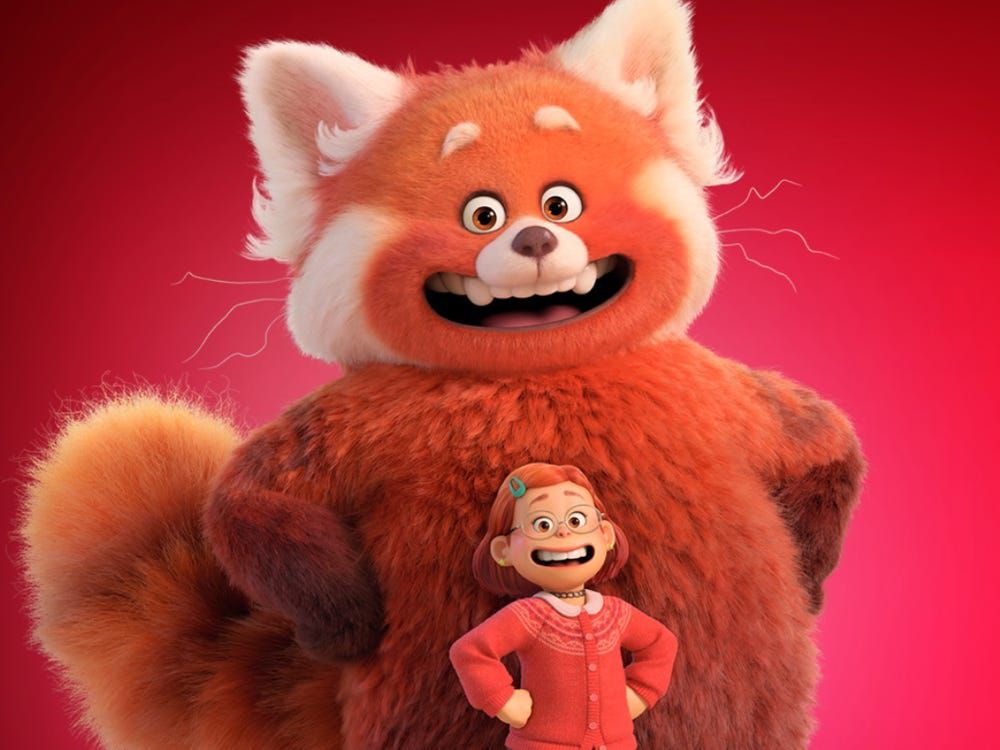
For a short while, this tactic worked, but unlike the other MCU films that were released exclusively in theaters, Disney kept debuting other Pixar films like Luca and Turning Red on the streaming app. This gave the impression that the Pixar films were inferior in quality, because people began thinking that these films were not good enough for theatrical releases. Also, when the Pixar films Lightyear and Elemental actually premiered in theaters, viewers were conditioned to wait for them to come out weeks later on Disney + and save some money. To be fair other streaming apps like HBO Max did this as well, but this tactic was abandoned soon after studios realized they were losing revenue. It took Disney some time to forego premiering some of their films on the app.

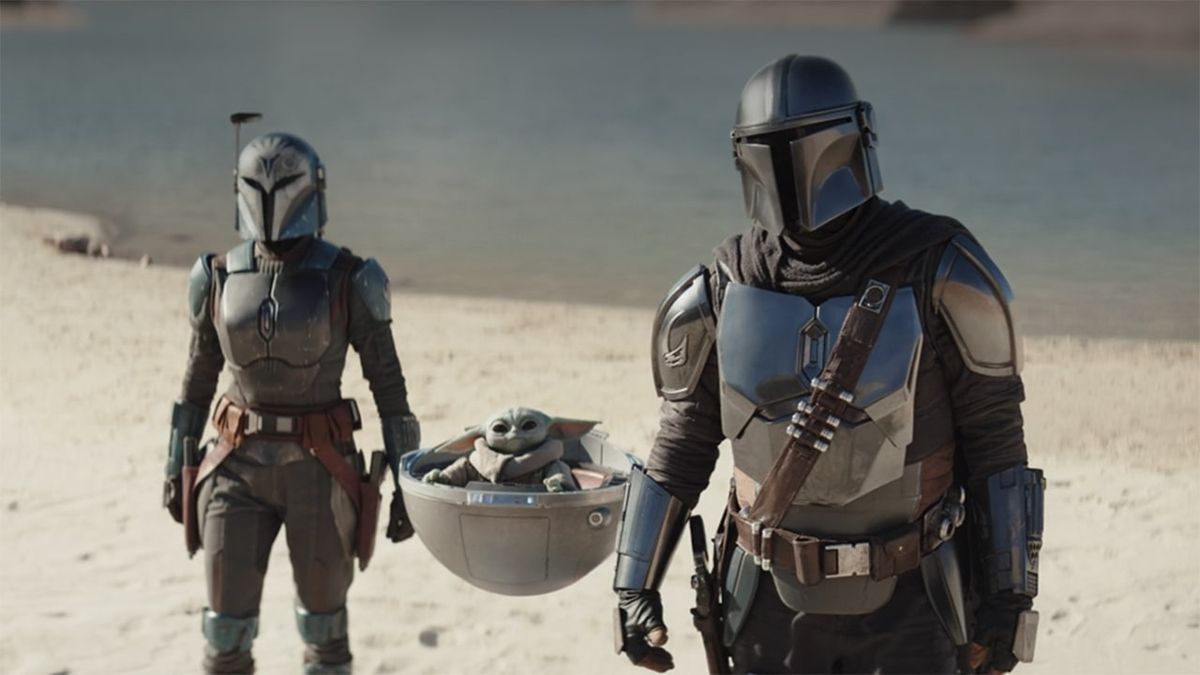
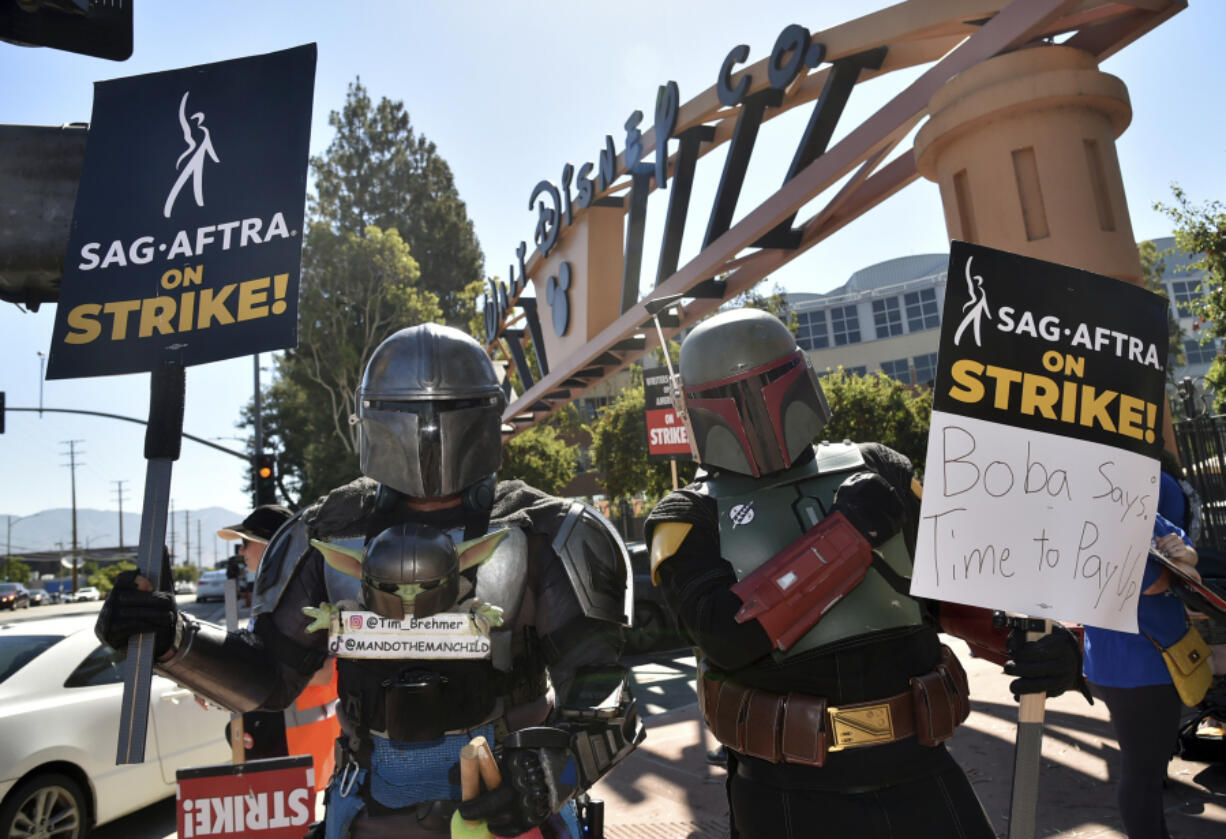
The app premiered with The Mandalorian, the hit TV show set in the Star Wars universe about a Clint Eastwoodish, intergalactic bounty hunter and his infant alien ward. The Mandalorian became a huge hit and actually helped keep the Star Wars brand alive. Actually, for a couple of years it was the only Star Wars-related property for fans to watch. Obviously, Disney had to put out more Star Wars content and last year more Star Wars-related TV shows streamed on Disney +, which included The Book of Boba Fett, Obi-Wan Kenobi, Andor, and now Ahoska. While some of the TV shows were well received and even earned Emmy nominations, the Boba Fett show was a huge misfire with its unfocused scripts. Unfortunately, these same problems bled into the third season of The Mandalorian, and Ahsoka is receiving criticisms, as well. It is clear with The Mandalorian, The Book of Boba Fett and Ahsoka that Disney wants to create a more integrated universe with a part of Star Wars history: the period of time after the fall of the Galactic Empire. Reportedly the goal is to have the TV shows lead to a film that ties all the elements together. While it is ambitious and echoes what happened with the MCU, there are problems in that the Star Wars universe is becoming too convoluted. Viewers are forced to watch other shows and even animated programs like Star Wars: Rebels to fully understand what is going on with many of the Star Wars TV shows. With interest in the Star Wars brand waning, this development could not have happened at a worst time.

The problem with the scripts for some of the Star Wars TV shows also plagued the MCU TV shows. What was worse was that the production values for many MCU TV shows was shockingly poor. The MCU, like Star Wars, got off to a promising start on Disney + with TV shows like WandaVision and The Falcon and the Winter Soldier. But the quality of the MCU TV shows soon began to falter and it became more and more obvious that budget limitations were impacting the shows. For example, with the time travel TV show Loki, even though it was well acted and written, it seemed as if there was a lot of talking instead of showing. Instead of time traveling to pivotal events in the MCU, the main characters traveled to mundane time periods.

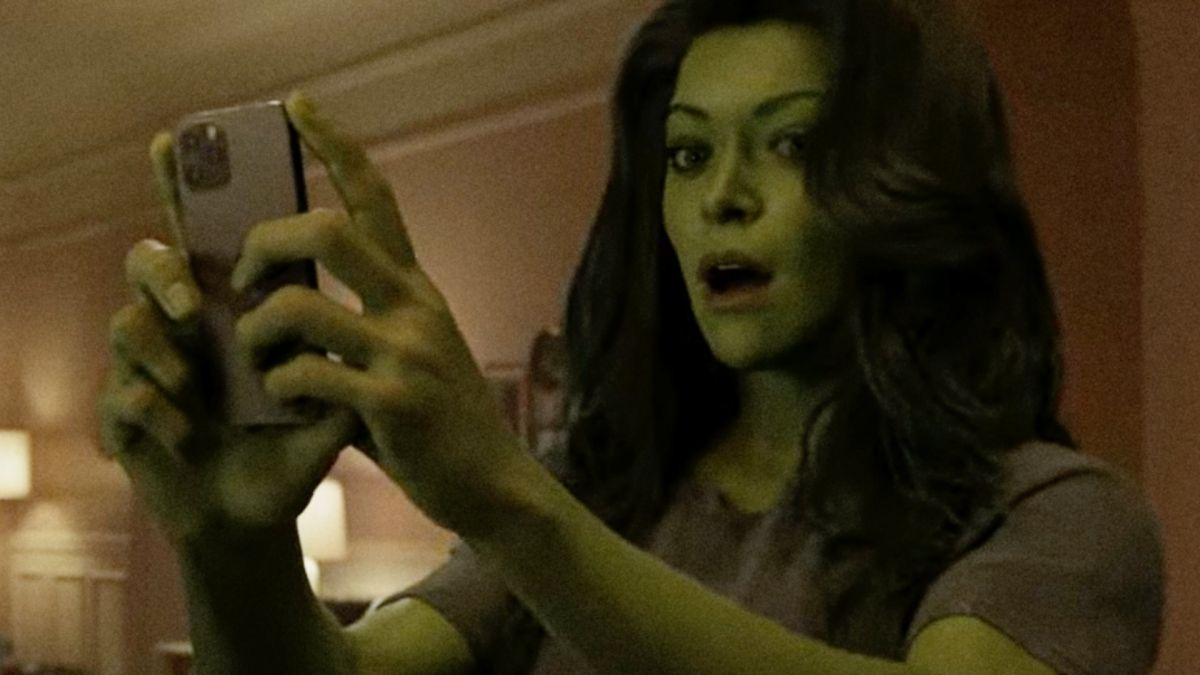
The problem with limited budgets affected some of the effects work on later TV shows. This was best seen with Ms. Marvel, She-Hulk: Attorney at Law and Secret Invasion. With She-Hulk, the limited special effects was fatal for the show because its poor, unfinished special effects left She-Hulk looking like a SIM character. The same budget limitations has severely affected Secret Invasion, which has a lot of talking scenes about world events with limited action scenes. What is even more unbelievable is that the budget for the TV show was about $200 million. Where did that money go? The budget for Secrect Invasion is not the main reason for its poor execution, it is actually due to the scripts which make the show feel small scale. This also went on with many other MCU TV shows that should have had great payoffs. This even happened with WandaVision. For the most part that show was terrific with clever scripts and acting. But the payoff at the final episode felt like a letdown with the scope of the confrontations between characters.

Disney CEO Bob Iger recently said that the market was oversaturated with Star Wars and Marvel TV shows and films, and he is correct. There was a lot of pressure for the Disney + app to have new and original content, which meant that there had to be a lot of content about two of its most popular IPs. Unfortunately, the demand stretched the capability to keep up the quality of the products in order to meet scheduling deadlines. The result was that many fans were disappointed with the finished TV shows as the brands became diluted. To correct this, the brands need to pull back and Disney is doing this as per Iger’s orders. They are giving their properties the time needed to produce quality over quantity. However, there will be more inferior TV shows until the better-produced TV shows come out.

Disney and other studios are facing a new problem with their inability to provide new content thanks to the crippling writer and acting strikes which have shut down productions for film and TV studios. As content dries up and films and TV shows get delayed again or canceled, there will be increased demand. Will the studios make the same mistakes they did earlier this decade and force creators to pump out products before they are ready? Probably, so it is up to the studios to learn from their missteps regarding their streaming platforms.

The Flash’s Stumble Signals The End Of The DCEU

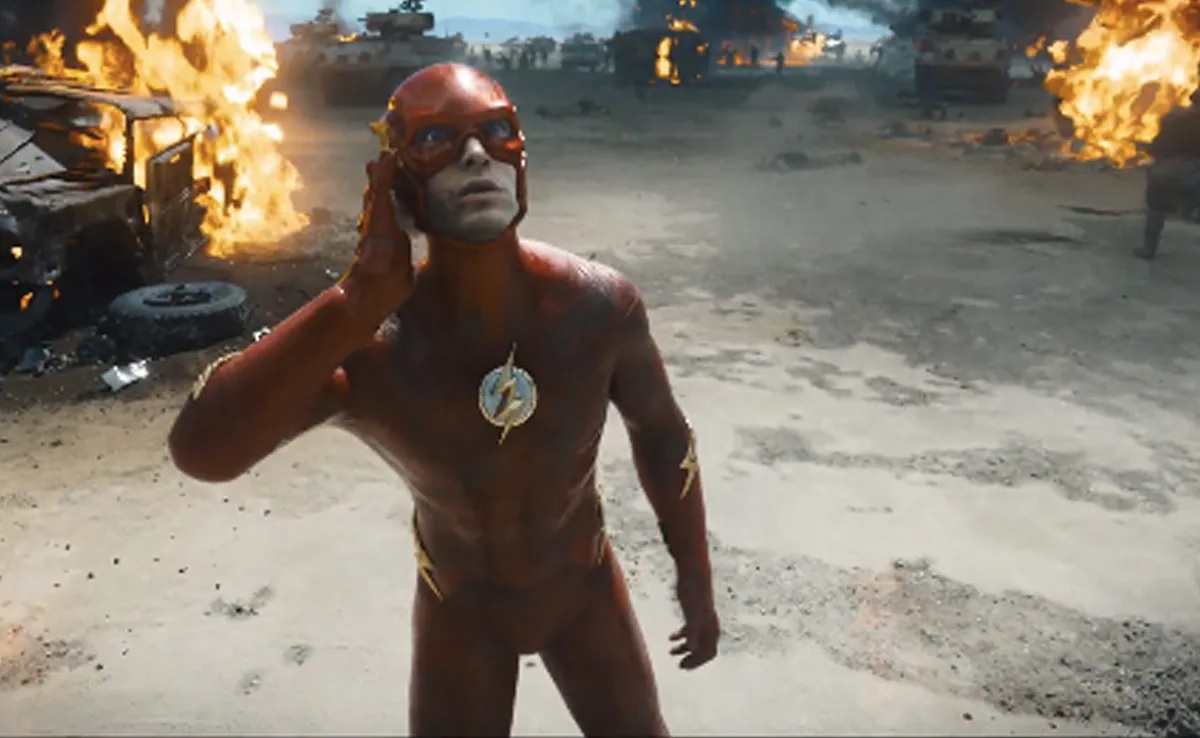
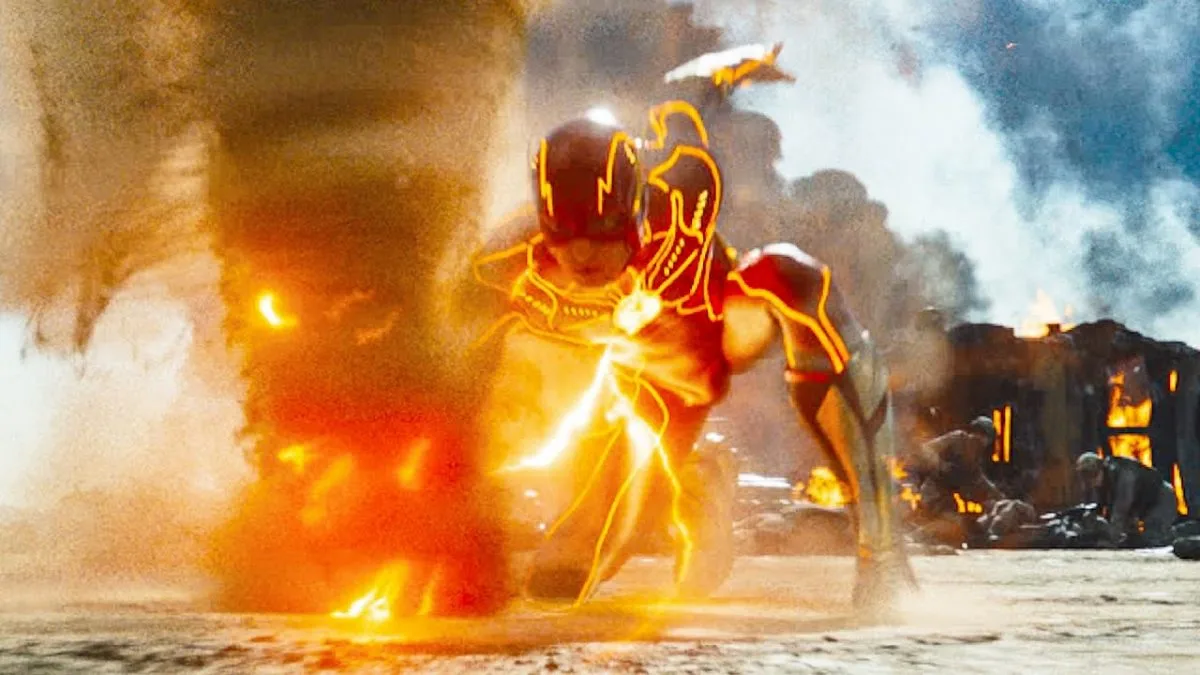
This was not supposed to happen. Even though The Flash, the latest film in the DC Extended Universe (DCEU), had many delays and behind-the-scenes obstacles, the solo film debut of the superfast DC hero had a lot going for it. From over-the-top praise from early screenings and the return of Michael Keaton as Batman, the film was expected to perform well in the box office when it premiered last week. Yet, here we are with the film being a massive box office flop that could not even earn $70 million in the U.S. for its opening weekend and with even more dismal earnings expected this weekend. No mistake here, folks. The limping and wounded DCEU cannot be salvaged in any form because of the failure of The Flash.

It is all too easy to blame the failure of The Flash to superhero film fatigue, but that is just an easy answer. After all, Guardians of the Galaxy, Vol. 3, and Spider-Man: Across the Spider-Verse performed very well when they premiered earlier this year. So, what happened? It will take some time to determine what went wrong, but for now here are some reasons as to why The Flash was a dud in theaters.

Bad DCEU Reputation

Let’s face it, although the DCEU has had a few great films, too many of them had problems when it came to quality. After Shazam! In 2019, the DCEU films that followed, with the exceptions of The Suicide Squad and Zack Snyder’s Justice League, were ravaged by fans and critics. They also performed poorly in the box office, especially The Suicide Squad. In fact, the last DCEU film that was a bonafide hit was Aquaman, which was back in 2018. The recent failures gave the cinematic universe a poor reputation that caught up to it and left The Flash with an insurmountable obstacle.

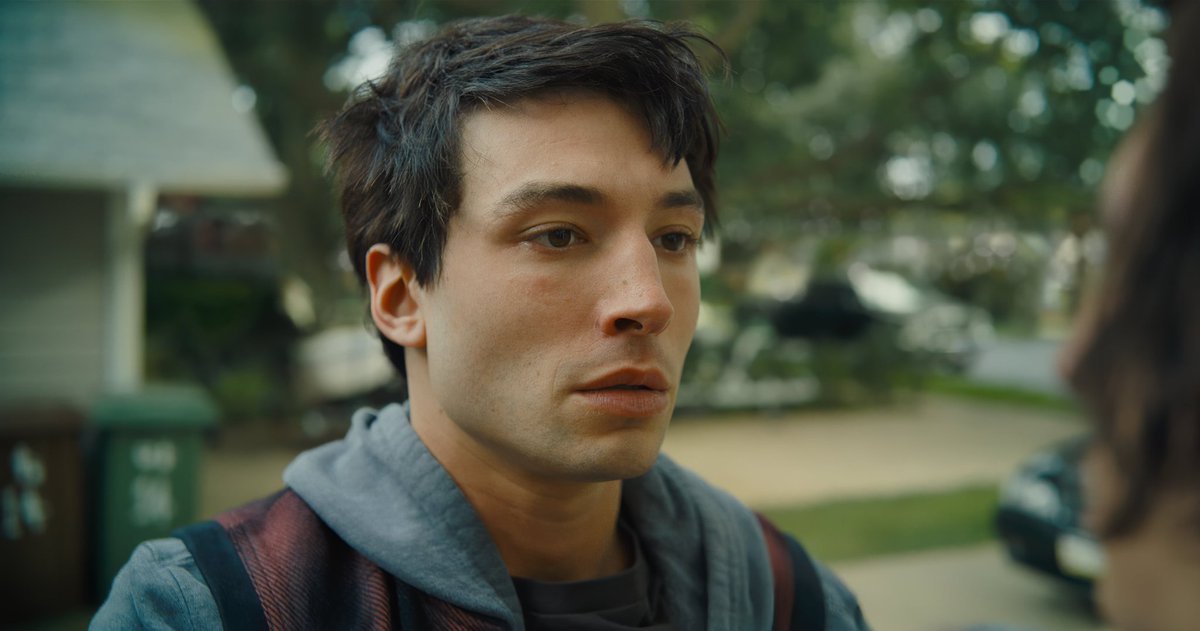
Adding to the poor reputation was that The Flash starred Ezra Miller, an actor who has gotten into trouble for alleged criminal activities, a lot of it was violent. Ordinarily, Miller would have been and should have been fired from the role, but the film studio, Warner Bros. did not recast the role. Instead, the film proceeded with Miller continuing to play the title superhero because it was not financially feasible to restart production with another actor. Miller’s toxic behavior turned off many fans who refused to pay money to see the film since doing so would in a sense condone Miller’s actions.

Overhype & Missed Opportunities

With the recent failed DCEU films, The Flash was seen as the last, best hope for the DCEU. It had many hurdles to overcome, but the film’s team got through them. There was some hope for the film as early screening reactions were positive. Celebrities like Tom Cruise and Stephen King raved about the film. There was excitement over Keaton’s return and promises of cameos from past DC films and TV shows since the film dealt with the multiverse.

Unfortunately, while The Flash is one of the best DCEU offerings and a solid superhero film, it had its share of issues, such as its script. Without going too much into spoilers, why didn’t the Flash use his time travel powers to find out who killed his mother? Also, at the end of the film, it’s clear that the superhero did not learn the hard lesson about interfering with time based on what he did at the end.

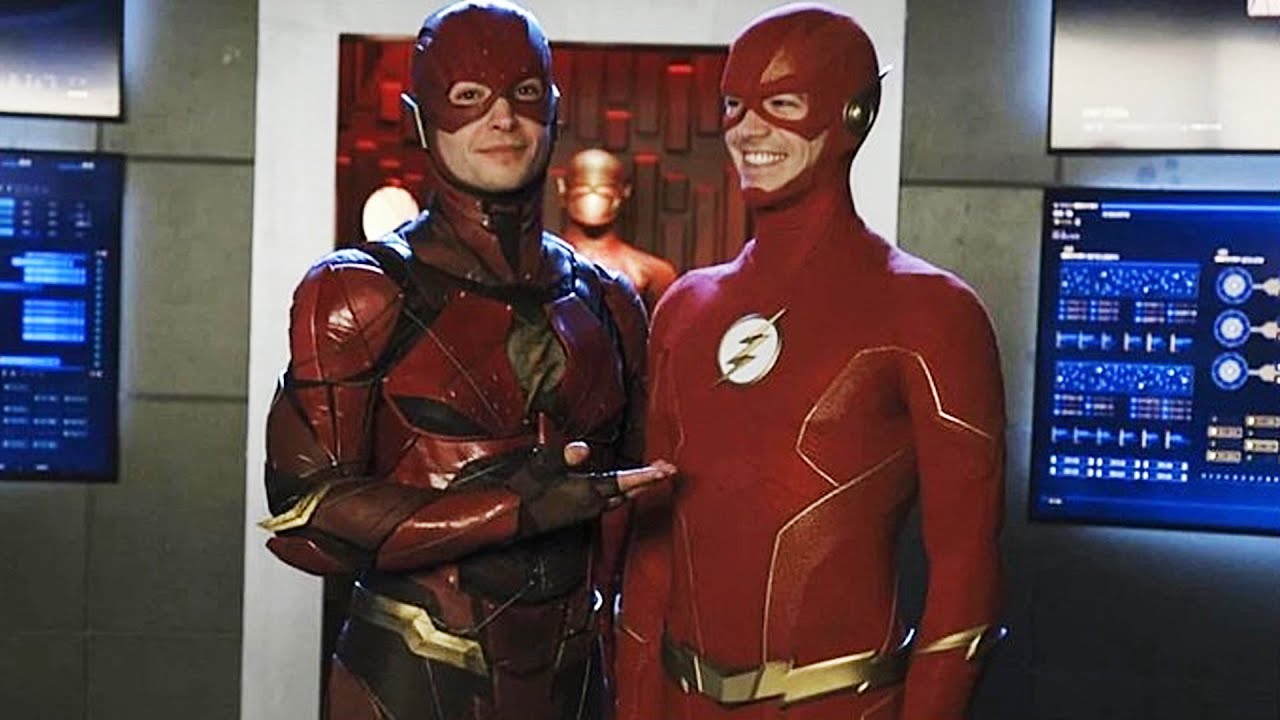
Also, some of the special effects were downright awful. How bad? Arrowverse bad! Speaking of the Arrowverse, it is puzzling why the film did not feature an appearance by Grant Gustin, who played the Flash for several years on TV or even John Wesley Shipp, who played the superhero in the early ‘90s. In the TV version of The Flash, Ezra Miller appeared briefly and met the Grant Gustin version of the Flash. So, why wasn’t Gustin in the film?

Continue reading

After We Say Goodbye To The Guardians Of The Galaxy

Guardians of the Galaxy, Volume 3 has proven to be a fitting and emotionally satisfying conclusion to one of the best trilogies in the Marvel Cinematic Universe (MCU). Still, while the film does conclude many character arcs it surprisingly presented us with new directions for these characters and the larger MCU that are worth speculating about. WARNING: Spoilers will follow about the film.

The Legendary Star-Lord

One of the biggest surprises from Guardians of the Galaxy, Volume 3 was the final post-credits scene. After a rather mundane scene with Peter Quill aka Star-Lord settling down to life on Earth with his grandfather, a title card pops up announcing that “The Legendary Star-Lord will return”. This was rather stunning. Throughout the film, there was a sense that Quill was approaching an emotional end to his time as the space-faring Star-Lord. He was first seen moping and drinking over the loss of his lover, Gamora (who was killed during Avengers: Infinity War), and his fellow Guardians pointed out that he still had family on Earth. During the film, he tries to rekindle his romance with an alternate version of Gamora (displaced from another timeline into the “regular” timeline), but she did not reciprocate the love because in her timeline she never knew him.

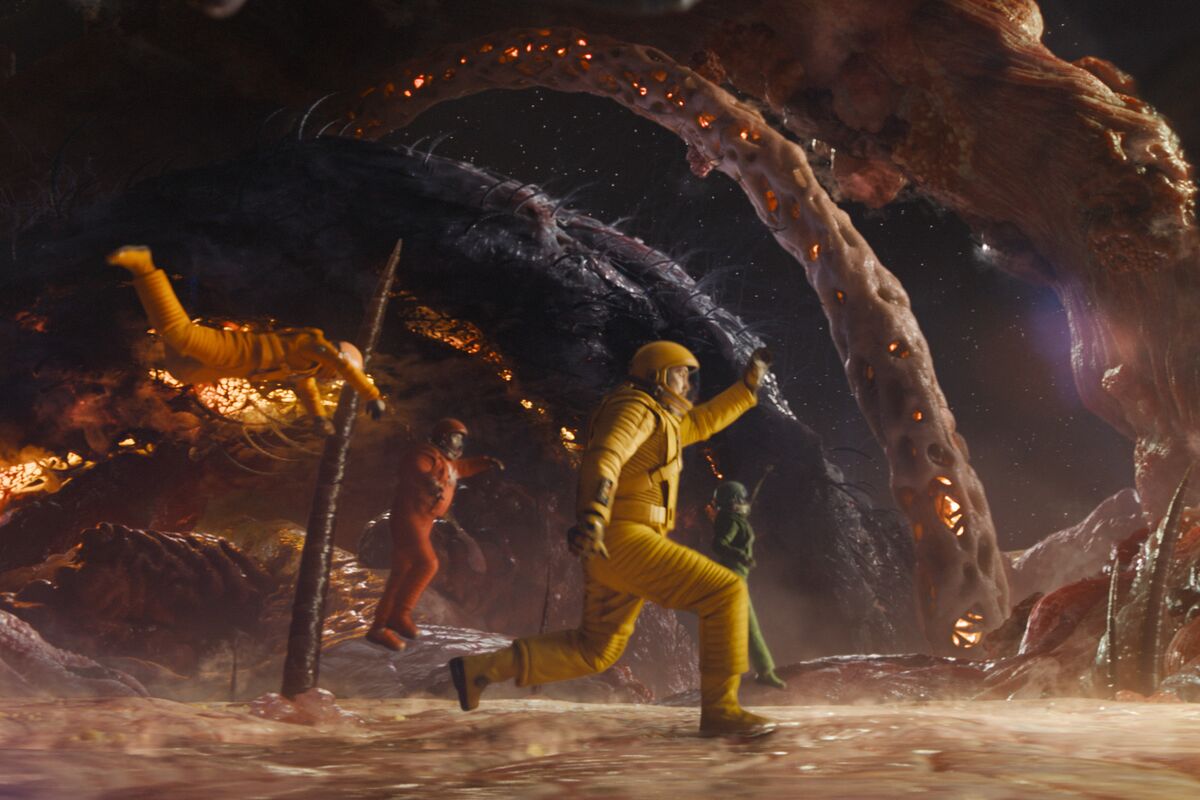
Throughout the film, Peter had to come to terms that his Gamora was gone and that it was pointless to continue his wooing her doppelganger. Frankly, it was refreshing that writer and director James Gunn did not try to put them back together since that development would have felt empty. Doing so also would have robbed the emotional impact of the original Gamora’s death. Peter’s acceptance that the current Gamora was not his lover reborn showed a level of growth and maturity for him. This was welcomed by fans because there have been complaints that while he is a goofy and endearing superhero, he came off as immature in some of his appearances. In reality, in this film he demonstrated that he was very crafty and mature during unexpected moments, such as when he and the team infiltrated that weird organic medical facility in space.

After nearly dying during the film’s final act, Peter decides to essentially retire as Star-Lord. He appoints Rocket Raccoon as leader of the Guardians of the Galaxy, and returns to Earth. But the implication that Star-Lord will return opens up lots of speculation about how this will come about. Chris Pratt, who plays Peter Quill, has stated he is willing to reprise the role at some point in the future. Most likely he will turn up in the upcoming Avengers films or he could wind up starring in a TV show or special that would be about his adventures on Earth. After all, the legendary Star-Lord cannot just spend the rest of his life eating cereal with his grandfather in Missouri. Maybe he will find a new love. Perhaps this person could be Kitty Pride, who was involved with him in the comic books—this could also be a way to bring in more mutants into the MCU. Or he could wind up being some kind of advisor or mercenary for the Earth-based forces that protect Earth from aliens. Or he could finally find a way to reunite with his Gamora in Soulworld, a realm where her spirit exists in, which was seen in Avengers: Infinity War. This would echo a development in the Marvel comics where at one point a deceased Gamora resided in this realm.

Continue reading

The Potential Of Star Trek: Legacy

Fans are still swooning over season three of Star Trek: Picard and for good reason. Not only did it feature the long-awaited reunion of the cast of Star Trek: The Next Generation (TNG), but it was bursting at the screen’s seams with Easter eggs and references to most of the previous incarnations of Star Trek TV shows and films. More importantly, instead of wallowing in Member Berries, the third season actually set up a potential spinoff—Star Trek: Legacy. *Warning for those who have not seen season three of Star Trek: Picard, there will be spoilers from here on out.

During the third season of Star Trek: Picard, we were introduced to Jack Crusher, who turned out to be the son of Jean-Luc Picard. In many ways he was a lot like his father but with a rakish bent as he seemed more comfortable acting independently and living a pirate-like lifestyle. Perhaps this is how Picard was like in his younger days. In some ways, Jack had more of the swashbuckling demeanor of James T. Kirk (more on him soon). Yet he had an intellectual and empathic side that echoed his father. In a sense he came off as an authentic child, who has elements of both his parents with unique personality traits gained from experiences the parents never had. Jack quickly became a fan favorite and has enough personality and development to return in future Star Trek spinoffs. This was very clear at the end of the final episode of Star Trek: Picard when he joined Starfleet and was posted on the Enterprise-G as special counselor to the captain.

The third season also introduced several other characters, some of which were bridge officers of the Titan-A (later rechristened the Enterprise-G). The one standout was Sidney La Forge, the Titan-A’s helm officer and daughter of Geordi La Forge. She soon formed a friendship with Jack with hints of something more to develop. It was fun seeing the two scions interacting with each other, which foretold great adventures to come if the powers that be at Paramount Pictures greenlight a Star Trek: Legacy. Obviously the two characters would be some of the central characters of this show.

Two other characters that could headline the show would be Captain Seven of Nine a.ka. Annika Hansen, and her first officer Rafaella “Raffi” Musiker.  Most fans know that Seven debuted on Star Trek: Voyager before becoming a regular on Star Trek: Picard. Raffi is the only remaining original character from Star Trek: Picard to remain a part of the show after the other original characters were written out after the second season of the show. Even though they are not the children of past Star Trek characters they in a sense would carry on the legacy of Star Trek: Picard. Perhaps other past Star Trek: Picard characters like Sohji Asha (Data’s daughter) could return and continue the theme of legacy.


Another character that could return is Captain Liam Shaw. Yes, he was killed off in the penultimate Star Trek: Picard episode “Vox”, but he quickly became a fan favorite. While he was very surly and dismissive towards our favorite TNG characters especially Picard and Will Riker, he was actually the voice of reason. He was more cautious when it came to his ship, the Titan-A, and the safety of his crew, which conflicted with the daring decisions made by Picard and Riker that threatened the Titan-A and crew. More often than not he was willing to call out Picard on his decisions and his arguments usually had merit. What made him more dimensional was the revelation that he was a survivor of the Battle of Wolf 359. He clearly was still suffering from that incident where the cybernetic race called the Borg decimated a Starfleet armada. This also explained his animosity towards Picard since Picard was assimilated by the Borg and helped them defeat Starfleet. In as sense this also explains his antagonistic relationship with Seven since she is a former Borg. Shaw was a great character and it was too bad he was killed off. However, Terry Matalas, the showrunner of the third season, has hinted that there is a way for Shaw to return in the Star Trek: Legacy show. Being that this is Star Trek, there are dozens of ways to do this: clones, time travel, cold storage, Seven’s Borg nanoprobes, even Q could easily bring Shaw back.

Continue reading