Exploring Star Trek: Enterprise 20 Years Later

Twenty years ago, the final Rick Berman-era Star Trek show premiered on the former UPN network to a mixed reception, at best. Originally called Enterprise, the fifth Star Trek spinoff held a lot of promise with its premise—a prequel to the original Star Trek universe which detailed humankind’s initial exploration of space and the events, such as First Contact with famous Star Trek alien races, that led to the formation of the United Federation of Planets, and the acclaimed Star Trek universe.

When Enterprise was conceived, the Golden Age of Star Trek was already coming to a close. Star Trek: The Next Generation and Star Trek: Deep Space Nine (DS9), two highly revered shows, were no longer airing and Star Trek: Voyager (VOY) was ending its seven-year run. By the time the final episode of VOY aired, Enterprise and its premise was known to fans, as was the fact that popular genre actor, Scott Bakula, the star of the beloved sci-fi time travel show Quantum Leap, was cast to play the lead, Captain Jonathan Archer. However, around this time the Star Trek franchise under the helm of Rick Berman was running out of steam, creatively. Many episodes of Star Trek: Voyager were formulaic and many feared for good reason this malaise would carryover into Enterprise since Berman created it and was the main showrunner, along with Brannon Braga.
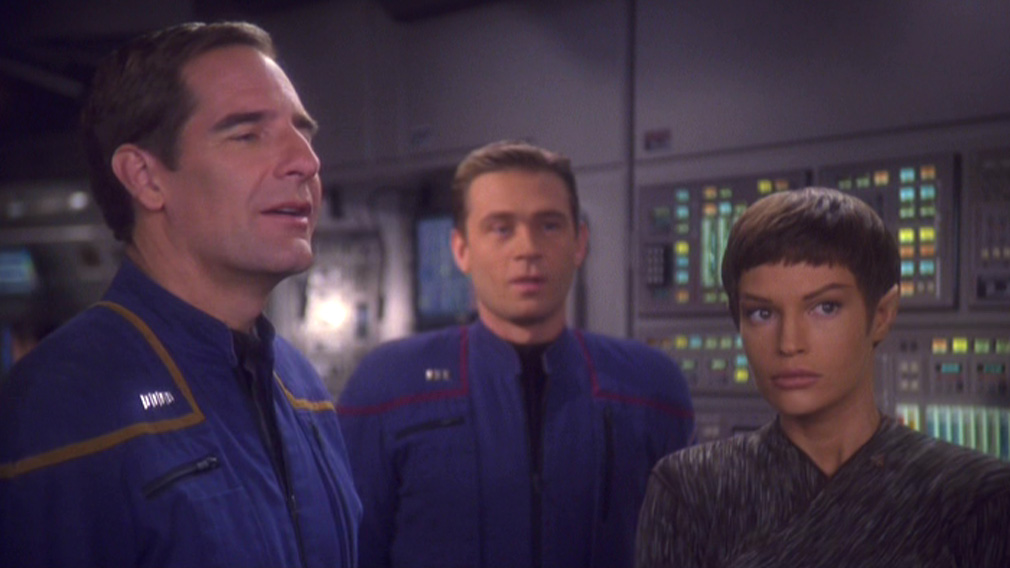
There were signs that the new show was going through the motions, starting with it premise, another starship crew exploring the unknown sectors of space; the characters seemed bland for the most part and echoed the makeup of the original cast with a few differences.

Still, many held out hope that Enterprise would deliver and rekindle the spark of imagination that the Star Trek franchise was noted for. Many were cautiously optimistic about the show, yet others were not enthused about the show and were ready to move on to other properties.

Enterprise premiered on September 26, 2001, which obviously was the first post-9/11 Star Trek show just a few days after the catastrophic event struck the United States.

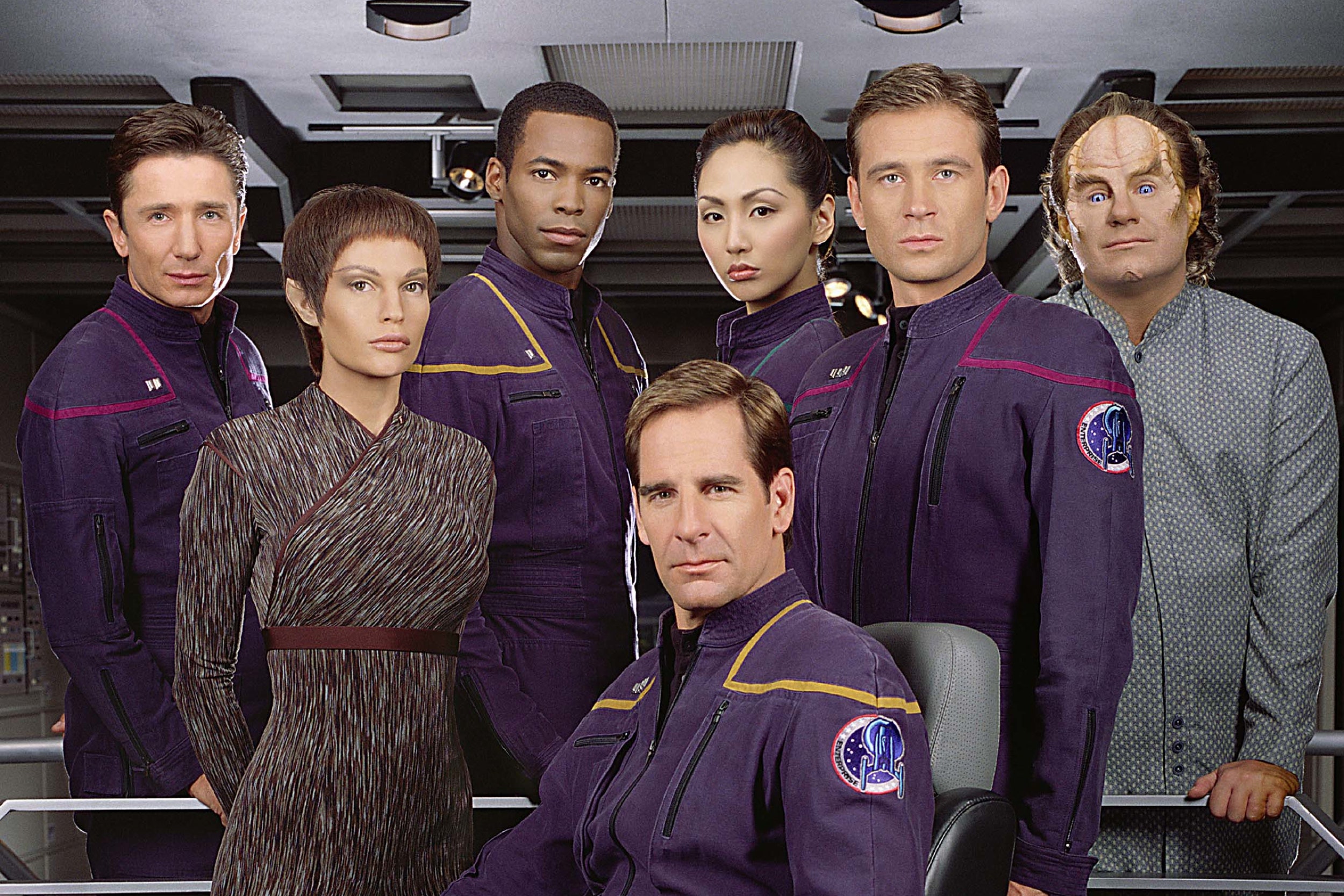
The pilot episode “Broken Bow” introduced viewers to the crew of NX-01 Enterprise, Earth’s first starship that was capable of reaching warp 5. The more notable crew members consisted of Captain Jonathan Archer (Bakula), Chief Engineer Travis “Trip” Tucker (Connor Trinneer), and First Officer T’Pol (Jolene Blalock), a skeptical Vulcan who acted more as a guide to the humans when they ventured into unfamiliar space.
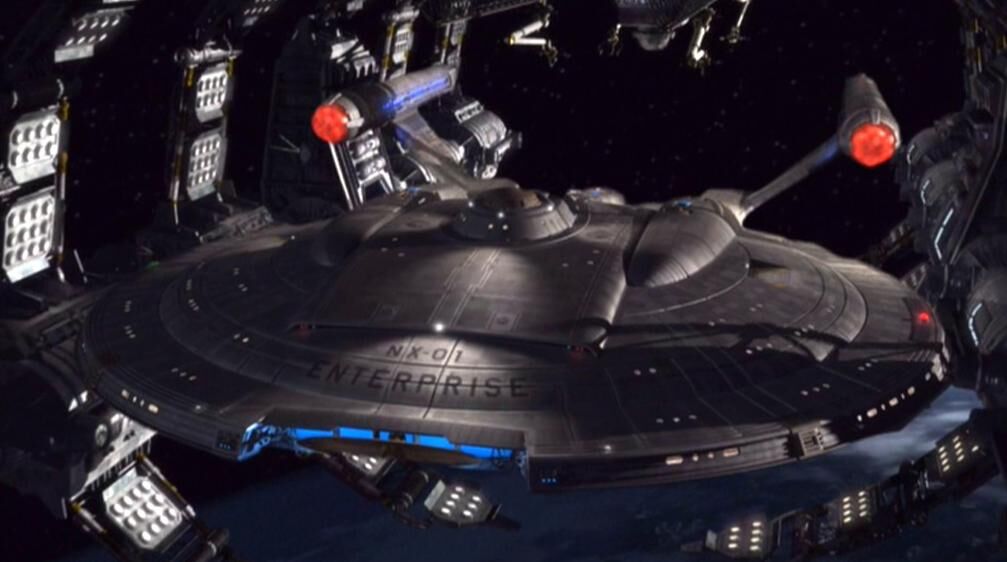
The ship and crew were pressed into service when an alien Klingon crash landed on Earth and the Enterprise crew undertook the mission to return the Klingon to his people. What they soon learned was that a shape-shifting alien race called the Suliban were after the Klingon. This put the humans into conflict with the Suliban, which Archer learned were being manipulated by a great power in the far future.

This was part of a confusing sub plot throughout most of the show’s run about a so-called temporal cold war. Apparently, the time period Enterprise took place in (the 2250s) was pivotal in history and certain unknown factions in the future wanted to change it. According to some reports, co-creators Rick Berman and Brannon Braga were forced to include this plot line by the network, and the duo even admitted the plot was never fully developed, and it showed. Berman and Braga also revealed that initially they wanted the series to take place on Earth for a large bulk of the first season as the Enterprise was prepared for its maiden voyage. But the network asked that the starship immediately launch into action during the pilot episode.

“Broken Bow” was entertaining but not as inspiring or memorable as previous Star Trek pilots. A bad sign for the show was the opening credits which featured a montage of humankind’s history of exploration. The montage was fine, but it was ruined by a rancid rendition of “Faith of the Heart” that was so treacly and annoying.

Many of the characters introduced felt too familiar or were not memorable. It felt like the showrunners were trying to recreate the famous Kirk/Spock/McCoy dynamic with Archer, T’Pol and Tucker. Just swap the sex of the token Vulcan and make the emotional member of the trio an engineer instead of a doctor. Some characters were interesting but never got the screen time they deserved, such as Dr. Phlox (John Billingsley), a quirky alien doctor who was the chief medical officer of the ship. Other characters were completely forgettable, such as Travis Mayweather (Anthony Montgomery), the ship’s helmsman. What was known about him was that he was one of the first generations of humans to be raised in deep space. Other than that he was relegated to being a glorified extra.
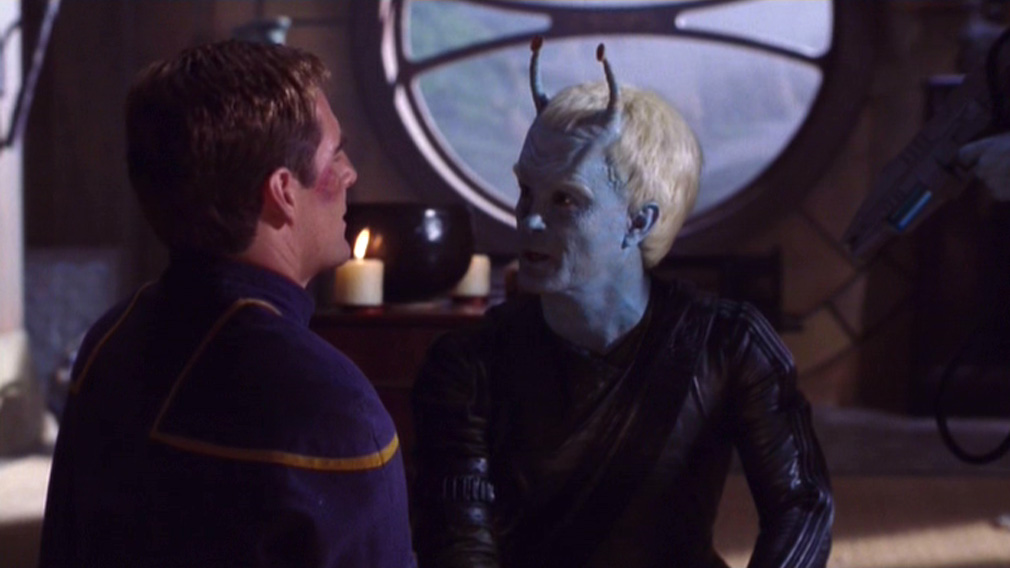
The early episodes themselves were not very exciting or captivating, though there were a handful of standouts, such as “The Andorian Incident”, which established first human contact with the Andorians and introduced Shran (Jeffrey Combs), a volatile Andorian officer who was one of the show’s best characters. But in other episodes basically not much happens and felt routine. The basic premise of the show was that it was supposed to chronicle the first steps humanity took when it began exploring deep space. The tech was supposed to be crude, shuttles and grappling hooks were used by the ship instead of transporters or tractor beams. With that in mind, the transporters were still brand-new technology that was not trusted, yet they soon used all the time instead of shuttles. It’s a shame since the early reliance of shuttles inspired one of the better first season episodes “Shuttlepod One”.
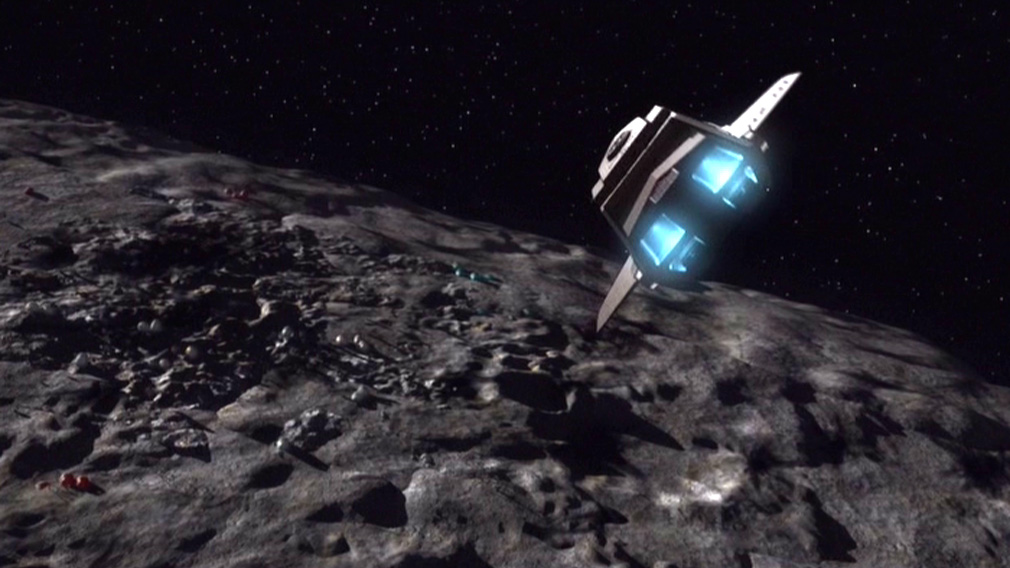
Some of the storylines had interesting premises but the execution was mundane and the end result was by the numbers. Other episodes were outright copies of previous Star Trek episodes. For instance “Vanishing Point” had the same premise as “The Next Phase” from TNG, which did it better. The same went for “Precious Cargo”, an outright rip-off of TNG’s “The Perfect Mate”. It was obvious that Berman, Braga and other crewmembers were burnt out and going through the motions. Many of them, including Berman, had been involved with Star Trek since the mid-1980s. It was time to bring in new blood but the people in charge refused to see this and this is why the show suffered.

By the time the second season of Enterprise came to a close it was clear something had to be done. Ratings were declining, as was interest in the Star Trek franchise. Many fans abandoned it for fresher properties that were making their mark at the time such as Stargate: SG1, Firefly and Farscape.

Continue reading
Star Trek Turns 55

Yes, the classic sci-fi TV show that started the unbelievable Star Trek phenomenon turned double nickels this year. At 55, Star Trek continues to captivate untold numbers of fans. As any Trekker knows, the show has spun off into nearly a dozen TV shows (which includes Short Treks and the original animated TV show from the ’70s) and thirteen films.

There are many reasons for the enduring appeal and success of the Star Trek franchise. They include the captivating story lines and characters that serve as allegories for our current situation or are at least imaginative. The stories also offer a beacon of hope for humankind, that we will overcome our strife and spread out into the stars. Whatever the reason, Star Trek, despite its ups and downs, will continue to entrance fans and be a part of our culture for a long time.

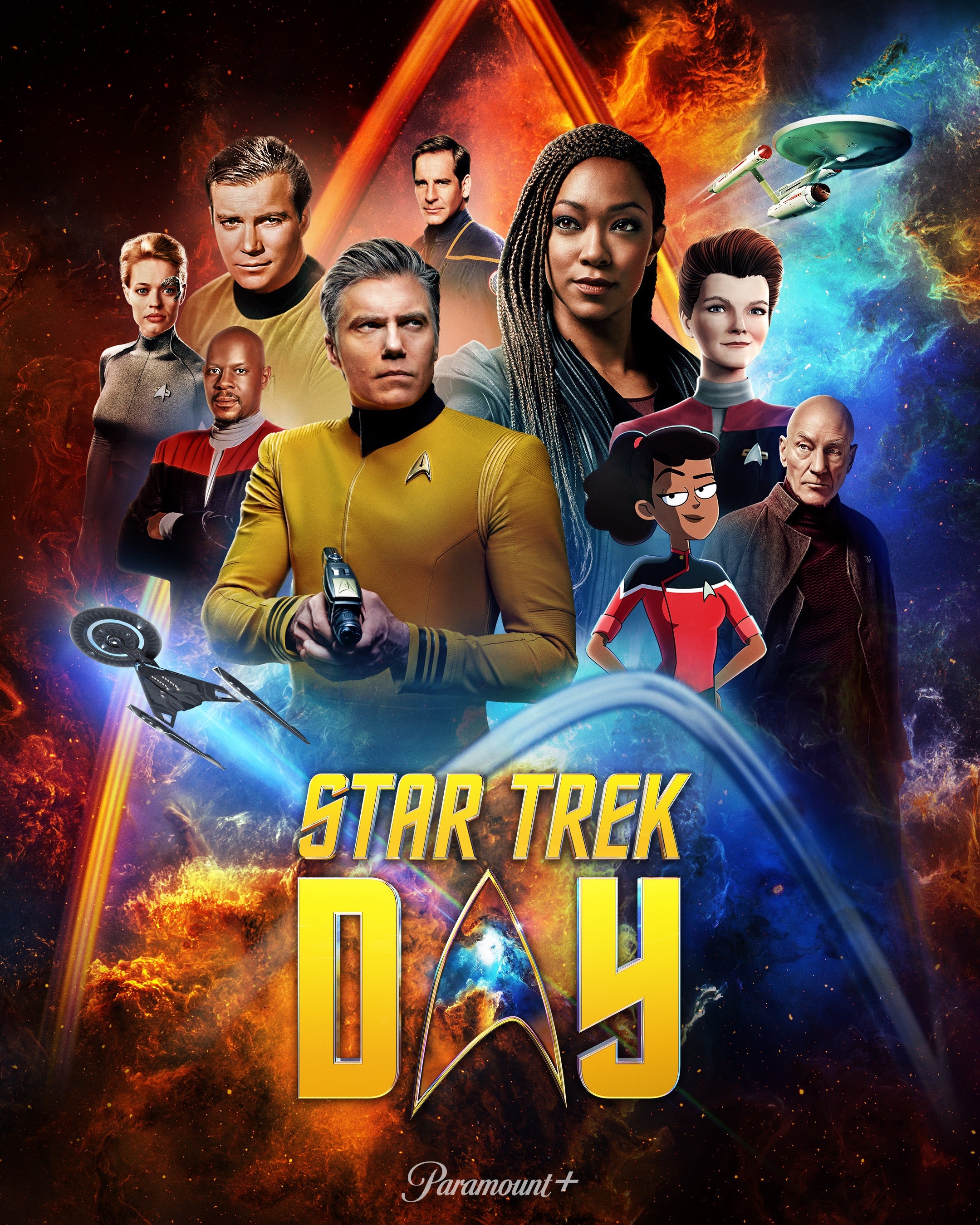
To help celebrate the 55th anniversary of Star Trek, the streaming app Paramount+ presented a live celebration of the show and its spinoffs on September 8. This day is now known as Star Trek Day because the original TV show debuted on September 8, 1966. The Star Trek Day celebration featured many cast members and showrunners from previous, current and upcoming productions dedicated to Star Trek. The panel presentations featured actors from previous Star Trek shows who reminded the audience of the significance contributions their shows made to the franchise. These were followed up by beautifully performed live scores of each Star Trek show by Jeff Russo and his orchestra.

Probably the most anticipated highlight of the Star Trek Day event were the presentations of upcoming Star Trek TV shows such as Star Trek: Discovery, Star Trek: Prodigy, Star Trek: Strange New Worlds (which revealed its full crew lineup that includes Nyota Uhura, Christine Chapel and new characters), Star Trek: Lower Decks and Star Trek: Picard. The trailer for Star Trek: Picard unveiled that the second season will be time travel romp that partially takes place in modern times and was a delightful callback to Star Trek IV: The Voyage Home as the characters struggled to blend in with our times, Good luck with that, many of us are also struggling! It was announced that Star Trek: Picard has been renewed for a third season and premiere dates were given for a few of the shows.

But the most insightful panel was a celebration of the 100th birthday of Gene Roddenberry, the creator of Star Trek and Star Trek: The Next Generation. The panel, hosted by Wil Wheaton, featured Rod Roddenberry, George Takei, LeVar Burton and Gates McFadden. They all shared their personal stories of meeting Gene Roddenberry and how they worked with him. It was an excellent and heartfelt commemoration of Gene Roddenberry and his impact on Star Trek and our culture.

Even though the current Star Trek shows have their issues, their best aspects were highlighted and it was clear that the people involved with the shows were passionate about their work. It was heartening to see during the Star Trek Day event that the show that started 55 years ago continues to shine which is remarkable considering that most TV shows from that long-gone era have been forgotten. This includes TV shows that garnered more ratings than the original Star Trek.

The celebration was a welcome reminder that Star Trek will continue to live long and prosper.

José Soto

The Impactful Success Of Shang-Chi And The Legend Of The Ten Rings

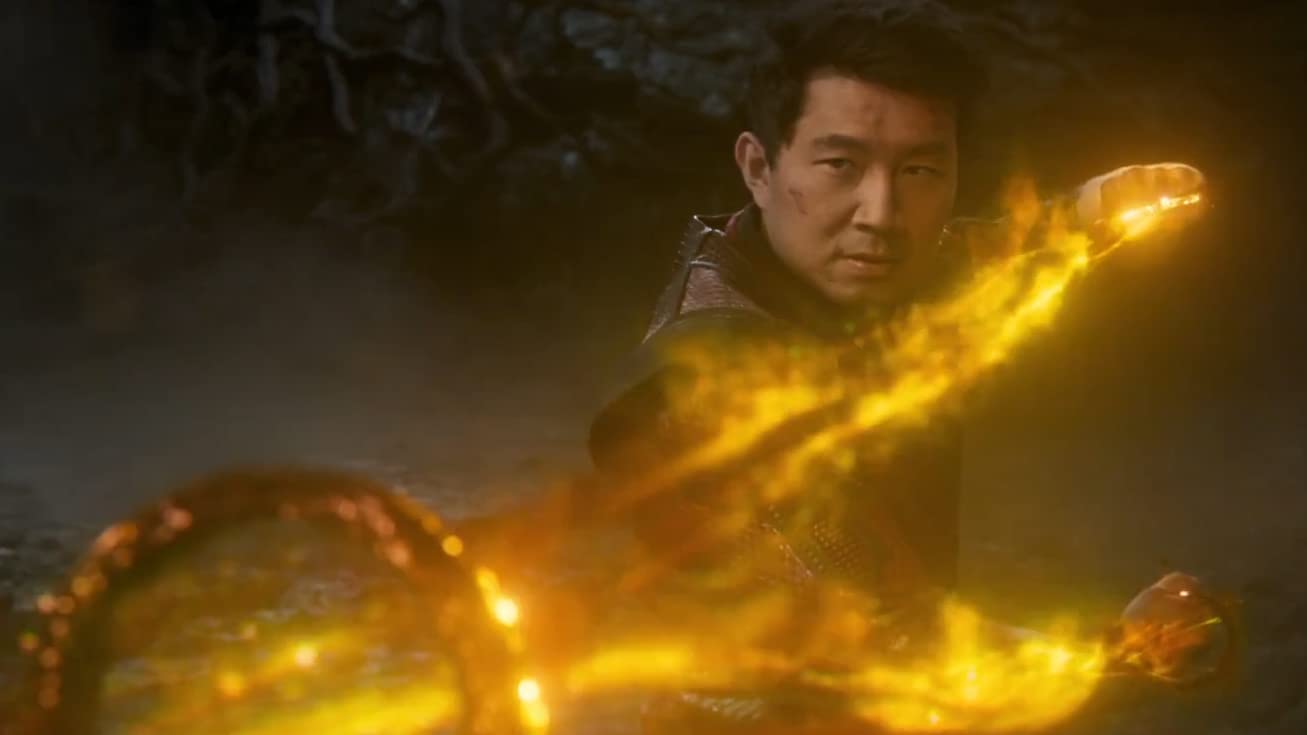
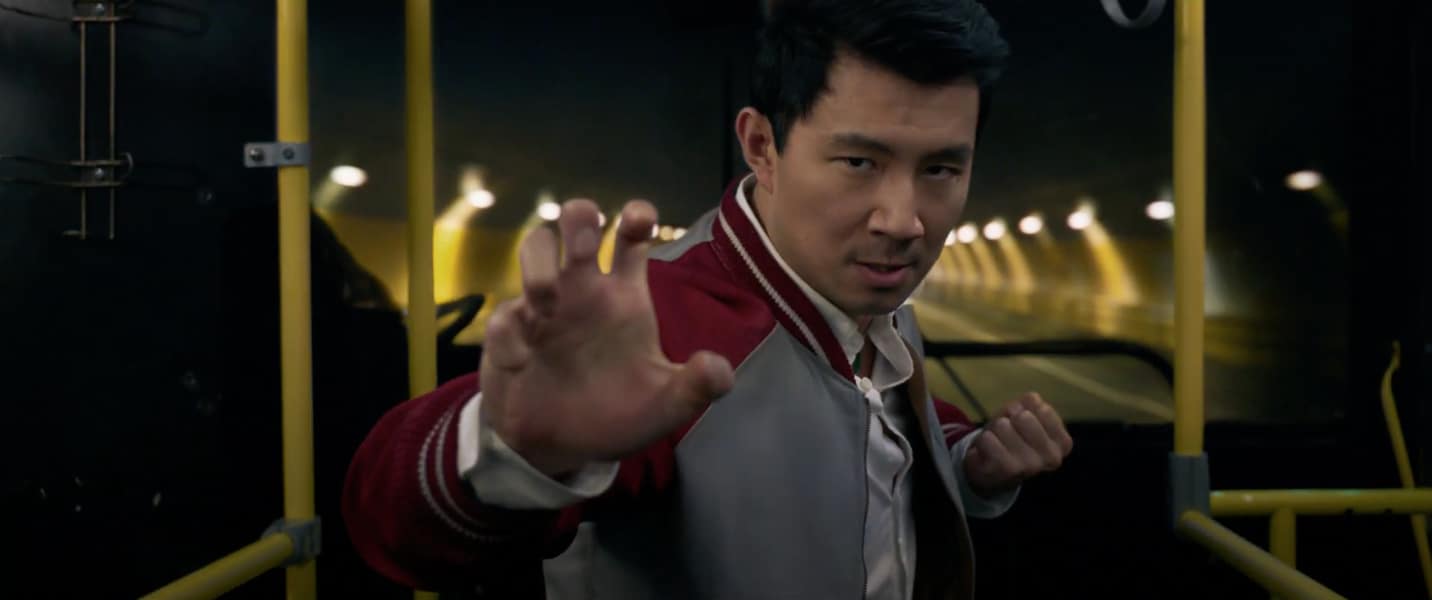
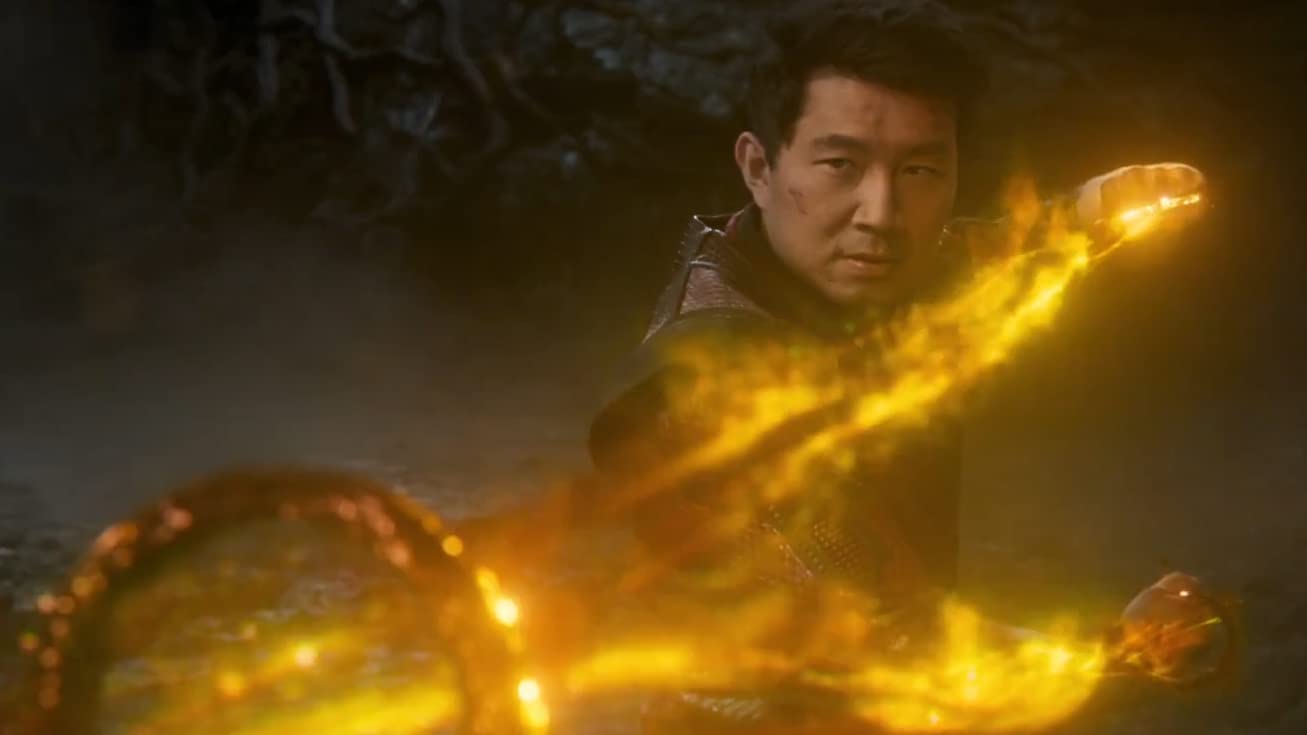
Shang-Chi and the Legend of the Ten Rings, the latest film from the Marvel Cinematic Universe (MCU), defied expectations and debuted to a stunning $71 million take at the box office this weekend and has a combined total of $90 million over the four-day Labor Day weekend. This shattered box office records not just for the year but for the Labor Day weeken in general. Usually by this time of the year the box office becomes a dumping ground for films as the summer season winds down. But Shang-Chi and the Legend of the Ten Rings upended that,

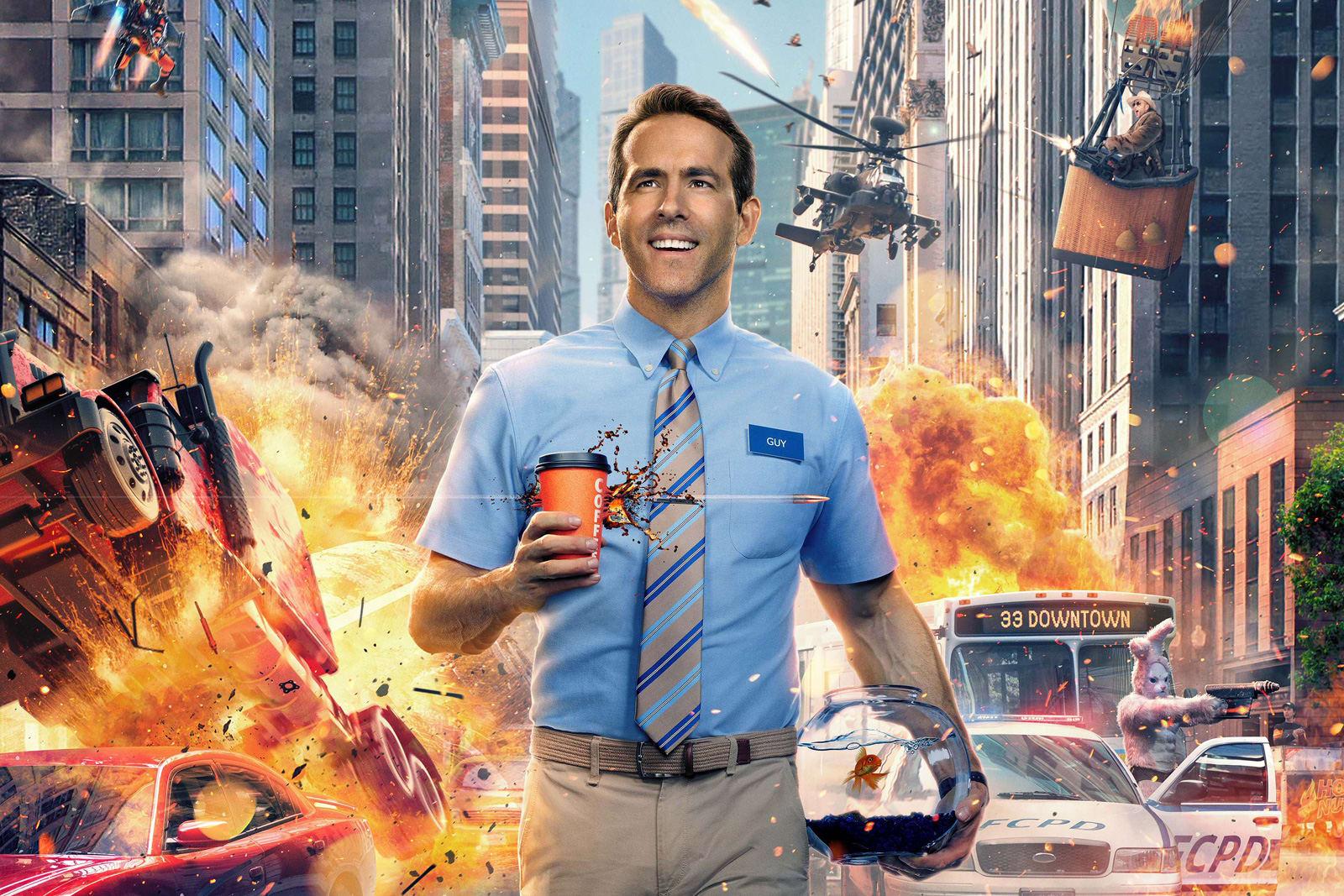
Given the pandemic the success is stunning and portends to the eventual recovery of theaters. It also supports the idea that the current hybrid model of releasing a film at the same time as it is available for home streaming has a negative impact on a film’s box office take. Just look at the failure of The Suicide Squad and to a lesser extent the disappointing earnings for Black Widow. If a film is exclusively available in theaters and it is a high-profile film, it will do well. Not as well as it could have pre-pandemic but it still successful. Another good example is Free Guy, which performed much better than expected because it was a well-made film and you only could see it in theaters.

The key factor in the success of Free Guy and Shang-Chi and the Legend of the Ten Rings is that they were well received and had good buzz, especially with the MCU film which earned rave reviews. Not only that but the public is eager for new MCU content and Shang-Chi and the Legend of the Ten Rings offered something new for fans. Namely, that the film focused on persons of color, and explored a new side of the MCU. Given that this film and Black Panther performed well, expect future MCU to feature other persons of color such as Latinos. America Chavez will appear in the next Doctor Strange film and could be spun off into her own film. Maybe the Puerto Rican hero White Tiger could be the next hot property for the MCU. What is important for these films to succeed is quality, both Shang-Chi and the Legend of the Ten Rings and Black Panther demonstrated that people will go see a film if it is well made and exciting.

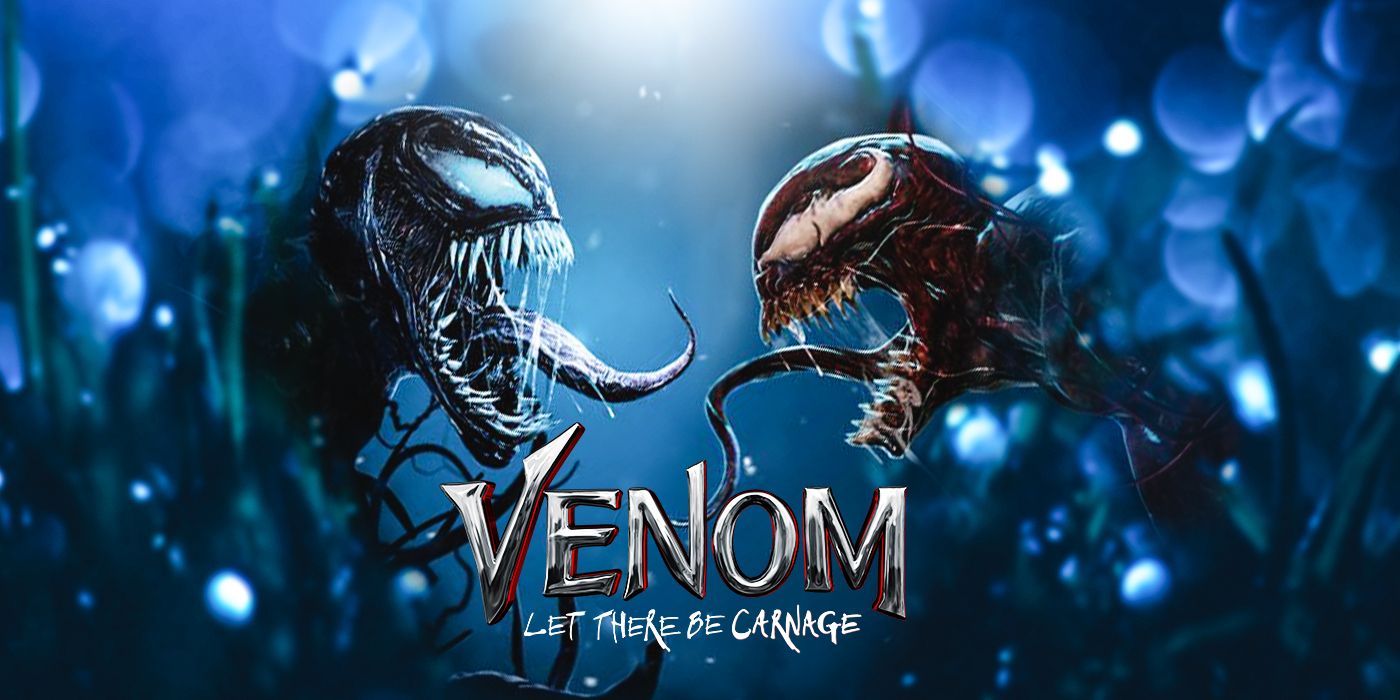
Aside from its merits, the success of Shang-Chi and the Legend of the Ten Rings has already had a positive impact with future films. Whereas Sony Pictures delayed the release of Venom: Let There Be Carnage to mid-October, the film studio has now moved up the film to October 1. There were rumors that Eternals might be delayed as well as Spider-Man: No Way Home until society recoverd more from the pandemic. We have seen the release dates for the upcoming Tom Cruise films Top Gun: Maverick and Mission: impossible 7 delayed to 2022 because of the pandemic. Those rumors for the MCU films, however, are unlikely to come to pass as more and more people are getting vaccinated and the case numbers should start to fall later this year. To date, the release dates for those films have not changed.

Of course, it will take a lot more time for theaters to achieve the earnings they enjoyed pre-pandemic, but recent releases like Shang-Chi and the Legend of the Ten Rings have shown that there is a bright future ahead for theaters and fans.

The Outrageous Return Of The Suicide Squad

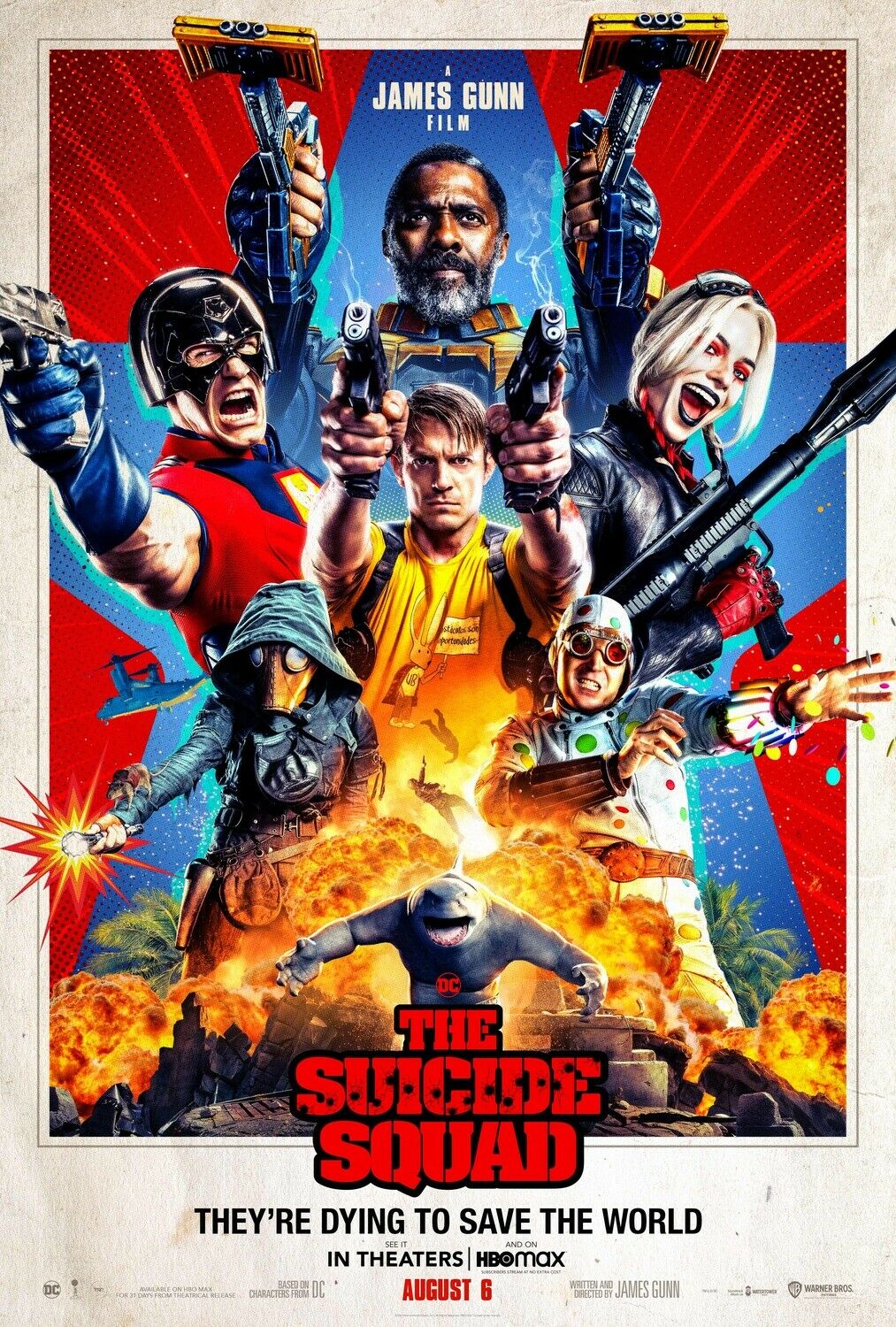
The Suicide Squad is the latest entry in the DC Extended Universe (DCEU), directed by Guardians of the Galaxy director James Gunn and is currently in theaters and streaming on HBO Max. Beware of some spoilers after this notice.

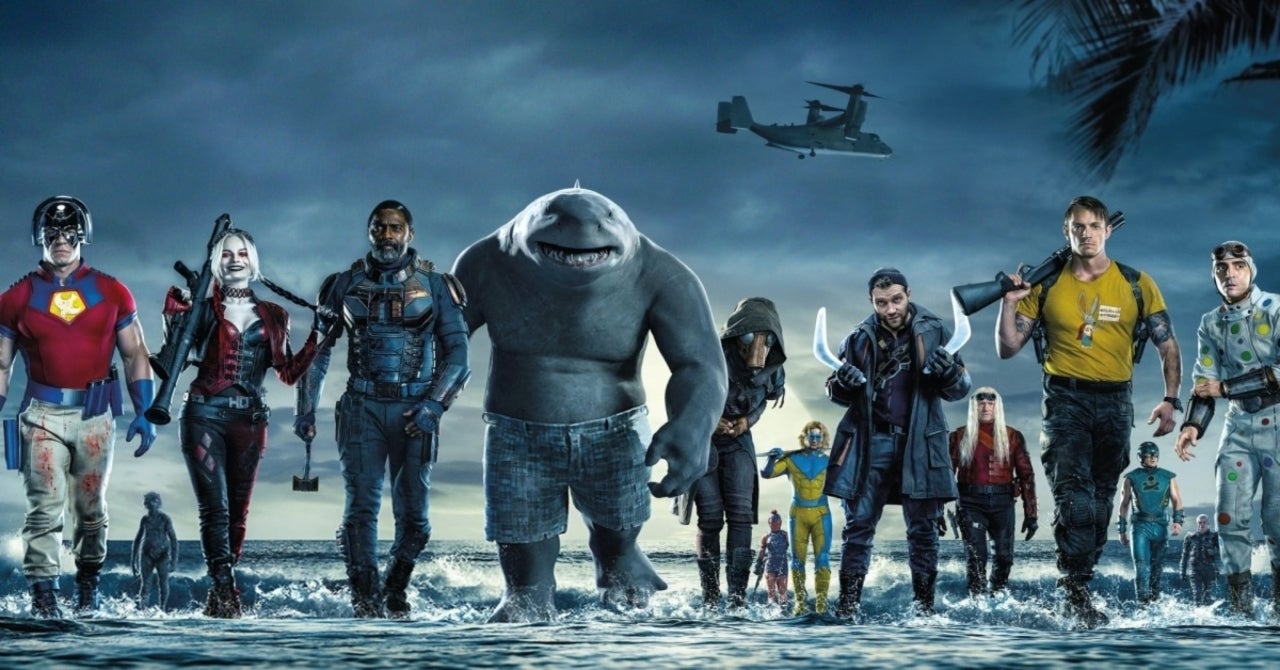
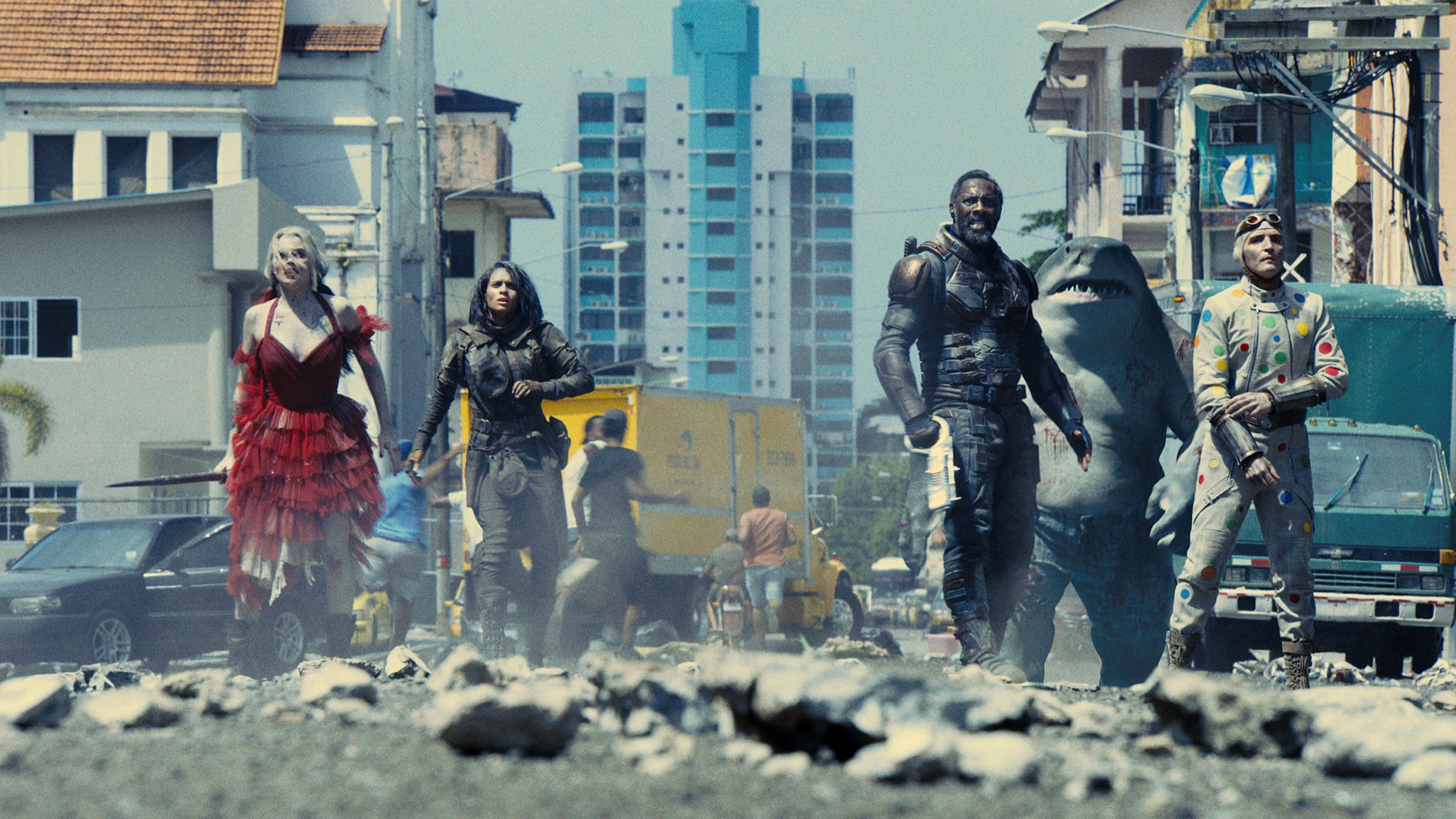
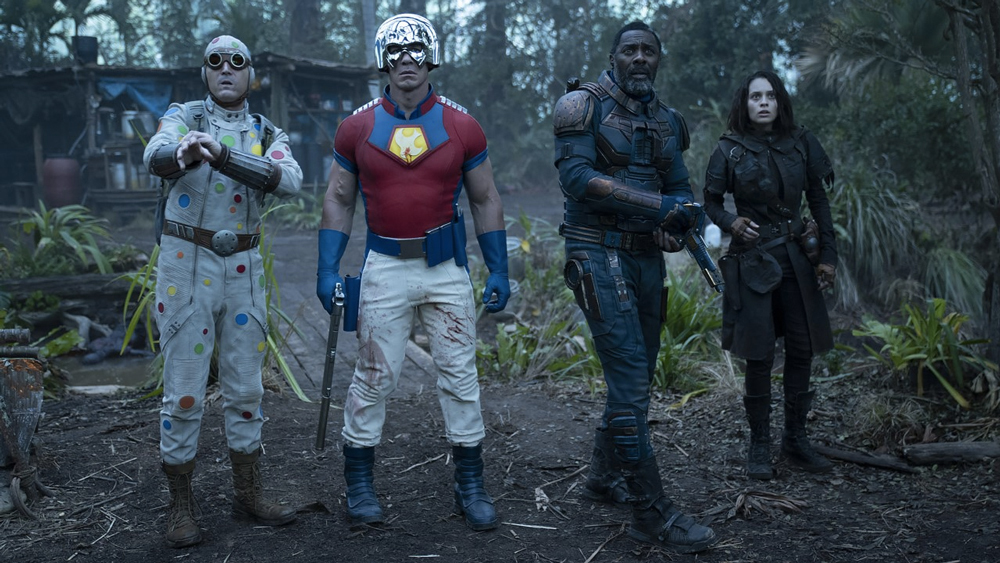
This standalone sequel to 2016’s Suicide Squad features returning characters Rick Flag (Joel Kinnaman), and captured supervillains Harley Quinn (Margot Robbie) and Captain Boomerang (Jai Courtney), who as part of the secret United States black ops group Task Force X, are sent on a literal suicide mission by U.S. operative Amanda Waller (Viola Davis) to the island nation of Corto Maltese, along with new characters such as Weasel (motion captured by Sean Gunn), and Blackguard (Pete Davison). However, this group is almost wiped out at the start of the film, with only Flag and Harley surviving and captured by the military of Corto Maltese. It’s revealed that they are a decoy team for a second team led by other captured supervillains Bloodsport (Idris Elba), King Shark (motion captured by Steve Agee and voiced by Sylvester Stallone), Ratcatcher 2 (Daniela Melchior), Peacemaker (John Cena) and Polka Dot Man (David Mastmalchian), who also arrive on the island at another location. They are supposed to destroy a secret weapon, which is later revealed to be an extraterrestrial entitiy known as Starro, a gigantic starfish that can seemingly destroy the world.

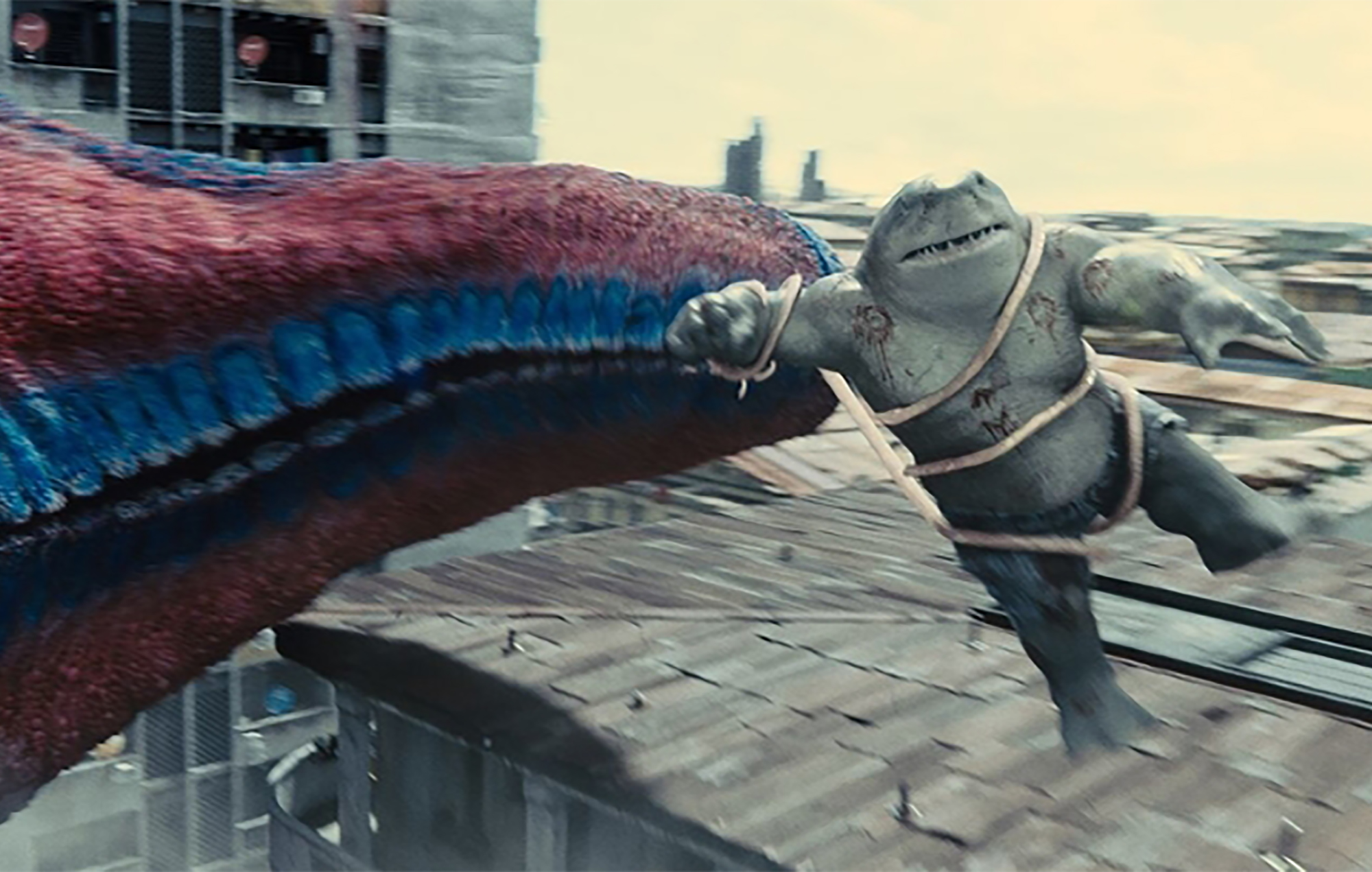
The second group eventually rescues Flag, who was actually captured by rebels intent on overthrowing the island’s military government. Harley is able to escape by herself in an exciting and colorful action sequence and then she joins up with the rest of the Suicide Squad. They eventually head to a secret research facility housing Starro, leading to the biggest action scenes in The Suicide Squad with the group showing off their abilities and a surprise confrontation when the US government’s role with Starro is revealed. The final battle features the gigantic alien starfish ready to destroy a city Godzilla style and the members of the squad fighting a seemingly hopeless battle. The conclusion is both crazy, outrageous and creepy, which demonstrates the overall feel of the movie quite well.

The interaction between the characters is a highlight with Bloodsport and Ratcatcher 2 forming a father-daughter bond, and King Shark providing good comic relief with his quest for food (namely human) and friendship. Peacemaker’s contradictory love of violence in the name of peace and his rivalries with Bloodsport and Rick Flag is also enjoyable, as is Polka Dot Man’s neurosis over his mother who he sees as literally everyone. Harley is as zany and psychotic as she has been since the first Suicide Squad, lethal one minute and a seemingly ditzy blonde the next.

The connection with the first film is minimal with this film having a separate plot, although it’s not a reboot as some earlier reports said. The tone of The Suicide Squad is somewhat lighter than the previous one with numerous musical interludes and humorous moments throughout. Some of these scenes go on too long which explains the two-hour-plus running time that does stop the momentum of the plot, but the film makes up for this during the hectic finale. The killing off of the first team at the start of the film is somewhat unfortunate as we never get to know them well, though some of them warranted more screen time. One advantage the first film had was the presence of more familiar characters, such as the Joker and Killer Croc, and a more intense feel, but the new film is still an enjoyable experience that has great action scenes and over-the-top violence. That is one thing to keep in mind if watching it with kids. There are numerous gory scenes with decapitations, King Shark devouring people with glee and faces blown off. It’s rated R and earns it, but at the same time The Suicide Squad doesn’t take itself seriously, which softens the blow and keeps things light.

Overall, The Suicide Squad is an adventurous and outrageous entry into the DCEU, which may point the way to more films like this with James Gunn returning for future unnamed movies, as well as the upcoming spin-off HBO Max series starring John Cena as Peacemaker. We are seeing more interactions like this between the streaming service and theatrical DC and DCEU films with a Gotham PD series to follow The Batman, and a Batgirl movie in the works for HBO Max. This is different than in the past when TV shows such as Gotham, and Krypton were standalone TV shows with no relation whatsoever with any films. This seems to be changing and may point to a more interconnected DC live-action universe. This was hinted at during the CW Crisis on Infinite Earths crossover that had the theatrical DCEU Flash appearing in a cameo. Having the story of The Suicide Squad continue through Peacemaker’s new show is a clear example of this interconnection.

Whether another Suicide Squad movie will be coming is not known at this time, but hopefully, based on the initial reaction to The Suicide Squad, we haven’t seen the last of Task Force X.

C.S. Link

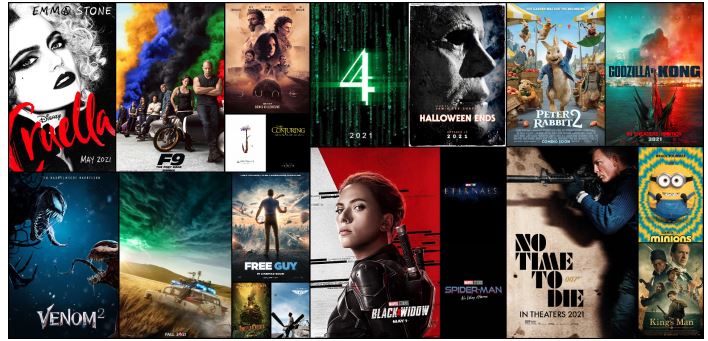
More Genre Film Delays?

Looks like we are heading back to square one with the COVID-19 pandemic. The delta variant of the coronavirus has raised infection numbers worldwide just as it was recovering from the pandemic (thanks maskholes, covidiots, and other morons who either won’t mask up or get vaccinated for stupid reasons). As the COVID-19 cases began to explode in alarming numbers this development seems to be causing film studios to reconsider their release schedule. We all know how severely their original film schedules were thrown out the window when the pandemic first happened last year.

Already, Paramount Pictures announced that they canceled the September 17, 2021 release of Clifford the Big Red Dog to no date certain. While many adult genre fans would not care about that they have to realize the precedent this is setting. The same thing happened last year when the James Bond film No Time to Die had its release date canceled. It was the first major film to be delayed. This eventually caused a ripple effect as the pandemic worsened as we saw that Marvel Studios’ Black Widow was yanked from its May release date with just weeks to go. Can history repeat itself if the film release Shang-Chi and the Legend of the Ten Rings is delayed from September 3, 2021 to who knows when? What about Eternals? What about Spider-Man: No Way Home?

That Marvel Studios/Sony Pictures production is the most eagerly awaited offering from the Marvel Cinematic Universe (MCU) for the year. But we have yet to see a trailer or even acknowledgement about what it is about or who appears in the film. So the speculation about Tobey Maguire and Andrew Garfield will continue. This is concerning for Spider-Man fans because the film is supposed to come out this December and by this time there should have been a trailer, but Sony has not provided any updates on the film. This is fueling speculation that Spider-Man: No Way Home will be delayed.

Adding ammunition to this is that today’s trailer release of Venom: Let There Be Carnage did not have a release date, only the tag: “Exclusively in movie theaters this fall”. The Venom sequel is supposed to be released on September 24, 2021 but by the way things are going, it’s anyone’s guess if this will happen. If Venom: Let There Be Carnage is pushed to October or November this in turn will push Spider-Man: No Way Home’s release date to next year and further delay Sony’s Morbius film.

If Spider-Man: No Way Home is delayed this dominoe will affect the other MCU films slated for future release. Doctor Strange in the Multiverse of Madness is connected to the Spider-Man film and is the first MCU film of 2022. Will this impact the Disney+ MCU TV shows, as well?

Of course, the delays will create even more tension with Marvel Studios, their parent company, Disney, and Sony. Spider-Man: No Way Home is Sony’s biggest film and they want to get the most bang out of their production so they may want to hold off until next summer. As mentioned above this will disrupt Marvel Studios plans for their films creating more delays. On top of that there are reports that Marvel Studios’ president Kevin Feige is not happy with Disney over the way they handled the release of Black Widow. He did not favor its simultaneous release onto Disney+ and in theaters, which caused the film to lose money in the box office. And he was sided with Black Widow’s star Scarlett Johansson, who is suing Disney. This could be the start of the unraveling of the Golden Period of the MCU. Who knows where this will end? Perhaps Feige may eventually jump ship and go work at another film studio. Warner Brothers will take him in a second!

At least for Warner Brothers, their DC Extended Universe (DCEU) films may not be as affected as The Suicide Squad is coming out this week and they don’t have any DCEU films slated for release until next summer. Hopefully by then the unvaccinated will get a clue and we’ll be able to put this disease behind us. Their other genre films like Dune and the new sequel to The Matrix, which were slated for release this year, will also stream on HBO Max. So they might stick to the schedule for the rest of the year. As we have seen throughout the pandemic this release strategy will dampen box office returns. Keep in mind, both Warner Bros. and Disney have announced they will discontinue this practice. That could change if the pandemic doesn’t abide soon.

For now, it is too soon to say where things will end. Perhaps infection and death rates will plummet or booster shots to combat the delta variant will be distributed soon to put the vaccinated at ease. There are reports that vaccination rates are increasing so hopefully by the end of the month we can see better numbers. Of course, this grousing about delayed genre film releases cannot compare to the pain and misery that the coronavirus is causing among us. We all have to do our part, which includes continuing to mask up (even if we’re vaccinated), washing up, social distancing, and the other efforts to stop the spread of the virus. OK, PSA is over, whether or not these films we love get delayed it’s more important to stay safe and enjoy the many other media that is still available for our enjoyment.