Denis Villenueve’s Majestic Dune

Dune is a classic science fiction novel written by Frank Herbert in 1965 that tells the story of a young man in the far future who leads a desert planet people to freedom. It’s a very complicated tale that has a deep back story that has been difficult to translate to film due to its complexity. The first film adaptation directed by David Lynch in 1984 was met with a mixed reception. It was a lavish production that looked and felt like Dune, but also took liberties with the story and was edited and cut out much of Herbert’s vision. The Sci-Fi Channel released a mini-series in 2000 that was more faithful to the book and was longer than Lynch’s film, but was made on a limited TV budget that was sometimes evident with painted backgrounds and weird costumes. 

Denis Villenueve’s Dune is the latest adaption of this epic tale that takes place in the far future. Humanity has spread to the whole galaxy and is ruled by the Padisha Emperor, and that empire is controlled by an addictive substance known as spice that extends life, enables interstellar space travel, and allows some to see into the future. This precious resource is only found on one planet, Arrakis, also know as Dune, which is populated by a nomadic group of people known as the Fremen. They have a prophecy that a man from off world will lead them to glory and freedom. This man is young Paul Atreides (Timothée Chalamet), the son of Duke Leto Atreides (Oscar Isaac), who is gifted control of the planet by the emperor. This gift, however is a double edged sword, with plots against the Atreides hatched by the emperor and House Atreides’ sworn enemies, House Harkonnen. These machinations force Paul to embrace not just his future but the the destiny of the galaxy.

Villenueve’s take on the material is excellent and shows a great respect for the essence of the story. The movie has the best elements of previous adaptions, with the right look and feel of the 1984 film, along with the faithfulness of the mini-series. The new movie takes it time in telling the story which is the right way, since it is a deep and complex story of prescience, politics, and ecology to name a few things that make Dune a book that is still enjoyed and admired decades after its publication.  Paul’s frequent visions of his future with the Fremen and his future lover Chani (Zendaya) are shown in an interesting and mysterious way, and the appearance and mannerisms of the different factions of the Dune universe are also a highlight. From Mentats making calculations with their human computer minds to the emperor’s Sardarkaur troops speaking in a weird, guttural language, this feels like a different time and place, as it should since it takes place over 10,000 years into the future.

Paul’s journey from son of a Duke to the head of his family is done in a convincing way, with good performances from a great cast. Timothée Chalamet shows the conflicted nature of Paul, who can see his future and is reluctant to make it happen, yet feels obligated to continue his father’s work. Oscar Isaac, as his father Duke Leto, also does well as the heroic leader of House Atreides, who knows that the gift of Arrakis to his family is a trap, yet also feels the pull of duty to go forward in taking control of the spice while warning his son of what is to come. Paul’s mother, Lady Jessica is well portrayed by Rebecca Ferguson, who shows the agony of a mother giving her son over to a possible death at the hands of the Bene Gesserit Sisterhood, a group that has plans on genetically breeding a super human who can transcend time and space and see Paul as that potential being. The well-rounded cast includes other such names as Jason Momoa, Zendaya, Javier Bardem and Stellan Skarsgard as the Baron Harkonnen. All of which provide excellent interpretations of these iconic characters.

One issue I had with the movie, is that because of the strong focus on Paul Atreides and his mother, there are some characters that do not show up at all, such as Princess Irulan, Feyd Rathua Harkonnen, and Emperor Shaddam IV. These are important characters to the story, but due to the obvious time constraints in a two-and-a-half hour movie and the needs of a very complicated story, this is a consequence. Speaking of which, the title of the movie at the beginning says “Dune, Part 1”. Villenueve chose to make the movie based on the first half of the book. I think this was the only choice, since trying to cram the whole book into one film will lead to issues that can happen in film adaptations of books, where much of the plot can be lost or rushed. I would have liked to have seen perhaps a three-hour version, so that these missing characters could show up, and that the villainous Harkonnens could have more of the limelight. Having said that, it is still better to have a Dune film that lets the story unfold, which this one does. I have heard complaints about the ending of the movie, that it is supposedly abrupt, but I didn’t see it that way. It feels like a good ending point for that part of the journey, where Paul and Jessica embark on a new phase of their lives with the Fremen, and the Harkonnens still lurking as a major threat. Early indications are that the film is doing well and hopefully this will lead to the expected part 2 that will finish the tale of Paul Atreides’ rise to power, and the establishment of the legendary Dune universe.

C.S. Link

“The Most Profound Experience I Can Imagine” William Shatner Goes Where Few Have Gone Before

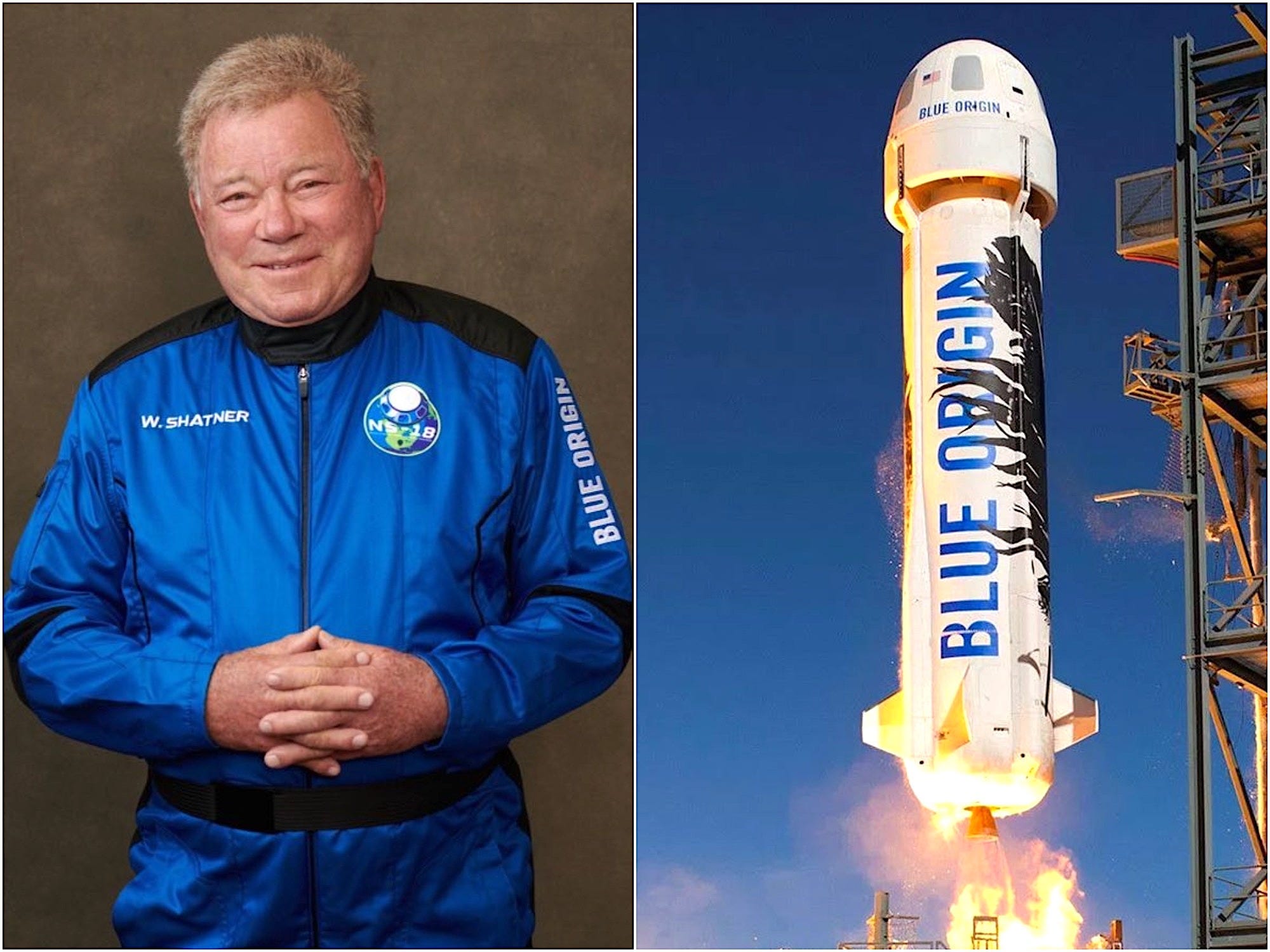
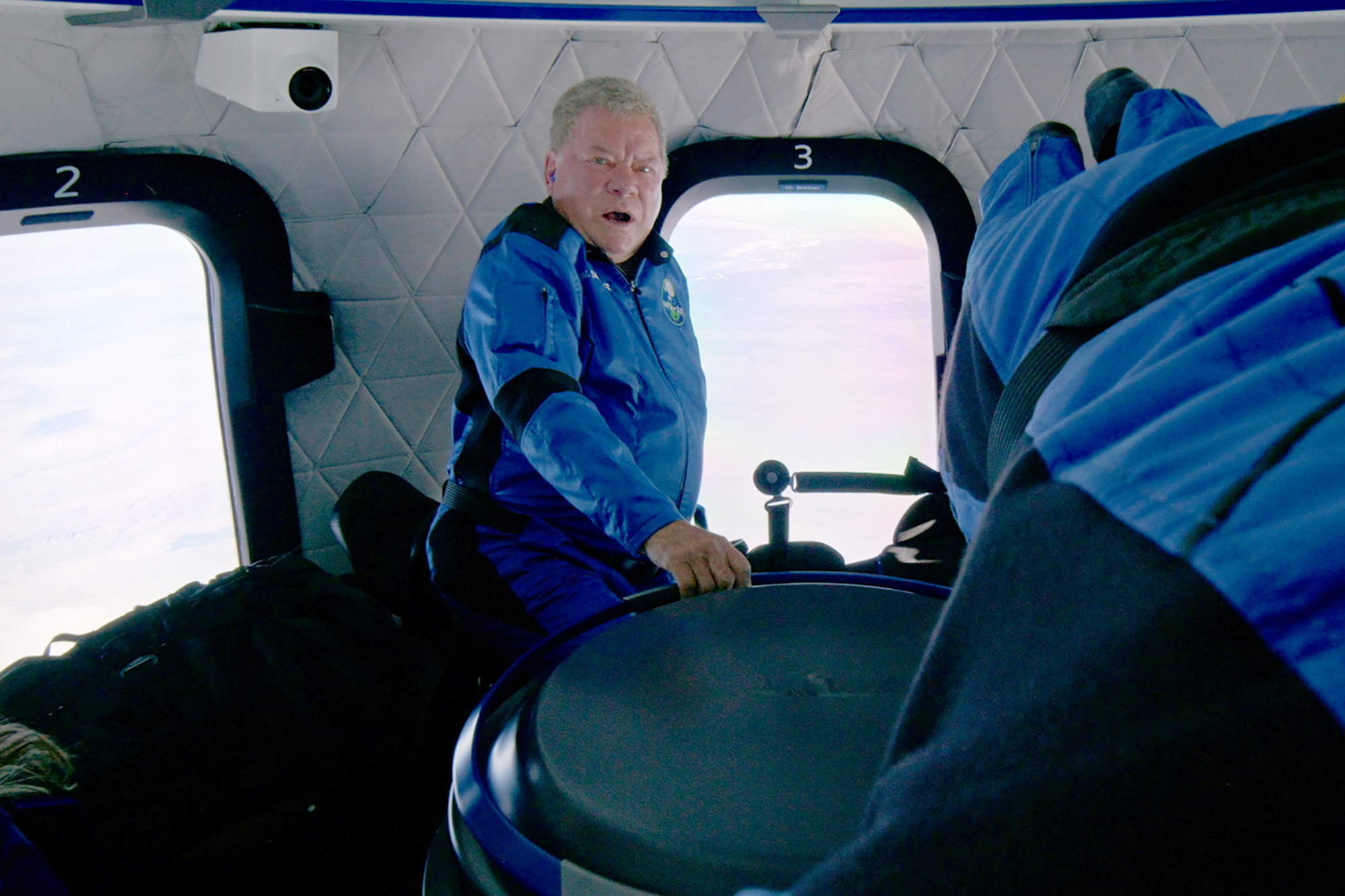
On October 13, 2021, history was made as sci-fi melded with science fact when actor William Shatner became the oldest person to ever go into space onboard Blue Origin’s New Shepard suborbital launch vehicle.

At 90 years young, Shatner is, of course, best known for portraying Captain James T. Kirk, in the original Star Trek and the first seven Star Trek films. The resusable suborbital system was conceived by Amazon CEO Jeff Bezos as a means of commencing space tourism. Bezos invited Shatner to become an astronaut/passenger for the New Shepard’s second crewed voyage, which included three other astronauts/passengers.

Obviously Star Trek and sci-fi fans were excited by the news as finally William Shatner would be able to in a sense emulate the sci-fi legend, who voyaged through space as he commanded the starship Enterprise. Needless to say, what Shatner accomplished paled to Kirk’s feats. After all, the actor simply took a suborbital flight while Kirk traversed the galaxy as if it was nothing. Yet Kirk appreciated the situation he was in, to explore and witness what few or none have before. Now, Shatner, too, was able to have as what he said was “the most profound experience I can imagine.”

Originally the flight was to take place on October 12, but was delayed due to weather. During pre-takeoff, it was clear that William Shatner was nervous about his flight and made no secret about his ambivalence. Still, he went through with the flight and was taken aback by the experience.

The New Shepard launched from Blue Origin’s launch site in West Texas at 10:49 a.m. in a short suborbital trajectory that was similar to astronaut Alan Shepard’s first suborbital flight in 1961. The capsule that Shatner and the other three astronauts were in only remained in suborbit for about 11 minutes before it descended back to Earth. Still, that so-brief voyage left a grand impression upon Shatner and his companions.

Once he landed and was greeted by Bezos, William Shatner gave a moving and visceral description of his journey and how it deeply moved him. “I hope I can never recover from this. I hope that I can maintain what I feel now. I don’t want to lose it.” Shatner confessed as he recounted his short voyage 65 miles above the planet.

Some will argue that the event was a publicity stunt for the very rich and that the cost of the flight could have been better used down at Earth. But these trips illustrate the potential of space toursim and open it up to everyday people who are not scientists or engineers. William Shatner’s journey to where few have gone before was truly inspiring and an excellent way to boost space tourism. He pointed out that observing Earth from afar made him appreciate how fragile and beautiful our world is and how it should be cherished. He also added that everyone should experience to see Earth in a new way. Many other space voyagers described a similar feeling and how it made them protective of our planet. Perhaps if more people experienced what the very few have then it could inspire them to take measures to protect Earth.

Eventually, space tourism will become more affordable and attainable for many people to the point that it can become as routine as taking a flight on an airplane. Shatner’s experience and the way he eloquently described it are excellent ways to promote space tourism and inspire countless others.
So, what next? Will Patrick Stewart be invited for a future flight or antoher Star Trek actor? How about Mark Hamill, Sigourney Weaver, or any other prominent sci-fi actor? How about prominent sci-fi visionaries, such as George Lucas or James Cameron? It’s easy to imagine Cameron staying in orbit to film his next sci-fi blockbuster. They could, as Shatner demonstrated, be the best ambassadors to motivate others and who knows? Space tourism could soon become commonplace. Anyway, no matter what, it was a blast to see a small measure of science fiction becoming reality as we can now envision what it is like for Captain Kirk to be in space as the actor who helped create the character took that next step into the final frontier.

José Soto
Exploring Star Trek: Enterprise 20 Years Later

Twenty years ago, the final Rick Berman-era Star Trek show premiered on the former UPN network to a mixed reception, at best. Originally called Enterprise, the fifth Star Trek spinoff held a lot of promise with its premise—a prequel to the original Star Trek universe which detailed humankind’s initial exploration of space and the events, such as First Contact with famous Star Trek alien races, that led to the formation of the United Federation of Planets, and the acclaimed Star Trek universe.

When Enterprise was conceived, the Golden Age of Star Trek was already coming to a close. Star Trek: The Next Generation and Star Trek: Deep Space Nine (DS9), two highly revered shows, were no longer airing and Star Trek: Voyager (VOY) was ending its seven-year run. By the time the final episode of VOY aired, Enterprise and its premise was known to fans, as was the fact that popular genre actor, Scott Bakula, the star of the beloved sci-fi time travel show Quantum Leap, was cast to play the lead, Captain Jonathan Archer. However, around this time the Star Trek franchise under the helm of Rick Berman was running out of steam, creatively. Many episodes of Star Trek: Voyager were formulaic and many feared for good reason this malaise would carryover into Enterprise since Berman created it and was the main showrunner, along with Brannon Braga.

There were signs that the new show was going through the motions, starting with it premise, another starship crew exploring the unknown sectors of space; the characters seemed bland for the most part and echoed the makeup of the original cast with a few differences.

Still, many held out hope that Enterprise would deliver and rekindle the spark of imagination that the Star Trek franchise was noted for. Many were cautiously optimistic about the show, yet others were not enthused about the show and were ready to move on to other properties.

Enterprise premiered on September 26, 2001, which obviously was the first post-9/11 Star Trek show just a few days after the catastrophic event struck the United States.

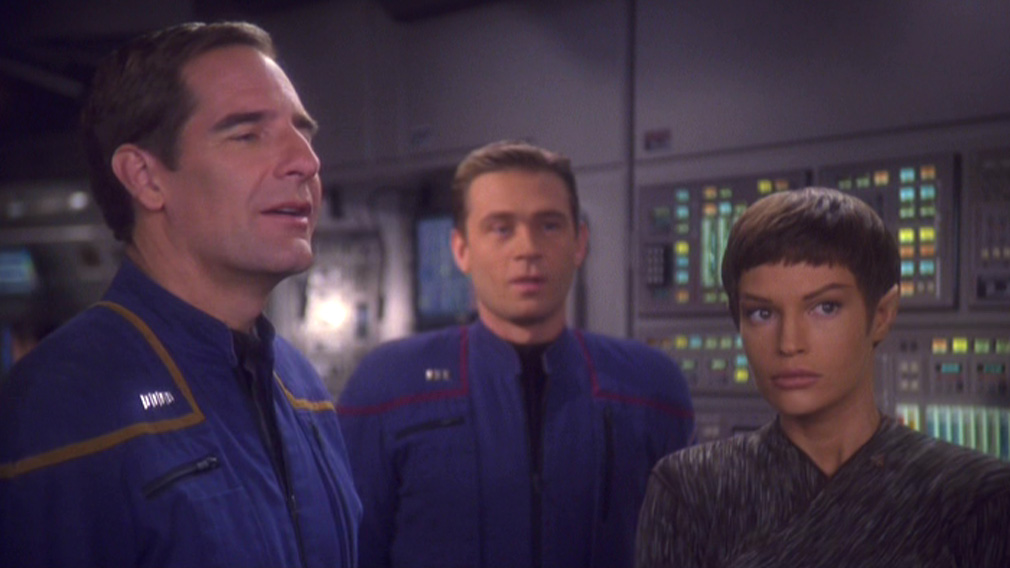
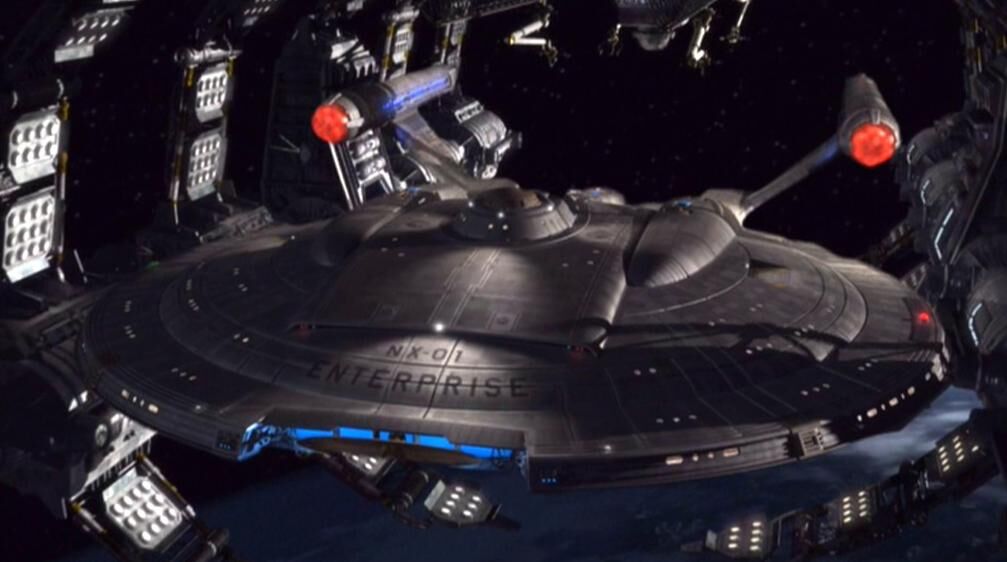
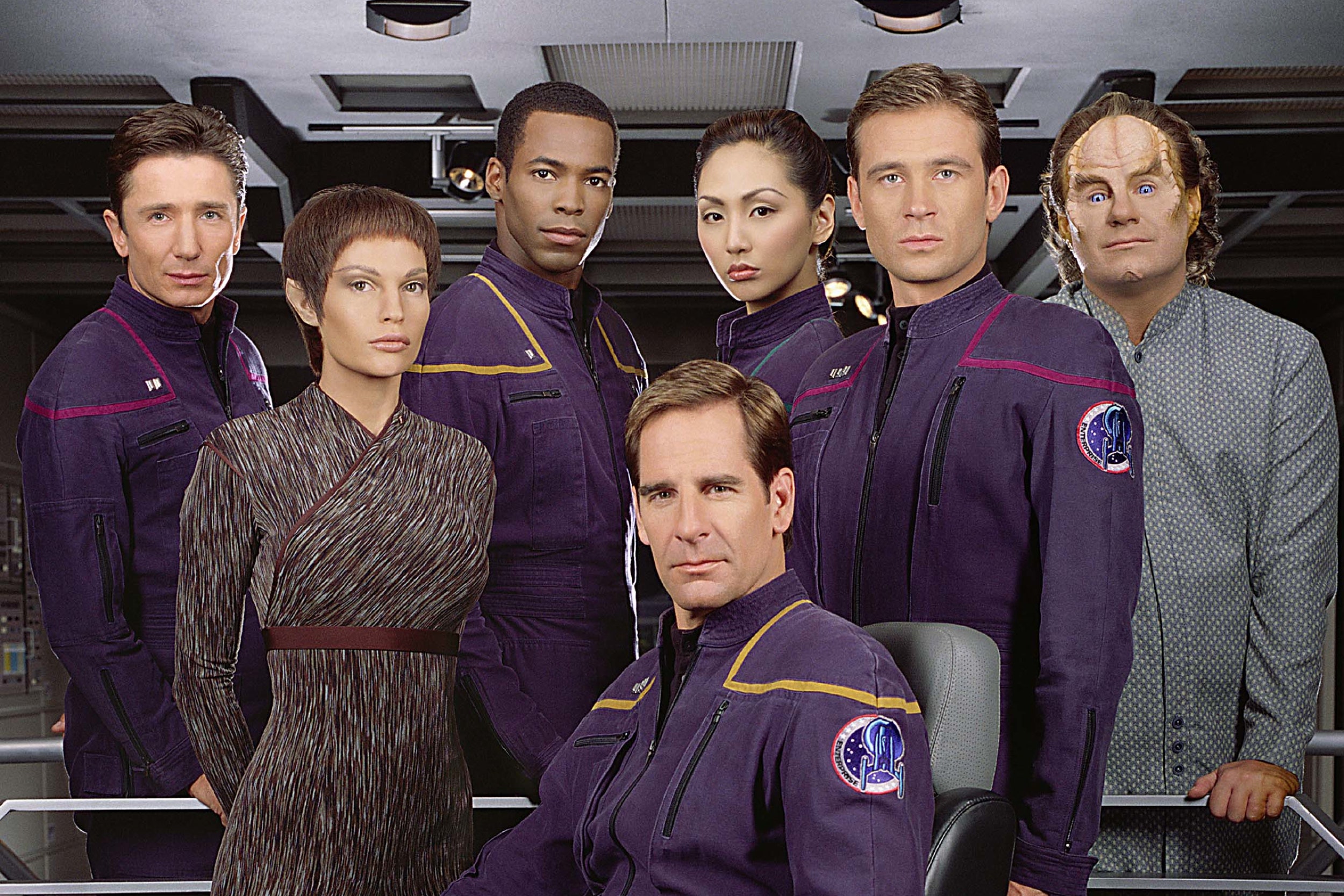
The pilot episode “Broken Bow” introduced viewers to the crew of NX-01 Enterprise, Earth’s first starship that was capable of reaching warp 5. The more notable crew members consisted of Captain Jonathan Archer (Bakula), Chief Engineer Travis “Trip” Tucker (Connor Trinneer), and First Officer T’Pol (Jolene Blalock), a skeptical Vulcan who acted more as a guide to the humans when they ventured into unfamiliar space.

The ship and crew were pressed into service when an alien Klingon crash landed on Earth and the Enterprise crew undertook the mission to return the Klingon to his people. What they soon learned was that a shape-shifting alien race called the Suliban were after the Klingon. This put the humans into conflict with the Suliban, which Archer learned were being manipulated by a great power in the far future.

This was part of a confusing sub plot throughout most of the show’s run about a so-called temporal cold war. Apparently, the time period Enterprise took place in (the 2250s) was pivotal in history and certain unknown factions in the future wanted to change it. According to some reports, co-creators Rick Berman and Brannon Braga were forced to include this plot line by the network, and the duo even admitted the plot was never fully developed, and it showed. Berman and Braga also revealed that initially they wanted the series to take place on Earth for a large bulk of the first season as the Enterprise was prepared for its maiden voyage. But the network asked that the starship immediately launch into action during the pilot episode.

“Broken Bow” was entertaining but not as inspiring or memorable as previous Star Trek pilots. A bad sign for the show was the opening credits which featured a montage of humankind’s history of exploration. The montage was fine, but it was ruined by a rancid rendition of “Faith of the Heart” that was so treacly and annoying.

Many of the characters introduced felt too familiar or were not memorable. It felt like the showrunners were trying to recreate the famous Kirk/Spock/McCoy dynamic with Archer, T’Pol and Tucker. Just swap the sex of the token Vulcan and make the emotional member of the trio an engineer instead of a doctor. Some characters were interesting but never got the screen time they deserved, such as Dr. Phlox (John Billingsley), a quirky alien doctor who was the chief medical officer of the ship. Other characters were completely forgettable, such as Travis Mayweather (Anthony Montgomery), the ship’s helmsman. What was known about him was that he was one of the first generations of humans to be raised in deep space. Other than that he was relegated to being a glorified extra.

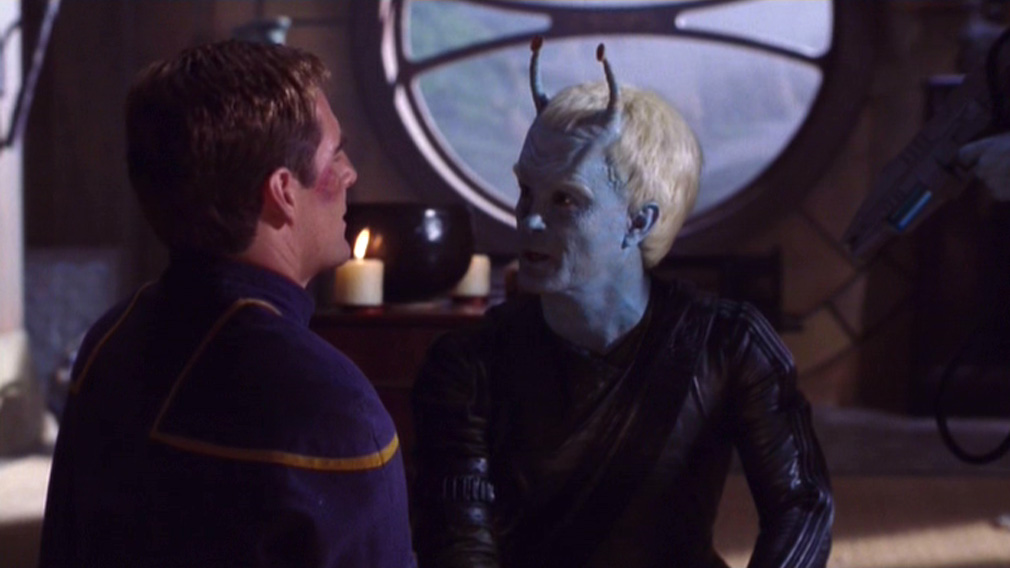
The early episodes themselves were not very exciting or captivating, though there were a handful of standouts, such as “The Andorian Incident”, which established first human contact with the Andorians and introduced Shran (Jeffrey Combs), a volatile Andorian officer who was one of the show’s best characters. But in other episodes basically not much happens and felt routine. The basic premise of the show was that it was supposed to chronicle the first steps humanity took when it began exploring deep space. The tech was supposed to be crude, shuttles and grappling hooks were used by the ship instead of transporters or tractor beams. With that in mind, the transporters were still brand-new technology that was not trusted, yet they soon used all the time instead of shuttles. It’s a shame since the early reliance of shuttles inspired one of the better first season episodes “Shuttlepod One”.

Some of the storylines had interesting premises but the execution was mundane and the end result was by the numbers. Other episodes were outright copies of previous Star Trek episodes. For instance “Vanishing Point” had the same premise as “The Next Phase” from TNG, which did it better. The same went for “Precious Cargo”, an outright rip-off of TNG’s “The Perfect Mate”. It was obvious that Berman, Braga and other crewmembers were burnt out and going through the motions. Many of them, including Berman, had been involved with Star Trek since the mid-1980s. It was time to bring in new blood but the people in charge refused to see this and this is why the show suffered.

By the time the second season of Enterprise came to a close it was clear something had to be done. Ratings were declining, as was interest in the Star Trek franchise. Many fans abandoned it for fresher properties that were making their mark at the time such as Stargate: SG1, Firefly and Farscape.

Continue reading →

Star Trek Turns 55

Yes, the classic sci-fi TV show that started the unbelievable Star Trek phenomenon turned double nickels this year. At 55, Star Trek continues to captivate untold numbers of fans. As any Trekker knows, the show has spun off into nearly a dozen TV shows (which includes Short Treks and the original animated TV show from the ’70s) and thirteen films.

There are many reasons for the enduring appeal and success of the Star Trek franchise. They include the captivating story lines and characters that serve as allegories for our current situation or are at least imaginative. The stories also offer a beacon of hope for humankind, that we will overcome our strife and spread out into the stars. Whatever the reason, Star Trek, despite its ups and downs, will continue to entrance fans and be a part of our culture for a long time.

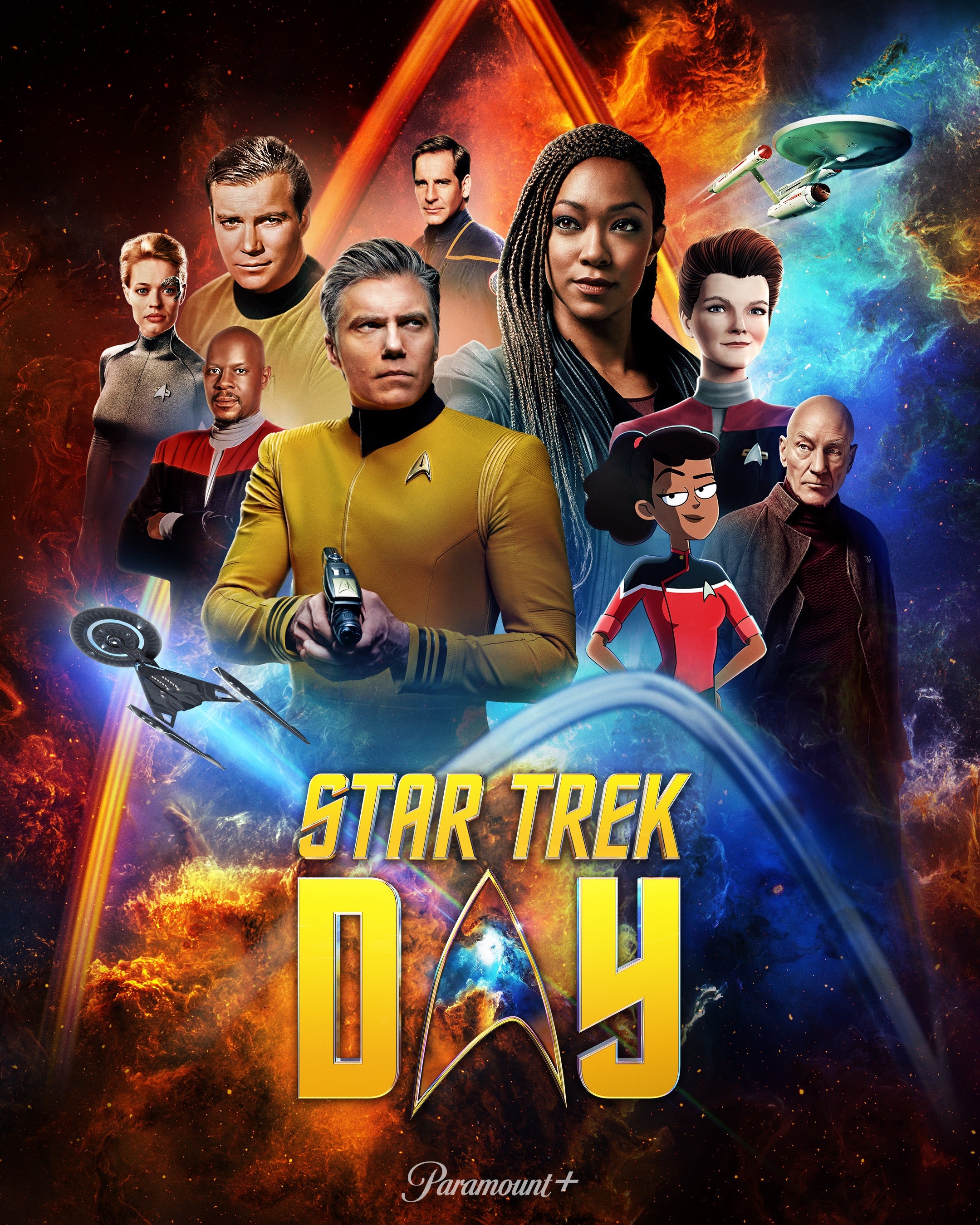
To help celebrate the 55th anniversary of Star Trek, the streaming app Paramount+ presented a live celebration of the show and its spinoffs on September 8. This day is now known as Star Trek Day because the original TV show debuted on September 8, 1966. The Star Trek Day celebration featured many cast members and showrunners from previous, current and upcoming productions dedicated to Star Trek. The panel presentations featured actors from previous Star Trek shows who reminded the audience of the significance contributions their shows made to the franchise. These were followed up by beautifully performed live scores of each Star Trek show by Jeff Russo and his orchestra.

Probably the most anticipated highlight of the Star Trek Day event were the presentations of upcoming Star Trek TV shows such as Star Trek: Discovery, Star Trek: Prodigy, Star Trek: Strange New Worlds (which revealed its full crew lineup that includes Nyota Uhura, Christine Chapel and new characters), Star Trek: Lower Decks and Star Trek: Picard. The trailer for Star Trek: Picard unveiled that the second season will be time travel romp that partially takes place in modern times and was a delightful callback to Star Trek IV: The Voyage Home as the characters struggled to blend in with our times, Good luck with that, many of us are also struggling! It was announced that Star Trek: Picard has been renewed for a third season and premiere dates were given for a few of the shows.

But the most insightful panel was a celebration of the 100th birthday of Gene Roddenberry, the creator of Star Trek and Star Trek: The Next Generation. The panel, hosted by Wil Wheaton, featured Rod Roddenberry, George Takei, LeVar Burton and Gates McFadden. They all shared their personal stories of meeting Gene Roddenberry and how they worked with him. It was an excellent and heartfelt commemoration of Gene Roddenberry and his impact on Star Trek and our culture.

Even though the current Star Trek shows have their issues, their best aspects were highlighted and it was clear that the people involved with the shows were passionate about their work. It was heartening to see during the Star Trek Day event that the show that started 55 years ago continues to shine which is remarkable considering that most TV shows from that long-gone era have been forgotten. This includes TV shows that garnered more ratings than the original Star Trek.

The celebration was a welcome reminder that Star Trek will continue to live long and prosper.

José Soto

The Impactful Success Of Shang-Chi And The Legend Of The Ten Rings

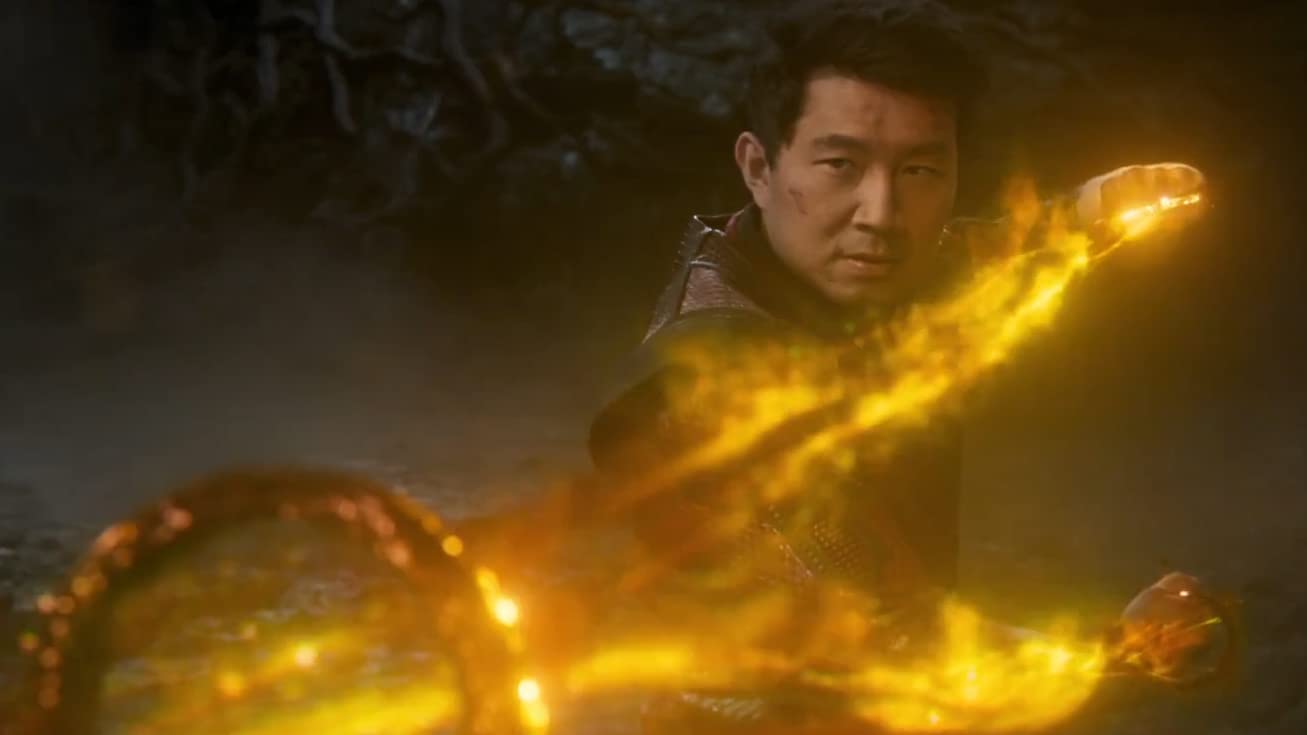
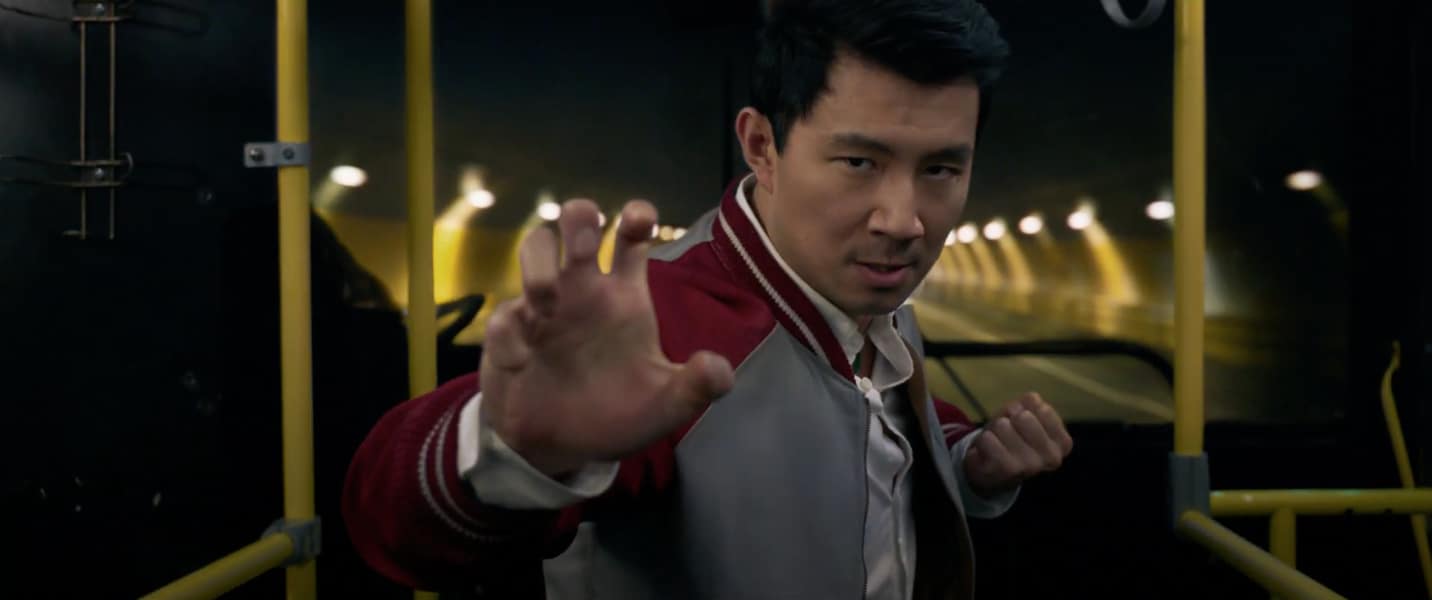
Shang-Chi and the Legend of the Ten Rings, the latest film from the Marvel Cinematic Universe (MCU), defied expectations and debuted to a stunning $71 million take at the box office this weekend and has a combined total of $90 million over the four-day Labor Day weekend. This shattered box office records not just for the year but for the Labor Day weeken in general. Usually by this time of the year the box office becomes a dumping ground for films as the summer season winds down. But Shang-Chi and the Legend of the Ten Rings upended that,

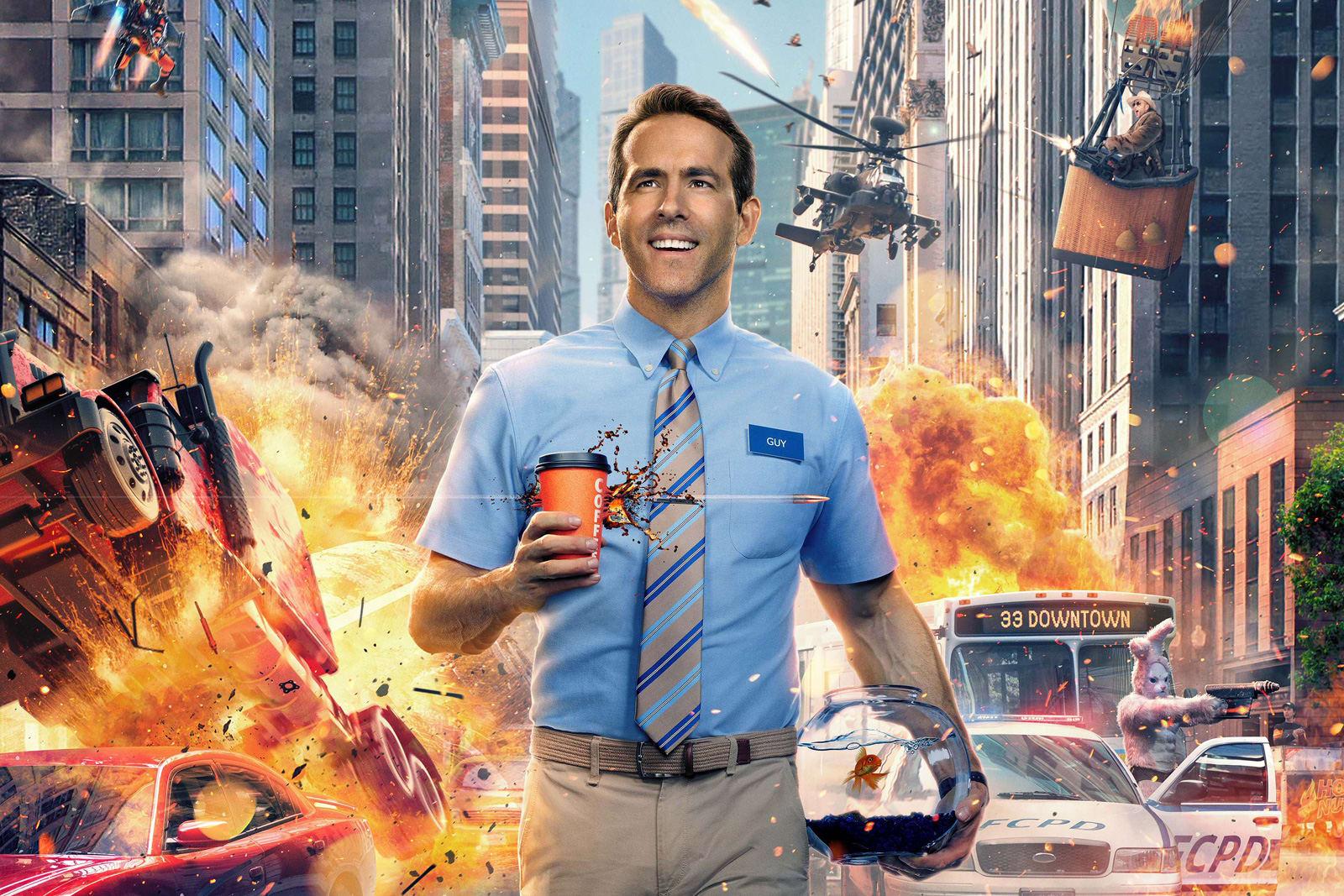
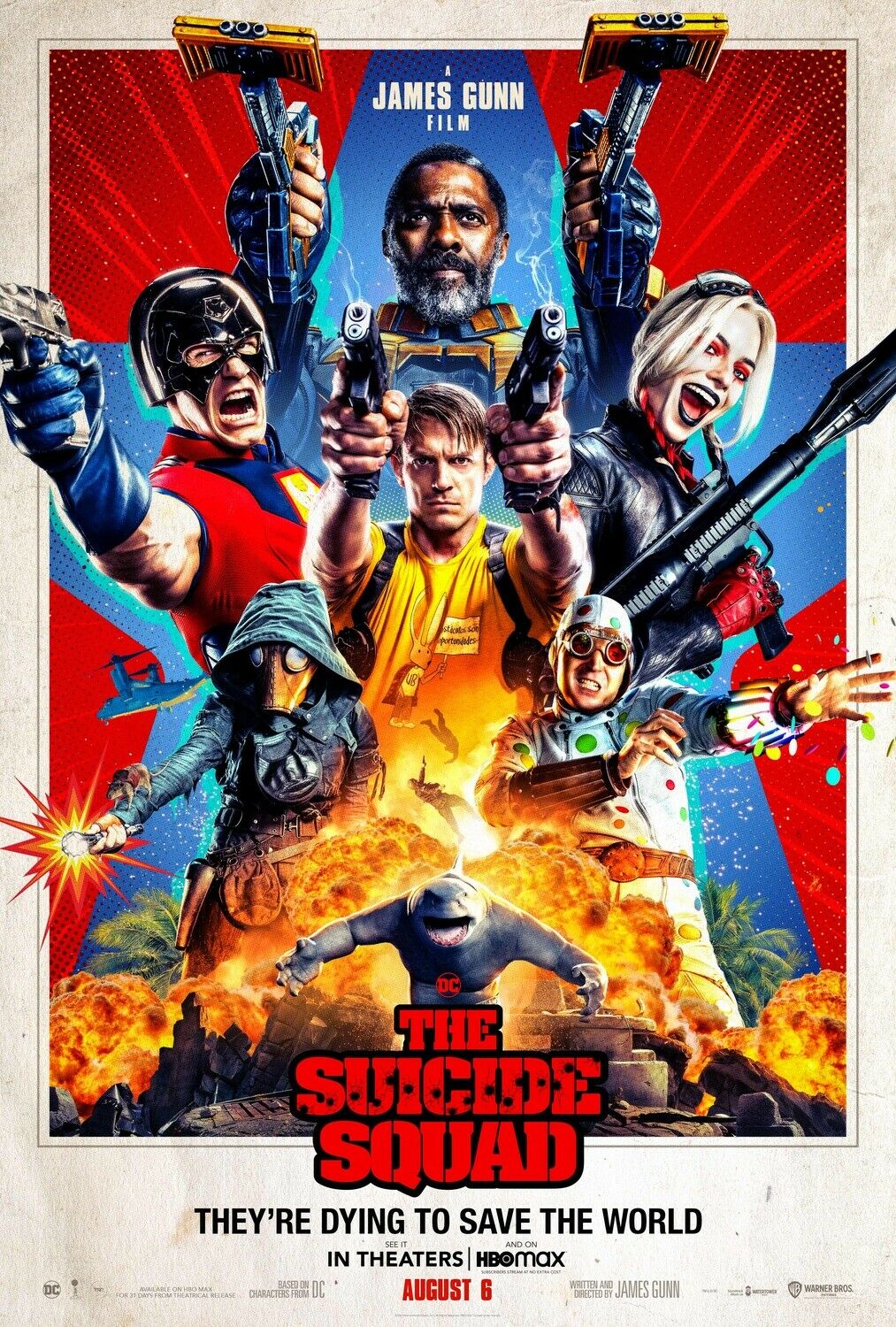
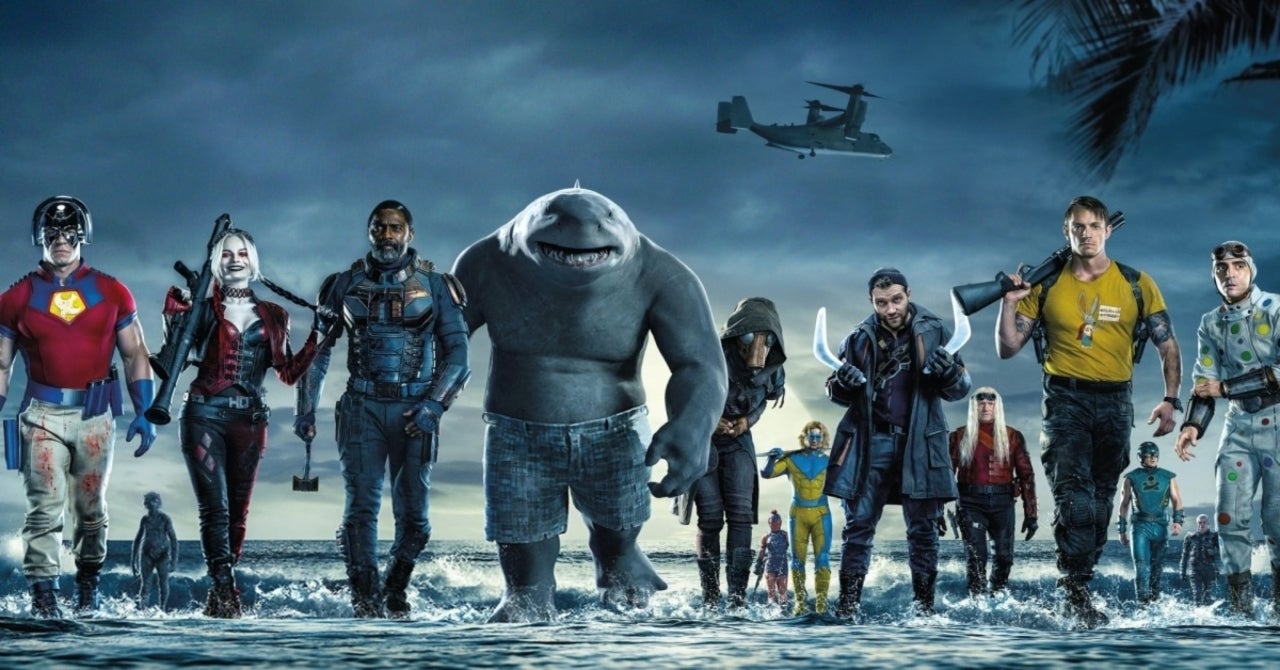
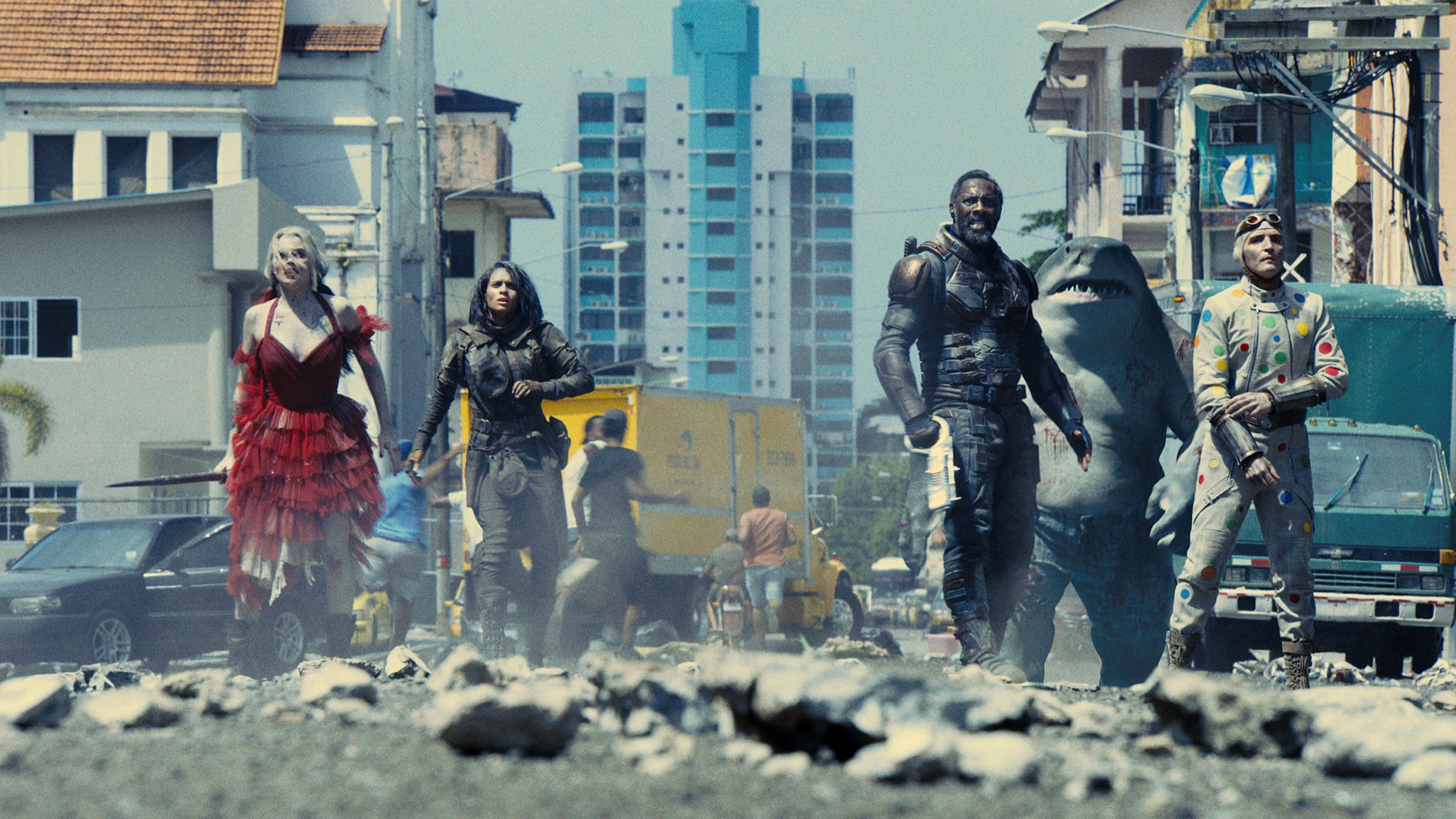
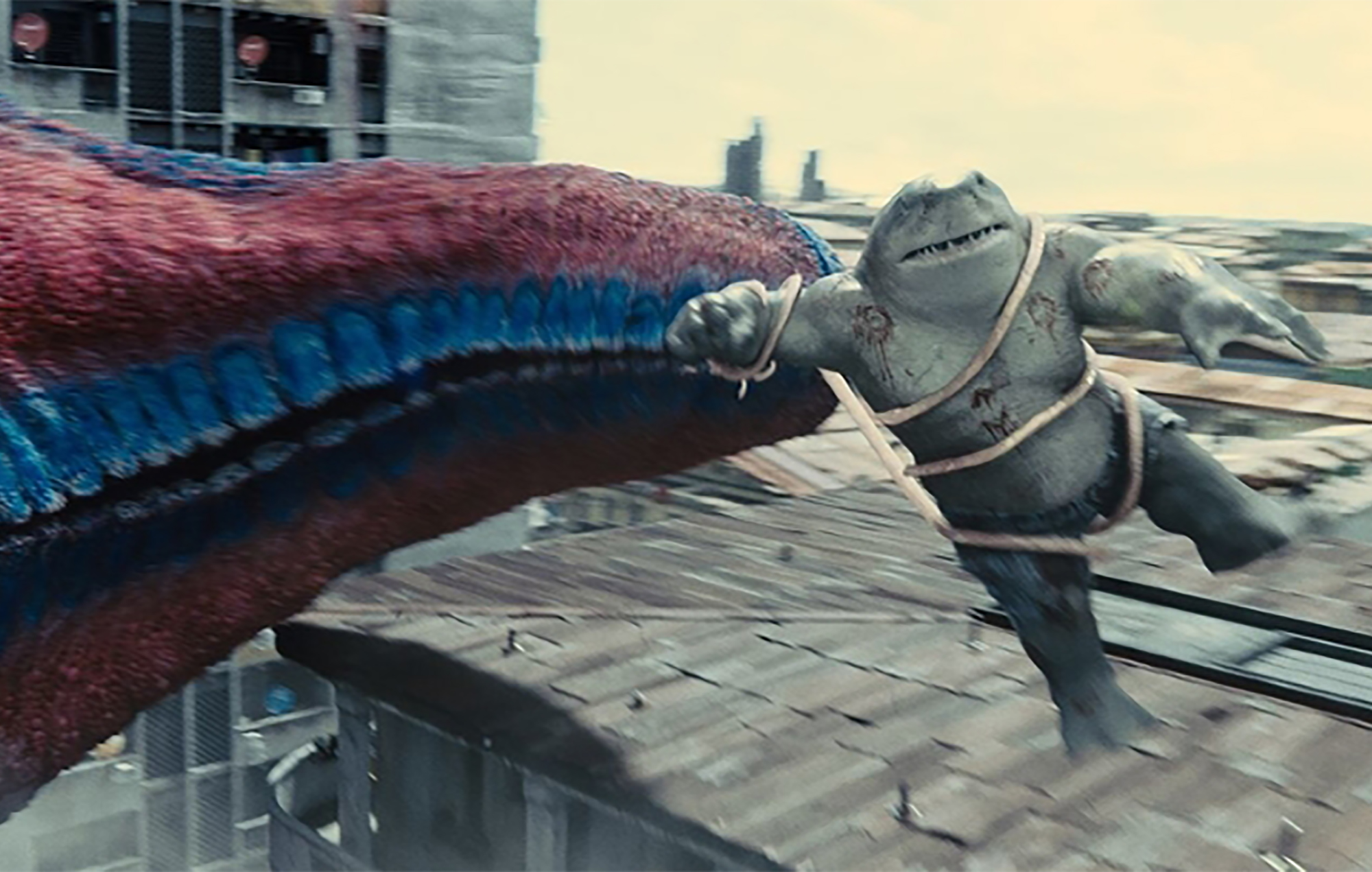
Given the pandemic the success is stunning and portends to the eventual recovery of theaters. It also supports the idea that the current hybrid model of releasing a film at the same time as it is available for home streaming has a negative impact on a film’s box office take. Just look at the failure of The Suicide Squad and to a lesser extent the disappointing earnings for Black Widow. If a film is exclusively available in theaters and it is a high-profile film, it will do well. Not as well as it could have pre-pandemic but it still successful. Another good example is Free Guy, which performed much better than expected because it was a well-made film and you only could see it in theaters.

The key factor in the success of Free Guy and Shang-Chi and the Legend of the Ten Rings is that they were well received and had good buzz, especially with the MCU film which earned rave reviews. Not only that but the public is eager for new MCU content and Shang-Chi and the Legend of the Ten Rings offered something new for fans. Namely, that the film focused on persons of color, and explored a new side of the MCU. Given that this film and Black Panther performed well, expect future MCU to feature other persons of color such as Latinos. America Chavez will appear in the next Doctor Strange film and could be spun off into her own film. Maybe the Puerto Rican hero White Tiger could be the next hot property for the MCU. What is important for these films to succeed is quality, both Shang-Chi and the Legend of the Ten Rings and Black Panther demonstrated that people will go see a film if it is well made and exciting.

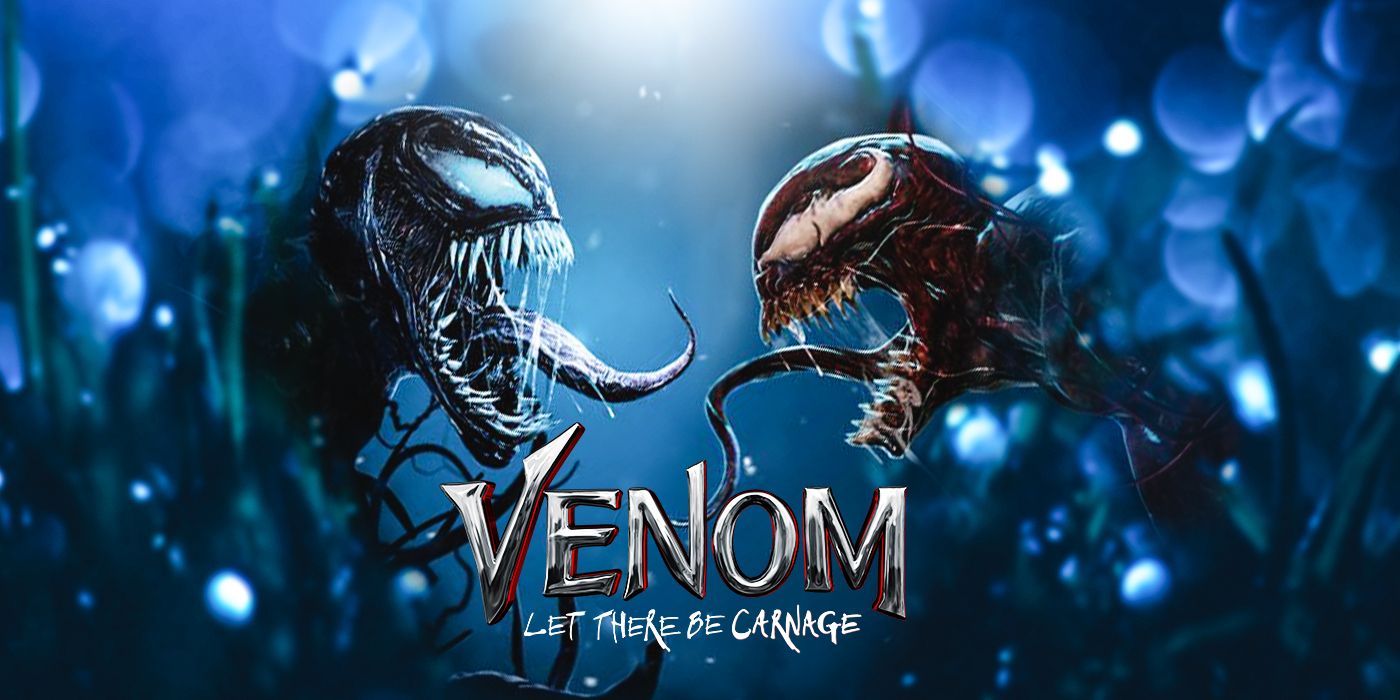
Aside from its merits, the success of Shang-Chi and the Legend of the Ten Rings has already had a positive impact with future films. Whereas Sony Pictures delayed the release of Venom: Let There Be Carnage to mid-October, the film studio has now moved up the film to October 1. There were rumors that Eternals might be delayed as well as Spider-Man: No Way Home until society recoverd more from the pandemic. We have seen the release dates for the upcoming Tom Cruise films Top Gun: Maverick and Mission: impossible 7 delayed to 2022 because of the pandemic. Those rumors for the MCU films, however, are unlikely to come to pass as more and more people are getting vaccinated and the case numbers should start to fall later this year. To date, the release dates for those films have not changed.

Of course, it will take a lot more time for theaters to achieve the earnings they enjoyed pre-pandemic, but recent releases like Shang-Chi and the Legend of the Ten Rings have shown that there is a bright future ahead for theaters and fans.