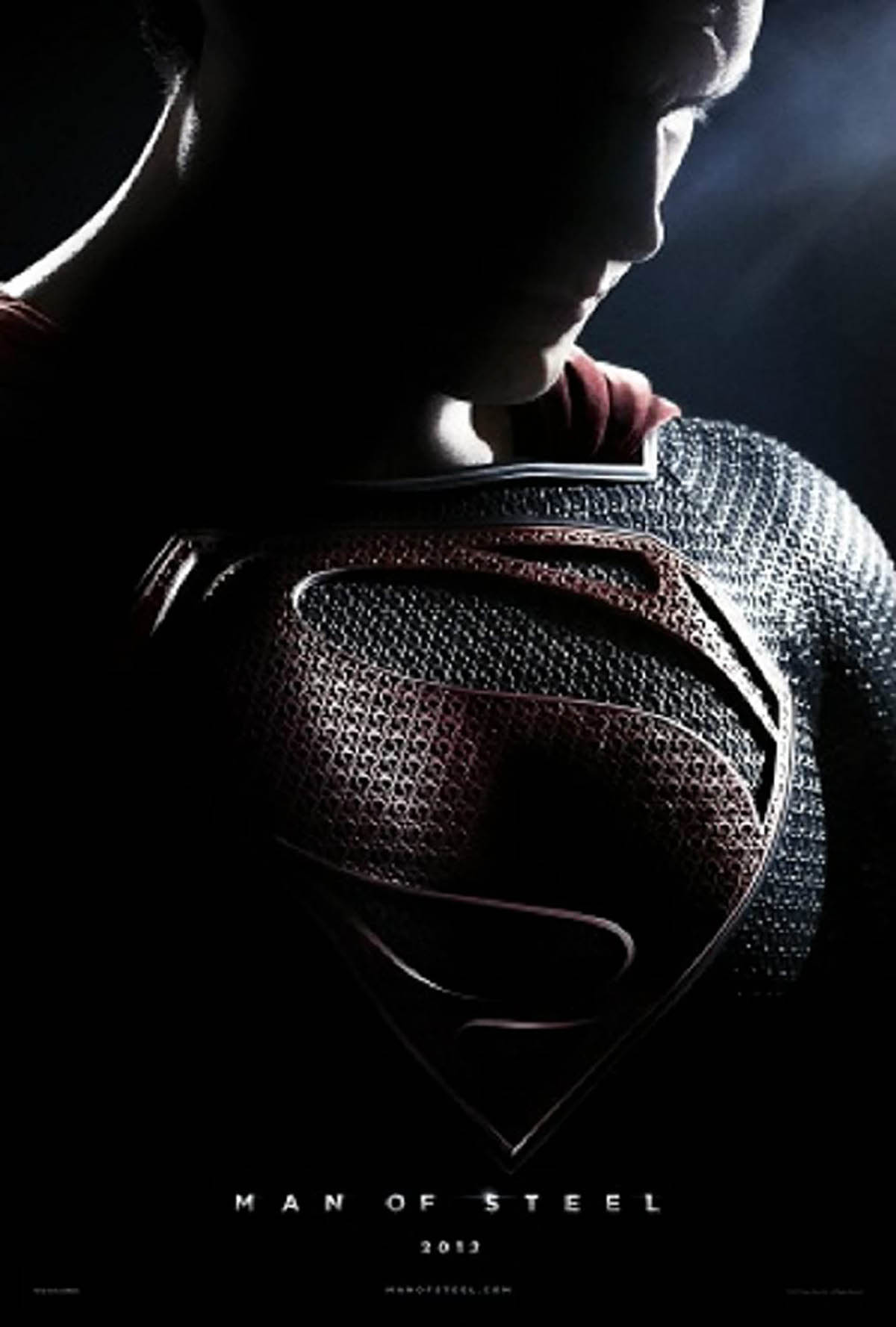
Man Of Steel & The Failed Promise Of The DCEU

This week marks the tenth anniversary of the film release of Man of Steel, which was released on June 14, 2013. It not only served as a reboot for the Superman film franchise but as the vehicle to launch the DC Extended Universe (DCEU). Now the superhero film universe based on DC superheroes comes to an end this year starting with The Flash, which will serve as a soft reboot of the DCEU and transform it into the DC Universe (DCU).

One of the casualties of the DCEU reboot will be Superman himself, which is ironically fitting since his film launched the DCEU.
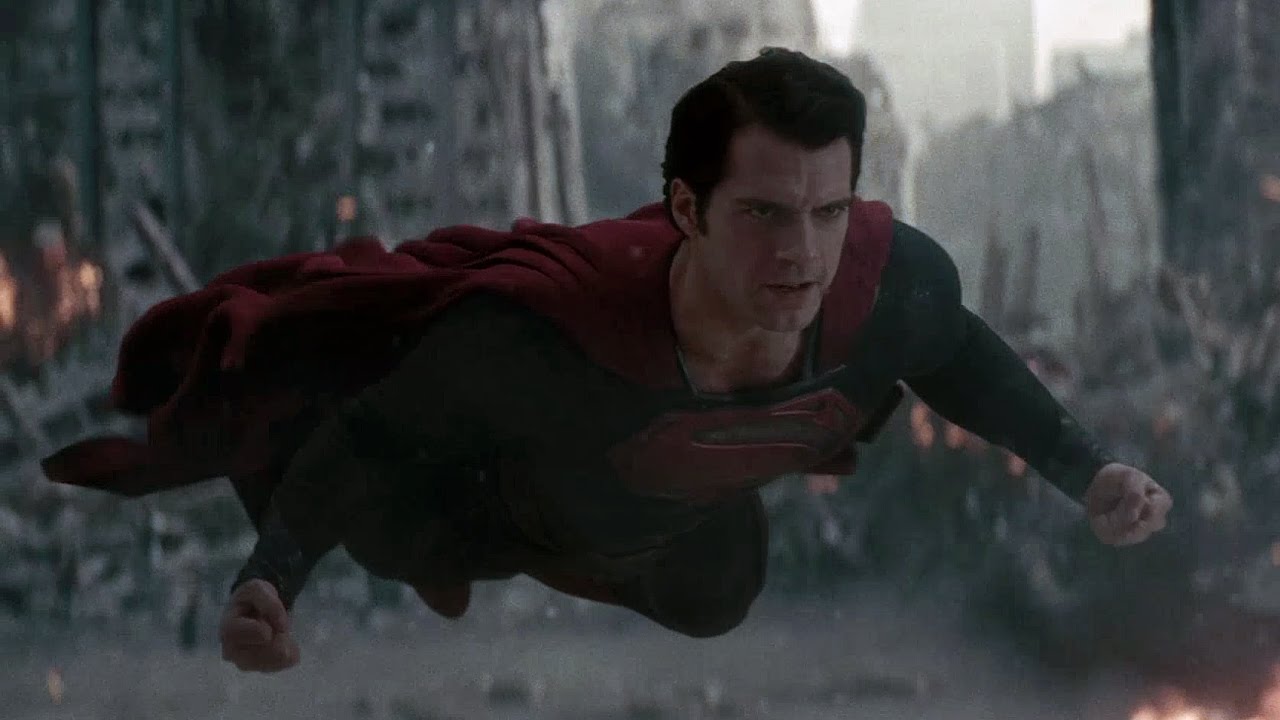
Man of Steel was directed by Zack Snyder, who presented a darker and more grounded version of Superman in a world filled with muted colors and stark lighting. At the same time, the film and other Snyder-centric DCEU films cast the title hero with mythological, god-like imagery that did not resemble comic book images but rather epic paintings with static poses and even more harsh lighting.

This became more prevalent in future DCEU films such as Batman v Superman: Dawn of Justice and Justice League, while Man of Steel was more grounded.

This unique approach to Superman was supposed to make him more relevant and relatable to modern audiences. As to whether or not that worked, is open for debate. Before Man of Steel, Superman was seen as a noble, larger-than-life do-gooder as best personified by the Christopher Reeve Superman films of the ‘70s and ‘80s. Thanks to Reeve’s classic performance it was difficult to imagine the superhero in any other kind of light. Even Superman Returns, the last Superman film before Man of Steel, did not veer from the Reeve interpretation of Superman, which led to a lot of criticism. In trying to make this version of Superman distinct from the traditional Boy Scout persona, it can be argued that Snyder veered too far from what made Superman so special. He is supposed to be a beacon of hope for humanity, which was ironic because he was actually an alien who grew up on Earth. Despite humanity’s faults, Superman adopted the best traits of his adopted species and served as an exemplar for the promise of humanity.
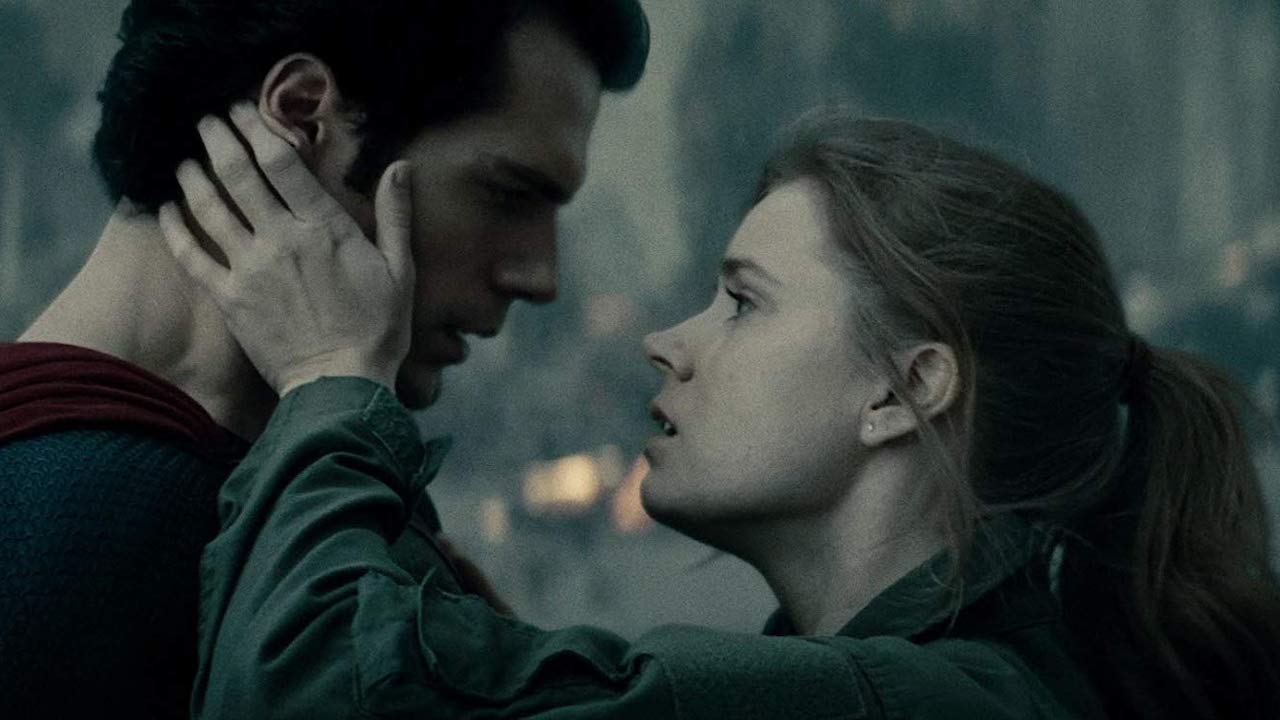
In Man of Steel, Superman aka Clark Kent (Henry Cavill) went through something of an identity crisis in an updated origin story. The film went through the typical Superman origin tropes but with new twists. Superman’s home planet, Krypton, was not the cold, crystalline and sterile civilization seen in the Christopher Reeve films. This Krypton was a planet embroiled in civil strife with a warring society that used what seemed to be technology based on programmable matter.

Superman’s origin was more tied to that of his nemesis, General Zod (Michael Shannon), in that Zod was at odds with Superman’s father, Jor-El (Russell Crowe). With the planet dying, Jor-El sends his newborn son, Kal-El, to Earth to have a chance at a new life. Before Kal-El is sent, he is embedded with genetic material called the Codex, which will provide the genetic means to recreate the Kryptonian race on another world.

After arriving on Earth, Kal-El is adopted by a human couple and grows up in a farm in Kansas. He struggles to fit in with society because of his developing super powers, which he has to keep hidden. Once he reaches adulthood, Kal-El who is now called Clark, sets out in the world to find himself and a purpose in life. During his journeys Clark clandestinely uses his powers to help people during emergencies.
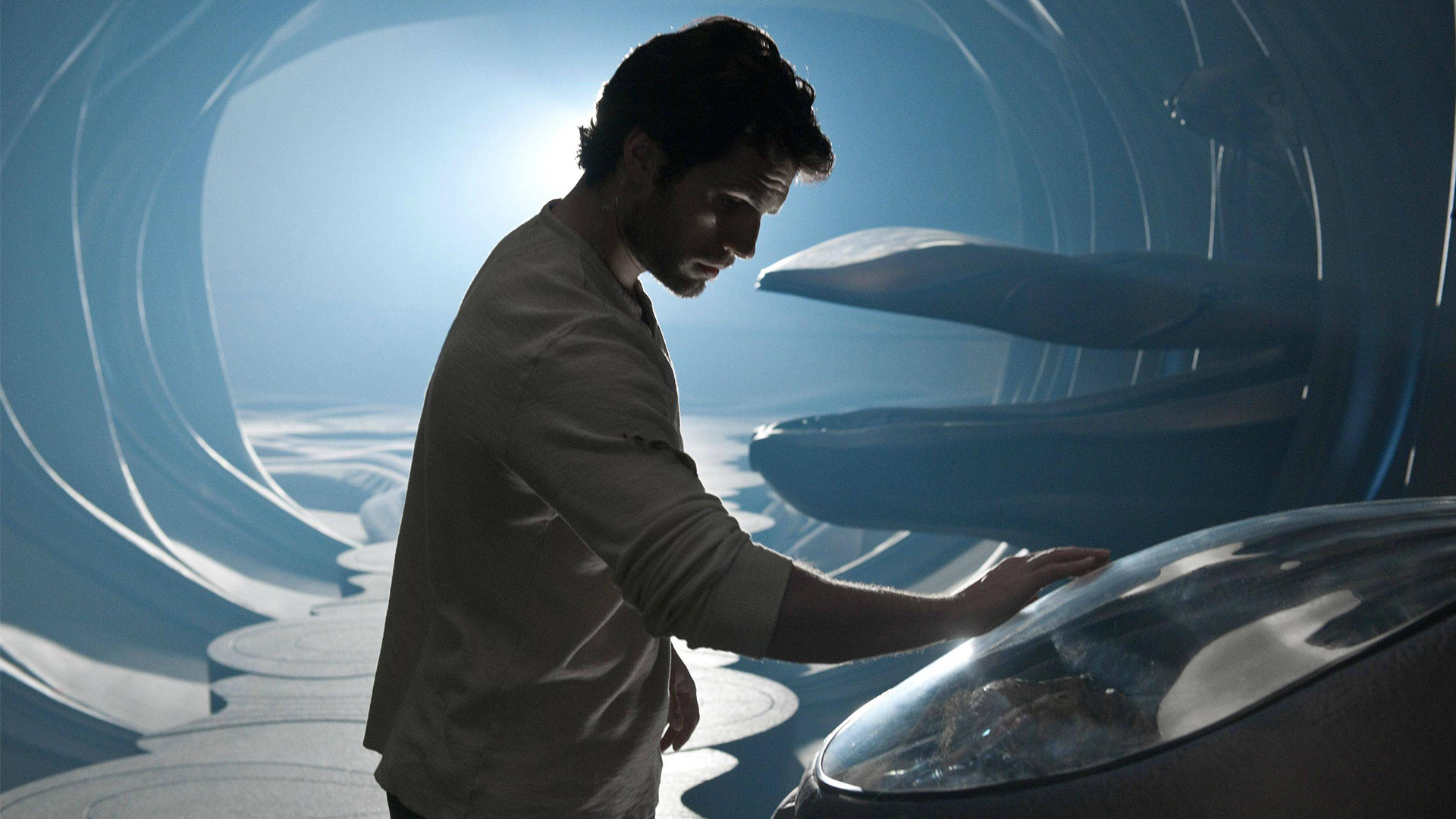
Eventually he comes across the wreckage of a Kryptonian scout ship and activates an AI program that takes the image of Jor-El, who reveals to Clark his Kryptonian heritage. Under the guidance of the Jor-El AI, Clark learns to properly use his powers and adopts the famous Superman identity.

Soon after, Zod and his army arrive on Earth and establishes first contact with humanity, with the demand that Superman be turned over to him. Zod earlier learned that Kal-El was implanted with the Codex and wants to retrieve it to rebuild Kryptonian civilization on Earth, which he plans to terraform.

This creates an identity crisis for Superman as he is torn over siding with the human society he struggles to fit in with versus the Kryptonians, who he knows are malevolent. What complicates Superman’s decision is that once he is revealed to the world, he is immediately mistrusted by most of humanity who only see him as an alien threat.
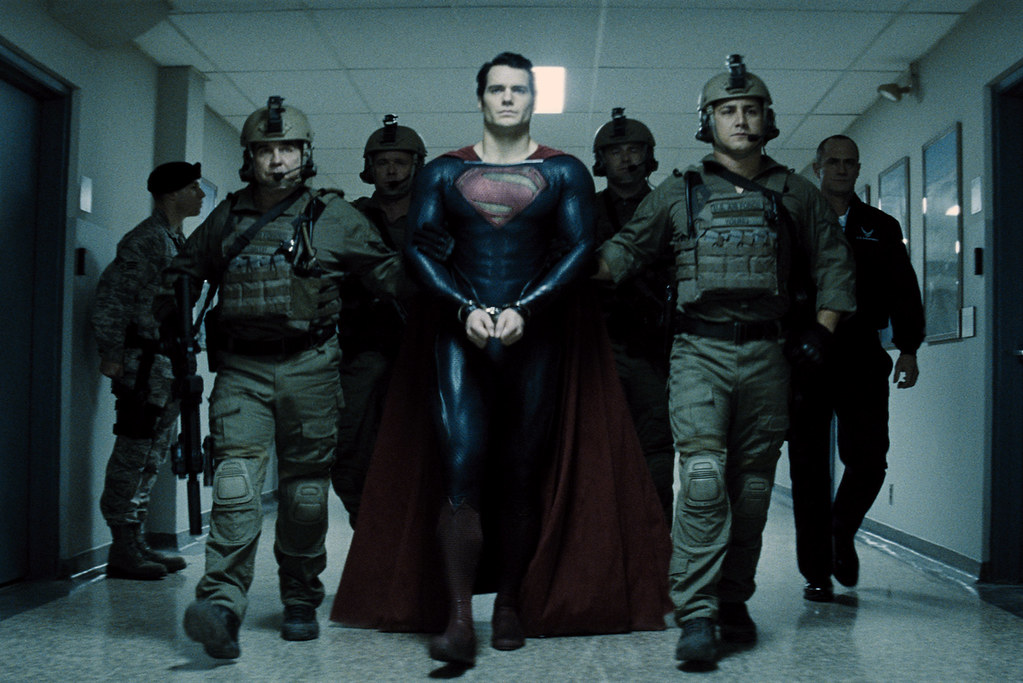
What was interesting about this version of a Superman film was that the superhero was not received by the general public with open arms, but with suspicion. This is what would probably happen in reality if some unknown person was suddenly revealed to the world as an alien with superpowers.

While Man of Steel lacks the light-hearted humor and heart of previous Superman films, it makes up for it with its grounded and frankly more honest approach to the comic book legend. This approach by Snyder and writer David Goyer turned out to be divisive among fans.

Continue reading

Spider-Man: Across the Spider-Verse Embarks On A Stunning, Visual Journey Throughout The Spider-Verse

When it was announced that the release date for Spider-Man: Across the Spider-Verse was delayed, there was reason for alarm. Originally the sequel to Spider-Man: Into the Spider-Verse was supposed to have come out last year, but its release was pushed to this year. Often such significant delays mean that the production of a film is troubled and the finished product winds up being a disappointment. Thankfully, that is not the case with Spider-Man: Across the Spider-Verse, which excels past Spider-Man: Into the Spider-Verse in so many ways in terms of story and visuals.

Spider-Man: Across the Spider-Verse opens with Gwen Stacy (Hailee Steinfeld) recounting her life as Spider-Woman (or Spider-Gwen) in her own universe and why she left it to explore other universes with different variants of Spider-Man and Spider-Woman. After the lengthy prologue, we meet again Miles Morales (Shameik Moore), the Spider-Man of Universe 1610. He has the typical Spider-Man struggles of juggling his civilian life as a teenager with that of fighting crime as Spider-Man.

On his way to meet his parents, Rio (Luna Lauren Velez) and Jefferson (Brian Tyree Henry), Spider-Man comes across a supervillain called the Spot (Jason Schwartzman), whose body is covered with removable spots that are portals throughout inter-dimensional space. For example, if Spider-Man punches him in the chest and there is a spot there, Spider-Man’s fist will go through the spot and emerge behind Spider-Man to end up hitting the superhero instead.

The Spot is obsessed with getting revenge on Spider-Man because he blames the superhero for his dilemma. It turns out he was one of the scientists present in the first film where Miles and other Spider-powered heroes destroyed a collider machine that allowed travel between universes. The Spot gained his powers after being caught in the explosion of the collider and we also find out that the scientist was partly responsible for Miles becoming Spider-Man.

After the Spot is defeated and humiliated by Spider-Man, he gains the ability to travel throughout the multiverse and seeks out other colliders in those universes to empower himself even more. This decision will not only endanger the multiverse but severely affect Miles’ personal life.

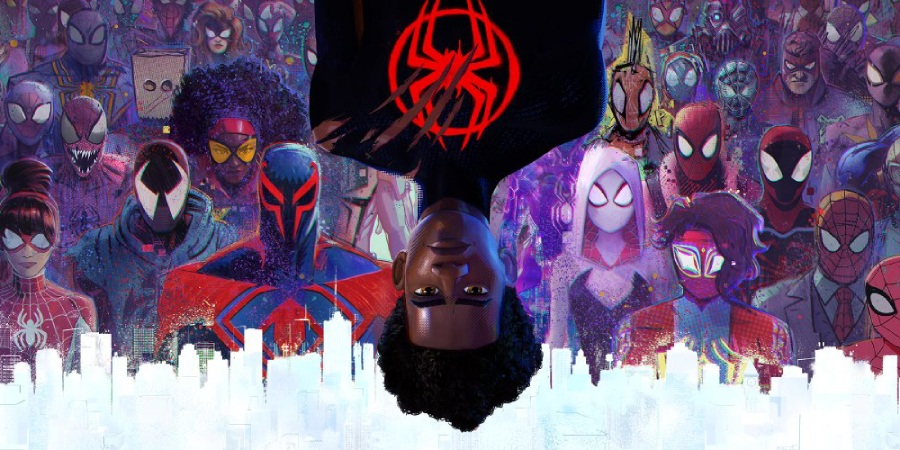
As the Spot explores other realities, Miles is visited by Spider-Gwen, who is now part of the inter-dimensional Spider-Society that guards the Web of Life and Destiny by seeking out dimensional anomalies throughout the multiverse. She was looking for the Spot, who has become an anomaly traveling throughout several universes. Miles soon joins her as she returns to Spider-Society headquarters on Earth 928 and meets numerous variants of Spider-Man and Spider-Woman, including their leader, Spider-Man 2099 (Oscar Isaac).

Spider-Man 2099 explains to Miles that all the universes are intertwined in a delicate metaphysical web with canon events, which are important moments in time for those universes. Disrupting those events will eventually unravel universes and this affects Miles in a crucial way after learning that in all of the Spider-Men and Spider-Women universes have canon events that involve the deaths of distinct police captains. Miles deduces that his father, who was just promoted to a captain, will soon die. He comes into direct conflict with the Spider-Society since he resolves to save his father at all costs, canon event be damned.

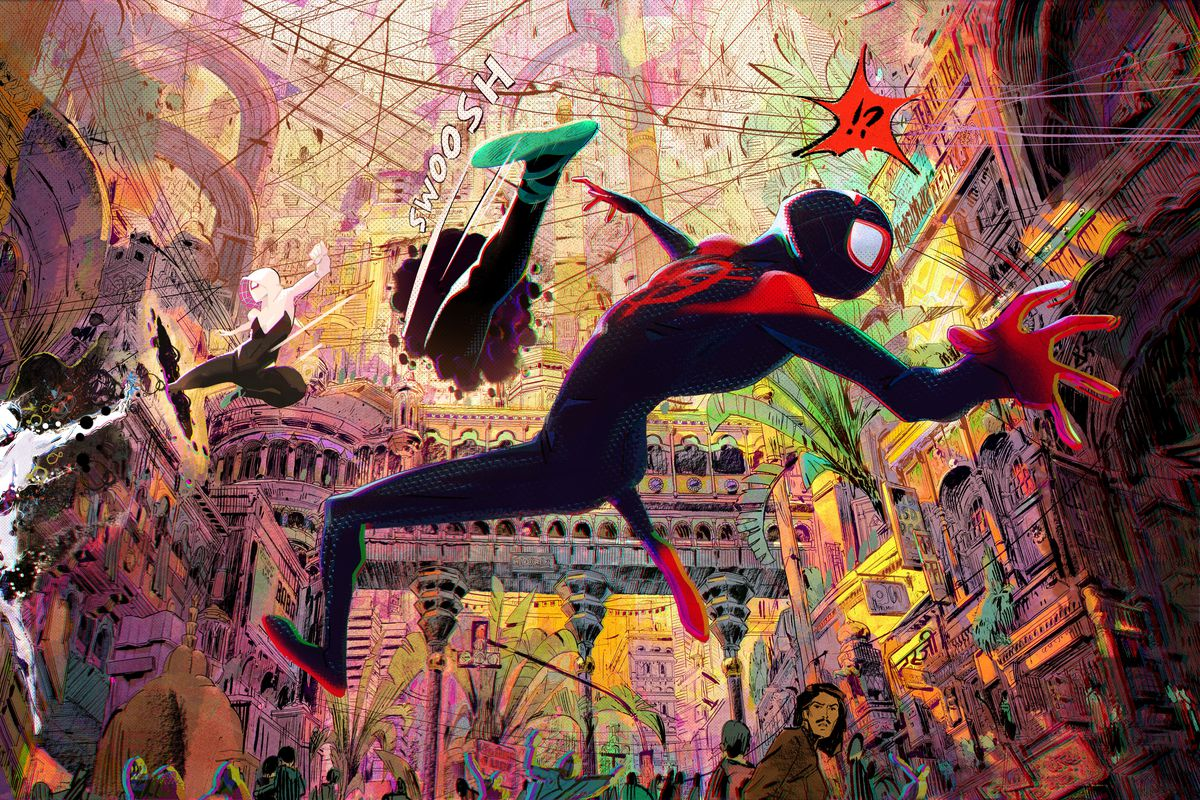
In this day and age of overhype from fans and critics it is easy to dismiss praise for many films. However, Spider-Man: Across the Spider-Verse lives up to the hype because it is truly one of the finest animated and superhero films ever produced. Like the first film, Spider-Man: Across the Spider-Verse is a visual feast that incorporates different animation styles and frame rates. The best examples of this are with how Spider-Gwen is represented with soft watercolor palettes, while Spider-Punk (Daniel Kaluuya) is animated with harsh punk rock art whose clothing is animated at a different frame rate than the character himself. In other examples, the heroes fight a Vulture (Jorma Taccone) from a Renaissance-styled universe looks like a Da Vinci sketch that has come to animated life with sepia colors; we also meet Ben Reilly/Scarlet Spider (Adam Sanberg), who is animated as a ‘90s-style character with overripe muscle lines and bright colors.

The visual canvas of the film is very busy with wild animation and numerous Easter eggs. Some scenes feature actual panels from classic Spider-Man comics and even images from live-action films. It will take numerous viewings of this film for anyone to fully spot all of them. Each scene is so painstakingly animated and colored, which leaves us with a film that is just dazzling to the eyes.

Of course, all of the visuals would be meaningless without compelling story and characters, and Spider-Man: Across the Spider-Verse also excels in this area. So much emotion is conveyed that is either subtle or outlandish. Just like the first film, this sequel is a coming-of-age yarn only with our hero having harder choices to make in his life as he grows into adulthood. Anyone is readily able to relate to Miles’ ethical dilemma of the needs of the many outweighing those of the few and we would probably make the same choice he made. What also helped with the film’s emotional stakes is that it took time to develop Miles’ relationship with his parents, which is full of angst and love. We understand their point of view as they struggle to relate to their son who is growing up to be a man.

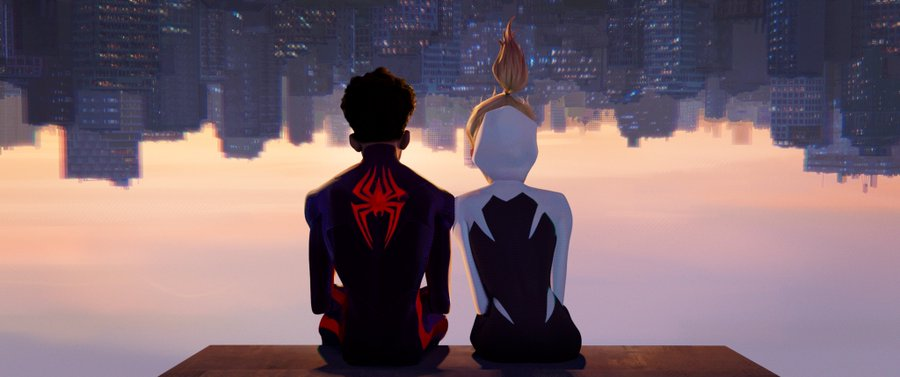
Another character who has her own emotional arc is Gwen, who feels alienated and alone in her world. Unable to connect to her father, she in a sense runs away, only in this case she runs away from her universe. The deepening friendship she has with Miles is a true emotional anchor in the film and feels so natural as these two alienated teens are able to connect to one another.

Peter B. Parker (Jake Johnson), who served as a mentor to Miles in Spider-Man: Into the Spider-Verse has a reduced role in this film, which is regrettable. Still, it was a delight seeing him again and what he was been up to. Hopefully, he will have a larger role in the second sequel coming next year.

As many have learned, Spider-Man: Across the Spider-Verse ends on a cliffhanger and it is an intense one. But fear not, Spider-Man: Beyond the Spider-Verse will come out in theaters in March 2024, which is less than a year away and we were able to handle the wait between these films. Given how Spider-Man: Across the Spider-Verse is much better than the original, which in itself was a classic, we can only hope that Spider-Man: Beyond the Spider-Verse will excel past this sequel or at least stick the landing.

 José Soto


Return Of The Jedi: A 40-Year Celebration

This month marks the 40th anniversary of Star Wars Episode VI: Return of the Jedi, the last of George Lucas’s original Star Wars trilogy, and some would say, the end of the classic Star Wars era. It’s seen by many as the least of the first three films, but it is still revered for its great action sequences, especially the climatic Battle of Endor, as well as for its final confrontation between our hero the young Jedi Luke Skywalker and the Rebel Alliance’s sinister nemesis, Darth Vader. Even now, 40 years later, the film is still celebrated and considered to be one of the better Star Wars films.

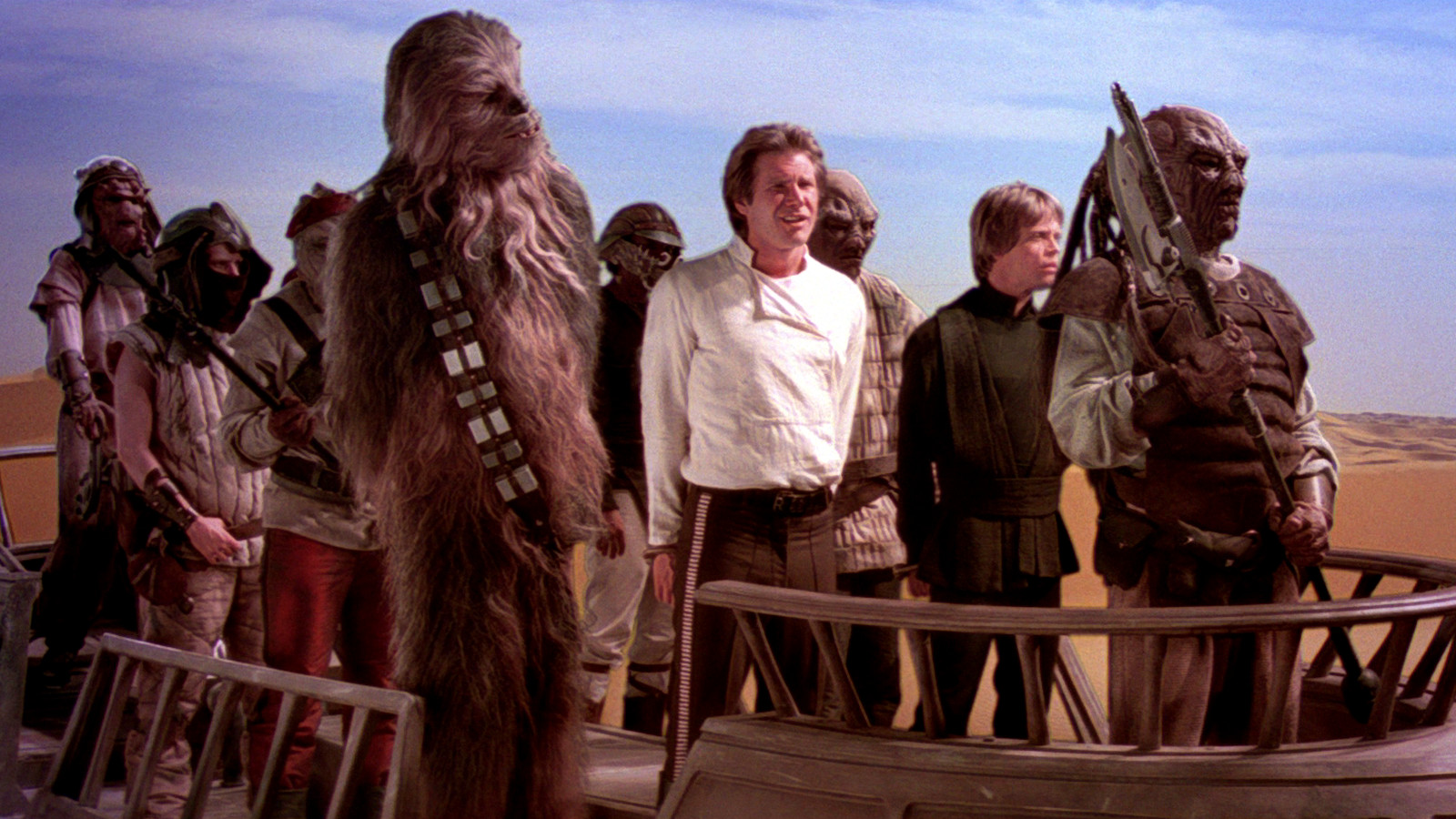
The story starts out with Luke returning to his home world of Tatooine, not seen since the first film, to rescue smuggler and friend Han Solo. The smuggler was captured by the bounty hunter Boba Fett in the cliffhanger ending to Star Wars Episode V: The Empire Strikes Back, and sent to Jabba the Hutt to pay for his debts to the vile gangster. Luke is aided by iconic Star Wars heroes, Princess Leia, Chewbacca and Lando Calrissian, as well as the lovable droid duo R2-D2 and C-3PO. Their rescue of Han and escape from Jabba’s palace is thrilling and sets a great and exciting tone for the movie.

Afterwards, Luke returns to the planet Dagobah for final training as a Jedi with Jedi Master Yoda, who soon dies of old age. The wise old mentor’s subsequent death after 900 years of life is sad to see. After encouraging words from the spirit of his other mentor Obi-Wan Kenobi, Luke returns to his friends in the Rebel fleet for the final assault on the Empire’s new Death Star weapon. 

Return of the Jedi introduces a new villain, who has captivated audiences ever since, the evil Emperor Palpatine, played to perfection by Ian McDiarmid. His terrible old visage and cackling laugh instantly made him a fan favorite. His plan along with Darth Vader to bring Luke to the dark side of the Force almost succeeds, as he goads Luke to kill Vader. But good wins out in the end as Vader is unable to allow Palpatine to kill his own son after Luke rejects the Emperor’s temptations, and he kills Palpatine while suffering fatal injuries of his own.

This is preceded by a fantastic lightsaber battle between Luke and Vader with a haunting soundtrack by film composer John Williams in the background. Luke’s unmasking of his father as he was dying is a famous moment in Star Wars history, as we finally get to see the man behind the terrifying mask, a scarred and sad man haunted by his actions. His message to Luke that he was right about Vader having good in him in the end is in some ways the culmination of both the original and prequel trilogies and brings Anakin Skywalker’s story to a sad but fulfilling end.

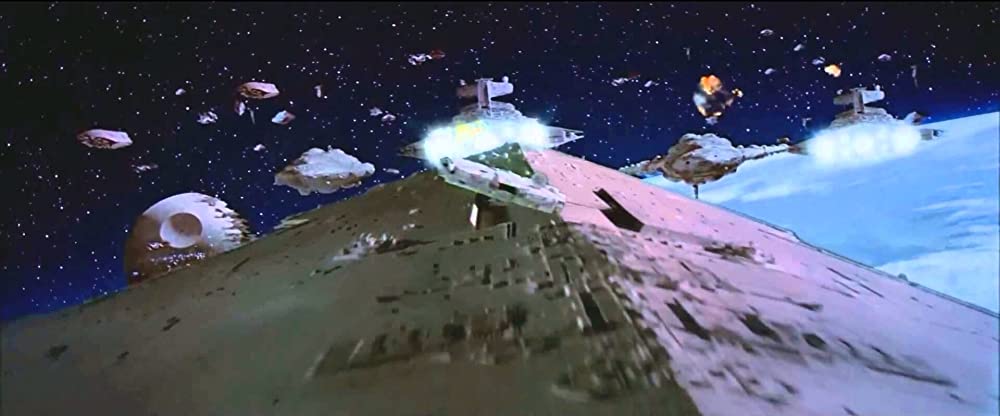
All of this happens at the same time as the Rebel fleet led by Lando and Admiral Ackbar, attacks the Death Star, but is ambushed by a waiting Imperial fleet. The subsequent space battle is still arguably the best space battle seen on film with swarms of star fighters hurtling through space among massive star destroyers, numerous Imperila TIE fighthers, and Rebel Mon Calamari cruisers.

Despite the odds, the Rebel ships are able to penetrate and destroy the Death Star thanks to the ground efforts of Han, Chewie and Leia. They infiltrate the forest moon of Endor, and aided by the native Ewoks, are able to annihilate the Empire’s shield generator protecting the Death Star. Seeing the diminutive Ewoks, who look like teddy bears defeat Imperial stormtroopers is somewhat silly, but the action is still exciting to watch, especially the speeder bike race through the woods, as well as Chewie stealing an AT-ST walker and using it on the Empire’s forces. 

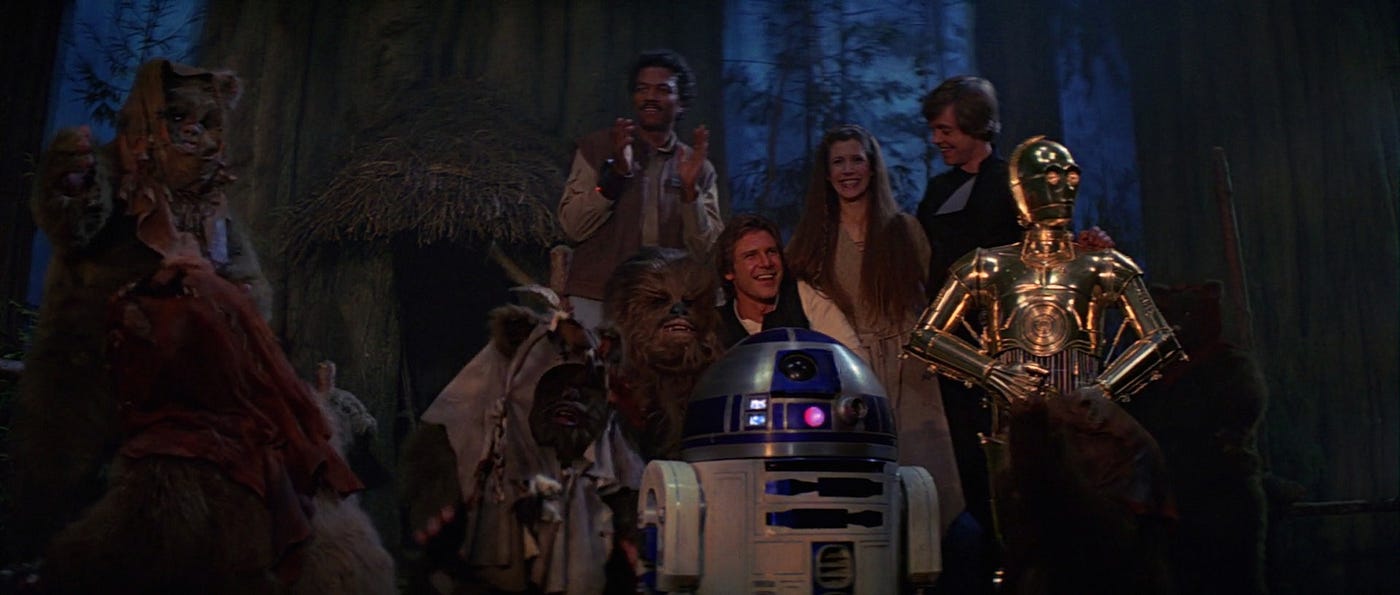
Star Wars Episode VI: Return of the Jedi ends with a triumphant celebration in the forest with the Rebel heroes and their new friends after Luke burns the remains of his father in a haunting scene. In the so-called “Special Edition” of the film that came out in the ’90s, extra scenes were added to the celebration which showed other parts of the galaxy celebrating the defeat of the Empire. This included the planets Coruscant and Naboo, which help tie in the prequel films to the original trilogy and being that the prequels had not come out yet, helped increase fans’ anticipation for the prequels. This enhanced the feeling of elation as we saw how wide the scope of the war was in the galaxy.

These closing scenes are also the last time we see the trio of Luke, Han and Leia in their prime, so to speak, and the last image of them all together with their friends having finally ended the Empire’s reign of terror. It is something fans will remember for all time given that we never saw the trio reunited in the sequel trilogy of films that came out in the last decade, although they made appearances in those films. The ending of Star Wars Episode VI: Return of the Jedi is basically a variant on “they lived happily ever after”, which is appropriate since George Lucas intended Star Wars to be a fairy tale, and the film definitely has that feeling to it. It doesn’t quite live up to the standard set by the first two films, which are basically masterpieces, but it’s still a very good film that is remembered four decades later for its iconic moments and is a great sendoff for some of cinema’s most revered characters.

C.S. Link

Why The Legend of Zelda: Tears of the Kingdom is the Most Legendary Game on the Switch

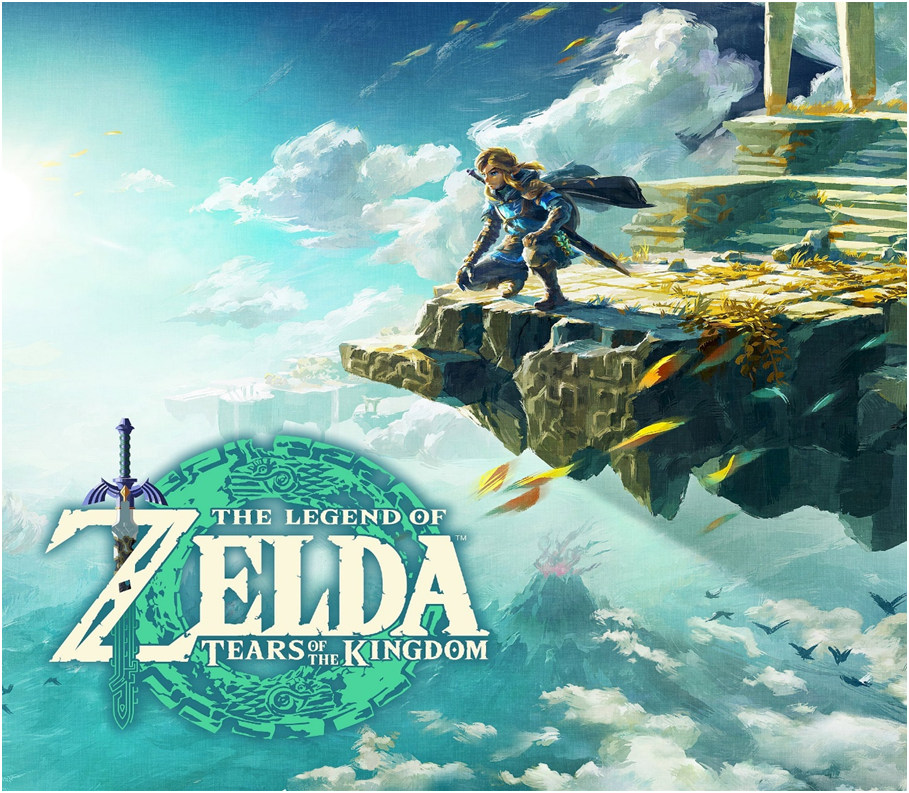
It’s no secret that Zelda fans have been waiting for The Legend of Zelda: Tears of the Kingdom (TOTK), the sequel to Breath of the Wild (BOTW)  to drop, after all, it won the Game of the Year award in 2017, and is considered to be one of the best Nintendo Switch games you could play. After seven long years of waiting, we finally have the game in our hands to play. Is it any good? Is it worth the wait and money? Is it better than BOTW? To answer all of those questions, I say yes!

Story Synopsis

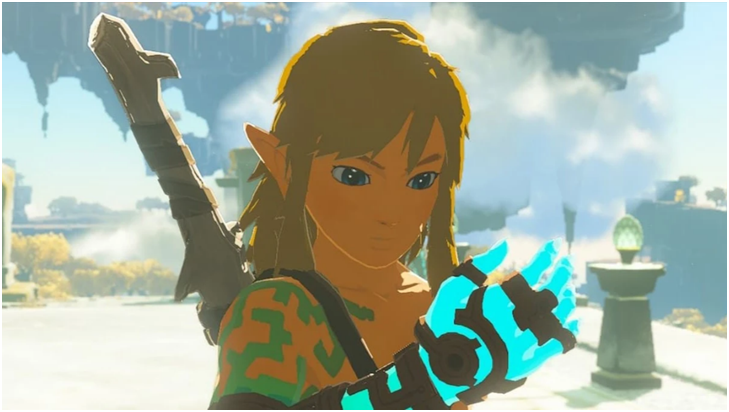
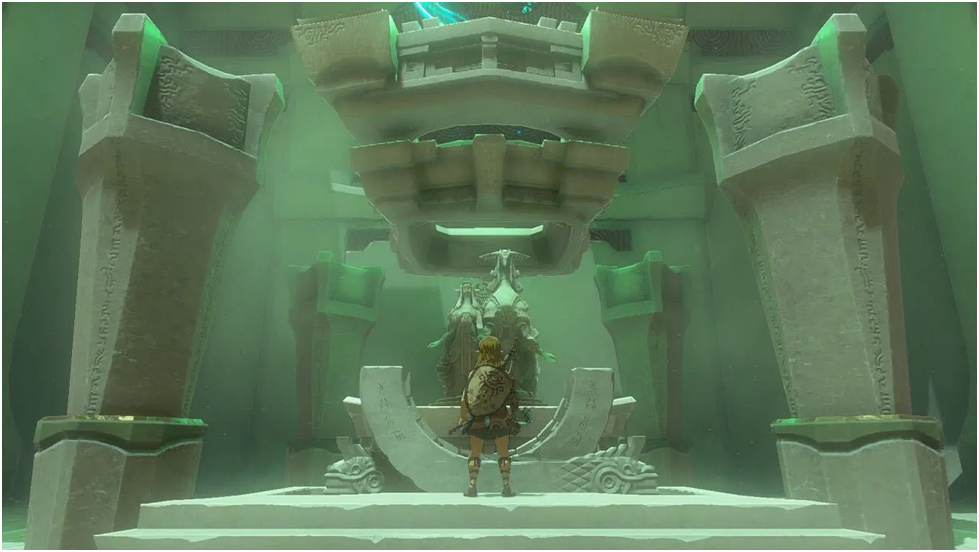
Tears of the Kingdom starts us off under Hyrule Castle, maybe 3-ish years after the events of the last game, exploring the depths because of a substance called Gloom was making people in Hyrule ill. After a little of exploration, you as Link find murals that depict an ancient civilization called the Zonai, and how they played a major part in the creation of Hyrule.

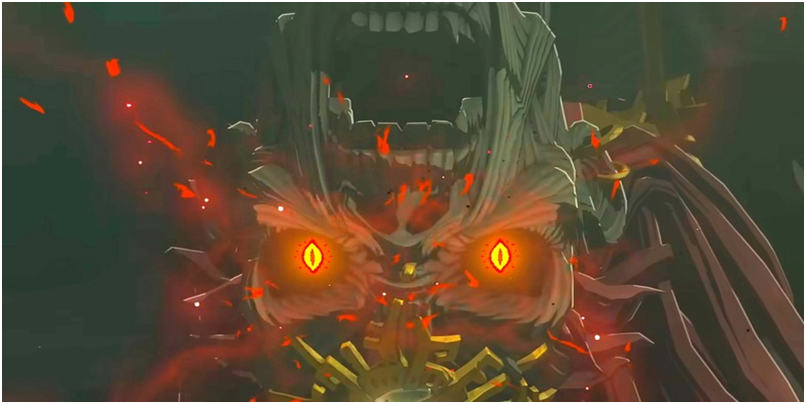
After reading these murals and traveling the depths, you reach a mysterious room where you see a corpse attached to an arm on its chest. The corpse wakes up, starts talking directly to you, and attacks you, which leaves Link’s right arm swallowed in Gloom and the Master Sword shattered. Then the corpse lifts Hyrule Castle into the sky, which sends the corpse and Zelda plummeting down below. You try to reach out for her to no avail and you are saved by the mysterious arm..

You then wake up on an island in the sky with the arm attached to your right arm to make your arm functional again. The arm belongs to a Zonai named Rauru, and he tells you to explore the sky islands, defeat the awakened Ganondorf, and find Zelda.

Gameplay

The fundamental gameplay in TOTK is (surprise surprise) about the same as it was in BOTW, with major new additions. The physics, weapons, armor, food, sprint, and health bar are all the same. They did, however, throw in a lot of major gameplay mechanics to spice things up.

Ultrahand:  Ultrahand is a fun new upgrade from Magnesis in the previous game, but works with any non-living objects. You can put things together, like logs and wheels, to create basically anything you can think of! I will admit, it does require a little bit of getting used to, but once you master it, you can become as creative as you mind lets you! This is easily one of the most fun gameplay mechanics in this game.

Fuse:  Have you ever wished your weapons would be stronger in a game? Maybe you wanted to get creative and mix together weapons? Well now you can with the Fuse ability! You’re allowed to fuse any weapon or shield to practically everything else! And yes, you can use it on your arrows too, which gives your arrow shots special abilities and deal extra damage.

Ascend:  They may have taken away the champion abilities from the last game, but don’t cry over Revali’s Gale, because Ascend can do just that, but way better! Using Ascend lets you dive straight up into any solid surface, and you emerge on top of it. Have you ever gotten stuck in a cave or room? Just use Ascend to end up on the roof!

Recall:  Last but certainly not least, there is Recall. Recall lets you reverse the direction or movement of basically anything in the click of a button. It can come really handy when you are wanting to return to the sky, because you can use Recall on rocks that have just fallen from the sky to ride them back up!

There is one more ability to use, but it is optional and satisfying to find, so I won’t spoil that just yet. With your abilities you are free to explore and interact with the massive sky, surface, and depths of Hyrule at your own pace! We have only scratched the surface of what this game can offer (pun definitely intended).

Shrines and Dungeons

Shrines are back in this game, with a major design overhaul and creativity surge. Shrines in Tears of the Kingdom can be used to teleport back to places you may want to return to later, but also beating them will give you a Light of Blessing. When you have collected four of them, you can go to a statue and pray to unlock a new heart (max 40) and part of your stamina wheel (max 3). There are 152 shrines in this game to unlock, so you already have plenty to do off the bat!

When you have collected four of Light of Blessings, you can go to a statue and pray to unlock a new heart (max 40) and part of your stamina wheel (max 3). There are 152 shrines in this game to unlock, so you already have plenty to do off the bat!

A major complaint in Breath of the Wild was the lack of traditional Zelda dungeons, which were replaced by mediocre boring puzzles that all had the same design. Well, you may be happy to hear that this game has actual dungeons again, although not traditionally styled. Each dungeon has its own design theme being based on a different element and requires you to solve rather tricky puzzles about 4-6 times to unlock your way to the dungeon boss. The way that its not considered a traditional dungeon design is because its more open and not linear with keys and specific objectives. Each one is so much fun and really requires you to think hard about your next move.

Overworld Bosses and Enemies

The enemies in the overworld areas contain the same monsters from last game, but heavily evolved over the time skip, and new enemies entirely. There are also Zonai Constructs lurking in the sky for any intruders. The enemies can also team up with entirely different enemy life. For example, I have seen multiple times that an Aerocuda would carry a Bokoblin or Lizalfos to make for a deadly air-drop combo. This game is also way more challenging than BOTW, and everybody will swing at you and will not pull any punches!

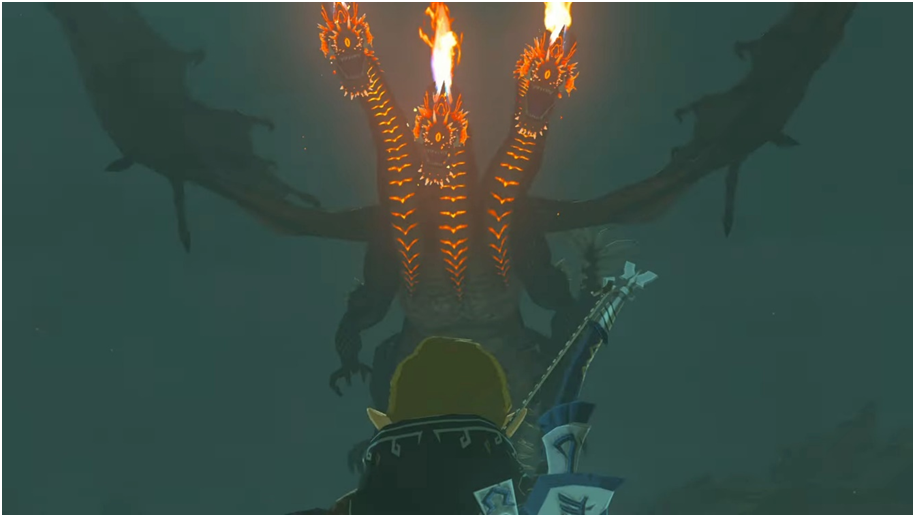
There are also new overworld bosses to fight. Boss Bokoblins lurks with a group of Bokoblins and will act as the ringleader of the bunch. Lynels return and are just as challenging as they were in BOTW, so keep your reflexes sharp, as well as your sword. My favorite new overworld boss has to be the legendary Gleeoks returning from the first Zelda game, but with a massive buff. I always get scared of these giant three-headed terrors!

Overall Thoughts

The Legend of Zelda: Tears of the Kingdom is easily the best game you could play on the Nintendo Switch. It has amazing and almost endless gameplay, beautiful graphics as well as a masterful environment, and a very emotional story. I highly recommend that you play it if you loved BOTW, because this game somehow makes it look like a beta version. This game took me a whole week to beat, and it is genuinely impressive how there is always something to do at all times when playing this game! My only complaint would be that there are some parts where the frame rate would get bad, but that is because of the hardware it is on; they actually did an amazing job working around the limits of the Nintendo Switch! Definitely worth the $70 price tag this time around!

Continue reading

After We Say Goodbye To The Guardians Of The Galaxy

Guardians of the Galaxy, Volume 3 has proven to be a fitting and emotionally satisfying conclusion to one of the best trilogies in the Marvel Cinematic Universe (MCU). Still, while the film does conclude many character arcs it surprisingly presented us with new directions for these characters and the larger MCU that are worth speculating about. WARNING: Spoilers will follow about the film.

The Legendary Star-Lord

One of the biggest surprises from Guardians of the Galaxy, Volume 3 was the final post-credits scene. After a rather mundane scene with Peter Quill aka Star-Lord settling down to life on Earth with his grandfather, a title card pops up announcing that “The Legendary Star-Lord will return”. This was rather stunning. Throughout the film, there was a sense that Quill was approaching an emotional end to his time as the space-faring Star-Lord. He was first seen moping and drinking over the loss of his lover, Gamora (who was killed during Avengers: Infinity War), and his fellow Guardians pointed out that he still had family on Earth. During the film, he tries to rekindle his romance with an alternate version of Gamora (displaced from another timeline into the “regular” timeline), but she did not reciprocate the love because in her timeline she never knew him.

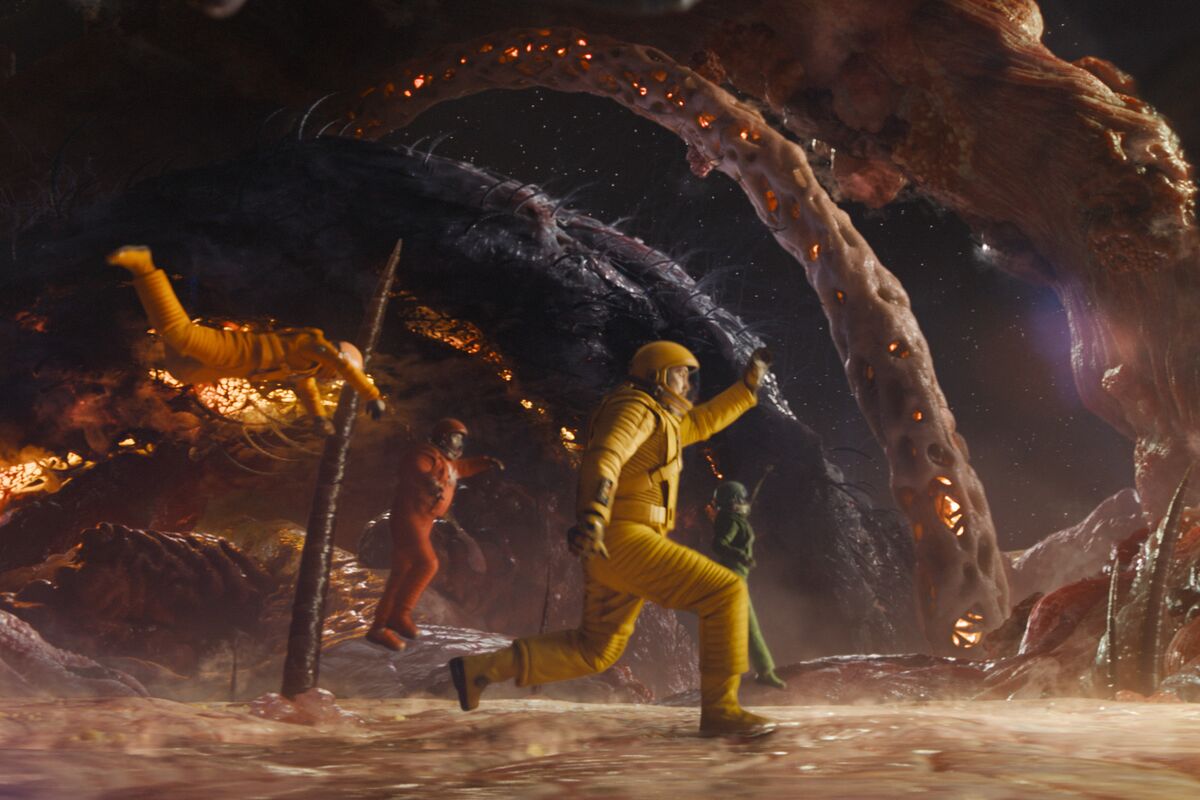
Throughout the film, Peter had to come to terms that his Gamora was gone and that it was pointless to continue his wooing her doppelganger. Frankly, it was refreshing that writer and director James Gunn did not try to put them back together since that development would have felt empty. Doing so also would have robbed the emotional impact of the original Gamora’s death. Peter’s acceptance that the current Gamora was not his lover reborn showed a level of growth and maturity for him. This was welcomed by fans because there have been complaints that while he is a goofy and endearing superhero, he came off as immature in some of his appearances. In reality, in this film he demonstrated that he was very crafty and mature during unexpected moments, such as when he and the team infiltrated that weird organic medical facility in space.

After nearly dying during the film’s final act, Peter decides to essentially retire as Star-Lord. He appoints Rocket Raccoon as leader of the Guardians of the Galaxy, and returns to Earth. But the implication that Star-Lord will return opens up lots of speculation about how this will come about. Chris Pratt, who plays Peter Quill, has stated he is willing to reprise the role at some point in the future. Most likely he will turn up in the upcoming Avengers films or he could wind up starring in a TV show or special that would be about his adventures on Earth. After all, the legendary Star-Lord cannot just spend the rest of his life eating cereal with his grandfather in Missouri. Maybe he will find a new love. Perhaps this person could be Kitty Pride, who was involved with him in the comic books—this could also be a way to bring in more mutants into the MCU. Or he could wind up being some kind of advisor or mercenary for the Earth-based forces that protect Earth from aliens. Or he could finally find a way to reunite with his Gamora in Soulworld, a realm where her spirit exists in, which was seen in Avengers: Infinity War. This would echo a development in the Marvel comics where at one point a deceased Gamora resided in this realm.

Continue reading