Celebrating The DCEU

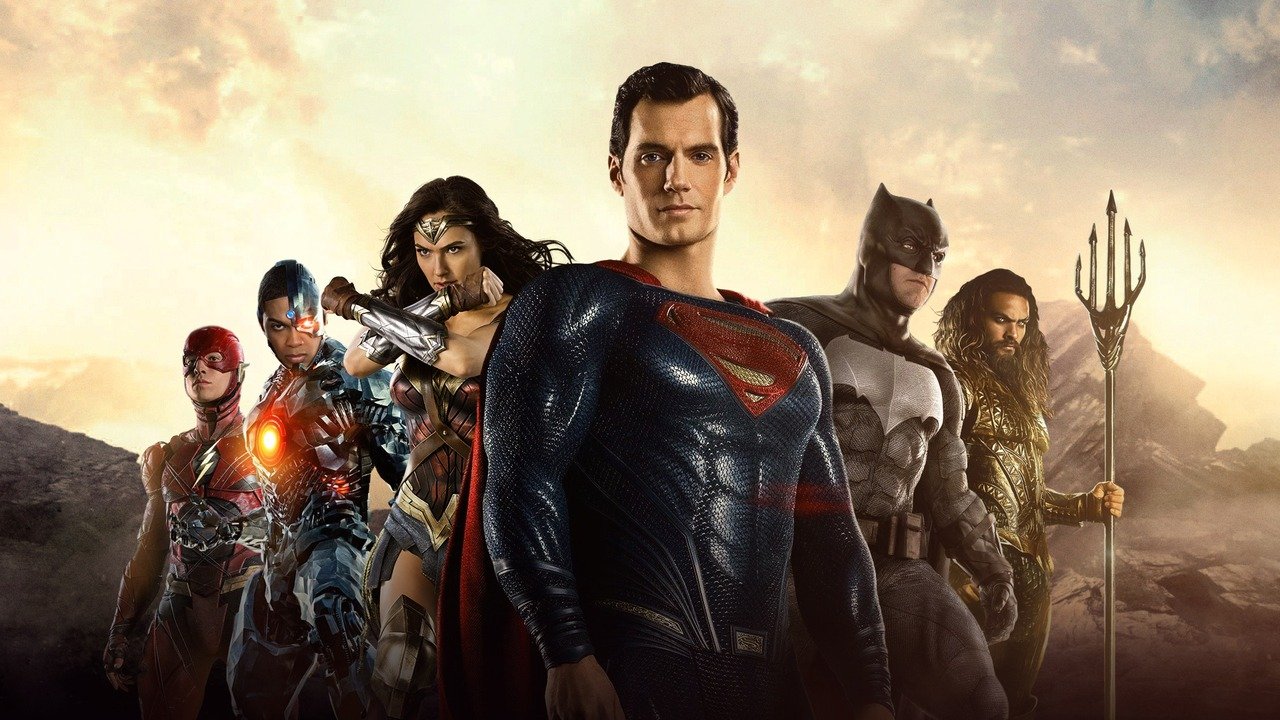
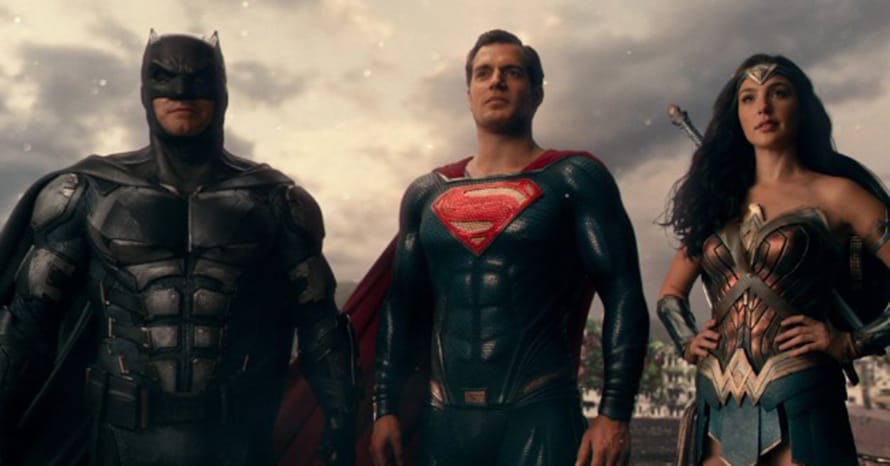
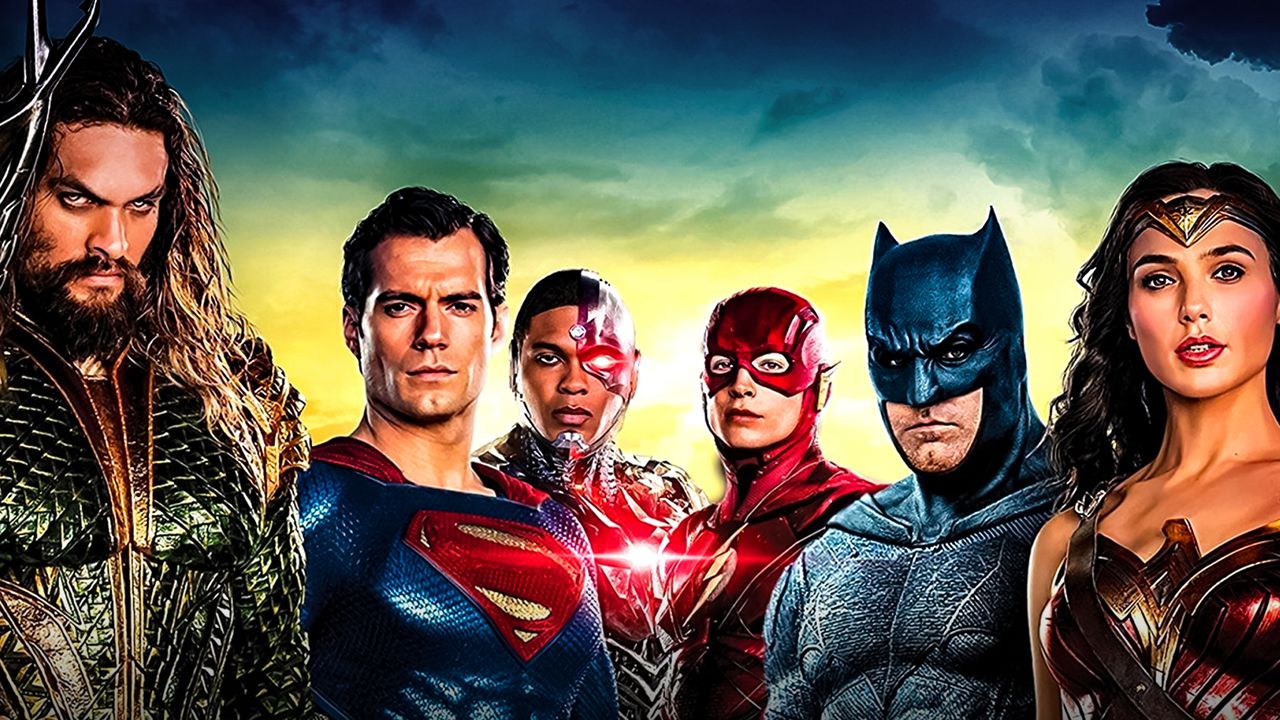
Now that Aquaman and the Lost Kingdom has been released in theaters the DC Extended Universe (DCEU) has come to an end. As Warner Bros.’ answer to the might Marvel Cinematic Universe, the DCEU has had many hurdles that it could not overcome during its ten-year run.  Frankly, it’s a minor miracle that it lasted this long. The issues facing the DCEU have been covered at length and basically, the overall tone of the cinematic universe was all over the place with some truly great films (and one TV show) and some horrendous films. Still, in spite of its problems the DCEU had a lot of merits, which should be brought up as we commemorate the DCEU.

Bold New Takes on Characters

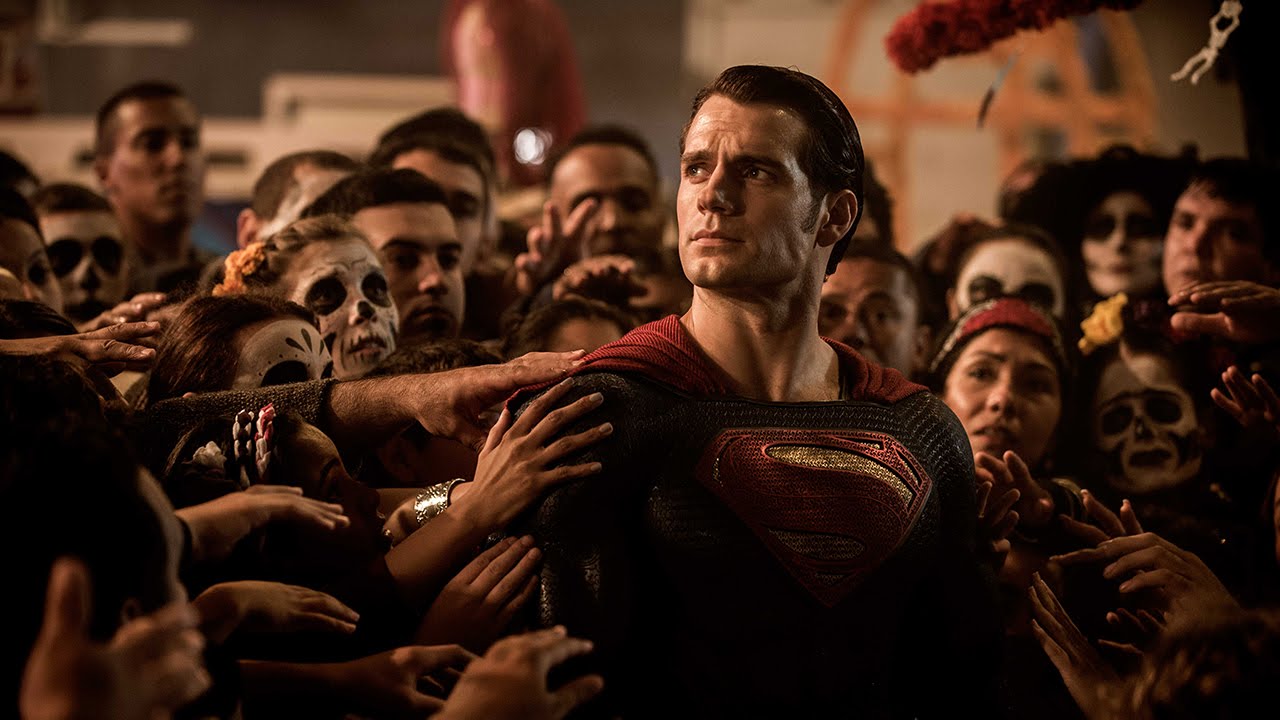
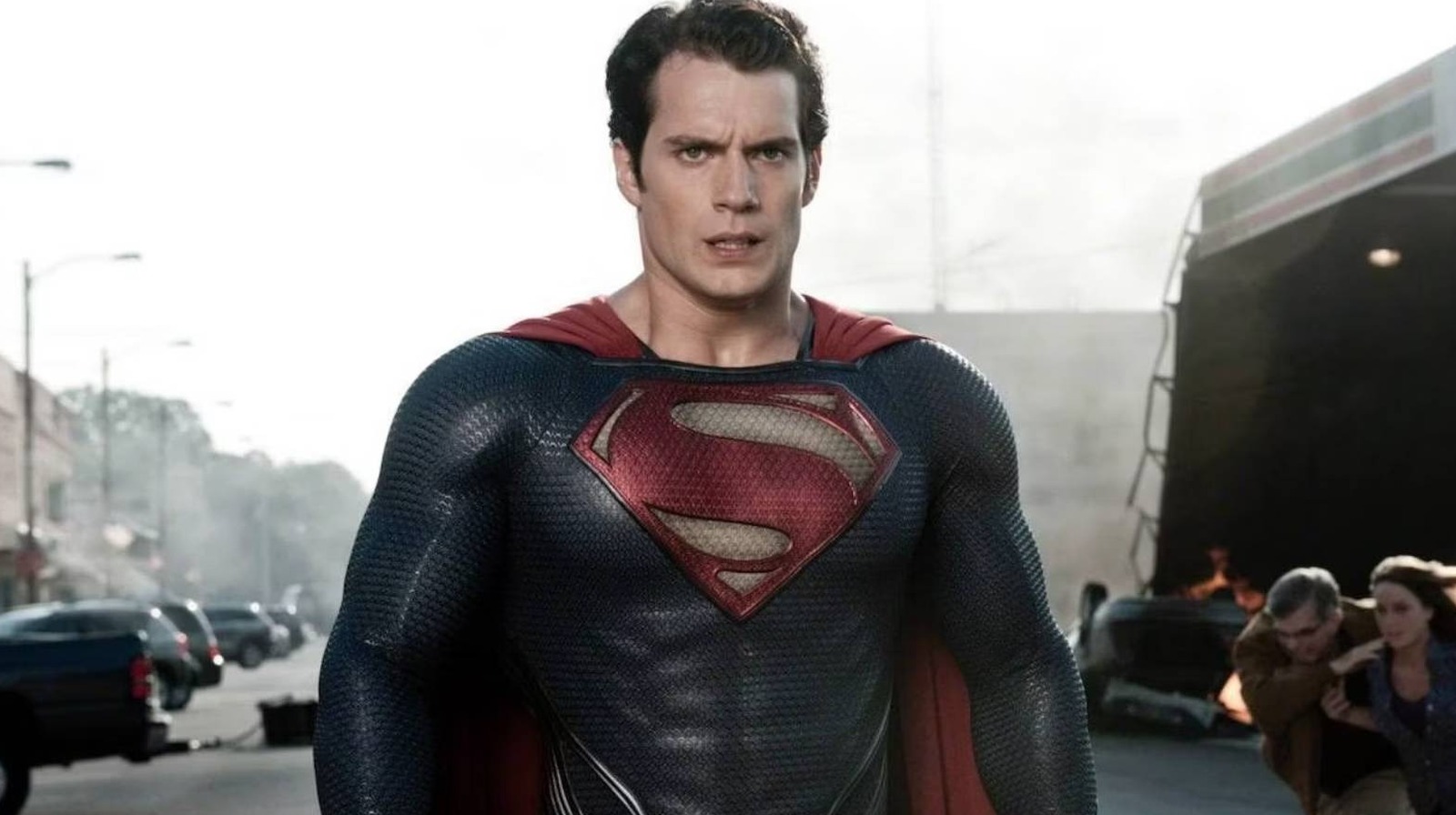
Man of Steel, the first entry in the DCEU, immediately stood apart from traditional Superman films with its darker and more grounded approach to the superhero. This turned off many fans, but others welcomed the refreshing take on the character as it explored the alienation and uncertainty that Superman felt during his emergence as a superhero.
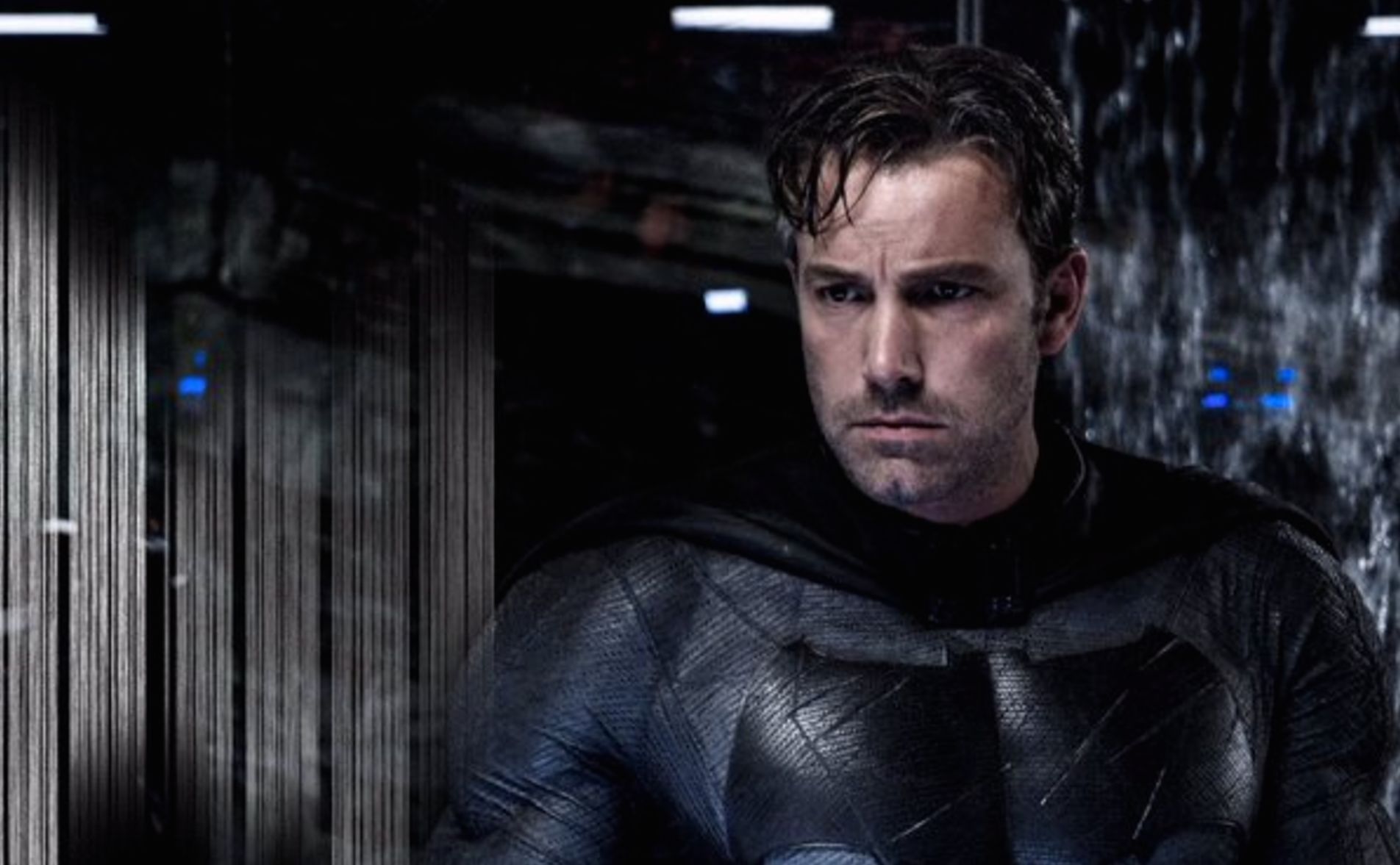
Other characters also had interesting interpretations such as Batman portrayed as a world-weary crusader coming out of semi-retirement and finding a new purpose. Aquaman was reimagined from a being a joke to a formidable warrior with the personality of a surfer dude on hyper steroids. Shazam! presented the title character as an immature teenager reveling in the body of a superpowered adult superhero—the ultimate fantasy for most teenage boys and girls.

Excellent Casting

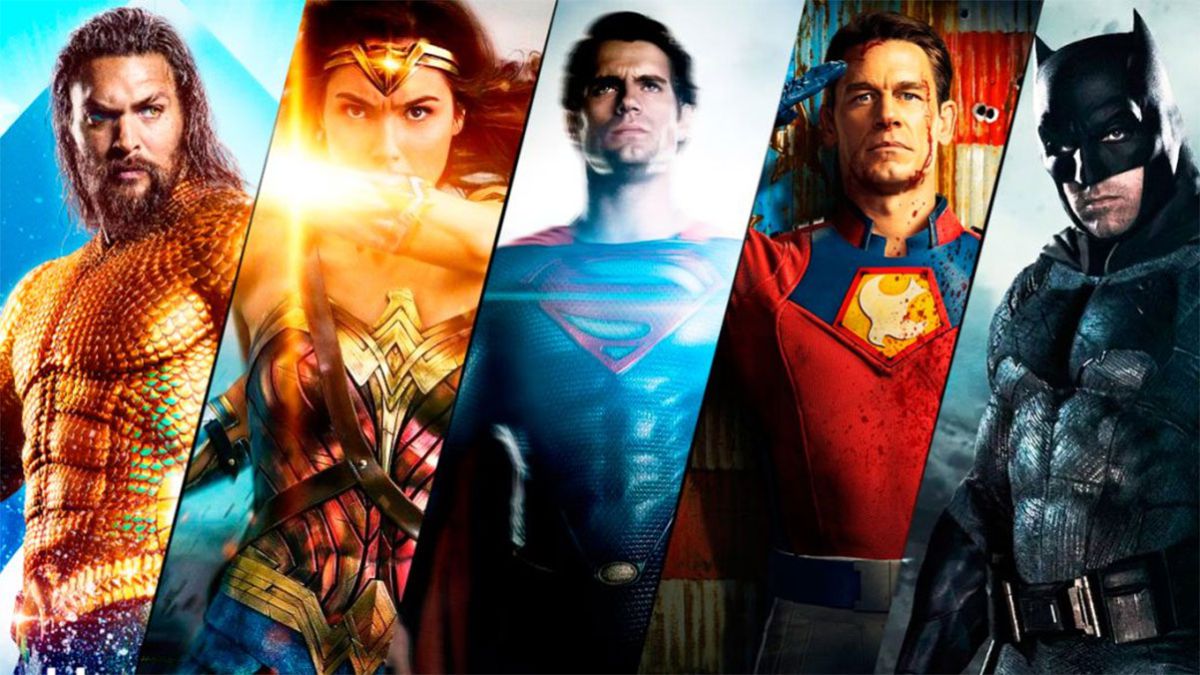
One reason for the successful re-interpretations of the well-known DC characters was the casting. Henry Cavill was so great as Superman, that for many fans his version of the superhero overtook the classic Christopher Reeve interpretation as Cavill’s Superman felt so modern. Jason Momoa’s version of Aquaman turned him into a fun-loving badass.
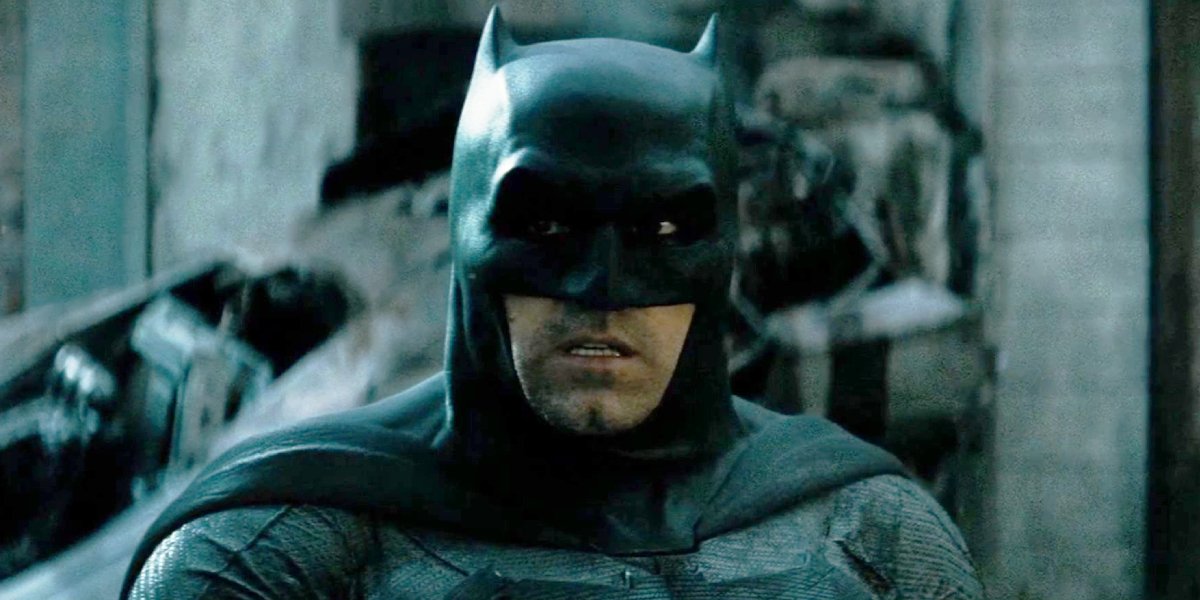
While many were skeptical of the casting of Ben Affleck as Batman, the actor shocked everyone with a solid performance and now many feel Affleck did the best portrayal of the Dark Knight. Gal Gadot electrified audiences with her portrayal of Wonder Woman and established the Amazonian princess as an inspiring role model. Meanwhile, Margot Robbie infused Harley Quinn with so much manic energy and verve that it is difficult to imagine another actor taking over the role in future DC films.

Electrifying Live-Action Debuts

Many superheroes and villains from the DC comics made spectacular live-action debuts in the DCEU films. The most recent being Blue Beetle;even though the film flopped, it was widely acclaimed for its retro back-to-basics approach with origin superhero films. As mentioned above, Harley Quinn was a bonafide scene stealer whenever she appeared in films, and let’s not forget, the other members of her teams.

The films devoted to the Suicide Squad team introduced audiences to many different DC villains. Anyone tired of the Joker or Lex Luthor being featured in DC films rejoiced at colorful villains such as Captain Boomerang, King Shark, Rat Catcher, Bloodsport and Peacemaker. The debut of these characters fleshed out the DCEU, which did not over-rely on its trinity of legacy characters, i.e Superman, Batman and Wonder Woman.

Distinct Visions

It’s true that the overall tone of the DCEU was inconsistent thanks to Warner Bros. executives who interfered with the films. However, many times the films were injected with distinctive visions from its directors. Zack Snyder established a hyper-realized look to his films which were a hallmark of the early DCEU films. Love or hate the Snyder films, they certainly stood apart visually from other superhero films.
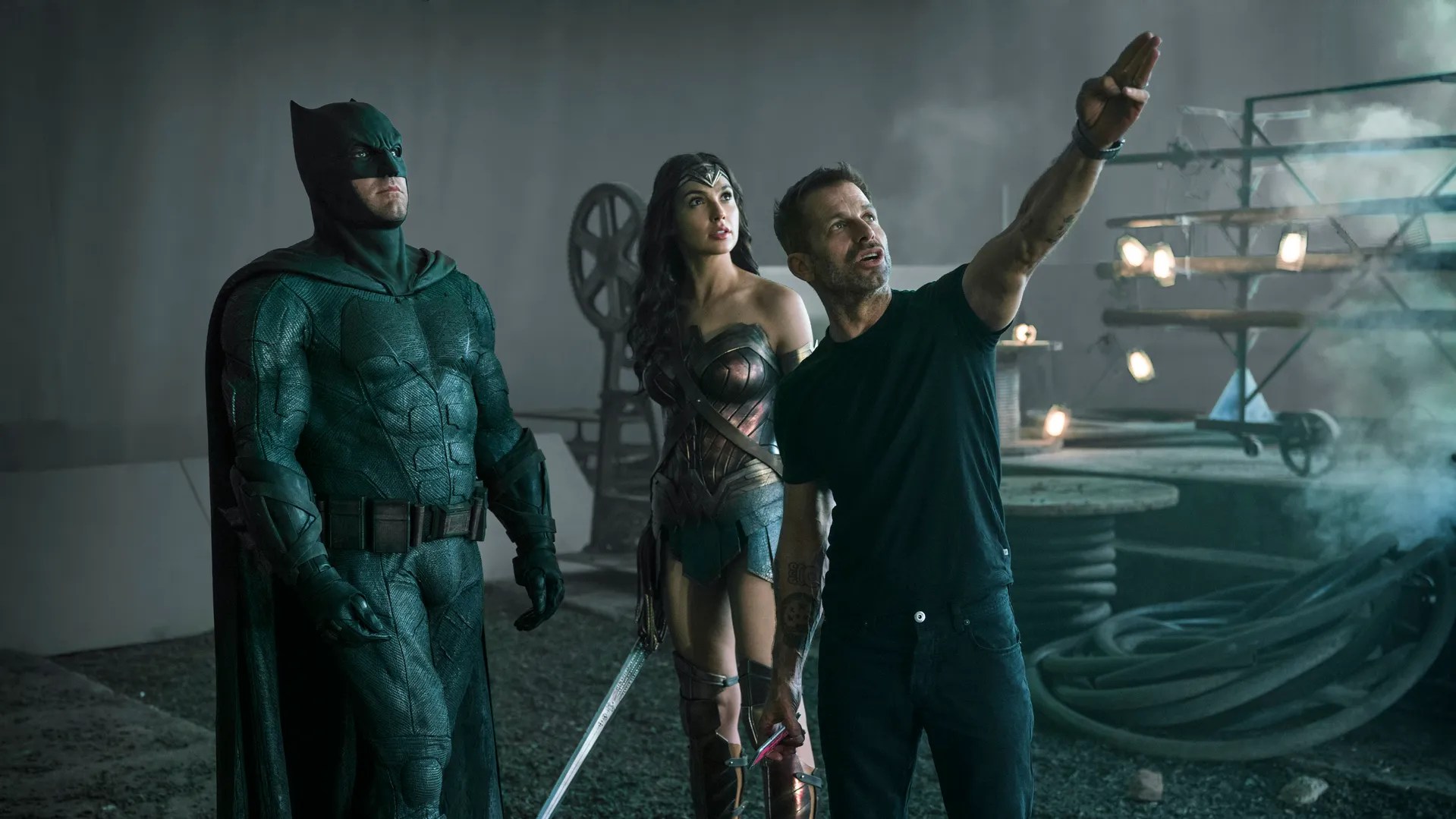
Other directors like James Gunn, James Wan, Patty Jenkins (at least with the first Wonder Woman), David F. Sandberg and Angel Medina Soto infused their films with bright and bold directions, which celebrated the comic book roots of the DC characters. The result was that many of the DCEU films were distinct from other superhero films. This is not a small feat given all the many recent superhero films.

Topnotch Productions & Iconic Scenes

With certain exceptions (see The Flash), the DCEU films have boasted topnotch productions and unforgettable special effects. Some films received notable awards for their productions, including an Academy Award for Best Makeup and Hairstyling for Suicide Squad and a Hugo Award for Best Dramatic Presentation, Long Form for Wonder Woman.  Many scenes, especially those from the Zack Snyder films, featured new and interesting depictions of superpowers, such as the epic airborne fights that took place in Man of Steel and when Superman first learned how to fly in the same film.
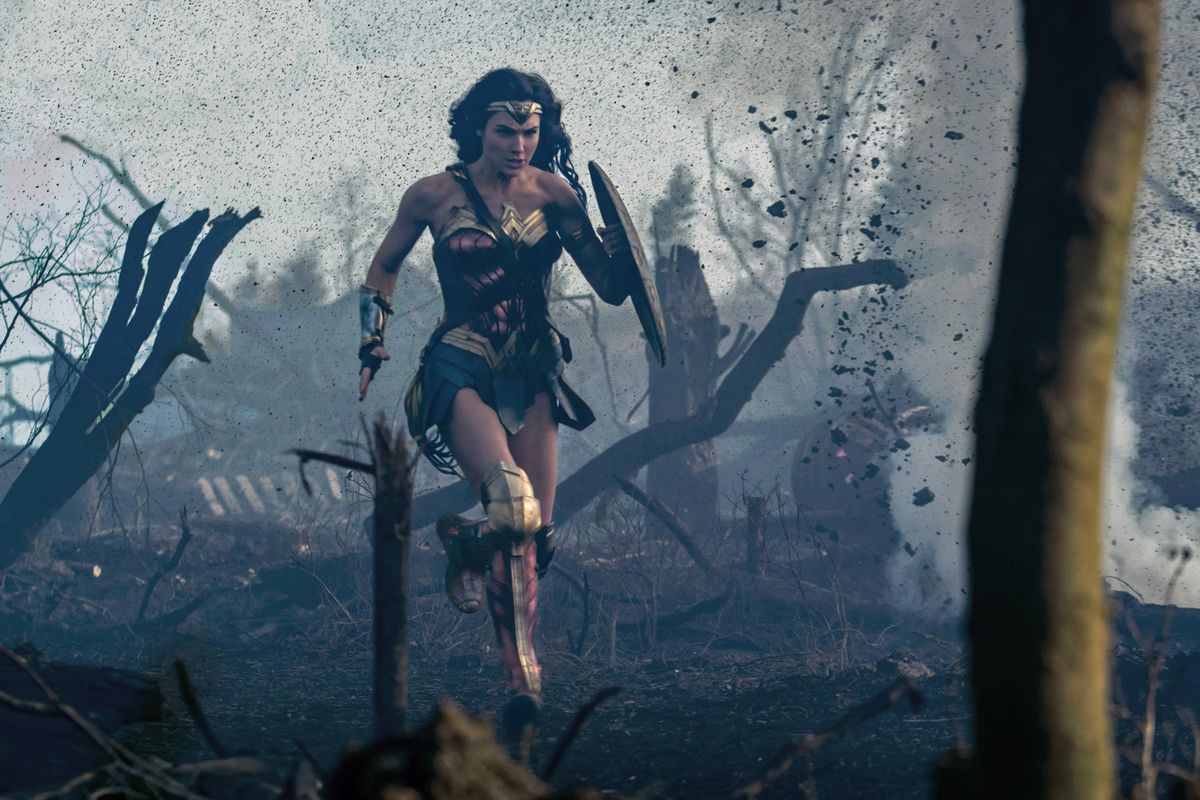
Several scenes from DCEU films were simply iconic like that moment in Wonder Woman when the title hero emerged from the trenches to fight enemy soldiers during World War I. Some other moments were just plain goofy and fun. A great example was a quick moment in Aquaman that featured an octopus playing drums (!). Then there was the madcap nature of The Suicide Squad, which allowed James Gunn to run wild with his imagination.
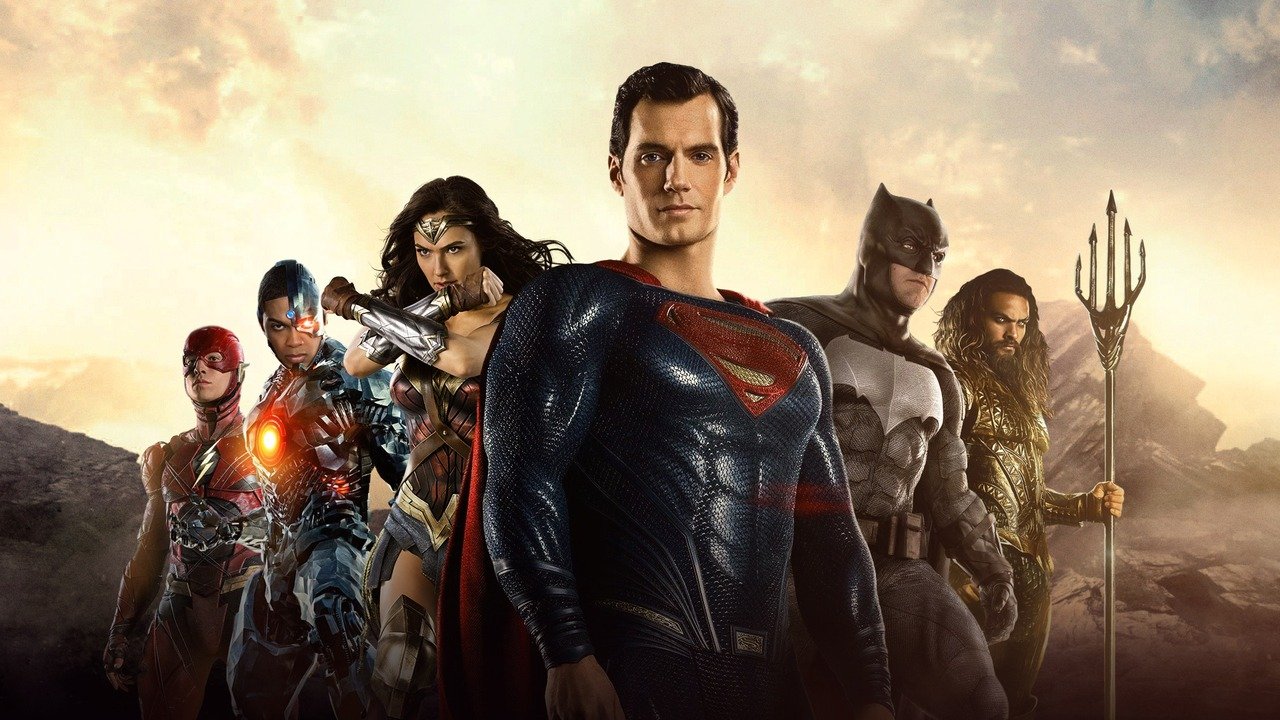
Despite the fact that many like to focus on the many issues the DCEU had, there was so much to celebrate about the films. In the time before the James Gunn reboot, Superman: Legacy, comes out, it’s a good idea to reflect on the contributions the DCEU films made to superhero films and give them another look.

José Soto
Coming Soon: The DCEU films ranked!

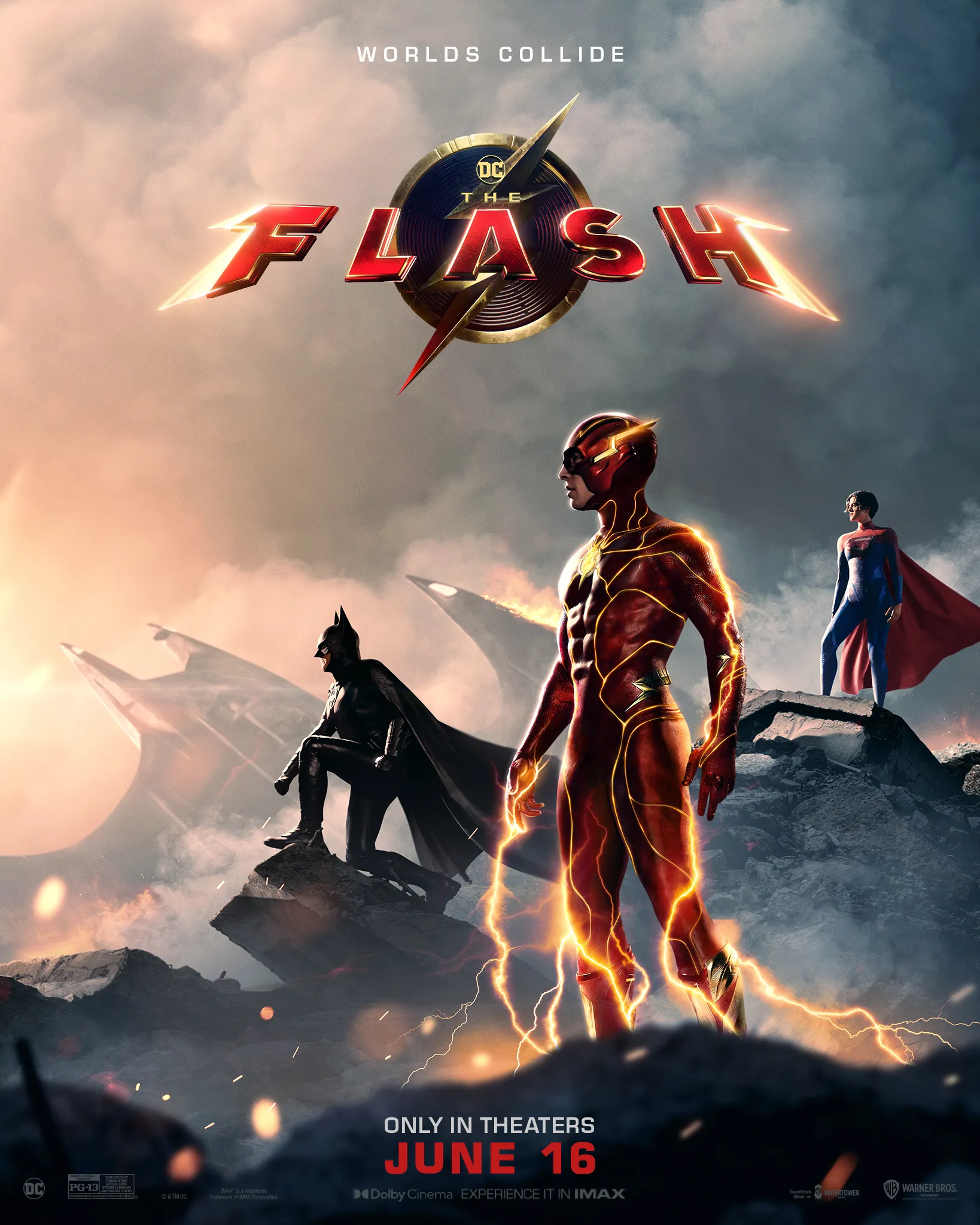
The Flash Is A Fun Sendoff For The DCEU

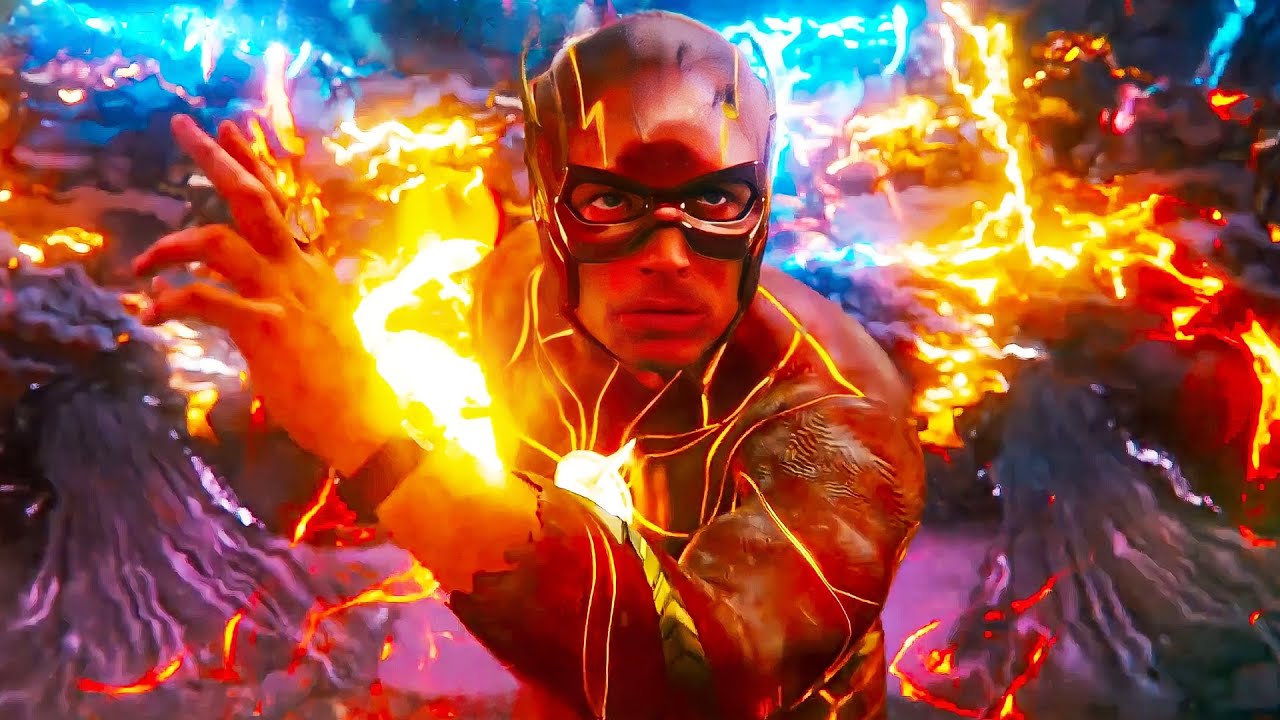
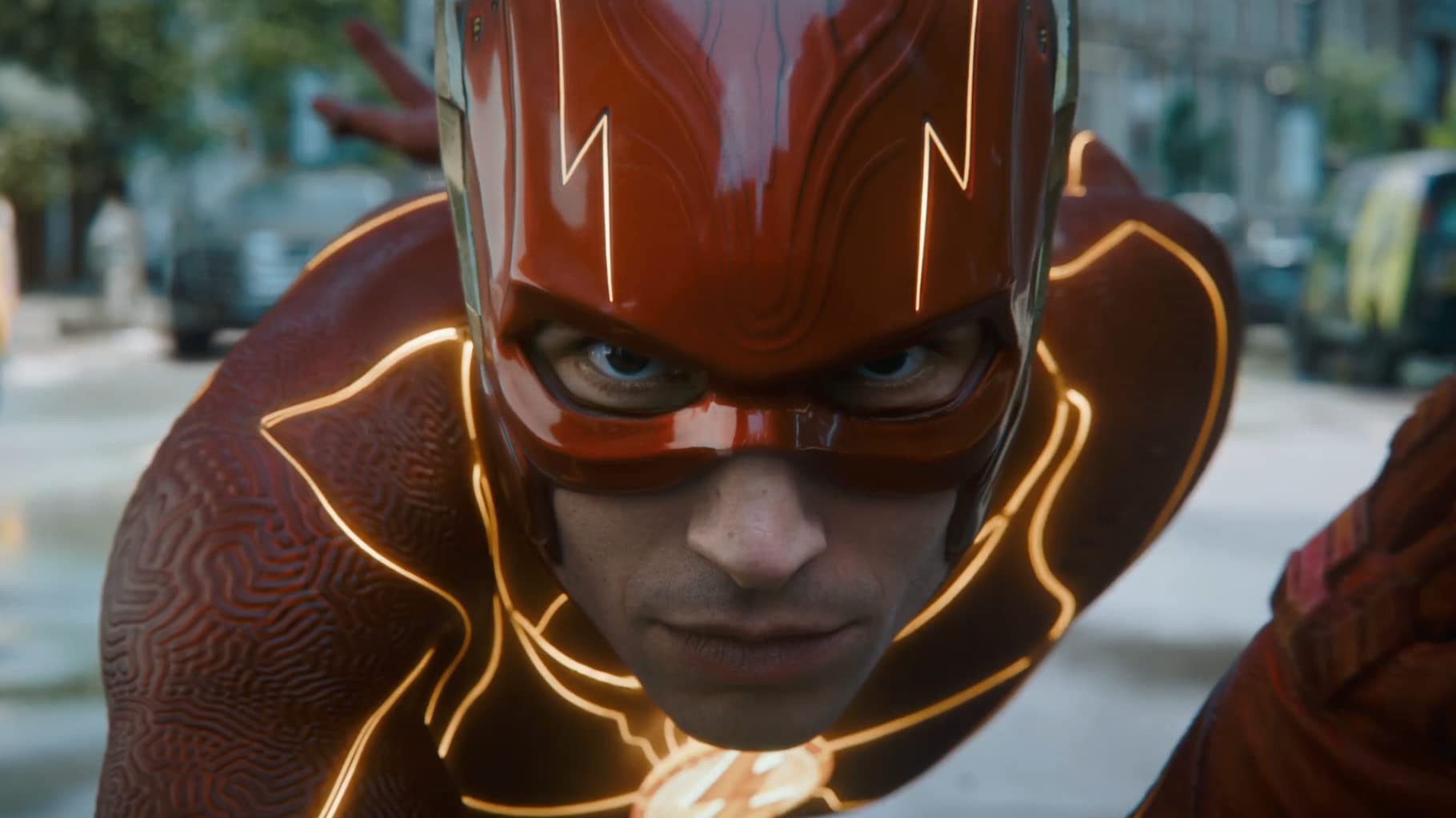
After years of delays and behind-the-scenes controversies, The Flash, the “final” film of the DC Extended Universe (DCEU), is finally here. Fortunately, despite its flaws and the real-life, alleged criminal actions of its star Ezra Miller, the film was worth the wait.

The Flash is a very loose adaptation of the Flashpoint DC Comics mini-series where time-travel actions by the Flash disrupt his timeline. The film takes place during a day-in-the-life of the titular character, Barry Allen aka the Flash (Miller), who performs his superspeed heroics while carrying on in his lonely civilian life. He is trying to find evidence to prove that his father, Henry (Ron Livingston) is innocent of killing Barry’s mother, Nora (Maribel Verdú), when Barry was a child. During a moment of grief, Barry runs so fast he momentarily time travels. This gives him the idea to use his abilities to go further back in time to save his mother. Even though his friend Bruce Wayne/Batman (Ben Affleck) warns him of the dangers with tampering with time, Barry decides to go through his plan anyway and succeeds.

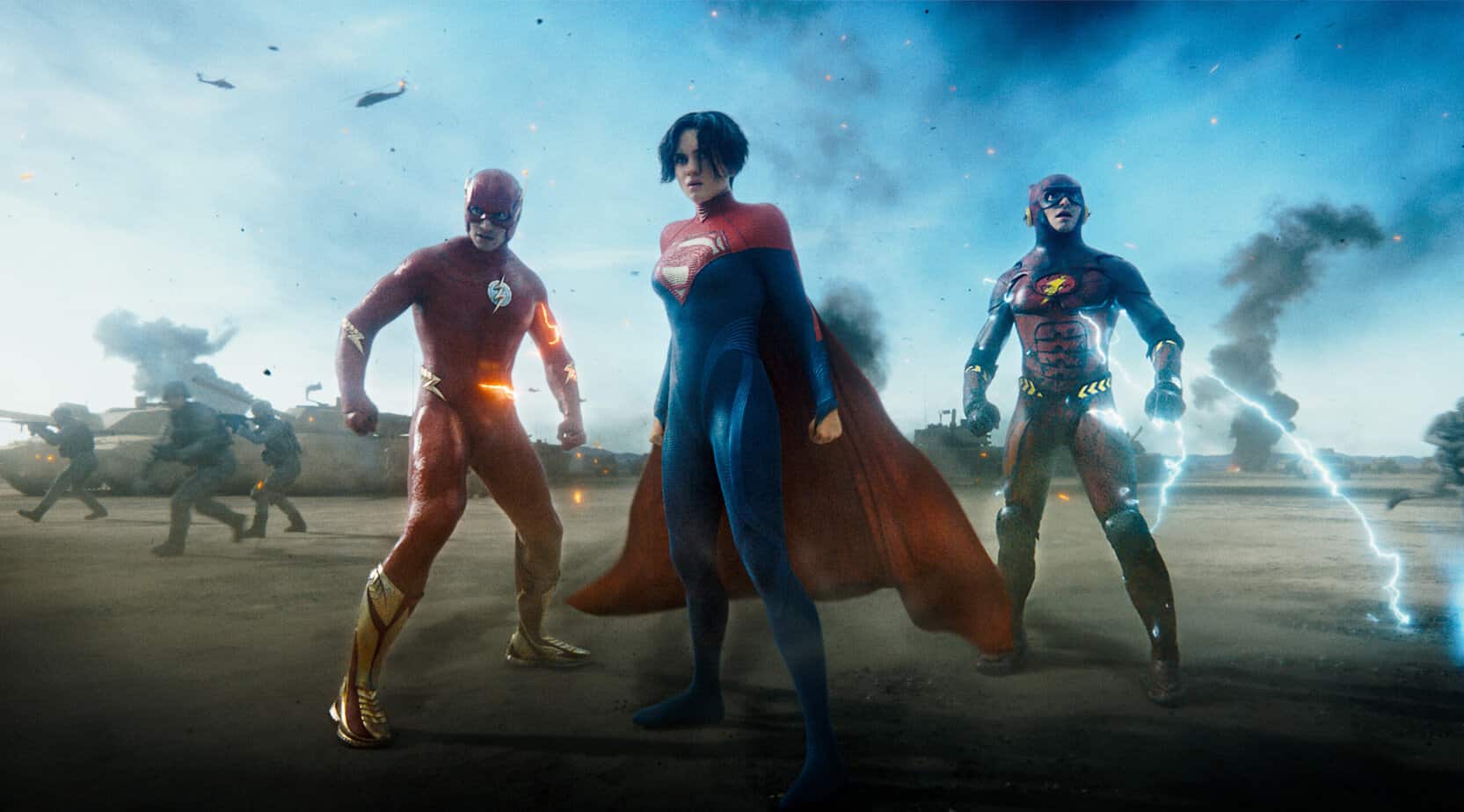
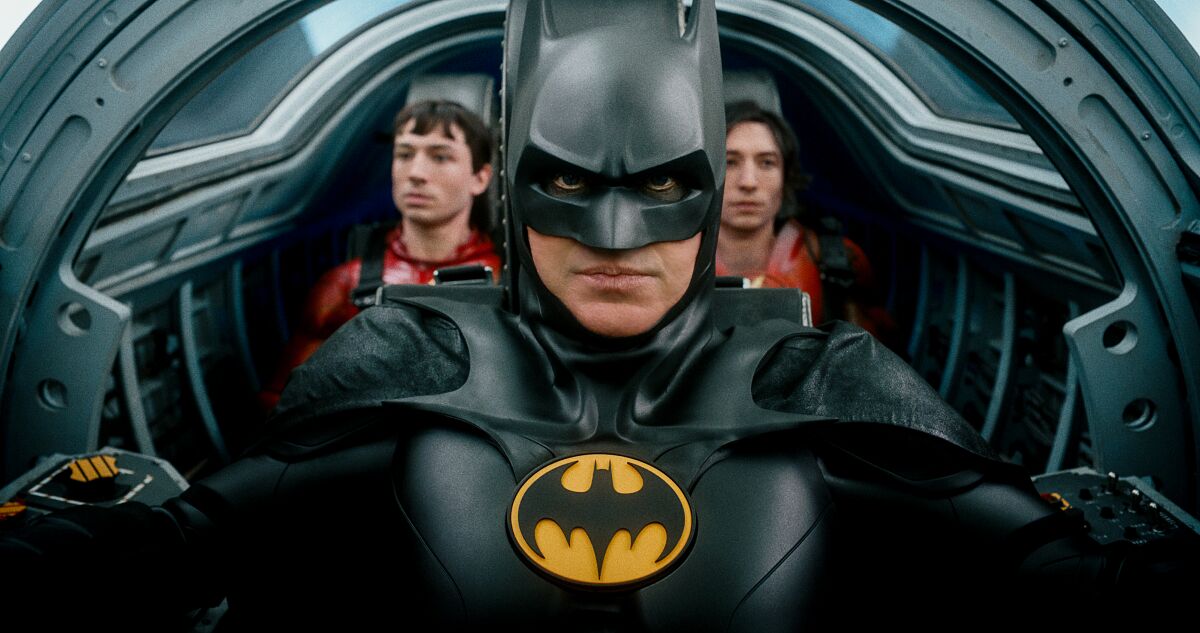
During his journey back to his own time, Barry becomes stranded ten years in his past. After reuniting with his mother and father, Barry soon encounters his younger self and realizes he arrived at the day when he got his superspeed powers. The attempt to ensure that the younger Barry gets his powers succeeds, but the present-day Barry loses his powers. What’s worse is that a short while later, the Kryptonian warlord Zod (Michael Shannon) arrives with his army on Earth to conquer the planet. Barry learns that in this world Superman, who defeated Zod in Man of Steel, does not exist and the only existing superhero is a retired Batman (Michael Keaton). It is up to the three to find a way to defeat Zod and recreate Barry’s powers.

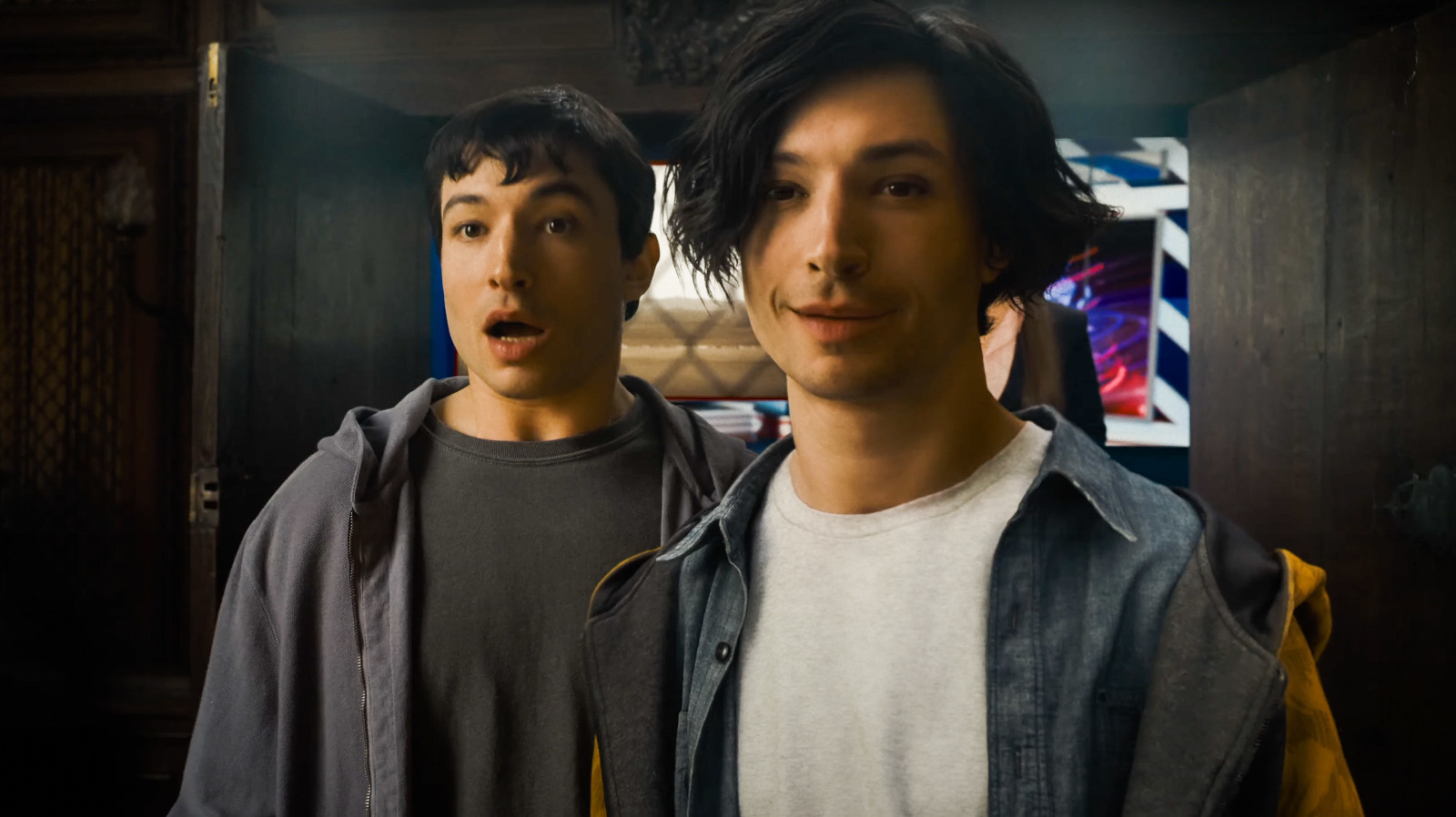
There is so much to enjoy in The Flash, which is one of the best DCEU films. Let’s start with Miller’s performance as both Barrys. Yes, the DCEU version may be too strange and quirky, but Miller is able to create two distinct versions of the same character. One who is immature and very obnoxious, while the slightly older version is more mature, sensible and even sympathetic, although his brash actions created the temporal crisis. The way the film had the actor interact with his film was flawless thanks to clever editing and effects.

Speaking of effects, they are the one major flaw of The Flash. Several sequences are masterful and eye-popping, especially whenever the Flash travels through the speed force, or when our heroes and Supergirl (Sasha Calle) battle Zod and his forces. But other times it is painfully obvious that bad CG is being used. This happens in the film’s opening scenes when the Flash tries to save a bunch of fake-looking infants who are falling from a high-rise hospital and at one point later in the film when several characters are showcased in other universes. It’s not clear what happened, perhaps the producers ran out of money and the film studio Warner Bros. refused to provide more funds. Director Andy Muschietti offered a nonsensical explanation that this was intentional so we could see how the Flash sees the world around him while he is traveling at hyper speeds. Bullshit!

We’ll probably get the real story years from now. But seriously, it would have been better if stock footage from other films and TV shows were used during the scenes where the Flash views other universes. This worked in the recent episode of Titans when Beast Boy glimpsed other universes including the DCEU. What was surprising was that we did not see the CW/Arrowverse version of the Flash played by Grant Gustin. This was unusual since Miller made a brief cameo as the Flash during the Arrowverse’s “Crisis on Infinite Earths” event a few years ago. The other cameos seen are fun especially for DC fans.  

Uneven special effects aside, The Flash is a fun, surprisingly humorous and spirited superhero film that has a lot of heart. Its last merit is rather surprising and credit goes to Miller and Muschietti. The emotional beats are very aching during the film’s final act when Barry has to acknowledge some painful truths about life. There was one scene near the very end that was so heart wrenching even though it was inevitable.

As well as Miller was in both roles, the other performers like Keaton and Calle also turn in fine performances. Obviously, it was great seeing Keaton reprise his iconic role as he found a new spark and purpose in his life, which was to help Barry.  The relationship between the two was the heart of Flashpoint and was essentially recreated in this film, although the film has little to do with the comic book storyline. It was also a treat to see Affleck reprising his role as Batman, as well, even though this will be the actor’s final performance as the superhero. The one brief moment we see his version of Bruce interacting with Barry showed the two have a natural chemistry and it will be missed.

Without going into spoilers it is not clear where the film leaves off in terms of the disrupted timeline. There was an original ending that was nixed in favor of what turns out to be a joke, and a bad one at that for those who loathe some of the older Batman films. Given its dismal box office performance and Miller’s situation it is doubtful this version of the Flash will return as this is the end of the DCEU. Still, The Flash is an enjoyable time-travel/superhero yarn that sends off the DCEU on a high note.

The DCEU: How It Should Have Launched

Whether we’re excited for what James Gunn and Peter Safran have planned for their relaunched films based on DC Comics properties or lamenting the demise of the DC Extended Universe (DCEU), it is clear by now that the DCEU has lost its way.

There are many reasons why the DCEU ultimately faltered and a common factor that many point to has to do with the schedule of its early films and who they were centered on. Many fans have griped that there never was a proper sequel to Man of Steel or that Batman never had a solo film, while other announced films have yet to materialize.

So, could the DCEU have succeeded early on? It is possible and there are many avenues the films could have taken. Some have suggested that the DCEU films should have taken a gradual approach in introducing the heroes before releasing Justice League in the same way Marvel Studios led up to the release of The Avengers. There were many reasons why Warner Bros. did not take this approach with their reps publicly stating they did not want to copy the formula used by Marvel Studios. But if they did try to emulate the formula, how would the DCEU have turned out? Let’s look further.

The first film of the DCEU, Man of Steel, is released in 2013 as it happened in real life. Except, this time the film would have more Easter eggs to a greater DCEU instead of a quick glimpse of a satellite belonging to Bruce Wayne. The film would have a post-credits scene which would show a news montage about the Kryptonian invasion of Earth and the revelation of Superman. As the talking heads would debate about an alien being walking among us, the images would pull back to show they are coming from a TV screen or monitor and we would see that this scene is taking place in the Batcave or in S.T.A.R. Labs.

2015

Instead of waiting until 2016 to release the next DCEU film, Warner Bros. would release two films in 2015. A proper sequel to Man of Steel called Man of Tomorrow, which would be a solo Superman film, and a solo Batman film called The Caped Crusader.

Man of Tomorrow would have been very similar to Batman v Superman: Dawn of Justice except that Lex Luthor would have been recast and Batman/Bruce Wayne would only make brief appearances. He never would have fought or even met Superman. That opening in Batman v Superman: Dawn of Justice where Bruce Wayne personally witnesses the destruction in Metropolis from Superman’s fight with the Kryptonians would swap out Wayne with Luthor. This gives Luthor more of a reason to hate Superman because he saw firsthand the danger of this superpowered alien. The rest of the film would have explored the ramifications of Superman’s presence in the world with Luthor trying to discredit him. The film could have had references to other DC heroes who at this time are operating in the shadows or have not become superheroes yet.

Like Batman v Superman: Dawn of Justice, Man of Tomorrow would have concluded with Superman confronting by himself a genetic monstrosity that Luthor created but instead of Doomsday it would have been an evil Superman clone, who we would know was a malevolent version of Bizarro. The film would include two post-credits scenes. One would show that Luthor had created another genetic opponent for Superman that was locked up. This creature would have been revealed to be Doomsday. The other scene would take place in another world and reveal that the recent superhuman activities have caught the attention of Darkseid.

The Caped Crusader film would be a proper solo film for Batman and it would have shown Batman to be coming out of semi-retirement. It also would have shown that Batman is largely considered to be an urban myth but by the end of the film, Batman would be revealed to be an actual person who fights crime. The Joker would not appear in the film or even be hinted at. Instead the villain would be Deathstroke as The Caped Crusader would have been based on Ben Affleck’s script for the scrapped Batman solo film where Deathstroke blamed Batman for the death of his son and tried to get revenge on Batman. As with Man of Tomorrow, the Batman film would have had references to the greater DCEU and possibly featured Superman in a cameo, probably as part of a newscast. It possibly could have introduced Diana Prince as a mysterious and potential love interest for Wayne. The film also would have post-credits scenes that set up a sequel and have Prince revealed to be Wonder Woman.

Continue reading

Top Ten Films & TV Shows Of 2022

2022 is done and it is time to briefly look back at the best genre films and television shows that came out in 2022. Of course, every reader’s preference and ranking will be different and everyone will have their opinions about these lists and are entitled to them. Drop a comment if you agree with the rankings or have different ones.

TV Shows

It is clear that we are in the middle of a Golden Age of genre TV shows given there so many high-quality shows that came out in just one year. Many of the streamed or aired TV shows are genuine classics with the top three shows being virtually tied for first place and their ranks can be interchanged.

10. The Peripheral

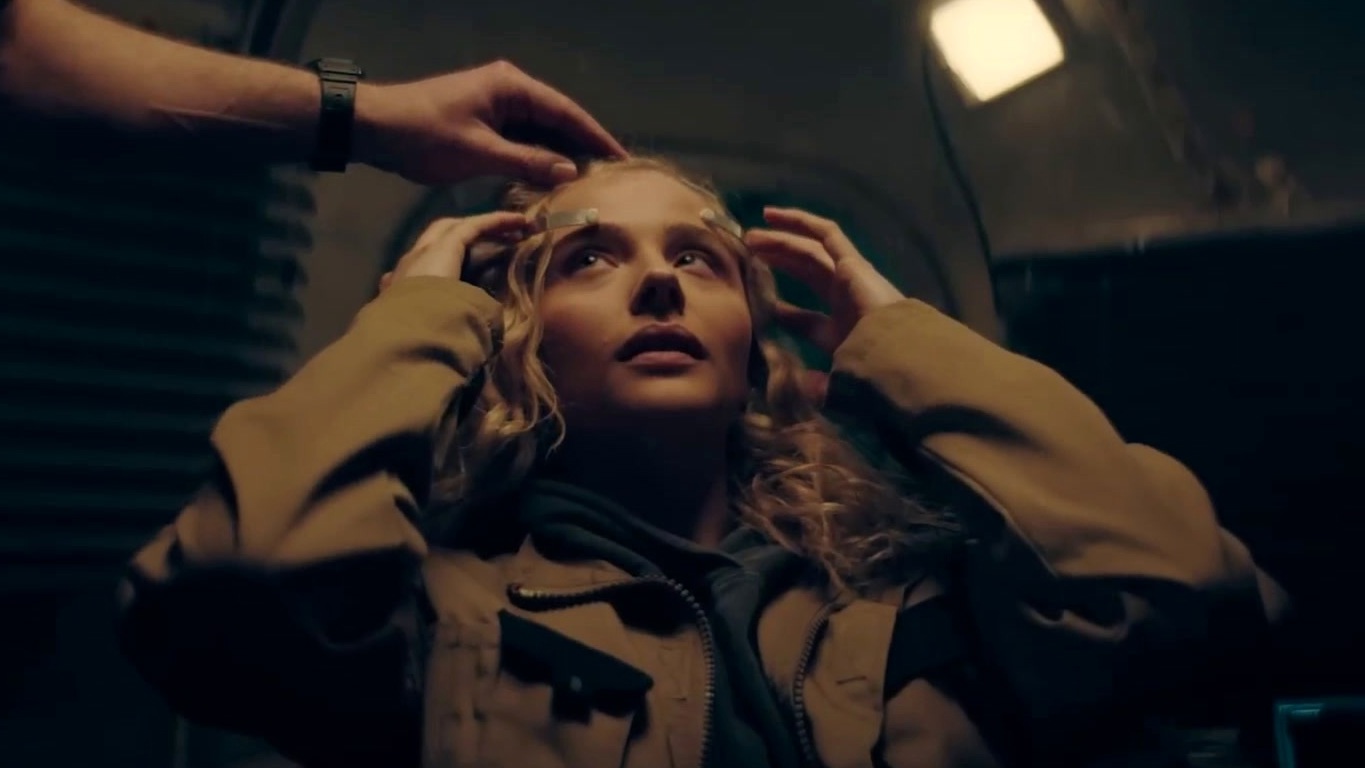
Loosely based on William Gibson’s book, this was one sci-fi show worth watching. Chloë Moretz Grace stars as a VR gamer in the near future caught up in a mind-bending conspiracy involving time travel and alternate realities.

9. The Sandman

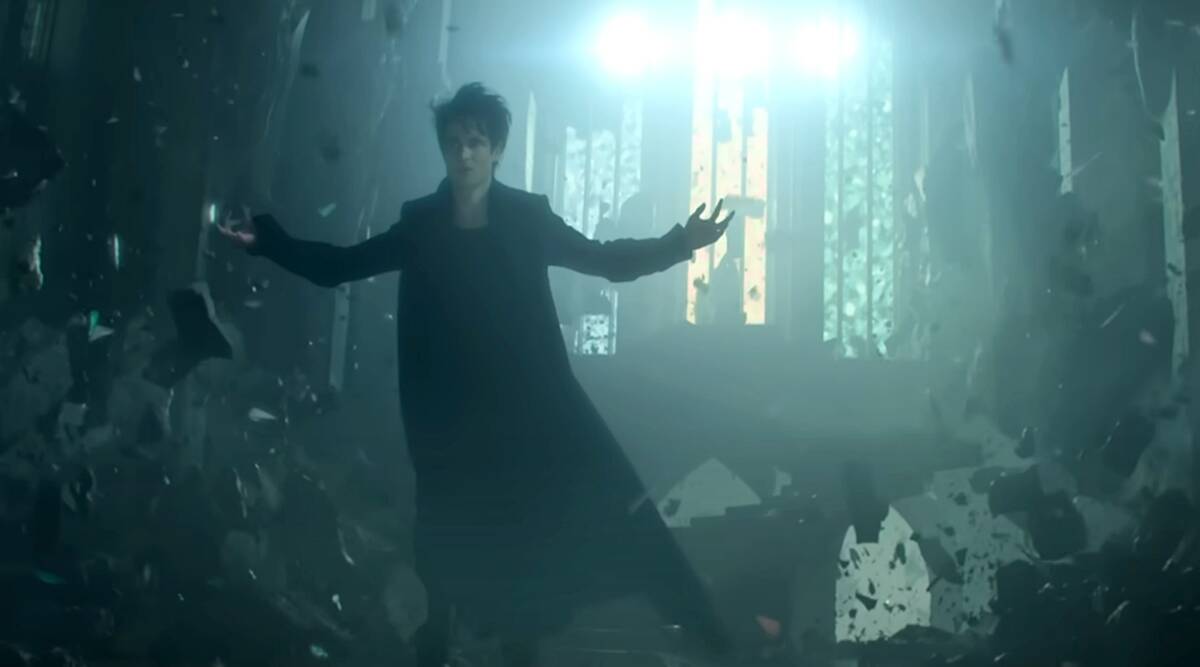
This turned out to be a remarkably faithful adaptation of the classic DC/Vertigo dark fantasy comic book. More like a traditional episodic show with standalone stories, The Sandman was inventive, colorful, disturbing and brilliant.

8. Peacemaker

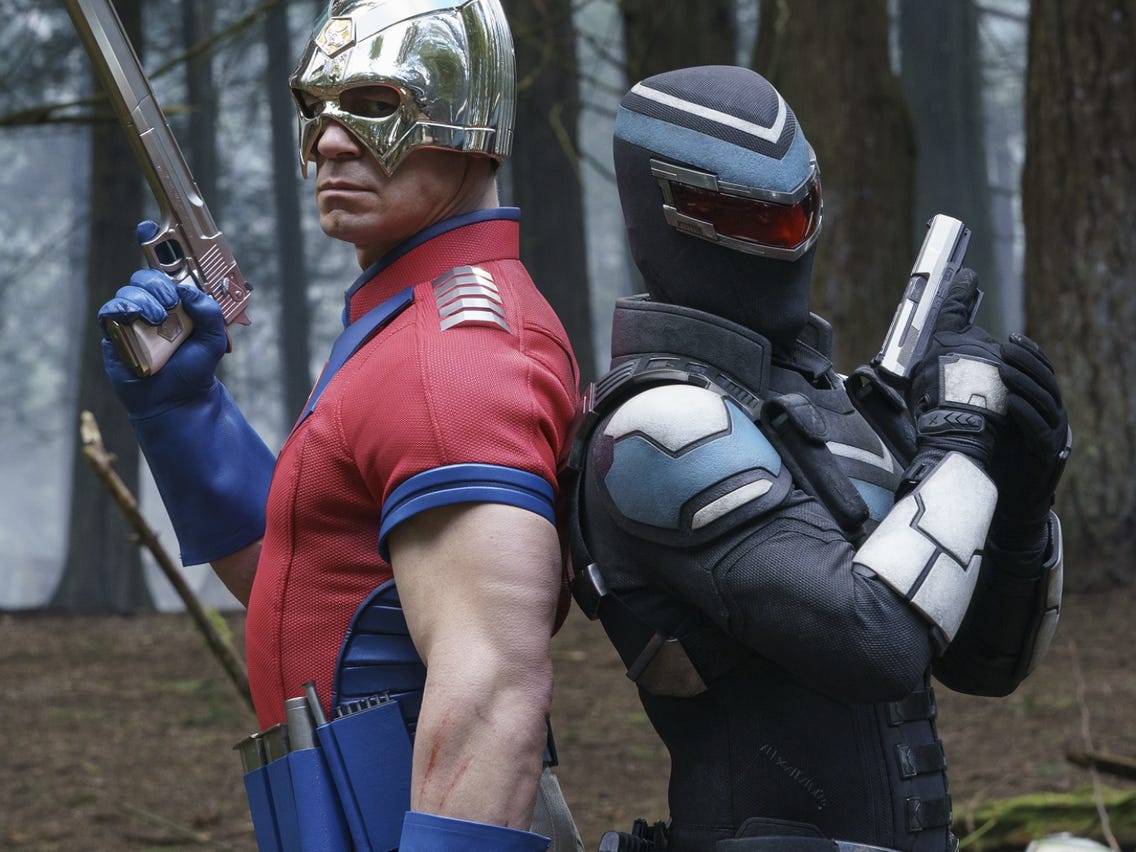
James Gunn sojourn into the DC Extended Universe (DCEU) took a hysterical turn with the first (and possibly final) DCEU TV show. It took one of the least likeable anti-heroes from The Suicide Squad and turned him into a relatable and emotionally complex character.

7. The Guardians of the Galaxy Holiday Special

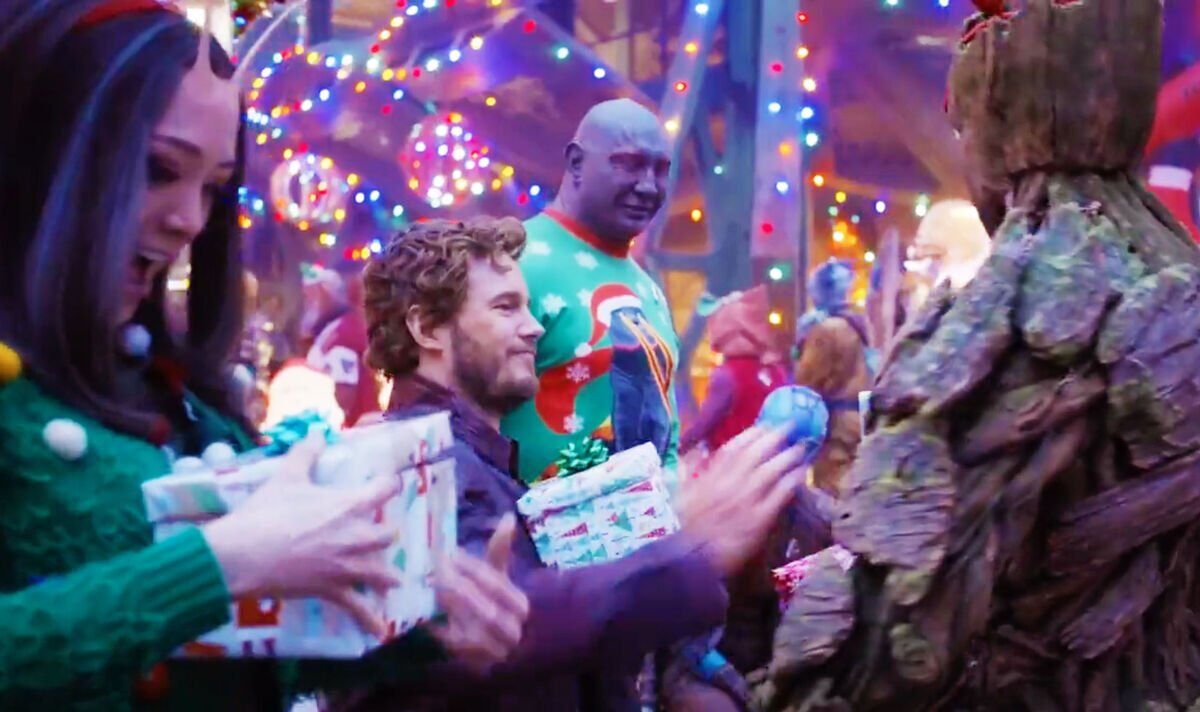
Director James Gunn delivered an awesome, heartfelt and funny holiday special starring the Guardians of the Galaxy. In between the gooey holiday scenes were moments of pure laughter as the alien Guardians went to Earth to kidnap the actor Kevin Bacon to present as a Christmas present. The songs were great, too.

6. The Boys

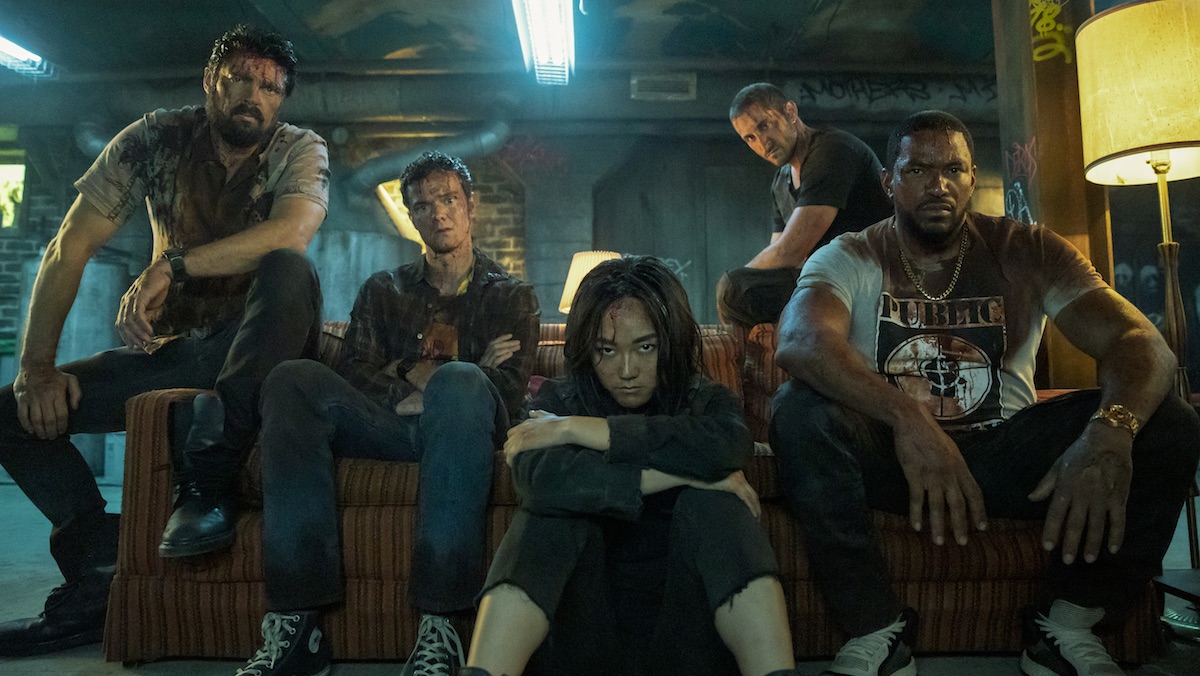
With the introduction of Soldier Boy, The Boys took a turn at satirizing the Marvel Comics heroes with his clear similarities to Captain America. Meanwhile, the series continued to be outrageously violent with gross-out humor and in-your-face commentary about our times.

5. Obi-Wan Kenobi

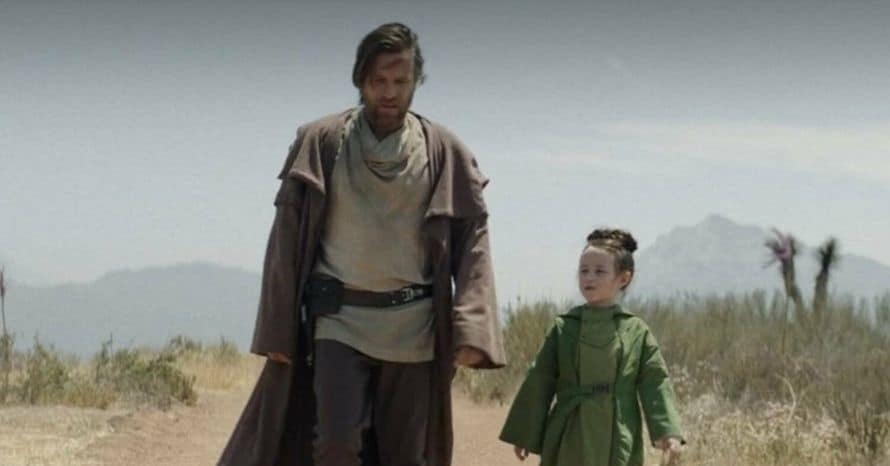
Ewan McGregor reprised the role he made his own in the Star Wars prequels. The series served as both a sequel to those films and a prequel to the original Star Wars. Despite some flaws, McGregor elevated the show with his brilliant performance as a fallen Jedi who has to rediscover his faith.

4. Star Trek: Strange New Worlds

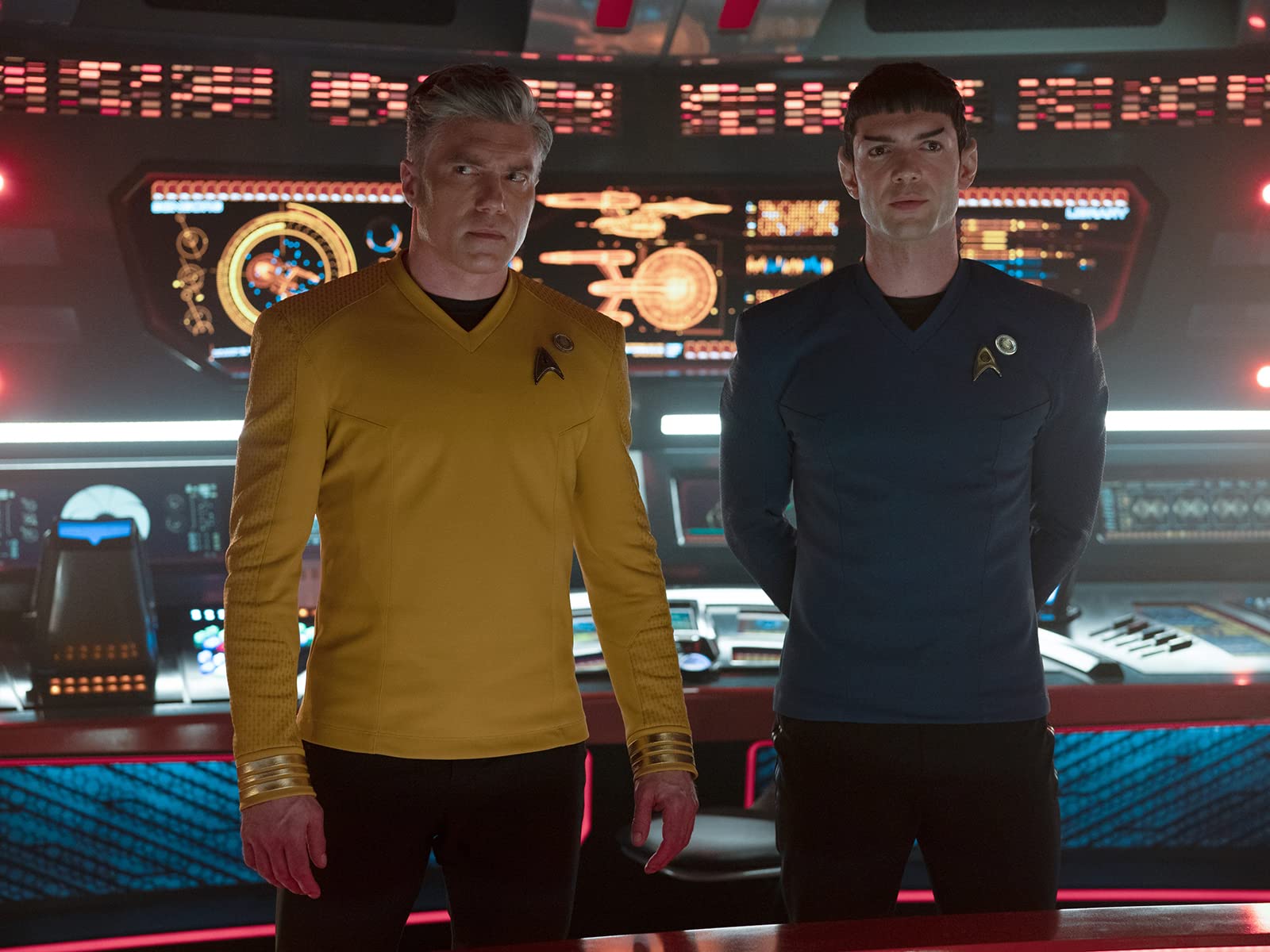
Despite some Star Trek shows that faltered in 2022, Star Trek: Strange New Worlds breathed new life in the franchise. This was due to smart scripts that emulated the original Star Trek, a charming cast, and a back-to-basics approach with its storytelling that favored standalone episodes.

3. Andor

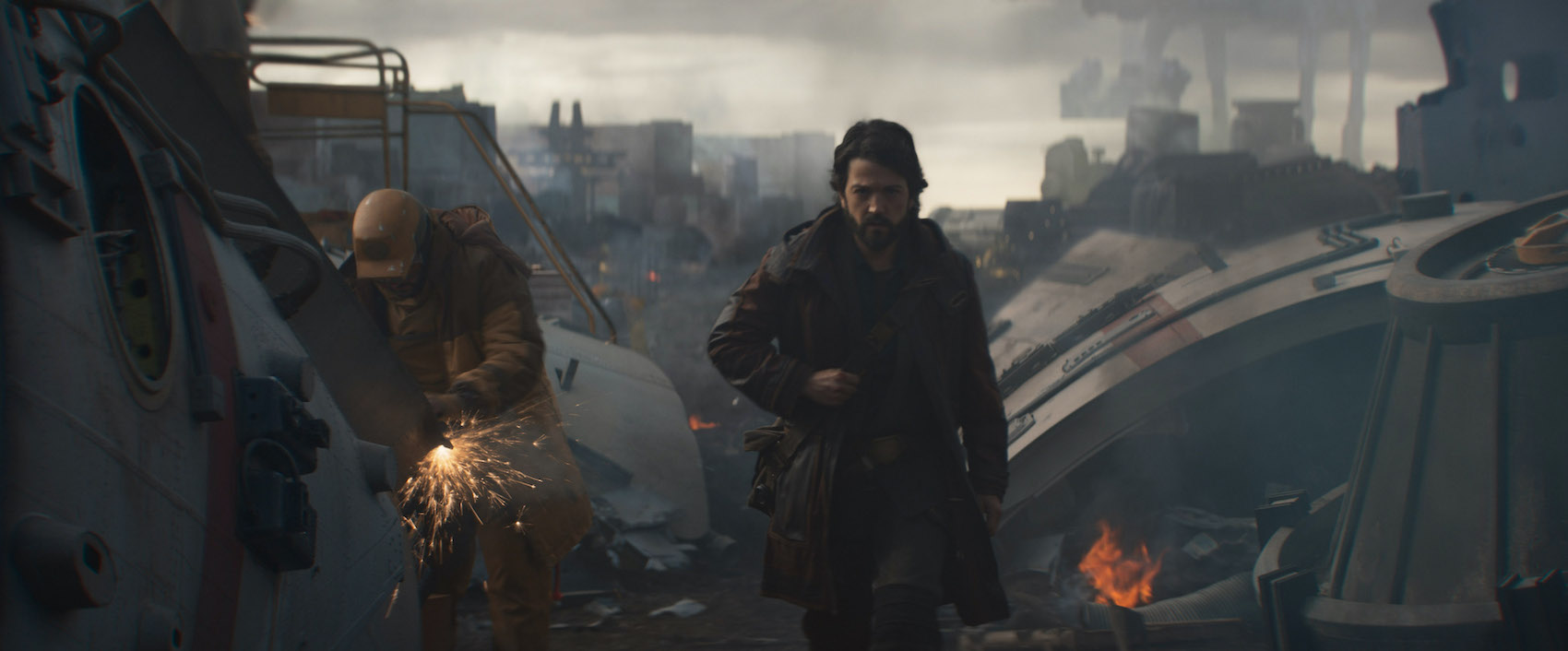
Cassian Andor (Diego Luna) in Lucasfilm’s ANDOR, exclusively on Disney+. ©2022 Lucasfilm Ltd. & TM. All Rights Reserved.

This Star Wars show was the ultimate slow burn as the prequel to Rogue One: A Star Wars Story centered on the anti-hero Rebel agent, Cassian Andor. Separate arcs thoroughly examined Andor’s personal growth and the people around him. It also realistically depicted of how a rebellion grows in an authoritarian society.

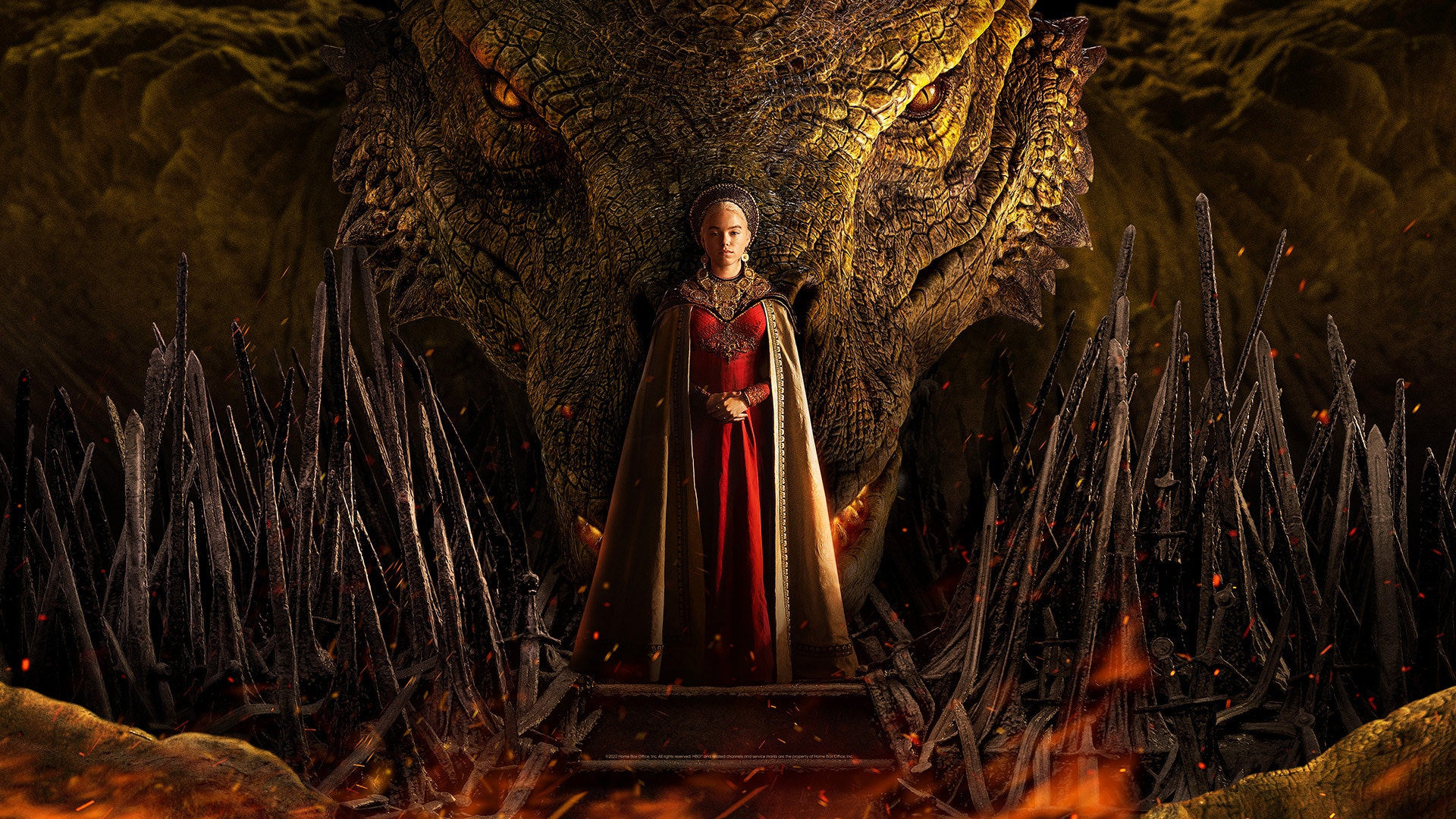
2. House of the Dragon

Many who were disappointed by the final season of Game of Thrones were pleasantly surprised by this fascinating prequel that focused on the dragon-worshiping Targaryen royal family. Despite its prequel limitations, the show quickly captivated audiences who were drawn back to the fantasy world of George R.R. Martin.

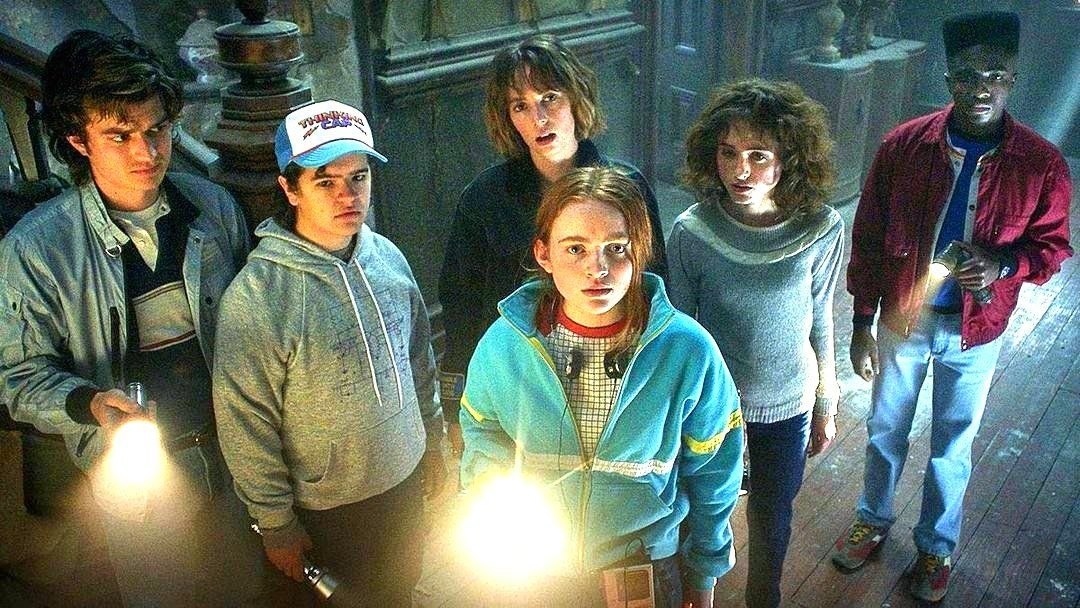
1. Stranger Things 4

The fourth season of Stranger Things managed to reinvigorate the series with fascinating origin stories and situations, and new and memorable characters. At the same time, this season focused on the core characters that were so beloved and who were allowed to grow as they faced terrifying new threats from the Upside Down dimension.

Honorable Mentions:

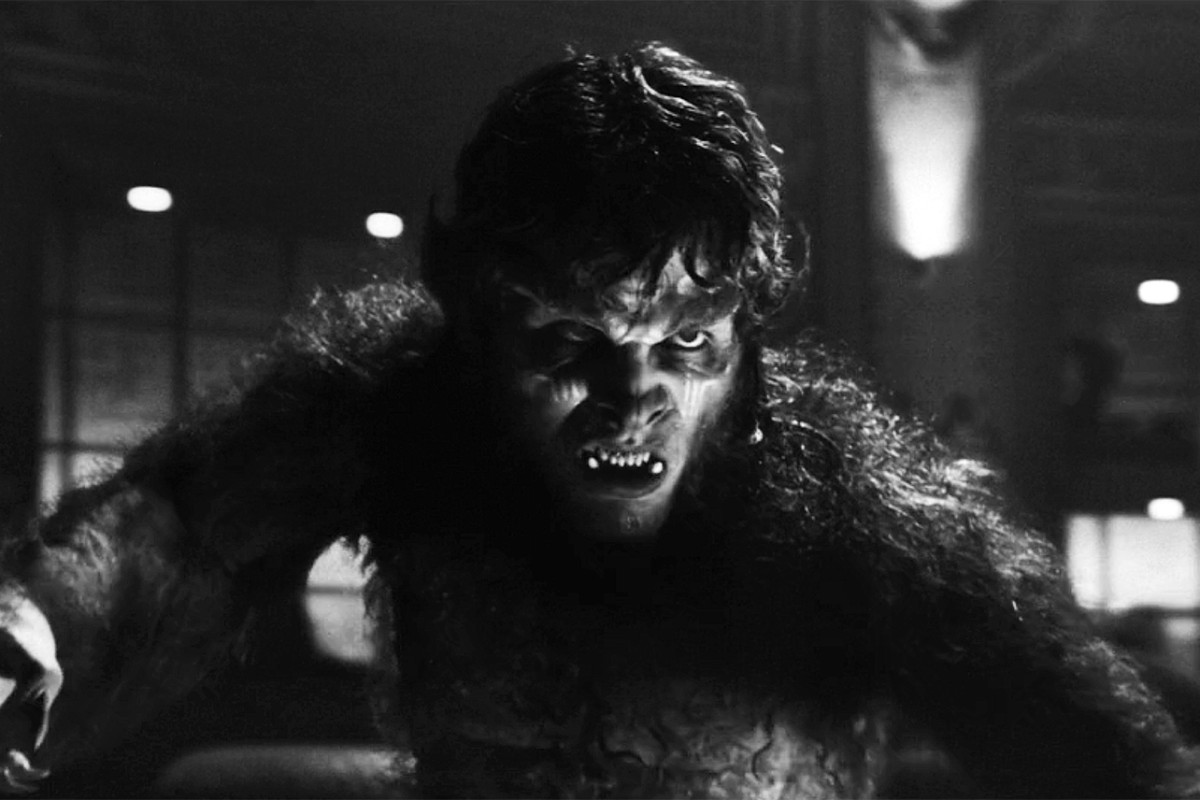
Doom Patrol; For All Mankind; Halo; The Handmaid’s Tale; Love, Death + Robots; Moon Knight; The Orville; Raised By Wolves; Severance; She-Hulk: Attorney At Law; Snowpiercer, Star Trek: Picard; Star Trek: Prodigy; Superman & Lois; Tales of the Jedi; Titans; Werewolf By Night; The Umbrella Academy; Undone

Films

Surprisingly, the genre offerings for 2022 were not as plentiful as in previous years. Superhero films still dominate the release schedule though many other genre films (horror, animated, sci-fi, fantasy) have made their presence felt as well in a solid year for genre films.

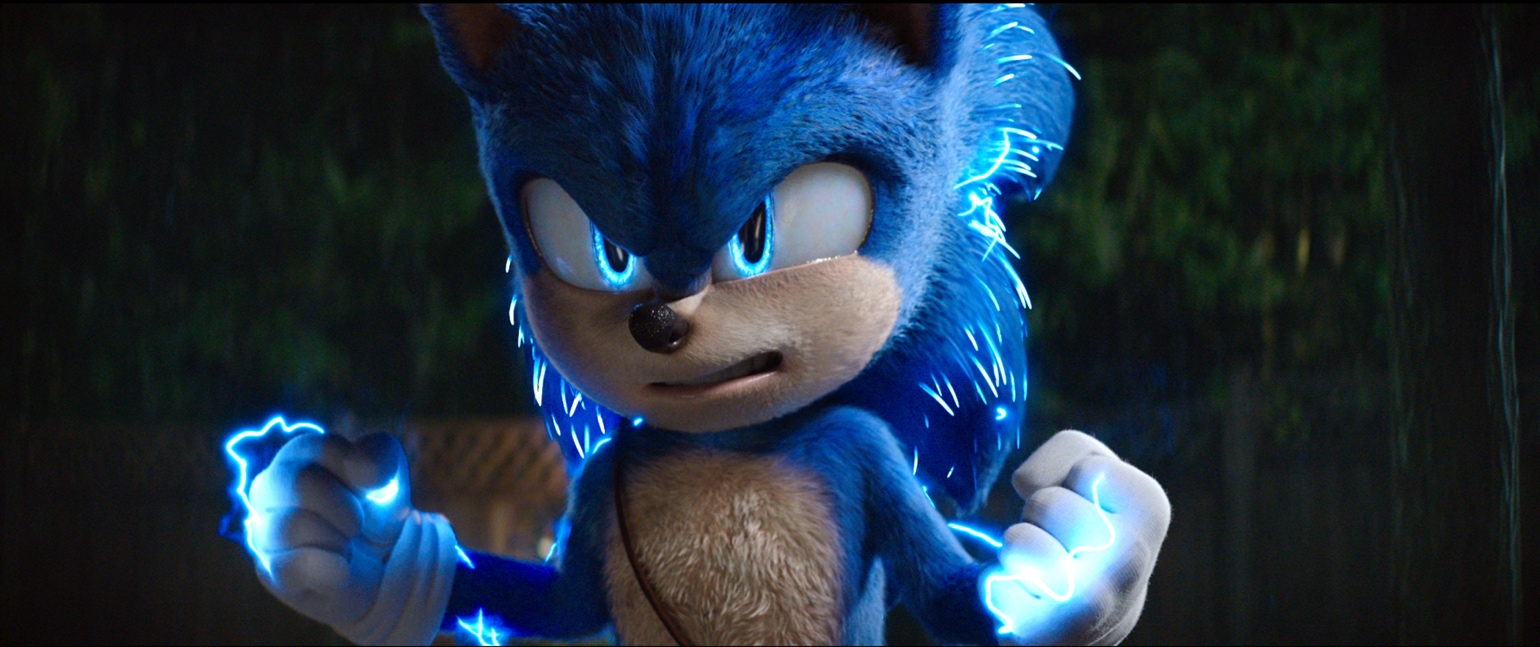
10. Sonic the Hedgehog 2

The sequel film delivered the best family film of the year. It was also an exciting, colorful and largely faithful live-action adaptation of the classic Sega video game hero and his expanded roster of friends and foes.

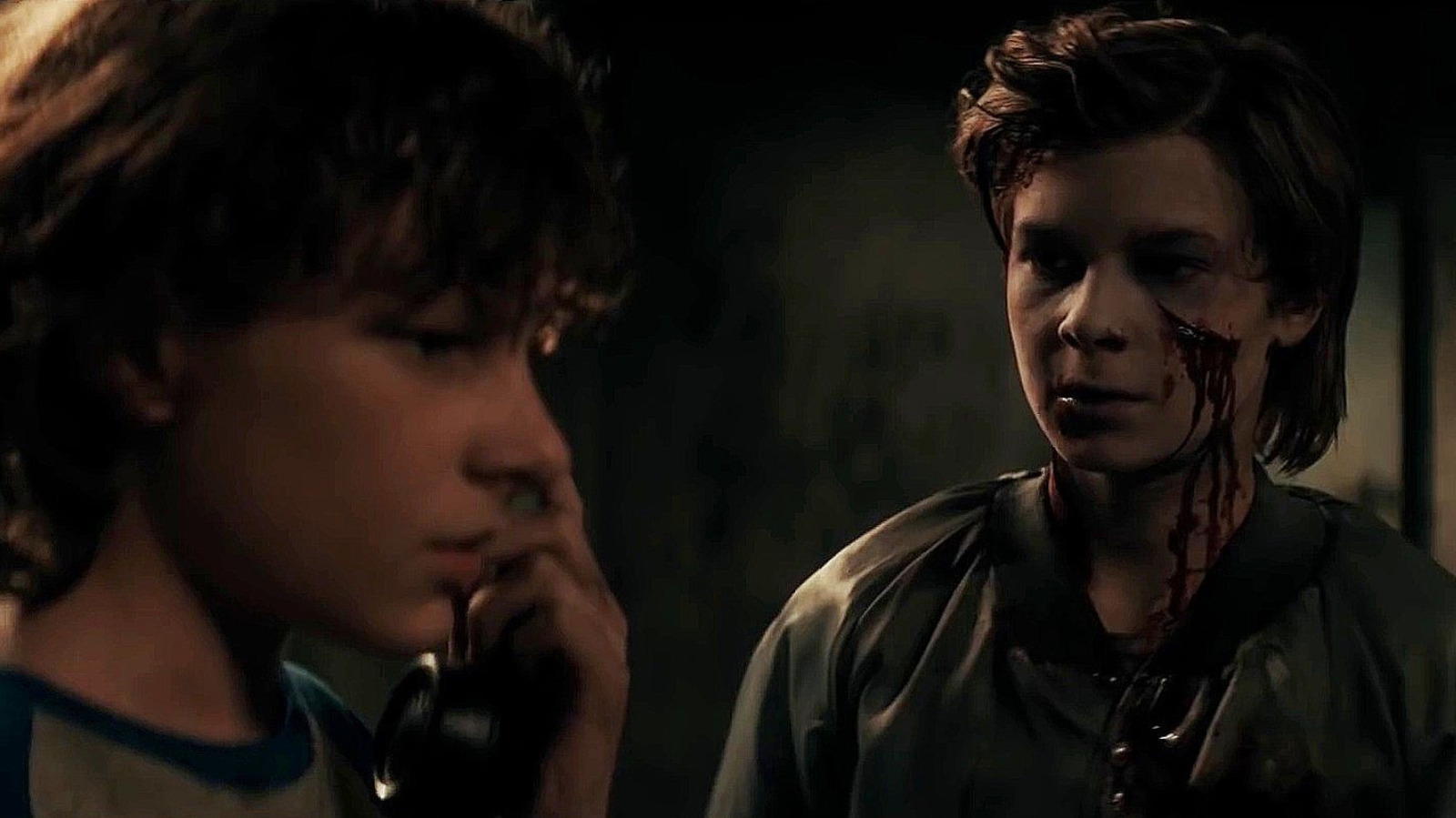
9. The Black Phone

This film by Scott Derrickson proved why he is one of the best visionary horror directors today with The Black Phone. He cleverly combined classic horror elements from serial killers to psychic phenomenon to ghosts.

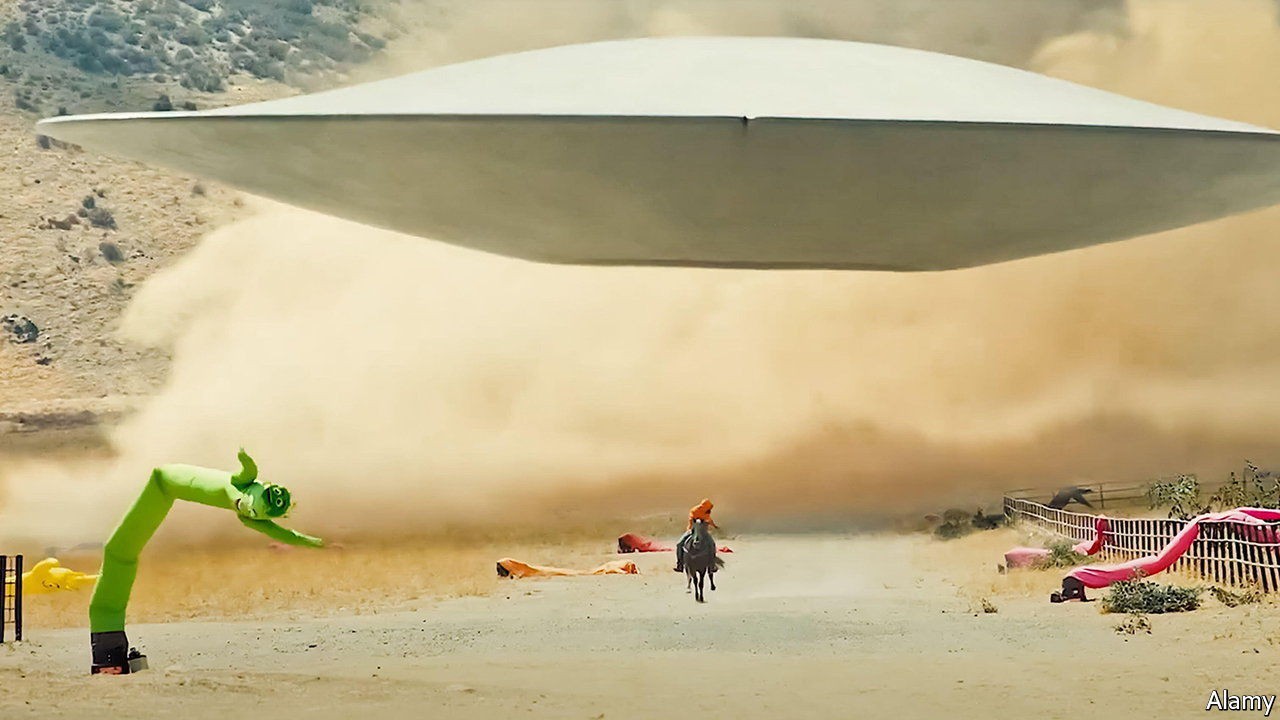
8. Nope

Director Jordan Peele’s latest genre offering was an intriguing and original take on the U.F.O. phenomenon. Nope had its fair share of suspense, horror and the contemplative character studies Peele is known for, as well as elements of a neo-Western.

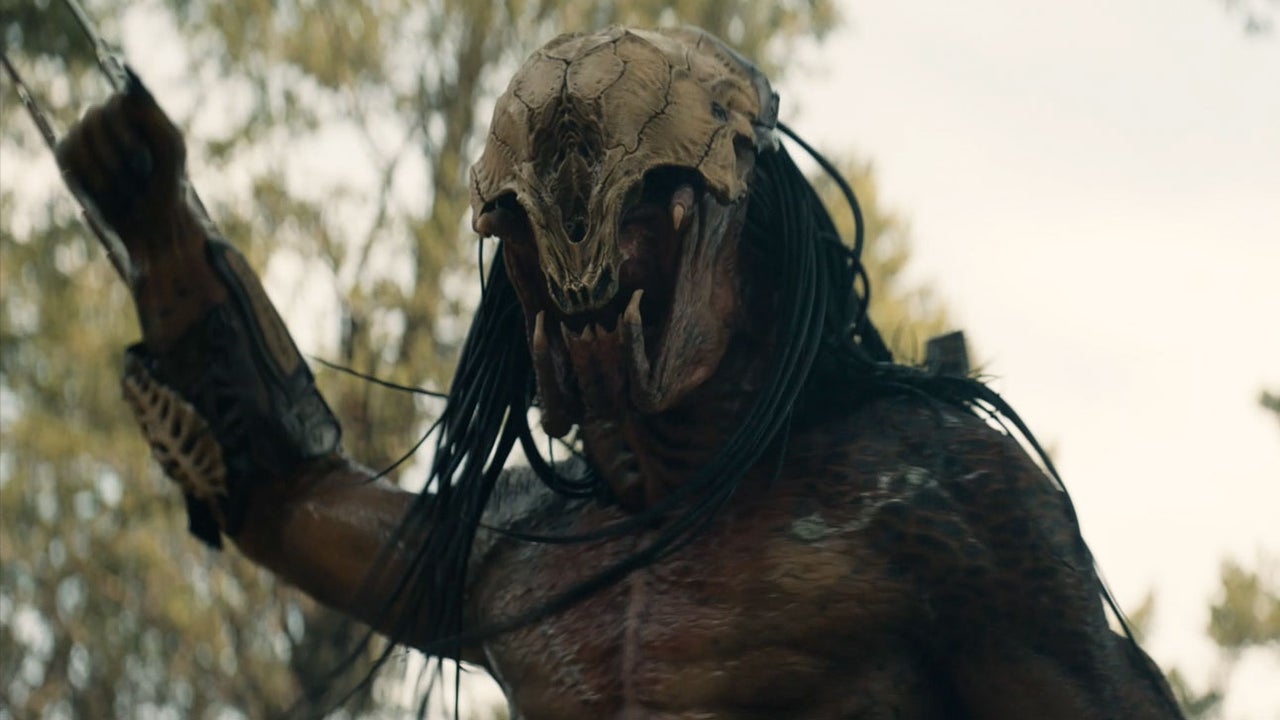
7. Prey

The Predator franchise was unexpectedly revived with the latest film that took the franchise in a new and fresh direction. Placing the film centuries ago, Prey amped up the thrills as the human characters had to rely on their wits and skills instead of technology against the inhuman Predator hunting them.

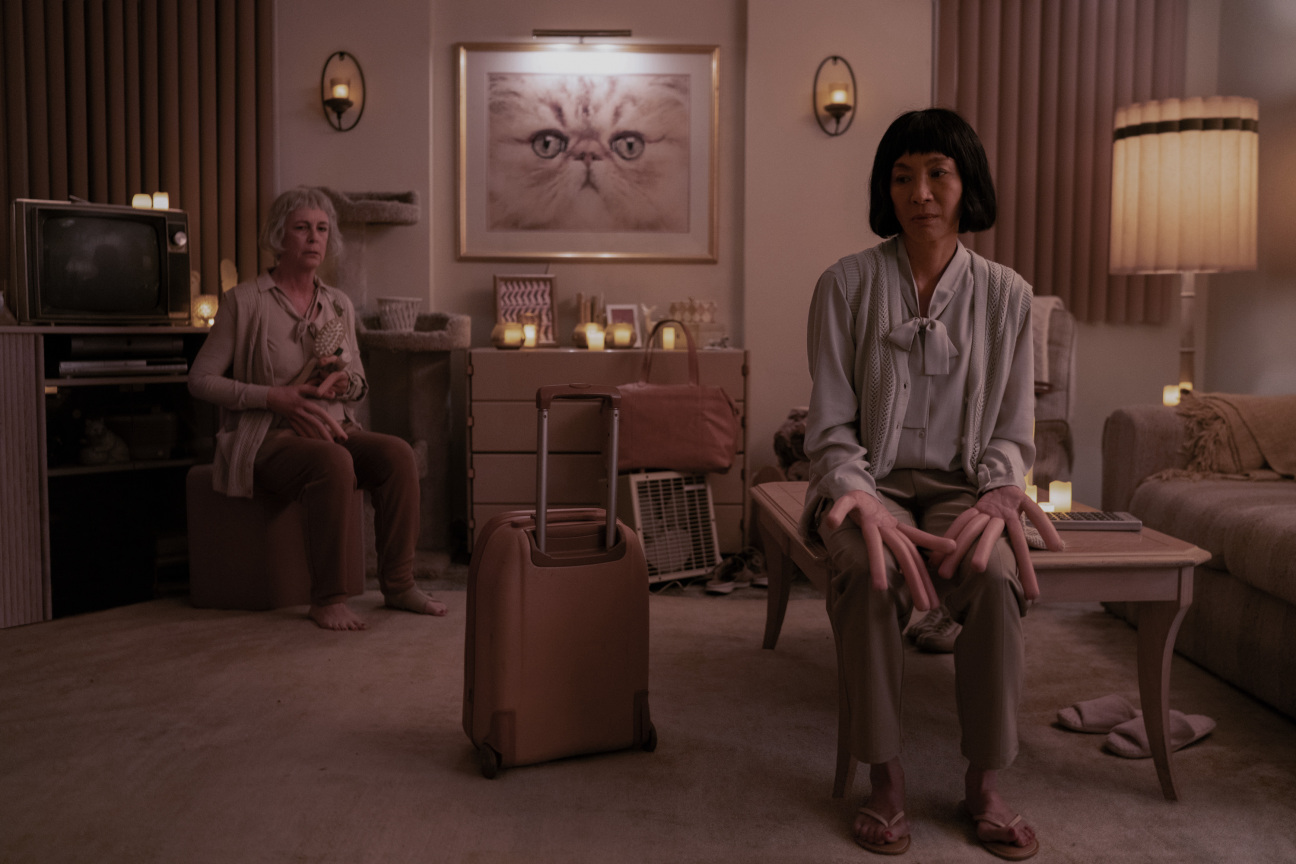
6. Everything Everywhere All at Once

Michelle Yeoh turned in a fantastic performance as several variations of the same character in this film that gave us a true multiverse of madness. The film truly went out there with its sometimes bizarre depictions of colliding parallel universes.

5. Jurassic World: Dominion

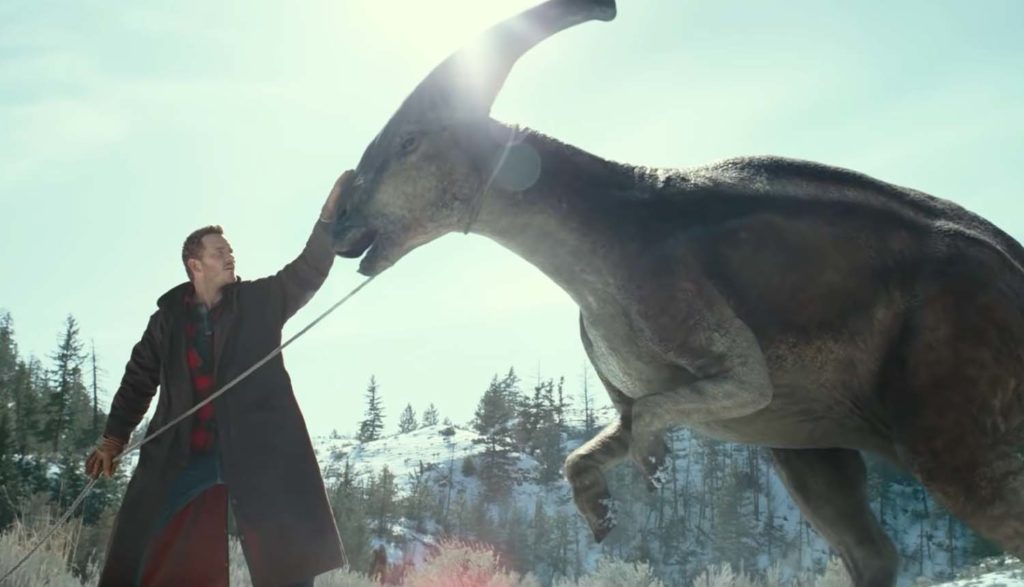
The conclusion to the second Jurassic Park film trilogy ended on a high note full of dinosaurs rampaging in modern-day society. However, the film’s true high note was when it had the main heroes from both trilogies meeting and teaming up to save the world from extinction.

4 Black Panther: Wakanda Forever

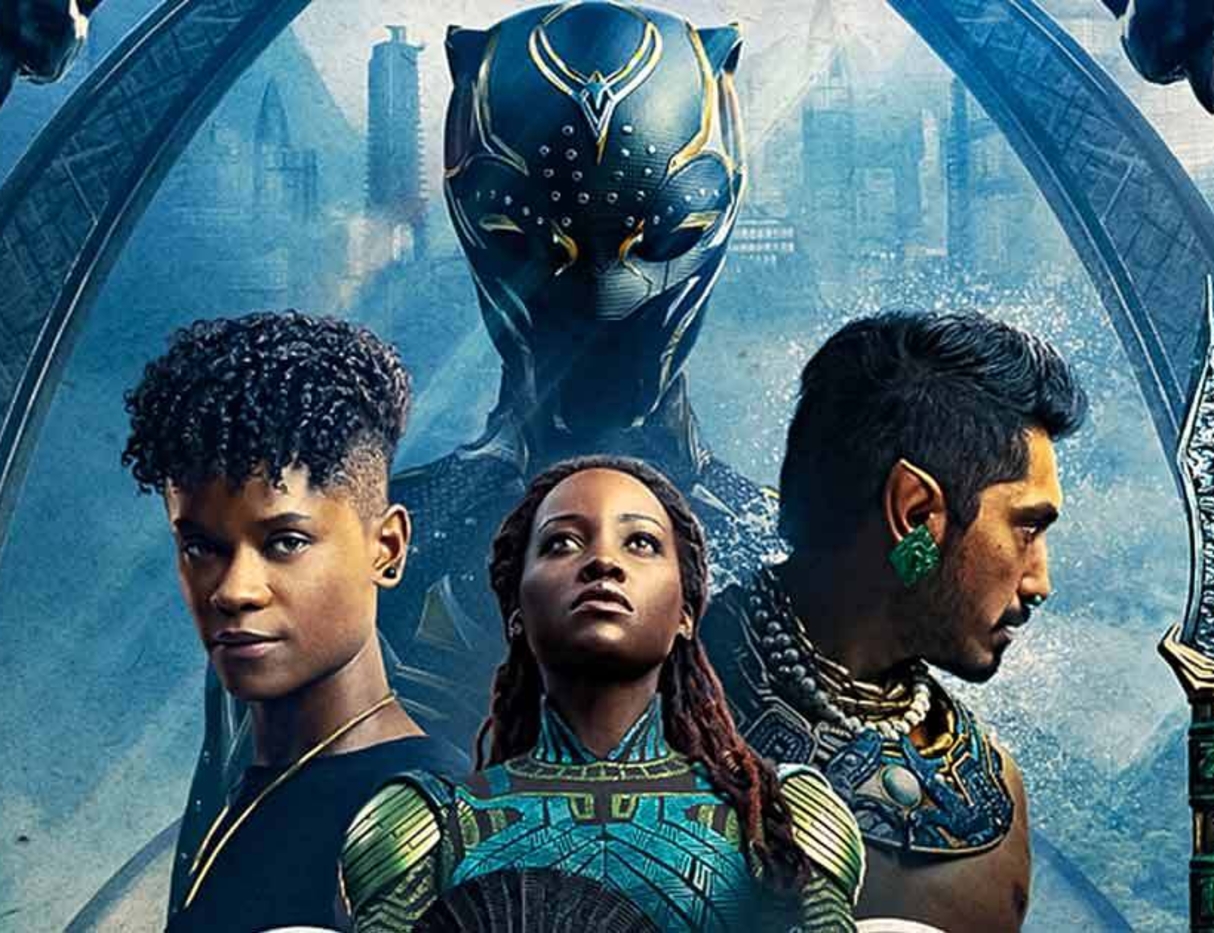
Director Ryan Coogler pulled off the impossible with a sequel that does not feature the star or main character from the original film. This film was full of depth as it explored grief and loss, while expanding the popular Marvel Cinematic Universe (MCU) with the introduction of one of Marvel’s best anti-heroes, Namor.

3. The Batman

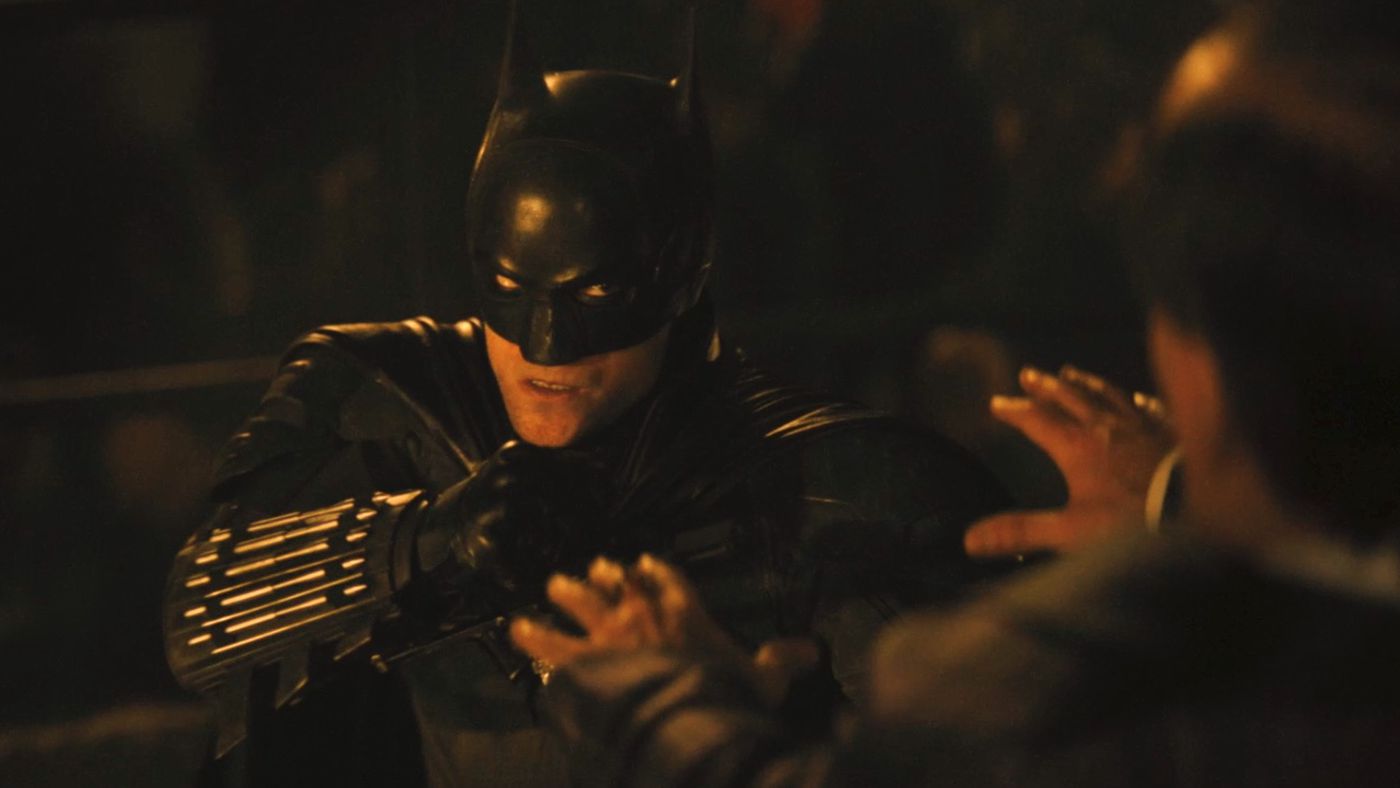
We actually got to see the Dark Knight Detective do some actual detective work in this grounded and gritty version of Batman. The dark and brooding film delivered intense action, intrigue and a horrifying version of the Riddler that rivaled classic cinematic serial killers.

2. Doctor Strange in the Multiverse of Madness

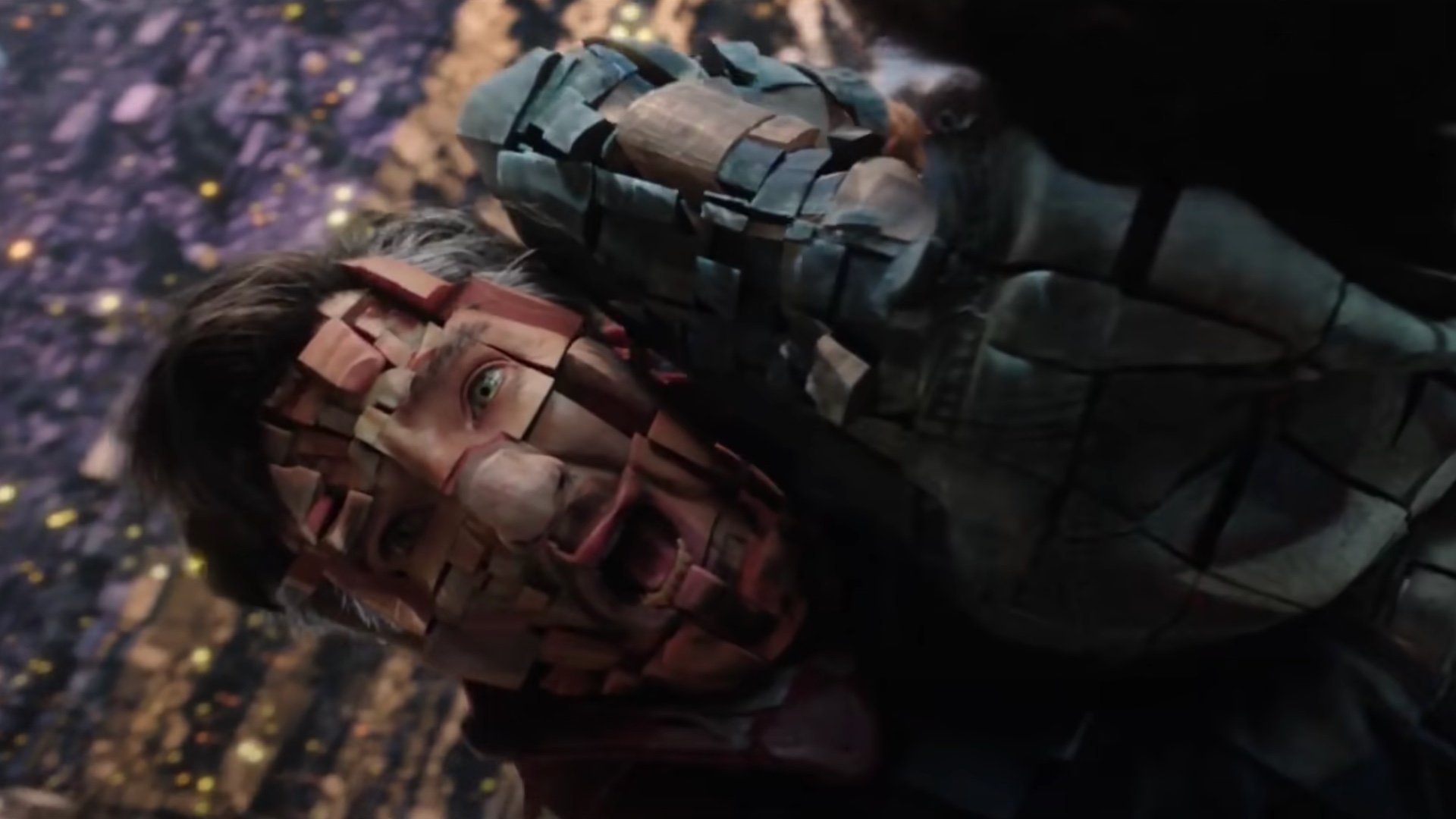
While the year’s top MCU film did not exactly deliver a multiverse of madness, it was a fun deep dive into the MCU with chilling horror elements and wild visuals. Sam Raimi was an inspired choice of a director who utilized his horror and comic book film background to full effect.

1. Avatar: The Way of Water

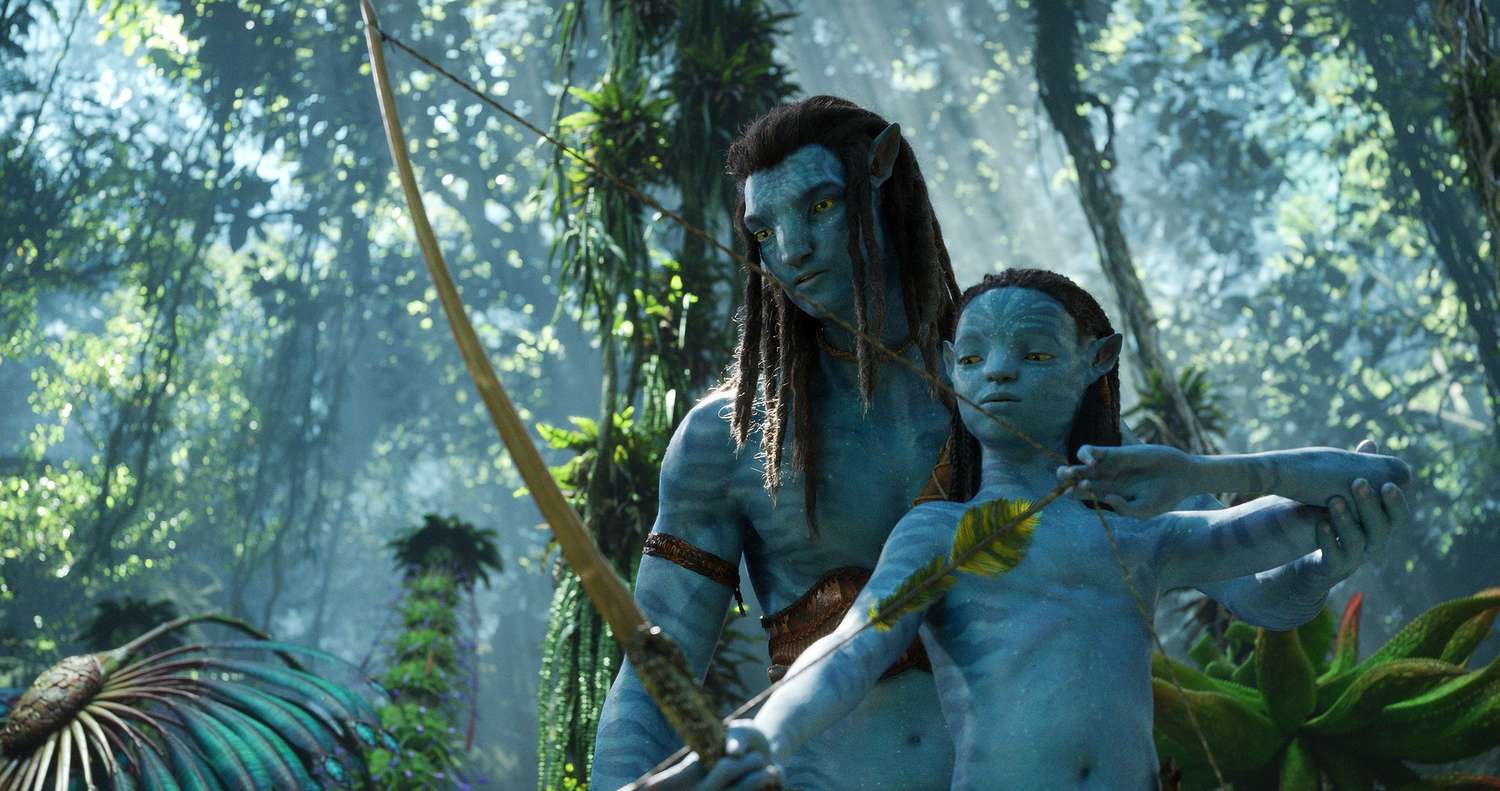
The sequel to Avatar, the biggest box office hit of all time, surprised many who dismissed it for being an empty special effects-heavy sequel. However, director James Cameron’s breathtaking vision of an alien world and its solid world building and characters helped propel Avatar: The Way of Water into a must-see event.

Honorable Mentions:

Barbarian; Beavis and Butthead Do the Universe; Black Crab; Chip ‘n’ Dale Rescue Rangers; DC League of Super Pets; Lighthyear; Moonfall; Puss in Boots: The Last Wish; Smile; Strange World; Thor: Love and Thunder; Turning Red

DC Films’ Pending Comeback

It has become a bit of a running joke and a sore point for fans of DC Comics that the films based on the popular comic books have not been as well received as those from Marvel Studios.

For years, the films of the DC Extended Universe (DCEU) have had a mixed reaction from critics and fans. The result was a perceived lack of quality or consistency, which was quite frustrating as the potential for the films and various DC characters was squandered. Two examples are Superman and Batman. After their joint film Batman v Superman: Dawn of Justice turned out to be disappointing it seemed as if DC Comics’ owners Warner Bros. (now Warner Bros. Discovery) gave up on the two characters, especially Superman, and focused on DC films not set in the DCEU.

Then there were extensive behind-the-scenes production problems, the most recent and glaring were the issues behind The Flash and its star Ezra Miller. Other properites were announced then abandoned. These issues in turn gave the perception that properties from the DCEU were inferior or at the very least were inconsistent as the film universe lacked direction.

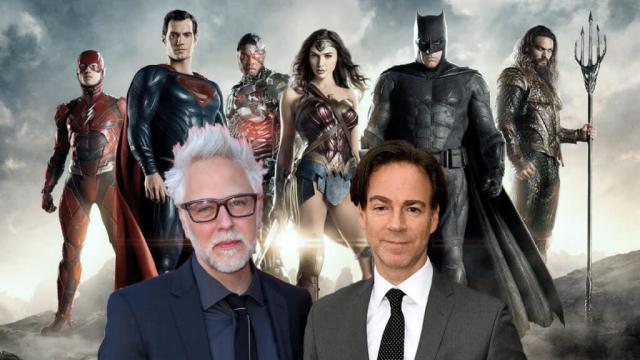
This will all change thanks to the hiring of James Gunn and Peter Safran who will take over the newly formed DC Studios. The duo promise to bring a creatve and consistent approach to the DC films, TV shows, animation and other media. While the non-DCEU films and TV shows will continue to be made, such as sequels to Joker and The Batman, the two film executives will have a firm hand on the DCEU films and TV shows. Needless to repeat to fans that the two are well known for their work in previous DCEU films such as Aquaman, Shazam!, The Suicide Squad, and Peacemaker.

Also worth mentioning is that Warner Bros. Discovery has had a change of heart when it comes to Superman. Henry Cavill who originated the role with the first DCEU film Man of Steel, has already reappeared in the DCEU with a cameo in Black Adam, and will star in a new solo Superman film.

Meanwhile, Ben Affleck, who played Batman in the early DCEU films is also slated to return and in fact will appear as the Caped Crusader in The Flash, Aquaman and the Lost Kingdom, and future DCEU films.

After the release of next year’s Aquaman and the Lost Kingdom, it is not clear what exactly lies ahead for DCEU films. At this point, all we can speculate on are reports of another Wonder Woman film being developed, as well as sequels to Black Adam and The Flash. But keep in mind that David Zaslav, the president and CEO of Warner Bros. Discovery has committed to developing a 10-year plan for the DCEU films. With the proven and talented guidance of James Gunn and Peter Safran, DC Studios will be quite successful with the effort.

It is an exciting time for DC fans, as the future holds a lot of promise for the DCEU. Now, if only we can get some kind of confirmation of a Green Lantern film…