Fourth Time’s The Charm With The Fantastic Four: First Steps

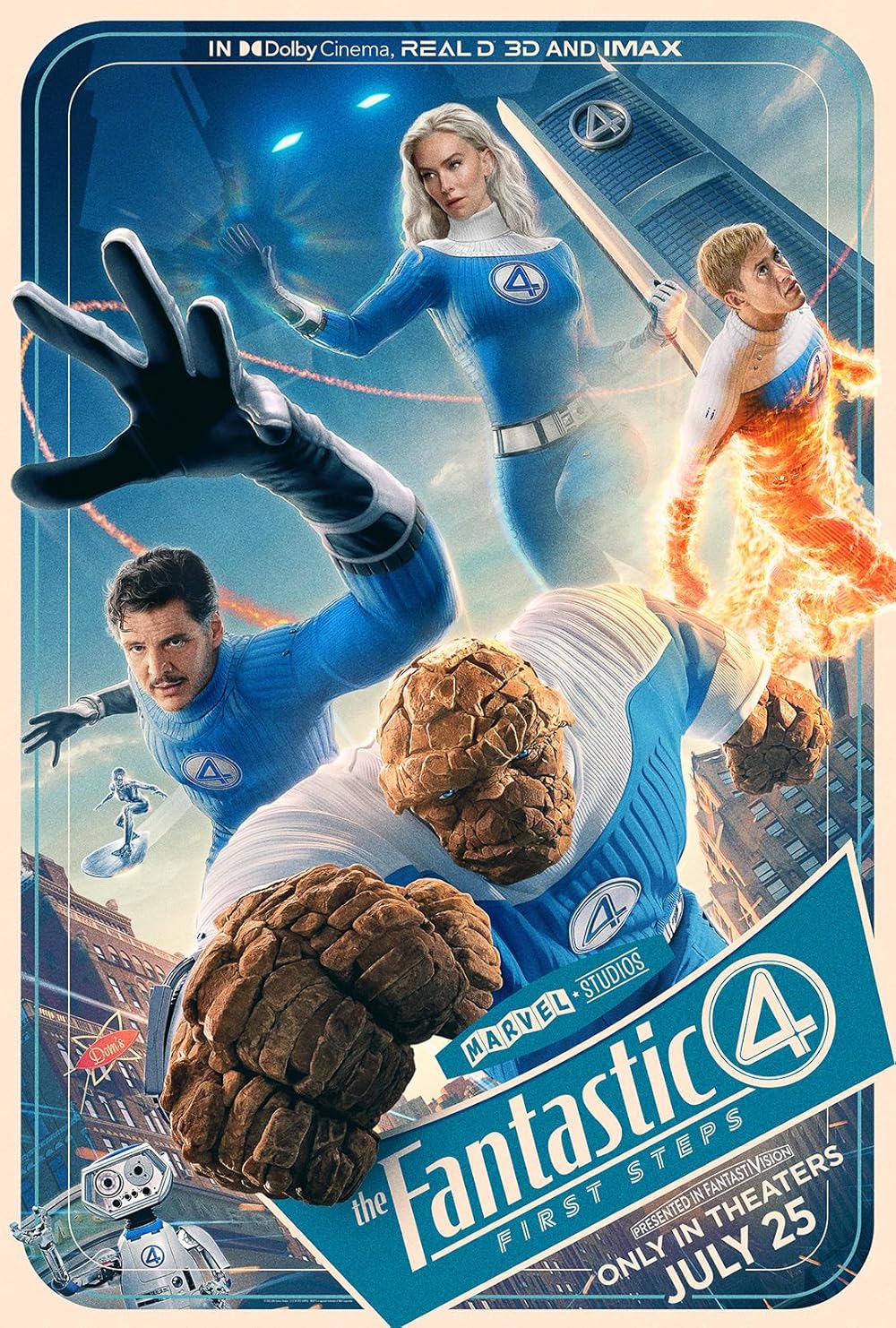
Finally! It took a few missteps (looking at you, Fant4stic!) but with the latest Marvel Studios film, The Fantastic Four: First Steps, we now have the definitive live-action version of Marvel Comics’ First Family, the Fantastic Four.

Unlike most films set in the Marvel Cinematic Universe (MCU), The Fantastic Four: First Steps does not take place in the MCU’s 616 universe but in an alternate world designated 828, in honor of Fantastic Four co-creator Jack Kirby. And what a fantastic (couldn’t help it) world this is!

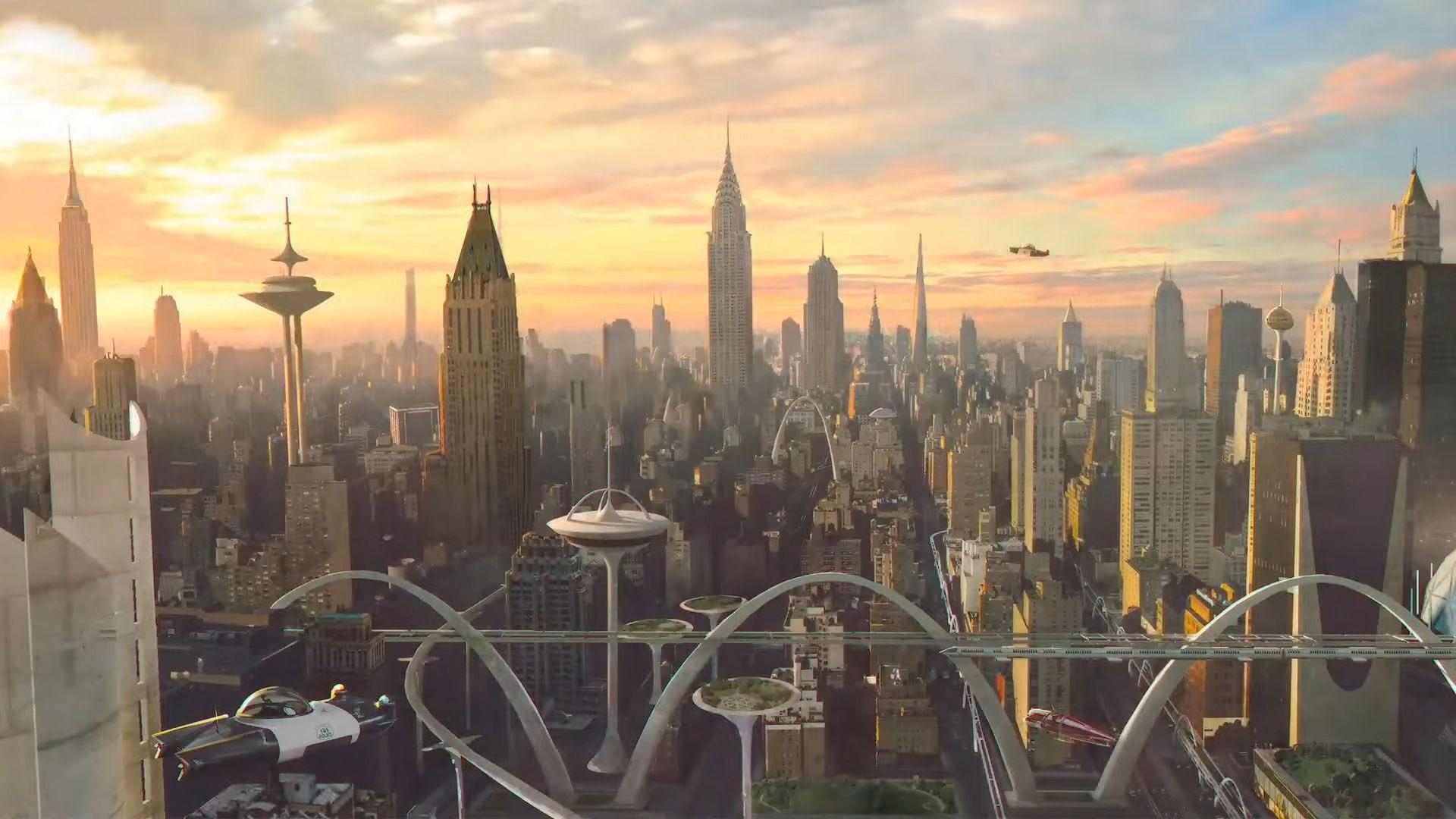
The Fantastic Four: First Steps takes place in a alternate 1960s-era world that has a colorful retro-futuristic vibe with flying cars, clean energy, clunky robots and a New York cityscape that looks like something that Stanley Kubrick, Walt Disney, and architects Eero Saarinen and Oscar Niemeyer would have conceived and executed.

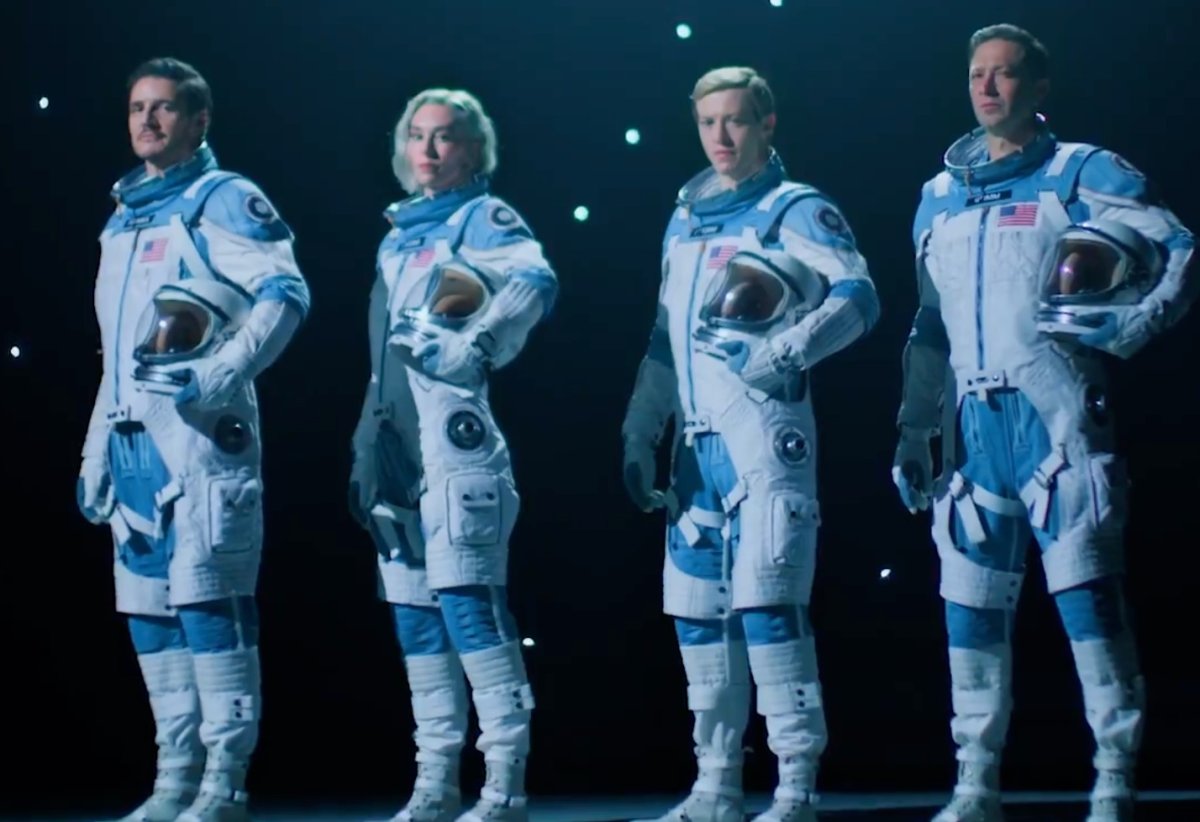
This optimistic world celebrates the superhero team, the Fantastic Four, who were four astronauts that gained superpowers after a mission in space went wrong. The team is made up of its leader, Reed Richards (Pedro Pascal) aka Mr. Fantastic, his wife Susan Storm (Vanessa Kirby) aka the Invisible Woman, her younger brother Johnny Storm (Joseph Quinn) aka the Human Torch, and Reed’s best friend, the pilot Ben Grimm (Ebon Moss-Bachrach) aka the Thing.  

For anyone who is unaware of the team, Reed is an Einstein-level genius who can stretch his body like rubber, Susan is the grounded foundation of the team and can project invisible force fields, Johnny is an impetuous hot-head who can burst into flames and shoot fire, while Ben is trapped in an orange rock body but has super strength. These heroes (and the other characters) were splendidly cast, and the actors perfectly emulate the essence of the Fantastic Four, while capturing the family chemistry that is essential to this superhero team. It was important for Marvel Studios to pull this off since the Fantastic Four are famous for being a family first and a superhero team second. Thankfully, Marvel Studios was able to accomplish this with a casting miracle.  

Unlike the previous Fantastic Four films, this one relegates the team’s origin story to archival footage in the film’s inventive and colorful opening montage. After the montage, the film jumps right into the story. As the Fantastic Four go about living their somewhat normal lives and prepare for the birth of Reed and Susan’s child, an alien being called the Silver Surfer (Julia Garner) appears over Times Square in New York City and announces that the world is slated to be consumed by her master, Galactus (Ralph Ineson). As the last and only hope for the Earth, the Fantastic Four set off in their spaceship to confront Galactus, who is on his way to Earth. What follows after meeting the cosmic colossus pushes the team to their emotional limits as they and the world prepare for the coming of Galactus.

Continue reading

The Probability Of 28 Days Later

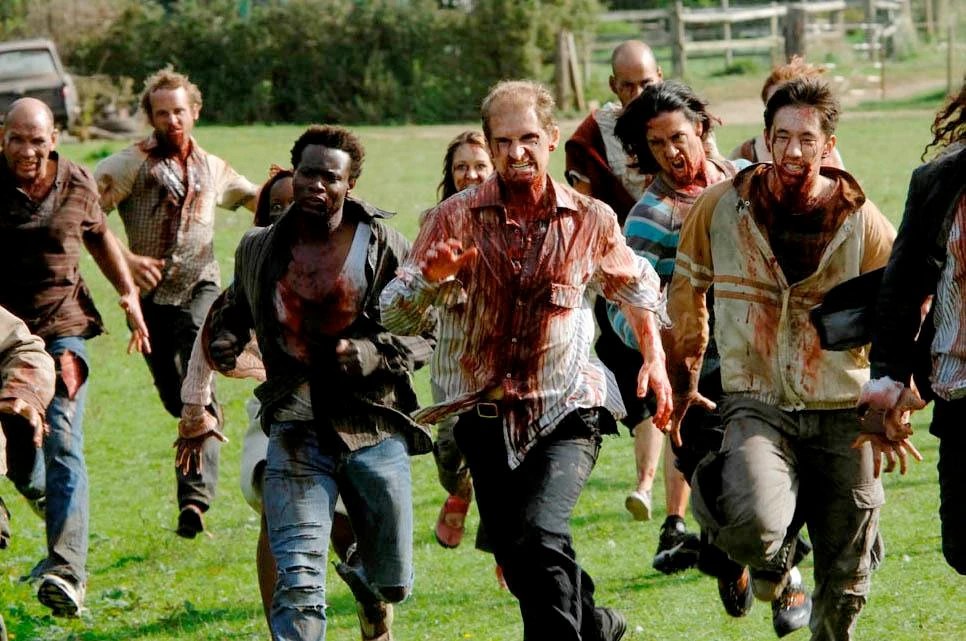
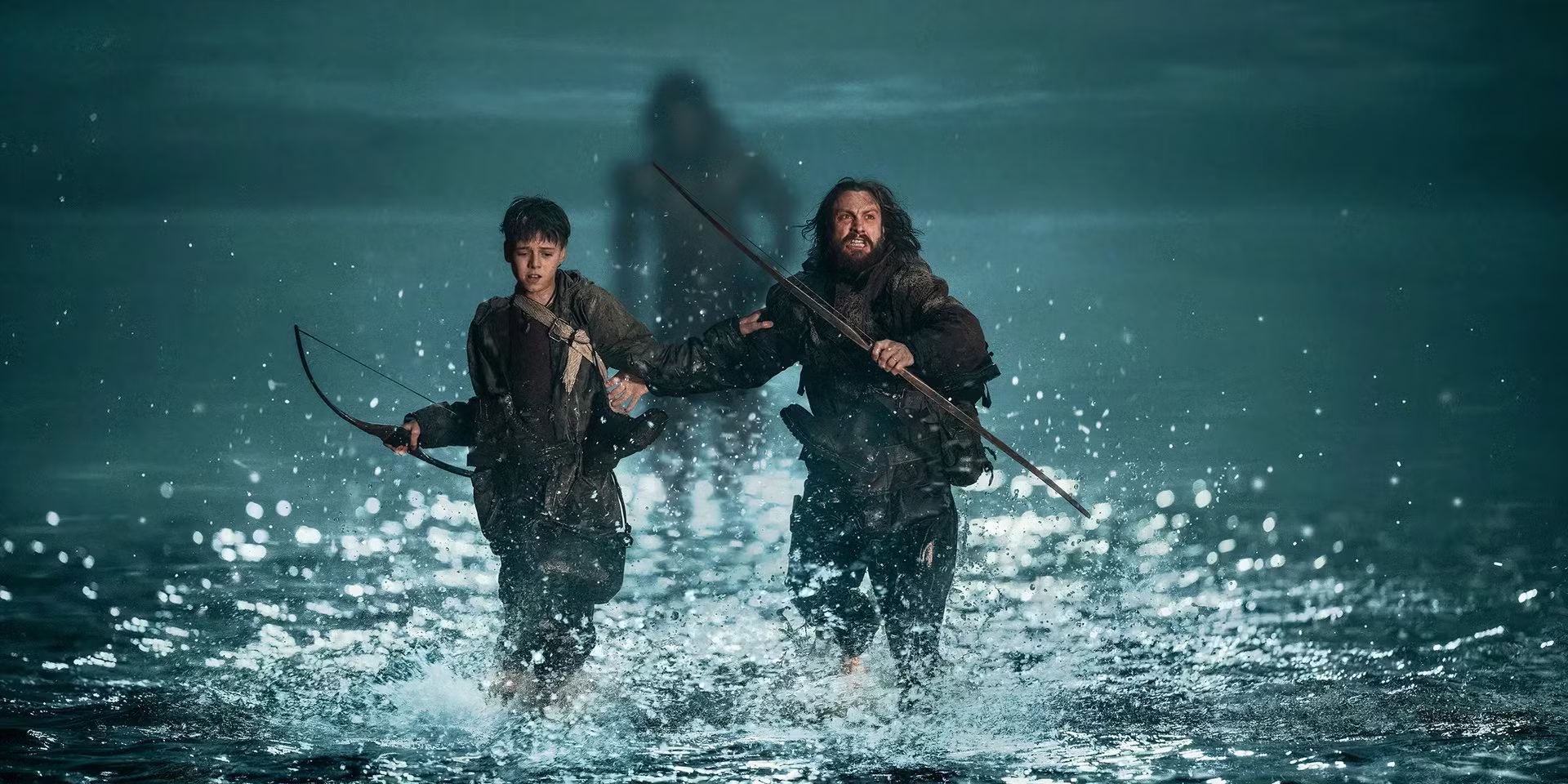
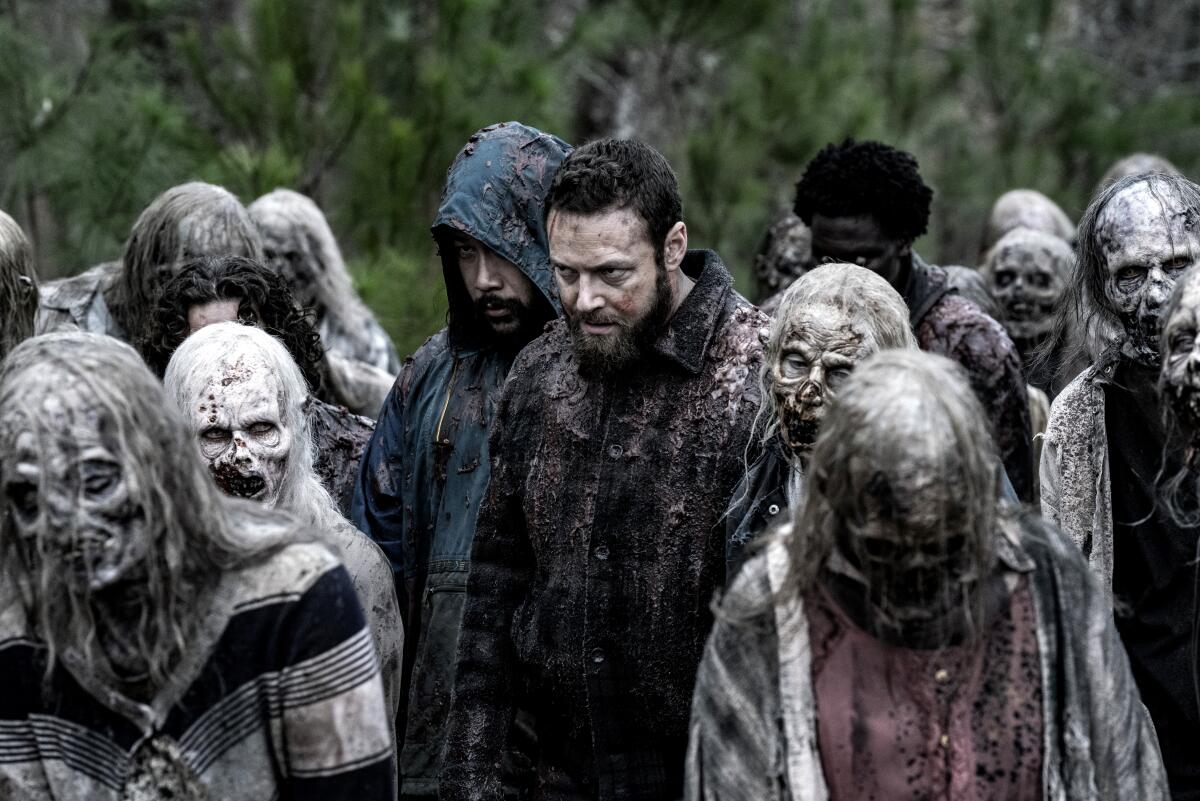
28 Years Later is the latest entry into the 28 Days Later franchise that jumpstarted the zombie genre over 20 years ago. While technically, the “infected” savages that attack humans are still human and not zombies, they are still deadly savages that quickly overran a nation. The premise in the first film is that an artificial virus derived from the Ebola virus is let loose from a lab and soon wipes out the United Kingdom. This happens in the space of about 28 days as the virus was highly contagious and fast spreading. Once infected, the victims of the Rage Virus, turn into mindless, rage-fueled savages in mere seconds and lose all their humanity as they kill anyone within reach. As terrifying as it seems, is this possible? Not just the virus itself, but the entire premise of the films which culminate in 28 Years Later with the UK and Ireland under permanent quarantine from the outside world.

One of the most disturbing aspects of the Rage Virus is by how quickly it turns victims into murderous monsters in seconds. But this is hard to believe. Sure, this is just a film which requires a suspension of belief, but viruses are not capable of having an instant effect in host bodies. Yes, it can rapidly spread in a host body and symptoms can appear quickly, but viruses need some time to manifest. In reality, an infected person will have some time, as short as hours, to remain cognizant and quarantine or kill themselves to protect their loved ones. So while it’s possible that viruses can quickly spread, as we saw with COVID-19, they would not overrun a country the size of the UK within a month. Not with symptoms being so noticeable. Maybe if the virus mutates to be less noticeable and a viral mutation is something that is shown in 28 Years Later.

Then there is the quarantining of the UK. Again as we’ve seen with COVID-19, cutting off communities, even nations won’t stop the spread of a virus. It will slow it down, but in the end, given how interconnected we are, the Rage Virus would’ve been much more widespread by at least in the timeframe of the first sequel 28 Weeks Later. Actually, this was shown to be the case at the end of that film when it’s revealed that the infected reached Paris, France. On the other hand, given how deadly the Rage Virus is, you can bet the world would have gone to great lengths to keep it from spreading. Also, since the UK is largely a group of islands, in theory the spread of the virus could at least be slowed down with a quarantine, but it would not last. Do not be surprised if future sequels have the virus spreading throughout the world.

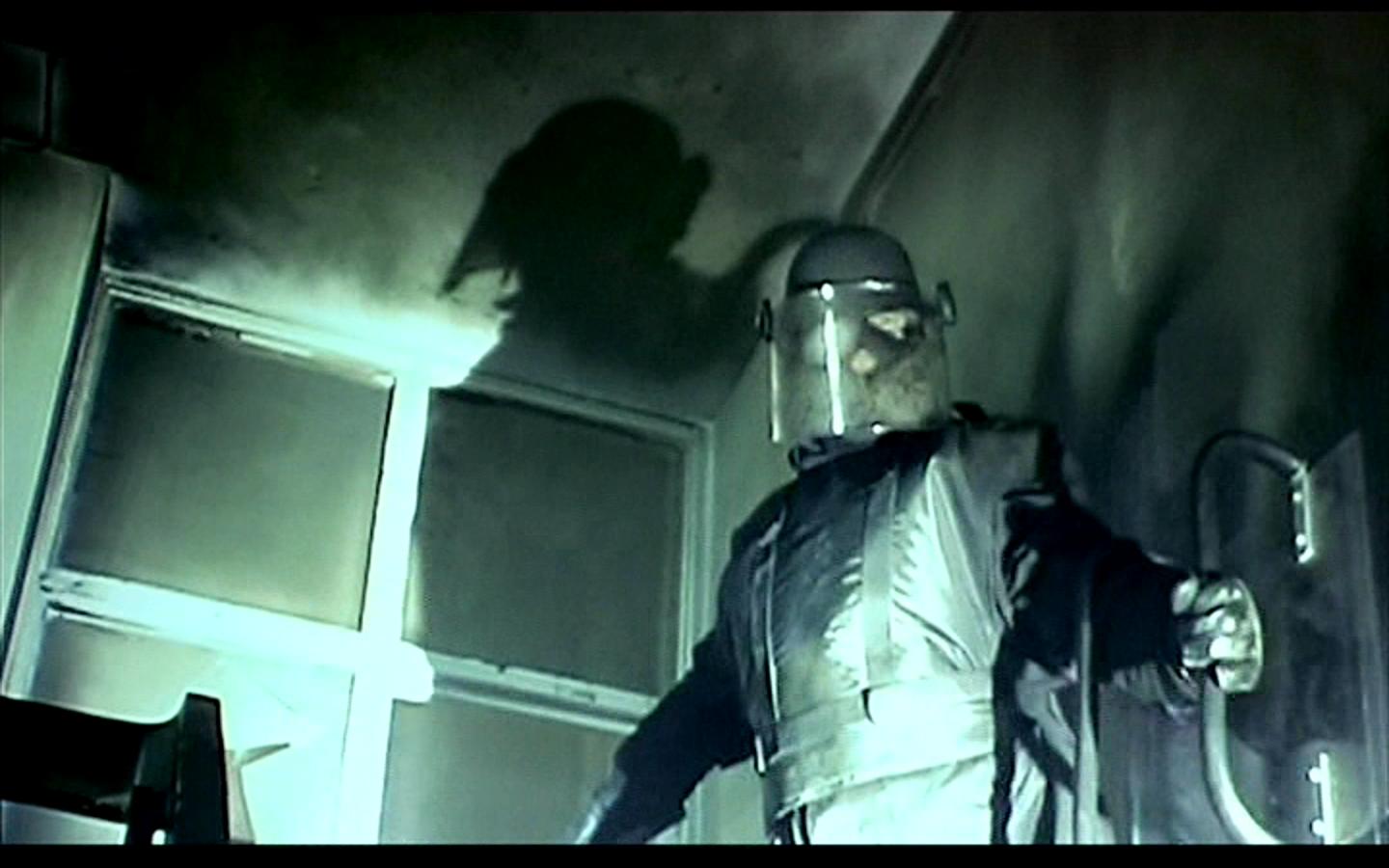
When it comes to curbing the virus’s spread, as most of us resorted to wearing face masks and did not deny the virus during the pandemic, people would have adapted to wearing full face masks to keep infectious fluids from entering the body. Of course, this would not protect them from the murderous wrath of an infected who would tear and bite them. Then again perhaps most people would have started wearing protective clothing or body armor. We actually saw one of the main characters doing this in the first film.

Another puzzling point in the franchise is that there seems to be little to no effort to fight the Rage Virus in the scientific field. Aside from a plot point in 28 Weeks Later where the U. S. Army doctor wants to study an asymptomatic victim, before everything went to hell, there is not any mention of attempts to combat the virus. As we saw with the recent real-life pandemic, our society threw massive resources to find a way to treat COVID-19 and were able to devise vaccines in months. Shouldn’t a vaccine have been developed to curb the Rage Virus, especially in the years that passed up to the latest film? We see in the sequels that it is possible to be asymptomatic of the virus and in 28 Years Later, an uninfected child is born from an infected mother. It would probably be difficult to find a cure as we see with AIDS and other viruses, but a vaccine would certainly have been created 28 years after the first film.

Is the Rage Virus and what happens after it spreads likely in the real world? Most likely, no. But the chances are not zero. The virus was artificially created in the film, so who knows if in the future some fool will create a similar virus and it gets loose in our world. It is a disturbing thought and part of the reason why the 28 Days Later films are so captivating while being horrifying.

How To Train Your Dragon (2025) Shows How To Do Live-Action Remakes

Fifteen years ago, DreamWorks Animation (DreamWorks) graced the world with the brilliant film adaptation of Cressida Cowell’s How to Train Your Dragon (HTTYD) novel series. The film was released to massive fanfare from both critics and casual audiences, citing the film’s plot, music, and characters as great and unique. The success of the first film led to 2 sequels and even spinoff TV shows of the same name, and now, 15 years later, comes a live-action remake. This came as a surprise since DreamWorks has never dabbled in the “live-action remake trend” spearheaded by Disney, so I along with many others had mixed feelings on this. However, just in time for Father’s Day, I decided to watch it with my dad, and I was pleasantly surprised at the outcome.

DreamWorks’ How to Train Your Dragon (2025) is a brilliant homage to the original film, taking care of the original vision, helped by the return of the first film’s director, Dean DeBlois. The story follows young chief-to-be Hiccup (played by Mason Thames) as he flails around a brave Viking village, being of no use as always when a hoard of dragons terrorize the village. He luckily manages to shoot down the most feared dragon type, a Night Fury, but nobody takes him seriously. His father, Stoick (played by Gerald Butler, surprisingly reprising his role from the animated films), feels dissatisfied with his unworthiness, so he leaves him in the caring hands of his best friend Gobber (played by Nick Frost), to both babysit and train him. Hiccup pursues the Night Fury he shot down hoping to confirm the kill, but when he finds it, he is unable to finish it off, leading into a masterful and heartfelt story.

I am happy to report that the original story is done justice with every major beat being preserved and at times even elevated by the script and acting. Speaking of which, the actors do a phenomenal job portraying the characters and they feel as if you’re watching these characters as actual people. People complained about Astrid’s casting, with the actress (Nico Parker) not looking much like the original rendition, but she portrays the character amazingly. Unlike previous Disney live-action remakes having poor acting (“cough, cough” Snow White “cough, cough”), DreamWorks seemingly knocked them out of the water in every aspect when it comes to remakes, in addition to the topnotch casting and script in HTTYD.

In addition, the music in How to Train Your Dragon is absolutely beautiful and always elevates the scenes in an inspirational way. One scene of note is the iconic “test drive” scene with Hiccup riding the flying Night Fury he names Toothless which has an amazing score complimenting it. I have seen mixed opinions about the new rendition of the same music, but in my opinion, it made the scene even more jaw dropping, sprinkling a feeling of grandiose into the already majestic landscapes as Toothless and Hiccup take their first flight together. This is most likely the case because of the return of the original film’s composer, John Powell, to score this film. A trend that aligns with the success of this film that I’ve noticed is it brought back a lot of the original team and got their creative influence to assist with bringing a beloved film to life. If Disney were to take notes from DreamWorks, maybe their live-action remakes can feel more than just soulless cash grabs.

It is worth noting that the visuals in How to Train Your Dragon were really well done, adapting the dragons and the vivid world of the series in a careful matter that proves that Berk can translate into realistic visuals. With these live-action remakes, Disney tends to butcher the visual aspect, which is arguably the most important part of said translation. You cannot possibly expect fans of a beloved story to be on board with slapping lazy and chalky visuals while simultaneously ruining their childhood. This is why movies like Snow White (2025), The Lion King (2019),and Dumbo (2019) may have had some financial success, but bombed when it came to positive reviews.

The set pieces in How to Train Your Dragon can range from spectacular and gorgeous to dark and grim while keeping the same visual soul of the original animated film. When it came to the designs for the dragons, I will admit I found it a bit strange that Toothless stood out amongst the rest. Every dragon other than Toothless felt like they came out of Game of Thrones, being hyper realistic rather than being more on the cartoony side with Toothless. I understand why this was done, most likely to emphasize that the rest were actual threats to humans and at the same time, make Toothless more adorable, but it was odd to me.

Overall, DreamWorks’ How to Train Your Dragon (2025) remains a spectacular and emotional journey of changing the future for the better and dealing with familial tensions. The return of the original team greatly helped this project feel lively and not like most of Disney’s recent live-action films. Stand out features include the brilliant cast, the heartfelt music, and the jaw dropping visuals. I would highly recommend giving this film a shot if you were a fan of the original, and even if this is your first exposure to the How to Train Your Dragon franchise! Also, the film comes out just in time for the opening of Universal’s newest park, Epic Universe, which features a land based on the HTTYD franchise, Isle of Berk.

Angelo Soto

Meet The Thunderbolts*…Er, The New Avengers!

By now, most fans of the Marvel Cinematic Universe (MCU) are aware of how the latest MCU film, Thunderbolts* ended, including its post-credits scene. Anyone who hasn’t at this time should stop reading this because we’re going into full on SPOILERS for Thunderbolts* and what is next for the MCU, including next year’s Avengers: Doomsday.

Introducing the New Avengers

To no one’s real surprise, the asterisk in the film title Thunderbolts* was an indication that the title team of dysfunctional mercenaries with personal demons, stood for something else. For most of the film, the team’s comic relief, Alexi Shostakov, the Red Guardian, kept referring to the team as the West Chesapeake Valley Thunderbolts, after the soccer team his adopted daughter, Yelena Belova, played in as a child. By the end of the film, after the Thunderbolts saved New York City, they were introduced to the world as the New Avengers by the film’s antagonist, Valentina Allegra de Fontaine, in a move to save her political career and to stay out of prison.

Speculation had been going on among fans ever since the film title included the asterisk. Some thought maybe it was a placeholder for a subtitle that would be spoilery. They were right to an extent because the asterisk was actually a placeholder for the film’s supposed real title, The New Avengers, which Marvel Studios began to openly flaunt just a few days after the film’s release.

Was the supposed title change to The New Avengers a desperate marketing attempt to drum up more interest in Thunderbolts*? Maybe. Then again, the marketing has been incredibly inventive for the film with innovative posters and some trailers that made the film out to be something that A24 would release. In any event, the fact that the Thunderbolts are actually the New Avengers does increase their profile and hints at what lies ahead for Avengers: Doomsday and Avengers: Secret Wars.

In the film’s two post-credits scenes and the montage shown during the initial credits, the so-called New Avengers are not well received by the world. Who could blame them? Just as how many of us complained about the lackluster lineup of the Thunderbolts when the film was announced, it was natural that most people would have a negative reaction to the replacement for the original Avengers. Where were the heavy hitters like Hulk or Thor? The New Avengers was made up of a bunch of mercenaries/super soldiers with similar and limited skill and power sets. As Yelena quipped at one point, “we just punch and shoot.” Then add in their questionable pasts, which probably could not be glossed over by marketing; although the original Avengers team members also had checkered backgrounds, including Yelena’s sister, Natasha Romanov, a fellow assassin.

But unknown to most of the world, deep down, these characters had heart and faced down their insecurities and flaws, which made them more endearing to audiences. Each of the Thunderbolts wanted a chance at redemption and to be part of something greater. This was obvious with Alexi who dreamed of recapturing the glory he had during the Cold War in Russia, Yelena dealing with depression and wanting something else in her life, or John Walker, who couldn’t fill in the shoes of Captain America as seen in The Falcon and the Winter Soldier and wanted to prove himself. They just didn’t expect it to be as the lineup for the new incarnation of the Avengers.

Sure, these Thunderbolts were not superstars like Tony Stark, but they grew on us as they created a sort of family bond forged by the events they underwent together. What made the film so quickly beloved was that these characters were deeply flawed, yet had great chemistry, which helped them succeed in the end as they came together as a team. How they will carry on going forward is anyone’s guess, but we can speculate based on the final post-credits scene.

Continue reading

Thunderbolts* Proves The MCU Is Still Great

The Marvel Cinematic Universe (MCU) has taken its lumps in recent years thanks to some films and TV shows that failed to capture the excitement and emotions of the early MCU films. The 36th and latest MCU film, Thunderbolts*, on the other hand, proves that the MCU can still put out great films.

Thunderbolts*, which was released this weekend, re-introduces us to many D-List MCU characters that appeared in other MCU films, and now they get their opportunity to shine in the film’s spotlight. Even though the film is an ensemble piece, the main character is Yelena Belova (Florence Pugh), the sister of Black Widow and is bored with her existence as a mercenary carrying out questionable jobs for CIA director Valentina Allegra de Fontaine (Julia-Louis Dreyfus). There will be some spoilers for the film.

After asking de Fontaine for a change of pace, Yelena is sent on a covert op to kill another mercenary, Ava Starr aka Ghost (Hannah John-Kamen), who was last seen in Ant-Man and the Wasp, at a remote desert laboratory. Once there the two women are targeted by John Walker (Wyatt Russell), who was introduced in The Falcon and the Winter Soldier as U.S. Agent, and Antonia Dreykov aka Taskmaster (Olga Kurylenko). It turns out that de Fontaine sent all four mercs to kill each other because she is getting rid of all evidence of her involvement with the shady O.X.E Group. After an obligatory introductory and thrilling battle that leaves Taskmaster dead, the remaining trio meet Bob (Lewis Pullman), a seemingly ordinary fellow who somehow woke up in the lab.

The three mercenaries manage to escape the lab and are joined by Yelena’s adopted father, Alexei Shostakov, the supposedly famous Red Guardian (David Harbour), a Russian knock-off of Captain America. Later on, they are forcibly recruited by James “Bucky” Barnes (Sebastian Stan), once the infamous Winter Soldier and now a U.S. Congressman, to testify in Congress against de Fontaine, who is being impeached. What none of them realize is that there is a lot more to Bob, who is revealed to have been the test subject of the O.X.E Group to create the ultimate superhero. But no one took into account Bob’s fragile emotional state and how that will come to severely impact Bob and the world after his superpowers have manifested.

There are many reasons why Thunderbolts* works so well. Let’s start with the cast. Every actor featured is on point and more importantly have great chemistry with one another. They are able to convey that they are broken, dysfunctional people that clash with one another, often humorously, and are yet able to come together. As great as the actors were, Florence Pugh is the obvious star in the film and its emotional center. She best exemplifies how emotionally broken the Thunderbolts and Bob are and how they strive to better themselves. The other actors turn in solid work such as Stan, who plays the straight man to the dysfunctional group, and Wyatt Russell adds some much needed depth and sympathy to his character. He no longer comes off as a poor man’s Captain America. However, David Harbour steals many scenes with his boisterous Alexei, who is all too eager to prove himself as a superhero and to bask in the glory of being one. Many of his funny lines are well delivered and add some needed levity to the film before it wallows too much into examining psyches.

Much like Guardians of the Galaxy, Thunderbolts* focus is on its characters and this works. It makes us understand them better and see how much nuance and depth they have. This also makes us care about them, a lot more than expected. Unfortunately, not every character gets in depth looks into their personalities, but that probably would have made for a very long film. Besides, The Falcon and the Winter Soldier gave us plenty of insight into Bucky and how he recovered emotionally from his ordeal as the Winter Soldier. The film takes time to explore how emotionally vulnerable the Thunderbolts are as they battle their own inner demons, especially depression. This adds so much weight and levity to them and makes the film stand out from the typical superhero movie.

Before anyone thinks that Thunderbolts* is some kind of pretentious Oscar bait brimming with character studies, the film has some of the MCU’s most exciting action scenes. Probably the best one featured a one-sided battle between the Thunderbolts and an insanely OP Bob, who becomes the Sentry, Marvel’s emotionally unstable version of Superman. The Sentry and his dark alter ego known as the Void were both impressive and terrifying. The way the Void was shown as an ominously dark silhouette was very creepy and hammered home the vulnerabilities of the Thunderbolts. Again and again they and we kept asking how a bunch of mercs and wannabe heroes, who could only shoot and punch, fight someone so powerful? Of course, it could not be done through physical combat and the method used to confront the Sentry is a welcome change when it comes to third act confrontations in superhero films. No blinding shafts of light going up into the sky will be found in Thunderbolts*, instead we get introspective character development. That is why this film works so well.

Anyone wavering about whether or not to see Thunderbolts* should consider that while it is a welcome change when it comes to superhero films, it is actually important to the MCU as it closes out Phase Five of the MCU, unlike more recent films and TV shows. So, be sure to stick around for the post-credits scenes. Not only is the final scene one of the longest post-credits scenes in the MCU, but like in the older classic MCU films, the scene helps advance the larger event going on with the MCU.

José Soto