Predator: Badlands Gives Us A New Hero To Root For

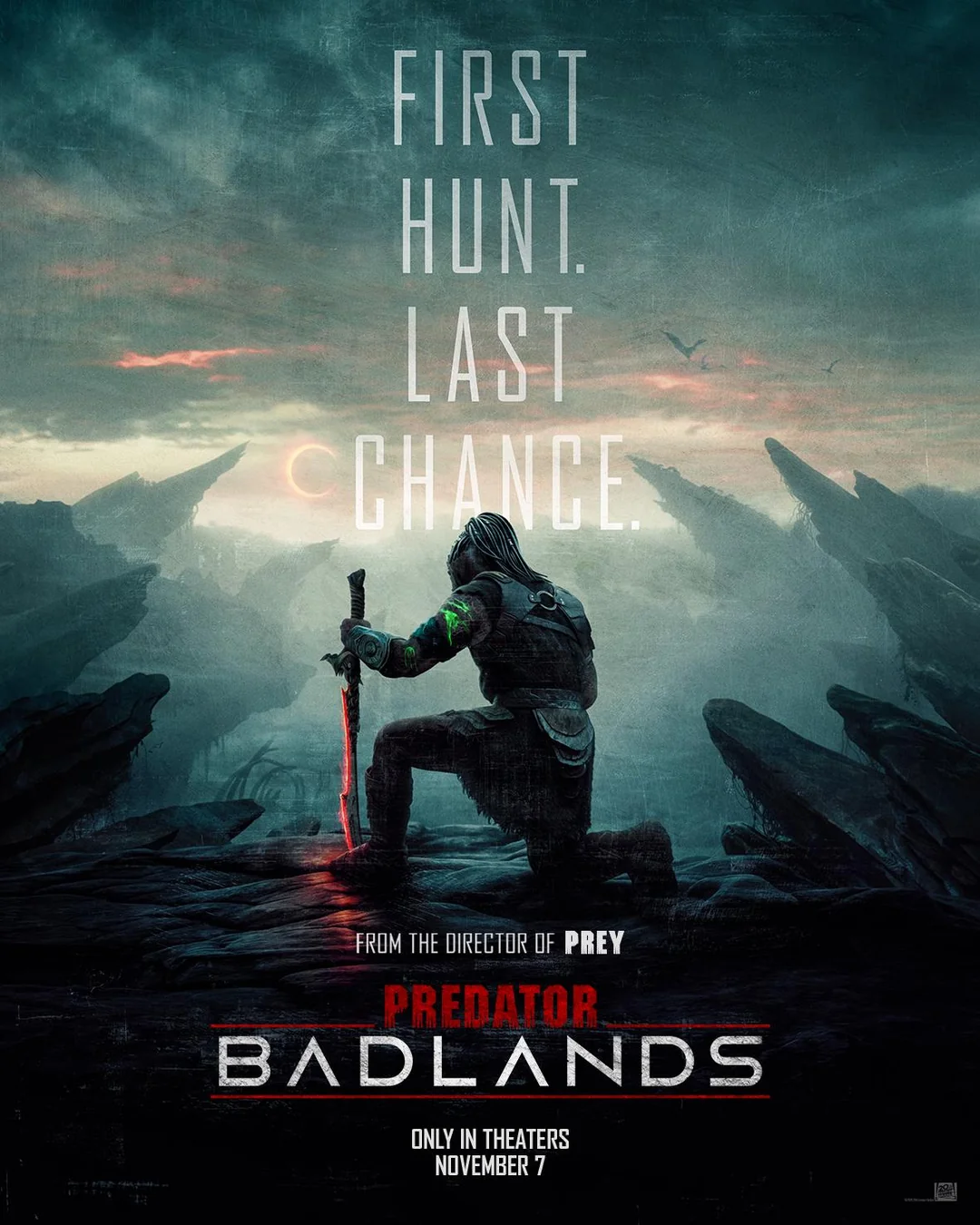
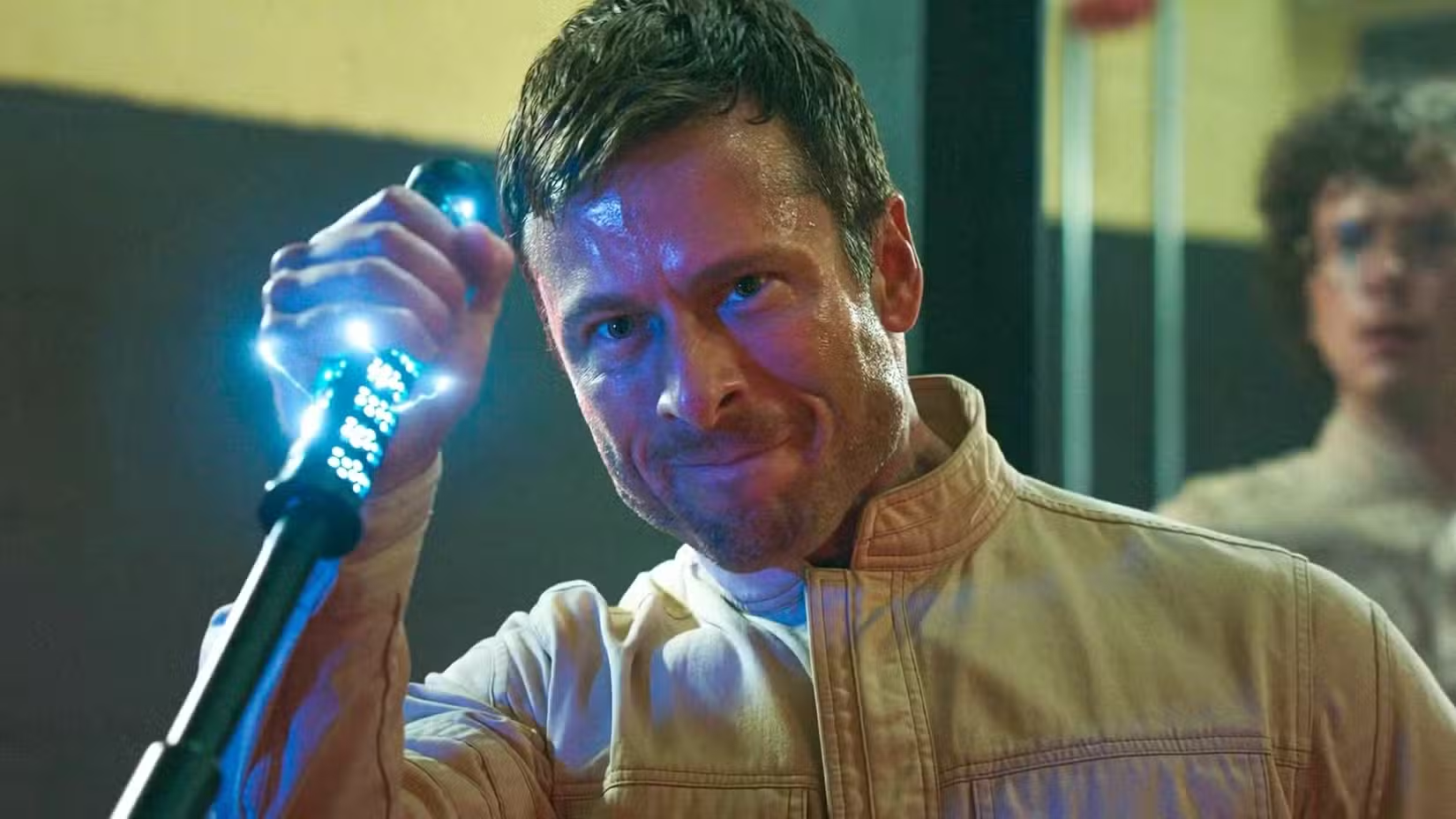
The Predator franchise has experienced an upswing in quality lately thanks to creator Dan Trachtenberg who directed the last two Predator films, Prey and Predator: Killer of Killers. Now, Trachtenberg has reached the creative peak with Predator: Badlands, the latest Predator film out in theaters. Not only is it a thrilling, action-packed and well paced, but unlike the previous films, this one stands apart for one very important reason.

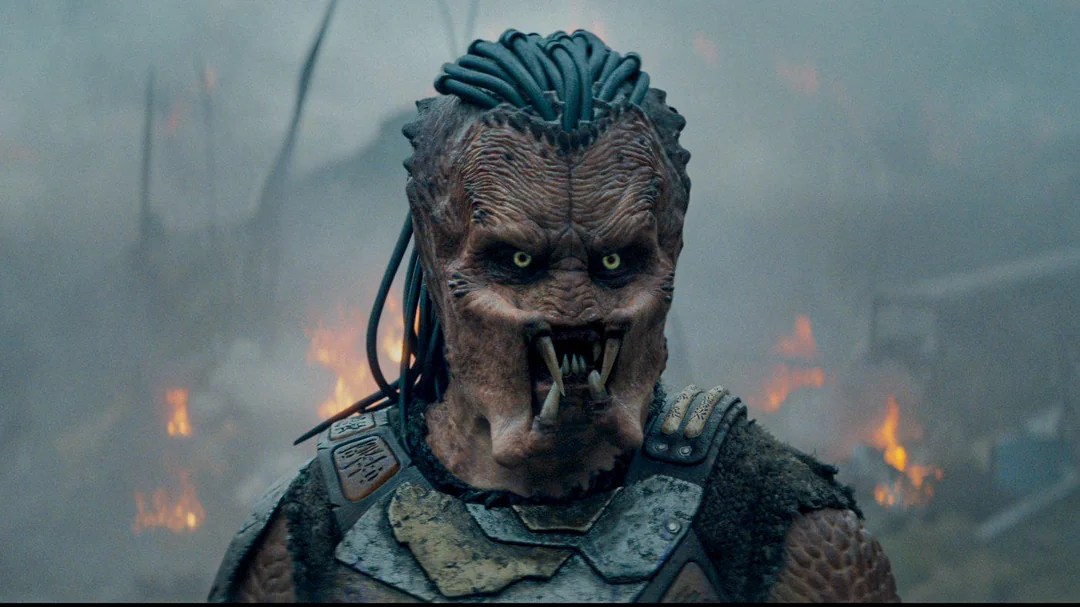
What sets Predator: Badlands apart from the typical Predator film is that it is told from the point of view of the alien predator, the Yautja; in this film, that Predator is called Dek (Dimitrius Schuster-Koloamatangi) who is the runt of his Yautja clan. The film opens up in the Predator’s homeworld and Dek wants to go on a warrior rite of passage to earn his place in his family clan. To do that he has to travel to a deadly planet called Genna and bring back a trophy kill of that planet’s apex predator, the Kalisk. However, Dek’s father, the leader of the family clan (also played by Schuster-Koloamatangi), considers Dek to be a runt that should be culled. IOW, killed off. Before this can happen, Dek’s older brother, Kwei (MIke Homik), sacrifices his life to protect his younger brother and sends him off to Genna.

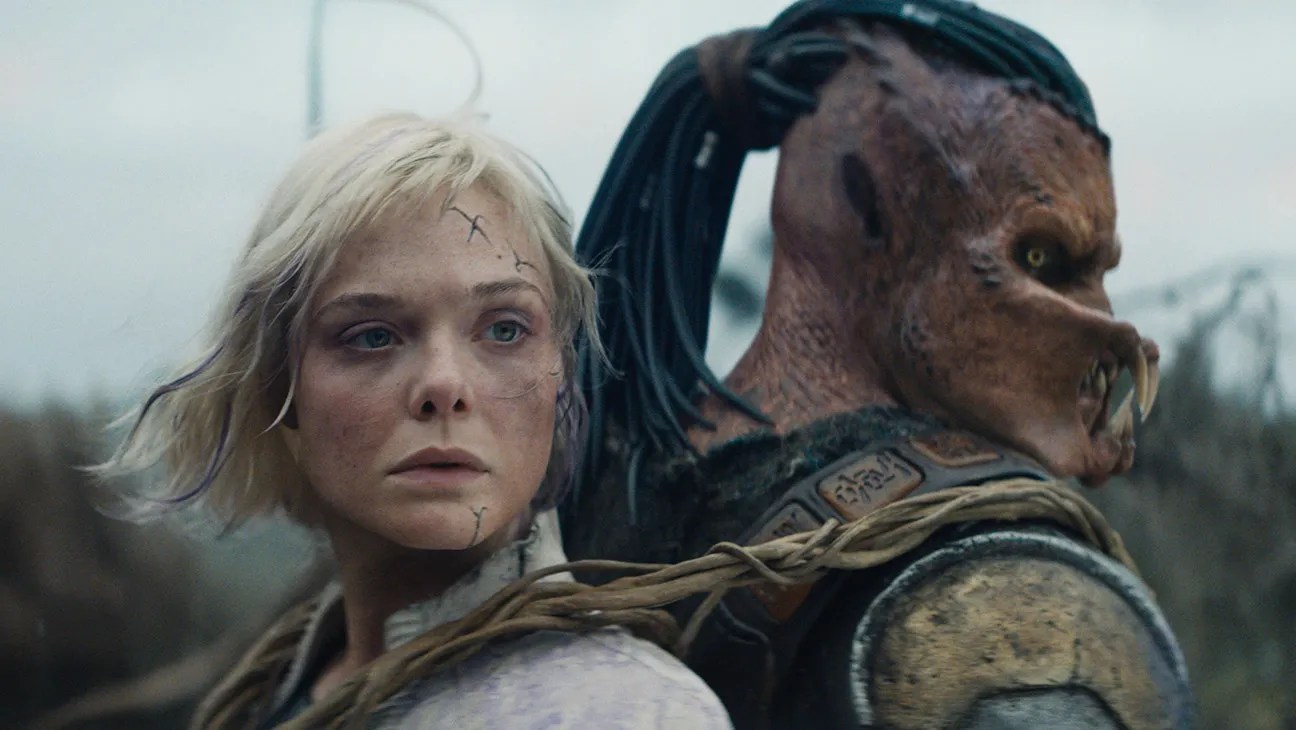
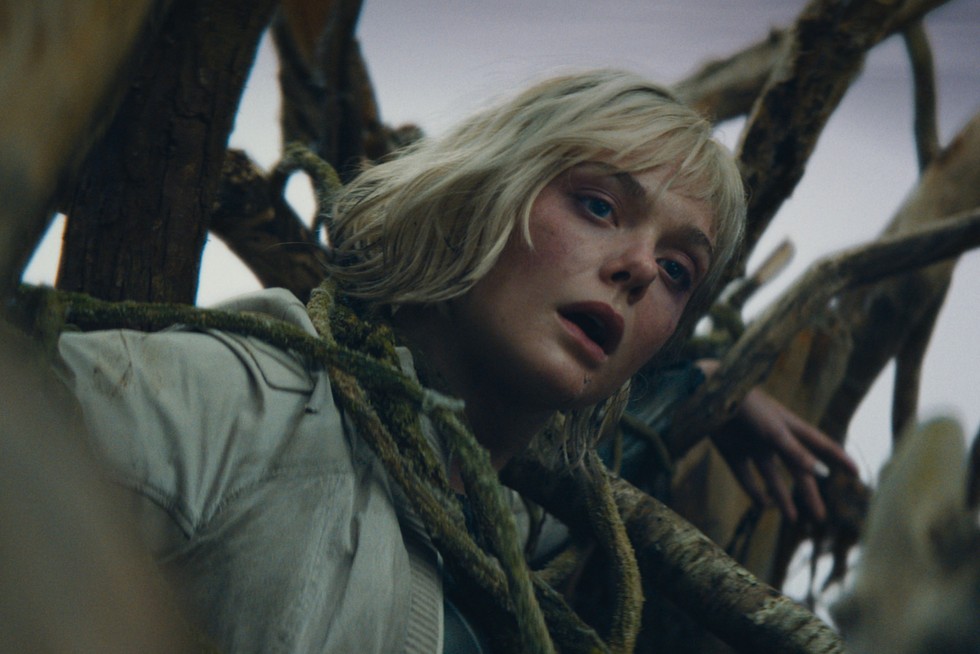
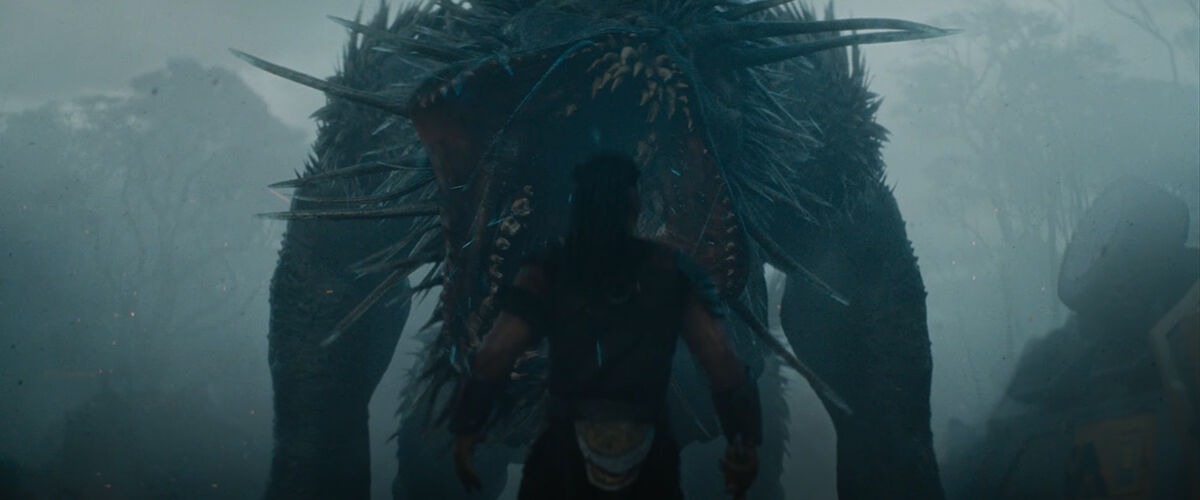
After crash landing on the planet, Dek is immediately beset and hunted by the vicious creatures inhabiting the primordial world. Even the plant life if deadly to him as some plants shoot paralyzing needles, while carnivorous vines nearly devour Dek. Basically, the planet makes Pandora look like a leisure world. Along the way, he encounters a synth called Thia (Elle Fanning), a highly advanced and empathic synthetic woman who is part of a mission by the company Weyland-Yutani Corporation (the same infamous company from the Alien franchise) to capture an animal specimen for research. Thia is missing her lower half due to an attack by a Kalisk that separated her from her synthetic associates during an attempt to capture it, which included Tessa (also played by Fanning).

Thia offers to function as Dek’s informational tool to hunt the Kalisk in exchange for transporting her to the site of the attack so she could reattach her legs. Dek is reluctant at first, but Thia’s knowledge of the terrain and deadly fauna is valuable so the two form an unlikely partnership as they traverse the deadly jungle forests. What neither realize is that Tessa was recovered and sets out on her mission with a cold heart and drive to capture the Kalisk and she will not let anything get in her way, including Thia and the Yautja.

Predator: Badlands works so well not just because it is stuffed to the gills with action or because of its impressive production and special effect, but because it develops the Yautja. We actually understand their alien culture which is a bit more complex than expected. They are not mindless killers but hunters with a strict honor code. We saw this in previous films, but this one literally takes us to their world and we get into their mindset as we learn to sympathize with some of the Yautja, especially Dek.

This Predator is clearly the film’s main character and it is not long before we are rooting for him at every turn as it is clear that he is the film’s hero. Part of that sympathy is because he is considered a runt, given his smaller stature. But Dek has the heart of a warrior and a relentless drive to succeed that he can’t help but admire. Just because Dek is smaller than the average Yautja does not mean he cannot hold his own in a fight. Much like Marvel Comics’ Wolverine, Dek is a savage fighter who will use any tool to defeat his foes or kill his prey. Speaking of fighting, the fight scenes are quite intense and brutal. The film surely would have earned an R rating if not for the fact that we never see red blood on screen. In fact, there are not any humans at all in this film, which is remarkable and helps set the film apart from nearly all live-action films.

While the film takes every step to flesh out the Yautja, it also does this with the synthetic people. In the past Alien films we saw the synthetics as either coldly evil or warmly human-like, and Predator: Badlands continues this tradition. There are hints throughout that the synthetics, mostly through Thia, have begun to develop their own sense of self and independence, which could be worth exploring in a future film or TV show that focuses on the synthetics. It is also worth noting that the camaraderie between Dek and Thia feels organic and although we know how their relationship will progress it is still enjoyable to watch as they form their own sort of clan.

Director Dan Trachtenberg clearly not only has the drive to explore the Predator’s culture and flesh out the aliens, but the skills to pull this off. He has a great visual style and sense of storytelling that instantly engages us with his stories while adding so much to the Predator lore. At the same time, he adds more to the Alien franchise without going overboard with references. He ties both franchises very skillfully but you can enjoy this film without having seen a single frame from the Alien films. He has plans for a third film if Predator: Badlands is successful enough and he also hopes to bring back the star of the original Predator, Arnold Schwarzenegger himself, which would be awesome considering the hints of possibilities Trachtenberg teased us with in Predator: Killer of Killers.

Predator: Badlands is clearly one of the best films in the Predator franchise, perhaps as great as the original, though the two films had very different tones. Given the film’s rich world building and the way it ends, we have to see more of Dek and Thia and the rest of the worlds in Predator: Badlands.

José Soto

Making The Perfect Stephen King Adaptation

One would think that adapting any of acclaimed author Stephen King’s literary works into a top-tier film or television production would be fairly simple. But it’s not. So, why is it so difficult to successfully adapt a Stephen King work? There are a few that can be considered, but it basically boils down to these two reasons.

Translation to Screen

While King is the master of prose when it comes to horror, fantasy, sci-fi, and non-genre subjects like crime, it is not easy to translate what he writes into a visual medium. Sometimes the dialogue which flows like water on page can come off as stilted and clumsy, especially if a character goes off on a rant. A narrative tool that King uses a lot is internal dialogue and narration to convey the characters’ thoughts. This technique is hard to pull off in visual medium where showing is prefered to telling.

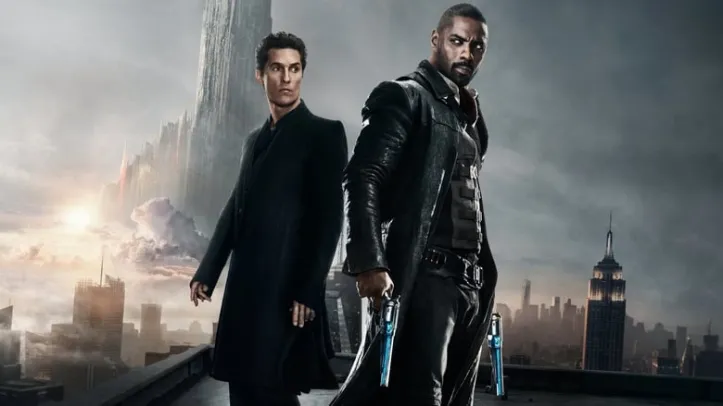
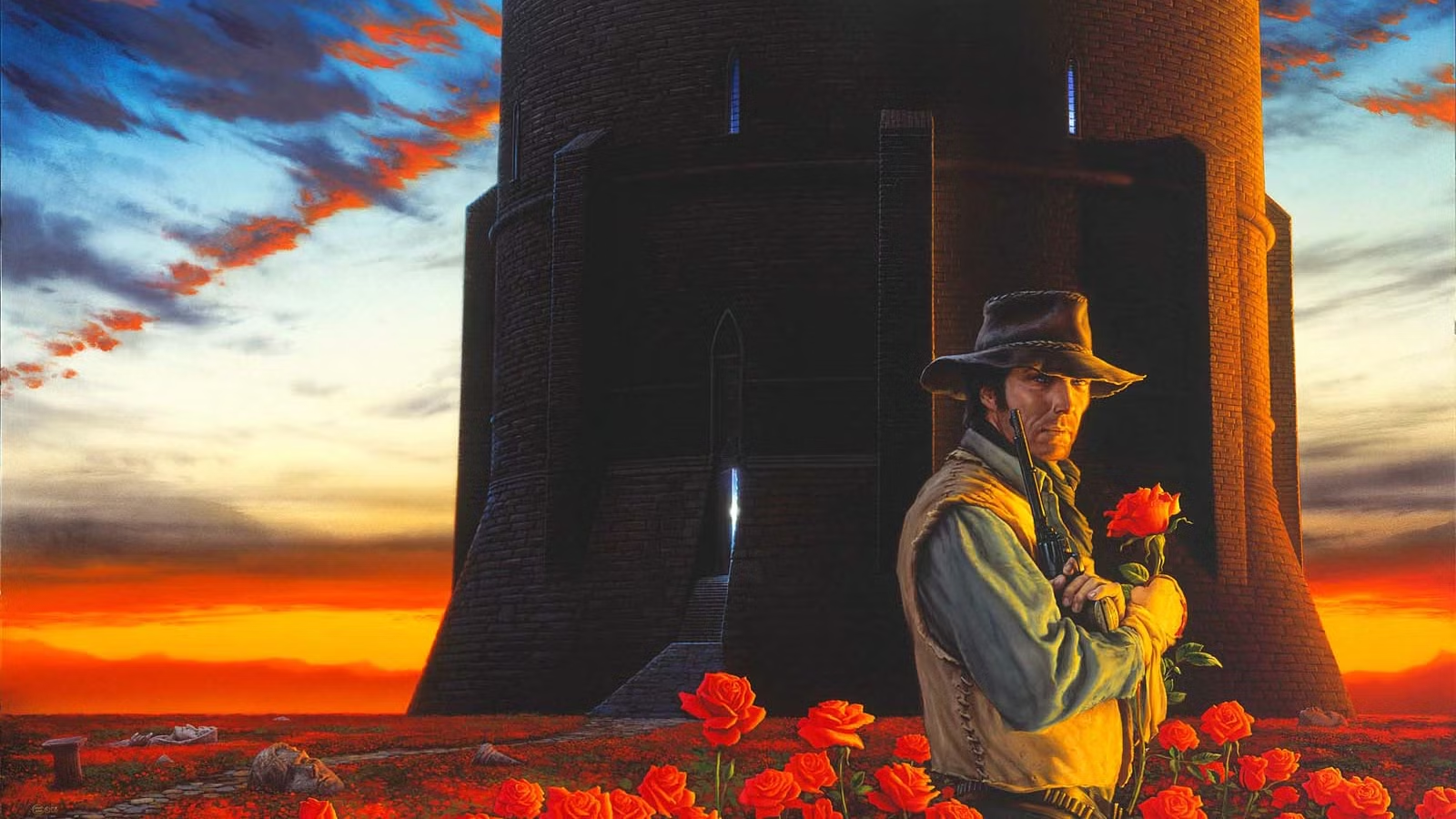
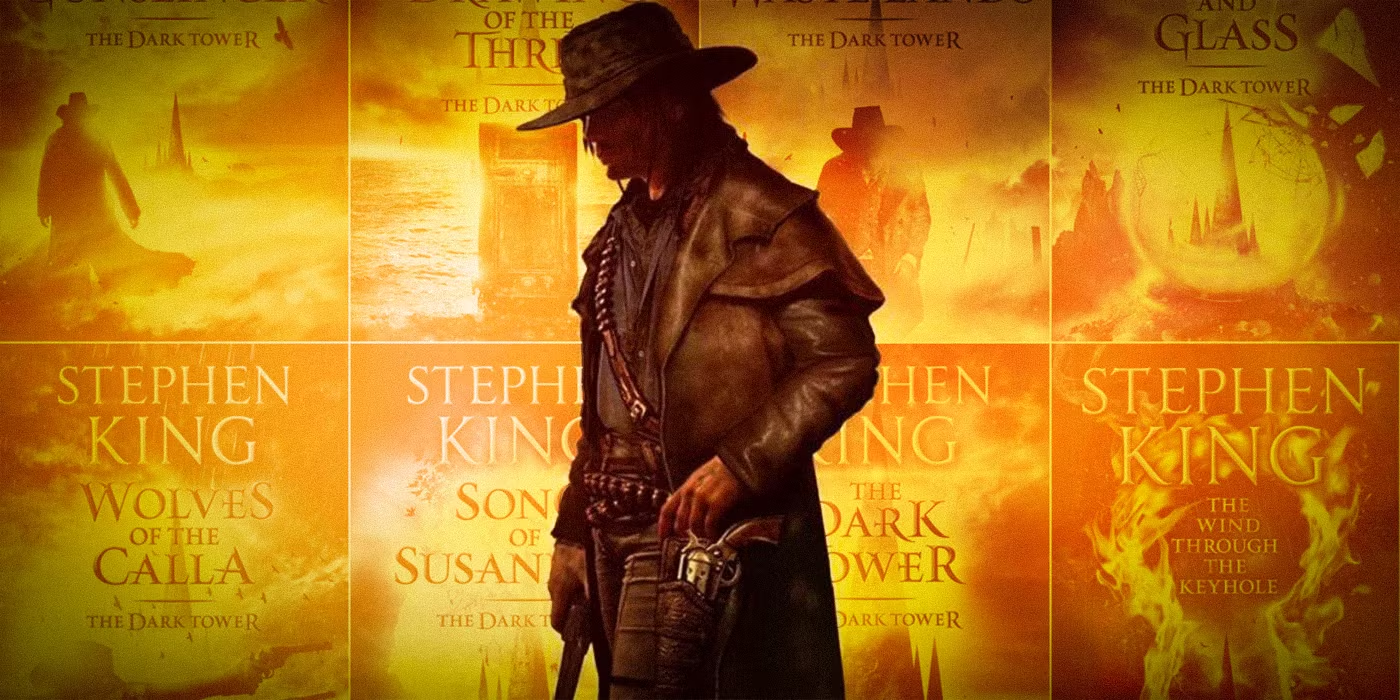
Other times the prose is let’s just say a bit too much for a visual story. IOW, given the amount of screen time available in a film, putting TV aside, there is only so much material that can be adapted. Many of King’s best known works like It, The Stand or the Dark Tower books run over thousands of pages. Turning epic novels like those into two-hour plus films is nearly impossible. It is one of the main reasons why attempts to turn his classic novels like The Stand failed to make it out of the gate as a film despite many attempts because there was so much material to cut out that the result would be a poor adaptation of the source material. Just look at The Dark Tower film that came and went a few years ago. To most, the film was an ill-conceived attempt to adapt the multi-book epic about the Gunslinger Roland and his mythic quest across worlds and realities. What The Dark Tower did was give viewers a truncated sprinkling of Roland’s quest that left many feeling dissatisfied with an unfinished story.

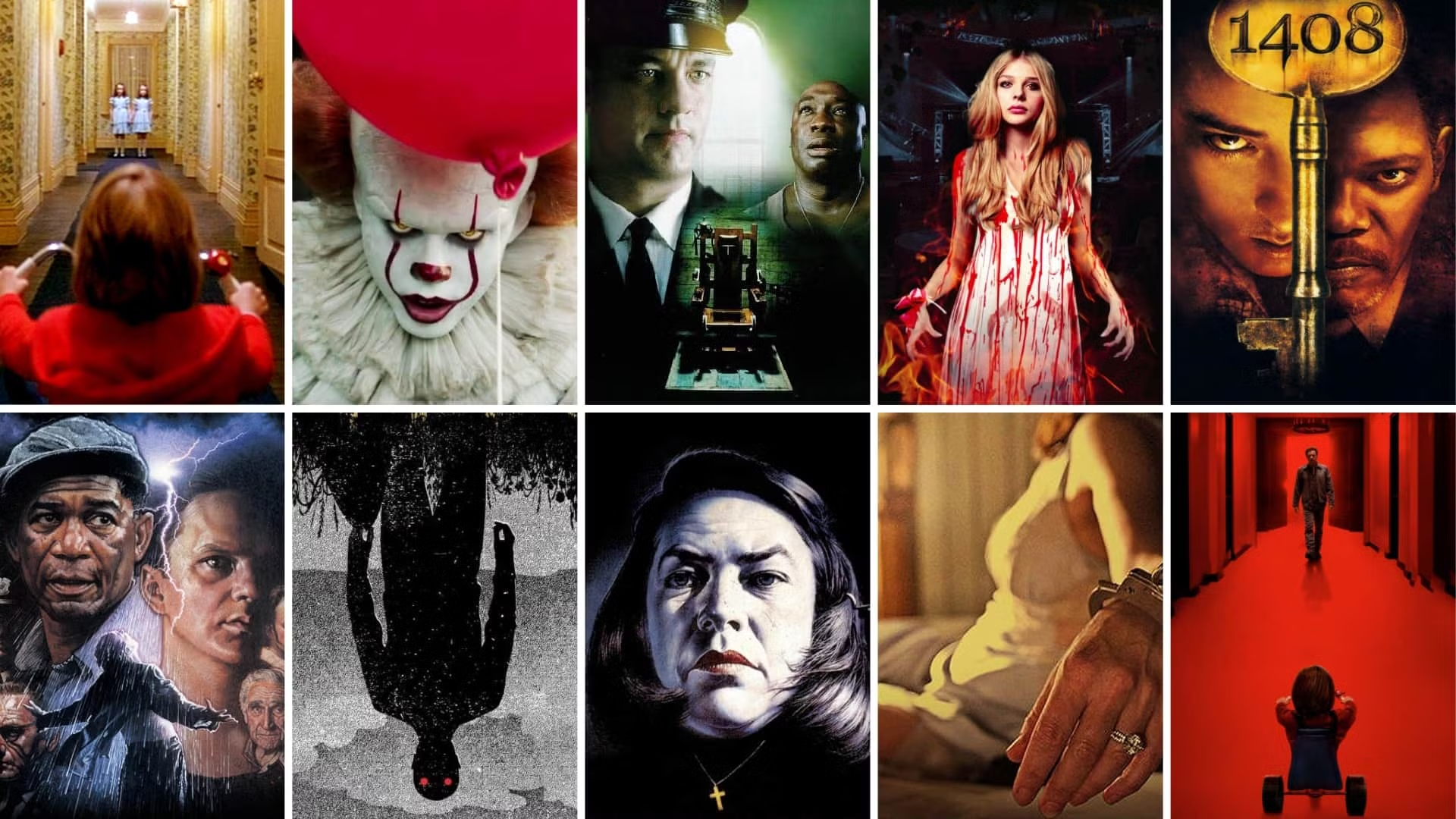
The more successful adaptations like The Shining, Carrie, The Dead Zone, Cujo, Stand By Me (adapted from The Body), The Shawshank Redemption and The Mist were based on more typical novels that were just a few hundred pages. Also, in the case of The Mist, Stand By Me and The Shawshank Redemption, those were based on novellas which seem to be the perfect amount of story to translate into screen.

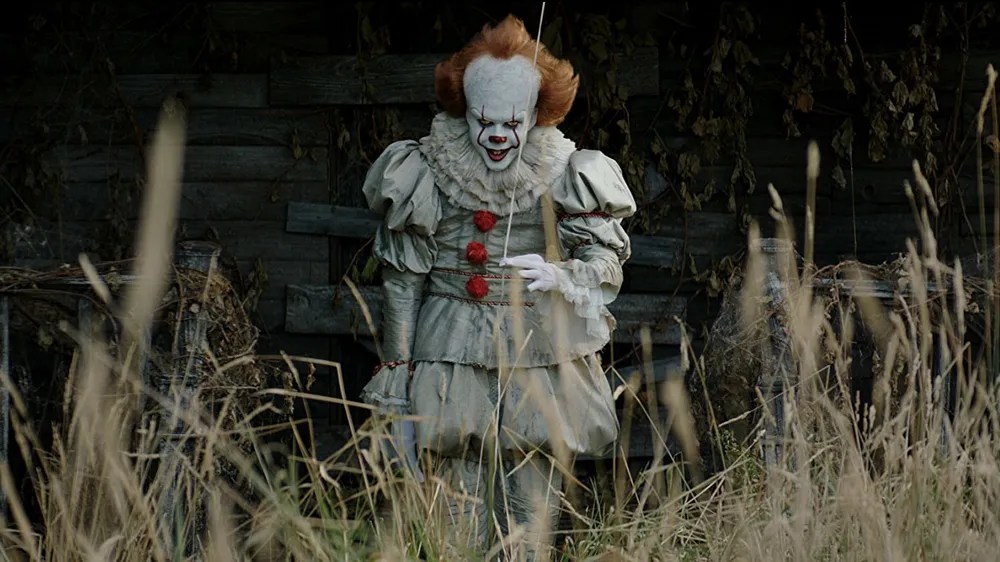
One viable option is to adapt mammoth epic novels into two-part films as was done with It. While the film versions of It differed in structure, the adaptations more or less captured the essence of the novel with the first film focusing exclusively on the main characters when they were children while the second film picked up the characters as adults when they confronted the evil entity Pennywise. This approach would work best for The Dark Tower Saga or any of King’s narrative which can be quite long and involving.

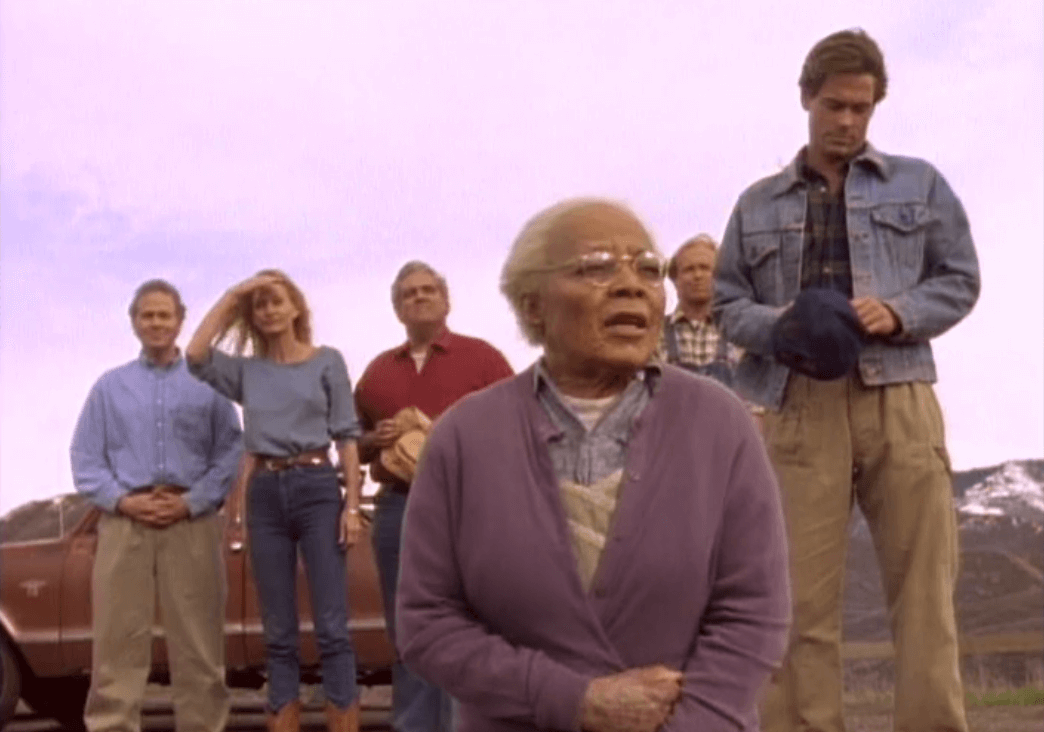
The other obvious option, which has been done to some success, is to adapt his works into television mini-series or shows. Some of the best examples include ‘Salem’s Lot, The Stand, 11/22/63, The Outsider and Nightmares & Dreamscapes. Adapting The Dark Tower Saga into this format is honestly the only viable way to present the expansive storyline and do it well.

The Skill of the Translators

One important reason as to why it is so hard to adapt Stephen King works is due to the quality and skill of the filmmakers and showrunners and scriptwriters. While many gifted behind-the-scenes creators successfully adapted King’s works like Stanley Kubrick, John Carpenter, Frank Darabont, Rob Reiner and Andy Muschietti, far too many inferior creators took a hand into mangling and ruining King’s classics. It is lamentable that someone like Steven Spielberg or Christopher Nolan or Scott Derrickson never helmed a Stephen King film (there were reports that years ago, Spielberg was involved in an adaptation of The Talisman, but that never came to be). Just think of how something like Under the Dome, Cell, and The Girl Who Loved Tom Gordon would have turned out if James Wan or Robert Eggers or Ari Aster were at the director’s chair with the projects.

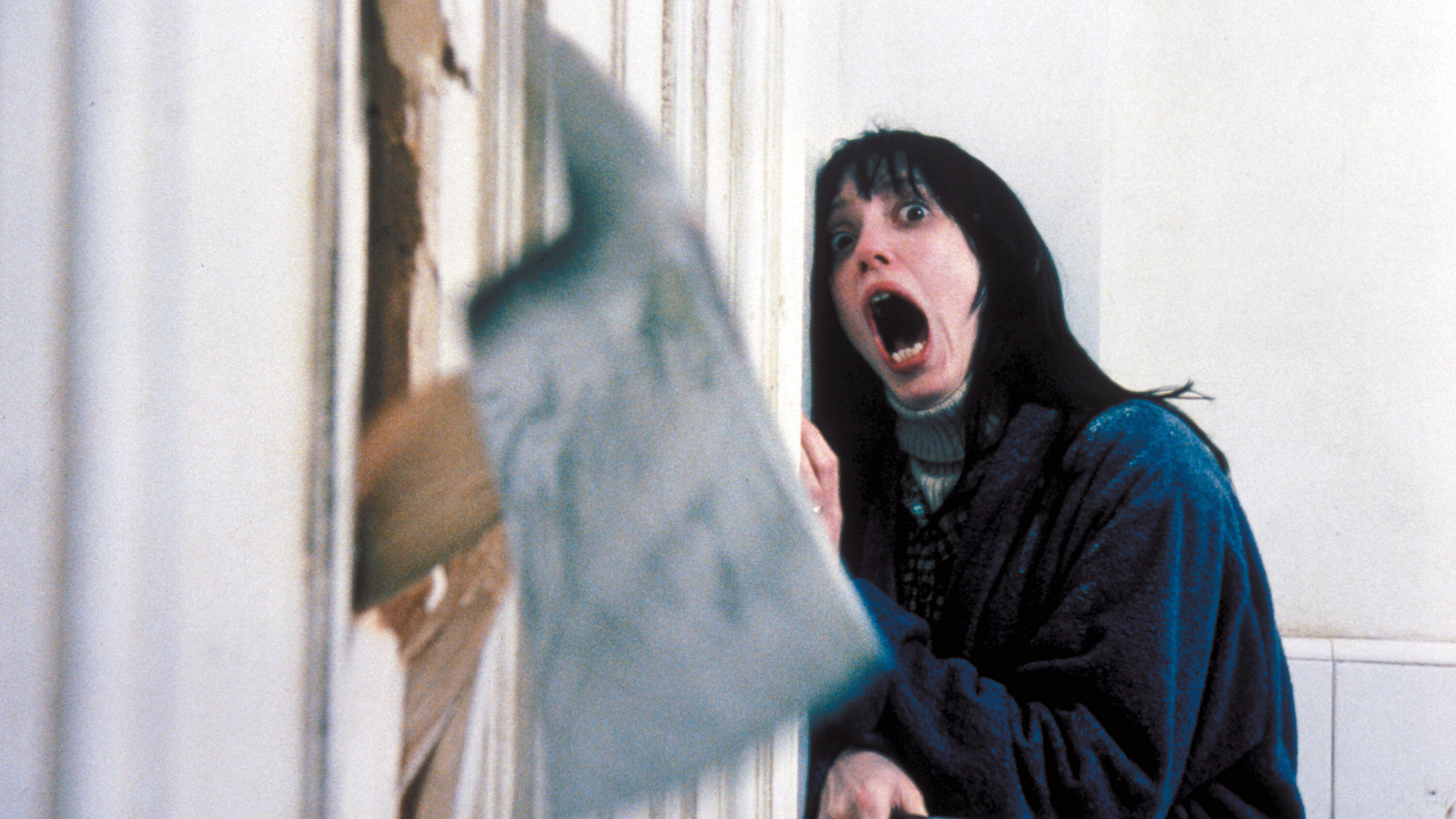
But sadly as we know all to well, it is very difficult to line up the best writer, director, producer or actor to fit in with a King work of art. Reasons for this are all over the place and tend to be due to timing and budget. These days it is not likely that a studio can afford to hire Spielberg to take on a King book. There is also the possibility of dueling visions. A more high-profile director can and will take liberties with the source material much to King’s detriment. The most famous example was Kubrick’s version of The Shining, which King detested even though it is considered not only one of the best King adaptations but a classic horror film.

The same goes for television productions. All too often King’s works whether they’re long-form epics or short stories wind up becoming inferior TV shows or limited series. During the ’90s, the heyday of King TV adaptations, many of his more famous stories became big event TV mini-series with mixed results, but hardly any of them stood out as masterpieces. The best adaptations were for The Stand, although that limited series had its issues, ‘Salem’s Lot, which came out in the ’70s, It, and original productions like Storm of the Century. Other works like the more faithful adaptation of The Shining and The Langoliers failed to impress viewers. If only someone like Vince Gilligan or Terry Matalas could spearhead a proper TV adaptation of The Stand or The Dark Tower Saga.

Despite many failed attempts, the versatility and durability of Stephen King’s stories guarantee that eventually the right team will come along and created the best version of his works. This happened with the It films which were immediately better than the original TV mini-series and may happen later this fall when the second film version of The Running Man is released (being that is directed by Edgar Wright, there’s a decent chance it will outshine the original film). It has been possible to get cinematic masterpieces based on King’s works and it has happened, so it will continue to happen.

José Soto

Zombies Refuse To Die!

It is all too easy to write off the zombie sub-genre as being dead and buried. After all, zombies have fallen out of favor with the public ever since The Walking Dead TV show was cancelled years ago. Before its cancellation, The Walking Dead and zombies in general were at their zenith in the 2010s. There were zombie TV shows, films, comics, novels, etc. all over the place. But inevitably the popularity of zombies declined as too much product was put out and the quality and uniqueness of the zombies faded. Casual critics were ready to write off the zombie sub-genre and move on to their next target, but somehow, the zombies refused to die.

Yes, The Walking Dead TV show and the comic book series that inspired it are both long gone, but there are many TV spinoffs of The Walking Dead like The Walking Dead: Daryl Dixon and The Walking Dead: The Ones Who Live that are still around and slowly gathering buzz about their quality. These shows wisely chose to focus on popular characters like Daryl Dixon and Rick Grimes and even the villainous Negan, which partly explains why the shows have done well. Of course, these TV shows have not reached the numbers and heights of popularity as The Walking Dead did in its heyday, but they have their devoted followers and are doing well enough.

Other zombie-related TV shows, films, comics and more are still coming out strong and many are very popular. Just take a look at the slate of current and upcoming projects that are related to zombies. The most recent examples were The Last of Us (technically not about zombies but the infected humans behave just like zombies) and the animated TV show Marvel Zombies, which was based on the Marvel Comics mini-series (and currently has a new mini-series Marvel Zombies: Red Band out in stores and digital platforms) and was a spinoff from the animated What If…? TV show.

The Marvel Zombies comics are still going strong with its many limited series and the TV show was well received with talks of a new season underway; hopefully that will happen given how the last episode left us with a cliffhanger. Not to be outdone, DC came out with its own comic books starring undead versions of its DC heroes and villains, DCeased. No word yet if DC Studios will make an animated version of DCeased but they should consider it. Also even though the comic book series ended years ago, The Walking Dead are still in comic form with the color reprints The Walking Dead: Deluxe.

Meanwhile, there are many high-profile zombie films and TV shows on the horizon, such as 28 Years Later: The Bone Temple (a direct sequel to this years’ 28 Years Later), We Bury the Dead, Twilight of the Dead, which will conclude the George Romero zombie film saga, Return of the Living Dead, and an American remake of the classic Korean zombie film, Train to Busan. How well received they will be is anyone’s guess, but they demonstrate how popular the zombie genre is.

So, why does the zombie sub-genre refuse to die? There are many reasons. For one, many zombie properties go hand-in-hand with our fascination with post-apocalyptic/survival stories, which fit in well with zombies. These zombie stories also engage us as we face our fear of death and decay and more recently with infection. We like to watch and read these zombie yarns and wonder how we would behave in a zombie apocalypse. Most of us would probably be zombie food minutes into the apocalypse, but its still fun imagining ourselves turning into stoic and heroic warriors like Daryl Dixon, who in his life before the zombie apocalypse was a nobody.

The sub-genre also helps engage with unexpected human dramas that test our notion of family and friendship. Examples of this include the films Maggie, Cargo and Warm Bodies. While the latter film was an offbeat romance with a zombie twist, the first two films dealt with the main characters facing the inevitable. Maggie featured a father coping with the fact that his teenage daughter would soon turn into a zombie and his agony about having to kill her. Cargo was an agonizing film about a doomed father who was desperately trying to find someone to care for his infant before he turned into a zombie.

It can be said that on the surface the zombie sub-genre appears to be limited in story, but can be quite versatile. As long as the zombie story whether on film, video game or on print, is presented well, the quality will stand out and keep us engaged. That is why the zombies refuse to die.

Good Boy and Other Pets In Horror Films and TV Shows

Indy, the canine star of the horror film Good Boy, brings attention to the presence of beloved pets in various horror films and TV shows. It can be said their inclusion is way to raise the stakes of the terror faced by the film’s main characters, as with Good Boy. But these animals can have more complex roles in horror films and TV shows.

Other times, the animals wind up playing a pivotal or even a heroic role as with Nanook, the malamute that helps his owner fight off the title vampires in The Lost Boys. In Nanook’s case, his crow-pleasing moment came when he pushed a vampire into a tub full of holy water and garlic. Another example is the dog Thor in Bad Moon. It’s another horror film told from the POV of a dog, in this case, Thor faces off against a werewolf, who tragically was his owner when in human form. Then there is the title character in Frankenweenie, a dead dog who was revived by his grieving owner. Also, let’s not forget Kojak (formerly “Big Steve”), a retriever featured in The Stand who wound up playing an important role late in the TV mini-series when he helped care for the main character Stu Redman after he was badly injured.

These pets are often imperiled by the supernatural forces that threaten the main characters, and sadly these beloved animals wind up becoming victims. There are too many to go into here, but some standouts include Tank, the terrier, from V/H/S 2, Churchill, the cat in Pet Semetary, and Samantha, the German shepherd in I Am Legend, who gave her life defending her owner against mutants before she had to be put down when she began to mutate.

On the other hand, there are many horror films and TV shows where the beloved family pet becomes a source of danger to humans. The best example of this is with Cujo, where a docile St. Bernard becomes a vicious killer that threatens his owner and her child. Other examples include several dogs in Day of the Animals, various pets in the TV show Zoo, and the title dog in Man’s Best Friend.

We get very alarmed and feel uneasy whenever beloved pets put themselves at risk to defend their human families. It is second nature for dogs to act as guardians for us even though they are at risk whenever tackling the supernatural. This was very prevalent in Good Boy as Indy tries his best to protect his owner Todd from a malevolent spiritual force that haunts Todd. It must be mentioned that the animals’ ability to sense the supernatural before the humans could make them more vulnerable to looming threats.  What was even more distressing in Good Boy was that only Indy was aware of this evil force and was unable to communicate this danger to Todd unlike another human.

The inability to adequately communicate with humans is part of what makes the animals’ dilemma so engaging. Another example of this was in the film Cat’s Eye, where a stray cat is involved in three separate stories, and becomes the hero in the last segment. In that story, the cat (now named “General”) defends a young girl from an evil troll trying to steal her soul. What made General’s job more difficult was that he was the only one who sensed the troll’s presence, and he could not communicate to the girl’s parents about her imperilment.  

What made Good Boy such a standout from your standard haunted house story was that the film was told from the POV of Indy. We are able to empathize with Indy not just because he was a loveable dog but because of how his worldview was presented. We never fully see the faces of the human characters or hear their dialogue clearly; Indy is also able to get into the dark corners of his owner’s home to get more details about the otherworldly threat, which a person could never do. Essentially, through Indy’s eyes, we get a better sense of the ghostly presence haunting Indy’s owner.

Also, the stakes of danger are raised since Indy is more vulnerable to the supernatural presence. Unlike a human who could find out how to combat the supernatural threat and use tools, Indy and other animals only have their own instinct and natural abilities to combat the threat. Sometimes that is not enough. That is why films and TV shows featuring pets like Good Boy are so captivating.

Jaws: Still Terrified Of The Water 50 Years Later

One of the things this summer movie season will be remembered for is for being the 50th anniversary of the first blockbuster summer movie, Jaws. It’s not an exaggeration to say this movie changed the film industry forever.

The 50th anniversary of Jaws was this past June, but the film is having special screenings in theaters this Labor Day weekend to celebrate the event. If you’re lucky, your local theater will have the film in 3D or some other upscale format like IMAX. What is surprising is that the upscale of the film actually holds up and the genius of the filmmakers, including its director, is the reason why with the way the scenes were filmed.

Everyone knows Jaws was one of master director Steven Spielberg’s earliest works and is still considered one of his finest films. Thanks to his brilliant directing skills, Jaws was elevated from a standard thriller into a masterpiece of adventure and horror. Plus, it made many viewers afraid or at least wary about going into the water during beach visits.

Jaws excelled at creating a sense of dread and unease with the way the ominous ocean was filmed as it hid the terror of the great white shark that feasted on the hapless citizens of Amity. This uneasiness with the mysterious ocean hit us right at the start of the film when a drunk young woman foolishly went for an evening swim; something you must never do, sharks and other water predators are at their most active at this time. She was attacked by an unknown, unseen force that turned out to be an unusually large great white shark that would go on to terrorize the town of Amity. The scene where she was attacked was punctuated with unsettling dark imagery, John Williams’ iconic score and the fact we never saw the shark. Not revealing the shark until later exploited our fear of the unknown, and increased our anticipation of finally seeing it when the film’s heroes, Amity Police Chief Martin Brody (Roy Scheider), marine biologist Matt Hooper (Richard Dreyfuss), and the salty shark hunter Quint (Robert Shaw), confronted the great white terror.

An important reason why Jaws worked so well was that Steven Spielberg was forced to keep the shark offscreen for most of the film. That was because the mechanical shark built for the film rarely worked and Spielberg had to work around this by implying the shark’s presence. You would hear the haunting bars of John Williams’ Jaws theme to announce the shark’s presence, just offscreen. You would see quick shots of the shark’s fin or a blurry image of the shark just underneath the surface or later in the film when the shark was speared with lines attached to barrels. These were supposed to keep the shark close to the surface as the film’s heroes hunted it. However, it wasn’t too long before the film’s heroes realized the barrels not only were not effective, but whenever the barrels bopped up to the surface, their presence signaled the approach of the invisible enemy and added to the scenes’ tension and suspense.

Spielberg’s challenge with creating suspense and keeping the shark hidden until the pivotal final act helped forge his directing skills early in his career. Of course, he had a miserable experience directing the film and avoided directing films set in the open ocean afterwards. In fact, he was so bothered by his experience that it was only recently that he was able to bring himself to watch the film. He admitted to liking the film. Who knows what he could do with the film if he made it today?

What is incredible about Jaws and one reason why it is held in such high esteem today was that after a few inferior sequels, there have not been any attempts to remake or reboot it. Yes, there are other skilled directors that could film a theoretical Jaws remake today, but they would have to compete with the mystique of the original film. How could a remake distinguish itself and improve upon perfection?

As mentioned above, a major reason why the 1975 film still terrifies us today is because it exploited our collective fear of the unseen. Most directors today would be too tempted to have a CG shark popping out of the water every five minutes. Sure, today’s special effects could easily have the shark out in the open in nearly every scene, but it would not work. We’ve seen this with films like The Meg, the Sharknado films, and Deep Blue Sea, though the latter film has its merits. So, while it is tempting to pine for a Jaws remake it is best for now to leave that idea alone and enjoy the original classic…even though it will leave you too afraid to go into the water 50 years after its release.