Phase Five Of The MCU Ranked

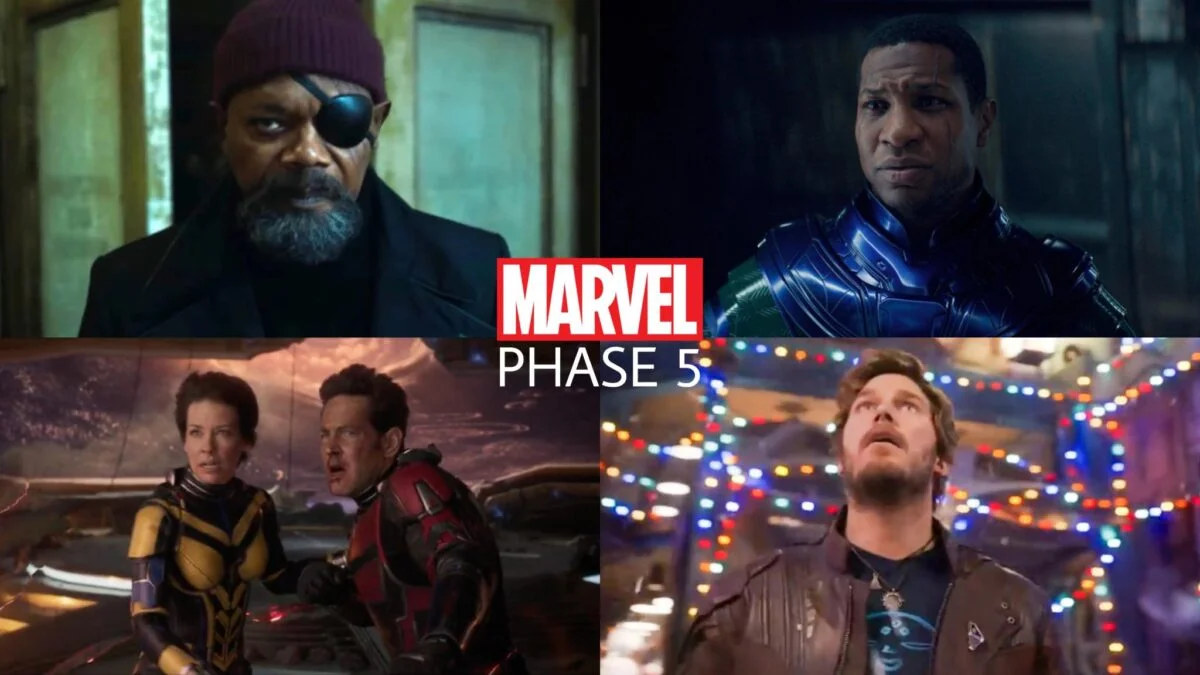
Now that Ironheart has been released on streaming, Phase Five of the Marvel Cinematic Universe (MCU) has concluded, and the films and TV shows of Phase Five can now be ranked. On the whole, this phase suffered for many reasons, some of which were beyond the control of Disney and Marvel Studios, and included entertainment strikes, the conviction of actor Jonathan Majors (who played the would-be MCU big baddie, Kang), and rushed productions without completed scripts. However, there were certainly some projects that are considered as some of the MCU’s best and should be lauded. As we move on to Phase Six, let’s rank all the Phase Five MCU films and TV shows. Just note that X-Men ’97 is not included because officially the animated series is not considered part of the MCU, but if it was it would be placed in sixth place.

15. Secret Invasion
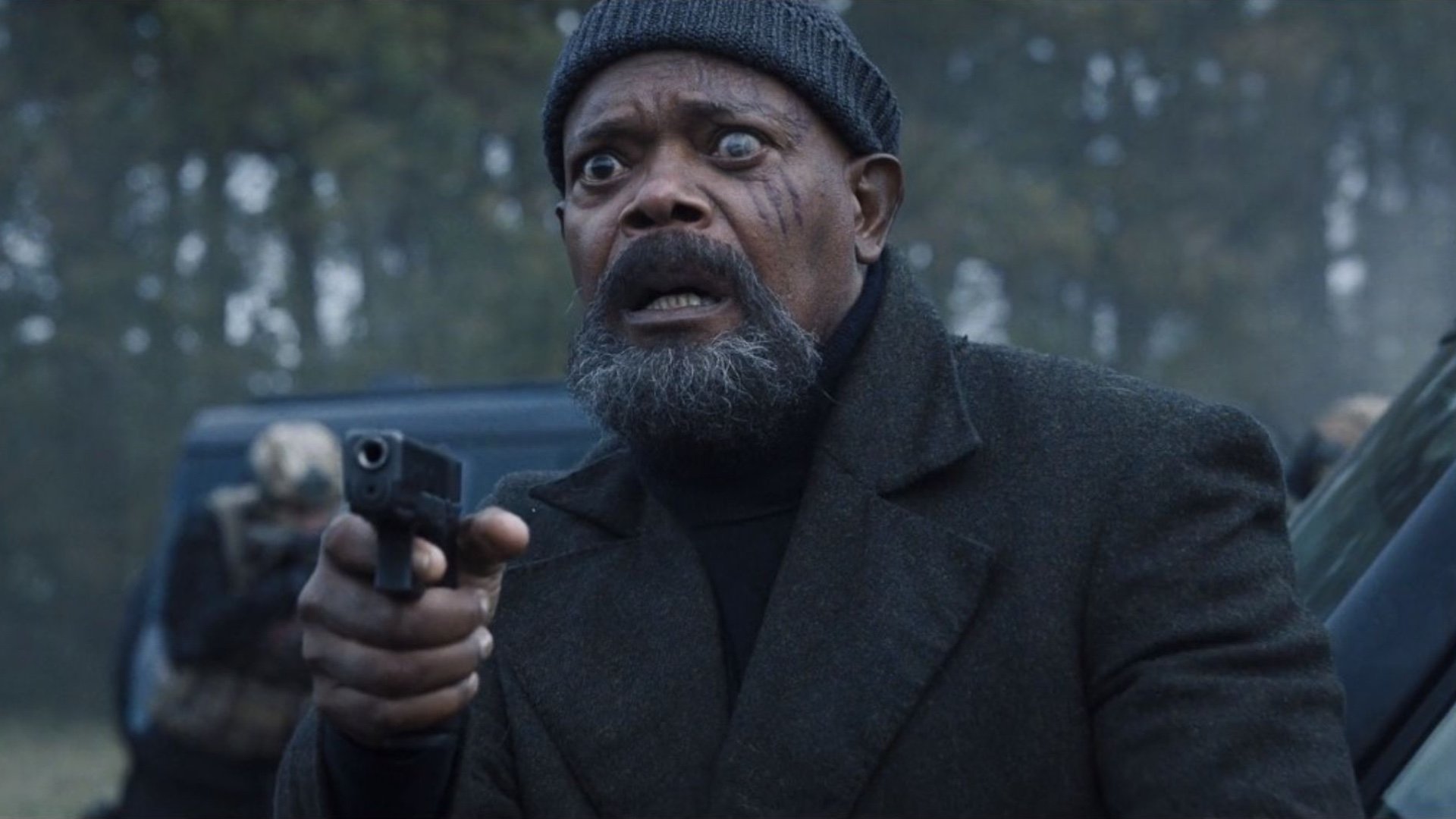
Not only is this limp, would-be spy thriller about alien Skrulls infiltrating our civilization the weakest entry of Phase Five, but it is the worst MCU project ever produced. The goal of the Skrulls was moronic, as was the execution of the pedestrian scripts that failed to live up to the premise of the comic book event this limited series was based on. For a supposed paranoid thriller, Secret Invasion lacked any tension, drama, suspense or sense.

14. I Am Groot (season two)
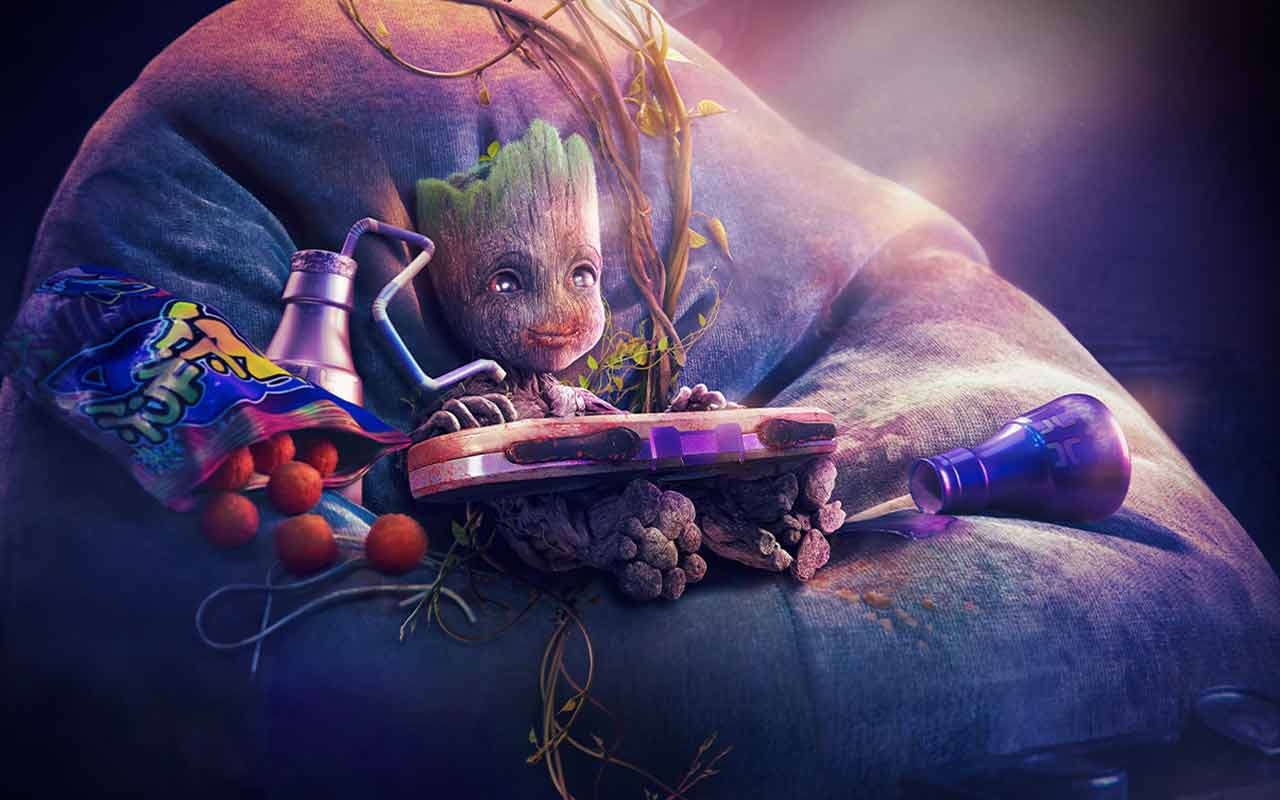
Eh, the animation was well done, and the stories were cute, but as with the first season, the animated shorts were strictly for the kids. One segment, however, was buoyed by the appearance of the enigmatic Watcher and it was rather humorous.

13. Echo

It is clear that this TV show was a leftover from the Bob Chapek era of Disney were anything and everything was rushed into production whether it deserved to or not. The former gangster Echo was one of the dullest characters from Hawkeye, yet somehow, she was given her own TV show which largely came off as a standard and dull crime drama. The appearance by Daredevil and later Wilson Fisk livened things up, but that was about it.

12. What If…? (seasons two and three)
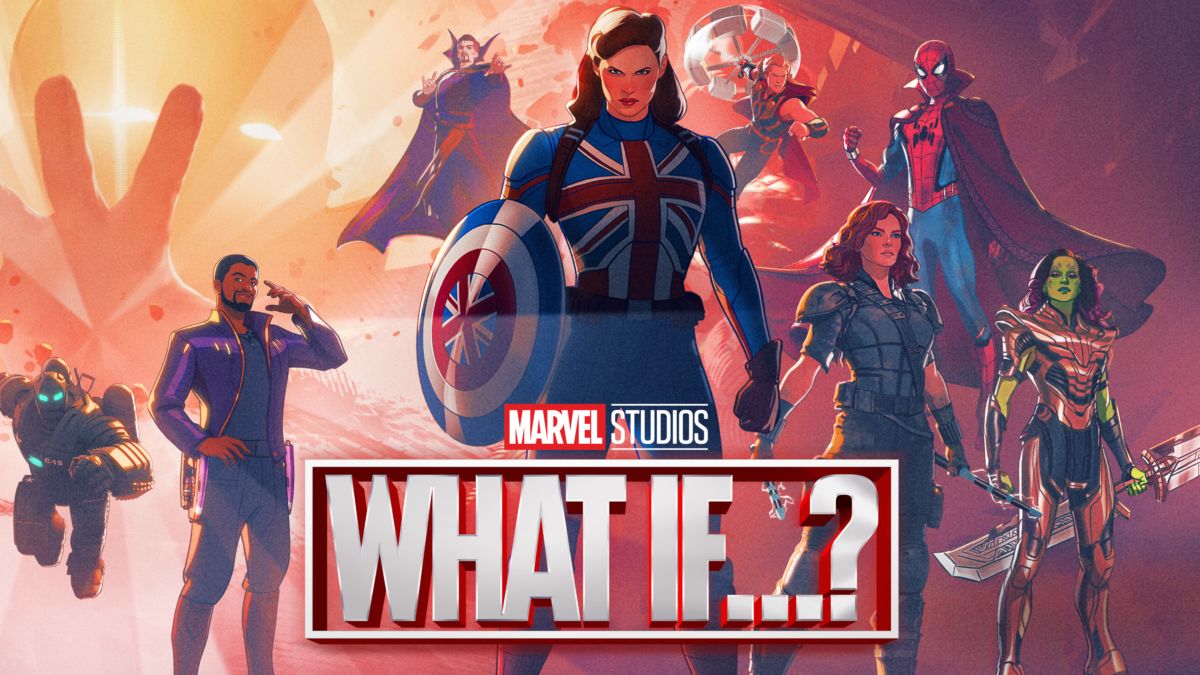
The animated series that explored the Multiverse was a mixed bag with an average second season and a disappointing third season. There were many great premises that could have been explored in the third season, but sadly that never happened. Instead, we got Howard the Duck and his girlfriend protecting their egg in a painfully unfunny episode. But there were a couple of gems featuring Agatha, Winter Solider and Red Guardian. The second season was definitely the stronger of the two as it further explored the more interesting variant characters from the first season like Captain Carter and Stephen Strange. But overall, the Multiverse animated show did not live up to the promise of the first season or the comic books.  

11. The Marvels
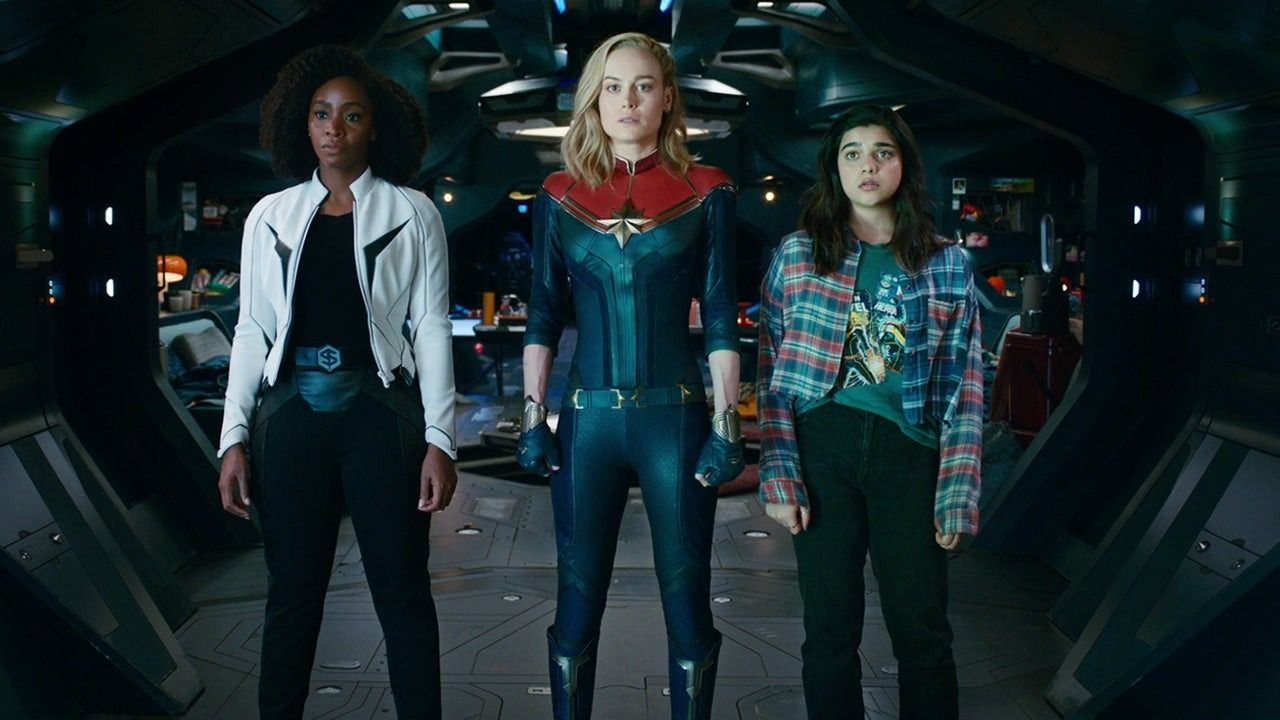
The semi-sequel to Captain Marvel is not bad, but it is not good either. There are some interesting character developments that are only glossed over, like Ms. Marvel’s hero worship of Captain Marvel vs. reality or Photon’s abandonment issues with Captain Marvel. But the villain was completely forgettable, and the film felt very rushed. What did not help were some Godawful moments like the alien cats swallowing people as “Memory” played in the soundtrack, or the planet populated by singing people. The introduction of the X-Men into the Multiverse Saga in the post-credits scene was great and nearly salvaged the film, but it was not enough.

10. Ironheart
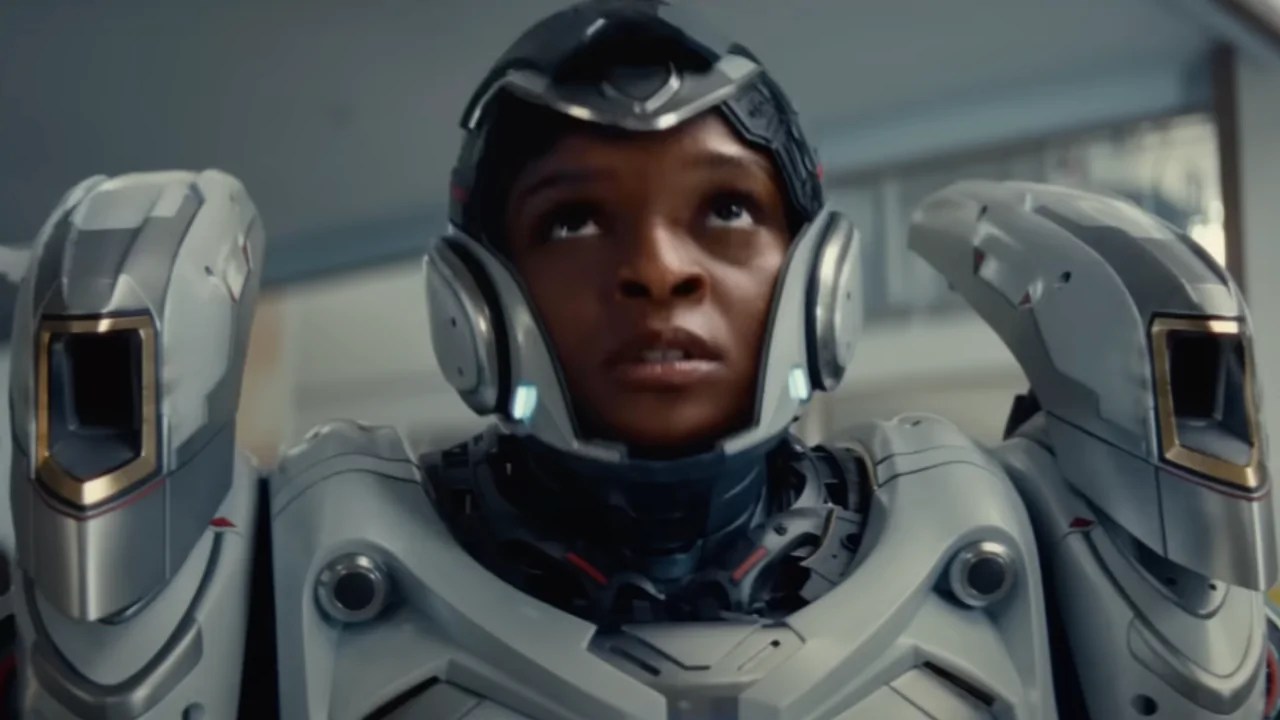
Here’s another case of a TV show starring an unpopular MCU character. This time it’s Riri Williams from Black Panther: Wakanda Forever. However, Ironheart does a good job presenting Riri Williams/Ironheart. She is a painfully flawed person trying to do what is best but some of her decisions are questionable, as are her associates. The effects were surprisingly good despite the reputation MCU TV shows gained over the years, and many characters were interesting. Not the greatest MCU TV show ever, but it’s still worth watching.

9. Ant-Man and the Wasp: Quantumania
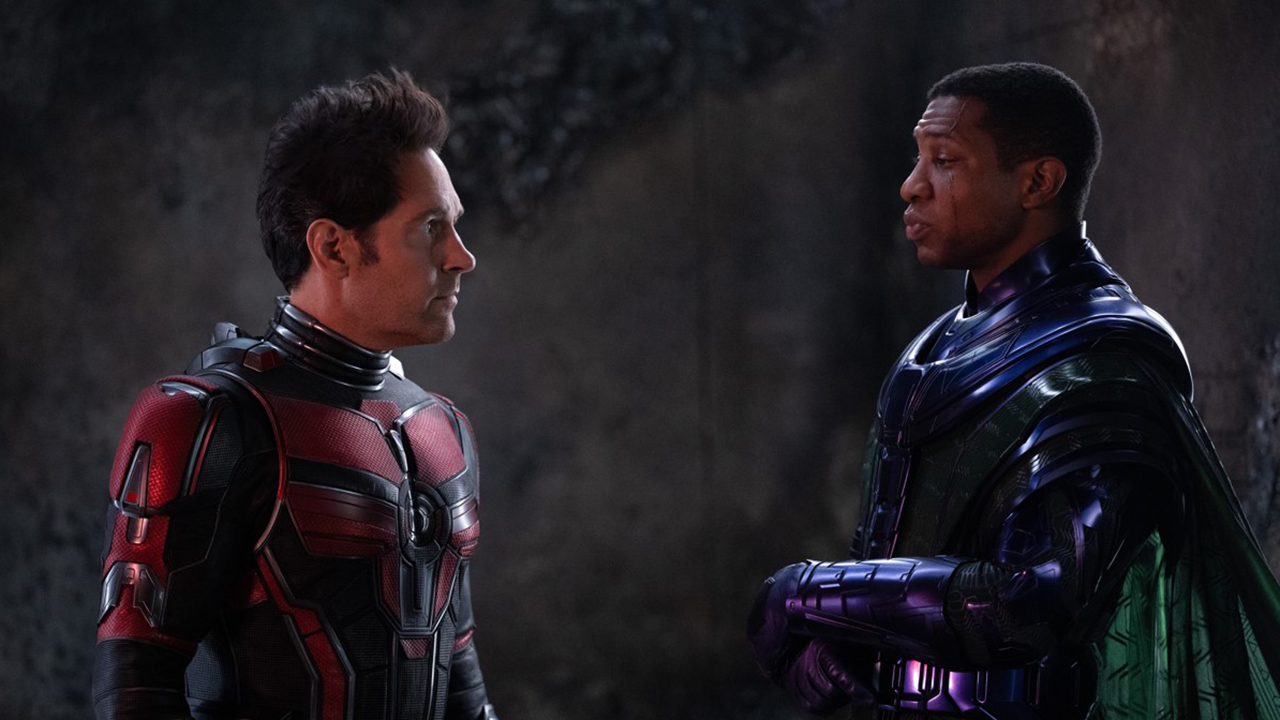
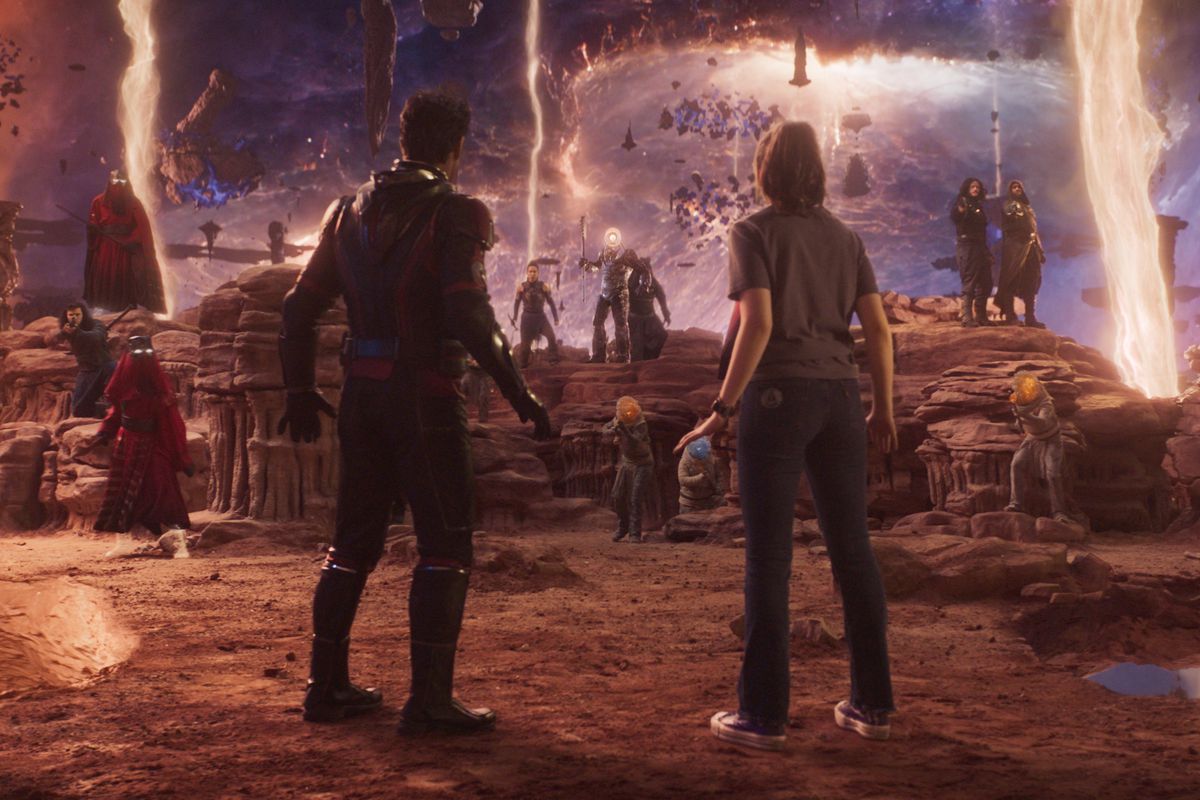
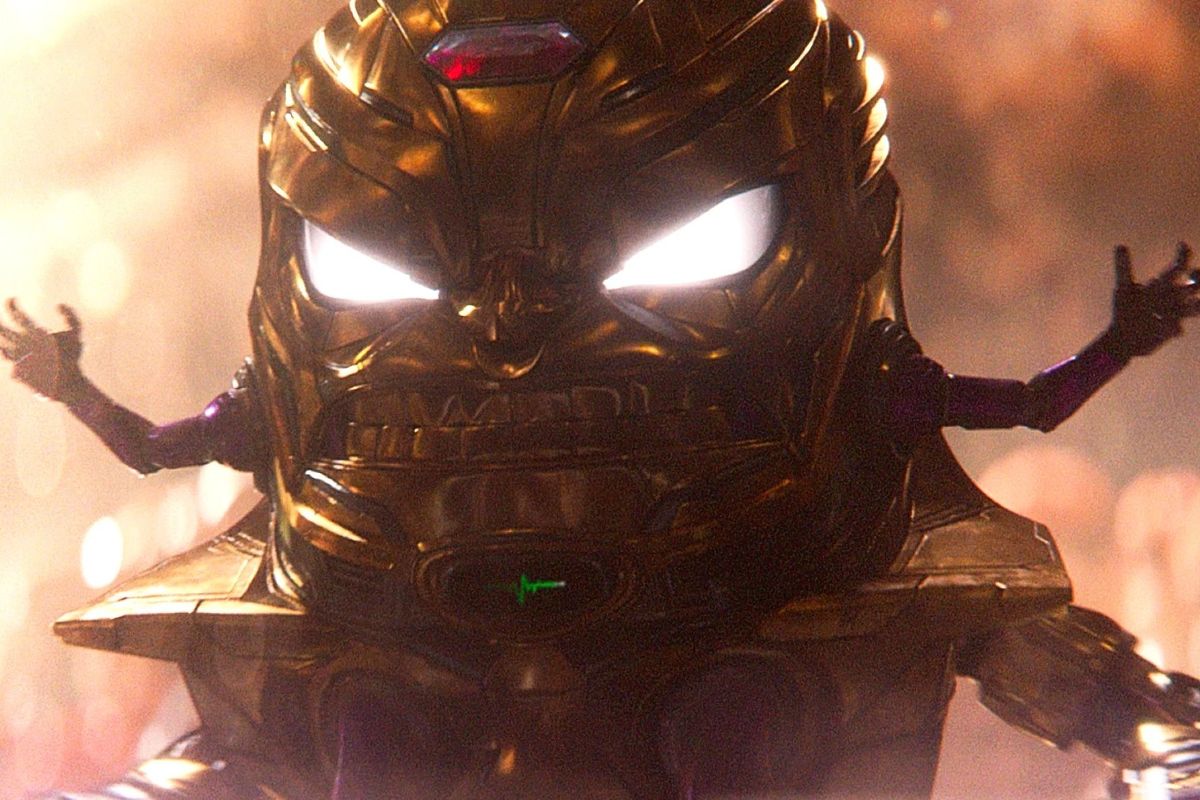
The third Ant-Man film gets a lot of unwarranted hate from fans who were disappointed by the introduction of Kang, the would-be big baddie of the MCU and the Multiverse Saga. Many fans who expected another caper heist film instead were treated to a loopy sci-fi adventure in another dimension featuring giant ants and weird creatures like the floating head MODOK. It did not help that some of the special effects were sketchy. Still, the film was fun in its own way and had some solid performances and was a decent entry into the Multiverse Saga, although its importance has diminished since Kang has been sidelined.

8. Agatha All Along
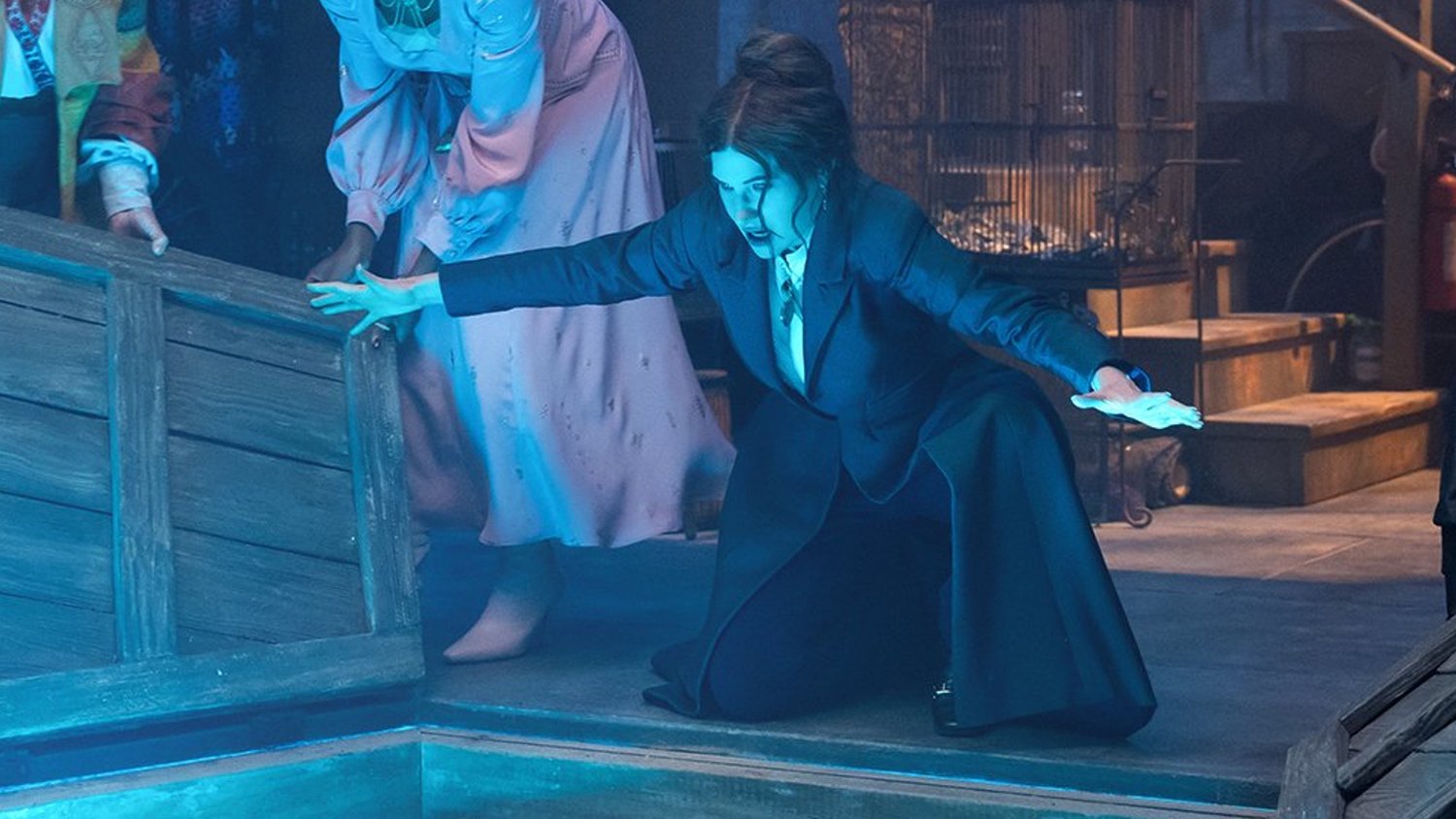
This sequel to WandaVision was unexpectedly effective thanks to an inspired performance by Kathryn Hahn as the anti-hero sorceress, Agatha Harkness, as she traverses the mystical Witch’s Road with a ragtag coven of eccentric witches. The character development of Agatha was surprisingly effective and made her more of a sympathetic character with a rather tragic backstory. Agatha All Along is a solid entry into the darker and more mystical part of the MCU and a worthwhile middle part of the Scarlett Witch saga that will be conclued with the upcoming Vision Quest.

7. Captain America: Brave New World
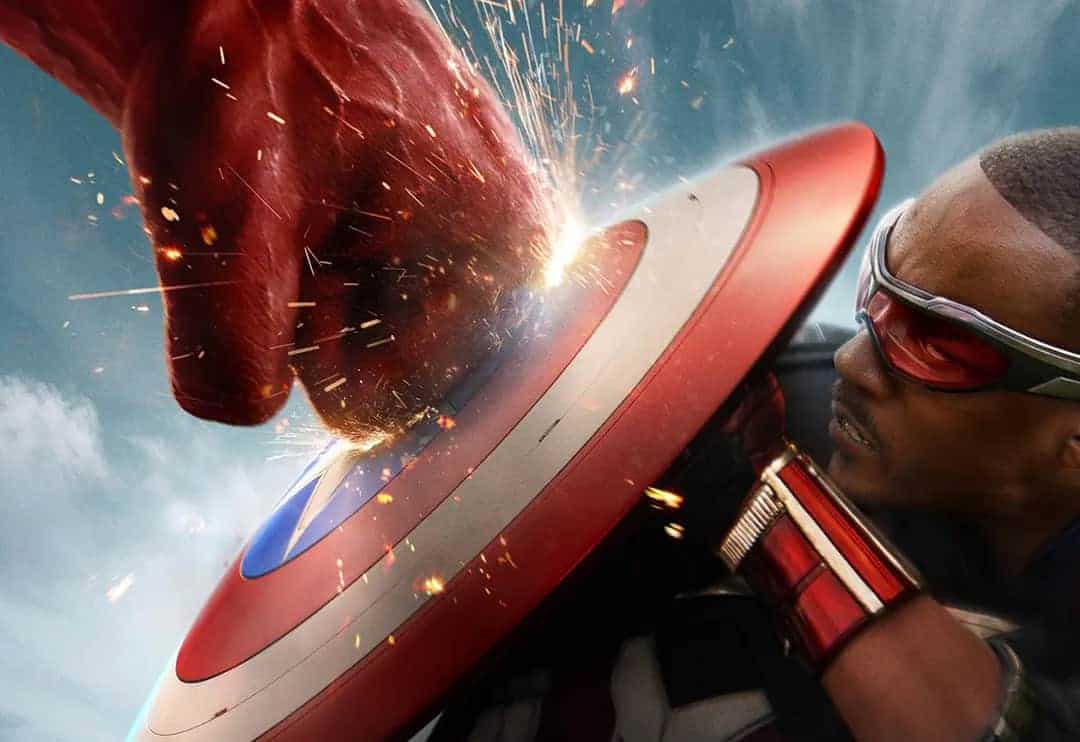
In this mishmash of a film there are elements that could have made it a truly great political thriller. But constant reshoots and rewrites of the script noticeably impaired it, although the fourth Captain America film tries very hard and has many memorable elements. For instance, it has great performances by Anthony Mackie and Harrison Ford and many action scenes are well shot and choreographed. A couple of these feature a terrific battle of Captain America fighting the Red Hulk and an intense segment where Captain America and his partner take to the skies to prevent a major war over the ocean. What ultimately harmed the film were the clumsy exposition dumps and haphazard editing that could not quite salvage the film.

6. Your Friendly Neighborhood Spider-Man
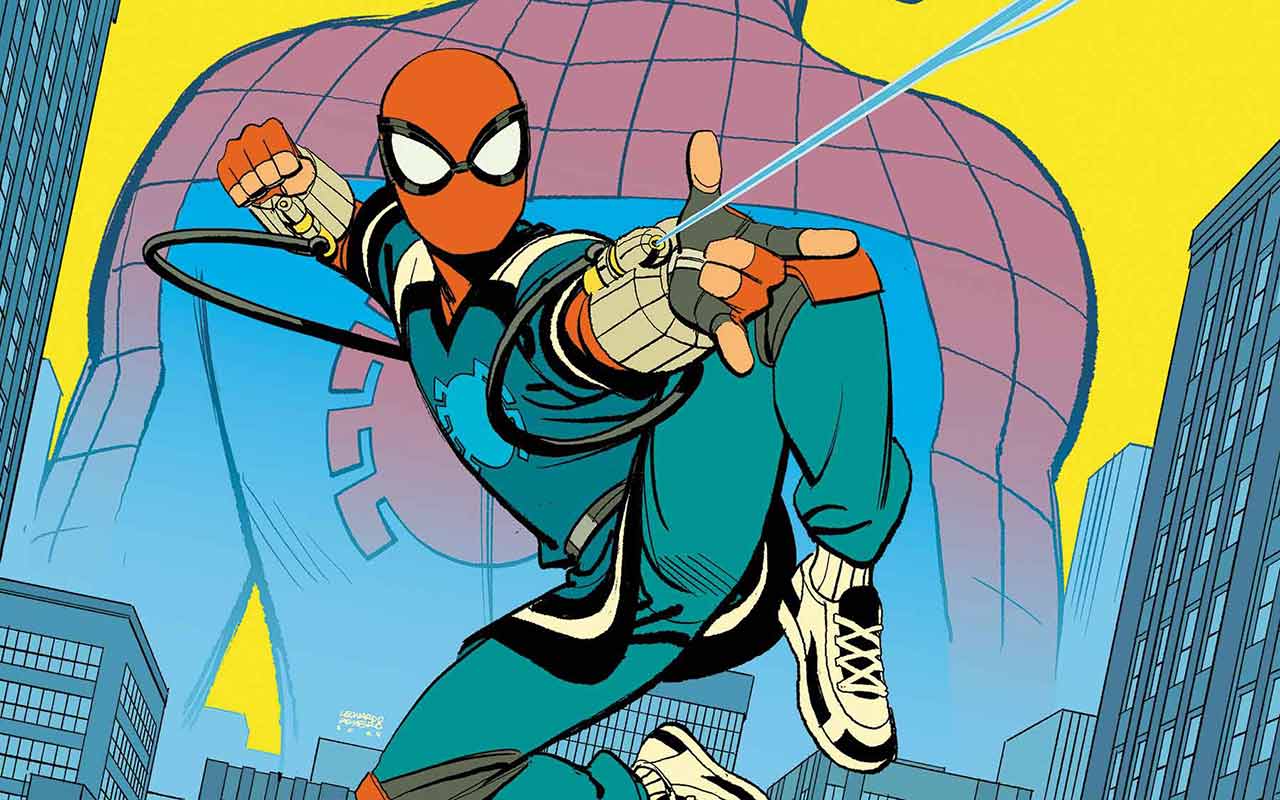
This animated series was one of the best surprises in Phase Five of the MCU. At the same time, this exploration of the high school years of Peter Parker/Spider-Man was quite refreshing with its poignant coming-of-age storyline and genuine. The highlight of the series was not the fight scenes or appearances of superheroes like Doctor Strange or Daredevil but the exploration of Peter’s angst and his complicated relationships, especially with Norman Osborn. We know Osborn will become his greatest foe, but in the show, he serves as his hardened mentor who teaches him lessons about having “great power”.

5. Daredevil: Born Again
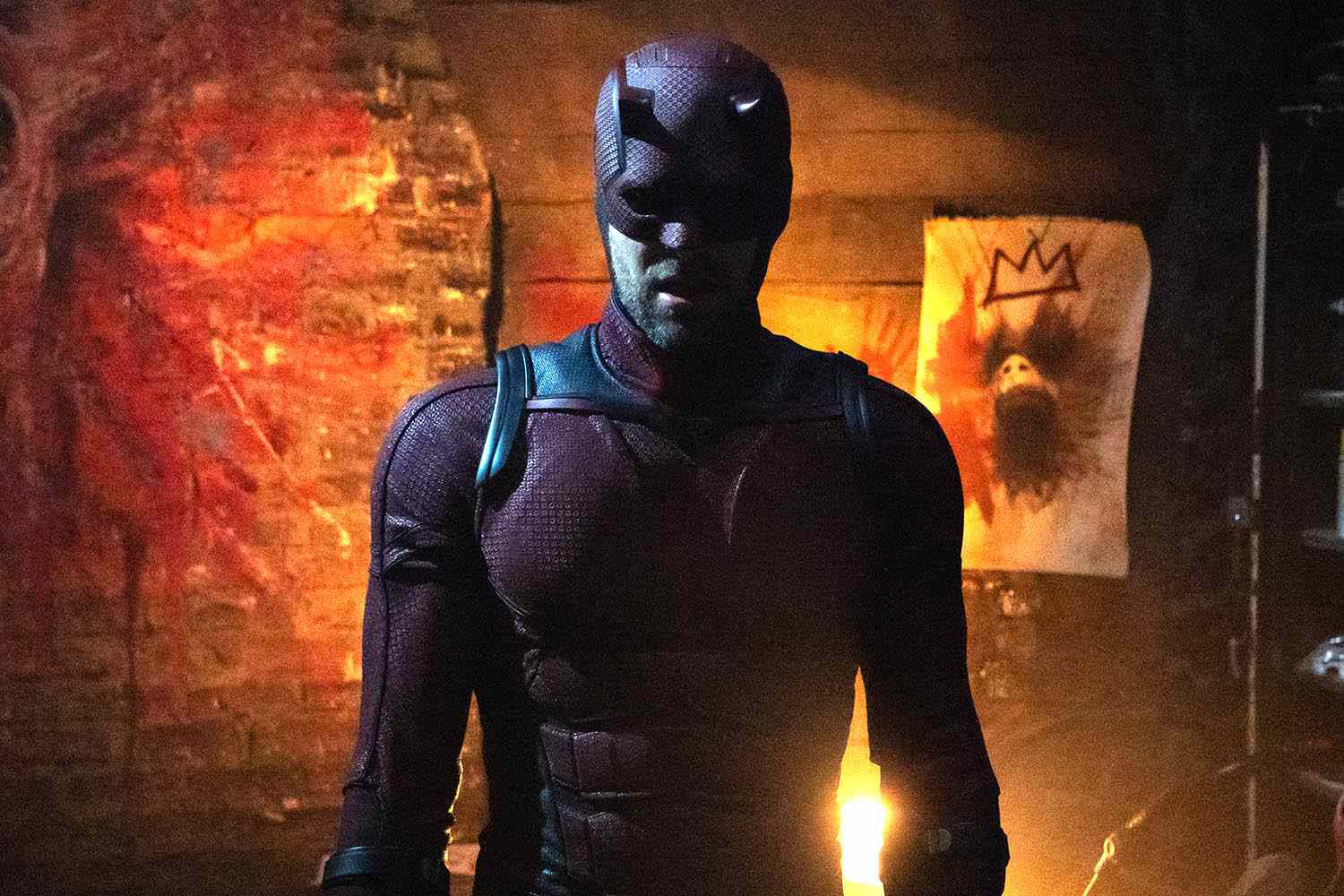
Charlie Cox and Vincent D’Onofrio make their triumphant returns as Matt Murdock/Daredevil and Wilson Fisk in this sequel to the original Netflix series. As a loose adaptation of the storyline in the comics where the criminal Fisk becomes mayor of New York City, the series was quite engrossing, especially the early and final episodes. It soon became clear that the middle episodes were produced by a different team when it came to their quality. These middle episodes were fine but were wildly outclassed by the early and final episodes, which were nearly perfect works of television art that thankfully we will see more of in the second season.

4. Deadpool & Wolverine
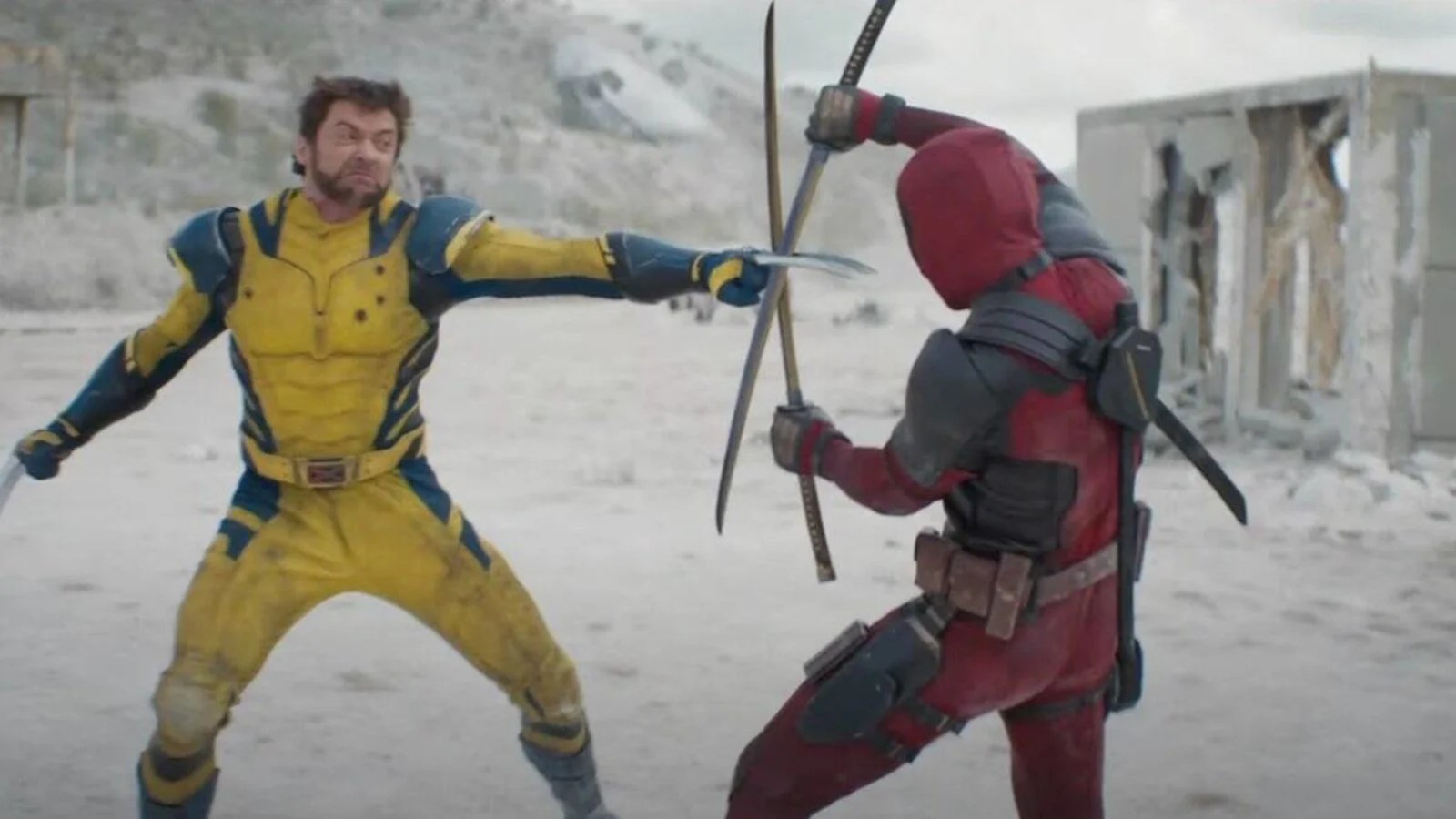
Ryan Reynolds and Hugh Jackman return to their iconic superhero/mercenary roles that were the highlights of the Fox-era X-Men films. Teaming up for the first time, the two have a wild multidimensional romp as they encounter classic and forgotten characters from the pre-MCU Marvel films ranging from the X-Men to Blade. Some may criticize the film for just being a collection of callbacks to previous films and the script did quite have the wit and energy of the first two Deadpool films. Still, Deadpool & Wolverine was a hysterical, gross and action-packed tribute to the pre-MCU era of Marvel films.

3. Loki (season two)
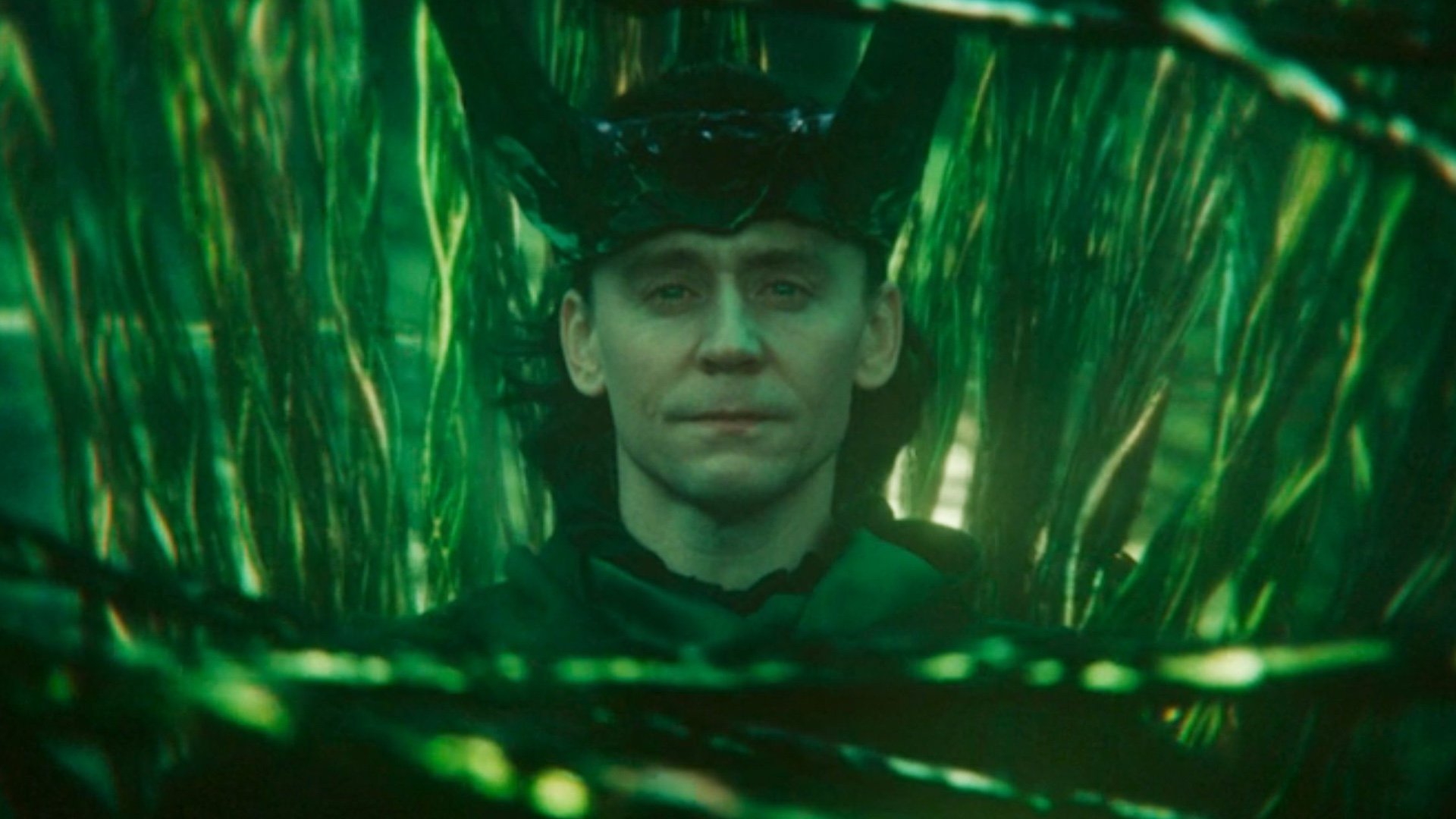
The second and final season of Loki was a time-traveling and mystical marvel (pardon the pun) that was highlighted by the title character’s transformation. The episodes were witty and inventive as Loki worked with his allies to keep time from unraveling. Loki also featured wonderful acting, not just from Tom Hiddleston as Loki, but from Ke Huy Quan, Jonathan Majors and Owen Wilson. The best part of the show, however, was seeing Loki’s emotional journey as he grew into someone much more noble and magnificent as he made the ultimate sacrifice to save the Multiverse and achieve his “Glorious Purpose.”

2. Thunderbolts*
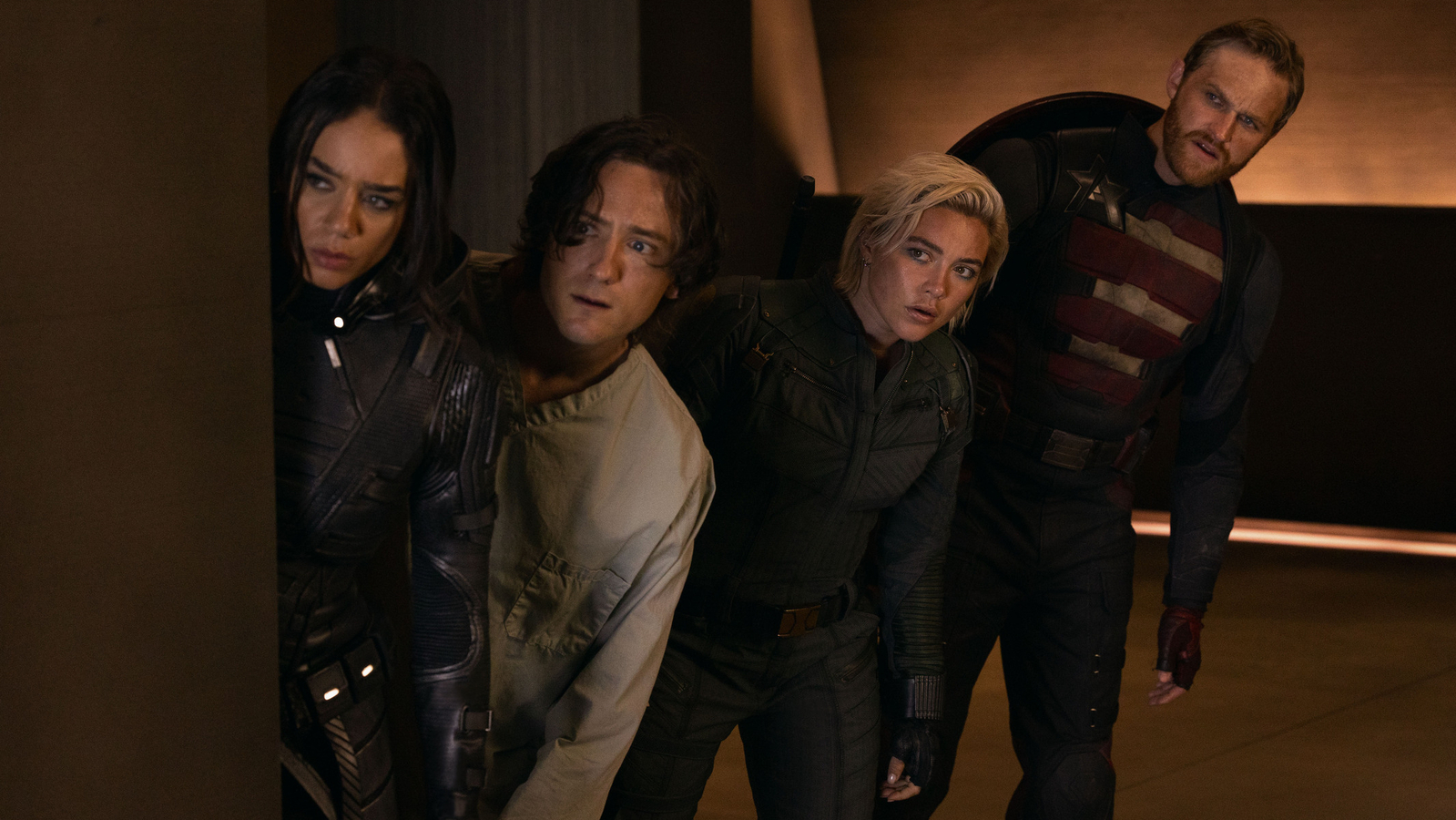
Or The New Avengers as marketing both in the film and IRL would rather you call this misfit team of mercenaries. The film was unexpectedly engaging and full of emotion as it focused on the characters’ inner turmoil. Even though we’ve seen this before: a bunch of losers form a dysfunctional team and actually become heroes, it was done splendidly. After a few misfires during Phase Five, Thunderbolts* signaled that Marvel Studios finally got its act together and went out of its way to present a winning MCU film. While it’s regrettable that the film had disappointing box office returns, this almost does not matter because of the film’s quality. Here’s hoping that the film resonates later on with home viewings.

1. Guardians of the Galaxy, Vol. 3
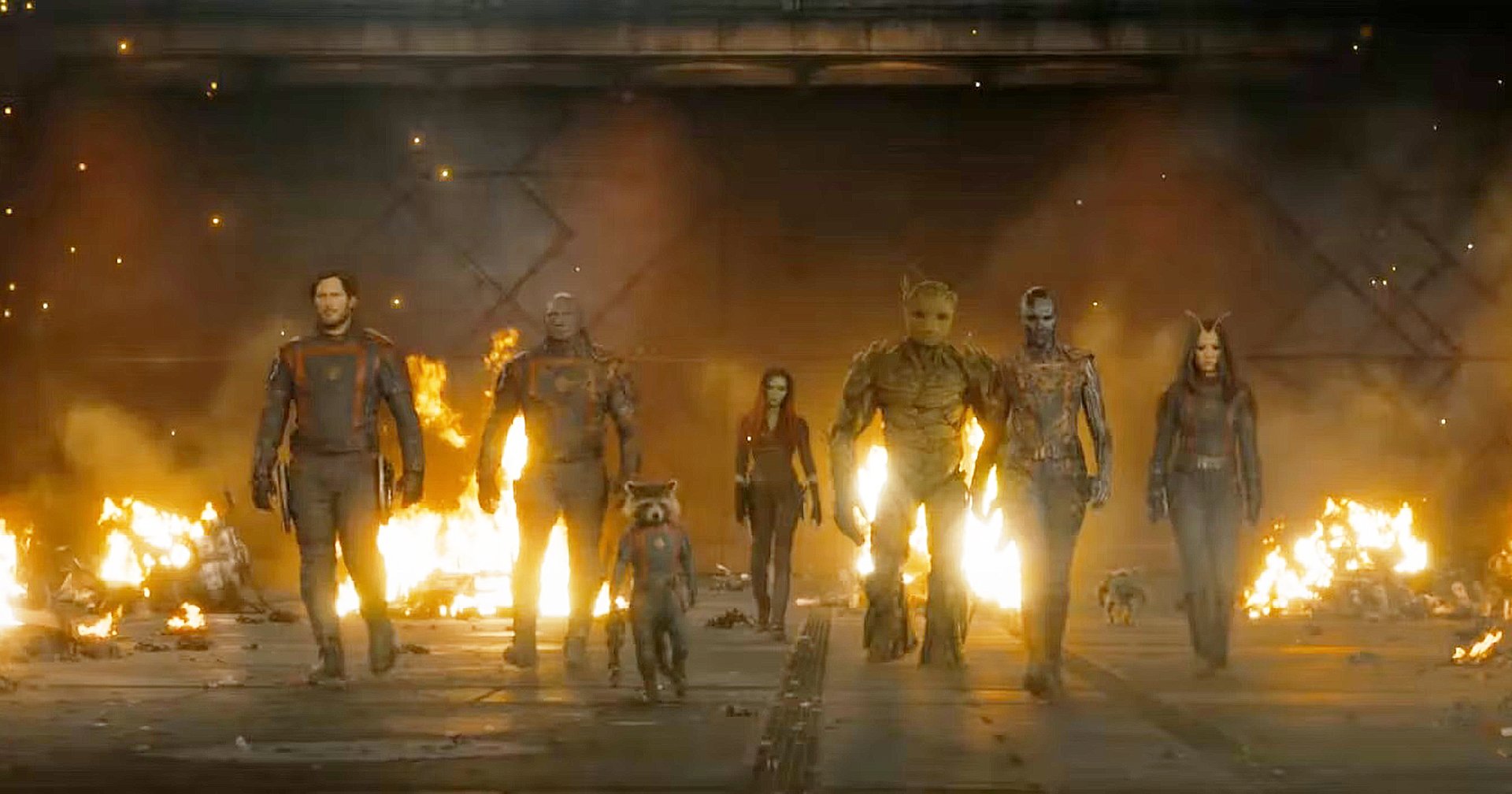
James Gunn sends of the beloved Guardians of the Galaxy with a masterful finale that hit all the right emotional spots. Focusing on the team’s soul, Rocket (later Rocket Raccoon), Gunn gave us a painful and traumatizing origin story that doubles as an animal rights tale that deserves to be told. Everyone involved was on point and beyond with Guardians of the Galaxy, Vol. 3, as it was the last hurrah for our favorite cosmic superhero team of misfits. This was classic Guardians at its best with goofy moments, perfect needle drops, wild visuals, a terrifying villain and exciting fight scenes. Gunn’s final film for the MCU is to be cherished because now that he has moved on to Warner Bros. to lead their superhero films, he is already sorely missed by MCU fans.

José Soto
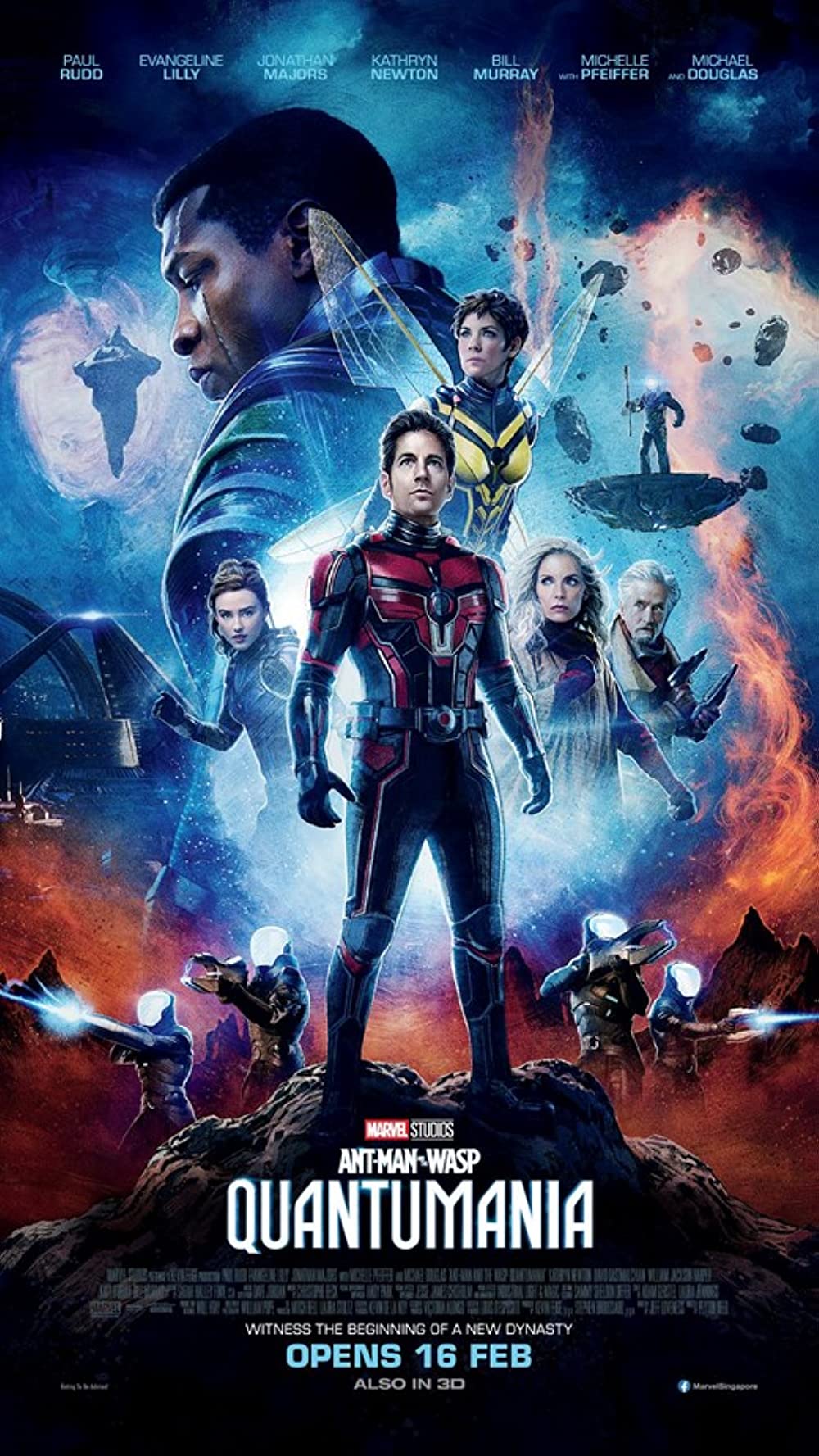
Phase Five Of The MCU Starts Off In A Manic Way With Ant-Man And The Wasp: Quantumania

Here again we have a case where the critics have it wrong. Despite the many negative reviews flooding the internet, Ant-Man and the Wasp: Quantumania is another solid entry for the Marvel Cinematic Universe (MCU).

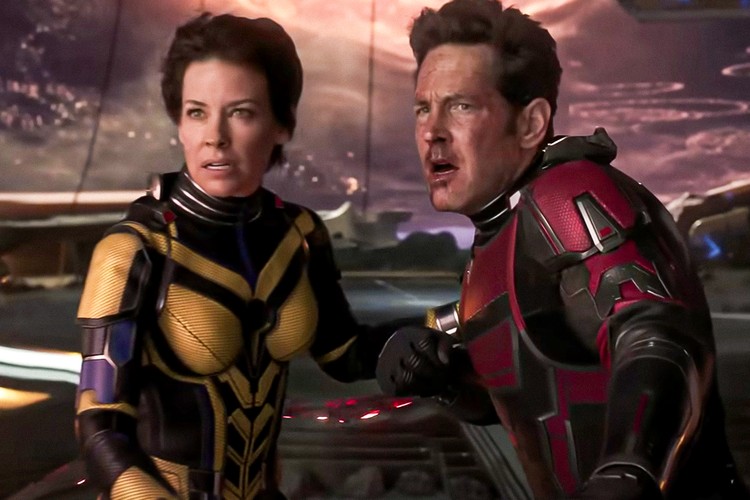
As the third film in the Ant-Man franchise and the opening salvo for Phase Five of the MCU, Ant-Man and the Wasp: Quantumania has a decidedly different tone than the previous Ant-Man films. Mostly gone are the quirky humor amd low-stake threats that Scott Lang (Paul Rudd) and his girlfriend Hope Van Dyne (Evangeline Lilly) faced. This time the stakes are dramatically raised as Scott aka Ant-Man and his friends have to save the Multiverse itself from the fearsome Kang the Conqueror (Jonathan Majors). This could be why the film turned off so many critics who expected the light-hearted and breezy tone of the previous Ant-Man films.

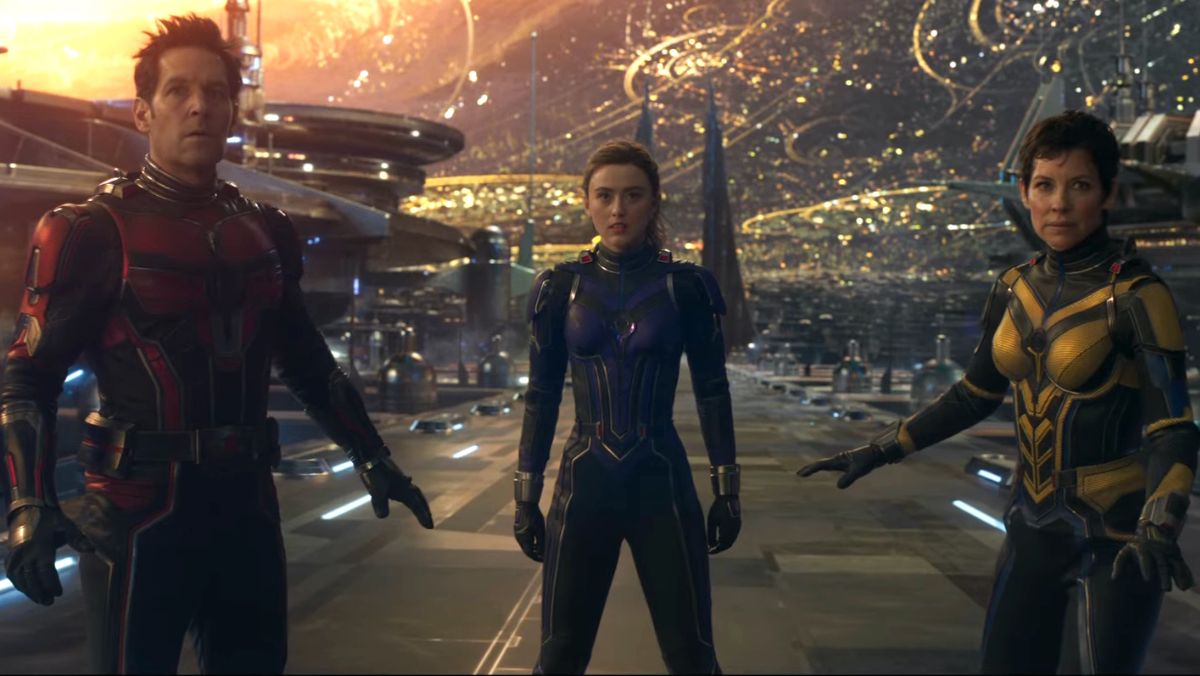
The film begins in San Francisco as we see what Scott Lang has been up to since Avengers: Endgame. It is shown that he has become a celebrity basking in his heroic role during the events of Avengers: Endgame and is enjoying life. However, his daughter Cassie (Kathryn Newton) has gotten into trouble with the law and the two struggle to connect with one another. After a family dinner with Scott, Cassie, Hope and her parents Hank Pym (Michael Douglas) and Janet Van Dyne (Michelle Pfeiffer), Cassie displays her scientific genius by demonstrating her new invention, which is a device that lets her map out the otherdimensional Quantum Realm. But the device is used by someone in the Quantum Realm as a homing beacon and creates a portal that sucks in our heroes. Finding themselves stranded in the otherworldly Quantum Realm, our heroes soon learn of a tyrant called Kang the Conqueror, who is able to travel the Multiverse with futuristic technology, but is exiled to the Quantum Realm. As soon as Scott and his companions arrive, Kang pursues them because they hold the key to escaping the Quantum Realm.

Taking place nearly entirely in the Quantum Realm, Ant-Man and the Wasp: Quantumania veers hard towards wild sci-fi elements as our heroes meet bizarre-looking beings and explore a landscape that would only exist in dreams. It seems that director Peyton Reed was intent on outdoing James Gunn and the Star Wars films by presenting a unique and nearly undescrible world that was just mind blowing to behold. The film introduces many characters of assorted shapes and sizes, the standout was actually M.O.D.O.K (Mechanized Organism Designed Only For Killing), who was Ant-Man’s old foe Darren Cross/Yellowjacket (Corey Stoll) from the first film. Yes, M.O.D.O.K. is too goofy to be taken seriously as a villain, but with his giant, oversized head and tiny appendages, M.O.D.O.K. provides a lot of laughs.

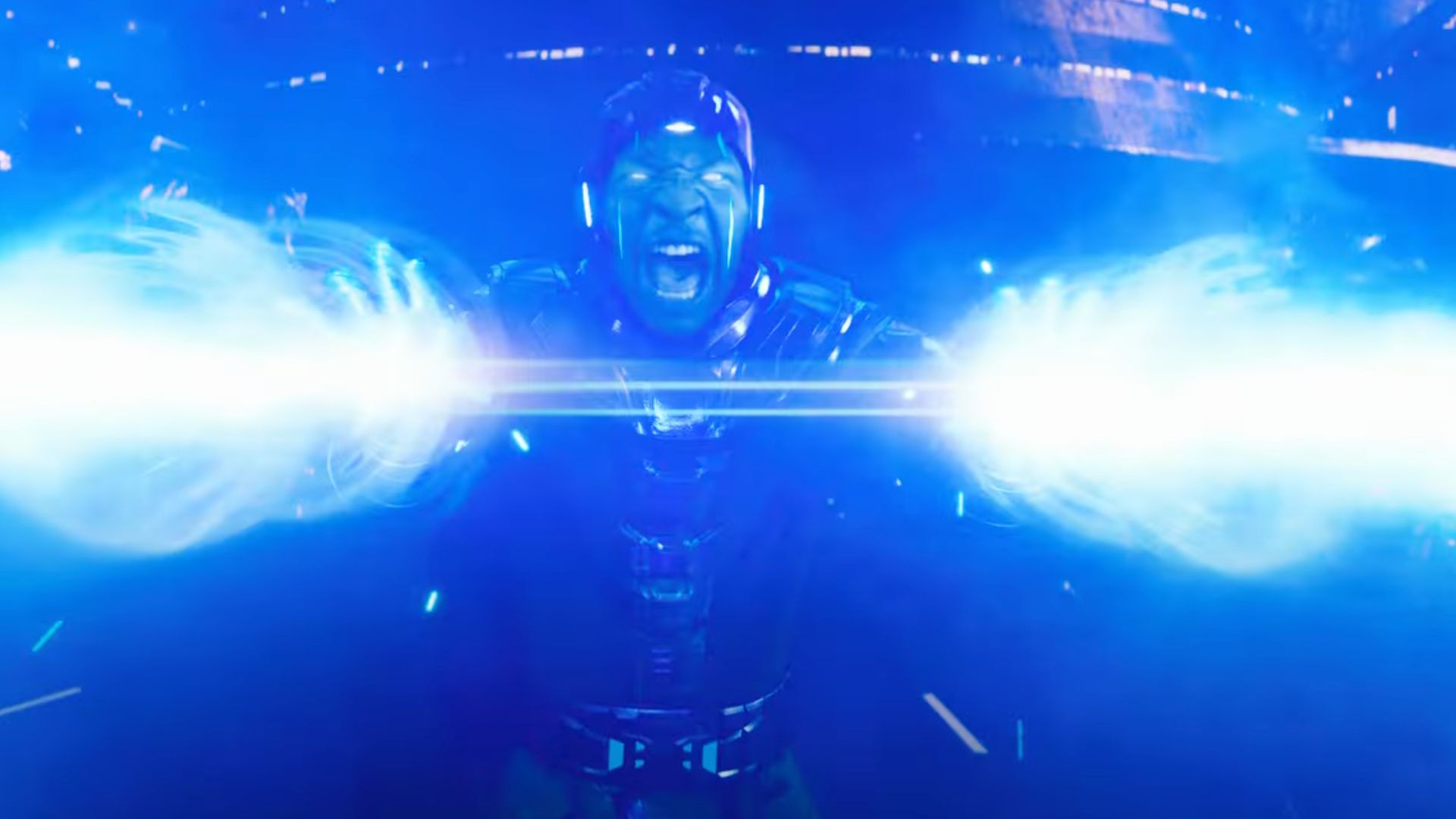
There are many intense situations and developments that fly by at a rapid, manic pace that adds to a feeling of nervousness and discomfort. But Reed knows how to inject laughs and brevity at the right moments to give audiences a chance to breath. This was helped with the dominating presence of Kang. Majors pulled off a nearly impossible feat with his performance of Kang, who immediately joins the ranks of top-tier MCU villains. Kang is a captivating and terrifying foe with an intense fury that made us worry about Scott and his companions. This was a great presentation of a David vs. Goliath situation as Kang clearly overmatched Scott with his futuristic technology and raw emotions. After the lightweight villains from the last Ant-Man film, Kang was the right antagonist to face Ant-Man, as we were left wondering how could Scott fight this person who was out of his league.

As exciting and fast-moving Ant-Man and the Wasp: Quantumania was, its manic energy and intense actions could not hide all of its flaws. Sometimes situations and plot points happened too fast and weren ot given enough time to percolate. Being that the film has many characters, many of them do not leave much of an impact. Bill Murray was wasted in what turned out to be an extended cameo, but he provided some levity and humor with his appearance. While Scott and his companions have meaty roles and drive the plot, Hope/The Wasp faded into the background during much of the film, but she delivered several fist-pumping moments during the film’s final act. Unfortunately, the scene-stealing Luis (Michael Peña) from previous films was absent in this film and was sorely missed. Also, there is a nagging plot flaw in that Janet was previously trapped in the Quantum Realm for decades and confronted Kang before, yet she never mentioned this to her family, especially her husband Hank. That is just unbelievable and irritating in that earlier in the film she kept speaking cryptically about the Quantum Realm and Kang, even though her family insisted she inform them of everything she knew for survival’s sake.

With that said, the film did allow most of its main characters to develop. Scott learned some much-needed humility as he faced someone way out of his league. Unlike the last film, Scott does not come off as an idiot and has more of a heroic presence, which made us root for him more as he fought Kang. Meanwhile Cassie took the place he had in the first film of being someone who was just learning how to use her size-changing abilities and her idealistic nature contrasted well with her more pragmatic father. Douglas provided some good laughs and helped to our characters while Pfeiffer was given much more screen time than and contributed heavily to the plot.

Still, out of all the film’s characters, Kang was a true standout and he needed to be. Ever since Thanos was turned to dust, the MCU has lacked a true successor supervillain that threatened the entire MCU. Thankfully, Kang was able to demonstrate why he is already one of the MCU’s most terrifying villains and the audience cheered as the final title card announced that he would return. By the way, the two post-credits scenes were great, though the first one was the better of the two since it matched the outlandish nature of the film.

Ant-Man and the Wasp: Quantumania is a promising start of Phase Five of the MCU and a welcome change of pace for the Ant-Man franchise. It showed us why Scott Lang is a great hero being that he was clearly the underdog who refused to give up, while the characters around him provided solid support and held our interest. Most of all, this film was a triumphant debut for a top-tier villain.

José Soto

The Eve Of Marvel’s Phase Five

Phase Five of the Marvel Cinematic Universe (MCU) launches this week with the wide release of Ant-Man and the Wasp: Quantumania. The film is supposed to help pave a firm direction for the MCU with the introduction of the next big bad of the MCU, Kang the Conqueror, and will culminate with the next Avengers films, Avengers: The Kang Dynasty and Avengers: Secret Wars. What should be noted is that the next Avengers films will be part of Phase Six, so Phase Five will serve to set up the grand finale of the so-named Multiverse Saga.

Many MCU fans are hoping that after the mixed results of Phase Four that Phase Five will course correct for the MCU and keep the cinematic universe on top. There were many issues with Phase Four such as a lack of focus, films and TV shows that were not as high in quality as the previous MCU offerings, and so on. There were also many successes and material that Phase Five and Six will build upon, especially with the introduction of the Multiverse concept. Ant-Man and the Wasp: Quantumania is rumored to dwell on this with the inclusion of Kang, who is a time-traveling villain.

There are many reasons why Phase Four of the MCU was not as revered as previous phases. Given the success of the MCU, there has been increased pressure by Disney to Marvel Studios to create more films and TV shows (the TV shows were a new feature for the MCU beginning with Phase Four) at a faster rate. This overstretched the capability of Marvel Studios to maintain the level of quality with previous MCU projects. Adding to the release pressure was the COVID-19 pandemic which severely affected productions and created delays, which we’re are still grappling with today. Then there were the expectations of fans and the fact that many of the MCU products simply were not as appealing since popular characgters like Iron Man and Captain America were absent. Many of these issues still remain as Marvel Studios plows ahead with Phase Five of the MCU, but hopefully they are better prepared to meet the challenges.

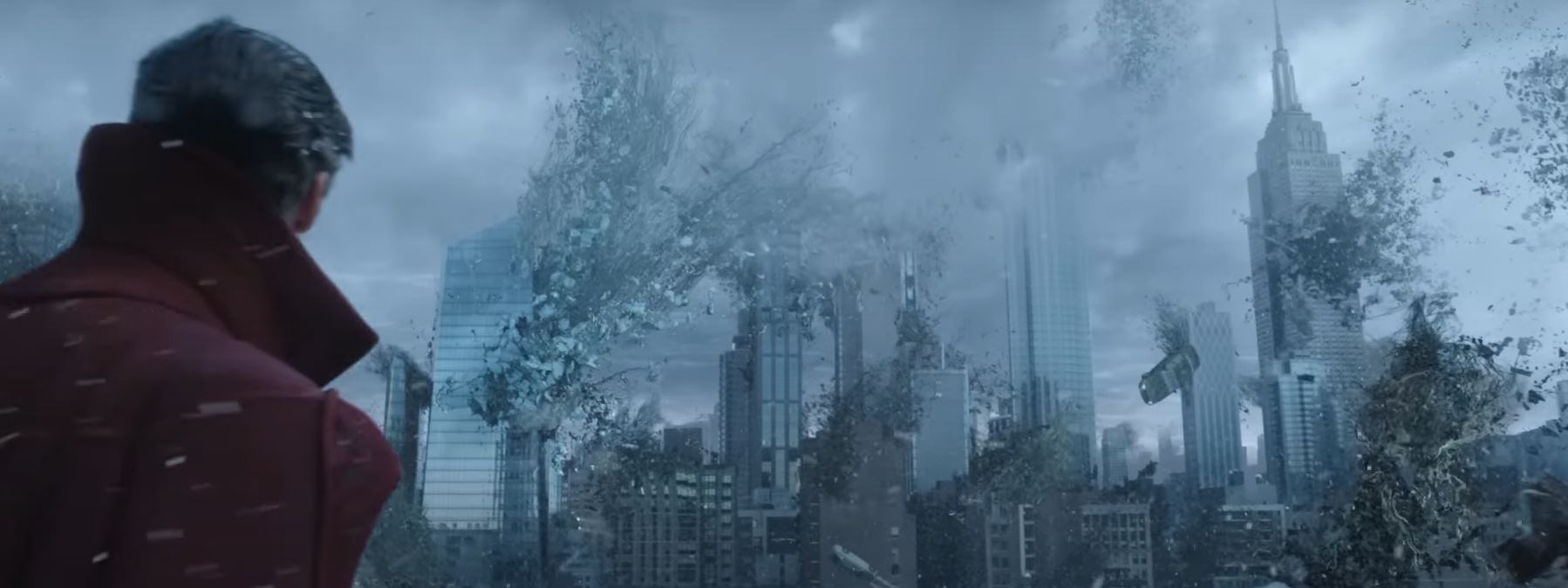
When being critical of Phase Four it is important to realize that it did a lot more to help set up the Multiverse Saga. Films like Spider-Man: No Way Home and Doctor Strange in the Multiverse of Madness were important to the Saga, as well as TV shows like Loki and What If…? Phase Four also set up plot lines and characters that will be further explored in Phase Five and beyond. Both TV shows will have second seasons as part of Phase Five, which will dive even deeper into the concept of time travel and alternate realities. The second Doctor Strange film also introduced the plot line of Incursions, where traveling to different realties will ultimately cause them to collide and destroy one another. This was a major plot line in Marvel Comics that culminated with the second Secret Wars mini-series event. With a title like Avengers: Secret Wars it is certain that the upcoming film will be a loose adaptation of the comic book mini-series. By now, given how well received Marvel Comics storylines were adapted in MCU films, even if they were adaptations in name only, the Secret Wars film will also be acclaimed.

Aside from Ant-Man and the Wasp: Quantumania the only Marvel film that directly deals with the Multiverse will be Deadpool 3, which is due next year. This film is technically not part of the MCU or Phase Five, but it reportedly will deal with Deadpool and Wolverine traveling through alternate realities and it’s fairly certain that the two will visit the MCU. There are also rumors that a third Doctor Strange film is in the works, which will deal with Incursions as seen in the post-credits scene of the last Doctor Strange film. But if this film is made it most likely will be a part of Phase Six as the Multiverse storyline starts to ramp up.

The remaining Phase Five films and TV shows will either be about new characters (Blade, Daredevil: Born Again and Thunderbolts) or continue individual stories that, as far as we know, doesn’t involve the Multiverse (Guardians of the Galaxy Volume 3, The Marvels, Captain America: New World Order, Echo, Secret Invasion, Ironheart and Agatha: Coven of Chaos). However given the subtitle of Coven of Chaos, it is possible the Agatha Harkness TV show might have something to do with the Incursions or the Multiverse.

There is also the wildcard to consider for Phase Five: another MCU Spider-Man film. In the past, Spider-Man films have never been part of official MCU film announcements. That is because the film rights to the superhero are held by Sony Pictures, who is off trying to launch their own cinematic universe based on Spider-Man characters. But given the huge success of Spider-Man: No Way Home and that many consider it to be the best Phase Four film, it is obvious that Sony is planning a fourth MCU Spider-Man film. Will it be produced in time to make it part of the Phase Five slate? That is unknown at this time. If filming starts later this year, it is possible the film will be completed in time to be scheduled for a 2024 release and be part of Phase Five. Otherwise, the fourth MCU Spider-Man film will be part of Phase Six.

Given that Phase Four of the MCU was not as well received as previous MCU films, Phase Five of the MCU will be subjected to greater scrutiny by fans. In other words, Phase Five of the MCU has to deliver much more than Phase Four. The people behind the films and TV shows are aware of this and will do their best to deliver the same quality product that were so revered by fans in the past. While some expectations have been lowered for the MCU and superhero films and TV shows it is unwise to count out Marvel Studios and the MCU at this point.

José Soto