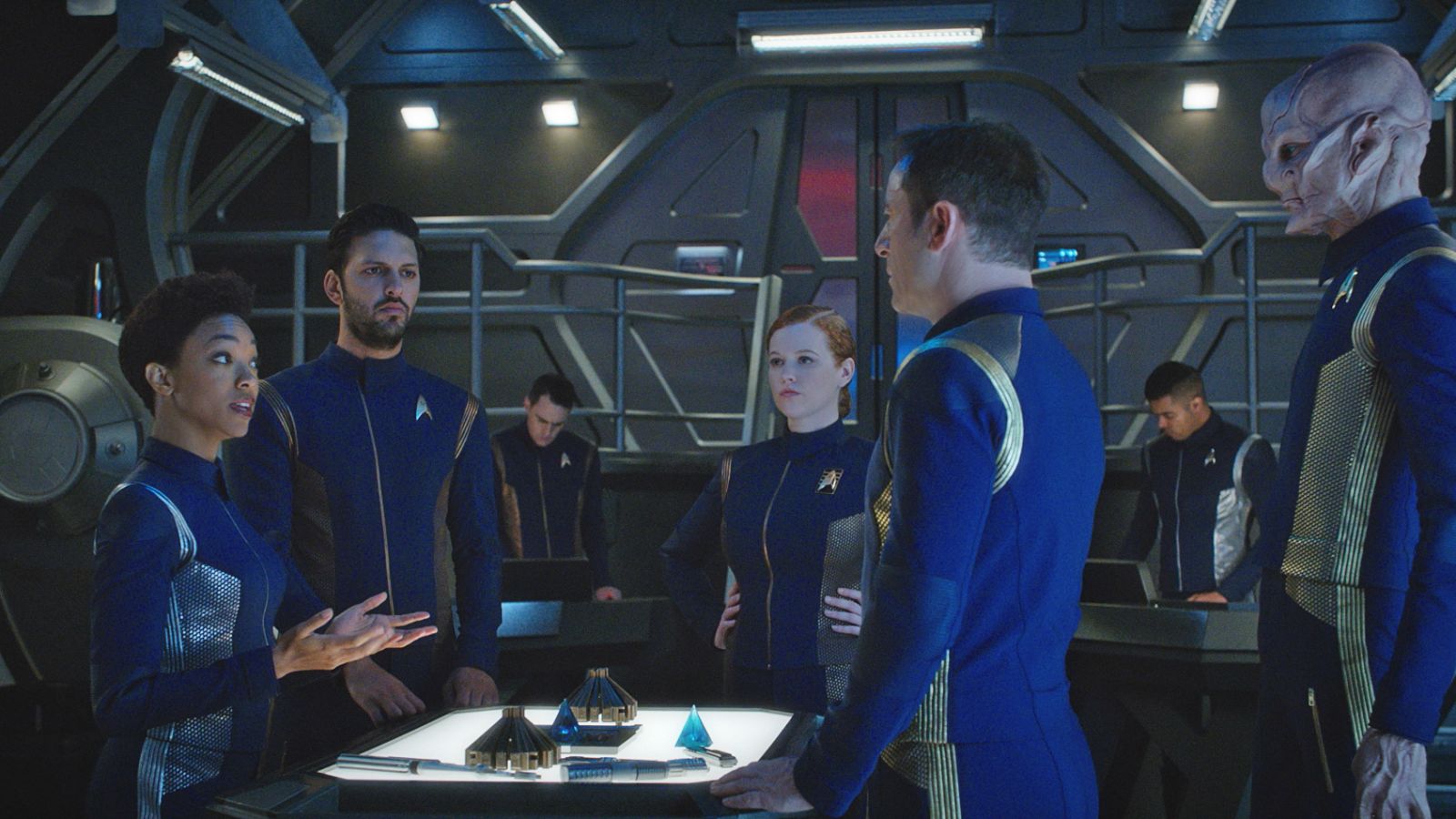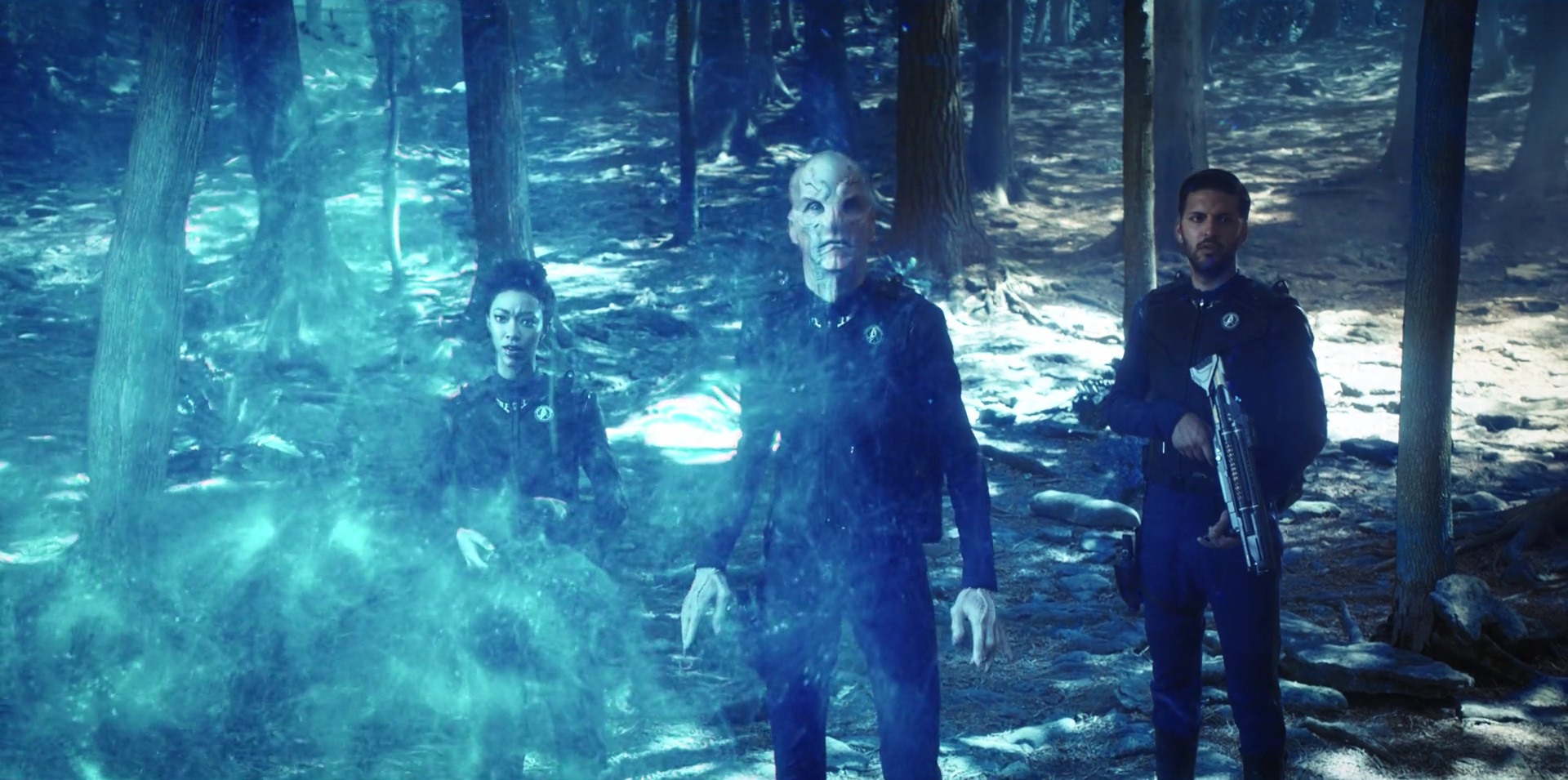
The Orville Vs. Star Trek: Discovery, Part One

The biggest rivalry going on right now on TV is between Star Trek: Discovery and The Orville. Technically, that is not entirely accurate since Star Trek: Discovery is only available on the CBS All-Access streaming service while The Orville is broadcast on the Fox network. Still the competition between the two and the fandom generated, especially with The Orville, is quite fierce.

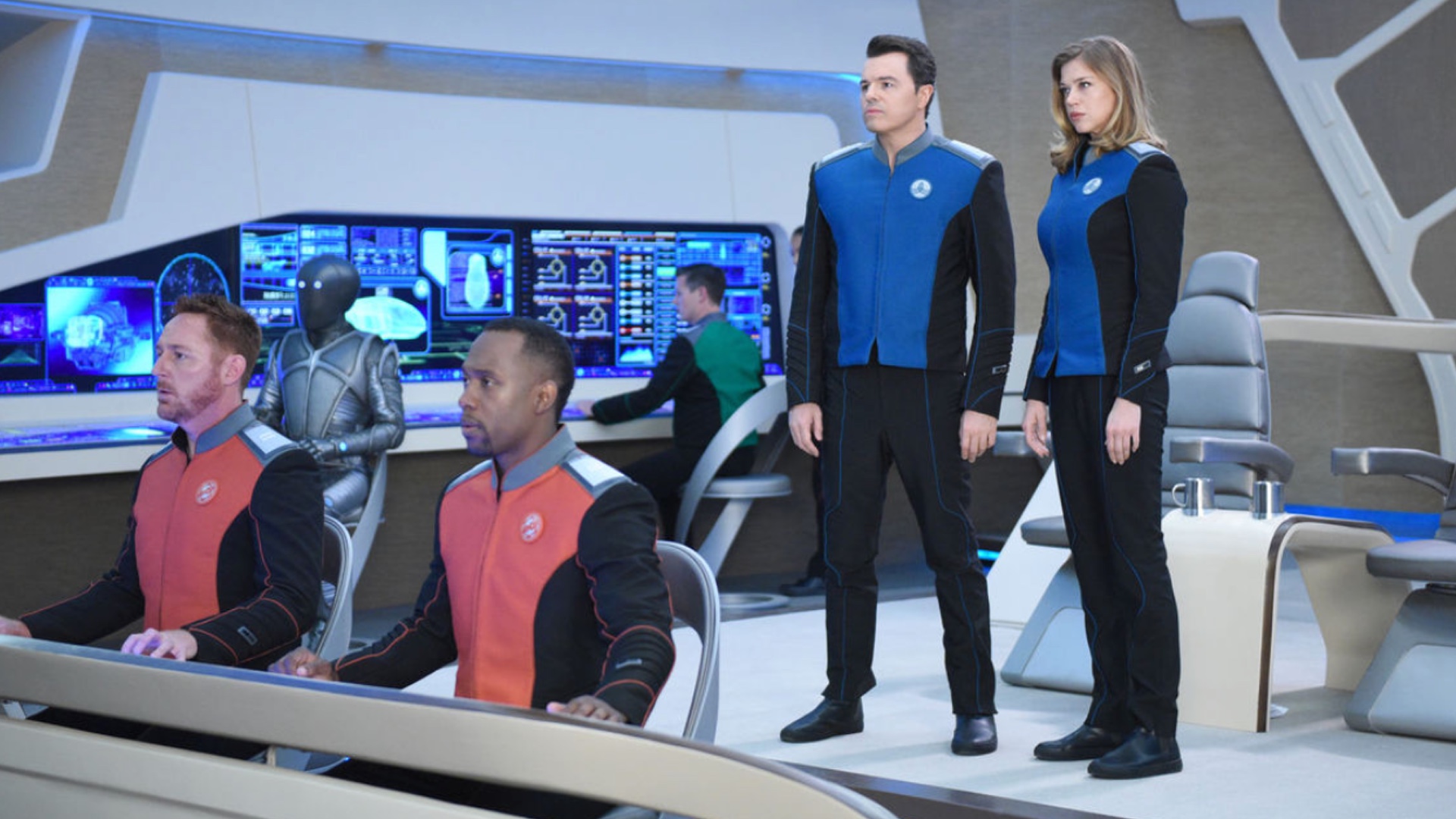
What is fueling the intense rivalry among fans is how similar both shows are to each other, at least when comparing The Orville to general Star Trek, not necessarily Star Trek: Discovery. In fact, The Orville perfectly captures the look and feel of Star Trek circa the 1990s. Meanwhile Star Trek: Discovery has a decidedly different tone than past Trek shows, which has proven to be controversial among fans.

With distinct differences and similarities, it’s an interesting exercise to compare both shows.

The Orville: Bawdry Expectations

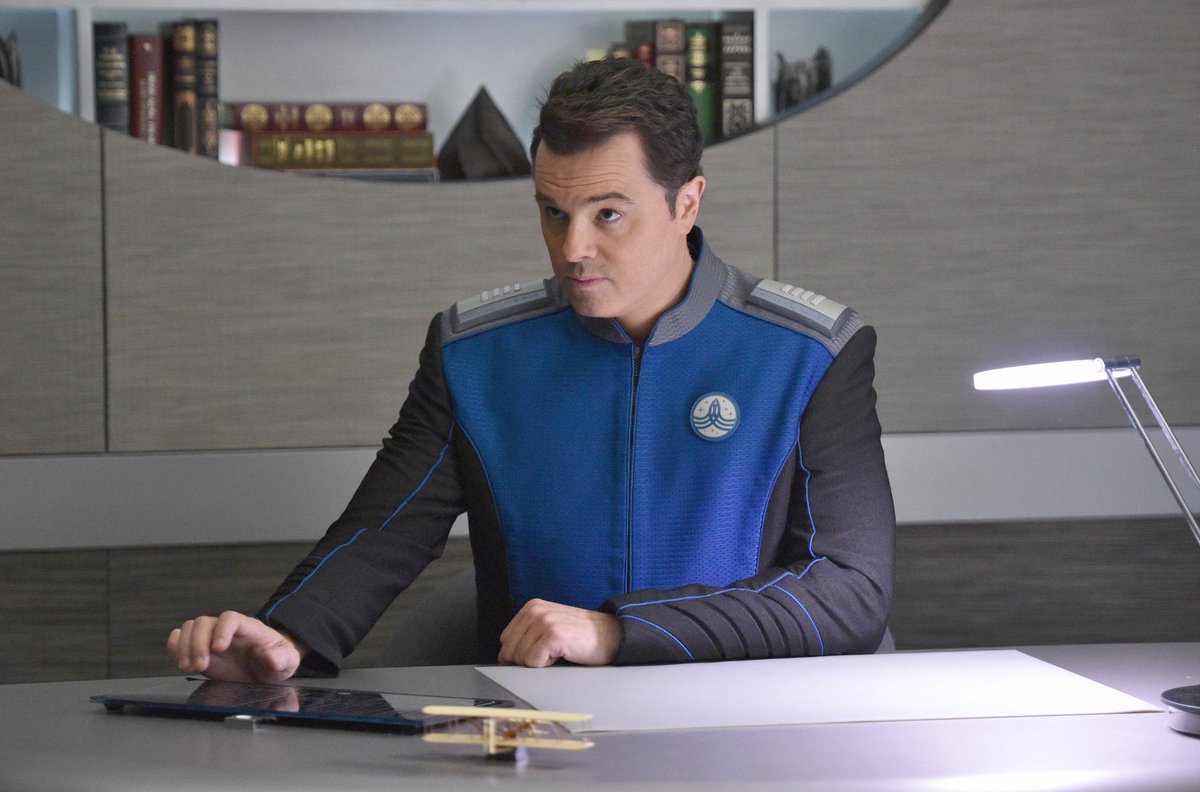
When it debuted in 2017, The Orville was one of those programs that suddenly appeared in everyone’s radar. It was first marketed as a flat-out comedy that promised to spoof Star Trek and other sci-fi programs and films and their tropes. But viewers quickly learned that was not the case with The Orville. This could be why the show did not appeal to critics who were expecting bawdry, outrageous comedy in the vein of Family Guy. After all, this show’s creator and star is Seth MacFarlane, the creator of Family Guy.

Unlike its early trailers, The Orville’s humor is much gentler and dryer. Although at times it tries to be edgy with its comedy and it doesn’t always work. In fact, at times its attempts at humor feels forced and ill-timed, which throws off the tone of some scenes. Honestly, The Orville cannot be considered a comedy and it doesn’t really spoof Star Trek. Coming off more as an homage, the program’s smart scripts examines relevant social issues and sci-fi concepts like a classic Star Trek show. It’s why the show has resonated with fans yearning for traditional Star Trek and are disappointed by Star Trek: Discovery and the recent films. But it also turned off those tuning in to expect the next Family Guy or at least something along the lines of Galaxy Quest.

While MacFarlane is famous for delivering raunchy and over-the-top humor with Family Guy and his film Ted, many didn’t realize that he is a big Star Trek fan. In an interview with the Hollywood Reporter in 2011, he confessed that his dream was to pitch a Star Trek TV show. In the interview when the subject of Star Trek came up, Seth MacFarlane said, “But I’d love to see that franchise revived for television in the way that it was in the 1990s: very thoughtful, smartly written stories that transcend the science fiction audience.” Well, he clearly has his chance to do a Star Trek show with The Orville.

Continue reading →

What’s Next For The Star Trek Kelvinverse?

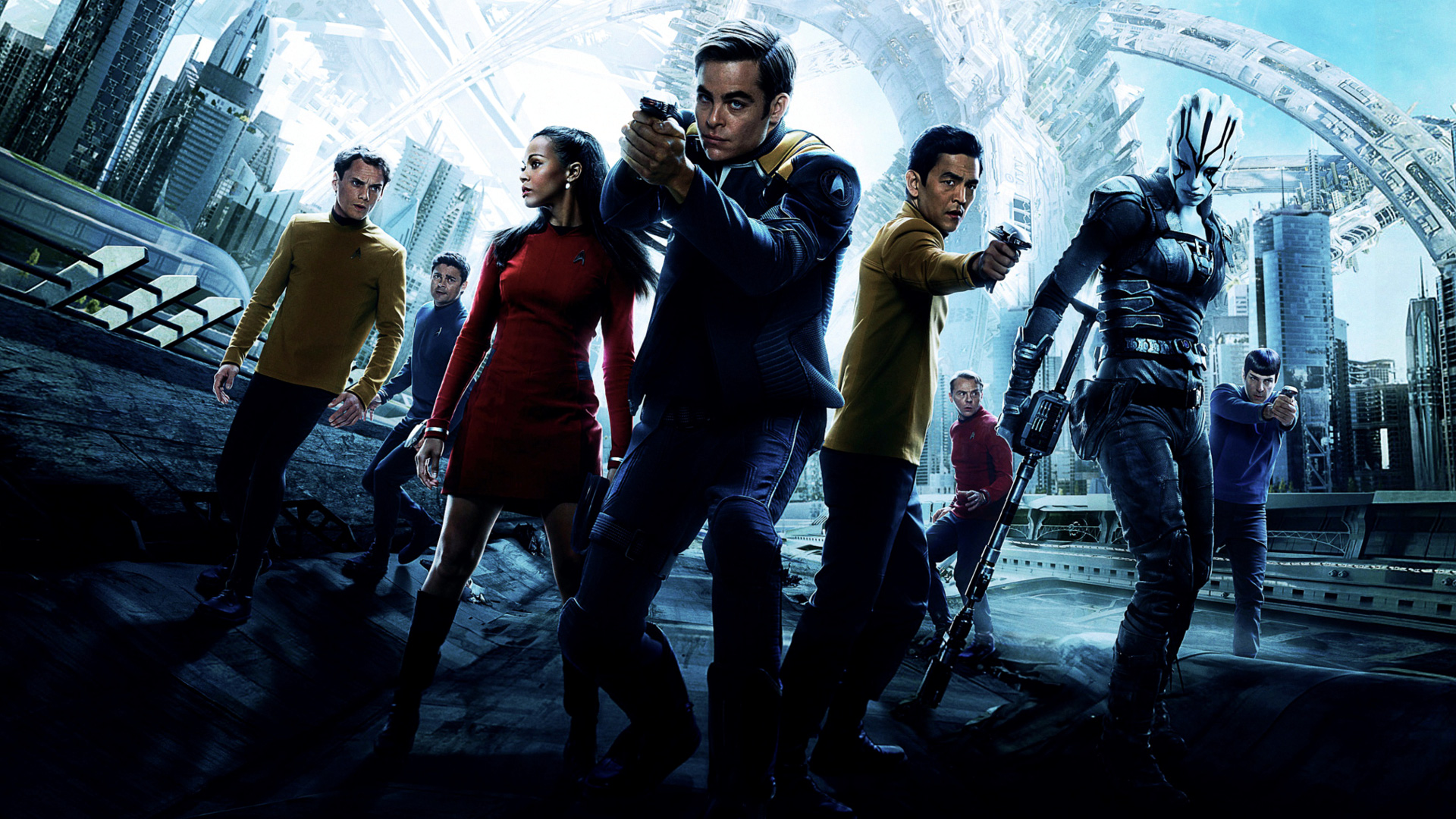
The J.J. Abrams Star Trek reboot warped out of the drydock and reinvigorated the franchise nine years ago. For a while it seemed as if Star Trek was back in the public eye, though it was radically changed. But it didn’t have any staying power as seen with the collective meh from the general public over the last Star Trek film and the downright hostility from old-time Star Trek fans who correctly charge that the Star Trek films strayed too far from the core essence of Trek.

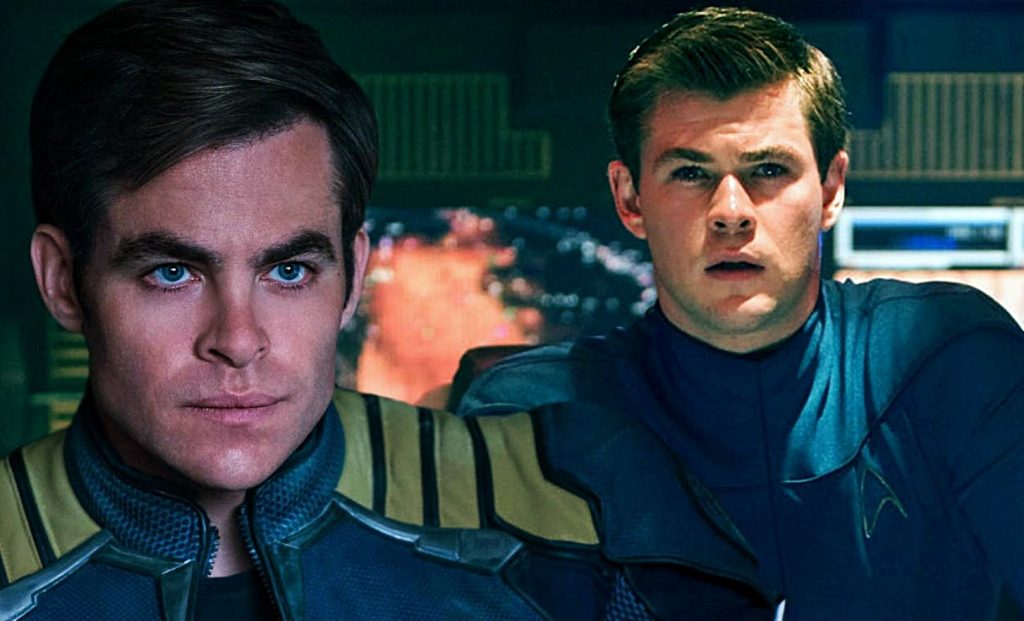
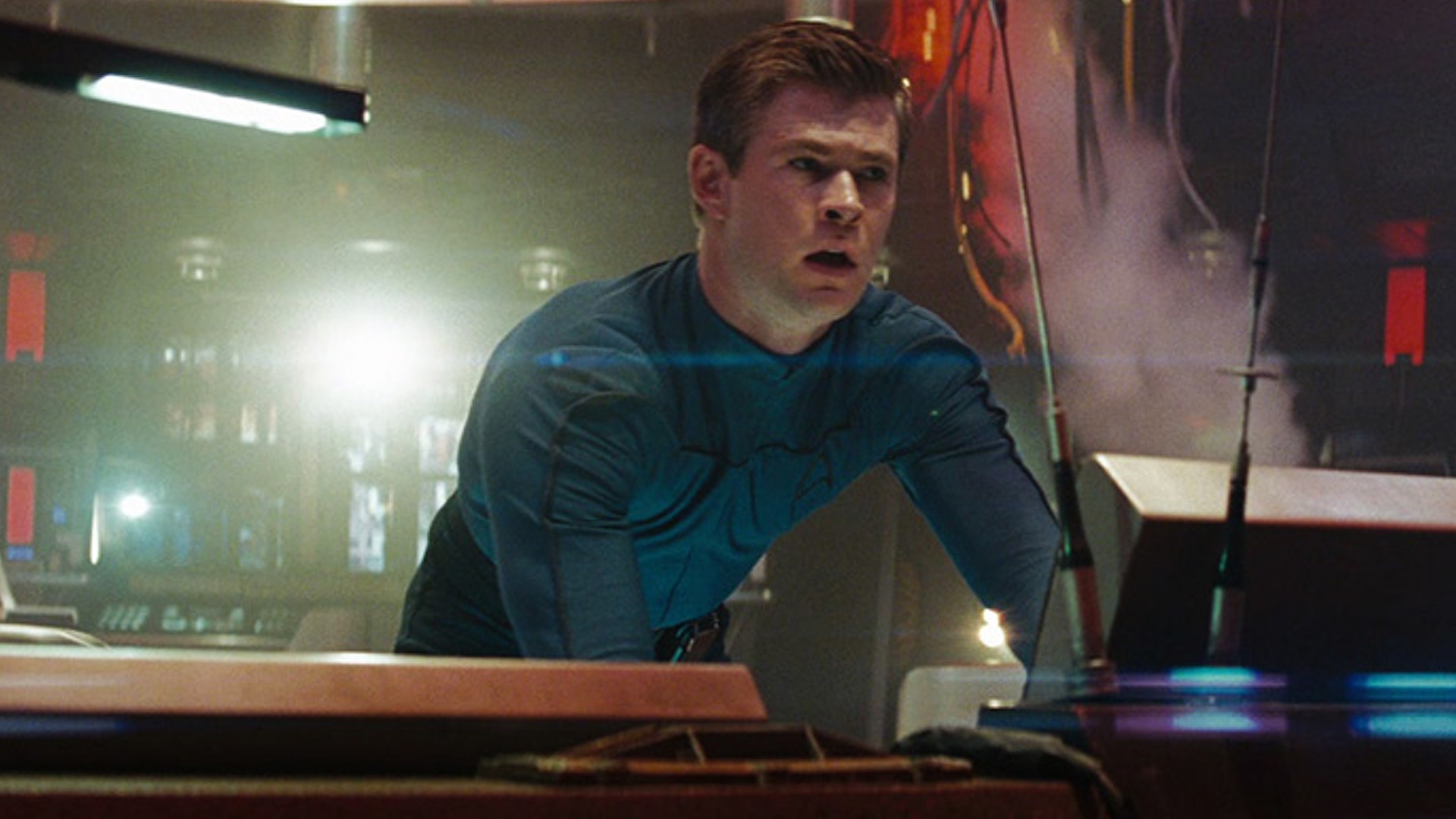
There are many reasons for the indifference towards the Star Trek reboot but it gained more notoriety with the recent news that Chris Pine, who played Captain Kirk, the center of the Star Trek films, has walked away from the planned fourth film, along with Chris Hemsworth, who briefly played Kirk’s father.

The two actors left the project over money since Paramount Pictures wanted both of them to take a pay cut. In the end, this is a negotiating tactic, and the actors have a just cause since they have contracts guaranteeing a certain rate. But this latest news illustrates the tenuous state of the Star Trek films.

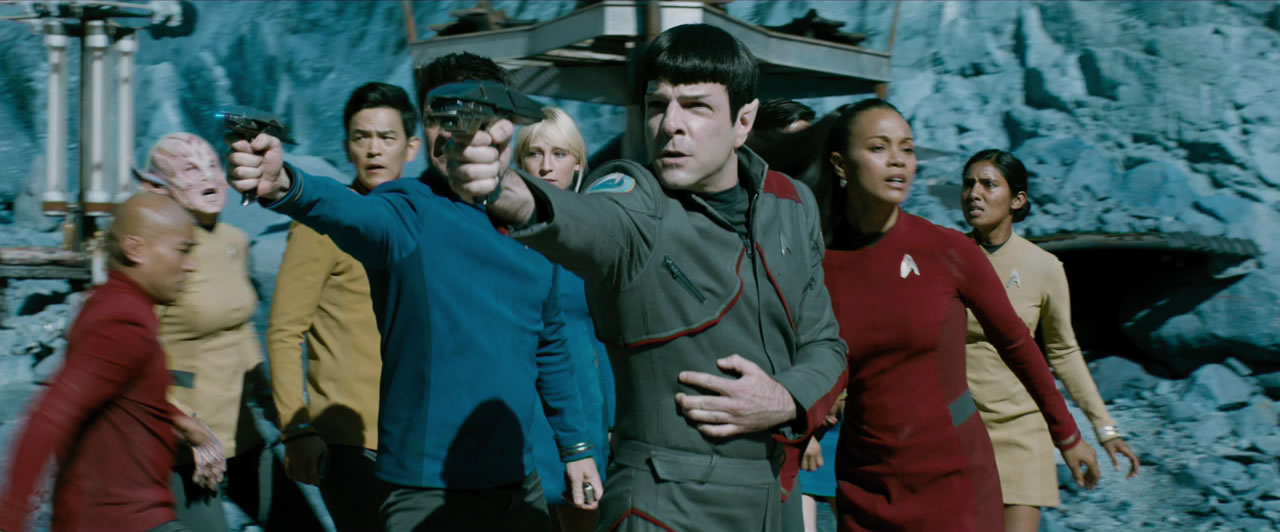
Ever since Star Trek Beyond underperformed two years ago, and Star Trek returned to TV, the Star Trek reboot films, aka the Star Trek Kelvinverse, has lost its luster. They were intended to attract non-Trek fans and make the franchise more exciting. Unfortunately, the Kelvinverse films pandered too much to adrenaline junkies who would never appreciate the thoughtful nature of Star Trek. Plus, Paramount was convinced that making Star Trek more like Star Wars would increase ticket sales. After all, the previous Star Trek films before the reboot were disappointments. This attitude, unfortunately led to poorly conceived marketing that catered to The Fast and the Furious crowd which alienated fans and didn’t end up bringing in the demographics that Paramount wanted. Just look at this horrendous first trailer for Star Trek Beyond that helped doom the film, which is unfortunate because it turned out to be a good Star Trek film.

After Star Trek Beyond, no one knew if there would be another Trek film, at least one set in the Kelvinverse. This question came up after the ambiguous announcement late last year that Quentin Tarantino wanted to do a Star Trek film and that his vision would be even more radical than Abrams’. Around the time that Star Trek Beyond premiered, it was announced that the fourth film would feature a time travel story and have Kirk meet his father. The added bonus is that Kirk’s father was Hemsworth, who is famous for his Thor performances, and he actually excelled in his brief role in Star Trek.

george kirk

The big question is what if Pine and Hemsworth don’t return? What then? Should the roles be recast? Should the characters be written out or should the project be scrapped altogether? The bottom line is that Star Trek Kelvinverse films are expensive to make and are not the big moneymakers that Paramount hoped for, which is why they wanted the two actors to take the pay cut. In order for the films to be viable the budgets have to be pared down which is tricky but not impossible. The next film could use stock footage, it worked for Star Trek II: The Wrath of Khan, which is still considered the best Star Trek film.  A lower budget would force the director and writer to focus on characters and plot, not flashy visuals.

Honestly, Star Trek can survive without Chris Hemsworth. The role can be easily recast or the story can be tossed out in favor of  new one. But can Trek survive without Pine? Sure it can, one thing the Star Trek TV spinoffs proved is that Star Trek is much more than James T. Kirk and Spock and McCoy. It is possible to have Spock as the lead character, maybe do a role reversal of Star Trek III: The Search for Spock and have the Enterprise crew searching instead for Kirk. In the end, Pine may wind up reprising his role one more time and the film will be another hurrah for the Kelvinverse Enterprise crew, which is fine since the reboot films have their merits.

Or Paramount can be even bolder and go with a new set of characters or jump ahead into the future and feature the Kelvinverse version of the Next Generation or DS9 crews. Frankly, it is probably time to take a new approach to the Star Trek films and the current cast will get more expensive, have a higher profile these days and may want to move onto other venues. While recasting the Enterprise crew may be an easy out for the film studio, what would generate more interest and maybe bring back disenchanted fans might be to go with a new set of characters and situations. After all, the Star Trek universe is infinite and true fans would welcome this approach if done correctly.

Make It So! Jean-Luc Picard Returns To Star Trek!

make it so

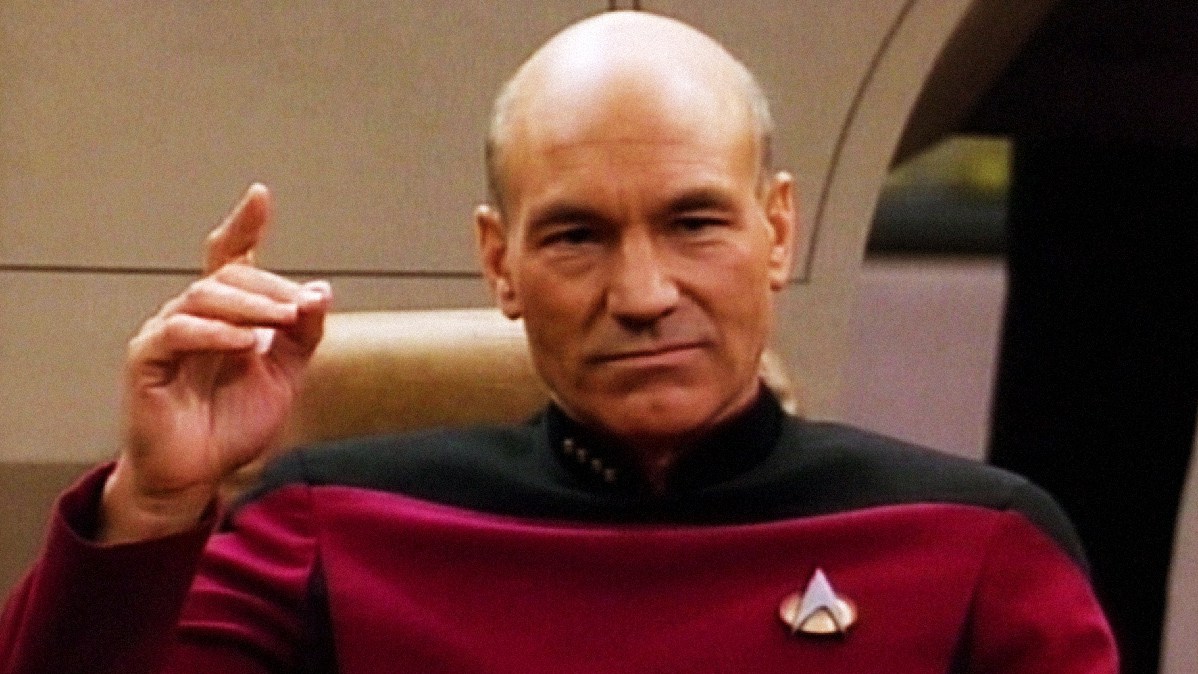
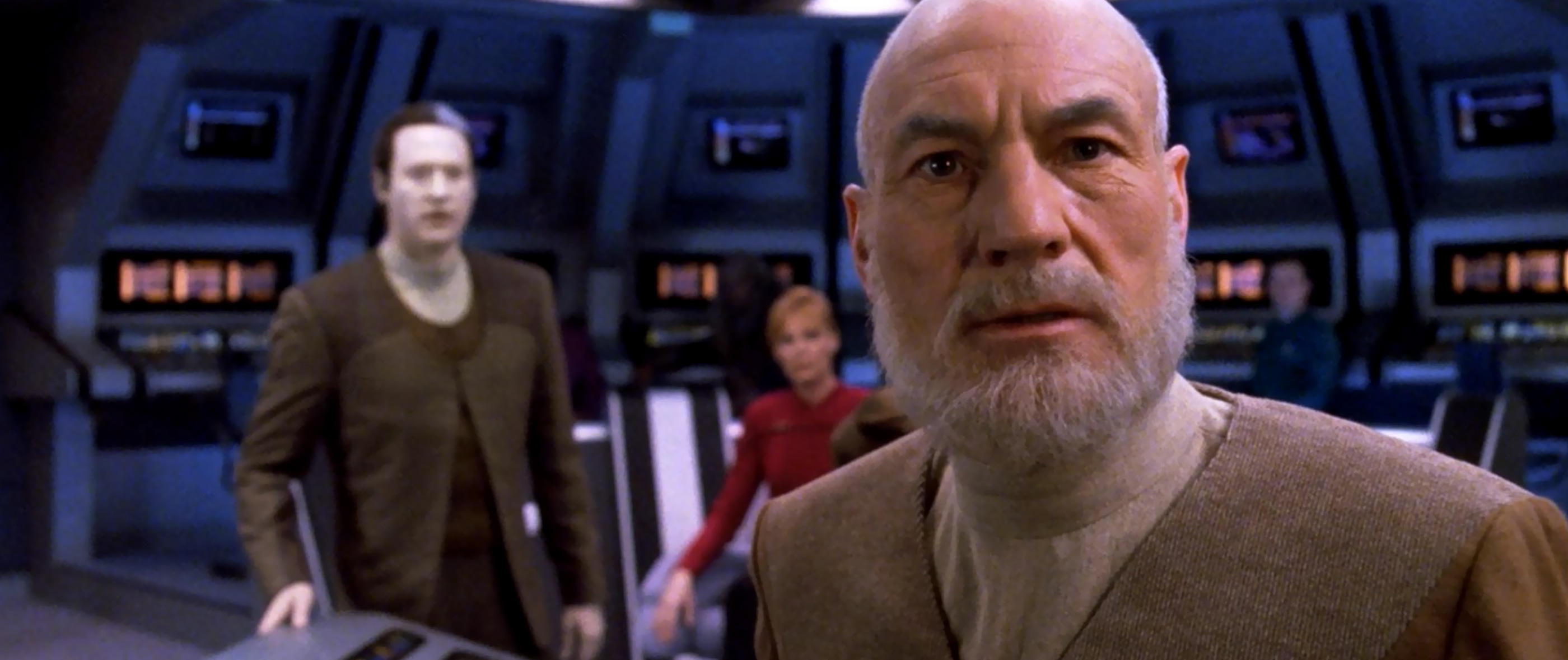
Star Trek fans were pleasantly surprised and excited when the news came out that Sir Patrick Stewart will reprise his role of the legendary Jean-Luc Picard in a new Star Trek series.

The announcement came during a Star Trek convention held in Las Vegas this weekend. Stewart appeared on stage and made the official announcement along with showrunner Alex Kurtzman, who was one of the execs behind Star Trek: Discovery and the the J.J. Abrams rebooted Trek films.

As fans roared with approval over the news, Stewart gave few details about the new show, which will stream on the CBS All Access service. One thing he did point out is Picard will be at a different point in his life, meaning he won’t necessarily be a Starfleet captain. This is quite exciting to learn because it demonstrates that the new Star Trek show won’t be a retread of the familiar Trek trope: a starship and its crew exploring space.  So, it won’t be a new version of Star Trek: The Next Generation (TNG) where Captain Picard commands the Enterprise and runs about discovering new worlds and new civilizations. If the show will not be about a Captain Jean-Luc Picard then it can mean that the character will have a new role, a different post-Starfleet career.

Picard may very well be an ambassador and the show could be more political in nature a la Star Trek: Deep Space Nine and this is very fascinating. The world of Star Trek has always entranced fans who were introduced to different alien cultures such as the Klingons and the Romulans. Some of the best episodes of the various shows were about exploring the uniqueness of the alien races and the political intrigue such as the succession of order in the Klingon Empire in “Redemption” or the birth of the Federation in “United”. It is easy to see an older PIcard running around the galaxy trying to forge alliances or hold a fragile peace. Hopefully he won’t be doing it onboard a new version of the Enterprise visiting the same old places. Let’s have new ships and worlds, it’s a large galaxy, after all.

old man picard

If he is not an ambassador, then the other logical career choice is that of a Starfleet admiral. He could follow a similar role as an ambassador with the same political intrigue, but with a more military angle as he brokers peace or wages war from a flagship or Starbase, though it is likely that Picard won’t be a warmongering type.

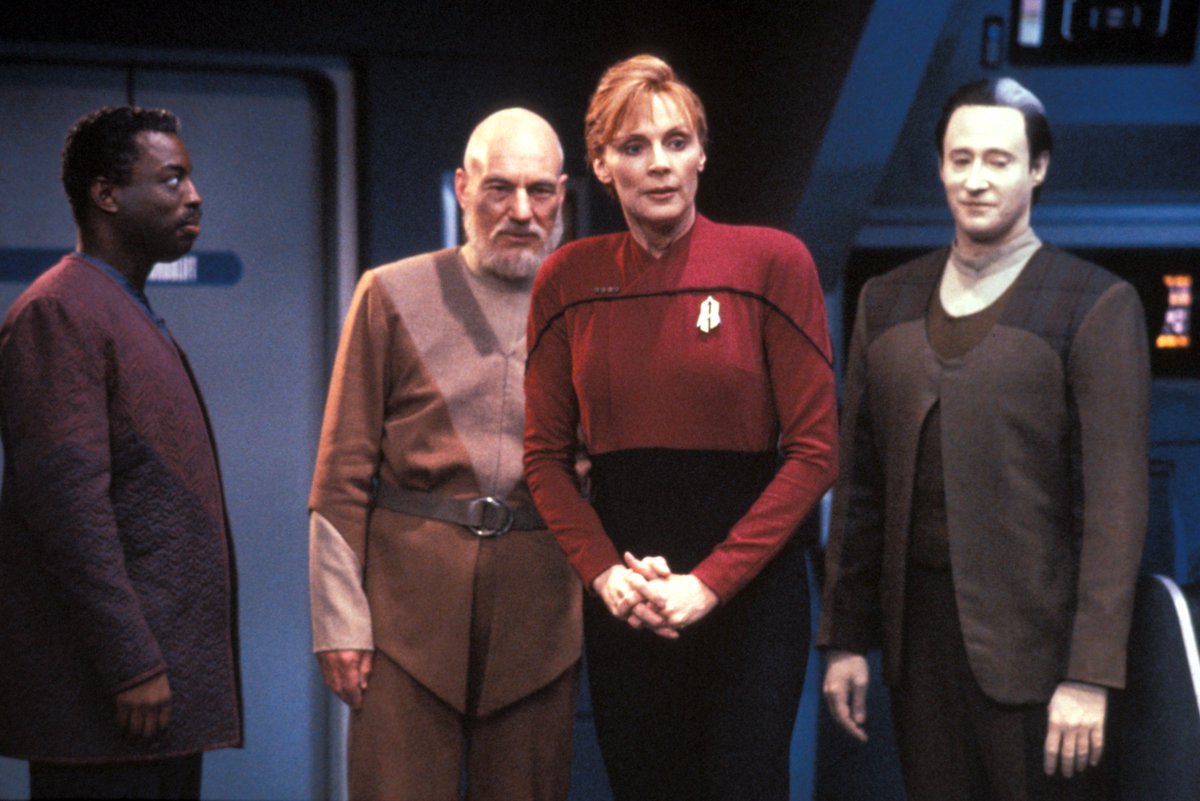
Of course, being that Patrick Stewart is nearly 20 years older since his last appearance as Picard in Star Trek: Nemesis, it stands to reason that his character will be older, too. And so will be the Prime Star Trek universe. We will learn about new developments in the Prime universe, which is something that many fans have ached for ever since the last TNG film in 2002. This also alleviates the concerns that many fans had about the original Star Trek universe. Ever since the rebooted films came along with Star Trek: Discovery, the impression has been given that the original universe was wiped out from existence. This notion came from a plot point in the first Abrams Star Trek film where Romulans time traveled and altered history. Despite the proclamations from characters and behind-the-scenes people that the alteration did not erase the original timeline, there was an uneasy feeling among many that this was not the case. Now, we can rest easy knowing that the original timeline is alive and well in the new series.

Will this also mean that we may see other characters from the Prime universe? Older versions of Riker, Crusher, Worf and even those from other shows such as Kira, Seven of Nine or the Doctor can appear in the new Star Trek show. Sure it may be too fanboyish, but it will be fun as hell to watch.

The return of Jean-Luc PIcad is certainly welcome news and demonstrates that Star Trek is alive and well. No reboots, no remakes, no reimaginings, but a logical continuation of the original Star Trek timeline. What is open for debate is how good will the new Star Trek show be, but we’ll have to wait and see when it streams, hopefully by 2020. However, no matter what happens with the new show, it will be a thrill to hear the great Sir Patrick Stewart utter at some point, “Make it so!”

Lewis T. Grove

The Golden Age of Sci-Fi TV

In the previous post, a review of Altered Carbon, it was stated that we are living through the Golden Age of Sci-Fi TV. That may be a bit of hyperbole to some, but with all the quality science fiction TV shows out now or coming soon, it cannot be denied.

Not too long ago, sci-fi TV shows were the laughing stock of television land. Of course, there were the few classic nuggets like Star Trek and The Twilight Zone, which showed the potential of high-quality science fiction tales in the TV medium. However, most sci-fi TV shows were at best pedestrian or at worst embarrassing. Galactica 1980, anyone? Most of these shows had zero budgets, which made them look cheap and amateurish. Having a high budget is critical for many sci-fi programs, but not vital. What crippled many of these shows were the lack of faith from networks and the showrunners themselves who treated their shows like children’s fare and did not take them seriously.

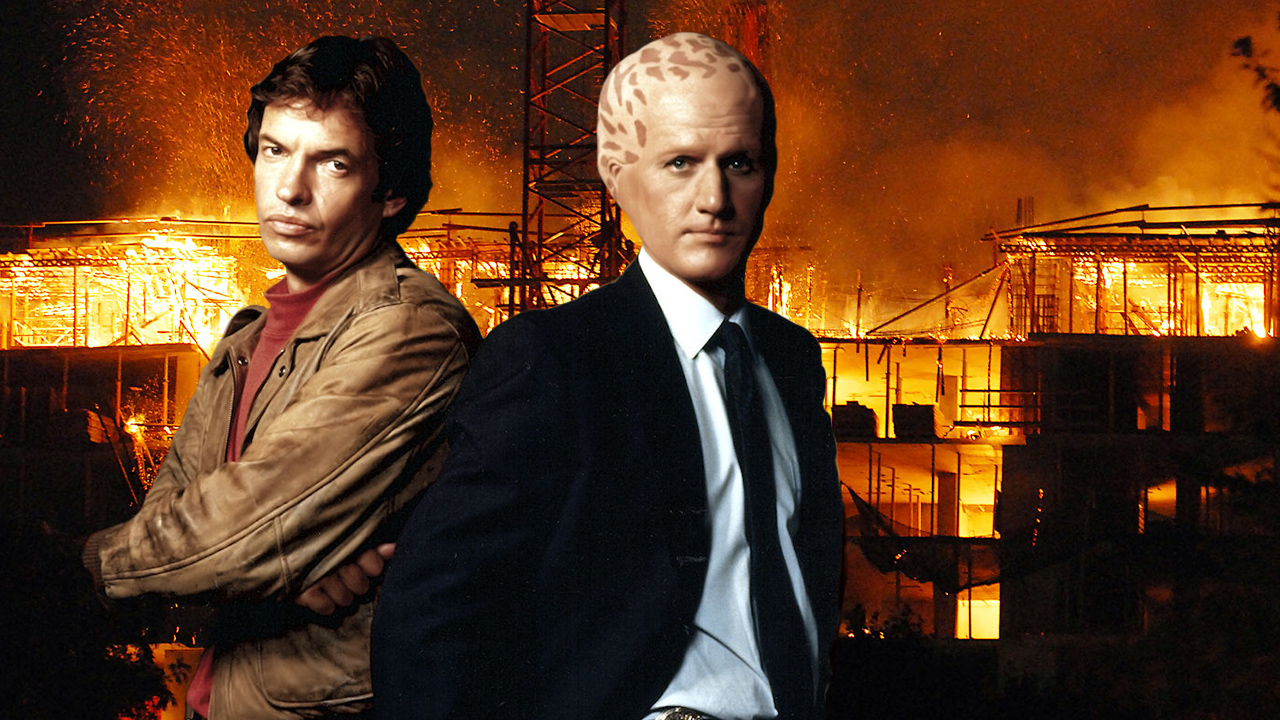
Whenever a science fiction TV show that showed promise debuted, TV networks living by the ratings dogma were too quick to cancel them. The television graveyard of stillborn TV shows is littered with diamonds-in-the-rough like the original Battlestar Galactica, Alien Nation, and Space: Above and Beyond. It was an anomaly to see a genuinely good sci-fi TV show thrive in the competitive television landscape.

alien nationEven with the Sci-Fi Channel (now known as Syfy), high-quality science fiction TV shows could barely be found. Think about that, a cable network supposedly dedicated to this genre had a spotty record for airing good, original sci-fi television. Yes, the channel did air re-runs of past classics, but when it came to original programming, Syfy usually failed. In short, the genre was not respected by studios and the general public.

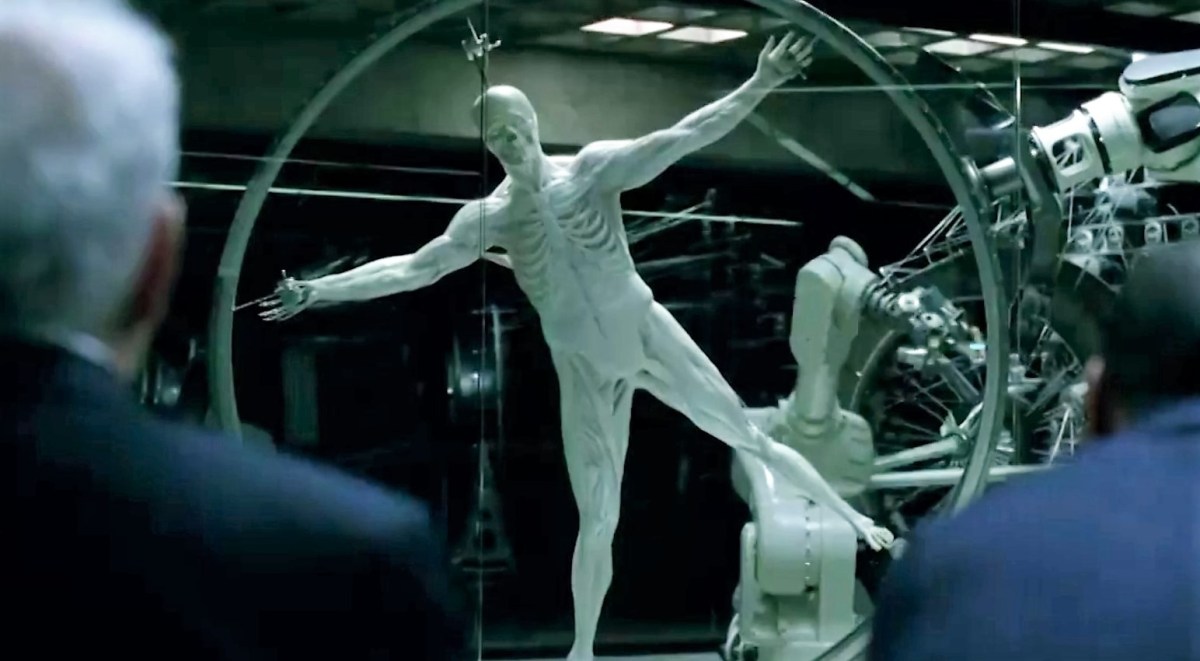
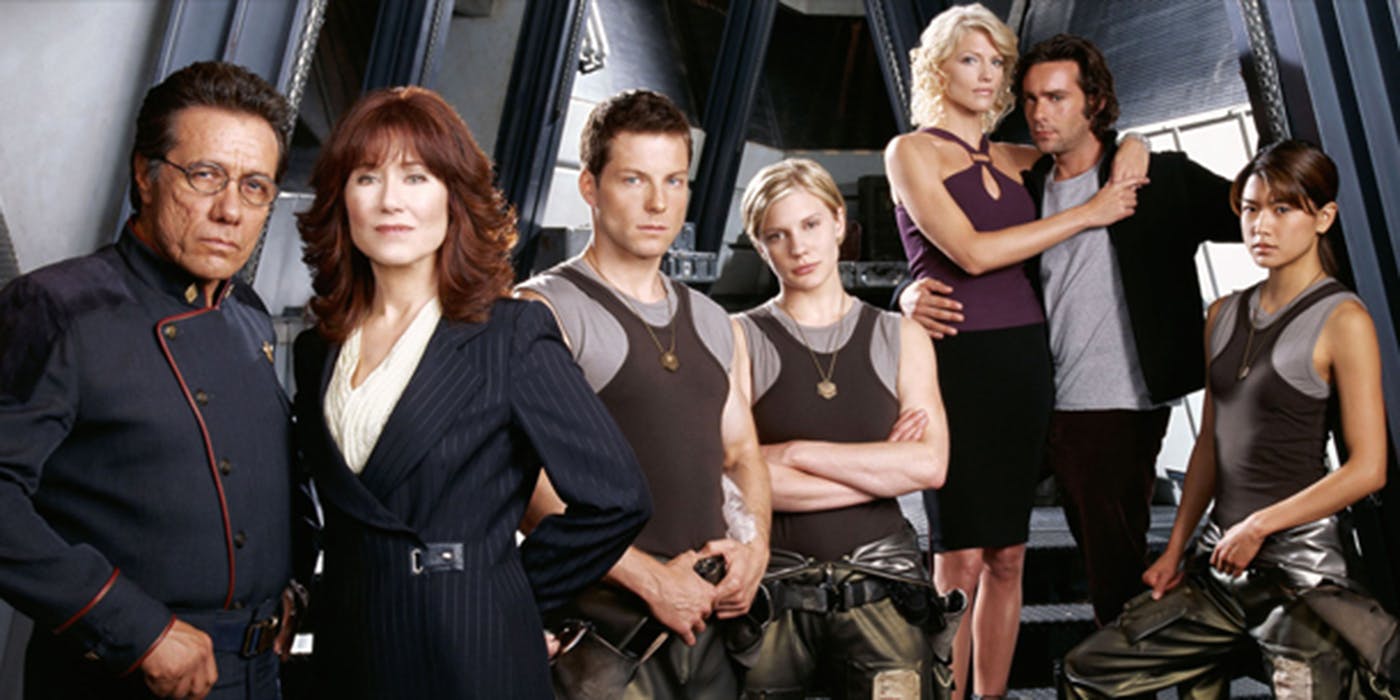
Thankfully, all that has changed. It didn’t happen overnight and it was a series of baby steps, but now science fiction is a viable and respected genre in television. This turnaround came with the success of the Star Trek spinoffs. Then in the 1990s, The X-Files, the paranormal thriller about aliens and other ghoulies became a bonafide hit and a cultural phenomenon. Other shows in the 1990s and the 2000s made their impact like Babylon 5, Syfy’s Battlestar Galactica reboot, Farscape, Doctor Who (which came back after being cancelled in the 1980s), Fringe and Lost (which won an Emmy for Outstanding Drama Series).Battlestar-Galactica-2003-Cast-PictureToday, there are more and more science fiction TV shows competing for our attention and ratings. There are still the goofy TV shows and guilty pleasures but it has gotten to the point that we can pick and choose what to watch as the threshold for quality has increased tenfold. Just look at what is coming out next month: The Expanse (in its third season), the critically acclaimed Westworld, a new version of Lost in Space that looks stunning, and The Handmaid’s Tale. The latter show also won the Primetime Emmy Award for Outstanding Drama Series, and as much as we complain about science fiction films not ever winning an Oscar for Best Picture (though The Shape of Water can be arguably science fiction), it is refreshing to see the genre recognized for excellence. What has brought about this reverence has been the stellar quality of the scripts, production design, directing, FX and acting.Handmaid's TaleThe success and acclaim for Westworld and The Handmaid’s Tale, among others, shows how respected science fiction has become on TV. These TV shows like The Handmaid’s Tale are resonating with viewers who can relate to the themes and characters that shine through the fantastical trappings. This is why we fans are living through a Golden Age of Sci-Fi TV , let’s hope it lasts for a long time.

Lewis T. Grove


Star Trek: Discovery – A First Season Review

Ordinarily, when reviewing TV shows, I would watch 4 to 6 episodes to get a good feel for the program. With Star Trek: Discovery, I decided to wait until it concluded its first season before doing a review because I honestly could not decide how I felt about it. This latest Star Trek spinoff has been the most difficult to form an opinion about. It has many commendable features, yet there are so many aspects about it that misfires so badly, that we have to wonder if the creators behind this spinoff understand Star Trek at all. Major spoilers will follow.
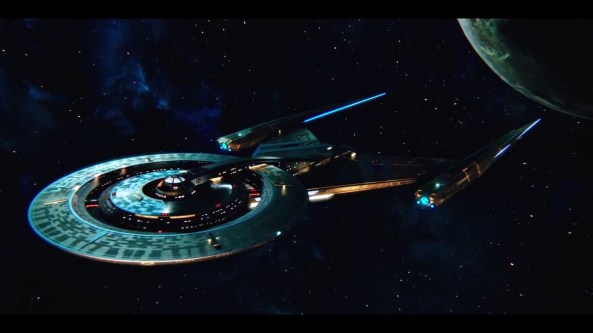
Star Trek: Discovery takes place in the 2250s, which makes it a prequel to the original Star Trek. Then again it does not feel like a prequel but more like a remake. Naturally, it does not recreate the mood and production of the original because it would have been laughed off and this is part of the reason why it is so controversial with fans. Overall, this show has to be accepted as a remake rather than a reboot because there are many attempts to stick to canon and some elements established in the original Prime timeline, such as numerous Easter eggs, references and sound effects. On the other hand, they’re not always consistent with sticking to canon, which can be irritating. But once you put aside these feelings about this latest Star Trek spinoff, it becomes easier to watch.
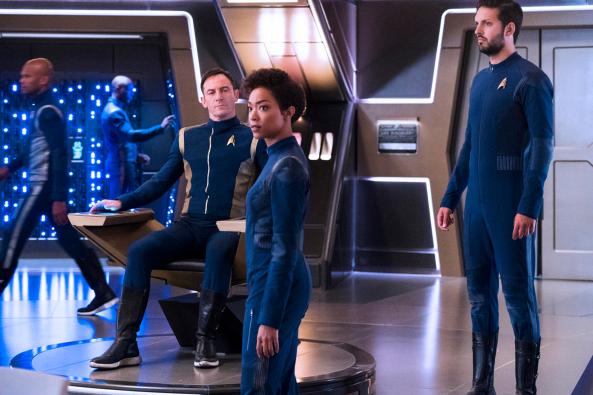
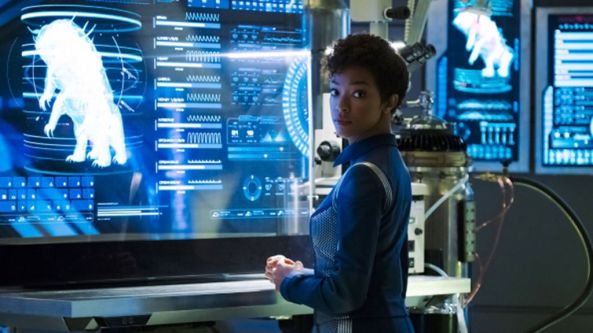
Star Trek: Discovery is updated to today’s standards in terms of special effects, set design and writing. The entire show is beautifully executed and each episode feels more like a feature-length film than a TV show. While this is welcome, at times the creators went too far in reimagining Gene Roddenberry’s futuristic universe. A case in point is the unnecessary re-do of the Klingons, the show’s main enemy race. The poor actors portraying the Klingons seem to be drowning under all the heavy makeup and wardrobe and we have to wonder why the showrunners thought this was an improvement over the perfected Klingon look seen in the other spinoffs and films. Be that as it may, the subtle updating of other alien races like the Andorians and the Tellarites are executed well.

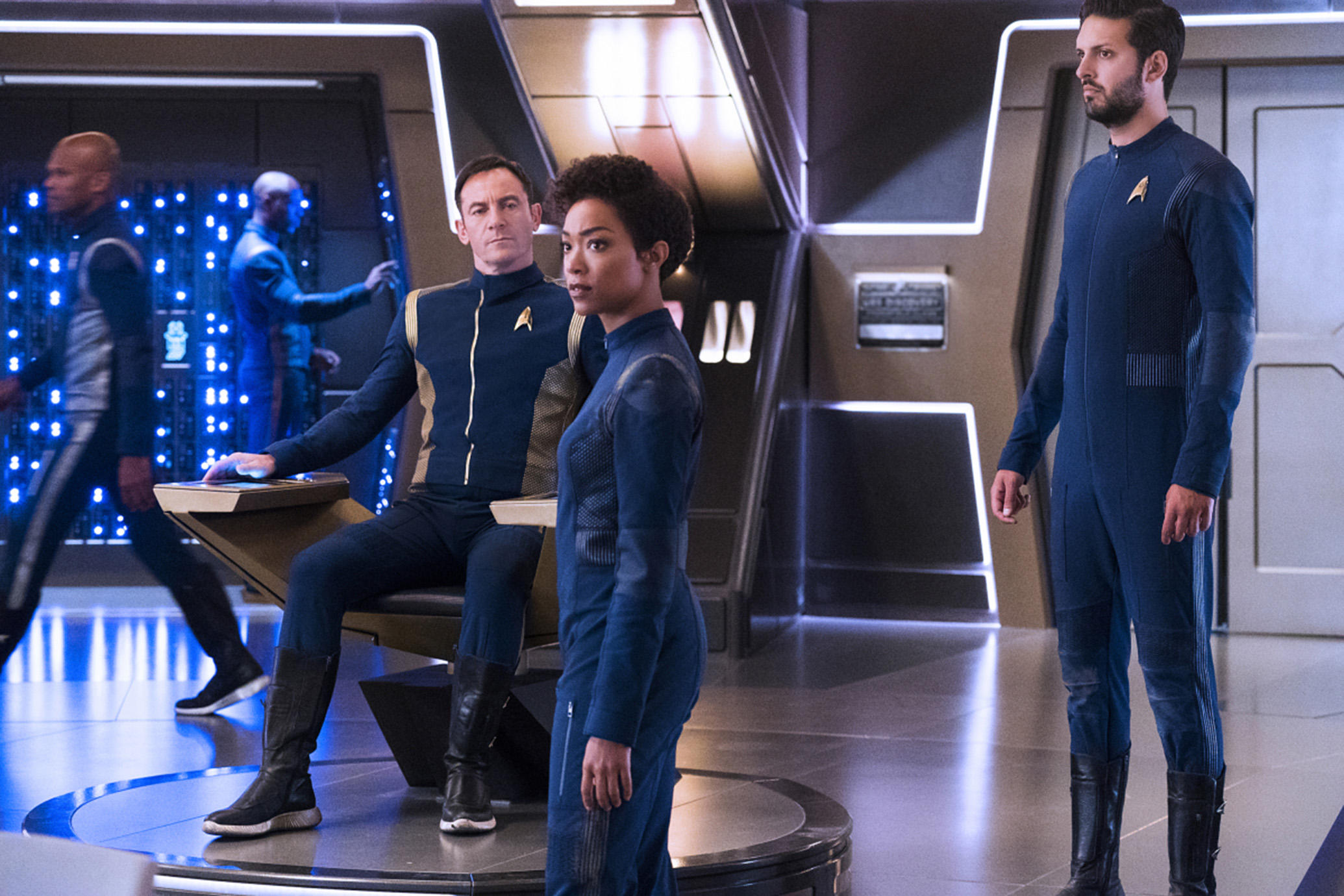
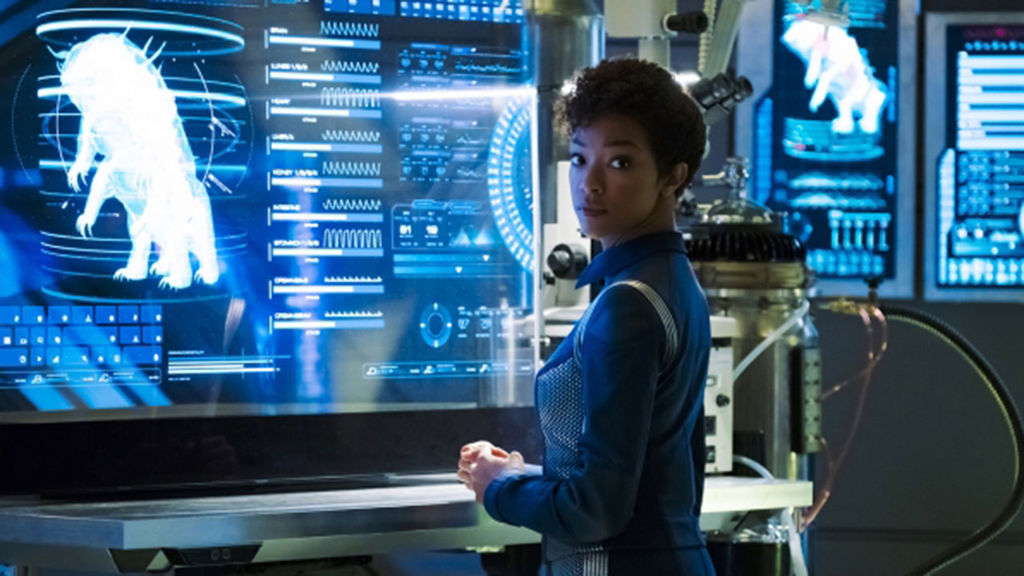
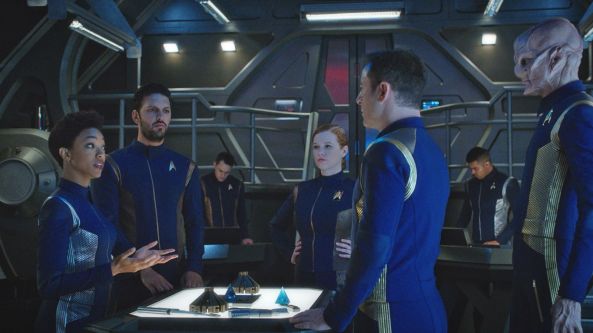
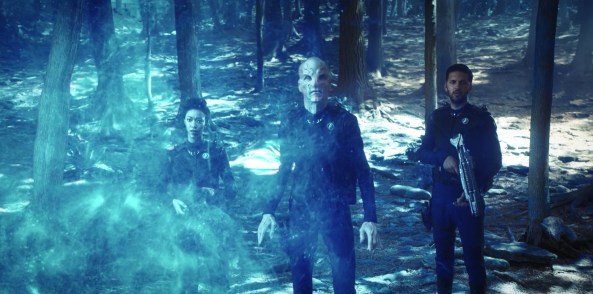
The Star Trek spinoff follows the story of Michael Burnham (Sonequa Martin-Green), a former first officer who mutinied against her captain and was jailed. Her actions helped spark a war between the Klingons and the United Federation of Planets and most of the first season is devoted to this storyline and her redemption. Burnham is freed by the captain of the U.S.S. Discovery, Gabriel Lorca (Jason Isaacs), and enlists her to his crew for some ulterior motive. He assigns her to aid the ship’s science officer Lt. Paul Stamets (Anthony Rapp) and find a way to utilize an experimental spore drive being tested on the Discovery to win the war against the Klingons. Eventually this results in Stamets using himself as a conduit for the spore drive, which allows the ship to instantaneously travel anywhere.Even though Burnham is the main protagonist, Lorca has emerged as the most fascinating character thanks in part to Isaacs’ exemplary acting and the way he is written. Lorca was introduced as a mysterious, and unusually brutal commander who was obsessed with winning the war. He was not above tossing aside ethics to get the job done, and pushing people beyond their limit, yet he was a capable commander. But in the second half of the season, the Discovery wound up in the Mirror Universe where humans are evil and it was revealed that Lorca himself came from this reality. This confirmed many suspicions that fans had but in the end, this development was a disservice to Lorca who became a moustache-twirling villain and unremarkable. Hopefully, some way can be found to return some version of Lorca in the second season.Therein lies the fault and strength of Star Trek: Discovery and this is typical of its conflicting nature. Some characters are compelling and well developed like First Officer Saru (Doug Jones), a lanky and fastidious alien, Sylvia Tilly (Mary Wiseman), a bubbly young cadet, and Ash Tyler (Shazad Latif), a Starfleet officer who is actually a Klingon that was surgically altered into a human in order to infiltrate Starfleet. While others are interesting background bridge crewmembers  that  the show largely ignores. I’m not even sure what their names are, I just know them as the cyborg lady, or the woman with the metal implant on her skull. They barely have any dialogue and are begging to be examined more closely.
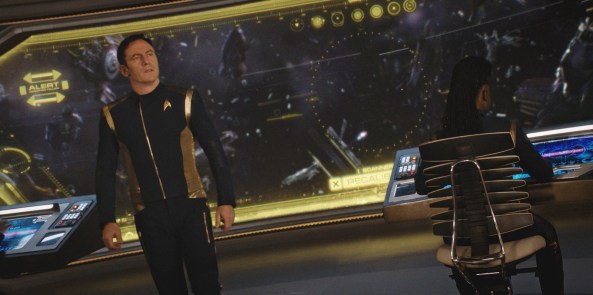
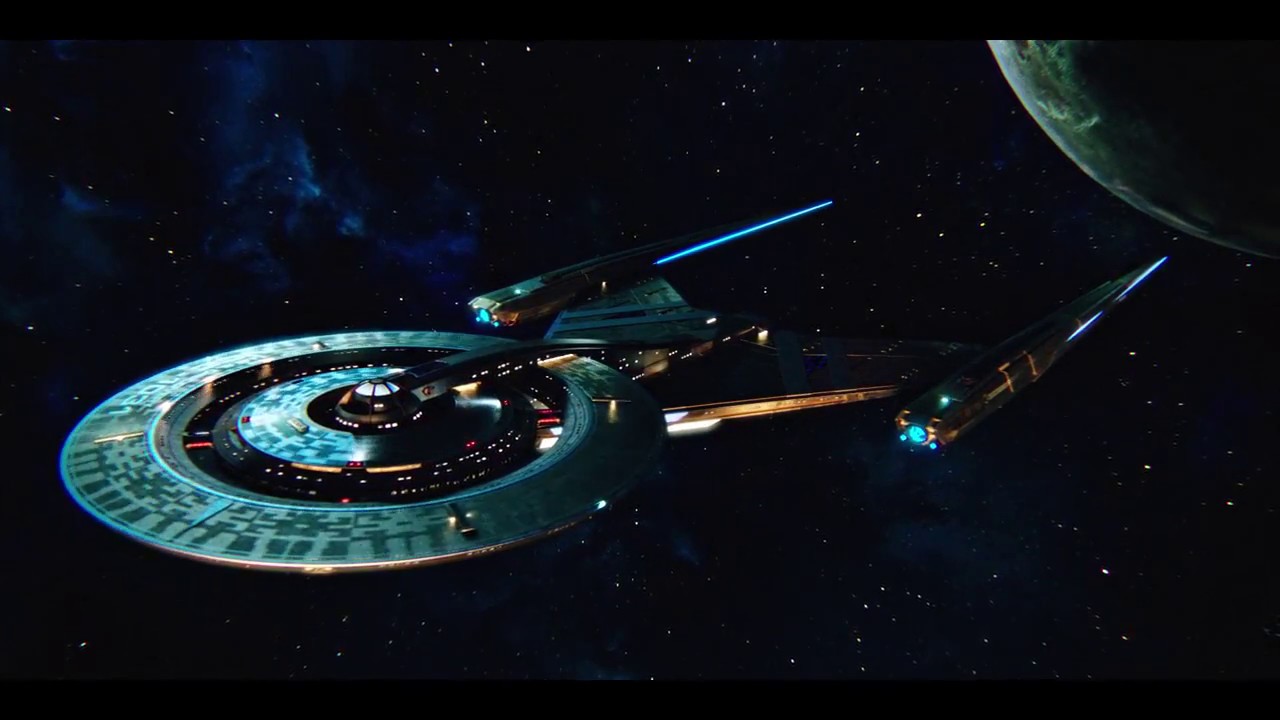
The stories themselves are also just as uneven. Some episodes are genuine classics and belong up there with the great Star Trek episodes. These include “The Wolf Inside”, “Despite Yourself” (two fantastic Mirror Universe tales), “Lethe”, “Choose Your Pain”, and “Into the Forest I Go”. As great as those were, Star Trek: Discovery is also weighed down with some downright clunkers that are poorly plotted and clumsily executed. One example is the first episode that aired for free on CBS, “The Vulcan Hello”, which needed to be great to entice people to subscribe to the CBS All Access app that streamed the rest of the episodes. Unfortunately, the season also ended on a less-than-thrilling note with a two-episode storyline that ended the war too quickly and unsatisfactory. However, the final shot of the last episode “Will You Take My Hand?” brought a thrill when a sparkling and graceful Enterprise appeared on the screen.Despite these faults, I have to admit that I genuinely enjoy Star Trek: Discovery. As far as first season Star Trek shows go, this is the best one since the original Star Trek. Unlike some other Star Trek spinoffs that first started out, this show is rarely dull and takes some genuine risks, even if they do not pay off. Of course, the criticism is valid that unlike its predecessors there isn’t any exploring done. This is something that is a vital essence of Star Trek, but it does push the envelope, chiefly with its characters and focus. The captain is not the main hero but a broken and disgraced former officer. Many of the characters are out to prove themselves and most of them do, which is why they are so easy to watch and root for.Another thing to note is that putting aside all the action and eye-popping visuals (seeing the Discovery spin its saucer while it goes into spore drive never gets dull), certain elemental truths about Star Trek are still there. We just have to recognize them: accepting diversity, seeking diplomatic solutions, and bettering yourself. As Alexander Courage’s iconic theme played during the end credits of the season finale, I found myself eagerly waiting to see more from Star Trek: Discovery, and for that reason the show is a success.
José Soto