Star Trek: Deep Space Nine Boldly Went Where No Trek Had Gone Before

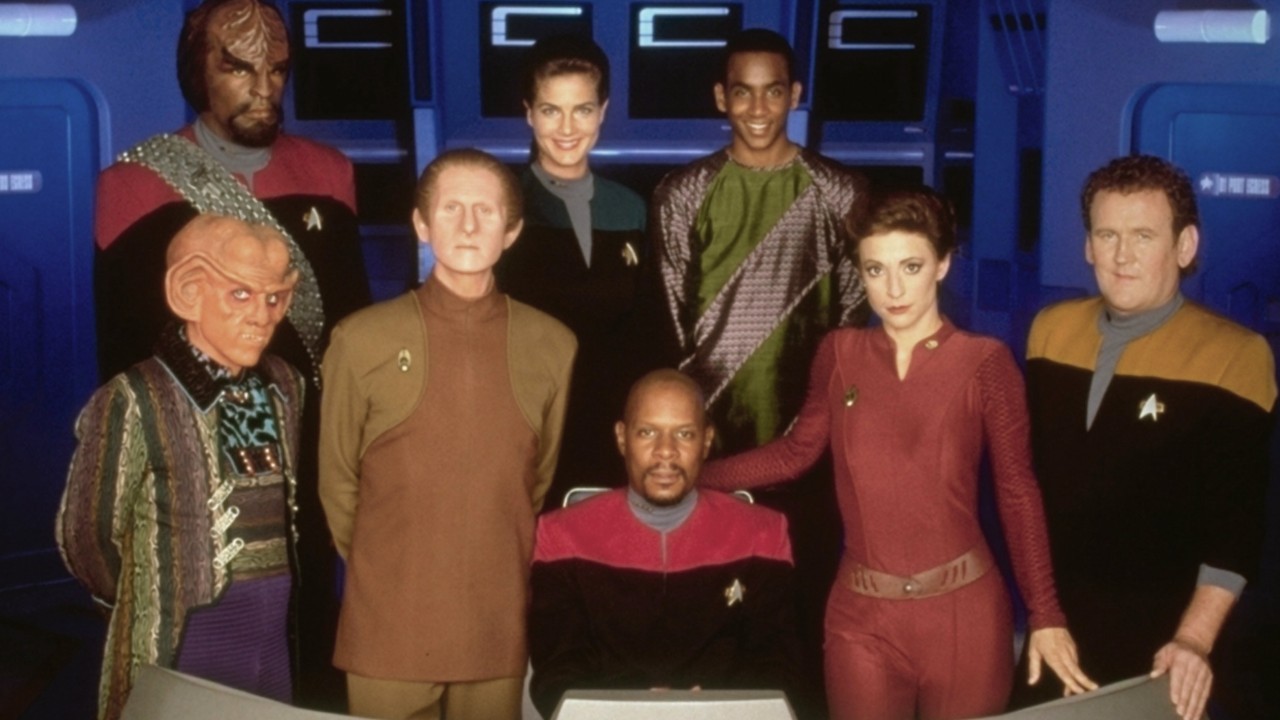
Twenty-five years ago, Star Trek: Deep Space Nine (DS9) premiered on syndicated TV and right from the start this Star Trek spinoff charted its own unique direction. Unlike other Star Trek TV shows, Star Trek: Deep Space Nine stood out beginning with its premise and later by taking advantage of it. The show did not take place onboard a starship that traveled to different planets each week. The main character was not even a captain and was deeply troubled. More than any other Star Trek show, this one truly focused on its ensemble cast to create a rich tapestry of characters who actually grew throughout the run of the series.

When executive producer Rick Berman and writer/producer Michael Piller set out to create a new spinoff after the success of Star Trek: The Next Generation they did not take the easy route. Instead of just recycling the elements of Star Trek that made it so phenomenal they tried something different. The result was a show based on a space station with fallible characters that did not always get along with each other. Instead of having the cast explore other planets, other races came to the station, some coming from a nearby wormhole, and often the consequences of meeting the aliens were explored.  Showrunners like Ira Steven Behr took over and ran with the premise. Simmering political, social and religious situations were explored. Tensions boiled over into a long-running arc where the Federation went to war with the formidable Dominion and the impact of the war was fully examined in the program. For the first time, Star Trek became more serialized as season-long arcs were introduced, a rarity in ’90s television.
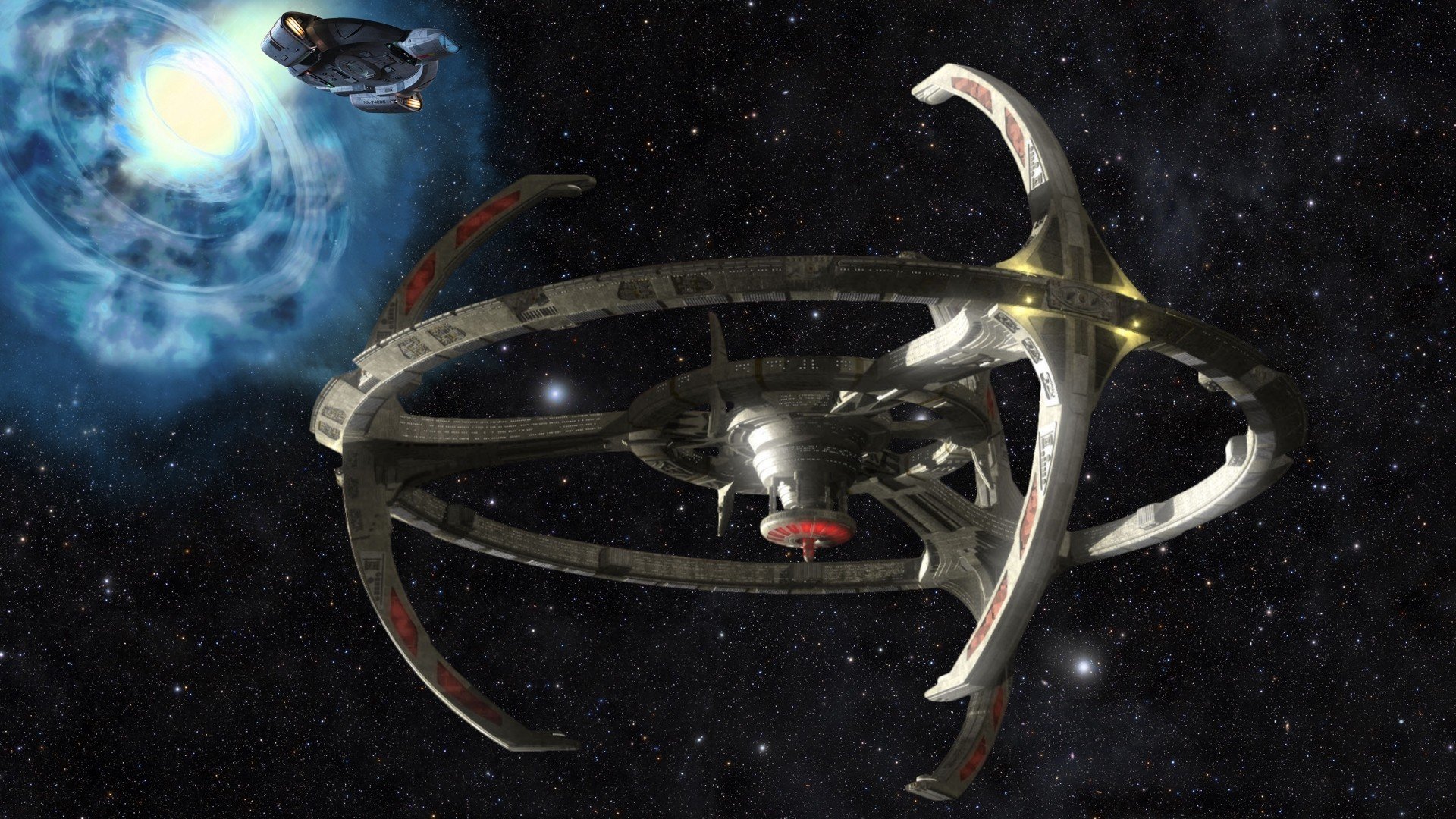
Unlike the more safe Star Trek shows running at that time, DS9 was edgier, took more risks, and went where no Trek had gone before by exploring volatile issues like social injustice, ethnic and racial tensions, taboo relationships and more. In fact, for all the noise made about Star Trek: Discovery with its non-white lead, homosexual relationships and hot-button issues, it has to be mentioned that Star Trek: Deep Space Nine covered all of this twenty five years ago.

To say that DS9 was ahead of its time is an understatement, but it can help explain why it was not a huge hit back in its day. More attention was paid to Star Trek: The Next Generation and later to Star Trek: Voyager since the latter show featured Trek’s first female lead. Yet both shows played it safe with its storylines and characters. After a while fans noticed that their familiar premise of spaceships exploring the unknown was becoming too pedestrian and predictable. DS9 on the other hand, took chances and the result was some of the richest and most memorable Star Trek stories.
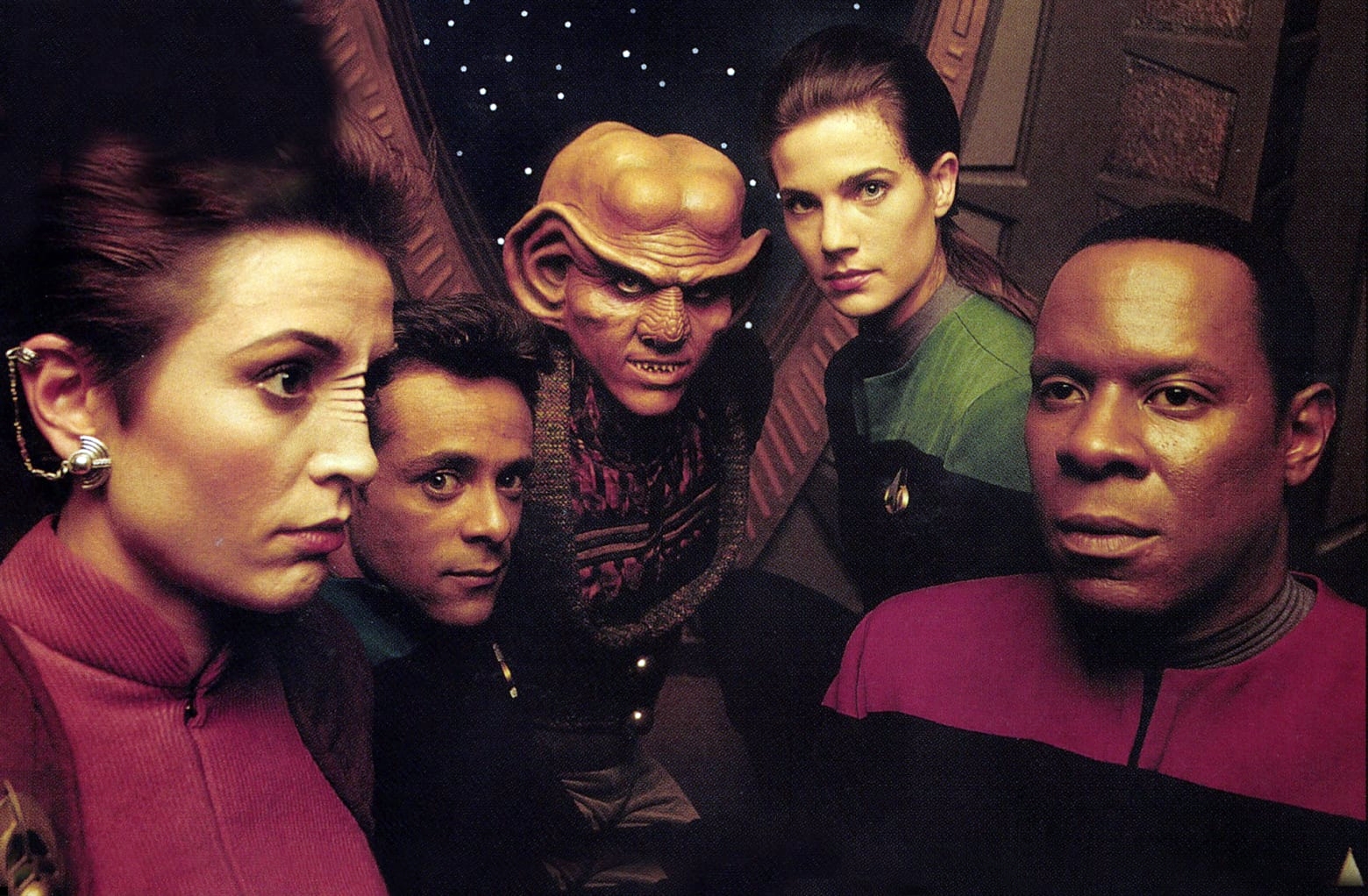
Unlike many programs, Star Trek: Deep Space Nine has aged well and is as relevant today as ever. Many are discovering the show and appreciate what it set out to do, which is why its reputation has grown over the years. While most will claim that the original Star Trek is still the best, a valid argument can be made that DS9 is actually the best Star Trek ever. If you haven’t seen the show, I highly recommend you sample it, even though the earlier episodes are the show’s weakest. However, DS9 comes into its own and before long, you will be binge watching it.

 Star Trek: Deep Space Nine is the most groundbreaking Star Trek show ever made because it boldly went where no Trek had gone before with its unique premise and rich characters and stories.

Lewis T. Grove
The Negativity Towards Modern Star Trek & Star Wars

The two big live-action sci-fi franchises, Star Trek and Star Wars, are undergoing a bit of an identity crisis. Or rather the crisis is about how their fans are reacting to the latest incarnations of both franchises.

The properties are several decades old by now and although so much of what made them popular still resonates with people, they have to remain fresh. In other words, Star Trek and Star Wars have to keep up with the times. This meant that the recent incarnations are distinctly different from the original versions, which has sharply divided fandom.

Star Trek Into Darkness

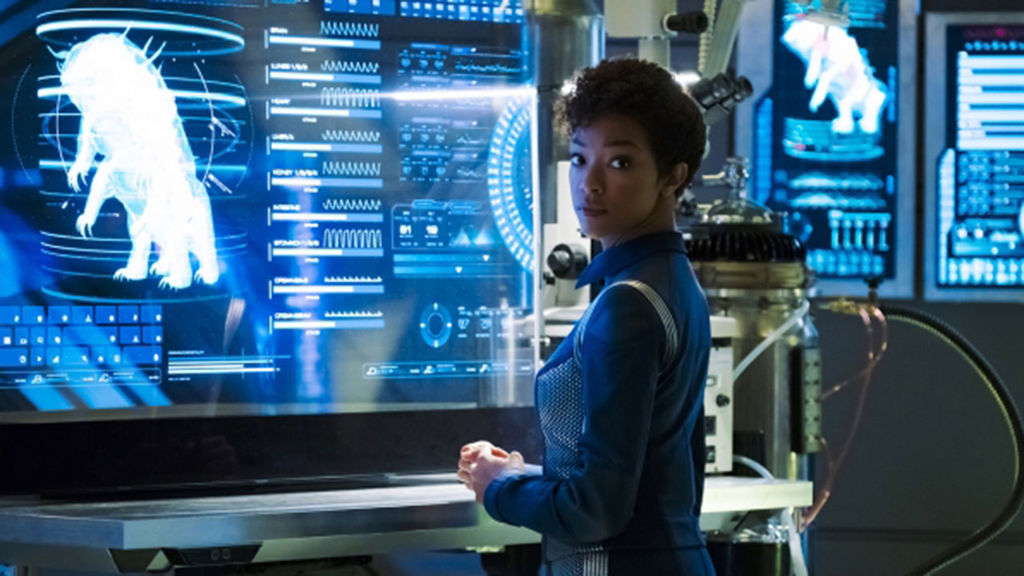
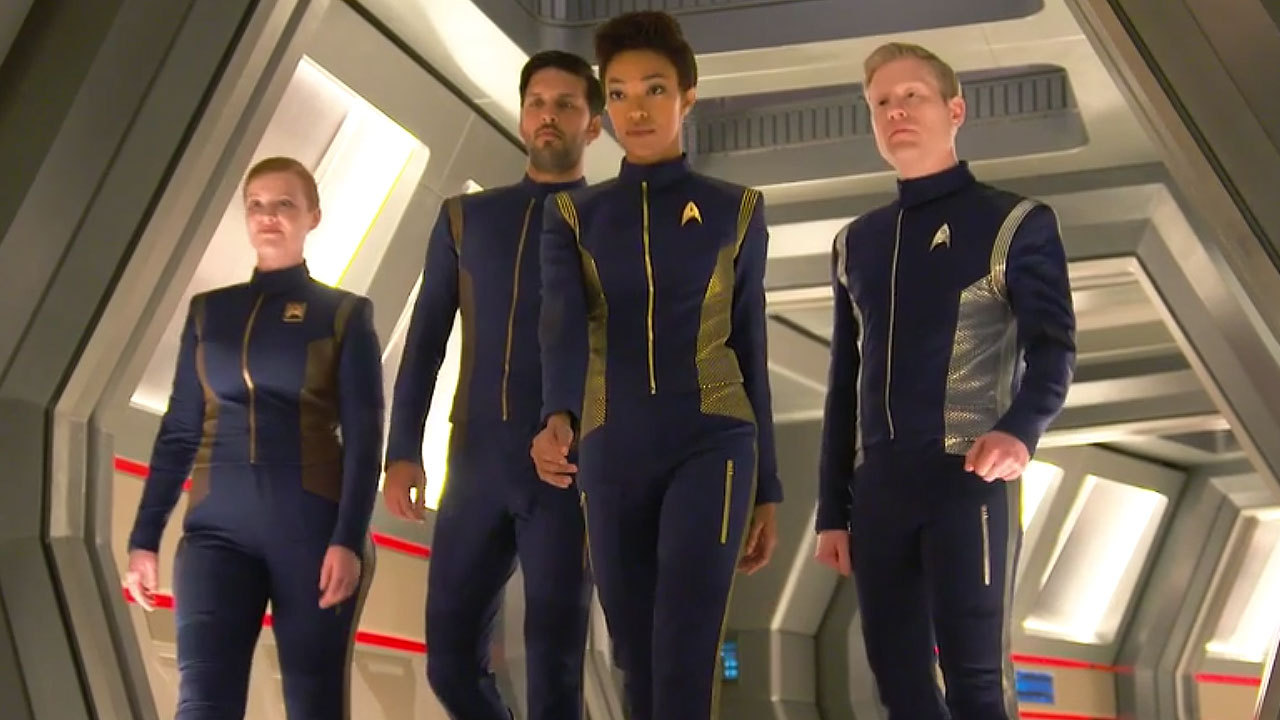
Star Trek returned to home screens with Star Trek: Discovery, a show that is in many ways a radical departure from the 1960s TV show. The lead is not a white male captain, but a black female science officer who committed mutiny. That’s not all. Star Trek: Discovery features an openly homosexual couple, a starship captain with questionable morals, and a much darker tone where adult language and violence are commonplace.

The premise of Star Trek is about a starship exploring new worlds and meeting new races. There is very little of that in Star Trek: Discovery as it takes place during a war with the alien species, the Klingons. This was something that Star Trek’s original creator, Gene Roddenberry, would not approve. He presented a futuristic show about an enlightened humanity.

While Star Trek: Discovery explores issues like its predecessor, the characters, not the guest aliens, are the ones undergoing their own ethical crisis. An early subplot of the show dealt with the morality of the ship’s crew forcibly using an alien creature as a means of propulsion. This brought up the problem of animal abuse and later the characters’ ethics were heightened when it was revealed that the creature was sentient. The captain’s justification for the abuse was that he was trying to win a war. Another main character is actually a Klingon disguised as a human, who suffers from PTSD and is grappling over his sanity. Then the main character, Michael Burnham, committed treasonous acts that ignited a war with the Klingons and agonizes over her past. These characters are not exactly clear cut heroes.

The Ambiguous Star Wars

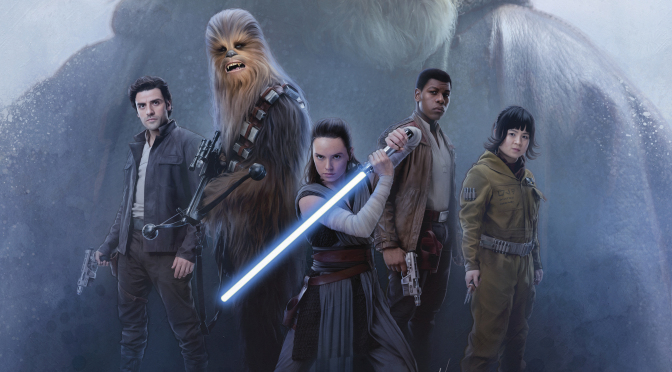
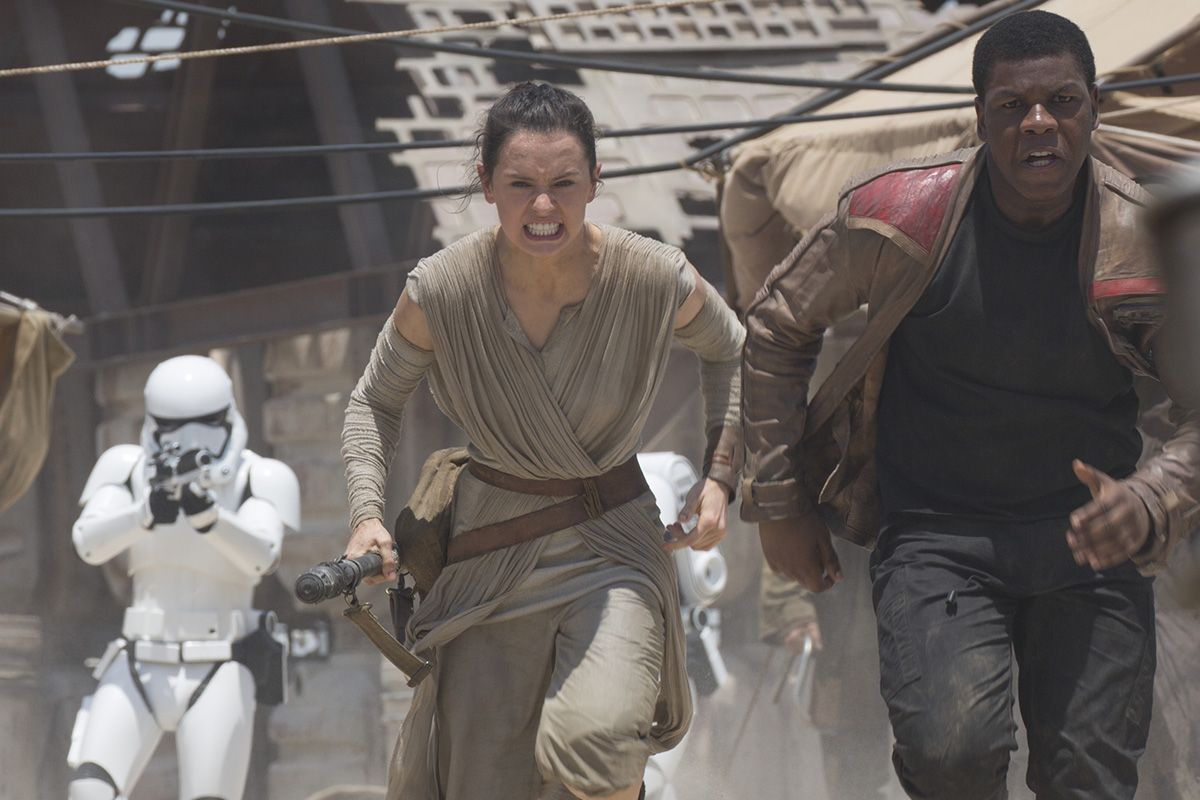
The new Star Wars trilogy films have featured women as the lead characters, as well as non-whites. Unlike the original films that concentrated on a young, white male savior, the new films have strong women who are the central characters.

The films are also more ambiguous than the original ones with their simplistic good vs. evil plotlines. For example, in the latest film, Star Wars: The Last Jedi, the issues of war profiteering, class inequality, and animal abuse were brought up. The film’s villain had a more ambivalent nature as Kylo Ren was genuinely conflicted about embracing his dark nature. Actually, his descent into evil was more interesting than the film’s other one-dimensional foes, who were little more than cackling caricatures.

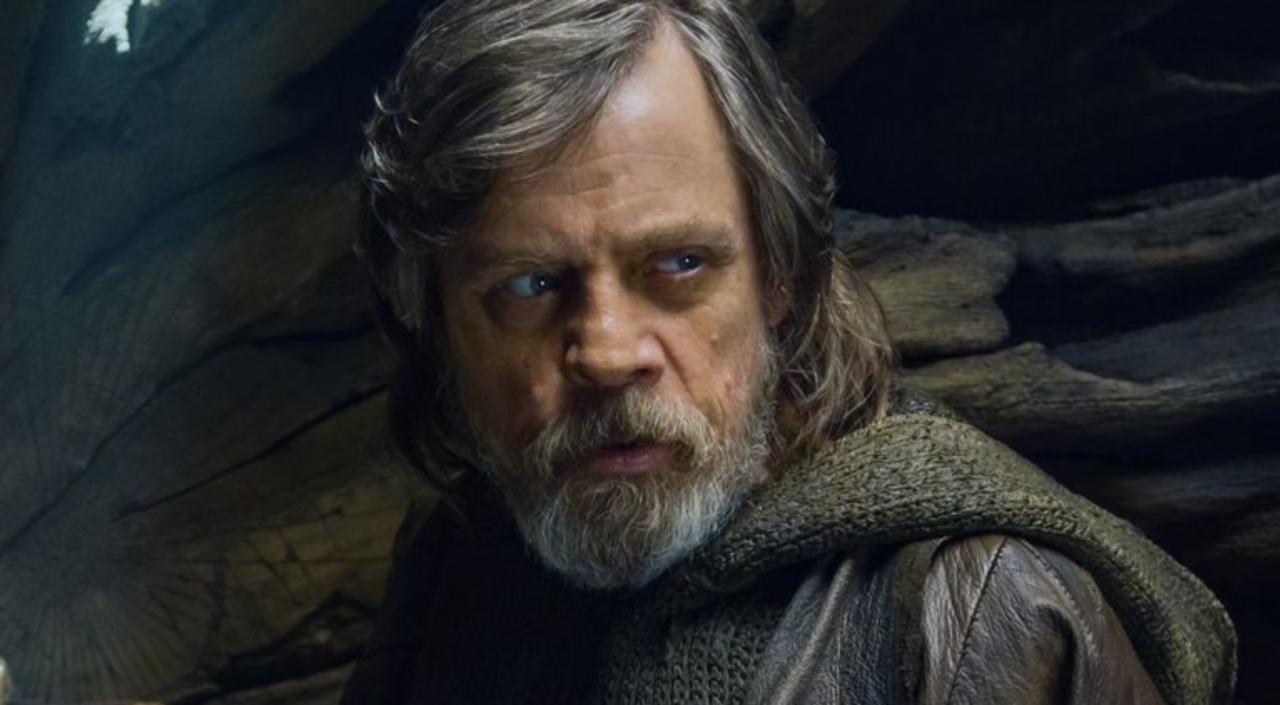
One of the heroes featured in Star Wars: The Last Jedi was Luke Skywalker, the main protagonist from the earlier films. In this film, he was a fallen man, full of defeat and bore little resemblance to the optimistic savior of the original trilogy. This arc gave Luke more dimension and provided a vehicle to explore his spiritual reawakening and redemption.  In the film Rogue One: A Star Wars Story, the main characters were also spiritually murky as they carried out dubious actions in the spirit of winning the war. For example, one of the leads, Cassian Andor, cold bloodedly murdered an accomplice in order to escape the bad guys. The overall tone of that film was harsher as it dealt with the brutality and ambiguity of war.

Continue reading →

Top Ten Films and TV Shows of 2017

The many memorable films and TV shows that came out in 2017 proved why the sci-fi, fantasy and horror genre dominated our minds. These modern-day gems stood out thanks to many factors like production values, f/x and acting. But more importantly due to smartly written scripts that allowed these productions to stand out and excel. These are the best films and TV shows of 2017 along with some honorable mentions.

Films

10. Star Wars: The Last Jedi

Episode 8 of the main Star Wars saga is its most controversial and divisive film. Despite its script and pacing flaws, the film had many merits and took the saga into unexpected directions.

9. TIE: Justice League/Thor: Ragnarok

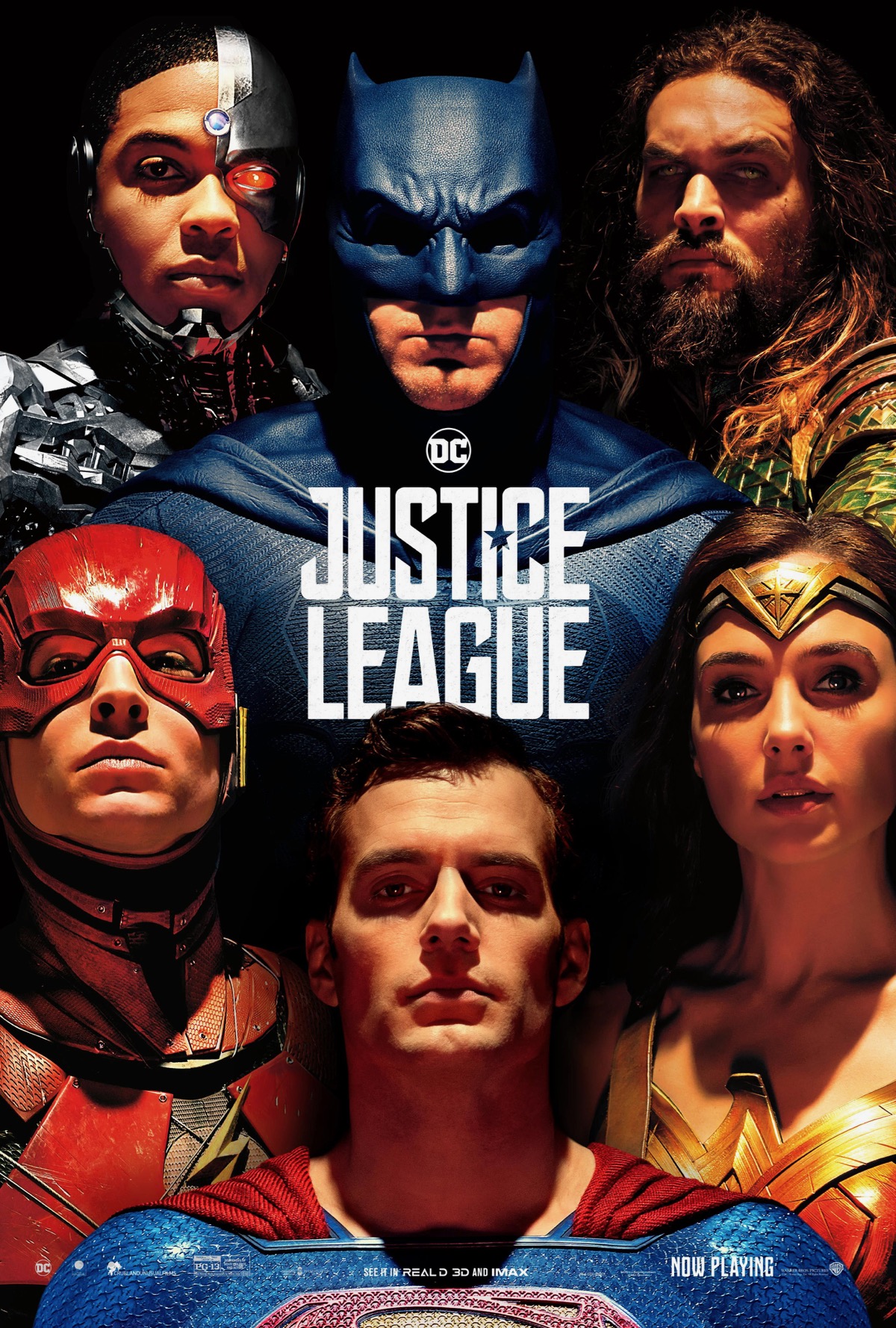
This year’s final superhero flicks were great in their own ways. Justice League is a true guilty pleasure and wildly underrated. The epic team-up of DC’s greatest heroes was sloppy and erratic but deep down was a lot of fun. Meanwhile, Thor: Ragnarok was the most vibrant and fast-paced Thor film that put the heroic demigod through the wringer and teamed him up with the Hulk.

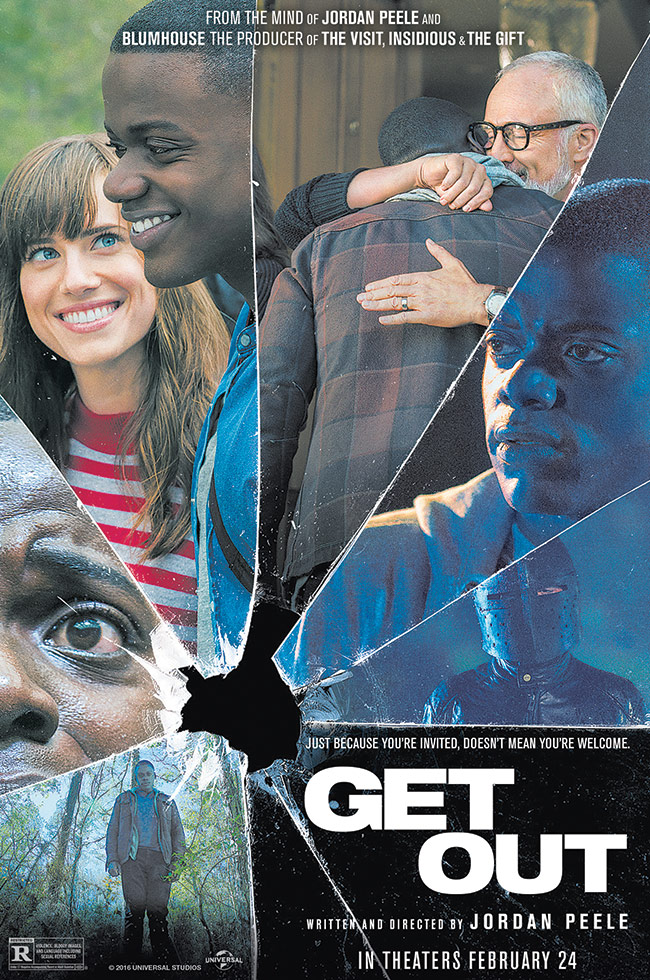
8. Get Out

Suspenseful and tense, Get Out exposed our current society’s racial fears in a groundbreaking way. The intelligent script kept us guessing about the plot’s many twists, while playing on racial misconceptions.

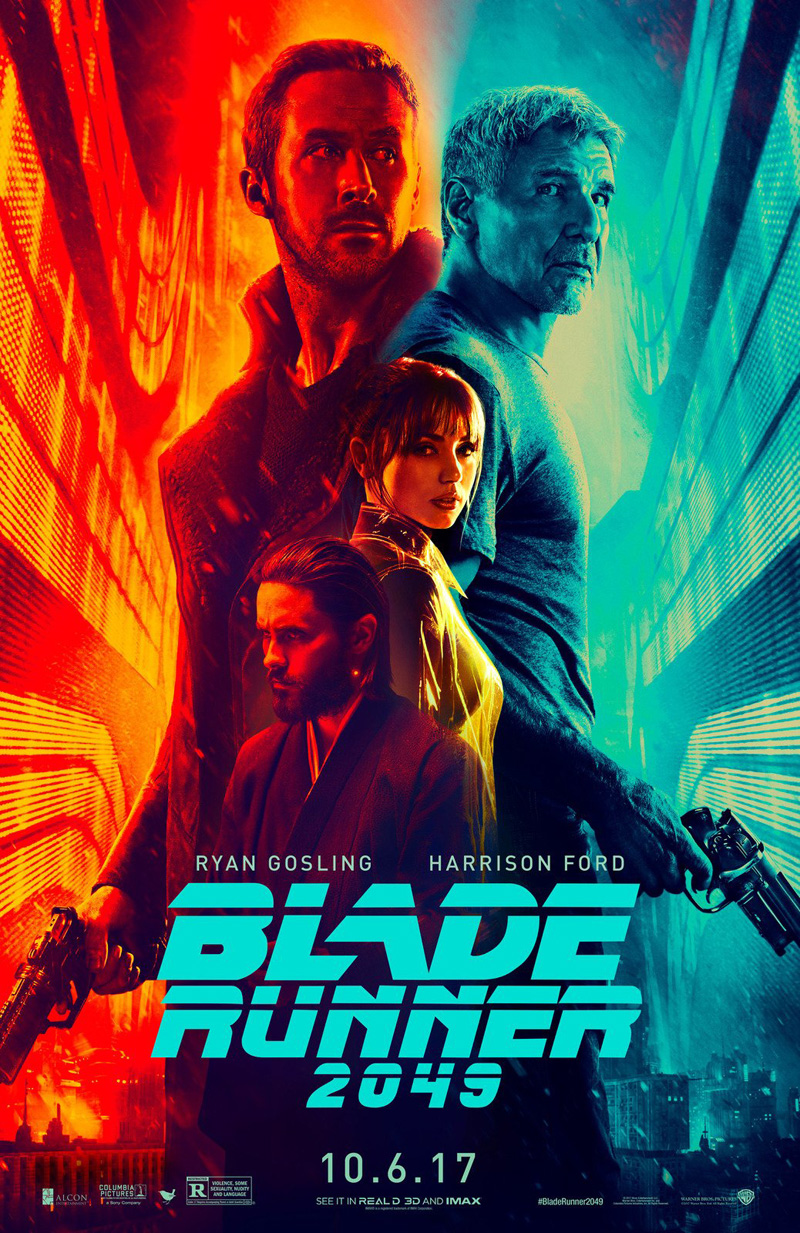
7. Blade Runner 2049

A brilliantly filmed sequel to the sci-fi masterpiece isn’t quite as good as Ridley Scott’s original, but it comes so close. Astonishing visuals and thoughtful themes stayed with you long after the film was over.

blade runner 2049 poster

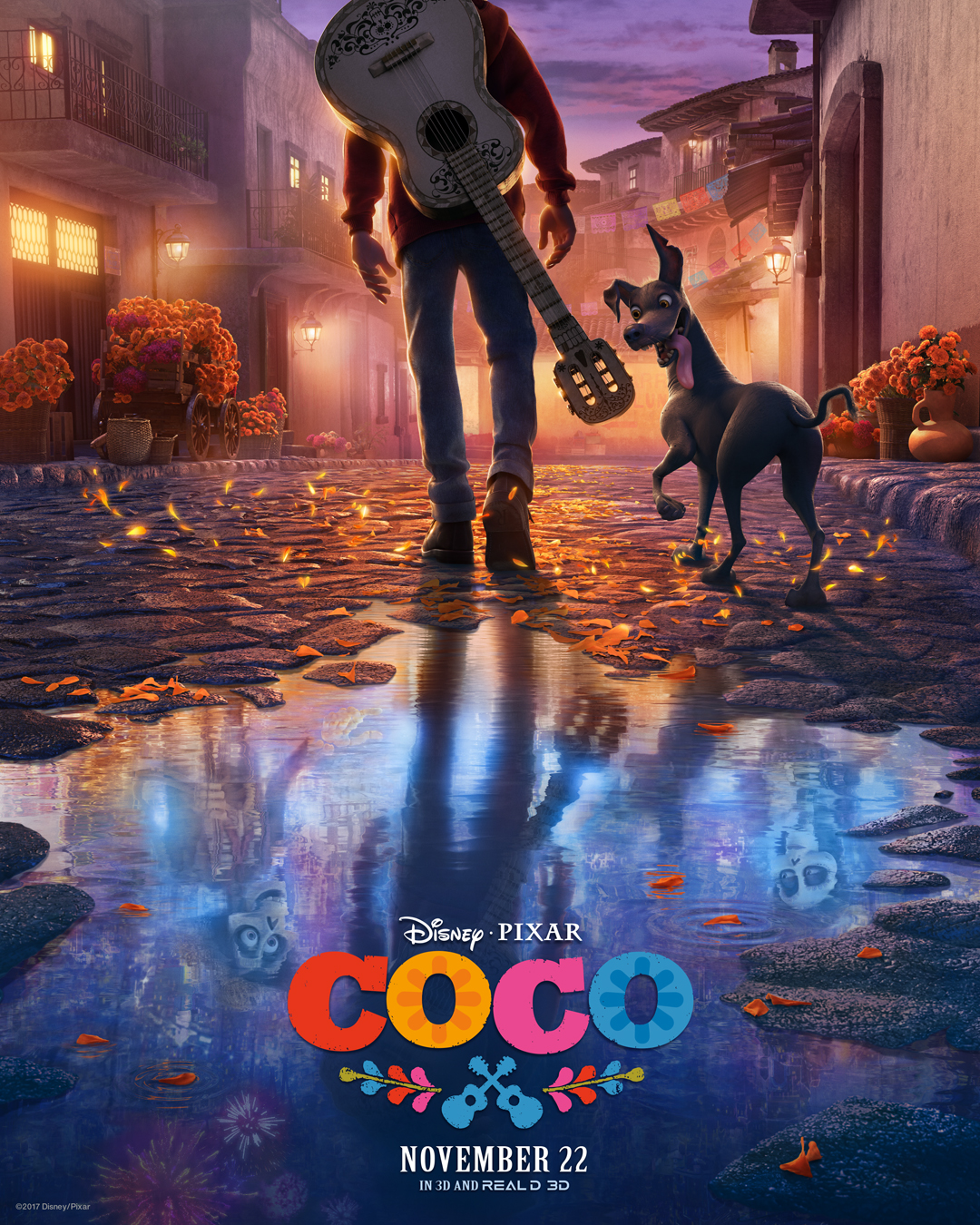
6. Coco

Pixar did it again with this original (finally, enough of the sequels!) and beautifully animated tale about a colorful afterlife, family and remembrance that tugged our heartstrings so powerfully.

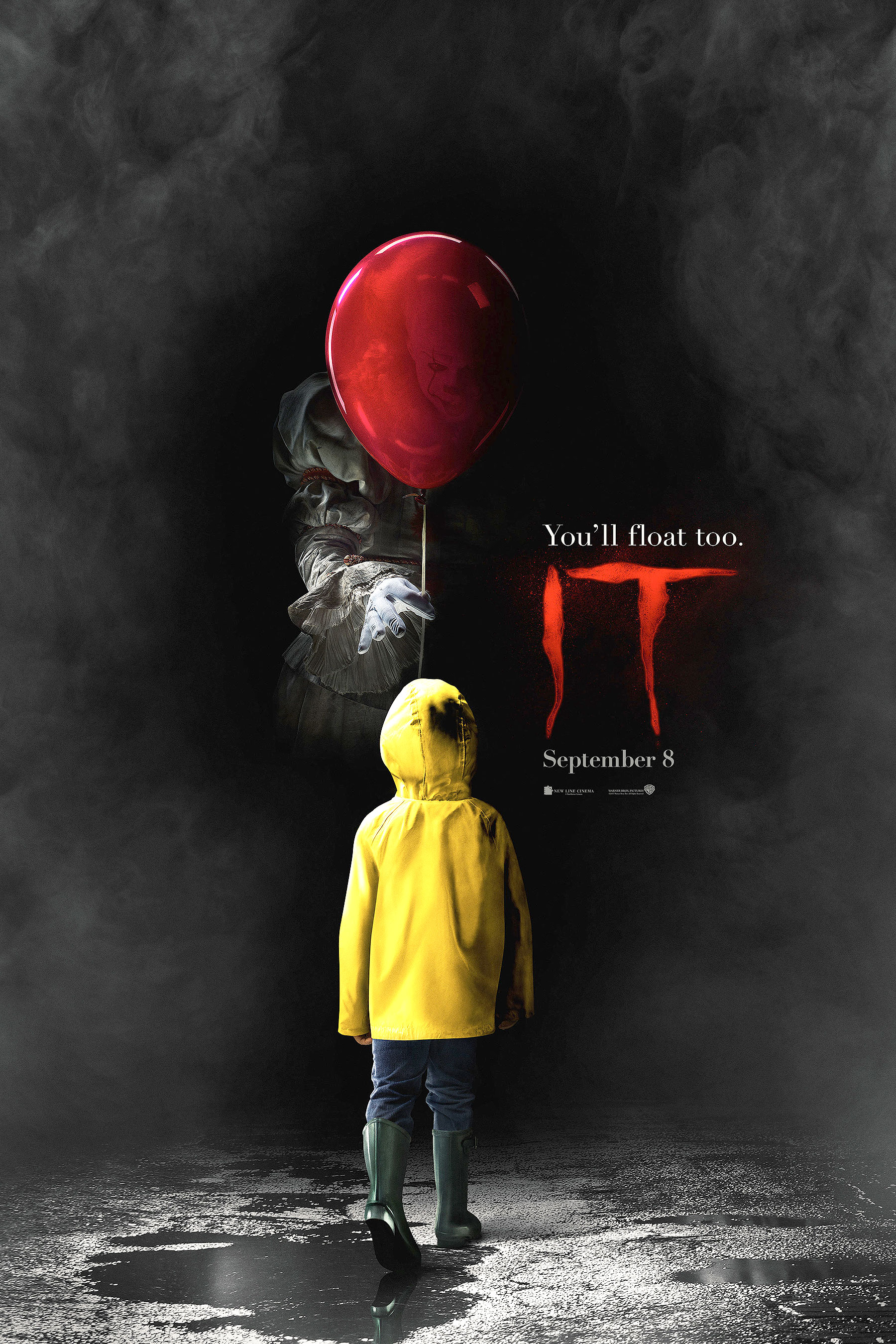
5. It

One of the best Stephen King adaptations ever is harrowing and downright frightening. But what made It so popular was its young character studies, as well as the performances from the film’s actors, including Bill Skarsgard as Pennywise, the clown from hell.

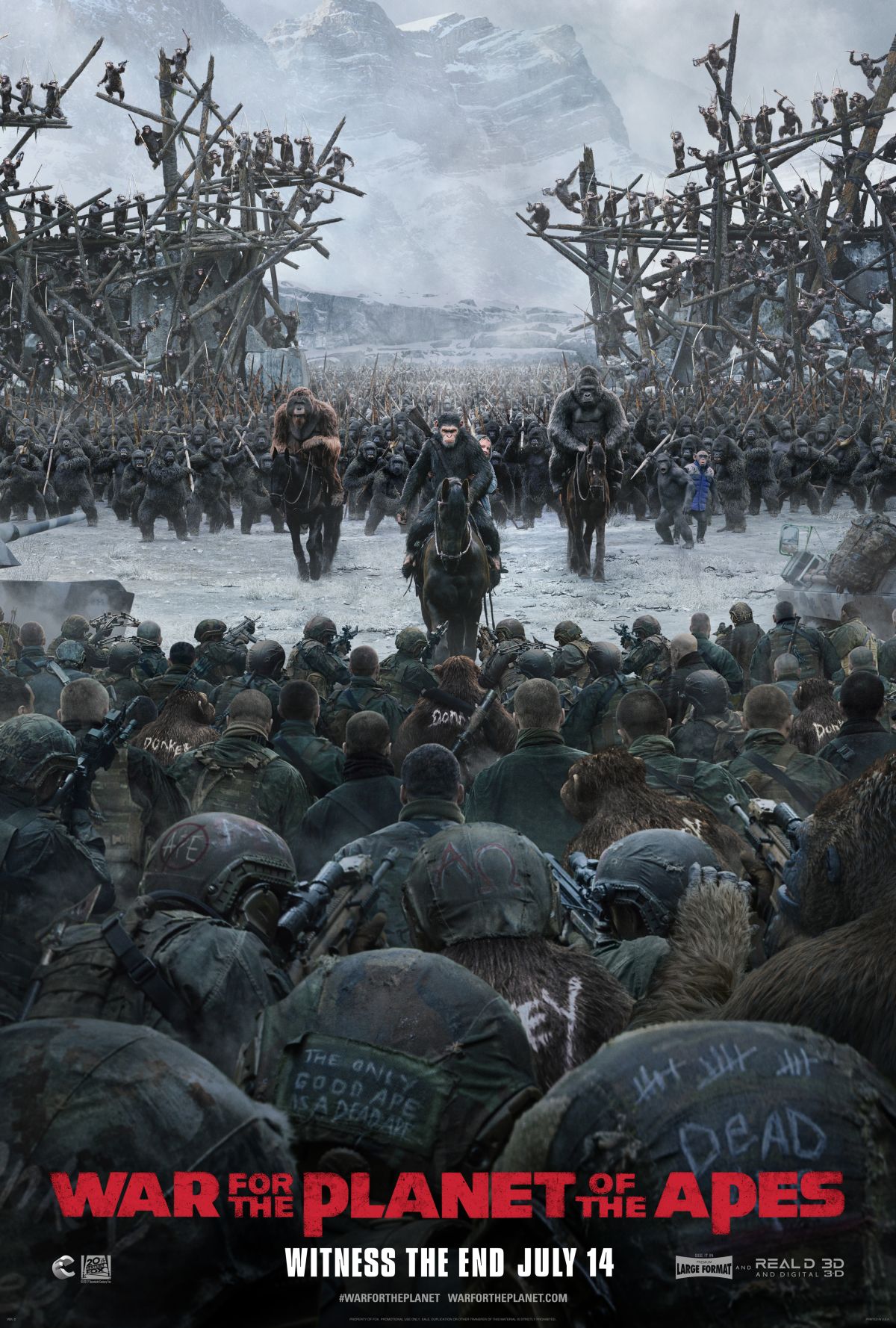
4. War For the Planet of the Apes

This thought-provoking final film in one of the best film trilogies thoroughly examined the haunted and tortured soul of its main character, Caesar, the super intelligent ape. He was an eerily realistic CG and mo-cap creation, who carried the film with his moving personal battle to salvage his soul.

war for planet of the apes poster

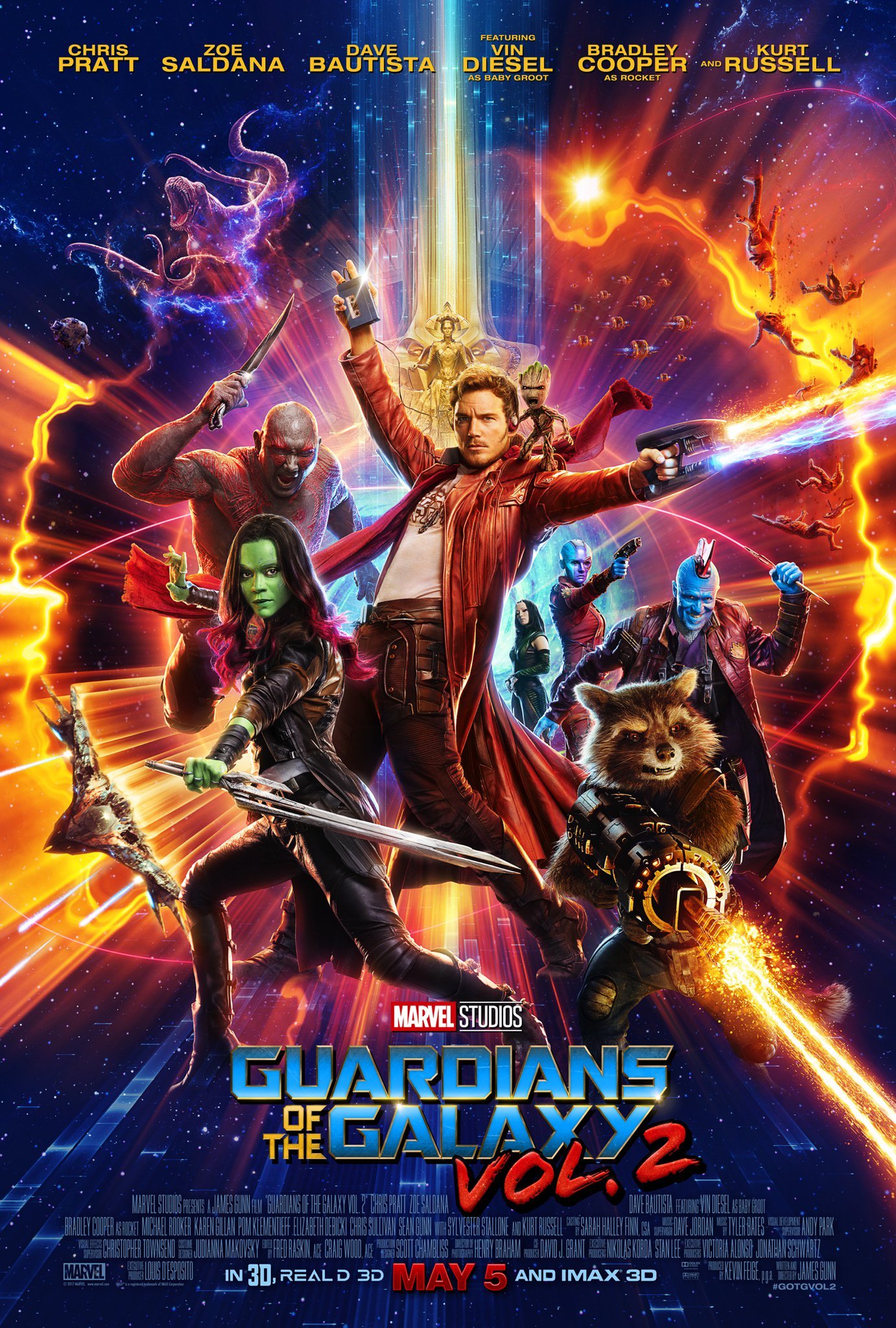
3. Guardians of the Galaxy, Vol. 2

The sequel packed more emotional punches than its heartfelt predecessor. Many characters went through intense personal arcs while the film itself was as charming, funny and thrilling as the first Guardians of the Galaxy.

GOTGV2 poster

2. Spider-Man: Homecoming

Smart, funny and exciting, Spider-Man: Homecoming is an amazing (corny pun intended) film comeback for the world’s greatest superhero. The first Spider-Man film in the MCU expertly captured the essence of Spider-Man, while modernizing the hero for today’s audiences.

spider-man homecoming posters

1. Logan

This masterful deconstruction of the superhero is a poignant and powerful swan song for Hugh Jackman in his role of Wolverine/Logan. More than a superhero film, Logan is also a dystopian, neo Western that displayed many motifs from the both genres to tell this heartwrenching tale of Logan’s final days. The film was so beautifully crafted thanks to career-defining performances by Jackman and Patrick Stewart as the wizened Charles Xavier. Part of the reason why Logan resonated with so many is because of its universal and relatable message about growing old and facing your end. Logan is a fitting finale for Fox’s X-Men Cinematic Universe.

Honorable Mentions: Alien: Covenant, Bright, Downsizing, It Comes At Night, Jumanji: Welcome to the Jungle, Kong: Skull Island, The Lego Batman Movie, Life, The Shape of Water, Split, Wonder Woman

Continue reading →

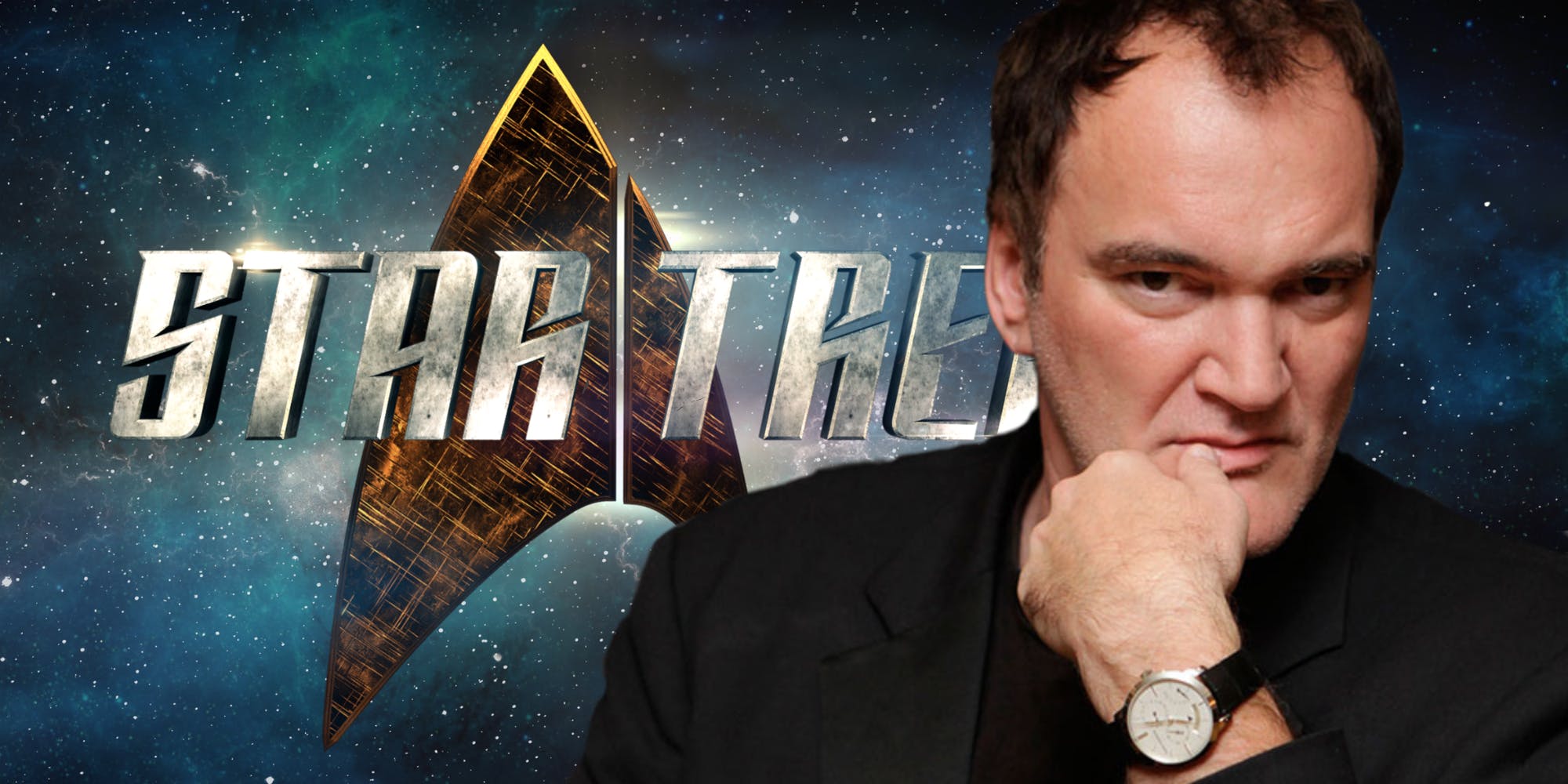
Quentin Tarantino’s F!*#@ing Star Trek

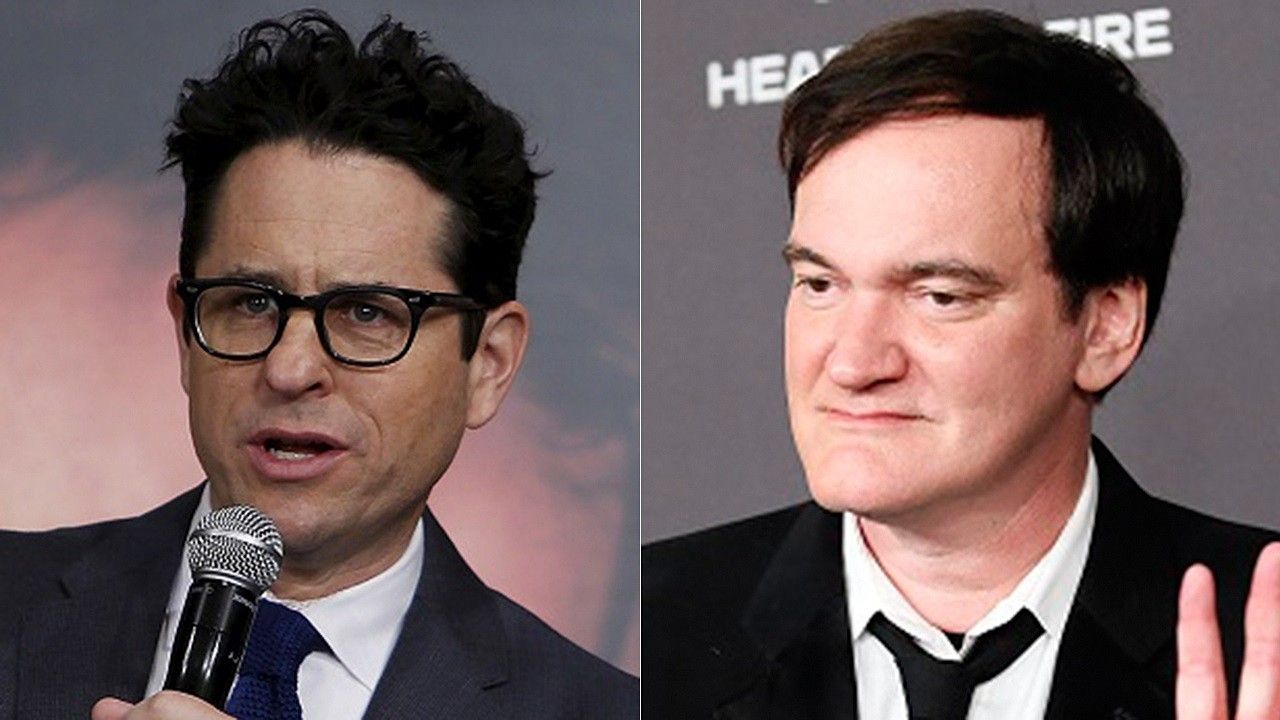
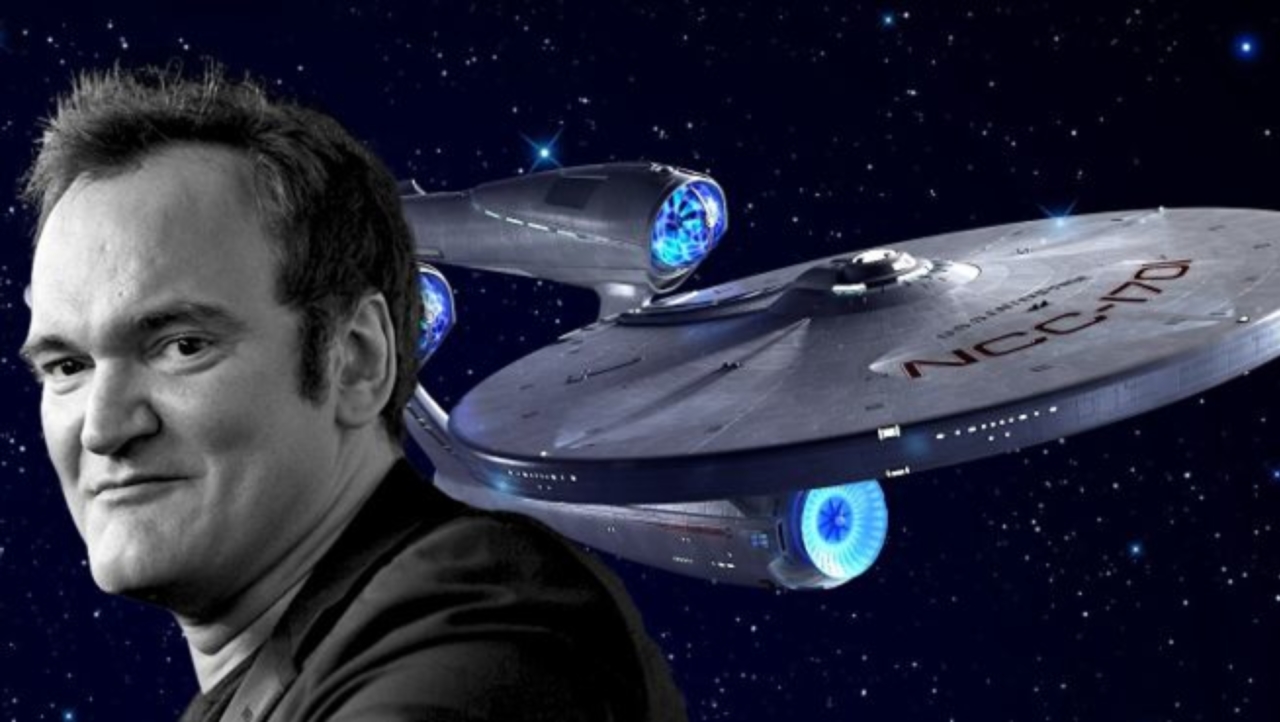
One entertainment news item that came out of left field lately has been about a new Star Trek movie. What was unusual about the news is that famed director and writer Quentin Tarantino pitched an idea for a new Star Trek film and might direct it. Today, Deadline reported that Tarantino will be heavily involved and part of his deal with Paramount Pictures and J.J. Abrams, who runs the movie series, is that the film be rated R. The shocker is that the film studio and Abrams agreed to this.

OK this is really out there for Star Trek and reflects the state of the franchise. This development will certainly upset fans clamoring for a return to traditional Star Trek. Already, many of these purists are up in arms over the radical departure taken by Star Trek: Discovery such as featuring a black, female lead, a potentially evil starship captain, and an openly gay couple. There was a mini-meltdown in the Internet over one episode where F-bombs were dropped in one scene. As shocking as it was to hear on Star Trek, it certainly was an attention grabber. Now imagine countless F-bombs and other types of swearing from the stars of a new Star Trek film.

Aside from foul language, an R-rated Star Trek film will revel in violence and possibly sex or nudity. All this is fine for most of us who can handle it, but is this the right direction for Star Trek? The franchise is noted for pushing the envelope but by exploring themes and making observations about our current society. And Star Trek: Discovery has been pushing the envelope in showcasing more adult fare such as the cursing, brief nudity and it is violent. It’s no wonder that the show is behind the pay premium wall of the CBS All Access streaming service. Actually there are stronger reasons for this, namely wanting to milk Star Trek fans, but that is for another post.

But why go this route? The answer is that Star Trek has to experiment and try new things. The franchise has been showing its age lately and something needed to be done to shake things up. Of course, this runs the risk of alienating die-hard Trek fans, but it seems as if there are not enough of them to support the franchise. As proof of this notion, Paramount will point to the disappointing box office of Star Trek Beyond. That film, which was the best of the rebooted films, was more of a traditional Star Trek, but it did not have legs. Meanwhile, Star Trek: Discovery has created some buzz with its edgier stories even though the series, as a whole, wildly deviates from the Star Trek formula.

Already, the news of Quentin Tarantino’s involvement is generating a lot of needed attention for Star Trek and that has the potential to pay off. Tarantino is a top-tier director, who is often nominated for Oscars, plus, he is a big Star Trek fan, unlike J.J. Abrams. On top of that, the frontrunner to write the film’s script is Mark L. Smith, who penned the acclaimed film The Revenant. These are reasons to be optimistic. Other genre films have recently gone into the R-rated club to great success like Logan or Deadpool. So perhaps fans are ready for an edgier Star Trek.

But there is also cause for concern. Zack Snyder and others at Warner Bros. tried presenting a darker and edgier DC Cinematic Universe but that did not work out well for those films. Many fans outright rejected the gritter takes on Superman and others, while the latest effort, Justice League, has not turned out to be the blockbuster. Many critics complained about how dark and dreary the films were since they are used to bright colors and lighter themes from superhero films. This same problem could befall an R-rated Star Trek film.

No matter what, a Star Trek film by Quentin Tarantino will be controversial and bold and it will alienate many fans much worse than the Abrams reboots have done. However, they could be better received. Just remember that Tarantino is an avowed fan, so as Seth MacFarlane does with The Orville, he may show the proper reverence and respect to the material. At this point, the franchise (and Paramount) has to take a chance and boldly go where no Star Trek has gone before.

Lewis T. Grove
KINO: Klingons In Name Only

klingon in name only

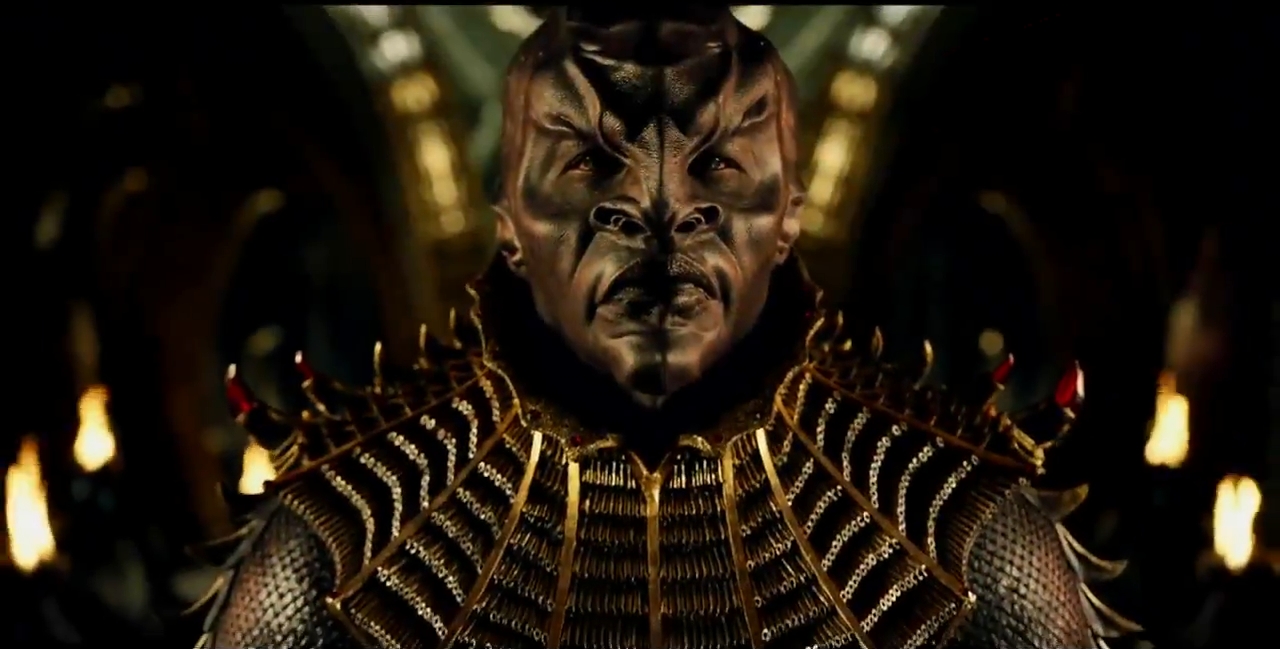
Whether fans love or hate or fall somewhere in between Star Trek: Discovery, one thing that nearly everyone agrees with is that the re-imagined Klingons are a bad misfire. In fact, many consider them to be the show’s biggest flaw. As the main villains in the latest Star Trek TV show, these Klingons bear little resemblance to the traditional mighty Klingons seen in previous Star Trek TV shows. They deviate so much that they can only be considered Klingons In Name Only (KINO) and this is a problem since they are the main adversaries in Star Trek: Discovery.

From Cold Warriors To Gruff Allies 

Klingons have had a long history with Star Trek going back to the first season of the original show. When they were first introduced, they were supposed to be a mix of Nazis and Soviets and their conflict with the peaceful Federation represented the Cold War going on at the time. Due to limited budgets, the makeup of the Klingons was simplistic: swarthy, greasy complexions with arched eyebrows and goatees. Needless to say, they could pass for humans.

kor and kirk

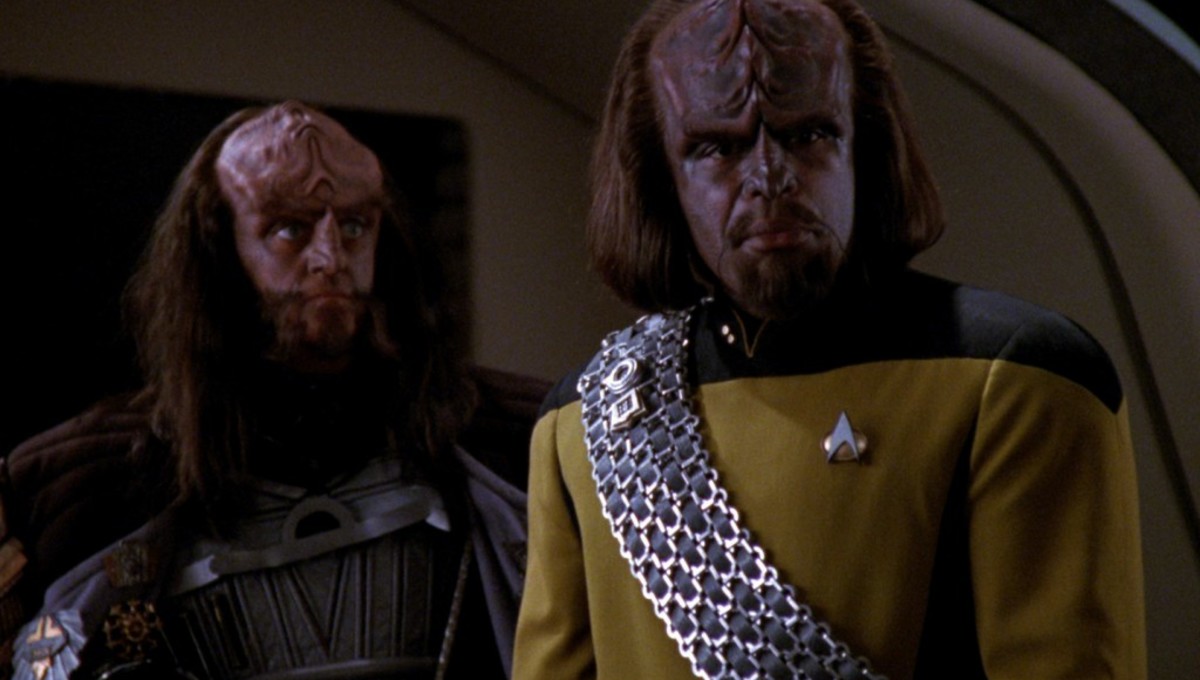
Later when Star Trek became a film series, increased budgets allowed for the aliens’ look to be enhanced. They were sported browed ridges on their foreheads and wore durable and elaborate body armor. They were bulky, formidable warriors that were more than a match for any human opponent. As the films progressed and new TV shows premiered, the Klingons were better developed until they became a rich alien culture with their own distinct language. This gruff, heavy handed tongue became so popular with fans that it is now the most spoken fictional language in the world today.

The alien race had evolved from simplistic Cold War stand-ins and became a complex civilization with a fascinating back story. They even became allies of the Federation, though the culture clashes remained. Of course, there was the continuity issue of how the classic Klingons looked more alien than the human-like ones from the original show. This was solved in the prequel series Star Trek: Enterprise where it was shown that the Klingon race contracted a virus that mutated them into having a more human appearance. It was outlandish, but it worked.

classic klingons

By this point, the Klingons were perfected. Yet, for some reason when it came time to reboot Star Trek the iconic Klingon look was changed. In their only full appearance to date, Star Trek Into Darkness, they didn’t have any hair and looked more alien. They still came off as savage, bloodthirsty warriors, but weren’t as hefty or burly as classic Klingons. The reaction to them was mixed, but everyone knew the reboots took place in an alternate reality, so the new look could be overlooked by some.

One of the most enticing details about Star Trek: Discovery was that the show would take place in the Prime Star Trek Timeline. This excited many fans who felt alienated by the action-oriented reboots. Then images and clips started appearing which discouraged fans. In addition to the advanced technology and contradictory plot details, the Klingons received yet another unwanted makeover.

Meet The KINOs

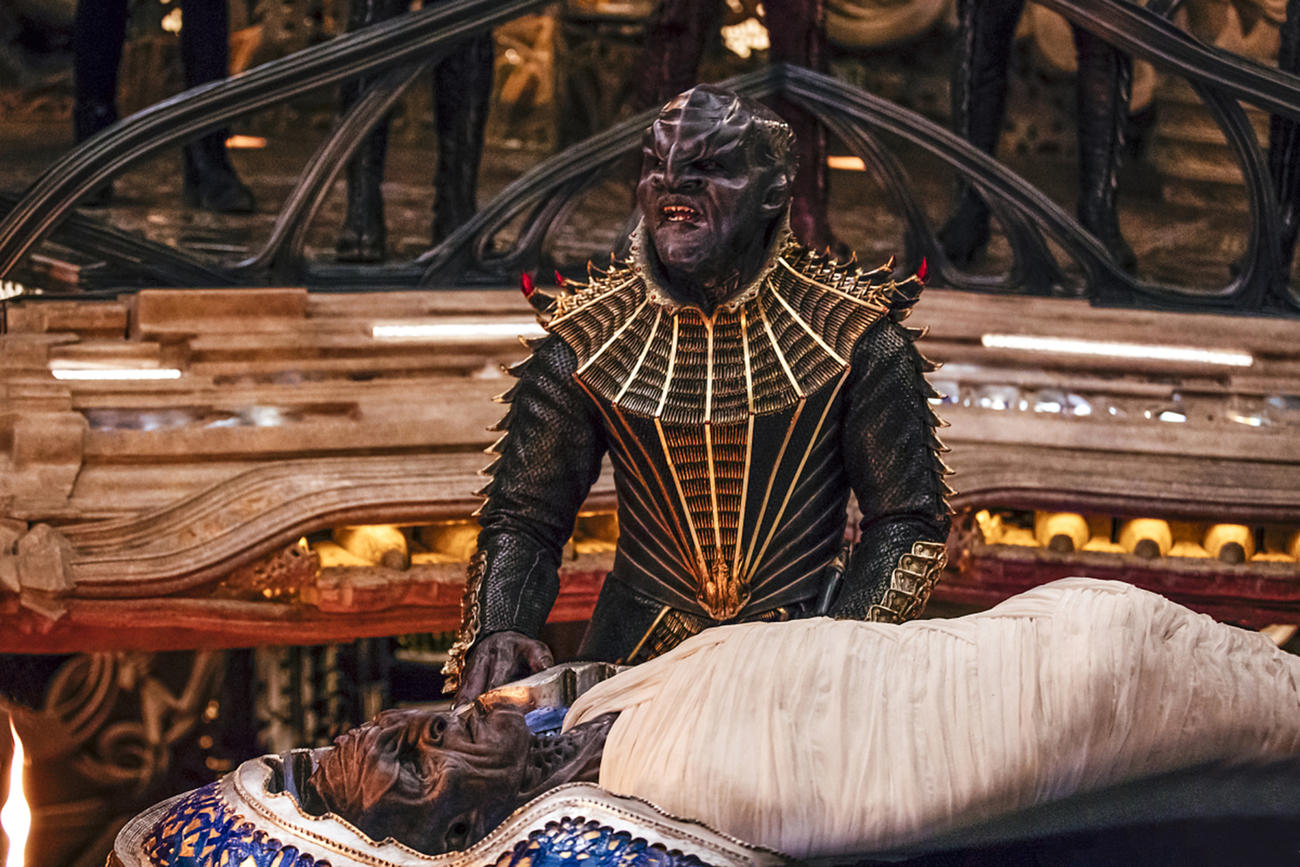
Everything about them looks different except for the browed ridges that now  are more prominent since they are hairless. Their skin tone is either purple, black or white with super flared nostrils. The KINOs wear ugly uniforms that looked more like bony dresses than armor and aren’t as formidable as real Klingons. What is worse is that brusque and clipped Klingon tongue sounds different, more unnatural. Maybe it is the makeup but now the Klingons sound like they have something in their mouths and it is difficult to listen to them. At no point in the episodes shown have we heard their famous battle cry “Qapla!”, meaning “Success!” Instead we get long, drawn out speeches that is hard on the ears and ponderous to read with all the subtitles.

It can be argued that these could be another unseen-til-now faction of Klingons or something along that line. But this is a needless revision. There wasn’t anything wrong with the classic Klingon look. Why did the showrunners feel the need to meddle with not only the look, but the complex culture of the beloved aliens? If the argument is to be different and update their look then why stop there? Why not update the Vulcans? As aliens go, they are not remarkable in this day; pointed ears and arched eyebrows. Not the most exciting look, but to try to change it would be blasphemy at this point.

klingon burial

What is probably worse for the KINOs is the way they are portrayed in Star Trek: Discovery. They do not seem very bright for vaunted military types. In the episode “The Butcher’s Knife Cares Not For The Lamb’s Cry” the Klingons led by Voq are stranded near an abandoned Federation starship for six months. Voq boards the enemy starship to scavenge for parts, but if they were marooned for six months why didn’t he and the other Klingons scavenge the starship sooner? Then the way they perceive death is radically different than with classic Klingons. Both do the death cry when one of their own dies to warn the afterlife of a coming Klingon soul. However, once a Klingon is dead the corpse is casually discarded because the body is just a husk. These KINOs instead put their dead into elaborate sarcophagi and transfer them onto a special funeral ship. Huh?  Even their ships and weapons bear little resemblance to the iconic Klingon battle cruisers, birds-of-prey and bat’leths.

For a Star Trek show that is allegedly set in the Prime Timeline these Klingons are the best argument that this is not so. But debating about timelines and canon is pointless and would not be so heated if the Klingons were better realized. Frankly, whenever these KINOs appear onscreen the pace of the episodes comes to a screeching halt. There is an interesting subplot about uniting their separate clans to become a major power again. But that gets lost in the slow pace of their poorly written scenes. They simply are not as intimidating as classic Klingons. One attempt to make them frightening is to have them eat dead humans, which comes off as sickening.

Star-Trek-Discovery-Klingon-Kol

Even more distressing is that the showrunners are blind to the negative reception to their version of Klingons and are intent on doubling down on them throughout the season. Maybe this is not the final word on the Klingons, we can only hope that something is done about these KINOs. Until then the best we can do is either re-watch previous Star Trek shows to get our classic Klingons or fastforward Star Trek: Discovery whenever they appear or at the very least stuff cotton into our ears when they open their mouths to talk.

José Soto