Star Trek’s Many Timelines

By now Star Trek fans acknowledge that the official canon timelines of the Star Trek franchise is daunting. Being that Star Trek is 57 years old there are bound to be continuity problems but what has been more glaring are contradictions with the timeline and the more “modern” look of current-day Star Trek that clashes with older series.

There have been pretzel-twisting explanations in the TV shows and films to explain the contradictions, but they tend to fall apart on closer examination or are just ridiculous. More and more, fans have to accept the fact that either modern Trek is a soft reboot of the franchise or it represents new timelines that branched off the original Trek ages ago.

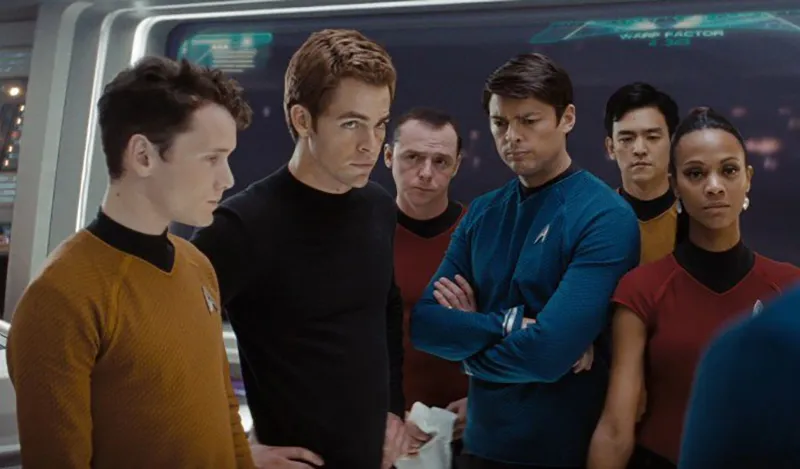
When Star Trek was relaunched in 2009 with the film Star Trek it was a good vehicle to reboot the franchise but the filmmakers did not want to completely alienate many fans. So an explanation was given that the events of Star Trek took place in an alternate reality that was created when the film’s Romulan bad guys time traveled to a time before the original series and changed the timeline.

However, this was not the first time that an alternate timeline was created in Star Trek. Actually this has happened many times in previous Star Trek TV shows starting with the original.

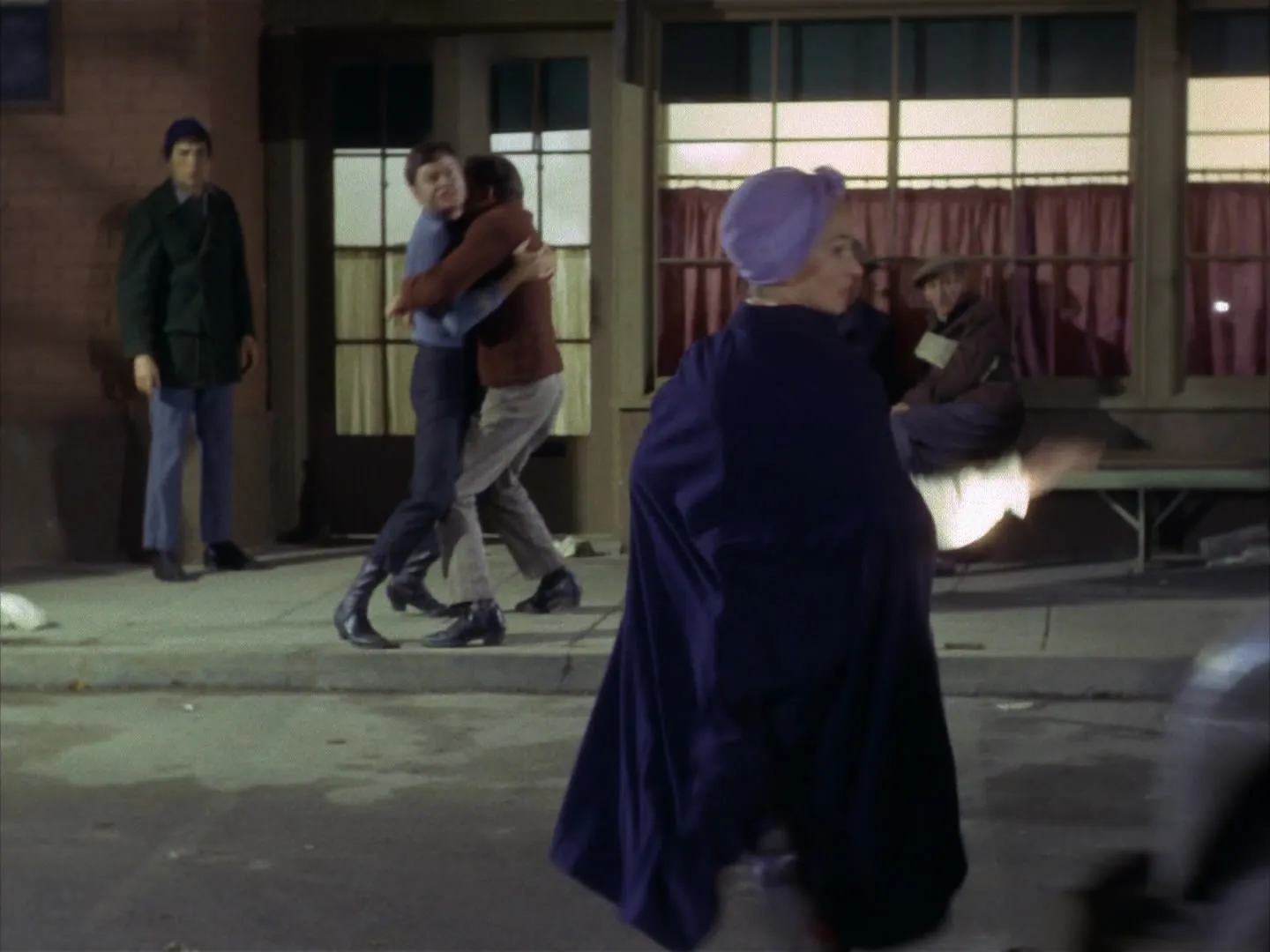
In the classic episode, “City on the Edge of Forever” a new timeline was created when Dr. McCoy went back in time and changed history so that the United States never entered World War II. This created a timeline where presumably the United Federation of Planets or Starfleet did not exist. Supposedly, the original timeline was restored when Kirk and Spock went back in time themselves and prevented McCoy from altering history. Or did they? The timeline McCoy created would still exist simply because he traveled to that pre-World War II period. Remember the scene where the hobo steals McCoy’s phaser and accidently kills himself? That created a new timeline where that man no longer existed. Even if that man never amounted to anything, his erasure would create a small ripple in time and this was never corrected by the end of the episode.

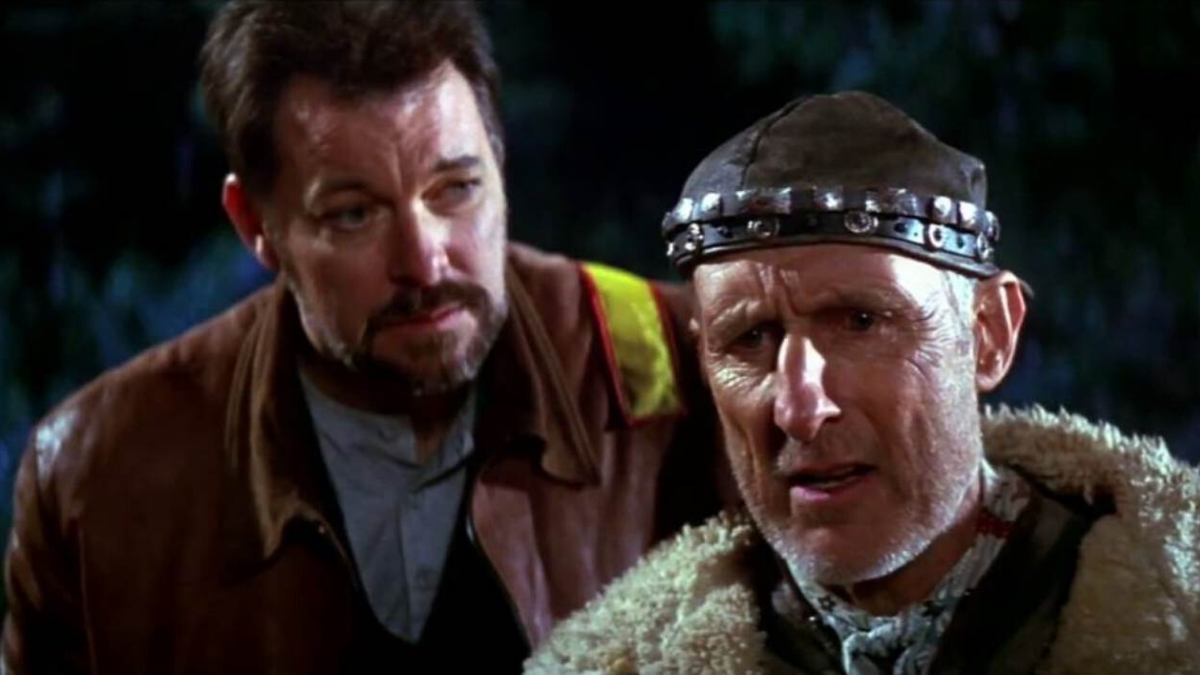
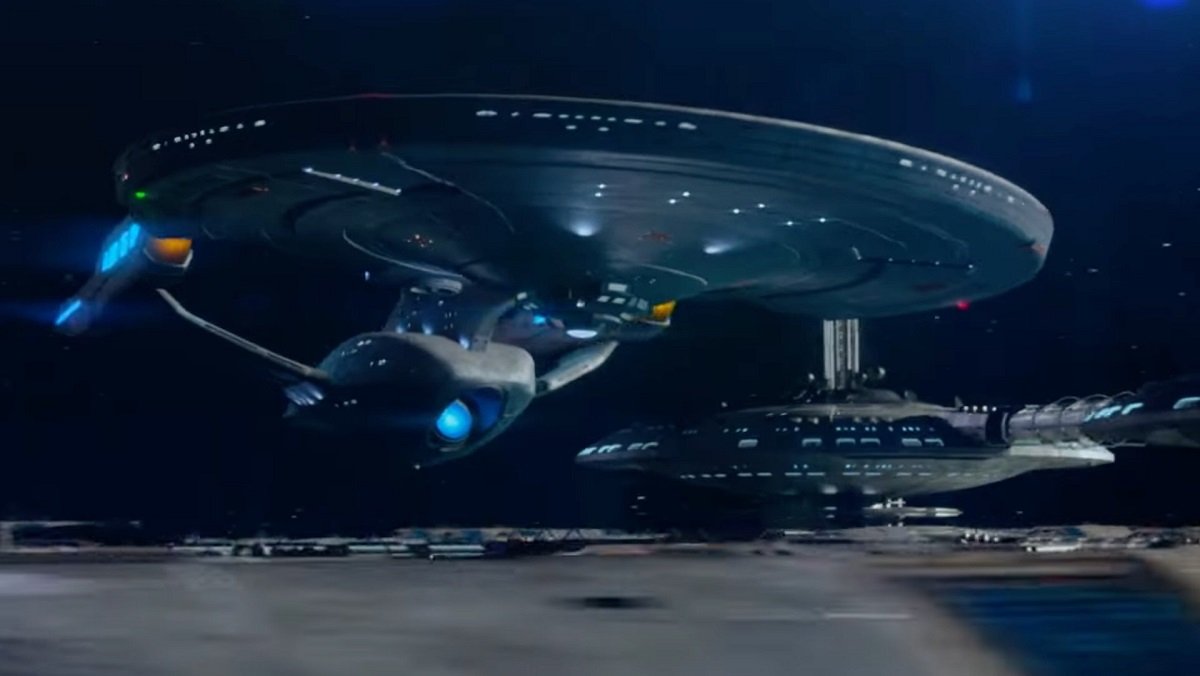
Here are some more examples: In Star Trek: First Contact, the crew of the Enterprise-E journey back to the mid-21st century to prevent the Borg from assimilating Earth. The Borg’s actions wound up killing many people who were involved with humanity’s first faster-than-light voyage. Even Riker and La Forge joined Zefram Cochrane to pilot the Phoenix, the first human-made warp ship. This created a new timeline even though the Enterprise-E crew stopped the Borg and the people the Borg killed remained dead. The crew interacted with people in the past including Cochrane, who was now aware of his destiny and this certainly had an impact on how he acted.

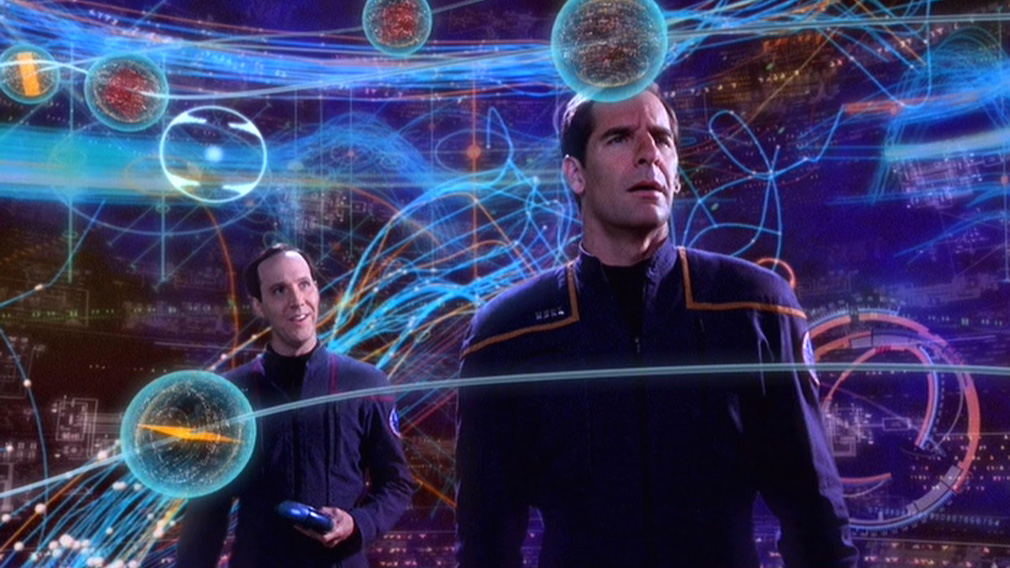
In Star Trek: Enterprise, a major arc involved the aliens called the Xindii who attacked Earth in the 22nd century, but it was revealed that such an attack never took place in the original timeline. More importantly, this attack was never undone when the story arc ended and was now part of the established canon timeline. It was stated that these incidents were part of a so-called Temporal Cold War that took place centuries in the future.

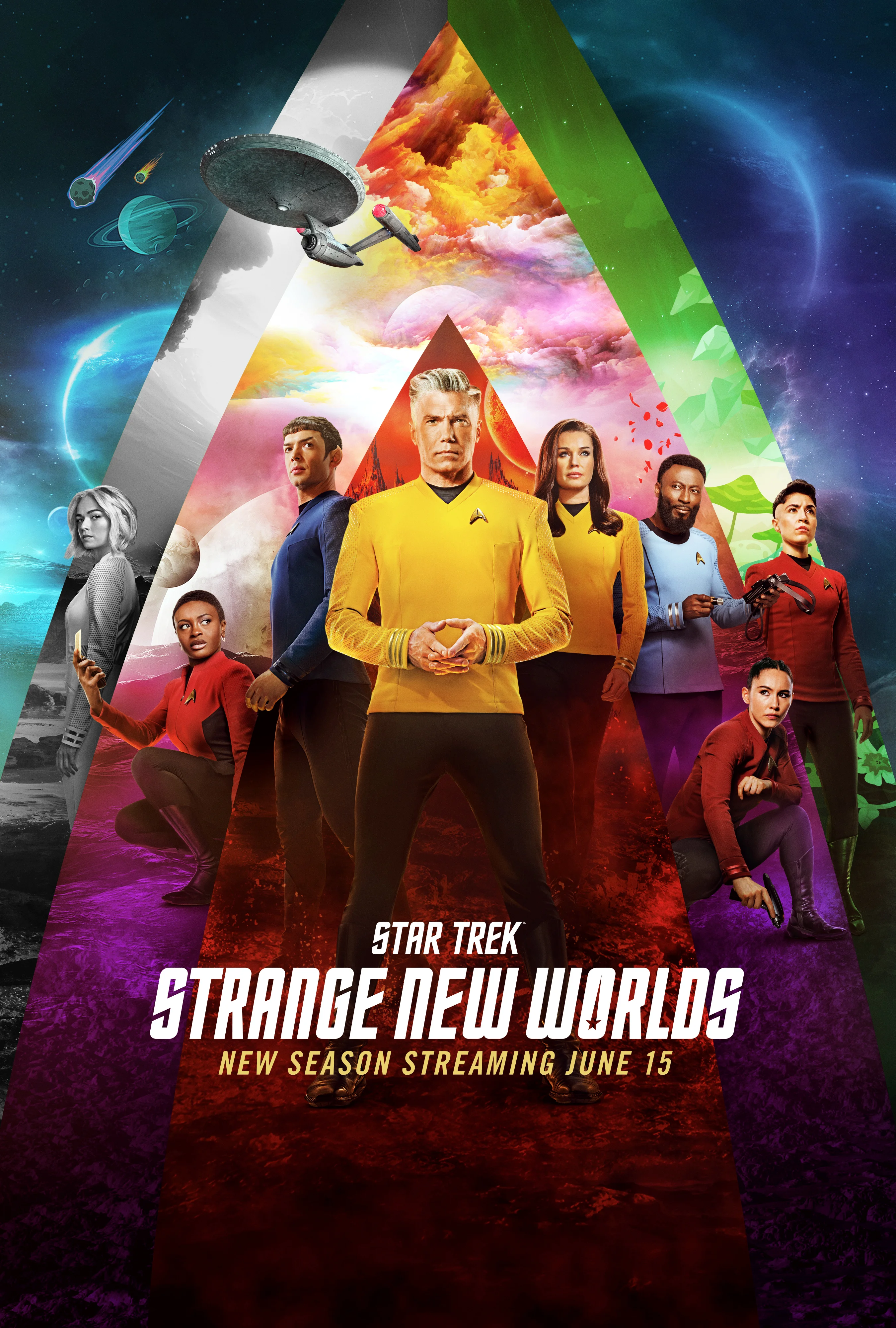
Another instance of the Star Trek timeline being changed was in the Star Trek: Strange New Worlds episode “Tomorrow and Tomorrow and Tomorrow”. In that episode those pesky Romulans are revealed to have changed the original Trek timeline in that they prevented the rise of Khan and the outbreak of World War III from the original time of the 1990s. Now these events are supposed to take place in the middle of the 21st century and evidence of this change was shown in Star Trek: First Contact when it was mentioned that the war took place in the mid-21st century.

There are many other instances of permanently changed timelines throughout Star Trek but in the end it does not matter too much. The real-world reason for these changes are to keep Trek relevant with our times. After all, it would be strange to keep saying that the Eugenics Wars and World War III took place in the 1990s or that the dated look of the original TV show with buttons on consoles is supposed to represent a realistic future for humanity. There have been non-canon efforts such as novels to try to explain this away but the results are nonsensical.

The best advice is to just accept that the Star Trek timelines are very fluicdic. Do not give it too much thought and enjoy the stories.

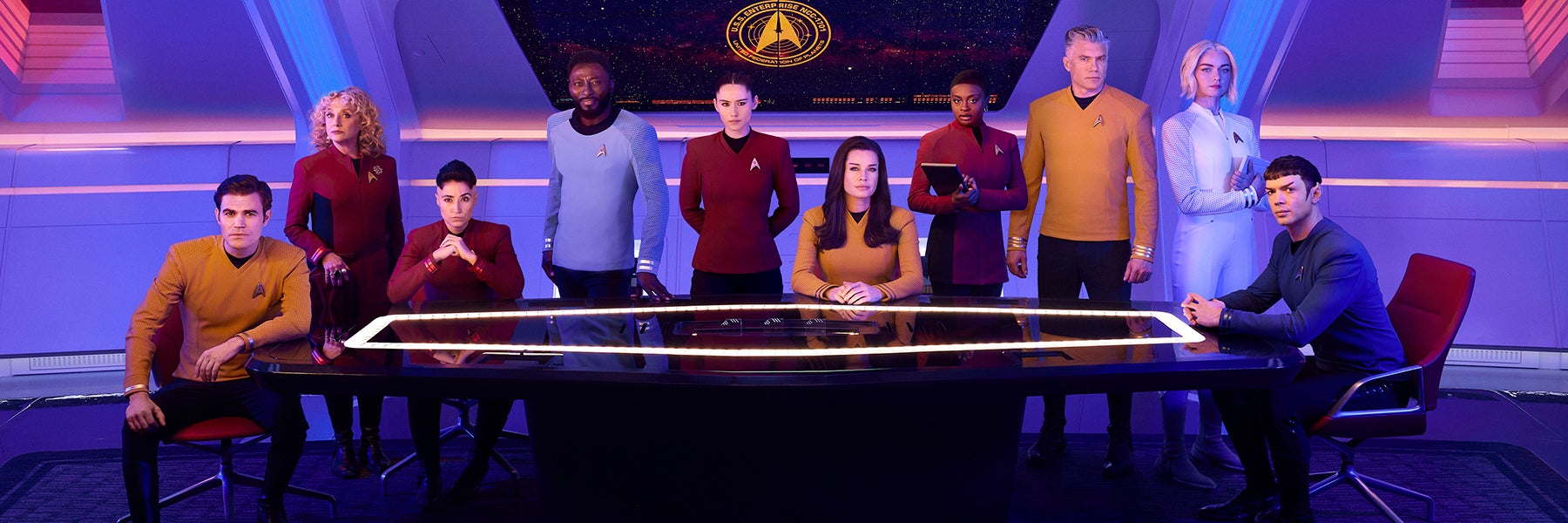
Star Trek: Strange New Worlds Has A Soaring Second Season

Yes, yes, those who have seen the second season finale of Star Trek: Strange New Worlds must be going insane and for good reason. The episode “Hegemony” ends in a cliffhanger! What’s worse is the fact that the production of the third season of the TV show has come to a complete halt because of the ongoing writers and actors strike. So it’s anyone’s guess as to when we’ll get to see the conclusion of the second season finale. However, “Hegemony” is the final proof that the second season of Star Trek: Strange New Worlds has been a soaring triumph.

It was critical for Star Trek: Strange New Worlds to have a successful second season to keep up the praise it received with its inaugural season and to measure up with the triumphant final season of Star Trek: Picard. After all, Star Trek: Strange New Worlds streamed mere weeks after Star Trek: Picard concluded and it had to at least be competent unlike Star Trek: Discovery. Thankfully, the second season was able to pull it off and deliver exceptionally well executed standalone episodes. Not every episode was a homerun but they were fantastic, and even pushed the creative envelope. The two episodes that best exemplify this were “Subspace Rhapsody” and “Those Old Scientists”.

“Subspace Rhapsody” had the audacity to be a musical and it was actually entertaining and provided interesting character insights, such as Uhura’s (Celia Rose) loneliness, La’an’s (Christina Chong) willingness to face her emotions, and Spock (Ethan Peck) and Christine Chapel’s (Jess Bush) doomed relationship.

Meanwhile, “Those Old Scientists” demonstrated that unlike the uneven comedic attempts in the first season, Star Trek: Strange New Worlds was able to deliver very humorous episodes. At the same time, the episode was a truly great crossover with the animated Star Trek: Lower Decks as Brad Boimler (Jack Quaid) and Mariner Beckett (Tawny Newsome) made their live-action debuts. They also served as representatives of fans by the way they kept gushing over the OG Star Trek characters.

The best episodes in the season however, were “Under the Cloak of War”, “Tomorrow and Tomorrow and Tomorrow” and the previously mentioned “Hegemony”. The episodes were your more traditional Star Trek yarns, but they were exceptional.

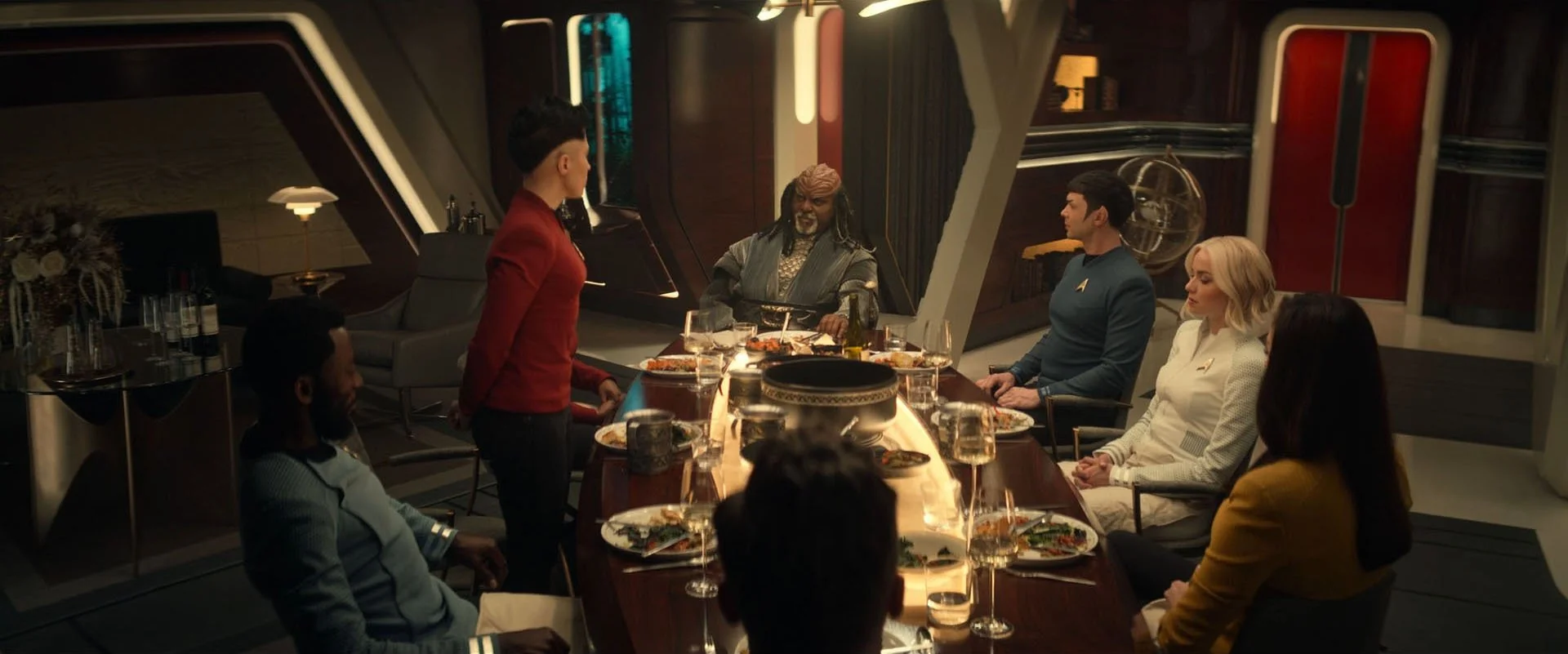
“Under the Cloak of War” offered a sobering look at the impact the Klingon War had with Dr. M’Benga (Babs Olusanmokun) and Christine Chapel as they had to interact with a notorious Klingon general (Robert Wisdom) who defected to the Federation. While the two dealt with their emotions in the present day, intense flashbacks of their time during the Klingon War were vivid and evoked Star Trek: Deep Space Nine’s Dominion episodes.

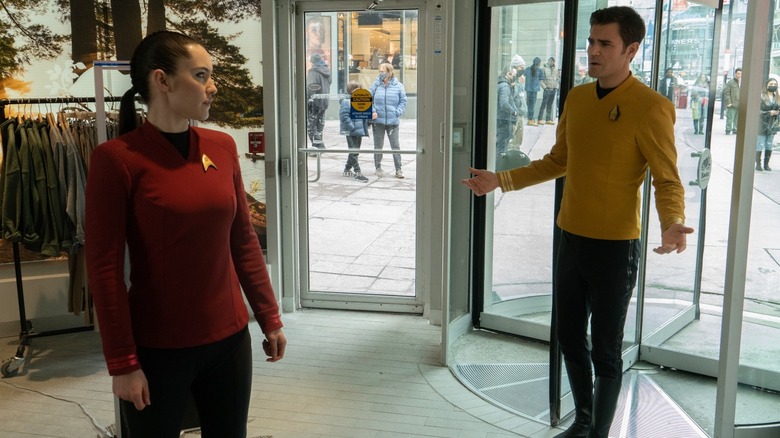
“Tomorrow and Tomorrow and Tomorrow” was an above average Star Trek time travel episode as La’an, along with an alternate version of James T. Kirk (Paul Wesley), wind up in Toronto during the mid-21st century. What made the episode stand out was the chemistry between the two and La’an’s dilemma as she faced her ancestral history (she is a descendant of the infamous Khan Noonien Singh).

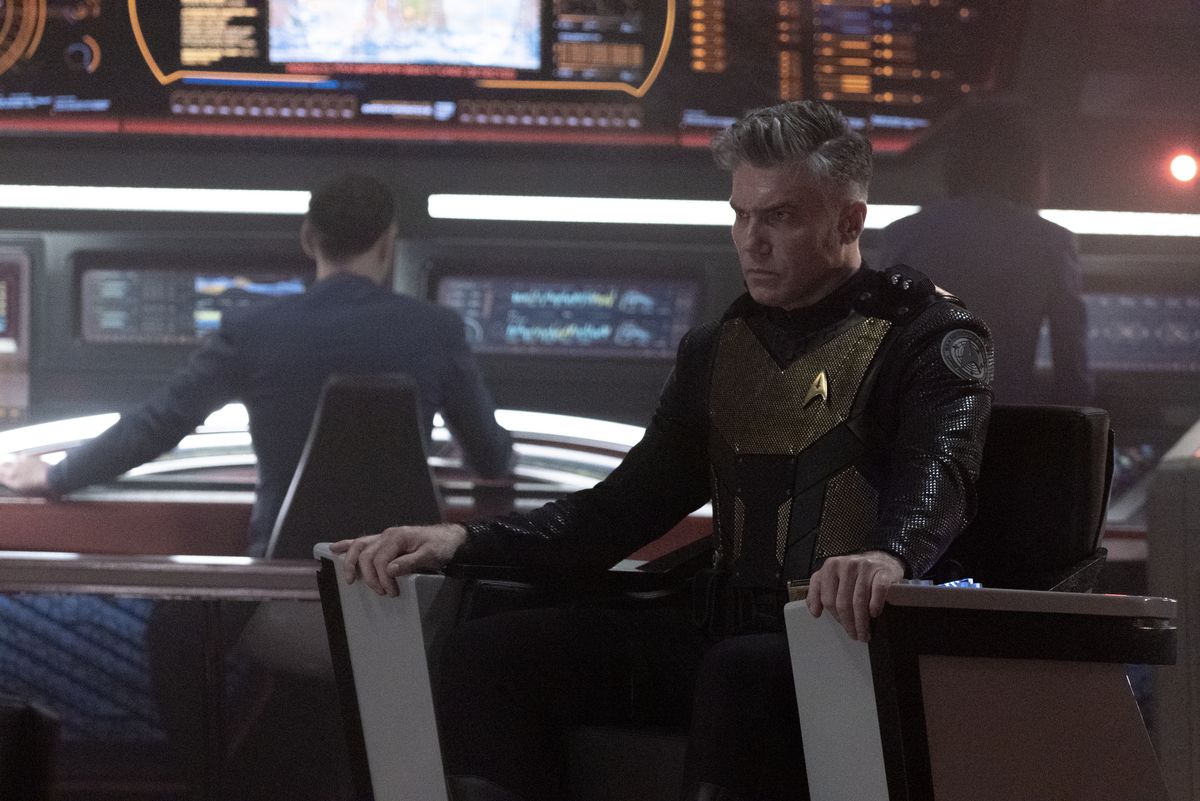
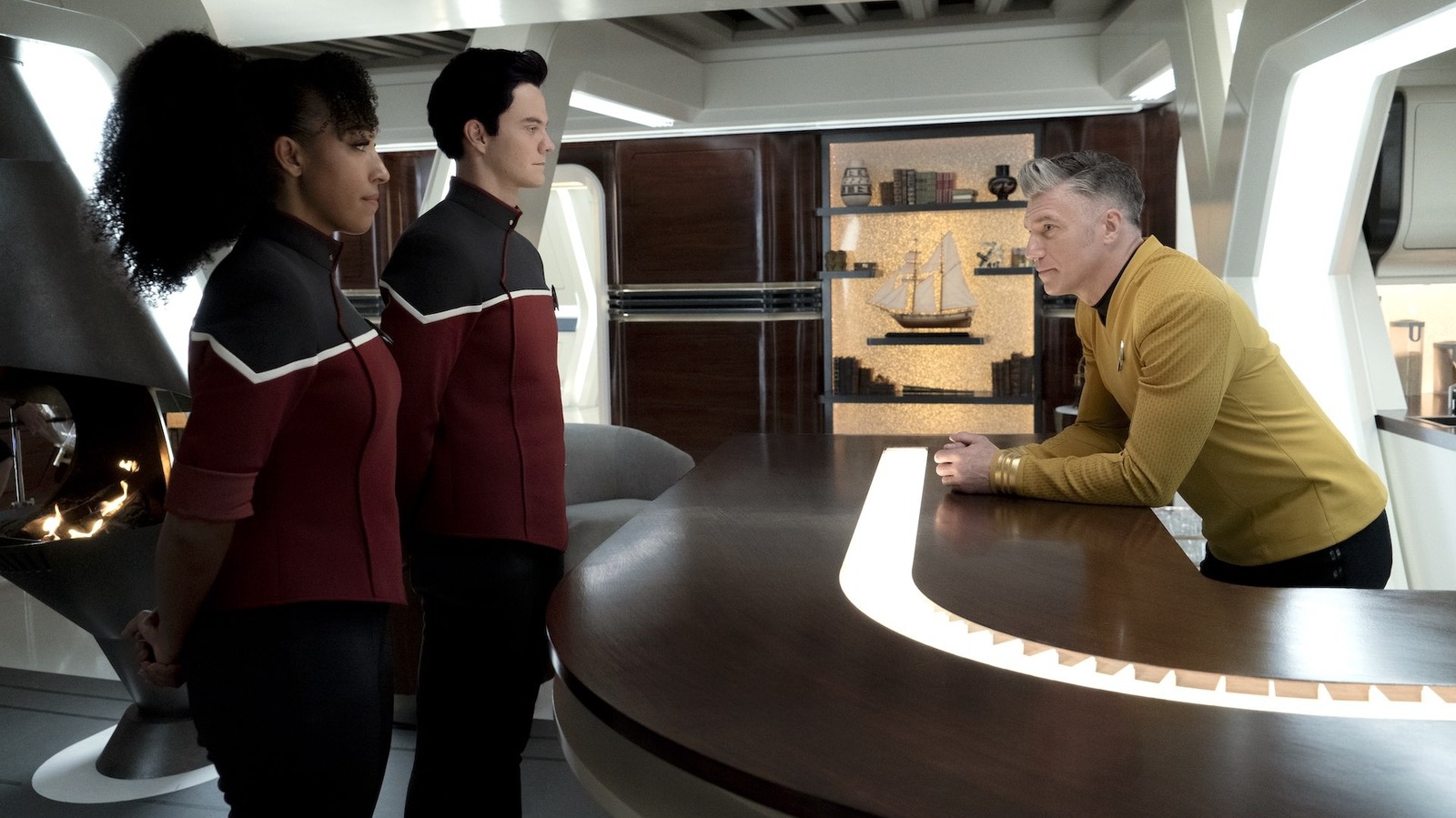
 “Hegemony” brought back the Gorn, the reptilian enemy race of the the Federation, and they were as deadly and frightening as ever. Captain Christopher Pike (Anson Mount) had to find a way to evacuate colonists off a world that has been claimed by the Gorn. The mood of the episode was chilling and foreboding as it had elements of Alien, and as a bonus we get to meet the new version of the future miracle worker, Montgomery Scott (Martin Quinn). The actor perfectly captured the essence of Scotty without seeming like a parody.  But as mentioned at the start of this review, the episode ends on a cliffhanger. Nuts! Come on you mega-rich studio execs, find a way to properly compensate the writers and actors who are the backbone of your products!

Continue reading

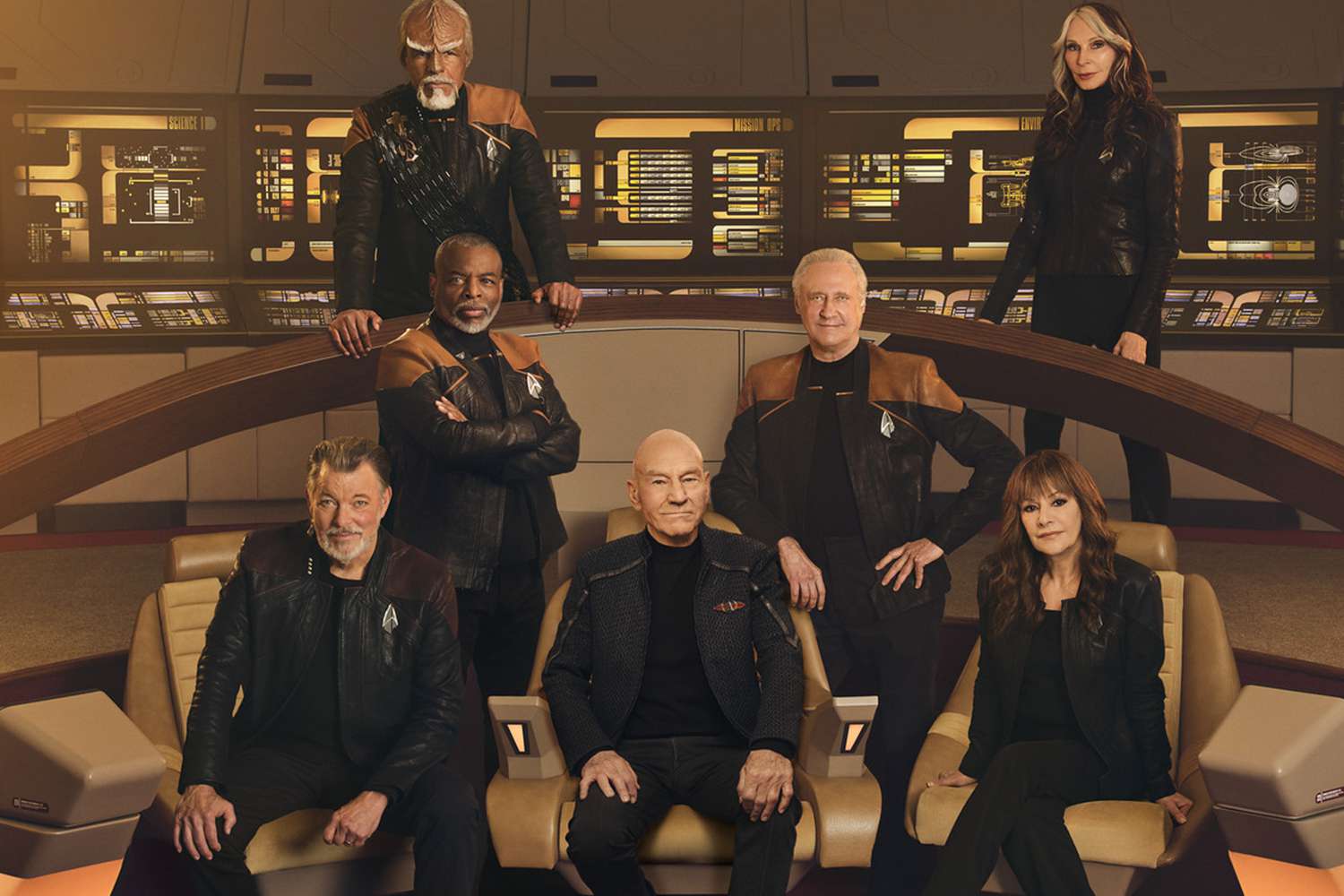
Star Trek: Picard Concludes With A Bold New Legacy

The third and final season of Star Trek: Picard just streamed its last episode, titled appropriately enough “The Last Generation”, and it was a brilliant finale to an exceptional season for the TV show.  *Warning: Spoilers will follow.

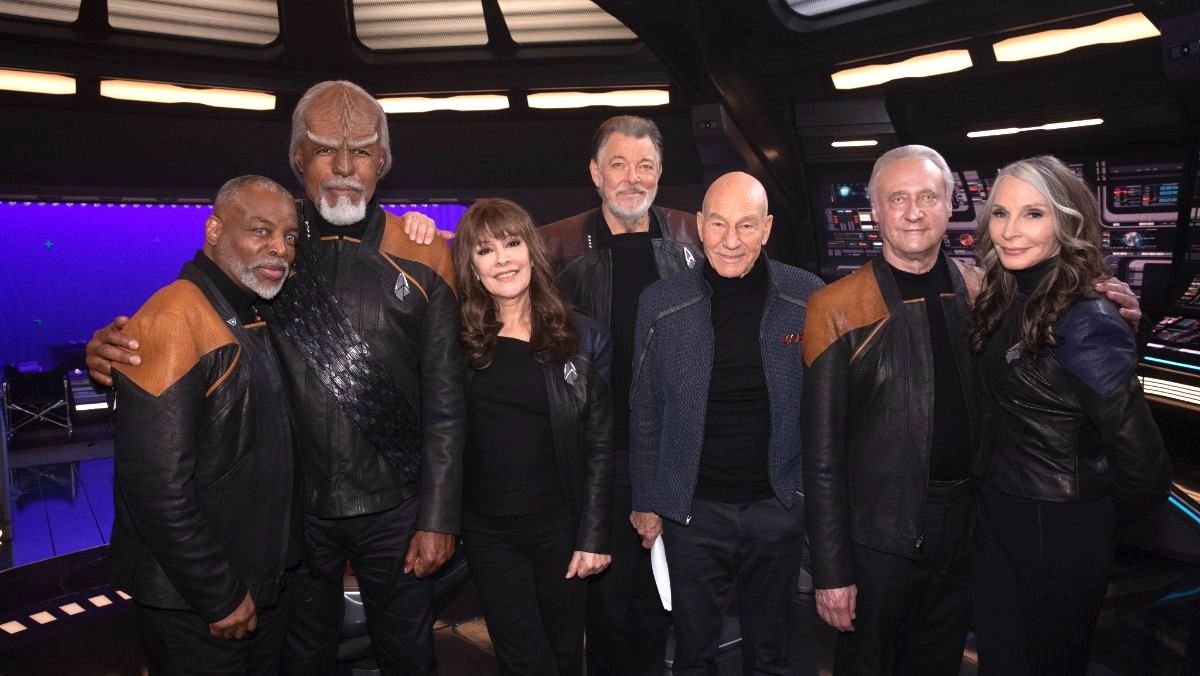
Star Trek: Picard as a series has been a mixed bag of a Star Trek show. While it was great to see Patrick Stewart reprise his role as retired Admiral Jean-Luc Picard, some of the episodes in the first season were not as well executed as they should have been. Meanwhile, the second season started strong but soon fell apart and became a big disappointment. So, in the final season of Star Trek: Picard, the showrunners, led by Terry Matalas, pulled out all stops to make this a worthy swan song to the legacy of Star Trek: The Next Generation (TNG). This included reuniting the core cast of that beloved TV show and numerous Member Berries recalling not just Star Trek: The Next Generation, but the original Star Trek, Star Trek: Deep Space Nine, Star Trek: Voyager and even other media like Star Trek Online. And you know what? It worked!

The third season of Star Trek: Picard quickly engaged viewers with reunions and beguiling mysteries that threatened the United Federation of Planets and Starfleet. Picard received a plea for help from Dr. Beverly Crusher (Gates McFadden), who he has not spoken to in decades. She and her young adult companion Jack (Ed Speleers) operate independent of the Federation and deliver medical aid to those that need it. They are also pursued by mercenaries led by the mysterious Vadic (Amanda Plummer). The problem is that Crusher is located just outside Federation space and Picard needs to find a way to get to her.

Picard enlists the help of his best friend and former first officer of the Enterprise-D, Will Riker (Jonathan Frakes), along with Seven of Nine (Jeri Ryan), who is the first officer of the Titan-A (a nice nod to Riker’s offscreen adventures as captain of the previous Titan). Together, they commandeer her ship to the edge of Federation space to rescue Crusher and Jack, who turns out to be Picard’s son. Their efforts unveil a vast conspiracy against Starfleet and the Federation itself involving Changelings (last seen in Star Trek: Deep Space Nine) and their unknown partner.

Everyone involved with the third season was at the top of their game and it was clear they were determined to turn the season into a love letter for fans. It is incredible that they succeeded as the TV show was exciting, full of emotion and great character moments. Some aspects of Star Trek: Picard evoked previous Star Trek tropes and plot points, but they were executed in a respectful and invigorating fashion that felt fresh. The best example of this were with the early episodes where Picard and the crew of the Titan-A played a cat-and-mouse game with Vadic and her ship the Shrike in a nebula that was clearly inspired by Star Trek II: The Wrath of Khan. Then there was the major subplot of Picard getting to know Jack, which was similar to Kirk’s relationship with his son David in that film. But it worked because these moments were not exact duplicates of the famous Trek film but added new wrinkles. Of course, what sold it was the execution with memorable acting and topnotch production values.

Continue reading

The Return Of James T. Kirk?

Sure, this title seems like your typical Aprl Fool’s Joke on Trekkers, but the possibility in official Star Trek canon was raised last week with the recent Star Trek: Picard episode, “The Bounty”. Spoiler warning for anyone who has not seen the episode.

During the episode Worf, Riker and Raffi raid the clandestine Daystrom Station. Unlike the noble, scientific think tanks named after Daystom shown and mentioned in other Star Treks, this orbital facility was the 25th century version of Area 51. The station stored many of Starfleet Intelligence’s top secret technology, weapons and alien contraband. The Daystrom Station was littered with many Star Trek Easter eggs and call backs, but the one that raised the most eyebrows among fans was the revelation that the station had the remains of Captain James T. Kirk.

The last time Kirk was seen onscreen, as played by William Shatner, was in the 1994 film Star Trek Generations. The late, great captain of the starship Enterprise met his end anticlimatically when he fell off a bridge while aiding Captain Jean-Luc Picard. To many fans this was an unsatisfying way to kill off the beloved Enterprise captain as they felt he warranted a more heroic death. Of course, this was not the last fans saw of James Kirk as he was portrayed by other actors, notably Chris Pine and Paul Wesley. But Shatner’s version of Kirk remains the definitive Kirk that is beloved by fans and many hoped that the actor would someday reprise the role. The closest we got to that was in Star Trek: Enterprise where there were plans for Shatner to reprise the Mirror Universe version of Kirk, and Shatner was slated to cameo in the Star Trek reboot film, but these plans never came to be.

Shatner himself expressed his dissatofaction with the way his character died on screen and went as far as to co-author a series of books with Garfield and Judith Reeves-Stevens where Kirk was resurrected. The first of these post-Star Trek Generations books was The Return and its plot revolved around Kirk being revived by Romulans using Borg technology to use him against the United Federation of Planets. Kirk with the aid of many Star Trek heroes overcame this plot and went on to live a full life in the 24th century. The books, called the Shatnerverse, are considered an alternate reality for obvious reasons, Still, they were popular with Kirk fans.

Getting back to Star Trek: Picard, which is official Star Trek canon, when Raffi passed by a containment unit in the Daystrom Station, a holographic display showed an image of a skeleton with the signage “James T. Kirk”. This image also had some biographical data and what was interesting was that the display revealed that Kirk was “critically injured” in the events of Star Trek: Generations. It does not say that he died in the film even though Picard was clearly seen standing over Kirk’s grave. So what gives?

Technology will be much more advanced in the far future, especially when it comes to medicine. For all we know a critical injury like falling off a bridge and being clinically dead as we know it today may not be the actual end of a person’s life. It can be possible to revive a person hours after death in the future and it’s possible this could be top-secret technology in the Federation that is reserved for very important people. Or perhaps Kirk remained dead but Starfleet Intelligence and its black-ops offshoot Section 31 may be trying to clone James T. Kirk for their own reasons. This is not far fetched since the Romulans cloned Picard in the film Star Trek Nemesis.

Most likely nothing will come of this, but this Easter egg is fertile ground for future screenwriters. It is also unlikely that Shatner, who is in his early nineties, will reprise his role one last time. However, this tantalizing Easter egg gives fans of the legendary James T. Kirk some hope that he can somehow return someday for one last, great adventure, at least in their imaginations. After all, legends never die.

Top Ten Worst Star Trek Captains

We’ve celebrated Star Trek’s legendary starship captains, but for every Kirk, Picard or Sisko there are some truly horrendous captains that appeared in the Star Trek television shows and films. Here are the worst Star Trek captains in the history of Starfleet.  

10. Captain Liam Shaw (Star Trek: Picard Season Three)

Command: U.S.S. Titan-A, NCC-80102-A

This guy is certainly the best of the worst. Shaw is abrasive, rude, risk-averse and an all-around jerk. But what cements Liam Shaw’s place on this list was how he dumped command of his ship, the Titan A, onto Will Riker, instead of acting like a real captain and getting the Titan out of danger. Still, many times during Star Trek: Picard, Shaw was the voice of reason and he was not afraid to say “Wait a minute, should we be doing this?” whenever our heroes ran off to danger. Also, he often was a scene stealer thanks to Todd Stashwick’s acting skills, especially once we learned he was a survivor of the Battle of Wolf 359.

9. Captain J.T. Esteban (Star Trek III: The Search for Spock)

Command: U.S.S. Grissom, NCC-638

The list has many risk-averse commanding officers and J.T. Esteban is great example of this trait. During his brief appearance in the film, Esteban came off as an unyielding, by-the-book type who refused to listen to reason. What was even worse with Esteban was that he was too slow to react to sudden developments and this cost him his life, along with the crew of the Grissom when the Klingons destroyed his ship.

8. Captain John Harriman (Star Trek Generations)

Command: U.S.S. Enterprise-B, NCC-1701-B

“It won’t be installed until Tuesday!” was the infamous catchphrase from this hapless captain. Harriman had the unenviable task of following up the legendary James T. Kirk as he assumed command of the Enterprise B during the opening scenes of Star Trek Generations. Right away, Harriman was in over his head and was frozen with indecision as he tried to command the Enterprise literally under the shadow of Kirk.

7. Captain Lawrence Styles (Star Trek III: The Search for Spock)

Command: U.S.S. Excelsior, NX-2000

Styles was a pompous, egotistical jerk who had the audacity to think his shiny new Excelsior was superior to the original Enterprise. Yes, the Excelsior was new with the latest tech, but that does not mean it becomes a legend. The minute he was introduced in the film and displayed a dismissive attitude towards the Enterprise and the original crew, fans instantly disliked him and for good reason. One of the best moments in the film was when he saw his beloved ship suffer an epic malfunction as it tried to pursue the Enterprise as it took off on its last voyage.

6. Captain Gabriel Lorca (Star Trek: Discovery Season One)

Command: U.S.S. Discovery, NCC-1031

The captain of the Discovery was popular when he was first introduced due to his no-nonsense and stern attitude that was a more realistic portrayal of a commanding officer. He even gave the disgraced Michael Burnham a chance to redeem herself by posting her on the ship. However, once it was revealed that Lorca was actually a manipulative wannabe despot from the Mirror Universe, he earned a permanent spot on this list. It’s too bad Lorca turned out to be such a dick, for a while, he was the best character on the show.

5. Captain Ben Maxwell (Star Trek: The Next Generation “The Wounded”)

Command: U.S.S. Phoenix, NCC-65420

The ends clearly do not justify the means with this starship captain. He has a tragic backstory where his family was killed by Cardassians during a war. In the episode “The Wounded”, Maxwell took it upon himself to launch preemptive attacks on Cardassians with his starship, the Phoenix, because he was convinced the Cardassians violated a treaty with the United Federation of Planets and were rearming themselves against the Federation. Even though in the end he was correct, his actions nearly sparked a war between the Federation and the Cardassians that the Federation was not in the condition to fight after Starfleet was decimated by the Borg earlier in the season.

4. Captain Ronald Tracey (Star Trek “The Omega Glory”)

Command: U.S.S. Exeter, NCC-1672

How this lunatic ever passed Starfleet Academy is anyone’s guess. First, he got his crew killed when he led a landing party on one of those parallel worlds and contracted a virus that killed everyone on his ship, the Exeter. Then, he openly violated the Prime Directive by taking sides in a local war on the planet. This he did to supposedly provide immortality to humanity. Finally, he tried to get the locals to kill Kirk, Spock and McCoy by exploiting their superstitious beliefs. Great job there, Tracey.

3. Captain Rudy Ransom (Star Trek: Voyager “Equinox, Part I and II”)

Command: U.S.S. Equinox, NCC-72381

Here is another fallen Starfleet captain who flagrantly violated the Prime Directive. Stranded in the distant Delta Quadrant, Ransom and his ship, the Equinox, had suffered numerous calamities. Desperate for fuel to get home faster, Ransom’s crew discovered that dimensional beings generated a power source for the Equinox, but the beings had to be murdered for the fuel.  This led to a disastrous conflict with the Voyager and its crew. Special dishonor also has to go to Ransom’s first officer, Maxwell Burke, for taking command of the Equinox from Ransom after the captain began to see the error of his ways.  

2. “Captain” Tim Watters (Star Trek: Deep Space Nine “Valiant”)

Command: U.S.S. Valiant, NCC-74210

This insufferable snot-nosed punk deserved to be killed for his arrogance. He gets the title of captain in quotes because he was just an elite cadet who wound up in command of the Valiant when the ship’s crew was killed. So, he doesn’t even deserve to be called a captain. Anyway, during his dictatorial command he refused to listen to reason, threw people who disagreed with him in the brig, and let his arrogance kill the remaining crew of the Valiant when he foolishly led a doomed attack on a Jem’Hadar battlecruiser. In the words of Nog, who was one of the few survivors, “in the end, he was a bad captain.”

1. Captain Edward Jellico (Star Trek: The Next Generation “Chain of Command, Part I and II”)

Command: U.S.S. Cairo, NCC-42136 and U.S.S. Enterprise-D, NCC-1701-D

Man, was this guy a raging A-hole! Super strict, authoritarian, obtuse, antagonistic, unwilling to listen to others, Jellico just rubbed people the wrong way. After taking command of the Enterprise D from Jean-Luc Picard, Jellico quickly alienated the ship’s command officers with his brusque, My-Way-Or-The-Highway style of command. Sure, his manner of running things was effective, and arguably realistic according to those with military experience, but he had everyone so wound up that morale plummeted badly on the ship. It was no wonder that we cheered when Riker finally told him off. Unfortunately, this jerkwad was eventually promoted to an admiral as seen in Star Trek: Prodigy, and he has not changed a bit.

Anyone has a different list of captains that should be mentioned? Feel free to leave a comment!

José Soto