Celebrating The Death Of Superman

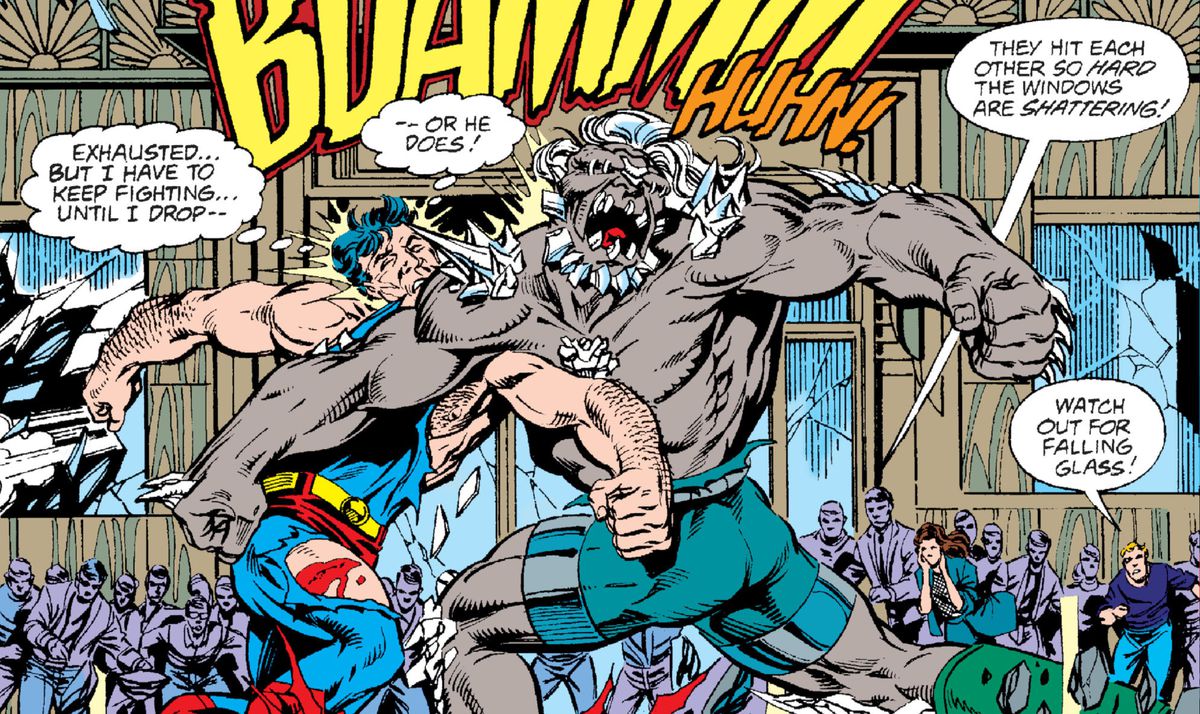
Thirty years ago, one of the most monumental events in comic books took place with the release of DC Comics’ Superman #75. As comic book fans know, the issue was the finale to the epic “Death of Superman” crossover storyline that ran across several other Superman titles, Action Comics, The Adventures of Superman, and Superman: The Man of Steel. Superman met his physical match with the alien monstrosity called Doomsday that escaped from an unknown prison and rampaged across the countryside.

During the rampage, Superman and his allies desperately fought the hulking, grey behemoth, but were unable to stop Doomsday as he finally made his way to Superman’s home, the city of Metropolis. It was in that fictional city that Superman made his last stand against the creature and ultimately killed him, but not before Doomsday killed him, as well.

It was one of the finest Superman stories ever told, it was a true epic full of action and heart. It demonstrated why Superman was one of the greatest superheroes ever conceived, as he used all his strength and drive to stop Doomsday before making his greatest sacrifice.

Before the storyline came out in 1992, the creative team behind the Superman titles, which included Dan Jurgens, Louise Simonson, Roger Stern, Jerry Ordway, Tom Grummett, Jackson Guice and Jon Bogdanove, were following in the wake of John Byrne’s run with the character in Superman, Action Comics and The Adventures of Superman. Byrne radically revamped and modernized Superman in the 1980s, which raised the superhero’s profile to an extent. But when Byrne left the titles it was up to this small army of writers and artists to continue creating quality storylines. The creative team at that time often would get together in a so-called “Superman Summit” to map out and brainstorm ideas for Superman.
Marriage & Death

During this period, they were developing the concept of Superman/Clark Kent marrying Lois Lane. But they came upon a huge stumbling block in that the same story was being used by the TV show Lois and Clark: The New Adventures of Superman. This postponed plans to marry off the two lovers in the comic books because the TV producers wanted to be the first ones to play with the marriage concept and have the comic books coincide with the TV event. This frustrated the creative teams because this decision by the higher ups disrupted their carefully planned stories for the year.

It was back to the drawing board as the creative team held another meeting to conceive an alternative plot for Superman. Despite their efforts, they could not come up with a story that was as good as marrying off Superman. On a frustrated whim, it was suggested by Ordway to kill off Superman. At first, the idea was dismissed because he often would bring this idea up as a joke in previous summits. But this time, the joke began to germinate as the creators wondered what if Superman was killed, and their brainstorming led to the crossover event.

Pending Doomsday

The “Death of Superman” garnered so much media attention because many who did not follow or understand comics actually wondered if this event was a publicity stunt to generate sales or if DC actually intended to kill off its flagship superhero.

When the storyline first debuted in Superman: The Man of Steel #18 (where all readers saw were fists thumping through reinforced walls at the end of the issue), interest in Superman was already percolating as fans latched onto the storyline and wondered themselves how it would play out. After all, for the first time one of the most prominent comic book icons was going to be killed off. Sure there were big deaths in comic books before such as Supergirl and the Flash in the Crisis on Infinite Earths mini-series and lesser known heroes like Invisible Kid and Ferro Lad, both from the Legion of Superheroes died, as well. But this time it was different. This was Superman we were talking about. By the time Superman #75 came out the storyline morphed from a media event to a pop culture event.
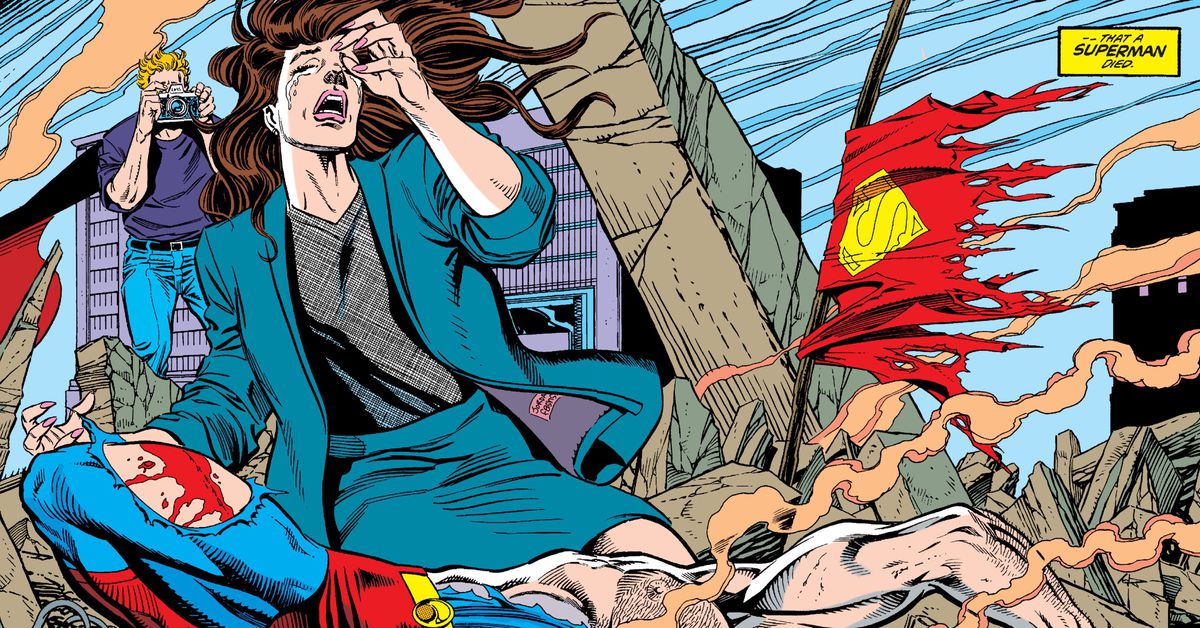
At this time, the story played out weekly as each title advanced the plot. It was a slow burn as each tightly coordinated issue advanced the plot, which enticed readers to come back to the stores the following week to find out what happened next. This generated a lot of interest not just with readers, but with trade magazines like Wizard. By the time the story culminated in Superman #75, the confrontation between Superman and Doomsday took up entire splash pages and concluded with a multiple page spread featuring Lois crying over Superman’s lifeless corpse.

Continue reading
DC Films’ Pending Comeback

It has become a bit of a running joke and a sore point for fans of DC Comics that the films based on the popular comic books have not been as well received as those from Marvel Studios.

For years, the films of the DC Extended Universe (DCEU) have had a mixed reaction from critics and fans. The result was a perceived lack of quality or consistency, which was quite frustrating as the potential for the films and various DC characters was squandered. Two examples are Superman and Batman. After their joint film Batman v Superman: Dawn of Justice turned out to be disappointing it seemed as if DC Comics’ owners Warner Bros. (now Warner Bros. Discovery) gave up on the two characters, especially Superman, and focused on DC films not set in the DCEU.

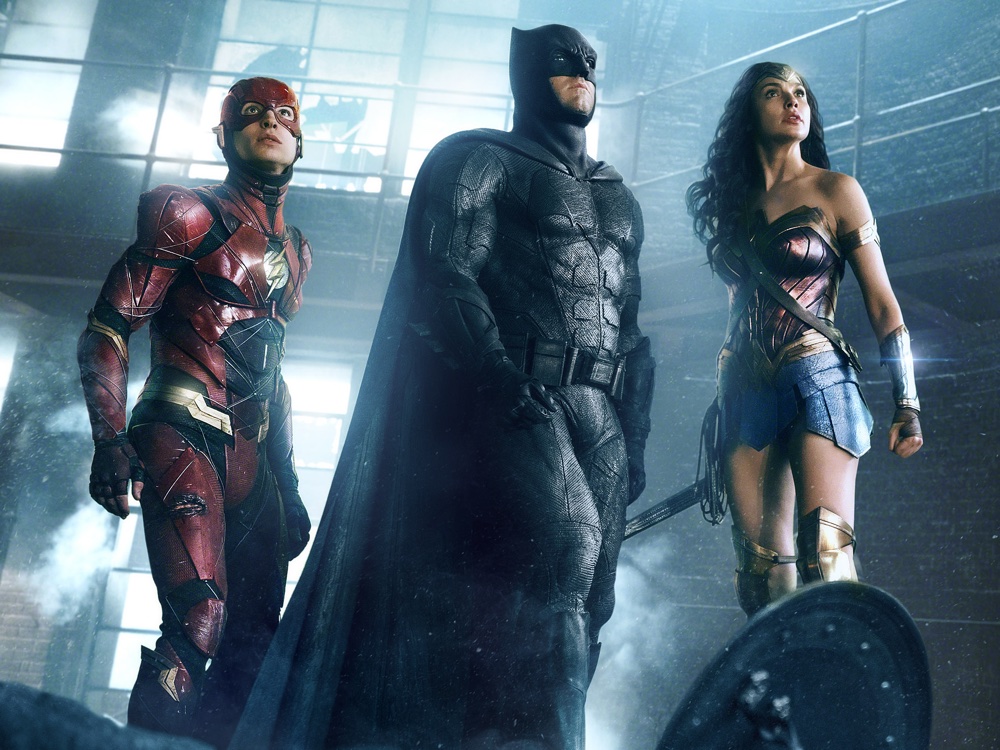
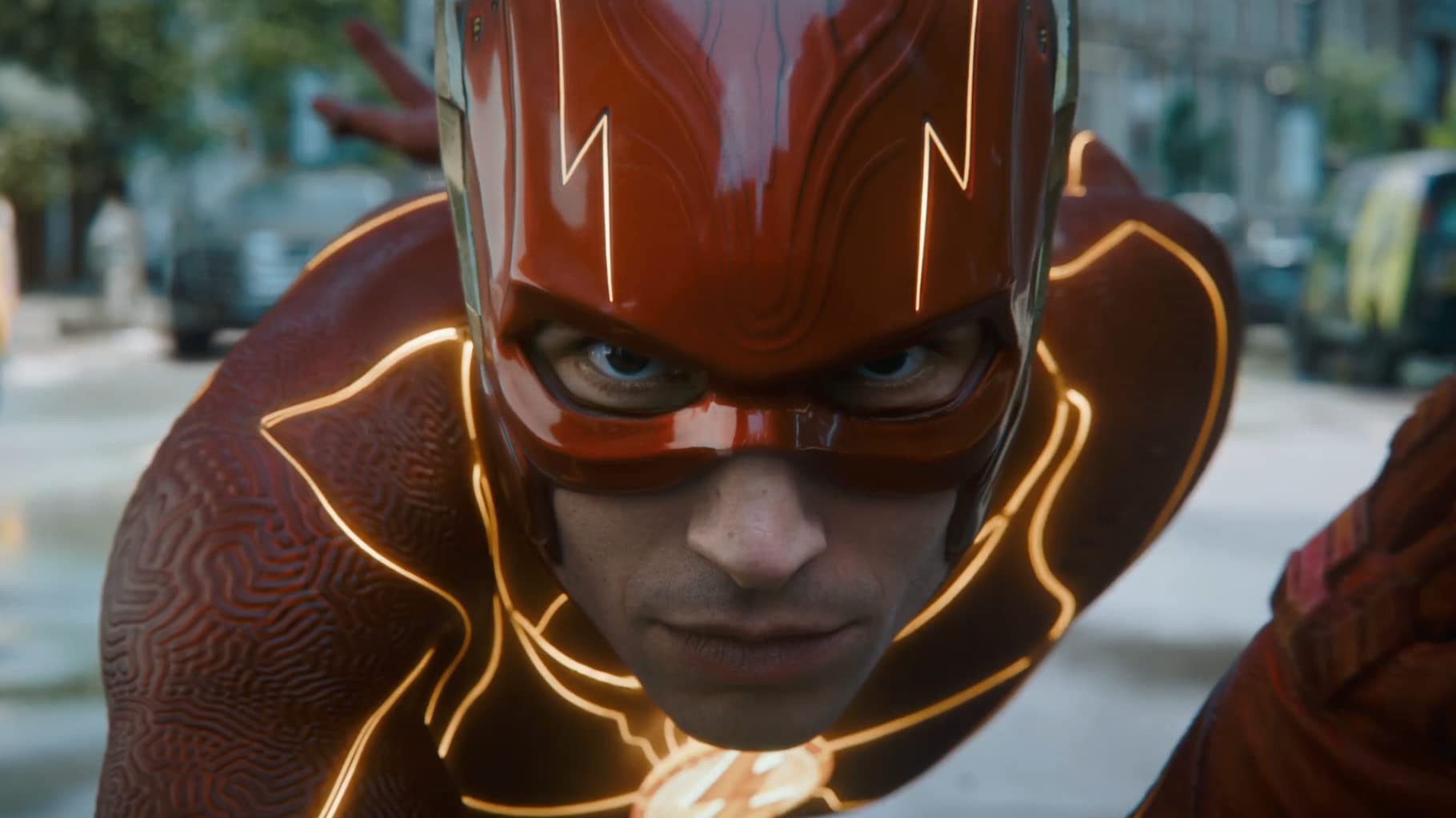
Then there were extensive behind-the-scenes production problems, the most recent and glaring were the issues behind The Flash and its star Ezra Miller. Other properites were announced then abandoned. These issues in turn gave the perception that properties from the DCEU were inferior or at the very least were inconsistent as the film universe lacked direction.

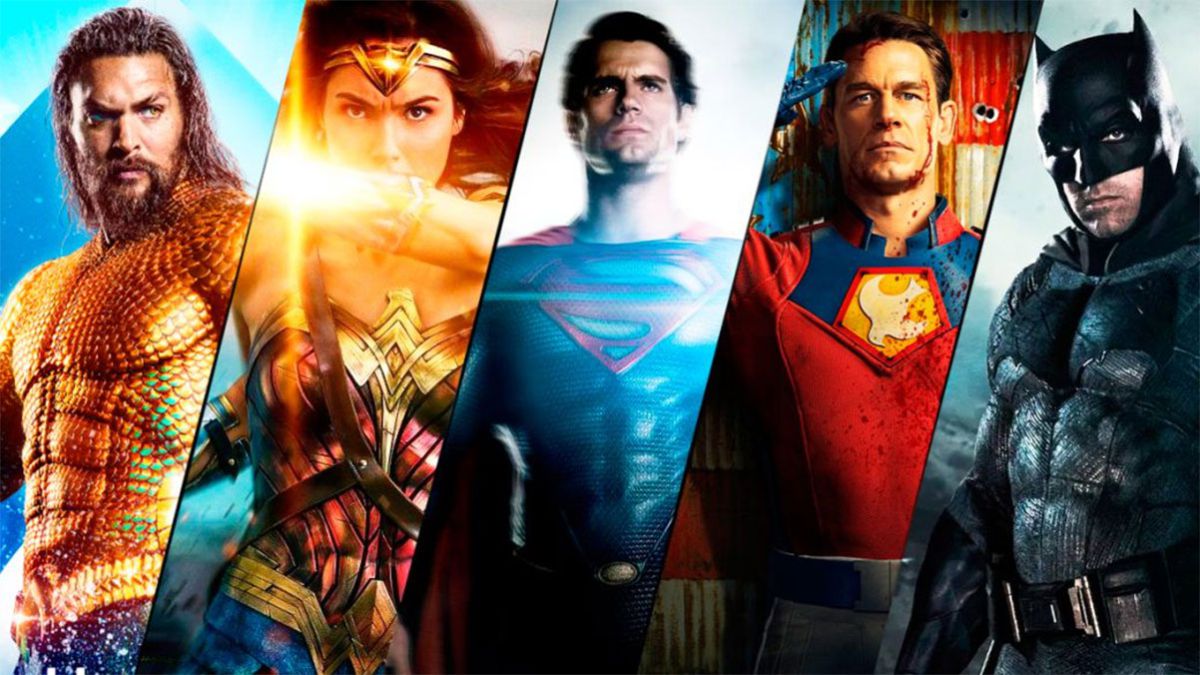
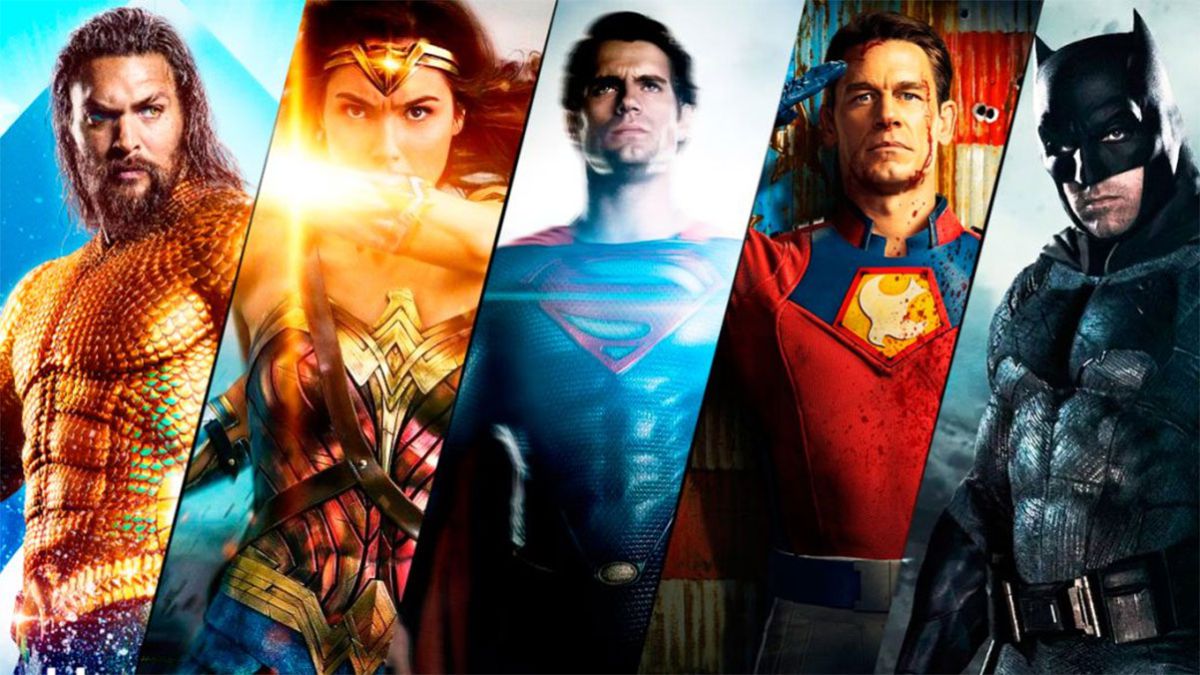
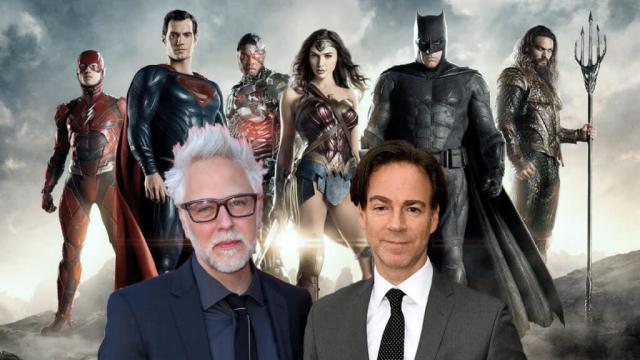
This will all change thanks to the hiring of James Gunn and Peter Safran who will take over the newly formed DC Studios. The duo promise to bring a creatve and consistent approach to the DC films, TV shows, animation and other media. While the non-DCEU films and TV shows will continue to be made, such as sequels to Joker and The Batman, the two film executives will have a firm hand on the DCEU films and TV shows. Needless to repeat to fans that the two are well known for their work in previous DCEU films such as Aquaman, Shazam!, The Suicide Squad, and Peacemaker.

Also worth mentioning is that Warner Bros. Discovery has had a change of heart when it comes to Superman. Henry Cavill who originated the role with the first DCEU film Man of Steel, has already reappeared in the DCEU with a cameo in Black Adam, and will star in a new solo Superman film.

Meanwhile, Ben Affleck, who played Batman in the early DCEU films is also slated to return and in fact will appear as the Caped Crusader in The Flash, Aquaman and the Lost Kingdom, and future DCEU films.

After the release of next year’s Aquaman and the Lost Kingdom, it is not clear what exactly lies ahead for DCEU films. At this point, all we can speculate on are reports of another Wonder Woman film being developed, as well as sequels to Black Adam and The Flash. But keep in mind that David Zaslav, the president and CEO of Warner Bros. Discovery has committed to developing a 10-year plan for the DCEU films. With the proven and talented guidance of James Gunn and Peter Safran, DC Studios will be quite successful with the effort.

It is an exciting time for DC fans, as the future holds a lot of promise for the DCEU. Now, if only we can get some kind of confirmation of a Green Lantern film…

The DCEU 2013-2023?

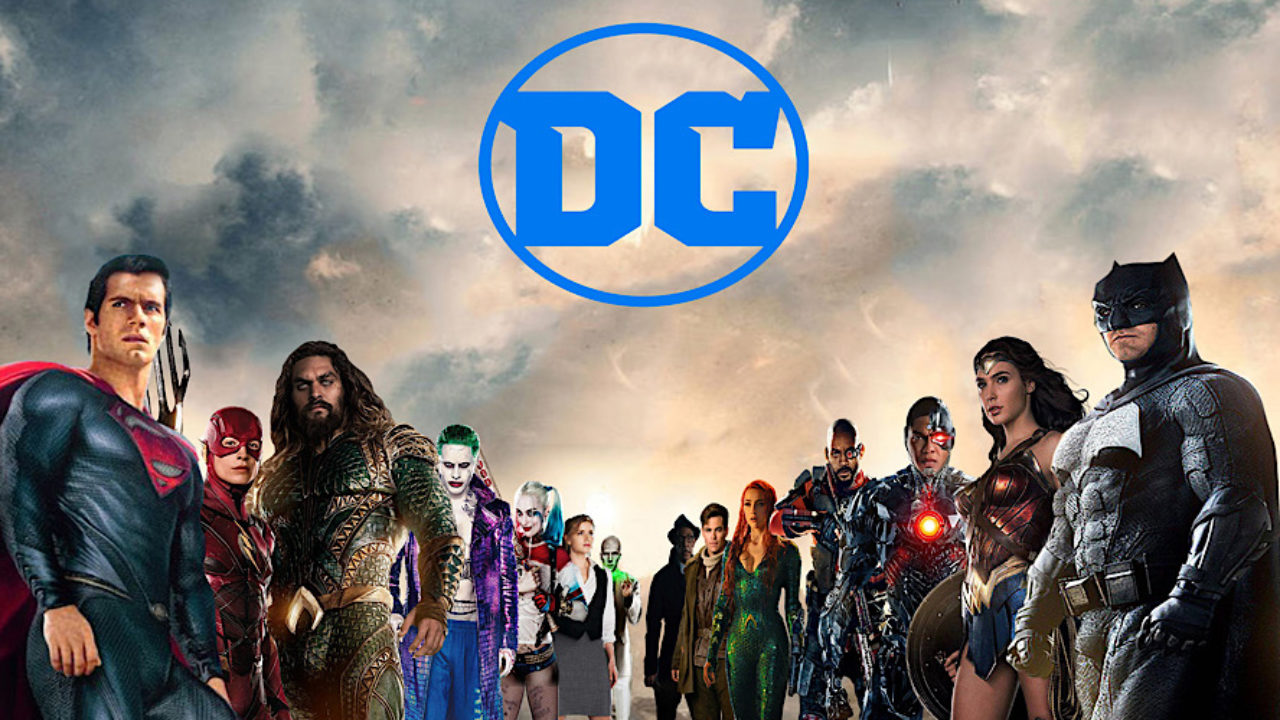
It was not supposed to be like this. For decades, DC Comics’ characters ruled the box office and airwaves, especially with Batman, thanks to the backing of their parent company Warner Bros. That all changed starting in 2008 when Marvel Studios successfully launched their interconnected series of films, the Marvel Cinematic Universe (MCU), which soon overtook DC and Warner Bros. in terms of critical and fan reception and economic success. Warner Bros. did put up a fight and launched their own version of interconnected films, the DC Extended Universe (DCEU), with the release of Man of Steel in 2013.

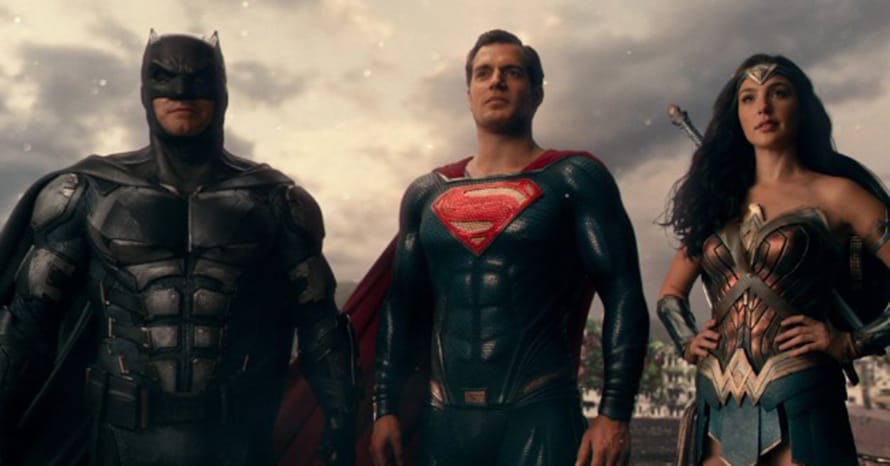
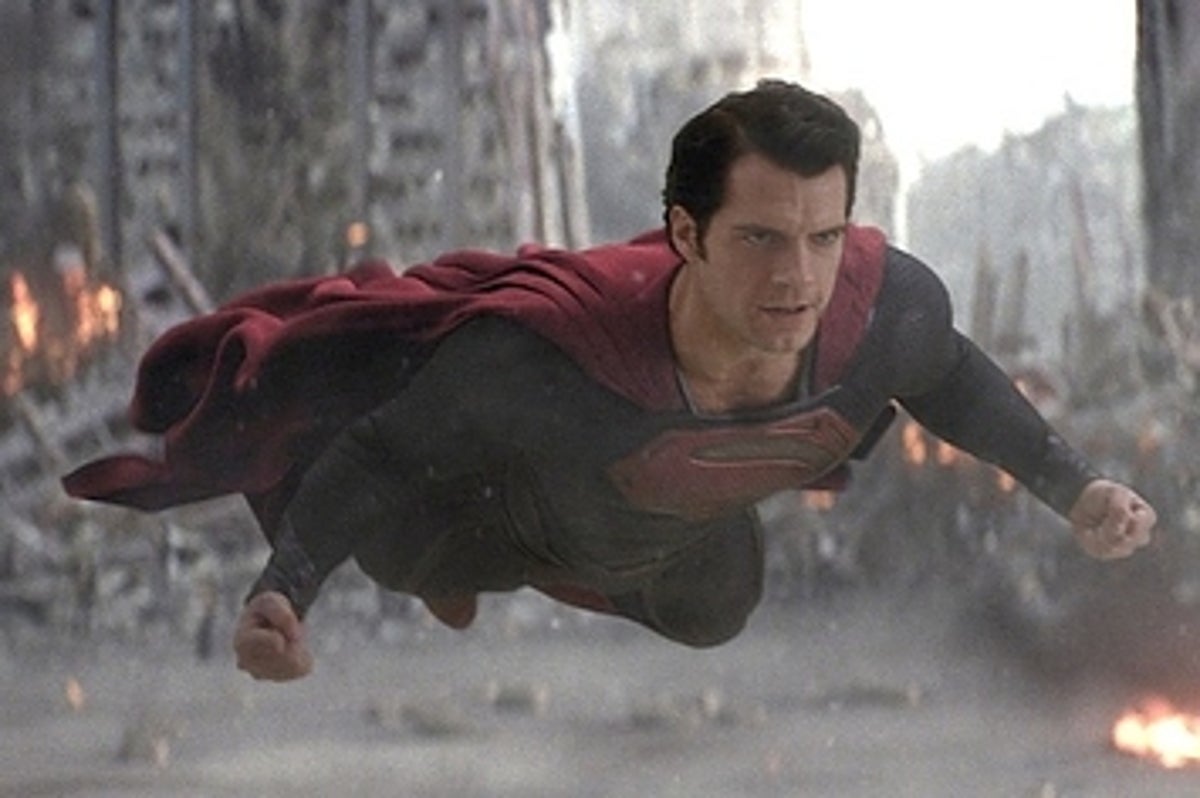
That film, featuring a new, updated version of Superman, had mixed reactions. Some applauded the grounded, grittier take of Superman, while others complained about the dark tone of the film and its over-stylized look thanks to director Zack Snyder. Still, thanks in part to Henry Cavill’s performance as Superman/Clark Kent, the film was the sound basis for an interconnected film universe featuring DC characters, which continued with Batman v Superman: Dawn of Justice in 2016. At last, Warner Bros. had a true counterpart to the DCEU because the second DCEU film greatly expanded its cinematic world as it not only introduced the DCEU version of Batman, but Wonder Woman, and other members of the Justice League superhero team.

But as we all know, Batman v Superman: Dawn of Justice had a negative reaction thanks to its uneven and convoluted storyline and the DCEU never quite recovered with its sophmore film. The DCEU had an uneven track record with its filmography. For every critical and commercial success like Wonder Woman and Aquaman there were failures like Justice League and the Suicide Squad films. The film universe was inconsistent with its tone and output, meanwhile, the MCU churned out hit after hit without any legitimate competition.

HAR_DM_FIRST LOOK RND F04

What made matters worse for the DCEU was the fact that Warner Bros. seemed to give up on the DCEU by delaying long-announced films, including a solo followup to Man of Steel. This last issue drove Cavill away from the role as the film studio made announcements about new versions of Superman, which never materialized. Instead of focusing on the DCEU, Warner Bros. turned its attention to projects outside of the DCEU like Joker and The Batman, as well as TV shows that were not connected to the DCEU.

Many of these projects were successful, but they did not do anything for the DCEU. Fans asked for DCEU films featuring Superman and the other DC heavy hitters, but instead Warner Bros. greenlit films featuring lesser known characters like Black Adam, Blue Beetle and the Wonder Twins.

Then there were issues with the pandemic, which delayed film productions and forced Warner Bros. to debut films like Wonder Woman 1984 on their streaming platform, HBO Max. In fact, the parent company of the film studio, AT&T decided to forego or deemphasize film releases in favor of premiering films on HBO Max. This led to diminished financial returns for DCEU properties like The Suicide Squad.

Another sign that implied that the film studio had given up on the DCEU were rumors that the long-delayed DCEU film, The Flash, would be used to reboot the DCEU with new actors. Evidence for this lies with the fact that Michael Keaton is reprising his role as Batman in The Flash. Meanwhile the DCEU version of Batman, played by Ben Affleck and Superman, would be wiped out of existence thanks to the Flash and time travel hijinks. But that was nothing compared to the big changes instituted by new owners.

Continue reading

Big Changes Coming For DC & The DCEU

This past week Discovery officially took over Warner Bros. and its properties including DC Comics and DC Entertainment. After doing so, the company (rebranded as WB Discovery) announced they were radically overhauling DC Entertainment and its superheroes, specifically their films and TV shows including those of the DC Extended Universe (DCEU). Even though there have been very successful DCEU efforts like Aquaman and Peacemaker, other releases did not exactly hit the high bar when it came to box office sales or critical/fan reception (Wonder Woman 1984). The goal of the restructuring is to make the DCEU genuinely competitive with the Marvel Cinematic Universe (MCU).

This would mean that a head honcho would be hired to oversee the production of DCEU films and TV shows in the same manner that Marvel Studios president, Kevin Feige, does with the MCU. This also implies that the DC films and TV shows will be more coherent and less disjointed, while some once-prominent properties will get more attention. In fact, WB Discovery stated that Warner Bros. allowed top tier properties like Superman “languish” to the detriment of the DCEU and DC.

The Snyderverse and Stalled Efforts

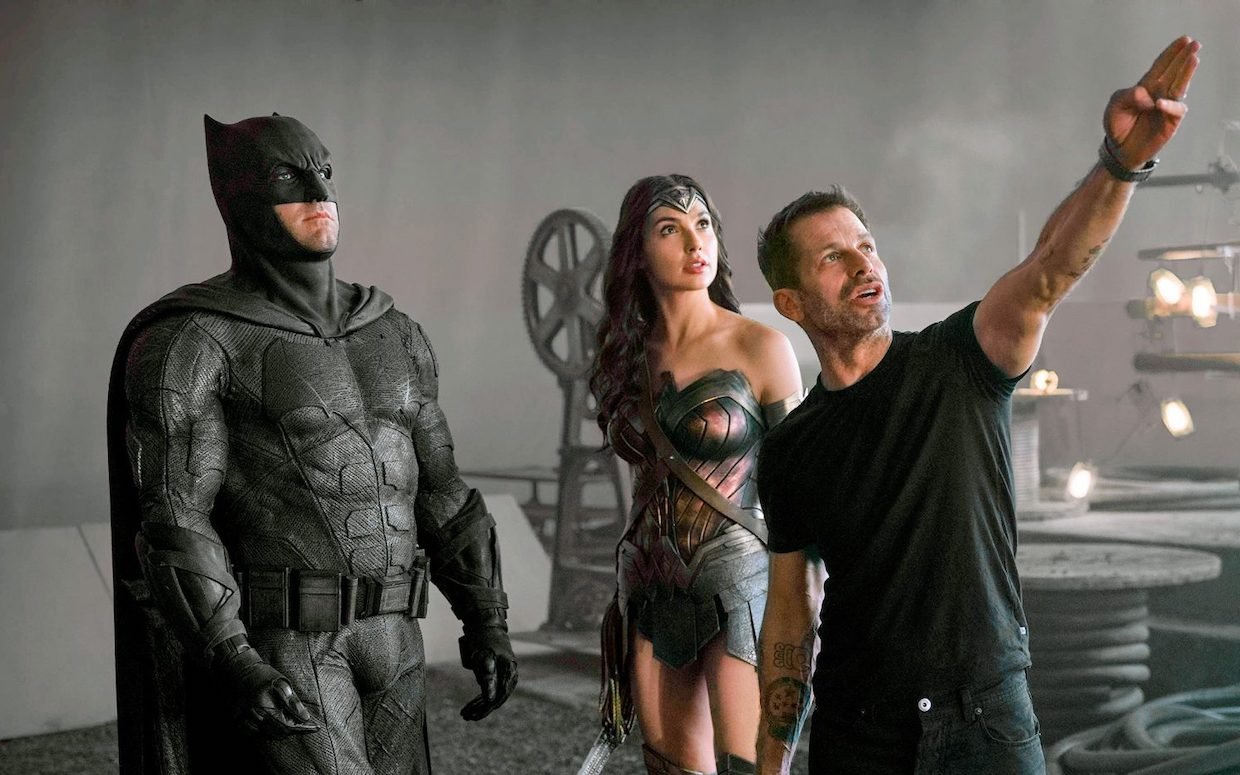
Frankly, the coming changes are a much needed shot in the arm for DC and the DCEU, which has lacked a strong visionary leader. Previous leaders like Walter Hamada, Geoff Johns and Zack Snyder proved to be unable to present a clear direction for their films. Only Snyder came the closest to presenting a vision that was coherent. Unfortunately, Snyder is also a film director and when his Batman v Superman: Dawn of Justice did not impress critics and fans, and Justice League failed to reach the success of The Avengers, he was ushered out of the door by Warner Bros. and the DCEU that he helped create basically fell apart. Part of the problem with Zack Snyder being in charge with the DCEU (or the Snyderverse as some fans called the early films) is that although Snyder is a gifted director, what was needed to oversee the films was a producer in the mold of Kevin Feige. A producer is tasked with the production of films or TV shows and brings a guided vision to entire productions. Directors are focused on individual films first and bring their own stamp to what they film. It is not possible given a director’s schedule to expect him or her to oversee the vision of several films at once.

Even before Snyder’s exit, projects were stalled after big announcements, while conflict occured with many actors and filmmakers. Directors and writers joined and left projects. Then there were the casting headaches Warner Bros. faced from the fact that Henry Cavill, cast as Superman in the Snyderverse, was for all purposes, dismissed to the outlandish and criminal behavior of Ezra Miller, whose film The Flash has not even come out yet. Then there is the fact that The Flash was in perpetual development hell for the longest time as directors and writers exited the film left and right. Now, there are rumors that Miller will be fired from his role and in his situation it would be easy. Since The Flash deals with the title hero time traveling and alternate universes, just reshoot the ending to replace Miller with a new actor. Even Grant Gustin from the TV version of The Flash would be a better choice, although that casting may be too confusing for some.

Continue reading

Getting Over Recasting Gripes

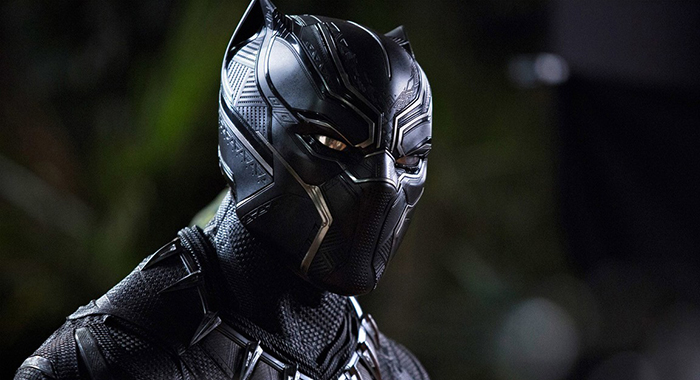
Recasting roles for films and TV shows has gone on ever since the first roll of film was developed over a century ago. This included many iconic characters like James Bond, Dracula, and Sherlock Holmes. This is a normal thing and widely accepted among filmgoers and TV viewers, but lately there has been so much griping over the recasting and potential recasting of several superhero roles in upcoming films and TV shows. This especially goes for Superman, Batman, and the Black Panther, but there is no need to fret over this.

The most obvious reason for the uneasiness is that many fans are devoted to a certain interpretation and portrayal of the character and cannot move on after an actor leaves that role. They behave like it is the endo of the world and focus on the negative.

It’s funny but most of these fans have very short memories. For example, there is the current issue with Henry Cavill being replaced as Superman in the DC Extended Universe (DCEU) films. Before Cavill was cast, Brandon Routh played the role in Superman Returns and many fans complained about Routh not being allowed to continue the role for Man of Steel and wondered why was he replaced by Cavill. Now, given the mess the DCEU is in, and the clear disdain Warner Bros. has for the current version of Superman and the director that cast the role and set the tone for the DECU (Zack Snyder), it is a certainty that Henry Cavill will be replaced. In TV, Superman is currently played by Tyler Hoechlin in Superman & Lois, and he is receiving wide acclaim for his portrayal of the Man of Steel. So, fans have to face facts, Henry Cavill is not the only person who is allowed to play Superman. There are many capable characters who could pull it off as Hoechlin is now showing and this has gone on for decades. Many thought it was impossible to recast Superman after Christopher Reeve’s iconic performance in his films, yet it was done. To be blunt it had to be done given that Reeve passed away years ago.

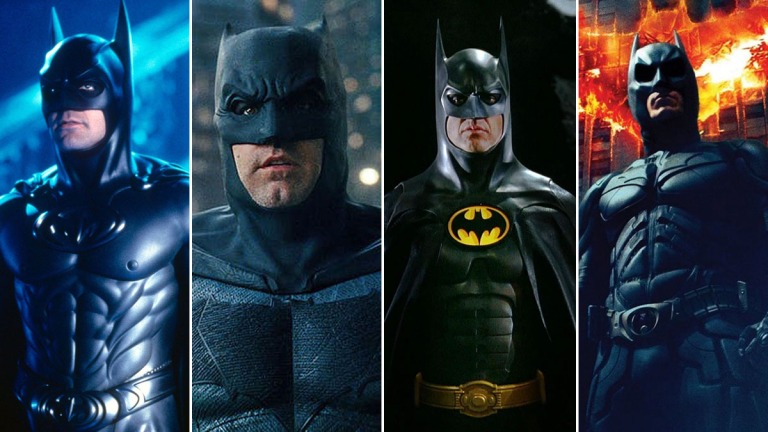
Then there is the casting of Batman in the upcoming films, The Batman and The Flash. Originally, the character was played in the DCEU by Ben Affleck, but before that the Caped Crusader was portrayed by Christian Bale and before that by Michael Keaton, Val Kilmer and George Clooney. In another case of short memories, Bale was considered the best actor to play Batman and when Affleck’s casting was announced for the next Batman film, Batman v Superman: Dawn of Justice, it was widely panned. But guess what? Affleck shocked many people with how good he was in the role. Many now claim that at least in that film, Ben Aflleck gave the best interpretation of the superhero.

Sadly, one calamity after another hobbled the DCEU, which is now rumored to be rebooted in The Flash and will likely remove Cavill and Affleck. But, Batman has been played numerous times by different actors who added their own unique interpretations to the brooding superhero which can be enjoyed in different ways. In a few weeks, we’ll see the latest take of the Dark Knight as Robert Pattinson has his turn in The Batman.

In similar situation, the role of Black Panther/T’Challa in the Marvel Cinematic Universe (MCU) might have to be recast in the future and this is creating controversy. The originator of the role, Chadwick Boseman, passed away and Marvel Studios hastily announced that the role would not be recast in honor of Boseman. While this decision is commendable, it put Marvel Studios in a bind. Given the mammoth success of Black Panther, a sequel was inevitable and one is underway, but without the character. The details are under wraps but supposedly another character will assume the title of the Black Panther. This is a sound plot choice but needless. The role of T’Challa could have easily been recast and there plenty of actors who could pull it off. It has happened in the MCU when Mark Ruffalo took over for Edward Norton as Bruce Banner/the Hulk and Don Cheadle replaced Terrence Howard as James Rhodes/War Machine. The MCU did not collapse, people adjusted to the changes and everything went well. So, why not just recast T’Challa? On top of that, the sequel film, Black Panther: Wakanda Forever, is going through a production hell with countless halts and difficulties. The film studio probably regrets not recasting the role and continuing T’Challa’s adventures.

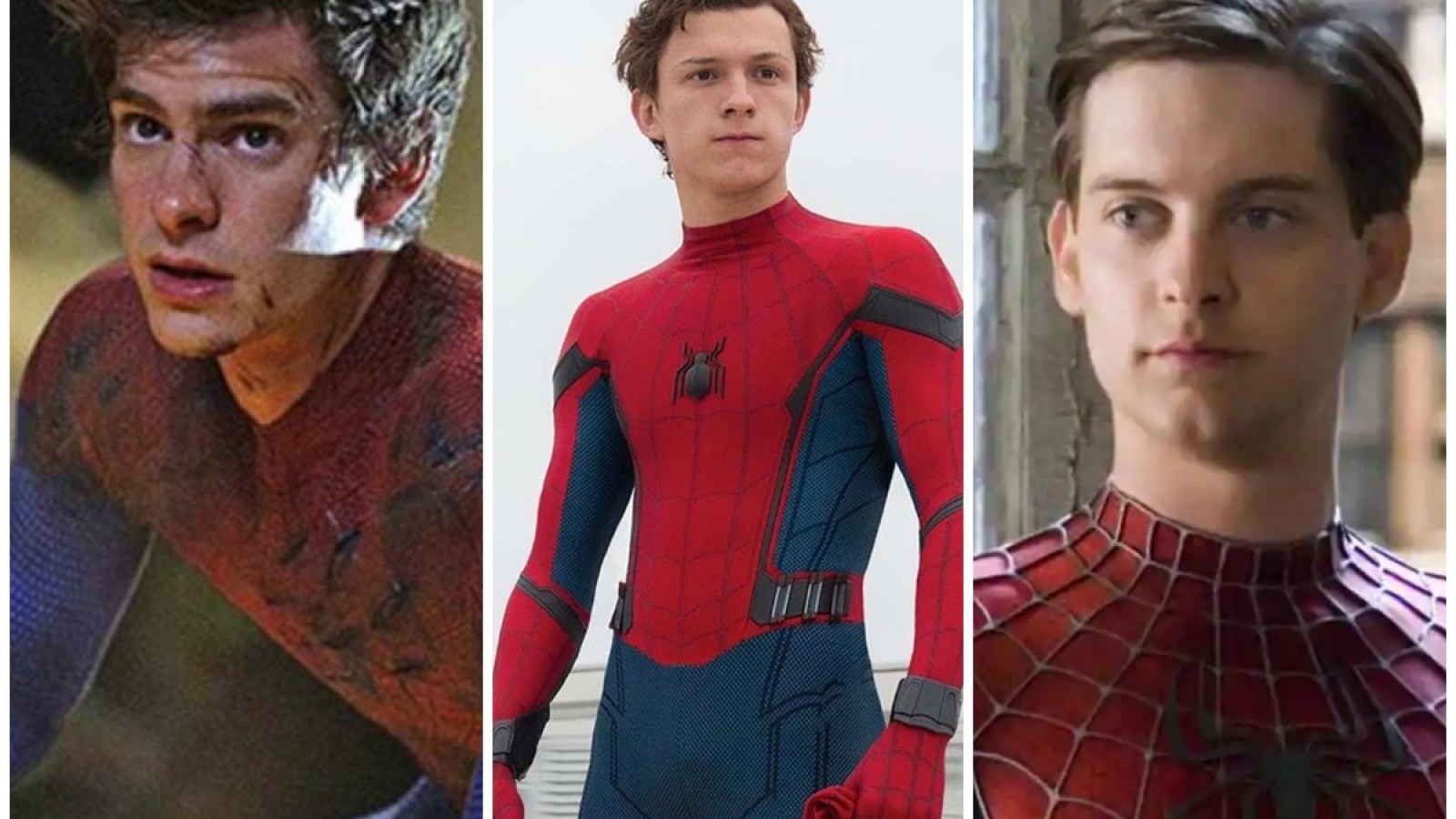
Spider-Man fans also underwent their own bout of negativity when the role was recast twice after Tobey Maguire left the role. At first many complained about Andrew Garfield as the replacement Spider-Man/Peter Parker. He was too Emo, too broody, too much of a wiseguy. Still, he won over many fans who lamented him being replaced by Tom Holland when Spider-Man joined the MCU; and people fell in love with Holland’s version of Spider-Man. Yet, Andrew Garfield earned his redemption in his appearance in Spider-Man: No Way Home. After people could easily compare the three actors together, a consensus is emerging that Garfield is the best Spider-Man, which is fueling talk of him returning to the role.

This development gets to the heart of the gripe. With the other actors mentioned, they never got to do their farewell performance or do a proper goodbye. This gave the impression of lost opportunity and wondering if these actors had more time or a better film then their time doing the role would have been viewed as being more successful. That may be but at least they left a positive impression and a film legacy that can be repeatedly enjoyed.