A Look Back At Star Trek: Voyager

It has been 30 years since the first episode of Star Trek: Voyager debuted, yet it is still fondly remembered today, especially when it is compared to many modern Star Trek TV shows. Let’s take a look back at Star Trek: Voyager as its 30th anniversary is celebrated.

Flagship Show
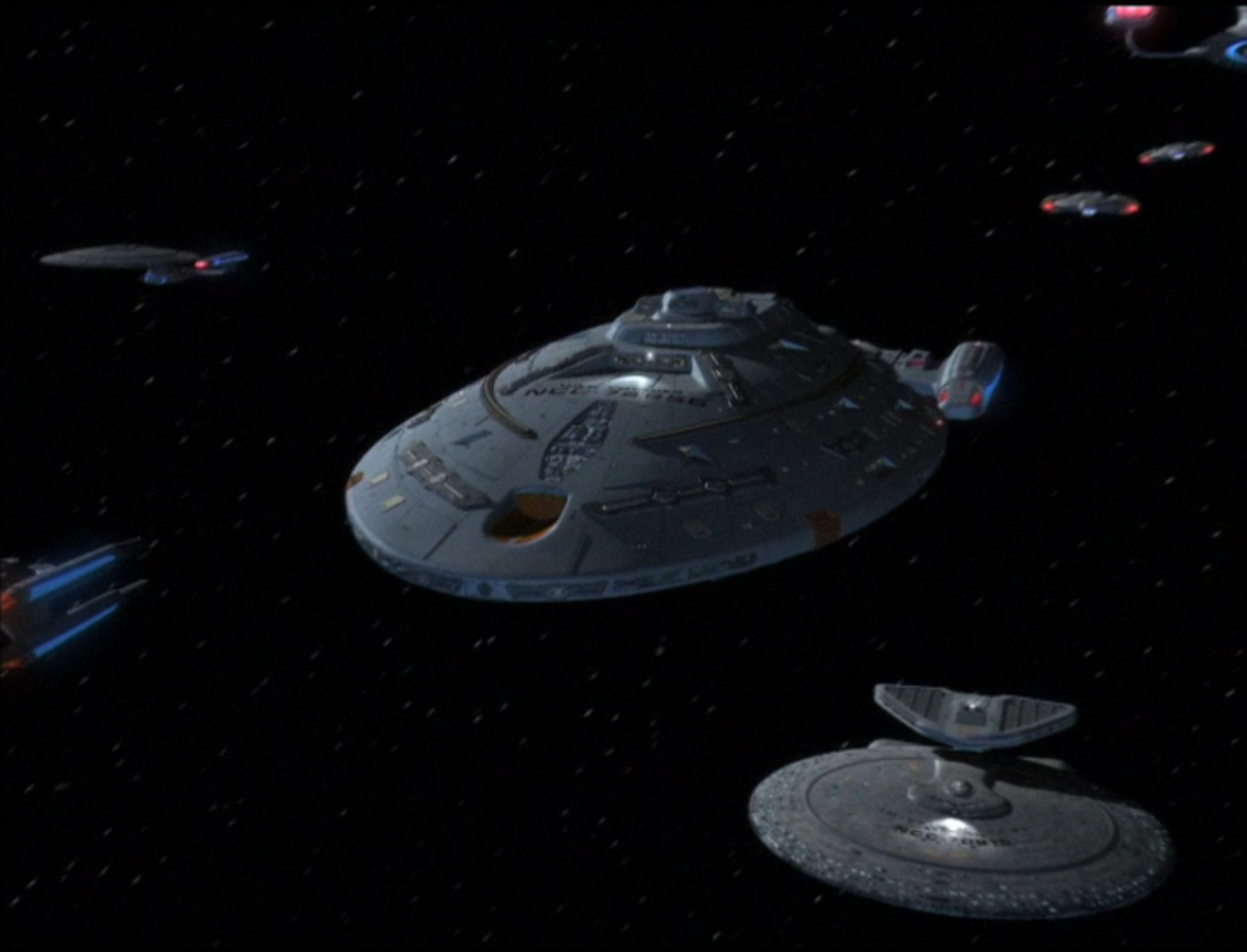
Star Trek: Voyager was the flagship TV show of the fledgling United Paramount Network (UPN) that launched on January 16, 1995, with the airing of “Caretaker” the pilot episode of Star Trek: Voyager. When the TV show premiered it was largely anticipated though many fans had reasonable reservations about yet another Star Trek TV show. After a decades-long drought, fans were inundated with TV shows starting with Star Trek: The Next Generation (TNG), which was followed by Star Trek: Deep Space Nine (DS9), and then Star Trek: Voyager. It was supposed to address complaints Paramount Pictures executives had about DS9 for straying too far from standard Star Trek.

Showrunner Rick Berman, who also ran TNG and DS9, was reportedly hesitant to produce another Star Trek TV show that would run concurrently with DS9. However, the Paramount Pictures executives were adamant about creating another Star Trek TV show that more closely followed the standard starship-visiting-planets formula to help launch UPN. Given this task, Berman and his associates sought to differentiate Star Trek: Voyager from other Star Trek TVshows.

A Lost Crew in Space
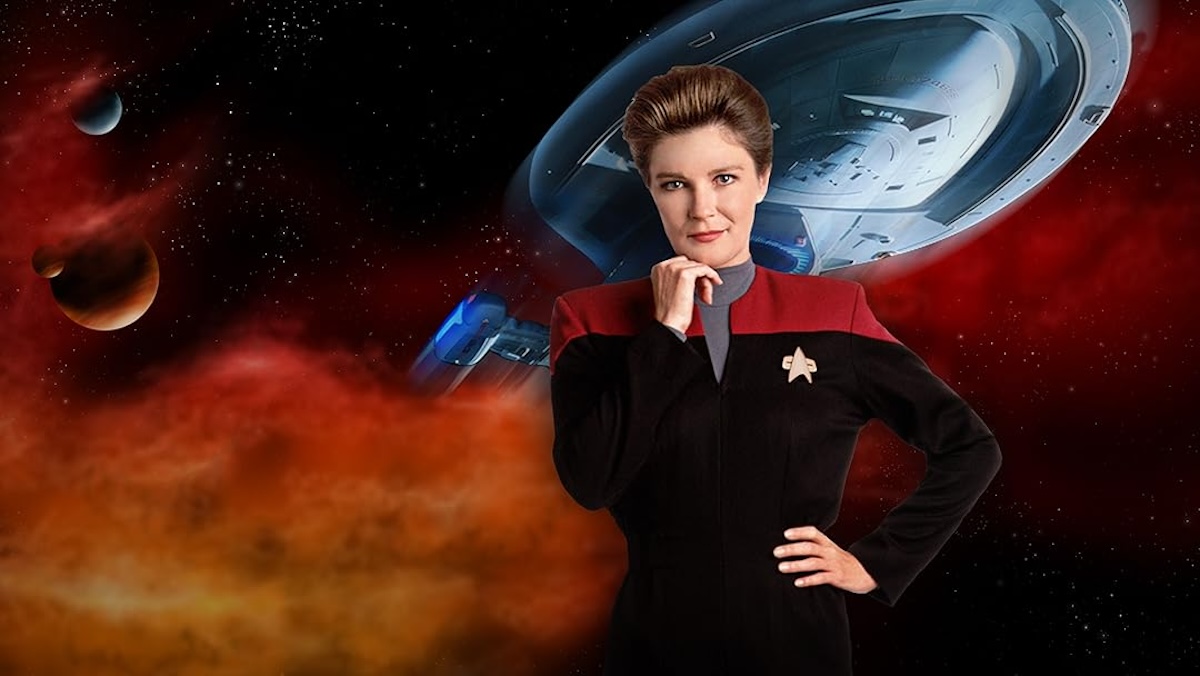
The premise was fairly simple, a starship called Voyager from the United Federation of Planets and Earth is flung to the far corner of the galaxy (the Delta Quadrant) with a crew made up of Starfleet officers and renegade Maquis freedom fighters (more on them later). With limited resources and on their own, the Voyager crew has to find a way back home while exploring on the side and encountering strange new worlds, yada yada.  

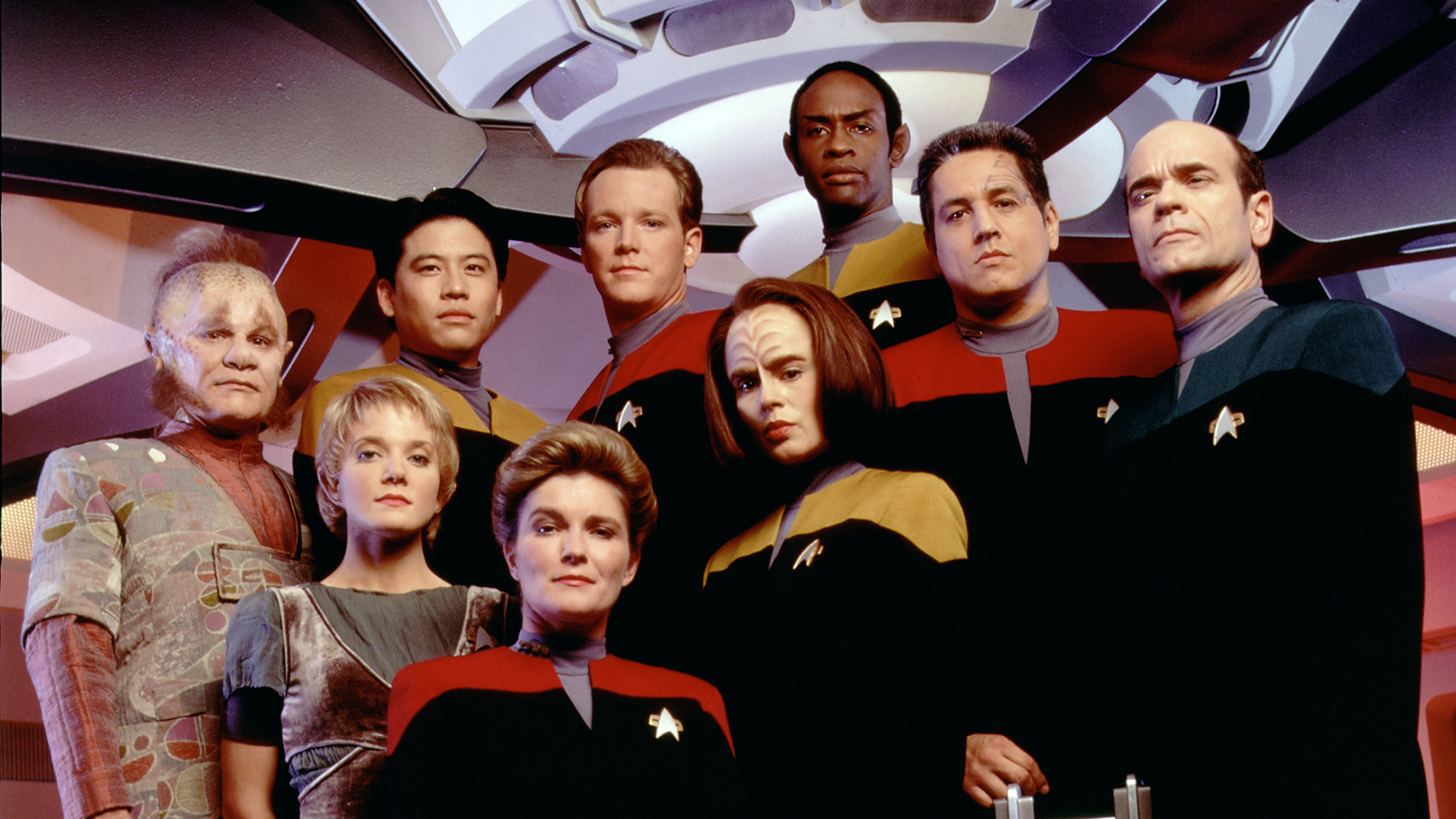
Kate Mulgrew starred as Captain Kathyrn Janeway, who commanded the Voyager and was dedicated to upholding Starfleet’s ideals while protecting her crew. At the time of her casting, there was a lot of hoopla and celebration because the main character of a Star Trek TV show was a woman. Other characters included the ship’s first officer, Chakotay (Robert Beltran), the leader of the Maquis and a former Starfleet officer, Tuvok (Tim Russ), the ship’s stoic Vulcan security officer, Tom Paris (Robert Duncan McNeill), a disgraced former Starfleet officer who gets his chance at redemption by serving as Voyager’s helmsman, B’Elanna Torres (Roxann Dawson), a half-Klingon Maquis member who became Voyager’s chief engineer, Harry Kim (Garrett Wang), a young Starfleet ensign on his first assignment, and the Doctor (Robert Picardo), a holographic medical program that performed the duties of the ship’s chief medical officer.
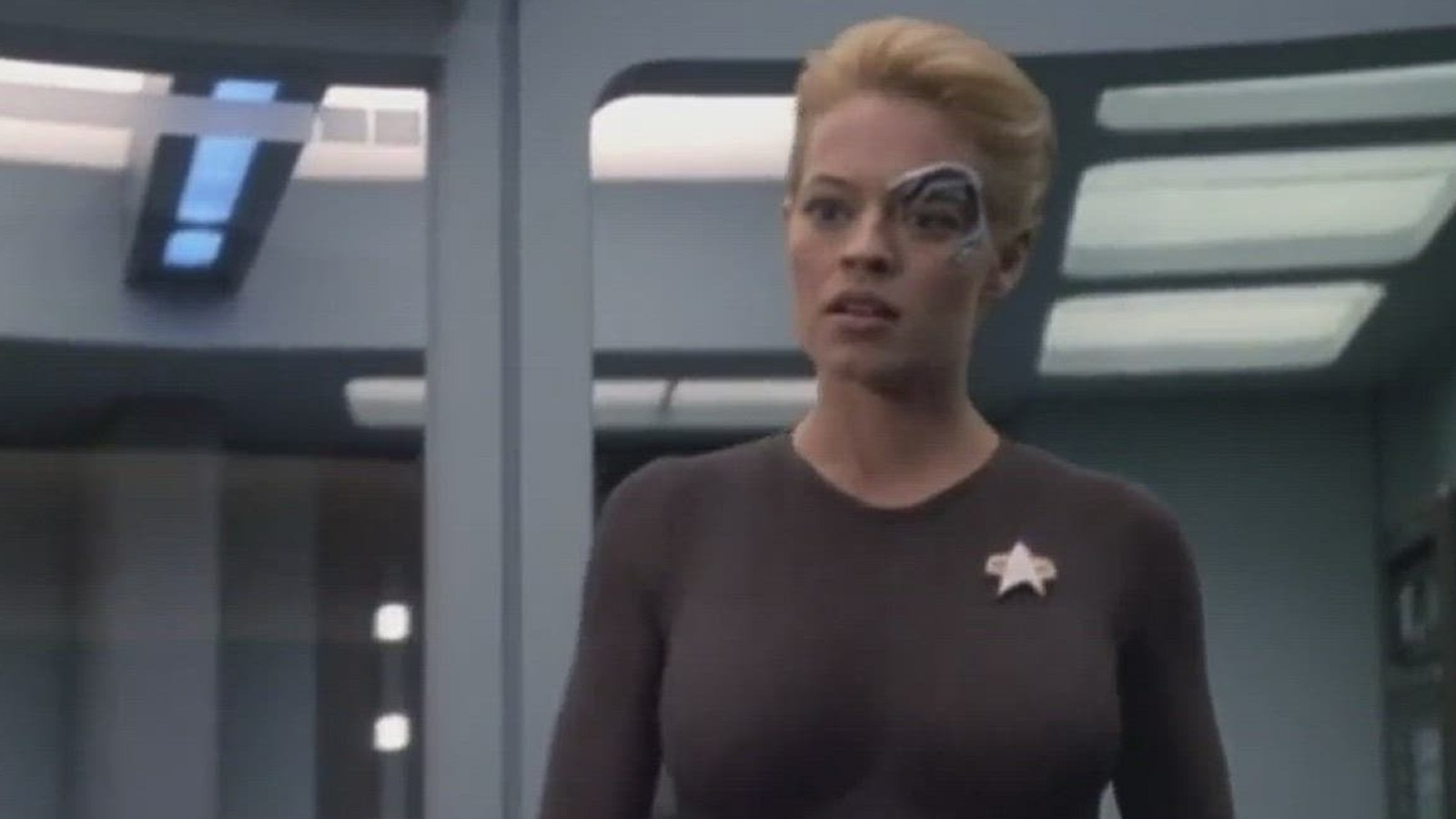
At the end of “Caretaker”, Voyager picked up two alien shipmates who are native to the Delta Quadrant and bring needed knowledge about the local space. They are Neelix (Ethan Phillips), a Talaxian drifter who ends being the ship’s cook and ambassador of sorts, and his girlfriend Kes (Jennifer Lien), an Ocampan who operates as the Doctor’s medical assistant and helps the program develop a personality. As the series progressed, it added Jeri Ryan to the cast as the former cybernetic Borg drone called Seven of Nine while Lien departed the series. Seven of Nine became the show’s breakout character thanks in part to the performance of Ryan as she served as the show’s version of Spock. In other words, a stoic outsider who questioned humanity while discovering her own.

Essentially, the TV show combined aspects of the original Star Trek and Lost in Space, and it worked for the most part. Yet, there was glaring issues with the TV show which turned out to be a harbinger for the creative drought the Star Trek franchise was beginning to suffer from at that time.

Continue reading
Star Wars: Skeleton Crew Is An Unexpectedly Fun Star Wars Adventure

When Star Wars: Skeleton Crew was first announced to stream on Disney +, few fans could muster any excitement for it. The only thing of note about the TV show was that it was co-created by Jon Watts, the director of the recent Spider-Man films. What did not help was that very little was known about it except that it involved children. Most fans were quick to write off Skeleton Crew as a kids show on the level of those Spy Kids films. Well, imagine everyone’s surprise when the TV show turned out to be much, much better than expected.

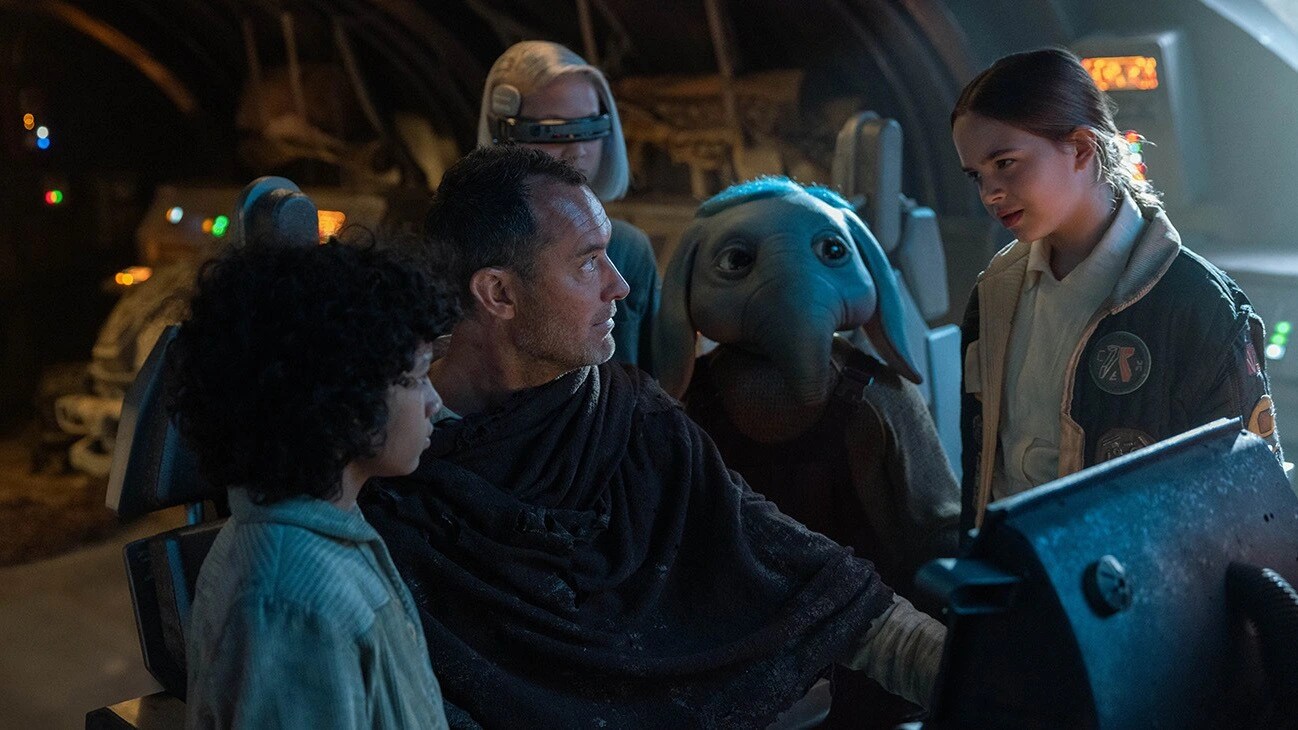
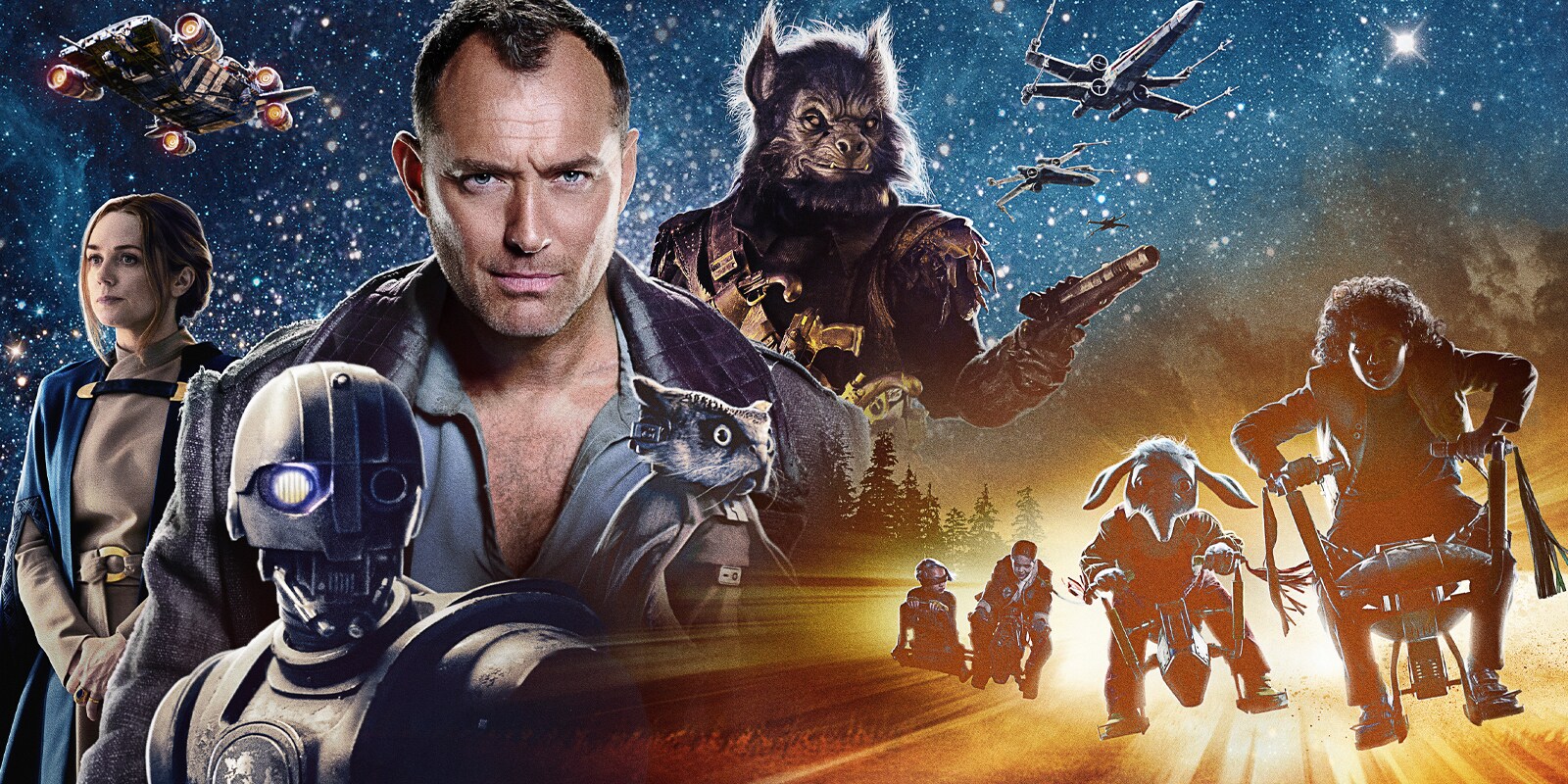
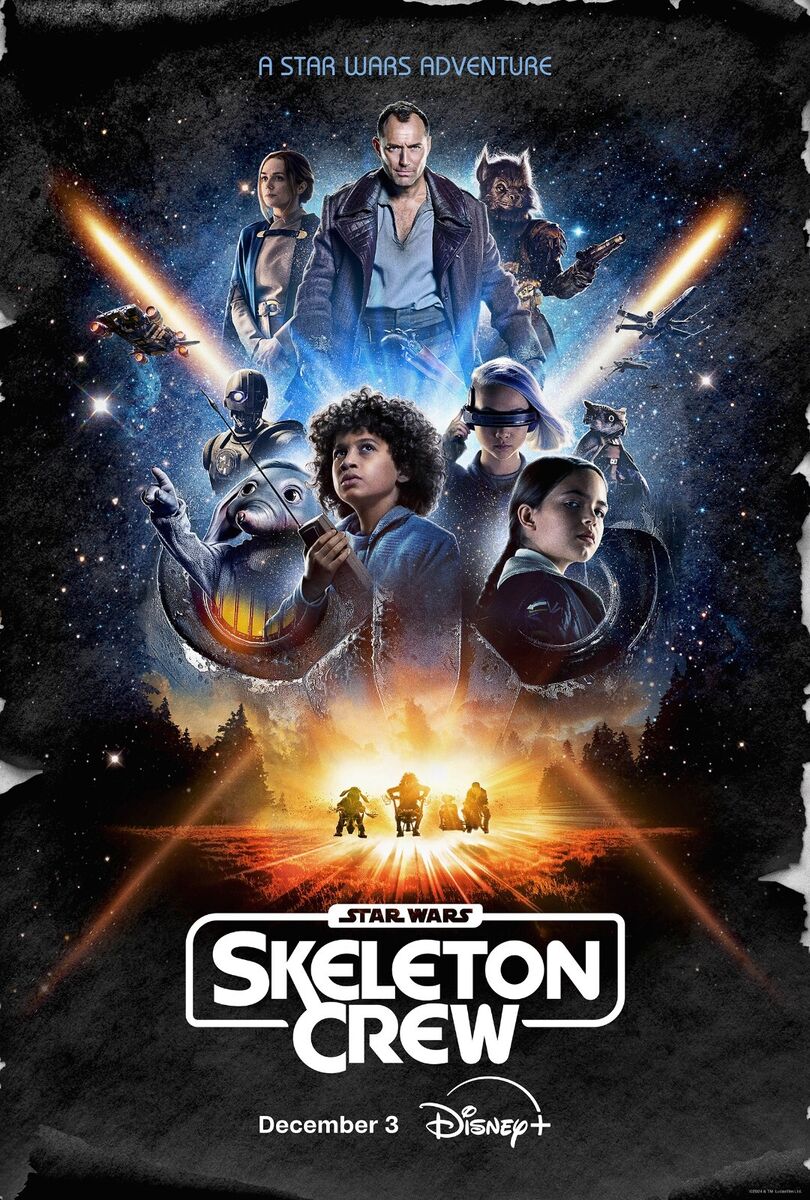
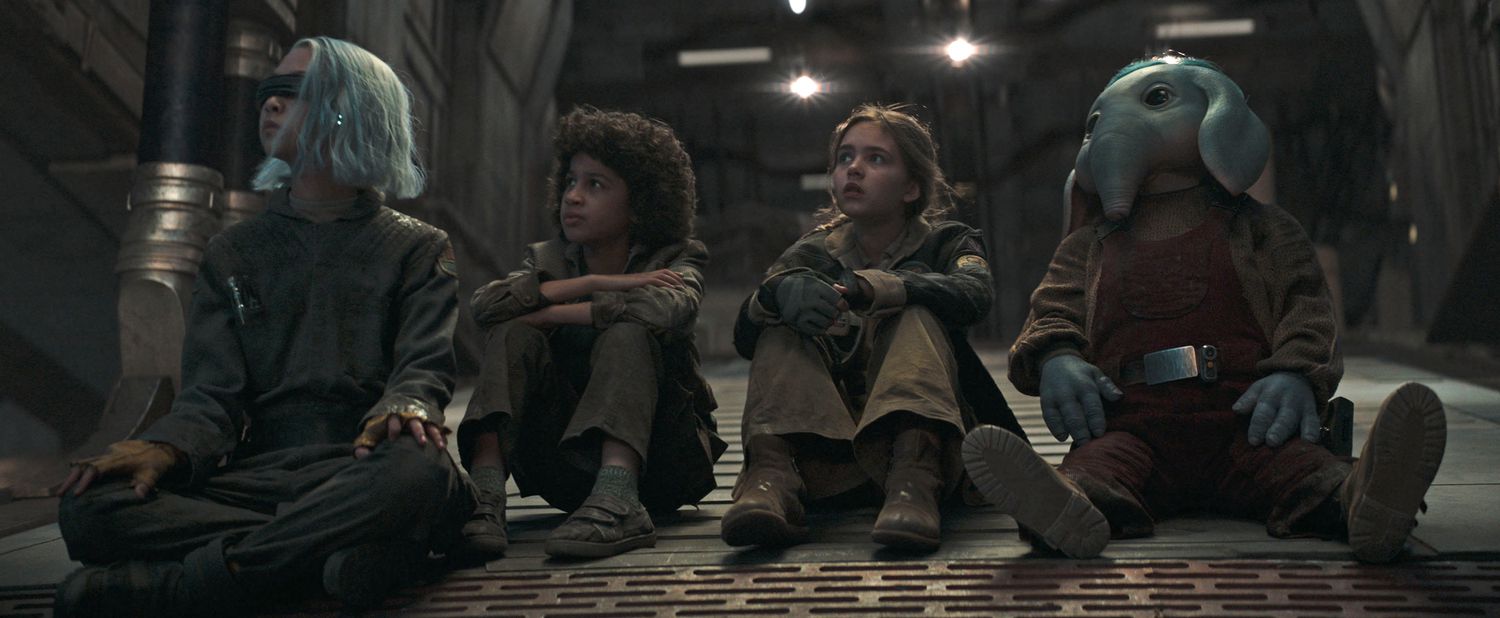
Star Wars: Skeleton Crew tells the story of four children living a typical suburban lifestyle on the planet of At Atin who end up getting much more than they anticipated when they set out to inject some adventure into their lives. The show centers on Wim (Ravi Cabot-Conyers), a boisterous young human boy who hangs out with his best friend Neel (voiced by Robert Timothy Smith), an elephantine boy. Together, the boys go through the usual trivialities in their dull suburban lives. Wim dreams of adventure but is slated to become a bureaucrat like his father (Tunde Adebimpe) and every adult on the planet.

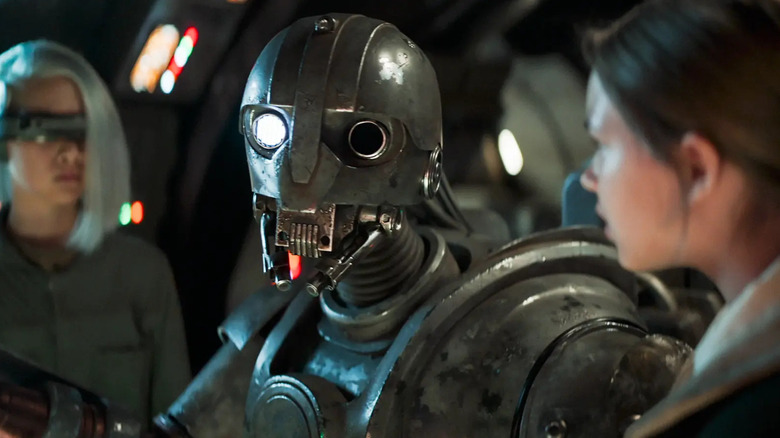
One day, the two boys meet two young human girls, the headstrong Fern (Ryan Kiera Armstrong) and the quiet KB (Kyriana Kratter), the latter who is a cyborg. The four find a buried starship and accidently activate it, which then takes off and leaves At Atin with the children onboard. They soon get lost in space, unable to navigate their way back home, as the ship’s pilot, the pirate-like droid SM-33 (voiced by Nick Frost) takes them to a space pirate outpost. Once there, the pirates take an interest in the children after they use a rare form of currency called dataries which is highly prized in the galaxy. The dataries are a commonplace on At Atin where they are minted, and it is revealed that the planet is nearly mythical to the outside galaxy. After getting into trouble with the pirates, the children and SM-33 meet the final member of their ragtag crew, the pirate Jod Na Nawood (Jude Law), who is Force sensitive and promises to get the children home in exchange for a reward.

Throughout the episodes, the skeleton crew avoid mishaps and stay on step ahead of pirates as they desperately search for a route back to At Atin. But many questions are raised in this TV show, such as why is At Atin hidden? Who is Jod exactly? Was he a former Jedi?  It is revealed several times that he has numerous names such as Dash Zentin, Crimson Jack and Mad Captain Silvo and has run afoul of numerous people they meet on their journeys. The children and the audience are constantly wondering if Jod could be trusted because of his constant lying and mysterious motives. These questions and many others are what help make Star Wars: Skeleton Crew such a pleasant and engaging adventure.

In addition to the many questions, the TV show has a genuine and natural sense of adventure that never talks down to the audience. Even though it primarily features children, the TV show is not a kids show. Think of it more in the tune of Stranger Things, or The Goonies, or Steven Spielberg’s films from the 1980s that featured children but could be enjoyed by everyone.

What also makes Star Wars: Skeleton Crew so distinctive is that while it is set in the Star Wars universe, it isn’t beholden to the primary stories set in that universe. There is never any mention of the Skywalkers, the Empire and the Jedi are for the most part considered to be myth. Unlike say, Ahsoka, where you had to know what happened in Star Wars: The Clone Wars and Star Wars: Rebels, anyone can easily follow Skeleton Crew with little or no knowledge about the greater Star Wars universe.

As with other Star Wars productions, Star Wars: Skeleton Crew has cinema-quality production, special effects and other technical merits which elevate the TV show. The early scenes in At Atin perfectly evoke the humdrum, yet ethereal aspect of those 80s Spielberg films. Anyone could sympathize with Wim and the other children, who are bored in their comfortable lives and want something more. In many ways, the TV show emulates aspects of The Wizard of Oz and Treasure Island with its tale of youngsters swept up in a grand adventure with its own unique take.

Another important feature with the TV show and why it works, are its characters. They are all interesting with distinct personalities and backgrounds. Plus, the people the skeleton crew meet throughout the show are also as engaging. One standout was the owl-like Kh’ymm (voiced by Alia Shawkat), a Yoda-like associate of Jod that does not trust him. Then there is SM-33, he perfectly emulates a scraggy pirate with his speech patterns, his wobbling gait and code of honor. SM-33 steals many scenes and is easily one of the best droid characters featured in any Star Wars production. And yes, his name is a play on Smee, Captain Hook’s right-hand man in Peter Pan.

Jude Law was also a standout in the show as Jod and instantly became one of the most intriguing Star Wars characters ever. We want to root for him as he seems like a more devious version of Han Solo or Lando Calrissian but with a harder, deadlier edge. At the same time, his actions and words make us and the children hesitate in trusting Jod He is a true anti-hero and the less said about him in this spoiler-free review the better.

Of course, Star Wars: Skeleton Crew would not have worked if the children were not engaging or well portrayed. This was a difficult task for the show makers but they pulled it off with the casting and direction. The children are not know-it-alls. They make many mistakes, they get scared, they have insecurities, they act like the way children would probably behave in that situation. In other words, their behavior and vulnerabilities in this coming-of-age story were believable.

Star Wars: Skeleton Crew (and Star Wars: Andor) has proven how rich the Star Wars universe has become. It’s regrettable, that it has not had stronger streaming numbers. It deserves a second season or at least the characters should reappear in another Star Wars project. It is easy to see that these children would probably grow up to become members of the Resistance in the Sequel films and beyond. Perhaps word of mouth will help the show later, but we’ll see. Thankfully, we can enjoy these eight episodes of Star Wars: Skeleton Crew over and over again with our families.

José Soto

Falling Skies Ahead


Last month, TNT premiered Falling Skies,  the new Dreamworks sci-fi series executive produced by Steven Spielberg about survivors of a modern-day alien invasion.

Unlike what its teaser commercials suggested, Falling Skies’ pilot did not feature the typical initial alien arrival, contact and pyrotechnic invasion scenario. Rather it begins several months after the aliens (called “skitters”) have wiped out the world’s armies and have laid waste everywhere. This is clearly not Independence Day  or even Battlestar Galactica in terms of big budget effects scenes. This can be disappointing for some but it’s a different take and risky, while also being budget conscious. And it largely works.

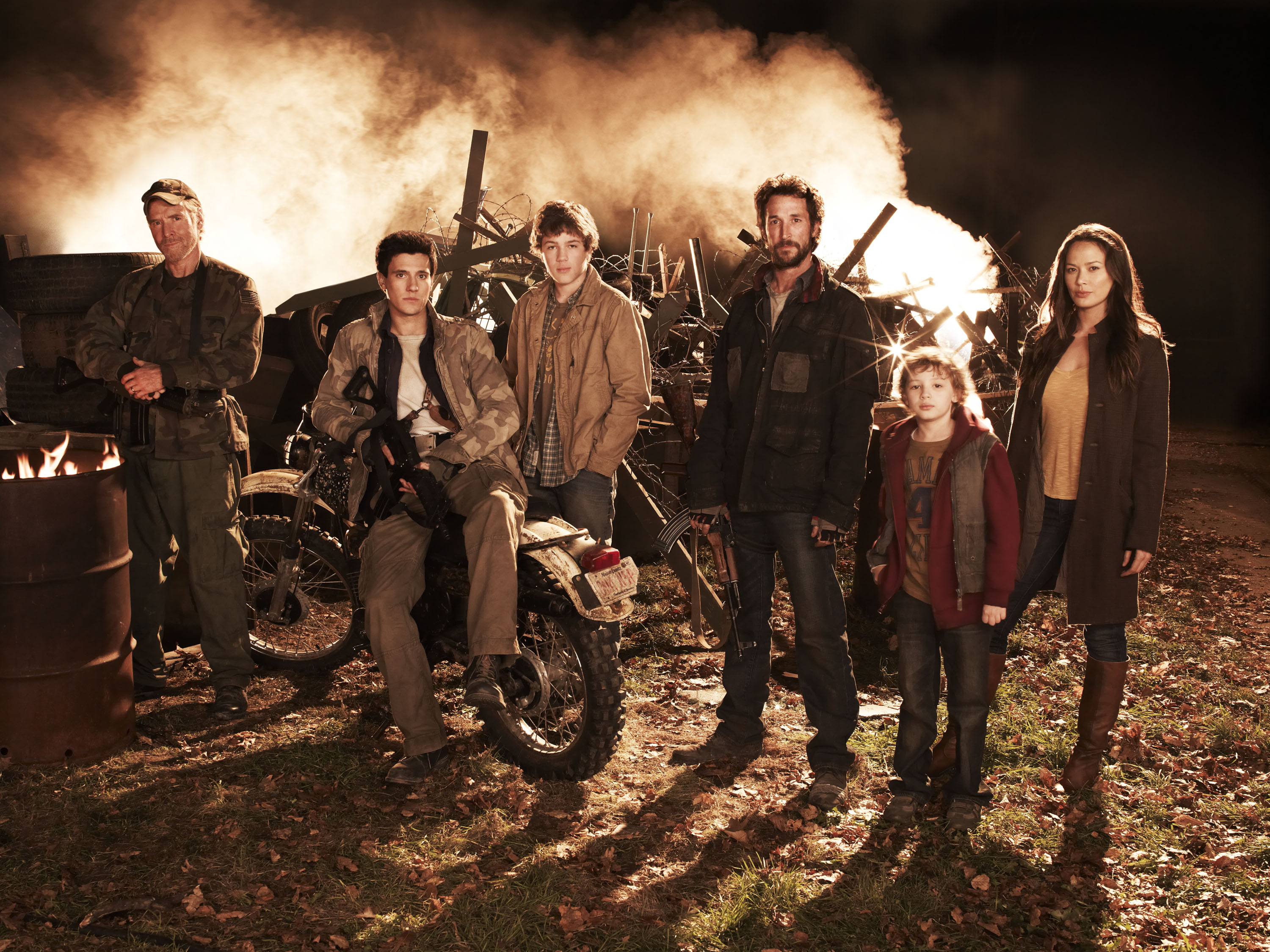
Why? It’s a good hook for audiences who have to be able to catch up with what is going on. Here’s the skinny, the show takes place in and around Boston and focuses on the efforts of a ragtag group of civilians, soldiers and recruits who form a militia group called the Second Massachusetts to fight back against the aliens. Apparently the humans in the show are just as much in the dark as the viewer is when it comes to knowing who the aliens are or why they came to Earth. To its credit the show gives out adequate morsels of information about the situation and characters to keep you interested.

Jumping into the middle of the premise helped draw me into the characters’ storyline since everything wasn’t laid out. Unfortunately, this approach was used to a much greater effect in AMC’s excellent series The Walking Dead.  That show had more engaging and memorable characters. Also, at times Falling Skies gets a little too preachy or sentimental. Additionally, some of the military stuff seems far-fetched specifically when it comes to logistics (having soldiers sleep indoors but not civilians? Nice way to sow resentment, plus doesn’t that leave civilians more vulnerable to the aliens?).

As the main character of the show, it falls on Tom Mason (Noah Wyle), a widowed history professor and second in command of the militia group,  to be the reason why audiences tune in. He’s got an interesting story, his wife was killed recently by aliens and one of his three sons has been kidnapped and turned into a zombified slave for the aliens through a horrifying biomechanical device attached to his back (in the show, children are being taken by the aliens and turned into a labor force through these devices). So his driving focus is to rescue his son. Yet it can be a challenge to be invested in Mason. I think it’s because sometimes he comes off as too moral, too optimistic while everyone around him is all doom and gloom. He spouts off analogies about history showing that invading forces are always repelled by indigenous populations but no one seems to take him seriously when he does that, not even histwo other sons. This doesn’t quite gel with the survivor mentality that pervades many of the show’s characters.

But in Falling Skies’ defense the characters are already becoming more fleshed out. Mason has shown a grittier side, and it appears that he probably projects this image for his children’s sake (though being that his youngest son already wants to join him on missions makes me wonder how successful Mason is, but I get the feeling that will be explored). Also, some of the other characters are beginning to stand out. Chiefly Moon Bloodgood’s Anne Glass, a pediatrician who becomes the group’s chief doctor and moral compass, Will Patton’s Captain Weaver, the no-nonsense commanding officer of the group who struggles to keep his people (and especially Mason) focused on the larger goal of winning the war, and Colin Cunningham’s John Pope, an ex-convict and former gang leader who was captured in the pilot for kidnapping Mason and others in exchange for weapons. In lots of ways, Pope comes off as a loose but effective cannon in the same vein as was Michael Ironside’s Ham Tyler in V.

The production values are remarkably good, effectively conveying a destroyed landscape that just barely resembles towns and cities. I also like the attention to local detail in regards to Boston’s geography which adds authenticity. The special effects are top notch and a blessing considering how poor they were in some recent TV shows.

It’s really great that the skitters are shown to be non-bipedal creatures, a rarity for TV shows, and are an excellent special effect. However, the mechanical soldiers that the skitters use look more like obvious CGI. Many scenes are too dark and sometimes hard to follow. But it does add to the tension that’s sometimes felt in those scenes. Perhaps it’s to hide the budgetary constrictions but hopefully this will change in the future.

On the whole, I think Falling Skies is a good, entertaining show with potential. The growing pains are obvious.  It doesn’t hit the ball out of the ballpark like The Walking Dead did but it feels like a solid score. At this point early into the series, making a final judgment is premature however I’m devoting time to keep watching and see how it plays out, and that’s a good sign.

J.L. Soto

Images courtesy of TNT, cast photo by Frank Ockenfels