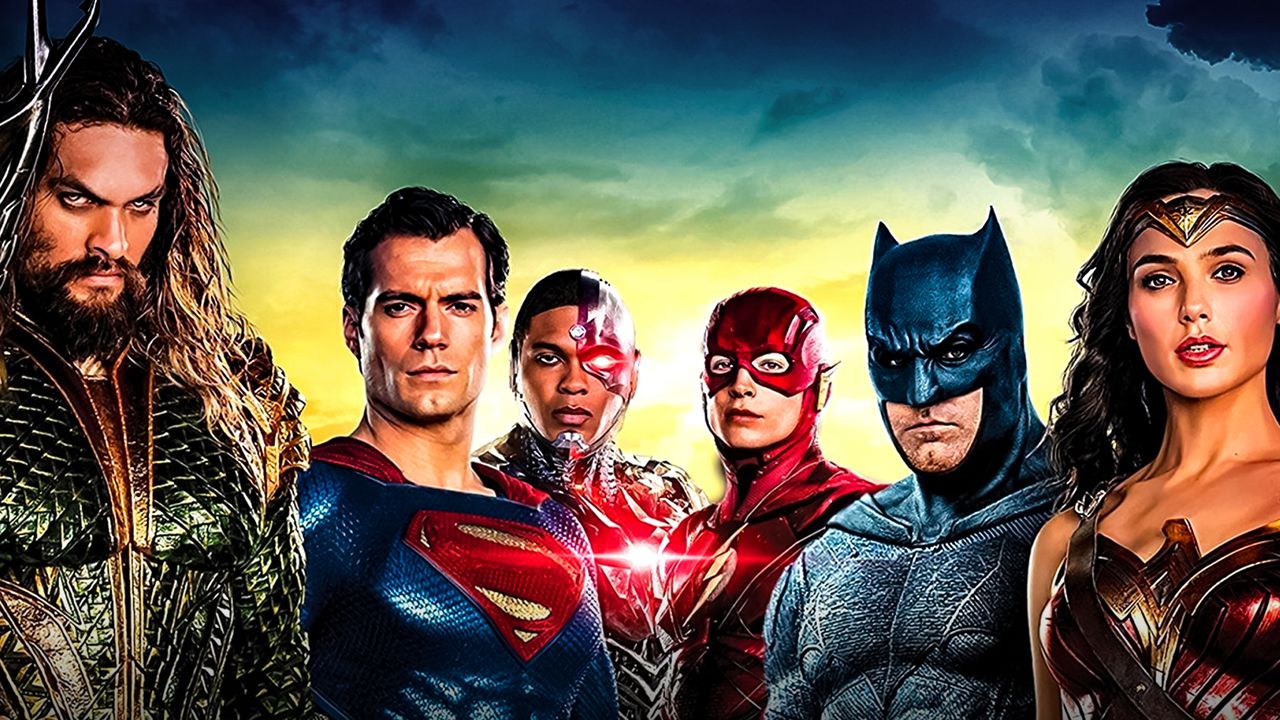
Celebrating The DCEU

Now that Aquaman and the Lost Kingdom has been released in theaters the DC Extended Universe (DCEU) has come to an end. As Warner Bros.’ answer to the might Marvel Cinematic Universe, the DCEU has had many hurdles that it could not overcome during its ten-year run.  Frankly, it’s a minor miracle that it lasted this long. The issues facing the DCEU have been covered at length and basically, the overall tone of the cinematic universe was all over the place with some truly great films (and one TV show) and some horrendous films. Still, in spite of its problems the DCEU had a lot of merits, which should be brought up as we commemorate the DCEU.

Bold New Takes on Characters

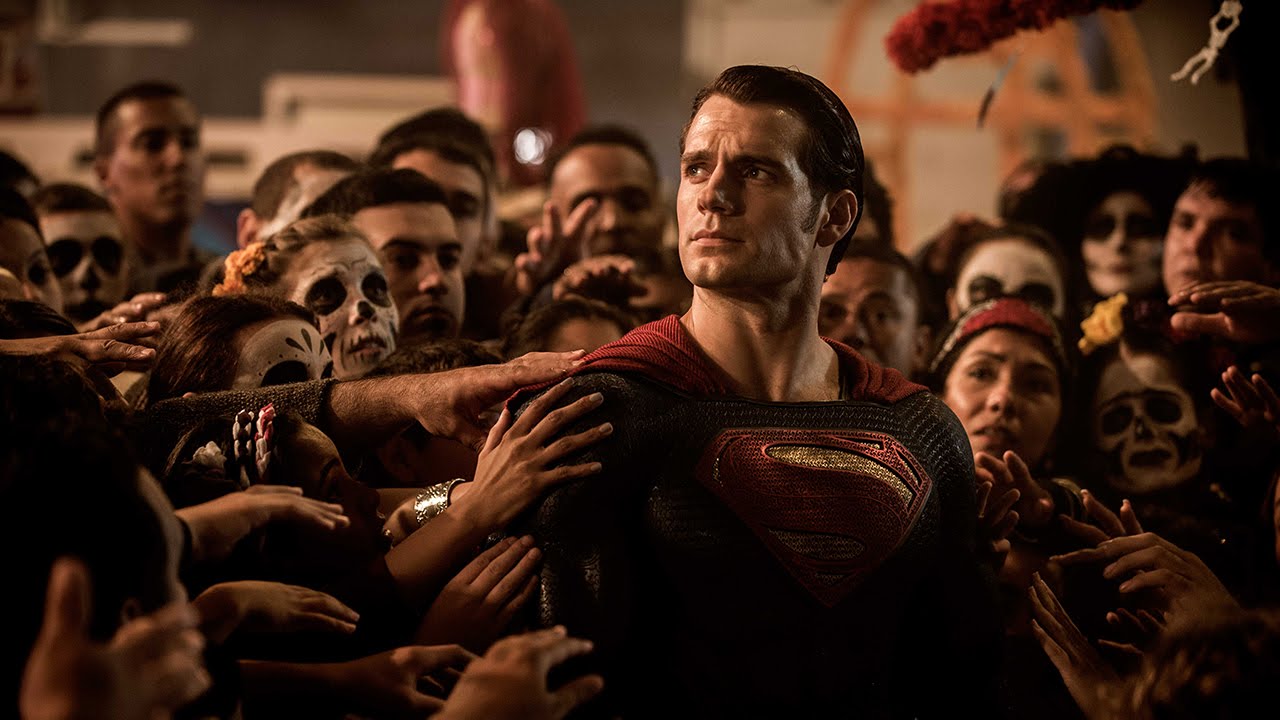
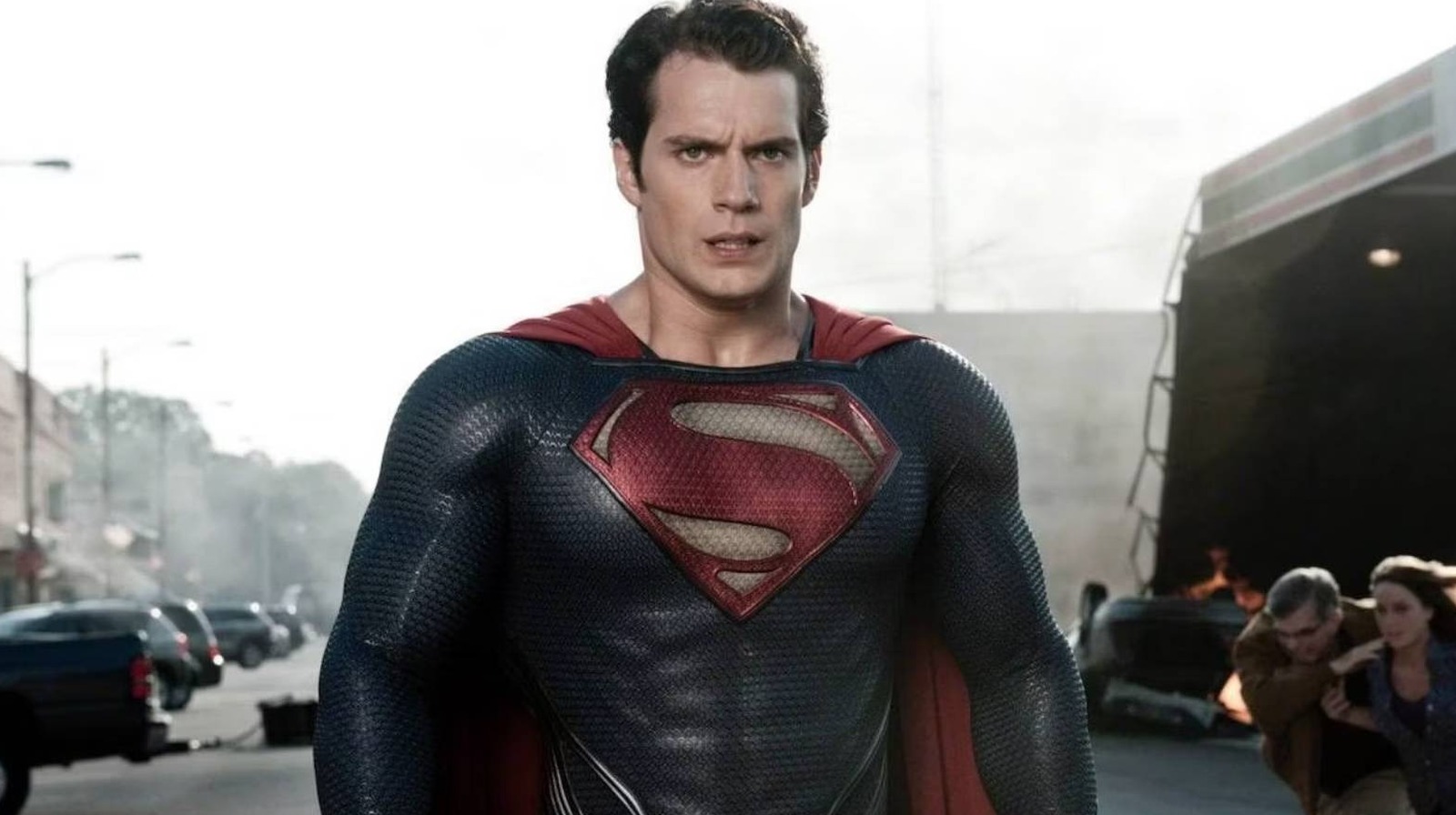
Man of Steel, the first entry in the DCEU, immediately stood apart from traditional Superman films with its darker and more grounded approach to the superhero. This turned off many fans, but others welcomed the refreshing take on the character as it explored the alienation and uncertainty that Superman felt during his emergence as a superhero.
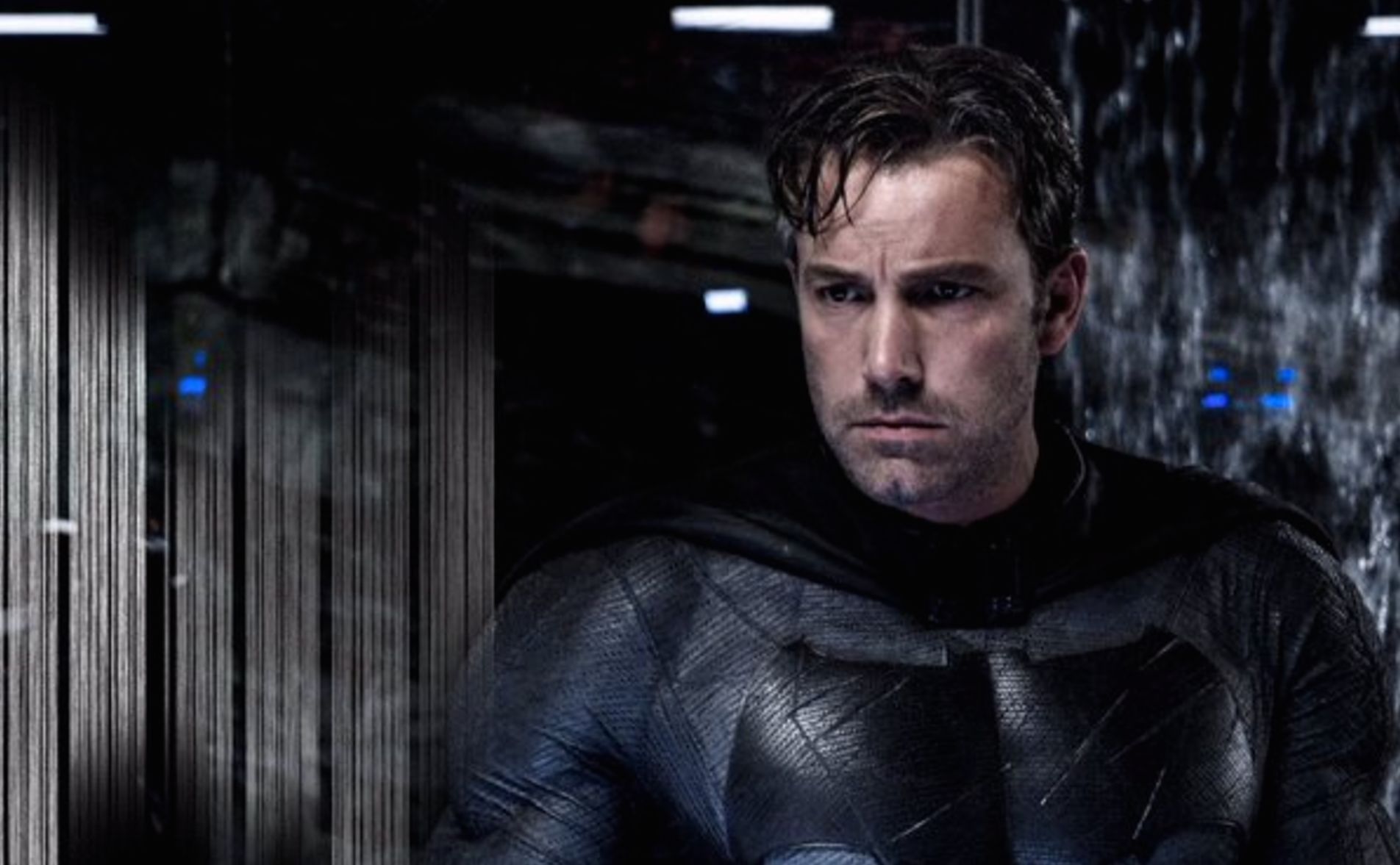
Other characters also had interesting interpretations such as Batman portrayed as a world-weary crusader coming out of semi-retirement and finding a new purpose. Aquaman was reimagined from a being a joke to a formidable warrior with the personality of a surfer dude on hyper steroids. Shazam! presented the title character as an immature teenager reveling in the body of a superpowered adult superhero—the ultimate fantasy for most teenage boys and girls.

Excellent Casting

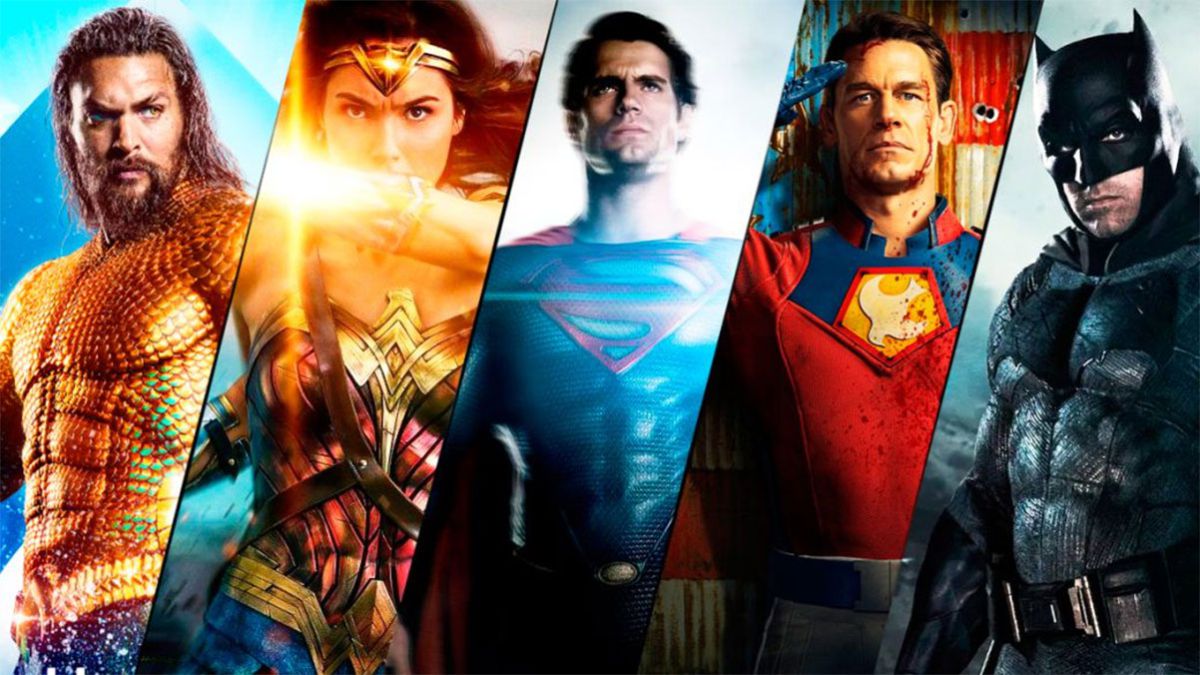
One reason for the successful re-interpretations of the well-known DC characters was the casting. Henry Cavill was so great as Superman, that for many fans his version of the superhero overtook the classic Christopher Reeve interpretation as Cavill’s Superman felt so modern. Jason Momoa’s version of Aquaman turned him into a fun-loving badass.
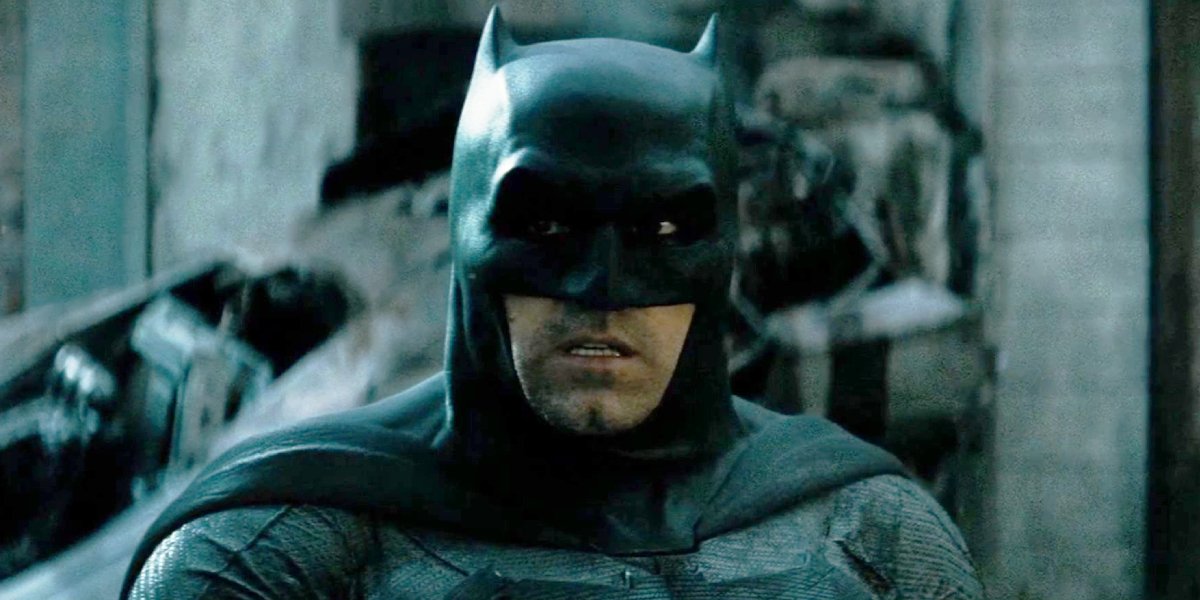
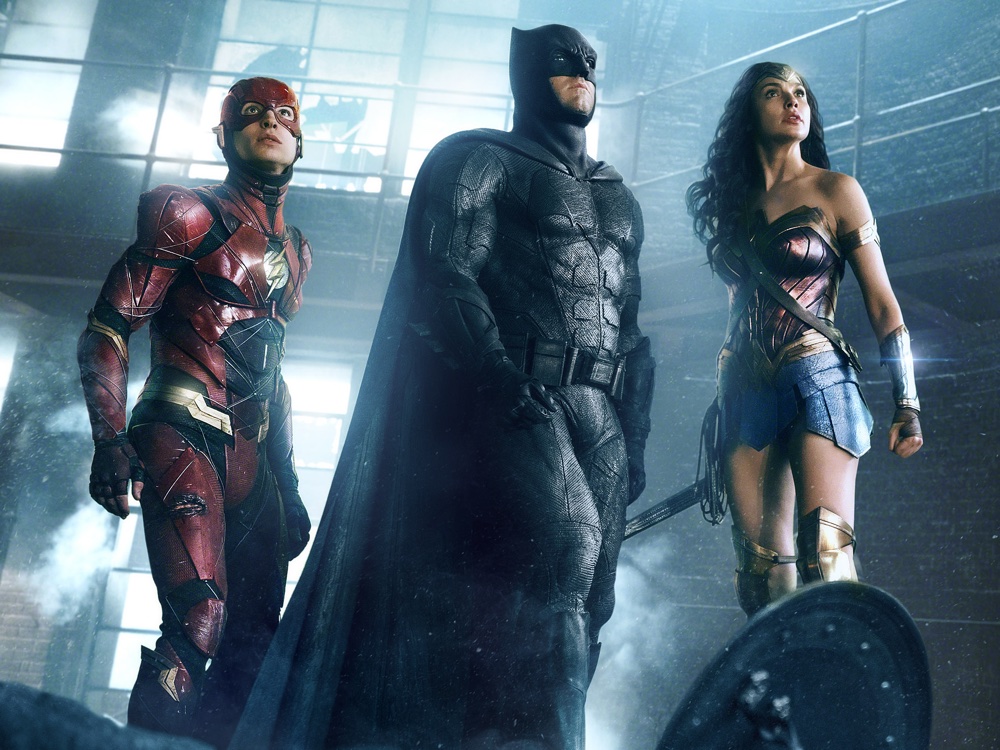
While many were skeptical of the casting of Ben Affleck as Batman, the actor shocked everyone with a solid performance and now many feel Affleck did the best portrayal of the Dark Knight. Gal Gadot electrified audiences with her portrayal of Wonder Woman and established the Amazonian princess as an inspiring role model. Meanwhile, Margot Robbie infused Harley Quinn with so much manic energy and verve that it is difficult to imagine another actor taking over the role in future DC films.

Electrifying Live-Action Debuts

Many superheroes and villains from the DC comics made spectacular live-action debuts in the DCEU films. The most recent being Blue Beetle;even though the film flopped, it was widely acclaimed for its retro back-to-basics approach with origin superhero films. As mentioned above, Harley Quinn was a bonafide scene stealer whenever she appeared in films, and let’s not forget, the other members of her teams.

The films devoted to the Suicide Squad team introduced audiences to many different DC villains. Anyone tired of the Joker or Lex Luthor being featured in DC films rejoiced at colorful villains such as Captain Boomerang, King Shark, Rat Catcher, Bloodsport and Peacemaker. The debut of these characters fleshed out the DCEU, which did not over-rely on its trinity of legacy characters, i.e Superman, Batman and Wonder Woman.

Distinct Visions

It’s true that the overall tone of the DCEU was inconsistent thanks to Warner Bros. executives who interfered with the films. However, many times the films were injected with distinctive visions from its directors. Zack Snyder established a hyper-realized look to his films which were a hallmark of the early DCEU films. Love or hate the Snyder films, they certainly stood apart visually from other superhero films.
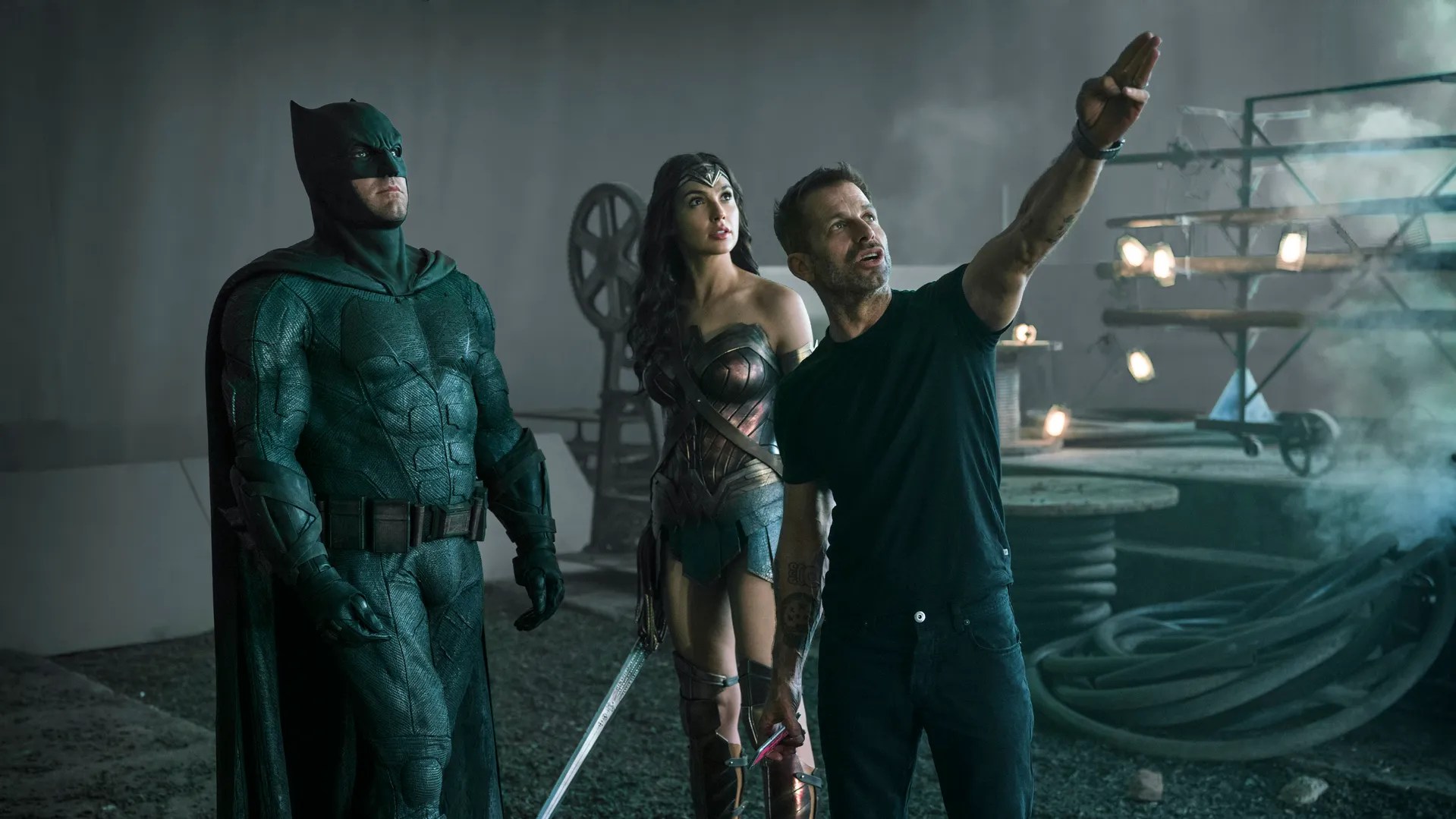
Other directors like James Gunn, James Wan, Patty Jenkins (at least with the first Wonder Woman), David F. Sandberg and Angel Medina Soto infused their films with bright and bold directions, which celebrated the comic book roots of the DC characters. The result was that many of the DCEU films were distinct from other superhero films. This is not a small feat given all the many recent superhero films.

Topnotch Productions & Iconic Scenes

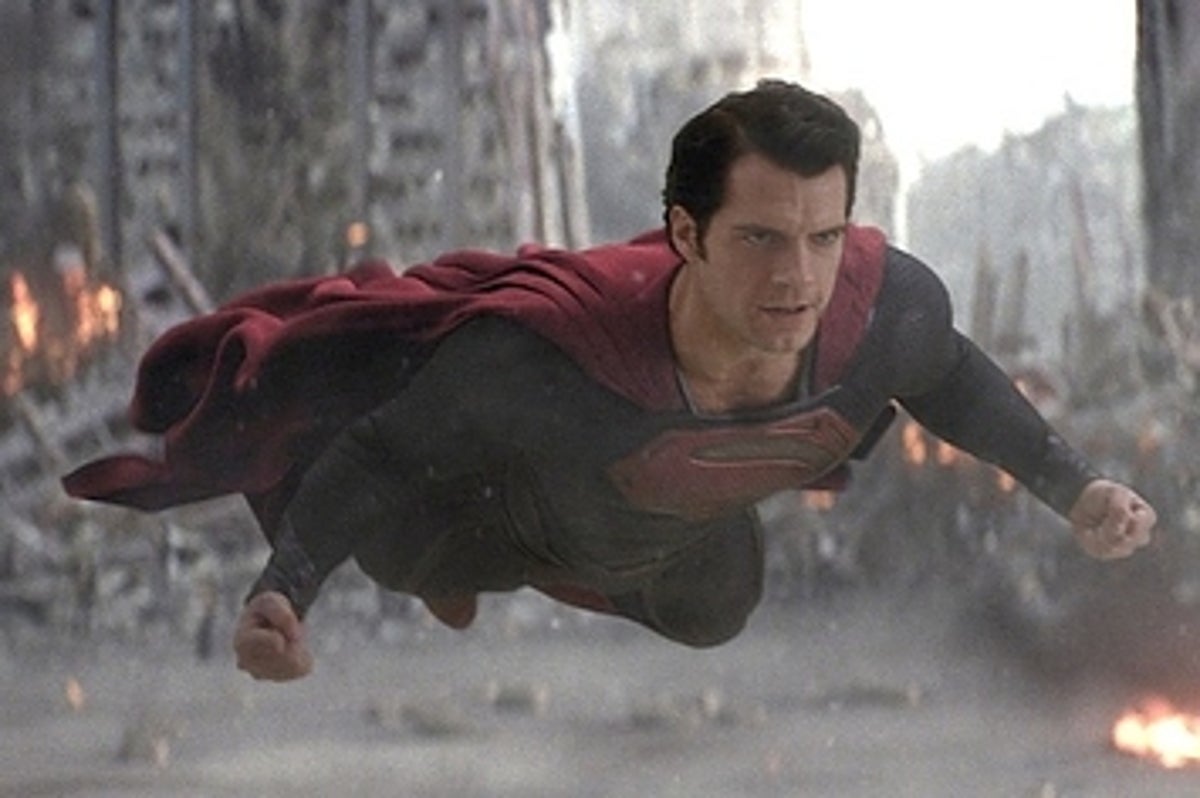
With certain exceptions (see The Flash), the DCEU films have boasted topnotch productions and unforgettable special effects. Some films received notable awards for their productions, including an Academy Award for Best Makeup and Hairstyling for Suicide Squad and a Hugo Award for Best Dramatic Presentation, Long Form for Wonder Woman.  Many scenes, especially those from the Zack Snyder films, featured new and interesting depictions of superpowers, such as the epic airborne fights that took place in Man of Steel and when Superman first learned how to fly in the same film.
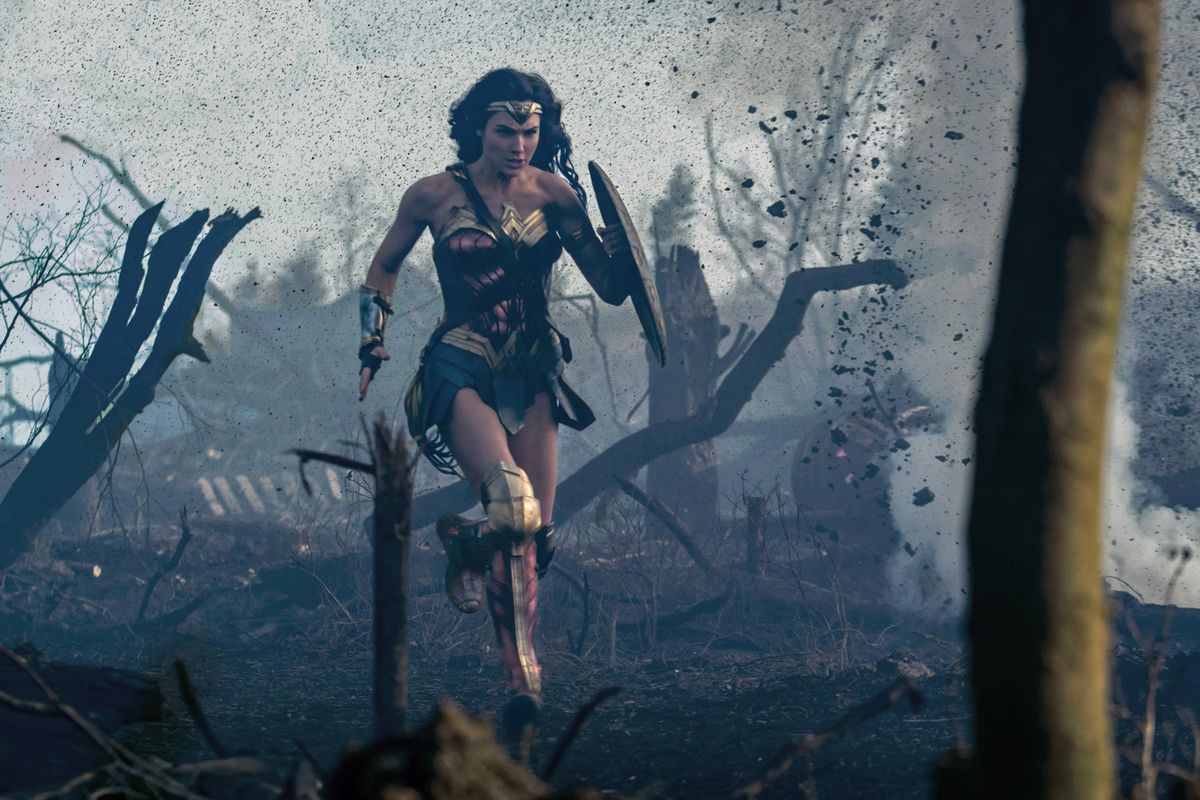
Several scenes from DCEU films were simply iconic like that moment in Wonder Woman when the title hero emerged from the trenches to fight enemy soldiers during World War I. Some other moments were just plain goofy and fun. A great example was a quick moment in Aquaman that featured an octopus playing drums (!). Then there was the madcap nature of The Suicide Squad, which allowed James Gunn to run wild with his imagination.
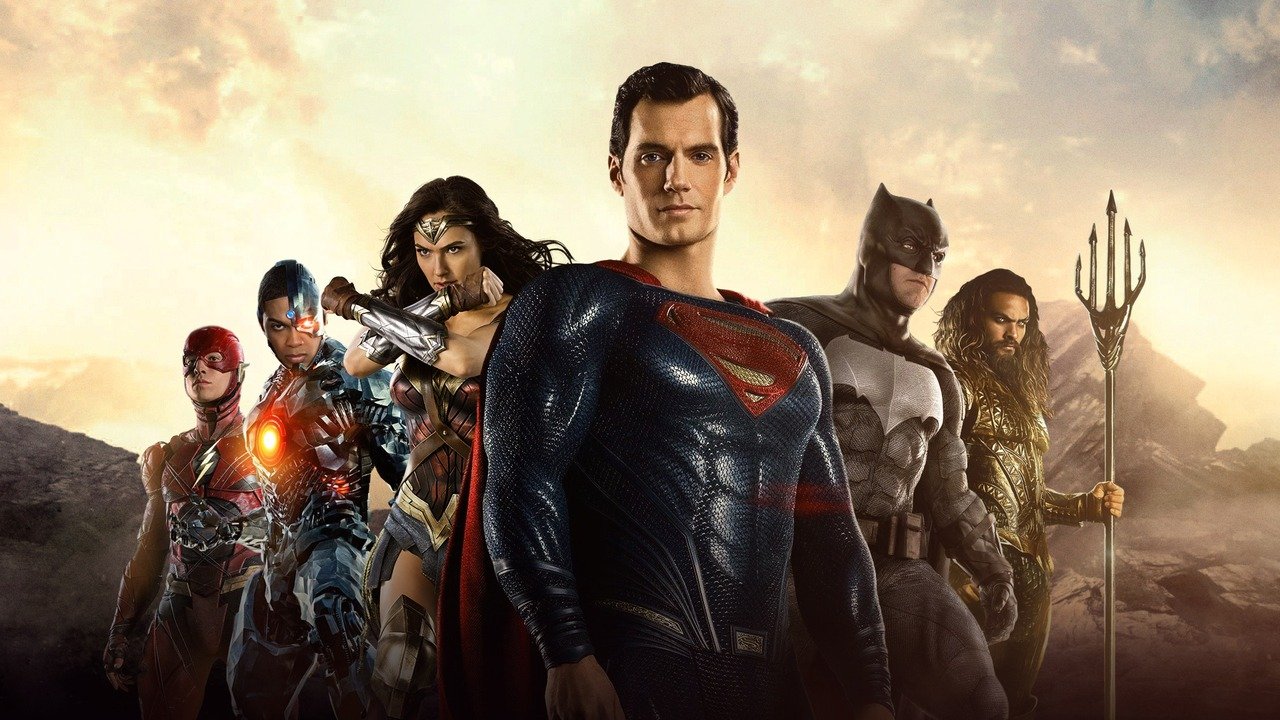
Despite the fact that many like to focus on the many issues the DCEU had, there was so much to celebrate about the films. In the time before the James Gunn reboot, Superman: Legacy, comes out, it’s a good idea to reflect on the contributions the DCEU films made to superhero films and give them another look.

José Soto
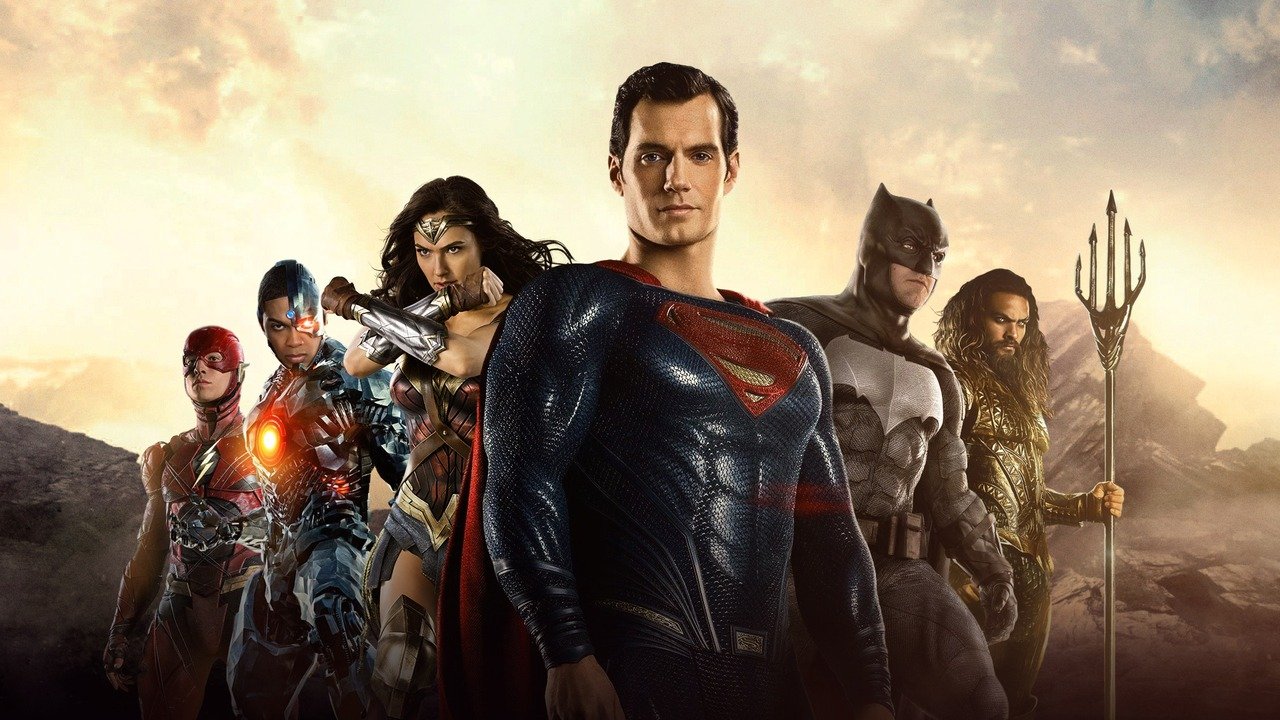
Coming Soon: The DCEU films ranked!

The DCEU: How It Should Have Launched

Whether we’re excited for what James Gunn and Peter Safran have planned for their relaunched films based on DC Comics properties or lamenting the demise of the DC Extended Universe (DCEU), it is clear by now that the DCEU has lost its way.

There are many reasons why the DCEU ultimately faltered and a common factor that many point to has to do with the schedule of its early films and who they were centered on. Many fans have griped that there never was a proper sequel to Man of Steel or that Batman never had a solo film, while other announced films have yet to materialize.

So, could the DCEU have succeeded early on? It is possible and there are many avenues the films could have taken. Some have suggested that the DCEU films should have taken a gradual approach in introducing the heroes before releasing Justice League in the same way Marvel Studios led up to the release of The Avengers. There were many reasons why Warner Bros. did not take this approach with their reps publicly stating they did not want to copy the formula used by Marvel Studios. But if they did try to emulate the formula, how would the DCEU have turned out? Let’s look further.

The first film of the DCEU, Man of Steel, is released in 2013 as it happened in real life. Except, this time the film would have more Easter eggs to a greater DCEU instead of a quick glimpse of a satellite belonging to Bruce Wayne. The film would have a post-credits scene which would show a news montage about the Kryptonian invasion of Earth and the revelation of Superman. As the talking heads would debate about an alien being walking among us, the images would pull back to show they are coming from a TV screen or monitor and we would see that this scene is taking place in the Batcave or in S.T.A.R. Labs.

2015

Instead of waiting until 2016 to release the next DCEU film, Warner Bros. would release two films in 2015. A proper sequel to Man of Steel called Man of Tomorrow, which would be a solo Superman film, and a solo Batman film called The Caped Crusader.

Man of Tomorrow would have been very similar to Batman v Superman: Dawn of Justice except that Lex Luthor would have been recast and Batman/Bruce Wayne would only make brief appearances. He never would have fought or even met Superman. That opening in Batman v Superman: Dawn of Justice where Bruce Wayne personally witnesses the destruction in Metropolis from Superman’s fight with the Kryptonians would swap out Wayne with Luthor. This gives Luthor more of a reason to hate Superman because he saw firsthand the danger of this superpowered alien. The rest of the film would have explored the ramifications of Superman’s presence in the world with Luthor trying to discredit him. The film could have had references to other DC heroes who at this time are operating in the shadows or have not become superheroes yet.

Like Batman v Superman: Dawn of Justice, Man of Tomorrow would have concluded with Superman confronting by himself a genetic monstrosity that Luthor created but instead of Doomsday it would have been an evil Superman clone, who we would know was a malevolent version of Bizarro. The film would include two post-credits scenes. One would show that Luthor had created another genetic opponent for Superman that was locked up. This creature would have been revealed to be Doomsday. The other scene would take place in another world and reveal that the recent superhuman activities have caught the attention of Darkseid.

The Caped Crusader film would be a proper solo film for Batman and it would have shown Batman to be coming out of semi-retirement. It also would have shown that Batman is largely considered to be an urban myth but by the end of the film, Batman would be revealed to be an actual person who fights crime. The Joker would not appear in the film or even be hinted at. Instead the villain would be Deathstroke as The Caped Crusader would have been based on Ben Affleck’s script for the scrapped Batman solo film where Deathstroke blamed Batman for the death of his son and tried to get revenge on Batman. As with Man of Tomorrow, the Batman film would have had references to the greater DCEU and possibly featured Superman in a cameo, probably as part of a newscast. It possibly could have introduced Diana Prince as a mysterious and potential love interest for Wayne. The film also would have post-credits scenes that set up a sequel and have Prince revealed to be Wonder Woman.

Continue reading

The DCEU 2013-2023?

It was not supposed to be like this. For decades, DC Comics’ characters ruled the box office and airwaves, especially with Batman, thanks to the backing of their parent company Warner Bros. That all changed starting in 2008 when Marvel Studios successfully launched their interconnected series of films, the Marvel Cinematic Universe (MCU), which soon overtook DC and Warner Bros. in terms of critical and fan reception and economic success. Warner Bros. did put up a fight and launched their own version of interconnected films, the DC Extended Universe (DCEU), with the release of Man of Steel in 2013.

That film, featuring a new, updated version of Superman, had mixed reactions. Some applauded the grounded, grittier take of Superman, while others complained about the dark tone of the film and its over-stylized look thanks to director Zack Snyder. Still, thanks in part to Henry Cavill’s performance as Superman/Clark Kent, the film was the sound basis for an interconnected film universe featuring DC characters, which continued with Batman v Superman: Dawn of Justice in 2016. At last, Warner Bros. had a true counterpart to the DCEU because the second DCEU film greatly expanded its cinematic world as it not only introduced the DCEU version of Batman, but Wonder Woman, and other members of the Justice League superhero team.

But as we all know, Batman v Superman: Dawn of Justice had a negative reaction thanks to its uneven and convoluted storyline and the DCEU never quite recovered with its sophmore film. The DCEU had an uneven track record with its filmography. For every critical and commercial success like Wonder Woman and Aquaman there were failures like Justice League and the Suicide Squad films. The film universe was inconsistent with its tone and output, meanwhile, the MCU churned out hit after hit without any legitimate competition.

HAR_DM_FIRST LOOK RND F04

What made matters worse for the DCEU was the fact that Warner Bros. seemed to give up on the DCEU by delaying long-announced films, including a solo followup to Man of Steel. This last issue drove Cavill away from the role as the film studio made announcements about new versions of Superman, which never materialized. Instead of focusing on the DCEU, Warner Bros. turned its attention to projects outside of the DCEU like Joker and The Batman, as well as TV shows that were not connected to the DCEU.

Many of these projects were successful, but they did not do anything for the DCEU. Fans asked for DCEU films featuring Superman and the other DC heavy hitters, but instead Warner Bros. greenlit films featuring lesser known characters like Black Adam, Blue Beetle and the Wonder Twins.

Then there were issues with the pandemic, which delayed film productions and forced Warner Bros. to debut films like Wonder Woman 1984 on their streaming platform, HBO Max. In fact, the parent company of the film studio, AT&T decided to forego or deemphasize film releases in favor of premiering films on HBO Max. This led to diminished financial returns for DCEU properties like The Suicide Squad.

Another sign that implied that the film studio had given up on the DCEU were rumors that the long-delayed DCEU film, The Flash, would be used to reboot the DCEU with new actors. Evidence for this lies with the fact that Michael Keaton is reprising his role as Batman in The Flash. Meanwhile the DCEU version of Batman, played by Ben Affleck and Superman, would be wiped out of existence thanks to the Flash and time travel hijinks. But that was nothing compared to the big changes instituted by new owners.

Continue reading

Zack Snyder Presents His Idealized Vision Of Justice League

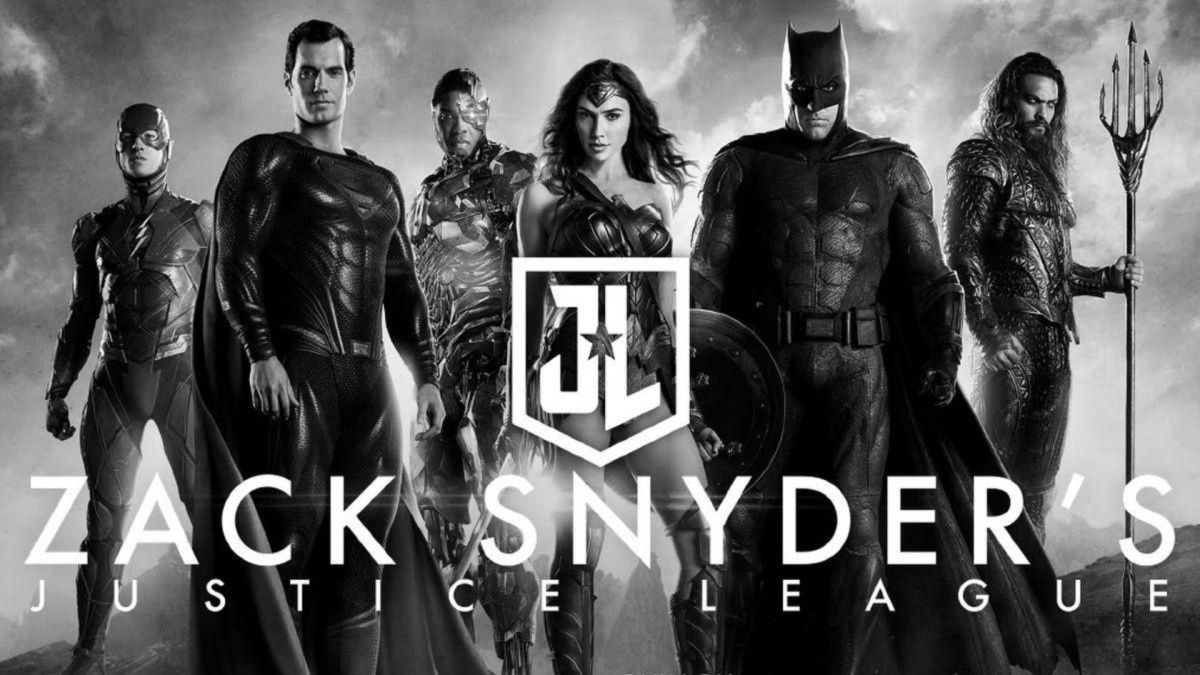
Zack Snyder’s Justice League is the culmination of over three years of an internet campaign that started soon after the release of the much-maligned Justice League from 2017, a movie that I personally liked, but that was seen as not in tune with the previous two movies directed by Snyder that came before it, Man of Steel and Batman v Superman: Dawn of Justice. Joss Whedon was brought on to finish and reshoot much of what Snyder had done after he left the project due to the death of his daughter. The rise of streaming services, in this case HBO Max has allowed this long-awaited version to be completed and finally see the light of day.

The basic plot points from the theatrical version of Justice League are the same here. Batman gathers together the Justice League by seeking out Aquaman, the Flash and Cyborg with the help of Wonder Woman, resurrecting Superman and confronting Steppenwolf. He is an alien attempting to steal ancient technology called the Mother Box, which is hidden throughout the world in three parts and if the parts are united he will be able to conquer Earth in the name of his master, Darkseid.

The differences between Zack Snyder’s Justice League and the theatrical Justice League are the fact that the Snyder cut is a much deeper experience with backstory added for each character, especially Cyborg whose relationship with his father is given center stage on many occasions, as well as The Flash rescuing his future love interest Iris West, and Aquaman speaking with his mentor Vulko, who was previously seen in the Aquaman standalone movie. We had glimpses of these backstories in the theatrical version, but with its studio-mandated two-hour running time, things had to move at a quicker pace. The extra time in the Snyder cut allows for more of these characters to be established which makes it an enjoyable experience, provided you have four hours to spare. The fact that this is meant to be seen at home is a big plus since you can stop and start at anytime. This is helpful due to the fact that the first two hours set everything up, which can make the film seem slow.

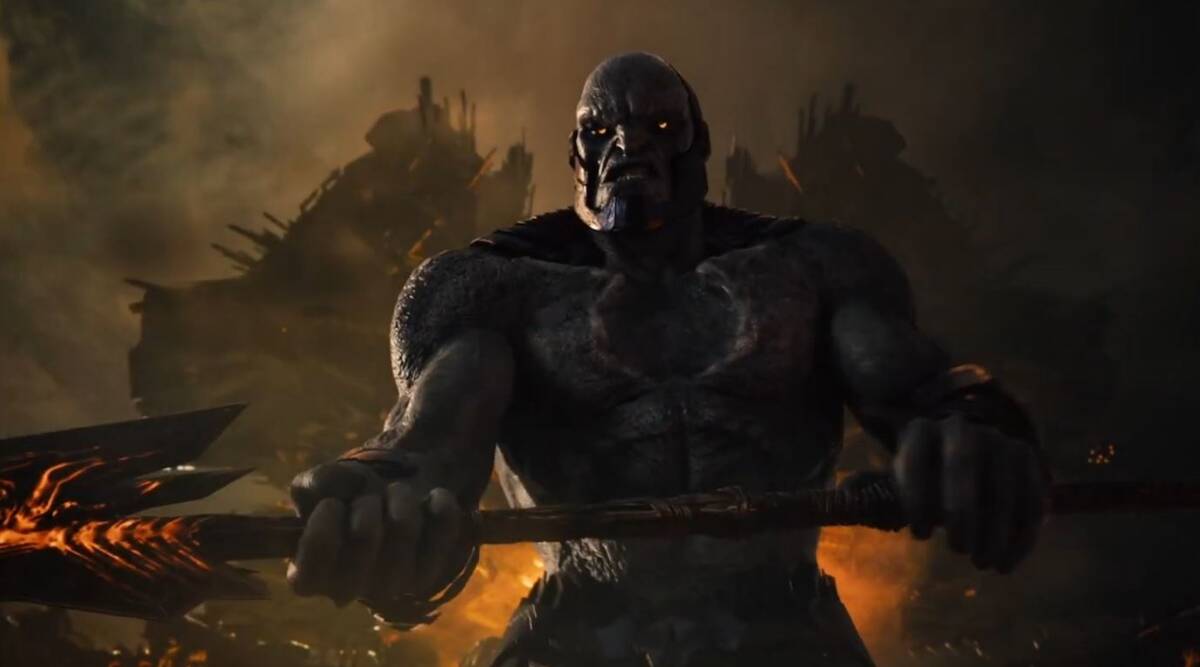
The action picks up at the halfway point in an underground tunnel battle, which shows the League fighting as a group for the first time. The fight scenes are more visceral in this version and are a highlight. This is also true for the other action scenes, such as Superman’s resurrection and battle with the other League members, and the final showdown with Steppenwolf. Speaking of which, the main villain has undergone a redesign and has a kind of flowing metal armor which is more interesting and menacing than his design in theatrical cut. Another highlight is the on-screen, live-action premiere of DC supervlillain Darkseid, who is shown in his home world directing Steppenwolf in his quest to unify three Mother Boxes to conquer Earth. This whole plot point is fleshed out in this extended version and explains Steppenwolf’s obsessive desire to acquire these artifacts and sets up Darkseid’s attempt to conquer all of existence. This is one of several other plots that are hinted at in the original version, such as Lex Luthor teaming up with Deathstroke to take on Batman, as well as the onscreen debut of Martian Manhunter, who warns Batman’s alter ego, Bruce Wayne, of Darkseid’s coming invasion. Lastly, some new scenes showcase the anticipated Knightmare sequence of a future world ruled by Darkseid and an evil Superman similar to the Injustice storyline. Here Batman is leading a resistance and allying with his nemesis the Joker, played by Jared Leto. This finally gives viewers these two versions of the iconic rivals interacting for the first time.

Continue reading

DC FanDome Brings The DC Universe To Fans


We were robbed of Comic-Con this year thanks to the ongoing pandemic (the less said about their virtual convention, the better). However, comic book and DC fans were entreated to the virtual event DC FanDome which showcase all that is going on with the DC Universe in comics, film, TV, video games and much more.

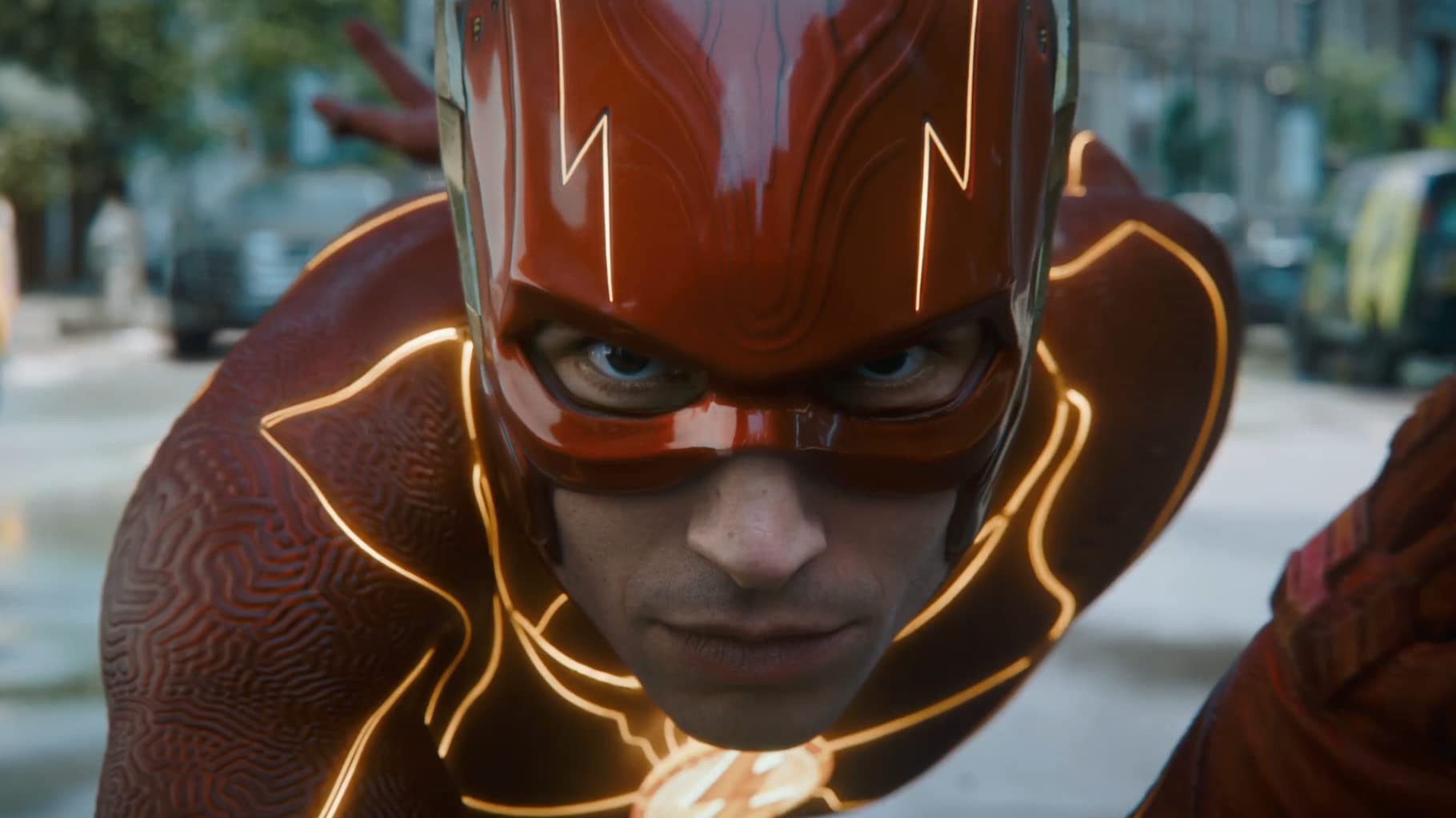
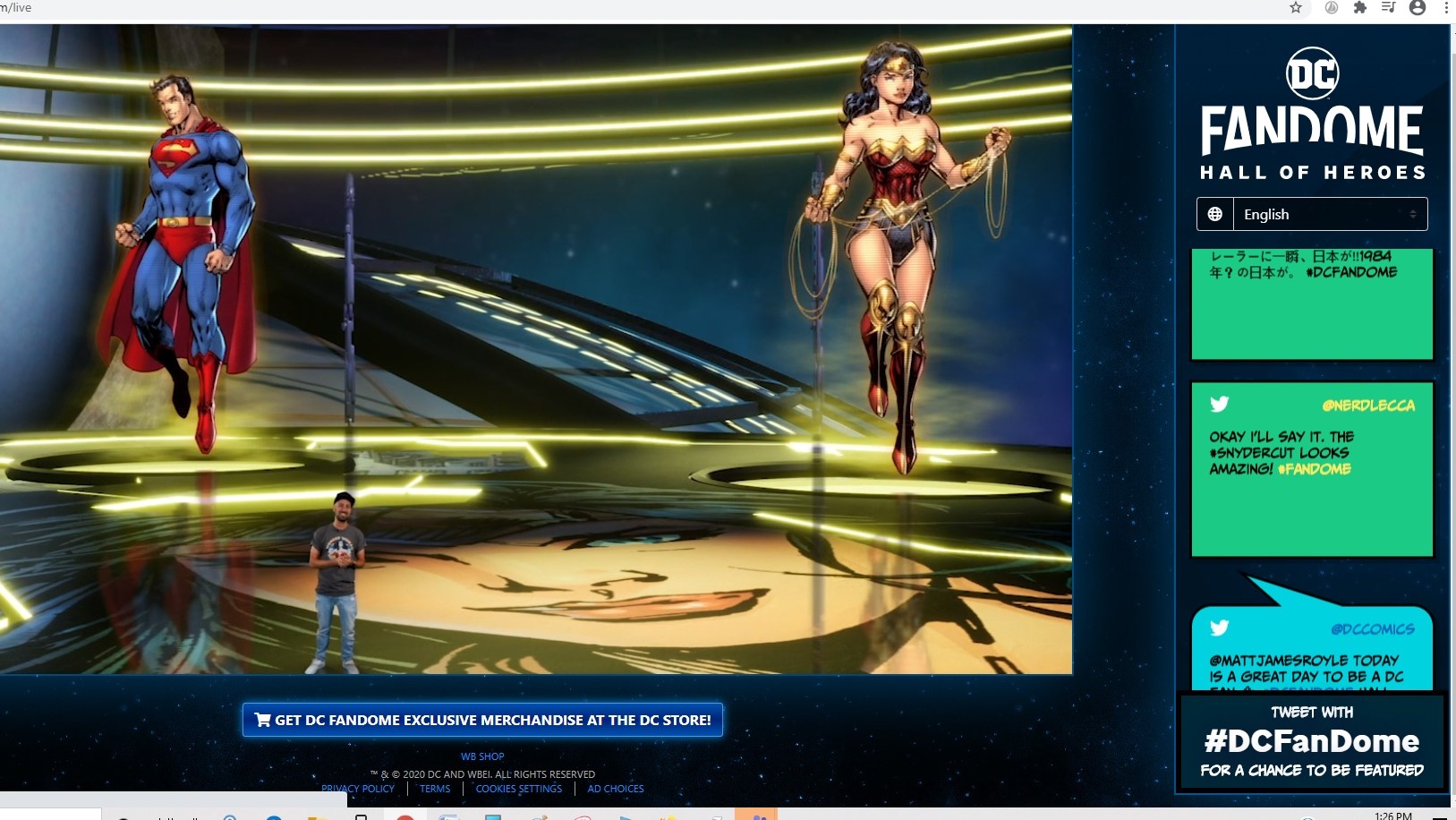
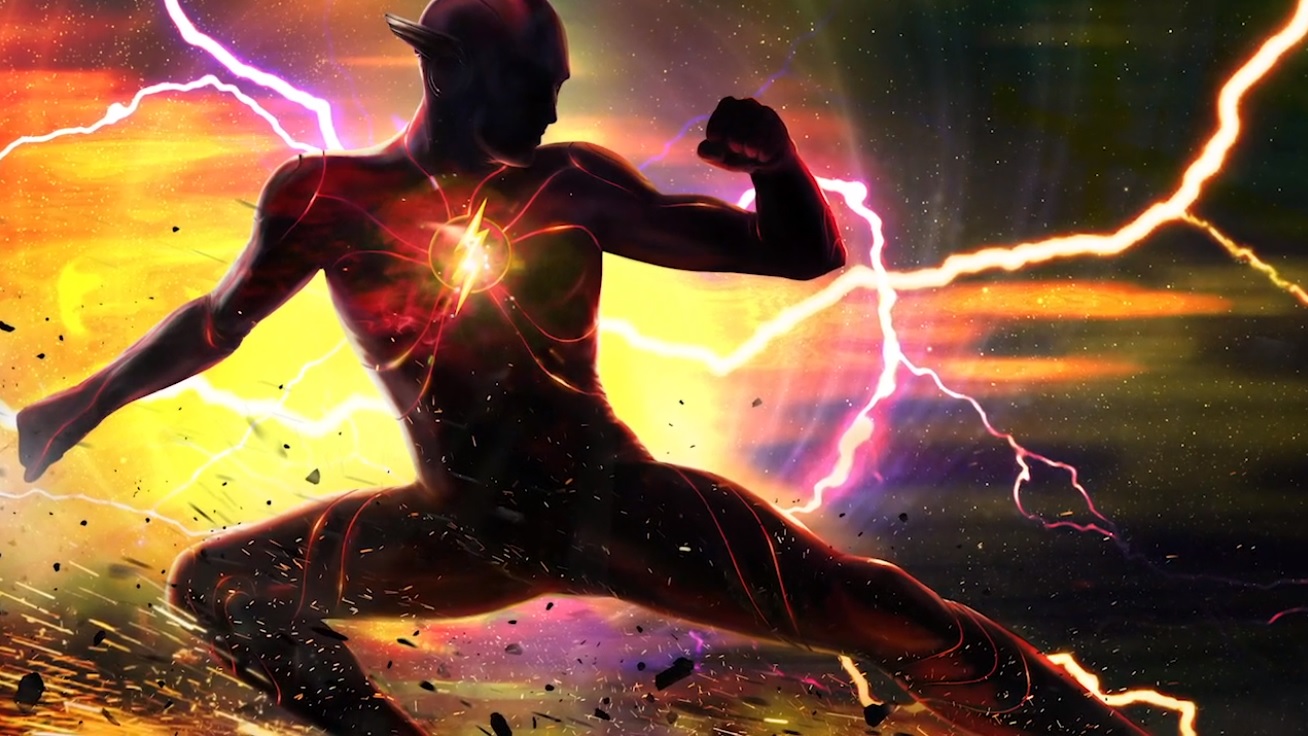
There were many highlights in the virtual event and many avenues for fans to explore. Visiting the website, one could see there were different sections to view such as the Hall of Heroes, WatchVerse, KidsVerse, InsiderVerse, and so on. The most talked about highlights of course were the exclusive looks at the upcoming DC films and TV shows seen in the Hall of Heroes. For example, we were treated with a new trailer for Wonder Woman 1984 and a glimpse at Wonder Woman’s chief villain, the Cheetah (a bit too CGish but that’s fine). Other clicks revealed the first look at the re-designed Flash suit for the upcoming film of the Scarlet Speedster. Looking at the sleeker suit, it is obvious the DC Extended Universe (DCEU) version of the Flash was clearly inspired by his brief encounter with The CW version of the Flash as seen in his cameo in the “Crisis on Infinite Earths” TV crossover event. Frankly, the new suit is a great improvement as it looks more aerodynamic and befitting of the character.

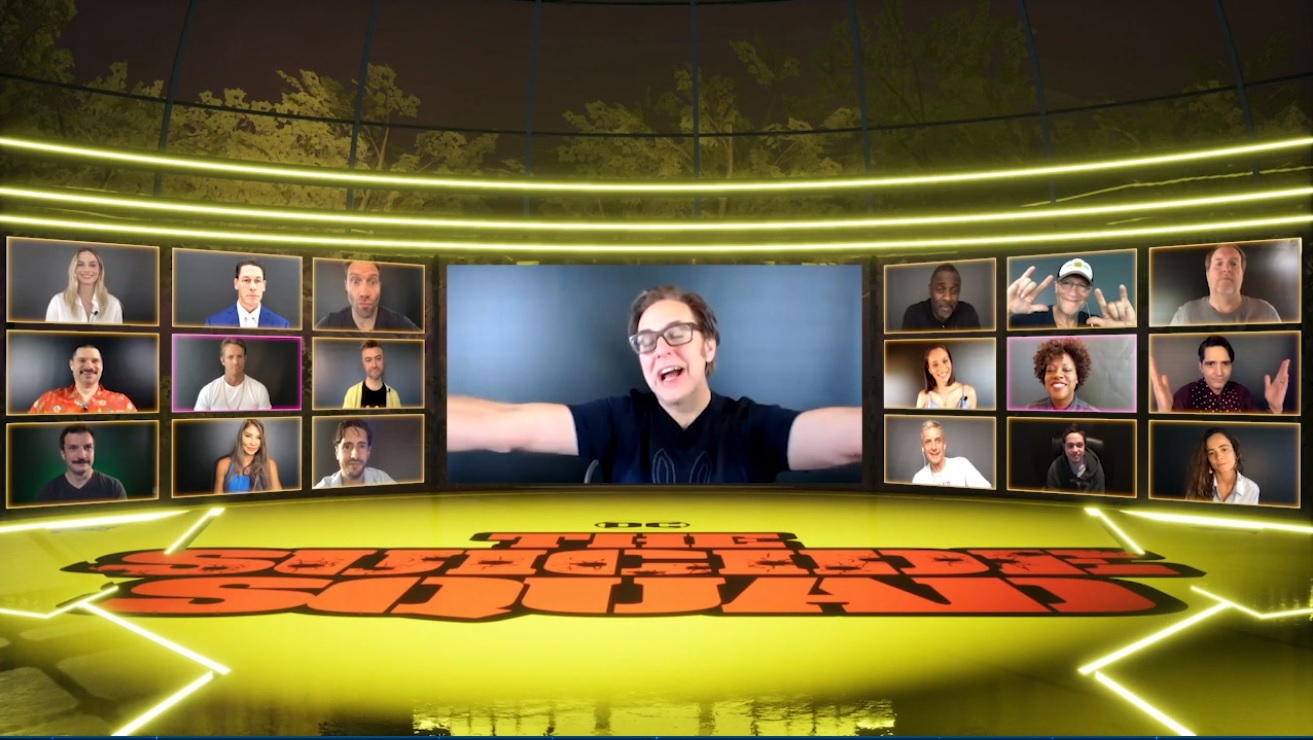
There also was a lively panel of The Suicide Squad hosted by the film’s director, James Gunn. For the first time the roster of supervillains was revealed and what a motley crew! Leave it to Gunn to pick some of the most obscure and goofy villains for The Suicide Squad. Comic book speculators and collectors will have their hands full trying to hunt down the comics that debuted the likes of the Polka-Dot Man or the Weasel. The panel itself was quite funny and gives fans who were disappointed by the previous Suicide Squad that the sequel will be injected with James Gunn’s humor and be reverant to the original comic book as he promised in the panel.

The suicide squad panel

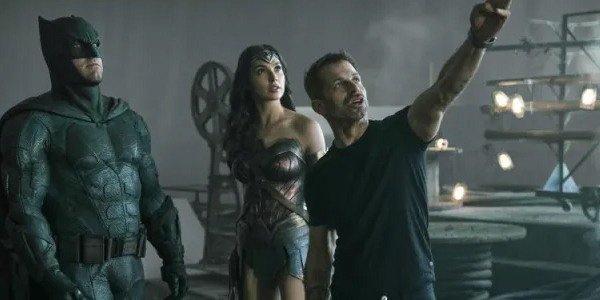
Director Zack Snyder presided over a presentation of his original vision for Justice League. Featuring appearances from the film’s stars like Ben Affleck (who made news recently when it was revealed he would reprise his role as Batman/Bruce Wayne in the upcoming film, The Flash) and Henry Cavill, who looked really buffed out–a hint that he will return to the DCEU as Superman? After taking questions from fans who championed for his original cut, Zack Snyder unveiled a teaser trailer for Justice League. What stood out is the huge amount of original footage including a new and better version of Steppenwolf, Darkseid and Superman in his black suit. With a running time of four hours, the original vision of Justice League promises to be a true superhero epic.

The other big movie news was the premiere trailer for next year’s film The Batman. What can be said that has not already been written online about this first look at the new Batman film? As it has been said everywhere, this film looks awesome. Easily one of the most anticipated films next year, The Batman seems to be a spiritual successor to the Christopher Nolan Batman films, especially Batman Begins. The film looks gritty and promises to be more of a crime thriller peppered with intimidating scenes with the Caped Crusader.

Aside from giving us previews and first looks at upcoming property, DC FanDome was a celebration of all things DC. The event showcased brilliant and imaginative fan art and cosplayers, which captured the spirit of past conventions. Visitors got to see how influential and widespread DC was as videos showcased fans and creators from all over the globe. The Celebration of DC Pets was really cute, by the way. It was impressive to see how DC captured our imagination. DC FanDome also took time to celebrate the rich and vast history of DC with clips and images from past incarnations of its superheroes and villains.

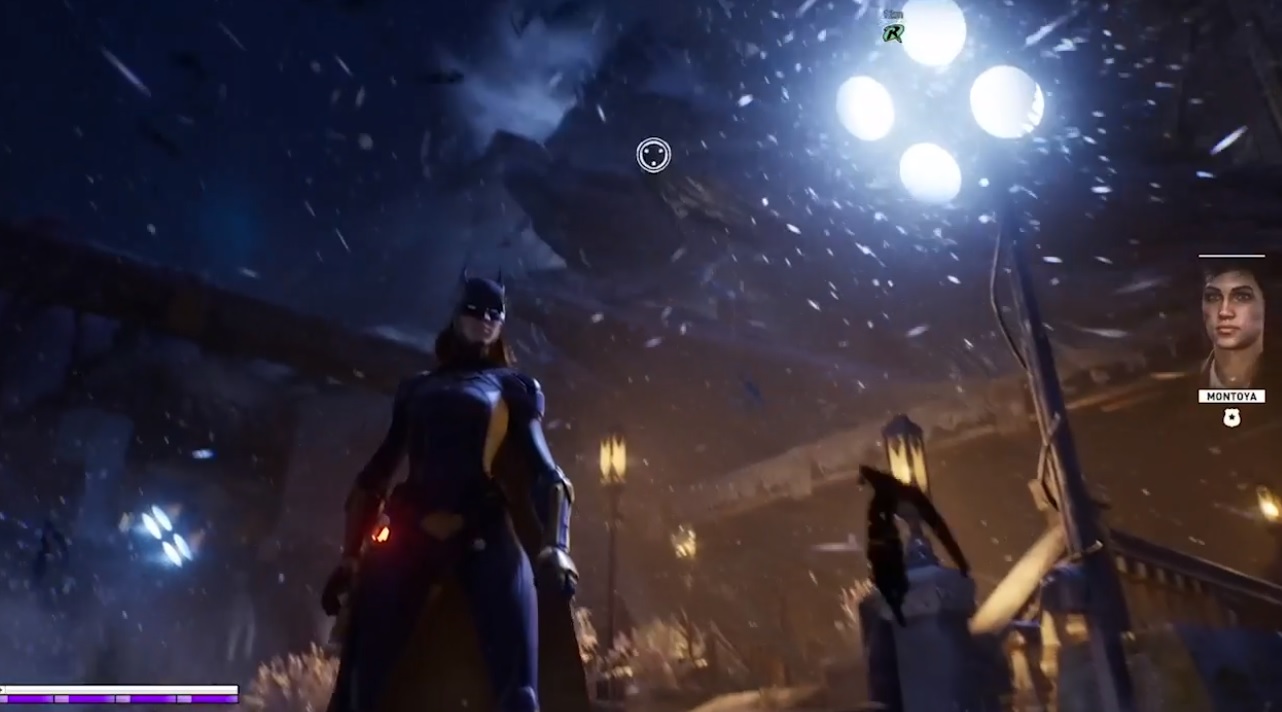
On a technical level, there were the usual technical glitches that we are all experiencing these days with our Zoom meetings and other video calls, but for the most part, the event went off smoothly and was slickly produced. Their online store, there should have had more variety of merchandise because the only thing on sale were different kinds of t-shirts. But fans were able to read online comics and check out all the things related to DC, whether it be the latest with the DCEU or the thrilling video game Gotham Knights.

The DC FanDome was a great success and was actually better than what could have been done at Comic-Con. For a long while, Comic-Con was too exclusive as tickets to the yearly event were rare and expensive and frustrated nearly all of the fan community who were not privy to view first looks at trailers or concept art. We were forced to scour online for amateur videos taken at Hall H for just a glimpse or an upcoming film. The way DC FanDome was done should be continued in the future and can be done by other companies (hint, hint Marvel) as a way to better reach fans.