
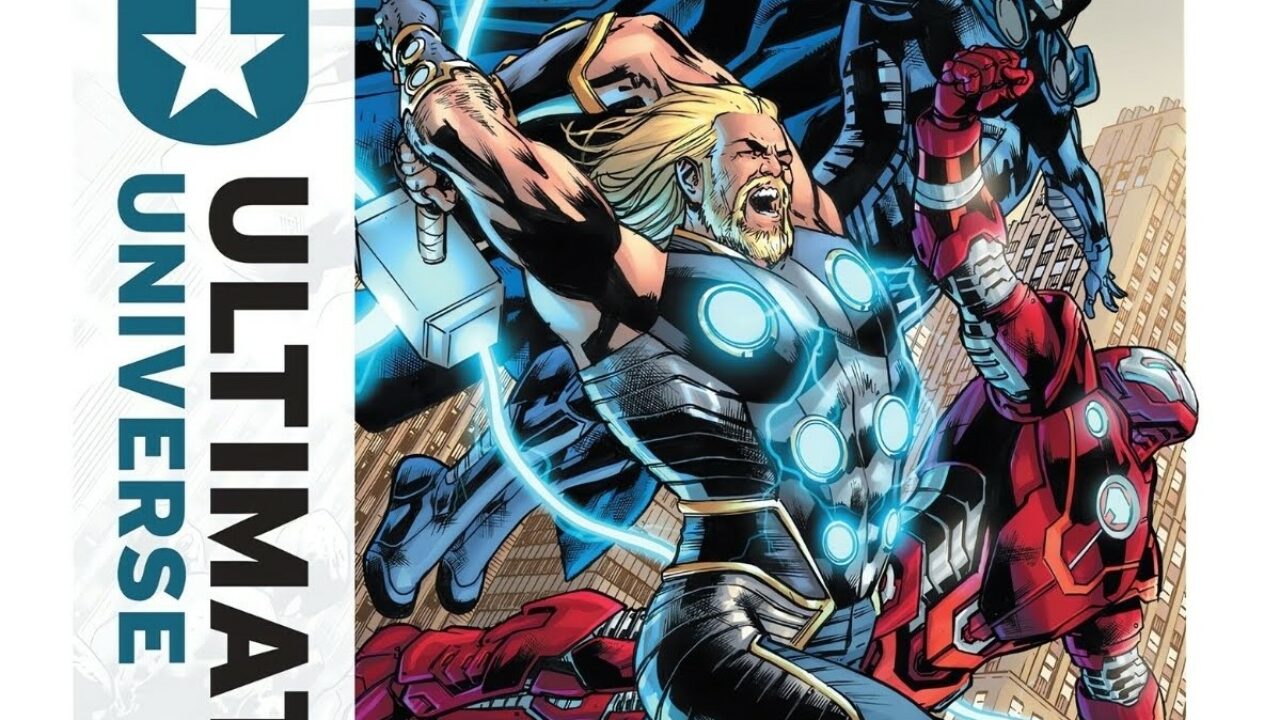
An increasingly popular sub-genre in comic books these days are reboots or reimaginings of famous superheroes and supervillains. We’ve seen this earlier in the year with the relaunch of Marvel Comics’ Ultimate Comics line, with Ultimate Spider-Man being the most popular and successful series in that line. The comic book reimagines Peter Parker/Spider-Man as much older than his counterpart in the regular comics, and is married with children, and only recently became Spider-Man.
DC Comics has also jumped into reboot game (though they pioneered this back in the 1950s) with their Absolute line of comics that began this week with the release of Absolute Batman. In this series, Bruce Wayne/Batman is not a mega-rich playboy whose parents are dead. Instead he is an ordinary, lower-class citizen of Gotham, who happens to be the Dark Knight Detective. The Absolute line will continue shortly with the release of Absolute Wonder Woman and Absolute Superman, which will present radical interpretations of the iconic superheroes. Or are they?
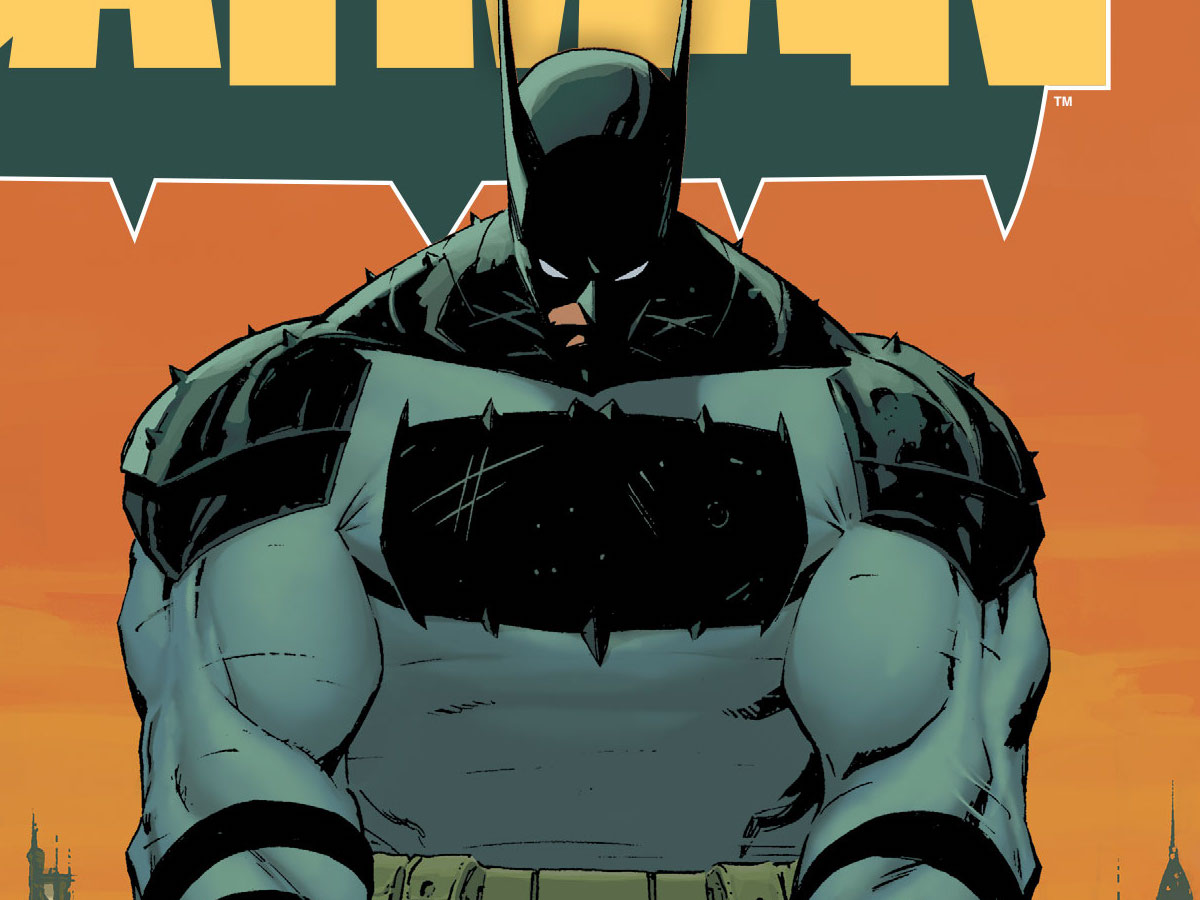
These comics have caught on and become very popular thanks to inspired writing and artwork, but the heroes in the comics are essentially the same. Despite being older and married, Peter Parker is still a wisecracking superhero who looks and acts the same way as he does in the regular comics. The same goes for Batman. Sure there are some changes to the costume (with Batman’s bat-themed chest symbol doubling for a huge axe), but he is still a brooding vigilanted patroling the crime-infested streets of Gotham. Again, these are well done comics, but maybe the comic book companies could have gone further and given us radically different takes of these characters. In fact, it’s been done before.
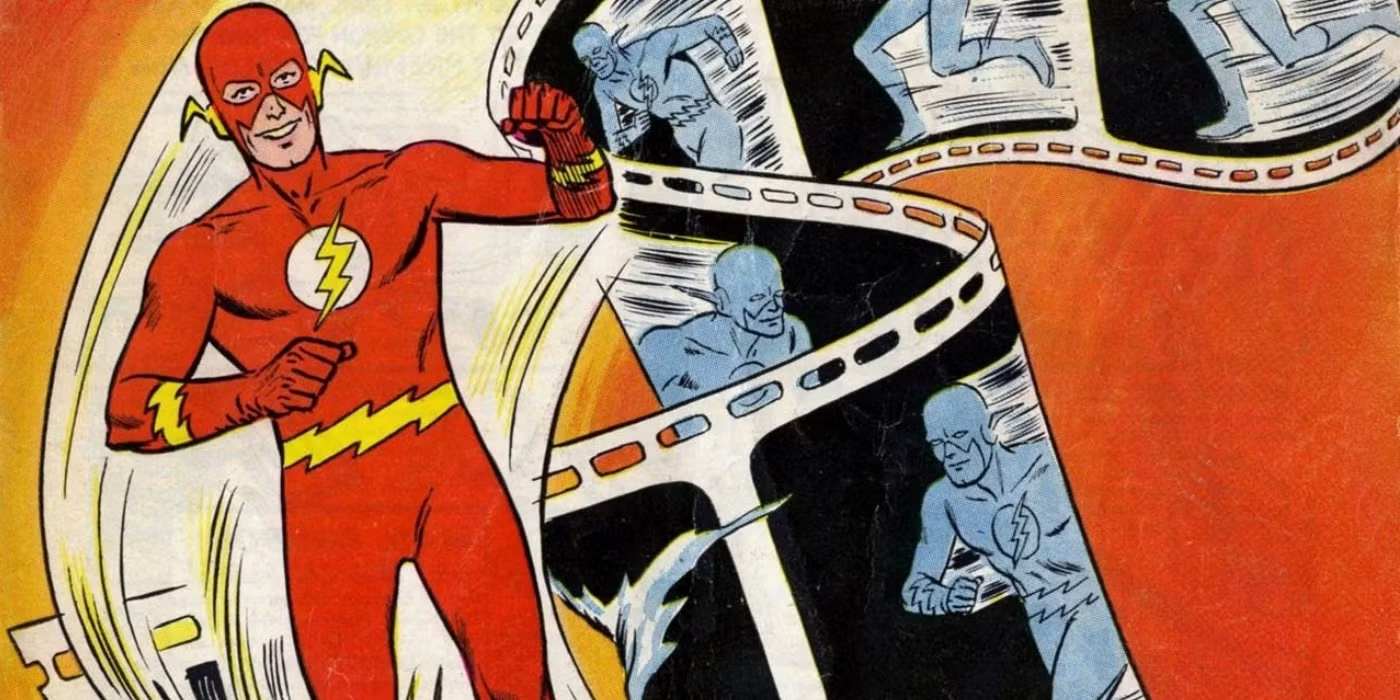
As mentioned before, DC Comics debuted a completely new version of their Golden Age hero, the Flash, in Showcase #4 in 1956, which actually launched the Silver Age of Comics. Originally, the Flash was Jay Garrick, a college student who accidently inhaled these special vapors that gave him his superspeed powers. His costume was fairly simple, with the only distinguishing feature being his steel helmet with wings. When the superhero was reintroduced in Showcase #4, he was reborn as Barry Allen, a police forensic scientist who was struck by lighting and doused with chemicals that gave him his powers. His scarlet costume was a stark contrast to the original Flash, by the way.
Following the success with the new Flash, DC gave readers new, distinctive reinterprations of their older, less popular heroes like Green Lantern, who now boasted a space-themed background, whereas the original Green Lantern had a mystical background. The comic book company went on to reinvent some of the Golden Age supervillains that plagued their most popular superheroes.
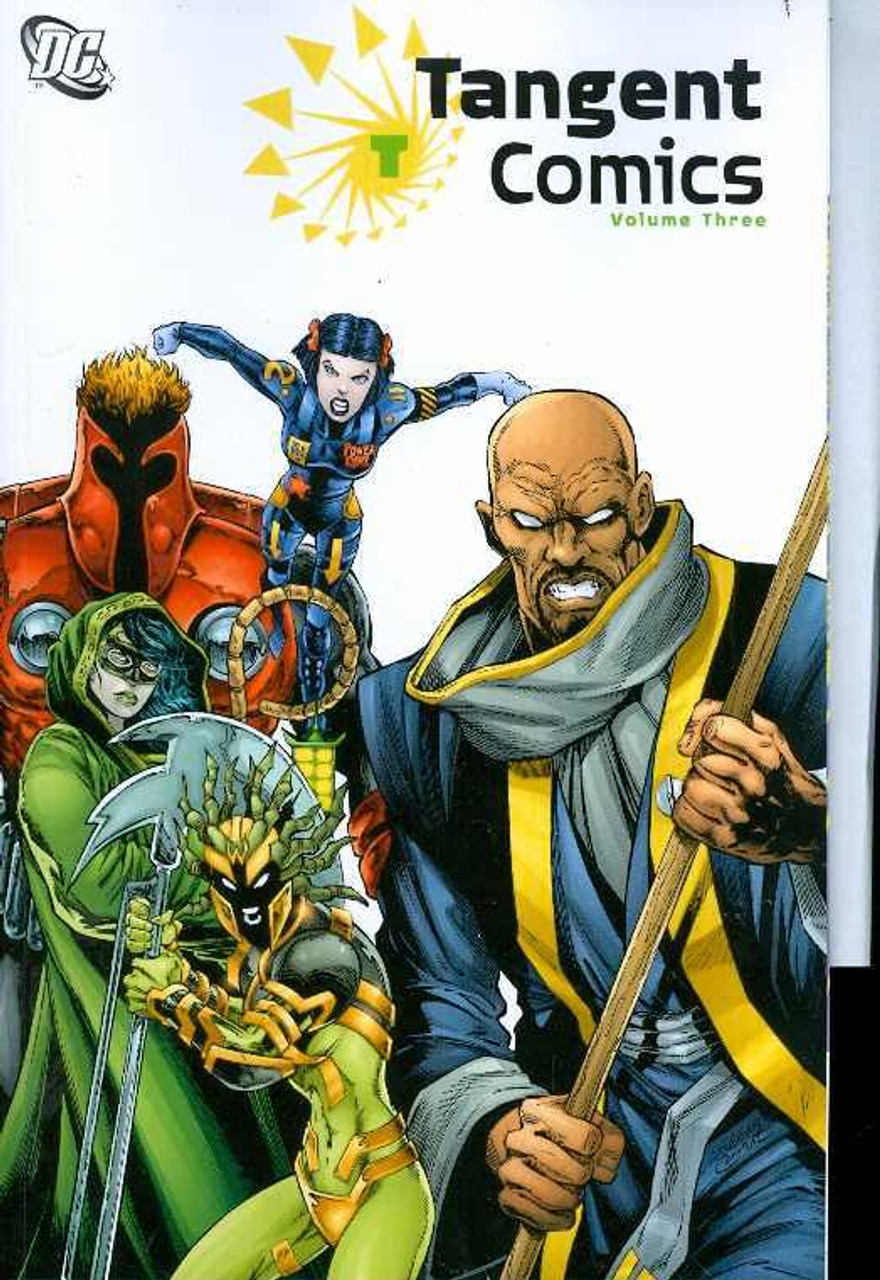
The last time DC presented radically different versions of their characters was in the 1990s and early 2000s with their limited imprint of Tangent Comics. Characters were wildly different from the traditional counterparts. For instance, the Flash was now a teenage girl with light-based powers, and the Joker was a female anti-hero who fought crime in the city of New Atlantis.
In 2001 and 2002, DC hired Marvel guru Stan Lee to reinterpret their famous characters. This led to several one-shots called Just Imagine… where Batman was a Black crimefighter whose real name was Wayne Williams and Wonder Woman gained her magical powers from an artifact.
While there is the potential for these radical reimagings to succeed as seen with the Barry Allen version of the Flash, there is also the possibility that the new versions fail to capture reader’s imaginations. The Tangent imprint, while very well done, did not take off in the long run and are largely forgotten to this day, though the comics are worth checking out. This is probably the main reason why the current reimagings of popular superheroes play it safe. Aside from some minor updates and tweaks, Peter Parker and Bruce Wayne are still the characters we know and love. But the comic book companies should be more willing to push the envelope and go for broke.
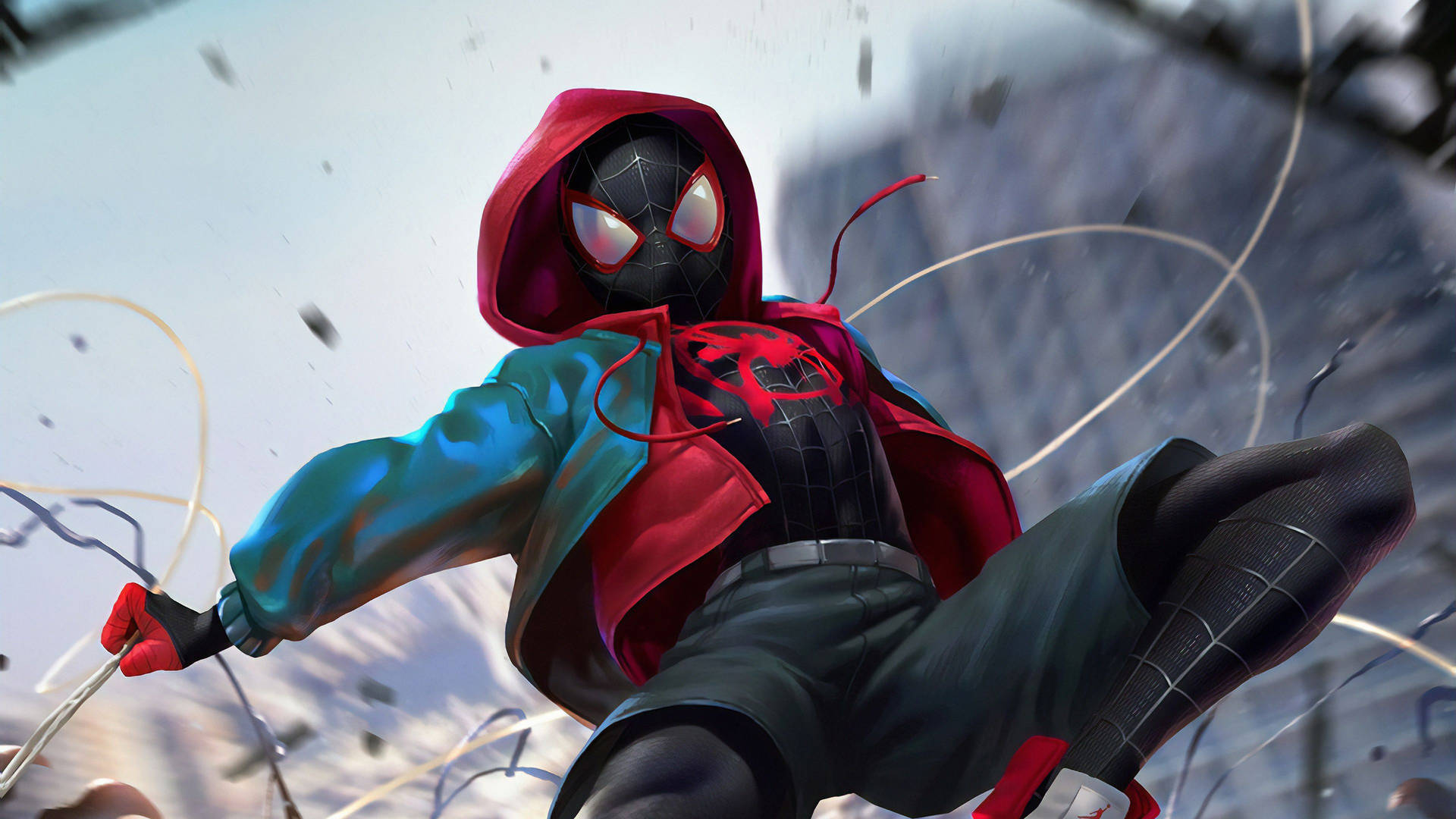
This has worked in the past, as with the Flash and even with the Miles Morales version of Spider-Man. Perhaps the Ultimate Comics imprint that Marvel first introduced in the early 2000s might have endured to this day if, for example, they had started off with Spider-Man being Miles Morales or have a completely different line up for the Ultimates (the Ultimate Comics version of the Avengers who were essentially the same superheroes in the regular comics).
One character that organically developed into a wildly different version than his regular counterpart was the Ultimate Comcis version of Reed Richards. In the Ultimate Fantastic Four comics the only noticeable difference with the team was that they were much younger than the traditional Fantastic Four. Yes, there were other differences such as the origin of their powers and group dynamics but none of it was out of the ordinary. However, over time, Reed Richards was radicalized and became the villain called the Maker, who continues to pop up. Actually, the Maker is responsible for the new Ultimate Comics line, since he time traveled to the past and prevented the creations of the Marvel superheroes, which is why heroes like Spider-Man got a late start in their careers.
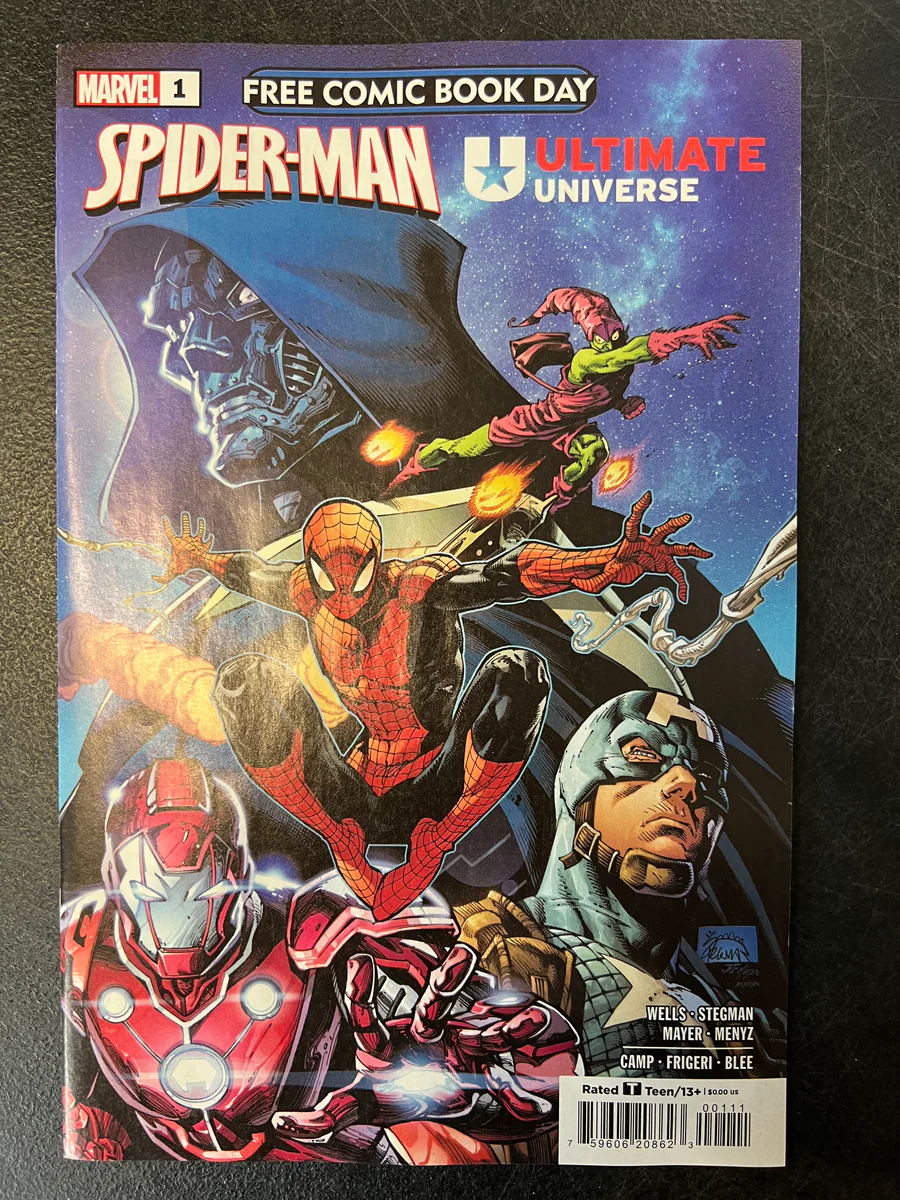
It remains to be seen how long the new interpretations will last or maintain their quality, but comic book companies should not hesitate to allow their creators the freedom to let their imaginations run wild and present readers with radical and unique reinterpretations of their beloved heroes and villains.
 Starloggers
The reboot and reimaginings of our favourite comic book superheroes feels like it has almost reached critical mass now. More so now with DC trying to jump on the band wagon in the wake of Marvel’s success with its revived Ultimates range. Some of them have been surprisingly good. But to me this begs the question of what is it that’s missing from the mainstream of comics that we need these alternative versions so much?
I think it’s that we want the characters to grow and change, which is something that the companies won’t allow except incrementally. Just look at how they forced Spider-Man to not be married anymore because that would make him look old. That is just ridiculous. Change makes a character more interesting and any kind of change as with the Absolute and Ultimate imprints is why readers gravitate towards them.