Phase Four Of The MCU: Ranked

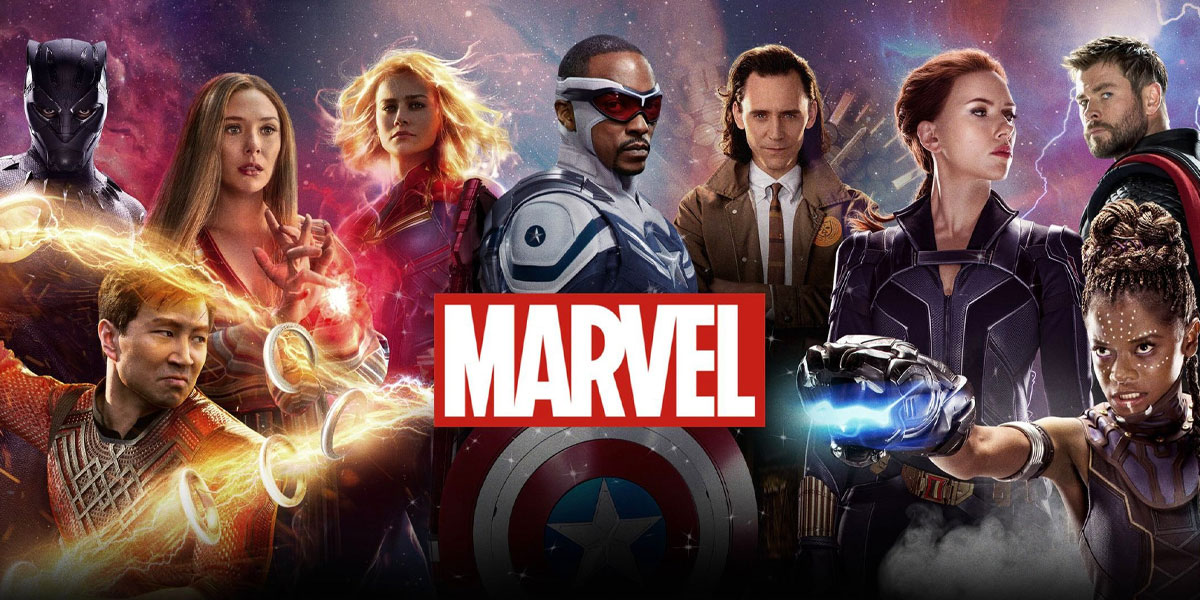
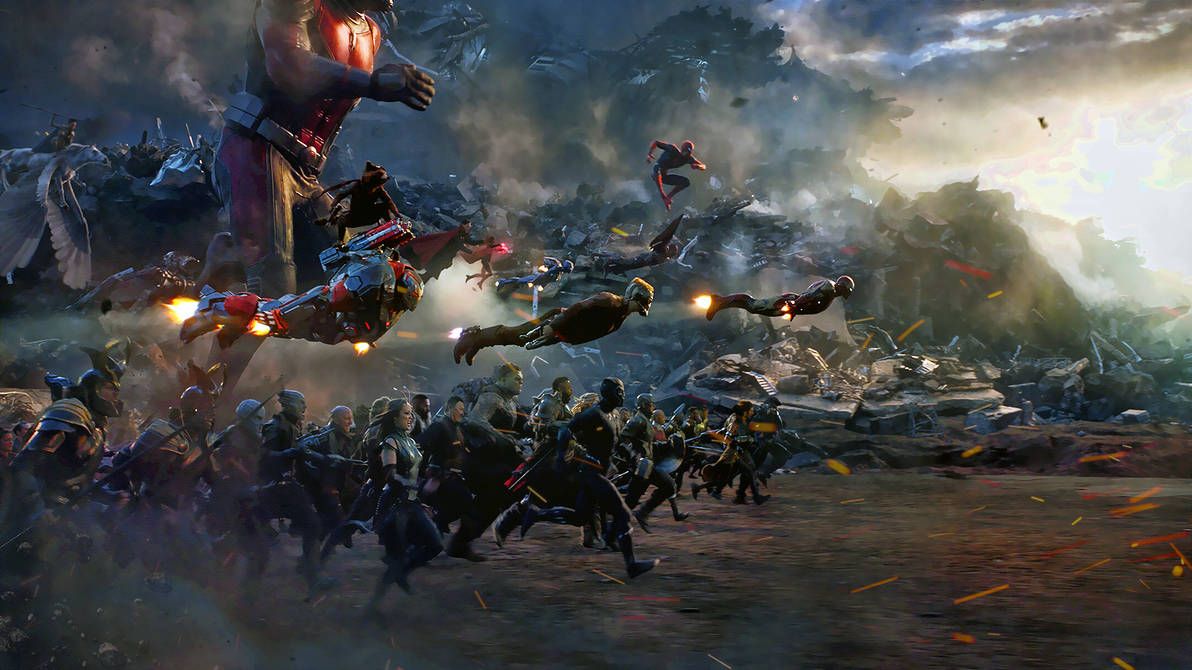
The fourth phase of the Marvel Cinematic Universe (MCU) turned out to be a mixed bag in terms of quality. It was also different in that the MCU now officially incorporated TV shows and as a result, we had plenty to watch and enjoy. Some of the films and TV shows were bonafide gems, others were hugely disappointing. As we prepare for Phase Five, let’s look back at Phase Four of the MCU and rank them. If anyone has a different list order, please feel free to drop a comment.

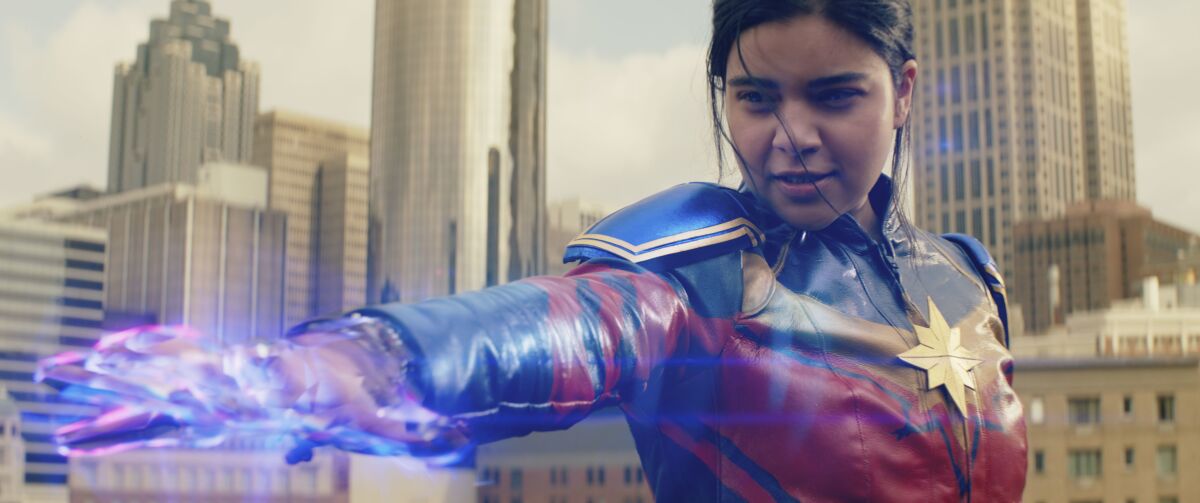
18. Ms. Marvel

Where to start with this MCU TV show? Not only does it turn Ms. Marvel into a poor person’s Green Lantern, it betrays her comic roots by making her a mutant. Then it commits the deadly sin by veering too much into dull Pakistani family drama that took up valuable screen time.

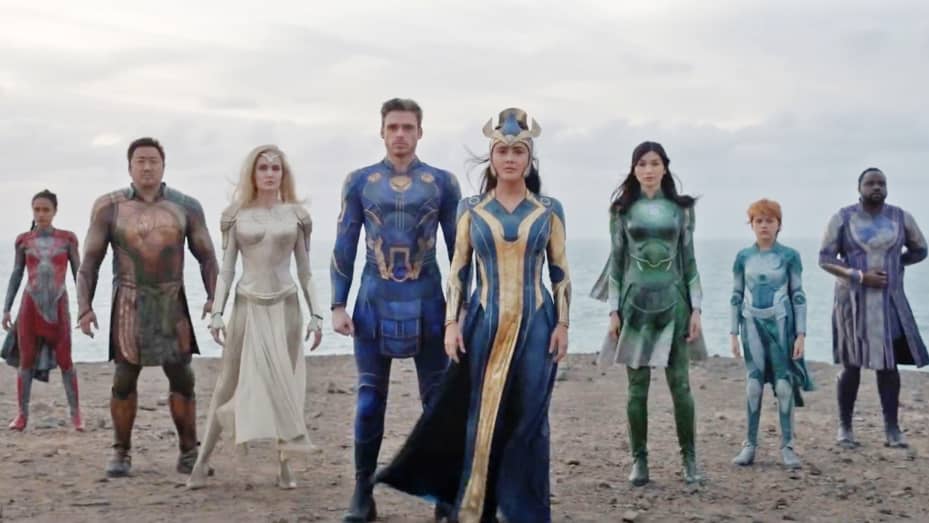
17. Eternals

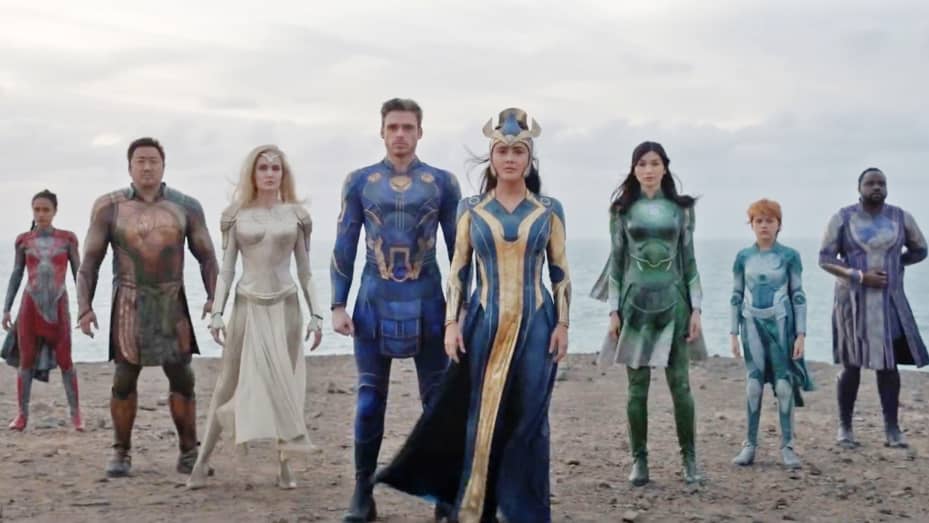
This is a contender for being the worst MCU film. It’s dull, plodding and pretentious. What’s worse is that it insults comic book legend Jack Kirby’s original vision of these superheroes by changing their origin and purpose. It ranks higher than Ms. Marvel only because its special effects and cinematography were better.

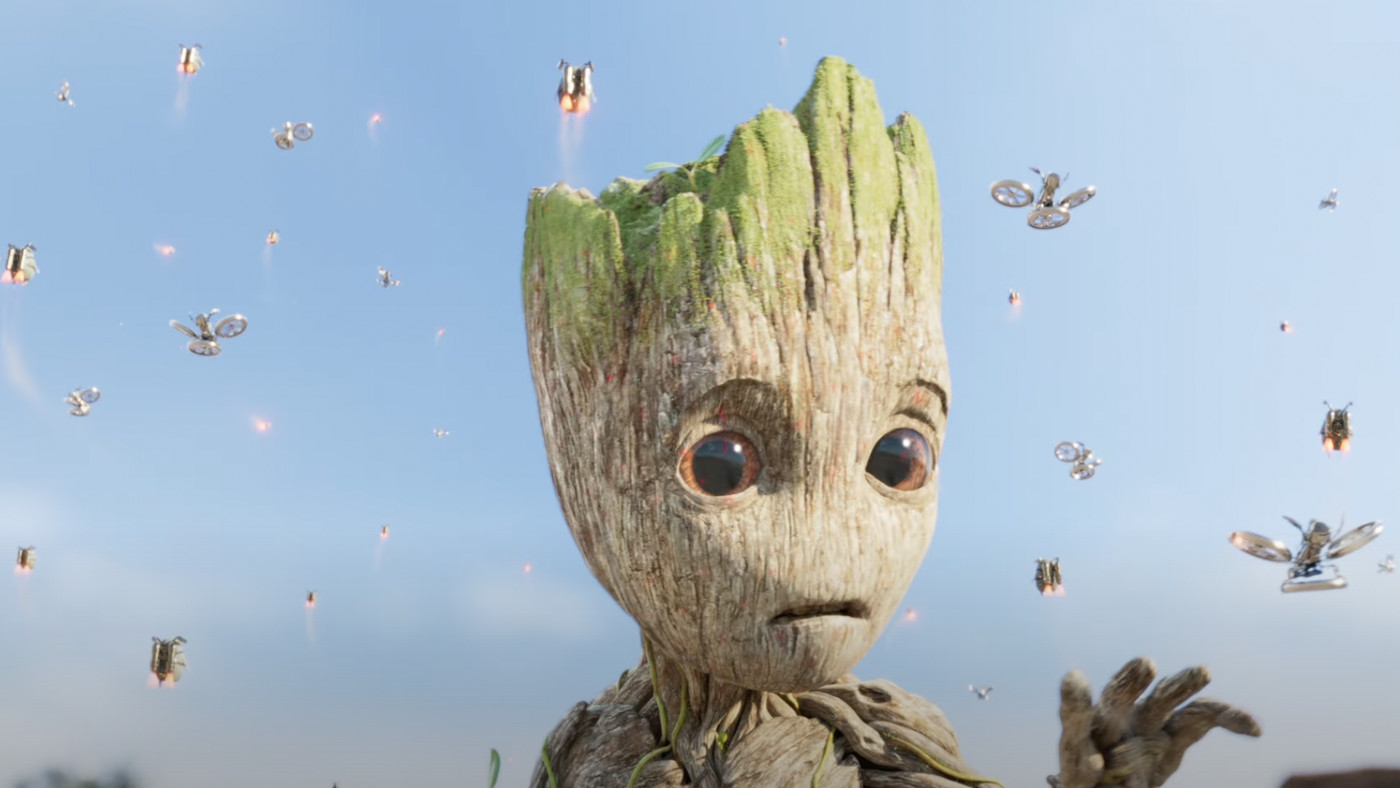
16. I Am Groot

Basically, it was a cute animated show. Actually it was a bunch of five-minute segments featuring Baby Groot doing silly antics. So, pretty much it was geared for kids and the young at heart, but otherwise, it’s harmless fluff for the rest of us to skip over or watch to kill a few minutes of time.

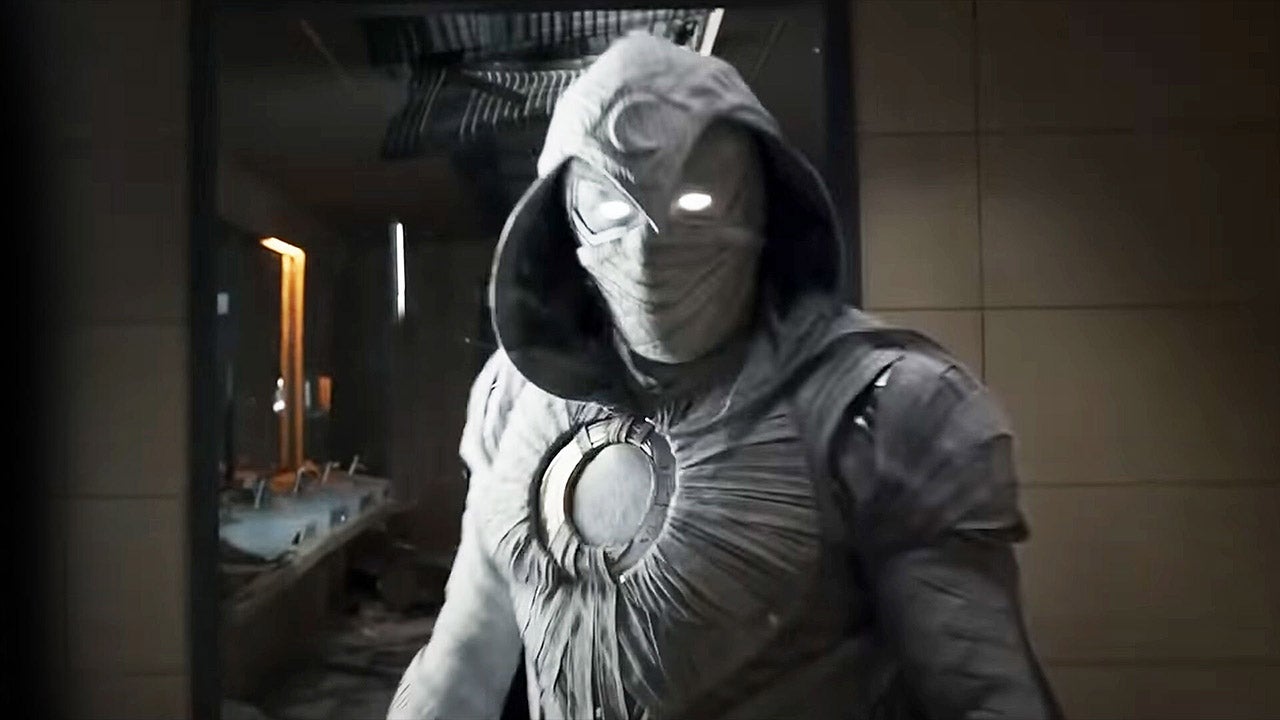
15. Moon Knight

Despite Oscar Isaac’s winning performance as the title character and some good fight scenes, the show was too uneven. It seemed as if the showrunners could not decide if Moon Knight was a psychological mystery, an Indiana Jones-type of adventure story or a downright fantasy. What we got was a narrative mess.

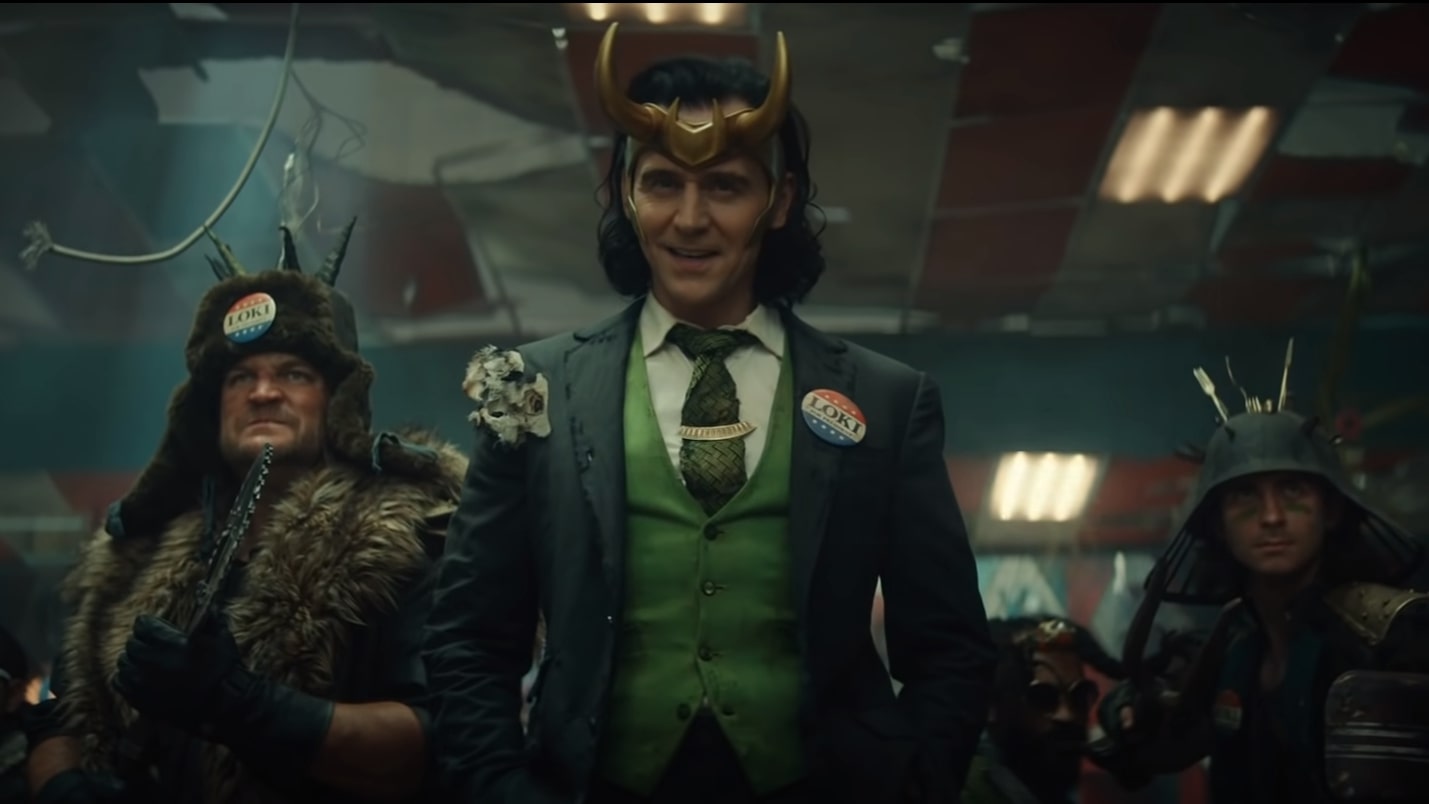
14. Loki

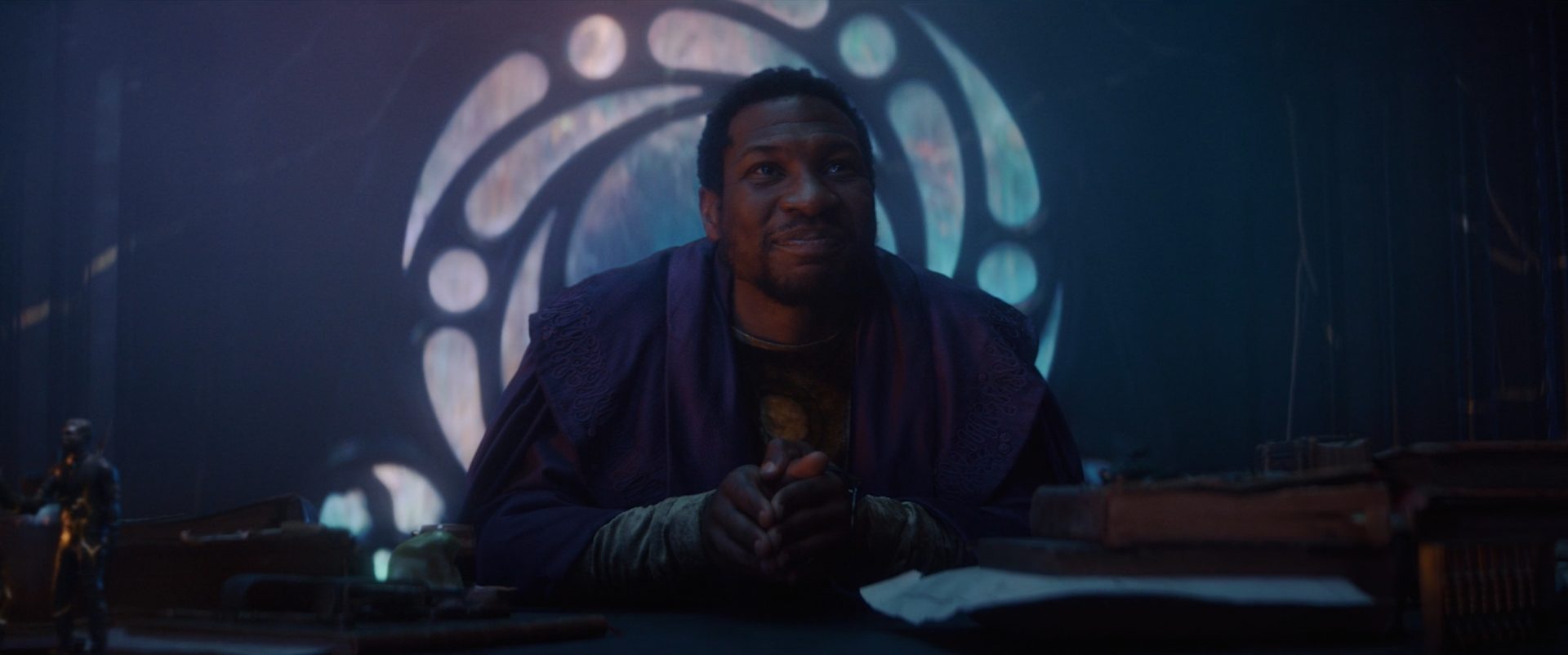
This show that first expanded on the concept of the multiverse is a perfect case for showing not telling. It did have some interesting concepts and the introduction of Kang was chilling, the show was weighed down by too many scenes of exposition that was not particularly engaging.

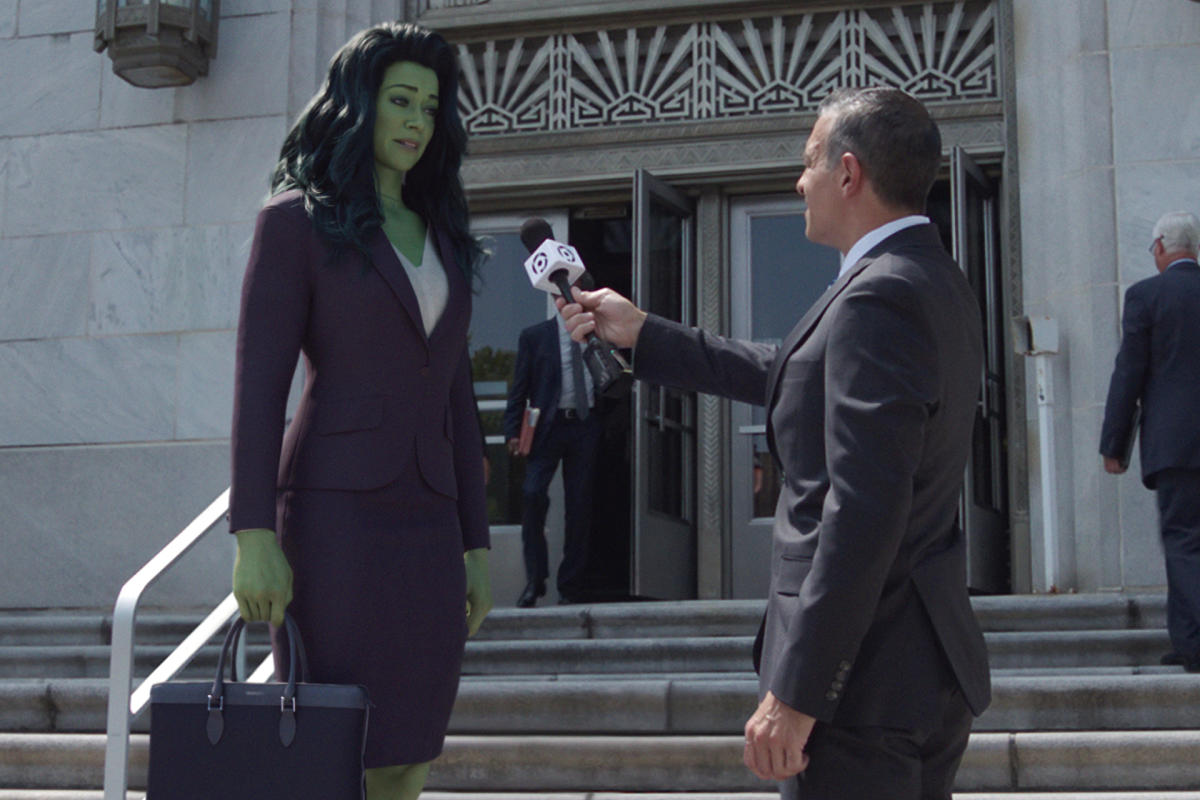
13. She-Hulk: Attorney At Law

Unlike other uneven MCU TV shows that fell apart at the end, this one stuck the landing hard. Unfortunately, many episodes of this supposed comedy were simply not funny. Still, Tatiana Maslany turned in an endearing performance as the title character while she went through the downside of being a superhero celebrity.

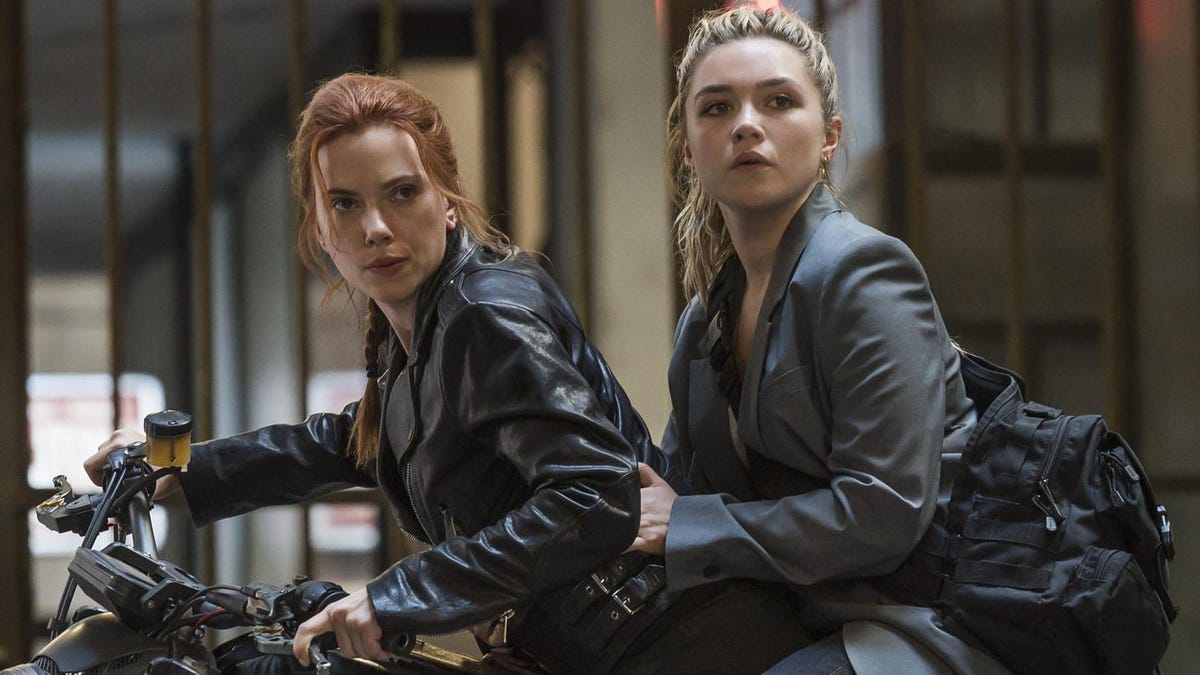
12. Black Widow

A film set during Phase Three starring a now-dead character was an unusual way to start the film side of Phase Four of the MCU. Some complained the film was unnecessary, but it cannot be denied that it was an exciting spy thriller with some memorable characters.

11. Hawkeye

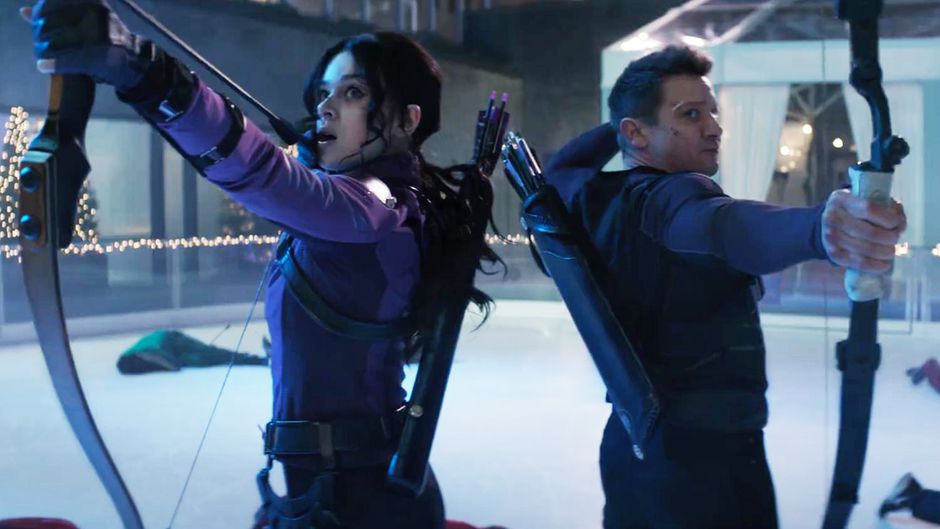
This could have been one of the greatest superhero TV shows due to onscreen buddy chemistry between Jeremy Renner and Hailee Steinfeld and presenting the physical and emotional toll Hawkeye suffered from the MCU films. But, the writing and directing was inconsistent, though some episodes were terrific.

10. Thor: Love and Thunder

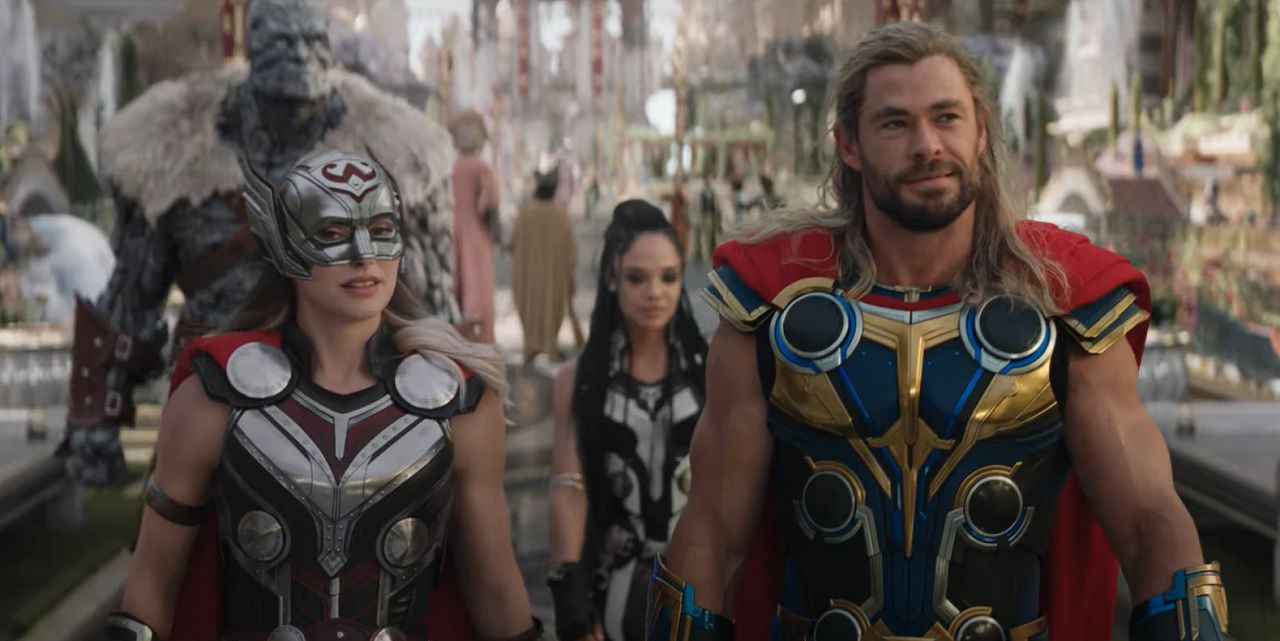
While it is not as good as Thor: Ragnarok, the fourth Thor film was downright hysterical and enjoyable at times. However, it was hampered with its uneven tone that made too light of some sober themes like cancer and deity worship that were often overwhelmed by poorly timed slapstick scenes.

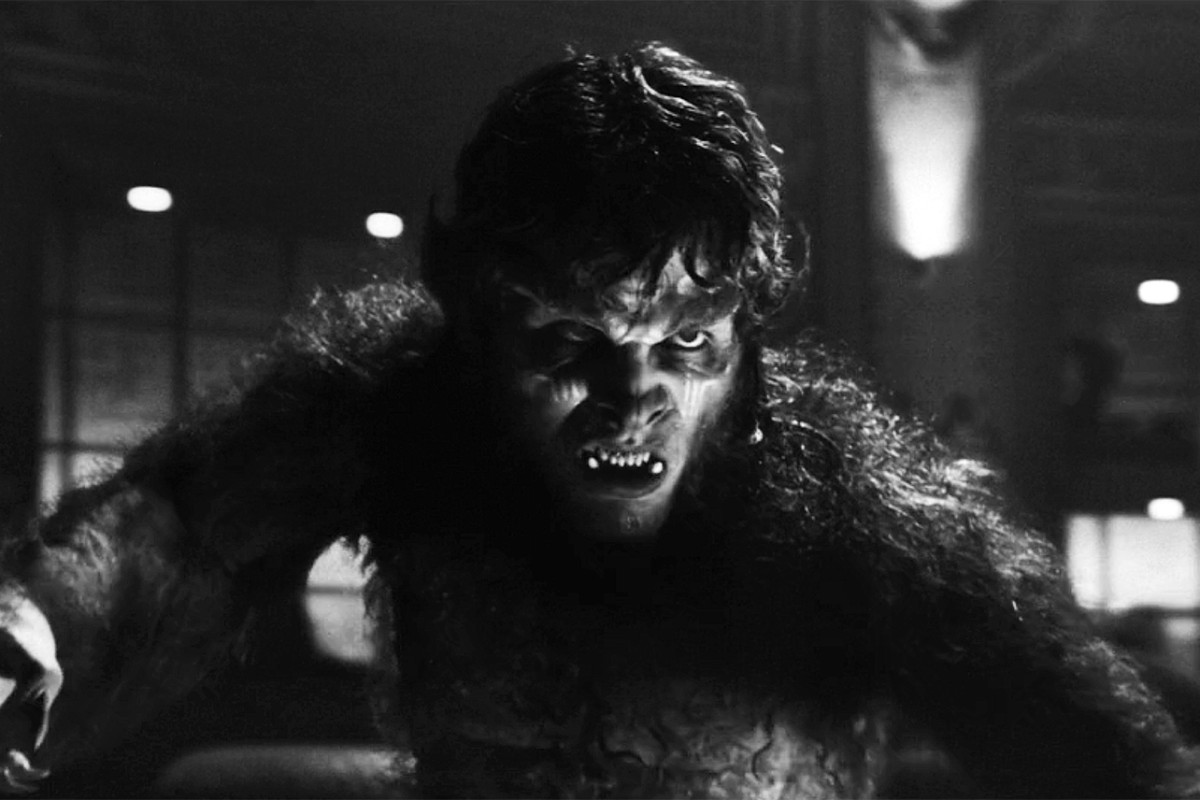
9. Werewolf By Night

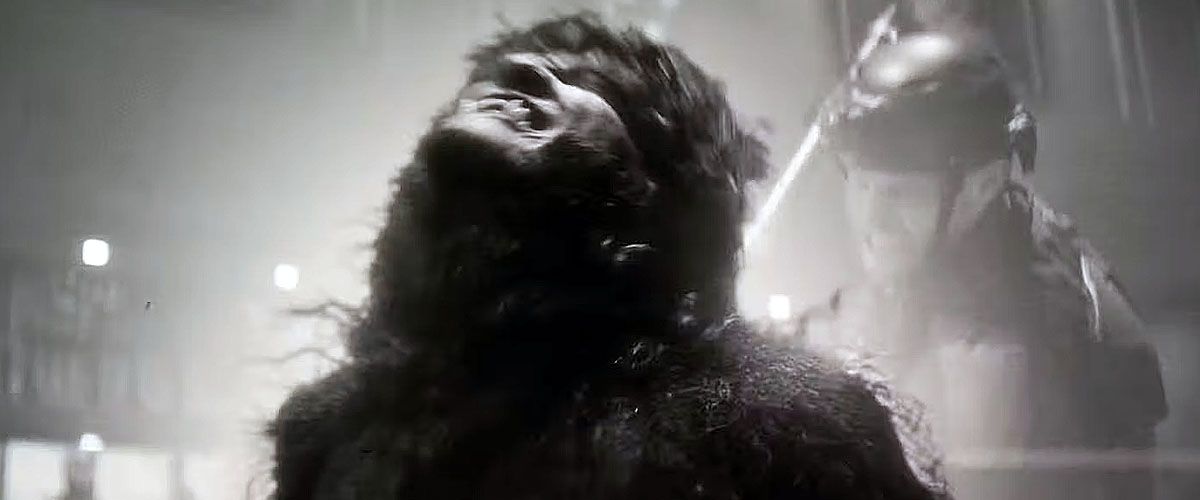
After the uneven results of its MCU TV shows, Marvel Studios tried a new approach with a one-off TV special. It not only worked spectacularly, but the special expanded the MCU with more horror elements and intriguing new characters that must be brought back again.

8. What If…?

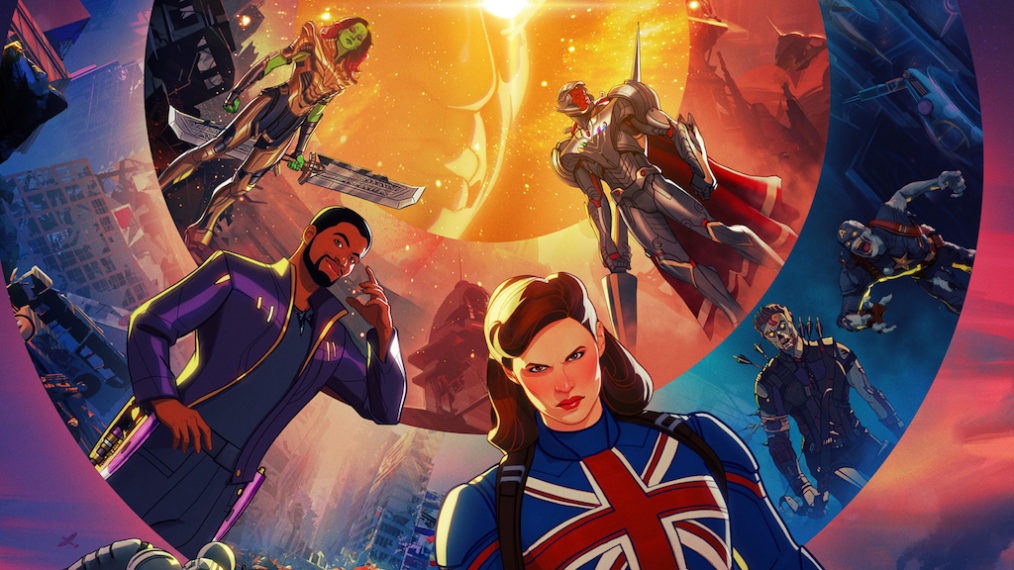
This animated series sometimes went wild with its exploration of the multiverse with interesting alternate MCU worlds that led to an epic showdown at the end of the season that teamed up several familiar heroes with new twists. Unlike Avengers: Age of Ultron, the Ultron featured in this series was truly terrifying.

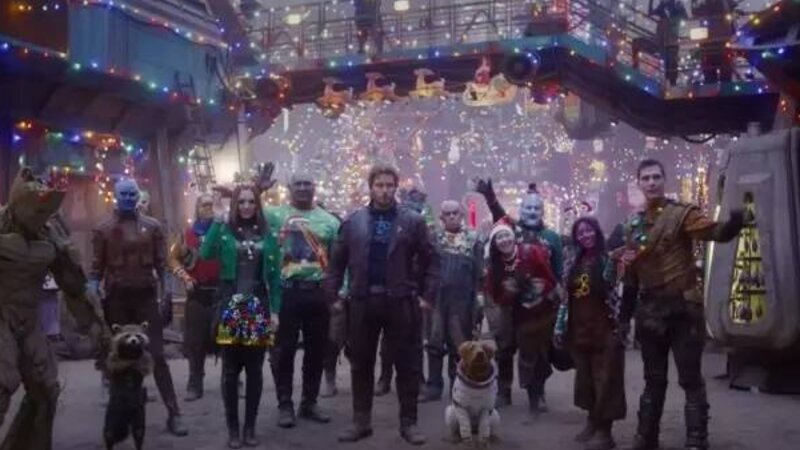
7. The Guardians of the Galaxy Holiday Special
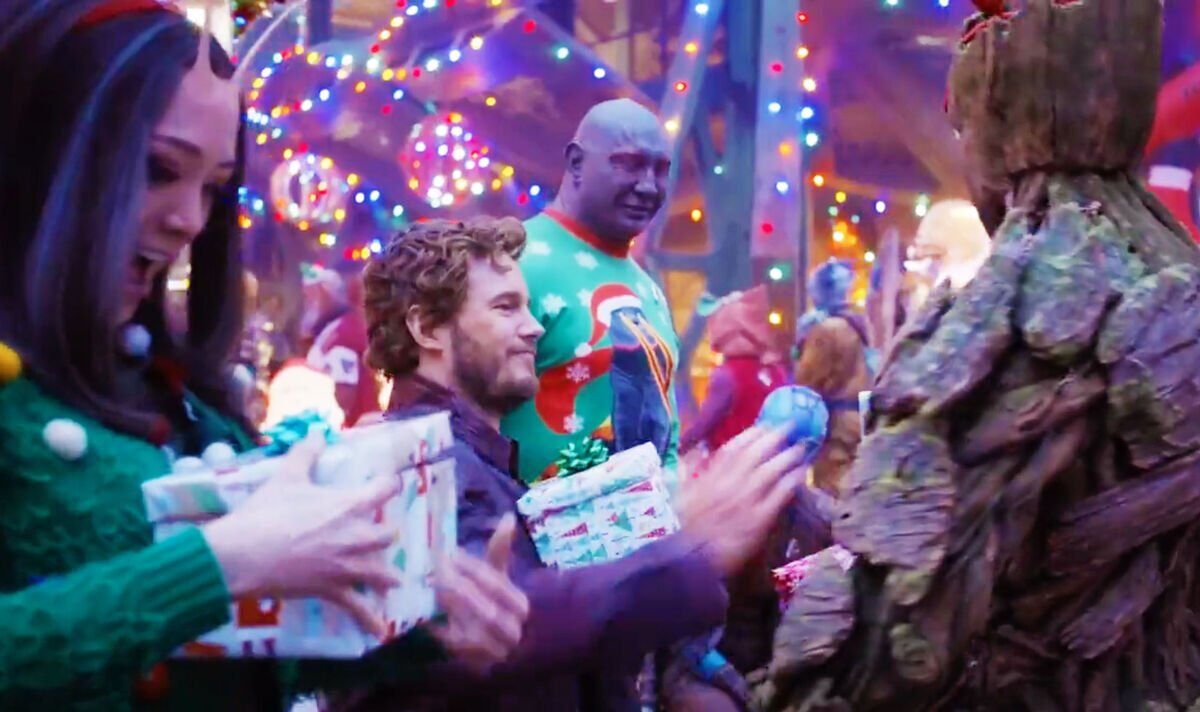
Both funny and heartfelt, this holiday special from director James Gunn is everything a holiday special should be. Aside from presenting the usual heart-tugging and whimsical elements of a holiday special, it also served as an excellent way of preparing us for the upcoming Guardians of the Galaxy, Volume 3.

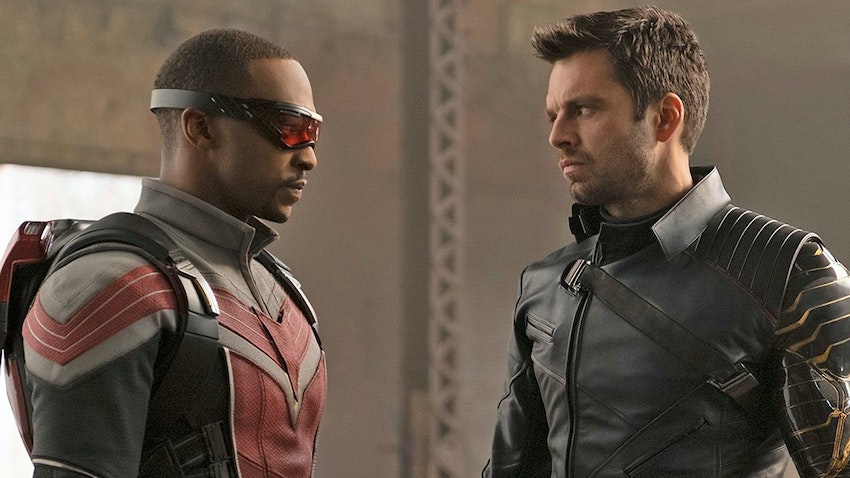
6. The Falcon and the Winter Soldier

The second MCU TV show did a great job of examining the impact of the events from Avengers: Endgame on the world and several Captain America-related characters. What made the character moments so memorable were that they were so grounded and relatable to viewers, and touched on real-world issues.

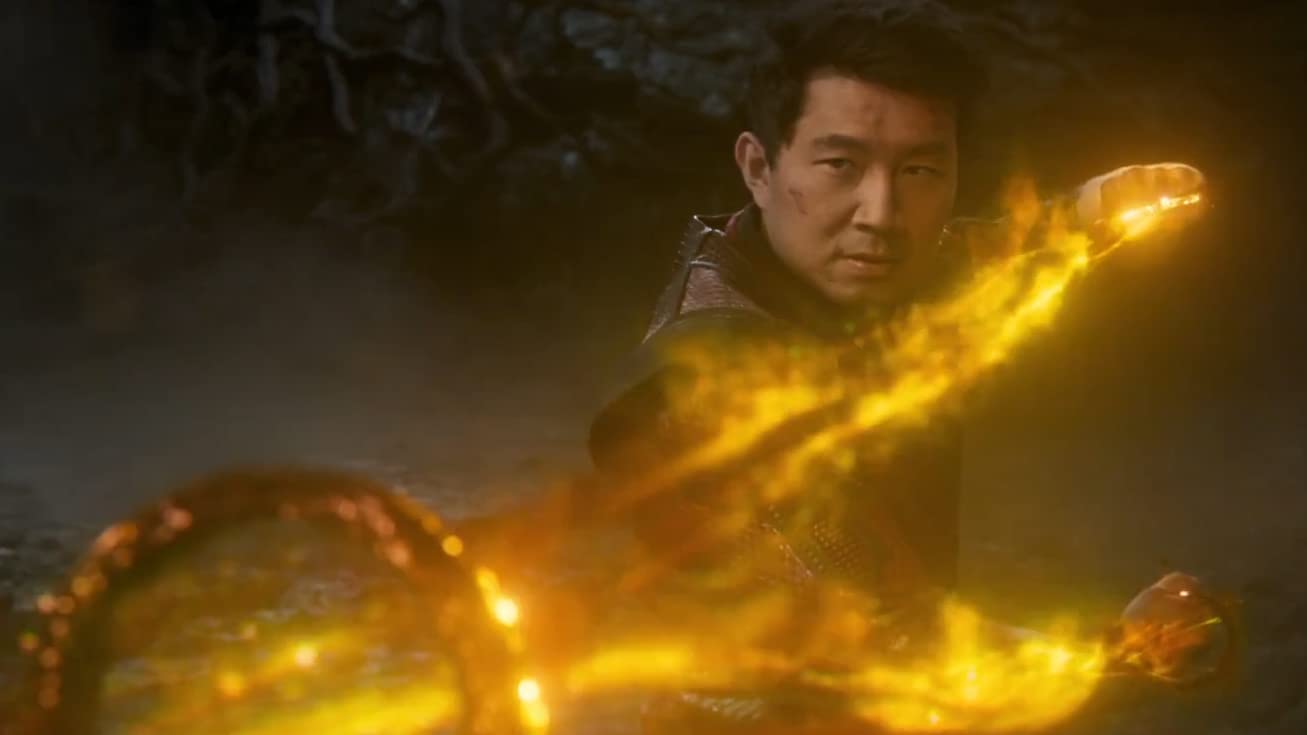
5. Shang-Chi and the Legend of the Ten Rings

This action fantasy film is a perfect example of taking an obscure character and turning him and his world into a popular sensation. The film impressed all of us with the stunning and exciting fight sequences and its eye-popping fantasy scenes were quite breathtaking and wondrous. It’s easy to see why its director was tapped to film the next Avengers film.  

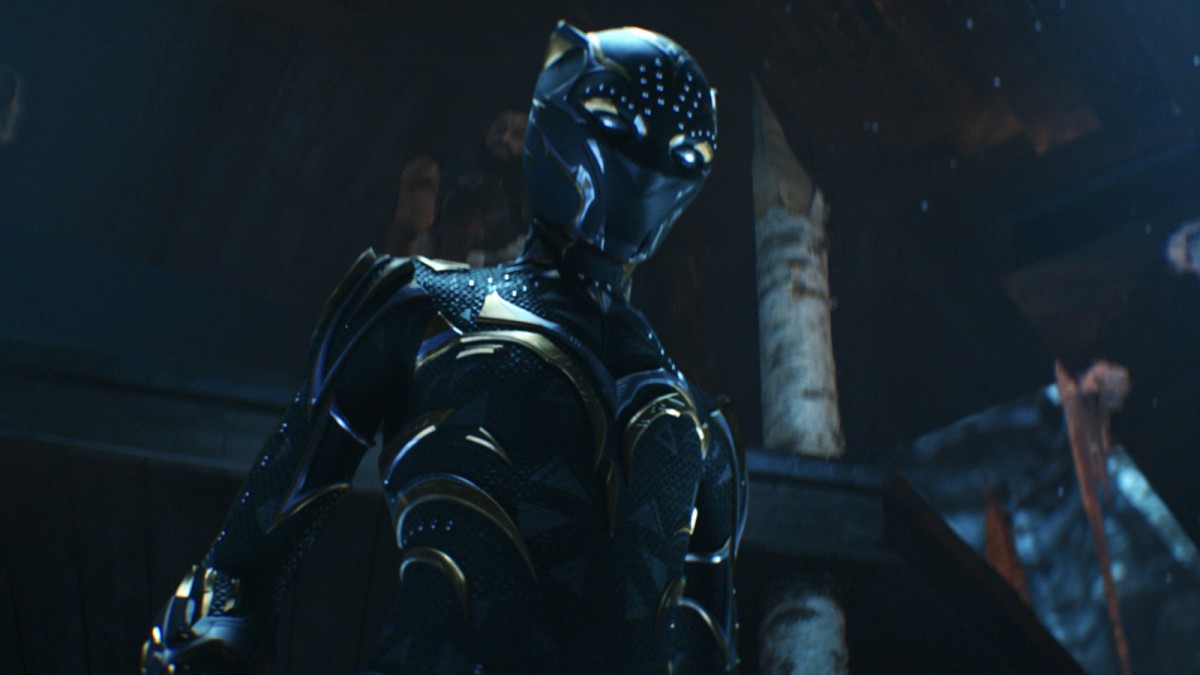
4. Black Panther: Wakanda Forever

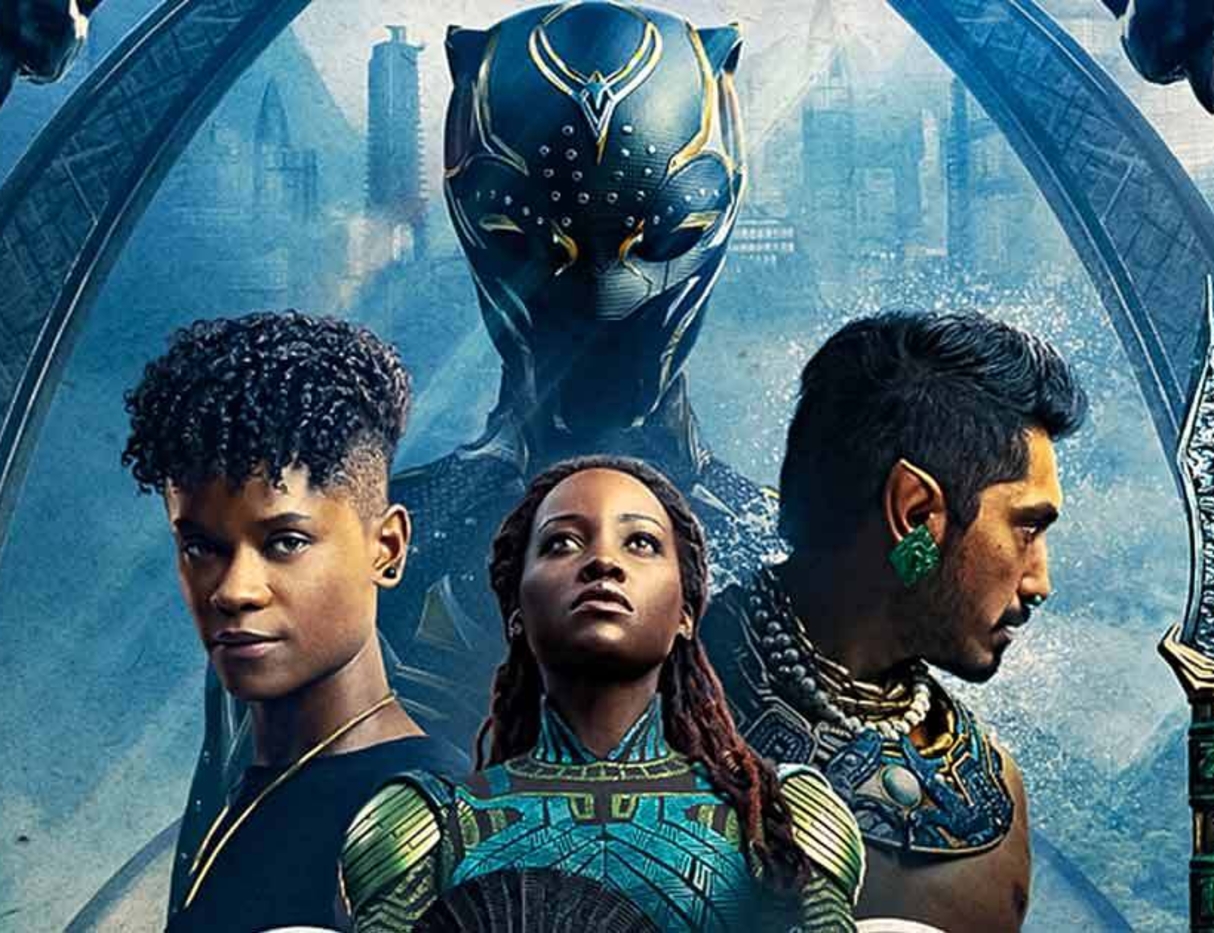
The sequel to Black Panther proved to be a worthy followup to the original film, even without its main character. Director Ryan Coogler co-wrote this heartfelt and somber film that dwelled on the devastating aftermath from the loss of Black Panther as felt by his loved ones and his nation. Also, Namor was a brilliantly presented anti-hero/antagonist with a thought-provoking back story.

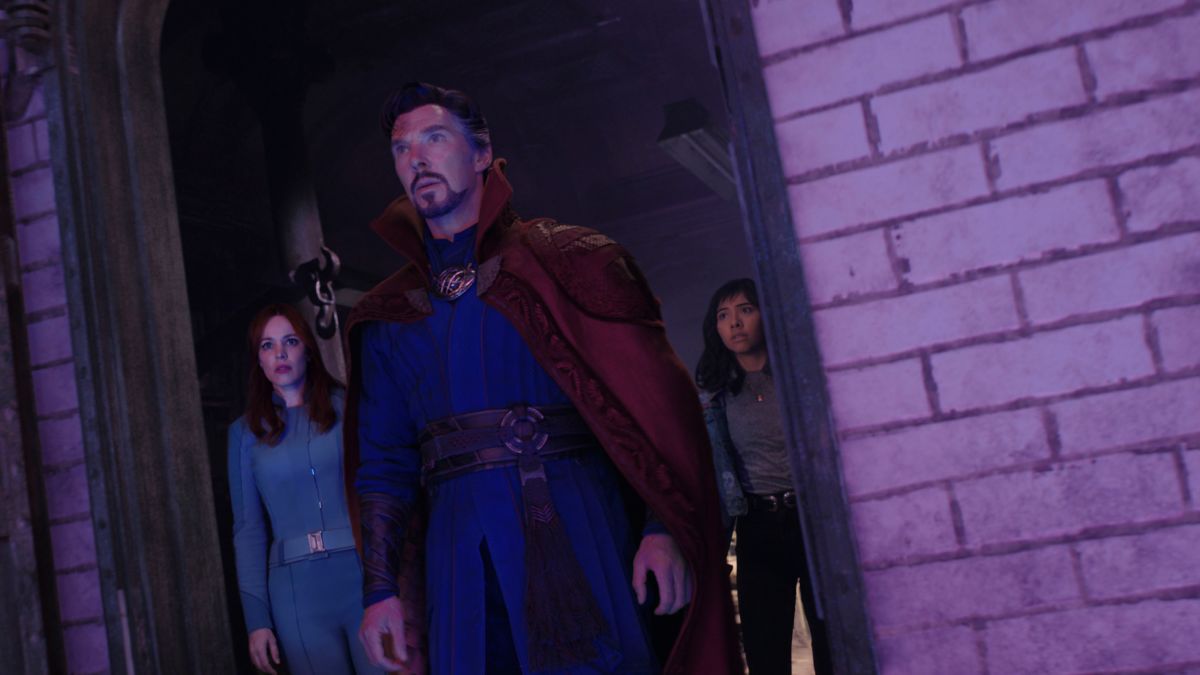
3. Doctor Strange in the Multiverse of Madness
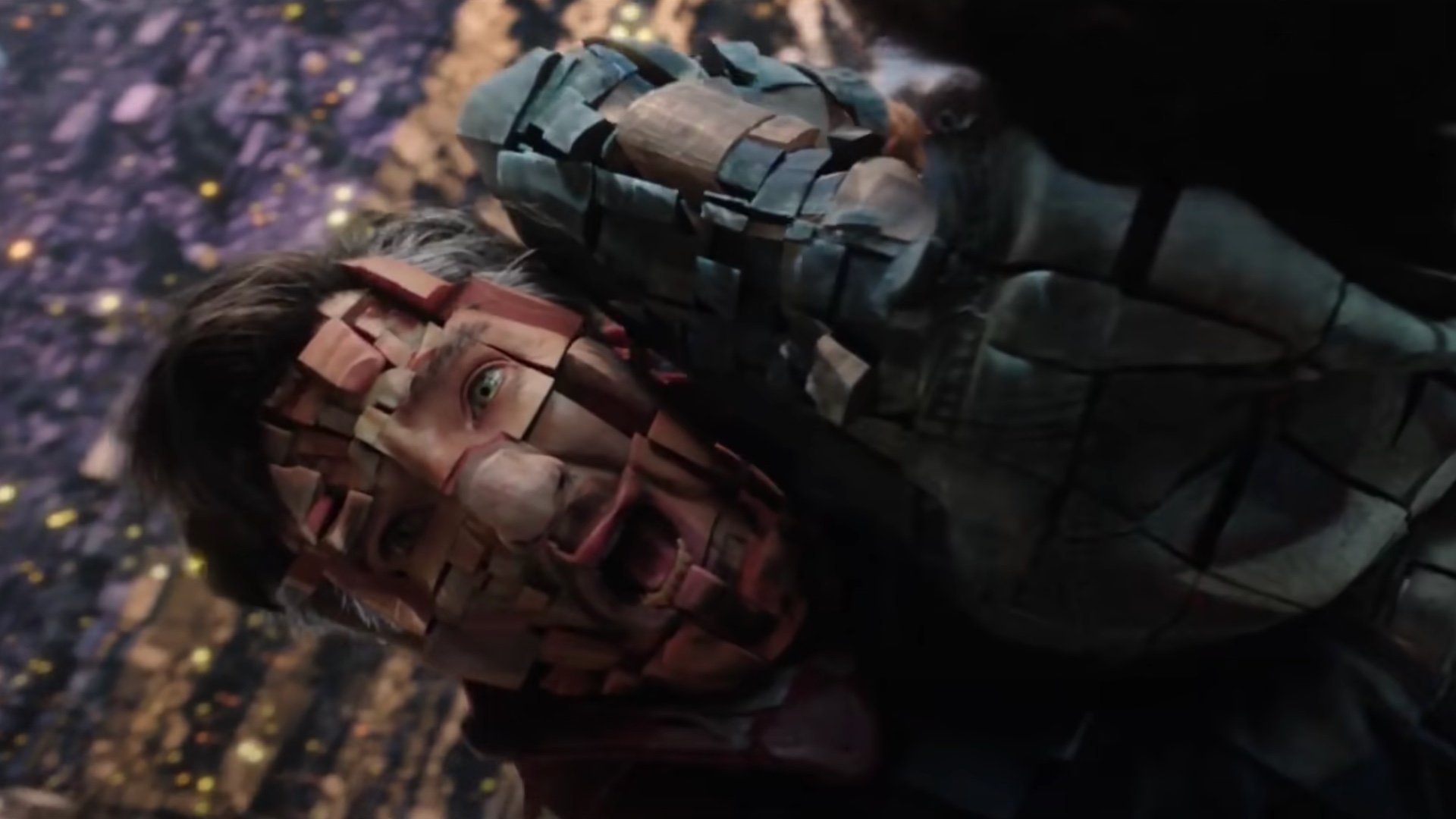
While the multiverse was not exactly mad in the second Doctor Strange film, the concepts of other realities was well explored with a visual relish by director Sam Raimi. Drawing from his horror film repertoire, Raimi infused the film with chilling horror elements and imagery, and fantastic (forgive the pun) references to other Marvel Comics properties and Marvel film universes.

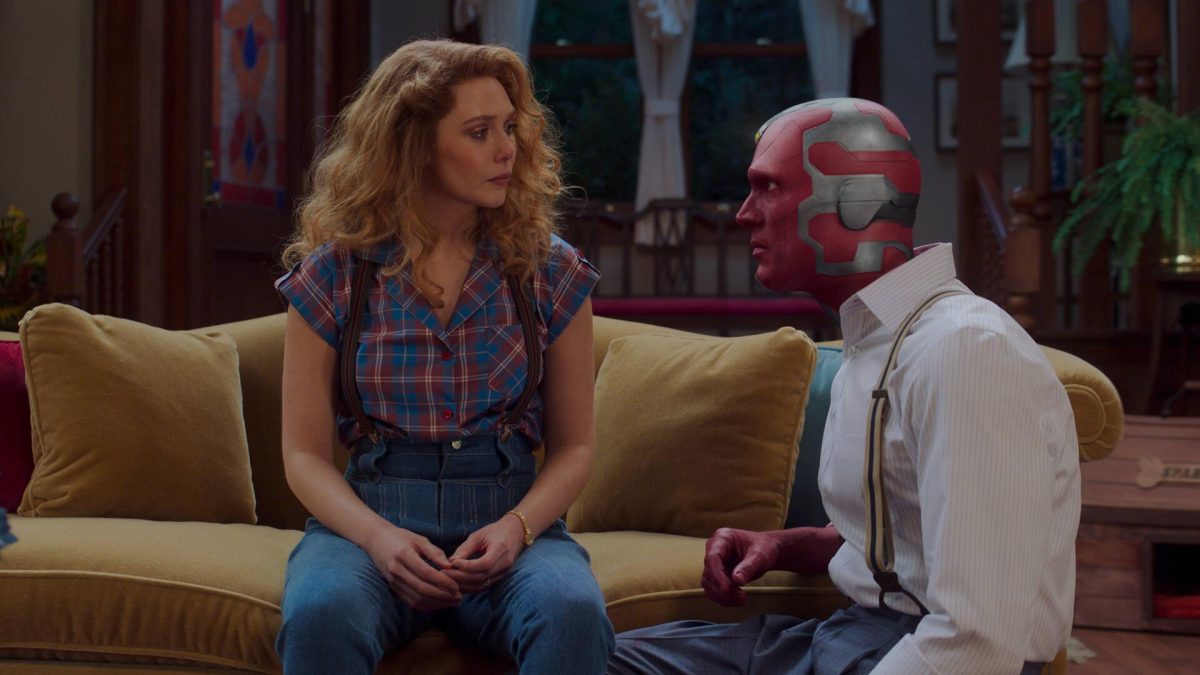
2. WandaVision

The very first MCU TV show is still the best one to date. Elizabeth Olsen gave a genuine standout performance as the emotionally fragile Wanda Maximoff dealing with immense grief in an unusual way. The show quickly became must-see viewing as we pondered the mystery of what was going on with Wanda’s reality that was presented by amusing takes of American sitcoms through the decades. WandaVision also expanded the MCU in an organic, supernatural way that did not feel forced and teased us of what was to come.

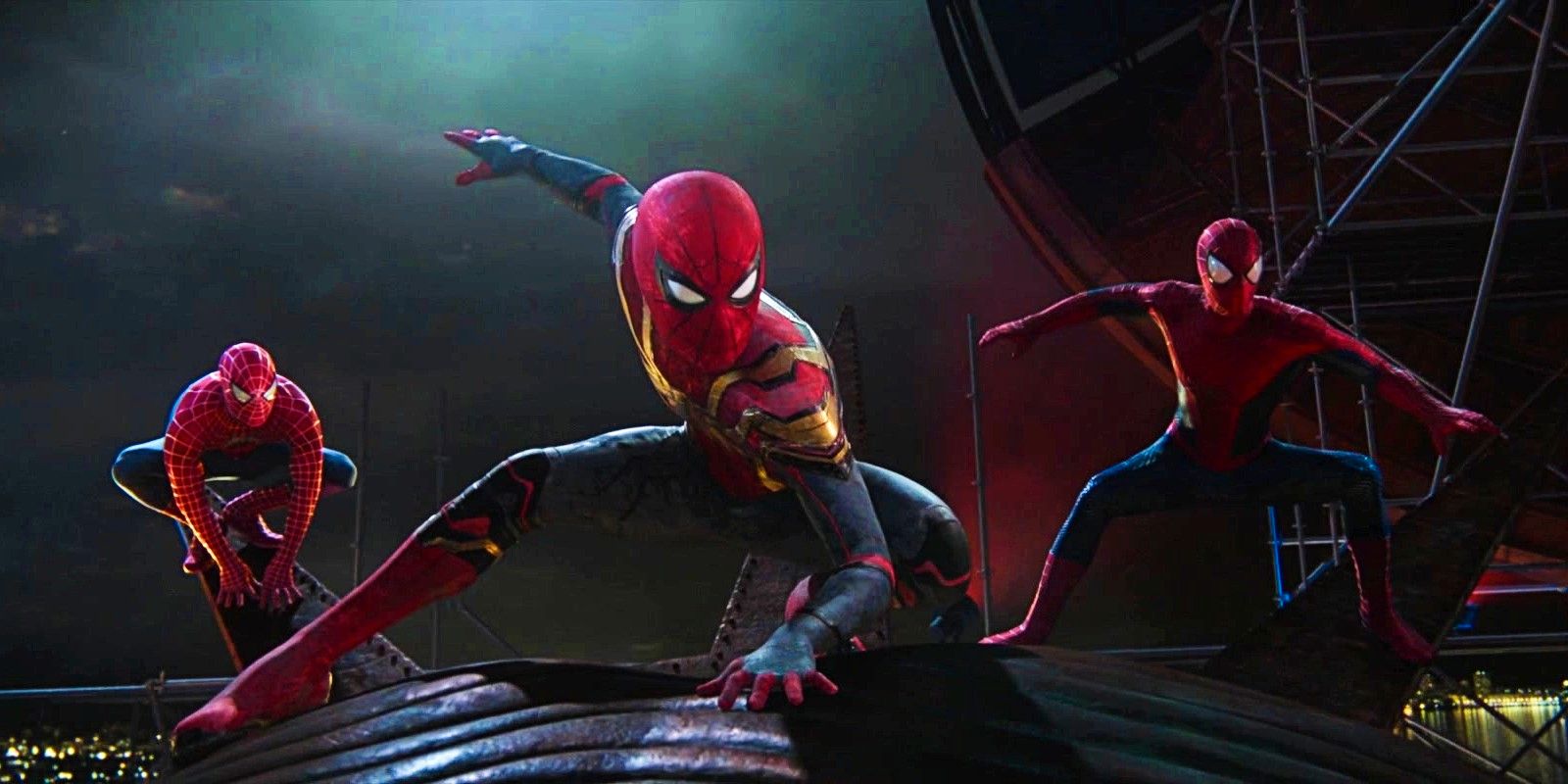
1. Spider-Man: No Way Home

The third MCU Spider-Man film turned out to be one of the best MCU films ever as the film truly opened up and introduced audiences to the concept of the multiverse. Fans were elated over Andrew Garfield and Tobey Maguire reprising their roles as Spider-Man, as well as the return of classic Spider-Man villains like Doctor Octopus and the Green Goblin (reprised by the actors who originated the roles: Al Molina and Willem Dafoe). What made the film truly stand out was its deeply emotional core as Spider-Man is forced to learn that with great power, comes great responsibility.

Phase Four Of The MCU: An Assessment

Now that Black Panther: Wakanda Forever and The Guardians of the Galaxy Holiday Special have come out, Phase Four of the Marvel Cinematic Universe (MCU) has come to a close.

On the whole, Phase Four turned out to be a mixed bag for the MCU films and now TV shows that came out during the phase which started last year with the streaming of WandaVision. While some of the films and TV shows were well beloved and successful, others turned out to be huge disappointments, both critically and financially. Of course, the financial disappointments can be rightly blamed on the COVID-19 pandemic which kept filmgoers away from theaters. It should be pointed out that some of the MCU TV shows that streamed on Disney + were more popular, well received and watched than other MCU TV shows.

Given the mammoth success of the previous phases of the MCU, the diminished success of Phase Four may be surprising to some fans. However, this was inevitable given the lack of cohesion and direction of the phase, and the uneven quality of the efforts.

Hard Act to Follow

So what exactly happened? There are many reasons and theories but one thing to keep in mind is that it is impossible to remain on the top once you have achieved success. The MCU films were at the height of their success and popularity by the time Phase Three ended in 2019 with Avengers: Endgame and Spider-Man: Far From Home. Marvel Studios had a difficult challenge to maintain that level of success given that for the most part the overall story line of the MCU came to a definite conclusion with Avengers: Endgame. Sure, there were a few dangling plot threads, but if someone walked away from viewing the MCU at that point, there was a feeling of finality. What else could be done at that point with the MCU? Comic book fans knew that there were always new story lines after a successful comic book arc with new villains and threats, but the average moviegoer does not know that or even cares. Plus, the final films of Phase Three did not drop any hints of new threats to the MCU. The only significant plot thread that needed to be resolved was Spider-Man’s secret identity dilemma at the end of Spider-Man: Far From Home, which could have been unresolved due to squabbles between Marvel Studios and Sony Pictures.

Then there was the fact that the two most popular characters in the previous MCU films, Iron Man and Captain America, were written out of the MCU and would not return. Without those two headliners, there were not any clear successors to pick up the mantle and continue the momentum. The next choices to be the MCU flagship characters were problematic. Spider-Man and the Hulk are embroiled in legal obstacles as Marvel Studios does not own their film rights. Chadwick Boseman, who played Black Panther and was emerging as a breakout star in the MCU, unfortunately passed away. Meanwhile, Chris Hemsworth, who plays Thor, announced that he is stepping away from acting to deal with a recent diagnosis that he is predisposed to developing Alzheimer’s disease.

In other words, Phase Three was a hard act to follow.

Mixed Reactions & Executions

It did not help that the announced films and TV shows for Phase Four for the most part did not bring about the over-the-top anticipation and excitement that previous films did. The exception to that was the announcement that the tensions between Marvel Studios and Sony were resolved and that a new Spider-Man film would be released.

Let’s face it, no one was clamoring for an Eternals film yet it was given a big announcement. The characters were not even popular with comic book fans, yet they had a film while more popular characters that didn’t cross over to the live-action medium still did not have a film or TV show under development.

On the other side of the coin, it has to be considered that execution is very important. Even if a character is not popular, with the right filmmaker and creative team that character could be successfully presented on film or TV. Want some examples? Look at Guardians of the Galaxy, Ant-Man and Doctor Strange. Even Iron Man and Captain America have to included, as well. At the start of the MCU, Marvel Studios lacked the film rights to Marvel Comics’ most popular characters like Spider-Man or the X-Men. So, the film studio had to make do with what they had. They recruited topnotch talent who were able to deliver winning films. With Phase Four the execution of its films and TV shows was certainly muddled.

WandaVision was one of the most popular and successful entries in Phase Four, though it had its faults, namely its conclusion. The TV series set the template for other TV shows in that the final episode felt rushed and left viewers wanting more. It did not help that the episode was overhyped with undelivered promises of guest stars that ended up disappointing everyone.

The other MCU TV shows that followed had the same issue with executing the landing with one exception: She-Hulk: Attorney at Law. But that show had major issues and its reputation was probably salvaged by its final episodes.

Other TV shows were not as fortunate. Usually the first couple of episodes were finely executed and engaging, but the middle episodes were often a drag to watch before rushing towards its finales. Many of the shows only had six episodes, which was not enough time to flesh out the characters and plot lines.

One example to look at was Moon Knight. Just like its titular character, the show was schizophrenic. First it started off as a mystery about Marc Spector and the reveal of his costumed identity as Moon Knight. But midway through the series, the show abruptly shifted gears thematically and became a kind of Indiana Jones knock off with the hero running around Egypt and fighting thugs while finding a lost tomb. Then once that arc was over, Moon Knight turned into a metaphysical drama where the hero and the viewers wonder about reality. Finally in its last episode, the show rushed headlong into a series of fight scenes, some which featured dueling, gigantic Egyptian gods. It’s easy to understand why so many were put off by Moon Knight’s abrupt shifts in tone and story lines, and unclear thematic direction.

Lack of Focus and Direction

The issues with Moon Knight with its lack of focus and direction could also be seen with other Phase Four projects.

The first three phases of the MCU had a clear direction, with most of the films laying hints to what was to come. This meant that the films were interconnected, yet structured in a way that for the most part they could be viewed separately. Phase One of the MCU built itself up to the formation of the Avengers. Once it did, the final film of Phase One, The Avengers, gave us a hint of what was to come with the reveal of Thanos, who threatened Earth. With Phase Two, the Thanos threat became more prominent, yet stayed in the background as the second phase concentrated on growing tensions for the superheroes, while introducing new heroes and villains. Phase Three was the climax of the Thanos story arc, where the MCU heroes had to reunite after the Avengers broke up and confront the supervillain.  

From the very start of its films, Phase Four was shown to have lacked a clear direction. Black Widow was the first Phase Four film, but it took place during Phase Three and aside from a post-credit scene that tied to Hawkeye, did not present a direction for Phase Four.

The new threat of Kang the Conqueror was Phase Four’s answer to Thanos, but his looming threat was not as well defined as with Thanos. Introduced in Loki, Kang presented himself as a threat to time itself and the reason behind the fracturing of the Multiverse. Yet, the two MCU films and TV show that addressed the growing problem with the Multiverse (Spider-Man: No Way Home, Doctor Strange in the Multiverse of Madness, and What If…?) did not make any connection to Kang.

Meanwhile, the other MCU films of Phase Four were independent of this Kang threat. Shang-Chi and the Legend of the Ten Rings was an early Phase Four film that had a potential running plot thread about the nature and origin of the mystical bracelets adorned by Shang-Chi, but nothing came of this in the films and TV shows that followed. Eternals introduced the threat of the Celestials but that film seemed to have existed in another universe given the fact that by the end of that film a giant stone statue appeared in the ocean that would have wrecked the Earth’s climate. Yet, this was not mentioned in other films or TV shows (aside from an obscure Easter egg in She-Hulk: Attorney at Law). Nor has anyone on Earth reacted to the fact that a gigantic alien appeared over the planet at the end of Eternals.  

The films were not alone with the lack of continuity and cohesion. In The Falcon and the Winter Soldier, Sam Wilson became the new Captain America by the end of the show. This is a major deal, but subsequent films and TV shows did not reference this.

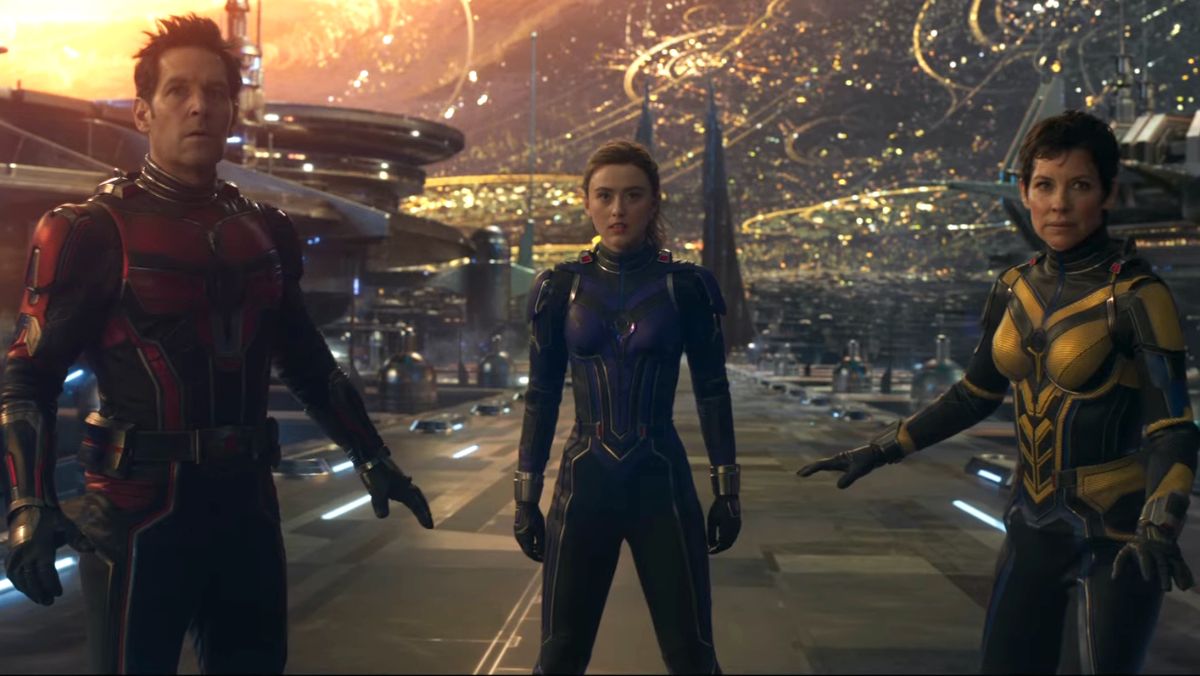
This probably would be forgiven if the fourth phase ended with a full reveal of Kang. Instead that will happen next year in Ant-Man and the Wasp: Quantumania, the first Phase Five film. In hindsight, it probably would have been better for Phase Four if it concluded with Ant-Man and the Wasp: Quantumania.

It seems as if the films and TV shows were presented out of order, which is frankly confusing. No viewer should have to go to supplemental materials or YouTube videos to figure out what was going on. One theory making the rounds online is that these films and TV shows actually take place in separate universes. This would explain the lack of continuity and cross-referencing with the projects. If this was the case, then the final film or TV show should have revealed this, so at least it would make better sense to viewers. But the more likely explanation is probably the difficulty Marvel Studios had with coordinating all these projects at once.

Continue reading

Celebrating The Death Of Superman

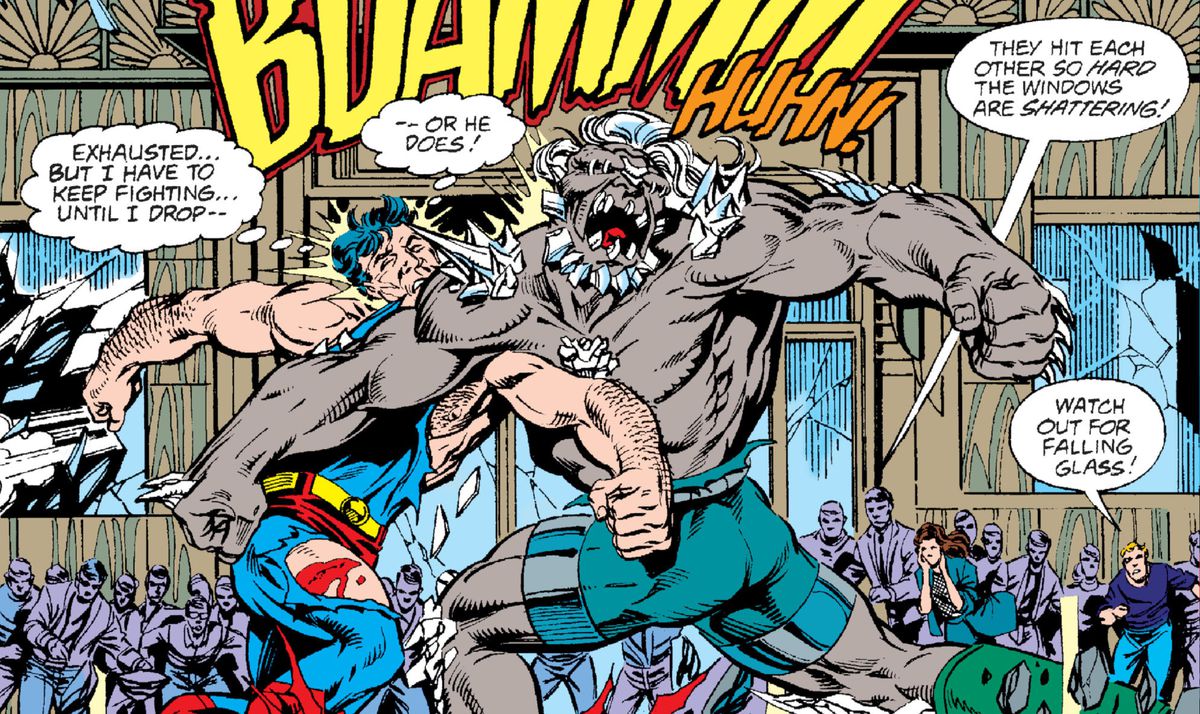
Thirty years ago, one of the most monumental events in comic books took place with the release of DC Comics’ Superman #75. As comic book fans know, the issue was the finale to the epic “Death of Superman” crossover storyline that ran across several other Superman titles, Action Comics, The Adventures of Superman, and Superman: The Man of Steel. Superman met his physical match with the alien monstrosity called Doomsday that escaped from an unknown prison and rampaged across the countryside.

During the rampage, Superman and his allies desperately fought the hulking, grey behemoth, but were unable to stop Doomsday as he finally made his way to Superman’s home, the city of Metropolis. It was in that fictional city that Superman made his last stand against the creature and ultimately killed him, but not before Doomsday killed him, as well.

It was one of the finest Superman stories ever told, it was a true epic full of action and heart. It demonstrated why Superman was one of the greatest superheroes ever conceived, as he used all his strength and drive to stop Doomsday before making his greatest sacrifice.

Before the storyline came out in 1992, the creative team behind the Superman titles, which included Dan Jurgens, Louise Simonson, Roger Stern, Jerry Ordway, Tom Grummett, Jackson Guice and Jon Bogdanove, were following in the wake of John Byrne’s run with the character in Superman, Action Comics and The Adventures of Superman. Byrne radically revamped and modernized Superman in the 1980s, which raised the superhero’s profile to an extent. But when Byrne left the titles it was up to this small army of writers and artists to continue creating quality storylines. The creative team at that time often would get together in a so-called “Superman Summit” to map out and brainstorm ideas for Superman.

Marriage & Death

During this period, they were developing the concept of Superman/Clark Kent marrying Lois Lane. But they came upon a huge stumbling block in that the same story was being used by the TV show Lois and Clark: The New Adventures of Superman. This postponed plans to marry off the two lovers in the comic books because the TV producers wanted to be the first ones to play with the marriage concept and have the comic books coincide with the TV event. This frustrated the creative teams because this decision by the higher ups disrupted their carefully planned stories for the year.

It was back to the drawing board as the creative team held another meeting to conceive an alternative plot for Superman. Despite their efforts, they could not come up with a story that was as good as marrying off Superman. On a frustrated whim, it was suggested by Ordway to kill off Superman. At first, the idea was dismissed because he often would bring this idea up as a joke in previous summits. But this time, the joke began to germinate as the creators wondered what if Superman was killed, and their brainstorming led to the crossover event.

Pending Doomsday

The “Death of Superman” garnered so much media attention because many who did not follow or understand comics actually wondered if this event was a publicity stunt to generate sales or if DC actually intended to kill off its flagship superhero.

When the storyline first debuted in Superman: The Man of Steel #18 (where all readers saw were fists thumping through reinforced walls at the end of the issue), interest in Superman was already percolating as fans latched onto the storyline and wondered themselves how it would play out. After all, for the first time one of the most prominent comic book icons was going to be killed off. Sure there were big deaths in comic books before such as Supergirl and the Flash in the Crisis on Infinite Earths mini-series and lesser known heroes like Invisible Kid and Ferro Lad, both from the Legion of Superheroes died, as well. But this time it was different. This was Superman we were talking about. By the time Superman #75 came out the storyline morphed from a media event to a pop culture event.

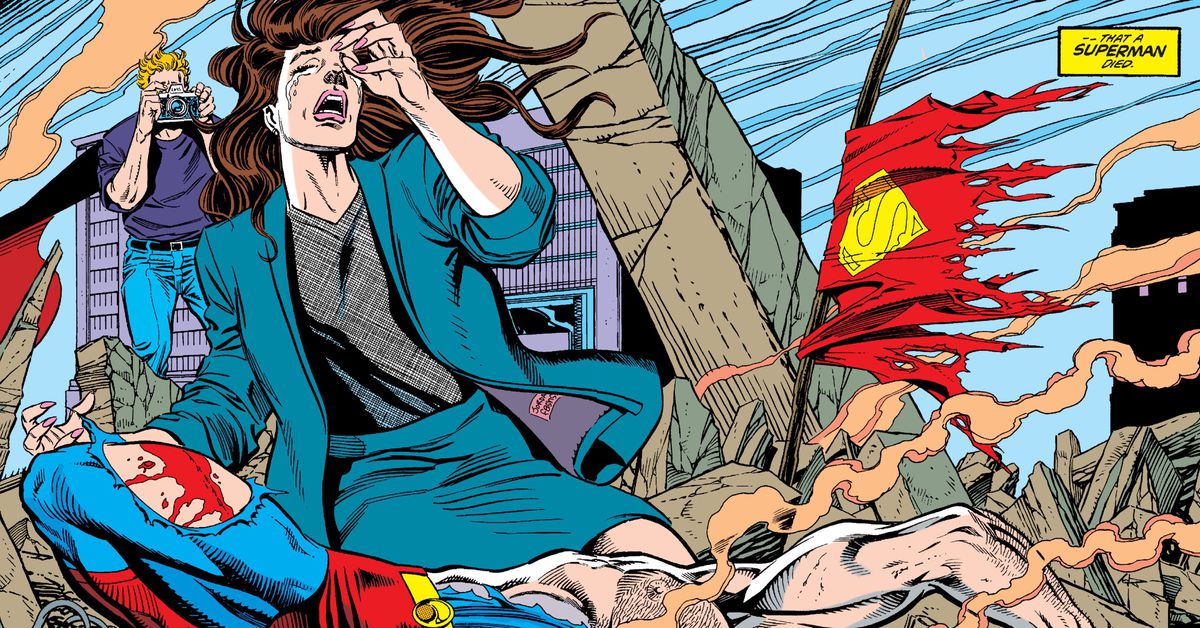
At this time, the story played out weekly as each title advanced the plot. It was a slow burn as each tightly coordinated issue advanced the plot, which enticed readers to come back to the stores the following week to find out what happened next. This generated a lot of interest not just with readers, but with trade magazines like Wizard. By the time the story culminated in Superman #75, the confrontation between Superman and Doomsday took up entire splash pages and concluded with a multiple page spread featuring Lois crying over Superman’s lifeless corpse.

Continue reading

DC Films’ Pending Comeback

It has become a bit of a running joke and a sore point for fans of DC Comics that the films based on the popular comic books have not been as well received as those from Marvel Studios.

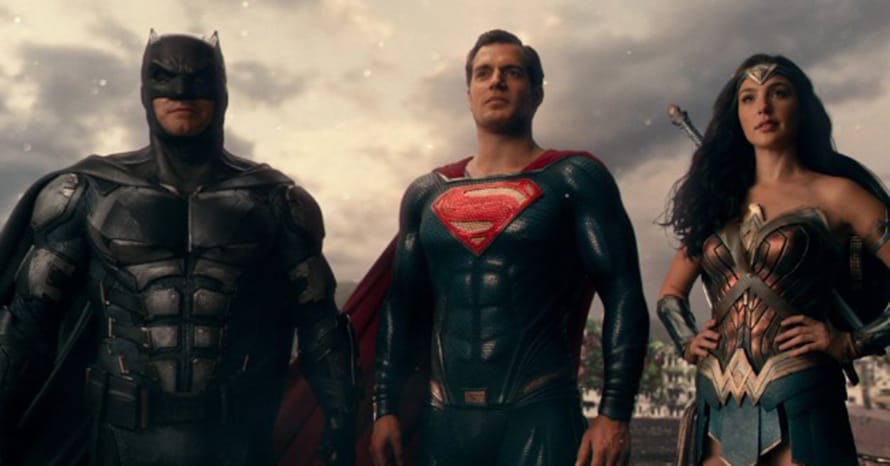
For years, the films of the DC Extended Universe (DCEU) have had a mixed reaction from critics and fans. The result was a perceived lack of quality or consistency, which was quite frustrating as the potential for the films and various DC characters was squandered. Two examples are Superman and Batman. After their joint film Batman v Superman: Dawn of Justice turned out to be disappointing it seemed as if DC Comics’ owners Warner Bros. (now Warner Bros. Discovery) gave up on the two characters, especially Superman, and focused on DC films not set in the DCEU.

Then there were extensive behind-the-scenes production problems, the most recent and glaring were the issues behind The Flash and its star Ezra Miller. Other properites were announced then abandoned. These issues in turn gave the perception that properties from the DCEU were inferior or at the very least were inconsistent as the film universe lacked direction.

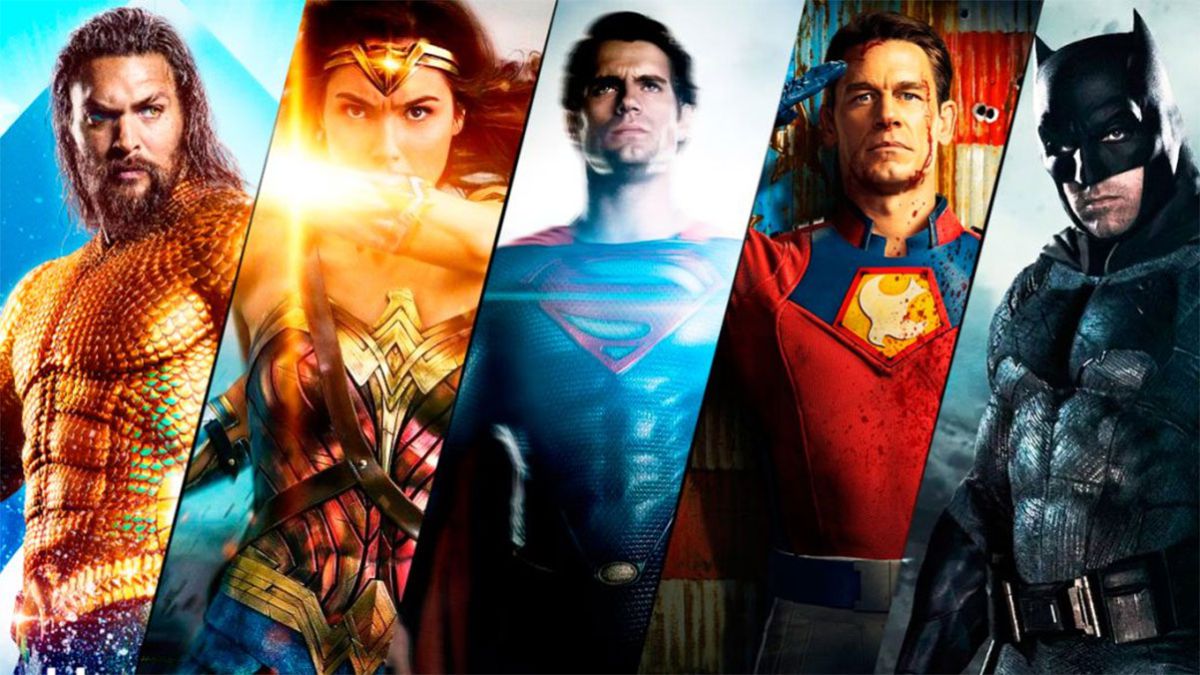
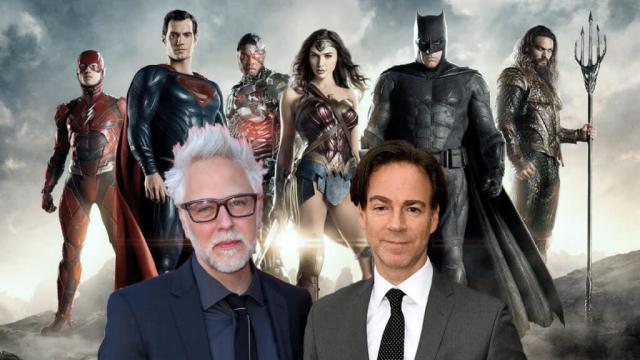
This will all change thanks to the hiring of James Gunn and Peter Safran who will take over the newly formed DC Studios. The duo promise to bring a creatve and consistent approach to the DC films, TV shows, animation and other media. While the non-DCEU films and TV shows will continue to be made, such as sequels to Joker and The Batman, the two film executives will have a firm hand on the DCEU films and TV shows. Needless to repeat to fans that the two are well known for their work in previous DCEU films such as Aquaman, Shazam!, The Suicide Squad, and Peacemaker.

Also worth mentioning is that Warner Bros. Discovery has had a change of heart when it comes to Superman. Henry Cavill who originated the role with the first DCEU film Man of Steel, has already reappeared in the DCEU with a cameo in Black Adam, and will star in a new solo Superman film.

Meanwhile, Ben Affleck, who played Batman in the early DCEU films is also slated to return and in fact will appear as the Caped Crusader in The Flash, Aquaman and the Lost Kingdom, and future DCEU films.

After the release of next year’s Aquaman and the Lost Kingdom, it is not clear what exactly lies ahead for DCEU films. At this point, all we can speculate on are reports of another Wonder Woman film being developed, as well as sequels to Black Adam and The Flash. But keep in mind that David Zaslav, the president and CEO of Warner Bros. Discovery has committed to developing a 10-year plan for the DCEU films. With the proven and talented guidance of James Gunn and Peter Safran, DC Studios will be quite successful with the effort.

It is an exciting time for DC fans, as the future holds a lot of promise for the DCEU. Now, if only we can get some kind of confirmation of a Green Lantern film…

She-Hulk Smashes Her TV Show

She-Hulk: Attorney at Law just completed its season at Disney + with a literal smashing finale that went all out with comedy, guest stars, and unexpected meta moments as She-Hulk destroyed the fourth wall in her TV show.

Tatiana Maslany starred as both Los Angeles-based lawyer Jennifer Walters and her alter ego, the sensational She-Hulk. In the pilot episode, Jennifer is involved in a car accident with her cousin Bruce Banner aka the Hulk (Mark Ruffalo), and his gamma-infused blood is mixed with hers, which turns her into She-Hulk. Unlike Banner, Jennifer is able to maintain her personality when she transforms into She-Hulk, and is able to continue her career as an attorney, who now represents superhumans in court.

The Disney + show set in the Marvel Cinematic Universe (MCU) is supposed to be the first comedy series for the MCU as numerous guest stars and new characters popped into the show. Many of them were obcure Marvel Comics characters, others were more notable MCU personalities like the Sorcerer Supreme Wong (Benedict Wong) and Emil Blonsky/Abomination (Tim Roth) and most recently Matt Murdock/Daredevil (Charlie Cox). Many of these guests are welcome, though with his many appearances in recent MCU projects, Wong is starting to overstay his welcome. Meanwhile, with his charm, Cox practically stole the episode he first appeared in, which was one of the best in the series.

It was alarming that the Daredevil-centric episode was one of the best because it was the second-to-last episode. Many episodes felt flat and too cute, and worst of all, a couple were not funny, which is deadly for a comedy. There was a feeling throughout most of the series that it was playing things too safe and holding back its punches. A good example was when She-Hulk breaks the fourth wall during episodes. For anyone who does not understand, breaking the fourth wall is a narrative technique where a character in a story directly addresses the audience and steps outside of the story to do so. We’ve seen this done in the Deadpool films and comics, though She-Hulk did this first in John Byrne’s The Sensational She-Hulk Marvel Comics series to great effect.

In the TV show, the fourth-wall breaking was sparingly done to add some wry commentary to what was going on. While the comments were humorous the show did not run with this technique until the final episode, which happened to be its the best. During the third act, a frustrated She-Hulk has had enough with a predictable slugfest that made little sense and actually left the series, broke out of the Disney + menu and entered the real world looking for Kevin Feige, the head of Marvel Studios. Antics like this often occured in the comic books and should have happened more often in the TV show. These antics were not the only hysterical moments, but the opening credits for the episde was a hilarious recreation of the 1970s TV show The Incredible Hulk, but with Jennifer Walters and She-Hulk acting out scenes originated by Bill Bixby and Lou Ferigno. Things like that should have happened more often in She-Hulk: Attorney at Law, which turned out to be a very light-hearted legal dramedy. To be honest, if the show was not set in the MCU and was just a regular legal comedy, most of us would not bother to watch it.

Another thing that was deadly at times for She-Hulk: Attorney at Law were its special effects. It had its moments, but many times, the CG was quite dodgy and rushed. There were reports about how overstretched special effects companies were with MCU properties and this show is evidence of that. It’s a shame because MCU films and TV shows have great special effects. But here with this show, it had to convince us that this ultra tall, green woman actually existed, but on too many occasions the show failed to trick us. It might have been better if they use more conventional tricks like makeup and tall body doubles instead. Let’s hope Marvel Studios goes back and patches up the effects in She-Hulk: Attorney at Law because it is sorely needed.

Continue reading