When comic books are brought up in conversation, most people think of the big two comic book publishers, Marvel Comics and DC Comics. Yet, true comic book fans know of the countless independent publishers that put out entertaining and sometimes off-beat comic books that aren’t just about superheroes, but most of the genral public never heard of them. That was until recently, when more and more popular TV shows were revealed to be based on independent comics.
Thanks to the popularity of films and TV shows based on superheroes from DC and Marvel, film studios, television channels and streaming services are now creating their next big superhero film or TV show. The problem for entertainment companies not called Disney or Warner Bros. is that film and TV rights for popular characters like Spider-Man or Batman are off limits. So what can they do to take advantage of the current superhero craze? These companies could create their own characters from scratch as we saw with Heroes and Chronicle. However, the companies do not have to this since there are so many superheroes from independent comic book publishers. What’s more, is that these independent comic books are great treasure troves for other types of genre material from sci-fi to fantasy to horror or a combo of all three.
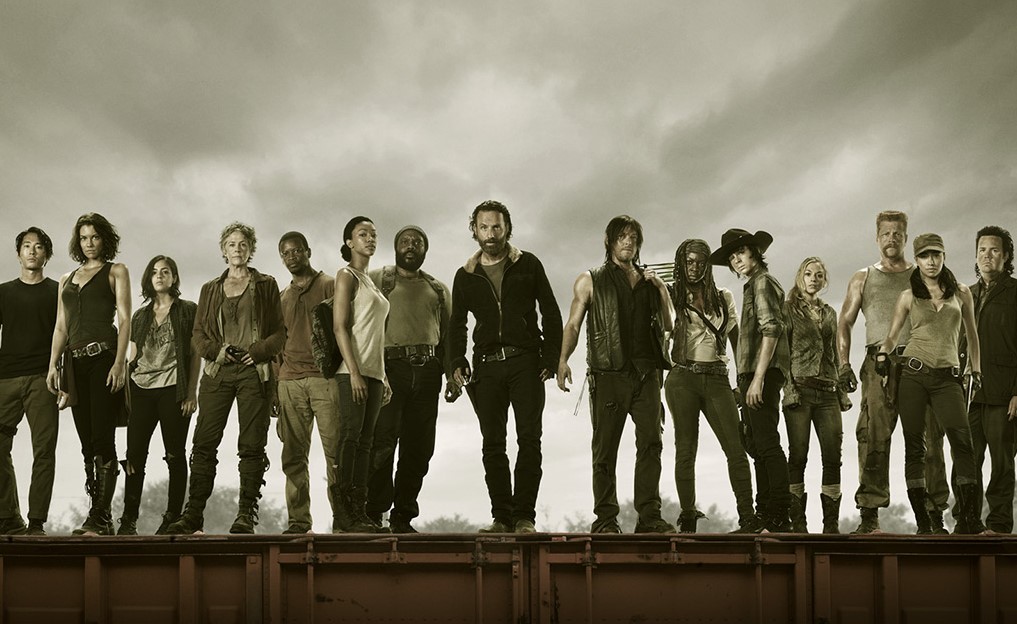
There have been successful hit films or TV shows based on independent comics that came out years ago, Some examples that come to mind include The Mask (Dark Horse Comics), The Crow (Caliber Comics), and TheKingsman (Icon Comics), but the biggest hit television program based on an independent comic is course, The Walking Dead from Image Comics, the survival saga taking place during a zombie apocalypse. The runaway success of The Walking Dead prompted film and TV studios to mine other properties from independent comics. While these studios did not find the next zombie apocaplyse they found a diverse slew of properties that were begging to be adapted, and yes, this included superhero fare, as well.
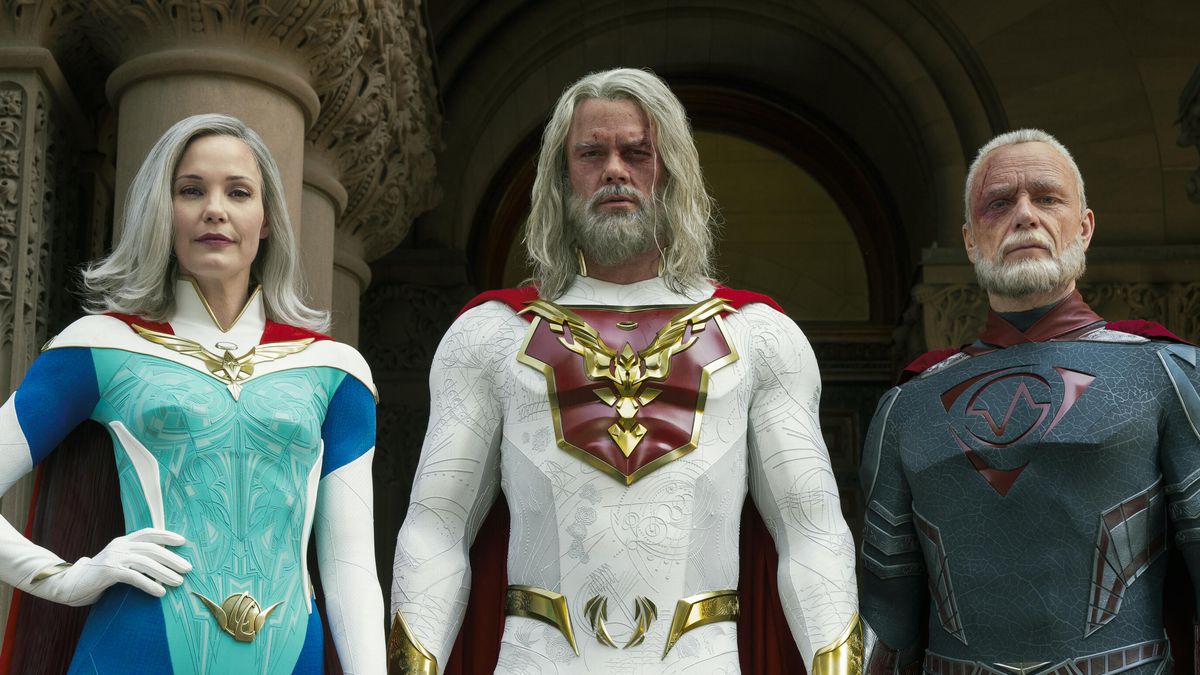
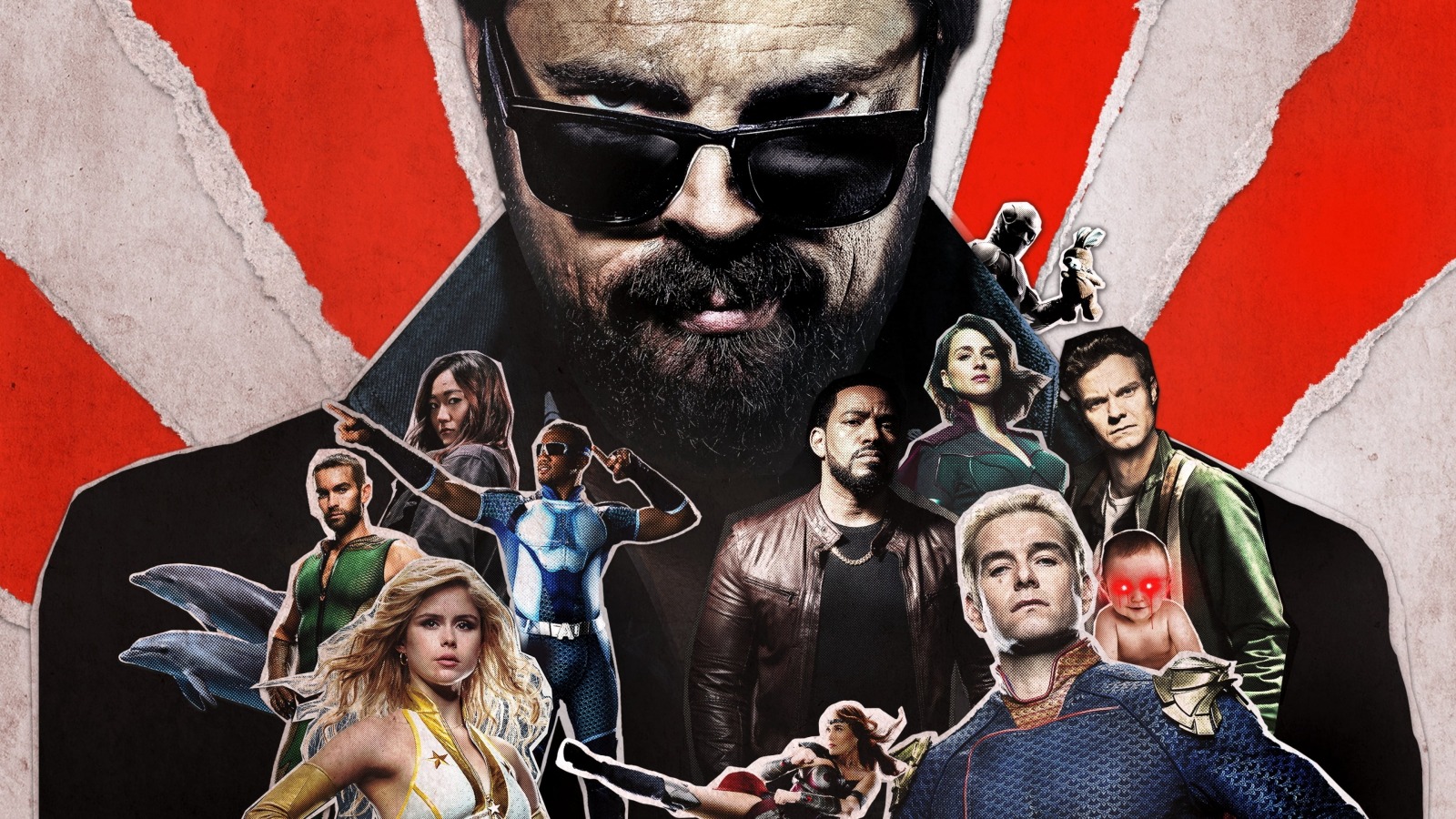
Many of these properties are currently airing/streaming and have been well received. These include The Boys (Dynamite Entertainment), Invincible (Image Comics), Jupiter’s Legacy (Image Comics), Resident Alien (Dark Horse Comics), Locke & Key (IDW Publishing) and The Umbrella Academy (Dark Horse Comics). Part of the reason for the success of superhero-related shows like Jupiter’s Legacy or The Boys is because the shows are more graphic and mature compared to the more youth-oriented DC fare airing on The CW, for instance. In other words, they offer a different take on superheroes.
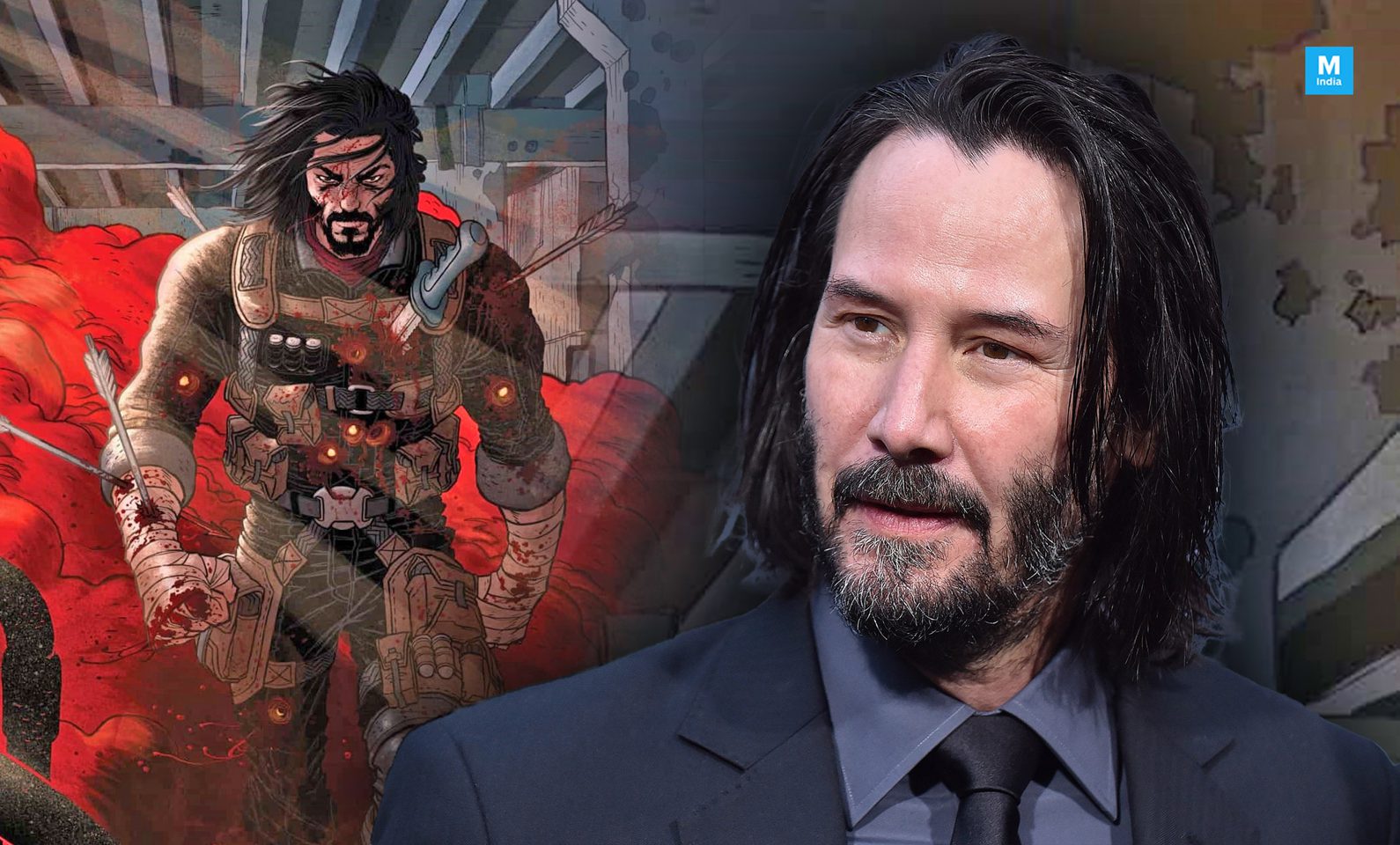
Thanks to the success of these TV shows, even more independent comics are in various stages of development. These include Paper Girls (Image Comics), Ice Cream Man (Image Comics), Port of Earth (Image Comics), Harbinger (Valiant Comics), Oblivion Song (Image Comics), Spawn (Image Comics), and BRZRKR (Boom! Studios). The latter comic book, about a prehistoric immortal warrior, seems to be tailor made for films or TV and it’s no wonder since Keannu Reeves co-wrote it. Any idea who would star in the upcoming television film adaptation from Netflix? The success only confirms that a well-crafted story formed in one medium will be able to crossover to another medium. In this situation, the comic book medium is a great place to find material that is ripe for adaptation.
Of course, there are so many other quality comic books that would make terrific films or TV shows. The list would be exhaustive but should include Saga (though the creators of the comic are not interested in having their sci-fi/fantasy epic being adapted), The Department of Truth,Geiger, Canto, Give Me Liberty, Stray Dogs,The Undiscovered Country,Concrete, Something is Killing the Children, and Astro City.
Thanks to the popularity and success of the live-action adaptations, more and more attention will be paid to the independent comic books. Surveyors will find an impressive and endless trove of reading material spanning a wide variety of subject matter.
Well, it did not take long for the wild rumors and speculation to begin once it was announced last week that Discovery, Inc. and WarnerMedia. were merging into one company called WarnerDiscovery. The wildest rumor has it that allegedly the Walt Disney Company is going to buy WarnerMedia’s DC Comics or Warner Bros. Being that Disney already owns Marvel Comics this would mean that both comic book companies can be merged into one.
Think about that for a moment.
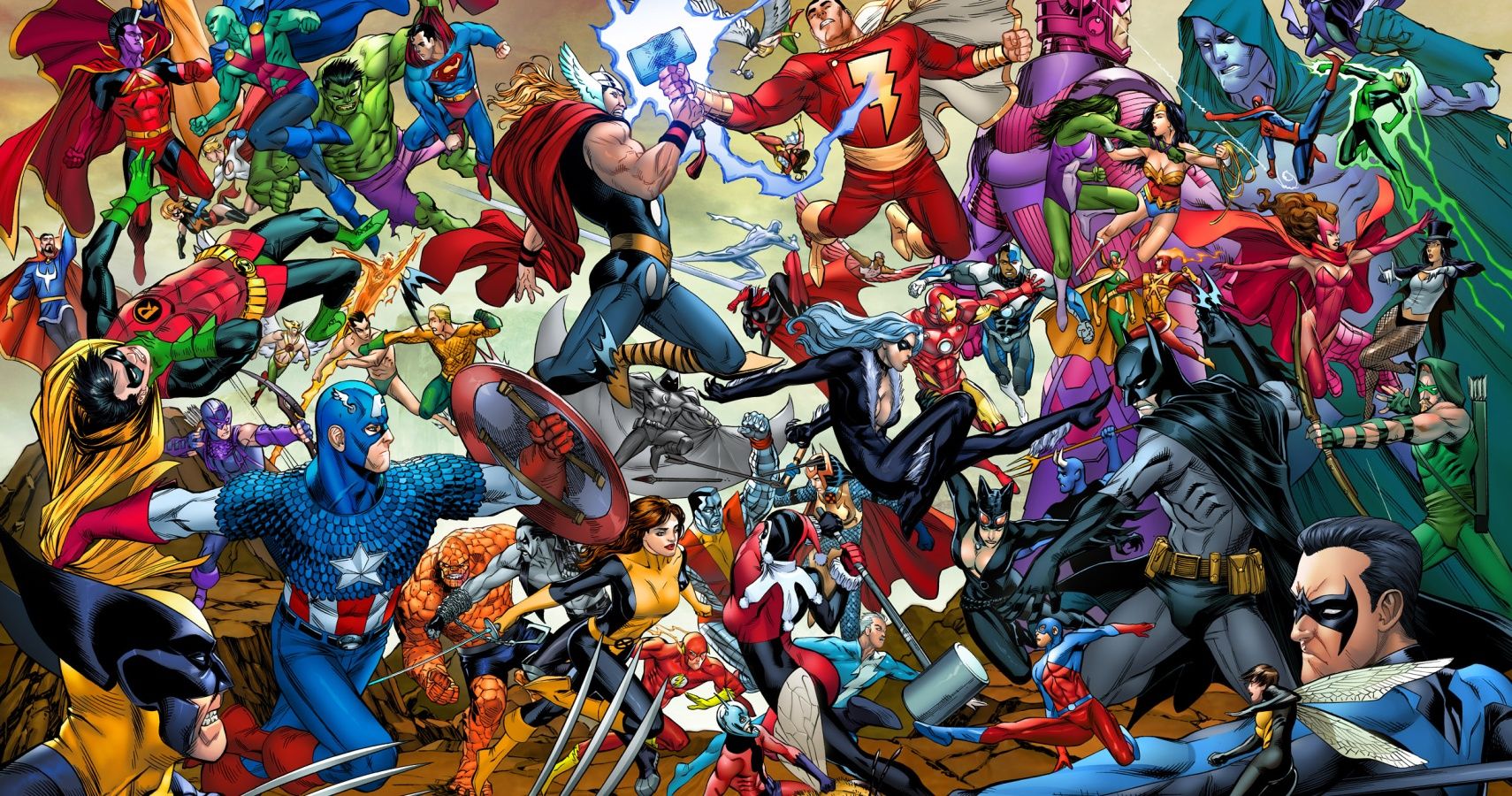
If this was somehow true, this would be the most shattering development for comic books and related media since comic books were created nearly a century ago. Of course, fans know that DC Comics and Marvel Comics are the two biggest comic book companies with legendary superheroes and other characters. The fact that the two giants are natural rivals adds fuel to rumor fire about the possibility of this merger.
Think of the team up and crossover events. “Crisis on Infinity Secret Wars” or some other overpriced and over-printed epic spanning hundreds of issues per month with spinoff titles and one-shots cluttering comic book shelves in stores. It would blow out recent events like Dark Knights: Death Metal and King in Black in the shear scope. Imagine trying to buy all the tie-ins for that event!
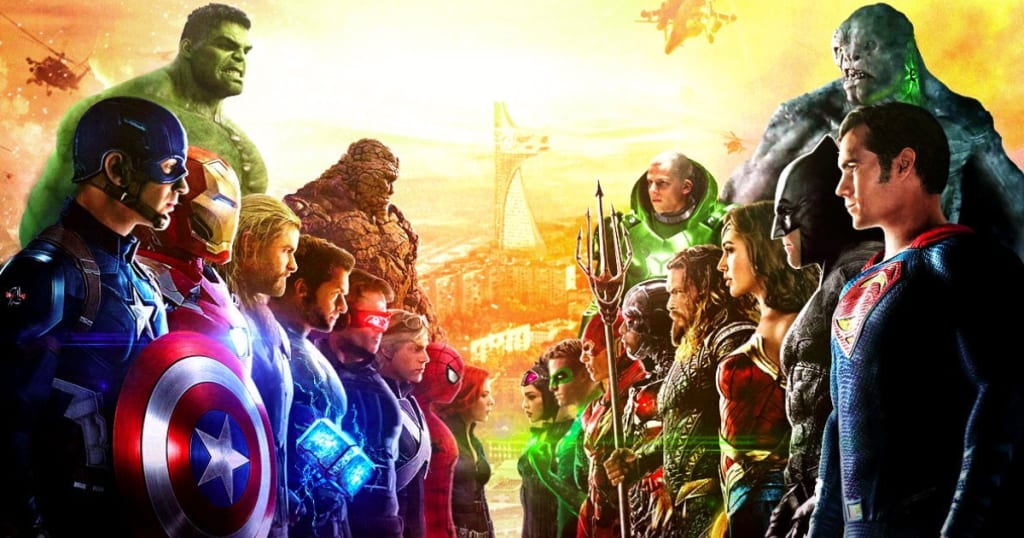
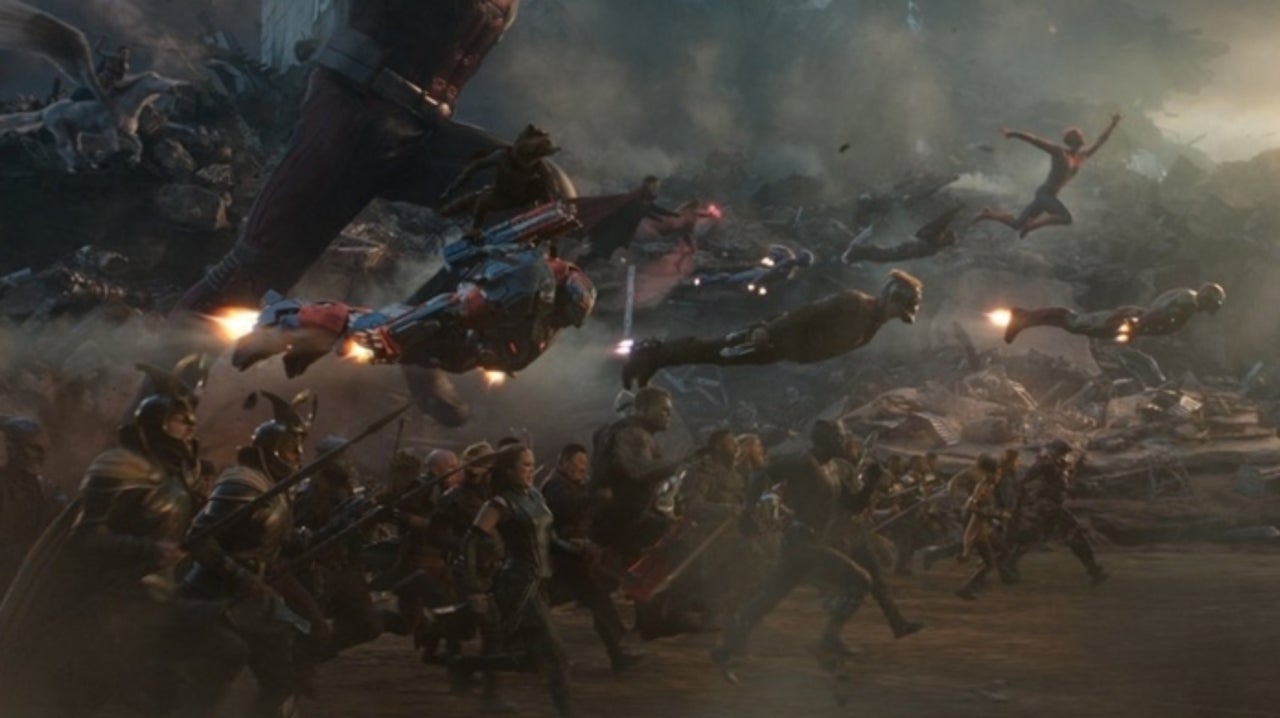
This could spillover into games, books, and yes, films and TV shows. Thought Avengers:Endgame or The CW’s Crisis on Infinite Earths were epic? Guess again and imagine a live-action version of the last, great DC/Marvel crossover, JLA/Avengers or the 1990s’ DC vs. Marvel that pitted the Hulk against Superman or Captain America fighting Batman! Imagine further and think of the possibility of Robert Downey, Jr. sharing the silver screen as Iron Man alongside Christian Bale as Batman. Or Henry Cavill’s Superman meeting Chris Evans’ Captain America.
Let’s come back to Earth now and face reality because it is doubtful any of this will happen. Sure, it is possible, but to date there are not any credible, confirmed sources to back up this claim.
The news that AT&T divested its ownership of WarnerMedia to Discovery, Inc. for $43 billion to form a new, merged entertainment company may not sound as exciting as when The Walt Disney Company acquired 21st Century Fox in 2019, but it is just as important.
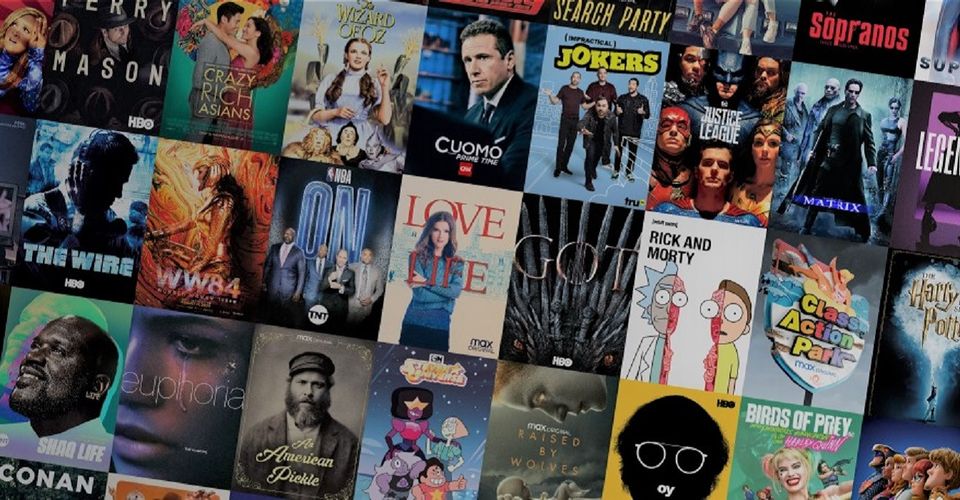
Ever since AT&T acquired Time Warner for $85 billion in 2018. there were many concerns in the entertainment industry, which turned out to be justified. Renamed, WarnerMedia, the entertainment conglomerate was owned by a telecommunications giant that did not have any experience with entertainment media and this resulted in questionable moves by AT&T. The most impactful were the creation of the HBO Max streaming service and fractured relationships with notable genre directors like Christopher Nolan, Denis Villeneuve and James Gunn.
In AT&T’s quest to push HBO Max to be competitive with other streaming apps, all of the films slated for release this year by the movie studio, Warner Bros., were released simultaneously in theaters and the streaming service. On the surface, this took into account the COVID-19 pandemic and the fact that most movie theaters were closed. However, now that the pandemic seems to be winding down (at least in the United States and Europe), this strategy has been questioned. Not only did this move result in diminished box office returns, but it alienated many of Warner Bros.’ top talent.
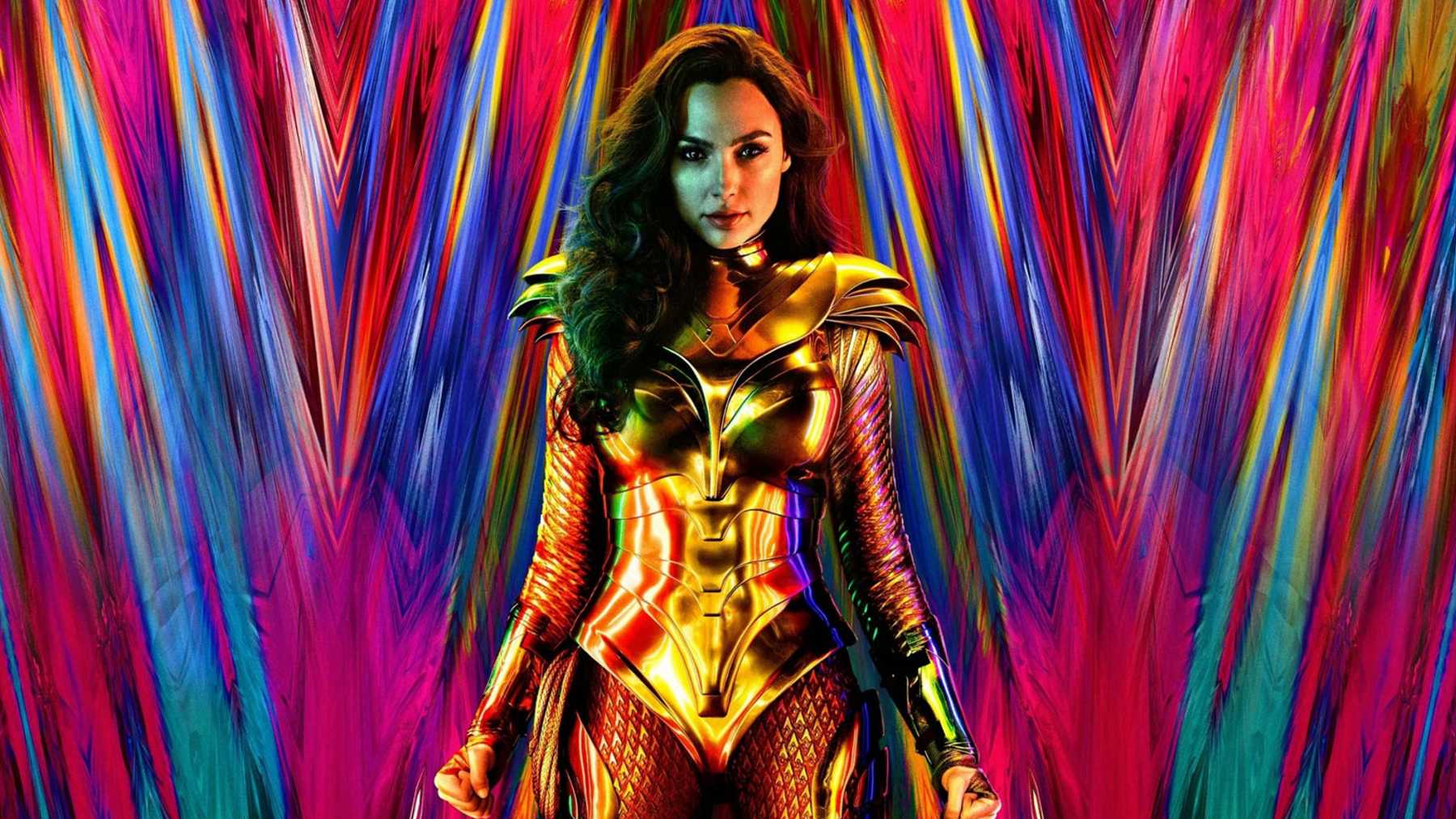
This first began when Wonder Woman 1984 was streamed on Christmas Day in 2020 instead of delaying the film’s release because of the pandemic. This worked in that it attracted attention (and subscribers) to the streaming app but the film received negative reactions from critics and fans who did not find much original content on HBO Max. Unlike Disney+ or Apple+, HBO Max lacked an attention-grabbing genre TV show like The Mandalorian or For All Mankind to entice fans to stay with the service. The app did stream TV shows that once exclusively streamed on the DC Universe app like Titans and Doom Patrol. But it is baffling that throughout all of the development of the app, no one thought to have an original DC TV show ready. The closest thing to semi-original content beingZack Snyder’s Justice League, which did not stream until this year, months after the app was launched. While Disney+ already streamed the Marvel properties WandaVision and The Falcon and the Winter Soldier, HBO Max has yet to stream original DC content. Its announced Green Lantern TV show seems to be forever in development.
It shoud be noted HBO Max premiered the sci-fi TV show Raised by Wolves when it launched and while it was well done the TV show did not capture much attention. It is a shame because the streaming service is quite good with plenty of content, but its launch was botched and confused people who already subscribed to HBO or used its then-existing apps HBO Now and HBO Go.
Filmmakers such as Nolan and Villeneuve were incensed that films they specifically shot for large screens were to be directly streamed on HBO Max. Not only would this lead to low box office returns but the decision robbed audiences of seeing films meant for the large screens. Denis Villeneuve and Legendary Pictures (the production company which bankrolled Villeneuve’s Dune, Godzilla vs. Kong and other recent genre films) expressed their dissatisfaction to push the streaming service over Warner Bros.’ film schedule. After all, in light of the pandemic, if one is able to access the app, why bother going to the theaters? As it now stands the following genre films either streamed already will do so later this year:
Wonder Woman 1984
Godzilla vs. Kong
Mortal Kombat
The Witches
Superintelligience
The Suicide Squad
The Conjuring: The Devil Made Me Do It
Malignant
Space Jam: A New Legacy
Reminiscence
Dune
the fourth Matrix film
WarnerMedia recently announced that starting in 2022, its films would be released solely in theaters before coming to HBO Max. But the damage has been done as many filmmakers openly expressed their dissatisfaction with WarnerMedia and some were no longer willing to do films for Warner Bros.
Most fans of the Marvel Cinematic Universe (MCU) are besides themselves with the new content streaming on Disney+ and coming soon to theaters (fingers crossed). While the new content is enjoyable and the upcoming slate of films and TV shows is exciting, there are a few nagging questions unanswered to date about the MCU. Here are just a sampling, oh, by the way, there will be spoilers about the characters and events of the MCU:
What Happened to the Avengers?
It is pretty obvious given the events of Avengers: Endgame that the superhero team broke up. By the end of that film Iron Man/Tony Stark sacrificed his life to stop Thanos; Captain America/Steve Rogers went back in time to live his life and returned as a feeble old man, so he’s out of commission (more later); Black Widow/Natasha Romanoff died obtaining the Soul Stone; and Thor left for space with the Guardians of the Galaxy. That left us with just two of the founding members, the Hulk/Bruce Banner and Hawkeye/Clint Barton. The Hulk was left with a disabled arm, while it was implied that Hawkeye retired. In fact, he did retire from the superhero life at the end of Avengers: Age of Ultron.
So this means the Avengers are no more, correct? But why is it with the current TV shows and the last Spider-Man film, the main characters are referred to as Avengers? Would this mean the team is still active? It does not seem likely given that the Falcon, Spider-Man and Wanda Maximoff were seen operating independently and behaved as if the team was gone.
If that is the case, wouldn’t Tony Stark or the founding members would have tried to set up a new team to carry on without them? Given all his fortune, wouldn’t Stark have left behind resources to ensure the Avengers continue? It seems irresponsible given the world-threatening events to leave the world without a team to protect it. Of course, this is a perfect way to set up the Thunderbolts, the Fantastic Four or some other superhero team to fill the vacuum. But when will we see this happen?
Who will be in the new Avengers line up?
We have clear candidates with the new Captain America (Sam Wilson), Spider-Man (if he can clear his name by the end of Spider-Man: No Way Home), War Machine, and maybe James Barnes (the former Winter Soldier), White Vision, Captain Marvel, Ant-Man and the Wasp. But is this the end for the Hulk? Is there anyway his arm can heal in time for him to rejoin the team and what is going on with Hawkeye? Will he be grooming Kate Bishop to take over for him as implied by the upcoming Hawkeye series?
What if the MCU introduces the Young Avengers as the team that will become the new Avengers? The Disney+ TV shows have already introduced members of the Young Avengers such as Elijah Bradley (Patriot), Kate Bishop (Hawkeye), Cassie Lang (Stature), Wiccan and Speed. All we need now are Iron Lad and Hulkling.
What Happened to Steve Rogers?
This is one of the most nagging questions about the current MCU. We last saw him handing over his shield to Sam Wilson at the end of Avengers: Endgame and that was it. In The Falcon and the Winter Soldier, whenever he is mentioned he is said to be “gone” which is very cryptic. Did he die of old age? Or is he on the Moon as someone on the show speculated?
There are unconfirmed reports online that actor Chris Evans is negotiating with Marvel Studios to return to his role. Does this mean a rejuvenated Steve Rogers will appear down the line as it happened in the comic books? That is hard to say, but it won’t be answered until Phase Five of the MCU given that the announced lineup of upcoming films does not indicate anything about Captain America, although a fourth film featuring Sam Wilson as the captain is in development.
What does the end of WandaVision mean to the MCU?
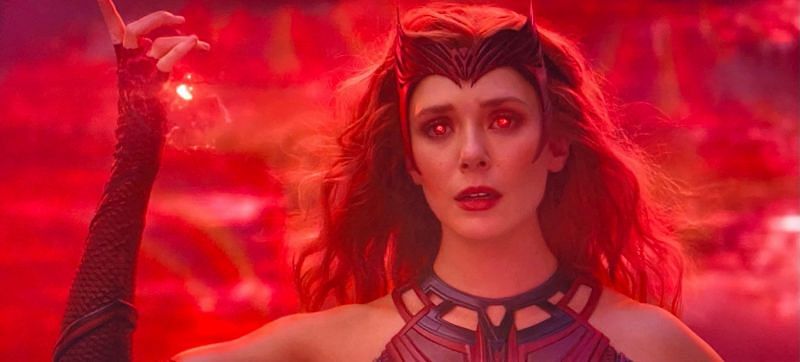
Obviously, the events of WandaVision will lead to more exploration of the magical side of the MCU. The events of WandaVision not only directly lead to the next Doctor Strange film but Spider-Man: No Way Home as our favorite Wall-Crawler grapples with multi-dimensional threats and visitors.
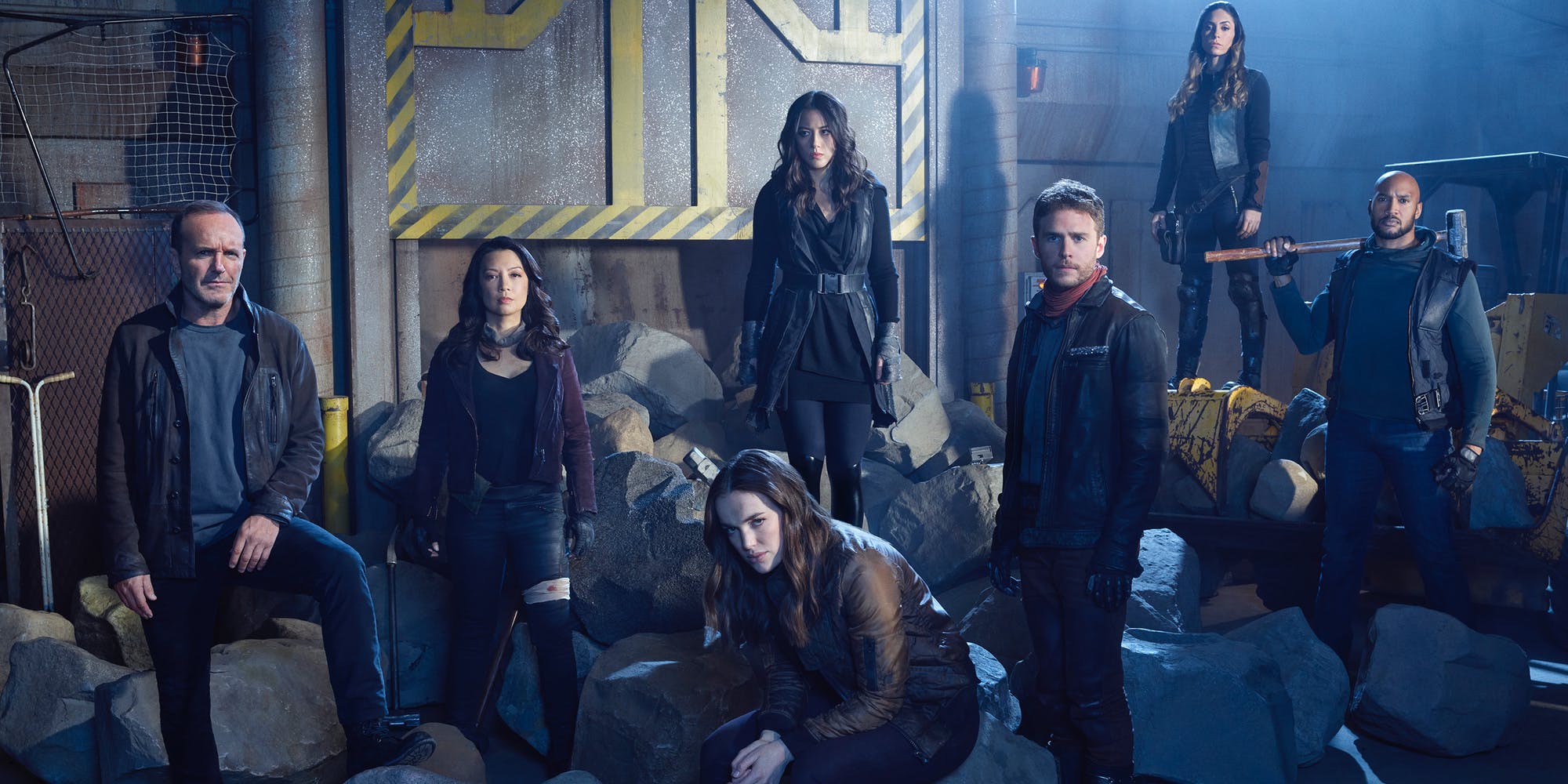
From the way Wanda Maxmoff twisted reality in WandaVision, the door has literally been opened to the bizarre with unexpected appearances. Think of her dead brother Piotr returning, which was a meta casting joke and reference to the recent X-Men films. The next Spider-Man film will feature characters from previous Spider-Man film incarnations reprised by the original actors such as Jamie Foxx, Alfred Molina and supposedly Andrew Garfield, Tobey Maguire and Willem Dafoe. Will we see more appearances from other past properties? Why not bring back the actors/characters from Agents of S.H.I.E.L.D. so we can get confirmation that they exist in another continuity?
Another important related question has to do with Wanda herself? Can she be redeemed? Her actions in the show were villainous: she took over a town and warped the reality and minds of its residents against their will. At the end, she did not face justice for her actions and the post-credits scene in the final episode hinted that she was taken a more nefarious turn as she was shown studying the dark magical arts. We’ll find out in next year’s Doctor Strange in the Multiverse of Madness as she will appear…supposedly as the film’s villain.
Are the other non-Disney+ Marvel TV shows part of MCU continuity?
Ever since Agents of S.H.I.E.L.D. premiered many wondered whether or not the show was part of the MCU. This sounds silly given appearances of characters from the MCU films such as Agent Coulson, Nick Fury, Sif and others. But the films never referenced the show or acknowledged its existences. None of the original characters from Agents of S.H.I.E.L.D. turned up in an MCU film or were mentioned. The same went for other Marvel TV shows before the existence of Disney+. The Marvel shows that streamed on Netflix supposedly took place in the MCU but no one ever saw Daredevil or the other New York-based Netflix heroes turning up in the films. Ditto for other Marvel TV shows like Runaways, and Cloak and Dagger.
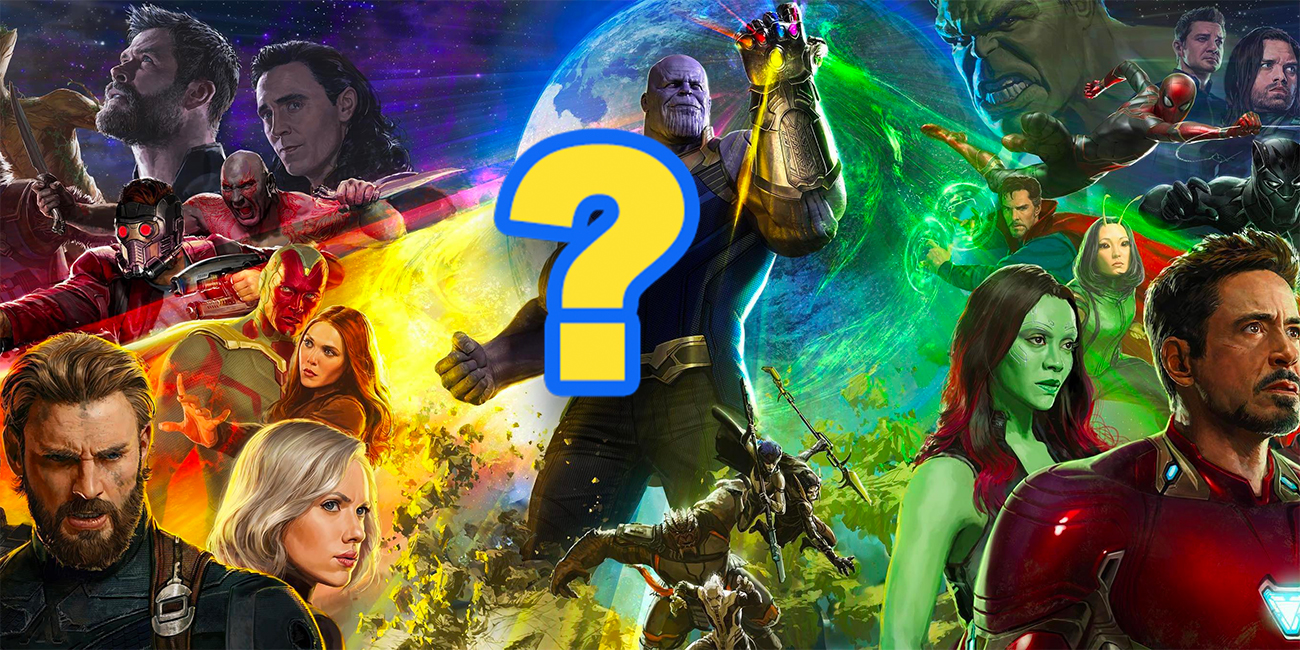
S.H.I.E.L.D. missing in the Infinity War
The only rare exception was when the original human Jarvis introduced in the TV show Agent Carter made a brief cameo in Avengers: Endgame. Also, there are rumors that some of the actors in the Netflix TV shows will reprise rebooted versions of their characters in upcoming films. We’ll know if this is true if Charlie Cox reprises his role as Matt Murdock in the next Spider-Man film.
Supposedly, the head of Marvel Studios, Kevin Feige, did not want any association with the TV properties if he was not involved with the production. This explains why the films never referenced the TV shows to the irritation of some fans who sought a tighter continuity between the media.
At this point, the answer to the question is that no, these non-Disney+ TV shows are not set in the greater continuity of the MCU.
What happened in between the five-year jump in Avengers: Endgame?
During Avengers: Endgame there was a five-year time jump with limited exploration as to what occured in that time period. Supposedly, what was left after Thanos snapped his fingers at the end of Avengers: Infinity War was a paradise; never mind that his actions wiped out half of all life in the universe. This point of view came from the Flag Smashers terrorist group featured in The Falcon and the Winter Soldier. One of the flaws with the villains is that we never saw for ourselves how great life was back before the Avengers resurrected the life wiped out of existence by Thanos.
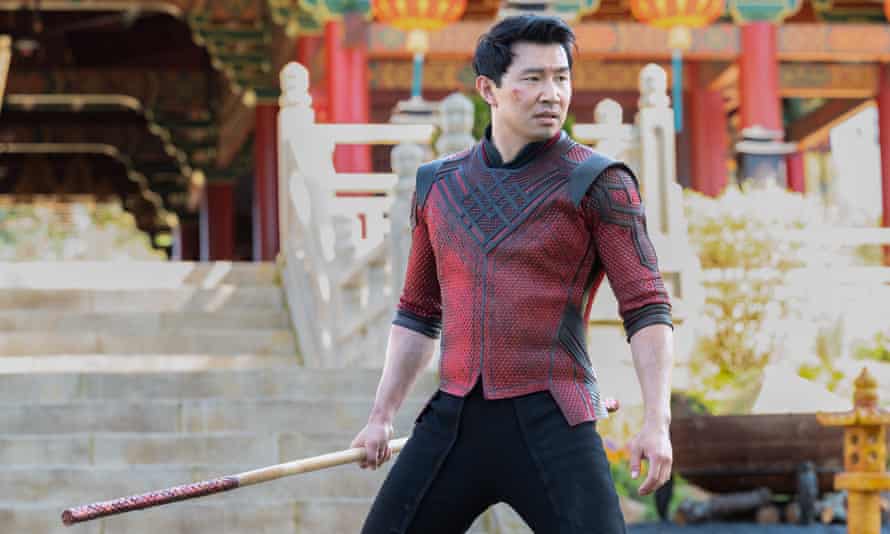
According to some reports, the upcoming film Shang-Chi and the Legend of the Ten Rings will take place in this five-year period, which will give us a first-hand look at society during this time and we can tell for ourselves if things were as great as the Flag Smashers claimed.
Also, it would not be surprising if future films and TV shows feature flashbacks which take place during this time period and will probably be explored in other medium such as those Prelude comic books. However, this time period is ample ground for future films and TV shows to explore.
Where are the mutants?
Ever since Disney acquired 20th Century Fox and gained the film rights to the X-Men, fans have been desperately waiting for any news or sign that the mutants will appear in the MCU. To date, those wishes have gone unfullfilled and will be for some time.
Anyone who saw last week’s Phase Four movie slate did not see any sign of mutants. The only clue we have to date was a visit to the fictional country of Madripoor in The Falcon and the Winter Soldier, which was Wolverine’s hiding spot in the comic books.
But other than that we won’t get anything else, not even casting hints until maybe next year or the following when Phase Four starts winding down. But it’s for the best since the mutants need to rest and recharge creatively. This will build up demand and excitement for whenever they X-Men or Mutants or whatever they wind up being called, finally debut in the MCU. In the meantime, we have plenty of X-Men and related films and TV shows, and many of them are great and worth rewatching.
So, are there any other questions about the MCU? Be sure to list them in the comments section below!
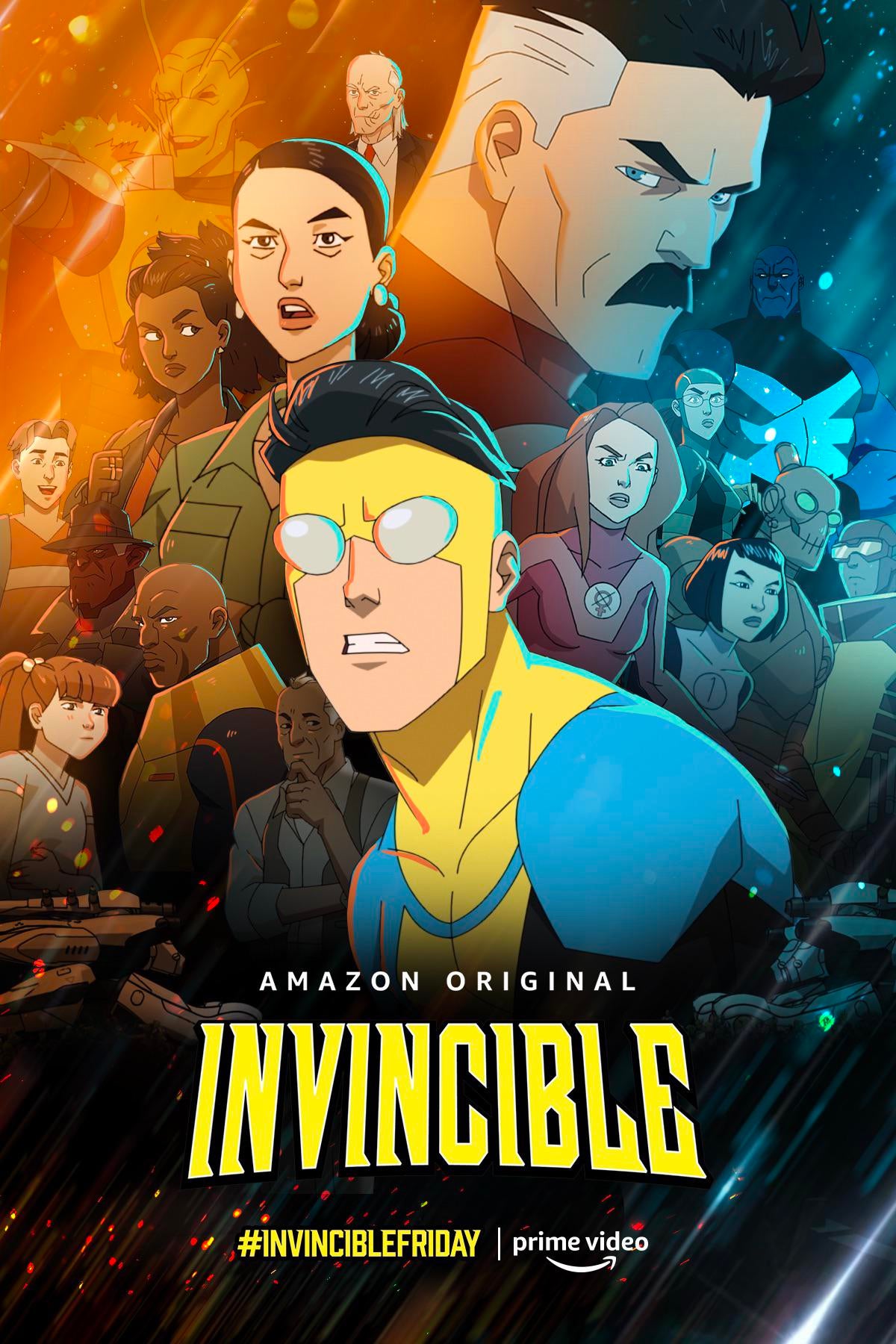
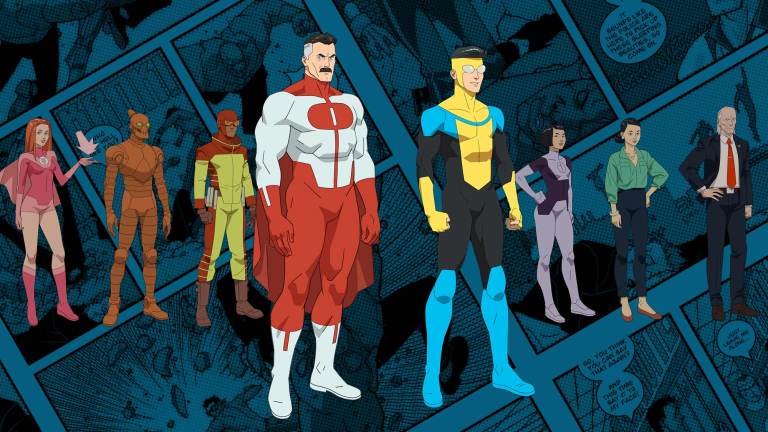
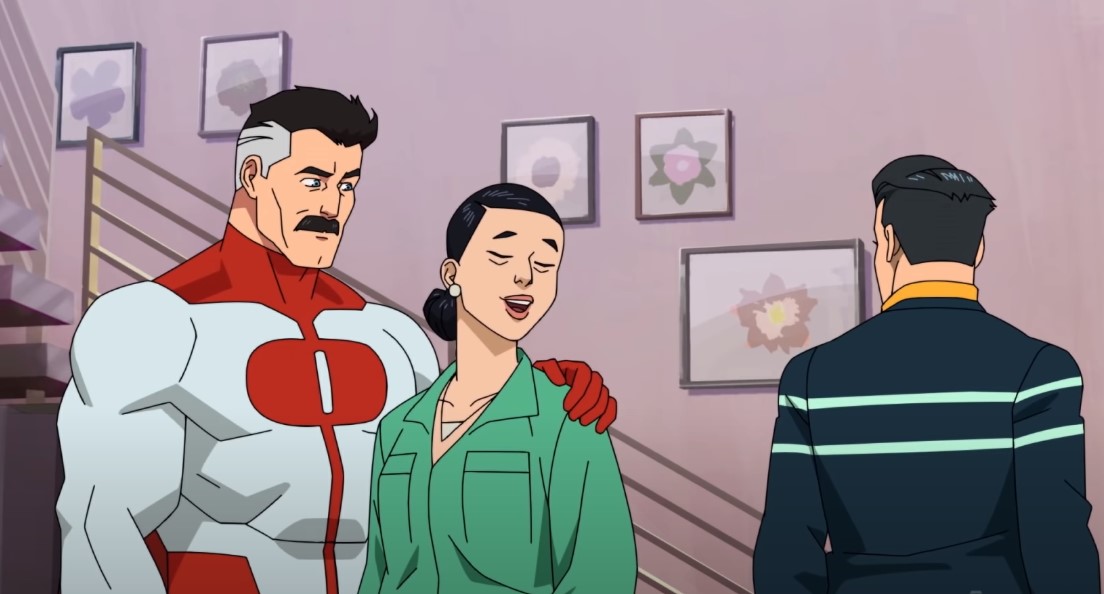
Anyone unfamiliar with the Robert Kirkman Image Comics series Invincible might find the first episode of the animated TV Show Invincible to be your typical superhero yarn. It starts out generic enough except for some wittier than normal dialogue; Mark Grayson (Steven Yeun) a young teenage son of the world’s mightiest hero, Omni-Man (J.K. Simmons), develops his own superpowers and juggles teenage life with learning to be superhero called Invincible. Adding to the familiarity is that Omni-Man is clearly inspired by Superman and his comrades in the superhero team, the Guardians of the Globe, are stand-ins for the Justice League.
Then the first episode concluded, and Invincible veered off violently into a completely new direction. Fans of the comic book series should enjoy the adaptation now streaming on Amazon Prime, since it is fairly faithful with a few differences as to the timing of certain character developments and events.
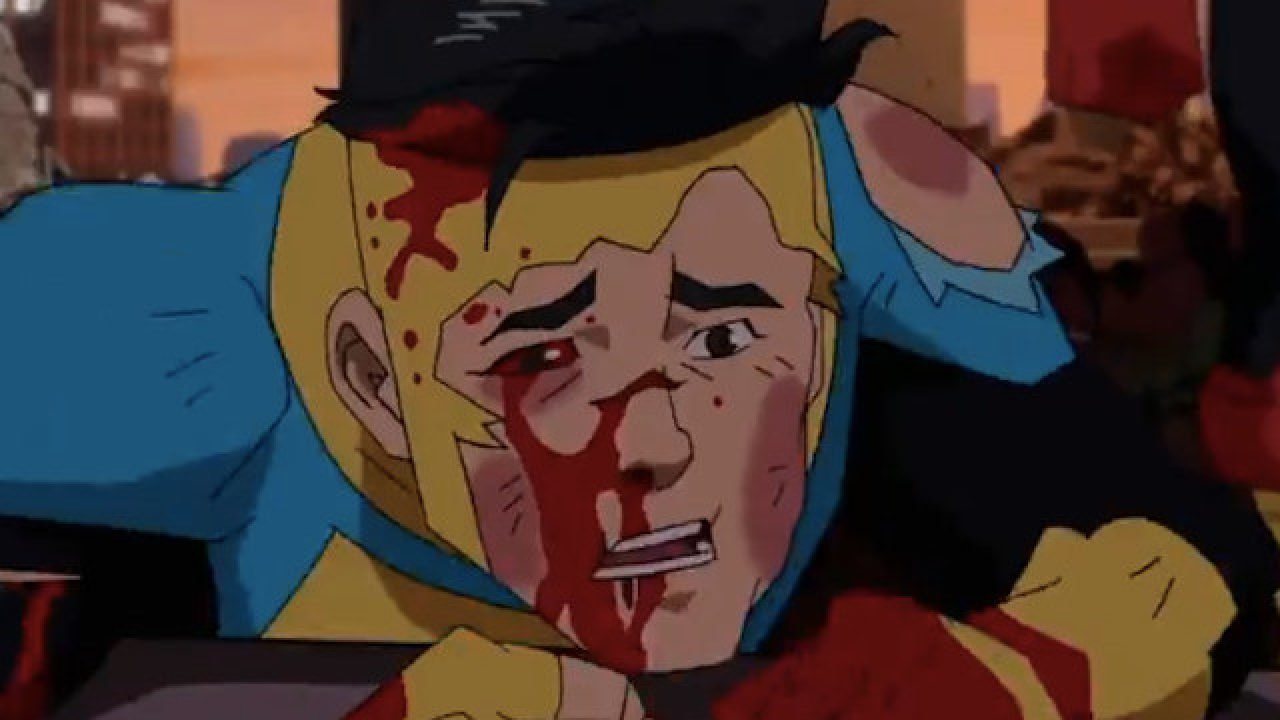
Without going into spoilers, the plot lines in the show are surprising as are the revelations about certain characters. For instance, in the episode “That Actually Hurt” Invincible is convinced to help a low-level supervillain to take out a dangerous criminal kingpin. What followed was one of the most wincing and savage fights as Invincible and his allies are nearly killed by the kingpin’s hired supervillains. But as graphic and epic the fights were what was more shocking were the final reveals which called into question Mark’s judgement.
Invincible is decidedly not for children as it is brutally violent in the vein of The Boys but in a more graphic extreme since the show is not limited by a live-action budget. In fact, some may complain Invincible may be too graphic with its violence. However, the show shows just enough restraint to keep it from going overboard.
As violent as the show is, it takes a mature approach to its character development. Mark goes through the well-known but perfectly executed tropes of a teenage superhero which explore the headaches of having a secret identity as his busy superhero life interferes with his ability to hold down a job or being honest with this girlfriend Amber (Zazie Beetz) or his growing relationship with Omni-Man and his perfectly normal mother (Sandra Oh). To the show’s credit, the characters are well explored and are captivating.
The secondary characters such as demon investigator Damien Darkblood (Clancy Brown), Atom Eve (Gillian Jacobs), Cecil Stedman (Walton Goggins), and Robot (Zachary Quinto) sometimes outshine the main characters. Damien is an interesting combo of John Constantine, Hellboy and DC’s the Demon. Atom Eve/Samantha Wilkins is a classmate of Mark and has an existential crisis over whether or not to remain a superhero or do meaningful work to help people. The stoic Robot trains the new version of the Guardians, but exhibits a surprising humanity, both good and bad and his final revelation was a genuine surprise. Meanwhile, Cecil is a dark yet humane version of Nick Fury and runs a super secret government organization that supports and monitors superhumans. It is very easy for viewers to get invested in these characters’ arcs and with minor appearances from other characters. One stand out was Allen the Alien (Seth Rogen), who becomes a relatable friend to Mark after the two initially fought on the moon. The actor’s easygoing, stoner vibe was emanated in his voice performance which made Allen so likeable.
Rather than mocking its superhero tropes, Invincible embraces them. It actually feels like a comic book while at the same time it functions as a deconstruction of the supehero genre.
To be honest, Invincible is not for everyone. The graphic violence can be offputting and the animation is not the most sophisticated, though its well done. The fact that the first episode “It’s About Time” feels like a retread of a Justice League story may lull people into thinking they’ve seen this before. But stick with the episode to the end. If the shock twist is not enticing enough to learn more about the show, then move on. Otherwise, sit back and explore the refreshing and hard-edged world of Invincible. By the time, the final episode “Where I Really Come From” is watched, viewers will be desperate to find out what happens next. Thankfully, Amazon Prime renewed Invincible for two more seasons.