The Stumbles Of The MCU’s Phase Four

The toughest thing about being king of the mountain is staying there to paraphrase an old saying. Marvel Studios head Kevin Feige is certainly experiencing this now given the stumbles and headaches with Phase Four of the Marvel Cinematic Universe (MCU). The film universe devoted to the Marvel Comics heroes absolutely ruled the box office in the past decade with their interconnected films. Many memorable characters became part of our popular culture in a way not seen since the original Star Wars films. The MCU reached its zenith in 2019 with the release of Avengers: Endgame, as that film concluded the Infinity Saga. But since then, there are cracks in the once-invincible armor of the MCU as their recent entries in film and television streaming have had a mixed reaction from fans and critics.
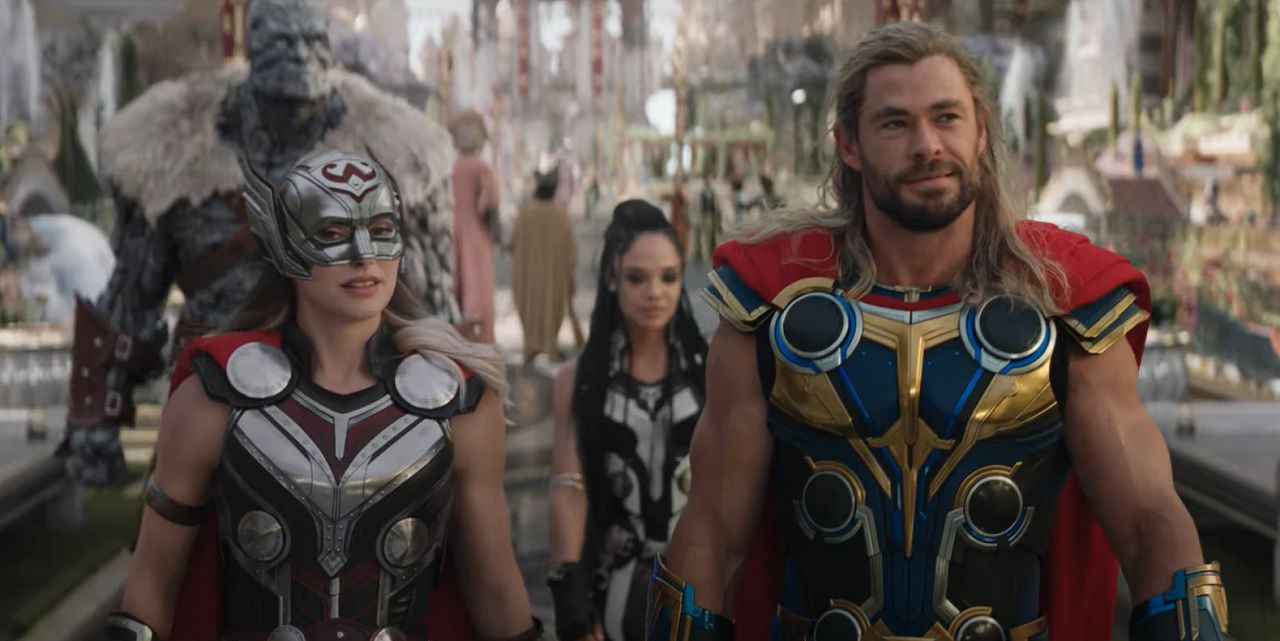
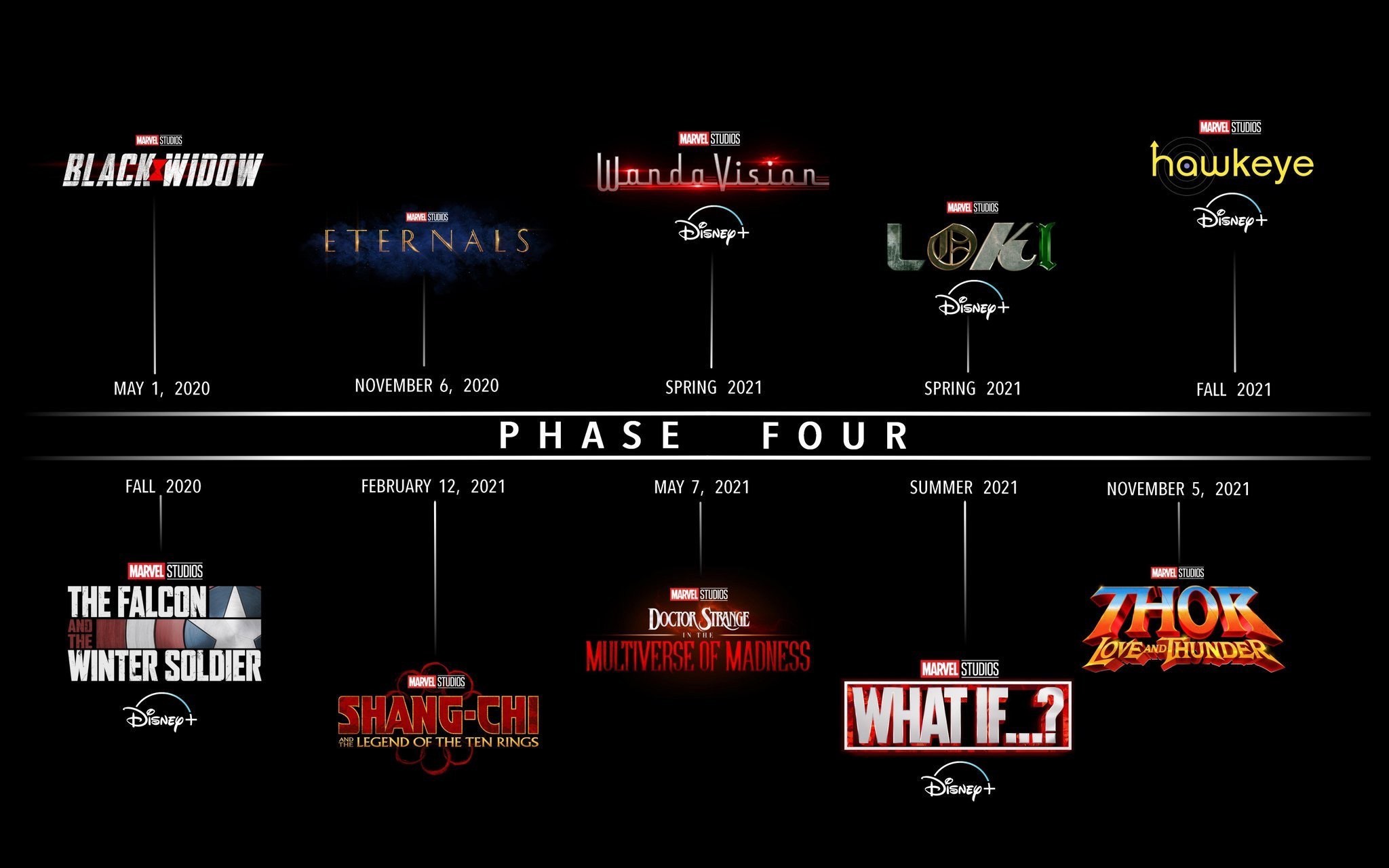
The films and TV shows are successful as seen with most recently with Thor: Love and Thunder and Ms. Marvel. However, in the past an MCU entry would both be well received by fans, critics and profitable. But as seen with the most recent entries that is no longer the case. Thor: Love and Thunder was not as well received, but it is a genuine box office hit, while, Ms. Marvel received excellent reviews, but was the least viewed MCU TV show. This is nothing new with Phase Four of the MCU, which began when Black Widow was released in theaters and streamed at the same time on Disney+ in May 2021. Due to the pandemic and the availability of the film on home media, Black Widow did not make as much money as many of the previous MCU films and had a middling reception by critics and fans. As the pandemic eased and subsequent films were released exclusively in theaters, they performed better with Spider-Man: No Way Home becoming the biggest hit of Phase Four and acclaimed by fans and critics, alike. But most of the other film entries have proven to be controversial or derided by all.
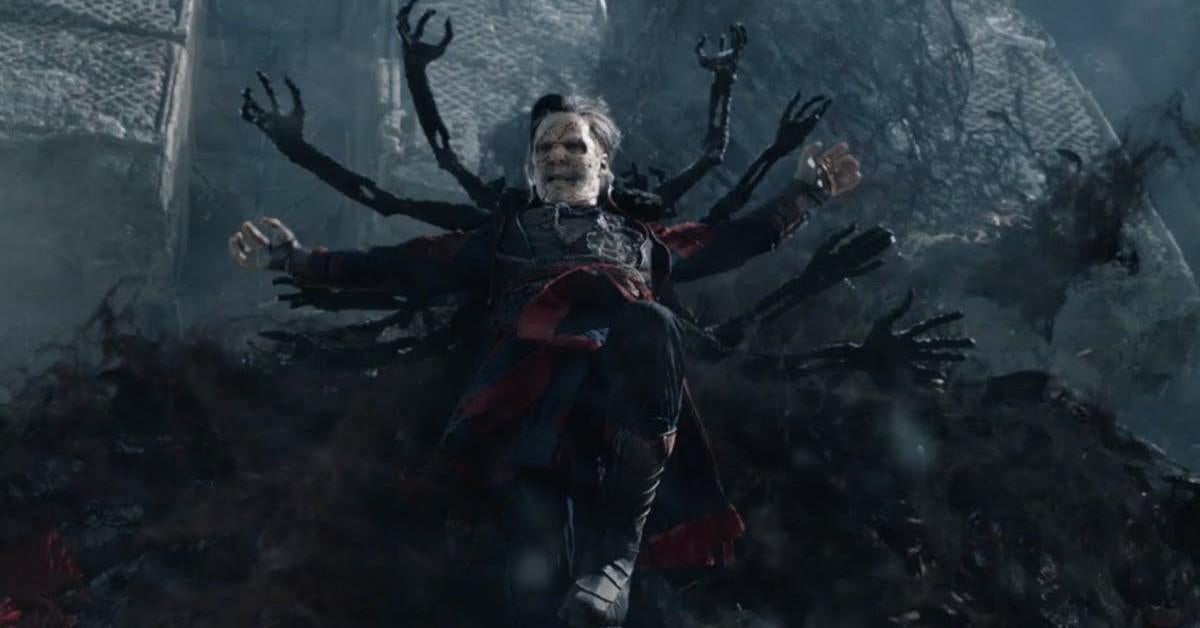
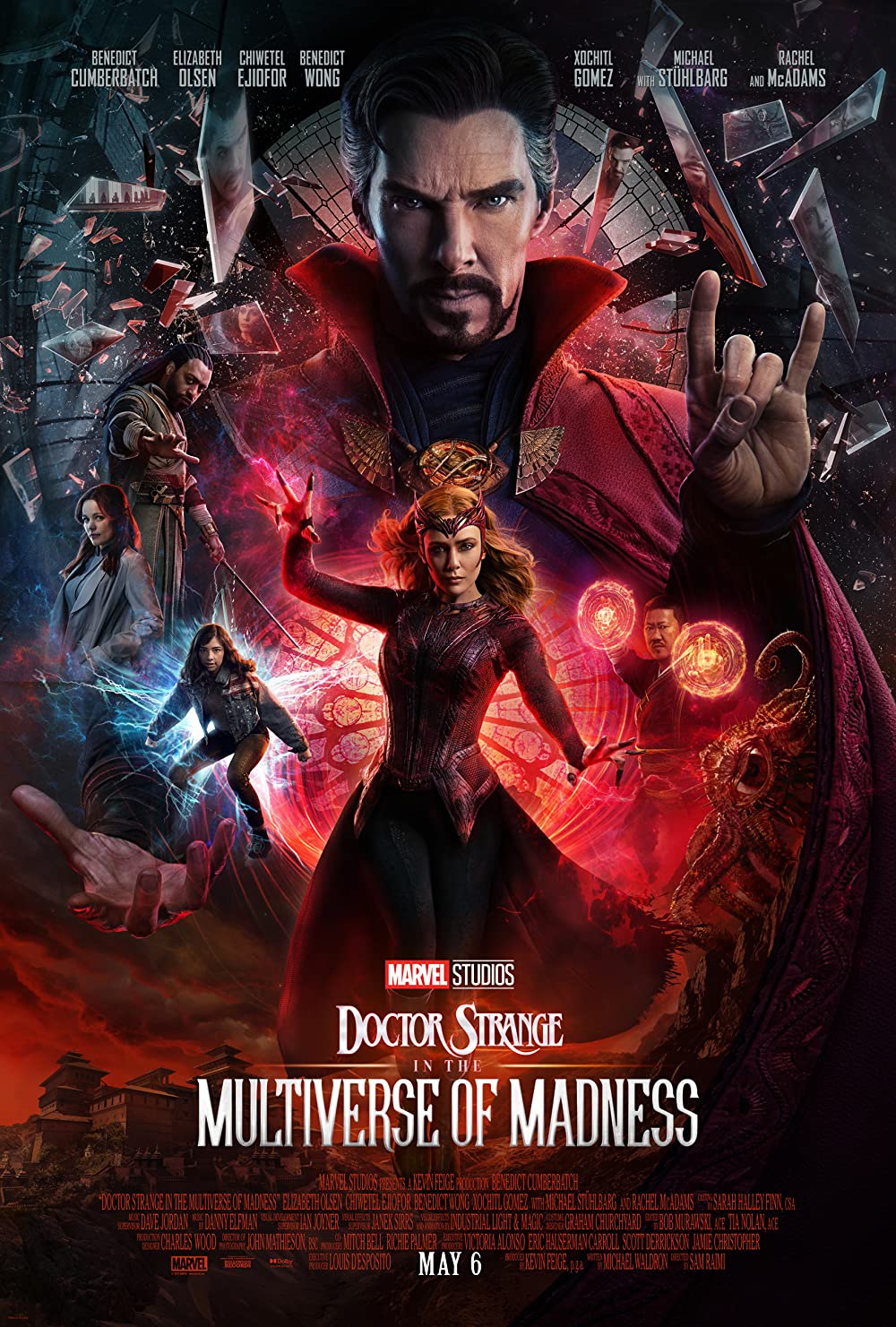
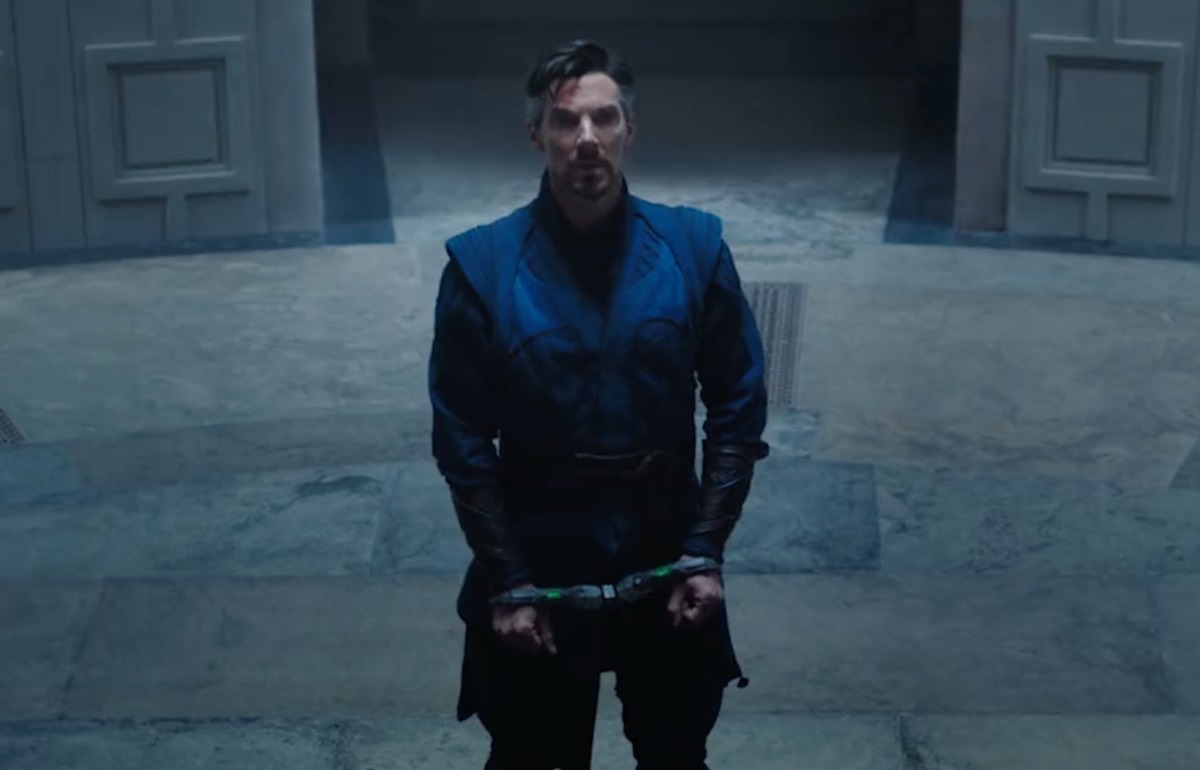
Doctor Strange in the Multiverse of Madness is an excellent example as it was equally revered and derided, Some enjoyed the more viceral horror elements of the film, but others complained about the film’s content, the way certain characters were treated and so on. Others wanted to see more bizarre explorations of other dimensions and alternate takes of the MCU aside from the Illuminati. Basically, these critics felt the so-called Mulitverse of Madness did not live up to its name.

That leads to another gripe with the recent MCU fare. Before a film or TV show comes out, the speculation about who will appear in them goes overboard which will disappointment fans. This was evident with WandaVision when one of the TV show’s star promised an important character would appear in the last episode, leading to wild rumors that the X-Men would finally debut in the MCU, but this did not happen. Then there were all the supposed cameos for the second Doctor Strange film that never materialized. What is more infuriating are the reports that many characters were supposed to appear in these films and TV shows, but for one reason or another these appearances did not happen.
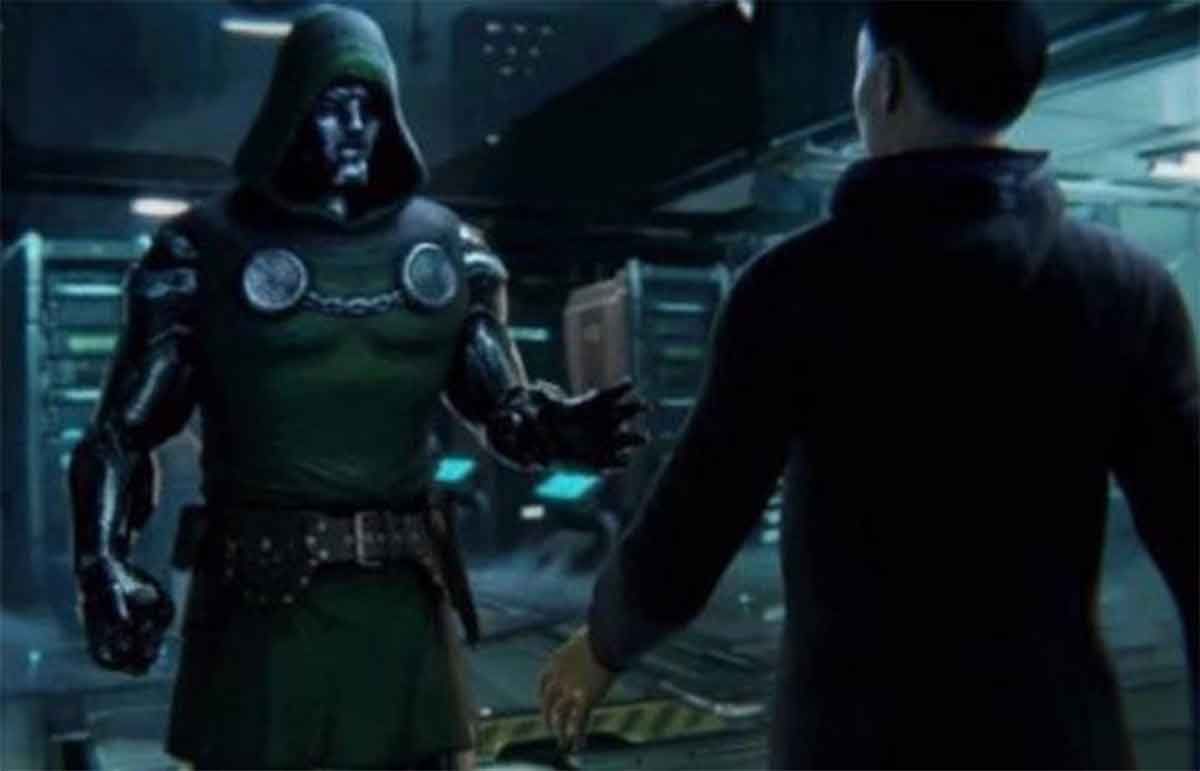
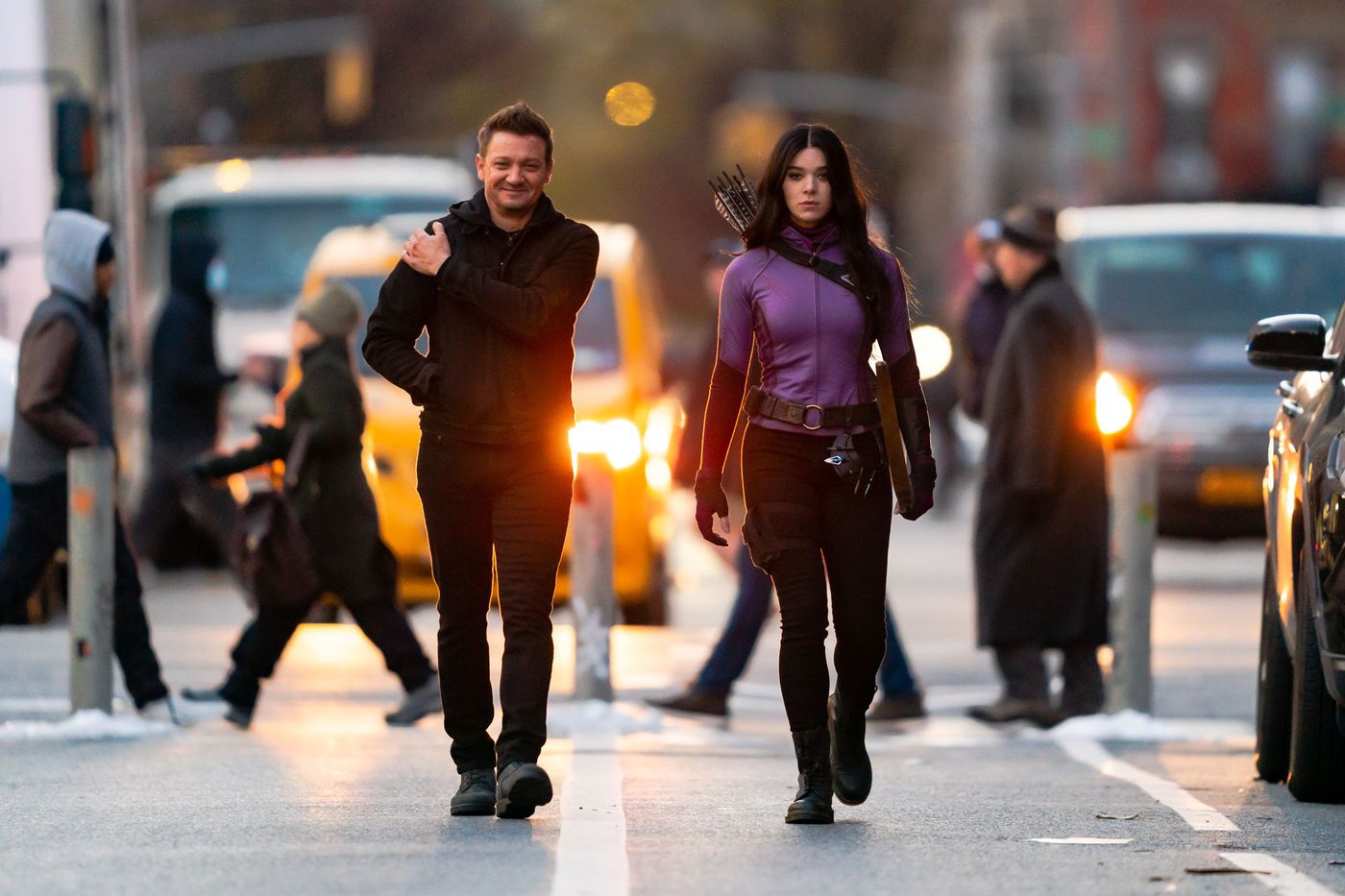
Here are some examples: Doctor Strange was supposed to appear in a cameo in WandaVision, Deadpool was supposed to pop up in a post-credits zinger in Doctor Strange in the Multiverse of Madness, director Sam Raimi was supposed to reunite with Tobey Maguire as the universe of Spider-Man was supposed to be visited in Doctor Strange in the Multiverse of Madness, Beta Ray Bill would finally debut in Thor: Love and Thunder, Werewolf by Night was supposed to appear in Moon Knight, and so on. Now, the speculation continues as Doctor Doom will supposedly make his MCU debut in Black Panther: Wakanda Forever and that Ben Grimm and Matt Murdock will turn up in She-Hulk: Attorney at Law. This speculation is a great way to generate interest but it is bound to disappoint many, no matter what. Of course, there have been notable and important cameos in the Phase Four films and TV shows, such as the characters from the Netflix Marvel TV shows turning up in Hawkeye and Spider-Man: No Way Home, Captain Marvel appearing in a post-credits scene of Ms. Marvel, and of course the appearances of several Marvel heroes like Reed Richards and Professor X in Doctor Strange in the Multiverse of Madness.

Continue reading

Doctor Strange’s Deep Dive Into The Multiverse

*Note: The following will contain MAJOR SPOILERS for Doctor Strange in the Multiverse of Madness.

For anyone who has seen Doctor Strange in the Multiverse of Madness, the latest entry from the Marvel Cinematic Universe (MCU), the film raised many questions and fueled intense speculation for what lies ahead with the MCU and its version of the multiverse or alternate realities.

The MCU has toyed with the concept of the multiverse for some time and further explored it in recent Disney+ TV shows, and even Avengers: Endgame, but the sequel to Doctor Strange is the first MCU film to fully dive into the concept. During the film, the sorcerer Doctor Stephen Strange (Benedict Cumberbatch) encounters a young woman called America Chavez (Xochitl Gomez), who has the ability to travel between universes or the multiverse. She is being hunted by Wanda Maximoff aka the Scarlet Witch (Elizabeth Olsen), who wants to steal her power (and killing her to do so) in order to travel to another reality where her fictional children that she conjured in WandaVision are actually alive. During a confrontation between Strange and the Scarlet Witch, Strange and Chavez wind up traveling through several bizarre universes before arriving in a universe numbered 838. The MCU we know of is designated 616, even though that designation belongs to the regular Marvel Comics universe, which itself designated the MCU 199,999.

Despite the weird worlds Strange and Chavez traveled through, like an animated universe or one where they turned into paint colors, the 838 quickly stood out in the way that society embraced living more harmoniously with nature and with its heroes. Strange met the superhuman team called the Illuminati who deal with the deadliest threats to reality and included alternate MCU heroes and new ones, as well. The most interesting Illuminati members were Captain Carter (Hayley Atwell), a What If…? character perfectly realized in live action, Reed Richards, leader of the Fantastic Four (played by John Krasinski, a fan-casting dream come true), a comics-accurate version of Black Bolt (reprised by Anson Mount who originated the role in the Inhumans TV show), and Professor Charles Xavier (Patrick Stewart), who was a new version of the Professor X seen in the Fox X-Men films.

As great as it was to see these heroes, some fans were disappointed that the film did not feature more appearances by alternate characters such as a rumored Iron Man played by Tom Cruise, Tobey Maguire returning as Spider-Man or Chris Evans as the Human Torch (a role he played in the first official Fantastic Four films). Sure, it would have been terrific to see more cameos but to do so threatened to take away from the main story of Doctor Strange in the Multiverse of Madness, which had to focus on Strange and his foe. The appearances we got were to merely whet our appetite for things to come, which were clearly outlined in the film. So fear not, this is just the beginning. Before long we’ll have a deep dive into the multiverse.

Continue reading
Doctor Strange In The Multiverse Of Madness Is A Wild & Scary Summer Ride

Kicking off the yearly cinematic entries of the Marvel Cinematic Universe (MCU) for 2022 is Doctor Strange in the Multiverse of Madness, the long-awaited sequel to 2016’s Doctor Strange. While the first film introduced the supernatural and trippy side of the MCU, the sequel runs wild and amps up the horror elements of the MCU and introduces fantastic new characters and concepts. As with Spider-Man: No Way Home, this film deals with the mind-bending nature of the multiverse and fleshes it out more.

The sequel to Doctor Strange is directed by horror auteur, Sam Raimi, who returns to the world of film adaptations of Marvel Comics superheroes while embracing his horror film background. He replaced the original director and it turned out Marvel Studios made an inspired choice with Raimi, who has the skills and the superhero and horror background to create a splendid fusion of both genres for the MCU.

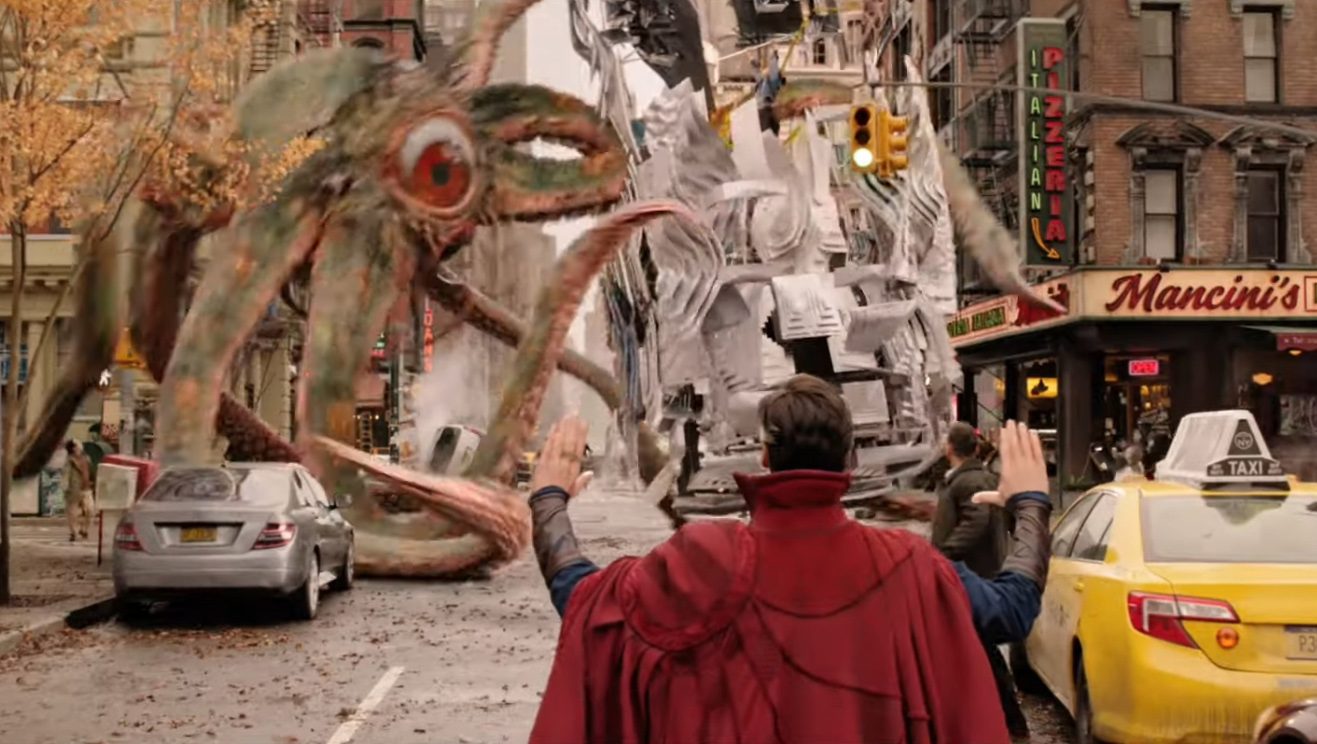
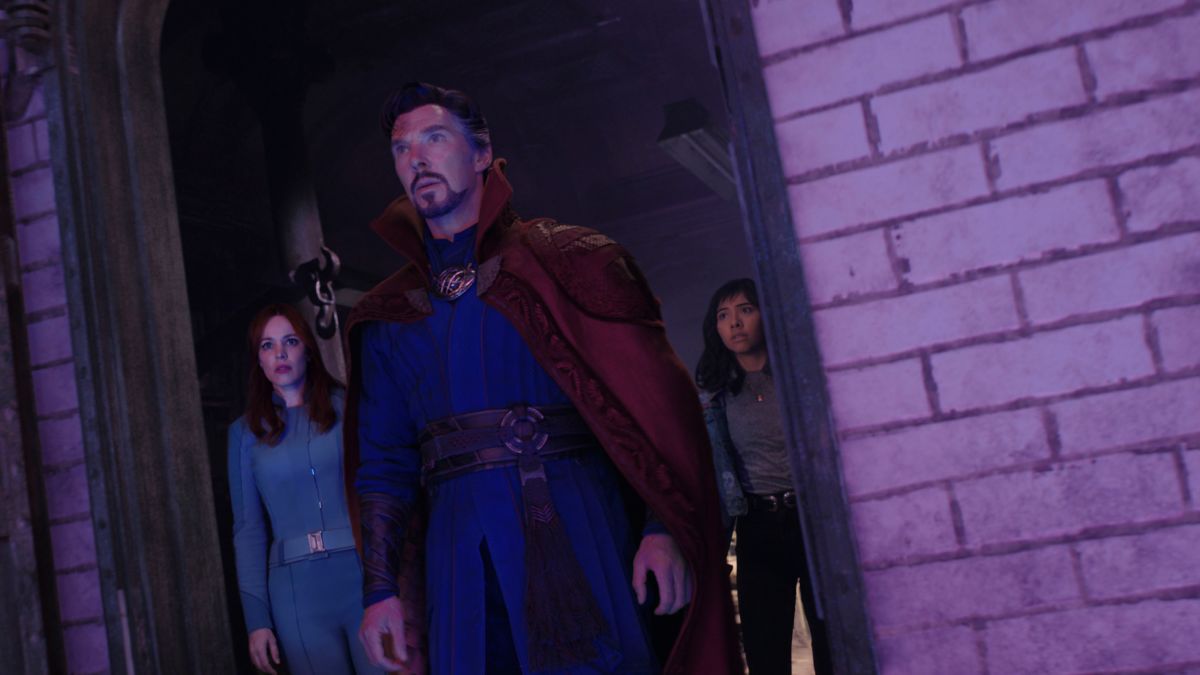
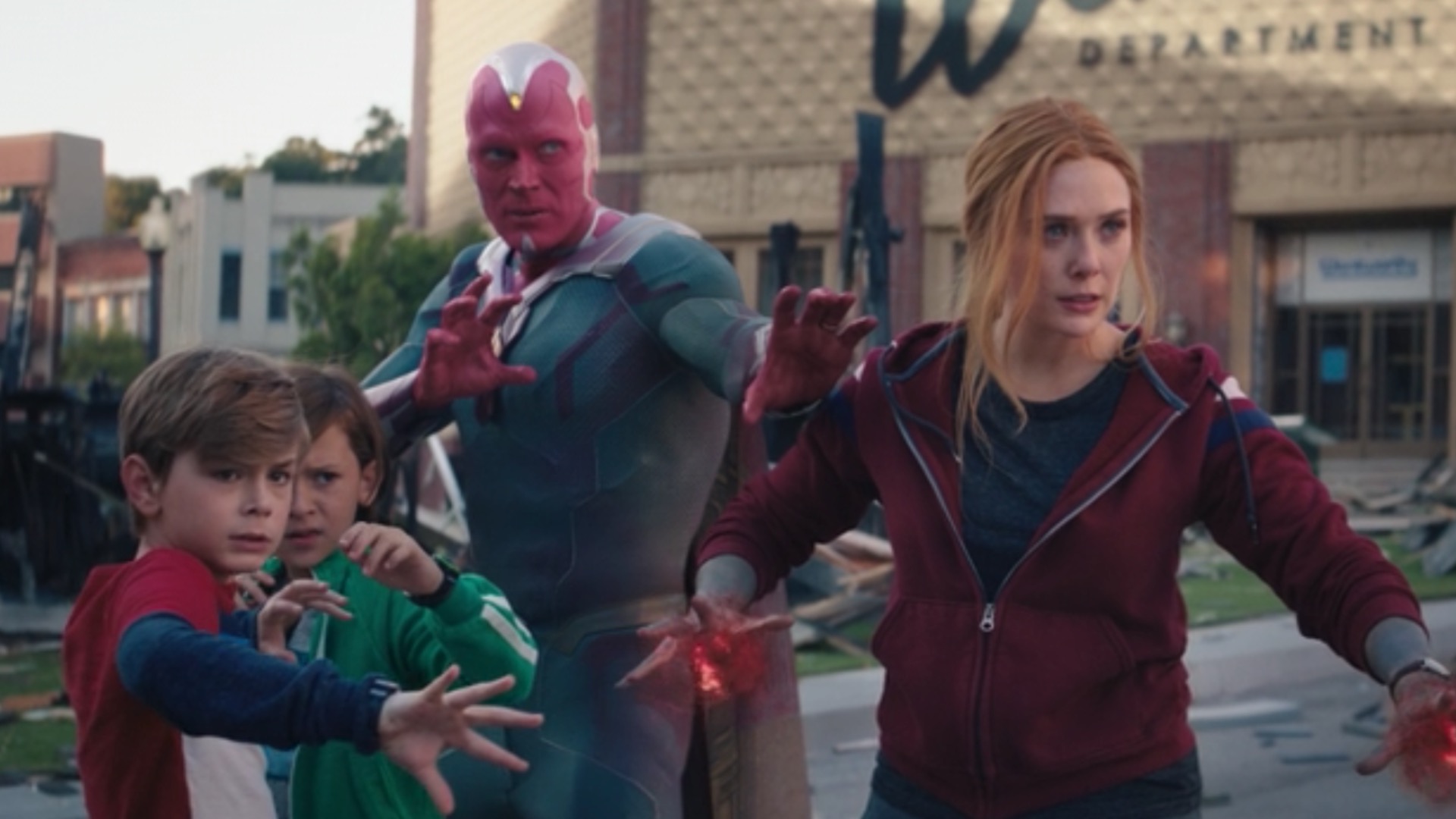
Doctor Strange in the Multiverse of Madness brings back the sorcerer, Dr. Stephen Strange (Benedict Cumberbatch), after the events of Spider-Man: No Way Home. He is attending the wedding of his former lover, Christine Palmer (Rachel McAdams) when a nearby attack in the streets of New York City attracts his attention. A giant, cyclopean cephalopod is after a teenage girl named America Chavez (Xochitl Gomez) and after Strange and fellow sorcerer Wong (Benedict Wong) rescue her, she reveals she is from another universe. America Chavez has the uncontrollable ability to travel through different universes and is on the run from someone who wants to kill her and take her power. The film also features Wanda Maximoff (Elizabeth Olsen), who is in grieving after the events of WandaVision. Soon enough her and Strange’s paths cross as he embarks on a mission to protect Chavez. This leads him through the multiverse itself as he struggles to find a way to defeat Gomez’s pursuer and confront his own flaws.

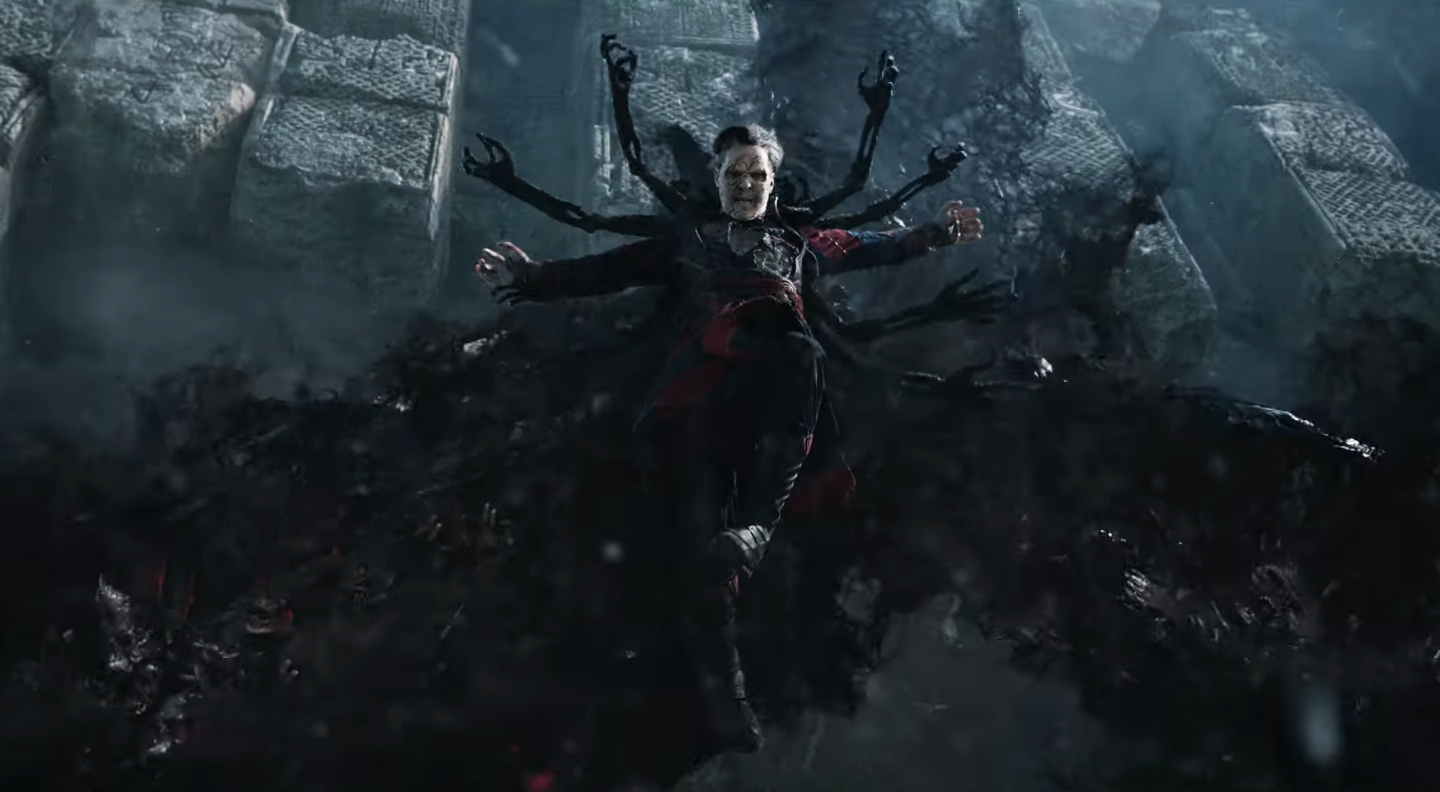
This film works on so many levels that cannot be appreciated immediately by some. It relies heavily on the history of the MCU and has references to Marvel Comics that will delight fans and alienate some non-fans. It walks a fine line between servicing fans with many references and Easter eggs while not going overboard. Despite what the title implies or what over-speculation has led some to believe, Doctor Strange in the Multiverse of Madness manages to restrain itself while being an effective and fast-paced thriller with many blood-curdling moments. Sam Raimi revels in his horror roots and delivers his best film in years. Unlike some MCU films that lack identity, Raimi is able to inject his own distinctive and bombastic directorial vision in the film. What he presents may alarm some expecting a family-friendly ride, but it is so well done. A lot of the imagery is downright squeamish and disturbing, but Raimi does not go too over the top. Needless to say the special effects are excellent and many of the images look like dreams which came to cinematic life.

A criticism with The Batman was that it was a bit too indulgent and went on too long. With Doctor Strange in the Multiverse of Madness, it is the opposite. Its main problem is that it could have used a few extra minutes to allow it to breath and let many emotional moments sink in. It’s very fast paced, but tetters on the brink of losing control as the film jumps from one plot point to another. Raimi has said that his original cut of the film was about a half hour longer but Marvel Studios made him cut the film to fit a two-hour run time. Hopefully this footage will turn up later on to let us judge them. But the film still holds itself together thanks to the terrifc talent both behind and in front of the camera.

Benedict Cumberbatch once again turns in a fine performance as a self-deluding, arrogant hero who has to admit some hard truths about himself in order to succeed. The other actors have ample amount of screen time to leave an impression, including Xochitl Gomez. As the newest superhero of the MCU, Gomez’s America Chavez is full of heart and spunk, but is never obnoxious or overbearing. Plus, she has an engaging sub plot as she struggles to deal with her past and grow.

Elizabeth Olsen delivers an excellent performance as Wanda as we feel her pain and can certainly empathize with her situation over having lost her children during WandaVision. Then there many new characters who have small but significant appearances in the film. As mentioned earlier, beware of over speculating about who appears and dampen expectations. In the end, this works for the film and keeps it from having the same failed fate of Iron Man 2 or Avengers: Age of Ultron where those films tried to cram in too much to set up other films. Even though Doctor Strange in the Multiverse of Madness has many characters and moving parts, the core of the film is still on Strange. More importantly, the film does not hesitate to shine a light on his character flaws, which are not admirable.

Doctor Strange in the Multiverse of Madness is another strong win for the MCU and Marvel Studios, which leaves one begging for a followup. Thankfully, the end title card promises that Doctor Strange will return. Let’s hope it does not take six more years for a third Doctor Strange film.

José Soto

Morbius: When Trailers Deceive Us

By now, most of us have heard about Morbius and how it wildly differed from what the trailers promised. Namely, solid connections with Spider-Man or even the Marvel Cinematic Universe (MCU). But what we got was downright deceptive.

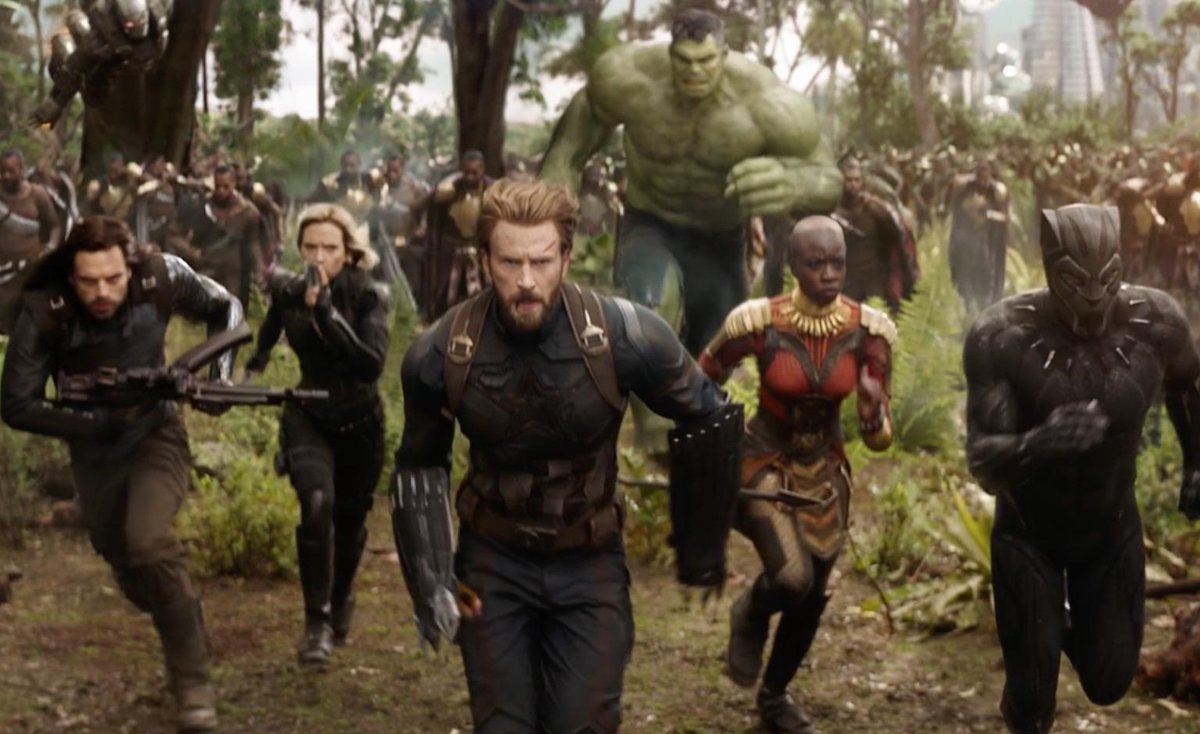
For some time now, there have been grumblings by filmgoers and fans about how what was shown in trailers never showed up in the final films. Some recent examples include the famous charge of the heroes in the first trailer for Avengers: Infinity War, which prominently showed a very large and angry Hulk charging along with the other Avengers and allies. But as we saw in the film, the Hulk only appeared briefly in the film’s opening moments and the scene of the charging Avengers was nowhere to be found.

Another example was in the recent Spider-Man: No Way Home which digitally removed the other Spider-Men taking part in battling the many foes or alternate scenes with Doctor Strange that did not make it to the final film.

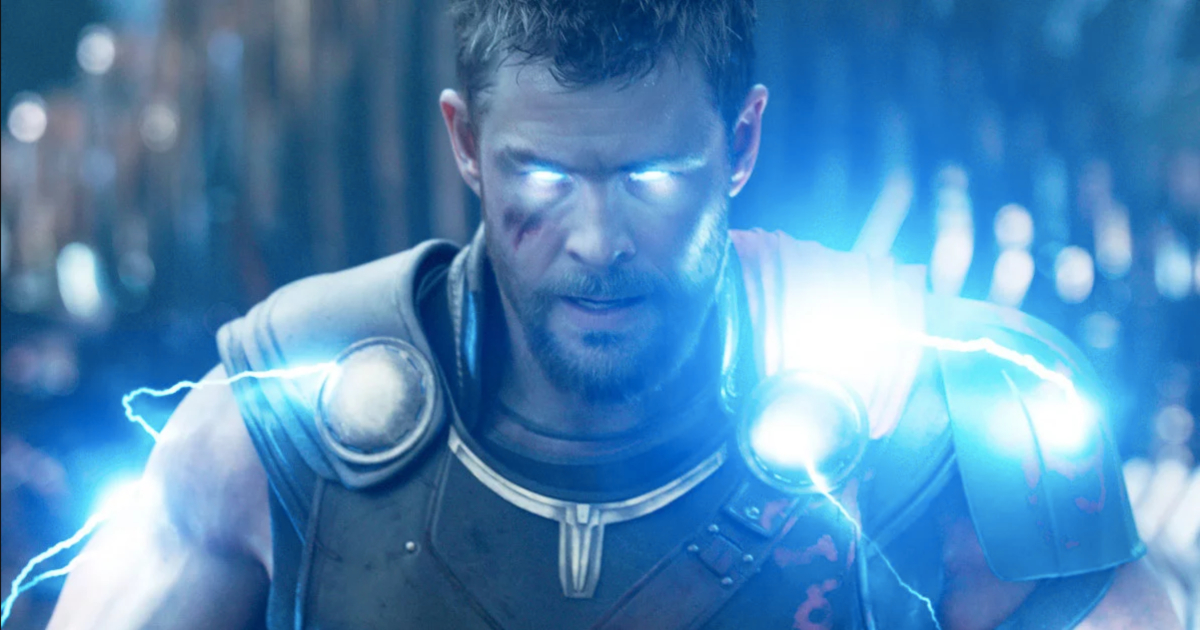
A big reason for these deceptions is because of spoilers. A decision was made for Spider-Man: No Way Home to keep the revelations about the other Spider-Men a surprise, even though this was the worst kept secret in Hollywood. In another case, for a trailer for Thor: Ragnarok, the God of Thunder was shown in channeling electricity with two eyes flaring with energy. However, when this happened in the film, Thor by this point, lost an eye while battling Hela.

Another reason for the deception is not that the films were intentionally deceiving viewers but rather the clips in the trailers failed to make the final cut of the films. This points to what probably happened with Morbius.

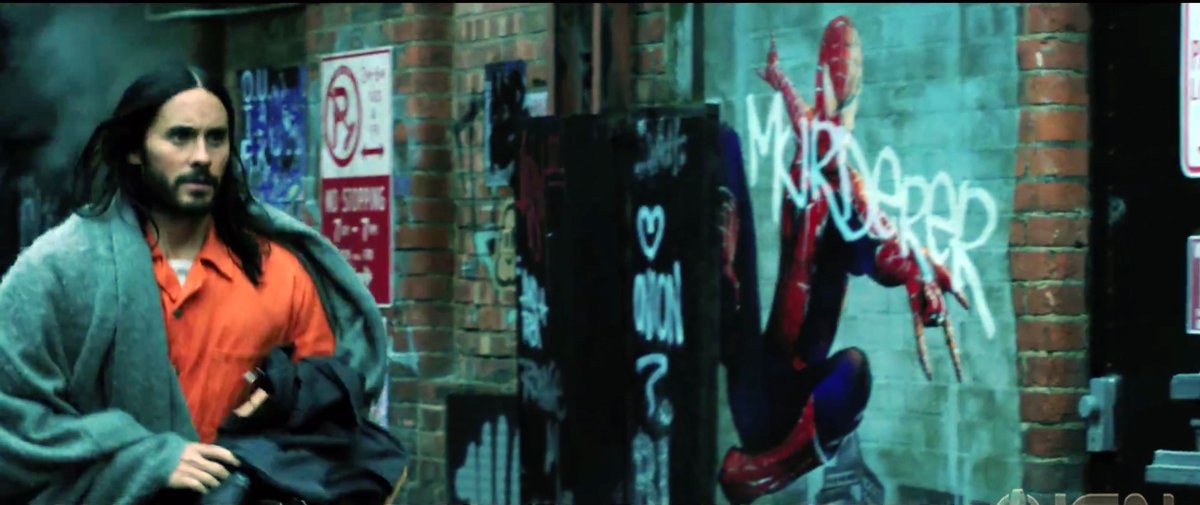
In the trailers for Morbius there were several scenes establishing the existence of Spider-Man in the world of Morbius. A great example is that clip of Morbius walking past a poster of Spider-Man with the word “Murderer” sprayed over the poster. This led to wild speculation if this film took place in the MCU given Spider-Man’s predicament or in the non-MCU Spider-Man films where the character underwent a dark chapter that we have not seen.

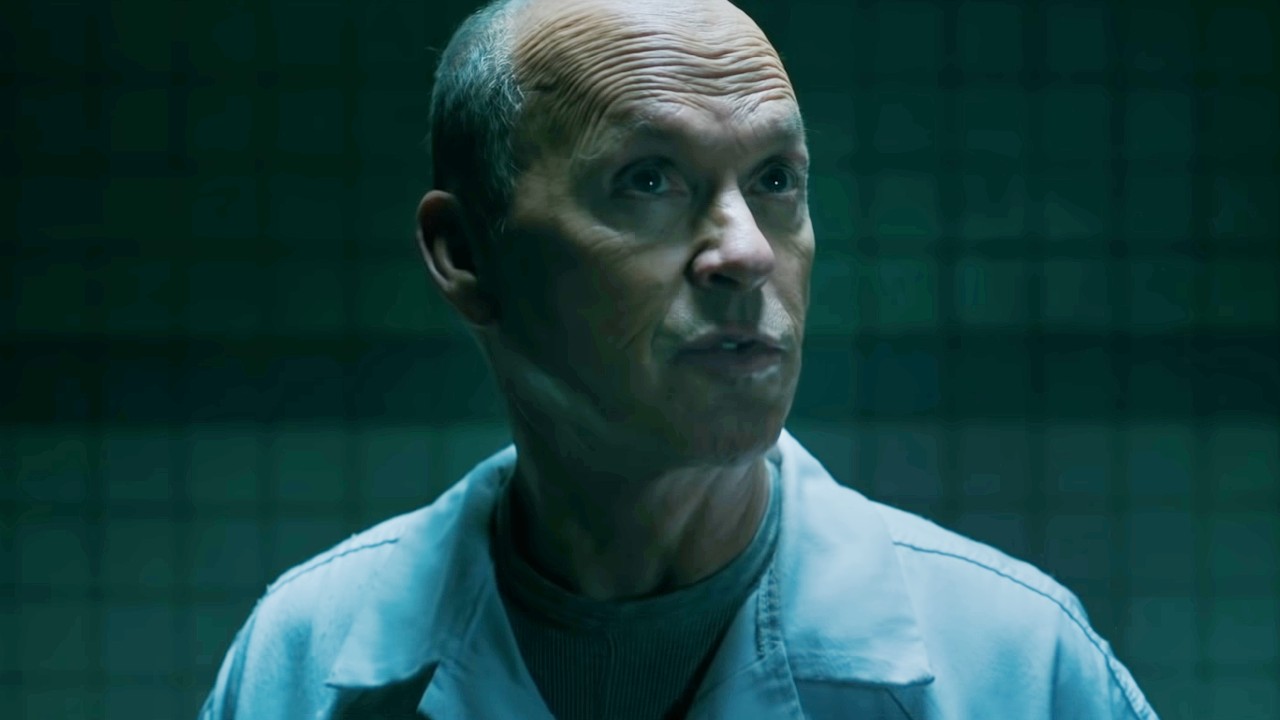
There were also a couple of scenes showing Adrian Toomes/Vulture (played by Michael Keaton) interacting with Morbius, which led to more speculation. But alas, none of this happened or was seen in the final film, which had zero Spider-Man connections until the post-credits scenes. Without going into spoilers, these scenes did not make any sense.

Obviously, eager Spider-Man fans were sorely disappointed by the final cut of Morbius. The question remains is how long will film studios and their marketing departments continue to deceive filmgoers? Yes, the audiences have to consider that usually when a trailer is released the film has not been completed, so they cannot expect to see every shot in a trailer to show up in a film. They also have to consider that studios want to leave some surprises for fans. But to outright tease connections to the world of Spider-Man and the MCU and deliver nonsenscal post-credit scenes is an insult to fans. What will happen is that fans will eventually tune out trailers and the enthusiasm for these films will diminish, and this could ultimately impact the box office. Being that this is the thing that matters most to film studios, they have to take heed about how they burn fans with deceptive trailers.

Top Ten Films & TV Shows Of 2021

After the live-media drought of 2020, genre films and television shows made a roaring comback in 2021 even though the coronavirus pandemic continues to impact our lives. As we have learned to deal with the pandemic so have the TV and film industry, which was great news since there was much more films and TV shows for us to enjoy. Here are the ten best films and TV shows of 2021.

Television

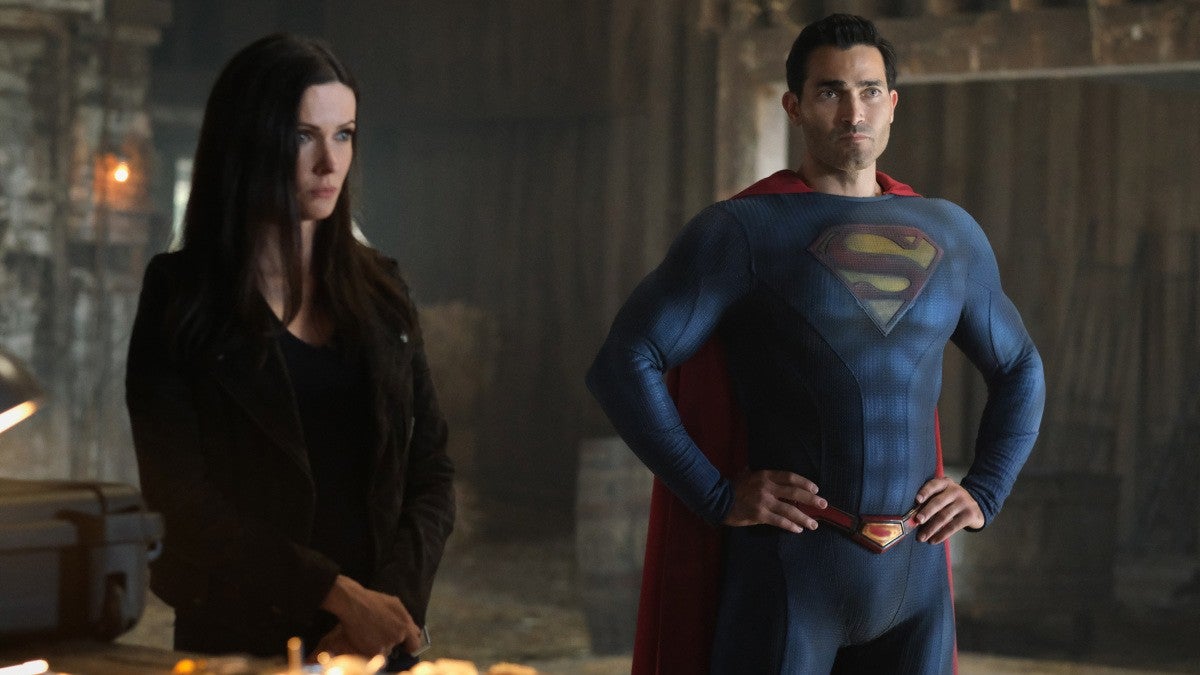
10. Superman & Lois

This Arrowverse version of Superman surprised everyone by capturing the essence of the DC superhero while bringing a modern twist of his world and situation. Tyler Hoechlin delivered a sensitive and strong performance as the newest Man of Steel.

9. The Handmaid’s Tale

The fourth season of the dystopian saga of an America under control of religious zealots. This season’s theme was about post-traumatic stress and dealing with rage as the main character escaped to Canada and dealt with the aftermath of her ordeal.

8. Sweet Tooth

This adaptation of the comic book about a road trip undertaken by a hybrid mutant boy and a tortured hunter in the aftermath of a viral apocalypse was a touching adventure. Many decried its cliffhanger season finale but thankfully a second season is coming.

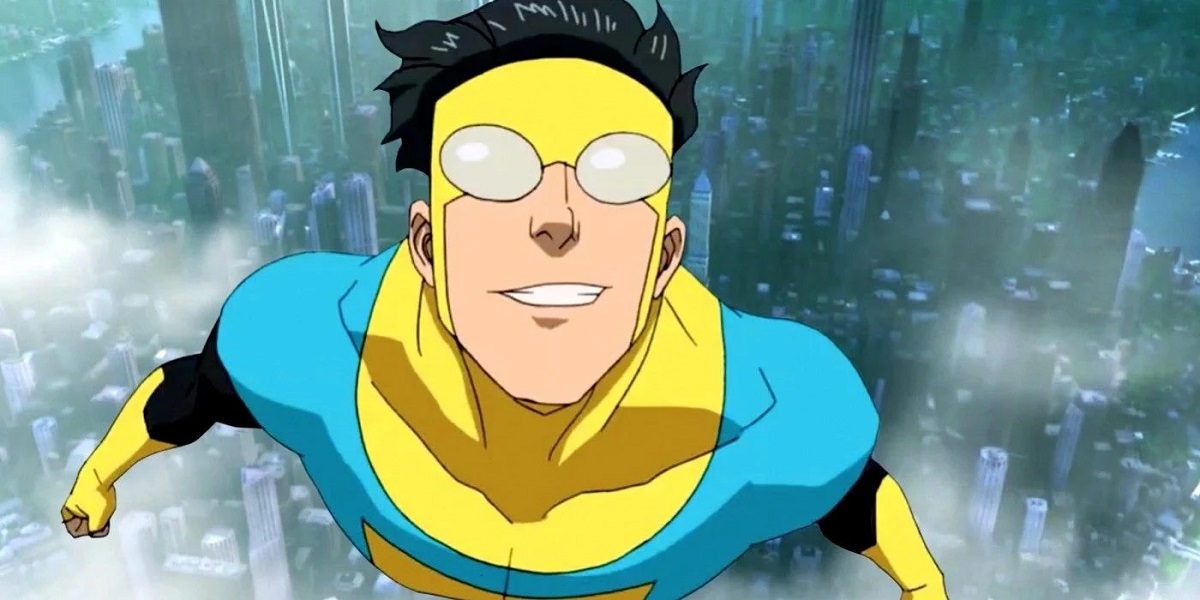
7. Invincible

At first glance, Invincible seemed like just another animated knock off of the DC Universe. But the animated adaptation of Robert Kirkman’s comic book quickly asserted it was much more than that due to its ultra-violent tone, adult nature and a fresh take of classic comic book tropes.

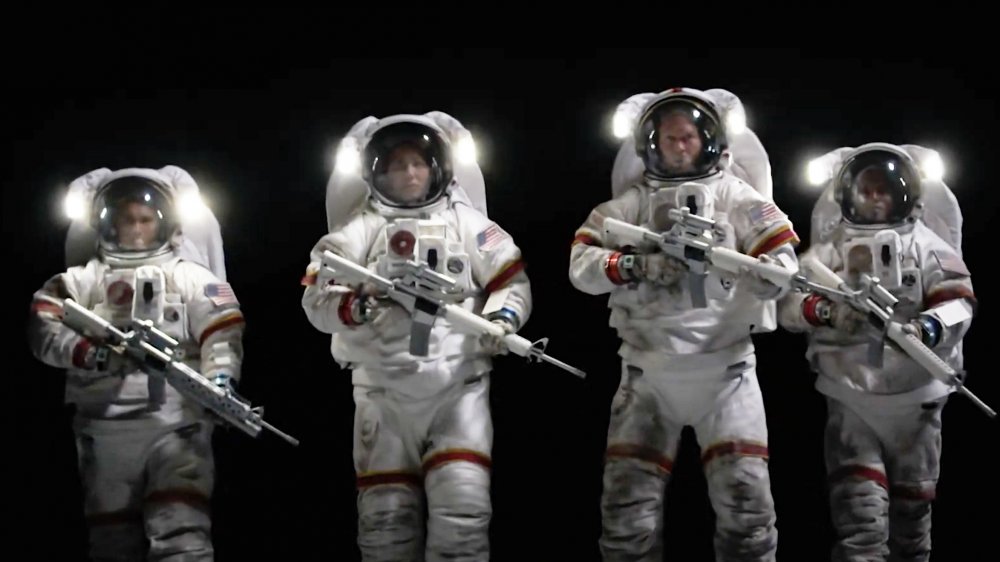
6. For All Mankind

The second season of the alternate history TV show further developed a world where the Soviets won the moon race with ramifications in the 1980s. Escalated Cold War tensions between the U.S. and the U.S.S.R. served as a chilling backdrop for the show’s characters who were forced to deal with alarming events on Earth and on our moon.

5. The Falcon and the Winter Soldier

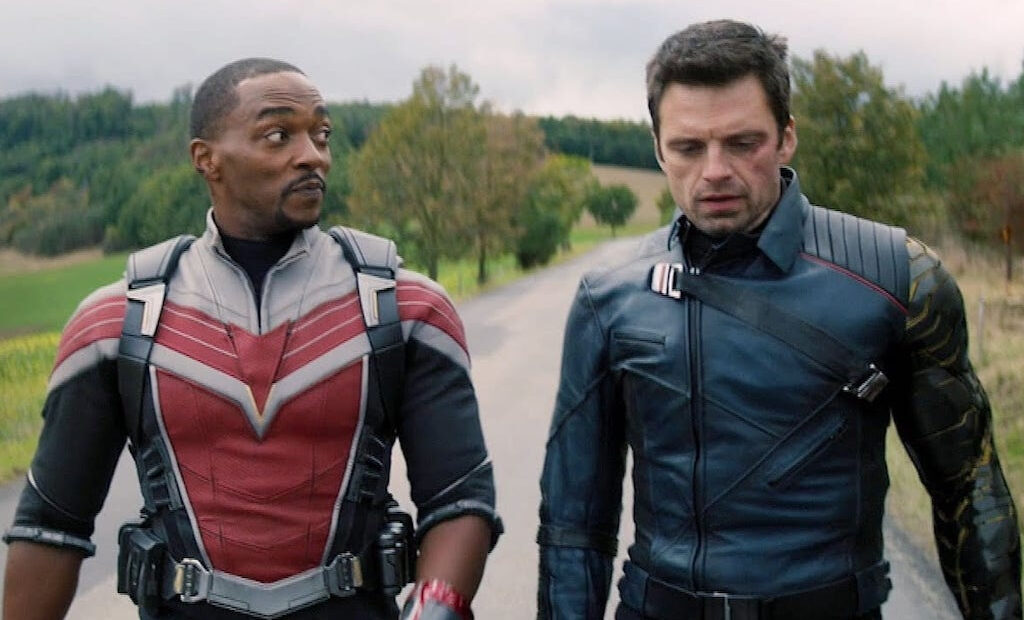
The second TV show set in the Marvel Cinematic Universe (MCU) surprised viewers with its exploration of racism, social inequality and hero worship. As well as the burden of living up to the legacy of Captain America and confronting the past. On top of those mertis were all the glorious fight scenes and captivating plot developments, which made The Falcon and the Winter Soldier so winning.

4. Doom Patrol

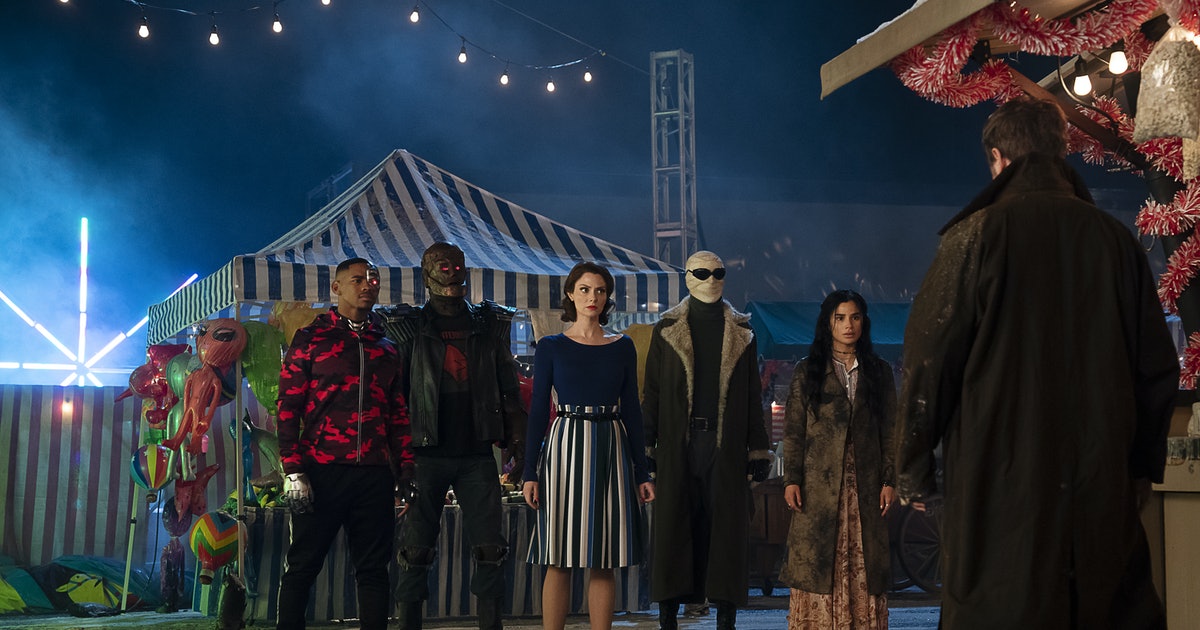
The quirky bunch of misfit superhumans continued to shock and delight viewers with the third season of the show. While the Doom Patrol members were outrageously funny with their caustic behavior, they touched our hearts with their tragic situations in episodes which were just downright bizarre and existential.

3. What If…?

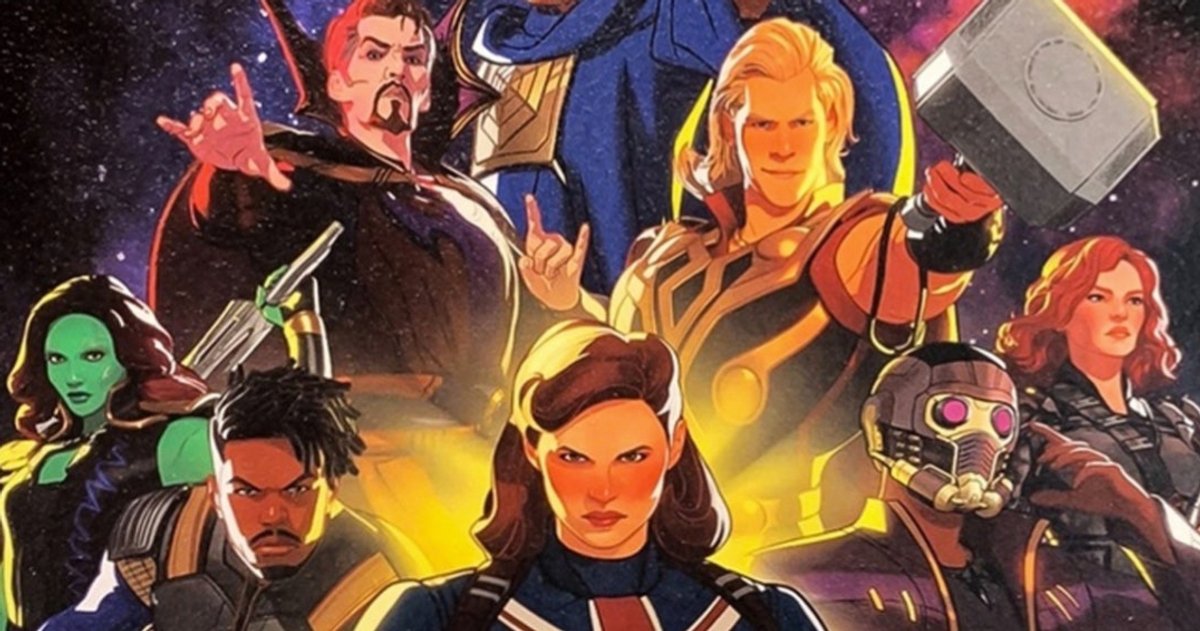
While not every episode delivered, on the whole, What If…? was an intriguing examination of alternate versions of the MCU in animated form. Some episodes knocked it out of the park with alternate versions of characters and stituations such as a terrifying version of Ultron that put the live-action version to shame and a tragic version of Doctor Strange that might turn up in Doctor Strange in the Multiverse of Madness.

2. WandaVision

Marvel Studios first MCU-set television show, which streamed on Disney +, instantly stood out in a crowded streaming market thanks to its innovative style which was partly a send up of American sitcoms throughout the decades. At the same time, WandaVision kept viewers captivated with its perplexing mysteries and further developments of the MCU.

1. The Expanse

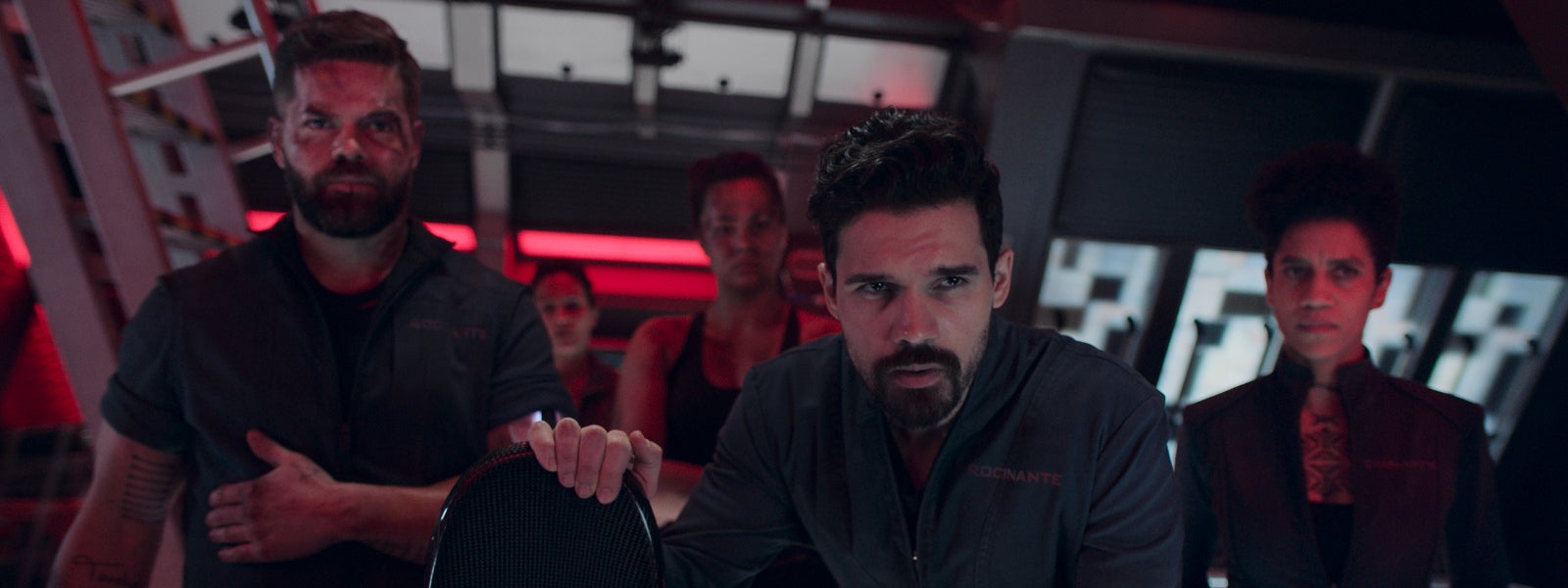
Coming in at the end of the year as the best television program is the sixth and final season of The Expanse. The must-see sci-fi epic about life in the settled worlds in our solar system was notable for its grounded and realistic depictions of life in space, as well as intriguingly complex characters and political situations. The Expanse is already lauded for being of the best sci-fi TV shows and its reputation will grow in years to come.

Honorary Mentions:

Foundation; Hawkeye; Into the Night; Lost in Space; Love, Death & Robots; Snowpiercer; Star Trek: Discovery; Star Trek: Prodigy; Star Wars: The Bad Batch; Titans; Tribes of Europa; The Wheel of Time; The Witcher

Continue reading