Good Boy and Other Pets In Horror Films and TV Shows

Indy, the canine star of the horror film Good Boy, brings attention to the presence of beloved pets in various horror films and TV shows. It can be said their inclusion is way to raise the stakes of the terror faced by the film’s main characters, as with Good Boy. But these animals can have more complex roles in horror films and TV shows.

Other times, the animals wind up playing a pivotal or even a heroic role as with Nanook, the malamute that helps his owner fight off the title vampires in The Lost Boys. In Nanook’s case, his crow-pleasing moment came when he pushed a vampire into a tub full of holy water and garlic. Another example is the dog Thor in Bad Moon. It’s another horror film told from the POV of a dog, in this case, Thor faces off against a werewolf, who tragically was his owner when in human form. Then there is the title character in Frankenweenie, a dead dog who was revived by his grieving owner. Also, let’s not forget Kojak (formerly “Big Steve”), a retriever featured in The Stand who wound up playing an important role late in the TV mini-series when he helped care for the main character Stu Redman after he was badly injured.

These pets are often imperiled by the supernatural forces that threaten the main characters, and sadly these beloved animals wind up becoming victims. There are too many to go into here, but some standouts include Tank, the terrier, from V/H/S 2, Churchill, the cat in Pet Semetary, and Samantha, the German shepherd in I Am Legend, who gave her life defending her owner against mutants before she had to be put down when she began to mutate.

On the other hand, there are many horror films and TV shows where the beloved family pet becomes a source of danger to humans. The best example of this is with Cujo, where a docile St. Bernard becomes a vicious killer that threatens his owner and her child. Other examples include several dogs in Day of the Animals, various pets in the TV show Zoo, and the title dog in Man’s Best Friend.

We get very alarmed and feel uneasy whenever beloved pets put themselves at risk to defend their human families. It is second nature for dogs to act as guardians for us even though they are at risk whenever tackling the supernatural. This was very prevalent in Good Boy as Indy tries his best to protect his owner Todd from a malevolent spiritual force that haunts Todd. It must be mentioned that the animals’ ability to sense the supernatural before the humans could make them more vulnerable to looming threats.  What was even more distressing in Good Boy was that only Indy was aware of this evil force and was unable to communicate this danger to Todd unlike another human.

The inability to adequately communicate with humans is part of what makes the animals’ dilemma so engaging. Another example of this was in the film Cat’s Eye, where a stray cat is involved in three separate stories, and becomes the hero in the last segment. In that story, the cat (now named “General”) defends a young girl from an evil troll trying to steal her soul. What made General’s job more difficult was that he was the only one who sensed the troll’s presence, and he could not communicate to the girl’s parents about her imperilment.  

What made Good Boy such a standout from your standard haunted house story was that the film was told from the POV of Indy. We are able to empathize with Indy not just because he was a loveable dog but because of how his worldview was presented. We never fully see the faces of the human characters or hear their dialogue clearly; Indy is also able to get into the dark corners of his owner’s home to get more details about the otherworldly threat, which a person could never do. Essentially, through Indy’s eyes, we get a better sense of the ghostly presence haunting Indy’s owner.

Also, the stakes of danger are raised since Indy is more vulnerable to the supernatural presence. Unlike a human who could find out how to combat the supernatural threat and use tools, Indy and other animals only have their own instinct and natural abilities to combat the threat. Sometimes that is not enough. That is why films and TV shows featuring pets like Good Boy are so captivating.

Star Trek As It Approaches Its 60th Anniversary

As Star Trek celebrate Star Trek Day and commemorate the 59th anniversary of the famous sci-fi TV show, it is important to reflect on the state of the Star Trek franchise and where it is going as it soon approaches its 60th anniversary.

Star Trek has had its highs and lows throughout the decades in terms of popularity, cultural relevance and quality with its glory years arguably being during the 1990s. After the franchise took a forced hiatus in the mid 2000s, a comeback was attempted with the reboot film Star Trek (2009). The film did well and was popular but a significant number of fans did not appreciate director J.J. Abrams attempt to turn the franchise about space explorers, noted for its thought-provoking plots, into a more simplistic shoot-em-up space adventure that emphasized action and explosions over nifty plots and character developments.

The reboot film franchise came to an end nine years ago with Star Trek Beyond, which did not perform well in theaters, though its tone was more of a throwback to the original TV shows and films. Since then, there have been many failed attempts to produce a fourth film featuring the cast of the reboot films, but none have succeeded and that franchise is now essentially dead. Or is it?

Meanwhile, Star Trek returned to its TV roots in 2017 with the debut of Star Trek: Discovery, a prequel series to the original show that streamed on the app CBS All Access (later renamed Paramount+). Now, while the TV show ran a respectable five seasons and spawned another prequel spinoff, Star Trek: Strange New Worlds, as well as additional Star Trek TV shows, Star Trek: Discovery wound up being divisive among fans. Many complained about the storylines and the characters, with more conservative fans being outright hostile to the show’s featuring of non-heterosexual characters. It did not matter. In this day and age of toxic fandom where cynical content creators are more interested in clicks and views, any iteration of Star Trek would have received scorn.

Right now, Star Trek is at a bit of a crossroads. Its parent company, Paramount Pictures, is undergoing a merger and the fate of the franchise is unknown with many rumors flying around as to its final fate. But there are many reports that the bigwigs at Paramount are bullish on Star Trek and want to continue with the franchise. The question remains is how will it continue? As of now, the only currently streaming Star Trek TV show (Star Trek: Strange New Worlds) will come to a conclusion after its fifth season (the fourth season is currently filming while the third season will complete streaming new episodes this week). After that, a new TV show Star Trek: Starfleet Academy will stream in early 2026, while a sitcom set in the world of Star Trek is in development. Who knows if that comedy will ever see the light of day or even generate any laughs if it comes to fruition.

There are other pitches for Star Trek TV shows, including a prequel series based on a young James T. Kirk, which will be a sequel to Star Trek: Strange New Worlds and would star Paul Wesley reprising the role of Kirk. The show has been tentatively titled Star Trek: Year One and would be about Kirk’s early days as the starship Enterprise captain. Meanwhile, Scott Bakula, the star of Star Trek: Enterprise is involved in a pitch for a show that would take place years after Bakula’s show and feature his character as the president of the United Federation of Planets. Unlike other Star Trek shows, this one would not be a show about exploring worlds but have a political slant more akin to Star Trek: Deep Space Nine. Then there is the fan-favorite idea of Star Trek: Legacy, which would be a sequel to Star Trek: Picard, specifically its popular third season and be about the adventures of the crew of the Enterprise-G. It has been pitched in the past, but so far, Paramount has not shown interest in pursuing Star Trek: Legacy.

Regarding films, there are still plans to produce a fourth film set in the Abrams reboot universe with directors and writers coming and leaving the project. Then Paramount recently announced another film will be produced that will feature all-new characters and situations. That actually sounds interesting but as of now, we have no definite information.

Given all that, there are not any concrete plans for Star Trek TV shows or films aside from the Academy show, which is a bit concerning given that the 60th anniversary is under a year away. You would think Paramount would have something concrete in production. Some of the ideas noted above are interesting and even if they don’t end up as TV shows they can at least become limited series or TV films, just better executed than the hot garbage Star Trek: Section 31. One thing to consider is that 2026 will be a celebration of the original Star Trek, not its sequels and films, and there are three remaining cast members from the original show. Aside from a standard documentary/retrospective, maybe Paramount can find some way to involve William Shatner, George Takei and Walter Koenig in some kind of new Star Trek production. The only limits are time, money and more importantly, imagination. Here’s to boldy going 59 years strong.

Jaws: Still Terrified Of The Water 50 Years Later

One of the things this summer movie season will be remembered for is for being the 50th anniversary of the first blockbuster summer movie, Jaws. It’s not an exaggeration to say this movie changed the film industry forever.

The 50th anniversary of Jaws was this past June, but the film is having special screenings in theaters this Labor Day weekend to celebrate the event. If you’re lucky, your local theater will have the film in 3D or some other upscale format like IMAX. What is surprising is that the upscale of the film actually holds up and the genius of the filmmakers, including its director, is the reason why with the way the scenes were filmed.

Everyone knows Jaws was one of master director Steven Spielberg’s earliest works and is still considered one of his finest films. Thanks to his brilliant directing skills, Jaws was elevated from a standard thriller into a masterpiece of adventure and horror. Plus, it made many viewers afraid or at least wary about going into the water during beach visits.

Jaws excelled at creating a sense of dread and unease with the way the ominous ocean was filmed as it hid the terror of the great white shark that feasted on the hapless citizens of Amity. This uneasiness with the mysterious ocean hit us right at the start of the film when a drunk young woman foolishly went for an evening swim; something you must never do, sharks and other water predators are at their most active at this time. She was attacked by an unknown, unseen force that turned out to be an unusually large great white shark that would go on to terrorize the town of Amity. The scene where she was attacked was punctuated with unsettling dark imagery, John Williams’ iconic score and the fact we never saw the shark. Not revealing the shark until later exploited our fear of the unknown, and increased our anticipation of finally seeing it when the film’s heroes, Amity Police Chief Martin Brody (Roy Scheider), marine biologist Matt Hooper (Richard Dreyfuss), and the salty shark hunter Quint (Robert Shaw), confronted the great white terror.

An important reason why Jaws worked so well was that Steven Spielberg was forced to keep the shark offscreen for most of the film. That was because the mechanical shark built for the film rarely worked and Spielberg had to work around this by implying the shark’s presence. You would hear the haunting bars of John Williams’ Jaws theme to announce the shark’s presence, just offscreen. You would see quick shots of the shark’s fin or a blurry image of the shark just underneath the surface or later in the film when the shark was speared with lines attached to barrels. These were supposed to keep the shark close to the surface as the film’s heroes hunted it. However, it wasn’t too long before the film’s heroes realized the barrels not only were not effective, but whenever the barrels bopped up to the surface, their presence signaled the approach of the invisible enemy and added to the scenes’ tension and suspense.

Spielberg’s challenge with creating suspense and keeping the shark hidden until the pivotal final act helped forge his directing skills early in his career. Of course, he had a miserable experience directing the film and avoided directing films set in the open ocean afterwards. In fact, he was so bothered by his experience that it was only recently that he was able to bring himself to watch the film. He admitted to liking the film. Who knows what he could do with the film if he made it today?

What is incredible about Jaws and one reason why it is held in such high esteem today was that after a few inferior sequels, there have not been any attempts to remake or reboot it. Yes, there are other skilled directors that could film a theoretical Jaws remake today, but they would have to compete with the mystique of the original film. How could a remake distinguish itself and improve upon perfection?

As mentioned above, a major reason why the 1975 film still terrifies us today is because it exploited our collective fear of the unseen. Most directors today would be too tempted to have a CG shark popping out of the water every five minutes. Sure, today’s special effects could easily have the shark out in the open in nearly every scene, but it would not work. We’ve seen this with films like The Meg, the Sharknado films, and Deep Blue Sea, though the latter film has its merits. So, while it is tempting to pine for a Jaws remake it is best for now to leave that idea alone and enjoy the original classic…even though it will leave you too afraid to go into the water 50 years after its release.

Phase Five Of The MCU Ranked

Now that Ironheart has been released on streaming, Phase Five of the Marvel Cinematic Universe (MCU) has concluded, and the films and TV shows of Phase Five can now be ranked. On the whole, this phase suffered for many reasons, some of which were beyond the control of Disney and Marvel Studios, and included entertainment strikes, the conviction of actor Jonathan Majors (who played the would-be MCU big baddie, Kang), and rushed productions without completed scripts. However, there were certainly some projects that are considered as some of the MCU’s best and should be lauded. As we move on to Phase Six, let’s rank all the Phase Five MCU films and TV shows. Just note that X-Men ’97 is not included because officially the animated series is not considered part of the MCU, but if it was it would be placed in sixth place.

15. Secret Invasion

Not only is this limp, would-be spy thriller about alien Skrulls infiltrating our civilization the weakest entry of Phase Five, but it is the worst MCU project ever produced. The goal of the Skrulls was moronic, as was the execution of the pedestrian scripts that failed to live up to the premise of the comic book event this limited series was based on. For a supposed paranoid thriller, Secret Invasion lacked any tension, drama, suspense or sense.

14. I Am Groot (season two)

Eh, the animation was well done, and the stories were cute, but as with the first season, the animated shorts were strictly for the kids. One segment, however, was buoyed by the appearance of the enigmatic Watcher and it was rather humorous.

13. Echo

It is clear that this TV show was a leftover from the Bob Chapek era of Disney were anything and everything was rushed into production whether it deserved to or not. The former gangster Echo was one of the dullest characters from Hawkeye, yet somehow, she was given her own TV show which largely came off as a standard and dull crime drama. The appearance by Daredevil and later Wilson Fisk livened things up, but that was about it.

12. What If…? (seasons two and three)

The animated series that explored the Multiverse was a mixed bag with an average second season and a disappointing third season. There were many great premises that could have been explored in the third season, but sadly that never happened. Instead, we got Howard the Duck and his girlfriend protecting their egg in a painfully unfunny episode. But there were a couple of gems featuring Agatha, Winter Solider and Red Guardian. The second season was definitely the stronger of the two as it further explored the more interesting variant characters from the first season like Captain Carter and Stephen Strange. But overall, the Multiverse animated show did not live up to the promise of the first season or the comic books.  

11. The Marvels

The semi-sequel to Captain Marvel is not bad, but it is not good either. There are some interesting character developments that are only glossed over, like Ms. Marvel’s hero worship of Captain Marvel vs. reality or Photon’s abandonment issues with Captain Marvel. But the villain was completely forgettable, and the film felt very rushed. What did not help were some Godawful moments like the alien cats swallowing people as “Memory” played in the soundtrack, or the planet populated by singing people. The introduction of the X-Men into the Multiverse Saga in the post-credits scene was great and nearly salvaged the film, but it was not enough.

10. Ironheart

Here’s another case of a TV show starring an unpopular MCU character. This time it’s Riri Williams from Black Panther: Wakanda Forever. However, Ironheart does a good job presenting Riri Williams/Ironheart. She is a painfully flawed person trying to do what is best but some of her decisions are questionable, as are her associates. The effects were surprisingly good despite the reputation MCU TV shows gained over the years, and many characters were interesting. Not the greatest MCU TV show ever, but it’s still worth watching.

9. Ant-Man and the Wasp: Quantumania

The third Ant-Man film gets a lot of unwarranted hate from fans who were disappointed by the introduction of Kang, the would-be big baddie of the MCU and the Multiverse Saga. Many fans who expected another caper heist film instead were treated to a loopy sci-fi adventure in another dimension featuring giant ants and weird creatures like the floating head MODOK. It did not help that some of the special effects were sketchy. Still, the film was fun in its own way and had some solid performances and was a decent entry into the Multiverse Saga, although its importance has diminished since Kang has been sidelined.

8. Agatha All Along

This sequel to WandaVision was unexpectedly effective thanks to an inspired performance by Kathryn Hahn as the anti-hero sorceress, Agatha Harkness, as she traverses the mystical Witch’s Road with a ragtag coven of eccentric witches. The character development of Agatha was surprisingly effective and made her more of a sympathetic character with a rather tragic backstory. Agatha All Along is a solid entry into the darker and more mystical part of the MCU and a worthwhile middle part of the Scarlett Witch saga that will be conclued with the upcoming Vision Quest.

7. Captain America: Brave New World

In this mishmash of a film there are elements that could have made it a truly great political thriller. But constant reshoots and rewrites of the script noticeably impaired it, although the fourth Captain America film tries very hard and has many memorable elements. For instance, it has great performances by Anthony Mackie and Harrison Ford and many action scenes are well shot and choreographed. A couple of these feature a terrific battle of Captain America fighting the Red Hulk and an intense segment where Captain America and his partner take to the skies to prevent a major war over the ocean. What ultimately harmed the film were the clumsy exposition dumps and haphazard editing that could not quite salvage the film.

6. Your Friendly Neighborhood Spider-Man

This animated series was one of the best surprises in Phase Five of the MCU. At the same time, this exploration of the high school years of Peter Parker/Spider-Man was quite refreshing with its poignant coming-of-age storyline and genuine. The highlight of the series was not the fight scenes or appearances of superheroes like Doctor Strange or Daredevil but the exploration of Peter’s angst and his complicated relationships, especially with Norman Osborn. We know Osborn will become his greatest foe, but in the show, he serves as his hardened mentor who teaches him lessons about having “great power”.

5. Daredevil: Born Again

Charlie Cox and Vincent D’Onofrio make their triumphant returns as Matt Murdock/Daredevil and Wilson Fisk in this sequel to the original Netflix series. As a loose adaptation of the storyline in the comics where the criminal Fisk becomes mayor of New York City, the series was quite engrossing, especially the early and final episodes. It soon became clear that the middle episodes were produced by a different team when it came to their quality. These middle episodes were fine but were wildly outclassed by the early and final episodes, which were nearly perfect works of television art that thankfully we will see more of in the second season.

4. Deadpool & Wolverine

Ryan Reynolds and Hugh Jackman return to their iconic superhero/mercenary roles that were the highlights of the Fox-era X-Men films. Teaming up for the first time, the two have a wild multidimensional romp as they encounter classic and forgotten characters from the pre-MCU Marvel films ranging from the X-Men to Blade. Some may criticize the film for just being a collection of callbacks to previous films and the script did quite have the wit and energy of the first two Deadpool films. Still, Deadpool & Wolverine was a hysterical, gross and action-packed tribute to the pre-MCU era of Marvel films.

3. Loki (season two)

The second and final season of Loki was a time-traveling and mystical marvel (pardon the pun) that was highlighted by the title character’s transformation. The episodes were witty and inventive as Loki worked with his allies to keep time from unraveling. Loki also featured wonderful acting, not just from Tom Hiddleston as Loki, but from Ke Huy Quan, Jonathan Majors and Owen Wilson. The best part of the show, however, was seeing Loki’s emotional journey as he grew into someone much more noble and magnificent as he made the ultimate sacrifice to save the Multiverse and achieve his “Glorious Purpose.”

2. Thunderbolts*

Or The New Avengers as marketing both in the film and IRL would rather you call this misfit team of mercenaries. The film was unexpectedly engaging and full of emotion as it focused on the characters’ inner turmoil. Even though we’ve seen this before: a bunch of losers form a dysfunctional team and actually become heroes, it was done splendidly. After a few misfires during Phase Five, Thunderbolts* signaled that Marvel Studios finally got its act together and went out of its way to present a winning MCU film. While it’s regrettable that the film had disappointing box office returns, this almost does not matter because of the film’s quality. Here’s hoping that the film resonates later on with home viewings.

1. Guardians of the Galaxy, Vol. 3

James Gunn sends of the beloved Guardians of the Galaxy with a masterful finale that hit all the right emotional spots. Focusing on the team’s soul, Rocket (later Rocket Raccoon), Gunn gave us a painful and traumatizing origin story that doubles as an animal rights tale that deserves to be told. Everyone involved was on point and beyond with Guardians of the Galaxy, Vol. 3, as it was the last hurrah for our favorite cosmic superhero team of misfits. This was classic Guardians at its best with goofy moments, perfect needle drops, wild visuals, a terrifying villain and exciting fight scenes. Gunn’s final film for the MCU is to be cherished because now that he has moved on to Warner Bros. to lead their superhero films, he is already sorely missed by MCU fans.

José Soto

We Are The Winners Of The Summer 2025 Superhero Film War

It sounds like a cliche by now to make a statement that we fans are the true winners of summer 2025’s superhero film wars between Marvel and DC, but it’s true. It does not matter which of the two films, Superman and The Fantastic Four: First Steps, is better, although fans have made arguments that Superman was better than The Fantastic Four: First Steps and vice versa. It’s all subjective and open to interpretation. What matters is that we finally got a summer where the two superhero-based film studios, Marvel Studios and DC Studios, went head to head with top-tier film releases that were well made and successful (more on that soon).

The result was that we were treated to two great superhero films in a relatively short amount of time. It would have been better if they performed better at the box office but they are not flops. Who knows what would have happened if both films pulled in a billion dollars? Would this have triggered some kind of race between the two studios to outdo each other at every turn? This would not be realistic or viable and probably lead to a huge crash after some of their films failed. Perhaps the films would have made a lot more money if their releases were not so close to each other since the films came out in a two-week period. Both studios should adjust their release schedules to consider this.

One thing to dispel is that there isn’t superhero fatigue. That is something that trolls and others want to create a narrative in order to drive clicks and views. Sure, we are past the heyday of the superhero craze and the new normal is that they are not guaranteed box office gold. But that is because too many inferior films came out which turned off many to superhero films. The two studios should share some blame for that but other studios, especially Sony Pictures, dumped out garbage like Madame Web and Morbius, which diluted the Marvel name and superhero films in general. It does not matter that the Sony Spider-Man-less films were not part of the Marvel Studios films; the average moviegoer does not know or pay attention to such subtleties. Even though Sony announced they won’t produce any more of these films, the damage has been done.

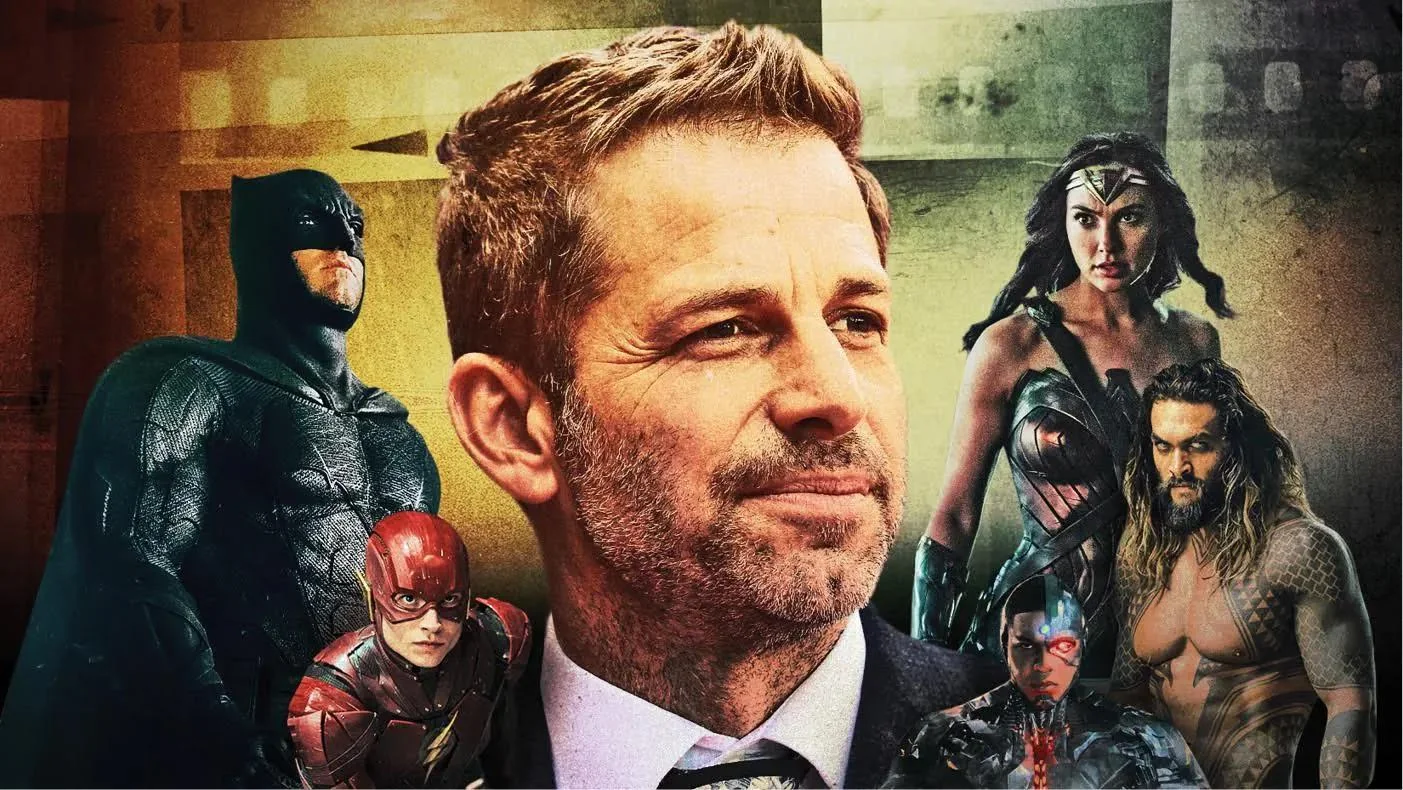
Right now both Marvel Studios and DC Studios are in a rebuilding phase. Both of this summer’s superhero films launched new phases for their shared cinematic universes and past history has shown that the early films of the studios started off relatively small but they built interest for the characters who later on headlined blockbuster films. For example, Man of Steel earned $670 million dollars, while that is great for most films, Warner Bros., the parent company of DC Studios, would have preferred it earned more. The following film after Man of Steel, Batman v Superman: Dawn of Justice was more successful in part because it featured Superman. The problem for Warner Bros. is that they got greedy and impatient and jumped into the big tentpole epics like Justice League, which did not allow for the characters and events to grow naturally. In the end, these films failed to make the money Warner Bros. wanted and eventually the first DC shared universe collapsed.

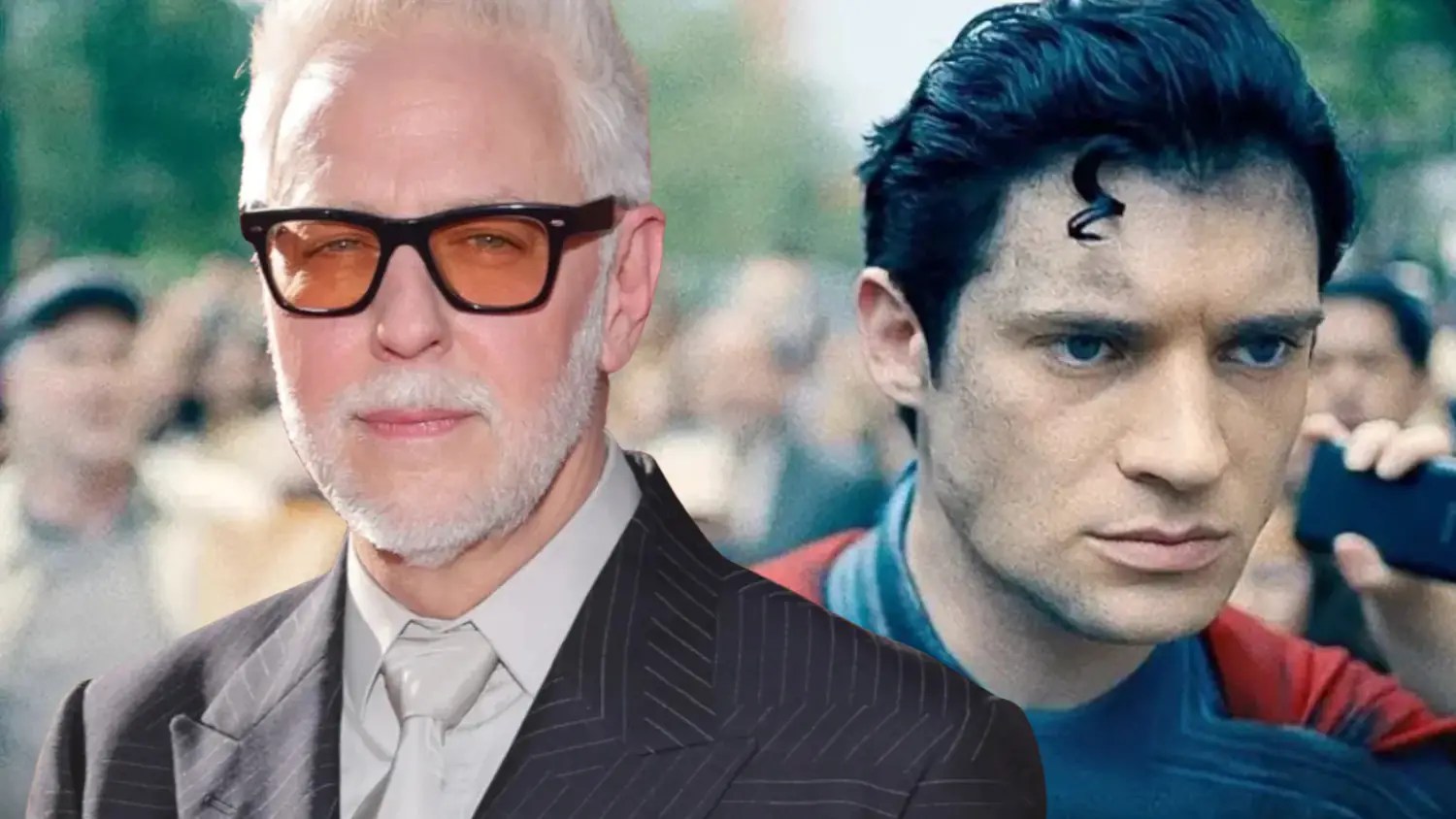
James Gunn took over the DC films and is now carefully launching a new cinematic universe. For the most part, he is keeping things close as to what direction the films will take. As far as we know the only followup film in the new DC universe that is coming out will be Supergirl, while on TV Lanterns and Peacemaker will be streaming soon. Gunn has made it clear, that future films will only go into production once a complete script satisfies everyone, which is how it should be. Right now, Superman will have earned $600 very soon and maybe will finish out its run earning a bit more, which means it is profitable. This is a promising start for the new DC films but it’s important that Superman appear soon in future films in order to keep the character fresh with audiences.

Meanwhile, the early Marvel Studios films did not even come close to making a billion dollars until The Avengers. The Marvel films released this year were not outright flops nor were they were humongous successes, although the final numbers for The Fantastic Four: First Steps is not known at this time. The films earned from as low as $382 million (for Thunderbolts*) to $434 million and counting for The Fantastic Four: First Steps. In the end, the latter film will probably finish its run with over $500 million, which is respectable.

Marvel Studios tried to repeat this pattern with Phase Four of their films after the Infinity Saga ended. But circumstances prevented followups to the Phase Four films TV shows and characters. Sure, Shang-Chi and the Legend of the Ten Rings was a hit back in 2021 and all, but where is the sequel? Where is Shang-Chi for that matter? Yes, he will appear in Avengers: Doomsday but that will be a time gap of five years between appearances, which is too long. This lack of followup was a huge error on Marvel’s part. They had to keep to momentum going with Shang-Chi, especially since he was an unknown character. In the past, after minor and unknown characters made their debuts, Marvel Studios quickly featured them in other films to keep up interest. Examples of this include the Guardians of the Galaxy and Doctor Strange, who rocketed in popularity after they made appearances in Avengers films and their future films earned much more than their debut films. This even happened with the Marvel Studios version of Spider-Man. His debut film, Spider-Man: Homecoming, did not make a billion dollars but his second and third films did so, easily. This formula will work with the Fantastic Four and other new characters. Thankfully, Marvel Studios will repeat this formula in the upcoming Avengers: Doomsday as that film will feature the Fantastic Four, the Sam Wilson Captain America, and the Thunderbolts.

Both film studios are focusing on quality and long-term strategies, which is great because this will help word of mouth for these superhero films. Marvel Studios now has genuine competition when it comes to producing quality superhero films. Again this is great for us fans. Even the head of Marvel Studios, Kevin Feige, has said in the past that he wanted DC films to succeed because the competition would be good for Marvel Studios. Competition generates innovation and creativity and encourages competitors to do their best work. In fact, the lack of competition from DC could be seen as one of the reasons why Marvel Studios floundered for a few years.

It is great that there is genuine competition between the two superhero film studios. Whether or not Superman or The Fantastic Four: First Steps is more successful is irrelevant at this point, although Superman is the clear winner when it comes to box office result. Both films can be enjoyed by fans for what they bring to the table. What matters is that two great superhero films came out in one summer, which is something we have not had in a while. This is why we are the winners in this competition.