What Does The WarnerMedia/Discovery Inc. Merger Mean For DC And Warner Bros.?

The news that AT&T divested its ownership of WarnerMedia to Discovery, Inc. for $43 billion to form a new, merged entertainment company may not sound as exciting as when The Walt Disney Company acquired 21st Century Fox in 2019, but it is just as important.

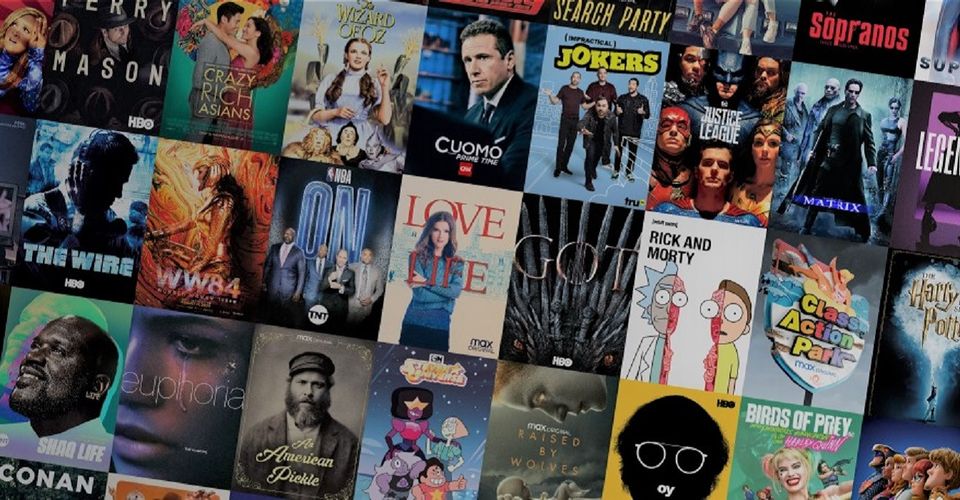
Ever since AT&T acquired Time Warner for $85 billion in 2018. there were many concerns in the entertainment industry, which turned out to be justified. Renamed, WarnerMedia, the entertainment conglomerate was owned by a telecommunications giant that did not have any experience with entertainment media and this resulted in questionable moves by AT&T. The most impactful were the creation of the HBO Max streaming service and fractured relationships with notable genre directors like Christopher Nolan, Denis Villeneuve and James Gunn.

In AT&T’s quest to push HBO Max to be competitive with other streaming apps, all of the films slated for release this year by the movie studio, Warner Bros., were released simultaneously in theaters and the streaming service. On the surface, this took into account the COVID-19 pandemic and the fact that most movie theaters were closed. However, now that the pandemic seems to be winding down (at least in the United States and Europe), this strategy has been questioned. Not only did this move result in diminished box office returns, but it alienated many of Warner Bros.’ top talent.
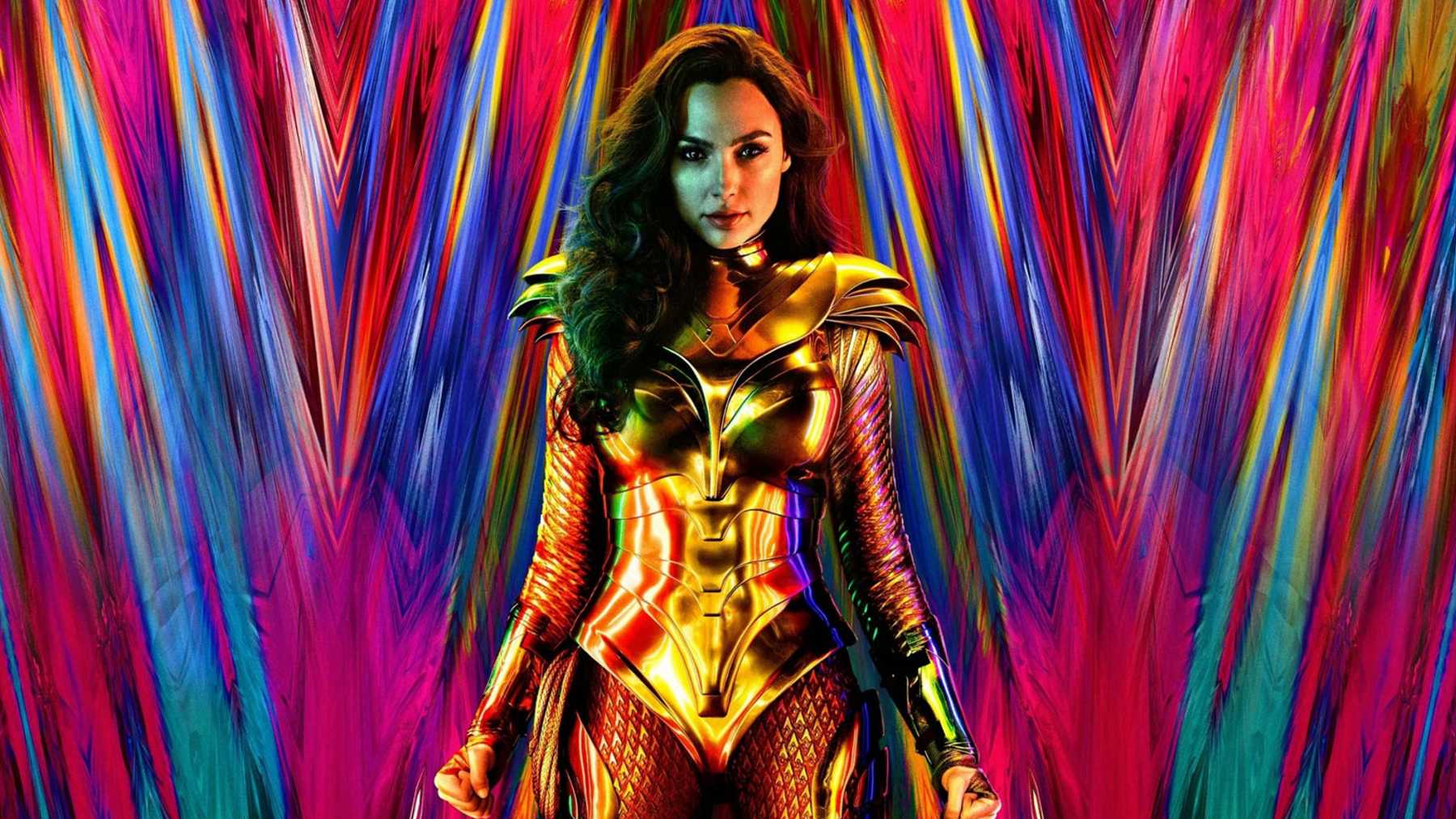
This first began when Wonder Woman 1984 was streamed on Christmas Day in 2020 instead of delaying the film’s release because of the pandemic. This worked in that it attracted attention (and subscribers) to the streaming app but the film received negative reactions from critics and fans who did not find much original content on HBO Max. Unlike Disney+ or Apple+, HBO Max lacked an attention-grabbing genre TV show like The Mandalorian or For All Mankind to entice fans to stay with the service. The app did stream TV shows that once exclusively streamed on the DC Universe app like Titans and Doom Patrol. But it is baffling that throughout all of the development of the app, no one thought to have an original DC TV show ready. The closest thing to semi-original content being Zack Snyder’s Justice League, which did not stream until this year, months after the app was launched. While Disney+ already streamed the Marvel properties WandaVision and The Falcon and the Winter Soldier, HBO Max has yet to stream original DC content. Its announced Green Lantern TV show seems to be forever in development.

It shoud be noted HBO Max premiered the sci-fi TV show Raised by Wolves when it launched and while it was well done the TV show did not capture much attention. It is a shame because the streaming service is quite good with plenty of content, but its launch was botched and confused people who already subscribed to HBO or used its then-existing apps HBO Now and HBO Go.
Filmmakers such as Nolan and Villeneuve were incensed that films they specifically shot for large screens were to be directly streamed on HBO Max. Not only would this lead to low box office returns but the decision robbed audiences of seeing films meant for the large screens. Denis Villeneuve and Legendary Pictures (the production company which bankrolled Villeneuve’s Dune, Godzilla vs. Kong and other recent genre films) expressed their dissatisfaction to push the streaming service over Warner Bros.’ film schedule. After all, in light of the pandemic, if one is able to access the app, why bother going to the theaters? As it now stands the following genre films either streamed already will do so later this year:

  • Wonder Woman 1984
  • Godzilla vs. Kong
  • Mortal Kombat
  • The Witches
  • Superintelligience
  • The Suicide Squad
  • The Conjuring: The Devil Made Me Do It
  • Malignant
  • Space Jam: A New Legacy
  • Reminiscence
  • Dune
  • the fourth Matrix film

WarnerMedia recently announced that starting in 2022, its films would be released solely in theaters before coming to HBO Max. But the damage has been done as many filmmakers openly expressed their dissatisfaction with WarnerMedia and some were no longer willing to do films for Warner Bros.

Continue reading
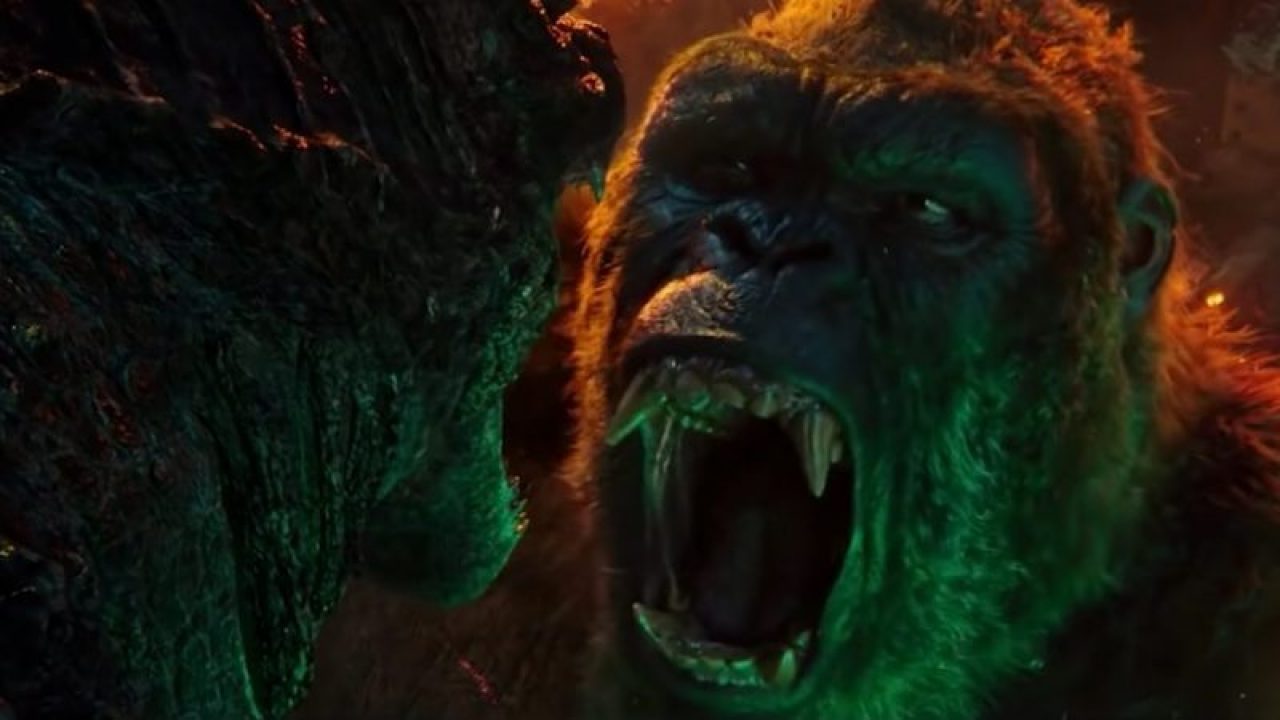
Godzilla Vs. Kong Is The Epic Clash We’ve Been Waiting For!

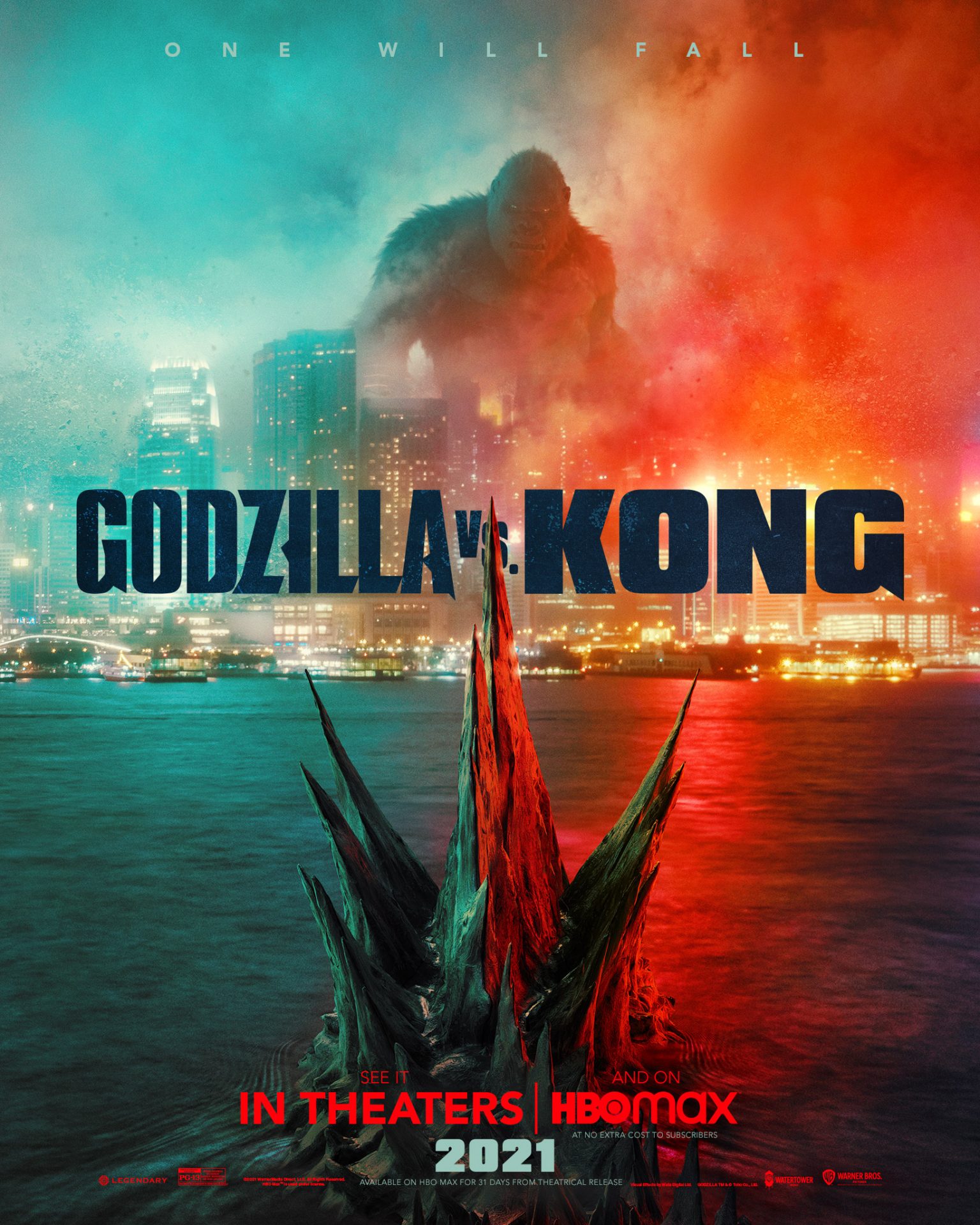
Ever since Godzilla and King Kong have made their way into recent films with modern fx technology we’ve been wating for the inevitable clash between these two legendary titans. Fans had their dreams answered with the new take of Godzilla vs. Kong, and boy does this film deliver!

First of all, let’s be clear. Godzilla vs. Kong is not Citizen Kane or even Blade Runner. It does not feature any deep, meaningful storylines or characters, it just gives viewers a classic slugfest between the two iconic film legends. What characters there are only exist to provide brief explanations, theories and to move the plot along. It is clear that Legendary Entertainment has figured out that from Godzilla, its first entry in their Monsterverse cinematic universe, that audiences have little patience for human drama in these films and only show up to see detailed and powerful battles between giant monsters as they destroy their landscapes. The fourth Monsterverse film wisely, depending on your point of view, puts aside human drama and intricate plots and just sprinkle these elements to service the film and give the giant monster legends a reason to fight.

The film begins with Godzilla unexpectedly showing up off the coast of Florida and decimating the location of Apex Cybernetics. While the world believes the mighty Alpha Titan has gone rogue, there is more to his attack. At the same time, the other Alpha Titan, Kong is introduced as being held inside a massive dome on Skull Island that recreates his primordial kingdom. Apparently at some point before this film, he was captured and placed there to protect him from Godzilla, who would otherwise seek out Kong and battle him since he is a competing Alpha Titan. But Kong wants out of his gilded cage and is somehow able to communicate with Jia (Kaylee Hottle) the young, deaf daughter of Ilene Andrews (Rebecca Hall), one of the many scientists studying the giant gorilla. Ilene meets another scientist, Nathan Lind (Alexander Skarsgard), who wants to use Kong to lead his team into the Earth’s core. Lind believes in the Hollow Earth theory, which he thinks is the home of the gigantic titans and the source of a new kind of energy.

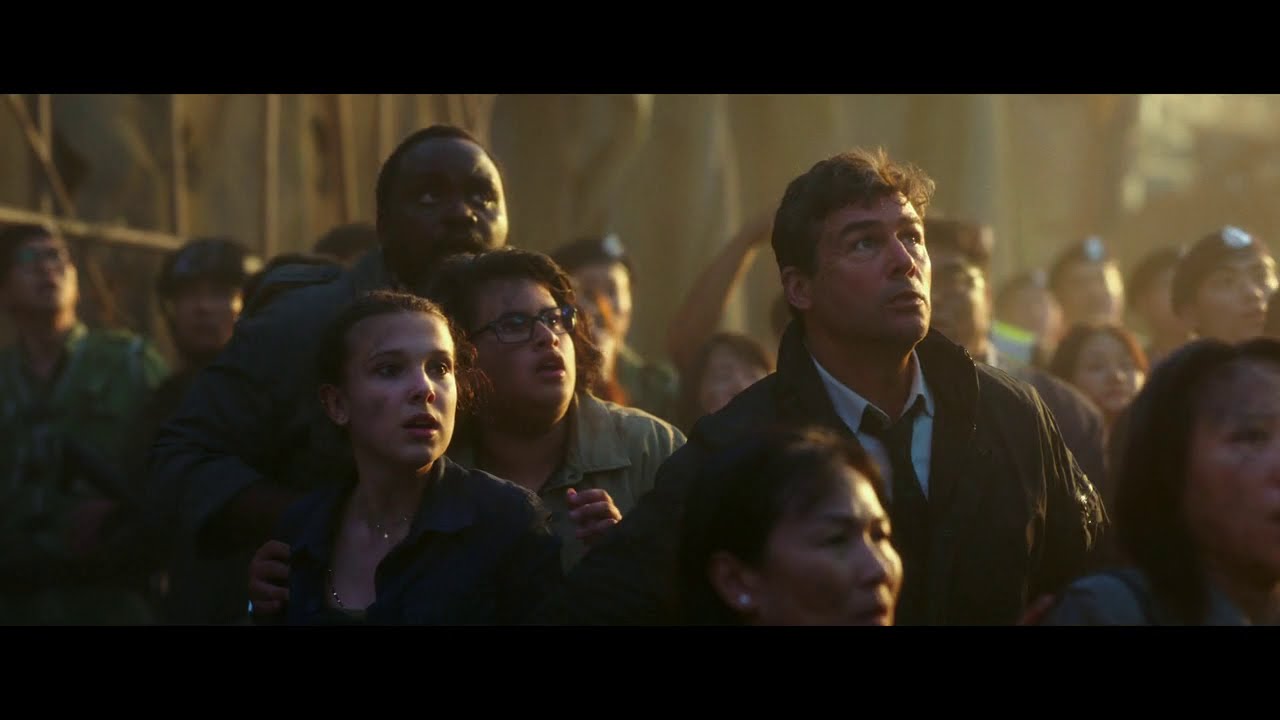
At the same time, Madison Russell (Millie Bobby Brown reprising her role from Godzilla: King of the Monsters), her nerdy friend Josh Valentine (Julien Dennison), and Bernie Hayes (Brian Tyree Henry), a conspiracy podcaster find out that Apex is also interested in exploring the inner Earth and obtaining the energy source. How does this relate to Godzilla and King Kong and other kaijus that pop up? Watch the movie to find out.

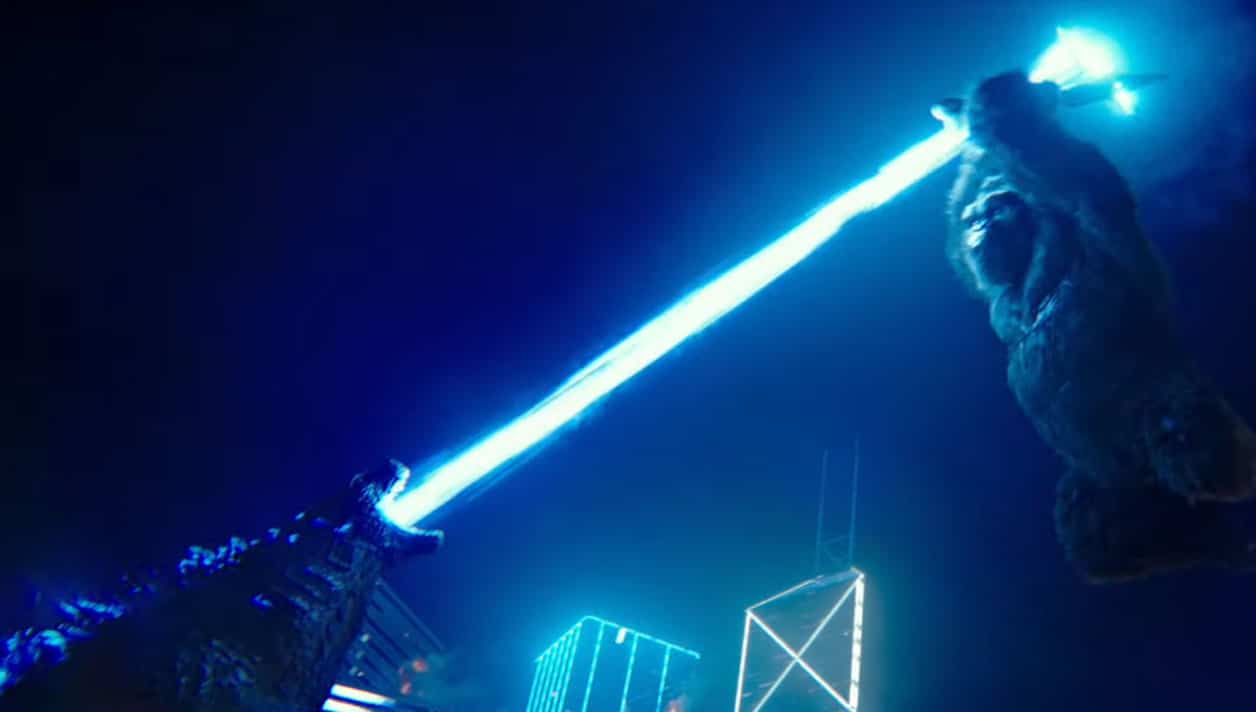
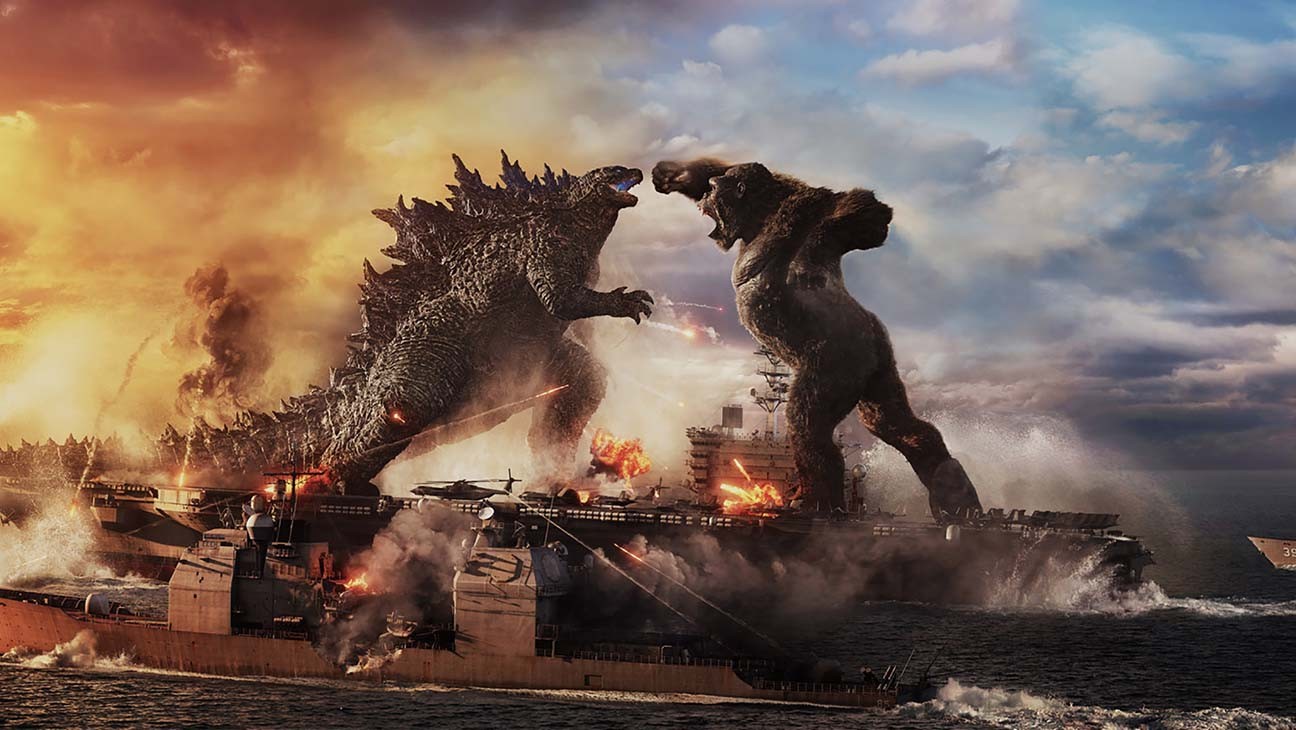
Actually, the threadbare plot is nonsense and is not fully explained, but who cares? It’s just a means to get the two giant kaijus to duke it out. Director Adam Wingard delivers the goods when it comes to epic clashes. Godzilla vs. Kong lovingly revels in beautifully choreographed shots of massive battles between the titans and other creatures. Modern cities are just a playground for these giants to stomp around in and destroy during their battles as humans can only do their best to get out of the way.

Keep in mind, that despite the film’s thin plot and underdeveloped characters, the actors give it their all and keep things moving at a fast pace to the point that we don’t mind the human interludes in between monster scenes since every human interaction directly deals with either Kong or Godzilla. This actually helps inect some personality into the monsters, especially Kong. In reality, this is more of a Kong film with Godzilla as a feature character who pops up to challenge the giant ape throughout the film. The result is that Kong has more character than expected and is placed in unique situations that is outside of what is often given to the screen legend. Not only does this reveal that Kong is far more intelligent than we thought, but he’s humanized to the point that even if you are on Team Godzilla you can’t help but root for him during critical moments in the explosive battles. Honestly, it was hard to pick a side, Team Kong or Team Godzilla, as we have reasons to root for both monsters who get their standout moments and demonstrate why they are the kings of their domains.

Needless to say the film’s stunning visuals alone are worth taking a chance to see in theaters. Of course, only go to a theater if you are fully vaccinated since you can’t tell beforehand if you’ll be stuck in the theater with selfish maskholes! Otherwise, be sure to stream this in the best home theater environment possible because Godzilla vs. Kong is a pure delight for kaiju and action fans.

Godzilla vs. Kong is the culmination of nearly a decade’s worth of Monsterverse films and is, at the moment, the final film in the Monsterverse. Hopefully, being that the film has captured the imagination of so many and is being well received despite its faults, maybe we can revisit the Monsterverse since there is more to explore, especially with King Kong.

José Soto

The Last Hurrah For The Snyderverse

As much as fans of the DC films were thrilled over the release of the Snyder cut of Justice League on HBO Max, many others lamented over the news that it will be the last hurrah for the Snyderverse.

The so-called Snyderverse of the DC Extended Universe (DCEU) has always had a rocky existence ever since the release of its first film, Man of Steel. Most of the films in the DCEU received mixed reception and box office results. After the original cut of Justice League did not perform well in theaters the film studio, Warner Bros., began to pull back on the concept of a shared cinematic universe.

At first, many thought this was a good idea as the films Shazam!, Aquaman, Birds of Prey (or the Fantabulous Emancipation of One Harley Quinn) and Wonder Woman 1984 largely were standalone films without direct connections to the DCEU. However, that standalone nature also leads to problems such as the lack of continuity or coordination for other films. The best example of this is Wonder Woman 1984. In that film, which takes place well before the proper DCEU, you see the world undergoing massive events from the machinations of Maxwell Lord such as a third World War, huge walls appearing in the Middle East and mass deaths and destruction. Yet, even though these calamaties are undone, the collective memories of them still appeared to remain and was never referenced once in other films.

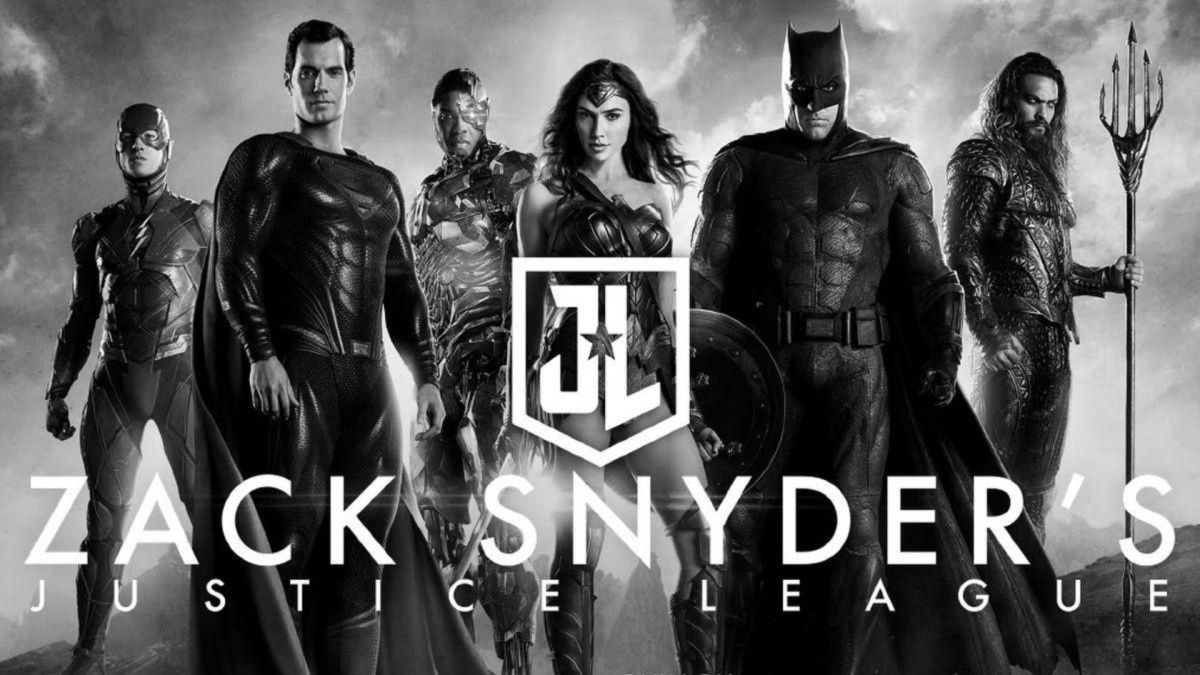
Then of course there is Zack Snyder’s Justice League. The way the film plays out contrasts severely with the original version of the film. In fact, Warner Bros. has come out and said Zack Snyder’s Justice League for better or worse is to be considered a “cul-de-sac”, a one-off or for a live-action Elseworlds. For non-DC fans that is an imprint of DC Comics that take place in alternate realities. That’s all well in good and Warner Bros. should continue pursuing more Elseworlds stories such as what they did with Joker and with next year’s The Batman. They should also pursue Justice League Mortal by George Miller or even Joss Whedon’s Justice League and give the director the chance to correct the fake upper lip travesty!

However, Zack Snyder’s Justice League was very well received and with the way it ended, the film left fans wanting more. Of course, it does not help that the ending of the film clearly set up future films and spinoffs. For Aquaman that is fine since his solo film did take place after Justice League, but for Superman. Well, Warner Bros. cannot get its act together and put out a proper Man of Steel sequel. Instead, they hired J.J. Abrams to reboot the character.

Now there are outcries not just for the DCEU but for the Snyderverse established in the new version of Justice League. People want to know what was going on with Batman’s Knightmare vision which featured him teamed up with the Joker. Was Lois Lane pregnant for certain? What is the future for Wonder Woman (her films take place in the past)? Snyder himself said he would love to continue these films but relations between him and Warner Bros. are not exactly great now.

Even if Warner Bros. relented and agreed to more films set in this alternate DCEU there are the logistical hurdles of reuniting the cast. Ray Fisher, who played Cyborg, one of the pivotal characters in Zack Snyder’s Justice League, has had a bad falling out with the film studio. Ben Affleck left the role of Batman after creative differences in the direction of the next Batman film. Instead we are getting another standalone Batman film that features the Caped Crusader as a younger man. And Warner Bros. and Superman actor, Henry Cavill, cannot seem to agree on a venue for him to return. So this is most likely the last hurrah for the Snyderverse. To transition away from the Snydervere an idea would be to have the Flash solo film use its rumored Flashpoint storyline to reboot the DCEU. It makes the most sense. Still it is nice to hope against hope that we have not seen the last of the Snyderverse.

Zack Snyder Presents His Idealized Vision Of Justice League

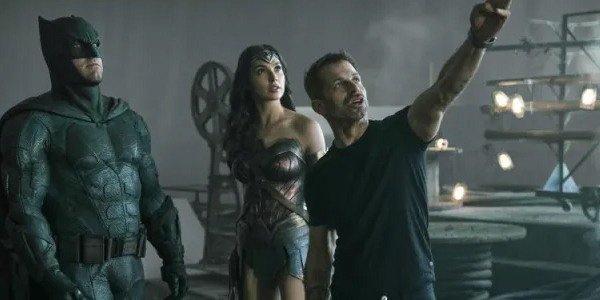
Zack Snyder’s Justice League is the culmination of over three years of an internet campaign that started soon after the release of the much-maligned Justice League from 2017, a movie that I personally liked, but that was seen as not in tune with the previous two movies directed by Snyder that came before it, Man of Steel and Batman v Superman: Dawn of Justice. Joss Whedon was brought on to finish and reshoot much of what Snyder had done after he left the project due to the death of his daughter. The rise of streaming services, in this case HBO Max has allowed this long-awaited version to be completed and finally see the light of day.

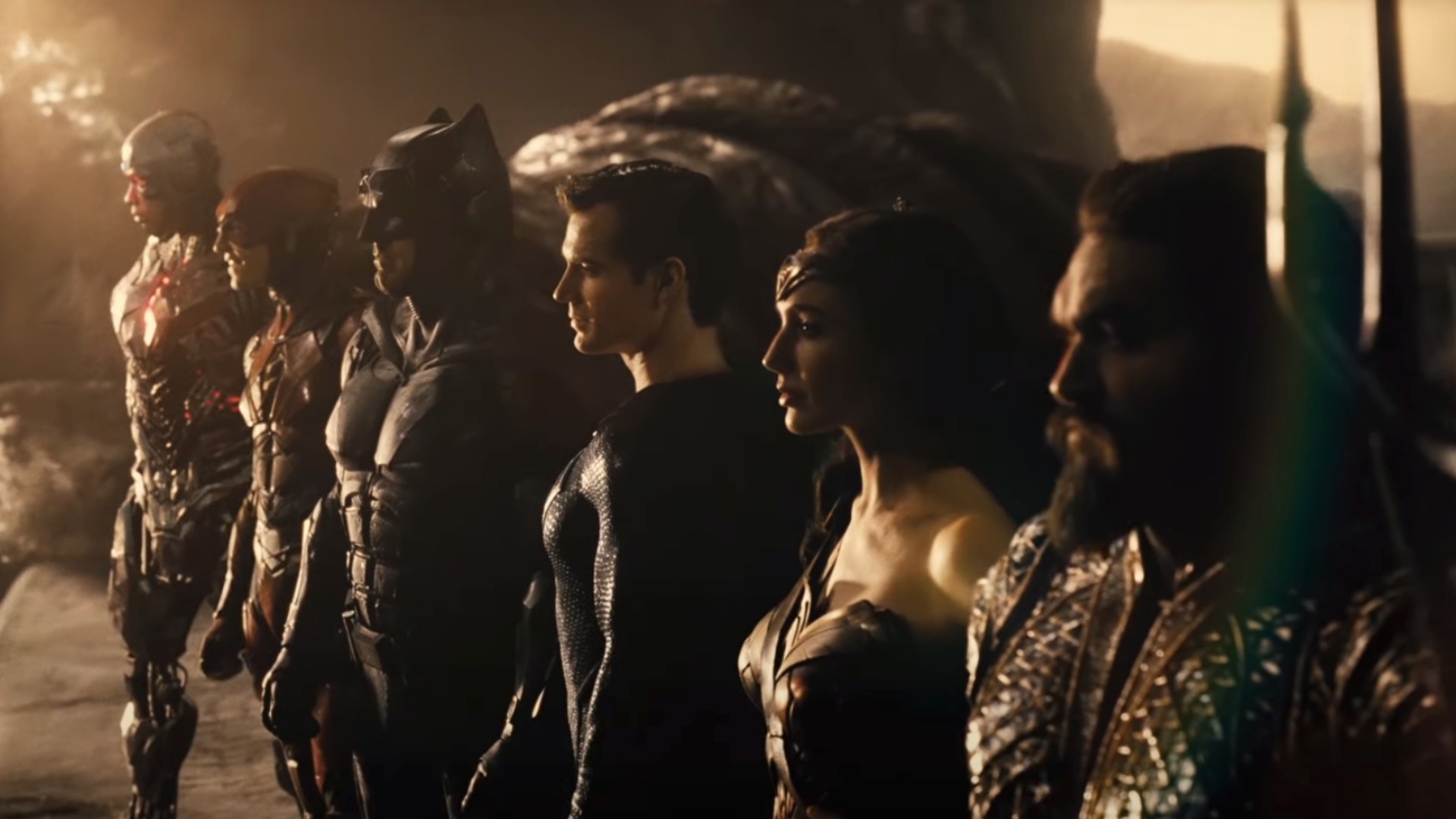
The basic plot points from the theatrical version of Justice League are the same here. Batman gathers together the Justice League by seeking out Aquaman, the Flash and Cyborg with the help of Wonder Woman, resurrecting Superman and confronting Steppenwolf. He is an alien attempting to steal ancient technology called the Mother Box, which is hidden throughout the world in three parts and if the parts are united he will be able to conquer Earth in the name of his master, Darkseid.

The differences between Zack Snyder’s Justice League and the theatrical Justice League are the fact that the Snyder cut is a much deeper experience with backstory added for each character, especially Cyborg whose relationship with his father is given center stage on many occasions, as well as The Flash rescuing his future love interest Iris West, and Aquaman speaking with his mentor Vulko, who was previously seen in the Aquaman standalone movie. We had glimpses of these backstories in the theatrical version, but with its studio-mandated two-hour running time, things had to move at a quicker pace. The extra time in the Snyder cut allows for more of these characters to be established which makes it an enjoyable experience, provided you have four hours to spare. The fact that this is meant to be seen at home is a big plus since you can stop and start at anytime. This is helpful due to the fact that the first two hours set everything up, which can make the film seem slow.

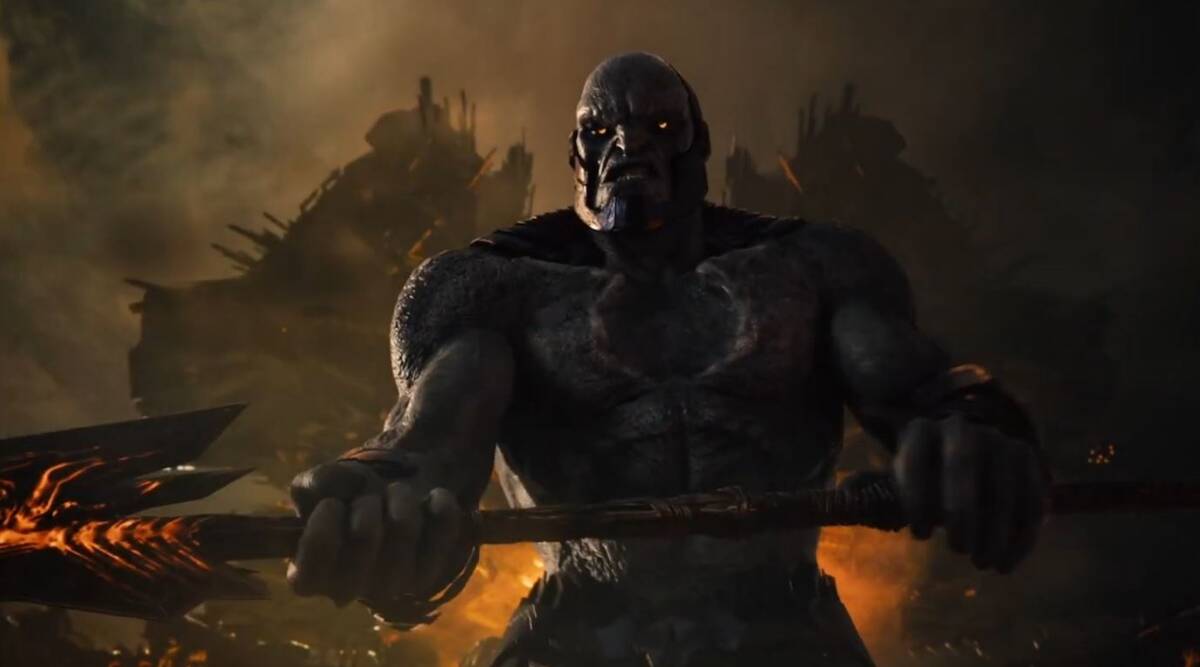
The action picks up at the halfway point in an underground tunnel battle, which shows the League fighting as a group for the first time. The fight scenes are more visceral in this version and are a highlight. This is also true for the other action scenes, such as Superman’s resurrection and battle with the other League members, and the final showdown with Steppenwolf. Speaking of which, the main villain has undergone a redesign and has a kind of flowing metal armor which is more interesting and menacing than his design in theatrical cut. Another highlight is the on-screen, live-action premiere of DC supervlillain Darkseid, who is shown in his home world directing Steppenwolf in his quest to unify three Mother Boxes to conquer Earth. This whole plot point is fleshed out in this extended version and explains Steppenwolf’s obsessive desire to acquire these artifacts and sets up Darkseid’s attempt to conquer all of existence. This is one of several other plots that are hinted at in the original version, such as Lex Luthor teaming up with Deathstroke to take on Batman, as well as the onscreen debut of Martian Manhunter, who warns Batman’s alter ego, Bruce Wayne, of Darkseid’s coming invasion. Lastly, some new scenes showcase the anticipated Knightmare sequence of a future world ruled by Darkseid and an evil Superman similar to the Injustice storyline. Here Batman is leading a resistance and allying with his nemesis the Joker, played by Jared Leto. This finally gives viewers these two versions of the iconic rivals interacting for the first time.

Continue reading

Little Fish, Large Emotions

Little Fish is a new romantic film relevant to our times with sci-fi elements has just come out in video on demand and a few select theaters which will please sci-fi fans and their dates while offering genuine emotions to all viewers.

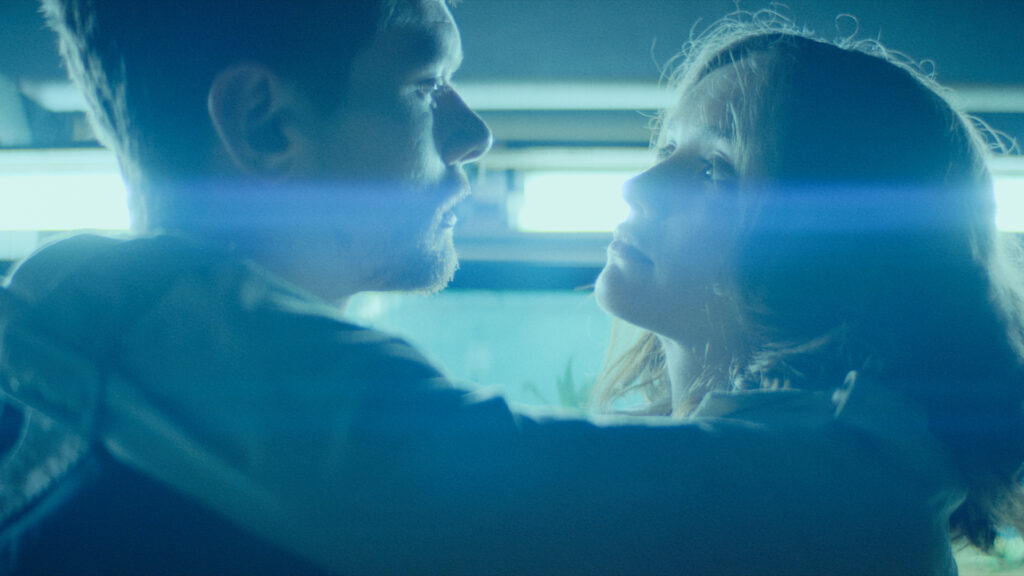
Little Fish takes place during a pandemic where people from all walks of life are randomly infected with a debilitating disease that robs them of their memories. The disease, neuro-inflammatory affliction (NIA), can be easily compared to Alzheimer’s disease but young people contract the disease, as well. Little Fish devotes its screentime on how NIA affects a young newlywed couple, Emma (Olivia Cooke) and Jude (Jack O’Connell), as the disease eats away at their treasured memories of their relationship.

Elevated by strong performances and haunting and scintillating cinematography, Little Fish hits the appropriate emotional beats as it explores the couple’s love for each other as they grapple with NIA. At the start of the film, the couple see firsthand how devastating the disease is when their mutual friend Ben (Raul Castillo), a musician, struggles to remember how to play his guitar and then his relationship with his partner, Samantha (Soko). It is not long before she becomes a complete stranger to him, who he sees as an actual threat to him.

Emma and Jude go about their lives; she is a veterinarian who is forced to euthanize dogs after their owners forget them, while Jude is a photographer who begins to forget certain little things like his wedding photography assignment or a recent conversation he had with Emma. Now that Jude has contracted NIA, the couple is desperate to find at least some kind of treatment. Throughout the film, we see other NIA sufferers and the impact on society. These include, roving and constant police patrols searching for missing persons who forgot their addresses or who they are; people who have their personal information tattooed onto themselves; throngs of desperate people rioting as they try to get treated for NIA. Then there are the quacks and conspiracy nutjobs flooding social media and the internet with supposed cures.

Director Chad Hartigan knows enough not to let the film’s focus drift away too much into the outside world. Instead, the attention is kept on Emma and Jude. Olivia Cooke and Jack O’Connell have a pleasant and easygoing chemistry with each other, which makes Jude’s descent into amnesia all the more disheartening. There are many insightful moments when we witness how his memories become faulty. In one scene, we are shown how people in the memory of his wedding become little more than fuzzy silhouettes. Many of their moments are poignant as Emma and Jude clutch onto the small moments in their past that drew them to each other. There are times, the film potentially becomes treacly, but Hartigan has enough restraint to reel in such emotional hazards and keeps the feelings in check.

Little Fish is an emotionally satsifying indie film that leaves you pondering and treasuring your own memories. It is the kind of film that will please romantics without being overly sentimental since it is quite honest with its story and the journey of its characters.