In Celebration of Star Trek: Prodigy

During the recent official celebrations for the 57th anniversary of Star Trek, its many spinoffs, and the 50th anniversary celebration of the original Star Trek animated TV show, it was noticed by many how the powers-that-be conveniently failed to mention Star Trek: Prodigy. It was so glaring because in the Paramount + Star Trek Day special and related promo material, even though all the Star Trek TV shows were noted, the animated TV show, Star Trek: Prodigy, was absent as if it never existed.

This is peculiar because until a few months ago, Star Trek: Prodigy was streaming on Paramount + until it was yanked out of the schedule and cancelled. This was part of a wider cost-cutting move by Paramount Pictures with its streaming platform that saw the cancellation of many projects. The sudden cancellation of Star Trek: Prodigy was unusual because a second season was already under production and the TV show was removed from the platform mere days after the cancellation announcement.

Honestly, this move by Paramount was disrespectful to the Star Trek franchise and its fans that were only starting to discover Star Trek: Prodigy. This action only reminds fans of how the studio is disdainful of its franchise.
Star Trek: Prodigy was met with a skeptical eye from many fans when it was first announced. Many automatically dismissed it as a kid’s TV show and what did not help was the prominent Nickelodeon logo plastered on top of the TV show’s logo and the announcements in promo materials that it was aimed at children.

While this reaction was understandable many missed out on how unexpectedly solid Star Trek: Prodigy turned out. Yes, it was not as complex as some other Star Trek shows but its stories were imaginative and embraced the Star Trek lore. It actually felt like it was part of Star Trek thanks to its stories, themes and characters. It also boasted beautiful 3D animation that showcased truly unique aliens and landscapes, while being grounded in the Star Trek Universe.
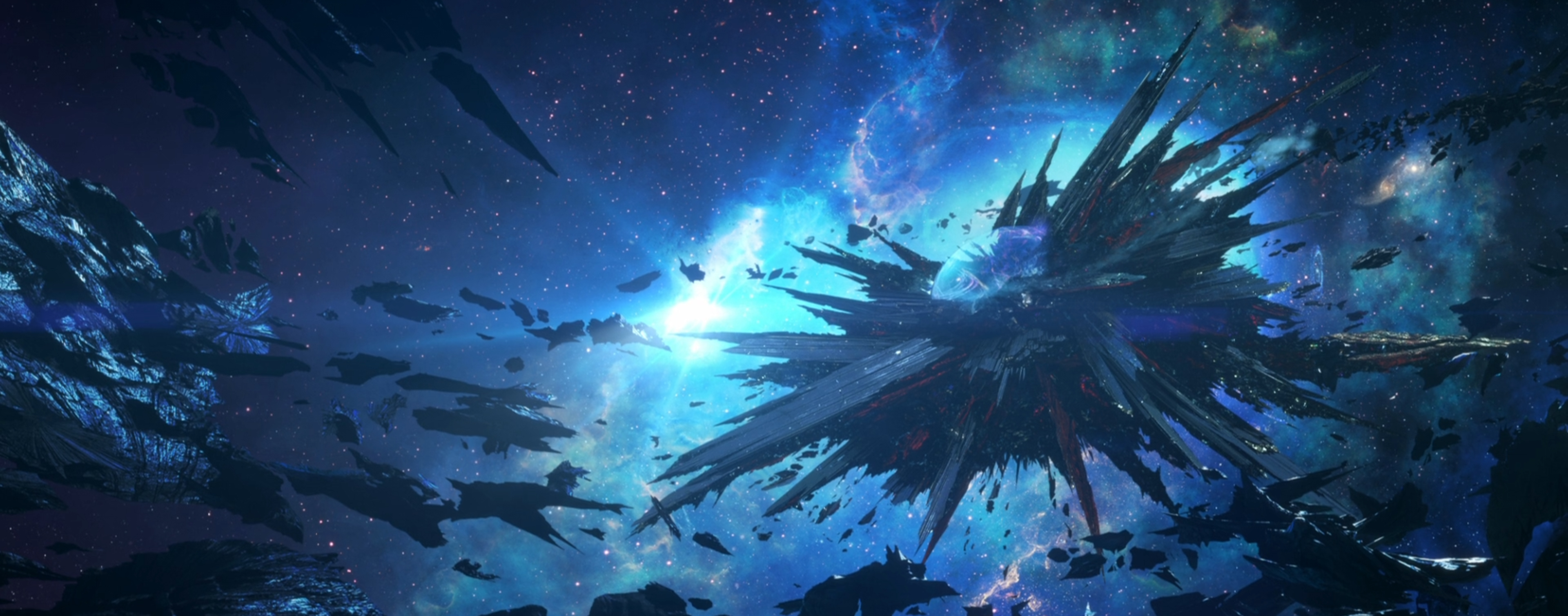
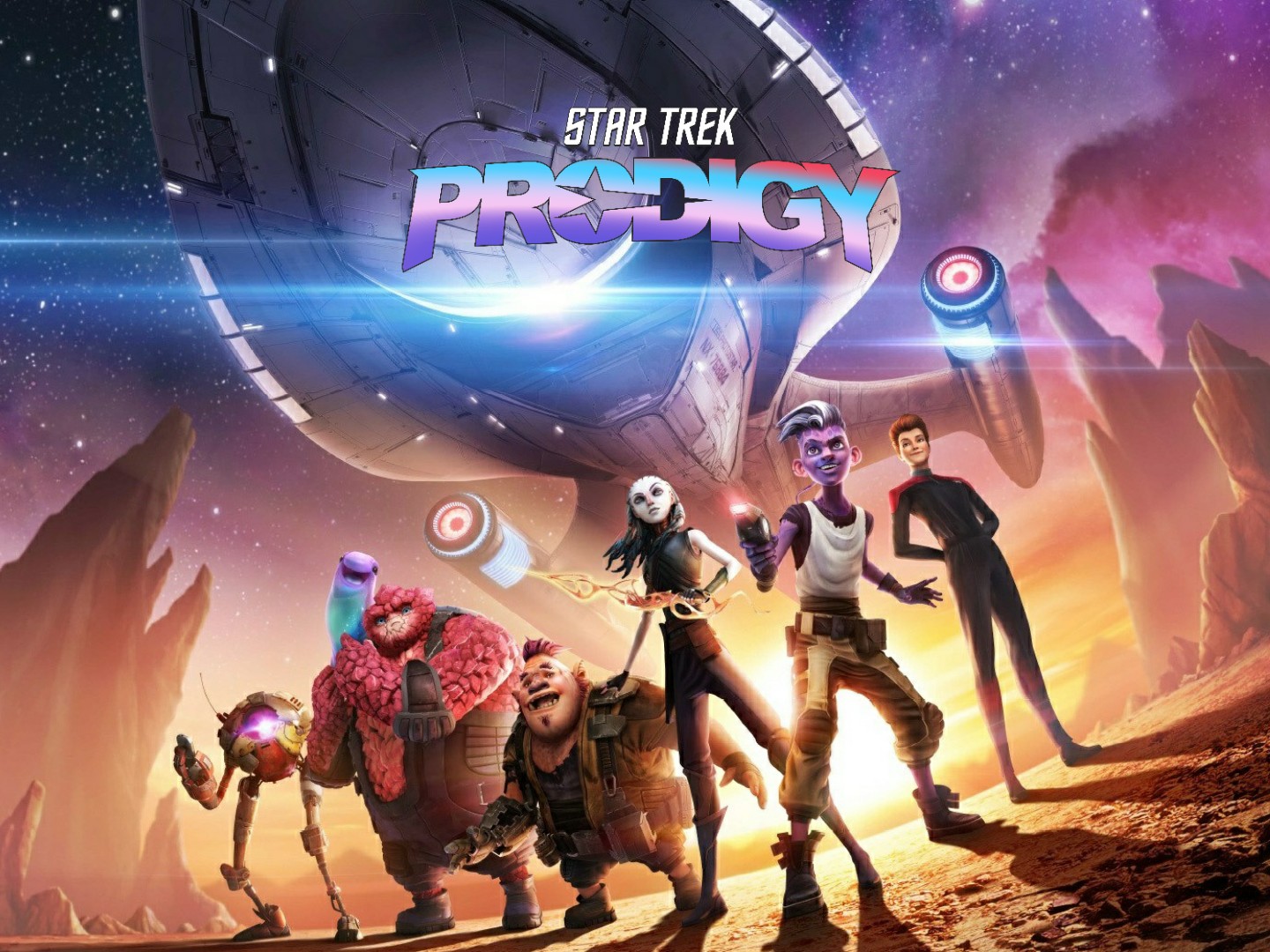
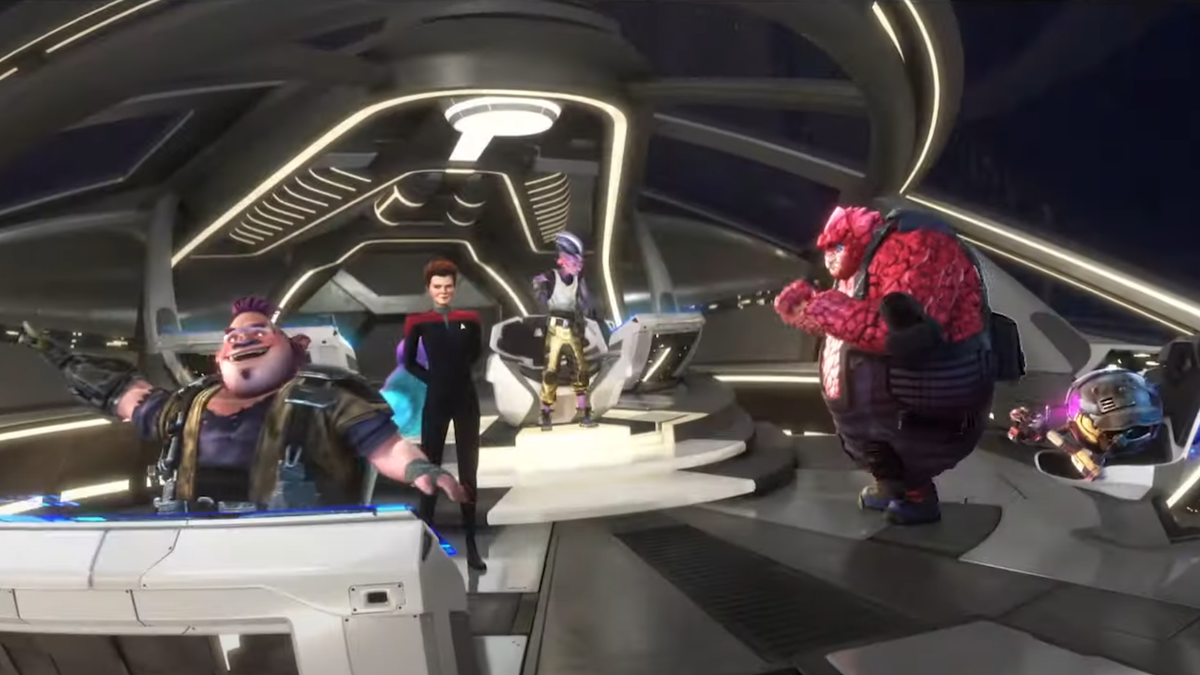
Star Trek: Prodigy takes place in the distant Delta Quadrant at a prison mining colony where a young alien prisoner named Dal R’El (Brett Gray) discovers in a mine an abandoned Starfleet ship called the Protostar. He activates the ship and escapes the colony with his companions who include Gwyndala (Ella Purnell), the daughter of the show’s antagonist, Jankom Pog (Jason Mantzoukas), a young Tellarite mechanic, Zero (Angus Imrie), a Medusan in a floating containment suit, Rok-Tahk (Rylee Alazraqui), a huge rock-like alien who is actually a brilliant young girl, and a gelatinous alien called Murf (Dee Bradley Baker). On the Protostar, they meet a training hologram that is patterned after Kathryn Janeway (Kate Mulgrew). She helps them run the ship and mentors Dal and the others on becoming Starfleet officers. The motley crew decides to embark on a voyage to return the Protostar to the Alpha Quadrant and the United Federation of Planets. Along the way they carry on with the Starfleet mission of exploring new worlds and civilizations in the hope they can become Starfleet officers once they return the ship.
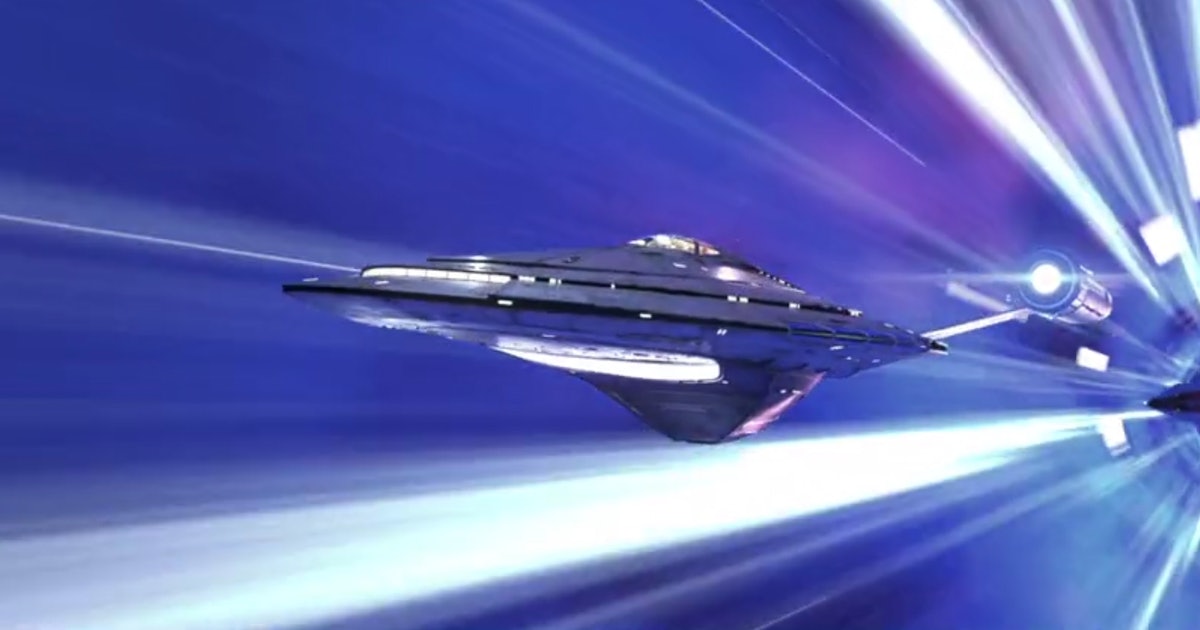
The Protostar is an experimental starship that actually changes its shape to travel at tremendous speeds in warp space. The starship and its new crew are hunted across the galaxy by Gwyndalla’s father, the Diviner (John Noble), who rules the prison colony and has a personal vendetta against the Federation and its Starfleet. He covets the Protostar to use it as a Trojan Horse to decimate the Federation.

Also pursuing the Protostar is the real Janeway, who is now a Starfleet admiral commanding another Starfleet ship. Years ago, the Protostar was lost in the Delta Quadrant along with its crew, which was commanded by her former first officer, Chakotay (Robert Beltran).
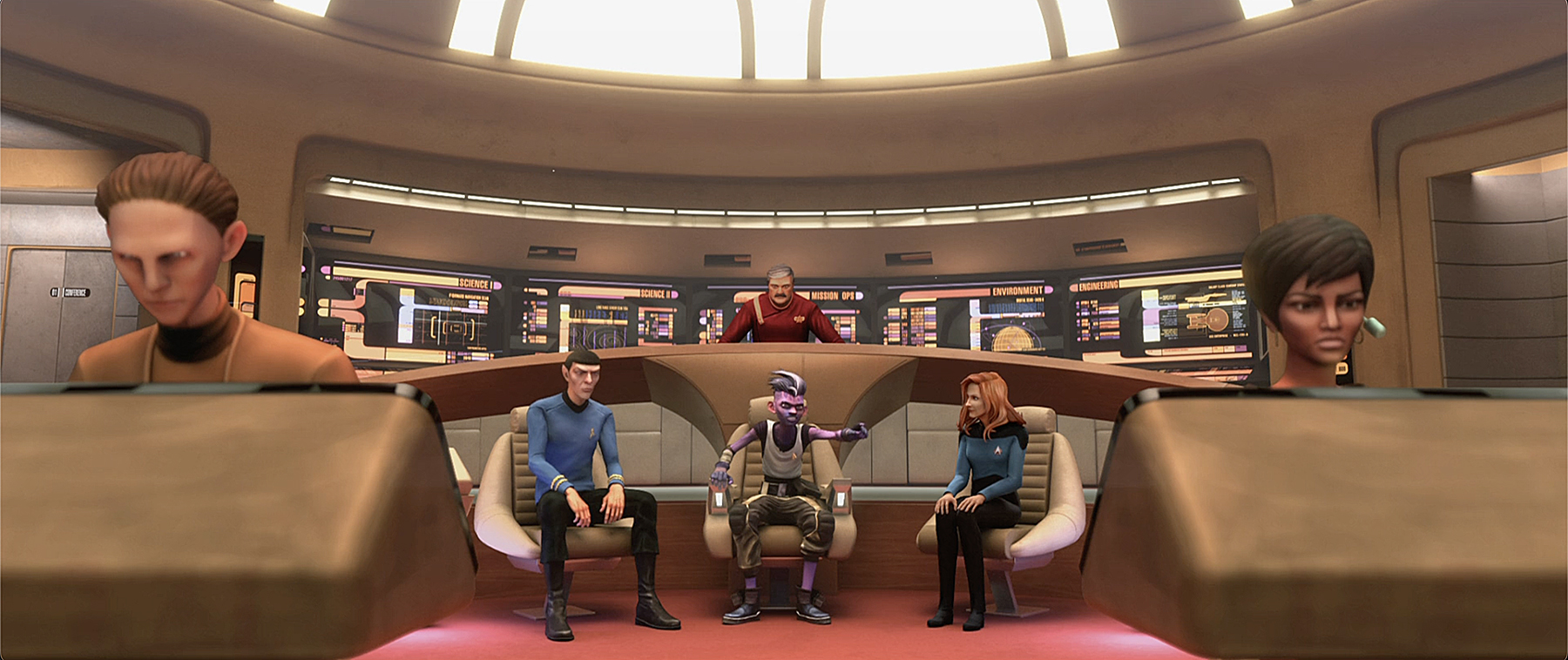
For a TV show supposedly oriented towards children Star Trek: Prodigy has a surprising amount of depth considering that many episodes featured character arcs that fully developed the characters. Throughout the first season we see Dal change from an impulsive and rebellious teenager into a responsible and mature person who had the qualities for a Starfleet officer. The best episode that illustrates his development was “Kobayashi”. Dal activates a holo-training program that is the famous Kobayashi Maru test given to Starfleet cadets where they hopelessly try to rescue a freighter from Klingons. Making up his crew in the simulation are popular Trek characters like Spock (Leonard Nimoy) from the original Star Trek and Scotty (James Doohan) from the original Star Trek films. As Dal tries to win the test’s no-win scenario and learns some hard lessons about command, he interacts with these characters, which was amazing since some of the actors voicing the roles are no longer alive. It was a nice way to give tribute to the franchise.

Most of the other characters saw significant development, as well. Gwyndala fought an inner battle within herself as she was at first hostile towards Dal and the others but gradually formed a deep bond with them. In the episode “Time Amok” Rok and the others are trapped in different temporal loops. Being that in Rok’s loop time runs at the slowest rate she uses this as a chance to learn to become a scientist and save the crew. Many of the others have tragic backgrounds and this journey on the Protostar serves as a means to give them some meaning in their lives.
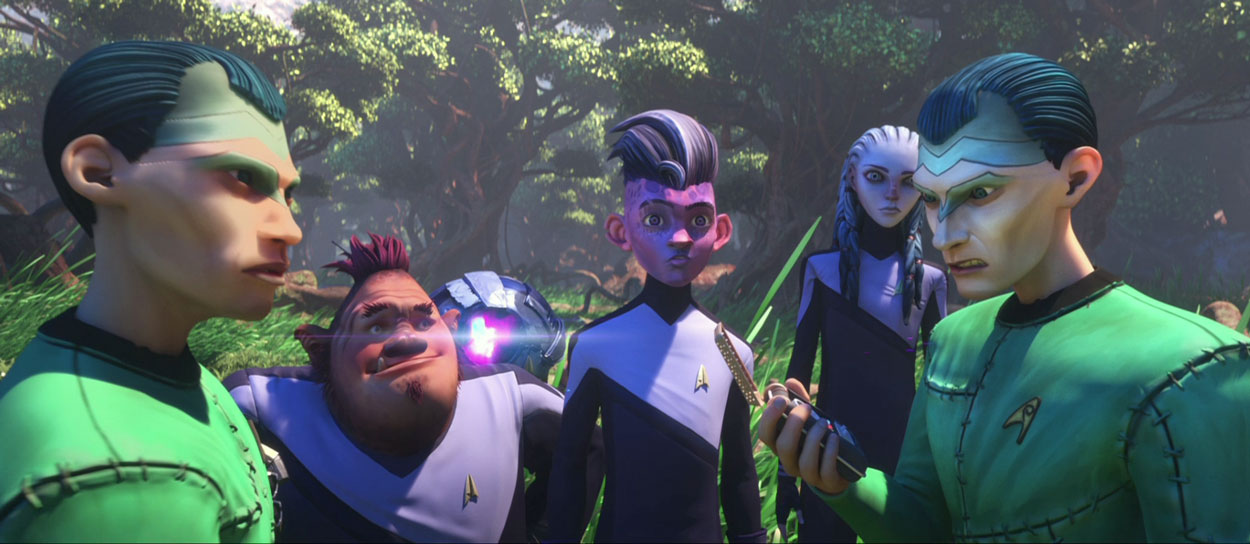
The best way to think of Star Trek: Prodigy is to compare it to Star Wars: The Clone Wars or Star Wars: Rebels. On the surface both TV shows were apparently made for children, but before long they evolved and became more complex and appealing to adults who otherwise might have been turned off by them. I’m pretty sure that if Star Trek: Prodigy was not cancelled and allowed to fully tell its story, which included the search for Chakotay, the show would have reached the same level of admiration that the animated Star Wars TV shows has received.
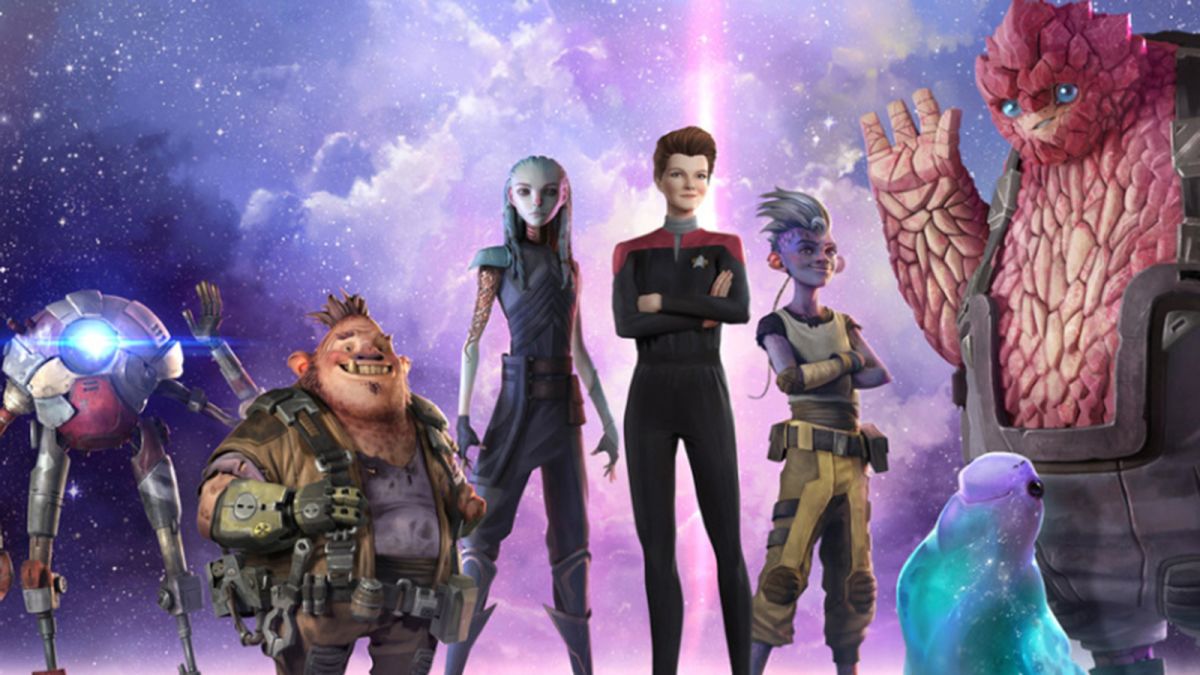
Cancelling Star Trek: Prodigy was one thing, but to remove it from Paramount + and having it unavailable to easily view elsewhere was a foolish decision. Even though it was not a massive hit it still would have found an audience. Right now the only way to see Star Trek: Prodigy is to buy it through Amazon Prime, Vudu or other video on demand services or to actually purchase it on physical media. It’s certainly worth buying and will help hold us over until season two is ready. As of this writing, post-production of season two of Star Trek: Prodigy is underway and the show’s producers are finding another place to air it. Given the way the actors and writers strikes have ground film and TV productions to a halt Paramount should reconsider its decision and bring back Star Trek: Prodigy to its streaming platform to at least let the fans see the final season.

José Soto
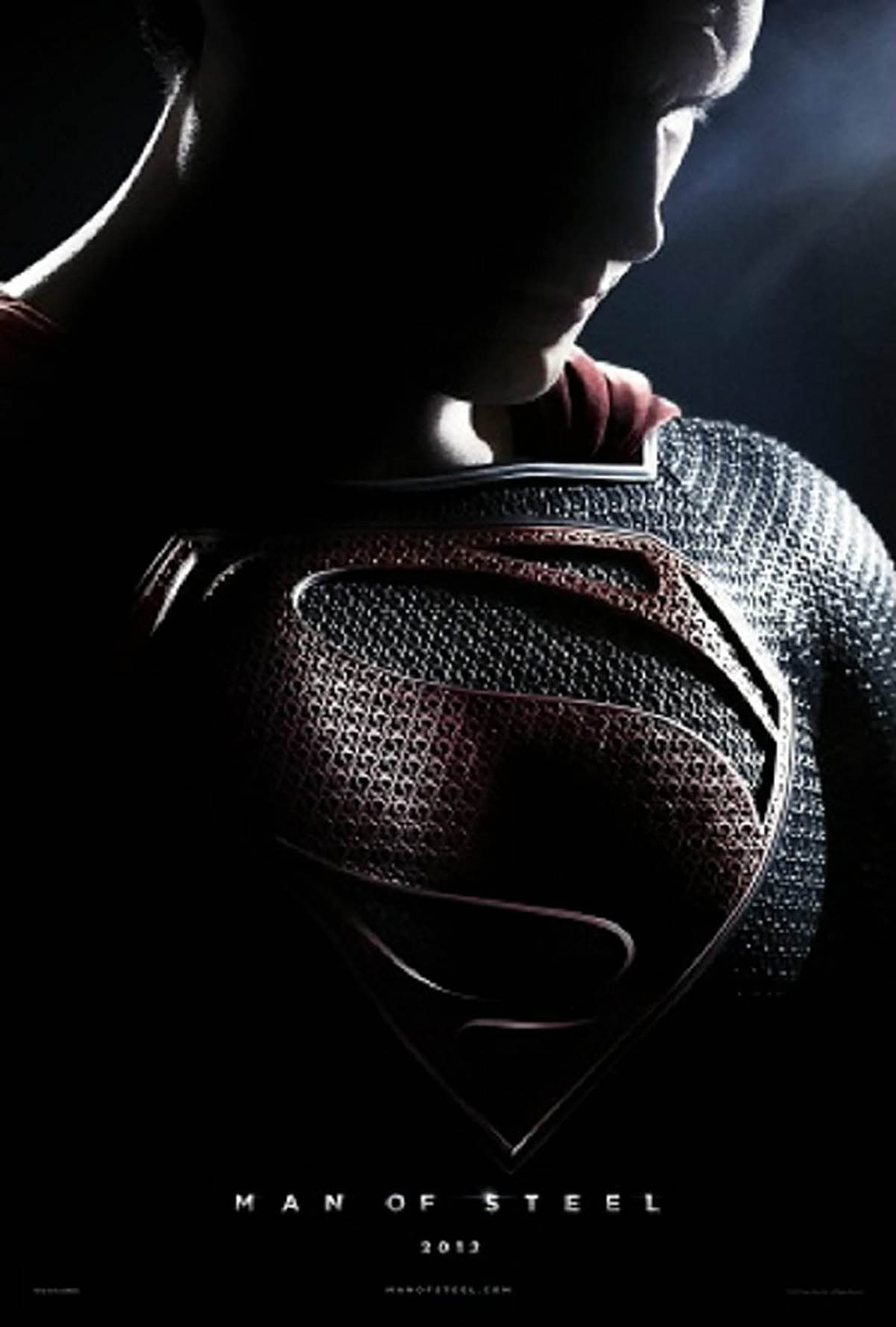
Man Of Steel & The Failed Promise Of The DCEU

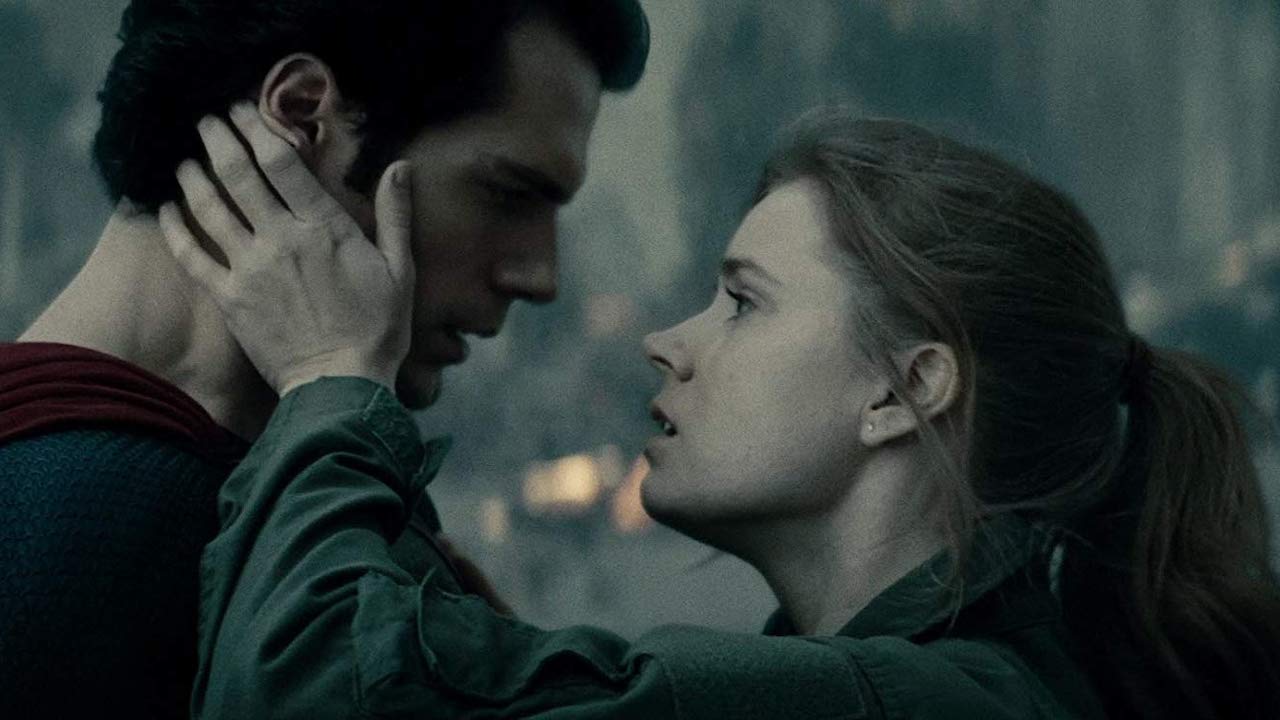
This week marks the tenth anniversary of the film release of Man of Steel, which was released on June 14, 2013. It not only served as a reboot for the Superman film franchise but as the vehicle to launch the DC Extended Universe (DCEU). Now the superhero film universe based on DC superheroes comes to an end this year starting with The Flash, which will serve as a soft reboot of the DCEU and transform it into the DC Universe (DCU).

One of the casualties of the DCEU reboot will be Superman himself, which is ironically fitting since his film launched the DCEU.

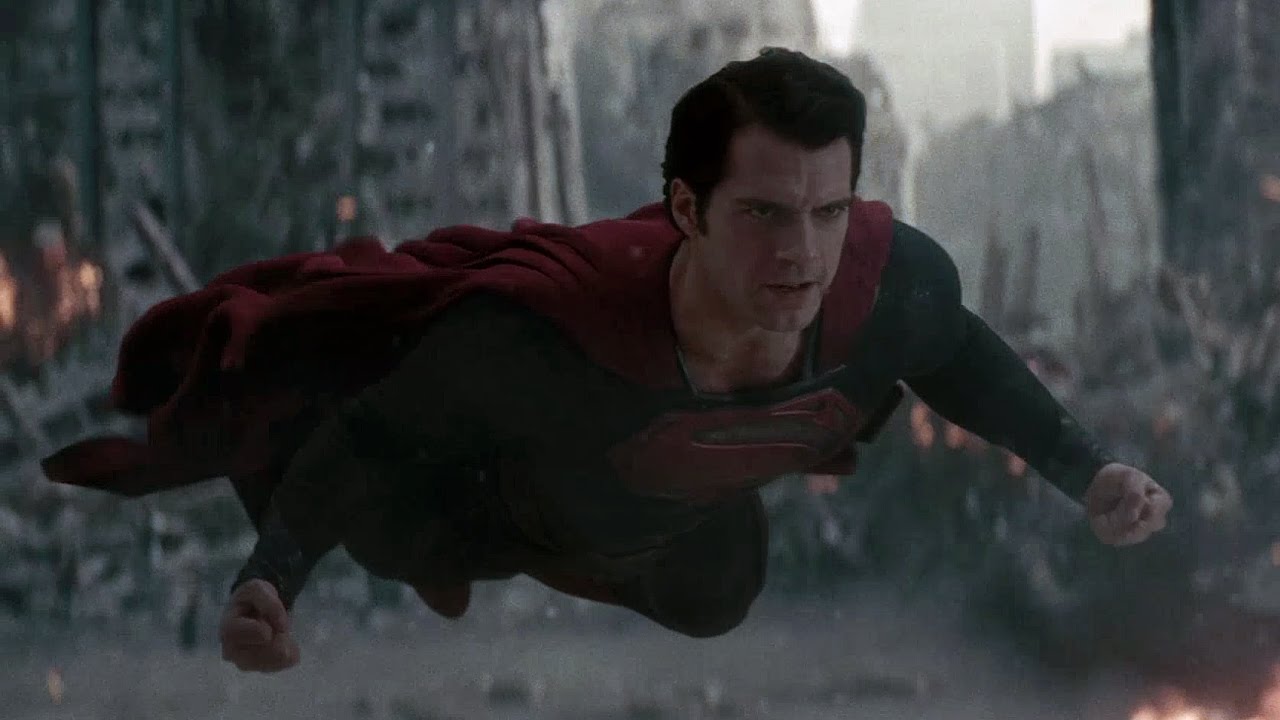
Man of Steel was directed by Zack Snyder, who presented a darker and more grounded version of Superman in a world filled with muted colors and stark lighting. At the same time, the film and other Snyder-centric DCEU films cast the title hero with mythological, god-like imagery that did not resemble comic book images but rather epic paintings with static poses and even more harsh lighting.

This became more prevalent in future DCEU films such as Batman v Superman: Dawn of Justice and Justice League, while Man of Steel was more grounded.

This unique approach to Superman was supposed to make him more relevant and relatable to modern audiences. As to whether or not that worked, is open for debate. Before Man of Steel, Superman was seen as a noble, larger-than-life do-gooder as best personified by the Christopher Reeve Superman films of the ‘70s and ‘80s. Thanks to Reeve’s classic performance it was difficult to imagine the superhero in any other kind of light. Even Superman Returns, the last Superman film before Man of Steel, did not veer from the Reeve interpretation of Superman, which led to a lot of criticism. In trying to make this version of Superman distinct from the traditional Boy Scout persona, it can be argued that Snyder veered too far from what made Superman so special. He is supposed to be a beacon of hope for humanity, which was ironic because he was actually an alien who grew up on Earth. Despite humanity’s faults, Superman adopted the best traits of his adopted species and served as an exemplar for the promise of humanity.

In Man of Steel, Superman aka Clark Kent (Henry Cavill) went through something of an identity crisis in an updated origin story. The film went through the typical Superman origin tropes but with new twists. Superman’s home planet, Krypton, was not the cold, crystalline and sterile civilization seen in the Christopher Reeve films. This Krypton was a planet embroiled in civil strife with a warring society that used what seemed to be technology based on programmable matter.

Superman’s origin was more tied to that of his nemesis, General Zod (Michael Shannon), in that Zod was at odds with Superman’s father, Jor-El (Russell Crowe). With the planet dying, Jor-El sends his newborn son, Kal-El, to Earth to have a chance at a new life. Before Kal-El is sent, he is embedded with genetic material called the Codex, which will provide the genetic means to recreate the Kryptonian race on another world.

After arriving on Earth, Kal-El is adopted by a human couple and grows up in a farm in Kansas. He struggles to fit in with society because of his developing super powers, which he has to keep hidden. Once he reaches adulthood, Kal-El who is now called Clark, sets out in the world to find himself and a purpose in life. During his journeys Clark clandestinely uses his powers to help people during emergencies.

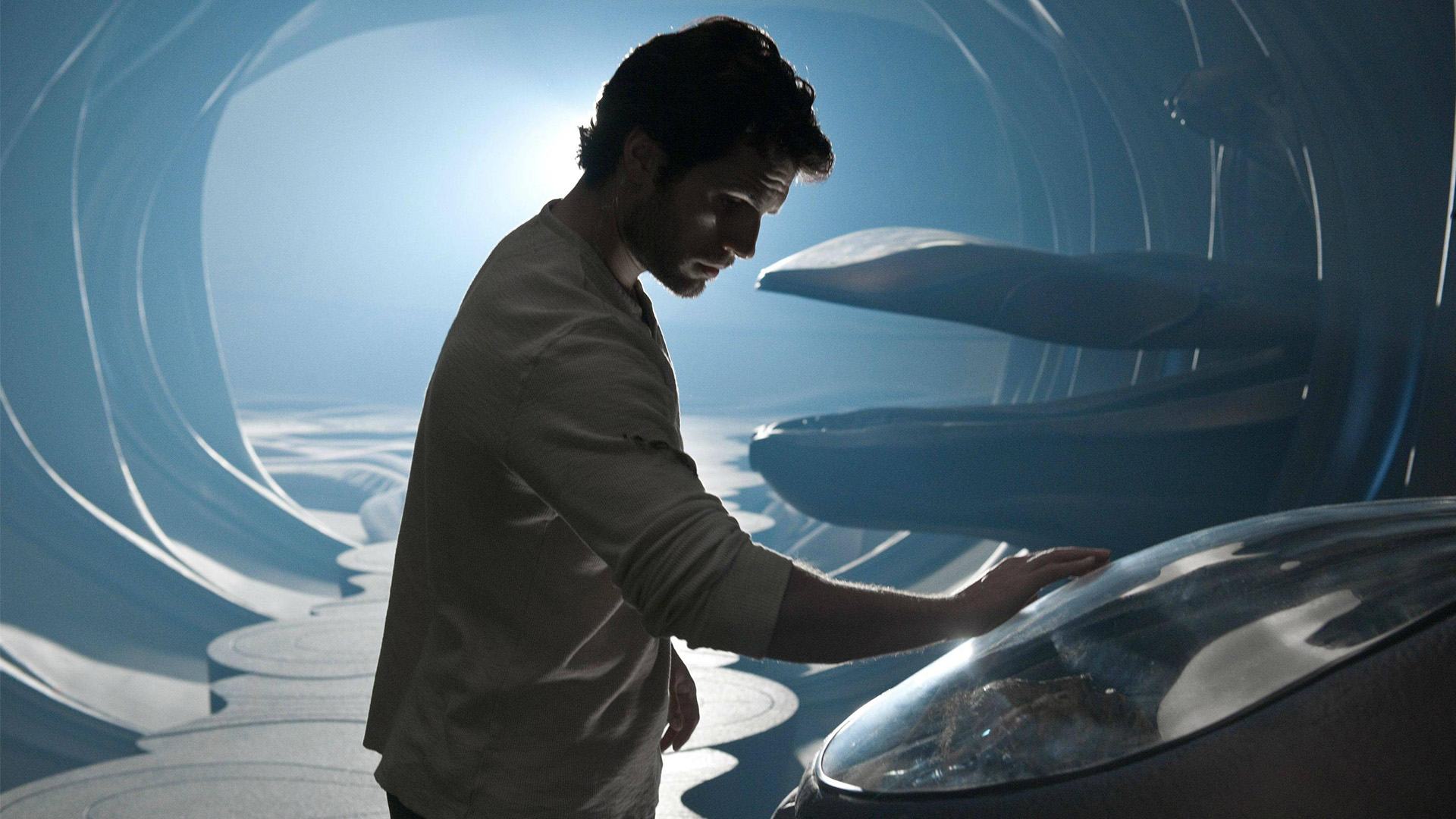
Eventually he comes across the wreckage of a Kryptonian scout ship and activates an AI program that takes the image of Jor-El, who reveals to Clark his Kryptonian heritage. Under the guidance of the Jor-El AI, Clark learns to properly use his powers and adopts the famous Superman identity.

Soon after, Zod and his army arrive on Earth and establishes first contact with humanity, with the demand that Superman be turned over to him. Zod earlier learned that Kal-El was implanted with the Codex and wants to retrieve it to rebuild Kryptonian civilization on Earth, which he plans to terraform.

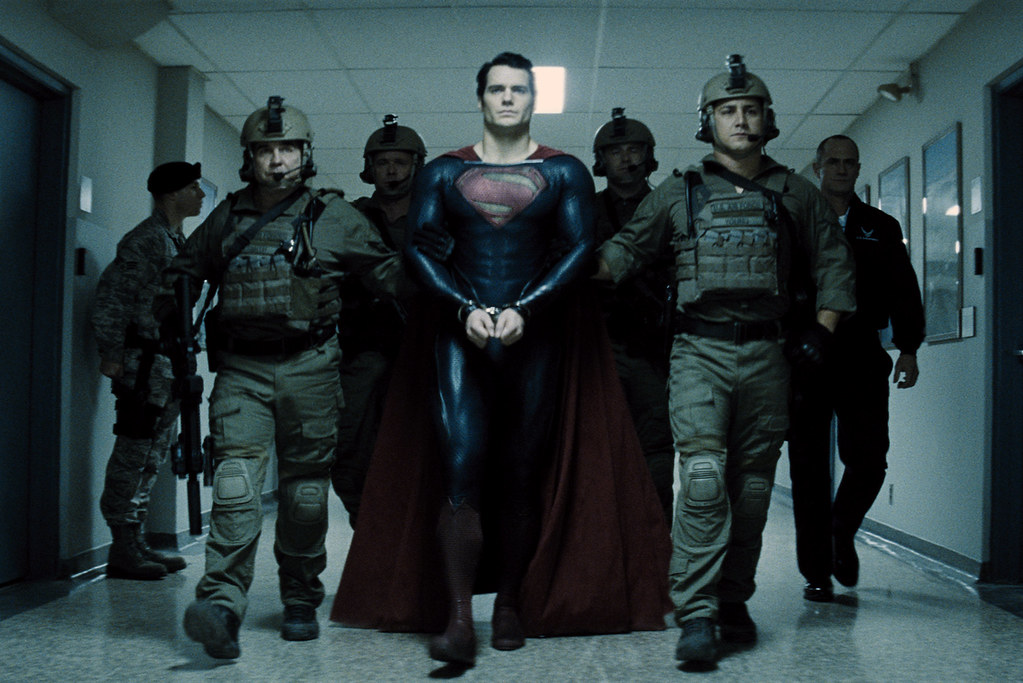
This creates an identity crisis for Superman as he is torn over siding with the human society he struggles to fit in with versus the Kryptonians, who he knows are malevolent. What complicates Superman’s decision is that once he is revealed to the world, he is immediately mistrusted by most of humanity who only see him as an alien threat.

What was interesting about this version of a Superman film was that the superhero was not received by the general public with open arms, but with suspicion. This is what would probably happen in reality if some unknown person was suddenly revealed to the world as an alien with superpowers.

While Man of Steel lacks the light-hearted humor and heart of previous Superman films, it makes up for it with its grounded and frankly more honest approach to the comic book legend. This approach by Snyder and writer David Goyer turned out to be divisive among fans.

Continue reading →

Return Of The Jedi: A 40-Year Celebration

This month marks the 40th anniversary of Star Wars Episode VI: Return of the Jedi, the last of George Lucas’s original Star Wars trilogy, and some would say, the end of the classic Star Wars era. It’s seen by many as the least of the first three films, but it is still revered for its great action sequences, especially the climatic Battle of Endor, as well as for its final confrontation between our hero the young Jedi Luke Skywalker and the Rebel Alliance’s sinister nemesis, Darth Vader. Even now, 40 years later, the film is still celebrated and considered to be one of the better Star Wars films.

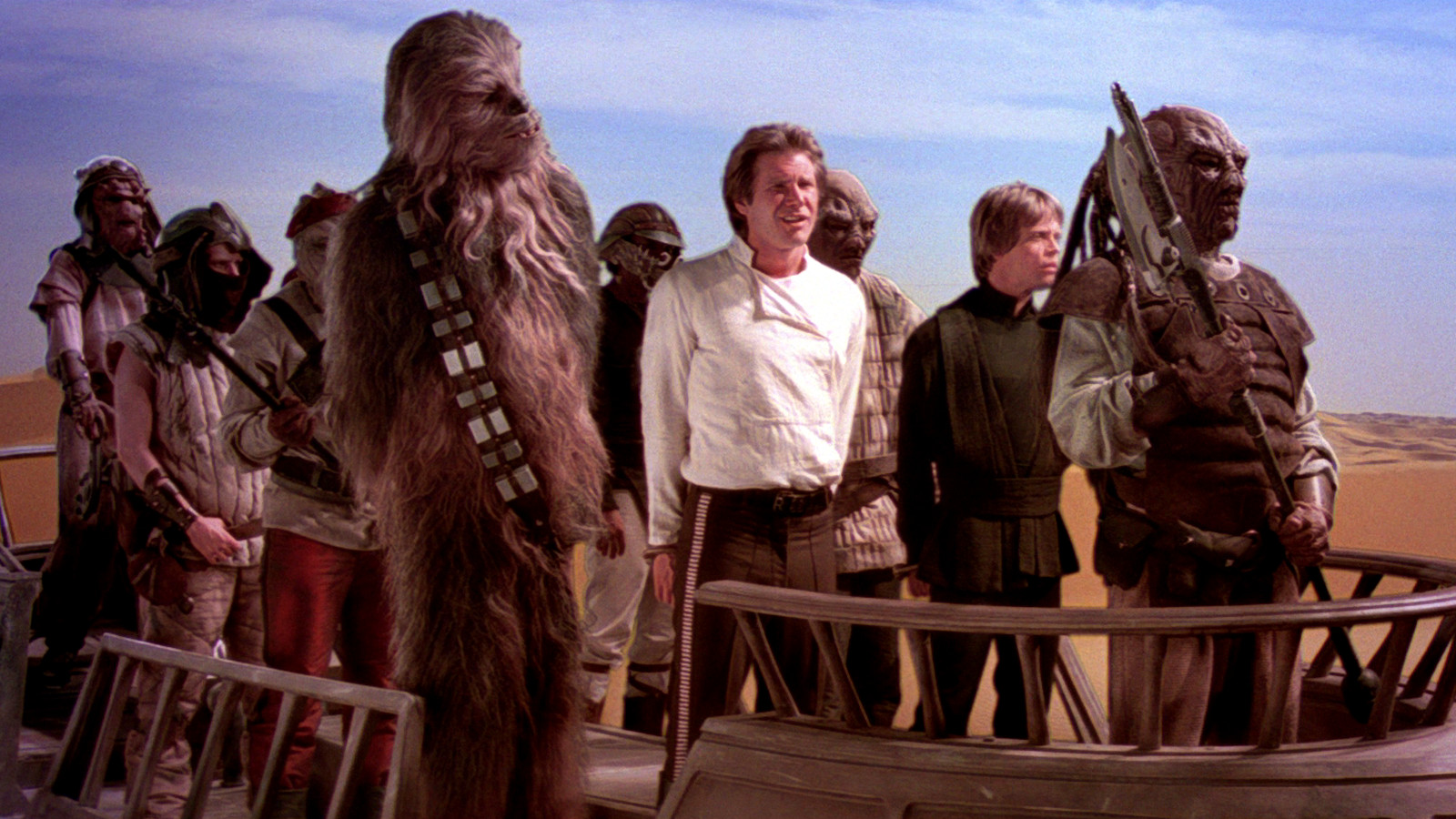
The story starts out with Luke returning to his home world of Tatooine, not seen since the first film, to rescue smuggler and friend Han Solo. The smuggler was captured by the bounty hunter Boba Fett in the cliffhanger ending to Star Wars Episode V: The Empire Strikes Back, and sent to Jabba the Hutt to pay for his debts to the vile gangster. Luke is aided by iconic Star Wars heroes, Princess Leia, Chewbacca and Lando Calrissian, as well as the lovable droid duo R2-D2 and C-3PO. Their rescue of Han and escape from Jabba’s palace is thrilling and sets a great and exciting tone for the movie.

Afterwards, Luke returns to the planet Dagobah for final training as a Jedi with Jedi Master Yoda, who soon dies of old age. The wise old mentor’s subsequent death after 900 years of life is sad to see. After encouraging words from the spirit of his other mentor Obi-Wan Kenobi, Luke returns to his friends in the Rebel fleet for the final assault on the Empire’s new Death Star weapon. 

Return of the Jedi introduces a new villain, who has captivated audiences ever since, the evil Emperor Palpatine, played to perfection by Ian McDiarmid. His terrible old visage and cackling laugh instantly made him a fan favorite. His plan along with Darth Vader to bring Luke to the dark side of the Force almost succeeds, as he goads Luke to kill Vader. But good wins out in the end as Vader is unable to allow Palpatine to kill his own son after Luke rejects the Emperor’s temptations, and he kills Palpatine while suffering fatal injuries of his own.

This is preceded by a fantastic lightsaber battle between Luke and Vader with a haunting soundtrack by film composer John Williams in the background. Luke’s unmasking of his father as he was dying is a famous moment in Star Wars history, as we finally get to see the man behind the terrifying mask, a scarred and sad man haunted by his actions. His message to Luke that he was right about Vader having good in him in the end is in some ways the culmination of both the original and prequel trilogies and brings Anakin Skywalker’s story to a sad but fulfilling end.

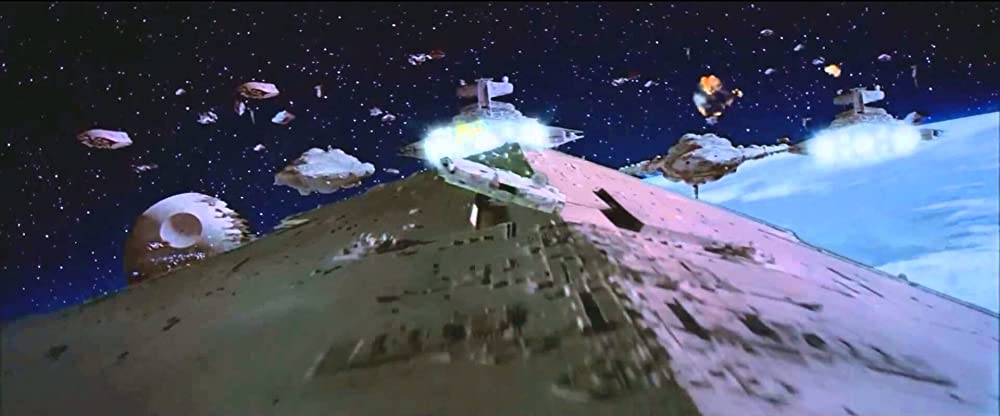
All of this happens at the same time as the Rebel fleet led by Lando and Admiral Ackbar, attacks the Death Star, but is ambushed by a waiting Imperial fleet. The subsequent space battle is still arguably the best space battle seen on film with swarms of star fighters hurtling through space among massive star destroyers, numerous Imperila TIE fighthers, and Rebel Mon Calamari cruisers.

Despite the odds, the Rebel ships are able to penetrate and destroy the Death Star thanks to the ground efforts of Han, Chewie and Leia. They infiltrate the forest moon of Endor, and aided by the native Ewoks, are able to annihilate the Empire’s shield generator protecting the Death Star. Seeing the diminutive Ewoks, who look like teddy bears defeat Imperial stormtroopers is somewhat silly, but the action is still exciting to watch, especially the speeder bike race through the woods, as well as Chewie stealing an AT-ST walker and using it on the Empire’s forces. 

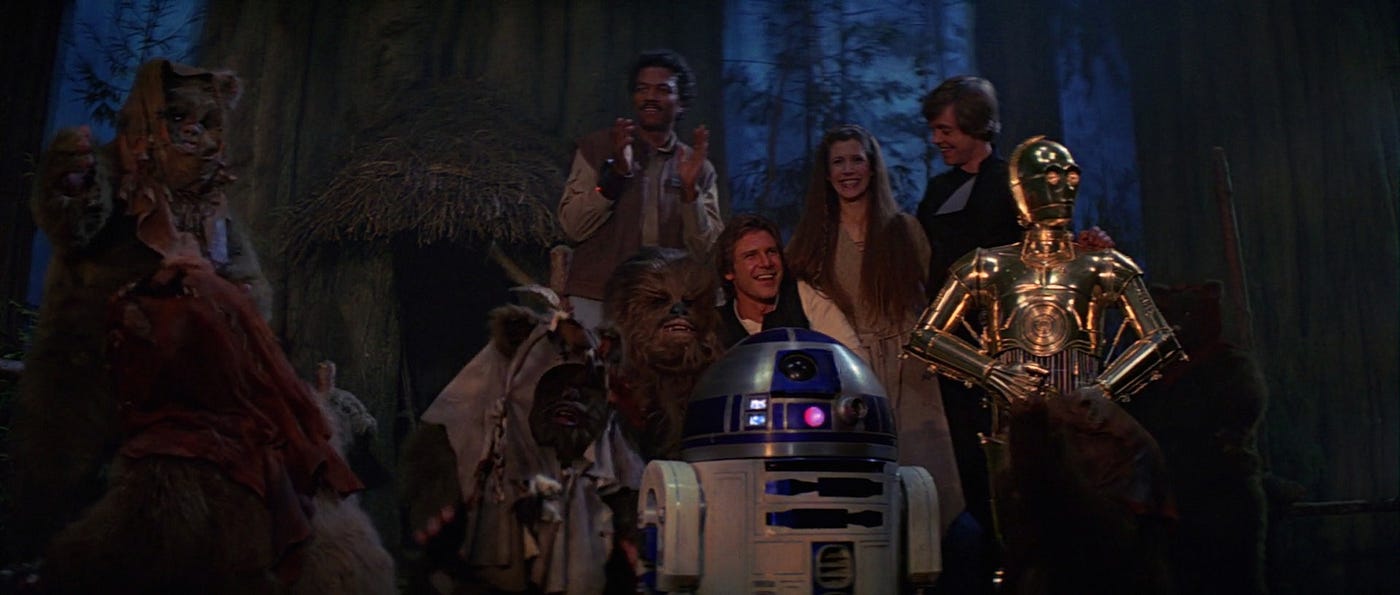
Star Wars Episode VI: Return of the Jedi ends with a triumphant celebration in the forest with the Rebel heroes and their new friends after Luke burns the remains of his father in a haunting scene. In the so-called “Special Edition” of the film that came out in the ’90s, extra scenes were added to the celebration which showed other parts of the galaxy celebrating the defeat of the Empire. This included the planets Coruscant and Naboo, which help tie in the prequel films to the original trilogy and being that the prequels had not come out yet, helped increase fans’ anticipation for the prequels. This enhanced the feeling of elation as we saw how wide the scope of the war was in the galaxy.

These closing scenes are also the last time we see the trio of Luke, Han and Leia in their prime, so to speak, and the last image of them all together with their friends having finally ended the Empire’s reign of terror. It is something fans will remember for all time given that we never saw the trio reunited in the sequel trilogy of films that came out in the last decade, although they made appearances in those films. The ending of Star Wars Episode VI: Return of the Jedi is basically a variant on “they lived happily ever after”, which is appropriate since George Lucas intended Star Wars to be a fairy tale, and the film definitely has that feeling to it. It doesn’t quite live up to the standard set by the first two films, which are basically masterpieces, but it’s still a very good film that is remembered four decades later for its iconic moments and is a great sendoff for some of cinema’s most revered characters.

C.S. Link

Star Trek: Deep Space Nine Celebrates Its 30th Anniversary

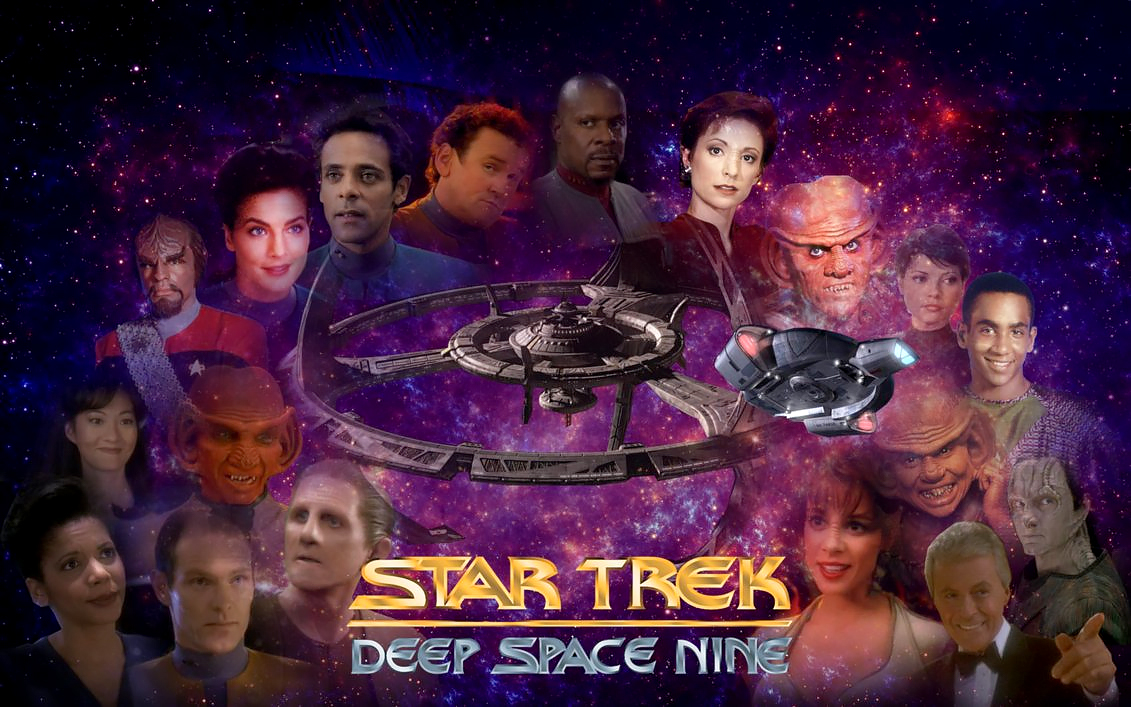
This month thirty years ago, Star Trek: Deep Space Nine, the second Star Trek spinoff (not counting the 1970s animated series) premiered on independent TV stations. Right from its pilot episode “Emissary” viewers saw that this was a decidedly different Star Trek show. Its main character was not a white starship captain, it did not take place onboard a starship, and its ensemble cast of characters was very diverse for its time. More than that the stories were more grounded and tackled headier topics like religion and politics, while the characters were not clean-cut explorers who got along well with everyone. Instead they exhibited shades of grey and were quite flawed.

Many fans at that time were put off by Star Trek: Deep Space Nine because it did not follow the typical Star Trek formula and was deemed to be too dark in tone. They wanted the loftier or swashbuckling tone of earlier Star Trek shows that took place on starships that met new aliens every week. With Deep Space Nine, the setting was stationary, pardon the pun, as it took place on an alien space station that was run by the human-centric Starfleet.

While Star Trek: Deep Space Nine was a success, it did not reach the level of adoration that earlier Star Treks had. Before it had time to build an audience, Star Trek: Voyager was launched a couple of years after Star Trek: Deep Space Nine and conusmed a lot of attention away as it returned to the trusted formula of a starship crew exploring space with a twist. However, in recent years, many have discovered for themselves what they initially missed or disregarded and saw its groundbreaking merits.

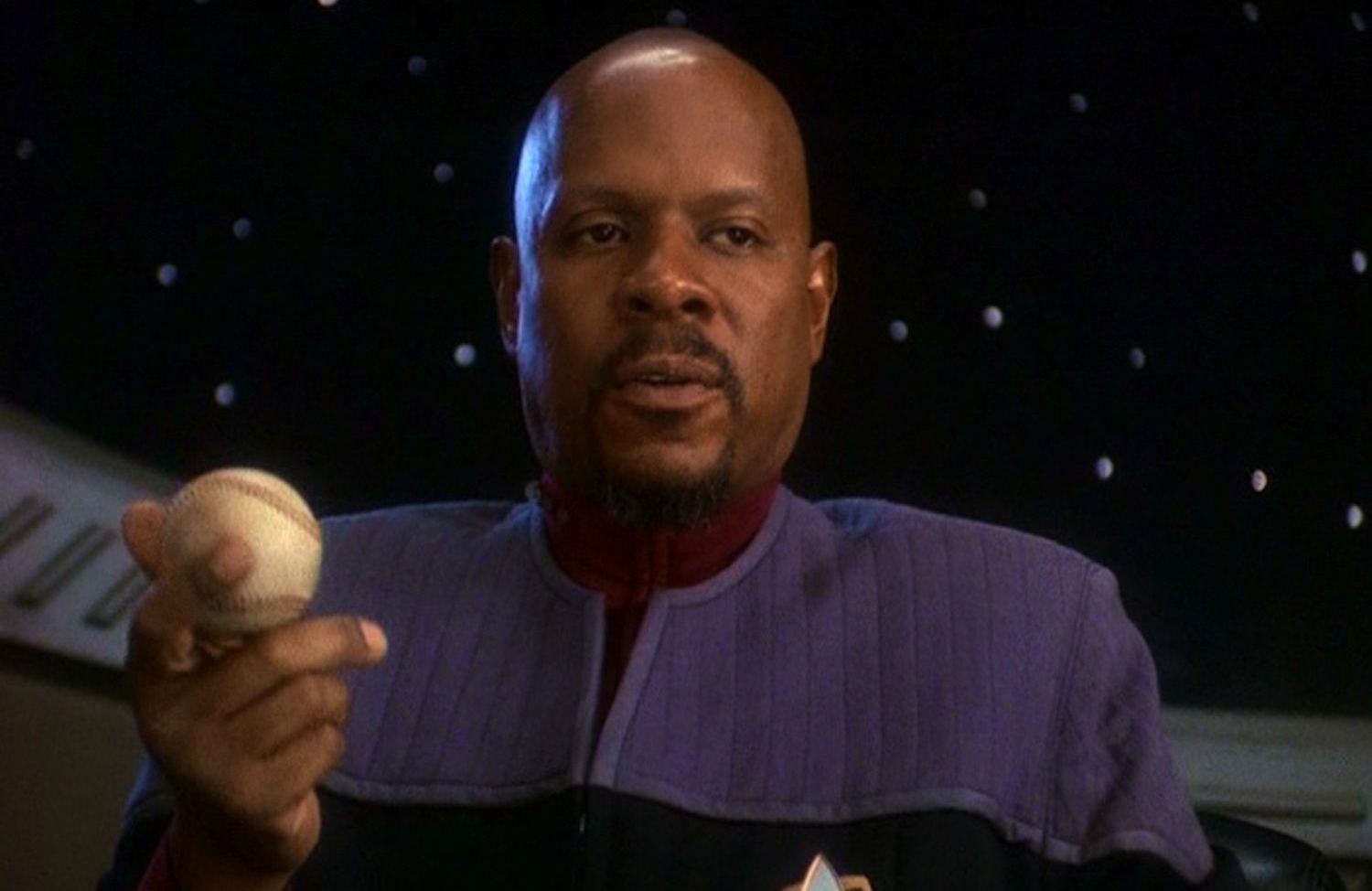
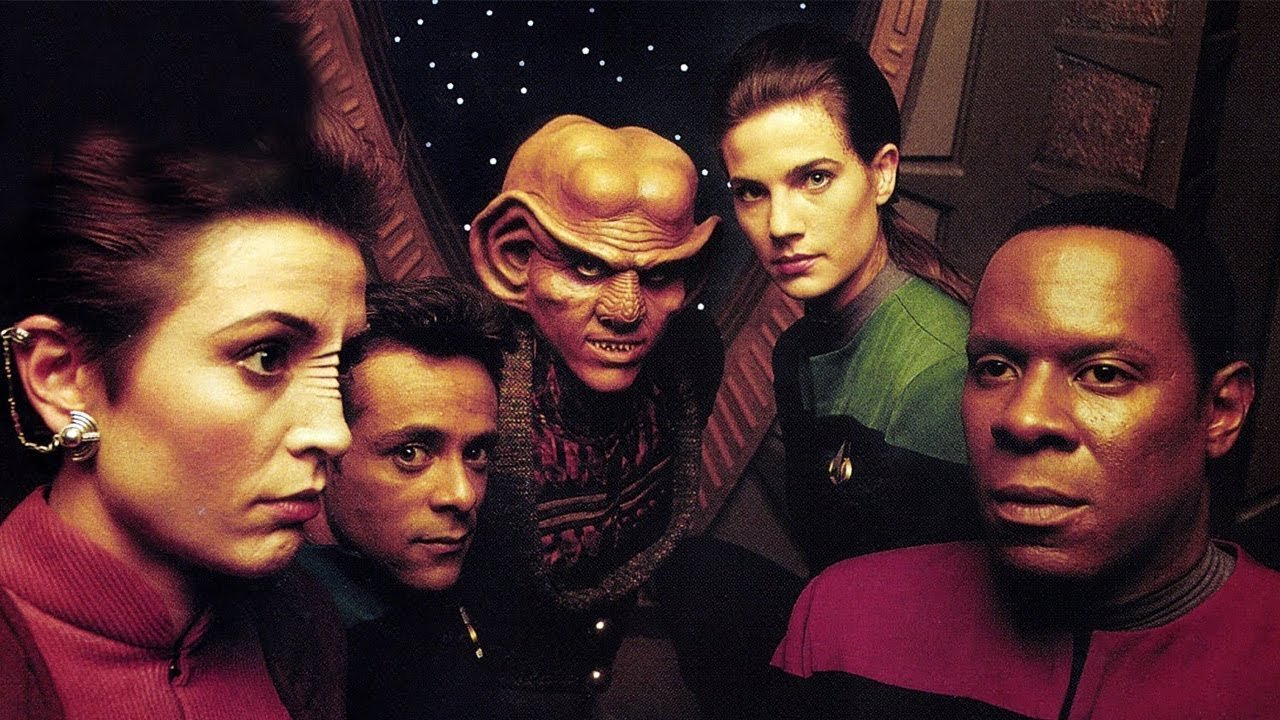
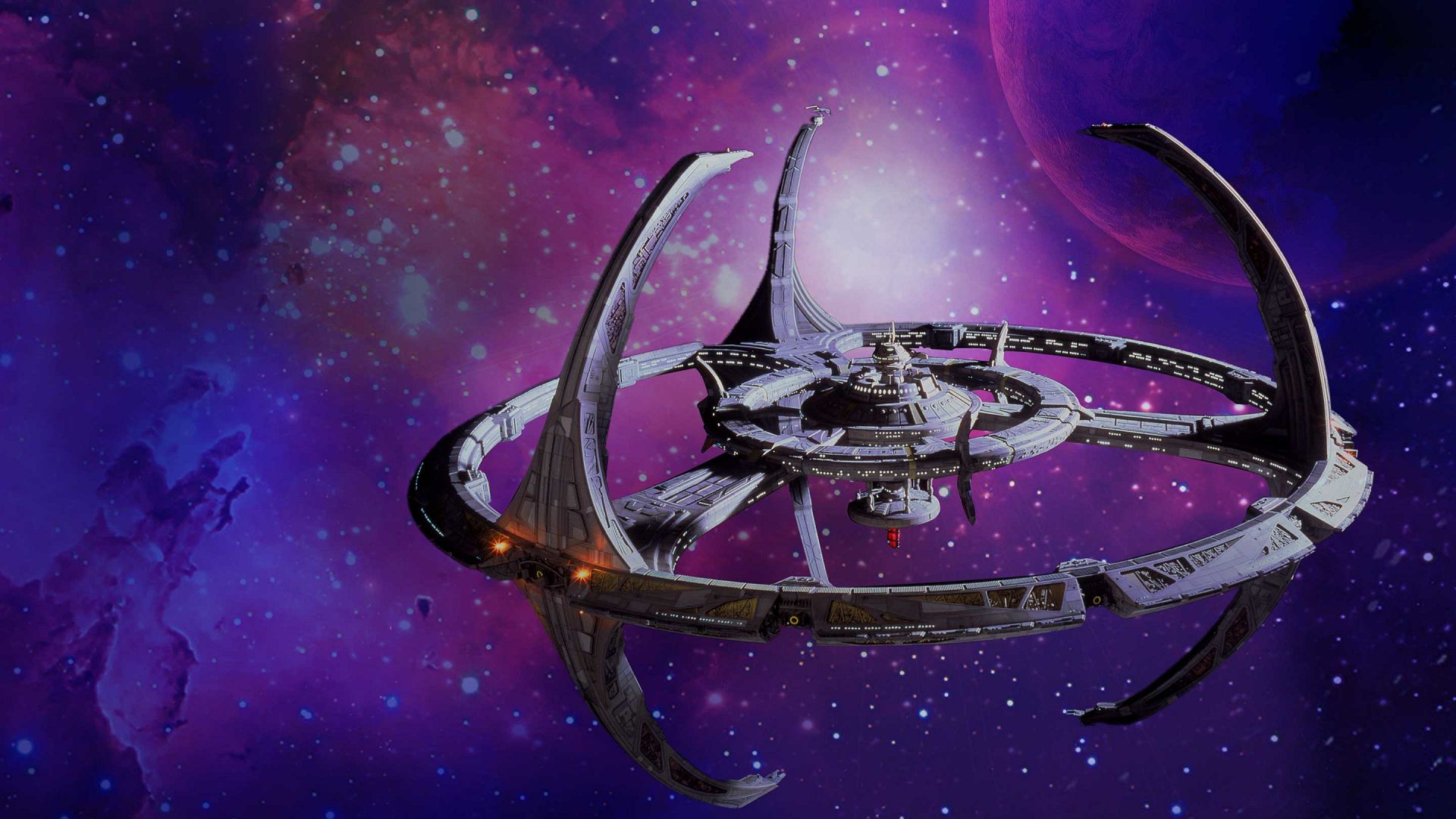
Star Trek: Deep Space Nine starred Avery Brooks as Commander Ben Sisko, an emotionally fragile and jaded Starfleet officer, who was mourning the death of his wife. He is assigned to command the Deep Space Nine space station orbitting the war-torn planet Bajor that wants to be part of the United Federation of Planets. After their arrival, Sisko and his young son meet an eclectic group of characters including Sisko’s second-in-command Major Kira Nerys, a strong-willed former freedom fighter, Quark, a greedy alien bar owner, Odo, a gruff shape-shifting alien security chief, and more. In the pilot episode, Sisko was seriously considering leaving Starfleet, but soon discovers a nearby stable wormhole that transforms Bajor and Deep Space Nine into a major gateway destination in the known galaxy. After an encounter with non-corporeal aliens in the wormhole, Sisko gains a deeper understanding of his life and moves on past his wife’s death with a renewed vigor as an officer. At the same time, he becomes a religious figure to the people of Bajor, who see his wormhole discovery as part of a prophecy about their salvation. This development, naturally, causes discomfort for Sisko, who is has his hands full keeping the peace, raising his son and running the station.

Thanks to its newfound importance, Bajor and the station becomes the centerpoint for intrigue and machinations from various parties throughout the galaxy and is so valued that before long a war breaks out for control of Deep Space Nine and the wormhole. When war breaks out, which was a first for Star Trek, its brutal horrors test our characters in relatable ways never seen before in a Star Trek show.

One thing that the show accomplished was that it embraced the now-common story arcs that continue from one episode to the next. Previous Star Trek shows followed an episodic formula with standalone stories. But by ditching that format, Star Trek: Deep Space Nine gave its characters and situations room to breath and develop. One example was the war arc that took place over several seasons, and culminated in an epic final season that was a fully engrossing and rewarding viewing experience.

Thankfully, the show has found a second life as more and more fans have discovered it and appreciated it. Even though there have been numerous Star Trek shows since, many consider Star Trek: Deep Space Nine to be the best Star Trek show of all time and they have a point. It stands out today because it did not follow the conventional Star Trek formula. It took risks and struck storytelling gold. It’s unfortunate that we have not had any followups or reunions with the show, but it is rumored that the new season of Star Trek: Picard will feature some kind of reunion related to Deep Space Nine, so we’ll find out soon. it is comforting to know that with the current slate of numerous Star Trek shows, not only has Star Trek: Deep Space Nine withstood the test of time but it has propered.

José Soto

Celebrating The Death Of Superman

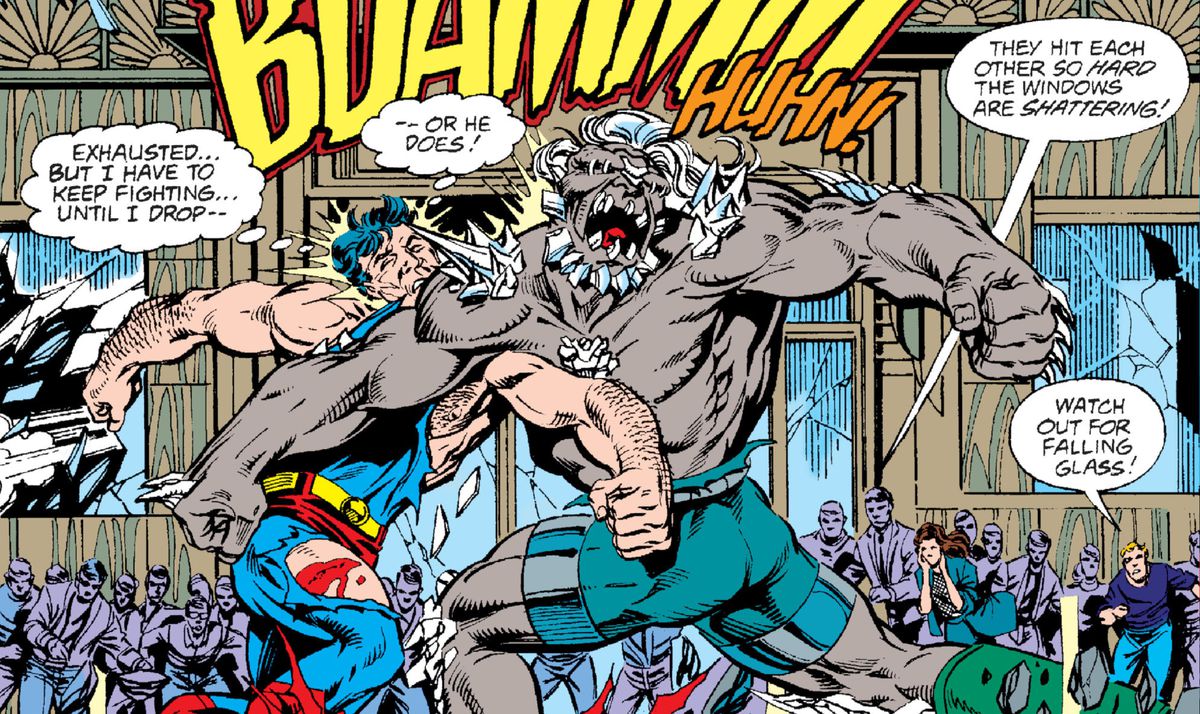
Thirty years ago, one of the most monumental events in comic books took place with the release of DC Comics’ Superman #75. As comic book fans know, the issue was the finale to the epic “Death of Superman” crossover storyline that ran across several other Superman titles, Action Comics, The Adventures of Superman, and Superman: The Man of Steel. Superman met his physical match with the alien monstrosity called Doomsday that escaped from an unknown prison and rampaged across the countryside.

During the rampage, Superman and his allies desperately fought the hulking, grey behemoth, but were unable to stop Doomsday as he finally made his way to Superman’s home, the city of Metropolis. It was in that fictional city that Superman made his last stand against the creature and ultimately killed him, but not before Doomsday killed him, as well.

It was one of the finest Superman stories ever told, it was a true epic full of action and heart. It demonstrated why Superman was one of the greatest superheroes ever conceived, as he used all his strength and drive to stop Doomsday before making his greatest sacrifice.

Before the storyline came out in 1992, the creative team behind the Superman titles, which included Dan Jurgens, Louise Simonson, Roger Stern, Jerry Ordway, Tom Grummett, Jackson Guice and Jon Bogdanove, were following in the wake of John Byrne’s run with the character in Superman, Action Comics and The Adventures of Superman. Byrne radically revamped and modernized Superman in the 1980s, which raised the superhero’s profile to an extent. But when Byrne left the titles it was up to this small army of writers and artists to continue creating quality storylines. The creative team at that time often would get together in a so-called “Superman Summit” to map out and brainstorm ideas for Superman.

Marriage & Death

During this period, they were developing the concept of Superman/Clark Kent marrying Lois Lane. But they came upon a huge stumbling block in that the same story was being used by the TV show Lois and Clark: The New Adventures of Superman. This postponed plans to marry off the two lovers in the comic books because the TV producers wanted to be the first ones to play with the marriage concept and have the comic books coincide with the TV event. This frustrated the creative teams because this decision by the higher ups disrupted their carefully planned stories for the year.

It was back to the drawing board as the creative team held another meeting to conceive an alternative plot for Superman. Despite their efforts, they could not come up with a story that was as good as marrying off Superman. On a frustrated whim, it was suggested by Ordway to kill off Superman. At first, the idea was dismissed because he often would bring this idea up as a joke in previous summits. But this time, the joke began to germinate as the creators wondered what if Superman was killed, and their brainstorming led to the crossover event.

Pending Doomsday

The “Death of Superman” garnered so much media attention because many who did not follow or understand comics actually wondered if this event was a publicity stunt to generate sales or if DC actually intended to kill off its flagship superhero.

When the storyline first debuted in Superman: The Man of Steel #18 (where all readers saw were fists thumping through reinforced walls at the end of the issue), interest in Superman was already percolating as fans latched onto the storyline and wondered themselves how it would play out. After all, for the first time one of the most prominent comic book icons was going to be killed off. Sure there were big deaths in comic books before such as Supergirl and the Flash in the Crisis on Infinite Earths mini-series and lesser known heroes like Invisible Kid and Ferro Lad, both from the Legion of Superheroes died, as well. But this time it was different. This was Superman we were talking about. By the time Superman #75 came out the storyline morphed from a media event to a pop culture event.

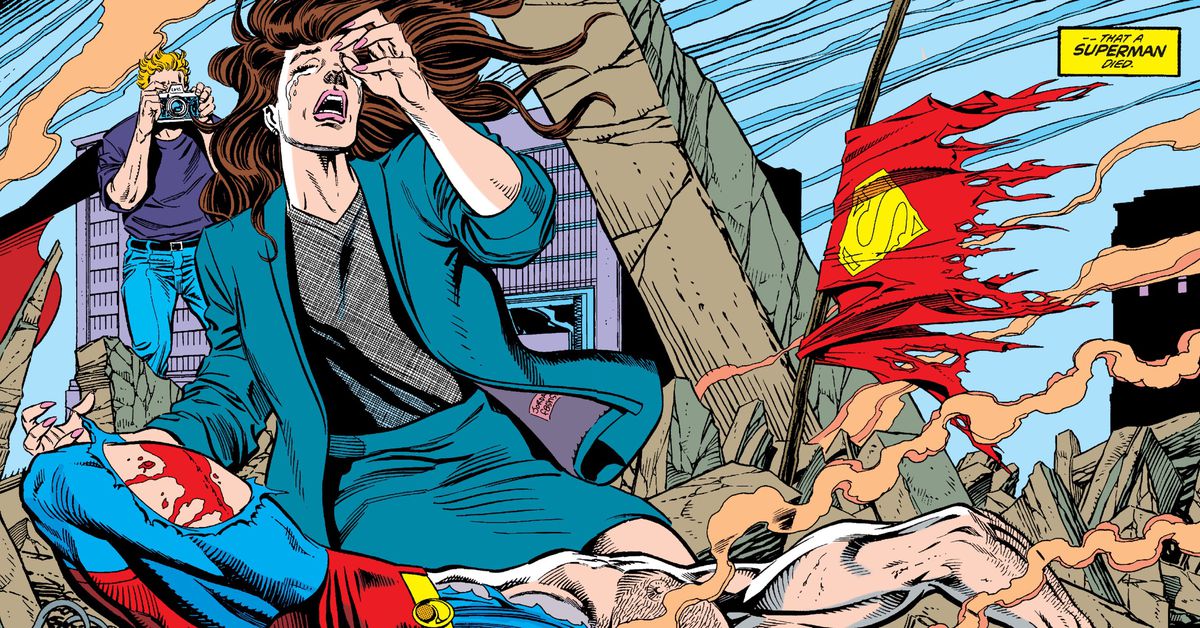
At this time, the story played out weekly as each title advanced the plot. It was a slow burn as each tightly coordinated issue advanced the plot, which enticed readers to come back to the stores the following week to find out what happened next. This generated a lot of interest not just with readers, but with trade magazines like Wizard. By the time the story culminated in Superman #75, the confrontation between Superman and Doomsday took up entire splash pages and concluded with a multiple page spread featuring Lois crying over Superman’s lifeless corpse.

Continue reading →