Celebrating The DCEU

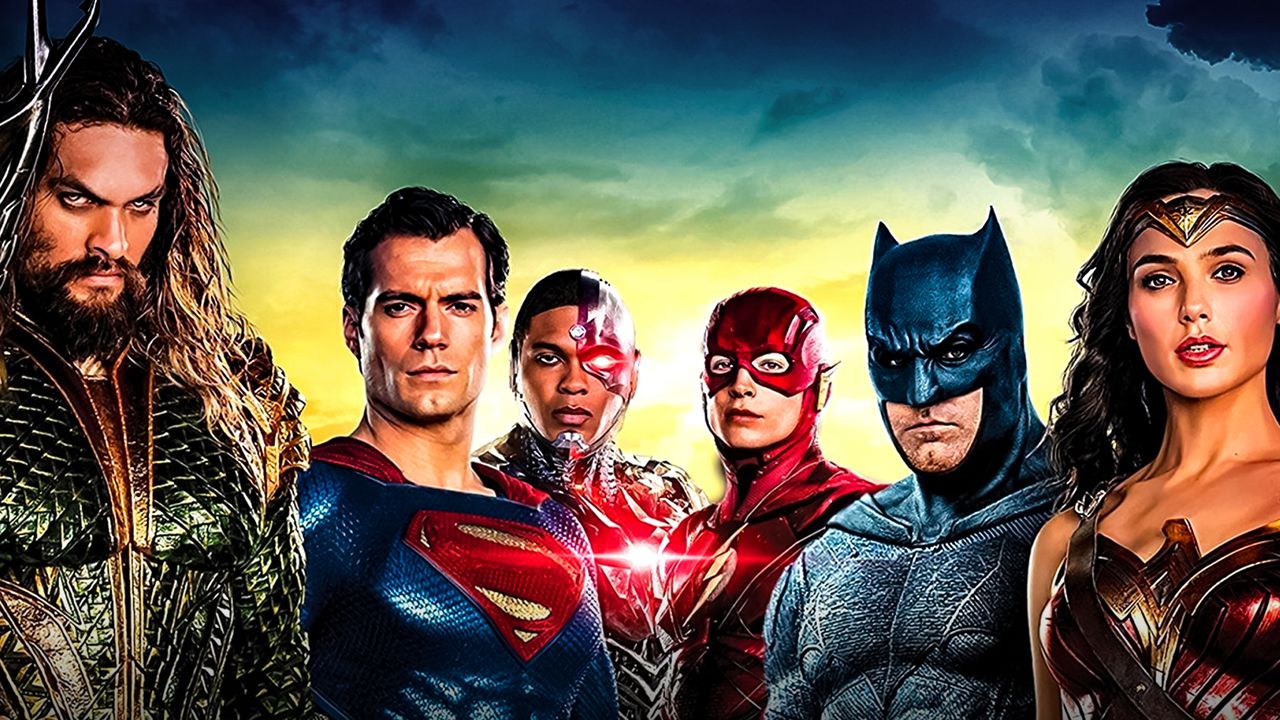
Now that Aquaman and the Lost Kingdom has been released in theaters the DC Extended Universe (DCEU) has come to an end. As Warner Bros.’ answer to the might Marvel Cinematic Universe, the DCEU has had many hurdles that it could not overcome during its ten-year run.  Frankly, it’s a minor miracle that it lasted this long. The issues facing the DCEU have been covered at length and basically, the overall tone of the cinematic universe was all over the place with some truly great films (and one TV show) and some horrendous films. Still, in spite of its problems the DCEU had a lot of merits, which should be brought up as we commemorate the DCEU.

Bold New Takes on Characters

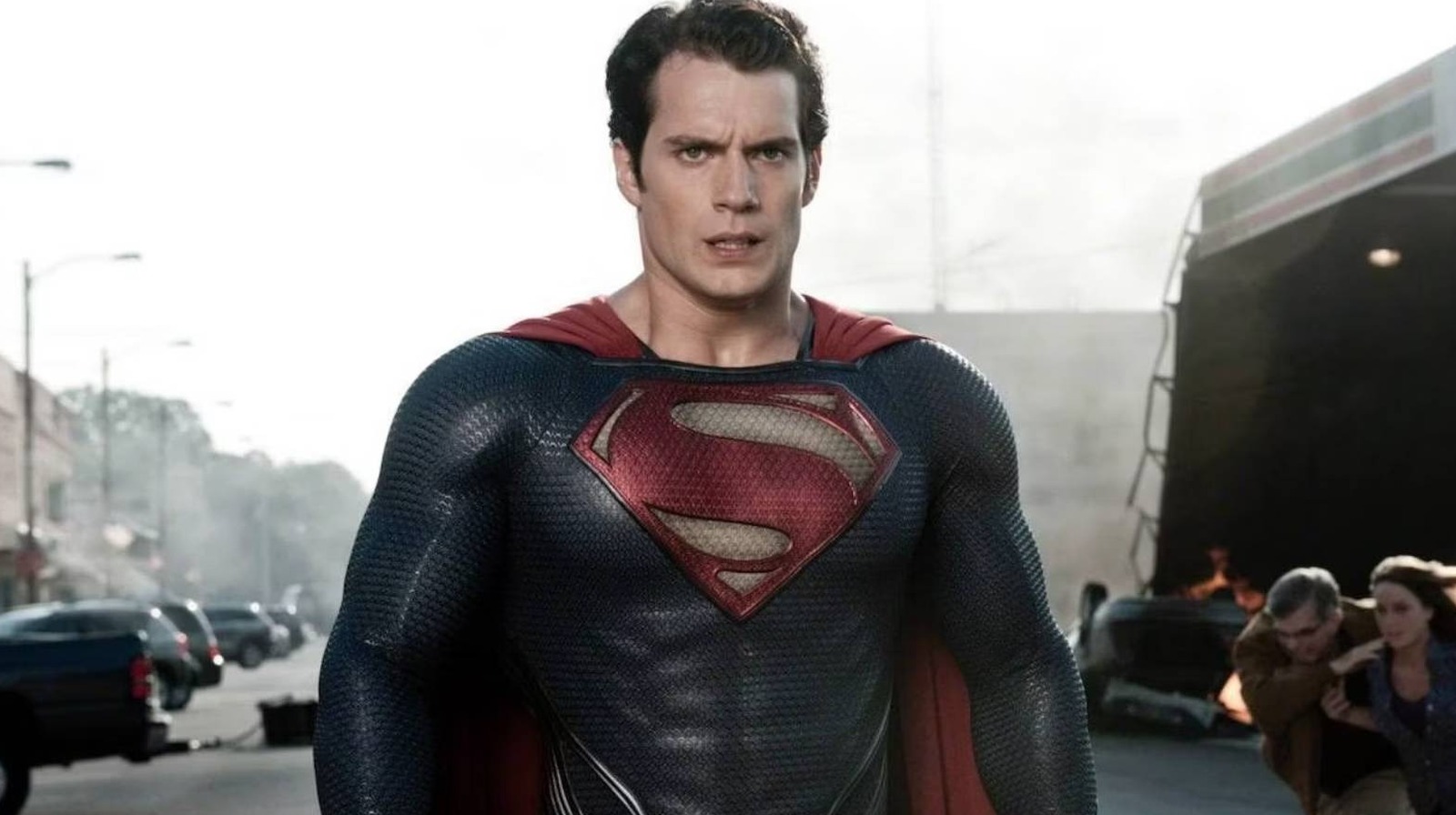
Man of Steel, the first entry in the DCEU, immediately stood apart from traditional Superman films with its darker and more grounded approach to the superhero. This turned off many fans, but others welcomed the refreshing take on the character as it explored the alienation and uncertainty that Superman felt during his emergence as a superhero.

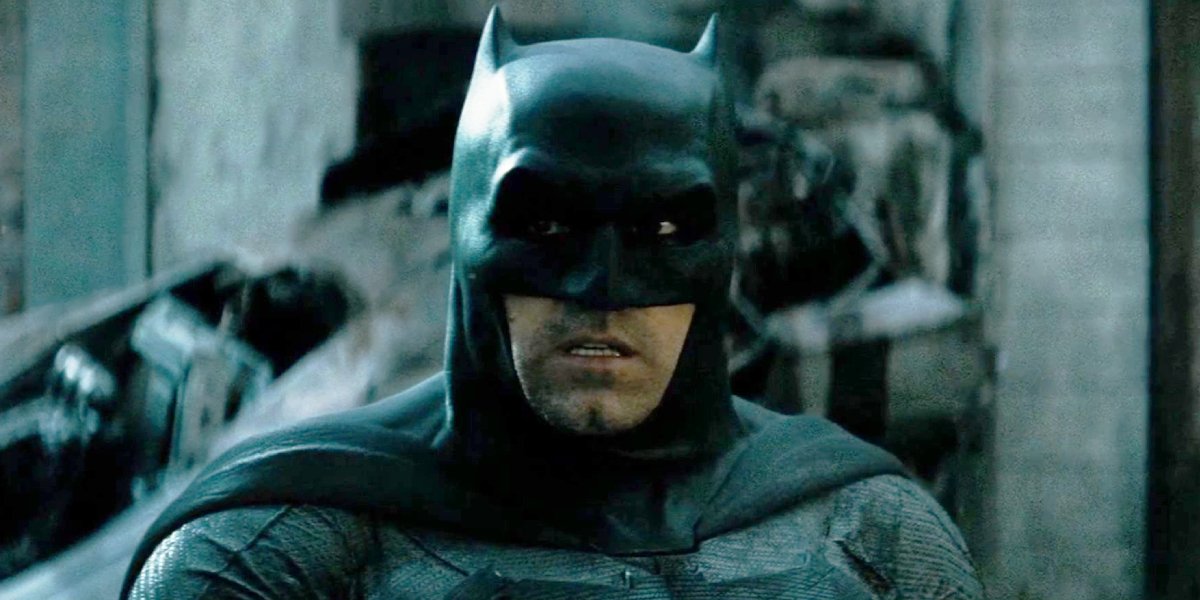
Other characters also had interesting interpretations such as Batman portrayed as a world-weary crusader coming out of semi-retirement and finding a new purpose. Aquaman was reimagined from a being a joke to a formidable warrior with the personality of a surfer dude on hyper steroids. Shazam! presented the title character as an immature teenager reveling in the body of a superpowered adult superhero—the ultimate fantasy for most teenage boys and girls.

Excellent Casting

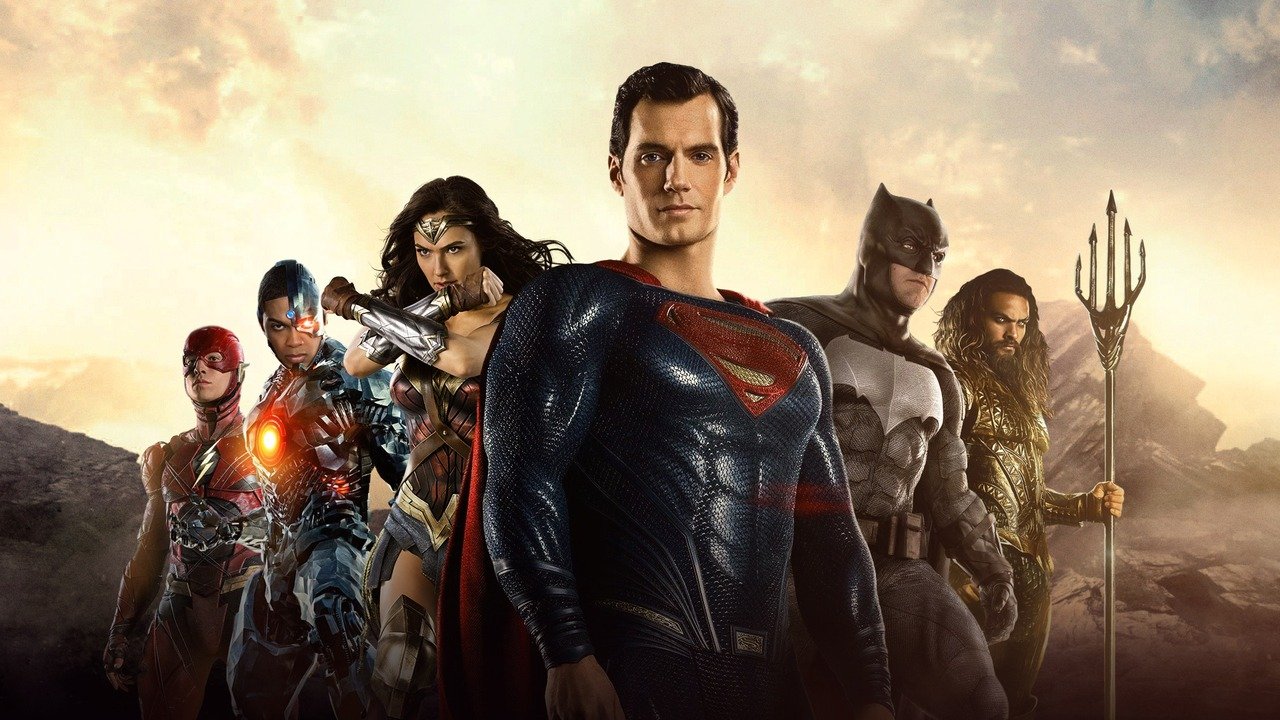
One reason for the successful re-interpretations of the well-known DC characters was the casting. Henry Cavill was so great as Superman, that for many fans his version of the superhero overtook the classic Christopher Reeve interpretation as Cavill’s Superman felt so modern. Jason Momoa’s version of Aquaman turned him into a fun-loving badass.

While many were skeptical of the casting of Ben Affleck as Batman, the actor shocked everyone with a solid performance and now many feel Affleck did the best portrayal of the Dark Knight. Gal Gadot electrified audiences with her portrayal of Wonder Woman and established the Amazonian princess as an inspiring role model. Meanwhile, Margot Robbie infused Harley Quinn with so much manic energy and verve that it is difficult to imagine another actor taking over the role in future DC films.

Electrifying Live-Action Debuts

Many superheroes and villains from the DC comics made spectacular live-action debuts in the DCEU films. The most recent being Blue Beetle;even though the film flopped, it was widely acclaimed for its retro back-to-basics approach with origin superhero films. As mentioned above, Harley Quinn was a bonafide scene stealer whenever she appeared in films, and let’s not forget, the other members of her teams.

The films devoted to the Suicide Squad team introduced audiences to many different DC villains. Anyone tired of the Joker or Lex Luthor being featured in DC films rejoiced at colorful villains such as Captain Boomerang, King Shark, Rat Catcher, Bloodsport and Peacemaker. The debut of these characters fleshed out the DCEU, which did not over-rely on its trinity of legacy characters, i.e Superman, Batman and Wonder Woman.

Distinct Visions

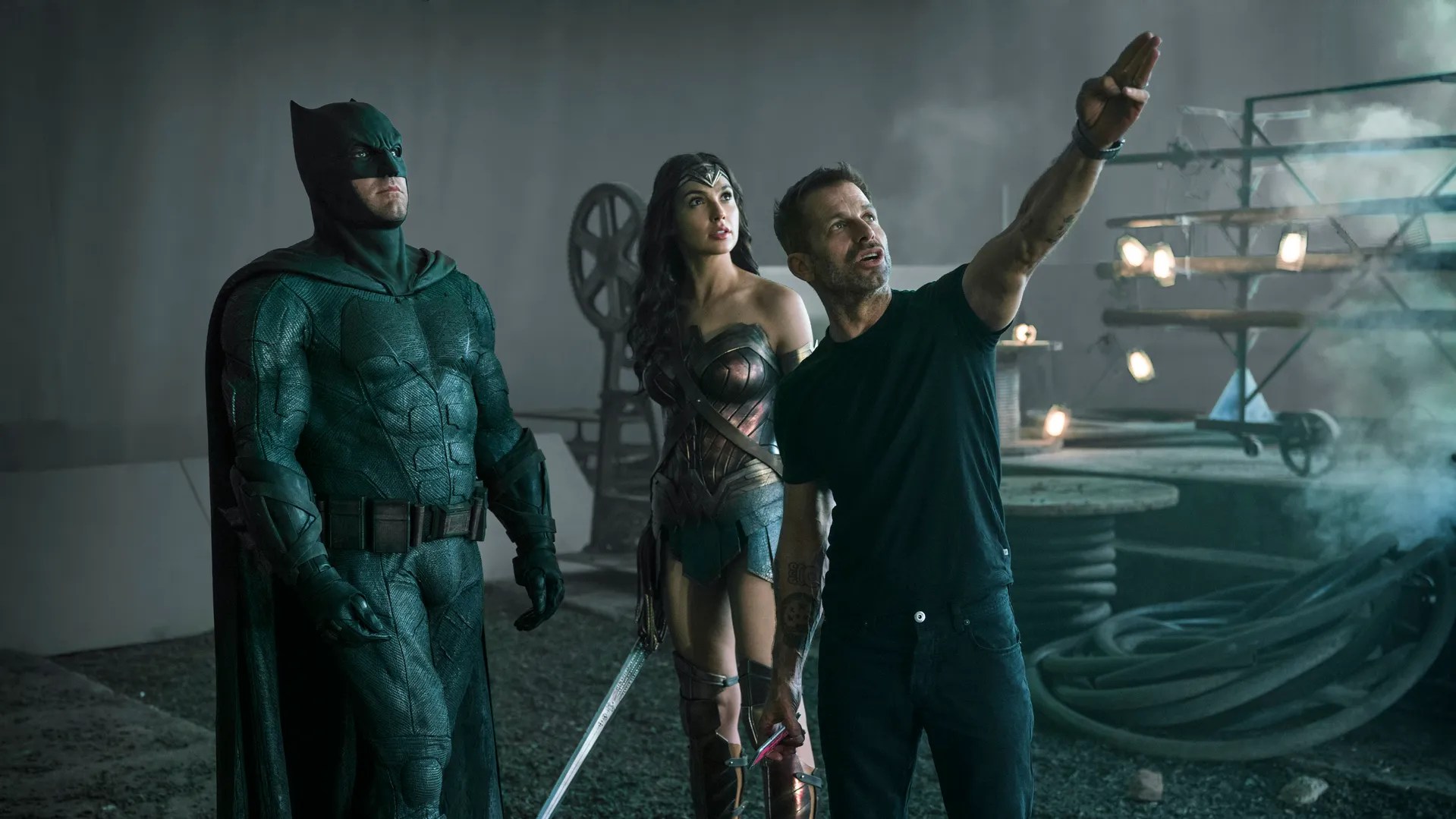
It’s true that the overall tone of the DCEU was inconsistent thanks to Warner Bros. executives who interfered with the films. However, many times the films were injected with distinctive visions from its directors. Zack Snyder established a hyper-realized look to his films which were a hallmark of the early DCEU films. Love or hate the Snyder films, they certainly stood apart visually from other superhero films.

Other directors like James Gunn, James Wan, Patty Jenkins (at least with the first Wonder Woman), David F. Sandberg and Angel Medina Soto infused their films with bright and bold directions, which celebrated the comic book roots of the DC characters. The result was that many of the DCEU films were distinct from other superhero films. This is not a small feat given all the many recent superhero films.

Topnotch Productions & Iconic Scenes

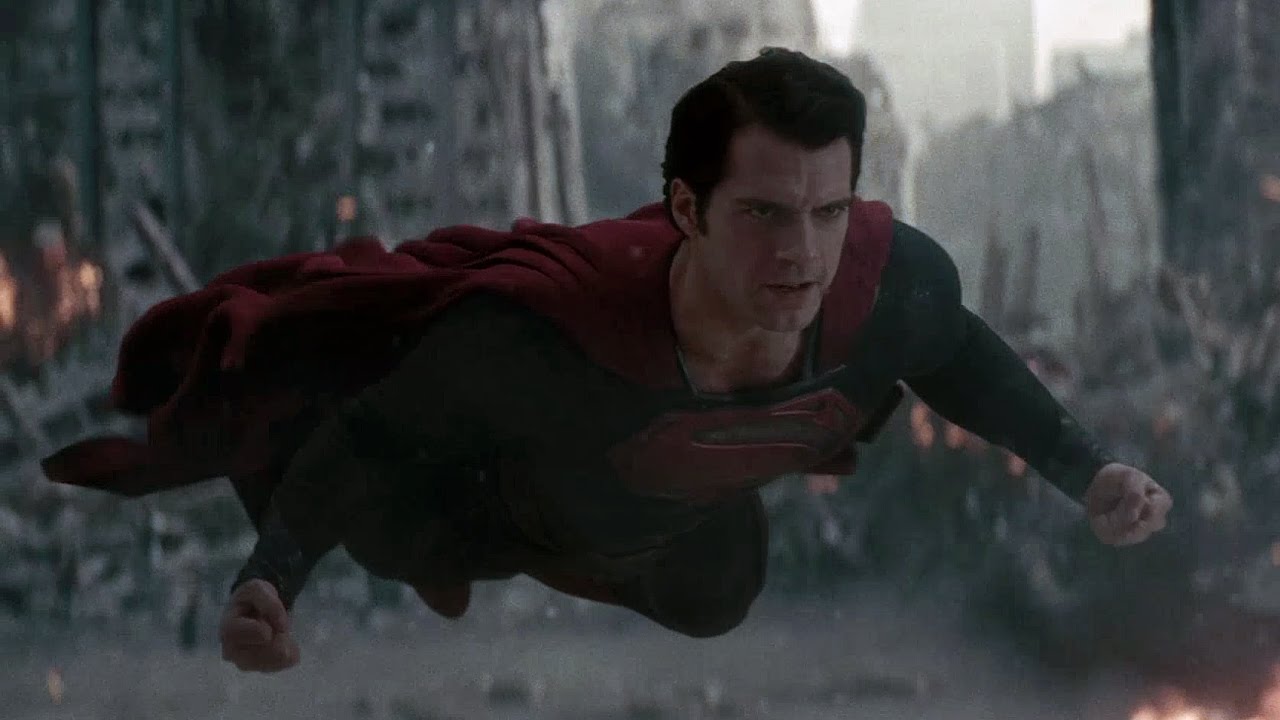
With certain exceptions (see The Flash), the DCEU films have boasted topnotch productions and unforgettable special effects. Some films received notable awards for their productions, including an Academy Award for Best Makeup and Hairstyling for Suicide Squad and a Hugo Award for Best Dramatic Presentation, Long Form for Wonder Woman.  Many scenes, especially those from the Zack Snyder films, featured new and interesting depictions of superpowers, such as the epic airborne fights that took place in Man of Steel and when Superman first learned how to fly in the same film.

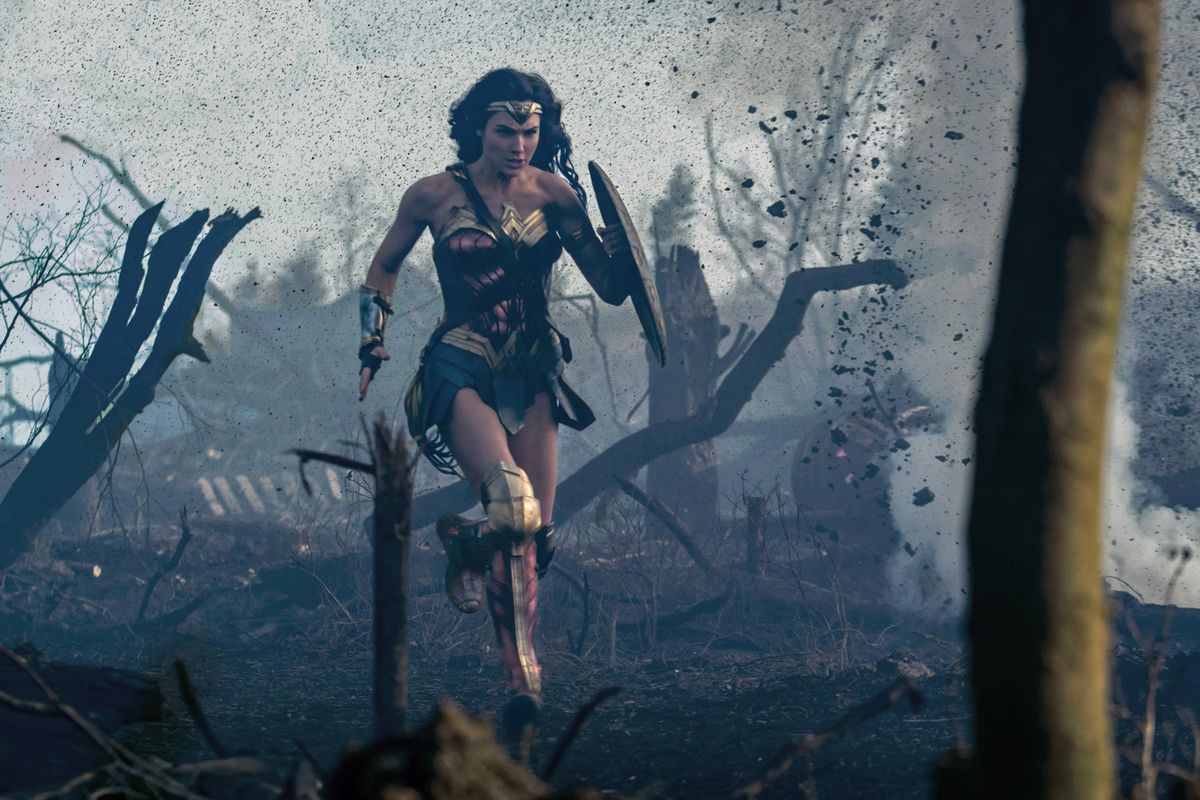
Several scenes from DCEU films were simply iconic like that moment in Wonder Woman when the title hero emerged from the trenches to fight enemy soldiers during World War I. Some other moments were just plain goofy and fun. A great example was a quick moment in Aquaman that featured an octopus playing drums (!). Then there was the madcap nature of The Suicide Squad, which allowed James Gunn to run wild with his imagination.

Despite the fact that many like to focus on the many issues the DCEU had, there was so much to celebrate about the films. In the time before the James Gunn reboot, Superman: Legacy, comes out, it’s a good idea to reflect on the contributions the DCEU films made to superhero films and give them another look.

José Soto

Coming Soon: The DCEU films ranked!

Battlestar Galactica Reimagined Circa 2003

After the original Battlestar Galactica TV show ended its run in the late ’70s there have been numerous attempts to revive it. Some included efforts by Bryan Singer and Richard Hatch, the star of the original TV show. But none were successful until Syfy greenlit a remake instead of a sequel to the orignal show, which aired as a two-part mini-series on the cable channel beginning on December 8, 2003.

Distinctly darker and more grounded than the original TV show, the new Battlestar Galactica quickly won acclaim from critics and fans, even those who were skeptical over the changes made to the concept. The mini-series was so successful that Syfy quickly ordered a series, which began airing later in 2004.

The basic premise of the new Battlestar Galactica was similar to the original TV show. In a distant part of the galaxy, a fragile truce between humans and a cybernetic race called the Cylons is shattered when the Cylons launch a surprise attack that destroys the human civilization. The few remaining human survivors set off in a ragtag fleet led by the last remaining battlestar warship called Galactica to find refuge in the lost human colony world known as Earth.

Whereas the original Battlestar Galactica clearly followed the spirit of Star Wars with an emphasis on starship battles and admittedly cheesy scripts, this version was edgier and grittier. It was clear that this 2003 version of Battlestar Galactica was influenced by 9/11. This turned off some fans of the original Battlestar Galactica who desired a more innocent rendition, but the reimagining drew in many more fans to take their place. They welcomed the moral dilemmas and flawed characters that were the main feature of the mini-series as the aftermath of war and its impact on humanity was fleshed out. The show was so grounded that even though these humans lived in a distant part of the galaxy they wore the same kind of clothes we wear today including business suits. They spoke like normal people, too with the exception that the F word was replaced by “frak” to get around censors, although this made up curse word was used too often and unrealistically in normal conversations.

Another way Battlestar Galactica stood apart from the original was with its exceptional acting. Starting from acclaimed and well known actors like Edward James Olmos and Mary McDonnell to relative newcomers like Jamie Bamber, Katee Sackhoff and James Callis, they infused their roles with needed gravitas which engaged the audience. Unlike the original which focused on the adventurous exploits of Captain Apollo and his buddy wingman Starbuck, the clear leads in the remake were Olmos’ William Adama and McDonnell’s President Laura Roslin. Both characters were unexpectedly thrust into leadership roles for the desperate remains of humanity looking for any kind of guidance and hope. Even with the compelling and mature leads, the remake was more of an ensemble piece, as it prominently featured other important characters like Adama’s son Apollo (Bamber) and his best friend, Starbuck (Sachhoff in a role that was orignally portrayed by a man).

Adding to the drama was that the Cylons were hunting down the last remnants of humanity. One of these survivors was Dr. Gaius Baltar (Callis), who unwittingly helped the Cylons destroy human civilization and grapples with his guilt as he is taunted and seduced by an imaginary Cylon called Number Six (Tricia Helfer). She is part of a new race of Cylons that evolved to look and act like humans and were able to infiltrate human society. This new wrinkle with the Cylons added an intriguing twist and put a face to the enemy, which in the original show were just robots without any personality. This development also introduced an element of paranoia as the humans were no longer sure if the enemy was hiding in plain sight among them ready to commit acts of sabotage and terrorism.

The success of Battlestar Galactica revitalized interest in the IP and led to a TV series that ran for four seasons, a spinoff series called Caprica and there are reports of a new version to be produced. Some of the best sci-fi episodes of any TV show were part of the TV show’s lineup as it further developed the plot lines and characters introduced in the mini-series. This would not have been possible if the Battlestar Galactica 2003 mini-series failed to find an audience and it is why it should be praised for its accomplishments twenty years later.

The X-Files: The Truth Is Still Out There 30 Years Later

The X-Files is celebrating 30 years and is regarded as one of the most influential sci-fi TV shows of all time. It was in September 1993 that audiences were introduced to now-iconic FBI investigators Fox Mulder (David Duchovny) and Dana Scully (Gillian Anderson). Mulder was obsessed with finding out what happened to his sister who was abducted by aliens when he was just a boy. This passion launched his lifetime pursuit of investigating the UFO phenomenon and other paranormal events. His bosses at the FBI were wary of his quest and partnered him with sceptical FBI agent Scully, who always tried to reign in Mulder’s forays into the unknown. Their evolving relationship and investigations into weird events, such as alien bounty hunters and cryptid creatures, endeared them to fans worldwide and made Mulder and Scully household names.

The plots of the episodes over the original 9 seasons consisted of either the conspiracy storyline that featured sinister govt. agents and alien forces conspiring to take over the world, or “monsters of the week”, where the duo investigated other strange events having to do with unexplained phenomena, such as psychic powers in the episode “Beyond the Sea” or sea serpents in the episode “Quagmire”, among other bizarre events. The conspiracy episodes became increasingly convoluted as the series progressed with the storyline involving an alien plan to colonize the Earth, and the aliens were assisted by covert government forces led by the villain of the series, the Cigarette Smoking Man (William B. Davis), the nemesis of both Mulder and Scully, who always attempted to untangle to web of lies they faced with each case. They’re helped by various allies during the show, such as their boss Walter Skinner (Mitch Pileggi) who shielded them from attempts to have the X-Files section of the bureau shut down at great risk to himself, as well as the Lone Gunmen (Dean Haglund, Tom Braidwood, and Bruce Harwood), fellow conspiracy buffs who assisted Mulder from time to time in solving cases.

The influence of The X-files can’t be overstated as it led to many other shows involving alien conspiracies or other kinds of surreal mysteries that would have a complex story unfold over several seasons. Such shows that followed quickly after The X-Files debuted were Dark Skies, and spinoffs Millennium and The Lone Gunmen.  Even well after The X-files aired, in the 2000s, other shows appeared that followed in the footsteps of characters dealing with weird circumstances or events like Lost, Fringe and Supernatural, all of which are regarded as offspring of The X-Files, the first show that had mass appeal showcasing bizarre and unexplained phenomenon.

As for what inspired The X-Files itself, this would have to be the great but short-lived Kolchak: The Night Stalker starring Darrin McGavin, which aired in 1974-75 and is credited by X-Files creator Chris Carter as a huge influence on The X-Files. That show had a bumbling investigative reporter Karl Kolchak seeking answers to unexplained phenomenon very similar to what Mulder and Scully would take on 20 years later. McGavin even guest starred in two episodes of The X-Files portraying a character seen as the father of the FBI’s X-Files division, a tribute to Kolchak’s influence on the show.

The X-Files returned for two more seasons in 2016 and 2018 after a long hiatus and two theatrical films, which again showcased Mulder and Scully trying to unravel more alien and government plots, and finding the whereabouts of their child William. Overall, the show has become an icon in the TV and cultural landscape and has legions of devoted followers. It arrived at a time when the idea of UFOs and aliens were emerging in the mainstream as a serious topic and the show further pushed these conversations into the mainstream. The X-Files is still highly regarded 30 years later and will still be seen and imitated for many years to come.

C.S. Link

In Celebration of Star Trek: Prodigy

During the recent official celebrations for the 57th anniversary of Star Trek, its many spinoffs, and the 50th anniversary celebration of the original Star Trek animated TV show, it was noticed by many how the powers-that-be conveniently failed to mention Star Trek: Prodigy. It was so glaring because in the Paramount + Star Trek Day special and related promo material, even though all the Star Trek TV shows were noted, the animated TV show, Star Trek: Prodigy, was absent as if it never existed.

This is peculiar because until a few months ago, Star Trek: Prodigy was streaming on Paramount + until it was yanked out of the schedule and cancelled. This was part of a wider cost-cutting move by Paramount Pictures with its streaming platform that saw the cancellation of many projects. The sudden cancellation of Star Trek: Prodigy was unusual because a second season was already under production and the TV show was removed from the platform mere days after the cancellation announcement.

Honestly, this move by Paramount was disrespectful to the Star Trek franchise and its fans that were only starting to discover Star Trek: Prodigy. This action only reminds fans of how the studio is disdainful of its franchise.

Star Trek: Prodigy was met with a skeptical eye from many fans when it was first announced. Many automatically dismissed it as a kid’s TV show and what did not help was the prominent Nickelodeon logo plastered on top of the TV show’s logo and the announcements in promo materials that it was aimed at children.

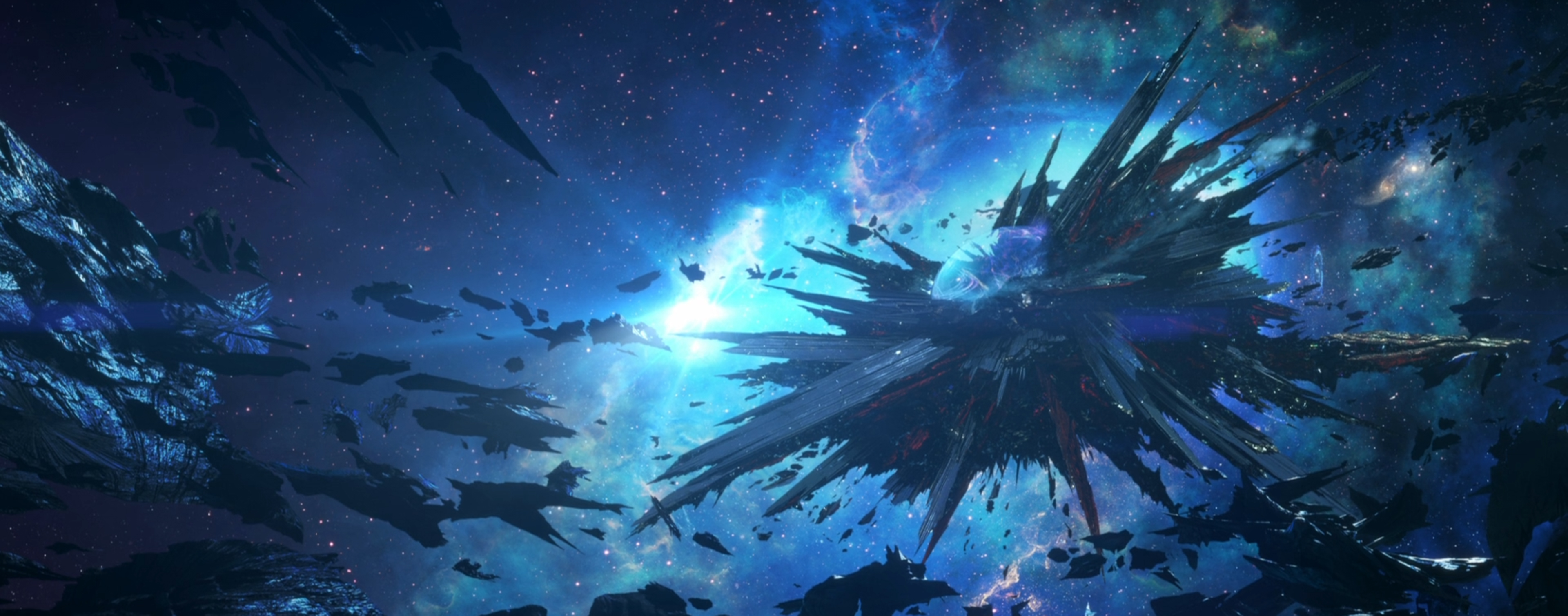
While this reaction was understandable many missed out on how unexpectedly solid Star Trek: Prodigy turned out. Yes, it was not as complex as some other Star Trek shows but its stories were imaginative and embraced the Star Trek lore. It actually felt like it was part of Star Trek thanks to its stories, themes and characters. It also boasted beautiful 3D animation that showcased truly unique aliens and landscapes, while being grounded in the Star Trek Universe.

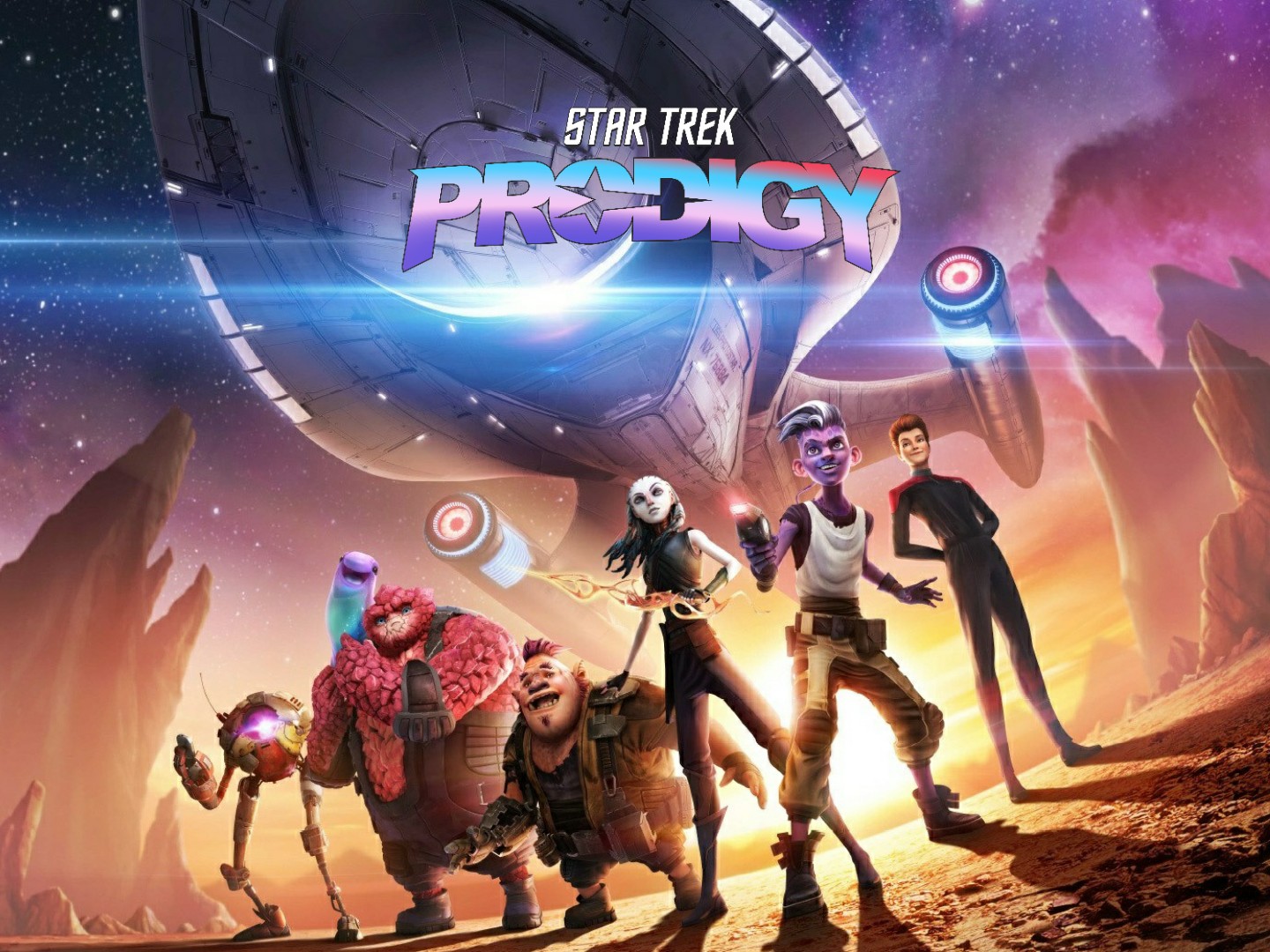
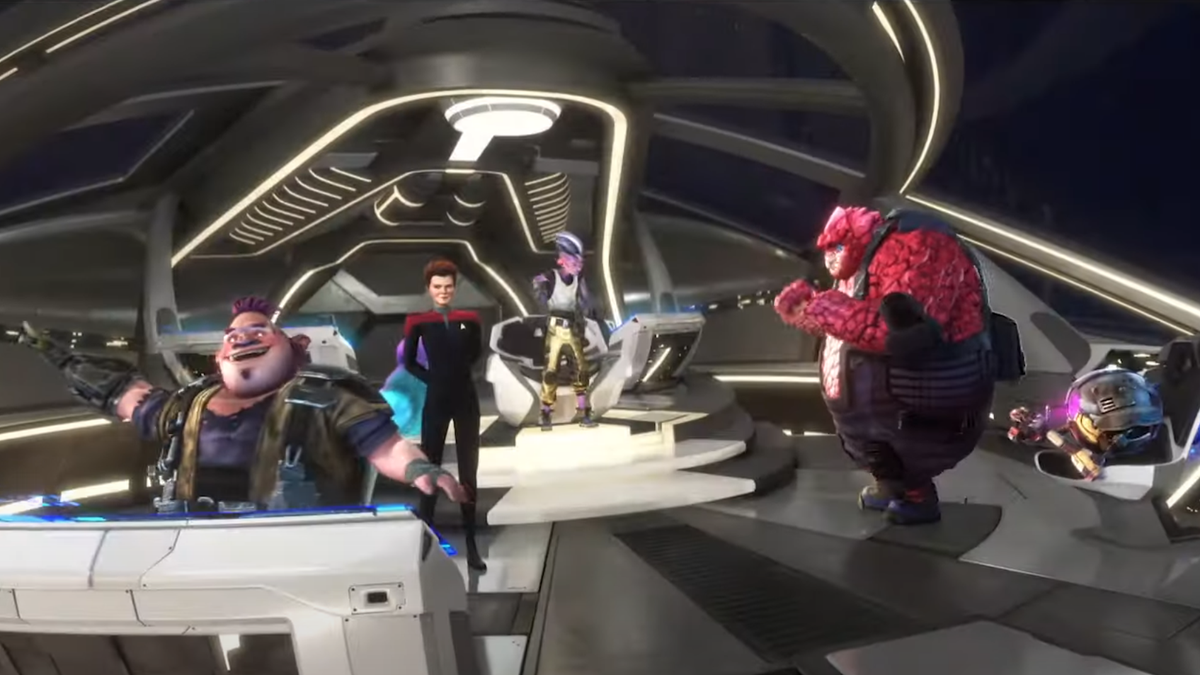
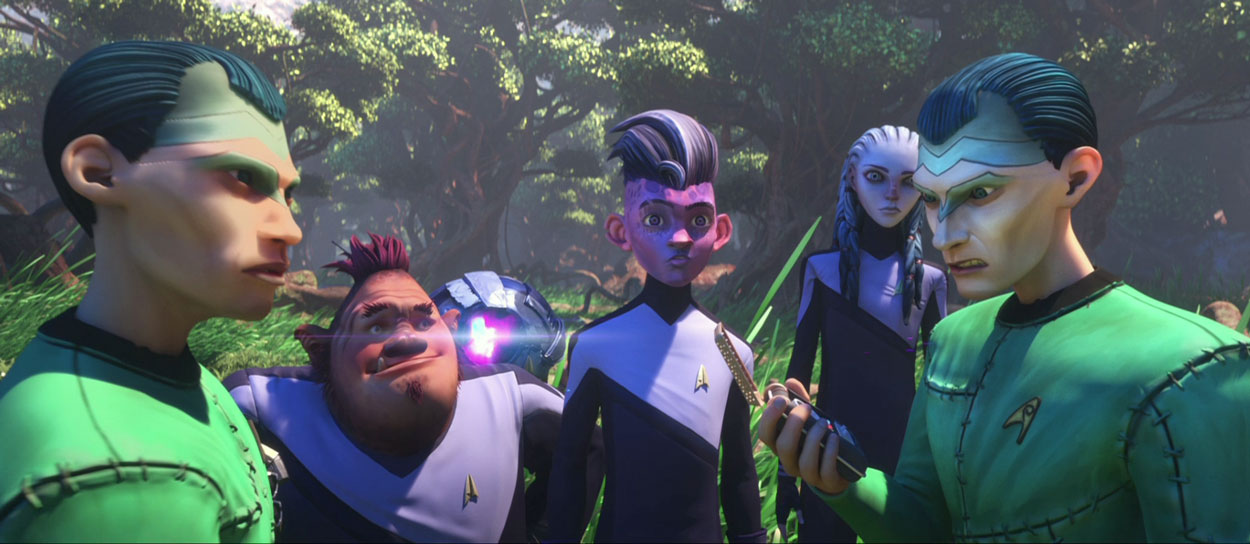
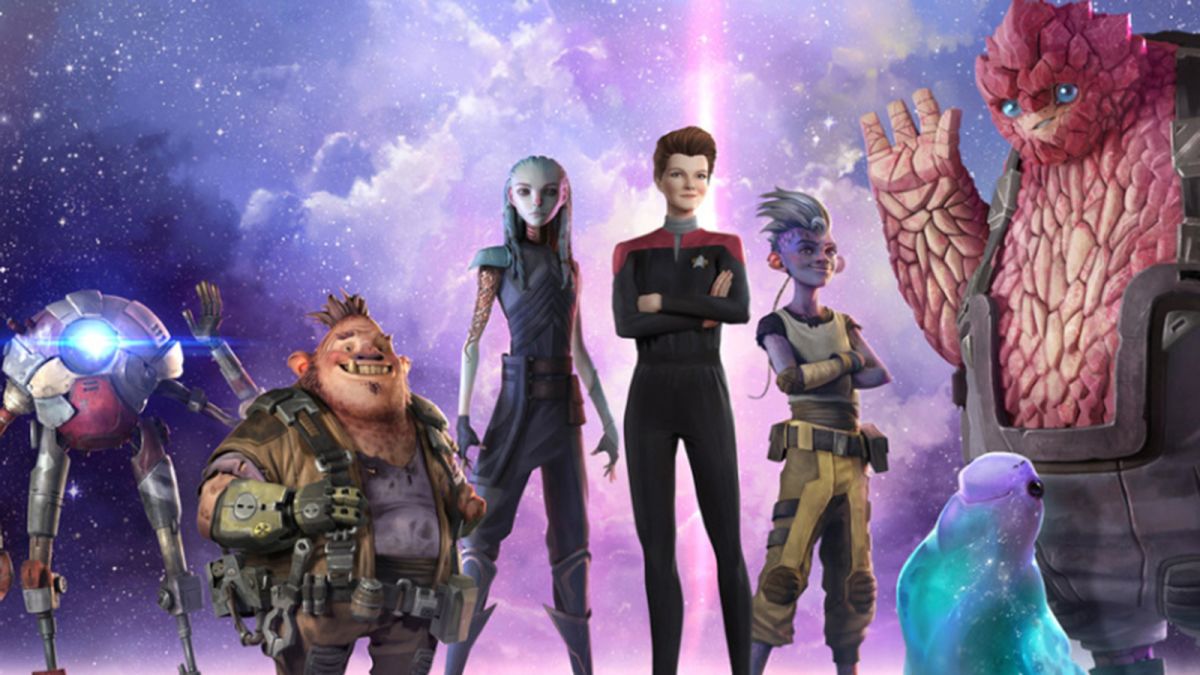
Star Trek: Prodigy takes place in the distant Delta Quadrant at a prison mining colony where a young alien prisoner named Dal R’El (Brett Gray) discovers in a mine an abandoned Starfleet ship called the Protostar. He activates the ship and escapes the colony with his companions who include Gwyndala (Ella Purnell), the daughter of the show’s antagonist, Jankom Pog (Jason Mantzoukas), a young Tellarite mechanic, Zero (Angus Imrie), a Medusan in a floating containment suit, Rok-Tahk (Rylee Alazraqui), a huge rock-like alien who is actually a brilliant young girl, and a gelatinous alien called Murf (Dee Bradley Baker). On the Protostar, they meet a training hologram that is patterned after Kathryn Janeway (Kate Mulgrew). She helps them run the ship and mentors Dal and the others on becoming Starfleet officers. The motley crew decides to embark on a voyage to return the Protostar to the Alpha Quadrant and the United Federation of Planets. Along the way they carry on with the Starfleet mission of exploring new worlds and civilizations in the hope they can become Starfleet officers once they return the ship.

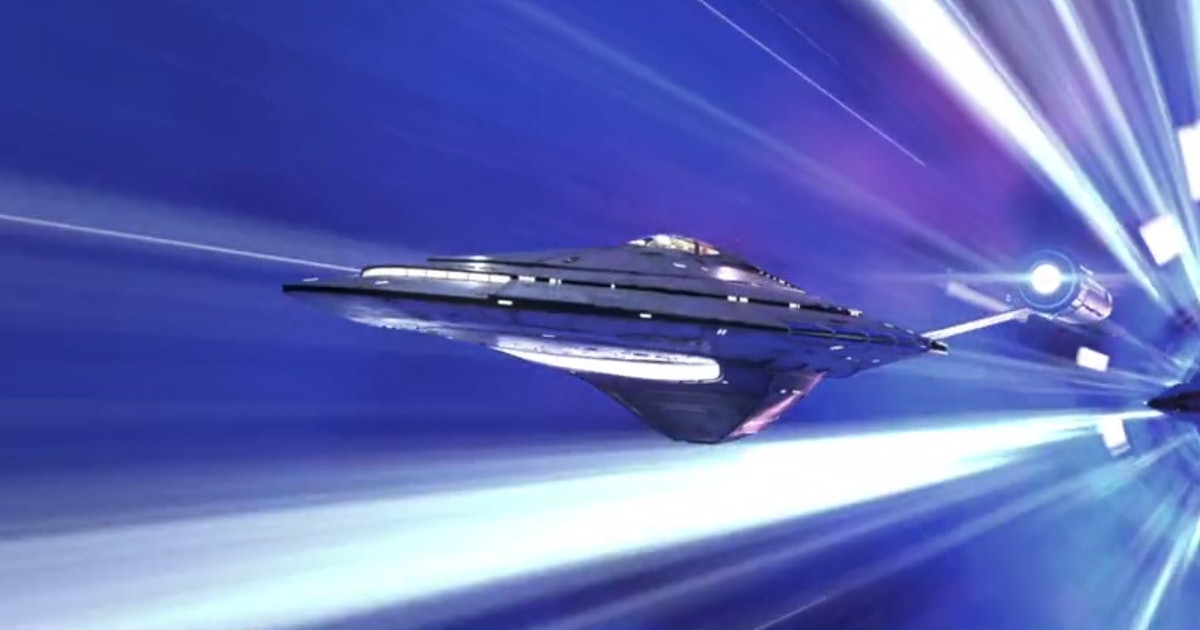
The Protostar is an experimental starship that actually changes its shape to travel at tremendous speeds in warp space. The starship and its new crew are hunted across the galaxy by Gwyndalla’s father, the Diviner (John Noble), who rules the prison colony and has a personal vendetta against the Federation and its Starfleet. He covets the Protostar to use it as a Trojan Horse to decimate the Federation.

Also pursuing the Protostar is the real Janeway, who is now a Starfleet admiral commanding another Starfleet ship. Years ago, the Protostar was lost in the Delta Quadrant along with its crew, which was commanded by her former first officer, Chakotay (Robert Beltran).

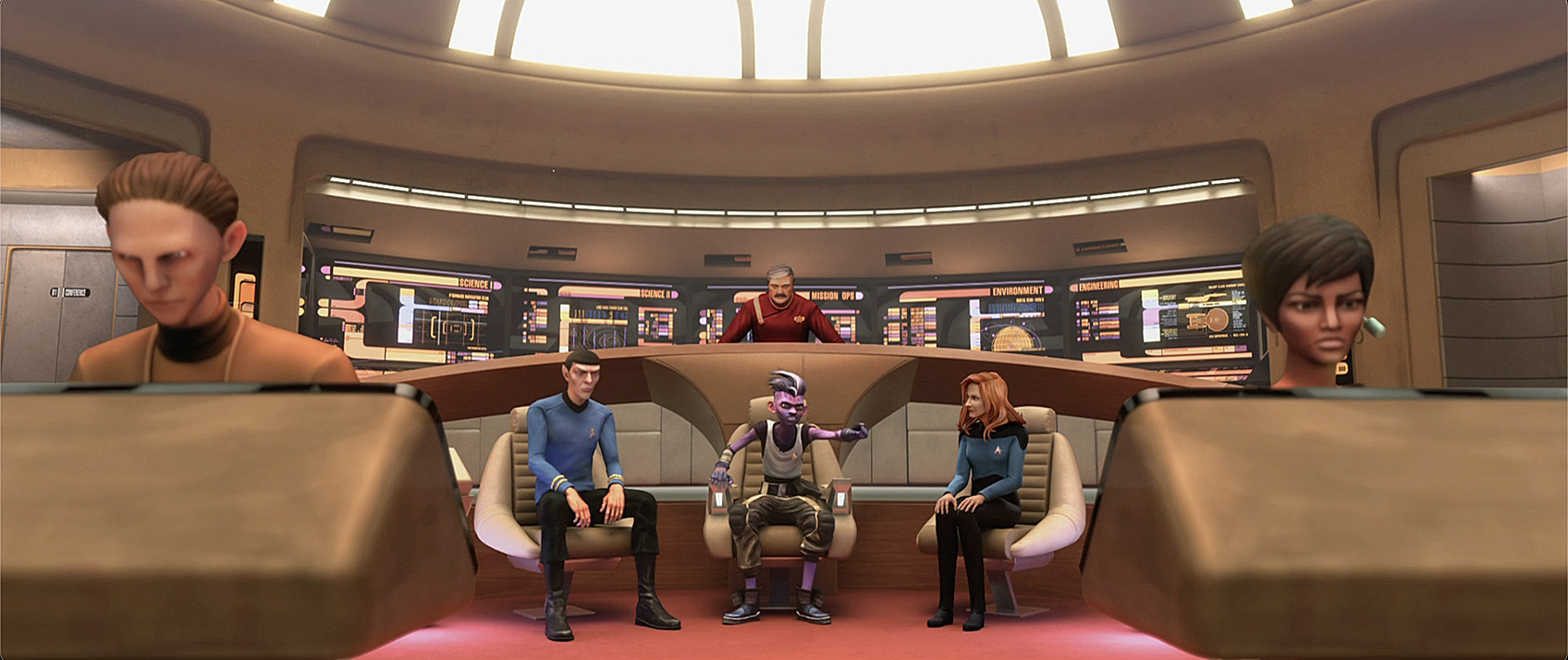
For a TV show supposedly oriented towards children Star Trek: Prodigy has a surprising amount of depth considering that many episodes featured character arcs that fully developed the characters. Throughout the first season we see Dal change from an impulsive and rebellious teenager into a responsible and mature person who had the qualities for a Starfleet officer. The best episode that illustrates his development was “Kobayashi”. Dal activates a holo-training program that is the famous Kobayashi Maru test given to Starfleet cadets where they hopelessly try to rescue a freighter from Klingons. Making up his crew in the simulation are popular Trek characters like Spock (Leonard Nimoy) from the original Star Trek and Scotty (James Doohan) from the original Star Trek films. As Dal tries to win the test’s no-win scenario and learns some hard lessons about command, he interacts with these characters, which was amazing since some of the actors voicing the roles are no longer alive. It was a nice way to give tribute to the franchise.

Most of the other characters saw significant development, as well. Gwyndala fought an inner battle within herself as she was at first hostile towards Dal and the others but gradually formed a deep bond with them. In the episode “Time Amok” Rok and the others are trapped in different temporal loops. Being that in Rok’s loop time runs at the slowest rate she uses this as a chance to learn to become a scientist and save the crew. Many of the others have tragic backgrounds and this journey on the Protostar serves as a means to give them some meaning in their lives.

The best way to think of Star Trek: Prodigy is to compare it to Star Wars: The Clone Wars or Star Wars: Rebels. On the surface both TV shows were apparently made for children, but before long they evolved and became more complex and appealing to adults who otherwise might have been turned off by them. I’m pretty sure that if Star Trek: Prodigy was not cancelled and allowed to fully tell its story, which included the search for Chakotay, the show would have reached the same level of admiration that the animated Star Wars TV shows has received.

Cancelling Star Trek: Prodigy was one thing, but to remove it from Paramount + and having it unavailable to easily view elsewhere was a foolish decision. Even though it was not a massive hit it still would have found an audience. Right now the only way to see Star Trek: Prodigy is to buy it through Amazon Prime, Vudu or other video on demand services or to actually purchase it on physical media. It’s certainly worth buying and will help hold us over until season two is ready. As of this writing, post-production of season two of Star Trek: Prodigy is underway and the show’s producers are finding another place to air it. Given the way the actors and writers strikes have ground film and TV productions to a halt Paramount should reconsider its decision and bring back Star Trek: Prodigy to its streaming platform to at least let the fans see the final season.

José Soto

Man Of Steel & The Failed Promise Of The DCEU

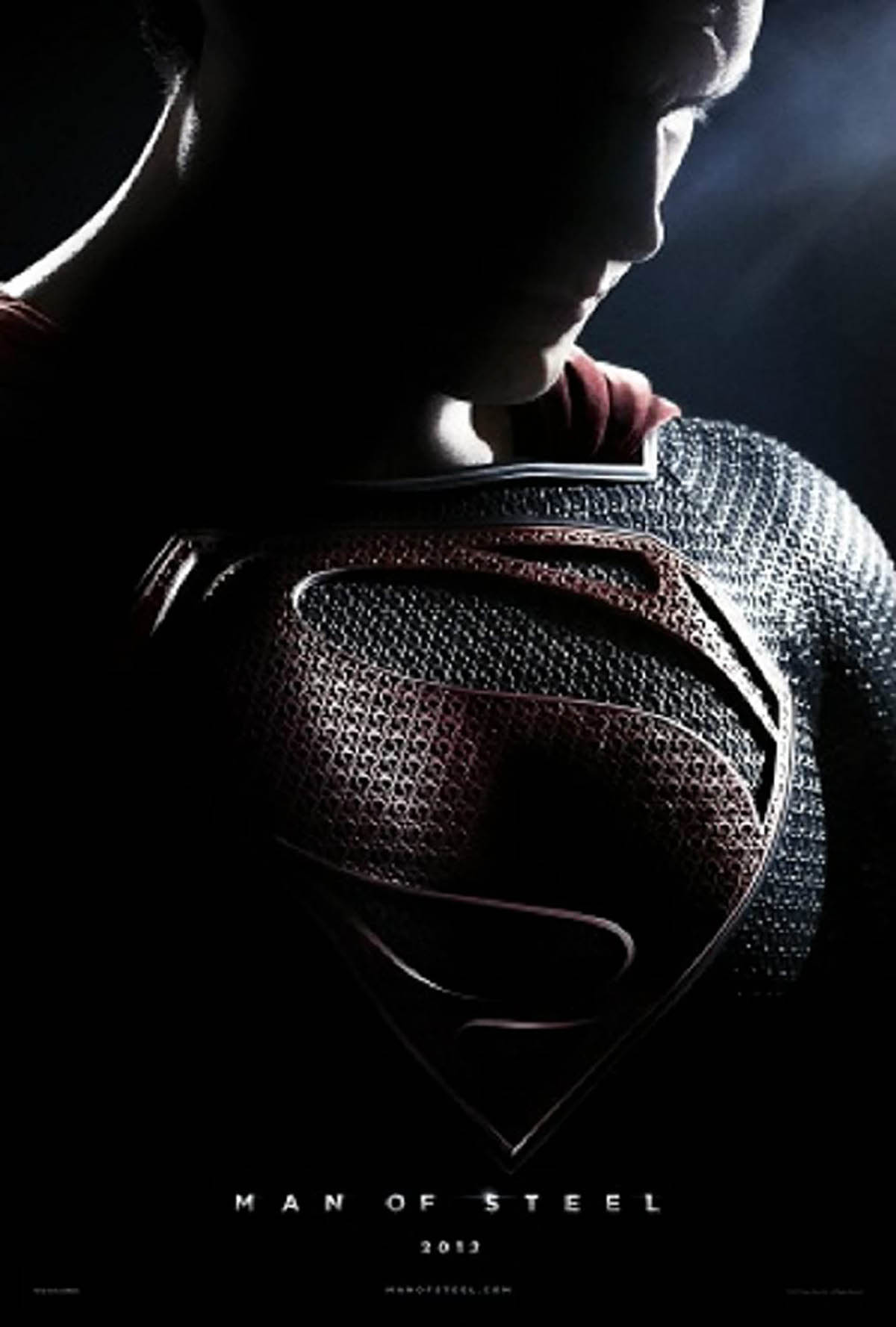
This week marks the tenth anniversary of the film release of Man of Steel, which was released on June 14, 2013. It not only served as a reboot for the Superman film franchise but as the vehicle to launch the DC Extended Universe (DCEU). Now the superhero film universe based on DC superheroes comes to an end this year starting with The Flash, which will serve as a soft reboot of the DCEU and transform it into the DC Universe (DCU).

One of the casualties of the DCEU reboot will be Superman himself, which is ironically fitting since his film launched the DCEU.

Man of Steel was directed by Zack Snyder, who presented a darker and more grounded version of Superman in a world filled with muted colors and stark lighting. At the same time, the film and other Snyder-centric DCEU films cast the title hero with mythological, god-like imagery that did not resemble comic book images but rather epic paintings with static poses and even more harsh lighting.

This became more prevalent in future DCEU films such as Batman v Superman: Dawn of Justice and Justice League, while Man of Steel was more grounded.

This unique approach to Superman was supposed to make him more relevant and relatable to modern audiences. As to whether or not that worked, is open for debate. Before Man of Steel, Superman was seen as a noble, larger-than-life do-gooder as best personified by the Christopher Reeve Superman films of the ‘70s and ‘80s. Thanks to Reeve’s classic performance it was difficult to imagine the superhero in any other kind of light. Even Superman Returns, the last Superman film before Man of Steel, did not veer from the Reeve interpretation of Superman, which led to a lot of criticism. In trying to make this version of Superman distinct from the traditional Boy Scout persona, it can be argued that Snyder veered too far from what made Superman so special. He is supposed to be a beacon of hope for humanity, which was ironic because he was actually an alien who grew up on Earth. Despite humanity’s faults, Superman adopted the best traits of his adopted species and served as an exemplar for the promise of humanity.

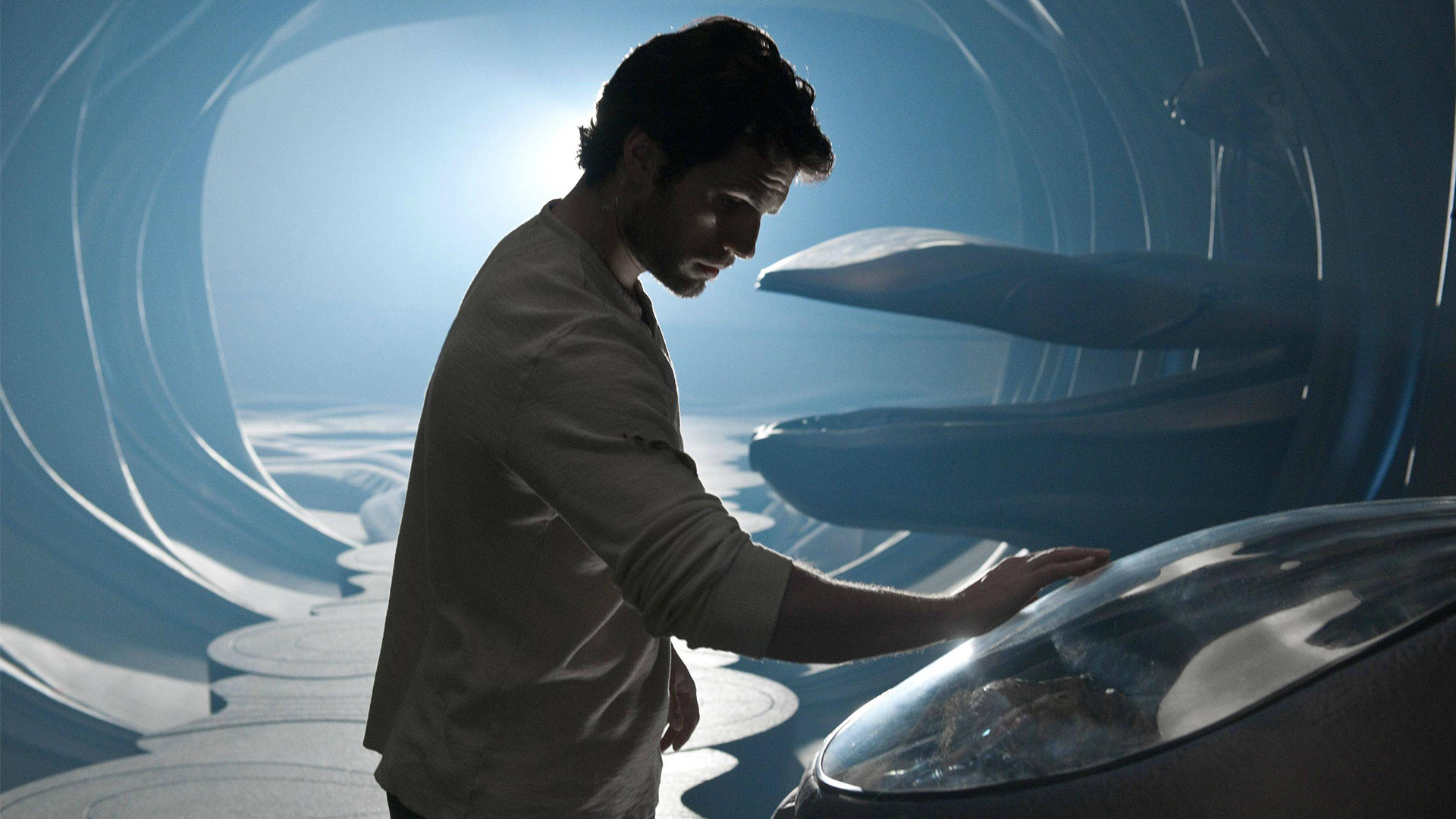
In Man of Steel, Superman aka Clark Kent (Henry Cavill) went through something of an identity crisis in an updated origin story. The film went through the typical Superman origin tropes but with new twists. Superman’s home planet, Krypton, was not the cold, crystalline and sterile civilization seen in the Christopher Reeve films. This Krypton was a planet embroiled in civil strife with a warring society that used what seemed to be technology based on programmable matter.

Superman’s origin was more tied to that of his nemesis, General Zod (Michael Shannon), in that Zod was at odds with Superman’s father, Jor-El (Russell Crowe). With the planet dying, Jor-El sends his newborn son, Kal-El, to Earth to have a chance at a new life. Before Kal-El is sent, he is embedded with genetic material called the Codex, which will provide the genetic means to recreate the Kryptonian race on another world.

After arriving on Earth, Kal-El is adopted by a human couple and grows up in a farm in Kansas. He struggles to fit in with society because of his developing super powers, which he has to keep hidden. Once he reaches adulthood, Kal-El who is now called Clark, sets out in the world to find himself and a purpose in life. During his journeys Clark clandestinely uses his powers to help people during emergencies.

Eventually he comes across the wreckage of a Kryptonian scout ship and activates an AI program that takes the image of Jor-El, who reveals to Clark his Kryptonian heritage. Under the guidance of the Jor-El AI, Clark learns to properly use his powers and adopts the famous Superman identity.

Soon after, Zod and his army arrive on Earth and establishes first contact with humanity, with the demand that Superman be turned over to him. Zod earlier learned that Kal-El was implanted with the Codex and wants to retrieve it to rebuild Kryptonian civilization on Earth, which he plans to terraform.

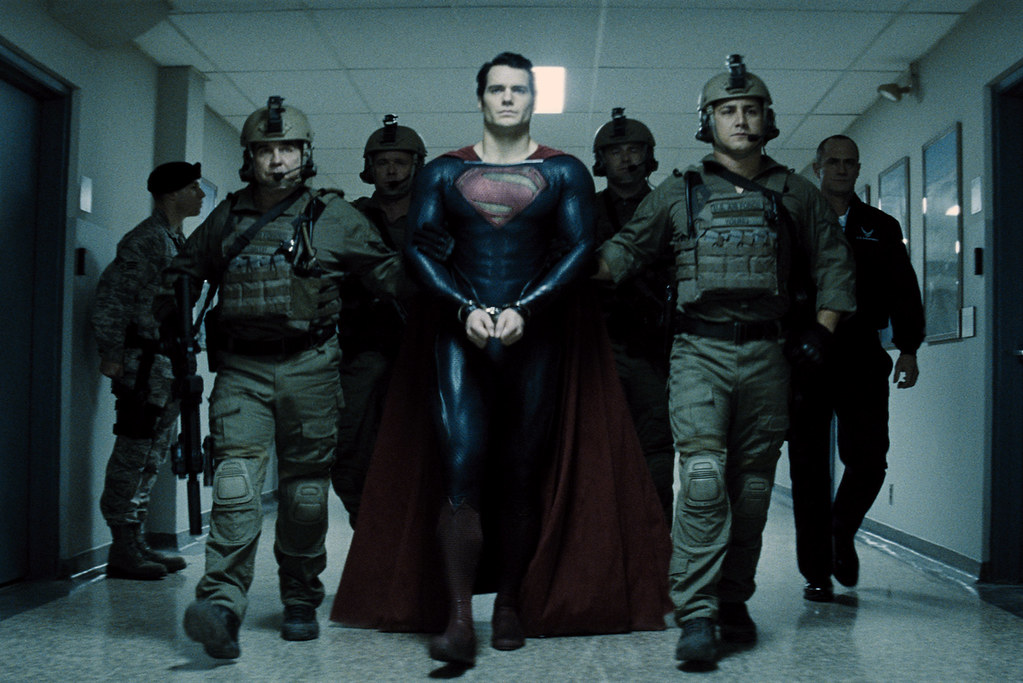
This creates an identity crisis for Superman as he is torn over siding with the human society he struggles to fit in with versus the Kryptonians, who he knows are malevolent. What complicates Superman’s decision is that once he is revealed to the world, he is immediately mistrusted by most of humanity who only see him as an alien threat.

What was interesting about this version of a Superman film was that the superhero was not received by the general public with open arms, but with suspicion. This is what would probably happen in reality if some unknown person was suddenly revealed to the world as an alien with superpowers.

While Man of Steel lacks the light-hearted humor and heart of previous Superman films, it makes up for it with its grounded and frankly more honest approach to the comic book legend. This approach by Snyder and writer David Goyer turned out to be divisive among fans.

Continue reading