Exploring The Land Of The Lost

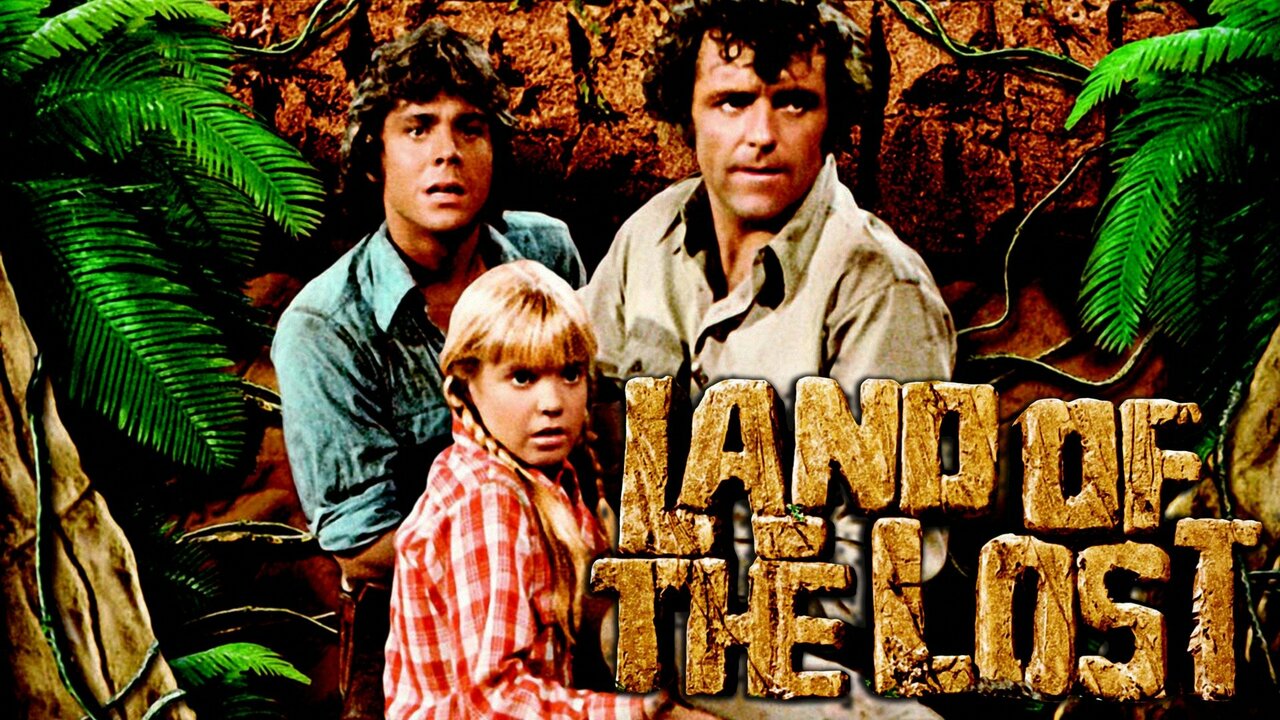
Fifty years ago, the children’s program Land of the Lost premiered on Saturday morning on the NBC television network and surprised many viewers with its well written and imaginative scripts. Even though the production was undeniably low budget and the acting by some of the performers was a bit over the top, Land of the Lost quickly won over many fans thanks to its spirited presentation. The TV show was produced by Sid and Marty Kroft who ruled the Saturday morning TV landscape in the ’70s with many fantasy and comedic live-action programs. Land of the Lost stood out and was their best production because it ditched the juvenile humor seen in their other programs and focused on drama and sci-fi elements. Even though it was a program aimed at children, Land of the Lost had an unexpected mature and serious tone that was appealing to anyone.

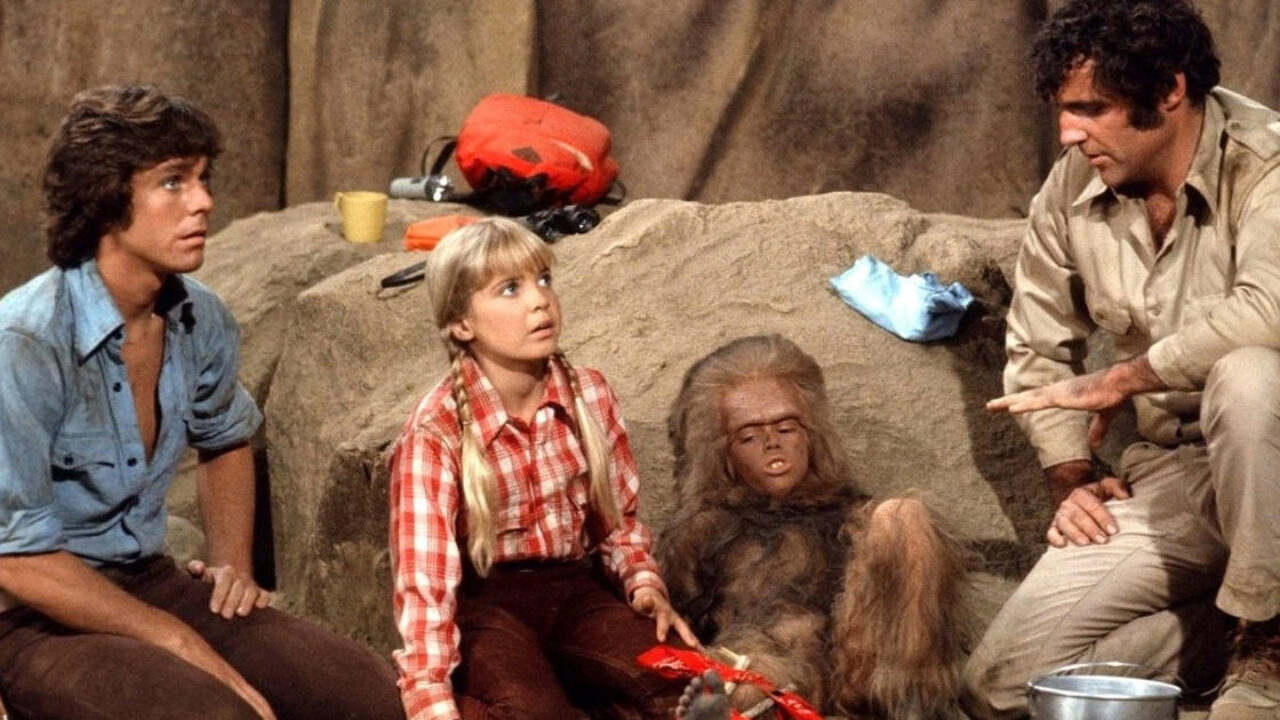
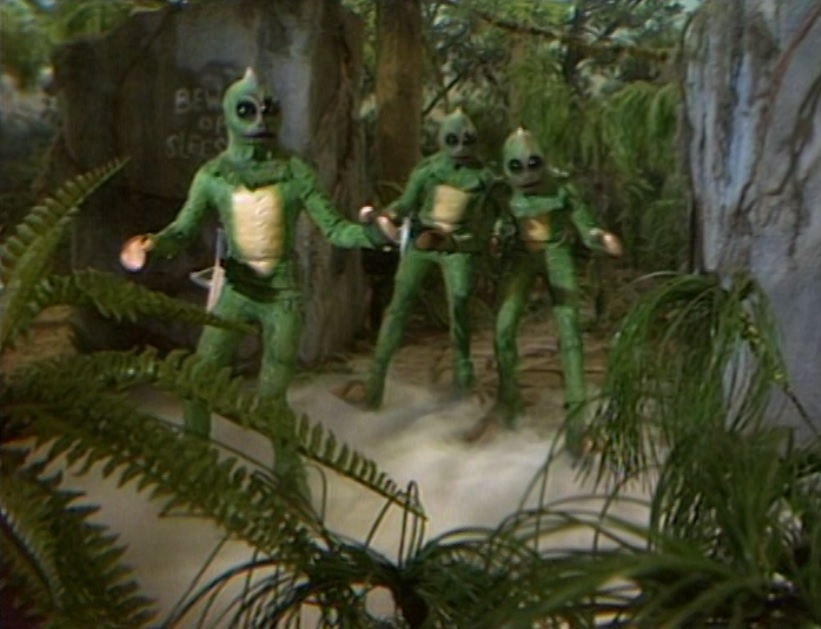
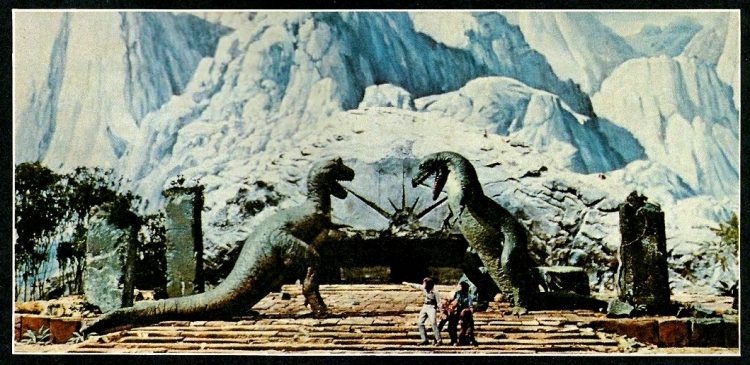
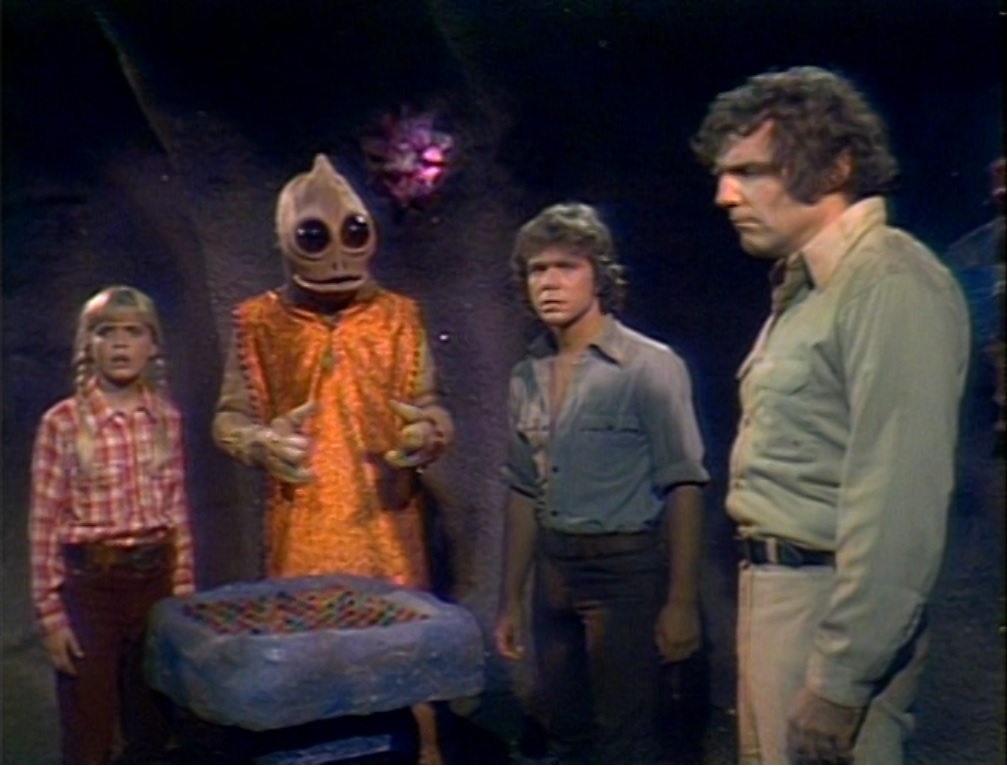
The TV show followed the adventures of the Marshall family, Rick (Spencer Milligan) and his children, Will (Wesley Eure) and Holly (Cathy Coleman), who while out whitewater rafting in the Grand Canyon fell through an interdimensional portal that transported them to a timeless world full of dinosaurs. Trapped in the lost land, the trio struggled to survive while trying to find a way home. During their adventures the Marshalls encountered many unusual denizens including Cha-Ka (Phillip Paley), a member of the Pakuni, a primitive tribe of ape-like humanoids, and Enik (Walker Edmiston), an advanced reptilian/insect-like humanoid who was also trapped in the Land of the Lost. What made Enik’s backstory so fascinating was that his race the Altrusians actually devolved into the savage Sleestaks, who were the dominant species in the Land of the Lost. The Marshalls usually met other travelers from different eras who wound up trapped in the land and often found a way to return to their own time period.

The episodes were devoted to plots about environmentalism, family strife, survival and surprisingly imaginative sci-fi concepts, especially time travel. During the show, the Marshalls discovered these interdimensional constructs called pylons that could transport anyone who entered them into different dimensions including modern-day Earth, though navigating them was difficult. These devices were used to explain why Rick Marshall left the show (in reality Mulligan was removed from the TV show due to conflicts over merchandising) as the father was whisked back to Earth unexpectedly at the start of the third season and replaced by Uncle Jack Marshall (Ron Harper). As Jack explained to his nephew and niece, he was trying to find his brother and his children and followed the same route that stranded the Marshalls in the lost land.

By the third season, the scripts were less imaginative and more geared toward children. The storylines took on more fantastical elements as Uncle Jack, Will and Holly encountered the Medusa, fire-breathing dimetrodon, a unicorn and the ghostly captain of the Flying Dutchman ship. Still the first two season were very thought provoking as the Marshalls met an eerie translucent alien called the Zarn, mysterious human visitors, and alternate versions of themselves. One of the reasons why the scripts stood out was because many of them were written by acclaimed sci-fi authors like Ben Bova, Norman Spinrad, Theodore Sturgeon and Larry Niven. Star Trek scriptwriter David Gerrold was the story editor in the first season and recruited fellow Star Trek writers like D.C. Fontana, Margaret Armen and even Walter Koenig to write a few episodes.

Thanks to its dramatic tone, the stories that focused on survival were more impactful and viewers felt the constant dangers the Marshalls faced as they dealt with carnivorous dinosaurs, environmental dangers, temporal and interdimensional dilemmas and the barbaric Sleestaks. One haunting episode, “The Search” had Will and Holly struggling to save their father who was electrocuted by crystals that operated the pylons. Anyone watching it could sense the desperation and panic from the siblings who were forced to face the possibility of their father dying. Another eerie episode “Split Personality”, had the Marshalls encountering alternate versions of themselves who were frozen in time and needed their help.

Even though the series never had a concluding episode, due to the temporal nature of Land of the Lost it can be argued that the Marshalls did find their way back home in the first season finale episode called “Circle”. Inside one of the pylons, the family was able to return back to their home but it was revealed they were trapped in a Mobius loop and another version of themselves wound up trapped in the Land of the Lost by the time the episode concluded. So in a sense, at least one version of the Marshalls returned home and subsequent episodes followed their variants.

In the decades since Land of the Lost stopped airing, the program has maintained a cult following thanks to a heavy syndication run that lasted many years. There were two attempts at remaking Land of the Lost. One included another TV show that aired for two seasons and featured the Porter family who were stranded in another dimension inhabited by dinosaurs and Sleestaks. Then there was a feature film in 2009 that starred Will Ferrell and as expected by the casting was more comedic. The film was a major dud with critics and fans and flopped at the box office. It also featured one of Leonard Nimoy’s last voice performances as he portrayed Enik. Sadly, the film ignored the dramatic survivalist aspects of the original Land of the Lost and insulted the memory of the original with its moronic humor. Regardless of how the remakes were received, Land of the Lost still has many devoted fans who appreciated the bright scripts and its imaginative, dramatic tone that engaged viewers.

José Soto

The Bell Riots, September 1, 2024: A Critical Moment In Star Trek History

Once again reality has caught up and will pass science fiction at the time of this post, in this case with Star Trek: Deep Space Nine. Fans of the TV show know all too well that this date marks the time of the infamous Bell Riots.

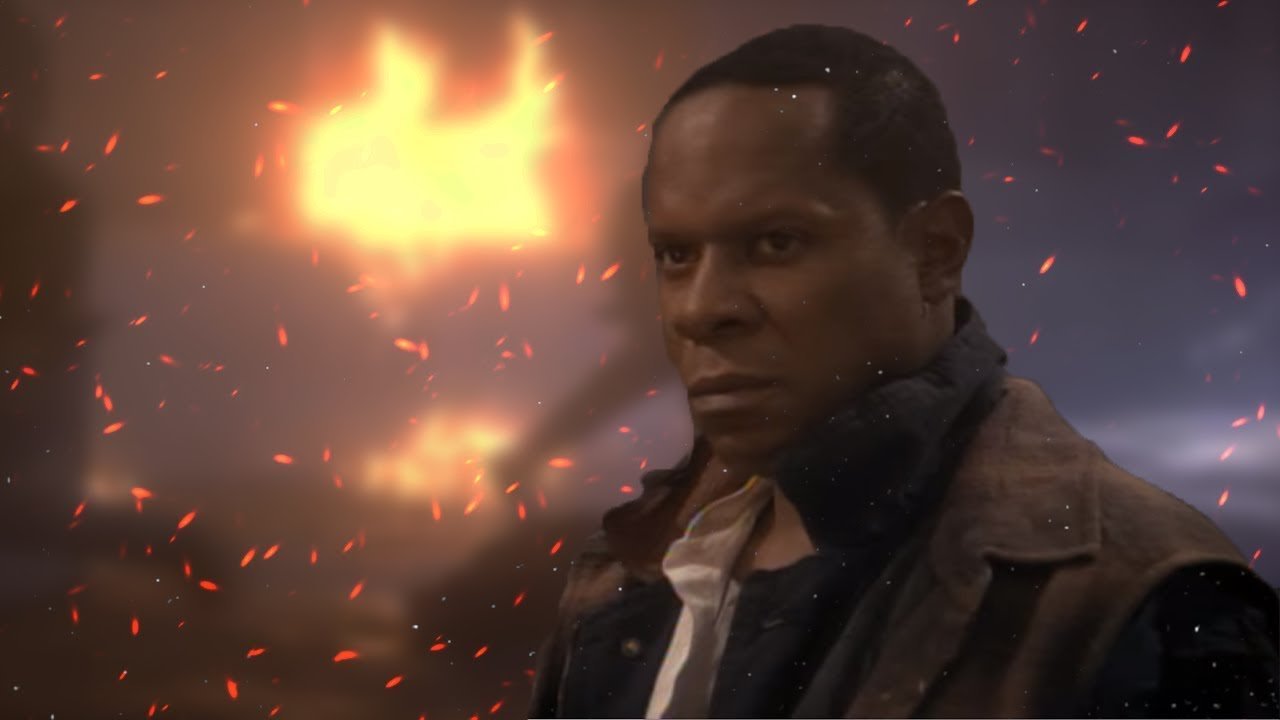
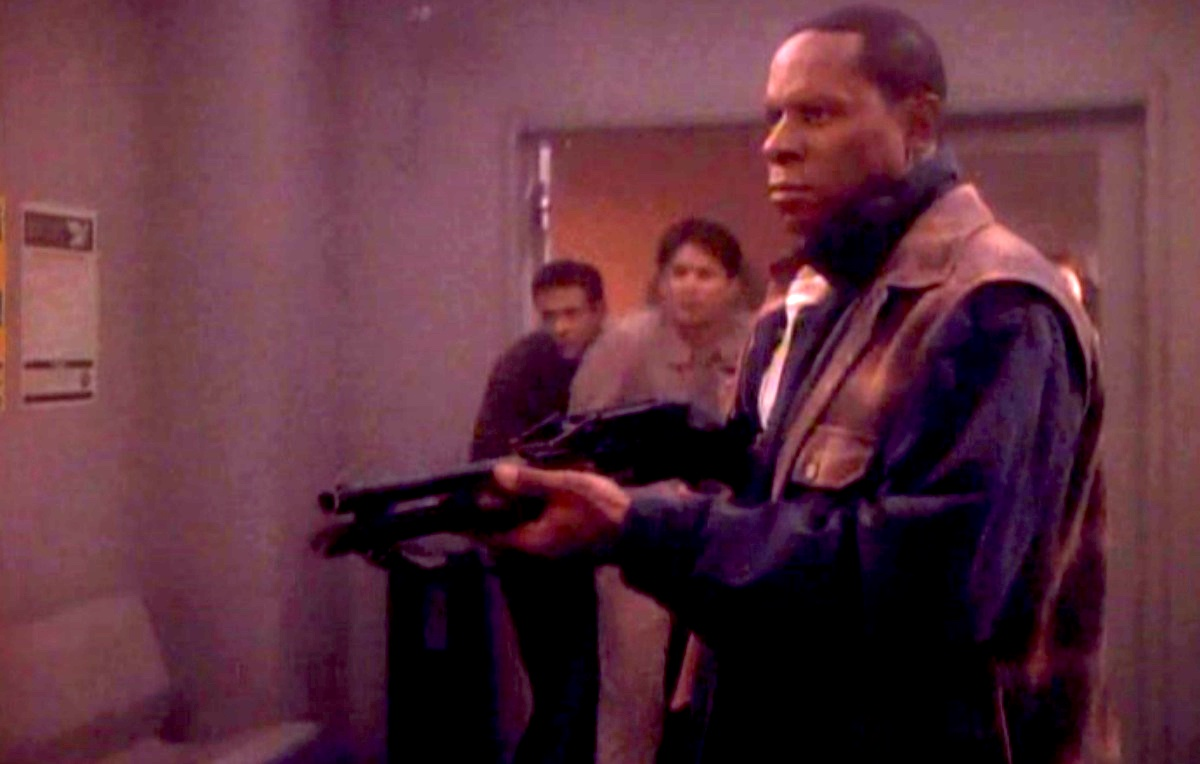
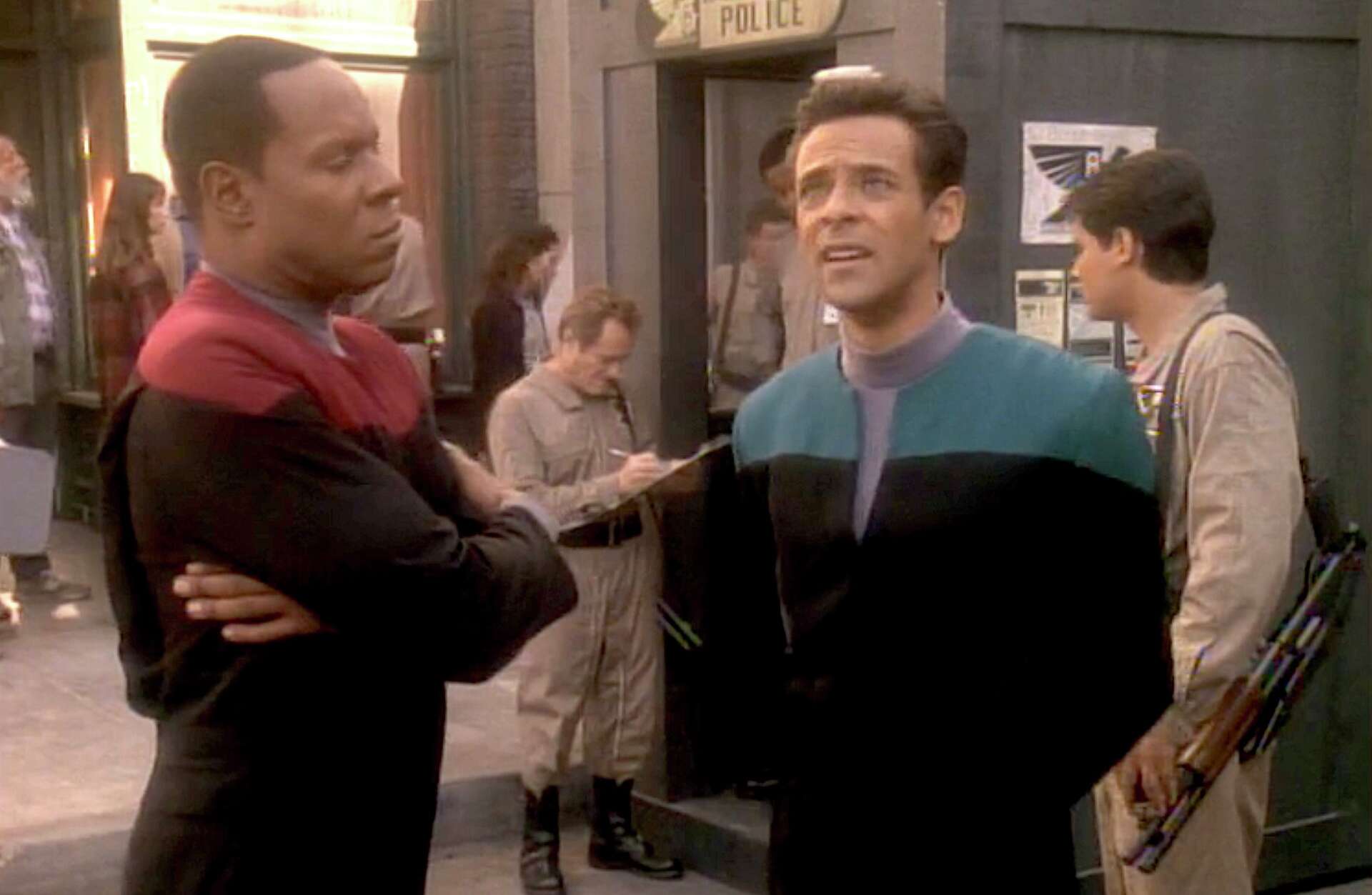
In the two-part episode, “Past Tense” Commander Ben Sisko, Dr. Julian Bashir and Lt. Commander Jadzia Dax accidentally time traveled to San Francisco on August 30, 2024, and were pivotal figures in the Bell Riots on September 1, one of the most violent periods in American history.

For anyone who has not seen these episodes, the Bell Riots were an important event in American history that influenced the country to seriously tackle its social problems. During this time period of the 2020s, the homeless and jobless were forcibly housed in so-called Sanctuary Districts, which were essentially walled-off, overcrowded internment camps were the residents were poorly treated and lived under harsh conditions. Things came to a head on August 31, 2024, when Bashir was attacked by a gang of thugs. One man, Gabriel Bell, tried to help Bashir but was stabbed and killed for his action. Bell’s death created a ripple effect in history were the United States deteriorated and ultimately the United Federation of Planets was never formed.

It turned out that Gabriel Bell would have become a key figure in an uprising in the San Francisco Sanctuary District that took place on September 1, 2024. Bell became the face of the riots and his actions by protecting District employees who were taken hostage and giving a sympathetic face to the homeless residents. Unfortunately, Bell was killed by national guardsmen who took back the District, but his actions were publicized and turned public opinion against the Districts and swayed the United States to find long-term solutions to its social problems.

Bell was killed near the conclusion of the first episode and Sisko quickly realized the devastating effect Bell’s death would have on history. Thus, when “Past Tense, Part I” concluded, Sisko and Bashir took part in a takeover of the District’s processing center where the hostages were held and announced that he was Gabriel Bell. The dilemma was that in order to carry out Bell’s life to its conclusion, Sisko had to die. But how was this resolved in “Past Tense, Part II”? Well, this is Star Trek. 😀

“Past Tense, Part I and II” was one of the better time travel episodes in the Star Trek franchise because of its unique nature that it took place during a then-future period in our history (the episodes aired in January 1995, which was a risk. After all, it was very likely at the time of filming that the future portrayed in “Past Tense” would not come to be and fortunately the Districts do not exist in our reality. Obviously, the now-contemporary Earth depicted in those episodes are set in an alternate timeline. Yet, the social issues are still with us.

Homelessness is a major social issue affecting many communities in the United States and is getting worse partly because of the affordable housing crisis. San Francisco has been demonized by many who decry it as the epicenter for urban decay as it faces homelessness. Thankfully, no one has advocated for rounding up the homeless population and dumping them into so-called sanctuaries. Then again if things get worse, this can happen in our future.

At least unemployment is low and not a major issue as depicted in those Star Trek: Deep Space Nine episodes. It should also be pointed out that the episodes did not and could not have predicted that the world was recovering from a pandemic or that a woman was running for president of the United States. But the episodes did hint that democracy was at risk based on the authoritative actions of the California governor in the episodes (who was not Gavin Newsom). Sure it was inevitable that predictions would turn out to be incorrect, but at least it did get correct that housing and homelessness would still be issues and as a bonus the episodes did get correct that the internet would be prevalent in our culture.  

While these episodes of Star Trek: Deep Space Nine may have been a bit heavy handed when it tackled the issue of homelessness and social and economic inequality, it carried out the noble Star Trek tradition of examining current issues facing our society in a sci-fi setting. The backdrop of the social messaging capably added to the tense drama of Sisko and his companions trying to survive a savage period of time. More importantly the issues it brings up were not easily solved and still provide food for thought to this day.

Looking Back At Star Wars Episode One: The Phantom Menace 25 Years Later

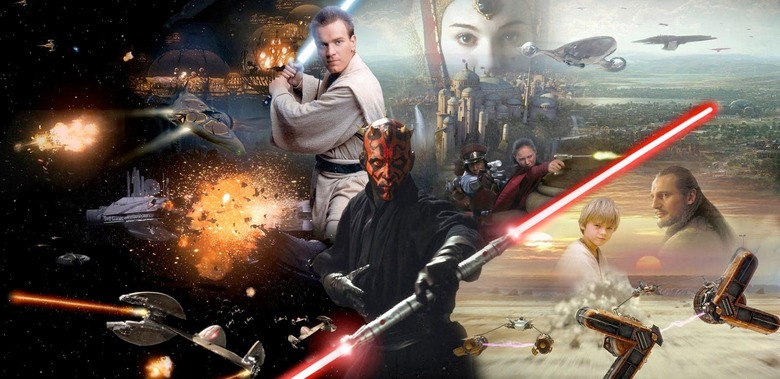
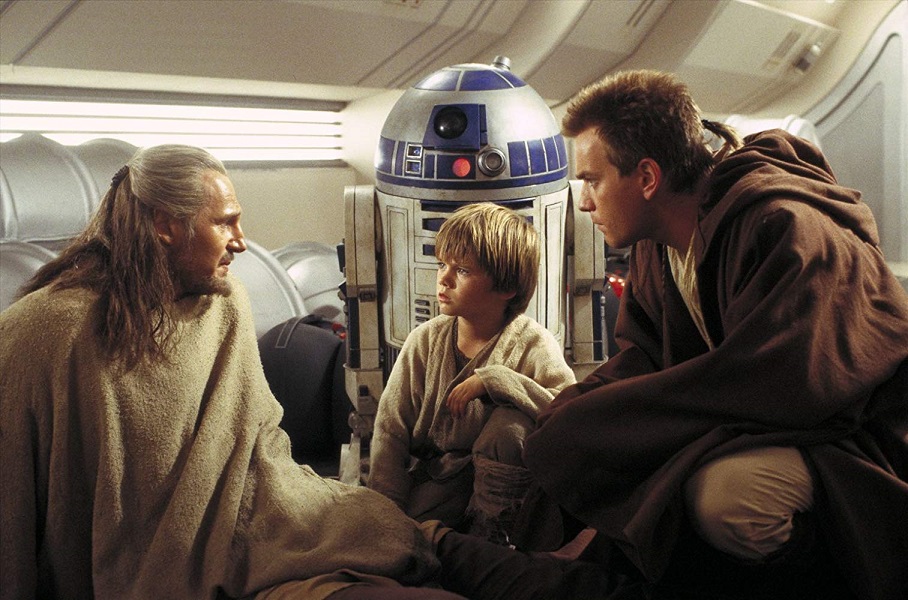
This year is the 25th anniversary of Star Wars Episode I: The Phantom Menace, which is one of the most divisive films ever made. It was the first Star Wars film since Return of the Jedi in 1983, and saw George Lucas return to his epic universe and present the backstory to his original trilogy. Iconic villain Darth Vader is shown as 9-year-old Anakin Skywalker, a slave living with his mother in the backwater world of Tatooine. His encounter with Jedi Knights Qui-Gon Jin and Obi-Wan Kenobi (his future mentor), as well as his future wife, Padme Amidala, put him on the path to his later role as a powerful Jedi Knight and eventually, his turn to the dark side as the evil Sith lord Darth Vader. 

Star Wars Episode I: The Phantom Menace was eagerly anticipated from its announcement and was greeted with very diverse reactions when released. Many fans were just ecstatic to have another Star Wars film in theaters after more than a decade of nothing being released. It was a very different time than now with many TV shows on Disney +and several films being planned. The only Star Wars materials since Jedi was released were the well-received series of books by Timothy Zahn and other novels and comics such as Star Wars: Dark Empire. A new film, especially one that would be the missing first three episodes, (the original trilogy was marketed as Episodes IV to VI), was a thrilling prospect.

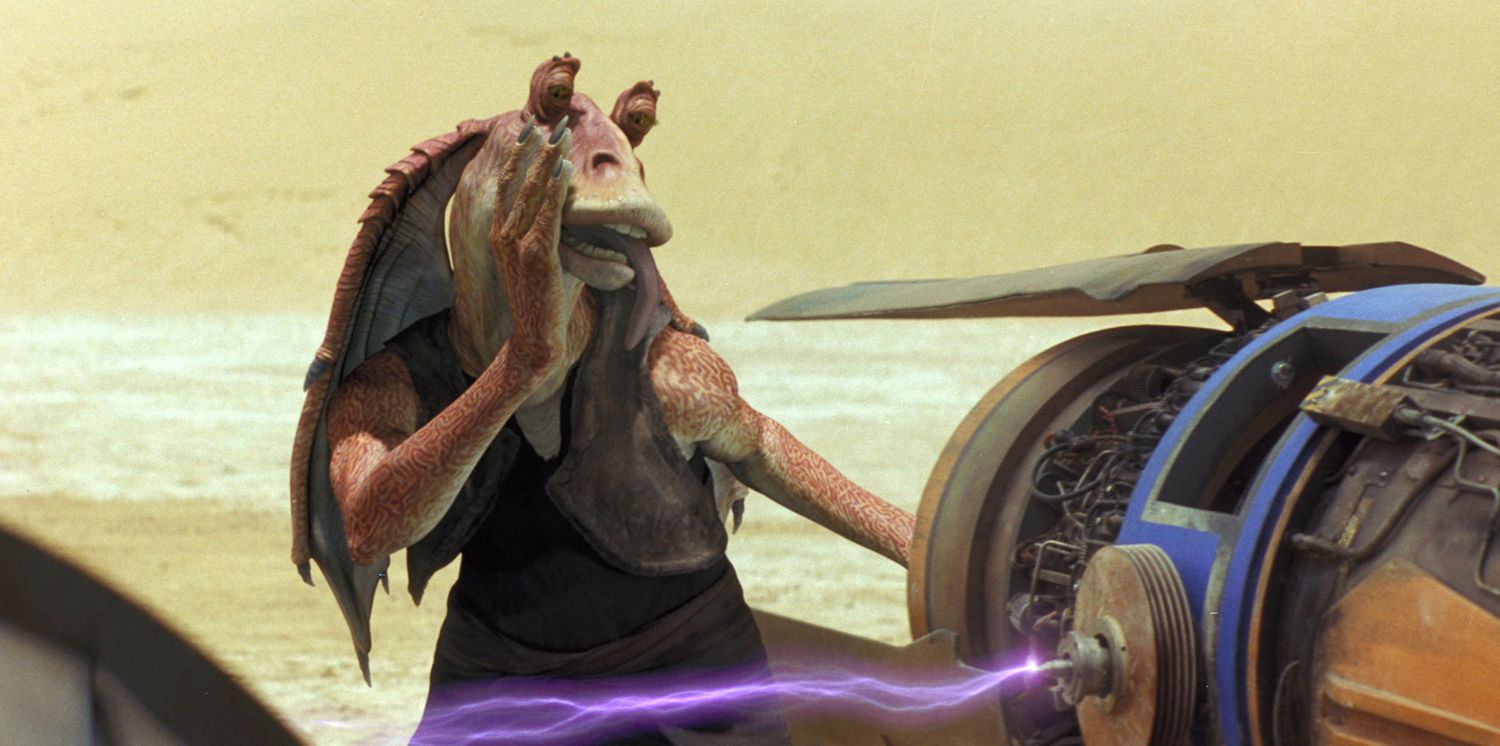
However, there were many fans who were disappointed with what they saw as a film with a more childish tone due to the introduction of Jar Jar Binks, an alien Gungan that helps the Jedi and Anakin to battle the forces of the Trade Federation, the villains in the film who were controlled by Darth Sidious, who is really Senator Palpatine, the future Emperor seen in Return of the Jedi. Jar Jar’s antics, weird mannerisms and manner of speaking was a turn off for many. Critics of the film were also unhappy with the more complicated plot of the movie, which focused on political intrigue in the Galactic Senate, as Palpatine maneuvered his way to the office of Chancellor of the Republic. This was unlike the simpler plots of the first films, which were a more basic story of good vs evil. The introduction of a more scientific explanation of the Force was also criticized, with the idea of midichlorians as being the reason for people having Force powers was seen as less interesting, as opposed to the more mystical view of the Force from the original movies.

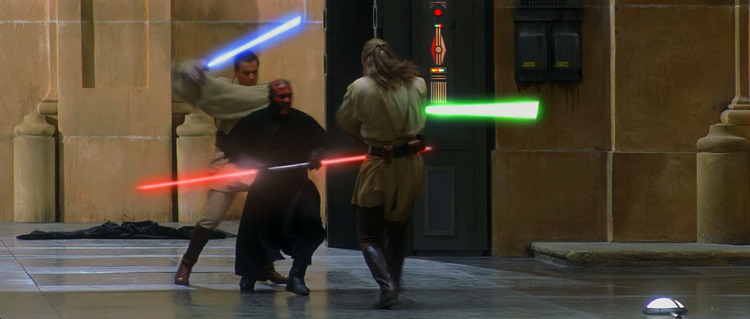
Having said this, I liked Lucas’ idea of expanding the mythology of the Star Wars universe and showing how a democracy like the Republic would descend into a tyranny in the form of the Galactic Empire. it was also interesting to see a different era in Star Wars. Instead of the battle-scarred ships and planets seen in the original trilogy, we are shown more peaceful and polished areas in the galaxy. It makes sense since the film takes place over 30 years before A New Hope. Seeing the Jedi Order in its prime is great to see, with Qui-Gon and Obi-Wan battling Palpatine’s protege, Darth Maul in spectacular light saber battles, which were incredibly choreographed.

The reputation of the film has been somewhat improved in the subsequent years as many have come to appreciate the film for its positive attributes. The special effects were groundbreaking with the CGI used to created Jar Jar being a precursor to later films and characters that were brought to life via this technique. Gollum from The Lord of the Rings films being one such example. The effort of George Lucas to broaden the scope of the franchise with new ideas, planets and creatures is also something to be commended. He set the stage for the prequel trilogy, which would result in the well-received Star Wars: The Clone Wars TV show and introduce new characters that would become fan favorites, such as the previously mentioned Darth Maul, Count Dooku (Palpatine’s other protege) or the powerful Jedi Knight Mace Windu. One sign pointing to the film’s improved reputation was the fact that the re-release this month of the film in theaters to celebrate its 25th anniversary actually earned a respectable box office haul.

The release of later Star Wars films would have the franchise move away from this era and take us to the future of the Skywalker saga, some 30 years after Return of the Jedi. Starting with The Force Awakens, it was obvious that Disney wanted to go back to the roots of the original trilogy as opposed to Lucas’ prequels. I think the results were mixed, as The Force Awakens has a simpler plot that was similar to A New Hope, but is also somewhat too derivative of it. The prequels told a new story in the Star Wars universe starting with Star Wars Episode I: The Phantom Menace, while the sequels seemed to retell the story of the rebels against the empire, although I do think that Episode IX really pushed the story forward and ended things on a good note.

However, one area where the sequels improved on is the overall look the films, as they seemed to blend the use of practical effects with CGI, which made things seem more grounded. Whereas with the prequels, they did sometimes go overboard with CG effects. While groundbreaking as previously mentioned, it did give things a strange look, with an overload of visuals and backgrounds that in some scenes, were obviously a green screen and look dated today in some instances.

Despite all of that, Star Wars Episode I: The Phantom Menace is a very important film in the saga and in the genre as a whole as it popularized the idea of prequels to popular movies and reintroduced Star Wars to a whole new generation of fans who have since enjoyed a renaissance of the franchise that is still being being enjoyed to this day.

C.S. Link

Captain America: The Winter Soldier, The MCU’s Greatest Solo Superhero Film

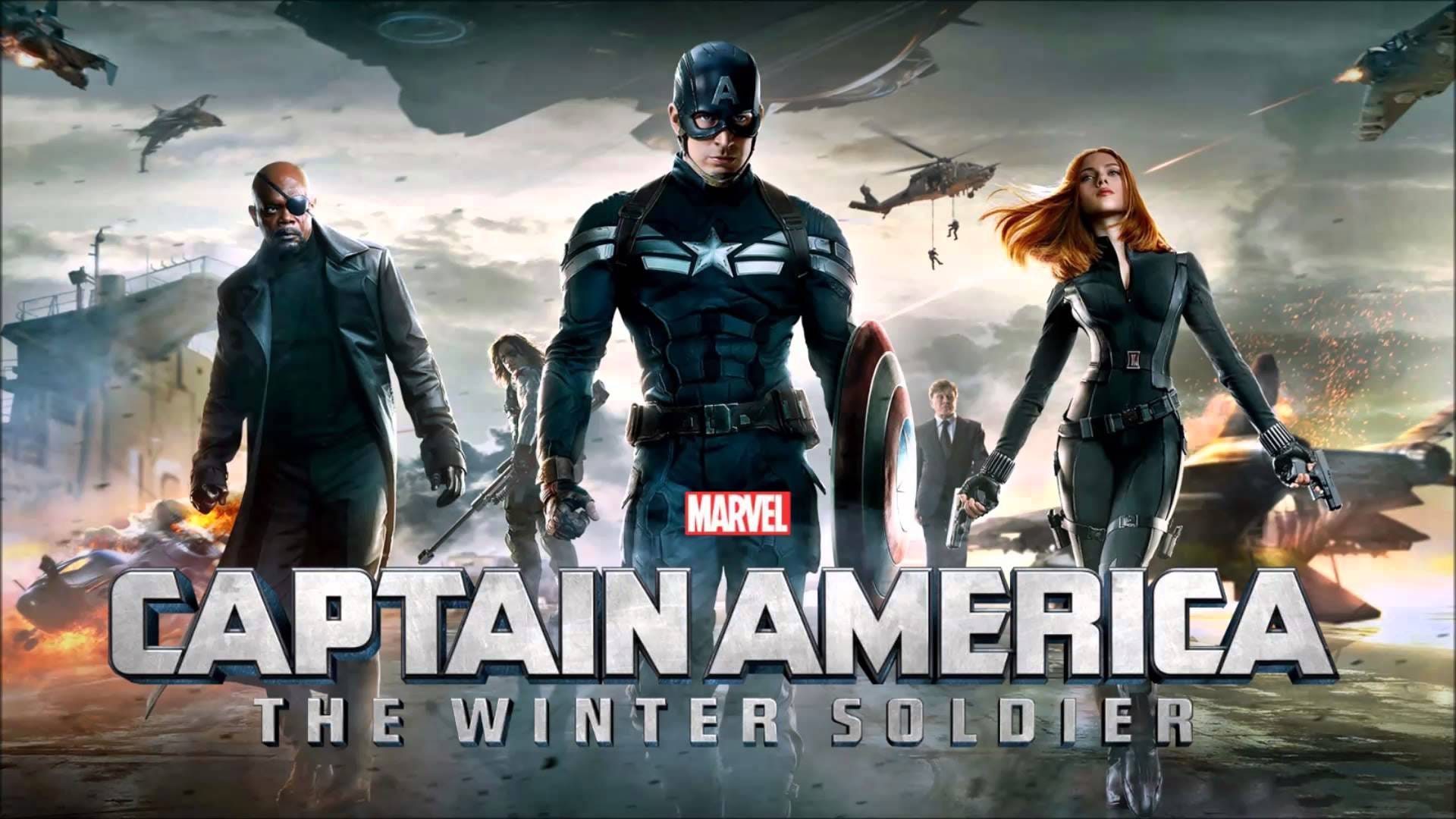
As Captain America: The Winter Soldier celebrates its 10th anniversary this month, it’s time to take a quick examination of why the Captain America film is considered one of the best films of the Marvel Cinematic Universe (MCU).

Very few MCU fans expected much from the sequel to Captain America: The First Avenger, especially given that Joe and Anthony Russo, the directors of Captain America: The Winter Soldier were relative unknowns whose biggest accomplishments to date were directing episodes of Community. Yet, the film blew away audiences, critics and fans with its non-stop action, intriguing script and well-developed characters. It turned out to be one of the most important films in the MCU as it forever changed it.

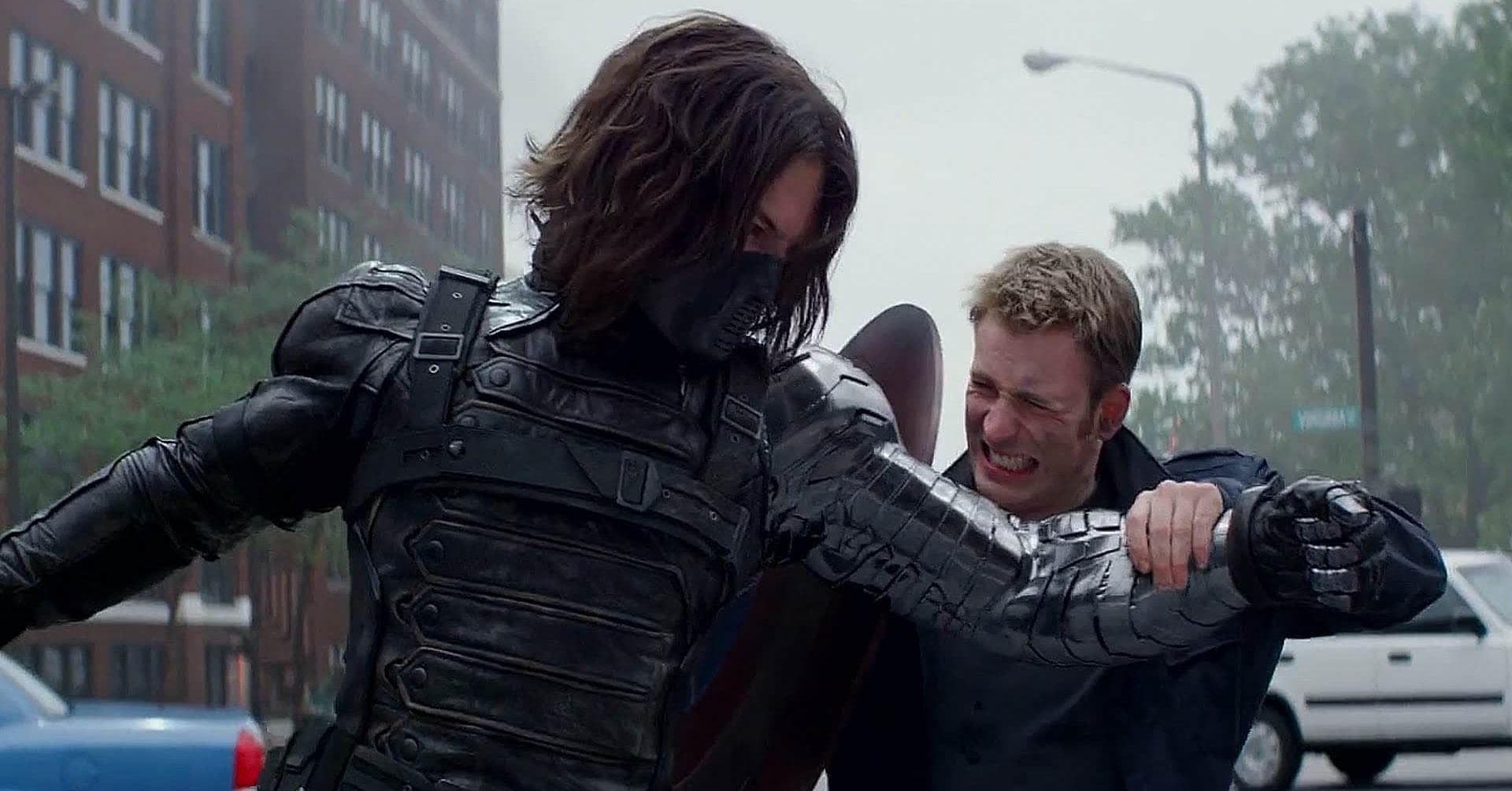
Captain America: The Winter Soldier centers around Captain America/Steve Rogers (Chris Evans) uncovering a huge conspiracy in S.H.I.E.L.D. the spy organization he works for while grappling with a deadly ghost from his past. The first Captain America film dealt with Steve’s adventures as a superhero during World War II and ended with him being frozen in ice then revived during modern times. Ordinarily, a sequel film would have focused on fish-out-of-water tropes as Steve struggled to adapt to a whole new world. While this does happen in Captain America: The Winter Soldier, the film to its credit doesn’t concentrate on this concept. Instead it forces Steve to adhere to his honorable values as the world around him exhibits dubious morality. He clashes with his superiors who think nothing of spying on civilians and eroding their privacy with a clandestine project. He soon learns that S.H.I.E.L.D. has been compromised by the evil Hydra organization which plans to use the project to unleash a preemptive attack on its enemies throughout the world, including members of the superhero team, the Avengers. For his troubles, Steve is branded a traitor and chased by the mysterious Winter Soldier (Sebastian Stan), a deadly assassin who turns out to be his best friend Bucky from his World War II days.

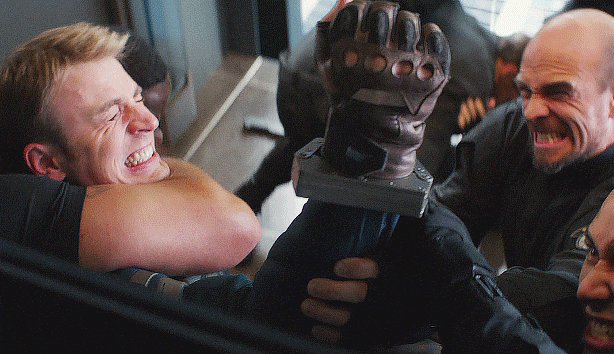
All these plot elements successfully evoked a paranoid spy/political thriller that was highlighted with high-octane action scenes that demonstrated how vicious and lethal the Winter Soldier was. These battles were among the best action scenes ever seen in any film and has not been replicated in other MCU films. There was a genuine sense of danger and fear as Steve and his allies fought the Winter Soldier and the compromised S.H.I.E.L.D. agents. One scene in particular, which took place in an elevator, proved what a badass Captain America was. He was surrounded in a cramp space by several men who tried to arrest him and he singlehandedly fought and defeated them despite the odds.

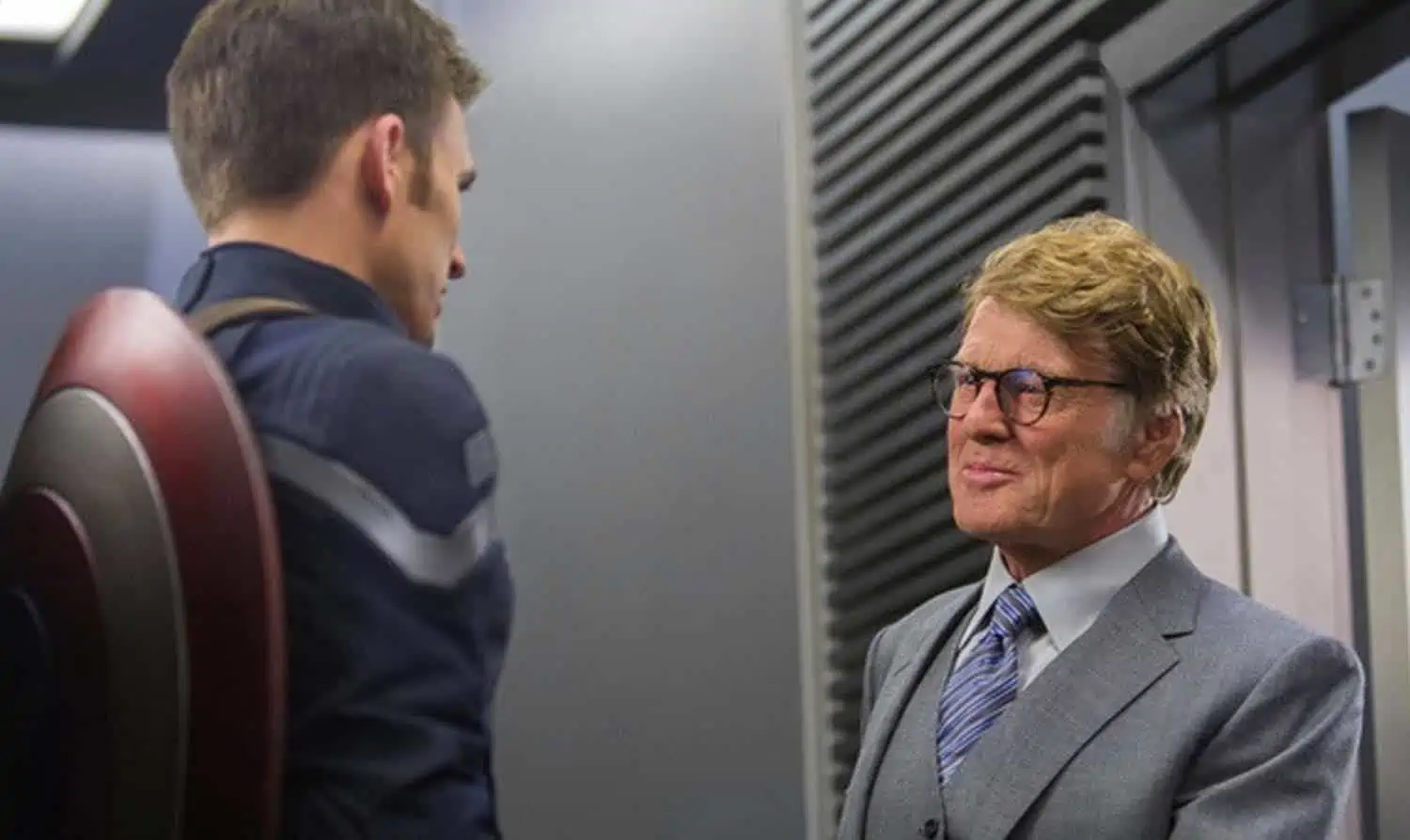
But getting back to the political angle, the film always kept you guessing as to who could be trusted, or what was actually happening in a way that was not confusing and kept audiences engaged. It helped that the film featured Robert Redford as Alexander Pierce, a government official who was actually a Hydra agent. Redford’s acting prowess elevated the film and he was a great callback to the ’70s spy thrillers such as his own Three Days of the Condor.

More importantly, Captain America: The Winter Soldier was at its core a film about a man struggling with his past and his place in the world. In this situation, Steve tries to make sense of the new world he is forced to live in where it seems as if his values are out of step. But they are what is needed to fight a great evil that has corrupted the world and his best friend. What makes confronting Bucky so much worse for Steve is not only Bucky the lethal Winter Soldier, but due to brainwashing by Hydra over the decades, Bucky has lost his decent personality and no longer remembers his past or his friendship with Steve. The Winter Soldier is the only remaining link Steve has with his past and he has to find the strength to bring his friend back. His plight was very emotional and the sacrifice he made at the end to get through to Bucky was very powerful. The final battle between the two as Steve struggled to connect with Bucky was much more riveting than the wild, effects-laden action scenes involving Steve’s other friends fighting Hydra.

Captain America: The Winter Soldier propelled the narrative of the MCU from that point as it no longer had S.H.I.E.L.D. as the support organization for the Avengers and the world. This in turn would later have severe consequences during future Avengers films and immediately impacted the TV show, Agents of S.H.I.E.L.D. Even though that show is now ignored these days, back in 2014, it was clearly part of the MCU and the events of Captain America: The Winter Soldier directly affected the TV show as one of the main characters was revealed to be a Hydra agent, and the other characters underwent crises of faith. The film also led to Captain America becoming a man without a country and on the run as seen in the next Captain America film, Captain America: Civil War when his morality led to a devastating conflict with some of his fellow Avengers to the point that the team broke up and left Earth unprotected.

Thanks to Captain America: The Winter Soldier, the MCU began to be seen as something more than typical superhero films. This was reinforced later in the summer of 2014 with the release of the space epic Guardians of the Galaxy. Together, the films proved that the superhero film genre was very diverse in terms of storytelling and being able to surprise everyone with its potential. That is because not only is Captain America: The Winter Soldier the best superhero solo film of the MCU but one of the greatest films of all time.

José Soto

A Brief Look Back At David Lynch’s Dune

Dune is a classic 1965 novel by Frank Herbert that chronicles a feudal family, House Atreides, in the far future that gains control of the desert planet Arrakis (also known as Dune) that has a precious substance called The Spice. They are betrayed by the Emperor of the Known Universe, who conspires with their hated rival House Harkonnen, to seize the planet and kill off the Atreides leader Duke Leto, while his concubine Jessica and son Paul escape to the desert. They ally with the native people know as the Fremen and rebuild their empire with Paul becoming the Fremen’s long awaited messiah to lead them to freedom.  

This complicated story has been adapted several times, most recently by Denis Villeneuve with his two-part film adaptation. The very first live-action film adaptation of Dune, however, was done by famed director David Lynch in 1984, whose take on the material was interesting if not always accurate to the book. The lavish production and look of the whole thing was a highlight as well as its all-star cast. Twin Peaks lead Kyle MacLachlin starred as Paul Atreides, and other stars included Patrick Stewart, Brad Dourif, Jurgen Prochnow, Dean Stockwell, and Sting.

The film was basically the same as the book, but there were deviations from it. Most notable was the inclusion of a sound weapon used by the Atreides to battle the Harkonnens. This doesn’t appear in the original book and was somewhat weird to see on the screen. The ending was basically the same but had one crucial difference. After vanquishing the Harkonnen heir, Feyd Rautha, played by a manic Sting, Paul takes control of the empire, and then makes it rain on Arrakis. This is strange as in the book, Paul doesn’t have any magical powers, he just pretends to in order to fulfill the Fremen prophecy of being their “Voice from the outer world”. Nevertheless, Dune as a whole was a good retelling of Herbert’s intriguing tale of outer space intrigue, religion, politics and conflict. 

The special effects were somewhat of a mixed bag. The overall look of everything was very good and had the feeling of the book coming to life, but some of the scenes with the enormous sandworms on Dune and the Spacing Guild navigators do look dated. The costumes were both strange and exotic which was appropriate given that the story takes place tens of thousands of years in the future, although the Imperial Sardarkar troops look like they’re wearing garbage bags.

Dune was a struggle to make for Lynch, and subsequently there was an extended edition made without his approval that aired on television. This longer version removed his name from the credits at his insistence and featured new footage and a different opening that explained more of what happened in the years before the film with paintings and a husky voiced narration. This was nice to see for fans of the book who were familiar with what was being described, such as the Great Revolt against thinking machines, but casual viewers might be baffled by it, as some were by the theatrical version. This was probably due to the time constraints of fitting in the whole book into a 2 1/2-hour film. It was inevitable that many of the details of the novel would be lost.

A later TV adaptation on the Sci-Fi Channel in 2000 rectified this as a three-part mini-series that lasted over four hours. This version, sometimes called Frank Herbert’s Dune, was able to be more faithful to the novel, albeit with a lower budget as seen with some of the background scenes that looked like paintings in some instances. The latest adaptations in 2021 and now this year have wisely spilt the book into two parts to have a story that retains much of the book as well as the feel of a big budget, Hollywood production. This seems to be the best of both worlds and their success bodes well for the Dune franchise.

Overall, David Lynch’s Dune does a good job of showcasing Frank Herbert’s story. Lynch basically washed his hands of it after issues with the film studio Universal, but I see it as one of his better films. While it has its flaws, it is still a quality science fiction film that is interesting to watch and still holds a place in the franchise as an alternative look into what happened to the Atreides family in their epic struggle against the Harkonnens and a very unique window into the fascinating Dune universe.

C.S. Link