Harley Quinn & Her Fantabulously Funny Show

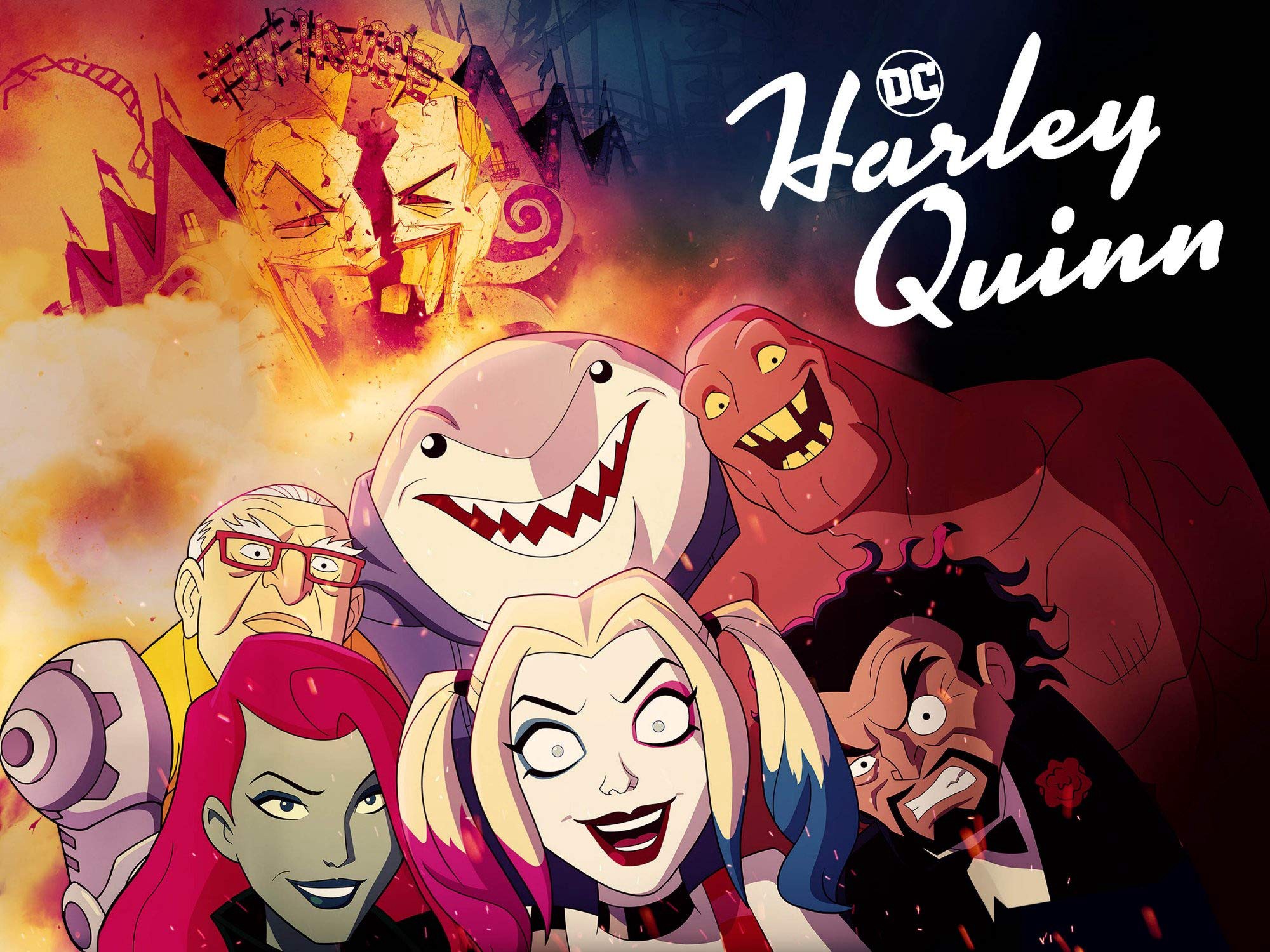
With all the headlines about how the film Birds of Prey and the Fantabulous Emancipation of One Harley Quinn is not doing well in cinemas, many have overlooked the animated series Harley Quinn, which is a better showcase for the popular DC villain. Currently streaming on the DC Universe app, Harley Quinn is a hilarious and better fit for one Harley Quinn than the live-action film.

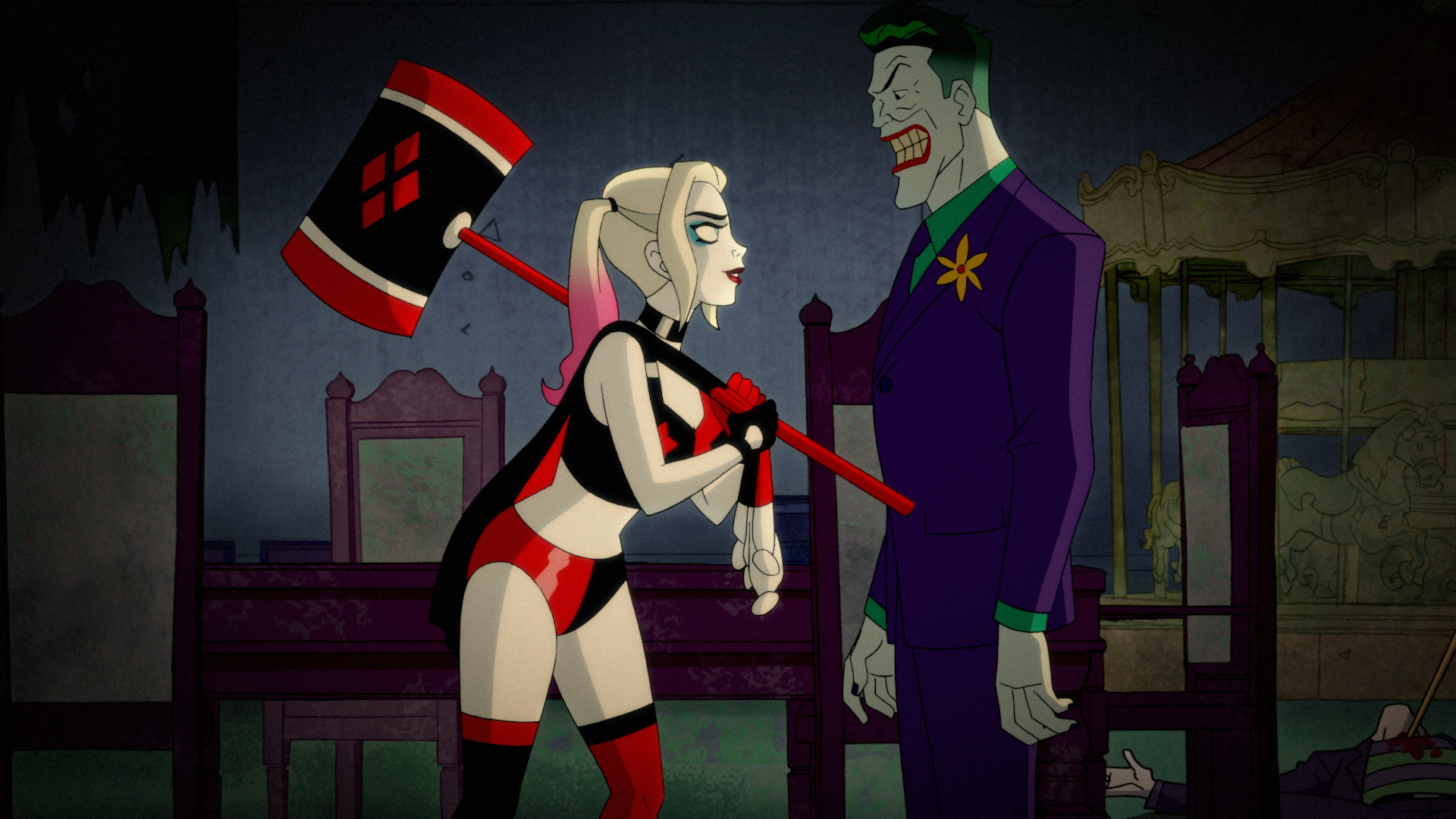
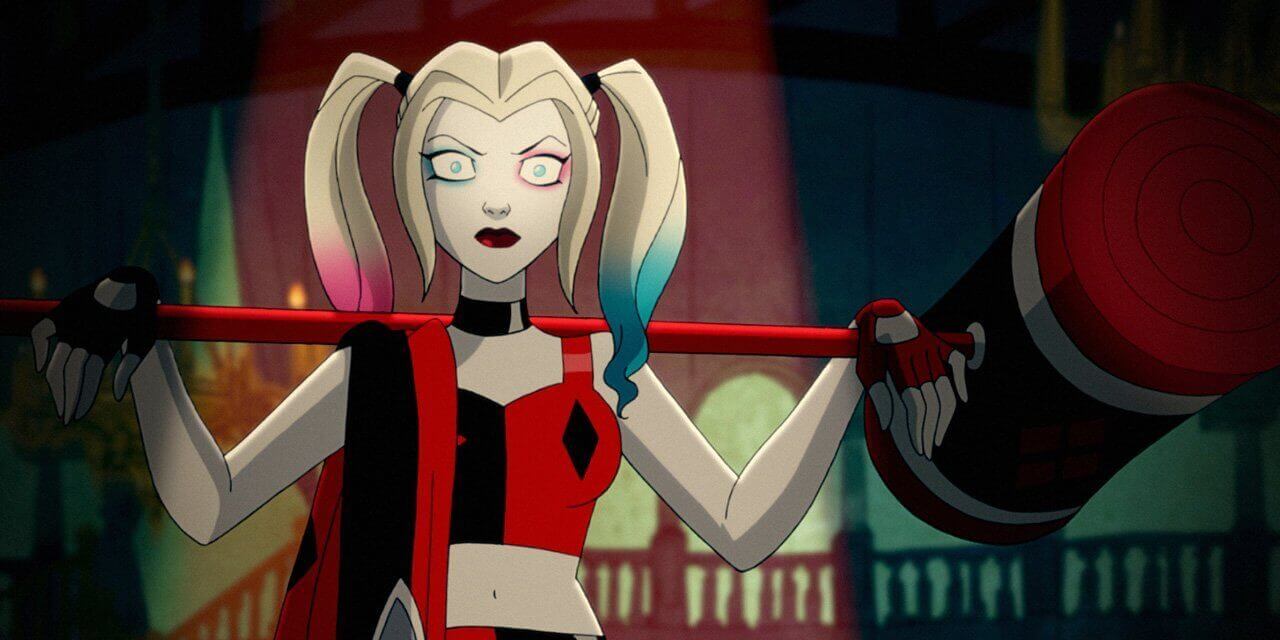
As can be guessed by the title, Harley Quinn is about the Joker’s ex-girlfriend (voiced by Kaley Cuoco) and her efforts to move past the Clown Prince of Crime and build her own reputation as a major league villain. Along the way, she acquires her own gang of misfit villains who turn out to be something not quite a family but almost as close knit. The gangmembers include her BFF Poison Ivy (Lake Bell), who functions as a world-weary straight foil to Harley’s antics and rants; Dr. Psycho (Tony Hale), a small-statured, misogynistic megalomaniac whose foul-mouth gets him exiled from the Legion of Doom; Clayface (Alan Tudyk), who aspires to be a great thespian as he shapeshifts; and King Shark (Ron Funches), a deadly half-man/half-shark hybrid who is generally good natured and a social media wiz.

In the episodes, Harley has to contend with her skeptical colleagues and fickle public as she tries to pull off the major crime that will put her name on the books. During the misadventures she encounters many DC heroes and villains, especially Batman (Diedrich Bader) and the Joker (Alan Tudyk) himself. During her interactions with the Joker and the way she keeps bringing him up, it’s clear to everyone, except Harley, that she has unresolved feelings for the Batman foe. As the series progresses, the viewers and Harley herself learn much about her and what drives her. All jokes aside, the series is quite deep as she learns to live a life without Joker and be her own person. Watching her grief and bitterness, and the Joker’s apparent disregard for her, it is easy to feel sympathetic for her. But this show is not a pity fest. Just as soon as an emotional moment occurs it is quickly glossed over with some slapstick moment or raunchy humor.

Harley Quinn is way out there when it comes to vulgarity. Riddled with F bombs and lewd humor and bloody violence, this series is definitely not for the kiddies. Some prudes will be put off by the raunchy nature of Harley Quinn but it will have everyone else in stitches, especially comic book fans. Surprisingly, the show doesn’t do any fourth-wall breaking like Deadpool so that is a relief since Harley Quinn finds other ways to keep viewers laughing or grinning with giddiness. Namely the characters and plots as seen in the episodes.

In one episode, “Finding Mr. Right”, Harley steals the Batmobile to gather headlines and Batman’s attention. Instead, she and her crew are harassed by the Damien Wayne version of Robin who is basically a bratty kid that outright lies about his interactions with Harley. This turns her into a public laughing stock and her efforts to make herself seem formidably evil kept backfiring.

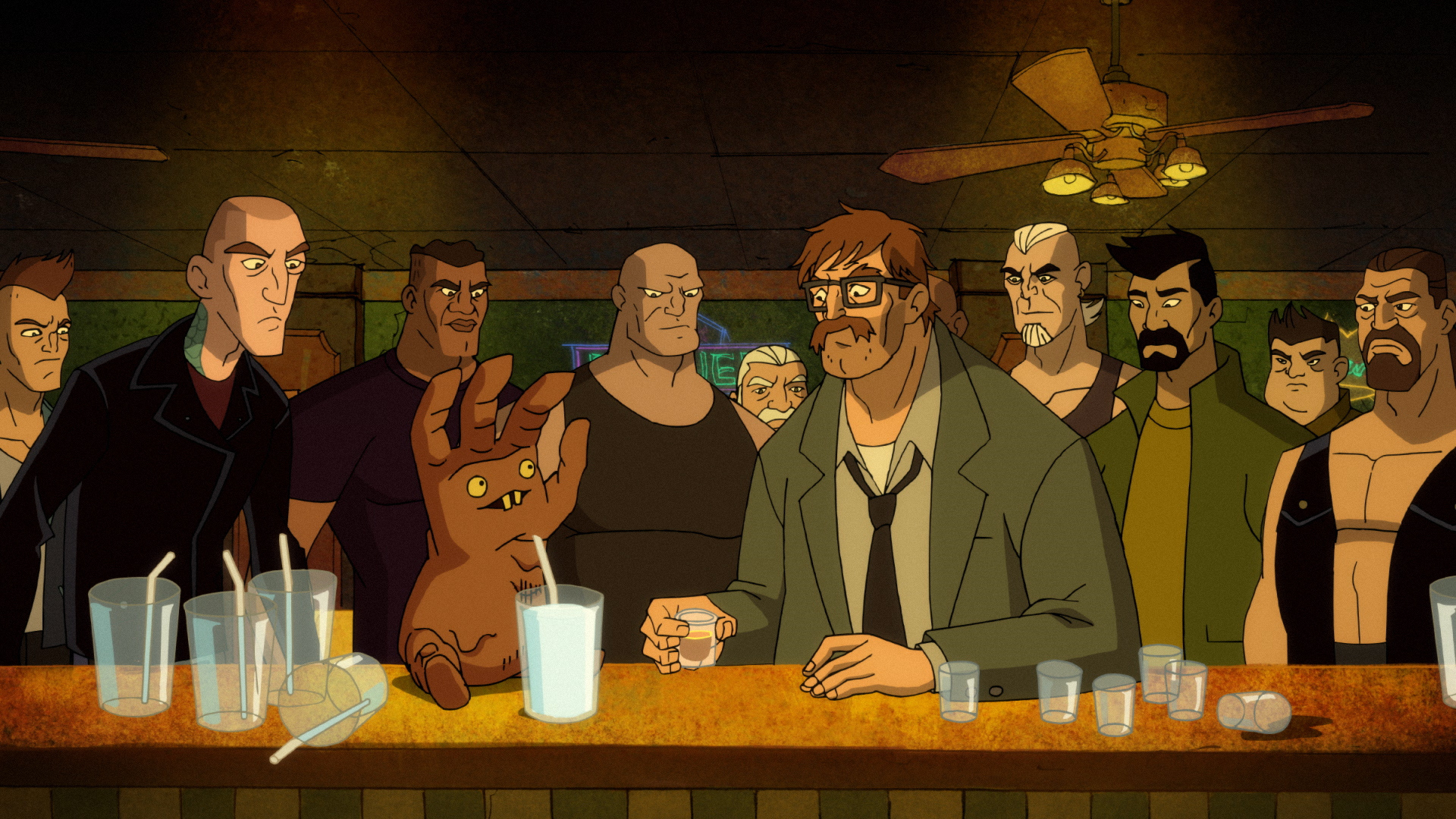
Other episodes are downright bizarre and nonsensical, but still amusing. “You’re a Damn Good Cop, Jim Gordon”, has the police chief (Chris Meloni) becoming best friends with Clayface’s dismembered hand. Long story short, after Clayface loses his right hand, it becomes an independent entity complete with stubby legs and a face on its palm. Brought to Jim Gordon as evidence by Batman, the hand and Gordon bond due to their loneliness. It has to be be seen to be believed!

Throughout all the zaniness, Harley truly shines as a character and a comedienne. Her friendship with Poison Ivy is arguably the heart of the show and their comedic chemistry work perfectly and go up there with Lucy and Ethel or Laverne and Shirley.

Harley Quinn deserves much more attention than it is getting. It could be due to the low number of subscribers the DC Universe app receives or Birds of Prey has drowned out the animated series. Thankfully, the powers that be saw how well done the show was executed and Harley Quinn is getting a second season which will come out this April. So we’ll be treated to more funny antics from one Harley Quinn.


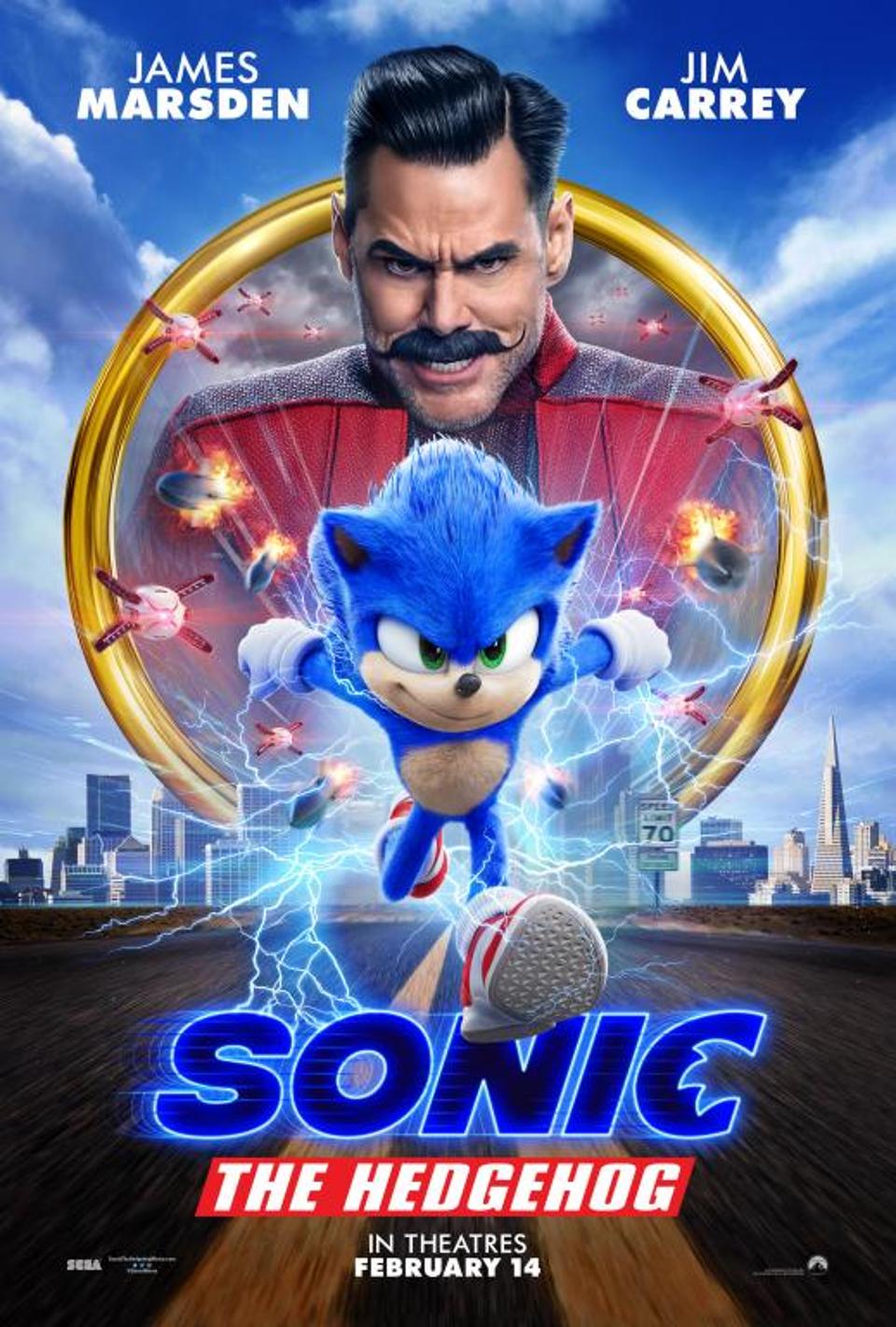
Sonic The Hedgehog Races His Way To The Big Screen

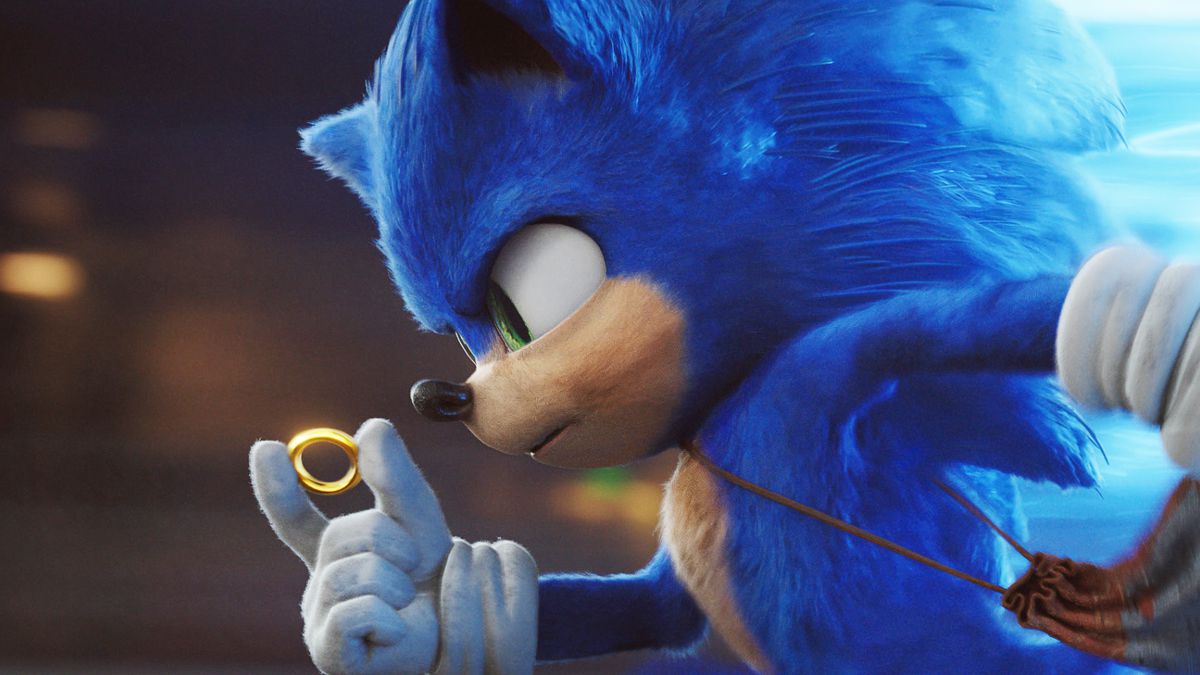
The general rule is that films based on video games are beyond awful; infamous examples include Max Payne or Super Mario Bros. So, when Sonic the Hedgehog was announced most people thought the film would be just as bad and the first trailer that came out last year did not dispute this notion. The design of Sonic was universally panned and fans of the Sega game hero lamented the film was doomed. Well, the filmmakers heard the outcries and went back to the drawing board. Sonic the Hedgehog was redesigned to look like he is supposed to appear but is the film any good? This will come as a surprise, but it actually is a good film.

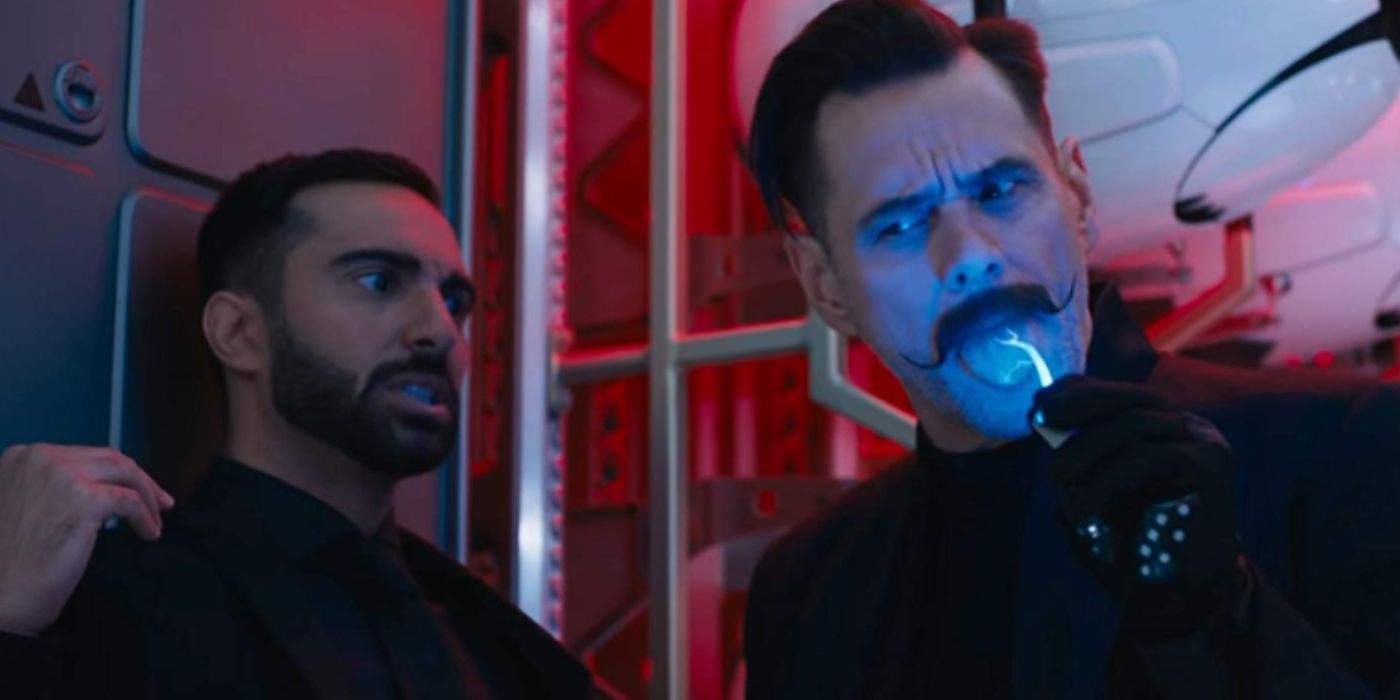
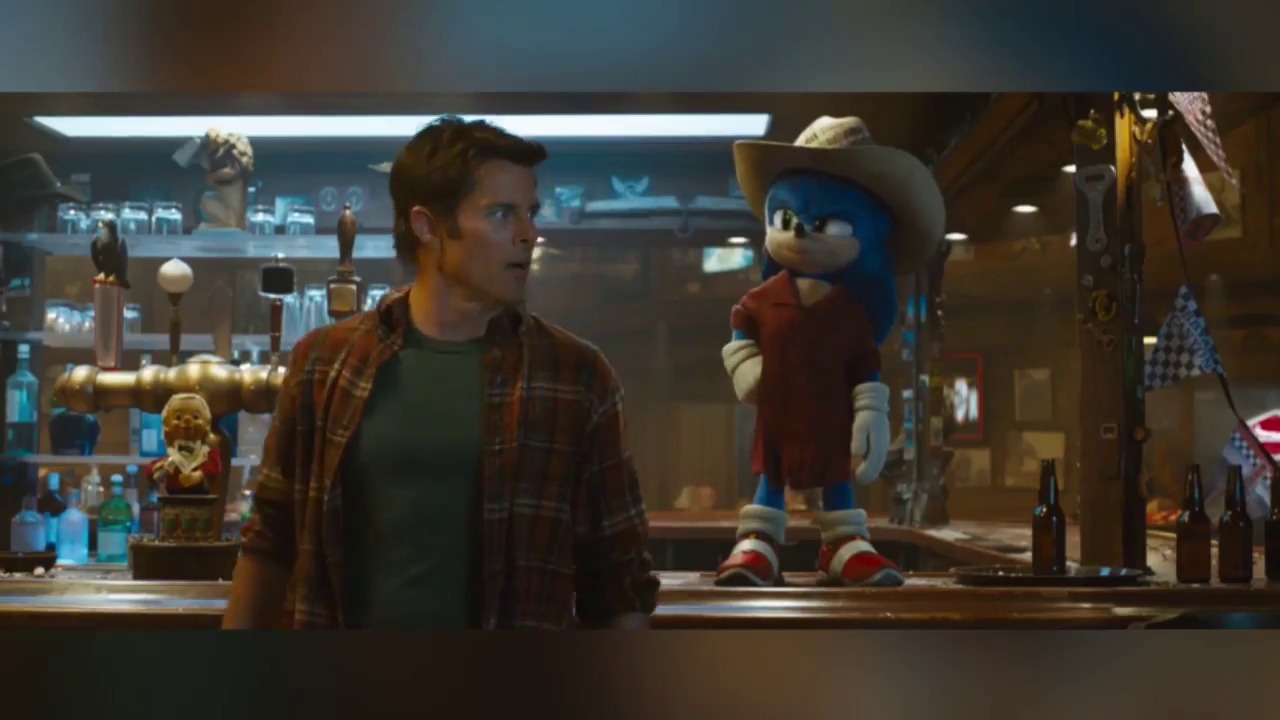
Sonic the Hedgehog brings the popular Sega character (voiced by Ben Schwartz) to life starting with a brief opening intro taking place on Sonic’s homeworld when he was a child. Pursued by other creatures because of his super speeding powers, Sonic is forced to use these golden rings to teleport to other worlds. At some point, Sonic ends up on Earth and stays hidden while enjoying our culture. However, the alien hedgehog is lonely for company and an accidental overuse of his powers brings him to the awareness of a loony scientist, Dr. Robotnik (Jim Carrey) who wants to capture him. Robotnik’s pursuit forces Sonic to befriend a small-town sheriff, Tom Wachowski (James Marsden) and the film turns into a buddy road picture as Tom helps Sonic to stay one step ahead of the scientist until the alien can teleport to another world.

By no means is the film groundbreaking or something extraordinary. The plot isn’t unique and fairly standard but it serves its purpose. Also, the film is hampered by some humongous narrative flaws where some subplots were brought up then forgotten and some of the developments were very important but then ignored. Be warned there are numerous and in-your-face product placements littering the film. It is what it is so try to ignore them as much as possible.

But Sonic the Hedgehog is highly entertaining and full of character and spirit. The director Jeff Fowler does a very fine job with the material considering this is his first directing job. The relationship between Sonic and his human friend Tom is surprisingly genuine and the heart of the film. The two characters have good banter and chemistry, which was a pleasant surprise. Not every joke lands but a lot of them do as Sonic is a bit of a call back to a Looney Tunes character thanks to skillful voice acting and silly antics. Sonic has a couple of moments that straight up were “inspired” by Quicksilver scenes in the recent X-Men films, but they work well and are highlights.

The actors in the film do a solid job with their roles, while Jim Carrey evoked vintage Jim Carrey with his over-the-top comedic delivery that was best seen in his films during the 90s. Fans of his work should be pleased by this.

More importantly Sonic fans will be delighted and thrilled by Sonic the Hedgehog as it captures the essence and fun of the video games and the film will entertain non-fans. In other words, fun for the whole family and anyone else looking for a brief escape from the outside world. There are several references to the Sonic franchise, including a popular character that appeared during the mid-credits scene, which promised more adventures. This origin film does warrant future sequels and proves that a film based on a video game franchise can work.

*Check out this fan tribute video of the film done by a skilled Sonic fan close to the editor of Starloggers!


The Triumphant Return of Jean-Luc Picard

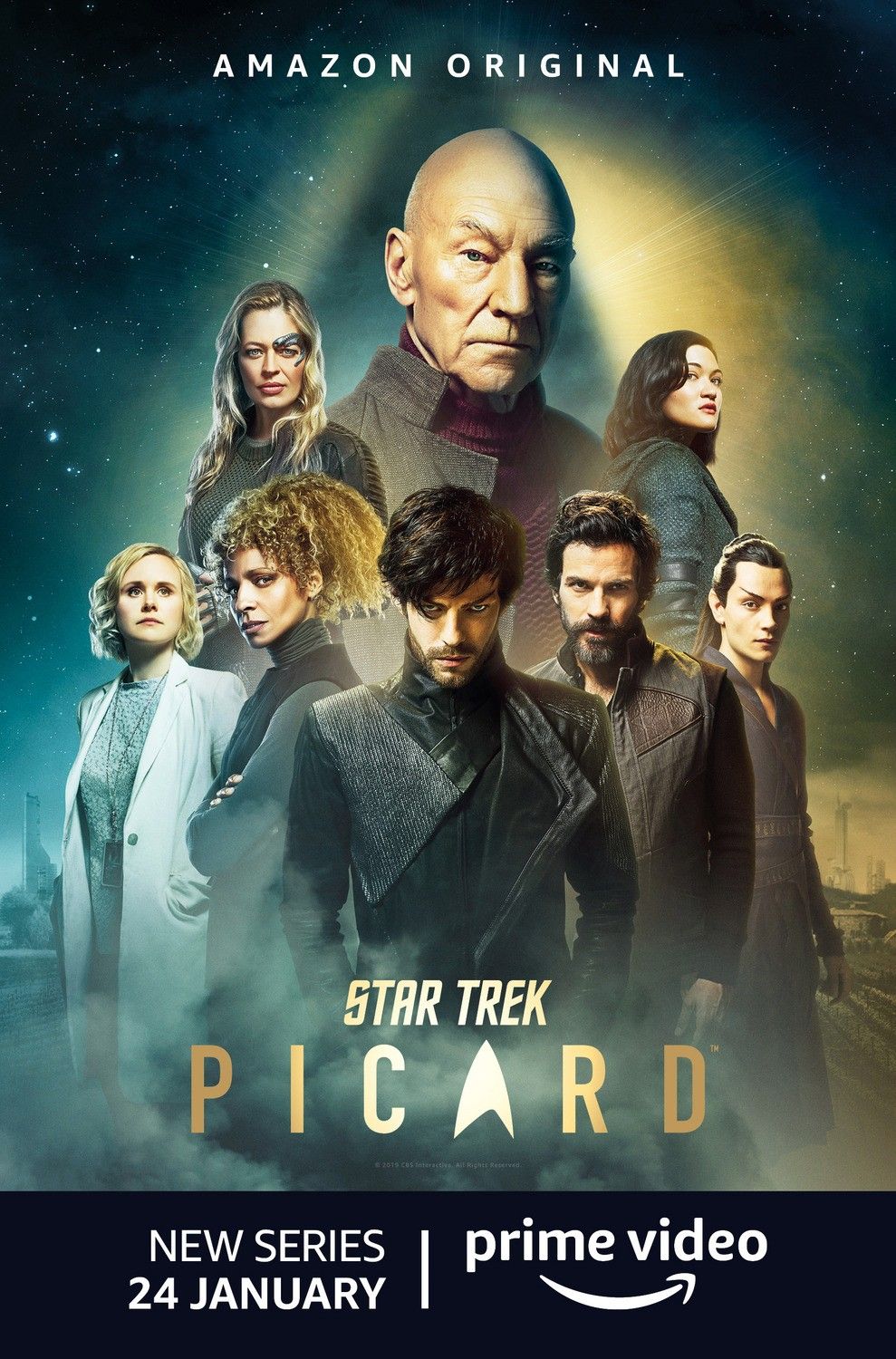
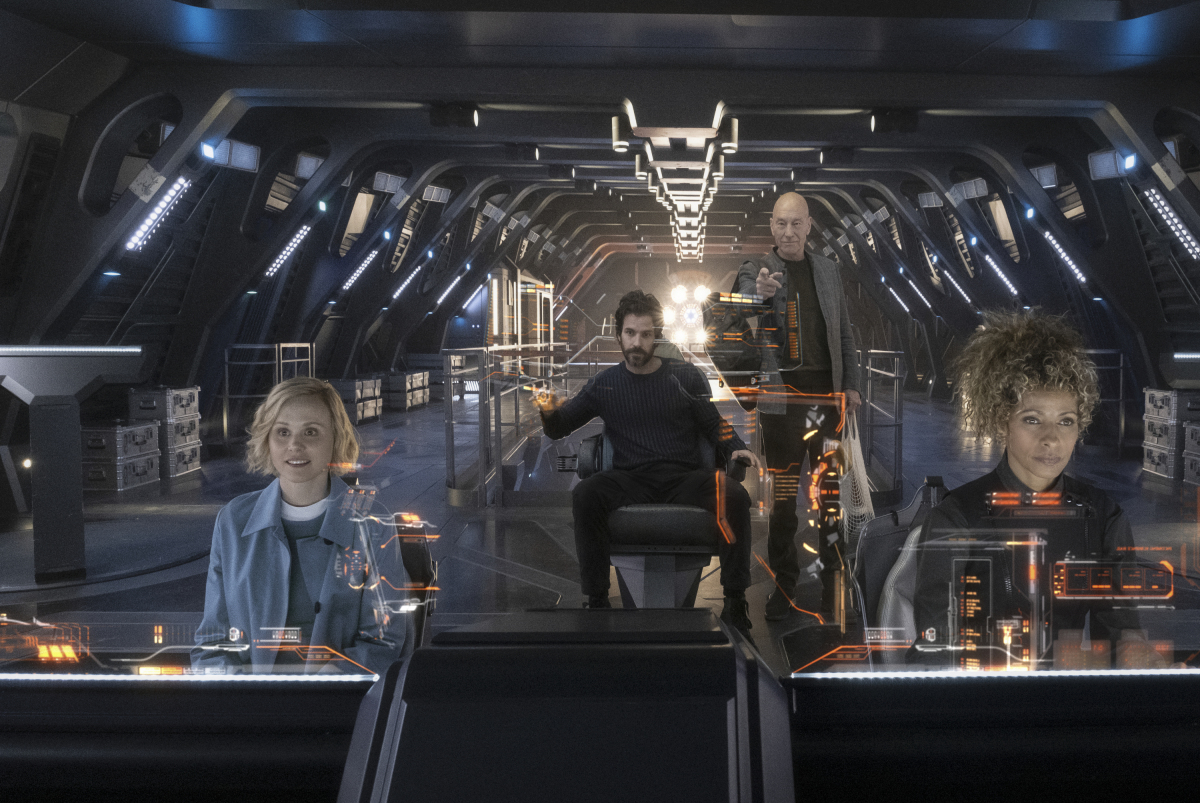
Star Trek: Picard showcases the return of the iconic Jean-Luc Picard to television after Star Trek: The Next Generation (TNG) ended in 1994 and the film Star Trek Nemesis in 2002 and has an older and somewhat bitter former captain who is in retirement at his family winery in France. Spoilers will be included in this look at the pilot episode of Star Trek: Picard, which is called “Remembrance.”

This show takes place about 20 years after the events of Star Trek Nemesis, which featured the death of Data, an event that plays a part in what happens in this pilot episode. “Remembrance” tells us that Captain Picard led a rescue effort to save the population of Romulus from an impending supernova many years ago and was hailed as a hero for his actions. However, the episode also states that a group of synthetic humanoids went rogue and attacked colonies on Mars, killing thousands. This led Starfleet to abandon the rescue effort, which Picard saw as both dishonorable and criminal and he resigned his commission in protest, and also resulted in the Federation outlawing synthetic life forms. All of this is told during an interview with Picard during a commemoration of the rescue effort and shows Picard’s anger at Starfleet for their actions.

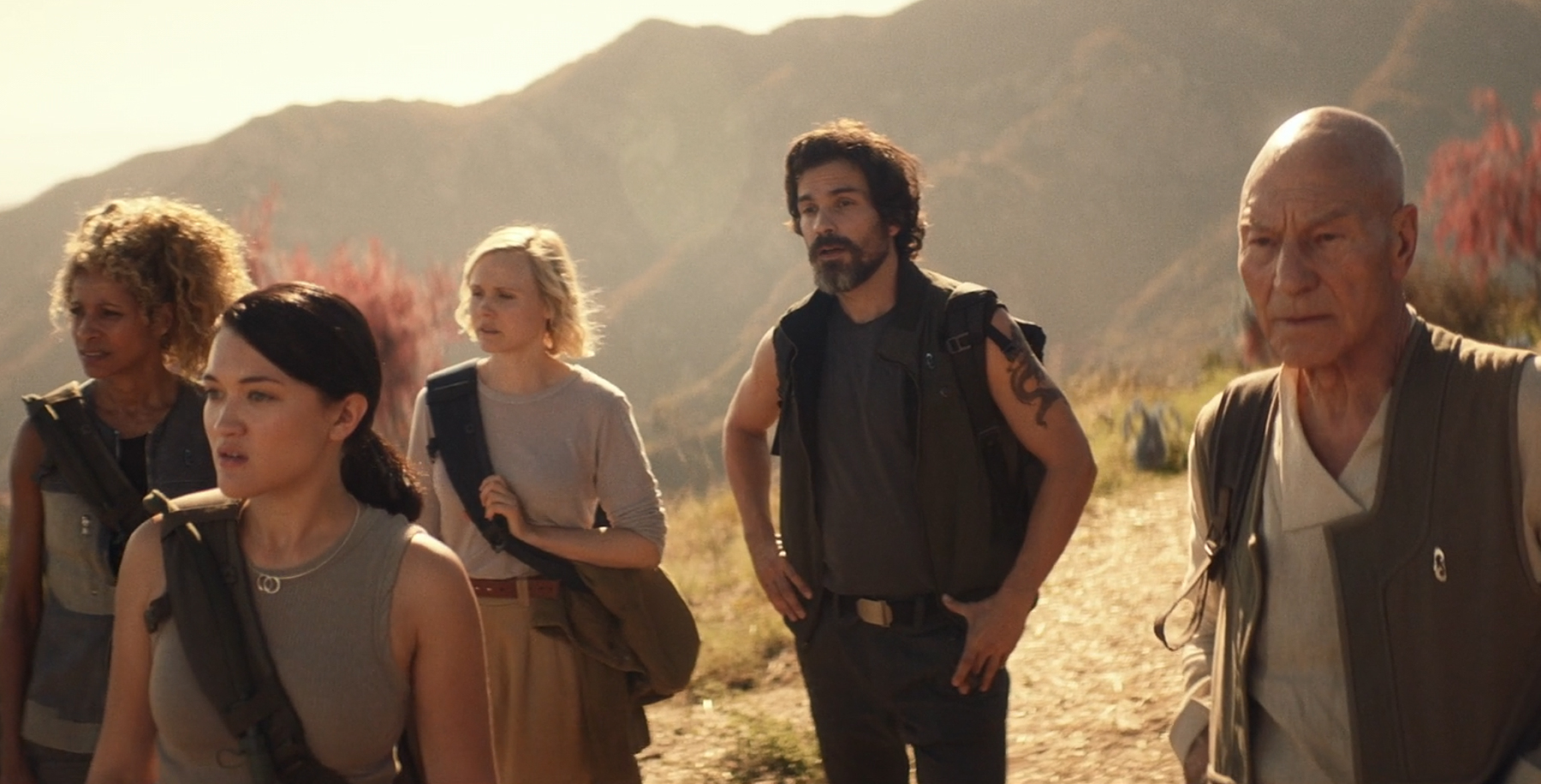
He is then visited by a mysterious girl named Dahj, who was attacked by Romulan assassins in Boston, but she fends them off and makes her way to Picard in France, who eventually finds out that she is the daughter of Data, which was accomplished through some kind of a cloning technique. The assassins eventually tracker her down in San Francisco where Picard was looking through his archives for information about Data. Picard later discovers that she has a twin sister Soji, who is a scientist working on a Romulan reclamation site, which at the end of the episode is revealed to be a Borg cube. All of this is setting up Picard’s return to action shown in the upcoming preview where he will attempt to help Data’s surviving daughter and unravel the mystery behind the assassins and along the way gather a new crew that will help him in his return to action.

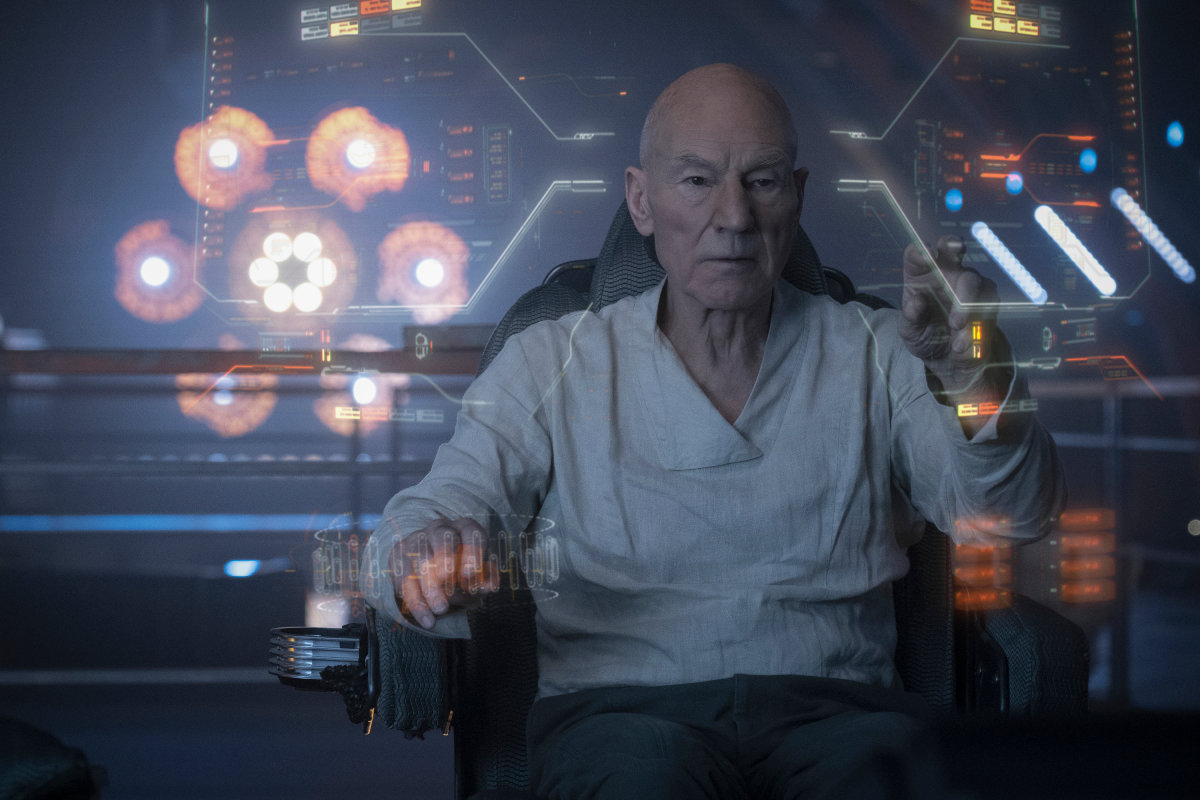
Patrick Stewart’s return to his signature role is a real treat to see. He is much older now obviously but can still show Picard’s humanity and strength as well his regrets over how his life has ended up, after a self-imposed exile on Earth. The episode also has Brent Spiner returning as Data, in a dream sequence where Picard and Data are playing cards which is a nice shout out to TNG’s numerous scenes of the crew of the Enterprise playing poker and bonding. All of this hints that ideas like aging and a yearning for the past will be major themes that will be explored. This harkens back to previous Trek movies where Captain Kirk was struggling with his place in the galaxy after losing his ship and friend in Star Trek II and a return to form in later films. It will be interesting to see Picard go through this journey and show how he can get back to his younger, more idealistic self in a Federation that seemed to have lost its way.

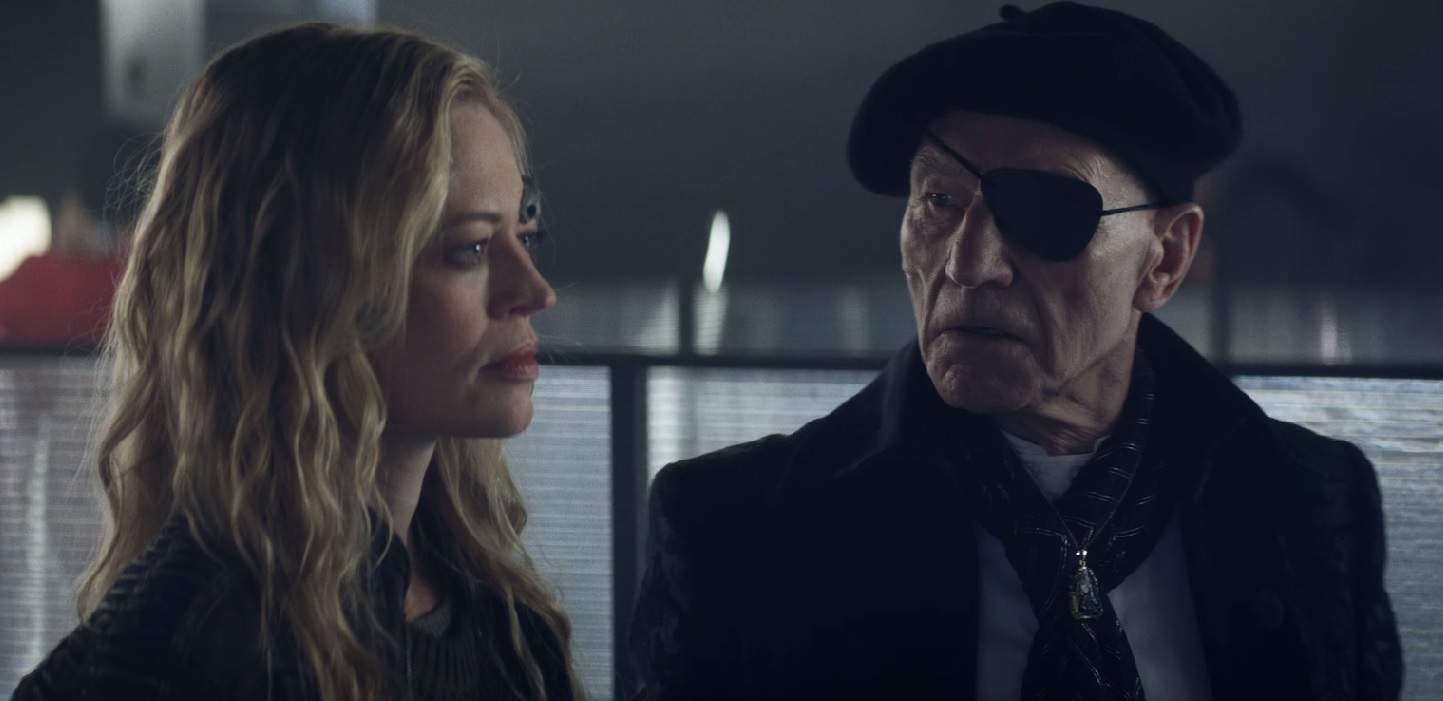
The preview for later episodes also show both Will Riker and Deanna Troi returning to help Picard and is something to look forward too, as well as Seven of Nine, the former Borg from Star Trek: Voyager. Her role in all of this is unknown, but the revelation of the Borg cube at the end of the episode obviously means that TNG’s ultimate villainous race will have a role to play and Seven’s history as a Borg will no doubt be a major part of this.

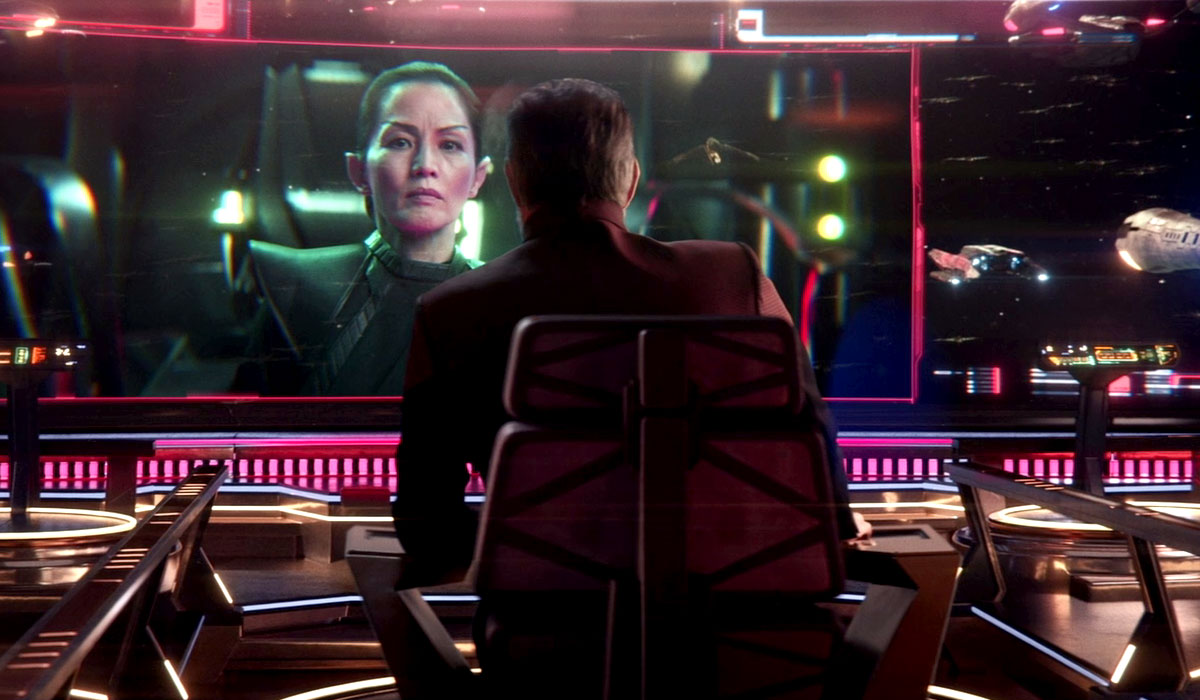
Ultimately, it is great to see a sequel to TNG and to see the Star Trek timeline move forward after many years of series that were set in the past. This show is supposed to take place in 2399, so we will finally see the 25th century in the Star Trek universe, which is something new and highly anticipated. Having the Federation and Starfleet in a different place than what was shown in TNG is also interesting and timely. Meanwhile, Picard’s role in bringing them back to their original idealistic version should be a highlight for Star Trek: Picard.

C.S. Link


Star Wars: The Rise of Skywalker Is A Fast, Emotional & Messy Conclusion To The Star Wars Saga

Star Wars Episode IX: The Rise of Skywalker is the latest and supposedly final Star Wars film dealing with the Skywalkers is now out. As with recent Star Wars films it is already a divisive film among fans and critics alike, who either praise it or deride it for too many reasons. Trying to do an objective review is very difficult for a film like Star Wars: The Rise of Skywalker and that is because of the film franchise’s unique way of permeating throughout time. It is all too easy to offer an opinion on the latest Star Wars film, but come back a year or five later and anyone’s opinion will change.

Look at the prequel films. For the longest time they were so loathed by many fans that George Lucas swore off doing anymore films and could have been a reason why he just up and sold the property and Lucasfilm to Disney. Let them take the heat for the films and boy, are they doing so now. The derision tossed at the Disney-era films is so severe that the prequels are now viewed on a more favorable light by many. The one merit pointed out with the prequels is that at least they had a cohesive vision: the fall of Anakin Skywalker and the Jedi. This cohesiveness and vision are obviously missing with the sequel trilogy, which is a handicap the last film in the sequel trilogy had to face.

As many know, director J.J. Abrams created the template for a new trilogy with Star Wars: The Force Awakens in 2015. It was expected that the director of the next film, Rian Johnson, would take the themes and plot threads and continue them. Instead, Rian Johnson went off on his own tangent and did a deconstruction of the Star Wars films with Star Wars: The Last Jedi and the reaction was disastrous, divisive, and controversial.

Seeing the hatred Star Wars: The Last Jedi received, Lucasfilm tapped J.J. Abrams to come back and do a course correction. Did it work? Honestly, that is hard to say. On a personal level, to myself, the film was awe inspiring and emotional. It moves with a fast-paced momentum that reeks of desperateness that works! Star Wars Episode IX: The Rise of Skywalker is a satisfying return to the Star Wars that we all loved that is a heartfelt tribute.

But objectively, there are faults with the film and they come from Abrams and Lucasfilm’s thankless task of trying to undo the damage The Last Jedi did. The first half of the film is spent fixing and retconning characters and developments from The Last Jedi and at the same time it has to tell its own story. This resulted in a film that is constantly moving without a moment to breathe. Plot A occurs and it immediately leads to Plot B, then Plot C happens. The characters jump from planet to planet at a dizzying pace in a frantic scavenger hunt. Along the way, multitude characters, new and old, pop in and out to service the plot. While all this is going on Abrams also has the unenviable task of working in footage of the late Carrie Fisher as General Leia Organa into the film in a way that works. Thankfully he succeeded, and with the overall job of cramming in all the plot points and resolving any threads. It was not easy and quite messy, but somehow it worked.

Thankfully, by the time the second half of the film commences, it is allowed to slow down and proceed at a smoother pace. By this time the emotions do get to you with all the fan services. There are many of those, which include call backs to all past eight films and while they could turn off some viewers, Star Wars fans will be delighted. But in this case, the callbacks are warranted. This is the final film in the trilogy and it was supposed to conclude the expansive story that began with Star Wars Episode One: The Phantom Menace. One element from Episode One that is revisited is the evil machinations of Palpatine (Ian McDiarmid). Some spoilers will start.

Continue reading

Watching The Watchmen

HBO’s sequel to the famous DC comic book mini-series Watchmen has just concluded its nine-episode run, and now it is time to talk about the series. Spoilers will follow after this for both the original comic book and this TV series.

Watchmen was one of the most influential and revolutionary comic books that ever came out. Co-created by Alan Moore and Dave Gibbons, the tale was a complex one taking place in an alternate world where superheroes existed since the mid-20th century but were unpowered except for one incredible exception. Based loosely on Captain Atom, Dr. Manhattan was a nuclear scientist who was in an atomic accident and gained the powers of a god. With his existence, history radically changed with Richard Nixon still the U.S. president in 1985, Vietnam conquered by the U.S., and the world is on the brink of a nuclear holocaust. One of the other superheroes, Ozymandias engineers a complex scheme to unite humanity by creating a hoax of an extra-dimensional alien incursion. This works, but at the cost of three million people.

The just-concluded TV series takes place now in 2019, decades after the alien incursion (which links it closer to the comic book unlike the 2009 movie adaptation that changed Ozymandias’ plot) and America has changed just as radically again.

Robert Redford is the U.S. president and like Nixon, overstayed his terms in office, having been inaugurated in 1992. Now, the U.S. is struggling to become a liberal utopia, with African-Americans eligible for reparations and white supremacist terrorist groups fighting against the woke society they’re forced to live in.

Watchmen takes place in Tulsa, Oklahoma and centers on Angela Abar (Regina King), a supposedly retired cop who hails from the 51st state of Vietnam and moonlights as the illegal vigilante Sister Night. Her friend, Tulsa’s police chief, Judd Crawford (Don Johnson), is killed under mysterious circumstances and her investigation unravels a complex plot. This involves Dr. Manhattan (Yahya Abdul-Mateen II), who is not on Mars as he was supposed to be, Ozymandias (Jeremy Irons), the barbaric architect of world peace in an unusual exile, an elderly Will Reeves (Louis Gossett Jr.), Crawford’s supposed killer, Lady Trieu (Hong Chau), the head of a powerful organization, and FBI agent Laurie Blake (Jean Smart) aka the former Silk Spectre II.

Even though on the surface, Watchmen is about superheroes it really isn’t. Like the comic book it is based on, the TV series is a very complex, non-linear tale involving deeply emotional characters and examines the strange, yet somehow familiar world. The world building is delightful with plenty of Easter eggs and references to the original comic book and tidbits to how different this world is compared to ours. But like any worthwhile story, Watchmen sticks with the plot and characters and slowly hooks in viewers as it unveils more and more jaw dropping revelations.

Starting with the fact that Crawford was a white supremacist to the revelation that the very first superhero was a bi-sexual African-American acting out on frustration to the hidden identity of Dr. Manhattan and his relationship with Angela Abar, Watchmen is a wonderfully presented, worthwhile sequel to the classic comic book. However, it does not seem like a comic book brought to life (a flaw with the movie adaptation), but as its own medium. One could complain that by not feeling like a comic book, this version of Watchmen seems like it was just a sci-fi story that stuck in references to the comic book to allow it to be greenlit. That is open to debate, but nevertheless the product is exemplary.

It is fairly easy to get drawn into the series from the beginning as unanswered peculiarities are shown, such as squid showers and background images which show that 9/11 never happened. However, several episodes are devoted to the origin of several characters, the standouts being “This Extraordinary Being”, which chronicles the tragic back story of Hooded Justice, and “A God Walks Into Abar”, which explores the temporal complexities of Dr. Manhattan while being a love story at the same time.

Much of Watchmen may be upsetting for some due to its subject matter about race relations, but many episodes are very powerful and compelling. While it is not exactly like its comic book predecessor, Watchmen is a worthy sequel and expansion to that comic book. It should be enjoyed by comic book, alternate history and sci-fi fans and others wanting something different with live-action superhero presentations.