Star Trek: Lower Decks Lacks Humor & Wit

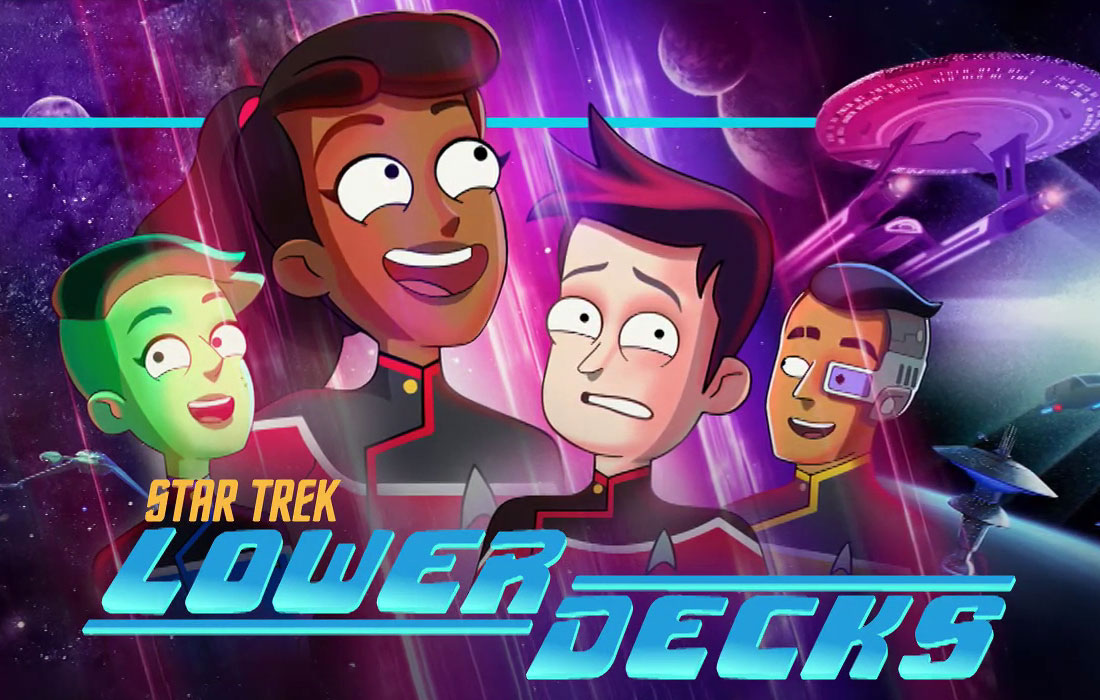
Trek Lower Decks poster

The newest Star Trek TV series, Star Trek: Lower Decks, is the first animated Trek series since the 1970s and while that old show for the most part lived up to Star Trek, this animated show does not, unfortunately. There are many reasons why Star Trek: Lower Decks is just not up to par with Trek standards, but the most glaring is with its humor, or lack of.

Star Trek: Lower Decks, which streams on the CBS All Access app, was promoted as a comedy that takes place on the starship Cerritos, an unexceptional Starfleet ship assigned to mundane missions throughout Federation space . The show focuses on a crew of young Starfleet ensigns who for the most part dream of being promoted to senior officers while burdened with humdrum tasks like cleaning the holodeck, changing carbon filters and so on. The problem is the show just is not funny.
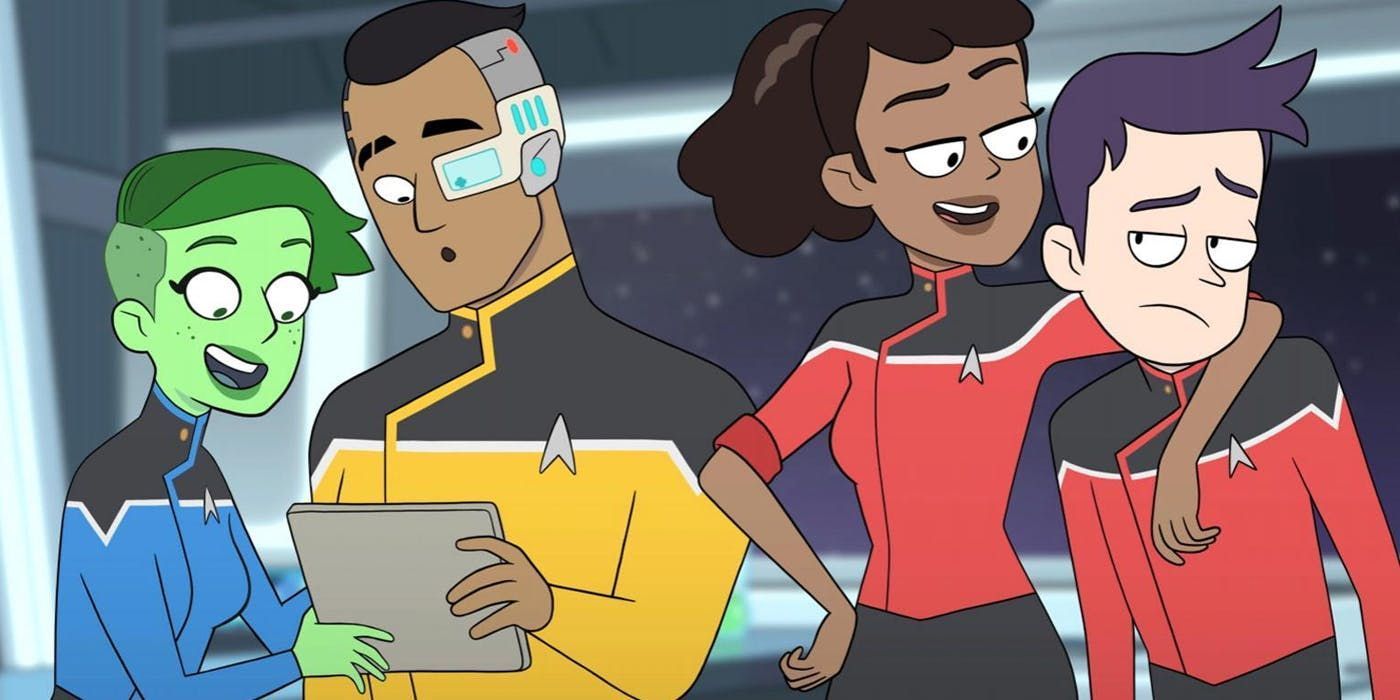
It tries its best, sometimes too hard, to be humorous and slapsticky, but at best the show elicits a few chuckles or wry smiles that only Trek fans can appreciate. The show is saddled with trying to be funny while telling traditional Star Trek stories and the tone winds up being very inconsistent. Some story lines are kind of interesting and could have worked in a normal Star Trek episode but then they gets thrown off with uninspired sight gags and jokes that are not especially witty and ruin the story. Take for instance this episode called “Moist Vessel”. The Cerritos is supposed to tow an ancient generational ship that has a substance that turns inorganic material into organic ones, which would be useful for terraforming purposes. This substance is accidently unleashed on the Cerritos and uncontrolled growths of organic material threatens the ship. This would have worked in a regular Star Trek episode, but in this case the plot is used for cheap laughs, though it did provide a platform for some character study.
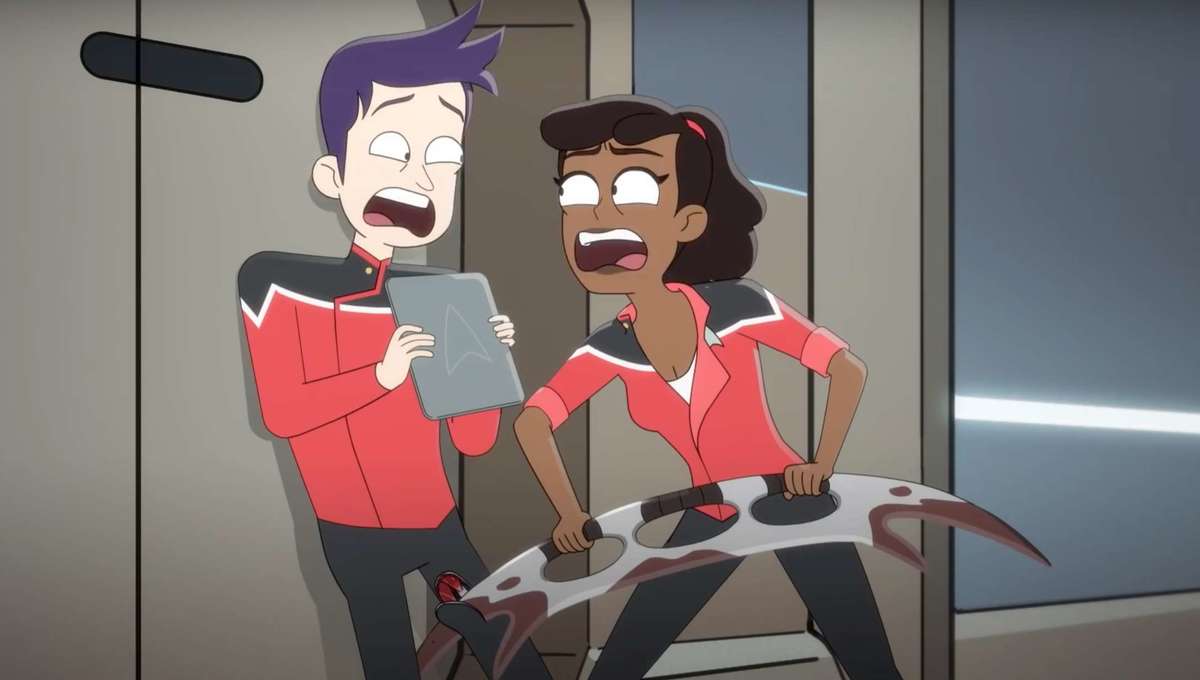
mariner and boimler

As for the characters, they are not outstanding except for Ensign Mariner (Tawny Newsome). Unlike her overeager shipmates, she is more of a disillusioned slacker who complains nons-stop about Starfleet life. This is an interesting way to go for a Star Trek character, except it leaves you wondering why does she still stay onboard the ship? Why not just quit Starfleet? How is it she is still allowed to remain on the ship? For that last question, there is more to her story; her mother is the captain of the Cerritos and she is especially hard on Mariner, but that is about it. Her partner is an overeager and over-annoying Ensin named Boimler (Jack Quaid whose talents are better used in The Boys), who comes off as those petty buttkissers that no one likes, so it he is hard to empathize with. There are a few more ensigns who are alien or enhanced with cybernetic parts, but they do not stand out at all.
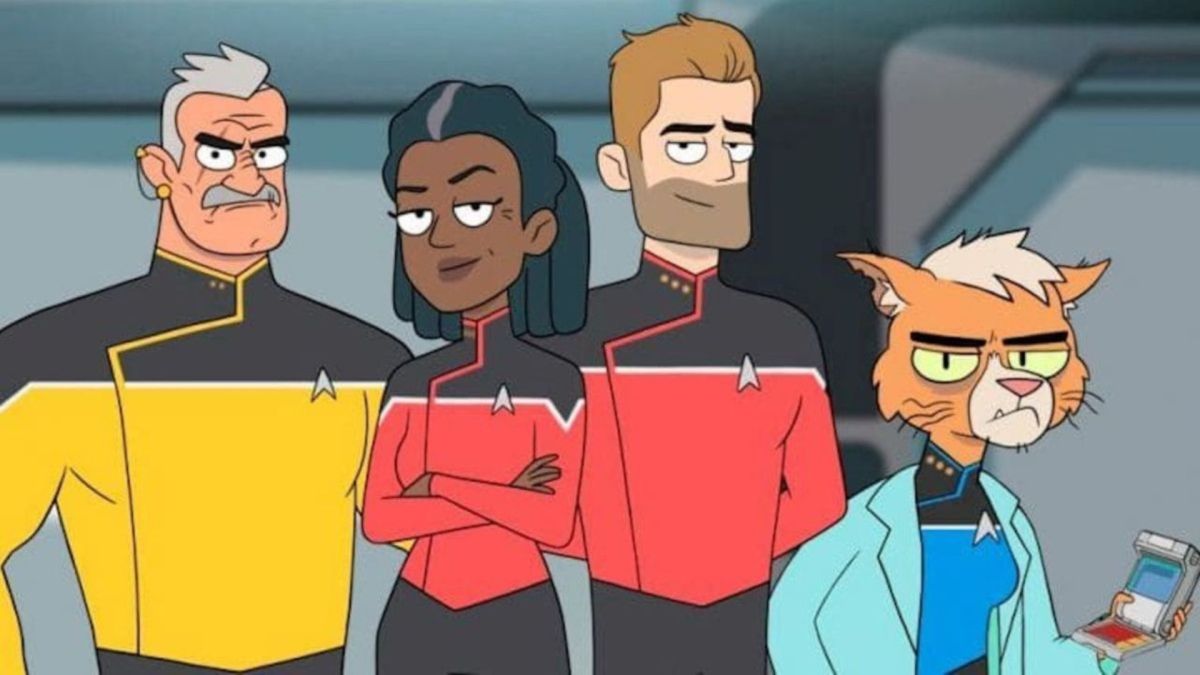
Star Trek: Lower Decks would have benefitted with wittier and funnier scripts that went all out and perhaps even meta. Perhaps a different animation style would have served it better because right now the show looks so cartoony that you expect it to be stuffed to the bulkheads with outrageous, LOL moments and jokes or even oulandish scenes that would have been too expensive to film in live action.

The show is not the worse thing out there and some revamping would salvage the endeavor. It does have potential, so it may be worth keeping an eye on. However, if fans want something to tide them over in between regular Trek productions like Star Trek: Picard and Star Trek: Discovery, they are better off watching The Orville, at least that show has better wit, humor and characters.



Time Runs Out For A Convoluted Tenet

Tenet is the latest film from director Christopher Nolan, which finally debuted at the tail end of the 2020 summer movie season; if one wants to say this summer has had a movie season because of the coronavirus pandemic. Tenet was heralded as Nolan’s grand epic, this year’s most anticipated film, the one that would salvage the summer movie season. Well, unfortunately, the film falls short of such aspirations.

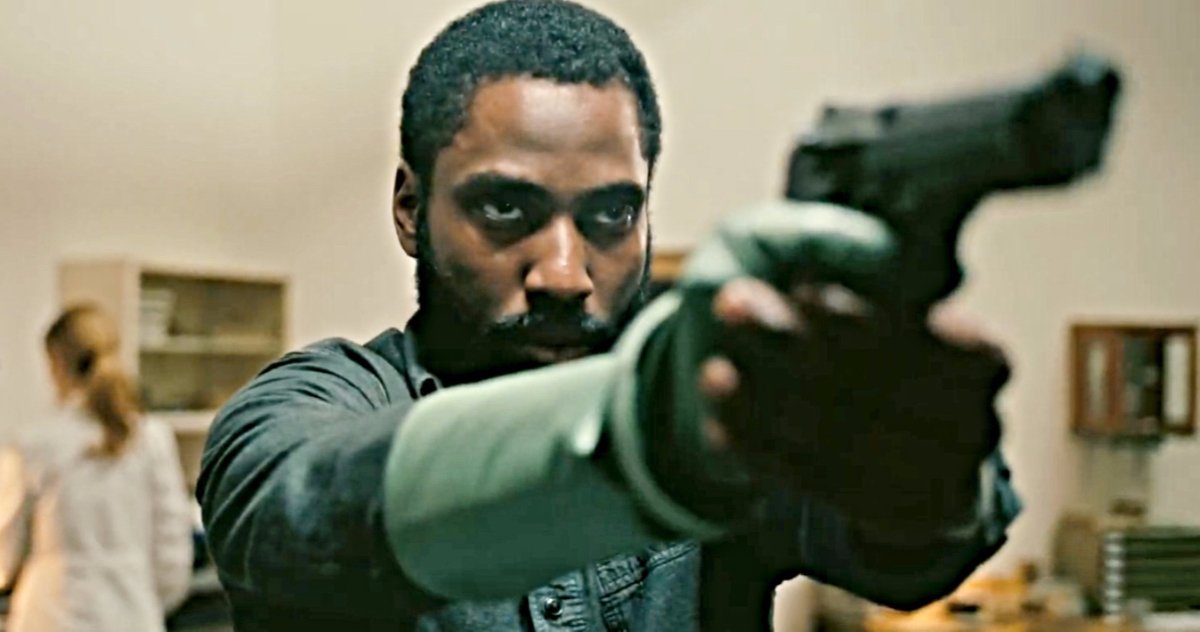
This does not mean that Tenet is a disaster or a poorly made film. No, actually it is an ambitious film with high-end production values and the acting is generally good. The latter is due to the strength of the film’s lead John David Washington who is simply known as the Protagonist. The fact that Nolan could not be bothered to give the main character a name indicates one fo the problem with Tenet. The film is technically well crafted, but it lacks an emotional soul. This has been a flaw with some of Christopher Nolan’s other films, but in this instance, the issue overtakes the film. It is difficult to care about what is going on in the film even though there are high stakes in its meandering plot.

Christopher Nolan’s new film is a spy thriller with an Inception-inspired sci-fi angle. The Protagonist is a CIA agent who is recruited to prevent a world war and is involved with nefarious arms dealers and a secret organization called Tenet. During his mission, the Protagonist learns of bullets and other objects that run backwards in time due to a process called “inversion,” which means that if he tries to fire a gun with inversion bullets, from his point of view the bullets are already fired and fly back into the barrel of the gun. He learns the bullets came from a Russian arms dealer called Sator (Kenneth Branagh) who is gathering intel from the future and wants to create a doomsday event using artifacts that are inverted in time. Along the way, the Protagonist travels throughout Europe and Asia and finds himself operating backwards in time; in many instances revisting scenes from earlier in the film from a new viewpoint.

If this sounds confusing, you are not alone. Nolan is so enamored with having scenes play backwards throughout the film and trying to be too smart for the film’s own good. The result is a film with a disjointed nature that only add to the convoluted nature of the film’s plot. You have to pay very special attention to the film and frankly, watching Tenet several times is necessary in order to fully grasp it. The problem here is that the film is not engaging enough to make you want to bother watching it all over again (the film is nearly two and a half hours). The visuals are impressive and up to par with what Nolan has delivered in the past, but the inversion scenes quickly feel gimmicky. By the time, we get to the film’s climax, the entire viewing experience is just underwhelming and disappointing despite the film’s technical wizardry.

What makes matters worse is that the sound mixing is shockingly poor and leaves much of the dialogue difficult to hear. Most attempts to explain the convoluted and complex plot or how inversion works are garbled and spoken very quickly or too low from characters, which makes following the polt a chore. Unlike Inception where the process of entering people’s dreams was not important, Tenet demands a sound explanation of how inversion works in order to understand what is going on, but Tenet fails in this aspect.

Who knows? Maybe a third or fourth viewing of Tenet may improve it, but a film has to engage you from the initial watch to make you want to revisit it again. Tenet only calls for it just to watch the well-crafted visuals of inverted fights and car chases. But doing that will be easier and more rewarding when watching it at home instead of theaters. At least from your device or TV you can skip over the plodding and convoluted first half of the film and get right into the off-kilter action scenes.

DC FanDome Brings The DC Universe To Fans


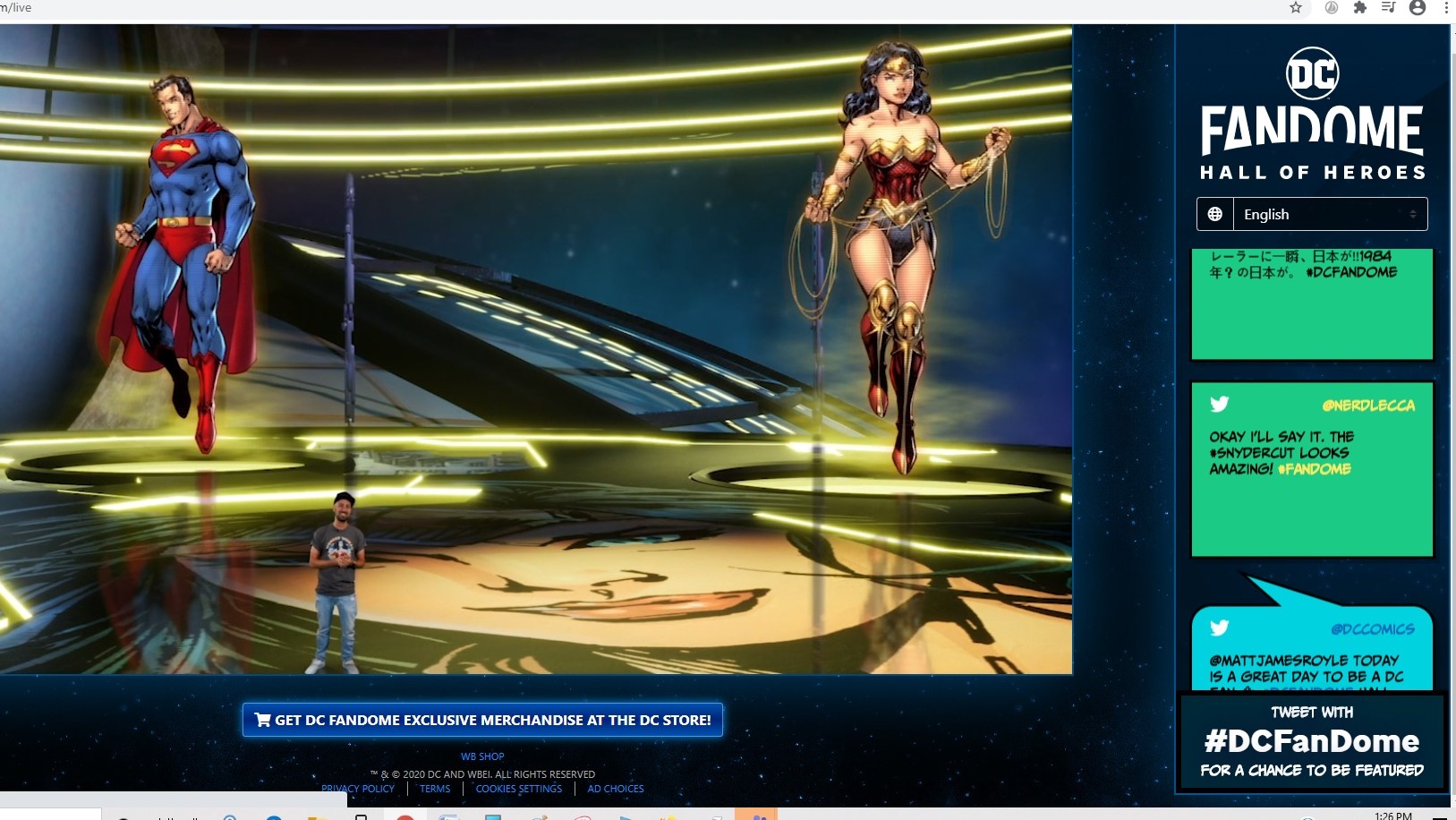
We were robbed of Comic-Con this year thanks to the ongoing pandemic (the less said about their virtual convention, the better). However, comic book and DC fans were entreated to the virtual event DC FanDome which showcase all that is going on with the DC Universe in comics, film, TV, video games and much more.

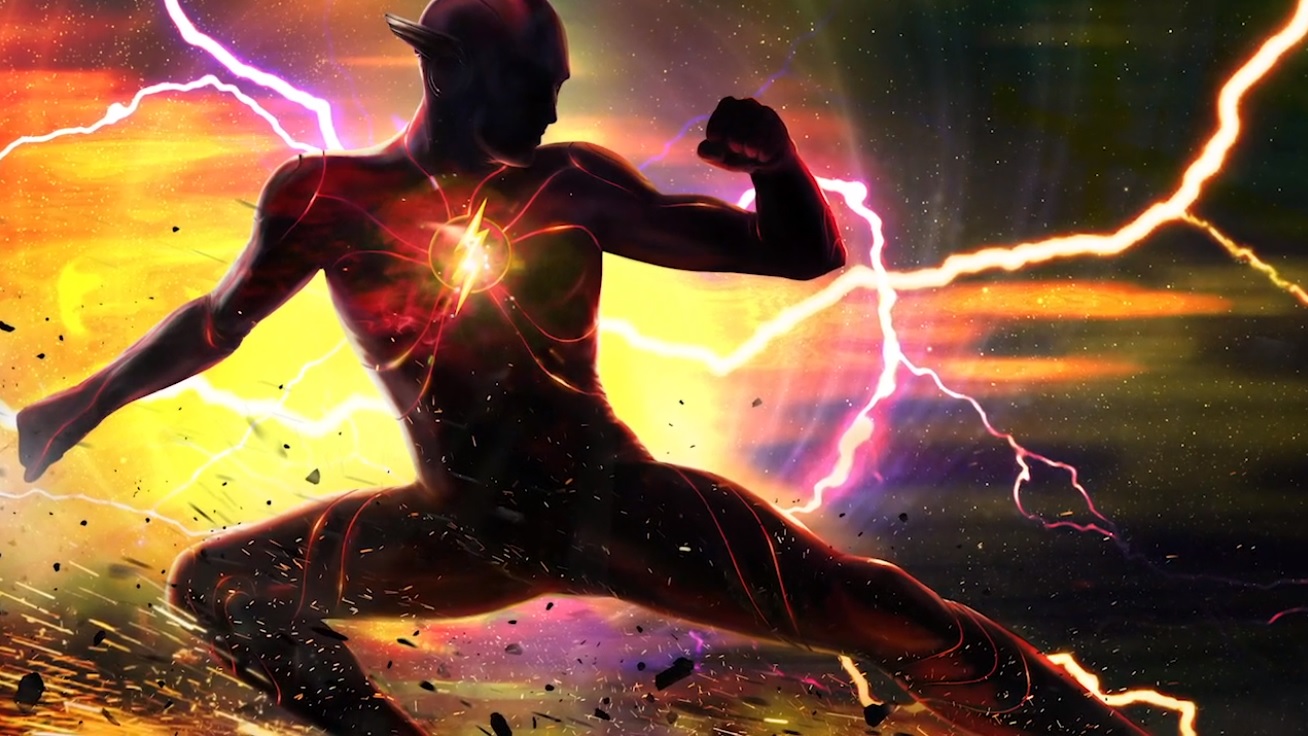
There were many highlights in the virtual event and many avenues for fans to explore. Visiting the website, one could see there were different sections to view such as the Hall of Heroes, WatchVerse, KidsVerse, InsiderVerse, and so on. The most talked about highlights of course were the exclusive looks at the upcoming DC films and TV shows seen in the Hall of Heroes. For example, we were treated with a new trailer for Wonder Woman 1984 and a glimpse at Wonder Woman’s chief villain, the Cheetah (a bit too CGish but that’s fine). Other clicks revealed the first look at the re-designed Flash suit for the upcoming film of the Scarlet Speedster. Looking at the sleeker suit, it is obvious the DC Extended Universe (DCEU) version of the Flash was clearly inspired by his brief encounter with The CW version of the Flash as seen in his cameo in the “Crisis on Infinite Earths” TV crossover event. Frankly, the new suit is a great improvement as it looks more aerodynamic and befitting of the character.

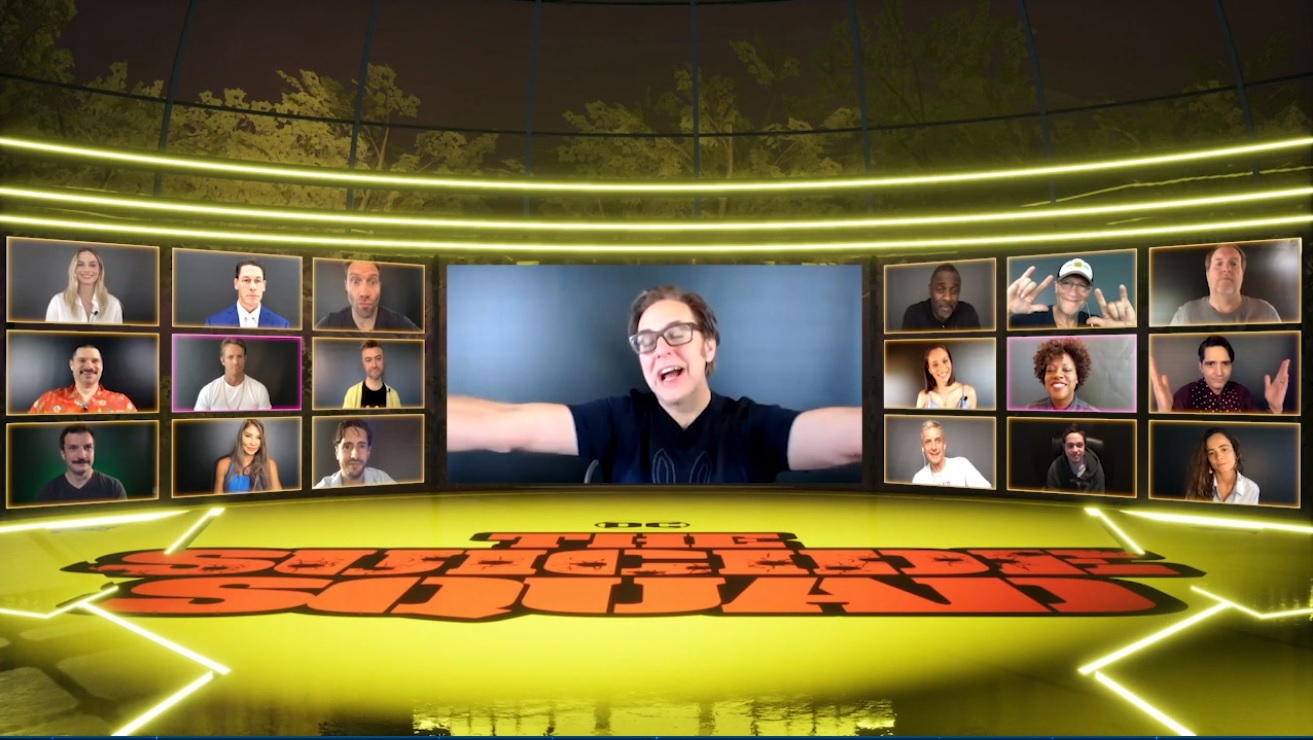
There also was a lively panel of The Suicide Squad hosted by the film’s director, James Gunn. For the first time the roster of supervillains was revealed and what a motley crew! Leave it to Gunn to pick some of the most obscure and goofy villains for The Suicide Squad. Comic book speculators and collectors will have their hands full trying to hunt down the comics that debuted the likes of the Polka-Dot Man or the Weasel. The panel itself was quite funny and gives fans who were disappointed by the previous Suicide Squad that the sequel will be injected with James Gunn’s humor and be reverant to the original comic book as he promised in the panel.

The suicide squad panel

Director Zack Snyder presided over a presentation of his original vision for Justice League. Featuring appearances from the film’s stars like Ben Affleck (who made news recently when it was revealed he would reprise his role as Batman/Bruce Wayne in the upcoming film, The Flash) and Henry Cavill, who looked really buffed out–a hint that he will return to the DCEU as Superman? After taking questions from fans who championed for his original cut, Zack Snyder unveiled a teaser trailer for Justice League. What stood out is the huge amount of original footage including a new and better version of Steppenwolf, Darkseid and Superman in his black suit. With a running time of four hours, the original vision of Justice League promises to be a true superhero epic.

The other big movie news was the premiere trailer for next year’s film The Batman. What can be said that has not already been written online about this first look at the new Batman film? As it has been said everywhere, this film looks awesome. Easily one of the most anticipated films next year, The Batman seems to be a spiritual successor to the Christopher Nolan Batman films, especially Batman Begins. The film looks gritty and promises to be more of a crime thriller peppered with intimidating scenes with the Caped Crusader.

Aside from giving us previews and first looks at upcoming property, DC FanDome was a celebration of all things DC. The event showcased brilliant and imaginative fan art and cosplayers, which captured the spirit of past conventions. Visitors got to see how influential and widespread DC was as videos showcased fans and creators from all over the globe. The Celebration of DC Pets was really cute, by the way. It was impressive to see how DC captured our imagination. DC FanDome also took time to celebrate the rich and vast history of DC with clips and images from past incarnations of its superheroes and villains.

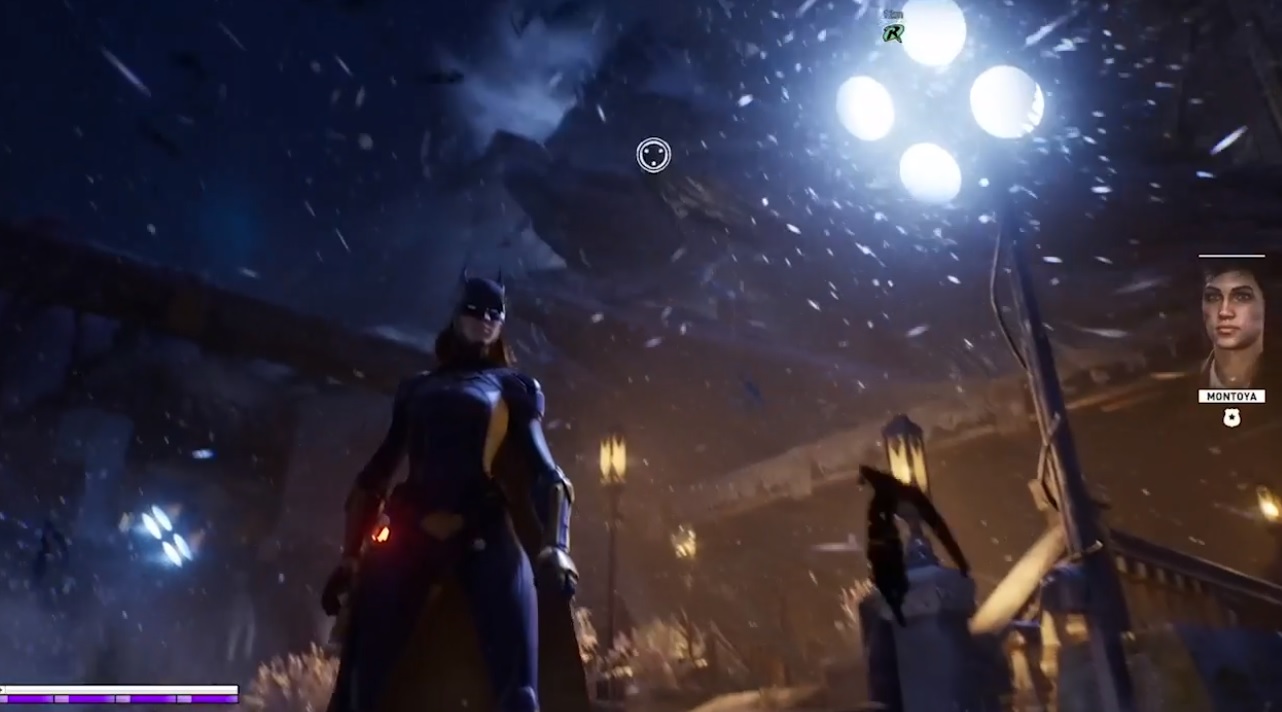
On a technical level, there were the usual technical glitches that we are all experiencing these days with our Zoom meetings and other video calls, but for the most part, the event went off smoothly and was slickly produced. Their online store, there should have had more variety of merchandise because the only thing on sale were different kinds of t-shirts. But fans were able to read online comics and check out all the things related to DC, whether it be the latest with the DCEU or the thrilling video game Gotham Knights.

The DC FanDome was a great success and was actually better than what could have been done at Comic-Con. For a long while, Comic-Con was too exclusive as tickets to the yearly event were rare and expensive and frustrated nearly all of the fan community who were not privy to view first looks at trailers or concept art. We were forced to scour online for amateur videos taken at Hall H for just a glimpse or an upcoming film. The way DC FanDome was done should be continued in the future and can be done by other companies (hint, hint Marvel) as a way to better reach fans.

Farewell To Agents Of S.H.I.E.L.D.

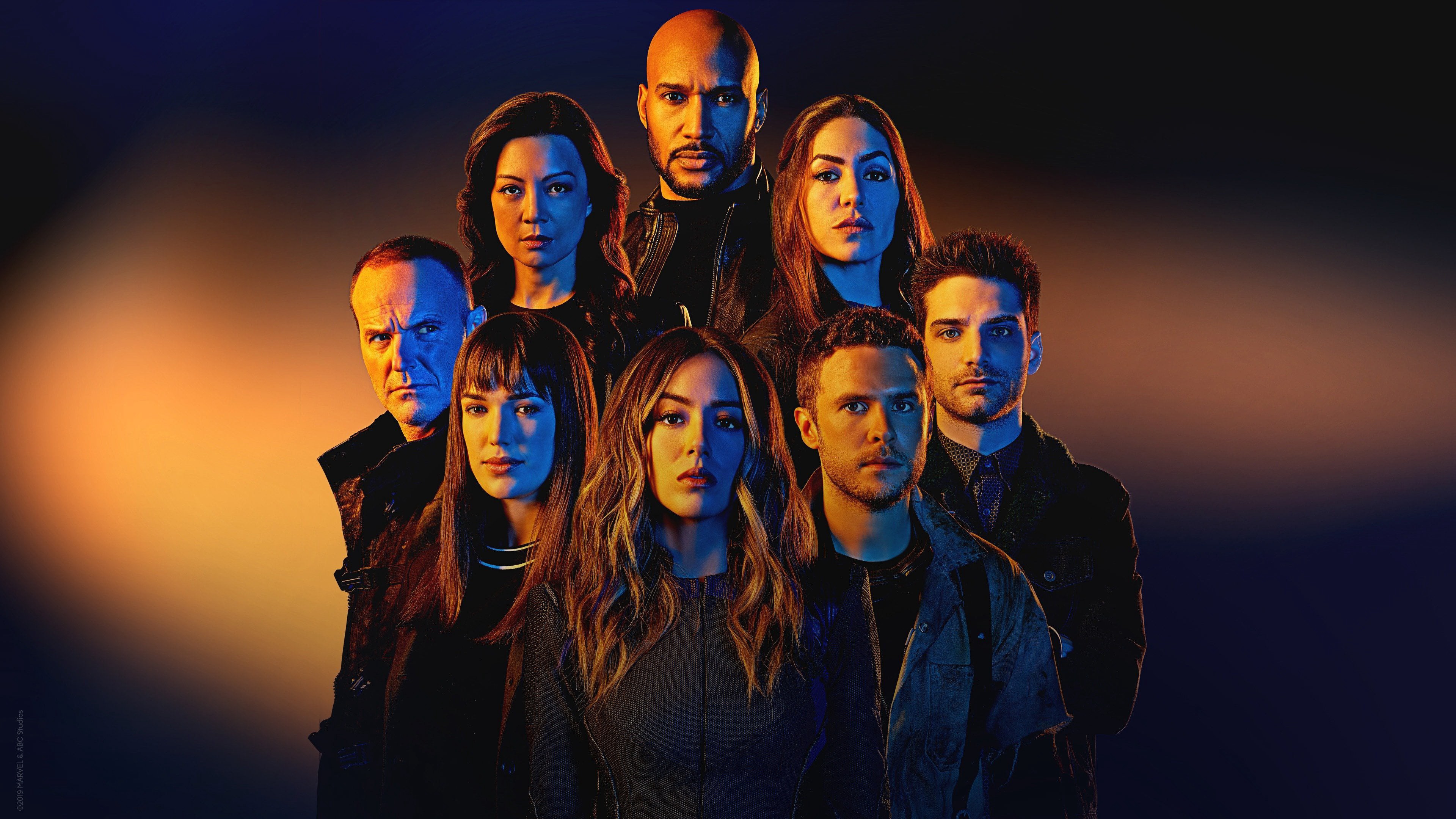
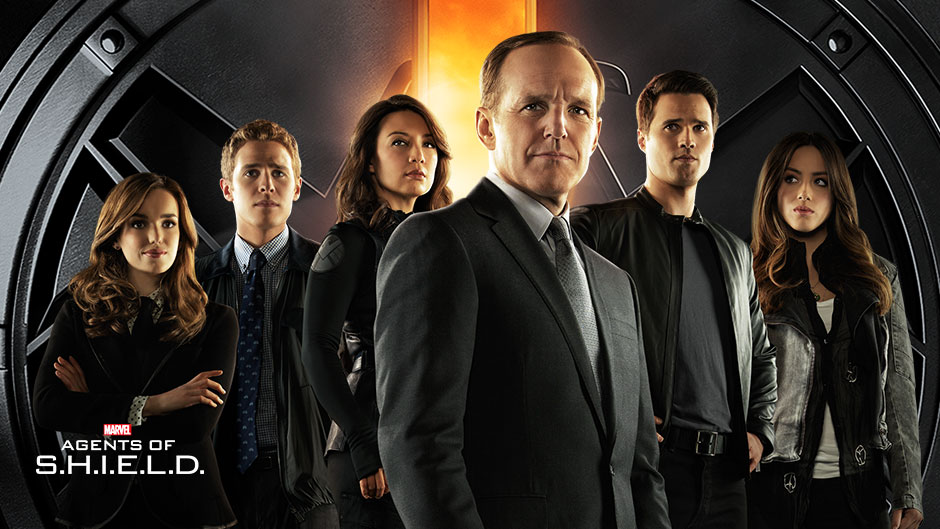
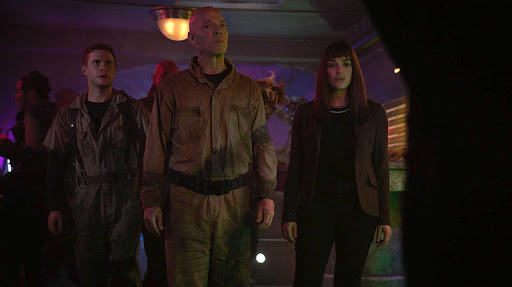
The final episode of Agents of S.H.I.E.L.D. that aired last night marked the end of an era in Marvel Comics-related television fare. The show was the last TV show produced without the involvement of Marvel Studios guru Kevin Feige. Of course, there are a couple of other shows that are coming soon like Hellstrom and some animated fare, which are not spearheaded by Feige. But with Agents of S.H.I.E.L.D.’s conclusion a chapter has been closed in a time of shows not directly related to the Marvel Cinematic Universe (MCU).

Early Missions

When Agents of S.H.I.E.L.D. debuted in 2013, there was a lot of anticipation for it. After all, Joss Whedon, the director of the hit film The Avengers, created it and directed the pilot episode, but more importantly it was supposed to be set in the MCU. It did star Clark Gregg, who played S.H.I.E.L.D. agent Phil Coulson, a recurring character in the MCU films. The complication was that Coulson was killed off in The Avengers so a big mystery in the early episodes was how he was resurrected. There were numerous other connections to the MCU such as guest appearances by Samuel L. Jackson as Nick Fury, Jaimie Alexander as Sif, Maximiliano Hernandez as Agent Jasper Sitwell, Powers Boothe as Gideon Malick and a few other actors that appeared in the MCU films. Not to mention, the early seasons of the show were directly connected to MCU films, notably Captain America: The Winter Soldier and Thor: The Dark World.

However, many viewers came away disappointed with Agents of S.H.I.E.L.D. in that many episodes were bland, unimaginative and did little to satisfy the cravings for the MCU between films. That was not entirely the fault of the show’s producers. It turned out the show was the victim of a turf war between Kevin Feige and the head of Marvel Entertainment, Ike Perlmutter. The two men often clashed over the direction of the MCU and while Feige was in charge of the films, Perlmutter handled the TV shows and other media. As we all know, Feige ultimately was allowed to directly control Marvel Studios and the MCU without having to report to Perlmutter and Agents of S.H.I.E.L.D. began its slow divorce from the MCU.

Tenuous Connections

Even before the schism fans complained about how the show was never referenced in the MCU films. Meanwhile, for a time it seemed as if Agents of S.H.I.E.L.D. namedropped whenever it could every single MCU character or incident. It was clear any connection to the MCU was a one-way street.

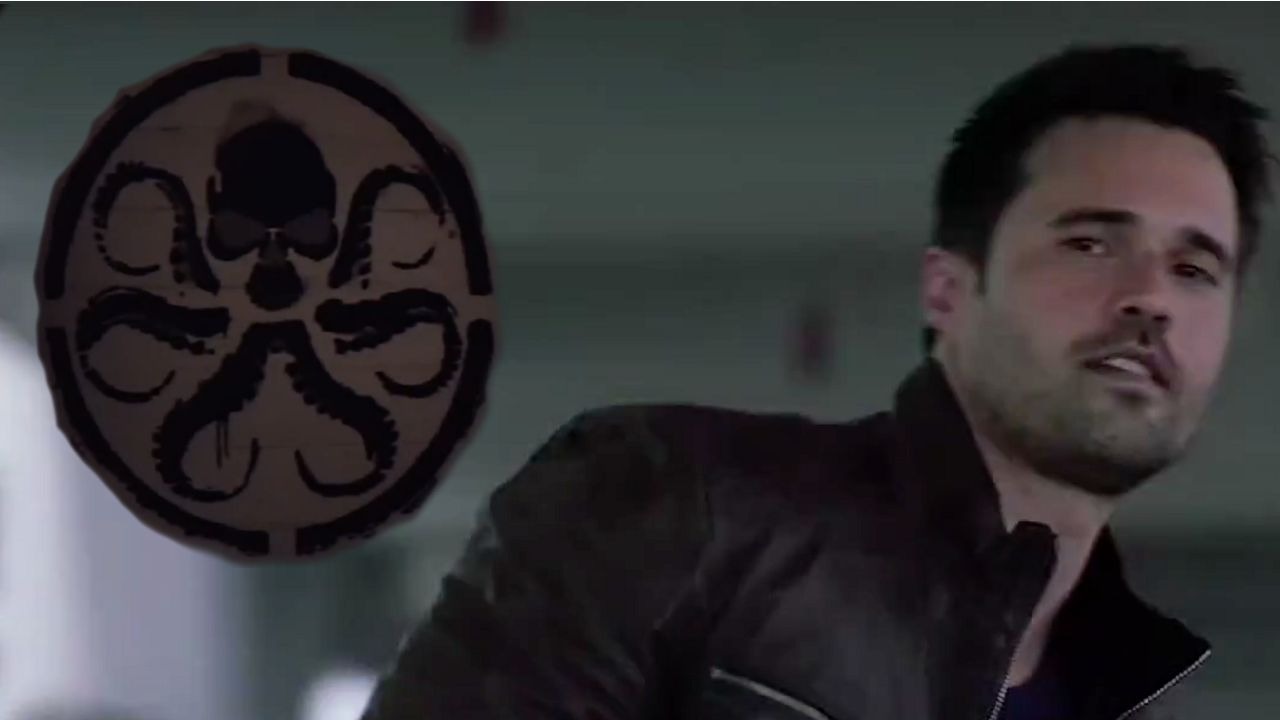
Still, despite its missteps, Agents of S.H.I.E.L.D. did find its legs and made the most of its tenuous connection to the MCU. This was best seen during the latter half of its first season which tied-in with Captain America: The Winter Soldier and that film’s plotline of the S.H.I.E.L.D. spy organization revealed as having been infiltrated by the terrorist organization Hydra. Agent Grant Ward (Brett Dalton), one of the core characters in the show, was revealed to be a Hydra agent and the show fully dealt with the ramifications of the film’s events.

A major story line that was supposed to be carried over into the films was with the Inhumans. Originally, Ike Perlmutter wanted a film made based on the characters since he wanted these superhumans to fill in the role of the mutant X-Men. At this time, Marvel Entertainment did not have the film rights to the X-Men and Permutter did not want to promote them in the remaining media. Thus, characters who were Inhumans popped up in Agents of S.H.I.E.L.D. and took on prominent roles. It went so far as to retroactively make another major character, Daisy Johnson (Chloe Bennett), to be an Inhuman (the Marvel superhero Quake). But once Feige was allowed to go his own way, he dropped any plans for an Inhumans film and the show was left holding the bag.

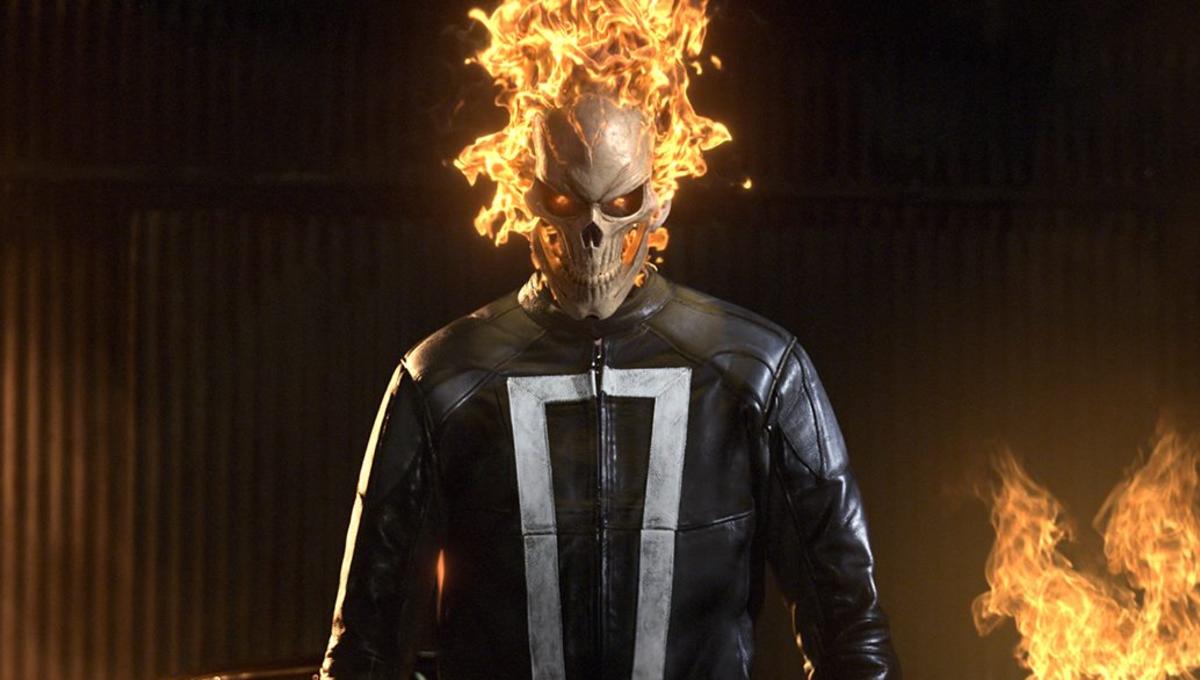
While this was frustrating, this gave the show the opportunity to find its own voice. It wholeheartedly embraced the Inhumans plot point and then embarked on season-long arcs that allowed the show to shine. It introduced other characters from the Marvel Comics such as Ghost Rider, Mockingbird, the Hive and the Aborbing Man, and they were well received by fans. At one point, Ghost Rider was to be spun off into a new series but those plans were cancelled.

Arguably its best arc was during its fifth season when Coulson’s team was hurtled into a future where Earth was destroyed and the remnants of humanity were slaves of the alien Kree. A new character Deke Shaw (Jeff Ward) a scruffy, goofy, Peter Quill-type character was introduced and became part of the team after he and the agents returned to the present to prevent Earth’s destruction. Another interesting character that joined the team was Enoch (Joel Stoffer), a Chronicom anthropologist (a race of alien androids). He was perpetually fascinated with humanity and the actor’s befuddled and whimsically befuddled mannerisms were often the highlights of episodes.

Continue reading

The Captivation Of Inception

Christopher Nolan’s sci-fi classic film Inception continues to enthrall viewers ten years after its release in theaters (remember those?) in the summer of 2010.

When Inception was first teased, many were as intrigued by it as they are by Nolan’s upcoming film Tenet because the former film was so mysterious. The only thing shown to potential ticket buyers were images of people fighting in low-gravity conditions, cityscapes twisting and bending, and vague dialogue about dreams. This, along with Nolan’s filmmaking credentials, was enough to lure people into theaters and many were not disappointed by what they saw.

Inception stood out as a sci-fi actioner not just because of its mesmerizing visuals but for its complex plotline. For anyone who has not seen the film yet, the film starred Leonard DiCaprio as Dom Cobb, a corporate spy/thief whose specialty is to go into people’s minds while they’re dreaming and steal trade secrets or implanting suggestions. How this is done was not explained but Cobb and his team used a device that allowed them to enter the dreamscape of others. It was not important; what was notable was Cobb’s personal story and how he pulled off his latest and intricate caper.

Cobb was haunted by the death of his wife who was lost in the dreamworld and is desperate to return to the United States and reunite with his children. To do this, he has to complete one final mission, which is to enter the mind of his client’s corporate rival and influence him to break up his vast corporate empire.

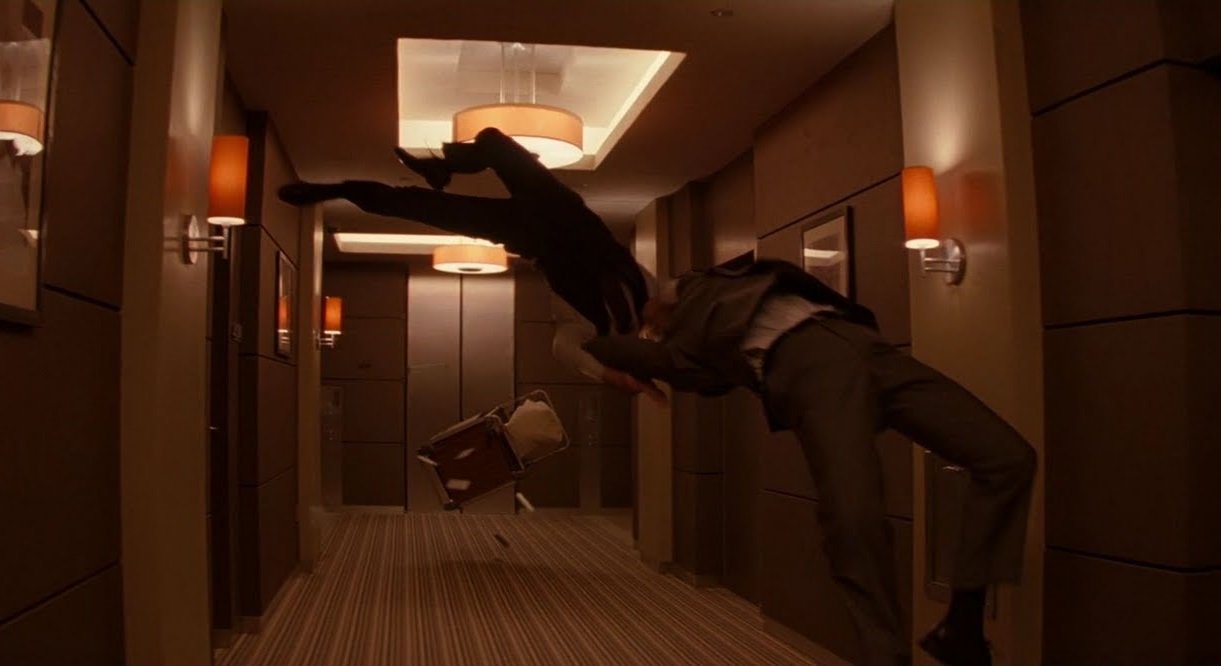
The film spent a lot of time with explaining how Cobb and his team would enter their target’s mind and it involved going into dreams within dreams. Admittedly, this was quite complex and demanded careful attention, yet it made sense and was quite exciting. There were many complications as Cobb’s team stayed one step ahead of their foes. This involved perfectly executed car chases, stunts and an unforgettable fight scene in a hotel hallway between Cobb’s right hand man, Arthur (Joseph Gordon-Levitt) and a henchman that had them literally crawling along walls and defying gravity. This occurred because the dreamer at that moment was falling…don’t ask, it still looked great and this type of fight has been copied by other films and TV shows.

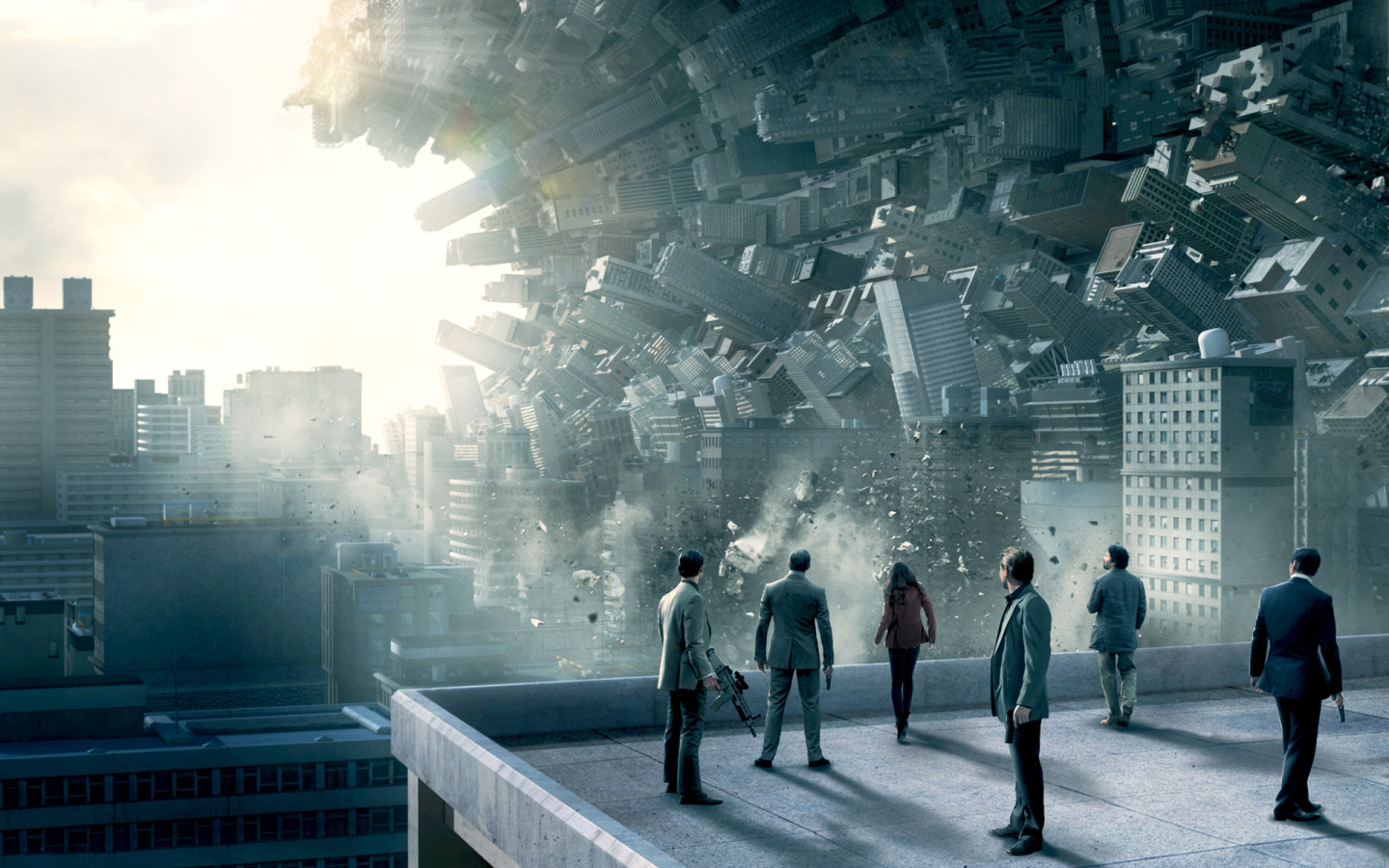
Other visual standouts were sequences where entire city blocks twisted upwards into sky as Dom Cobb explained how to navigate the dreamscape to his protegee, Ariadne (Ellen Page). Of course, this feat would be duplicated years later in Doctor Strange. This demonstrates how influential and revolutionary Inception was for its time. In some ways, the visual tricks it pulled off were the next step to those seen in The Matrix.

One reason as to why Inception was so captivating was the brilliant, Oscar-winning cinematography by Wally Pfister. It was best appreciated when seen on a large movie screen or better yet an IMAX screen. Another was the pounding music by Hans Zimmer, which was one of the composer’s best film scores.

As many wait for Christopher Nolan’s next film Tenet to come out, Inception will be re-released to pump up theater goers for Tenet and to herald the reopening of theaters. Of course, this will be muted because the coronavirus is still spreading and will probably keep most theaters closed at least in the United States. Be that as it may, no other film is better suited to be a companion piece to Tenet (from what we’ve seen in the trailers) as is Inception.