Jodie Whittaker Provides A Refreshing Regeneration To Doctor Who

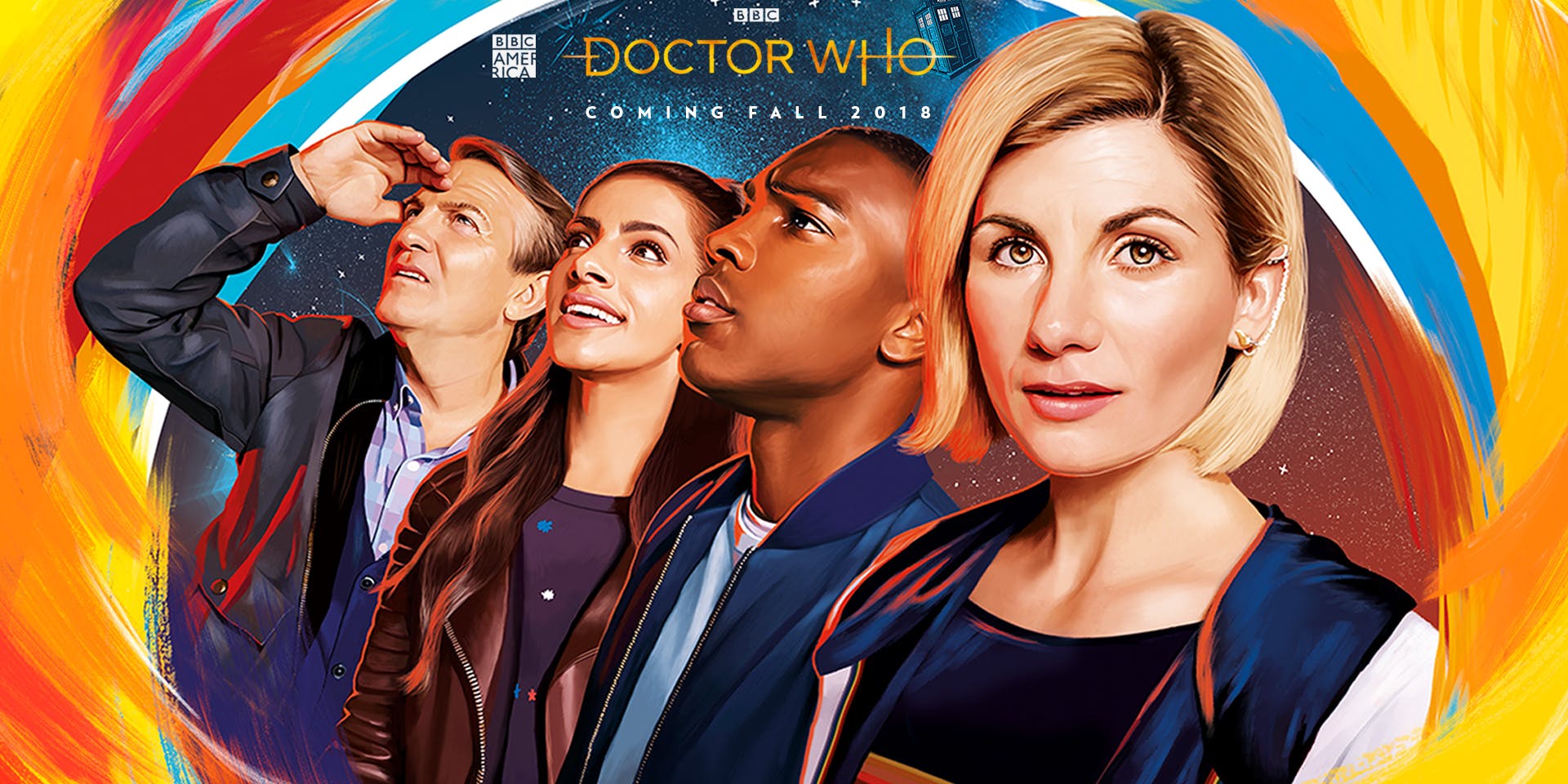
Dr Who S11 poster

The world premier of the new season of Doctor Who just aired earlier today to much fanfare. The reason for the hoopla is not just because a new actor debuted as the new Doctor, but for the first time, a woman is playing the iconic time-traveling alien.

Jodie Whittaker had large shoes to fill with the role of the Doctor being that so many memorable actors left their mark in the role. But she pulls it off splendidly and provides a refreshing take on the character now that the Doctor is a woman. This does not mean that Doctor Who turned into a show with a feminist agenda. Rather, Whittaker and the first episode “The Woman Who Fell to Earth” have given the new showrunner, Chris Chibnall (who also wrote this episode), an invigorating chance to reboot the series.

While the new version of Doctor Who that premiered in 2005 has been terrific, for some time the show felt formulaic and needed a shot of creativity. The regeneration episodes of Doctor Who are seen as a way of reintroducing the character and the show’s premise. “The Woman Who Fell to Earth” follows the same beats as other regeneration episodes-the Doctor is confused as the regeneration cycle completes, new Companions are introduced, and some kind of alien menace threatens the Earth. In the end, the Doctor gathers his/her wits to foil the extra-terrestrial menace and concludes with the Companions being invited into the TARDIS to join the Doctor in new adventures.

woman who fell to earth

“The Woman Who Fell to Earth” actually felt different because it took an alternate route. The Companions that are introduced are diversely different, made up of dissimilar races, ages and backgrounds. The plot felt more grounded and far less outlandish than previous Doctor Who episodes. It was refreshingly simple without any convolutions or the Doctor gabbing away nonsensically. In fact, the Doctor has never seemed this gathered, resourceful and centered since the Ninth Doctor’s introduction. Basically, an alien warrior shows up to gather human trophies as a rite of passage to become a leader. The alien threat was not buffoonish and was rather creepy and menacing. The enemy alien looked appropriately gross with all his victim’s teeth embedded onto his face.
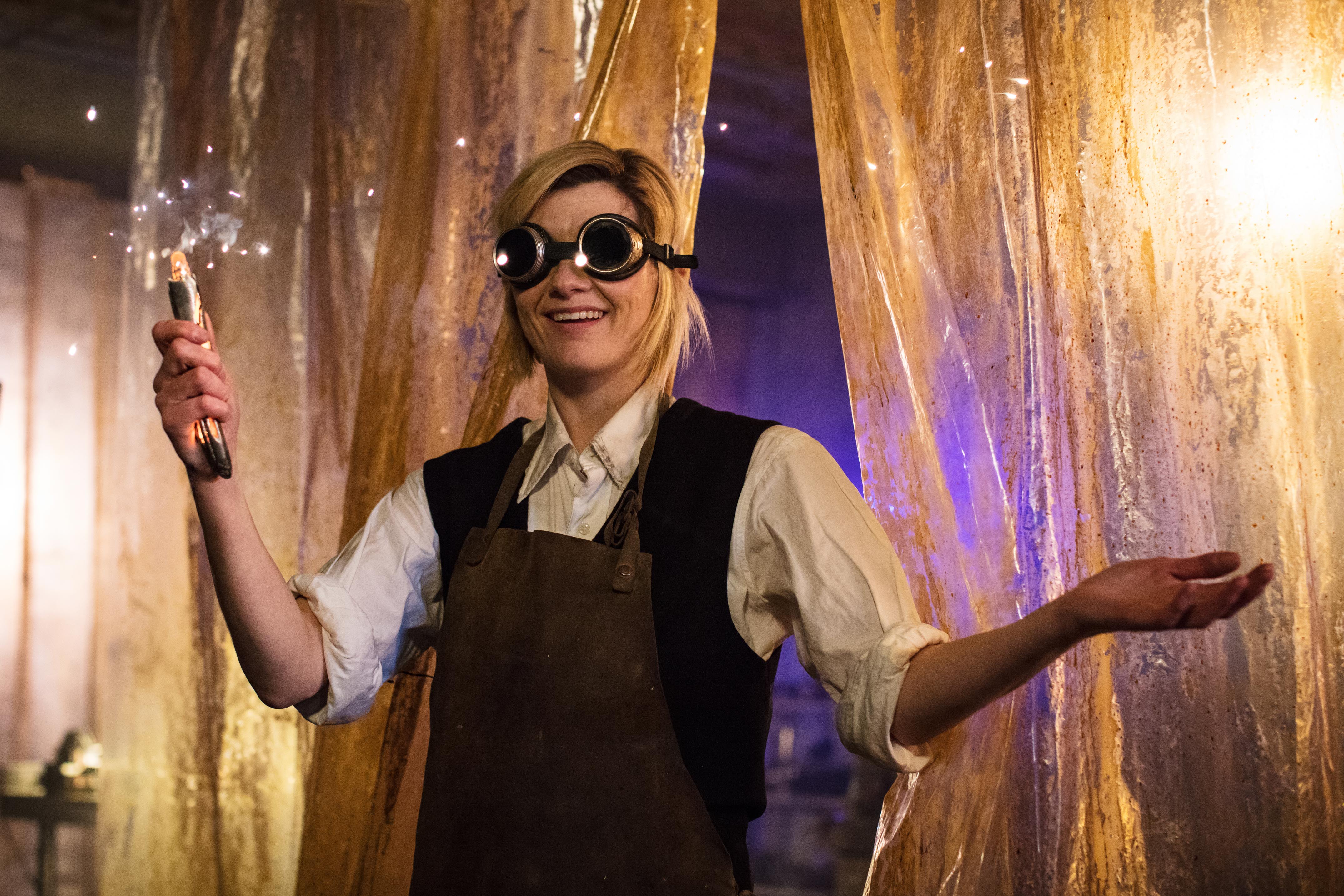
Since the episode was more grounded, it felt more real and the moments of suspense and danger were much more engaging. The pseudo-magical science that was prevalent in past seasons is downplayed. The Doctor is without the safety net of the TARDIS and the usual trappings. In this manner, Doctor Who seemed like it is no longer aimed at young viewers. This may upset some fans, but the show needed a change of pace and gearing it to slightly older audiences is the right thing to do. This does not mean that Doctor Who lost its sense of wonder and passion. Those elements are still there, best expressed by Whittaker and the new Companion, Ryan Sinclair (Tosin Cole). Needless to say that Jodie Whittaker has a stunning, electric debut as the 13th Doctor. Keep in mind that the episode was not perfect. There are some pacing issues and the behavior of some characters was not natural at certain moments.

Still, “The Woman Who Fell to Earth” is a refreshing way to regenerate Doctor Who and leaves you curious as to what happens next to the Doctor and her Companions.

Lewis T. Grove
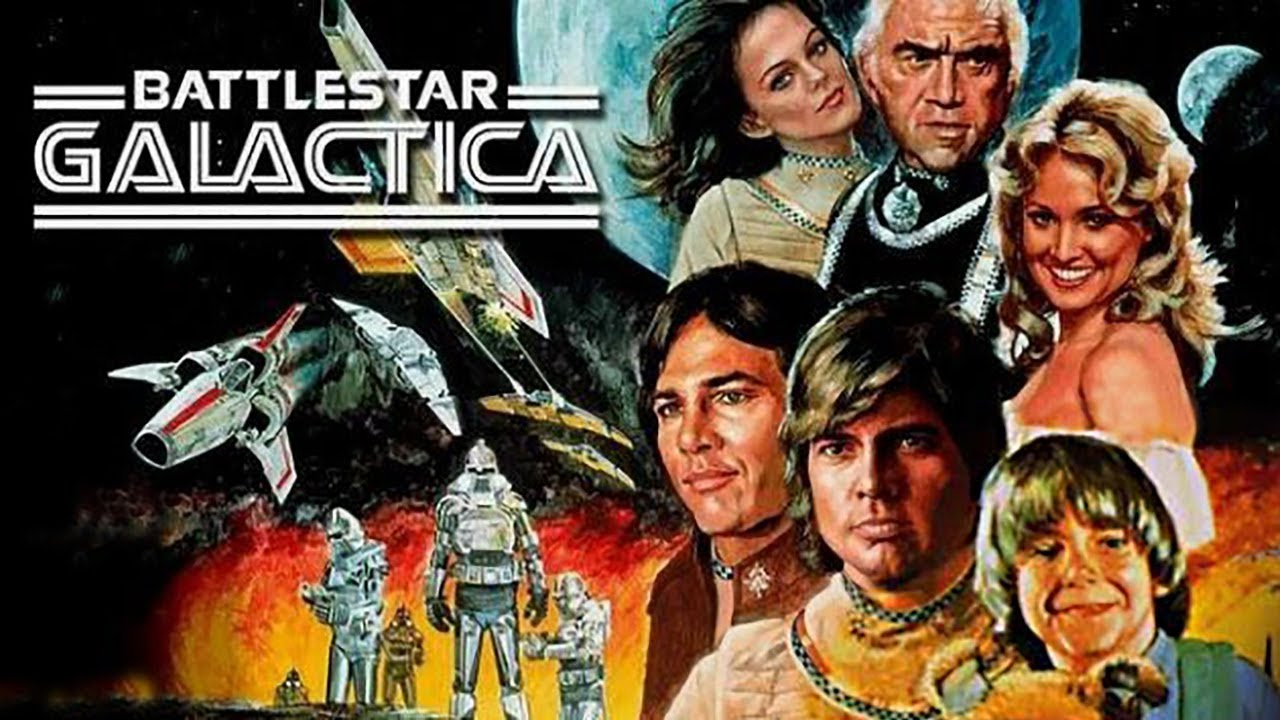
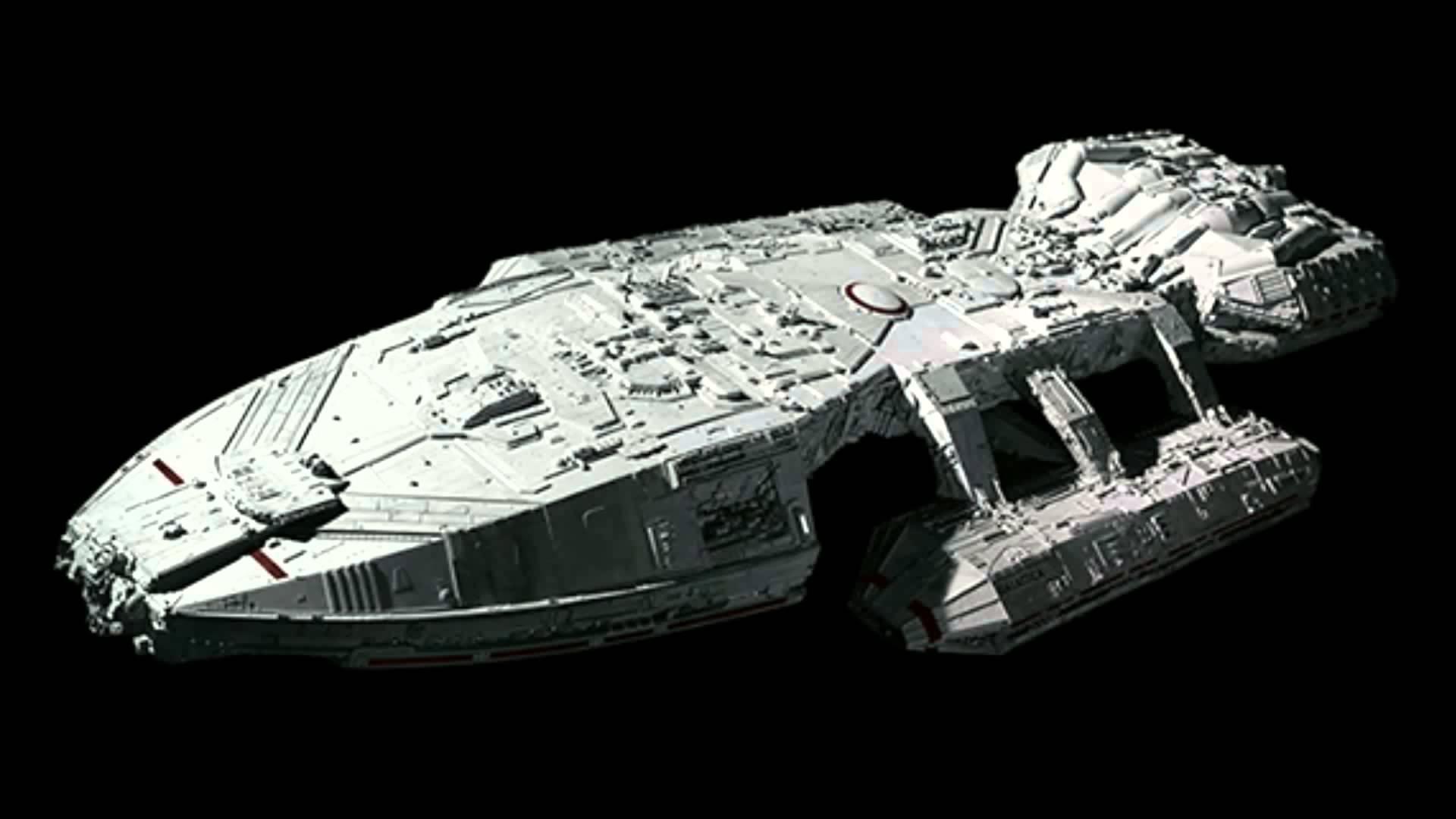
Battlestar Galactica: The TV Space Saga Turns 40

BSG poster

“There are those who believe that life here began out there. Far across the universe, with tribes of humans who may have been the forefathers of the Egyptians, or the Toltecs, or the Mayans, that they may have been the architects of the Great Pyramids, or the lost civilizations of Lemuria, or Atlantis. Some believe that there may yet be brothers of man, who even now fight to survive…somewhere beyond the heavens.” —Opening narration of Battlestar Galactica

Nowadays, it is easy to find original sci-fi shows on TV or streaming and it is hard for younger fans to imagine a TV landscape where sci-fi was virtually non-existent. So, when a sci-fi show like Battlestar Galactica premiered back in the 1970s to big fanfare, it truly was a big deal for fans back then.

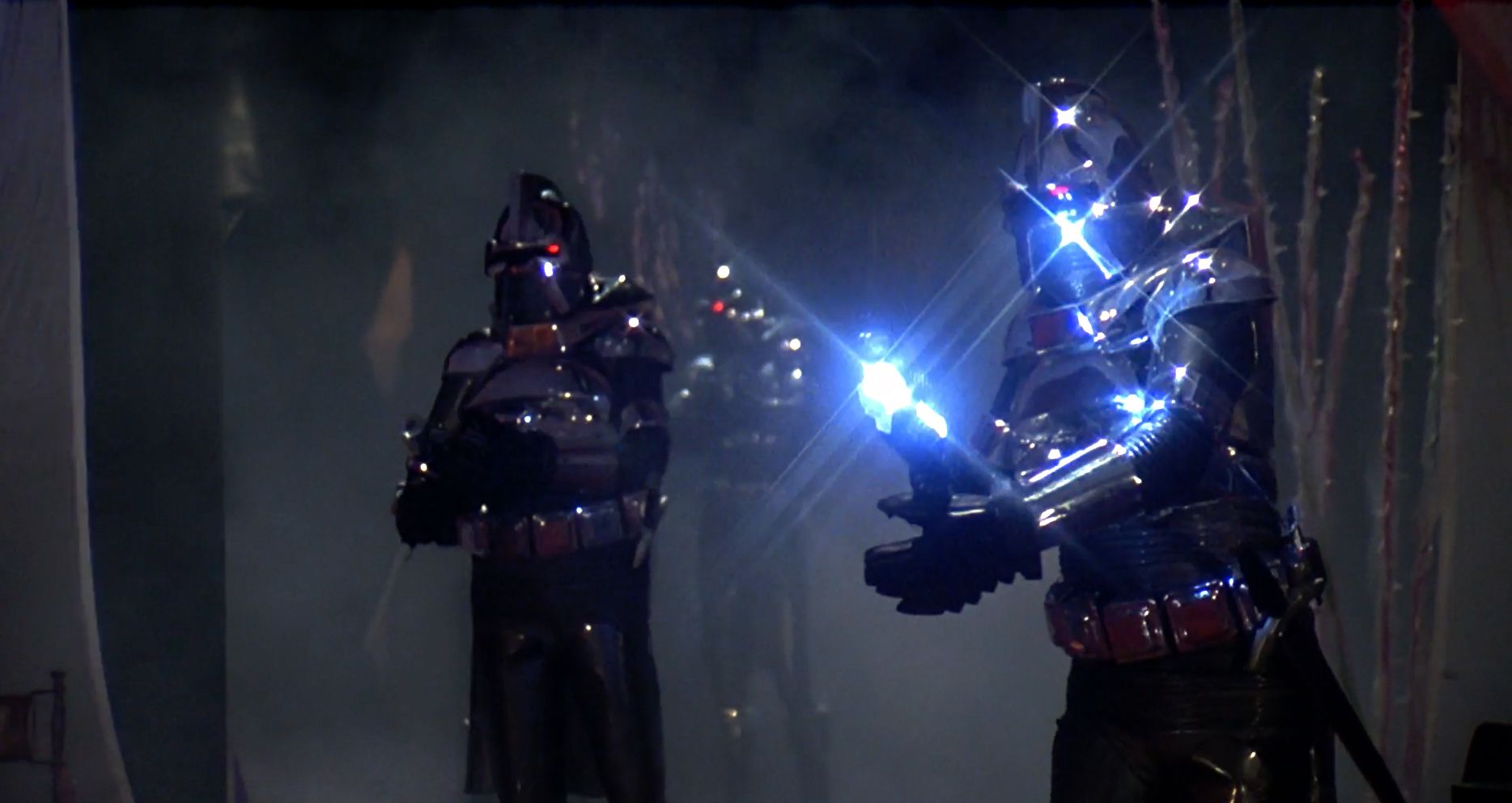
When Battlestar Galactica debuted forty years ago in Sept. 1978, it generated tremendous buzz for many reasons. The most important being its cost (about $1 million per episode) and for its superficial similarity to Star Wars. In fact, 20th Century Fox sued Universal Studios (the studio behind the show) for plagiarism, though that case was dismissed. We have to remember that when a movie is a huge hit it is never long before TV shows with similar premises popped up. It’s just the way the things go. This does not mean that Battlestar Galactica was a rip-off of Star Wars. Of course, both properties featured expensive space battles, rich, bombastic scores, and took place far from Earth, but it ends there. Battlestar Galactica was a space saga about the remnants of an advanced human civilization trying to find a safe haven from their robotic enemies, the Cylons, in a convoy of spaceships led by Commander Adama (Lorne Greene) from his flagship the Galactica. The twist was that the humans sought safety in a long-lost colony world called Earth.

This was a clever twist, which spun around the sci-fi concept of survivors fleeing a doomed Earth. Actually, according to series creator, Glen A. Larson, the original concept for the show used the premise of humanity fleeing Earth in a quest to find a new world. It was called Adam’s Ark and like the show it morphed into, incorporated many aspects of Mormon theology. It is important to remember that Larson conceived of Adam’s Ark back in 1968, nearly a decade before Star Wars came along.

Battlestar Galactica captured the imaginations of many sci-fi fans who were hungering for something similar to Star Wars to at least tie them over until the inevitable Star Wars sequel came out. Others, however, were more critical over the show’s scientific inaccuracies, limited production values and scripts. Keep in mind, that though the show was expensive, it was easy to see that it tried to keep its budget in line. Hence, the overuse of stock footage, especially when it came to space battles. These same critics also decried its so-called juvenile nature and lack of vision.

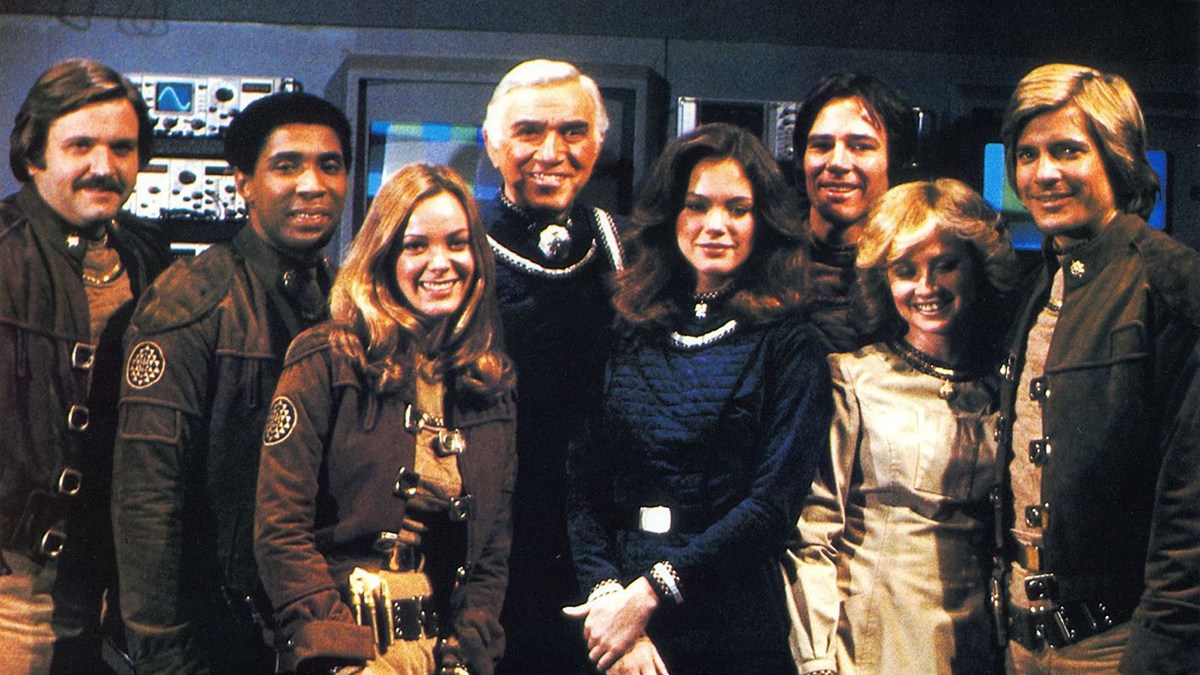
BSG cast

These critics could not have been more wrong. Of course, Battlestar Galactica had its faults, but given its limitation, it was unusually imaginative and did a credible amount of world building. Most episodes added interesting lore and mystery to the world of Battlestar Galactica. This was best seen in its mid-season episodes, “War of the Gods” where the Galactica crew encountered an enigmatic being called Count Iblis (Patrick Macnee) who promises salvation. The episodes explored concepts of good vs. evil, faith, and temptation. What helped was that by this time, we had grown to care for the show’s leads. Although Adama was the leader, the show focused on his son, the heroic fighter pilot, Apollo (Richard Hatch) and his best friend, the roguish fighter pilot Starbuck (Dirk Benedict), along with many supporting characters.

Sadly, as things goes, Battlestar Galactica was canceled after one season. It garnered moderate ratings, but not enough to justify its hefty price tag. What made things worse was that the show was terminated before it could resolve its central storyline. The Galactica and its convoy never found Earth, though they had clues. A mixed blessing came about a year later when a sequel show was commissioned. In the show, Adama and the Galactica convoy finally found Earth, but Galactica 1980 was truly juvenile and lacked any of the charm of the original.

Books, comics, fan fics, etc. followed, which helped keep interest alive in the show. It never reached the heights of popularity like Star Trek or Star Wars, but the devotion was solid. There have been many attempts to bring the original show to a proper conclusion, including some by Bryan Singer and Richard Hatch. Of course, we all know of the popular reboot that came out in 2003, which is considered to be one of the finest sci-fi shows ever made. While the reboot has its justified accolades it is important to remember the original TV show that spawned it and to imagine that there is much more to that space saga that is yet untold, even now, forty years later.

“Fleeing from the Cylon tyranny, the last battlestar, Galactica, leads a ragtag fugitive fleet on a lonely quest: a shining planet known as Earth.”—Commander Adama, closing narration of Battlestar Galactica

José Soto

The First Is Last As A Space Drama

The First, which started streaming on Hulu, could have been a great space drama about humanity facing the dangers of space travel head on. In this case, the story of the first manned mission of Mars. Unfortunately, The First never gets off the ground (pun intended) and should have been aborted before a single frame of film was shot.

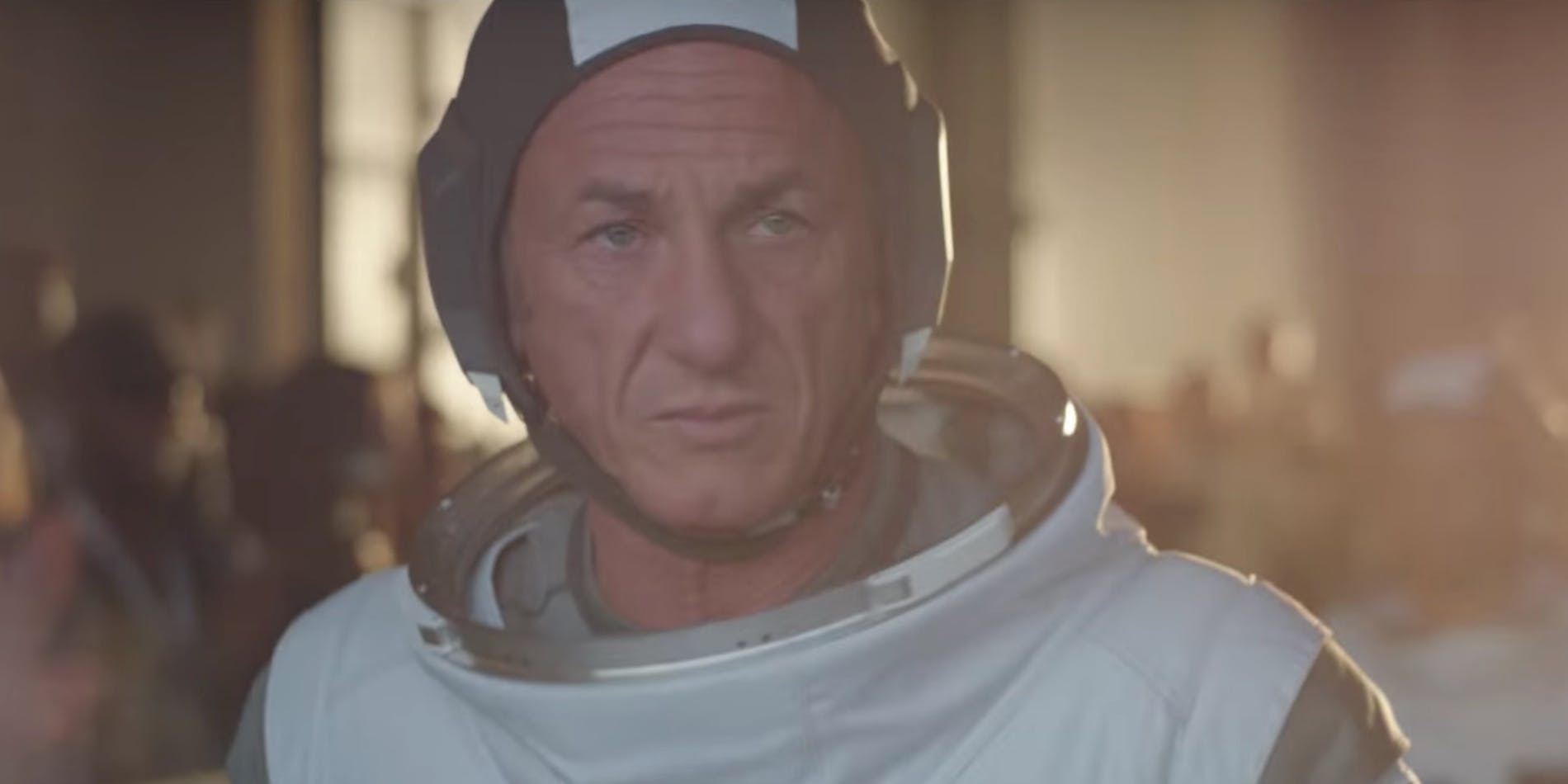
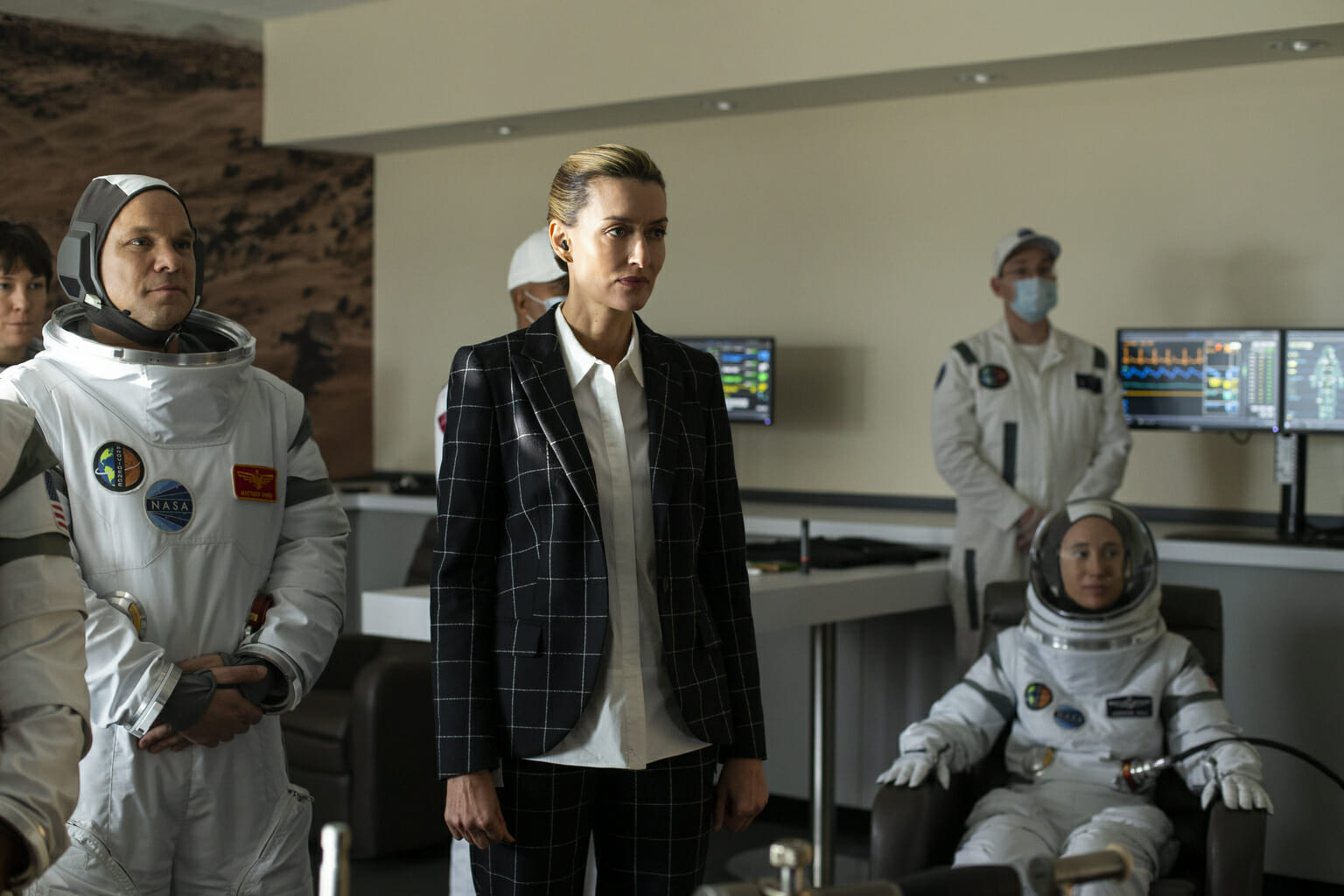
Sean Penn stars as Captain Tom Hagerty, a veteran astronaut who was bumped from the first manned mission to the red planet, only to be later drafted to be its commander. The entire eight-episode series is about the preparation for the mission itself and it is a slow, tepid journey to get to the launch. Unlike other space dramas like the classic From the Earth to the Moon, very little time is spent on how humanity prepares for the next, great space adventure. Some lip service is paid on who gets chosen to be on the mission, assorted malfunctions and the political machinations undertaken by Laz Ingram (Natascha McElhone), the CEO of the private enterprise fronting the mission. Instead, The First bogs itself down with boring family drama.

What takes front and center in this series is the tedious relationship between Hagerty and his young adult daughter, Denise (Anna Jacoby-Heron), who is a recovering drug addict. Hagerty’s attention is wasted on keeping tabs on his daughter, which threatens his capability of leading the mission. This is baffling. If this astronaut has so much emotional baggage why did Ingram pick him to lead a high-profile mission? We never get a sense that Hagerty is uniquely qualified. Sure, he was the first man to return to the moon since the ’70s, but it appears that Hagerty is himself a problem. Half the time, Penn looks like he just woke up from an all-night binge and after the early episodes, it is clear his heart and mind is not on the mission.

Not only is The First dull, but it is pretentious with lofty dialogue that no human being would actually say. There are numerous film-school-reject shots that don’t make sense such as scenes of cicadas emerging from the ground mixed in between overlong shots of characters looking off in the distance and ugly art images.

This is truly a shame because the pilot episode was interesting and followed the mode of what one would expect from a space drama. The production values are suitably realistic for a show taking place in the 2030s and the main theme score is truly inspiring. Sadly, it all goes downhill from there, especially when more and more time is wasted on Denise and her angst that belongs on another show.

If The First makes it to second season, it would be for the best if it focused on the drama of the mission itself and jettison all the junk family drama. Only then will it soar off the ground and captivate its viewers. Until then, watch the fictional Mars-missions series shown on Discovery and National Geographic. They’re more informative and entertaining.


The MCU TV Shows Ranked

What helps us get through time in between the films of the Marvel Cinematic Universe (MCU) are the many TV shows that have popped up since 2013. Few will argue that these TV shows are superior to the MCU films (well, most of them), it’s undeniable that some of them are well produced and engaging. Others…not so much. Here are how the MCU TV shows rank and keep in mind this leaves out the Fox, animated, and other non-MCU TV shows like Legion.

11. Inhumans

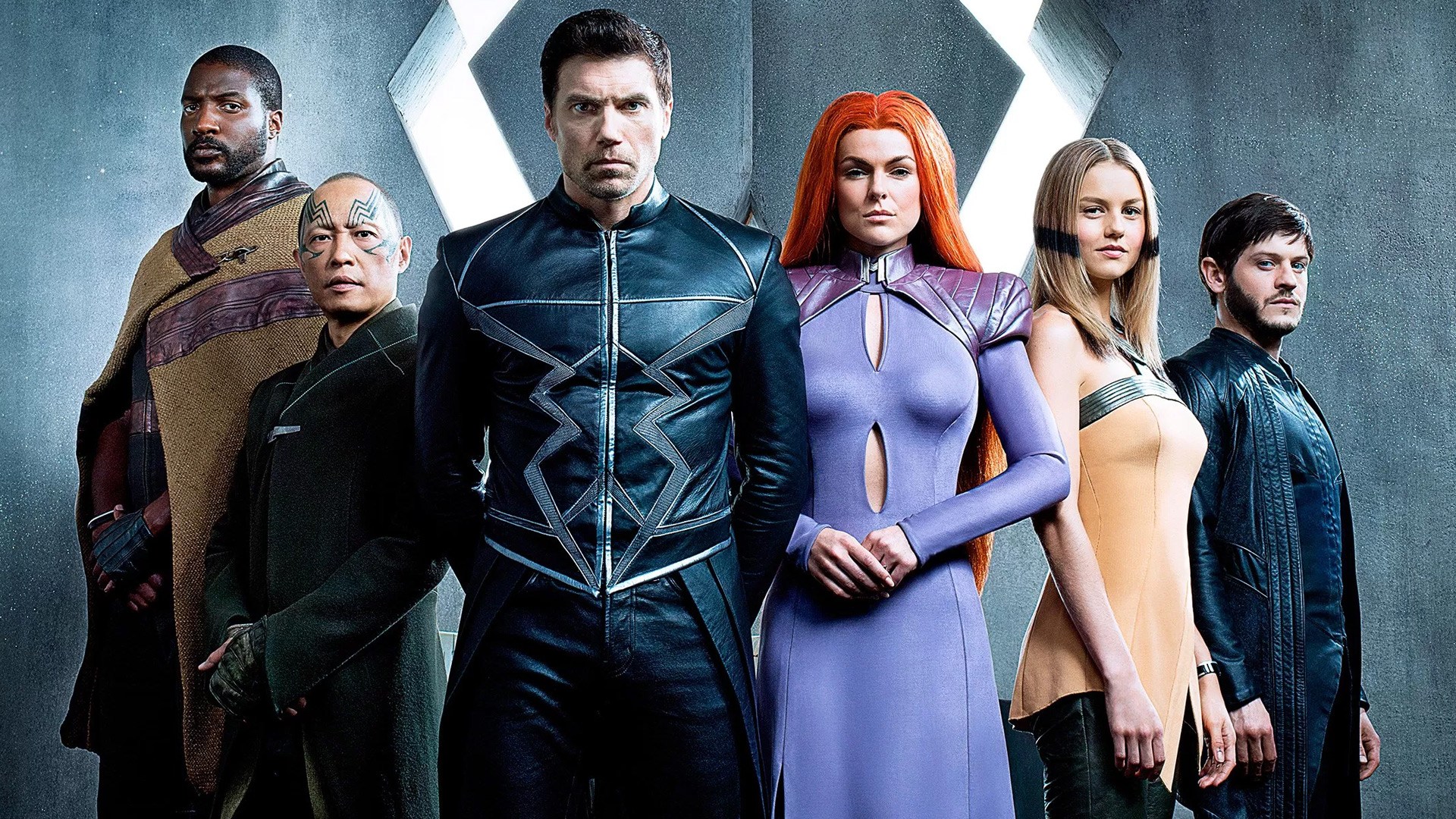
Not only is this the worst MCU TV show, it is one of the worst TV shows of any kind, period! Cheap production values and mediocrity all around doomed the MCU’s so-called answer to the X-Men. The only good thing about this show about superhuman outcasts is Lockjaw, the giant CG bulldog that is adorable.

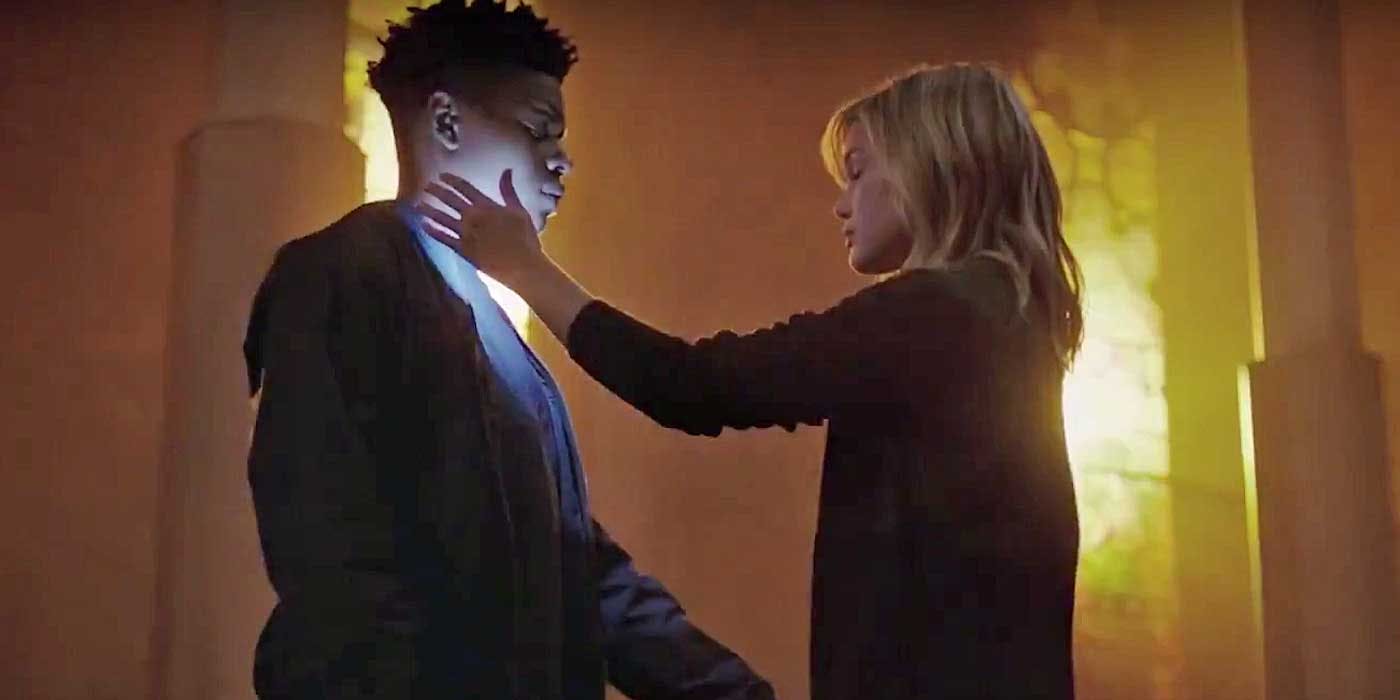
10. Cloak and Dagger

An interesting premise about two teenagers who gain weird powers while dealing with their adolescent hang-ups is undone by being dull. After a promising pilot episode, the rest of Cloak and Dagger meanders and doesn’t seem to go anywhere until the last episode or two. By then it’s too late to hold anyone’s attention.

marvel-defenders-tv-show-images

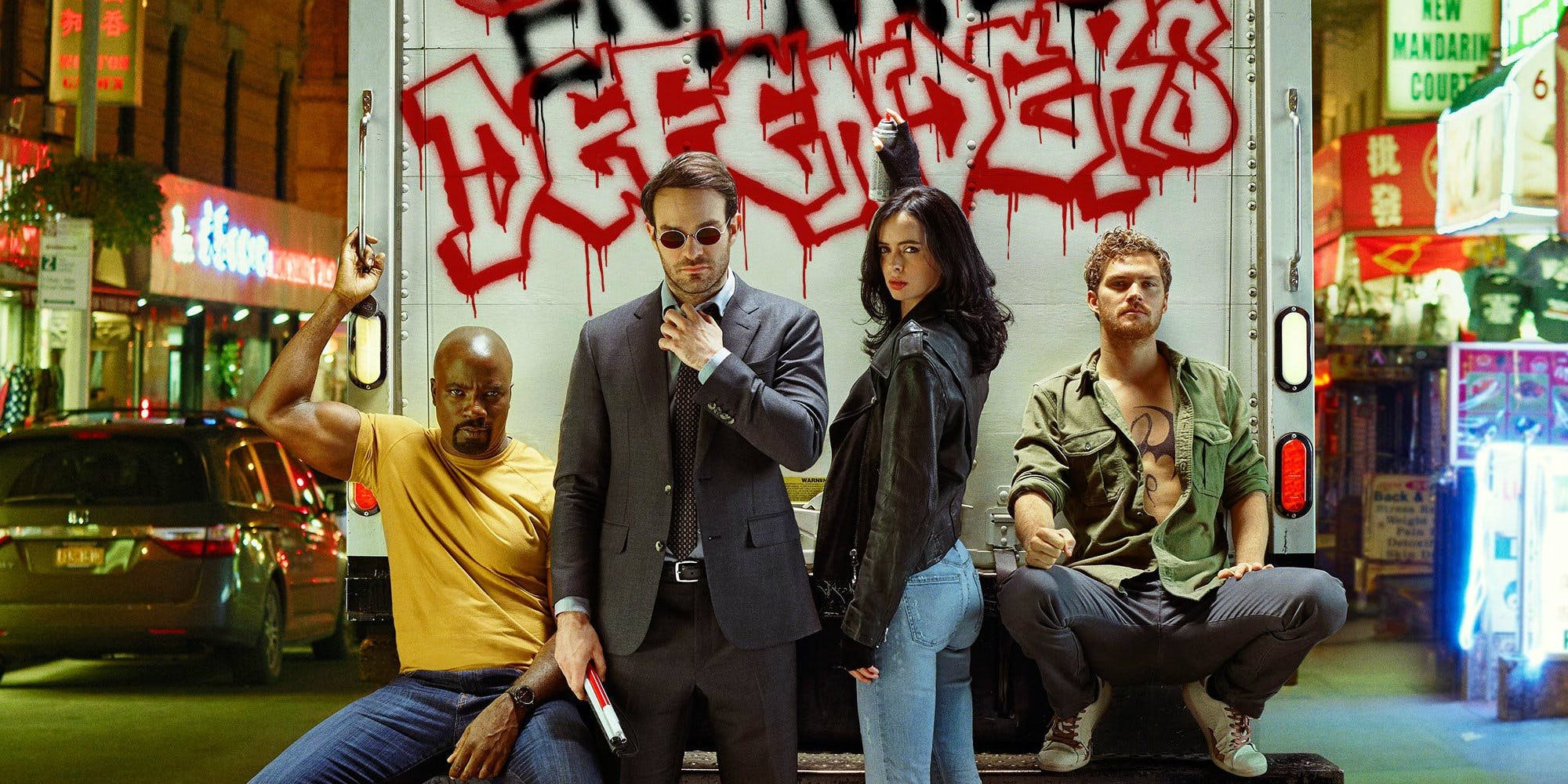
9. The Defenders

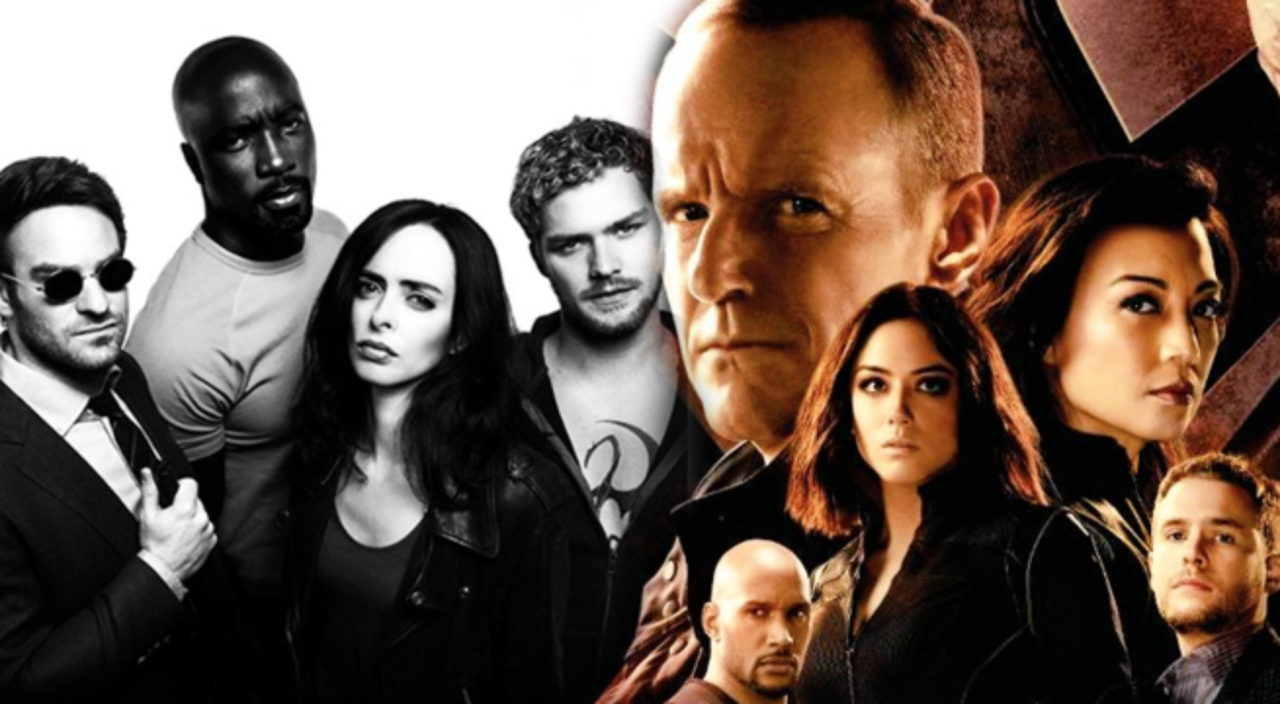
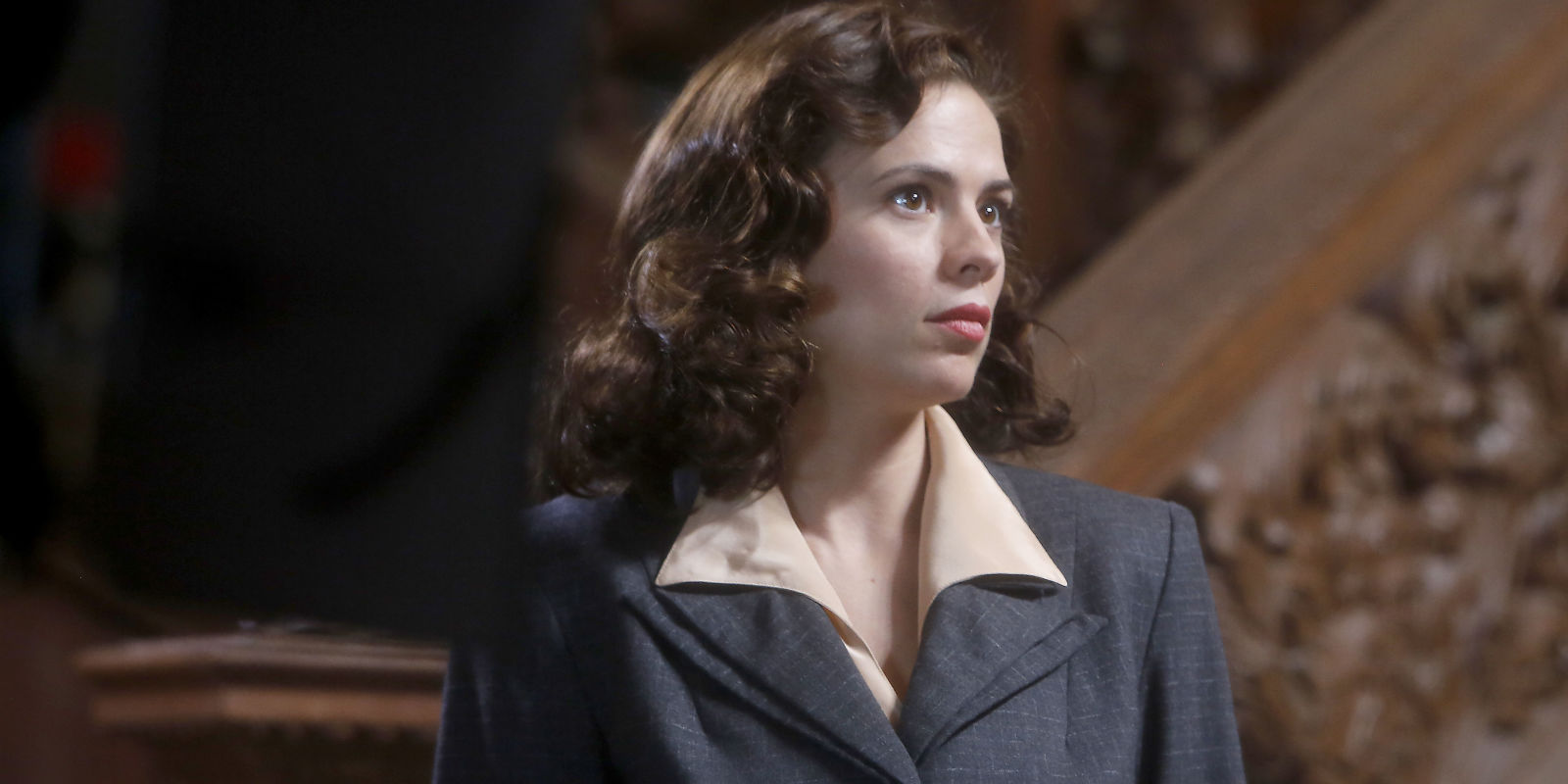
What should have been the TV version of The Avengers turned out to be a disappointing low point for the Marvel Netflix shows. The heroes from each of these shows finally meet and team up in a murky storyline with boring villains. Sigourney Weaver is wasted here as a foe and the mystical Hand are just bland while serving as cannon fodder during dark and flaccid fight scenes.8. Agent Carter

Hayley Atwell shines in this prequel show that expands the MCU of the 1940s. Her Peggy Carter is smart, full of fire and the highlight of the show. Despite its strong ties to the MCU (it even featured stock footage of Captain America) and Atwell, the show struggled at times to engage us with slow episodes.

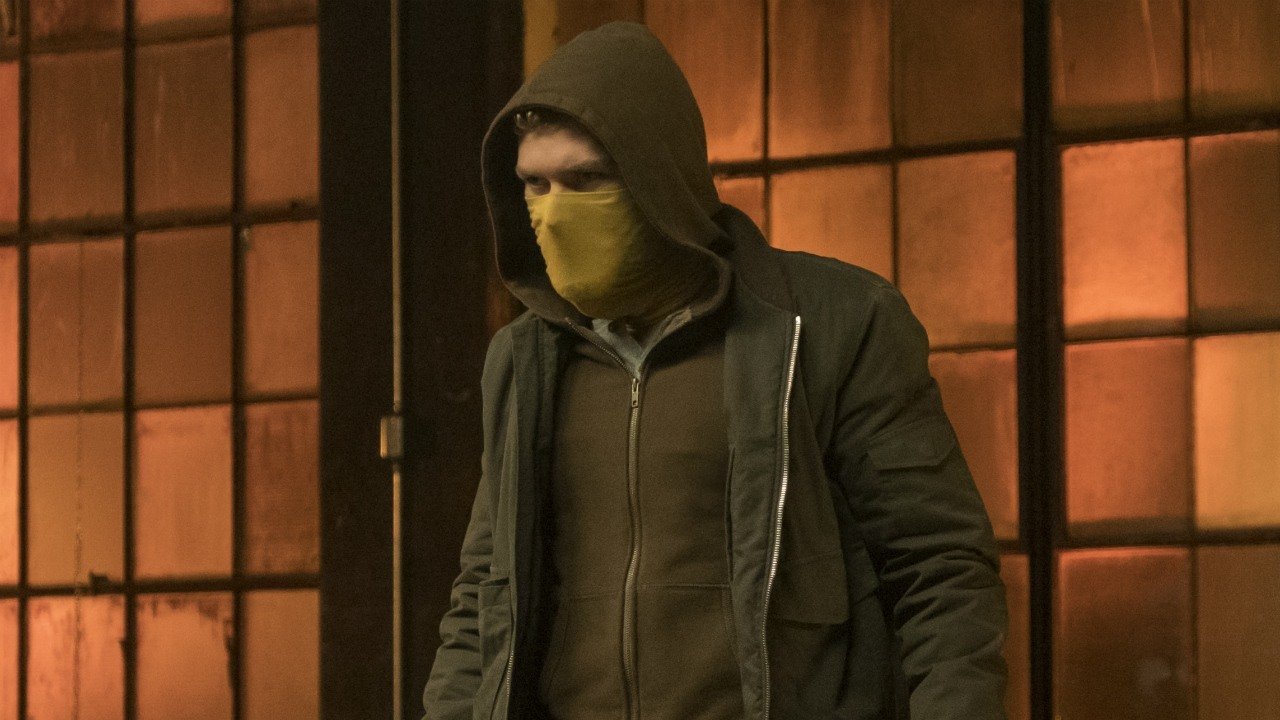
7. Iron Fist

Despite its infamous reputation, Iron Fist is not a complete train wreck. Yes, the first season had many problems, among them listless fights and dull, corporate storylines. However, , Finn Jones has since grown into the main role and his character became more relatable and less insufferable. What also helped is that his fight scenes are now better choreographed and the second season is a marked improvement.

luke-cage-takes-bullets

6. Luke Cage

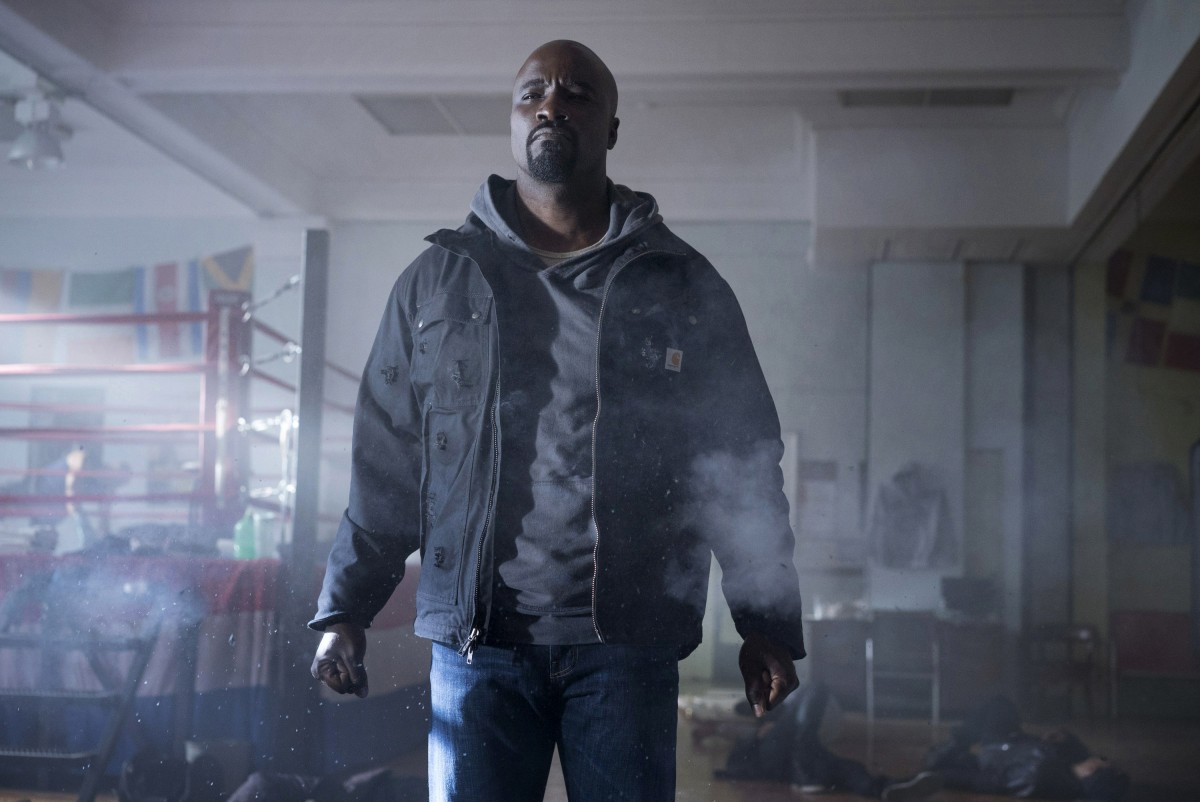
This could have been one of the best Netflix Marvel shows. Unfortunately, it made the mistake of killing off the popular villain Cottonmouth (Mahershala Ali) too soon and having lesser foes take the spotlight. Alfre Woodard’s scene chewing is hysterical to watch at times, though it’s infuriating. On the plus side, other characters like Luke Cage (Mike Colter), Claire Temple (Rosario Dawson) and Shades (Theo Rossi) are allowed to have dynamic arcs that fluidly evolve them.

Continue reading →

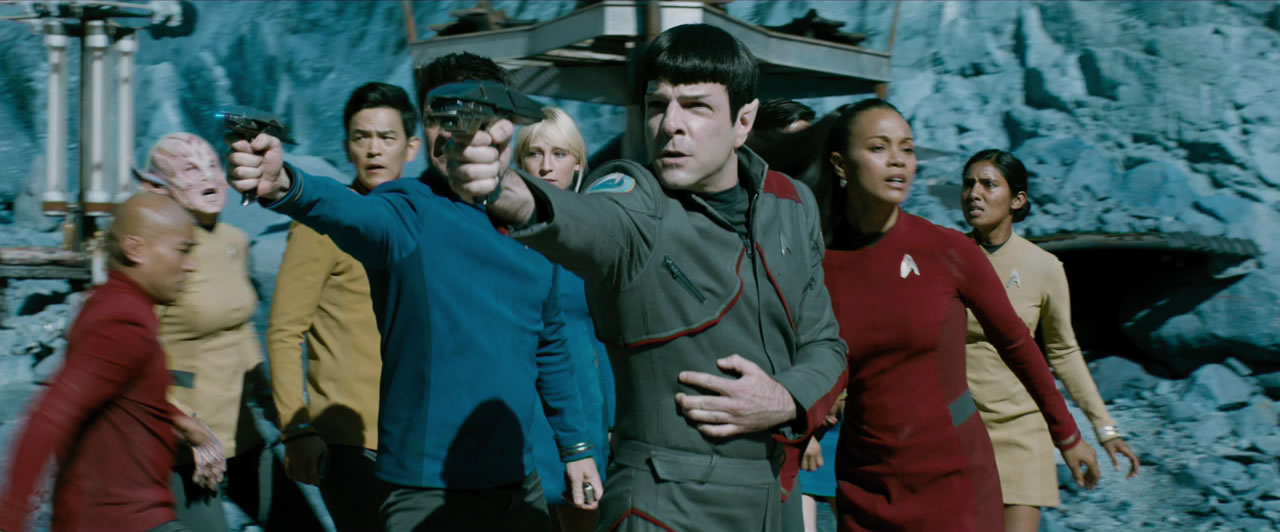
What’s Next For The Star Trek Kelvinverse?

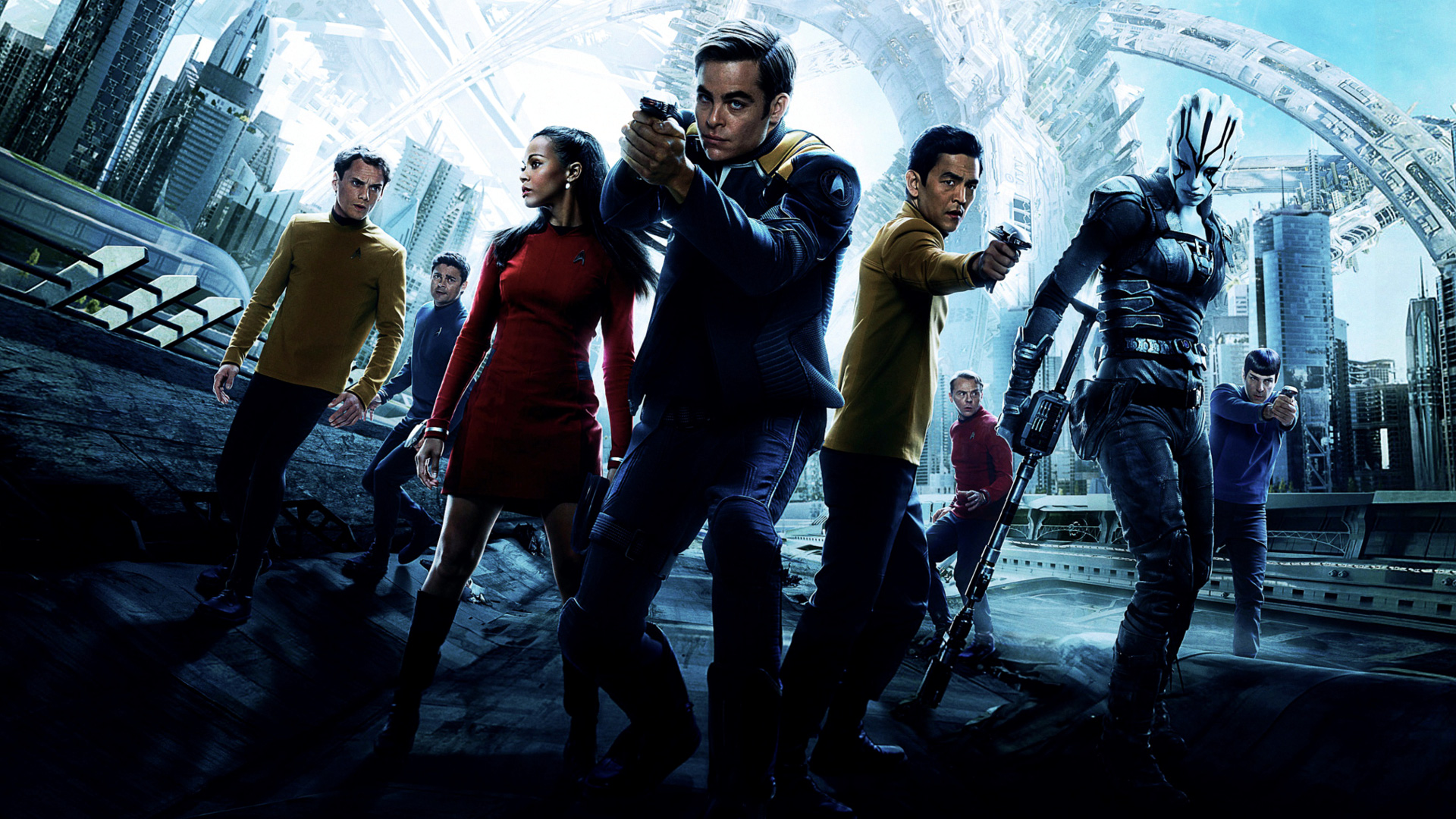
The J.J. Abrams Star Trek reboot warped out of the drydock and reinvigorated the franchise nine years ago. For a while it seemed as if Star Trek was back in the public eye, though it was radically changed. But it didn’t have any staying power as seen with the collective meh from the general public over the last Star Trek film and the downright hostility from old-time Star Trek fans who correctly charge that the Star Trek films strayed too far from the core essence of Trek.

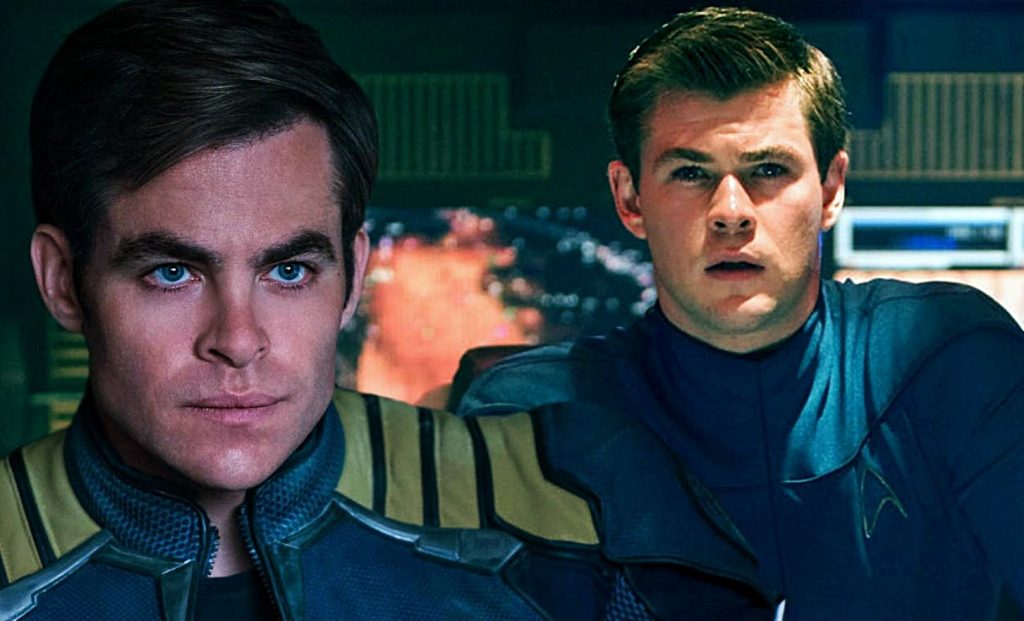
There are many reasons for the indifference towards the Star Trek reboot but it gained more notoriety with the recent news that Chris Pine, who played Captain Kirk, the center of the Star Trek films, has walked away from the planned fourth film, along with Chris Hemsworth, who briefly played Kirk’s father.

The two actors left the project over money since Paramount Pictures wanted both of them to take a pay cut. In the end, this is a negotiating tactic, and the actors have a just cause since they have contracts guaranteeing a certain rate. But this latest news illustrates the tenuous state of the Star Trek films.

Ever since Star Trek Beyond underperformed two years ago, and Star Trek returned to TV, the Star Trek reboot films, aka the Star Trek Kelvinverse, has lost its luster. They were intended to attract non-Trek fans and make the franchise more exciting. Unfortunately, the Kelvinverse films pandered too much to adrenaline junkies who would never appreciate the thoughtful nature of Star Trek. Plus, Paramount was convinced that making Star Trek more like Star Wars would increase ticket sales. After all, the previous Star Trek films before the reboot were disappointments. This attitude, unfortunately led to poorly conceived marketing that catered to The Fast and the Furious crowd which alienated fans and didn’t end up bringing in the demographics that Paramount wanted. Just look at this horrendous first trailer for Star Trek Beyond that helped doom the film, which is unfortunate because it turned out to be a good Star Trek film.

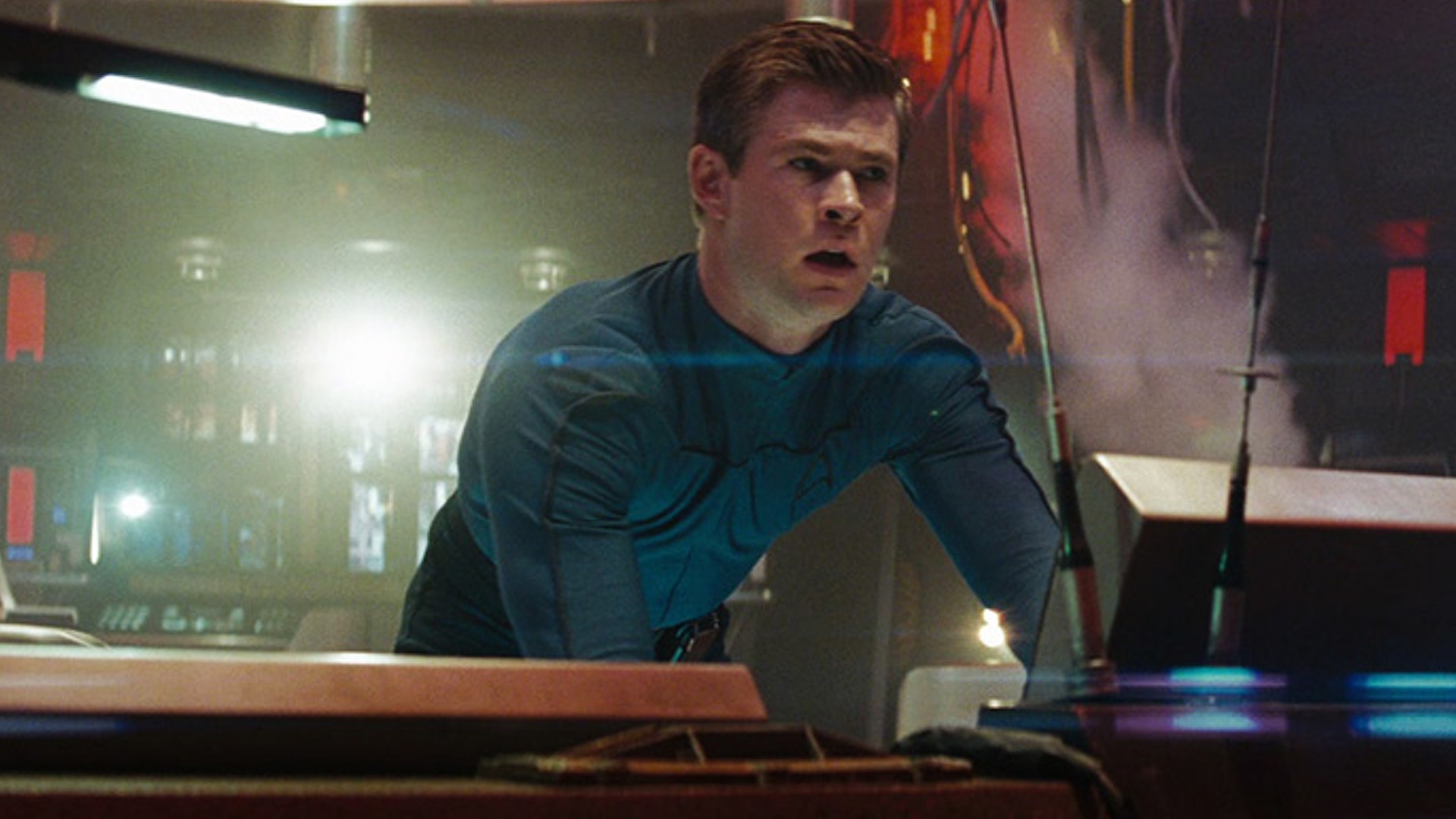
After Star Trek Beyond, no one knew if there would be another Trek film, at least one set in the Kelvinverse. This question came up after the ambiguous announcement late last year that Quentin Tarantino wanted to do a Star Trek film and that his vision would be even more radical than Abrams’. Around the time that Star Trek Beyond premiered, it was announced that the fourth film would feature a time travel story and have Kirk meet his father. The added bonus is that Kirk’s father was Hemsworth, who is famous for his Thor performances, and he actually excelled in his brief role in Star Trek.

george kirk

The big question is what if Pine and Hemsworth don’t return? What then? Should the roles be recast? Should the characters be written out or should the project be scrapped altogether? The bottom line is that Star Trek Kelvinverse films are expensive to make and are not the big moneymakers that Paramount hoped for, which is why they wanted the two actors to take the pay cut. In order for the films to be viable the budgets have to be pared down which is tricky but not impossible. The next film could use stock footage, it worked for Star Trek II: The Wrath of Khan, which is still considered the best Star Trek film.  A lower budget would force the director and writer to focus on characters and plot, not flashy visuals.

Honestly, Star Trek can survive without Chris Hemsworth. The role can be easily recast or the story can be tossed out in favor of  new one. But can Trek survive without Pine? Sure it can, one thing the Star Trek TV spinoffs proved is that Star Trek is much more than James T. Kirk and Spock and McCoy. It is possible to have Spock as the lead character, maybe do a role reversal of Star Trek III: The Search for Spock and have the Enterprise crew searching instead for Kirk. In the end, Pine may wind up reprising his role one more time and the film will be another hurrah for the Kelvinverse Enterprise crew, which is fine since the reboot films have their merits.

Or Paramount can be even bolder and go with a new set of characters or jump ahead into the future and feature the Kelvinverse version of the Next Generation or DS9 crews. Frankly, it is probably time to take a new approach to the Star Trek films and the current cast will get more expensive, have a higher profile these days and may want to move onto other venues. While recasting the Enterprise crew may be an easy out for the film studio, what would generate more interest and maybe bring back disenchanted fans might be to go with a new set of characters and situations. After all, the Star Trek universe is infinite and true fans would welcome this approach if done correctly.