The MCU Returns To Comic-Con

San Diego Comic-Con made a huge return this weekend after a couple of years of inactivity thanks to the pandemic. Demonstrating that life in geekdom was returning to normal were all the presentations by and appearances of countless companies and individuals for the genre properties we love.

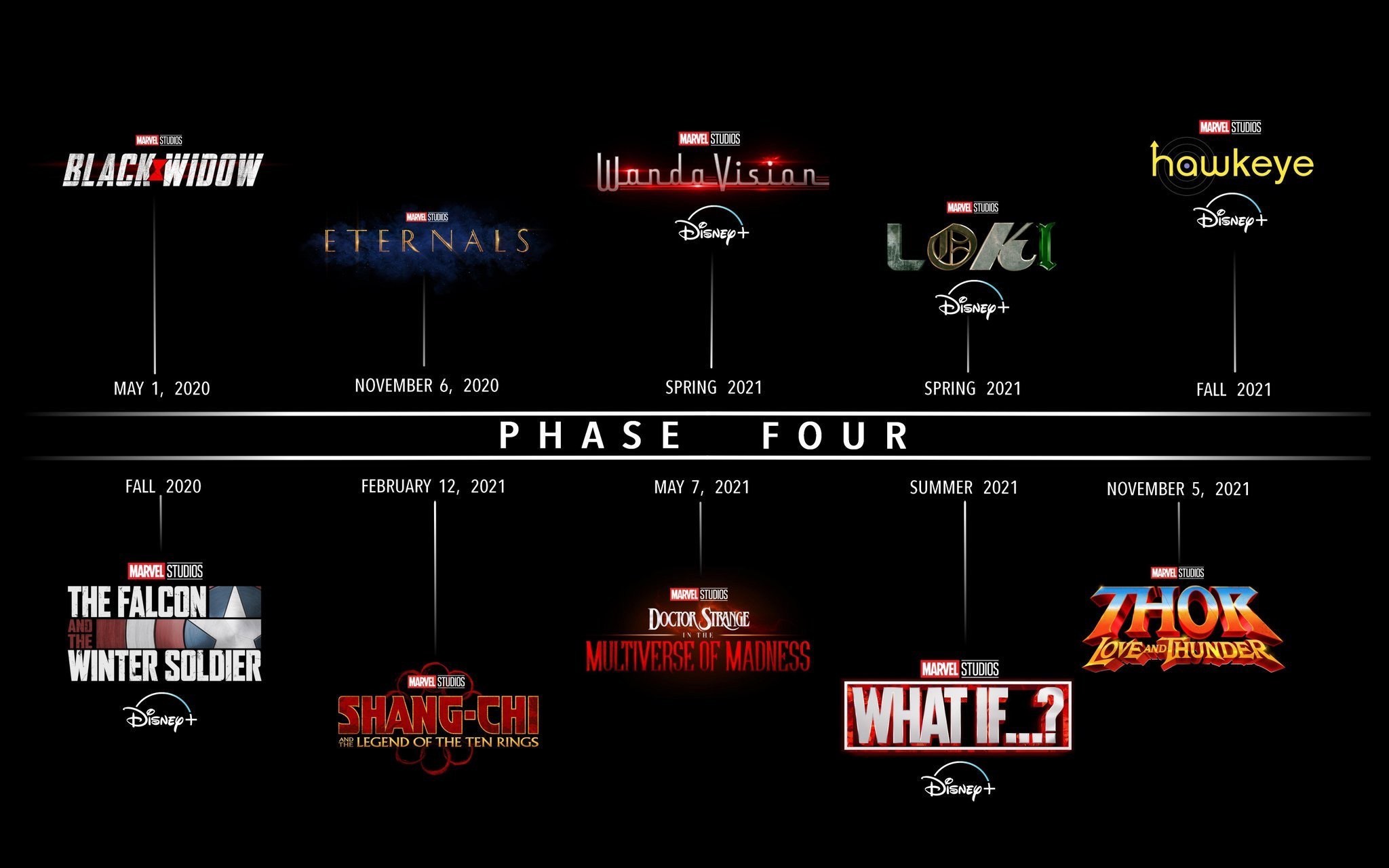
The big news this weekend at Comic-Con was the bigger-than-exptected splash made by Marvel Studios about their upcoming properties. Marvel Studios President Kevin Feige appeared in Hall H of the convention and made several exciting announcements, which included the revelation that Phase Four of the Marvel Cinematic Universe (MCU) will end this year with the release of Black Panther: Wakanda Forever. By the way, the presentation for Black Panther: Wakanda Forever was quite emotional given the loss of Chadwick Boseman. However, the trailer released for the film was exciting with the reveal of Namor the Submariner and the Atlanteans.

Phase Five of the MCU starts next year with the release of Ant-Man and the Wasp: Quantumania on February 17, 2023, and concludes on July 26, 2024 with Thunderbolts (Marvel’s version of the Suicide Squad). Other films and TV shows, which will stream on Disney+, during Phase Five include Secret Invasion (spring 2023), Guardians of the Galaxy, Volume 3 (May 5, 2023, and by the way the leaked images of a baby Rocket Raccoon were adorable!), The Marvels (July 28, 2023), Echo (summer 2023), Ironheart (fall 2023), Blade (November 3, 2023), Agatha: Coven of Chaos (winter 2023), Captain America: New World Order (May 3, 2024), and Daredevil: Born Again (spring 2024). The last two entries were the most exciting announcements as the fourth Captain America will feature Sam Wilson (Anthony Mackie) who takes up the mantle of Captain America, while the new Daredevil TV series will have Charlie Cox resuming the title role he originated in the Netflix series. Fans have been teased about Daredevil with Matt Murdock’s appearance in last year’s Spider-Man: No Way Home, and even more enticed by his quick cameo in the latest trailer for She-Hulk: Attorney at Law. The She-Hulk series looks like fun, even though some of the CG still looks sketchy.

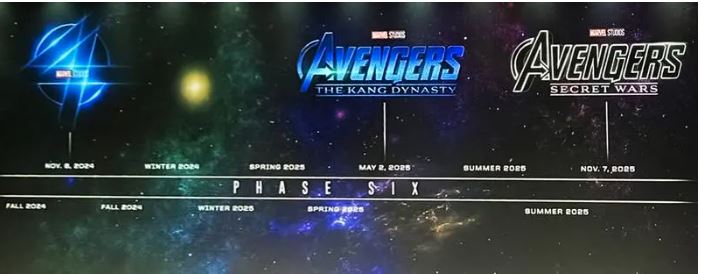
However, Feige was not finished. He announced the most important Phase Six MCU films, and the sixth phase will begin with Fantastic Four on November 8, 2024 and continue on and conclude with two Avengers films! Avengers: The Kang Dynasty on May 2, 2025 and Avengers: Secret Wars on November 7, 2025.
Of course, there are significant gaps in the release schedule for unannounced projects, which could go to future Spider-Man films or something to do with the X-Men. Keep in mind, that despite all the buzz going into Comic-Con there was not an official announcement that Deadpool would join the MCU and not a word was mentioned about possible followups to successful Phase Four properties like Doctor Strange or Shang-Chi. But more information will be revealed in the September 10, 2022 D23 Expo. Perhaps the cast and director of Fantastic Four will be announced by then or it will be revealed that the Russo Brothers will direct the new Avengers films.
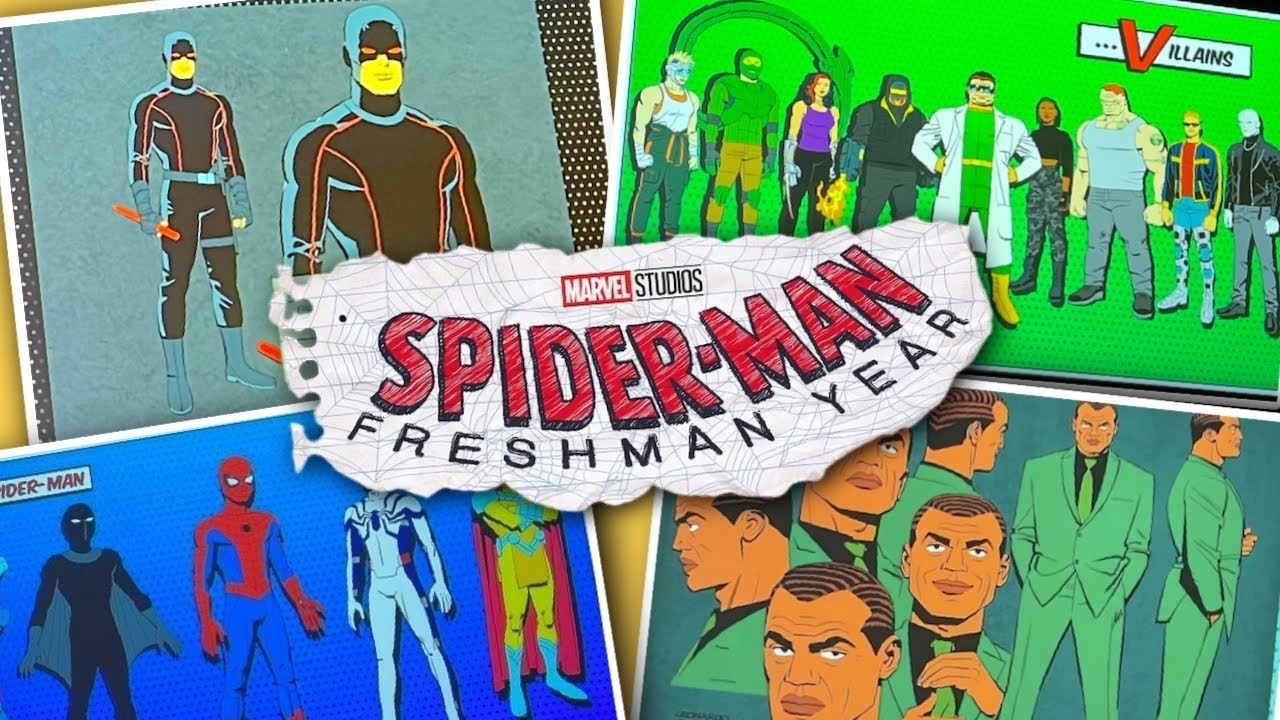
When it comes to Spider-Man, aside from some details on the upcoming animated series Spider-Man: Freshman Year (which won’t take place in the MCU), there weren’t any annoucements by Sony Pictures, who owns the film rights to Spider-Man, about the future of the MCU Spider-Man. However, given the mammoth success of Spider-Man: No Way Home, a fourth MCU Spider-Man is inevitable, as are the future hot garbage Sony is filming like Kraven, El Muerto, and Madame Web.

Surely, there were other huge announcements at Comic-Con that did not deal with Marvel or the MCU, but they paled compared to Marvel Studios. It should be noted that Marvel Studios’ rival, Warner Bros. Discovery had a presentation about their DC film properties, which turned out to be a bit of a dud hampered with controversy. One of the big rumors going into Comic-Con was that Henry Cavill would appear or there would be an announcement that the actor would return to play Superman in either Black Adam or an upcoming DC Extended Universe (DCEU) film. But the actor was a no show, which melted the internet as furious fans lamented about this and the fact that the only involvement director Zack Snyder will have with DC properties will be an appearance in the animated show Teen Titans Go! The only revelations made about the DCEU were two trailers for Black Adam and Shazam! Fury of the Gods. But nothing about upcoming DCEU projects like Blue Beetle and The Flash. It’s a shame because both DCEU trailers were very well done. Perhaps if Warner Bros. Discovery puts out another DC Fandome with more and substantial announcements then all will be forgiven, but to date there is not any information about a DC Fandome for this year.

Getting back to Marvel Studios and the MCU, the announcements were expected, but a pleasant surprise when they were officially announced. What was unexpected was that the early films of Phase Five were anticipated to be part of Phase Four, which seems to have ended prematurely. This could be because of the mixed reaction to Phase Four and a decision could have been made to end it soon in order to give fans a sense of starting over with more alluring and crowdpleasing films and TV shows in the next phase. So, even though Phase Four of the MCU turned out to be a mixed bag, fans can put that behind and look forward to what awaits with Phase Five, Six and beyond.
The Stumbles Of The MCU’s Phase Four

The toughest thing about being king of the mountain is staying there to paraphrase an old saying. Marvel Studios head Kevin Feige is certainly experiencing this now given the stumbles and headaches with Phase Four of the Marvel Cinematic Universe (MCU). The film universe devoted to the Marvel Comics heroes absolutely ruled the box office in the past decade with their interconnected films. Many memorable characters became part of our popular culture in a way not seen since the original Star Wars films. The MCU reached its zenith in 2019 with the release of Avengers: Endgame, as that film concluded the Infinity Saga. But since then, there are cracks in the once-invincible armor of the MCU as their recent entries in film and television streaming have had a mixed reaction from fans and critics.

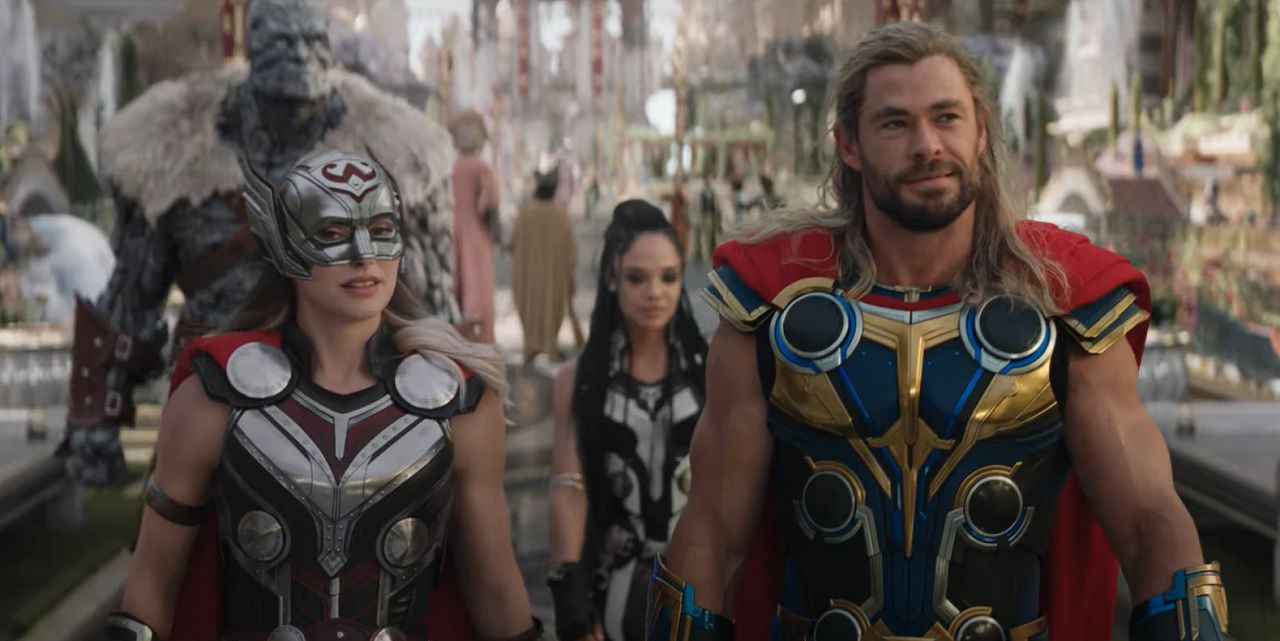
The films and TV shows are successful as seen with most recently with Thor: Love and Thunder and Ms. Marvel. However, in the past an MCU entry would both be well received by fans, critics and profitable. But as seen with the most recent entries that is no longer the case. Thor: Love and Thunder was not as well received, but it is a genuine box office hit, while, Ms. Marvel received excellent reviews, but was the least viewed MCU TV show. This is nothing new with Phase Four of the MCU, which began when Black Widow was released in theaters and streamed at the same time on Disney+ in May 2021. Due to the pandemic and the availability of the film on home media, Black Widow did not make as much money as many of the previous MCU films and had a middling reception by critics and fans. As the pandemic eased and subsequent films were released exclusively in theaters, they performed better with Spider-Man: No Way Home becoming the biggest hit of Phase Four and acclaimed by fans and critics, alike. But most of the other film entries have proven to be controversial or derided by all.

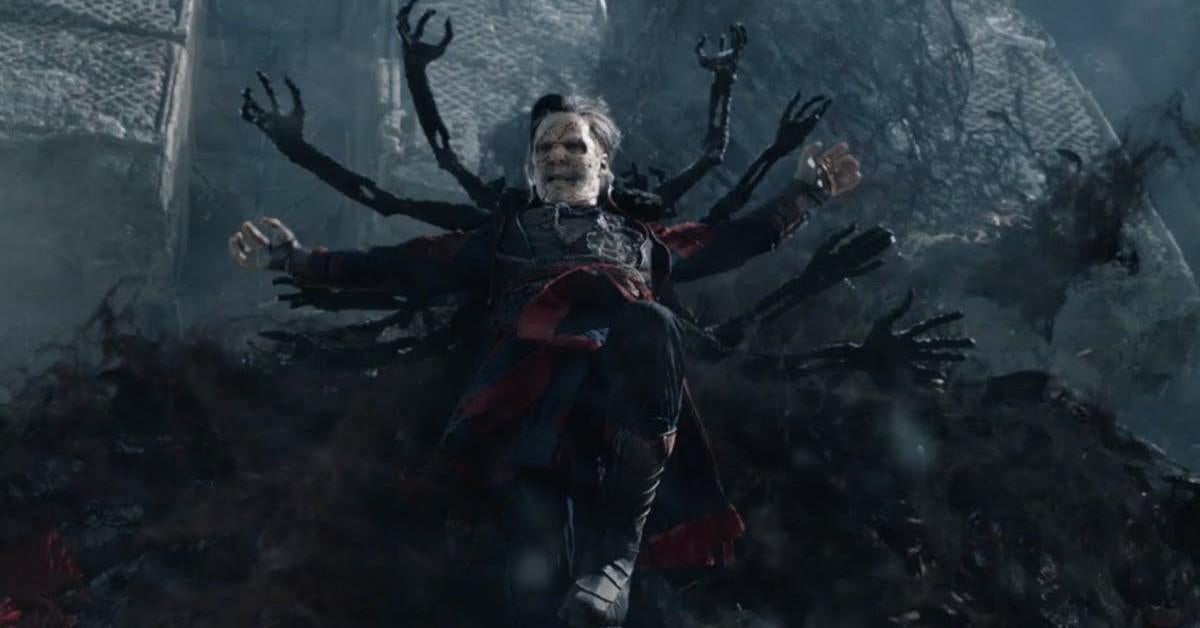
Doctor Strange in the Multiverse of Madness is an excellent example as it was equally revered and derided, Some enjoyed the more viceral horror elements of the film, but others complained about the film’s content, the way certain characters were treated and so on. Others wanted to see more bizarre explorations of other dimensions and alternate takes of the MCU aside from the Illuminati. Basically, these critics felt the so-called Mulitverse of Madness did not live up to its name.

That leads to another gripe with the recent MCU fare. Before a film or TV show comes out, the speculation about who will appear in them goes overboard which will disappointment fans. This was evident with WandaVision when one of the TV show’s star promised an important character would appear in the last episode, leading to wild rumors that the X-Men would finally debut in the MCU, but this did not happen. Then there were all the supposed cameos for the second Doctor Strange film that never materialized. What is more infuriating are the reports that many characters were supposed to appear in these films and TV shows, but for one reason or another these appearances did not happen.

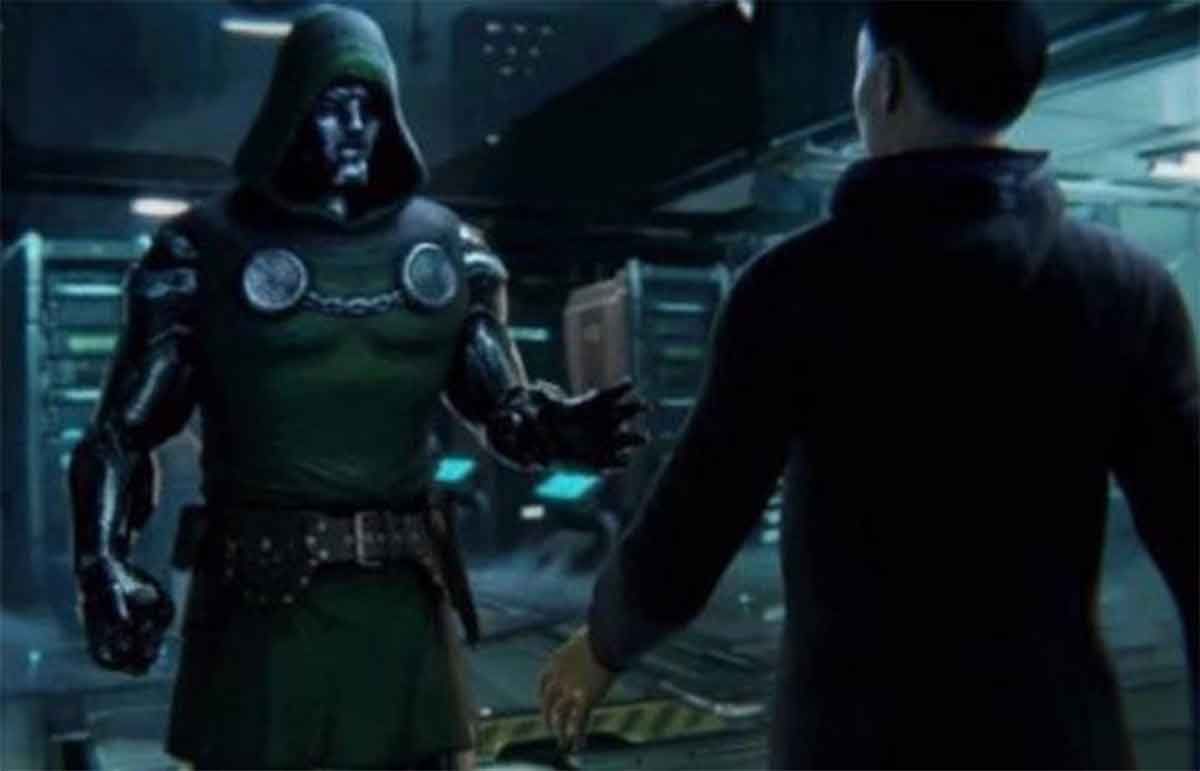
Here are some examples: Doctor Strange was supposed to appear in a cameo in WandaVision, Deadpool was supposed to pop up in a post-credits zinger in Doctor Strange in the Multiverse of Madness, director Sam Raimi was supposed to reunite with Tobey Maguire as the universe of Spider-Man was supposed to be visited in Doctor Strange in the Multiverse of Madness, Beta Ray Bill would finally debut in Thor: Love and Thunder, Werewolf by Night was supposed to appear in Moon Knight, and so on. Now, the speculation continues as Doctor Doom will supposedly make his MCU debut in Black Panther: Wakanda Forever and that Ben Grimm and Matt Murdock will turn up in She-Hulk: Attorney at Law. This speculation is a great way to generate interest but it is bound to disappoint many, no matter what. Of course, there have been notable and important cameos in the Phase Four films and TV shows, such as the characters from the Netflix Marvel TV shows turning up in Hawkeye and Spider-Man: No Way Home, Captain Marvel appearing in a post-credits scene of Ms. Marvel, and of course the appearances of several Marvel heroes like Reed Richards and Professor X in Doctor Strange in the Multiverse of Madness.

Continue reading

Star Trek: Strange New Worlds Boldly Goes Back To Basics With The Star Trek Franchise

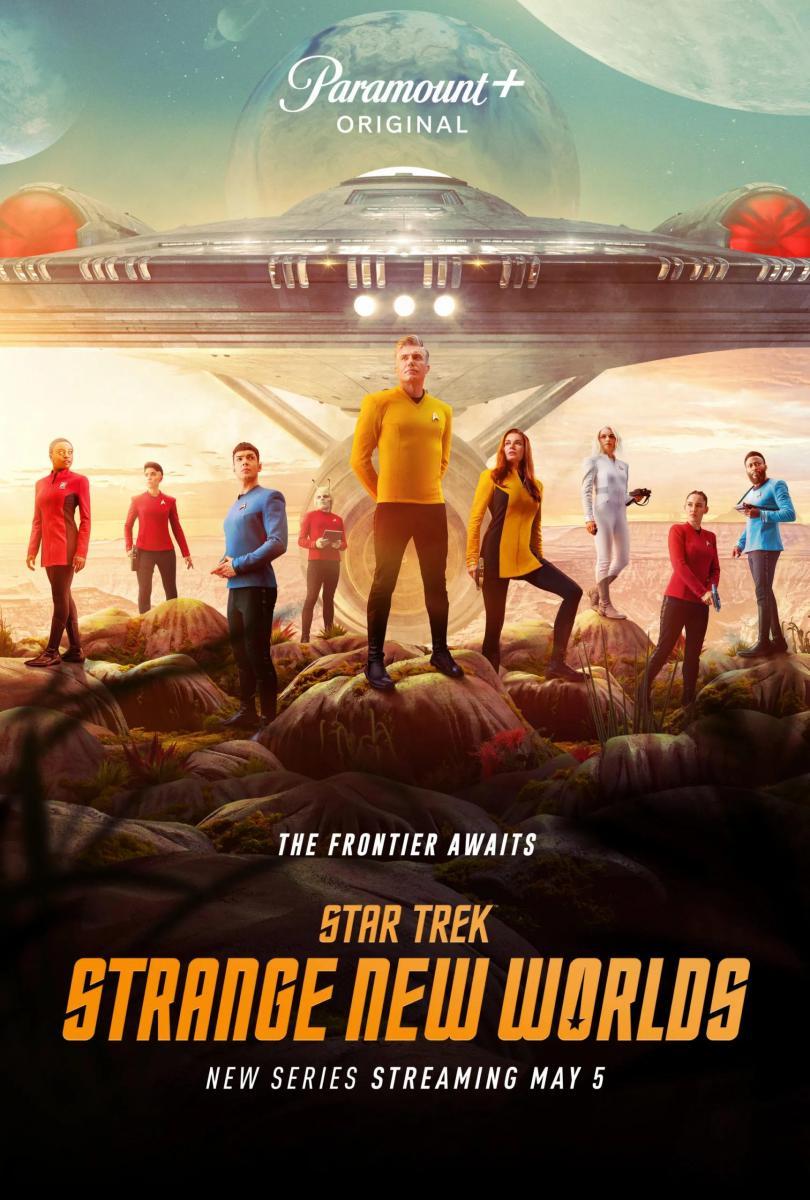
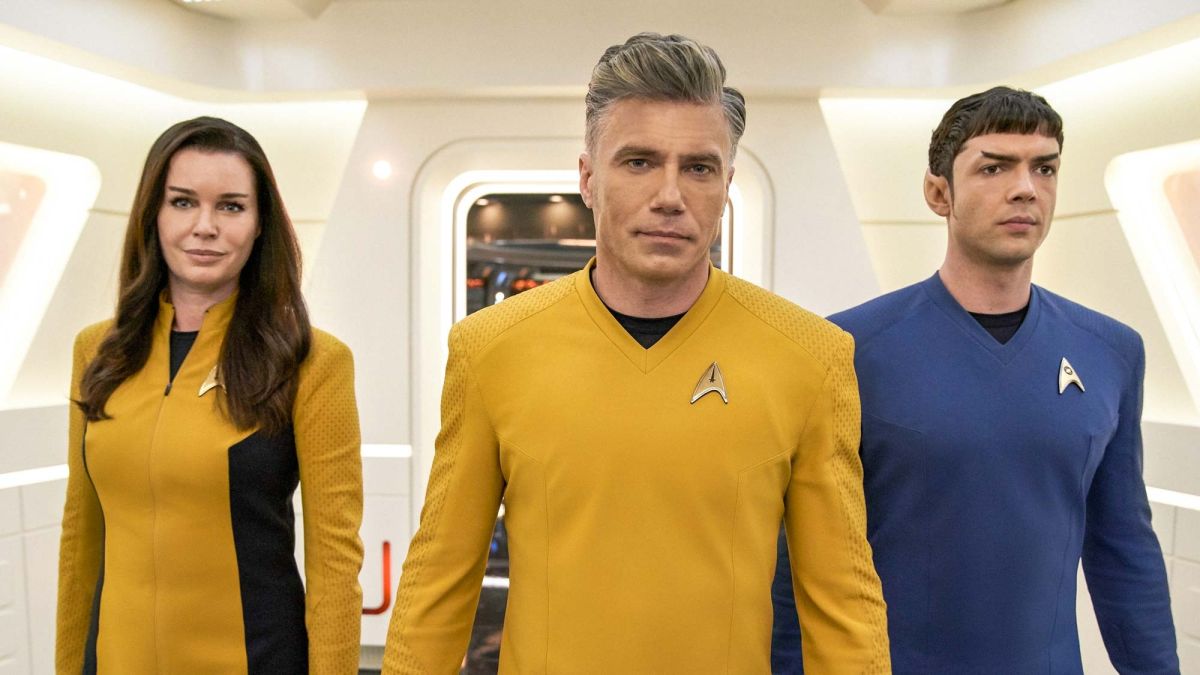
The first season for the latest Star Trek TV show to stream on Paramount+, Star Trek: Strange New Worlds, has just concluded with a strong episode (“A Quality of Mercy”) that represented the best stories of the season. The show is a spinoff of Star Trek: Discovery and another prequel to the original Star Trek. In this case, the show chronicles the voyages of the starship Enterprise under the command of Captain Christopher Pike (Anson Mount) a few short years before Captain James T. Kirk assumed command.

Getting this out of the way, this series is fantastic with its much needed and refreshing back-to-basics approach for Star Trek. The franchise has been faltering lately with subpar live-action entries, Star Trek: Discovery and the second season of Star Trek: Picard. However, the franchise feels reinvigorated now with the new series. A huge part of the success of Star Trek: Strange New Worlds has to do with its lead characters.

When Pike and Spock (Ethan Peck) were introduced as feature characters in the second season of Star Trek: Discovery, they quickly stood out and added a lot of gravitas and charisma to the show. In fact, the reason why the second season was so well received was largely due to the characters, how they were portrayed and their engaging storylines. After the season concluded a wise choice was made to bring back Pike and Spock into their own series to continue their story arcs.

Spock, as in the original show, is trying to find a balance between his human and Vulcan sides. Ethan Peck does a fine job as Spock and while he made the role his own, he does quietly emulate the spirit of Leonard Nimoy’s famous portrayal of the Vulcan.

Meanwhile, Anson Mount completely took over the role of Captain Pike, which was first portrayed by Jeffrey Hunter in the original pilot for Star Trek. For decades people associated the early captain of the Enterprise with Hunter, but Mount’s smooth and amenable version of Pike captivated fans to the point that when Captain Pike is mentioned it is easy to picture Mount instead of Hunter. This is something that happened over with the Star Wars franchise where Ewan McGregor made the role of Obi-Wan Kenobi his own instead of Alec Guiness, the original actor who played the Jedi. Getting back to Mount, the actor endows his Pike with a casual competence and an approachable demeanor, which makes Pike a believable starship captain. He is haunted throughout the season by the knowledge that in a few years, he will be incapacitated and spend his last days as a near invalid, as seen in the original Star Trek episodes “The Menagerie, Part I and II”). So, Pike is torn over whether or not he should avoid his fate or try to change it. Nevertheless, Christopher Pike carries on throughout the show with his sense of calm and reason as the crew of the Enterprise deal with weekly crises.

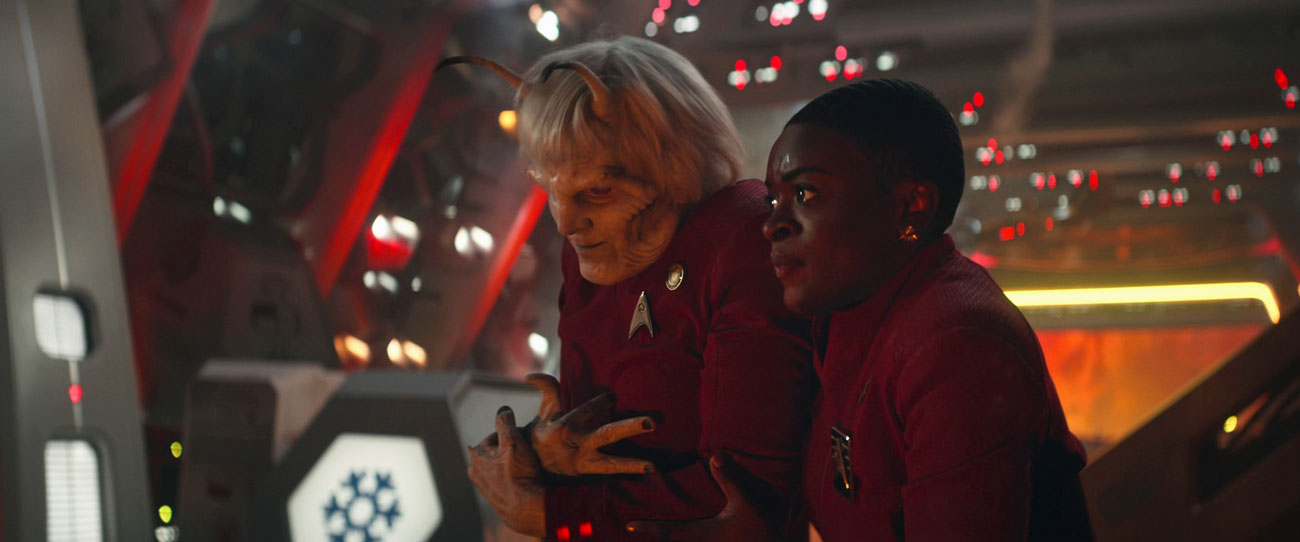
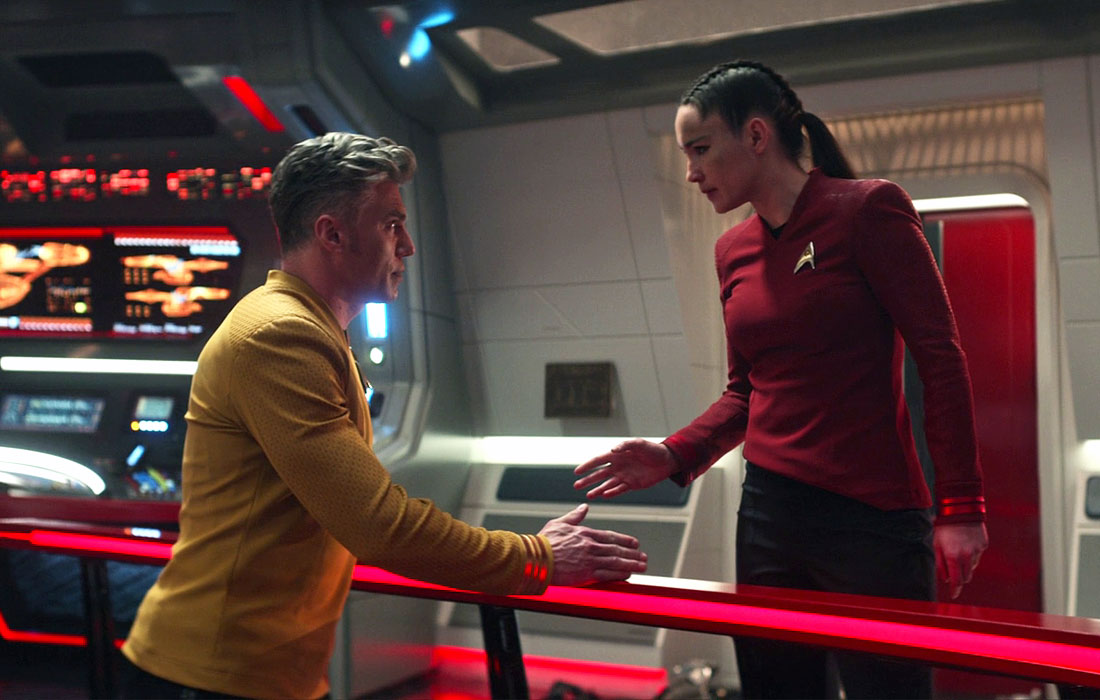
Aside from Christopher Pike and Spock, the series has many interesting characters. Some are familiar characters who were well recast (Celia Rose Gooding as Cadet Uhura and Jess Bush as Christine Chapel), others are new to the franchise, such the ship’s security cheif, La’an Noonien Singh (Christina Chong) and the ship’s engineer, Hemmer (Bruce Horak), and they were all instantly captivating.

Unlike recent TV shows with serialized storytelling techniques, Star Trek: Strange New Worlds, went back to the basics in terms of episodic storytelling. The episodes were standalone entries and the season as a whole lacked a unifying plot thread. It’s simply about the adventures of Christopher Pike and his crew on the Enterprise. Some of the stories were well crafted and smart, others fell a bit short, but the approach worked quite well. The best episodes this season were “A Quality of Mercy”, “Memento Mori”, “All Those Who Wander”, and “Strange New Worlds”. The last two were notable in that “All Those Who Wander” was a well-done homage to Alien with a shocking and sad character death, while “Strange New Worlds” was an exceptional pilot episode that enraged right-wing nutjobs with its claim that their recent and current activities wind up being the cause for a second American Civil War and ultimately, World War III. As mentioned before, not every episode is a homerun, but had interesting twists. But, the only misfire was “Spock Amok”, it was supposed to be one of those lighthearted, humorous episodes. However, it failed to deliver any laughs and was unfocused, but it had a few good nuggets.

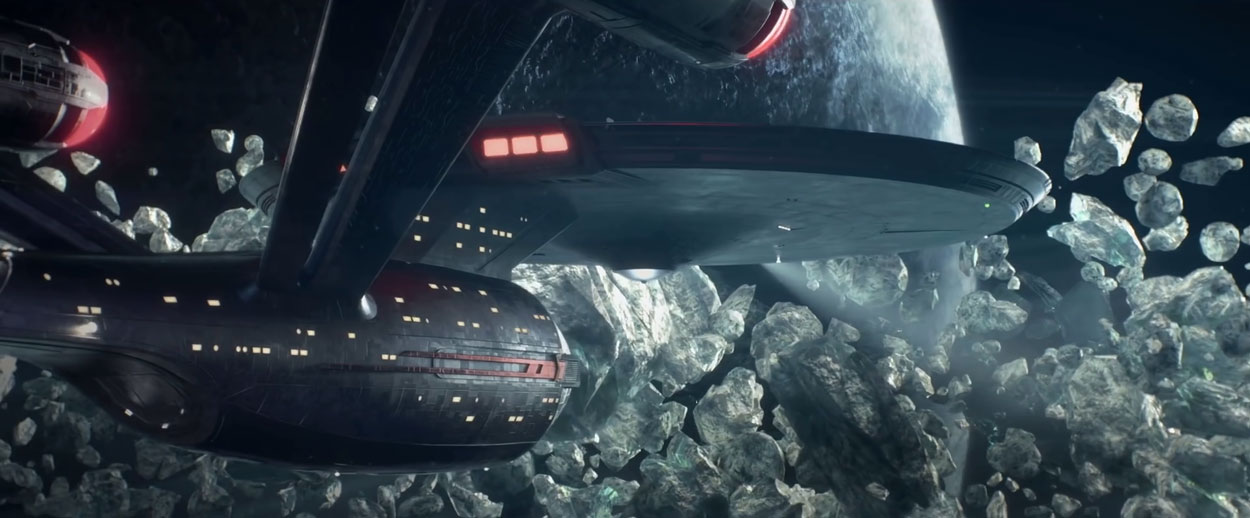
As with modern Star Trek shows, this one boasts cinema-quality special effects and production that rivals the best of J.J. Abrams and the Kelvinverse, but with superior storytelling and characters. That is the key with Star Trek: Strange New Worlds, it focused on telling tight stories that do not meander and spin wheels like the second season of Star Trek: Picard. Like the Berman-era Trek shows, this one makes the effort to devote episodes to other characters besides Pike and Spock, unlike Star Trek: Discovery. In just a handful of episodes we learned some vital background info on several characters. For instance, La’an not only suffered from childhood trauma thanks to the predatory Gorn, but was a descendant of Khan Noonien Singh, yes, that Khan. It was revealed that first officer, Una Chin-Riley or Number One (Rebecca Romijn), is not human, while the ship’s chief medical officer, Dr. M’Benga (Babs Olusanmokun) was secretly hiding his ill daughter in the ship’s transporters as he tried to find a cure for her. Since the time was taken to explore these side characters, they became endearing, we cared about them and wanted to know more. More importantly, when these characters suffered, we felt for them.

Star Trek: Strange New Worlds injects new life into the Star Trek franchise with its simple and effective back-to-basics approach, but its fused with so much more to elevate it. In addition to its crisp production values, and solid cast, the show captures the soul of Star Trek with a sense of adventure and discovery.

José Soto

The Legacy Of E.T. The Extra-Terrestrial

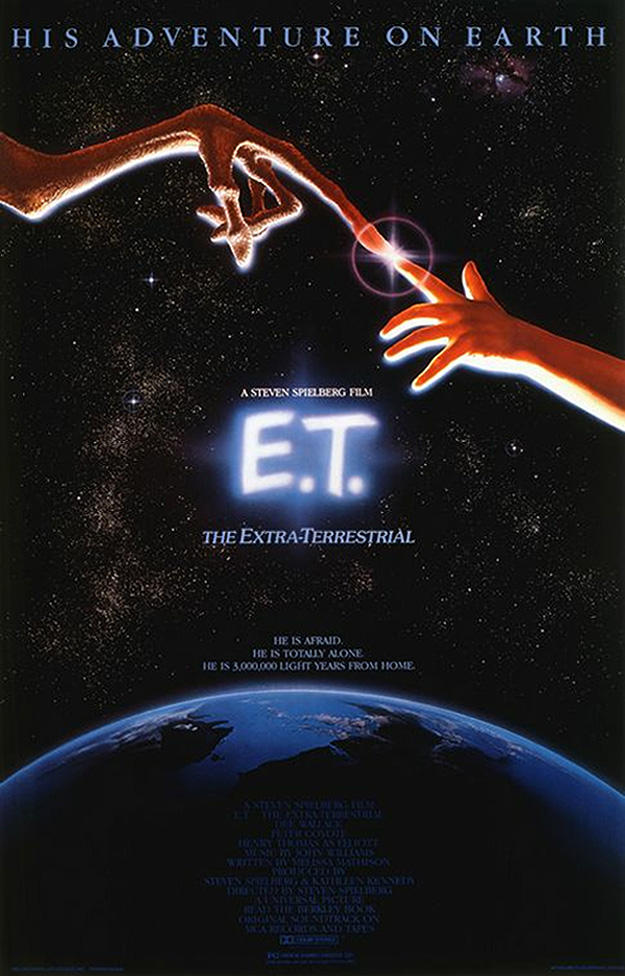
Forty years ago this month, E.T. the Extra-Terrestrial was released in theaters and captured the collective hearts and minds of moviegoers everywhere in 1982. To say it was a cultural phenomenon is certainly an understatement, yet it can be hard to believe for those who were too young to remember or were alive at that time. That is because unlike other culturally relevant properties from that time period like Star Wars, Star Trek, Alien, etc. E.T. The Extra-Terrestrial did not have the staying power in our collective minds.

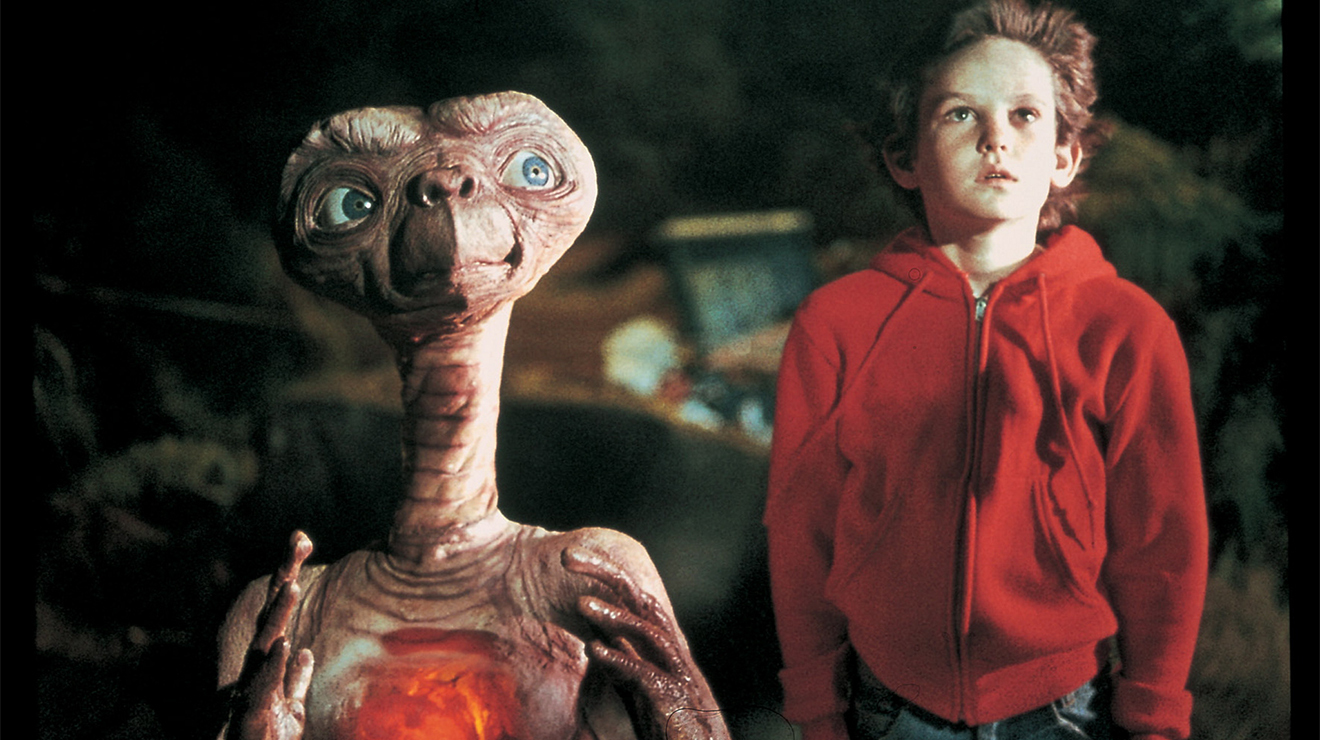
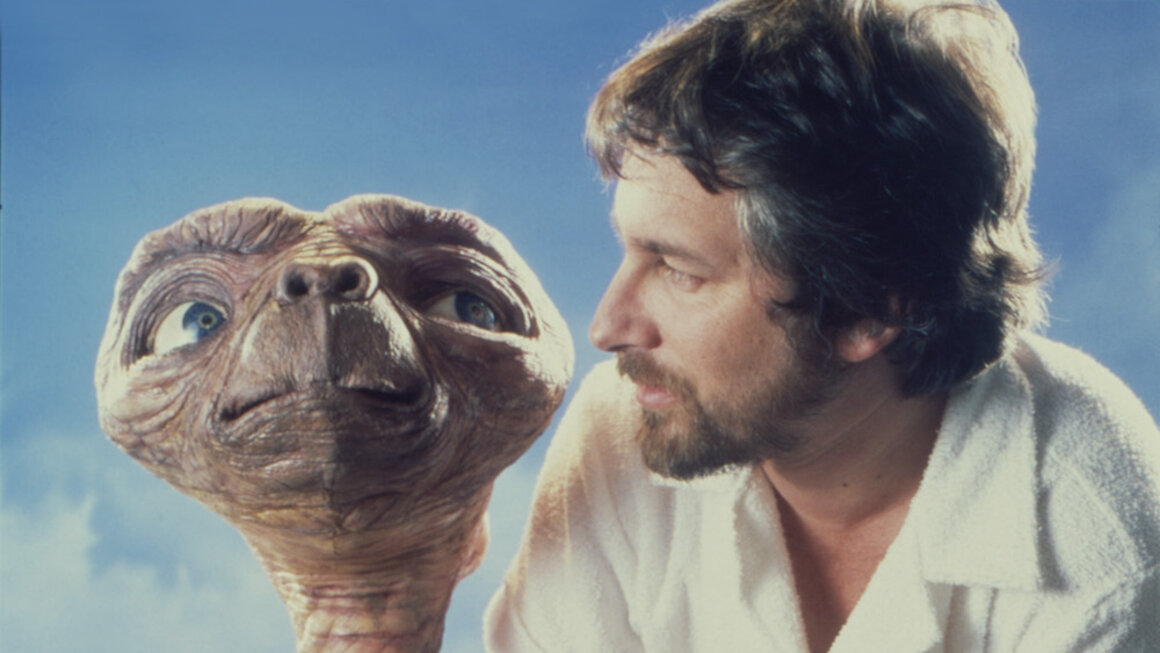
Regardless, the sci-fi film by legendary director Steven Spielberg is a bonafide classic that knows just how to hit a viewer in the feels. Spielberg was in top form (and remains so to this day) and received a well-deserved status as a master storyteller with his tale of a stranded alien being in the forests of California who befriends a lonely boy, Elliott (Henry Thomas). As Elliott introduces the being he calls E.T. to his suburban lifestyle and pop culture, he does what he can to keep E.T. hidden from the outside world while E.T. tries to contact others of his kind to rescue him. The film boasted many classic Spielbergian tropes and themes, such as a reverance for middle-class childhood while exploring family trauma, examing a magical sense of wonder about the world through the use of lighting, pop cultural references, and of course, those famously long natural takes that define a Steven Spielberg film.

E.T. the Extra-Terrestrial is a fairly simple tale about an unlikely interstellar friendship or as a sci-fi version of a boy and his dog tearjerker, but the film excels in emotion and Spielberg pulled out all of his skills to wrench our heartstrings. He was aided by an exemplary filmmaking team which included special effects guru Carlo Rambaldi, a deeply emotional script by Melissa Mathison, genuine acting by the cast, breathtakingly beautiful cinematrography by Allen Daviau, and John Williams brilliant score. The master composer won a well-deserved Oscar for the film as the film won several technical Oscars. Unfortunately, E.T. the Extra-Terrestrial failed to win the major Academy Awards like Best Picture or Director because by the time the awards ceremony came around, the allure of the film had worn off and the Academy instead bestowed the major awards to more standard fare like Gandhi. Go figure.

Perhaps if E.T. the Extra-Terrestrial had won the major awards it may have been more remembered these days. Another reason could be because the film was overhyped by media and in-your-face marketing and merchandising during that time and it finally burned out its good will after some time. It may be hard to imagine today but think of the constant merchandising of Star Wars, the Marvel and DC films, and Jurassic Park and picture that for one film that dominated the box office for 16 weeks straight. This is something that would be nearly impossible to pull off today in our fractured society. Many films released that summer in 1982 fared poorly because E.T. the Extra-Terrestrial sucked out all of the air from the competition. What is ironic is that many of those films are better remembered today and are considered classics in their own right. These include Blade Runner, Star Trek II: The Wrath of Khan, Tron, and The Thing.

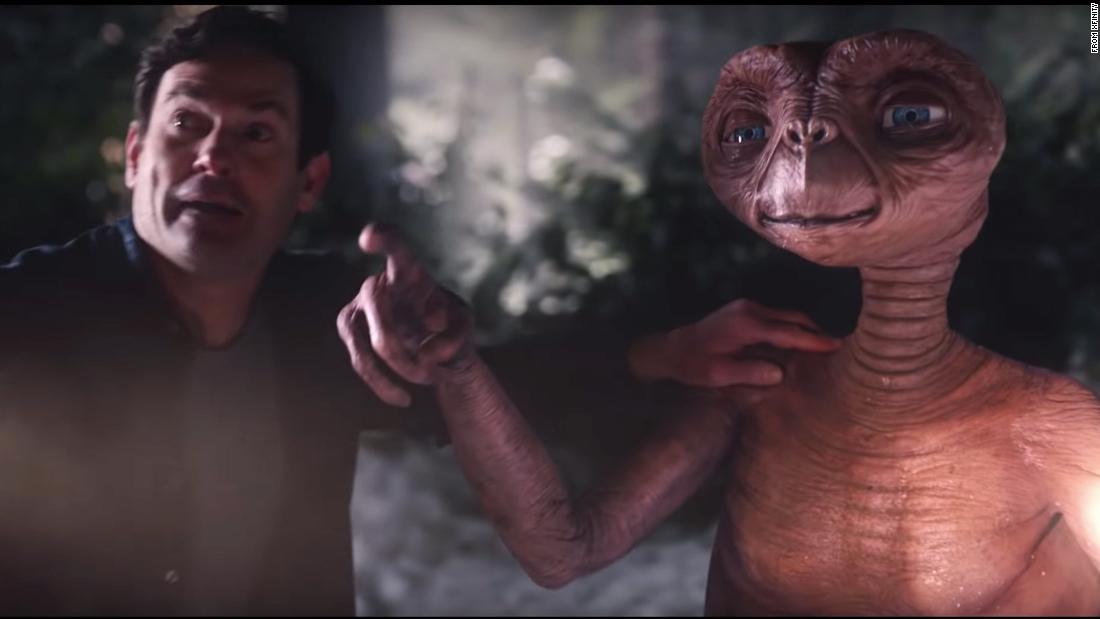
Yet, another factor that probably impeded E.T. the Extra-Terrestrial’s legacy is that no sequel film or reboot was ever made to keep the film in the public consciousness. The closest instances it received for follow ups were a sequel novel by William Kotzwinkle called E.T.: The Book of the Green Planet, a well-received 2019 Xfinity commercial featuring a now-adult Henry Thomas, who is reunited with E.T., and then introduces the alien to his family, and a theme-park ride at Universal Studios Florida, Japan and Hollywood (the Hollywood and Japan versions closed down years ago).

As to why Spielberg did not adapt this novel or went ahead with a film sequel, the answer is that E.T. the Extra-Terrestrial holds a special place in his heart and he did not want to dilute it with follow ups. However, he did consider it. He and Mathison wrote a treatment in 1982 called E.T. II: Nocturnal Fears, which would have had Elliott and his friends kidnapped by evil aliens and E.T. rescuing him. But as we all know, Spielberg abandoned the idea and moved on to other projects. The last time E.T. was actually seen in theaters was when he and members of his race appeared in a gag cameo during Star Wars Episode I: The Phantom Menace.

Even though the film is not in the forefront of the public these days, it is still fondly remembered and still commands attention as seen with the positive word of mouth from the 2019 commercial and successful re-releases in theaters and home media. During its 20th anniversary the film was re-released and Spielberg altered the film with improved special effects, deleted footage and digitally altering a scene where federal agents who originally brandished guns and threatened E.T., Elliott and his friends, now had walkie-talkies instead. Spielberg has changed his mind about the alterations and encourages that only the original film be viewed.

With so many properties commanding our attention these days, it is so easy to overlook E.T. the Extra-Terrestrial, which would be foolish. The film is a cinematic wonder that should be required viewing for film buffs, genre fans and families. Simply put, E.T. the Extra-Terrestrial is a perfect showcase for the artistry and magic of Steven Spielberg.

The Return Of Obi-Wan Kenobi

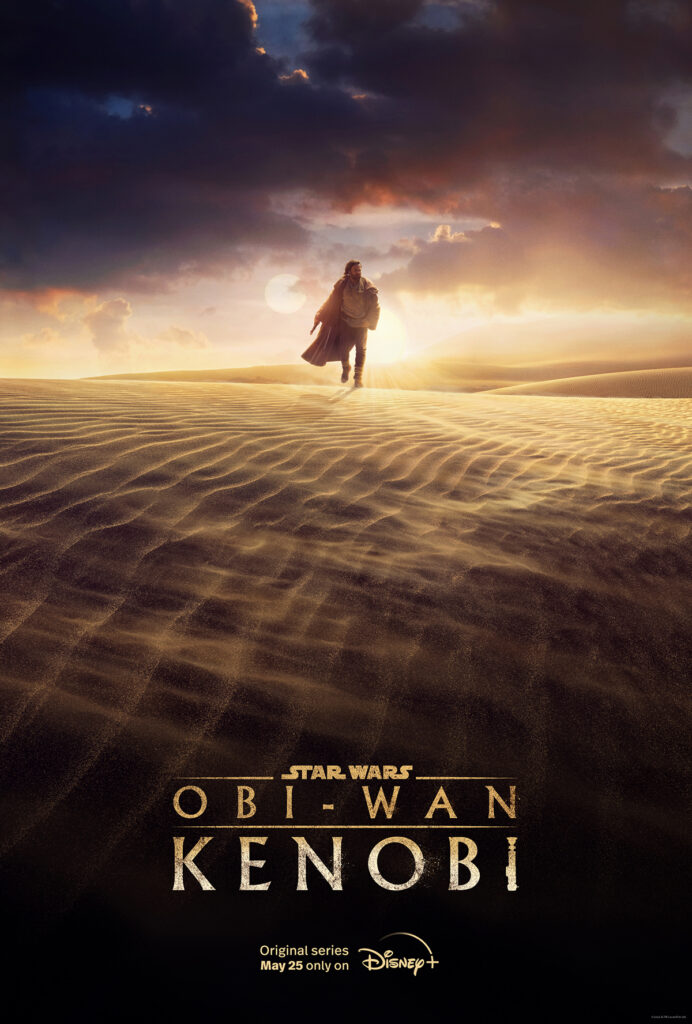
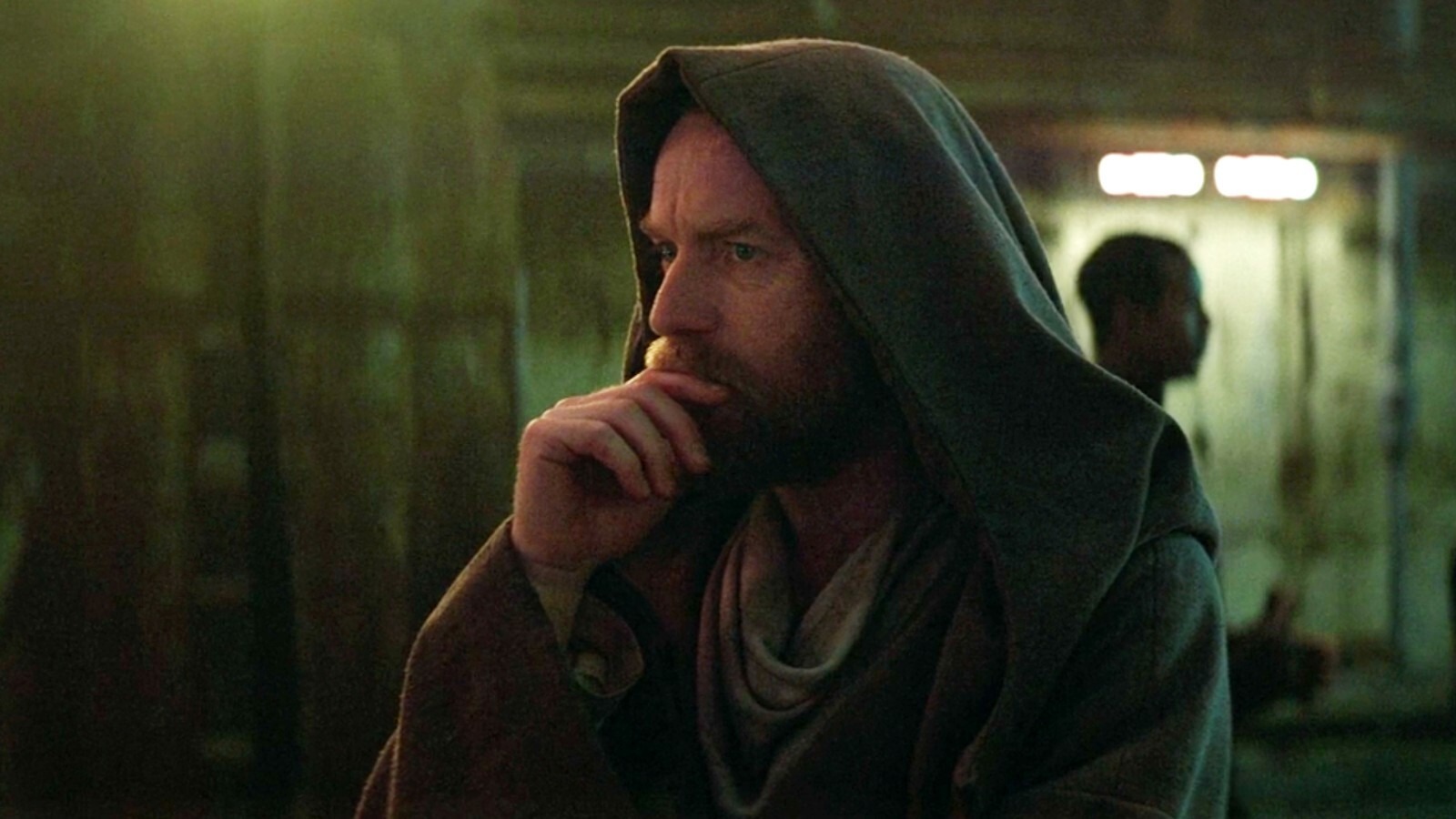
The latest Star Wars TV show to stream on Disney+, Obi-Wan Kenobi, is naturally focused on the noble Jedi Knight and his story of redemption ten years after Star Wars Episode III: Revenge of the Sith. When we last saw Obi-Wan (reprised by Ewan McGregor, who played the character in the prequel trilogy), he was devastated after his Jedi apprentice, Anakin Skywalker (Hayden Christensen), turned to the dark side of the Force, assume the identity of Darth Vader and decimated most of the Jedi Order. The show picks up years later on Anakin’s home planet Tatooine where Obi-Wan is in exile watching over Anakin’s young son, Luke (Grant Feely), from afar.

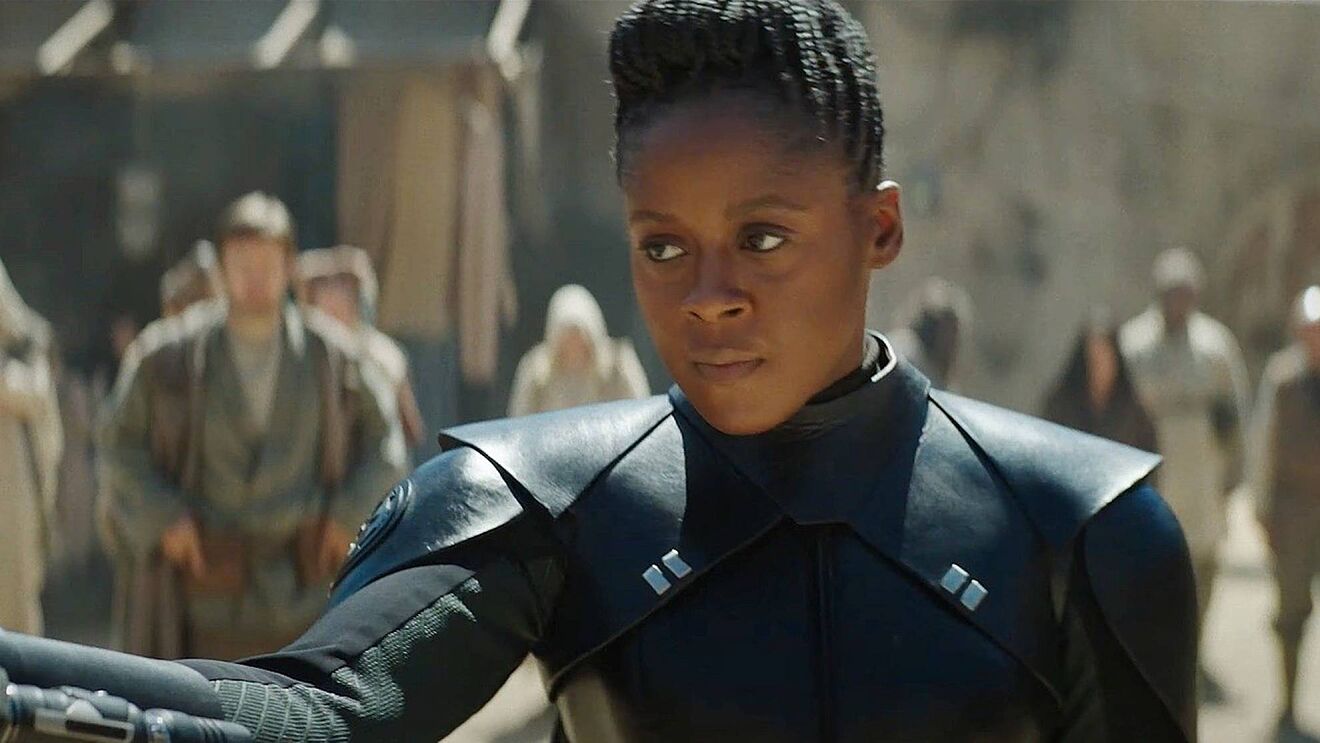
This version of Obi-Wan is a far cry from the confident and brave warrior from the prequels. Obi-Wan Kenobi, who goes by the name of Ben, lives a quiet life in solitude and generally avoids contact with other people. He also manages to avoid the prying eyes of dark side followers called Inquisitors, including Third Sister Reva Sevander (Moses Ingram). For some reason, Reva is obsessed with finding Kenobi and capturing him for the Inquisitors’ leader, Darth Vader.

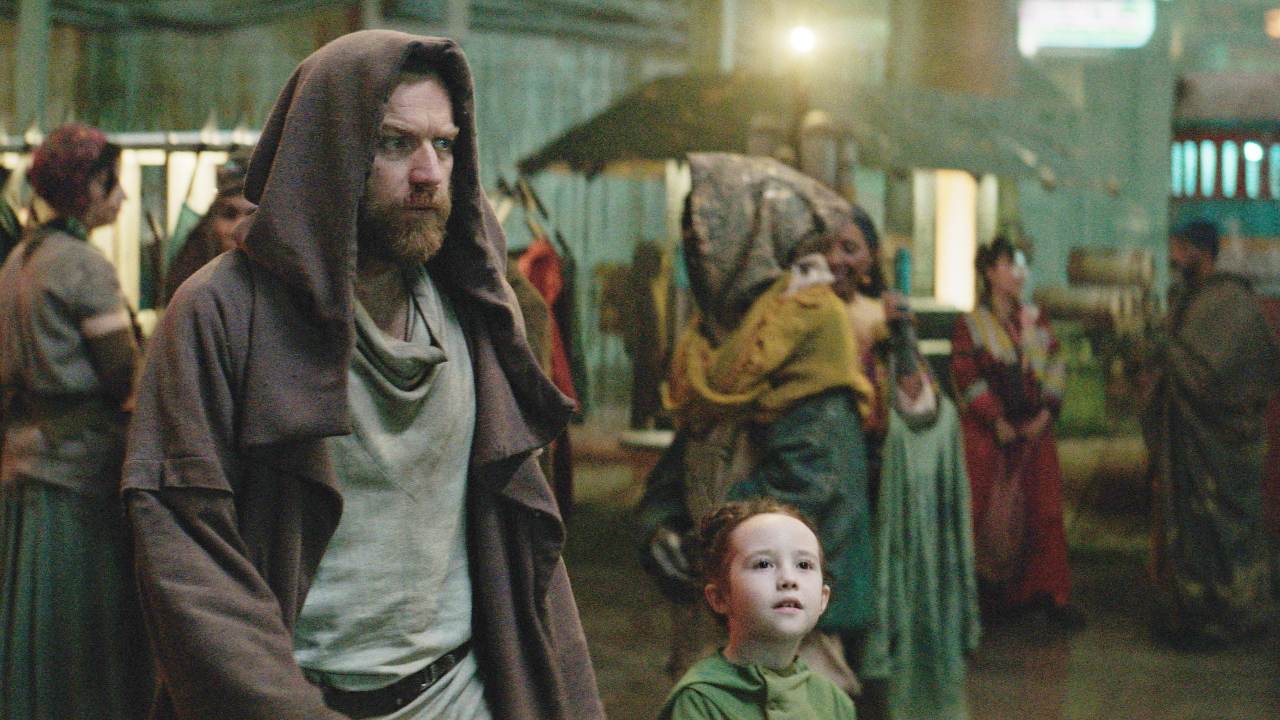
On the planet Alderaan, Luke’s twin sister, Princess Leia Organa (Vivien Lyra Blair), is kidnapped to lure Kenobi. Her adopted father, Bail Organa (Jimmy Smits), travels to Tatooine to ask Obi-Wan to help find her. After some prodding, Obi-Wan Kenobi realizes he has a duty as a Jedi to help his friend and sets out to rescue Princess Leia. After rescuing Leia on the planet Daiyu, the Jedi Master is pursued by Reva, and later Darth Vader, across several worlds. Before long, Obi-Wan realizes that although he left the Jedi lifestyle years ago, he cannot let go of it and his responsibility to the cause of freedom in the galaxy.

Unlike the other Star Wars Disney+ TV shows, at certain times, Obi-Wan Kenobi feels more like an extended Star Wars film, even the end credits follow the style of the films. But at other times, the limits of television are obvious in terms of scope and budget. Of course, this has no bearing on the quality of the show, which is excellent, but the clash in style and scope may offput some viewers. However, the show is a near-perfect presentation about one of the most revered Star Wars characters. In the prequel films, Kenobi was a supporting character but thanks to McGregor’s performance the Jedi rose in stature to the eyes of many fans. Unlike the conflicted and bratty Anakin, Kenobi was a noble and gallant presence who personified the perfect Jedi. To see him as a hollow, pessimistic, and timid person hiding in the sands of a remote planet at the start of the series was disheartening to watch. Disconnected from the Force and taking pains to avoid conflict, it was disturbing to see how far Kenobi had drifted from the courageous Jedi way. It was also realistic. But, when he slowly regained his connnection to the Force during the show, well, those moments were very gratifying. Of course, McGregor’s performance is stellar as always and his love for the character clearly shows.

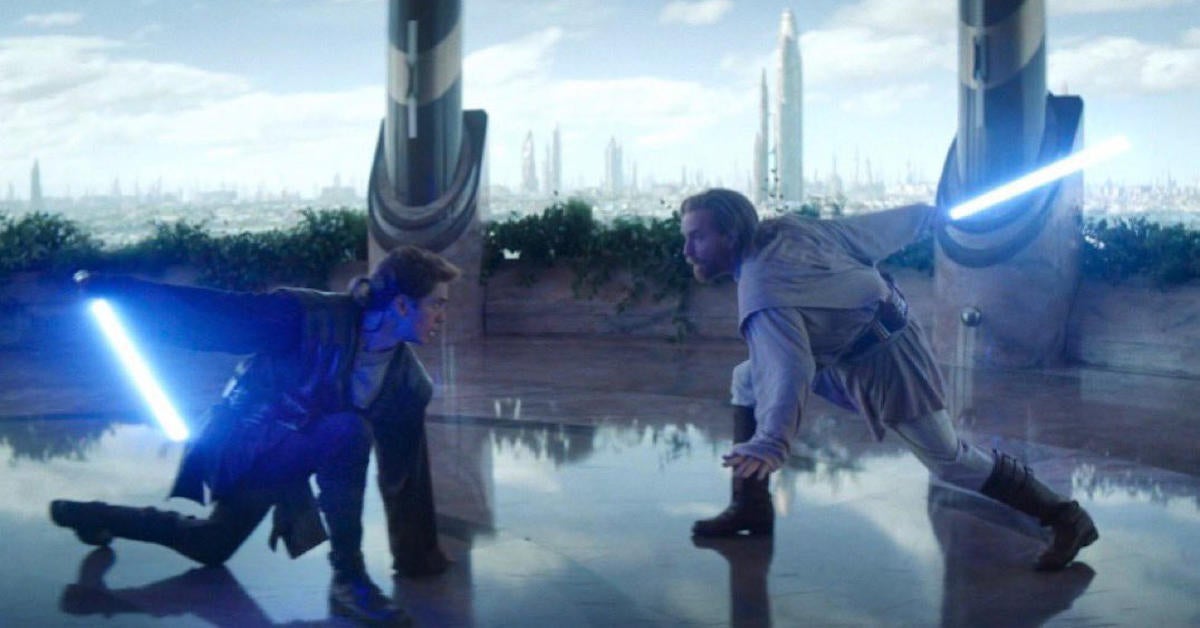
One of the best moments was during a flashback sequence that had Obi-Wan dueling with Anakin before he became Vader. The sequence was a brilliant way to reunite the two actors as it showed not just the arrogance of Anakin, but Obi-Wan’s hubris, which would blind him to Anakin’s fall later on in Star Wars Episode III.

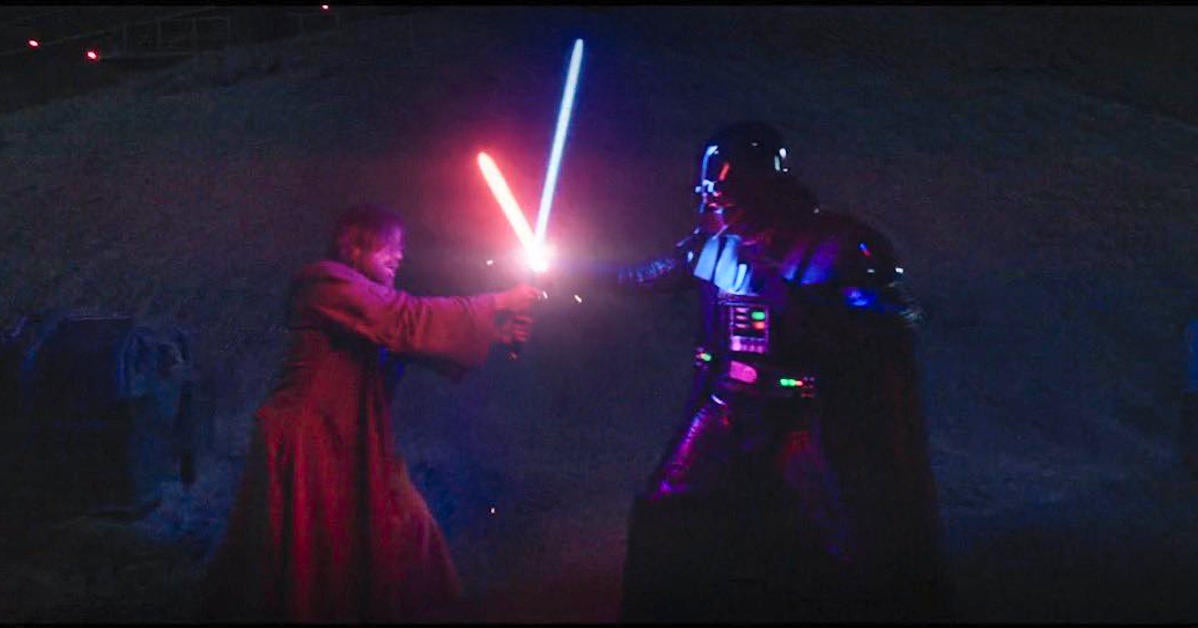
There are many other thrilling and inspiring moments throughout the series, such as the final duel between Obi-Wan and Darth Vader; Kenobi reconnecting with the Force in dramatic fashion; Kenobi’s interactions with young Leia; Vader’s moments of quiet rage and explosive and vindictive menace; suspenseful chases and battles; and the fanatical nature of Reva, who hid a tragic backstory. At first, Reva came off as a one-dimensional, cartoonish villain but through the course of Obi-Wan Kenobi, she became more nuanced and complex as her cause was finally revealed. A lot of credit has to go to Ingram who delivered a commanding performance.

There are many great scenes with secondary characters who had their shining moments and left an impact. Take Rupert Friend as the Grand Inquisitor, his savage putdowns of Reva were epic. Then there was Indira Varma as Talla, a Rebel spy masquerading as an Imperial officer. She had a natural chemistry with Ewan McGregor and her inner strength and sacrifice was truly inspiring. Kumail Nanjiani gave an inspired performance as Haja, a con man pretending to be a Jedi and later has a spiritual change of heart. Blair did a fine job as Leia as she captured the essence of the Rebel princess and we saw the laying of her emotional foundation. And finally, the onscreen rivalry of McGregor’s Kenobi with Vader was completed with the return of Christensen, who shone as Skywalker/Vader. As noted above, their friendly rivalry was well executed in the flashback scenes as we witnessed the underlying insecurity of Skywalker. Christensen pulled this off fantastically with subtle facial revelations.

Despite its greatness, Obi-Wan Kenobi had its narrative flaws, which were alarmingly blatant. Take the fourth episode (arguably the series’ weakest, though it was entertaining), where Talla clumsily slapped around some stormtroopers in an Imperial base and defeated them. Or later in the episode when Kenobi threw on an Imperial cloak as a disguise and obviously hid Leia underneath him as they walked around unnoticed among oblivious Imperial personnel. Then there were the common Star Wars space and time puzzles where characters instantly travel from planet to planet, non-fatal stabbings from lighsabers, and spaceships with broken hyperspace engines being able to traverse star systems and avoid Imperial star destroyers.

Thankfully the merits of Obi-Wan Kenobi far outweigh its negatives. It was great to see Ewan McGregor return to a role that he made his own, but now as the central character. It was also fun seeing other actors from the prequel trilogy reprising their roles and seeing how the prequels connect more strongly with the original trilogy of Star Wars films. Even though it is a limited series and its main story feels complete, there is talk about continuing the adventures of Obi-Wan Kenobi: Jedi-In-Exile. It’s not clear what direction more episodes would take without feeling repetitive, but they would be welcome.

José Soto