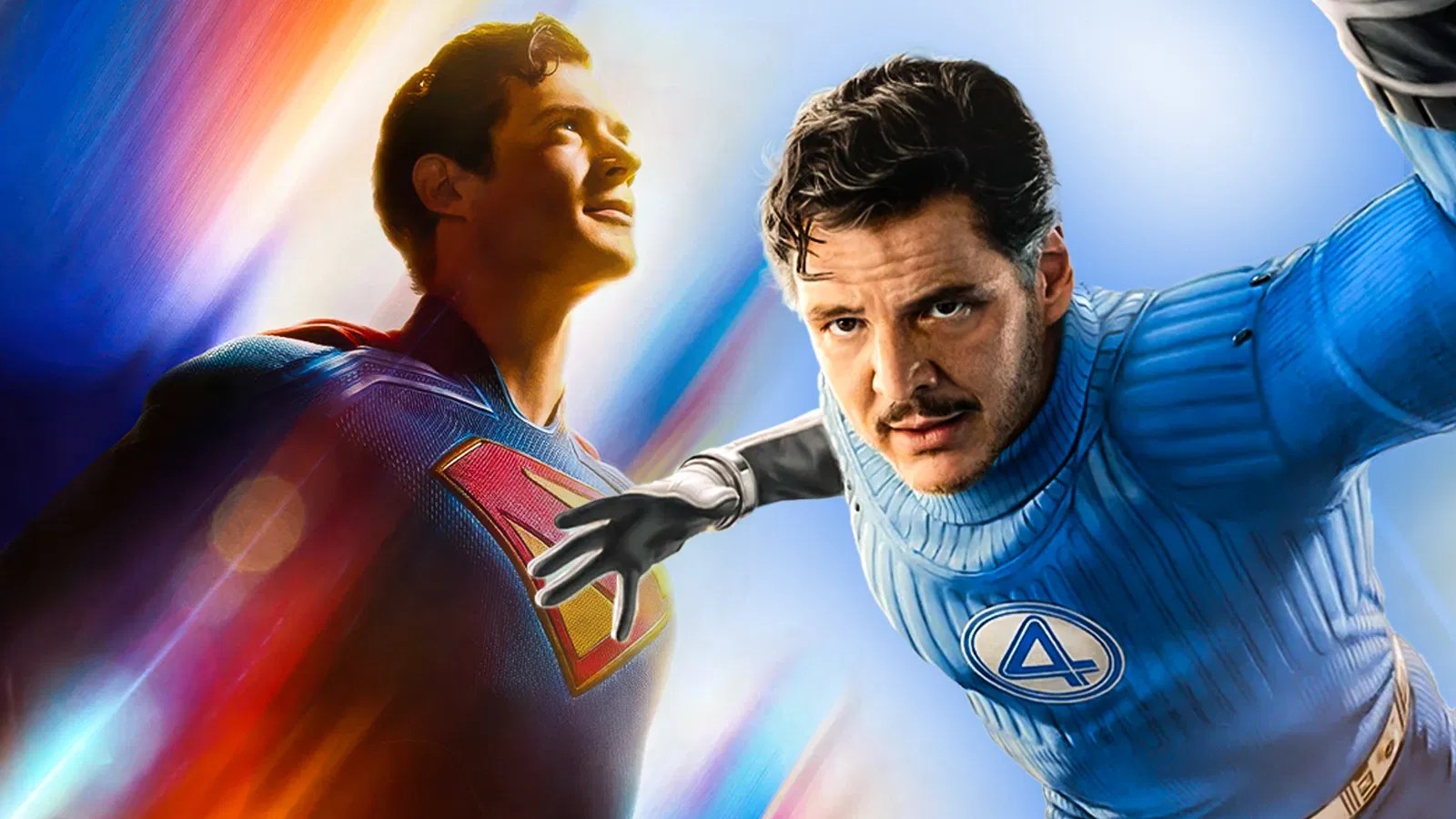
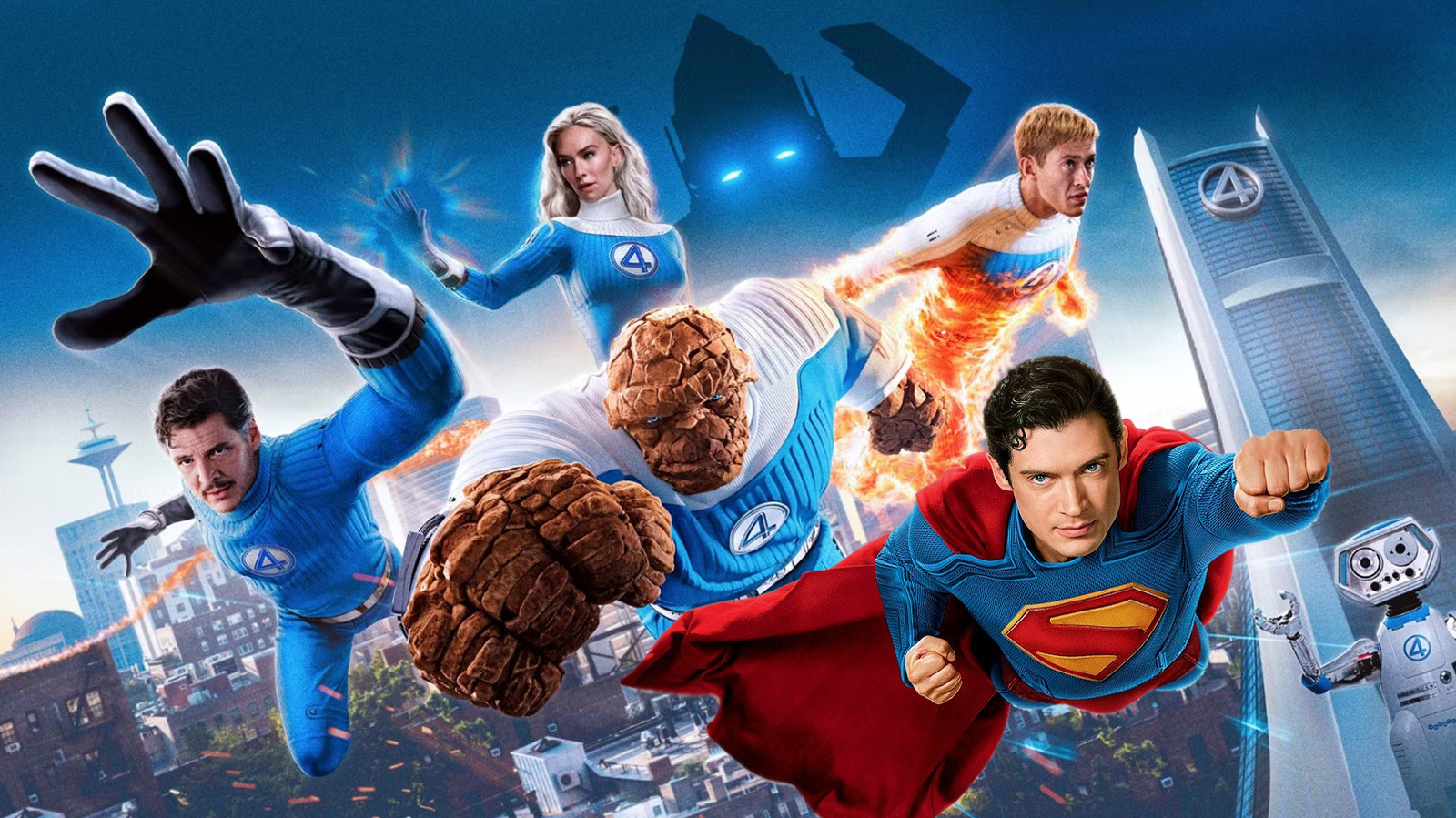
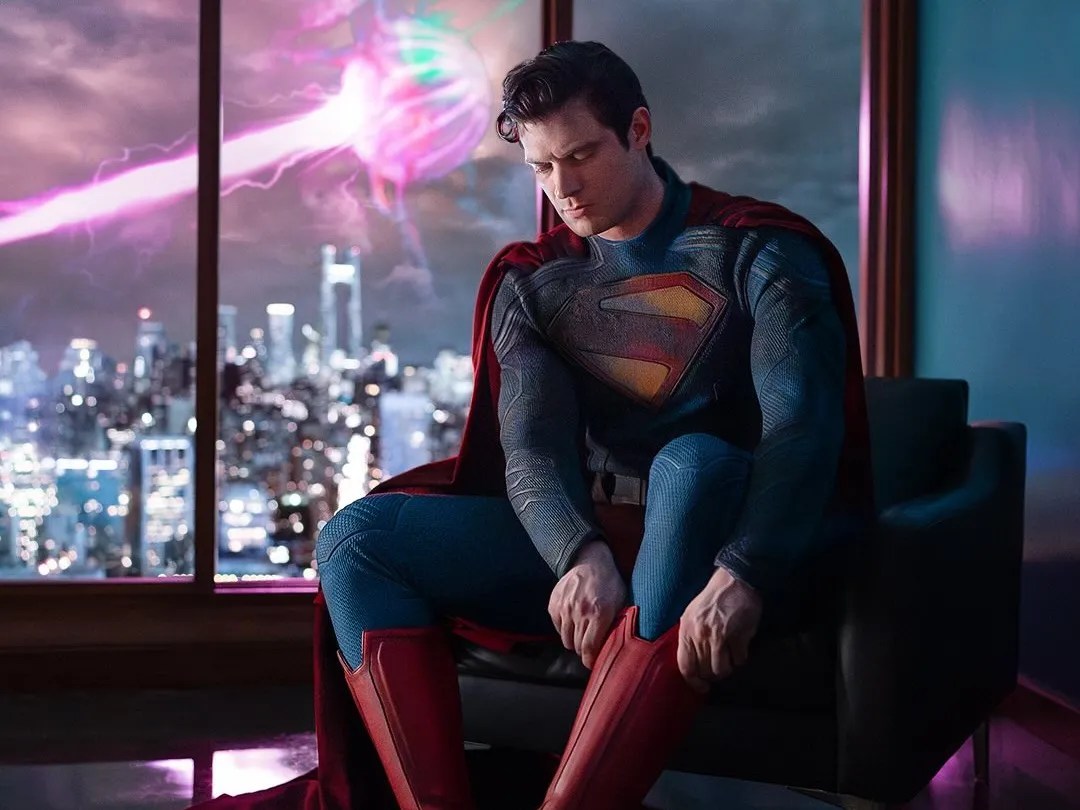
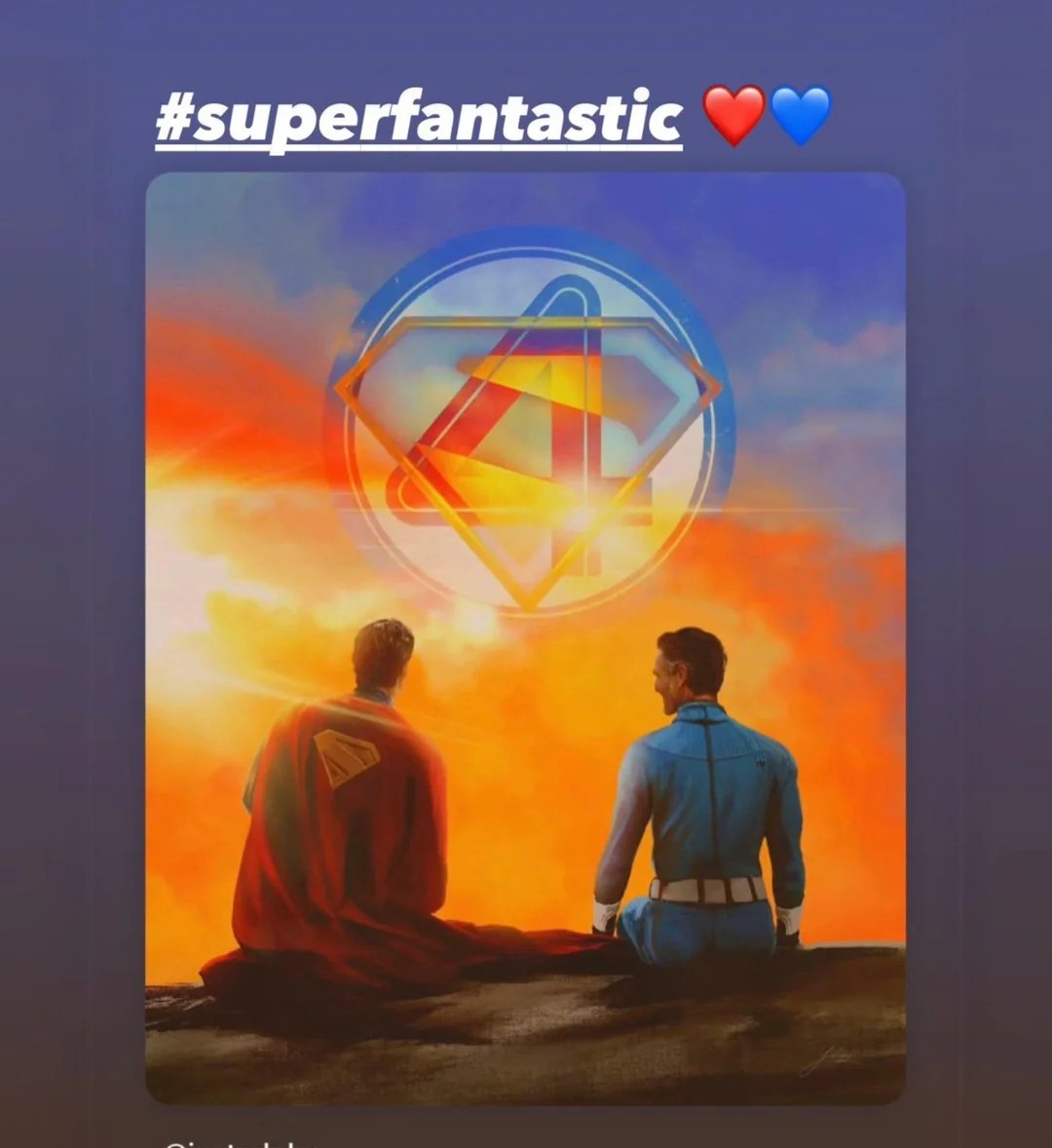
It sounds like a cliche by now to make a statement that we fans are the true winners of summer 2025’s superhero film wars between Marvel and DC, but it’s true. It does not matter which of the two films, Superman and The Fantastic Four: First Steps, is better, although fans have made arguments that Superman was better than The Fantastic Four: First Steps and vice versa. It’s all subjective and open to interpretation. What matters is that we finally got a summer where the two superhero-based film studios, Marvel Studios and DC Studios, went head to head with top-tier film releases that were well made and successful (more on that soon).
The result was that we were treated to two great superhero films in a relatively short amount of time. It would have been better if they performed better at the box office but they are not flops. Who knows what would have happened if both films pulled in a billion dollars? Would this have triggered some kind of race between the two studios to outdo each other at every turn? This would not be realistic or viable and probably lead to a huge crash after some of their films failed. Perhaps the films would have made a lot more money if their releases were not so close to each other since the films came out in a two-week period. Both studios should adjust their release schedules to consider this.
One thing to dispel is that there isn’t superhero fatigue. That is something that trolls and others want to create a narrative in order to drive clicks and views. Sure, we are past the heyday of the superhero craze and the new normal is that they are not guaranteed box office gold. But that is because too many inferior films came out which turned off many to superhero films. The two studios should share some blame for that but other studios, especially Sony Pictures, dumped out garbage like Madame Web and Morbius, which diluted the Marvel name and superhero films in general. It does not matter that the Sony Spider-Man-less films were not part of the Marvel Studios films; the average moviegoer does not know or pay attention to such subtleties. Even though Sony announced they won’t produce any more of these films, the damage has been done.
Right now both Marvel Studios and DC Studios are in a rebuilding phase. Both of this summer’s superhero films launched new phases for their shared cinematic universes and past history has shown that the early films of the studios started off relatively small but they built interest for the characters who later on headlined blockbuster films. For example, Man of Steel earned $670 million dollars, while that is great for most films, Warner Bros., the parent company of DC Studios, would have preferred it earned more. The following film after Man of Steel, Batman v Superman: Dawn of Justice was more successful in part because it featured Superman. The problem for Warner Bros. is that they got greedy and impatient and jumped into the big tentpole epics like Justice League, which did not allow for the characters and events to grow naturally. In the end, these films failed to make the money Warner Bros. wanted and eventually the first DC shared universe collapsed.
James Gunn took over the DC films and is now carefully launching a new cinematic universe. For the most part, he is keeping things close as to what direction the films will take. As far as we know the only followup film in the new DC universe that is coming out will be Supergirl, while on TV Lanterns and Peacemaker will be streaming soon. Gunn has made it clear, that future films will only go into production once a complete script satisfies everyone, which is how it should be. Right now, Superman will have earned $600 very soon and maybe will finish out its run earning a bit more, which means it is profitable. This is a promising start for the new DC films but it’s important that Superman appear soon in future films in order to keep the character fresh with audiences.
Meanwhile, the early Marvel Studios films did not even come close to making a billion dollars until The Avengers. The Marvel films released this year were not outright flops nor were they were humongous successes, although the final numbers for The Fantastic Four: First Steps is not known at this time. The films earned from as low as $382 million (for Thunderbolts*) to $434 million and counting for The Fantastic Four: First Steps. In the end, the latter film will probably finish its run with over $500 million, which is respectable.
Marvel Studios tried to repeat this pattern with Phase Four of their films after the Infinity Saga ended. But circumstances prevented followups to the Phase Four films TV shows and characters. Sure, Shang-Chi and the Legend of the Ten Rings was a hit back in 2021 and all, but where is the sequel? Where is Shang-Chi for that matter? Yes, he will appear in Avengers: Doomsday but that will be a time gap of five years between appearances, which is too long. This lack of followup was a huge error on Marvel’s part. They had to keep to momentum going with Shang-Chi, especially since he was an unknown character. In the past, after minor and unknown characters made their debuts, Marvel Studios quickly featured them in other films to keep up interest. Examples of this include the Guardians of the Galaxy and Doctor Strange, who rocketed in popularity after they made appearances in Avengers films and their future films earned much more than their debut films. This even happened with the Marvel Studios version of Spider-Man. His debut film, Spider-Man: Homecoming, did not make a billion dollars but his second and third films did so, easily. This formula will work with the Fantastic Four and other new characters. Thankfully, Marvel Studios will repeat this formula in the upcoming Avengers: Doomsday as that film will feature the Fantastic Four, the Sam Wilson Captain America, and the Thunderbolts.
Both film studios are focusing on quality and long-term strategies, which is great because this will help word of mouth for these superhero films. Marvel Studios now has genuine competition when it comes to producing quality superhero films. Again this is great for us fans. Even the head of Marvel Studios, Kevin Feige, has said in the past that he wanted DC films to succeed because the competition would be good for Marvel Studios. Competition generates innovation and creativity and encourages competitors to do their best work. In fact, the lack of competition from DC could be seen as one of the reasons why Marvel Studios floundered for a few years.
It is great that there is genuine competition between the two superhero film studios. Whether or not Superman or The Fantastic Four: First Steps is more successful is irrelevant at this point, although Superman is the clear winner when it comes to box office result. Both films can be enjoyed by fans for what they bring to the table. What matters is that two great superhero films came out in one summer, which is something we have not had in a while. This is why we are the winners in this competition.
Now that Aquaman and the Lost Kingdom has left theaters and is available on digital, it is time to rank all the DC Extended Universe (DCEU) films. This ranking leaves out Peacemaker since it was a TV show, but if it were to be placed in the list it would come in third. Yes, it’s that good. Zack Snyder’s Justice League will be included even though it streamed on Max and technically does not take place in DCEU continuity, yet it is still a film associated with the DCEU.
Looking at the films overall, one can’t help but see that it was not very cohesive as a cinematic universe since it went all over the place after Zack Snyder left the DCEU. Still, even though the DCEU turned out to be disjointed and full of unrealized potential, there were films that turned out to be great.
Of course, this list is subjective and everyone else will have different rankings, so feel free to mention them in the comments.
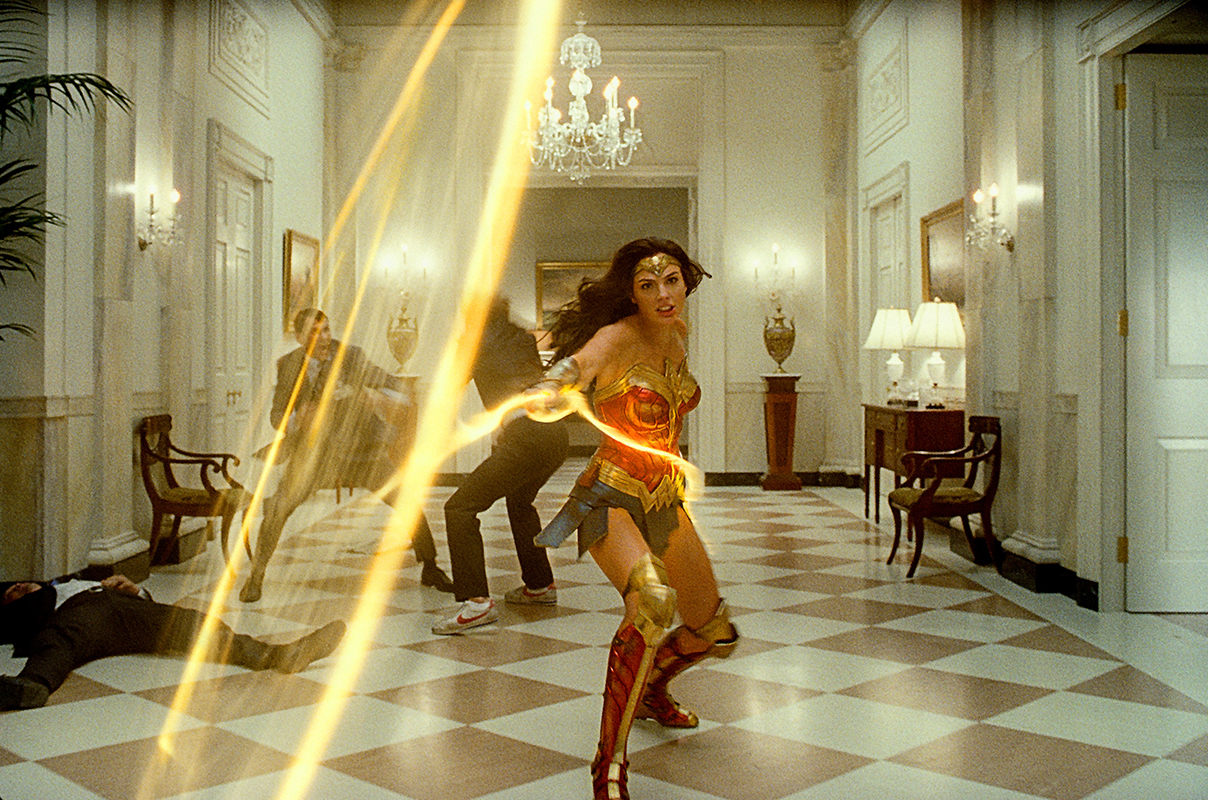
16. Wonder Woman 1984 (2020)
It is sadly shocking that the worst film of the DCEU was a sequel to one of the cinematic universe’s best films, especially since it was directed by Patti Jenkins, the director of the first Wonder Woman. The poor reception to Wonder Woman 1984 was arguably the beginning of the end for the troubled cinematic universe.
What sunk the film was the poorly thought-out script that creepily found a way to reunite Diana Prince/Wonder Woman (Gal Gadot) with her long-dead lover Steve Trevor (Chris Pine). Then there was the entire situation with the wish-fulfilling villain who granted outrageous changes to the world in 1984 that was never referred to in other DCEU films which took place in modern times. And Wonder Woman has been able to fly all this time? Please, let’s move on.
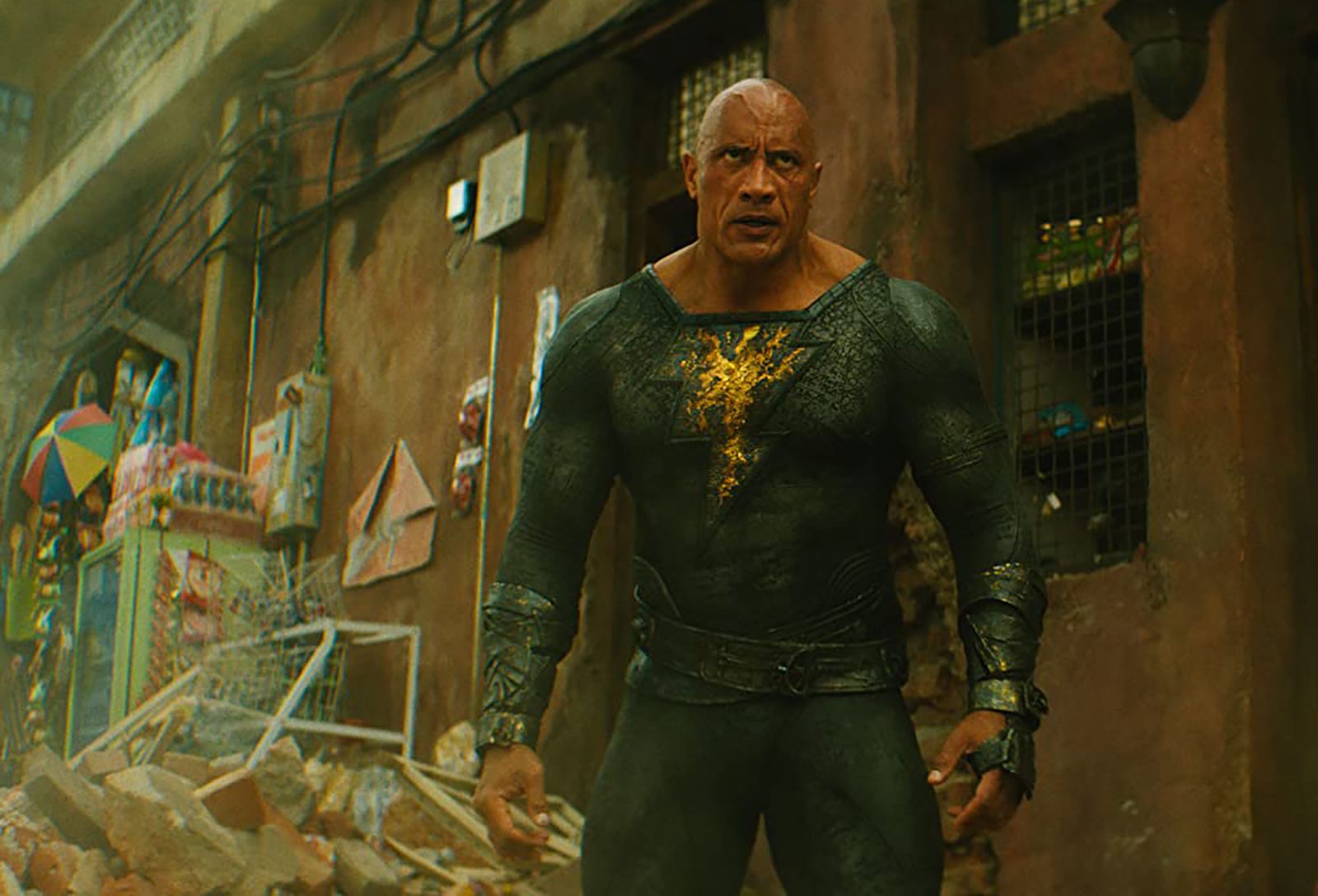
15. Black Adam (2022)
After being announced that The Rock would portray the superhuman anti-hero years ago, the film was stuck in production hell, and it seemed as if this film would never be made. Yet somehow it was made but, Warner Bros. should not have bothered. The Rock’s behind-the scenes machinations crippled the Shazam! sequel since Black Adam was supposed to appear at one point as a villain for Shazam, but The Rock refused to appear in it because there was no way he would be seen as the bad guy. But his actions led to Henry Cavill portraying Superman for the final time, even if it was as a brief cameo. Unfortunately, that was not enough to save Black Adam.
The rest of the film was an uninspired yawner with generic superhuman action pieces that could not even be salvaged by appearances of new characters like the members of the Justic Society. A major flaw with Black Adam was that there was little danger for the title anti-hero because he easily won every single fight. This resulted in a story that had low dramatic stakes for the main character and a forgettable film.
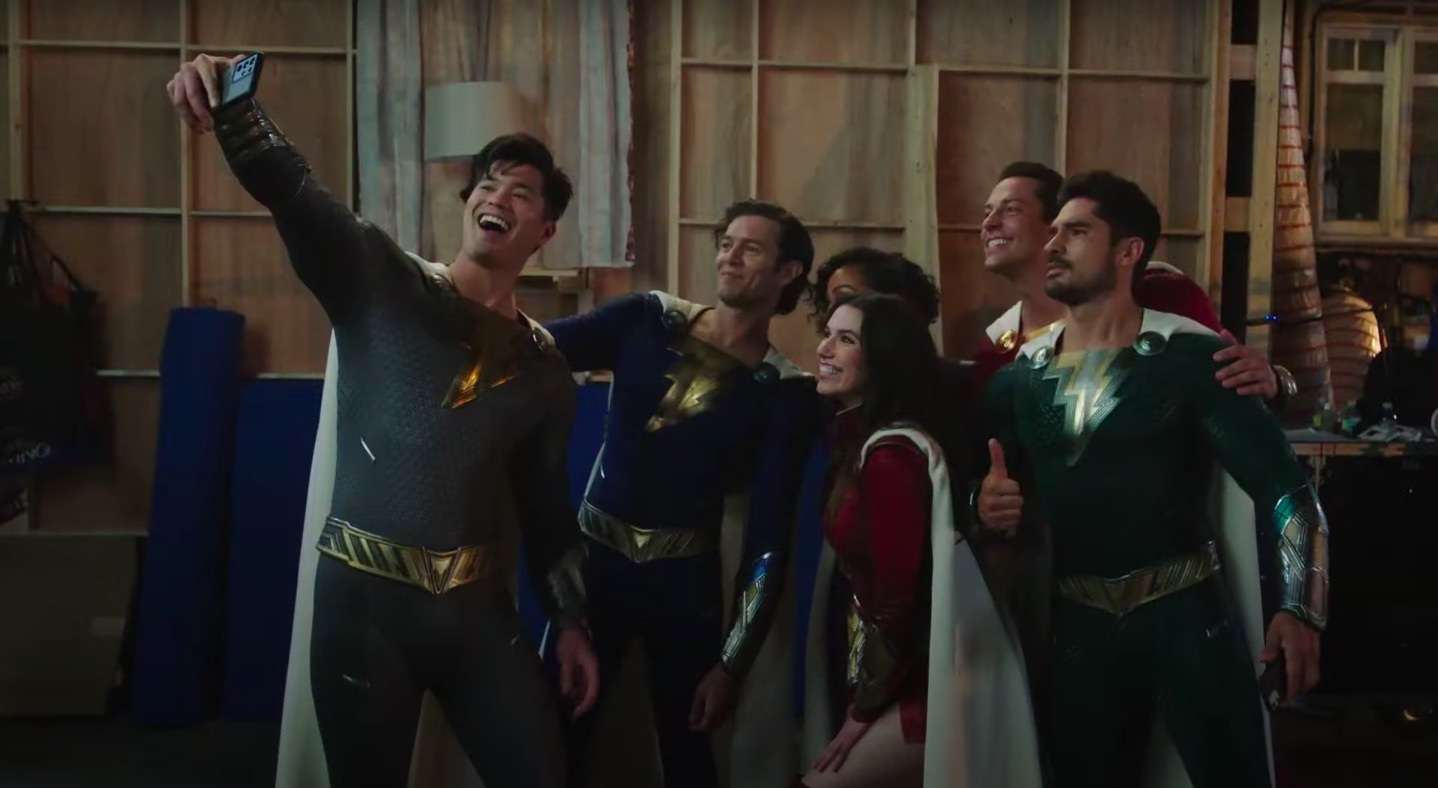
14. Shazam! Fury of the Gods (2023)
This sequel to Shazam! loses most of the charm of the original film as Zachary Levi’s character behaved like a complete buffoon for most of the film. As Shazam in an adult body, it was odd that the superhero acted like an immature pre-teen while in his normal young adult body, Billy Batson (Asher Angel), behaved with much more maturity.
Too often Shazam! Fury of the Gods came off like a paint-by-numbers, generic superhero yarn that was overcrowded with too many characters who were given little screentime to have fully fleshed out storylines. Then there was the ending, which was complete cop out, even though it featured Gal Gadot in a cameo as Wonder Woman.
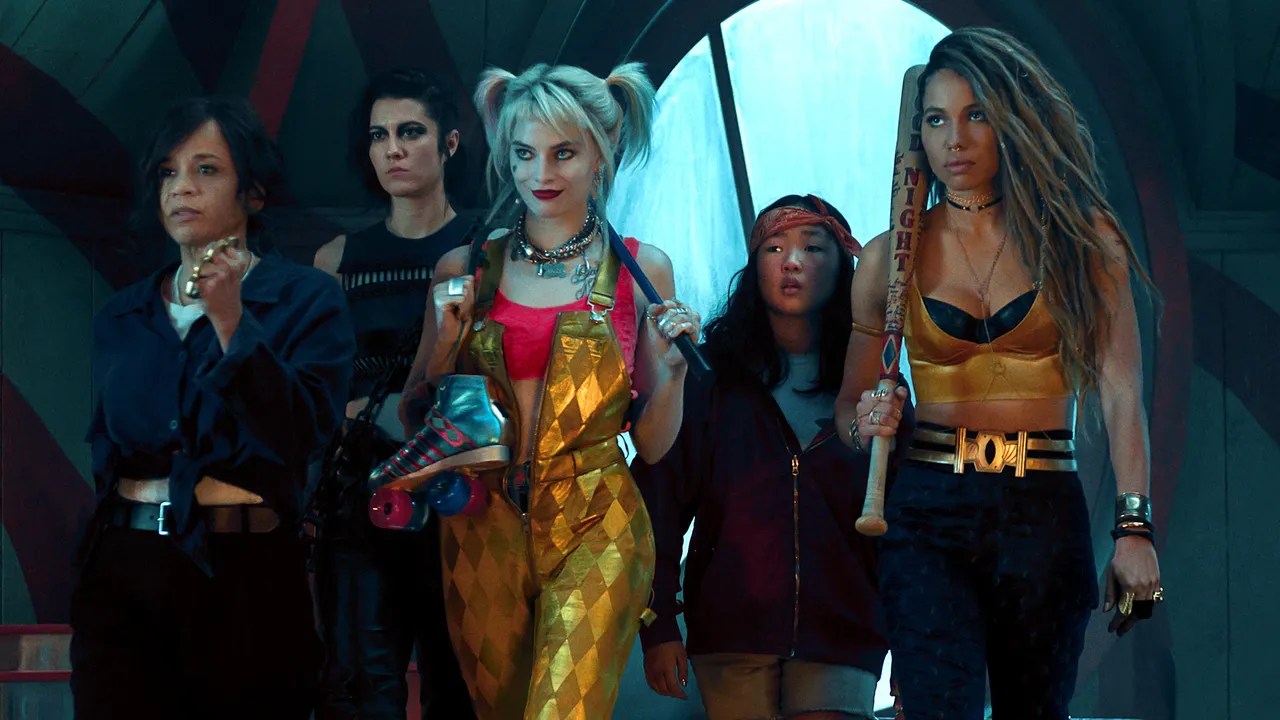
13. Birds of Prey (and the Fantabulous Emancipation of One Harley Quinn) (2020)
Try saying that three times fast, not even the Flash could pull that off! This film had the misfortune of coming out on the dawn of the pandemic and being something very few fans asked for. Seriously, Warner Bros. greenlit this film but not a solo Batman film with Ben Affleck! Or even a Man of Steel II!
Even though Margot Robbie turned in a solid performance as Harley Quinn, as do most of the other actors, this film looked and felt like a low-budget TV film or two-hour episode. It could have been worse, and the film has its moments, but it’s not exactly something fans should rush out to see.
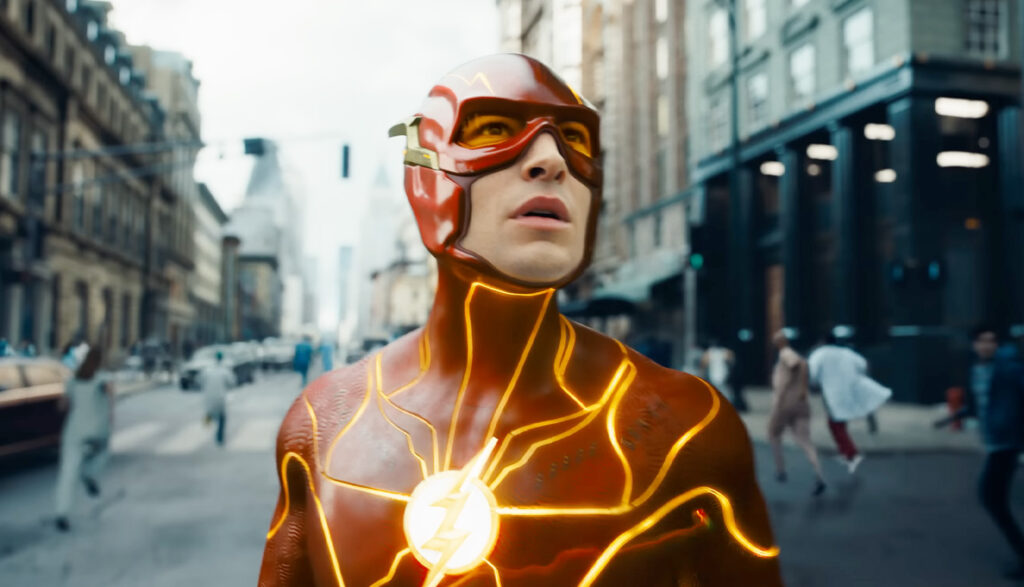
12. The Flash (2023)
It was supposedly hyped as the greatest superhero film ever made by Warner Bros. executives. Ok, right. The Flash is certainly not even close to being that. However, the film was a wild ride which featured a welcome return of Michael Keaton as Batman/Bruce Wayne. His reprisal was part of a bizarre time travel/alternate universe story that at one point was to be the method to resetting the DCEU. Unfortunately, the result was a jumbled mess that ended up being one of the biggest bombs in film history. What didn’t help the film was the criminal behavior of actor Ezra Miller which drove many away from seeing the film. Sure, Miller turned in a good performance, but the role should have been re-cast.
The Flash was also hampered by some very awful and cheap looking CG, the questionable use of dead actors, and missed opportunities. If they could stick in a poorly rendered CG of Christopher Reeve for a cameo, why couldn’t the film version of the Flash meet the TV version played by Grant Gustin? What was worse is that by the end of the film, the main character apparently never learned his lesson about meddling with time. So, what was the point of all that?
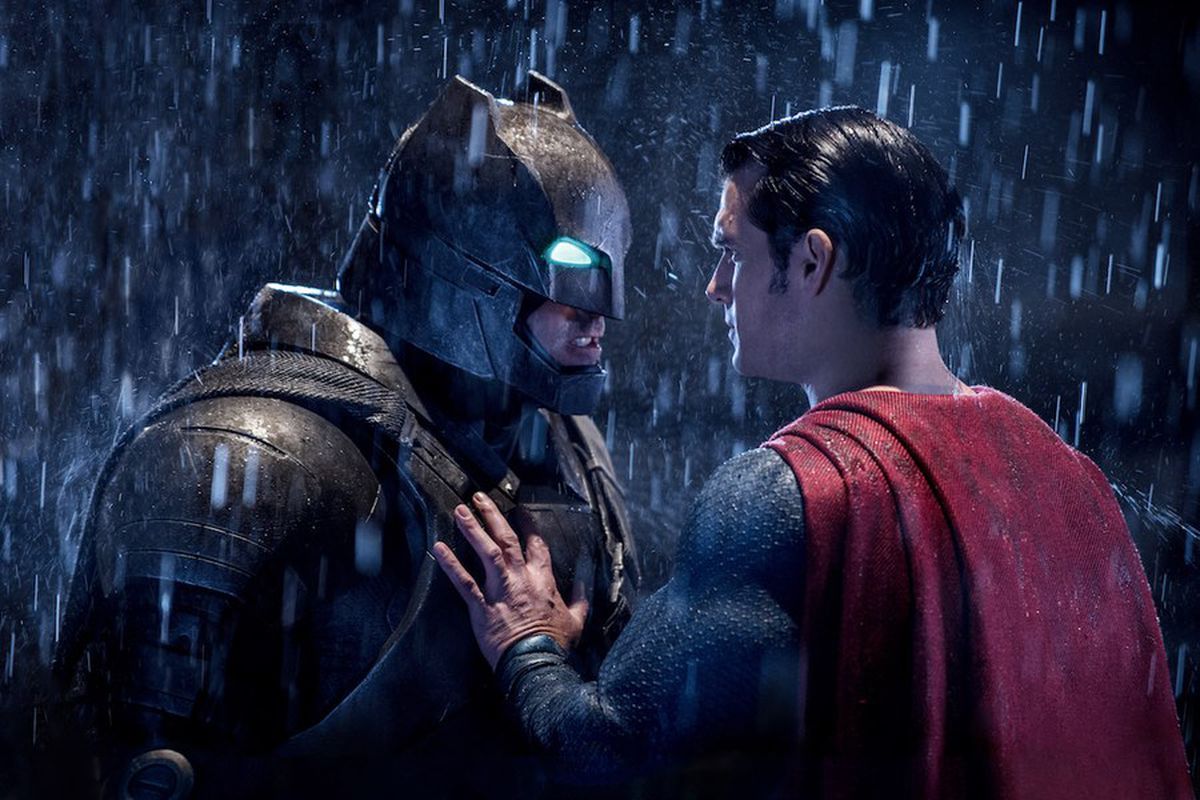
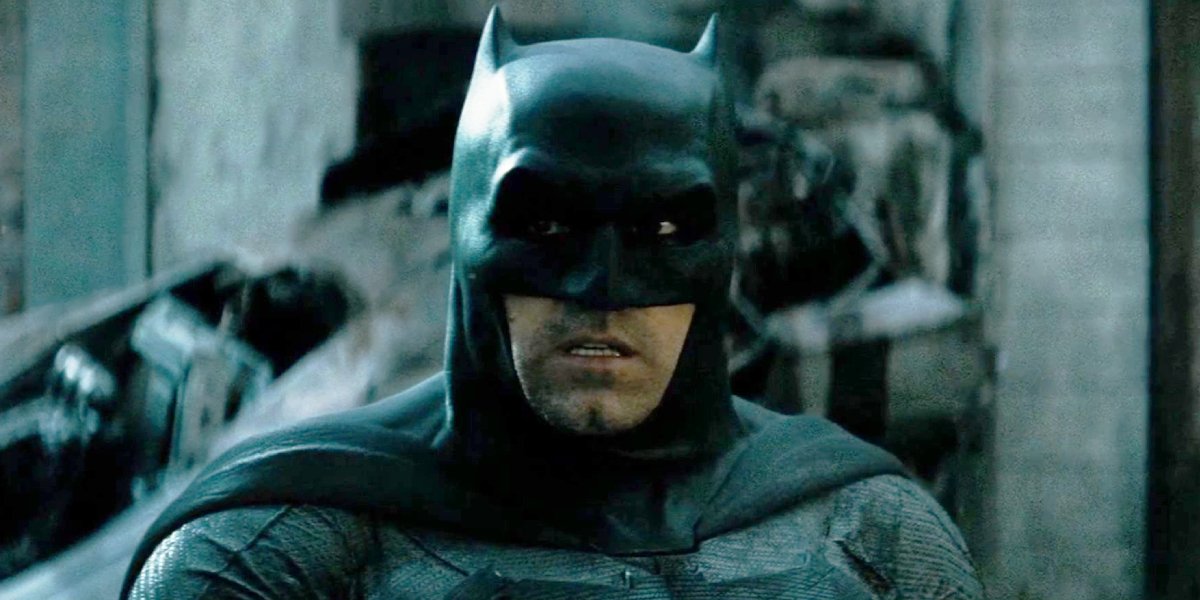
11. Batman v Superman: Dawn of Justice (2016)
Any Zack Snyder fans should heed this film when arguing that the director should have been allowed to run rampant with his vision for the DCEU. The film had everything going for it, including massive hype that it was the first time DC’s two greatest heroes would meet onscreen. Yes, it was a box office success, but it should have been a member of the billion-dollar club and that is because of how the film turned out.
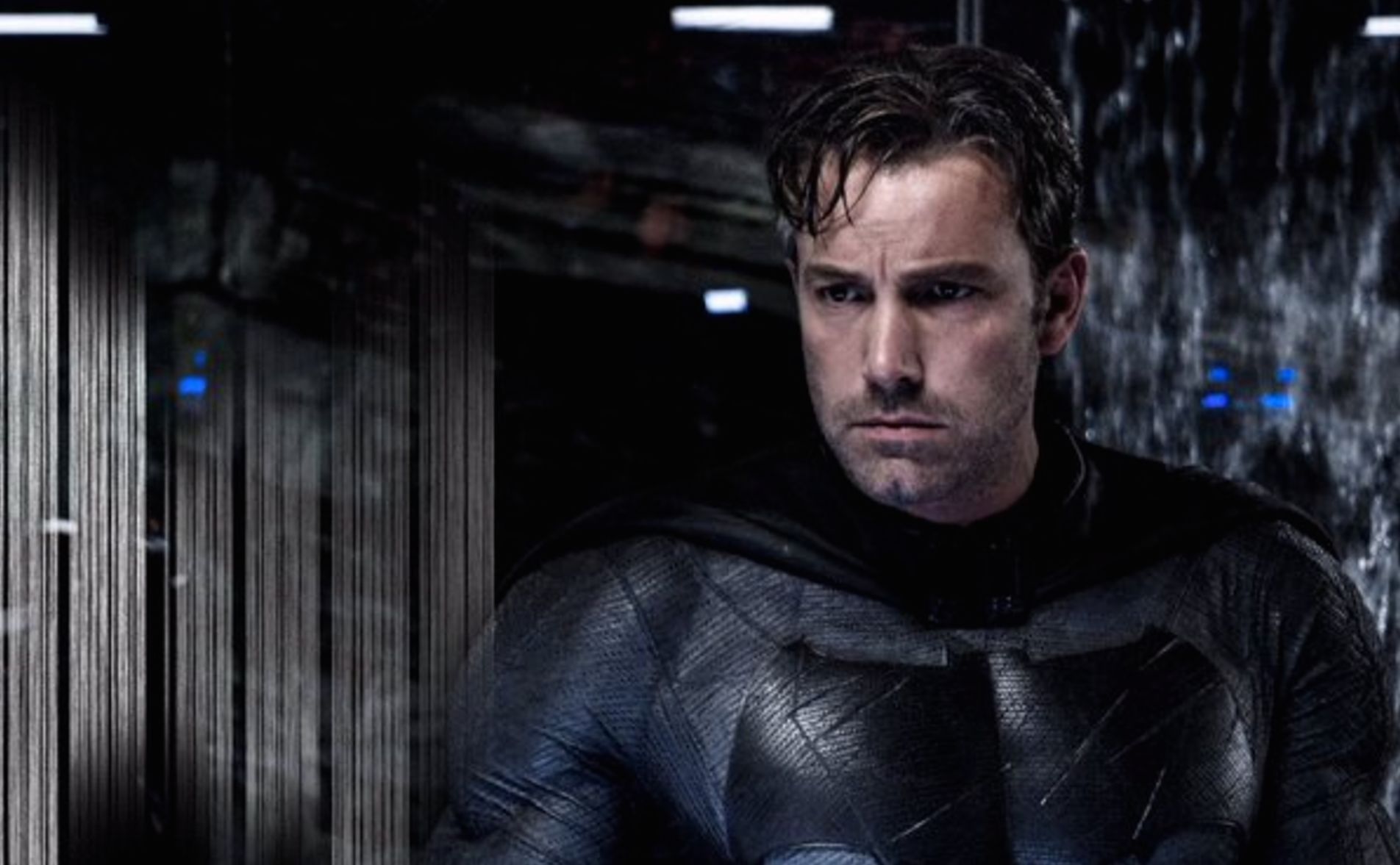
Bloated and incoherent, Batman v Superman blew its opportunity to wow fans thanks to its script that was more interested in setting up future DCEU films than telling a good story on its own. Also, the film borrowed too many elements from classic comic books like The Dark Knight Returns without proper context. The film was cluttered with Snyder’s overindulgent hyper-realistic shots that dwelled in slo-mo and dour cinematography. Some of the acting was inspired, especially Ben Affleck as Batman who surprised everyone by his performance, but Jesse Eisenberg’s horrendous miscasting as Lex Luthor undermined the film. The extended version of the film is much better as it helped flesh out the many dangling plot threads that were never developed in the original cut.
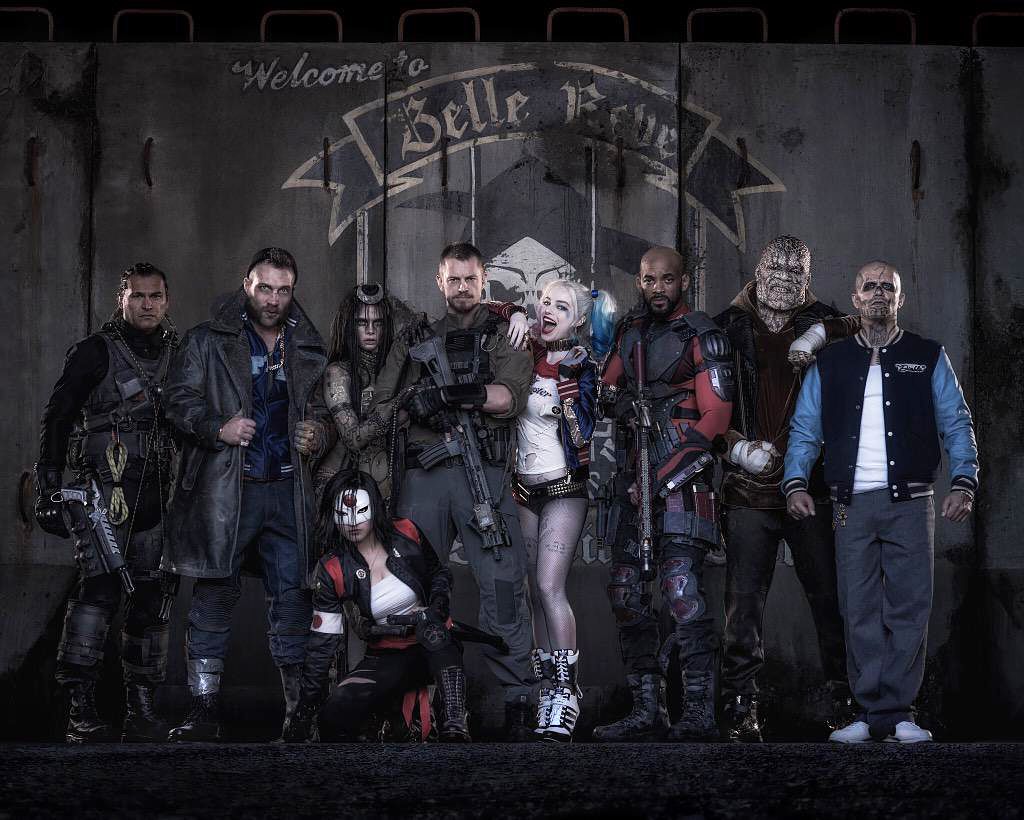
10. Suicide Squad (2016)
There is a great superhero action film buried somewhere in this film about supervillains forced to carry out a black ops mission for the U.S. Maybe, we’ll see it one day if Warner Bros. ever releases director David Ayer’s original cut. For now, we must settle for a film that tried to be DC’s answer to Guardians of the Galaxy and failing to do that.
The film featured many inspired performances like Will Smith as Deadshot, Joel Kinnamen as Randall Flag, Jai Courtney as Captain Boomerang and of course, Margot Robbie as Harley Quinn. Try as they did, the actors could only do so much as the script had a bunch of underpowered and mostly unlikeable characters facing off against an overpowered supernatural entity that danced stupidly. Thanks to poor editing and forced changes by film executives, the film varied wildly in tone from gritty and dour to flippant and silly as the plot careened all over the place.
9. Aquaman and the Lost Kingdom (2023)
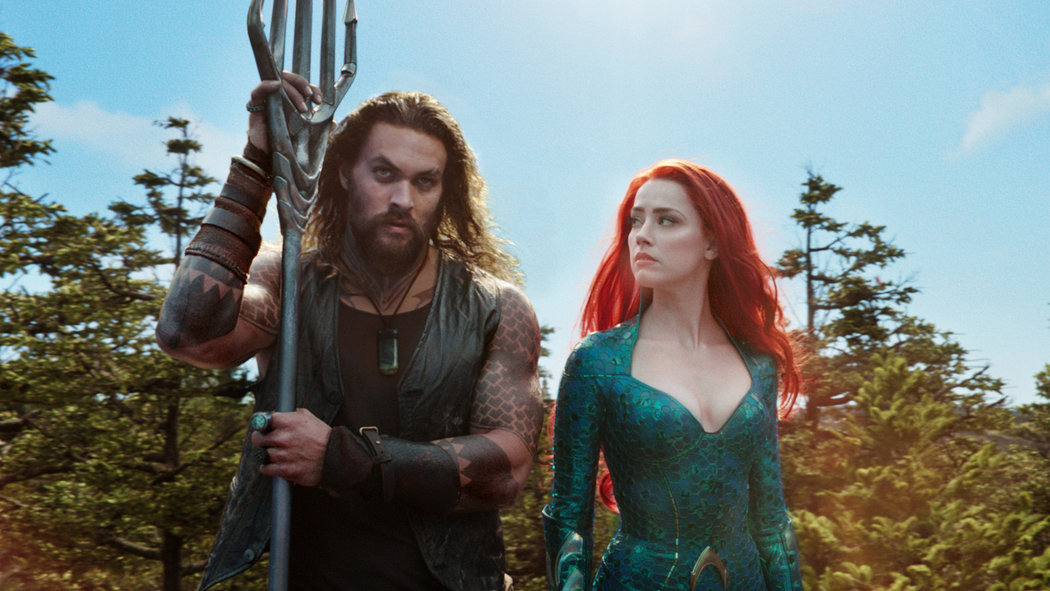
Even though it could not exactly replicate the outlandishness of the original Aquaman, the sequel tried its best and was still a fun adventure. Jason Momoa was great as always portraying the Atlantean king. He clearly was having fun playing the title hero who struggled to juggle conflicting lives in his roles as a father, husband, king, superhero and surfer dude.
The film was not as imaginative or as inventive as the original, but the production did its best to deliver a sound superhero epic about Aquaman and his strained relationship with his half-brother (Patrick Wilson), as they teamed up to save Atlantis from a common foe. Overall, it was a worthy sequel to Aquaman, that is worth watching. Even though it was not intended to be the final DCEU film, Aquaman and the Lost Kingdom, turned out to be a decent sendoff for the DCEU.
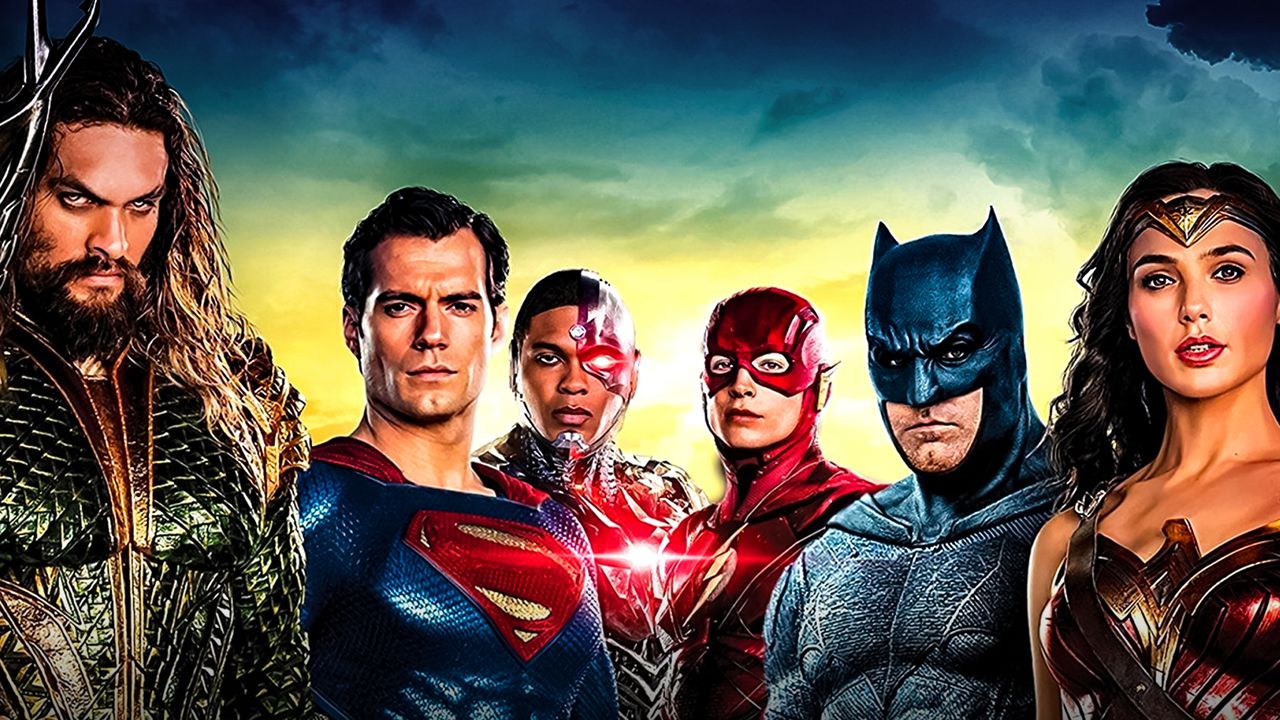
8. Justice League (2017)
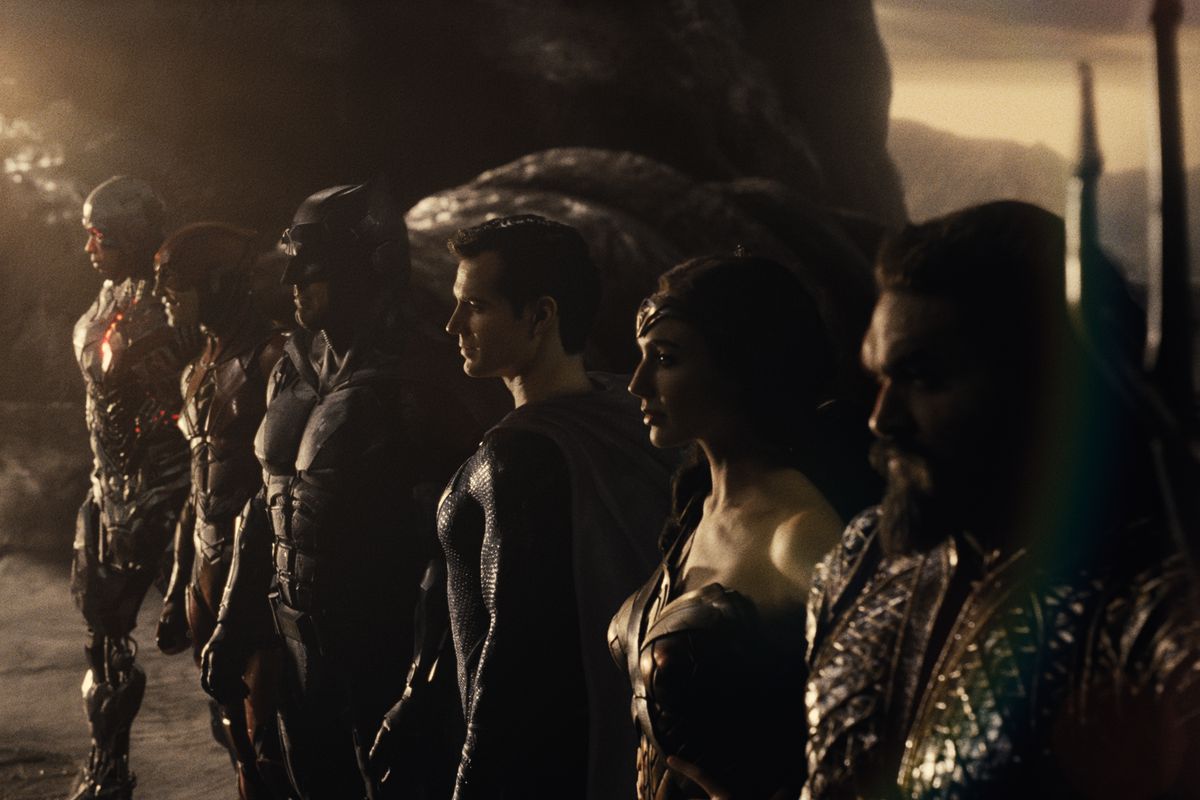
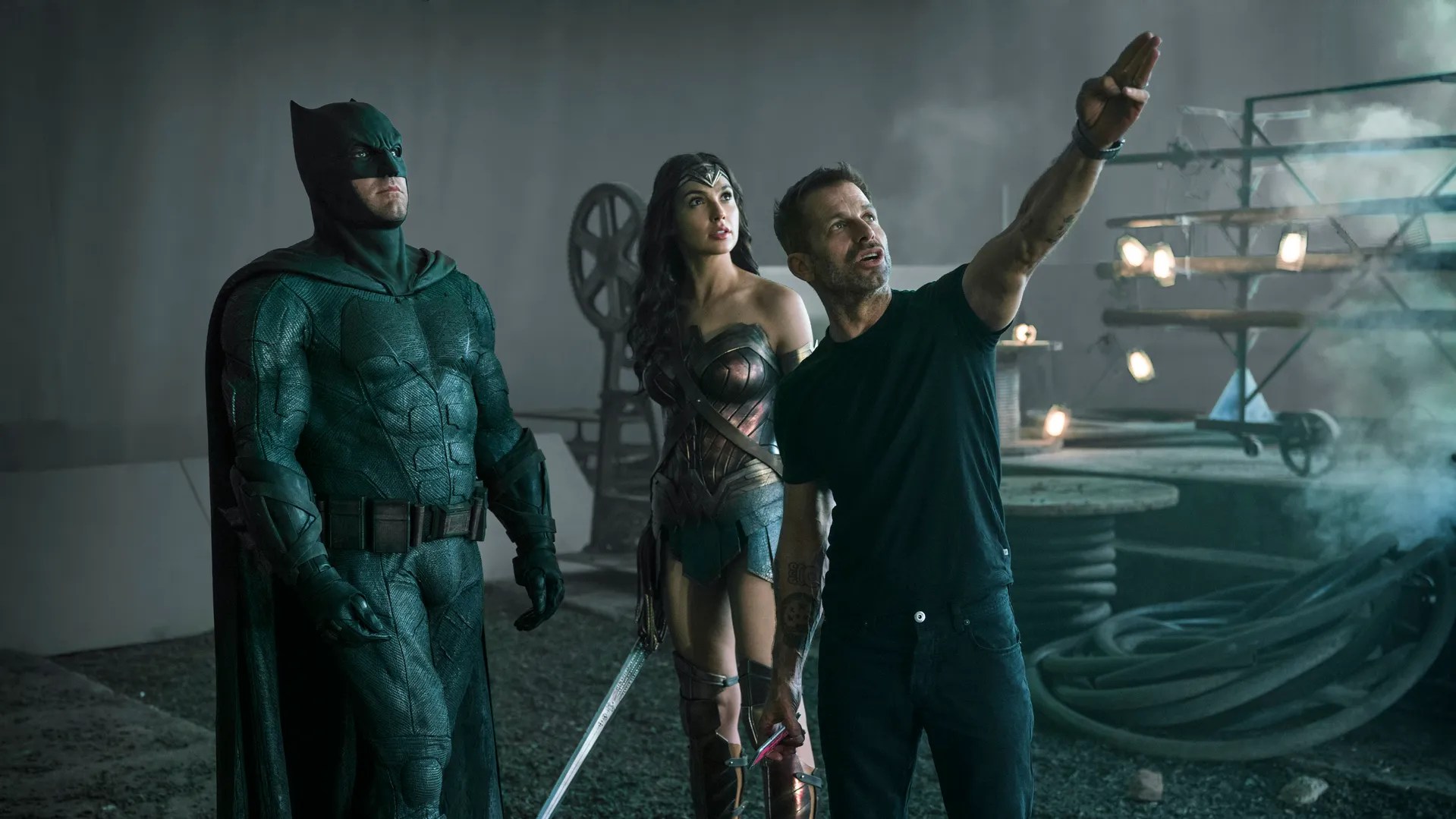
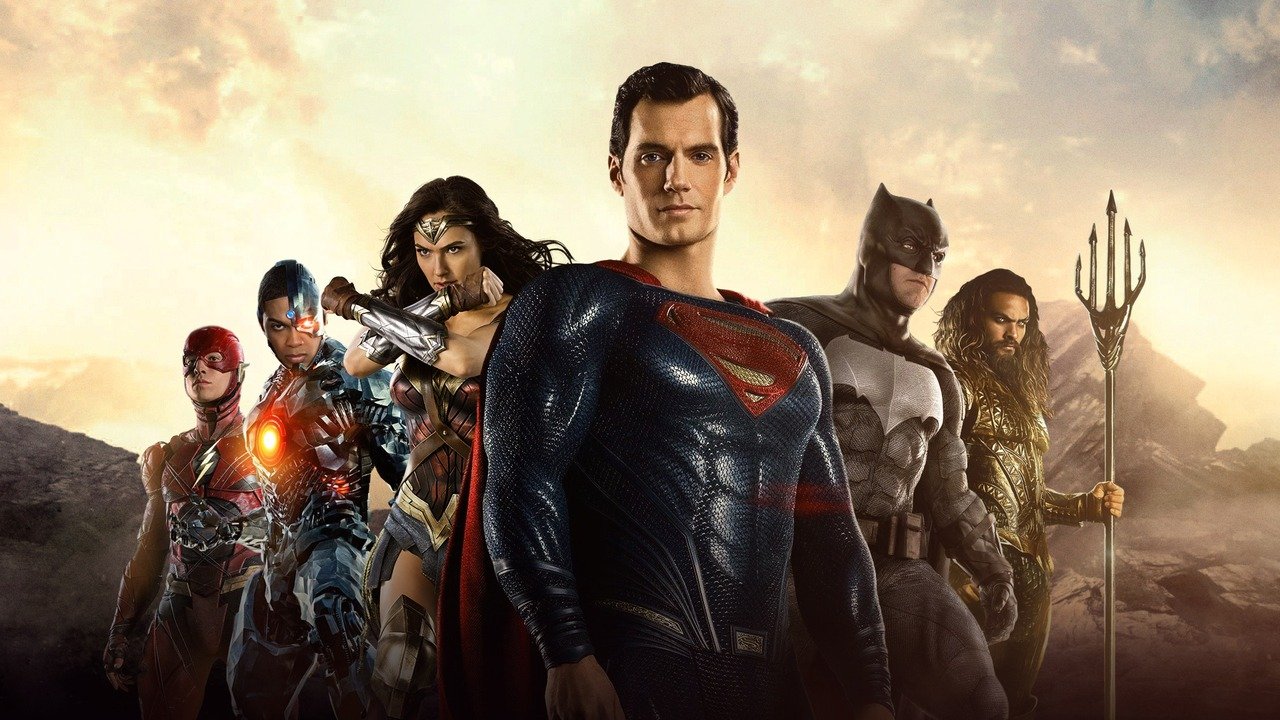
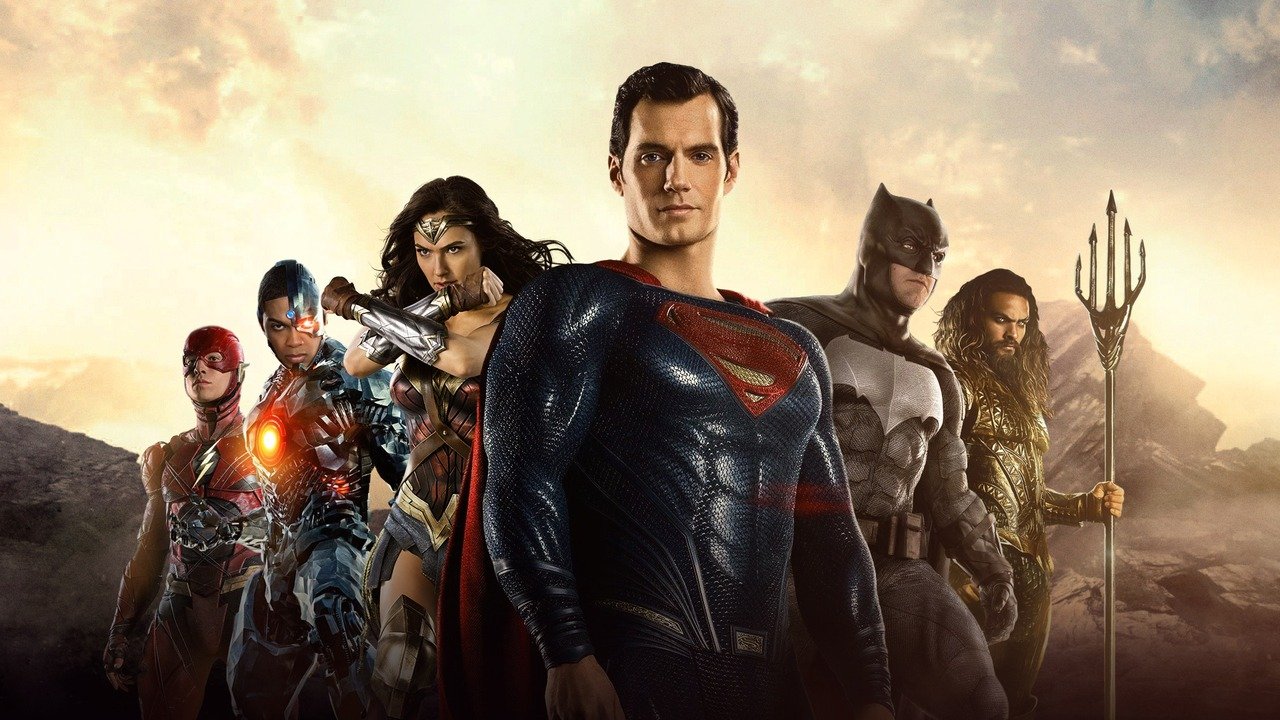
Yes, Justice League was supposed to be the counterpart to The Avengers as it featured the first team-up of DC’s greatest superheroes on the big screen, but it fell far short of that goal thanks to rushed reshootings by Joss Whedon, who took over for Zack Snyder. The production was very troubled thanks to nervous and clueless Warner Bros. executives who were only interested in padding their wallets. Instead of delaying the film, the executives were concerned with bonuses they would get by releasing the film as scheduled. The result was an uneven, mishmashed vision from two directors with very different visual and storytelling styles.
Justice League was further impaired by shoddy CG that made the film look like a visually messy video game, and who can forget the ghastly removal of Henry Cavill’s mustache? Those scenes with him and the bad CG are nearly unwatchable. Even though this film had many issues, it still featured some virtues like some of the performances and the interactions of the Justice League members hinted at the possibility of greater things to come, but sadly that would never be.
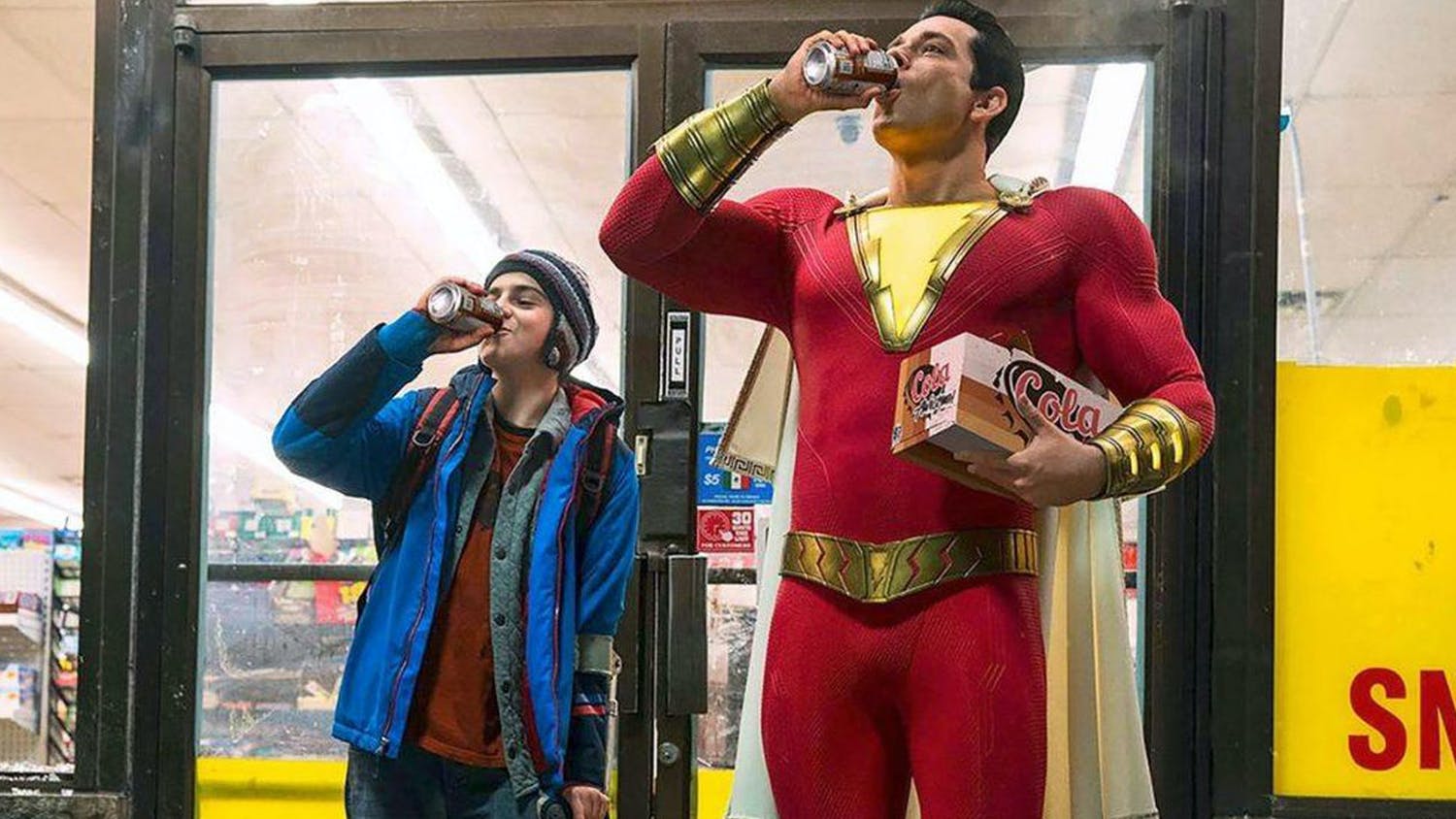
7. Shazam! (2019)
Admittedly, this superhero film was a bit silly and seemed oriented for younger audiences because of its young cast. But underneath the corny jokes and juvenile antics, was a film with a lot of heart. Shazam! echoed a lot of elements from Big, which clearly helped inspired the superhero film with its look at a young pre-teen who was suddenly transformed into a naïve adult superhero.
Shazam! might be less underwhelming than the superhero epics we are used to by now, but it delivers because of its emphasis on the characters, who struggled to deal with their fantastic situations. This was helped, of course, by some solid performances and great chemistry among the actors. Basically, Shazam! is a fun romp that explores the joys and responsibilities of being superhuman.
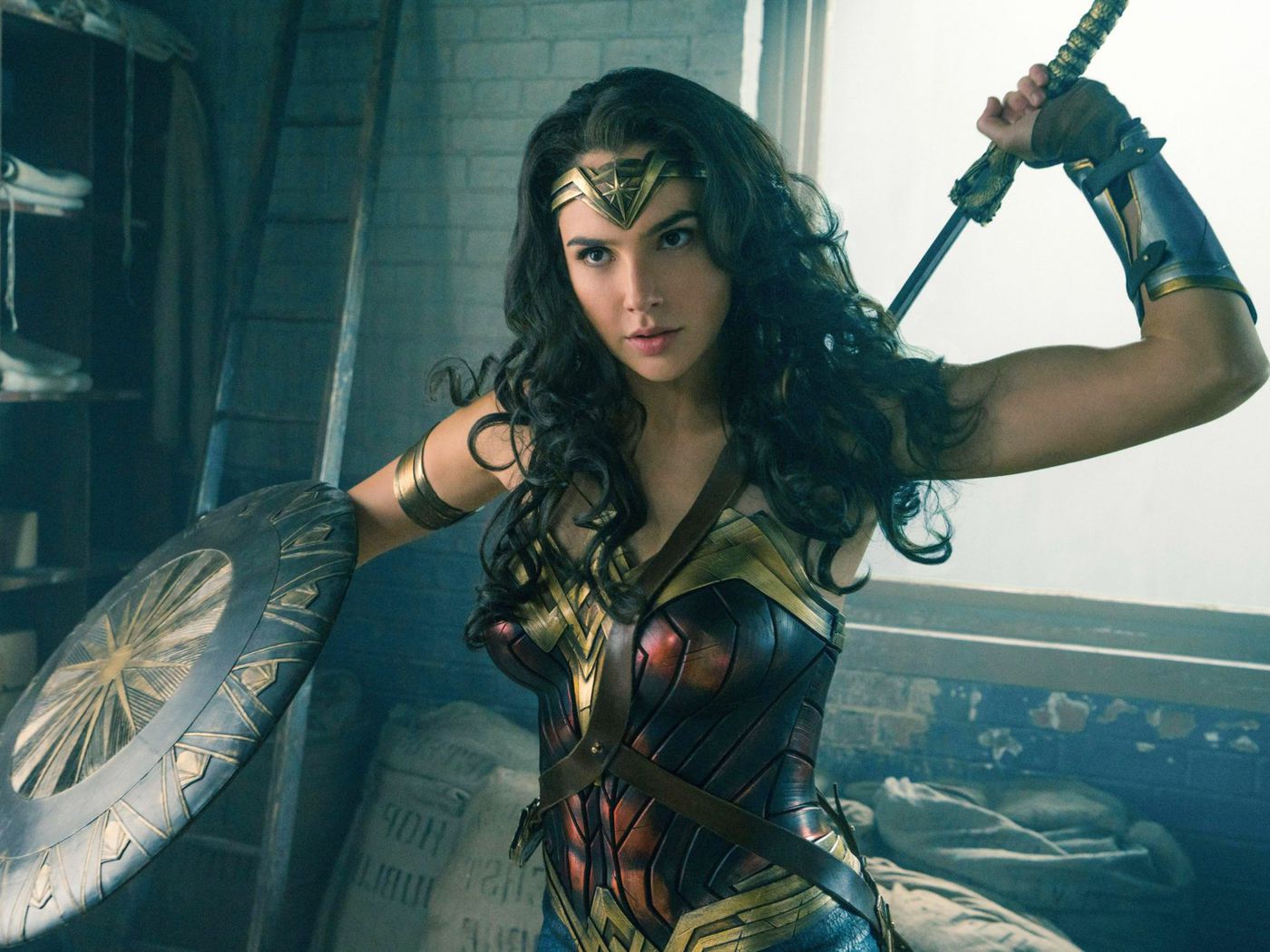
6. Wonder Woman (2017)
After the poor reception of prior DCEU films DC fans breathed a sigh of relief when this film turned out to be acclaimed by critics and audiences. Gal Gadot was never better in the role of Wonder Woman in a story that was distinctly unburdened by the continuity of the DCEU. Set in World War I, Wonder Woman was basically a fish-out-of-water story that showcased the Amazonian princess experiencing the violent outside world for the first time.
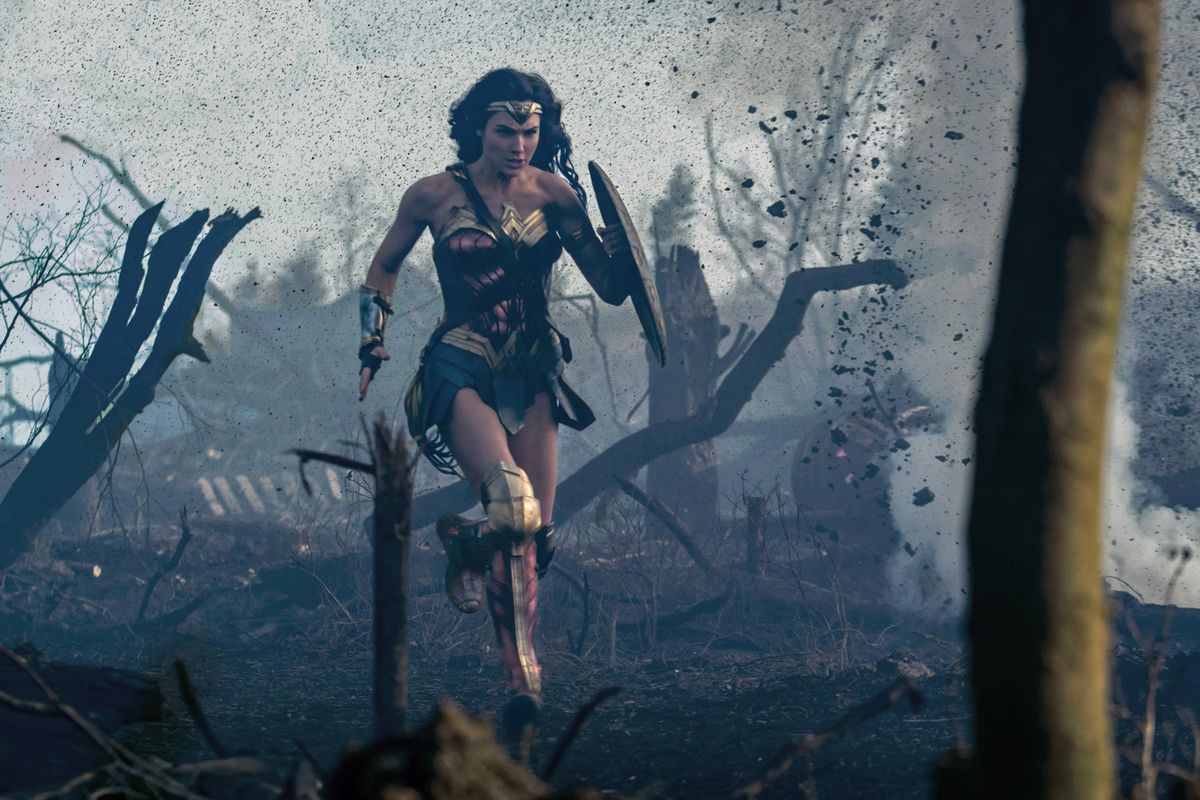
Gadot had great chemistry with her co-star Chris Pine, who played her love interest Steve Trevor as their relationship formed the heart of the film. It also boasted one of the DCEU’s best moments: when Wonder Woman emerged from the trenches to fight enemy soldiers in a battlefield. Still, the film was not without its flaws, such as an uninspiring final battle with your typical CG villain and a story that eerily copied many of the plot points of Captain America: The First Avenger. Still, Wonder Woman has a lot to offer.
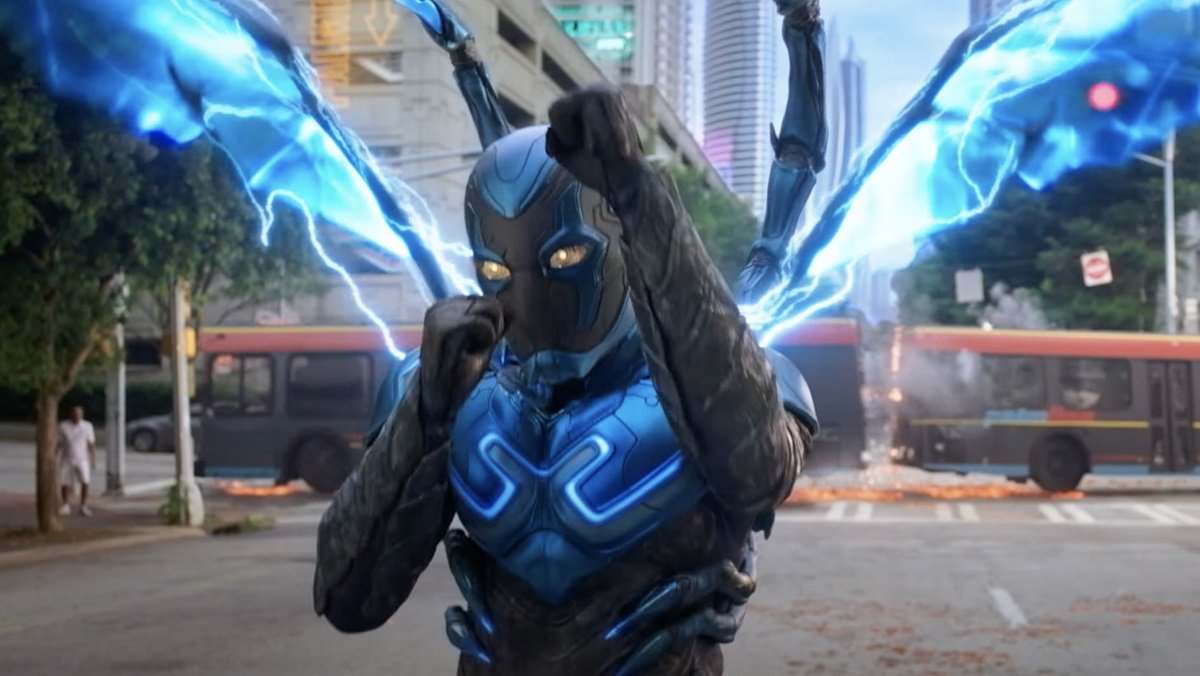
5. Blue Beetle (2023)
There is very little that was original with this film’s superhero origin plot of the likeable everyguy who suddenly became a reluctant superhero. However, thanks to BlueBeetle’s back-to-basics approach with superhero films and heartfelt performances the film stood out from other DCEU productions. Xolo Maridueña really shined as the title hero Jaime Reyes who struggles to help his eclectic family and comes upon an alien battle suit.
The family dynamic in Blue Beetle is arguably its most notable merit as the actors have genuine chemistry with one another and embellished Reyes as a relatable character. What also helped the film were its well-choreographed action scenes and fast-moving plot. The script not only focused on the family dynamic of the Reyes Family but on social and class conflicts as the family struggled to fit into the high-tech world of the DCEU.
4. Aquaman (2018)
Credit has to go to director James Wan for being uninhibited with his superhero film that truly embraced its wild comic book roots. Actor Jason Momoa reveled in his role of the title hero which helped reimagine the image of the Aquaman character from a laughable D-list comic book character into a bonafide badass. The film was also imaginative with its depiction of underwater kingdoms and creatures that was quite dazzling. The less impressive underwater society of Namor shown in Black Panther: Wakanda Forever could not compare to the ones shown in Aquaman.
Brimming with great action, brisk pacing and vibrant production design, Aquaman turned out to be the most successful DCEU film, in fact it was the only one to earn over a billion dollars. Part of the reason for its success was because the film came out at the zenith of the current superhero film craze. However, much of it has to do with its exciting and appealing incorporation of the comic books that inspired it.
3. Zack Snyder’s Justice League (2021)
This is the quintessential DCEU epic! Few ever expected this version of JusticeLeague to ever be released because it was just a rough cut of the film before Zack Snyder left the project. Once the director was allowed to complete his original vision years later, the result proved to many that this version should have been released instead. Whether or not you are a fan of Snyder, this version clearly has his distinct directorial stamp on it. Hyper-realistic shots, many done in slo-mo, harsh lighting, lavish shots that look like Renaissance paintings, and intensely choreographed and epic fight scenes with stunning special effects.
The film was much darker and veered significantly from the original theatrical version, but it fully fleshed out many of the characters and their arcs with a few notable exceptions. We actually got to see Cyborg developed as a unique hero, many designs and sequences were improved, and the goal of the villain was clearer, which helped raise the stakes for our heroes. We even saw Darkseid in all his evil glory! The only thing that harmed the film was that it not only hinted at what could have been, but it ended on a cliffhanger that took place in a dark future. How could Snyder do this us? Oh, well, at least we had the chance to see his unfiltered vision for the DCEU.
2. The Suicide Squad (2021)
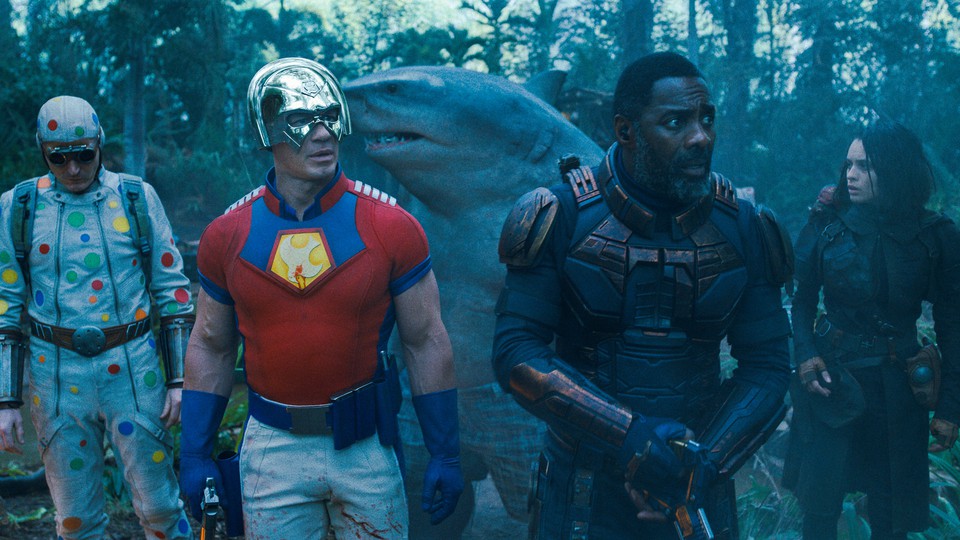
Director James Gunn hit a super homerun with this inventive and thrilling do-over of the Suicide Squad concept. Brimming with Gunn’s trademark dark humor, character interactions and visual whimsy, The Suicide Squad should have been a huge hit, but it came out at the wrong time when Warner Bros. was flailing about during the pandemic. What also helped the film stand apart from other DCEU films was its willingness to kill off amiable characters and featuring outlandish villains taken straight from DC’s silver age.
The Suicide Squad’s best assets were the characters, which were performed with great enthusiasm by a winning ensemble cast. Margot Robbie turned in her best performance as Harley Quinn and Idris Elba was so relatable and grounded as Bloodsport. Meanwhile, the character King Shark stole the movie as the DCEU’s version of Groot, thanks to a wonderful script and Sylvester Stallone’s inspired voice acting. Its creative success was not able to salvage the DCEU, but it provided us with a glimpse of how James Gunn’s new vision for live-action DC films will be like.
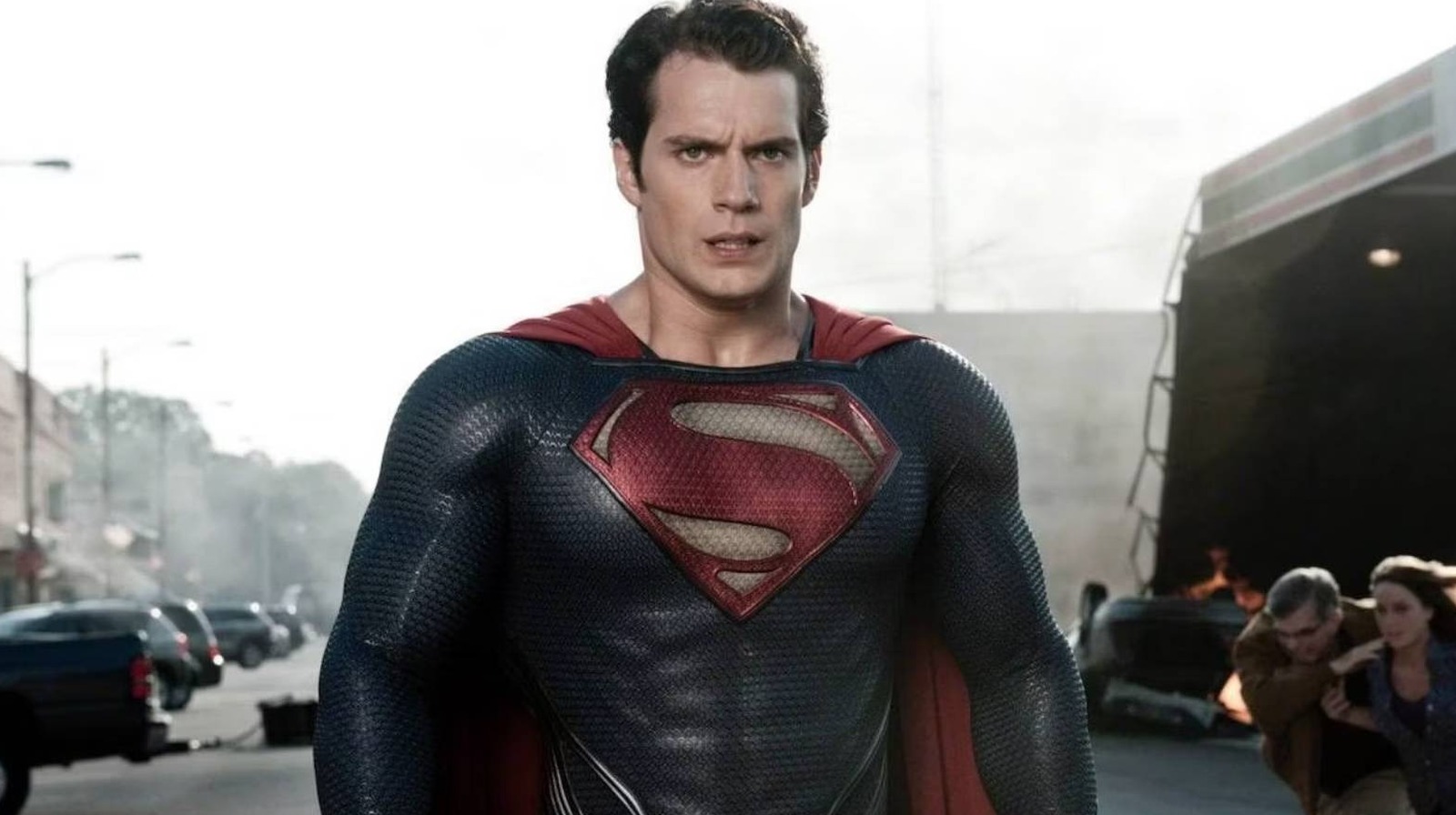
1. Man of Steel (2013)
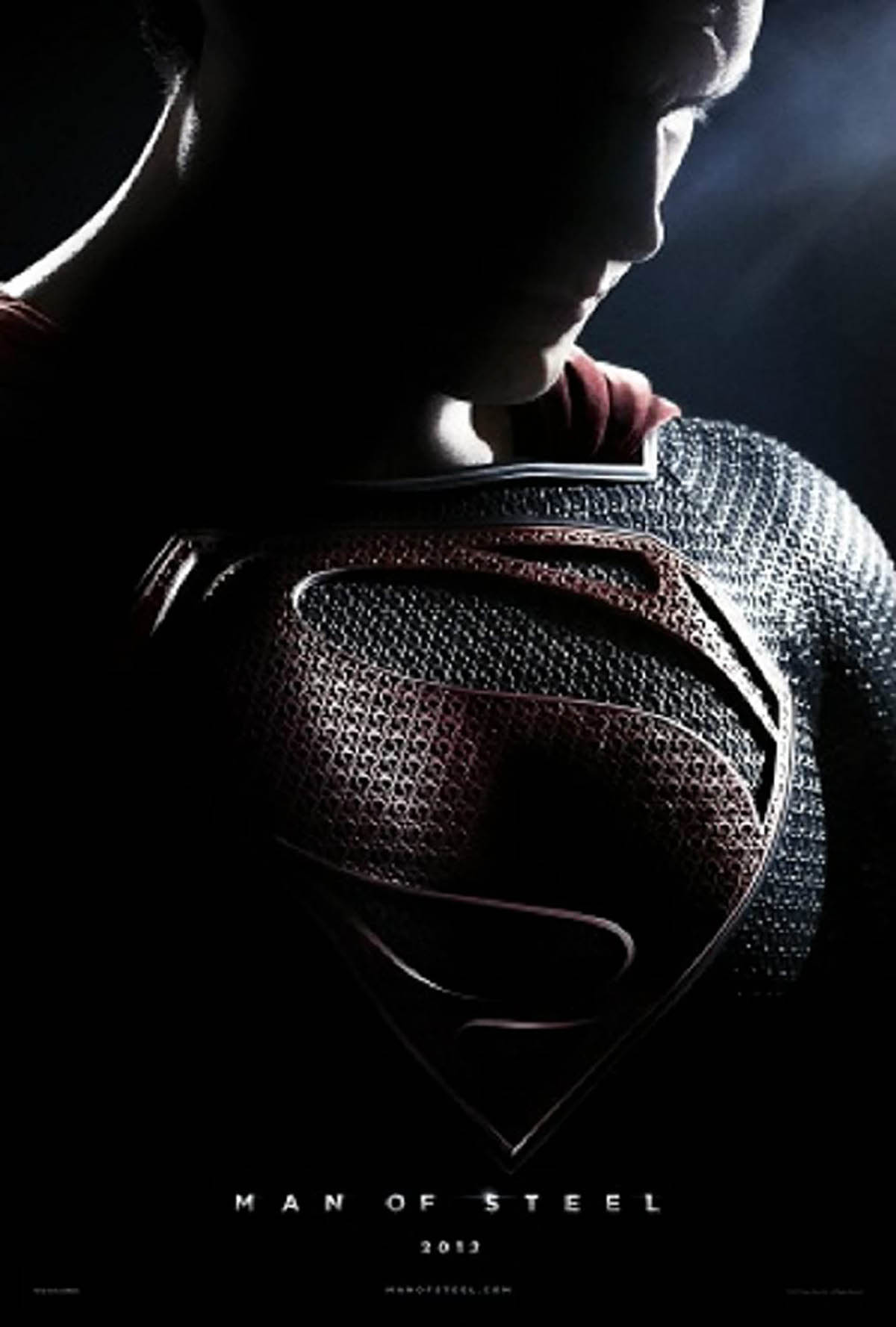
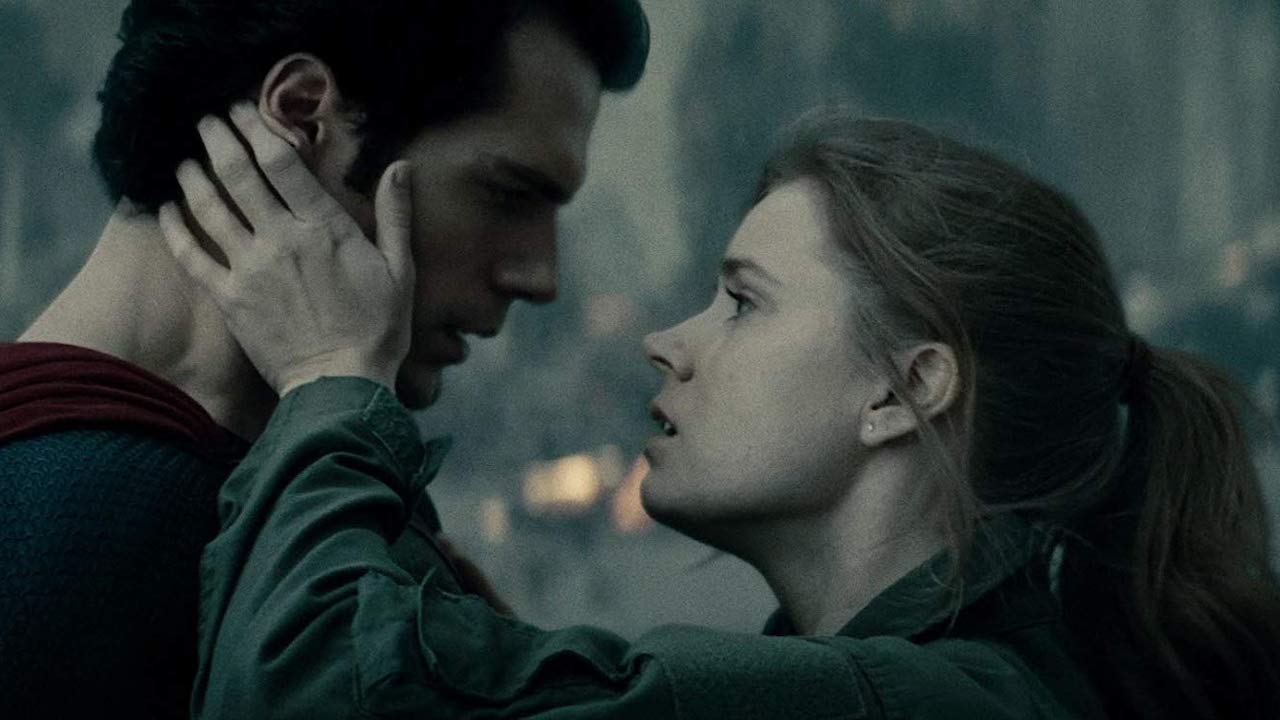
In a way, it is sad that the best film of an extensive cinematic universe turned out to be its very first one. But here we are. This Superman film was and remains one of the most controversial superhero films thanks to Zack Snyder’s gritty reimagining of the Man of Steel. In his deconstruction of the Superman mythos, Snyder’s vision set a tone for the DCEU that stood apart from the competition. Even though his take of Superman may be considered too dark for those that wanted a more traditional and optimistic Superman, Man of Steel updated the Last Son of Krypton and his story, which was needed for modern audiences.
The grounded and more realistic look at what it would be like if a superhuman alien was raised on Earth also doubled as a First Contact story and an exploration of the struggle of becoming a responsible adult. Henry Cavill was perfectly cast as a more emotionally vulnerable Clark Kent/Kal-El/Superman who strived to find his place in the world. He was not perfect, he was wracked with uncertainty, he made mistakes, he was forced to kill. All of this may not fit into the ideal many had about Superman, but credit has to go to Snyder for having the fortitude to present a different look at Superman.
The film featured terrific performances, special effects and never-before-seen action sequences that finally let us see the horror and epic scale of superhuman battles. Even though many cannot appreciate the film for its own merits, Man ofSteel established the template for the DCEU going forward. Simply put, Man of Steel is the DCEU at its best.
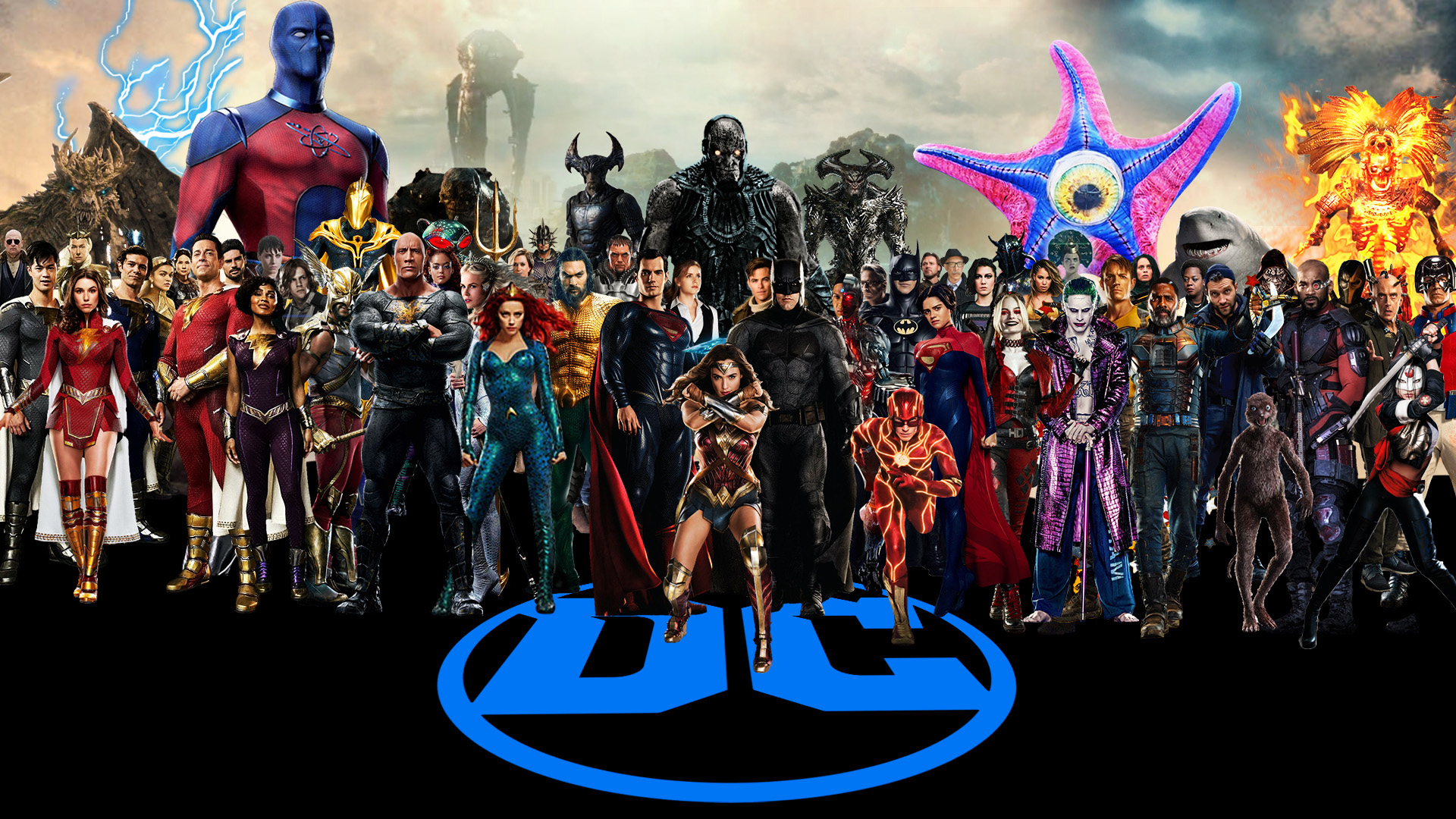
Now that Aquaman and the Lost Kingdom has been released in theaters the DC Extended Universe (DCEU) has come to an end. As Warner Bros.’ answer to the might Marvel Cinematic Universe, the DCEU has had many hurdles that it could not overcome during its ten-year run. Frankly, it’s a minor miracle that it lasted this long. The issues facing the DCEU have been covered at length and basically, the overall tone of the cinematic universe was all over the place with some truly great films (and one TV show) and some horrendous films. Still, in spite of its problems the DCEU had a lot of merits, which should be brought up as we commemorate the DCEU.
Bold New Takes on Characters
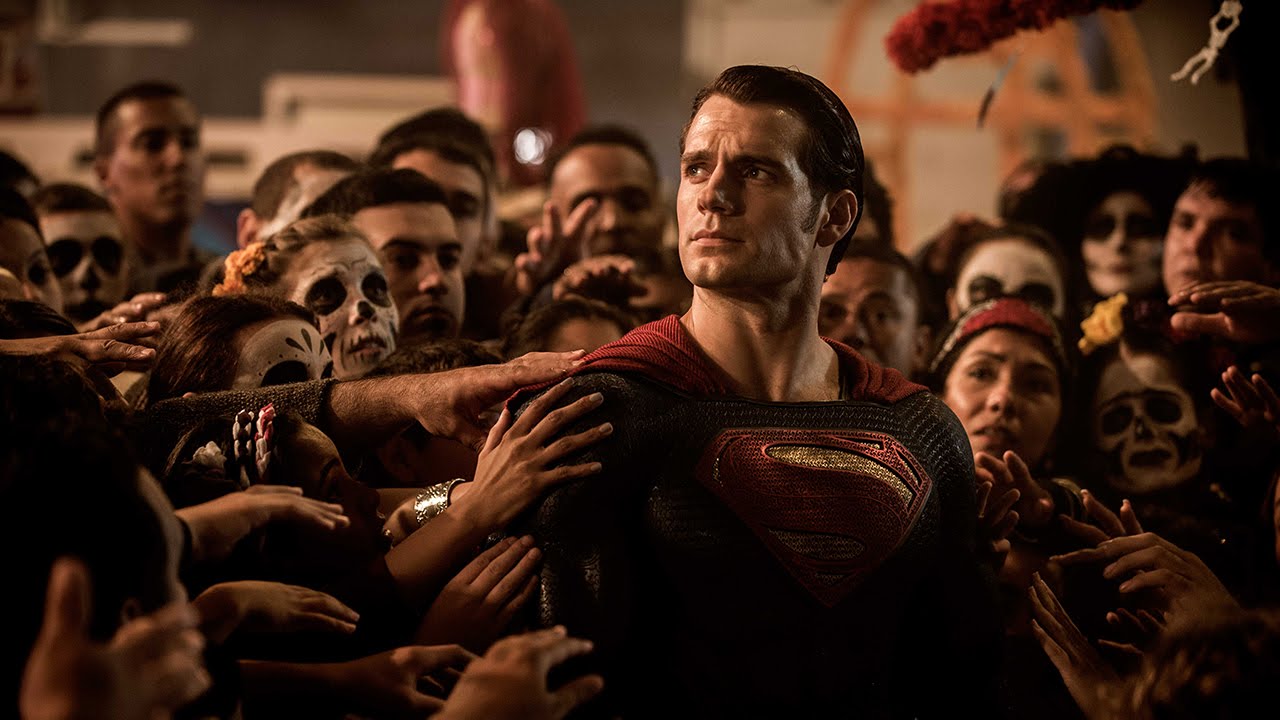
Man of Steel, the first entry in the DCEU, immediately stood apart from traditional Superman films with its darker and more grounded approach to the superhero. This turned off many fans, but others welcomed the refreshing take on the character as it explored the alienation and uncertainty that Superman felt during his emergence as a superhero.
Other characters also had interesting interpretations such as Batman portrayed as a world-weary crusader coming out of semi-retirement and finding a new purpose. Aquaman was reimagined from a being a joke to a formidable warrior with the personality of a surfer dude on hyper steroids. Shazam! presented the title character as an immature teenager reveling in the body of a superpowered adult superhero—the ultimate fantasy for most teenage boys and girls.
Excellent Casting
One reason for the successful re-interpretations of the well-known DC characters was the casting. Henry Cavill was so great as Superman, that for many fans his version of the superhero overtook the classic Christopher Reeve interpretation as Cavill’s Superman felt so modern. Jason Momoa’s version of Aquaman turned him into a fun-loving badass.
While many were skeptical of the casting of Ben Affleck as Batman, the actor shocked everyone with a solid performance and now many feel Affleck did the best portrayal of the Dark Knight. Gal Gadot electrified audiences with her portrayal of Wonder Woman and established the Amazonian princess as an inspiring role model. Meanwhile, Margot Robbie infused Harley Quinn with so much manic energy and verve that it is difficult to imagine another actor taking over the role in future DC films.
Electrifying Live-Action Debuts
Many superheroes and villains from the DC comics made spectacular live-action debuts in the DCEU films. The most recent being Blue Beetle;even though the film flopped, it was widely acclaimed for its retro back-to-basics approach with origin superhero films. As mentioned above, Harley Quinn was a bonafide scene stealer whenever she appeared in films, and let’s not forget, the other members of her teams.
The films devoted to the Suicide Squad team introduced audiences to many different DC villains. Anyone tired of the Joker or Lex Luthor being featured in DC films rejoiced at colorful villains such as Captain Boomerang, King Shark, Rat Catcher, Bloodsport and Peacemaker. The debut of these characters fleshed out the DCEU, which did not over-rely on its trinity of legacy characters, i.e Superman, Batman and Wonder Woman.
Distinct Visions
It’s true that the overall tone of the DCEU was inconsistent thanks to Warner Bros. executives who interfered with the films. However, many times the films were injected with distinctive visions from its directors. Zack Snyder established a hyper-realized look to his films which were a hallmark of the early DCEU films. Love or hate the Snyder films, they certainly stood apart visually from other superhero films.
Other directors like James Gunn, James Wan, Patty Jenkins (at least with the first Wonder Woman), David F. Sandberg and Angel Medina Soto infused their films with bright and bold directions, which celebrated the comic book roots of the DC characters. The result was that many of the DCEU films were distinct from other superhero films. This is not a small feat given all the many recent superhero films.
Topnotch Productions & Iconic Scenes
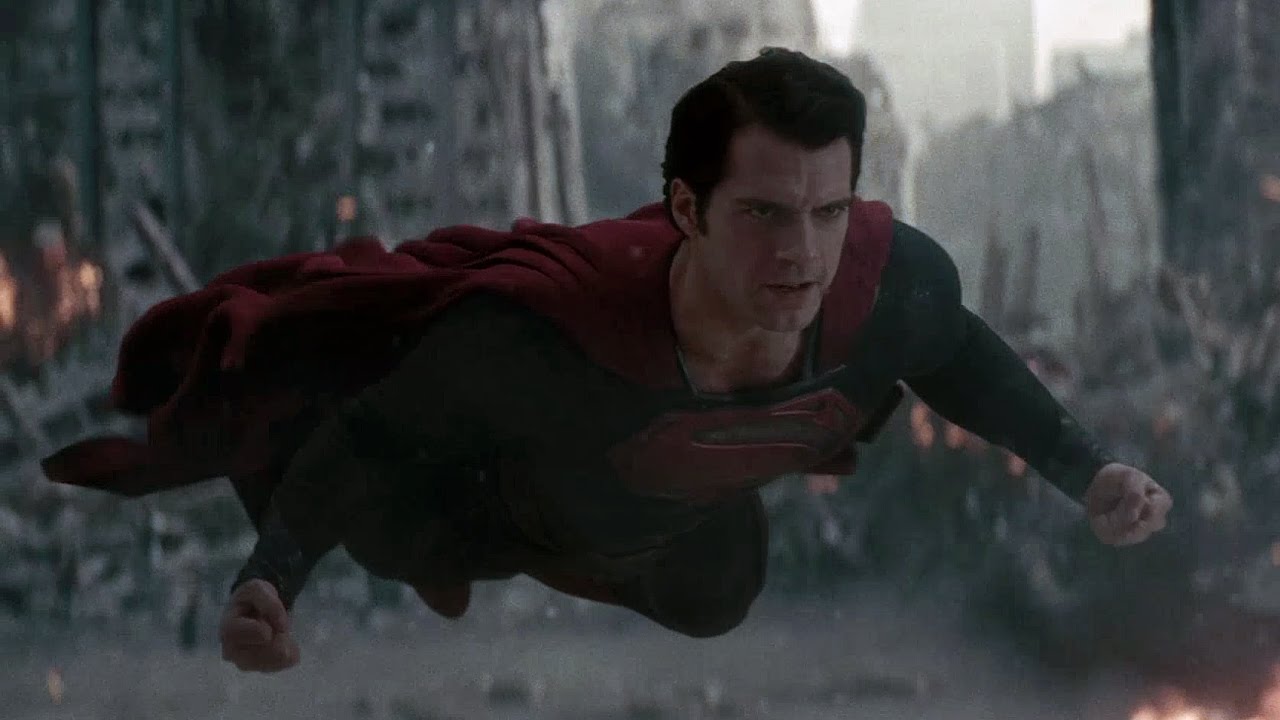
With certain exceptions (see The Flash), the DCEU films have boasted topnotch productions and unforgettable special effects. Some films received notable awards for their productions, including an Academy Award for Best Makeup and Hairstyling for Suicide Squad and a Hugo Award for Best Dramatic Presentation, Long Form for Wonder Woman. Many scenes, especially those from the Zack Snyder films, featured new and interesting depictions of superpowers, such as the epic airborne fights that took place in Man of Steel and when Superman first learned how to fly in the same film.
Several scenes from DCEU films were simply iconic like that moment in Wonder Woman when the title hero emerged from the trenches to fight enemy soldiers during World War I. Some other moments were just plain goofy and fun. A great example was a quick moment in Aquaman that featured an octopus playing drums (!). Then there was the madcap nature of The Suicide Squad, which allowed James Gunn to run wild with his imagination.
Despite the fact that many like to focus on the many issues the DCEU had, there was so much to celebrate about the films. In the time before the James Gunn reboot, Superman: Legacy, comes out, it’s a good idea to reflect on the contributions the DCEU films made to superhero films and give them another look.
This week marks the tenth anniversary of the film release of Man of Steel, which was released on June 14, 2013. It not only served as a reboot for the Superman film franchise but as the vehicle to launch the DC Extended Universe (DCEU). Now the superhero film universe based on DC superheroes comes to an end this year starting with The Flash, which will serve as a soft reboot of the DCEU and transform it into the DC Universe (DCU).
One of the casualties of the DCEU reboot will be Superman himself, which is ironically fitting since his film launched the DCEU.
Man of Steel was directed by Zack Snyder, who presented a darker and more grounded version of Superman in a world filled with muted colors and stark lighting. At the same time, the film and other Snyder-centric DCEU films cast the title hero with mythological, god-like imagery that did not resemble comic book images but rather epic paintings with static poses and even more harsh lighting.
This became more prevalent in future DCEU films such as Batman v Superman: Dawn of Justice and Justice League, while Man of Steel was more grounded.
This unique approach to Superman was supposed to make him more relevant and relatable to modern audiences. As to whether or not that worked, is open for debate. Before Man of Steel, Superman was seen as a noble, larger-than-life do-gooder as best personified by the Christopher Reeve Superman films of the ‘70s and ‘80s. Thanks to Reeve’s classic performance it was difficult to imagine the superhero in any other kind of light. Even Superman Returns, the last Superman film before Man ofSteel, did not veer from the Reeve interpretation of Superman, which led to a lot of criticism. In trying to make this version of Superman distinct from the traditional Boy Scout persona, it can be argued that Snyder veered too far from what made Superman so special. He is supposed to be a beacon of hope for humanity, which was ironic because he was actually an alien who grew up on Earth. Despite humanity’s faults, Superman adopted the best traits of his adopted species and served as an exemplar for the promise of humanity.
In Man of Steel, Superman aka Clark Kent (Henry Cavill) went through something of an identity crisis in an updated origin story. The film went through the typical Superman origin tropes but with new twists. Superman’s home planet, Krypton, was not the cold, crystalline and sterile civilization seen in the Christopher Reeve films. This Krypton was a planet embroiled in civil strife with a warring society that used what seemed to be technology based on programmable matter.
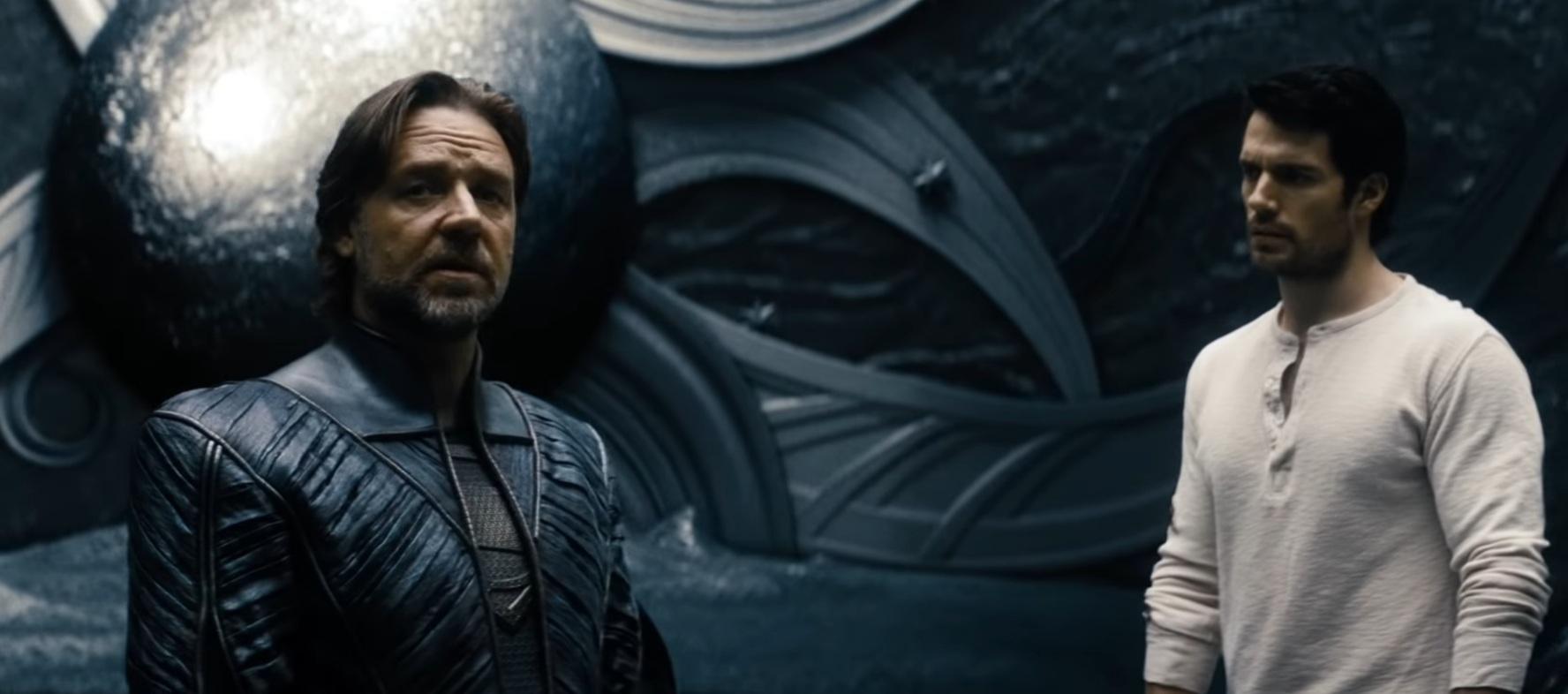
Superman’s origin was more tied to that of his nemesis, General Zod (Michael Shannon), in that Zod was at odds with Superman’s father, Jor-El (Russell Crowe). With the planet dying, Jor-El sends his newborn son, Kal-El, to Earth to have a chance at a new life. Before Kal-El is sent, he is embedded with genetic material called the Codex, which will provide the genetic means to recreate the Kryptonian race on another world.
After arriving on Earth, Kal-El is adopted by a human couple and grows up in a farm in Kansas. He struggles to fit in with society because of his developing super powers, which he has to keep hidden. Once he reaches adulthood, Kal-El who is now called Clark, sets out in the world to find himself and a purpose in life. During his journeys Clark clandestinely uses his powers to help people during emergencies.
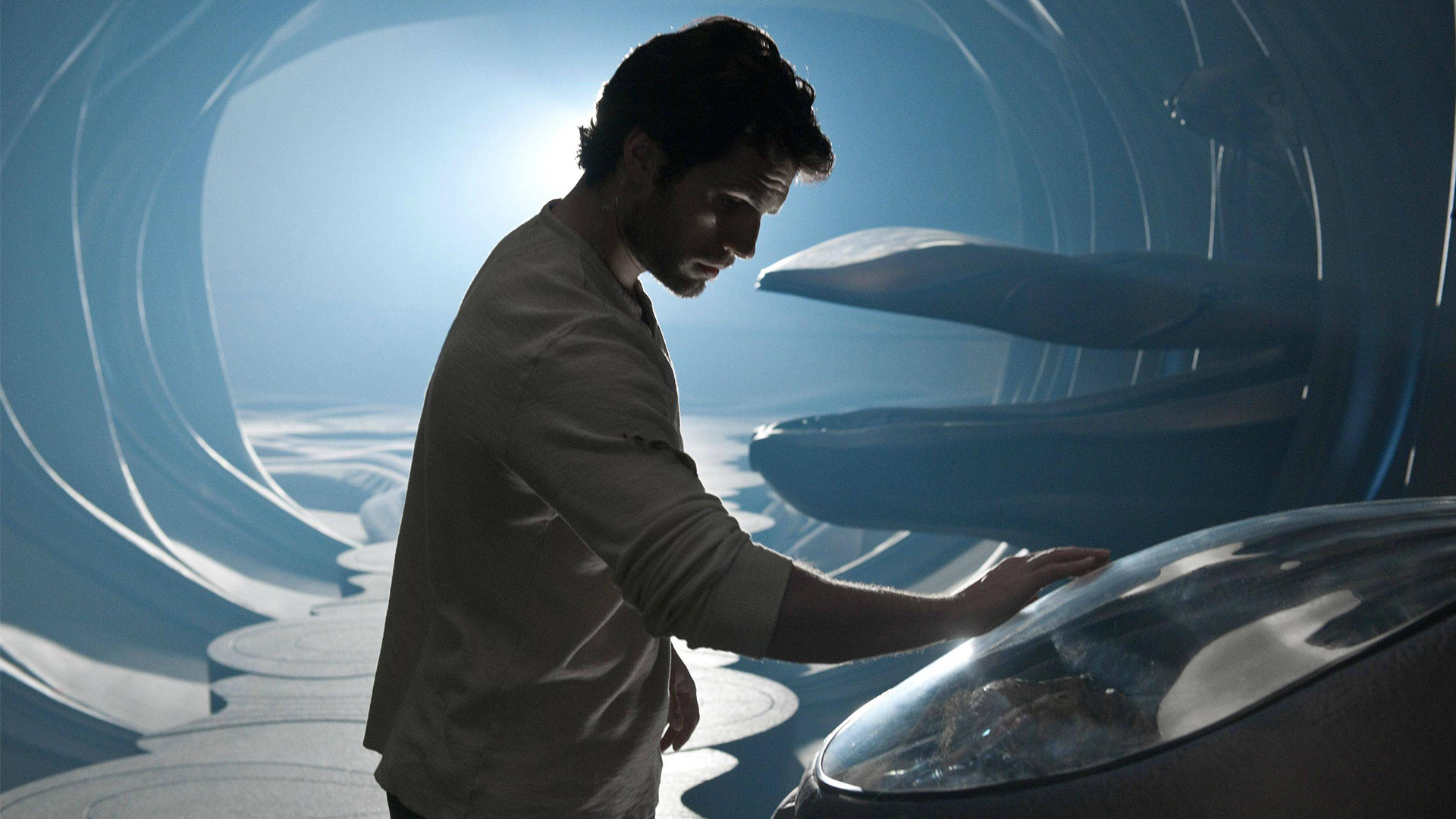
Eventually he comes across the wreckage of a Kryptonian scout ship and activates an AI program that takes the image of Jor-El, who reveals to Clark his Kryptonian heritage. Under the guidance of the Jor-El AI, Clark learns to properly use his powers and adopts the famous Superman identity.
Soon after, Zod and his army arrive on Earth and establishes first contact with humanity, with the demand that Superman be turned over to him. Zod earlier learned that Kal-El was implanted with the Codex and wants to retrieve it to rebuild Kryptonian civilization on Earth, which he plans to terraform.
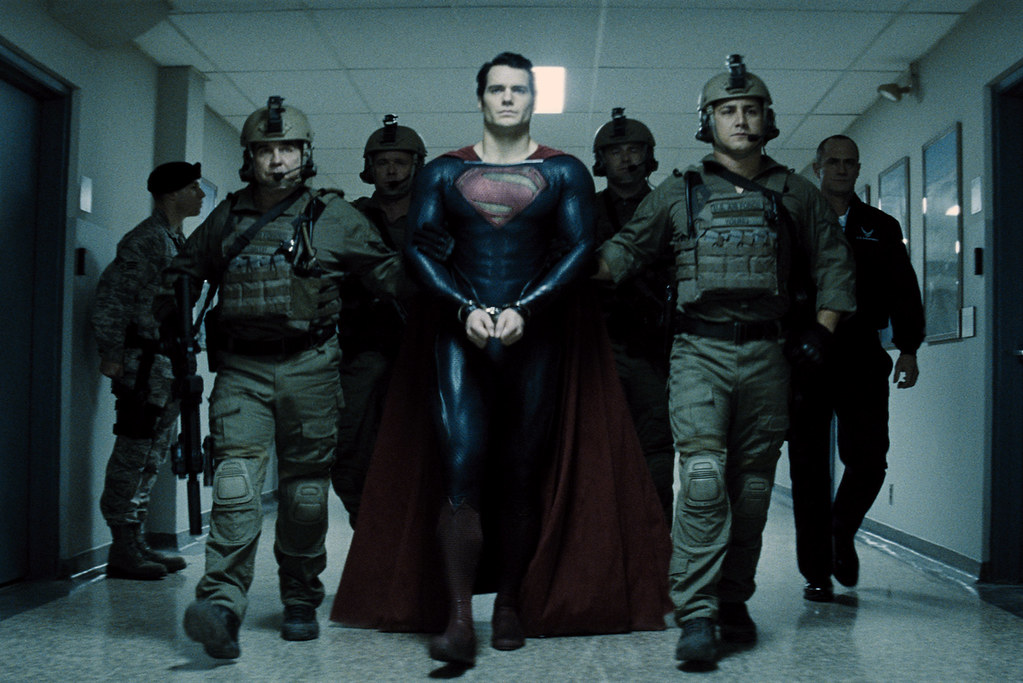
This creates an identity crisis for Superman as he is torn over siding with the human society he struggles to fit in with versus the Kryptonians, who he knows are malevolent. What complicates Superman’s decision is that once he is revealed to the world, he is immediately mistrusted by most of humanity who only see him as an alien threat.
What was interesting about this version of a Superman film was that the superhero was not received by the general public with open arms, but with suspicion. This is what would probably happen in reality if some unknown person was suddenly revealed to the world as an alien with superpowers.
While Man of Steel lacks the light-hearted humor and heart of previous Superman films, it makes up for it with its grounded and frankly more honest approach to the comic book legend. This approach by Snyder and writer David Goyer turned out to be divisive among fans.
Whether we’re excited for what James Gunn and Peter Safran have planned for their relaunched films based on DC Comics properties or lamenting the demise of the DC Extended Universe (DCEU), it is clear by now that the DCEU has lost its way.
There are many reasons why the DCEU ultimately faltered and a common factor that many point to has to do with the schedule of its early films and who they were centered on. Many fans have griped that there never was a proper sequel to Man of Steel or that Batman never had a solo film, while other announced films have yet to materialize.
So, could the DCEU have succeeded early on? It is possible and there are many avenues the films could have taken. Some have suggested that the DCEU films should have taken a gradual approach in introducing the heroes before releasing Justice League in the same way Marvel Studios led up to the release of The Avengers. There were many reasons why Warner Bros. did not take this approach with their reps publicly stating they did not want to copy the formula used by Marvel Studios. But if they did try to emulate the formula, how would the DCEU have turned out? Let’s look further.
The first film of the DCEU, Man of Steel, is released in 2013 as it happened in real life. Except, this time the film would have more Easter eggs to a greater DCEU instead of a quick glimpse of a satellite belonging to Bruce Wayne. The film would have a post-credits scene which would show a news montage about the Kryptonian invasion of Earth and the revelation of Superman. As the talking heads would debate about an alien being walking among us, the images would pull back to show they are coming from a TV screen or monitor and we would see that this scene is taking place in the Batcave or in S.T.A.R. Labs.
2015
Instead of waiting until 2016 to release the next DCEU film, Warner Bros. would release two films in 2015. A proper sequel to Man ofSteel called Man of Tomorrow, which would be a solo Superman film, and a solo Batman film called The Caped Crusader.
Man of Tomorrow would have been very similar to Batman v Superman: Dawn of Justice except that Lex Luthor would have been recast and Batman/Bruce Wayne would only make brief appearances. He never would have fought or even met Superman. That opening in Batman v Superman: Dawn of Justice where Bruce Wayne personally witnesses the destruction in Metropolis from Superman’s fight with the Kryptonians would swap out Wayne with Luthor. This gives Luthor more of a reason to hate Superman because he saw firsthand the danger of this superpowered alien. The rest of the film would have explored the ramifications of Superman’s presence in the world with Luthor trying to discredit him. The film could have had references to other DC heroes who at this time are operating in the shadows or have not become superheroes yet.
Like Batman v Superman: Dawn of Justice, Man of Tomorrow would have concluded with Superman confronting by himself a genetic monstrosity that Luthor created but instead of Doomsday it would have been an evil Superman clone, who we would know was a malevolent version of Bizarro. The film would include two post-credits scenes. One would show that Luthor had created another genetic opponent for Superman that was locked up. This creature would have been revealed to be Doomsday. The other scene would take place in another world and reveal that the recent superhuman activities have caught the attention of Darkseid.
The Caped Crusader film would be a proper solo film for Batman and it would have shown Batman to be coming out of semi-retirement. It also would have shown that Batman is largely considered to be an urban myth but by the end of the film, Batman would be revealed to be an actual person who fights crime. The Joker would not appear in the film or even be hinted at. Instead the villain would be Deathstroke as The Caped Crusader would have been based on Ben Affleck’s script for the scrapped Batman solo film where Deathstroke blamed Batman for the death of his son and tried to get revenge on Batman. As with Man of Tomorrow, the Batman film would have had references to the greater DCEU and possibly featured Superman in a cameo, probably as part of a newscast. It possibly could have introduced Diana Prince as a mysterious and potential love interest for Wayne. The film also would have post-credits scenes that set up a sequel and have Prince revealed to be Wonder Woman.





 Starloggers