The Curse Of Blade

About five years ago at a Comic-Con appearance, Marvel Studios president Kevin Feige eagerly announced that a new film about the vampire hunter Blade would be produced by Marvel Studios to join the Marvel Cinematic Universe (MCU). What made the announcement even more exciting was that Mahershala Ali would portray Blade, a role made famous by Wesley Snipes. That was then. Now? Nothing. The film keeps getting delayed over and over again to the point that many are asking if the project is cursed.

At the same Comic-Con, several other film and TV projects were announced and they have been produced and released since then. Only Blade remains unrealized; the closest we got to having Blade appear in the MCU was hearing his voice during a post-credits scene in Eternals. There are several reasons why the reboot of the Wesley Snipes film has been delayed, some of it has to do with the pandemic and the recent Hollywood strikes. But the main reason for the delays has to do with the inability to come up with a script and holding onto a director.

Marvel Studios has not been impressed with the scripts. The first one was penned by Stacy Amma Osei-Kuffour in 2021, while Bassam Tariq was chosen to direct the film. Tariq left a year later due to the lack of progress with the film while Marvel Studios brought in other writers to revamp the script. Reports have it that the first script was very light on action, a staple of the Blade films, and supposedly took place in the 1920s. Other writers who took a shot at Blade included Beau DeMayo, who was responsible for the well-received X-Men ’97 animated series, but time and time again Marvel Studios brought more and more screenwriters to turn in a suitable script. Mahershala Ali himself has expressed dissatisfaction with the original script and the pace of the project and it would not be surprising if he winds up leaving the project, even though he approached Marvel Studios with the idea of portraying the vampire hunter.

Meanwhile, Yann Demange, the director who replaced Tariq, left the project a few weeks ago, and no replacement has been announced yet. This is going on as the film is supposedly slated to begin production later this year for a 2025 release. At this rate, it is doubtful the film will meet the deadline or even be made.

Kevin Feige and Marvel Studios recently announced their desire to focus on the quality of their films and TV shows, which is commendable. But the unfortunate result of focusing on quality has been the delay of Blade. This is very frustrating for fans of the character and the original films who wanted to see the MCU take of the Daywalker (as he is called by the vampires he hunts), as well as Ali’s interpretation of the superhero.

It is baffling why Marvel Studios is having a hard time with this project which should be a slum dunk and would have a ready audience for a character with huge name recognition. The Blade films were popular even before the MCU existed and most people were not even aware that the supernatural hero was actually based on a Marvel Comics character. The premise should be fairly simple to produce. Why not just do a remake of the original Blade film Deacon Frost as the villain? The story worked in the first Blade, just throw in some MCU references and call it a day.

The answer to that is that Marvel Studios wants a fresh new take on the character and probably as rumors have it, wants Blade to help launch the Midnight Sons superhero team for the future. This is a great idea, but Marvel Studios has a lot on their plate and it’s anyone’s guess as to when they will get around to it.

Until Marvel Studios decides on a script and hires a solid director (supposedly they are eyeing Jordan Peele or Chad Stahelski who have either shown interest or been approached for Blade), the least they can do is have the character appear in upcoming MCU projects. This would keep fans happy and maybe even Ali, too.

However, the constant delays has become an embarrassment for Marvel Studios. They must settle on a script and director very soon in order to meet the production schedule and release date. Otherwise, Blade is doomed.

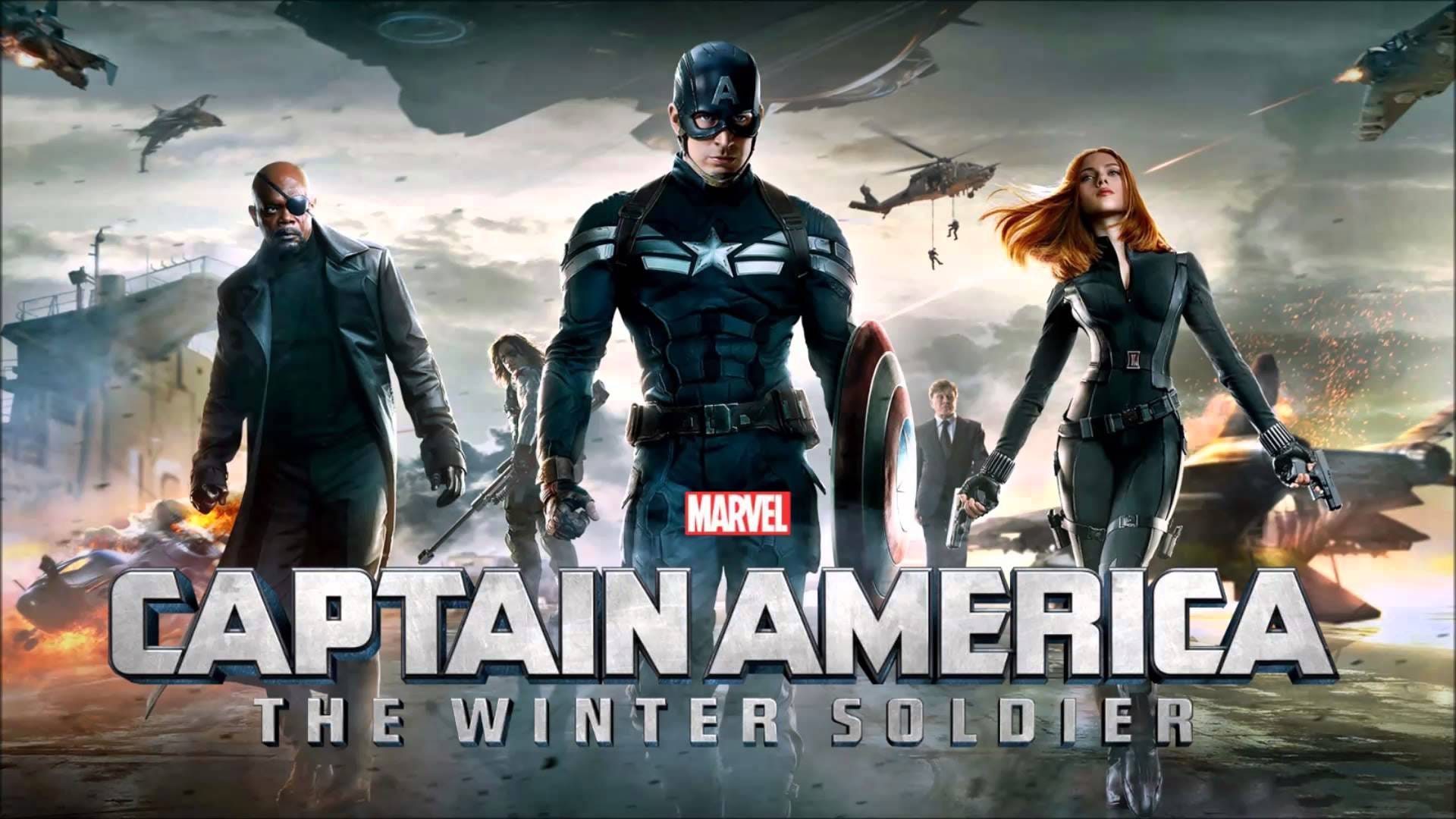
Captain America: The Winter Soldier, The MCU’s Greatest Solo Superhero Film

As Captain America: The Winter Soldier celebrates its 10th anniversary this month, it’s time to take a quick examination of why the Captain America film is considered one of the best films of the Marvel Cinematic Universe (MCU).

Very few MCU fans expected much from the sequel to Captain America: The First Avenger, especially given that Joe and Anthony Russo, the directors of Captain America: The Winter Soldier were relative unknowns whose biggest accomplishments to date were directing episodes of Community. Yet, the film blew away audiences, critics and fans with its non-stop action, intriguing script and well-developed characters. It turned out to be one of the most important films in the MCU as it forever changed it.

Captain America: The Winter Soldier centers around Captain America/Steve Rogers (Chris Evans) uncovering a huge conspiracy in S.H.I.E.L.D. the spy organization he works for while grappling with a deadly ghost from his past. The first Captain America film dealt with Steve’s adventures as a superhero during World War II and ended with him being frozen in ice then revived during modern times. Ordinarily, a sequel film would have focused on fish-out-of-water tropes as Steve struggled to adapt to a whole new world. While this does happen in Captain America: The Winter Soldier, the film to its credit doesn’t concentrate on this concept. Instead it forces Steve to adhere to his honorable values as the world around him exhibits dubious morality. He clashes with his superiors who think nothing of spying on civilians and eroding their privacy with a clandestine project. He soon learns that S.H.I.E.L.D. has been compromised by the evil Hydra organization which plans to use the project to unleash a preemptive attack on its enemies throughout the world, including members of the superhero team, the Avengers. For his troubles, Steve is branded a traitor and chased by the mysterious Winter Soldier (Sebastian Stan), a deadly assassin who turns out to be his best friend Bucky from his World War II days.

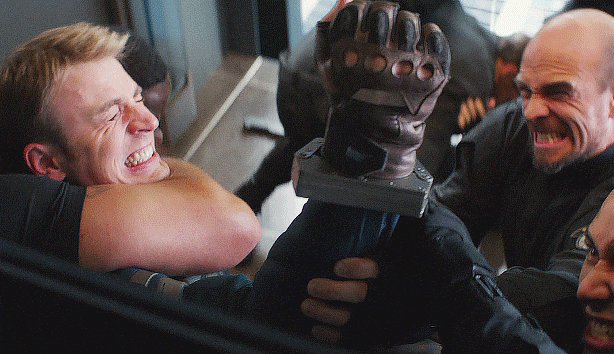
All these plot elements successfully evoked a paranoid spy/political thriller that was highlighted with high-octane action scenes that demonstrated how vicious and lethal the Winter Soldier was. These battles were among the best action scenes ever seen in any film and has not been replicated in other MCU films. There was a genuine sense of danger and fear as Steve and his allies fought the Winter Soldier and the compromised S.H.I.E.L.D. agents. One scene in particular, which took place in an elevator, proved what a badass Captain America was. He was surrounded in a cramp space by several men who tried to arrest him and he singlehandedly fought and defeated them despite the odds.

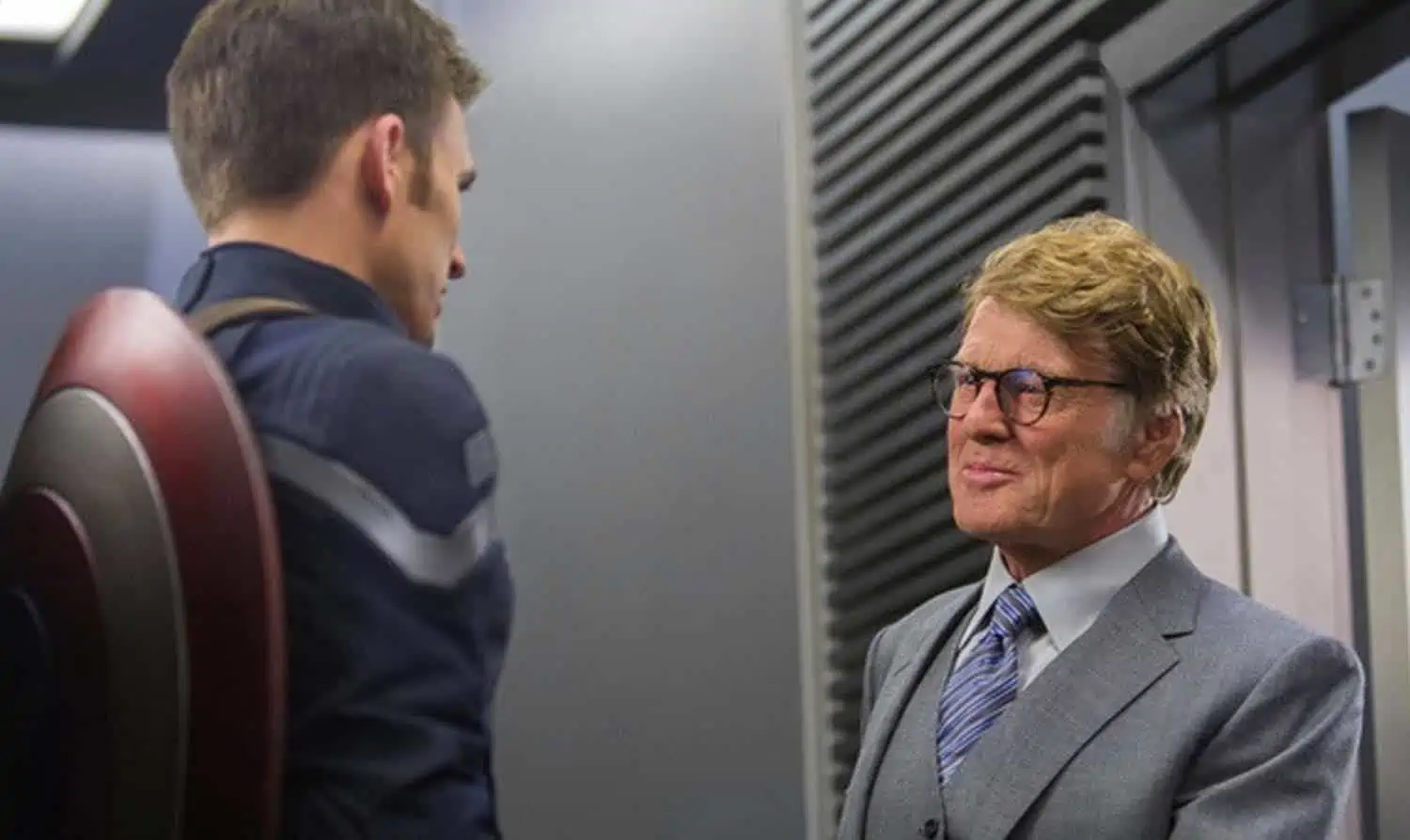
But getting back to the political angle, the film always kept you guessing as to who could be trusted, or what was actually happening in a way that was not confusing and kept audiences engaged. It helped that the film featured Robert Redford as Alexander Pierce, a government official who was actually a Hydra agent. Redford’s acting prowess elevated the film and he was a great callback to the ’70s spy thrillers such as his own Three Days of the Condor.

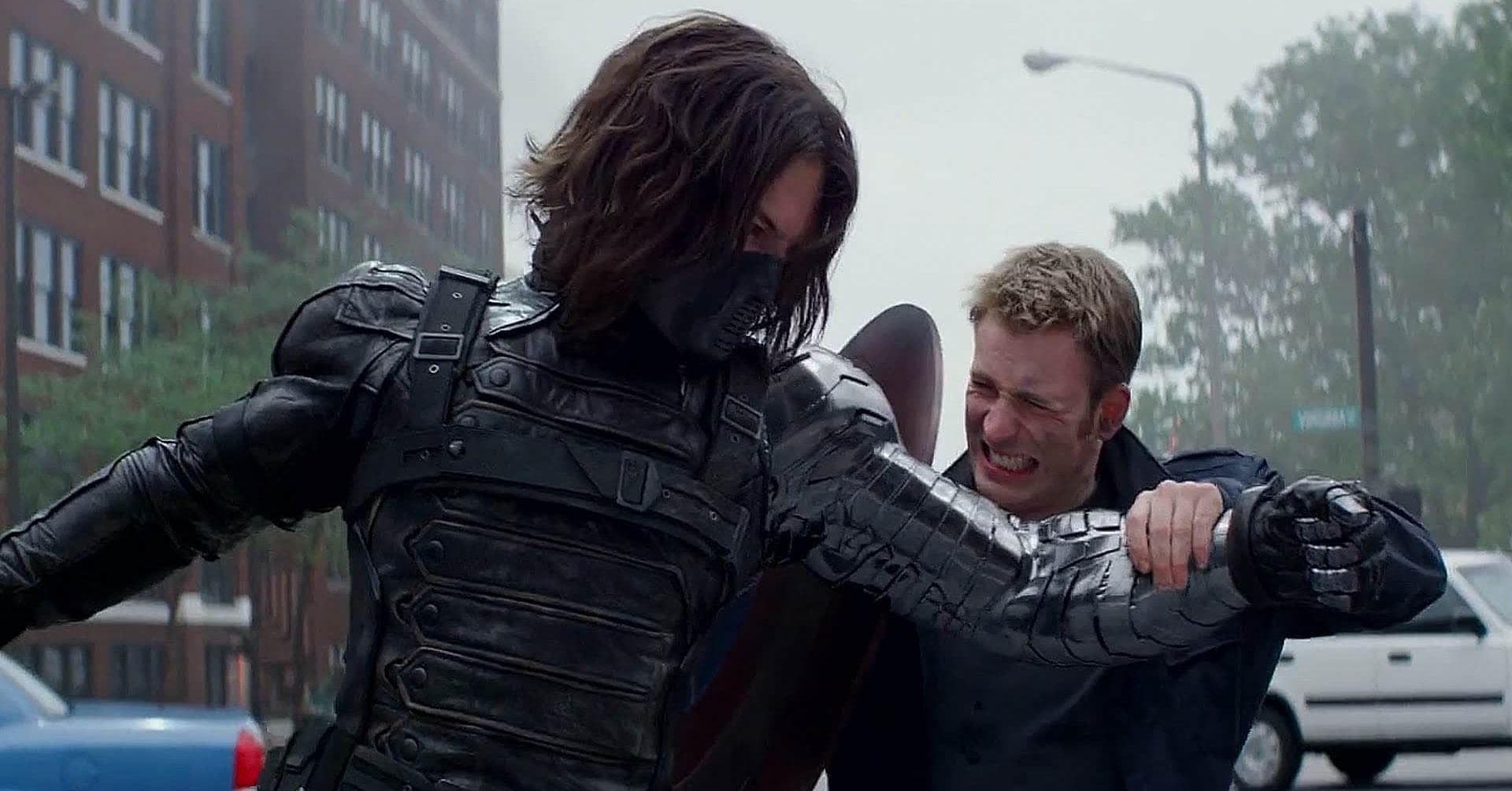
More importantly, Captain America: The Winter Soldier was at its core a film about a man struggling with his past and his place in the world. In this situation, Steve tries to make sense of the new world he is forced to live in where it seems as if his values are out of step. But they are what is needed to fight a great evil that has corrupted the world and his best friend. What makes confronting Bucky so much worse for Steve is not only Bucky the lethal Winter Soldier, but due to brainwashing by Hydra over the decades, Bucky has lost his decent personality and no longer remembers his past or his friendship with Steve. The Winter Soldier is the only remaining link Steve has with his past and he has to find the strength to bring his friend back. His plight was very emotional and the sacrifice he made at the end to get through to Bucky was very powerful. The final battle between the two as Steve struggled to connect with Bucky was much more riveting than the wild, effects-laden action scenes involving Steve’s other friends fighting Hydra.

Captain America: The Winter Soldier propelled the narrative of the MCU from that point as it no longer had S.H.I.E.L.D. as the support organization for the Avengers and the world. This in turn would later have severe consequences during future Avengers films and immediately impacted the TV show, Agents of S.H.I.E.L.D. Even though that show is now ignored these days, back in 2014, it was clearly part of the MCU and the events of Captain America: The Winter Soldier directly affected the TV show as one of the main characters was revealed to be a Hydra agent, and the other characters underwent crises of faith. The film also led to Captain America becoming a man without a country and on the run as seen in the next Captain America film, Captain America: Civil War when his morality led to a devastating conflict with some of his fellow Avengers to the point that the team broke up and left Earth unprotected.

Thanks to Captain America: The Winter Soldier, the MCU began to be seen as something more than typical superhero films. This was reinforced later in the summer of 2014 with the release of the space epic Guardians of the Galaxy. Together, the films proved that the superhero film genre was very diverse in terms of storytelling and being able to surprise everyone with its potential. That is because not only is Captain America: The Winter Soldier the best superhero solo film of the MCU but one of the greatest films of all time.

José Soto

Regarding MCU’s Cancelled Projects

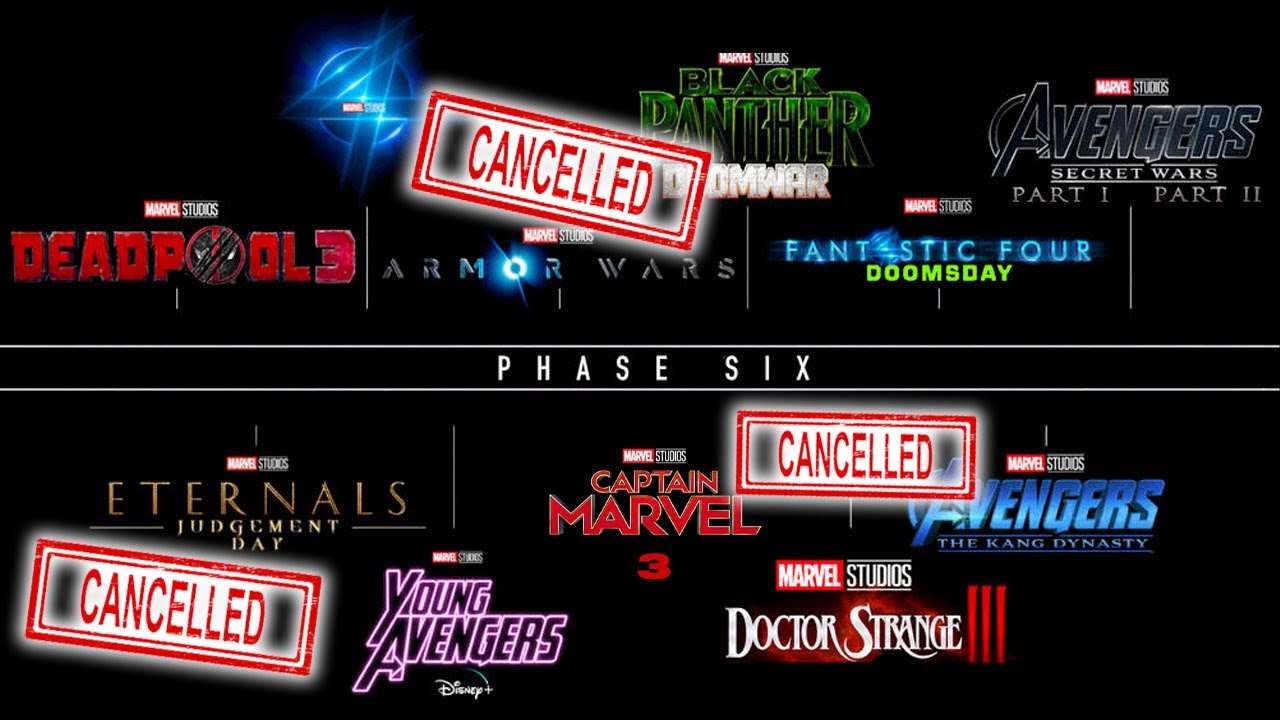
The big news this past week regarding the Marvel Cinematic Universe (MCU) was that Disney cancelled a few MCU projects that were being prepared as a way of getting MCU and Marvel Studios back on its feet. What was noticeable about the news was that the projects included followups to Eternals, Captain Marvel and Ant-Man. There are also reports that long-announced projects like Ironheart and Armor Wars are also on the chopping block. While it is understandable why they have been cancelled, there is also some cause for concern.

The reasoning behind the cancellations was that Marvel Studios should focus on projects based on popular characters that will be guaranteed hits like Spider-Man, the Avengers and the X-Men. It makes sense but it just means that Marvel Studios will be forced to play it safe. It’s a shame because Marvel Comics has a huge plethora of intellectual property to mine from. To just go back and do films and TV shows about the same characters over and over again runs the risk of over-relying on them. Then you wind up with the situation Warner Bros. has with its DC characters where the only thing the company focuses on are numerous Batman films and related TV shows. Of course, these film studios need hits and it doesn’t hurt to rely on what works to fund future projects, but doing so risked overusing certain characters and diluting their appeal in the long run.

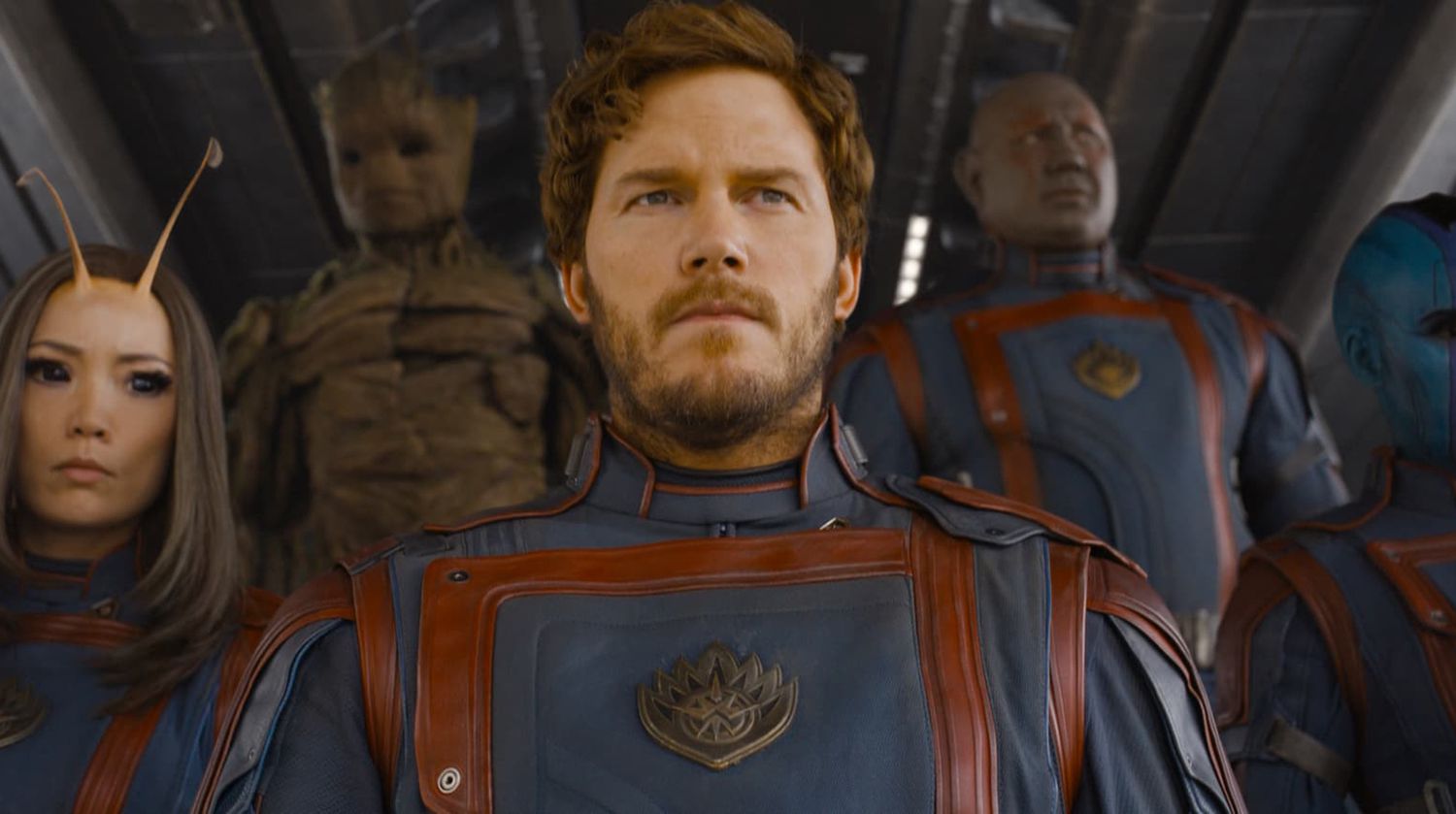
By playing it safe, Marvel Studios will avoid taking risks and approving projects based on lesser-known Marvel characters. This is understandable given the time and money that will be used to produce films and TV shows on characters few have heard of. But if Marvel Studios always followed this mentality we never would have gotten Guardians of the Galaxy. Back when that film was first announced, many were convinced that it would be Marvel Studios’ first flop. After all, few people heard of the characters who were outlandish. A talking raccoon? A walking tree? These doubters were sure no one would pay money to see films featuring such bizarre characters. But as we all know, the film was a huge hit and turned the Guardians of the Galaxy into beloved household characters.

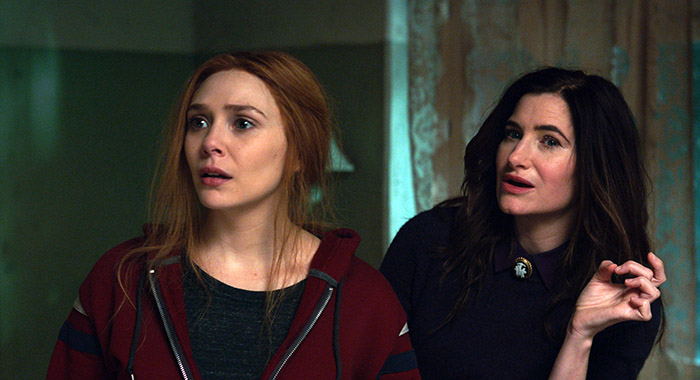
Marvel Studios has tried to replicate the success of Guardians of the Galaxy with other lesser-known properties to varying results. For every Black Panther there was Eternals. While not everything Marvel Studios tried worked out, this does not mean that the film studio should avoid experimenting and trying out new characters. This will pay off for the film studio in the long run. Just look at the Scarlet Witch. When she first debuted in Avengers: Age of Ultron, she had an impact but her popularity did not truly take off until WandaVision years later. That show was so popular that it has spun off a couple of its characters into their own film and TV show, that being Photon and Agatha Harkness. Unfortunately, Photon’s film The Marvels flopped and Agatha: Whatever is the Subtitle still hasn’t streamed yet, so the jury is out on the TV show. However, the failure of The Marvels cannot be blamed on the character of Photon. The same would have to go with the other main characters in that film and going further with Nick Fury in Secret Invasion or Ant-Man in Ant-Man and the Wasp: Quantumania. Those projects failed but it was not because of the characters. They had their own issues and the characters were mostly well received in other appearances.

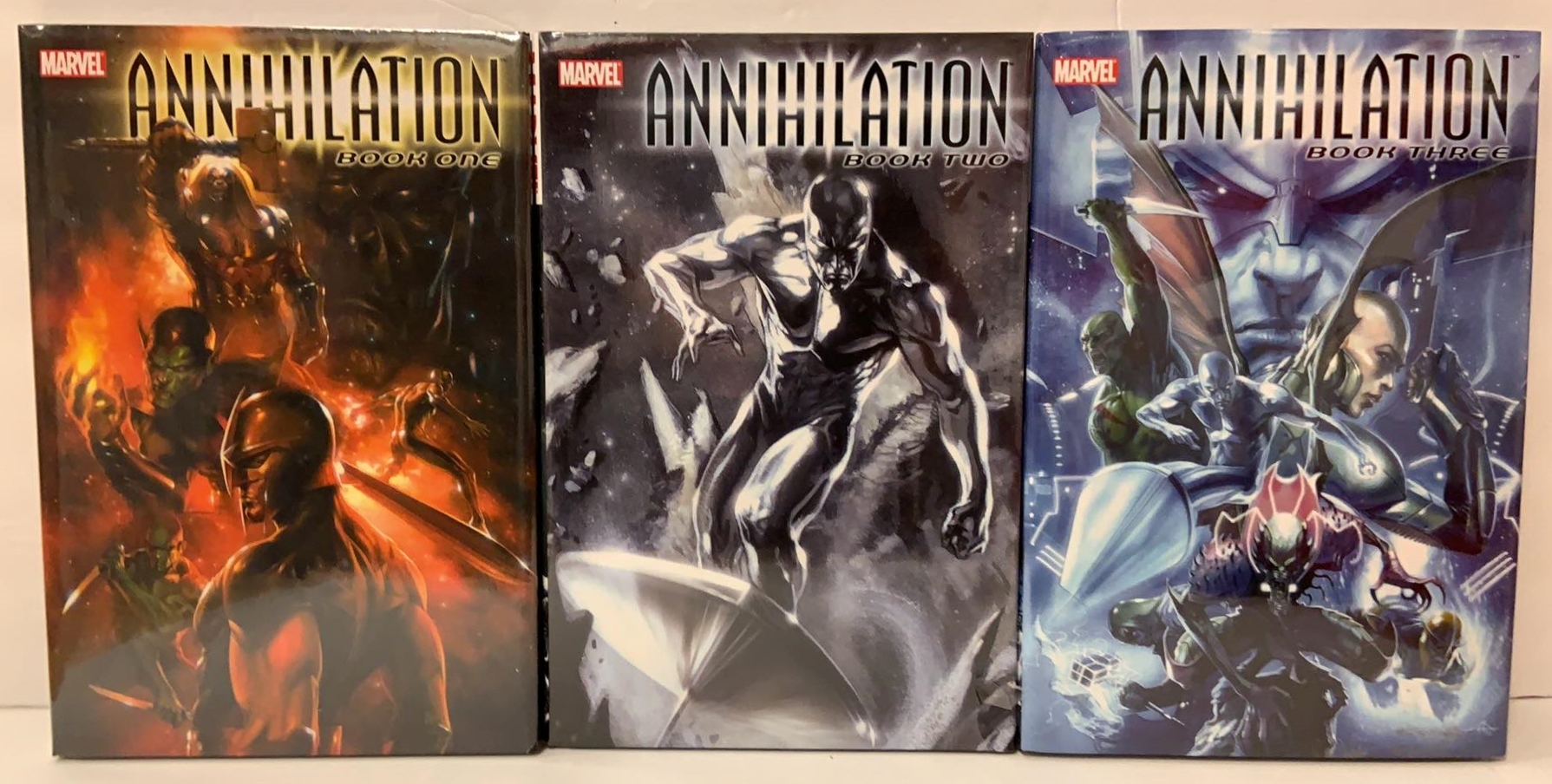
Thankfully, Marvel Studios will continue to utilize these characters in other projects. For instance, Ant-Man is supposed to appear in the next Spider-Man film and the next Avengers film. With Eternals, even though that film won’t get a proper sequel, the characters and events from the film are rumored to be incorporated into the next Avengers film. It would make sense that if the fifth Avengers film is no longer about Kang the Conqueror then it could be a cosmic-based film that features the Eternals and even the Guardians of the Galaxy in a loose adaptation of the Annihilation storyline from Marvel Comics (this was the comic book event that introduced the modern incarnation of the Guardians of the Galaxy that we think of). Some creative scripting could have the events of the cosmic plot in that Avengers film continue the Incursion/Multiverse arc and lead into Avengers: Secret Wars.

Marvel Studios should not hesitate with continuing to introduce new characters all the time in their films and TV shows. Although not all of them will take off in popularity, they should be featured to at least test the waters and see how they are received.

Maybe after a few hits under its belt, Marvel Studios will once again take creative chances with Marvel’s other characters. After all, the richness of the vast Marvel Universe deserves to be fully explored for MCU fans.

All 23 MCU Films Ranked

The Marvel Cinematic Universe (MCU) has been with us since Iron Man in 2008 and has been comprised of three phases. Twenty three films later, the MCU’s Infinity Saga is now complete with the release of Spider-Man: Far From Home, which heralded the conclusion of Phase Three of the MCU.

Now it’s time to rank all the MCU films to date. We’ve done this before back in 2015 when Phase Two ended but since then eleven more MCU films have been released which changed the previous ranks of films. Also, upon further viewings the older MCU films have either aged well and are actually higher ranked or are haven’t aged well and went down in ranking.

Looking back at the films, it is remarkable and necessary to note that there isn’t a terrible film in the lot, which is amazing considering there are 23 films. Even the lowest ranked films have their merits and are better than many other films of different franchises. Not all the films are classics, but almost all are solid and enjoyable superhero films that are among the best of the genre.
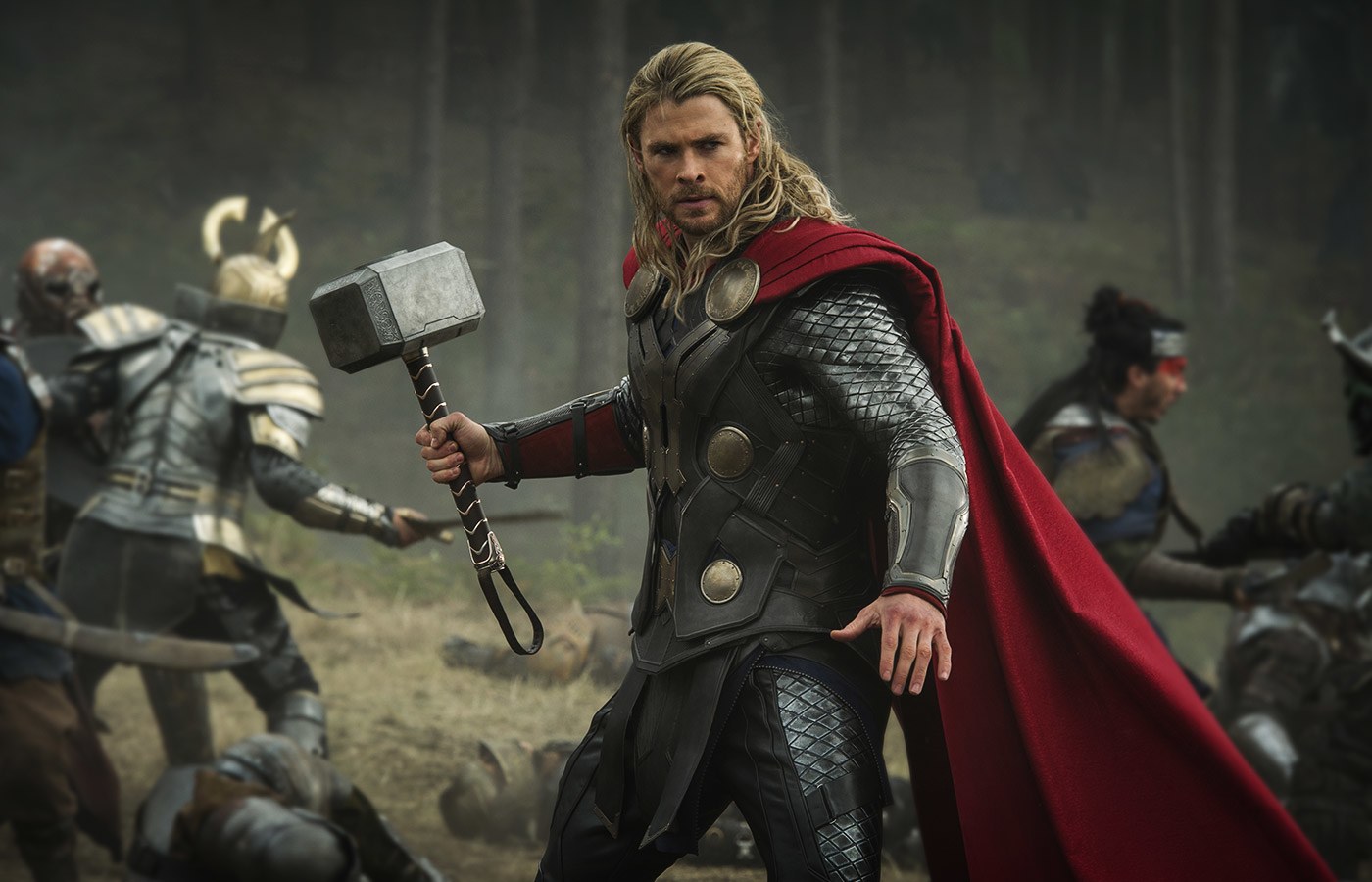
23. Thor: The Dark World (2013)

Coming in at the bottom of the list is the first sequel to Thor. Despite Chris Hemsworth’s star power and natural charisma as the God of Thunder, Thor: The Dark World is a very routine superhero film that is quite forgettable.
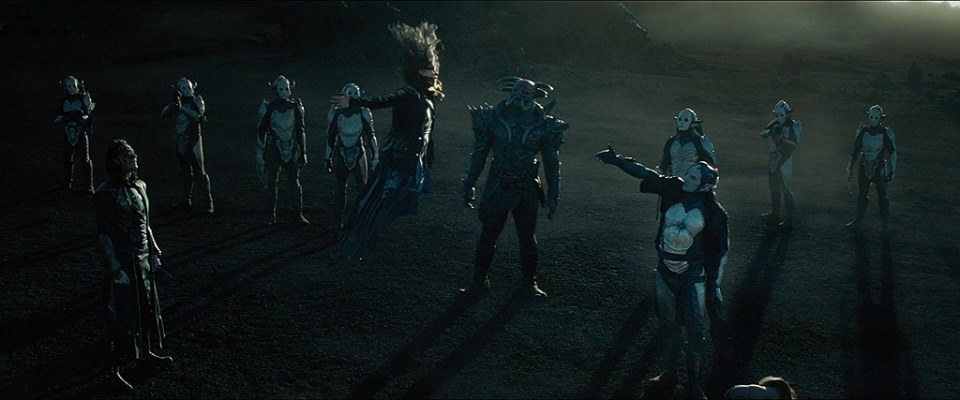
It has its moments such as Tom Hiddleston, who is always reliable as the mischievous Loki and the final fight. But the film was listless and wasted Christopher Eccleston’s talents as Malekith, an uninspired enemy with lazily thought-out motives and background.
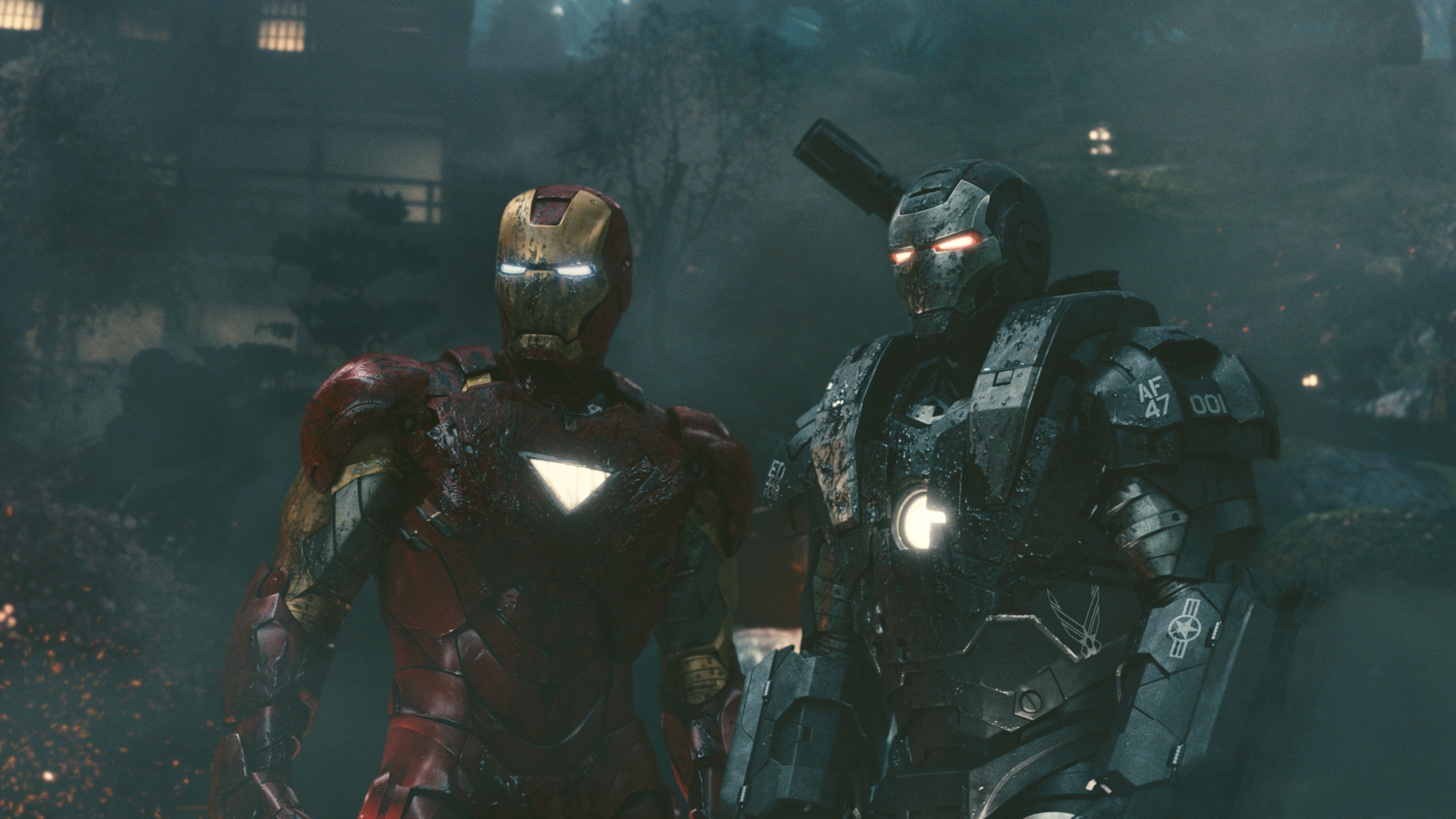
22. Iron Man 2 (2010)

This sequel to Iron Man could have been good, even great. It featured many interesting subplots and with some tinkering the villains could have been among the MCU’s best. Instead, we got a mishmash of conflicting plots that don’t go anywhere.
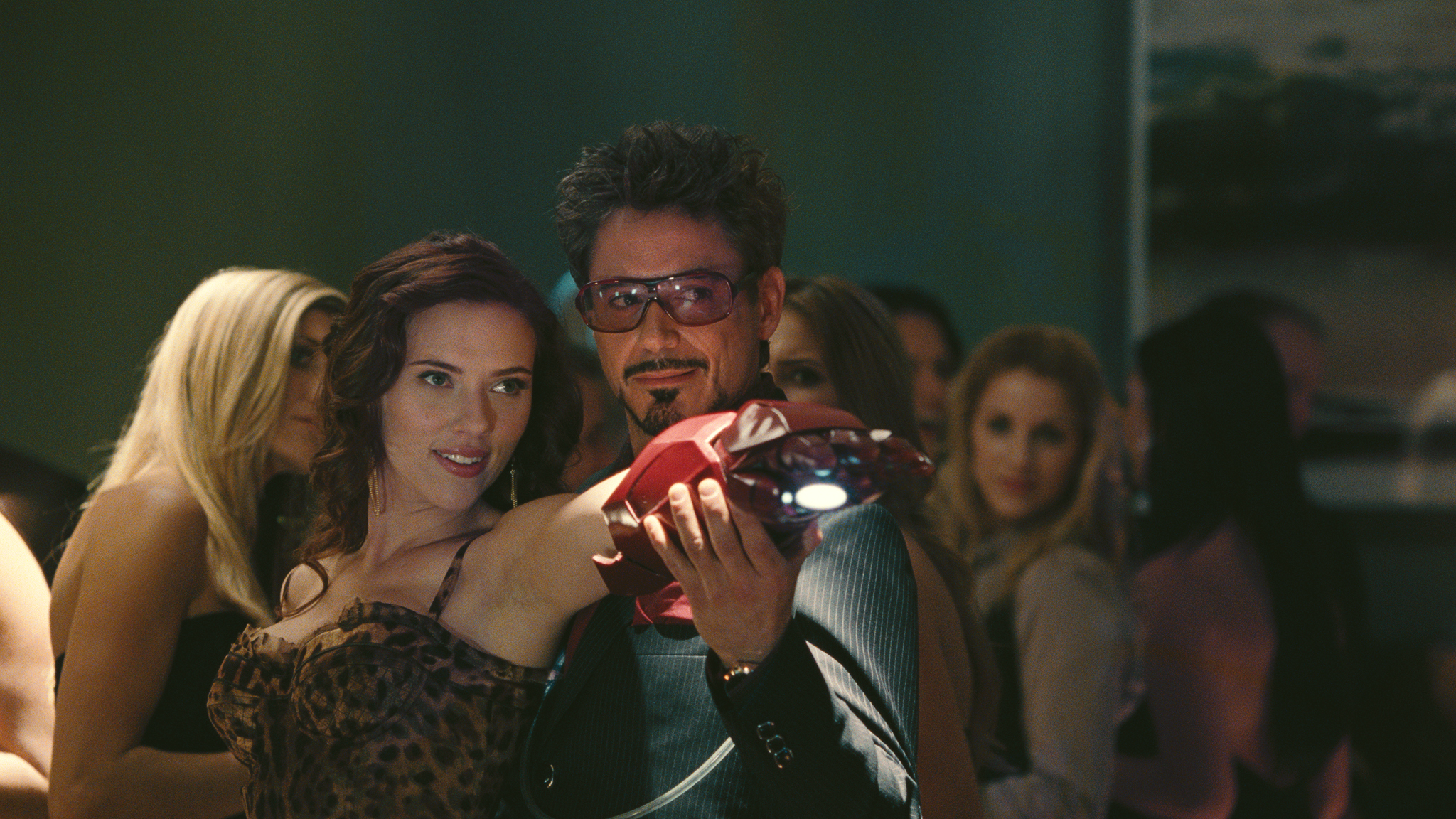
Thanks to the film’s scattered tone, Tony Stark regressed in character and reverted back to being an unsympathetic, narcissistic jerk. Adding to the flaws was that it was obvious that the film was being over-managed by film executives who wanted to use it to lay the groundwork for the MCU instead of ensuring this was a good film in its own right.
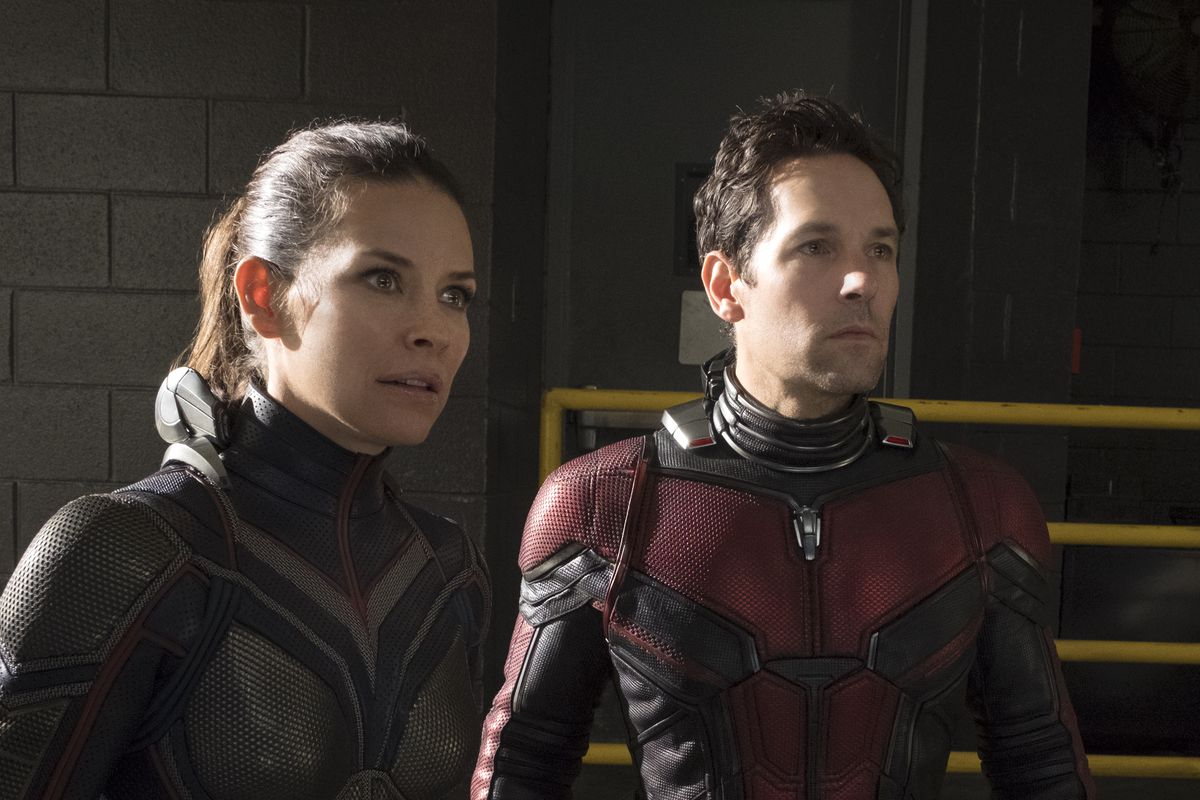
21. Ant-Man and the Wasp (2018)

This sequel to Ant-Man is not a poorly made film, it has many fine merits such as a winning cast and great effects. The problems with Ant-Man and the Wasp is that it doesn’t have the same energy as Ant-Man, often the humor comes off as forced, and feels more pedestrian than its predecessor. Not even the unusual sight gags are as funny or inventive as in the original.
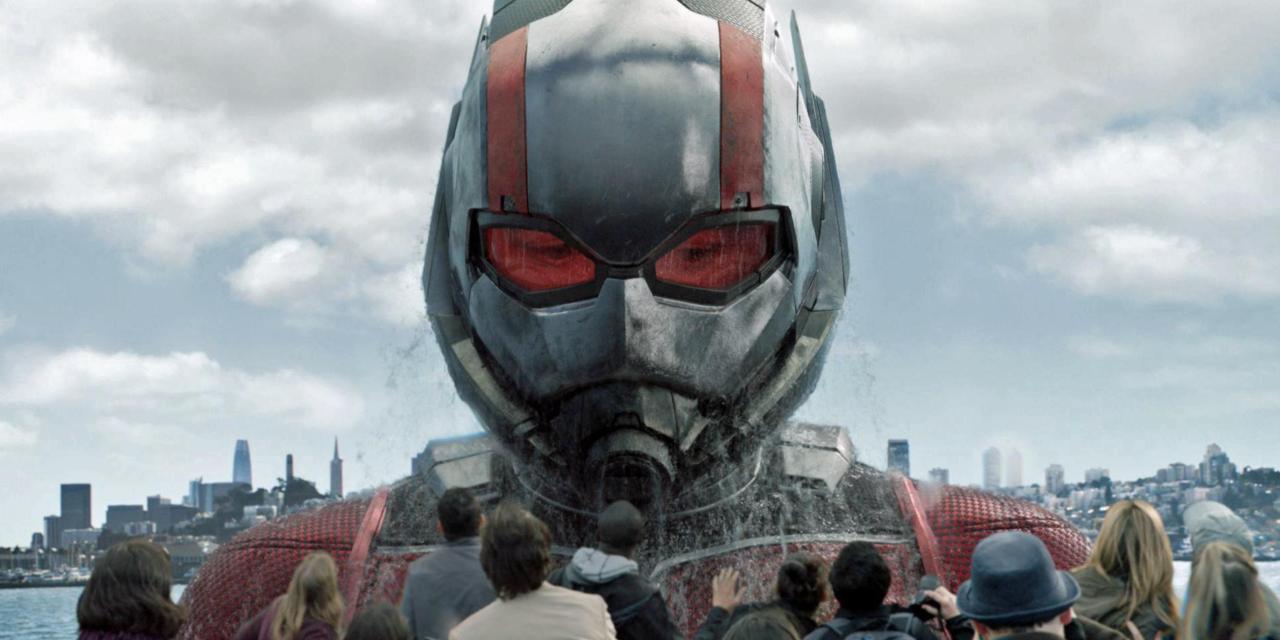
Making matters worse is that the film featured some of the worst villains in the MCU. They make the much-criticized Yellowjacket in Ant-Man seem like Thanos, yes, they’re that uninteresting. Still, it’s not a bad film but should have been so much better.

20. Avengers: Age of Ultron (2015)

The first sequel to The Avengers is sometimes frustrating to watch because it reeks of 1) wasted potential and 2) having too many cooks in the kitchen or rather execs in the editing room. Reportedly, director Joss Whedon was ordered to include scenes and subplots that had little to do with the main story and his frustration showed in the final product.
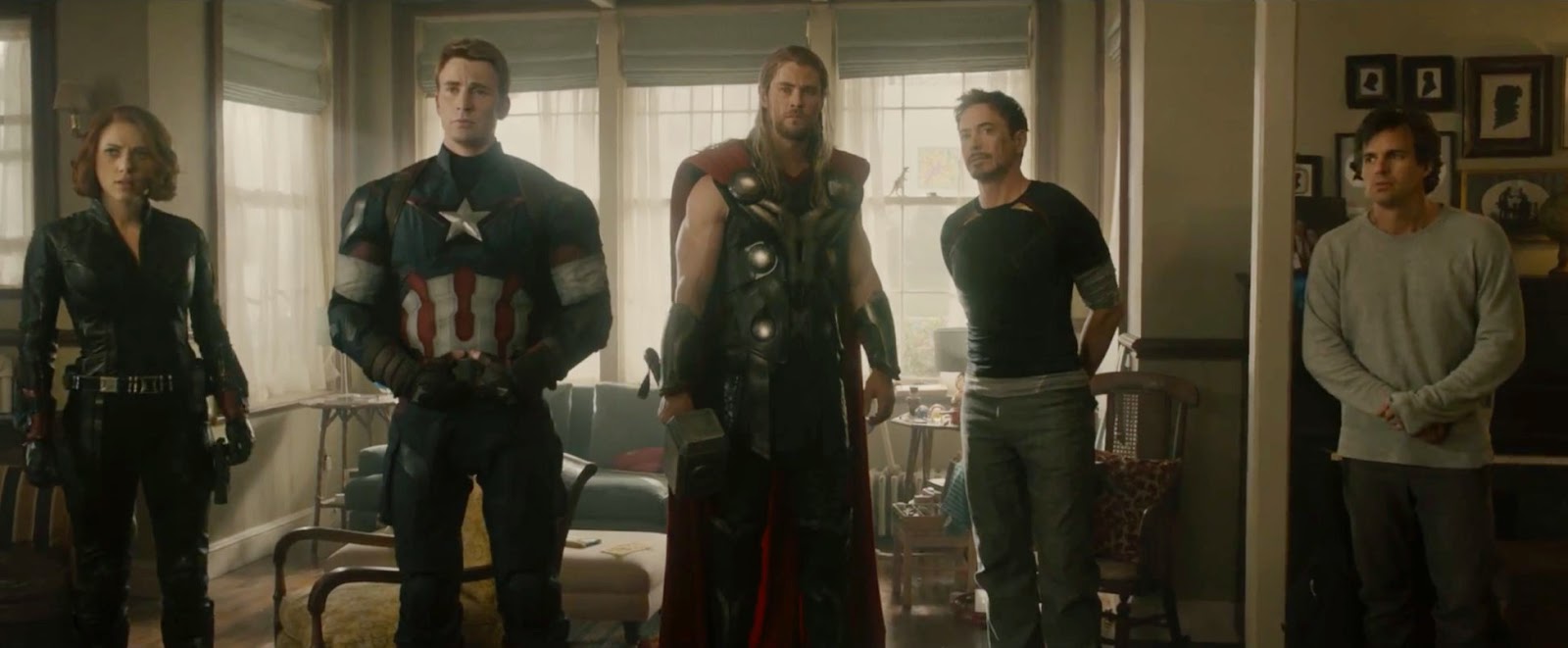
But worse than that, Avengers: Age of Ultron felt by the numbers and crammed with too many characters. It was unable to recreate the fun and energy of the first film. But, there are some terrific sequences, namely the battle between the Hulk and the Hulkbuster and the party scene where Steve Rogers nudges Thor’s immovable hammer, so there is that.
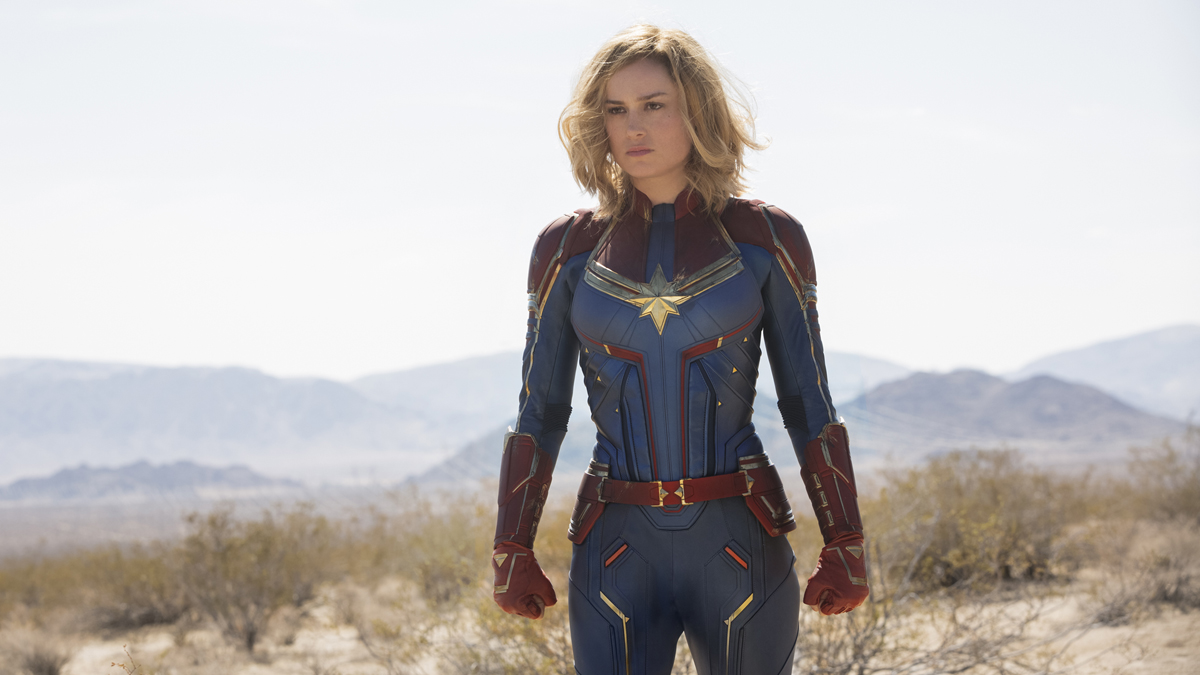
19. Captain Marvel (2019)

This is a fine, decent film that does a better than expected job of showing how the modern MCU was set up. More than that, Captain Marvel expands the cosmic side of the MCU while laying the groundwork for the future of the cinematic universe.
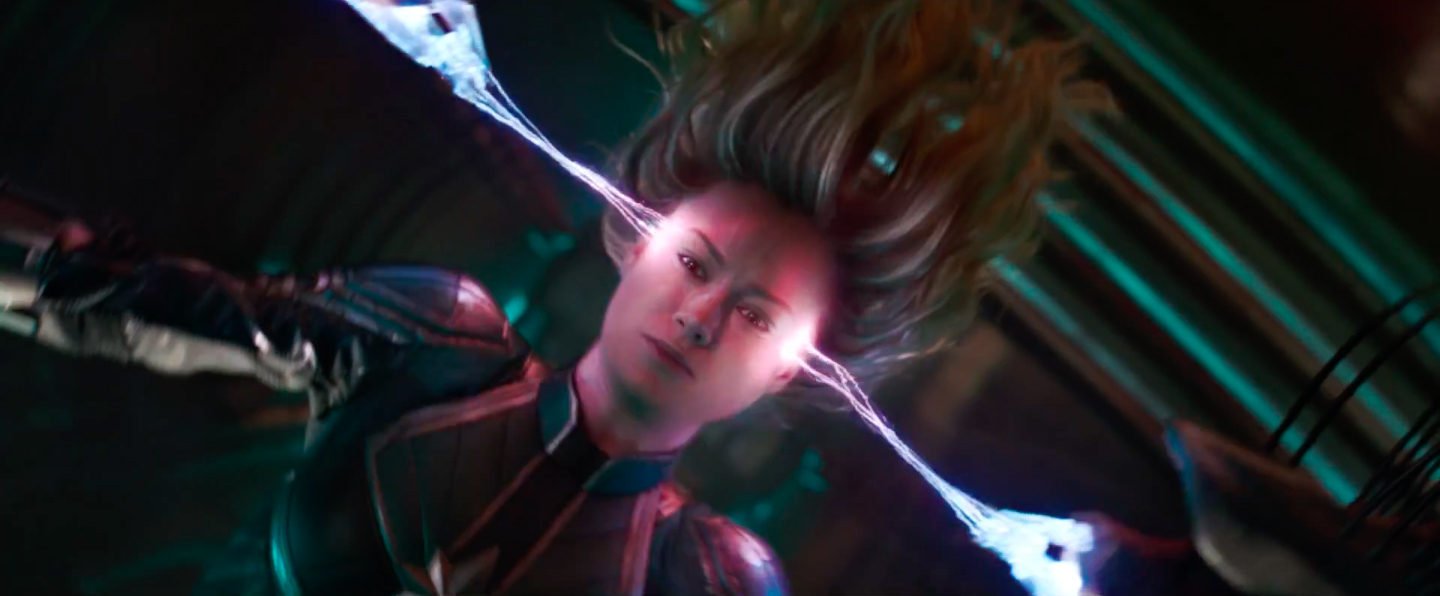
What holds this film from ranking higher is that it’s rather flat at times and feels like a formulaic superhero film. Captain Marvel is alright for what it is, but it doesn’t truly stand out like many MCU films. Making things worse is Brie Larson’s sometimes wooden performance as the title character.
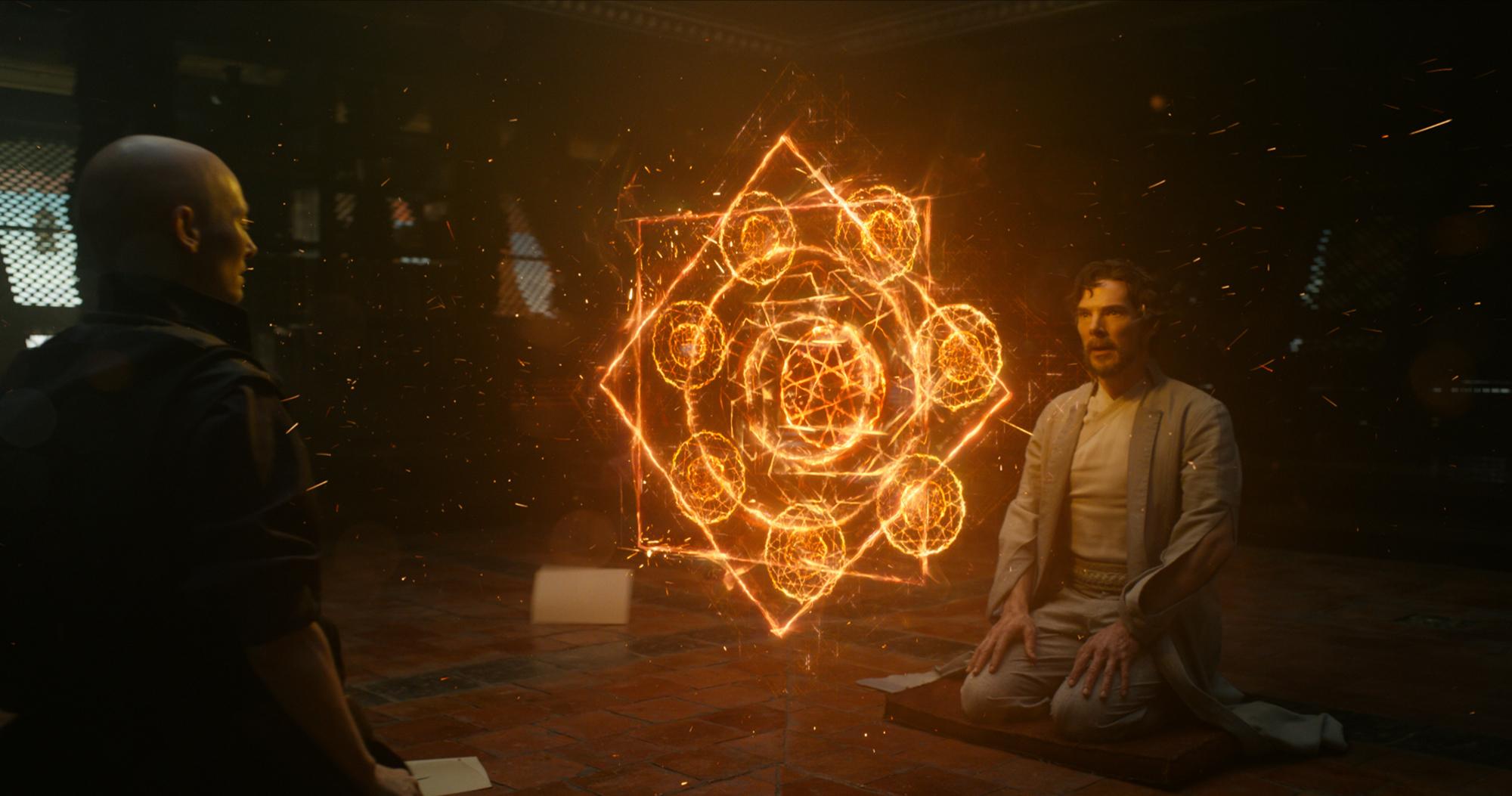
18. Doctor Strange (2016)

The Sorcerer Supreme’s debut film might have ranked higher on the list if only it didn’t feel like we’ve seen this kind of film before. An arrogant tool learns some humility and becomes altruistically heroic in time for the end credits. This doesn’t mean that Doctor Strange is a bad film, not at all. It’s professionally put together with amazing special effects and imagery that has never been seen before. Plus, Benedict Cumberbatch is an inspired casting choice for the title character.
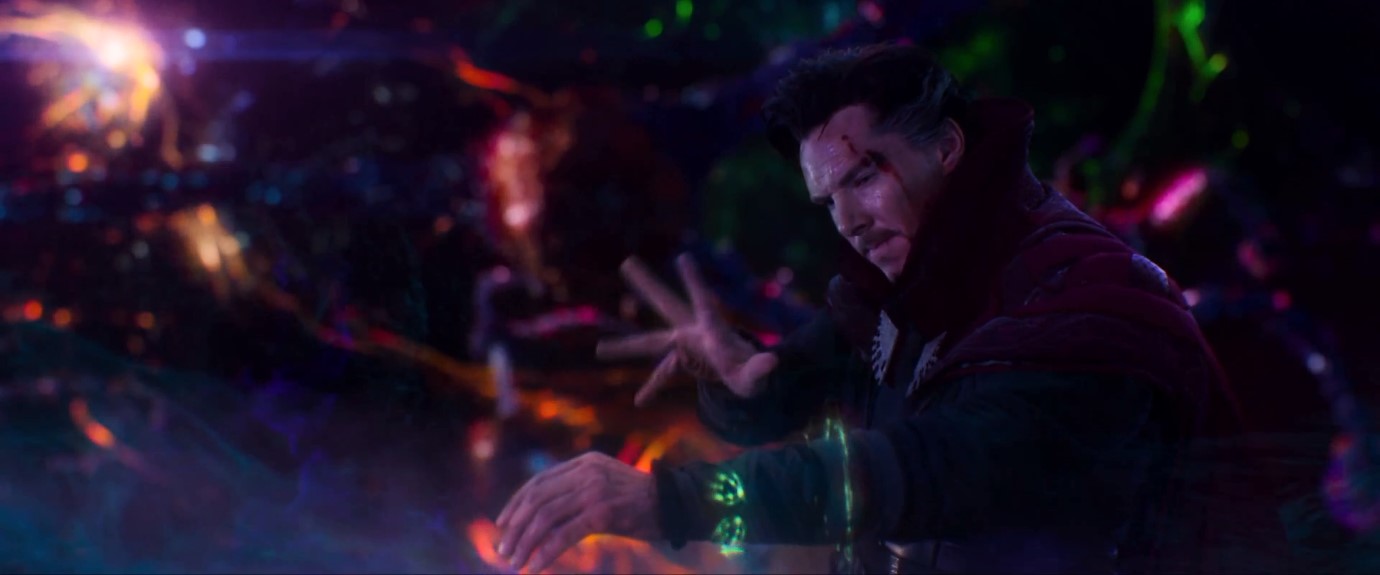
However, Doctor Strange sometimes feels formulaic and routine in between the hallucinogenic magic shows. Downgrading the film further is its main villain, a rather forgettable evil wizard with murky motivation and cliché dialogue. More screen time should have gone to Dormammu, the ultimate big bad revealed at the end. The confrontation between Doctor Strange and Dormammu was ingenious and its resolution was a welcome change from the typical fisticuffs.
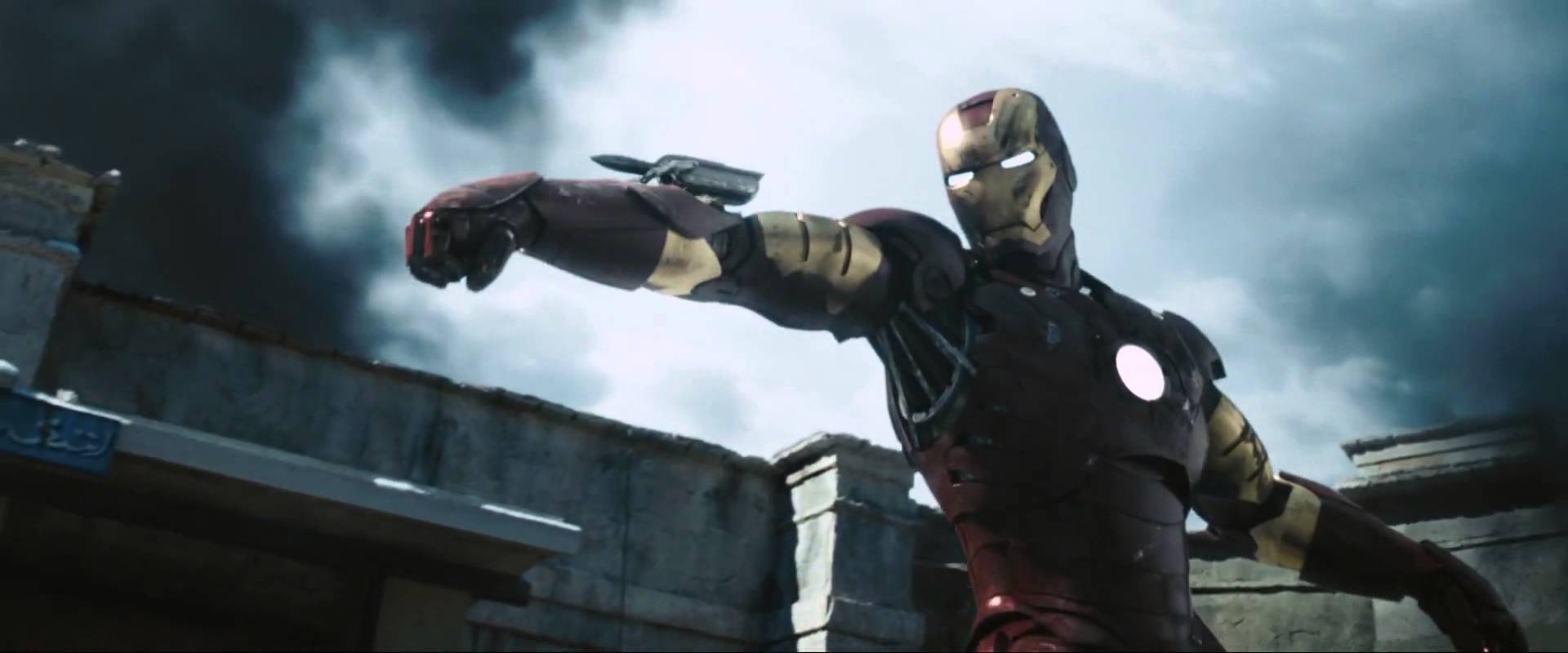
17. Iron Man (2008)

As the very first MCU film, Iron Man holds a distinctive place in many people’s lists. No doubt, the success of the cinematic universe is due to this solid superhero film that defied the odds. Before it was released, many doubted that the burgeoning Marvel Studios could pull off a successful superhero film with a B-list character. Thankfully, they were proven wrong. Robert Downey Jr. shone in the role of his career as Tony Stark and was one of the main reasons why the MCU took off.
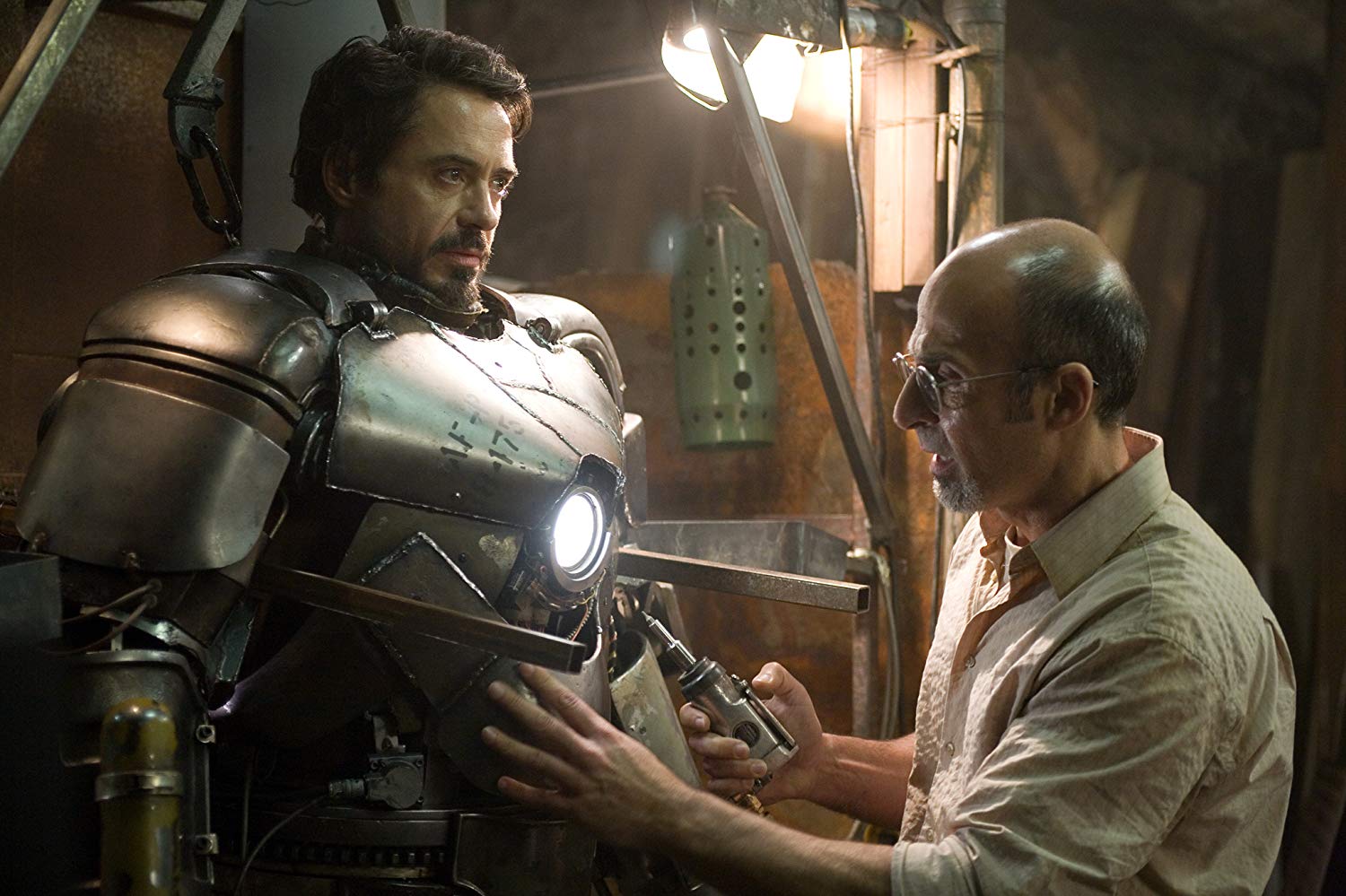
But looking at it objectively, the film has its faults. After a thrilling and engaging first half, it bogs down as we impatiently wait for Stark to build and use the iconic red-and-gold Iron Man armor. The villain didn’t help matters either. Jeff Bridges is OK as Obadiah Stane but didn’t have much presence and this lessened the final conflict between the two. However, the film’s post-credits scene was a true zinger and gave birth to the MCU.
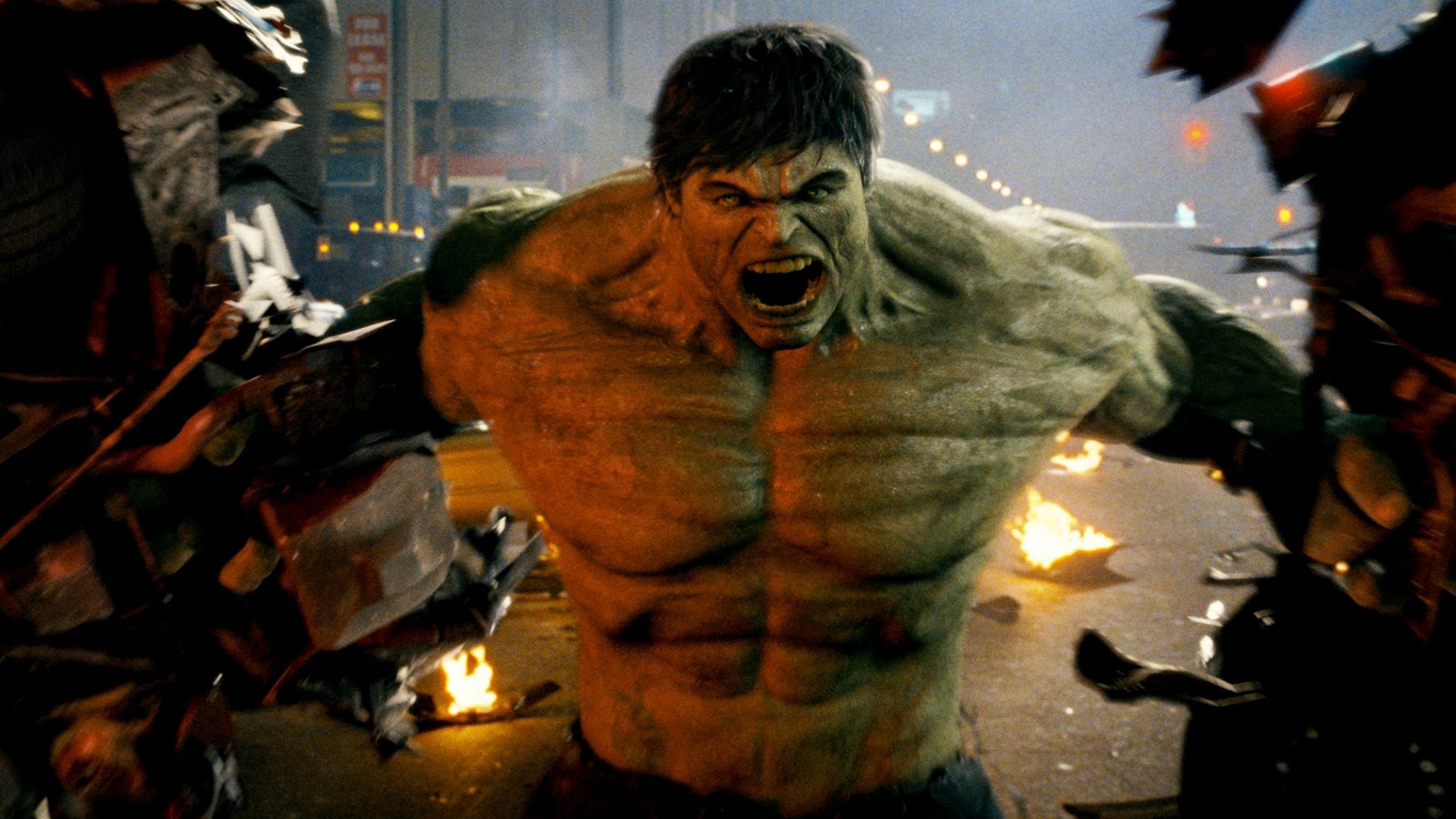
16. The Incredible Hulk (2008)

The only solo Hulk film from Marvel Studios is its redheaded stepchild, which is a shame. There are so many admirable qualities to the film and it revamped the character after the ill-received film version from 2003. Besides, The Incredible Hulk was a favorite film of someone very dear to me, so it holds a special place. The film is often overlooked but it’s important to the MCU. As the first film after Iron Man it featured many references and Easter eggs that helped solidify the MCU. It also was the first MCU film to crossover characters as seen with Tony Stark’s appearance late in the film.
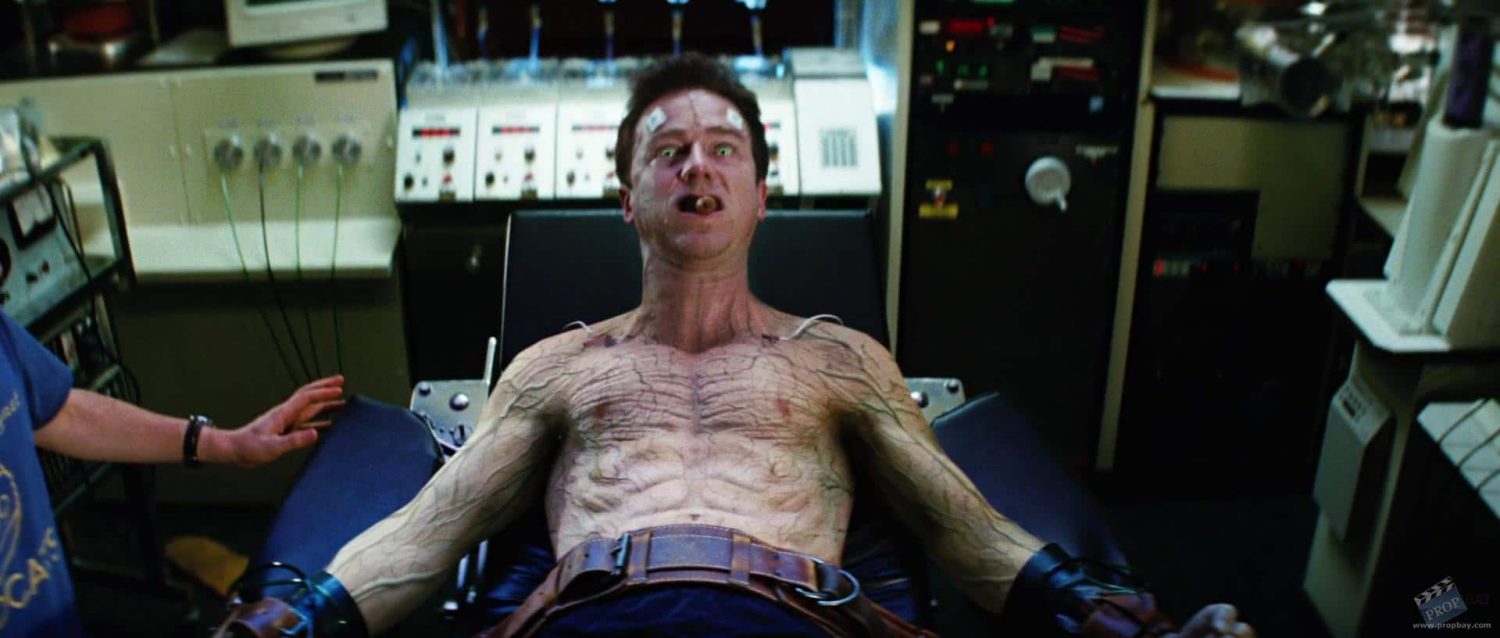
The film cleverly echoed the vibe from the successful TV series of the 70s and 80s by having its tortured hero Bruce Banner living life as a fugitive as he tried to cure his condition of turning into the Hulk. In his only appearance as Banner, Ed Norton, successfully captured the essence of his comic book counterpart in that Banner was a geeky, unassuming man who had a lot of pent-up rage. He actually was better at the role than Mark Ruffalo, but alas, studio politics and Norton’s actions during filming prevented him from reprising the role.

15. Black Panther (2018)

It may be heresy to admit it, but while Black Panther is a groundbreaking and captivating superhero film (and the first one to be nominated for a Best Picture Oscar), it is overrated. Taking away its world building, merits and cultural impact, Black Panther has its flaws like some cheesy CGI and it takes a while for the film to take off during its first act. But when it does, wow, it soars off with great velocity. This happens when T’Challa directly faces the film’s villain Killmonger.
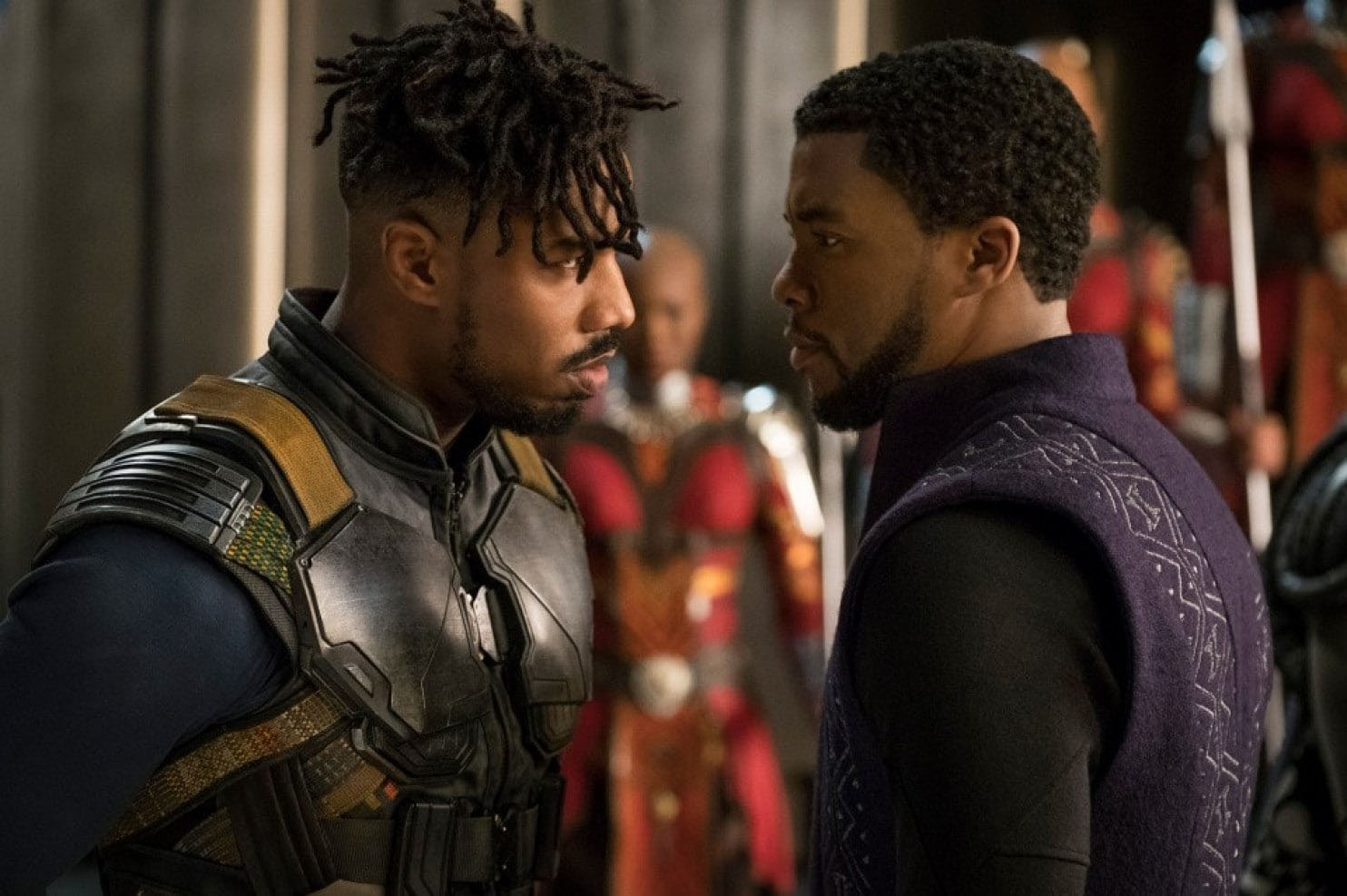
tchalla and killmonger

Michael B. Jordan is one of the film’s greatest assets as the savage Killmonger thanks to his compelling back story. His story intertwines finely with the film’s theme about the actions and sins of our fathers defining and shaping us. Once Killmonger enters the stage to claim the throne of Wakanda, the film grabs you much more than the eye-popping visuals of the advanced African country.
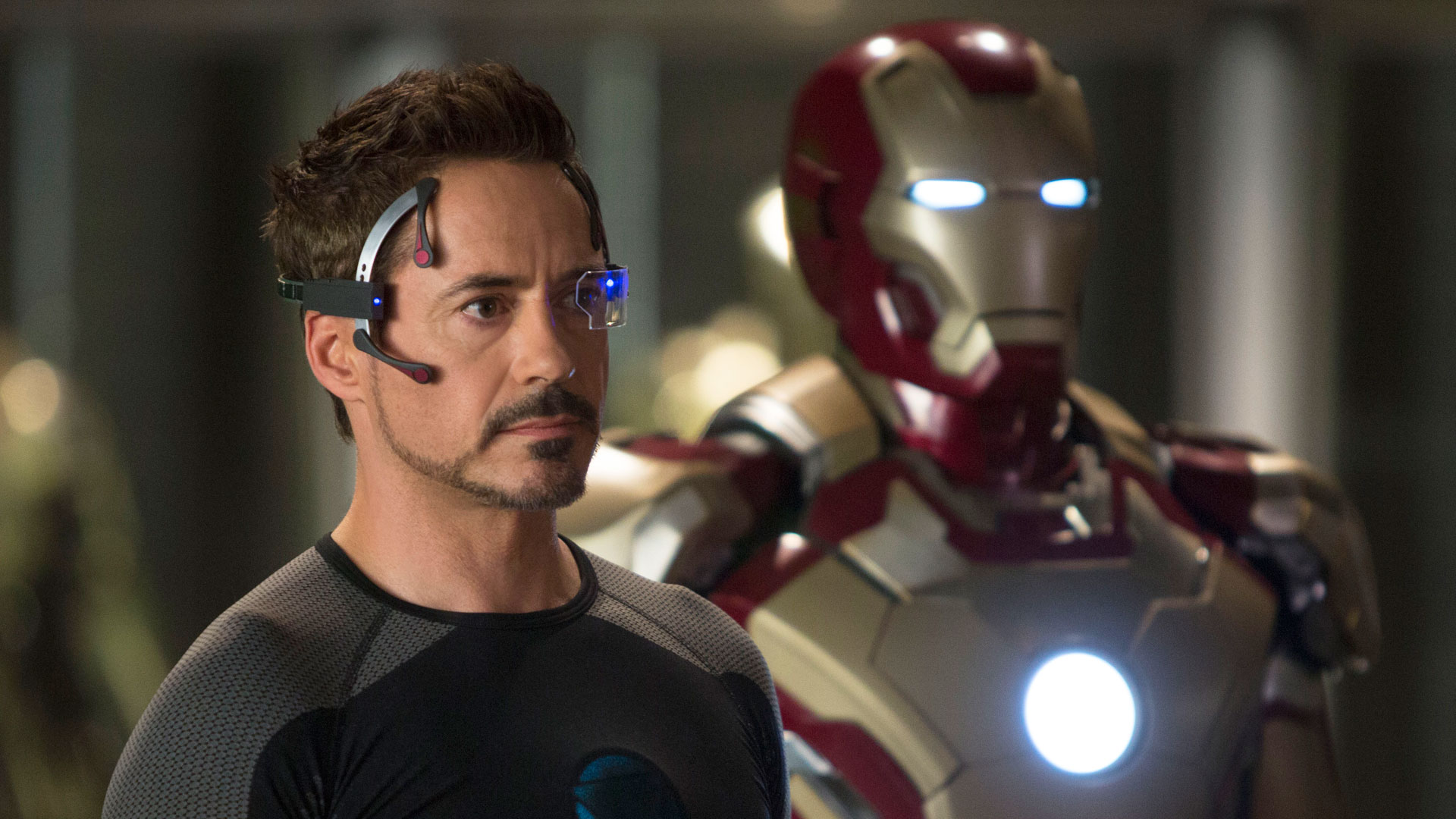
14. Iron Man 3 (2013)

Believe it or not, Iron Man 3 is a very well done film and unbelievably the best Iron Man solo film with exciting sequences. It created a lot of controversy when it was released due to the nature of the villains and certain plot twists. This turned off many fans, but the twists were genuine surprises that paid off.
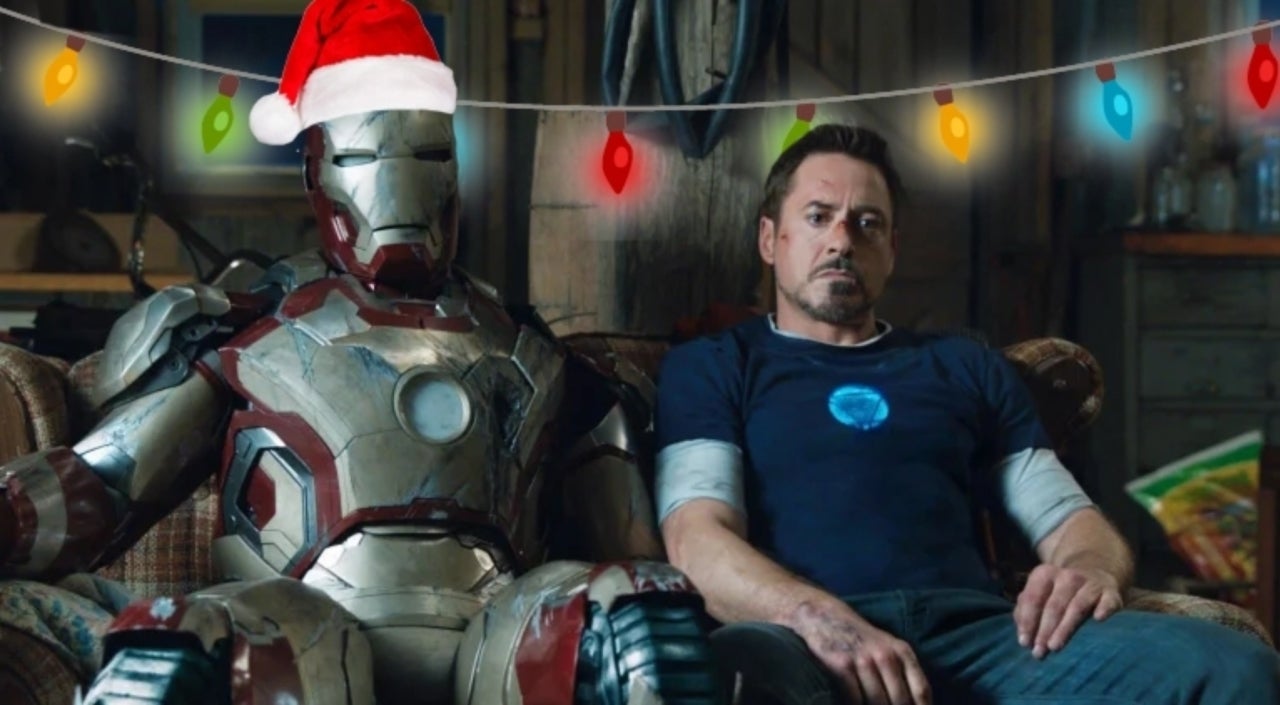
What makes Iron Man 3 stand out is that it was basically a deconstruction of the title hero. We got to see Tony Stark at his most vulnerable as he grappled with PTSD from the events of The Avengers, and this made him more human. We saw there was more to this wounded man than his snarky jokes and false bravado. Then we saw how heroic and resourceful he was without his armor. This film certainly deserves another, more objective look.
black and red spidey

13. Spider-Man: Far From Home (2019)

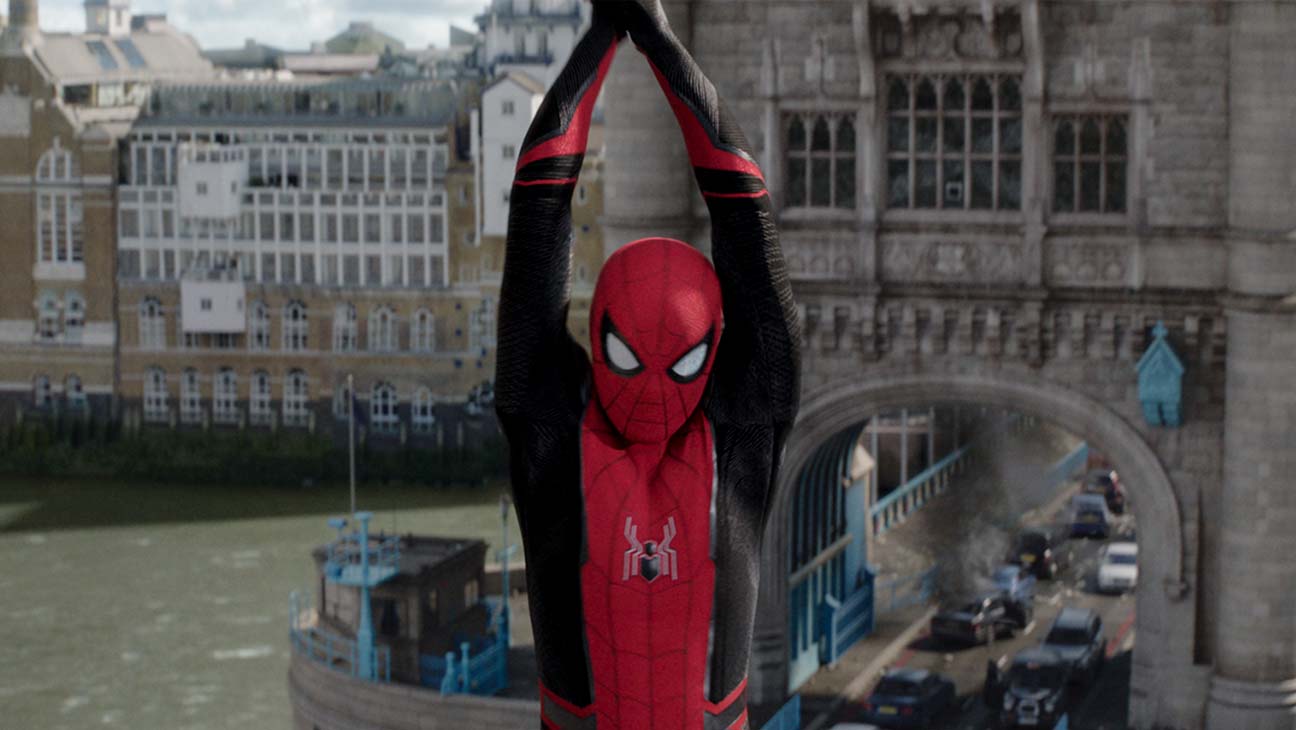
There are many plot holes in the second Spider-Man MCU film, but it’s a blast with so much heart and boasts some of the greatest MCU post-credits scenes. As with the previous Spider-Man film, this followup showcases the precarious balance that teenage superhero Peter Parker holds between his normal high school life and that of his web-swinging, heroic alter ego.
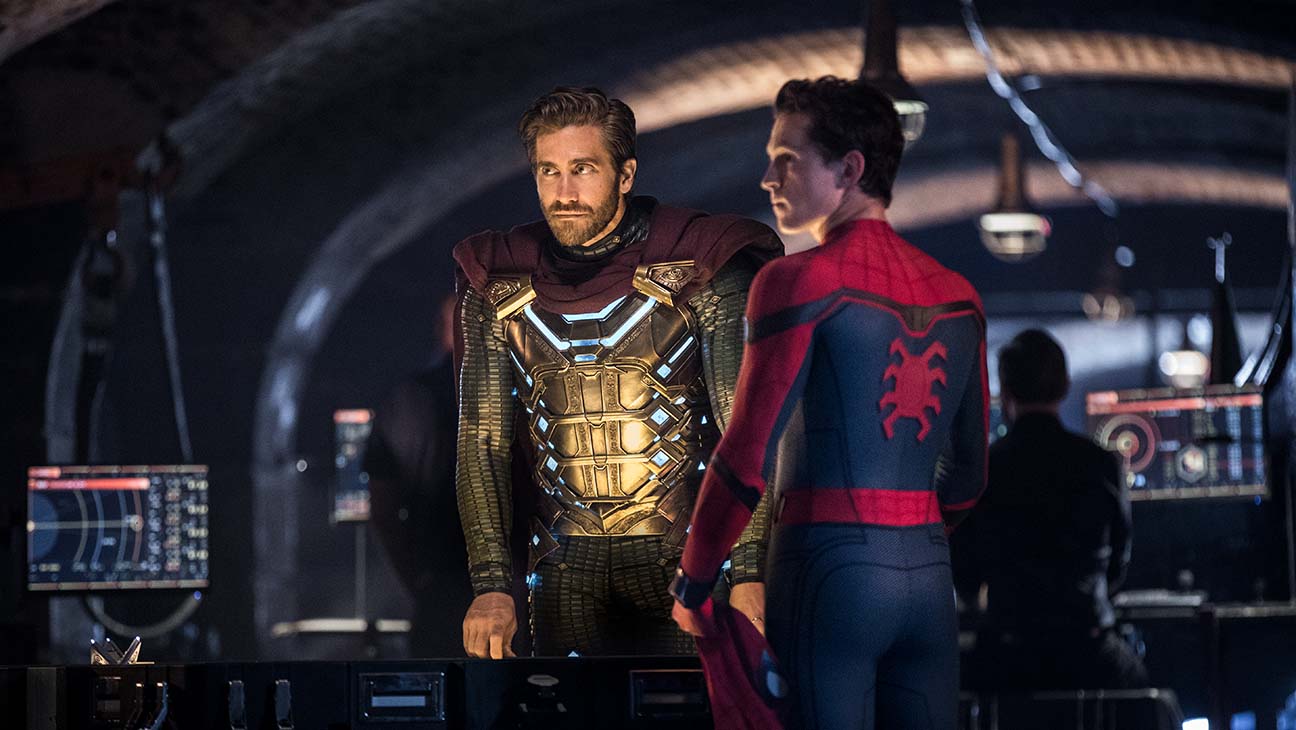
spidey and mysterio

There are many memorable sequences and laughs, though not all of them land. Overall, the film is fast-paced and engrossing with dazzling effects and fights. The main cast has perfected their performances in this sophomore effort. One of the highlights is Jake Gyllenhaal who plays the villainous Mysterio with obvious glee. The fight scenes between him and Spider-Man are some of the MCU’s best and at times emulate the trippy nature of the Spider-Man/Mysterio fights featured in the comics.

Continue reading

5 MCU Films To See Before Avengers: Endgame

Settle down folks, that means all of you celebrating or lamenting the X-Men and the Fantastic Four going to the Marvel Cinematic Universe (MCU). We still have Avengers: Endgame to deal with and that monumental conclusion to the MCU Infinity Saga is just over a month away. It’s a given, Marvel Studios and Disney will have our hard-earned cash for the opening weekend and we’re all caught up with the 20+ MCU films. But what about our hapless dates and companions who we bring along to see Avengers: Endgame? What if they have no idea who Rocket Raccoon is or where Wakanda is located? The intricacies of the cinematic universe could be explained, but wouldn’t it be better if they see for themselves? Easier said than done, there are over 20 films to slog through, and not all of them are great. You’d be doing them a favor by suggesting just a few MCU films to watch before Avengers: Endgame, so at least they won’t be distracting you with annoying questions as the Avengers prepare for that final battle against Thanos.

Like last year when we presented 10 films to see before Avengers: Infinity War, here is another list and this time, let’s cut it down to the bone: five MCU films to see before Avengers: Endgame in alphabetical order. Some spoilers will follow.

Ant-Man and the Wasp (2018):

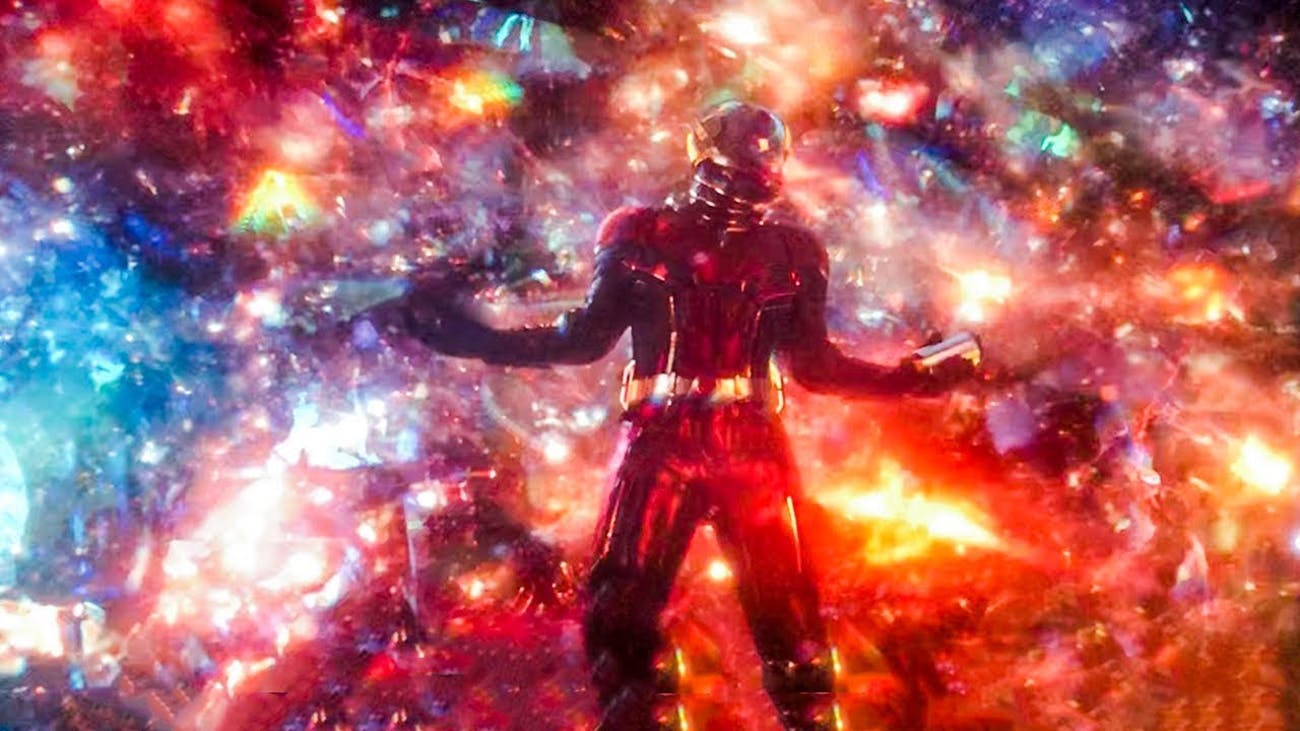
The concept of quantum realms was first introduced in this film’s predecessor, Ant-Man. But this sequel explores the mysterious realm much more. We learn that there are time vortexes within the miniscule dimension that Hank Pym explores in order to rescue his lost wife. Also, Ant-Man and the Wasp is directly linked to the devastating events of Avengers: Infinity War as seen in the mid-credits sequence as the Wasp, Hank Pym and Janet Van Dyne are victims of the Decimation or Thanos’ snap.

Meanwhile, unaware of how directly involved he is now with the universe-spanning event, Ant-Man is trapped in the quantum realm and his time spent there will most likely hold the key to victory for the Avengers as teased in the trailers for Avengers: Endgame. Needless to mention, that the plucky Ant-Man will be a critical player in the coming film.

Avengers: Age of Ultron (2015):

It’s not the best MCU film, but it’s proving to be a vital nexus for what happens in the Marvel Cinematic Universe afterwards. There are some plot points that are relevant to the other Avengers and MCU films, which include heroes become obsessed with upcoming threats. Iron Man has visions of Earth doomed by cosmic forces, which leads to his ill-advised creation of Ultron and fractures his relationship with Captain America. Meanwhile, Thor learns about the Infinity Stones and leaves the team to search for them, to no avail.

Meanwhile, Captain America’s visions of his lost love, Peggy Carter, imply his soul is still haunted by their separation by time and as hinted at in Avengers: Endgame, perhaps this will be addressed. We also discover that Hawkeye has a loving family and the latest trailer implies that they are victims of the Decimation. This explains why he takes on the persona of Ronin in the film. It should be noted that there are rumors that the villainous android, Ultron, will return in Avengers: Endgame.

Avengers: Infinity War (2018):

Well, duh! It’s the Avengers film right before Endgame! The fourth Avengers film is a direct follow-up to Avengers: Infinity War and explores the aftermath of the devastating events shown in the third Avengers film. Viewers learn about Thanos, his twisted motivation and fiendish plan to snuff out half of all life in the universe.

What’s fun to watch are the interactions, appearances of and team ups with the MCU’s finest, from Spider-Man to Doctor Strange to the Guardians of the Galaxy. This was a true epic crossover film that ends with Thanos triumphant and half of the MCU heroes turned to dust. It only makes sense to see this film before Avengers: Endgame to at least see the set up before the fourth Avengers film and understand the high stakes for the surviving heroes.

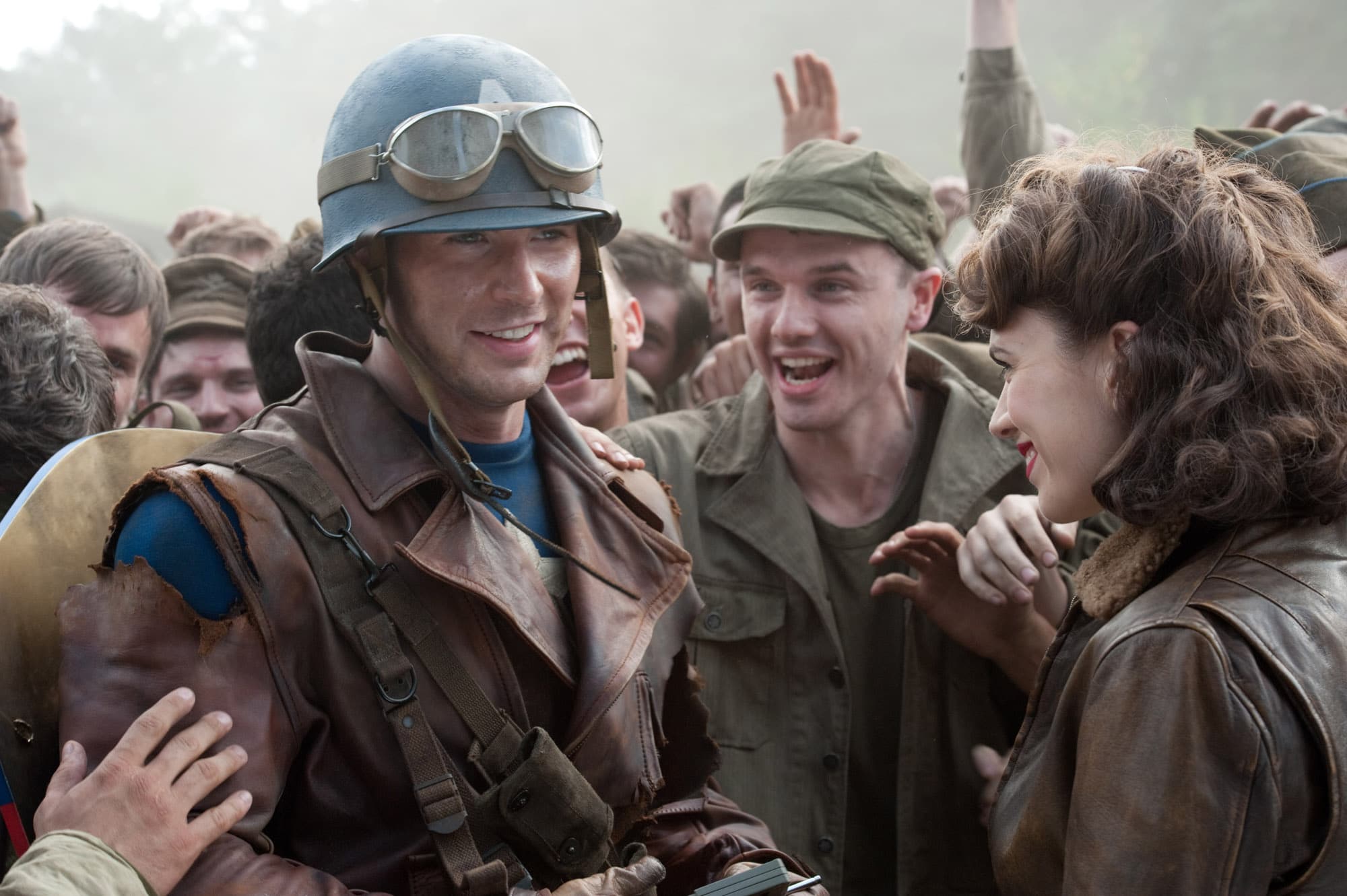
Captain America: The First Avenger (2011):

The first Captain America film has one of the earliest appearance of one of the Infinity Stones, the Space Stone and of course, features the star-spangled debut of Captain America, aka Steve Rogers. As shown in the Avengers: Endgame trailer, unlike the last Avengers film, he will be more vital to the film’s main plot.

Just as important, Captain America: The First Avenger explores the relationship between Steve Rogers and Peggy Carter. The tragedy of their budding romance is that it was never fulfilled, something that haunts Rogers (see Avengers: Age of Ultron and the other Cap films). As hinted in some Avengers: Endgame trailers, this lost relationship could be a major plot for Captain America in the film. Perhaps, a clue to his final destiny?

MFing Guardians of the Galaxy

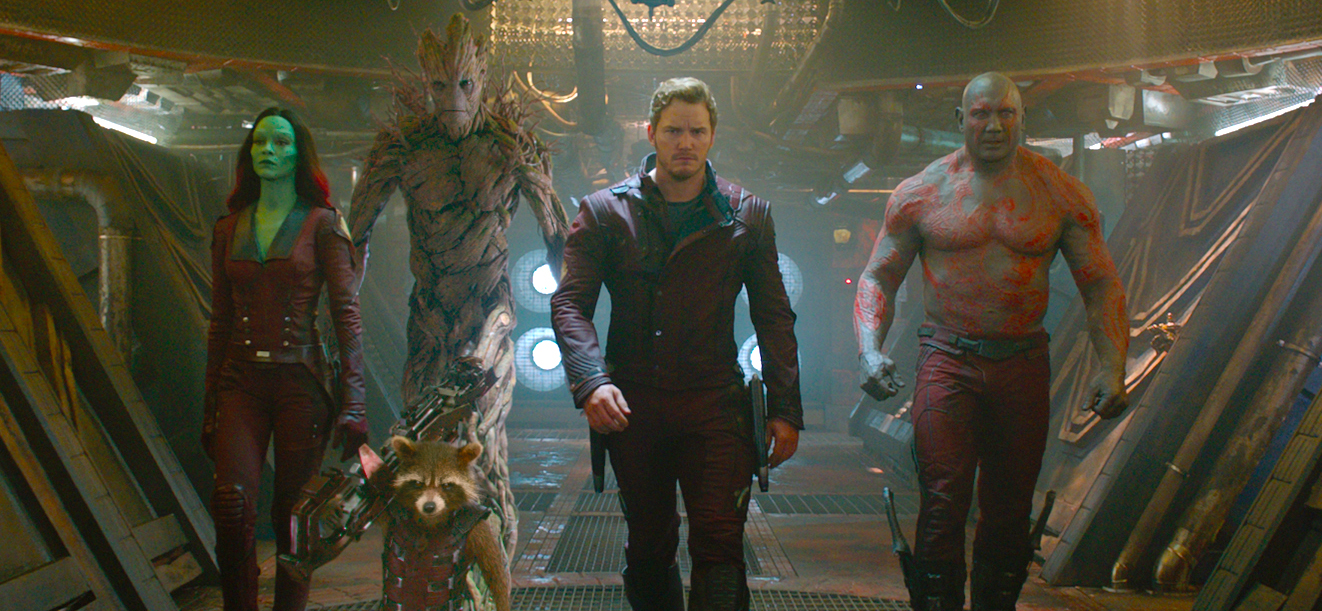
Guardians of the Galaxy (2014):

As stated in last year’s post, this film not only boasts the fabulous debut of everyone’s favorite cosmic misfits, but clearly explains the Infinity Stones and the background to the Infinity Saga. Rocket Raccoon, the anthropomorphic and snarky raccoon, debuts here and is one of the main heroes in Endgame as the sole surviving member of the Guardians. In addition to introducing viewers to the Guardians of the Galaxy, this film has the first full appearance of Thanos, who appears as a background boss, but already exuded a malevolent presence.

Guardians of the Galaxy also debuts Nebula, who is Thanos’ daughter. We learn of her complicated relationship with her adopted father and sister, Gamora, and why she wants to kill her father. This obviously will be her main driving force in Endgame, which is only natural after she saw firsthand the effects of the Decimation.

avengers first team up

Miscellaneous:

See these films if time permits. They are not crucial to watch and didn’t make the list of five essential films to see before Avengers: Endgame, but do add information and context about the beloved characters and situations of the MCU.

Ant-Man (2015) is the first MCU film to feature quantum realms and other dimensions and of course, debuts Ant-Man, a major character in Avengers: Endgame.

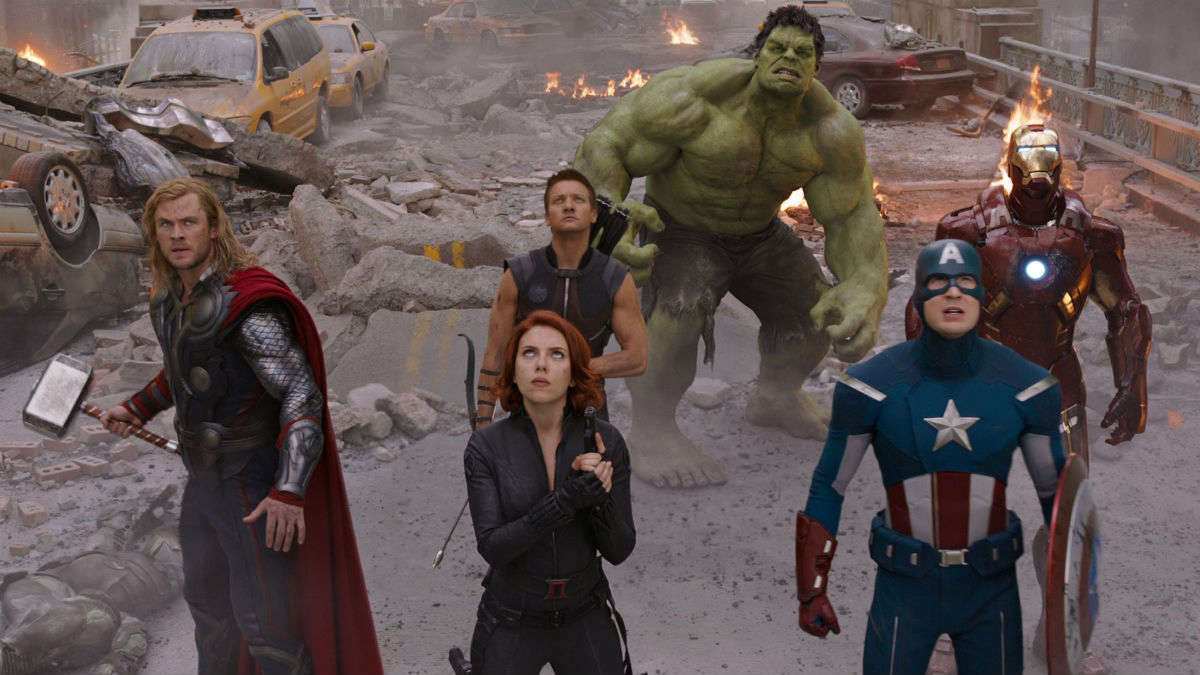
The Avengers (2012) introduces the superhero team and how they get along with each other, while featuring two of the Infinity Stones. Bonus point: Thanos makes his first appearance in the MCU in a cameo.

Captain America: Civil War (2016) is more of a prerequisite for Avengers: Infinity War. In this film, we see how the fragile relationships between the members of the Avengers, especially Iron Man and Captain America, come apart. The dissolution of the team is why the heroes lose in Avengers: Infinity War.

Captain Marvel (2019) of course, features Captain Marvel, who will be one of the major characters in Endgame as seen in the film’s mid-credits scene.

Doctor Strange (2016) has the Time Stone, possibly important to the fourth Avengers film since the film’s plot is rumored to involve time travel.

Iron Man 3 (2013) explores Tony Stark’s fragile psyche in the aftermath of the cosmic events of The Avengers. It helps us understand his state of mind in future films, culminating in Endgame.

Guardians of the Galaxy, Vol. 2 (2017) heavily features the cosmic side of the MCU and Nebula, a key player in Avengers: Endgame, as she transitions from a villain to an anti-hero.

Thor (2011) marks the first MCU appearance of aliens, the cosmic portion of the Marvel Cinematic Universe, and the God of Thunder himself.

Thor: The Dark World (2013) is one of the weaker MCU films, but has one of the Infinity Stones, the Reality Stone, a major macguffin in the second Thor film.

Thor: Ragnarok (2017) sets up Avengers: Infinity War towards its end and provides context for Thor’s state of mind in the final Avengers films.

José Soto