10 MCU Films To See Before Avengers: Infinity War

We’re all excited to see Avengers: Infinity War, the culmination of the ten-year-old Marvel Cinematic Universe (MCU). But some of us haven’t seen all the films, or are dragging along a significant other to the theater who doesn’t know Iron Man from Captain America.

The dilemma? There are 18 MCU films and so little time to see them all before Avengers: Infinity War premieres. So which films do we need to watch before seeing Avengers: Infinity War? After all, not all the MCU films are relevant to the coming epic film.
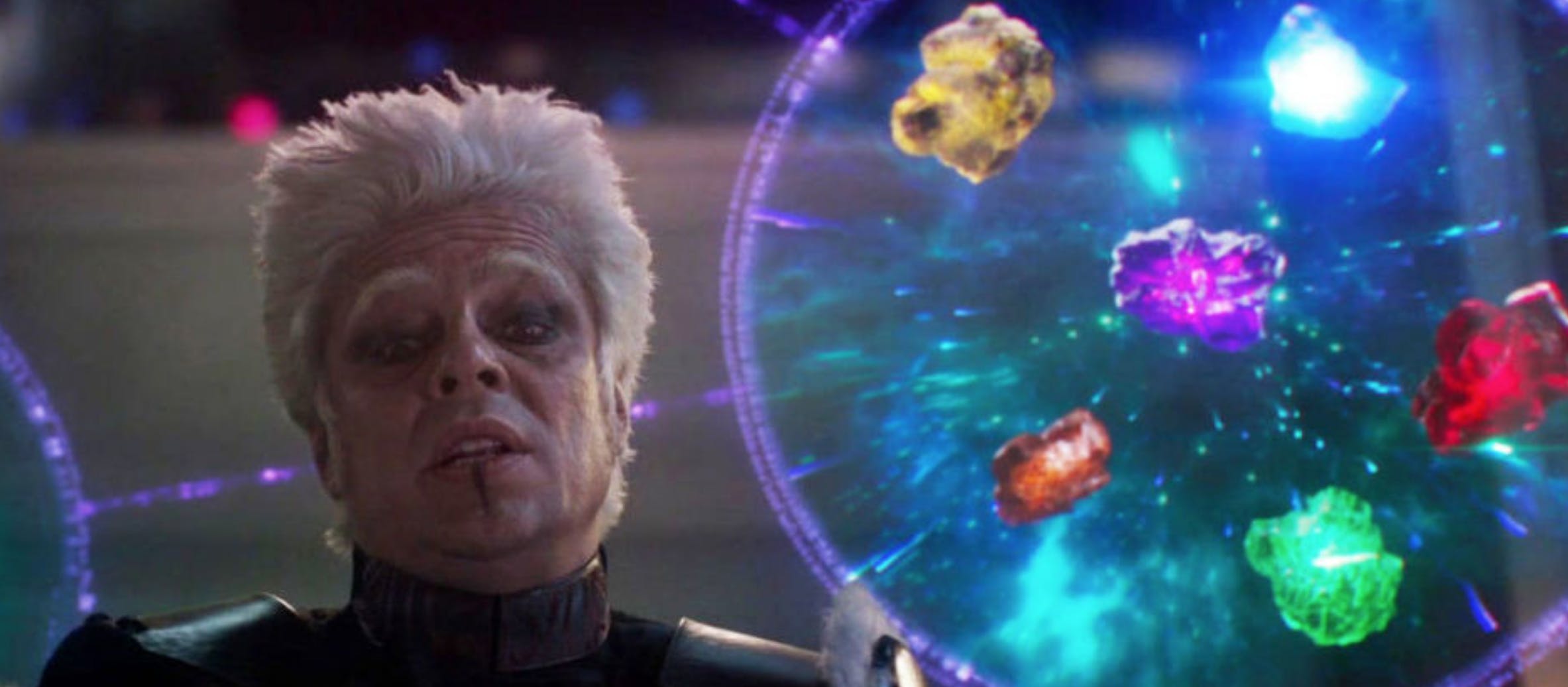
collector and stones

Listed below in alphabetical order are ten MCU films to see before Avengers: Infinity War that are essential for understanding the film-spanning saga. Keep in mind that not all the films are the best in quality but have important ties to the Infinity War saga. Some spoilers follow.
Avengers

The Avengers (2012):

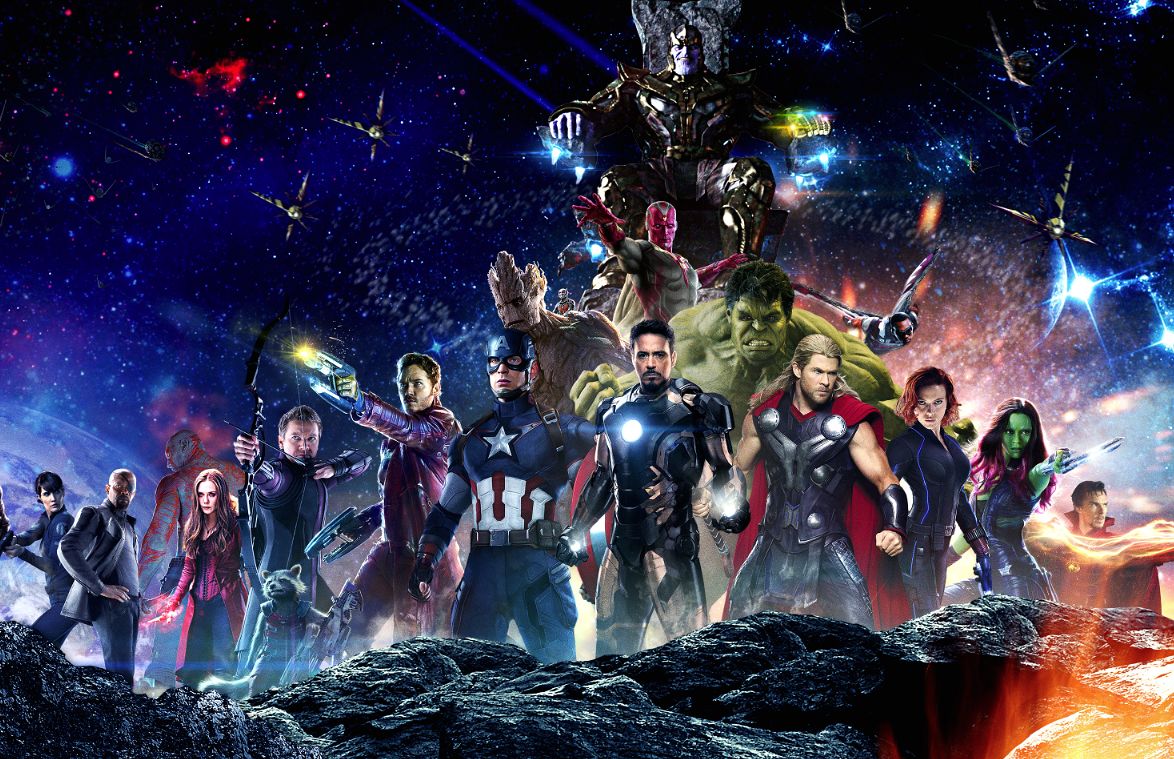
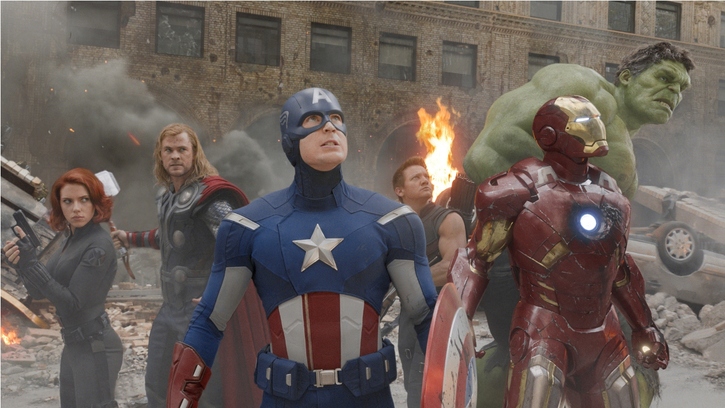
It makes sense to see the very first Avengers film. The superhero team gathers together for the first time to combat Loki, who threatened the world. The Avengers has the first appearance of the Mind Stone, one of the Infinity Stones, which was used by Loki. It also prominently features the Tesseract, aka the Space Stone, also used by Loki to transport invading alien armies to Earth.

More importantly, the post-credits scene of The Avengers introduces us to Thanos, the looming threat throughout the MCU from that point on. Overall, the first Avengers film takes the first steps to set up Phase Two and Three of the MCU, which culminates with Avengers: Infinity War.

Avengers: Age of Ultron (2015):

The sequel to The Avengers was somewhat disappointing with one of its flaws being its shoehorned tie-ins to the Infinity War saga. Two of the Avengers (Thor and Iron Man) have prophetic visions about the Infinity Stones and Earth being imperiled.

This leads to Thor leaving the team (and Earth) to learn more about the Stones while Iron Man becomes even more obsessed with protecting the world. His actions from that point are responsible for creating the film’s villain, Ultron, and the newest Avenger, Vision, one of the major characters in the third Avengers film. The Mind Stone, which was in Loki’s staff from The Avengers, is later imbedded into Vision.
black panther at wakanda

Black Panther (2018):

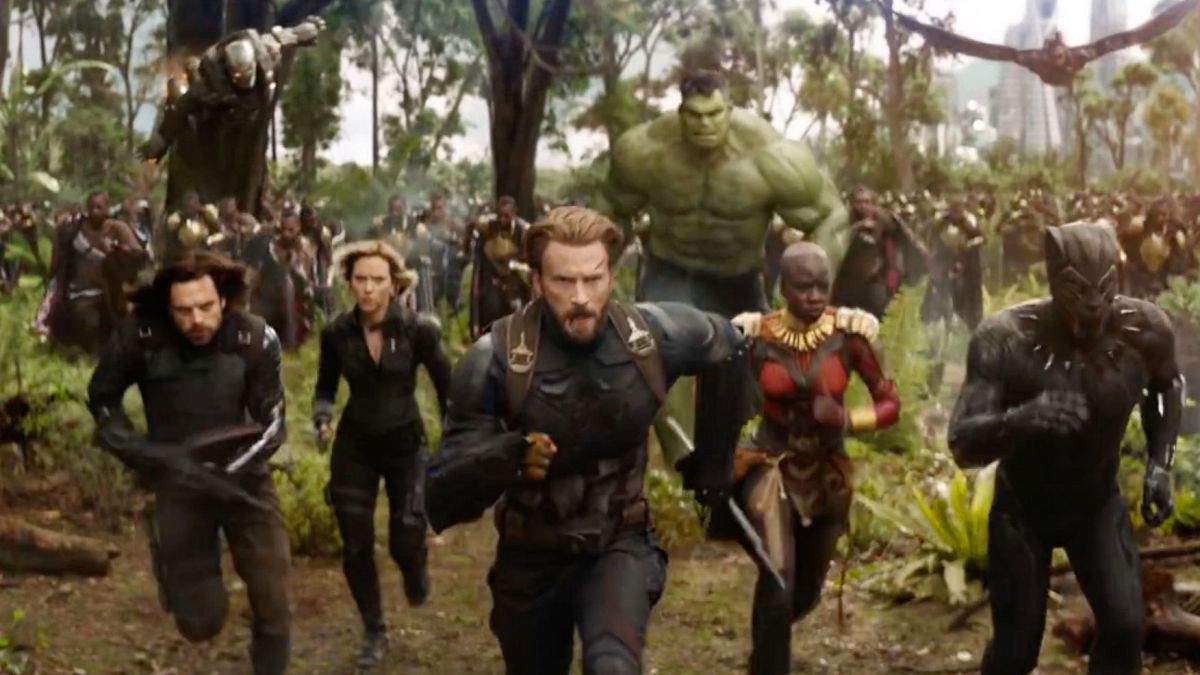
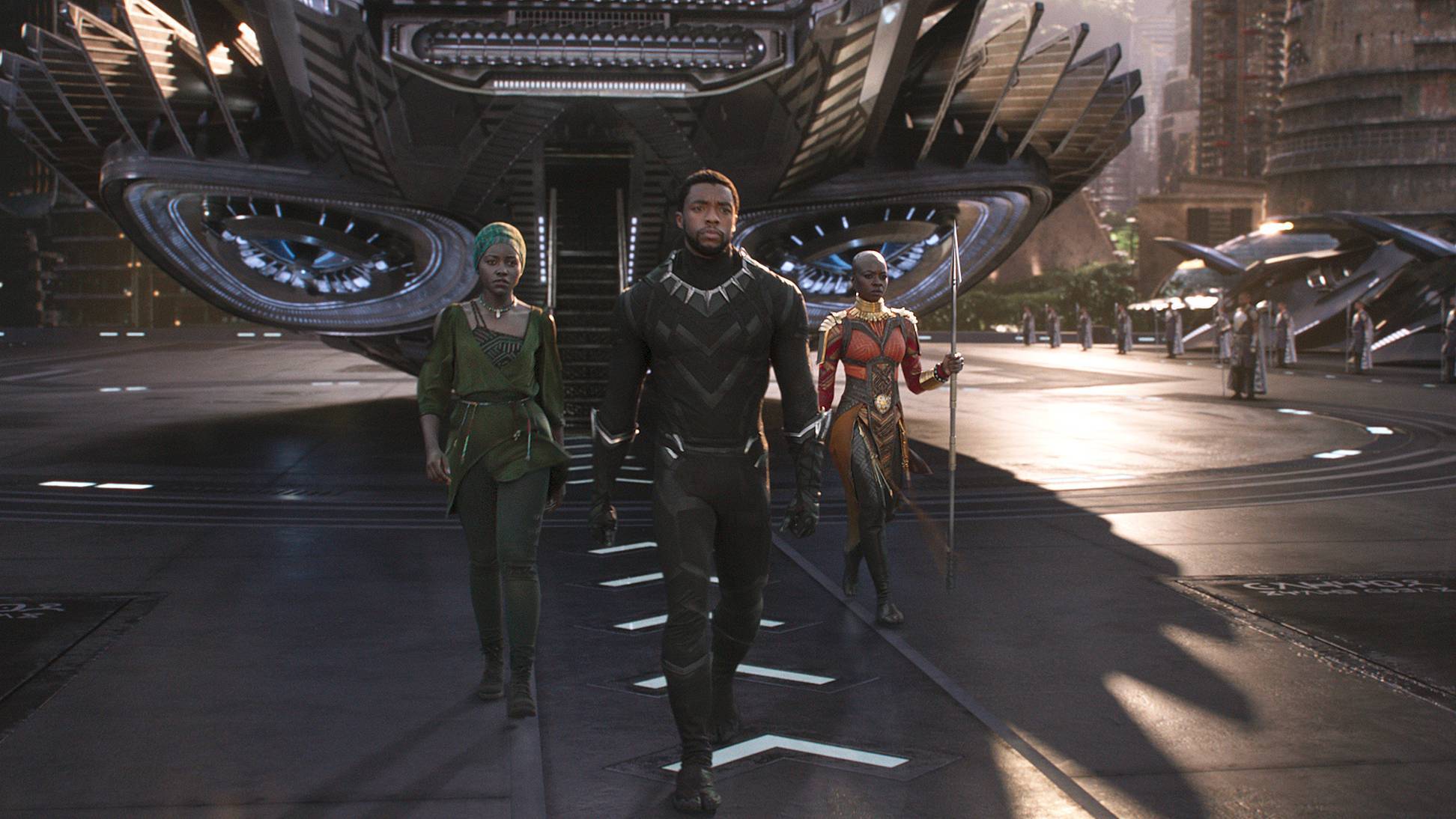
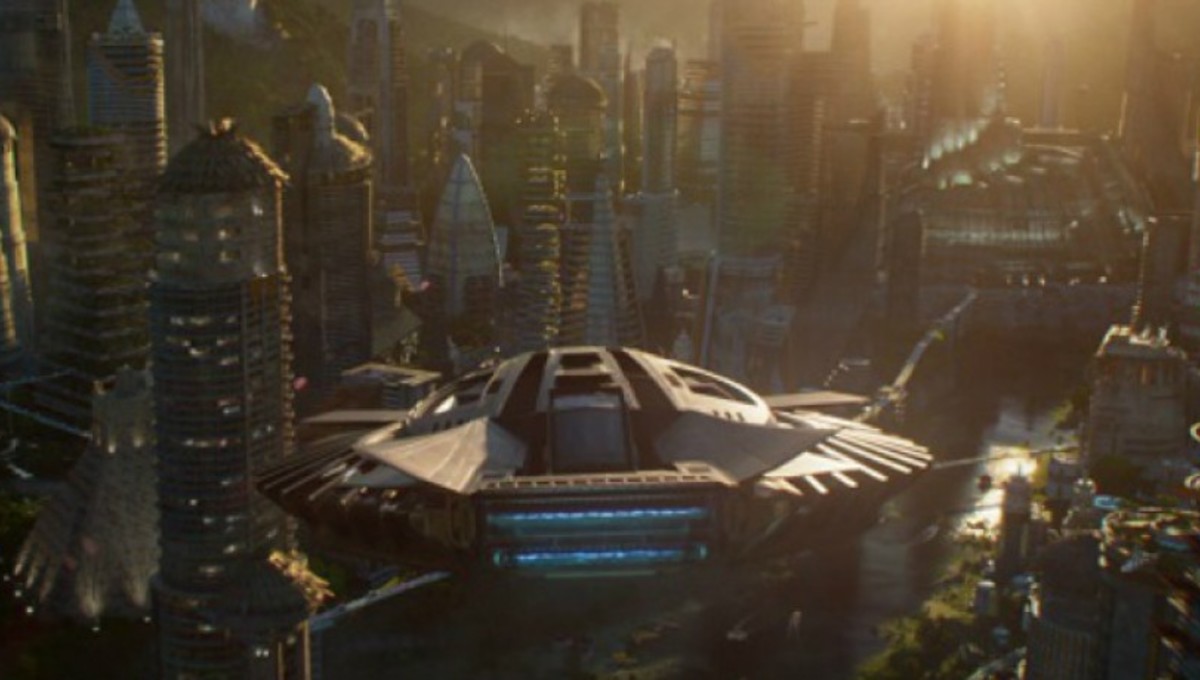
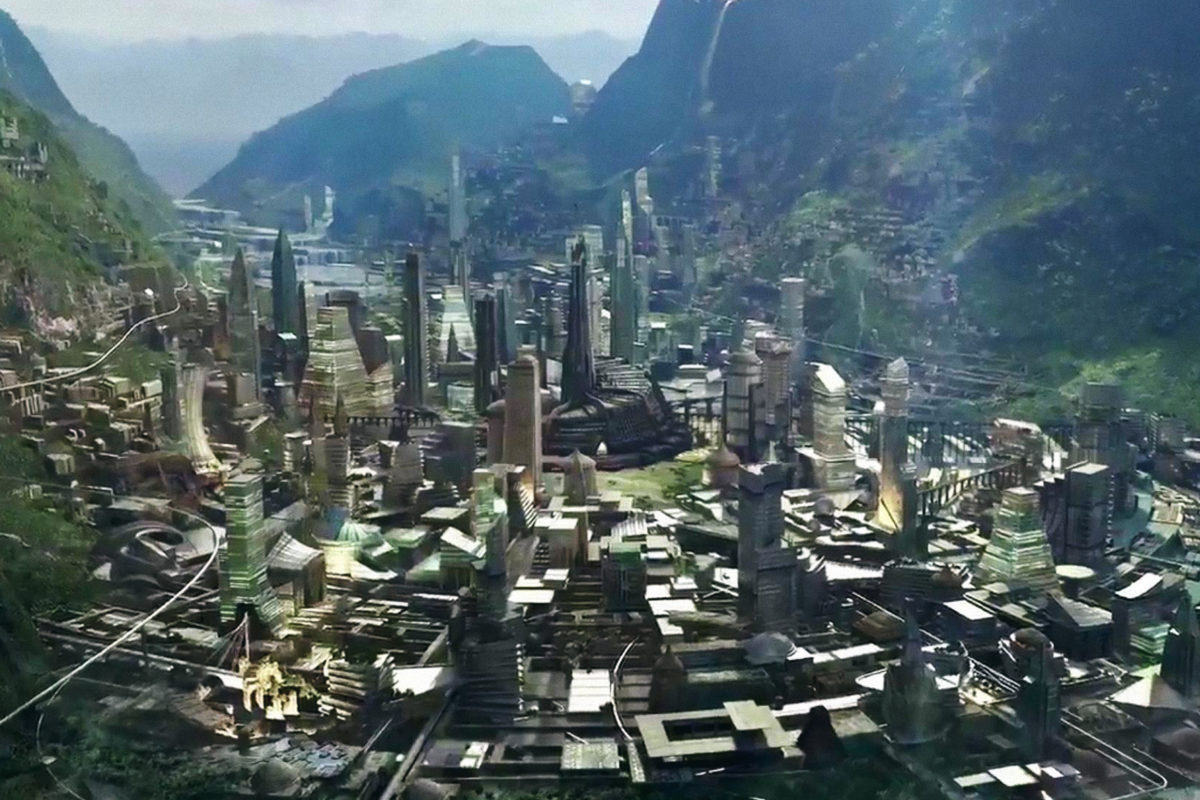
No Infinity Stones are seen or mentioned in the recent box-office phenomenon, but Black Panther properly introduces audiences to the wondrous African kingdom of Wakanda, a major setting in Avengers: Infinity War. As we have seen in the trailers for the film, it appears that the climax takes place in Wakanda as our heroes take a last stand against Thanos and his forces.

Black Panther also introduces us to major players in Avengers: Infinity War, namely Shuri and Okoye. Shuri with her technical prowess and Okoye being a mighty warrior have been shown in the trailers to being essential to the film’s story.
Captain america civil war team cap

Captain America: Civil War (2016):

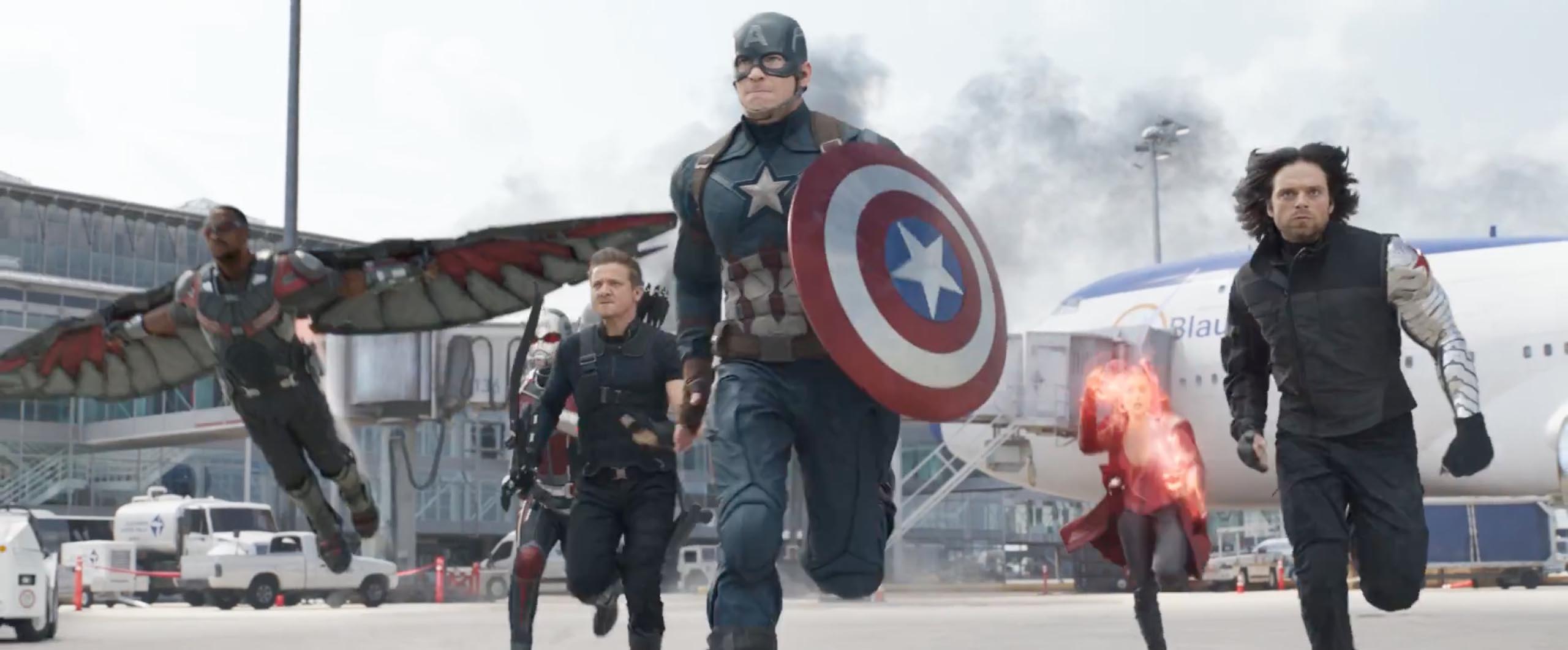
As with Black Panther, the third Captain America film does not feature the Infinity Stones, but is very important to the Infinity War saga. Chiefly, it sets up the characters’ situations for Avengers: Infinity War. The Avengers break apart due to the events in Captain America: Civil War, which leaves the team(s) weakened and Earth vulnerable.

The third Captain America film (sometimes described as Avengers 2.5 with all the appearances of the Avengers) also introduces two important characters in the MCU and the Infinity War saga, Black Panther and Spider-Man. These new breakout heroes could also be seen as the ones to carry the torch for new versions of the Avengers after the dust settles in Avengers: Infinity War.
Captain America: The First Avenger (2011):

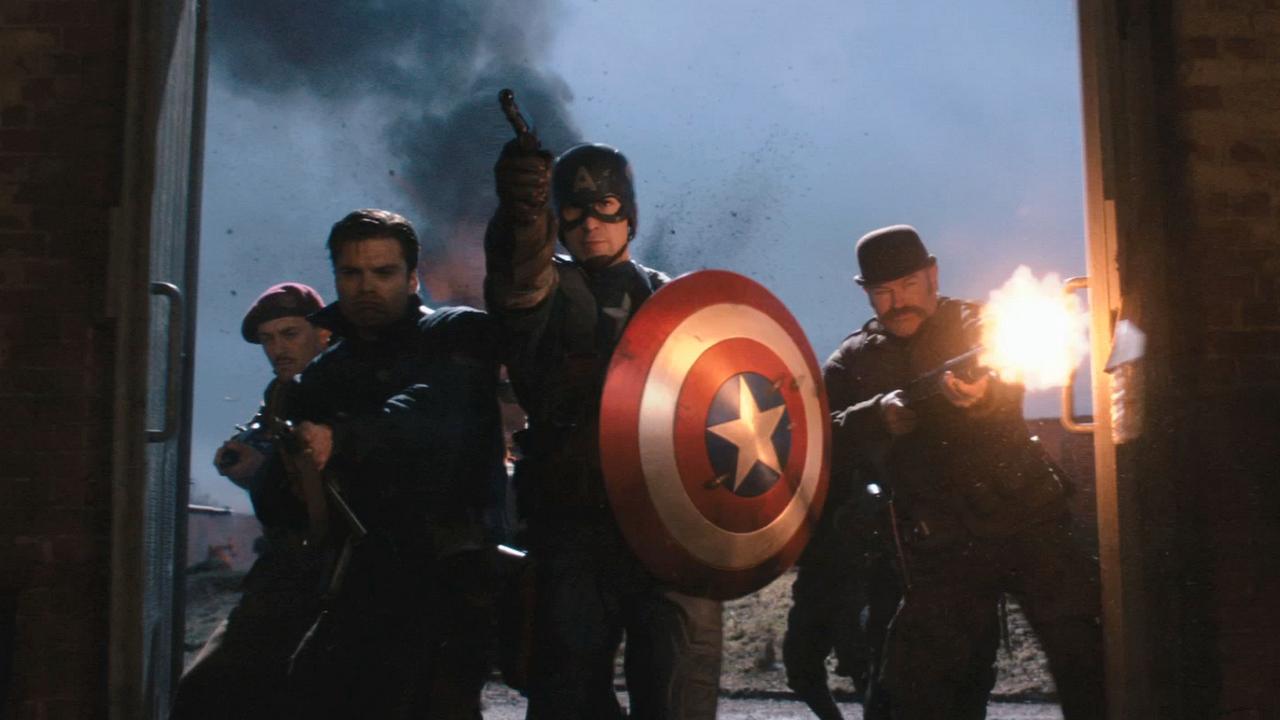
The first solo film of the MCU’s most popular superhero not only introduces the star-spangled Avenger, but the first Infinity Stone onscreen: the Space Stone, which is inside the cubical Tesseract. Technically, the Tesseract was first seen briefly in a post-credit scene in Thor, but here the object is fully fleshed out.

It was used by the Red Skull to wreck havoc in Europe during World War II. In the first appearance of an Infinity Stone, it was also the first time that these stones were weaponized. Its true power was barely tapped in Captain America: The First Avenger as its full potential was shown in The Avengers.
Continue reading

The Pitfalls Of Wakanda’s Revelation In Black Panther

black panther at wakanda

By now all the hardcore Marvel Cinematic Universe (MCU) fans have seen the phenomenal hit Black Panther. Anyone who has not seen it yet should note there will be slight spoilers here. With that stated, one outstanding highlight of that film has been the depiction of Black Panther/T’Challa’s home country Wakanda, an African-centric, futuristic marvel. Seeing the advanced technological society was quite inspiring and offered an optimistic vision of where we might be headed. However, the fictional African nation faces significant problems when dealing with the outside world.

Wakanda became the most technologically advanced country because of its rich vibranium deposits. The technology shown in Black Panther places the country a few decades ahead of contemporary countries. The citizens enjoy advanced mag-levs, nanite-laden clothing and hardware, plus energy-based weapons. The isolationist nation could have conquered the entire world and this is the main point of the film’s villain Killmonger, who wants to use Wakandan technology as a form of retribution for the West’s subjugation of oppressed blacks worldwide. During the course of the film, Black Panther decides to  open up Wakanda to the outside world and share his country’s gifts with everyone.

That is a noble thought. If things go as planned Wakanda will be able to bring up the rest of the world to its level. But by opening up Wakanda, T’Challa opened up a can of worms. How will the world react to the idea that a super-advanced civilization existed right under everyone’s noses? Of course, there would be elation but it is likely that humanity could react with suspicion and envy. Many would question why Wakanda remained isolated for so long since they could have prevented or intervened in many worldwide catastrophes like major wars, famines, pandemics and so on. The revelation would spark a new arms race that would be comparable to nations trying to develop their own nuclear weapons. Some nations may even try to invade Wakanda. It does not matter if the African nation is so advanced. One disadvantage it has is its size compared to the outside world. The best defense going forth would be alliances with many nations. Also, consider that the world of the MCU is already more advanced than ours and can compete with Wakanda. Just look at Tony Stark with his continual advancements of his Iron Man armor, which also sparked an arms race as seen in Iron Man 2. Then there are the many remains of alien tech left over from the Chitauri invasion during The Avengers, which is something that Spider-Man: Homecoming and Agents of S.H.I.E.L.D. explored.

From a storytelling perspective Wakanda and its breathtaking society may wind up becoming de-powered in the future. The reason is that the technology shown in Black Panther is nearly on par with that seen in futuristic films like Star Wars and Star Trek. If the entire world in the MCU were to advance to Wakanda’s level it would become less relatable to viewers. Part of the appeal of the MCU films and other superhero stories is that they tend to take place in modern society. There are many ways around this dilemma, but the ramifications of Black Panther’s decision are terrific story material worth exploring in future Black Panther tales.

Lewis T. Grove

Ready Or Not, Here Comes Avengers: Infinity War, Earlier Than Expected

It’s a month early for April Fool’s, so this is real. Marvel Studios announced earlier today in a humorous tweet with Robert Downey, Jr. that Avengers: Infinity War will be released on April 27 instead of May 4. This certainly is a shock and a pleasant one for fans of the successful Marvel Cinematic Universe (MCU) who can now enjoy seeing the epic confrontation between the Avengers and Thanos. But the big question is why did Marvel Studios move up Avengers: Infinity War a week early?

Naturally, they won’t come out and tell us what the real reason is, but we can speculate. The theories are numerous as other sites and video channels are adding their two cents, but here are the best and most likely reasons:

  • Marvel Studios wants to release the film simultaneously on that day worldwide. Ordinarily the studio releases their MCU films a week early overseas before North America. By doing a simultaneous release, spoilers are cut down, as well as pirate copies for impatient viewers.
  • Black Panther is a monster hit and Marvel Studios wants to capitalize on the unexpected success of the film by releasing a film earlier that features Black Panther and Wakanda. Think of it like this, “Hey people, you liked Black Panther? Well here’s some more of him right away.” The reasoning is that momentum from Black Panther will spill over into the next MCU followup.
  • Avengers: Infinity War is expected to be the biggest film of the year and Marvel Studios wants to to do everything in its power to ensure this. They may have been mulling this ever since the release date of Deadpool 2 was moved from June to May 18, just two weeks after Avengers: Infinity War. There is a good chance that if the MCU film has legs and excellent word-of-mouth that it could continue to dominate the box office on May 18, but why take the chance?
  • The changed release date might give Solo: A Star Wars Story some breathing room so that it will not directly compete with a fellow franchise from the same company. Then again, Solo still has to compete against Deadpool 2.
  • The worse-case scenario is that Avengers: Infinity War may not live up to the hype (see: Avengers: Age of Ultron) and Marvel Studios wants to get the most bang for the buck before indifferent or bad word-of-mouth dulls its impact on the box office. Hopefully, that is not the reason.

Whatever the case may be, let’s just be happy that we’re going to get the most anticipated film of the year a bit early.  The summer movie season officially begins in late April this year thanks to Avengers: Infinity War. Maybe this will set a trend.

The State Of Two Cinematic Universes: MCU & DCEU

This past week the news involving the two big superhero film universes perfectly illustrated their states. For the Marvel Cinematic Universe (MCU) it seems clear that they can do no wrong. This is based solely on the astronomic success of its latest film Black Panther. Meanwhile, over at the DC Extended Universe (DCEU), the woes continues with the latest news that Joss Whedon is no longer involved with a proposed Batgirl film.

So why are the states of both cinematic universes so vastly different? Both have popular superheroes and their films have tremendous talent creating the films. But why is the MCU so popular while the DCEU is looking more and more like the JV squad? Well, it’s not easy to pinpoint the success and failures of both universes but there are some factors. Let’s go over them.

MCU

One advantage Marvel Studios and the MCU had over Warner Bros. and DC was simply a head start. The MCU began in earnest ten years ago with Iron Man. That film featured a well known, but not very popular, superhero. Marvel Studios did not have the luxury of having their early films star Marvel Comics’ headliners like Spider-Man and the X-Men. With this handicap, Marvel Studios was forced to focus on the character of Iron Man and it worked. But that was not all, at the end of the film, there was the famous Nick Fury tease that signaled the existence in the film of a larger universe. This excited fans and set the groundwork for a viable cinematic universe.

Each film in the MCU has organic (usually) references to other Marvel properties that helped create excitement for future films even if the current one was a disappointment. It also helped that each film in the MCU is distinctly different (for the most part) from the other. They ranged from standard science-based superhero yarns (the Iron Man films, The Incredible Hulk), political thrillers (Captain America: The Winter Soldier), period pieces (Captain America: The First Avenger), Star Wars-like space adventures (Guardians of the Galaxy), quirky, comical heist capers (Ant-Man), supernatural tales (Doctor Strange), stories set in fantastic locations (the Thor films), cultural milestones (Black Panther), and good ol’ superhero epics (the Avengers films). By being so versatile the MCU never seems to run out steam or stories to tell. Granted, the films have their faults like subpar villains, which are just dark versions of the main heroes, but the focus on character and stories made the MCU so successful.

Black Panther and MCU

There is also one other important factor that the MCU has and that is Kevin Feige, the head of Marvel Studios and the filmmaking version of Phil Jackson. He masterfully and carefully guided each film to tremendous success. His vision for the MCU and ability to carry it out is a big reason for the upbeat state of the MCU. Will they falter? Of course, in fact, the MCU has had some genuine stinkers like Iron Man 2, but it has been able to quickly recover. Right now, Marvel is on a hot streak that has been going on for several years now and the future looks terrific with upcoming and hotly awaited films like Avengers: Infinity War, Ant-Man and the Wasp, Captain Marvel and of course a sequel to Black Panther. Hopefully this streak will last for years to come.

Continue reading

Sorry Folks, No X-Men Or FF In The MCU For A While

XMEN in MCU

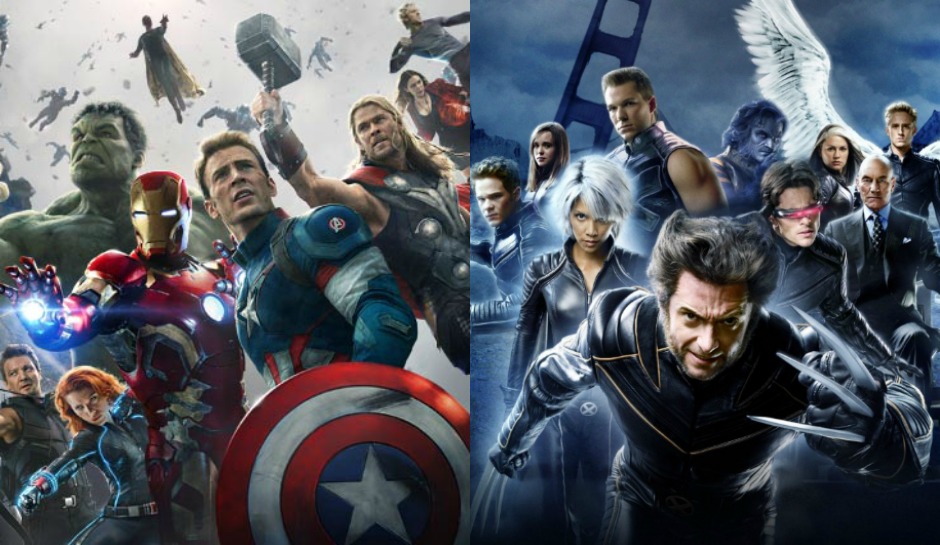
Many of us were disappointed when we learned last week that there are not any immediate plans to integrate the X-Men or the Fantastic Four into the Marvel Cinematic Universe (MCU). In an interview with Vulture, Marvel Studios head Kevin Feige stated that it is too soon to stick the newly acquired properties into the MCU and that Marvel Studios is busy with their current slate of heroes.

As disappointing as that is, it should not come as a surprise. First of all, despite all the news in December 2017 about Disney buying most of 21st Century Fox’s intellectual assets, it is not a done deal yet. It will take at least a year for the deal to be finalized and approved by the government and, of course, there can be roadblocks, which would disrupt immediate plans for the Marvel mutants and the First Family of comic books. Coming right out and making that statement was the safest thing for Feige to admit. The statement is a good way of letting fans know to not get their hopes up that the X-Men or the Fantastic Four will somehow turn up in the next two Avengers films.

To shoehorn these new characters into carefully planned films and TV shows would be too disruptive and ruin the narrative flow. They have to be naturally introduced into the MCU because that universe is not set up for mutants and their baggage, although it will be easier with the Fantastic Four. The X-Men property is built on the premise that mutants are widely feared and disliked by normal humans. This would not gel with the MCU where for the most part, superhumans are better received. In the comic books, although both mutants and superheroes co-exist, the way they are treated does not make sense. If normal people distrust mutants because of their powers, shouldn’t they feel the same way about superheroes? Comic book events like Civil War addressed this but the dichotomy still exists. Besides the entire humans-fearing-superhumans motif has been addressed in the MCU with Inhumans as seen on Agents of S.H.I.E.L.D. and Inhumans. Last we heard both TV shows are nominally part of the MCU.

Look at the bright side, the time being given to integrate the properties allows Kevin Feige and Marvel Studios to have some breathing room. They can take their time to figure out how to integrate mutants and the Fantastic Four and just as important, who to cast in the roles. Despite what some may hope, it is likely that Marvel Studios will recast the iconic roles. This is a great opportunity for the Fantastic Four who’ve had terrible casting in the Fox films, but for the X-Men this can be traumatic for fans. Also, after the slated Fox X-Men films and TV shows run their course, it would be a good idea to give the properties a decent rest so when they make their comeback, the level of interest will be intense.

All we need is some patience and hope that at the very least some cryptic references about the X-Men and the Fantastic Four can be made in next year’s MCU films and beyond.

Lewis T. Grove