The Curse Of Blade

About five years ago at a Comic-Con appearance, Marvel Studios president Kevin Feige eagerly announced that a new film about the vampire hunter Blade would be produced by Marvel Studios to join the Marvel Cinematic Universe (MCU). What made the announcement even more exciting was that Mahershala Ali would portray Blade, a role made famous by Wesley Snipes. That was then. Now? Nothing. The film keeps getting delayed over and over again to the point that many are asking if the project is cursed.

At the same Comic-Con, several other film and TV projects were announced and they have been produced and released since then. Only Blade remains unrealized; the closest we got to having Blade appear in the MCU was hearing his voice during a post-credits scene in Eternals. There are several reasons why the reboot of the Wesley Snipes film has been delayed, some of it has to do with the pandemic and the recent Hollywood strikes. But the main reason for the delays has to do with the inability to come up with a script and holding onto a director.

Marvel Studios has not been impressed with the scripts. The first one was penned by Stacy Amma Osei-Kuffour in 2021, while Bassam Tariq was chosen to direct the film. Tariq left a year later due to the lack of progress with the film while Marvel Studios brought in other writers to revamp the script. Reports have it that the first script was very light on action, a staple of the Blade films, and supposedly took place in the 1920s. Other writers who took a shot at Blade included Beau DeMayo, who was responsible for the well-received X-Men ’97 animated series, but time and time again Marvel Studios brought more and more screenwriters to turn in a suitable script. Mahershala Ali himself has expressed dissatisfaction with the original script and the pace of the project and it would not be surprising if he winds up leaving the project, even though he approached Marvel Studios with the idea of portraying the vampire hunter.

Meanwhile, Yann Demange, the director who replaced Tariq, left the project a few weeks ago, and no replacement has been announced yet. This is going on as the film is supposedly slated to begin production later this year for a 2025 release. At this rate, it is doubtful the film will meet the deadline or even be made.

Kevin Feige and Marvel Studios recently announced their desire to focus on the quality of their films and TV shows, which is commendable. But the unfortunate result of focusing on quality has been the delay of Blade. This is very frustrating for fans of the character and the original films who wanted to see the MCU take of the Daywalker (as he is called by the vampires he hunts), as well as Ali’s interpretation of the superhero.

It is baffling why Marvel Studios is having a hard time with this project which should be a slum dunk and would have a ready audience for a character with huge name recognition. The Blade films were popular even before the MCU existed and most people were not even aware that the supernatural hero was actually based on a Marvel Comics character. The premise should be fairly simple to produce. Why not just do a remake of the original Blade film Deacon Frost as the villain? The story worked in the first Blade, just throw in some MCU references and call it a day.

The answer to that is that Marvel Studios wants a fresh new take on the character and probably as rumors have it, wants Blade to help launch the Midnight Sons superhero team for the future. This is a great idea, but Marvel Studios has a lot on their plate and it’s anyone’s guess as to when they will get around to it.

Until Marvel Studios decides on a script and hires a solid director (supposedly they are eyeing Jordan Peele or Chad Stahelski who have either shown interest or been approached for Blade), the least they can do is have the character appear in upcoming MCU projects. This would keep fans happy and maybe even Ali, too.

However, the constant delays has become an embarrassment for Marvel Studios. They must settle on a script and director very soon in order to meet the production schedule and release date. Otherwise, Blade is doomed.

After Kingdom Of The Planet Of The Apes

Kingdom of the Planet of the Apes is the latest entry of the long-running Planet of the Apes franchise. The film is both a continuation of the previous trilogy that came out in the last decade while being a new starting point for a new trilogy that expands the story of the Apes franchise. There will be spoilers for Kingdom of the Planet of the Apes.

For anyone who hasn’t seen any of these films, the world of Planet of the Apes is one where humans have been supplanted by intelligent apes capable of speech, while humanity has become animalistic. The previous trilogy, consisting of Rise of the Planet of the Apes, Dawn of the Planet of the Apes and War for the Planet of the Apes, served as the origin story for the franchise. The trilogy provided the background for how apes gained human-level intelligence, which came about from efforts to find a cure for Alzheimer’s Disease. The supposed cure, in the form of an artificial retrovirus, instead increased the intelligence of apes. But the retrovirus had the opposite effect on humans. First it spread like wildfire and killed millions of people and caused civilization to collapse. Then the virus mutated and caused the remaining humans to lose their intelligence and the ability to speak, and cemented the apes dominion on Earth.

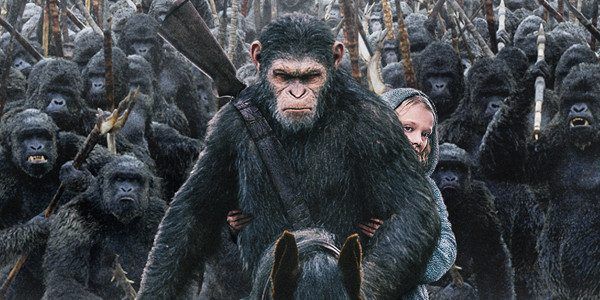
The main character in the trilogy was Caesar (in a brilliant motion-capture performance by Andy Serkis), who was the first hyper-intelligent ape and the leader of an Ape Rebellion against the humans who tormented his species. Eventually, Caesar tried to live a quiet life as the leader of his ape colony in the forests beyond human civilization, but conflict arose between the two species. By the end of the last Planet of the Apes film, Caesar was able to defeat the humans that enslaved his fellow apes and led them to an oasis to start a new colony, but he died from wounds inflicted during his battle with humans.

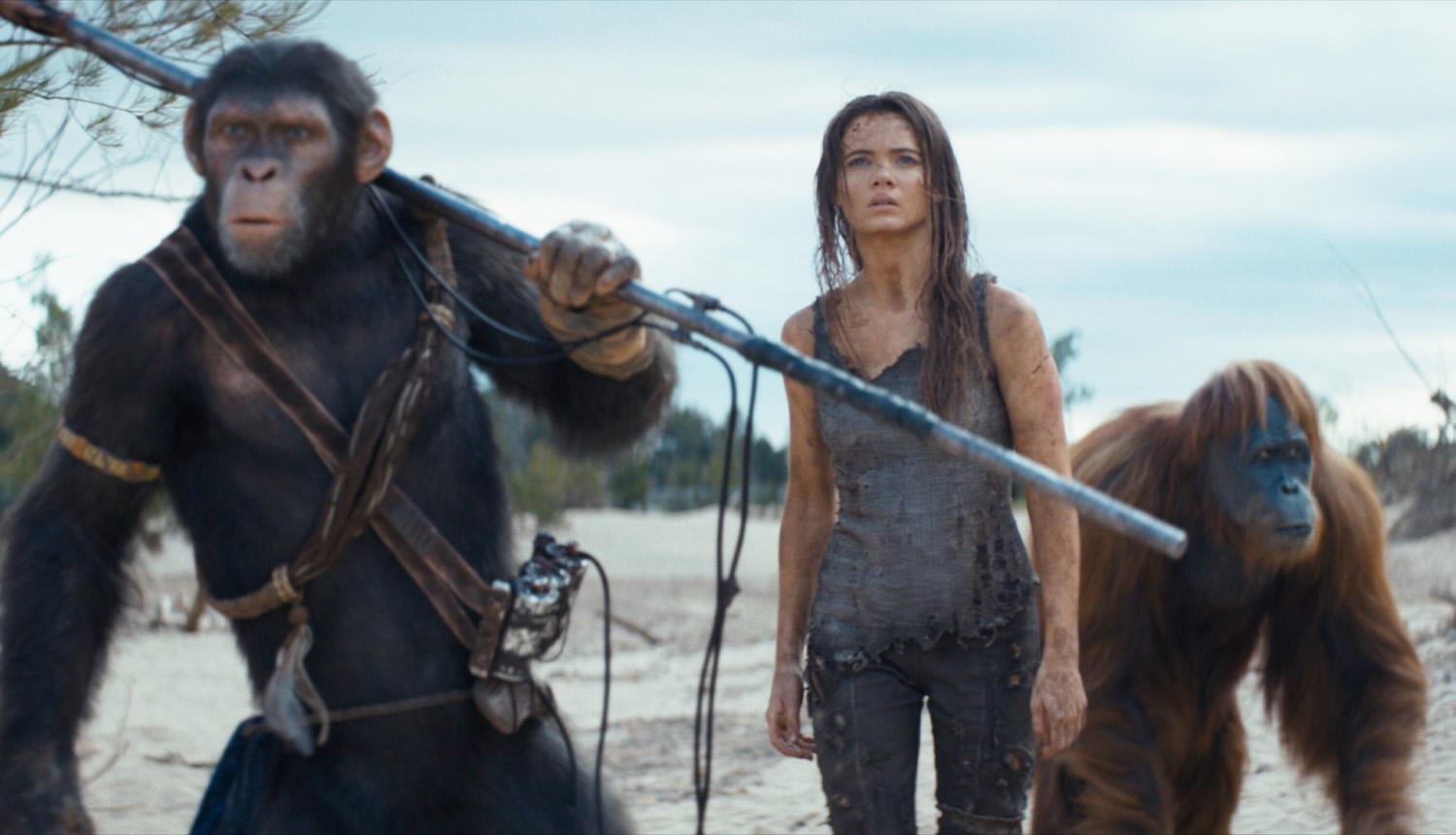
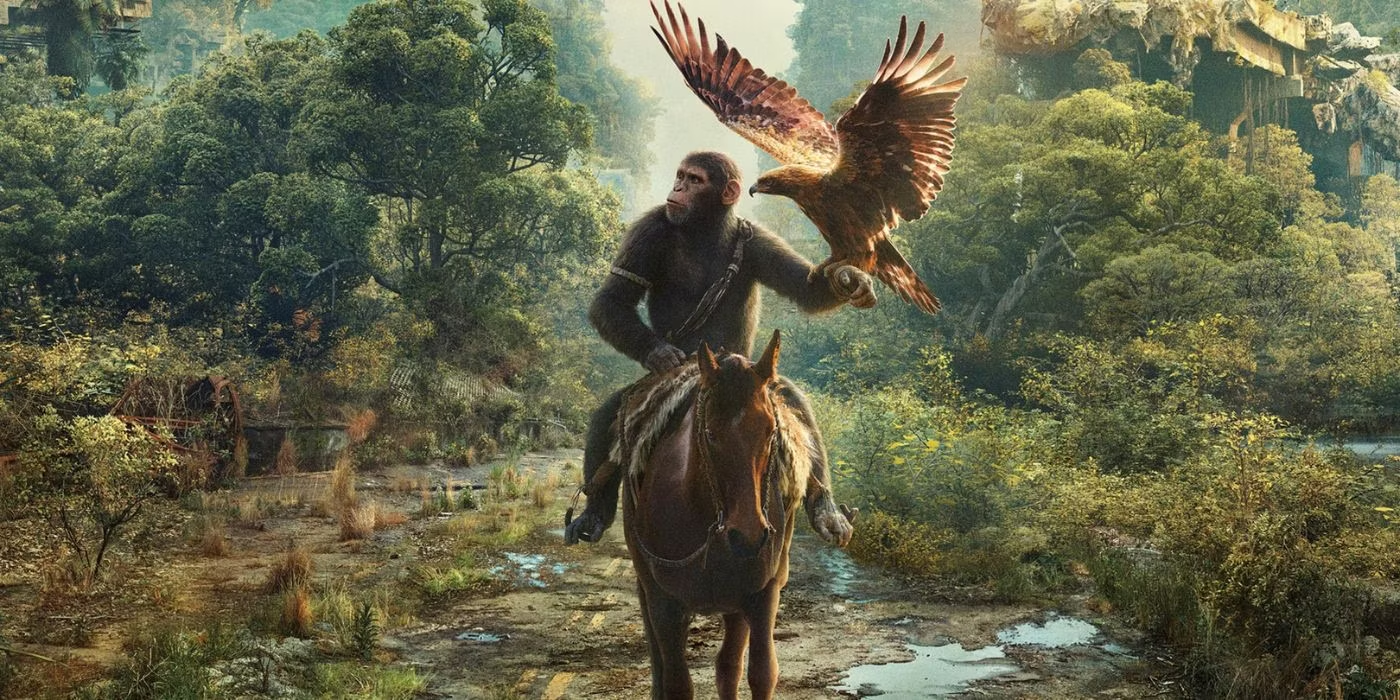
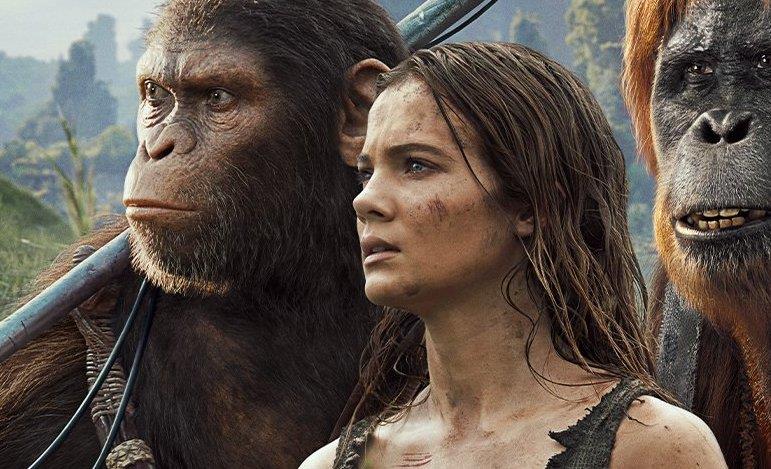
Kingdom of the Planet of the Apes takes place “many generations” after the death of Caesar and apes have evolved further and multiplied while transforming from a hunter-gatherer society into an agricultural one. Meanwhile, humanity has devolved into mute, animalistic savages, however, Noa (Owen Teague), the lead ape character, meets Mae (Freya Allan), a young human woman who is actually intelligent and able to speak. Eventually it is revealed she comes from a human outpost that is quarantined from the world and located near a satellite base. These humans are still intelligent and by the end of the film have begun efforts to communicate with other humans who have not succumbed to the virus in order to reestablish human civilization. Obviously, this will set up a future conflict between humans and apes if Mae’s settlement is able to jump start civilization.

One of the later elements that made the films in this franchise so compelling was the eternal question of humanity being able to co-exist with another society, which was an obvious, and sadly still an ongoing, allegory to our inability to co-exist with each other. This theme was vaguely hinted at in the second Apes film, Beneath the Planet of the Apes, but was the main focus in the films that followed starting with Escape From the Planet of the Apes. After the violent revolution seen in Conquest of the Planet of the Apes, Battle for the Planet of the Apes offered the hope that both species were able to co-exist peacefully, though that was debatable.

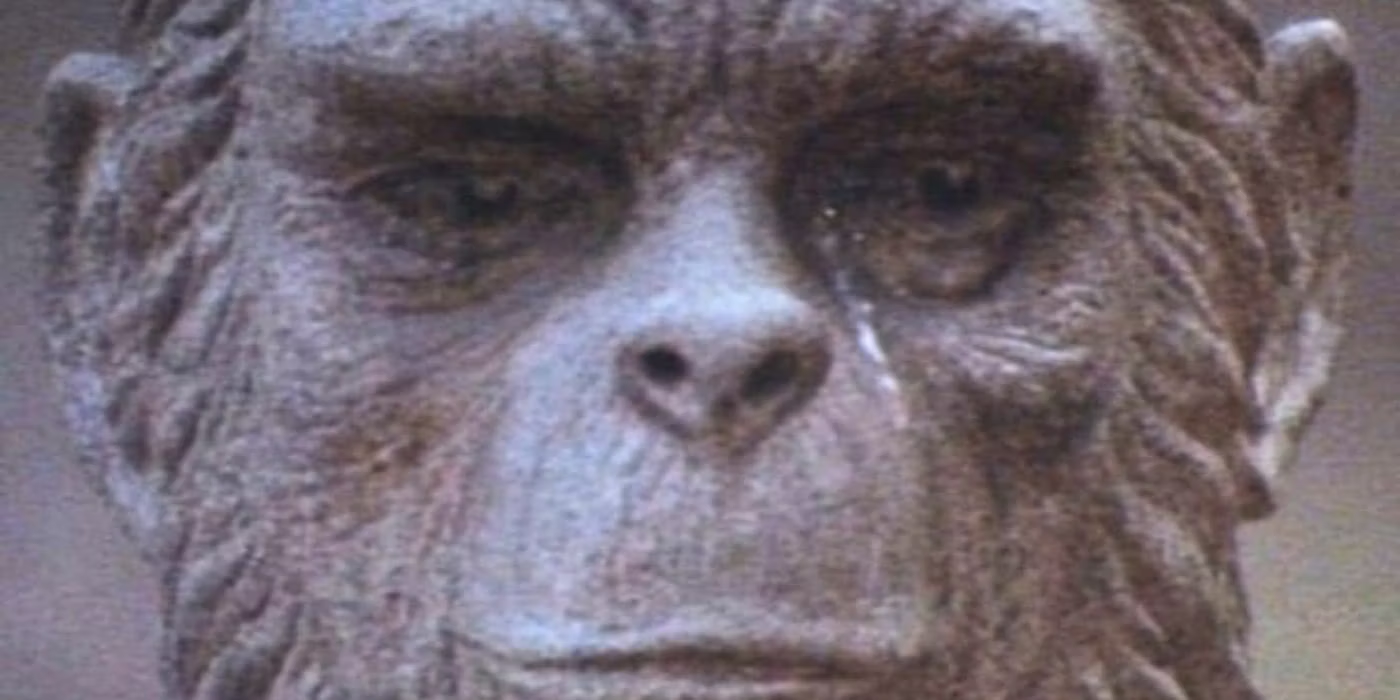
In the final moments of that film, which took place hundreds of years in the future, several ape and human children were attending a lecture by an ape teacher, who was narrating the events of the film. Although this ape spoke about the ability of both species living in peace, a young girl and an young ape were seen squabbling with each other, hinting at a future conflict between the two. After this, a statue of the main character in that film (also known as Caesar, this time played by Roddy McDowall) was seen crying. It was left to viewers to ponder if these were tears of joy because the two species at last lived peacefully or if the tears were of sorrow because of a coming conflict between humans and apes.

This idea of trying to live peacefully is touched upon in Kingdom of the Planet of the Apes as Noa questions Mae in the final scenes if it is possible to for the two species to share the planet. Mae answers that she does not know, but he doesn’t realize that as she is talking to him, she has a gun ready to shoot him, just in case. Of course, the very notion that she brings a gun with her while coming to Noa’s colony raises the question if she is trustworthy. Throughout the film, she gave little reason to trust her as she lied to Noa and his apes about her true motives from the moment she meets them.

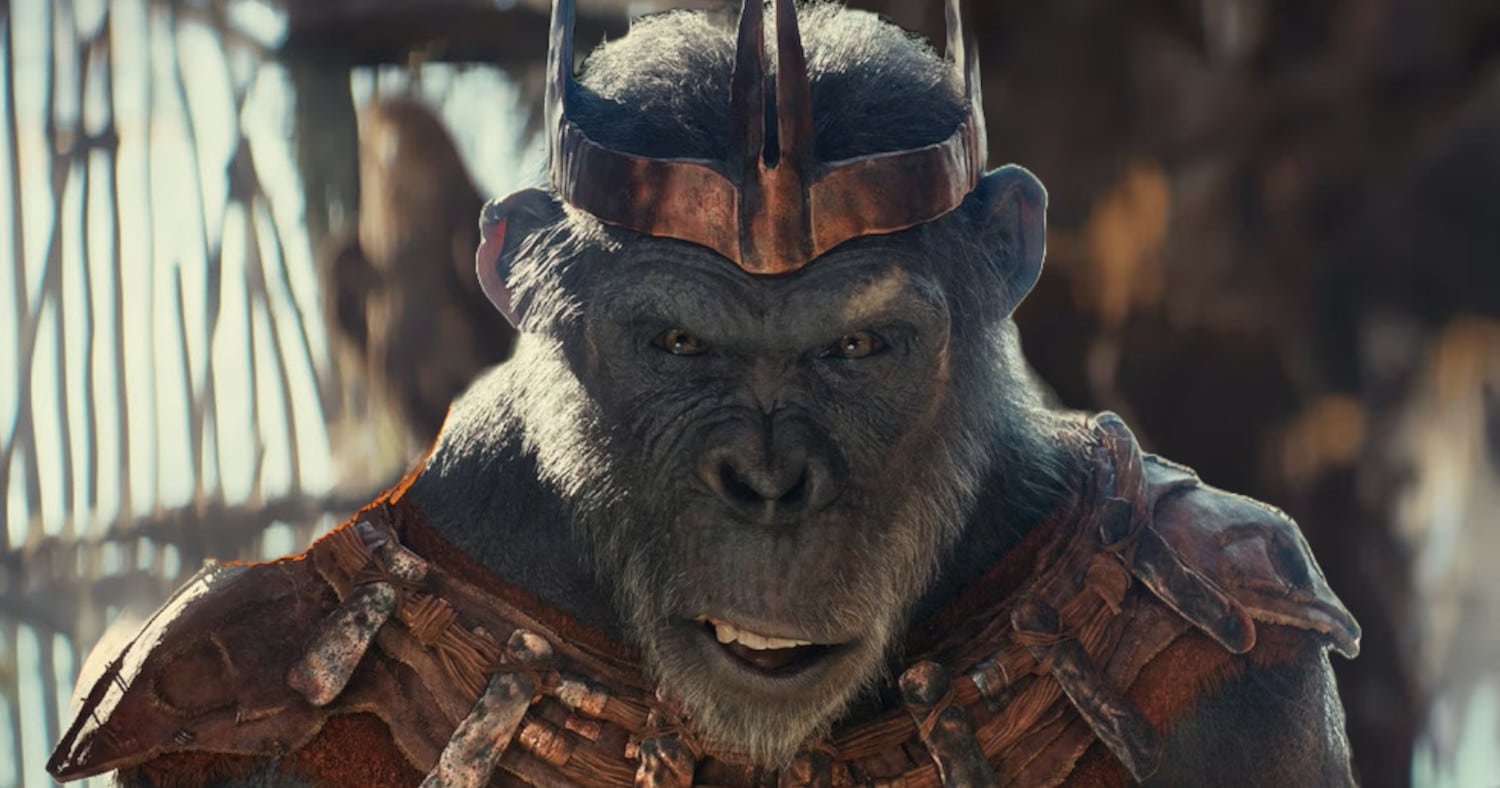
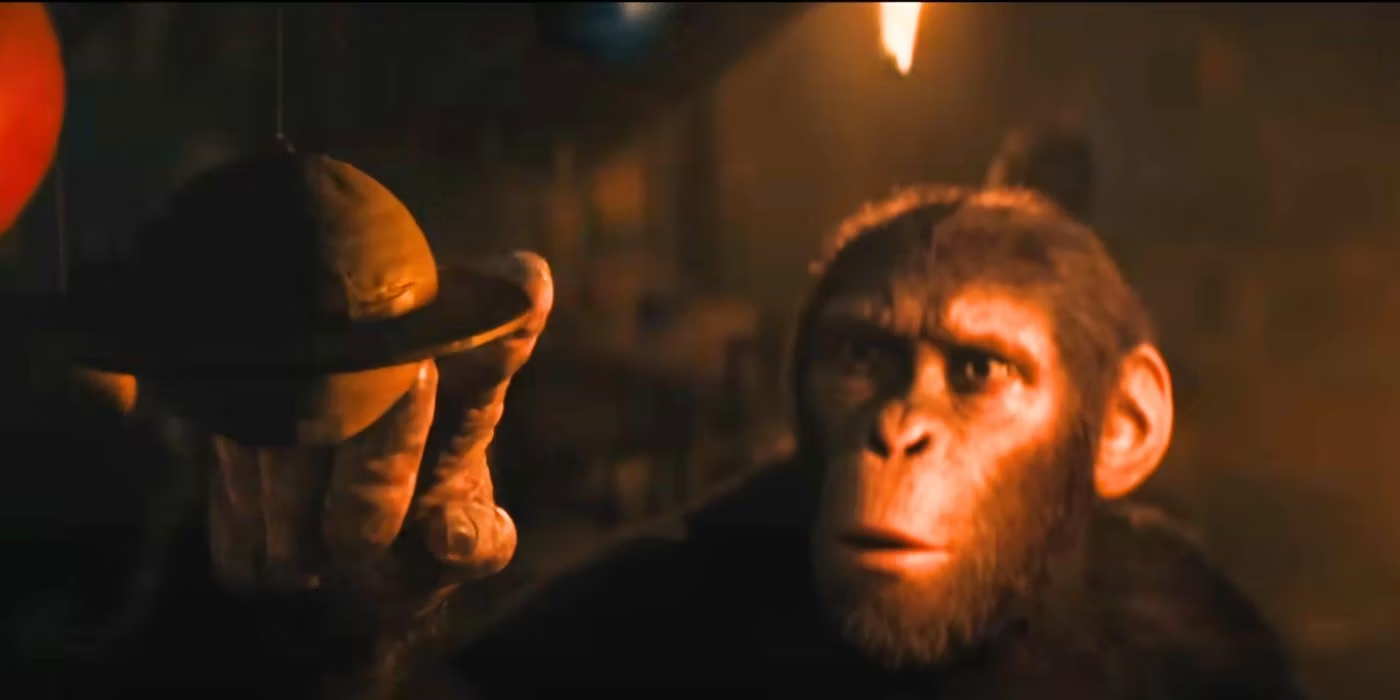
Noa is rightfully suspicious of her and in turn, humanity, but he is willing to work with her during his conflict with Proximus Caesar (Kevin Durand), a despotic ape leader from another clan that enslaved his clan. Noa is also more focused on learning and passing knowledge to his people. He learns about Caesar and his peaceful ways as the ape has become a religious leader long after his death. It is implied that Noa will pass on the legend of Caesar to his clan while inspiring them to learn more about the world. This is best illustrated in the final moments when he takes his ape companion Soona (Lydia Peckham) to a decaying observatory and introduces her to the wonders of the universe via an old telescope.

Mae for her part is shown as being worried about Noa and the evolving ape civilization that will prevent humanity from making a comeback. In one scene she silently watches Noa repair a cattle prod that was used by one of Proximus Caesar’s soldiers and is worried at his ability to repair a tool. During the film, she and Noa are captured by Proximus Caesar’s forces and is ordered by the ape tyrant to help him open an abandoned vault used by the human military long ago. She is adamant that apes should not have access to old human weapons and technology inside the vault and was willing to let innocent apes die to prevent their access.

During her mission to enter the vault, Mae killed a fellow human, a collaborator called Trevathan (William H. Macy), who threatened to expose her to the apes. Though it was understandable why she was distrustful of the apes and the collaborator, her actions made her untrustworthy and ignoble. On the other hand, her actions are meant to help resurrect human civilization and it is seen through Proximus Caesar that the apes are not much better than humans and full of humanity’s worst traits.

It will be interesting to see where the Apes franchise will go after Kingdom of the Planet of the Apes. It is clear that a new trilogy is been set up that will put ape and humanity into conflict once again. There is also a tantalizing hint that space travel will be involved, as Noa is seen being fascinated by space and images of astronauts. As wild as it sounds, having apes evolve to the point of venturing into space is a great idea. Who knows? Maybe space exploration could wind up being the means for both species to learn how to cooperate and live in peace if space travel is needed to help save the Earth.

It also hints at the possibility of the new Apes films linking back to the original films. Think about it. The very first film featured astronauts who wound up on Earth in the far future and Rise of the Planet of the Apes featured Easter eggs of a lost space mission, which could be these astronauts that could show up again at the end of the new trilogy. Anyway, no matter which direction future films go, the Apes franchise has demonstrated the uncanny ability to move into new and exciting directions as most recently seen with Kingdom of the Planet of the Apes.

Captain America: The Winter Soldier, The MCU’s Greatest Solo Superhero Film

As Captain America: The Winter Soldier celebrates its 10th anniversary this month, it’s time to take a quick examination of why the Captain America film is considered one of the best films of the Marvel Cinematic Universe (MCU).

Very few MCU fans expected much from the sequel to Captain America: The First Avenger, especially given that Joe and Anthony Russo, the directors of Captain America: The Winter Soldier were relative unknowns whose biggest accomplishments to date were directing episodes of Community. Yet, the film blew away audiences, critics and fans with its non-stop action, intriguing script and well-developed characters. It turned out to be one of the most important films in the MCU as it forever changed it.

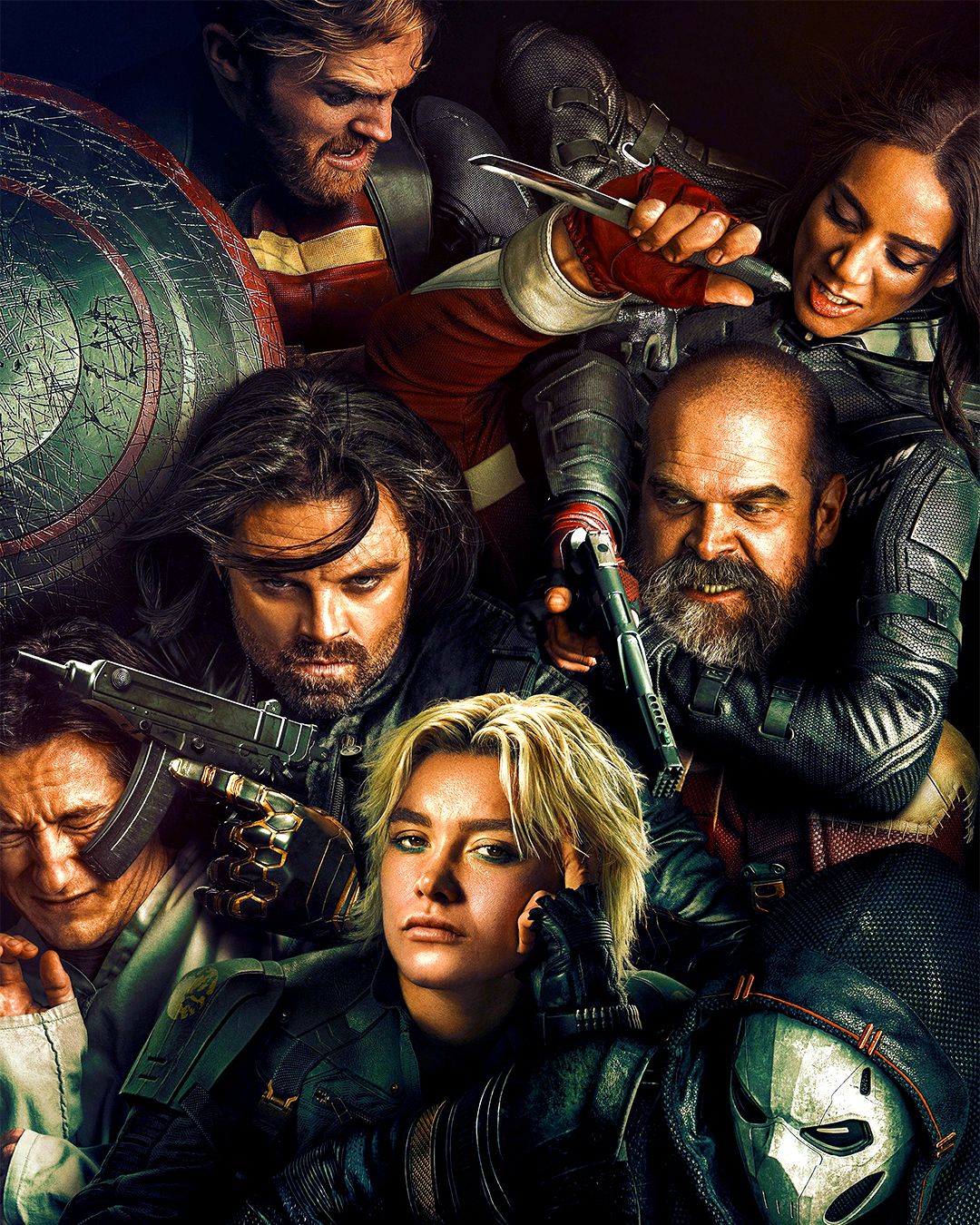
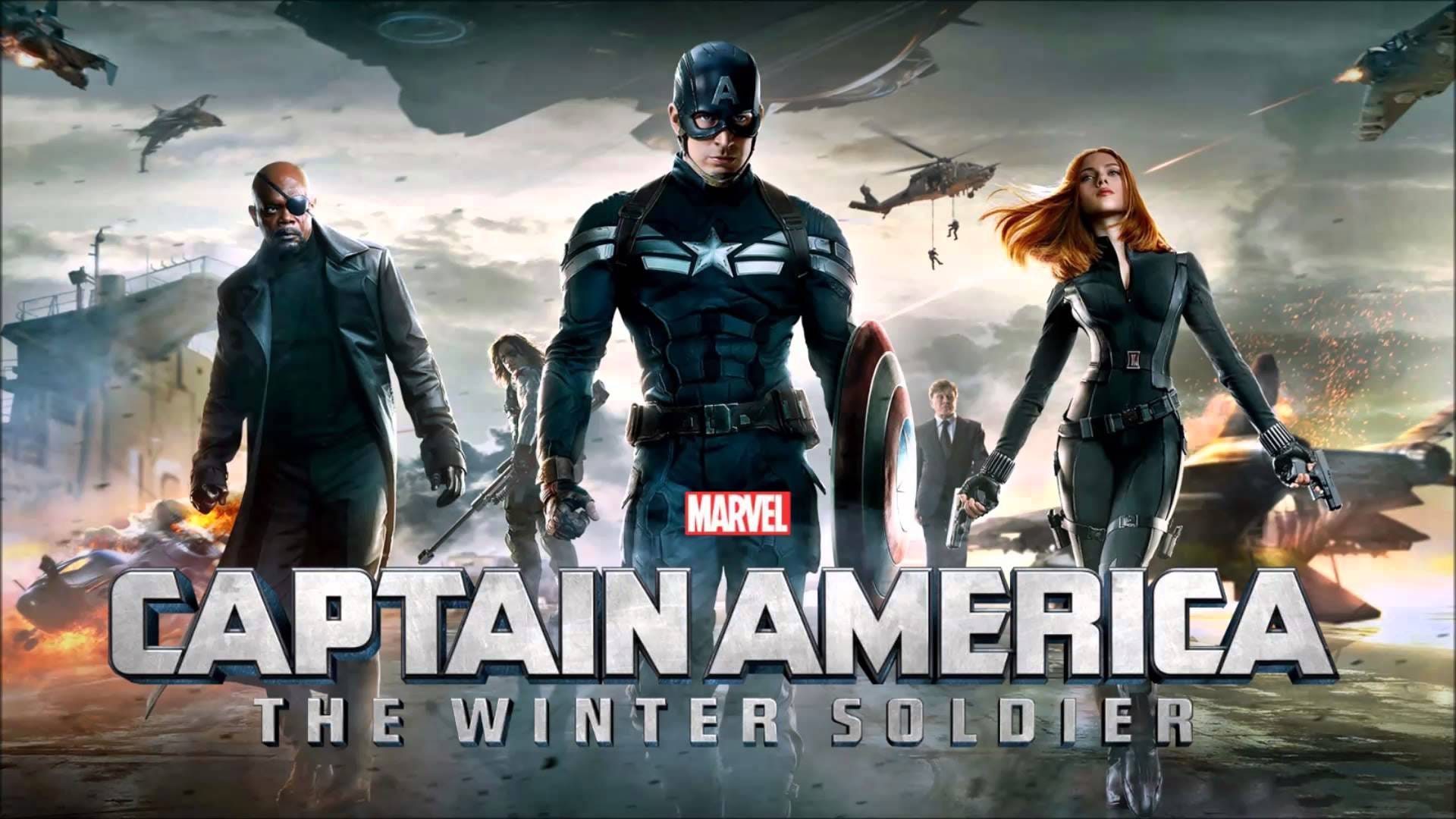
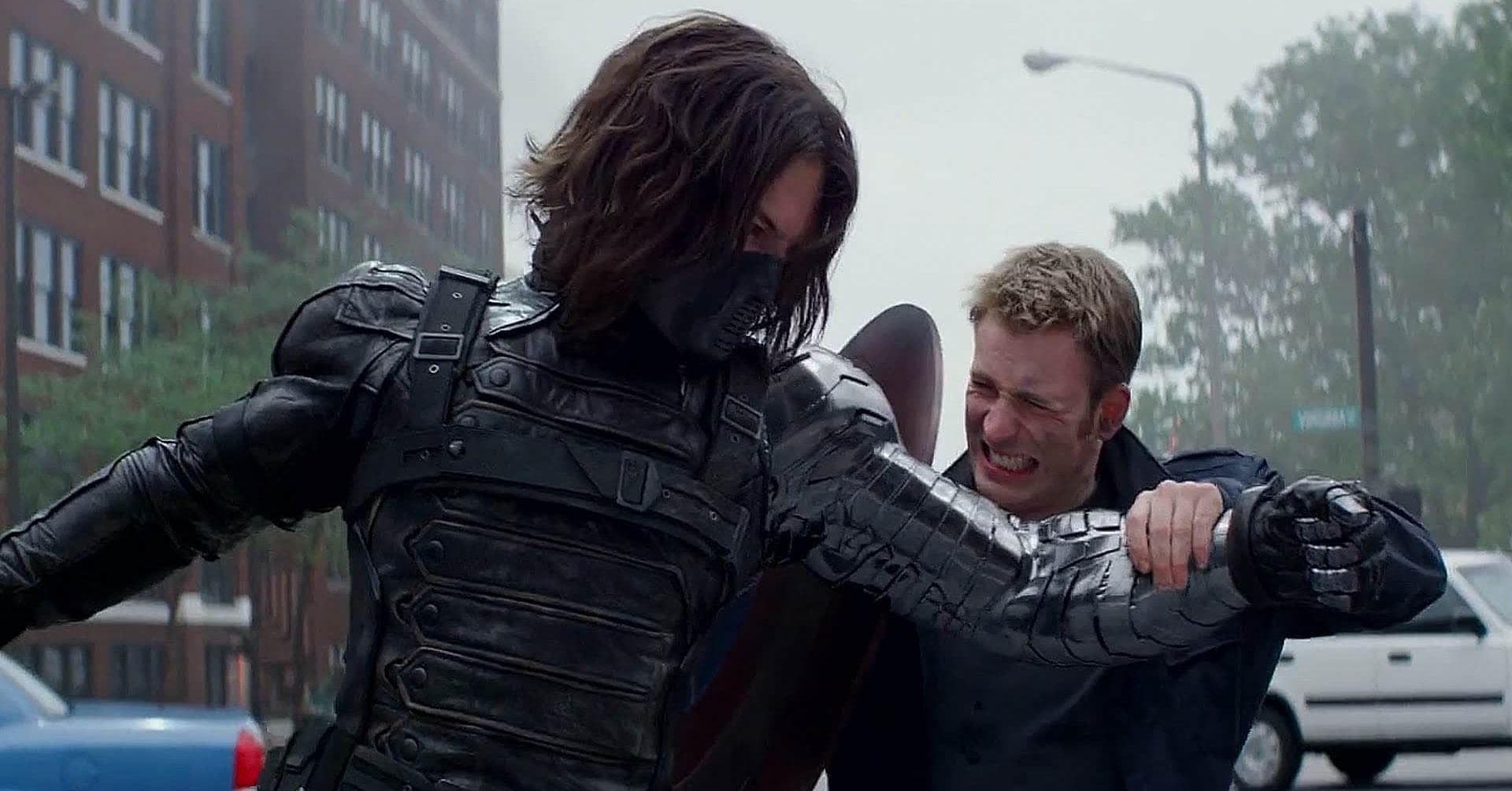
Captain America: The Winter Soldier centers around Captain America/Steve Rogers (Chris Evans) uncovering a huge conspiracy in S.H.I.E.L.D. the spy organization he works for while grappling with a deadly ghost from his past. The first Captain America film dealt with Steve’s adventures as a superhero during World War II and ended with him being frozen in ice then revived during modern times. Ordinarily, a sequel film would have focused on fish-out-of-water tropes as Steve struggled to adapt to a whole new world. While this does happen in Captain America: The Winter Soldier, the film to its credit doesn’t concentrate on this concept. Instead it forces Steve to adhere to his honorable values as the world around him exhibits dubious morality. He clashes with his superiors who think nothing of spying on civilians and eroding their privacy with a clandestine project. He soon learns that S.H.I.E.L.D. has been compromised by the evil Hydra organization which plans to use the project to unleash a preemptive attack on its enemies throughout the world, including members of the superhero team, the Avengers. For his troubles, Steve is branded a traitor and chased by the mysterious Winter Soldier (Sebastian Stan), a deadly assassin who turns out to be his best friend Bucky from his World War II days.

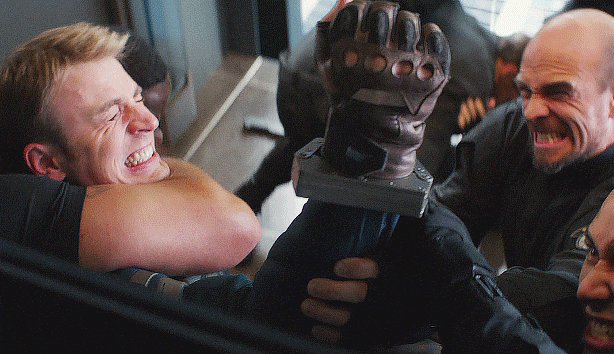
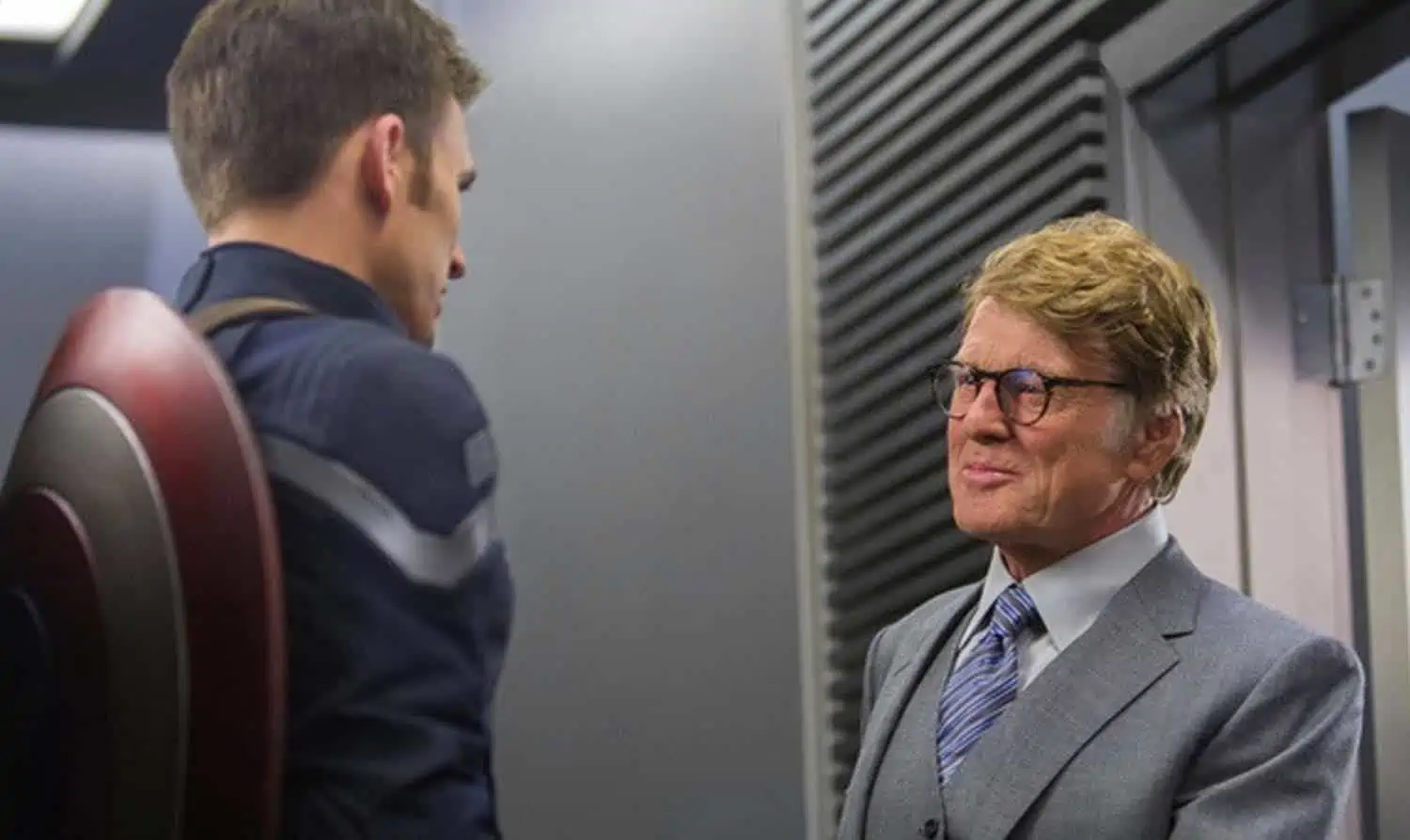
All these plot elements successfully evoked a paranoid spy/political thriller that was highlighted with high-octane action scenes that demonstrated how vicious and lethal the Winter Soldier was. These battles were among the best action scenes ever seen in any film and has not been replicated in other MCU films. There was a genuine sense of danger and fear as Steve and his allies fought the Winter Soldier and the compromised S.H.I.E.L.D. agents. One scene in particular, which took place in an elevator, proved what a badass Captain America was. He was surrounded in a cramp space by several men who tried to arrest him and he singlehandedly fought and defeated them despite the odds.

But getting back to the political angle, the film always kept you guessing as to who could be trusted, or what was actually happening in a way that was not confusing and kept audiences engaged. It helped that the film featured Robert Redford as Alexander Pierce, a government official who was actually a Hydra agent. Redford’s acting prowess elevated the film and he was a great callback to the ’70s spy thrillers such as his own Three Days of the Condor.

More importantly, Captain America: The Winter Soldier was at its core a film about a man struggling with his past and his place in the world. In this situation, Steve tries to make sense of the new world he is forced to live in where it seems as if his values are out of step. But they are what is needed to fight a great evil that has corrupted the world and his best friend. What makes confronting Bucky so much worse for Steve is not only Bucky the lethal Winter Soldier, but due to brainwashing by Hydra over the decades, Bucky has lost his decent personality and no longer remembers his past or his friendship with Steve. The Winter Soldier is the only remaining link Steve has with his past and he has to find the strength to bring his friend back. His plight was very emotional and the sacrifice he made at the end to get through to Bucky was very powerful. The final battle between the two as Steve struggled to connect with Bucky was much more riveting than the wild, effects-laden action scenes involving Steve’s other friends fighting Hydra.

Captain America: The Winter Soldier propelled the narrative of the MCU from that point as it no longer had S.H.I.E.L.D. as the support organization for the Avengers and the world. This in turn would later have severe consequences during future Avengers films and immediately impacted the TV show, Agents of S.H.I.E.L.D. Even though that show is now ignored these days, back in 2014, it was clearly part of the MCU and the events of Captain America: The Winter Soldier directly affected the TV show as one of the main characters was revealed to be a Hydra agent, and the other characters underwent crises of faith. The film also led to Captain America becoming a man without a country and on the run as seen in the next Captain America film, Captain America: Civil War when his morality led to a devastating conflict with some of his fellow Avengers to the point that the team broke up and left Earth unprotected.

Thanks to Captain America: The Winter Soldier, the MCU began to be seen as something more than typical superhero films. This was reinforced later in the summer of 2014 with the release of the space epic Guardians of the Galaxy. Together, the films proved that the superhero film genre was very diverse in terms of storytelling and being able to surprise everyone with its potential. That is because not only is Captain America: The Winter Soldier the best superhero solo film of the MCU but one of the greatest films of all time.

José Soto

Rebel Moon, Part Two: The Scargiver Is A Perfect Reason For Not Giving Directors Free Reign

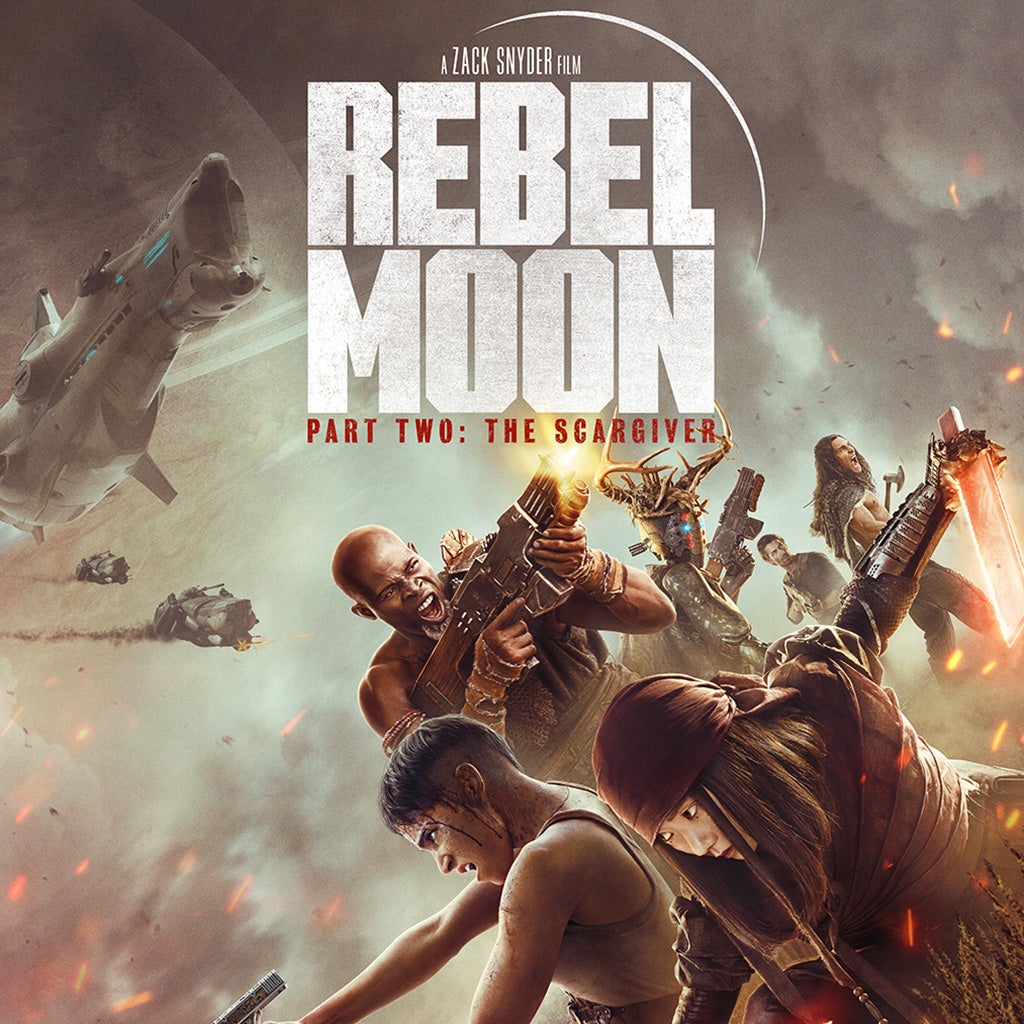
Well, Madame Web actually has a competitor for the worse film of 2024. That would be Rebel Moon, Part Two: The Scargiver for those fortunate enough to not have seen it.

Director Zack Snyder’s hardcore fans keep insisting that Snyder should be allowed to do whatever he wants with his films. They claim that his vision for the DC Extended Universe (DCEU) was stymied by idiotic studio heads who then ruined his films and the rest of the DCEU. However, Snyder’s latest film is a textbook cautionary example of what happens when a director is given carte blanche creative control over a film.

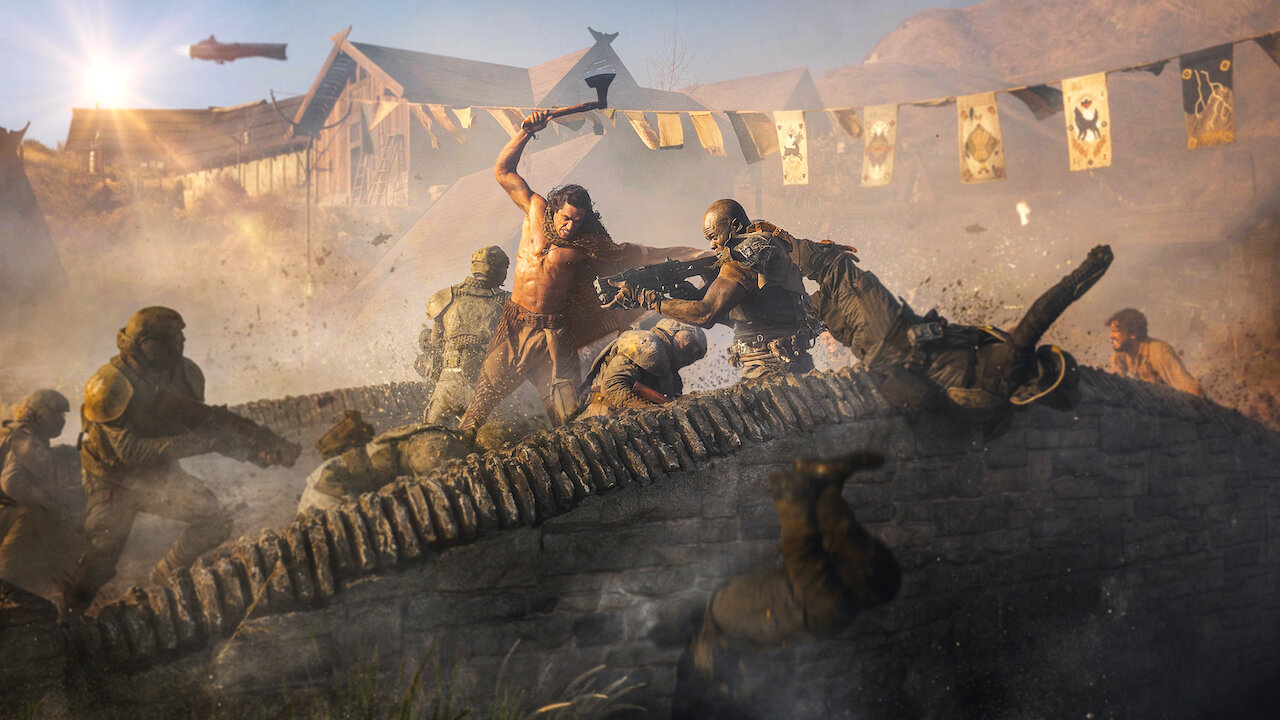
Rebel Moon, Part Two: The Scargiver, which streamed last week on Netflix, is the sequel to Rebel Moon, Part One: A Child of Fire that streamed last December. The storyline is based on a failed pitch for a Star Wars film and it is about a young woman named Kora (Sofia Boutella) who lives in a quiet farming colony on a moon that has to recruit a team to help her colony fend off an invasion by the evil Imperium. It’s essentially a sci-fi remake of Seven Samurai (which has been done before with Battle Beyond the Stars), as she recruits eccentric warriors to defend her colony. The first film was OK with excellent production values and cinematography although the script was derivative of other sci-fi tropes, and man, it was full of slow-mo shots. It was hoped by critics that part two would be a huge payoff for the setup, but that did not turn out as expected.

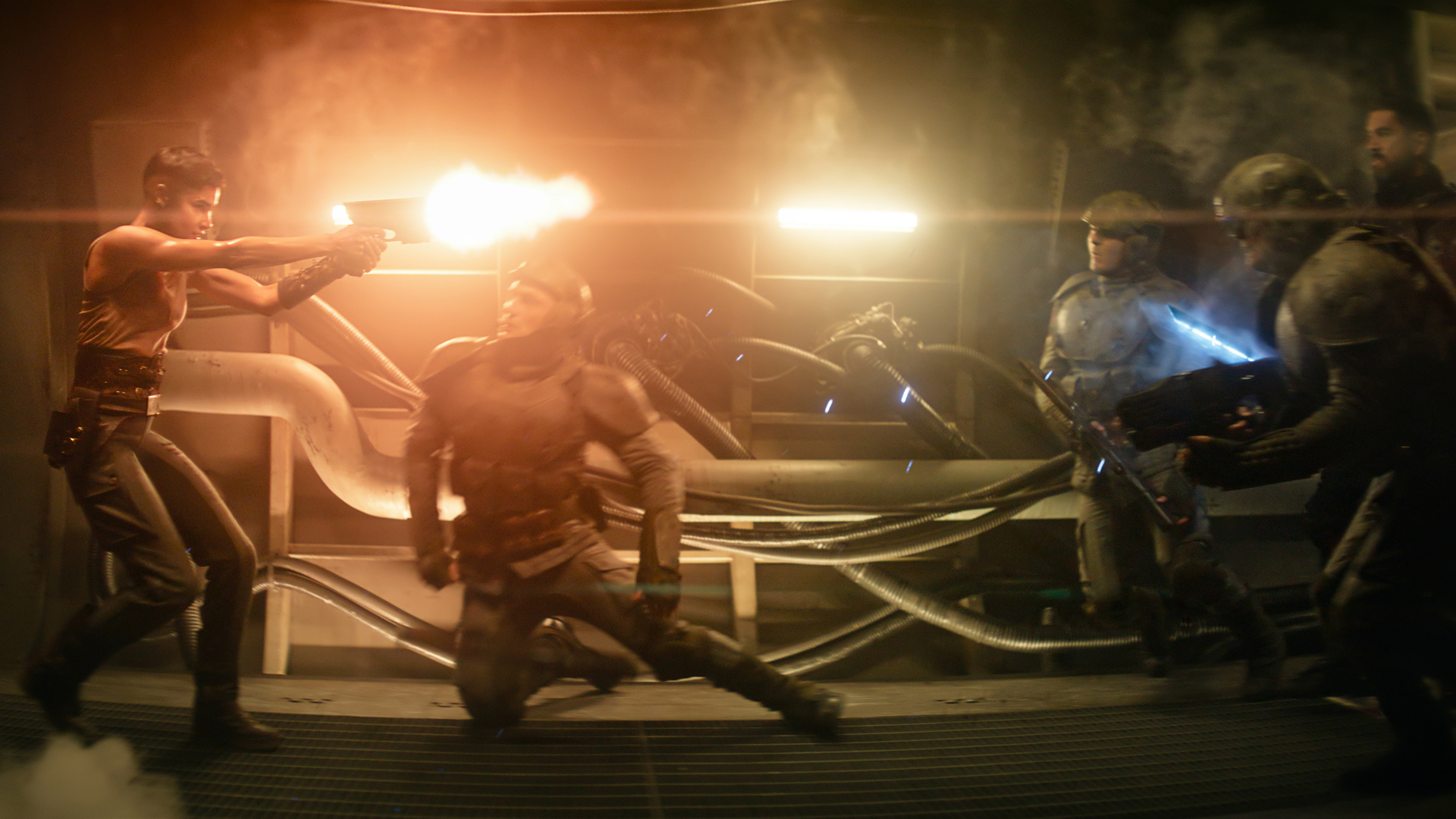
Instead of giving a satisfying and coherent conclusion, Snyder goes all out and indulges in the worst aspects of his cinematic bag of tricks. The film just oozes needless slow-mo shots of people farming, walking, or making any kind of motion. It was slow-mo porn! The film also boasted too many exposition dumps that brought the film’s story into a screeching halt. The scenes were the characters stopped in their tracks to give us extended back stories were clumsily done and were too long thanks to…slow-mo shots. What was worse is that these character expositions did little to endear us to Kora and her team of misfit warriors. The decisions made by the characters in their back stories often did not make sense and in the end none of the stories made the characters memorable. This was clear when not only was there no sympathy for any heroic characters when they died but it was hard to tell who they were during the well-staged battle scenes.

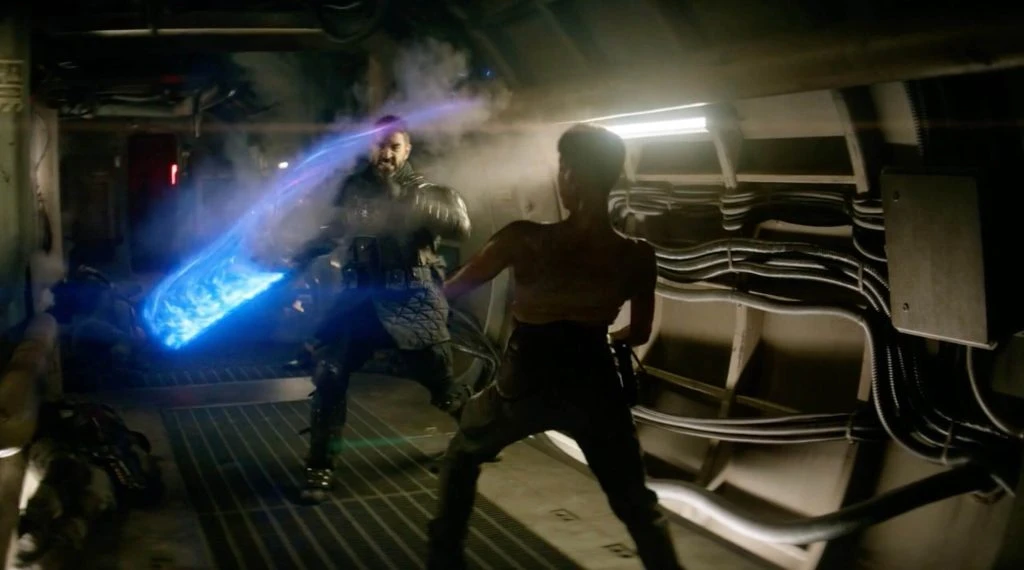
To its credit, Rebel Moon, Part Two: The Scargiver, had great special effects and design that evoked Warhammer 40,000 and of course Star Wars. The final boss battle between Kora and Admiral Noble (Ed Skrein) was well choreographed as they fought with their lightsabres, or whatever the swords are called in the Rebel Moon universe (help us but more films are planned) and Anthony Hopkins was brilliant as the voice of the Jimmy the rebel robot. But logic of the epic battles in the final act did not make sense. How could an advanced intergalactic force fail to detect simple farmers hiding out with weapons? How is it the main heroes are able to take out scores of armored enemy soldiers armed with axes and clubs? This was worse than when the Ewoks defeated the Empire’s forces in Return of the Jedi. All these flaws would have been forgivable if 1) we cared about the characters and 2) the battles engaged us. In other words, the battles were boring, the worst possible insult for action scenes.

While derivative from the start, Rebel Moon, Part Two: The Scargiver had the potential to be a rousing action film that would have been Zack Snyder’s answer to Star Wars. Instead we have to give credit to Lucasfilm for having the wisdom to turn down Snyder’s pitch.

The problem with the two Rebel Moon films boils down to the fact that Zack Snyder was given too much creative freedom and he overindulged his worst cinematic impulses. Yes, Snyder is a very talented director but he needs firm guidance when executing his films. So, if there are more Rebel Moon films, Snyder will have to either control himself or allow himself to be guided by objective partners.

José Soto

Rise Of The MonsterVerse

While cinematic universes based on superheroes have fallen out of favor and other attempts at creating different kinds of cinematic universes have faltered, the MonsterVerse has actually thrived lately. Just look at the unexpected success of Godzilla x Kong: The New Empire, which when released last week earned much more in the box office than originally projected. Given the success of the latest MonsterVerse film, another sequel is warranted but to date there are not any concrete plans for more films or TV shows. Expect that to change shortly.

The success of the MonsterVerse surprised many people because a lot of attention in the past was given to the superhero film franchises which were more successful. However, as we all know, the superhero film franchises have struggled lately, which created a void for other film franchises to fill, hence the rise of the MonsterVerse. For some time, it was thought that creating a film franchise not related to superheroes was impossible, but the MonsterVerse proved the naysayers wrong.

Originally, the first film in the MonsterVerse, the 2014 American reboot Godzilla was not intended to launch a cinematic universe. Yet, a few years later the birth of the MonsterVerse was confirmed with 2017’s Kong: Skull Island, which was set in the 1970s while Godzilla was set in modern times. But both films featured the secretive Monarch organization which studied the titans or kaijus that were appearing in the world. Cementing Kong: Skull Island as the second film of the franchise was its post-credits scene which teased Godzilla and other giant kaijus from the Toho Studios Godzilla films.

The next entry in the MonsterVerse was Godzilla: King of the Monsters in 2019, which was a true kaiju epic featuring favorite Toho kaijus like Mothra, Rodan and King Ghidorah along with new and interesting titans. Sure, critics hated the film and it only performed so-so in the box office, but Godzilla: King of the Monsters struck a nerve with fans who where enthralled with the worldbuilding and the explosive monster scenes.

The next logical MonsterVerse film had to be one where King Kong fought Godzilla, which excited many fans. Godzilla v Kong was released on streaming at the same time as it was released in theaters in 2021 due to the COVID-19 pandemic, but it made a lot more money than people expected and was well received. It was the culmination that many eagerly anticipated ever since Godzilla was teased in Kong: Skull Island.

Due to the success of Godzilla v Kong, the MonsterVerse expanded into streaming with two TV shows: the animated Skull Island and the live-action MonsterVerse prequel/sequel to Godzilla, Monarch: Legacy of Monsters. Both TV projects received positive reactions and helped with the worldbuilding of the MonsterVerse as events from the TV shows were referenced in Godzilla x Kong: The New Empire.

Of course, this brings valid complaints about having to watch previous films or TV shows in order to fully understand what is going on. But does the plot really matter? Sure, the scripts of the films are an issue, especially with the more recent entries and there will come a time when fans will tire of the monsters fighting and want to see some more meat in the scripts. But this is possible as seen with Godzilla, which was a more grounded and mature film. Fans back then griped about the somber tone of Godzilla and the lack of monster action, but it turns out they were not ready for such a film and clamored for the big kaiju battles that dominate the films now. Monarch: Legacy of Monsters was also a more level-headed project that explored the background of Monarch and took time to get us to care about the characters. Perhaps the next MonsterVerse film should find a way to showcase these characters, even though part of the TV show is set in the past.

So, why did the MonsterVerse succeed as a franchise where others failed? Part of it has to do with the fact that even though the films and TV show feature spectacular special effects, their budgets are modest compared to the superhero blockbusters. This makes it easier for them to be profitable even if the box office returns are not as outstanding. It’s actually remarkable given that the battles and scenes with titans are the highlights of these films. Also, unlike some other film franchises, the MonsterVerse took time to properly set up its world. Legendary Pictures, the film studio behind the MonsterVerse, did not at first set out to create a film franchise and even when it did, the set up was natural. This method also created demand, after Godzilla: King of the Monsters many fans demanded to see Godzilla go up against his rival, Kong. A King Kong versus Godzilla film was not rushed out but carefully teased. This was not the case with Batman v Superman: Dawn of Justice. To Legendary Pictures’ credit, they are giving fans what they want which is basically big kaiju fights and scenes with topnotch special effects.

As great as things are for the MonsterVerse, the film franchise will have to evolve in order to survive. Better scripts and more human character developments are essential, as well as more imaginative worldbuilding that unlocks the potential with the titans. What can be done with the titans and Monarch has barely been tapped and hopefully the MonsterVerse will be explored further with future TV and film projects.