Venom, Spider-Man & Sony’s Upcoming Crossover Film Event

The latest Spider-Man-related venture by Sony Pictures, Venom: The Last Dance, has teased viewers with an attempt to create a crossover storyline that spans several different films. Sony has tried for years to create their own cinematic universe but failed miserably for the most part because they weren’t able to deliver anything cohesive or high quality. Unfortunately, that problem will continue.

WARNING: Spoilers will be revealed related to Venom: The Last Dance.

Ever since the success of the Marvel Cinematic Universe (MCU) and the emergence of other cinematic universes, Sony wanted in on the action given the massive box office success of the MCU. On paper, it seemed easy to copy the MCU’s success: have a bunch of films interconnect with each other with some kind of B-plot storyline running throughout the films that will culminate in an epic crossover event like Avengers: Infinity War. But as the cliché goes, easier said than done.

Sony first tried creating a shared universe with The Amazing Spider-Man films with the last one dropping obvious hints of a film featuring the supervillain team, the Sinister Six. However, given the bad reception of The Amazing Spider-Man 2 and announcement for a Sinister Six film, those plans fell by the wayside. But Sony would not give up. Afterall, they hold the exclusive film rights to Marvel Comics’ most popular character and all related characters, and they would lose those rights if they did not pump out some kind of Spider-Man-related film every few years.

This is how we got the Venom films. By no means are they superhero film classics, but they are entertaining enough (including Venom: The Last Dance with its plot holes and other flaws) and more importantly to Sony, financially successful. This encouraged them to greenlight other films related to Spider-Man, but the dreck they released could not match the success of the Venom films. Still, they plowed ahead as seen with that non-sensical post-credits scene in Morbius where the title character met the Vulture, who was transported over from the MCU. What was so baffling was that for reasons unknown to us, Morbius decides to join Vulture in attacking Spider-Man, even though Morbius never met the superhero! It seems as if Sony is still hellbent on their Sinister Six film and more will probably be revealed in December with Kraven the Hunter, where there will most likely be some post-credits scene that has Kraven meeting the Vulture. Thankfully this did not occur in Venom: The Last Dance.

Instead, the third and (for now) final Venom film introduced the beginning of an adaptation of the King in Black comic book event. That storyline was the culmination of Donny Cates’ Venom run which explored the backstory of the Venom symbiote and introduced the supervillain, Knull, who created the symbiotes and invaded Earth. While it was tantalizing to see Knull on the big screen, he didn’t receive much screen time and was a background menace who drove the action. In the film’s prologue, it’s revealed that Knull is being held prisoner by the symbiotes he created and only Venom can break him free through some biological MacGuffin. After Venom and other symbiotes defeats the small army of alien creatures sent by Knull to Earth, the Venom symbiote is killed and a still-imprisoned Knull vows in a post-credits scene to escape and wipe out all life in the universe.

That sounds great but this development happens in the so-called final Venom film. Where else can this Knull story continue? Well in a Spider-Man film, of course.

There are reports that Sony and Marvel have been at odds over the story for the next Spider-Man film. Marvel wanted it to be a grounded film involving Spider-Man with street-level threats and heroes like the Kingpin and Daredevil and fans have been demanding this since such a plot would return the character back to his grounded, street-level roots, which has been missing from the MCU Spider-Man films. However, Sony is demanding the character be involved in universe-threatening events as seen with Spider-Man: No Way Home since it is the best platform for crossovers with the characters the studio has the film rights.

The current rumor is that the next Spider-Man will not only feature the non-MCU Spider-Men teaming up with the MCU Spider-Man but that at long last Venom will meet Spider-Man. This was something that was teased in Venom: Let There Be Carnage when Venom was transported to the MCU, but that turned out to be a disappointment because Venom returned without meeting Spider-Man.

So, why would the two meet? To fight Knull, of course! But wait didn’t the Venom symbiote die in Venom: The Last Dance? Yes, but a post-credits scene teased us with an offspring of Venom that was loose, who will probably seek out Eddie Brock to bond with him. Or the offspring that was left behind in the MCU during Spider-Man: No Way Home be the new symbiote for Eddie to bond with. Maybe this time, the new Venom will sport the iconic large white spider symbol on his chest.

While there is some potential with this plot, given Sony’s inability to give us a coherent Spider-Man-related film without the help of Marvel Studios, there is the possibility that the buildup to this event will be bungled, and we’re seeing that already. Knull should have been introduced in the Venom films much sooner or made a more prominent menace in the current Venom film. He also should have appeared in the other Sony Spider-Man-related films like Madame Web, which would have been natural given Madame Web’s psychic powers that enabled her to detect him.

Then there is the problem in that Knull is a Venom villain, having him being the main foe in a Spider-Man film does not feel right. Also, the King in Black story involved all of the Marvel heroes with Venom leading the fight against Knull. Forcing Venom to share this burden in a Spider-Man film takes away from Venom’s transformation in the comic book story into a full-fledged hero and the new King in Black of the symbiotes after defeating Knull.

Also, the meeting of Spider-Man and Venom should be a film event unto itself and jamming it with the dense King in Black storyline will make this event feel rushed. That is unless Sony plans to split the King in Black story into a couple of Spider-Man films. The first film would have Spidey meeting and fighting Venom, then the second film they would team up to fight Knull along with the other crossover characters. As to how this story would mesh with the MCU’s Infinity Saga and the upcoming Avengers films, who knows at this point? But do not be too disappointed if Sony drops the ball, but on the other hand, since Marvel Studios will be involved with the Spider-Man films, hopefully the result will be better than expected.

The Wild Robot’s Emotional Story Almost Overwhelmed My CPU

It’s no hot take that DreamWorks Animation (DreamWorks) always knocks it out of the park when it comes to adapting beloved books into unforgettable movies, and The Wild Robot is no exception. Every single decision that led to the finished product was nearly perfect and it really feels like the people behind this movie’s creation, such as director Chris Sanders (who directed Lilo & Stitch and How to Train Your Dragon), poured their whole hearts and souls into developing this film, which makes sense since this is sadly the last in-house animated film for DreamWorks. I highly recommend The Wild Robot to everyone who reads this review to go out there and see it in theaters because it deserves the love and the theater experience for this one was definitely unique. This review will be split into 4 parts.

STORY

The story follows a lost robot named ROZZUM Unit 7134 (“Roz”, voiced by Lupita Nyong’o) as she finds her way around an island entirely inhabited by wild animals. She is programmed to be an aide and seeks to offer her services to the animals as part of her pre-programmed goals before she can activate a beacon to be picked up by her manufacturers. As Roz explores the island, it becomes clear that she is unable to communicate with the animals, so she spends months listening in on their conversations and is eventually able to hear and speak in their tongue.

Along the way, she unofficially adopts a baby gosling named Brightbill (Kit Connor) after she accidently kills his family. Having a new purpose, Roz must help raise the gosling to be prepared for the upcoming winter season when the geese migrate off the island. During their time together, Brightbill sees Roz has his mother while Roz begins to develop genuine emotions and is conflicted with her protocol to leave the island after her task of raising Brightbill is completed.

This movie’s story is genuinely amazing and almost made me tear up 3 separate times in only the first two acts. DreamWorks did such a phenomenal job at delivering a heartfelt story that is so emotionally rich that you feel somewhat of a bond with the characters in this film. My only issue, if I absolutely had to have one, was that the pacing was very quick, like whiplash quick. But surprisingly, unlike many other films with fast pacing, this film somehow made it work and it didn’t feel too off-putting. Every plotline progressed off the previous one and every scene felt more action packed and engaging than the last.

CHARACTERS

The characters are well written in The Wild Robot. To start, Roz is a complex character and is able to feel emotions that robots shouldn’t; she is instantly one of my favorite DreamWorks protagonists. She has a heart of steel that comes from her programming where she is unable to harm other living things despite what they think of her. She is unyielding in whatever task has been assigned to her and refuses to give up even in the most impossible scenarios.

Throughout the film, Roz is accompanied by a mischievous and unpopular local fox named Fink (Pedro Pascal) who is sly and has no problem with lying but is also willing to help others who are mentally and physically vulnerable. He is also a really funny supporting character and has great chemistry with both Roz and Brightbill. As the adopted child of Roz, Brightbill is an adorable and inspiring goose that overcomes all odds against him. We get to see him grow from baby to young adult in mere moments, but it feels as if we were with the family every step of the way.

Brightbill’s journey was more difficult than it was for those around him because he is a runt and had an unusual upbringing, but he proved everyone who doubted, and even bullied him, wrong. There are many other supporting characters that played

into their roles really well, such as the stoic and tough owl, Thunderbolt (Ving Rhames), who helps teach Brightbill how to fly, the gentle and wise Longneck (Bill Nighy), the leader of the island geese who welcomes Brightbill into his flock, and a crusty but helpful beaver named Paddler (Matt Berry). These and other minor characters get their moments to shine throughout the film and add to the rich tapestry of characters throughout the film.

SOUND DESIGN

The sound design in The Wild Robot is stellar and every voice actor knocked it out of the park. To start with the soundtrack, it included very strong and epic music that complimented certain key scenes very well, adding onto the layers of immersion this film has. The two original songs featured in this film are amazing and I recommend listening to both of them (“Kiss the Sky” and “Even When I’m Not” by Marren Morris). The voice acting is phenomenal and every character’s actors were chosen perfectly.

My personal favorites were Lupita Nyong’o as Roz, Kit Connor as Brightbill, Pedro Pascal as Fink, and Bill Nighy as Longneck. The original score only amplifies the experience of watching this movie, as it makes every scene either emotional, casual, or heart-pounding.

ART AND ANIMATION

The only word to describe the art style of this movie is gorgeous; this is without a doubt one of the best-looking animated movies ever made. The art style is a mixture of natural landscapes, watercolor strokes, and the wonderous joy of storybook pages. Every character looks so high quality that I wanted to personally thank every person in charge of developing this fantastic identity. The animation is astonishingly brilliant and it’s so good that every frame of animation could by captured as a photo and used for marketing material. The people who worked so hard to animate Roz’s fluidic, yet robotic movements deserve so much praise. The backgrounds and landscaping are also beautiful; there is this one shot that involves Roz being in front of a giant moon in the background that I cannot stop thinking about because it was such an amazing shot. I am probably rambling on about the art and probably sound like a broken record, but that’s how much I genuinely love the work put into making this movie shine so visually.

CONCLUSION

The Wild Robot is an unforgettable and story-rich adventure that no one will want to miss. Its story is unique, the characters are lovable, the sound design is elite, and the animation is easily one of the best of this decade so far. This DreamWorks movie is one of its best and it is a shame that this marks the end of in-house animated movies for the company. I am usually not one to advocate for sequels, especially in an age where they get more and more mediocre, but I really would not be opposed to seeing another two movies based on the other books in the Wild Robot trilogy by author Peter Brown. Be sure to watch The Wild Robot, out now in theaters!

Angelo Soto

Increasing Optimism For The MCU

It’s been commonly accepted that the Marvel Cinematic Universe (MCU) has been on a downward spiral given the mediocre results of their recent offerings such as Secret Invasion and The Marvels. But the powers that be (Kevin Feige and Marvel Studios) have taken corrective steps to rectify the situation with the MCU and from what we are seeing, we fans have cause for optimism.

As most of us know, Feige has restructured the slate of films and TV shows to the point of redoing them as was done with the upcoming Daredevil: Born Again and next year’s Captain America: Brave New World. Feige took an honest and hard look and admitted what was working with the MCU projects and what wasn’t. Marvel Studios has also reassessed which film and TV projects, which were planned and announced previously, would actually go forward. This meant that some anticipated and announced projects will not see the light of day, at least for the near future.

However, while we can mope about the lost projects like Armor Wars and the endangered Blade, we can rejoice with recent concrete developments and the current and upcoming releases.

Of course, Deadpool & Wolverine was a smash success that delighted fans and critics alike as it reveled in Easter eggs, raunchy humor and unfiltered violence. The film is now the second biggest hit of the year and the most successful R-rated film ever released. Seriously, Deadpool & Wolverine could not have arrived at a better time. The film demonstrated that Marvel Studios was still capable of producing quality films that could engage audiences, which translated into box office success.

Then Marvel Studios just began streaming on Disney + the TV show Agatha All Along, the sequel/spinoff to Marvel Studios’ best TV show, WandaVision. Even though the spinoff TV show about the witch Agatha Harkness wasn’t highly demanded by fans, it so far has exceeded expectations with its witty, clever and imaginative early episodes. Sure the jury is still out and we have to see if it sticks the landing, but Agatha All Along is off to a great start.

Another reason to be optimistic is due to the success of the animated TV show X-Men ’97, which captured the essence of the classic X-Men animated TV shows of the 1990s and the best X-Men stories and characters. Even though X-Men ’97 and Deadpool & Wolverine are not actually part of the MCU, they were produced by Marvel Studios and both projects showcased the talent from the studio that could still deliver the goods.

While there has been leaked footage of upcoming TV shows like Daredevil: Born Again and of sizzle reels for The Fantastic Four: First Steps, fans have not had much else to sink their teeth into. But what they have at the moment is more than enough. The trailers for Captain America: Brave New World look very promising, which is a bit of a relief given the behind-the-scenes reports of a troubled production that practically had to be reshot. Hopefully, the actual film, which comes out in February next year, will be half as good as the trailers promise.

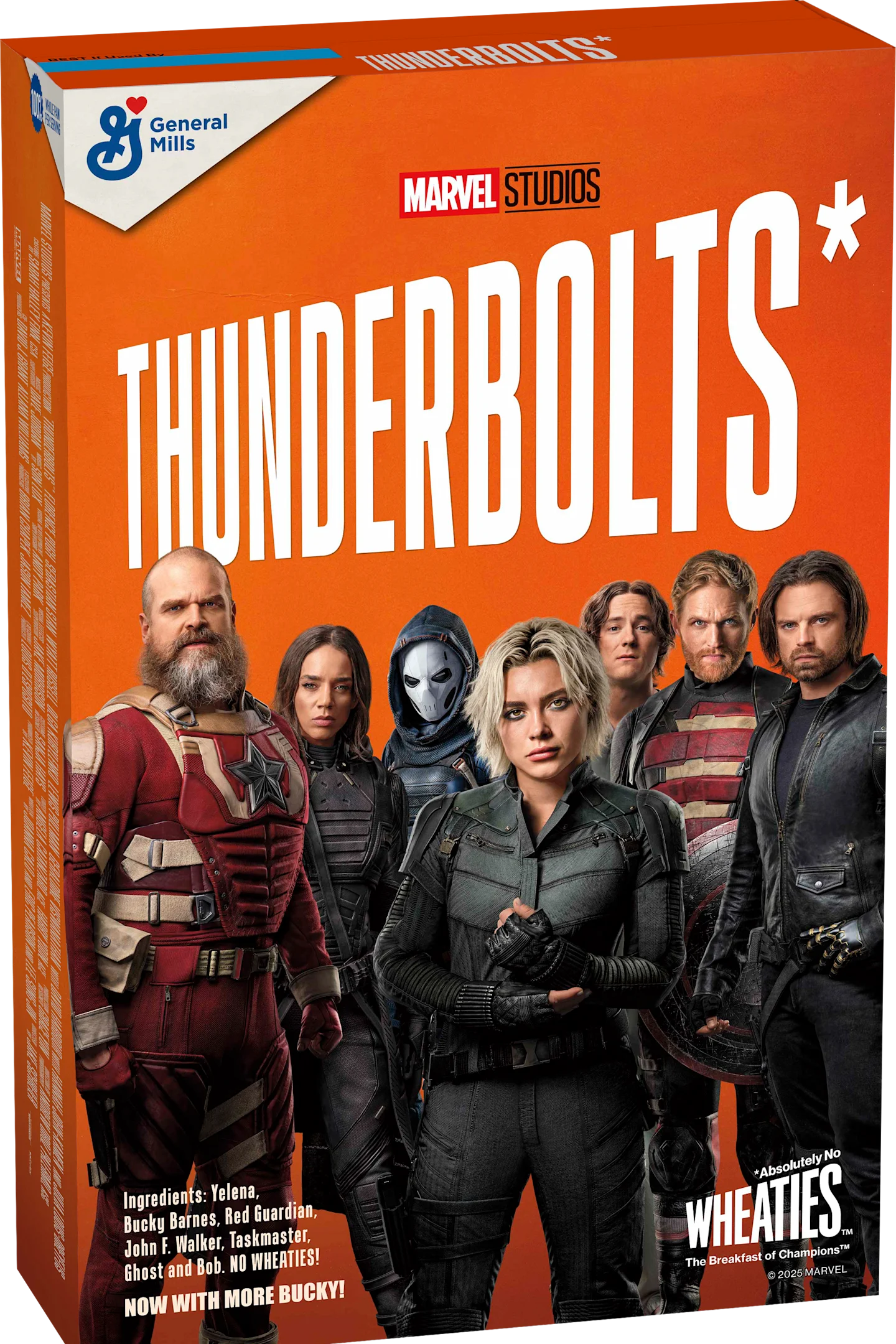
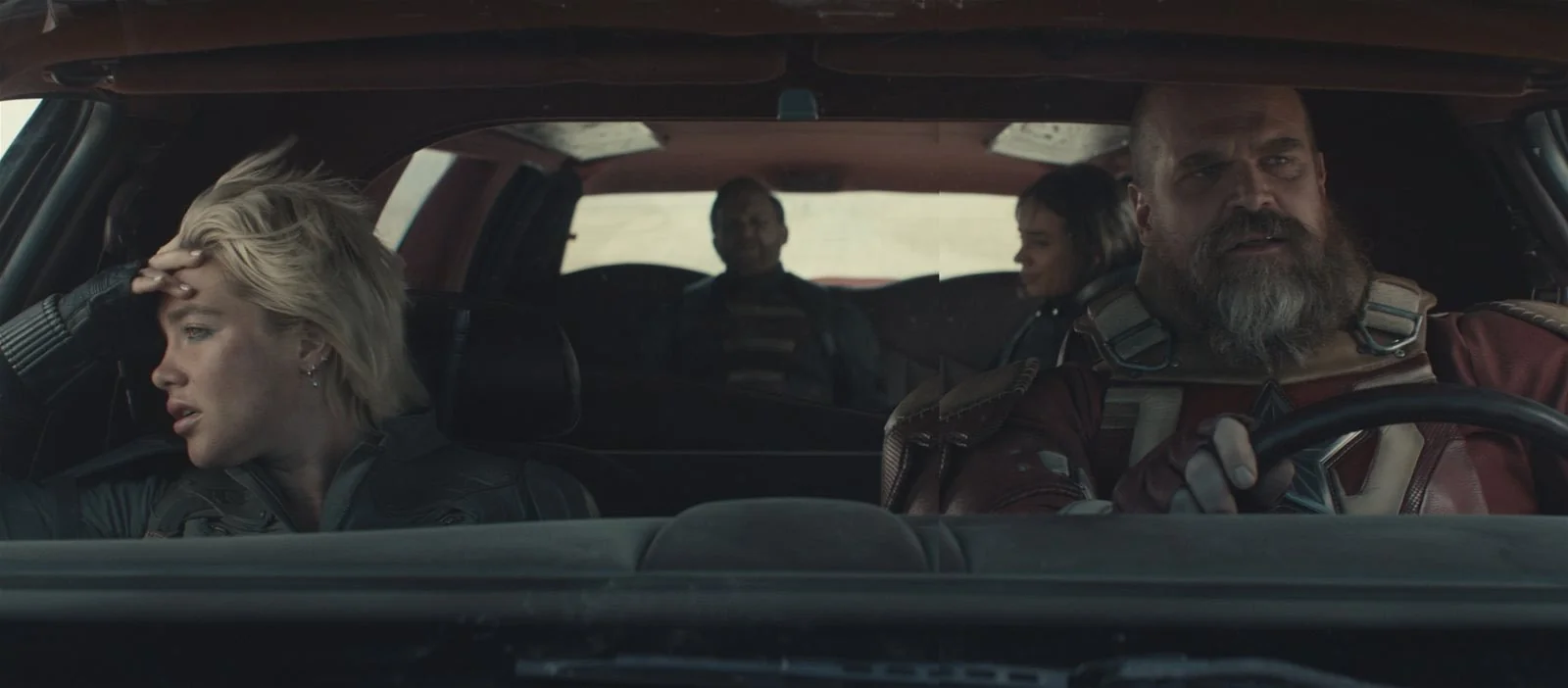
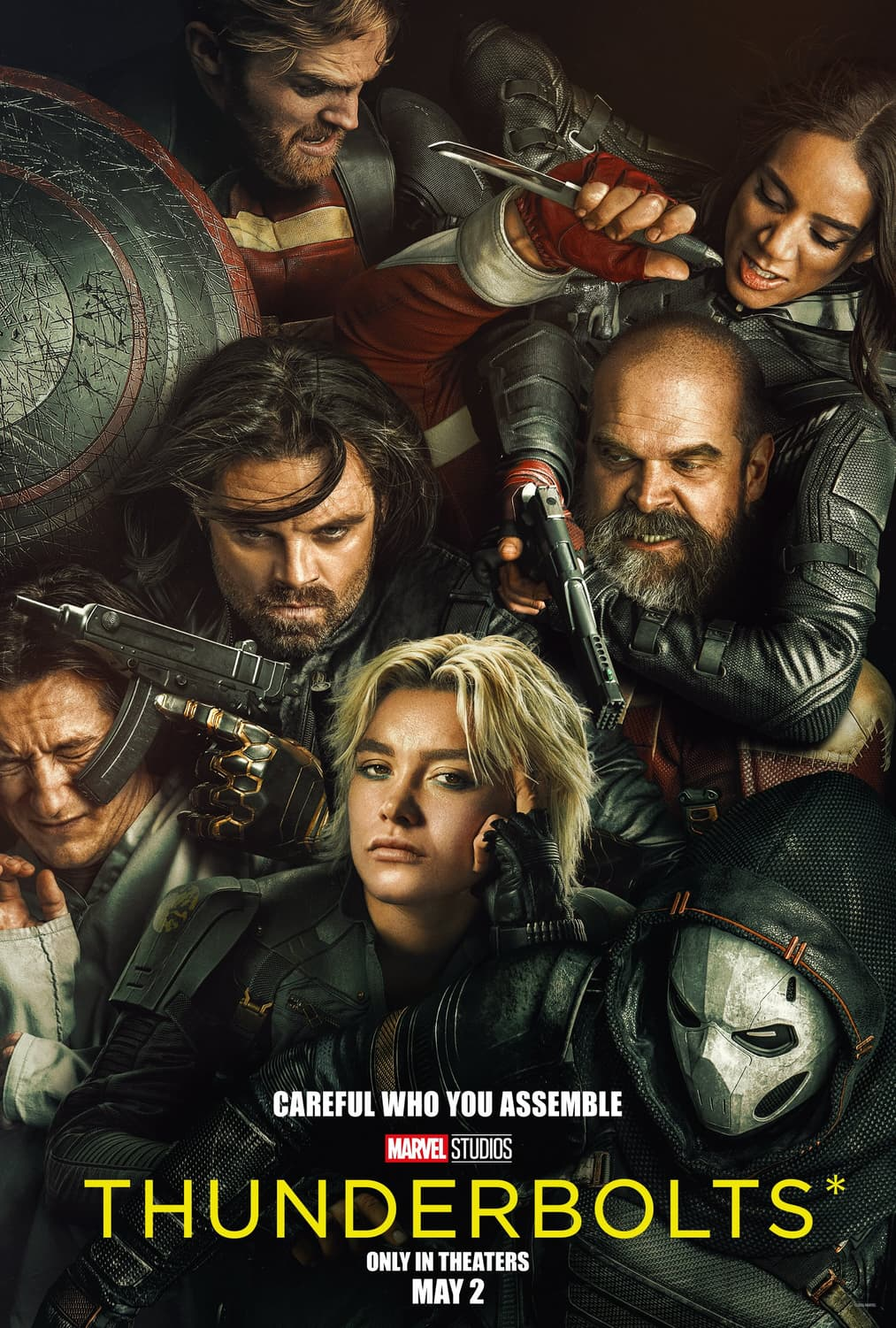
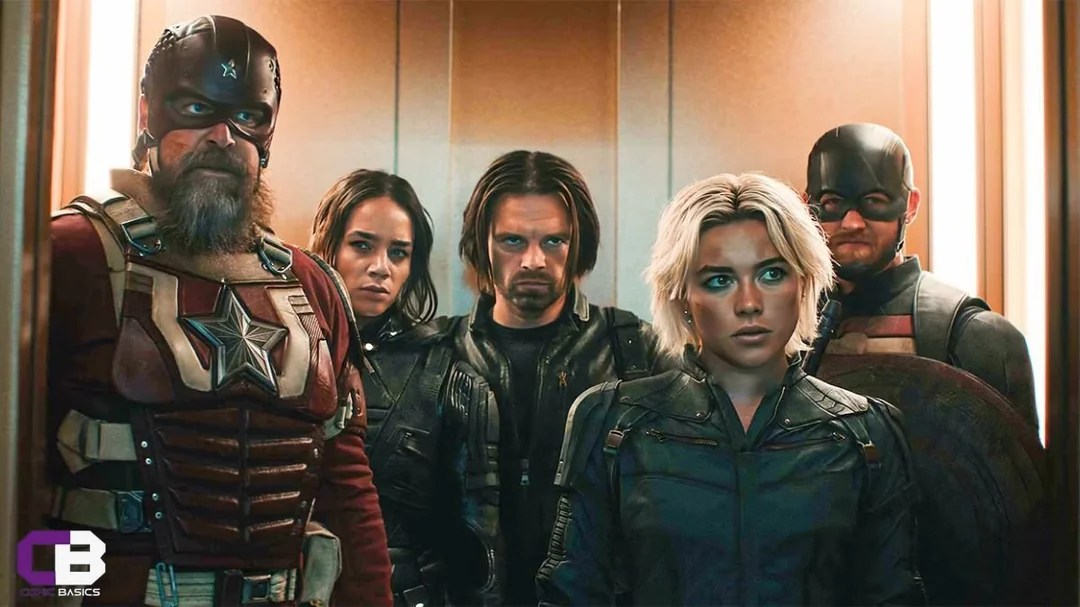
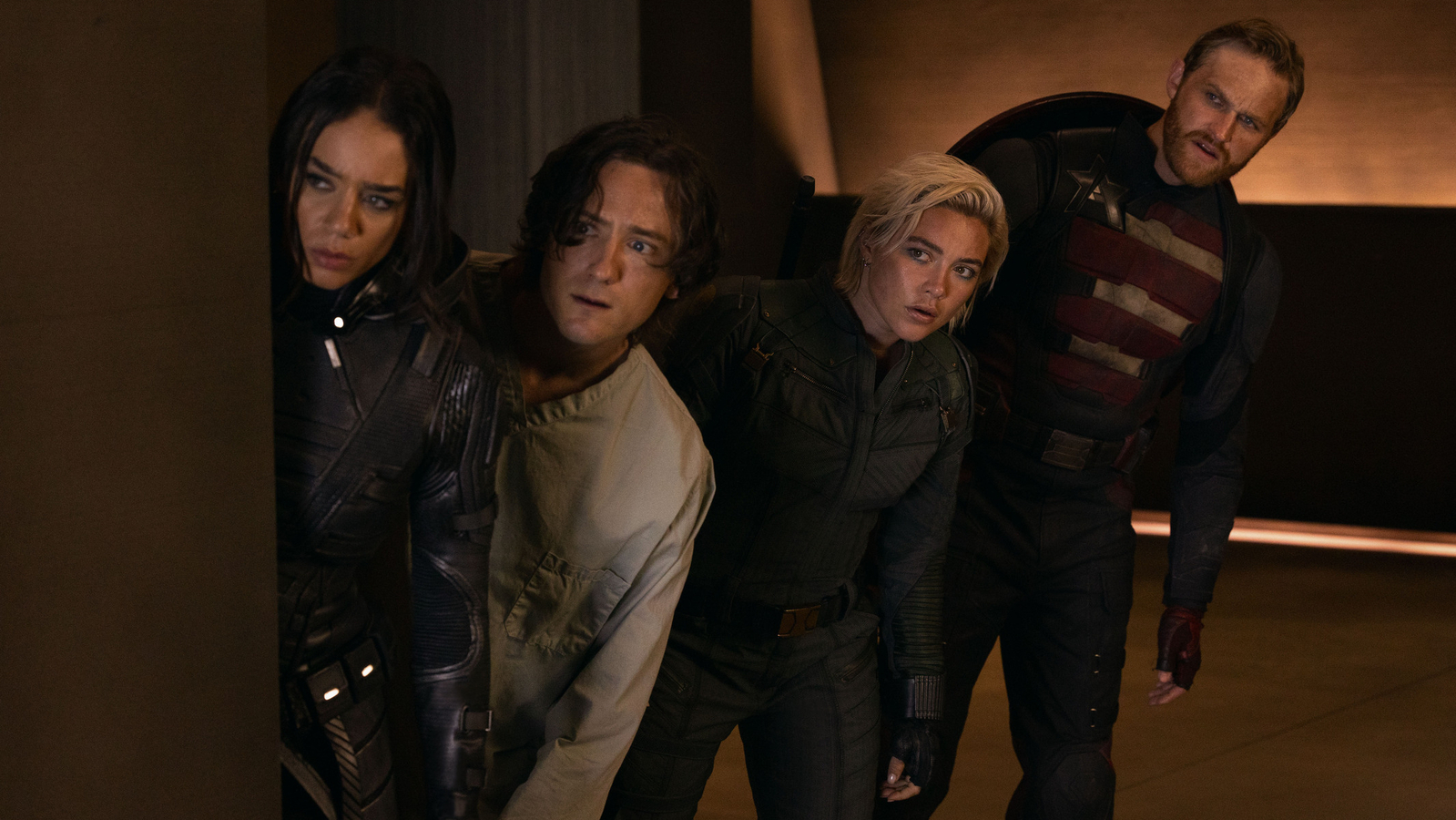
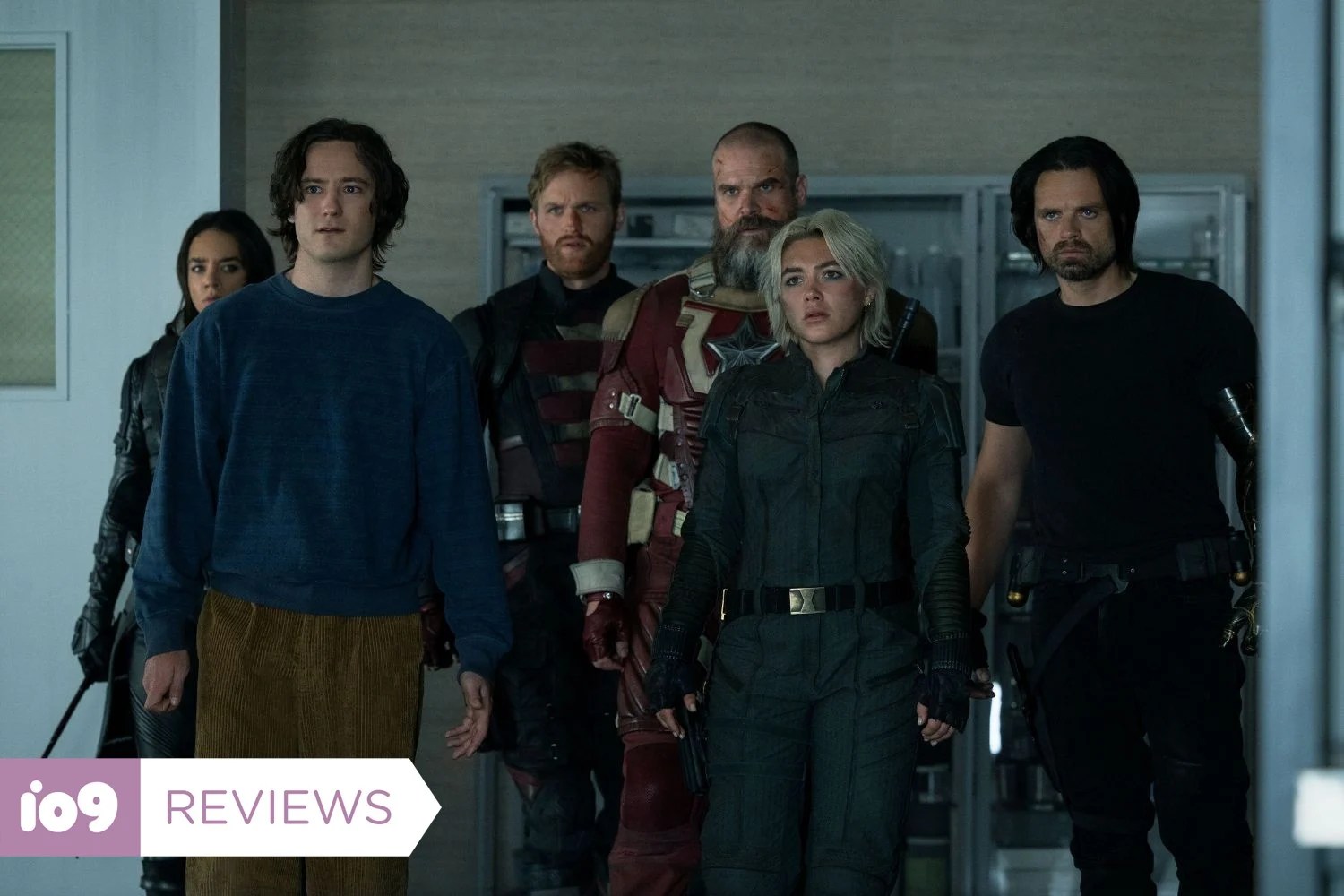
Also promising with the release of just one trailer is Thunderbolts*, which can be best explained to non-fans as the MCU answer to the Suicide Squad. Essentially, a bunch of misfit anti-heroes and low-grade villains teaming up to fight a powerful foe and becoming actual heroes in their own right. The trailer that was just released a couple of days ago perfectly captured this theme and the film looks like it will be a lot of fun. Hell, even the first official poster for Thunderbolts* is great and captures the mood the trailer is selling of misfits who can’t get along with each other but are forced to cooperate. Take a look, below.

All we need now is a sneak peek of The Fantastic Four: First Steps, but all in good time. Then there is the constant stream of news and speculation about the upcoming Avengers films featuring Robert Downey, Jr. as Doctor Doom. Surely, once confirmed plans for the X-Men come out the fans will go ballistic. The only news and speculation giving us a pause has to do with the troubled Blade film and whatever Sony Pictures plans to do with future Spider-Man films. But we’ll see how that situation works out.

Sure, the upcoming films and TV shows could wind up being huge disappointments but let’s stay optimistic, shall we? That is because for now it’s a thrill to be excited for the MCU again.

The Curse Of Blade

About five years ago at a Comic-Con appearance, Marvel Studios president Kevin Feige eagerly announced that a new film about the vampire hunter Blade would be produced by Marvel Studios to join the Marvel Cinematic Universe (MCU). What made the announcement even more exciting was that Mahershala Ali would portray Blade, a role made famous by Wesley Snipes. That was then. Now? Nothing. The film keeps getting delayed over and over again to the point that many are asking if the project is cursed.

At the same Comic-Con, several other film and TV projects were announced and they have been produced and released since then. Only Blade remains unrealized; the closest we got to having Blade appear in the MCU was hearing his voice during a post-credits scene in Eternals. There are several reasons why the reboot of the Wesley Snipes film has been delayed, some of it has to do with the pandemic and the recent Hollywood strikes. But the main reason for the delays has to do with the inability to come up with a script and holding onto a director.

Marvel Studios has not been impressed with the scripts. The first one was penned by Stacy Amma Osei-Kuffour in 2021, while Bassam Tariq was chosen to direct the film. Tariq left a year later due to the lack of progress with the film while Marvel Studios brought in other writers to revamp the script. Reports have it that the first script was very light on action, a staple of the Blade films, and supposedly took place in the 1920s. Other writers who took a shot at Blade included Beau DeMayo, who was responsible for the well-received X-Men ’97 animated series, but time and time again Marvel Studios brought more and more screenwriters to turn in a suitable script. Mahershala Ali himself has expressed dissatisfaction with the original script and the pace of the project and it would not be surprising if he winds up leaving the project, even though he approached Marvel Studios with the idea of portraying the vampire hunter.

Meanwhile, Yann Demange, the director who replaced Tariq, left the project a few weeks ago, and no replacement has been announced yet. This is going on as the film is supposedly slated to begin production later this year for a 2025 release. At this rate, it is doubtful the film will meet the deadline or even be made.

Kevin Feige and Marvel Studios recently announced their desire to focus on the quality of their films and TV shows, which is commendable. But the unfortunate result of focusing on quality has been the delay of Blade. This is very frustrating for fans of the character and the original films who wanted to see the MCU take of the Daywalker (as he is called by the vampires he hunts), as well as Ali’s interpretation of the superhero.

It is baffling why Marvel Studios is having a hard time with this project which should be a slum dunk and would have a ready audience for a character with huge name recognition. The Blade films were popular even before the MCU existed and most people were not even aware that the supernatural hero was actually based on a Marvel Comics character. The premise should be fairly simple to produce. Why not just do a remake of the original Blade film Deacon Frost as the villain? The story worked in the first Blade, just throw in some MCU references and call it a day.

The answer to that is that Marvel Studios wants a fresh new take on the character and probably as rumors have it, wants Blade to help launch the Midnight Sons superhero team for the future. This is a great idea, but Marvel Studios has a lot on their plate and it’s anyone’s guess as to when they will get around to it.

Until Marvel Studios decides on a script and hires a solid director (supposedly they are eyeing Jordan Peele or Chad Stahelski who have either shown interest or been approached for Blade), the least they can do is have the character appear in upcoming MCU projects. This would keep fans happy and maybe even Ali, too.

However, the constant delays has become an embarrassment for Marvel Studios. They must settle on a script and director very soon in order to meet the production schedule and release date. Otherwise, Blade is doomed.

After Kingdom Of The Planet Of The Apes

Kingdom of the Planet of the Apes is the latest entry of the long-running Planet of the Apes franchise. The film is both a continuation of the previous trilogy that came out in the last decade while being a new starting point for a new trilogy that expands the story of the Apes franchise. There will be spoilers for Kingdom of the Planet of the Apes.

For anyone who hasn’t seen any of these films, the world of Planet of the Apes is one where humans have been supplanted by intelligent apes capable of speech, while humanity has become animalistic. The previous trilogy, consisting of Rise of the Planet of the Apes, Dawn of the Planet of the Apes and War for the Planet of the Apes, served as the origin story for the franchise. The trilogy provided the background for how apes gained human-level intelligence, which came about from efforts to find a cure for Alzheimer’s Disease. The supposed cure, in the form of an artificial retrovirus, instead increased the intelligence of apes. But the retrovirus had the opposite effect on humans. First it spread like wildfire and killed millions of people and caused civilization to collapse. Then the virus mutated and caused the remaining humans to lose their intelligence and the ability to speak, and cemented the apes dominion on Earth.

The main character in the trilogy was Caesar (in a brilliant motion-capture performance by Andy Serkis), who was the first hyper-intelligent ape and the leader of an Ape Rebellion against the humans who tormented his species. Eventually, Caesar tried to live a quiet life as the leader of his ape colony in the forests beyond human civilization, but conflict arose between the two species. By the end of the last Planet of the Apes film, Caesar was able to defeat the humans that enslaved his fellow apes and led them to an oasis to start a new colony, but he died from wounds inflicted during his battle with humans.

Kingdom of the Planet of the Apes takes place “many generations” after the death of Caesar and apes have evolved further and multiplied while transforming from a hunter-gatherer society into an agricultural one. Meanwhile, humanity has devolved into mute, animalistic savages, however, Noa (Owen Teague), the lead ape character, meets Mae (Freya Allan), a young human woman who is actually intelligent and able to speak. Eventually it is revealed she comes from a human outpost that is quarantined from the world and located near a satellite base. These humans are still intelligent and by the end of the film have begun efforts to communicate with other humans who have not succumbed to the virus in order to reestablish human civilization. Obviously, this will set up a future conflict between humans and apes if Mae’s settlement is able to jump start civilization.

One of the later elements that made the films in this franchise so compelling was the eternal question of humanity being able to co-exist with another society, which was an obvious, and sadly still an ongoing, allegory to our inability to co-exist with each other. This theme was vaguely hinted at in the second Apes film, Beneath the Planet of the Apes, but was the main focus in the films that followed starting with Escape From the Planet of the Apes. After the violent revolution seen in Conquest of the Planet of the Apes, Battle for the Planet of the Apes offered the hope that both species were able to co-exist peacefully, though that was debatable.

In the final moments of that film, which took place hundreds of years in the future, several ape and human children were attending a lecture by an ape teacher, who was narrating the events of the film. Although this ape spoke about the ability of both species living in peace, a young girl and an young ape were seen squabbling with each other, hinting at a future conflict between the two. After this, a statue of the main character in that film (also known as Caesar, this time played by Roddy McDowall) was seen crying. It was left to viewers to ponder if these were tears of joy because the two species at last lived peacefully or if the tears were of sorrow because of a coming conflict between humans and apes.

This idea of trying to live peacefully is touched upon in Kingdom of the Planet of the Apes as Noa questions Mae in the final scenes if it is possible to for the two species to share the planet. Mae answers that she does not know, but he doesn’t realize that as she is talking to him, she has a gun ready to shoot him, just in case. Of course, the very notion that she brings a gun with her while coming to Noa’s colony raises the question if she is trustworthy. Throughout the film, she gave little reason to trust her as she lied to Noa and his apes about her true motives from the moment she meets them.

Noa is rightfully suspicious of her and in turn, humanity, but he is willing to work with her during his conflict with Proximus Caesar (Kevin Durand), a despotic ape leader from another clan that enslaved his clan. Noa is also more focused on learning and passing knowledge to his people. He learns about Caesar and his peaceful ways as the ape has become a religious leader long after his death. It is implied that Noa will pass on the legend of Caesar to his clan while inspiring them to learn more about the world. This is best illustrated in the final moments when he takes his ape companion Soona (Lydia Peckham) to a decaying observatory and introduces her to the wonders of the universe via an old telescope.

Mae for her part is shown as being worried about Noa and the evolving ape civilization that will prevent humanity from making a comeback. In one scene she silently watches Noa repair a cattle prod that was used by one of Proximus Caesar’s soldiers and is worried at his ability to repair a tool. During the film, she and Noa are captured by Proximus Caesar’s forces and is ordered by the ape tyrant to help him open an abandoned vault used by the human military long ago. She is adamant that apes should not have access to old human weapons and technology inside the vault and was willing to let innocent apes die to prevent their access.

During her mission to enter the vault, Mae killed a fellow human, a collaborator called Trevathan (William H. Macy), who threatened to expose her to the apes. Though it was understandable why she was distrustful of the apes and the collaborator, her actions made her untrustworthy and ignoble. On the other hand, her actions are meant to help resurrect human civilization and it is seen through Proximus Caesar that the apes are not much better than humans and full of humanity’s worst traits.

It will be interesting to see where the Apes franchise will go after Kingdom of the Planet of the Apes. It is clear that a new trilogy is been set up that will put ape and humanity into conflict once again. There is also a tantalizing hint that space travel will be involved, as Noa is seen being fascinated by space and images of astronauts. As wild as it sounds, having apes evolve to the point of venturing into space is a great idea. Who knows? Maybe space exploration could wind up being the means for both species to learn how to cooperate and live in peace if space travel is needed to help save the Earth.

It also hints at the possibility of the new Apes films linking back to the original films. Think about it. The very first film featured astronauts who wound up on Earth in the far future and Rise of the Planet of the Apes featured Easter eggs of a lost space mission, which could be these astronauts that could show up again at the end of the new trilogy. Anyway, no matter which direction future films go, the Apes franchise has demonstrated the uncanny ability to move into new and exciting directions as most recently seen with Kingdom of the Planet of the Apes.