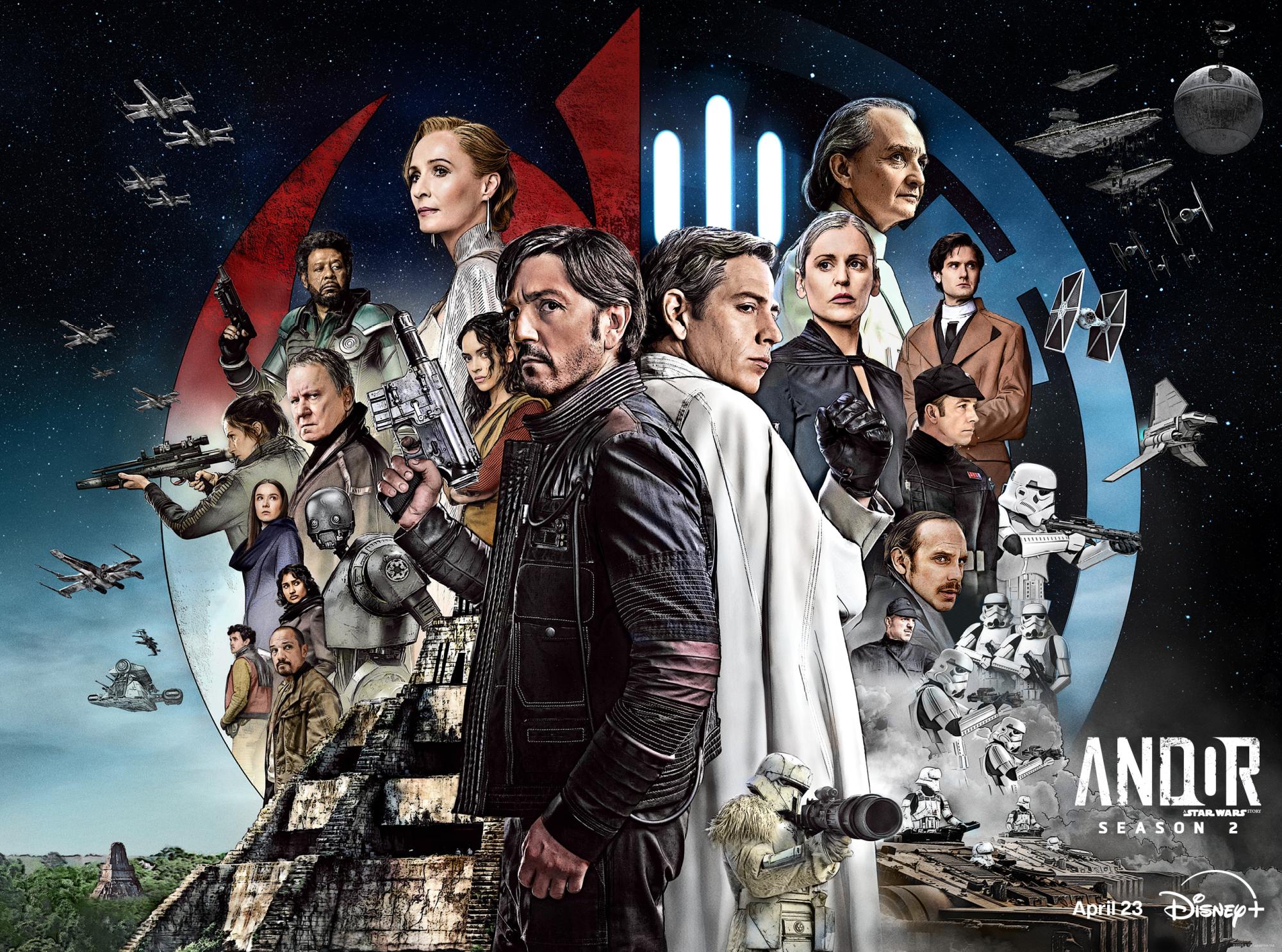
After Andor What’s Next For Star Wars?

The Disney + Star Wars TV series Andor concluded to much deserved acclaim, and it did something that seemed improbable given the state of the Star Wars franchise. Andor has helped create renewed enthusiasm for Star Wars as it showed how versatile and mature the franchise can be.
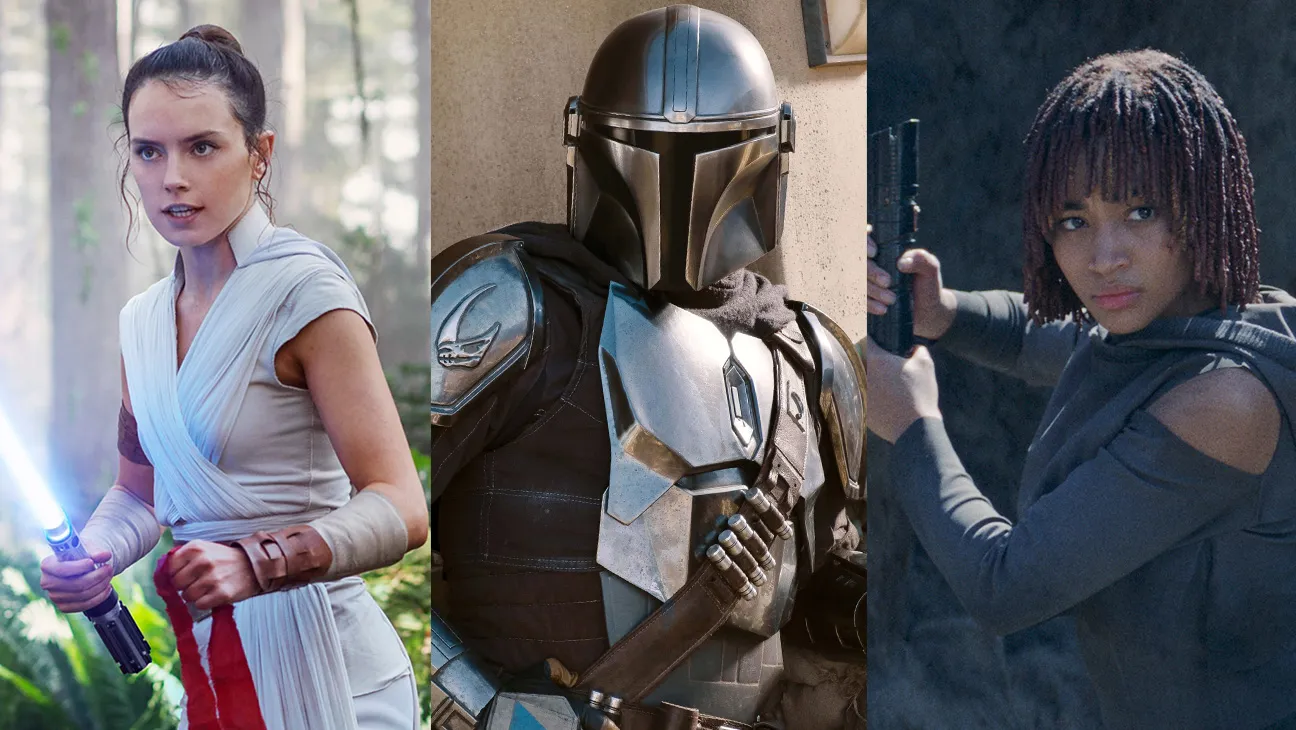
Ever since Disney acquired Star Wars from its creator George Lucas, the projects the company and Lucasfilm put out have received mixed reactions. At first, the franchise received a lot of renewed enthusiasm after the releases of Disney’s first two Star Wars films, Star Wars Episode VII: The Force Awakens and Rogue One: A Star Wars Story.

But the reception to the following films, Star Wars Episode VIII: The Last Jedi, Solo: A Star Wars Story and Star Wars Episode IX: The Rise of Skywalker, was a lot less muted as many fans soured against the Disney films. As a result, the box office returns were not quite as high as the early films and in fact, Solo did not perform well in theaters.

This Was the Way
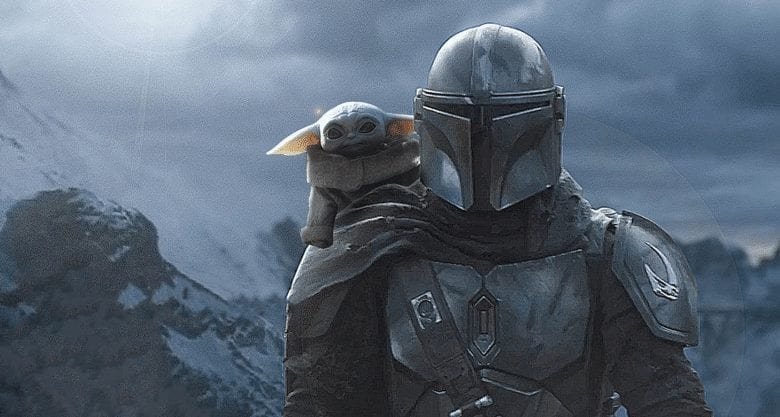
The Star Wars franchise recovered significantly when the first Disney + Star Wars TV show, The Mandalorian, debuted on the streaming app in 2019. For a couple of years, Mandalorian fever gripped fans and the larger public as Grogu, the infant Yoda-like co-star of the show captured the public’s hearts and imagination. It seemed as if the TV show single-handedly rescued the franchise and injected new life into it. However, many of the other Star Wars TV shows were not as popular or had the level of quality as The Mandalorian, except for Andor. In fact, although Andor did not have the high viewership numbers that The Mandalorian enjoyed, it was a massive critical hit as it presented a fresh and adult take on Star Wars with its grounded look at how the Rebellion began in earnest against the Galactic Empire.

Still, despite Andor’s critical success, Star Wars on the whole was floundering as inferior TV shows like The Book of Boba Fett and Ahsoka disappointed fans and emboldened toxic trolls to attack Star Wars. Then there was the fact that the film franchise was essentially dead as many announced films never went into production, except for next year’s The Mandalorian and Grogu. Even recently, The Mandalorian fell out of favor with many fans because of its third season, which was not as well received as its first two seasons.

New Heights of Quality Star Wars Television
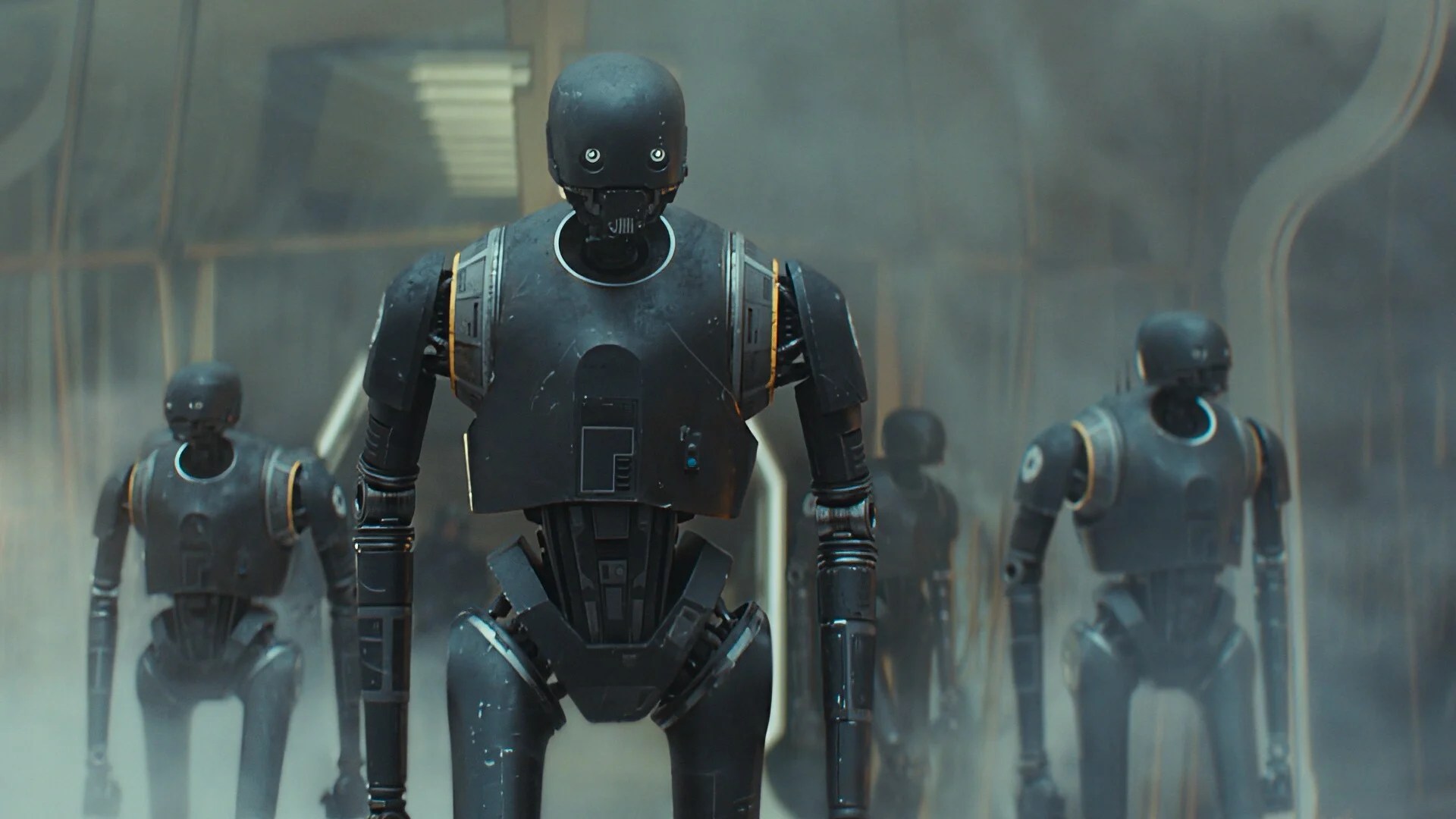
When the second season of Andor first streamed fans and critics applauded the show’s mature, sweeping and complex nature with its nuanced and well-developed characters that quickly generated memes and online discussion about the nature of defiance, sacrifice and societies.

What truly captured the hearts of fans were its story arcs devoted to the Ghorman Massacre and the final arc that wrapped up the story lines of many characters including Cassian Andor himself. The last time we see him, he was departing for what would be his final mission in Rogue One. A mission he never returned from. What made his final on screen moments so heartbreaking was the revelation in Andor’s final scene that he fathered a child that he would never know. And no, this child is not Poe Dameron from the Star Wars Sequel Trilogy.
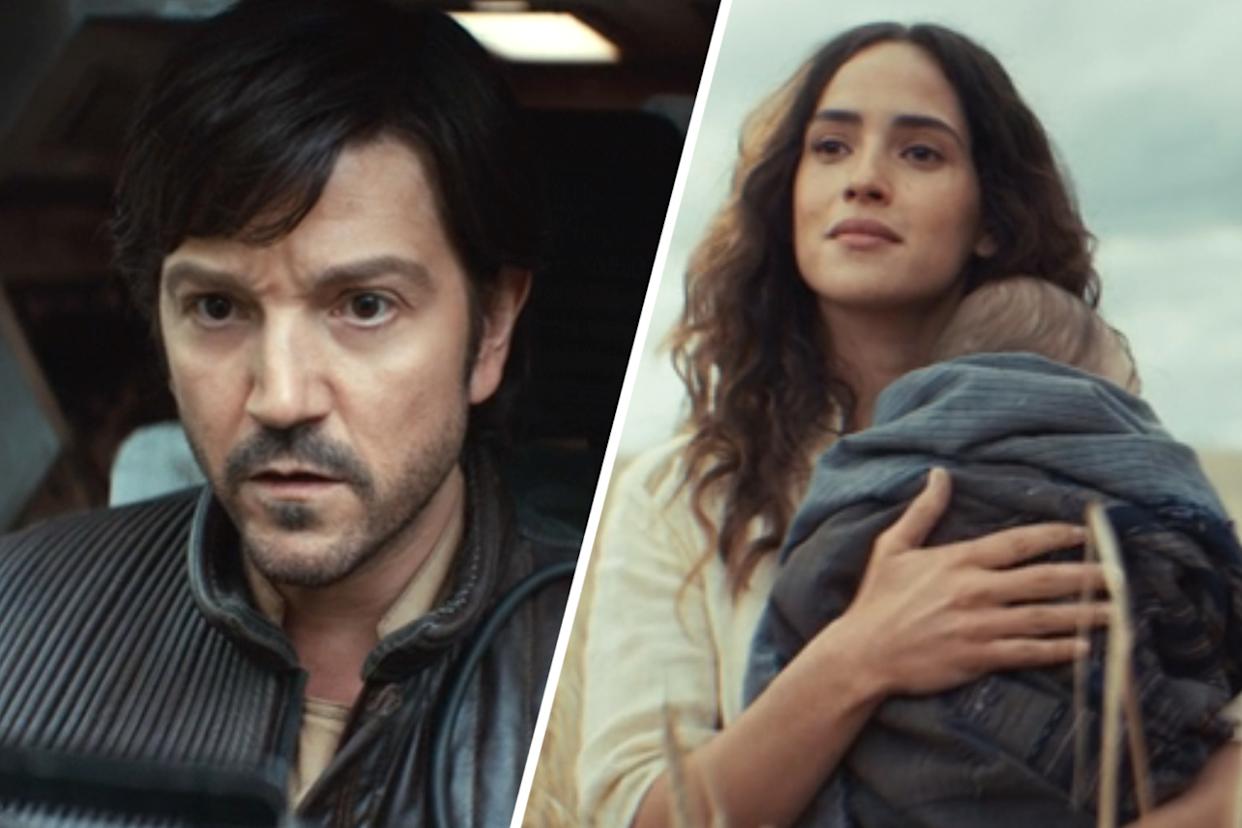
What made Andor so great and unique was that it had no connection to the Jedi, the Sith, or the larger Star Wars/Skywalker saga. It instead focused on random, everyday people living regular lives and how the Empire affected them to either join the cause or support the Empire through simple acts that cascaded into mass movements that affected the galaxy.

It should be noted that Andor was not the only TV show to break out of the traditional Star Wars mold. Others like Skeleton Crew and The Acolyte gave us different stories that took place at different time periods and had little to do with the Skywalker Saga. However, they were not as regarded as highly as Andor.

Continue reading
Season Two Of Andor Proves It Is The Greatest Star Wars TV Show Of All

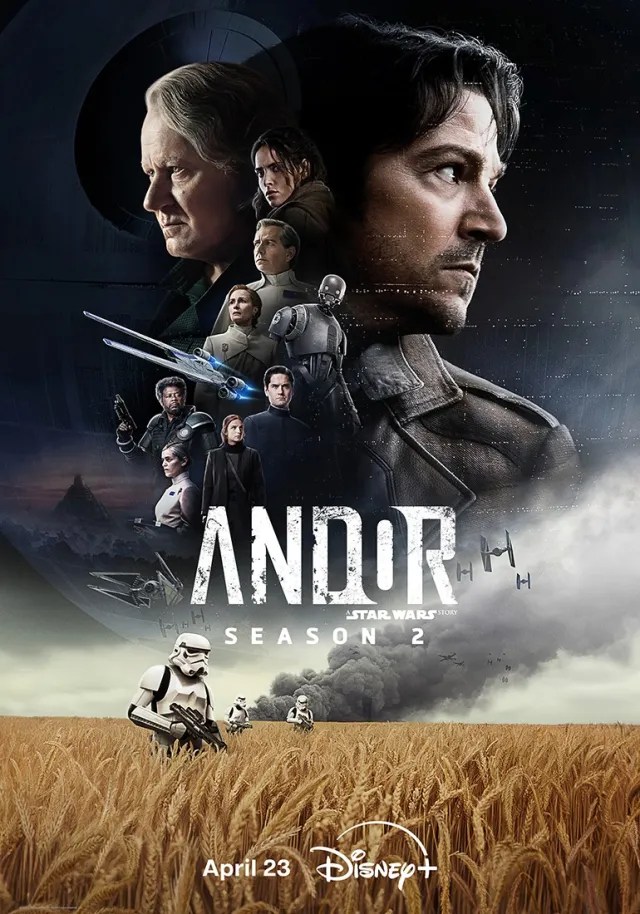
Andor just completed its second and final season on Disney + and it proved beyond question that it is the greatest Star Wars TV show ever presented. Some fans may complain that it is too slow or too adult or too unlike Star Wars, but they are missing the point. Andor demonstrates that Star Wars can be much more than action-oriented, near fantasy stories that are supposedly geared more to children. The IP is much more than that and Andor shows us the potential of what Star Wars can be.

The second season of Andor is broken up into three-episode arcs, with each arc taking place a year apart as the overall narrative counts down to the original Star Wars and Rogue One: A Star Wars Story. As each arc progresses, we get to see how the complex characters develop and grow.

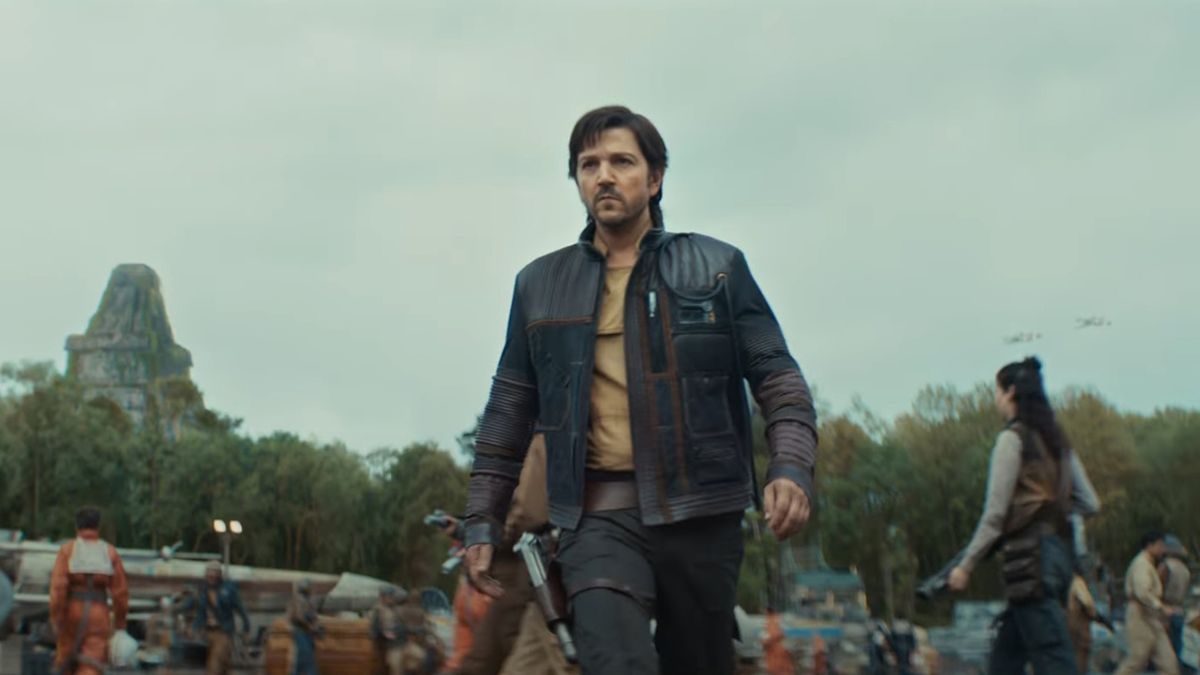
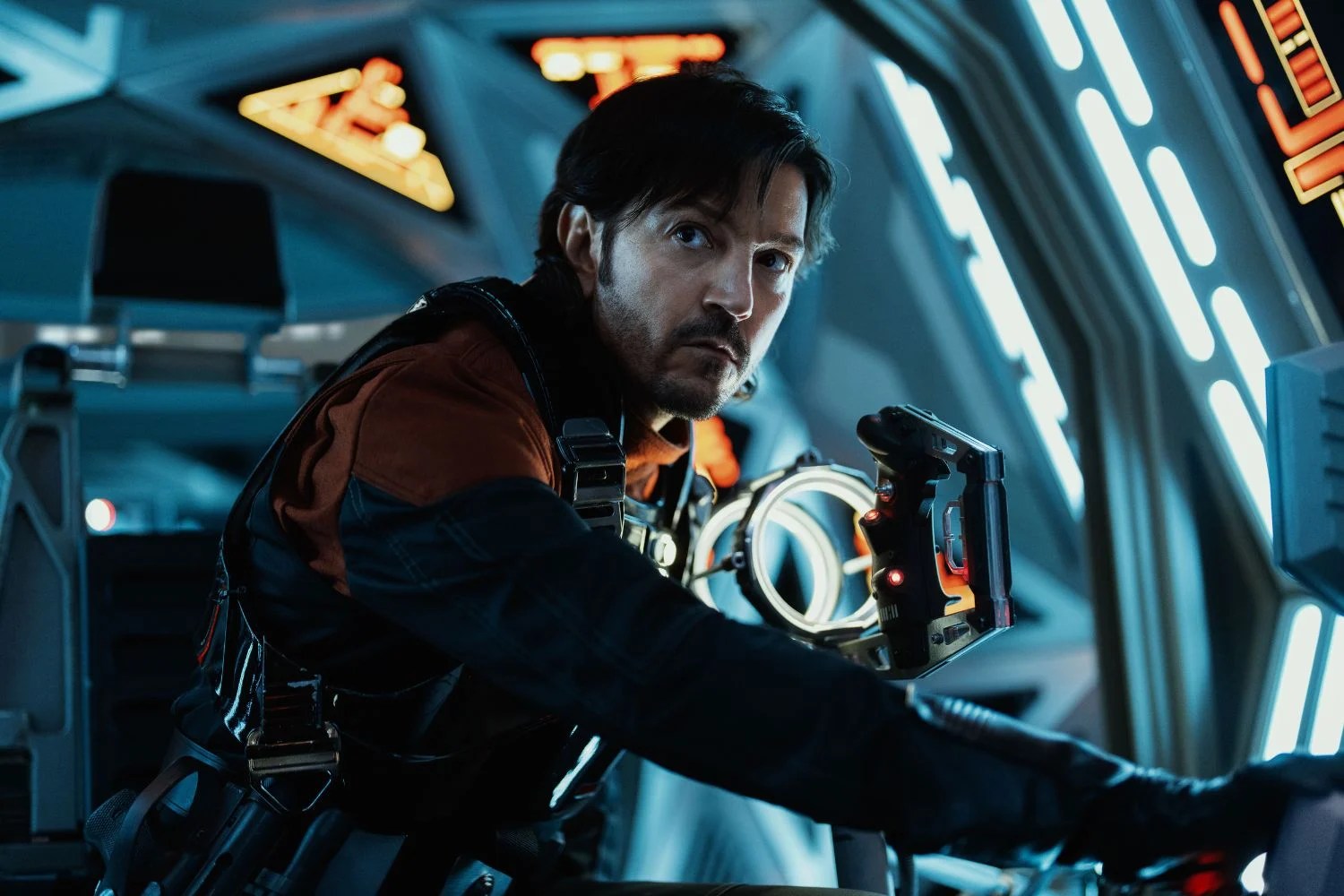
Among the great things about Andor are its rich characters starting with the title character himself, Cassian Andor (Diego Luna), a spy for the burgeoning Rebel Alliance. In the early years of the rebellion against the Galactic Empire, Andor travels through many worlds on spy missions to undermine the Empire. But in his heart, even though he detests the Empire, he wants to retire to a quiet life with his girlfriend, Bix Caleen (Adria Arjona), who is suffering from PTSD after being tortured by the Empire in the first season. Sadly, as anyone who has seen Rogue One knows, that is not to be for Cassian. Knowing Andor’s ultimate fate and the impact he will unknowingly have in the fight against the Empire makes his personal growth so compelling. We see that he has grown as a character since the first season. Back then, he largely looked out for himself and only through tragedies did he join the Rebellion. When we see him throughout the second season, Andor is now a polished spy who could blend into several environments as he pulls off capers like stealing advanced Imperial TIE fighters or doing reconnaissance in the tragic world of Ghorman, as it becomes a hotbed for unrest against the Empire.

It turned out that the storyline in Ghorman, which continued through two arcs, was the centerpiece of Andor. We get to see a rich culture that seemed vaguely European and an obvious stand-in for France during World War II with amateur spies and rebels facing a hopeless situation against the Empire. What made matters worse was that the unrest on Ghorman was orchestrated by the Empire just to create a media narrative that the populace was full of terrorists just so the planet could be mined for a mineral needed for the Death Star battle station. The entire storyline was an unsettling mirror and a damning commentary for our current situation where people blindly believe whatever narrative government officials tell them and the misuse of media.

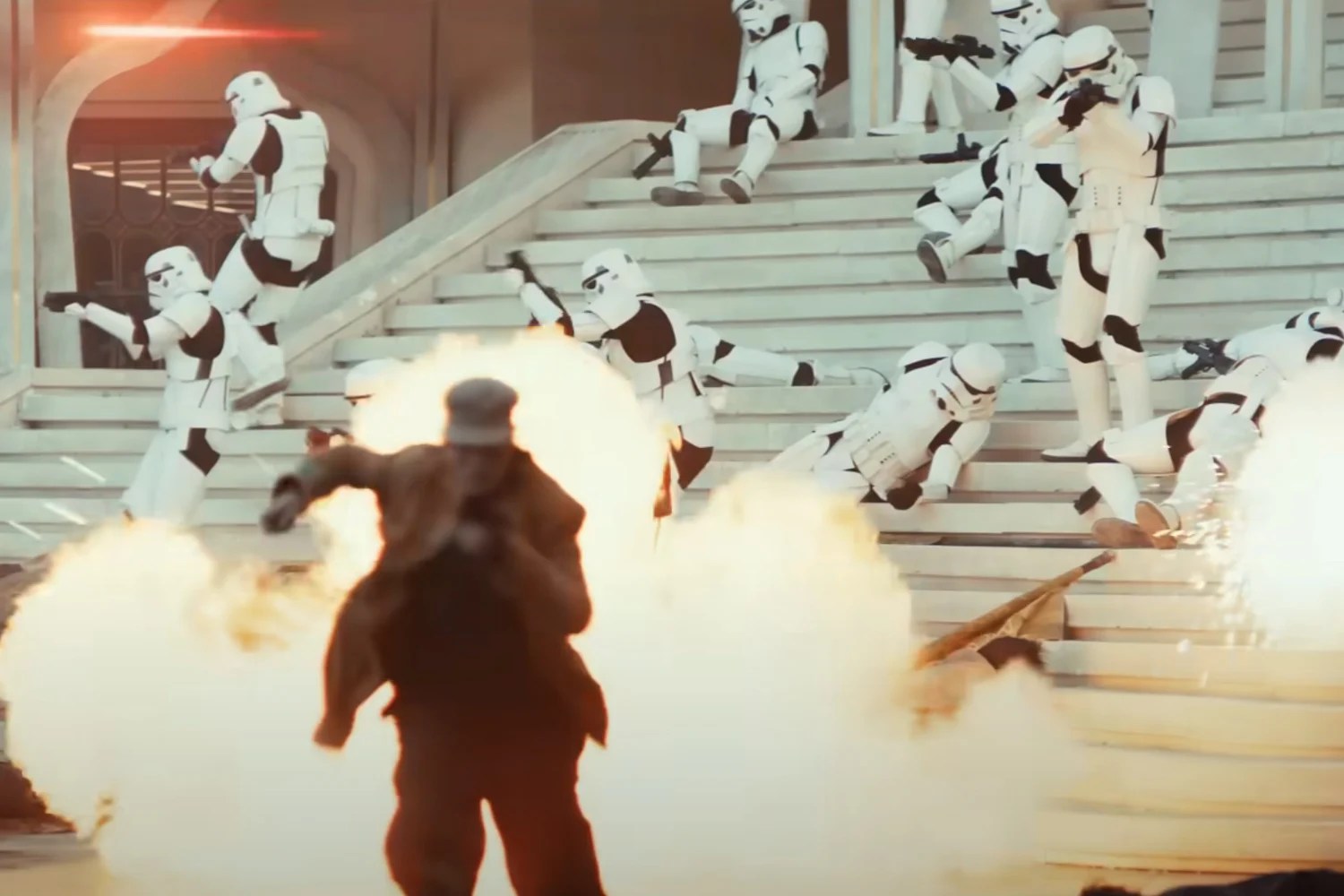
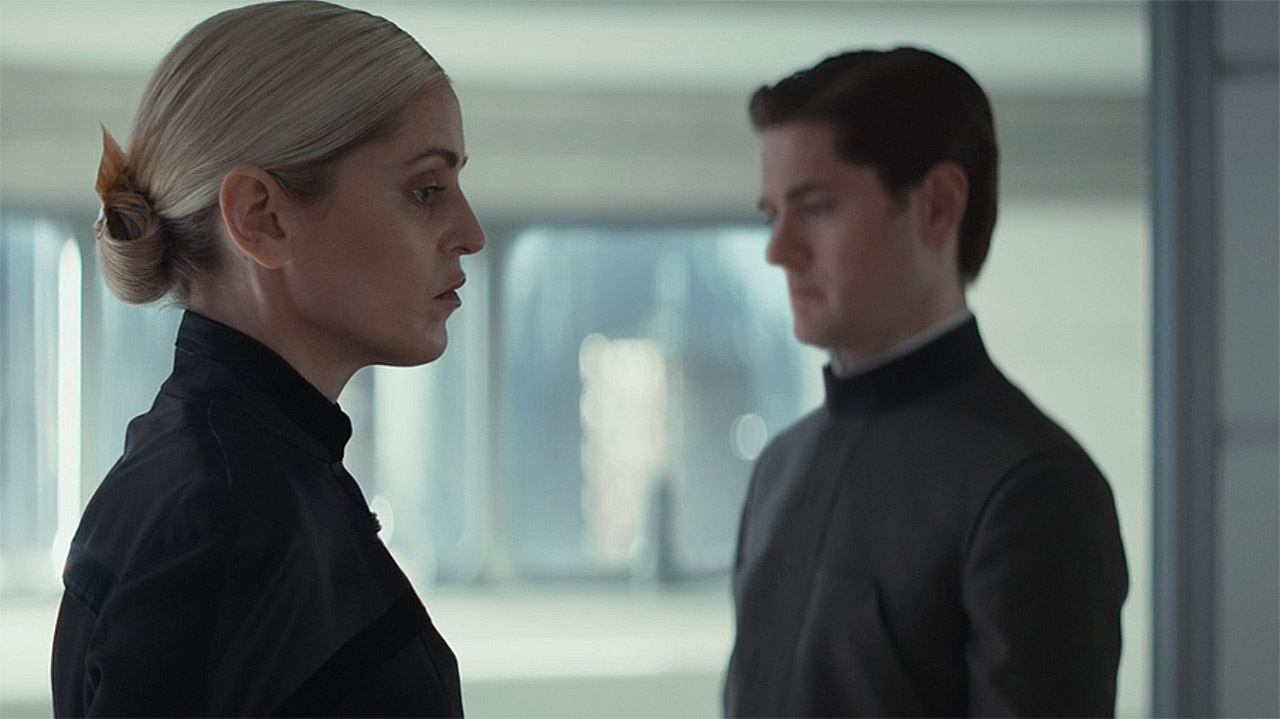
The two-part story arc of Ghorman culminated in the so-called Ghorman massacre in the seventh episode as many brewing subplots came to a head. Several characters had cathartic encounters with each other, notably the Imperial bureaucrat Syril Karn (Kyle Soller), who was obsessed with finding and arresting Andor that was like Inspector Javert chasing after Jean Valjean. While Syril is a sniveling and insecure man, his storyline is quite captivating and is a grounded look at how civilians live in the age of the Galactic Empire. He was basically a nobody who was needled by his mother and only wanted to move up in middle management. What made his story interesting was that we see that he slowly began to sympathize with the Ghormans and that he was being manipulated by his girlfriend Dedra Meero (Denise Gough), an Imperial operative who was equally ambitious.

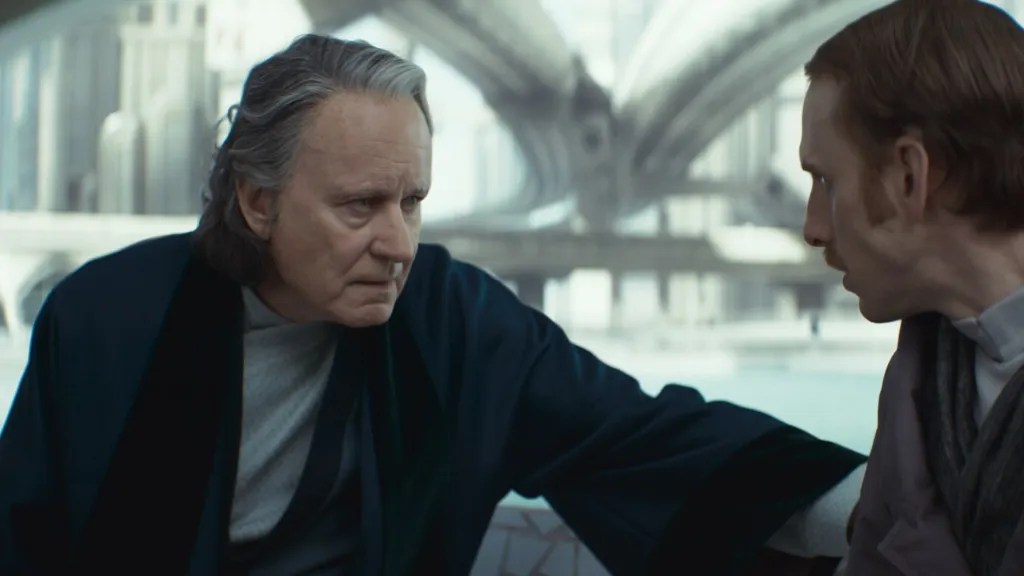
Deedra herself was obsessed with learning the identity of who she considered to be the mastermind behind the Rebellion: a person she called Axis. This turned out to be none other than Andor’s recruiter and mentor Luthen Rael (Stellan Skarsgard), a master spy who runs an antique shop in the Imperial capital world Coruscant and helped fund and coordinate the intelligence network for the Rebellion. Skarsgard gave what is probably the performance of his career as Luthen, a morally complex and mysterious operative who has no boundaries and will use anyone and any means to defeat the Empire. That is incredible considering how perfect the performances are from the other cast members, starting with Luna.

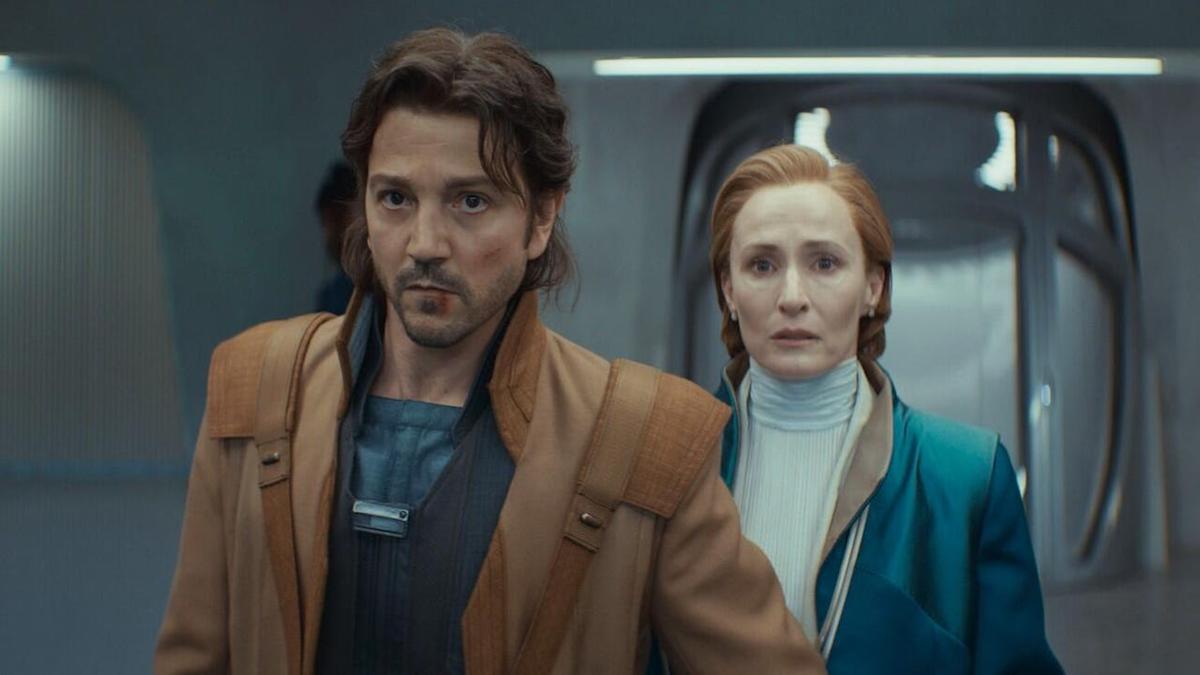
Getting back to the Ghorman Massacre, the incident in the episode “Who Are You?” was very disturbing and hammers home how evil the Empire is; they really are space Nazis who should not be admired. This incident turned out to be a turning point not just with the Galactic Civil War but with the destinies of many characters including Andor. As mentioned before, Andor played a critical role in the early days of the Rebellion. In the second season his most important contribution was when he went to Coruscant and extracted Mon Mothma (Genevieve O’Reilly), one of the few senators who spoke out against the Empire after the massacre and ended up becoming the leader of the Rebellion. The episode “Welcome to the Rebellion” is where Andor extracts her from Coruscant and it was very intense and rousing, especially in the scenes where she gives her speech to denounce the Empire and afterwards when Andor has to get her to safety. What made everything so heartbreaking for Andor was how everything ended for him personally after he succeeded. These developments helped set him up for his situation when we saw him in Rogue One.

A remarkable thing the second season of Andor did was seamlessly connect to Rogue One. The final episode of the series “Jedha, Kyber, Erso” felt like a countdown as many story arcs concluded and featured characters that would show up in the film. The entire series helps us look at the film in a new way when it comes to Andor as we now understand the strife he went through in life and the level of sacrifice he made for the cause. One story line that was never resolved was that of Cassian looking for his little sister. As shown in the first season, the two siblings were separated as children and his search for her when he was an adult set in place his involvement with the Rebellion and his destiny. In one tragic sequence, in the last moments of the last episode, Andor is still dreaming about her, and he never will find out what happened to his sister. That is how life goes unfortunately.

Grounded moments like Andor’s bitter memories, the tragic deaths of beloved characters, the bitter sacrifices made by most characters, and how characters weave in and out of each other’s lives are what set Andor apart from most television shows. It’s a miracle that the show’s creators like Tony Gilroy were given the freedom and the budget to present this masterpiece. It is also unfortunate that we only got two seasons of Andor as it was originally planned for five seasons, one can only wonder how much greater the series would have been.

But perhaps it is for the best that Gilroy decided to conclude the series as it probably helped him, and the other creators to focus on the complex stories and had the budget to develop these impressive worlds with rich cultures. Yes, the entire production was of movie quality and captivating. It is not known if Lucasfilm will ever greenlight a TV series like Andor again, but it should. It would be great to see other series focusing on other Rogue One characters like Chirrut and Baze or even Bodhi. But we are fortunate that at least we had Andor, which is not only the best Star Wars TV show of all time but one of the greatest TV shows of all time.

José Soto

Ranking the Star Wars Planets, Part I

When director George Lucas and concept artist Ralph McQuarrie brought us into a galaxy far, far away in the original Star Wars trilogy, they showed us a variety of unique worlds. As the series continued from there and evolved into being one of the biggest franchises in the world, the design of planets became a complex art that some films succeeded at, and others did not.

This raises the question; which Star Wars planet is the worst, and which is the best? If these were all to be ranked, what order would they come in?

First, let me explain my scale for ranking these planets; I’ll be scoring on a scale of 30 points in three categories.

Plot Significance: so, out of these three categories, this the most straightforward; how important is the planet to the plot of the movie it’s featured in, or to the overarching story. In this way, the perfect planet is one that couldn’t be replaced by any other.

Design: Usually related to visuals, but design can go down to the characters, the ships, the animals, and anything related to the planet. The worst type of design is one that is easily forgettable, while the best is one that is visually striking as well as thematically relevant.

The hardest of the three categories to explain is Plausibility, which scores how believable the planet is, usually in a sociological and ecological way. (In theory, none of the planets are really that plausible; no habitable planet would be all desert, all snow, or even all urban sprawl.) So, plausibility is especially relative. In order to be plausible, a planet should have an ecosystem, a society, an economy, and whatever else it needs to feel lived-in. Worlds that change across the movies feel plausible and well-developed. Since plausibility is difficult to gauge, the average plausibility score is about 6. Below that indicates that the planet is not very believable, and above that means it is rather believable.

Also, it’s worth noting that for this post, I’ll only be including the live-action theatrical releases; namely, the Skywalker Saga and the two Anthology films. If I were to include The Mandalorian or The Clone Wars series, this post would be much longer than it already is.

With that out of the way, let’s take a look at the planets of the galaxy!

37. Eadu

Appearances: Rogue One

Plot Significance: 3    Design: 4    Plausibility: 6  Total: 13

Before ranking this list, I went movie by movie, trying to list all of the planets I could think of. Some of them, I couldn’t recall by name, but I could still think of – like “Oh, yeah, that’s where Maz Kanata’s place in Force Awakens is!” And I could still recall what the planet looked like, and what happened there.

After checking against Wookieepedia, this was the only planet I remembered nothing about. It’s from the middle of Rogue One, which, let’s be honest, is the weakest part of the film. For me, this planet fittingly finds its place at the bottom of the list.

36. Numidian Prime

Appearances: Solo

Plot Significance: 2   Design: 5   Plausibility: 6    Total: 13

I’ll always hate this planet on principle alone. This is where the little epilogue of Solo takes place, Han finds Lando and challenges him to a card game to win the Falcon back. My dislike for this planet comes from A: the movie should have ended one scene earlier, B: we’re barely there for long enough to appreciate the design, and C: Solo, more than any other Star Wars movie has too many planets – Numidian Prime comes last and ends up feeling like the most tedious because of it.

35. D’Qar

Appearances: The Force Awakens, The Last Jedi

Plot Significance: 4  Design: 5   Plausibility: 5   Total: 14

This planet is just diet Yavin. It’s not particularly interesting. This is just a planet for the Resistance to have a base on. Initially, I forgot that this was a separate planet from Takodana, where Maz Kanata’s establishment is.

34. Mimban

Appearances: Solo

Plot Significance: 4    Design: 5    Plausibility: 6   Total: 15

Like much of the visual aesthetic in Solo, Mimban is pretty bland. It’s an Empire-occupied planet where Han is fighting while in the Infantry and meets Beckett’s (Woody Harrelson’s) crew. It’s also where he meets Chewbacca.

Mimban’s gloomy design likely comes as a consequence of one of the main characters fighting in a war here. Much of Solo’s color pallet is dark and bland, but this is probably the one planet where that feels fitting. Mimban isn’t memorable or ground-breaking, but it does everything it needs to.

33. Vandor

Appearances: Solo

Plot Significance: 4   Design: 5   Plausibility 6   Total: 15

This is another one from Solo that is fine but forgettable. This is where the first heist in Solo takes place. The heist is exciting enough, even if the planet isn’t exceedingly interesting. Then, there’s the lodge where they meet with Lando, which is a microcosm of a lot of the movie’s problems, like L3 and the poor lighting.

Neither good or bad; I just don’t have much to say about Vandor.

32. Hosnian Prime

Appearances: The Force Awakens

Plot Significance: 4   Design: 6   Plausibility 5   Total: 15

I really can’t undersell my dislike for Hosnian Prime. A recurring theme on this list is going to be my contempt for planets that get destroyed by the bad guys because usually they are far less significant than the plot tries to tell us. What consequences are there from Hosnian Prime being blown up? None. It doesn’t change how the lead characters go about attacking the First Order, no one seems upset about it, and perhaps worst of all, in the next film, when they put out a distress call to summon potential allies, no one comes to fight the genocidal fascist regime. That makes me doubt Hosnian Prime’s importance. It’s difficult for me to believe that the legislative capital of the galaxy gets blown up and there’s no impact on the plot of Force Awakens or its sequels – that certainly takes away from Prime’s plausibility score.

That being said, the one shot we get of the planet is neat; it looks like a less clustered Coruscant.

31. Kef Bir (The Ocean Moon of Endor)

Appearances: The Rise of Skywalker

Plot Significance: 5   Design: 7   Plausibility: 5   Total: 17

Yeah, I bet you didn’t realize that this was actually supposed to be different from the planet in Return of the Jedi, did you? Honestly, if the scenes set on Kef Bir had been set on the Forest Moon of Endor, that planet would be higher on this list.

For Plausibility, Kef Bir loses some points. Why is there one large piece of Death Star wreckage? Wouldn’t it show more signs of erosion or animal habitation? We get that Jannah and the other former stormtroopers are supposed to be scavengers, but why does the place look like there isn’t any other wreckage? Why is the Sith dagger designed as a map on this planet despite the fact that you’d need to be standing in the exact right spot to use it?

But that being said, I do love the way they utilize the Death Star wreckage. It provides tension when trying to get there and makes for an incredible and dramatic setting for the duel between Rey and Kylo Ren as the waves crash around them. Then, fittingly, the waters calm down when Kylo is confronted by the ghost (memory?) of his father, and the evil in him is stilled.

Again, I think I would rate this higher if we were just seeing another part of the same planet from Return, but it’s still a fitting place for this film’s second act. This planet isn’t perfect, but it is memorable.

Continue reading
Top 40 Greatest Star Wars Moments, Part I

The 40th anniversary of Star Wars is upon us! It is hard to believe that a quirky sci-fi film that went on the change our cultural and celluloid landscape is 40 years old. In that time, Star Wars and all the films and TV shows that followed, boasted many important and awe-inspiring moments that continue to resonate with fans throughout our planet. As we celebrate Star Wars’ 40th anniversary let’s look at the series’ greatest moments.

Rey claims lightsaber

40. Rey Claims The Lightsaber From Kylo Ren (Star Wars Episode VII: The Force Awakens): Nobody was sure about who was the main hero in the new Star Wars Sequel Trilogy. That mystery was solved beyond a doubt when Rey used the Force to claim Luke Skywalker’s lightsaber and battle Kylo Ren. Her eventual victory  cemented the fact that she is the best hope for the galaxy. 

pod race

39. The Pod Race (Star Wars Episode I: The Phantom Menace): As flawed as the first Star Wars prequel was, the exciting and breakneck pod race on Tatooine with all the weird pilots and their distinctive pod vehicles was one of that film’s best moments.

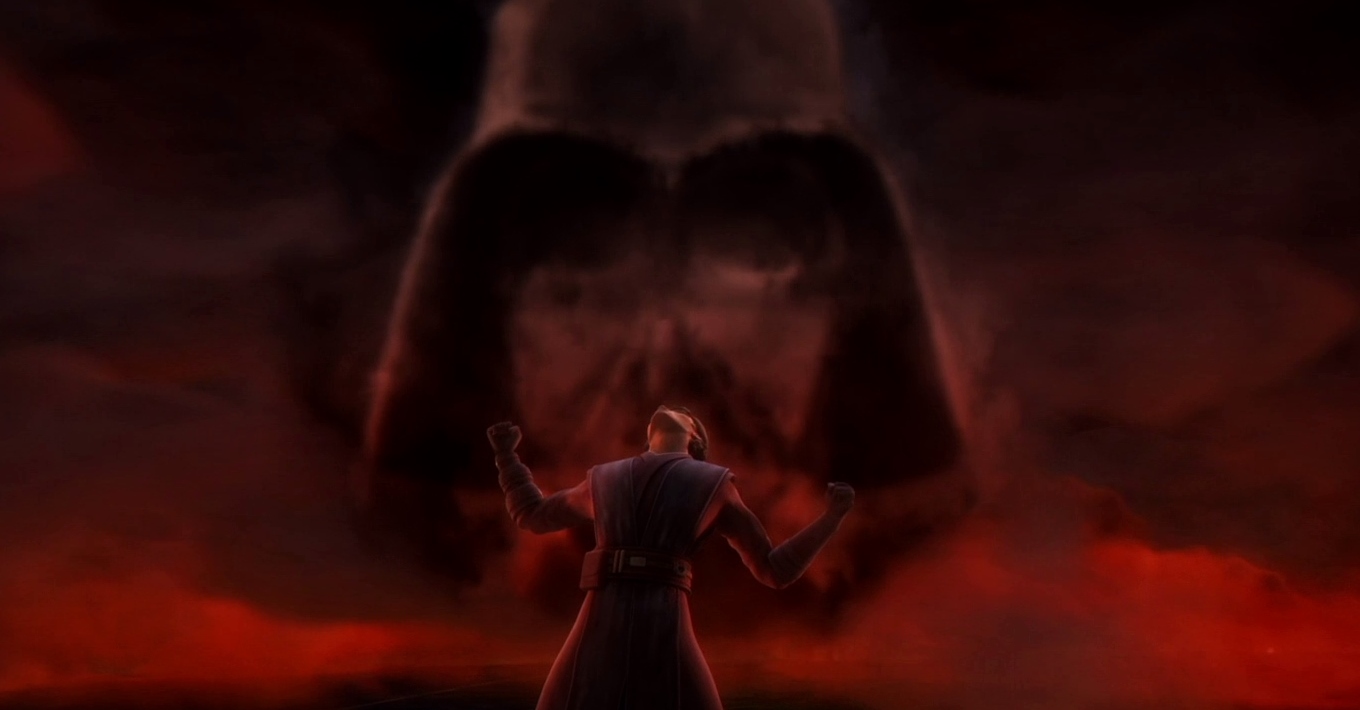
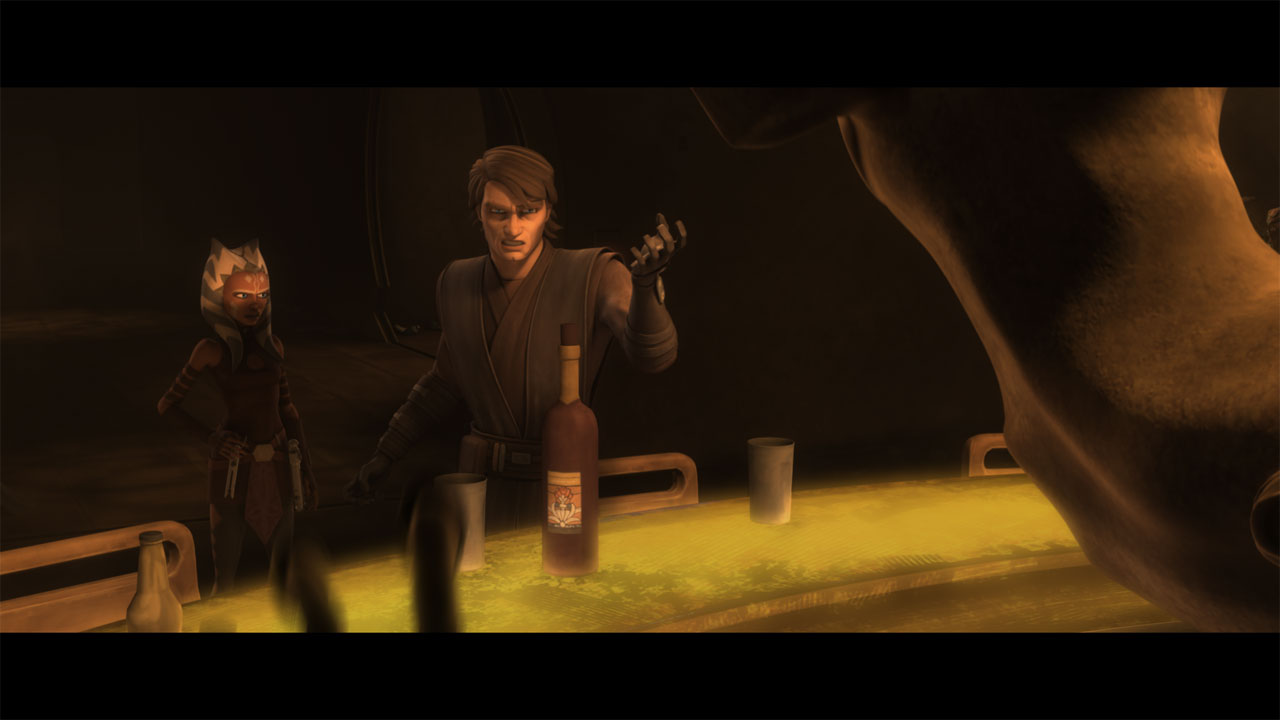
38. Anakin’s Spiritual Journey on Mortis (Star Wars: The Clone Wars “Ghosts of Mortis”):  On a distant world, Anakin Skywalker became corrupted by the dark side of the Force after encountering spiritual embodiments of the Force. Terrifying visions of his rise to Darth Vader highlighted this powerful story arc that better explored his fall from grace than the prequel films.

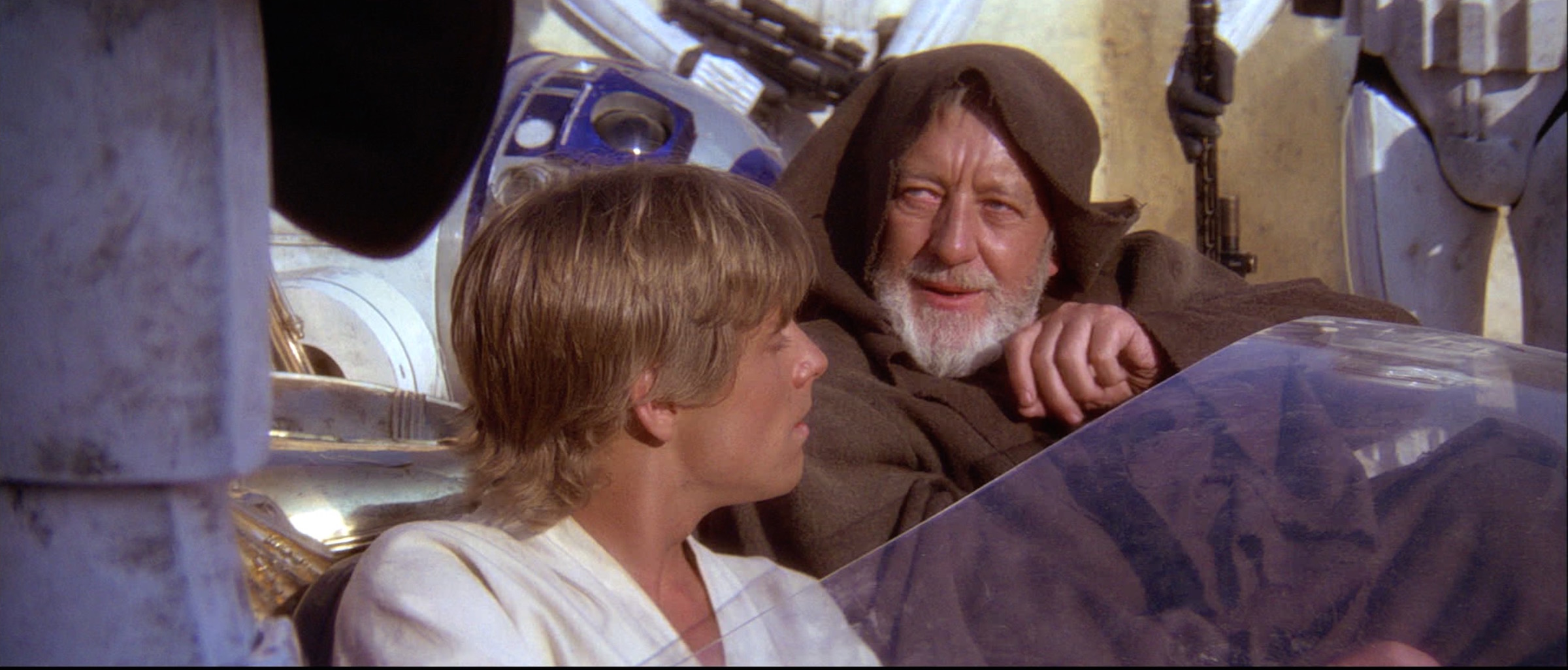
37. “These Aren’t the Droids You’re Looking For” (Star Wars Episode IV: A New Hope): Forget using the Force to do super acrobatics, wield lightsabers and levitate objects. When Ben Kenobi used a Jedi mind trick against stormtroopers interested in Luke Skywalker’s wanted droids, that scene displayed one of the most powerful aspects of the Force. Honorable mention goes to the bar scene in Episode II where a younger Kenobi tells a drug dealer to go home and rethink his life.

https://www.youtube.com/watch?v=0scImICHU14

36. Darth Maul’s Final Duel (Star Wars Rebels “Twin Suns”): Darth Maul finally finds his ancient enemy Obi-Wan Kenobi in exile on Tatooine. The older Jedi isn’t interested in fighting Maul until the former Sith apprentice deduces that Kenobi is protecting someone (Luke Skywalker). The resulting lightsaber duel is brutally short and to the point with Maul quickly killed. It may have disappointed those waiting for a drawn-out sword fight, but the scene demonstrated that Kenobi was indeed a master. Plus, it cast Maul in a sympathetic light as he seemed to see the error of his ways in his last breath.

Ahsoka vs. Darth Vader

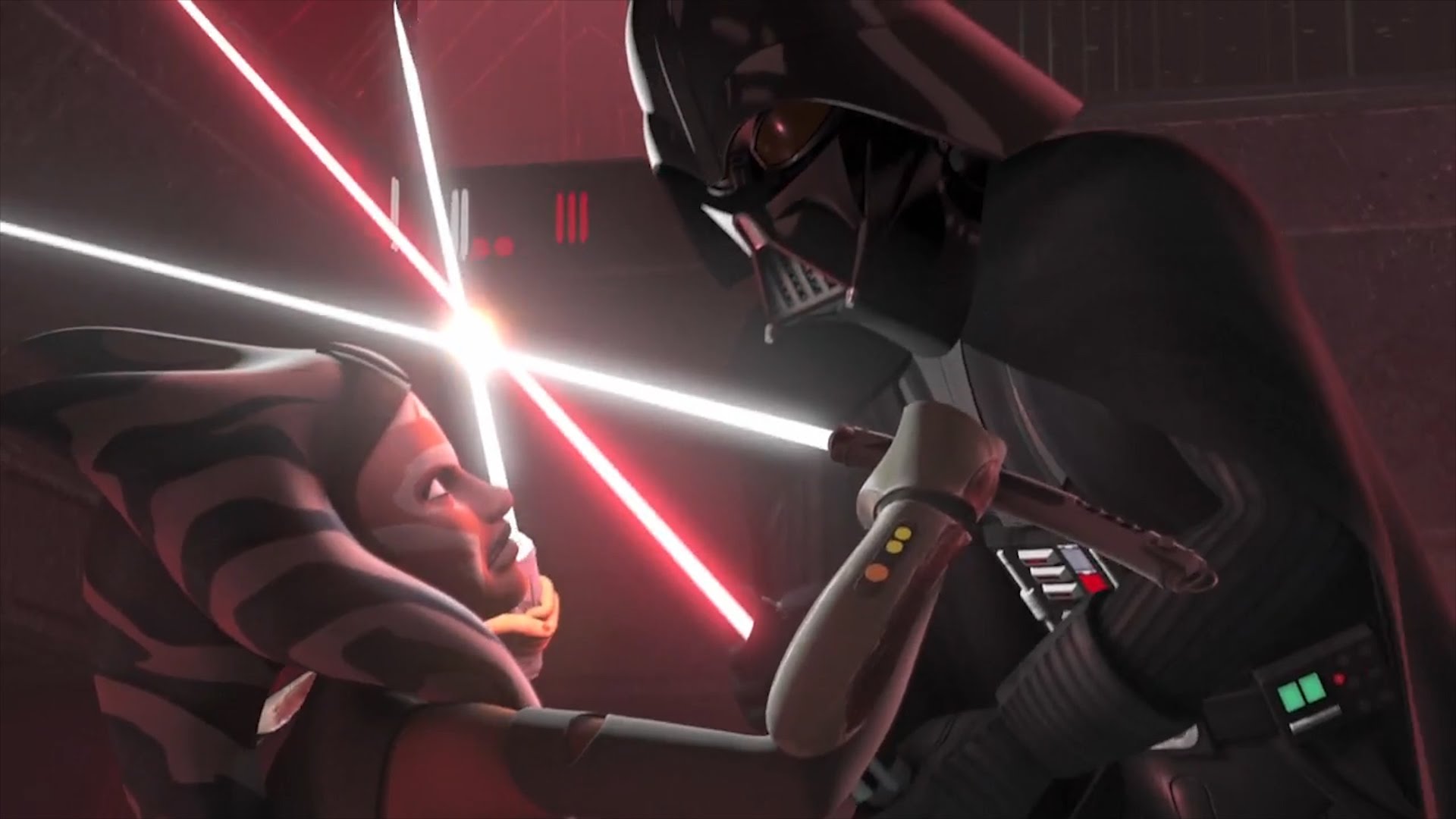
35. Ahsoka Tano Vs. Darth Vader (Star Wars Rebels “Twilight of the Apprentice”): Ever since Anakin’s apprentice Ahsoka left the Jedi Order near the end of The Clone Wars series and reappeared during Star Wars Rebels, fans have wondered how she would react to seeing her former master as a Sith. We got our answer in the second season finale where she faced off against Darth Vader and proved she was his equal.  What was more engaging than the duel was her coming to terms with her former master’s fall.

battle of geonosis

34. The Battle of Geonosis (Star Wars Episode II: Attack of the Clones): A Jedi force set out to rescue Anakin, Obi-Wan and Senator Padme Amidala from Separatist forces, but they weren’t enough. Enter the new clone army led by Jedi Master Yoda and before you know we witnessed a full-scale and chaotic ground war between clone troopers and droid soldiers. Seeing all the intense blaster fire and wild looking vehicles of all shapes and sizes engaged in battle was a spectacle and for Star Wars that is saying a lot.

33. Cassian Andor Murders an Informant (Rogue One: A Star Wars Story): It was a small scene in the first live-action Star Wars spinoff film. Cassian Andor gets vital intel from a Rebel spy who cannot keep up with him as stormtroopers close in on them. Instead of helping his comrade Andor unexpectedly kills him. This cold-blooded act drove home the point that Rogue One was a decidedly dark film that took risks by showcasing this morally gray character who goes to extremes for the Rebellion.

32. Anakin Pursues Obi-Wan’s Killer (Star Wars: The Clone Wars “Friends and Enemies”): One of the best arcs in the animated series featured Obi-Wan Kenobi faking his death and going undercover with bounty hunters. Anakin, believing his master to be dead, relentlessly pursues Obi-Wan’s killer, who is actually Obi-Wan in disguise. This development was an undeniable a high spot in this tense and captivating story arc.

31. The Grand Army of the Republic Sets Out For War (Star Wars Episode II: Attack of the Clones): Following the climactic Battle of Geonosis in the film, the Galactic Republic unveils its mighty clone army to counter the Separatist threat. With much fanfare marching legions of white armored troops leave Coruscant in giant ships to engage the Separatist droid armies. While many celebrated this moment, others (and we) knew better than to hail these troopers because they foreshadowed the coming of the evil Empire. Continue reading
Top Ten Films and TV Shows of 2016

For 2016, superheroes continue to reign in film and TV, while other genres like sci-fi, fantasy, horror and related combos offered refreshing alternatives. Many of the best films and TV shows on this list were very profound and pushed the envelope, while others were just plain fun to watch.

Films

10-cloverfield-lane

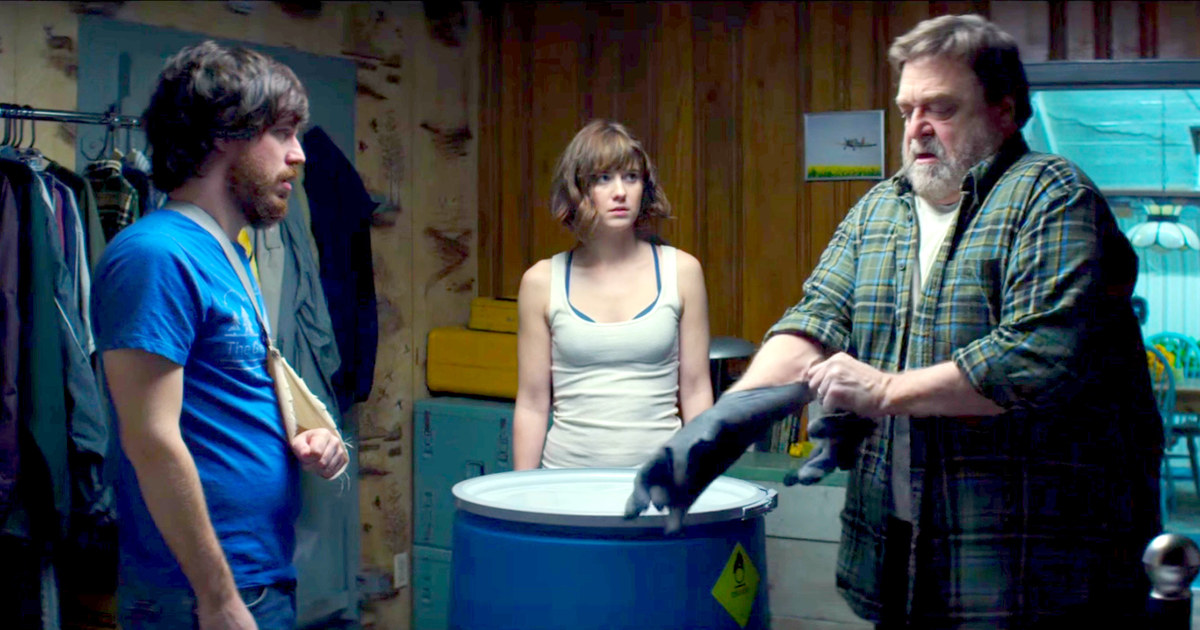
10. 10 Cloverfield Lane: The spiritual sequel to Cloverfield was a tense and suspenseful thriller with a great performance by John Goodman as a doomsday prepper.

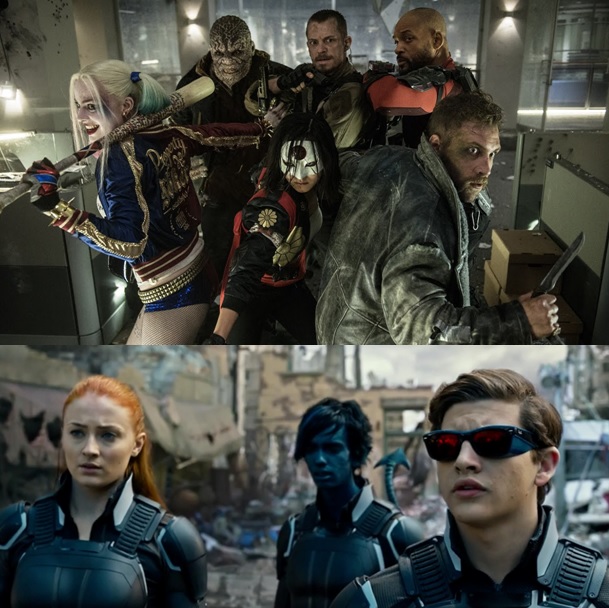
xsuicideTIE: 9. Suicide Squad/X-Men: Apocalypse: Despite their flaws both superhero (and supervillain) films were enjoyable romps with unforgettable characters (Harley Quinn, the Joker, Deadshot, Magneto, Quicksilver, and more) and eye popping action-packed moments.

8. Doctor Strange: With the big-screen debut of Marvel Comics’ Sorcerer Supreme the Marvel Cinematic Universe continues to remind us why their superhero films are currently the best of the crop compared to Fox’s X-Men Universe films (Deadpool aside, of course) and the DC Extended Universe movies.

zootopia-team

7. Zootopia: The best animated film of the year dazzled us with eye raising animation and a clever script that highlighted important social messages about tolerance and prejudice.

kirk trio

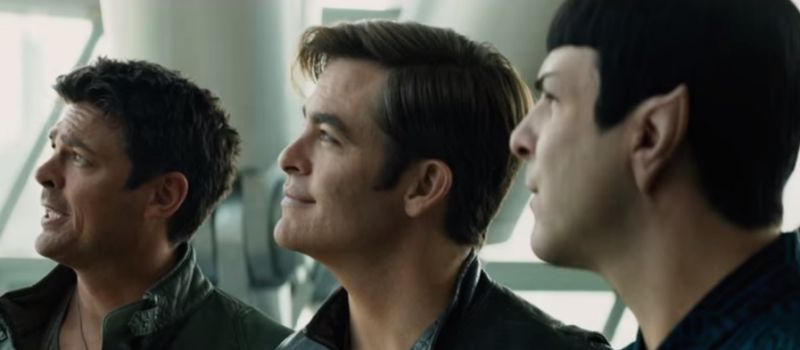
6. Star Trek: Beyond: The film’s back-to-basics approach with Star Trek’s iconic characters paid proper homage to the TV show while having a genuine adventurous tone.

the-jungle-book

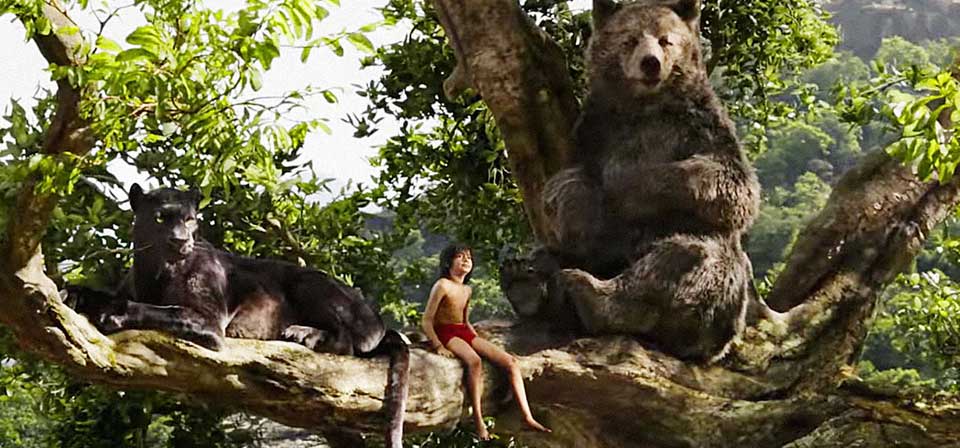
5. The Jungle Book: Even though the CG-created animals and environment were flawless and stunning, the film to its merit emphasized story and characters, which left a bigger impression.

deadpool

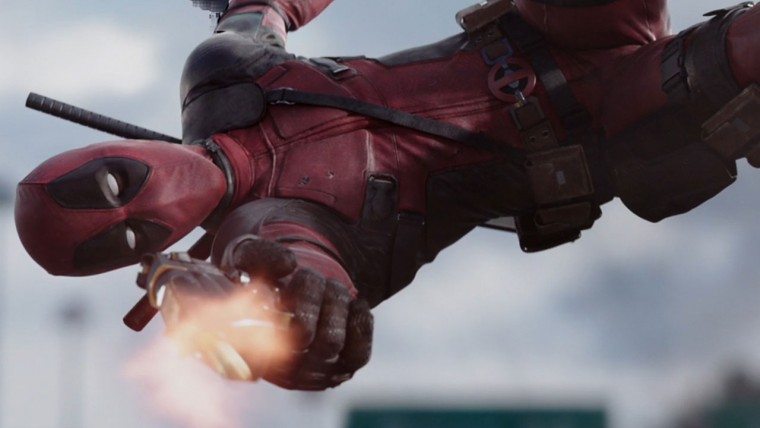
4. Deadpool: As a faithful adaptation of the irrelevant and violent comic book, Deadpool proves that it’s possible to be true to comic book source material and still be an entertaining film.

alien-language

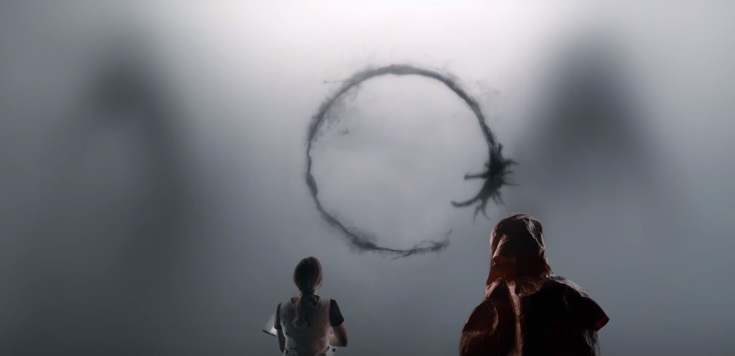
3. Arrival: A provocative, well-acted and beautifully shot film about first contact with aliens smartly emphasized the communications hurdles humanity would face. The film’s ending was a true surprise and was just one of Arrival’s highlights.
rogue-one-a-star-wars-story-rebels

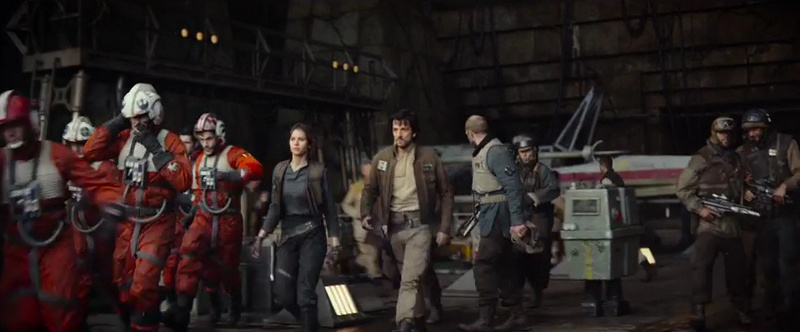
2. Rogue One: A Star Wars Story: The first Star Wars spinoff not only neatly ties in with Episode IV but is a great and exciting film in its own right with more nuanced characters and situations than seen in a typical Star Wars film.
cap-vs-iron-man

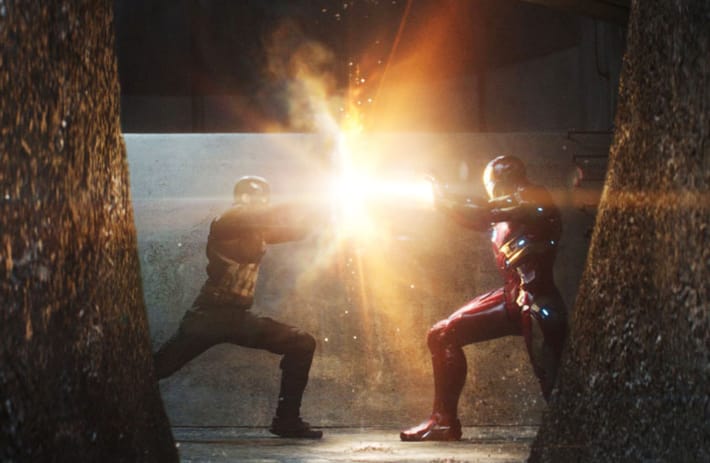
1. Captain America: Civil War: The Avengers are torn apart from within as Captain America and Iron Man philosophically, then violently disagreed over allowing the government to supervise their team. Featuring strong performances and the best superhero fight scenes ever filmed, the film was an emotional ride for viewers.

TV Shows

ash-vs-evil-dead

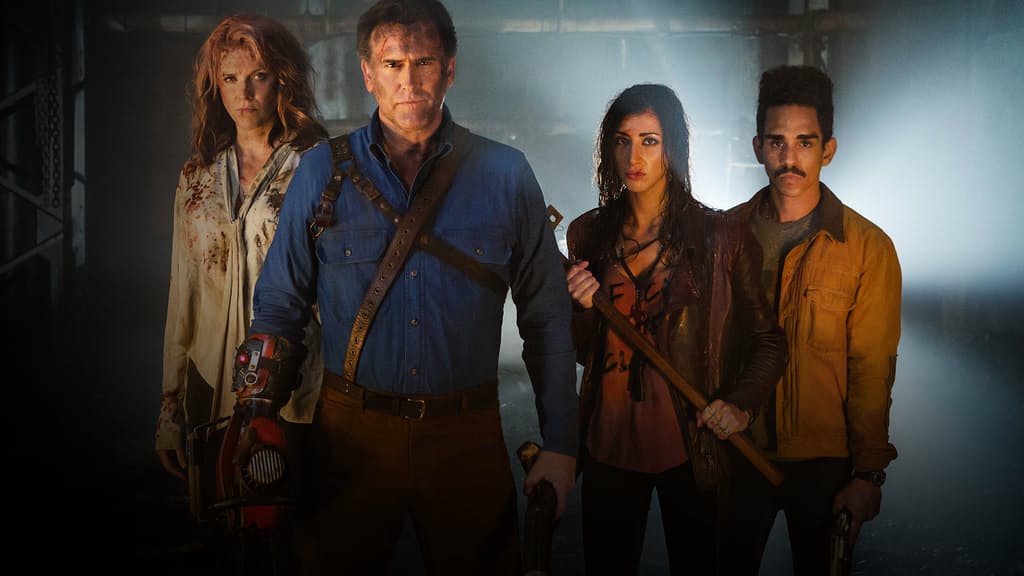
10. Ash Vs Evil Dead: Grossly fun and action-packed as everyone’s favorite deadite fighter Ash Williams and his gang continue delighting horror fans.

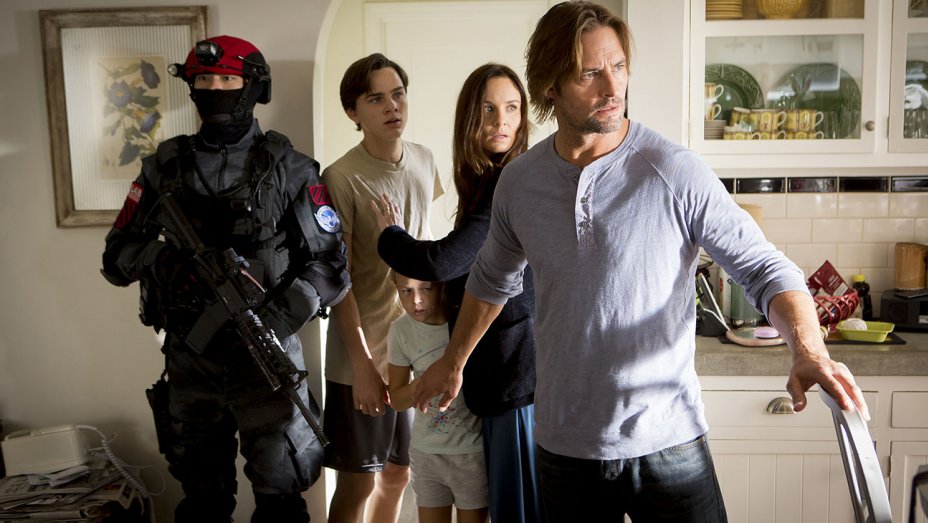
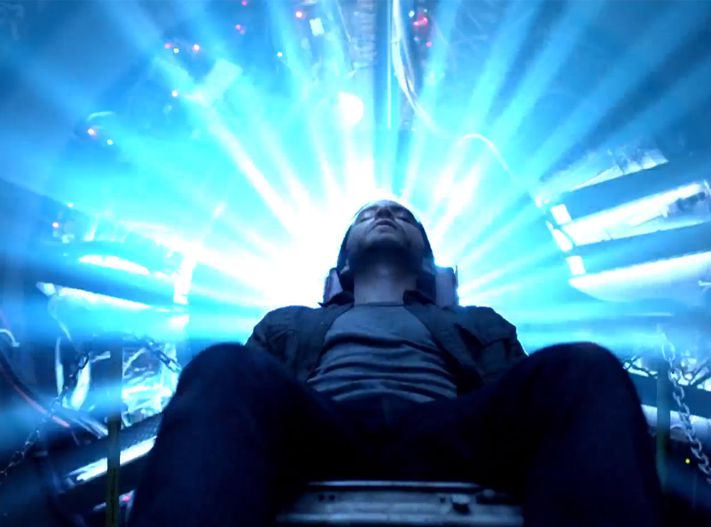
redhats invade9. Colony: Unexpectedly well done look at life under alien domination and that “big, beautiful wall” separating American cities is a chilling portent of what lies ahead.12 Monkeys Cole time travels8. 12 Monkeys: Of the many time travel themed TV shows out there, this is the best of them as many episodes explored the convoluted nature of time travel.

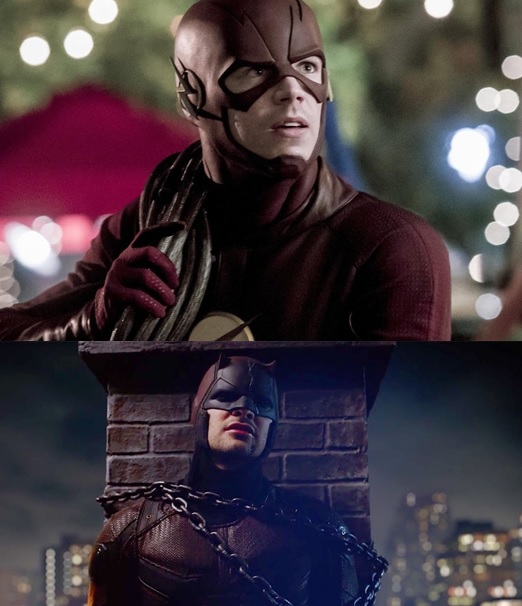
dareflashTIE: 7. The Flash/Daredevil: The two best superhero TV shows were on the opposite ends of the tonal spectrum. The Flash is pure Silver Age awesomeness, while Daredevil reflects a more gritty and grounded mood, especially with the introduction of the brutal vigilante, the Punisher. Both shows  featured intense and enjoyable comic book adventures thanks to well written scripts and engaging lead actors, plus supporting characters/actors.

6. The Walking Dead: The megahit series about brutal life after the undead destroy civilization has  hit a creative wall and is past its peak according to many fans. Yet, for the most part The Walking Dead is still delivering more than adequate thrills, gross out moments and entertainment, even if the show went to far in Negan’s introduction and certain character deaths.

black-mirror

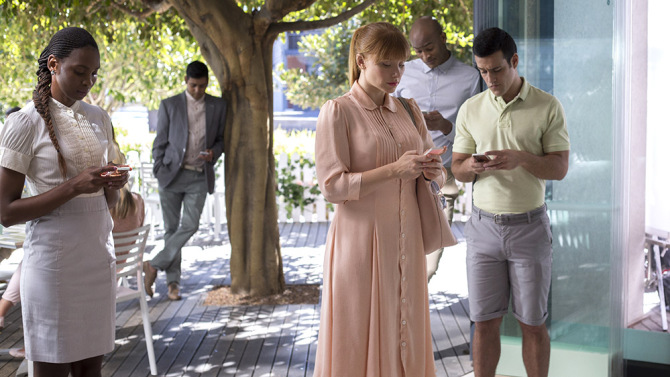
5. Black Mirror: A dark anthology series about the downside of technology offered many disquieting episodes about technology’s impact in our lives today and tomorrow.

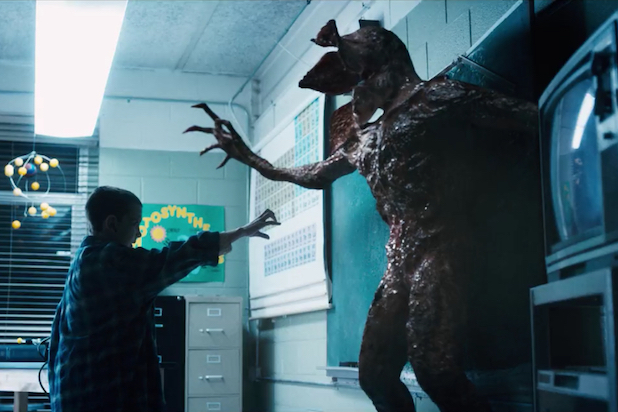
El confronts monster Stranger Things4. Stranger Things: A wonderful ode to ’80s sci-fi movies featured terrific child performances, geeky Easter eggs and an intriguing mystery revolving around a missing child and an interdimensional monster.

expanse cast

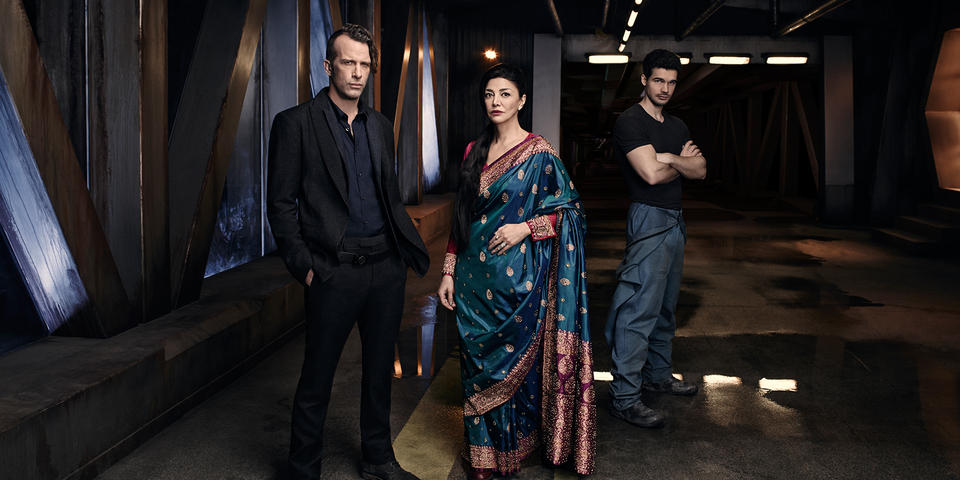
3. The Expanse: This well-crafted series about a brewing war among human colonies in our solar system during the next century could wind up being the next great TV space opera.

westworld

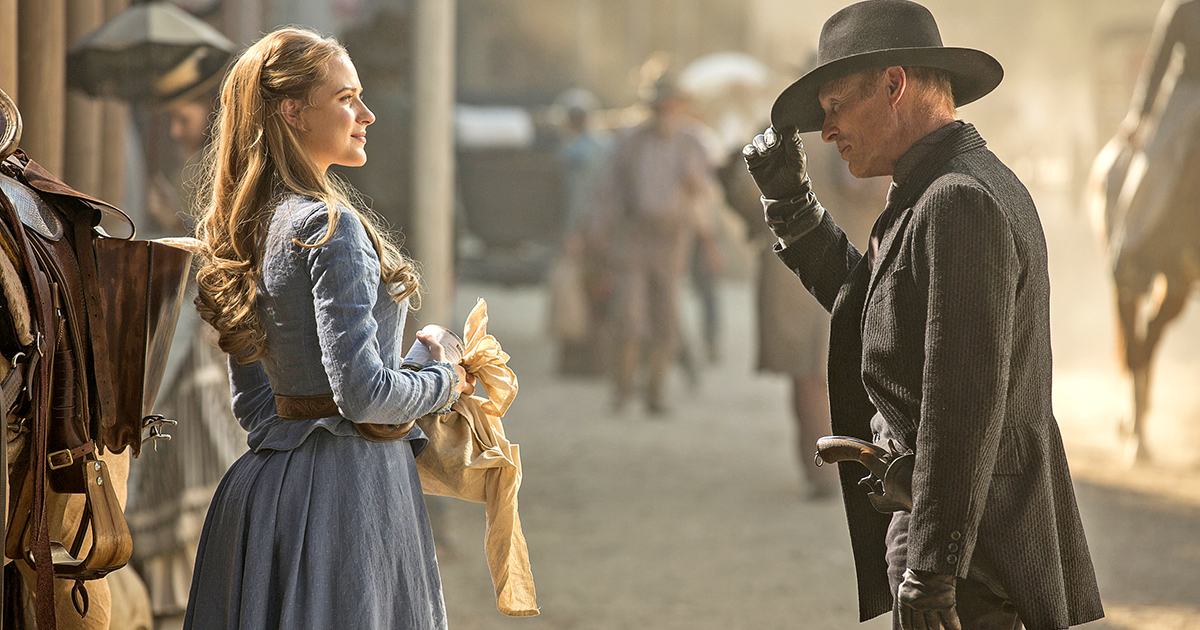
2. Westworld: HBO’s potential successor to Game of Thrones went way beyond the original Michael Crichton movie about theme park robots running amok by presenting a thought-provoking series about existentialism and ethics.

before-battle-of-bastards

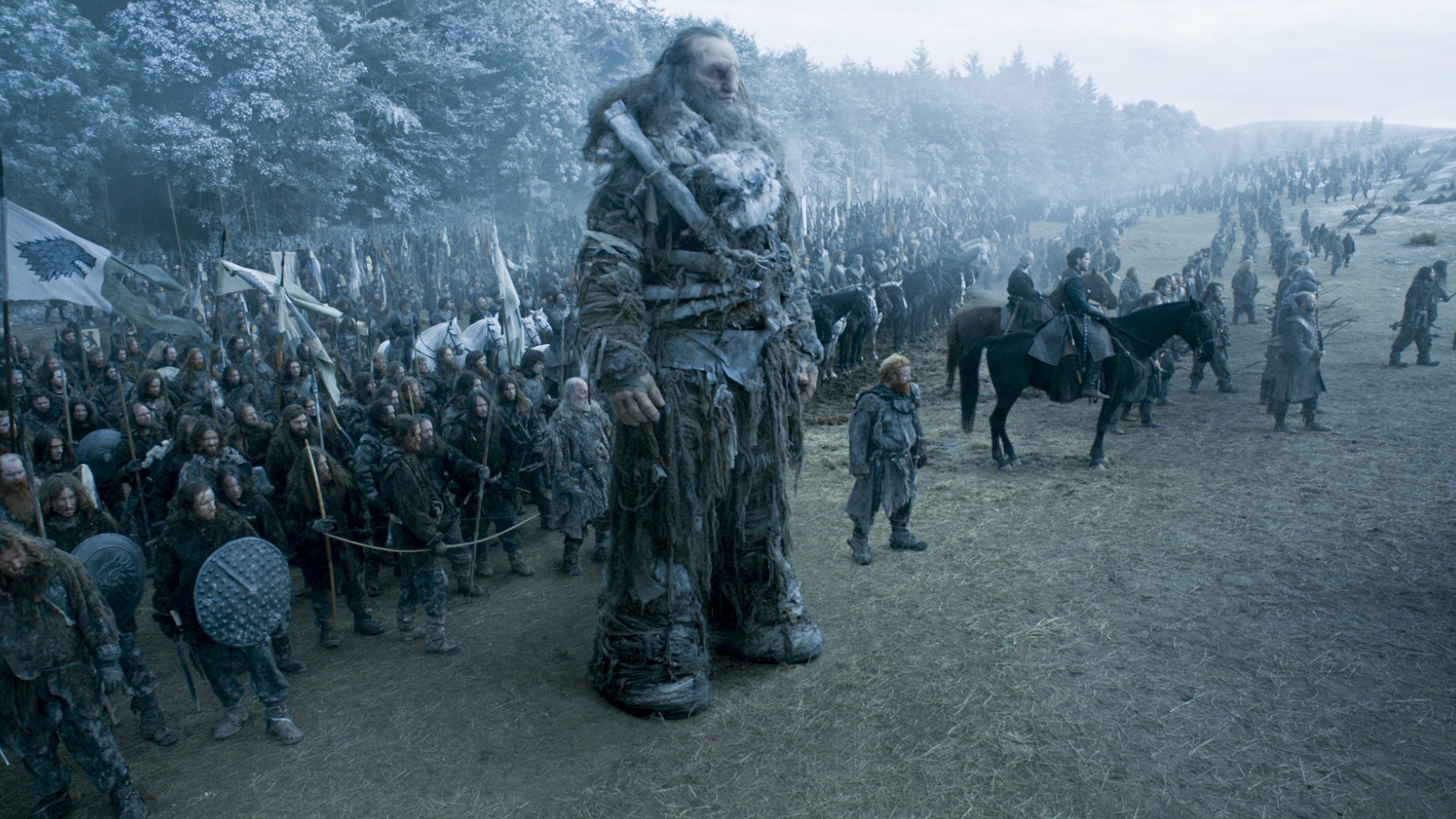
1. Game of Thrones: Even though the fantasy series is drawing to a close, the sprawling epic continues to captivate viewers with its visceral tale of power struggles among kingdoms. One of the highlights was the epic episode  “Battle of the Bastards” that put rival films to shame with its gut wrenching fight scenes.