Should The Next Star Trek TV Show Be About Kirk?

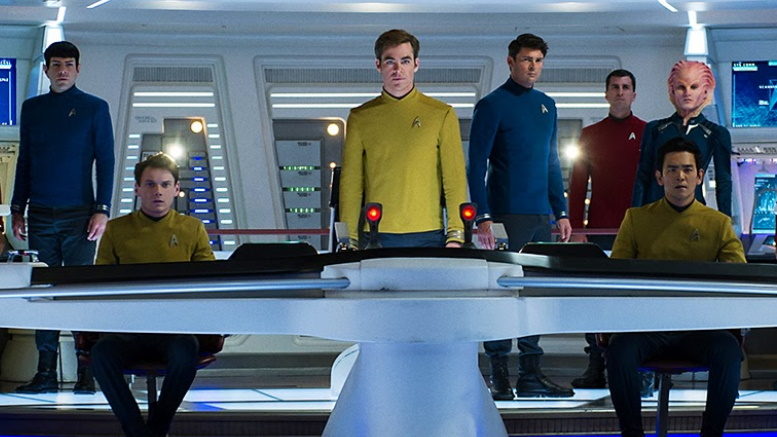
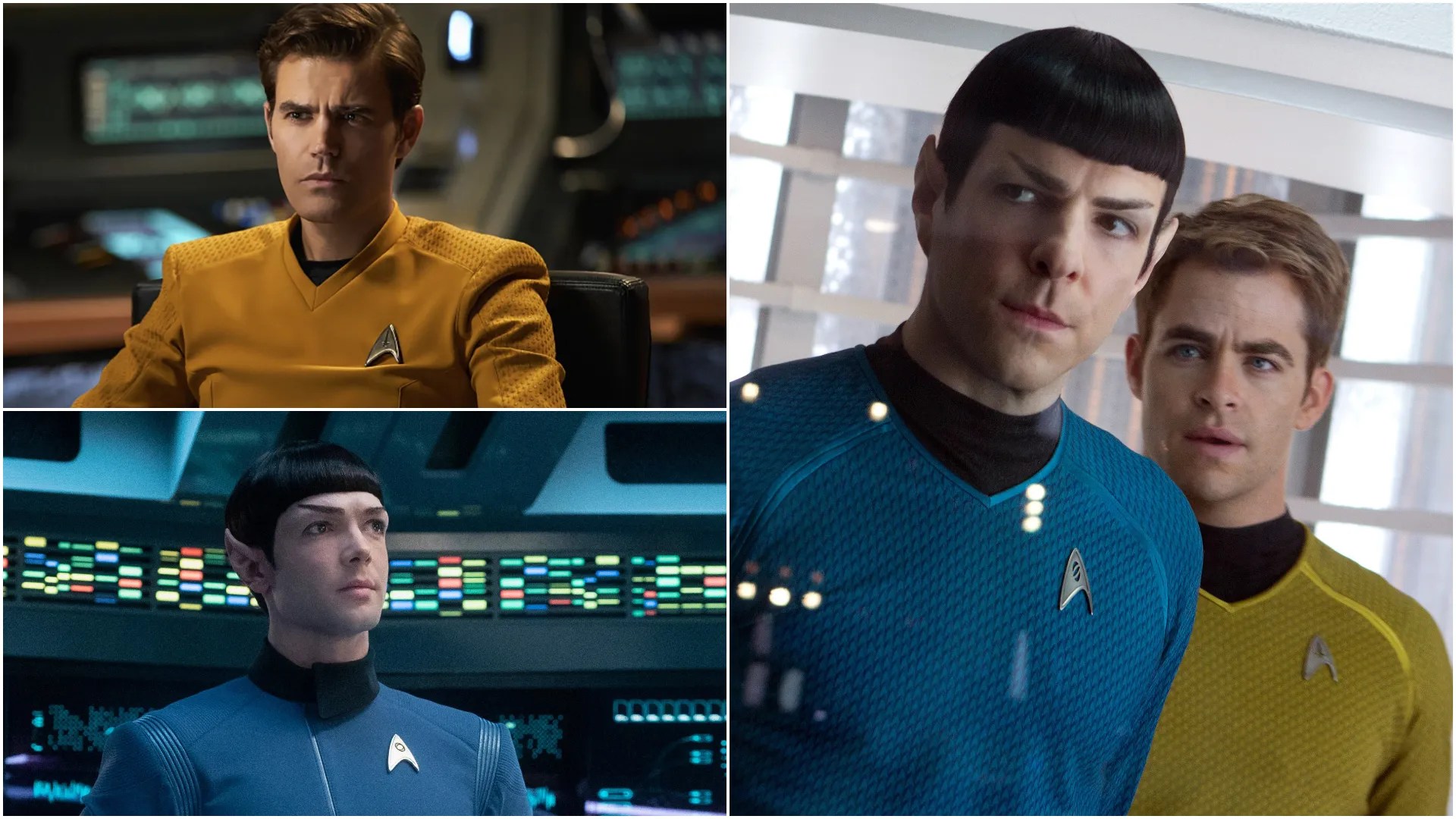
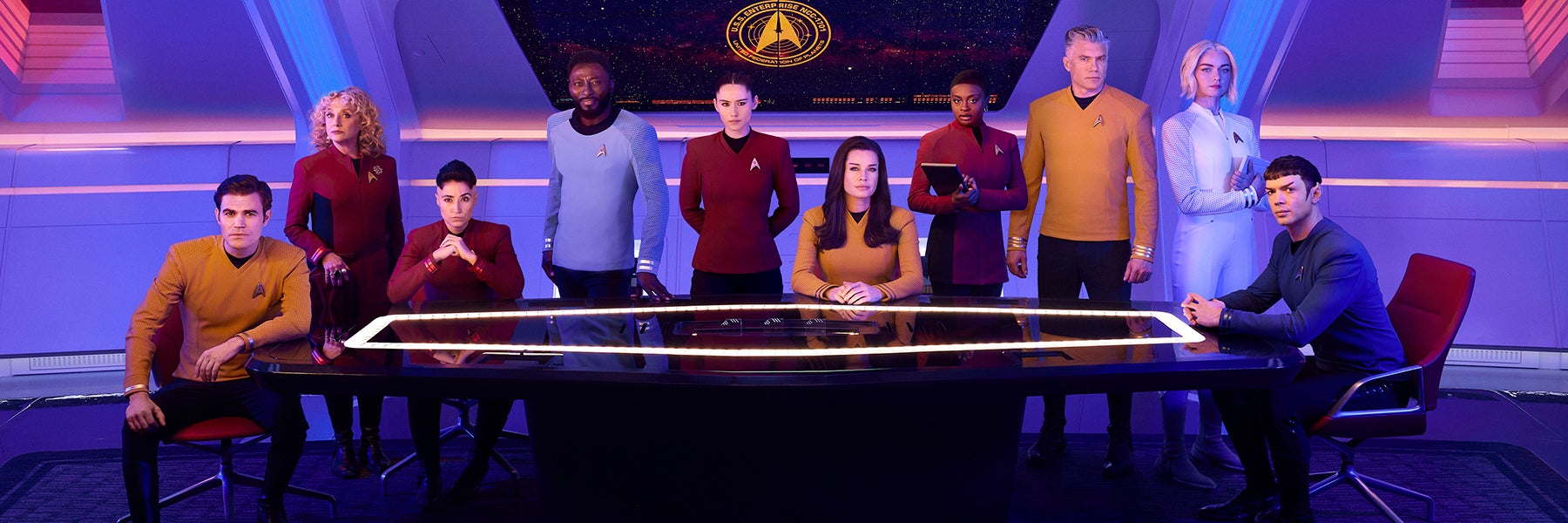
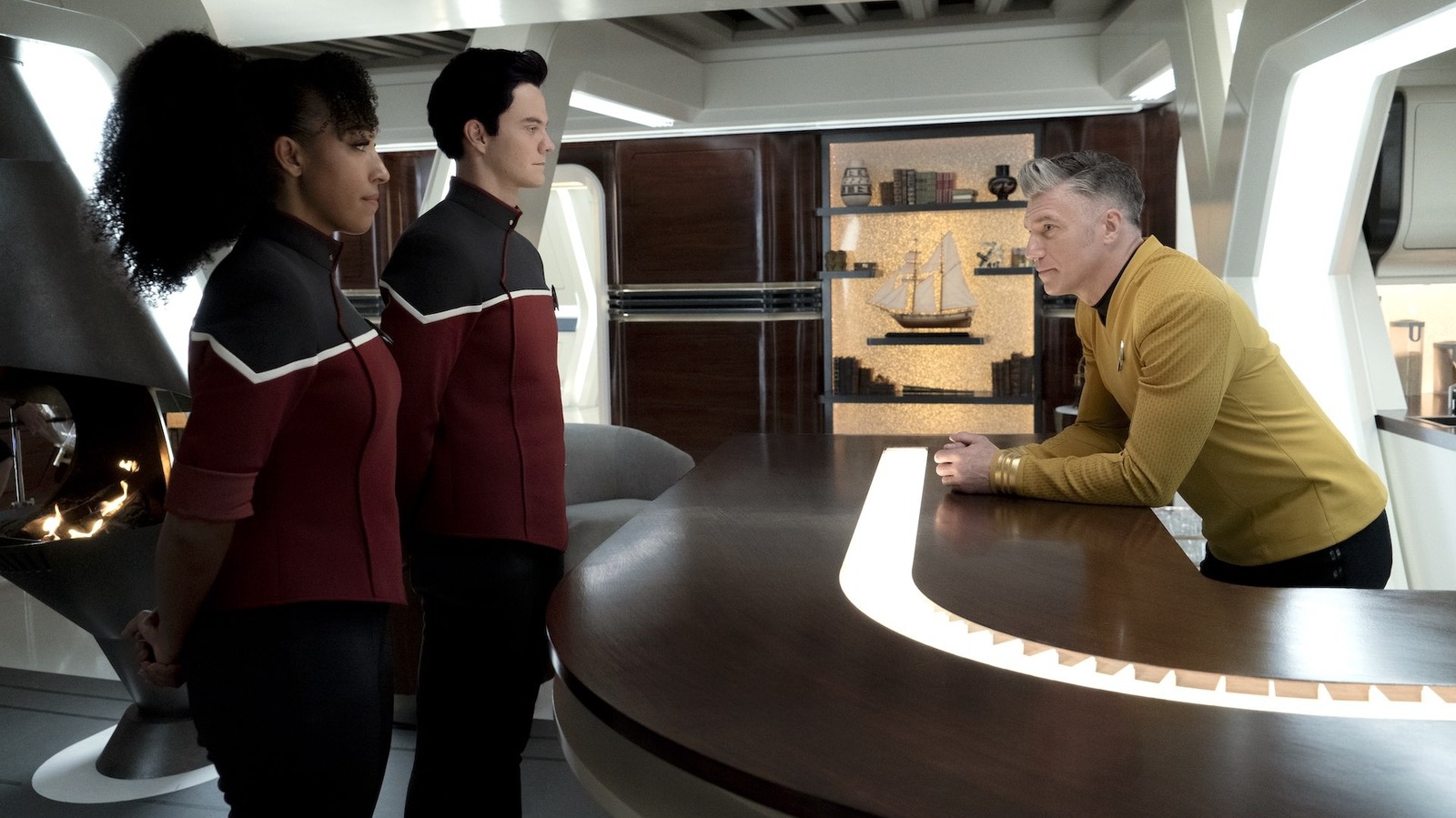
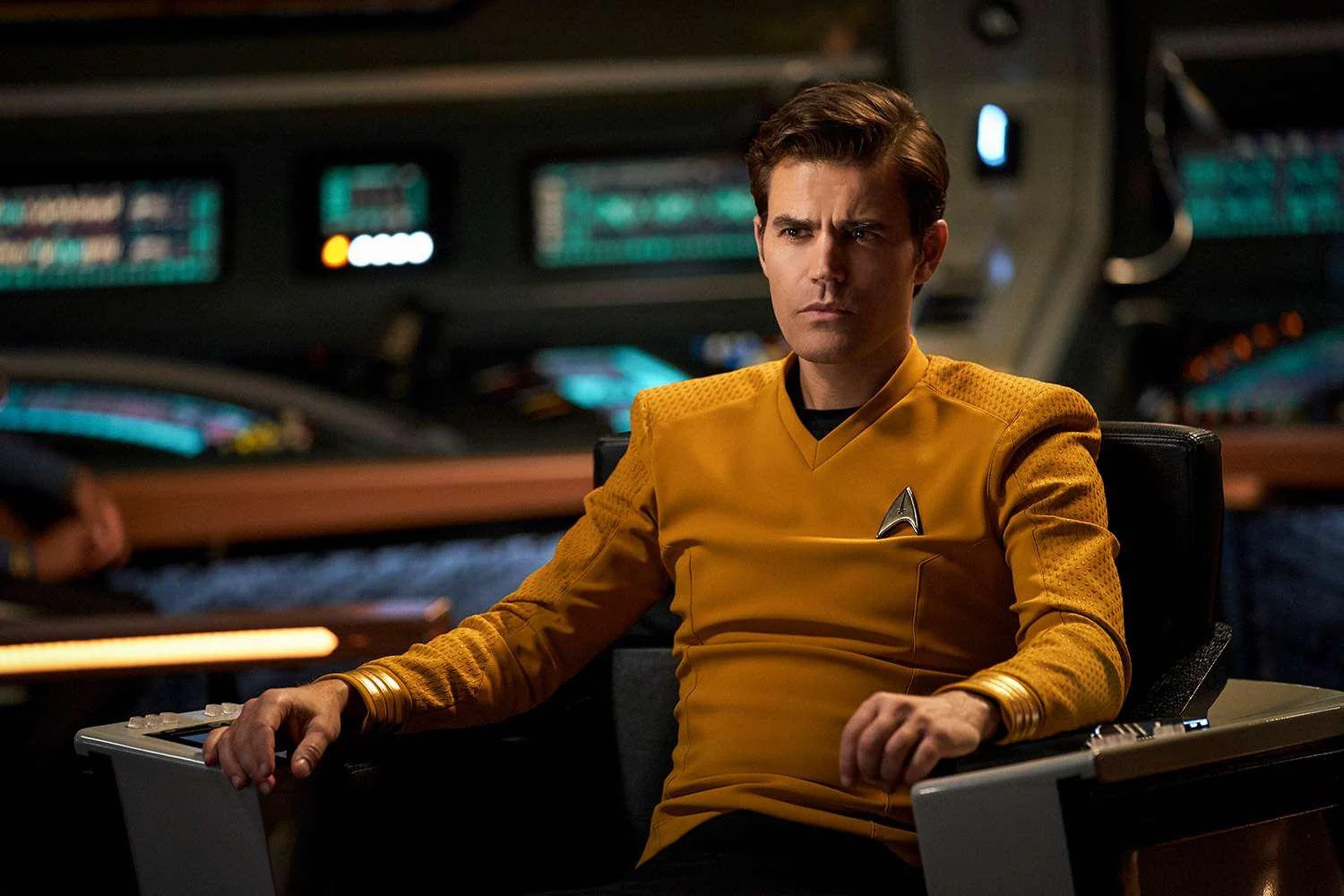
The powers that be that are in charge of the Star Trek franchise are busy planning a new Star Trek TV show that will feature a young James T. Kirk in his early days as captain of the U.S.S. Enterprise starship. This version of Kirk would be portrayed by Paul Wesley, who appeared frequently in Star Trek: Strange New Worlds and the proposed show would be a sequel to Strange New Worlds called Star Trek: Year One. It’s a great idea since Kirk is still one of the most popular characters in Trek. But should there be another TV show based on Kirk?
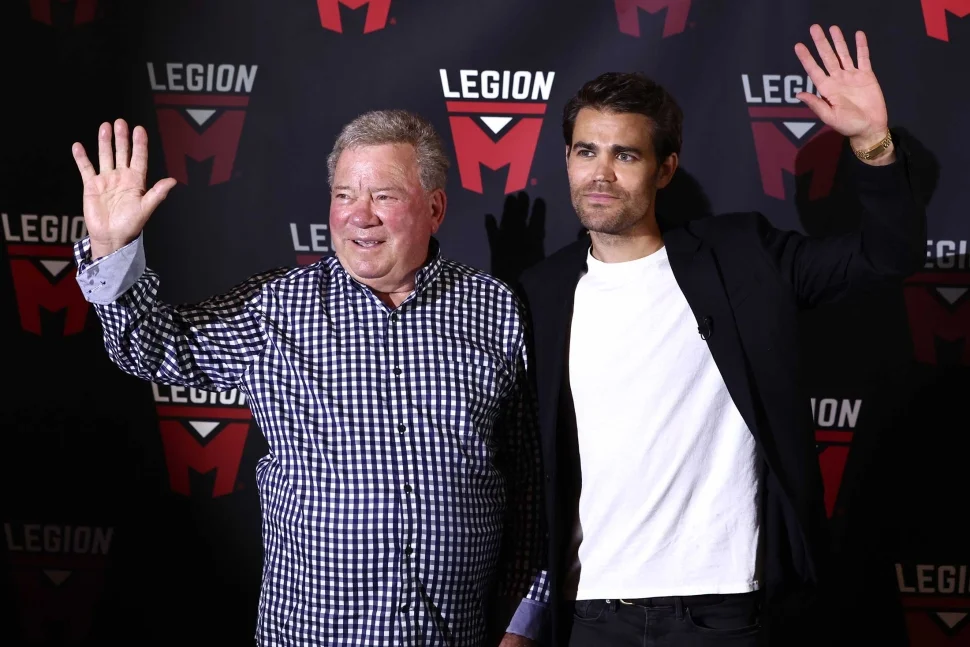
Let’s put aside the acting chops of Wesley or the idea of Kirk being recast, which has always been a challenge that producers had to deal with since William Shatner, the original actor to play the role, is ingrained with many fans who have a hard time accepting someone else playing Kirk. Just look at the trouble the production team behind the 2009 Star Trek film went through to cast Chris Pine as Kirk. People have to accept that Shatner will never play the role again, especially since Shatner is in his 90s and the budget to digitally de-age him would be prohibitive for an ongoing TV show.

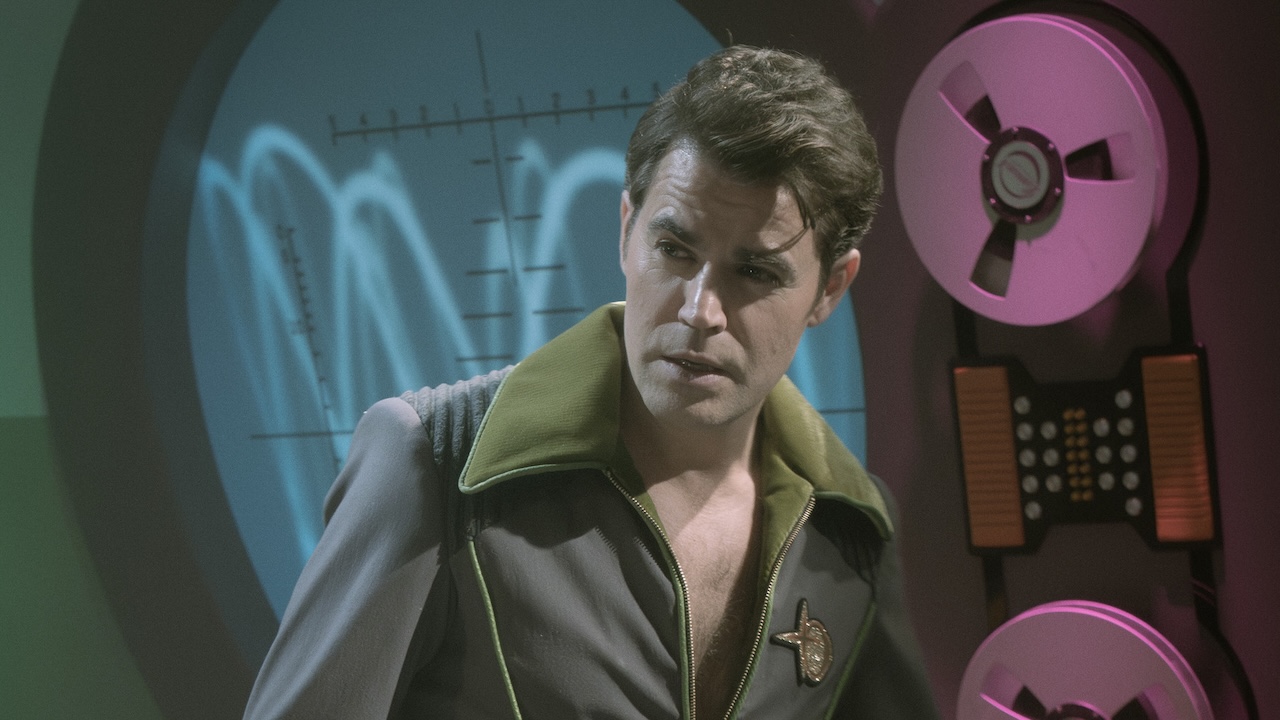
In Wesley’s defense, he does a good job playing a young Kirk without resorting to Shatner’s unique method of acting that gave lots of fodder for comedians. To get an idea of how Wesley would have aped Shatner, take a look at the season three Star Trek: Strange New Worlds episode “A Space Adventure Hour”. It was one of those by-now obligatory holodeck malfunctioning episodes where Wesley as Kirk played a parody of Shatner’s Kirk. The point is if any actor tried to act like Shatner, he would not be taken seriously, which would doom the show.
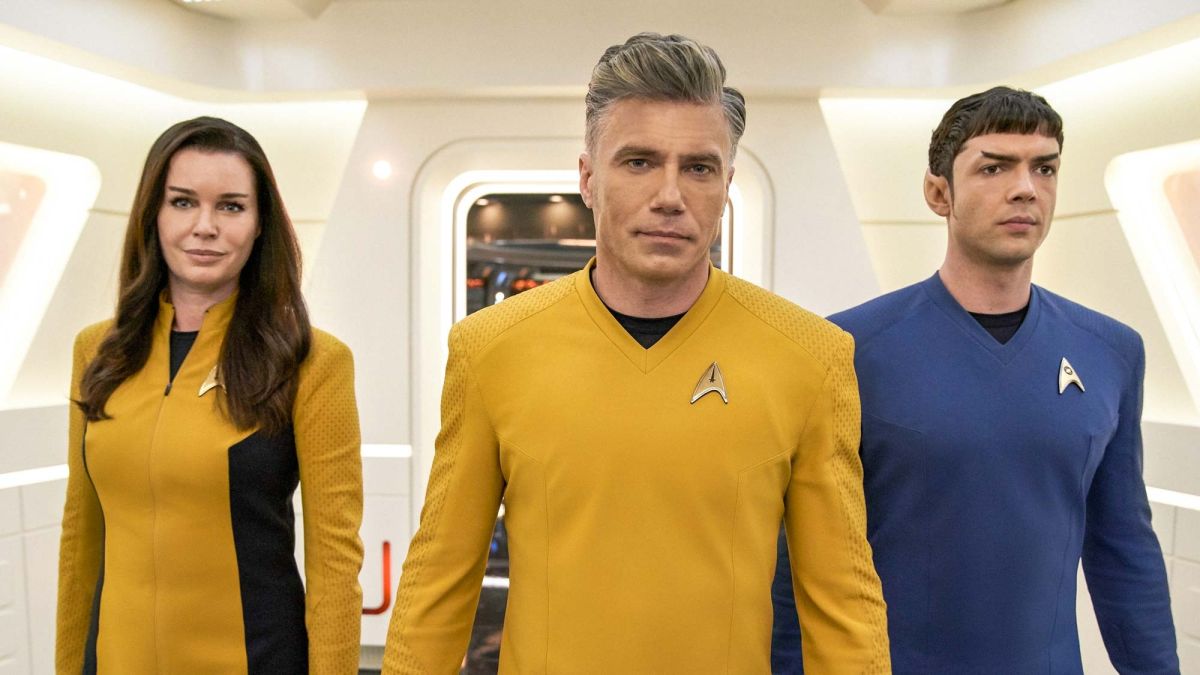
Getting back to the idea of a young Kirk TV show. On paper it seems like a natural, do a TV show about a young Kirk settling into his command, making mistakes and learning from them, and seeing how he formed his bond with the famous Enterprise crew. It would be fairly easy to create the show since it would be a sequel to Star Trek: Strange New Worlds and the standing sets and design are already done, so that would save money and time. Plus, many of the actors from Strange New Worlds like Ethan Peck would just transition over to Star Trek: Year One since Peck would be playing Spock, who became first officer of the Enterprise during Kirk’s command. The proposed Star Trek: Year One could also remake some of the more famous first season episodes like “Space Seed” (which would give us a recast of Khan) or “City on the Edge of Forever” but with better production and effects. This is very tantalizing.

The problem is that we saw Kirk’s early adventures in the original TV show. When Star Trek first aired, it featured Kirk when he first commanded the starship Enterprise. The implication with the first season of Star Trek was that the first season took place during the beginning of the ship’s five-year mission. On the other hand, there are signs that there was a time gap during the very first episodes and the later episodes. “Where No Man Has Gone Before” and “The Corbomite Maneuver” had the crew wearing slightly different uniforms than what was shown soon after. In fact, Doctor McCoy was not even around in the pilot episode “Where No Man Has Gone Before”. More importantly, there are implications in the early episodes that the crew of the Enterprise had been on their mission for some time. So, this leaves room for a Star Trek: Year One.
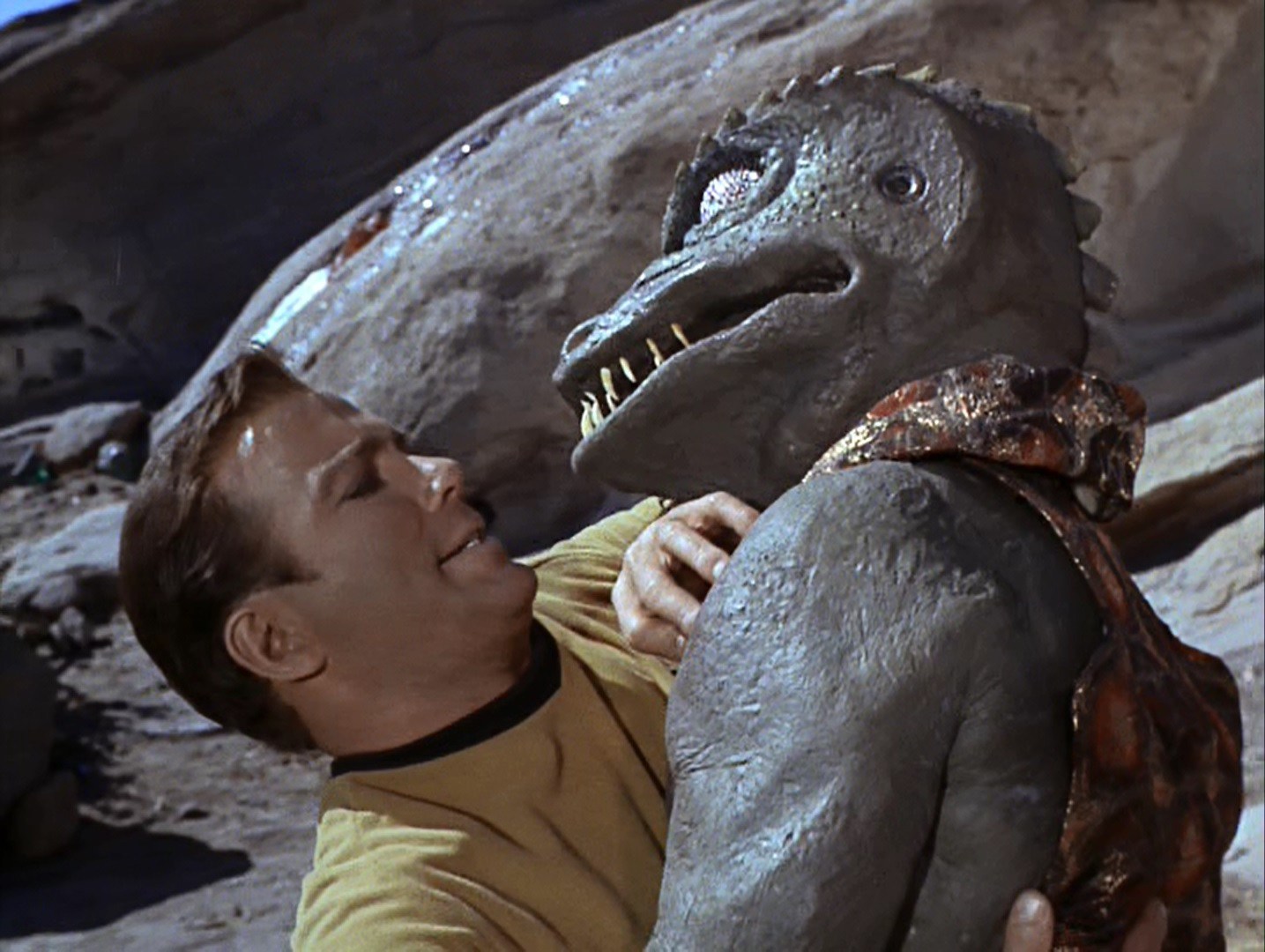
Kirk v Gorn in Arena

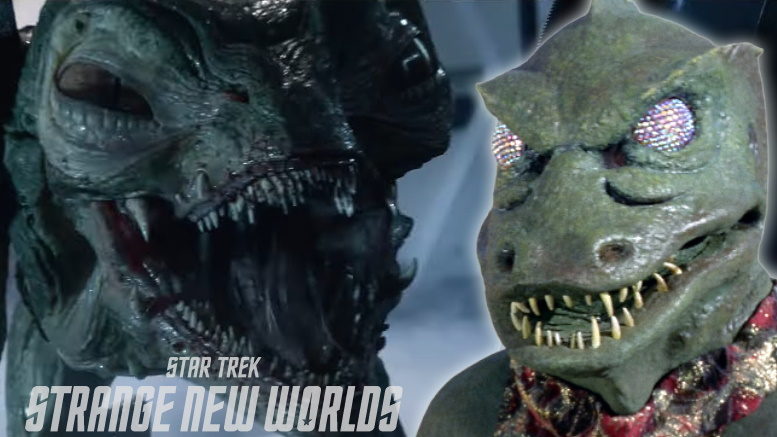
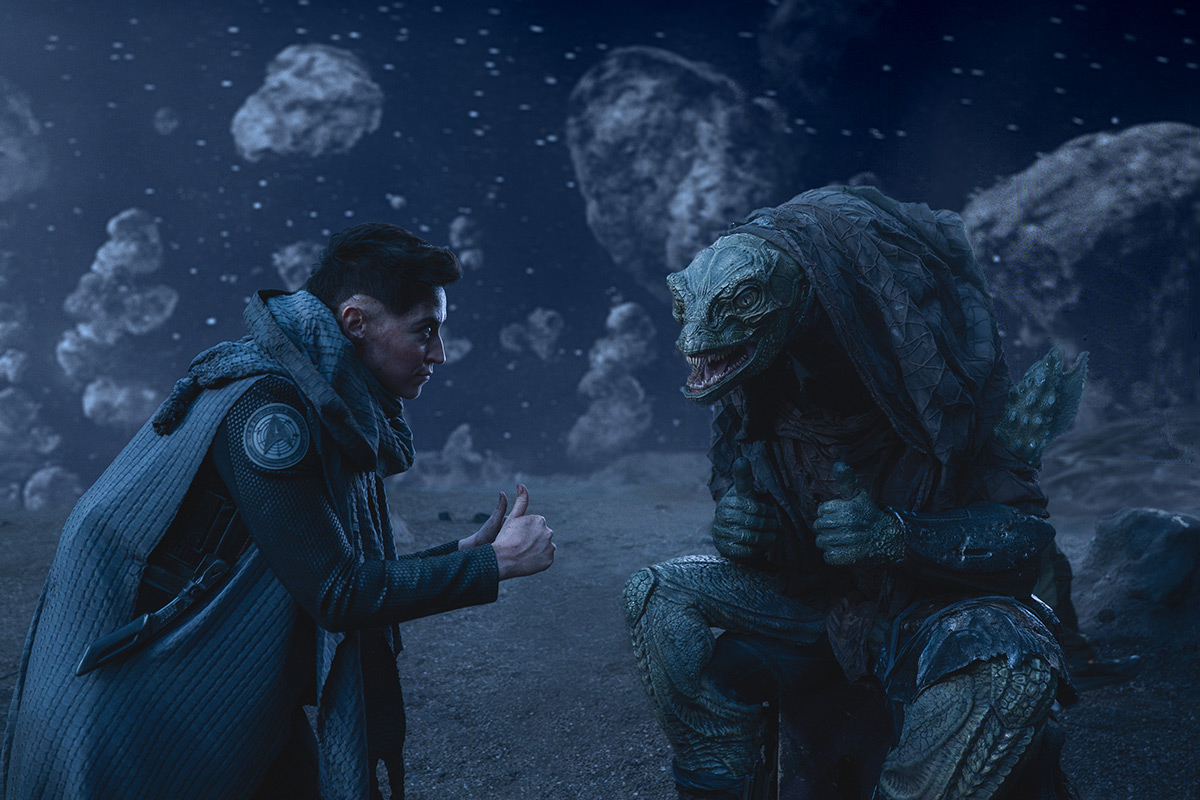
There is a headache that the writers of the proposed TV show would have to deal with and that is with continuity. This has plague all the Star Trek TV shows and films as they had to make sure the continuity established in the original Star Trek and later shows and films remained intact. Unfortunately, this did not work out many times and the recent Trek shows received a lot of flack from angry fans, such as with the look of the Klingons, the Gorn and with the early history of Star Trek. For example, Star Trek: Discovery and Star Trek: Strange New Worlds established that there was a Klingon War which was never implicitly mentioned in the original Star Trek, yet it happened close to the era of the original Trek. In the Star Trek episode “Arena” the Gorn looked radically different than the species shown in Star Trek: Strange New Worlds, and in the original show, the Enterprise crew acted as if they never heard of the Gorn, who were an ongoing threat in Star Trek: Strange New Worlds. This is an issue that long-running TV shows and films have to grapple with and Star Trek is not unique to this situation. As long as the basic history is adhered to, then fans should be willing to give the writers a pass.
One way out of this would be to do what the 2009 Star Trek film did and establish that the recent Star Trek shows are set in another reality. The trouble is that it has been shown already that the recent Trek shows are set in the so-called Prime Timeline.

The most pressing problem for a so-called Star Trek: Year One has to do with whether or not there is any demand for it. Not everyone is thrilled with Wesley’s performance or the fact that the character has hijacked Star Trek: Strange New Worlds by appearing in practically every other episode. This was supposed to be a show about Christopher Pike not Kirk and we already have an idea of how the early years of Kirk went. Do we need to see it play out? Why not create a new Star Trek adventure with new characters? There are many time periods that have never been covered that are ripe for presenting like the time period between the original Trek and Star Trek: The Next Generation. In fact, a TV show about a young Picard sounds more interesting. Ever since Star Trek: Picard concluded, fans have been begging for a Star Trek: Legacies show featuring the crew of the Enterprise-G with Picard’s son, but it seems like the powers that be are hellbent on ignoring fans and plowing ahead with a young Kirk show. This is a sign that the current showrunners do not truly understand Star Trek. Over the decades, the franchise has proven repeatedly that it was rich enough to provide new characters and situations set in the franchise. It allowed Trek to reinvent itself and not rely on Kirk and his crew to generate interest.
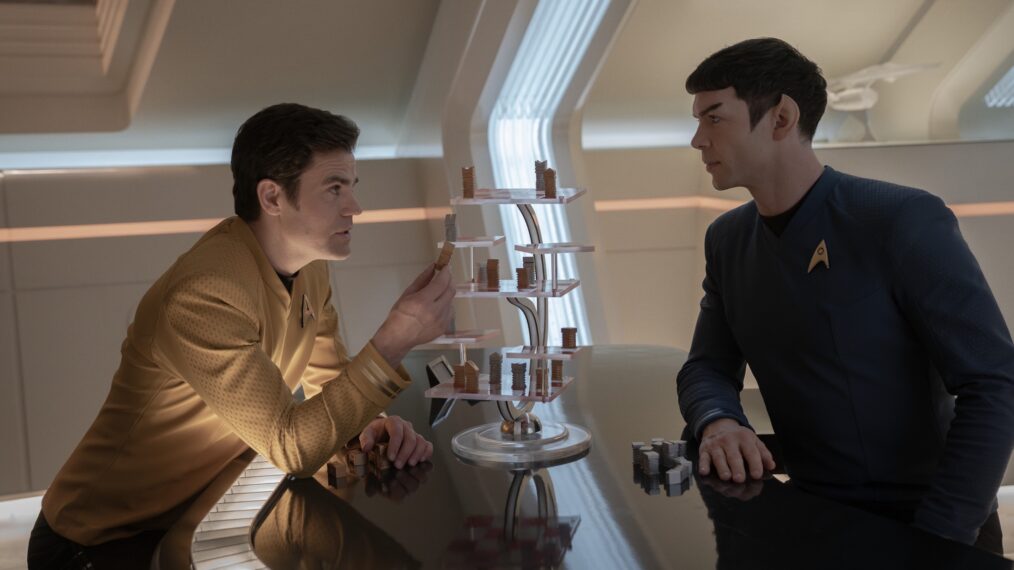
To date it’s not known if Star Trek: Year One will get the green light. A lot depends on studio politics and budgets since modern Trek shows are very expensive. If the show goes through, we’ll have to give it the benefit of the doubt that it will be a worthy addition to the legacy of Star Trek.
Star Trek As It Approaches Its 60th Anniversary

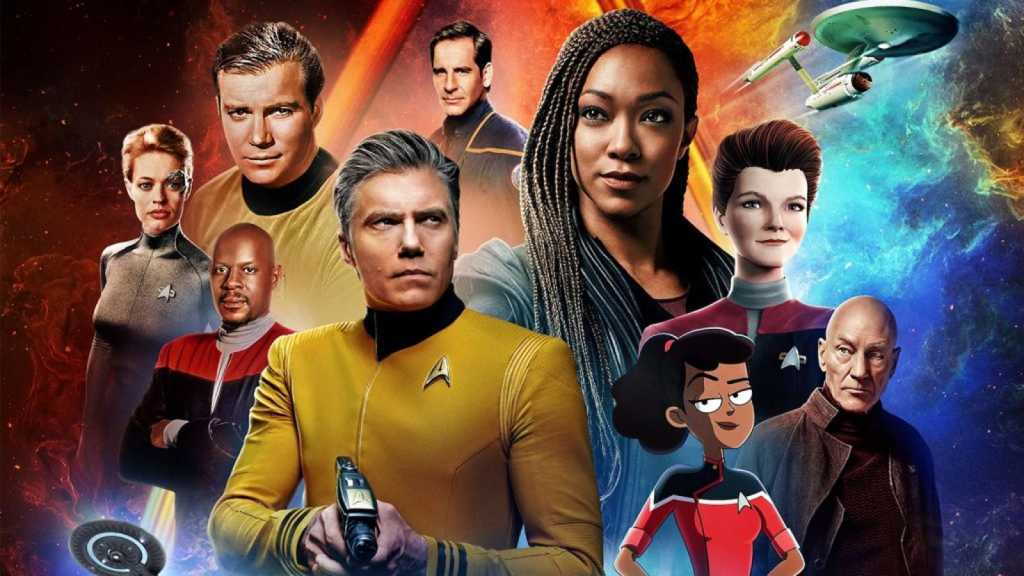
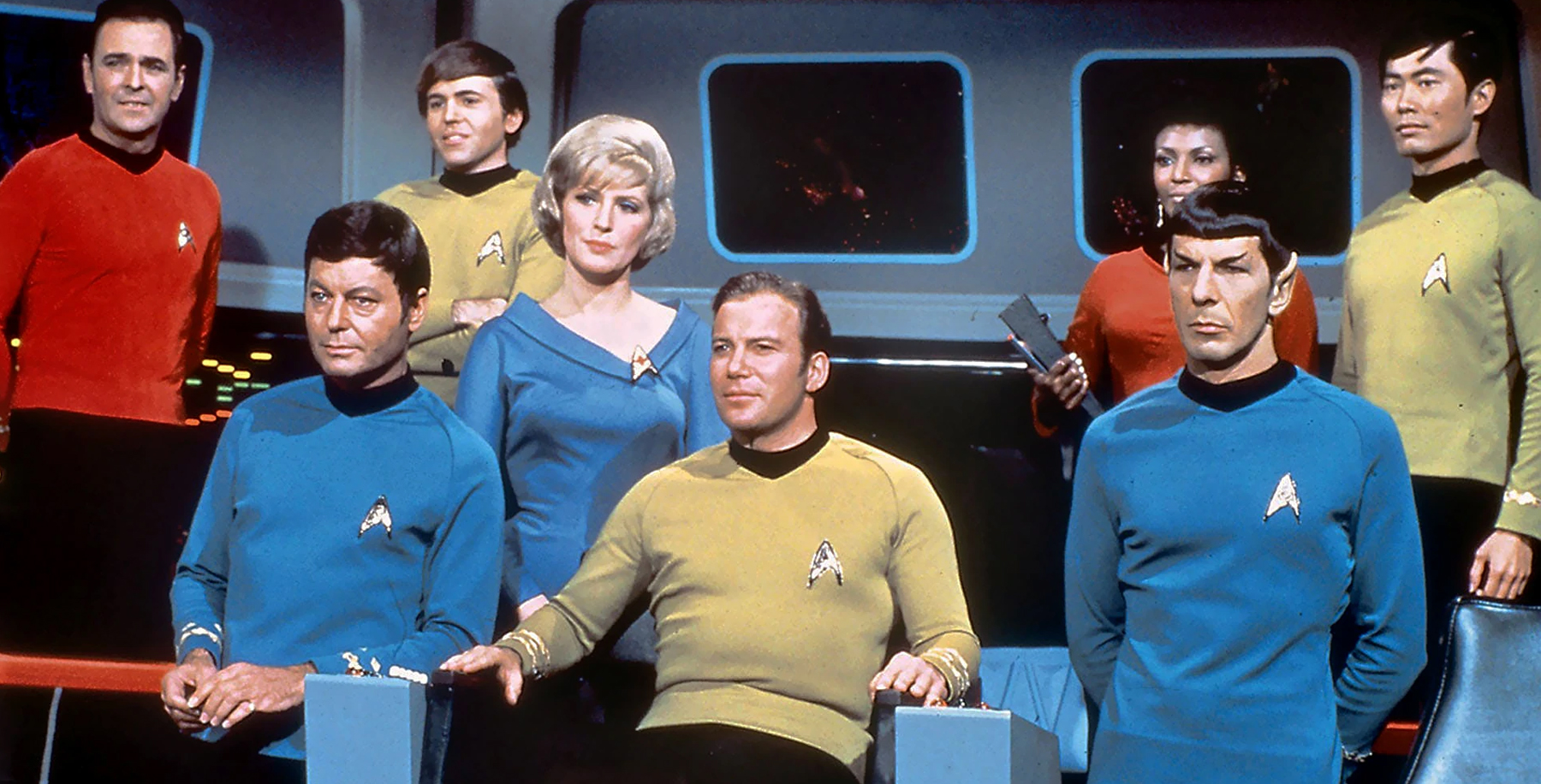
As Star Trek celebrate Star Trek Day and commemorate the 59th anniversary of the famous sci-fi TV show, it is important to reflect on the state of the Star Trek franchise and where it is going as it soon approaches its 60th anniversary.

Star Trek has had its highs and lows throughout the decades in terms of popularity, cultural relevance and quality with its glory years arguably being during the 1990s. After the franchise took a forced hiatus in the mid 2000s, a comeback was attempted with the reboot film Star Trek (2009). The film did well and was popular but a significant number of fans did not appreciate director J.J. Abrams attempt to turn the franchise about space explorers, noted for its thought-provoking plots, into a more simplistic shoot-em-up space adventure that emphasized action and explosions over nifty plots and character developments.

The reboot film franchise came to an end nine years ago with Star Trek Beyond, which did not perform well in theaters, though its tone was more of a throwback to the original TV shows and films. Since then, there have been many failed attempts to produce a fourth film featuring the cast of the reboot films, but none have succeeded and that franchise is now essentially dead. Or is it?

Meanwhile, Star Trek returned to its TV roots in 2017 with the debut of Star Trek: Discovery, a prequel series to the original show that streamed on the app CBS All Access (later renamed Paramount+). Now, while the TV show ran a respectable five seasons and spawned another prequel spinoff, Star Trek: Strange New Worlds, as well as additional Star Trek TV shows, Star Trek: Discovery wound up being divisive among fans. Many complained about the storylines and the characters, with more conservative fans being outright hostile to the show’s featuring of non-heterosexual characters. It did not matter. In this day and age of toxic fandom where cynical content creators are more interested in clicks and views, any iteration of Star Trek would have received scorn.

Right now, Star Trek is at a bit of a crossroads. Its parent company, Paramount Pictures, is undergoing a merger and the fate of the franchise is unknown with many rumors flying around as to its final fate. But there are many reports that the bigwigs at Paramount are bullish on Star Trek and want to continue with the franchise. The question remains is how will it continue? As of now, the only currently streaming Star Trek TV show (Star Trek: Strange New Worlds) will come to a conclusion after its fifth season (the fourth season is currently filming while the third season will complete streaming new episodes this week). After that, a new TV show Star Trek: Starfleet Academy will stream in early 2026, while a sitcom set in the world of Star Trek is in development. Who knows if that comedy will ever see the light of day or even generate any laughs if it comes to fruition.

There are other pitches for Star Trek TV shows, including a prequel series based on a young James T. Kirk, which will be a sequel to Star Trek: Strange New Worlds and would star Paul Wesley reprising the role of Kirk. The show has been tentatively titled Star Trek: Year One and would be about Kirk’s early days as the starship Enterprise captain. Meanwhile, Scott Bakula, the star of Star Trek: Enterprise is involved in a pitch for a show that would take place years after Bakula’s show and feature his character as the president of the United Federation of Planets. Unlike other Star Trek shows, this one would not be a show about exploring worlds but have a political slant more akin to Star Trek: Deep Space Nine. Then there is the fan-favorite idea of Star Trek: Legacy, which would be a sequel to Star Trek: Picard, specifically its popular third season and be about the adventures of the crew of the Enterprise-G. It has been pitched in the past, but so far, Paramount has not shown interest in pursuing Star Trek: Legacy.

Regarding films, there are still plans to produce a fourth film set in the Abrams reboot universe with directors and writers coming and leaving the project. Then Paramount recently announced another film will be produced that will feature all-new characters and situations. That actually sounds interesting but as of now, we have no definite information.

Given all that, there are not any concrete plans for Star Trek TV shows or films aside from the Academy show, which is a bit concerning given that the 60th anniversary is under a year away. You would think Paramount would have something concrete in production. Some of the ideas noted above are interesting and even if they don’t end up as TV shows they can at least become limited series or TV films, just better executed than the hot garbage Star Trek: Section 31. One thing to consider is that 2026 will be a celebration of the original Star Trek, not its sequels and films, and there are three remaining cast members from the original show. Aside from a standard documentary/retrospective, maybe Paramount can find some way to involve William Shatner, George Takei and Walter Koenig in some kind of new Star Trek production. The only limits are time, money and more importantly, imagination. Here’s to boldy going 59 years strong.

Top Ten Films & TV Shows Of 2023

2023 boasted its fair share of exceptional genre films and TV shows. It is also noted for being the year when superhero films and TV shows started to lose steam. More on that some other time. Still, there plenty of quality fare for us fans and here are the best films and TV shows of 2023. Be sure to drop a comment with your own choices and rankings.

Films

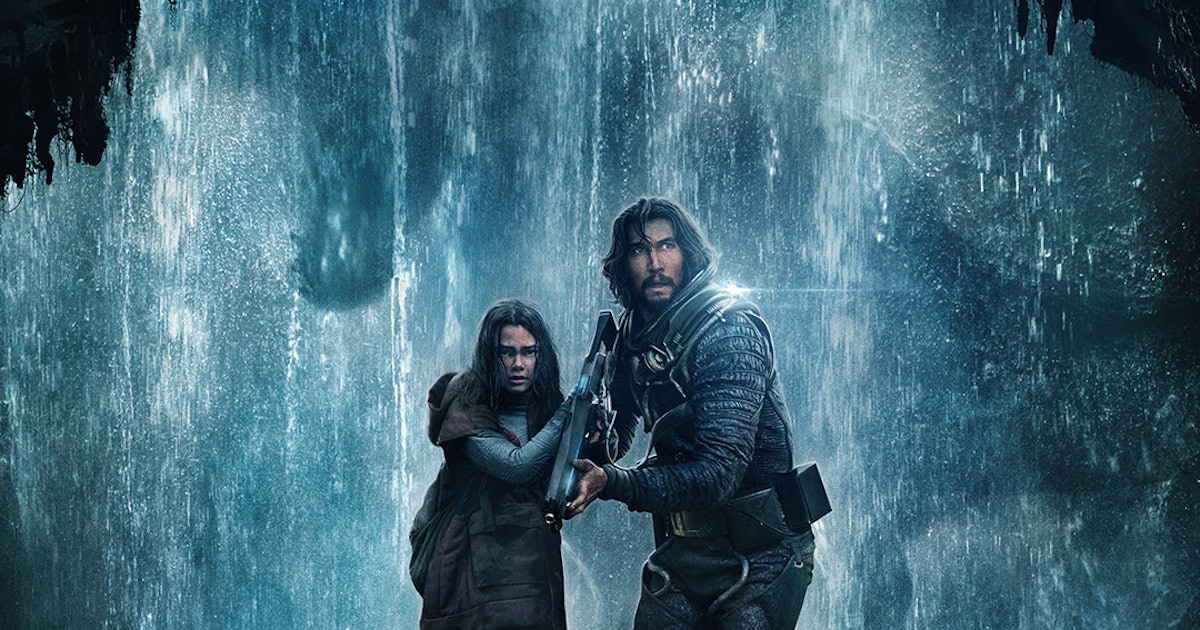
10. 65

Adam Driver starred as a pilot of a crashed starship who struggled to survive in a hellish prehistoric landscape that turned out to be Earth 65 million years ago. This absorbing survival tale had intense moments and great dinosaur scenes.

9. The Creator

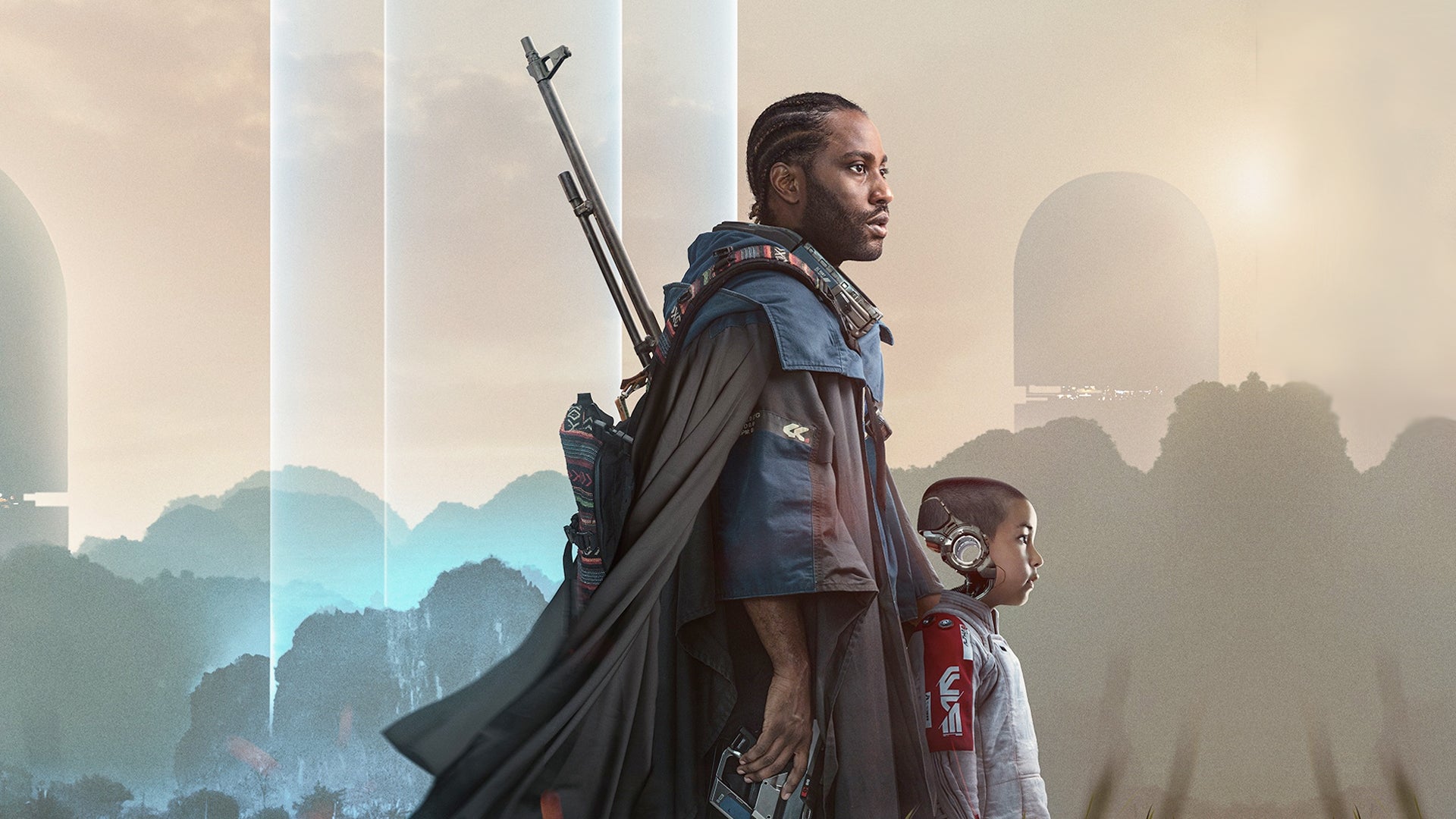
Garth Edwards’ film about a soldier protecting a young A.I.girl while pursued by hostile forces was derivative in terms of its plot. But its jaw-dropping visuals of a future Asian society where man and A.I. live harmoniously, action scenes and performances more than made up for its flaws.

8. Ant-Man and the Wasp: Quantumania

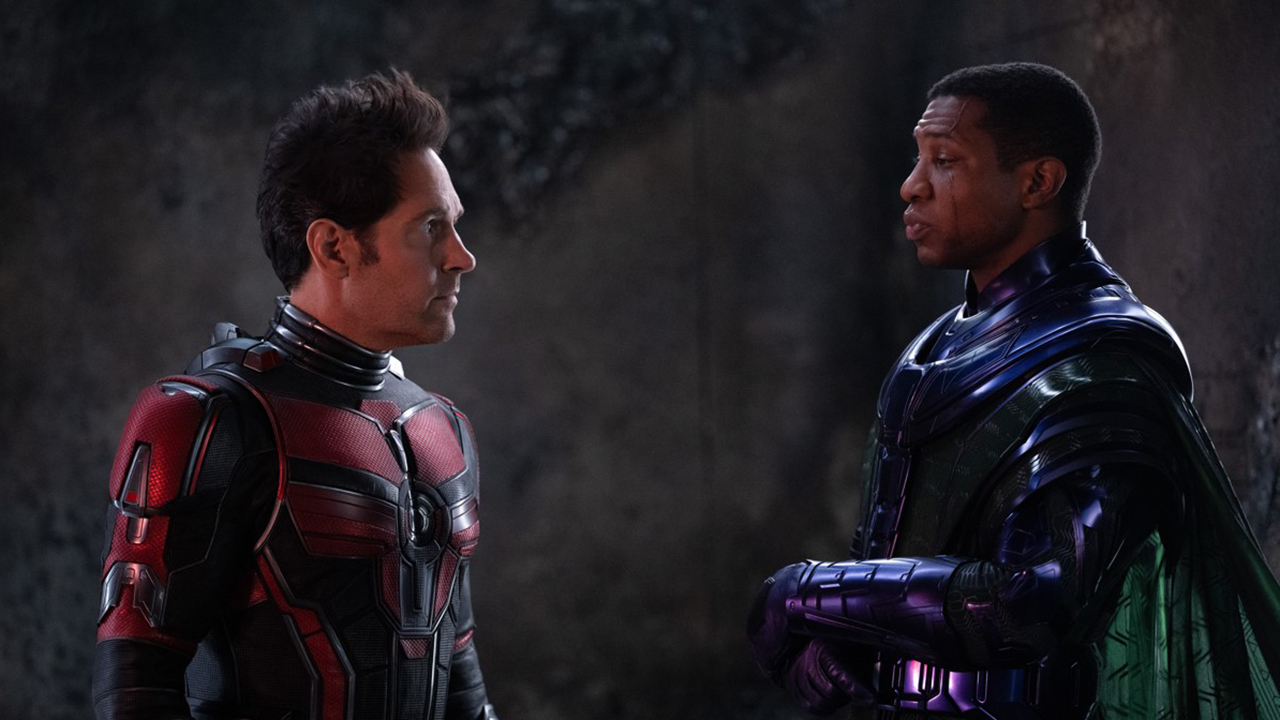
The third Ant-Man film was unfairly put down by many who missed the usual capers of the previous Ant-Man films. Instead this film went in a different and wilder sci-fi direction as our heroes explored bizarre landscapes and confronted the next big bad in the Marvel Cinematic Universe (MCU), Kang the Conqueror.

7. Leave the World Behind

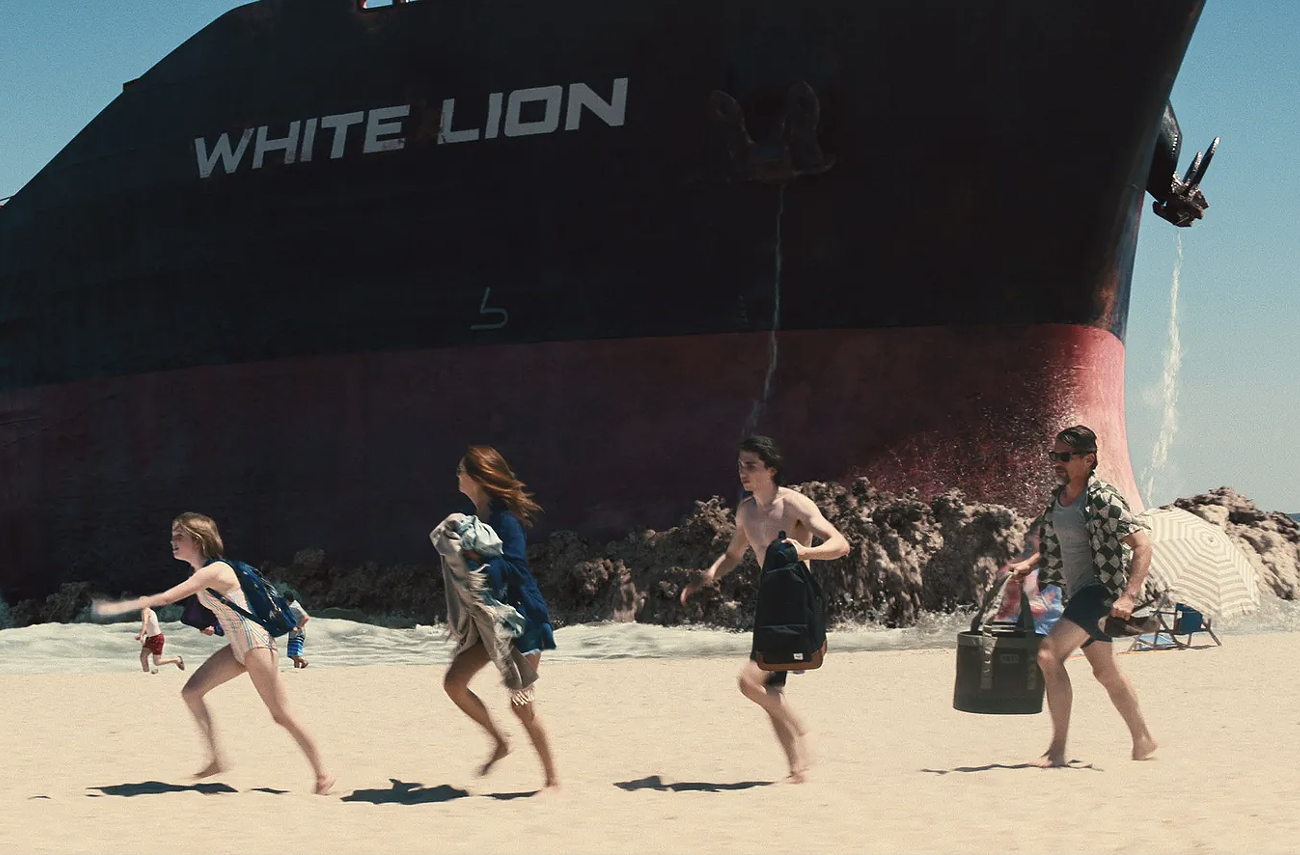
This apocalyptic psychological thriller was both disturbing and intriguing as we see how the world begins to crumble from the viewpoint of vacationers. We were also swept up in their horrified plight as they struggled to understand their new situation and survive in a dangerous new normal with their limited skills and experience.

6. Dungeons & Dragons: Honor Among Thieves

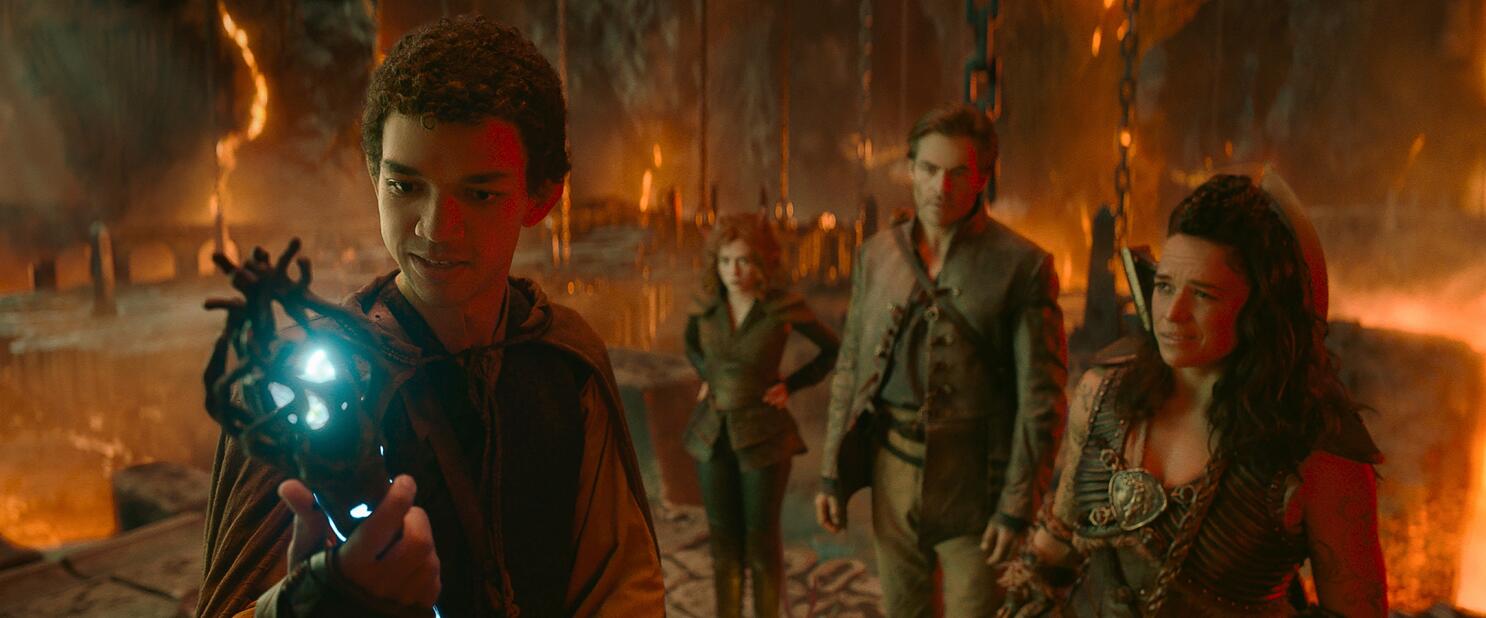
This fun-filled fantasy romp based on the classic board game turned out to be a pleasant surprise. The film boasted spirited performances starting with Chris Pine as a lovable rogue and an imaginative script and direction that always kept the pace moving throughout the film.

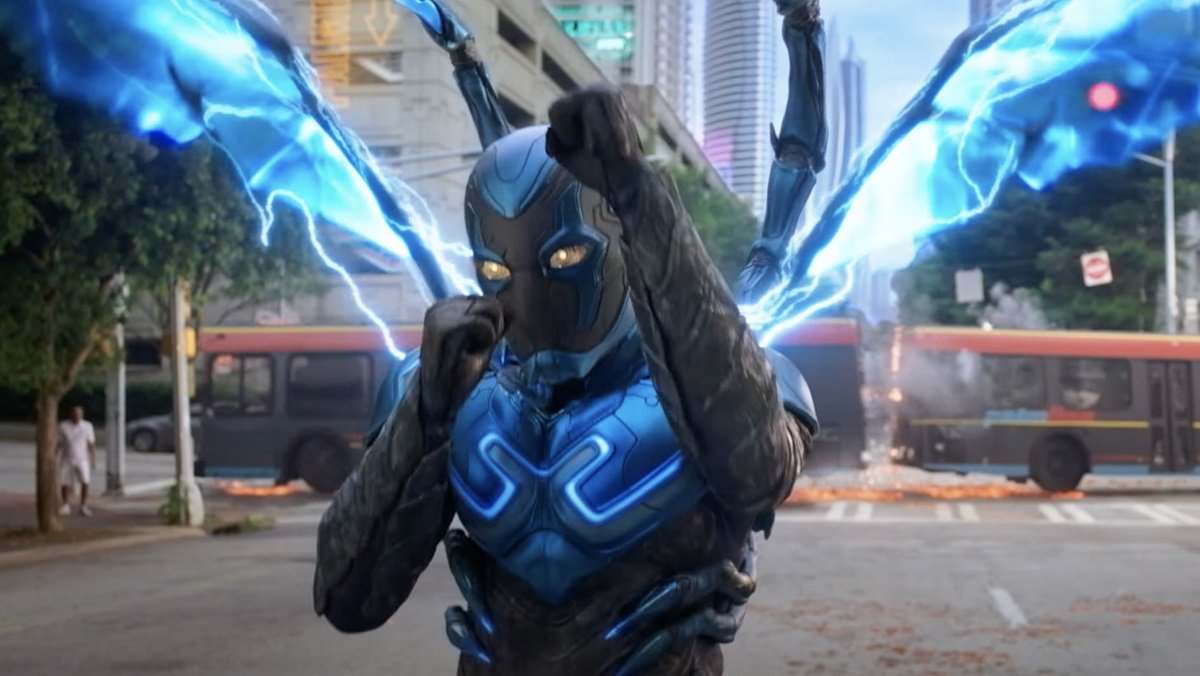
5. Blue Beetle

It’s a shame that one of the last DC Extended Universe (DCEU) films did not perform better in theaters since it was of the best DCEU films. While the film followed the typical superhero origin formula, its strong performances, direction, and humorous family interactions elevated the film with its back-to-basics approach with superhero films.

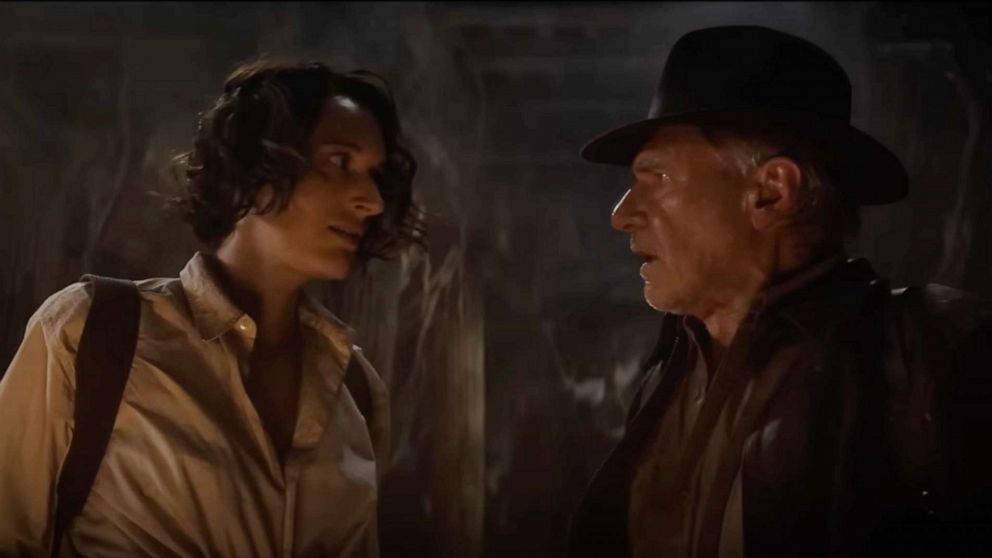
4. Indiana Jones and the Dial of Destiny

The last hurrah for our favorite swashbuckling archeologist hit many emotional notes in its depiction of Indiana Jones in his twilight years. Yes, Steven Spielberg’s masterful direction was sorely missed in the final Indiana Jones film, but its solid direction, thrilling action and Harrison Ford’s solid performance as the title hero made this a memorable finale to the fantasy adventure franchise.

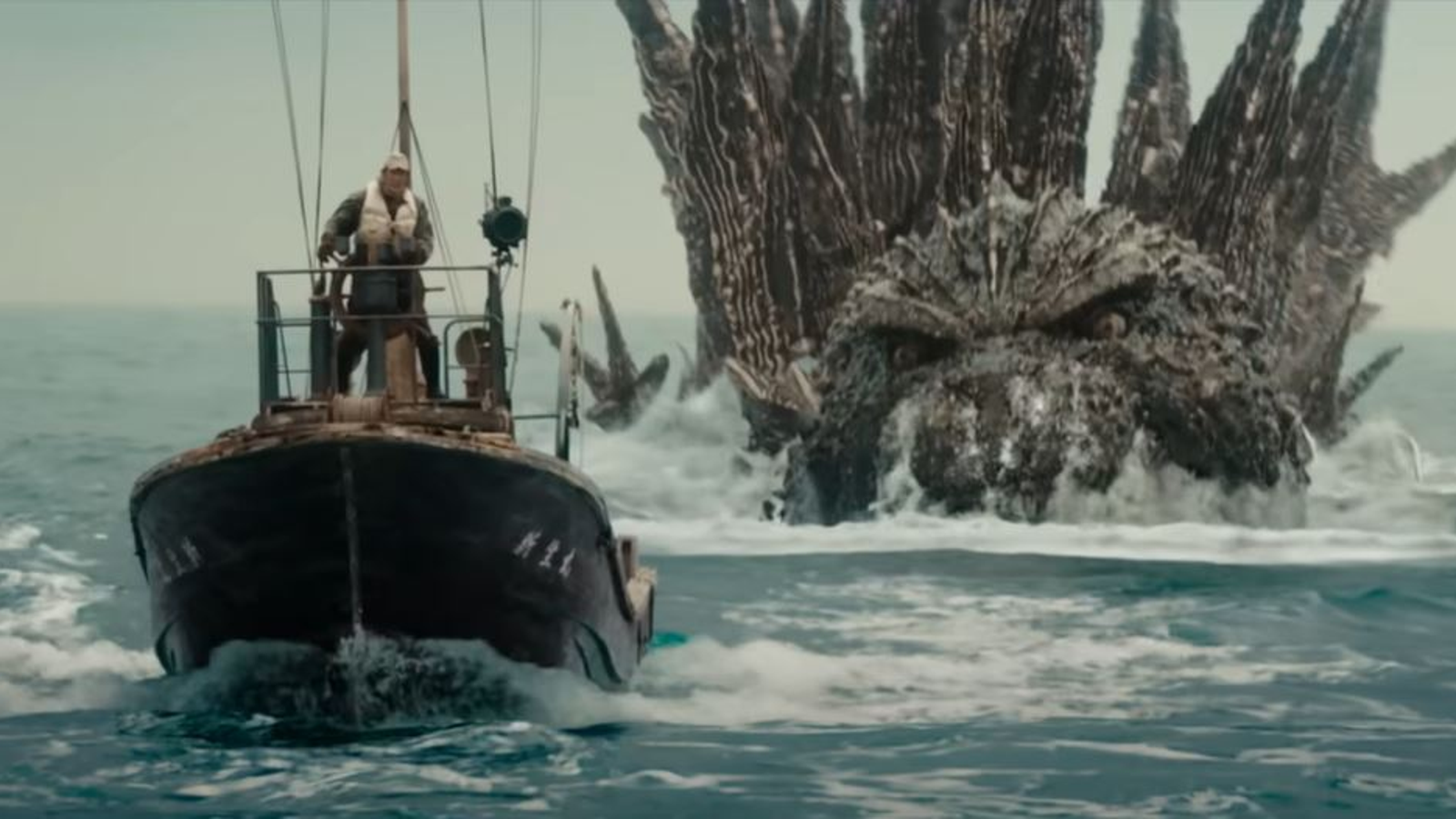
3. Godzilla Minus Zero

The latest Godzilla film proved that the decades-old franchise could still deliver captivating and exciting kaiju films. It stood above other Godzilla films thanks to its grounded approach, emphasis on relatable characters and a directorial decision to make the title creature a terrifying force of nature. It’s easy to see why this is one of the best Godzilla films.

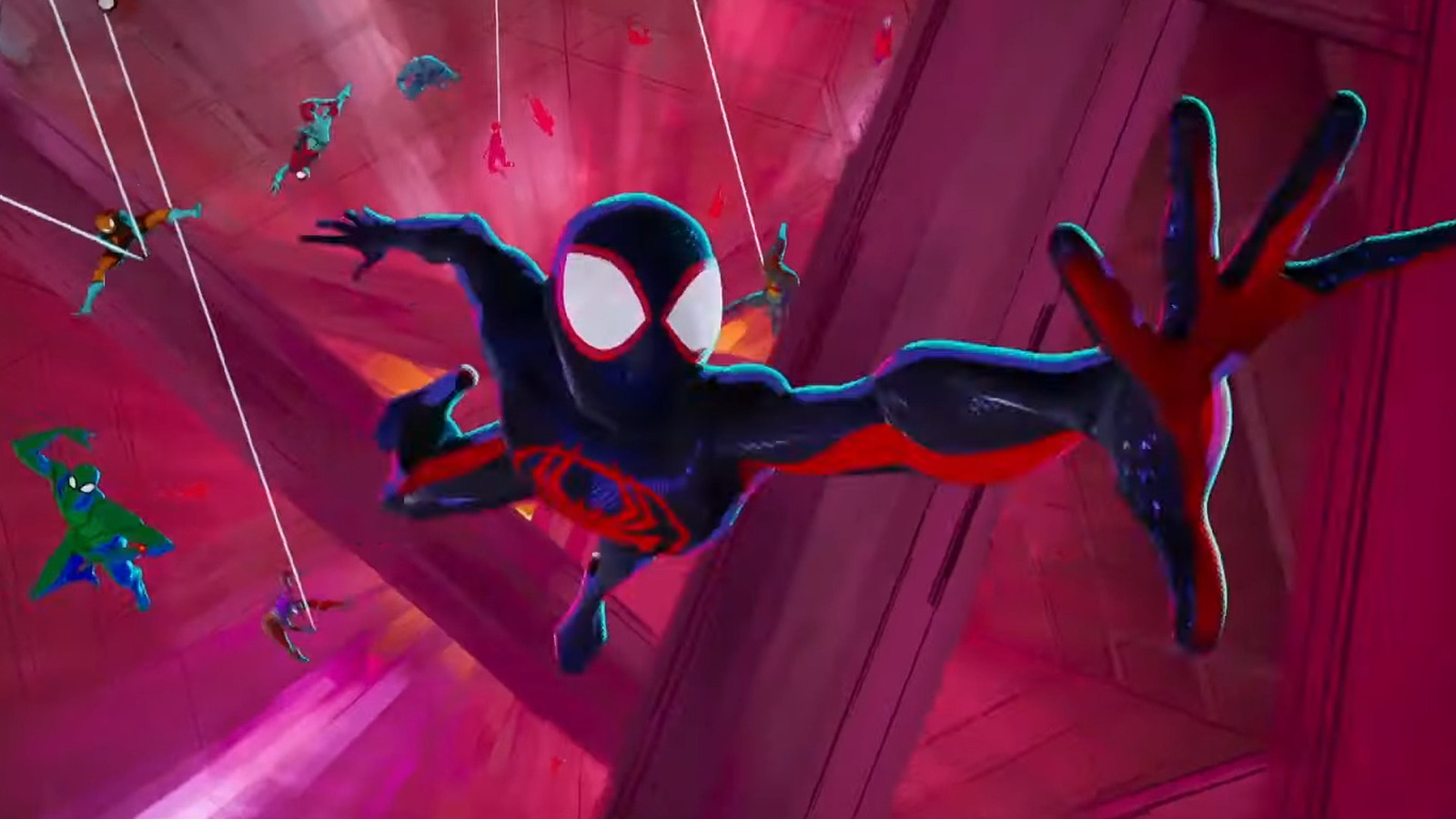
2. Spider-Man: Across the Spider-Verse

There were other notable animated films this year like Elemental or Teenage Mutant Ninja Turtles: Mutant Mayhem that rivaled Spider-Man: Across the Spider-Verse with distinctive animation and scripts. However, Spider-Man: Across the Spider-Verse stood out from the pack with stunning and unparalleled animation that was simply stunning.

More importantly, what made the film such a success was its engaging storyline of a relatable Miles Morales involved in a head-spinning story, which involved other universes and characters. Cannot wait for the conclusion to the storyline!

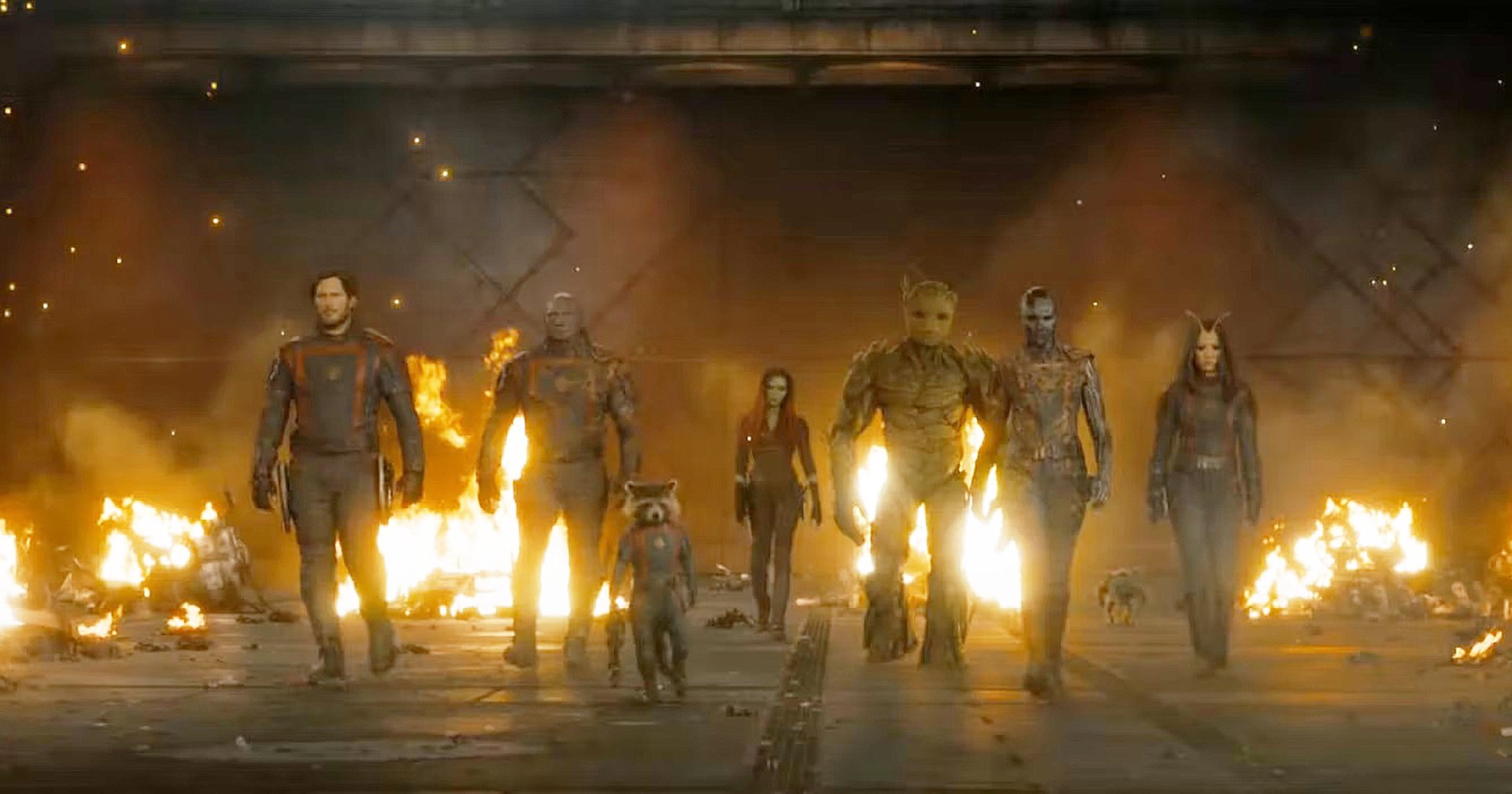
1. Guardians of the Galaxy, Volume 3

James Gunn’s final MCU film was one of the best in the Marvel film franchise. It perfectly closed the chapter of these lovable galactic misfits/heroes while exploring their emotional connections and giving us glimpses of how the team would continue without the OG heroes.

This film proved that the MCU could still deliver quality films that are widely acclaimed and perform well. What made audiences engage with Guardians of the Galaxy, Volume 3 was its emotional core as we witnessed the tragic backstory of Rocket Raccoon, the fragile nature of the other guardians, and one of the most evil MCU villains ever shown.

Noteworthy Mentions:

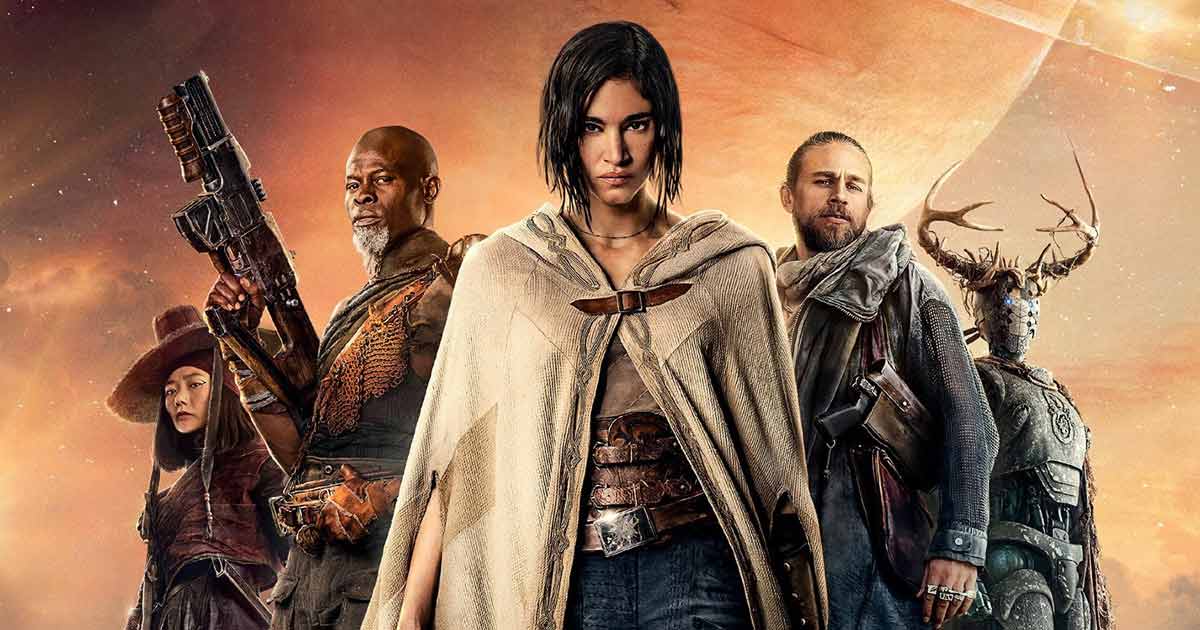
Aquaman and the Lost Kingdom, Elemental, Evil Dead Rise, The Flash, Knock at the Cabin, M3GAN, The Marvels, Rebel Moon, Part One: A Child of Fire, The Super Mario Bros. Movie, Teenage Mutant Ninja Turtles: Mutant Mayhem

TV Shows

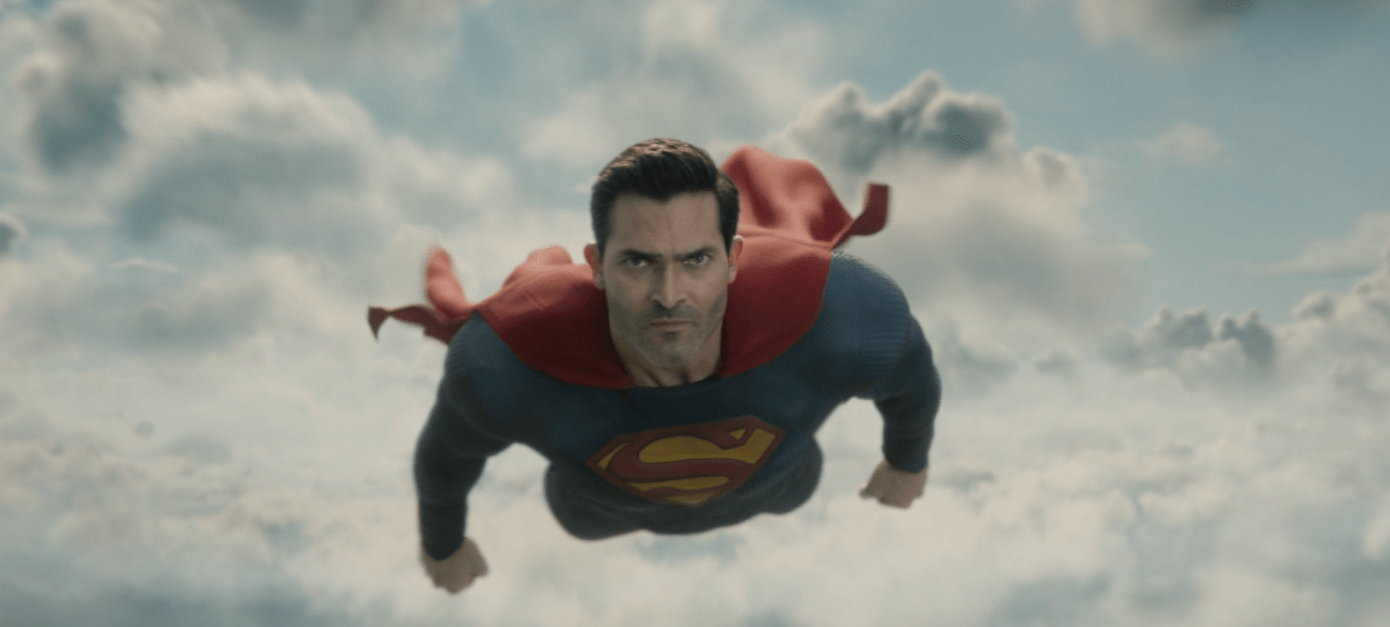
10. Superman & Lois

The third season of the final Arrowverse TV show continued demonstrating that it is one of the best Arrowverse TV shows as Superman/Clark Kent continued balancing life as a superhero and a husband and father to his family in Smallville.

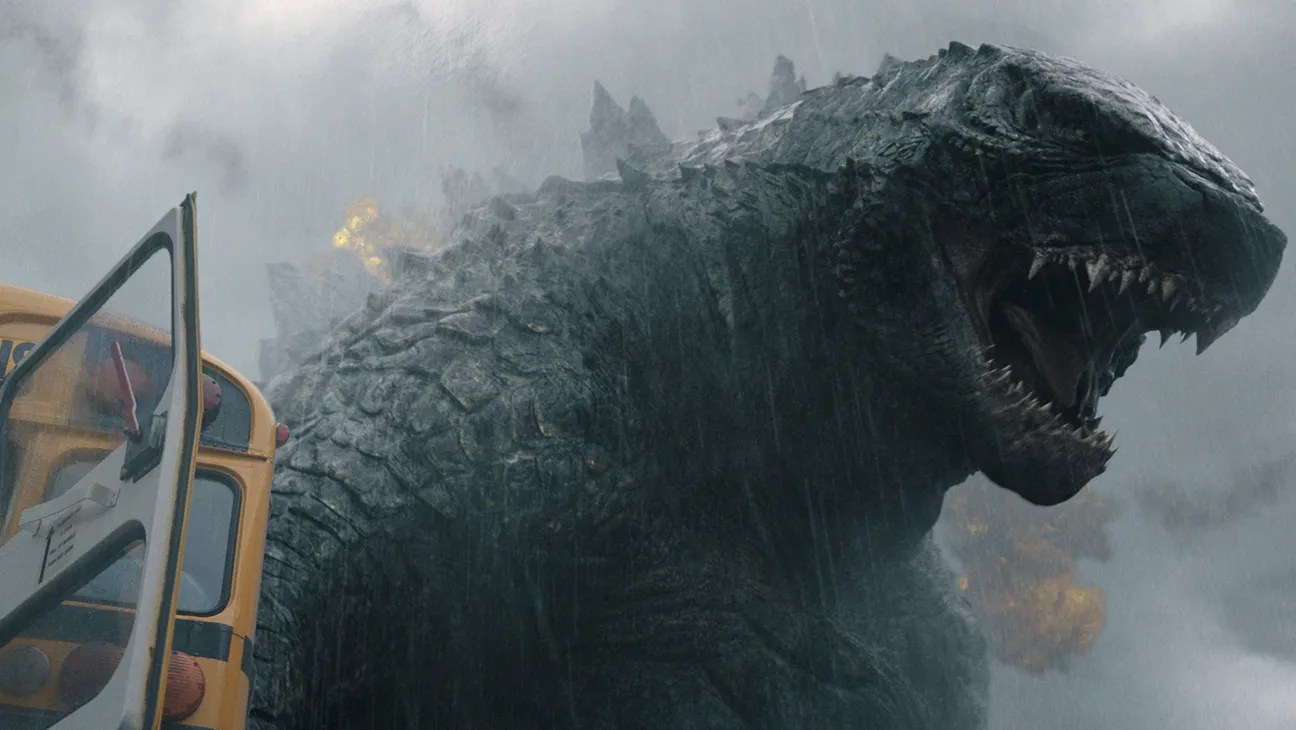
9. Monarch: Legacy of Monsters

This TV show did so much to flesh out and expand the world of the Monsterverse by featuring interesting characters and fascinating plots involving time jumps and conspiracies. The result was a fascinating look at the impact that giant kaijus would have in the world.

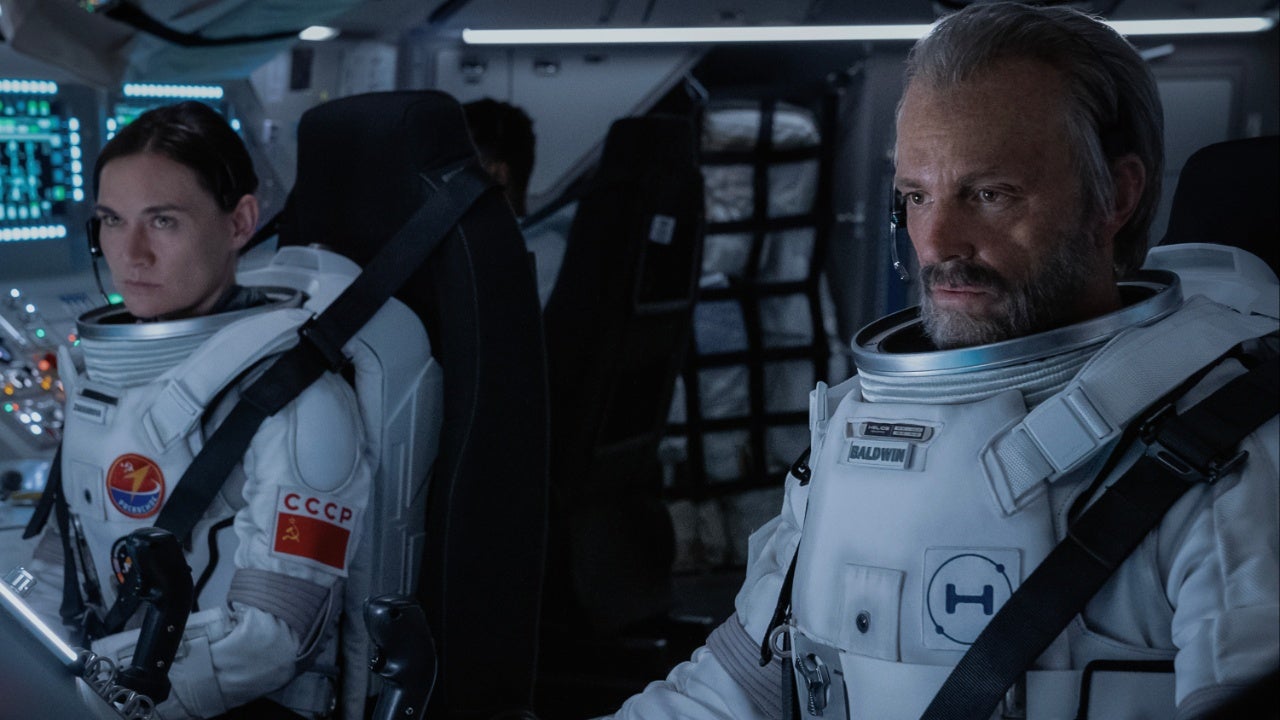
8. For All Mankind

Ronald D. Moore’s alternate reality TV series where the Soviets landed on the moon first, relished in how that reality has begun to wildly diverge from ours as it featured life on a thriving Martian colony circa 2003, along with the intriguing geopolitics and personal drama that often intertwined.

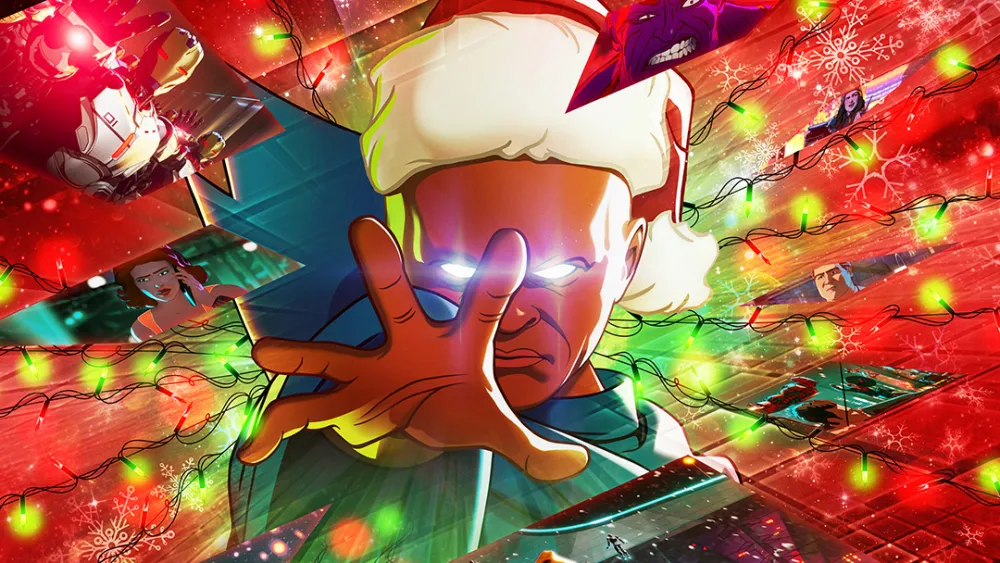
7. What If…?

The second season of this animated MCU TV show featured more diverse variant MCU characters and situations. Unlike the live-action MCU, What If…? really let its imagination run wild with the concept of the Multiverse thanks to its inventive tales of alternate MCU realities.

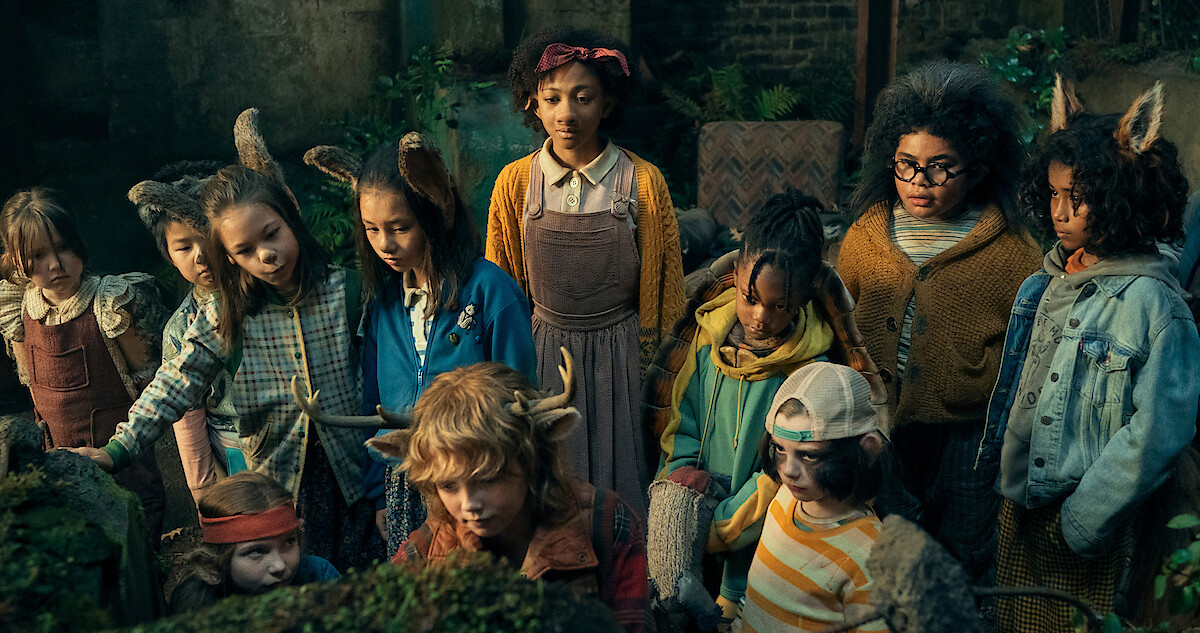
6. Sweet Tooth

The second season of this live-action adaptation of the Vertigo comic book by Jeff Lemire was just as enjoyable as the first thanks to winning characters like young Gus and other animal/children hybrids and humans trying to survive in a post-apocalyptic world ravaged by a plague and warlords.

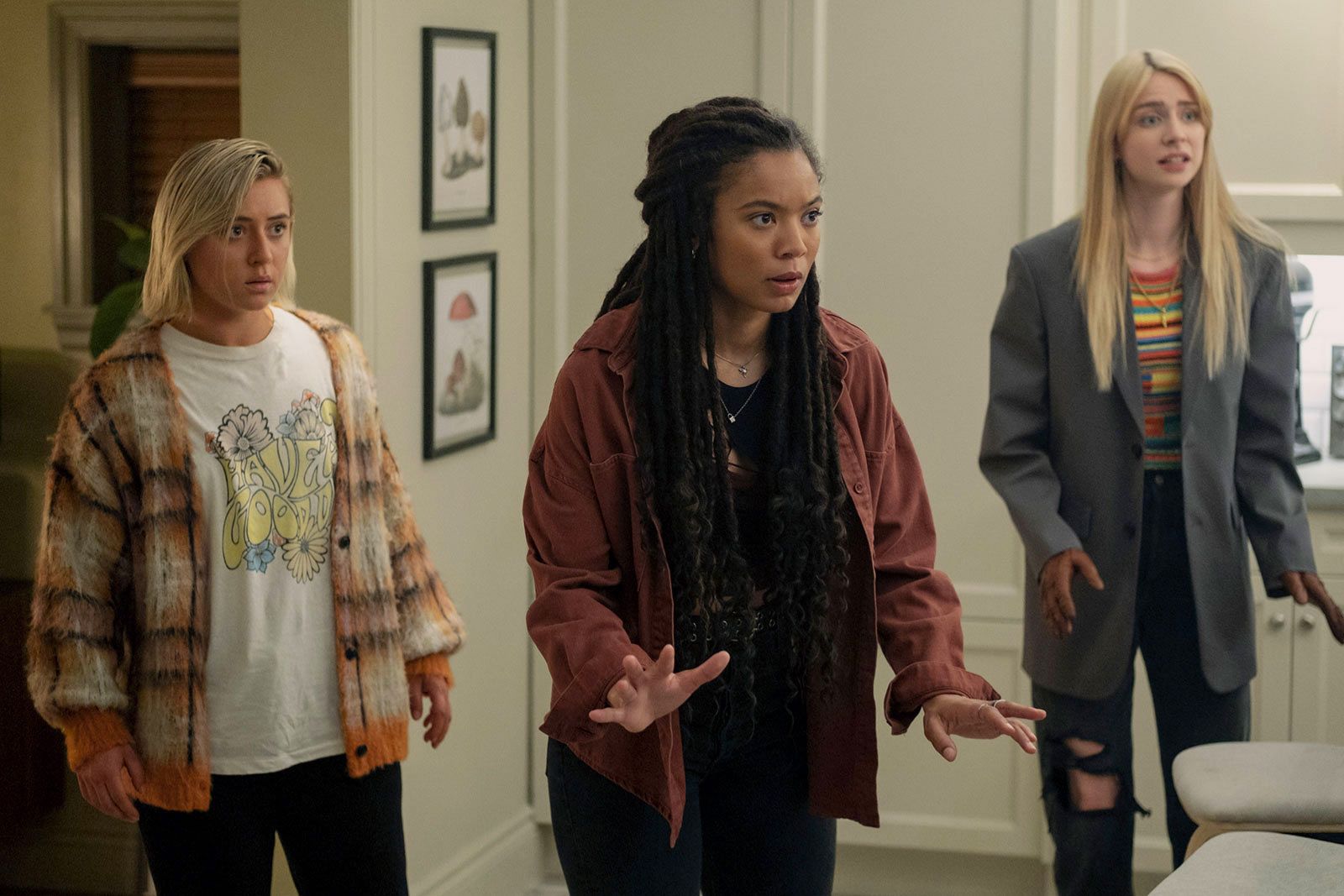
5. Gen V

This spinoff of The Boys was much more than a satirical take on the X-Men or the New Mutants. It further fleshed out the world of The Boys and underlined the dark side of supeheroics with relatable characters who suffered with the burden of having super powers and their lives as angst-ridden teenagers.

4. The Last of Us

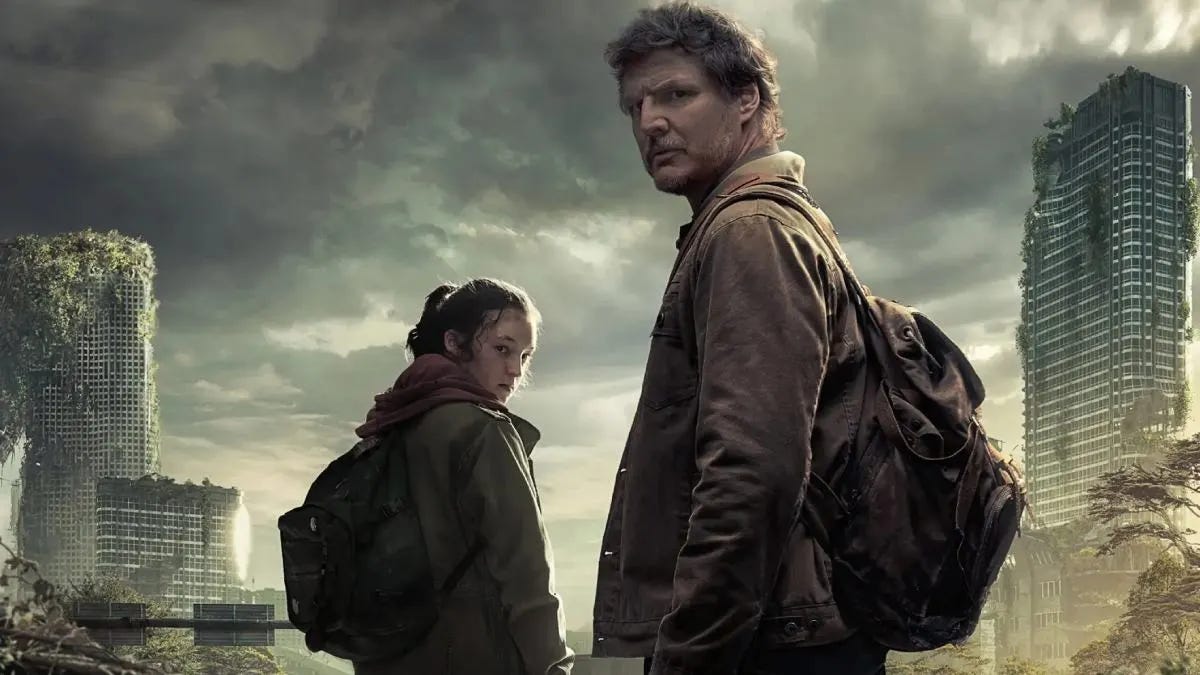
This was a faithful and tense adaptation of the classic video game about a ruthless man protecting a young girl in a world devastated by a plague that turned most of humanity into mindless monsters. The performances were simply brilliant and the scripts truly touched viewers during its explorations of the characters and their relationships in a savage world.

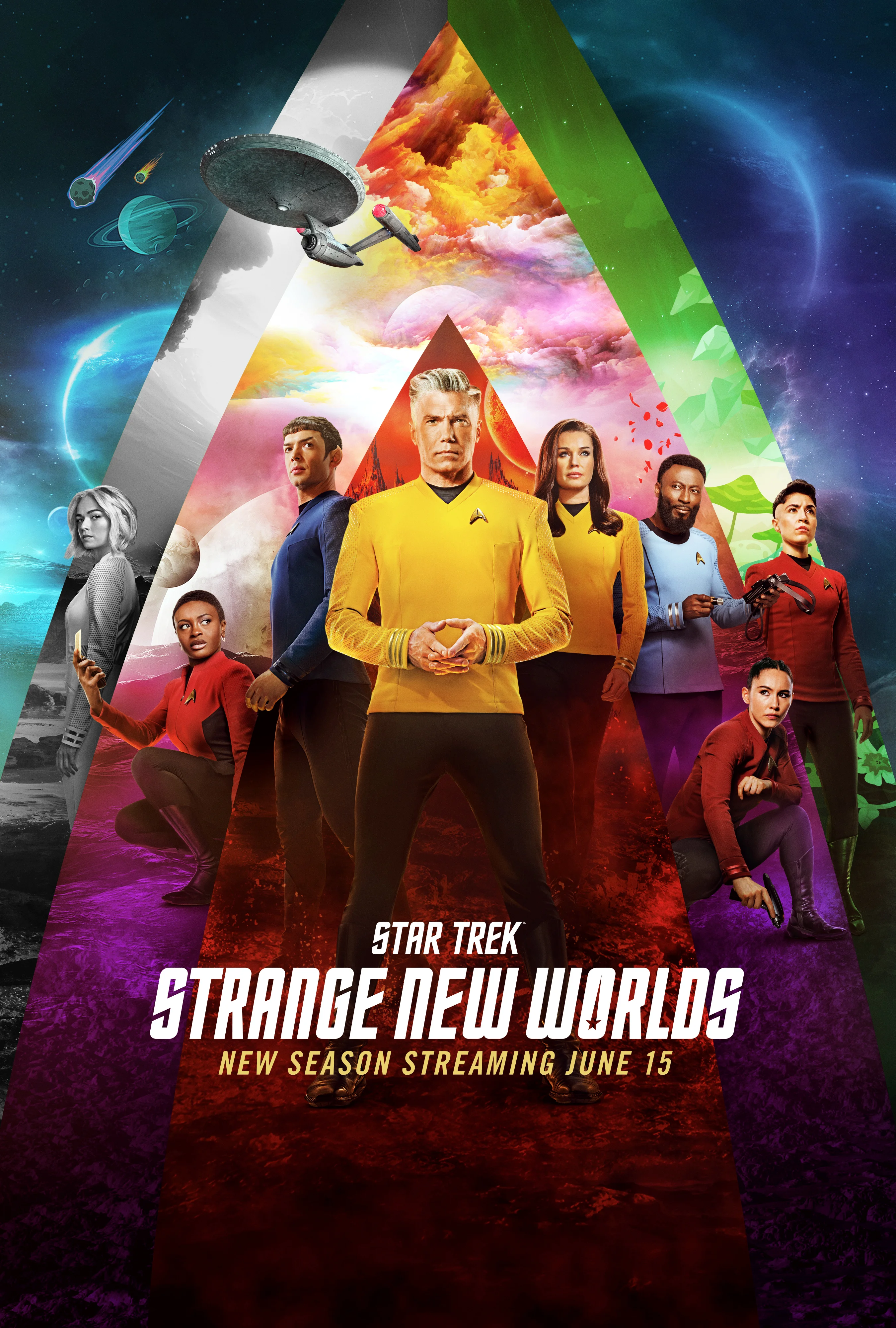
3. Star Trek: Strange New Worlds

The second season continued the episodic back-to-basics approach to Star Trek with excellent one-off episodes. Star Trek: Strange New Worlds was buoyed by solid scripts and spot-on acting, which made it one of the franchise’s best entries. Even though some of the episodes may have been too bizarre like the musical episode or the one that featured characters from the animated Star Trek: Lower Decks, the season overall was a genuine success.

2. Loki

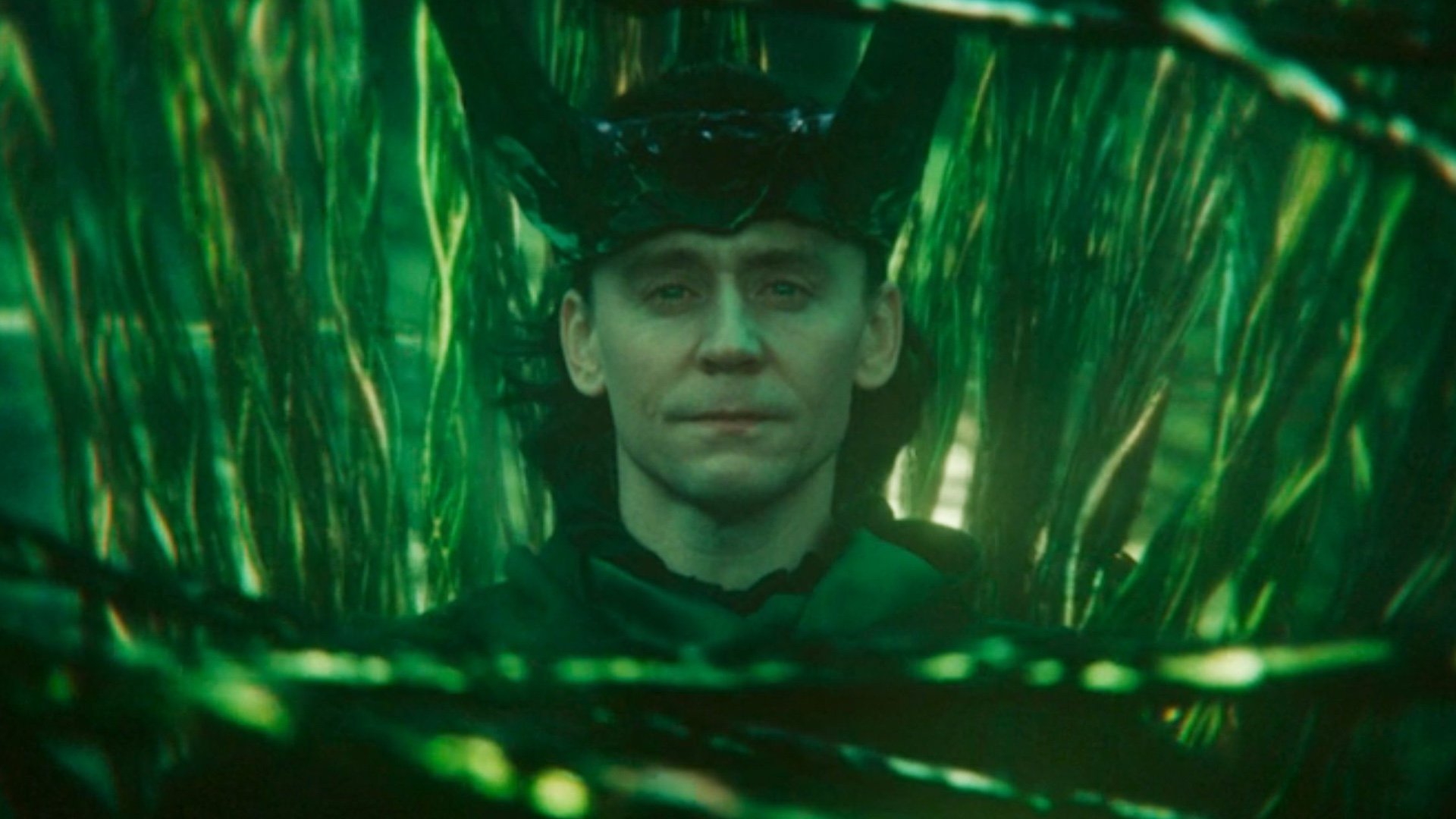
From the first frenetic moments of its premiere episode to the majestic triumph of its last scenes in the season finale, Loki singlehandedly demonstrated that there was still creative life in the MCU, which struggled in 2023.

Highlighted by brain-twisting time travel conundrums and a topnotch cast, the second season of Loki was arguably better than the first as we saw the title character complete his emotional transformation from a petty foe into a mature god burdened with maintaining all of time and reality.

1. Star Trek: Picard

Yes, the third and final season of Star Trek: Picard reveled in memberberries, call backs, Easter eggs and references. But it was much more than that, it was a genuine love letter and tribute to the Star Trek franchise, circa 1990s.

Star Trek: Picard had an engaging and exciting storyline with many twists and turns as it reunited the cast from Star Trek: The Next Generation for one last hurrah to save the United Federation of Planets from an old foe. At the same time, the TV show introduced intriguing new characters that tantalized viewers with potential future adventures. Come on, give us a Star Trek: Legacy show already!

Noteworthy Mentions:

Ahsoka, Black Mirror, the Doctor Who specials, Doom Patrol, Foundation, Harley Quinn, Invincible, La Brea, The Mandalorian, One Piece, Percy Jackson and the Olympians, Primal, Scavengers Reign, Scott PIlgrim Takes Off, Silo, Upload


Star Trek: Strange New Worlds Has A Soaring Second Season

Yes, yes, those who have seen the second season finale of Star Trek: Strange New Worlds must be going insane and for good reason. The episode “Hegemony” ends in a cliffhanger! What’s worse is the fact that the production of the third season of the TV show has come to a complete halt because of the ongoing writers and actors strike. So it’s anyone’s guess as to when we’ll get to see the conclusion of the second season finale. However, “Hegemony” is the final proof that the second season of Star Trek: Strange New Worlds has been a soaring triumph.

It was critical for Star Trek: Strange New Worlds to have a successful second season to keep up the praise it received with its inaugural season and to measure up with the triumphant final season of Star Trek: Picard. After all, Star Trek: Strange New Worlds streamed mere weeks after Star Trek: Picard concluded and it had to at least be competent unlike Star Trek: Discovery. Thankfully, the second season was able to pull it off and deliver exceptionally well executed standalone episodes. Not every episode was a homerun but they were fantastic, and even pushed the creative envelope. The two episodes that best exemplify this were “Subspace Rhapsody” and “Those Old Scientists”.

“Subspace Rhapsody” had the audacity to be a musical and it was actually entertaining and provided interesting character insights, such as Uhura’s (Celia Rose) loneliness, La’an’s (Christina Chong) willingness to face her emotions, and Spock (Ethan Peck) and Christine Chapel’s (Jess Bush) doomed relationship.

Meanwhile, “Those Old Scientists” demonstrated that unlike the uneven comedic attempts in the first season, Star Trek: Strange New Worlds was able to deliver very humorous episodes. At the same time, the episode was a truly great crossover with the animated Star Trek: Lower Decks as Brad Boimler (Jack Quaid) and Mariner Beckett (Tawny Newsome) made their live-action debuts. They also served as representatives of fans by the way they kept gushing over the OG Star Trek characters.

The best episodes in the season however, were “Under the Cloak of War”, “Tomorrow and Tomorrow and Tomorrow” and the previously mentioned “Hegemony”. The episodes were your more traditional Star Trek yarns, but they were exceptional.

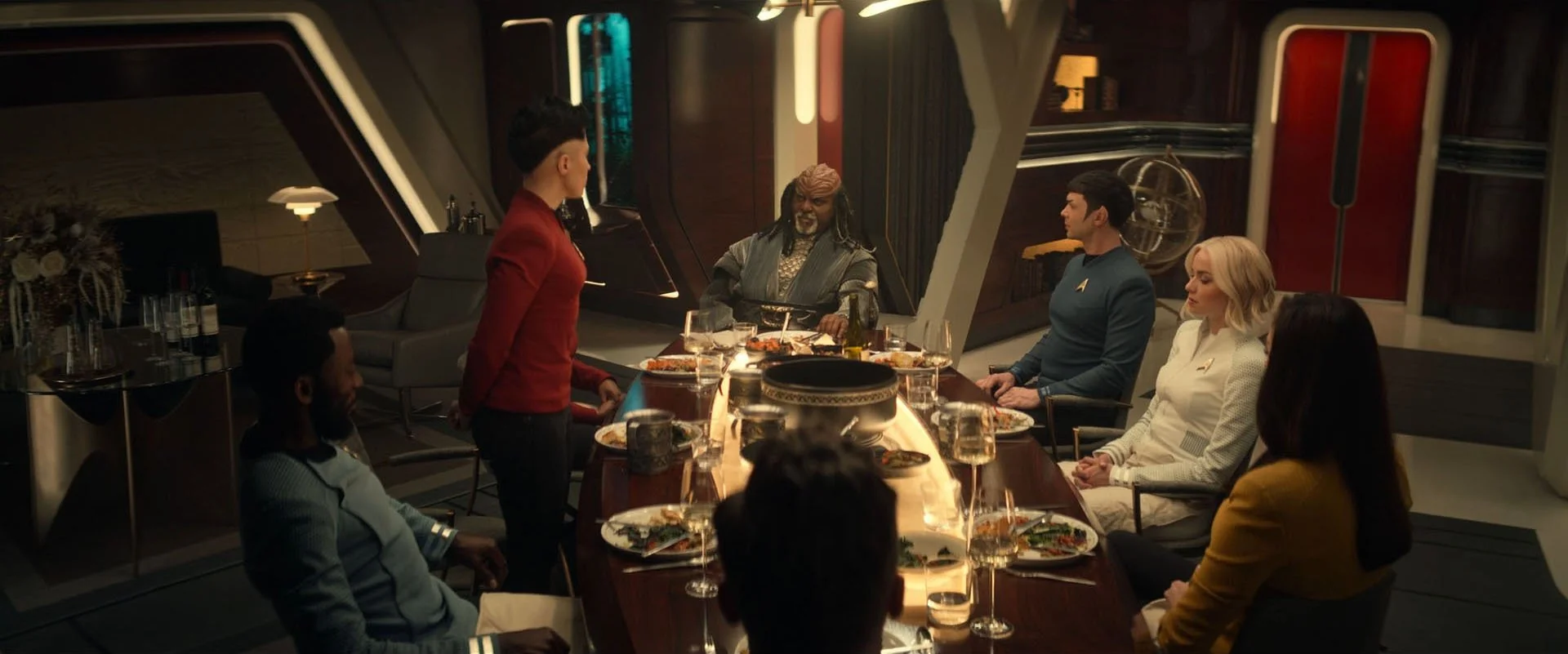
“Under the Cloak of War” offered a sobering look at the impact the Klingon War had with Dr. M’Benga (Babs Olusanmokun) and Christine Chapel as they had to interact with a notorious Klingon general (Robert Wisdom) who defected to the Federation. While the two dealt with their emotions in the present day, intense flashbacks of their time during the Klingon War were vivid and evoked Star Trek: Deep Space Nine’s Dominion episodes.

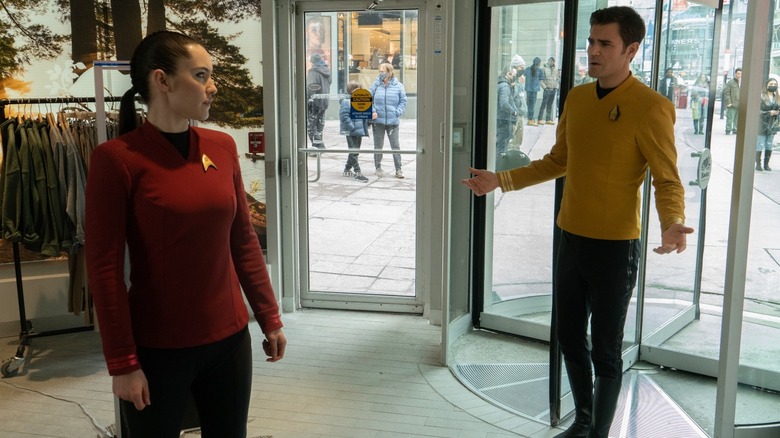
“Tomorrow and Tomorrow and Tomorrow” was an above average Star Trek time travel episode as La’an, along with an alternate version of James T. Kirk (Paul Wesley), wind up in Toronto during the mid-21st century. What made the episode stand out was the chemistry between the two and La’an’s dilemma as she faced her ancestral history (she is a descendant of the infamous Khan Noonien Singh).

 “Hegemony” brought back the Gorn, the reptilian enemy race of the the Federation, and they were as deadly and frightening as ever. Captain Christopher Pike (Anson Mount) had to find a way to evacuate colonists off a world that has been claimed by the Gorn. The mood of the episode was chilling and foreboding as it had elements of Alien, and as a bonus we get to meet the new version of the future miracle worker, Montgomery Scott (Martin Quinn). The actor perfectly captured the essence of Scotty without seeming like a parody.  But as mentioned at the start of this review, the episode ends on a cliffhanger. Nuts! Come on you mega-rich studio execs, find a way to properly compensate the writers and actors who are the backbone of your products!

Continue reading

Star Trek’s Fascination With Prequels

As we approach the 56th anniversary of Star Trek and the mammoth franchise it launched, it is a good time to reflect on where Star Trek is going. Specifically, the franchise’s fascination with prequels.

When Star Trek was at its height back in the ’90s, each new TV show featured new, original characters and situations. For the most part, the premise was basically the same: a starship and its crew exploring the unknown cosmos and meeting new aliens. This premise has continued to this day, but a common wrinkle with the franchise is to look back and dwell on characters and situations that made it so popular. Look at, Star Trek: Strange New Worlds, the latest Star Trek series, which won a lot of acclaim from fans and critics for its back-to-basics approach in episodic storytelling and doubling down on established characters like Christopher Pike and Spock. Meanwhile, the biggest buzz going on in Trek circles has to do with a third season of Star Trek: Picard that will reunite the cast of Star Trek: The Next Generation.

Strange New Worlds Revisited

There has been a tendency with Star Trek shows, starting with Star Trek: Enterprise in 2001 and most recently this year with Star Trek: Strange New Worlds, to serve as prequels to the original Star Trek, which took place in the mid-23rd century. Even the recent films have taken place during this time period, although those films were reboots that officially took place in an alternate universe. Some fans have an understandable disdain for prequels in general for many reasons. Prequels are forced to follow a certain continuity to line up with the original film or TV show. Also, much of the tension is gone with prequels when it comes to established characters and situations. Take the Star Wars prequels. They featured younger versions of Obi-Wan Kenobi and Anakin Skywalker before he turned to Darth Vader. Going into the films, everyone knew that Kenobi would survive the films and that Skywalker would eventually become evil. This fact robbed the films of some tension if the fate of these characters was preordained. Going back to Star Trek, with Star Trek: Strange New Worlds and Star Trek: Enterprise there was some uproar over how the alien Gorn looked compared to their appearance in the original Star Trek. The real-world reason for the disparity between how the Gorn looked was due to improved budgets and special effects. The original Gorn was a stuntman in a cheap suit, and recreating that look would lead to unintentional laughter among viewers instead of fear. Still, this lack of continuity has irked some fans.

Another problem with prequels is the implication that the powers-that-be have run out of ideas. This was evident in the early episodes of Star Trek: Enterprise, which were usually tired retreads of previous Trek episodes. It was not until its later seasons did the show break free of its worn formula and embraced the potentials of prequels with episodes that neatly lined up with the original series.

If a prequel is done well, it can be an excellent way to evoke foreshadowing and to help develop characters and situations. With Star Trek: Strange New Worlds, an intriguing storyline has it that Pike knows his future, which was a grim one as shown in the original Star Trek. Throughout the first season of Star Trek: Strange New Worlds, Pike internally debates if his future is set. Can he change his fate? Should he? This dilemma was the basis of one of the show’s best episodes, “A Quality of Mercy”, which explored the result of Pike altering his future. Hint for anyone who has not watched it, things do not end well for a certain other character.

Prequel Flaws

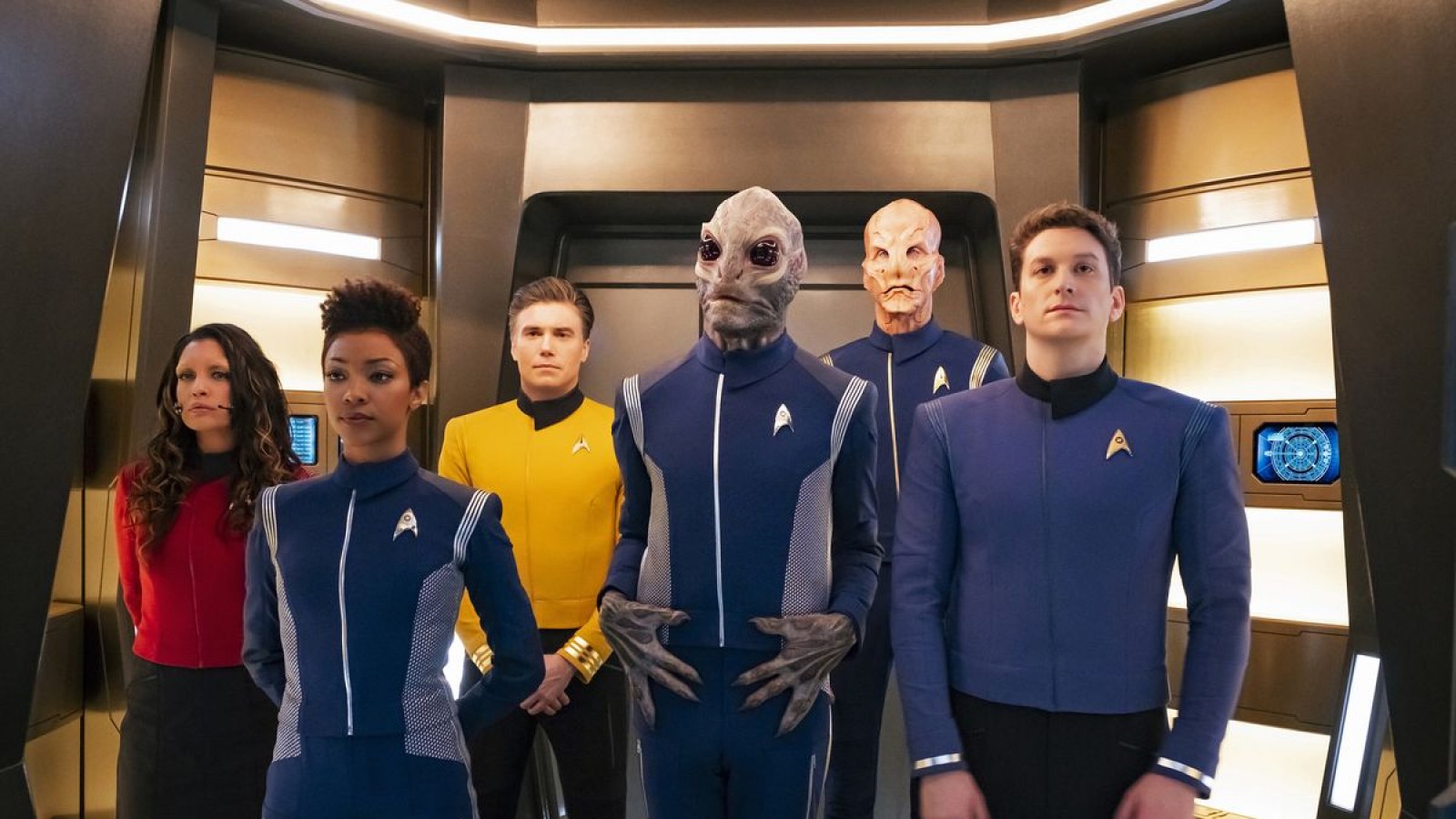
Then again, if a prequel falters or tries to be too different, it will alienate fans. Star Trek: Discovery suffered heavily in that while it was a prequel it strayed too far from established Star Trek lore. The technology and overall look of the show was too advanced when compared to the original Star Trek, though it took place about a decade before the old show. The look of the Klingons was radically different from the established look of Klingons in traditional Trek, although to be fair the look of the Klingons was wildly different from the original Star Trek and later incarnations. Again, improved budgets were the cause for the disparity. There were distinct continuity deviations, notably the fact that the show’s main character, Michael Burnham, was actually Spock’s step sister. Keep in mind, this family relationship was never hinted at in previous Trek shows and films. These deviations might have been overlooked if Star Trek: Discovery was clearly established as a reboot like the recent films or if the show was actually good. Star Trek: Discovery escaped from the storytelling limitations of prequels by having their characters flung into the far future. This was an excellent idea since the show would not be bound by continuity, but thanks to poor scripts the show has become unwatchable. Star Trek: Discovery was doomed from the start not because it was a prequel, but because of its execution.

There is not anything wrong with doing prequels or revisiting characters and situations. Doing so helps explore the many interesting facets of the Star Trek universe. Many of the most popular films and TV shows have successfully pulled this off and will continue to do so. As to whether or not upcoming shows or films will be prequels is not clear, though if one wants to accept Star Trek: Discovery as canon then given its far-future setting, any show or film set before the current episodes of Star Trek: Discovery has to be considered a prequel.

Lost Era Explored

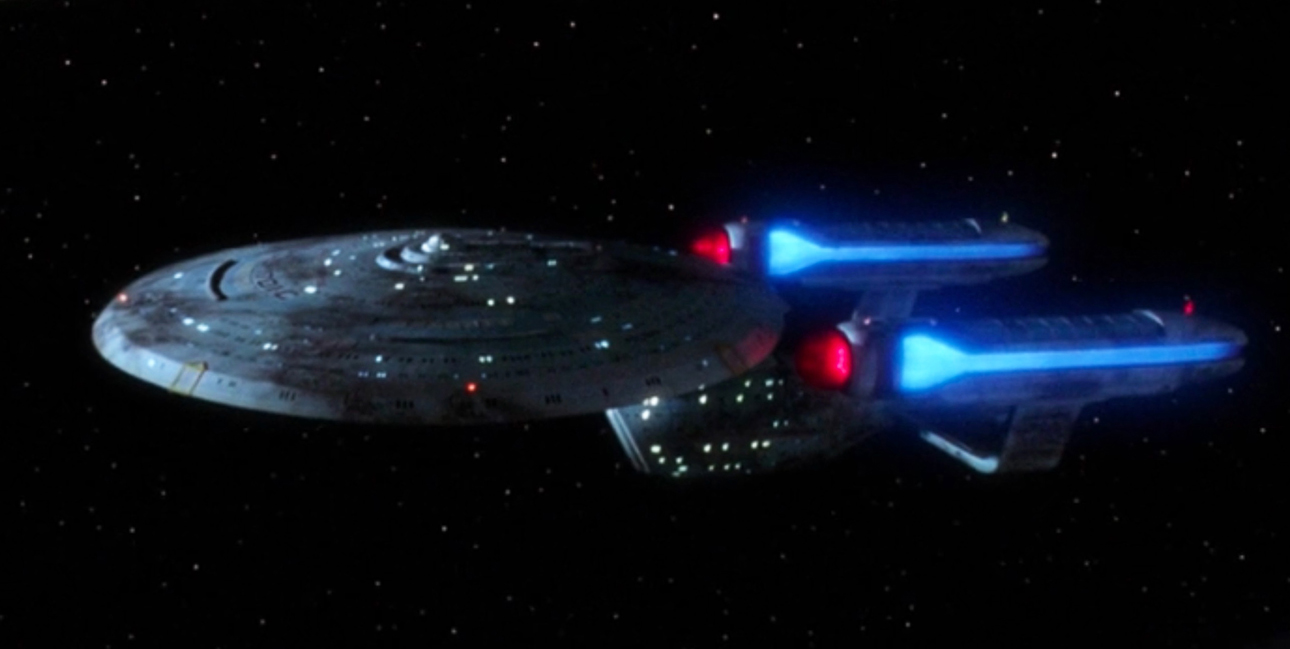
One prequel idea that can be explored would be to set a potential show during the so-called Lost Era of Star Trek. This is the time period set between the last Star Trek film to feature the original cast, Star Trek: The Undiscovered Country and Star Trek: The Next Generation. This is a significant time gap of several decades and a show set in this Lost Era of Star Trek could answer some questions. For instance, what happened to the Enterprise-B? What were the early missions of the Enterprise-C? What was the Tomed Incident involving the Romulans? What was the political situation in the Alpha Quadrant? What was the fate of the original Enterprise crewmembers like Chekov or Uhura? The show could explore the early years of Jean-Luc Picard, Kathryn Janeway or Benjamin Sisko. Just recast the roles with younger actors. Other things that could be examined include the occupation of Bajor, Federation conflicts with the Cardassians, Tholians and other enemies, the early years of Noonien Soong, the possiblities are endless with a TV show set during the Lost Era of Star Trek. Such a show would serve as a prequel to the later shows while being a sequel to the original Star Trek. The show could adapt the novels set during this time period or be completely original just as long as the continuity lines up.
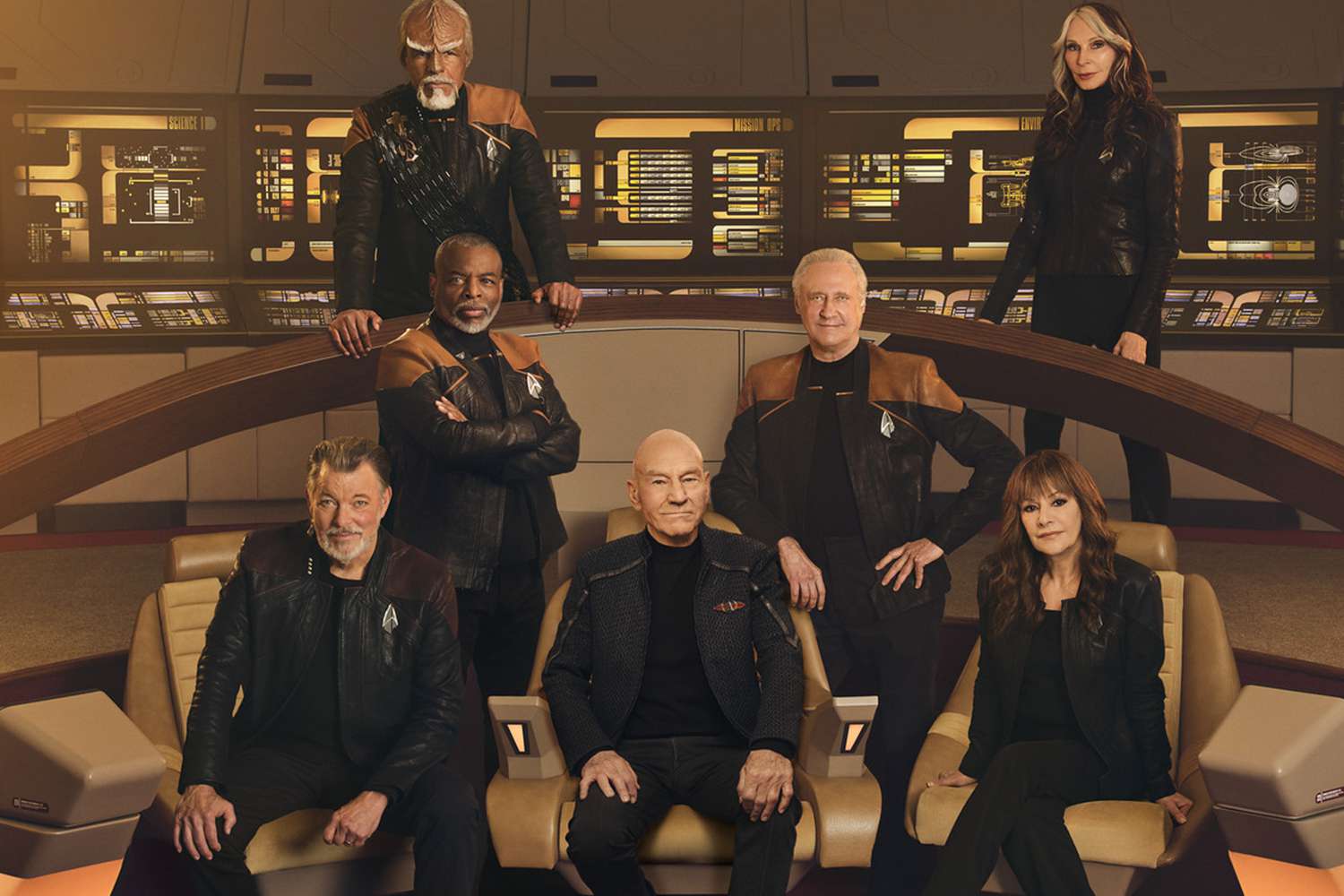
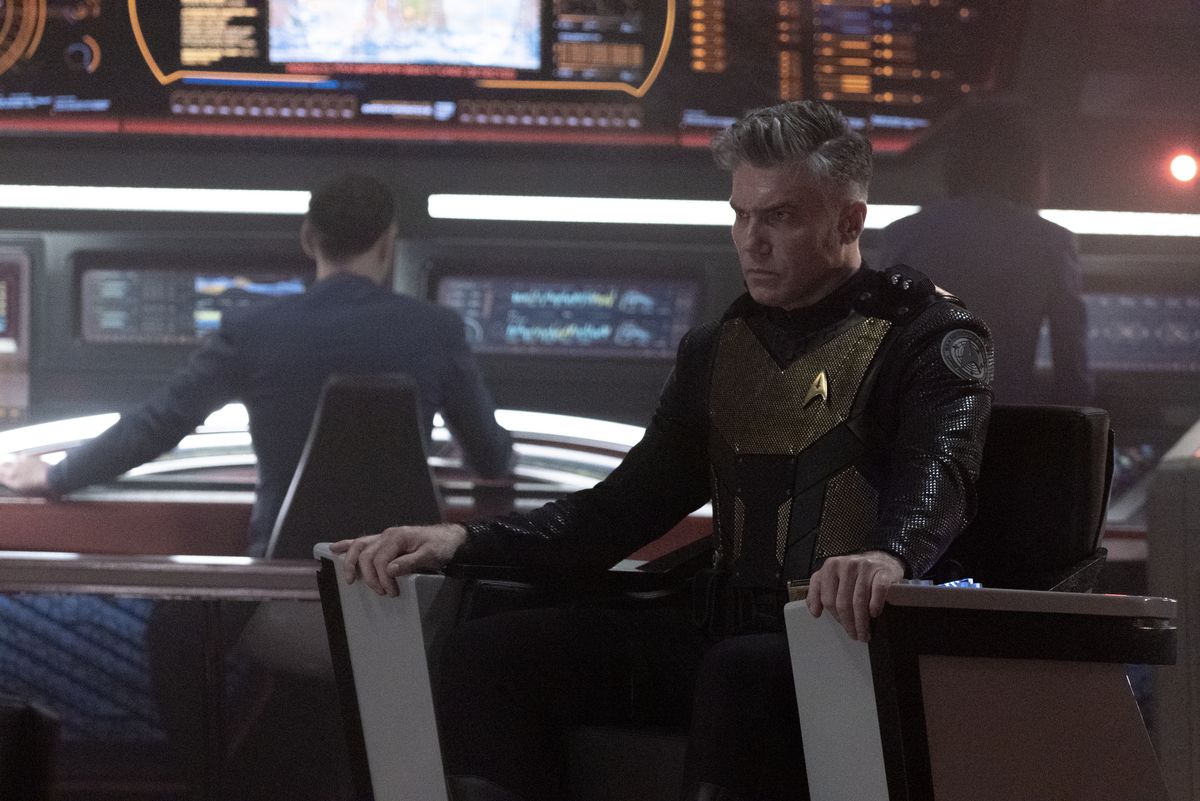
Star Trek has demonstrated throughout the years the merits and detriments of prequels. When done correctly, the Star Trek prequels are not just fascinating companion pieces to older shows, but legitimate storytelling vehicles that fully explore the rich world of Star Trek.