Top Ten Worst Star Trek Captains

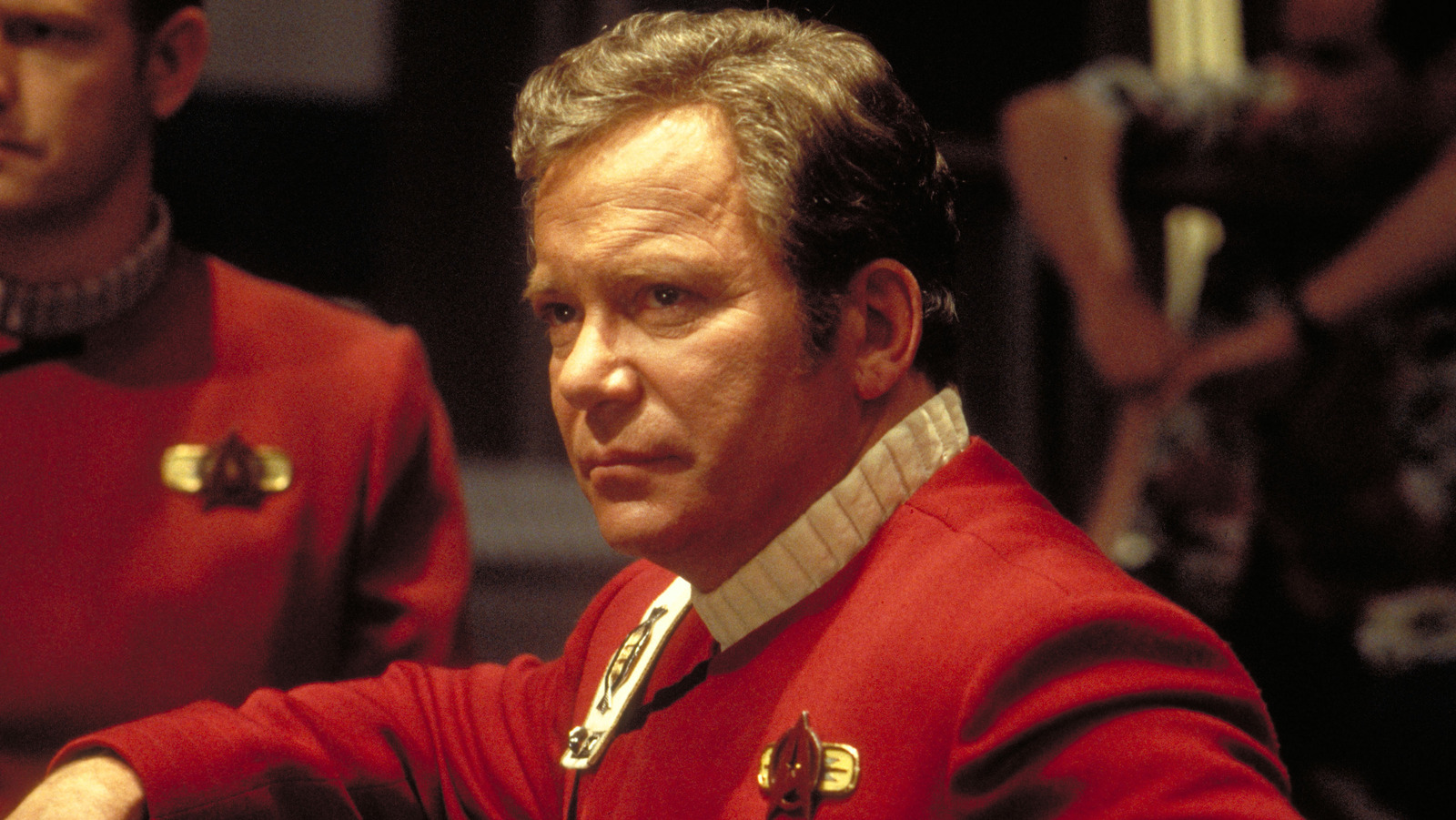
We’ve celebrated Star Trek’s legendary starship captains, but for every Kirk, Picard or Sisko there are some truly horrendous captains that appeared in the Star Trek television shows and films. Here are the worst Star Trek captains in the history of Starfleet.  

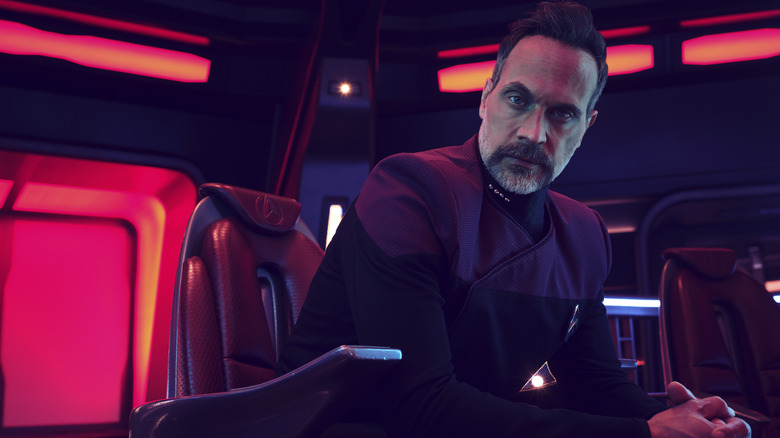
10. Captain Liam Shaw (Star Trek: Picard Season Three)

Command: U.S.S. Titan-A, NCC-80102-A

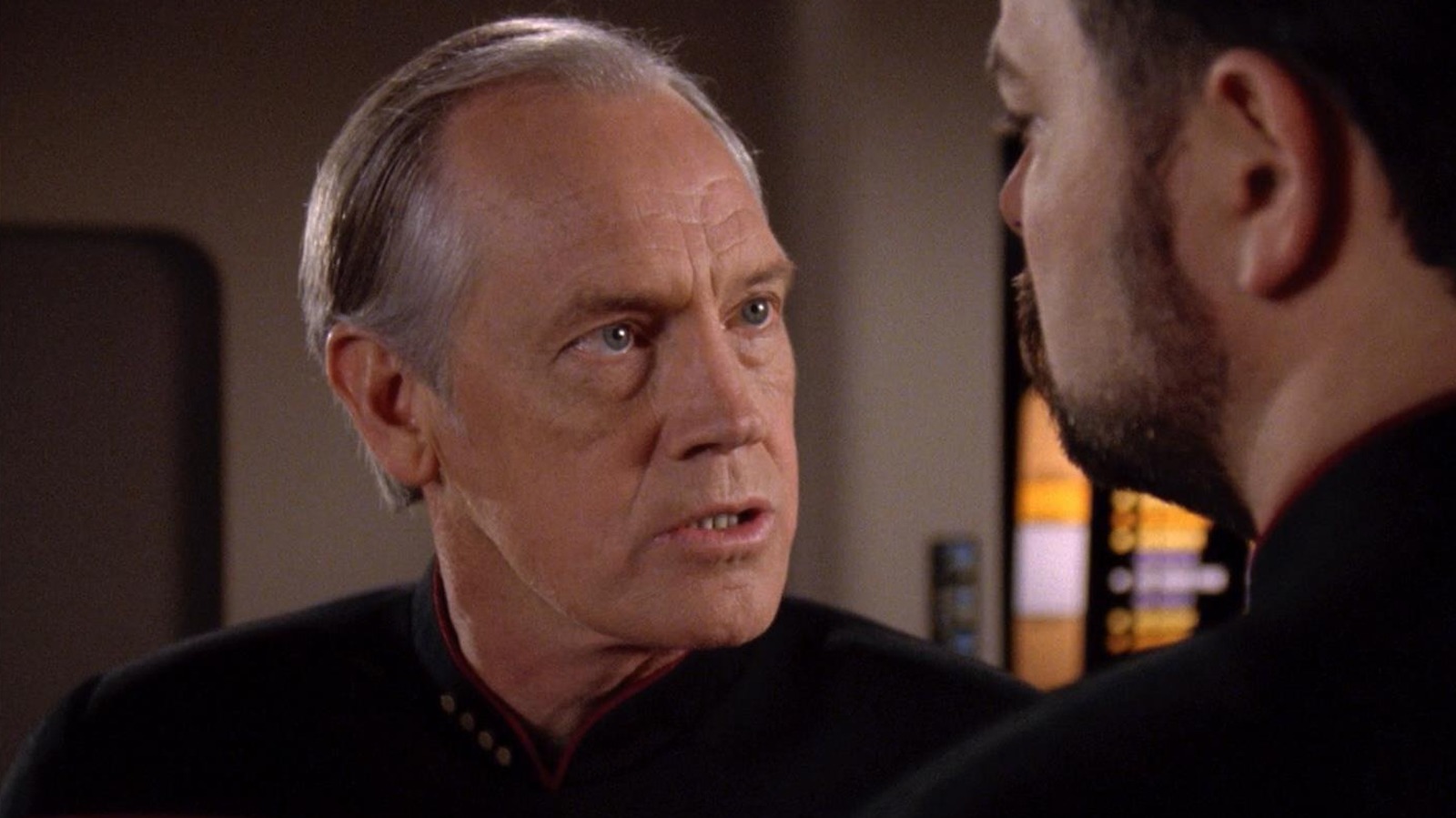
This guy is certainly the best of the worst. Shaw is abrasive, rude, risk-averse and an all-around jerk. But what cements Liam Shaw’s place on this list was how he dumped command of his ship, the Titan A, onto Will Riker, instead of acting like a real captain and getting the Titan out of danger. Still, many times during Star Trek: Picard, Shaw was the voice of reason and he was not afraid to say “Wait a minute, should we be doing this?” whenever our heroes ran off to danger. Also, he often was a scene stealer thanks to Todd Stashwick’s acting skills, especially once we learned he was a survivor of the Battle of Wolf 359.

9. Captain J.T. Esteban (Star Trek III: The Search for Spock)

Command: U.S.S. Grissom, NCC-638

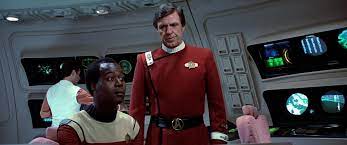
The list has many risk-averse commanding officers and J.T. Esteban is great example of this trait. During his brief appearance in the film, Esteban came off as an unyielding, by-the-book type who refused to listen to reason. What was even worse with Esteban was that he was too slow to react to sudden developments and this cost him his life, along with the crew of the Grissom when the Klingons destroyed his ship.

8. Captain John Harriman (Star Trek Generations)

Command: U.S.S. Enterprise-B, NCC-1701-B

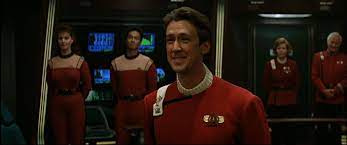
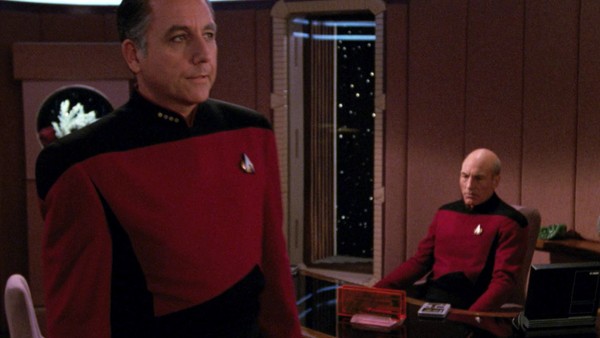
“It won’t be installed until Tuesday!” was the infamous catchphrase from this hapless captain. Harriman had the unenviable task of following up the legendary James T. Kirk as he assumed command of the Enterprise B during the opening scenes of Star Trek Generations. Right away, Harriman was in over his head and was frozen with indecision as he tried to command the Enterprise literally under the shadow of Kirk.

7. Captain Lawrence Styles (Star Trek III: The Search for Spock)

Command: U.S.S. Excelsior, NX-2000

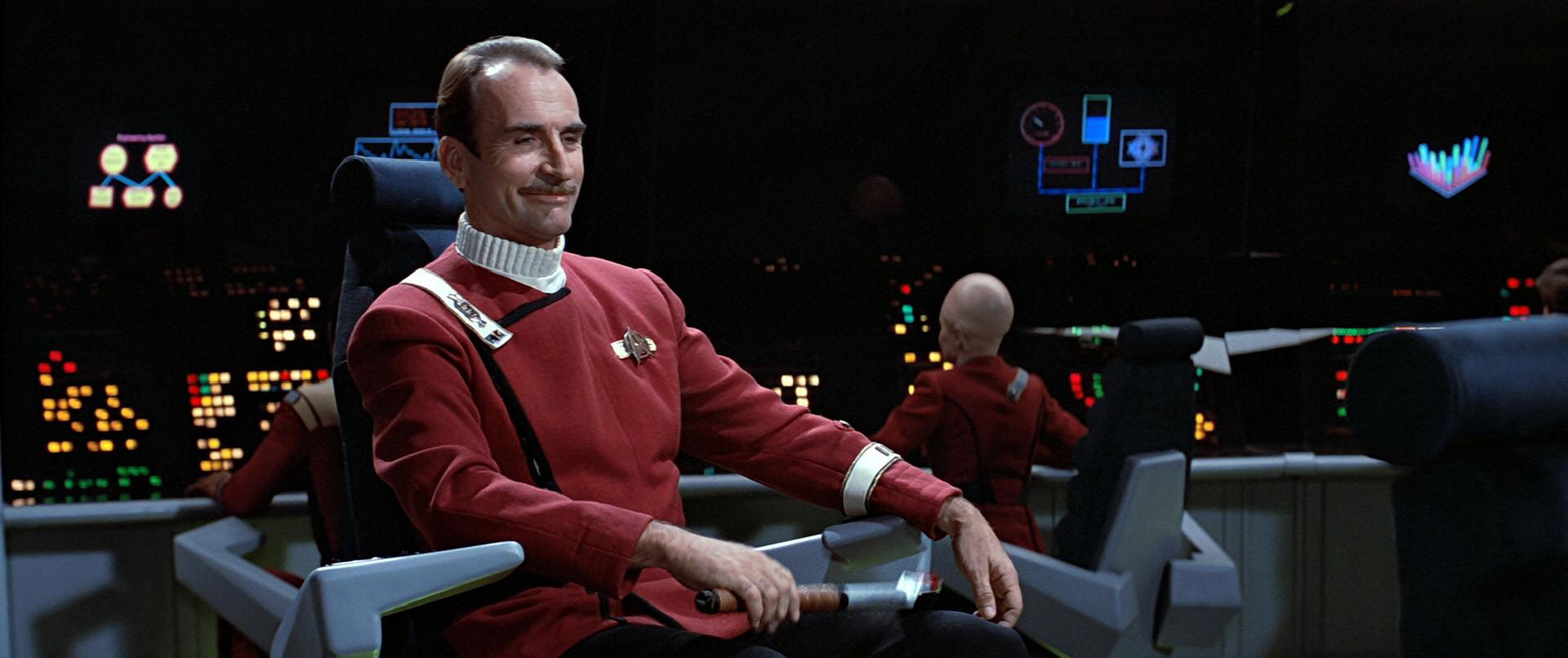
Styles was a pompous, egotistical jerk who had the audacity to think his shiny new Excelsior was superior to the original Enterprise. Yes, the Excelsior was new with the latest tech, but that does not mean it becomes a legend. The minute he was introduced in the film and displayed a dismissive attitude towards the Enterprise and the original crew, fans instantly disliked him and for good reason. One of the best moments in the film was when he saw his beloved ship suffer an epic malfunction as it tried to pursue the Enterprise as it took off on its last voyage.
6. Captain Gabriel Lorca (Star Trek: Discovery Season One)

Command: U.S.S. Discovery, NCC-1031

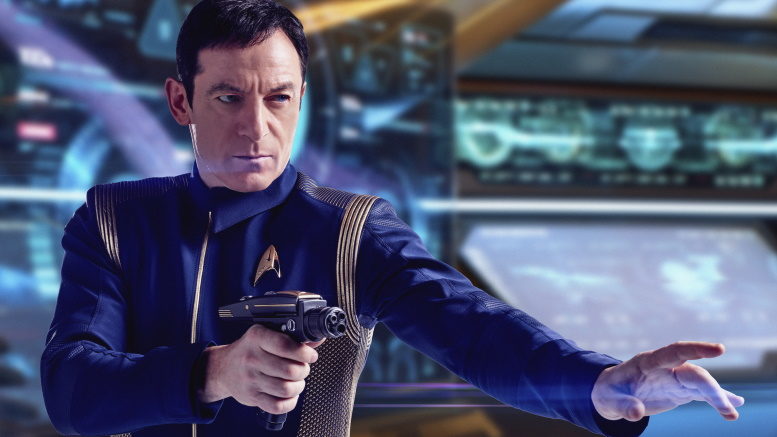
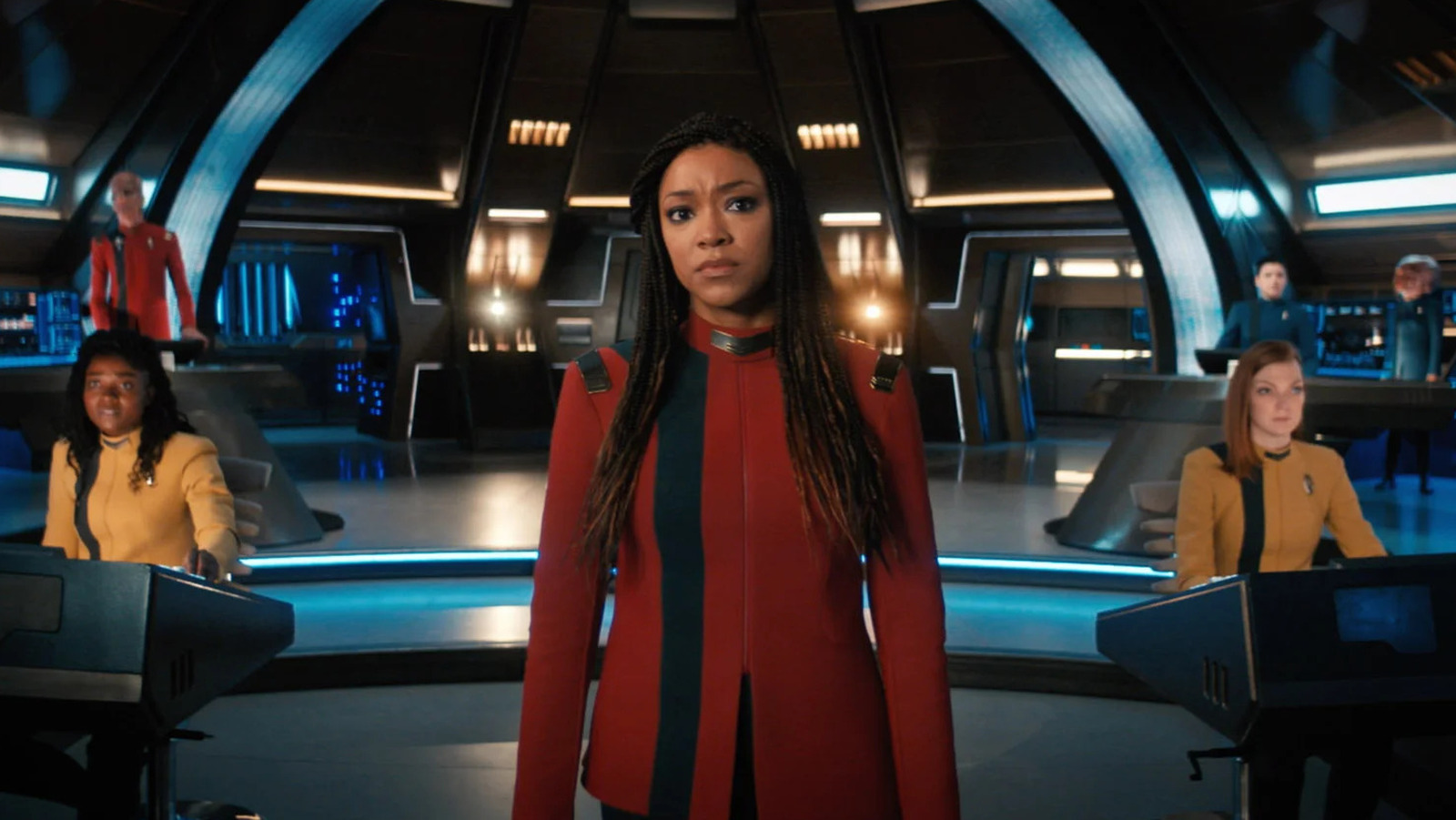
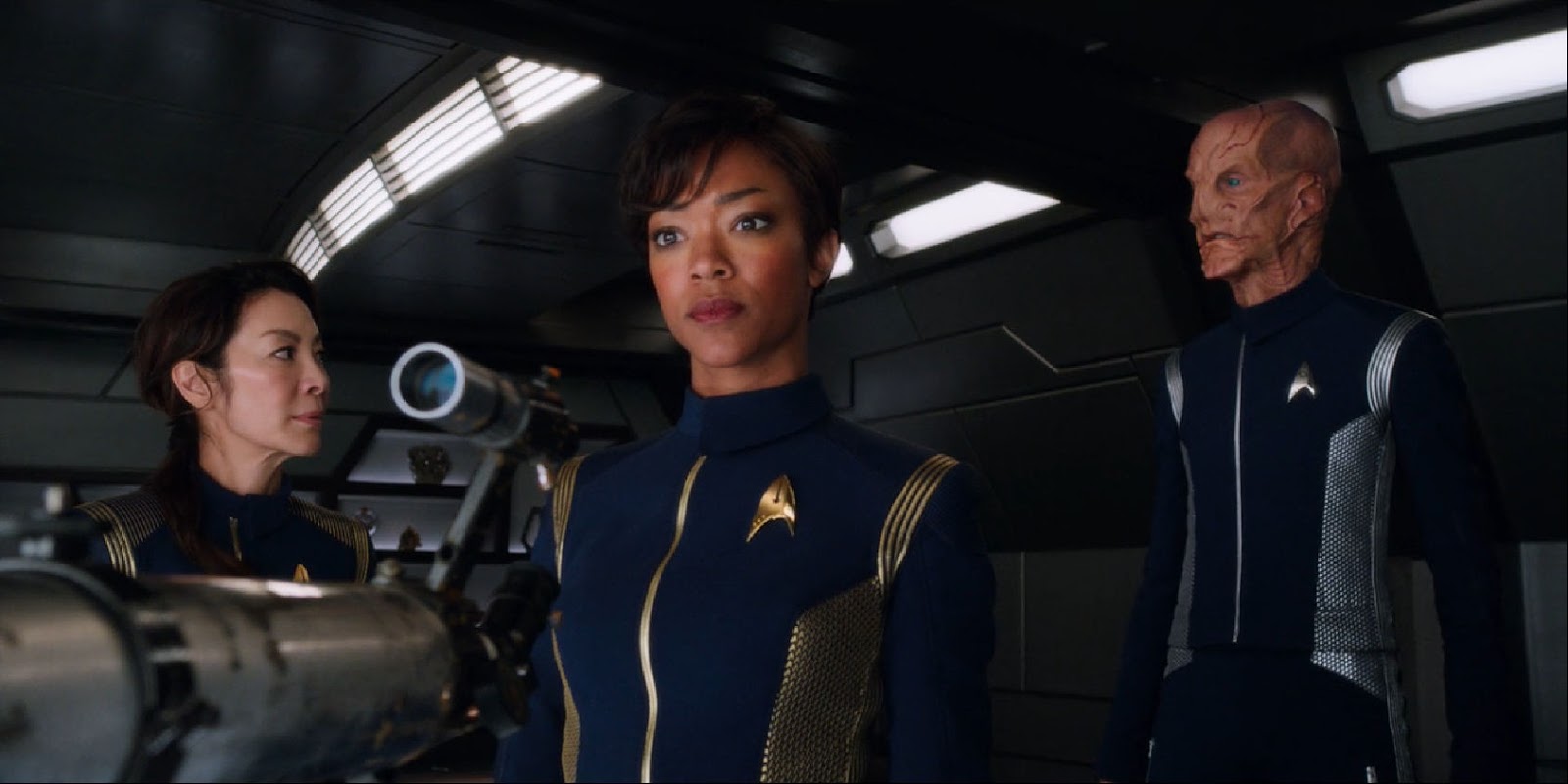
The captain of the Discovery was popular when he was first introduced due to his no-nonsense and stern attitude that was a more realistic portrayal of a commanding officer. He even gave the disgraced Michael Burnham a chance to redeem herself by posting her on the ship. However, once it was revealed that Lorca was actually a manipulative wannabe despot from the Mirror Universe, he earned a permanent spot on this list. It’s too bad Lorca turned out to be such a dick, for a while, he was the best character on the show.

5. Captain Ben Maxwell (Star Trek: The Next Generation “The Wounded”)

Command: U.S.S. Phoenix, NCC-65420

The ends clearly do not justify the means with this starship captain. He has a tragic backstory where his family was killed by Cardassians during a war. In the episode “The Wounded”, Maxwell took it upon himself to launch preemptive attacks on Cardassians with his starship, the Phoenix, because he was convinced the Cardassians violated a treaty with the United Federation of Planets and were rearming themselves against the Federation. Even though in the end he was correct, his actions nearly sparked a war between the Federation and the Cardassians that the Federation was not in the condition to fight after Starfleet was decimated by the Borg earlier in the season.

4. Captain Ronald Tracey (Star Trek “The Omega Glory”)

Command: U.S.S. Exeter, NCC-1672

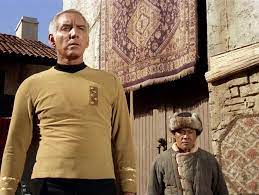
How this lunatic ever passed Starfleet Academy is anyone’s guess. First, he got his crew killed when he led a landing party on one of those parallel worlds and contracted a virus that killed everyone on his ship, the Exeter. Then, he openly violated the Prime Directive by taking sides in a local war on the planet. This he did to supposedly provide immortality to humanity. Finally, he tried to get the locals to kill Kirk, Spock and McCoy by exploiting their superstitious beliefs. Great job there, Tracey.

3. Captain Rudy Ransom (Star Trek: Voyager “Equinox, Part I and II”)

Command: U.S.S. Equinox, NCC-72381

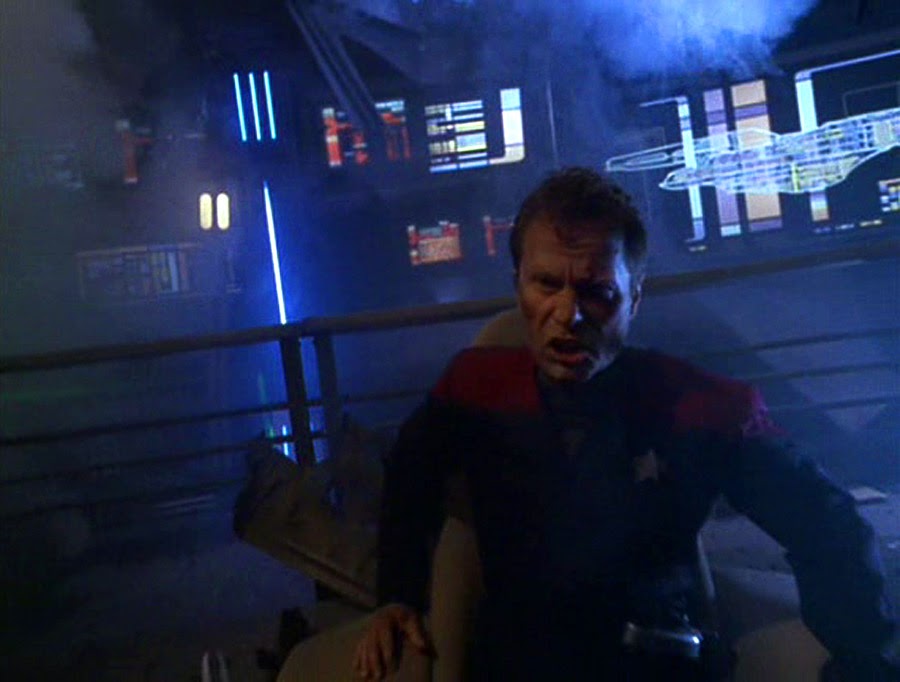
Here is another fallen Starfleet captain who flagrantly violated the Prime Directive. Stranded in the distant Delta Quadrant, Ransom and his ship, the Equinox, had suffered numerous calamities. Desperate for fuel to get home faster, Ransom’s crew discovered that dimensional beings generated a power source for the Equinox, but the beings had to be murdered for the fuel.  This led to a disastrous conflict with the Voyager and its crew. Special dishonor also has to go to Ransom’s first officer, Maxwell Burke, for taking command of the Equinox from Ransom after the captain began to see the error of his ways.  

2. “Captain” Tim Watters (Star Trek: Deep Space Nine “Valiant”)

Command: U.S.S. Valiant, NCC-74210

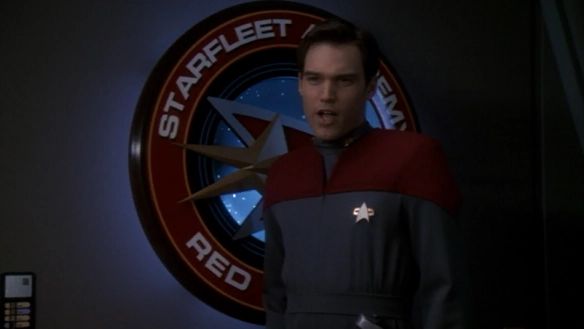
This insufferable snot-nosed punk deserved to be killed for his arrogance. He gets the title of captain in quotes because he was just an elite cadet who wound up in command of the Valiant when the ship’s crew was killed. So, he doesn’t even deserve to be called a captain. Anyway, during his dictatorial command he refused to listen to reason, threw people who disagreed with him in the brig, and let his arrogance kill the remaining crew of the Valiant when he foolishly led a doomed attack on a Jem’Hadar battlecruiser. In the words of Nog, who was one of the few survivors, “in the end, he was a bad captain.”

1. Captain Edward Jellico (Star Trek: The Next Generation “Chain of Command, Part I and II”)

Command: U.S.S. Cairo, NCC-42136 and U.S.S. Enterprise-D, NCC-1701-D

Man, was this guy a raging A-hole! Super strict, authoritarian, obtuse, antagonistic, unwilling to listen to others, Jellico just rubbed people the wrong way. After taking command of the Enterprise D from Jean-Luc Picard, Jellico quickly alienated the ship’s command officers with his brusque, My-Way-Or-The-Highway style of command. Sure, his manner of running things was effective, and arguably realistic according to those with military experience, but he had everyone so wound up that morale plummeted badly on the ship. It was no wonder that we cheered when Riker finally told him off. Unfortunately, this jerkwad was eventually promoted to an admiral as seen in Star Trek: Prodigy, and he has not changed a bit.

Anyone has a different list of captains that should be mentioned? Feel free to leave a comment!

José Soto

Star Trek: Discovery Concludes With Its Fifth Season

Star Trek fans have either been mourning or celebrating the recent announcement that the Paramount + streaming series, Star Trek: Discovery, will end when its upcoming fifth season concludes.

Ever since Star Trek: Discovery was first announced back in 2016 and debuted on CBS All Access the series was mired in controversey and alienated many fans. Instead of there being a mutual celebration that Star Trek finally returned to TV, fandom was bitterly divided over the TV show.

Even though Star Trek has always been forward thinking, progressive and pushed social envelopes, Star Trek: Discovery is overtly and even aggressive with its progressiveness. It has a Black woman as the main character, it features a homosexual couple and even a non-binary character. This made many fans uncomfortable, especially those who are more socially conservative, and they were quick to deride the show.

However, while it may be easy for these fans to dismiss Star Trek: Discovery for its so-called “wokeness”, the show had many problems that did not have to do with the racial or sexual nature of its characters.

Basically, Star Trek: Discovery departed too far from what worked with Star Trek, which was presenting engaging characters, well-written and provocative storylines, and an interesting premise. It did have its moments, especially in its second season, and it ushered in a new era for Star Trek, but from its pilot episode “The Vulcan Hello” it was apparent it had its faults.

To start, by setting the show just a few short years before the original Star Trek it wrecked the complex Trek continuity that is cherished by fans. Being that it was a modern show with access to the best special effects technology available, the look of the show was vastly different from the primitive production design of the original Star Trek. Of course, we viewers were supposed to ignore that but it was a nagging stickler for continuity’s sake.

There was little attempt to at least try to copy the look of the orginal Star Trek, as with the distinctive gold, blue and red uniforms, the Klingons received an ugly redesign that no one asked for, and the starship Discovery had technology that was so advanced compared to what we saw in other Star Trek shows and films. For example, why didn’t the ships in the other Star Trek shows have this revolutionary spore drive that allowed the Discovery to travel anywhere in the galaxy? It seemed as if the showrunners had little regard for what worked before and for what fans wanted. A full-scale war with Klingons that no one talked about in the other shows? Klingons that eat humans? The showrunners even botched the Mirror Universe and let their actors chew the scenes to the point that it was comical but not in a good way. The show departed from previous Treks in that it was no longer episodic and followed a season-long arc (the Klingon War with a visit to the Mirror Universe). While this echoed what modern TV shows do, when Star Trek: Discovery tried it the execution was poor. Becoming an arc-oriented TV show somehow robbed it of a key premise of Star Trek, which was exploring new worlds and civilizations.

Seeing the negative reactions to Star Trek: Discovery, the showrunners hastily tried to course correct for the remainder of the show’s run with mixed results. In the second season, Captain Christopher Pike and Spock were added to the cast and they were the best things on the show thanks to the acting chops of Anson Mount and Ethan Peck. The stories revolving around them captivated viewers and were the highlights of the second season, but frankly this took time away from the regular characters. This was another issue with the show in that the recurring and guest characters were more interesting or had more screen time than the regular cast. Aside from Michael Burnham (Sonequa Martin-Green), Saru (Doug Jones), Paul Stemets (Anthony Rapp), and Sylivia Tilly (Mary Wiseman), we barely knew anything about the bridge crew. We see them all the time saying “Aye sir” and spouting technobabble, but most viewers would be hard-pressed to even know their names. Instead, lots of bandwidth was spent on Pike, Spock, Georgiou (Michelle Yeoh) and most recently with the intergalactic courier Cleveland Booker (David Ajala). The show is supposed to be about the starship Discovery and its crew.

Continue reading

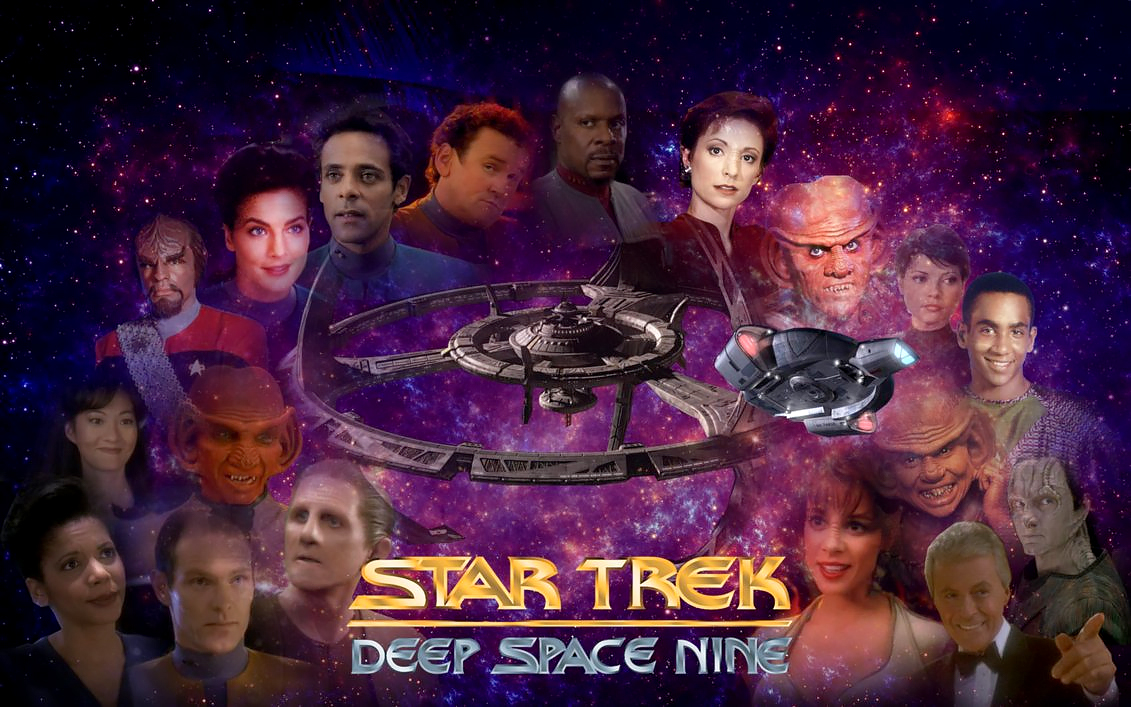
Star Trek: Deep Space Nine Celebrates Its 30th Anniversary

This month thirty years ago, Star Trek: Deep Space Nine, the second Star Trek spinoff (not counting the 1970s animated series) premiered on independent TV stations. Right from its pilot episode “Emissary” viewers saw that this was a decidedly different Star Trek show. Its main character was not a white starship captain, it did not take place onboard a starship, and its ensemble cast of characters was very diverse for its time. More than that the stories were more grounded and tackled headier topics like religion and politics, while the characters were not clean-cut explorers who got along well with everyone. Instead they exhibited shades of grey and were quite flawed.

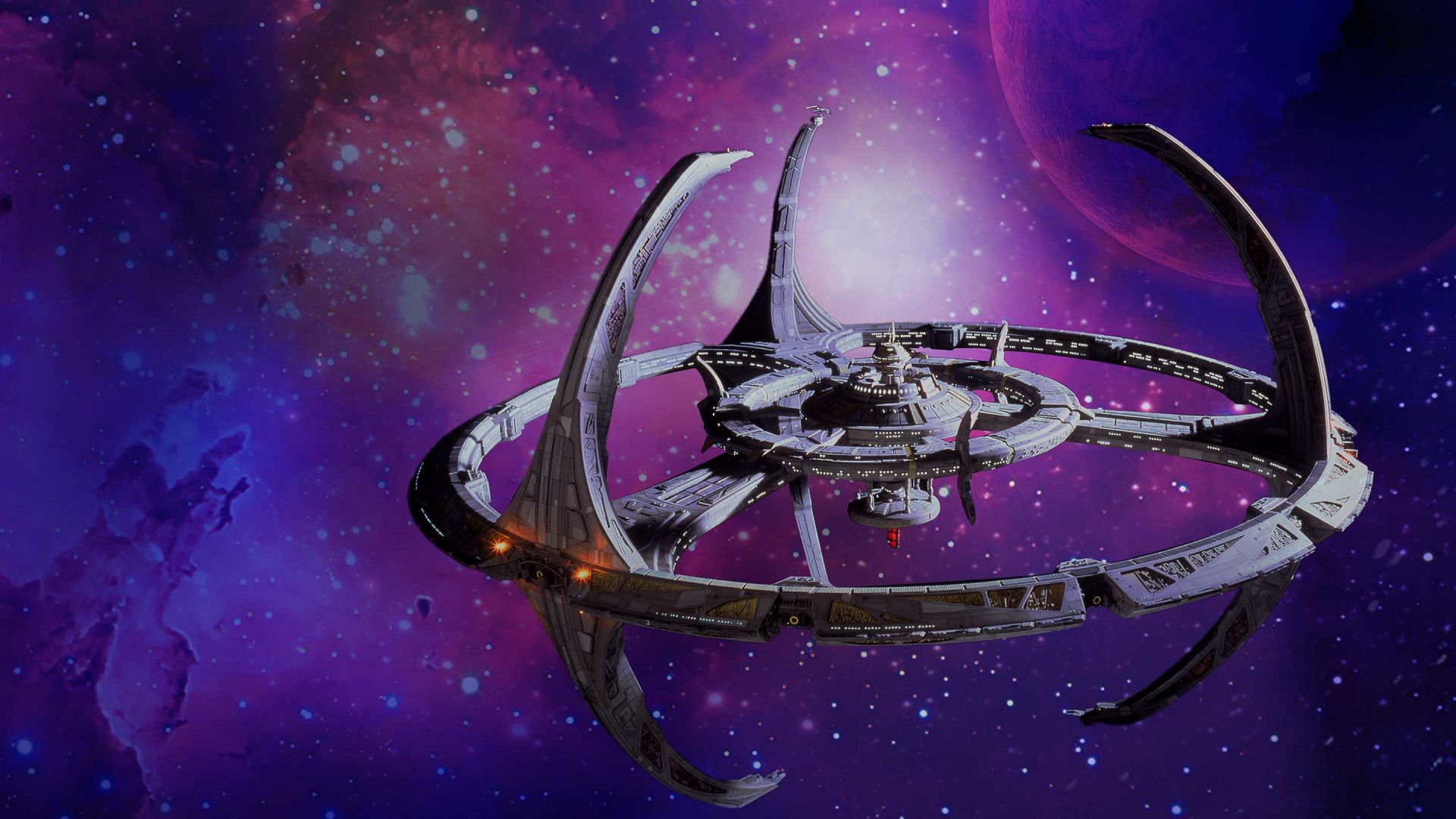
Many fans at that time were put off by Star Trek: Deep Space Nine because it did not follow the typical Star Trek formula and was deemed to be too dark in tone. They wanted the loftier or swashbuckling tone of earlier Star Trek shows that took place on starships that met new aliens every week. With Deep Space Nine, the setting was stationary, pardon the pun, as it took place on an alien space station that was run by the human-centric Starfleet.

While Star Trek: Deep Space Nine was a success, it did not reach the level of adoration that earlier Star Treks had. Before it had time to build an audience, Star Trek: Voyager was launched a couple of years after Star Trek: Deep Space Nine and conusmed a lot of attention away as it returned to the trusted formula of a starship crew exploring space with a twist. However, in recent years, many have discovered for themselves what they initially missed or disregarded and saw its groundbreaking merits.

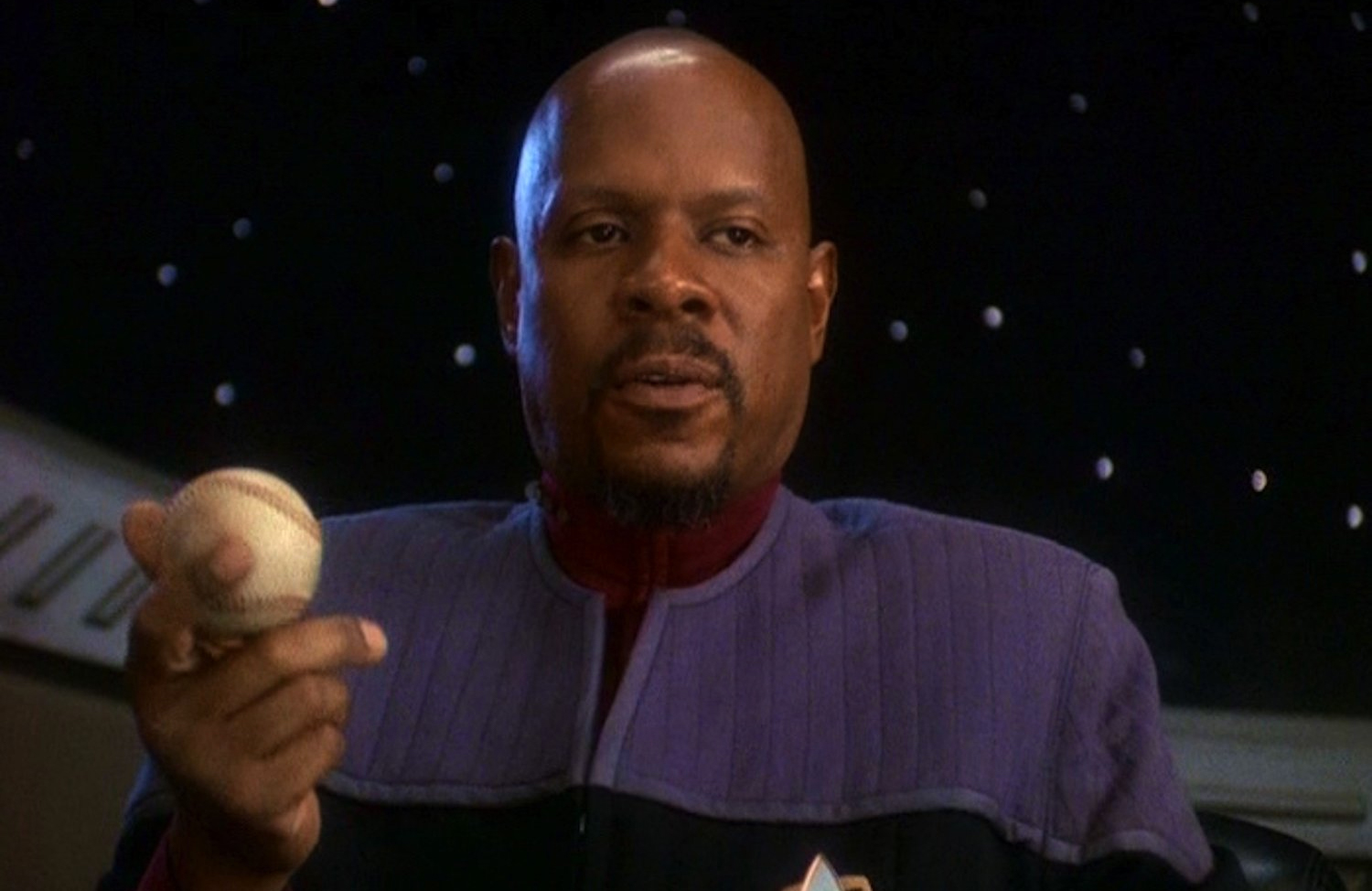
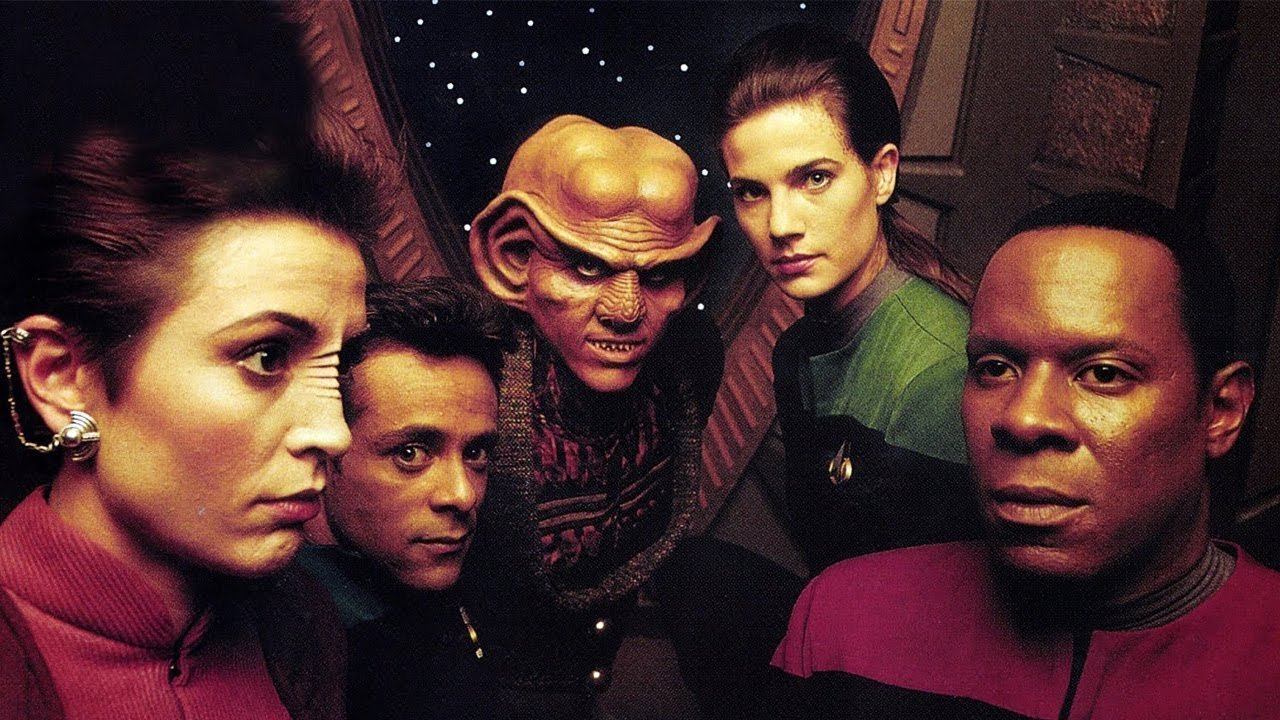
Star Trek: Deep Space Nine starred Avery Brooks as Commander Ben Sisko, an emotionally fragile and jaded Starfleet officer, who was mourning the death of his wife. He is assigned to command the Deep Space Nine space station orbitting the war-torn planet Bajor that wants to be part of the United Federation of Planets. After their arrival, Sisko and his young son meet an eclectic group of characters including Sisko’s second-in-command Major Kira Nerys, a strong-willed former freedom fighter, Quark, a greedy alien bar owner, Odo, a gruff shape-shifting alien security chief, and more. In the pilot episode, Sisko was seriously considering leaving Starfleet, but soon discovers a nearby stable wormhole that transforms Bajor and Deep Space Nine into a major gateway destination in the known galaxy. After an encounter with non-corporeal aliens in the wormhole, Sisko gains a deeper understanding of his life and moves on past his wife’s death with a renewed vigor as an officer. At the same time, he becomes a religious figure to the people of Bajor, who see his wormhole discovery as part of a prophecy about their salvation. This development, naturally, causes discomfort for Sisko, who is has his hands full keeping the peace, raising his son and running the station.

Thanks to its newfound importance, Bajor and the station becomes the centerpoint for intrigue and machinations from various parties throughout the galaxy and is so valued that before long a war breaks out for control of Deep Space Nine and the wormhole. When war breaks out, which was a first for Star Trek, its brutal horrors test our characters in relatable ways never seen before in a Star Trek show.

One thing that the show accomplished was that it embraced the now-common story arcs that continue from one episode to the next. Previous Star Trek shows followed an episodic formula with standalone stories. But by ditching that format, Star Trek: Deep Space Nine gave its characters and situations room to breath and develop. One example was the war arc that took place over several seasons, and culminated in an epic final season that was a fully engrossing and rewarding viewing experience.

Thankfully, the show has found a second life as more and more fans have discovered it and appreciated it. Even though there have been numerous Star Trek shows since, many consider Star Trek: Deep Space Nine to be the best Star Trek show of all time and they have a point. It stands out today because it did not follow the conventional Star Trek formula. It took risks and struck storytelling gold. It’s unfortunate that we have not had any followups or reunions with the show, but it is rumored that the new season of Star Trek: Picard will feature some kind of reunion related to Deep Space Nine, so we’ll find out soon. it is comforting to know that with the current slate of numerous Star Trek shows, not only has Star Trek: Deep Space Nine withstood the test of time but it has propered.

José Soto

Top Ten Films & TV Shows Of 2022

2022 is done and it is time to briefly look back at the best genre films and television shows that came out in 2022. Of course, every reader’s preference and ranking will be different and everyone will have their opinions about these lists and are entitled to them. Drop a comment if you agree with the rankings or have different ones.

TV Shows

It is clear that we are in the middle of a Golden Age of genre TV shows given there so many high-quality shows that came out in just one year. Many of the streamed or aired TV shows are genuine classics with the top three shows being virtually tied for first place and their ranks can be interchanged.

10. The Peripheral

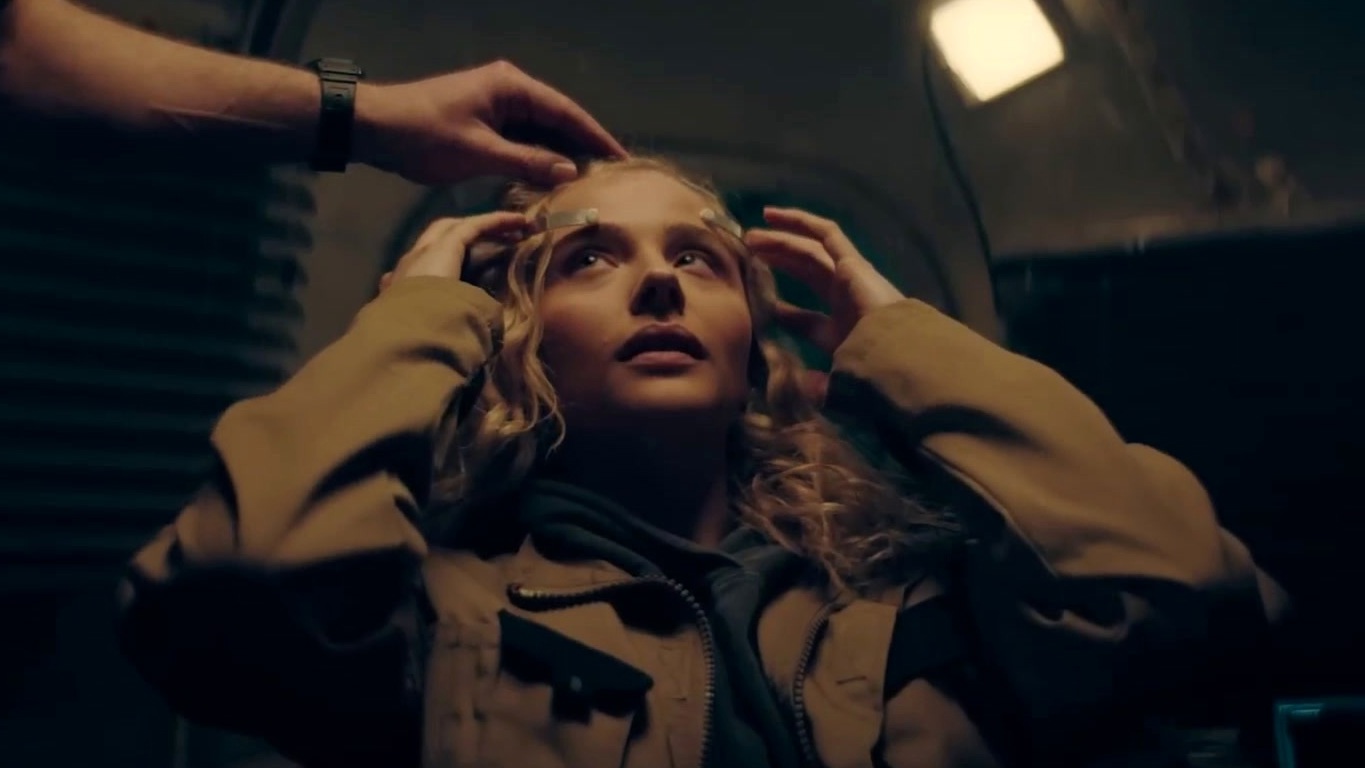
Loosely based on William Gibson’s book, this was one sci-fi show worth watching. Chloë Moretz Grace stars as a VR gamer in the near future caught up in a mind-bending conspiracy involving time travel and alternate realities.

9. The Sandman

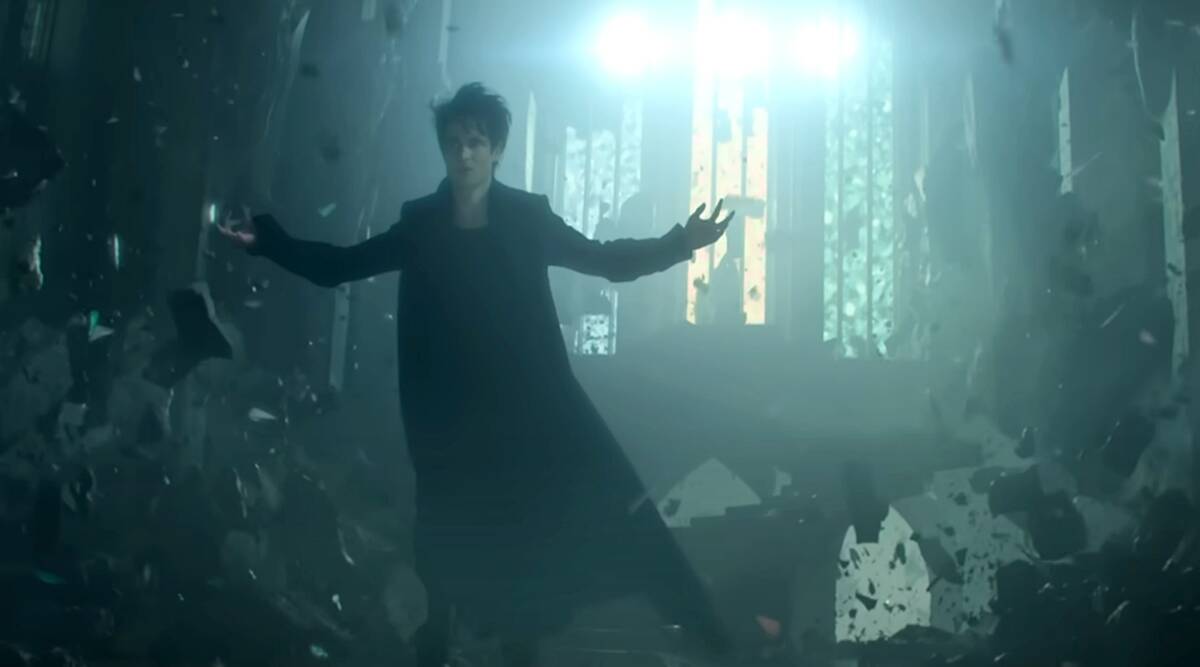
This turned out to be a remarkably faithful adaptation of the classic DC/Vertigo dark fantasy comic book. More like a traditional episodic show with standalone stories, The Sandman was inventive, colorful, disturbing and brilliant.

8. Peacemaker

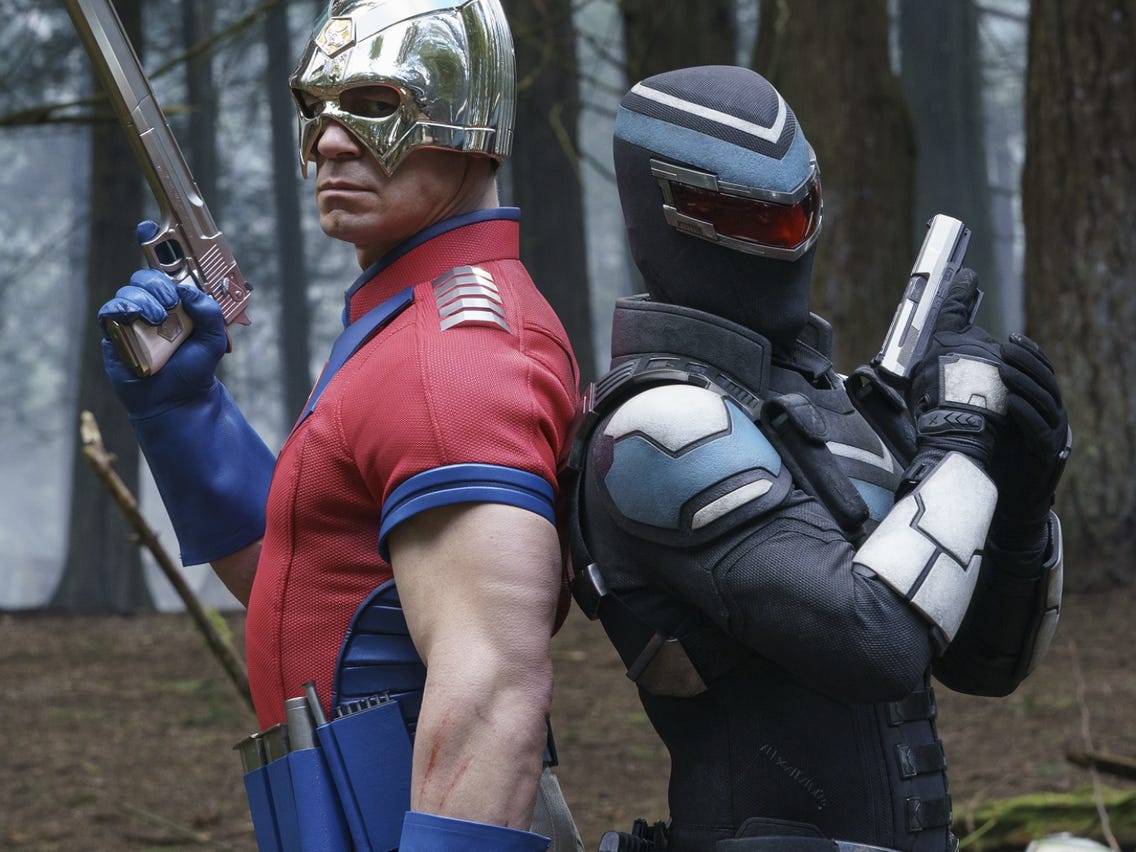
James Gunn sojourn into the DC Extended Universe (DCEU) took a hysterical turn with the first (and possibly final) DCEU TV show. It took one of the least likeable anti-heroes from The Suicide Squad and turned him into a relatable and emotionally complex character.

7. The Guardians of the Galaxy Holiday Special

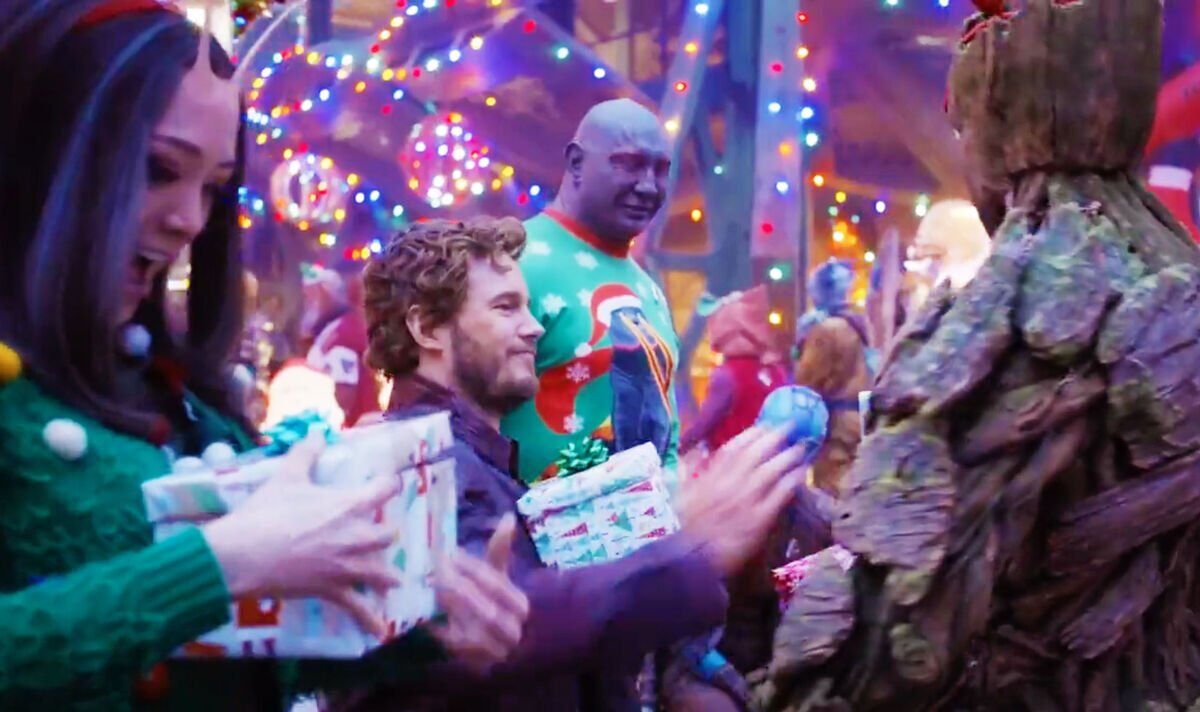
Director James Gunn delivered an awesome, heartfelt and funny holiday special starring the Guardians of the Galaxy. In between the gooey holiday scenes were moments of pure laughter as the alien Guardians went to Earth to kidnap the actor Kevin Bacon to present as a Christmas present. The songs were great, too.

6. The Boys

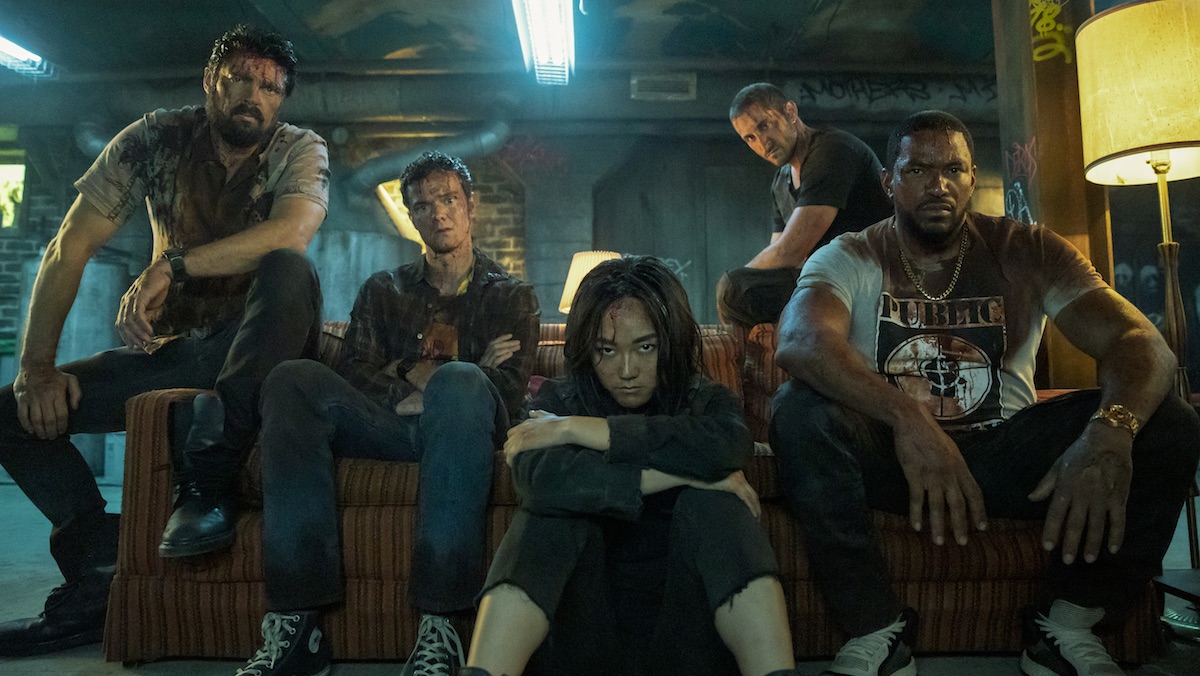
With the introduction of Soldier Boy, The Boys took a turn at satirizing the Marvel Comics heroes with his clear similarities to Captain America. Meanwhile, the series continued to be outrageously violent with gross-out humor and in-your-face commentary about our times.

5. Obi-Wan Kenobi

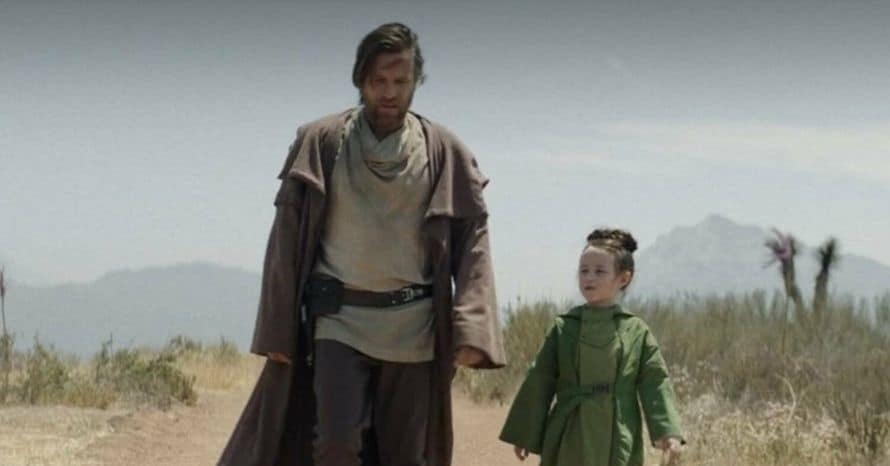
Ewan McGregor reprised the role he made his own in the Star Wars prequels. The series served as both a sequel to those films and a prequel to the original Star Wars. Despite some flaws, McGregor elevated the show with his brilliant performance as a fallen Jedi who has to rediscover his faith.

4. Star Trek: Strange New Worlds

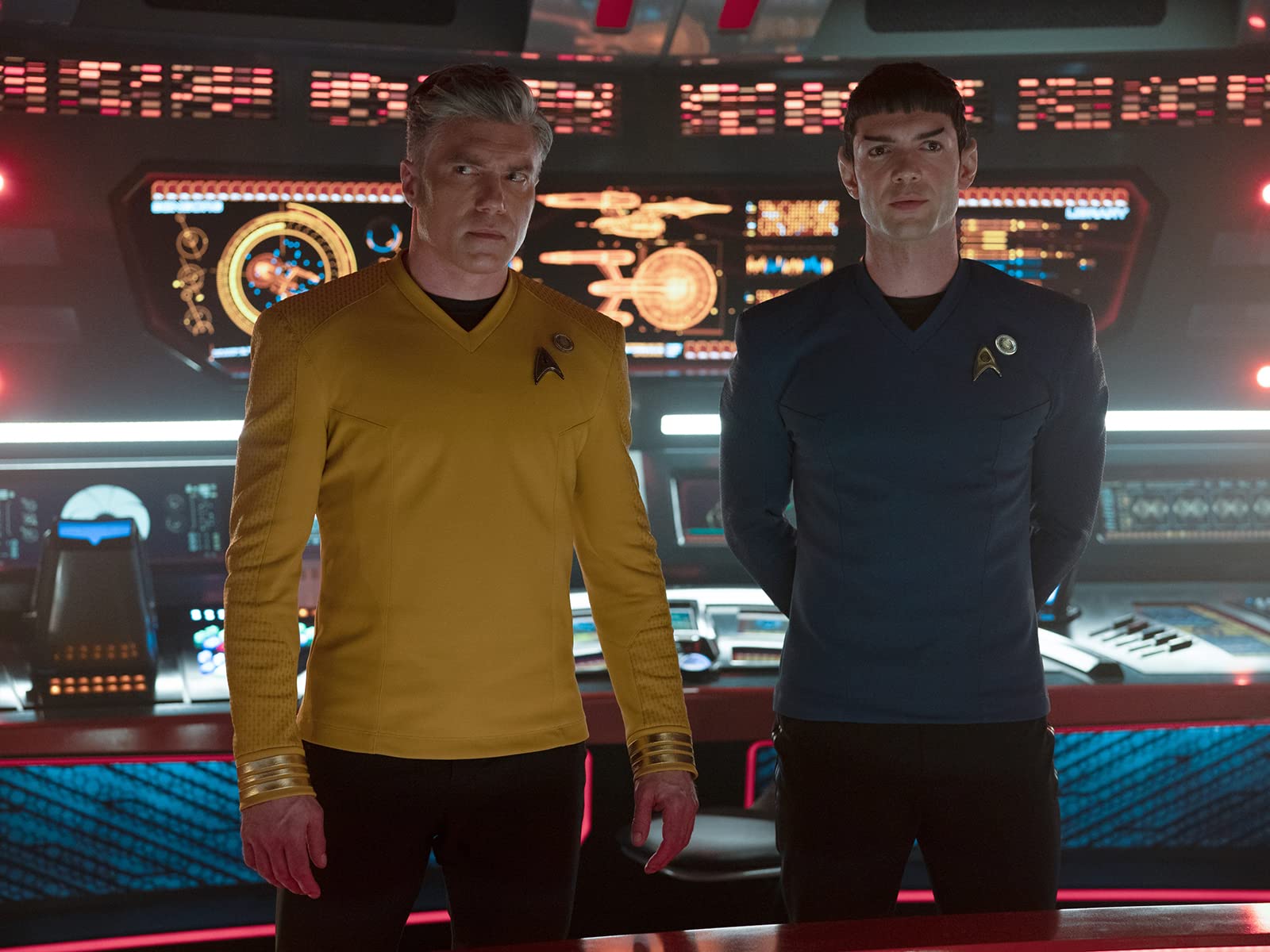
Despite some Star Trek shows that faltered in 2022, Star Trek: Strange New Worlds breathed new life in the franchise. This was due to smart scripts that emulated the original Star Trek, a charming cast, and a back-to-basics approach with its storytelling that favored standalone episodes.

3. Andor

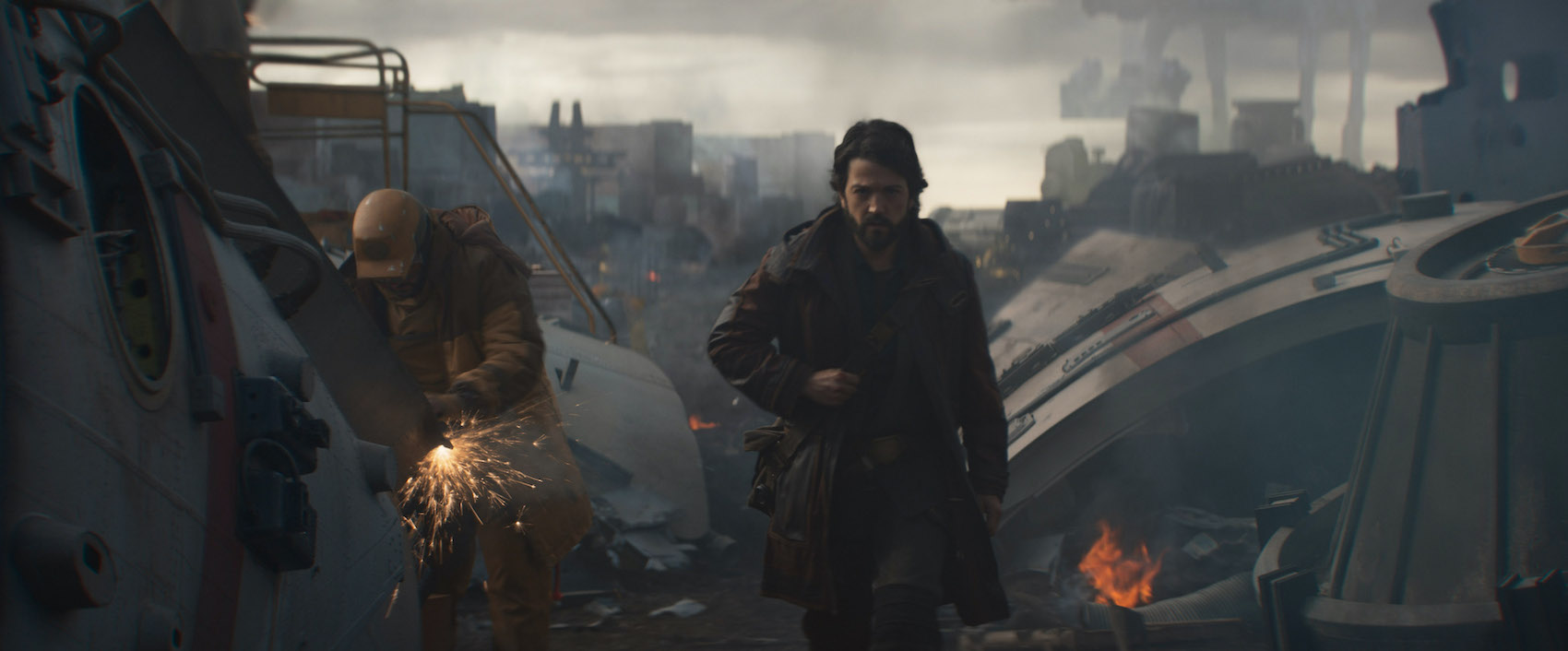
Cassian Andor (Diego Luna) in Lucasfilm’s ANDOR, exclusively on Disney+. ©2022 Lucasfilm Ltd. & TM. All Rights Reserved.

This Star Wars show was the ultimate slow burn as the prequel to Rogue One: A Star Wars Story centered on the anti-hero Rebel agent, Cassian Andor. Separate arcs thoroughly examined Andor’s personal growth and the people around him. It also realistically depicted of how a rebellion grows in an authoritarian society.

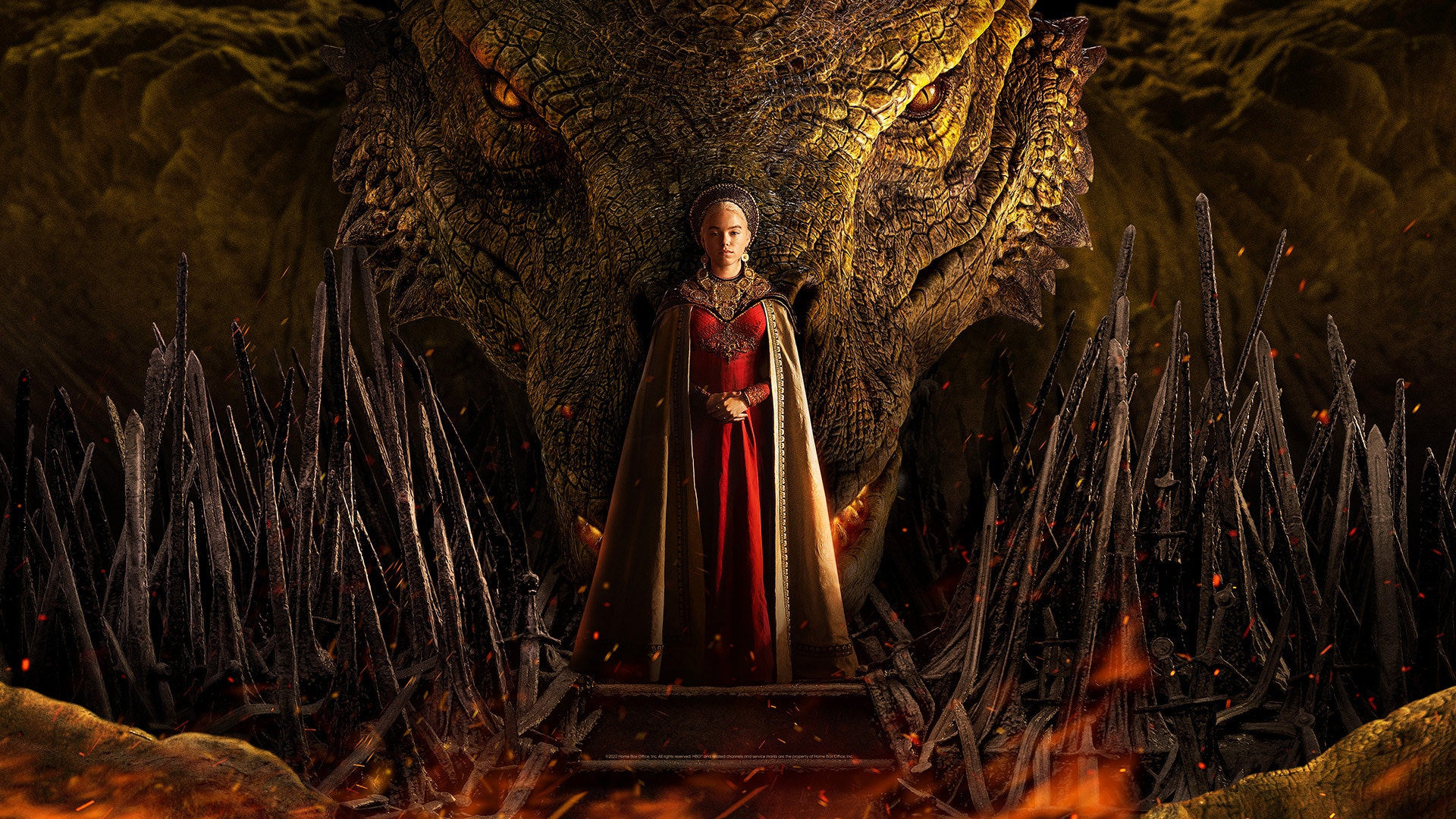
2. House of the Dragon

Many who were disappointed by the final season of Game of Thrones were pleasantly surprised by this fascinating prequel that focused on the dragon-worshiping Targaryen royal family. Despite its prequel limitations, the show quickly captivated audiences who were drawn back to the fantasy world of George R.R. Martin.

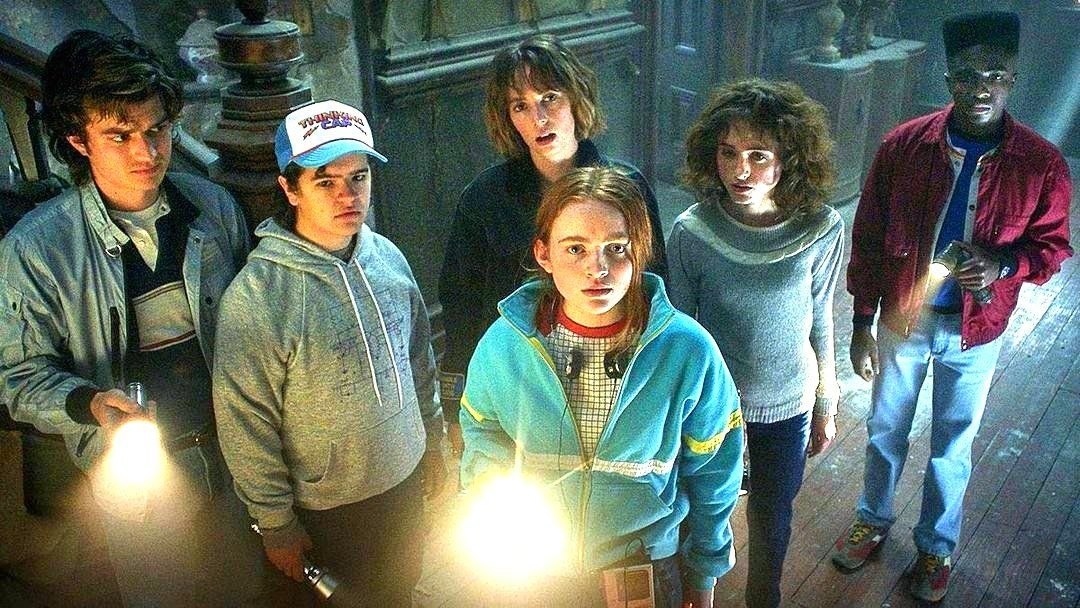
1. Stranger Things 4

The fourth season of Stranger Things managed to reinvigorate the series with fascinating origin stories and situations, and new and memorable characters. At the same time, this season focused on the core characters that were so beloved and who were allowed to grow as they faced terrifying new threats from the Upside Down dimension.

Honorable Mentions:

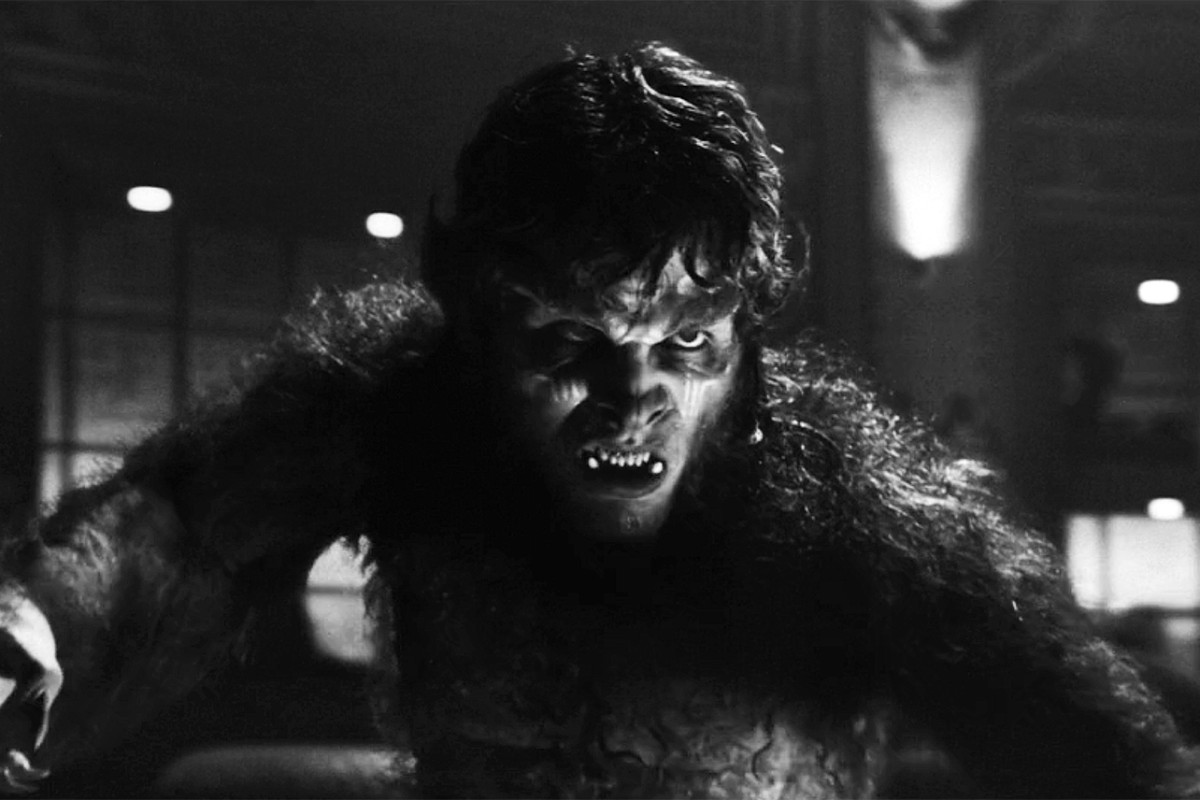
Doom Patrol; For All Mankind; Halo; The Handmaid’s Tale; Love, Death + Robots; Moon Knight; The Orville; Raised By Wolves; Severance; She-Hulk: Attorney At Law; Snowpiercer, Star Trek: Picard; Star Trek: Prodigy; Superman & Lois; Tales of the Jedi; Titans; Werewolf By Night; The Umbrella Academy; Undone

Films

Surprisingly, the genre offerings for 2022 were not as plentiful as in previous years. Superhero films still dominate the release schedule though many other genre films (horror, animated, sci-fi, fantasy) have made their presence felt as well in a solid year for genre films.

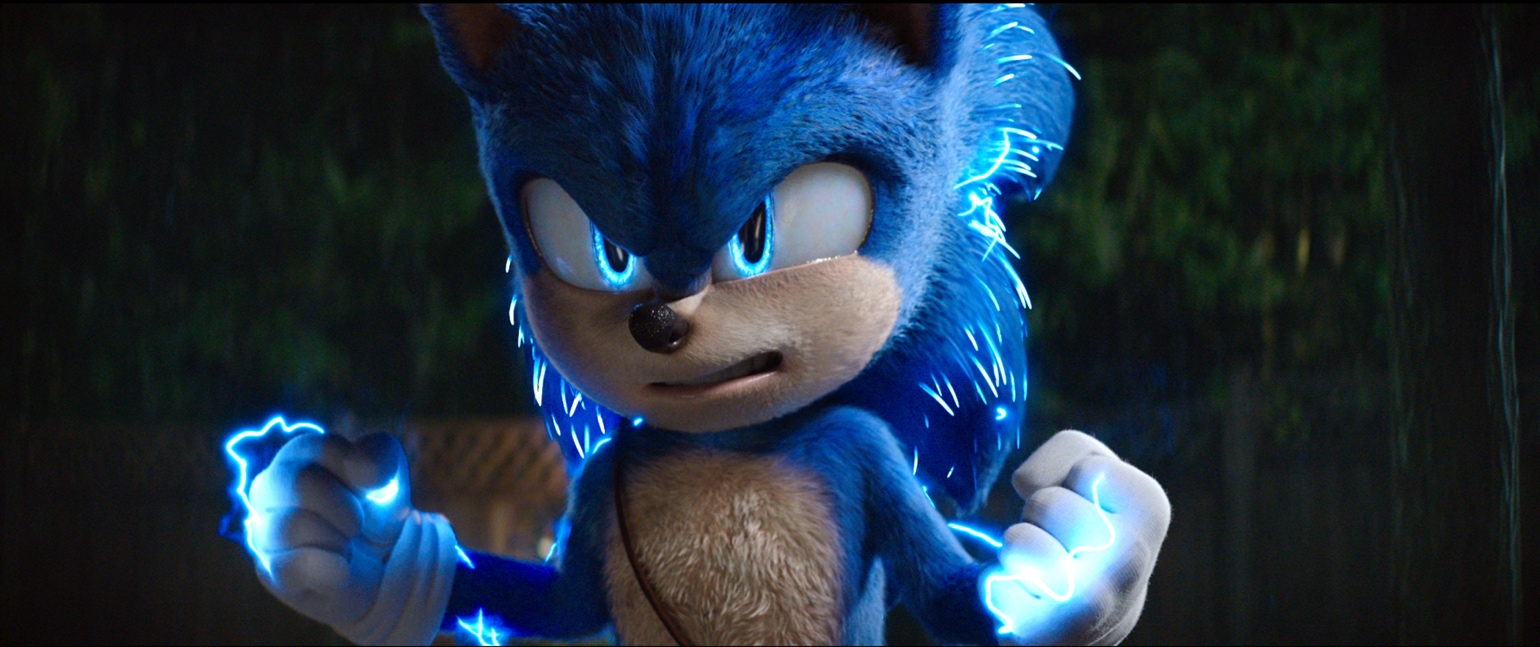
10. Sonic the Hedgehog 2

The sequel film delivered the best family film of the year. It was also an exciting, colorful and largely faithful live-action adaptation of the classic Sega video game hero and his expanded roster of friends and foes.

9. The Black Phone

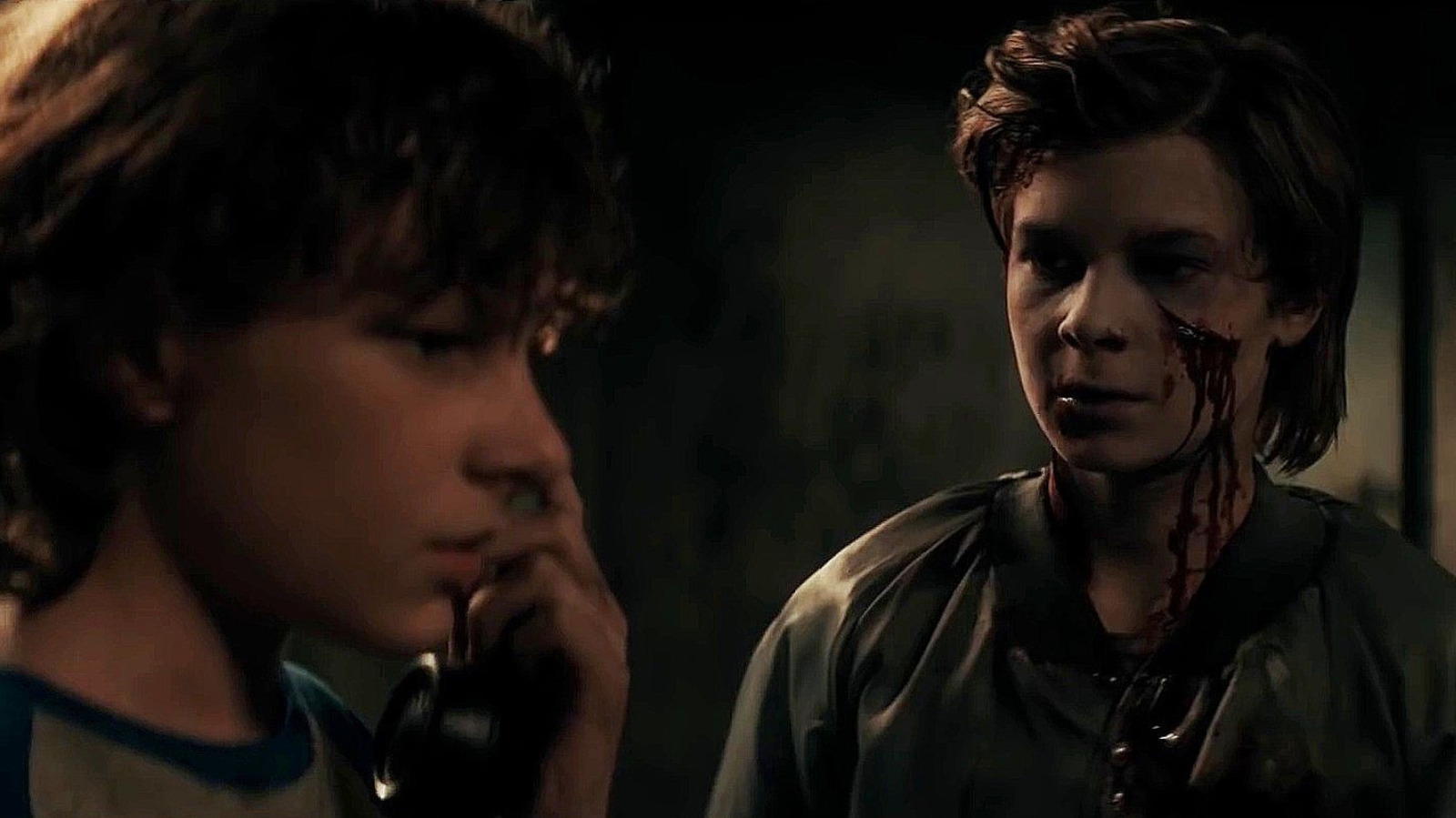
This film by Scott Derrickson proved why he is one of the best visionary horror directors today with The Black Phone. He cleverly combined classic horror elements from serial killers to psychic phenomenon to ghosts.

8. Nope

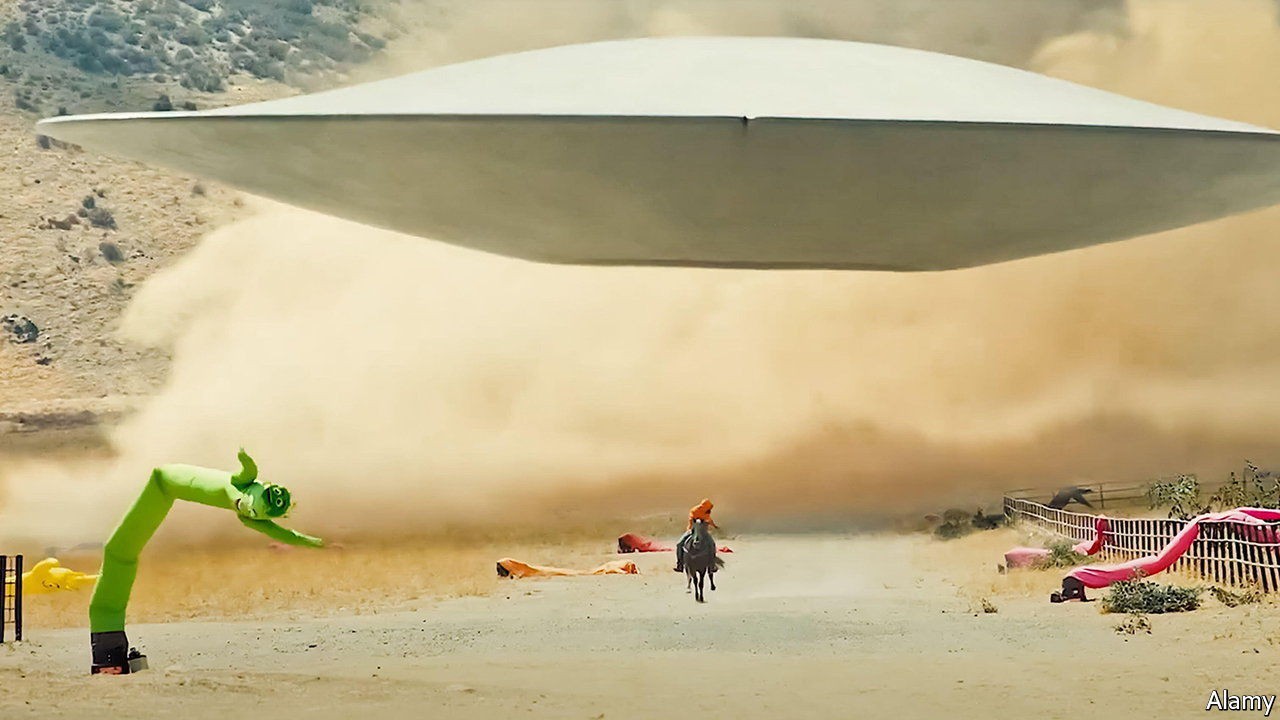
Director Jordan Peele’s latest genre offering was an intriguing and original take on the U.F.O. phenomenon. Nope had its fair share of suspense, horror and the contemplative character studies Peele is known for, as well as elements of a neo-Western.

7. Prey

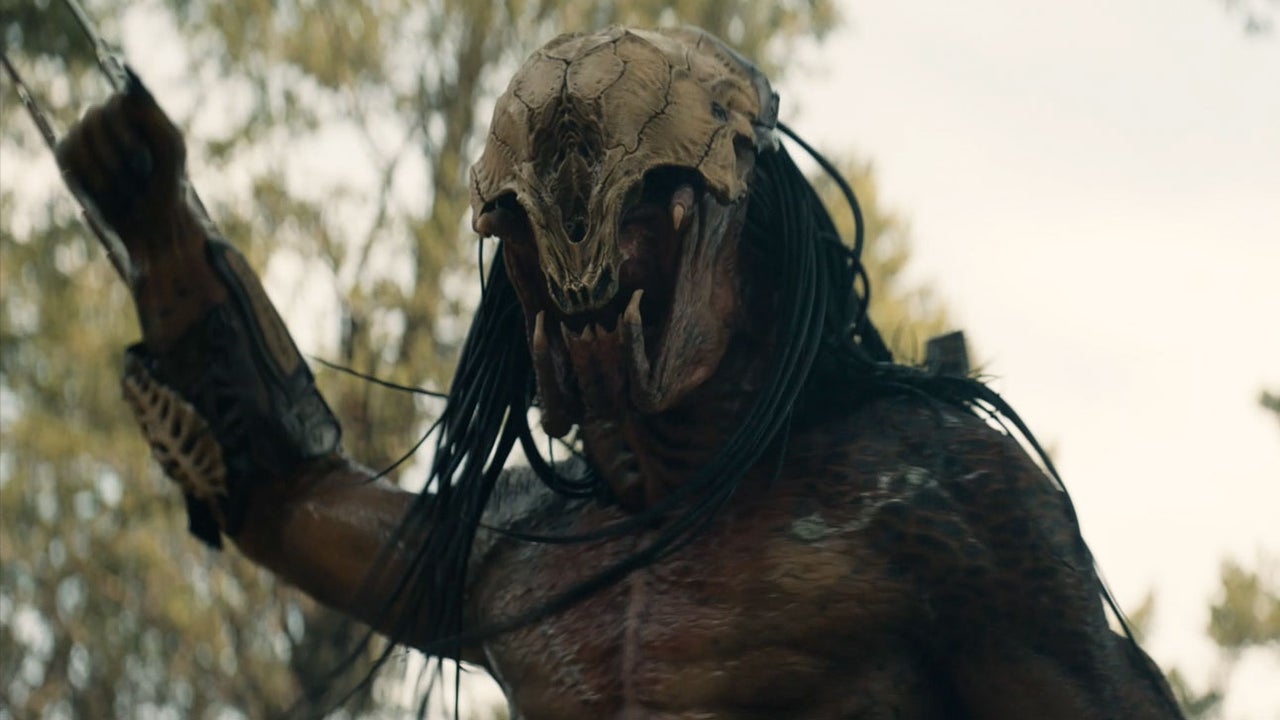
The Predator franchise was unexpectedly revived with the latest film that took the franchise in a new and fresh direction. Placing the film centuries ago, Prey amped up the thrills as the human characters had to rely on their wits and skills instead of technology against the inhuman Predator hunting them.

6. Everything Everywhere All at Once

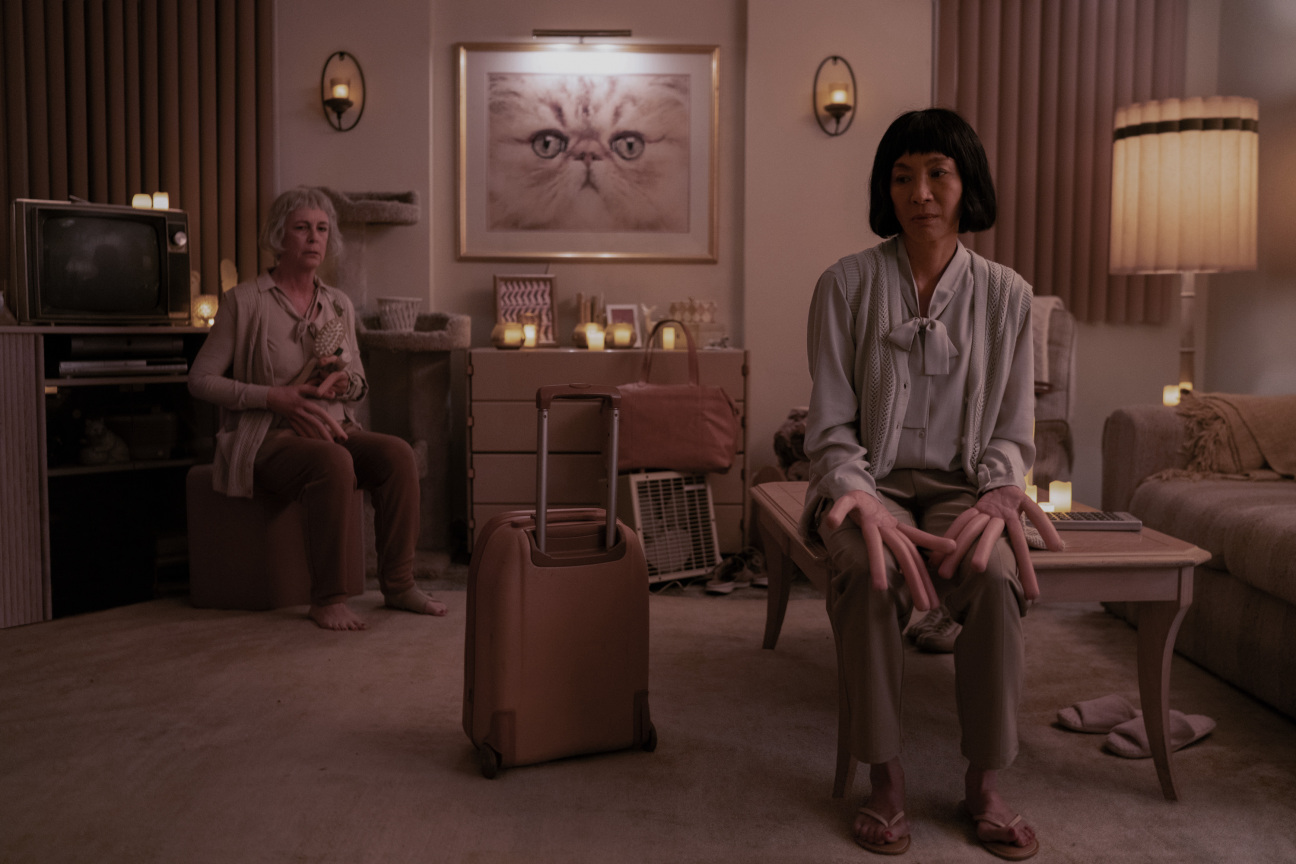
Michelle Yeoh turned in a fantastic performance as several variations of the same character in this film that gave us a true multiverse of madness. The film truly went out there with its sometimes bizarre depictions of colliding parallel universes.

5. Jurassic World: Dominion

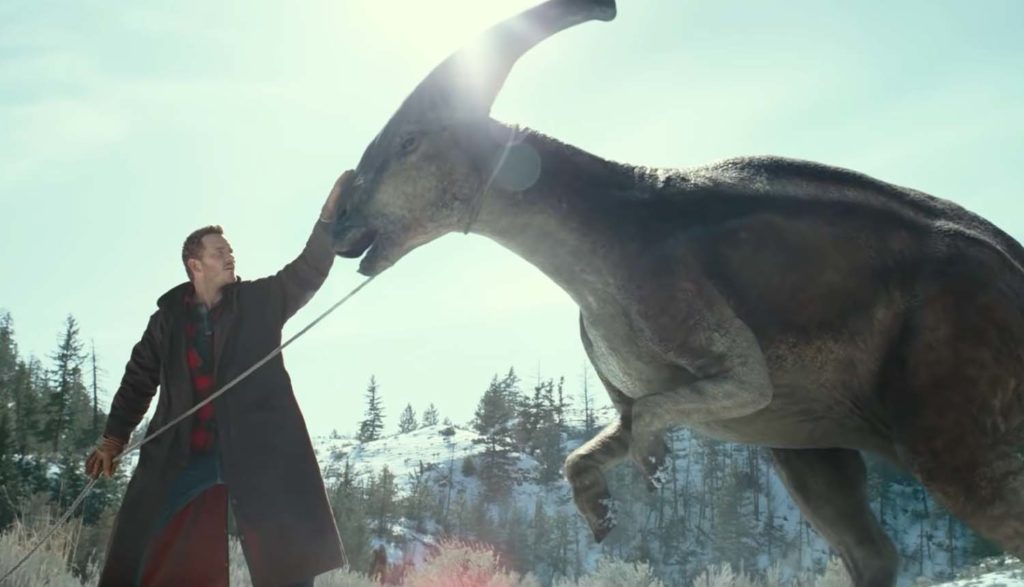
The conclusion to the second Jurassic Park film trilogy ended on a high note full of dinosaurs rampaging in modern-day society. However, the film’s true high note was when it had the main heroes from both trilogies meeting and teaming up to save the world from extinction.

4 Black Panther: Wakanda Forever

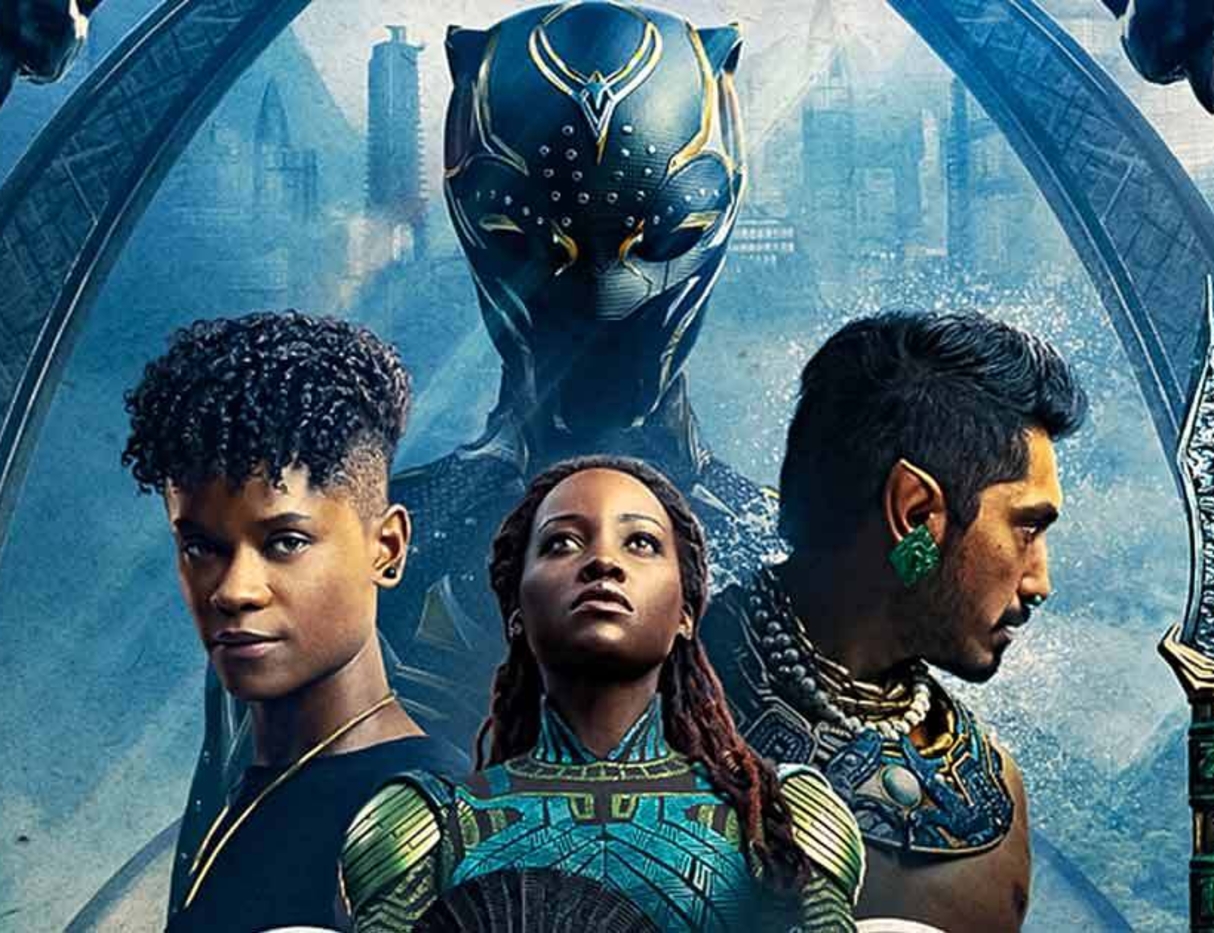
Director Ryan Coogler pulled off the impossible with a sequel that does not feature the star or main character from the original film. This film was full of depth as it explored grief and loss, while expanding the popular Marvel Cinematic Universe (MCU) with the introduction of one of Marvel’s best anti-heroes, Namor.

3. The Batman

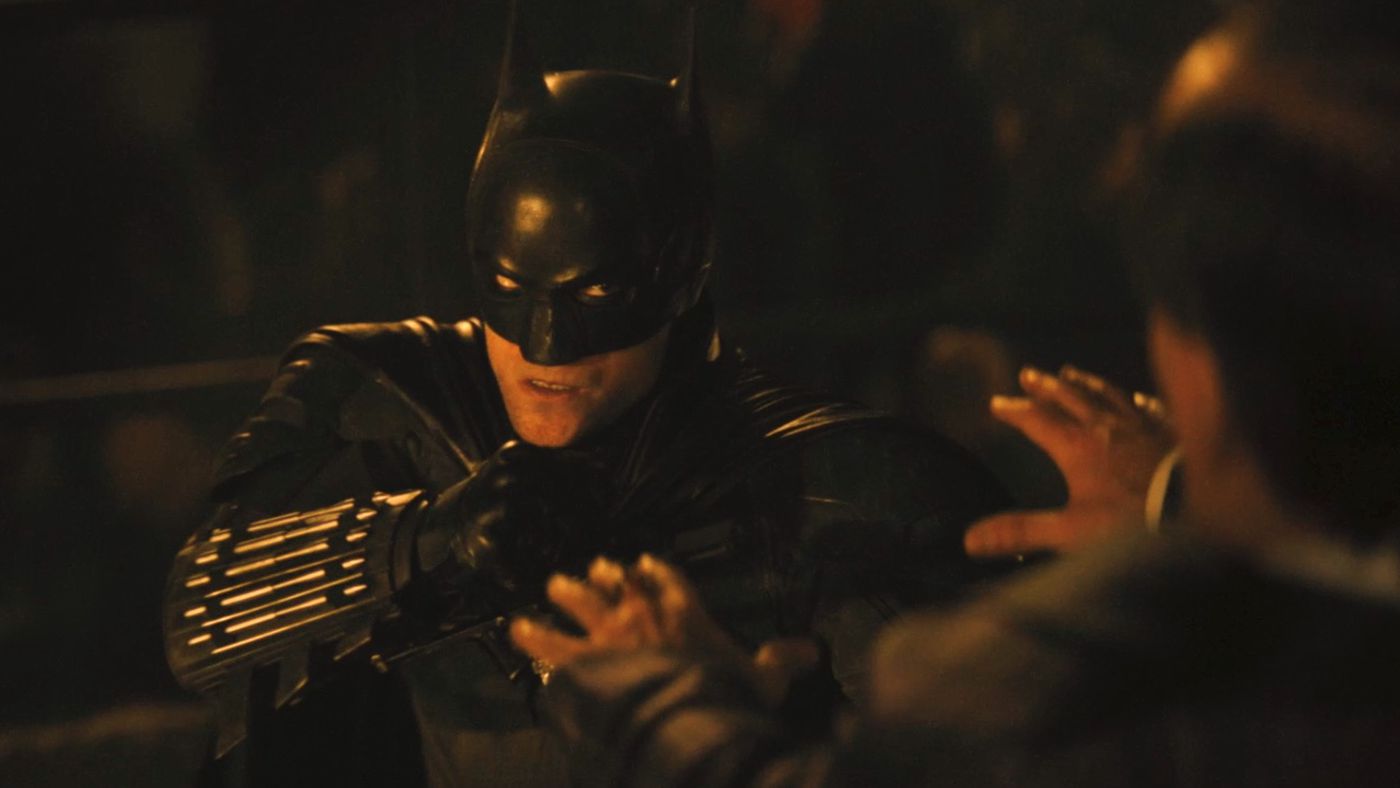
We actually got to see the Dark Knight Detective do some actual detective work in this grounded and gritty version of Batman. The dark and brooding film delivered intense action, intrigue and a horrifying version of the Riddler that rivaled classic cinematic serial killers.

2. Doctor Strange in the Multiverse of Madness

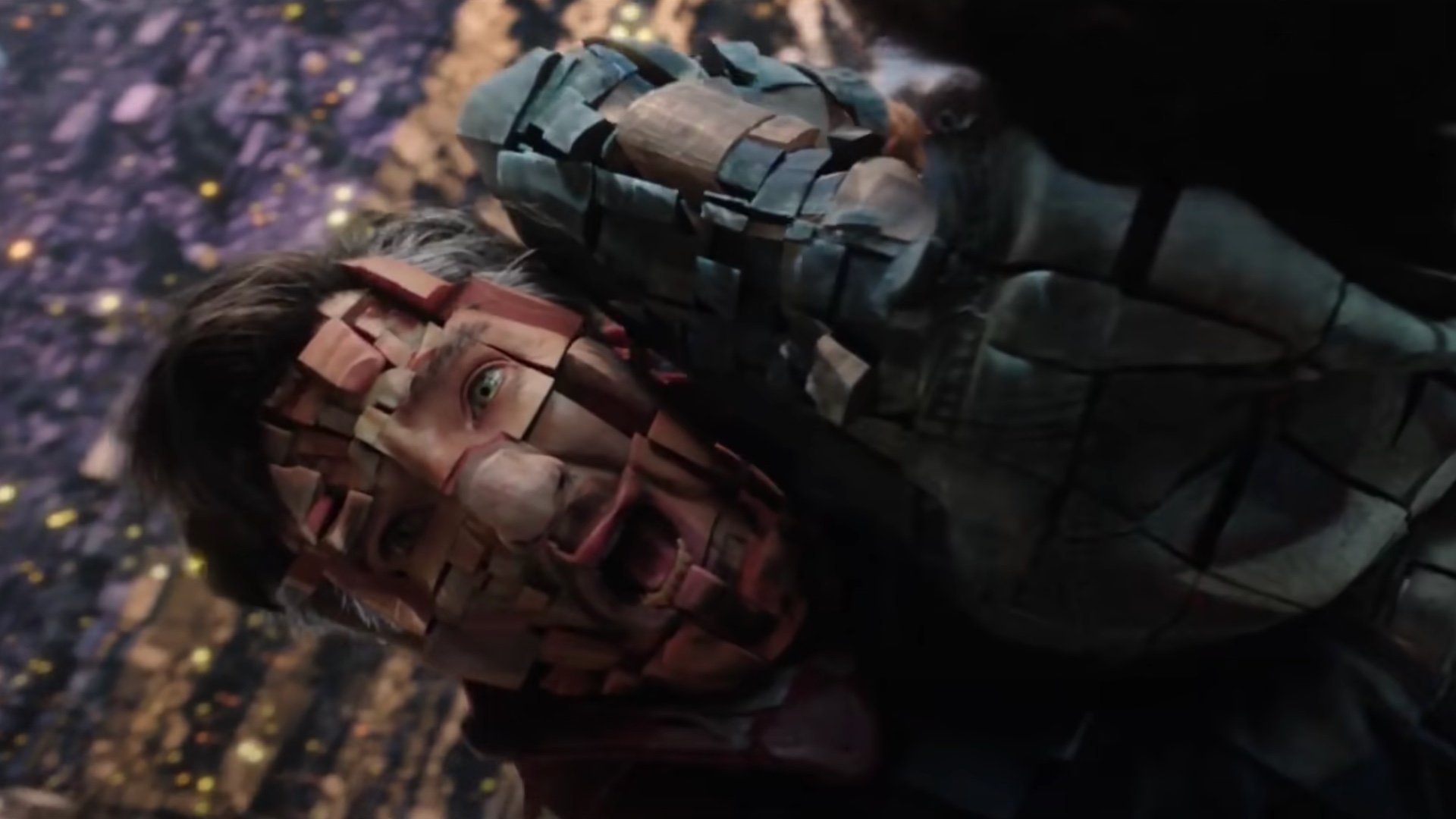
While the year’s top MCU film did not exactly deliver a multiverse of madness, it was a fun deep dive into the MCU with chilling horror elements and wild visuals. Sam Raimi was an inspired choice of a director who utilized his horror and comic book film background to full effect.

1. Avatar: The Way of Water

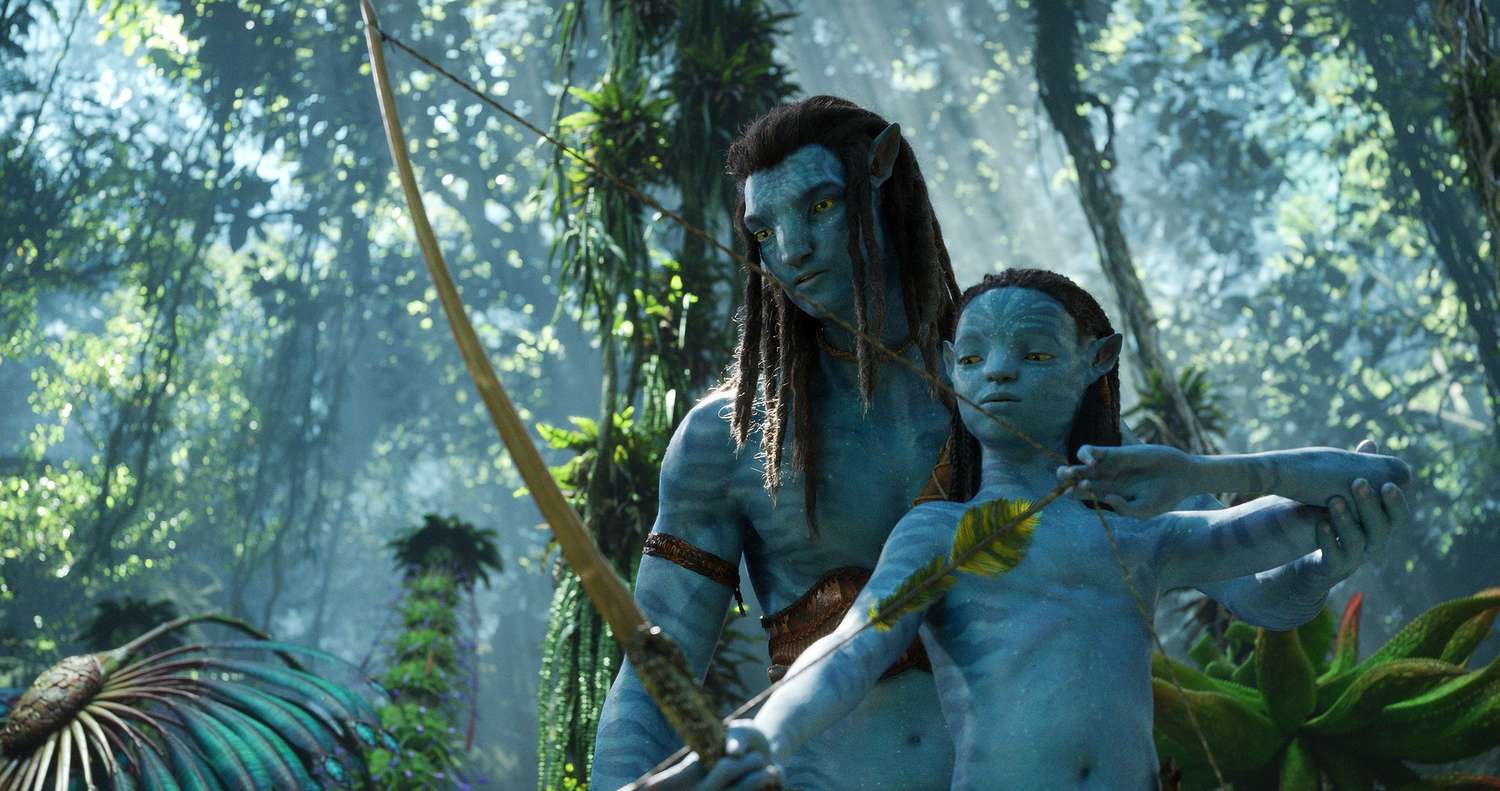
The sequel to Avatar, the biggest box office hit of all time, surprised many who dismissed it for being an empty special effects-heavy sequel. However, director James Cameron’s breathtaking vision of an alien world and its solid world building and characters helped propel Avatar: The Way of Water into a must-see event.

Honorable Mentions:

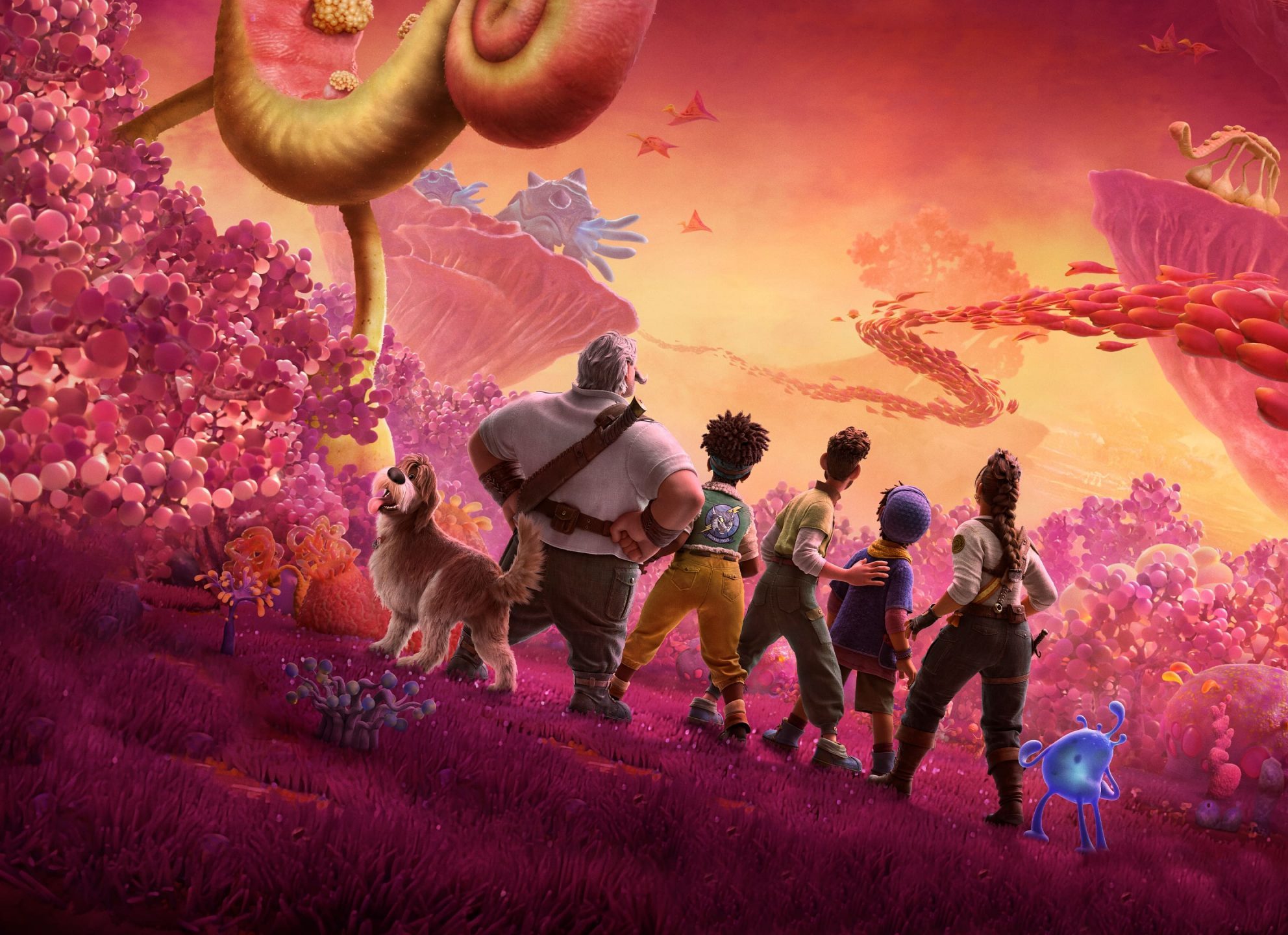
Barbarian; Beavis and Butthead Do the Universe; Black Crab; Chip ‘n’ Dale Rescue Rangers; DC League of Super Pets; Lighthyear; Moonfall; Puss in Boots: The Last Wish; Smile; Strange World; Thor: Love and Thunder; Turning Red

Star Trek’s Fascination With Prequels

As we approach the 56th anniversary of Star Trek and the mammoth franchise it launched, it is a good time to reflect on where Star Trek is going. Specifically, the franchise’s fascination with prequels.

When Star Trek was at its height back in the ’90s, each new TV show featured new, original characters and situations. For the most part, the premise was basically the same: a starship and its crew exploring the unknown cosmos and meeting new aliens. This premise has continued to this day, but a common wrinkle with the franchise is to look back and dwell on characters and situations that made it so popular. Look at, Star Trek: Strange New Worlds, the latest Star Trek series, which won a lot of acclaim from fans and critics for its back-to-basics approach in episodic storytelling and doubling down on established characters like Christopher Pike and Spock. Meanwhile, the biggest buzz going on in Trek circles has to do with a third season of Star Trek: Picard that will reunite the cast of Star Trek: The Next Generation.

Strange New Worlds Revisited

There has been a tendency with Star Trek shows, starting with Star Trek: Enterprise in 2001 and most recently this year with Star Trek: Strange New Worlds, to serve as prequels to the original Star Trek, which took place in the mid-23rd century. Even the recent films have taken place during this time period, although those films were reboots that officially took place in an alternate universe. Some fans have an understandable disdain for prequels in general for many reasons. Prequels are forced to follow a certain continuity to line up with the original film or TV show. Also, much of the tension is gone with prequels when it comes to established characters and situations. Take the Star Wars prequels. They featured younger versions of Obi-Wan Kenobi and Anakin Skywalker before he turned to Darth Vader. Going into the films, everyone knew that Kenobi would survive the films and that Skywalker would eventually become evil. This fact robbed the films of some tension if the fate of these characters was preordained. Going back to Star Trek, with Star Trek: Strange New Worlds and Star Trek: Enterprise there was some uproar over how the alien Gorn looked compared to their appearance in the original Star Trek. The real-world reason for the disparity between how the Gorn looked was due to improved budgets and special effects. The original Gorn was a stuntman in a cheap suit, and recreating that look would lead to unintentional laughter among viewers instead of fear. Still, this lack of continuity has irked some fans.

Another problem with prequels is the implication that the powers-that-be have run out of ideas. This was evident in the early episodes of Star Trek: Enterprise, which were usually tired retreads of previous Trek episodes. It was not until its later seasons did the show break free of its worn formula and embraced the potentials of prequels with episodes that neatly lined up with the original series.

If a prequel is done well, it can be an excellent way to evoke foreshadowing and to help develop characters and situations. With Star Trek: Strange New Worlds, an intriguing storyline has it that Pike knows his future, which was a grim one as shown in the original Star Trek. Throughout the first season of Star Trek: Strange New Worlds, Pike internally debates if his future is set. Can he change his fate? Should he? This dilemma was the basis of one of the show’s best episodes, “A Quality of Mercy”, which explored the result of Pike altering his future. Hint for anyone who has not watched it, things do not end well for a certain other character.

Prequel Flaws

Then again, if a prequel falters or tries to be too different, it will alienate fans. Star Trek: Discovery suffered heavily in that while it was a prequel it strayed too far from established Star Trek lore. The technology and overall look of the show was too advanced when compared to the original Star Trek, though it took place about a decade before the old show. The look of the Klingons was radically different from the established look of Klingons in traditional Trek, although to be fair the look of the Klingons was wildly different from the original Star Trek and later incarnations. Again, improved budgets were the cause for the disparity. There were distinct continuity deviations, notably the fact that the show’s main character, Michael Burnham, was actually Spock’s step sister. Keep in mind, this family relationship was never hinted at in previous Trek shows and films. These deviations might have been overlooked if Star Trek: Discovery was clearly established as a reboot like the recent films or if the show was actually good. Star Trek: Discovery escaped from the storytelling limitations of prequels by having their characters flung into the far future. This was an excellent idea since the show would not be bound by continuity, but thanks to poor scripts the show has become unwatchable. Star Trek: Discovery was doomed from the start not because it was a prequel, but because of its execution.

There is not anything wrong with doing prequels or revisiting characters and situations. Doing so helps explore the many interesting facets of the Star Trek universe. Many of the most popular films and TV shows have successfully pulled this off and will continue to do so. As to whether or not upcoming shows or films will be prequels is not clear, though if one wants to accept Star Trek: Discovery as canon then given its far-future setting, any show or film set before the current episodes of Star Trek: Discovery has to be considered a prequel.

Lost Era Explored

One prequel idea that can be explored would be to set a potential show during the so-called Lost Era of Star Trek. This is the time period set between the last Star Trek film to feature the original cast, Star Trek: The Undiscovered Country and Star Trek: The Next Generation. This is a significant time gap of several decades and a show set in this Lost Era of Star Trek could answer some questions. For instance, what happened to the Enterprise-B? What were the early missions of the Enterprise-C? What was the Tomed Incident involving the Romulans? What was the political situation in the Alpha Quadrant? What was the fate of the original Enterprise crewmembers like Chekov or Uhura? The show could explore the early years of Jean-Luc Picard, Kathryn Janeway or Benjamin Sisko. Just recast the roles with younger actors. Other things that could be examined include the occupation of Bajor, Federation conflicts with the Cardassians, Tholians and other enemies, the early years of Noonien Soong, the possiblities are endless with a TV show set during the Lost Era of Star Trek. Such a show would serve as a prequel to the later shows while being a sequel to the original Star Trek. The show could adapt the novels set during this time period or be completely original just as long as the continuity lines up.

Star Trek has demonstrated throughout the years the merits and detriments of prequels. When done correctly, the Star Trek prequels are not just fascinating companion pieces to older shows, but legitimate storytelling vehicles that fully explore the rich world of Star Trek.