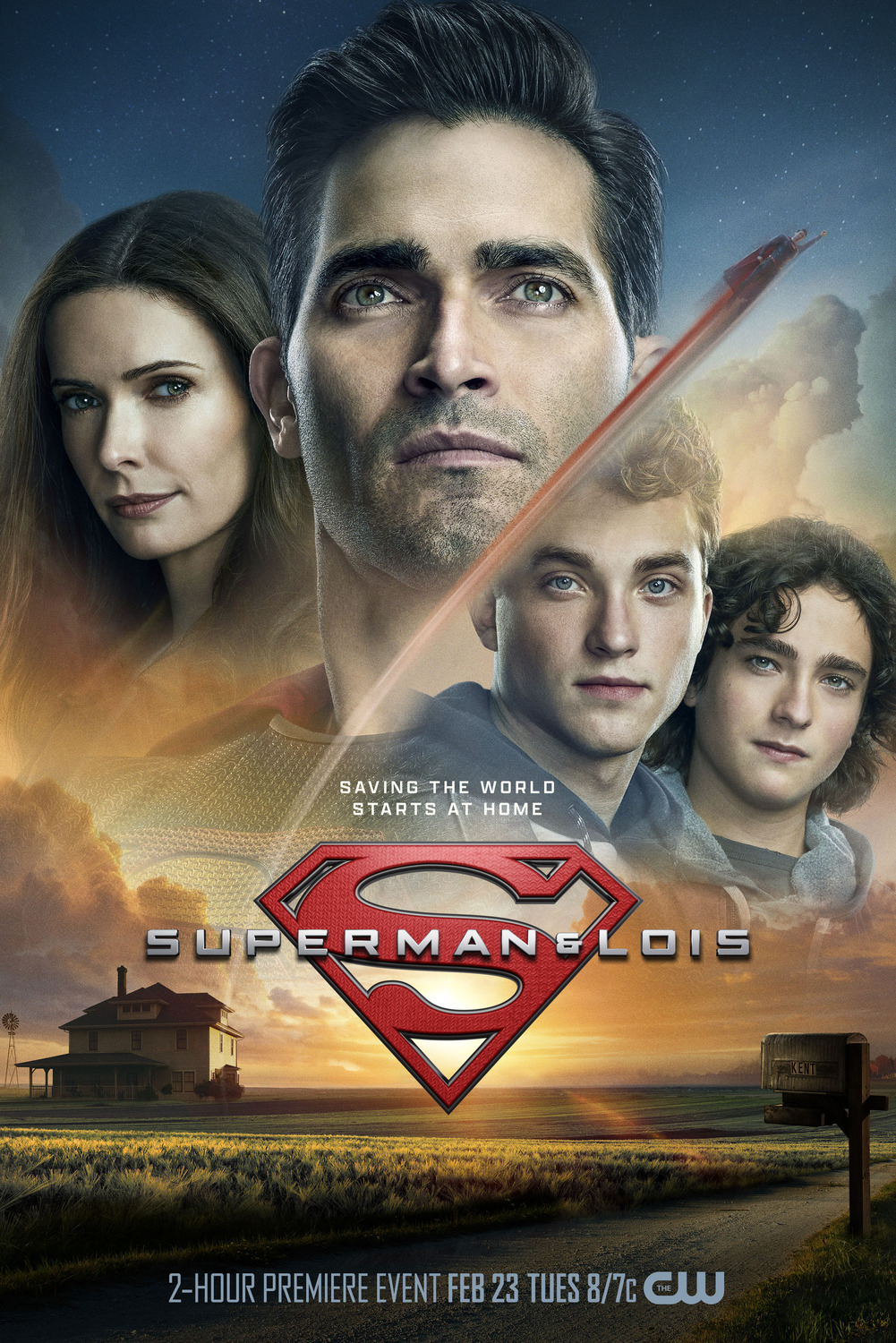
Superman & Lois Takes Off To A Promising Start

When the latest DC superhero TV show on the CW, Superman & Lois, was announced, many of us shrugged our shoulders based on the previous quality of superhero shows on that network. While the so-called Arrowverse DC TV shows are usually entertaining, they quickly fell into a worn-out formula that catered to the YA audiences of the CW. These shows were known for humdrum cinematography, average-to-obvious CG effects, a quirky support team for the main character complete with a nerdy IT person who talks too much. and a light tone with angst-driven melodrama.
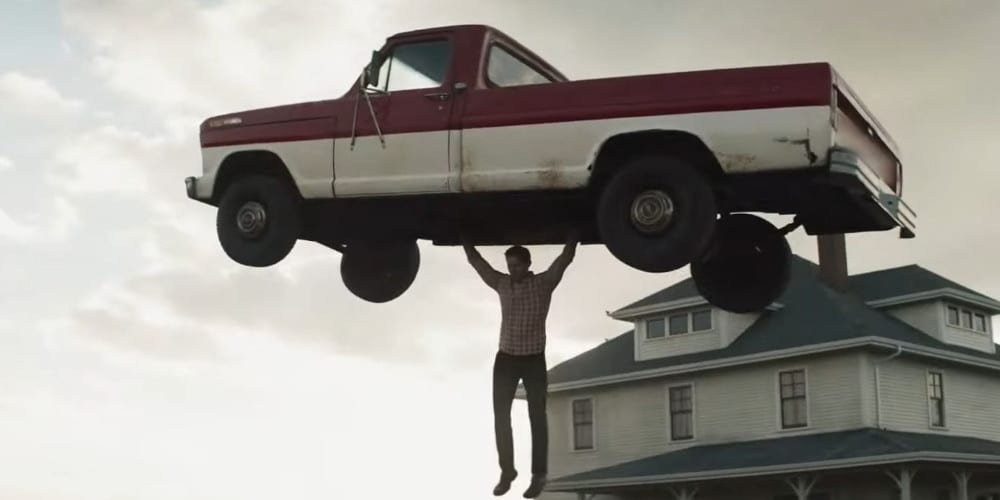
Adding to the preconception about Superman & Lois was this version of Superman (Tyler Hoechlin) was the same one introduced in Supergirl and many fans complained loudly over how the showrunners intentionally made Superman inferior to Supergirl in her show. This was the last thing the character needed in this day and age where he struggles to stay relevant. 

Well, after viewing the pilot episode of Superman & Lois, it is  great to discover that the show, so far, has taken a different approach with an emphasis on quality that approaches what one would see on HBO Max and even on film. 
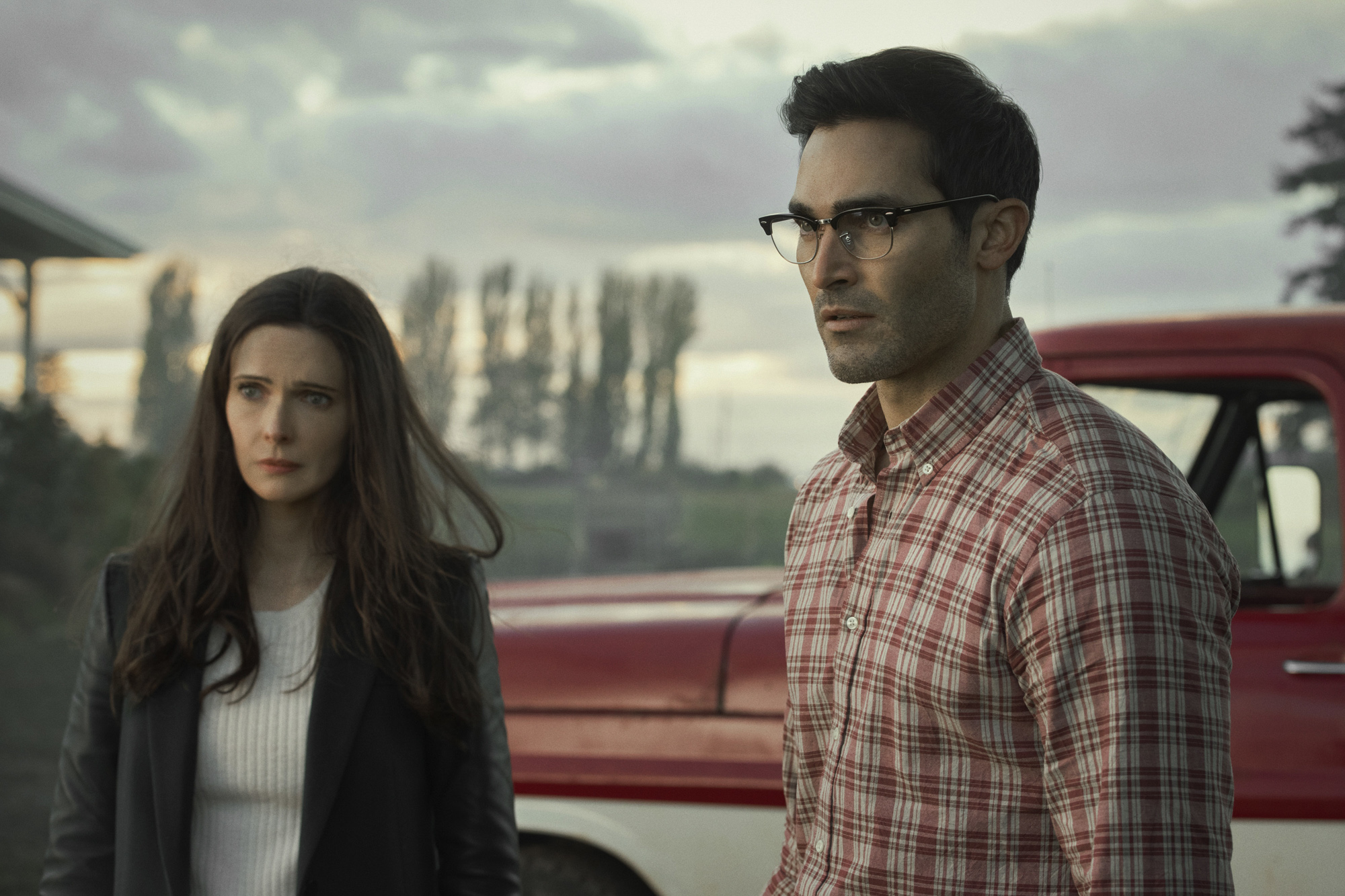
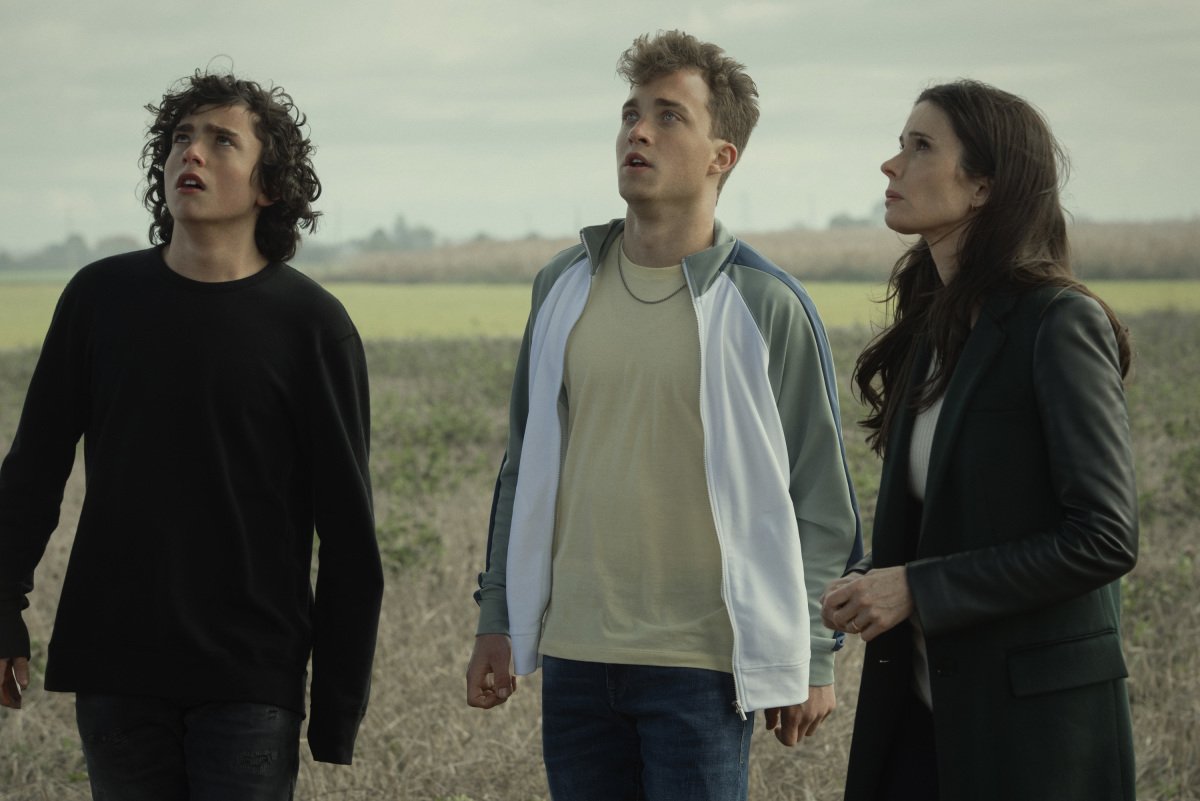
The pilot begins with a summary of Superman/Clark Kent’s life from the moment he arrived on Earth as an infant to how he met his future wife, Lois Lane (Bitsie Tuloch) and to the birth and raising of their twin sons, Jon (Jordan Elsass) and Jordan (Alex Garfin). During the pilot, a life-altering event occurs which forces Clark to return with his family to his childhood home in Smallville, Kansas. He and Lois find themselves at a crossroads in their lives and careers as they find out being journalists does not offer career or financial security. Real world problems invade their lives. Throughout the episode, Superman investigates a mysterious villain, while the boys struggle with their sense of identity and finding their way in a changing world.

From the start, the show featured exceptional special effects and cinematography, a more mature tone, and actual characters. Tyler Hoechlin turned in a fine performance as Superman and Clark Kent, who is conflicted with his responsibility to his family versus his life as a superhero who is constantly on call. Even though he is invulnerable, can bend steel with his bare hands and is faster than a speeding bullet, Clark still struggles to relate with his teenage sons. One of them has a social anxiety disorder while the other is an up-and-coming jock. These revelations showcase a more vulnerable and relatable side to the superhero, which is needed since he is criticized often for being a perfect boy scout. 

A caveat with the pilot episode of Superman & Lois is that it does feel at times like a CW show, especially when it devotes screentime to the boys. Their moments of teenage angst comes off as an updated version of Smallville complete with the dumb jocks, coy would-be girlfriends and teenage social gatherings that go awry. The partial reveal of the villain’s identity could produce some groans because Superman has a large gallery of villains to pick from that have yet to appear in live action. The episode could have used a bit more humor to liven up the mood. Then again being that the Arrowverse usually goes overboard with humor to the point it detracts from the drama, the more serious tone of Superman & Lois is very welcome.
Another point to be made is that Superman & Lois casts off much of the Arrowverse trappings to the point that it can be argued that it does not take place in the Arrowverse. It takes its inspirations from Man of Steel instead of Supergirl and it shows from the redesign of Superman’s costume to its hand-held photography (it is more brightly lit than Man of Steel, however) to its grittier tone. Be that as it may, Tyler Hoechlin’s take on Clark Kent and Superman is much closer to Christopher Reeve in the early Superman films than Henry Cavill in the recent films. the rest of the cast are also fine in their respective roles. 

Also, there is a terrific nod early in the pilot to the Max Fleischer Superman cartoons and even the first cover image of Action Comics #1 where Superman sports an early prototype costume complete with the red trunks. The cinematography during the opening segments/flashbacks contrast nicely with the current setting and helped set this episode apart from the other Arrowverse pilots. 
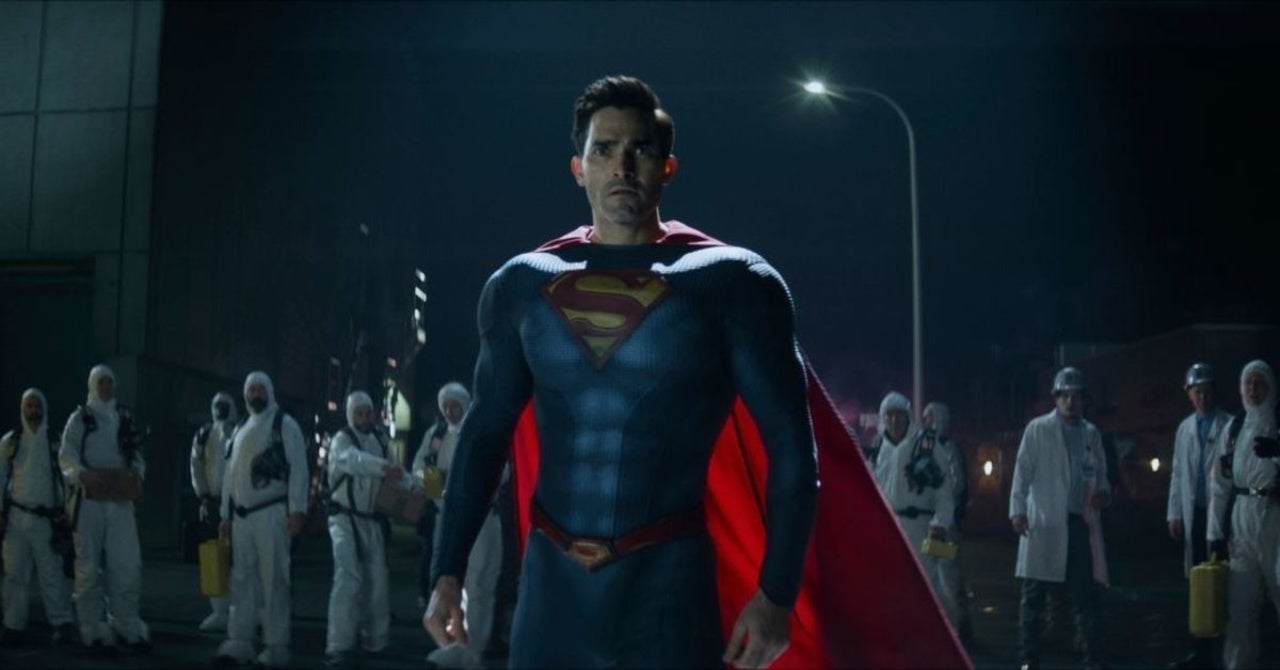
The first episode of Superman & Lois is a welcome surprise in a crowded TV landscape of underwhelming superhero shows. The makers realized that unlike the early Arrowverse shows, it is competing with other shows that raised the bar in terms of production values and writing. It is only the first episode and it remains to be seen if it can maintain this tone. The big test will come with the inevitable crossover episodes with the Arrowverse properties. But based on the pilot, Superman & Lois has taken off to a promising start. 

José Soto and Walter L. Stevenson
 

The Greatest DC Hallmark Ornaments

dc ornaments

The Holiday season is when the ornaments based on popular genre start to shine as they adorn our Christmas trees or desks. Hallmark ornaments based on characters from DC comics, films and TV shows are some of the company’s most popular and enduring line of ornaments. Here is a list of the best DC Hallmark ornaments released to date.

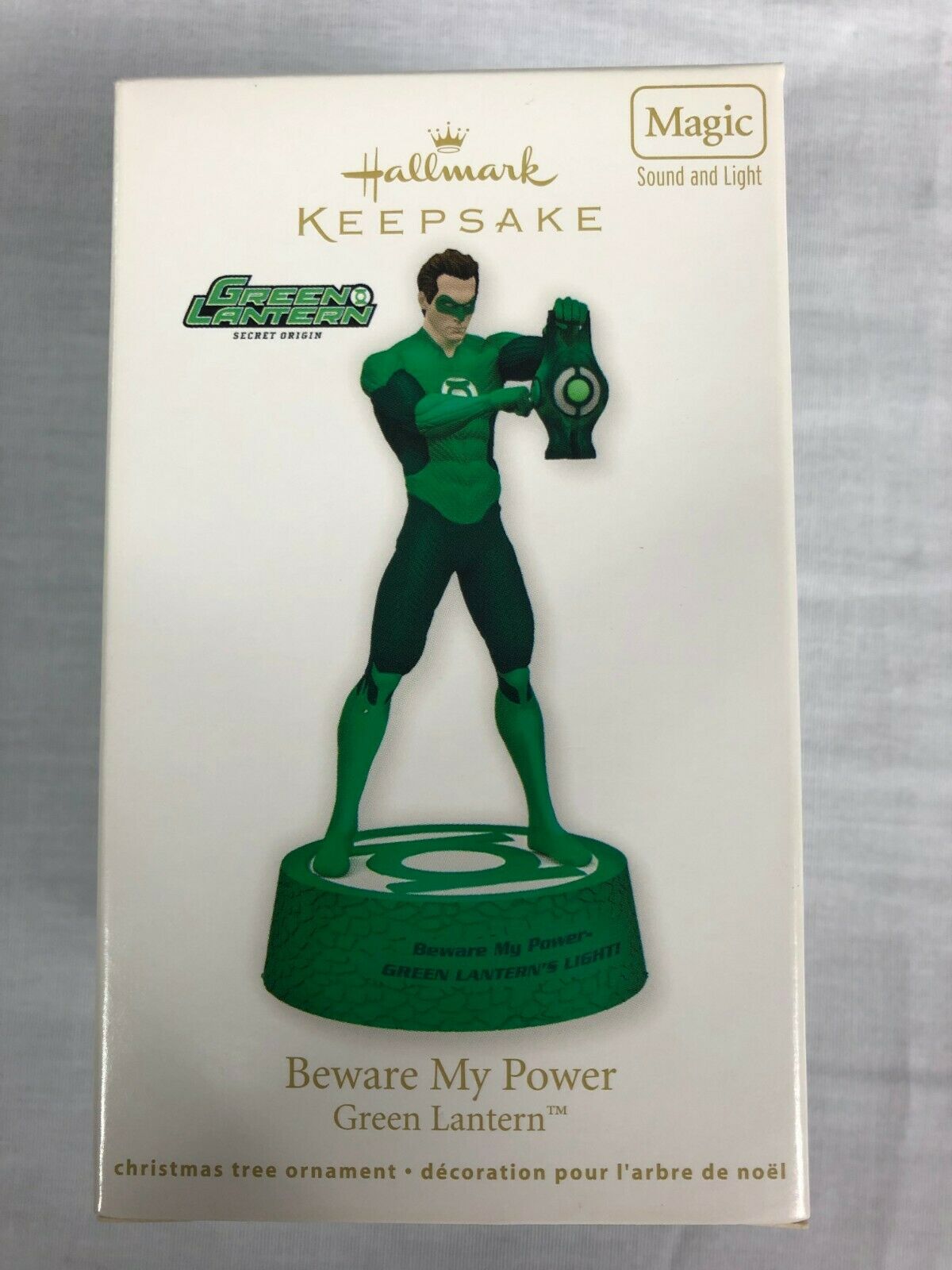
10. Beware My Power (2012):

This Green Lantern ornament was clearly inspired by the mediocre Green Lantern film, but it still is a well-sculpted ornament with a nifty feature. Press the button and see the ornament emit a green light as Green Lantern charges his ring and recites his famous oath against evildoers. 

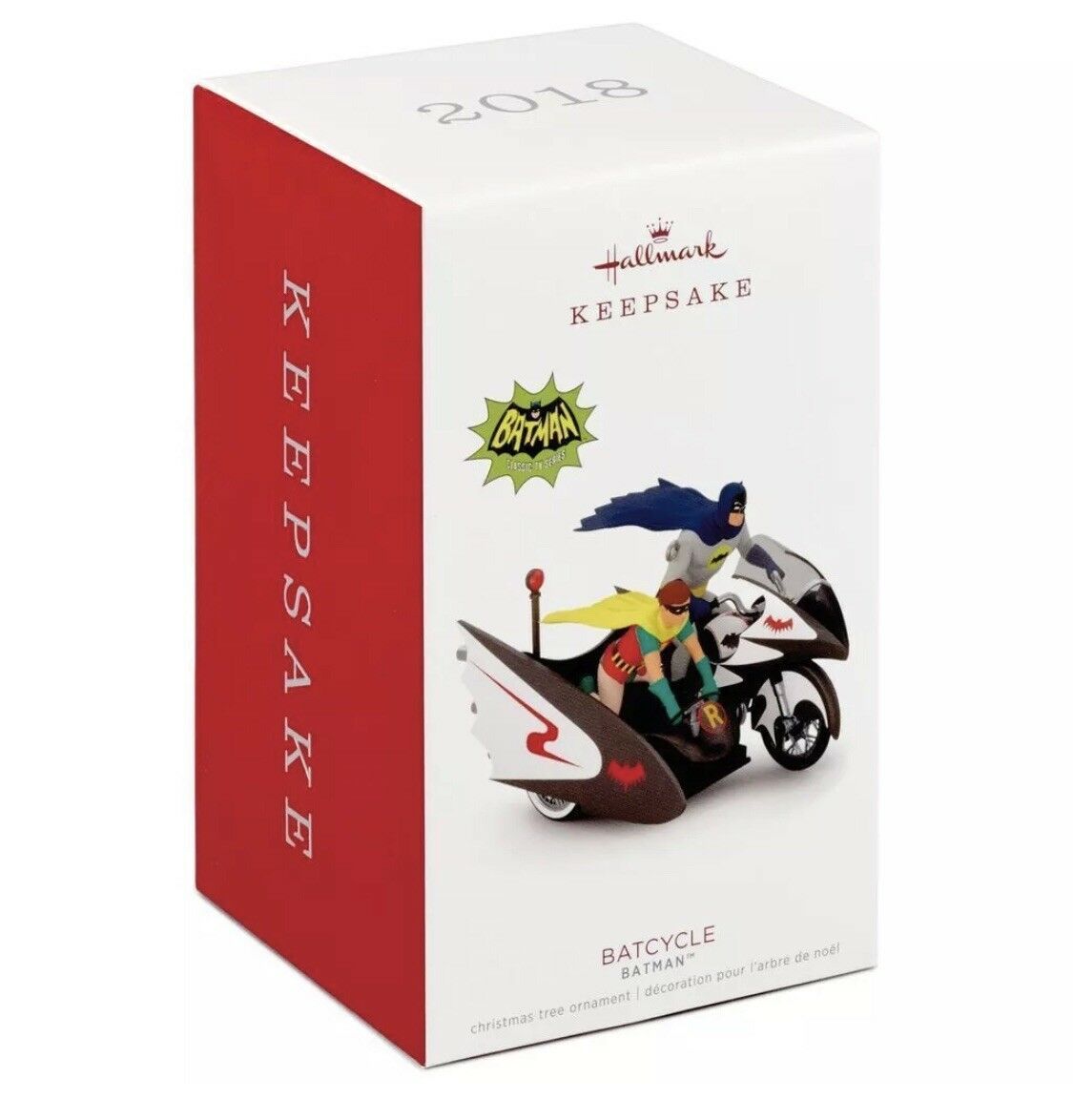
9. The Bat Cycle (2010):

There are many Bat vehicle ornaments released by Hallmark throughout the years. Most of them related to the Batmobile. While the vehicle ornaments are well done, the Bat Cycle is the best of them simply because of the attention to detail not just on the Bat Cycle but the heroes riding it, Batman and Robin.

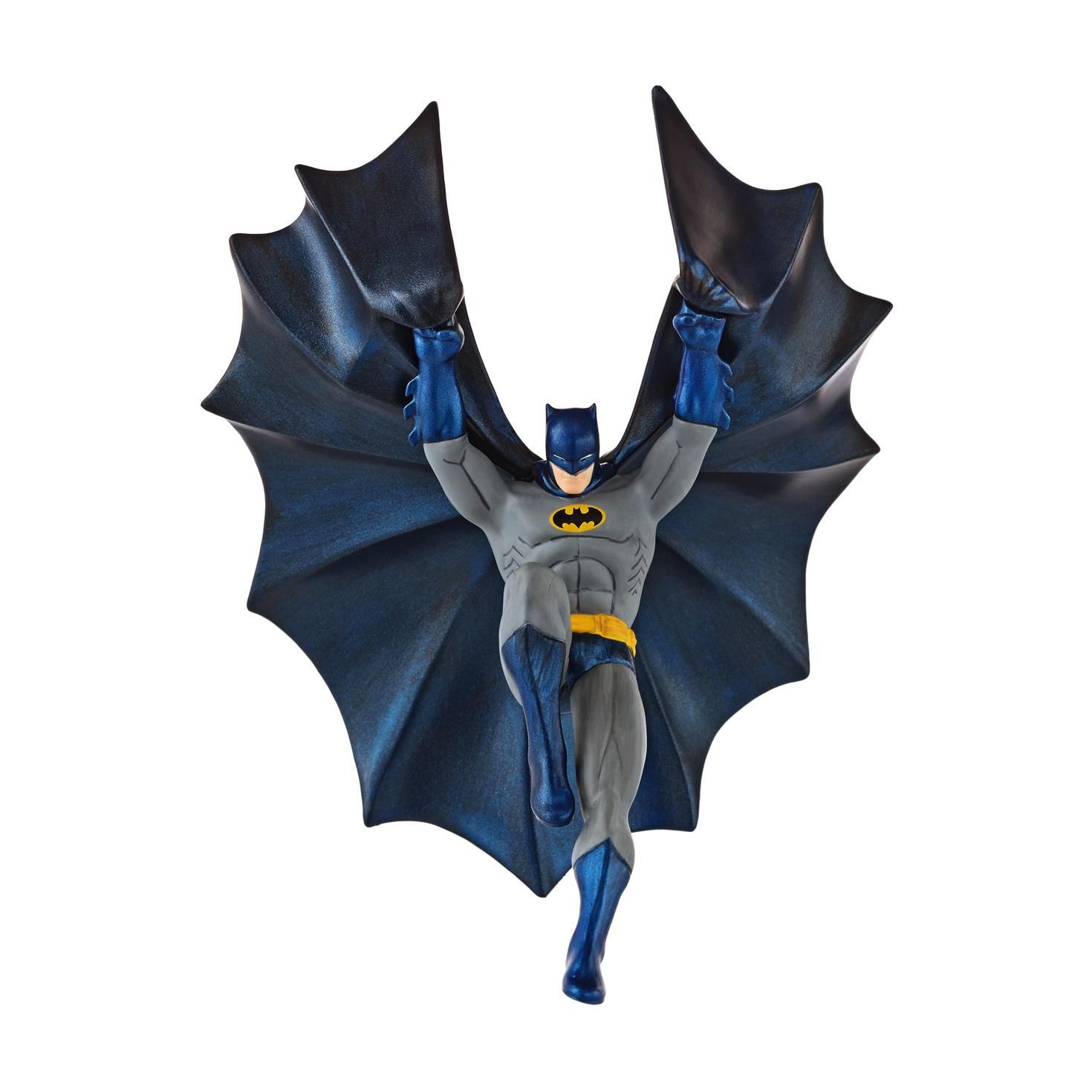
8. Descending Upon Gotham (2009):

Batman, naturally is the most popular DC Comics superhero done by Hallmark. The Caped Crusader often is shown in dramatic striking poses and this one is his most dynamic one yet as the pose captures him in mid leap ready to go into action.

Superman shield

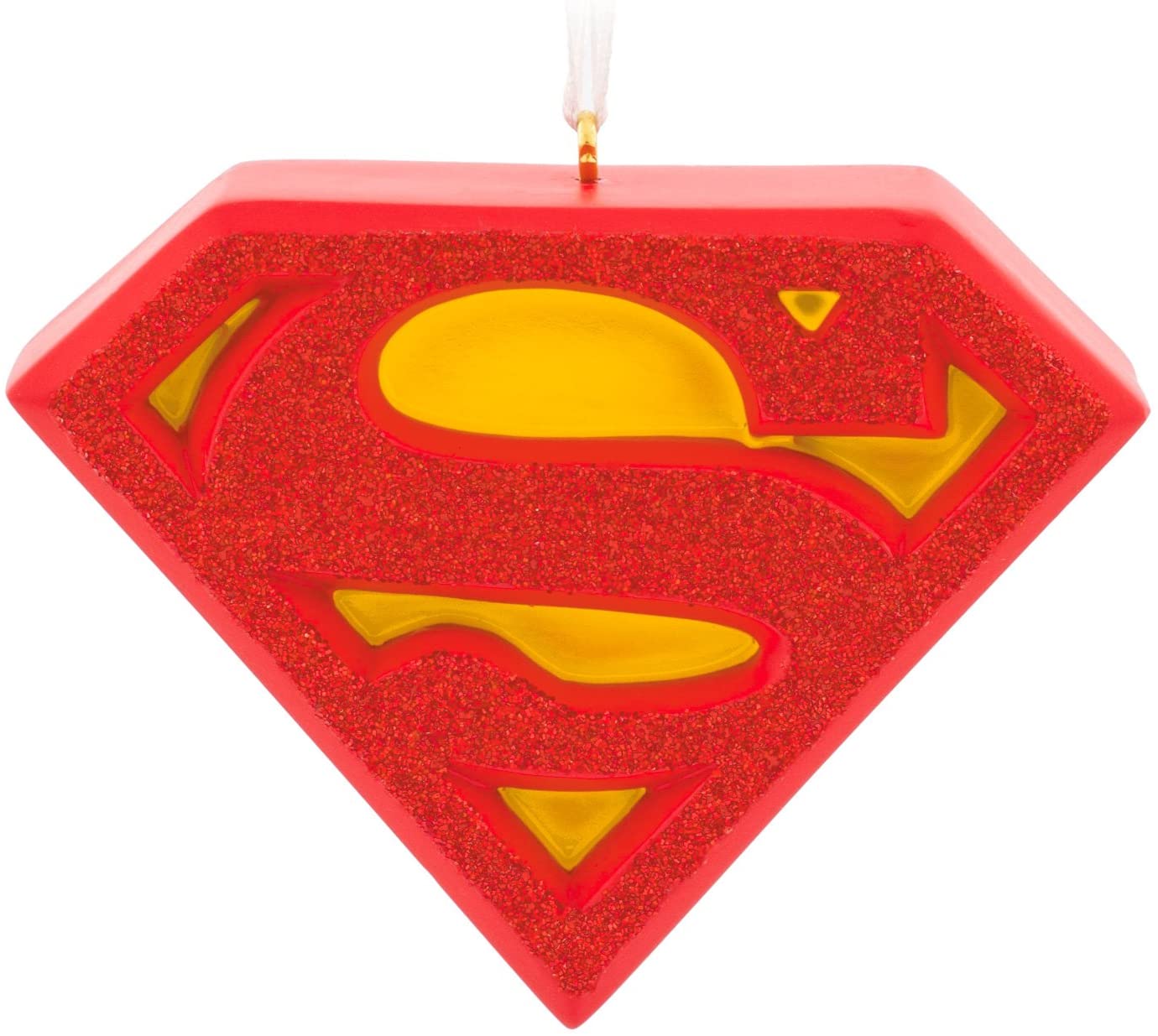
7. A Symbol of Hope (2017):

The instantly recognizable and legendary Superman symbol stands out from other DC Hallmark ornaments not just for the simplicity of the “S” symbol but because it plays John Williams’ masterful and iconic Superman theme.

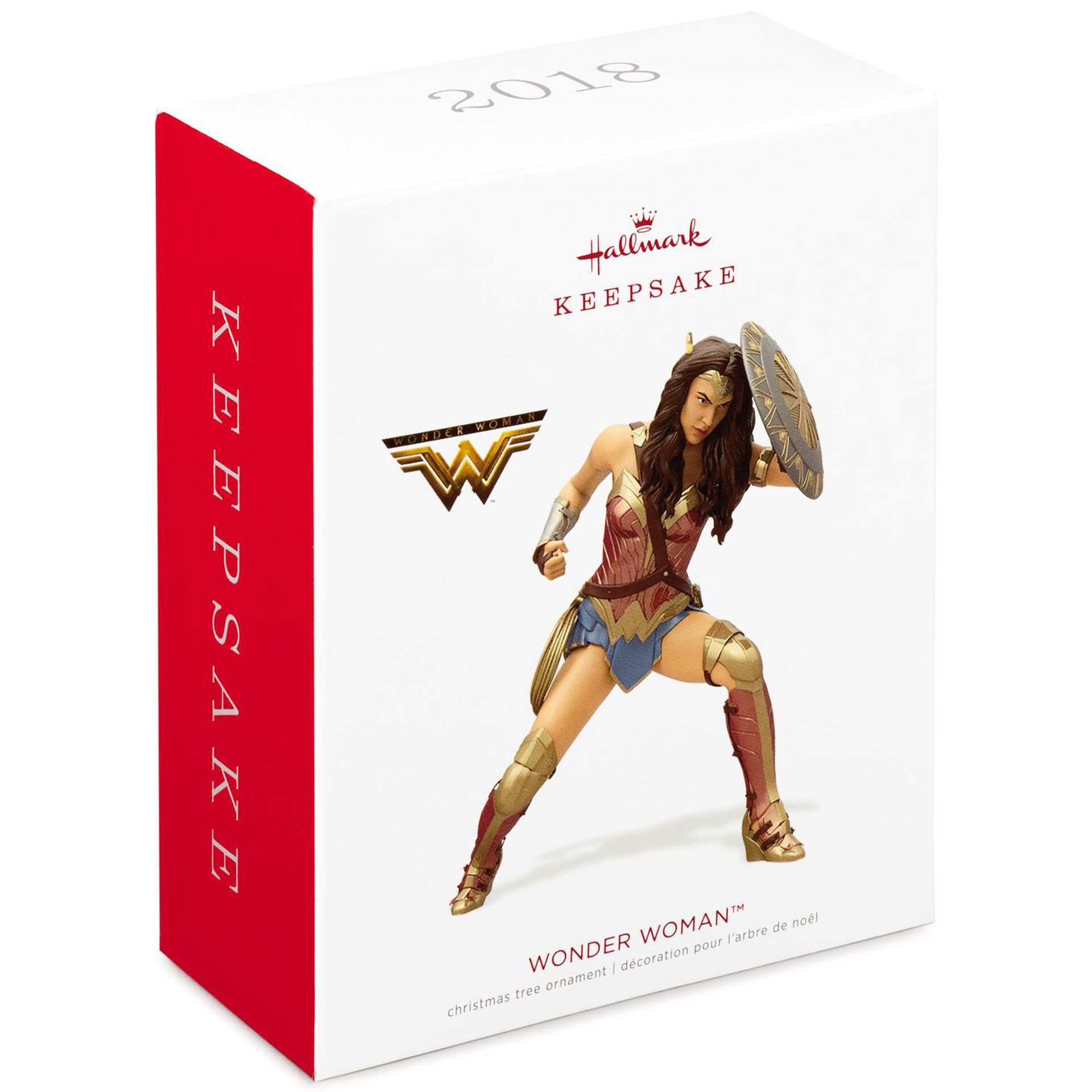
6. Wonder Woman (2018):

This DC Hallmark ornament captured the best moment from Wonder Woman as the Amazonian warrior charged the enemy German line during World War I. The pose is quite dramatic and intense as Wonder Woman uses her shield to ward off gunfire.

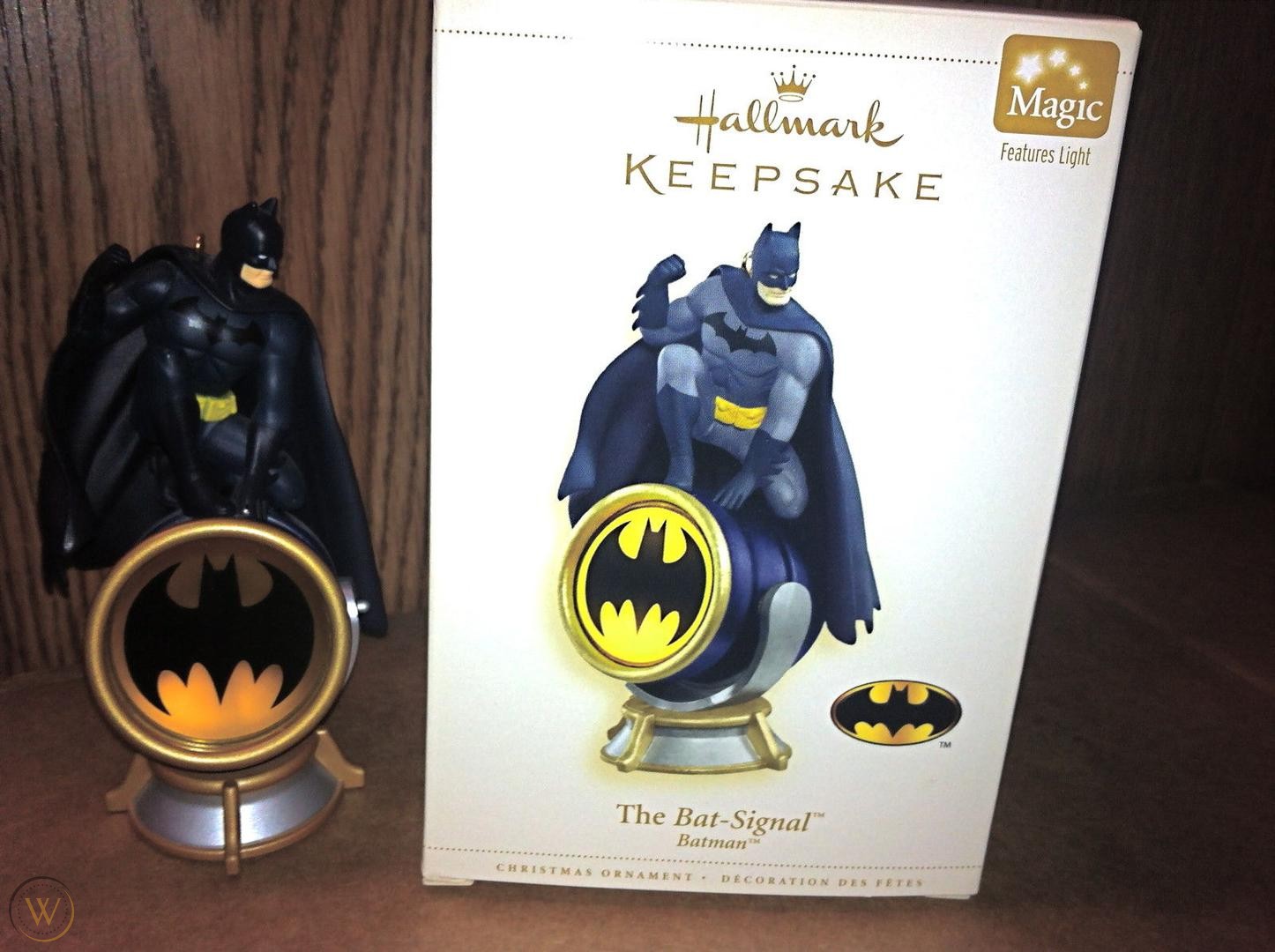
5. The Bat Symbol (2006):

One of the best DC Hallmark ornaments has a simple yet imaginative feature of having a light projecting a small Batman logo symbol. It may not be as striking as the one Commissioner Gordon uses to summon the Dark Knight but it looks great on any Christmas tree.

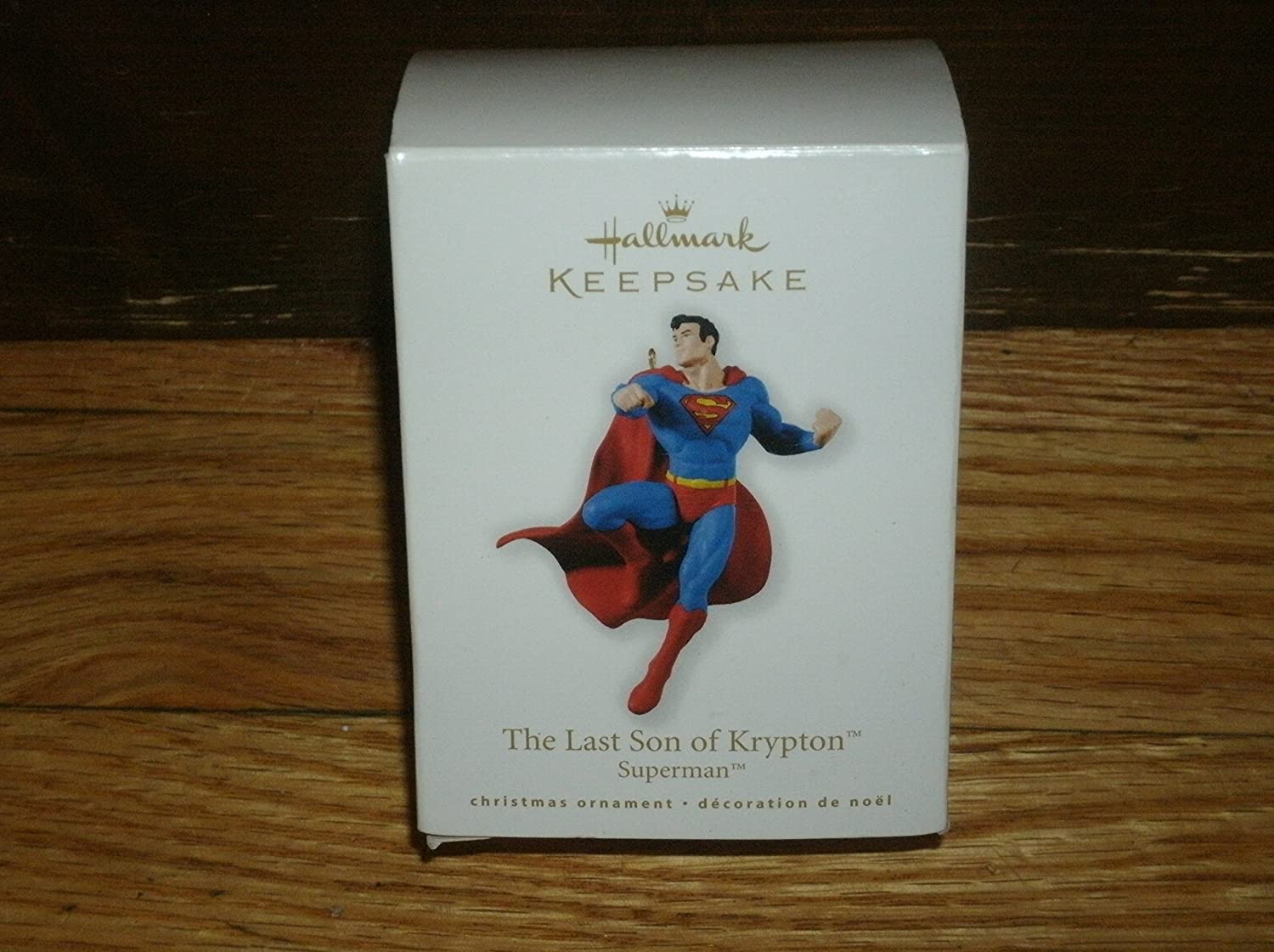
4. The Last Son of Krypton (2010):

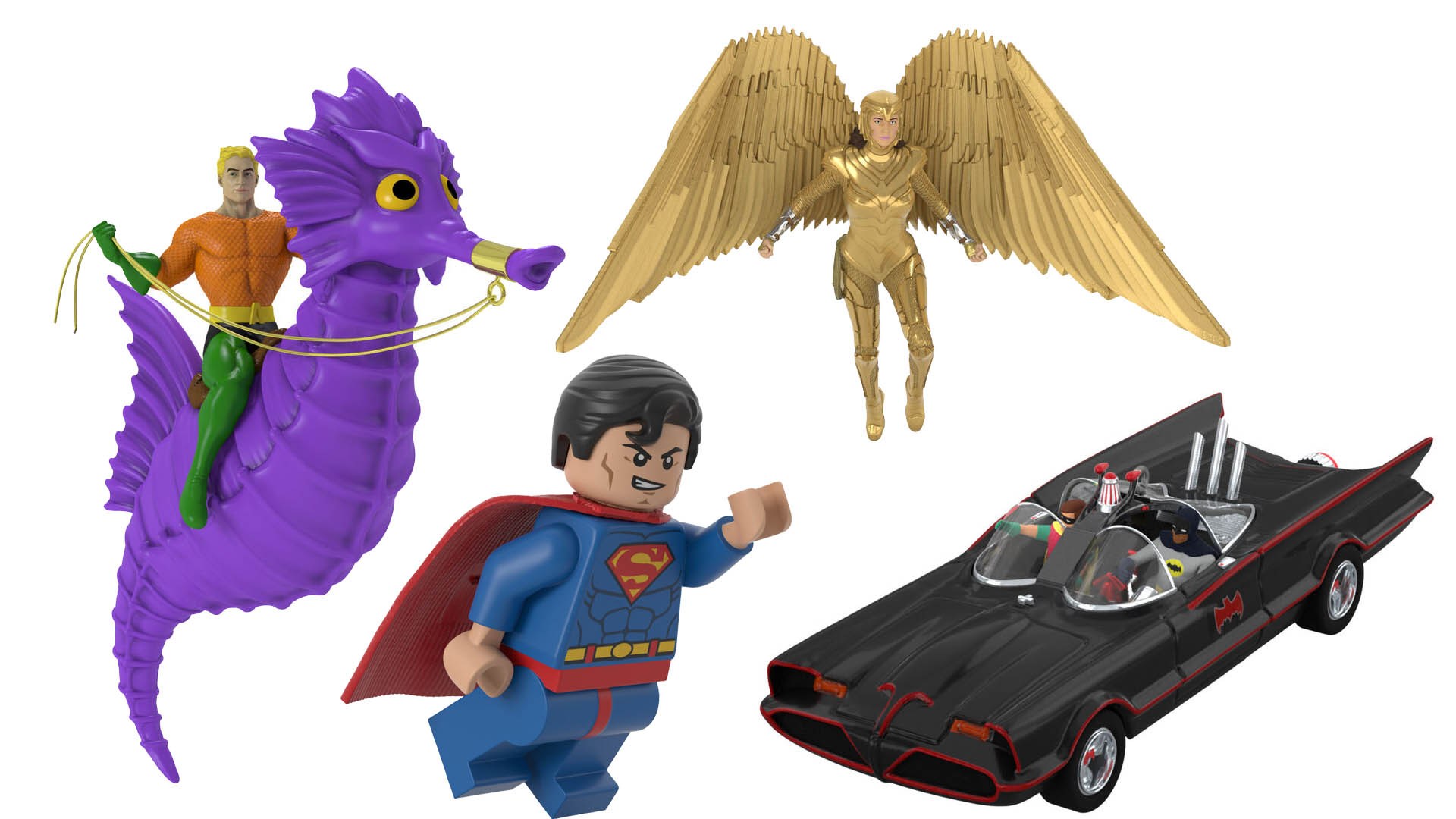
Most Hallmark ornaments about Superman have him in a flying pose, which after a while becomes unimaginative and hard to tell the difference from each other. This one differs because it shows the Last Son of Krypton in mid-flight throwing a punch, which signifies Superman is doing something heroic and action packed besides flying. 

dark knight returns ornament

3. The Dark Knight Returns (2012):

Hallmark sold many exclusive ornaments in conventions such as Comic-Con. This exclusive is a recreation of Batman as imagined by Frank Miller from his classic graphic novel mini-series, The Dark Knight Returns. Like many Hallmark ornaments this one has a sculpture which is painstakingly accurate down to Batman’s squared jaws  and bulky physique as seen in The Dark Knight Returns. 

2. Comic Heroes #2: Superman (2008): 

Remarkably, this was the only ornament in Hallmark’s short-lived Comic Book Heroes series to feature a DC Comics superhero. This ornament doubled as mini-comic book with a 3D sculpture in the front cover of Superman bursting through the pages of his comic book, which retold his origin story. It’s too bad, Hallmark never got around to doing such an ornament about Batman and a mini-comic book from his line. 


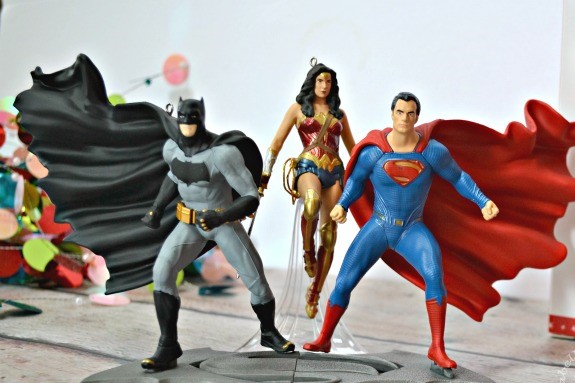
1. Batman v Superman: Dawn of Justice (2016):

Actually this diorama is made up of three separately sold ornments featuring Batman, Superman and Wonder Woman as seen in the controversial film Batman v Superman: Dawn of Justice. These ornaments can be displayed separately or put together to form a diorama which represents how the heroic trio joined forces in the film and inspired the formation of the Justice League.The poses and sculpts are excellent as the DC superheroes strike dramatic poses. 

Honorable Mentions:

The following are huntworthy DC Hallmark ornaments for any fan of the superheroes or quality ornaments whether online or at a random store or flea market. 

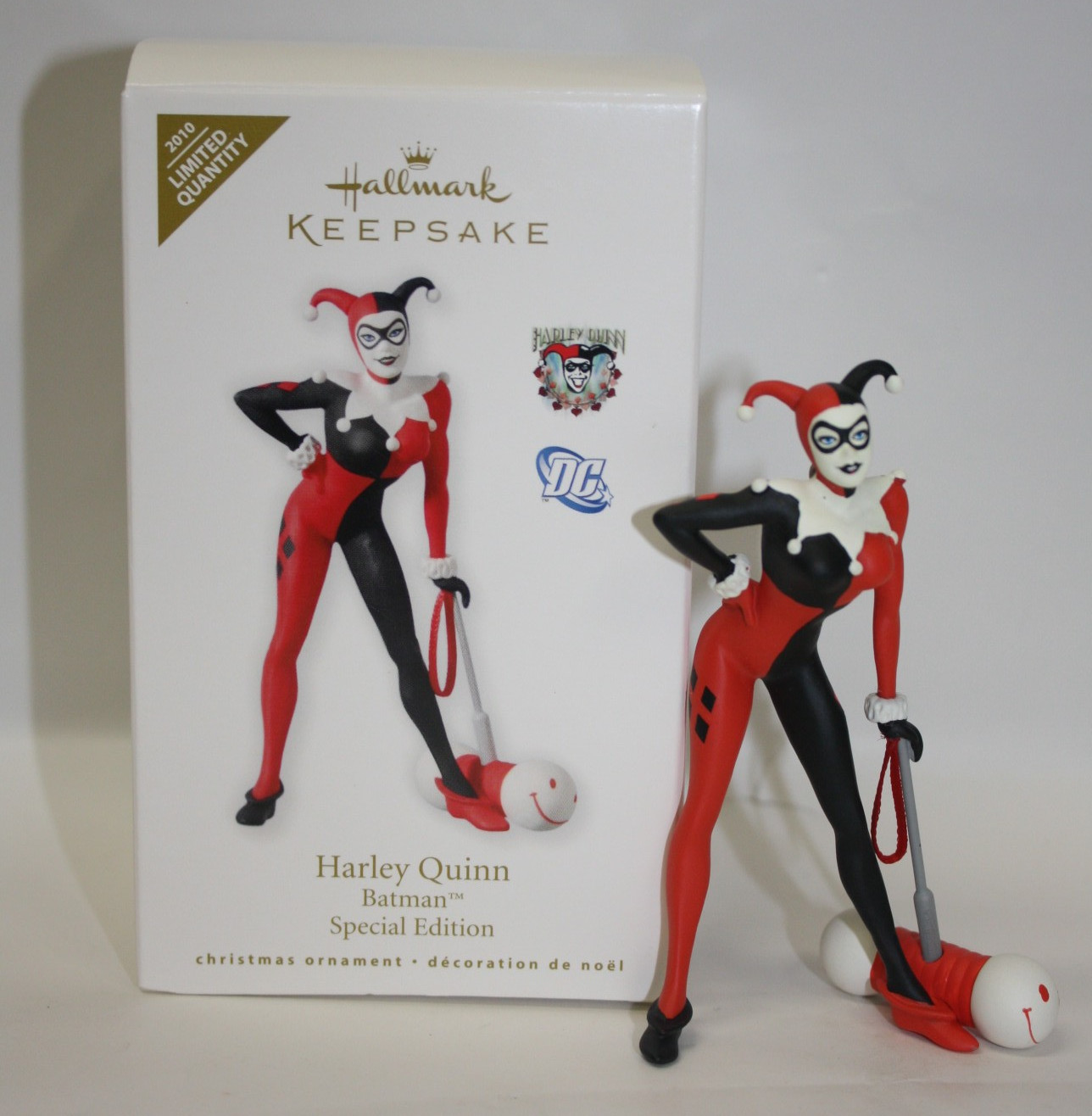
Aquaman: Justice League (2017); The Bat: The Dark Knight Rises (2012); The Batmobile (2020); Christopher Reeve as Superman (2019); The Fastest Man Alive (2009); The Flash (2018); Green Lantern (2011); Harley Quinn (2010); Holy Hit TV Show, Batman! (2014); The Joker (2013); The Joker (2015); Princess Diana Returns: Wonder Woman 1984 (2020); Superman (1995); Villain Database (2007)

José Soto


DC FanDome Brings The DC Universe To Fans


We were robbed of Comic-Con this year thanks to the ongoing pandemic (the less said about their virtual convention, the better). However, comic book and DC fans were entreated to the virtual event DC FanDome which showcase all that is going on with the DC Universe in comics, film, TV, video games and much more.

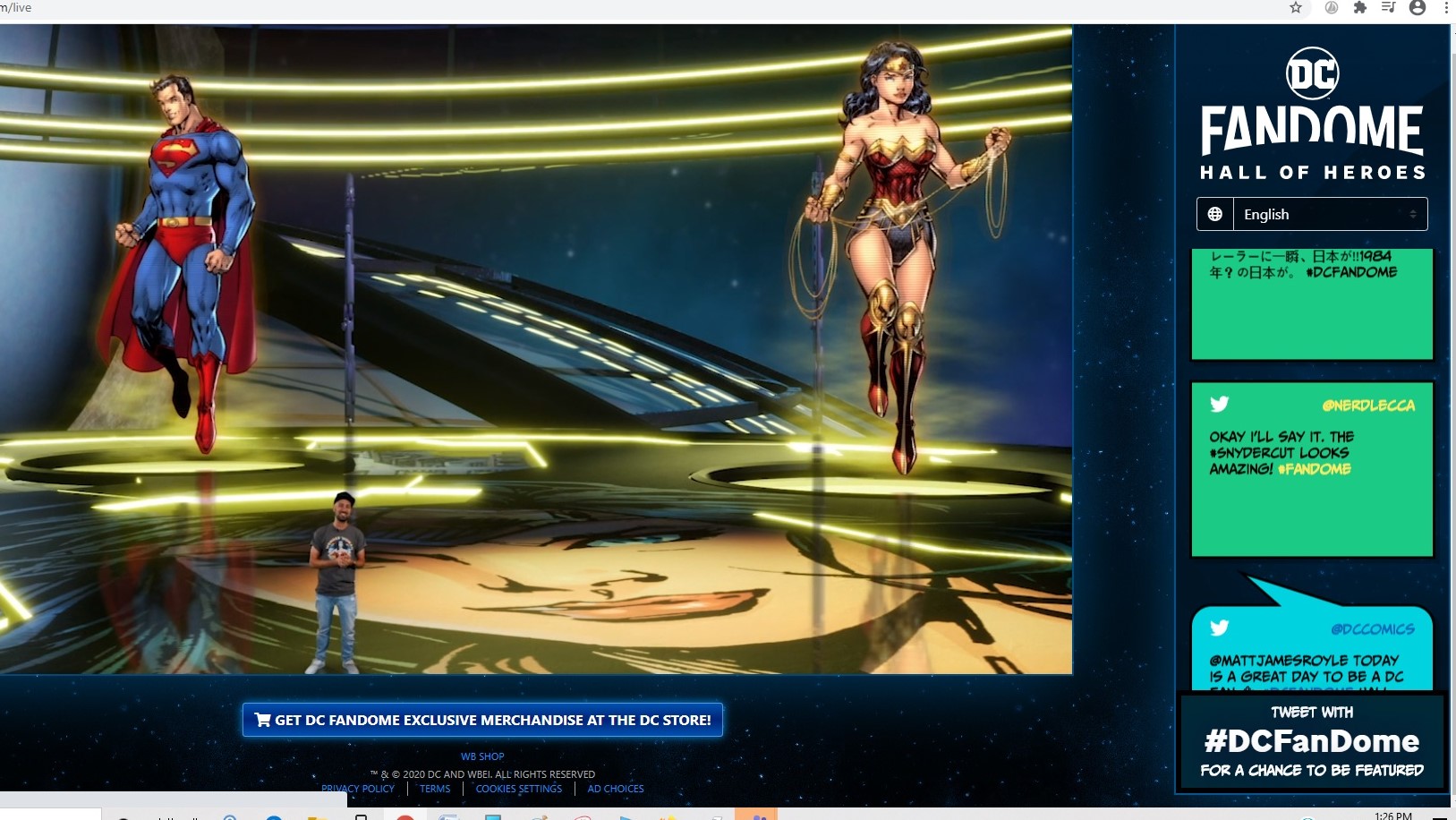
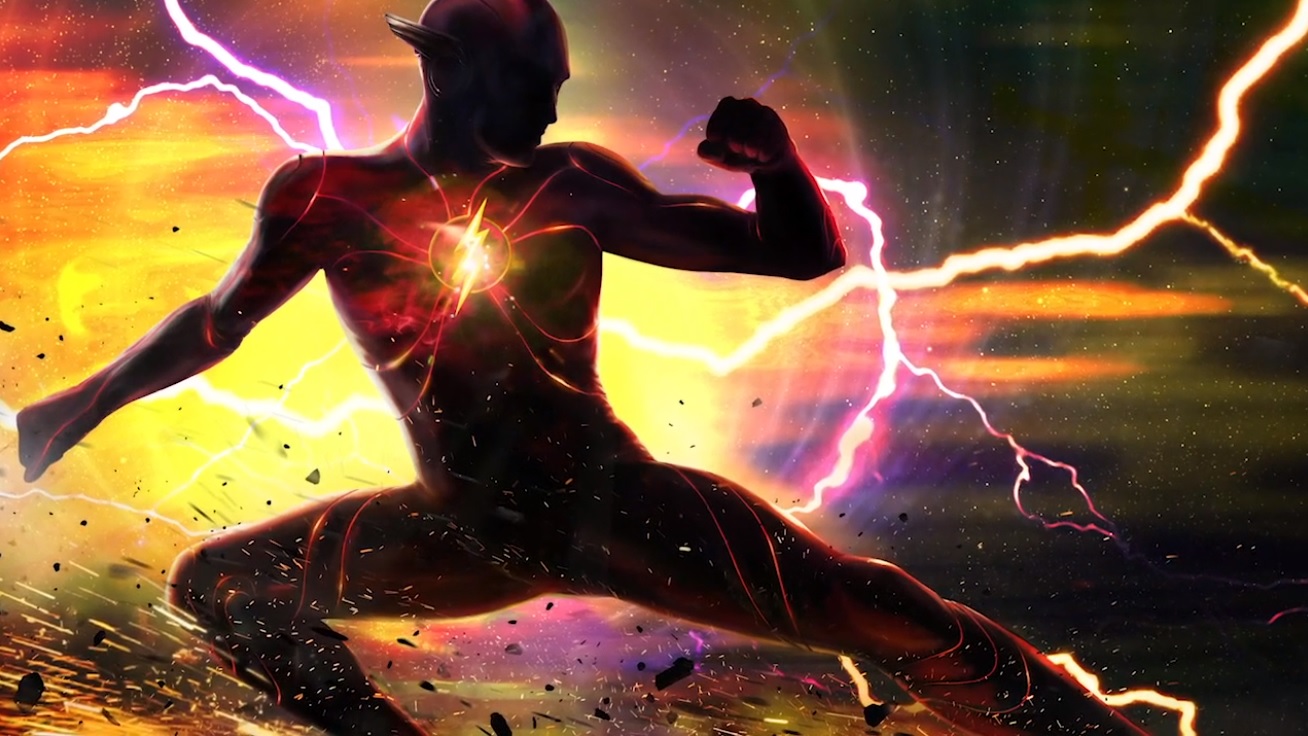
There were many highlights in the virtual event and many avenues for fans to explore. Visiting the website, one could see there were different sections to view such as the Hall of Heroes, WatchVerse, KidsVerse, InsiderVerse, and so on. The most talked about highlights of course were the exclusive looks at the upcoming DC films and TV shows seen in the Hall of Heroes. For example, we were treated with a new trailer for Wonder Woman 1984 and a glimpse at Wonder Woman’s chief villain, the Cheetah (a bit too CGish but that’s fine). Other clicks revealed the first look at the re-designed Flash suit for the upcoming film of the Scarlet Speedster. Looking at the sleeker suit, it is obvious the DC Extended Universe (DCEU) version of the Flash was clearly inspired by his brief encounter with The CW version of the Flash as seen in his cameo in the “Crisis on Infinite Earths” TV crossover event. Frankly, the new suit is a great improvement as it looks more aerodynamic and befitting of the character.

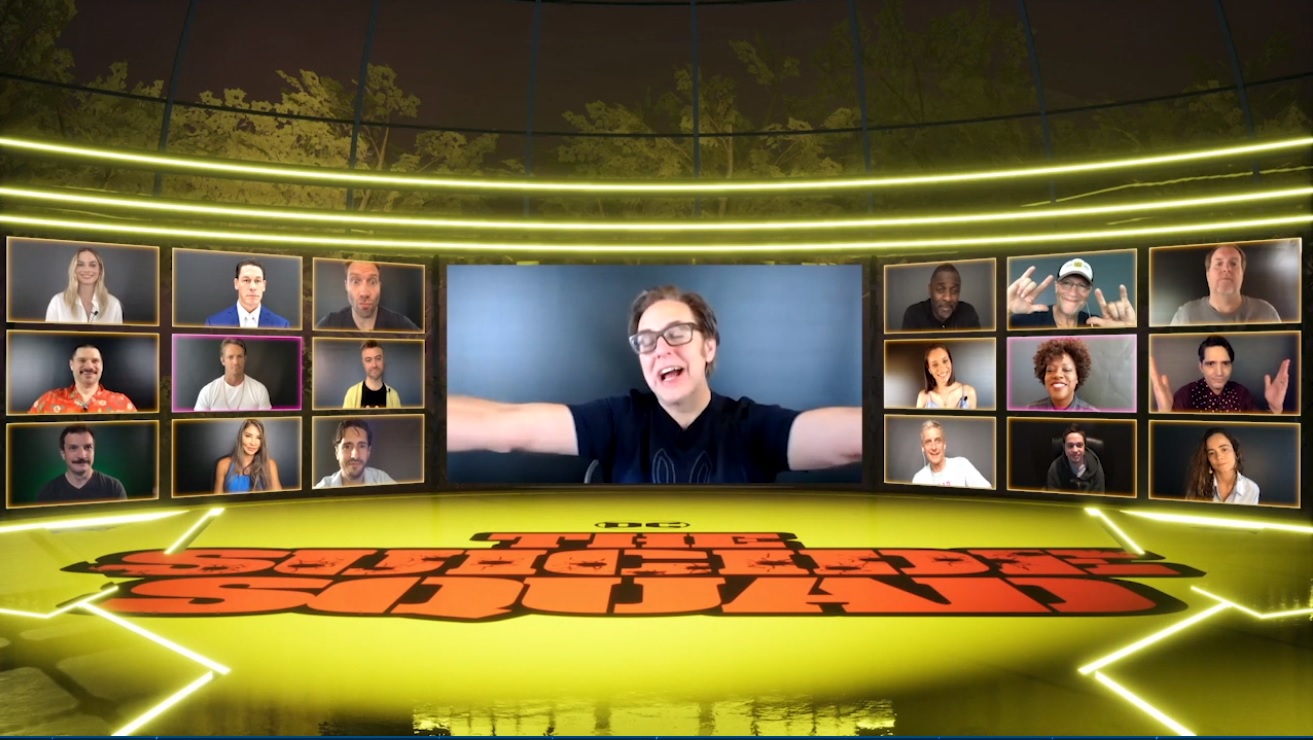
There also was a lively panel of The Suicide Squad hosted by the film’s director, James Gunn. For the first time the roster of supervillains was revealed and what a motley crew! Leave it to Gunn to pick some of the most obscure and goofy villains for The Suicide Squad. Comic book speculators and collectors will have their hands full trying to hunt down the comics that debuted the likes of the Polka-Dot Man or the Weasel. The panel itself was quite funny and gives fans who were disappointed by the previous Suicide Squad that the sequel will be injected with James Gunn’s humor and be reverant to the original comic book as he promised in the panel.

The suicide squad panel

Director Zack Snyder presided over a presentation of his original vision for Justice League. Featuring appearances from the film’s stars like Ben Affleck (who made news recently when it was revealed he would reprise his role as Batman/Bruce Wayne in the upcoming film, The Flash) and Henry Cavill, who looked really buffed out–a hint that he will return to the DCEU as Superman? After taking questions from fans who championed for his original cut, Zack Snyder unveiled a teaser trailer for Justice League. What stood out is the huge amount of original footage including a new and better version of Steppenwolf, Darkseid and Superman in his black suit. With a running time of four hours, the original vision of Justice League promises to be a true superhero epic.

The other big movie news was the premiere trailer for next year’s film The Batman. What can be said that has not already been written online about this first look at the new Batman film? As it has been said everywhere, this film looks awesome. Easily one of the most anticipated films next year, The Batman seems to be a spiritual successor to the Christopher Nolan Batman films, especially Batman Begins. The film looks gritty and promises to be more of a crime thriller peppered with intimidating scenes with the Caped Crusader.

Aside from giving us previews and first looks at upcoming property, DC FanDome was a celebration of all things DC. The event showcased brilliant and imaginative fan art and cosplayers, which captured the spirit of past conventions. Visitors got to see how influential and widespread DC was as videos showcased fans and creators from all over the globe. The Celebration of DC Pets was really cute, by the way. It was impressive to see how DC captured our imagination. DC FanDome also took time to celebrate the rich and vast history of DC with clips and images from past incarnations of its superheroes and villains.

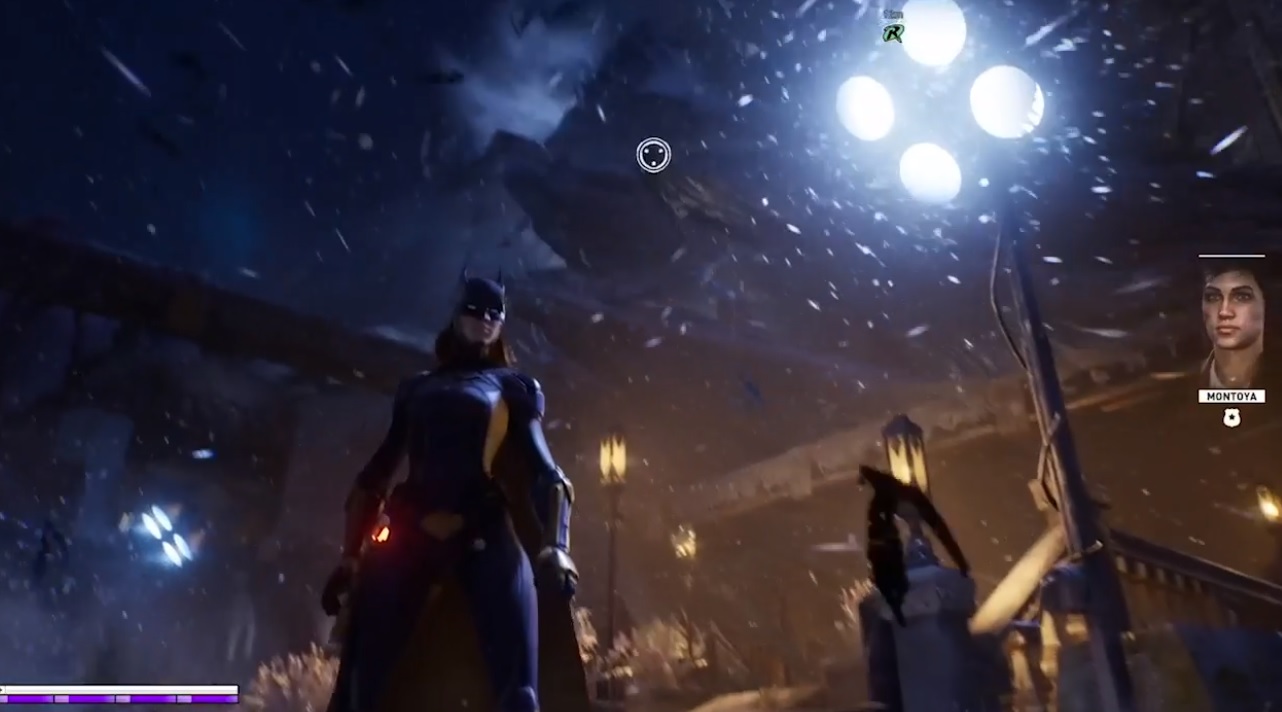
On a technical level, there were the usual technical glitches that we are all experiencing these days with our Zoom meetings and other video calls, but for the most part, the event went off smoothly and was slickly produced. Their online store, there should have had more variety of merchandise because the only thing on sale were different kinds of t-shirts. But fans were able to read online comics and check out all the things related to DC, whether it be the latest with the DCEU or the thrilling video game Gotham Knights.

The DC FanDome was a great success and was actually better than what could have been done at Comic-Con. For a long while, Comic-Con was too exclusive as tickets to the yearly event were rare and expensive and frustrated nearly all of the fan community who were not privy to view first looks at trailers or concept art. We were forced to scour online for amateur videos taken at Hall H for just a glimpse or an upcoming film. The way DC FanDome was done should be continued in the future and can be done by other companies (hint, hint Marvel) as a way to better reach fans.

The Current State And Future Of Comic Books, Part II

We looked at the current state of the comic book industry, which had been declining in recent years for many reasons ranging from too many products flooding the market to the obsession with variant comics. The industry suffered a brutal blow with the COVID-19 pandemic which forced most stores and industries to close in order to stop the spread of the coronavirus. This weekend, another annual Free Comic Book Day event would have taken place all over. That is gone, along with highly anticipated conventions, especially the San Diego Comic-Con.  But fear not, we will get our geek fixes at some point in the future.  However, as our society looks ahead and to reopening, many fans are wondering where the comic book industry goes from here or if it can survive.  Let’s look further.

The Coming Contraction

To be blunt, there are too many comic book titles flooding the market. Certain popular characters have multiple monthly titles; numerous crossover event books have overtaken the shelves; and every time a fan turns around a title is canceled, relaunched or rebooted just to produce a new number one issue for collectors. The hard truth is that this cannot continue. Once this crisis passes and the stores reopen, the publishers have to entice readers to buy their products. One thing to keep in mind is that too many buyers are now out of work and cannot easily afford comic books, not with current prices. It is not realistic to expect the average fan to buy all of your products as in the past.

Publishers need to determine what books to create. The obvious answer would be to focus their titles on their most popular and recognizable characters. And they should be limited to two or three titles at most. One thing publishers can do is to increase the amount of pages in a popular title and feature back up stories with lesser heroes. This was the norm back in the Golden Age of Comics and would allow for the publishers to keep employing creators as is currently done.

Look at the Downside

While contracting the amount of books published monthly goes against publishers wanting to put out as much product as possible, there are long-term benefits. Limiting the amount of exposure for a character creates demand. At the same time, the quality of the stories will improve as not every story angle will be quickly used up in a short amount of time by writers and artists pumping out dozens of titles per month.

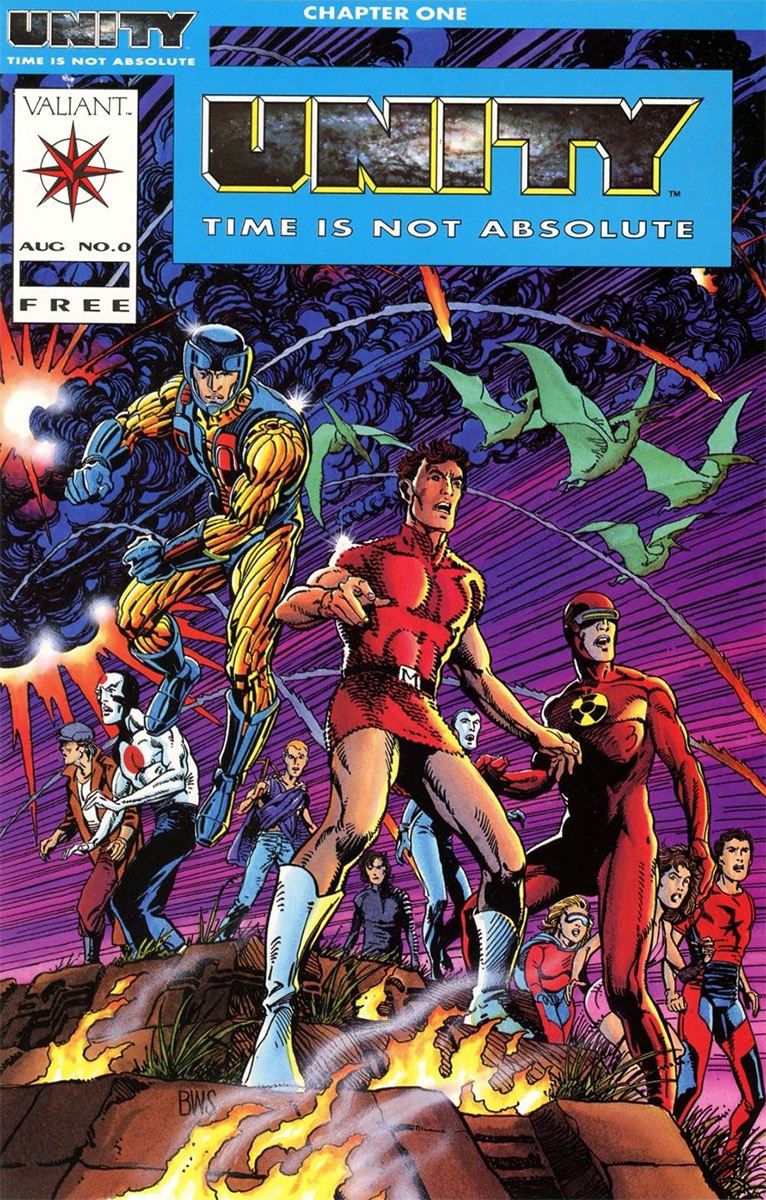
Another benefit for downsizing comics is that it will be easier to coordinate events and continuity. An all-too-common gripe from readers is how they are pressured to buy every single crossover comic book and keeping up with what is going on. Too often, events are contradictory and repetitive. How many times can someone in the Fantastic Four or the Avengers die and come back? Think of how great it was to read the early Valiant comic books. Back when those comics came out in the early 1990s, only a few titles were published monthly and there was a tight continuity between the titles. They were easy to follow, yet for the most part we were not forced to buy every book. This helped create buzz for those Valiant titles. When an event like Unity occurred it was a big deal. Nowadays it seems as if there is some kind of weekly event. Speaking of events, what is the latest Spider-Verse thing going on now? Or is it Spider-Geddon?

Reduced Prices

There are many ways to cut costs aside from limiting output. The easiest way to entice buyers is through sales: BOGOs, discounts, subscription services, etc. Many of these sales tactics are used right now, which is often seen during the holiday season, Free Comic Book Day, or the release of major superhero films.

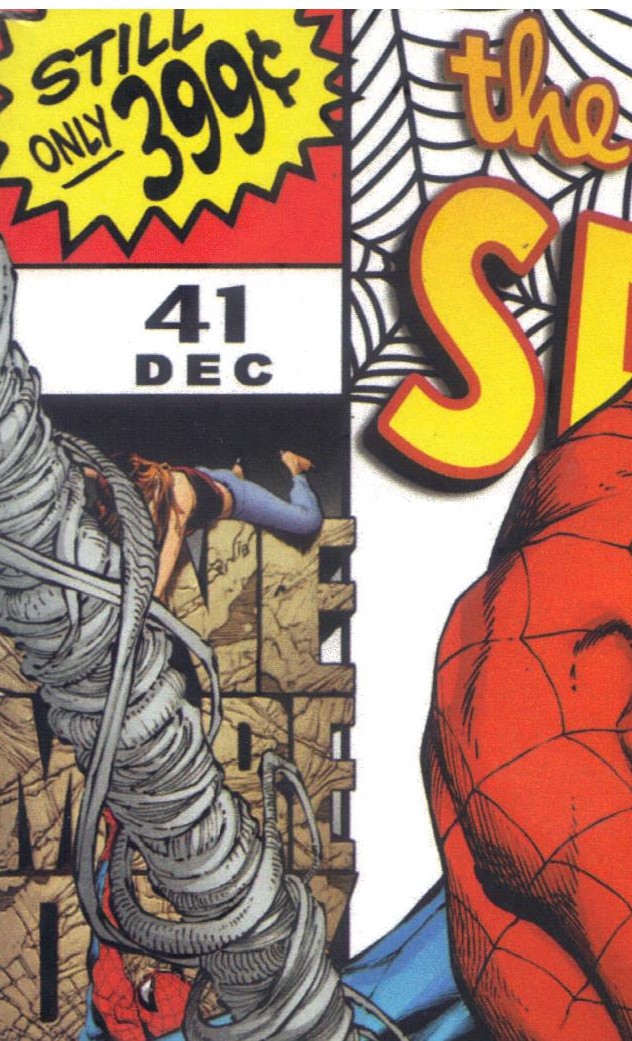
Still, these sales will only go so far. To keep people coming back and buying comics on a regular basis, prices must be lowered. Expecting loyal readers to fork out $3.99 per title is unrealistic given the state of the economy. One reason why comic books took off when they were first published was because of low prices. Everyday kids could afford to buy them for 10 cents at the beginning. They were even affordable when the prices eventually went up to a dollar or so. But current prices inhibit children from buying them. Publishers must entice new generations of readers to keep the industry alive; although publishers put out inexpensive comics geared towards young children, they are not adequately attracted to more traditional titles.

OK, so how can publishers lower prices besides limiting the amount of books published? One thing that can be tried is to change the paper stock and if worse comes to worse go back to newspaper print. It was only in the past couple of decades that the paper quality in comics took quantum leaps forward. No longer did collectors have to worry about yellowing pages or crumbling paper. But this came at a literal cost. Perhaps it is time to revisit the traditional newsprint, if only for a while.

Another idea is to use less pages per title. This could mean shorter and more serialized stories. But this should be considered along with the actual size of a comic book.

Most fans know that the Golden Age and Silver Age comic books were actually slightly bigger than current comics. The sizes were reduced eventually to diminish the amount of paper needed and therefore cutting costs. Comic books in the future will probably be smaller and look like those Best of DC comic book digests that came out in the 1970s.

Continue reading →

Look! Up In The Sky! Superman: The Movie Turns 40!

This month marks the 40th anniversary of the first big budget superhero movie of cinema, Superman: The Movie. It truly is one of the most influential films of all time and is still considered one of the best superhero films ever made. That is no small feat considering all the high-quality superhero films that have taken over Hollywood. But it was not always like this. Back in the day, superheroes were something to be mocked and considered strictly for children. So, superhero films were a rarity. That all changed in December 1978 when Warner Bros. released the large-scale, live-action adaptation of DC Comics’ Superman.

Sky High Expectation – Delivered!

When released in theaters in 1978- a year after Star Wars, Superman was a commercial and critical success. There are several reasons for this achievement, so, let’s go over them. Start with the perfect casting of Christopher Reeve, who many still regard as the perfect Superman. For audiences leaving the theaters back then, and rewatching at home decades later- we hear from so many of them who declare that Christopher Reeve IS Superman. No other actor at the time could have successfully portrayed the greatest superhero of all time.

When it comes to the big-budge superhero film, Reeve was the first one to be perfectly cast. These days, there are so many spot-on castings in superhero films, but he was the first. As a respected Julliard graduate, Reeve’s dual role of the nerdy Clark Kent and the heroic Superman was like opposite ends of the spectrum. It was and still is amazing to watch. As Clark, his intention was to be seen as a shy, bumbling pushover, always tipping his oversized glasses to the top of his nose. Certainly not the center of attention, he purposely puts himself into Lois Lane’s “friend” zone, an unwanted role for any guy (it’s worse than being banished to the Phantom Zone!). But Reeve’s Superman secretly enjoys teasing Lois to make her have to be close to the bumbling Clark. Reeve’s look were perfect for the superhero. When he took the role, Reeve underwent an intense bodybuilding regimen and it showed! Not only that, he had the face of Superman as seen in the comic: square jaw, leading man looks and a robust mane of hair fashioned with the distinct “S” curl. Even in today’s comics, most artists draw Superman with this curl. For fans, this completes the look.

The film boasted a star-studded cast whose talents complimented Christopher Reeve; notably Marlon Brando, Gene Hackman and Margot Kidder. Each actor set the template for how their alter egos were in live-action that in many cases have not been topped.

Then, there was the perfect directing by Richard Donner, who demonstrated a true understanding of the heroic, epic and sincere tone  for the film. Unlike many potential directors considered for the job, Donner respected the character and it showed on screen. He helped present a Superman that was true to his comic book image and made him someone anyone could look up to.

Let’s not forget the timeless score by John Williams. His soundtrack was so stirring and epic. It captured the essence of Superman to the point that 40 years later it is still considered the character’s theme. Hum a few bars of the theme and anyone can tell it’s the Superman theme. Sorry, Hans Zimmer.

Another person who helped elevate Superman: The Movie was costume designer Yvonne Blake, who made Superman’s costume look like it leapt straight out of the comics. Richard Donner asked Blake to make Superman’s costume true to the comics. She referenced the Bronze Age Superman from DC artists Curt Swan, Neal Adams and Jose Luis Garcia Lopez. The costume was so accurate, it was impressive! The way the cape stemmed from an open collar in pleated folds; the oval yellow belt buckle, the “M” shaped top of the boots; the yellow S in the back of the cape, and the colors were just perfect. The other costumes were also cool to see- the white, glowing Kryptonian outfits, each with their own family crest symbol on the chests and the three Kryptonian villains dressed ominously in jet black.

When Superman: The Movie premiered a key concern among fans was over the special effects. It was vital that the film, as its tagline promised, made us “believe a man can fly”.  Superman’s flying effects had to deliver, and they did. Christopher Reeve’s aerial acrobatics were so fluid and natural that even though the effects are dated now, back then they sold the tagline. The Oscar-winning special effects utilized analog optical effects, and many techniques were invented for the movie itself and used in other productions thereafter.

The set designs by John Barry were just jaw dropping, including the otherworldly crystalline planet Krypton, a starship literally designed to look like a Art Deco depiction of a star and its rays; and the imposing and majestic Fortress of Solitude.

Continue reading →