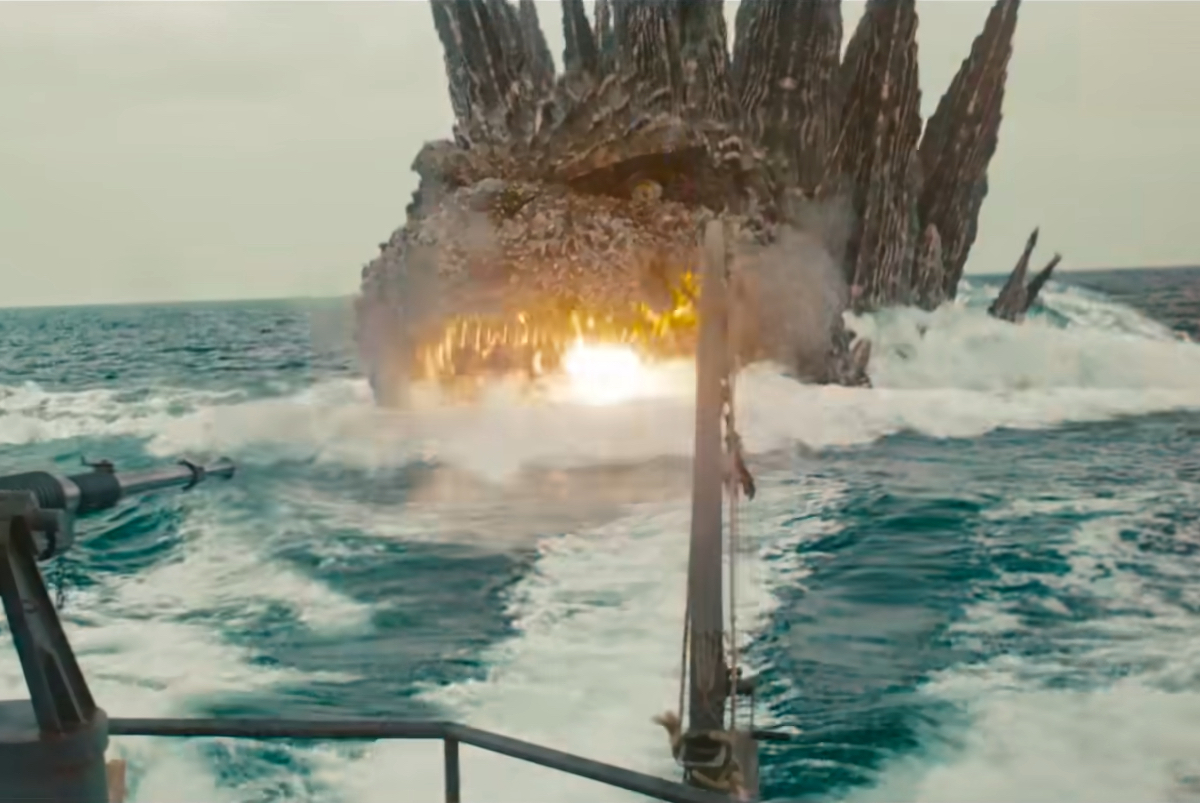
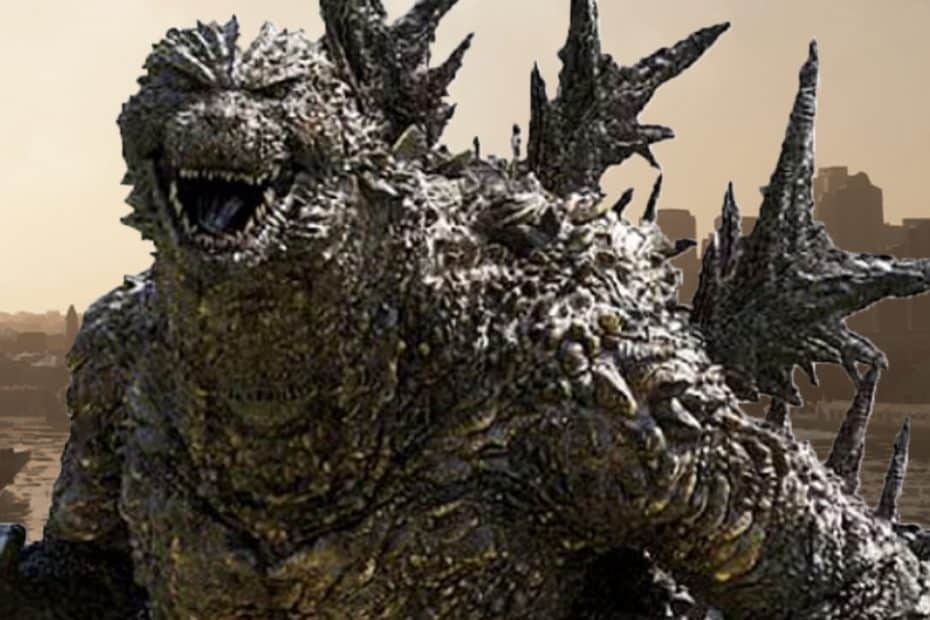
Top Ten Films & TV Shows Of 2023

2023 boasted its fair share of exceptional genre films and TV shows. It is also noted for being the year when superhero films and TV shows started to lose steam. More on that some other time. Still, there plenty of quality fare for us fans and here are the best films and TV shows of 2023. Be sure to drop a comment with your own choices and rankings.

Films

10. 65
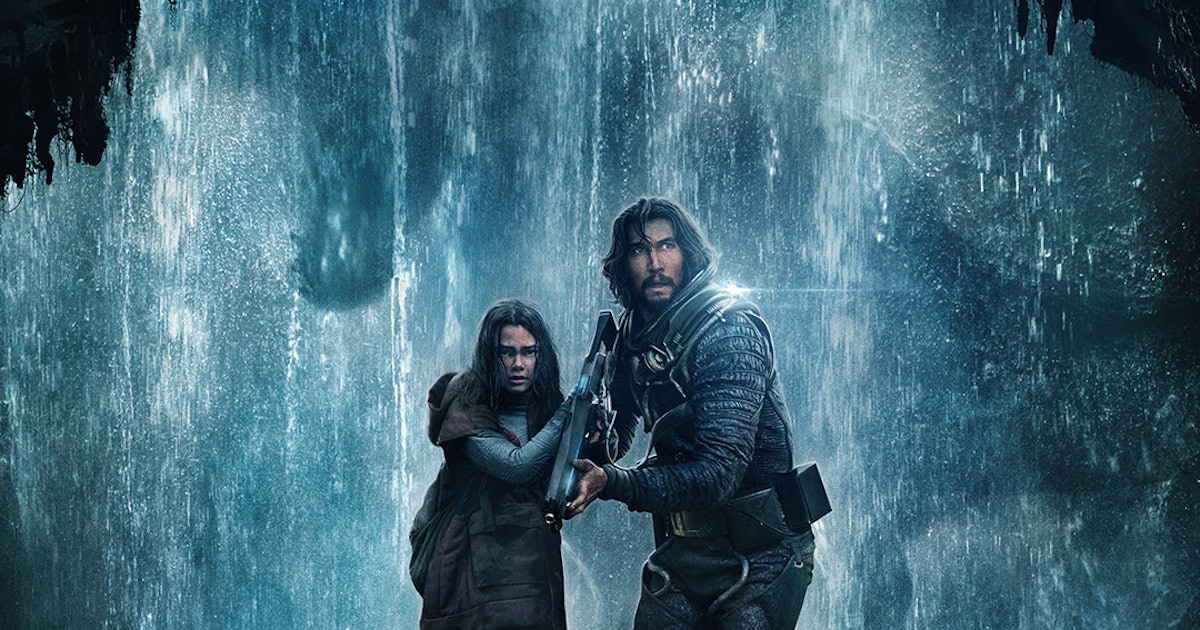
Adam Driver starred as a pilot of a crashed starship who struggled to survive in a hellish prehistoric landscape that turned out to be Earth 65 million years ago. This absorbing survival tale had intense moments and great dinosaur scenes.

9. The Creator
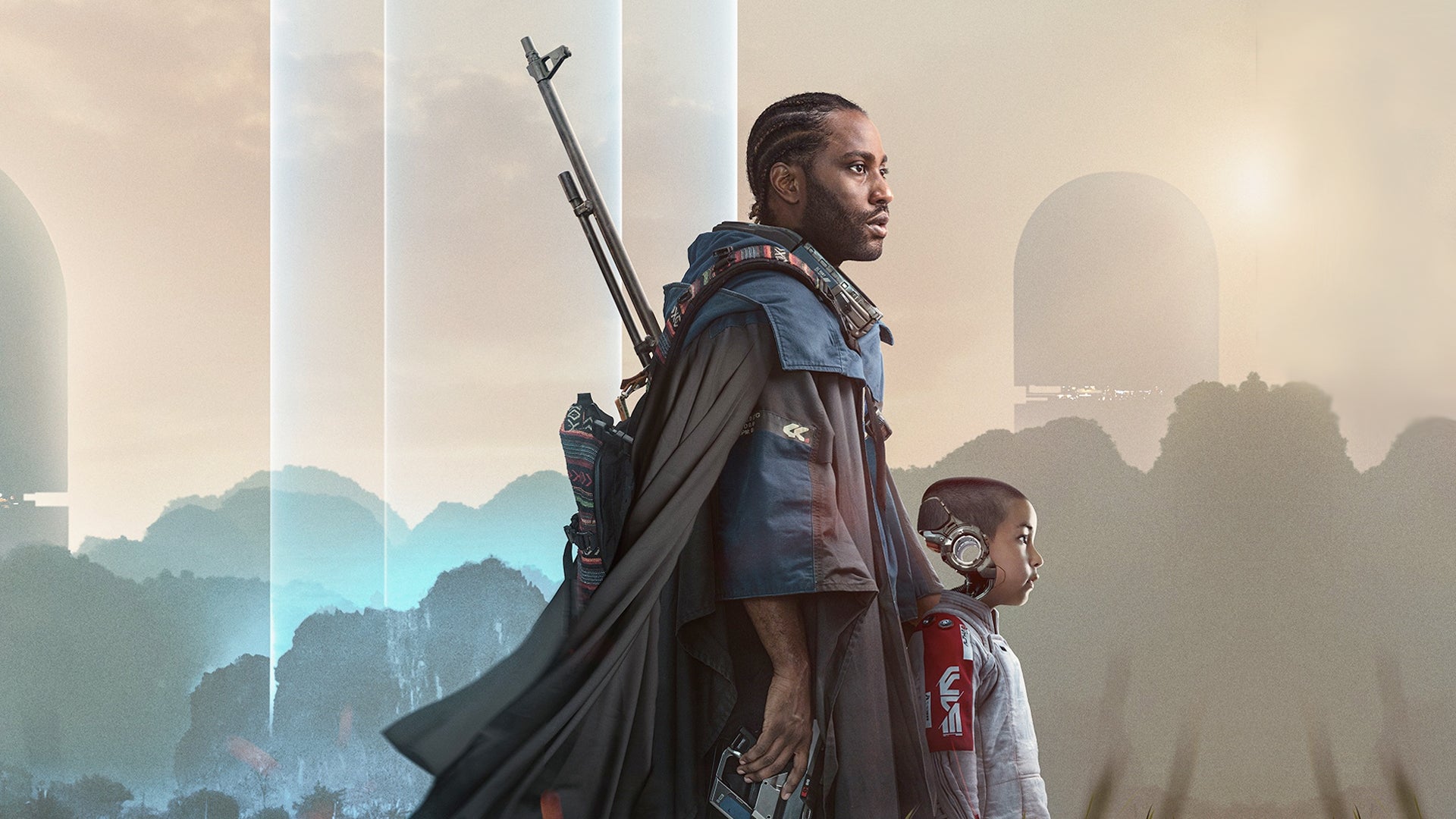
Garth Edwards’ film about a soldier protecting a young A.I.girl while pursued by hostile forces was derivative in terms of its plot. But its jaw-dropping visuals of a future Asian society where man and A.I. live harmoniously, action scenes and performances more than made up for its flaws.

8. Ant-Man and the Wasp: Quantumania
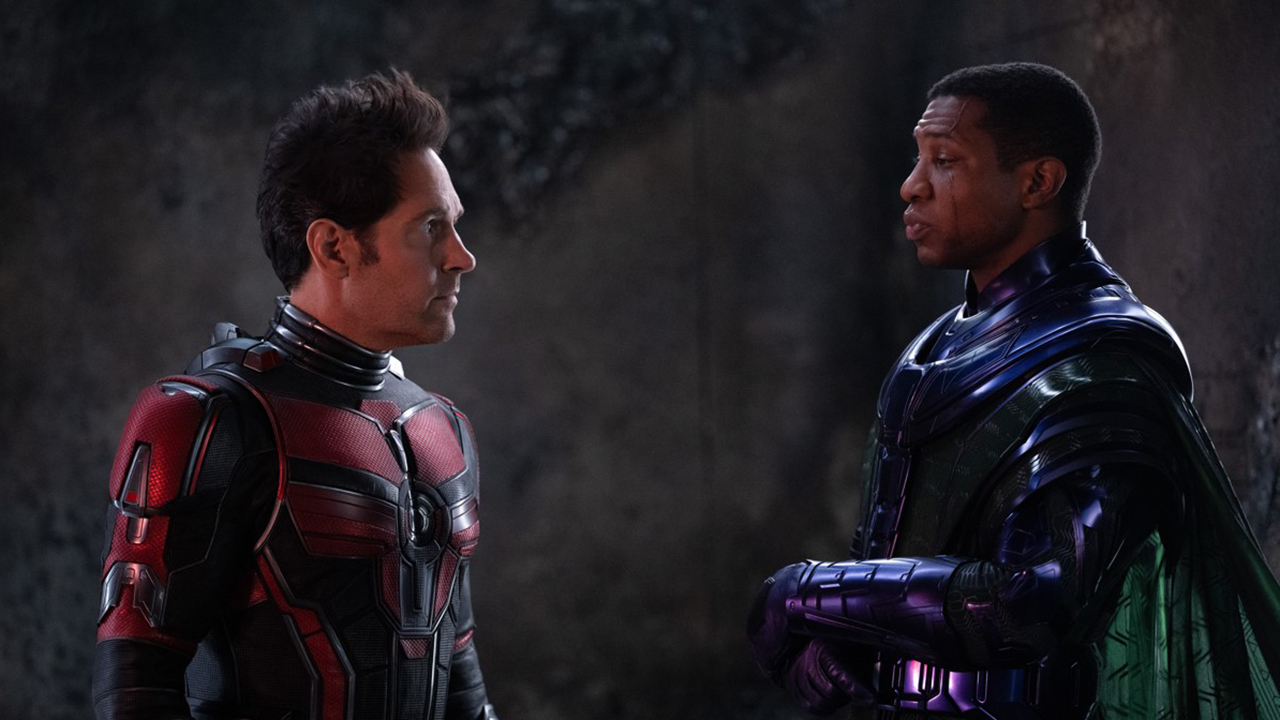
The third Ant-Man film was unfairly put down by many who missed the usual capers of the previous Ant-Man films. Instead this film went in a different and wilder sci-fi direction as our heroes explored bizarre landscapes and confronted the next big bad in the Marvel Cinematic Universe (MCU), Kang the Conqueror.

7. Leave the World Behind
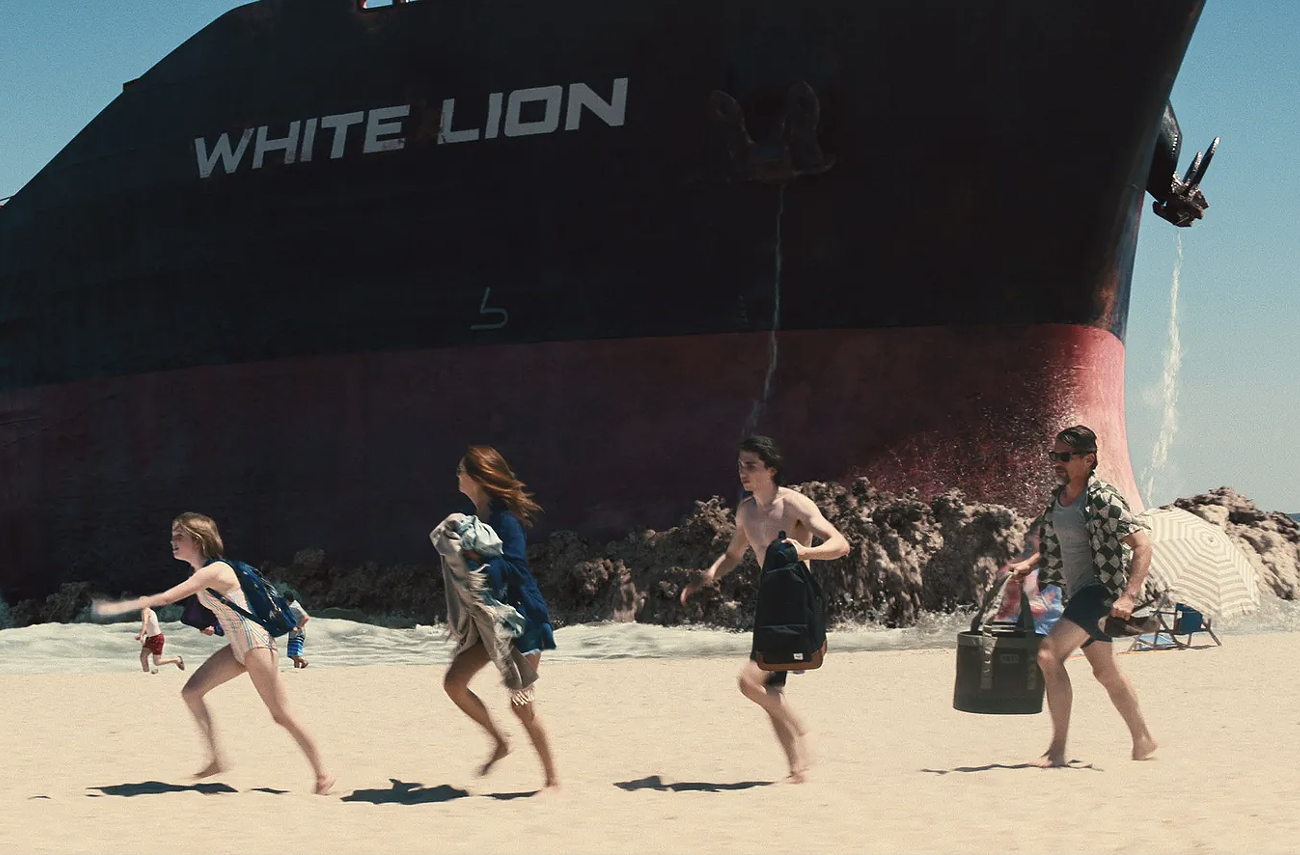
This apocalyptic psychological thriller was both disturbing and intriguing as we see how the world begins to crumble from the viewpoint of vacationers. We were also swept up in their horrified plight as they struggled to understand their new situation and survive in a dangerous new normal with their limited skills and experience.

6. Dungeons & Dragons: Honor Among Thieves
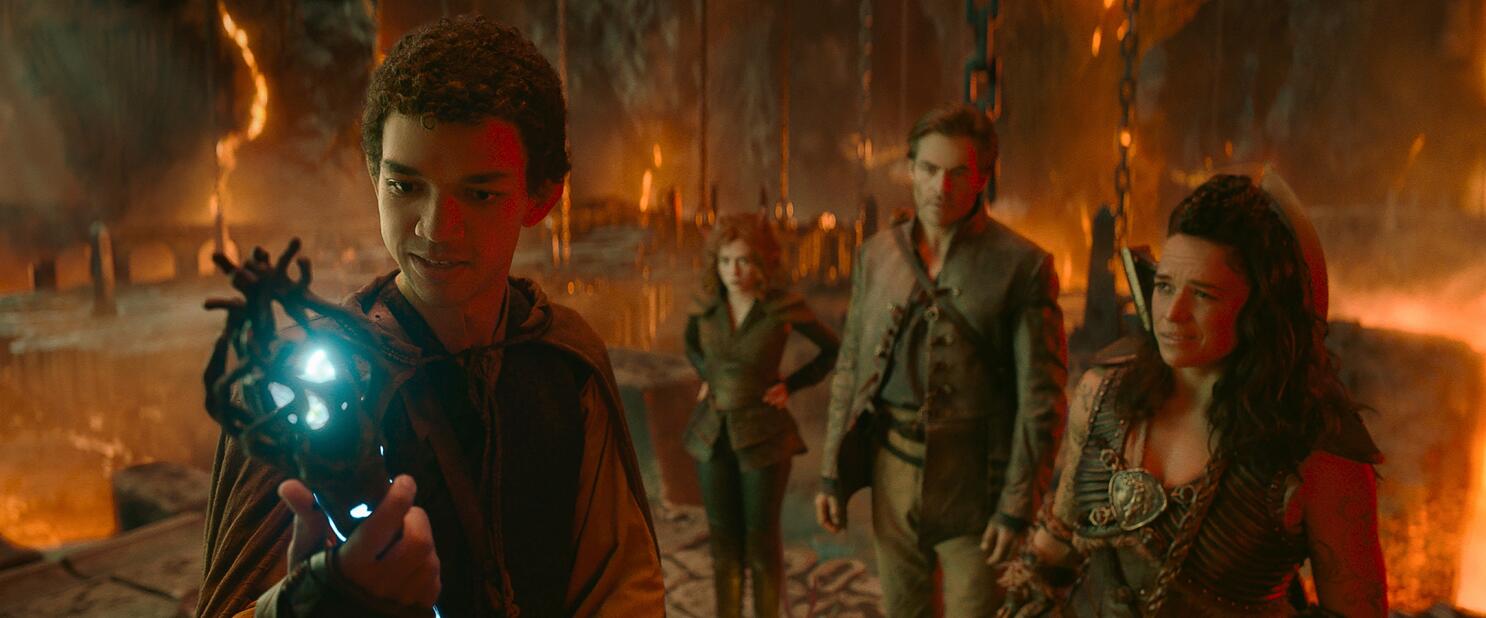
This fun-filled fantasy romp based on the classic board game turned out to be a pleasant surprise. The film boasted spirited performances starting with Chris Pine as a lovable rogue and an imaginative script and direction that always kept the pace moving throughout the film.

5. Blue Beetle
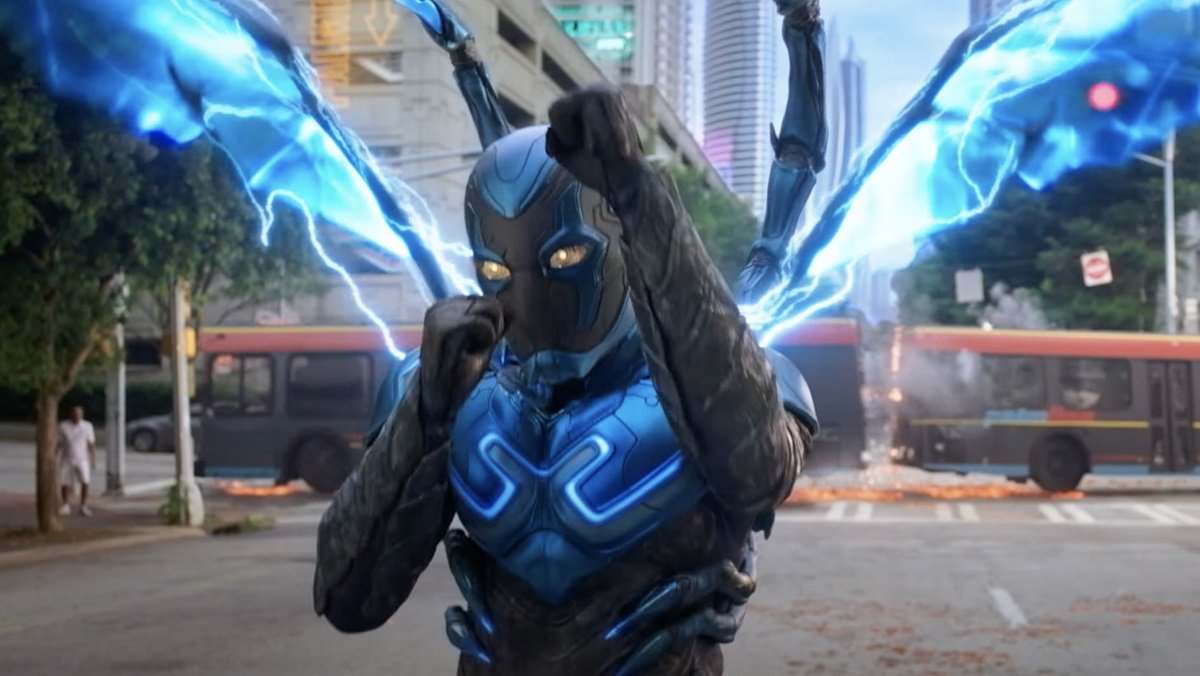
It’s a shame that one of the last DC Extended Universe (DCEU) films did not perform better in theaters since it was of the best DCEU films. While the film followed the typical superhero origin formula, its strong performances, direction, and humorous family interactions elevated the film with its back-to-basics approach with superhero films.

4. Indiana Jones and the Dial of Destiny
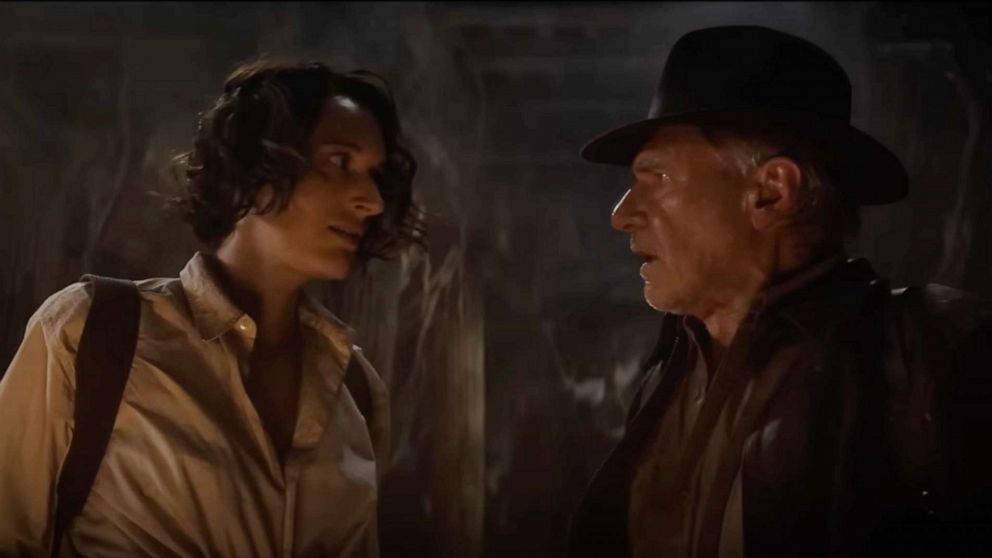
The last hurrah for our favorite swashbuckling archeologist hit many emotional notes in its depiction of Indiana Jones in his twilight years. Yes, Steven Spielberg’s masterful direction was sorely missed in the final Indiana Jones film, but its solid direction, thrilling action and Harrison Ford’s solid performance as the title hero made this a memorable finale to the fantasy adventure franchise.

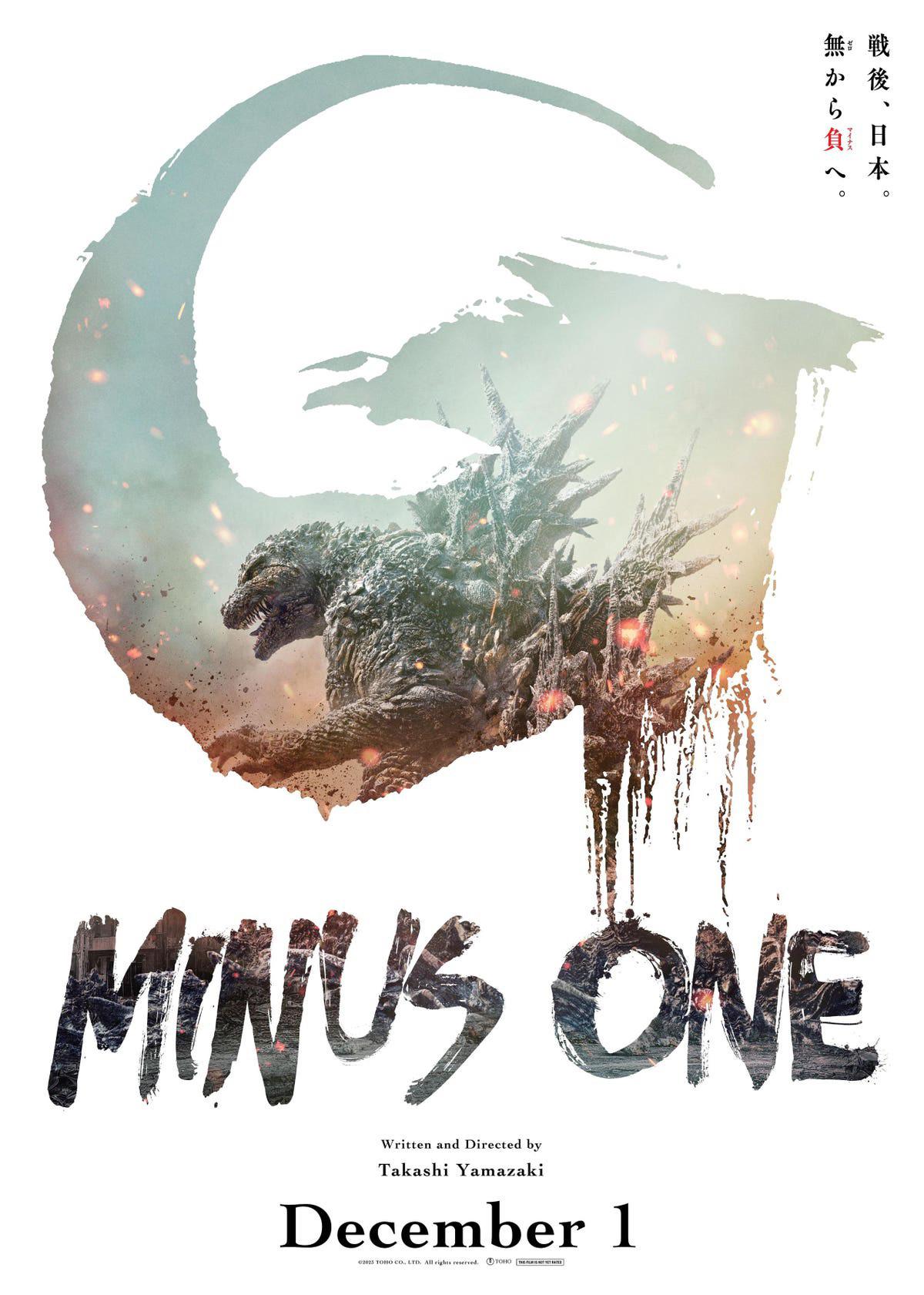
3. Godzilla Minus Zero
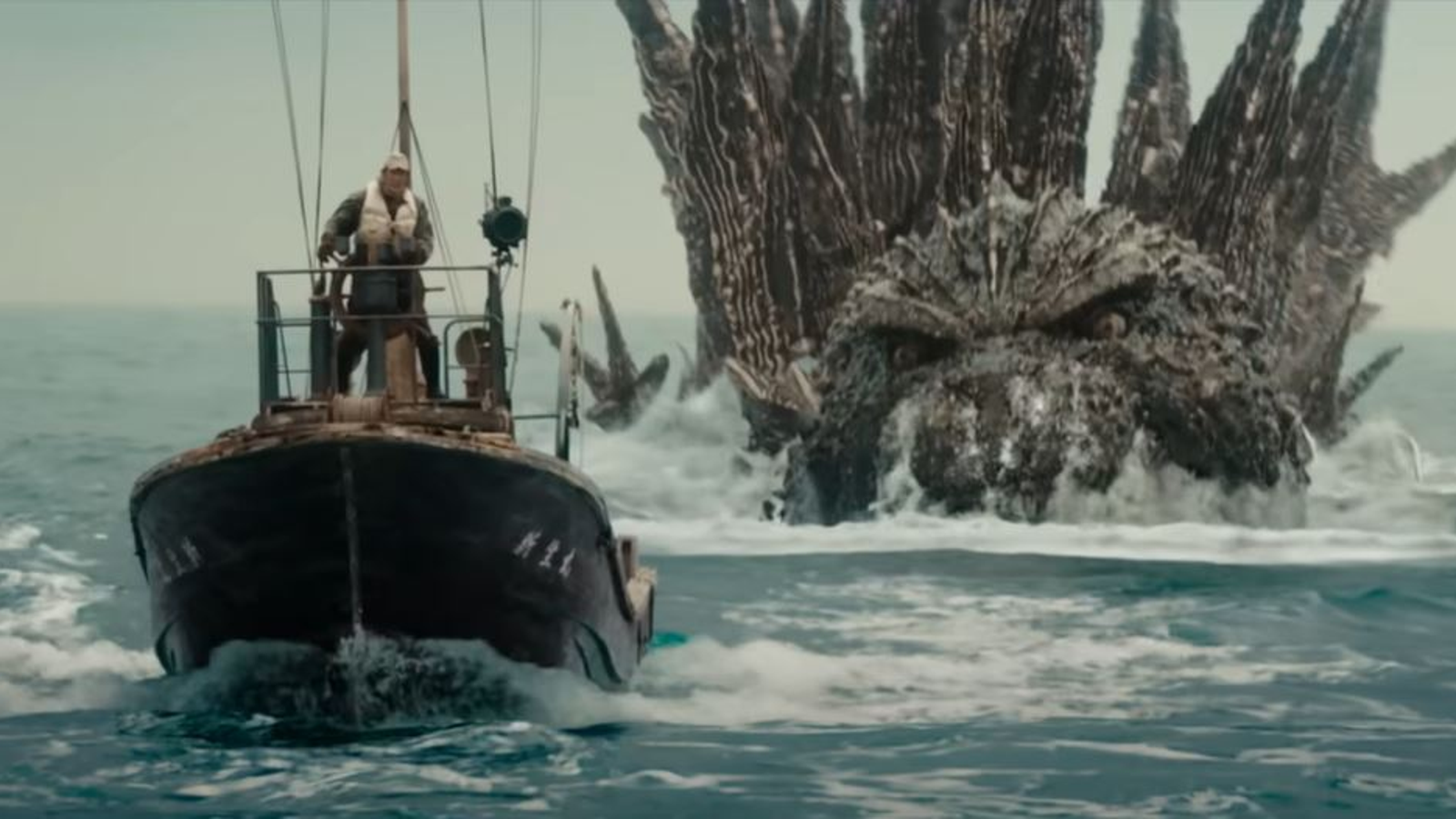
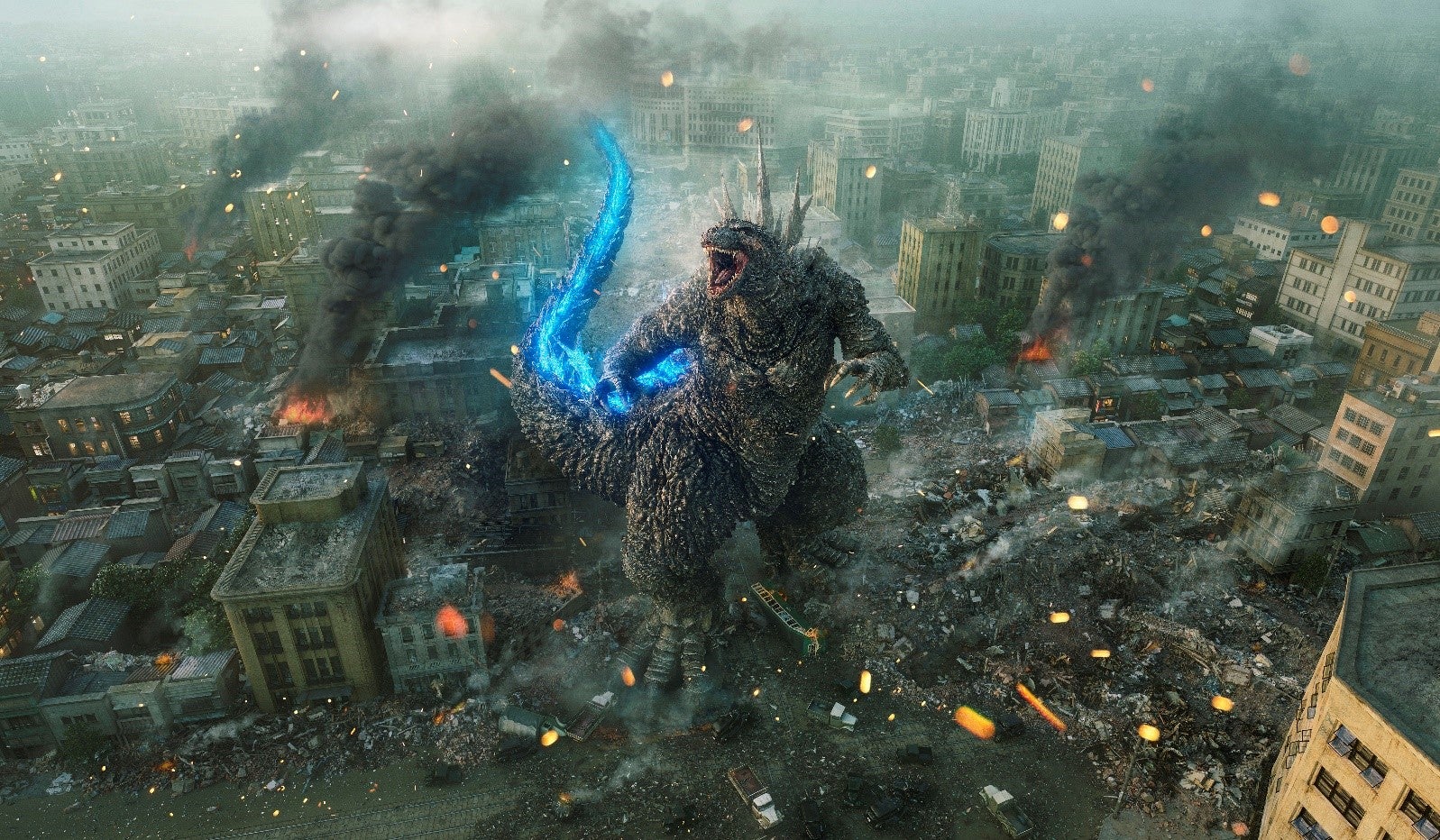
The latest Godzilla film proved that the decades-old franchise could still deliver captivating and exciting kaiju films. It stood above other Godzilla films thanks to its grounded approach, emphasis on relatable characters and a directorial decision to make the title creature a terrifying force of nature. It’s easy to see why this is one of the best Godzilla films.

2. Spider-Man: Across the Spider-Verse
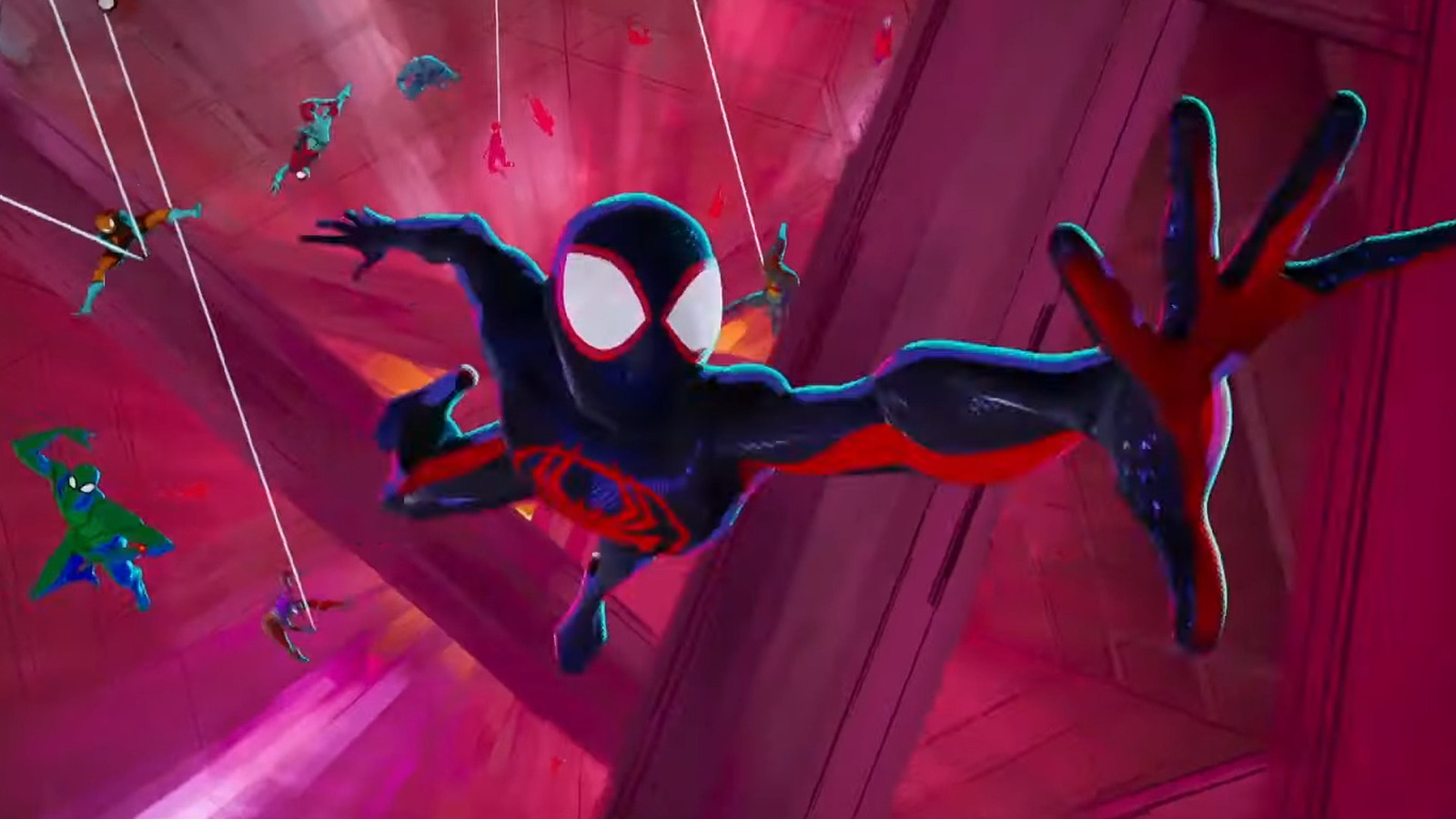
There were other notable animated films this year like Elemental or Teenage Mutant Ninja Turtles: Mutant Mayhem that rivaled Spider-Man: Across the Spider-Verse with distinctive animation and scripts. However, Spider-Man: Across the Spider-Verse stood out from the pack with stunning and unparalleled animation that was simply stunning.

More importantly, what made the film such a success was its engaging storyline of a relatable Miles Morales involved in a head-spinning story, which involved other universes and characters. Cannot wait for the conclusion to the storyline!

1. Guardians of the Galaxy, Volume 3
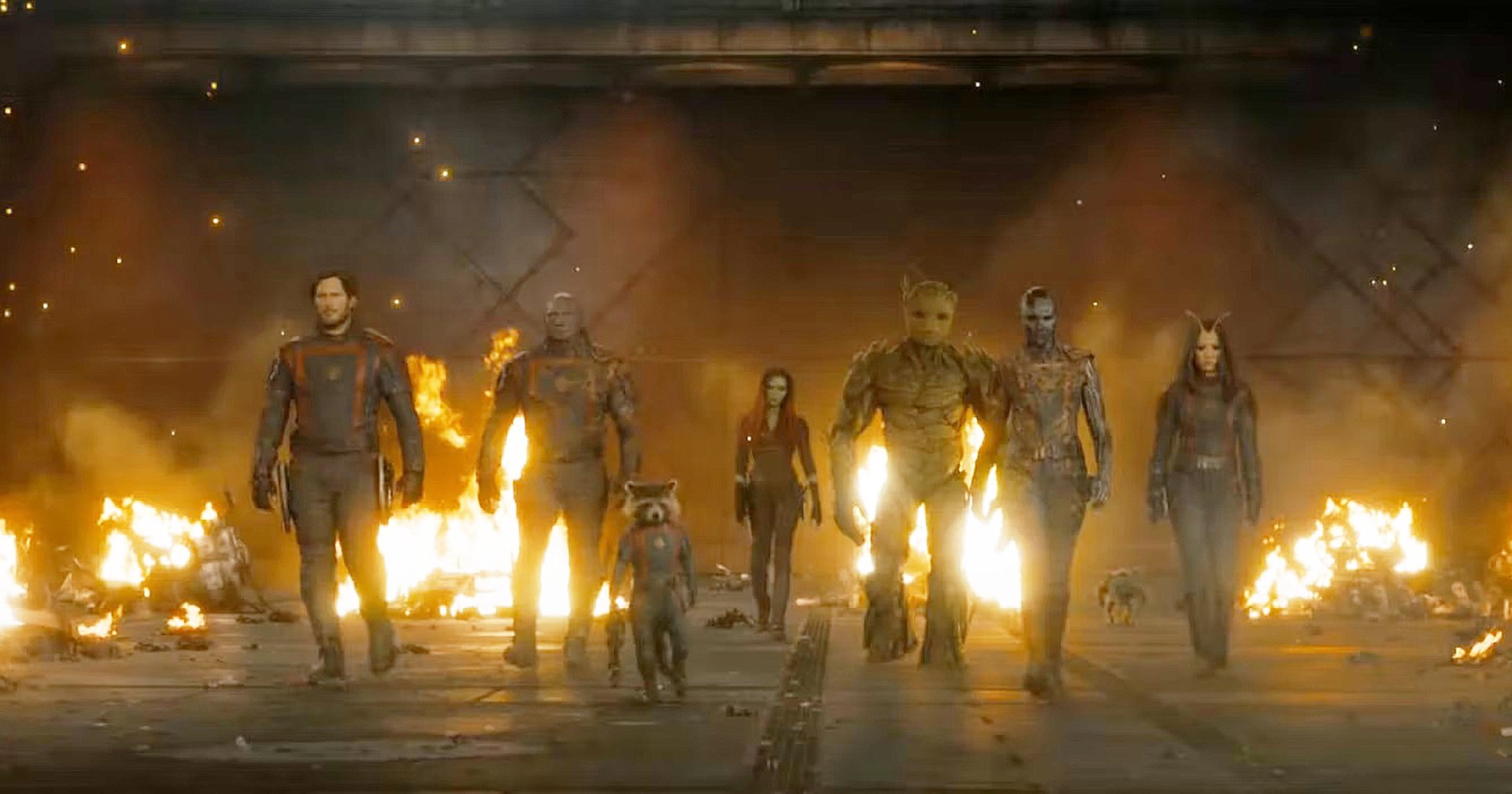
James Gunn’s final MCU film was one of the best in the Marvel film franchise. It perfectly closed the chapter of these lovable galactic misfits/heroes while exploring their emotional connections and giving us glimpses of how the team would continue without the OG heroes.

This film proved that the MCU could still deliver quality films that are widely acclaimed and perform well. What made audiences engage with Guardians of the Galaxy, Volume 3 was its emotional core as we witnessed the tragic backstory of Rocket Raccoon, the fragile nature of the other guardians, and one of the most evil MCU villains ever shown.

Noteworthy Mentions:
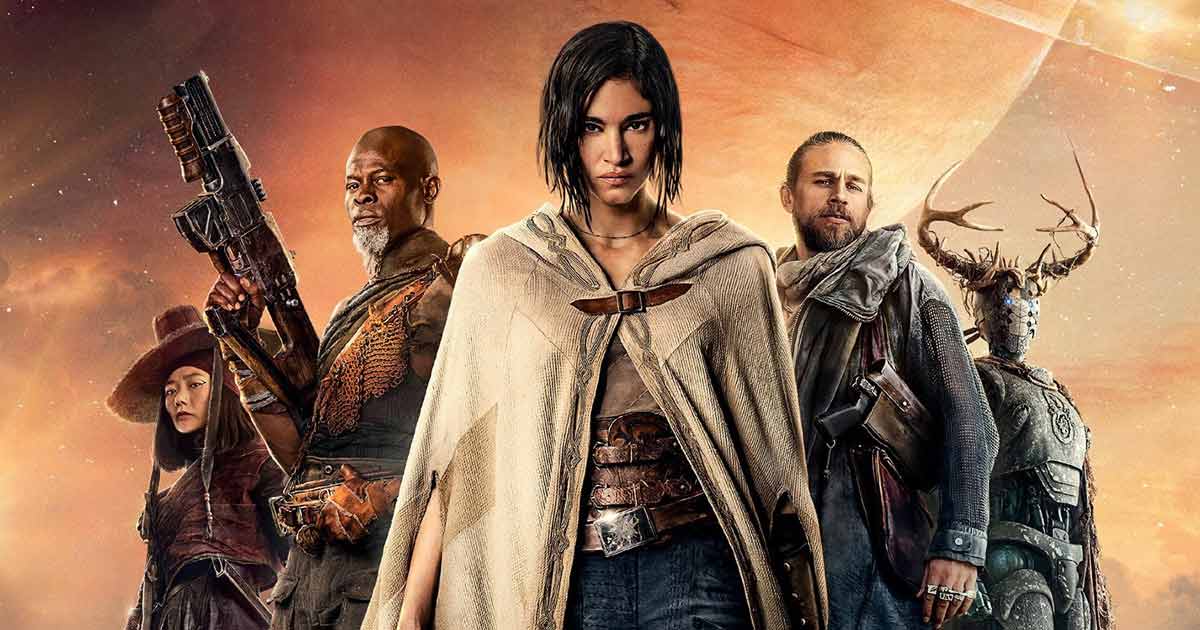
Aquaman and the Lost Kingdom, Elemental, Evil Dead Rise, The Flash, Knock at the Cabin, M3GAN, The Marvels, Rebel Moon, Part One: A Child of Fire, The Super Mario Bros. Movie, Teenage Mutant Ninja Turtles: Mutant Mayhem

TV Shows

10. Superman & Lois
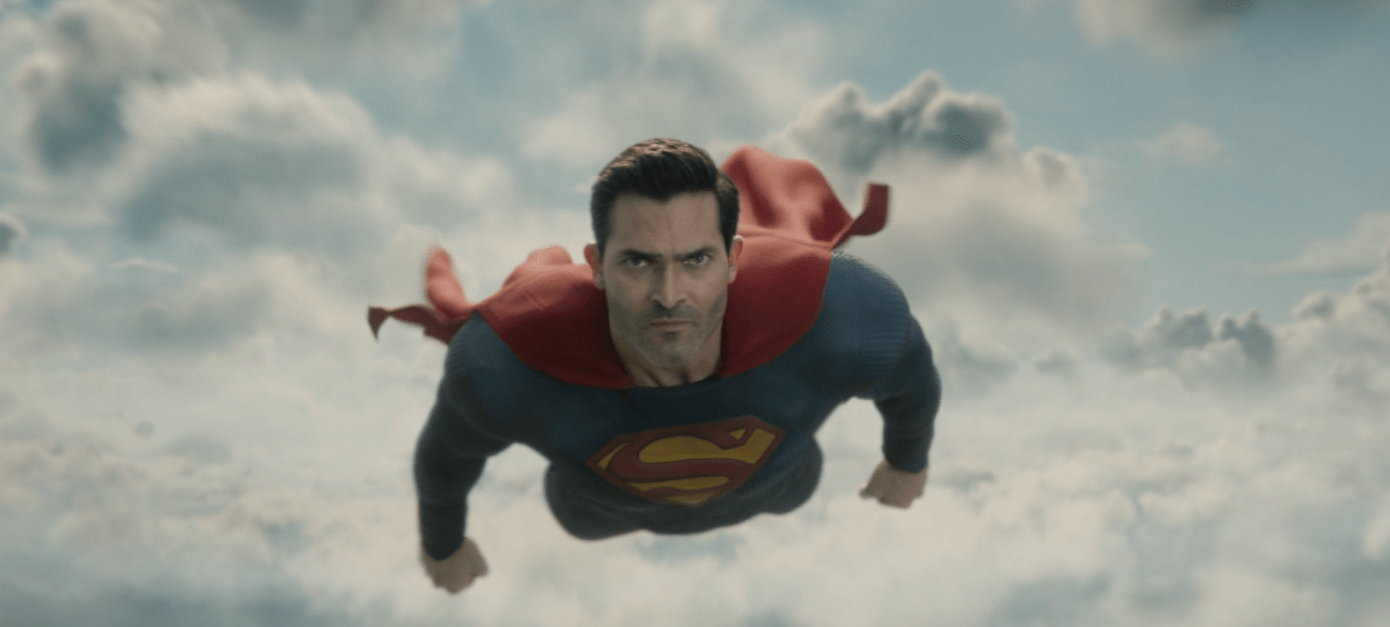
The third season of the final Arrowverse TV show continued demonstrating that it is one of the best Arrowverse TV shows as Superman/Clark Kent continued balancing life as a superhero and a husband and father to his family in Smallville.

9. Monarch: Legacy of Monsters
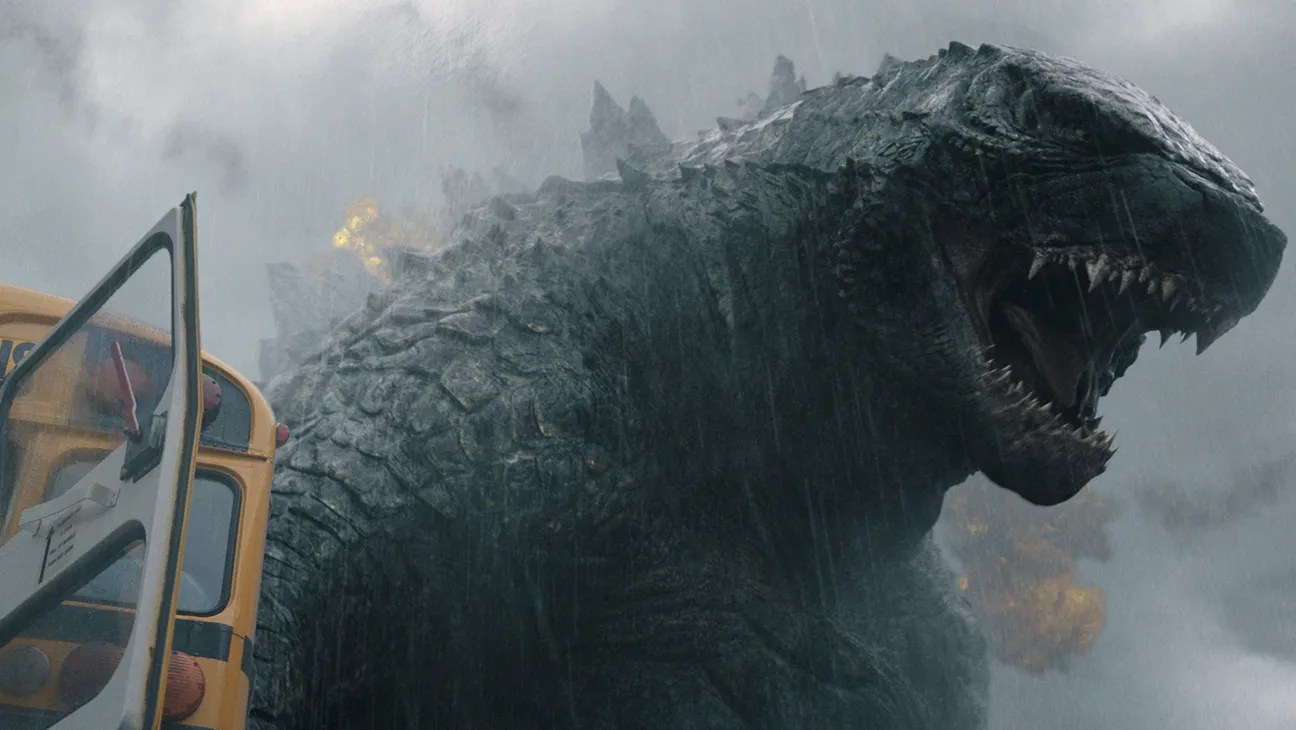
This TV show did so much to flesh out and expand the world of the Monsterverse by featuring interesting characters and fascinating plots involving time jumps and conspiracies. The result was a fascinating look at the impact that giant kaijus would have in the world.

8. For All Mankind
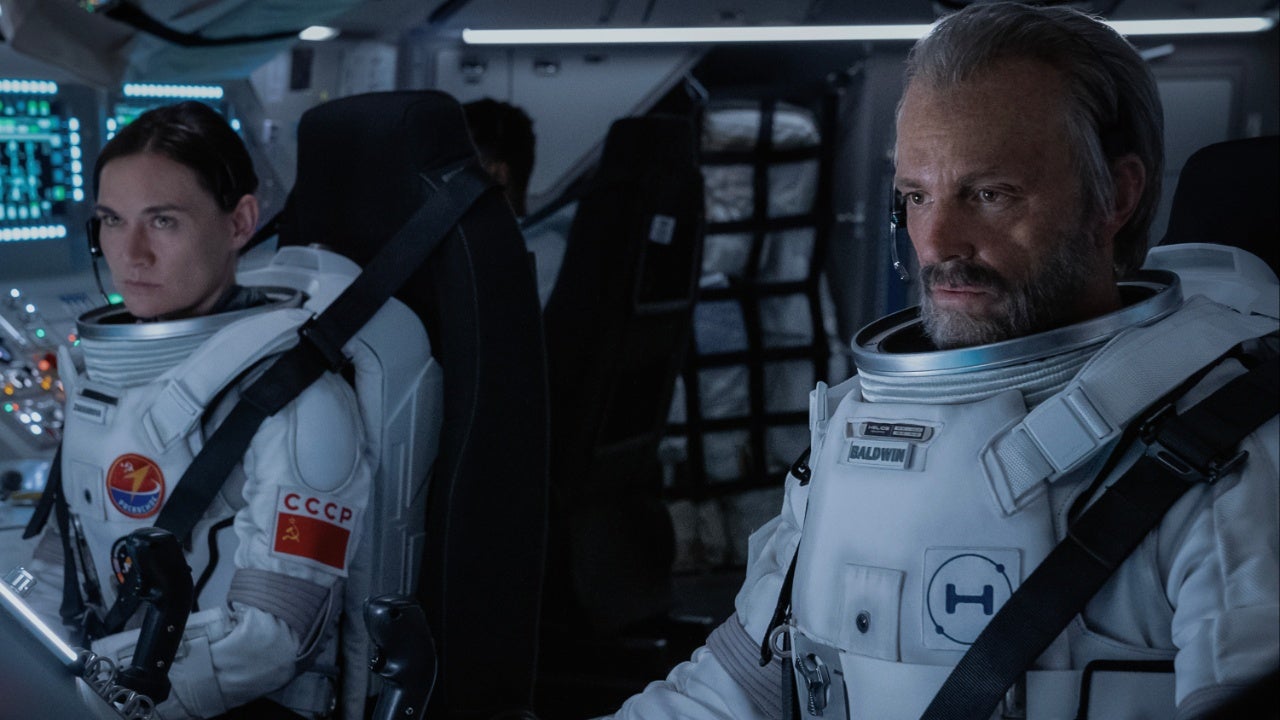
Ronald D. Moore’s alternate reality TV series where the Soviets landed on the moon first, relished in how that reality has begun to wildly diverge from ours as it featured life on a thriving Martian colony circa 2003, along with the intriguing geopolitics and personal drama that often intertwined.

7. What If…?
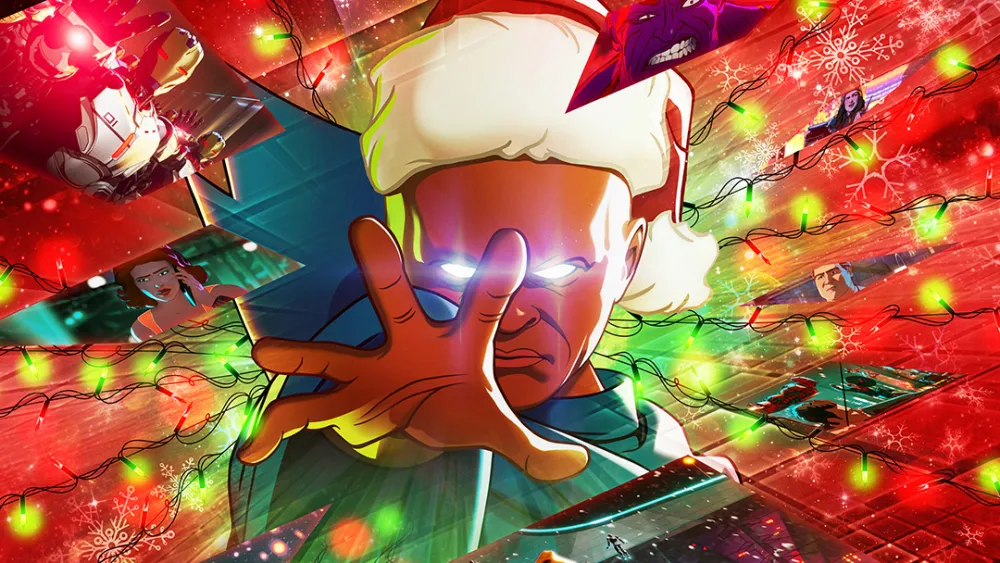
The second season of this animated MCU TV show featured more diverse variant MCU characters and situations. Unlike the live-action MCU, What If…? really let its imagination run wild with the concept of the Multiverse thanks to its inventive tales of alternate MCU realities.

6. Sweet Tooth
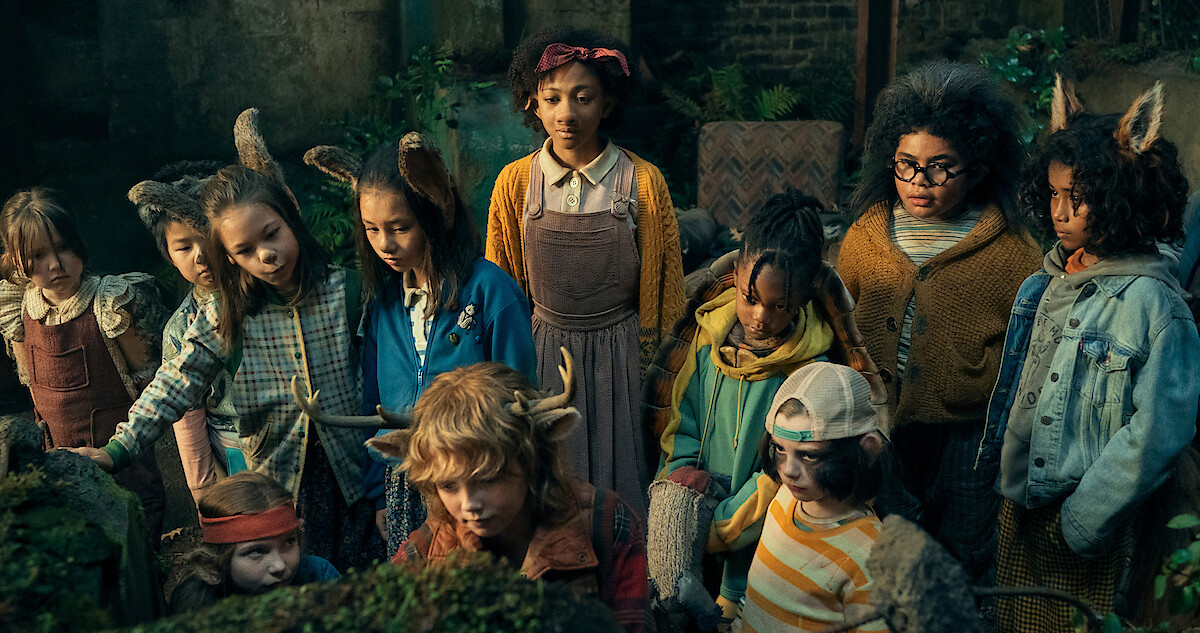
The second season of this live-action adaptation of the Vertigo comic book by Jeff Lemire was just as enjoyable as the first thanks to winning characters like young Gus and other animal/children hybrids and humans trying to survive in a post-apocalyptic world ravaged by a plague and warlords.

5. Gen V
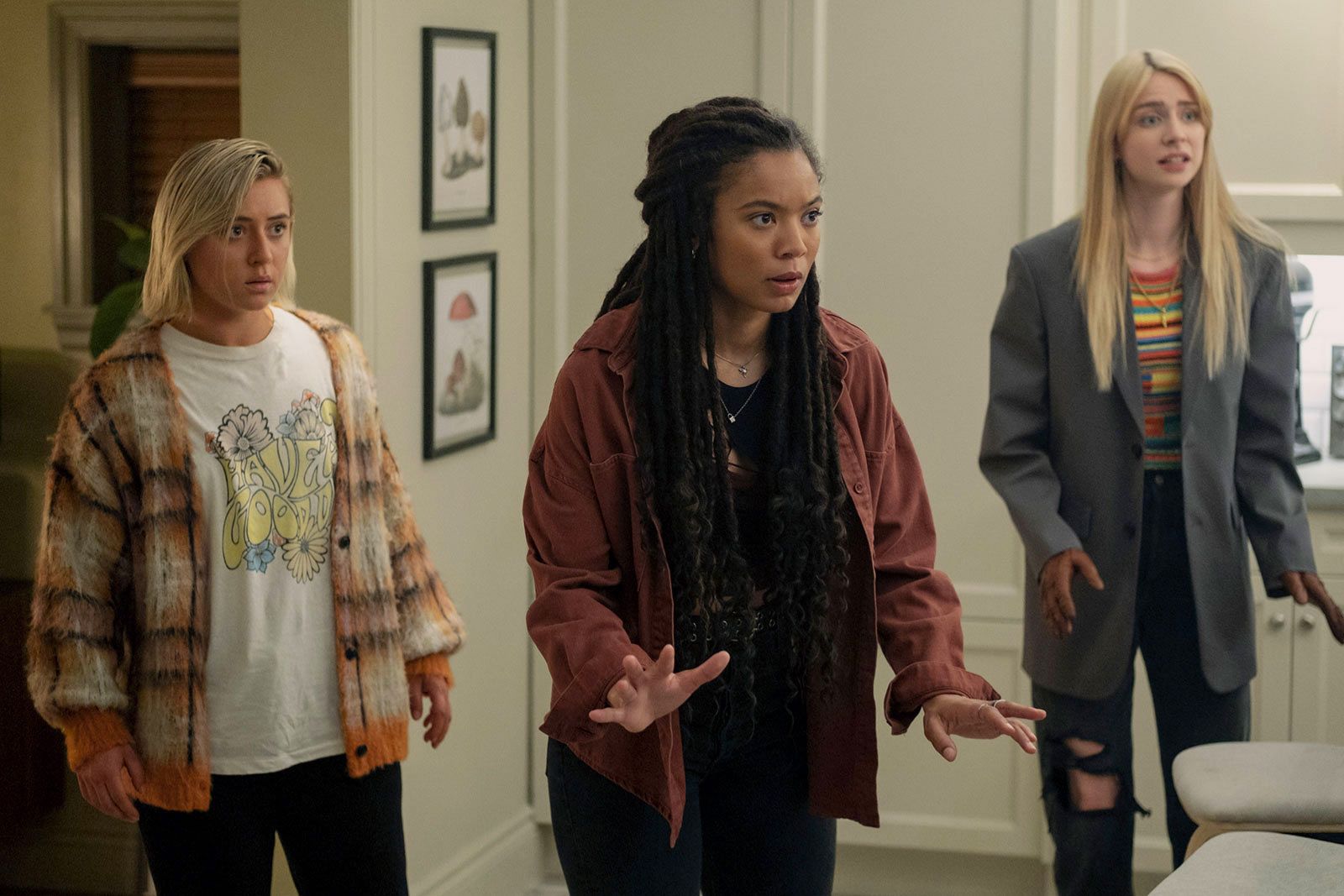
This spinoff of The Boys was much more than a satirical take on the X-Men or the New Mutants. It further fleshed out the world of The Boys and underlined the dark side of supeheroics with relatable characters who suffered with the burden of having super powers and their lives as angst-ridden teenagers.

4. The Last of Us
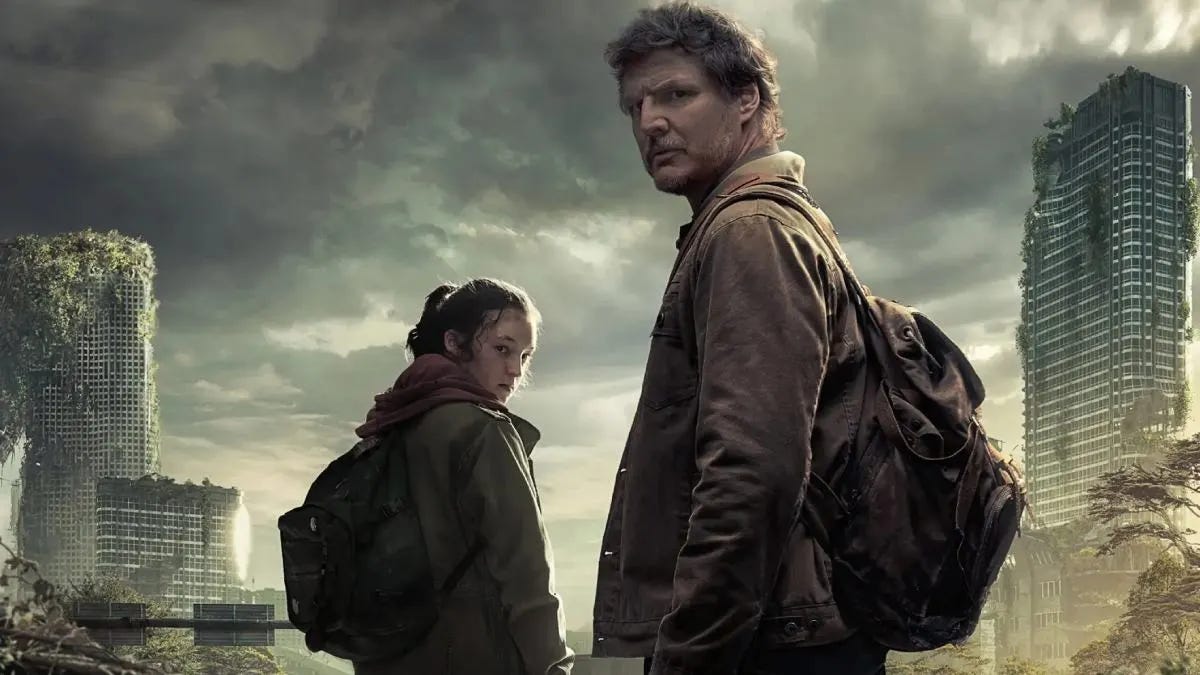
This was a faithful and tense adaptation of the classic video game about a ruthless man protecting a young girl in a world devastated by a plague that turned most of humanity into mindless monsters. The performances were simply brilliant and the scripts truly touched viewers during its explorations of the characters and their relationships in a savage world.

3. Star Trek: Strange New Worlds
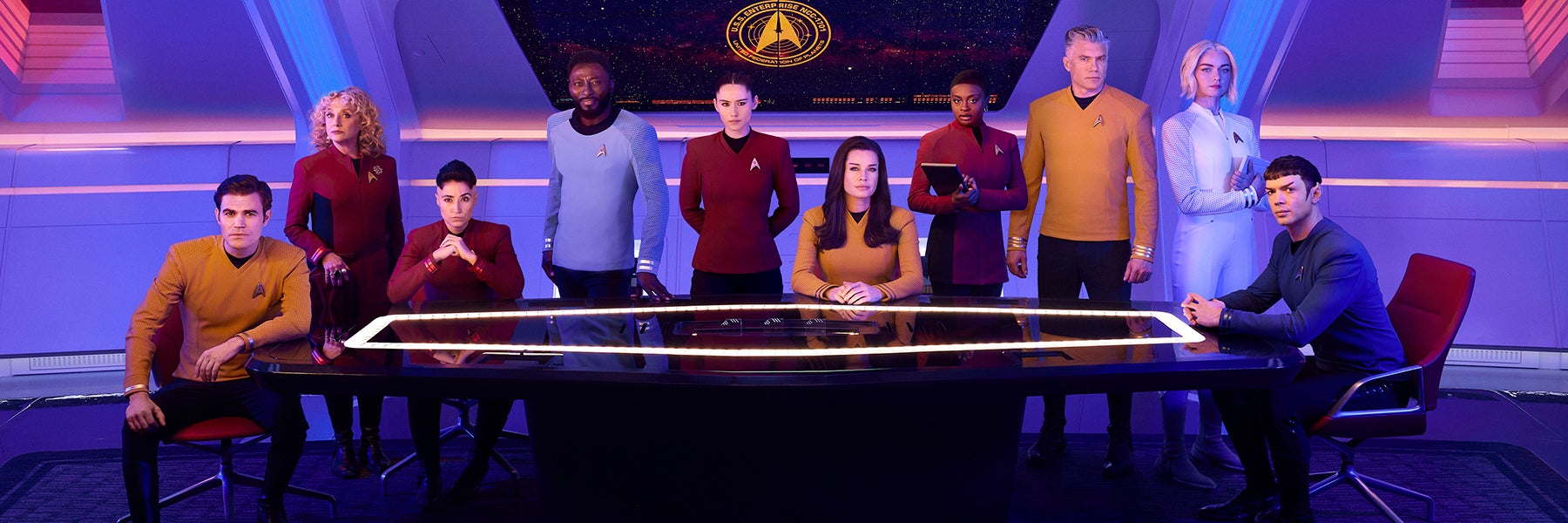
The second season continued the episodic back-to-basics approach to Star Trek with excellent one-off episodes. Star Trek: Strange New Worlds was buoyed by solid scripts and spot-on acting, which made it one of the franchise’s best entries. Even though some of the episodes may have been too bizarre like the musical episode or the one that featured characters from the animated Star Trek: Lower Decks, the season overall was a genuine success.

2. Loki
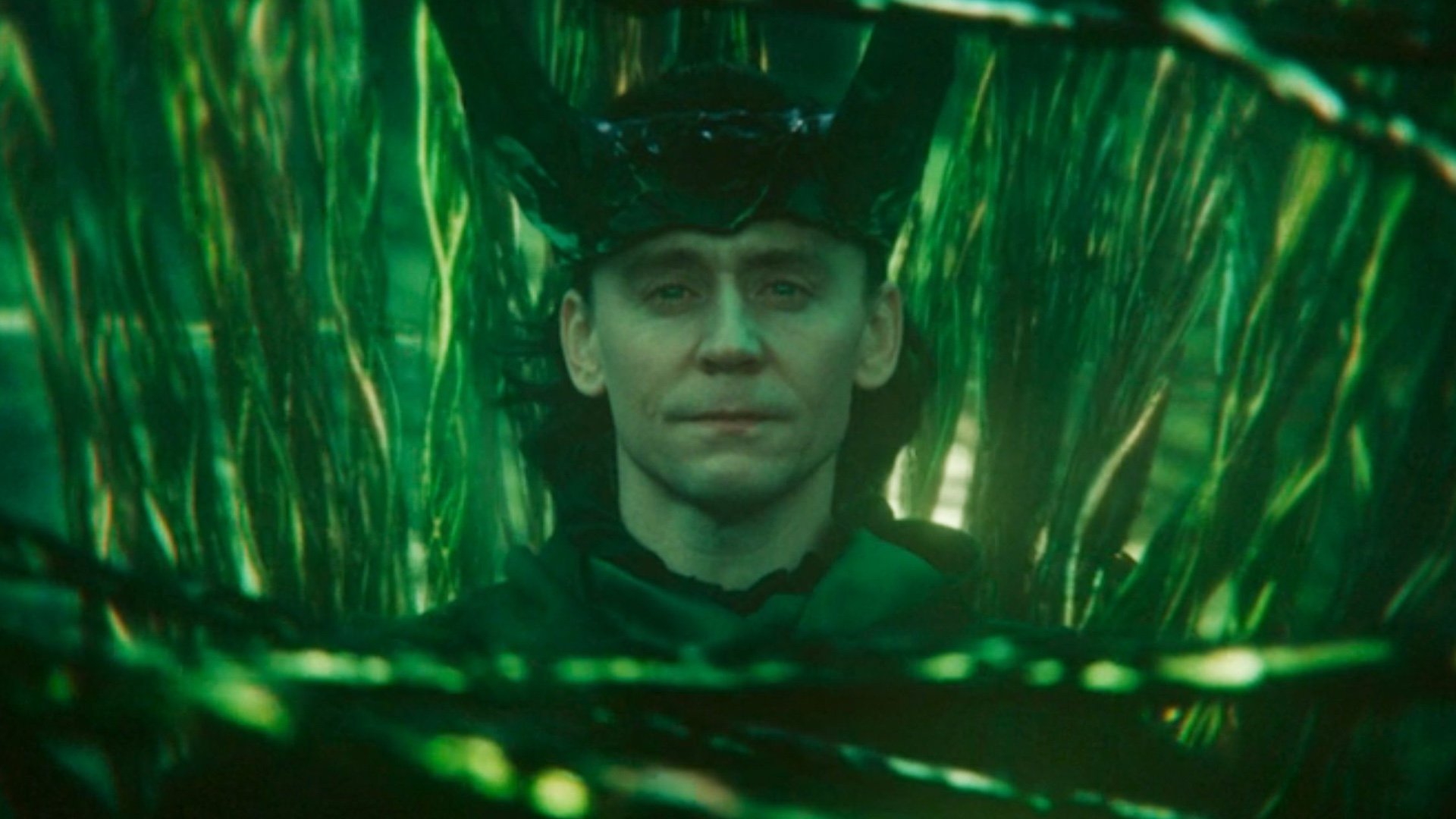
From the first frenetic moments of its premiere episode to the majestic triumph of its last scenes in the season finale, Loki singlehandedly demonstrated that there was still creative life in the MCU, which struggled in 2023.

Highlighted by brain-twisting time travel conundrums and a topnotch cast, the second season of Loki was arguably better than the first as we saw the title character complete his emotional transformation from a petty foe into a mature god burdened with maintaining all of time and reality.

1. Star Trek: Picard
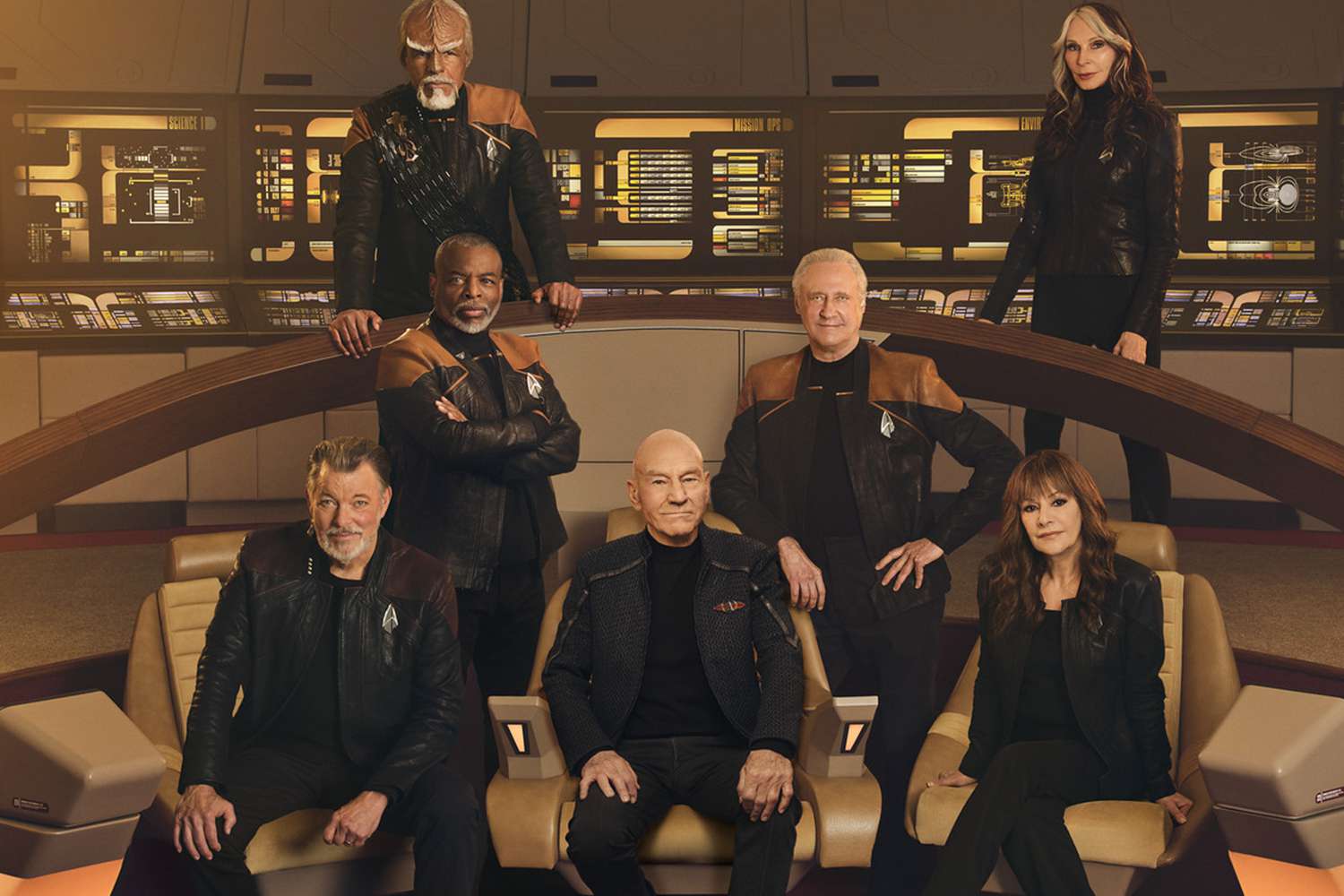
Yes, the third and final season of Star Trek: Picard reveled in memberberries, call backs, Easter eggs and references. But it was much more than that, it was a genuine love letter and tribute to the Star Trek franchise, circa 1990s.

Star Trek: Picard had an engaging and exciting storyline with many twists and turns as it reunited the cast from Star Trek: The Next Generation for one last hurrah to save the United Federation of Planets from an old foe. At the same time, the TV show introduced intriguing new characters that tantalized viewers with potential future adventures. Come on, give us a Star Trek: Legacy show already!

Noteworthy Mentions:
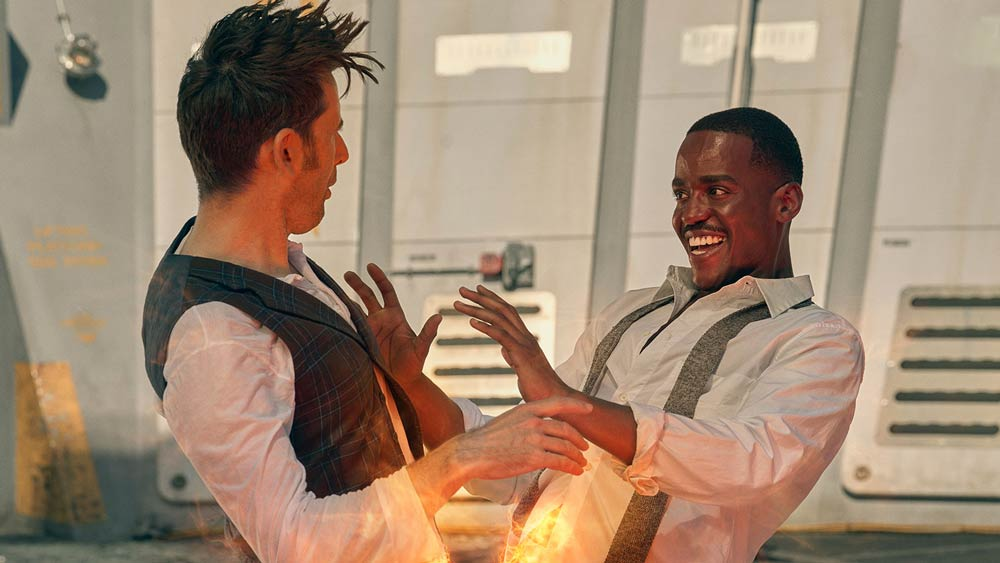
Ahsoka, Black Mirror, the Doctor Who specials, Doom Patrol, Foundation, Harley Quinn, Invincible, La Brea, The Mandalorian, One Piece, Percy Jackson and the Olympians, Primal, Scavengers Reign, Scott PIlgrim Takes Off, Silo, Upload
 

Celebrating The DCEU

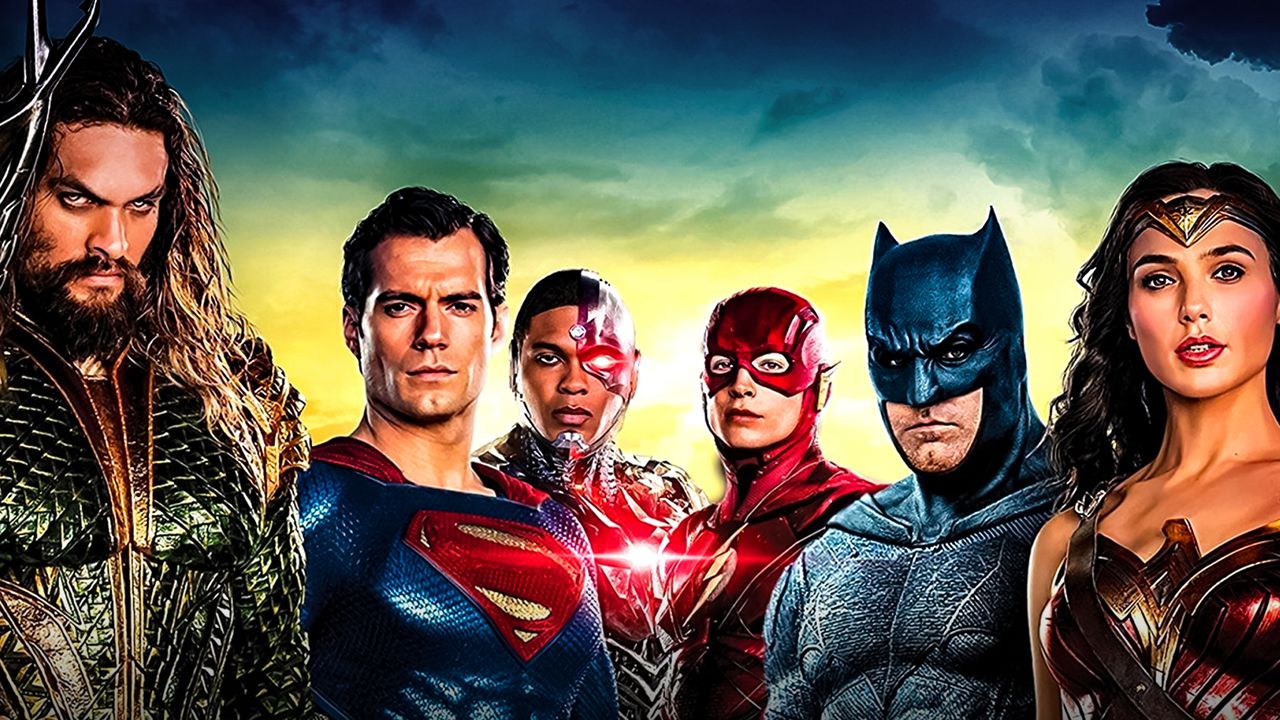
Now that Aquaman and the Lost Kingdom has been released in theaters the DC Extended Universe (DCEU) has come to an end. As Warner Bros.’ answer to the might Marvel Cinematic Universe, the DCEU has had many hurdles that it could not overcome during its ten-year run.  Frankly, it’s a minor miracle that it lasted this long. The issues facing the DCEU have been covered at length and basically, the overall tone of the cinematic universe was all over the place with some truly great films (and one TV show) and some horrendous films. Still, in spite of its problems the DCEU had a lot of merits, which should be brought up as we commemorate the DCEU.

Bold New Takes on Characters

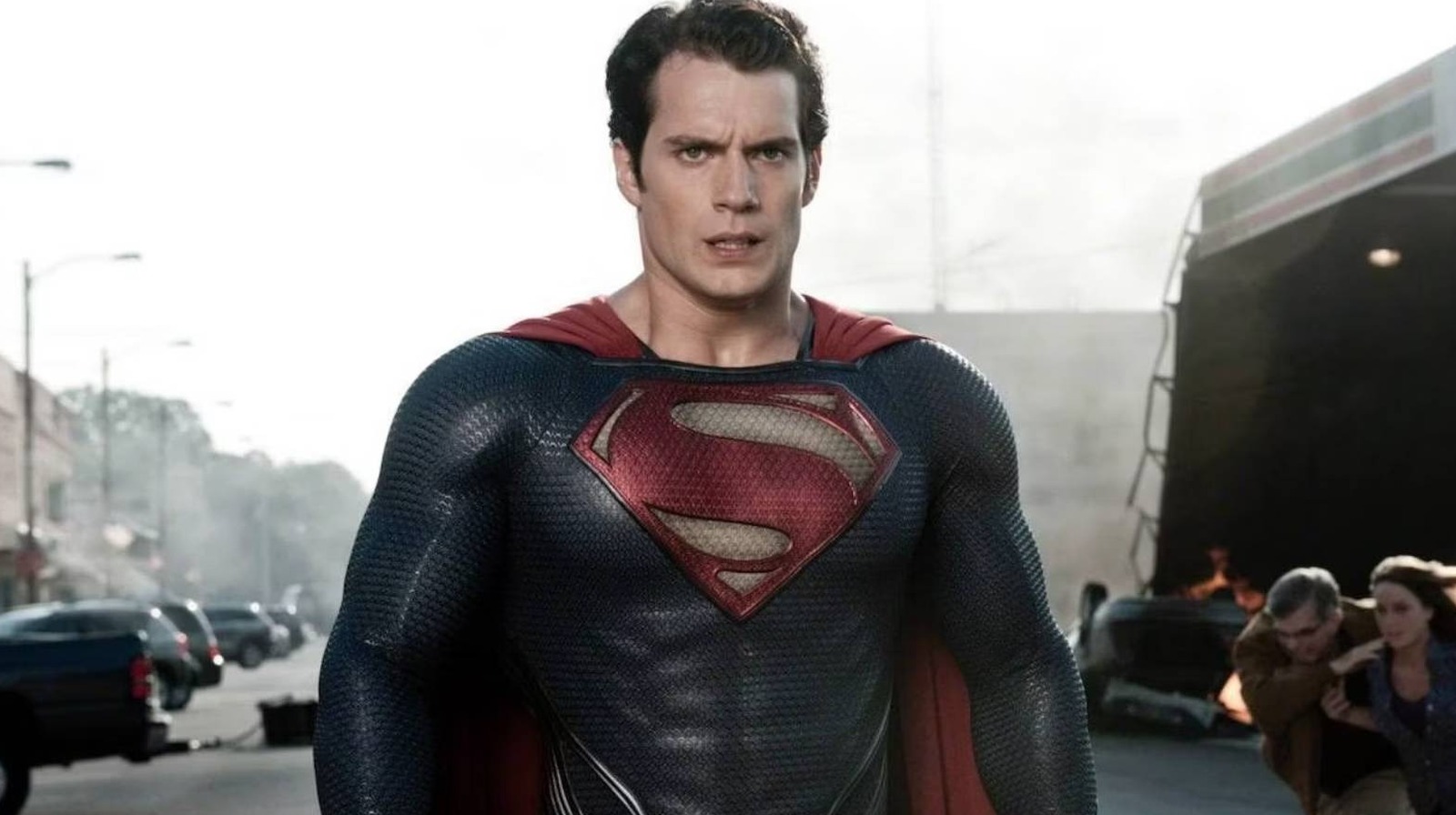
Man of Steel, the first entry in the DCEU, immediately stood apart from traditional Superman films with its darker and more grounded approach to the superhero. This turned off many fans, but others welcomed the refreshing take on the character as it explored the alienation and uncertainty that Superman felt during his emergence as a superhero.

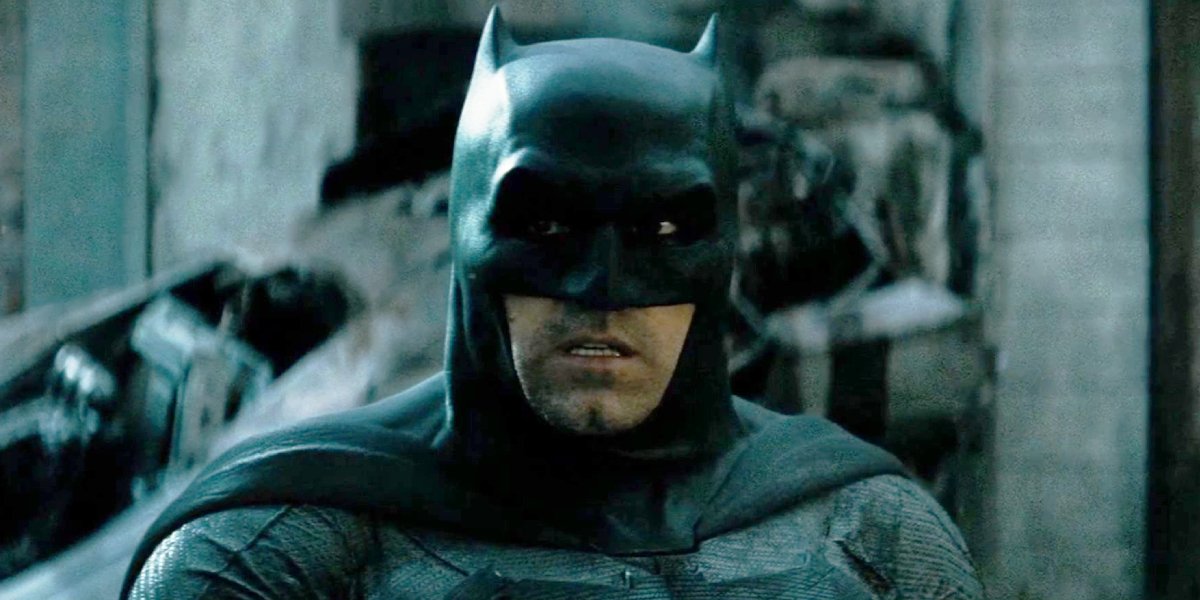
Other characters also had interesting interpretations such as Batman portrayed as a world-weary crusader coming out of semi-retirement and finding a new purpose. Aquaman was reimagined from a being a joke to a formidable warrior with the personality of a surfer dude on hyper steroids. Shazam! presented the title character as an immature teenager reveling in the body of a superpowered adult superhero—the ultimate fantasy for most teenage boys and girls.

Excellent Casting

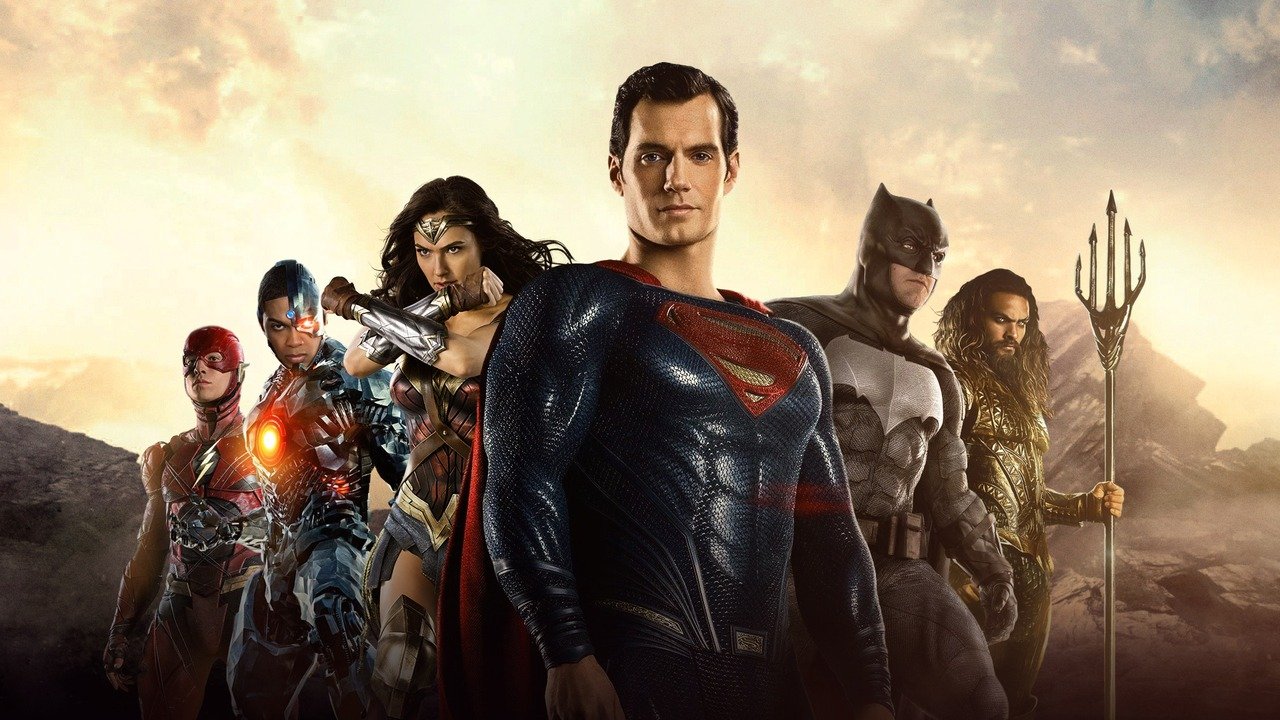
One reason for the successful re-interpretations of the well-known DC characters was the casting. Henry Cavill was so great as Superman, that for many fans his version of the superhero overtook the classic Christopher Reeve interpretation as Cavill’s Superman felt so modern. Jason Momoa’s version of Aquaman turned him into a fun-loving badass.

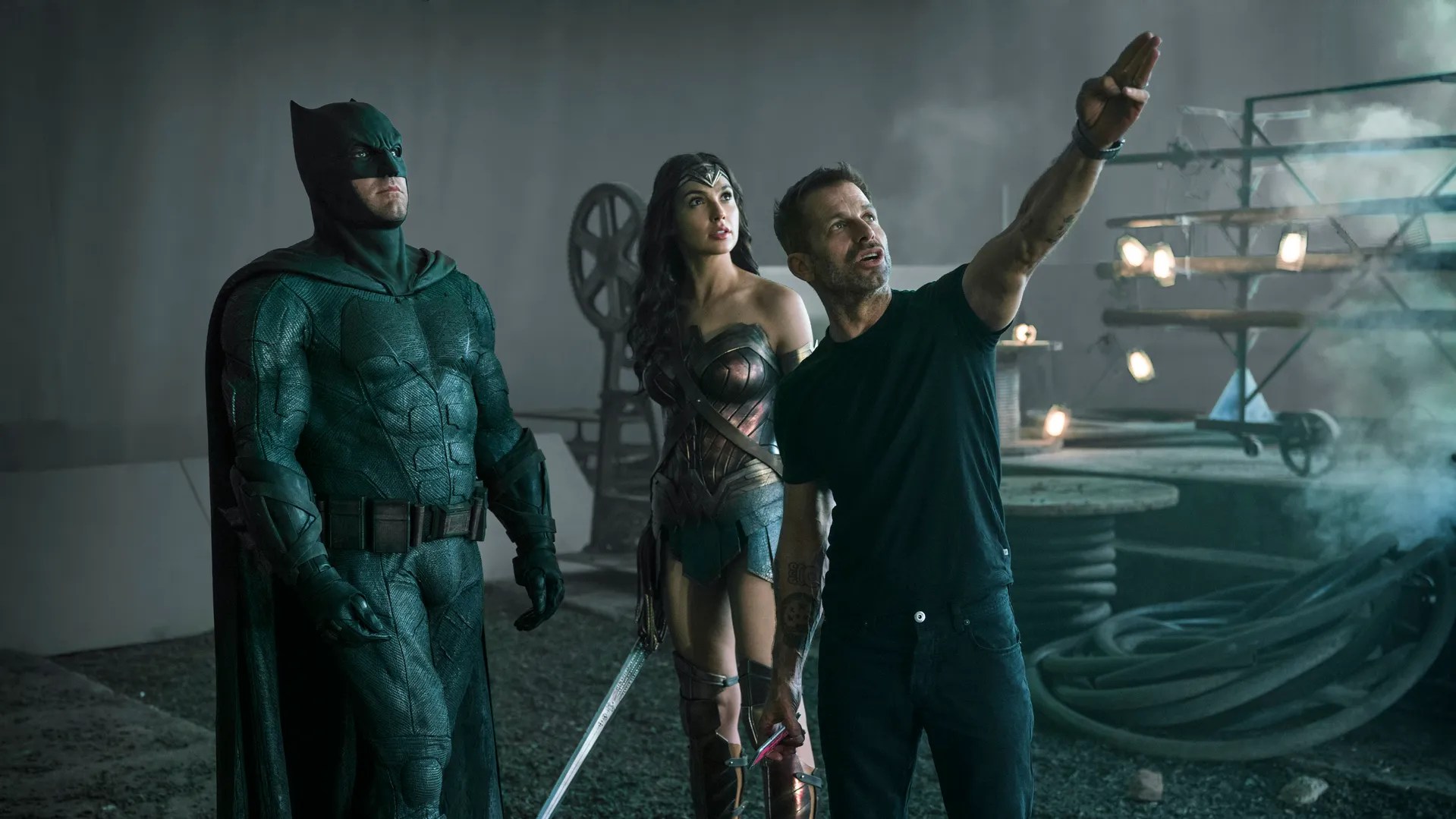
While many were skeptical of the casting of Ben Affleck as Batman, the actor shocked everyone with a solid performance and now many feel Affleck did the best portrayal of the Dark Knight. Gal Gadot electrified audiences with her portrayal of Wonder Woman and established the Amazonian princess as an inspiring role model. Meanwhile, Margot Robbie infused Harley Quinn with so much manic energy and verve that it is difficult to imagine another actor taking over the role in future DC films.

Electrifying Live-Action Debuts

Many superheroes and villains from the DC comics made spectacular live-action debuts in the DCEU films. The most recent being Blue Beetle;even though the film flopped, it was widely acclaimed for its retro back-to-basics approach with origin superhero films. As mentioned above, Harley Quinn was a bonafide scene stealer whenever she appeared in films, and let’s not forget, the other members of her teams.

The films devoted to the Suicide Squad team introduced audiences to many different DC villains. Anyone tired of the Joker or Lex Luthor being featured in DC films rejoiced at colorful villains such as Captain Boomerang, King Shark, Rat Catcher, Bloodsport and Peacemaker. The debut of these characters fleshed out the DCEU, which did not over-rely on its trinity of legacy characters, i.e Superman, Batman and Wonder Woman.

Distinct Visions

It’s true that the overall tone of the DCEU was inconsistent thanks to Warner Bros. executives who interfered with the films. However, many times the films were injected with distinctive visions from its directors. Zack Snyder established a hyper-realized look to his films which were a hallmark of the early DCEU films. Love or hate the Snyder films, they certainly stood apart visually from other superhero films.

Other directors like James Gunn, James Wan, Patty Jenkins (at least with the first Wonder Woman), David F. Sandberg and Angel Medina Soto infused their films with bright and bold directions, which celebrated the comic book roots of the DC characters. The result was that many of the DCEU films were distinct from other superhero films. This is not a small feat given all the many recent superhero films.

Topnotch Productions & Iconic Scenes

With certain exceptions (see The Flash), the DCEU films have boasted topnotch productions and unforgettable special effects. Some films received notable awards for their productions, including an Academy Award for Best Makeup and Hairstyling for Suicide Squad and a Hugo Award for Best Dramatic Presentation, Long Form for Wonder Woman.  Many scenes, especially those from the Zack Snyder films, featured new and interesting depictions of superpowers, such as the epic airborne fights that took place in Man of Steel and when Superman first learned how to fly in the same film.

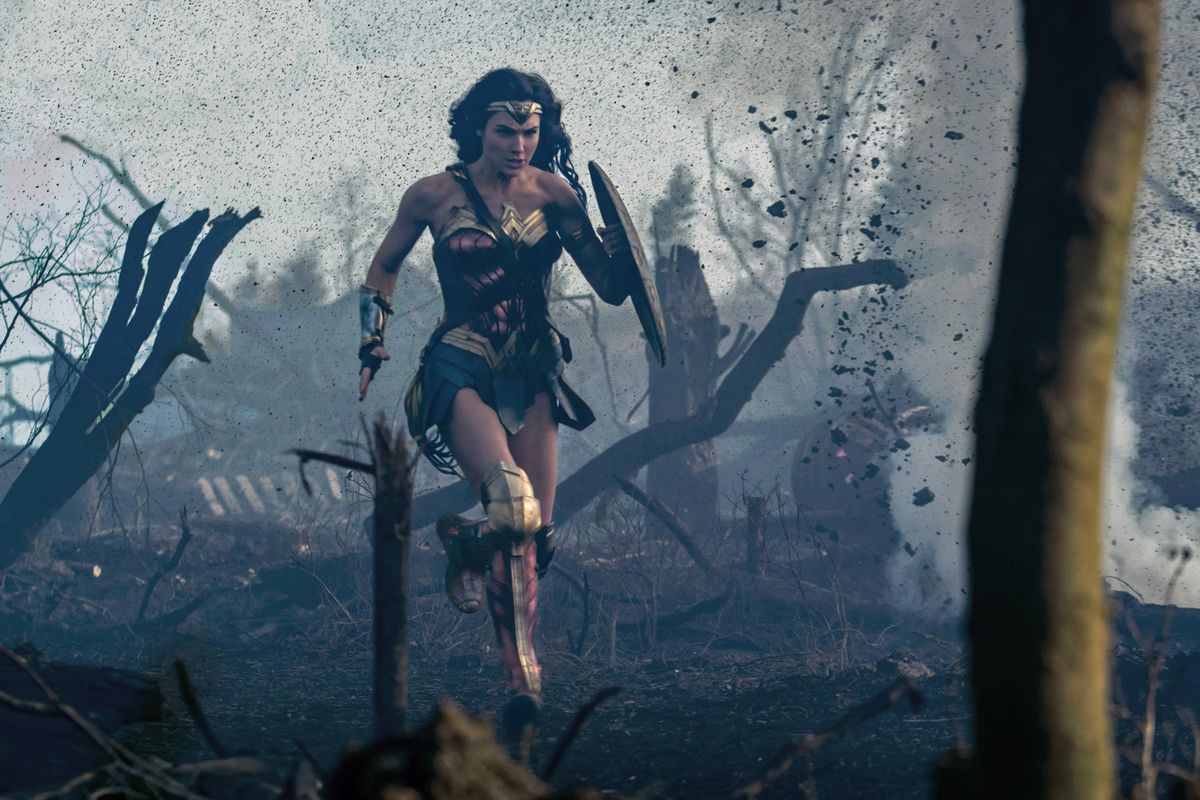
Several scenes from DCEU films were simply iconic like that moment in Wonder Woman when the title hero emerged from the trenches to fight enemy soldiers during World War I. Some other moments were just plain goofy and fun. A great example was a quick moment in Aquaman that featured an octopus playing drums (!). Then there was the madcap nature of The Suicide Squad, which allowed James Gunn to run wild with his imagination.

Despite the fact that many like to focus on the many issues the DCEU had, there was so much to celebrate about the films. In the time before the James Gunn reboot, Superman: Legacy, comes out, it’s a good idea to reflect on the contributions the DCEU films made to superhero films and give them another look.

José Soto

Coming Soon: The DCEU films ranked!

MCU Kang Actor Jonathan Majors Found Guilty

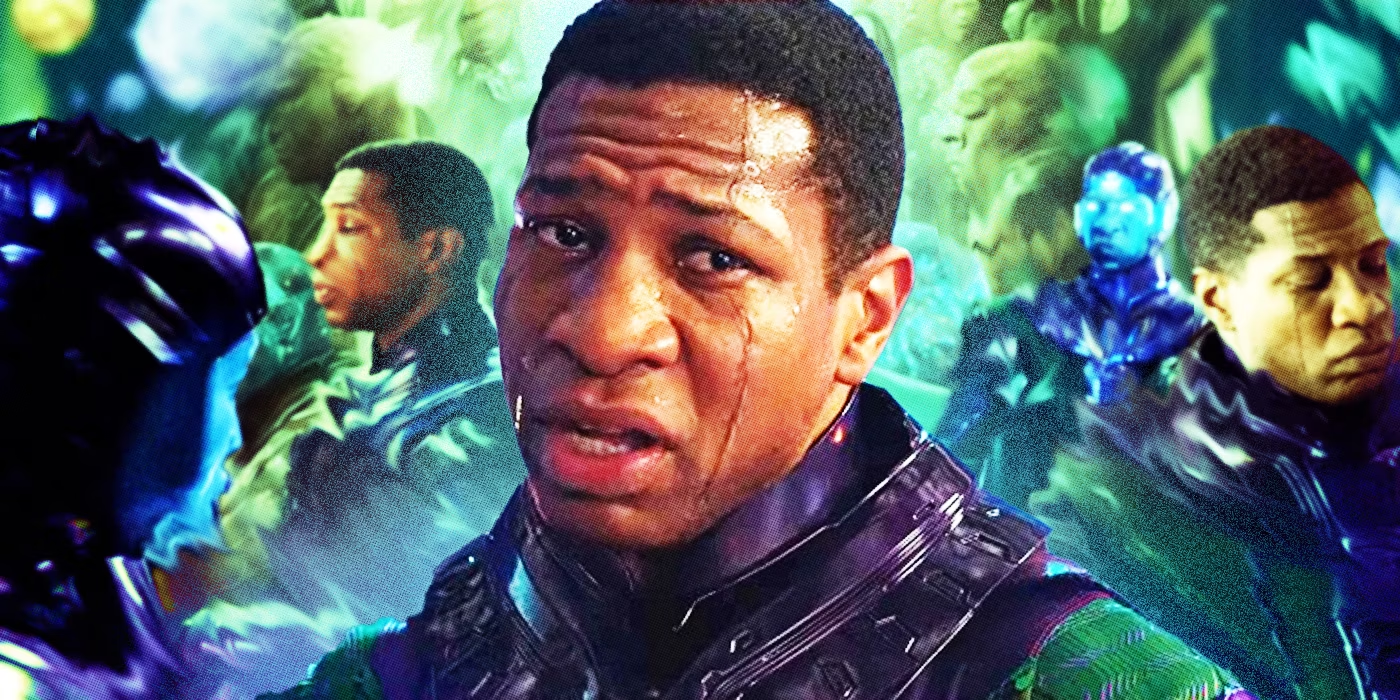
Jonathan Majors, very recently one of the most promising rising actors and best known for his role as Kang the Conqueror in the Marvel Cinematic Universe (MCU), has been found guilty today for assault and harassment in New York City.

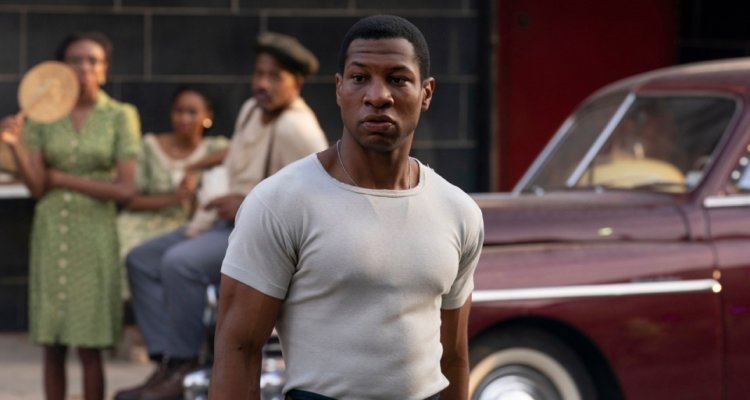
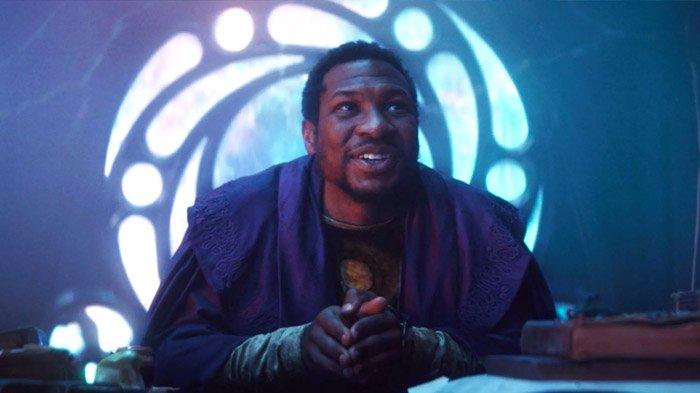
Early this year, Majors had been on an upward trajectory with his acting career, winning a lot of acclaim for his many performances. His most prominent genre roles were as Kang/He Who Remains/Victor Timely in Loki and Ant-Man and the Wasp: Quantumania, as well as Atticus Freeman in Lovecraft Country, and Rafe Drummond in Captive State. In March of this year, Majors was arrested for assault after a major domestic dispute with his girlfriend that turned physically violent. This arrest at the time put his future as Kang in doubt, as well as with other acting projects.

Now that he as been found guilty for misdemeanor charges of third-degree assault and second-degree harassment, Marvel Studios and its parent company Disney have already dropped him from his role as Kang and his acting career is over.

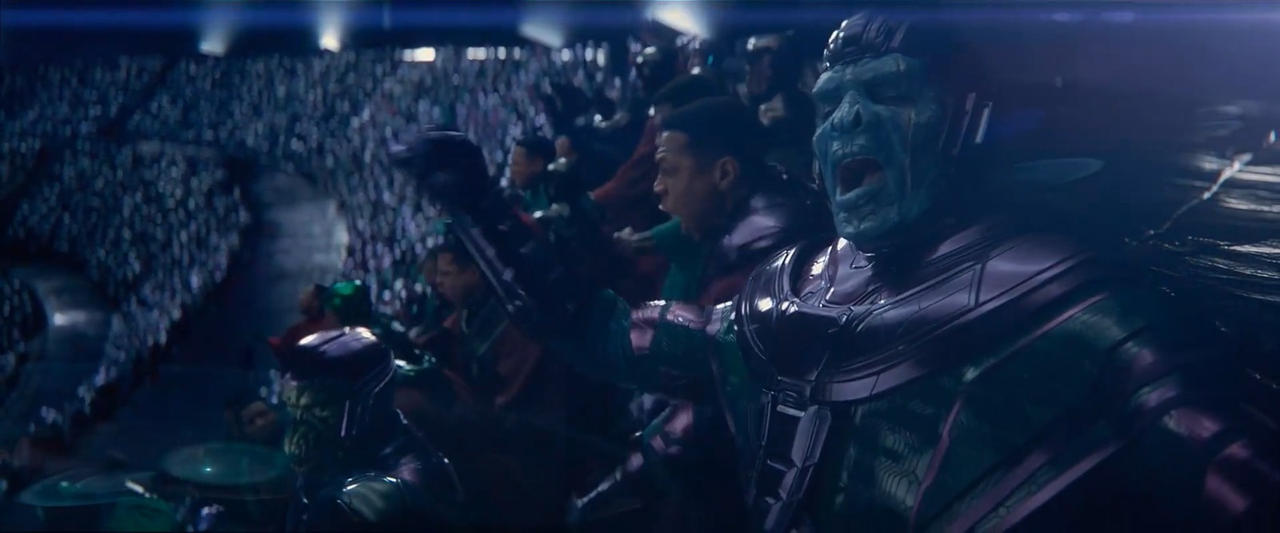
Ordinarily this turn of events would have been catastrophic for Marvel Studios and its MCU given that Kang was supposed to be the cinematic universe’s main villain for its upcoming slate of films including Avengers: The Kang Dynasty. However, being that the character is heavily involved with multiverses and variants as seen in Loki and Ant-Man and the Wasp: Quantumania it should be fairly simple for Marvel Studios to recast the role. To satisfy fans who would question why the character looks different going forward, an in-universe explanation could be that a new variant of Kang came into prominence. There is already precedent for other types of Kangs. In a post-credits scene for Ant-Man and the Wasp: Quantumania we witness not just several thousand Kangs but some that were not even human. So, recasting Kang should not be an issue.

It is regrettable that this has happened given Majors’ talent, but he was found guilty and has to pay for his crimes. His acting career is over but after facing justice, Jonathan Majors will have a chance to get the help he needs.

As for Disney and Marvel Studios, this is just another headache they’ve had to contend with and the second time an actor was suddenly not available for a prominent role as we saw when Chadwick Boseman passed away. It is best for Marvel Studios to move on as they already have in order to prevent any more delays with their upcoming MCU projects. But, the best lesson for the studio is to properly vet the actors and other filmmakers to prevent any future controversies with its MCU projects.

Getting back to Kang’s future in the MCU, just because Jonathan Majors can no longer play Kang, this does not mean the character has to be discarded. Kang showed a lot of potential as a captivating villain and the storyline about a rampant multiverse is rather interesting and should be allowed to be concluded in Avengers: The Kang Dynasty. Hopefully, Marvel Studios will find the right person to replace Jonathan Majors and continue with the multiverse storyline.

Battlestar Galactica Reimagined Circa 2003

After the original Battlestar Galactica TV show ended its run in the late ’70s there have been numerous attempts to revive it. Some included efforts by Bryan Singer and Richard Hatch, the star of the original TV show. But none were successful until Syfy greenlit a remake instead of a sequel to the orignal show, which aired as a two-part mini-series on the cable channel beginning on December 8, 2003.

Distinctly darker and more grounded than the original TV show, the new Battlestar Galactica quickly won acclaim from critics and fans, even those who were skeptical over the changes made to the concept. The mini-series was so successful that Syfy quickly ordered a series, which began airing later in 2004.

The basic premise of the new Battlestar Galactica was similar to the original TV show. In a distant part of the galaxy, a fragile truce between humans and a cybernetic race called the Cylons is shattered when the Cylons launch a surprise attack that destroys the human civilization. The few remaining human survivors set off in a ragtag fleet led by the last remaining battlestar warship called Galactica to find refuge in the lost human colony world known as Earth.

Whereas the original Battlestar Galactica clearly followed the spirit of Star Wars with an emphasis on starship battles and admittedly cheesy scripts, this version was edgier and grittier. It was clear that this 2003 version of Battlestar Galactica was influenced by 9/11. This turned off some fans of the original Battlestar Galactica who desired a more innocent rendition, but the reimagining drew in many more fans to take their place. They welcomed the moral dilemmas and flawed characters that were the main feature of the mini-series as the aftermath of war and its impact on humanity was fleshed out. The show was so grounded that even though these humans lived in a distant part of the galaxy they wore the same kind of clothes we wear today including business suits. They spoke like normal people, too with the exception that the F word was replaced by “frak” to get around censors, although this made up curse word was used too often and unrealistically in normal conversations.

Another way Battlestar Galactica stood apart from the original was with its exceptional acting. Starting from acclaimed and well known actors like Edward James Olmos and Mary McDonnell to relative newcomers like Jamie Bamber, Katee Sackhoff and James Callis, they infused their roles with needed gravitas which engaged the audience. Unlike the original which focused on the adventurous exploits of Captain Apollo and his buddy wingman Starbuck, the clear leads in the remake were Olmos’ William Adama and McDonnell’s President Laura Roslin. Both characters were unexpectedly thrust into leadership roles for the desperate remains of humanity looking for any kind of guidance and hope. Even with the compelling and mature leads, the remake was more of an ensemble piece, as it prominently featured other important characters like Adama’s son Apollo (Bamber) and his best friend, Starbuck (Sachhoff in a role that was orignally portrayed by a man).

Adding to the drama was that the Cylons were hunting down the last remnants of humanity. One of these survivors was Dr. Gaius Baltar (Callis), who unwittingly helped the Cylons destroy human civilization and grapples with his guilt as he is taunted and seduced by an imaginary Cylon called Number Six (Tricia Helfer). She is part of a new race of Cylons that evolved to look and act like humans and were able to infiltrate human society. This new wrinkle with the Cylons added an intriguing twist and put a face to the enemy, which in the original show were just robots without any personality. This development also introduced an element of paranoia as the humans were no longer sure if the enemy was hiding in plain sight among them ready to commit acts of sabotage and terrorism.

The success of Battlestar Galactica revitalized interest in the IP and led to a TV series that ran for four seasons, a spinoff series called Caprica and there are reports of a new version to be produced. Some of the best sci-fi episodes of any TV show were part of the TV show’s lineup as it further developed the plot lines and characters introduced in the mini-series. This would not have been possible if the Battlestar Galactica 2003 mini-series failed to find an audience and it is why it should be praised for its accomplishments twenty years later.

Godzilla Minus One = Plus One Greatness

Some may scoff the latest Godzilla film, Godzilla Minus One, as just another kaiju flick with battling monsters, goofy plots, and bad acting. But they will be very surprised by what Godzilla Minus One offers since it is one of the greatest Godzilla films ever made.

Evoking the serious and somber tone of the original Godzilla from 1954, Godzilla Minus One is much more than a giant kaiju film about rampaging monsters standing in for deadly forces of nature. It is also a film that studies the impact of war on former soldiers and civilians. With that in mind, the film takes the time to get viewers to become involved with the storyline of its human characters who have a surprising amount of depth and story arcs.

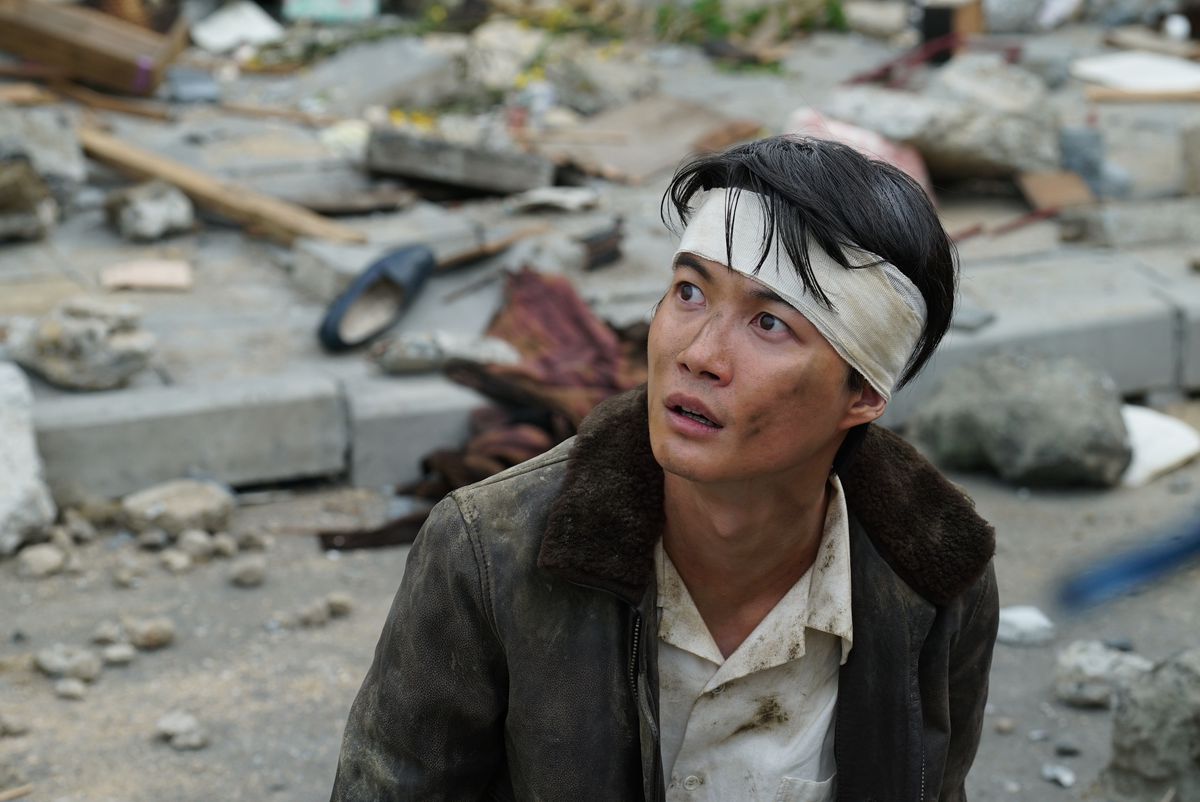
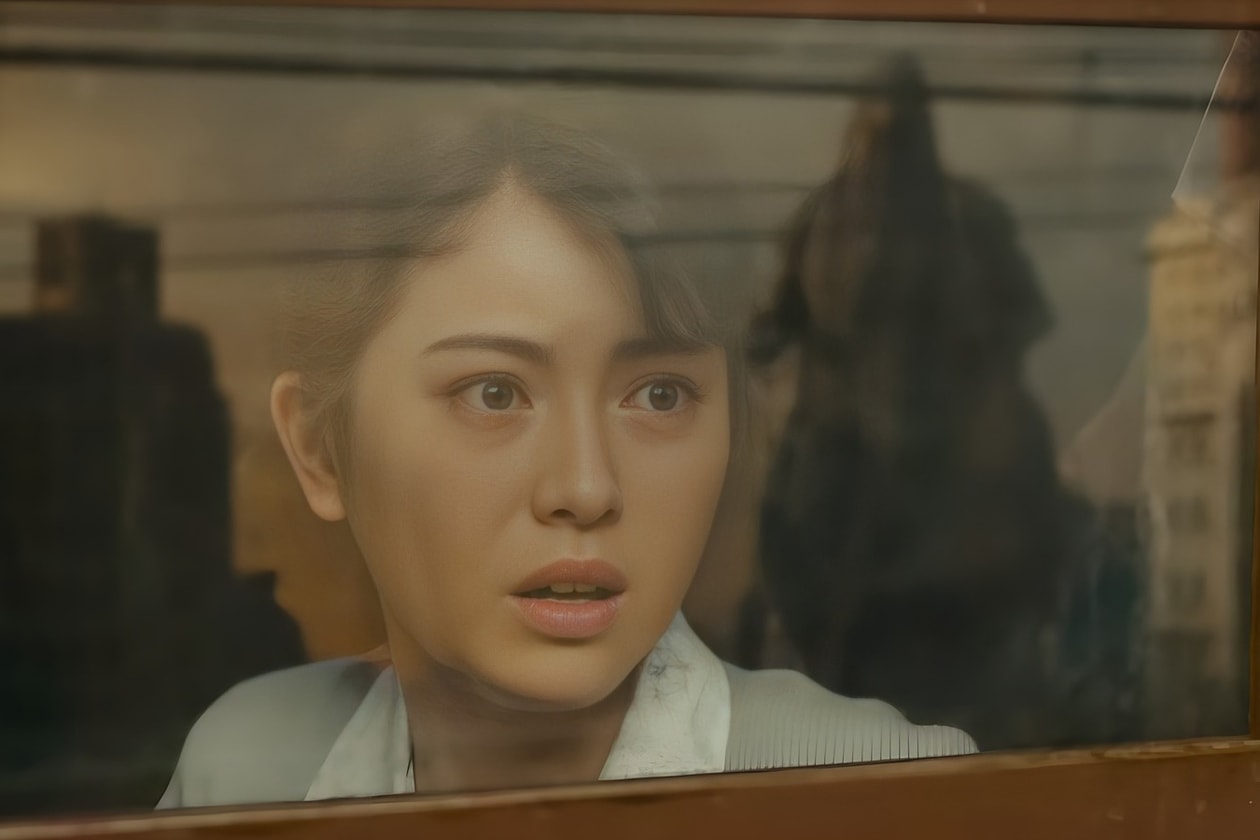
The film opens in the last days of World War II on a Japanese island that serves as repair depot for kamikaze planes. Kōichi Shikishima (Ryunosuke Kamiki) is a kamikaze pilot who lost his nerve and sets down on the island and pretends his plane needs repairs. During nightfall, the depot is attacked by a dinosaur-like monster called Godzilla by the locals. This version of Godzilla is considerably shorter than the giant walking skyscraper we’re used to seeing. This one is about the size of a large t-rex, but is quite deadly. Shikishima cannot bring himself to attack the rampaging beast that soon kills nearly everyone at the depot. Carrying this guilt with him, Shikishima struggles to adapt to civilian life in the midst of a decimated Japan after the war ends. A couple of years later, he meets Noriko Oishi (Minami Hamabe), who struggling to survive with her adopted child Akiko, who was orphaned during the war. The three form a fragile family that soon begin to strive after both adults find jobs and meaning. Shikishima works on a minesweeper boat and bonds with his shipmates. He is compelled to accept his new family and to marry Noriko, but his wartime past still haunts him. At this time a U.S. nuclear test in Bikini Atoll mutates Godzilla, who soon appears in Japan’s waters as a gigantic destructive force that emits radiation through its breath and is able to quickly heal itself from deadly injuries.

After a terrifying encounter with the creature, Shikishima’s surivor guilt and post-traumatic stress disorder kick into overdrive as he is plagued by inner demons over his inability to act in the past. Before long Godzilla makes landfall and decimates the Japanese city of Ginza before disappearing into the ocean. But everyone knows the behemoth will return and take all measures to destroy the kaiju before it returns. This also provides Shikishima with the drive to earn a measure of self redemption by confronting the monster once and for all.

Godzilla Minus One is full of drama and tension as we witness Shikishima’s story and the terrifying might of the monster. Obviously, Godzilla is a metaphor for the destructive force of war and this is done so well in the film. His rampages are very terriying and humbling as humanity and society are laid to waste by the kaiju. The scenes of mass destruction are also anchored by the compelling human stories as the survivors of World War II struggle to rebuild their lives and society. That is why it is disheatening to see the fragile peace created by Shikishima and his friends torn apart so easily by Godzilla. We actually care about these people, they are not random background characters who we casually dismiss when the monster stomps about a city. At the same time, the film also evokes Jaws in its depiction of the casual banter of shipmates who then confront a terrifying underwater beast that functions a colossal prehistoric shark.

The only quibble with the film is that it takes great lengths to explain why the American or even the remnants of the Japanese military did not try to confront the monster more openly. Despite shoutouts about Cold War fears, this does not seem realistic, especially if the behemoth that destroys a city is breathing out deadly radioactive fire. You can bet the U.S. military would have gotten involved when this was discovered. It is also implausible that the Japanese military would have a hands off attitude when it came to fighting Godzilla. Instead, the final confrontation is left up to “private citizens” who take matters into their own hands. This just seems unrealistic.

Unlike most Godzilla films, Godzilla Minus One boasts excellent production values from special effects that easily rivals what comes out of Hollywood to engaging performances from the actors. Much of the credit has to go to its director and screenwriter Takashi Yamazaki, who also supervised the stunning special effects. Yamazaki has a great eye for filmmaking and other kaiju productions should emulate what he has accomplished. It is clear that the Monsterverse films could use the talent of Takashi Yamazaki, who would bring levity and depth to their films. As much fun as the Monsterverse films are Godzilla Minus One elevates the kaiju genre to a much higher level. Then again Hollywood being the way it is would dilute the talent of this director.

It is stunning to know that after 70 years, it is still possible to create an excellent Godzilla film. Godzilla Minus One has set a new standard for Godzilla films that will be difficult to match, but it could inspire other equally impressive kaiju films.

José Soto