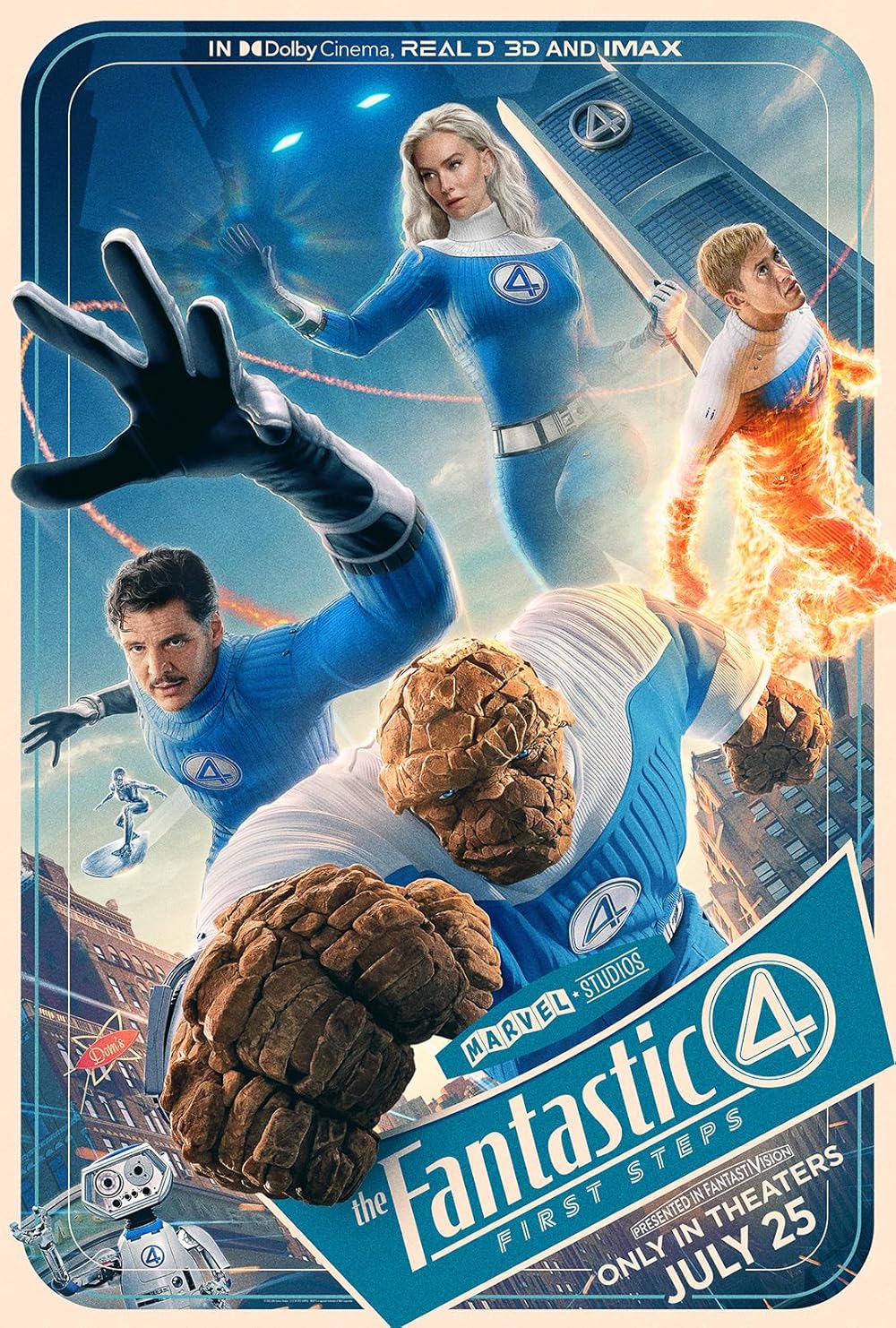
Finally! It took a few missteps (looking at you, Fant4stic!) but with the latest Marvel Studios film, The Fantastic Four: First Steps, we now have the definitive live-action version of Marvel Comics’ First Family, the Fantastic Four.
Unlike most films set in the Marvel Cinematic Universe (MCU), The Fantastic Four: First Steps does not take place in the MCU’s 616 universe but in an alternate world designated 828, in honor of Fantastic Four co-creator Jack Kirby. And what a fantastic (couldn’t help it) world this is!
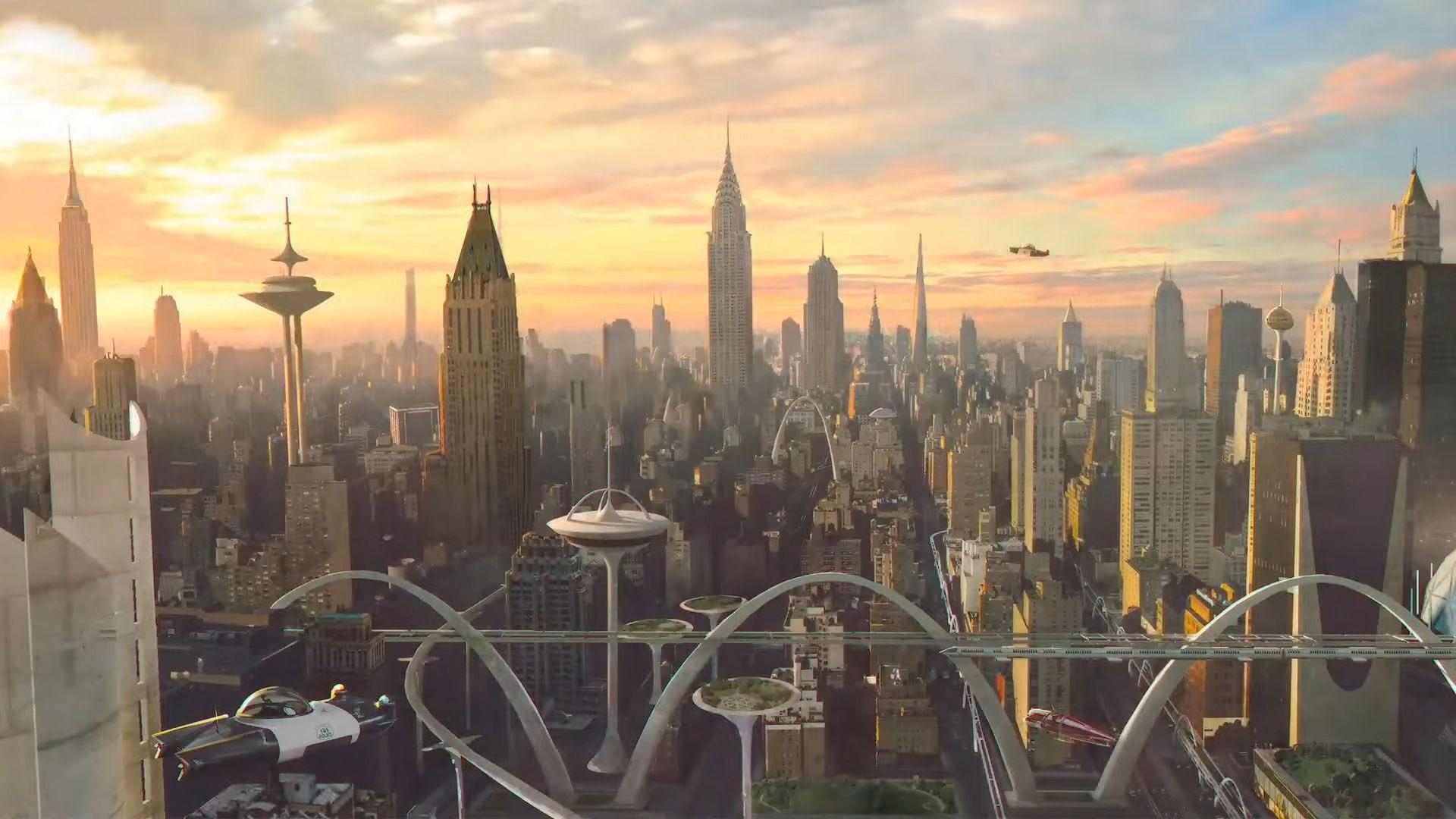
The Fantastic Four: First Steps takes place in a alternate 1960s-era world that has a colorful retro-futuristic vibe with flying cars, clean energy, clunky robots and a New York cityscape that looks like something that Stanley Kubrick, Walt Disney, and architects Eero Saarinen and Oscar Niemeyer would have conceived and executed.
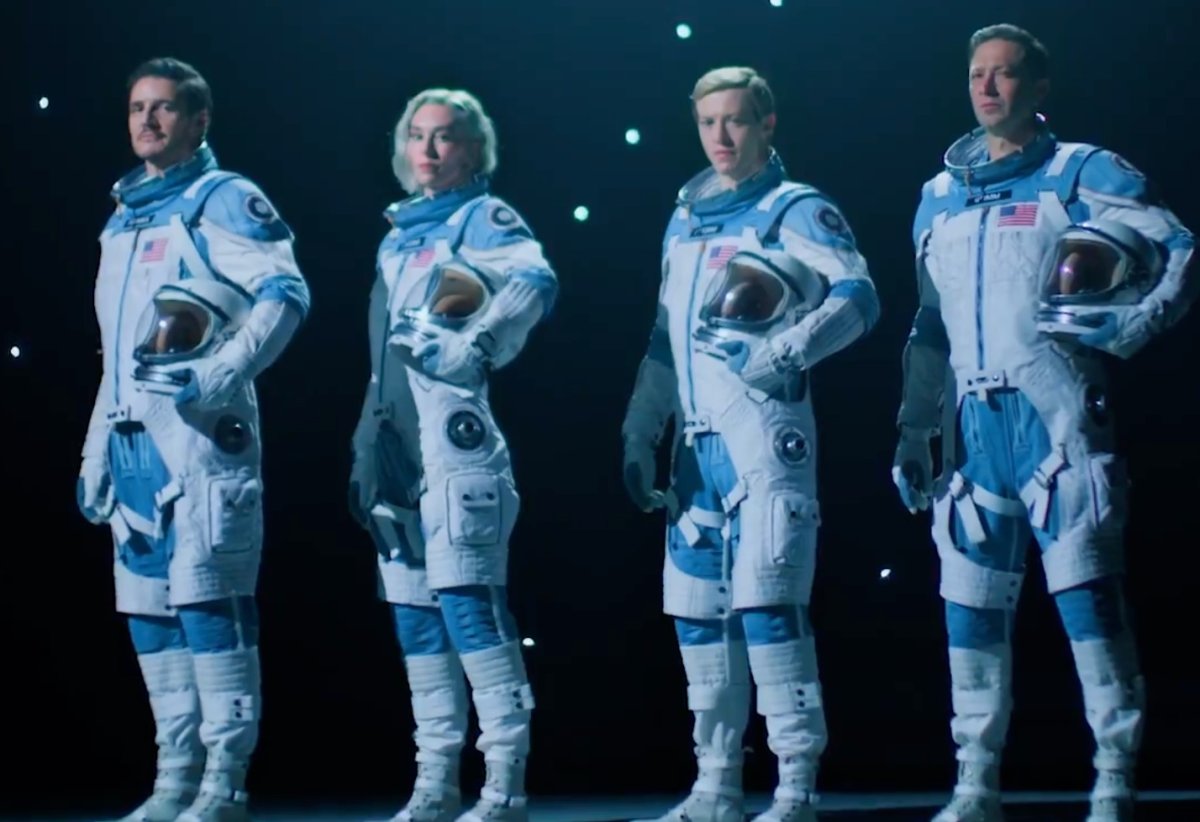
This optimistic world celebrates the superhero team, the Fantastic Four, who were four astronauts that gained superpowers after a mission in space went wrong. The team is made up of its leader, Reed Richards (Pedro Pascal) aka Mr. Fantastic, his wife Susan Storm (Vanessa Kirby) aka the Invisible Woman, her younger brother Johnny Storm (Joseph Quinn) aka the Human Torch, and Reed’s best friend, the pilot Ben Grimm (Ebon Moss-Bachrach) aka the Thing.
For anyone who is unaware of the team, Reed is an Einstein-level genius who can stretch his body like rubber, Susan is the grounded foundation of the team and can project invisible force fields, Johnny is an impetuous hot-head who can burst into flames and shoot fire, while Ben is trapped in an orange rock body but has super strength. These heroes (and the other characters) were splendidly cast, and the actors perfectly emulate the essence of the Fantastic Four, while capturing the family chemistry that is essential to this superhero team. It was important for Marvel Studios to pull this off since the Fantastic Four are famous for being a family first and a superhero team second. Thankfully, Marvel Studios was able to accomplish this with a casting miracle.
Unlike the previous Fantastic Four films, this one relegates the team’s origin story to archival footage in the film’s inventive and colorful opening montage. After the montage, the film jumps right into the story. As the Fantastic Four go about living their somewhat normal lives and prepare for the birth of Reed and Susan’s child, an alien being called the Silver Surfer (Julia Garner) appears over Times Square in New York City and announces that the world is slated to be consumed by her master, Galactus (Ralph Ineson). As the last and only hope for the Earth, the Fantastic Four set off in their spaceship to confront Galactus, who is on his way to Earth. What follows after meeting the cosmic colossus pushes the team to their emotional limits as they and the world prepare for the coming of Galactus.
Phase Six of the Marvel Cinematic Universe (MCU) starts this week with the release of The Fantastic Four: First Steps, a film that will begin the finale of the MCU’s Multiverse Saga. As Phase Six commences it is clear that the MCU has had some challenges recently and it remains to be seen if the latest phase will course correct the cinematic universe.
A major issue with the last two phases that will affect Phase Six was that they did not tell a cohesive or coherent storyline that progressed the overall story of the Multiverse Saga. This ran counter to the first three phases that told a progressive story that culminated with the last two Avengers films, Avengers: Infinity War and Avengers:Endgame. One thing to note with the first three phases was that they concluded more or less with an epic Avengers film. This did not happen with Phase Four (*Thunderbolts the last film of Phase Five ended with the revelation that it was actually a film about a new team of Avengers), and the Multiverse Saga had to do a course correct for outside reasons.
Phase Five of the MCU was plagued with several misfires and undeniable box office disappointments as films and TV shows did not live up to expectations. This was unfortunate since Phase Four was disappointing, as well, and failed to live up to the glory days of the first three phases. Phase Five was supposed to correct this but could not.
Namely that Marvel Studios decided to eliminate the main villain of the Multiverse Saga, Kang the Conqueror, and instead abruptly chose to have Doctor Doom as the main villain. This change happened because the actor who played Kang, Jonathan Majors, was fired by Marvel Studios for being convicted of domestic abuse and the character did not resonate with fans. This happened as Phase Five was well underway and did not allow the MCU to organically pivot to Doctor Doom, but the film studio could have tried. Films and TV shows in the latter half of Phase Five should have, at the bare minimum, dropped Easter eggs and references to Doctor Doom but that has not happened. In fact, many TV shows from Phase Six like Secret Invasion or Agatha All Along did nothing to advance the Mulitverse Saga. Meanwhile, only about half of the Phase Five films were relevant to the Multiverse Saga.
What makes this situation worse is that Doctor Doom, the main villain of the Fantastic Four, will not appear in The Fantastic Four: First Steps. This is a mistake considering that Doom will be the villain of next year’s Avengers: Doomsday and it is unlikely that upcoming MCU projects before that film will include any appearances or references to Doctor Doom and the Multiverse Saga. It is head scratching that Doctor Doom will not at least have a cameo in The Fantastic Four: First Steps but we won’t know this for sure until the film is released. On the other hand, there are reports that one of the post-credits scene from The Fantastic Four: First Steps will directly tie into Avengers: Doomsday so there is that, at least.
Another thing that is evident with the slate of Phase Six is that unlike the last two phases there will be noticeably less films and TV shows released. One major complaint about the last two phases, especially with Phase Four, was that too many projects were released, and this stretched the resources of Marvel Studios. The result was that many subpar films and TV shows were released before they could be fine tuned to be better. With Phase Six, Marvel Studios has chosen to emphasize quality over quantity, though this means that many threads and characters introduced in the previous phases will be ignored. This will frustrate many fans, but it was inevitable given that Marvel Studios has to concentrate on popular characters instead of greenlighting TV shows or films about obscure superheroes that may or may not resonate with the larger public. So, expect many films and TV shows dealing with the core Avengers lineup, Spider-Man, the Fantastic Four (if the first film is successful) and of course, the mutants.
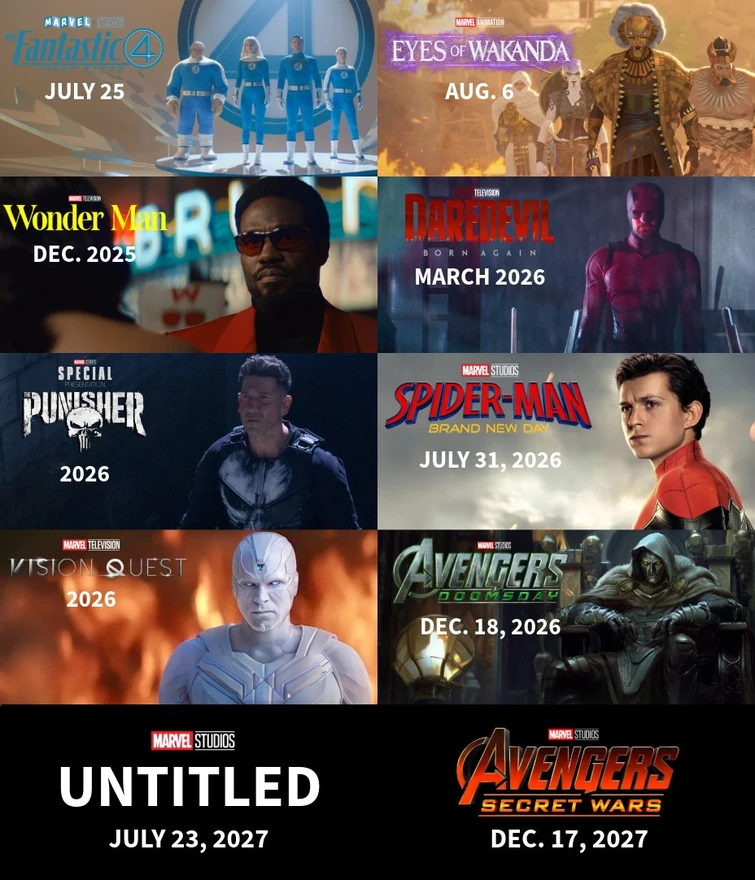
At this time, we can only speculate on what films and TV shows Marvel Studios will release for Phase Six. Unlike the previous phases the studio is remaining tight lipped about its upcoming releases since they have been burned by prematurely announcing projects before they were ready like Blade. To date, the only known projects are The Fantastic Four: First Steps, Eyes of Wakanda, Marvel Zombies, Wonder Man, Spider-Man: Brand New Day, second seasons for Daredevil: Born Again and Your Friendly Neighborhood Spider-Man, Vision Quest, a Punisher TV special, Avengers: Doomsday, Avengers: Secret Wars, and at least one other film that we have no information about. Who knows what it will be? A new Doctor Strange film? A third Black Panther film?
While it’s regrettable that Marvel Studios is pulling back on the quantity of projects it is for the best since the limited amount of films and TV shows will lead to improved products. We already are seeing this as the more recent offerings from Marvel Studios like Deadpool and Wolverine, Your Friendly Neighborhood Spider-Man and *Thunderbolts have received a lot of acclaim. It is also interesting to see that certain projects that were not as well received as Ironheart, parts of Daredevil: Born Again and Captain America: Brave New World were produced before Marvel Studios began to course correct with its offerings. Daredevil: Born Again offers clear proof of this as the most acclaimed episodes were made after the film studio decided to emphasize its commitment to quality.
It will take some time for Marvel Studios’ course corrections to resonate with the general public. Not too long ago, the MCU brand was golden and a guarantee of quality and box office success. That’s not the situation anymore as many recent films have underperformed, even if they were acclaimed like *Thunderbolts. It is no longer a guarantee that an MCU film will be a box office hit. But it is important that they maintain a high level of quality because this will create positive buzz for MCU films and TV shows. Do not be surprised if properties like *Thunderbolts develop cult followings, which is good for Marvel Studios as this will demonstrate the studio’s commitment to quality products. Eventually the public will catch on and begin seeing them the films and TV shows in droves again. Then again with important tentpole films like Avengers: Doomsday, Avengers: Secret Wars and Spider-Man: Brand New Day, it is practically certain that Phase Six of the MCU will be successful.
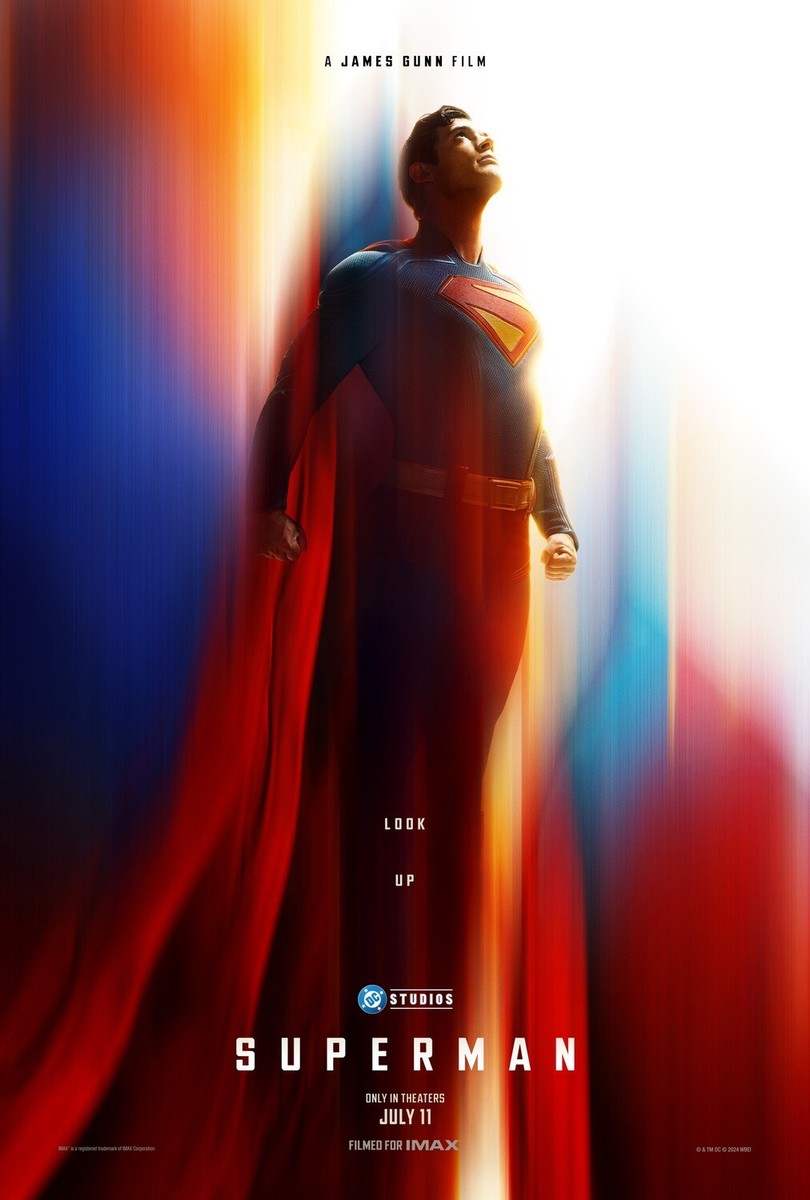
The new DC Universe (DCU) is off to a very promising start with Superman, written and directed by James Gunn, and who is also the guru spearheading the DCU.
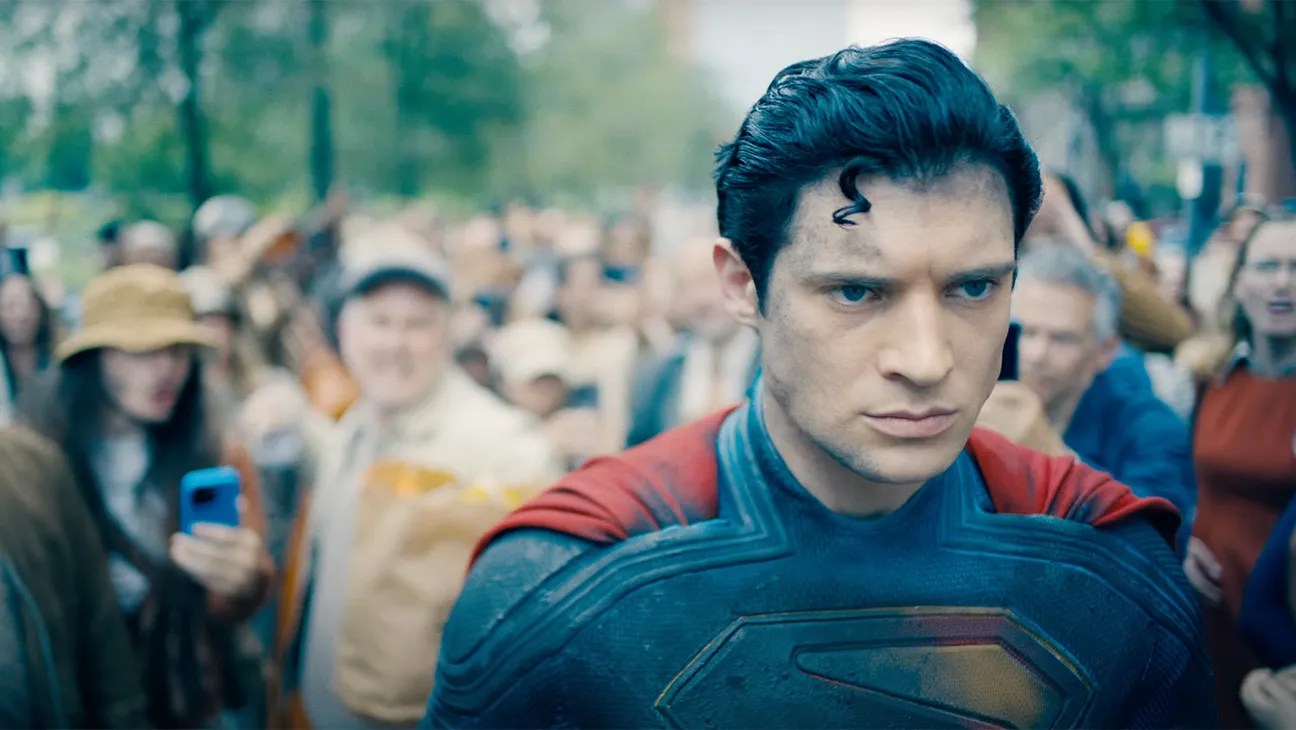
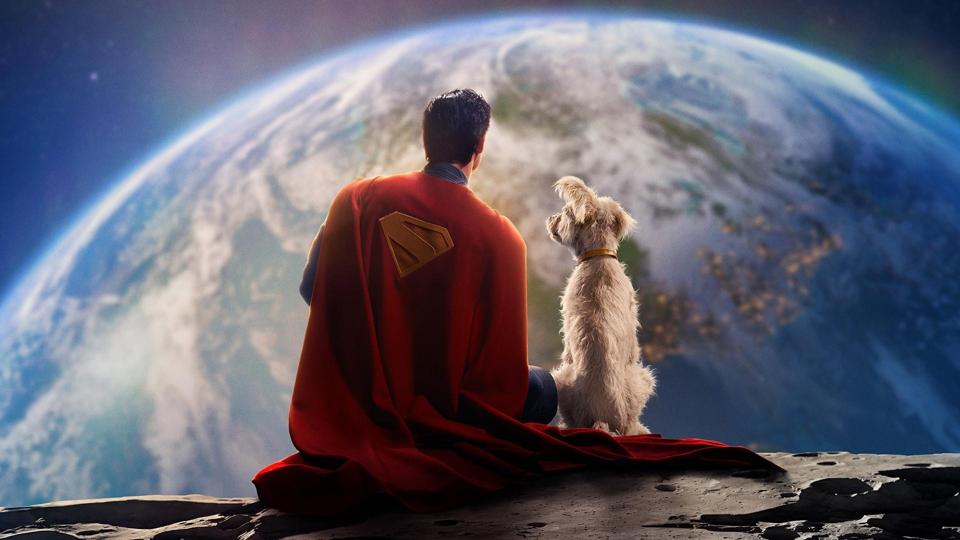
Unlike other introductory Superman films, this latest reboot does away with the origin story of Clark Kent/Superman (David Corenswet) arriving to Earth as a child from the doomed planet Krypton and growing up to become the world’s greatest superhero. Instead, the film takes place three years into his debut. As the film starts, Superman has for the first time lost a battle against a foe called the Hammer of Baravia. In the film’s opening text, Superman stopped the country of Baravia from invading its neighbor and this action has proven to be controversial. While Superman sees this as simply preventing needless deaths and protecting a weak country against one ruled by a dictator, many people saw this as him acting recklessly without authority.
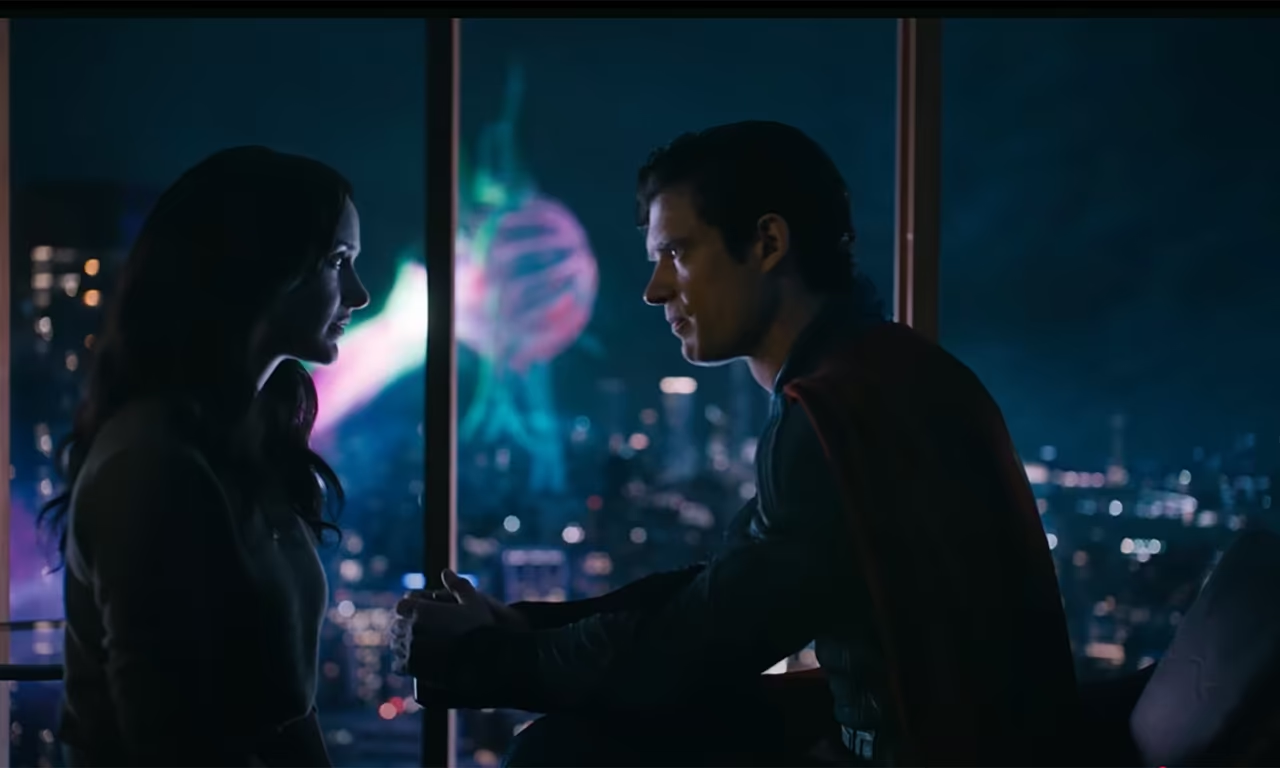
As this fallout happens, Superman’s arch nemesis, the evil tech bro Lex Luthor (Nicholas Hoult) manages to break into Superman’s Antarctic lair, the Fortress of Solitude, abduct Superman’s dog, Krypto, and steal video files of Superman’s Kryptonian parents. Luthor uses this footage to smear Superman on social media by revealing that Superman was supposed to conquer the people of Earth. This revelation quickly turns the public against Superman, who is then forced to turn himself into the U.S. authorities for his actions against Baravia. After he is imprisoned in a pocket dimension, it is up to his lover and fellow reporter Lois Lane (Rachel Brosnahan), and allies Mr. Terrific (Edi Gathegi), Guy Gardner (Nathan Fillion), Jimmy Olsen (Skyler Gisondo), and Hawkgirl (Isabela Merced) to find a way to free him, discover Luthor’s true motives and expose him.
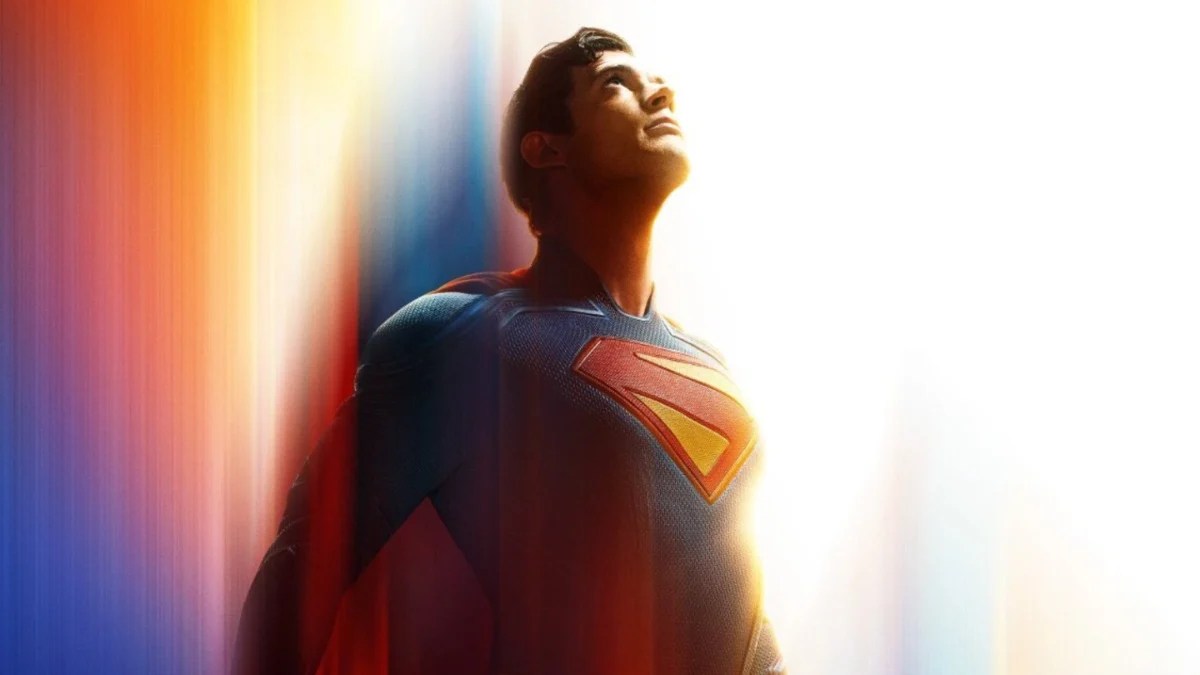
Superman works for so many reasons. The film immediately does away with the dour and gritty look of the recent Superman films that divided many fans. This version of Superman is bright, cheerful but not without conflict. However, unlike the last big-screen incarnation of Superman, this one is more human and is not brooding or trying to find his place in the world. In many ways, this version of Superman better reflects the more human and relatable version we last saw in the recent TV show Superman & Lois.
Yes, Superman has its flaws such as some colorful supporting characters did not get much screen time compared to others and the plot moves a bit too quickly, which tamped down some emotional points. But the breakneck pace of the film for the most part works in the film’s favor as it keeps everything moving at a lively pace that rarely lets up. It is refreshing that James Gunn was not afraid to embrace the characters’ goofy and sci-fi fantasy comic book roots and present them in an endearing and fun way that celebrates the DC Comics, especially during its late Silver and Bronze Ages.
It goes without saying that Superman is probably the most comic book-oriented film in recent history. It is not afraid of its comic book roots; it actually celebrates them. In our very cynical time that is full of strife and misery the bright, optimistic nature of Superman is a much-needed escape into a more hopeful world where good triumphs over evil in the end, and decency is commended as represented by Superman himself. This brightness also stands out in contrast to many recent superhero/comic book movies.
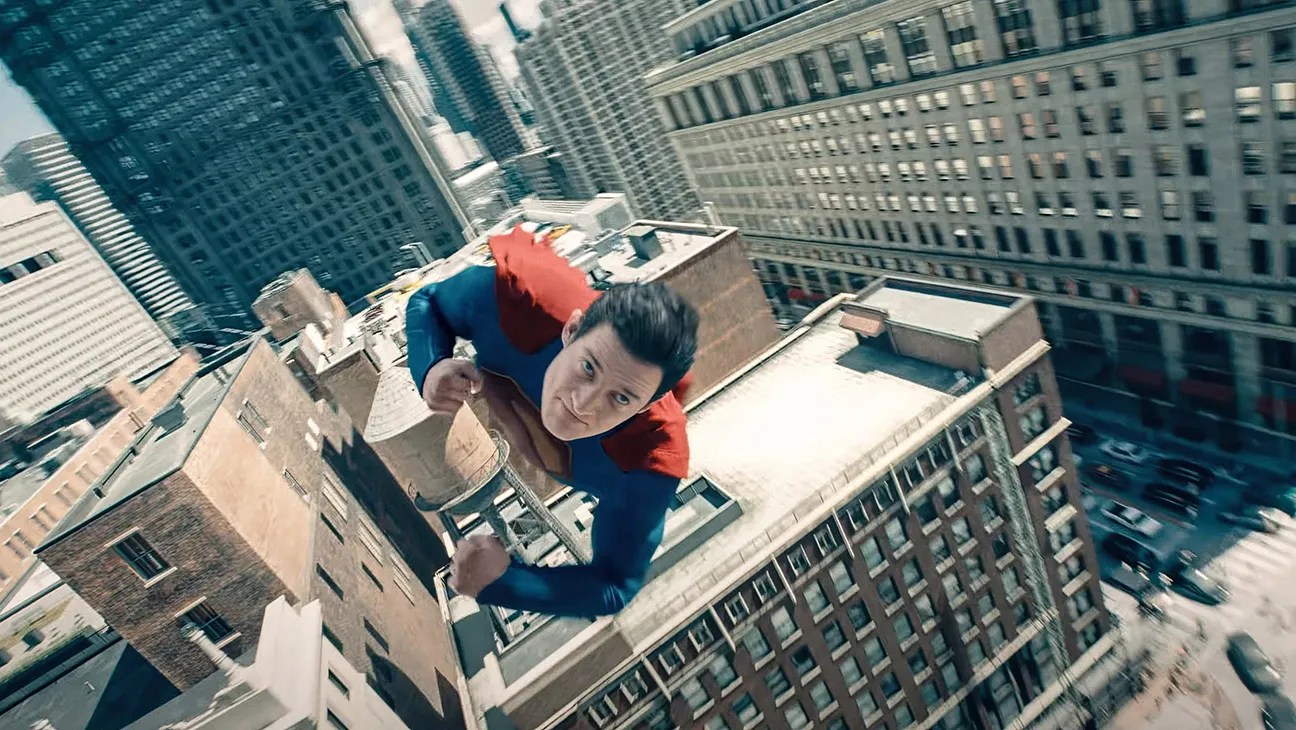
James Gunn must be applauded for having the vision and skill to pull off this exuberant debut for the DCU. He exhibits a lot of the quirky humor and pulse-pounding action beats that he demonstrated with his Guardians of the Galaxy films and The Suicide Squad. The camera work is simply breathtaking in many of the fight and flying scenes. The special effects are nearly perfect as is the production design. At the same time, the film is injected with so much emotion and character. This would not be possible with an inferior cast, but thankfully, Gunn recruited some of the best actors for this film.
Corenswet does a fine job as a more relatable Superman, although there was not enough time given to his dual identity of Clark Kent, but that can be remedied in the next film. The other acting stand outs include Brosnahan, who probably portrays the best big-screen version of Lois Lane, Hoult as Luthor, who eerily evokes current D-Bag tech bros who are becoming the ruination of our society, and Gathegi, who steals many scenes with his dry one liners and goofily stoic nature. But the true star of the show, aside from Superman himself, was Krypto the Superdog. As he did with Rocket Raccoon, Gunn presents us with an endearing animal character that steals many scenes with great humor and genuine affection. And he’s a good dog!
Superman could not come at a better time, not just for DC Studios or even superhero films, but for everyone in general. Just as the original Superman in 1978 was a beacon of hope and light in a troubled time in our history, this 2025 version of Superman also serves as reminder that we can be better, and we will be. With such a great start to the DCU, it’s exciting to see what comes next for this new cinematic universe.
After the downfall of the DC Extended Universe (DCEU), the new DC Universe (DCU) cinematic universe has risen from the ashes and kicks off with Superman on July 11, 2025.
Fans of DC have both eagerly anticipated this meant and dreaded it ever since filmmaker James Gunn announced DC Studios’ planned DCU line up in early 2023 with a slate of films and TV shows. The first TV show which actually started the DCU last year was the animated Creature Commandos which streamed on Max. The show received positive reactions although it seemed similar to James Gunn’s DCEU film The Suicide Squad, but with monsters as the main characters forced to work for the government instead of supervillains. One thing that Gunn made clear was that Creature Commandos was canon to the DCU and even one of the featured characters from that show, Rick Flagg, Sr., will appear in Superman.
Right now, fandom and the public at large are focused on Superman, which inaugurates the DCU in live action. The marketing push for the film is very intense and pervasive with the usual deluge of merchandise and trailers (but gotta admit any merch about Krypto the Super Dog is so damn cute; Gunn has a way with animals) and publicity. There is a good reason for the push by DC Studios’ parent company Warner Bros.
RIP DCEU
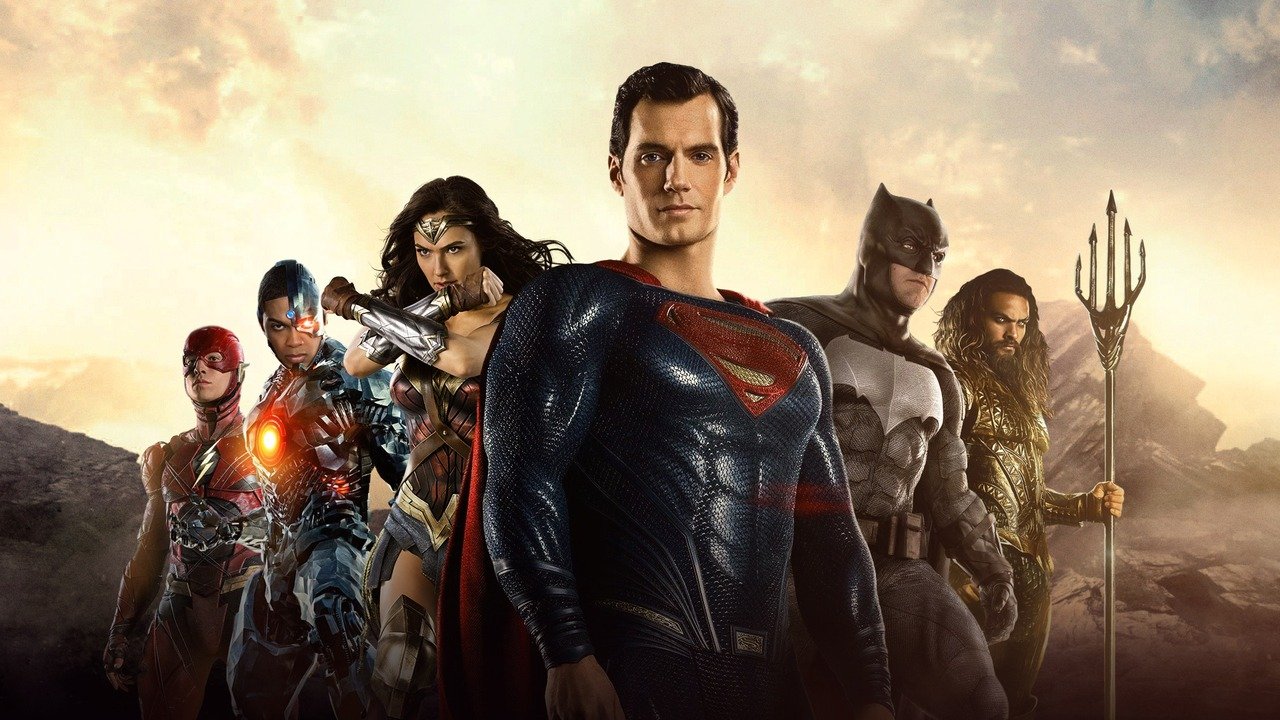
As everyone knows, the DCEU was supposed to be film studio’s answer to Disney’s Marvel Cinematic Universe (MCU), which has been wildly successful ever since it debuted in 2008. The DCEU had everything going for it: popular superheroes that enjoyed success in the box office and TV with projects like Christopher Nolan’s Batman films, the Arrowverse on TV and Smallville. Even Nolan helped launch the DCEU by helping to create Man of Steel. But for many reasons the DCEU was plagued by many problems, mostly due to studio interference, impatience and greed. Warner Bros. was in a rush to compete with the MCU and didn’t allow the DCEU to grow organically and build up a fanbase like with the MCU. Instead of carefully introducing characters, they were clumsily mashed together just to premiere Justice League, the DCEU answer to The Avengers, just a few short years after Man of Steel. Many of the films were not well received and it seemed as if the DCEU was playing catch up with the MCU. But what really killed the DCEU was interference by studio executives who were chasing the almighty dollar and did not seem to care about the quality of the films.
Despite attempts to salvage the DCEU by the early 2020s it was clear that the cinematic universe was without direction and falling apart. To the studio’s credit, they recognized James Gunn’s talent and vision with The Suicide Squad and offered him the opportunity to revamp its cinematic universe. He essentially started over with the DC properties and has launched the DCU with its initial projects being labeled as Chapter One: Gods & Monsters. Of course, this entailed huge changes including the recasting of the DC characters. Actors, like Henry Cavill, were removed from playing iconic characters and in the case of Jason Momoa, he was recast to play a different role in the DCU. This development was controversial and incense some fans of the DCEU who automatically hated anything to do with the DCU and have taken to the Internet to troll Gunn and the DCU. Unfortunately, that is par for the course with social media these days.
By now, most fans of the Marvel Cinematic Universe (MCU) are aware of how the latest MCU film, Thunderbolts* ended, including its post-credits scene. Anyone who hasn’t at this time should stop reading this because we’re going into full on SPOILERS for Thunderbolts* and what is next for the MCU, including next year’s Avengers: Doomsday.
Introducing the New Avengers
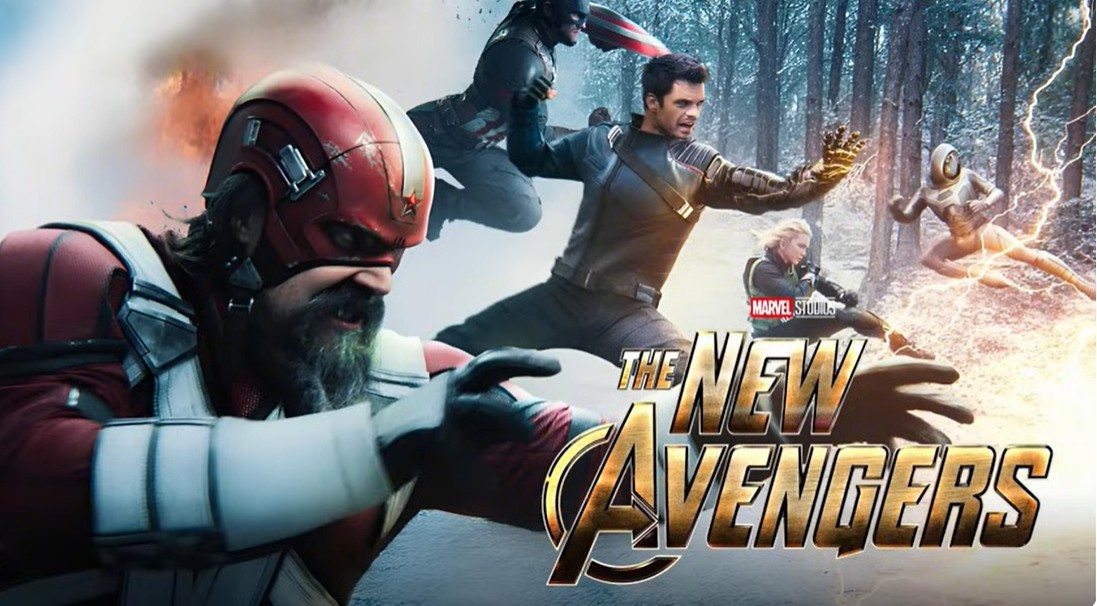
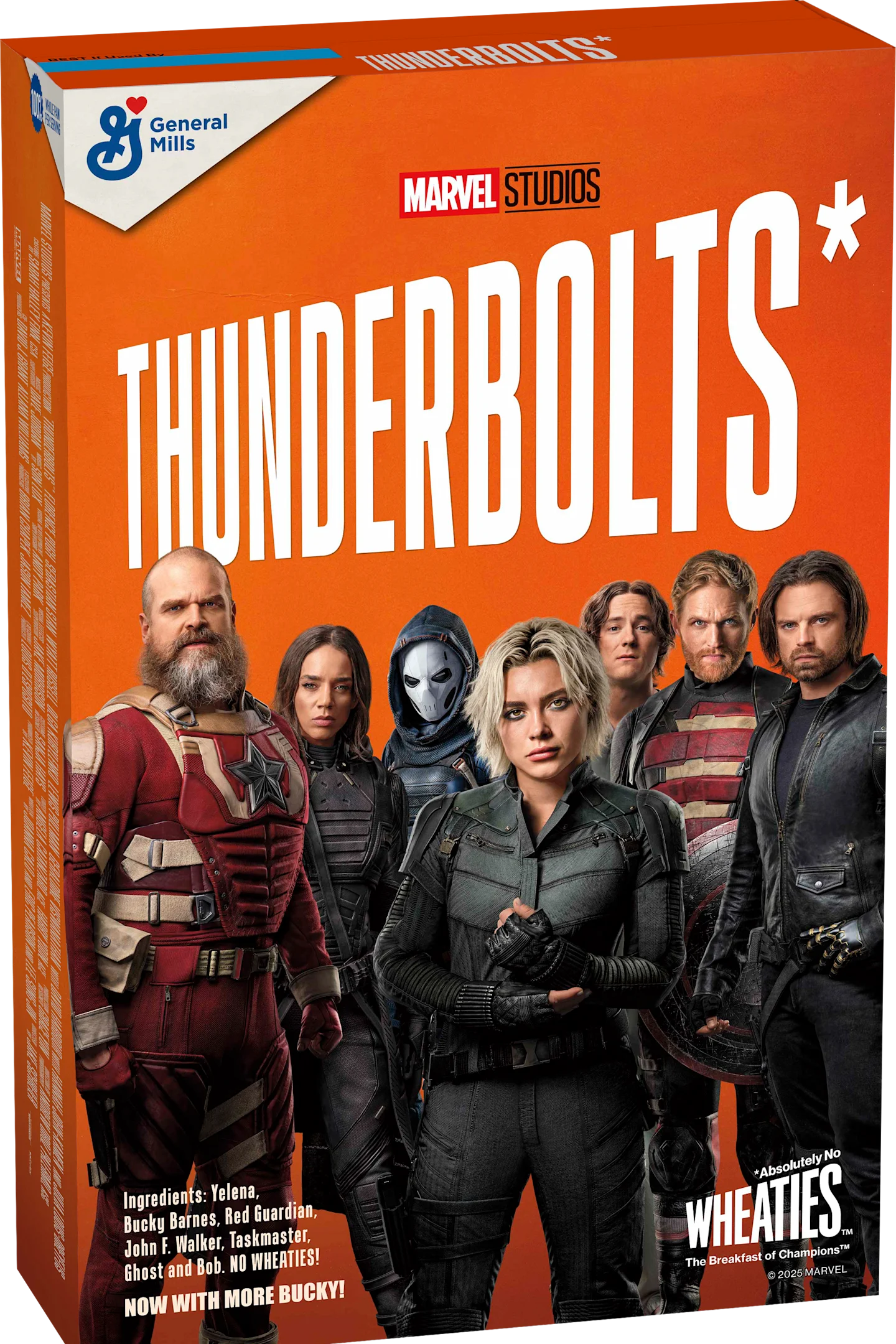
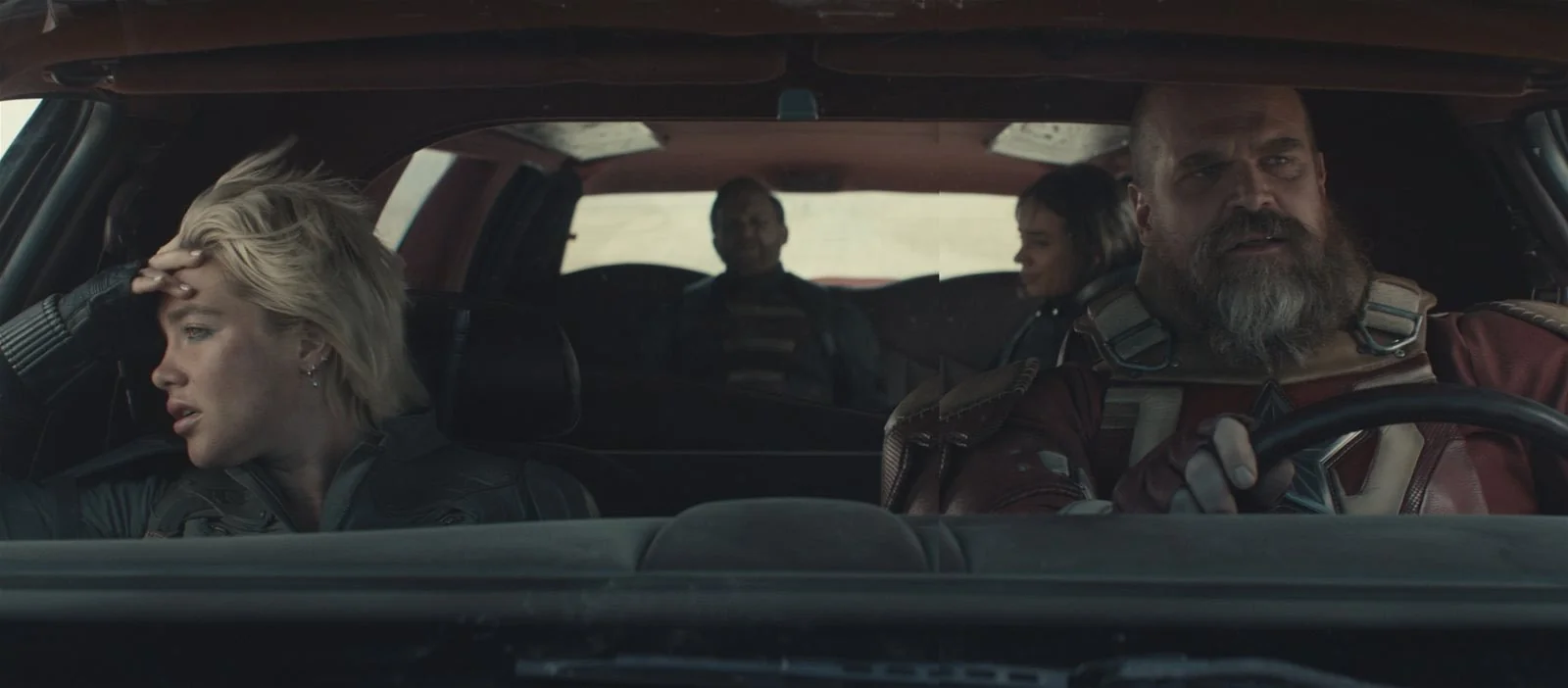
To no one’s real surprise, the asterisk in the film title Thunderbolts* was an indication that the title team of dysfunctional mercenaries with personal demons, stood for something else. For most of the film, the team’s comic relief, Alexi Shostakov, the Red Guardian, kept referring to the team as the West Chesapeake Valley Thunderbolts, after the soccer team his adopted daughter, Yelena Belova, played in as a child. By the end of the film, after the Thunderbolts saved New York City, they were introduced to the world as the New Avengers by the film’s antagonist, Valentina Allegra de Fontaine, in a move to save her political career and to stay out of prison.
Speculation had been going on among fans ever since the film title included the asterisk. Some thought maybe it was a placeholder for a subtitle that would be spoilery. They were right to an extent because the asterisk was actually a placeholder for the film’s supposed real title, The New Avengers, which Marvel Studios began to openly flaunt just a few days after the film’s release.
Was the supposed title change to The New Avengers a desperate marketing attempt to drum up more interest in Thunderbolts*? Maybe. Then again, the marketing has been incredibly inventive for the film with innovative posters and some trailers that made the film out to be something that A24 would release. In any event, the fact that the Thunderbolts are actually the New Avengers does increase their profile and hints at what lies ahead for Avengers: Doomsday and Avengers: Secret Wars.
In the film’s two post-credits scenes and the montage shown during the initial credits, the so-called New Avengers are not well received by the world. Who could blame them? Just as how many of us complained about the lackluster lineup of the Thunderbolts when the film was announced, it was natural that most people would have a negative reaction to the replacement for the original Avengers. Where were the heavy hitters like Hulk or Thor? The New Avengers was made up of a bunch of mercenaries/super soldiers with similar and limited skill and power sets. As Yelena quipped at one point, “we just punch and shoot.” Then add in their questionable pasts, which probably could not be glossed over by marketing; although the original Avengers team members also had checkered backgrounds, including Yelena’s sister, Natasha Romanov, a fellow assassin.
But unknown to most of the world, deep down, these characters had heart and faced down their insecurities and flaws, which made them more endearing to audiences. Each of the Thunderbolts wanted a chance at redemption and to be part of something greater. This was obvious with Alexi who dreamed of recapturing the glory he had during the Cold War in Russia, Yelena dealing with depression and wanting something else in her life, or John Walker, who couldn’t fill in the shoes of Captain America as seen in The Falcon and the Winter Soldier and wanted to prove himself. They just didn’t expect it to be as the lineup for the new incarnation of the Avengers.
Sure, these Thunderbolts were not superstars like Tony Stark, but they grew on us as they created a sort of family bond forged by the events they underwent together. What made the film so quickly beloved was that these characters were deeply flawed, yet had great chemistry, which helped them succeed in the end as they came together as a team. How they will carry on going forward is anyone’s guess, but we can speculate based on the final post-credits scene.


 Starloggers