Spider-Noir Shows How To Do The Multiverse

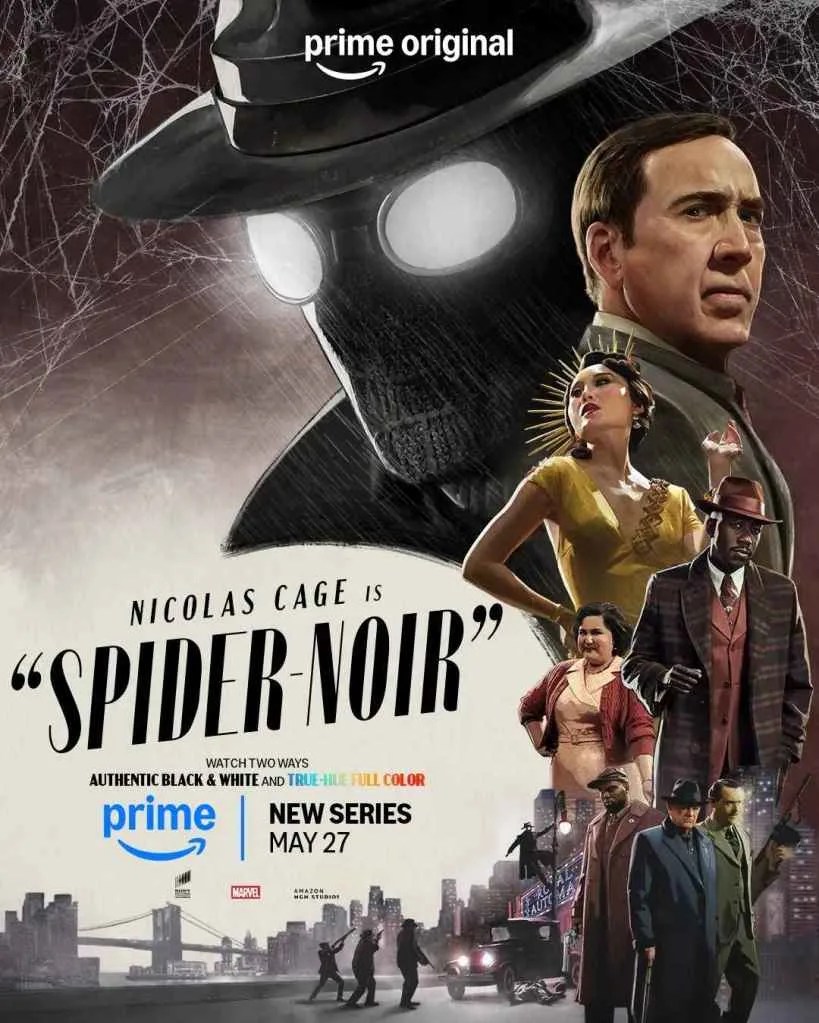
Spider-Noir is the latest superhero TV show now streaming on Prime Video and stars Nicolas Cage as a variant of Spider-Man set in New York City during the 1930s. This time, for legal reasons, his name is Ben Reilly and he is called The Spider instead. Noticeably older and gruffer than the traditional Spider-Man/Peter Parker, Reilly operates as a classic gumshoe private detective in a gritty New York oozing with corruption, crime and notorious gangsters. In other words, this is not your typical Spider-Man story and this is how the Multiverse should have been done by the studios.
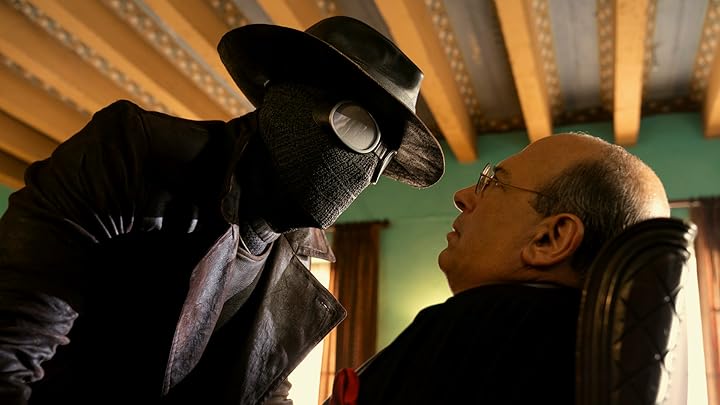
When Spider-Noir begins, Ben Reilly operates out of his tiny office in Manhattan as a gumshoe for hire and still grieving over the death of his girlfriend Ruby five years ago, Ever since her death, Reilly retired from being the masked vigilante, The Spider, but all that changed when he is hired to track down a criminal named Addison, who turns out to have pyrokinetic powers. After Addison is killed, circumstances drag Reilly and his associates down a nefarious rabbit hole involving the city’s corrupt mayor (Michael Kostroff), the notorious mob boss, Silvermane (Brendan Gleeson), who runs the city’s underworld with a savage fist, and Cat Hardy (Li Jun Li), a conflicted nightclub singer he is hired to track but falls in love with. Silvermane has superpowered henchman in his employ, such as Flint Marko (Jack Huston), a Sandman variant, Lonnie Lincoln (Abraham Popoola), a more sympathetic version of Tombstone, and Dirk Leyden (Andrew Lewis Caldwell), a version of the obscure Spider-Man villain Megawatt, who all come into conflict with the Spider.

During his investigations, Reilly finds out that the villains are connected to his World War I past and how he got his spider powers. More importantly, Reilly is forced to come out of retirement as The Spider, which brings him to the attention of Silvermane, who wants to consolidate his grip of power in New York City.
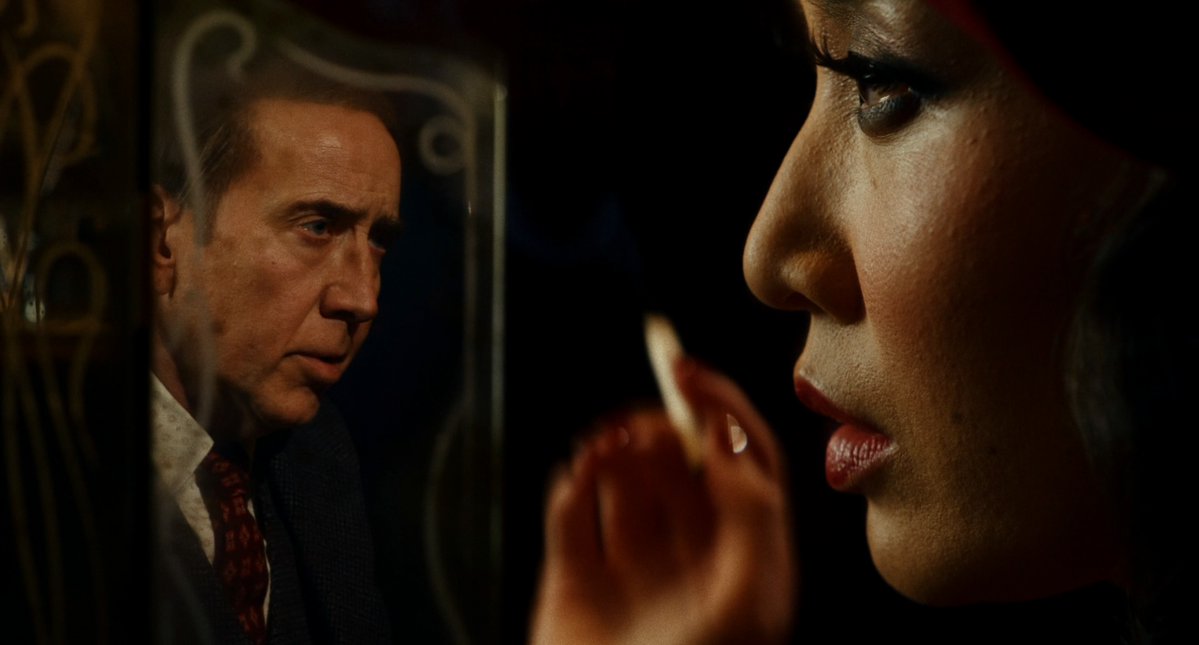
As one can tell by the premise and seeing the show itself, Spider-Noir is an inspired homage to the classic 1930s crime films that were once so popular during the Golden Age of Film. The show can be watched either in garish color with popping bright hues or in noirish black and white, which feels more appropriate. The TV show captures many of the elements that made crime noir films so popular: the jaded detective; a dazzling but conflicted femme fatale; struggling people who talk with exaggerated New York accents and read script lines that would make Humphrey Bogart feel right at home; numerous Dutch angles; split focus shots, and scintillating photography that evokes stark existentialist German cinematography. There are so many ways this approach could have approached a satire, but thanks to the skills from everyone involved, Spider-Noir is a respectful tribute to those types of crime noir films. The actors have to be singled out for their innovative performances, especially Cage, who evokes a combination of Bogart and Jimmy Cagney while infusing his performance with the bouts of unpredictable insanity that made him so famous. The other actors turn in commendable work here as well, such as Li whose near-tragic Hardy captivates every scene she’s in and Gleeson, who projects a chilling presence.

The Multiverse is a great concept that allows for the exploration of many famous characters in different settings which provide captivating insights into what makes them work. The comic books from DC and Marvel have produced many memorable works based on variants of their renowned characters, but live-action attempts at exploring the Multiverse have had mixed results. For Marvel’s part, it seemed as if the studios were too afraid to go all out and give us wildly different versions of their characters. Why is that? Perhaps the studio heads fear that doing so will confuse audiences. But they underestimate them all the time. Other times, the efforts were laughably bad, such as Sony’s misguided films starring Spider-Man villains that were dead on arrival. We could have had more inspired Multiverse films and TV shows in the run up to Avengers: Doomsday and Avengers: Secret Wars and even the beloved Spider-Verse films that took greater advantage of the Multiverse concept like Spider-Noir has done. The executive producers of Spider-Noir are Phil Lord and Christopher Miller, who also guided the Spider-Verse films and they should be the go-to guys for more Multiverse works if they ever happen.

Spider-Noir is more than an homage to crime noir films, it is also one of the best superhero TV shows ever done that focuses on character and exciting superheroics. Underneath his cynical exterior, Ben Reilly still has a good heart because he knows that having great power has great responsibility. Even though this setting is unbelievably different than the traditional one seen with Spider-Man lore, it still is a Spider-Man story and one that hints at how the character would be like if he were middle aged. This approach allows the character to be shown in a unique way while sticking to what makes Spider-Man so popular. By going all in with the Multiverse concept, this TV show is able to present a novel approach to the Spider-Man character and see how he would have turned out under a different setting. Spider-Noir, simply put, takes full advantage of the Multiverse concept and how it should be done.
Daredevil: Born Again Rises Again To Greatness

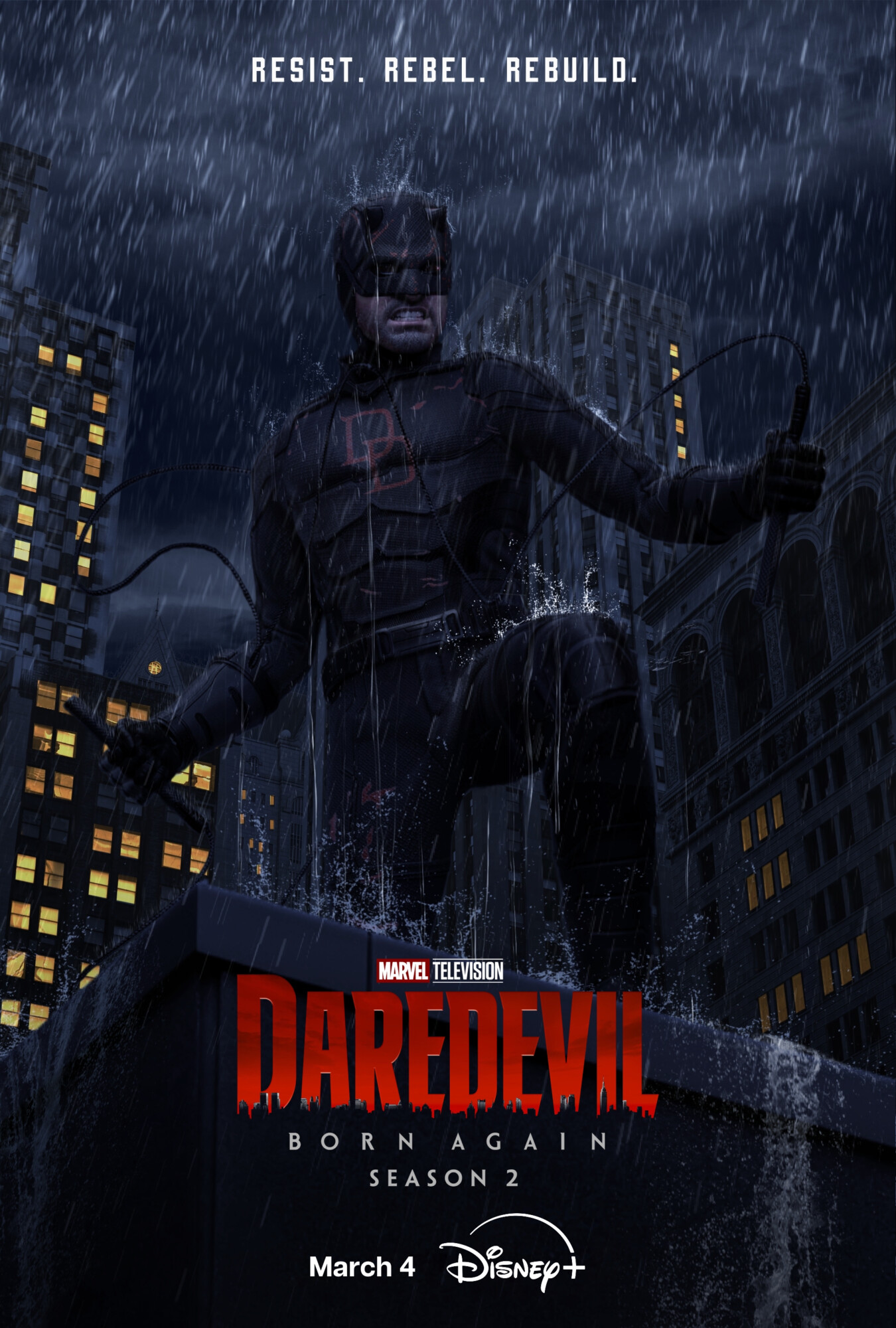
While many fans of the original Netflix TV show, Daredevil, were elated when the program was revived for Disney+ as Daredevil: Born Again, quite a few had complaints about the new TV show. Originally, the revival was supposed to be a soft reboot of the original Netflix show, but Marvel Studios was not happy with the episodes filmed and retooled it with new footage. The result was a strange hybrid that at times matched the greatness of the original show and other times it fell short. Still, Daredevil: Born Again was a fine TV show with its faults, it just was that it could not compare to the greatness of the Netflix show. That changed, however, with Daredevil: Born Again’s second season.

The second season of Daredevil: Born Again just concluded its eight-episode run and it was very evident from the first episode to the last that it reached the heights of the intense drama and gritty superhero fights that made the Netflix TV show so renowned.

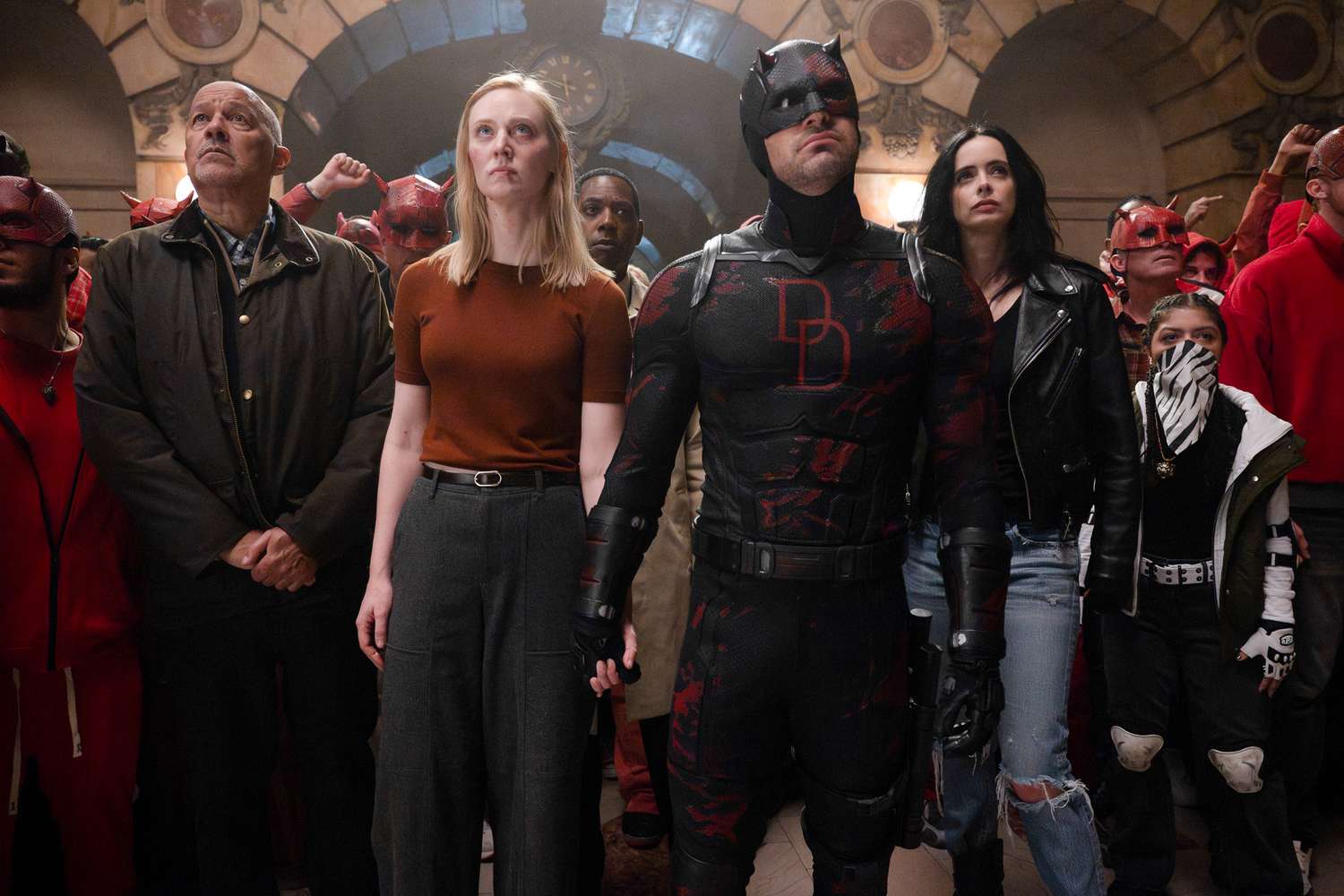
When the first episode “The Northern Star” begins, blind lawyer Matt Murdock (Charlie Cox), who is actually the costumed viglante Daredevil with superhuman senses, operates in the shadows with a dedicated group to undermine the criminal mayor of New York City, Wilson Fisk (Vincent D’Onofrio), who is nicknamed the Kingpin. In the first episode, Daredevil raids a cargo ship approaching Brooklyn that is smuggling weapons and is willfully sunk by its captain during the raid to scrub any evidence linking the shipment to Fisk. As Murdock and his allies try to expose Fisk’s crimes and Fisk uses every means possible to cover up his link to the shipment, a series of events pits Murdock and Fisk into a forceful confrontation that will determine the fate of the city and its citizens.

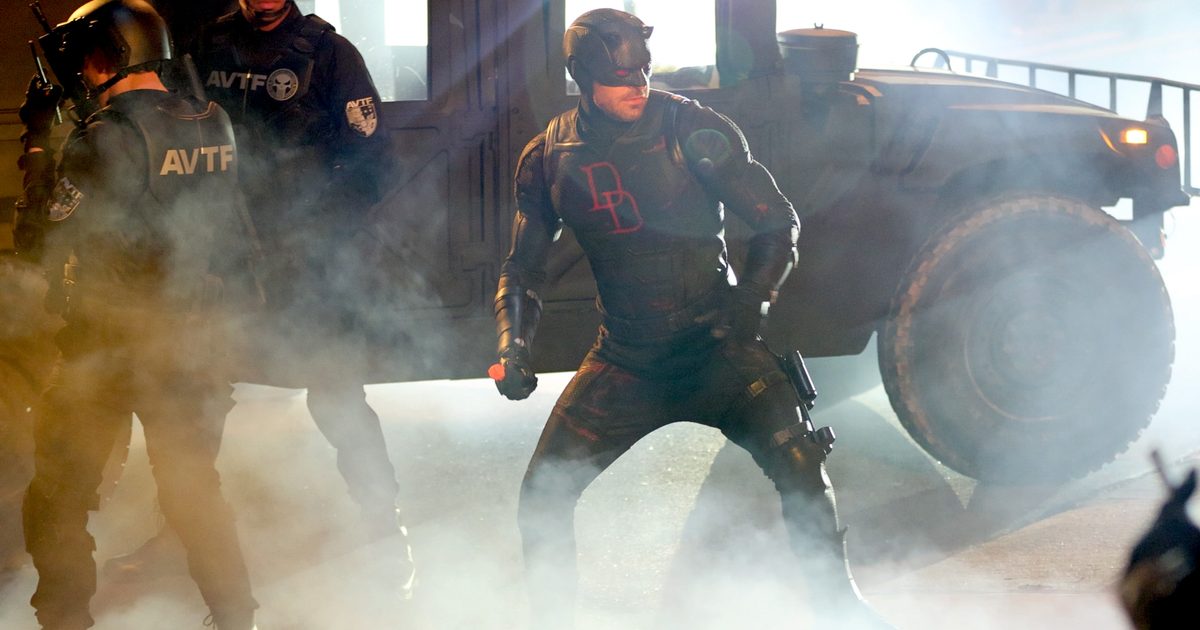
The overrall storyline of Fisk’s iron grip on the city and the reign of terror caused by his Anti-Vigilante Task Force (AVTF), who are made up of corrupt and violent cops, was much more compelling and distressingly relevant to our times. We are shown how oppressive the AVTF are on the locals, and how they begin to fight back after being cowed for so long. We also witness how Fisk’s rule negatively impacts everyone, including the main characters who either suffer from internal ethical struggles or just do their best to survive and heroically try to expose Fisk.

While the first season struggled with its new supporting characters that really did not engage audiences, here in the second season, they came into their own and added their mark to the series. Take for example, Daniel Blake (Michael Gandolfini), the young deputy mayor of communications. When first introduced last season, Blake came off as naive, easily enthralled by Mayor Fisk, and eager to win Fisk’s approval. But in the second season, Blake comes to fear the tyrannical Fisk and questions his own loyalty especially when it comes to dealing with BB Urich (Geneya Walton), a journalist who is out to expose Fisk. Then there is Heather Glenn (Margatita Levieva), a therapist and former girlfriend of Murdock. She also gets enthralled by Fisk after working for him and later begins to lose her sanity after her ordeal of being kidnapped in the first season by the masked serial killer known as the Muse. How they and other characters wind up by the end of the season felt organic and rounded out the characters so that we understood them better.

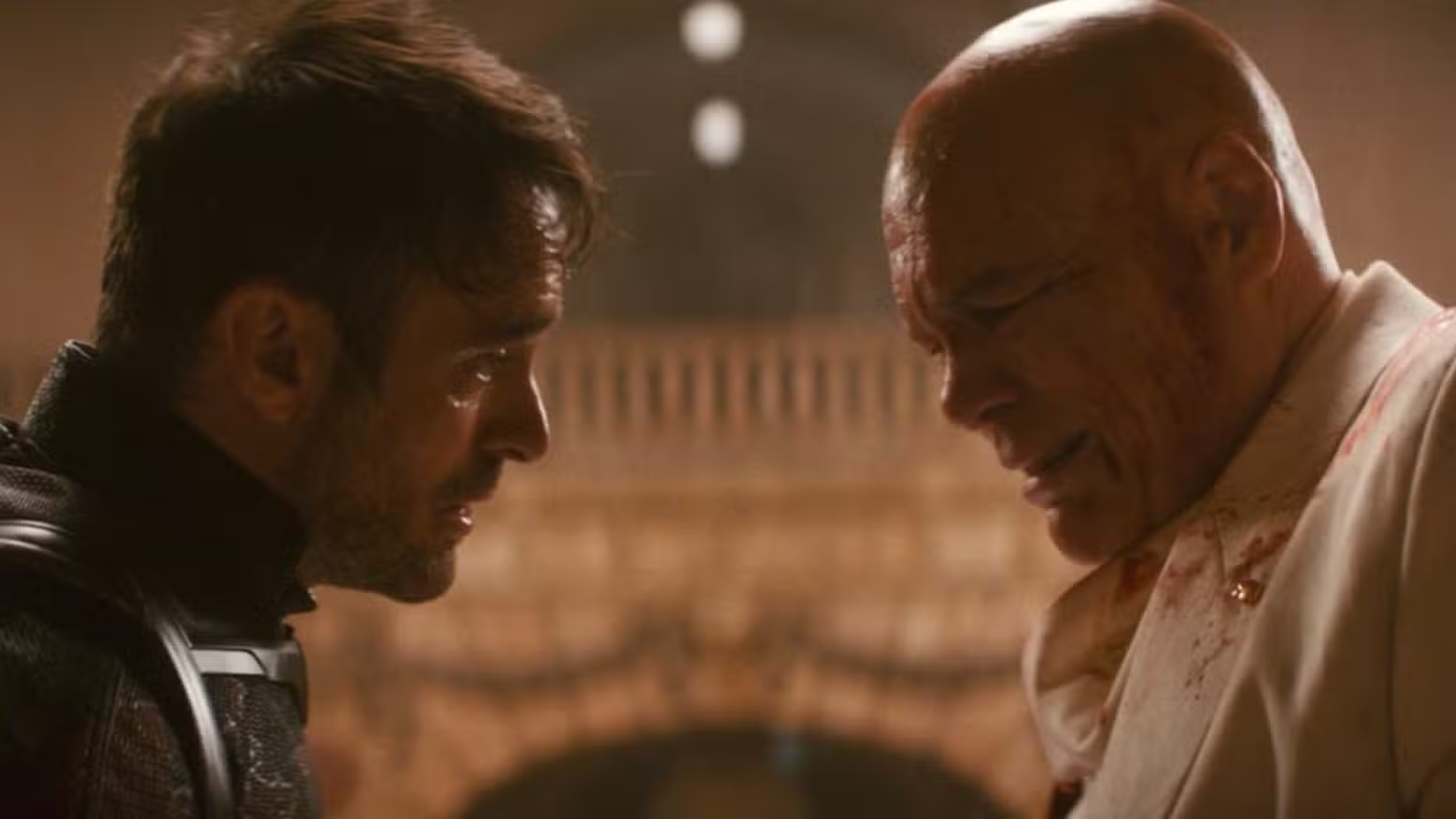
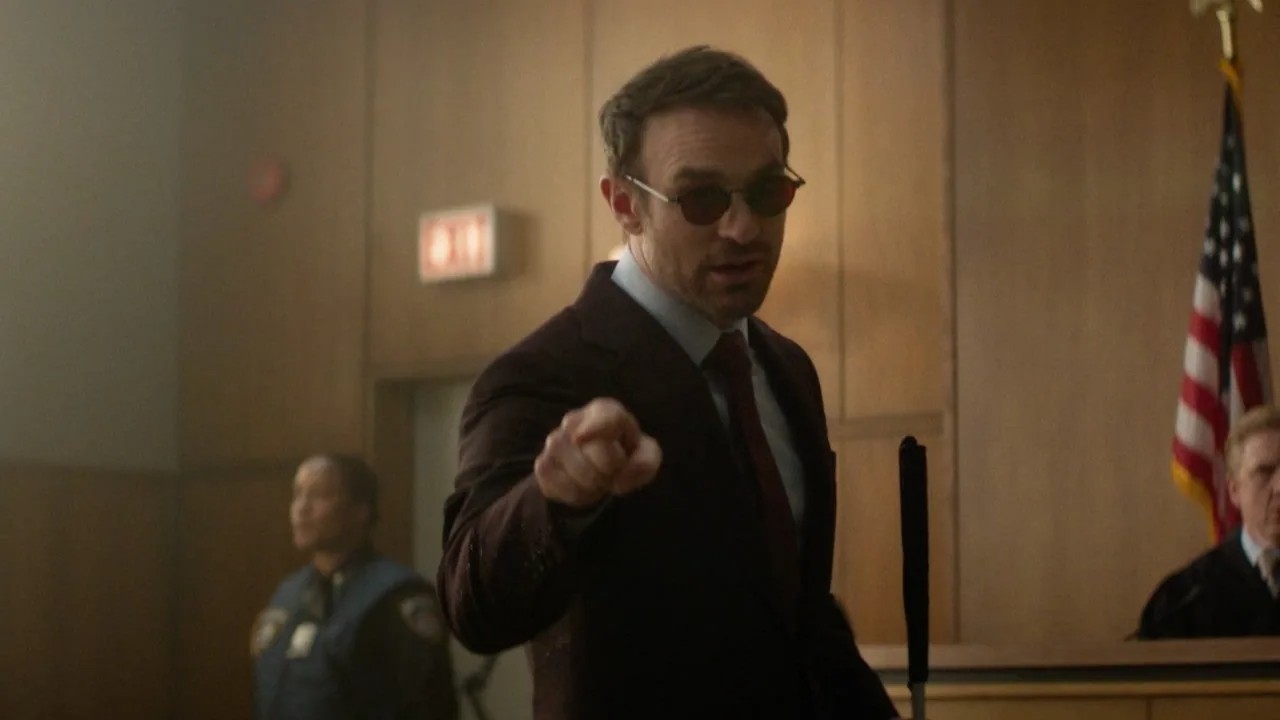
Of course, the main characters like Murdock, Fisk, and Murdock’s girlfriend Karen Page (Deborah Ann Woll), were well developed with captivating arcs that explored their inner emotional turmoils. Fisk certainly belongs in the conversation as one of the best live-action villains ever presented on film or TV thanks to how he is written and D’Onofrio’s intense performance. The man is a terrifying mountain of barely controlled rage and sensitivity who more and more becomes unhinged. Meanwhile, Murdock struggles to defend a broken justice system by taking extra-judicial measures to preserve it and barely does so. Yet, thanks to his skill as a lawyer, in one of the most riveting scenes in the series takes place in the final episode “The Southern Cross” Murdock redeems the law when he confronts Fisk in a courtroom. Unlike their previous encounters that ended with bloody fistfights, this confrontation was one of pure will and words, but it was still intensely compelling. How the confrontation ended was one of the most memorable moments in the TV show.

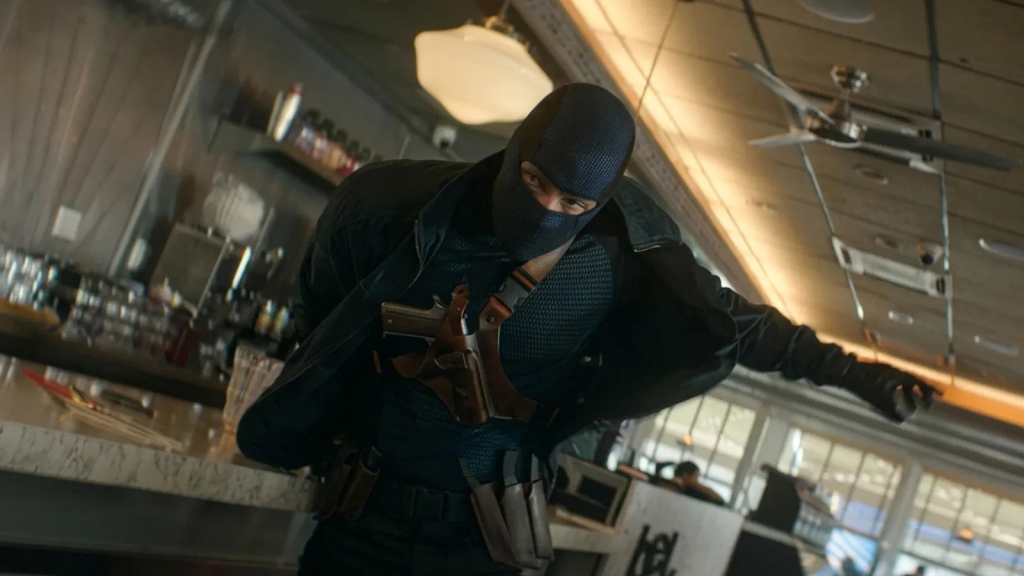
One of the MVPs of the season was hands down the insane assassin Bullseye (Wilson Bethel). Once a disgraced FBI agent manipulated by Fisk in the original series down a path of crime, Bullseye, otherwise known as Benjamin Poindexter, sets off on personal quest of redemption. In the first season of Daredevil: Born Again, Bullseye murdered Murdock’s best friend Foggy Nelson (Elden Henson), and ever since then he wants to amend for his sin. This sets him off an a murderous rampage that culminated in the episode “Gloves Off” where he skillfully takes out an entire team of AVTF agents in a diner. That was one of the most inventively filmed action sequences in the TV show and demonstated how deadly Bullseye is. Thankfully, the series did not salvage him or try to re-invent him to be some kind of anti-hero, but his actions helped significantly propel the show’s narrative.

Another pleasing aspect of Daredevil: Born Again, which fans of the Marvel Cinematic Universe (MCU) should enjoy is its connection to the MCU. It’s not over the top with pointless cameos by established MCU characters but the subtle connections are visible, such as an establishing cityscape shot that features the Avengers Tower or a name drop. More impressive is that this TV show is clearly a continuation of the original Netflix Daredevil with flashback scenes, references and even character appearances. The most joyful returns were characters from other Netflix Marvel TV shows like Jessica Jones (Krysten Ritter) and even Luke Cage (Mike Colter). Their appearances reinforce a sense of continuity and herald an eagerly awaited Defenders reunion that will take place in the third season of Daredevil: Born Again. This is much appreciated and helps cement the relevance of both Daredevil TV shows.

The future is unknown for Daredevil: Born Again after its upcoming third season. The ratings for the second season were not the greatest, which is a shame since it rises to the level of greatness from the Netflix era. Hopefully word of mouth will increase attention to this TV show. Perhaps an appearance by Cox in the upcoming Spider-Man: Brand New Day (which is not a guarantee and do not expect his character to don the Daredevil outfit) or any other MCU film will steer more fans to give Daredevil: Born Again a deserved chance.

José Soto

RIP Warner Bros.

In the end, the tech bros bullied their way to get their toys. After months of threats and whining, Paramount made an offer to acquire Warner Bros. Discovery that was so high that made the previous bidder for the entertainment giant, Netflix, back away. The result? Most certainly, Warner Bros. will essentially cease to exist as it is merged into Paramount.

Paramount already stated that HBO, the premium cable service and its app HBO Max will be merged into its anemic Paramount+ streaming platform and the company will initiate billions of dollars in cuts to Warner Bros. which translates to lost jobs that would have been largely secure if the Netflix acquisition went through. Netflix promised to continue releasing Warner Bros. films in theaters and would have treated HBO and Warner Bros. as a prestige arm of Netflix, but now that is off the table.

Given the result of the last major merger of two entertainment companies, Disney and 20th Century Fox, turned out to be that Fox for all intents and purposes vanished, this development does not bode well for Warner Bros. Then again looking at Paramount’s meager film releases lately (they don’t even have any Star Trek films scheduled to be released this year during the franchise’s 60th anniversary), which has been small and nothing to rave about, perhaps buffering their release schedule with Warner Bros. product may be an improvement. Just keep in mind that ever since Skydance acquired Paramount last year, there has been very little for the company to rave about and they are in significant debt, and will have much more when they complete their purchase. This will likely mean far less offerings from our favorite genre franchises.

This development is very alarming given the closeness the owners of Paramount have with Donald Trump and his administration and their willingness to essentially become a media arm of the administration by hampering critics of the administration. Anyone thinking the bigwigs at Paramount won’t interfere with the creatives will be in for a rude awakening. Yes, Paramount owns Star Trek and the franchise has been derided by the right wing for being “too woke”, which is laughable since Star Trek has always been more progressive than believed and pushed barriers ever since the pilot episode. But it is believed that once the contract for Alex Kurtzman, the top creative behind the current Star Trek franchise, expires this year, Star Trek will undergo a massive rebooting and who knows what will direction it will take under the current owners.

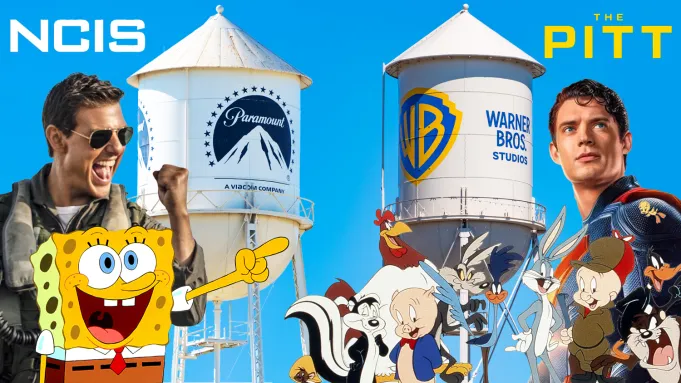
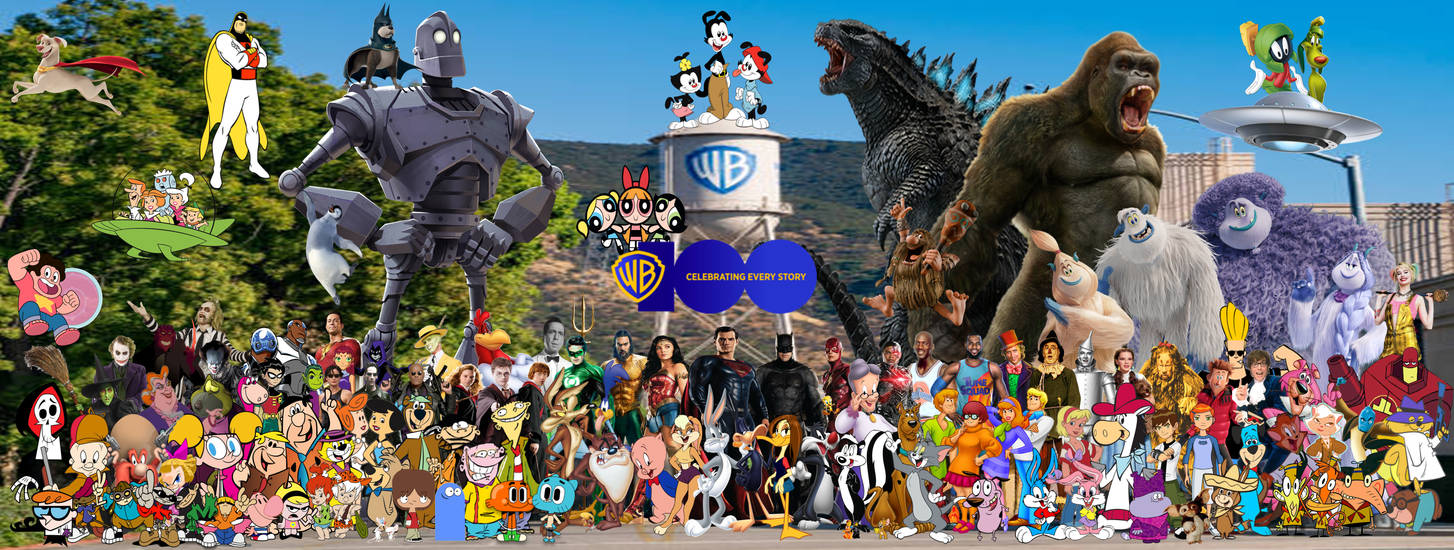
Getting back to Warner Bros., obviously its properties like DC, Looney Tunes, Mad Max, Dune, Harry Potter and Game of Thrones will now belong to Paramount, cue the Star Trek/DC tie-in comics and Spongebob meets Bugs Bunny cartoons. Now, if Paramount had a brain and left its owners’ agendas at the door, it would leave the franchises alone to to do their own thing. Let’s see if this happens.

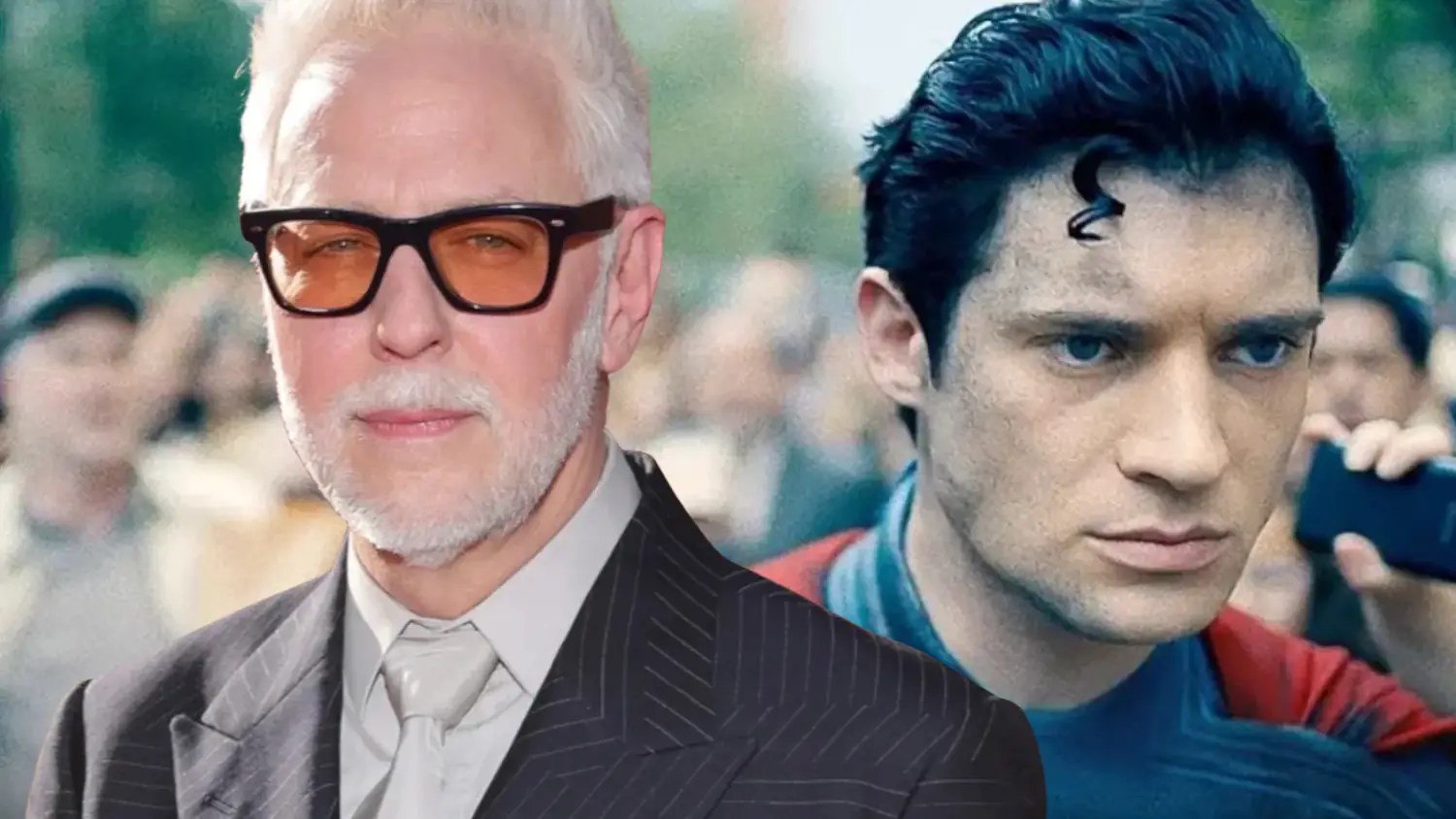
Even though James Gunn and Peter Safran, the current heads of DC Studios, will remain in their positions, according to Paramount, do not expect this arrangement to last. Given Gunn’s outspoken views against Trump and the fact that his film Superman blatantly criticized the policies of the Trump administration, expect some major pushback from Paramount with future DC projects. What could very well happen is that once his contract expires, Gunn will bail and if Disney moved fast they would snatch him up immediately and groom him to take over Marvel Studios once Kevin Feige retires. Even if Disney does not hire Gunn, he will be a hot commodity who will be sought after by the few remaining film studios.

Of course, the merger of two major film studios would violate anti-trust laws, and there was precedent for this when Disney brought Fox in 2017. That event could have been considered a one-off situation, but this one happening less than ten years after the Disney purchase. This could lead to more mergers and in the end audiences and consumers lose out. Don’t be surprised if we get news soon about more mergers. Sure there are laws against this but since when did that impeded the current corporate-friendly government?

No matter anyone’s beliefs, this development is disturbing because the lessening of competition will lead to less choice and increased prices for consumers. Naturally, the only way to counter this is though money, the only thing the corporations listen to. For now, let’s take a moment of silence to commemorate Warner Bros. and HBO for their decades of quality films and TV shows.

The Impact Of Netflix Buying Warner Bros.

In the biggest cinematic and media earthquake since the Walt Disney Company acquired 21st Century Fox and many of its assets, Netflix announced that it will purchase Warner Bros. for $82.7 billion. This is one of the most important events to happen with film, TV, videos, comics, and other media and it will have long-lasting repercussions throughout the media industry.

Up for Sale

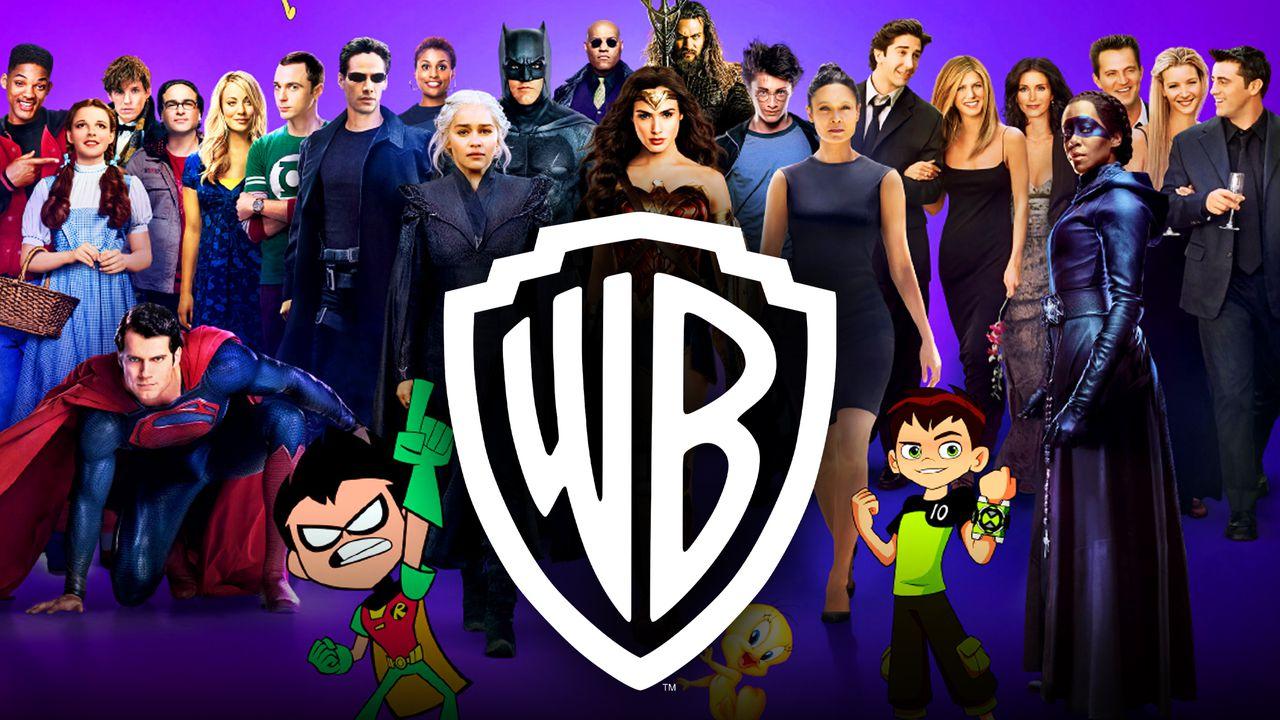
Warner Bros. had been up for sale for some time and several major companies expressed interest in buying it, especially Paramount Skydance. Many expected Paramount to purchase Warner Bros. given their public and aggressive efforts to purchase the company but in the end the streaming giant Netflix beat out Paramount and will acquire the film and HBO segments of Warner Bros. as it chose not to purchase the cable TV channels that were part of Warner Bros. Discovery. This acquisition will give Netflix access and ownership to an impressive film and television library and major IPs, including DC, Looney Tunes, Hanna-Barbera, The Wizarding World of Harry Potter, The Matrix, Game of Thrones, Mad Max and more.

Many have watched the bidding war with caution and were concerned with a possible ownership by Paramount, mostly because its CEO, David Ellison, has openly expressed fealty to the Trump Administration to the point that a Rush Hour 4 has been greenlit simply because Trump expressed interest in such a film. This meant that the government has influence on what media entertainment gets released, which leads to First Amendment questions. Imagine if Paramount bought Netflix and the government had a hand in deciding the direction of DC films, TV or comics. A film like Superman, which openly criticized America’s current immigration policies, would never be allowed by Ellison. On the other hand, the purchase by Netflix has opened up another can of worms that has the film industry reeling because of the implications.

Streaming Influence

One possibility of the purchase is that it could lead to the death of cinemas since the majority, if not all, Warner Bros. films could be released straight to streaming. This would create a domino effect with other film studios copying the release model, which would hasten the demise of the theater-going experience.

This has been a growing problem in recent years that was accelerated by the COVID-19 pandemic which caused many film and TV studios to lean heavily on streaming to provide content to consumers. Netflix has upended the conventional model of film releases where films normally had theatrical lives of a few months before being available on digital or for streaming. This has conditioned viewers to skip going to theaters and just wait for a film to appear on a streaming app a short while after its release. Now it is becoming the norm that films would be released on streaming weeks after a theatrical release and even the same day the film premieres in theaters. Many have speculated that Superman might have had a larger box office haul if it was not announced roughly a month after its initial film release that it would be available for home viewing. While short theatrical runs is convenient and deceptively cheaper for consumers (the idea that they will see the film for free on streaming is silly since they still have to pay for the service), this practice is a major issue with theaters with lost revenue and content.

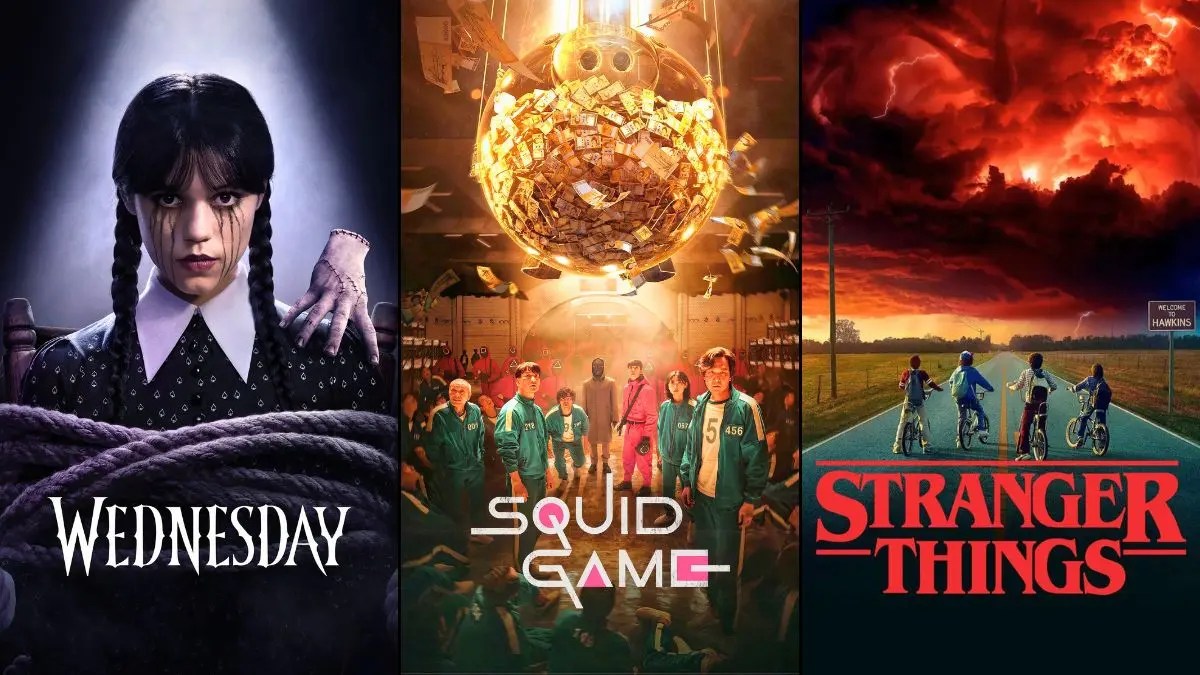
Another supposed plus for Netflix subscribers is that the service will have an even more exhaustive library of content, but now with prestige content. One problem for the streaming company was that recently it did not have easy access to popular content as film and TV companies created their own streaming services. Netflix has been criticized for having a glut of inferior films and TV shows that are just placed on the streaming app with little promotion. It’s true that Netflix has many quality and popular TV and films like Stranger Things, Wednesday, Squid Game, The Witcher, Black Mirror, and KPop Demon Hunters, with the glut of content dumped on the platform a lot of quality product has gotten lost in the overwhelming mixture. How will prestige films and TV shows from HBO and Warner Bros. stand out from the low-budget dreck flooding Netflix’s landing page?

One possibility is that Warner Bros. and HBO could have their own pages or remain as separate streaming services as we see now with Hulu, which is owned by Disney but is its own streaming service that subscribers of Disney+ could access by purchasing a bundle service. This would allow Netflix to have its own prestige platform to stream high-end quality products that stand out in the crowded streaming service.

But do not be surprised when the monthly subscription rate for Netflix increases dramatically to help pay for the $82 billion purchase. Expect to pay up to $50 and more monthly in a few years.

Impact on DC & Other Popular IP

Now the big question genre fans have is what impact will the purchase have on DC Studios and the DC Universe (DCU) and other popular genre IP? For now nothing. There are contracts that have to be honored so projects in production should be safe, so no worries about Man of Tomorrow, Clayface, or Supergirl. However, the head of DC Studios, James Gunn, might get pressured to favor some popular characters like Batman over obscure ones that he favors such as Booster Gold. Let’s hope that Netflix executives learned a lesson from Disney and Marvel Studios, where in the early 2020s the Disney executives forced the film studio to quickly churn out a lot of TV shows and films to fill out content on Disney+ and to announce projects before they were ready. What happened was that a lot of mediocre films and TV shows were released which damaged the reputation of Marvel Studios’ films and TV shows and led to the recent reduced box office haul for some of their films. Sure, Marvel Studios is taking steps to course correct, but they’re still recovering from this misstep.

Getting back to DCU and all things DC, it’s possible Netflix may force Gunn to step up the output of DC films and TV shows since again Netflix wants a return for their investment. Thankfully, The Batman, Part II is about to enter production, which may keep the streaming company off Gunn’s back. On the other, the company might pressure him to make a decision on the DCU version of Batman soon, and casting some of the more popular DC characters in order to greenlight productions already. Despite rumors about Gunn leaving DC Studios, which were rampant when Paramount was actively looking to purchase Warner Bros., it has been reported that Gunn will stay put. Even though there hasn’t been a lot of DCU projects released to date, Superman, Peacemaker and Creature Commandos have been well received and Netflix is not foolish enough to scrap the DCU and go through the trouble to launch another reboot at this time.

One thing to consider is that while the more obscure DC characters may not get the big-screen treatment, they could wind up as straight-to-streaming projects that could be a proving ground for the characters. The main thing is to just let Gunn alone to produce quality product and all should be fine. In fact, this should be the case for all of the film and TV projects.

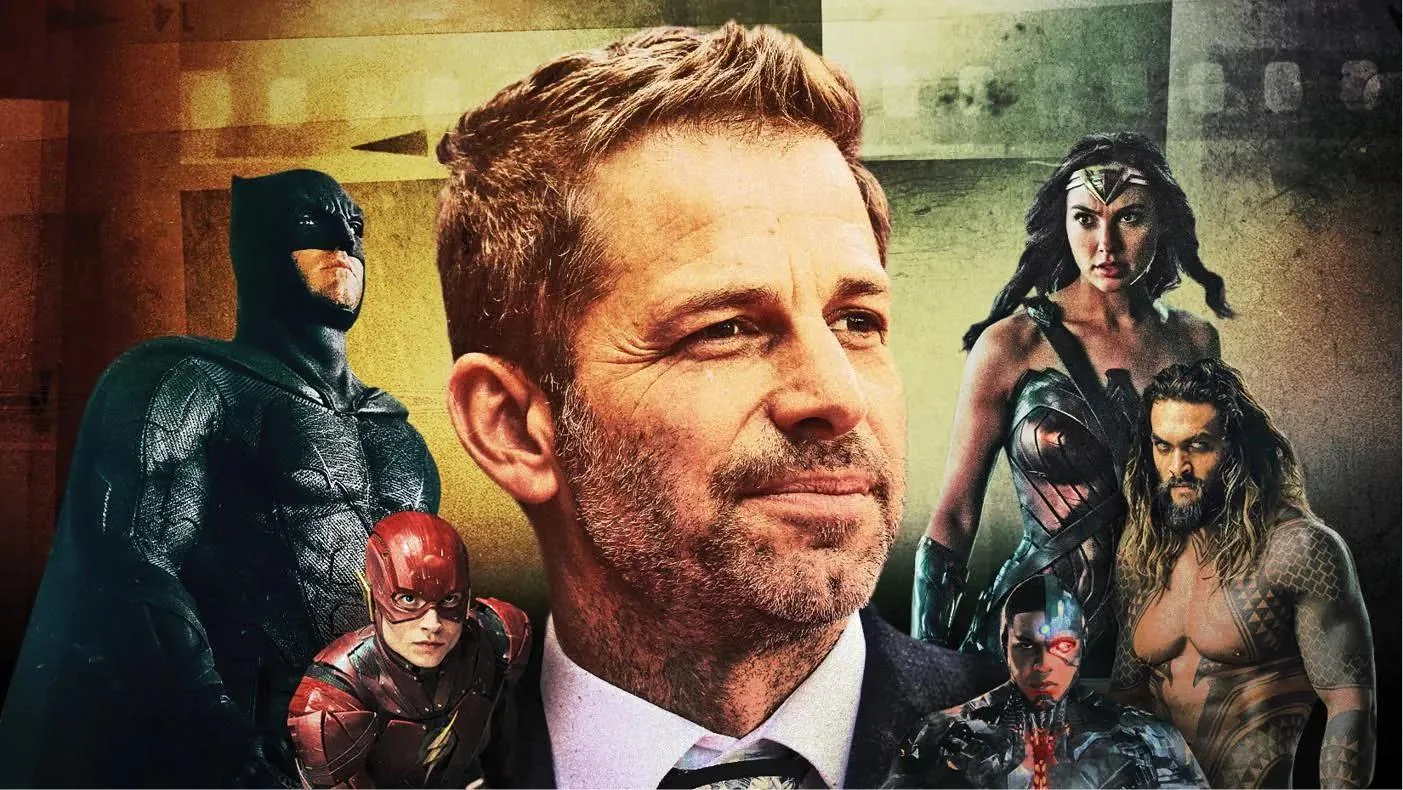
While it’s very possible that Netflix will greenlight a lot of DC animated films there won’t be a revival of the Snyderverse. After the dismal failure of the Rebel Moon films, Netflix has been moving away from filmmaker Zack Snyder and it is doubtful that the company will approve a revival of his brand of DC films. The slimmest of hope for diehard Snyderverse bros is that some kind of Elseworlds animated film will be made.

Oh yes, expect Stranger Things and DC to have a crossover in the comics, along with comic books featuring Harry Potter and other popular Warner Bros. IP.

As for other IPs like Mad Max, It and related Stephen King works, and Harry Potter, there has not been any word yet about them. But it’s expected that Netflix will take full advantage of their newly acquired IP. Announced projects like the reboot of Harry Potter, more TV shows based on Game of Thrones, and the second season of It: Welcome to Derry will proceed as scheduled and if HBO is kept as a separate streaming platform those prestige projects will stream there first before migrating to Netflix years later. Will we ever see shelved projects like Batgirl or genre TV shows that were removed from HBO Max such as Westworld or Raised By Wolves? It’s anyone’s guess, but consider this: these projects were removed to save on paying residuals or for tax write offs by Warner Bros. Without these burdens and with the need to put out recognizable content, it is possible that these projects may have a second life on Netflix.

Of course, there are a lot of hurdles for Netflix such as government approval so it will be at least two years before we see any impact. For now, the company indicated they will leave things alone, and supposedly commit to theatrical releases for Warner Bros. films, which would be to their and everyone’s benefit.

Zombies Refuse To Die!

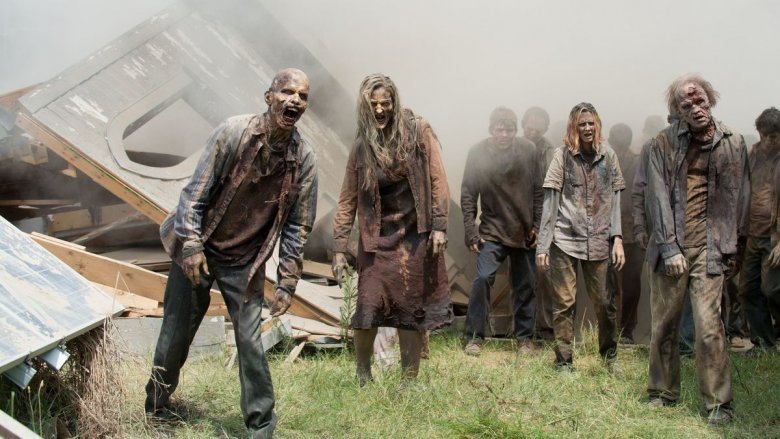
It is all too easy to write off the zombie sub-genre as being dead and buried. After all, zombies have fallen out of favor with the public ever since The Walking Dead TV show was cancelled years ago. Before its cancellation, The Walking Dead and zombies in general were at their zenith in the 2010s. There were zombie TV shows, films, comics, novels, etc. all over the place. But inevitably the popularity of zombies declined as too much product was put out and the quality and uniqueness of the zombies faded. Casual critics were ready to write off the zombie sub-genre and move on to their next target, but somehow, the zombies refused to die.

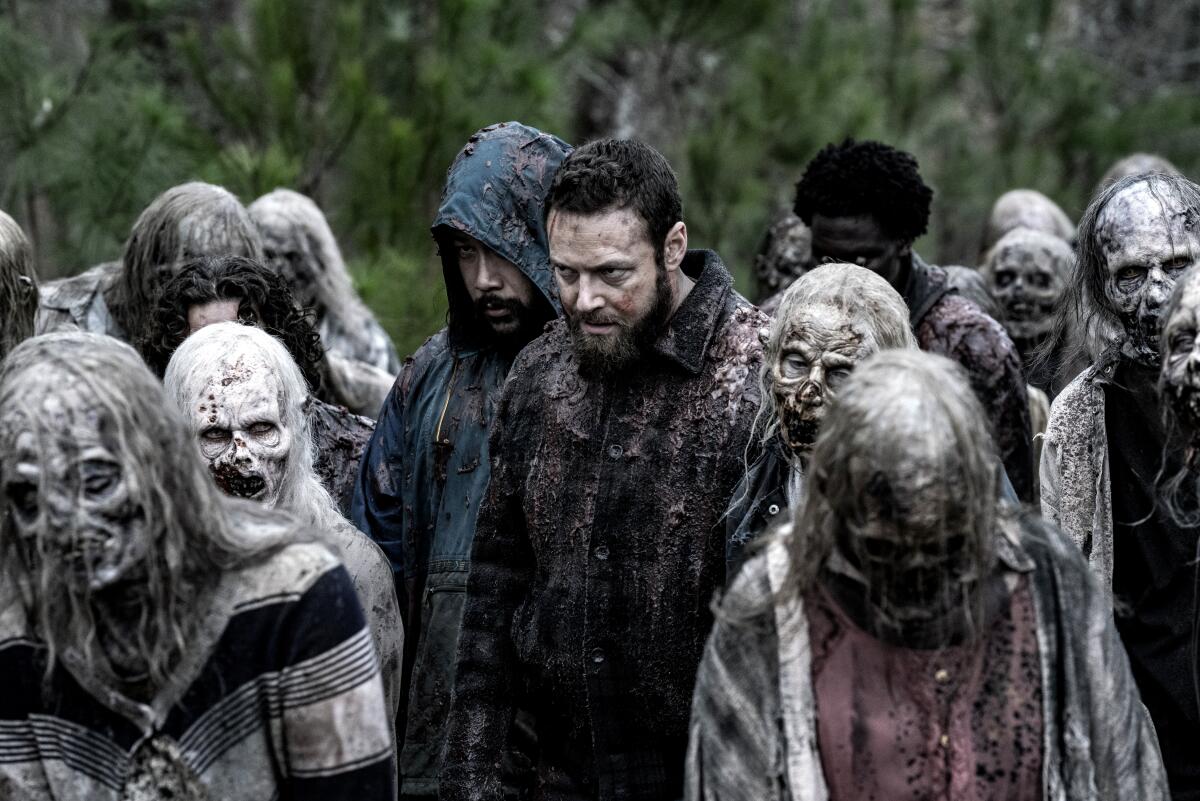
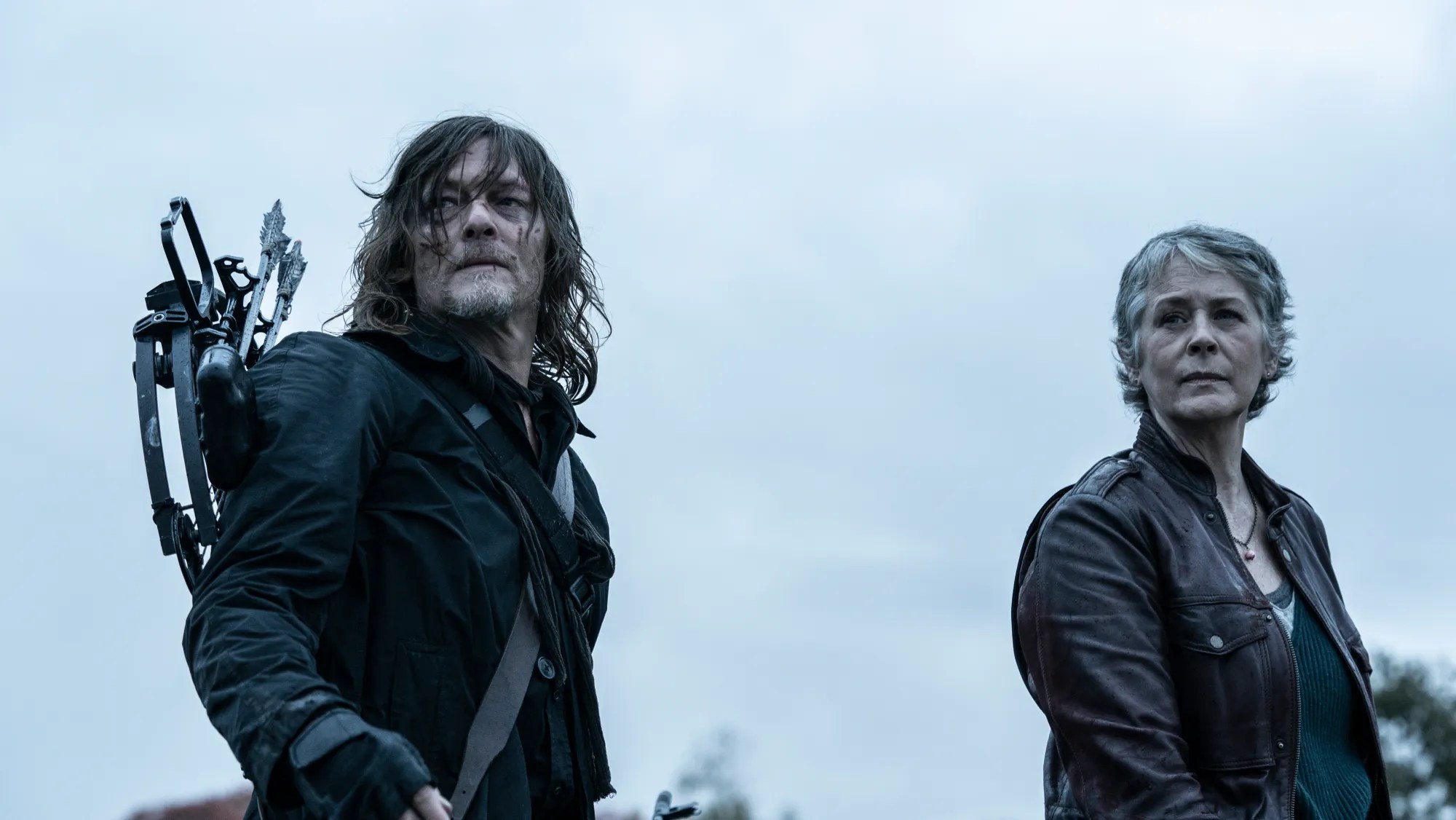
Yes, The Walking Dead TV show and the comic book series that inspired it are both long gone, but there are many TV spinoffs of The Walking Dead like The Walking Dead: Daryl Dixon and The Walking Dead: The Ones Who Live that are still around and slowly gathering buzz about their quality. These shows wisely chose to focus on popular characters like Daryl Dixon and Rick Grimes and even the villainous Negan, which partly explains why the shows have done well. Of course, these TV shows have not reached the numbers and heights of popularity as The Walking Dead did in its heyday, but they have their devoted followers and are doing well enough.

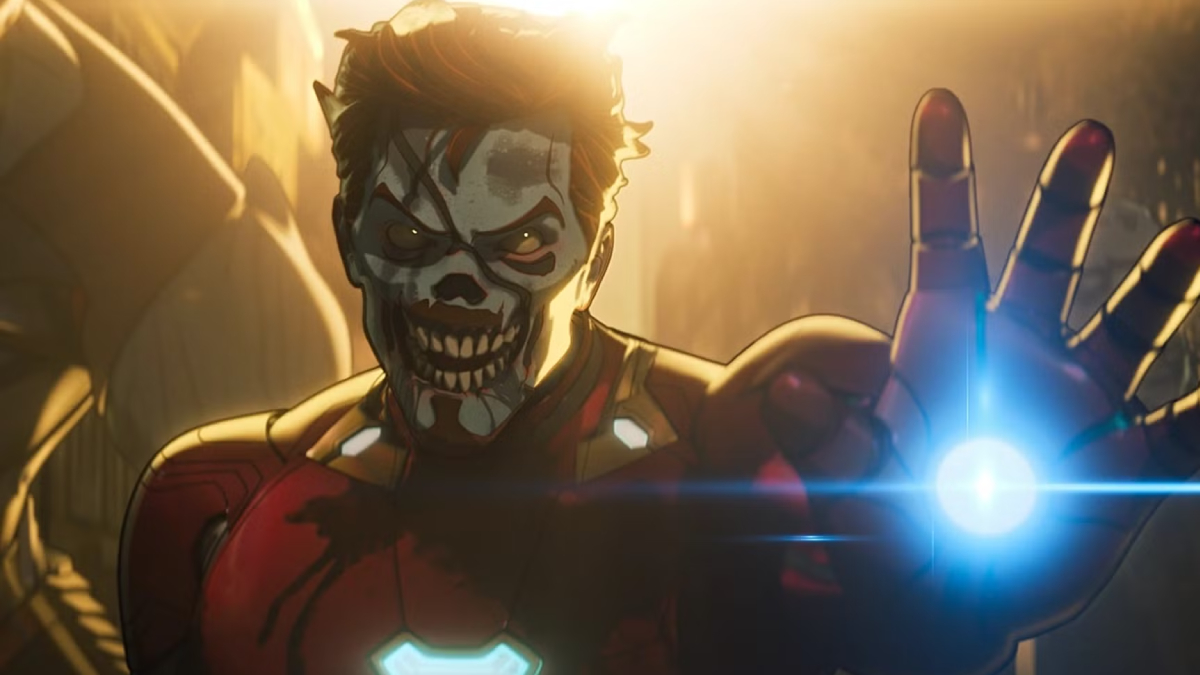
Other zombie-related TV shows, films, comics and more are still coming out strong and many are very popular. Just take a look at the slate of current and upcoming projects that are related to zombies. The most recent examples were The Last of Us (technically not about zombies but the infected humans behave just like zombies) and the animated TV show Marvel Zombies, which was based on the Marvel Comics mini-series (and currently has a new mini-series Marvel Zombies: Red Band out in stores and digital platforms) and was a spinoff from the animated What If…? TV show.

The Marvel Zombies comics are still going strong with its many limited series and the TV show was well received with talks of a new season underway; hopefully that will happen given how the last episode left us with a cliffhanger. Not to be outdone, DC came out with its own comic books starring undead versions of its DC heroes and villains, DCeased. No word yet if DC Studios will make an animated version of DCeased but they should consider it. Also even though the comic book series ended years ago, The Walking Dead are still in comic form with the color reprints The Walking Dead: Deluxe.

Meanwhile, there are many high-profile zombie films and TV shows on the horizon, such as 28 Years Later: The Bone Temple (a direct sequel to this years’ 28 Years Later), We Bury the Dead, Twilight of the Dead, which will conclude the George Romero zombie film saga, Return of the Living Dead, and an American remake of the classic Korean zombie film, Train to Busan. How well received they will be is anyone’s guess, but they demonstrate how popular the zombie genre is.

So, why does the zombie sub-genre refuse to die? There are many reasons. For one, many zombie properties go hand-in-hand with our fascination with post-apocalyptic/survival stories, which fit in well with zombies. These zombie stories also engage us as we face our fear of death and decay and more recently with infection. We like to watch and read these zombie yarns and wonder how we would behave in a zombie apocalypse. Most of us would probably be zombie food minutes into the apocalypse, but its still fun imagining ourselves turning into stoic and heroic warriors like Daryl Dixon, who in his life before the zombie apocalypse was a nobody.

The sub-genre also helps engage with unexpected human dramas that test our notion of family and friendship. Examples of this include the films Maggie, Cargo and Warm Bodies. While the latter film was an offbeat romance with a zombie twist, the first two films dealt with the main characters facing the inevitable. Maggie featured a father coping with the fact that his teenage daughter would soon turn into a zombie and his agony about having to kill her. Cargo was an agonizing film about a doomed father who was desperately trying to find someone to care for his infant before he turned into a zombie.

It can be said that on the surface the zombie sub-genre appears to be limited in story, but can be quite versatile. As long as the zombie story whether on film, video game or on print, is presented well, the quality will stand out and keep us engaged. That is why the zombies refuse to die.