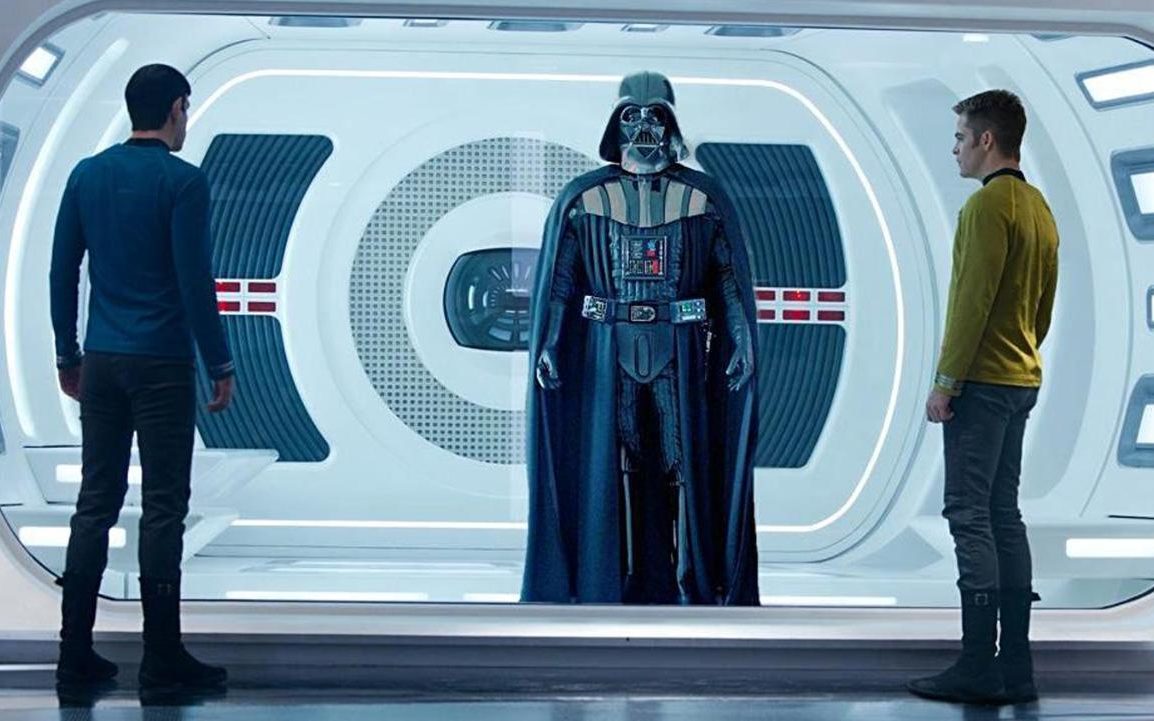
Star Trek vs. Star Wars. It’s the ultimate geek debate, our version of Coke vs. Pepsi or the Beatles vs. the Rolling Stones. Which ship is cooler, the Enterprise or the Millennium Falcon? Is the Galactic Empire more powerful than the United Federation of Planets? Who’s got the coolest aliens? Most die-hard fans insist that while you can enjoy both, you have to pick one over the other. That may be an extreme position because frankly, both Star Trek and Star Wars can be enjoyed for different reasons.
In a way, it is unfair to pit both beloved properties against each other due to their differences. This Star Trek vs. Star Wars debate becomes more of an apples and oranges argument instead of the previous analogies. That is due to the fact that comparing Coke against Pepsi is just arguing over two soft drinks that are very similar to each other.
Now Star Trek and Star Wars don’t share many similarities. One of the few is that they are both sci-fi adventures, but Star Wars focuses more on a space fantasy set in another galaxy while Star Trek is considered more grounded and realistic. That is the core difference between the two and it is enough to set both properties light years apart from each other.
As we all know Star Wars is basically a mythological tale in a sci-fi fantasy setting. It’s got all these fantastic visuals and fight scenes with spaceships and weird aliens, but Star Wars in its heart is a morality tale about family and the hero’s journey. That is why the Star Wars films resonate so much with audiences.
On the other side of the equation, Star Trek is an optimistic look at humanity’s future where we are devoted to exploring the unknown for knowledge’s sake. Sure, the crew of the Enterprise will come across those pesky Klingons but Captain Kirk and the other captains aren’t military leaders but explorers. On the outside, their goals are to see what’s beyond the next star and the next one after, but the best Star Trek stories explore the human condition and are thinly veiled commentaries about what is going on today. And that is why Star Trek has a devoted fan base as well.
Some trolling fans will claim that Star Wars is more popular since it’s more in the public consciousness to the point that it is cool to be a StarWars fan. But Star Trek is undeservedly looked down upon as being strictly for geeks. A closer look at Star Trek fandom shows that it’s appeal is widespread as well and has had a profound impact in our culture. The constant reminders of Star Wars as seen with all the merchandising and the new cranking out of films is not necessarily due to demand but Disney marketing. Can’t blame them though, the corporation spent billions to acquire the property and they want to get their money’s worth.
It’s fruitless trying to compare the two in a competition, Star Trek and Star Wars are appealing for different reasons. A well-rounded person will see the merits of both properties and enjoy them for different reasons instead of cooking up Star Trek vs. Star Wars scenarios. Still comparing the two live-action sci-fi giants is a fun exercise that shouldn’t be taken too seriously. Just be grateful that we all have the opportunity to enjoy two well-produced properties. So, sit back and be transported where no one has gone before in a galaxy far, far away.
Here we are celebrating Star Trek’s 50th anniversary, a milestone that many doubted would ever be reached. For good reason, Gene Roddenberry’s phenomenal TV show about Captain James T. Kirk (William Shatner) and the starship Enterprise should have been forgotten after it was cancelled after three seasons. However, Star Trek was special, it was more than weird, low-budget sci-fi trappings with empty fisticuffs. Star Trek concentrated on ideas, social commentary and characters. As long as each incarnation of Star Trek stuck to these core ideals it clicked with the general public and fans. But as with everything, Star Trek went through cycles and sometimes lost sight of what made it so reverential. Aside from the cancellation of the original series where fans went through a decade-long drought without any live-action fixes, another dark period happened more recently.
Burnout
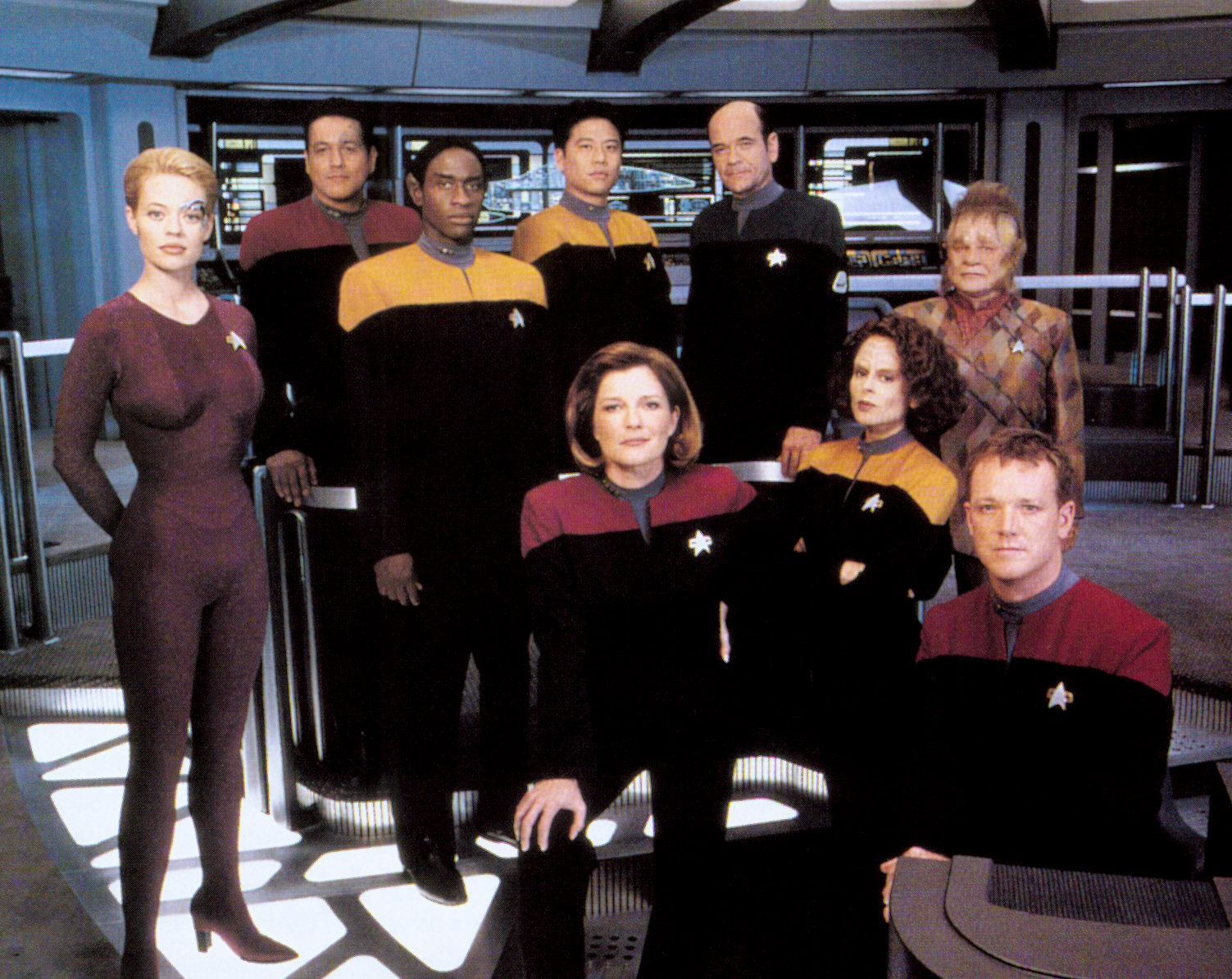
Oddly enough, Star Trek started to burn out and lose its edge story and character wise when it was at its peak in the mid ’90s. There was a feeling of overkill as Paramount Studios was all too eager to cash in Trek’s popularity. The show that suffered from this the most was Star Trek: Voyager with its formulaic scripts. Before the third spinoff was created, there was some griping about Star Trek: Deep Space Nine because it was considered too dark and strayed too far from what was perceived to be the core of Star Trek: exploring the universe in a spaceship. Due to these complaints and because Paramount wanted to milk the cash cow, a new spinoff was created that went back to the old spaceship formula for its new TV network UPN. Star Trek: Voyager was lauded for having Kathryn Janeway (Kate Mulgrew), as the franchise’s first lead woman character and for its basic premise of a lost Starfleet ship making its way back home, but apart from that the show had creative problems. It felt too similar to Star Trek: The Next Generation with familiar stock characters. What was worse, were the predictable stories that were riddled with plot holes. Why was the ship so pristine looking every week? We wanted to see the actual ordeal of being stranded and away from support. It didn’t feel realistic, especially with the way they always defeated the super-powerful Borg whenever they showed up. Still, Star Trek: Voyager had its highlights, particularly Seven of Nine (Jeri Ryan), an ex-Borg who filled in the Spock/outsider role.
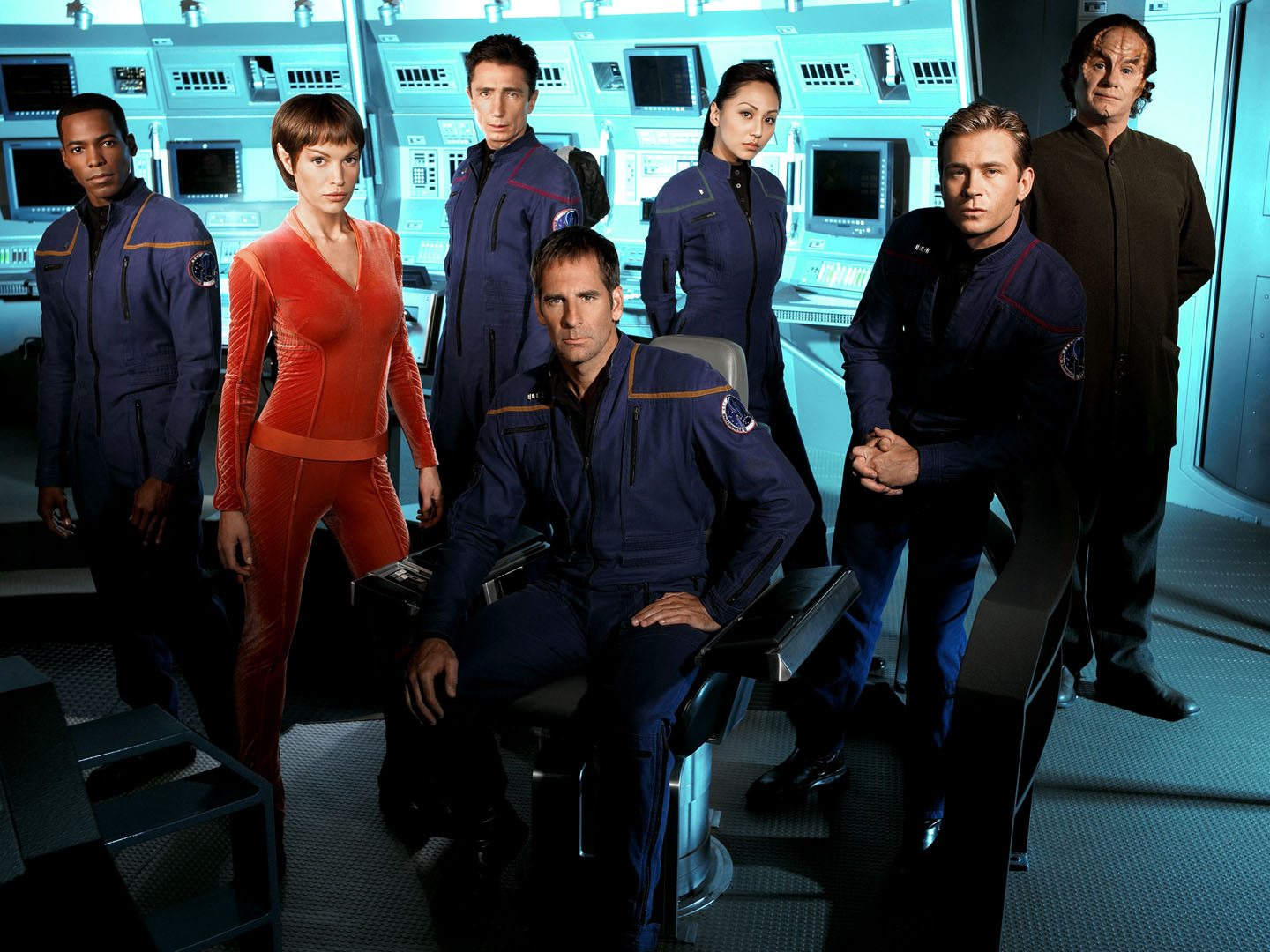
By the time Star Trek: Voyager concluded its run and Enterprise premiered in 2001, the franchise was undeniably creaky and tired. The film series were now bringing in less and less profits, seemed listless and unfortunately, Enterprise suffered from the same problems. On paper, Enterprise had potential; the adventures of the very first starship Enterprise commanded by Jonathan Archer (Scott Bakula) and his crew as the first humans to voyage to the Final Frontier. The prequel/spinoff instead of truly exploring the foundation of the Star Trek universe literally recycled plots from Star Trek: The Next Generation and when it didn’t the stories were uninspired. Simply put, it did not feel fresh and relied too heavily on the trappings of the Star Trek universe. For instance, transporter technology was supposed to be largely untested, yet all too quickly the scriptwriters relied on it to get our heroes out of jams.
The show’s creators Rick Berman and Brannon Braga tried jumpstarting the show in the third season, added Star Trek to the title, and created a season-long arc about a mission to save Earth from destruction by aliens. The storyline divided many fans who felt it was too violent and dark versus others who thought the moral dilemmas and high stakes were what the show needed. No matter where one stood in the argument it was clear that this version of Star Trek was influenced by current events, in this case 9/11.
It was only in the final season did the show find its moorings and actually became a true prequel, but it was too late. Just as with its ancestor, the original Star Trek, Star Trek: Enterprise was cancelled in 2005 because of low ratings. The film series quietly died also after Star Trek: Nemesis flopped in 2002. The general consensus was that the property was completely mined out and devoid of any new material. Many felt that unlike previous lulls and failures that it was time to let the franchise rest. As Star Trek approached its 40th anniversary it seemed as if it was truly gone for good because of a lack of any initiative to develop new material let alone celebrate the anniversary.
Star Trek 2.0: Dormancy & Rebirth
That perception is not entirely accurate. Although there wasn’t any new Star Trek content, it did live on. The merchandising, while not as prevalent as in the past, helped. Another shot in the arm were the numerous fan films that carried the torch for the original crew. It’s true the production values and acting weren’t quite up there with professional productions, but it was clear that these films were lovingly made and some of them are actually impressive. At the same time, Paramount (and later CBS Studios) tried to create new films and TV shows. For instance, one film was called Star Trek: The Beginning and would’ve taken place during the Romulan War and featured Kirk’s ancestor, Tiberius Chase. Sadly, the script never went anywhere. Others pitched ideas for new TV shows including one that would’ve taken place in the far future in the aftermath of a galactic catastrophe that crippled the Federation. However, all those developments went by the wayside when Paramount hired J.J. Abrams to reboot the franchise with a new film.
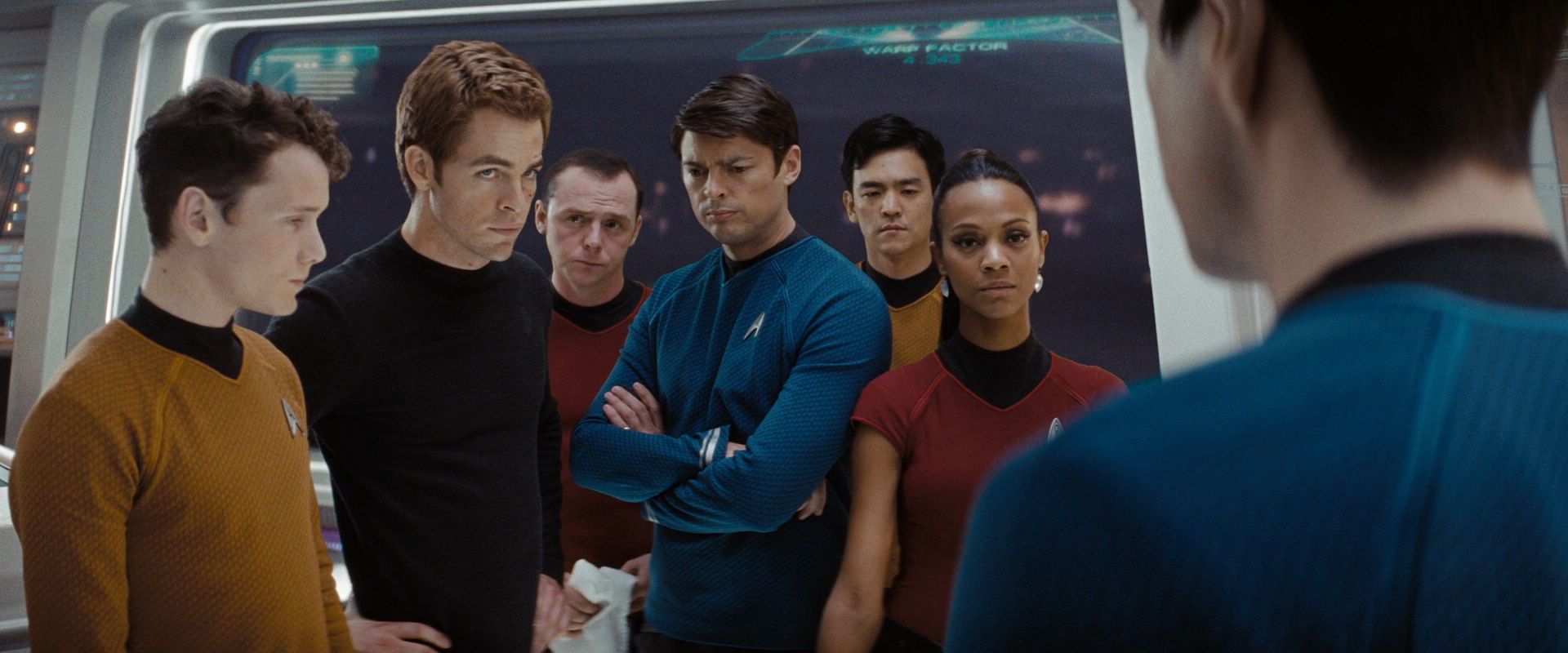
2009’s Star Trek retold the story of Kirk, Spock, McCoy and the original Enterprise crew. But now they were played by much younger actors and the entire Trek universe received an updated makeover. On the whole, the film and its sequels were a faster paced, action oriented version of Star Trek. The first rebooted film was a huge box office success and many loved it. The problem, which became more obvious in later films, is that these films were catering to non-fans who wouldn’t show the same brand loyalty as regular Star Trek fans. With an emphasis on quick action shots and explosive special effects, the three most recent films alienated many traditional fans who likened the new films as Star TrekForDummies. That perception crystalized when the ill-conceived trailer for Star Trek Beyond was released last year.
The trailer was clearly made for adrenaline junkies who crave the Fast and Furious films with its in-your-face action clips and an obnoxious Beastie Boys soundtrack. After the poor reception, Paramount let the bad feelings simmer for too long and cemented the feeling that Star Trek Beyond would be another loud and empty action porn bonanza. The film was actually more thoughtful and respectful to the essence of Star Trek, but the poor marketing ensured that it wasn’t as successful as the previous reboot films.
It is still too early to render a verdict on the reboots. It may be some time before the fervor dies down and we can all look upon them objectively. But as of now, many are decrying that the reboots are not real Star Trek and want a return to the original universe.
Fortunately, that is about to happen as Star Trek returns next year to the medium it is best suited for, television. The excitement building up over the forthcoming Star Trek:Discovery only proves that Star Trek isn’t dead or fading from the public consciousness.
Star Trek: The Legacy
Other popular franchises may be getting more attention these days, but Star Trek has shown time and time again that it has appeal and staying power. The effect the film and TV series has had in pop culture is immeasurable. To dismiss the franchise at this point is foolish in light of its legacy, which is far spanning.
Star Trek helped make science fiction a mainstay in television and elevated the genre’s perception from low-brow, youth-oriented fare thanks to its imaginative and thoughtful episodes. That is why the original show (and Star Trek: The Next Generation) received Emmy Award nominations for best series. It helped lead other executives and networks to gamble more often on sci-fi series, some of which are stellar examples of the genre. But Star Trek has had more of a meaningful impact in our society.
As we celebrate Star Trek’s 50th anniversary, we should reflect on its greatest legacy which is how it inspired the world. There are countless accounts of how Star Trek had a positive influence among astronauts, doctors, engineers, scientists and everyday people like you and I. The show and its spinoffs helped us to learn not to fear the future but to embrace it. Thanks to Star Trek, many beneficial inventions like cell phones, 3D printers, medical scanners and more became a reality due to its fictional counterparts in Star Trek. More importantly, the show taught us about how to treat our fellow neighbors. Everyone knows how the show and its spinoffs were cultural trailblazers with its focus on characters like Mr. Spock (Leonard Nimoy), Data (Brent Spiner), Seven of Nine (Jeri Ryan) and the Doctor (Robert Picardo). They were outsiders who had trouble fitting into their society due to being different. Past episodes dealt with prejudice as their plights touched upon civil rights, tolerance, respect and looking past outer differences and into the character of the soul. This belief can best be exemplified by the Vulcan IDIC philosophy of Infinite Diversity in Infinite Combinations. This more perfect future society is beyond our reach today, but we are laying the groundwork to make Gene Roddenberry’s optimistic vision a reality someday.
Star Trek will always be a part of our pop culture as it has been for the past 50 years. That is because it has so many aspects that are appealing to many different audiences. As long as Star Trek embraces its core roots, it will continue to live long and prosper. So may we all.
Star Trek turns 50 this year. Think about it. One of the greatest sci-fi franchises is now half a century old. While there are countless other sci-fi properties that are older than Star Trek, very few will match the popularity, relevance and staying power of Gene Roddenberry’s TV creation. As with other properties, Star Trek has had its highs and lows, but it has had a positive impact in our culture and society. That is why we are celebrating Star Trek’s 50th anniversary. Many of us will take this figure for granted but diehard fans know too well that Star Trek has often been on a touch and go basis, especially in its early years.
Noble, But Rocky Beginnings
From its inception Star Trek faced an uphill battle. The pilot episode “The Cage” was rejected by the network NBC for being too cerebral and having then-outrageous concepts like a woman in a leadership position and a character who looked like the devil. But Star Trek’s creator, Gene Roddenberry, would not give up and fortunately, others recognized its potential.
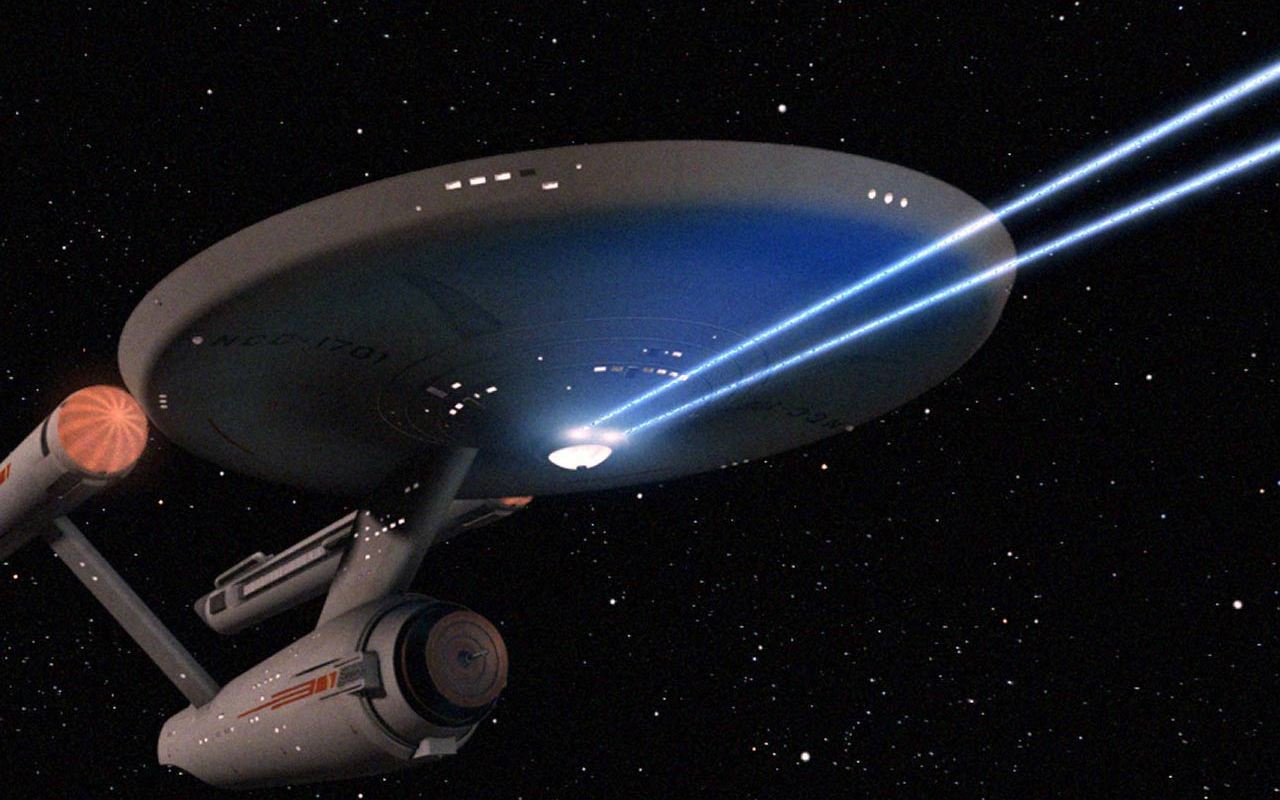
Star Trek, the actual series, debuted on September 8, 1966 with the episode “The Man Trap”. Following the cold opening, a starfield filled TV screens, wistful music played, the iconic and majestic Enterprise spaceship appeared and William Shatner’s bold voiceover announced that we were witnessing the voyages of the starship Enterprise and its crew with a mission to explore space and “to boldly go where no man has gone before.”
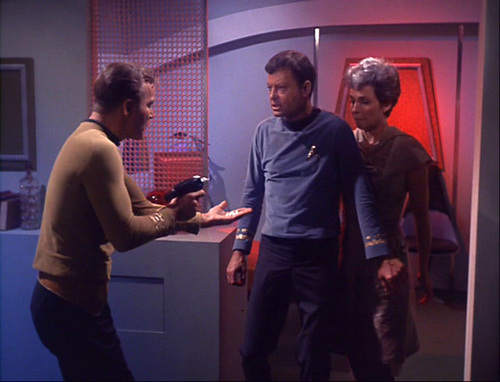
At first glance, it looked like another schlocky monster-of-the-week episode that defined most sci-fi fare at that time. But this being Star Trek, there was more to the episode than some ugly monster that had to be destroyed. It had a moral dilemma for one of the show’s main characters, Dr. McCoy (DeForest Kelley), in that the monster took the shape of a former lover and he had to confront it. Then there was the morality of killing off an endangered species versus the threat of the creature to the crew of the starship Enterprise.
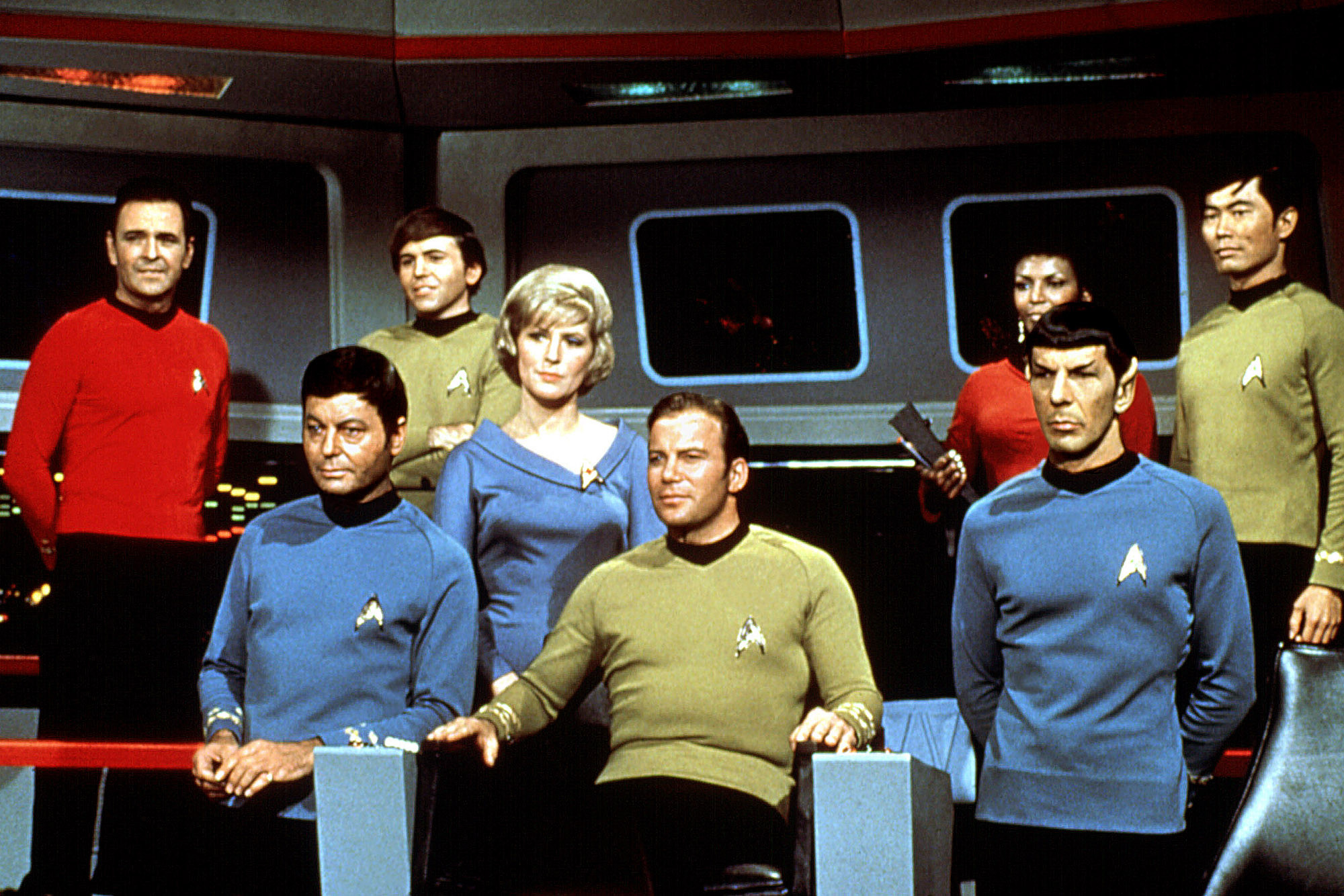
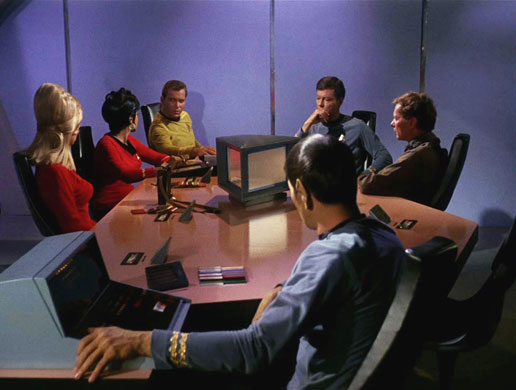
Other episodes also had even more intriguing and smart plots and multilayered characters that made Star Trek stand out from most genre efforts. A huge factor in the show’s appeal was not just its imaginative and provocative scripts but its characters. The suave and confident Captain James T. Kirk (Shatner), the stoic and collected Mr. Spock (Leonard Nimoy) and the opinionated Dr. “Bones” McCoy formed the perfect triumvirate as they explored new worlds. These were complicated people with strengths and weaknesses, and we identified with them. In fact, most of us wanted to be in their place as they explored the unknown.
At the same time, the show had wild imagery for its time. Think of the time a giant hand appeared in space and grabbed hold of the Enterprise. Or when Abraham Lincoln showed up without warning or when ancient Roman soldiers donned firearms. Matching the imagery and action scenes were the fantastic plots that often dared viewers to think. Star Trek wasn’t afraid to make veiled social commentary and broke cultural and racial taboos. In the futuristic world of Star Trek, it was commonplace (as it is now) to see non-whites and women in prominent positions. We take it for granted now but this was groundbreaking for TV at the time and fortunately Gene Roddenberry’s hopeful vision of the future was validated as our society began to catch up to his vision. We’re still not there yet, but we’re making progress.
For all these reasons, the show caught on with fans, who could enjoy it on many levels, but it wasn’t enough. After three seasons the show was killed due to low ratings, however, it would not stay dead.
Comebacks & Striking Gold Again
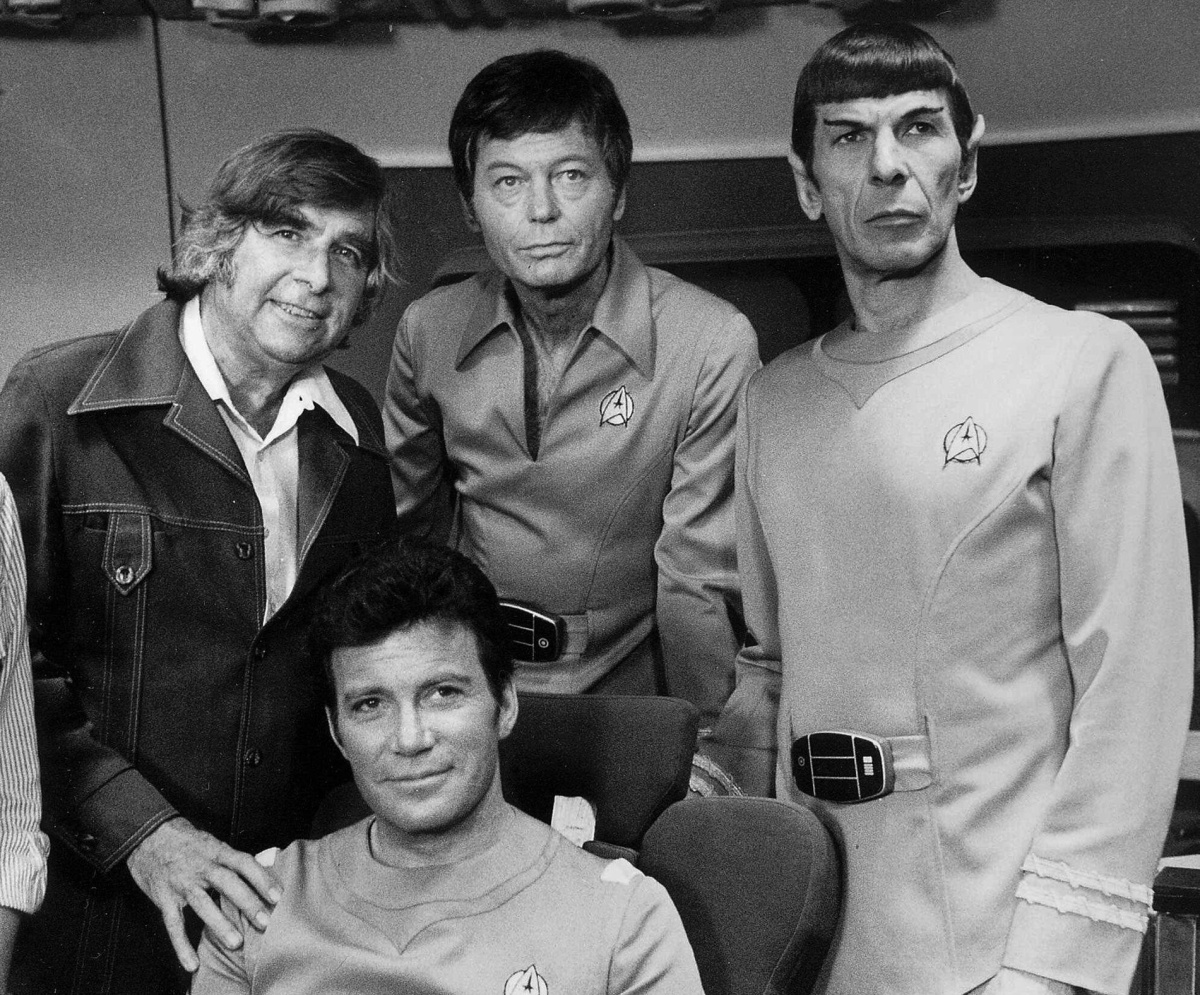
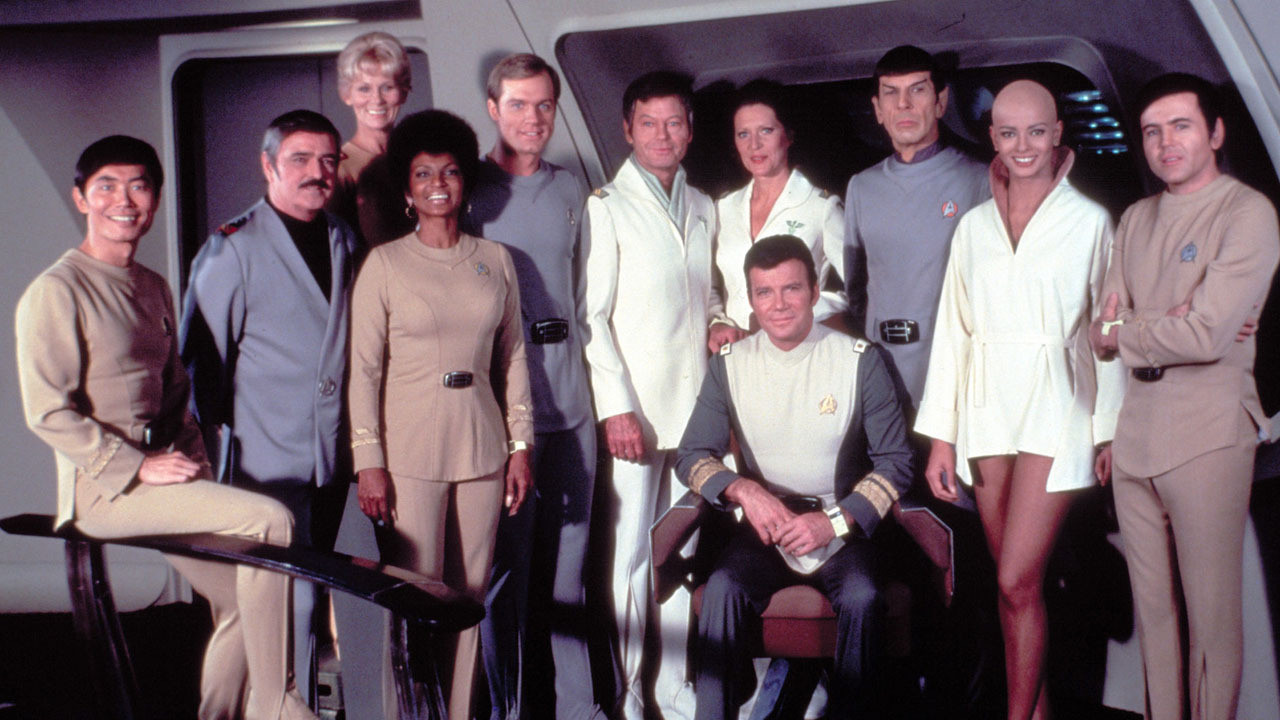
Fervent fandom kept the memory of the show alive as it dominated syndicated runs after cancellation. During the ’70s Star Trek increased its presence in the public consciousness thanks to the reruns, merchandising and a short-lived animated show. It wasn’t long (though it was long enough for fans) before Star Trek returned in the form of a successful film series starting with Star Trek: The Motion Picture in 1979.
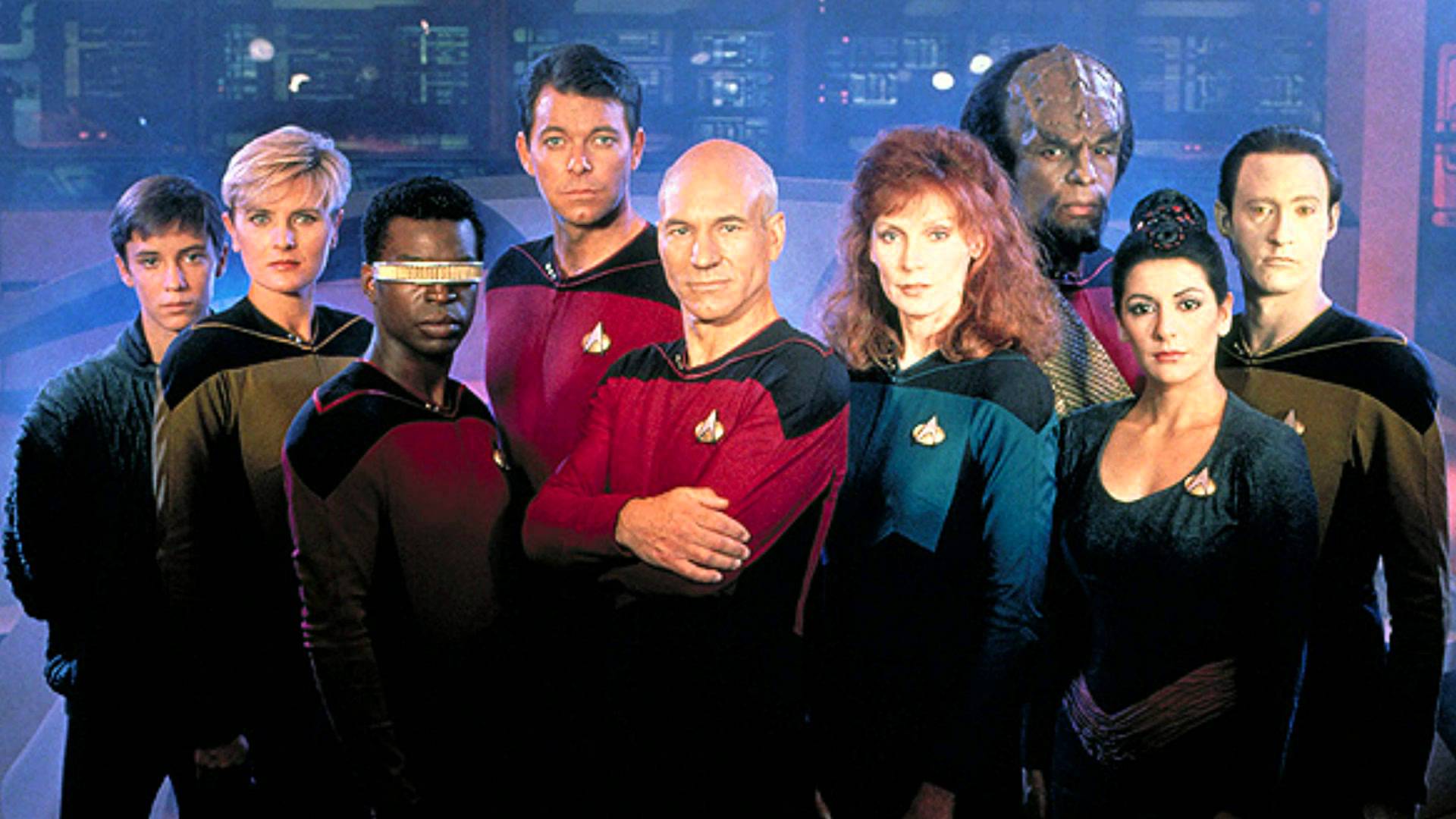
By the time the franchise celebrated its 20th anniversary, Gene Roddenberry was given the chance to strike gold again. He returned to TV and created the first of many Trek spinoffs Star Trek: The Next Generation. When the show first aired in 1987, it had many detractors who complained that basically it wasn’t the old Star Trek because of undeveloped characters and dull and preachy scripts.
But ultimately the spinoff succeeded as the writing improved and the characters were allowed to grow. Now that Roddenberry had more of a free reign with his show, he indulged in creating his version of a more perfect futuristic society where no one squabbled over pettiness. Whether or not this utopian view is viable is besides the question. Being that humanity had evolved in Roddenberry’s viewpoint, the human conflicts were gone, which led to problems with the scripts that needed conflict.
Gone were the bombastic space captains and cantankerous frontier doctors. In some ways it was as if the stoic character of Mr. Spock was replicated many times over with most of the new characters. That is an exaggeration of course, but Captain Jean-Luc Picard (Patrick Stewart) was the anti-Kirk in that he was more level headed, collected and cerebral than the swaggering Kirk we all love.
Over time Picard and his crew won over new fans who saw the spinoff’s merits. People saw the value of creating a show that was decidedly different than its predecessor. Gene Roddenberry passed away in 1991, but left behind a timeless legacy that was in competent hands (such as executives Rick Berman, Michael Piller, Ron Moore and others) who ensured that his vision remained intact. On the whole, Star Trek was reinvigorated since the original cast were obviously much older and passed the torch to the new generation. Meaning, that Star Trek: The Next Generation concluded its successful run in 1994 and the cast were graduated to the big screen starting with Star Trek Generations in the same year.
Trek At Its Peak
In the same time period of the early to mid ‘90s, Star Trek could be considered to be at its peak creatively and in popularity. Two more spinoffs debuted, Star Trek: Deep Space Nine and Star Trek: Voyager and the Next Generation crew were promoted to the film series.
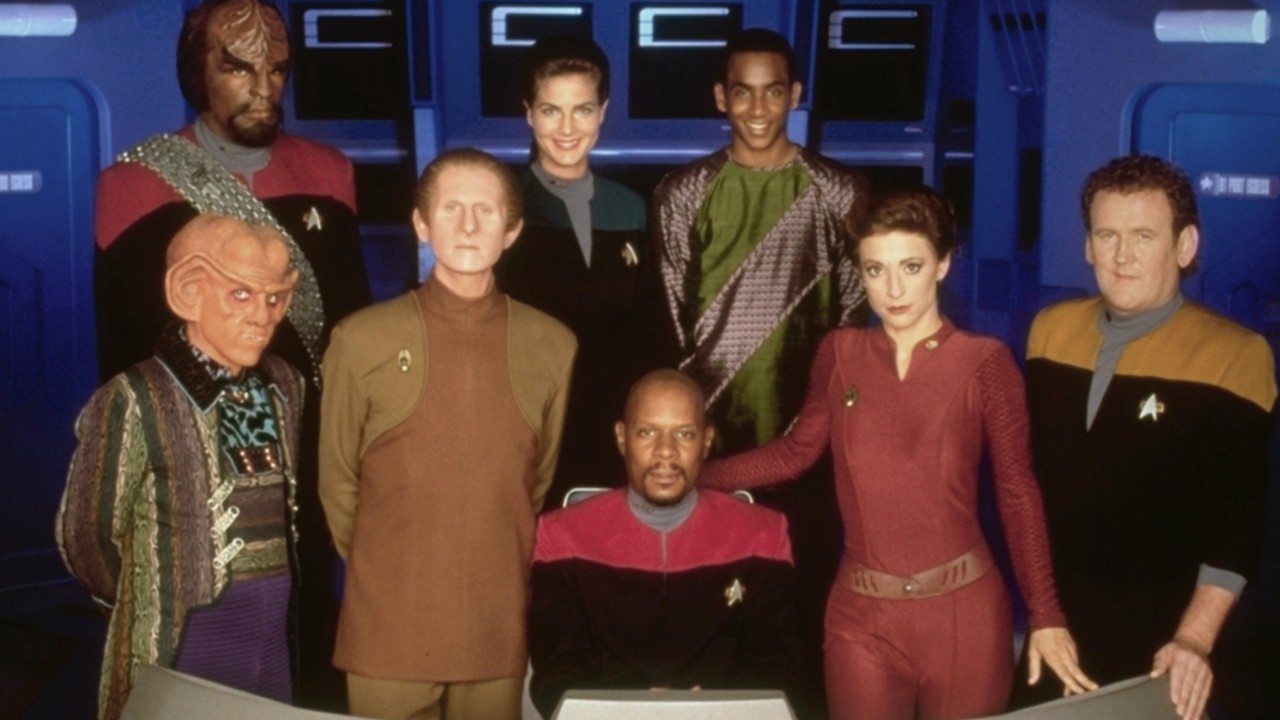
Star Trek: Deep Space Nine, which premiered in 1993, set out to be the most distinct Star Trek show of all time. It didn’t take place on a spaceship, most of the main characters weren’t even human and its lead character was an African-American. Incredibly enough, back then there wasn’t much hoopla made about having the lead character be a non-white person and it shouldn’t have. The showmakers bravely let the character of Ben Sisko and the actor (Avery Brooks) sell the character who stood apart from Kirk and Picard as being more of a military commander with his own doubts but a similar thirst for knowledge and exploration. From the start, most viewers forgot about Sisko’s race when he was surrounded by a bunch of non-humans.
But Star Trek: Deep Space Nine had its detractors who complained they wanted to old familiar shtick of a spaceship-based show and that it was too dark. In reality, this darkness birthed many of Star Trek’s best and most complex episodes and is why Star Trek: Deep Space Nine is very highly regarded by many today who recognize its merits. In fact, it can be argued that it was the best of the Star Trek shows, but that is for history and fans to decide.
As a further sign of the strength of Star Trek’s brand, Paramount Studios decided to produce yet another spinoff which would be used to kickoff its new network UPN in 1995. Star Trek: Voyager premiered to a lot of hoopla and fanfare. This was due to the fact that the lead character was a woman named Captain Kathryn Janeway (Kate Mulgrew), a first for Star Trek. However, while the franchise was at its zenith at the time of its 30th anniversary, the first signs of problems began to seep in as it started to feel tired creatively. But like any solid property, Star Trek would weather the setbacks as it did in the past. Each time the franchise would find a way to reinvent itself and move beyond Gene Roddenberry’s vision of Wagon Train To The Stars.
Finally got around to watching the new trailer for Rogue One: A Star Wars Story and let me say I was quite impressed!
Backing up here, I have to admit I wasn’t enthusiastic about the film when I heard about it. OK, a spinoff Star Wars film, sounds good on paper but it reeked of Disney milking the Star Wars cash cow. Not that I blame them they spent a few billion to get the property so they want their money’s worth. But after seeing Star Wars Episode VII: The Force Awakens I wasn’t thrilled about new Star Wars films.
The only thing going for Rogue One: A Star Wars Story was that it was a prequel that didn’t have to do with the main characters. No Skywalkers, no cute droids or Jedi. Then again Gareth Edwards is directing this, the guy who made a Godzilla movie dull. OK that last taunt there is an exaggeration, but Godzilla was kind of disappointing and went downhill after Bryan Cranston’s character was killed off.
Getting back to Rogue One: A Star Wars Story, I was neutral about the first spinoff film. Not even the teaser did anything to change my mind. Then I saw the new trailer today, and boy have my eyes been opened.
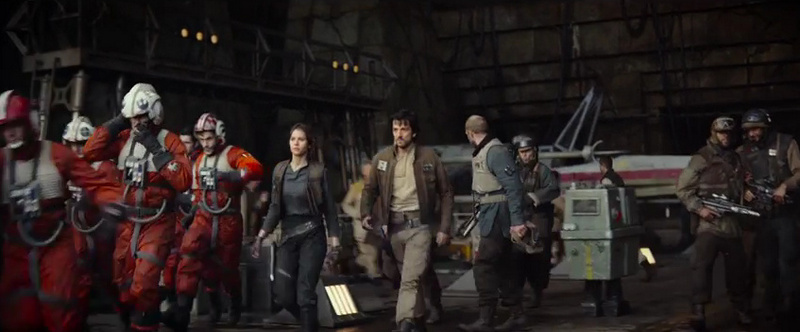
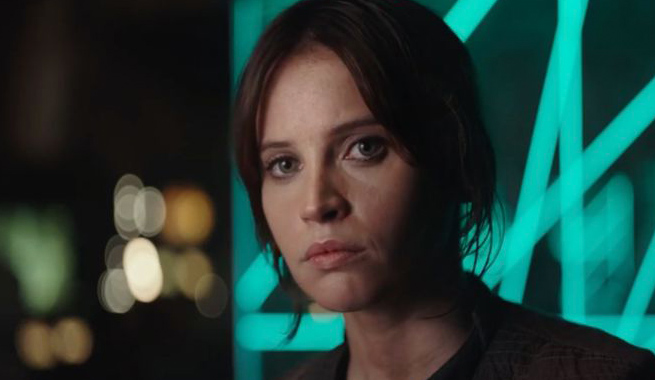
What is so great about this trailer is that it emphasizes the war aspect of Star Wars. It looks gritty and grounded while taking place in the beloved Star Wars universe. The characters look badass, especially the older blind man who seems to be Force adept. And they seem interesting, one of them, Saw Gerrera (Forest Whitaker), is a cool Easter egg for fans of Star Wars: The Clone Wars since it proves once and for all that the animated series is canon. Now if only that grand admiral shown had blue skin. LOL But he still looks like someone not to mess with.
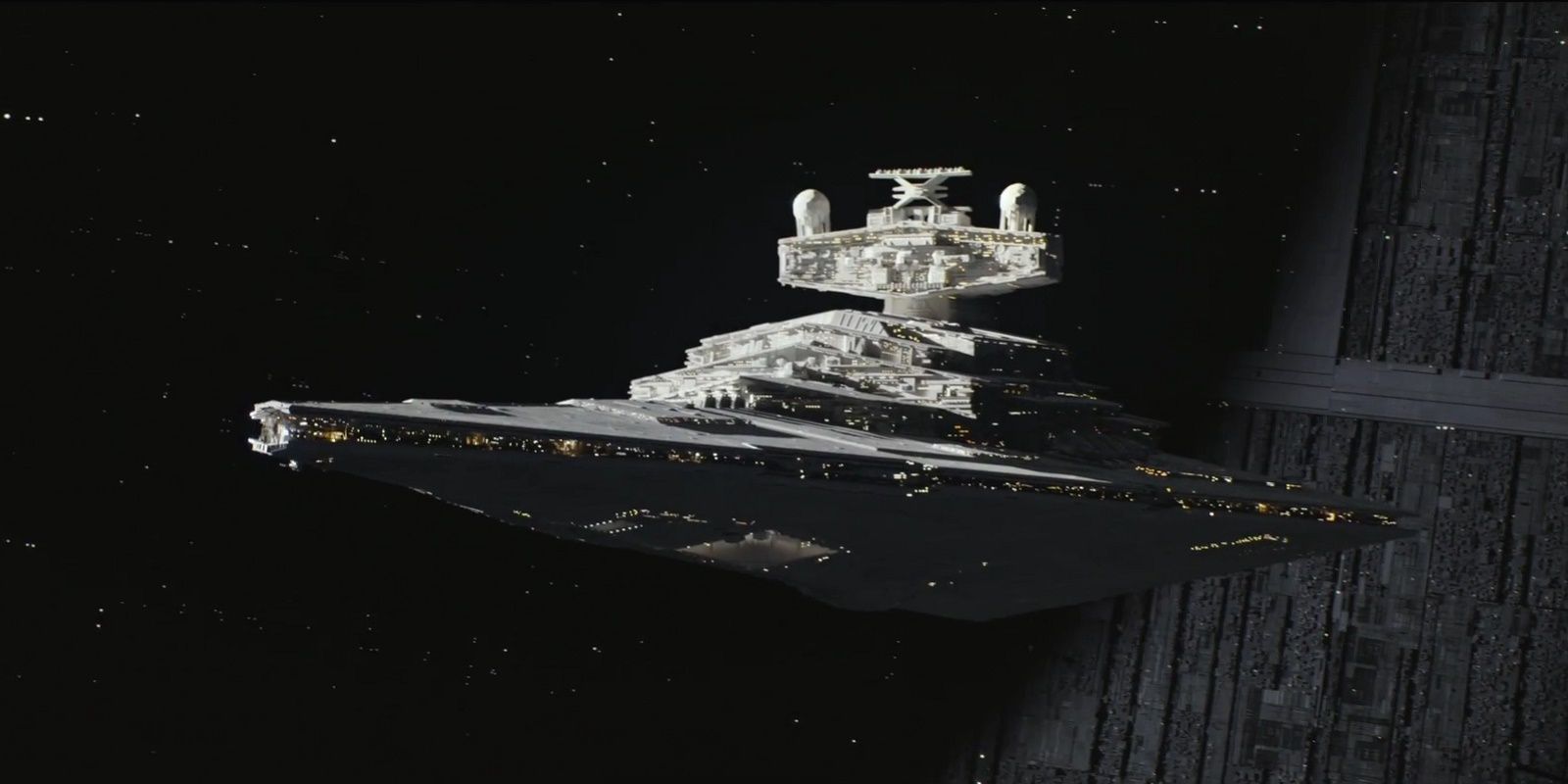
What else? The ships, the fighting, the desperation, it feels so great watching all the classic ships and hardware being used in Star Wars again, plus some new stuff (hear that Force Awakens? It’s OK to use different hardware and ships) that fits well in this universe. But one thing that stands out is that for the first time since the original Star Wars, we witness the harsh, despotic nature of the Galactic Empire. The Empire looks imposing, threatening, not at all like the cardboard cut outs who can’t shoot straight. As far as this film is concerned, the Galactic Empire is at its height of power and dominion. Also, apart from the Darth Vader teaser at the end, this trailer shows that it is a true spinoff that does not rely on the usual characters or recycles stories.
So, now I’m hyped up for Rogue One: A Star Wars Story, which is terrific because so many films this year have been disappointing. If this film delivers, hopefully the other Star Wars spinoffs will be of the same caliber.
The San Diego Comic-Con for 2016 has come and gone and we’re all the more hyped up after the event. Unlike previous Comic-Cons most of the film studios were all too eager to share the trailers for their upcoming films and TV shows. That is except for 20th Century Fox who took their marbles and went home…actually didn’t even present. They wanted to avoid having their presentations pirated. Nice way to promote Alien: Covenant and the third Wolverine flick, people. Result: DC and Marvel ruled the event by bringing their A game.
TV Stuff
The other studios made their announcements and presentations. For TV shows, the third season teaser for The Flash got everyone up in arms in anticipation at seeing the live-action version of Flashpoint. For those in the dark, that’s the comic book event where the Flash saved his mom in the past and created a dark reality. This adaptation won’t be literal but more like what we saw with the Marvel Comics Civil War event in Captain America: Civil War. But it still looks awesome. The other DC shows on the CW also had interesting presentations and announcement, the best of those being that the Legends of Tomorrow will be facing the Legion of Doom and meet the rest of the Justice Society of America.
Marvel Studios raised some eyebrows with the revelation that Ghost Rider will be appearing in the fourth season of Agents of S.H.I.E.L.D. and this should be interesting. As for their Netflix stuff, we got teasers of The Defenders (check out our Twitter account with a link to it), Iron Fist, and Luke Cage. The last show looked undeniably badass and thankfully we only have to wait a couple more months.
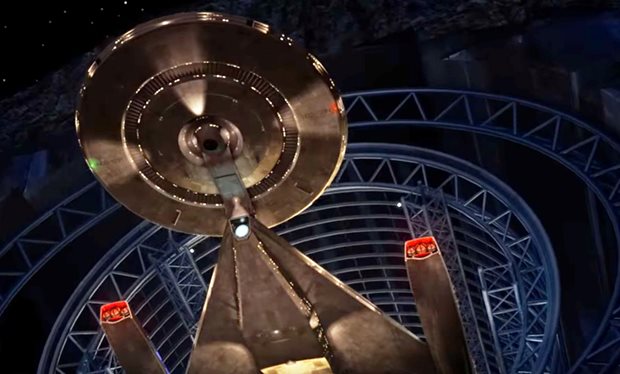
The biggest TV announcement had to be for Star Trek: Discovery. We saw a glorious 2001: A Space Odyssey-like opener with a starship launching out of a hollowed-out asteroid. What was most intriguing was that the ship’s design is based on one of Ralph McQuarrie’s unused Enterprise designs for the lost Star Trek film Planet of the Titans.
As cool as it was to see one of McQuarrie’s design come to life, what is sure to get everyone even more excited is that Bryan Fuller, one of the showrunners, confirmed the show will take place in the Star Trek Prime universe! No reboots, people! The real Star Trek has indeed returned! Ahem, apologies to those that love nuTrek, Star Trek Beyond is a fun film that redeems the Star Trek reboots.
Film Stuff
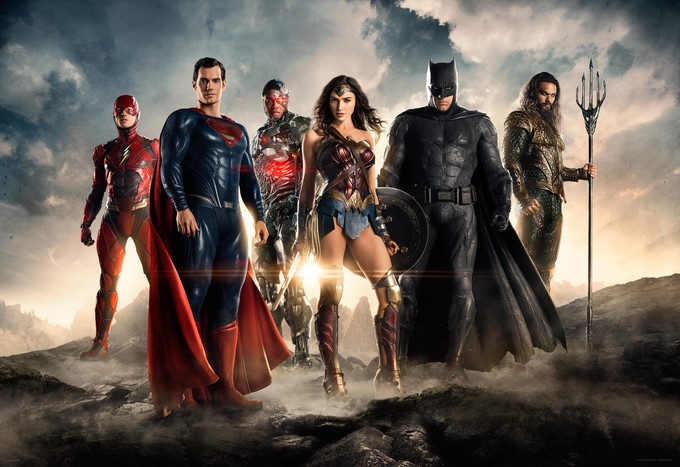
DC Comics and Warner Bros. are still smarting over the lukewarm reception to Batman v Superman: Dawn of Justice. So they didn’t hold back anything in Comic-Con 2016. Amidst the flood of trailers for Suicide Squad, which makes us feel already as if we’ve seen the entire film, came trailers for Wonder Woman and Justice League. The Justice League trailer was very enticing and actually sold us on the Snyderverse version of the Flash. Sure, Grant Gustin rules as Barry Allen but it’s undeniable that Ezra Miller had a lot of charm as the new Flash. The trailer had much more humor than anything seen in Batman v Superman, but where’s Superman? Meanwhile, Gal Gadot clearly shines in the footage shown in both the Justice League and in the trailer of Wonder Woman kicking ass in World War I.
As for DC’s rival Marvel, well they had their goodies as well. Unlike DC, most of the trailers for their upcoming movies are still under lock and key being they are “exclusives” for Comic-Con. There’s no point in trying to scrounge the Internet for pirate footage of Guardians of the Galaxy, Vol. 2 or Spider-Man: Homecoming, it will look like crap and be taken down anyway. But here’s a quick look at Thor: Ragnarok, which will be gone soon:
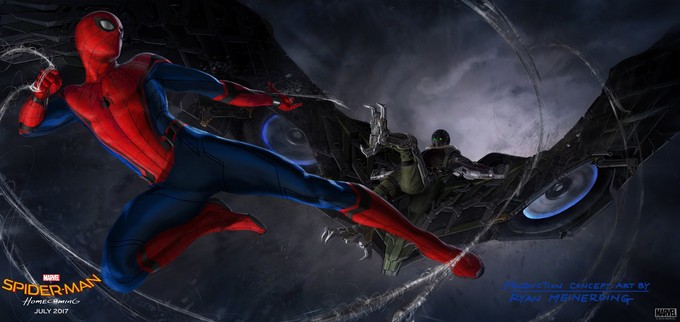
Marvel should take a cue from DC and present their goods to the larger world who could not attend. The one trailer they released was the second one for Doctor Strange. Make all the snarky remarks that it looks like Inception, but this movie looks astounding! If it works, it will take the Marvel Cinematic Universe in a whole new direction and that is how you keep the superhero film genre afloat. The highlights of Marvel Studios reveals were Brie Larson’s casting as Captain Marvel, the Vulture will be the villain in Spider-Man: Homecoming, and Kurt Russell will play Peter Quill’s dad, aka Ego the Living Planet, in Guardians of the Galaxy, Vol. 2!
In closing, Comic-Con 2016 had a lot more to show for the general public than in recent years. A lot of the announcements and trailers were ho hum like Guy Ritchie’s King Arthur: Legend of the Sword. But more than a few were quite enticing like the one for the return of Mystery Science Theater 3000 (to be shown on Netflix), a Blair Witch sequel and this one for Kong: Skull Island.
It’s great to see the big ape back on the screen! On the whole, we have plenty of fun things to watch in the coming months and into 2017.



 Starloggers