Blue Beetle Is A Charmingly Fun Intro To The New DCU

Blue Beetle, the latest live-action film based on a DC Comics superhero, is a fun and charming adventure that could not have come at a better time for DC films.

The track record for DC films has been troubled for several years now. Most of them have not been well received by fans or critics and performed poorly in the box office. Sadly, Blue Beetle will not rake in the big bucks while it’s in theaters (it was just released yesterday in late August, a dumping ground for films). But whether or not it flops, it does signal a return to form for DC films not centered on Batman.
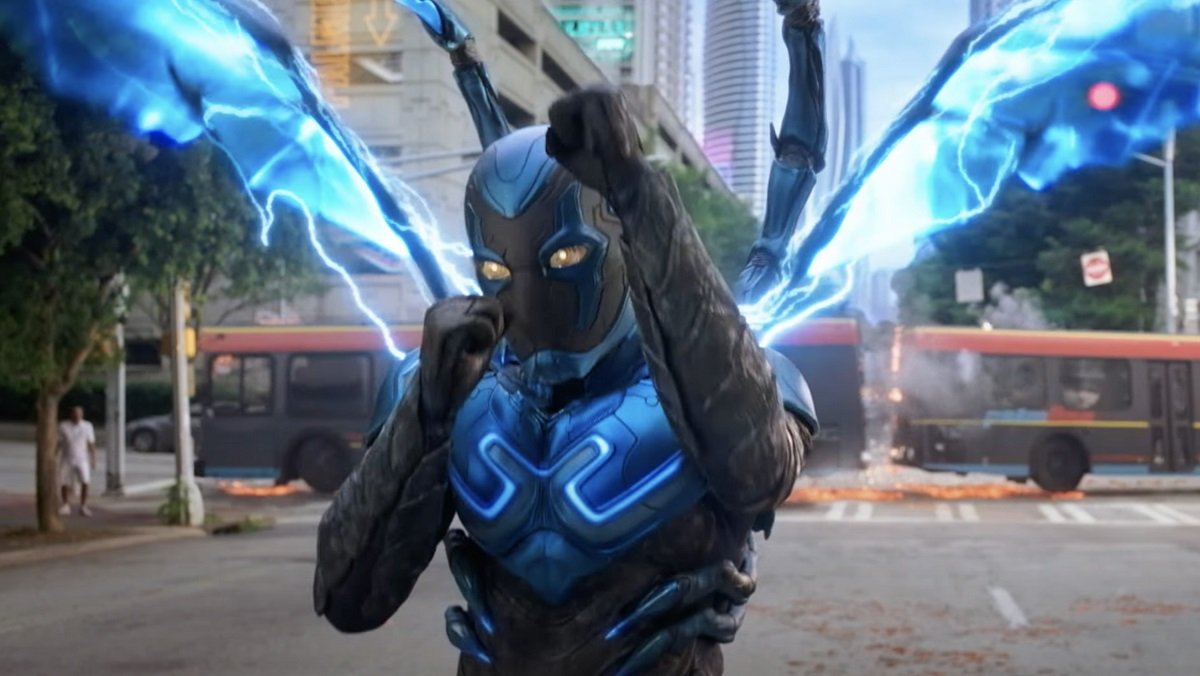
Blue Beetle stars Xolo Maridueña as Jaime Reyes, a recent college graduate who returns to his lower-class home in the hope of finding a good job to help his family. He goes to Kord Industries in Palmera City to meet with Jenny Kord (Bruna Marquezine) for a job opportunity and gets involved in corporate espionage. Jenny steals a strange object shaped like a blue scarab from her company and entrusts it to Jaime.  She does this because she does not trust her aunt, Victoria Kord (Susan Sarandon), the CEO of Kord Industries, because Victoria is focused on trying to create exo-skeletal armored suits called O.M.A.C.s (One Man Army Corps) by using the scarab.

After Jaime brings the scarab home, it activates itself and attaches to Jaime’s spinal cord. The scarab then forms a blue exo-skeletal armor around Jaime complete with futuristic nano weaponry. It’s revealed that the scarab is extra-terrestrial, sentient, and forming a symbiotic relationship with Jaime as its reluctant host.
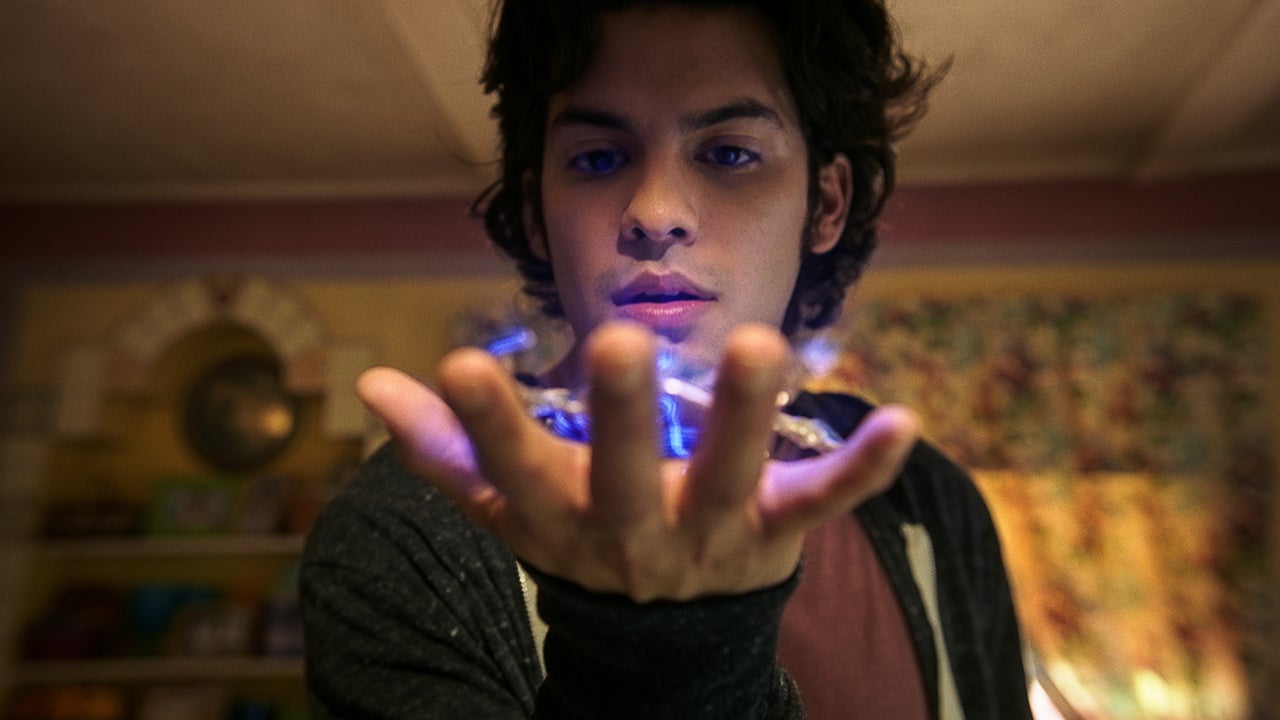
Before long, Victoria learns that Jaime has the scarab and sends her forces led by her bodyguard Carapax (Raoul Max Trujillo) in his own O.M.A.C. suit to find Jaime and obtain the scarab at any cost. This not only endangers Jaime but his family and Jenny, as well, and it is up to them to confront Victoria and her forces.

On paper, Blue Beetle sounds like your typical superhero origin film and to an extent that is true. Much of what is seen in Blue Beetle we have seen before in other films like Iron Man, Venom, Black Panther, and so on. But it stands out in many ways. It is largely centered on Jaime’s Latino family and their interactions are one of the best parts of the film. Thanks to the performances of the actors like George Lopez, Adriana Barraza, and Belissa Escobedo the family dynamic is humorous and endearing. It is clear that they are a close-knit family who care about each other and will go through any length to support each other. Also being that the main character is Latino and his culture is represented in the film, it actually helps the film stand out from other superhero films.
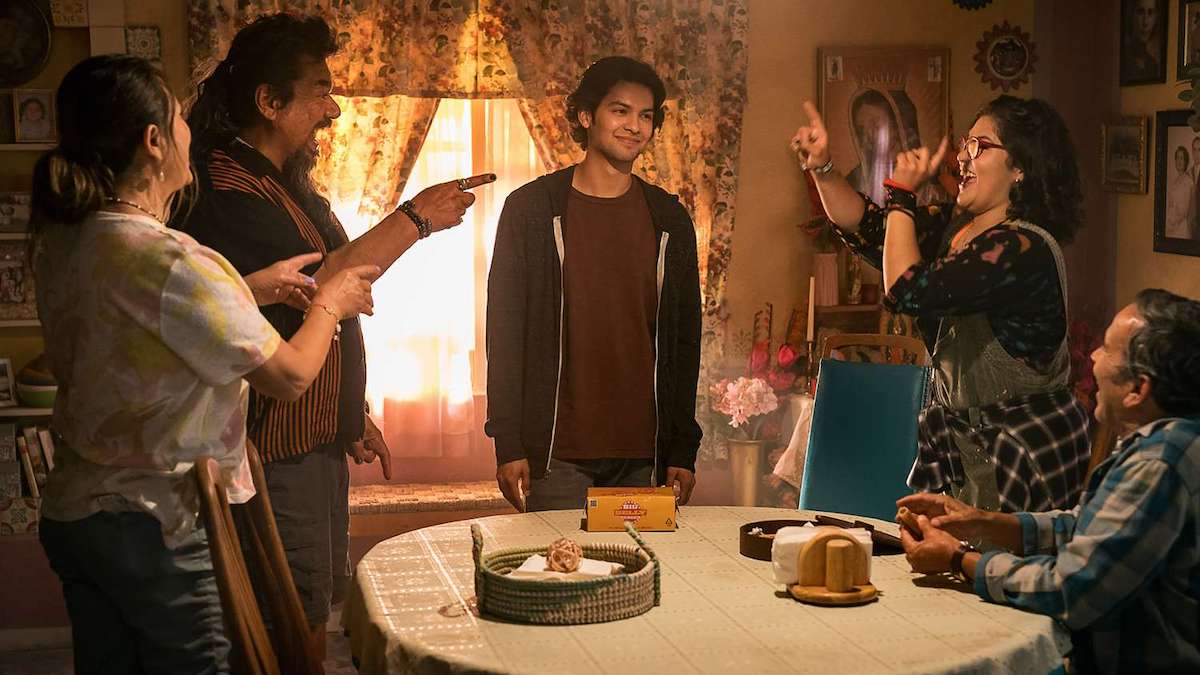
What also makes Blue Beetle so winning is the charming performance by Xolo Maridueña who perfectly pulls off the reluctant young hero who only wants to do what is right. He is the core of the film and his journey was quite engaging as he learns to embrace his new role as a superhero. The film itself has some terrific action scenes and moves briskly. What is even more amazing is that the film’s budget is around $100 million and its special effects are more impressive than some of the recent superhero films that boasted larger budgets. Its director Angel Manuel Soto should be commended for delivering an enjoyable and fun superhero film.

Of course, the familiar superhero tropes are a drawback to the film. They include the theme of the hard-luck everyman type who reluctantly has to deal with the life-changing aspect of becoming a superhero. This aspect also comes complete with pep talks by trusted family figures that help him on his emotional journey. Another gripe is that the villains, especially Sarandon’s Victoria Kord, are one dimensional, although Carapax has an interesting revelation at the end. As much fun as Blue Beetle was, it was very goofy and silly at times, especially with the scenes where his grandmother starts blasting away goons with a futuristic Gatling gun. Still, Blue Beetle on the whole is a fun viewing experience that exceeds expectations.

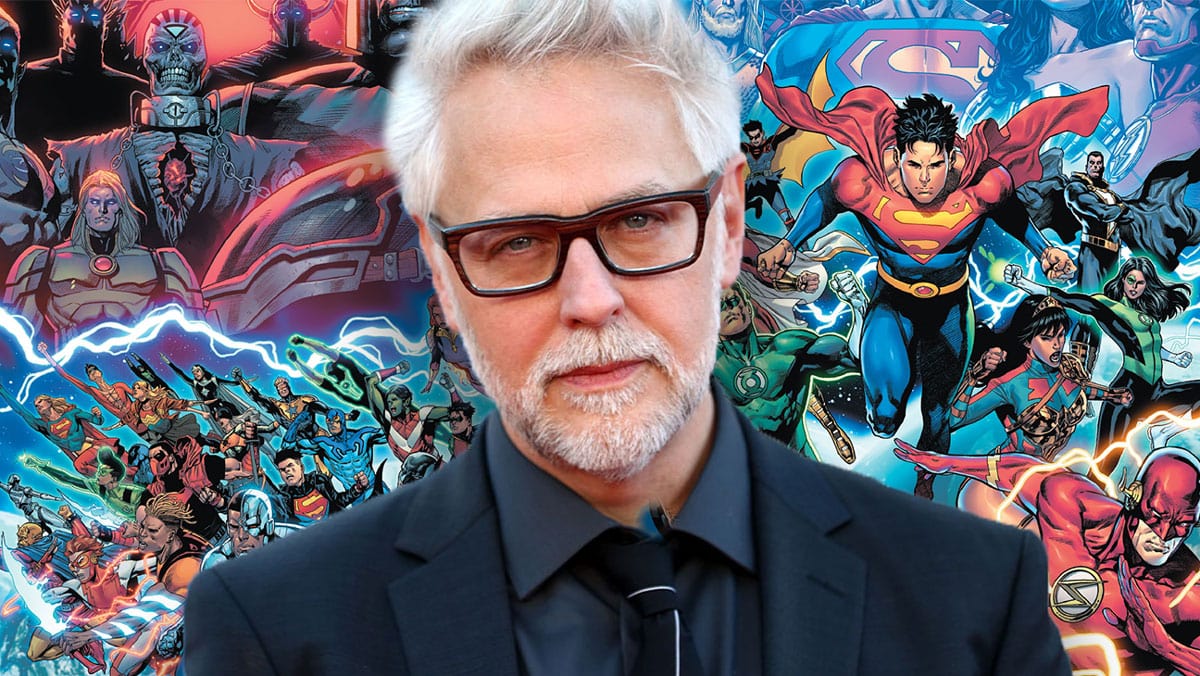
Thankfully, James Gunn, the head honcho of the DC films has already announced that Maridueña and his character will be part of the new DC Universe (DCU) films that will replace the troubled DC Extended Universe (DCEU) films. Blue Beetle was made while the DCEU was still in existence but it barely acknowledges that it is part of any film universe aside from a couple of throwaway lines to a handful of DC superheroes. This was a wise move since it is not clear which universe Blue Beetle takes place in. It could be part of another universe altogether like The Batman is for all we know. But even if the film does not make a lot of money, the characters in this film deserve to return and be part of the DCU. While Gunn keeps claiming that the upcoming Superman: Legacy will be the official start of the DCU, given how winning and charming Blue Beetle is, it should be given that honor instead.

José Soto
Meaningless Superhero Deaths

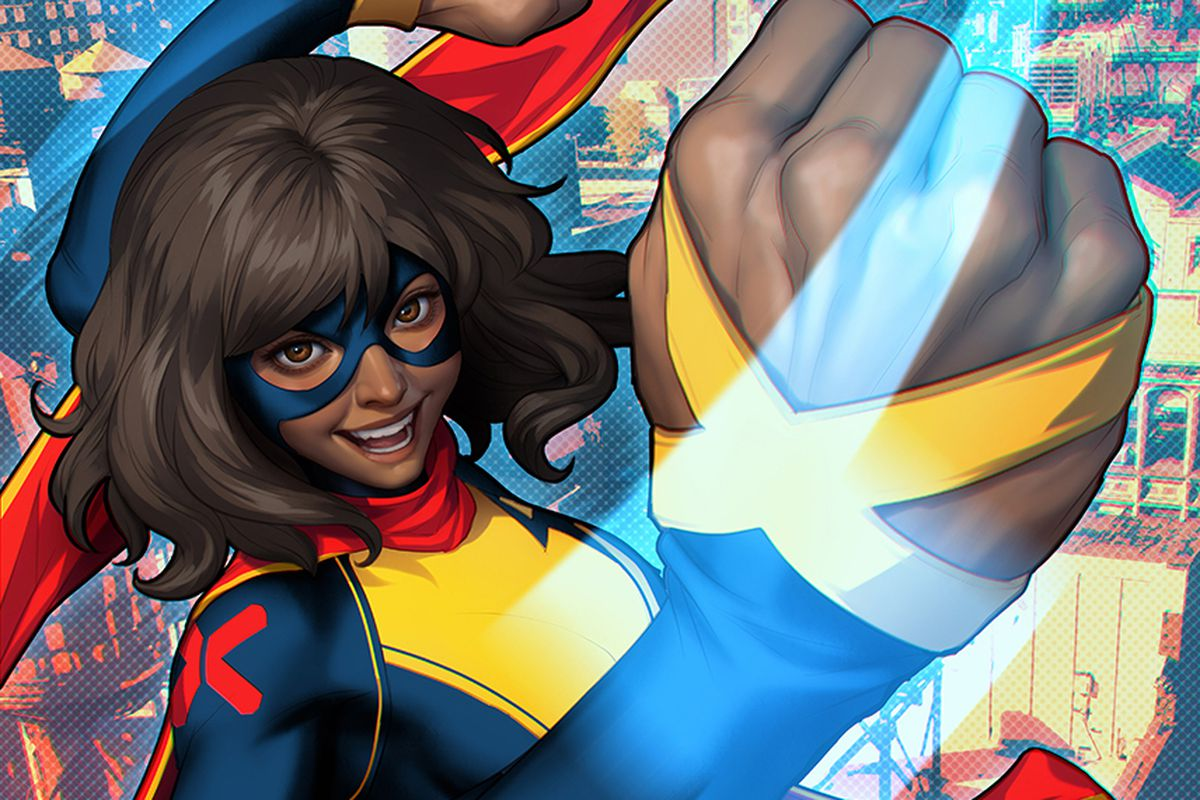
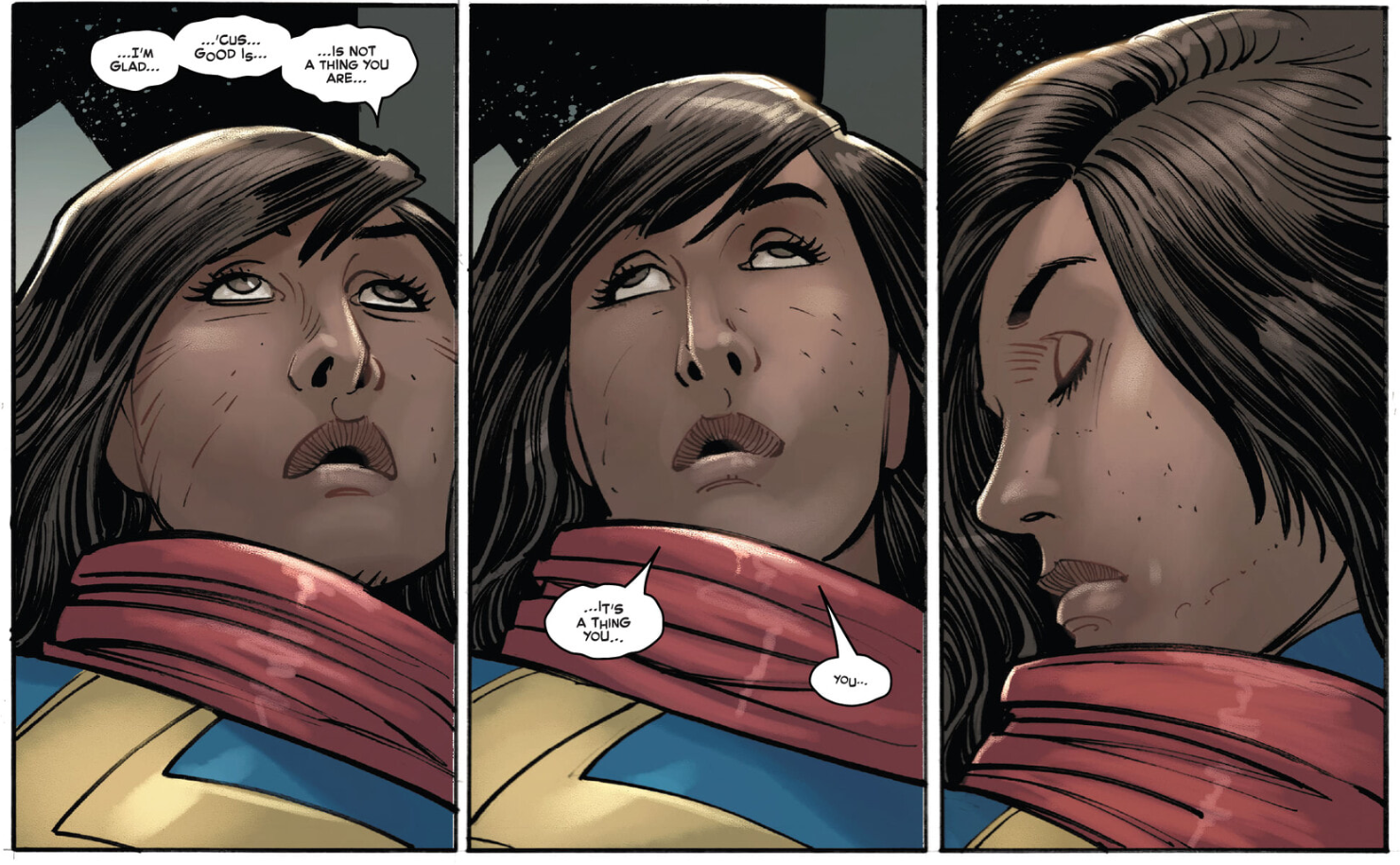
Ms. Marvel is the latest high-profile superhero to have died, which created some controversy with comic book fans. But what was even more troubling was the jaded reaction from many others who knew she would come back to life as was recently announced. This development is just another example of lazy comic book writing trope of killing off then resurrecting a popular character.

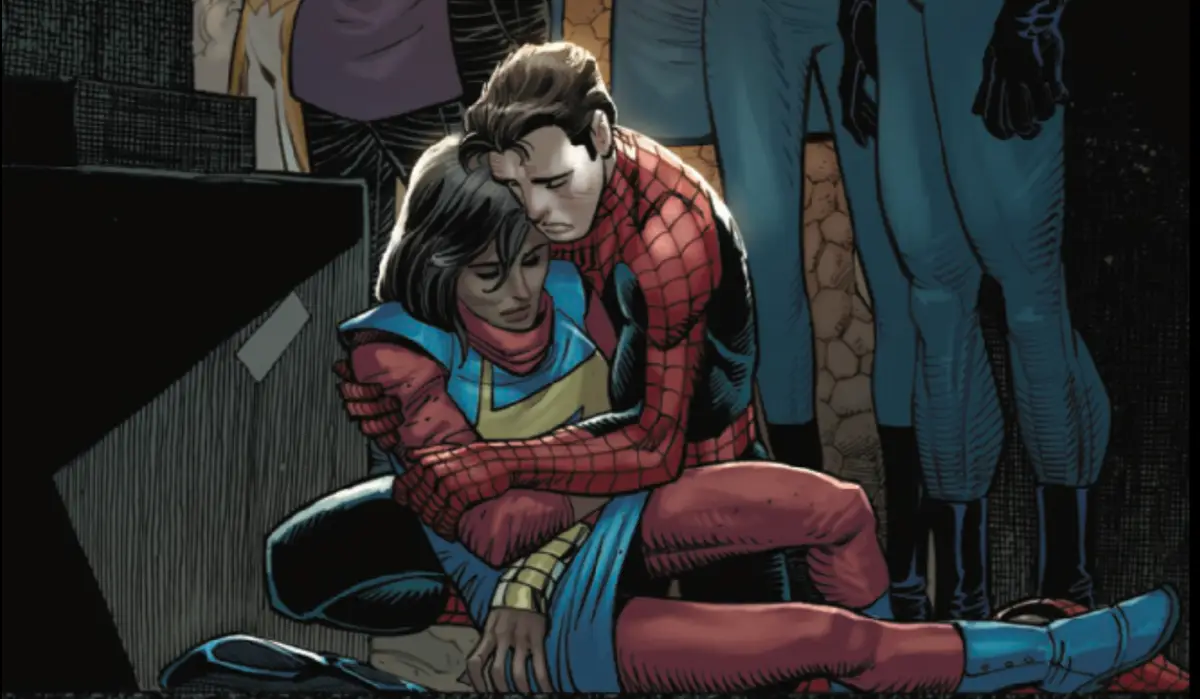
When Ms. Marvel was killed off in the closing pages of The Amazing Spider-Man #26, her death made lots of headlines and angered many fans. But many of them were not upset because she was killed. They were upset over the way Marvel Comics threw out all the pomp and circumstances to commemorate the superhero because it was clear she would not stay dead. Sure enough, Marvel Comics announced a few days ago that she will return in a new mini-series called Ms. Marvel: The New Mutant, which will be written by Iman Vellani, who portrays the superhero in the Marvel Cinematic Universe (MCU).

Seriously, is anyone surprised by any of this? Of course, they would not let the poor girl rest in piece. Not when she will co-star in The Marvels later this year. The only reason as to why go through all this death and resurrection is to synch the character with the MCU version. As most comic book readers know, Ms. Marvel is an Inhuman in the comic books, but for whatever reason she was designated as a mutant in the final episode of Ms. Marvel. Given that Inhumans never reached the popularity of mutants in the pages of Marvel Comics, perhaps the powers-that-be gave up on the Inhumans and decided to have it revealed that she is actually a mutant.

Still, why go through all the hand wringing and kill her off in the first place? In the pages of The Amazing Spider-Man, the title character is shown to be in full mourning over Ms. Marvel aka Kamala Khan, but the two were hardly best buddies. Sure, they’ve teamed up a few times it’s not like this happened to the Human Torch. It would have made more sense if she died in the arms of the superhero Ms. Marvel looks up to, Captain Marvel. This was most likely done to generate sales and interest for the comic books, but we’ve been through this too many times, and it was done much better before.

The best example was with the Death of Superman storyline that spanned many comics. That event worked because his death and resurrection felt organic, had a huge impact in the world of DC, and explored all the nuances of Superman dying and coming back to life. Even the death of Captain America years later was better executed as readers had time to process his death and see the Winter Soldier becoming the new Captain America and so on. There is also the death of the Ultimate Comics version of Spider-Man, which turned out to have introduced an even more popular version of the superhero: Miles Morales.

The problem with Ms. Marvel’s death is that these superheroes deaths have been done to death and in Ms. Marvel’s case, it was done too abruptly. Then before anyone could process anything, Marvel goes and announces she is coming back. There were much more imaginative ways to transform Ms. Marvel into a mutant without using the cheap theatrics of temporary deaths. This development still would have generated news, but with less cynical reactions. The fact that Marvel chose the cheap and easy way to go about her transformation just underlines how the so-called House of Ideas has run out of them.

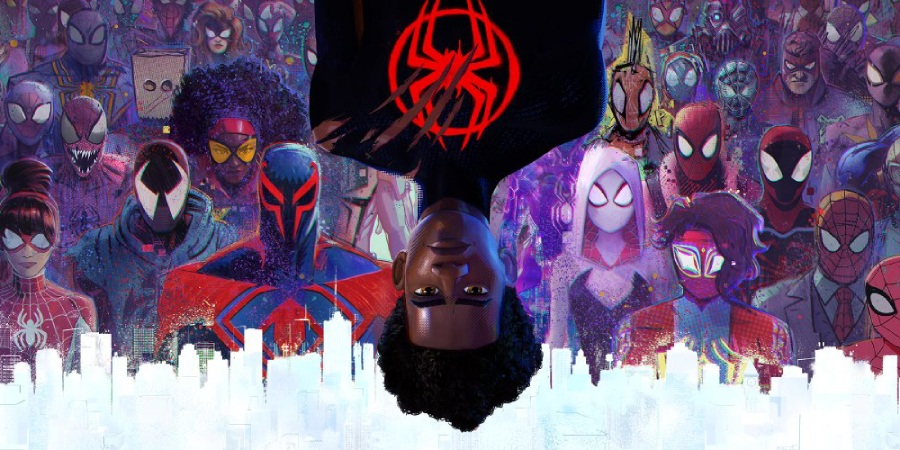
Spider-Man: Across the Spider-Verse Embarks On A Stunning, Visual Journey Throughout The Spider-Verse

When it was announced that the release date for Spider-Man: Across the Spider-Verse was delayed, there was reason for alarm. Originally the sequel to Spider-Man: Into the Spider-Verse was supposed to have come out last year, but its release was pushed to this year. Often such significant delays mean that the production of a film is troubled and the finished product winds up being a disappointment. Thankfully, that is not the case with Spider-Man: Across the Spider-Verse, which excels past Spider-Man: Into the Spider-Verse in so many ways in terms of story and visuals.

Spider-Man: Across the Spider-Verse opens with Gwen Stacy (Hailee Steinfeld) recounting her life as Spider-Woman (or Spider-Gwen) in her own universe and why she left it to explore other universes with different variants of Spider-Man and Spider-Woman. After the lengthy prologue, we meet again Miles Morales (Shameik Moore), the Spider-Man of Universe 1610. He has the typical Spider-Man struggles of juggling his civilian life as a teenager with that of fighting crime as Spider-Man.

On his way to meet his parents, Rio (Luna Lauren Velez) and Jefferson (Brian Tyree Henry), Spider-Man comes across a supervillain called the Spot (Jason Schwartzman), whose body is covered with removable spots that are portals throughout inter-dimensional space. For example, if Spider-Man punches him in the chest and there is a spot there, Spider-Man’s fist will go through the spot and emerge behind Spider-Man to end up hitting the superhero instead.

The Spot is obsessed with getting revenge on Spider-Man because he blames the superhero for his dilemma. It turns out he was one of the scientists present in the first film where Miles and other Spider-powered heroes destroyed a collider machine that allowed travel between universes. The Spot gained his powers after being caught in the explosion of the collider and we also find out that the scientist was partly responsible for Miles becoming Spider-Man.

After the Spot is defeated and humiliated by Spider-Man, he gains the ability to travel throughout the multiverse and seeks out other colliders in those universes to empower himself even more. This decision will not only endanger the multiverse but severely affect Miles’ personal life.

As the Spot explores other realities, Miles is visited by Spider-Gwen, who is now part of the inter-dimensional Spider-Society that guards the Web of Life and Destiny by seeking out dimensional anomalies throughout the multiverse. She was looking for the Spot, who has become an anomaly traveling throughout several universes. Miles soon joins her as she returns to Spider-Society headquarters on Earth 928 and meets numerous variants of Spider-Man and Spider-Woman, including their leader, Spider-Man 2099 (Oscar Isaac).

Spider-Man 2099 explains to Miles that all the universes are intertwined in a delicate metaphysical web with canon events, which are important moments in time for those universes. Disrupting those events will eventually unravel universes and this affects Miles in a crucial way after learning that in all of the Spider-Men and Spider-Women universes have canon events that involve the deaths of distinct police captains. Miles deduces that his father, who was just promoted to a captain, will soon die. He comes into direct conflict with the Spider-Society since he resolves to save his father at all costs, canon event be damned.

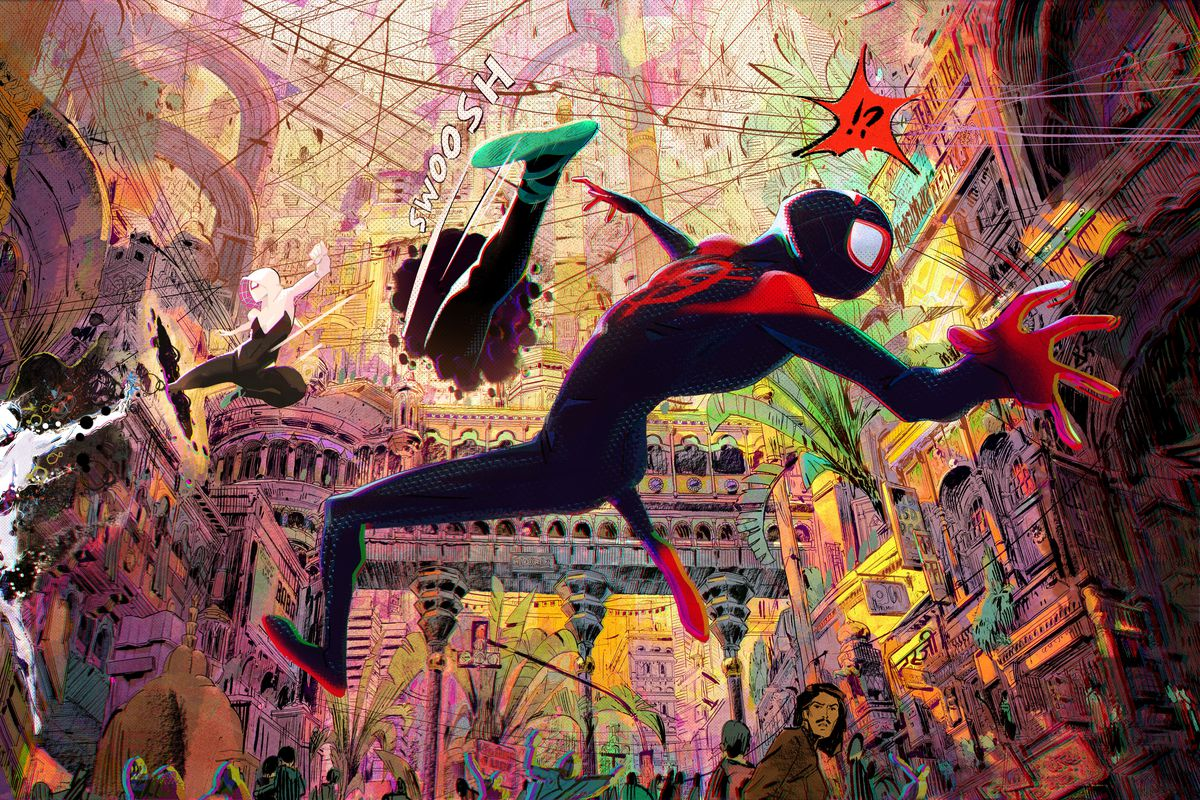
In this day and age of overhype from fans and critics it is easy to dismiss praise for many films. However, Spider-Man: Across the Spider-Verse lives up to the hype because it is truly one of the finest animated and superhero films ever produced. Like the first film, Spider-Man: Across the Spider-Verse is a visual feast that incorporates different animation styles and frame rates. The best examples of this are with how Spider-Gwen is represented with soft watercolor palettes, while Spider-Punk (Daniel Kaluuya) is animated with harsh punk rock art whose clothing is animated at a different frame rate than the character himself. In other examples, the heroes fight a Vulture (Jorma Taccone) from a Renaissance-styled universe looks like a Da Vinci sketch that has come to animated life with sepia colors; we also meet Ben Reilly/Scarlet Spider (Adam Sanberg), who is animated as a ‘90s-style character with overripe muscle lines and bright colors.

The visual canvas of the film is very busy with wild animation and numerous Easter eggs. Some scenes feature actual panels from classic Spider-Man comics and even images from live-action films. It will take numerous viewings of this film for anyone to fully spot all of them. Each scene is so painstakingly animated and colored, which leaves us with a film that is just dazzling to the eyes.

Of course, all of the visuals would be meaningless without compelling story and characters, and Spider-Man: Across the Spider-Verse also excels in this area. So much emotion is conveyed that is either subtle or outlandish. Just like the first film, this sequel is a coming-of-age yarn only with our hero having harder choices to make in his life as he grows into adulthood. Anyone is readily able to relate to Miles’ ethical dilemma of the needs of the many outweighing those of the few and we would probably make the same choice he made. What also helped with the film’s emotional stakes is that it took time to develop Miles’ relationship with his parents, which is full of angst and love. We understand their point of view as they struggle to relate to their son who is growing up to be a man.

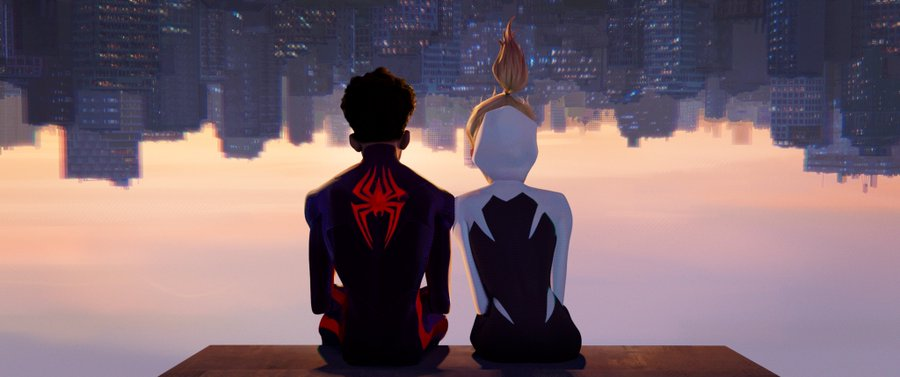
Another character who has her own emotional arc is Gwen, who feels alienated and alone in her world. Unable to connect to her father, she in a sense runs away, only in this case she runs away from her universe. The deepening friendship she has with Miles is a true emotional anchor in the film and feels so natural as these two alienated teens are able to connect to one another.

Peter B. Parker (Jake Johnson), who served as a mentor to Miles in Spider-Man: Into the Spider-Verse has a reduced role in this film, which is regrettable. Still, it was a delight seeing him again and what he was been up to. Hopefully, he will have a larger role in the second sequel coming next year.

As many have learned, Spider-Man: Across the Spider-Verse ends on a cliffhanger and it is an intense one. But fear not, Spider-Man: Beyond the Spider-Verse will come out in theaters in March 2024, which is less than a year away and we were able to handle the wait between these films. Given how Spider-Man: Across the Spider-Verse is much better than the original, which in itself was a classic, we can only hope that Spider-Man: Beyond the Spider-Verse will excel past this sequel or at least stick the landing.

 José Soto


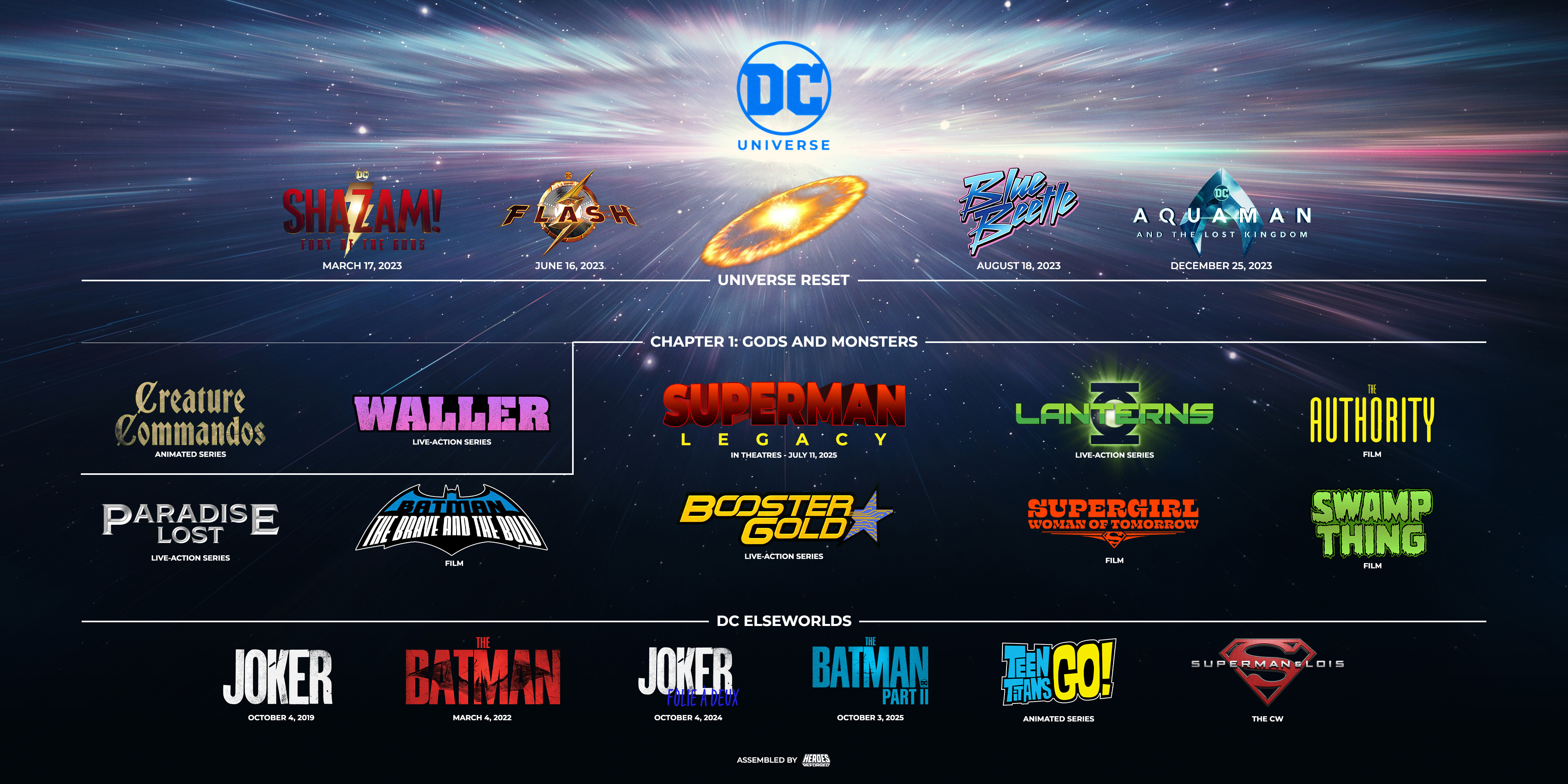
Reaction To The New DCU Announcement

To be frank, it was best to wait a few days after the announcement from DC Studios’ head James Gunn about their new slate of DC Universe (DCU) films and TV shows. The immediate reaction for these types of announcements often run wildly until the news is fully digested. What was interesting about Gunn’s announcement was not the rage from fans of the ending DC Extended Universe (DCEU), but the large collective shrug from most.

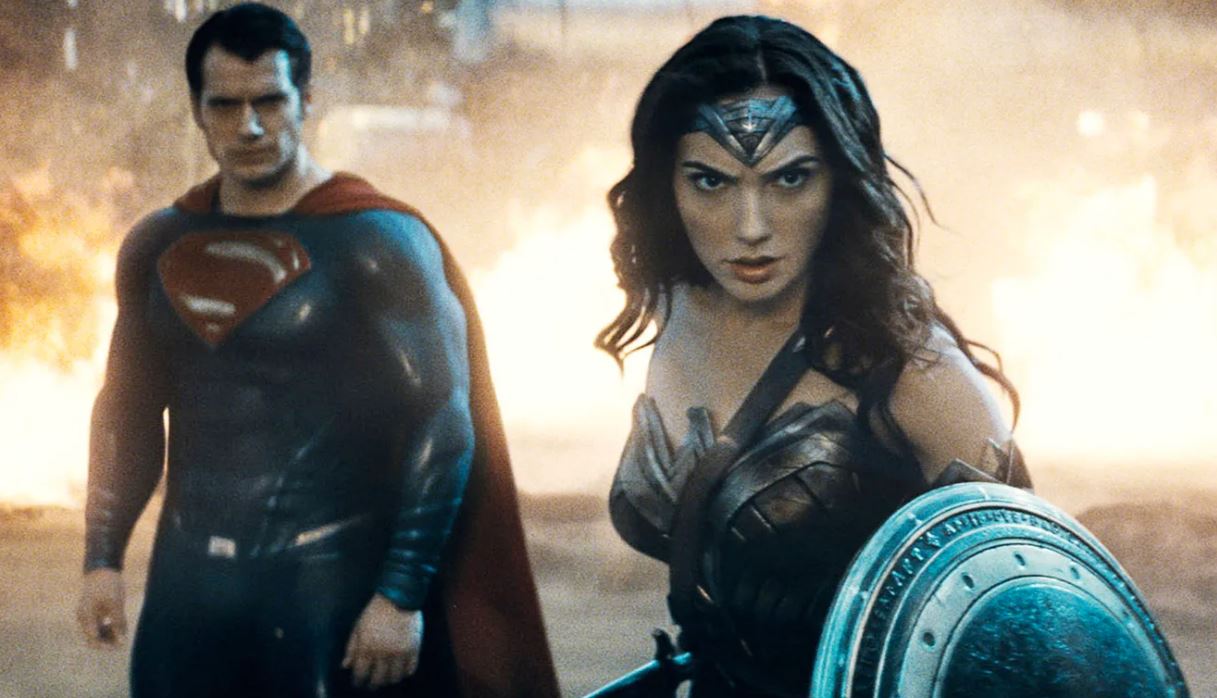
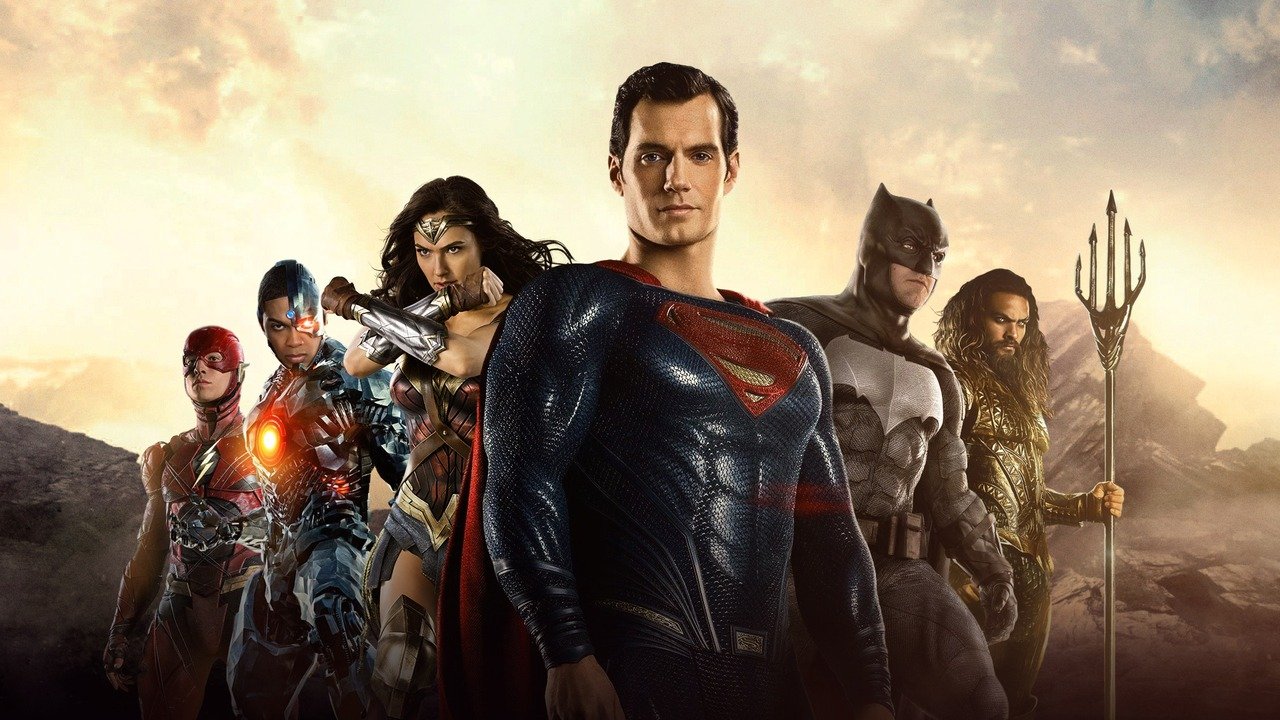
There are many reasons for the various reactions, but the pervailing muted response has to do with the content of the upcoming DCU films and TV shows and that fans have been burned before with the intial announcement of the DCEU. When the first batch of DCEU films were announced last decade there was a lot to get fans super excited, especially with Batman v Superman: Dawn of Justice. Now we know how all that turned out. Some of the films were never made (with The Flash finally premiering later this year), while some released films failed to deliver. Then there is the fact that some of the more well-received aspects of the DCEU, namely actors like Henry Cavill and Gal Godot, will not be a part of the DCU. So, naturally the skepticism and outrage was expected.

But let’s face the truth: the DCEU was a failure. Blame the executives at Warner Bros.. Blame the producers, writers, directors and actors. Blame the unrealistic expectations and toxic fans. But the fact remains that there were too many missed opportunities and that Warner Bros. was too reactionary. Instead of trying to fix what was wrong with the DCEU, the film studios had a scattershot approach to their DC properties. They ignored what worked with the DCEU and doubled down on films and TV shows that featured DC characters, but were not connected to the DCEU. What made things worse for the cinematic universe was that non-DCEU films like Joker and The Batman were huge successes. More and more DC films and TV shows were greenlit that were not part of the DCEU, while the DCEU itself was left behind.

This was a mistake. Warner Bros. have the characters in a shared superhero universe that should have rivaled Marvel Studios and their properties. While this may please Marvel fans, the fact is that Marvel Studios needs healthy competition to keep them on their toes, and we were seeing the effect, as their recent films and TV shows were not as well received as earlier releases.

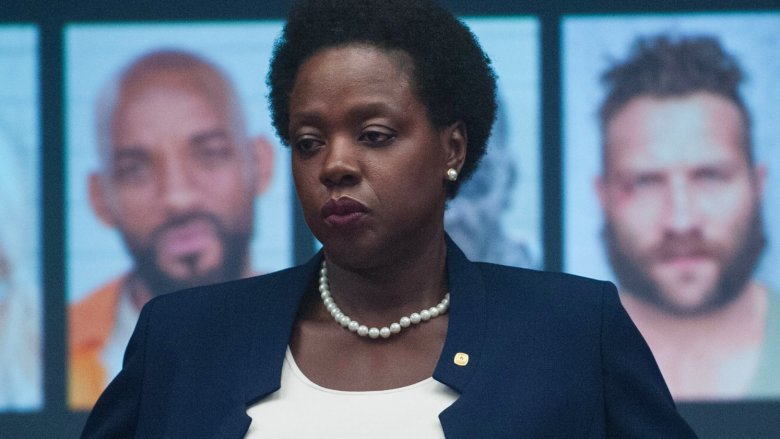
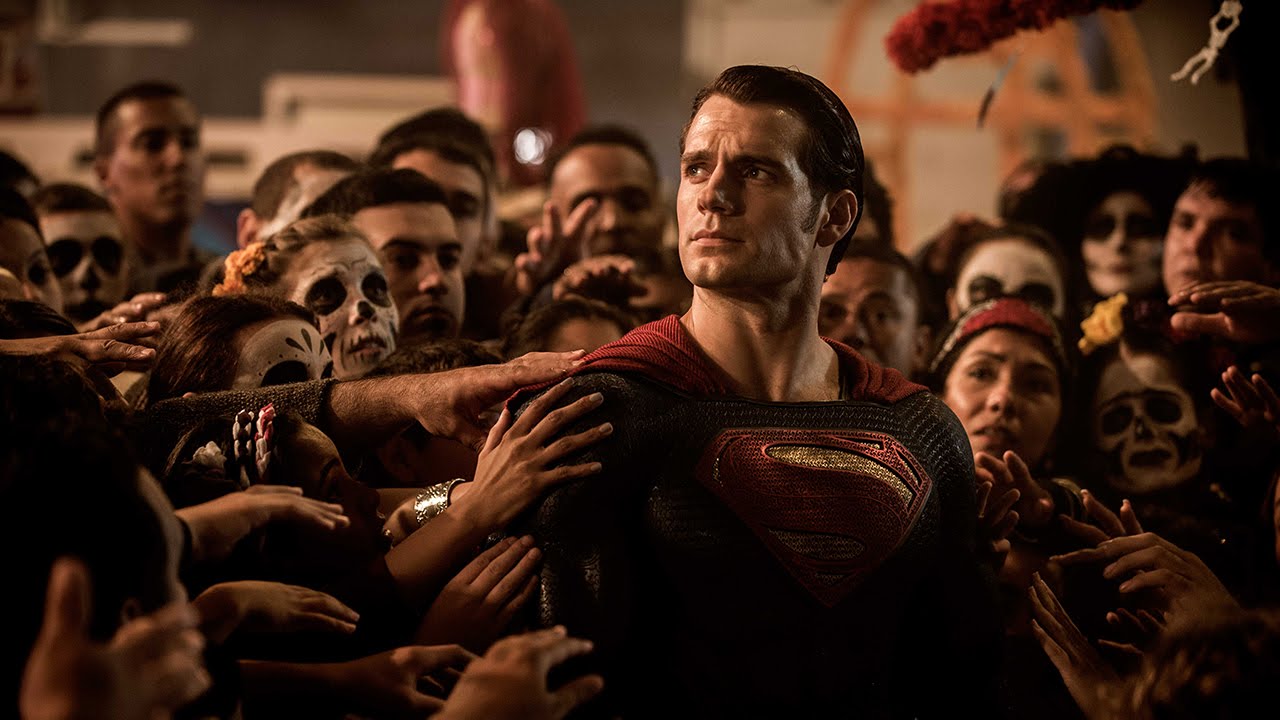
What could have been done to salvage the DCEU? Nothing, at this point. James Gunn took the right approach by starting over. But there should have been a complete reboot. Instead we are getting a TV show about Amanda Waller starring Viola Davis, who was prominent in the DCEU. Then there are reports that other actors from the DCEU like Ezra Miller will be a part of the DCU. Why keep Davis and Miller but not Cavill and Gadot? The latter two actors were very popular and turned in iconic performances as Superman and Wonder Woman. Unfortunately, while they were great in their roles they are too identified with the DCEU and nervous executives probably feared that keeping them in a new cinematic universe would be too confusing for the average moviegoer. Whatever.

On the other hand, to dismiss the DCU without seeing the final product is foolish. James Gunn is a very talented filmmaker who took the obscure Marvel Comics property Guardians of the Galaxy and made them beloved superstars. He also did this to a lesser effect with DC characters in his film The Suicide Squad and TV show Peacemaker.

Do some of the announced films and TV shows sound uninspiring? Sure. Who is clamoring for Waller or The Authority or Paradise Lost (sorry this last announced project seems too much like Game of Thrones)? Who the hell can replace Henry Cavill? Anyone trying to answer this should remember how many fans were attached to Christopher Reeve as Superman or bemoaned about how Brandon Routh was short changed. Who knows, maybe Cavill and Gadot will return at some point. It happened to Routh when he had the opportunity to reprise Superman in the Arrowverse version of Crisis on Infinite Earths. That is one crossover event that is begging to be redone properly by Gunn and his people.

It stinks that we have to wait until 2025 to see the first DCU entry Superman: Legacy, but until then we should be patient and see what happens. We should also be rooting for the DCU to succeed because if it falters like the DCEU then it will be a long time before such effort is made to create a live-action cinematic universe based on the beloved DC characters.

The DCEU: How It Should Have Launched

Whether we’re excited for what James Gunn and Peter Safran have planned for their relaunched films based on DC Comics properties or lamenting the demise of the DC Extended Universe (DCEU), it is clear by now that the DCEU has lost its way.

There are many reasons why the DCEU ultimately faltered and a common factor that many point to has to do with the schedule of its early films and who they were centered on. Many fans have griped that there never was a proper sequel to Man of Steel or that Batman never had a solo film, while other announced films have yet to materialize.

So, could the DCEU have succeeded early on? It is possible and there are many avenues the films could have taken. Some have suggested that the DCEU films should have taken a gradual approach in introducing the heroes before releasing Justice League in the same way Marvel Studios led up to the release of The Avengers. There were many reasons why Warner Bros. did not take this approach with their reps publicly stating they did not want to copy the formula used by Marvel Studios. But if they did try to emulate the formula, how would the DCEU have turned out? Let’s look further.

The first film of the DCEU, Man of Steel, is released in 2013 as it happened in real life. Except, this time the film would have more Easter eggs to a greater DCEU instead of a quick glimpse of a satellite belonging to Bruce Wayne. The film would have a post-credits scene which would show a news montage about the Kryptonian invasion of Earth and the revelation of Superman. As the talking heads would debate about an alien being walking among us, the images would pull back to show they are coming from a TV screen or monitor and we would see that this scene is taking place in the Batcave or in S.T.A.R. Labs.

2015

Instead of waiting until 2016 to release the next DCEU film, Warner Bros. would release two films in 2015. A proper sequel to Man of Steel called Man of Tomorrow, which would be a solo Superman film, and a solo Batman film called The Caped Crusader.

Man of Tomorrow would have been very similar to Batman v Superman: Dawn of Justice except that Lex Luthor would have been recast and Batman/Bruce Wayne would only make brief appearances. He never would have fought or even met Superman. That opening in Batman v Superman: Dawn of Justice where Bruce Wayne personally witnesses the destruction in Metropolis from Superman’s fight with the Kryptonians would swap out Wayne with Luthor. This gives Luthor more of a reason to hate Superman because he saw firsthand the danger of this superpowered alien. The rest of the film would have explored the ramifications of Superman’s presence in the world with Luthor trying to discredit him. The film could have had references to other DC heroes who at this time are operating in the shadows or have not become superheroes yet.

Like Batman v Superman: Dawn of Justice, Man of Tomorrow would have concluded with Superman confronting by himself a genetic monstrosity that Luthor created but instead of Doomsday it would have been an evil Superman clone, who we would know was a malevolent version of Bizarro. The film would include two post-credits scenes. One would show that Luthor had created another genetic opponent for Superman that was locked up. This creature would have been revealed to be Doomsday. The other scene would take place in another world and reveal that the recent superhuman activities have caught the attention of Darkseid.

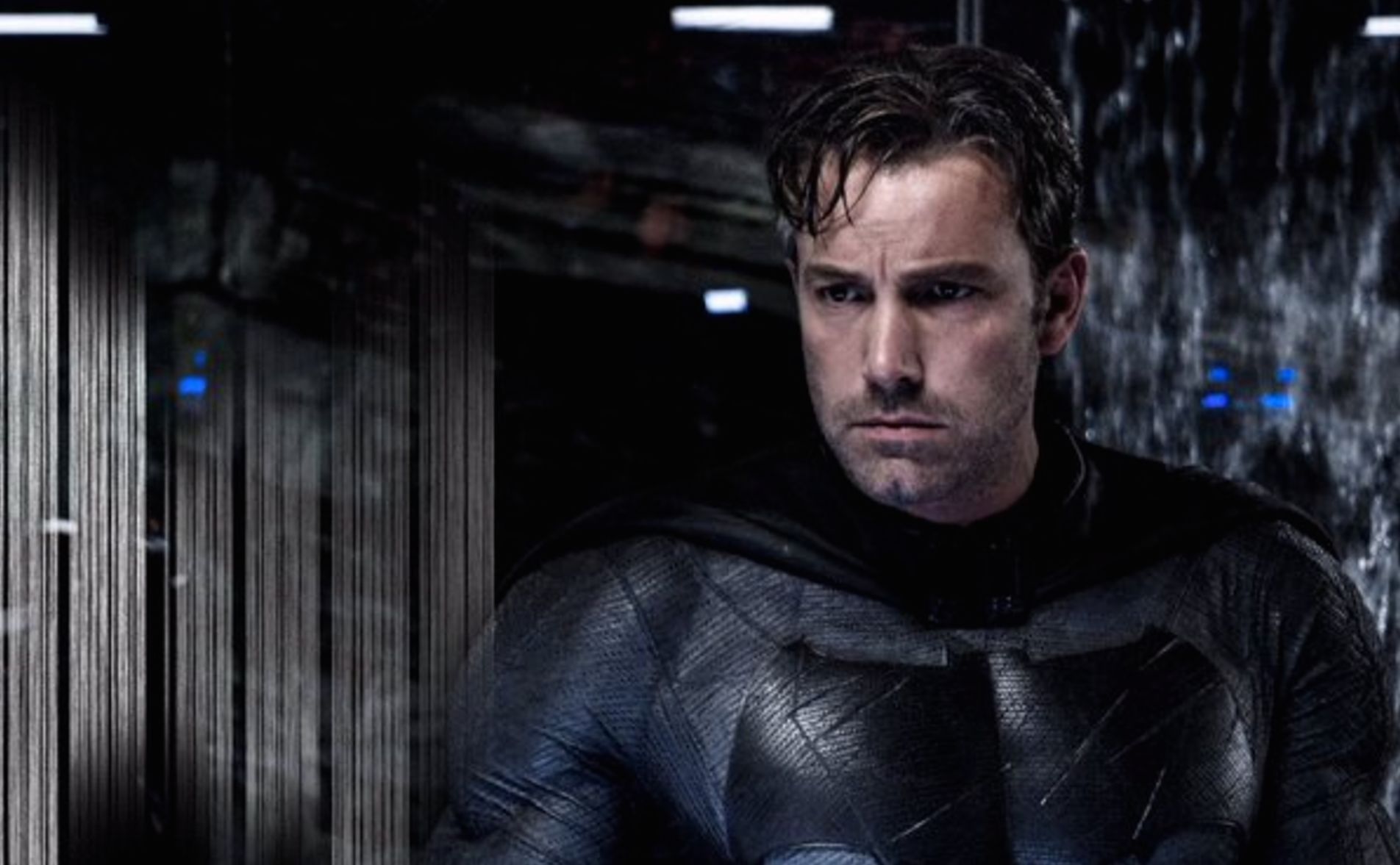
The Caped Crusader film would be a proper solo film for Batman and it would have shown Batman to be coming out of semi-retirement. It also would have shown that Batman is largely considered to be an urban myth but by the end of the film, Batman would be revealed to be an actual person who fights crime. The Joker would not appear in the film or even be hinted at. Instead the villain would be Deathstroke as The Caped Crusader would have been based on Ben Affleck’s script for the scrapped Batman solo film where Deathstroke blamed Batman for the death of his son and tried to get revenge on Batman. As with Man of Tomorrow, the Batman film would have had references to the greater DCEU and possibly featured Superman in a cameo, probably as part of a newscast. It possibly could have introduced Diana Prince as a mysterious and potential love interest for Wayne. The film also would have post-credits scenes that set up a sequel and have Prince revealed to be Wonder Woman.

Continue reading